❌

Lees weergave

AirPods 5 vs. AirPods 5 With Wireless Charging Case Buyer's Guide

Apple offers two versions of the AirPods 5: a $129 model with a USB-C Charging Case and a $149 model with a Wireless Charging Case. The extra $20 also buys longer battery life, swipe volume controls, and additional Find My features, so there are differences between the earbuds themselves as well as their cases.
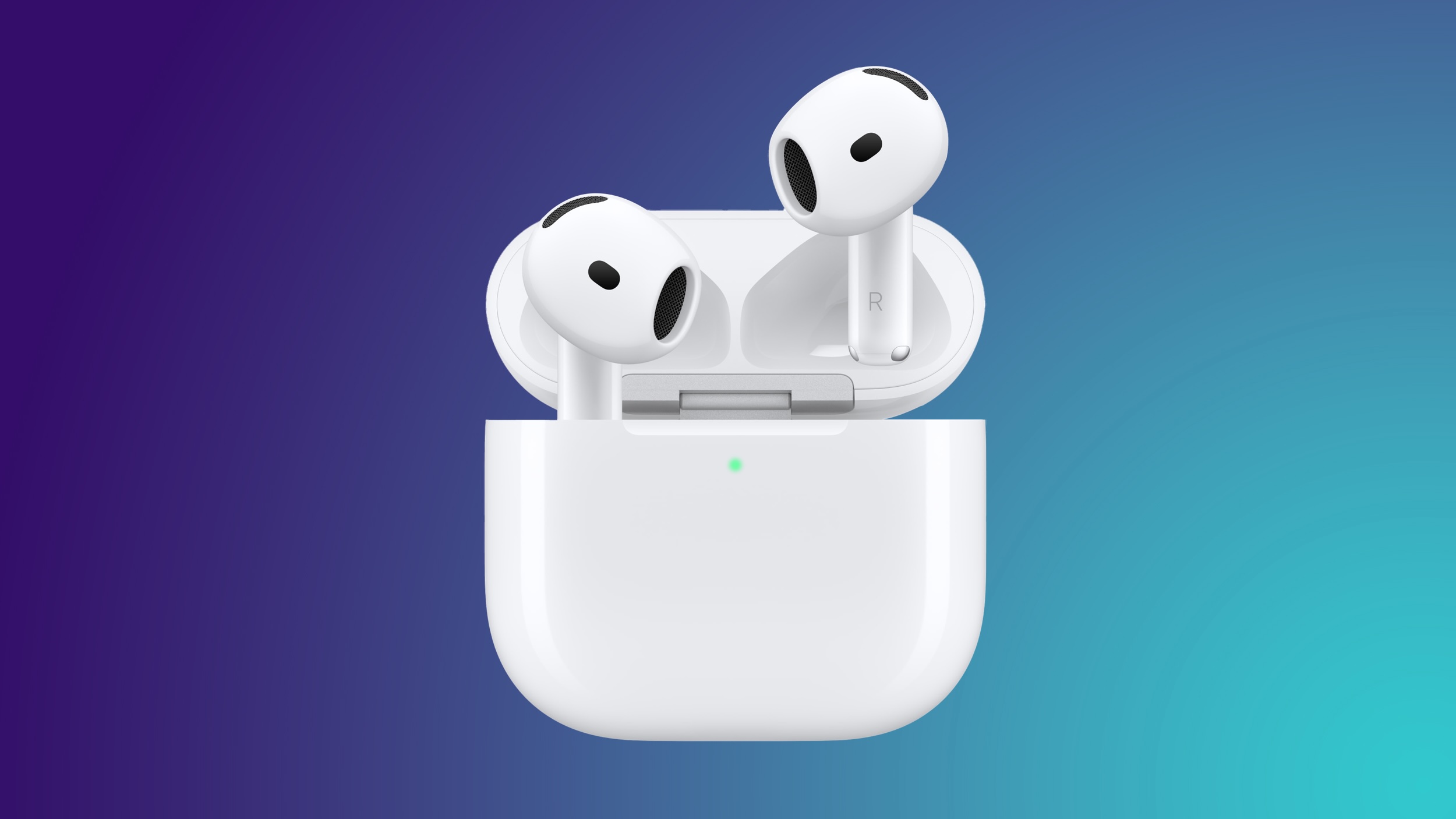

Both models include Active Noise Cancellation as standard, the H2 chip, the same open-ear design, and the same redesigned acoustic architecture with updated Adaptive EQ. They also share Transparency mode, Adaptive Audio, Conversation Awareness, Personalized Spatial Audio, Voice Isolation, studio-quality audio recording, and IP57 dust, sweat, and water resistance. Both support Live Translation when paired with a compatible iPhone with Apple Intelligence enabled, in supported languages and regions.

The earbuds have identical dimensions and weight. The cases are also the same size, although the Wireless Charging Case is slightly heavier. There are still some notable differences to justify the price difference. Our guide helps to answer the question of how to decide which of these sets of AirPods is best for you.


AirPods 5 AirPods 5 With Wireless Charging Case
Force sensor Force sensor with swipe volume controls
Up to four hours of listening time on a single charge with Active Noise Cancellation enabled (up to six hours with noise control off) Up to five hours of listening time on a single charge with Active Noise Cancellation enabled (up to seven hours with noise control off)
Up to 20 hours of listening time with the charging case with Active Noise Cancellation enabled Up to 22 hours of listening time with the charging case with Active Noise Cancellation enabled
Charging Case (USB-C) Wireless Charging Case (USB-C) with support for the Apple Watch charger and Qi-certified chargers
Case speaker for Find My and charging and battery status sounds
Find My with last-connected location and sound playback on the earbuds Find My network tracking, sound playback on the earbuds, separate locations for each earbud and the case, and individual Lost Mode support
Charging case weighs 32.3 grams (1.14 ounces) Charging case weighs 34.7 grams (1.22 ounces)
$129 $149


For most people, the AirPods 5 with Wireless Charging Case are clearly the better buy. The extra $20 is a very small premium for conveniences you are likely to appreciate if you use your AirPods regularly. Longer listening time is useful for travel and extended sessions, while swipe volume controls let you make adjustments without reaching for your iPhone or asking Siri.

The higher-end model is worth considering even if you plan to charge exclusively over USB-C. Wireless charging becomes more useful if you already have a Qi charger or Apple Watch charger. Its additional Find My features are valuable if you tend to misplace your AirPods, allowing you to locate the earbuds and case separately and use the Find My network when they are beyond your device's range. The case speaker also helps when it slips between cushions or gets buried in a bag.

The standard AirPods 5 make more sense if you are on a very strict budget, want a secondary pair, or mostly listen for short periods. You still get the same audio technology and noise cancellation, so saving $20 does not mean compromising on those core features. You simply need to be comfortable with USB-C charging, shorter battery life, fewer controls, and more limited Find My functionality.

The charging cases are not interchangeable between the two models. If you buy the standard AirPods 5, you cannot add wireless charging later by purchasing the other model's case, making it worth deciding which features you want before buying.

Before buying, compare prices using our Deals roundup, since discounts can change the price gap between the two models.

If you're considering an upgrade from AirPods 4 or want to see what changed between generations, our AirPods 4 vs. AirPods 5 Buyer's Guide compares the improvements and explains whether upgrading is worthwhile.
Related Roundup: AirPods 5
Buyer's Guide: AirPods (Buy Now)
Related Forum: AirPods

This article, "AirPods 5 vs. AirPods 5 With Wireless Charging Case Buyer's Guide" first appeared on MacRumors.com

Discuss this article in our forums

  •  

Apple's All-New Home Hub Will Be Revealed October 13: What to Expect

Apple reportedly plans to unveil an all-new smart home hub as part of the "Welcome home" product launch it announced for Tuesday, October 13.


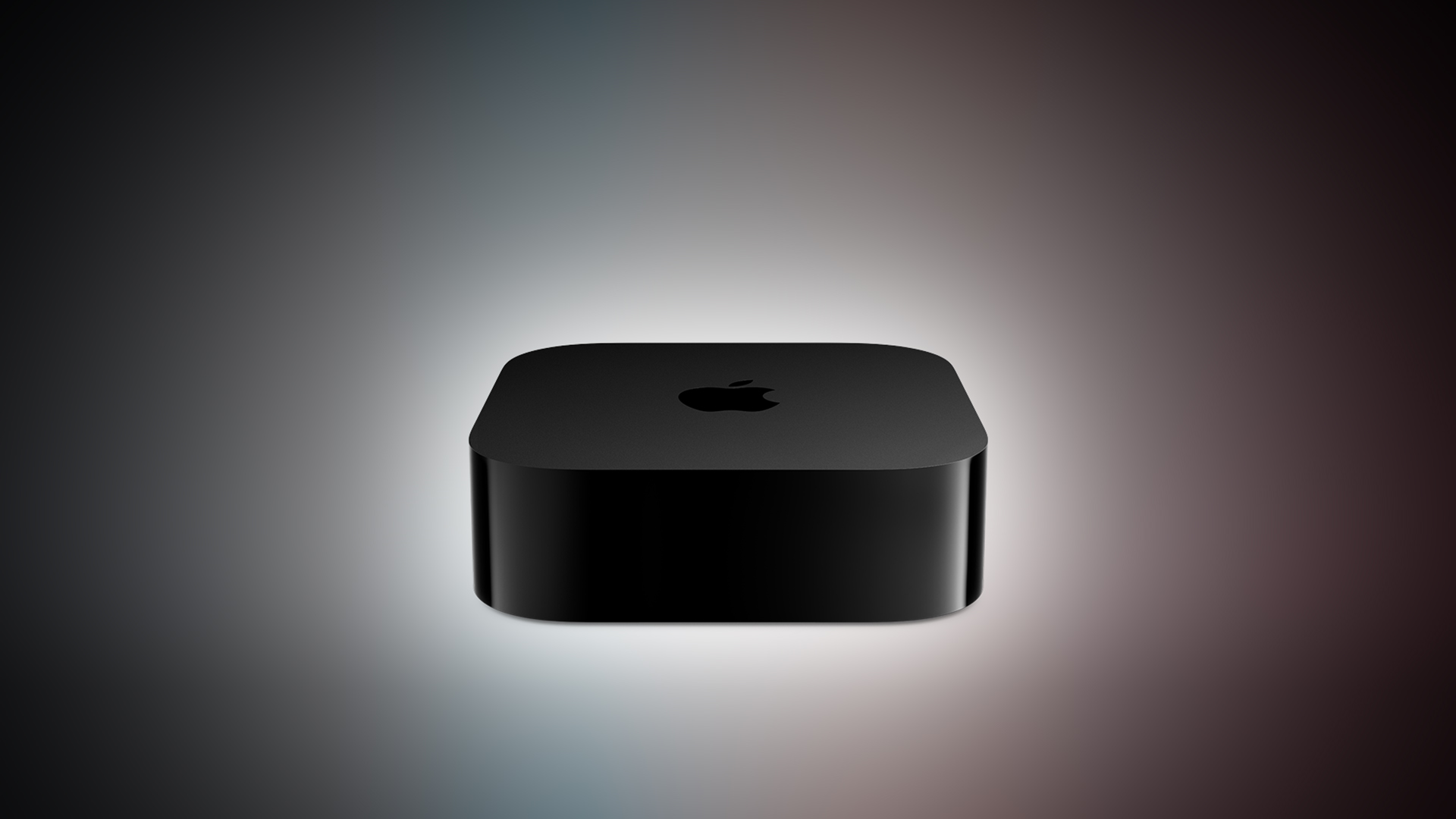
Our image above is just a rough concept based on rumored design details, so be prepared for the device's actual appearance to be different.

The device will likely be unveiled in a press release shared on the Apple Newsroom website at around 9 a.m. Eastern Time on Tuesday, as that is when Apple's private "Welcome home" experience in New York begins. At the experience, invited reporters and content creators will likely receive hands-on time with the home hub.

The hub is said to be designed for managing smart home accessories in the Apple Home app, home security monitoring, digital photo galleries, calendar appointments, music playback, FaceTime video calls, and more. As a user approaches the hub, or moves away from it, the size of the interface elements will reportedly adjust.

The device will be ideal for the kitchen, bedroom, and living room, and it will reportedly have multi-user support for families.

The hub reportedly has a 6-inch square display, and an A18 chip or newer for Apple Intelligence, with Siri AI expected to be a tentpole feature. A new operating system β€”Β potentially named "homeOS" β€”Β will feature clock faces, widgets, and more. There will be a tabletop version of the hub with a speaker base, plus a wall-mounted version.

Some of the preinstalled Apple apps that will apparently be available on the new platform include Calendar, Camera, Apple Music, Apple Podcasts, Apple News, Reminders, Notes, and the new Siri app with Siri AI conversation history. Do not expect third-party apps at launch, though, as the device reportedly lacks an App Store.

The device is often referred to as a "HomePad" in rumors because of expectations that it will be sort of a HomePod-iPad hybrid, but perhaps Apple will opt for a straightforward "Apple Home" name, or perhaps it will go with "HomeView" based on trademark filings that are potentially linked to the company. We will soon find out.
This article, "Apple's All-New Home Hub Will Be Revealed October 13: What to Expect" first appeared on MacRumors.com

Discuss this article in our forums

  •  

Accessory Deals This Weekend: Save on TVs, Headphones, and Smart Home Gear

We've been keeping an eye on all of the Prime Day deals that remain available since the event ended a few days ago, and this weekend that includes numerous tech accessories still at solid low prices. In this article we're tracking deals on accessories for charging, smart homes, smartphones, and more.

TVs and Monitors


Note: MacRumors is an affiliate partner with some of these vendors. When you click a link and make a purchase, we may receive a small payment, which helps us keep the site running.
Chargers


Audio


Cases


Home


Screen Protectors


Mac


If you're on the hunt for more discounts, be sure to visit our Apple Deals roundup where we recap the best Apple-related bargains of the past week.


Deals Newsletter


Interested in hearing more about the best deals you can find in 2026? Sign up for our Deals Newsletter and we'll keep you updated so you don't miss the biggest deals of the season!


Related Roundup: Apple Deals

This article, "Accessory Deals This Weekend: Save on TVs, Headphones, and Smart Home Gear" first appeared on MacRumors.com

Discuss this article in our forums

  •  

Apple Announcing HomePod Mini 2 Next Week With These New Features

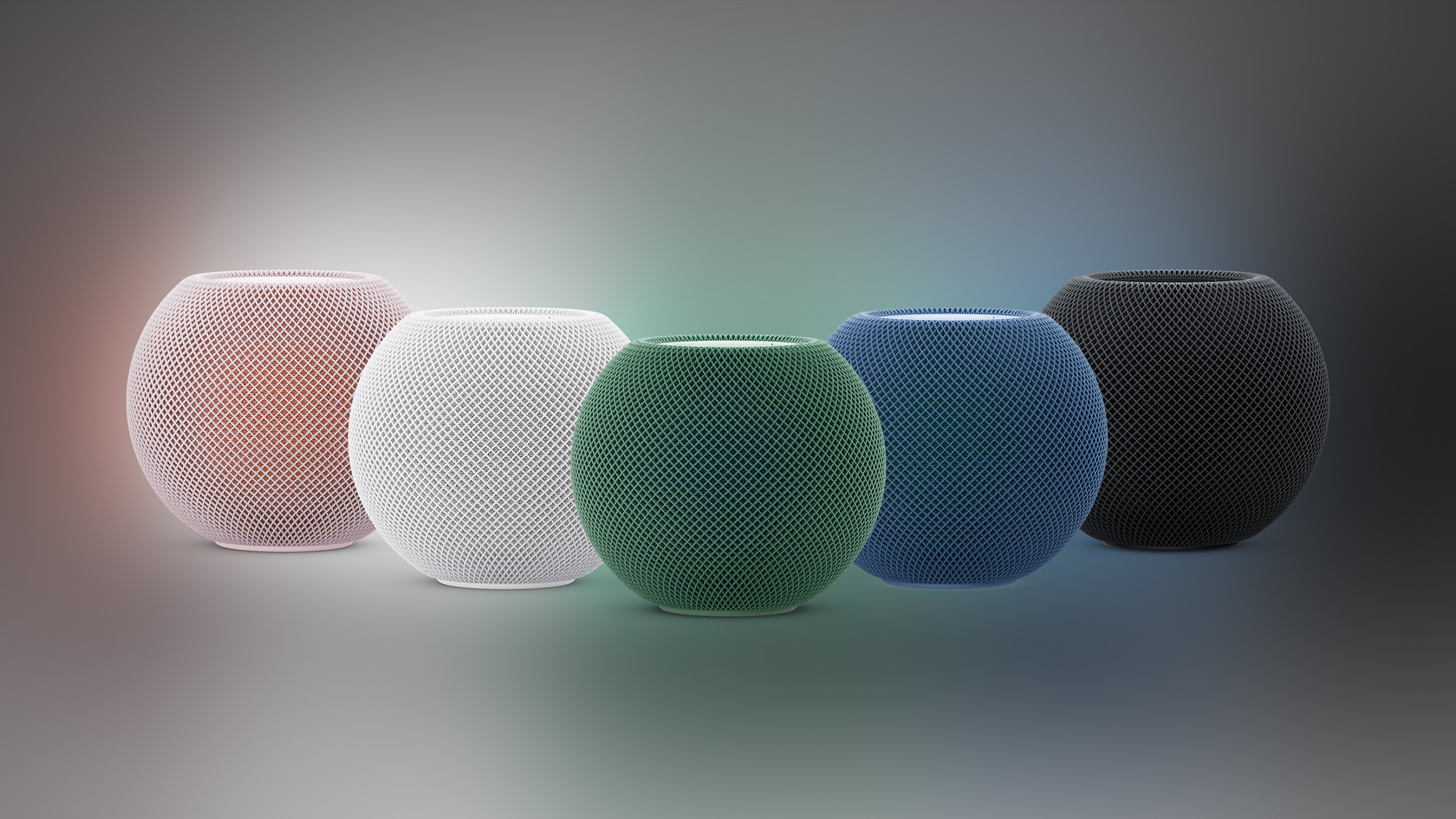
Apple reportedly plans to unveil a new HomePod mini as part of the "Welcome home" experience it announced for Tuesday, October 13. We expect the new HomePod mini to be announced in a press release shared on the Apple Newsroom website at around 9 a.m. Eastern Time on that day, and hands-on photos and videos should surface shortly afterwards.


The second-generation HomePod mini is rumored to feature a newer chip that enables Siri AI support (at least with a nearby iPhone), along with improved sound quality, Apple's N1 chip with Wi-Fi 7 support, a second-generation Ultra Wideband chip, and new color options, including pink and green. No major design changes are expected.

Coincidentally, the original HomePod mini also debuted on October 13 back in 2020, so there has been a six-year wait for a new model. The current HomePod mini is powered by the S5 chip that debuted in the Apple Watch Series 5 in 2019.

In June, the HomePod mini received a price increase. In the U.S., it now costs $129, up from $99.
Related Roundup: HomePod mini

This article, "Apple Announcing HomePod Mini 2 Next Week With These New Features" first appeared on MacRumors.com

Discuss this article in our forums

  •  

A New Apple TV 4K is Finally Coming on Tuesday

After a nearly four-year wait, a new Apple TV is finally expected to be announced as part of Apple's "Welcome home" launch on Tuesday, October 13.


We expect the new Apple TV to be announced in a press release shared on the Apple Newsroom website on Tuesday, and then selected reporters and content creators invited to Apple's "Welcome home" experience in New York that day will likely share hands-on photos and videos of the device. The experience begins at 9 a.m. Eastern Time.

The fourth-generation Apple TV 4K is rumored to be equipped with an A19 or A19 Pro chip. This chip upgrade would result in the Apple TV having 8GB to 12GB of RAM, and this will reportedly enable Siri AI support on the device. The current Apple TV, announced in October 2022, has an A15 Bionic chip and 4GB of RAM.

The new model is also expected to be equipped with Apple's N1 chip with support for Wi-Fi 7, which would enable faster speeds and lower latency compared to the current Apple TV's Wi-Fi 6, when the device is used with a Wi-Fi 7 router. The N1 chip also supports Bluetooth 6.0, whereas the current Apple TV supports Bluetooth 5.0.

A leaked image of the new Apple TV did not reveal any external design changes compared to the current model. However, the accompanying Siri Remote is expected to be revised in some way, as a new version was referenced in Apple's software code.

In June, the Apple TV 4K received a price increase amid surging memory chip costs. In the U.S., for example, the device now starts at $199, up from $129.
Related Roundup: Apple TV
Buyer's Guide: Apple TV (Don't Buy)

This article, "A New Apple TV 4K is Finally Coming on Tuesday" first appeared on MacRumors.com

Discuss this article in our forums

  •  

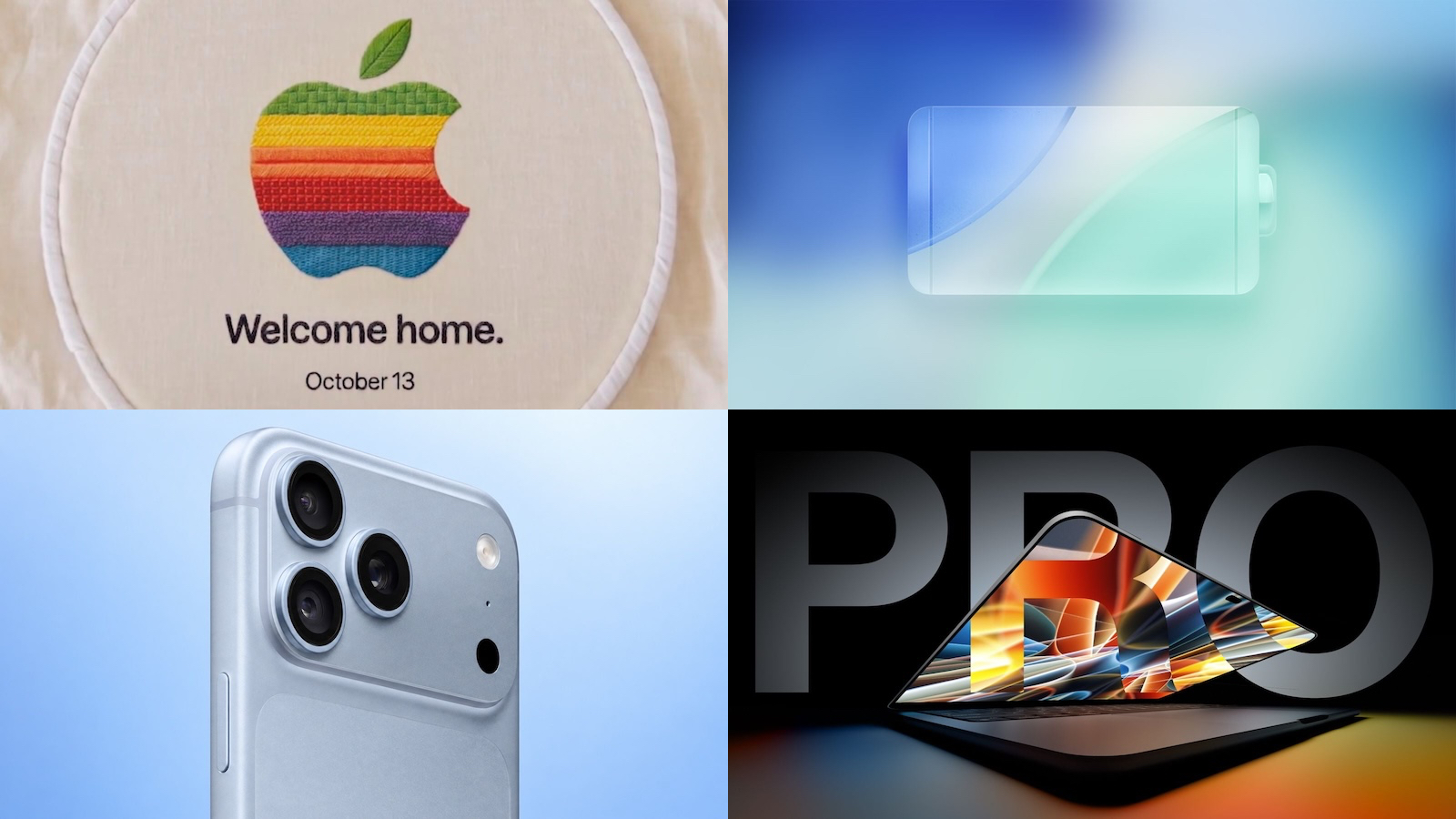
Top Stories: Apple's 'Welcome Home' Launch on October 13 and More

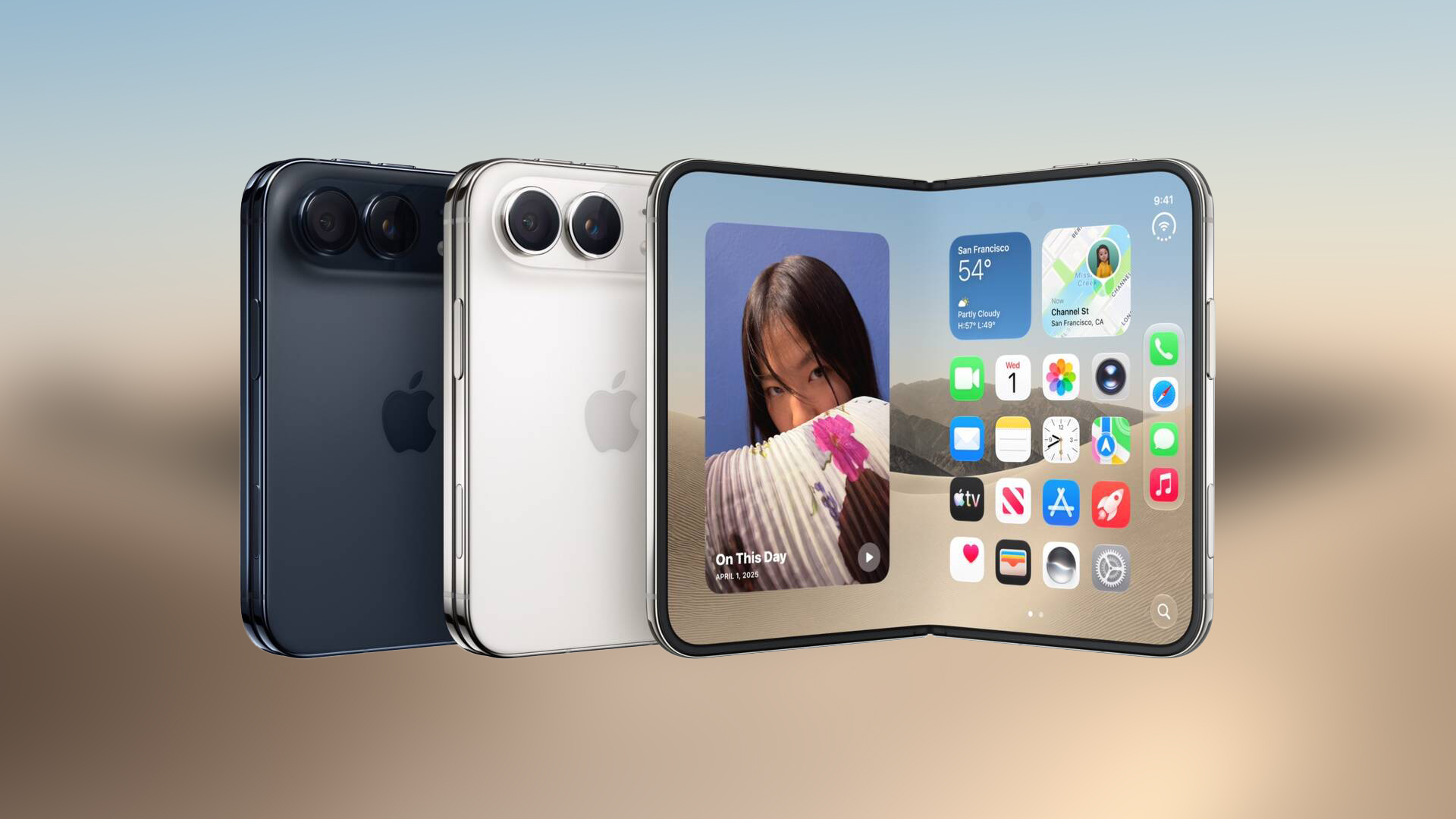
Following the usual September rush of Apple news, it looks like October is also about ready to explode, with not just one but two rounds of Apple product debuts this month sandwiched around the iPhone Duo launch.


A first launch on October 13 has been confirmed by Apple and will clearly be focused on the home as has been rumored, while it appears a second round a couple of weeks later will focus on new Macs and perhaps a few more things still in Apple's pipeline, so read on below for all of the details on these stories and more!

Top Stories


Apple Product Launch Announced for October 13: 'Welcome Home'


Apple has announced an upcoming product launch that will take place on Tuesday, October 13. It looks like it will arrive as a batch of press releases, with select members of the media getting hands-on time with the new products at an "Apple Experience" in New York City at 9:00 a.m. Eastern Time that day.


We are expecting Apple's announcement to focus on new smart home products, including the long-rumored smart home hub, a new Apple TV 4K, and a refreshed HomePod mini.

iPhone Duo pre-orders also begin next week, and even that might not be all for the month of October as MacRumors has heard there may be another set of product launches in the final week of the month and Bloomberg has corroborated the rumor. We're still expecting updates for several Mac models that would likely come in the final wave, as well as a new iPad mini.

Three Years of 80% Charge Limits on iPhone: The Results


Since 2023, Apple's newer iPhones have had an optional 80 percent charge limit for those who want to extend battery lifespan. Charging to 80 percent instead of 100 percent is supposed to put less stress on the battery, improving longevity.


For the last three years, MacRumors managing editor Juli Clover has used that setting on her iPhones, starting with the iPhone 15 Pro Max, then the iPhone 16 Pro Max, and most recently, the iPhone 17 Pro Max.

After 12 months at an 80 percent maximum charge, her iPhone 17 Pro Max is at 97 percent maximum capacity with a cycle count of 277, which is pretty good, but we want to know how that compares to other users who have used different charging strategies, so please share yours in the discussion thread!

Apple Says iPhone 18 Pro Max Users With AT&T Cellular Issue Need to Have Device Replaced


Since the launch of the iPhone 18 Pro and iPhone 18 Pro Max last month, a number of U.S. customers with the Pro Max model on AT&T have run into issues with their devices losing cellular service and no way to fix the issue.


AT&T last week sent out text messages to iPhone 18 Pro Max users urging them to update "immediately" to iOS 27.0.1, which was released by Apple on September 28. While that update does not fix the service issues for affected users, it will apparently help keep the issue from impacting devices that have yet to run into problems.

Apple and AT&T have not shared details on exactly what the issue is or what caused it, but it's significant enough that affected devices have to be replaced. Notably, iPhone 18 Pro Max models sold in the United States are the only ones in the iPhone 18 Pro family to still use a Qualcomm cellular modem rather than Apple's own C2 modem, but it's unclear if that is related to the issue.

MacBook Pro With OLED Display Rumored to Be 'Significantly Lighter'


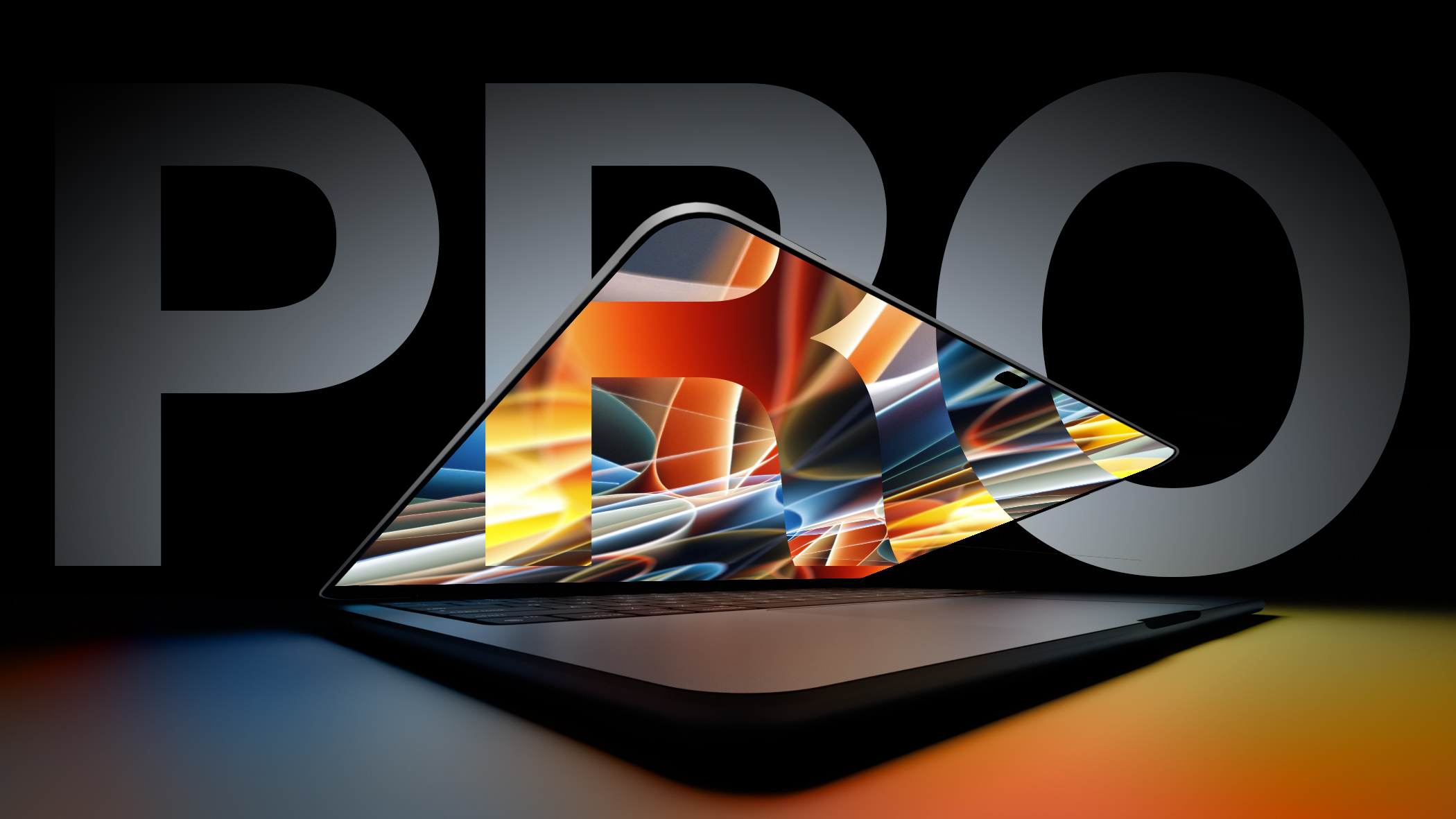
One of the Mac updates we're expecting to see as part of a reported October 27 launch is the long-rumored high-end MacBook with a touchscreen OLED display.


Notably, Bloomberg's Mark Gurman says that these machines will be "significantly lighter" than the current MacBook Pro models, though they won't be much thinner.

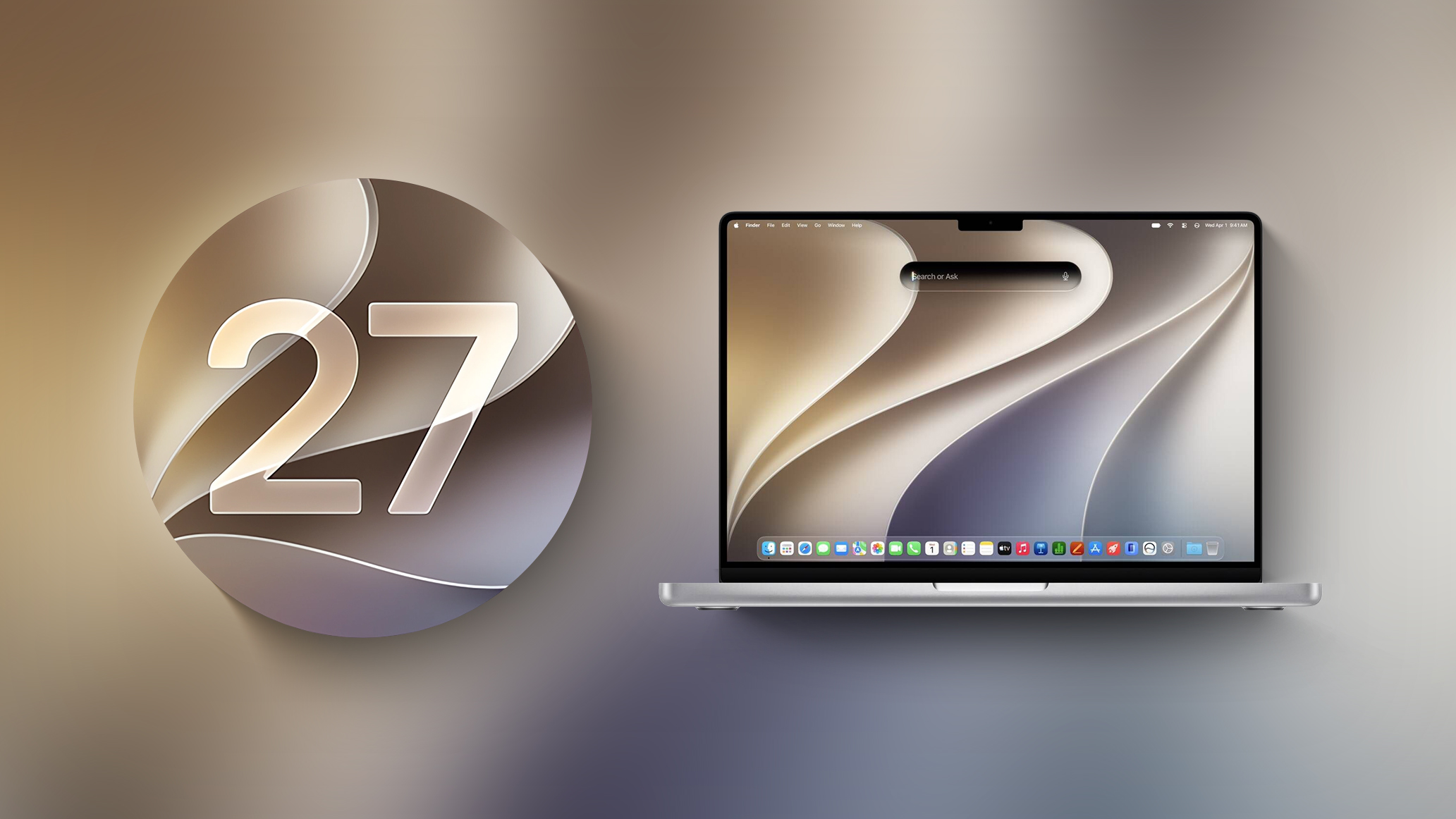
We're continuing to see evidence of the upcoming touch capabilities for these machines, with the latest beta of macOS 27.2 adding a new animation when long pressing on Dock icons that's similar to what's seen on touch-based operating systems like iOS and iPadOS, plus code for a number of new touch-specific gestures.

LG Making Doorbell, Lock, and Cameras for Apple's Home Hub


In a bit of an unusual development, Apple will be partnering with LG for its upcoming smart home push set to be unveiled on Tuesday, with the two companies working together on accessories that will be released under the LG brand rather than as Apple-branded products.


Products like doorbells, smart locks, and cameras will be included in the lineup, and regulatory documents and leaked code have already provided glimpses of some of the products. While the products are being released by LG, the collaboration with Apple will give them tighter integration and simpler setup within the Apple ecosystem.

Apple Announces 'Full Disk Access' Changes on macOS Due to AI Agents


In a post on its developer news website late last week, Apple announced that it will be introducing "additional controls" for the "Full Disk Access" setting on macOS due to new risks posed by AI agents. This comes amid the rise of always-on AI agents like Meta's Muse and OpenAI's Dots, which have prompted privacy concerns.


"Some developers are using Full Disk Access in ways that could put users at risk, exposing everything on their systemsβ€”including files, mail, messages, and even browsing historyβ€”without users' full knowledge and understanding," said Apple.

"As AI agents become increasingly capable and autonomous, the risks associated with this level of access will grow substantially," it added.

MacRumors Newsletter


Each week, we publish an email newsletter like this highlighting the top Apple stories, making it a great way to get a bite-sized recap of the week hitting all of the major topics we've covered and tying together related stories for a big-picture view.

So if you want to have top stories like the above recap delivered to your email inbox each week, subscribe to our newsletter!
This article, "Top Stories: Apple's 'Welcome Home' Launch on October 13 and More" first appeared on MacRumors.com

Discuss this article in our forums

  •  

Apple Stores Will Add Your Name to iPhone Duo's Startup Screen

Apple has something special planned for customers who purchase an iPhone Duo in an Apple Store. Employees will be able to customize the Duo so it displays the name of the buyer at the "Hello" screen when it turns on for the first time.


Bloomberg's Mark Gurman says Apple retail stores in the United States will have a personalization system for adding the buyer's name to an β€ŒiPhone Duoβ€Œ, with English and Spanish language options.

Fun little touch for the iPhone Duo launch: Apple retail stores will have a system to customize the boot of the device with the buyer's name so it says "Hello, Mark" (for example) when it turns on for the first time. (US only, Duo only, English and Spanish).

β€” Mark Gurman (@markgurman) October 9, 2026


Presumably, the name option will be available for devices ordered for in-store pickup and devices purchased in person.

The β€ŒiPhone Duoβ€Œ will be available for pre-order starting on October 16 at 5 a.m. Pacific Time, and it will launch on October 23. Pricing starts at $1,999.
Related Roundup: iPhone Duo
Related Forum: iPhone

This article, "Apple Stores Will Add Your Name to iPhone Duo's Startup Screen" first appeared on MacRumors.com

Discuss this article in our forums

  •  

SpaceX Inches Closer to Becoming a U.S. Carrier

SpaceX this week announced two developments that further its goal of becoming a major U.S. carrier to compete with AT&T, Verizon, and T-Mobile.


It is acquiring a low-band spectrum license portfolio in the 800MHz band, which it says addresses one of the "remaining technical gaps" that will let it to compete with other carriers. Most smartphones already support the 800MHz band SpaceX is buying.

The FCC approved the Starlink Mobile Gen2 constellation application, letting SpaceX launch 15,000 satellites optimized for 2GHz spectrum globally. The company says the Starlink Mobile satellites will "deliver more than 100 times the bandwidth" of the current generation. The FCC also issued SpaceX a waiver permitting the company to offer wireless service through its satellites without a spectrum leasing agreement with a terrestrial carrier.

After receiving final FCC approval for the new spectrum purchase, SpaceX will combine its satellites with an "advanced terrestrial deployment" to connect devices everywhere. SpaceX says the 2GHz mid-band spectrum will offer high-bandwidth capacity in the U.S., while the new low-band spectrum will allow Starlink's signal to penetrate through obstacles like walls.

SpaceX plans to be the first network operator to deploy satellite and terrestrial spectrum. It says it will offer a single network with "a reliable service indoors, outdoors, in cellular dead zones, and everywhere in between."

SpaceX already powers T-Mobile's satellite feature, but T-Mobile recently removed SpaceX branding from its website after finalizing a joint satellite venture with AT&T and Verizon. SpaceX's Starlink Mobile announcement caused shares of AT&T, Verizon, and T-Mobile to drop, with Verizon seeing its worst one-day fall since 2002.
This article, "SpaceX Inches Closer to Becoming a U.S. Carrier" first appeared on MacRumors.com

Discuss this article in our forums

  •  
❌