Lees weergave

OpenAI President on Apple Lawsuit: We Don't Need Your Secrets

OpenAI president Greg Brockman recently did an interview with Joanna Stern, where he commented on the lawsuit OpenAI is facing from Apple and talked about OpenAI's product plans.


Brockman reiterated what OpenAI has already said on the record, stating that the company is "plenty innovative" and uninterested in other companies' trade secrets.
I would say that we have no interest in other companies' trade secrets. We are plenty innovative. We are thinking about things from our own angle. And so that's how we operate and that's what we do.

He also said OpenAI is working on its own long-term product plans.
It's active litigation, so not something that I want to talk about, but all I can say is we're very committed to a long-term roadmap here and that we are focused on our own development and technology. That's what we're interested in.

Apple accused OpenAI of a months-long scheme to steal confidential Apple information from Apple employees interviewing with OpenAI. Apple said OpenAI has created a culture of hardware theft, and that its hardware business is "rotten to the core" because the hardware it's building relies on info stolen from Apple. OpenAI's products are being developed with former Apple designer Jony Ive, though Ive wasn't named in the lawsuit.

Brockman declined to say when OpenAI's first hardware devices will come out, but he said people should "expect them soon." Rumors suggest OpenAI's first product will be a mobile smart speaker without a display, and it has been described as a "humanlike AI companion" designed for home use. He further said OpenAI is working on a "family of devices" and is building its own chips. OpenAI wants to offer "value over time" and deliver on a device that's "built for the AI era" and "maximally useful."

He had ChatGPT answer a question about what OpenAI's first AI device would look like.
My take, something ambient and low friction, voice first but not voice only and with a clear privacy signal.

ChatGPT also answered whether the company's first device would need a screen, and it said "nope."

People haven't been thrilled with the recent merging of ChatGPT and Codex, and Brockman acknowledged that the app is "kind of a mess." He described the current app as "incremental progress towards the future," and said the separate Work tab should be gone by the end of the year, with everything molding into ChatGPT.

Brockman's full interview, which goes into more detail on ChatGPT's future, OpenAI's hardware work, and the company's ambitions, can be watched on YouTube.
This article, "OpenAI President on Apple Lawsuit: We Don't Need Your Secrets" first appeared on MacRumors.com

Discuss this article in our forums
  •  

Apple Begins Selling Refurbished Studio Display XDR

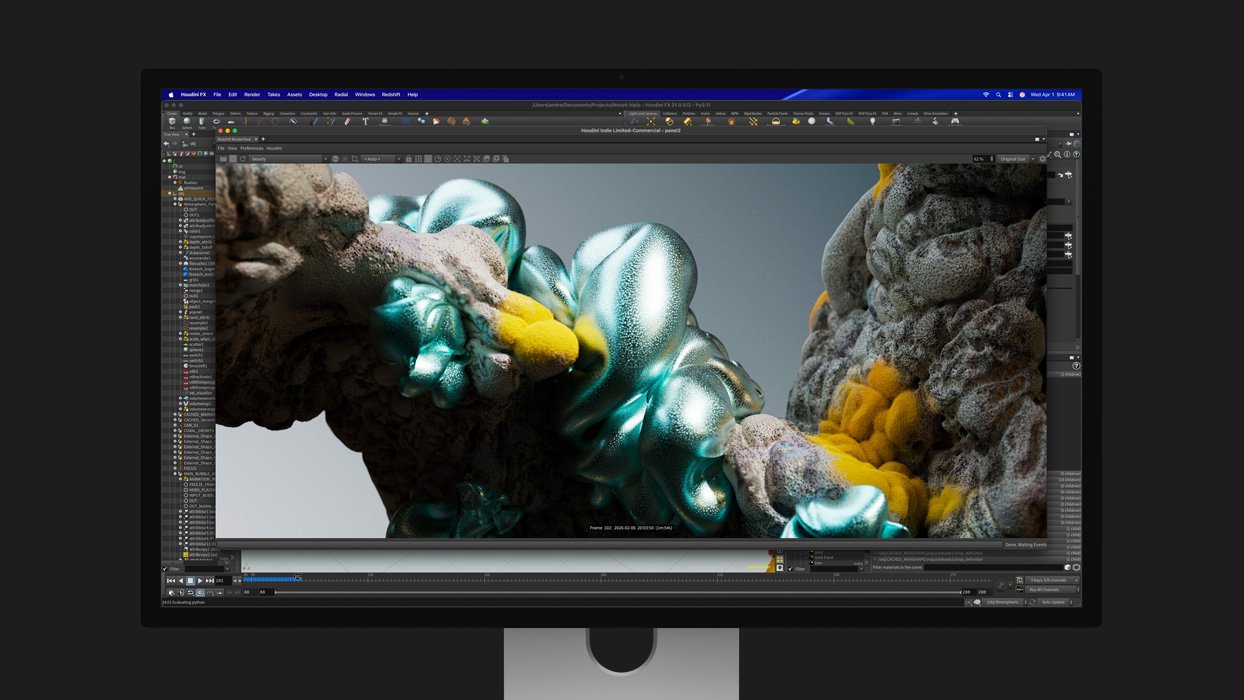
Apple this month began selling certified refurbished Studio Display XDR models in the U.S. for the first time since the display was released in March. Availability extends to Australia, New Zealand, Canada, Japan, and select other countries.


A refurbished Studio Display XDR with a VESA mount adapter and standard glass is priced at $2,459, down from $2,899 for the equivalent new configuration. This amounts to a 15% discount, which is typical for Apple's refurbished products.

A refurbished model with a tilt- and height-adjustable stand and standard glass is priced at $2,799, down from $3,299, which is likewise a 15% discount.

Refurbished models with nano-texture glass are also available at a discount.

Apple says it puts refurbished products through "full functionality testing" and a "thorough cleaning process and inspection," and they are covered by Apple's one-year limited warranty and eligible for extended AppleCare+ coverage. In our view, Apple's own refurbished devices are virtually indistinguishable from brand-new devices.

The refurbished models come in a plain white box with a Thunderbolt 5 Pro cable.

The Studio Display XDR features a 27-inch screen with mini-LED backlighting, 5K resolution, peak brightness of 2,000 nits for HDR content, and up to a 120Hz refresh rate. The display has a 12-megapixel Center Stage camera, six speakers, two Thunderbolt 5 ports with one providing up to 140W pass-through charging, and two USB-C ports.
Related Roundup: Studio Display
Buyer's Guide: Displays (Buy Now)
Related Forum: Mac Accessories

This article, "Apple Begins Selling Refurbished Studio Display XDR" first appeared on MacRumors.com

Discuss this article in our forums
  •  

All the Changes to AppleCare+ This Month

July has been a busy month for AppleCare+ news. We have recapped all the changes to AppleCare+ and the AppleCare One bundle below.


In the U.S., Apple raised the prices on monthly ‌and annual AppleCare‌+ subscription plans for Macs and iPads by $0.50/month and $5/year, respectively.

Monthly and annual AppleCare+ subscription plans expanded to a wider range of Apple products in Canada and Japan for the first time this month.

AppleCare+ with Theft and Loss plans for the iPad and Apple Watch expanded to five countries: Japan, Australia, France, Germany, and the United Kingdom.

AppleCare One is expanding too. Starting on Tuesday, August 4, it will be available in Australia, France, Germany, and the United Kingdom.

Introduced in the U.S. last year, AppleCare One covers up to three devices as part of a single monthly subscription, and the total cost can be lower than multiple AppleCare+ plans. In the United Kingdom, for example, Apple said customers can save up to £11.48/month vs. paying for three separate AppleCare+ with Theft and Loss plans.
This article, "All the Changes to AppleCare+ This Month" first appeared on MacRumors.com

Discuss this article in our forums
  •  

Galaxy Z Fold8 Review: What Samsung's New Foldable Tells Us About the iPhone Ultra

Samsung announced its latest foldable smartphones last week, and the lineup included the Galaxy Z Fold8, a device that's close to what we're expecting Apple's foldable "iPhone Ultra" to look like when it comes out later this year. MacRumors videographer Dan Barbera has been testing Samsung's new foldable, and the wider 4:3 display bodes well for the ‌iPhone Ultra‌.


Unlike most of Samsung's Galaxy foldables, the Z Fold8 is wider with a tablet-like look and feel when it's unfolded. It's 5.5 inches when closed and 7.6 inches when open, and those are just about the exact dimensions we've seen rumored for the ‌iPhone Ultra‌. It's not as tall or narrow as Samsung's other foldable smartphones, and it feels a lot more like using an iPad mini.

A wider unfolded display is better for using two apps side-by-side, and it's also a better screen size for watching videos. The 5.5-inch cover display is perfect for looking at notifications, responding to texts, and answering emails, and then the wider display is ideal for tasks that can use more screen real estate.

Samsung's foldable is our best look yet at what it will be like to use an ‌iPhone Ultra‌, and where the shortcomings might be. The book form factor isn't the best for vertical video, and some apps aren't designed for the screen size. Apple is working on automatic resizing for apps to match the iPad-like design, so it may be in a better position than Samsung on the software side.

Samsung's device only has two camera lenses and not the best camera tech the company has, and that's what we're expecting from the ‌iPhone Ultra‌ too. A telephoto lens is unlikely, and a step down in camera quality could be one of the main negatives of choosing the ‌iPhone Ultra‌ over the iPhone 18 Pro this fall. It's also going to be missing Face ID, and going back to Touch ID on a smartphone is a big change.

Apple's design is supposed to be nearly crease-free with a sturdy hinge, and Samsung used new hinge technology for the Z Fold8 too. Samsung says the new mechanism minimizes the crease and makes it harder to feel than with prior models, but it's still clearly visible in some lighting. It'll be interesting to see how Apple's foldable compares.

Samsung didn't come out with this wide-screen foldable smartphone until after rumors suggested it was the design Apple planned to use. Samsung and Apple both have a history of adopting features after the other company comes out with something new, but Samsung seems to follow Apple more often. It looks like Apple picked the shape and details came out through leaks, leading Samsung to make a similar device. Samsung was able to make it to market before Apple because Samsung has been making foldable smartphones for years.

Rumors about a book-style Apple foldable started around March 2018, and Samsung's first foldable came out in 2019. Samsung had seven years to pick a wider design like the one Apple is opting for, but didn't launch the form factor until a couple of months before Apple's foldable is rumored to be coming.

Samsung isn't likely to lure iPhone users away from choosing the ‌iPhone Ultra‌ when it comes out because most people tend to stick with a preferred operating system, but it could stop Galaxy users from swapping over to Apple's tablet-like design. The 4:3 iPad-like display works, and the ‌iPhone Ultra‌ is going to sell well, even at a price around $2,000. Samsung priced the Z Fold8 at $1,900, but rumors suggest Apple could charge up to $2,500.

Apple knows the ‌iPhone Ultra‌ is going to give people sticker shock, and that's probably one of the reasons it just launched Apple Upgrade. Apple Upgrade lets you lease a smartphone for a lower monthly price than you used to be able to get with the iPhone Upgrade Program, and it'll likely help Apple sell the new iPhone.

Dan went into testing expecting the rumored price would keep the ‌iPhone Ultra‌ niche, but after using the Galaxy Z Fold8 and showing other people the design, he's now convinced the ‌iPhone Ultra‌ will be a hit.
This article, "Galaxy Z Fold8 Review: What Samsung's New Foldable Tells Us About the iPhone Ultra" first appeared on MacRumors.com

Discuss this article in our forums

  •  

AirPods Pro 3 Still Available for Best Price Since Prime Day at $199.99

Amazon still has the AirPods Pro 3 available for $199.99, down from $249.00. This is the best price we've seen on the AirPods Pro 3 since Prime Day ended last month, coming in around $20 higher when compared to that all-time low price.

Note: MacRumors is an affiliate partner with some of these vendors. When you click a link and make a purchase, we may receive a small payment, which helps us keep the site running.
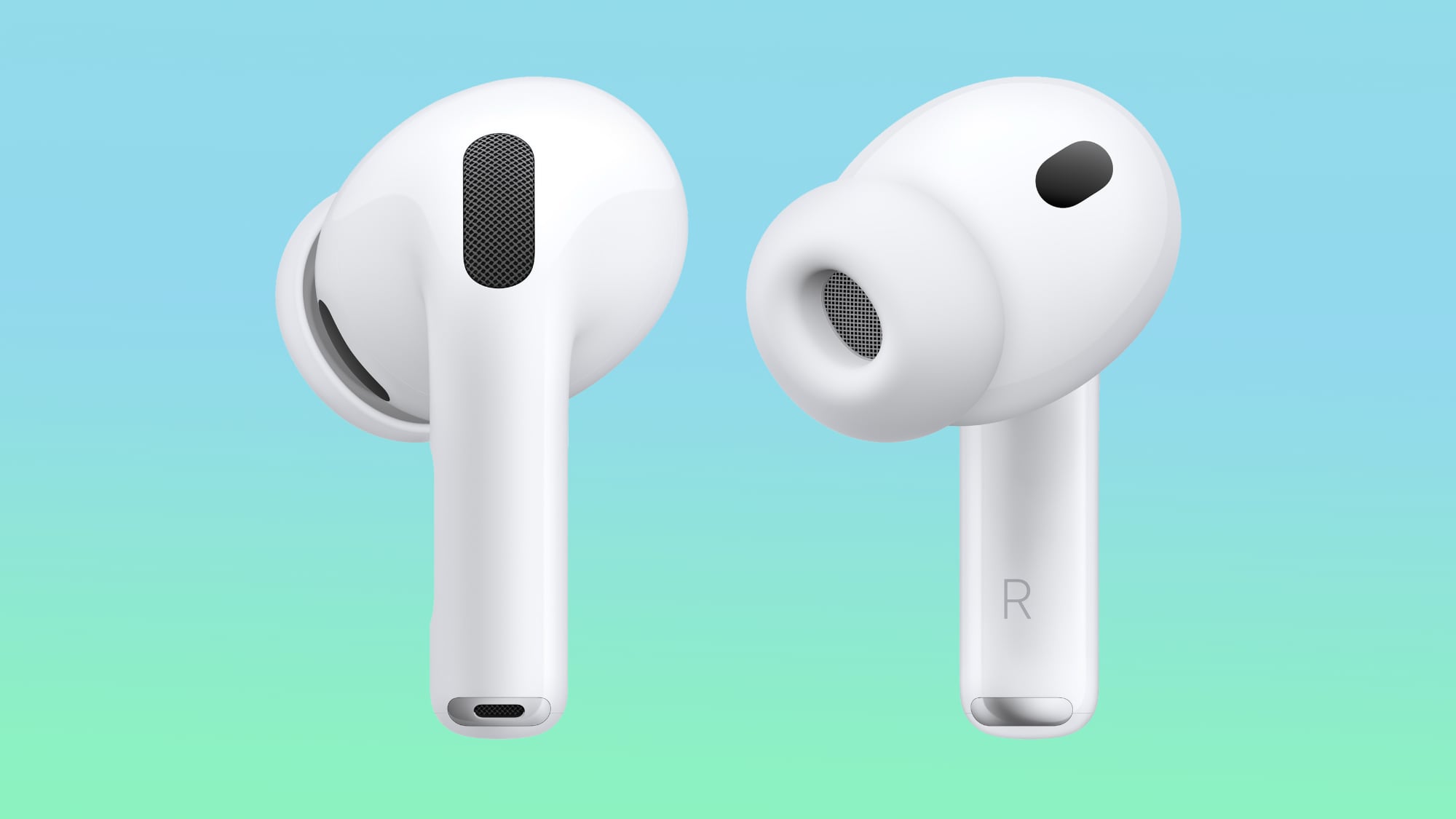
This model of the AirPods Pro launched in September 2025 and has 2x better Active Noise Cancellation than the previous generation, better audio quality, a revised fit that's meant to improve comfort and stability, Live Translation for in-person conversations, and heart rate sensing for workouts.


Head to our full Deals Roundup to get caught up with all of the latest deals and discounts that we've been tracking over the past week.


Deals Newsletter


Interested in hearing more about the best deals you can find in 2026? Sign up for our Deals Newsletter and we'll keep you updated so you don't miss the biggest deals of the season!


Related Roundup: Apple Deals

This article, "AirPods Pro 3 Still Available for Best Price Since Prime Day at $199.99" first appeared on MacRumors.com

Discuss this article in our forums

  •  

Gemini for Mac Adds System-Wide Voice Dictation and Screen-Aware Commands

Google today updated Gemini for Mac to add a new quick keyboard shortcut that activates voice mode. By long-pressing the Fn key, users can speak naturally to Gemini from any window on their desktop machine.


Gemini supports intelligent dictation, so users can speak to the chatbot using natural language and Gemini will transcribe their words to text. Ums, ahs, and other filler words are removed during the process, and it can catch mid-sentence corrections, dropping formatted text at the cursor.

There's an opt-in screen-aware reasoning mode. If enabled, Gemini can see what's on the Mac's screen to complete tasks. Users can highlight files, images, text, or documents and have Gemini edit, summarize, and compose content in the app they're working in. Gemini is also able to generate and edit images when the screen-aware mode is turned on.

A double press on the Fn key is one of the options for triggering the Mac's built-in dictation feature, so the Gemini replacement will be familiar to those who prefer Gemini.

Gemini's new Mac voice mode is rolling out globally to all Gemini for Mac users in English, with Google planning to add more languages in the future.
Tags: Gemini, Google

This article, "Gemini for Mac Adds System-Wide Voice Dictation and Screen-Aware Commands" first appeared on MacRumors.com

Discuss this article in our forums

  •  

iOS 27 Lets You Hide the Messages Button Everyone Hits by Mistake

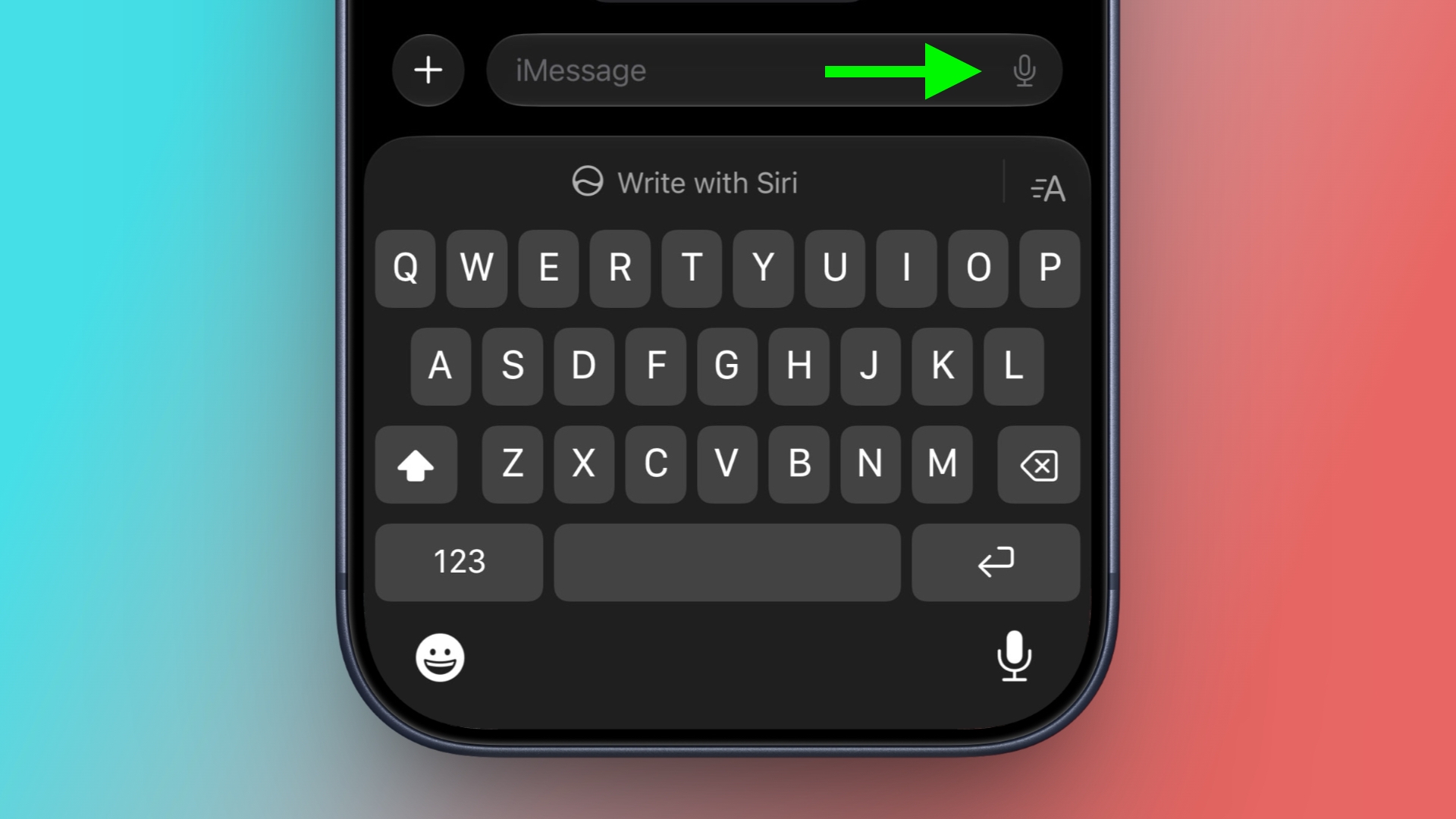
If you accidentally press the dictation or voice icon after sending a text in Messages, your music may pause while your iPhone starts listening. It's a small annoyance, but a frequent one, since the dictation/audio icon sits so close to the send arrow that stray taps are almost inevitable. In iOS 27 and iPadOS 27, Apple has finally given you a way to get rid of it.

messages
The issue is one that popstar Justin Bieber publicly complained about, claiming that the send button shouldn't have multiple functions so close together. The post went viral, and in iOS 27, Apple has done something about it.

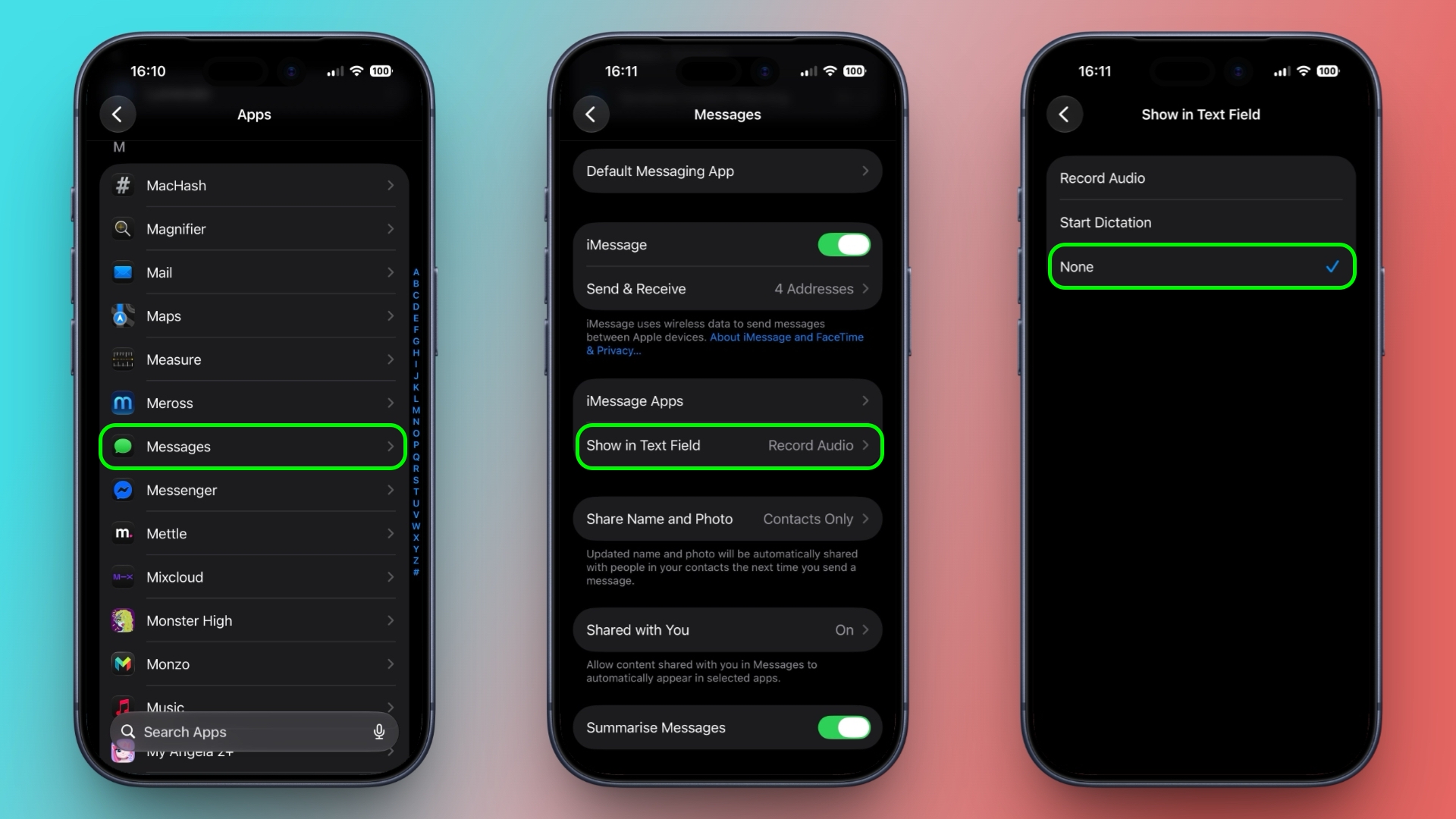
Quite simply, the message text field now has a new setting. You can choose whether it displays the audio waveform icon for recording a voice message, the microphone icon for dictation, or nothing at all. Here's how to find it:

  1. Open the Settings app on your iPhone or iPad.

  2. Tap Apps at the bottom of the list.

  3. Tap Messages.

  4. Tap Show in Text Field.

  5. Choose one of the three options: Record Audio, Start Dictation, or None.
    settings
If you keep tapping the text field icon by mistake, you'll want to choose None.

If you occasionally record voice messages, don't worry – you can still use the plus button to the left of the input field to enable Audio. If it's dictation you sometimes use, you'll find the microphone key at the bottom right of the iOS keyboard (if it's not there, go to Settings ➝ General ➝ Keyboard and turn on Enable Dictation.)

iOS 27 is remains in beta, with a public release expected sometime this September.
Related Roundups: iOS 27, iPadOS 27

This article, "iOS 27 Lets You Hide the Messages Button Everyone Hits by Mistake" first appeared on MacRumors.com

Discuss this article in our forums

  •  

Apple Wallet Support Coming to Manchester's Bee Card

Apple is preparing to allow the Bee Card to be added to the Wallet app, according to code seen by MacRumors.

When this functionality goes live, you will be able to add the Bee Card to your iPhone or Apple Watch and use it to pay your fare for trams and buses in the Manchester, England area. However, the code does not provide any timeframe for availability, so stay tuned.
This article, "Apple Wallet Support Coming to Manchester's Bee Card" first appeared on MacRumors.com

Discuss this article in our forums

  •  

Best Buy's Back to School Sale Brings Big Savings on AirPods, MacBooks, Headphones, and More

Best Buy this week is hosting a pair of sales kicking off Back to School season, as well as its annual Black Friday in July event, with notable markdowns on Apple devices, TVs, headphones, monitors, and much more. These sales are set to last for the rest of this week, and you don't need to be a My Best Buy Plus or Total member to see the deals.

Note: MacRumors is an affiliate partner with Best Buy. When you click a link and make a purchase, we may receive a small payment, which helps us keep the site running.
In terms of Apple devices, you can find solid deals on AirPods Max 2, iPhone Air, Beats accessories, and MacBook Pro. You can get the AirPods Max 2 for $449.00 ($100 off), as well as up to $500 off M5 Pro and M5 Max MacBook Pro, starting at $2,299.00 for the 1TB 14-inch model.


Some of the biggest discounts you'll find in Best Buy's Black Friday in July sale are on TVs, with major savings from popular brands like Insignia, Samsung, and LG. Best Buy has Samsung's popular line of The Frame TVs on sale, including the 65-inch 2025 model for $999.99 ($600 off), which is a match of the record low price on this device.

Apple


TVs


Monitors


Audio


If you're on the hunt for more discounts, be sure to visit our Apple Deals roundup where we recap the best Apple-related bargains of the past week.


Deals Newsletter


Interested in hearing more about the best deals you can find in 2026? Sign up for our Deals Newsletter and we'll keep you updated so you don't miss the biggest deals of the season!


Related Roundup: Apple Deals

This article, "Best Buy's Back to School Sale Brings Big Savings on AirPods, MacBooks, Headphones, and More" first appeared on MacRumors.com

Discuss this article in our forums

  •  

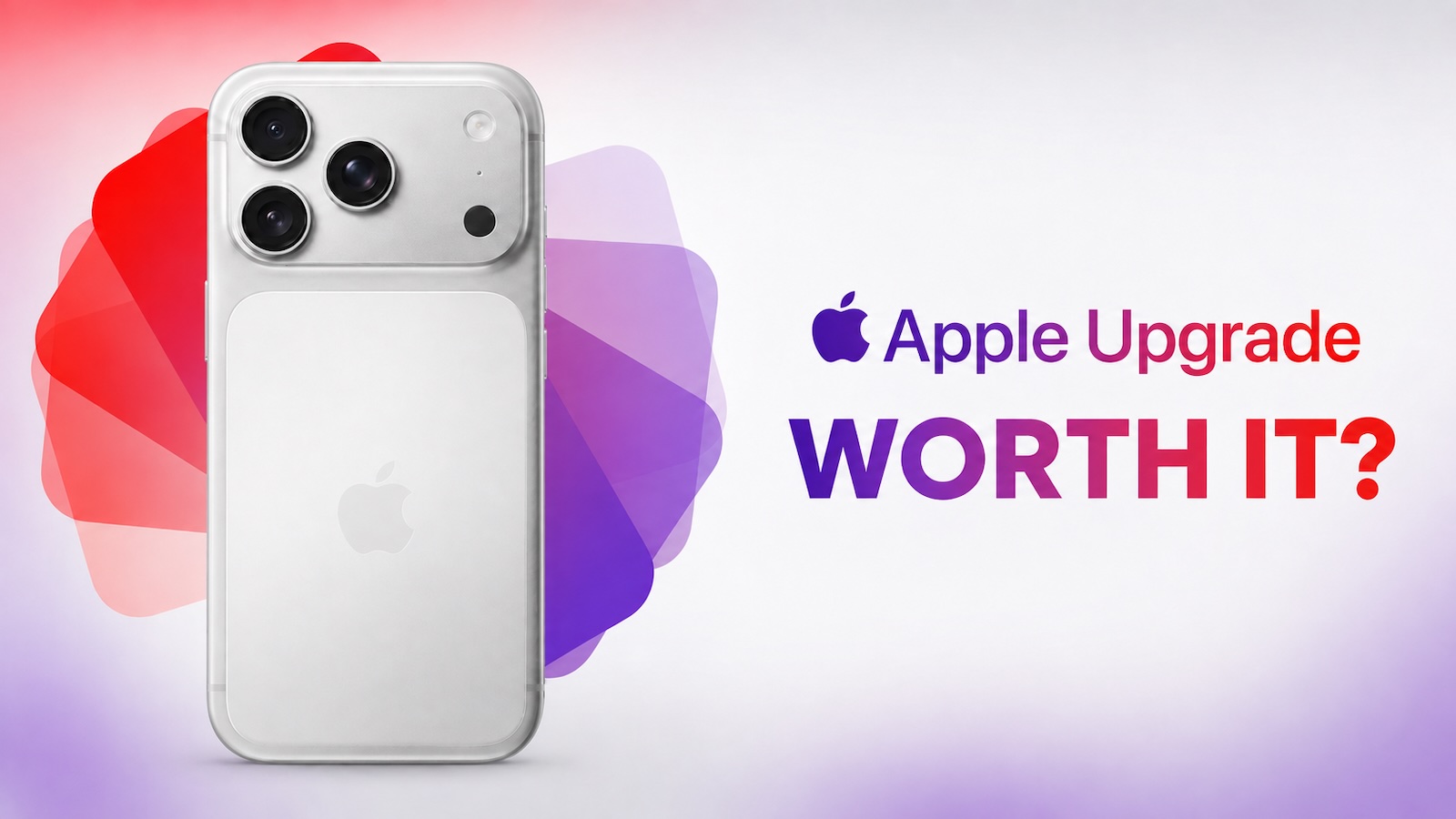
Apple's New Upgrade Program: Is It Worth It?

With the new Apple Upgrade program in the U.S., you can now lease an iPhone, but is it worth it? The answer is more complicated than a simple yes or no.


We'll use the iPhone 17 Pro with 256GB of storage on a one-year lease as an example. In the U.S., the device costs $1,099 upfront, but through Apple Upgrade you can lease it for $45.99/month for 12 months.

For a 12-month lease, your payments would total $551.88, which is lower than the $1,099 that you would have spent upfront. However, it is not quite that simple, as you have to choose from one of the three following options after your lease ends:

  • Return your iPhone.

  • Return your iPhone and upgrade to a newer iPhone.

  • Buy the iPhone outright by paying an amount equal to the device's retail price minus any lease payments made.

We dive into each of those options below.

Options


Returning the iPhone


If you return the iPhone 17 Pro and simply move on from the Apple Upgrade program, then your total cost to own the device would be $551.88 after 12 months, plus sales tax if applicable. While that is less than paying $1,099 upfront, the catch is that you are no longer in possession of the device after your lease ends and cannot resell it or trade it in.

Resale value is a big factor. If you paid $1,099 upfront for the iPhone 17 Pro but resold it for say $650 through a private sale on eBay or Facebook Marketplace after 12 months, then you only spent $450 to own the device for a year, compared to $551 if you leased it through the Apple Upgrade Program for that long. But if you somehow only managed to get $500 for the device in a private sale, then you spent $600 for the device and could have saved a bit of money by opting for the Apple Upgrade program.

$551.88 is approximately 50% of the iPhone 17 Pro's price, so Apple is essentially betting that the device will retain more than 50% of its value after one year, in order to ensure that the Apple Upgrade program is profitable. Resale prices for used iPhones can vary significantly, but Apple almost certainly expects to come out ahead.

For instance, Apple's trade-in program currently offers $560 for a used iPhone 16 Pro in good condition, and that device was released nearly two years ago. Yet, Apple is effectively "giving you back" only $547.12 on a used iPhone 17 Pro after just one year ($1,099 minus $551.88), so the math unsurprisingly works in Apple's favor.

Keep in mind that the Apple Upgrade program is partly about convenience, as you do not have to deal with reselling your iPhone — not everyone likes to deal with eBay or Facebook Marketplace. That alone might sway some customers towards Apple Upgrade, even if they know there is a chance it is not the most financially optimal decision.

Upgrading to a New iPhone


If you return the iPhone and upgrade to a newer one, the process essentially starts over.

For example, if the iPhone 18 Pro with 256GB of storage were to be offered at the same $45.99/month price, you would pay another $551.88 during the following 12 months. That would bring your total cost to $1,103.76 over two years, and you would still need to return the iPhone 18 Pro or make a final payment to keep it.

If you had purchased both the iPhone 17 Pro and iPhone 18 Pro upfront for $1,099 each, the total cost would have been $2,198. If you had managed to resell the devices for $650 each, you would have recouped $1300, lowering your final cost to $898, which would have been less than the $1,103.76 cost of leasing the devices after two years.

Of course, the resale values we have provided are purely hypothetical. There is no way of knowing what a used iPhone will be worth with certainty, but Apple has surely put a lot of research into its leasing prices to ensure that it makes a profit.

Buying the iPhone


If you opt to buy the iPhone outright at the end of your 12-month lease, by paying an amount equal to the device's retail price minus the $551.88 in lease payments made, then you simply owe the remaining $547.12 to Apple's financing partner Klarna. This brings your total cost to $1,099, which is the upfront price of the iPhone 17 Pro.

In this case, you ultimately just purchased your iPhone 17 Pro with interest-free financing by spreading out the $1,099 cost over 12 months.

Is It Worth It?


If you simply want to spend the least amount of money on iPhones over time, buying them upfront and reselling them privately is very likely the best option.

However, the Apple Upgrade program can be worth it for customers who value convenience and predictability. If you want a new iPhone every year or two and want to avoid the hassle of selling your existing iPhone through eBay or Facebook Marketplace, then the program is worth considering if the monthly payments fit into your budget.

The option to buy out the iPhone at the end of the lease is more straightforward. Since the final payment is equal to the original retail price minus the payments already made, Apple Upgrade effectively becomes a 12-month, interest-free financing plan. In this case, you would not have spent any more than you would have upfront.
This article, "Apple's New Upgrade Program: Is It Worth It?" first appeared on MacRumors.com

Discuss this article in our forums

  •  

iPhone Driver's Licenses May Soon Expand to Another US State

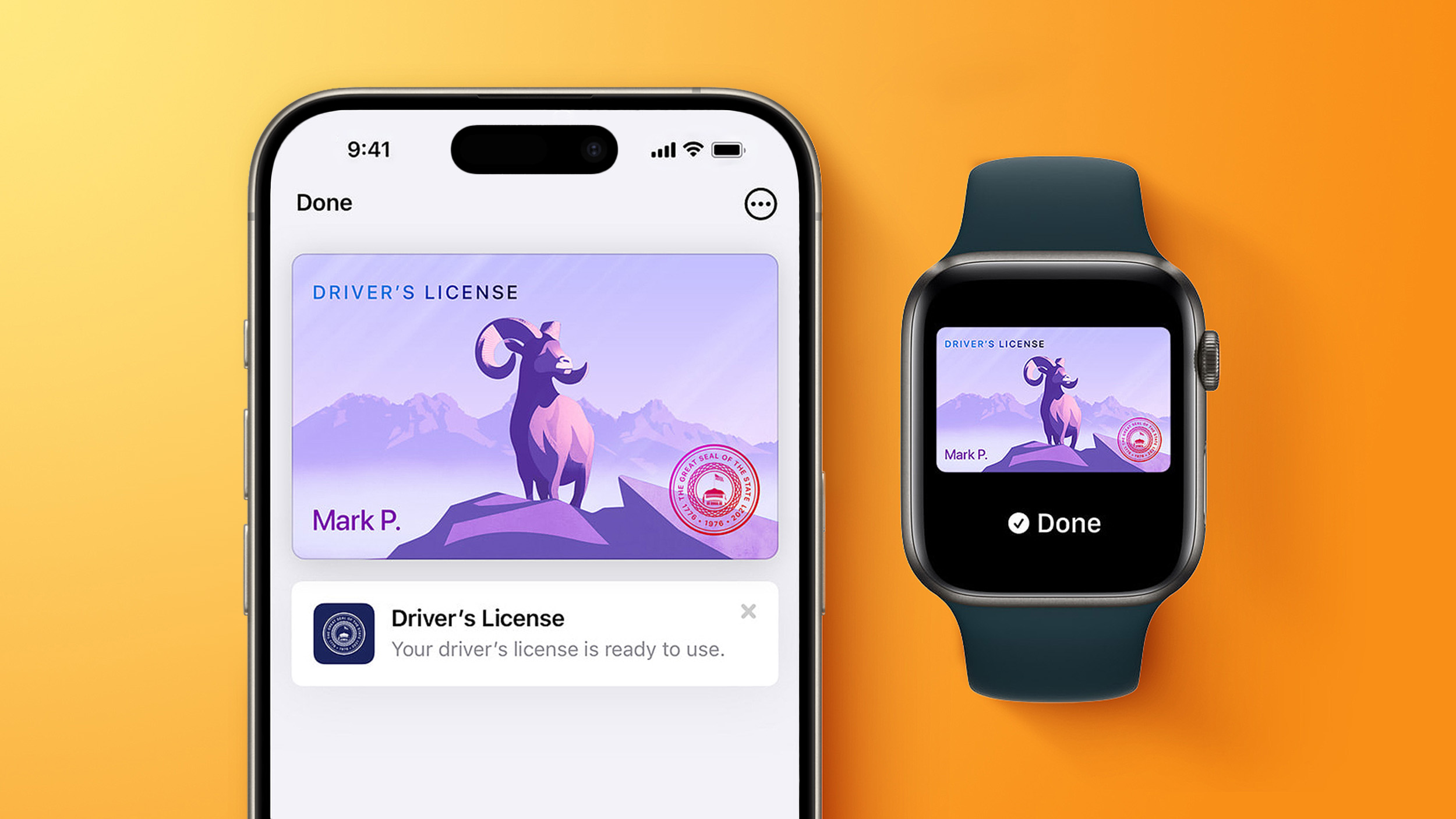
Driver's licenses and IDs may soon be available in Apple Wallet for iPhone and Apple Watch users living in Oklahoma. MacRumors discovered signs of an Oklahoma ID in Apple's backend.


With input from Apple, a House bill was passed in March 2026 that allows Service Oklahoma to issue mobile or digital versions of state identification cards, driver's licenses or permits – suggesting this is Apple taking preparatory steps for future Wallet integration.

The digital equivalents are not intended to replace physical licenses or state IDs, meaning Oklahomans will be required to keep the latter, while using the mobile version as a "companion option."

Other states planning to add support for driver's licenses in Apple Wallet include Connecticut, Kentucky, Mississippi, Utah, and Virginia. MacRumors already spotted signs of Utah and Virginia in Apple's backend.

Multiple states have already implemented support, as has Puerto Rico:

  • Arkansas

  • Arizona

  • California

  • Colorado

  • Georgia

  • Hawaii

  • Illinois

  • Iowa

  • Maryland

  • Montana

  • New Mexico

  • North Dakota

  • Ohio

  • West Virginia


Digital IDs and licenses are accepted at select TSA checkpoints across the United States. They can also be used at some business venues and in select apps that require ID verification for services or purchases.

In states that do not support licenses in the Wallet app, iPhone users can add their U.S. passport to the Apple Wallet app with the iOS 26 Digital ID feature.
This article, "iPhone Driver's Licenses May Soon Expand to Another US State" first appeared on MacRumors.com

Discuss this article in our forums

  •  

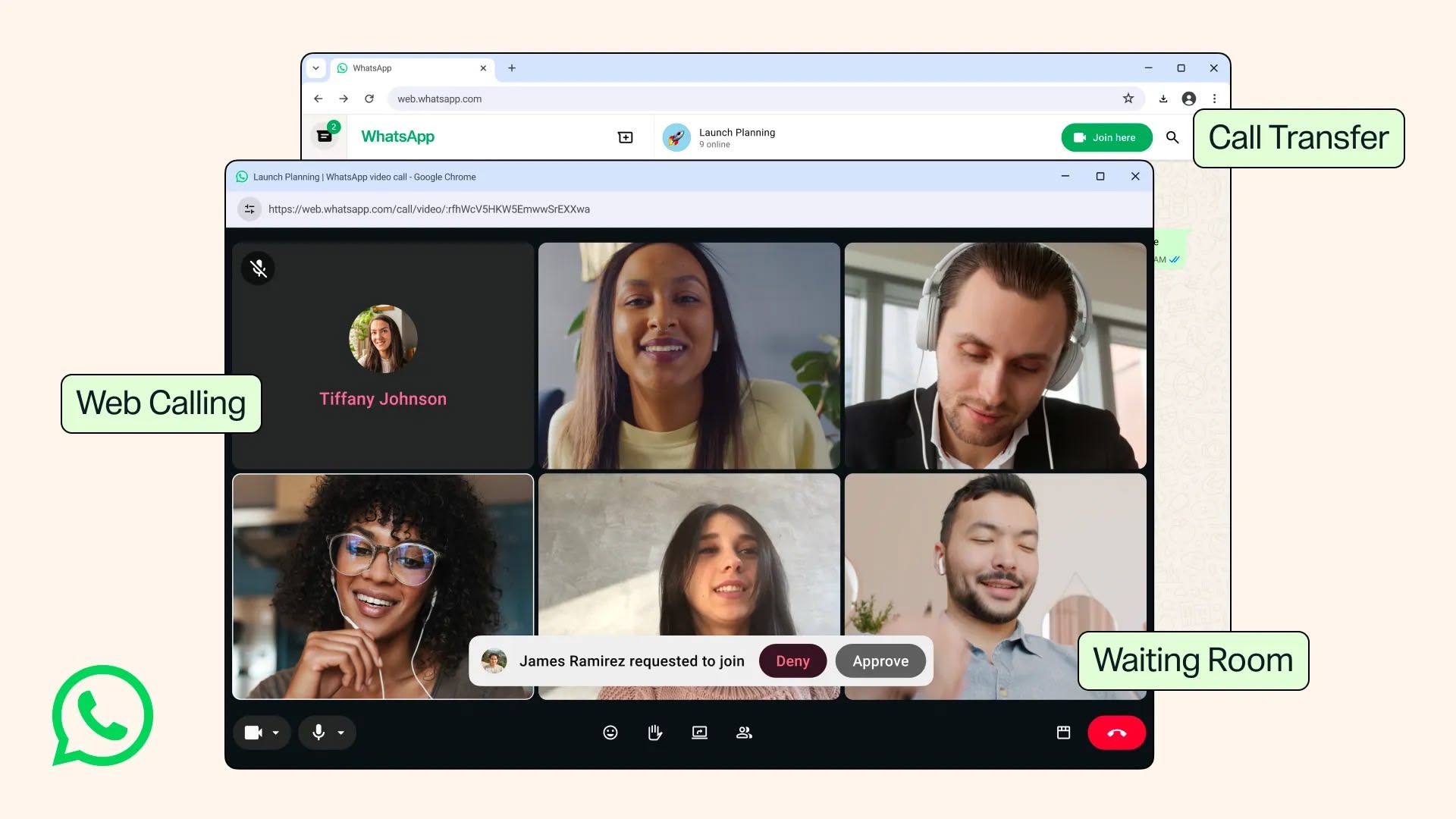
WhatsApp Rolls Out Web Calling, Call Transfer Across Devices, and More

WhatsApp has announced a handful of enhancements for group calling over the encrypted platform, including seamless call transfers across devices and a new web calling feature.


It's now possible to make and receive audio and video calls, including both one-on-one and group calls, directly from WhatsApp Web. The new browser-based service provides access to common features available on other devices, like screen sharing, reactions, and a dedicated Calls tab with a user's full call history.

WhatsApp says the end-to-end encrypted web service will make it easier to jump on a call without leaving your browser, and it should be especially welcomed by anyone who uses a work laptop that doesn't allow app downloads.

The latest rollout also brings Call Transfer, allowing users to move an active group call from one device to another without hanging up.

Then there's the new Waiting Room, which appears when creating a WhatsApp call link with "Require approval to join" enabled. Participants now enter the waiting room first until the host is ready to let them in.

Two last additions round out this update: QuickHD allows users to enjoy high-definition video immediately in the very first few seconds of the call, while Noise Suppression removes background noise so that voices come through more clearly, even in loud or busy environments.

WhatsApp says the slate of new features are rolling out gradually and will be "available to everyone soon."
This article, "WhatsApp Rolls Out Web Calling, Call Transfer Across Devices, and More" first appeared on MacRumors.com

Discuss this article in our forums

  •  

OpenAI's First Devices: Speaker, Smartphone, and More

OpenAI's hardware roadmap has sharpened considerably in recent months, with its first device now identified, a smartphone said to be arriving as soon as next year, and a wider lineup taking shape behind them.


AI Smart Speaker


OpenAI's first product is a portable, screenless smart speaker developed with former Apple design chief Jony Ive, designed to act as a personal companion in the home rather than a conventional voice assistant.

Design


The device is said to have a rechargeable battery so it can be carried between rooms, a camera for understanding its surroundings, and mechanical elements that move on their own to give a sense that it is alive. Ive and CEO Sam Altman had previously said they did not want to build a device with a screen, with Altman describing a prototype to employees as "the coolest piece of technology that the world will have ever seen."

Features


Powered by ChatGPT and using GPT-Live for conversation, the speaker will reportedly control smart home accessories, answer questions, play media, and respond to messages, becoming more personalized and proactive over time. It is also said to have a personality of its own. OpenAI reportedly does not regard the HomePod or HomePod mini as comparable products.

Price and Release Date


The speaker is expected in early 2027 at a price between $200 and $300, having slipped beyond an initial release target of this year.

AI Smartphone


Supply chain analyst Ming-Chi Kuo first described the device in April as an "AI agent phone" built around a continuous, context-aware interface rather than individual apps, arguing that the smartphone is the only device capturing a user's full real-time state, including location, activity, communication, and context. He believes controlling both the operating system and the hardware is the only way OpenAI can deliver a comprehensive agent service.

Specifications


The phone is said to use a customized version of MediaTek's Dimensity 9600 processor built on TSMC's N2P node, also used on Apple's upcoming "A20" chips, with MediaTek now looking likely to be the sole chip supplier after Kuo initially named Qualcomm as a possible partner. Luxshare Precision Industry is believed to be the exclusive manufacturing partner, and Sunny Optical has secured component orders for two OpenAI devices, likely for camera modules.

Its headline known specification is an image signal processor with an enhanced HDR pipeline intended to improve real-world sensing through the camera, alongside two AI processors for handling vision and language tasks simultaneously.

Timeline


Mass production was originally targeted for 2028, but Kuo revised that to the first half of 2027, reflecting OpenAI's planned IPO and intensifying competition in the category. He projects combined 2027 and 2028 shipments could reach around 30 million units if development stays on track.

Other Devices


Smart glasses, a smart lamp, and potentially earbuds are also reportedly in development, though those sit further out on the roadmap and some could be cancelled. The lineup stems from OpenAI's $6.5 billion acquisition of Ive's startup io Products, alongside an aggressive recruitment campaign that has brought more than 400 former Apple employees to the company, among them designers Evans Hankey, Tang Tan, and Scott Cannon, and Vision Products Group leader Paul Meade. Apple responded with retention bonuses of up to $400,000 in restricted stock units for its iPhone Product Design team.

Apple's Lawsuit


That hiring is now the subject of litigation. Apple sued OpenAI on July 10 over the alleged theft of trade secrets, and Bloomberg's Mark Gurman argues the case is already slowing the hardware effort by deterring Apple engineers from interviewing and making suppliers wary. OpenAI says it has "no interest in other companies' trade secrets."

What Does It Mean for Apple?


Apple is separately rumored to be developing smart glasses, AirPods with cameras, an AI pendant, and a smart home hub with enhanced Siri capabilities, putting the two companies on a collision course across several categories.
Tag: OpenAI

This article, "OpenAI's First Devices: Speaker, Smartphone, and More" first appeared on MacRumors.com

Discuss this article in our forums

  •  

iOS 27: All the New Phone and FaceTime Features

The Phone and FaceTime apps didn't get as many new features as some of Apple's other apps, but there are a handful of capabilities that add utility and convenience.


Phone App


The Phone app has one major update, and that's Call Context. When you call a company, the Phone app can surface relevant information from the Mail app.

If you call an airline, it might show your confirmation code for an upcoming flight, or your reservation code if you're calling a hotel. It doesn't listen to what you're saying, but instead looks at the number you're calling and links it to details in the Mail app.

Call Context is an Apple Intelligence feature that runs entirely on-device, and it requires an iPhone 15 Pro or newer. It also works when you make a phone call from your iPad or Mac.

FaceTime


‌FaceTime‌ has a couple of new features, but the biggest is Dual Capture. On the iPhone 17 models and the iPhone Air, you can use the front and back cameras at the same time while on a ‌FaceTime‌ call.

The person you're calling is able to see your face and what's shown through the back camera.

You can turn on Dual Capture on a supported iPhone by tapping on the camera flip button. If you only want to show the back camera feed, you can tap to turn off the front camera view.

While streaming video with Dual Capture is limited to the ‌iPhone 17‌, iPhone 17 Pro, ‌iPhone 17 Pro‌ Max, ‌iPhone Air‌, and newer, anyone running iOS 27 can see a dual video stream on a ‌FaceTime‌ call because there are no hardware requirements for the receiving device.

There are a few other features worth knowing about:

  • Connection Quality - When you have a bad connection, ‌FaceTime‌ calls will now have better quality than before.

  • Wi-Fi/Cellular - In ‌iOS 27‌, iPhones are better at transitioning from a Wi-Fi to a cellular connection and vice versa, so you'll lose connection less often when moving between networks.

  • Live Captions - Live Captions are now available in Traditional Chinese.

  • Communication Safety - Communication Safety blocks gore and violence in ‌FaceTime‌ and Messages instead of just nudity.


iOS 27 Launch


‌iOS 27‌ is being beta tested right now, and can be downloaded by developers and public beta testers. It will launch this fall alongside new iPhone models.

Read More


For more on the new features in ‌iOS 27‌, we have a dedicated iOS 27 roundup.
Related Roundups: iOS 27, iPadOS 27

This article, "iOS 27: All the New Phone and FaceTime Features" first appeared on MacRumors.com

Discuss this article in our forums

  •  
❌