❌

Lees weergave

Apple on Verge of Becoming $5 Trillion Company

Apple is on the verge of becoming a $5 trillion company based on market capitalization, which is the total value of all of the company's outstanding shares.

Apple's stock closed at $336.91 today, up around 22.5% since late June. The company's market cap is now around $4.94 trillion, although this figure is not precise due to the company buying back shares over time.

Apple is once again the world's most valuable public company, having surpassed Nvidia.
This article, "Apple on Verge of Becoming $5 Trillion Company" first appeared on MacRumors.com

Discuss this article in our forums

  •  

Update Now: iOS 26.6 and macOS Tahoe 26.6 Patch Hundreds of Security Flaws

Apple today released iOS 26.6, iPadOS 26.6, and macOS Tahoe 26.6, all of which have a long list of security fixes.


iOS 26.6 and iPadOS 26.6 address almost 90 security vulnerabilities affecting everything from the App Store to the Neural Engine. Multiple kernel and WebKit vulnerabilities were fixed, along with problems affecting Wi-Fi, Siri, and the iPhone's image processing.

Details on all of the fixes can be found in Apple's security support document.

β€ŒmacOS Tahoeβ€Œ 26.6 has more than 130 vulnerability fixes, with many of those updates also available in macOS Sequoia 15.7.8 and macOS Sonoma 14.8.8. The latter two updates are available for Macs not running β€ŒmacOS Tahoeβ€Œ.

Apple's other updates, tvOS 26.6, watchOS 26.6, and visionOS 26.6, also have over 80 security fixes.

While Apple doesn't say that any of the vulnerabilities are known to have been actively exploited, now that the issues are public, devices that aren't updated could be vulnerable. It's a good idea to update all of your devices to the latest software that's available to keep yourself safe.
Related Roundups: iOS 26, iPadOS 26, macOS Tahoe
Related Forums: iOS 26, macOS Tahoe

This article, "Update Now: iOS 26.6 and macOS Tahoe 26.6 Patch Hundreds of Security Flaws" first appeared on MacRumors.com

Discuss this article in our forums

  •  

Apple Releases macOS Tahoe 26.6

Apple today released macOS Tahoe 26.6, a small update to the β€ŒmacOS Tahoeβ€Œ operating system that came out last year. β€ŒmacOS Tahoeβ€Œ 26.6 comes a month after Apple released macOS Tahoe 26.5.2.


Mac owners can download the software by opening the System Settings app and then navigating to the Software Updates section.

According to Apple's release notes for the update, β€ŒmacOS Tahoeβ€Œ 26.6 includes security fixes for the Mac and it optimizes Spotlight for the release of macOS 27.
Related Roundup: macOS Tahoe
Related Forum: macOS Tahoe

This article, "Apple Releases macOS Tahoe 26.6" first appeared on MacRumors.com

Discuss this article in our forums

  •  

Apple Releases visionOS 26.6

Apple today released visionOS 26.6, the sixth update to the visionOS 26 operating system that launched in September. visionOS 26.6 comes over two months after Apple released visionOS 26.5.


β€ŒvisionOS 26β€Œ.6 can be downloaded on all Vision Pro headsets by navigating to the Settings app, selecting the General section, and choosing the Software Update option. To install an update, the Vision Pro headset needs to be removed, and there is a software progress bar available on the exterior EyeSight display.

Apple's release notes say that visionOS 26.6 includes bug fixes and security improvements in addition to optimizing the Spotlight index for the upcoming visionOS 27 launch.

visionOS 26.6 is recommended for all Vision Pro users.
Related Roundup: Apple Vision Pro
Buyer's Guide: Vision Pro (Neutral)
Related Forum: Apple Vision Pro

This article, "Apple Releases visionOS 26.6" first appeared on MacRumors.com

Discuss this article in our forums

  •  

Apple Releases iOS 26.6 and iPadOS 26.6 With iOS 27 Optimizations

Apple today released iOS 26.6 and iPadOS 26.6, updates to the iOS and iPadOS 26 operating systems that came out in September. iOS 26.6 comes a month after the launch of iOS 26.5.2, a security update.


iOS 26.6 and iPadOS 26.6 can be downloaded on eligible iPhones and iPads over-the-air by going to Settings > General > Software Update.

According to Apple's release notes, iOS 26.6 and iPadOS 26.6 include security fixes for the iPhone and iPad. The updates also optimize the Spotlight index in preparation for iOS 27 and iPadOS 27.

iOS 26.6 will be one of the final updates to the iOS 26 operating system. Apple is beta testing β€ŒiOS 27β€Œ, and the software is set to launch this September alongside new iPhone models.
Related Roundups: iOS 26, iPadOS 26, iOS 27, iPadOS 27
Related Forum: iOS 26

This article, "Apple Releases iOS 26.6 and iPadOS 26.6 With iOS 27 Optimizations" first appeared on MacRumors.com

Discuss this article in our forums

  •  

Apple Releases watchOS 26.6 With Security Updates

Apple today released watchOS 26.6, the sixth update to the watchOS 26 operating system that came out in September. watchOS 26.6 comes over two months after Apple released watchOS 26.5.


watchOS 26.6 can be downloaded for free on an iPhone running iOS 26.6 by opening up the Apple Watch app and going to General > Software Update, or initiating an update in the Settings app on the watch. To install the new software, the Apple Watch needs to have at least 50 percent battery and it needs to be placed on a charger.

According to Apple's release notes, watchOS 26.6 includes unspecified bug fixes and security updates.

More on the features in β€ŒwatchOS 26β€Œ can be found in our watchOS 26 roundup.
Related Roundups: watchOS 26, watchOS 27
Related Forum: Apple Watch

This article, "Apple Releases watchOS 26.6 With Security Updates" first appeared on MacRumors.com

Discuss this article in our forums

  •  

Apple Releases tvOS 26.6

Apple today released tvOS 26.6, the sixth update to the tvOS operating system that came out last fall. tvOS 26.6 is available for the Apple TV 4K, and it comes two months after Apple released tvOS 26.5.


tvOS 26.6 can be downloaded using the Settings app on β€Œβ€Œβ€ŒApple TVβ€Œβ€Œβ€Œ. Open up Settings and go to System > Software Update to get the new software. β€Œβ€Œβ€ŒApple TVβ€Œβ€Œβ€Œ owners who have automatic software updates activated will be upgraded to tvOS 26.6 automatically.

No new features were found in tvOS 26.6 during the beta testing period, so it likely focuses on bug fixes and performance improvements. Apple shares tvOS release notes on its website.
Related Roundup: Apple TV
Buyer's Guide: Apple TV (Don't Buy)

This article, "Apple Releases tvOS 26.6" first appeared on MacRumors.com

Discuss this article in our forums

  •  

Amazon Files for 5,105-Satellite Network That Will Power iPhone Satellite Features

Amazon is planning to deploy up to 5,105 low Earth orbit satellites that will use Globalstar spectrum to provide voice, data, messaging, and emergency services to devices like the iPhone. Amazon's project is expected to improve existing iPhone satellite features and support new features.


Apple uses Globalstar for the satellite features on the iPhone and Apple Watch Ultra 3, and Amazon is in the process of acquiring the company. Apple and Amazon have worked out a deal that will see Globalstar operating alongside Amazon's Leo satellite network, with Globalstar and Amazon Leo powering future satellite services for Apple.

Amazon's proposed 5,105-satellite constellation will allow devices to have satellite-based cellular service in areas where a cell tower is unavailable. Amazon says the system will give customers improved speed and throughput, and it will be able to reach any compatible mobile device with a satellite-capable chipset. Amazon specifically highlights its Apple partnership in its blog post announcing the satellite plan.
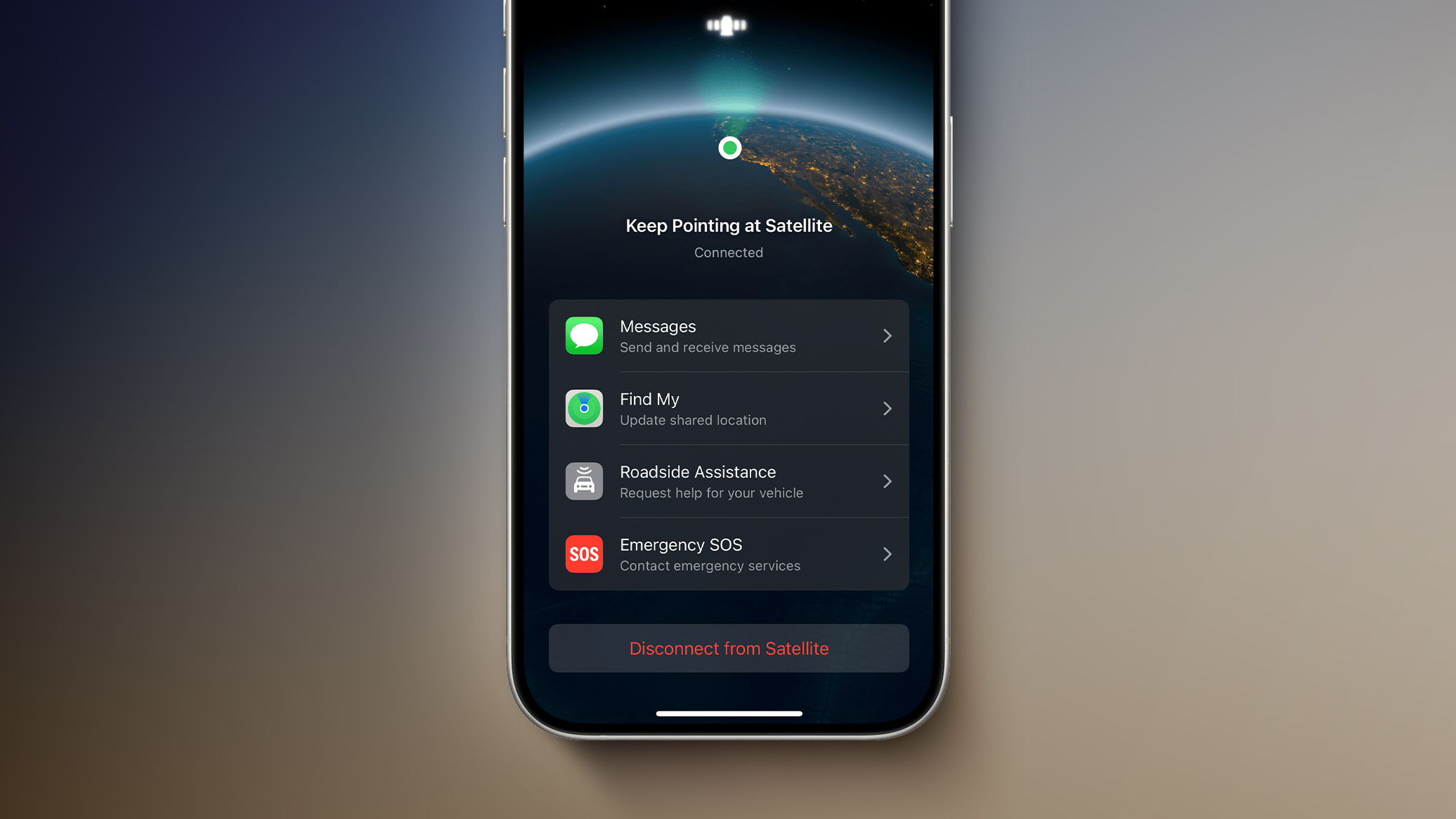
Amazon Leo already announced an agreement with Apple to power satellite services for supported iPhone and Apple Watch modelsβ€”including Emergency SOS via satellite, Messages, Find My, and Roadside Assistance via satelliteβ€”and to collaborate with Apple on future satellite services using the expanded network.

Amazon plans to deploy five orbital shells meant to reach different parts of the planet. Three will cover heavily populated areas, while others will extend service toward polar areas. Amazon has filed an application with the FCC for the system, and is awaiting approval. Amazon expects to deploy satellites starting in 2028, with the Globalstar merger set to close in 2027 after it receives regulatory approval.
Tag: Amazon

This article, "Amazon Files for 5,105-Satellite Network That Will Power iPhone Satellite Features" first appeared on MacRumors.com

Discuss this article in our forums

  •  

Pocket Casts Now Available on Apple TV

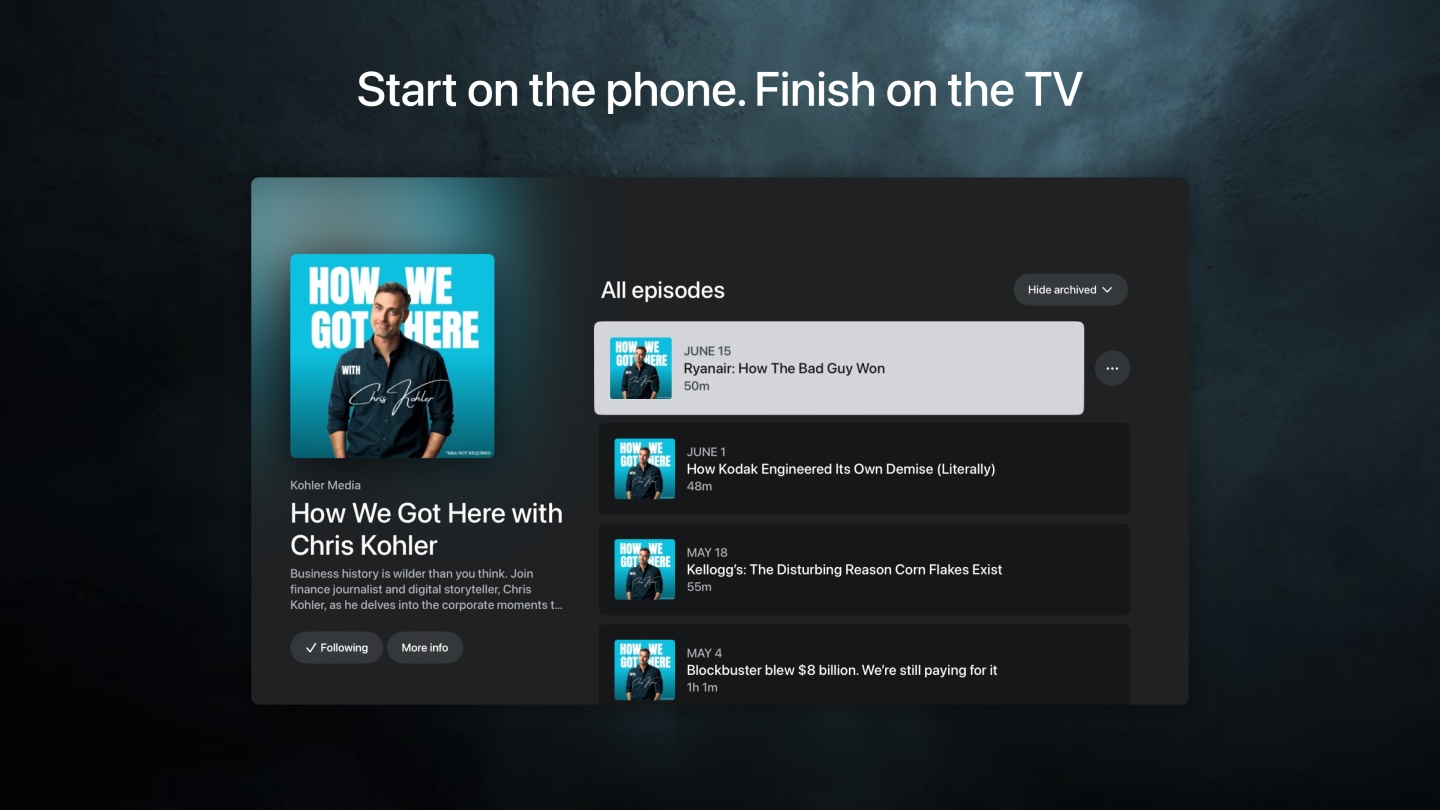
Starting today, the popular podcast platform Pocket Casts is available on all Apple TV 4K and Apple TV HD models. The app was already available on the iPhone, iPad, and Apple Watch.

"Your podcasts, your Up Next, your place in every episode, right on the screen in front of you," said Pocket Casts, in a blog post. "Start something on your phone at the bus stop. Finish it on the couch that night, exactly where you left it. Nothing to re-find. Nothing to sync by hand."
This article, "Pocket Casts Now Available on Apple TV" first appeared on MacRumors.com

Discuss this article in our forums

  •  

2026 MacBook Pro Now Up to $500 Off on Amazon Following Recent Price Increase

Amazon's prices on the 2026 MacBook Pro have now joined in on Apple's recent price hikes, meaning we're no longer tracking pre-hike markdowns on these devices. However, there are still notable sales to be found if you're shopping for a MacBook Pro this month, with up to $500 off new prices available right now on Amazon.

Note: MacRumors is an affiliate partner with Amazon. When you click a link and make a purchase, we may receive a small payment, which helps us keep the site running.

14-Inch MacBook Pro


Prices start at $2,299.00 for the 24GB/1TB 14-inch M5 Pro MacBook Pro, down from $2,499.00. Amazon is also providing $500 off both the 15-Core/24GB/2TB model, as well as the M5 Max 26GB/2TB model, both of which are new low prices in the wake of the price hikes.


16-Inch MacBook Pro


In terms of the larger display models, we're tracking four total discounts on Amazon. These start at $2,799.00 for the 24GB/1TB M5 Pro configuration ($180 off), and reach up to $4,499.00 for the 48GB/2TB M5 Max device ($500 off).


If you're on the hunt for more discounts, be sure to visit our Apple Deals roundup where we recap the best Apple-related bargains of the past week.


Deals Newsletter


Interested in hearing more about the best deals you can find in 2026? Sign up for our Deals Newsletter and we'll keep you updated so you don't miss the biggest deals of the season!


Related Roundup: Apple Deals

This article, "2026 MacBook Pro Now Up to $500 Off on Amazon Following Recent Price Increase" first appeared on MacRumors.com

Discuss this article in our forums

  •  

Apple Will 'Watch Everything Burn' When AI Bubble Bursts - Ed Zitron

Memory prices have doubled, Macs and iPads have gone up, and iPhones are expected to follow. Ed Zitron – who writes the Where's Your Ed At newsletter, hosts the Better Offline podcast, and has been described by Politico as the AI boom's most "acerbic gadfly" – has spent years arguing the buildout driving those costs will never pay for itself.

We asked him what happens to Apple if he's right.

You've been calling AI a bubble since before it was fashionable. For MacRumors readers who mostly know it as ChatGPT or Apple Intelligence on their iPhone, what, in plain terms, is actually broken about the economics of the LLM industry?

At their very core, Large Language Models' costs run contrary to basically every model of selling software.

Consumers and enterprises alike have been trained to pay a monthly fee for a service, and while these services might have limits or strictures, basically nobody buying software expects to have a metered service, let alone one that's both metered and with hard to measure costs.

LLMs burn tokens at a per-million rate regardless of whether or not you get the response you want, or whether it does what you ask it to do. If you ask a coding agent to do some sort of software task and it goes off and spins its wheels in a loop, you're paying for the tokens regardless.

AI companies knew that consumers would never pay the actual cost of their AI services, so they have, for the most part, sold them monthly subscriptions with vague rate limits that allow them to burn way more in tokens than the cost of their subscription. SemiAnalysis found that you can burn hundreds of dollars on a $20-a-month subscription and thousands of dollars on a $200-a-month subscription, and while AI boosters will claim that these companies have "70% gross margins on tokens," there is little proof that this is the case, and my own reporting shows that OpenAI lost $20.9 billion on $13.07 billion in revenue in 2025.
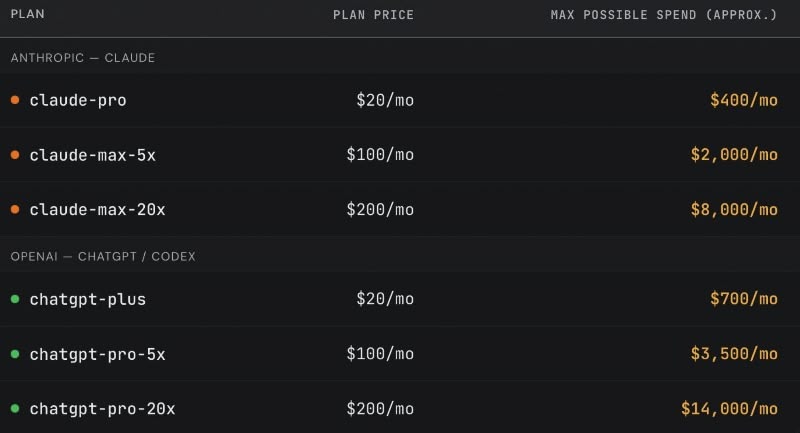
Image credit: SemiAnalysis


This means the very basic economics are broken. If Anthropic and OpenAI believed customers would actually pay the real cost of AI tokens, they wouldn't have to give away 20 to 40 times the amount of tokens to subscribers.

Meanwhile, back in March of this year, both moved their enterprise customers over to token-based billing. Within a few weeks, it came out that Uber had spent its entire annual token budget in the space of a quarter, and its COO said that it was getting "harder to justify" the cost of AI because it was hard to track the cost of AI to any actual useful features shipping. Sam Altman would eventually say it was a "huge issue" but declined to say how it might be fixed.

This is a problem across basically every single AI-powered startup, which has to pay the per-million token rate. Perplexity, Cursor, GitHub Copilot (which moved to token-based billing in June) – every single AI startup is unprofitable because their users don't want to pay the actual cost of AI.

Another issue is that AI services are just not that useful or differentiated. While people get some sort of benefit out of AI-generated code, these tools actually end up making them slower, and are filling codebases full of slop. Otherwise, an LLM is an LLM is an LLM – it can generate, it can summarize, it can search, and that's about it, which means that every AI service is effectively the same. That's why 89% of all AI revenues are Anthropic and OpenAI, and why every AI startup talks in terms of "annualized revenue" (monthx12) – because actual revenues are very depressing. Even then, most are barely at $100 million annualized.

Then there are the data centers. An AI data center is very, very expensive to build, takes 18 to 36 months, and costs billions of dollars, which means effectively anyone building one will be raising debt and only get paid once a customer moves in... except there aren't really any customers for AI data centers outside of Anthropic and OpenAI, both of whom are so unprofitable that they've had to raise hundreds of billions of dollars even when Microsoft, Google and Amazon built all their infrastructure.

The only reason everybody isn't freaking out about this is because AI-related stocks have done well, even though none of the hyperscalers actually share their AI revenues.

You've argued that AI's demand story is essentially a mirage – that most of the data center capacity is being absorbed by OpenAI and Anthropic themselves, which is masking the absence of real enterprise demand. If that's right, who do you think will actually bear the cost when the whole thing unravels?

Honestly, it's going to be a lot of private credit funds, because they're the ones funding the data centers, and they're funded by pension funds like the SF teachers fund or CalPERS, which makes me really, really worried about the systemic contagion.

People will argue that this means there's going to be a bailout, but this isn't really a bailoutable thing. These data centers are funded by project financing, which means that the money is basically gone and the only way to "make them whole" would be to either buy out the debt or feed them revenues. While you could theoretically bail out these special purpose vehicles (SPVs), doing so would be to the tune of hundreds of billions of dollars and be political cancer.

I also fundamentally believe that Oracle gets killed by OpenAI. Its revenues have been stagnating for 20 years, and the only way it's kept its head above water is $85bn+ in acquisitions, and even then, that's just kept things flat. Its bets on AI data centers – $340bn+ with hundreds of billions in debt – require OpenAI to become the largest, most-profitable company in the world by 2030, or Oracle runs out of money. Good luck on that one Larry.

The actual contagion from the collapse will be widespread. The TWSE is heavily reliant on Taiwanese ODMs like Quanta and Hon Hai (Foxconn) who have seen their revenues boosted by selling AI servers. While I don't think it kills these companies (especially as Hon Hai makes so much from Apple), it will cut their stock price, which will in turn cut the livelihoods of those investing. The same goes for Korean investors on the KOSPI, and eventually American investors in the various hyperscalers and semiconductor companies that are running entirely because of the AI bubble.

It all really sucks.
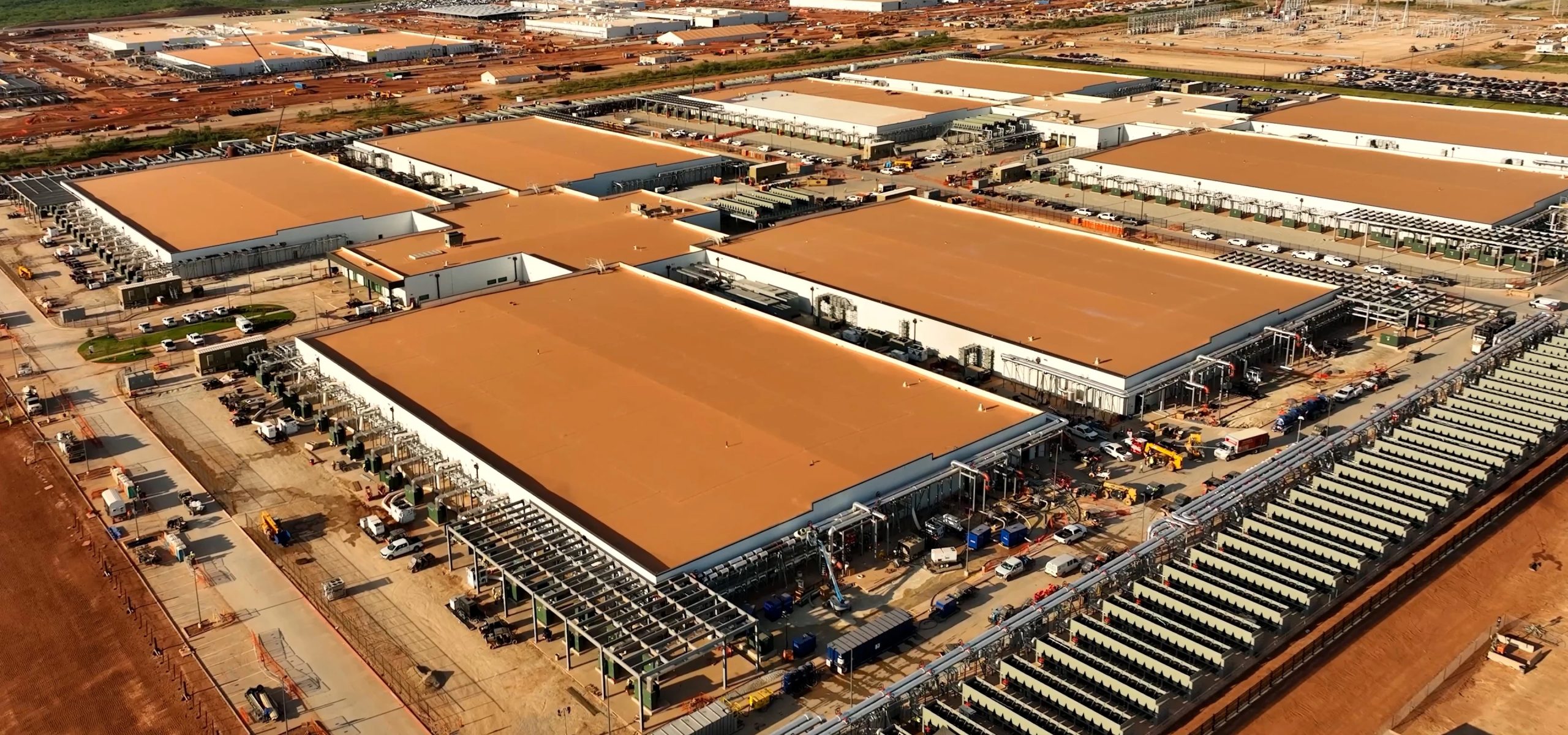
One of OpenAI's "Stargate" data centers (image credit: OpenAI)

Hyperscalers building out data centers have hoovered up so much of the world's memory supply that DRAM prices have roughly doubled this year. Tim Cook has called Apple's recent price increases "unavoidable" – Macs and iPads are already up, and iPhone models are expected to follow soon. It seems the clearest sign yet that the bubble's costs are being passed onto ordinary consumers. If the buildout is as speculative as you say, are people basically paying more for hardware to subsidise data centers that may never turn a profit?

I don't think any of them turn a profit, no.

Hyperscalers have spent over $1 trillion in capex since 2022. If we assume that even half of that is AI data centers, they need to make over $1.5 trillion in brand spanking new profit, not revenue, but actual profit, to justify any of these expenditures.

And yes, we are all paying more for stuff for effectively no reason other than that everybody in big tech has gone insane and wants to build as many data centers as possible. I wrote about this in the Hater's Guide To The Memory Crisis.

The hyperscalers are collectively spending north of $650 billion on AI infrastructure this year, whereas Apple is spending about $14 billion. It's as if Cupertino is treating AI as a commodity by paying Google around a billion a year for Gemini to run Siri and doing what it can on-device. The company was previously said to be dangerously behind on AI. That no longer seems to be the case, but at the same time, is it really more savvy to be renting a dependency on the very companies you say can't survive?

So, I think Apple Intelligence was both the worst and best thing to happen to Apple as far as the AI bubble goes.

It was a mass-radicalization of its users against AI – an attempt to cram a barely-functional series of add-ons that nobody asked for in the most-obtrusive way possible, with summaries that were almost immediately turned into memes and a new Siri that was, somehow, even worse than the old Siri.

And I think that told Apple to pump the brakes. It's barely spent anything on capex. It's barely done anything with AI. Despite headline after headline claiming it's "falling behind," nobody can really explain what it is it's falling behind on or why it matters. People hate Apple Intelligence, and I think Apple knows that, and so they're going to jingle the keys for the markets by putting "AI" on stuff without ever really putting their back into it.

If the bubble deflates the way you expect (write-downs, too much compute supply, possibly OpenAI cratering), can you walk us through what that would actually look like for Apple? Does anything break for iPhone users, or does Apple mostly watch it happen from the sidelines? Could it even benefit Apple?

I think things would look much the same for Apple. I think they will sit on the sidelines and watch everything burn. I could see them doing some choice acquisitions as things begin to collapse, but I could also see them do nothing.

I think Apple is in a very weird place at the moment. The Vision Pro was a dud, but it was also the most interesting and future-forward thing I've seen anyone put out in a while. If they were smart, they'd tread water and sink as much money into making that as small as humanely possible – no matter how long it takes – because the entire AI bubble is a result of everybody running out of hypergrowth ideas, mostly because we're flat out of new interfaces.

I want to be clear that what they want to do with the Vision Pro requires it to basically be weightless and invisible and never need adjustments. When it works, it's genuinely awesome. But that's a load-bearing when. One slight movement means the whole thing goes out of focus. I can't even use mine anymore because it needs an update that requires you to wear the thing the whole time. So much promise, released too early, shoved out the door by a CEO on his way out.

This article, "Apple Will 'Watch Everything Burn' When AI Bubble Bursts - Ed Zitron" first appeared on MacRumors.com

Discuss this article in our forums

  •  

AppleCare+ With Theft and Loss Coverage for iPad and Apple Watch Launching in More Countries

AppleCare+ with Theft and Loss plans for the iPad and Apple Watch will be available starting Tuesday, August 4 in four additional countries, including Australia, France, Germany, and the United Kingdom.


These plans provide coverage for up to two incidents of theft or loss every 12 months, with each incident subject to a service fee.

AppleCare+ with Theft and Loss was already available for the iPhone in these countries. In the U.K., for example, AppleCare+ with Theft and Loss for an iPhone 17 Pro costs Β£11.99 per month or Β£239 upfront. If the iPhone were to be lost or stolen, you would be required to pay an additional service fee of Β£109 per incident.

The standard AppleCare+ benefits are included with the Theft and Loss plans too, including repairs for accidental damage and 24/7 priority tech support.

AppleCare One is launching in the same four countries on August 4 as well.
This article, "AppleCare+ With Theft and Loss Coverage for iPad and Apple Watch Launching in More Countries" first appeared on MacRumors.com

Discuss this article in our forums

  •  

'AppleCare One' Expanding to Four More Countries

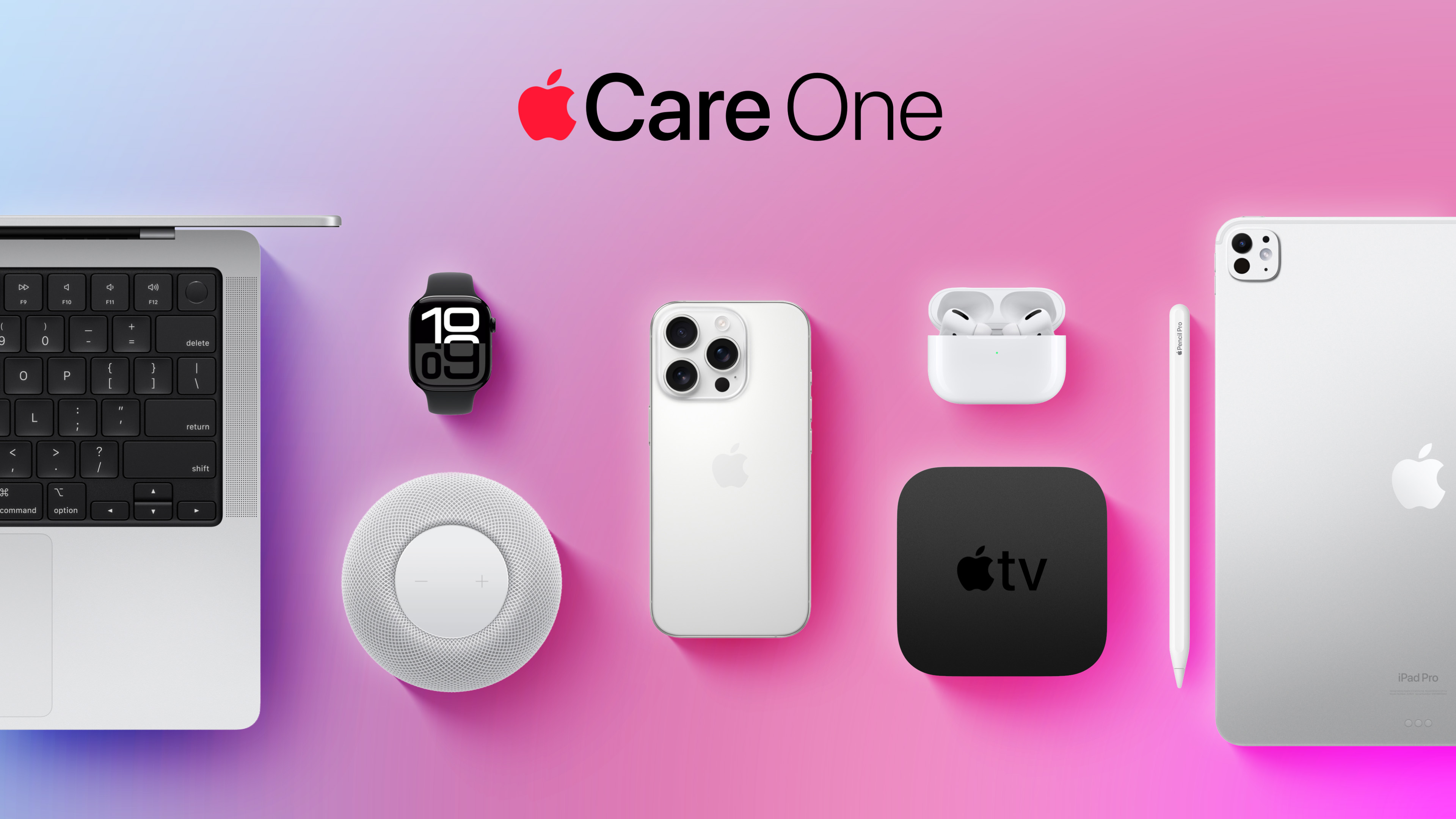
Apple today announced that AppleCare One will be available in Australia, France, Germany, and the U.K. starting Tuesday, August 4.


Introduced in the U.S. last year, AppleCare One covers up to three devices as part of a single monthly subscription, and the total cost can be lower than multiple AppleCare+ plans. In the U.K., for example, Apple says customers can save up to Β£11.48 per month compared to paying for three separate AppleCare+ with Theft and Loss plans.

AppleCare One includes all AppleCare+ benefits, including unlimited repairs for accidental damage subject to a fee per incident, 24/7 priority tech support, and theft and loss protection for the iPhone, iPad, and Apple Watch.

Depending on the country, customers can sign up for AppleCare One on Apple.com or at an Apple Store. Those who already have an AppleCare+ plan can also sign up directly in the Settings app on their iPhone, iPad, or Mac.

Existing devices that are up to four years old can be added to an AppleCare One plan, provided they are in good condition. A diagnostic check may be required. Additional devices beyond the three included can be added to the plan for an additional cost per month, per device, with most of the various fees outlined below.


Country Base Price Additional Device Repair Deductible Advertised Savings
Australia $29.99/month $8.99/month $45 to $149 Up to $18.48/month
France €20.99/month €5.99/month €29 to €99 Up to €13.48/month
Germany €20.99/month €5.99/month €29 to €99 Up to €13.48/month
United Kingdom Β£16.99/month Β£4.99/month Β£25 to Β£79 Up to Β£11.48/month


This article, "'AppleCare One' Expanding to Four More Countries" first appeared on MacRumors.com

Discuss this article in our forums

  •  

Apple Responds to Lawsuit Over Fake Bitcoin Wallet Scam in App Store

Apple is facing a new lawsuit from three customers who allegedly lost a combined $1.8 million after falling victim to a fake Bitcoin wallet app in the App Store, according to a complaint filed in California federal court on Friday.


The complaint alleges that Apple violated California's Consumers Legal Remedies Act and other laws by failing to adequately review and monitor apps distributed through the App Store, despite marketing it as "a safe and trusted place to discover and download apps." Due to these assurances in Apple's marketing, the complaint said the plaintiffs trusted that a Sparrow Wallet app they downloaded from the App Store on iOS was legitimate, when in reality it was a fraudulent spoof designed to steal Bitcoin from users.

Sparrow Wallet is only available on Windows, macOS, and Linux. The popular Bitcoin wallet is not available on iOS, but scammers have released fake lookalike apps in the App Store that can trick users into giving up control of their funds.

"Users found their accounts had been wiped out and their cryptocurrency assets transferred to the scammers' private wallets," the complaint says. "This fraud succeeded precisely because Apple exploited the consumer trust it had deliberately cultivated through more than a decade of marketing the App Store as a uniquely safe and trusted environment."

The plaintiffs James Ramirez, Christopher Ellis, and Jalen Delgado had Bitcoin amounts that were worth approximately $875,000, $840,000, and $120,000 respectively stolen via the app from May to August of 2025, according to the complaint.

Even when victims reported fraud, the lawsuit alleges that Apple often took little to no action, and it says other fake Sparrow apps remain in the App Store.

Sparrow Wallet developer Craig Raw has publicly addressed Apple's slow response to multiple fake versions of his app appearing in the App Store. In a January 2024 social media post, for example, he said "there is still a scam 'Sparrow Wallet' app on the @Apple App Store, despite myself and others having reported it weeks ago."

Last month, Raw said his attempt at protecting users by submitting a "placeholder" app to the App Store that contained marketing screenshots stating that Sparrow Wallet is a desktop app only resulted in his Apple Developer account being flagged for termination due to "dishonest activity." Apple later reversed this decision.

The plaintiffs are seeking damages, including reimbursement of all funds wrongfully lost through the fraudulent Sparrow Wallet app.

Update β€”Β July 27 at 5:30 a.m. Pacific Time: In response to our request for comment, Apple said it has taken swift action to remove any apps impersonating Sparrow Wallet on the App Store and to terminate developer accountsΒ associated with those apps.

Apple said developers who suspect that content available on an Apple service infringes on their intellectual property rights can submit aΒ dispute form to Apple's legal department, and customers can report App Store scams or frauds too. Apple says it takes immediate action against apps that do not comply with its guidelines.

Apple previously announced that it terminated 193,000 developer accounts over fraud concerns and prevented over $2.2 billion in potentially fraudulent transactions in 2025.
This article, "Apple Responds to Lawsuit Over Fake Bitcoin Wallet Scam in App Store" first appeared on MacRumors.com

Discuss this article in our forums

  •  

Here's What the 'iPhone 20' is Expected to Look Like

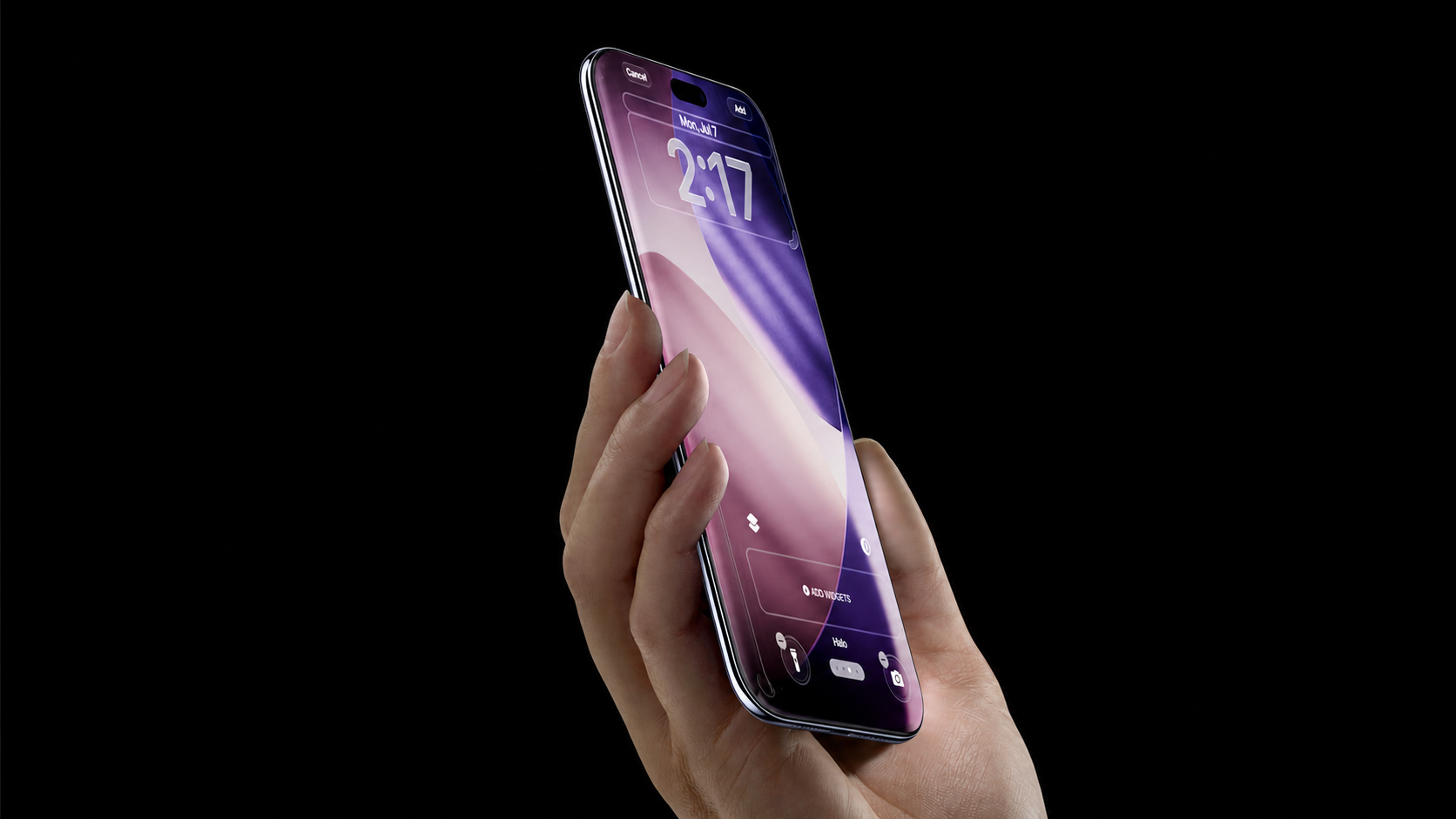
Apple's 20th anniversary iPhone is expected to arrive in the fall of 2027 with the most significant design overhaul the device has seen since the iPhone X.


In many ways, the device is expected to repeat the story of the iPhone X, which marked the device's 10th anniversary in 2017 by dropping the Home button and introducing an edge-to-edge display. The 2027 model is rumored to overhaul the design language that has defined the iPhone ever since, and will likely set the template for the years that follow. The device is highly likely to launch in the fall of 2027 alongside the second generation foldable iPhone.

All-Glass Design With Curved Display


Glass is at the center of the redesign. Bloomberg's Mark Gurman described a mostly glass, curved iPhone without any cutouts in the display, with a return to a glass back and curved glass that wraps around all four edges of the device. It would be the clearest expression yet of former design chief Jony Ive's ambition for an iPhone that resembles a single slab of glass. Facilities in Apple's supply chain have reportedly completed renovations ahead of production, with build quality said to be comparable to that of the first-generation iPhone Air.

Rather than the aggressive "waterfall" edges that Samsung used on its Galaxy phones for years, Apple is said to be seeking an equal-depth quad-curved panel that keeps the curve very shallow, using so-called "micro-curves" rather than a deep roll onto the sides. The gentler shape could make swipes from the edge of the display feel more natural, prevent distortion of on-screen content, and help the device feel softer in the hand.

The effect may rely on more than physical curvature alone. Leaker "Ice Universe" suggested it is unlike traditional quad-curved displays or the curved screens seen on Android phones, and could depend on a combination of optical refraction, light-guiding structures, and carefully engineered visual illusion to make the frame recede from view. Apple may reflect the theme in its branding, with one report claiming it could market the panel as a "Liquid Glass Display," echoing its current software design language. One unverified mock-up, shared by an account with an unproven track record, depicted a bezel of just 1.1mm around the display, compared to approximately 1.44mm on the iPhone 17 Pro.

No Dynamic Island?


The front of the device remains the most uncertain aspect of the design. Apple reportedly wants to achieve a front with no cutouts at all, moving both the Face ID system and the selfie camera beneath the display, with one report describing a "spliced micro-transparent glass" window that would let β€ŒFace IDβ€Œ's infrared sensors pass through the panel. DSCC's Ross Young has said the technology is unlikely to be fully ready for 2027, however, and while Apple is still testing an under-screen camera, it seems likely that a small hole-punch or a reduced version of the smaller Dynamic Island expected on iPhone 18 Pro models could remain.

Two Size Options


Apple is reportedly planning two anniversary models at roughly 6.3 and 6.9 inches, matching the iPhone 18 Pro and Pro Max, but the larger one could be fractionally larger and marketed as a 7-inch device owing to its slimmer bezels.

Thin Polished Frame


The frame is expected to be a thin polished band, though its material remains uncertain. Some rumors point to a departure from the aluminum used on Apple's current models, but leaker Fixed Focus Digital has pushed back on claims that Apple is preparing a return to titanium or a switch to Liquid Metal, arguing that aluminum remains the only practical choice for now given the heat generated by on-device AI processing. The same leaker has described aluminum as the material for "straight-edged" phones specifically, a distinction that leaves room for a different approach on the curved-edge anniversary model.

Haptic Buttons


Apple is also rumored to be revisiting solid-state haptic buttons for the device. The company is said to be reviving the long-shelved "Project Bongo" effort to replace the mechanical Side button, volume buttons, Action button, and Camera Control with haptic equivalents integrated into the frame, with zero physical movement when pressed.

Doing away with the physical openings that mechanical buttons require would suit a device intended to look like an unbroken piece of glass, and the buttons have reportedly passed tests for use with gloves, wet hands, extreme temperatures, and with a case fitted. An ultra-low energy microprocessor is said to keep them working even when the handset is powered off or the battery has run out.
This article, "Here's What the 'iPhone 20' is Expected to Look Like" first appeared on MacRumors.com

Discuss this article in our forums

  •  
❌