Log in
The MacRumors Show: Siri AI, Apple Intelligence in Apps, and More at WWDC 2026
On this week's special episode of The MacRumors Show, we talk through all of the major announcements Apple unveiled at WWDC 2026, including Siri AI, new Apple Intelligence features in apps, and system-wide performance and design improvements.
Apple framed the keynote around three areas: platform improvements, Trust and Safety, and a sweeping overhaul of Apple Intelligence and Siri. Developer betas of all six operating systems are available now, with a public beta expected in July and a general release in September.
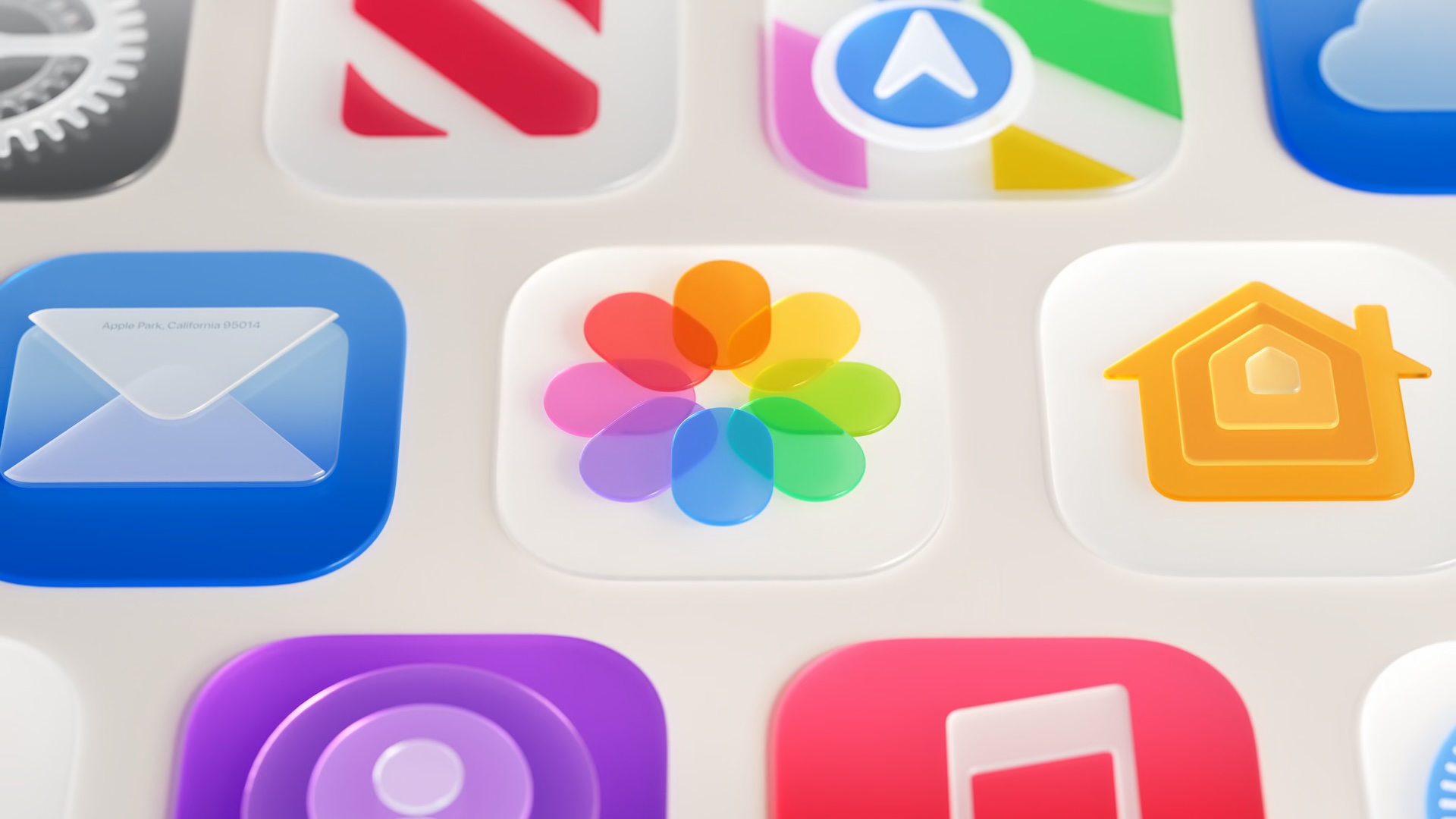
Liquid Glass received a series of improvements in response to user feedback, with Apple reworking the foundations of how the translucent design language is constructed to deliver more uniform refraction and improved contrast. A new system-wide opacity slider lets users dial transparency anywhere from completely clear to fully tinted. App icons also gain sharper definition with additional layering. macOS Golden Gate receives the same Liquid Glass refinements with particular attention to the transparency and shadow issues most pronounced on the Mac.
A significant chunk of the keynote was devoted to performance improvements across all platforms. iPhone and iPad apps launch up to 30% faster, new photos appear in iCloud Photos up to 70% faster after capture, AirDropped photos transfer up to 80% faster, and file transfers in Files are up to 50% faster. A redesigned CPU scheduler reportedly makes older iPhones feel more meaningfully responsive, and iOS 27 supports every iPhone compatible with iOS 26, going back to the iPhone 11.
The search index has been rearchitected to be more stable and comprehensive, with new content indexed almost immediately and a new ranking system in Mail to surface more relevant results. iCloud Shared Albums also gain support for contributions from Android and Windows users.
Apple announced an expanded set of parental controls and Screen Time tools, giving parents more granular ability to monitor and approve what children are doing on-device and within apps, with changes the company said are grounded in expert research.
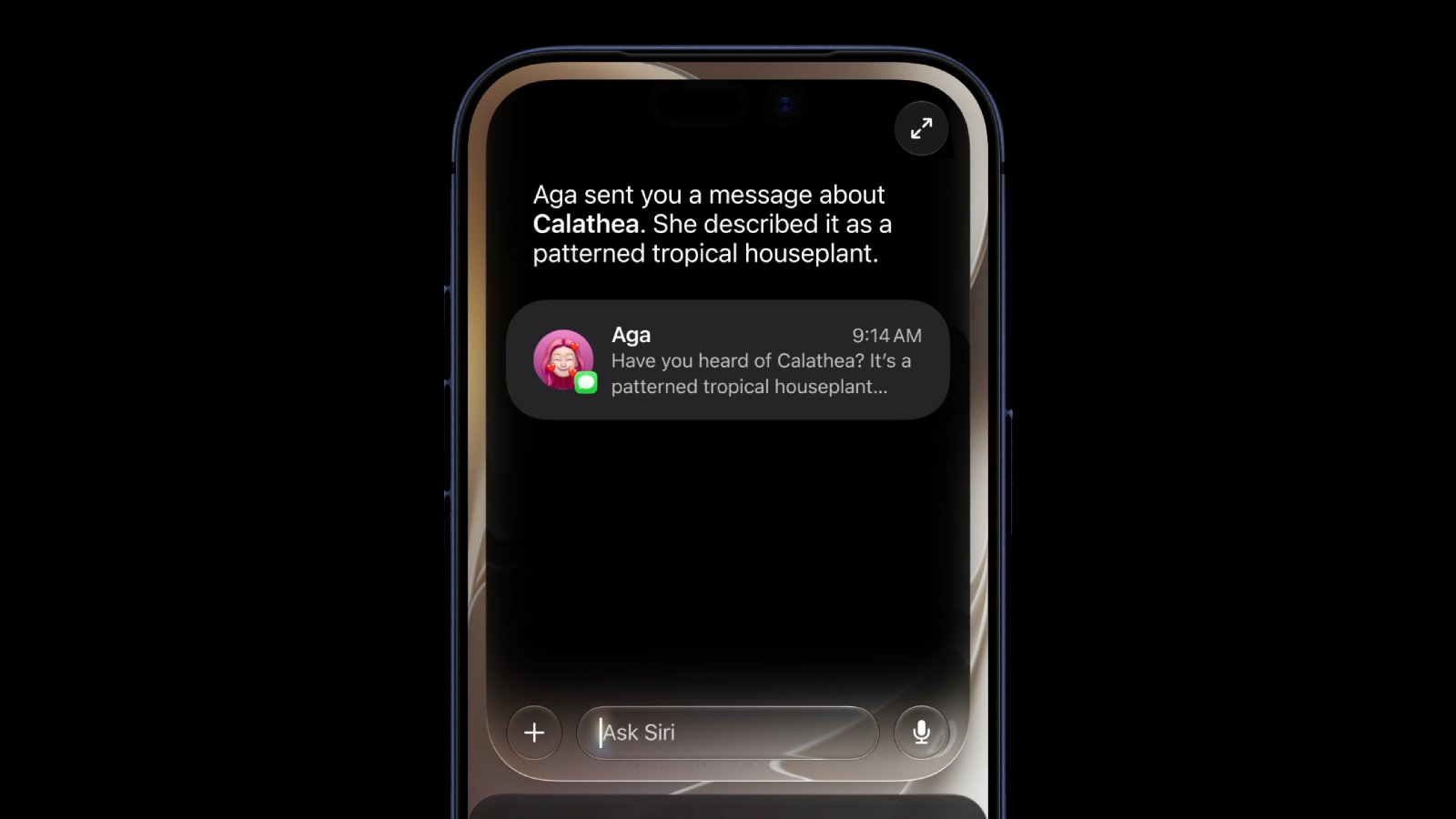
The centerpiece of the keynote was Siri AI, a ground-up rebuild of Apple's personal assistant built on new Foundation Models co-developed with Google using Gemini technologies. Apple described the result as a profoundly more capable assistant supporting natural back-and-forth conversation, personal context understanding across all on-device content, onscreen awareness, image understanding, and broad world knowledge via web access.
Siri now has a dedicated app for browsing and continuing conversations, which sync across devices via iCloud. On the iPhone, Siri is embedded in the Dynamic Island and on the Mac it lives inside Spotlight. A new customizable voice model is available at setup. Siri AI extends to CarPlay and AirPods as well.
Visual Intelligence has been folded into a dedicated Siri mode in the Camera app, with new capabilities including nutritional information from a photo of food and bill-splitting from a receipt snap. Siri can now write anywhere text input is available, generate first drafts from natural language descriptions, give feedback on existing writing, and Apple Intelligence adds automatic proofreading system-wide.
Apple said Siri AI uses on-device processing and Private Cloud Compute, with cloud processing running on Apple's servers using Google's infrastructure, but handled such that data remains inaccessible to Apple or third parties. Siri AI is free, with some features such as image generation carrying daily usage limits and expanded access available through most iCloud+ plans.
Users must join a waitlist to access the new Siri. Siri AI will not be available in the EU or China at launch and launches in English only.
Safari gains tab grouping, with Apple Intelligence analyzing pages and organizing open tabs without manual intervention, and a new webpage monitoring feature that notifies users when a page is updated. Safari will also let users describe what they want a browser extension to do in natural language, with Apple Intelligence generating one accordingly, and can automatically change compromised passwords, updating them in the Passwords app.
Shortcuts gains natural language creation, so users can describe a workflow and have Apple Intelligence build it automatically. Messages and Mail both gain contextual one-tap suggestions for actions such as creating a reminder or inserting a photo. Calendar adds natural language event creation and can automatically update recurring events when their pattern changes.
Photos gains an improved Clean Up tool with more realistic infill, a new Extend tool that adds breathing room around images or straightens a crooked horizon without cropping, and Reframe, which uses on-device spatial models to adjust perspective. Image Playground is updated with a new generative model capable of photorealistic output, support for editing existing photos, and the ability to circle specific areas for targeted changes.
The Home app now aggregates notifications to reduce noise, and uses Apple Intelligence to generate summaries of recorded footage, linking content from multiple cameras together. Maps Flyover has been overhauled with significantly more detail, combining aerial imagery with vision intelligence models.
CarPlay gains new features including video app support, AirPods gain custom EQ settings, Apple Vision Pro gains the ability to turn panorama photos into spatial scenes, and the Health app adds perimenopause and menopause tracking. watchOS 27 brings a dynamic app grid, new gesture controls, and a Siri app to the Apple Watch.
Developer betas of iOS 27, iPadOS 27, macOS Golden Gate, watchOS 27, tvOS 27, and visionOS 27 are available now, with a public beta to follow in July. All of the updates are expected to release to the public in September alongside the new iPhone lineup. The MacRumors Show has its own YouTube channel, so make sure you're subscribed to keep up with new episodes and clips.
You can also listen to The MacRumors Show on Apple Podcasts, Spotify, Overcast, or other podcast apps. You can also copy our RSS feed directly into your player.
If you haven't already listened to the previous episode of The MacRumors Show, catch up to hear our discussion about all of the major rumors surrounding Apple's announcements at WWDC 2026.
Subscribe to The MacRumors Show for new episodes every week, where we discuss some of the topical news breaking here on MacRumors, often joined by interesting guests such as Kayci Lacob, Kevin Nether, John Gruber, Mark Gurman, Jon Prosser, Luke Miani, Matthew Cassinelli, Brian Tong, Quinn Nelson, Jared Nelson, Eli Hodapp, Mike Bell, Sara Dietschy, iJustine, Jon Rettinger, Andru Edwards, Arnold Kim, Ben Sullins, Marcus Kane, Christopher Lawley, Frank McShan, David Lewis, Tyler Stalman, Sam Kohl, Federico Viticci, Thomas Frank, Jonathan Morrison, Ross Young, Ian Zelbo, and Rene Ritchie.
The MacRumors Show is on X @MacRumorsShow, so be sure to give us a follow to keep up with the podcast. You can also email us at podcast@macrumors.com or head over to The MacRumors Show forum thread. Remember to rate and review the podcast, and let us know what subjects and guests you would like to see in the future.
This article, "The MacRumors Show: Siri AI, Apple Intelligence in Apps, and More at WWDC 2026" first appeared on MacRumors.com
Discuss this article in our forums
Subscribe to The MacRumors Show YouTube channel for more videos
Apple framed the keynote around three areas: platform improvements, Trust and Safety, and a sweeping overhaul of Apple Intelligence and Siri. Developer betas of all six operating systems are available now, with a public beta expected in July and a general release in September.
Liquid Glass received a series of improvements in response to user feedback, with Apple reworking the foundations of how the translucent design language is constructed to deliver more uniform refraction and improved contrast. A new system-wide opacity slider lets users dial transparency anywhere from completely clear to fully tinted. App icons also gain sharper definition with additional layering. macOS Golden Gate receives the same Liquid Glass refinements with particular attention to the transparency and shadow issues most pronounced on the Mac.
A significant chunk of the keynote was devoted to performance improvements across all platforms. iPhone and iPad apps launch up to 30% faster, new photos appear in iCloud Photos up to 70% faster after capture, AirDropped photos transfer up to 80% faster, and file transfers in Files are up to 50% faster. A redesigned CPU scheduler reportedly makes older iPhones feel more meaningfully responsive, and iOS 27 supports every iPhone compatible with iOS 26, going back to the iPhone 11.
The search index has been rearchitected to be more stable and comprehensive, with new content indexed almost immediately and a new ranking system in Mail to surface more relevant results. iCloud Shared Albums also gain support for contributions from Android and Windows users.
Apple announced an expanded set of parental controls and Screen Time tools, giving parents more granular ability to monitor and approve what children are doing on-device and within apps, with changes the company said are grounded in expert research.
The centerpiece of the keynote was Siri AI, a ground-up rebuild of Apple's personal assistant built on new Foundation Models co-developed with Google using Gemini technologies. Apple described the result as a profoundly more capable assistant supporting natural back-and-forth conversation, personal context understanding across all on-device content, onscreen awareness, image understanding, and broad world knowledge via web access.
Siri now has a dedicated app for browsing and continuing conversations, which sync across devices via iCloud. On the iPhone, Siri is embedded in the Dynamic Island and on the Mac it lives inside Spotlight. A new customizable voice model is available at setup. Siri AI extends to CarPlay and AirPods as well.
Visual Intelligence has been folded into a dedicated Siri mode in the Camera app, with new capabilities including nutritional information from a photo of food and bill-splitting from a receipt snap. Siri can now write anywhere text input is available, generate first drafts from natural language descriptions, give feedback on existing writing, and Apple Intelligence adds automatic proofreading system-wide.
Apple said Siri AI uses on-device processing and Private Cloud Compute, with cloud processing running on Apple's servers using Google's infrastructure, but handled such that data remains inaccessible to Apple or third parties. Siri AI is free, with some features such as image generation carrying daily usage limits and expanded access available through most iCloud+ plans.
Users must join a waitlist to access the new Siri. Siri AI will not be available in the EU or China at launch and launches in English only.
Safari gains tab grouping, with Apple Intelligence analyzing pages and organizing open tabs without manual intervention, and a new webpage monitoring feature that notifies users when a page is updated. Safari will also let users describe what they want a browser extension to do in natural language, with Apple Intelligence generating one accordingly, and can automatically change compromised passwords, updating them in the Passwords app.
Shortcuts gains natural language creation, so users can describe a workflow and have Apple Intelligence build it automatically. Messages and Mail both gain contextual one-tap suggestions for actions such as creating a reminder or inserting a photo. Calendar adds natural language event creation and can automatically update recurring events when their pattern changes.
Photos gains an improved Clean Up tool with more realistic infill, a new Extend tool that adds breathing room around images or straightens a crooked horizon without cropping, and Reframe, which uses on-device spatial models to adjust perspective. Image Playground is updated with a new generative model capable of photorealistic output, support for editing existing photos, and the ability to circle specific areas for targeted changes.
The Home app now aggregates notifications to reduce noise, and uses Apple Intelligence to generate summaries of recorded footage, linking content from multiple cameras together. Maps Flyover has been overhauled with significantly more detail, combining aerial imagery with vision intelligence models.
CarPlay gains new features including video app support, AirPods gain custom EQ settings, Apple Vision Pro gains the ability to turn panorama photos into spatial scenes, and the Health app adds perimenopause and menopause tracking. watchOS 27 brings a dynamic app grid, new gesture controls, and a Siri app to the Apple Watch.
Developer betas of iOS 27, iPadOS 27, macOS Golden Gate, watchOS 27, tvOS 27, and visionOS 27 are available now, with a public beta to follow in July. All of the updates are expected to release to the public in September alongside the new iPhone lineup. The MacRumors Show has its own YouTube channel, so make sure you're subscribed to keep up with new episodes and clips.
You can also listen to The MacRumors Show on Apple Podcasts, Spotify, Overcast, or other podcast apps. You can also copy our RSS feed directly into your player.
If you haven't already listened to the previous episode of The MacRumors Show, catch up to hear our discussion about all of the major rumors surrounding Apple's announcements at WWDC 2026.
Subscribe to The MacRumors Show for new episodes every week, where we discuss some of the topical news breaking here on MacRumors, often joined by interesting guests such as Kayci Lacob, Kevin Nether, John Gruber, Mark Gurman, Jon Prosser, Luke Miani, Matthew Cassinelli, Brian Tong, Quinn Nelson, Jared Nelson, Eli Hodapp, Mike Bell, Sara Dietschy, iJustine, Jon Rettinger, Andru Edwards, Arnold Kim, Ben Sullins, Marcus Kane, Christopher Lawley, Frank McShan, David Lewis, Tyler Stalman, Sam Kohl, Federico Viticci, Thomas Frank, Jonathan Morrison, Ross Young, Ian Zelbo, and Rene Ritchie.
The MacRumors Show is on X @MacRumorsShow, so be sure to give us a follow to keep up with the podcast. You can also email us at podcast@macrumors.com or head over to The MacRumors Show forum thread. Remember to rate and review the podcast, and let us know what subjects and guests you would like to see in the future.
Related Roundup: WWDC 2026
Related Forum: Apple, Inc and Tech Industry
This article, "The MacRumors Show: Siri AI, Apple Intelligence in Apps, and More at WWDC 2026" first appeared on MacRumors.com
Discuss this article in our forums