Log in
It's a Bad Time to Buy the Low-Cost iPad
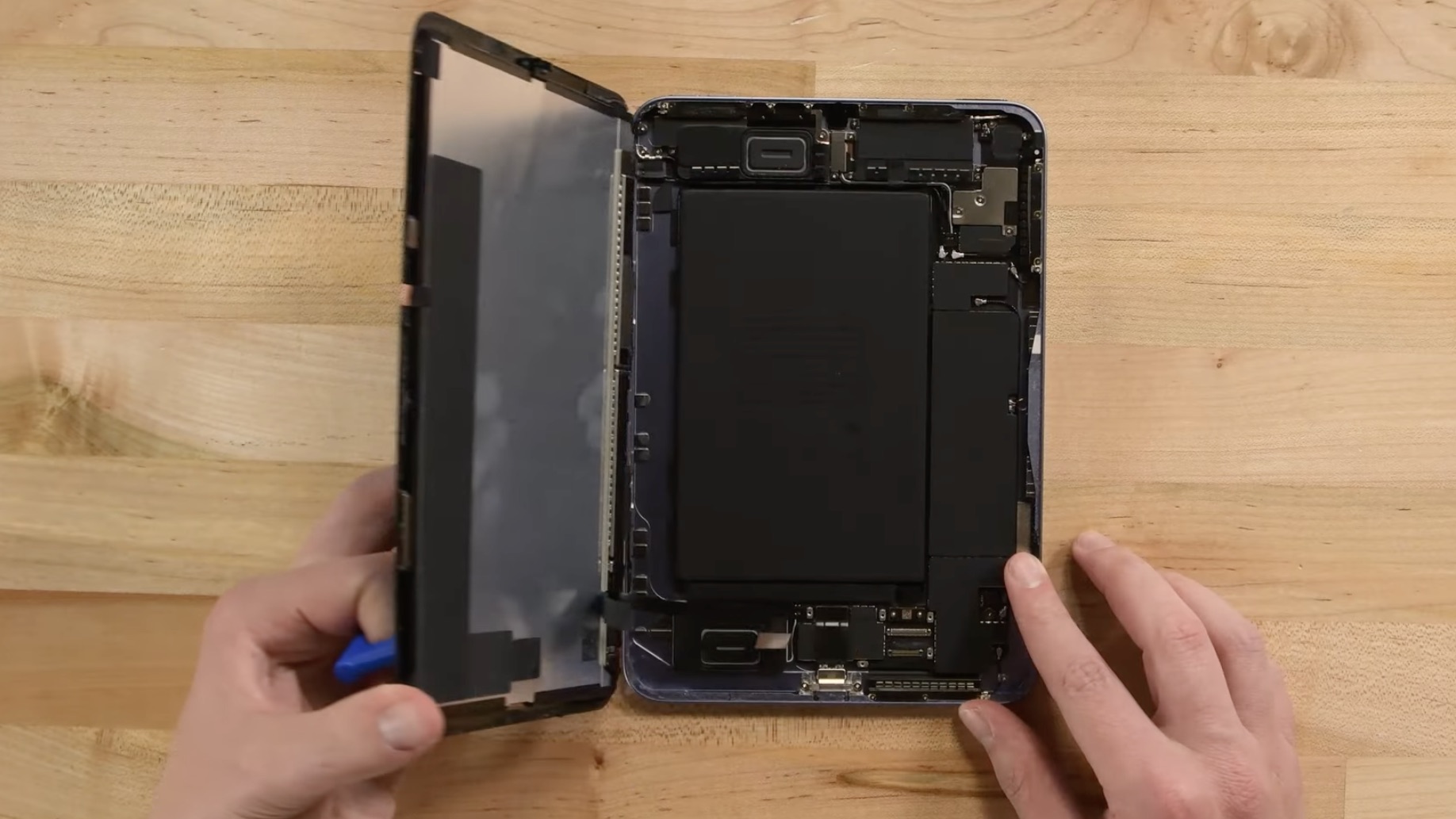
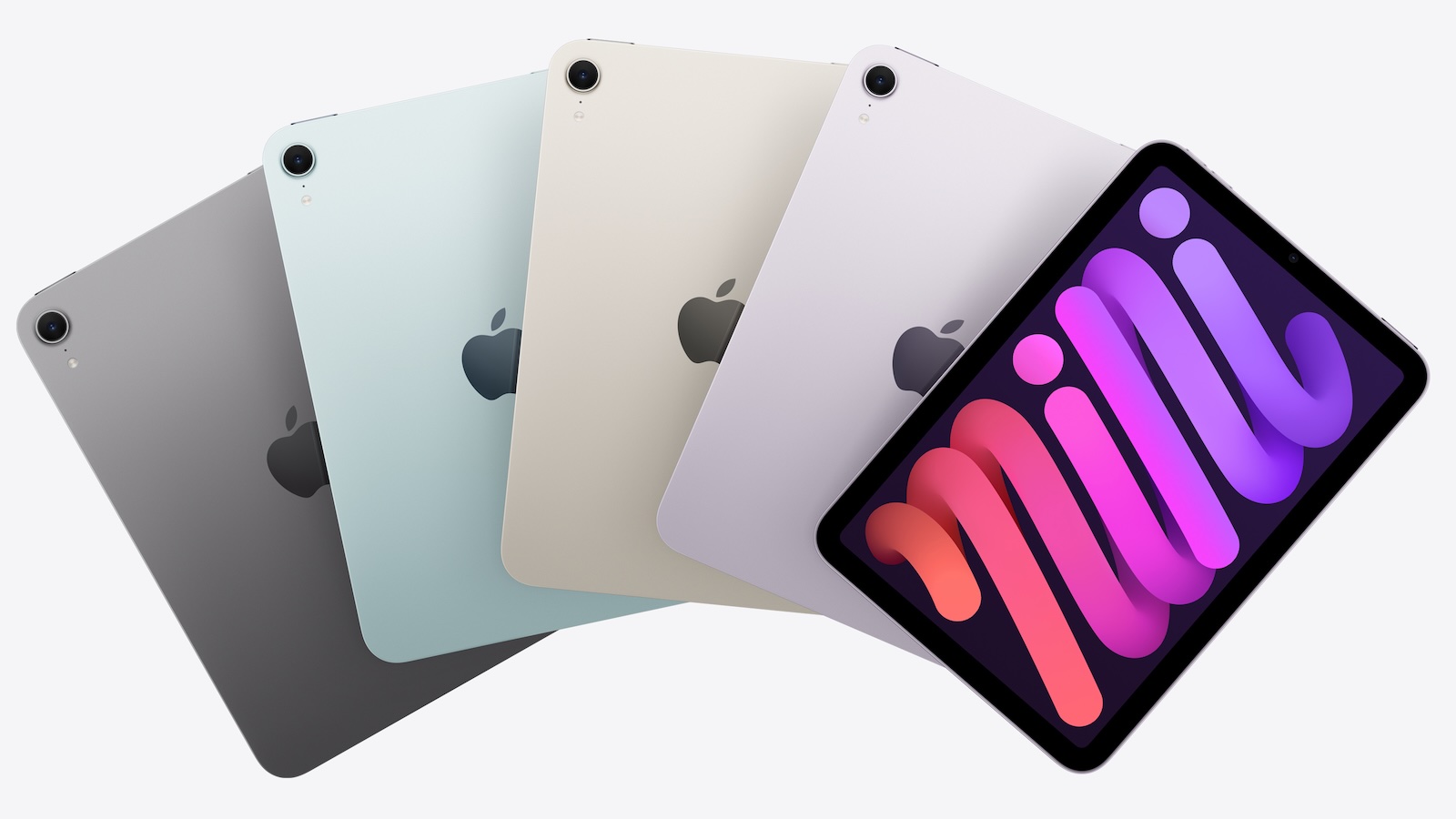
Apple's iPad that's just an iPad with no Air or Pro attached is its most appealing tablet because of the affordable starting $349 price tag, but if you've been thinking about buying one, you should wait.

Apple refreshed the iPad in March 2025, so it's over a year old. That's reason enough not to buy when there's a new model on the horizon, but this year, there's even more to lose by purchasing now.
The 2025 iPad has an A16 chip inside that does not support Apple Intelligence. It does not have features like Writing Tools, Image Playground, Clean Up, Live Translation, notification summaries, Smart Reply, Priority Messages in Mail, Visual Intelligence, and multiple other AI-related tools.
Apple Intelligence is still new so it might not sound like a big deal to miss out on those capabilities, but not having access to it is going to become more of a problem as Apple continues implementing new AI features.
Rumors suggest there are big changes coming in iOS 27. Siri is going to get smarter and turn into a full chatbot, the Camera app is going to get Visual Intelligence integration, the Photos app will have AI image editing tools, Shortcuts may be more automated, and there are probably features coming that haven't even been rumored yet.
The A16 iPad will likely feel outdated in the next year or two because of the feature set it won't have access to.
The next iPad is likely to get the A18 chip, and the A18 does support Apple Intelligence. It will have faster performance, more RAM, and most importantly, future-proofing and access to the AI features that Apple is investing in.
Holding out for the next iPad will take some patience, because right now, we don't know when it's coming. Updating the iPad alongside the low-cost iPhone 17e would have made sense, but that didn't happen. A new entry-level iPad isn't coming in the first half of 2026, so we're likely going to be waiting until September or October.
Bloomberg's Mark Gurman said in March that an updated low-cost iPad is "ready to go" and "still coming this year." Even though the wait may be several months, we think it's worth holding out for the next iPad instead of buying now because of the upgrade that comes with Apple Intelligence support.
This article, "It's a Bad Time to Buy the Low-Cost iPad" first appeared on MacRumors.com
Discuss this article in our forums
Apple refreshed the iPad in March 2025, so it's over a year old. That's reason enough not to buy when there's a new model on the horizon, but this year, there's even more to lose by purchasing now.
The 2025 iPad has an A16 chip inside that does not support Apple Intelligence. It does not have features like Writing Tools, Image Playground, Clean Up, Live Translation, notification summaries, Smart Reply, Priority Messages in Mail, Visual Intelligence, and multiple other AI-related tools.
Apple Intelligence is still new so it might not sound like a big deal to miss out on those capabilities, but not having access to it is going to become more of a problem as Apple continues implementing new AI features.
Rumors suggest there are big changes coming in iOS 27. Siri is going to get smarter and turn into a full chatbot, the Camera app is going to get Visual Intelligence integration, the Photos app will have AI image editing tools, Shortcuts may be more automated, and there are probably features coming that haven't even been rumored yet.
The A16 iPad will likely feel outdated in the next year or two because of the feature set it won't have access to.
The next iPad is likely to get the A18 chip, and the A18 does support Apple Intelligence. It will have faster performance, more RAM, and most importantly, future-proofing and access to the AI features that Apple is investing in.
Holding out for the next iPad will take some patience, because right now, we don't know when it's coming. Updating the iPad alongside the low-cost iPhone 17e would have made sense, but that didn't happen. A new entry-level iPad isn't coming in the first half of 2026, so we're likely going to be waiting until September or October.
Bloomberg's Mark Gurman said in March that an updated low-cost iPad is "ready to go" and "still coming this year." Even though the wait may be several months, we think it's worth holding out for the next iPad instead of buying now because of the upgrade that comes with Apple Intelligence support.
Related Roundup: iPad
Buyer's Guide: iPad (Don't Buy)
Related Forum: iPad
This article, "It's a Bad Time to Buy the Low-Cost iPad" first appeared on MacRumors.com
Discuss this article in our forums


 Note: MacRumors is an affiliate partner with Amazon. When you click a link and make a purchase, we may receive a small payment, which helps us keep the site running.