❌

Lees weergave

Apple Stores Will Add Your Name to iPhone Duo's Startup Screen

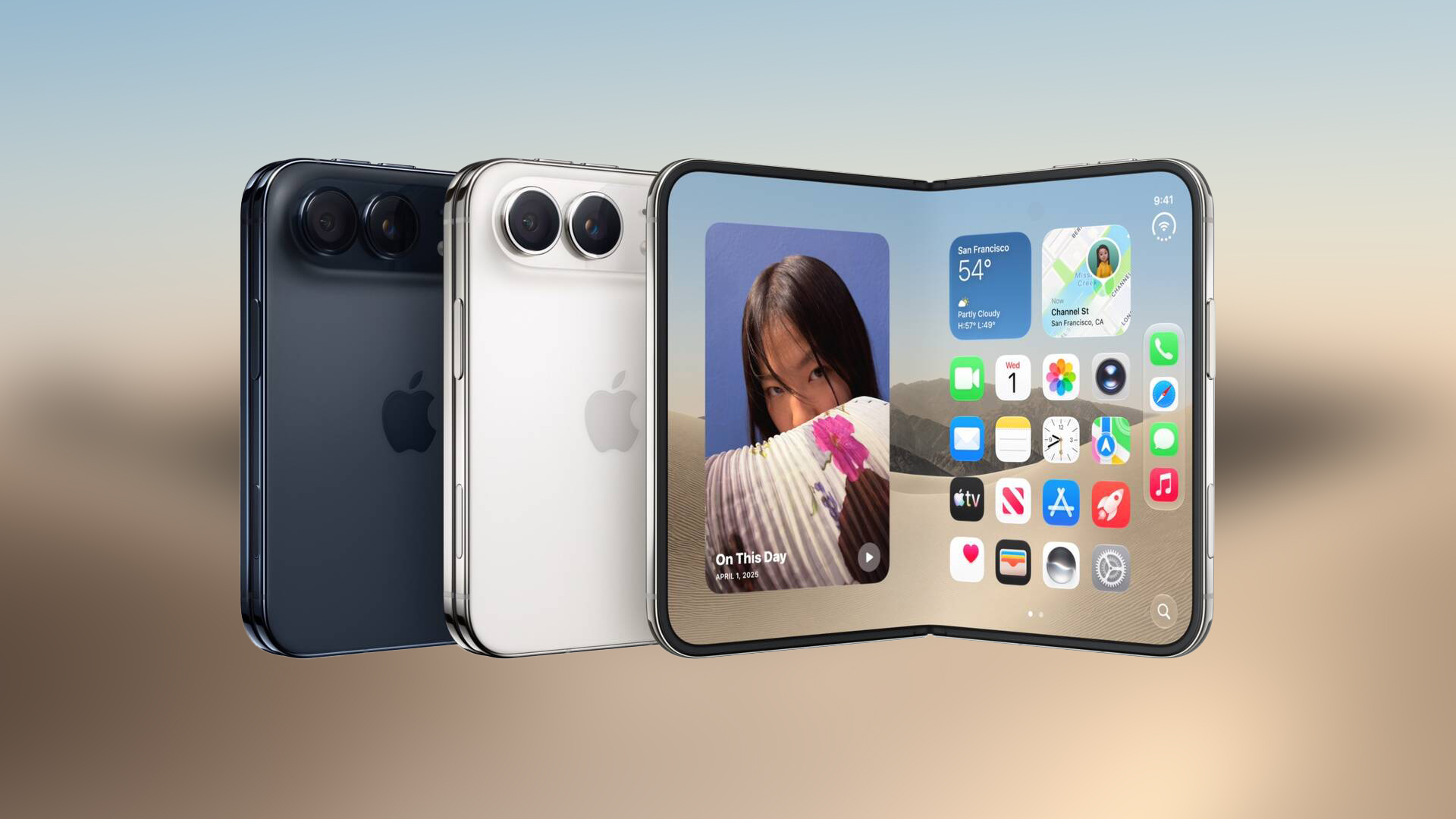
Apple has something special planned for customers who purchase an iPhone Duo in an Apple Store. Employees will be able to customize the Duo so it displays the name of the buyer at the "Hello" screen when it turns on for the first time.


Bloomberg's Mark Gurman says Apple retail stores in the United States will have a personalization system for adding the buyer's name to an ‌iPhone Duo‌, with English and Spanish language options.

Fun little touch for the iPhone Duo launch: Apple retail stores will have a system to customize the boot of the device with the buyer's name so it says "Hello, Mark" (for example) when it turns on for the first time. (US only, Duo only, English and Spanish).

— Mark Gurman (@markgurman) October 9, 2026


Presumably, the name option will be available for devices ordered for in-store pickup and devices purchased in person.

The ‌iPhone Duo‌ will be available for pre-order starting on October 16 at 5 a.m. Pacific Time, and it will launch on October 23. Pricing starts at $1,999.
Related Roundup: iPhone Duo
Related Forum: iPhone

This article, "Apple Stores Will Add Your Name to iPhone Duo's Startup Screen" first appeared on MacRumors.com

Discuss this article in our forums

  •  

SpaceX Inches Closer to Becoming a U.S. Carrier

SpaceX this week announced two developments that further its goal of becoming a major U.S. carrier to compete with AT&T, Verizon, and T-Mobile.


It is acquiring a low-band spectrum license portfolio in the 800MHz band, which it says addresses one of the "remaining technical gaps" that will let it to compete with other carriers. Most smartphones already support the 800MHz band SpaceX is buying.

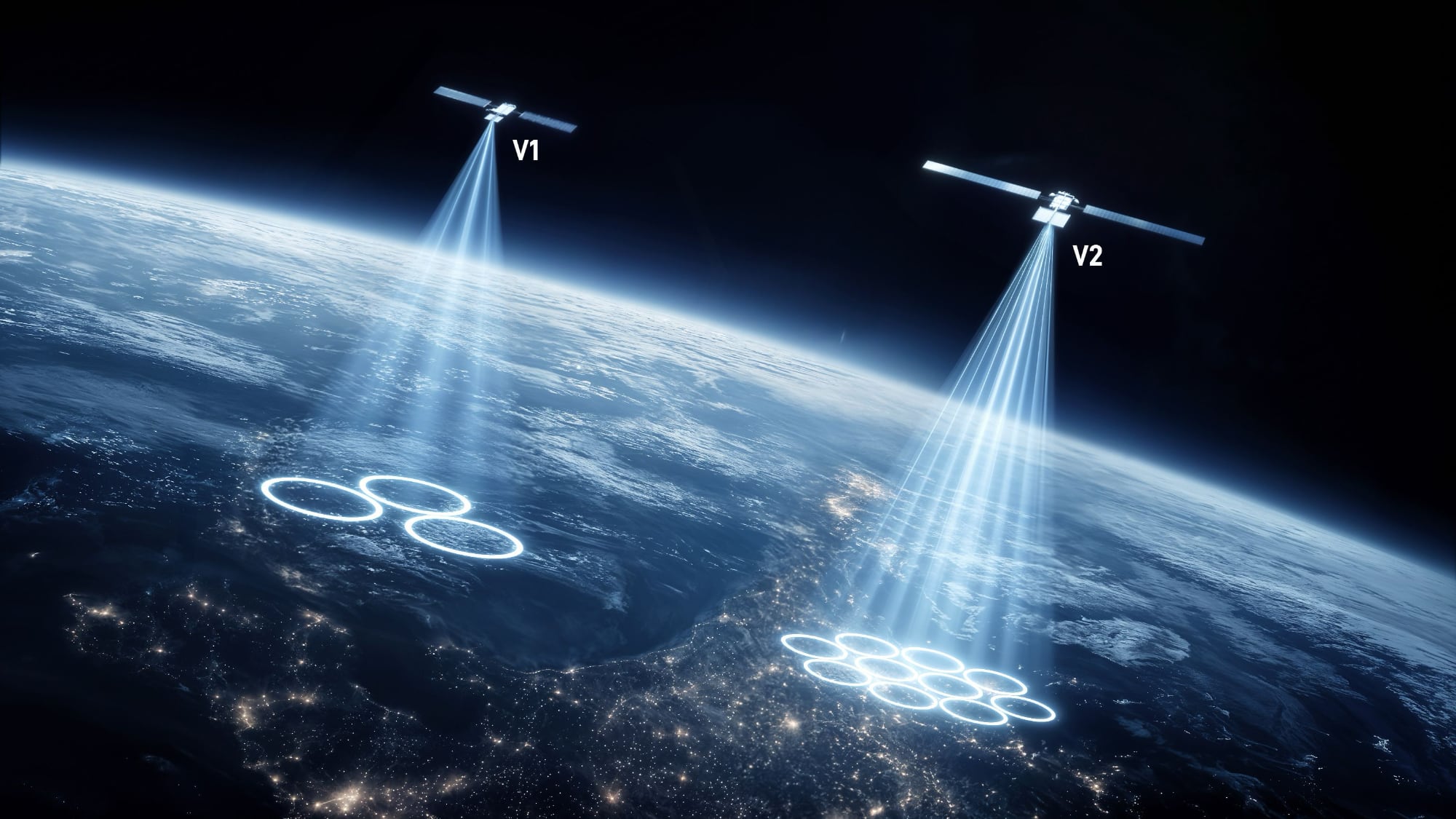
The FCC approved the Starlink Mobile Gen2 constellation application, letting SpaceX launch 15,000 satellites optimized for 2GHz spectrum globally. The company says the Starlink Mobile satellites will "deliver more than 100 times the bandwidth" of the current generation. The FCC also issued SpaceX a waiver permitting the company to offer wireless service through its satellites without a spectrum leasing agreement with a terrestrial carrier.

After receiving final FCC approval for the new spectrum purchase, SpaceX will combine its satellites with an "advanced terrestrial deployment" to connect devices everywhere. SpaceX says the 2GHz mid-band spectrum will offer high-bandwidth capacity in the U.S., while the new low-band spectrum will allow Starlink's signal to penetrate through obstacles like walls.

SpaceX plans to be the first network operator to deploy satellite and terrestrial spectrum. It says it will offer a single network with "a reliable service indoors, outdoors, in cellular dead zones, and everywhere in between."

SpaceX already powers T-Mobile's satellite feature, but T-Mobile recently removed SpaceX branding from its website after finalizing a joint satellite venture with AT&T and Verizon. SpaceX's Starlink Mobile announcement caused shares of AT&T, Verizon, and T-Mobile to drop, with Verizon seeing its worst one-day fall since 2002.
This article, "SpaceX Inches Closer to Becoming a U.S. Carrier" first appeared on MacRumors.com

Discuss this article in our forums

  •  

MacRumors Giveaway: Win an Apple Watch Series 12 and a Nylon Band From Southern Straps

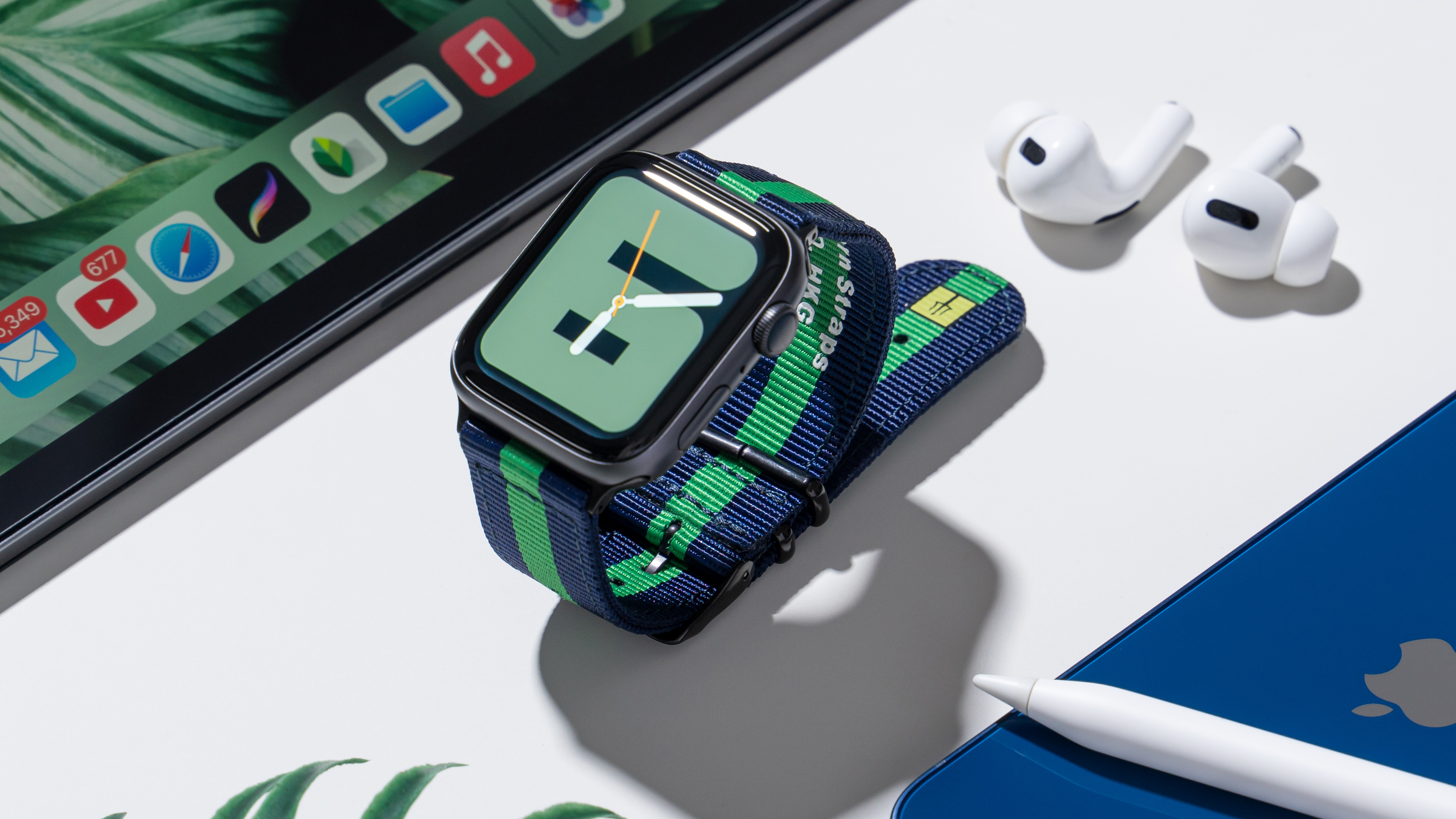
For this week's giveaway, we've teamed up with Southern Straps to offer MacRumors readers a chance to win an Apple Watch Series 12 and a nylon band from Southern Straps to go along with it.


Southern Straps is a California-based company that has been making high-quality bands for the Apple Watch since the device first launched in 2015, and the company's selection of bands offer a an alternative to Apple's bands in unique styles that Apple does not offer.


Southern Straps set out to make nylon NATO-style bands for the Apple Watch over a decade ago, and it is still making those same handcrafted watch straps today. With years of experience, Southern Straps has had time to perfect the band's look and construction.

Available for $60 or two for $105, each Southern Straps Apple Watch band is made from a single piece of nylon that is folded over, heat sealed, and stitched together for durability. The multi-step process makes sure that each band holds up for years of use, and they come with a five-year warranty.


Southern Straps offers over 10 color options, ranging from solid colors in green, black, and beige, to striped options in colorful combinations like blue and green, blue and red, khaki and red, blue and white, blue and orange, black and gray, and the classic red, white, and blue.

Bands can be ordered with hardware in black, silver, or gold to match the different Apple Watch models. There are two sizes: one that is compatible with 42mm to 49mm Apple Watch models, and one that is compatible with smaller 38mm to 42mm models. The bands work with every Apple Watch model from the original Apple Watch to the Apple Watch Ultra 4 and the Series 12.


Pegged spring bars are included with each band so that you can change the hardware if you get an Apple Watch in a new size or a new color. Southern Straps bands are perfect for daily use and transition easily from work to working out.


We have an Apple Watch Series 12 for one lucky MacRumors reader, plus a Southern Straps band. To enter to win, use the widget below and enter an email address. Email addresses will be used solely for contact purposes to reach the winner(s) and send the prize(s). You can earn additional entries by subscribing to our weekly newsletter, subscribing to our YouTube channel, following us on Twitter, following us on Instagram, following us on Threads, or visiting the MacRumors Facebook page.

Due to the complexities of international laws regarding giveaways, only U.S. residents who are 18 years or older, UK residents who are 18 years or older, and Canadian residents who have reached the age of majority in their province or territory are eligible to enter. All federal, state, provincial, and/or local taxes, fees, and surcharges are the sole responsibility of the prize winner. To offer feedback or get more information on the giveaway restrictions, please refer to our Site Feedback section, as that is where discussion of the rules will be redirected.


Southern Straps Giveaway
The contest will run from today (October 9) at 9:00 a.m. Pacific Time through 9:00 a.m. Pacific Time on October 16. The winner will be chosen randomly on or shortly after October 16 and will be contacted by email. The winner will have 48 hours to respond and provide a shipping address before a new winner is chosen.
Related Roundup: Apple Watch 12
Buyer's Guide: Apple Watch (Buy Now)
Related Forum: Apple Watch

This article, "MacRumors Giveaway: Win an Apple Watch Series 12 and a Nylon Band From Southern Straps" first appeared on MacRumors.com

Discuss this article in our forums

  •  

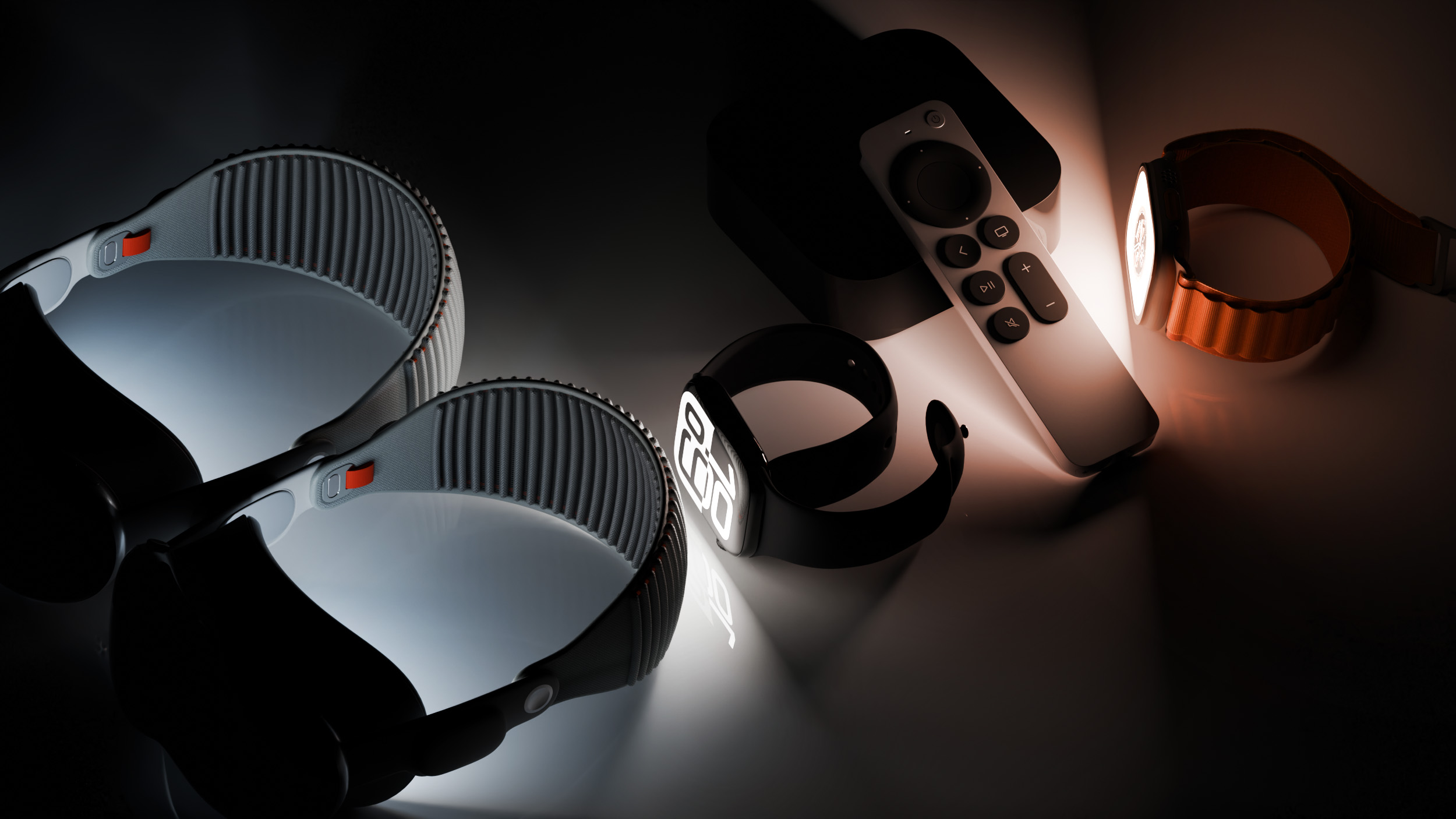
Apple's October 13 Launch: What's Coming

Apple is planning to introduce new products on Tuesday, October 13, Apple marketing chief Greg Joswiak announced today. It won't be a traditional Apple event, but Apple has invited some members of the media to New York City to get some hands-on time with whatever's introduced.


Those of us not invited to the New York Experience are likely to be introduced to the new devices via press releases that'll come out on launch day. Since the NYC visits begin at 9:00 a.m. on the 13th, that may be when the product announcements will happen.

The video Joswiak shared gives us a major hint at what's coming, and as expected, it's home-related. We're expecting at least three new devices, including one all-new product.

Home Hub


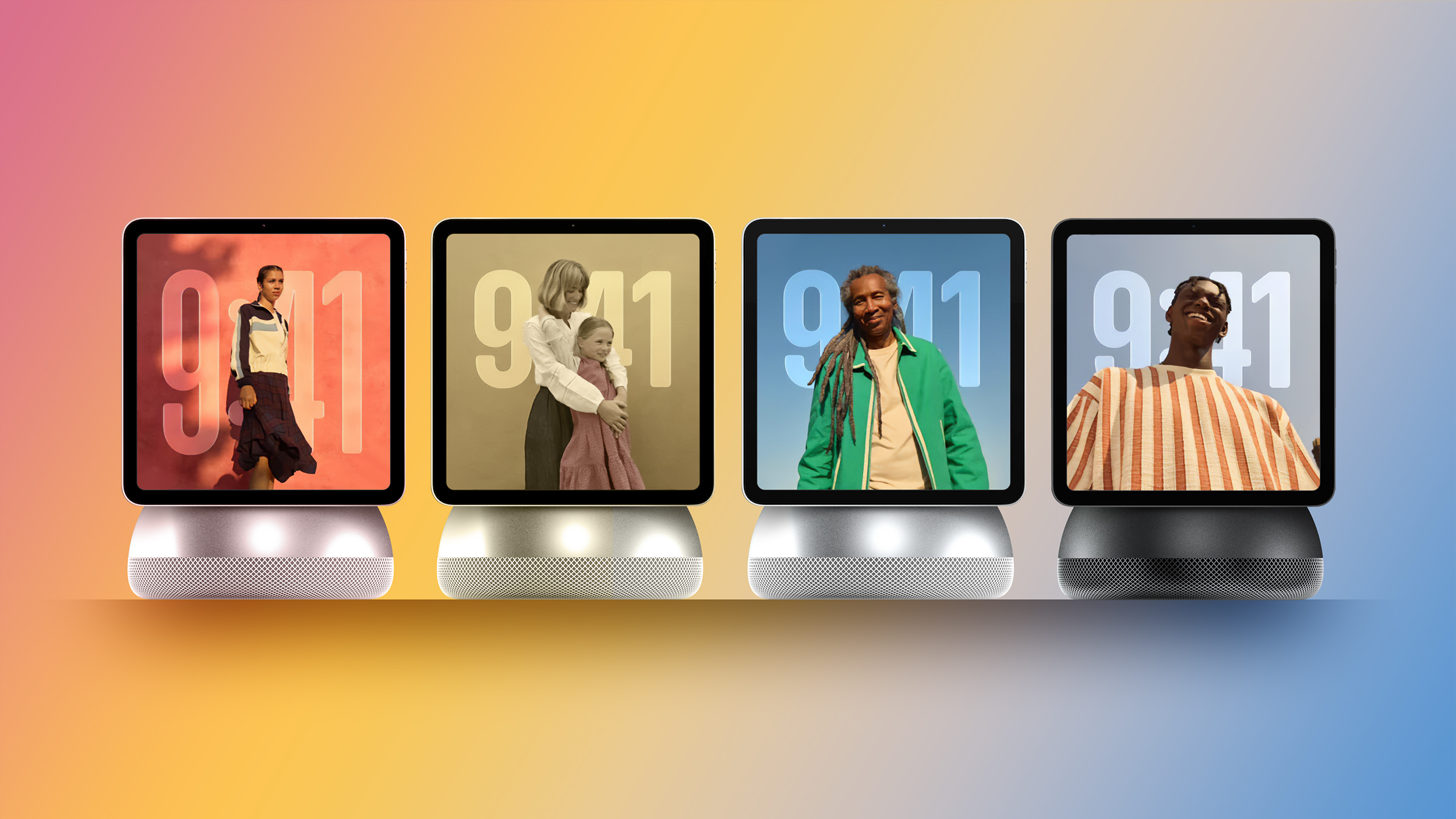
We've been hearing rumors about Apple's home hub for months because it's been ready to ship and waiting on Siri AI. It's got a 6-inch display, and there are two varieties. One is meant to be mounted on the wall, and one is meant to be used with a half-dome speaker base.

‌Siri‌ AI is a central part of the hub, and they'll basically give users a way to get information and answers from ‌Siri‌. The hub will run a version of tvOS that could be called homeOS, with familiar Apple apps and widgets. It'll be a central home device, showing members of the family upcoming calendar events and other personalized information, along with offering an easy way to control connected smart home devices.

It will display the time when not in use, and it will be customizable so you can choose the widgets and apps you want to see. It has a camera so it can be used to make video calls, and it'll play videos too so you can put it in the kitchen and follow along with a recipe. Presence sensors and the camera will be able to tell the hub which member of the family is nearby, and it will show a custom interface for each person. It will use facial recognition for identification.

Pricing on the hub could start at around $350, and Apple envisions users putting several of the hubs in their homes.

HomePod mini


The HomePod mini is getting a refresh with new color options and a faster processor, plus an N1 networking chip for Wi-Fi 7, Bluetooth 6, and Thread. We're expecting the ‌HomePod mini‌ to offer new ‌Siri‌ AI features.

Apple TV 4K


The Apple TV 4K is also getting an upgraded chip and more RAM. It could have the A19 or A19 Pro and either 8GB or 12GB RAM. It too will get the N1 networking chip for Wi-Fi 7, Bluetooth 6, and Thread, and it is also expected to offer a full ‌Siri‌ AI experience.

Other Possibilities


There are more devices we're expecting Apple to launch before the end of the year, but Apple is going to hold another product launch on October 27 to introduce new Macs and the OLED iPad mini.

  • iPad mini - The ‌iPad mini‌ is getting a major upgrade with an ‌OLED‌ display, improved waterproofing, and a faster chip. Expect it to be more expensive.

  • OLED MacBook - Apple is planning to launch an ‌OLED‌ touchscreen MacBook, which could be a MacBook Pro or a new MacBook "Ultra." It's going to have the same M5 Pro and M5 Max chips as the current ‌MacBook Pro‌ models, but it will have an all-new display and a thinner, lighter design. It's going to be a premium product that will likely cost more than the current 14-inch and 16-inch high-end ‌MacBook Pro‌ models.

  • iMac - Apple is working on an M6 iMac.

  • 14-inch MacBook Pro - We could get a 14-inch ‌MacBook Pro‌ with an M6 chip before the year ends.


We'll have full coverage of all of Apple's announcements on the 13th, plus we'll be sharing last-minute rumors ahead of the launch so make sure to stay tuned.
This article, "Apple's October 13 Launch: What's Coming" first appeared on MacRumors.com

Discuss this article in our forums

  •  

Anthropic Says Users Can't Be Needlessly Cruel to Claude

Anthropic today updated its usage policy (via The Verge) to bar users from subjecting Claude to "sustained and needless abusive or cruel behavior."


Anthropic says the abuse rule is meant to apply only in extreme cases, where users "repeatedly act cruelly" toward the AI models with "no discernible purpose." The rule does not apply to ordinary user frustration, pushback, dark creative themes, or model testing and research.

Claude models are already able to end such conversations with persistently abusive users, and ending the conversation will continue to be the main enforcement tool. When Claude ends a chat, no further messages can be sent in that conversation, but other chats are not affected.

Anthropic initially gave Claude the option to end a conversation in August 2025 while researching AI welfare. At the time, Anthropic said it was unsure whether Claude has moral status, but the company wanted low-cost ways to reduce risks to Claude. Anthropic found that Claude Opus 4 had a "robust and consistent aversion to harm." The model demonstrated a preference against dealing with dangerous tasks, apparent distress when speaking with users seeking abusive conversations, and a tendency to end harmful conversations when allowed to do so.

Anthropic's usage policy has been reorganized to bring together related clauses, and several other rules have changed.

  • Deceptive campaigns - A new section on deceptive campaigns aggregates rules against political and commercial fraud and disinformation, prohibiting fake reviews, astroturfing, fake sites, and bots acting as humans.

  • Elections - A narrower elections section prohibits deceiving voters and interfering with voting.

  • Weapons - Claude can't be used to develop weapons software or components, and a new rule bans modifying biological or chemical agents to increase lethality or transmissibility. Users are also prohibited from using Claude to arm drones and unmanned systems.

  • Law enforcement - Law enforcement rules have been rewritten. Claude can't decide or suggest who to investigate, arrest, charge, or prosecute. Tracking people without consent is not allowed, and there is a new ban on building surveillance tools. Doxxing is also prohibited.

  • Physical actions - A new section on physical actions says that if Claude is controlling hardware that could harm someone, a qualified person has to watch the work and be ready to stop it if needed.

  • Harmful content - There is a new rule that bans creating, sharing, or threatening to share non-consensual intimate imagery and the tools used to make it.


Most of the changes clarify Anthropic's existing rules and are targeted at misuse Anthropic has tracked. Anthropic says it found state media outlets, government propaganda offices, and commercial firms were using Claude to run networks of fake accounts and fabricated news sites, leading to the new deceptive campaigns section.

The new policy takes effect on November 12. More information on the changes can be found on Anthropic's website, as can the full usage policy.
This article, "Anthropic Says Users Can't Be Needlessly Cruel to Claude" first appeared on MacRumors.com

Discuss this article in our forums

  •  

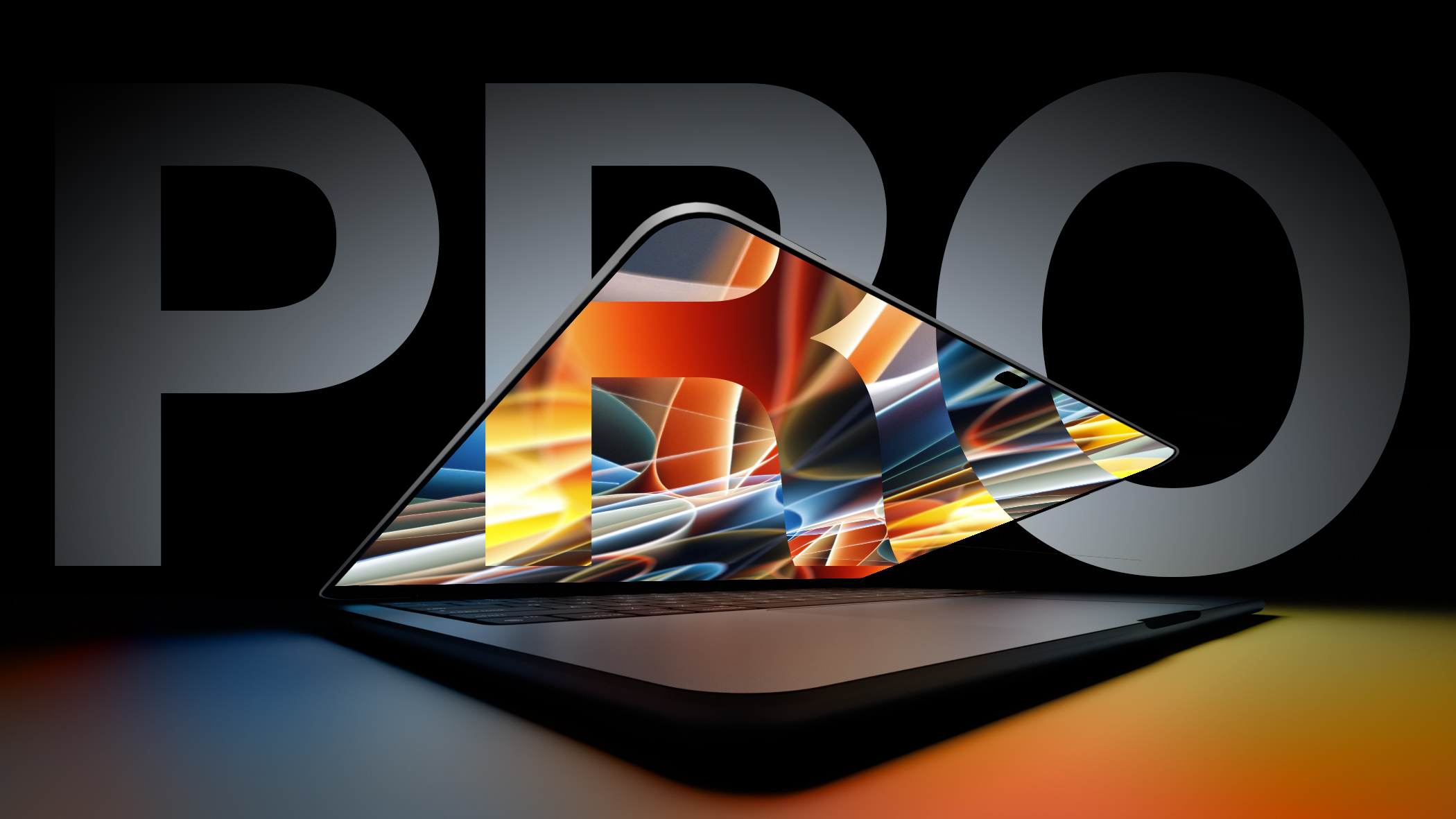
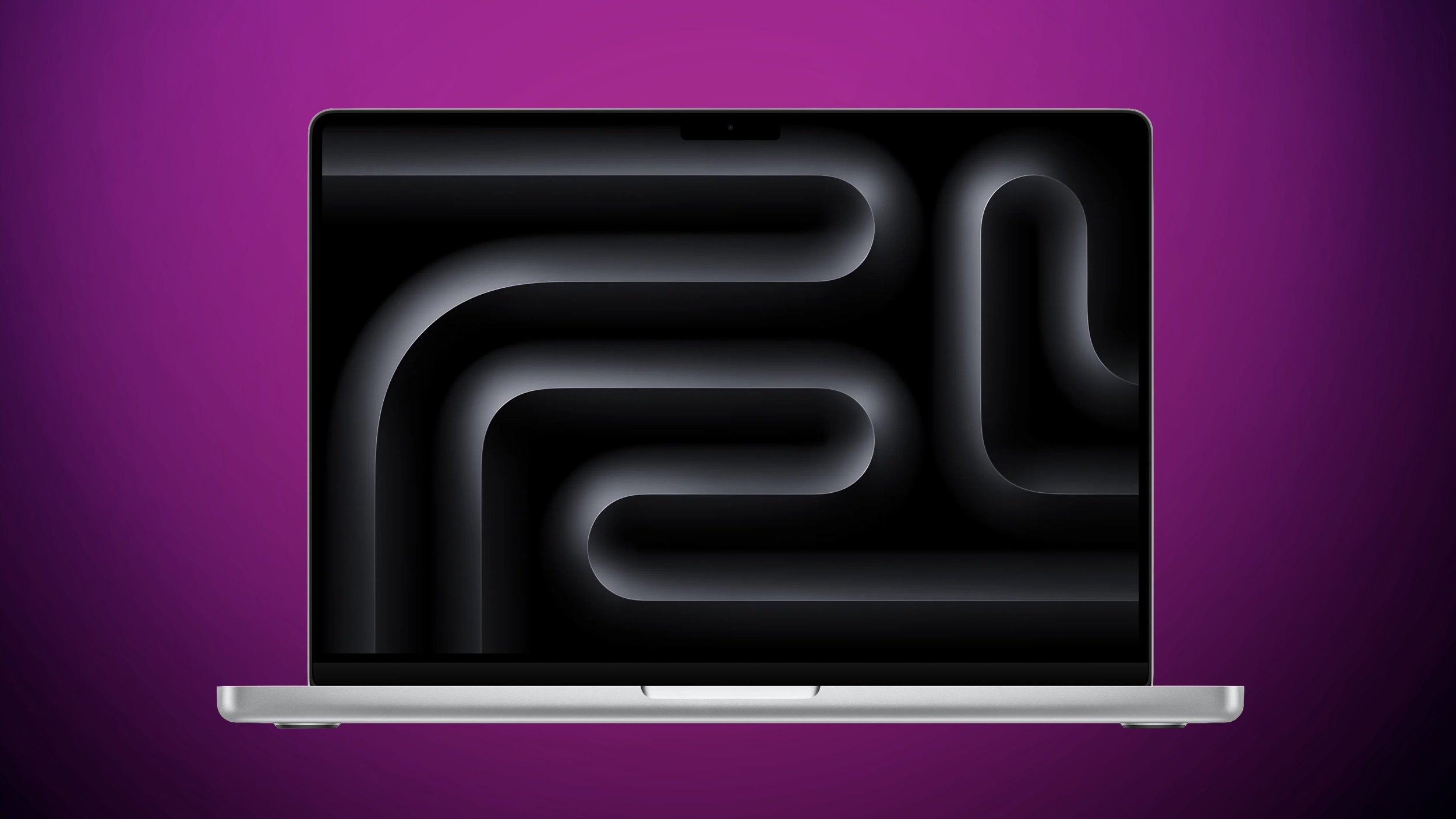
Apple to Launch Touchscreen OLED MacBook Pro and OLED iPad mini on October 27

Apple will introduce new OLED touchscreen MacBook Pro models and an ‌OLED‌ iPad mini "on or around" Tuesday, October 27, reports Bloomberg. The launch will also include an M6 14-inch ‌MacBook Pro‌ and an M6 iMac.


The October 27 follows Apple's October 13 debut of a new smart home hub, a revamped Apple TV 4K, and a refreshed HomePod mini. Earlier this month, MacRumors reported that Apple would do two rounds of product launches during October.

Bloomberg says both the October 13 and October 27 product launches will include "an online video presentation" as well as a hands-on experience for members of the media.

Apple has been working on an ‌OLED‌ MacBook for several years now, and while some rumors indicated it could be named the MacBook Ultra, Bloomberg suggests the 14-inch and 16-inch notebooks will be in the ‌MacBook Pro‌ family. The devices will be thinner and lighter than current ‌MacBook Pro‌ models and they will have ‌OLED‌ displays, touchscreen capabilities, and a Dynamic Island.

The ‌iPad mini‌ will have a landscape camera for video calls, a redesigned speaker system, and a new ‌OLED‌ display.
Related Roundups: iPad mini, MacBook Pro
Tag: OLED
Related Forums: iPad, MacBook Pro

This article, "Apple to Launch Touchscreen OLED MacBook Pro and OLED iPad mini on October 27" first appeared on MacRumors.com

Discuss this article in our forums

  •  

Apple Has a New M&A Chief as Ternus Reshuffles Leadership

CEO John Ternus is making changes to Apple's leadership, reports Bloomberg. Apple veteran Steve Smith will take over mergers and acquisitions and corporate development, which was previously led by Adrian Perica. M&A is an important team at Apple, handling acquisitions and arrangements like the deal Apple had with OpenAI to add ChatGPT to Siri.


Perica will stay at Apple to oversee iCloud, Fitness+, and Apple News, which he has done since 2023, and will now report to App Store and services lead Eddy Cue. While Perica reported to Tim Cook in his M&A role, Smith will report to Apple CFO Kevan Parekh as M&A moves back to the finance division.

Carson Oliver is being promoted to vice president of the ‌App Store‌, and he has been in charge of the ‌App Store‌ since Phil Schiller stepped down from his role as ‌App Store‌ chief in late August. Oliver is reporting to Cue, who is now overseeing the ‌App Store‌ and other services.

According to Bloomberg, Cue is assessing potential successors, and Perica is a lead candidate. Apple Music lead Oliver Schusser is also in the running.
This article, "Apple Has a New M&A Chief as Ternus Reshuffles Leadership" first appeared on MacRumors.com

Discuss this article in our forums

  •  

Apple Product Launch Announced for October 13: 'Welcome Home'

Apple today announced an upcoming product launch that will take place on Tuesday, October 13. We are expecting Apple's announcement to focus on new smart home products, including the long-rumored smart home hub, a new Apple TV 4K, and a refreshed HomePod mini.


The home hub is an all-new device that's like a cross between an iPad and a HomePod. It's rumored to have a 6-inch square display, and it's designed as a multi-person device to control smart home products, place FaceTime calls, watch videos, get news and weather information, stay up to date on calendar events, and more. It will integrate with Siri AI, and voice will be the main method of interaction.

Apple envisions people installing a hub in multiple rooms in the house. There will be a version meant to be mounted on the wall and a version with a half-dome speaker base, similar in design to the iMac G4. A camera and a presence sensor will detect when a person is in the room, and the device will be able to tell who it is to show a customized interface with widgets and apps. Pricing could be around $350.

Welcome home. October 13. https://t.co/ChelGSDOTI

— Greg Joswiak (@gregjoz) October 8, 2026


The ‌HomePod mini‌ is going to get new colors, an N1 networking chip for improved Wi-Fi and Bluetooth, and a faster S-series processor that will support ‌Siri‌ AI. The ‌Apple TV‌ 4K is going to get an A19 or A19 Pro chip, a RAM upgrade, the same N1 chip as the ‌HomePod mini‌, and an upgraded ‌Siri‌ Remote.

There is an OLED iPad mini in development, and it could come during the home event. The ‌iPad mini‌ is expected to be more water-resistant with a faster chip and the first ‌OLED‌ display in a smaller tablet size.

Timing on the October 13 product launch is unknown, and it is also unclear if there will be an event component or if the devices will debut via press release. Some members of the media have been invited to an "Apple Experience" set to take place in Tribeca, New York on October 13 at 9:00 a.m. Attendees will likely get hands-on time with the new products Apple introduces.

Rumors suggest Apple has several Macs coming before the end of the year, but those could be introduced at later in the year instead of during the home product launch.

This article, "Apple Product Launch Announced for October 13: 'Welcome Home'" first appeared on MacRumors.com

Discuss this article in our forums

  •  

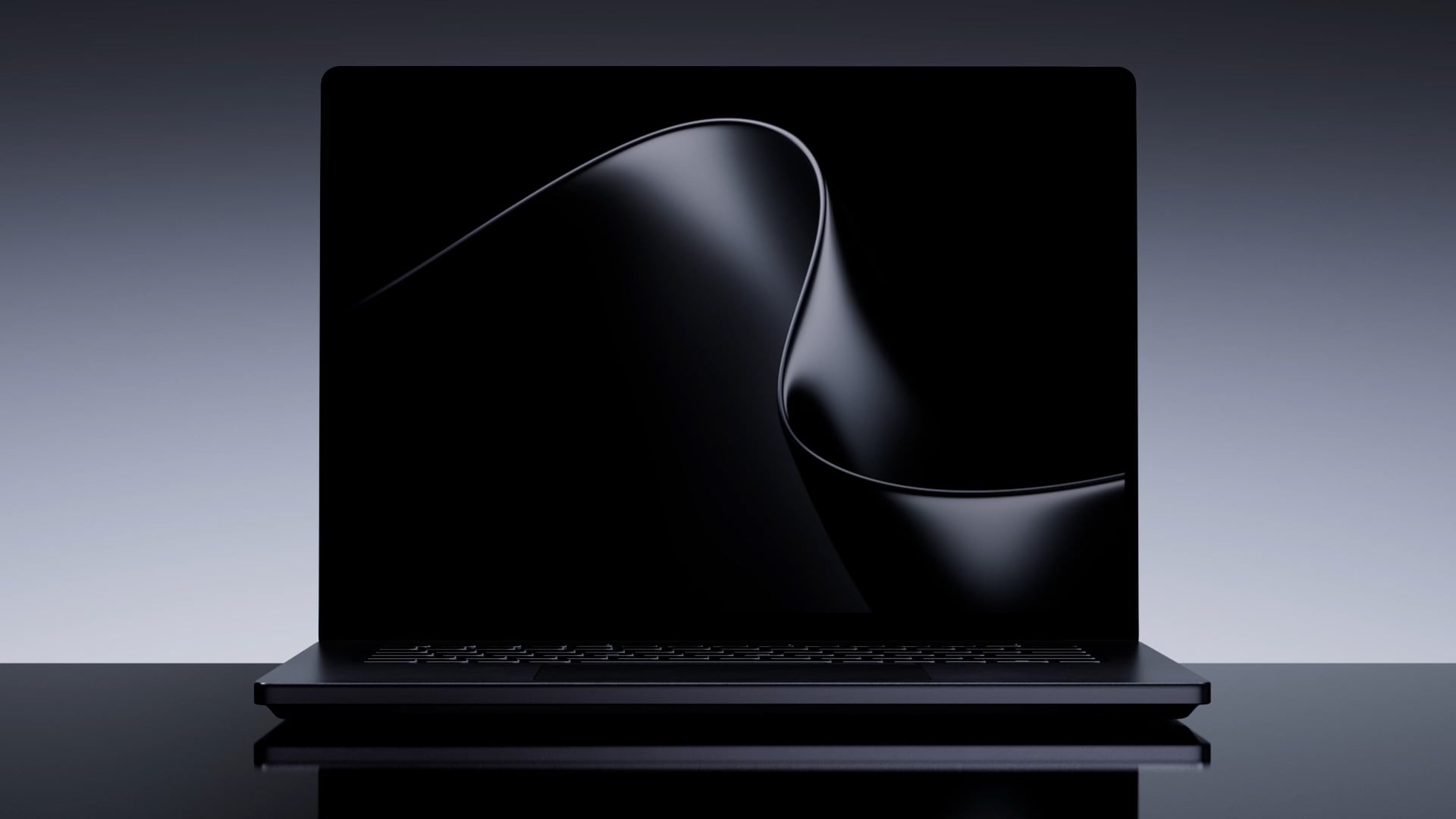
Microsoft Launches $2,599 Surface Laptop Ultra to Take on MacBook Pro

Microsoft today announced launch timing and pricing for the Surface Laptop Ultra that it unveiled earlier this year.


The 15-inch Surface Laptop Ultra is priced starting at $2,599, undercutting Apple's $2,999 16-inch MacBook Pro, and it targets the same creator and developer market. Microsoft says it is built for "demanding creative, software development, AI, engineering, and 3D workloads."

Microsoft's new laptop uses an Nvidia RTX Spark chip, which includes an Nvidia Blackwell RTX GPU with up to 6,144 cores and an Nvidia Grace CPU with up to 20 cores. It supports up to 128GB of unified memory and has a new thermal architecture to support the hardware. The RTX Spark is an Arm-based chip, so the laptop runs Windows on Arm with x86 apps using Microsoft's Prism emulation.

According to Microsoft, the Surface Laptop Ultra is its most powerful notebook to date. It has the "brightest, sharpest, and most vivid display" Microsoft has used in a Surface device, with peak HDR brightness that's 25% higher than the M5 ‌MacBook Pro‌'s. The mini-LED display is a touchscreen, and it supports gestures and navigation, but not pen input.

The laptop is lighter than the 16-inch ‌MacBook Pro‌, with a large haptic trackpad and upgradeable storage. Microsoft even adopted a MagSafe equivalent, adding support for Magnetic Connect. Microsoft says Magnetic Connect is the "world's first built-in magnetic USB-C charging on a laptop." The device has three USB-C ports, a USB-A port, an HDMI port, an SD card reader, and a 3.5mm headphone jack.

Along with the Surface Laptop Ultra, Microsoft announced the $5,999 Surface RTX Spark Dev Box to compete with devices like the Mac Studio and Mac mini. It is equipped with an Nvidia RTX Spark chip and offers up to 1 petaflop of AI performance with support for AI models up to 120B parameters.

Microsoft is offering a bonus to customers who "break up" with their MacBooks. MacBook owners can get up to $1,000 cash back when purchasing a Surface Laptop Ultra by trading in an eligible MacBook. The Surface Laptop Ultra launches on October 16.

"We're confident that once today's creators and developers experience everything Surface Laptop Ultra has to offer, they won't look back," reads Microsoft's website.

The Surface Laptop Ultra will directly compete with Apple's rumored OLED MacBook, which could also have an Ultra name. The MacBook Ultra is expected to feature a touchscreen, M5 Pro and M5 Max chips, and a thinner and lighter design.
Related Roundup: MacBook Pro
Buyer's Guide: MacBook Pro (Caution)
Related Forum: MacBook Pro

This article, "Microsoft Launches $2,599 Surface Laptop Ultra to Take on MacBook Pro" first appeared on MacRumors.com

Discuss this article in our forums

  •  

Google's SynthID AI Detector is Now Available to Everyone

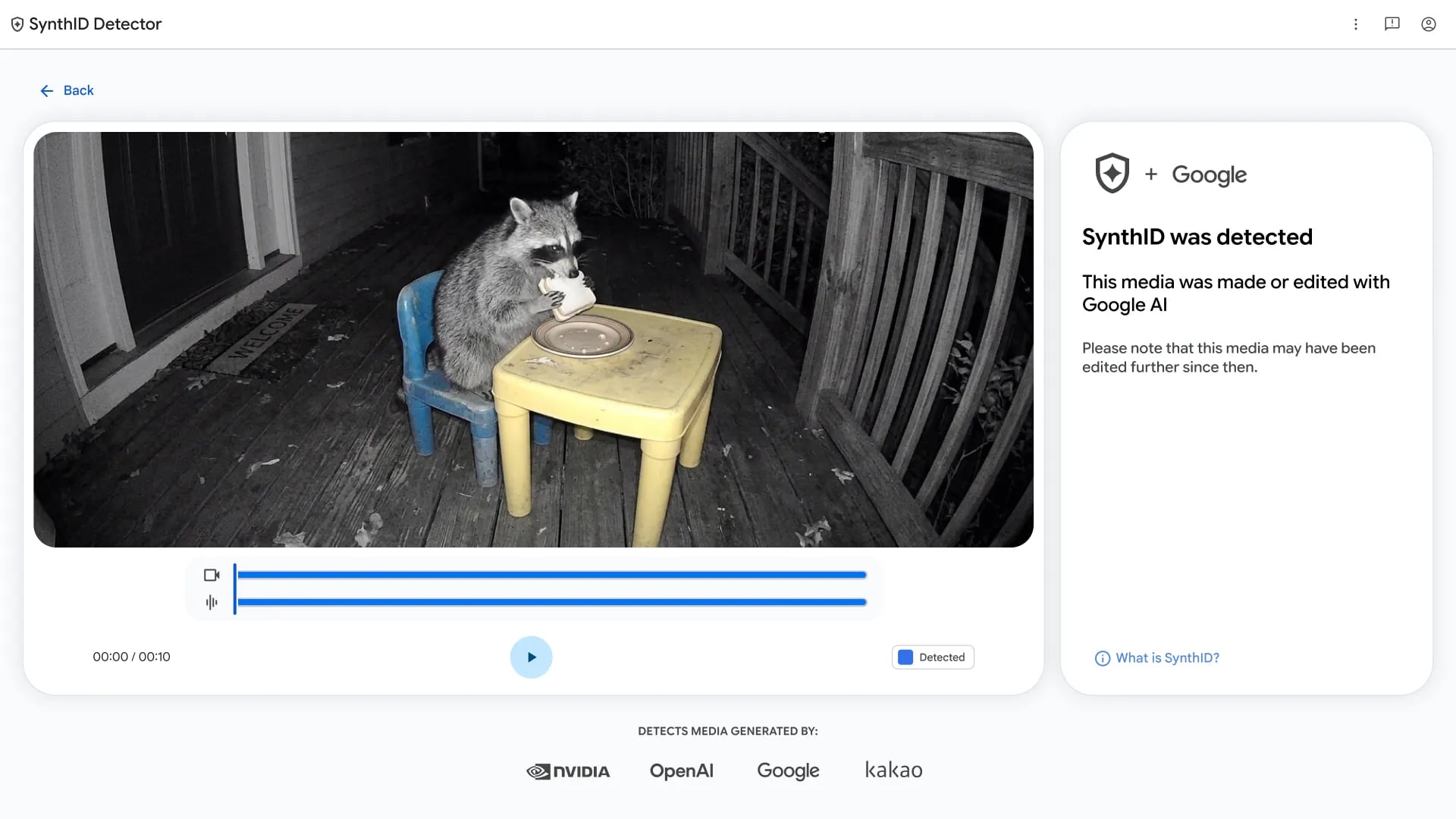
Google today said it is making its SynthID Detector available to everyone for identifying content created using AI.


SynthID Detector first rolled out to members of the media last year, and it is now available worldwide in English. SynthID Detector is a website that lets users upload a photo, video, or audio file to determine whether it has a SynthID watermark that identifies it as AI-generated. Google's tool cannot distinguish between AI-created and AI-edited media, and it requires signing in to use.

SynthID embeds digital watermarks into content created by AI. The watermarks are not visible to humans but can be detected with Google's website. SynthID Detector can identify media generated using AI from Google, OpenAI, Nvidia, and Kakao. Apple also plans to support SynthID later this year.

Google says its website is not a general AI detector and can only detect media that uses the SynthID technology. SynthID checks are already integrated into Search, Gemini, and Chrome for users who want an alternative to SynthID Detector.
Tag: Google

This article, "Google's SynthID AI Detector is Now Available to Everyone" first appeared on MacRumors.com

Discuss this article in our forums

  •  

ChatGPT Gets GPT-6 and New Intelligent UI With Visual Answers

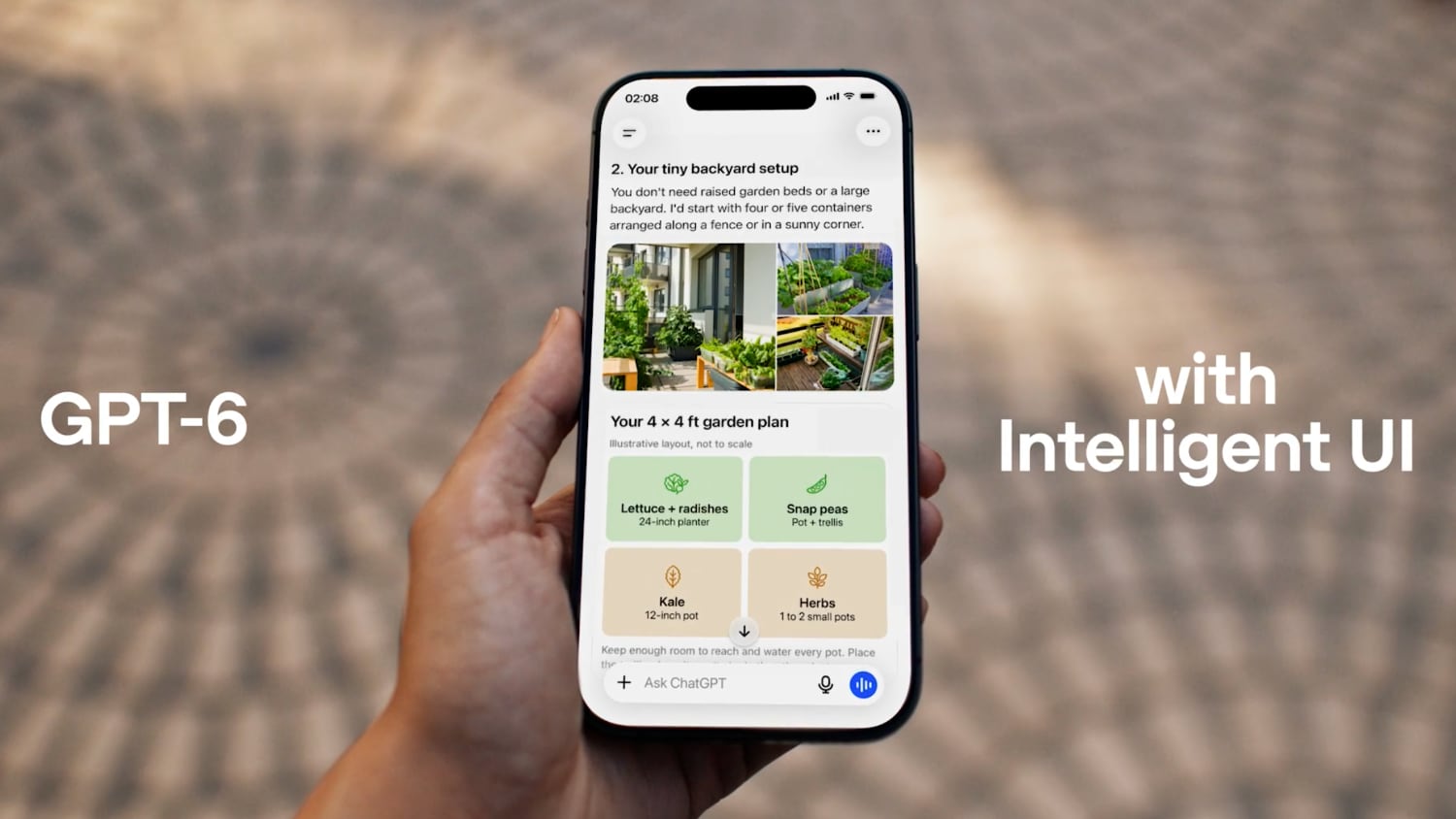
OpenAI today introduced Intelligent UI, a new feature that will let ChatGPT answer questions with "fully interactive user interfaces." OpenAI says everyday answers will be more visual, and the feature will make it easier for users to understand complicated topics.


ChatGPT responses will include graphics, tappable buttons, forms, charts, diagrams, and other interactive experiences. Sample comparisons between GPT–5.6 and GPT–6 on OpenAI's website show more visuals in responses, an interactive recipe widget that can automatically tweak quantities based on guest count, checklists, integrated maps, and multiple-choice follow-up questions to narrow down results.

ChatGPT can quickly create tools to complete tasks, like a bill splitter, small games, and a calculator. GPT–6 is also able to start answering while it's still thinking for quicker responses.

According to OpenAI, Intelligent UI uses a library of native, streamable components with a compiler that processes the interface as the model generates it.

In addition to introducing Intelligent UI, OpenAI is expanding GPT–6 models to more users. GPT–6 with Intelligent UI is rolling out to ChatGPT Plus, Pro, Business, and Enterprise users today, and tomorrow, the rollout will expand to Free and Go tiers.

Plus, Pro, Business, and Enterprise users get GPT–6 Sol, while Free and Go tier users get access to GPT–6 Luna. GPT–6 is limited to the Chat tab, and the models for Work and Codex aren't changing.
This article, "ChatGPT Gets GPT-6 and New Intelligent UI With Visual Answers" first appeared on MacRumors.com

Discuss this article in our forums

  •  

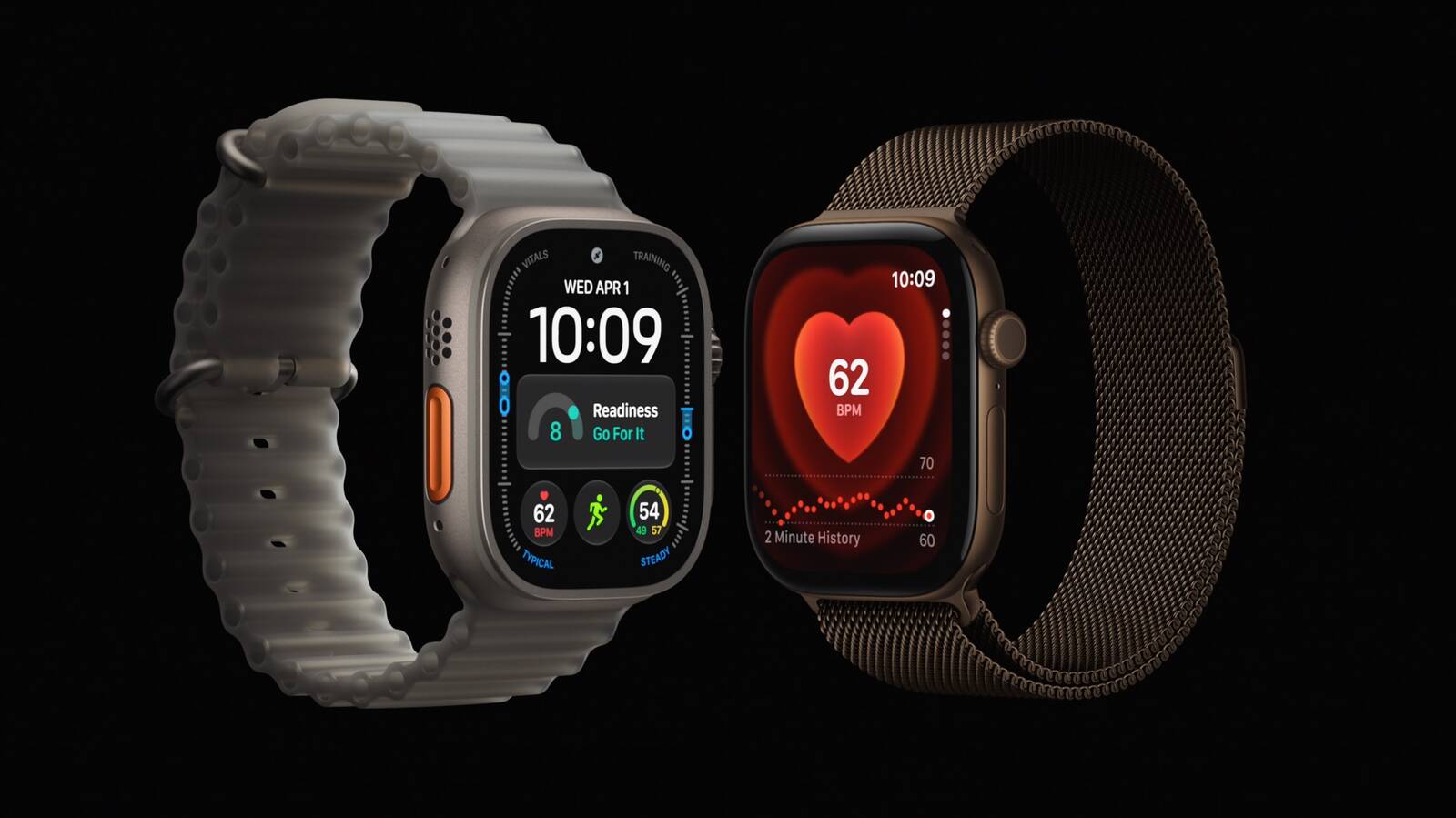
Apple Watch Series 12 and Ultra 4 Score 4/10 for Repairability

Repair site iFixit this week continued taking apart the latest Apple devices, this time tearing down the Apple Watch Series 12 and the Apple Watch Ultra 4.


The ‌Apple Watch Ultra 4‌ has no repairability changes. There are copious amounts of glue between the casing and the display for waterproofing, and getting to the battery has to be done through the screen. It's easy to slice through the display cable when attempting to pry the device open.

The Apple Watch Series 12 is also difficult to get into, but it has a pull tab for the adhesive holding the battery in place, which iFixit says is a "modest" repairability improvement. The Series 12 also drops the ZIF connector that made repairs more difficult, which makes for a simpler process. There is no way to access the battery without removing the display, and no way to swap the display without removing the battery.

The ‌Apple Watch Ultra 4‌ has a 2.444Wh battery, up from 2.313Wh in the Apple Watch Ultra 3. The 46mm Series 12 has a 1.461Wh battery, up from 1.403Wh for the Series 11.

With the pull tab and the improved cable layout, iFixit gave the Apple Watch Series 12 a repairability score of 4 out of 10, an improvement over the last base model iFixit scored. The Ultra 4 also earned a 4 out of 10, which is the same score iFixit has given to all prior Apple Watch Ultra models.

The site points to Google as proof that a wearable can be repairable. Google's Pixel Watch 5 earned a repairability score of 9 out of 10. The Pixel Watch 5's display and battery can be accessed by removing a few screws and a gasket, with no adhesive to deal with.

iFixit claims Apple is "out of compliance" with the Right to Repair laws in Washington, Oregon, California, Nevada, Colorado, Minnesota, Texas, New York, Maryland, and Connecticut because it does not sell Apple Watch repair parts or service tools, nor does it offer repair manuals.

iFixit says it is preparing evidence to help attorneys general in states with Right to Repair laws understand that Apple is not complying with the law.
Related Forum: Apple Watch

This article, "Apple Watch Series 12 and Ultra 4 Score 4/10 for Repairability" first appeared on MacRumors.com

Discuss this article in our forums

  •  

Apple Launches Creative Labs Program With The King's Trust

Apple is partnering with UK charity The King's Trust to launch a new education program that will help young people build careers in creative industries, Apple said today.


The Apple x King's Trust Creative Labs will give people aged 18 to 30 the opportunity to work with Apple experts as they look into different career paths.

An initial cohort of up to 20 people is participating in specialized workshops to learn "valuable, industry-aligned skills using Apple technologies." The educational experience started this week with music industry and creative workshops timed to the opening of Apple Music Hall at Battersea Power Station in London. Apple chairman Tim Cook and King Charles III visited Apple Music Hall to meet with attendees.

More cohorts and more sessions will follow over the next year.

Apple has worked with The King's Trust since 2019, expanding access to science, technology, engineering, arts, and mathematics programming to schools across the UK. Apple says it is also working with The King's Trust on resources that will build AI literacy, creativity, and agency among educators and young people.
This article, "Apple Launches Creative Labs Program With The King's Trust" first appeared on MacRumors.com

Discuss this article in our forums

  •  

Apple Watch Series 12, Ultra 4 Owners Report Skin Irritation

Some Apple Watch Series 12 and Ultra 4 owners have experienced unexpected skin irritation with the new models, according to reports on the MacRumors forums and Reddit.


Affected users complain of a burning sensation and redness under the sensor area. The Apple Watch Series 12 and Ultra 4 measure heart rate every five seconds, and some people have wondered if that's the cause of the skin irritation.

Along with more frequent heart rate readings, the Series 12 and Ultra 4 have a larger ECG electrode surface, photodiodes in a ring-shaped arrangement, and larger green LEDs. It is unknown if any of these design changes are a problem, but wrist irritation from the Apple Watch is a complaint that dates back to the original model.

Apple says reactions can be caused by wearing a band too tight or too loose, or by irritants like soap and sweat under the watch. Some Apple Watch models contain nickel, but it is a low amount below EU limits, and Apple says it's unlikely to be a problem. The Apple Watch case and certain Apple Watch bands have trace amounts of acrylates and methacrylates from adhesives, but Apple says it designs the watch and bands to keep those components away from skin.

Apple recommends making sure a band fits well and keeping the Apple Watch, bands, and skin clean and dry. Apple adds that cleaning may be required after workouts or exposure to liquids like sweat, soap, sunscreen, and lotion.

Some users have seen the issue clear up after an adjustment period wearing the watch, and cleaning the back of the watch and the band has also helped in some cases. Other users have returned their devices. Apple advises that users experiencing redness, swelling, itchiness, or other irritation consult a physician before putting the watch back on.
Related Forum: Apple Watch

This article, "Apple Watch Series 12, Ultra 4 Owners Report Skin Irritation" first appeared on MacRumors.com

Discuss this article in our forums

  •  

LG Making Doorbell, Lock, and Cameras for Apple's Home Hub

Apple is working with LG Electronics on smart home accessories that will integrate with the upcoming home hub and other Apple home products, reports Bloomberg.


LG is making a wired video doorbell, thermostat, smart deadbolt lock, temperature sensor, indoor security camera, outdoor security camera, and floodlight camera, according to documents LG submitted to the Federal Communications Commission and UL Solutions. Apple is not mentioned in the filings, and LG asked the FCC to keep details confidential. The devices will be built and branded by LG, though Bloomberg says Apple helped develop them.
This arrangement with so-called second-party suppliers gives Apple a way to quickly expand its ecosystem without shouldering the full cost and complexity of producing and supporting a wide range of accessories. Apple can also help shape the products' design, tailor their features and oversee engineering while keeping the work largely under wraps.

While Apple is expected to introduce the rumored home hub, a new Apple TV 4K, and a new HomePod mini on October 13, the LG accessories won't be ready to launch for a few months.

Several of LG's devices support Wi-Fi, Bluetooth, Thread, and Matter, with the lock also offering UWB support for close-proximity auto-unlocking.

Apple has worked with LG frequently. It uses LG Display components in its devices, and when Apple didn't sell Apple-branded displays, it teamed up with LG for 4K and 5K UltraFine monitors made for Macs. LG is not known for smart home accessories, but it bought a majority stake in smart home platform Homey in 2024. LG may be aiming to compete with Samsung SmartThings, Amazon Ring, Google Nest, and other smart home brands.
This article, "LG Making Doorbell, Lock, and Cameras for Apple's Home Hub" first appeared on MacRumors.com

Discuss this article in our forums

  •  

Apple to Report Q4 2026 Earnings on November 2

Apple plans to announce its earnings for the fourth fiscal quarter of 2026 on Monday, November 2, according to the company's updated Investor Relations page.


The earnings report will be available at 1:30 p.m. Pacific Time on November 2, with new Apple CEO John Ternus and CFO Kevan Parekh to discuss the results during a 2:00 p.m. Pacific Time phone call. Apple will stream the call on its website.

Apple's Q4 2026 earnings will cover launch-week iPhone 18 Pro sales. Apple also released the Apple Watch Series 12, Apple Watch Ultra 4, and AirPods 5 during the quarter. The iPhone Duo won't be included because the quarter covers the period between June 28 and September 26, and the device won't launch until October 23.

Apple executives could comment on memory pricing and supply constraints, as well as share holiday quarter expectations.

During Apple's Q3 2026 call, Parekh said total company revenue would grow 9 to 11 percent year-over-year in the September quarter. Apple expects iPhone revenue to be affected by foreign exchange headwinds and supply constraints, with growth in the mid-teens year-over-year.

Q4 2025 revenue was $102.5 billion, so Apple's guidance suggests $111.7 to $113.7 billion for Q4 2026.
This article, "Apple to Report Q4 2026 Earnings on November 2" first appeared on MacRumors.com

Discuss this article in our forums

  •  

Three Years of 80% Charge Limits on iPhone: The Results

Since 2023, Apple's newer iPhones have had an 80 percent charge limit for those who want to extend battery lifespan. Charging to 80 percent instead of 100 percent is supposed to put less stress on the battery, improving longevity.


For the last three years, I've used that setting on my iPhone. I started with the iPhone 15 Pro Max, then did the iPhone 16 Pro Max, and most recently, the iPhone 17 Pro Max.

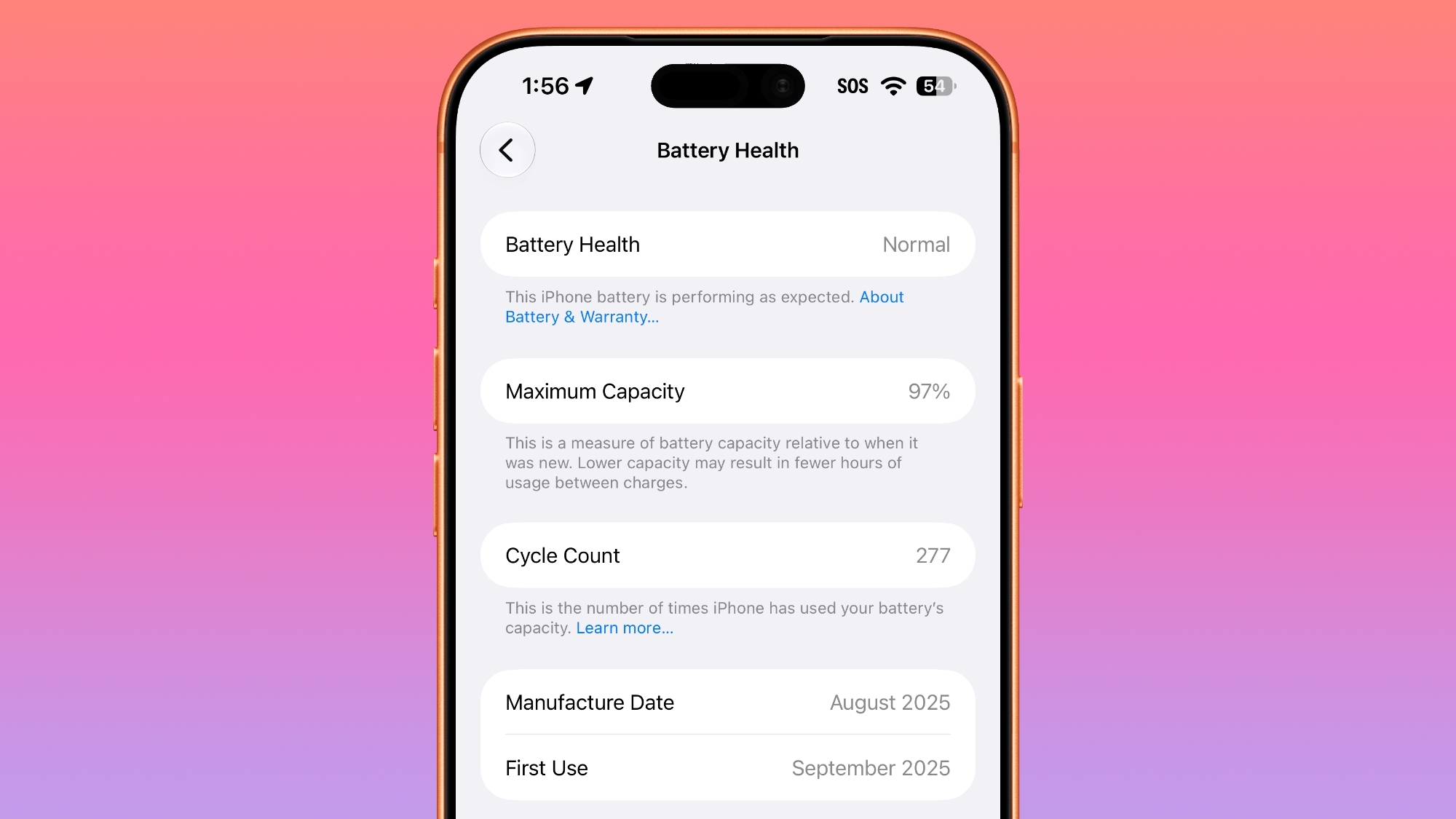
After 12 months at an 80 percent maximum charge, my iPhone 17 Pro Max is at 97 percent maximum capacity with a cycle count of 277.


Last year, my iPhone 16 Pro Max was at 94 percent capacity after 12 months, and in 2024, my iPhone 15 Pro Max was also at 94 percent capacity.

During the year I tested the ‌iPhone 16‌ Pro Max, I tried not to let the battery dip below 20 percent. This year, I did the same thing, but I also tried to do more charging over USB-C than Qi2 or MagSafe. I'm not sure if that helped, but 97 percent capacity is the best result I've had yet with the charge limit turned on.

I don't know how my battery result compares to others, but if you've kept yours at 100 percent, you can compare your capacity to mine to see if there's any real difference.

Apple transitioned to aluminum and added vapor chamber cooling with the ‌iPhone 17‌ Pro Max, and I did think my iPhone spent less time uncomfortably warm than the ‌iPhone 16‌ Pro Max. It may be that the vapor chamber cooling made the biggest difference and limiting wireless charging didn't matter.

I don't use the iPhone 15 Pro Max or the ‌iPhone 16‌ Pro Max as my main iPhones anymore, but I do use them daily as test devices. They still have the 80 percent limit turned on, so I can share some longer-term battery results.

  • iPhone 15 Pro Max (36 months) - 88%, 369 cycles

  • ‌iPhone 16‌ Pro Max (24 months) - 93%, 343 cycles

  • ‌iPhone 17‌ Pro Max (12 months) - 97%, 277 cycles


Last year, my ‌iPhone 16‌ Pro Max hit 299 cycles by September 24. This year, I'm only at 277 cycles. It's nearly two weeks later than I usually report results too, so the larger battery meant less charging.

The ‌iPhone 17‌ Pro Max has a bigger battery and faster charging than the ‌iPhone 16‌ Pro Max, so an 80 percent charge limit wasn't as difficult to live with as it was in the past. I rarely ran out of battery, though I did still bring a battery pack with me most places. My favorite battery packs right now are the ones with built-in USB-C cables, especially those that can attach to my iPhone magnetically but charge it over USB-C. It's faster charging that's still convenient. I also continue to be a fan of the super-slim battery packs that add little bulk and weight to an iPhone.

For the iPhone 15 Pro Max and ‌iPhone 16‌ Pro Max, I didn't think sacrificing a fifth of my battery was worth the capacity I ended up with, and that's still mostly the case. I'm guessing my 97 percent capacity isn't too far off from the battery health readings on iPhones that didn't have the charge limit turned on.

As for older devices, my two-year-old ‌iPhone 16‌ Pro Max only lost 1 percent capacity from 2025 to 2026, and my iPhone 15 Pro Max didn't lose any capacity at all during the year. Both phones had fewer battery cycles (44 and 17, respectively), but they're holding capacity even after sitting dead for short periods of time throughout the year.

The most hands-off way to manage battery health is to use Optimized Battery Charging, since it minimizes time spent at 100 percent battery while still charging to full. Setting an 80 percent limit and then turning it off on days you need 100 percent is also a good compromise that could save you battery capacity over time. Apple has 90 and 95 percent options too, which might be a better choice.

My iPhone 18 Pro Max is already set to 80 percent, so I'll check in again in September 2027. I'm going to stick with USB-C charging when I can, and I'm curious how the even bigger battery will affect longevity and what the 80 percent limit is like day to day.

What's your iPhone battery capacity and cycle count? Share it in the comments below and weigh in on whether you think battery charge limits are worthwhile.
This article, "Three Years of 80% Charge Limits on iPhone: The Results" first appeared on MacRumors.com

Discuss this article in our forums

  •  

Apple Releases Second Public Betas of iOS 27.2 and macOS Golden Gate 27.2

Apple today seeded the second betas of iOS 27.2, iPadOS 27.2, macOS Golden Gate 27.2, tvOS 27.2, and watchOS 27.2. The software comes a day after Apple provided the third betas to developers.


To get the new betas, you can sign up on Apple's beta testing website. After you're signed up, the betas can be installed through the Software Update section in the Settings app on each device.

iOS 27.2 includes the redesigned Health app that Apple introduced at its September iPhone event. It features new Insights and Longevity tabs with more insight into health and fitness data. There's also a Health Age feature that uses your metrics to determine your fitness age vs. your actual age.

In the Apple TV app, there are new profile options, and Siri AI is now available in French, Japanese, Korean, Portuguese, and Spanish.

There are a few other features in the updates, which are listed in our iOS 27.2 guide.
Related Roundups: iOS 27, iPadOS 27, macOS Golden Gate
Related Forums: iOS 27, macOS Golden Gate

This article, "Apple Releases Second Public Betas of iOS 27.2 and macOS Golden Gate 27.2" first appeared on MacRumors.com

Discuss this article in our forums

  •  

tvOS 27.2 Code Hints at Apple Intelligence for New Apple TV

Apple's latest tvOS 27.2 beta adds weight to rumors that the next Apple TV will have Siri AI and Apple Intelligence support. Code suggests Apple is adding an Improve ‌Siri‌ & ‌Apple Intelligence‌ toggle to the tvOS Settings app.


"Help improve foundation models and ‌Siri‌ by allowing Apple to collect and use your text and audio interactions with ‌Siri‌, Dictation, and Translate," the text reads.

Other Apple devices with ‌Apple Intelligence‌ have similarly labeled privacy disclosures and data-sharing opt-ins. On devices that don't support ‌Apple Intelligence‌, the setting is labeled "Improve ‌Siri‌ & Dictation." The new code is included alongside the existing code for ‌Siri‌ data sharing, so it's likely only Apple Intelligence-capable hardware will see it.

tvOS 27.2 also has a new ‌Siri‌ Messages UI framework, indicating message content could be displayed on the ‌Apple TV‌ in the future. ‌Siri‌ may be able to read messages sent to a linked iPhone and show smart reply options on the ‌Apple TV‌. The current version of ‌Siri‌ on ‌Apple TV‌ doesn't support sending or reading messages, so the framework is likely linked to ‌Siri‌ AI.

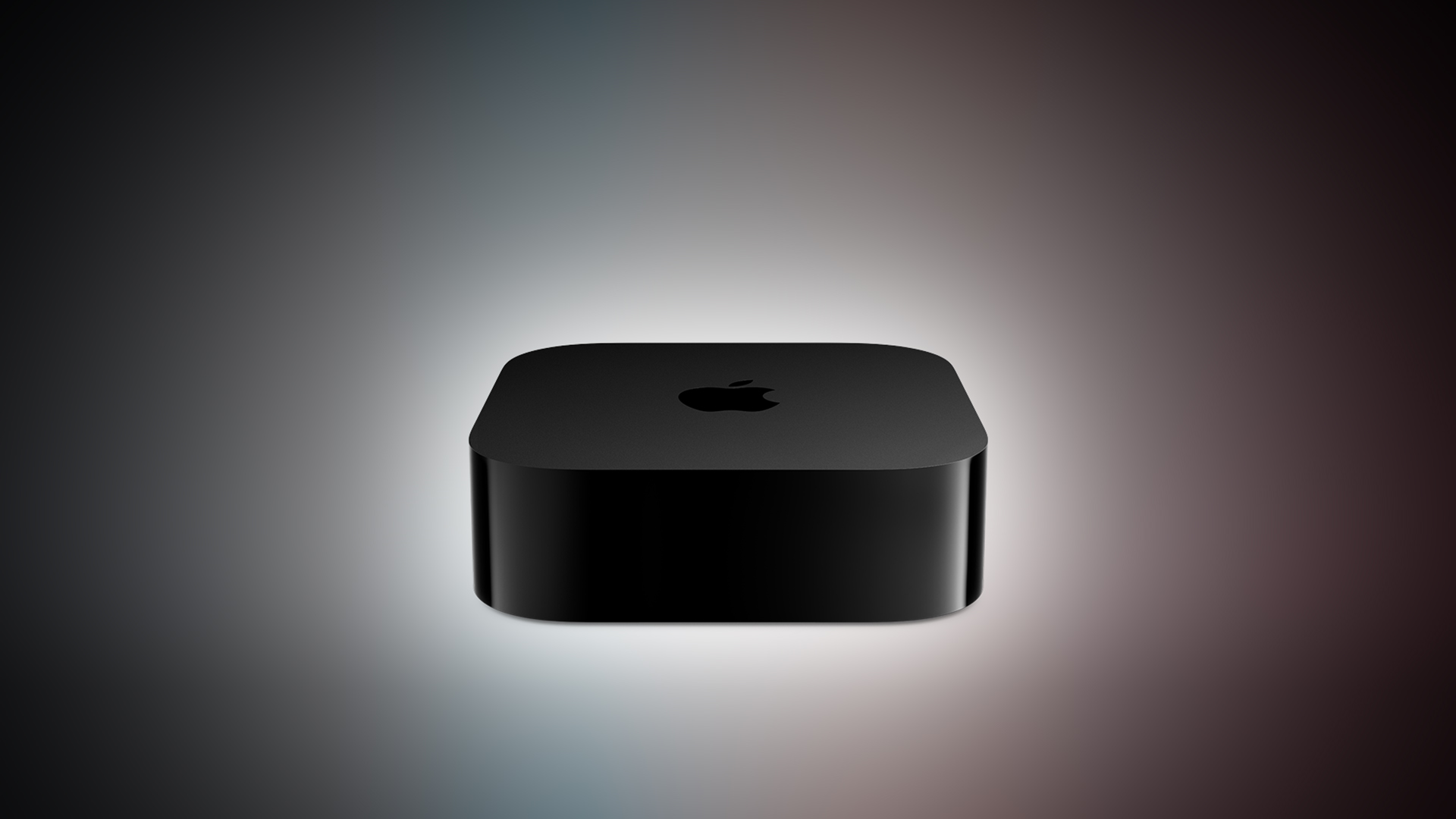
Apple is working on a version of the ‌Apple TV‌ with 8GB or 12GB of RAM and an A19 or A19 Pro chip, hardware that could support on-device ‌Siri‌ AI features. Apple appears to be laying the groundwork for the new ‌Apple TV‌ with tvOS 27.2.

We could get a new ‌Apple TV‌ as soon as October 13.
Related Roundup: Apple TV
Buyer's Guide: Apple TV (Don't Buy)

This article, "tvOS 27.2 Code Hints at Apple Intelligence for New Apple TV" first appeared on MacRumors.com

Discuss this article in our forums

  •  

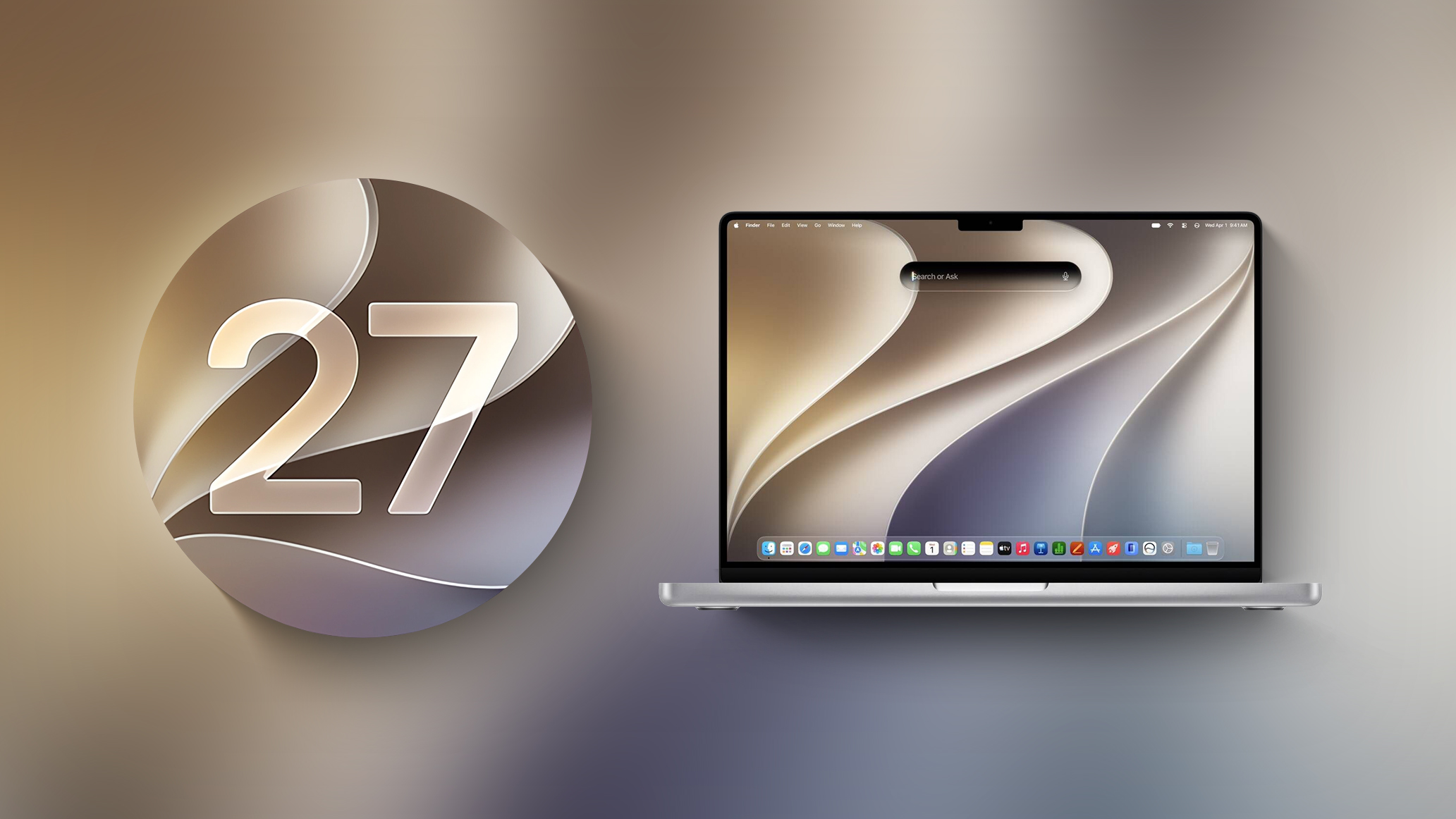
macOS 27.2 Adds Touch Gestures Ahead of MacBook Ultra

macOS Golden Gate 27.2 adds code referencing new touch-specific gestures in apps like Safari, Notes, Photos, and Quick Look, a possible sign Apple is preparing to release the rumored OLED touchscreen MacBook, possibly called the "MacBook Ultra."


Code in the latest beta adds new gesture recognition tools to several Apple apps. Safari gets a touch sentinel recognizer, ‌Photos‌ has PXGTouchDwellGestureRecognizer, Notes has ICTouchPressGestureRecognizer, and Quick Look gets a dragTouch feature.

While the code could be for the touchscreen MacBook, it's also applicable to Sidecar. ‌macOS Golden Gate‌ brought full touch input to ‌Sidecar‌, which is the feature that lets an iPad be used as a display for a Mac. It's possible Apple is expanding on those ‌Sidecar‌ features, so it's not a clear indication of a new Mac.

Touch-friendly changes started with the launch version of ‌macOS Golden Gate‌, which added pull-to-refresh gestures in Safari, Mail, and Calendar.

An ‌OLED‌ MacBook Ultra with touchscreen capabilities could launch as soon as late 2026. The device is rumored to be thinner and lighter than existing models, and it's expected to have a Dynamic Island and Apple's M5 Pro and M5 Max chips.
Related Roundup: macOS Golden Gate
Related Forum: macOS Golden Gate

This article, "macOS 27.2 Adds Touch Gestures Ahead of MacBook Ultra" first appeared on MacRumors.com

Discuss this article in our forums

  •  

Apple Seeds Third macOS Golden Gate 27.2 Beta to Developers

Apple is testing the next macOS Golden Gate update, and developers can download the third ‌macOS Golden Gate‌ 27.2 beta. The third beta comes two weeks after Apple released the second beta.


Registered developers can download ‌macOS Golden Gate‌ 27.2 by opening up the System Settings app, clicking on General, selecting Software Update, and opting into ‌macOS Golden Gate‌ betas.

‌macOS Golden Gate‌ 27.2 introduces Siri AI in new languages and includes new brightness and volume sliders.

We're expecting ‌macOS Golden Gate‌ 27.2 to launch toward the end of October.
Related Roundup: macOS Golden Gate
Related Forum: macOS Golden Gate

This article, "Apple Seeds Third macOS Golden Gate 27.2 Beta to Developers" first appeared on MacRumors.com

Discuss this article in our forums

  •  

Apple Releases Third iOS 27.2 Beta

Apple today seeded the third beta of an upcoming iOS 27.2 update to developers for testing purposes, with the update coming two weeks after Apple released the second iOS 27.2 beta. Apple also seeded a new iPadOS 27.2 beta.


Registered developers can download the beta updates by opting in under Settings > General > Software Update and selecting the iOS 27 developer beta.

iOS 27.2 includes Apple's redesigned Health app with new Insight and Longevity tabs. It also brings Siri AI in new languages. There are several other new features, with details available in our features guide.

Apple releasing an iOS 27.2 beta ahead of an iOS 27.1 beta was a surprise because the company plans to ship the iPhone Duo with iOS 27.1, but it likely wants to keep some of the iPhone Duo features hidden for longer.

The ‌iPhone Duo‌ will launch on October 23. Apple previously said the new ‌Siri‌ AI languages in iOS 27.2 would be available in October, so it's likely iOS 27.2 will come shortly after the ‌iPhone Duo‌'s release date.
Related Roundups: iOS 27, iPadOS 27
Related Forum: iOS 27

This article, "Apple Releases Third iOS 27.2 Beta" first appeared on MacRumors.com

Discuss this article in our forums

  •  

Apple Releases Third watchOS 27.2, tvOS 27.2 and visionOS 27.2 Betas

Alongside new betas of iOS 27.2, iPadOS 27.2, and macOS Golden Gate 27.2, Apple has released the third betas of watchOS 27.2, tvOS 27.2, and visionOS 27.2. The betas come two weeks after Apple released the second betas.


Registered developers can download the betas through the Settings app on each device.

With iOS 27.2 and watchOS 27.2, Apple is testing the new Health app that it showed off during its September iPhone event. The updated Health app has new Insights and Longevity tabs with a readiness score that uses information from the new Apple Watch Series 12 and Ultra 4 models.

There's no word on what's being added in visionOS 27.2 and tvOS 27.2, but Apple is expected to introduce a new version of the Apple TV 4K with Siri AI support sometime before the end of the year.
This article, "Apple Releases Third watchOS 27.2, tvOS 27.2 and visionOS 27.2 Betas" first appeared on MacRumors.com

Discuss this article in our forums

  •  

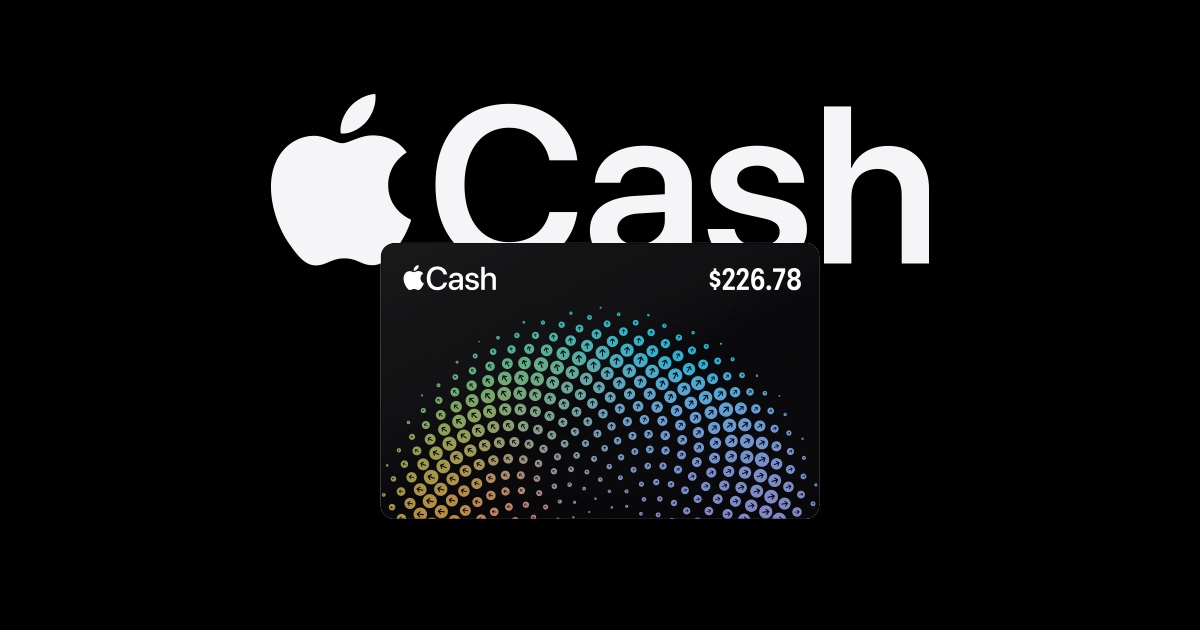
Apple Cash Adds ID Check for Reloads, Teases Bank Funding

Apple Cash will soon require identity verification to add money. In emails going out to customers, Apple explains that starting on November 9, Green Dot Bank will begin requiring users to verify their identity when reloading their Apple Cash cards.


Identity verification is already required when adding, sending, or receiving over $500 total, but verification for any reload is new. Apple says Green Dot Bank may make it easier to add money to an Apple Cash card by introducing support for transferring funds from a bank or merchant in the future.

Right now, reloading an Apple Cash card can only be done through the Wallet app using a connected debit or prepaid card.

Apple Cash users who have iOS 27 and who live in a state with support for digital driver's licenses can use a license stored in the Wallet app for identity verification.

Customers whose identity can't be verified will not be able to send or receive money or add money to an Apple Cash balance. Money already in an Apple Cash account can still be used for transactions or transferred to a bank account.

Apple says identity verification is required for "fraud protection and regulatory reasons."

Apple Cash is a U.S.-only feature that is available to customers 18 or older, though users under 18 can access Apple Cash through Apple Cash Family.
This article, "Apple Cash Adds ID Check for Reloads, Teases Bank Funding" first appeared on MacRumors.com

Discuss this article in our forums

  •  

Apple's Smart Home Hub: Everything We Know So Far

Apple is working on a new smart home accessory that will serve as a hub for interacting with Siri AI, controlling HomeKit devices, watching videos, checking the calendar and the weather, and generally offering up useful information to everyone in the household.
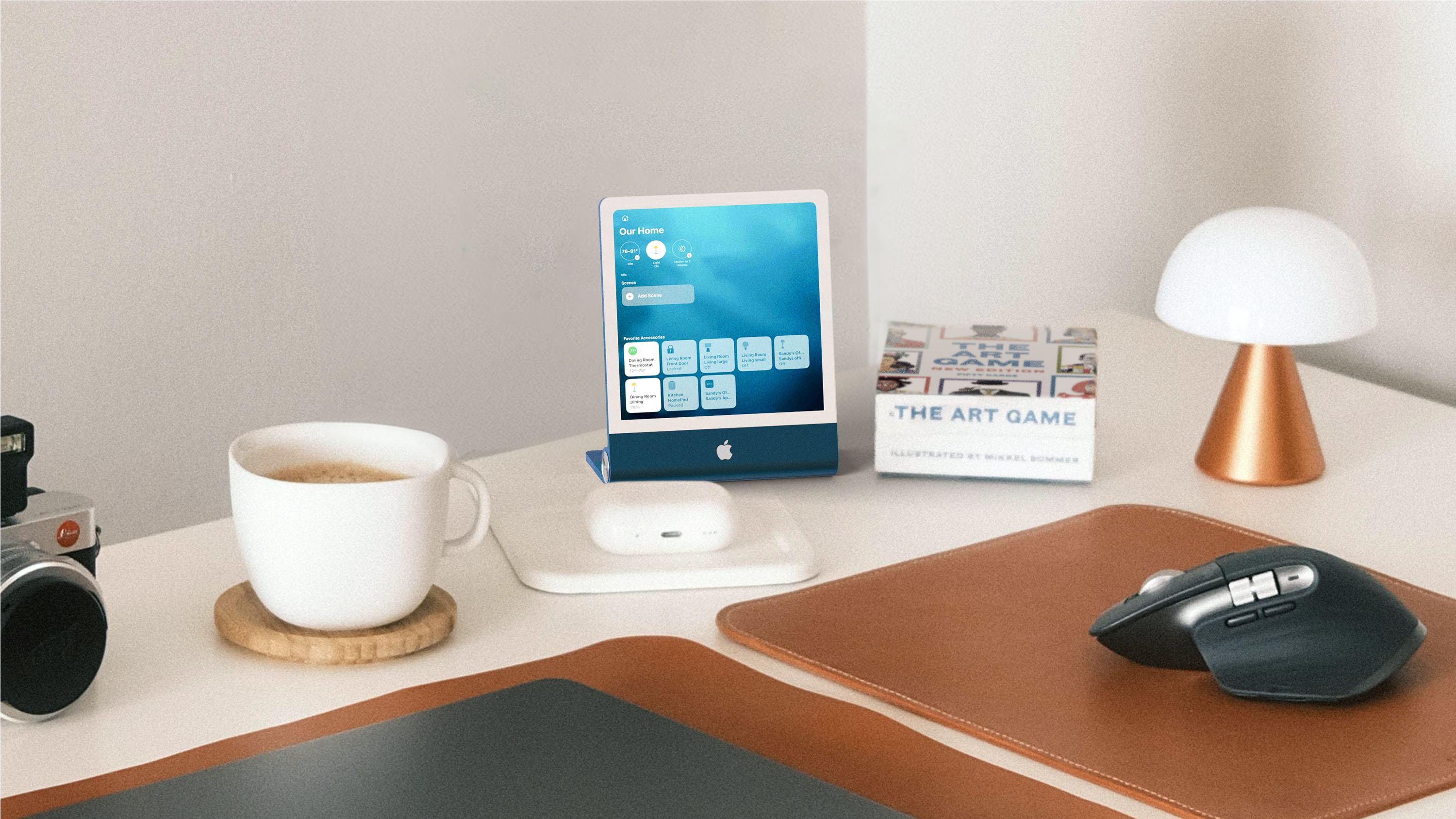

This guide aggregates everything that we know about Apple's smart home hub.

Design


Apple's smart home device will somewhat resemble an iPad, and it will have a display-focused design. It is expected to be square rather than rectangular, and it will measure in at 6 inches with quarter-inch black bezels around the edges.

In terms of size, it will look similar to two iPhones that are side-by-side, and it will be about as thick as an iPhone. Apple imagines people having multiples of the hub in different rooms of the house. The device will support touch input for opening apps and controlling connected devices.
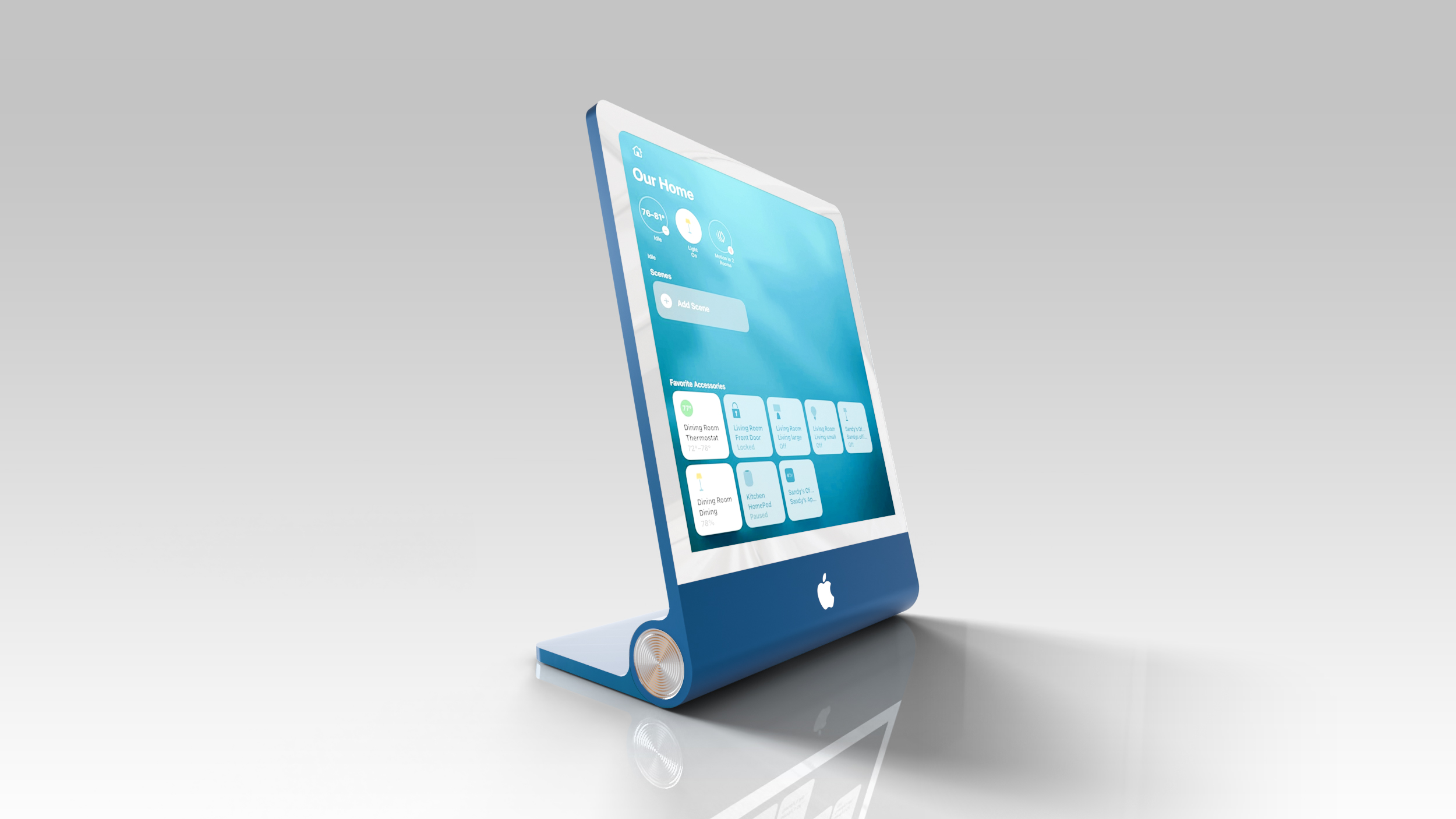

Apple is making two versions of the home hub. One will have a 6-inch display and is meant to be mounted on the wall, and the second version has the same 6-inch display and a hemispherical speaker base that looks similar to the iMac G4. The display attaches to the base with a polished metal arm that holds the small screen and allows it to be tilted forward or backward. The base features speaker hole perforations and a rubber bottom for stability.
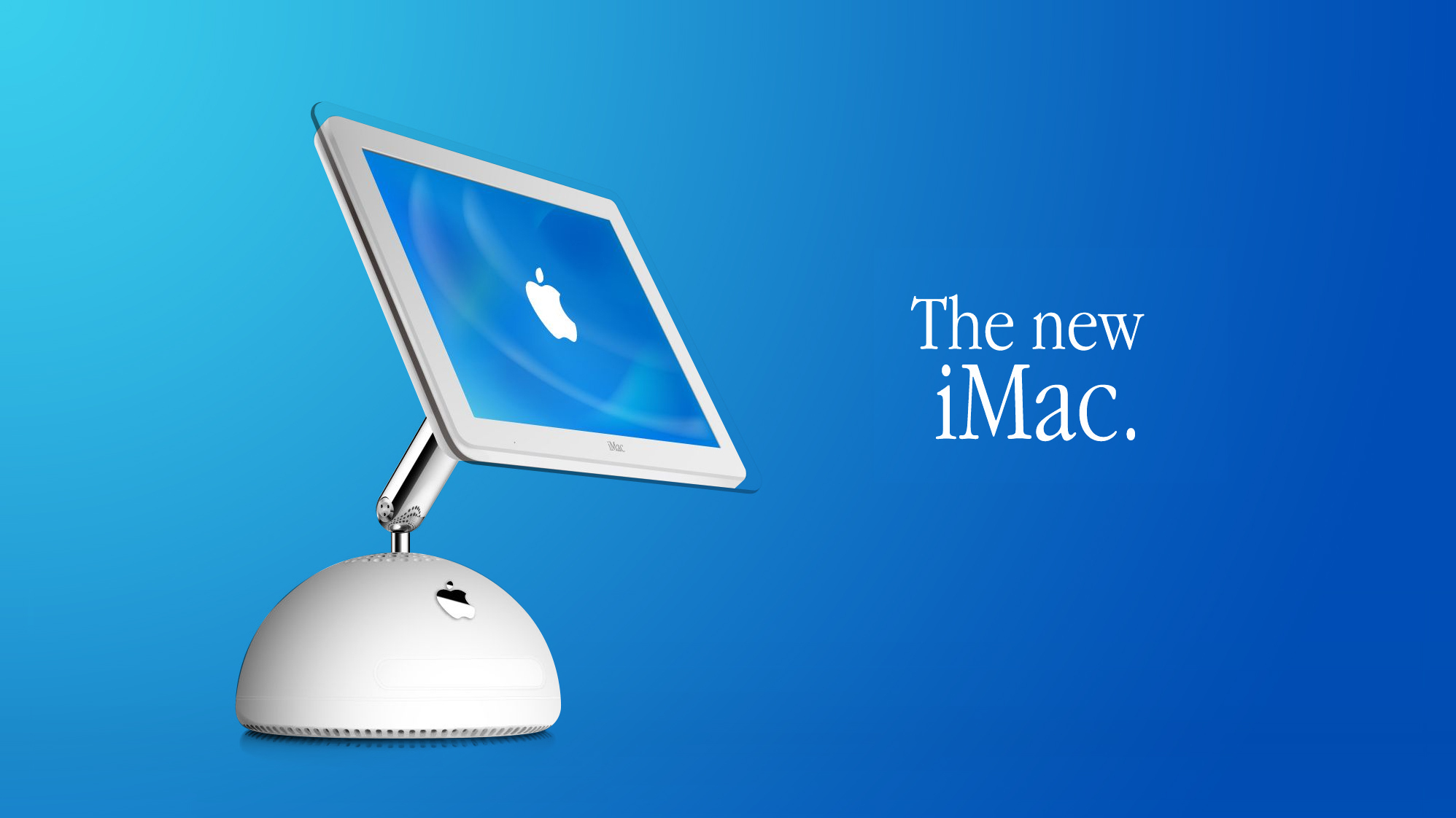
The original ‌iMac‌ G4

The wall-mounted version will have a thin square base for the speakers and the mics, and it will sit flush against the wall. Both models will have a 1080p camera on the front for FaceTime calls, authenticating users, and recognizing different people in the home. Apple is planning to release the hub in a gray aluminum finish.

The device has no internal battery and is instead meant to be used while connected to power via USB-C.

Sensors


The smart home hub will be able to determine how close a person is standing to it, adjusting features from there. When no one is nearby, for example, it might show the temperature, but as someone approaches, it could shift to an interface for adjusting the thermostat.

Person detection will likely allow it to be used in smart home automations for doing things like turning on the lights when someone enters a room. The sensor will be able to tell one person from another, and it could recognize hand gestures for longer-range control.

Facial recognition


The home hub will use a Face ID-like feature along with voice for authentication and to identify who is in a room. With the recognition features, the home hub will be able to switch to the profile for the person in the home who is interacting with the device. Each user will have a customizable profile and interface with options to change profiles through the Control Center.

The camera won't be as accurate as Face ID, so voice is an alternative. Apple's HomePod also uses voice recognition for some personalized features. Users will be able to set up secondary authentication with an iPhone for more security, and a visitor mode will hide personal information.

Rumors suggest there is a Mac-style edge light around the screen to offer lighting so the device can identify people in the dark.

Chip


Apple's smart home accessory is expected to use an A18 chip or better for Apple Intelligence support. Given that ‌Apple Intelligence‌ requires 8GB RAM minimum, it will have at least 8GB RAM.

Operating System


Apple's home hub will run an operating system that Apple refers to as "Charismatic" internally, though it could be called homeOS when it launches. It's going to use elements from tvOS, watchOS, and iOS, and it will sync with the iPhone for setup purposes.

Interface


Apple does not plan to create a dedicated App Store for the home hub, but it will come with several apps pre-installed. The main view will be a customizable home screen with widgets that can show the weather, important home controls, photo slideshows, upcoming events, and more. A built-in camera will scan the face of each user, bringing up different apps and a Home Screen for each person.

The interface is something like a cross between watchOS and the iPhone's StandBy mode, with a heavy focus on clock faces and photo slideshows when the device is idle. The ‌Home Screen‌ will feature Apple Watch-like icons, but the apps will have an iPad-like design with a two-panel layout. There will be familiar customization options like pressing and holding to rearrange icons and swiping up to get to the app launcher.

There will be a Widget Gallery that suggests widgets from a linked iPhone. Widgets shown on the device from an iPhone that's connected will only display widget content when the primary user is in the home. A Smart Stack will be available to intelligently rotate through different widget options throughout the day, and the clock will be customizable with a Face Gallery.

The hub will adopt the visual aesthetic of ‌Siri‌ AI, with darker design elements. A software-based dock will be available for launching apps, and the hub will be built around ‌Siri‌ AI.

Apps


Several Apple apps will be installed even though there won't be a dedicated ‌App Store‌. Apps that are rumored:


The hub will support integration into ‌HomeKit‌ scenes alongside other smart home products, and it will play videos, so it can be used for things like following along with a recipe when in the kitchen.

Intercom


More than one of the devices can be used throughout the home, and two or more can serve as room-to-room intercoms.

AirPlay


With its built-in speakers, the device will support music playback and it will be able to work as an AirPlay receiver.

homeOS Trademark


Apple appears to be using a shell company to trademark "homeOS" in several countries around the world, with the trademarking kicking off in October 2024. Apple has secured the homeOS trademark in Liechtenstein, and trademarks are pending in the U.S., Argentina, Peru, and more.

Future Smart Home Accessories


Apple is creating an indoor security camera that will connect to the home hub, and it's rumored for 2027. Privacy would be a focus, providing an alternative to cameras from companies like Ring and Nest.

Pricing


Apple's home hub could be priced somewhere around $350, which would make it more expensive than competing products like the Amazon Echo Show.

Launch Date


Apple's smart home hub is rumored to be debuting on October 13 alongside a new Apple TV 4K and a new HomePod mini.

This article, "Apple's Smart Home Hub: Everything We Know So Far" first appeared on MacRumors.com

Discuss this article in our forums

  •  

Apple's Home Hub Borrows From the iPhone Duo's StandBy Mode

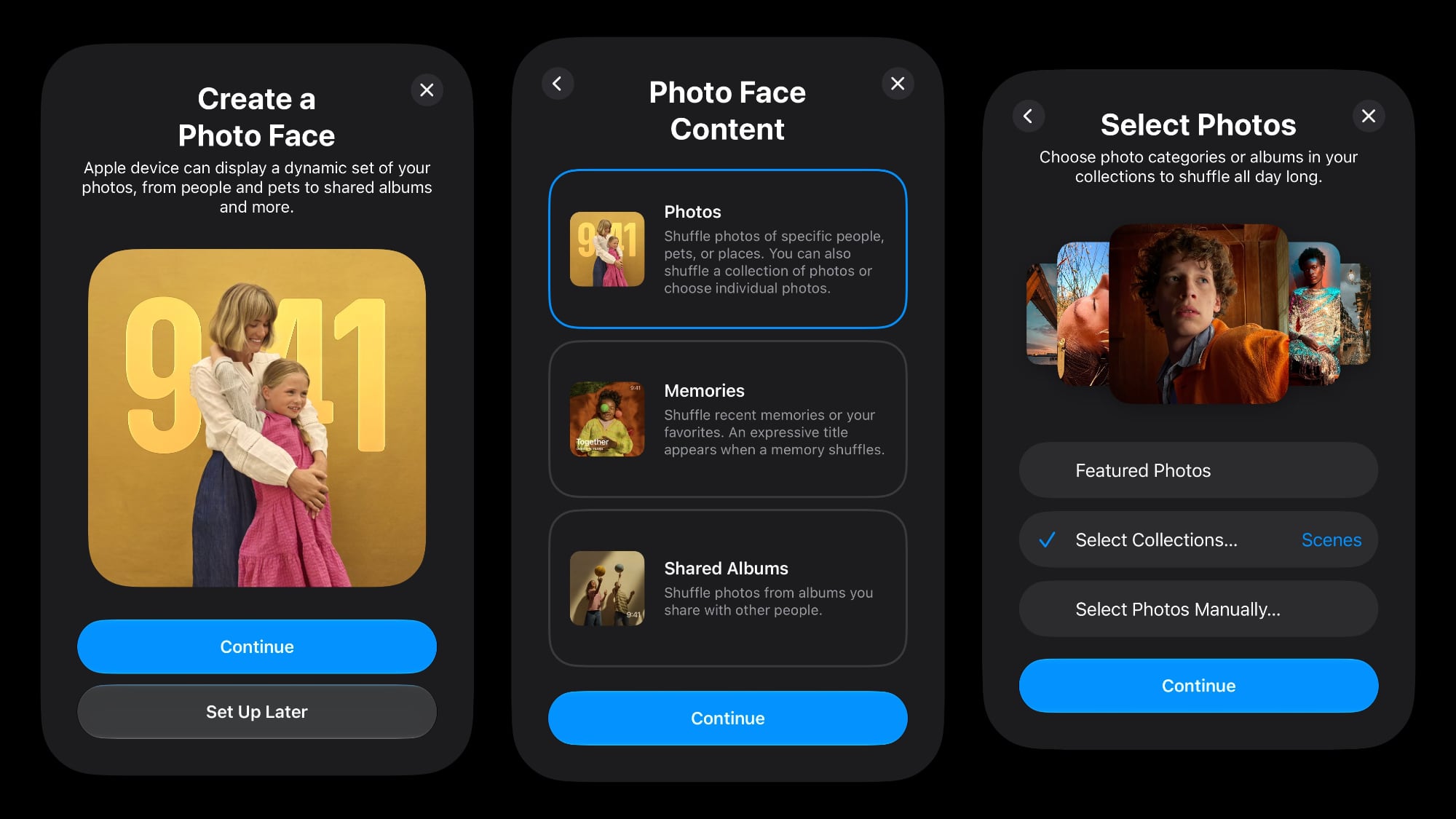
Apple's rumored smart home hub will have different faces users can choose from, some of which are similar to StandBy screens planned for the iPhone Duo. Leaker pdfu shared setup screens of the Photo Face said to be for Apple's upcoming home product.


Based on the images, users can select from different photo collections, memories, or shared albums for the Photo Face, and those photos will be shown on the device's display. Photos are pulled from iCloud, so iCloud Photos needs to be turned on for it to work. Users will be prompted to set up the Photo Face when activating the device.

Pdfu says the Photo Face for the hub is the same as the Photo Face coming to the ‌iPhone Duo‌, and that could explain why Apple hasn't made the ‌iPhone Duo‌'s StandBy mode available in the Xcode simulator yet.

This is the first visual of a home hub face we've seen. The hub is expected to have a 6-inch screen, and it will look similar to an iPad except for the square shape and the base. The hub is rumored to have an iMac G4-like half-dome metal base that connects to the display with an arm.

Prior rumors have said the home hub won't have a full App Store, but it will support apps and widgets like Calendar, Weather, Music, Messages, Reminders, and more. The device will be able to tell when someone is approaching it, and can distinguish between people in the home to show different widgets for each user. It makes sense for the hub to display a StandBy-like interface when it is not in active use.

There will be multiple idle display options to choose from, just like there are now when using the iPhone in StandBy mode. Earlier today, Bloomberg said the home hub interface is "built heavily" around clock displays and photo slideshows, so the Photo Face will likely be an integral part of the device's software.

The home hub is rumored to be debuting on October 13.
Related Roundup: iPhone Duo
Related Forum: iPhone

This article, "Apple's Home Hub Borrows From the iPhone Duo's StandBy Mode" first appeared on MacRumors.com

Discuss this article in our forums

  •  

Apple Pay Now Available in India With Axis Bank Cards

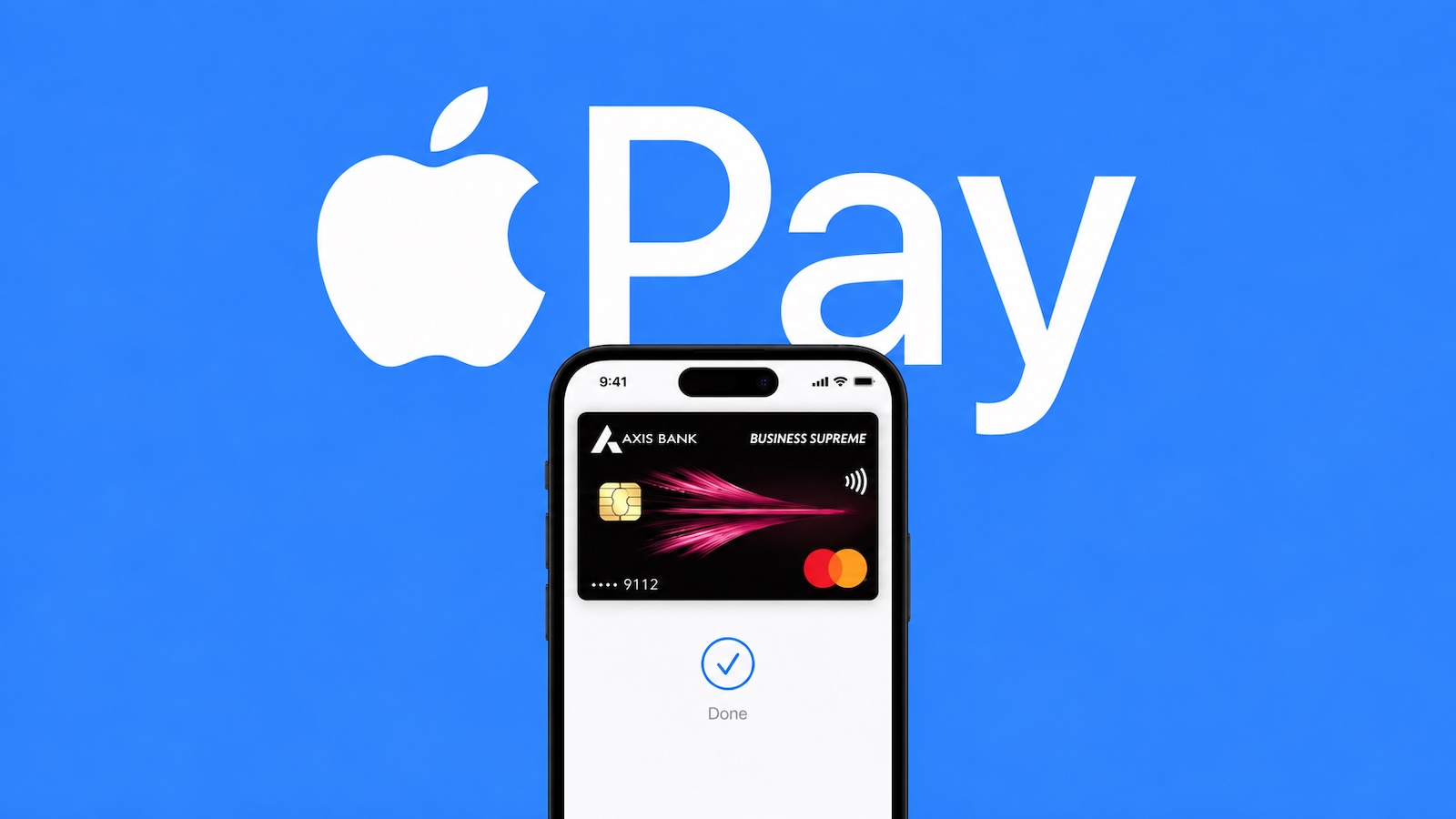
Apple Pay is now available in India, which means customers with an eligible card can add it to the Wallet app on iPhone and Apple Watch for contactless and online payments.


To use Apple Pay in India, users will need an Axis Bank credit card on the Visa or Mastercard network. Earlier today, TechCrunch reported that merchants and payment terminals will need to add Apple Pay support, so the service might not work at every contactless payment location.

RuPay, India's domestic card network, is not compatible with ‌Apple Pay‌. Major banks such as HDFC Bank, ICICI Bank, and SBI Card have not added support either.

There have been rumors about ‌Apple Pay‌ expanding to India for about a decade, but regulatory issues made it difficult. India already has a popular digital payment option, the Unified Payments Interface (UPI). UPI is a state-backed payment system that allows funds to be transferred instantly between two bank accounts. UPI handles approximately 84 percent of India's digital transaction volume, and it does not work with ‌Apple Pay‌.
Related Roundup: Apple Pay
Tag: India

This article, "Apple Pay Now Available in India With Axis Bank Cards" first appeared on MacRumors.com

Discuss this article in our forums

  •  

OpenAI Launches Always-On 'Dots' Agents to Rival Meta's Muse

OpenAI today announced the launch of "Dots" to compete with Meta's popular Muse agent. OpenAI describes Dots as always-on agents "built to handle everything."


Dots use the GPT–6 Astra model and have a cloud computer with a web browser, much like Muse. The agents learn from feedback over time, and OpenAI says they can work on the user's goals "24/7" and connect to over 4,000 apps. From the announcement:
You can ask questions, explore ideas, and give feedback along the way; or you can simply hop on a voice call when you need to talk something out. The more you work together, the more your dot learns your preferences, how you think, and what good looks like to you.

Users can communicate with Dots through ChatGPT or other apps like Slack or Teams, and options to text Dots are planned. Dots can carry context across different channels and will do "proactive research" on projects in the background. Dots follow ChatGPT's permissions and support custom rules for which tasks require approval.

Users can create a "primary dot" and name it starting today, with teams of Dots coming later. Dots are rolling out for Pro, Business Premium, and Enterprise plans in select markets, with other users to get access soon.

Eligible users get one Dot at no extra cost. Conversations with the agent don't count toward ChatGPT usage limits, but tasks will use plan allowances. Dots can be set up in the ChatGPT desktop app and accessed in the mobile app afterward.

OpenAI also introduced GPT–6.1 Sol today, which it says is a major upgrade to GPT–6 Sol with improvements in agentic coding, computer use, and professional work.
Tags: Meta, OpenAI

This article, "OpenAI Launches Always-On 'Dots' Agents to Rival Meta's Muse" first appeared on MacRumors.com

Discuss this article in our forums

  •  

AirPods 5 Teardown: Batteries Removable, Case Still Tough

Repair site iFixit today took apart Apple's AirPods 5 for one of its traditional teardown videos. It turns out the new AirPods are slightly more repairable than prior models, but it's still not a simple home fix.


The ‌AirPods 5‌ use pronged batteries that Apple previously used in the AirPods 3, but not the AirPods 4. The battery can be removed with a "nifty pair of tongs," and iFixit says the component is "intuitive to unplug." When the AirPods 3 used the pronged battery, there was no easy way to get into the earbud, but the ‌AirPods 5‌ are easier to pry open.

iFixit was able get into the ‌AirPods 5‌ with a hair dryer to heat the adhesive and a clamp to hold the earbud in place. The left and right earbuds use different batteries with reversed polarity, so the battery from a left AirPod can't be swapped into a right AirPod, and vice versa.

While the earbuds have a better repair score, iFixit said the case is "still a disaster" and difficult to get into without destroying it.

iFixit gave the ‌AirPods 5‌ a repairability score of 2/10, up from the 0/10 score all previous versions have earned. The site says "skilled technicians and even intrepid DIYers" should be able to replace the AirPods batteries "with a decent success rate."
Related Roundup: AirPods 5
Buyer's Guide: AirPods (Buy Now)
Related Forum: AirPods

This article, "AirPods 5 Teardown: Batteries Removable, Case Still Tough" first appeared on MacRumors.com

Discuss this article in our forums

  •  

iPhone 18 Pro Owners Complain of Speaker Crackling or Popping

Some iPhone 18 Pro owners have noticed an unusual crackling sound coming from the speaker of the device, leading to complaints on the MacRumors forums and Reddit.


Users have called it a crackle, a faint tick or pop, or random clicking. Many say the problem is with the earpiece speaker, and both the ‌iPhone 18 Pro‌ and ‌iPhone 18 Pro‌ Max appear to be affected.

Some people hear the sound consistently, while others hear it during app use, scrolling websites, when receiving notifications, when the keyboard pops up, or when making a call using a cellular connection. On affected units, reports suggest toggling Airplane Mode on and off triggers the sound, as does adjusting screen brightness quickly.

Apple released iOS 27.0.1 yesterday to fix a bug that could cause ‌iPhone 18 Pro‌ models to restart when Face ID authentication fails. The release notes didn't mention a speaker fix, and early feedback says the update did not help.

There are reports from people who returned their ‌iPhone 18 Pro‌ models only to get a second iPhone with the same issue. It's not clear what's causing the problem, but if it is a bug, a future software update may address it.
Related Roundup: iPhone 18 Pro
Related Forum: iPhone

This article, "iPhone 18 Pro Owners Complain of Speaker Crackling or Popping" first appeared on MacRumors.com

Discuss this article in our forums

  •  
❌