❌

Lees weergave

Apple Watch Series 10 vs. Series 12 Buyer's Guide: Should You Upgrade?

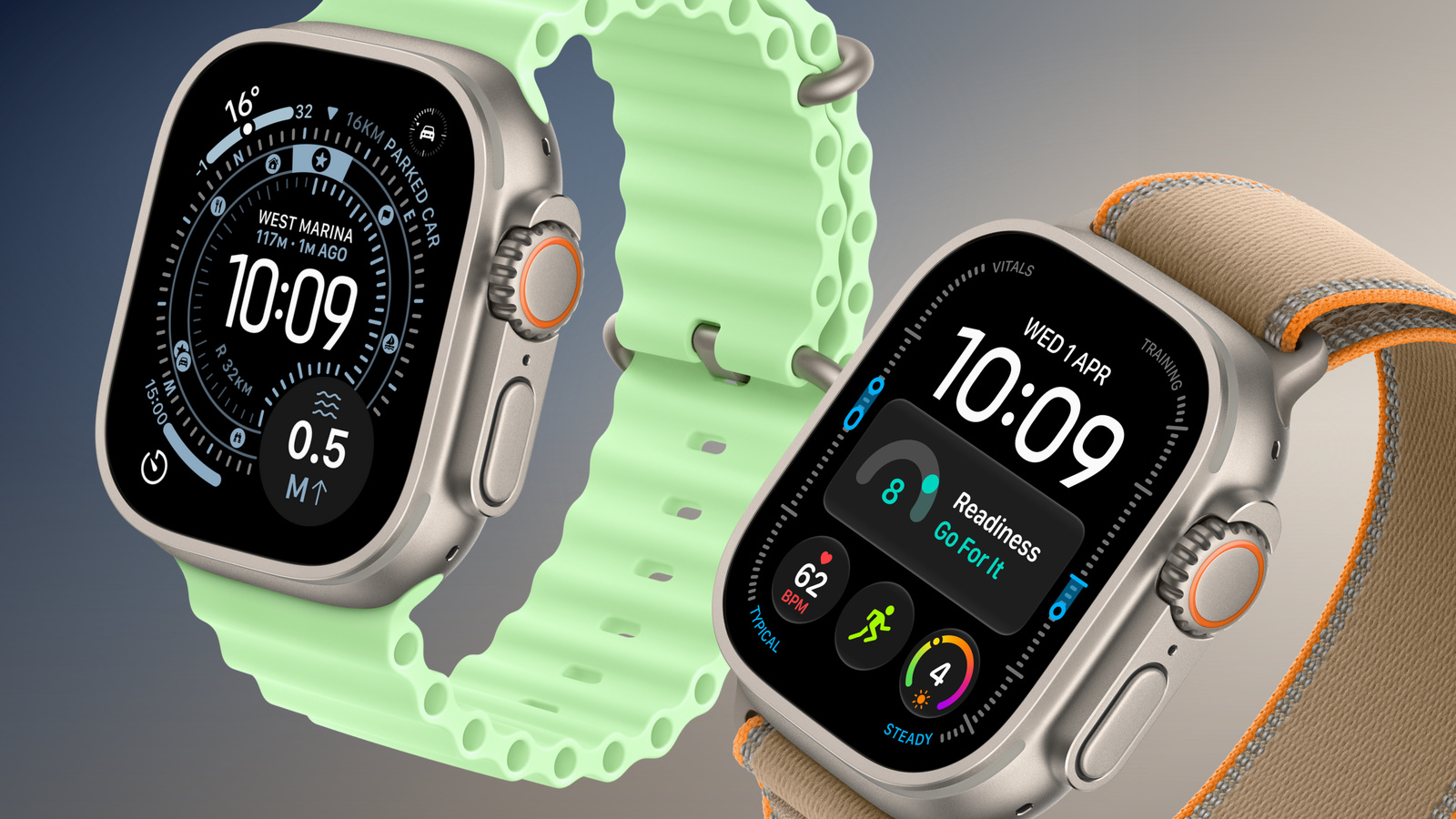
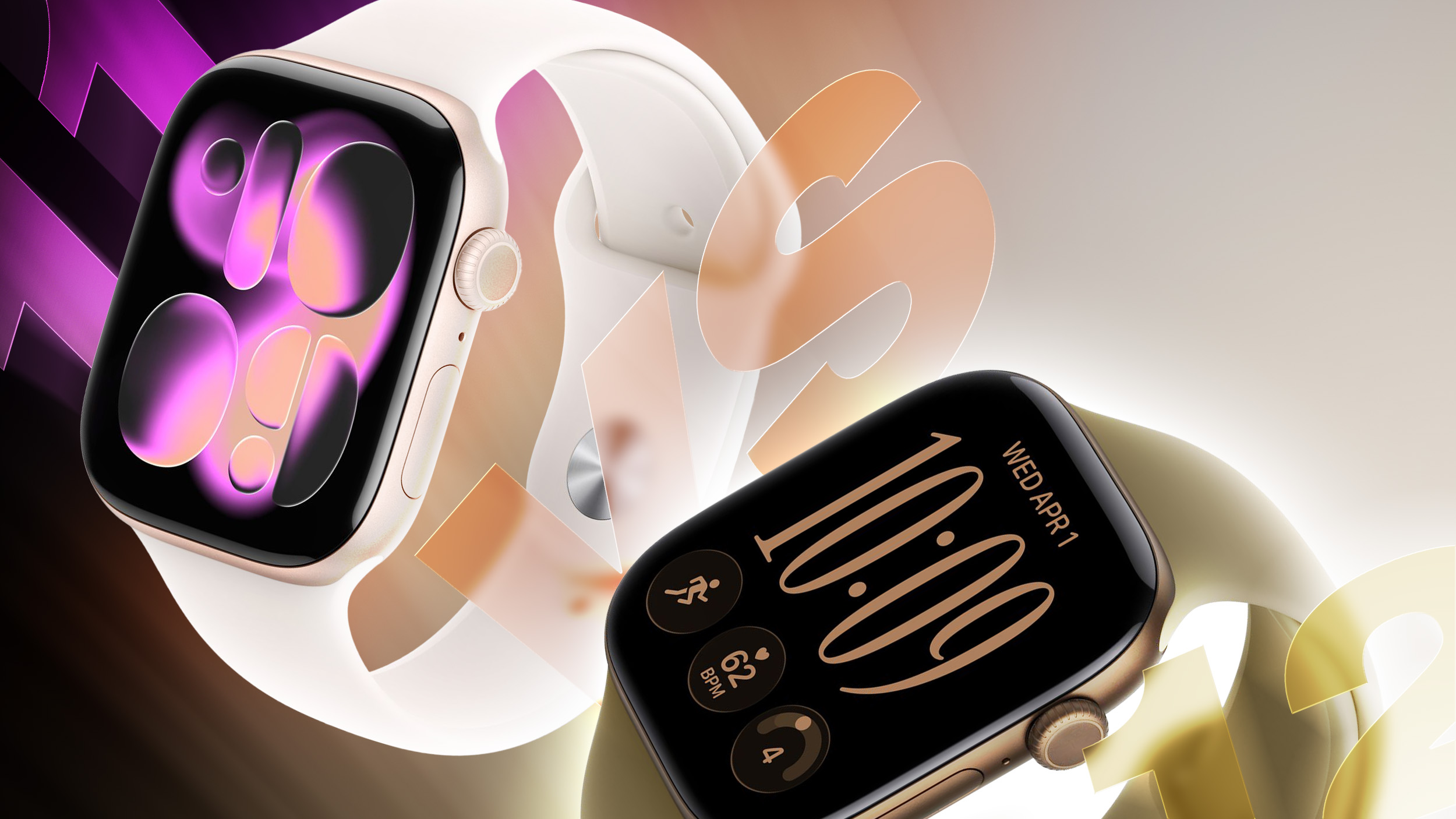
The Apple Watch Series 12 is now available, two years after the Series 10 introduced the current thinner design. But is it worth upgrading?
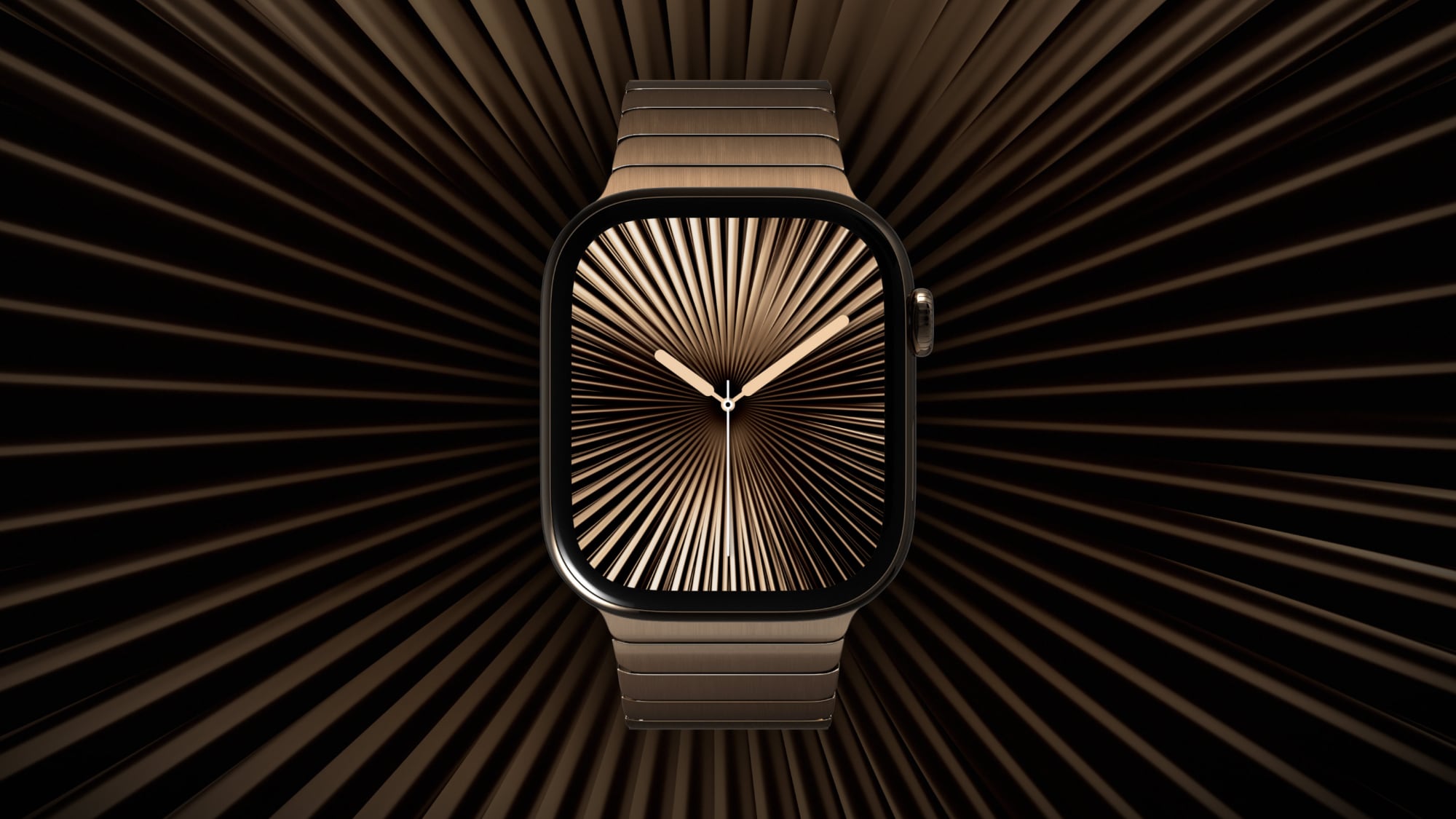

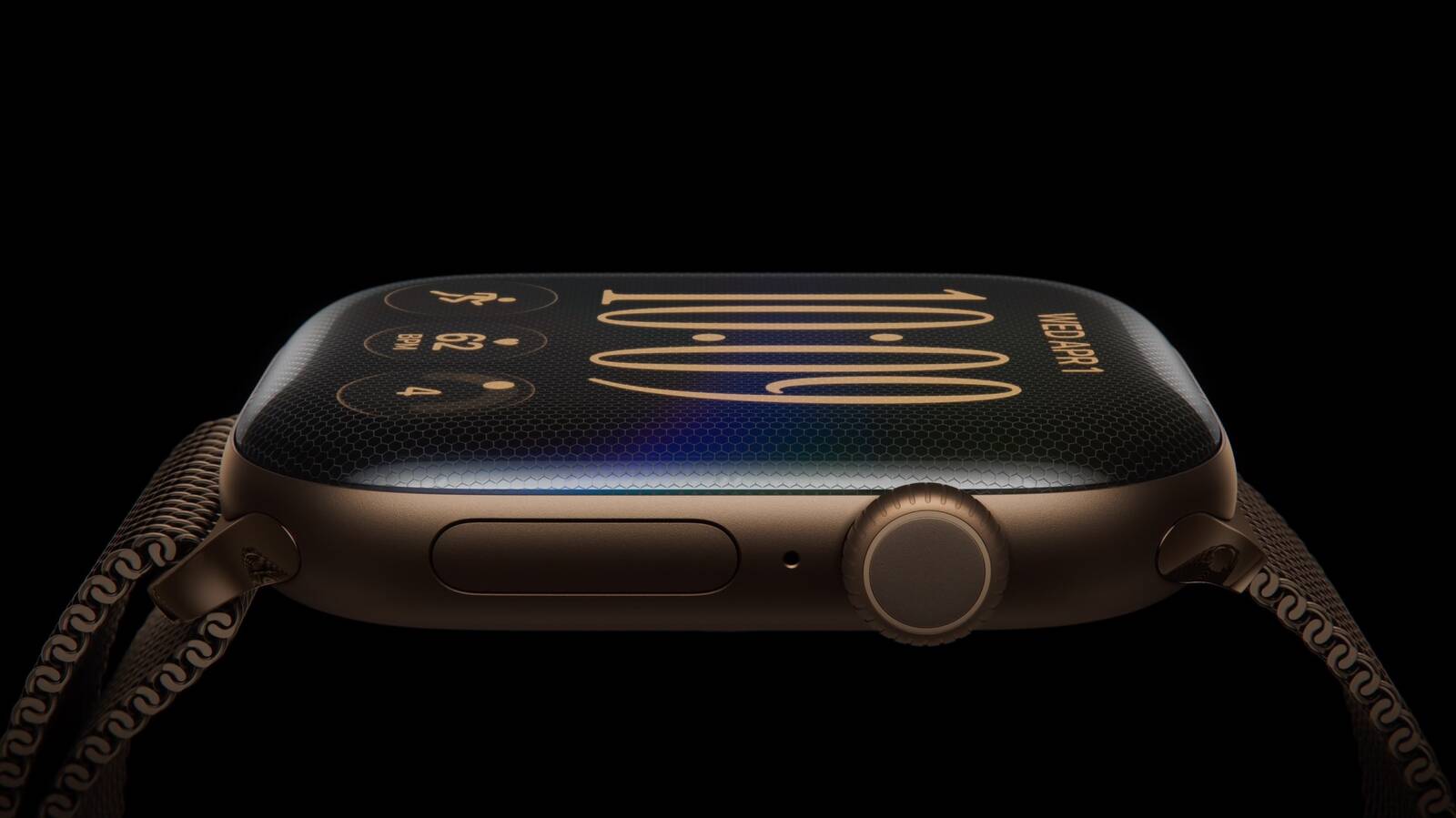
While last year's Series 11 brought just four changes, the Series 12 is a much more substantial update, with a new chip, twice as much RAM, redesigned health sensors, exclusive health and audio features, tougher cover glass, 5G connectivity, and new case materials.

The Series 12 starts at the same $399 price as the Series 10 did in 2024. Apple has now discontinued the Series 10, but remaining units may still be available from third-party retailers and on the refurbished or second-hand market. Here are all of the key hardware and feature differences between the Apple Watch Series 10 and Apple Watch Series 12:


Apple Watch Series 10 Apple Watch Series 12
S10 chip (2024) S11 chip (2026)
2GB RAM 4GB RAM
Electrical heart sensor Health Sensing System with second-generation electrical heart sensor
Third-generation optical heart sensor Fourth-generation, always-on optical heart sensor
Periodic background heart rate tracking High-frequency background heart rate tracking every five seconds
Heart rate variability Recovery HRV and overall HRV, measured up to 24x more frequently
Vitals app with heart rate, respiratory rate, wrist temperature, and sleep duration Vitals app with heart rate, respiratory rate, wrist temperature, sleep duration, and HRV, plus daytime vitals
Readiness app with daily score and recommendation
Standard step tracking Redesigned pedometer model with more accurate all-day step tracking
Steps watch face complication
Audio Intelligence, including Live Rewind, Siri Recap, Sound Recognition, and faster Shazam
Ion-X front glass (aluminum models) Ceramic Shield 2, 60% tougher than Ion-X (aluminum models)
Metal and sapphire crystal back Case-matched metal or ceramic and zirconia back
Aluminum or titanium case Aluminum, titanium, or ceramic case
Aluminum: Jet Black, Rose Gold, and Silver Aluminum: Dark Bronze, Light Gold, Black, and Space Gray
Titanium: Slate, Gold, and Natural Titanium: Radiant Gold and Natural
Ceramic: Pearl White and Night Blue
Hermès: Silver titanium Hermès: Silver and Radiant Gold titanium
LTE and UMTS (cellular models) LTE and 5G RedCap (cellular models)
Up to 18 hours of normal use Up to 24 hours of normal use
Up to 36 hours in Low Power Mode Up to 38 hours in Low Power Mode
15 minutes of charging for up to eight hours of normal use 15 minutes of charging for up to 12 hours of normal use
Eight minutes of charging for up to eight hours of sleep tracking Five minutes of charging for up to 10 hours of sleep tracking
Now discontinued From $399


Design and Display


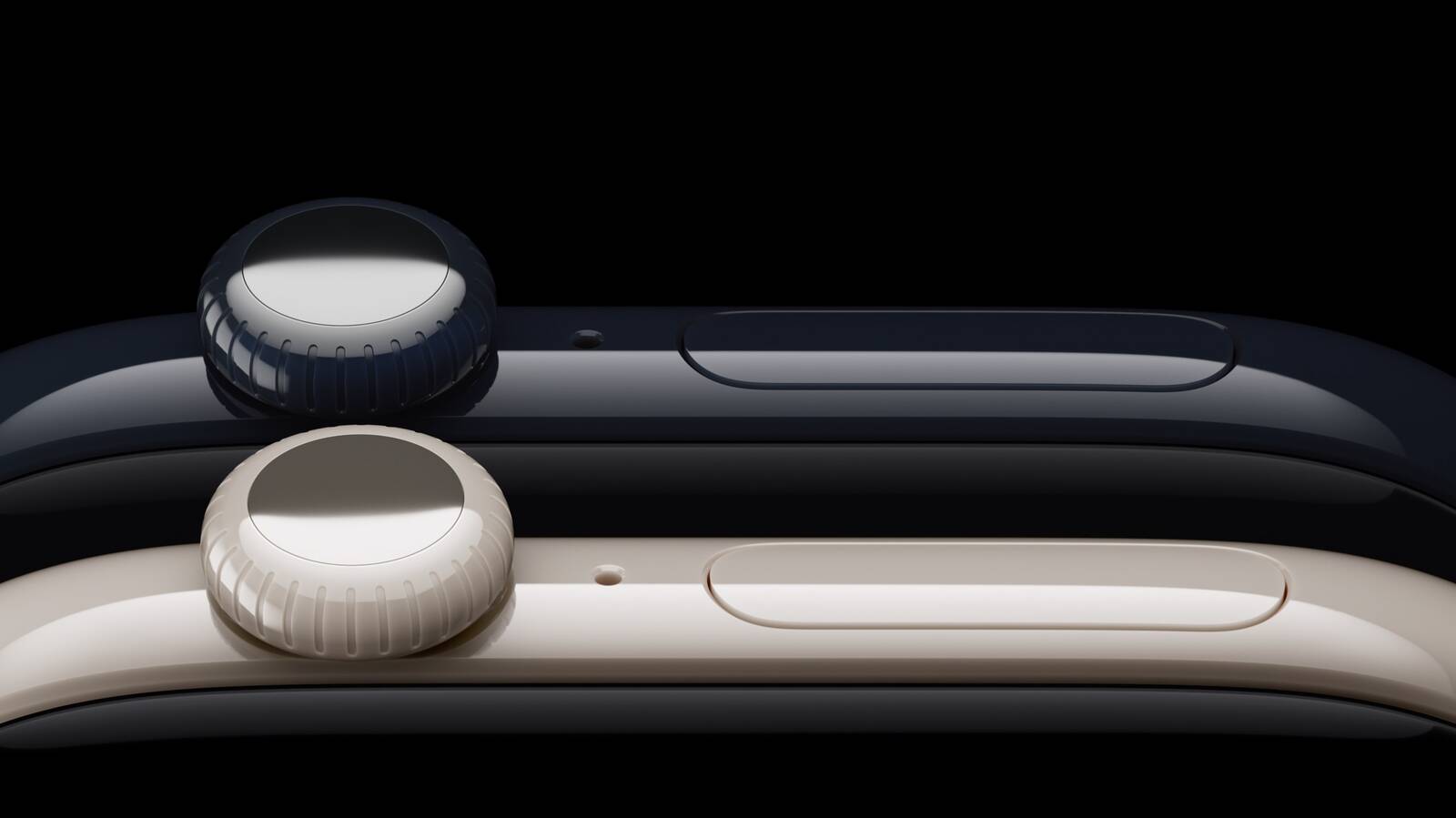
The Series 12 retains the same basic design introduced by the Series 10, including 42mm and 46mm size options and a 9.7mm-thick case. Nevertheless, Apple has made some subtle dimensional changes. Both sizes are now 1mm wider, and every equivalent aluminum or titanium configuration is between 2.1 and 3.3 grams heavier than its Series 10 counterpart.

At the same time, the display has shrunk slightly. Resolution is unchanged, but the active display area is around 2% smaller on both sizes. The combination of a wider, receded case and smaller display produces thicker borders around the screen.

Here is how the 46mm models compare:


46mm Apple Watch Series 10 Apple Watch Series 12
Dimensions 46mm x 39mm x 9.7mm 46mm x 40mm x 9.7mm
Resolution 416 x 496 pixels 416 x 496 pixels
Display area 1,220 sq mm 1,196 sq mm
Aluminum (GPS) 36.4 grams 39.5 grams
Aluminum (Cellular) 35.3 grams 38.6 grams
Titanium 41.7 grams 44.9 grams


The 42mm models compare as follows:


42mm Apple Watch Series 10 Apple Watch Series 12
Dimensions 42mm x 36mm x 9.7mm 42mm x 37mm x 9.7mm
Resolution 374 x 446 pixels 374 x 446 pixels
Display area 989 sq mm 970 sq mm
Aluminum (GPS) 30 grams 32.2 grams
Aluminum (Cellular) 29.3 grams 31.5 grams
Titanium 34.4 grams 36.5 grams


The Series 12 also marks the return of a ceramic Apple Watch for the first time since the Series 5 Edition in 2019. The ceramic models are larger and heavier than their aluminum and titanium counterparts:


Ceramic 46mm 42mm
Dimensions 47mm x 41mm x 9.85mm 43mm x 37mm x 9.85mm
Pearl White 51.3 grams 41.7 grams
Night Blue 52.9 grams 42.8 grams


Is It Worth Upgrading?


Two generations on, the Series 12 represents a meaningful cumulative upgrade over the Series 10, but it is far from an essential replacement. The two models share the same basic design, display brightness, resolution, storage capacity, core safety features, and more. The Series 10 is only two years old, and supports watchOS 27 and ‌Siri‌ AI, so it remains a capable and modern Apple Watch.

For existing Series 10 owners, upgrading is easiest to justify if health and fitness tracking is a priority. The Series 12's high-frequency heart rate sensing, Recovery HRV, daytime vitals, Readiness score, and improved step tracking provide substantially more useful training and recovery data. Sound Recognition may be compelling for deaf or hard of hearing users, while 5G, faster charging, tougher cover glass on aluminum models, and the ceramic case provide additional reasons for some buyers to upgrade.

Beyond this, the practical difference between the two devices is relatively small. The Series 12 is also slightly wider and heavier, and its active display area is around 2% smaller despite retaining the same resolution. Its 24-hour battery rating is also not directly comparable with the Series 10's 18-hour figure because Apple changed its testing methodology. If your Series 10 still comfortably lasts through the day and you are satisfied with its existing health features, there is no strong general-purpose reason to replace it.

Which to Buy Today?


At its $399 starting price, the Series 12 is the obvious choice over a Series 10 selling for anything close to its original price. The newer model offers a better health sensing system, twice as much RAM, the S11 chip, exclusive Audio Intelligence features, faster charging, 5G, and more case options. A saving of only $50 to $100 is unlikely to compensate for giving up those improvements.

The Series 10 becomes attractive when it is at least around $150 cheaper than an equivalent Series 12 and is in excellent condition. It still offers an always-on display, ECG, temperature sensing, sleep apnea and hypertension notifications, advanced workout tracking, and ‌Siri‌ AI. Buyers should pay particular attention to battery health and warranty coverage, since replacing a degraded battery could quickly erode the saving.
Related Roundup: Apple Watch 12
Buyer's Guide: Apple Watch (Buy Now)
Related Forum: Apple Watch

This article, "Apple Watch Series 10 vs. Series 12 Buyer's Guide: Should You Upgrade?" first appeared on MacRumors.com

Discuss this article in our forums
  •  

Apple's Smart Glasses to Enter a Rapidly Growing Market

Apple's first smart glasses could arrive in a rapidly expanding market, with worldwide AI glasses shipments increasing 263% year-over-year during the first half of 2026, according to Counterpoint Research.


The figures are particularly relevant for Apple because display-less products accounted for 96% of shipments. Apple's initial smart glasses are likewise rumored to omit an augmented reality display, focusing instead on audio, cameras, Siri, and connectivity with the iPhone and Apple's wider ecosystem.

Bloomberg's Mark Gurman reports that the company is targeting a late 2027 release for the device. Apple could introduce the glasses at WWDC 2027 with an emphasis on privacy.

Counterpoint said shipments of display-less AI glasses increased 258% from the first half of 2025 and 22% from the preceding six months. This category includes products such as the Ray-Ban Meta glasses, which provide photography, audio, calling, and AI features without screens.

‌Meta‌ currently presents Apple with a formidable incumbent. The company accounted for approximately 94% of total AI glasses shipments, while its own volume grew 260% year over year and 22% sequentially. Its expansion has been supported by additional frame styles, wider retail distribution, and new glasses priced from $299.

Display-equipped AI glasses represented only 4% of the market, although shipments in that segment increased 449% year-over-year. Apple's more advanced augmented-reality glasses are not expected until 2029 at the earliest.

Counterpoint identified increasing semiconductor costs and public unease about wearable cameras as possible obstacles to continued growth. It nevertheless expects investment from Apple, ‌Meta‌, Google, and Samsung to push the category toward more proactive glasses that use AI to understand their surroundings and provide assistance based on context.
This article, "Apple's Smart Glasses to Enter a Rapidly Growing Market" first appeared on MacRumors.com

Discuss this article in our forums

  •  

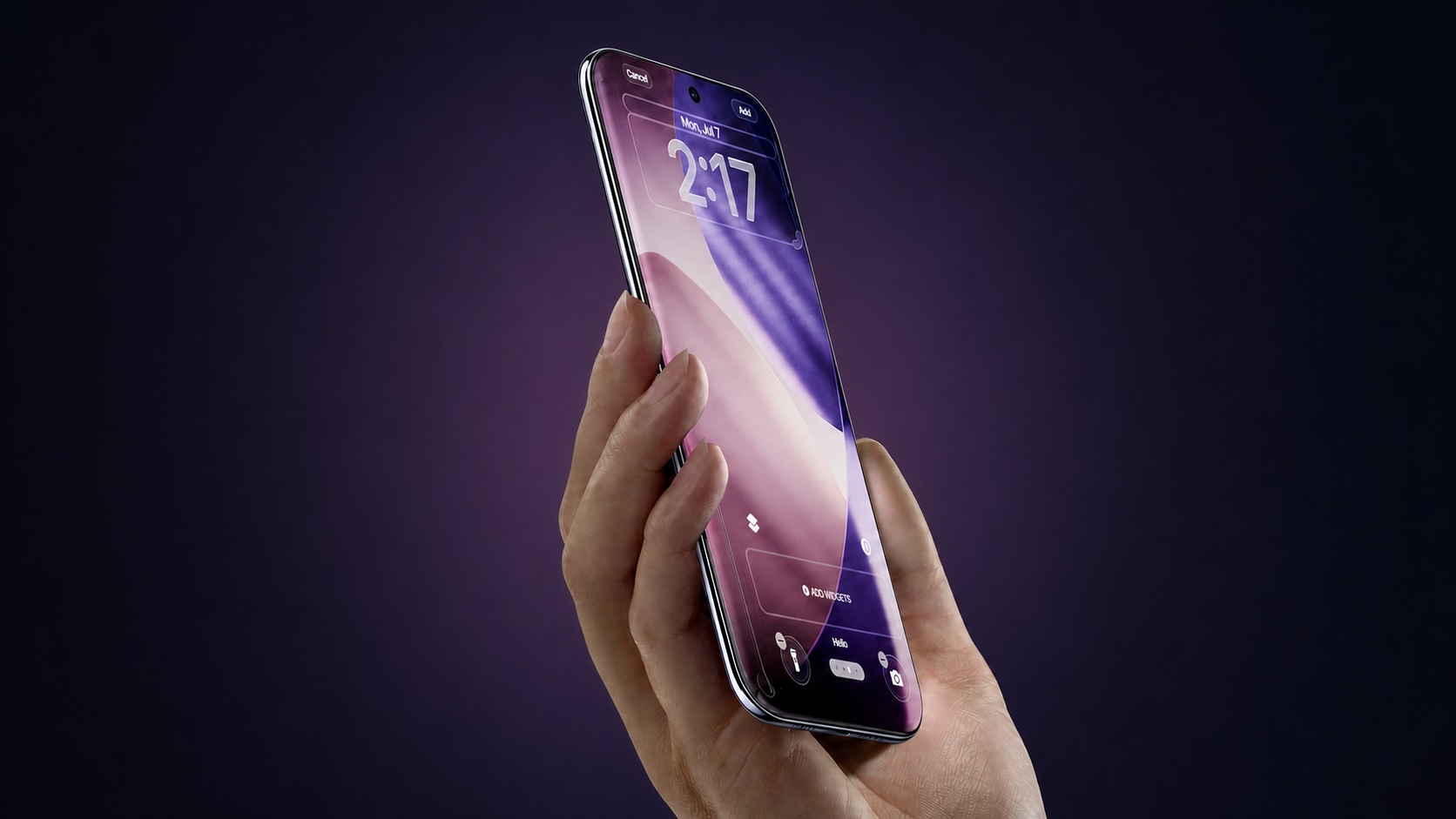
Apple Planning to Bring iPhone Duo Display Tech to Pro in 2029

Apple's 2029 "Pro" iPhones could adopt thinner and more power-efficient OLED screens, according to UBI Research.


The technology, known as Color Filter on Encapsulation (CoE), removes the conventional polarizer from the ‌OLED‌ panel and places a color filter directly on top of its encapsulation layer. A polarizer helps suppress reflections from ambient light, but it also absorbs a significant portion of the light produced by the display.

Removing the polarizer allows more light to pass through, potentially enabling a display to reach greater brightness without consuming additional power, or use less power while maintaining the same brightness. Eliminating the separate layer can also make the display assembly thinner, freeing up internal space for components such as the battery, cameras, and more.

Samsung first commercialized the technology, which it branded Eco² ‌OLED‌, with the Galaxy Z Fold3. According to Samsung's internal testing, its original implementation improved light transmission by 33% and reduced power consumption by up to 25% compared with an ‌OLED‌ panel using a traditional polarizer.

CoE technology presents some technical challenges. Without a polarizer, manufacturers have to control external reflections through a combination of color filters, black pixel-defining layers, low-reflection coatings, and other optical measures. UBI Research believes the difficulty of maintaining outdoor visibility, viewing angles, contrast, and color accuracy may explain why Apple is reportedly waiting until 2029 to bring the technology to its high-volume conventional iPhone models.

Prior to the unveiling of the iPhone Duo, reports indicated that its Samsung-supplied folding ‌OLED‌ display would use CoE technology. Apple has not detailed the panel's internal construction, but UBI Research sees the foldable device as a potential first step toward using polarizer-free ‌OLED‌ displays across the iPhone "Pro" lineup.

The research firm estimates that annual panel demand for the two Pro models could remain between 90 million and 100 million units, making the proposed transition significantly larger in scale than CoE's use in foldable devices. Samsung Display and LG Display are expected to lead the initial supply, while BOE could compete for orders if it can meet Apple's requirements.

Related Roundup: iPhone Duo
Tag: OLED
Related Forum: iPhone

This article, "Apple Planning to Bring iPhone Duo Display Tech to Pro in 2029" first appeared on MacRumors.com

Discuss this article in our forums

  •  

iPhone 14 Pro vs. iPhone 18 Pro Buyer's Guide: Should You Upgrade?

Apple announced the iPhone 18 Pro and ‌iPhone 18 Pro‌ Max earlier this month, arriving four years after the iPhone 14 Pro and iPhone 14 Pro Max.


Four generations of changes make for a substantial upgrade, bringing larger displays, an all-new design, improvements to every camera, significantly longer battery life, faster charging, USB-C connectivity, and support for Apple Intelligence.

The iPhone 15 Pro replaced the stainless steel frame with titanium, introduced the Action button and USB-C port, and added the A17 Pro chip. The iPhone 16 Pro introduced larger displays with thinner borders, the Camera Control, a 48-megapixel Ultra Wide camera, and improved video and audio recording. The iPhone 17 Pro replaced the titanium frame and glass back with an aluminum unibody, added vapor chamber cooling and Ceramic Shield 2, and upgraded both the telephoto and front-facing cameras. This year's refresh centers on the A20 Pro chip, a variable-aperture Main camera, a smaller Dynamic Island, and a further increase in battery capacity. For iPhone 14 Pro owners, all four sets of changes accumulate.

The ‌iPhone 18 Pro‌ starts at $1,199 for 256GB, $200 more than the iPhone 14 Pro's $999 launch price, although the entry storage tier has doubled from 128GB. The ‌iPhone 18 Pro‌ Max starts at $1,299, also $200 more than the iPhone 14 Pro Max's $1,099 launch price, with the same increase in base storage. Here are the key differences between the iPhone 14 Pro and ‌iPhone 18 Pro‌:

Design and Display


iPhone 14 Pro (2022) ‌iPhone 18 Pro‌ (2026)
Stainless steel frame with squared-off edges and full glass back Aluminum unibody with partial Ceramic Shield back, improving heat dissipation
Glass rounded square camera bump Full-width rounded rectangle aluminum camera plateau
iPhone 14 Pro: 6.1-inch display
iPhone 14 Pro Max: 6.7-inch display
iPhone 18 Pro: 6.3-inch display
iPhone 18 Pro Max: 6.9-inch display
iPhone 14 Pro: 2,556-by-1,179-pixel resolution
iPhone 14 Pro Max: 2,796-by-1,290-pixel resolution
iPhone 18 Pro: 2,622-by-1,206-pixel resolution
iPhone 18 Pro Max: 2,868-by-1,320-pixel resolution
Wider borders around the display Thinner borders, with the initial reduction of 30% introduced on the ‌iPhone 16‌ Pro
Approximately 2-4 nits minimum display brightness 1 nit minimum display brightness
More power-efficient display
Ceramic Shield front Ceramic Shield 2 front, with 3x better scratch resistance than the ‌iPhone 16‌ Pro
Fingerprint-resistant oleophobic coating only Fingerprint-resistant oleophobic coating and Apple-designed anti-reflective coating to reduce glare
2,000 nits peak display brightness (outdoor) 3,000 nits peak display brightness (outdoor)
‌Dynamic Island‌ supports up to two simultaneous Live Activities Smaller ‌Dynamic Island‌, supports up to three simultaneous Live Activities
Ring/Silent switch Action button
Camera Control capacitive button with sapphire crystal cover
Available in Deep Purple, Gold, Silver, and Space Black Available in Silver, Black, Glacier, and Burgundy
95% fiber-based packaging 100% fiber-based packaging, suitable for recycling


Dimensions and Weight


iPhone 14 Pro (2022) ‌iPhone 18 Pro‌ (2026)
Height iPhone 14 Pro: 147.5mm (5.81 inches)
iPhone 14 Pro Max: 160.7mm (6.33 inches)
iPhone 18 Pro: 150.0mm (5.91 inches)
iPhone 18 Pro Max: 163.4mm (6.43 inches)
Width iPhone 14 Pro: 71.5mm (2.81 inches)
iPhone 14 Pro Max: 77.6mm (3.06 inches)
iPhone 18 Pro: 71.9mm (2.83 inches)
iPhone 18 Pro Max: 78.0mm (3.07 inches)
Thickness 7.85mm (0.31 inches) 8.75mm (0.34 inches)
Weight iPhone 14 Pro: 206 grams (7.27 ounces)
iPhone 14 Pro Max: 240 grams (8.47 ounces)
iPhone 18 Pro: 211 grams (7.44 ounces)
iPhone 18 Pro Max: 249 grams (8.78 ounces)


Chip, Performance, and Connectivity


iPhone 14 Pro (2022) ‌iPhone 18 Pro‌ (2026)
A16 Bionic chip A20 Pro chip
Built with TSMC's N4P process (4nm) Built with TSMC's N2 process (2nm)
6-core CPU with 2 performance cores and 4 efficiency cores 6-core CPU with 2 super cores and 4 efficiency cores
6GB LPDDR5 RAM 12GB LPDDR5X RAM
51.2GB/s memory bandwidth 115GB/s memory bandwidth
5-core GPU 7-core GPU with Neural Accelerators
Hardware-accelerated ray tracing
16-core Neural Engine Dual 16-core Neural Engine (32 total cores)
Passive cooling Vapor chamber cooling with 3x more surface area than the ‌iPhone 17‌ Pro
New chip packaging that places silicon die beside memory, allowing it to attach directly to the vapor chamber
Earlier video encoding hardware Enhanced video encoding hardware supporting higher-frame-rate recording and additional professional formats
HEVC, H.264, and ProRes video playback HEVC, H.264, AV1, and ProRes video playback
Supports iOS 27, but not ‌Apple Intelligence‌ or Siri AI Supports ‌iOS 27‌, ‌Apple Intelligence‌, ‌Siri‌ AI, and Visual Intelligence
Qualcomm Snapdragon X65 modem iPhone 18 Pro: Apple C2 modem in all countries
iPhone 18 Pro Max: Apple C2 modem in all countries except the U.S., where it uses a Qualcomm modem
Broadcom Wi-Fi and Bluetooth chip Apple N1 chip for Wi-Fi, Bluetooth, and Thread
Wi-Fi 6 (802.11ax) Wi-Fi 7 (802.11be)
Bluetooth 5.3 connectivity Bluetooth 6 connectivity
First-generation Ultra Wideband chip Second-generation Ultra Wideband chip with Precision Finding for people
Lightning port with USB 2 transfer speeds up to 480Mb/s USB-C port with USB 3 transfer speeds up to 10Gb/s
Up to 1080p video output using a Lightning adapter DisplayPort support for up to 4K HDR video output


Rear Camera


iPhone 14 Pro (2022) ‌iPhone 18 Pro‌ (2026)
First-generation quad-pixel sensor Newer sensor and computational imaging pipeline, building on the faster readout speeds and zero shutter lag introduced with the ‌iPhone 16‌ Pro
12-megapixel HEIF and JPEG photos, or up to 48-megapixel ProRAW photos from the Main camera 24- and 48-megapixel super-high-resolution photos from the Main, Ultra Wide, and Telephoto cameras
Fixed ƒ/1.78 aperture on the Main camera Variable aperture with four stops: ƒ/1.48, ƒ/1.8, ƒ/2.8, and ƒ/4.0, using six laser-cut blades
API available for developers to control the aperture range within their own apps
Night mode Faster Night mode, tied to the new variable-aperture lens
Around 50% better Main camera low-light performance than the ‌iPhone 16‌ Pro, with more detail in the back of group photos
Pro controls in the Camera app: manual lens aperture, shutter speed, white balance, and histogram
12-megapixel Ultra Wide camera 48-megapixel Fusion Ultra Wide camera
12-megapixel Telephoto camera 48-megapixel Fusion Telephoto camera
3x Telephoto camera, with 77mm focal length 4x Telephoto camera, with 100mm focal length, also enabling 12-megapixel optical-quality 8x shots at 200mm
0.5x, 1x, 2x, and 3x zoom options, with optical-quality 2x derived from the Main camera 0.5x, 1x, 2x, 4x, and 8x zoom options, with optical-quality 2x and 8x derived from the Main and Telephoto cameras
Digital zoom up to 15x Digital zoom up to 40x
24mm default Main camera lens Customizable default lens for the Fusion Main camera
Macro photography 48-megapixel macro photography
JPEG-XL compression for ProRAW photos
Smart HDR 4 Smart HDR 5
Portrait mode with Depth Control Next-generation portraits with Focus and Depth Control
First-generation Photographic Styles Photographic Styles 3, with tone, color, texture, and grain controls
Depth mapping for AR and portrait photography Enhanced depth mapping for AR and portrait photography, with more accurate background and subject separation and more realistic bokeh
Smart focus tracking
Spatial photo capture
Apple Reference Image (Main camera only)


Camera Control


The iPhone 14 Pro has a traditional Ring/Silent switch and lacks both of the dedicated controls Apple added to later generations. The ‌iPhone 18 Pro‌ includes an Action button that can launch the camera or ‌Visual Intelligence‌, as well as a Camera Control with the following additional functions:


  • Press Camera Control to launch the Camera app

  • Press to capture a photo or press and hold to record video

  • Light press to lock focus and exposure before reframing

  • Slide across the capacitive surface to adjust settings such as zoom, exposure, styles, and tone

  • Light-press controls overlay for quick access to camera settings

  • Integration with supported third-party camera apps

  • Press and hold to activate ‌Visual Intelligence‌


Video Recording


iPhone 14 Pro (2022) ‌iPhone 18 Pro‌ (2026)
4K video recording at 24 fps, 25 fps, 30 fps, or 60 fps, with Dolby Vision HDR up to 60 fps 4K Dolby Vision video recording at 24 fps, 25 fps, 30 fps, 60 fps, 100 fps (Fusion Main), or 120 fps (Fusion Main)
1080p HD video recording at 25 fps, 30 fps, or 60 fps 1080p Dolby Vision video recording at 25 fps, 30 fps, 60 fps, or 120 fps (Fusion Main)
ProRes video recording up to 4K at 30 fps, or 1080p at 30 fps on the 128GB model ProRes video recording up to 4K at 120 fps with external recording
Records video to internal storage Can record video directly to external storage over USB-C
Slo-mo video support for 1080p at 120 fps or 240 fps Slo-mo video support for 1080p up to 240 fps and 4K Dolby Vision up to 120 fps (Fusion Main)
Cinematic mode recording up to 4K HDR at 30 fps Cinematic mode recording up to 4K Dolby Vision at 60 fps
Cinematic mode effects can be applied after capture to Fusion Main video shot at up to 60 fps
Pro controls for lens aperture, shutter speed, white balance, and histogram
Smart focus tracking
Improved low-light video at 1080p
Action mode up to 2.8K at 60 fps Action mode up to 2.8K Dolby Vision at 60 fps
Spatial video recording at 1080p at 30 fps
Time-lapse video recording with stabilization Time-lapse video recording with stabilization, up to 4K Dolby Vision
QuickTake video QuickTake video up to 4K Dolby Vision at 60 fps
Apple Log 2
Academy Color Encoding System support
ProRes RAW capture support
Genlock support
Dual Capture up to 4K Dolby Vision at 30 fps


Front Camera


iPhone 14 Pro (2022) ‌iPhone 18 Pro‌ (2026)
12-megapixel TrueDepth camera with conventional rectangular sensor 18-megapixel Center Stage camera with square sensor and TrueDepth technology
Tap to zoom and rotate, allowing portrait and landscape framing without rotating the iPhone
Center Stage for photos and video calls
Ultra-stabilized video
Dual Capture, recording the front and rear cameras simultaneously at up to 4K Dolby Vision at 30 fps
Smart HDR 4 Smart HDR 5
Portrait mode with Depth Control Next-generation portraits with Focus and Depth Control
First-generation Photographic Styles Photographic Styles 3, with tone, color, texture, and grain controls
Smart focus tracking
Pro controls for shutter speed, white balance, and histogram
4K video recording at 24 fps, 25 fps, 30 fps, or 60 fps, with Dolby Vision HDR up to 60 fps 4K Dolby Vision video recording at 24 fps, 25 fps, 30 fps, or 60 fps
1080p HD video recording at 25 fps, 30 fps, or 60 fps 1080p Dolby Vision video recording at 25 fps, 30 fps, or 60 fps
ProRes video recording up to 4K at 30 fps, or 1080p at 30 fps on the 128GB model ProRes video recording up to 4K at 60 fps with external recording
Cinematic mode up to 4K HDR at 30 fps Cinematic mode up to 4K Dolby Vision at 30 fps
Cinematic mode effects can be applied after capture
Improved low-light video at 1080p
Time-lapse video recording with stabilization Time-lapse video recording with stabilization, up to 4K Dolby Vision
QuickTake video QuickTake video up to 4K at 60 fps in Dolby Vision
Apple Log 2
Academy Color Encoding System support
ProRes RAW capture support


Audio Recording


iPhone 14 Pro (2022) ‌iPhone 18 Pro‌ (2026)
Stereo recording Spatial Audio and stereo recording
Studio-quality four-mic array
Wind noise reduction
Audio Mix with algorithms for higher-quality voices and the ability to isolate music


Battery and Charging


iPhone 14 Pro (2022) ‌iPhone 18 Pro‌ (2026)
iPhone 14 Pro: 3,200 mAh battery
iPhone 14 Pro Max: 4,323 mAh battery
iPhone 18 Pro: 4,056 mAh battery (SIM-tray models); 4,288 mAh battery (eSIM-only models)
iPhone 18 Pro Max: 5,391 mAh battery (SIM-tray models); 5,567 mAh battery (eSIM-only models)
iPhone 14 Pro: Up to 23 hours of video playback
iPhone 14 Pro Max: Up to 29 hours of video playback
iPhone 18 Pro: Up to 36 hours of video playback
iPhone 18 Pro Max: Up to 45 hours of video playback
iPhone 14 Pro: Up to 20 hours of streamed video playback
iPhone 14 Pro Max: Up to 25 hours of streamed video playback
iPhone 18 Pro: Up to 33 hours of streamed video playback
iPhone 18 Pro Max: Up to 40 hours of streamed video playback
Up to 50% charge in around 30 minutes with a 20W adapter or higher Up to 50% charge in around 15 minutes with a 60W-capable adapter or higher
MagSafe wireless charging up to 15W with a 20W adapter or higher ‌MagSafe‌ wireless charging up to 25W, reaching 50% charge in 30 minutes with a 35W adapter or higher
Qi wireless charging up to 7.5W Qi2 wireless charging up to 25W
Optimized Battery Charging Charge Limit from 80% to 100% in 5% increments, plus Optimized Battery Charging
Battery Health shows maximum capacity, peak performance capability, and whether service is recommended Battery Health also shows cycle count, manufacture date, and date of first use
Battery designed to retain 80% of its original capacity at 500 complete charge cycles Battery designed to retain 80% of its original capacity at 1,000 complete charge cycles


Storage and Pricing


iPhone 14 Pro (2022) ‌iPhone 18 Pro‌ (2026)
Available with 128GB, 256GB, 512GB, or 1TB storage Available with 256GB, 512GB, 1TB, or 2TB storage
iPhone 14 Pro: Launched at $999 (128GB), $1,099 (256GB), $1,299 (512GB), $1,499 (1TB)
iPhone 14 Pro Max: Launched at $1,099 (128GB), $1,199 (256GB), $1,399 (512GB), $1,599 (1TB)
iPhone 18 Pro: $1,199 (256GB), $1,399 (512GB), $1,799 (1TB), $2,399 (2TB)
iPhone 18 Pro Max: $1,299 (256GB), $1,499 (512GB), $1,899 (1TB), $2,499 (2TB)
Now discontinued Sold directly by Apple
Current purchase prices depend on third-party stock, condition, and warranty iPhone 18 Pro: From $49.95 a month for 24 months via Apple Upgrade
iPhone 18 Pro Max: From $54.12 a month for 24 months via Apple Upgrade


For iPhone 14 Pro and iPhone 14 Pro Max owners considering a new device, the ‌iPhone 18 Pro‌ is a worthwhile upgrade. Four generations of changes bring improvements to the display, every camera on the device, battery life, charging, sustained performance, and connectivity. Battery life is likely to be the strongest improvement for most users, particularly if their current device no longer comfortably lasts through the day, while faster wired charging makes brief charging stops more useful. The newer battery is also designed to retain 80% of its original capacity for twice as many complete charge cycles under ideal conditions, and Charge Limit offers more control over long-term battery wear.

USB-C is another significant quality-of-life improvement for iPhone 14 Pro owners. It allows the iPhone to share cables with recent Macs, iPads, and accessories, while the jump from USB 2 to USB 3 speeds makes large wired photo and video transfers far quicker. The Action button and Camera Control also provide two new physical controls that the iPhone 14 Pro lacks.

The camera upgrade is especially compelling for anyone who regularly takes photos or records video. Higher-resolution Ultra Wide and Telephoto cameras expand the options beyond the Main camera, while the variable aperture and Pro controls provide additional creative flexibility. Both iPhone 14 Pro sizes move from a 3x Telephoto camera to 4x, alongside an optical-quality 8x option that substantially extends their usable reach.

For video creators, the accumulated changes are more consequential still. Higher-frame-rate 4K recording, external recording over USB-C, ProRes RAW, Genlock, Apple Log 2, Dual Capture, and improved audio tools expand the range of work that can be completed on the device. Spatial photo and video capture is also useful for Apple Vision Pro owners. The square front-camera sensor makes landscape framing easier without rotating the phone, while Center Stage improves flexibility for group photos and video calls.

The A20 Pro and vapor chamber cooling make the strongest performance case for users who play demanding games, record long video clips, or regularly push their device through sustained workloads. The increase from 6GB to 12GB of RAM and the additional AI processing hardware also enable ‌Apple Intelligence‌, ‌Siri‌ AI, and ‌Visual Intelligence‌, none of which are available on the iPhone 14 Pro. The older model still supports ‌iOS 27‌ and remains capable for messaging, browsing, photography, and other everyday activities, so the latest software update does not make it obsolete.

There are physical trade-offs to consider. Both newer models are taller and thicker, although the move from stainless steel to aluminum means the weight increases by only 5 grams on the Pro and 9 grams on the Pro Max despite the larger displays and batteries. The aluminum enclosure improves thermal management, but it is less premium-looking, and it may show dents and scratches more readily than the iPhone 14 Pro's stainless steel frame.

If your iPhone 14 Pro still meets your needs and comfortably lasts through the day, upgrading is not urgent, but you may want to think about getting a new device soon. A battery replacement may be worth considering if reduced health is your main complaint and you would otherwise be happy to keep your device. The upgrade becomes much easier to recommend when battery limitations coincide with a desire for ‌Apple Intelligence‌, USB-C, the newer cameras, and a larger display.

A discounted ‌iPhone 17‌ Pro is another option if your priorities are the aluminum design, higher-resolution telephoto camera, square front-camera sensor, ‌Apple Intelligence‌, USB-C, and vapor chamber cooling. Those upgrades arrived before this year's model. Paying more for the ‌iPhone 18 Pro‌ makes the clearest sense when you also want the variable aperture, Pro controls, A20 Pro, smaller ‌Dynamic Island‌, and further improvements to battery life and charging, but coming from an iPhone 14 Pro, the ‌iPhone 17‌ Pro will still feel like a significant upgrade.
Related Roundup: iPhone 18 Pro
Related Forum: iPhone

This article, "iPhone 14 Pro vs. iPhone 18 Pro Buyer's Guide: Should You Upgrade?" first appeared on MacRumors.com

Discuss this article in our forums
  •  

Apple Smart Home Display Coming as Soon as Next Month

Apple could unveil its long-rumored smart home display as soon as October, according to Bloomberg's Mark Gurman.


In the latest edition of his "Power On" newsletter, Gurman narrows Apple's launch window after he said in August that the smart home display remained on track to arrive before the end of 2026. The device is expected to become a central interface for controlling accessories, communicating with other people in the home, accessing media, and using Apple services.

Apple is reportedly testing the product extensively in employees' homes. References found in Apple's software have linked the tabletop model to the internal designation "J490," while a second model identified as "J491" appears to be intended for wall mounting. Both identifiers were among several unreleased products referenced in macOS Tahoe 26.7.

The two versions will reportedly share a compact, square display. One will include a base for placing it on a desk or counter, while the other can be fixed to a wall. The screen is expected to be smaller than those used by many Amazon Echo Show models.

Apple has apparently developed a dedicated operating system built around Siri AI for the product, with visual elements drawn from iOS, tvOS, and watchOS. Its interface will offer a Home Screen, widgets, and selectable clock designs, allowing information to remain visible when the device is not being actively used. Users will reportedly be able to search information held across their Apple devices and accounts with ‌Siri‌ AI, retrieve previously shared songs or podcasts, locate photos, and request specific actions within apps.

Apple is believed to have postponed the home hub several times because these ‌Siri‌ features were not ready. That obstacle has now largely been removed following the release of iOS 27 with Siri AI earlier this month.

The display's camera will purportedly support video calls and recognize individual members of a household. Once it identifies the person in front of it, the software will be able to present that user's appointments, notes, preferred media, news, and other personalized information. The camera system reportedly provides this recognition without the depth-sensing components used for Face ID.

Other expected functions include smart home controls, intercom communication, music and video playback, and access to apps such as Calendar, Notes, and Reminders. An iPhone will be required during setup and for certain connected features.

The home display would be among the first major new products introduced under Apple CEO John Ternus. Gurman says Apple intends for the iPhone to remain the center of customers' mobile lives, while the display, Apple TV, and HomePod establish a corresponding hub for the home.
This article, "Apple Smart Home Display Coming as Soon as Next Month" first appeared on MacRumors.com

Discuss this article in our forums

  •  

Apple Watch Series 12 vs. Ultra 4 Buyer's Guide

The Apple Watch Series 12 and Apple Watch Ultra 4 bring new health sensors, a new chip, and more detailed recovery insights to Apple's smartwatch lineup, so how do they compare?


Both models feature the S11 chip, 4GB of RAM, 64GB of storage, and the new Health Sensing System, which measures heart rate every five seconds throughout the day. They also share Readiness, Recovery HRV, daytime vitals, improved step tracking, hypertension notifications, sleep apnea notifications, Sleep Score, and more. This means that the Ultra 4's higher price does not buy you more advanced everyday health tracking.

The Apple Watch Series 12 starts at $399, while the Apple Watch Ultra 4 starts at $799. The gap narrows if you want a premium case material, with the titanium Series 12 starting at $699. This year, the Series 12 also gains a ceramic option starting at $899, making it more expensive than the Ultra despite its smaller size and shorter battery life.

The Apple Watch Ultra continues to focus on durability, extended battery life, and additional capabilities for activities like diving and exploration. Our guide helps to answer the question of how to decide which of these two Apple Watches is best for you. The differences between the Apple Watch Series 12 and ‌Apple Watch Ultra 4‌ are as follows:


Apple Watch Series 12 ‌Apple Watch Ultra 4‌
Rounded design with a thinner case and front glass that curves at the edges Rugged design with a thicker case and slightly raised edges to protect the flat front crystal
Aluminum, polished titanium, or polished ceramic case Blasted titanium case
Aluminum and titanium: 42mm and 46mm case sizes
Ceramic: Marketed as 42mm and 46mm, with actual heights of 43mm and 47mm
49mm case size
42mm aluminum and titanium: 37mm case width
43mm ceramic: 37mm case width
46mm aluminum and titanium: 40mm case width
47mm ceramic: 41mm case width
49mm titanium: 44mm case width
Aluminum and titanium: 9.7mm case depth
Ceramic: 9.85mm case depth
12mm case depth
Weighs 31.5 to 52.9 grams depending on case size, material, finish, and connectivity Natural titanium: 63.0 grams
Black titanium: 63.1 grams
Aluminum: Ceramic Shield 2 front glass
Titanium and ceramic: Sapphire front crystal
Sapphire front crystal
42mm: 374 by 446 pixels
46mm: 416 by 496 pixels
422 by 514 pixels
42mm: 970 sq mm display area
46mm: 1,196 sq mm display area
1,245 sq mm display area
Up to 2,000 nits peak brightness Up to 3,000 nits peak brightness
Exclusive Wayfinder, Modular Ultra, and Orienteering faces
Night Mode on Apple Watch Ultra faces
Customizable Action button, including Precision Start for workouts
86-decibel Siren to attract attention
Single speaker Dual speakers
Single microphone with Voice Isolation Three-microphone array with beamforming and wind noise mitigation
Aluminum: GPS or GPS + Cellular options
Titanium and ceramic: GPS + Cellular
GPS + Cellular on all models
U.S. TDD cellular bands: 5G n38, n40, and n41; LTE 38, 39, 40, and 41 U.S. TDD cellular bands: 5G n38, n40, n41, and n53; LTE 38, 39, 40, 41, and 53
Satellite communications for Emergency SOS, Messages, and Find My
Precision L1 GPS Precision dual-frequency GPS (L1 and L5)
GPS, GLONASS, Galileo, QZSS, and BeiDou support GPS, Galileo, QZSS, and BeiDou support
Water resistant to 50m Water resistant to 100m
Suitable for swimming and snorkeling Suitable for swimming, snorkeling, high-speed water sports, and recreational scuba diving to 40m
Depth gauge and Depth app to 6m Depth gauge and Depth app to 40m
Tested to MIL-STD 810H
EN13319 certification for recreational scuba diving
Recommended ambient operating temperature of 0°C to 35°C On-wrist operating temperature of -20°C to 55°C
Always-on altimeter Always-on altimeter with expanded operating range from -500m to 9,000m
Operating altitude from 0m to 3,000m Operating altitude from -500m to 9,000m
Up to 24 hours of normal use Up to 50 hours of normal use
Up to 38 hours in Low Power Mode Up to 84 hours in Low Power Mode
Up to 10 hours of standard outdoor workout tracking Up to 18 hours of standard outdoor workout tracking
Up to 25 hours in Extended Workout mode with full GPS and heart rate readings
Up to 45 hours in Max Extended Workout mode, retaining GPS readings every second
Charge from 0 to 80% in about 30 minutes Charge from 0 to 80% in about 45 minutes
15 minutes of charging for up to 12 hours of normal use 15 minutes of charging for up to 18 hours of normal use
Aluminum: Dark Bronze, Light Gold, Black, and Space Gray
Titanium: Radiant Gold and Natural
Ceramic: Pearl White and Night Blue
Natural Titanium or Black Titanium
Hermès: Silver or Radiant Gold titanium Hermès: Natural titanium
40% recycled content in aluminum and titanium models 45% recycled content
Aluminum: Starts at $399
Titanium: Starts at $699
Ceramic: Starts at $899
Hermès: Starts at $1,399
Standard: Starts at $799
Hermès: Starts at $1,499


For most users, the Apple Watch Series 12 is the better choice. It offers the same performance, health sensors, Readiness insights, and Audio Intelligence features as the Ultra 4 in a thinner, lighter device. The aluminum model delivers these benefits for $400 less, making it the stronger option for everyday use and regular workouts.

The Ultra 4's most broadly useful advantage is battery life. Its longer endurance makes overnight wear and extended workouts easier to fit around charging. You do not need to be an endurance athlete to appreciate less frequent charging, but the premium is easier to justify if the Series 12 cannot comfortably cover your usual activities and charging habits.

For hiking away from cellular coverage, recreational scuba diving, or very long events, the Ultra has a clearer purpose. Satellite communications, dual-frequency GPS, greater water resistance, and extended workout modes address needs that the Series 12 cannot fully meet. The Action button and brighter display may also appeal to enthusiasts who simply want more capable hardware.

Size and appearance remain substantial trade-offs. The Ultra is considerably bulkier and heavier despite offering a display only slightly larger than the 46mm Series 12's. The Series 12 is more discreet and offers polished titanium and ceramic finishes, making it better suited to buyers who prioritize comfort or appearance. Try on the Ultra before buying if you are unsure about its size.

The decision becomes closer if you already want the titanium Series 12, since its starting price is just $100 below the Ultra's. At that point, paying more for longer battery life and additional hardware is reasonable if you are comfortable with the larger case. The $899 ceramic Series 12 is primarily a choice of material and finish; choose it because you prefer its appearance, rather than expecting more capabilities than the $799 Ultra.
Related Forum: Apple Watch

This article, "Apple Watch Series 12 vs. Ultra 4 Buyer's Guide" first appeared on MacRumors.com

Discuss this article in our forums

  •  

The MacRumors Show: Is the iPhone Duo Actually Worth It?

On this week's episode of The MacRumors Show, we revisit the iPhone Duo debate, early impressions of the AirPods 5, and the merits of Apple's latest iPhone and Apple Watch upgrades.


Apple's first foldable iPhone continues to divide opinion, with much of the discussion centering on whether its larger inner display justifies the compromises elsewhere. Combining an iPhone and an iPad-like device has obvious appeal, but its value depends on how often that extra screen space would actually be used.

Watching videos, reading, referencing documents, and working across multiple apps could all make the foldable display worthwhile, particularly when traveling. For users who primarily take photos, send messages, and browse social media, the benefits may be harder to justify against the device's price, weight, thickness, and camera trade-offs. The excitement surrounding a new form factor also raises the question of whether buyers will embrace it for the long term or return to a conventional iPhone.

Our discussion also addresses criticism of the ‌iPhone Duo‌'s inner display, including concerns about sharpness, color saturation, and crease visibility. Its nano-texture finish introduces a balance between reducing glare and retaining the appearance of a glossy screen, with hands-on impressions offering a different perspective from photos and videos online. Other considerations include using the wider form factor one-handed, switching from Face ID to Touch ID, and potentially replacing an iPad on some trips.

‌AirPods 5‌ emerge as a potential standout following a week of use, including on a flight. Their fit and improved active noise cancellation could make them particularly appealing to users who struggle with AirPods Pro's silicone tips. We also consider the value of the higher-end model and how iOS 27's equalizer can help adjust a sound profile that may initially seem too bass-heavy.

The Apple Watch Series 12 and redesigned Health app receive a closer look, with this year's health features forming a more substantial upgrade after several relatively modest generations. Clearer presentation of health data and new longevity information promise to make collected metrics more useful. Whether those additions justify replacing an older watch remains a separate question for owners whose basic fitness and sleep-tracking needs are already met.

Finally, we return to the iPhone 18 Pro's variable-aperture camera, smaller Dynamic Island, and new Photographic Styles. The discussion weighs how noticeable these changes will be in everyday use, with the new film-inspired styles potentially offering as much appeal as the camera hardware improvements. We also look at whether owners of recent Pro models have sufficient reason to switch, and when a discounted iPhone 17 Pro could offer better value.

The MacRumors Show has its own YouTube channel, so make sure you're subscribed to keep up with new episodes and clips.


You can also listen to ‌The MacRumors Show‌ on Apple Podcasts, Spotify, Overcast, or other podcast apps. You can also copy our RSS feed directly into your player.


If you haven't already listened to the previous episode of The MacRumors Show, catch up to hear our initial discussion about the ‌iPhone 18 Pro‌, ‌iPhone Duo‌, Apple Watch Series 12, Apple Watch Ultra 4, and ‌AirPods 5‌.

Subscribe to ‌The MacRumors Show‌ for new episodes every week, where we discuss some of the topical news breaking here on MacRumors, often joined by interesting guests such as Michael Fisher, Kayci Lacob, Kevin Nether, John Gruber, Mark Gurman, Jon Prosser, Luke Miani, Matthew Cassinelli, Brian Tong, Quinn Nelson, Jared Nelson, Eli Hodapp, Mike Bell, Sara Dietschy, iJustine, Jon Rettinger, Andru Edwards, Arnold Kim, Ben Sullins, Marcus Kane, Christopher Lawley, Frank McShan, David Lewis, Tyler Stalman, Sam Kohl, Federico Viticci, Thomas Frank, Jonathan Morrison, Ross Young, Ian Zelbo, and Rene Ritchie.

‌The MacRumors Show‌ is on X @MacRumorsShow, so be sure to give us a follow to keep up with the podcast. You can also email us at podcast@macrumors.com or head over to The MacRumors Show forum thread. Remember to rate and review the podcast, and let us know what subjects and guests you would like to see in the future.
Related Roundup: iPhone Duo
Related Forum: iPhone

This article, "The MacRumors Show: Is the iPhone Duo Actually Worth It?" first appeared on MacRumors.com

Discuss this article in our forums

  •  

Apple Designers Explain the Thinking Behind iPhone Duo

Apple's design team reveals how notebooks helped inspire the iPhone Duo, along with interface principles and expectations for future features, in a new interview with GQ.


The interview features Apple CEO John Ternus, Vice President of Industrial Design Molly Anderson, and Vice President of Human Interface Design Steve Lemay. In addition to the device's previously announced features, Anderson and Lemay discuss how Apple approached its physical design and the experience of moving between its two displays.

Anderson said familiar notebooks provided a reference for making a device that offers more space while remaining compact enough to carry comfortably.

Everyone knows what a notebook feels like in the pocket and what it feels like to carry around. So that was a big part of the inspiration: 'How do you get to something that gives you space but also feels compact?'"


The ‌iPhone Duo‌'s proportions are derived from the international A-series paper system, allowing the device to retain the same proportions when opened and closed.

Anderson also explained how Apple tuned the hinge's resistance. Its custom variable torque profile makes the device easy to open before biasing it toward remaining open and lying flat.

Lemay said that the guiding idea of the ‌iPhone Duo‌'s software was to make unfolding feel like expanding the device users were already holding. Maintaining the location and recognizability of controls was part of that approach, so users would not have to search again for a button after opening the phone. The transition animation was designed to reveal an inner display that appears to grow beneath the outer one.

It was really important to us from the beginning that iPhone Duo feels like one cohesive experience, not two different products awkwardly fused together.


Lemay explicitly identified the Mac as a key influence on the Duo's interface, alongside the iPad and existing iPhones. He characterized the result as the "greatest hits" of those products.

The interview also questioned how Apple expects the product to develop after launch. Lemay said developers will devise uses that Apple's design team has not anticipated, and suggested that some could influence the wider foldable industry and change the direction of the ‌iPhone Duo‌ itself in the future.

There are so many things the developers will come up with that we've never anticipated. Some of those will become big ideas that take over the industry and change the product in interesting ways.


The ‌iPhone Duo‌ launches on October 23, with pre-orders beginning on October 16. Pricing starts at $1,999.
Related Roundup: iPhone Duo
Related Forum: iPhone

This article, "Apple Designers Explain the Thinking Behind iPhone Duo" first appeared on MacRumors.com

Discuss this article in our forums

  •  

Apple Supplier Subsidiary Considering U.S. Flash Memory Factory

Apple supplier SK Hynix's subsidiary Solidigm is considering a U.S. NAND flash memory factory, with upstate New York emerging as a leading candidate, according to Reuters. The move would reduce Solidigm's reliance on its NAND factory in China. Yesterday, it emerged that the Apple supplier is in manufacturing talks with Intel to start memory production in the U.S.
This article, "Apple Supplier Subsidiary Considering U.S. Flash Memory Factory" first appeared on MacRumors.com

Discuss this article in our forums

  •  

iPhone 18 Pro Demand Stronger Than Expected

Apple's latest iPhone upgrade cycle is showing stronger-than-expected demand, with buyers favoring more expensive models and storage configurations, according to an Evercore ISI consumer survey seen by Investing.com.


Evercore surveyed nearly 4,000 consumers in the United States. Among respondents, 67% identified their existing iPhone's age as the main reason to upgrade, a substantial increase from 48% in the previous year's survey.

The purchase preferences also suggest that buyers remain willing to spend more on Apple's higher-end devices. The iPhone 18 Pro and Pro Max together attracted 53% of prospective buyers, with 32% choosing the Pro Max, compared with 29% a year earlier.

Evercore estimates that average iPhone selling prices could increase by approximately 28%. Its forecast combines higher retail prices with a greater proportion of purchases going toward premium models and larger storage configurations, including the reported 2TB options for the ‌iPhone 18 Pro‌ models and iPhone Duo.

The foldable ‌iPhone Duo‌ attracted interest from 14% of respondents. Evercore believes that figure could rise as its mid-October launch approaches, although the survey currently places it well behind the combined Pro models.

Interest extended to other Apple products, with 38% of respondents planning an Apple Watch purchase and 43% considering AirPods. Both figures increased from the previous year.

The findings reflect stated purchase intentions in the U.S., rather than completed sales or worldwide demand. Evercore nevertheless believes they support a stronger revenue outlook for Apple's fiscal 2027 than the ~7% growth anticipated by analysts.
Related Roundup: iPhone 18 Pro
Related Forum: iPhone

This article, "iPhone 18 Pro Demand Stronger Than Expected" first appeared on MacRumors.com

Discuss this article in our forums

  •  

Fan Site Lets You 'Design the Next iPhone'

"Design the Next iPhone," an interactive website from developer Neal Agarwal, gives users control over a virtual iPhone's look, including the option to combine conventional smartphone components with deliberately impractical accessories.


The interactive tool starts with a bare iPhone model that can be rotated in 3D, with users able to drag and drop components onto its surface. Cameras, volume buttons, Lightning ports, Home buttons, and Apple logos can be placed wherever users want, with multiple copies of each item available for more unconventional designs.

Beyond standard smartphone features, the site offers a headphone jack, HDMI port, Apple Watch-style Digital Crown, and a hinge. Users can also add an Android or pear logo, a rotary dial, an antenna, or a classic iPod click wheel. The more absurd options include a steering wheel, a joystick, and a Mac Pro "Pro Wheel."

Users can customize the device's color and wallpaper, and give their creation a name. Selecting "Present" generates a mock Apple product presentation with a fictional price based on the components added, along with a pop-up of former Apple CEO Tim Cook praising the design. The finished iPhone can be downloaded as a rotating video.

Visit the site to try making your own.
This article, "Fan Site Lets You 'Design the Next iPhone'" first appeared on MacRumors.com

Discuss this article in our forums

  •  

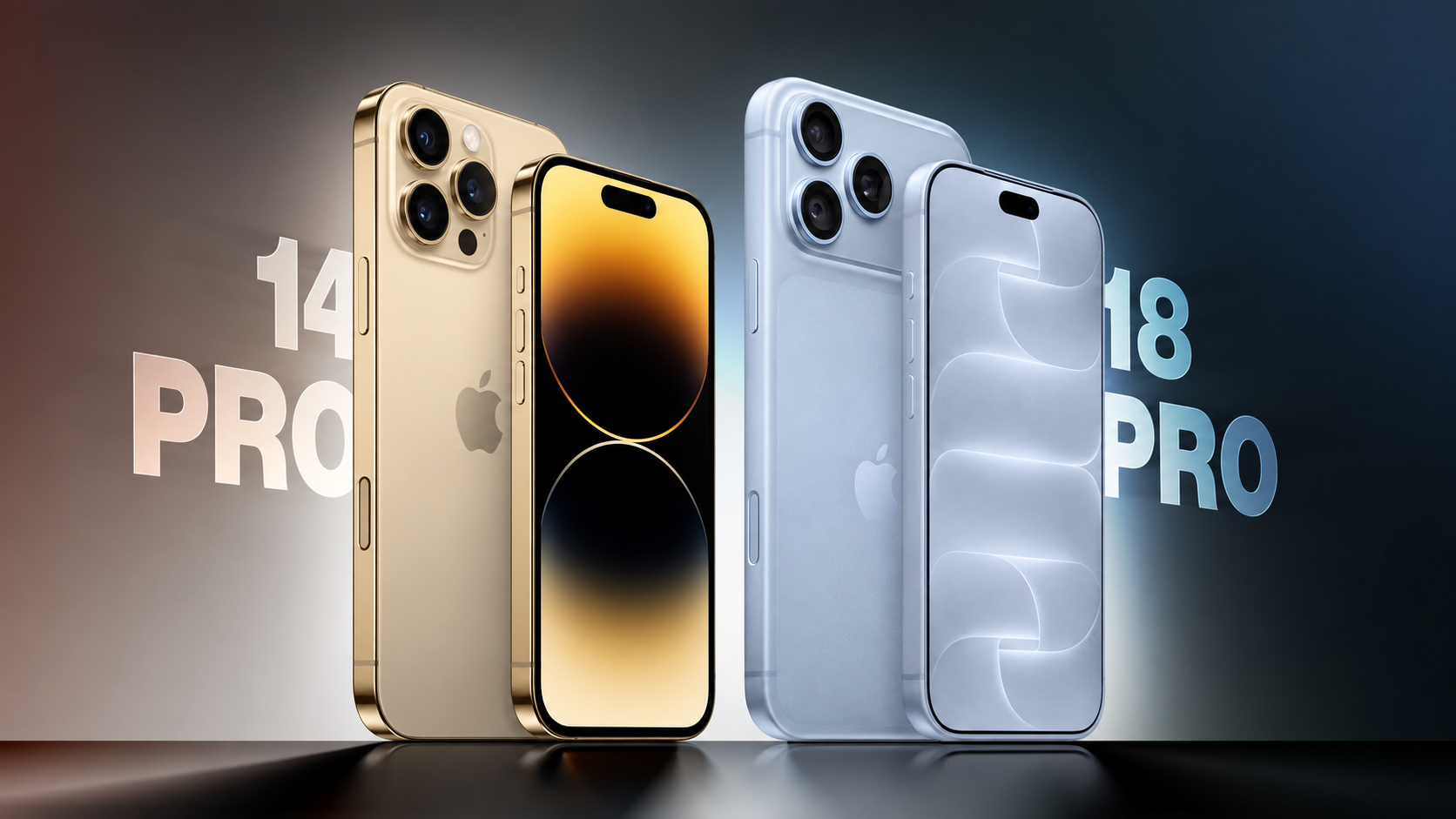
iPhone 15 Pro vs. iPhone 18 Pro Buyer's Guide: Should You Upgrade?

Apple announced the iPhone 18 Pro and ‌iPhone 18 Pro‌ Max earlier this month, arriving three years after the iPhone 15 Pro and iPhone 15 Pro Max. Three generations of changes make for a substantial upgrade, bringing larger displays, an all-new design, improvements to every camera, significantly longer battery life, and faster charging.


The iPhone 16 Pro introduced larger displays with thinner borders, the Camera Control, a 48-megapixel Ultra Wide camera, and improved video and audio recording. The iPhone 17 Pro replaced the titanium frame and glass back with an aluminum unibody, added vapor chamber cooling and Ceramic Shield 2, and upgraded both the telephoto and front-facing cameras. This year's refresh centers on the A20 Pro chip, a variable-aperture Main camera, a smaller Dynamic Island, and a further increase in battery capacity. For iPhone 15 Pro owners, all three sets of changes accumulate.

The ‌iPhone 18 Pro‌ starts at $1,199 for 256GB, $200 more than the iPhone 15 Pro's $999 launch price, although the entry storage tier has doubled from 128GB. The ‌iPhone 18 Pro‌ Max starts at $1,299, $100 more than the iPhone 15 Pro Max's equivalent starting configuration. Here are the key differences between the iPhone 15 Pro and ‌iPhone 18 Pro‌:

Design and Display


iPhone 15 Pro (2023) ‌iPhone 18 Pro‌ (2026)
Brushed titanium frame with full glass back Aluminum unibody with partial Ceramic Shield back, improving heat dissipation
Glass rounded square camera bump Full-width rounded rectangle aluminum camera plateau
iPhone 15 Pro: 6.1-inch display
iPhone 15 Pro Max: 6.7-inch display
iPhone 18 Pro: 6.3-inch display
iPhone 18 Pro Max: 6.9-inch display
iPhone 15 Pro: 2,556-by-1,179-pixel resolution
iPhone 15 Pro Max: 2,796-by-1,290-pixel resolution
iPhone 18 Pro: 2,622-by-1,206-pixel resolution
iPhone 18 Pro Max: 2,868-by-1,320-pixel resolution
Wider borders around the display Thinner borders, with the initial reduction of 30% introduced on the ‌iPhone 16‌ Pro
Approximately 2-4 nits minimum display brightness 1 nit minimum display brightness
More power-efficient display
Ceramic Shield front Ceramic Shield 2 front, with Apple claiming 3x better scratch resistance than the ‌iPhone 16‌ Pro
Fingerprint-resistant oleophobic coating only Fingerprint-resistant oleophobic coating and Apple-designed anti-reflective coating to reduce glare
2,000 nits peak display brightness (outdoor) 3,000 nits peak display brightness (outdoor), a 50% increase
2x better outdoor contrast, as stated in the ‌iPhone 16‌ Pro comparison
‌Dynamic Island‌ supports up to two simultaneous Live Activities Smaller ‌Dynamic Island‌, supports up to three simultaneous Live Activities
Camera Control capacitive button with sapphire crystal cover
Available in Black Titanium, White Titanium, Natural Titanium, and Blue Titanium Available in Silver, Black, Glacier, and Burgundy
99% or more fiber-based packaging 100% fiber-based packaging, suitable for recycling


Dimensions and Weight


iPhone 15 Pro (2023) ‌iPhone 18 Pro‌ (2026)
Height iPhone 15 Pro: 146.6mm (5.77 inches)
iPhone 15 Pro Max: 159.9mm (6.29 inches)
iPhone 18 Pro: 150.0mm (5.91 inches)
iPhone 18 Pro Max: 163.4mm (6.43 inches)
Width iPhone 15 Pro: 70.6mm (2.78 inches)
iPhone 15 Pro Max: 76.7mm (3.02 inches)
iPhone 18 Pro: 71.9mm (2.83 inches)
iPhone 18 Pro Max: 78.0mm (3.07 inches)
Thickness 8.25mm (0.32 inches) 8.75mm (0.34 inches)
Weight iPhone 15 Pro: 187 grams (6.60 ounces)
iPhone 15 Pro Max: 221 grams (7.81 ounces)
iPhone 18 Pro: 211 grams (7.44 ounces), an increase of 24 grams
iPhone 18 Pro Max: 249 grams (8.78 ounces), an increase of 28 grams


Chip, Performance, and Connectivity


iPhone 15 Pro (2023) ‌iPhone 18 Pro‌ (2026)
A17 Pro chip A20 Pro chip
Built with TSMC's N3B process (first-generation 3nm) Built with TSMC's N2 process (2nm), Apple's first 2nm smartphone chip
6-core CPU with 2 performance cores and 4 efficiency cores 6-core CPU with 2 super cores and 4 efficiency cores
8GB LPDDR5 RAM 12GB LPDDR5X RAM
51.2Gb/s memory bandwidth< 115GB/s memory bandwidth
6-core GPU 7-core GPU with Neural Accelerators
First-generation hardware-accelerated ray tracing Faster hardware-accelerated ray tracing
16-core Neural Engine Dual 16-core Neural Engine (32 total cores)
Vapor chamber cooling with 3x more surface area than the ‌iPhone 17 Pro‌
New chip packaging that places silicon die beside memory, allowing it to attach directly to the vapor chamber
Earlier video encoding hardware Enhanced video encoding hardware supporting higher-frame-rate recording and additional professional formats
Qualcomm Snapdragon X70 modem iPhone 18 Pro: Apple C2 modem in all countries
iPhone 18 Pro Max: Apple C2 modem in all countries except the U.S., where it uses a Qualcomm modem
Broadcom Wi-Fi and Bluetooth chip Apple N1 chip for Wi-Fi, Bluetooth, and Thread
Wi-Fi 6E (802.11ax) Wi-Fi 7 (802.11be)
Bluetooth 5.3 connectivity Bluetooth 6 connectivity


Rear Camera


iPhone 15 Pro (2023) ‌iPhone 18 Pro‌ (2026)
First-generation quad-pixel sensor Newer sensor and computational imaging pipeline, building on the faster readout speeds and zero shutter lag introduced with the ‌iPhone 16‌ Pro
Fixed ƒ/1.78 aperture on the Main camera Variable aperture with four stops: ƒ/1.48, ƒ/1.8, ƒ/2.8, and ƒ/4.0, using six laser-cut blades
API available for developers to control the aperture range within their own apps
Night mode Faster Night mode, tied to the new variable-aperture lens
Around 50% better Main camera low-light performance than the ‌iPhone 16‌ Pro, with more detail in the back of group photos
Pro controls in the Camera app: manual lens aperture, shutter speed, white balance, and histogram
12-megapixel Ultra Wide camera 48-megapixel Fusion Ultra Wide camera
12-megapixel Telephoto camera 48-megapixel Fusion Telephoto camera
iPhone 15 Pro: 3x Telephoto camera, with 77mm focal length
iPhone 15 Pro Max: 5x Telephoto camera, with 120mm focal length
4x Telephoto camera, with 100mm focal length, also enabling 12-megapixel optical-quality 8x shots at 200mm
iPhone 15 Pro: 0.5x, 1x, 2x, and 3x zoom options, with optical-quality 2x derived from the Main camera
iPhone 15 Pro Max: 0.5x, 1x, 2x, and 5x zoom options, with optical-quality 2x derived from the Main camera
0.5x, 1x, 2x, 4x, and 8x zoom options, with optical-quality 2x and 8x derived from the Main and Telephoto cameras
Macro photography 48-megapixel macro photography
Support for JPEG-XL format
First-generation Photographic Styles Photographic Styles 3, with tone, color, texture, and grain controls
Depth mapping for AR and portrait photography Enhanced depth mapping for AR and portrait photography, with more accurate background and subject separation and more realistic bokeh
Smart focus tracking
Apple Reference Image (Main camera only)


Camera Control


The iPhone 15 Pro already has an Action button that can launch the camera or Visual Intelligence, but it lacks the dedicated Camera Control introduced with the ‌iPhone 16‌ lineup. The ‌iPhone 18 Pro‌'s Camera Control provides the following additional functions:


  • Press Camera Control to launch the Camera app

  • Press to capture a photo or press and hold to record video

  • Light press to lock focus and exposure before reframing

  • Slide across the capacitive surface to adjust settings such as zoom, exposure, styles, and tone

  • Light-press controls overlay for quick access to camera settings

  • Integration with supported third-party camera apps

  • Press and hold to activate ‌Visual Intelligence‌


Video Recording


iPhone 15 Pro (2023) ‌iPhone 18 Pro‌ (2026)
4K video recording at 24 fps, 25 fps, 30 fps, or 60 fps, with Dolby Vision HDR up to 60 fps 4K Dolby Vision video recording at 24 fps, 25 fps, 30 fps, 60 fps, 100 fps (Fusion Main), or 120 fps (Fusion Main)
1080p HD video recording at 25 fps, 30 fps, or 60 fps 1080p Dolby Vision video recording at 25 fps, 30 fps, 60 fps, or 120 fps (Fusion Main)
ProRes video recording up to 4K at 60 fps with external recording ProRes video recording up to 4K at 120 fps with external recording
Slo-mo video support for 1080p at 120 fps or 240 fps Slo-mo video support for 1080p up to 240 fps and 4K Dolby Vision up to 120 fps (Fusion Main)
Cinematic mode recording up to 4K HDR at 30 fps Cinematic mode recording up to 4K Dolby Vision at 60 fps
Cinematic mode effects can be applied after capture to Fusion Main video shot at up to 60 fps
Pro controls for lens aperture, shutter speed, white balance, and histogram
Smart focus tracking
Improved low-light video at 1080p
Time-lapse video recording with stabilization Time-lapse video recording with stabilization, up to 4K Dolby Vision
QuickTake video QuickTake video up to 4K Dolby Vision at 60 fps
Apple Log Apple Log 2
ProRes RAW capture support
Genlock support
Dual Capture up to 4K Dolby Vision at 30 fps


Front Camera


iPhone 15 Pro (2023) ‌iPhone 18 Pro‌ (2026)
12-megapixel TrueDepth camera with conventional rectangular sensor 18-megapixel Center Stage camera with square sensor and TrueDepth technology
Tap to zoom Tap to zoom and rotate, allowing portrait and landscape framing without rotating the iPhone
Center Stage for photos and video calls
Ultra-stabilized video
Dual Capture, recording the front and rear cameras simultaneously at up to 4K Dolby Vision at 30 fps
First-generation Photographic Styles Photographic Styles 3, with tone, color, texture, and grain controls
Smart focus tracking, as described in the supplied comparison
Pro controls for shutter speed, white balance, and histogram
4K video recording at 24 fps, 25 fps, 30 fps, or 60 fps, with Dolby Vision HDR up to 60 fps 4K Dolby Vision video recording at 24 fps, 25 fps, 30 fps, or 60 fps
1080p HD video recording at 25 fps, 30 fps, or 60 fps 1080p Dolby Vision video recording at 25 fps, 30 fps, or 60 fps
Cinematic mode up to 4K HDR at 30 fps Cinematic mode up to 4K Dolby Vision at 30 fps
Cinematic mode effects can be applied after capture
Improved low-light video at 1080p
Time-lapse video recording with stabilization Time-lapse video recording with stabilization, up to 4K Dolby Vision
QuickTake video QuickTake video up to 4K at 60 fps in Dolby Vision
Apple Log Apple Log 2
ProRes RAW capture support


Audio Recording


iPhone 15 Pro (2023) ‌iPhone 18 Pro‌ (2026)
Stereo recording Spatial Audio and stereo recording
Studio-quality four-mic array
Wind noise reduction
Audio Mix with algorithms for higher-quality voices and the ability to isolate music


Battery and Charging


iPhone 15 Pro (2023) ‌iPhone 18 Pro‌ (2026)
iPhone 15 Pro: 3,274 mAh battery
iPhone 15 Pro Max: 4,422 mAh battery
iPhone 18 Pro: 4,056 mAh battery (SIM-tray models); 4,288 mAh battery (eSIM-only models)
iPhone 18 Pro Max: 5,391 mAh battery (SIM-tray models); 5,567 mAh battery (eSIM-only models)
iPhone 15 Pro: Up to 23 hours of video playback
iPhone 15 Pro Max: Up to 29 hours of video playback
iPhone 18 Pro: Up to 36 hours of video playback
iPhone 18 Pro Max: Up to 45 hours of video playback
iPhone 15 Pro: Up to 20 hours of streamed video playback
iPhone 15 Pro Max: Up to 25 hours of streamed video playback
iPhone 18 Pro: Up to 33 hours of streamed video playback
iPhone 18 Pro Max: Up to 40 hours of streamed video playback
Up to 50% charge in around 30 minutes with a 20W adapter or higher Up to 50% charge in around 15 minutes with a 60W-capable adapter or higher supporting Adjustable Voltage Supply
MagSafe wireless charging up to 15W with a 20W adapter or higher ‌MagSafe‌ wireless charging up to 25W, reaching 50% charge in 30 minutes with a 35W adapter or higher
Qi2 wireless charging up to 15W Qi2 wireless charging up to 25W


Storage and Pricing


iPhone 15 Pro (2023) ‌iPhone 18 Pro‌ (2026)
iPhone 15 Pro: Available with 128GB, 256GB, 512GB, or 1TB storage
iPhone 15 Pro Max: Available with 256GB, 512GB, or 1TB storage
Available with 256GB, 512GB, 1TB, or 2TB storage
iPhone 15 Pro: Launched at $999 (128GB), $1,099 (256GB), $1,299 (512GB), $1,499 (1TB)
iPhone 15 Pro Max: Launched at $1,199 (256GB), $1,399 (512GB), $1,599 (1TB)
iPhone 18 Pro: $1,199 (256GB), $1,399 (512GB), $1,799 (1TB), $2,399 (2TB)
iPhone 18 Pro Max: $1,299 (256GB), $1,499 (512GB), $1,899 (1TB), $2,499 (2TB)
Now discontinued Sold directly by Apple
Current purchase prices depend on third-party stock, condition, and warranty iPhone 18 Pro: From $49.95 a month for 24 months via Apple Upgrade
iPhone 18 Pro Max: From $54.12 a month for 24 months via Apple Upgrade


Which to Choose?


For iPhone 15 Pro and iPhone 15 Pro Max owners considering a replacement, the ‌iPhone 18 Pro‌ is a worthwhile upgrade. Three generations of changes bring improvements to the display, each camera on the device, battery life, charging, and sustained performance. Battery life is likely to be the strongest argument for most users, particularly if their current device no longer comfortably lasts through the day, while faster wired charging makes brief charging stops more useful.

The camera upgrade is especially compelling for anyone who regularly takes photos or records video. Higher-resolution Ultra Wide and Telephoto cameras expand the options beyond the Main camera, while the variable aperture and Pro controls provide additional creative flexibility. The Camera Control also offers a dedicated way to launch the camera and adjust settings, although its value will depend on whether you prefer physical controls to the touchscreen.

Owners of the smaller iPhone 15 Pro gain more native telephoto reach, moving from 3x to 4x, as well as the optical-quality 8x option. For iPhone 15 Pro Max owners, the camera moves from 5x to 4x, with the higher-resolution sensor enabling the additional 8x crop.

For video creators, the accumulated changes are more consequential still. Higher-frame-rate 4K recording, ProRes RAW, Genlock, Apple Log 2, Dual Capture, and improved audio tools expand the range of work that can be completed on the device. The square front-camera sensor also makes landscape framing easier without rotating the phone, while Center Stage improves flexibility for group photos and video calls.

The A20 Pro and vapor chamber cooling make the strongest performance case for users who play demanding games, record long video clips, or regularly push their device through sustained workloads. More RAM and additional AI processing hardware provide greater headroom for supported on-device tasks. For messaging, browsing, and other everyday activities, the A17 Pro remains capable, and access to iOS 27, Apple Intelligence, or ‌Visual Intelligence‌ alone does not require replacing it.

There are physical trade-offs to consider. Both newer models are larger and thicker, with weight increasing by 24 grams on the Pro and 28 grams on the Pro Max. The aluminum enclosure improves heat flow, but it may show dents and scratches more readily than the titanium frame. Users who chose the iPhone 15 Pro for its relatively compact size and light weight may find those changes less appealing, even with the improvements in screen size and battery life.

If your iPhone 15 Pro still meets your needs and comfortably lasts through the day, there is not am urgent reason to replace it. It is still a capable device with support for ‌iOS 27‌, ‌Apple Intelligence‌, and Siri AI. A battery replacement may be worth considering if reduced health is your main complaint and you would otherwise be happy to keep the device. The upgrade becomes much easier to recommend when battery limitations coincide with a desire for the newer cameras, larger display, or improved performance.

A discounted ‌iPhone 17 Pro‌ is another option if your priorities are the aluminum design, higher-resolution telephoto camera, square front-camera sensor, and vapor chamber cooling. Those upgrades arrived before this year's model. Paying more for the ‌iPhone 18 Pro‌ makes the clearest sense when you also want the variable aperture, Pro controls, A20 Pro, smaller ‌Dynamic Island‌, and further improvements to battery life and charging.

Pre-orders for the ‌iPhone 18 Pro‌ and ‌iPhone 18 Pro‌ Max opened on Saturday, September 12, with availability beginning Friday, September 18.
Related Roundup: iPhone 18 Pro
Related Forum: iPhone

This article, "iPhone 15 Pro vs. iPhone 18 Pro Buyer's Guide: Should You Upgrade?" first appeared on MacRumors.com

Discuss this article in our forums
  •  

iPhone 18 Pro vs. iPhone Duo Buyer's Guide: Which Should You Choose?

Apple's new iPhone lineup asks buyers a new and challenging question: Is a foldable display worth feature compromises?


Alongside the iPhone 18 Pro and ‌iPhone 18 Pro‌ Max, which start at $1,199 and $1,299 respectively, there is now the iPhone Duo, Apple's first foldable iPhone, which starts at $1,999. All three are brand new, all three feature the same A20 Pro chip, and all three sit at the top end of Apple's lineup.

The Duo is not a Pro model, though, and Apple's own wording makes that clear. For example, its rear camera array is branded the 48-megapixel Dual Fusion system rather than the Pro Fusion system, and the word Pro appears nowhere in its name. The $700 premium over the ‌iPhone 18 Pro‌ Max buys a folding 7.6-inch display, not a better camera.

All three models still share a large amount of hardware. The shared features include:


  • A20 Pro chip with a 6-core CPU, 7-core GPU with Neural Accelerators, dual 16-core Neural Engine, and hardware-accelerated ray tracing

  • Apple C2 modem (except on the Pro Max in the United States), N1 wireless networking chip, Wi-Fi 7, Bluetooth 6, Thread, and the second-generation Ultra Wideband chip

  • Super Retina XDR OLED displays with ProMotion up to 120Hz, Always-On display, Dynamic Island, and 3000 nits of peak outdoor brightness

  • Ceramic Shield 2 front with 3x better scratch resistance, Ceramic Shield back, and IP68 water resistance to a depth of 6 meters

  • Camera Control, a 48MP Fusion Ultra Wide camera at 13mm and f/2.2, Photographic Styles 3, Dual Capture, smart focus tracking, and 48MP macro photography

  • Apple Intelligence and Siri AI in iOS 27

  • Emergency SOS, Crash Detection, Roadside Assistance, Messages, and Find My via satellite

  • USB-C with USB 3 speeds, MagSafe and Qi2 wireless charging up to 25W, and dual eSIM

  • 256GB, 512GB, 1TB, and 2TB storage options


The comparison below outlines every difference between the Pro models and the Duo:

Display


‌iPhone 18 Pro‌ and ‌iPhone 18 Pro‌ Max ‌iPhone Duo‌
iPhone 18 Pro: 6.3-inch display
iPhone 18 Pro Max: 6.9-inch display
7.6-inch inner folding display and 5.4-inch outer display
iPhone 18 Pro: 2622-by-1206 resolution at 460 ppi
iPhone 18 Pro Max: 2868-by-1320 resolution at 460 ppi
Outer display: 1398-by-2034 at 460 ppi
Inner display: 1878-by-2670 at 430 ppi
Nano-texture finish and wide-angle OLEDs on the inner display
Supports Apple Pencil with USB-C


Design and Build


‌iPhone 18 Pro‌ and ‌iPhone 18 Pro‌ Max ‌iPhone Duo‌
Aluminum unibody Polished titanium frame with a 3D-printed hinge cover
Action button
Face ID enabled by TrueDepth technology Touch ID in the side button
Dual ambient light sensors Four ambient light sensors
Compatible with ‌MagSafe‌ cases, wallets, and wireless chargers Compatible with ‌MagSafe‌ cases and wireless chargers
Black, Silver, Glacier, and Burgundy options Night Sky and Star White options
Made with 40% recycled content, including 85% recycled aluminum in the enclosure, 100% recycled rare earth elements in all magnets, 80% recycled steel in the battery enclosure and vapor chamber chassis, and 100% recycled tungsten in the Taptic Engine Made with 35% recycled content, including 100% recycled aluminum in the internal structural frame, 85% recycled titanium in the enclosure, and 100% recycled titanium in the 3D-printed hinge cover
50% of manufacturing electricity sourced from renewable electricity 60% of manufacturing electricity sourced from renewable electricity


Dimensions and Weight


‌iPhone 18 Pro‌ ‌iPhone 18 Pro‌ Max ‌iPhone Duo‌
Height 5.91 inches (150.0 mm) 6.43 inches (163.4 mm) 4.64 inches (117.8 mm) closed
4.64 inches (117.8 mm) open
Width 2.83 inches (71.9 mm) 3.07 inches (78.0 mm) 3.31 inches (84.1 mm) closed
6.48 inches (164.6 mm) open
Depth 0.34 inch (8.75 mm) 0.34 inch (8.75 mm) 0.44 inch (11.3 mm) closed
0.21 inch (5.2 mm) open
Weight 7.44 ounces (211 grams) 8.78 ounces (249 grams) 8.96 ounces (254 grams)


Rear Cameras


‌iPhone 18 Pro‌ and ‌iPhone 18 Pro‌ Max ‌iPhone Duo‌
48MP Pro Fusion camera system 48MP Dual Fusion camera system
48MP Fusion Main camera: 24mm, second-generation sensor-shift OIS, 100% Focus Pixels 48MP Fusion Main camera: 26mm, sensor-shift OIS, Hybrid Focus Pixels
Variable aperture on Main camera: f/1.48, f/1.8, f/2.8, and f/4.0 Fixed f/1.6 aperture on Main camera
12MP optical-quality 2x "telephoto" sensor crop at 48mm from the Main camera 12MP optical-quality 2x "telephoto" sensor crop at 52mm from the Main camera
48MP Fusion Telephoto camera: 100mm (4x), f/2.8, tetraprism, 3D sensor-shift OIS and autofocus
12MP optical-quality 8x Telephoto sensor crop at 200mm, f/2.8, from the Fusion Telephoto camera
LiDAR scanner
0.5x, 1x, 2x, 4x, and 8x optical zoom options 0.5x, 1x, and 2x optical zoom options
8x optical-quality zoom in, 2x optical zoom out, for a 16x optical-quality zoom range 2x optical-quality zoom in, 2x optical zoom out, for a 4x optical-quality zoom range
Digital zoom up to 40x for photos and up to 24x for video Digital zoom up to 10x for photos and up to 6x for video
Adaptive True Tone flash True Tone flash
Four studio-quality mics
Smart Take and Duo Preview


Pro Capture Features and Formats


‌iPhone 18 Pro‌ and ‌iPhone 18 Pro‌ Max ‌iPhone Duo‌
Pro controls for lens aperture, shutter speed, white balance, and viewing histogram
ProRAW
Apple Reference Image (Fusion Main camera only)
Spatial photos
Spatial video recording at 1080p at 30 fps
ProRes video recording up to 4K at 120 fps with external recording
ProRes RAW video recording
Apple Log 2
Academy Color Encoding System (ACES)
Genlock
Image formats captured: HEIF, JPEG, and DNG Image formats captured: HEIF and JPEG
Video formats recorded: HEVC, H.264, ProRes, and ProRes RAW Video formats recorded: HEVC and H.264
Video playback formats include HEVC, H.264, AV1, and ProRes Video playback formats include HEVC, H.264, and AV1


Front Cameras


‌iPhone 18 Pro‌ and ‌iPhone 18 Pro‌ Max ‌iPhone Duo‌
18MP Center Stage front camera, f/1.9 12MP Center Stage outer camera, f/2.2
Autofocus with Focus Pixels on the front camera
Front camera Pro controls, ProRAW, ProRes, ProRes RAW, Apple Log 2, and Academy Color Encoding System
Kid Cue on the front camera
Under-display FaceTime camera on the inner display, f/1.8, limited to 1080p video at 30 or 60 fps with no Night mode, portraits, or Photographic Styles
Duo ‌FaceTime‌
Optical zoom with the rear camera in ‌FaceTime‌ Zoom with the rear camera in ‌FaceTime‌


Battery and Charging


‌iPhone 18 Pro‌ and ‌iPhone 18 Pro‌ Max ‌iPhone Duo‌
Built-in rechargeable battery Dual built-in rechargeable batteries
iPhone 18 Pro: Up to 24 hours typical use
iPhone 18 Pro Max: Up to 30 hours typical use
Up to 24 hours typical use
iPhone 18 Pro: Up to 36 hours video playback
iPhone 18 Pro Max: Up to 45 hours video playback
Up to 44 hours using the outer display, up to 31 hours using the inner display
iPhone 18 Pro: Up to 33 hours streamed video playback
iPhone 18 Pro Max: Up to 40 hours streamed video playback
Up to 37 hours streamed using the outer display, up to 26 hours using the inner display
50% charge in around 15 minutes 50% charge in around 20 minutes


Price


‌iPhone 18 Pro‌ ‌iPhone 18 Pro‌ Max ‌iPhone Duo‌
256GB $1,199 $1,299 $1,999
512GB $1,399 $1,499 $2,199
1TB $1,799 $1,899 $2,599
2TB $2,399 $2,499 $3,199


For most buyers, the ‌iPhone 18 Pro‌ or ‌iPhone 18 Pro‌ Max is the better choice. They offer the same A20 Pro chip as the Duo, a more versatile camera system, and a lower price. Choose the Pro if you prefer a smaller, lighter phone, or pay $100 more for the Pro Max if you want a larger screen and longer battery life.

The camera system is the clearest reason to choose an ‌iPhone 18 Pro‌ over the ‌iPhone Duo‌. Alongside a more advanced Main camera, the Pro models offer a variable aperture for greater control over depth of field and a dedicated Telephoto camera for subjects you cannot get close to. These advantages matter even if you never use professional capture formats: The Pro gives you more flexibility both when framing a shot and when controlling how it looks. If photography or videography is a priority, choose the ‌iPhone 18 Pro‌. Buyers who also use ProRAW, ProRes, or manual controls have even more reason to do so.

The ‌iPhone Duo‌ is worth considering if you frequently wish your phone had a larger screen for reading, documents, taking notes, or watching video. Its 7.6-inch folding display and ‌Apple Pencil‌ support are unique in the iPhone lineup and could reduce the need to carry a separate tablet. If you would unfold it several times a day for those sorts of tasks, the benefit may outweigh the camera compromises and higher price. If most of your use involves messaging, social media, and taking photos, there is less reason to pay extra for the ‌iPhone Duo‌.

The compromises also extend beyond the rear cameras. Both of its front-facing cameras are also inferior. The ‌iPhone Duo‌ also replaces ‌Face ID‌ with ‌Touch ID‌ and drops the Action button, so buyers will need to adjust. It also lacks the Pro models' LiDAR Scanner, adaptive True Tone flash, four studio-quality microphones, and spatial photo and video recording.

You also need to be comfortable with the Duo when it is closed. Despite its smaller outer screen, it is wider and thicker than either Pro model and slightly heavier than the Pro Max. Battery life is another reason to favor the Pro Max: The Duo matches the smaller Pro's rated typical-use battery life, and using its inner display reduces its video playback time substantially.

The price gap remains significant at every storage tier. A 1TB ‌iPhone 18 Pro‌ Max is only $100 cheaper than the entry-level ‌iPhone Duo‌, but that Duo has just 256GB of storage. At the same capacity, you pay $700 more than the Pro Max or $800 more than the Pro. That premium needs to be justified by how much you would use the folding screen and how much you care about some of the device's compromises.

Buy the Duo if you have a clear idea of the things you would regularly unfold it to do, or if experiencing Apple's first foldable and a radically new kind of iPhone is itself worth the premium to you. If you are unsure how the larger screen would fit into your routine, the Pro models remain the stronger purchase with their traditional "slab" form factor and host of superior specifications.

The ‌iPhone 18 Pro‌ and ‌iPhone 18 Pro‌ Max are available to pre-order now. ‌iPhone Duo‌ pre-orders open on October 16 ahead of an October 23 release.
Related Roundups: iPhone 18 Pro, iPhone Duo
Related Forum: iPhone

This article, "iPhone 18 Pro vs. iPhone Duo Buyer's Guide: Which Should You Choose?" first appeared on MacRumors.com

Discuss this article in our forums

  •  

Apple Memory Supplier Explores U.S. Manufacturing With Intel

Apple memory supplier SK Hynix is in exploratory talks with Intel about manufacturing memory chips in the United States for the first time, according to Reuters.


One option would see the South Korean chipmaker lease part of Intel's planned manufacturing complex in Ohio. Another would involve a joint venture with Intel and major cloud providers seeking to secure memory supplies, people familiar with the discussions said. No decisions have been made, and other arrangements remain possible.

SK Hynix supplies Apple with memory alongside Samsung and Micron. The discussions come as AI infrastructure spending puts pressure on the supply of memory for consumer devices, including iPhones and Macs. Chipmakers have been directing more production capacity toward high-bandwidth memory (HBM) for AI processors, leaving smartphone and computer manufacturers competing for available supplies.

In February, Apple reportedly agreed to pay Samsung twice as much for memory chips needed for iPhone 17 production. More recently, analyst Ming-Chi Kuo said Apple was reducing its 2026 hardware shipment plans because of DRAM shortages, with supply constraints also affecting the Mac Studio, Mac mini, and MacBook Air.

It remains unclear which types of memory SK Hynix would manufacture under a potential agreement with Intel. Its products include DRAM used in smartphones, computers, and servers, NAND flash storage, and HBM for AI processors. The report does not mention whether a U.S. facility would produce memory for Apple devices.

SK Hynix already has an advanced packaging facility under construction in West Lafayette, Indiana. That project will package DRAM wafers manufactured in South Korea into HBM chips, rather than fabricate the wafers domestically.
This article, "Apple Memory Supplier Explores U.S. Manufacturing With Intel" first appeared on MacRumors.com

Discuss this article in our forums
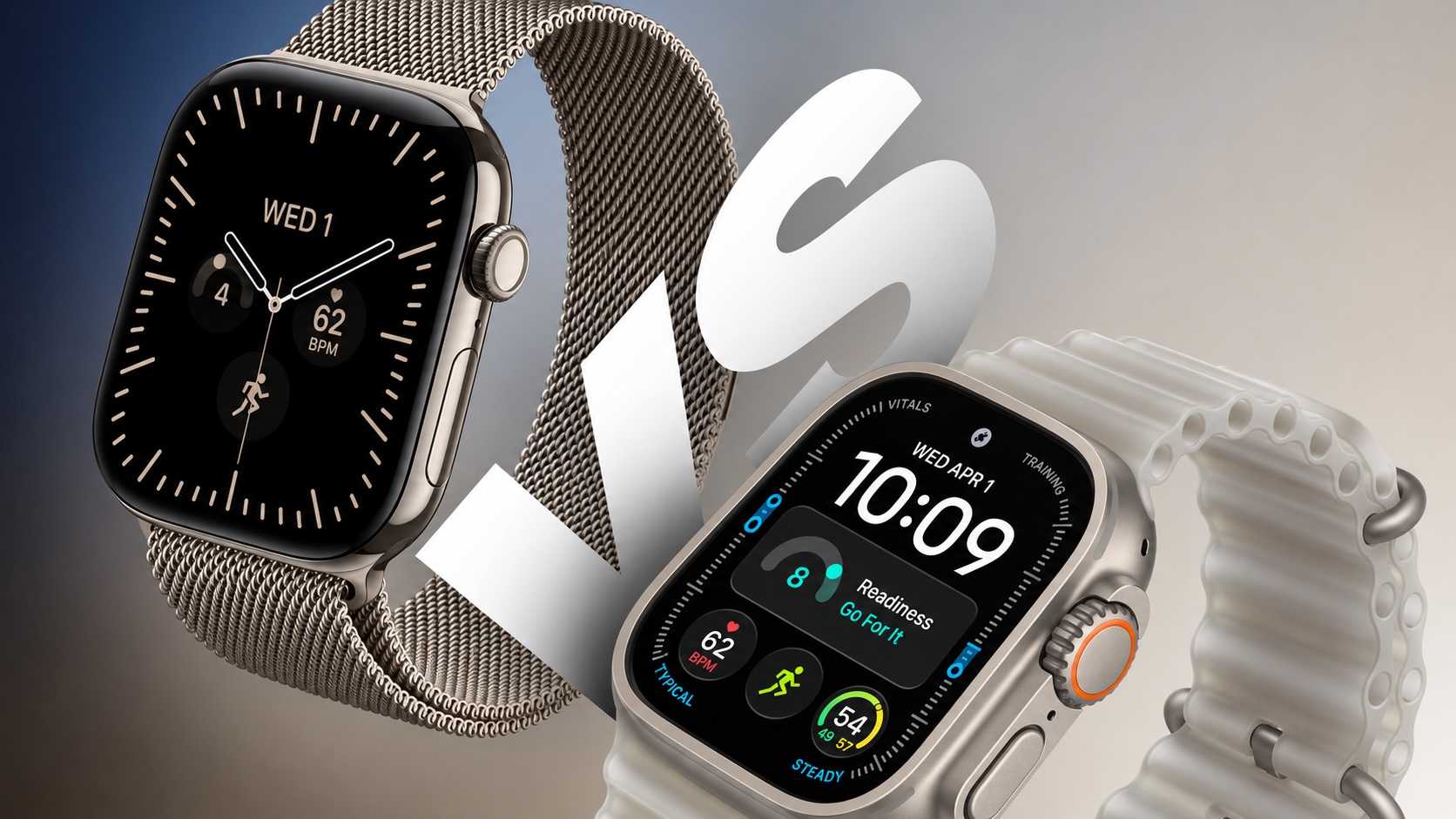
  •  

Apple Announces iPhone 18 Pro Photography Exhibition

Apple today announced "What Holds Us," a photography exhibition featuring work shot exclusively on the iPhone 18 Pro by Alex Prager, Jack Davison, and Jimmy Chin. Curated by Kathy Ryan, the exhibition explores human connection through crowd scenes, portraits involving clay, and mountain photography.

The exhibition will be on display in New York City from September 18 to 20, before traveling to London and Shanghai over the coming months. You can see many of the exhibition's images in Apple's Newsroom post.
Related Roundup: iPhone 18 Pro
Related Forum: iPhone

This article, "Apple Announces iPhone 18 Pro Photography Exhibition" first appeared on MacRumors.com

Discuss this article in our forums
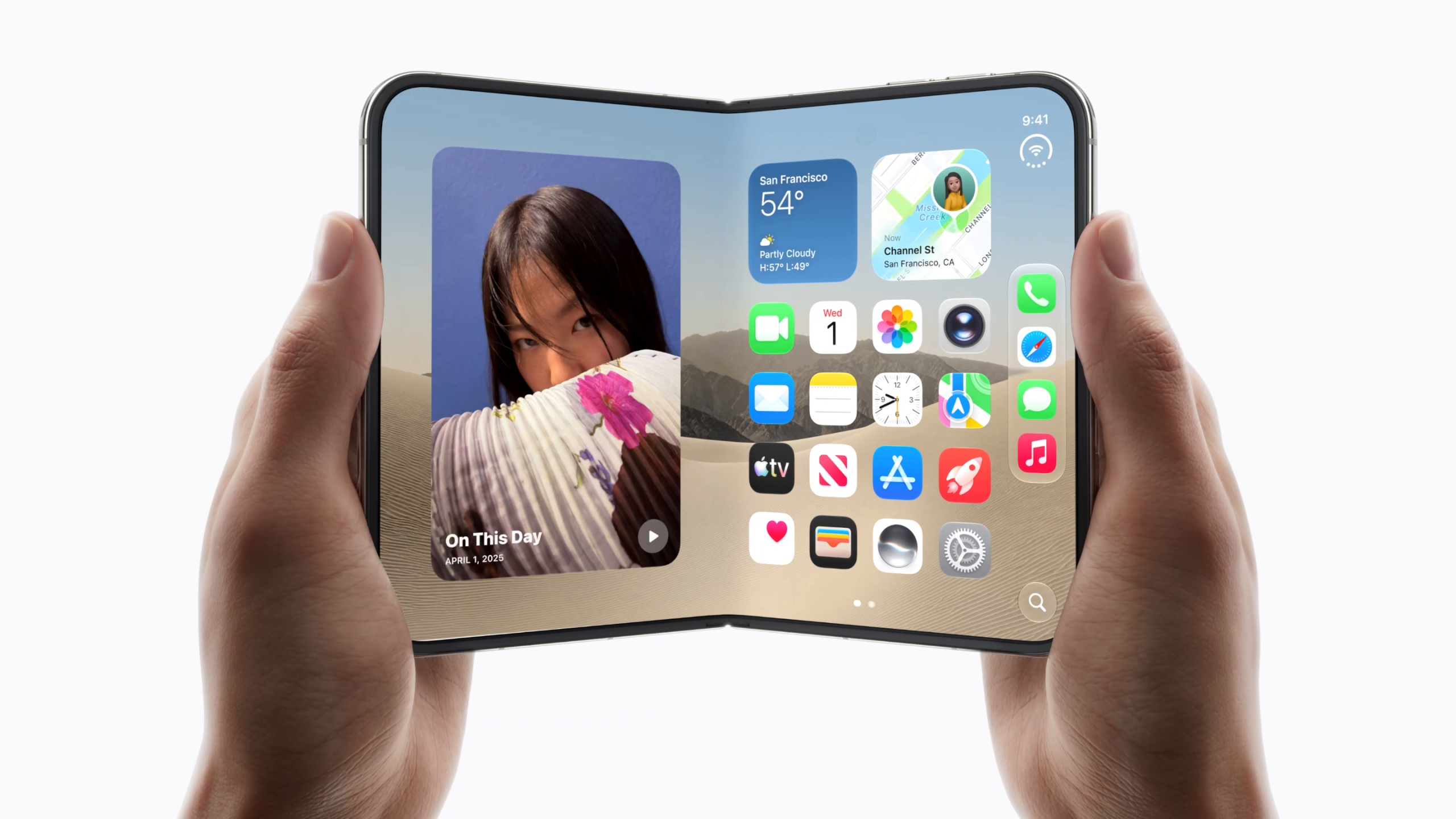
  •  

Apple May Return to Server Market With Nvidia Technology

Apple is considering offering an AI server built around "M8" series chips and has discussed incorporating Nvidia networking hardware, The Information reports.


The system would be sold to outside customers, potentially bringing Apple back into a business it left behind when it discontinued Xserve in 2011. Apple is reportedly targeting companies that want to run AI models on their own equipment, with a particular focus on inference and generating responses from trained models.

One option under consideration is Nvidia's NVLink Fusion, which provides hardware and software for exchanging data between chips. Apple could use the platform to link its M8 processors, although neither the Nvidia arrangement nor the server itself is finalized. The report places a potential release date in 2029, but it could be canceled before then.

Apple CEO John Ternus reportedly supported the initiative when work on it began approximately a year ago, during his tenure as the company's hardware engineering chief. The project follows growing interest in Apple hardware among AI businesses, which have been buying Mac mini and Mac Studio systems in large quantities.

Apple already produces server hardware for Private Cloud Compute, the infrastructure that handles Apple Intelligence tasks requiring processing beyond a user's device. According to the report, scaling Apple's existing connections between chips would present cost and speed problems, which is why it is considering Nvidia's technology. Apple has also declined partners' requests to use those Private Cloud Compute servers.

An agreement would give Nvidia a role in an Apple product that could compete with its own AI systems. NVLink Fusion allows Nvidia to supply networking technology to companies building alternative processors, expanding its business beyond customers using Nvidia chips.

The discussions also suggest a closer working relationship between Apple and Nvidia following their longstanding disputes. Apple has already announced plans to extend Private Cloud Compute to Google Cloud using Nvidia GPUs. The companies have reportedly explored additional ways to work together on AI, including the use of Nvidia's open-source models.

The project still faces challenges beyond developing the hardware. There is still said to be a need for stronger support for business customers and more software resources for AI developers, including further investment in its MLX framework.
This article, "Apple May Return to Server Market With Nvidia Technology" first appeared on MacRumors.com

Discuss this article in our forums

  •  

Apple Watch Ultra 3 vs. Ultra 4 Buyer's Guide

The Apple Watch Ultra 4 is now available for pre-order, bringing a new health sensing system, more memory, and longer battery life over its predecessor. Here's everything that's new.


Last year, the Apple Watch Ultra 3 introduced a larger, more efficient display, satellite connectivity, 5G, and improved battery life. The Ultra 4 retains the same basic design and display, but focuses on more detailed health and fitness insights, new Audio Intelligence features, and further battery life improvements.

It launches on Friday, September 18, at the same $799 starting price as the Ultra 3. The comparison below outlines the differences between the two generations:


Apple Watch Ultra 3 Apple Watch Ultra 4
S10 chip (2024) S11 chip (2026)
2GB RAM 4GB RAM
Electrical heart sensor "Health Sensing System" with second-generation electrical heart sensor
Third-generation optical heart sensor Always-on optical heart sensor
Background heart rate tracking High-frequency background heart rate tracking every five seconds, 60x more frequently
HRV Recovery HRV and overall HRV, measured up to 24x more often
Vitals app with heart rate, respiratory rate, wrist temperature, and sleep duration Vitals app heart rate, respiratory rate, wrist temperature, sleep duration, HRV, and a daytime vitals view
Readiness app
Real-time heart rate complication
Step tracking More accurate step tracking and indoor workout distance measurements
Steps complication
Audio Intelligence (Live Rewind, Siri Recap, Sound Recognition, and automatic music identification with Shazam)
Up to 42 hours of normal use Up to 50 hours of normal use
Up to 72 hours in Low Power Mode Up to 84 hours in Low Power Mode
Up to 14 hours of outdoor workout tracking with full GPS and heart rate readings Up to 18 hours of standard outdoor workout tracking
Up to 20 hours of outdoor workout tracking in Low Power Mode with full GPS and heart rate readings Up to 25 hours in Extended Workout mode with full GPS and heart rate readings
Up to 35 hours of outdoor workout tracking in Low Power Mode with Fewer GPS and Heart Rate Readings enabled Up to 45 hours in Max Extended Workout mode, retaining GPS readings every second
15 minutes of charging for up to 12 hours of normal use 15 minutes of charging for up to 18 hours of normal use
5 minutes of charging for up to 8 hours of sleep tracking 5 minutes of charging for up to 10 hours of sleep tracking
Natural titanium: 61.6 grams
Black titanium: 61.8 grams
Natural titanium: 63.0 grams
Black titanium: 63.1 grams
GPS, GLONASS, Galileo, QZSS, and BeiDou GPS, Galileo, QZSS, and BeiDou
40% recycled content 45% recycled content
Now discontinued From $799


Is It Worth Upgrading From Ultra 3 to Ultra 4?


For the vast majority of Apple Watch Ultra 3 owners, the Ultra 4 is not worth upgrading to. The Ultra 3 already offers all of the headline display, durability, satellite connectivity, and established health features. If it comfortably lasts between your usual charging sessions and records your longest workouts, the new model is unlikely to meaningfully change how you use your watch.

The strongest reason to upgrade is if you want recovery tracking to play a larger role in your training. The Ultra 4's more frequent measurements feed into Readiness and Recovery HRV, making it easier to assess when to push harder or take a lighter day. These features are more compelling if you will regularly use them to adjust your training, rather than simply check another set of health metrics.

Battery life is a more practical reason for endurance athletes. If you currently change settings to finish long events or recharge during an extended outing, the Ultra 4 gives you a little more flexibility. For shorter daily workouts, however, the improvement mainly means less frequent charging, which is difficult to justify replacing a year-old $799 watch for.

Audio Intelligence may also justify upgrading for specific users, particularly deaf or hard of hearing users who would benefit from Sound Recognition on their wrist. Live Rewind and Siri Recap are less convincing reasons to upgrade immediately, since they arrive in beta later this year and require a compatible newer iPhone.

Should You Buy Ultra 3 or Ultra 4?


For new buyers, the Ultra 4 should be the default choice when the price difference is modest. If you plan to wear it for several years, paying a little more for the new chip, more memory, better battery life, and health tracking enhancements is easier to justify than replacing an Ultra 3 you already own.

The Ultra 3 becomes the better value when it is heavily discounted. If you mainly want a "rugged"-style Apple Watch with a large screen, satellite connectivity, and enough battery life for everyday use and regular workouts, it delivers much of the same experience. Buyers interested in Readiness and recovery insights, or who regularly record very long activities, have a stronger reason to pay more for the Apple Watch Ultra 4.

For used or refurbished Ultra 3 models, factor battery condition and warranty coverage into the saving. A cheaper watch with a degraded battery is less appealing if endurance is your main reason for buying an Ultra.
Related Roundup: Apple Watch Ultra 4
Related Forum: Apple Watch

This article, "Apple Watch Ultra 3 vs. Ultra 4 Buyer's Guide" first appeared on MacRumors.com

Discuss this article in our forums

  •  

iPhone 16 Pro vs. iPhone 18 Pro Buyer's Guide: Worth Upgrading?

Apple last week announced the iPhone 18 Pro and ‌iPhone 18 Pro‌ Max, arriving two years after the iPhone 16 Pro and ‌iPhone 16‌ Pro Max. Skipping a generation means makes for a bigger upgrade, with more than 50 differences between the 2024 and 2026 models.


Most of the visible change arrived in between, with the iPhone 17 Pro replacing the titanium frame and glass back with an aluminum unibody and Ceramic Shield 2, adding vapor chamber cooling, and upgrading both the telephoto and front cameras. This year's update is largely focused on internal changes, centering on the A20 Pro chip, a variable-aperture Main camera, a smaller Dynamic Island, and a battery capacity increase that delivers the largest jump in battery life in the iPhone's history. For ‌iPhone 16‌ Pro owners, the two sets of changes stack on top of each other.

The ‌iPhone 18 Pro‌ starts at $1,199 for 256GB, $200 more than the ‌iPhone 16‌ Pro's $999 launch price, although the entry storage tier has doubled from 128GB. Apple no longer sells the ‌iPhone 16‌ Pro directly, so any comparison now involves either a device you already own or a third-party listing. Here's everything that differs between the ‌iPhone 16‌ Pro and ‌iPhone 18 Pro‌:

Design and Display


‌iPhone 16‌ Pro (2024) ‌iPhone 18 Pro‌ (2026)
Titanium frame with full glass back Aluminum unibody with partial Ceramic Shield back
8.25mm thickness 8.75mm thickness
Glass rounded square camera bump Full-width rounded rectangle aluminum camera plateau
Ceramic Shield front Ceramic Shield 2 front with 3x better scratch resistance
Fingerprint-resistant oleophobic coating only Apple-designed anti-reflective display coating to reduce glare
2,000 nits peak display brightness (outdoor) 3,000 nits peak display brightness (outdoor)
2x better outdoor contrast
‌Dynamic Island‌ supports up to two simultaneous Live Activities Smaller ‌Dynamic Island‌, supports up to three simultaneous Live Activities
iPhone 16 Pro: Weighs 7.03 ounces (199 grams)
iPhone 16 Pro Max: Weighs 7.99 ounces (227 grams)
iPhone 18 Pro: Weighs 7.44 ounces (211 grams)
iPhone 18 Pro Max: Weighs 8.78 ounces (249 grams)
Available in White, Black, Natural, and Desert Available in Silver, Black, Glacier, and Burgundy


Chip, Performance, and Connectivity


‌iPhone 16‌ Pro (2024) ‌iPhone 18 Pro‌ (2026)
A18 Pro chip A20 Pro chip
Built with TSMC's N3E process (3nm) Built with TSMC's N2 process (2nm), Apple's first 2nm smartphone chip
6-core CPU with 2 performance cores and 4 efficiency cores 6-core CPU with 2 super cores and 4 efficiency cores
60GB/s memory bandwidth ~115GB/s memory bandwidth
8GB RAM 12GB RAM
6-core GPU 7-core GPU with Neural Accelerators
16-core Neural Engine Dual 16-core Neural Engine (32 total cores)
Vapor chamber cooling with 3x more surface area than the ‌iPhone 17 Pro‌
New chip packaging that places silicon die beside memory, allowing it to attach directly to the vapor chamber
Qualcomm Snapdragon X71 modem iPhone 18 Pro: Apple C2 modem in all countries
iPhone 18 Pro Max: Apple C2 modem in all countries except the U.S., where it uses a Qualcomm modem
Broadcom Wi-Fi and Bluetooth chip Apple N1 chip for Wi-Fi, Bluetooth, and Thread
Bluetooth 5.3 connectivity Bluetooth 6 connectivity


Rear Camera


‌iPhone 16‌ Pro (2024) ‌iPhone 18 Pro‌ (2026)
12-megapixel Telephoto camera 48-megapixel Fusion Telephoto camera
0.5x, 1x, 2x, and 5x optical zoom options 0.5x, 1x, 2x, 4x, and 8x optical zoom options
Fixed ƒ/1.78 aperture on the 48-megapixel Fusion Main camera Variable-aperture 48-megapixel Fusion Main camera with four stops: ƒ/1.48, ƒ/1.8, ƒ/2.8, and ƒ/4.0, using six laser-cut blades
API available for developers to control the aperture range within their own apps
Faster Night mode, tied to the new variable-aperture lens
Pro controls in the Camera app: manual lens aperture, shutter speed, white balance, and histogram
New sensor and computational imaging pipeline on the Fusion Main camera, delivering around 50% better low-light performance and more detail in the back of group photos
Photographic Styles 2, adjusting tone and color Photographic Styles 3, adding texture and grain controls alongside tone and color
Smart focus tracking
Cinematic mode recording up to 4K Dolby Vision at 30 fps Cinematic mode recording up to 4K Dolby Vision at 60 fps
Cinematic mode effects can be applied after capture, on video shot at up to 60 fps
Improved low-light video
Time-lapse video recording with stabilization, up to 4K Dolby Vision
Apple Reference Image (Main camera only)
Audio Mix Audio Mix with new algorithms for higher-quality voices, and the ability to isolate music
ProRes RAW capture support
Genlock support


Front Camera


‌iPhone 16‌ Pro (2024) ‌iPhone 18 Pro‌ (2026)
12-megapixel TrueDepth camera 18-megapixel TrueDepth camera
Tap to zoom Tap to zoom and rotate
Center Stage
Ultra-stabilized video
Dual Capture (up to 4K Dolby Vision at 30 fps)
Photographic Styles 2, adjusting tone and color Photographic Styles 3, adding texture and grain controls alongside tone and color
Smart focus tracking
Cinematic mode effects can be applied after capture
Improved low-light video
Time-lapse video recording with stabilization, up to 4K Dolby Vision


Battery and Charging


‌iPhone 16‌ Pro (2024) ‌iPhone 18 Pro‌ (2026)
iPhone 16 Pro: 3,582 mAh battery
iPhone 16 Pro Max: 4,685 mAh battery
iPhone 18 Pro: 4,056 mAh battery
iPhone 18 Pro Max: 5,391 mAh battery
iPhone 16 Pro: Up to 27 hours of video playback
iPhone 16 Pro Max: Up to 33 hours of video playback
iPhone 18 Pro: Up to 36 hours of video playback
iPhone 18 Pro Max: Up to 45 hours of video playback
iPhone 16 Pro: Up to 50% charge in 30 minutes with a 20W adapter or higher
iPhone 16 Pro Max: Up to 50% charge in 35 minutes with a 20W adapter or higher
Up to 50% charge in around 15 minutes with a 60W-capable adapter
iPhone 16 Pro: MagSafe wireless charging up to 22W with a 30W adapter or higher
iPhone 16 Pro Max: ‌MagSafe‌ wireless charging up to 25W with a 30W adapter or higher
‌MagSafe‌ wireless charging up to 25W, reaching 50% charge in 30 minutes with a 35W adapter or higher


Storage and Pricing


‌iPhone 16‌ Pro (2024) ‌iPhone 18 Pro‌ (2026)
iPhone 16 Pro: Available with 128GB, 256GB, 512GB, or 1TB storage
iPhone 16 Pro Max: Available with 256GB, 512GB, or 1TB storage
Available with 256GB, 512GB, 1TB, or 2TB storage
iPhone 16 Pro: Launched at $999 (128GB), $1,099 (256GB), $1,299 (512GB), $1,499 (1TB)
iPhone 16 Pro Max: Launched at $1,199 (256GB), $1,399 (512GB), $1,599 (1TB)
iPhone 18 Pro: $1,199 (256GB), $1,399 (512GB), $1,799 (1TB), $2,399 (2TB)
iPhone 18 Pro Max: $1,299 (256GB), $1,499 (512GB), $1,899 (1TB), $2,499 (2TB)
Now discontinued, only available via third-parties iPhone 18 Pro: Sold directly by Apple, from $49.95 a month for 24 months via Apple Upgrade
iPhone 18 Pro Max: Sold directly by Apple, from $54.12 a month for 24 months via Apple Upgrade


Which to Choose?


For ‌iPhone 16‌ Pro and ‌iPhone 16‌ Pro Max owners, the ‌iPhone 18 Pro‌ is a worthwhile upgrade, and a far easier recommendation than it is for anyone coming from last year's model. Two generations of changes accumulate, touching almost every part of the device: an all-new aluminum unibody with Ceramic Shield 2 and three times better scratch resistance, a display that is 50% brighter outdoors at 3,000 nits and features an anti-reflective coating the ‌iPhone 16‌ Pro lacks entirely, and a battery that runs for 36 hours rather than 27, rising from 33 hours to 45 hours on the Pro Max. Charging has changed most dramatically of all, dropping from 50% in 30 minutes to 50% in around 15 minutes.

The camera differences are also major. The telephoto camera moves from 12 megapixels at 5x to 48 megapixels with 4x and 8x optical options, the front camera jumps from 12 megapixels to 18 megapixels and gains Center Stage and ultra-stabilized video, and the Main camera trades its fixed ƒ/1.78 aperture for a four-stop variable aperture ranging from ƒ/1.48 to ƒ/4.0. Add ProRes RAW, Genlock, Dual Capture, Cinematic mode at 60 fps, and manual Pro controls, and the ‌iPhone 18 Pro‌ is a substantially different camera system.

Performance is the other argument for upgrading, particularly if you have noticed your ‌iPhone 16‌ Pro throttling. The A20 Pro moves to a 2nm process, gains a seventh GPU core with Neural Accelerators, and doubles the Neural Engine to 32 cores, while the vapor chamber that the ‌iPhone 16‌ Pro lacks entirely is now in its second generation. If you play demanding games, shoot long video clips, or expect to lean on on-device Apple Intelligence features for several more years, the extra 4GB of RAM and the doubled Neural Engine make the ‌iPhone 18 Pro‌ the more future-proof purchase.

That being said, the price has moved against you. The ‌iPhone 18 Pro‌ costs $200 more than the ‌iPhone 16‌ Pro did at launch, even accounting for the doubled 256GB entry tier, and the ‌iPhone 18 Pro‌ Max is $100 more than its equivalent. The ‌iPhone 18 Pro‌ Max is also 22 grams heavier than the ‌iPhone 16‌ Pro Max, which is noticeable in the hand, although it buys you the largest battery gain Apple has ever delivered on an iPhone and the option of a 2TB device.

A notable exception arises if you are upgrading primarily for the design, the telephoto camera, or the battery. Almost all of those enhancements arrived with the ‌iPhone 17 Pro‌ rather than this year's model, so an ‌iPhone 17 Pro‌ bought from a third-party retailer at a heavy discount will get you most of the way there for meaningfully less money. The ‌iPhone 18 Pro‌'s genuine exclusives over that model are the variable aperture and Pro controls, the C2 modem, the smaller ‌Dynamic Island‌, and roughly three extra hours of battery life. If none of those matter to you, last year's model is the better value.

Pre-orders for the ‌iPhone 18 Pro‌ and ‌iPhone 18 Pro‌ Max opened on Saturday, September 12, with availability beginning Friday, September 18.
Related Roundup: iPhone 18 Pro
Related Forum: iPhone

This article, "iPhone 16 Pro vs. iPhone 18 Pro Buyer's Guide: Worth Upgrading?" first appeared on MacRumors.com

Discuss this article in our forums

  •  

Apple Cuts iPhone Trade-In Values While Raising Mac and iPad

Apple has updated its U.S. trade-in estimates, cutting values for every eligible iPhone while raising them across the iPad and Mac lineups.


The refresh follows the announcement of the iPhone 18 Pro and iPhone Duo. Their predecessors now appear on Apple's trade-in list for the first time, led by the iPhone 17 Pro Max at up to $885. The iPhone Air is valued at $585, exactly the same as the standard iPhone 17, despite having launched at a $200 higher price:


  • iPhone 17 Pro Max: $885

  • iPhone 17 Pro: $785

  • iPhone Air: $585

  • iPhone 17: $585


The update is also the first to run under Apple's new condition grading system, which is now live. Devices with minor cosmetic defects such as small chips in the display glass were previously treated much like those with far more serious damage, resulting in a similarly steep cut to their value. As we reported last week, Apple now applies more granular tiers that better reflect a device's actual condition, and no device receives less than it would have under the old system.

Every other iPhone on the list lost value. The iPhone 16 Pro saw the steepest cut in percentage terms at 19%, while the ‌iPhone 16‌ Pro Max lost the most in absolute terms, falling $110 barely a month after Apple raised it to $720:


  • iPhone 16 Pro Max: $720 to $610

  • iPhone 16 Pro: $630 to $510

  • iPhone 16 Plus: $485 to $430

  • iPhone 16: $480 to $430

  • iPhone 16e: $310 to $270

  • iPhone 15 Pro Max: $530 to $455

  • iPhone 15 Pro: $420 to $370

  • iPhone 15 Plus: $340 to $315

  • iPhone 15: $335 to $305

  • iPhone 14 Pro Max: $405 to $360

  • iPhone 14 Pro: $335 to $285

  • iPhone 14 Plus: $235 to $210

  • iPhone 14: $235 to $195

  • iPhone SE (3rd generation): $85 to $75

  • iPhone 13 Pro Max: $340 to $320

  • iPhone 13 Pro: $285 to $255

  • iPhone 13: $205 to $175

  • iPhone 13 mini: $155 to $145

  • iPhone 12 Pro Max: $240 to $210

  • iPhone 12 Pro: $195 to $165

  • iPhone 12: $135 to $120

  • iPhone 12 mini: $90 to $80

  • iPhone SE (2nd generation): $45 to $40

  • iPhone 11 Pro Max: $160 to $140

  • iPhone 11 Pro: $145 to $125

  • iPhone 11: $110 to $100

  • iPhone XS Max: $95 to $85

  • iPhone XS: $70 to $60

  • iPhone XR: $90 to $75

  • iPhone X: $60 to $50

  • iPhone 8 Plus: $40 to $35


The Apple Watch followed the same pattern. The Apple Watch Ultra 3 joins at $430, well clear of any other watch Apple accepts, with the Apple Watch Series 11 at $200 and the Apple Watch SE (3rd generation) at $115. Only the two older Apple Watch SE models held their value, at $60 and $30 respectively:


  • Apple Watch Ultra 2: $305 to $265

  • Apple Watch Ultra: $205 to $190

  • Apple Watch Series 10: $165 to $150

  • Apple Watch Series 9: $135 to $115

  • Apple Watch Series 8: $95 to $90

  • Apple Watch Series 7: $70 to $65

  • Apple Watch Series 6: $45 to $40


The ‌iPad‌ and the Mac moved decisively the other way, with every model gaining value. The iPad Pro climbed almost 26%:


  • iPad Pro: $720 to $905

  • iPad Air: $490 to $510

  • iPad mini: $300 to $320

  • iPad: $260 to $280


The Mac saw the largest increases anywhere in the update, continuing a run that has nearly doubled some trade-in estimates since the spring. The MacBook Pro has risen from $690 in May to $1,315 today, while the Mac mini is up 65% over the same period of time:


  • MacBook Pro: $855 to $1,315

  • MacBook Air: $580 to $705

  • Mac mini: $480 to $620

  • Mac Studio: $1,305 to $1,460

  • iMac Pro: $315 to $340

  • iMac: $380 to $385


The Mac Pro was the only Mac left untouched, holding at $2,195 and keeping the top of Apple's trade-in range where it has sat since August.

Android estimates were largely static, with four small reductions and a single increase for the Google Pixel 7:


  • Google Pixel 9 Pro XL: $315 to $290

  • Google Pixel 9 Pro: $305 to $275

  • Google Pixel 9: $210 to $200

  • Google Pixel 8 Pro: $155 to $150

  • Samsung Galaxy S22+ 5G: $85 to $80

  • Samsung Galaxy S22 5G: $85 to $80

  • Samsung Galaxy S21+ 5G: $75 to $70

  • Google Pixel 7: $60 to $65


The Samsung Galaxy S22 Ultra 5G, Samsung Galaxy S21 Ultra 5G, Samsung Galaxy S21 5G, Google Pixel 8, Google Pixel 8a, Google Pixel 7 Pro, OnePlus 13, OnePlus 13R, OnePlus 12, and OnePlus 12R all held at the same trade-in prices.

As always, Apple's listed values are estimates, with the company noting that final offers can vary based on a device's condition and configuration, and that not all devices are eligible for trade-in credit.
This article, "Apple Cuts iPhone Trade-In Values While Raising Mac and iPad" first appeared on MacRumors.com

Discuss this article in our forums

  •  

AirPods 4 vs. AirPods 5 Buyer's Guide

Apple announced the AirPods 5 earlier this month, giving its entry-level earbuds Active Noise Cancellation (ANC) as standard for the first time. The AirPods 5 start at $129, a $149 model adds a Wireless Charging Case, and both versions arrive in stores on Friday, September 18.


The launch also resets the way Apple tiers its cheapest earbuds. With the AirPods 4, the $50 step up from $129 to $179 bought ANC along with a wireless charging case. With the ‌AirPods 5‌, noise cancellation comes at the entry price and now there is only a $20 step up to the next tier.

Apple has stopped selling both versions of the AirPods 4 directly, but they remain widely available from third-party retailers, where the standard model has already dropped to $99 and the ANC model to $149.

Here's everything that differs between the AirPods 4 and the ‌AirPods 5‌:


AirPods 4
(2024)
AirPods 4 With ANC
(2024)
‌AirPods 5‌
(2026)
‌AirPods 5‌ With Wireless Charging Case
(2026)
Active Noise Cancellation Active Noise Cancellation that removes up to 50% more external noise Active Noise Cancellation that removes up to 50% more external noise
Transparency mode Improved Transparency mode Improved Transparency mode
Adaptive Audio Adaptive Audio Adaptive Audio
Conversation Awareness Conversation Awareness Conversation Awareness
Adaptive EQ Adaptive EQ Redesigned acoustic architecture and updated Adaptive EQ Redesigned acoustic architecture and updated Adaptive EQ
Studio-quality audio recording Studio-quality audio recording
Live Translation Live Translation Live Translation
Force sensor Force sensor Force sensor Force sensor with swipe volume controls
Up to five hours of listening time on a single charge Up to four hours of listening time on a single charge with Active Noise Cancellation enabled (up to five hours with noise control off) Up to four hours of battery life on a single charge with Active Noise Cancellation enabled (up to six hours with noise control off) Up to five hours of battery life on a single charge with Active Noise Cancellation enabled (up to seven hours with noise control off)
Up to 30 hours of listening time with the charging case Up to 20 hours of listening time with the charging case with Active Noise Cancellation enabled (up to 30 hours with noise control off) Up to 20 hours of battery life with the charging case with Active Noise Cancellation enabled Up to 22 hours of battery life with the charging case with Active Noise Cancellation enabled
Charging Case (USB-C) Wireless Charging Case (USB-C) with support for the Apple Watch charger and Qi-certified chargers Charging Case (USB-C) Wireless Charging Case (USB-C) with support for the Apple Watch charger and Qi-certified chargers
Speaker for Find My Speaker for ‌Find My‌
Dust, sweat, and water resistant (IP54) Dust, sweat, and water resistant (IP54) Dust, sweat, and water resistant (IP57) Dust, sweat, and water resistant (IP57)
Previously $129, now discontinued Previously $179, now discontinued $129 $149


How Big Is the Upgrade?


The ‌AirPods 5‌ retain the H2 chip that debuted in the AirPods Pro 2 back in 2022, rather than the new headphone chip that had been rumored, and they retain Bluetooth 5.3, the same open-ear design, the same custom high-excursion driver and high dynamic range amplifier, and identical dimensions and weight down to the gram. Personalized Spatial Audio, Adaptive EQ, Voice Isolation, Personalized Volume, and Siri Interactions all came to the AirPods 4 two years ago.

Noise cancellation is the headline upgrade, and now included regardless of which 2026 model you choose. Apple says the ‌AirPods 5‌ remove up to 50% more external noise than the AirPods 4 with ANC, which it attributes to a redesigned acoustic architecture, and the same architecture underpins the claims of richer sound and a more natural Transparency mode. Durability improves from IP54 to IP57, so the earbuds and case are now rated for immersion rather than just splashes. Studio-quality audio recording is also new.

Should You Upgrade?


If you already own the AirPods 4 with ANC, there is not a strong case to upgrade. You already have Adaptive Audio, Transparency mode, Conversation Awareness, Live Translation, a wireless charging case with a ‌Find My‌ speaker, and the same H2 chip, so the $149 model would give you stronger noise cancellation, a higher IP rating, an extra hour of listening time, and swipe volume controls.

The case is stronger if you own the standard AirPods 4. Noise cancellation, Transparency mode, Adaptive Audio, Conversation Awareness, and Live Translation are all missing from that model, and the ‌AirPods 5‌ add every one of them at the same $129 you paid two years ago. The same goes for anyone still using the AirPods 3 or AirPods 2, where the jump also brings the newer fit, the H2 chip, USB-C, and Personalized Spatial Audio.

For new buyers, the ‌AirPods 5‌ are the clear default choice. The AirPods 4 are the better value option only when heavily discounted.

The open-ear fit remains the real dividing line in the lineup. If you want genuine isolation, want to use hearing health features, or want heart rate sensing during workouts, the $249 AirPods Pro 3 are still the earbuds to buy. By contrast, if in-ear tips irritate you or you want to stay more aware of your environment, the ‌AirPods 5‌ now offer a far more capable version of the design you will prefer.

Both ‌AirPods 5‌ models are available to pre-order now ahead of their release on Friday, September 18. AirPods frequently see hefty discounts on Amazon and other third-party retailers, so it is always worth seeking the best price using our Deals roundup.

Which AirPods 5 Model to Buy?


The difference between the two ‌AirPods 5‌ models is significant despite the $20 gap. The Wireless Charging Case works with Qi chargers and the Apple Watch charger, contains a speaker that makes it much easier to find in the ‌Find My‌ app, and comes with an extra hour of listening time on a charge and two extra hours across the case.

The $149 model is clearly the one to buy for most people, unless the AirPods are a secondary device or one that isn't going to be used often. Jumping up to the higher-end model only costs $20, which is a relatively small amount of money for the number of enhancements.
Related Roundup: AirPods 5
Buyer's Guide: AirPods (Buy Now)
Related Forum: AirPods

This article, "AirPods 4 vs. AirPods 5 Buyer's Guide" first appeared on MacRumors.com

Discuss this article in our forums

  •  

iOS 27 Code Reveals New MagSafe Wallet Designs and Animation

iOS 27 code reveals a wave of new Hermès MagSafe wallet designs featuring Find My support, alongside a dedicated attachment animation for the accessories.


The code sleuth known as "pdfu" shared the findings on X, revealing new bandana print card holders in purple, brown, and orange, new tartan stitched designs in purple and brown, plain leather versions in navy and burgundy, a crocodile embossed style, and more. This represents a major expansion of Hermès' ‌MagSafe‌ wallet selection.

iOS 27 RC adds a dedicated Hermès MagSafe wallet attachment animation. There are also new wallet styles with Find My support. pic.twitter.com/oicAPgYQbD

— pdfu (@itspdfu) September 12, 2026


Alongside the new designs, pdfu said that the ‌iOS 27‌ release candidate adds an animation specifically for Hermès ‌MagSafe‌ wallets, distinct from the standard Apple ‌MagSafe‌ accessory animation that plays for other wallets. The leaker's post shows how the animation appears when a wallet is attached.

Hermès currently sells around half a dozen ‌MagSafe‌ card holder designs through its online store, including the silk Bandana Eperon d'Or, Jean patch, Pencils, and Chaine d'Ancre styles, alongside the Swift calfskin Lad print, with pricing ranging from $510 for the silk designs up to $1,025 for Lad.

‌Find My‌ support enables owners to locate the wallet in the ‌Find My‌ app and get a notification if it has been left behind.

Apple's own FineWoven Wallet with ‌MagSafe‌ and ‌Find My‌ costs $59. The company recently introduced new color options, and other than the switch from leather to its FineWoven material, the design of the accessory has remained the same since 2020.
Related Roundups: iOS 27, iPadOS 27
Related Forum: iOS 27

This article, "iOS 27 Code Reveals New MagSafe Wallet Designs and Animation" first appeared on MacRumors.com

Discuss this article in our forums

  •  

Things 3 Updated for iOS 27 With Siri AI and Spotlight Integration

Cultured Code today released Things 3.24, adding integration with iOS 27's new Siri AI and system-wide Spotlight search.


The most significant addition is full support for ‌Siri‌ AI, allowing users to create to-dos by speaking naturally to add tasks. Once a to-do is created, users can continue the conversation to append notes, start dates, and alerts without opening the app.

Things 3.24 also indexes a user's entire database in Spotlight, allowing to-dos and projects to be surfaced through system-wide search. ‌Siri‌ AI can draw on that same Spotlight index to fulfill requests. Users who would prefer to keep their task data out of system search can turn the feature off in Things' settings.

The update brings a wider range of snooze intervals for notifications, adding 15 minute, one hour, and three hour options alongside a new "snooze until tomorrow" choice.

Cultured Code also adds an XL Portrait widget, giving users a way to view longer lists directly from the Home Screen. The update includes various other compatibility improvements for the new operating system.

Things 3.24 arrives alongside iOS 27, which Apple launches later today.
Related Roundups: iOS 27, iPadOS 27
Related Forum: iOS 27

This article, "Things 3 Updated for iOS 27 With Siri AI and Spotlight Integration" first appeared on MacRumors.com

Discuss this article in our forums

  •  

Apple Stores Said to Lose Video Walls, Regain Dedicated Genius Bars

Apple is working on a sweeping retail overhaul that would bring back dedicated Genius Bars to its stores, carve out new spaces for order pickup and Today at Apple classes, and do away with oversized video walls, according to Bloomberg's Mark Gurman.


In this week's "Power On" newsletter, Gurman said that Apple intends to speed up store renovations over the coming years. Apple plans to rework the "Avenue," its term for the side sections of a store where accessories and services are displayed, reinstate standalone Genius Bars, and remove the large video screens installed in many locations.

Pickup and Today at Apple, which typically share a counter and a seating area today, will each get their own compact section along the Avenue, described internally as a "bay" and measuring about 10 feet across.

For pickup, Gurman described plans for an all-wood bay with a faint Apple logo worked into the upper section, with lockable drawers underneath for holding customer orders, fronted by a counter where staff can hand items over. The Today at Apple bay will feature a similar look, topped by a display similar to a large television, with drawers below for stashing iPads, laptops, and other class equipment, plus a fixed instructor table and stools nearby.

The video walls being phased out trace back to the retail vision pursued under former retail chief Angela Ahrendts, who treated Apple stores as public gathering places rather than purely transactional spaces. Gurman frames the current shift as a move away from that toward stores built primarily around service, fulfillment, and everyday shopping needs.

Where those screens come down, most stores will gain a wood finished Genius Bar built to echo the design Apple used before it introduced the open plan "Genius Grove." It includes counters set at two different heights for accessibility, backed by a wall of storage drawers and large product imagery. Gurman added that both the new bars and the Avenue bays are meant to look as though they always belonged in the store, rather than as visible retrofits, and that many renovated locations will also see their break rooms and other back-of-house areas refurbished.

Elements of the redesign are already live in a small number of stores around the world. Gurman expects the fuller version of the proposed store overhaul to reach most newly opened and renovated stores gradually, with the international rollout continuing over several years.

Separately, Gurman reports that Apple has tightened expectations for staff during pre-opening meetings, with employees to be more firmly required to stay on their feet, put away phones and drinks, and remain attentive. Once doors open to customers, timed for five minutes ahead of the posted hour, every staff member on site is expected to applaud as the first shoppers walk in.
This article, "Apple Stores Said to Lose Video Walls, Regain Dedicated Genius Bars" first appeared on MacRumors.com

Discuss this article in our forums

  •  

iPhone 18 Pro vs. iPhone 18 Pro Max Buyer's Guide

Apple recently unveiled the iPhone 18 Pro and ‌iPhone 18 Pro‌ Max, featuring a new Main camera with a variable aperture, new Pro camera controls, the A20 Pro chip, and more. With the foldable iPhone Duo now sitting above them in the lineup, the two Pro models are no longer the most expensive iPhones Apple sells, but they remain the most fully-featured traditional iPhones available.


The ‌iPhone 18 Pro‌ starts at $1,199 and the ‌iPhone 18 Pro‌ Max starts at $1,299. Both see a $100 increase over the equivalent iPhone 17 Pro models, and the increases grow steeper further up the storage ladder, with a 1TB ‌iPhone 18 Pro‌ now costing $300 more than a 1TB ‌iPhone 17 Pro‌ did last year.

Both phones have the same OLED Super Retina XDR always-on display with ProMotion and the Dynamic Island, the A20 Pro chip, 5G connectivity, a 48 megapixel Pro Fusion camera system, and the same four color options. Both are also offered in the same four storage tiers, including a 2TB option that is available on the smaller Pro model for the first time. Although the two phones share the vast majority of features, there are eight differences between the devices.

Our guide highlights the crucial differences between the ‌iPhone 18 Pro‌ and ‌iPhone 18 Pro‌ Max, and helps to answer the question of how to decide which of these two iPhone models is best for you. Both models share the same thickness of 0.34 inches (8.75 mm), but otherwise have very different sizes and weights.


‌iPhone 18 Pro‌ ‌iPhone 18 Pro‌ Max
Height 5.91 inches (150.0 mm) 6.43 inches (163.4 mm)
Width 2.83 inches (71.9 mm) 3.07 inches (78.0 mm)
Weight 7.44 ounces (211 grams) 8.78 ounces (249 grams)


Other differences essentially come down to display size and battery life. As was the case last year, there are no camera differences between the two devices at all for this generation, with the variable aperture Fusion Main camera and the new manual Pro controls appearing on both models.


‌iPhone 18 Pro‌ ‌iPhone 18 Pro‌ Max
6.3-inch display 6.9-inch display
2622-by-1206-pixel resolution 2868-by-1320-pixel resolution
4,056 mAh battery 5,391 mAh battery
Up to 36-hour video playback Up to 45-hour video playback
Up to 33-hour streamed video playback Up to 40-hour streamed video playback
Apple C2 modem in all countries Apple C2 modem outside the U.S., Qualcomm modem in the U.S.


Apple does not advertise battery capacities on its product pages, but energy labels published in Europe confirm the exact figures for models that retain a SIM card tray. The capacities above apply to those models. eSIM-only versions, including all iPhones sold in the United States, have slightly larger cells because there is no tray taking up internal space, and Apple has not yet disclosed those figures.

Apple lists its own C2 modem in the ‌iPhone 18 Pro‌ in every country, but the ‌iPhone 18 Pro‌ Max only uses the C2 outside the United States. U.S. units of the larger model instead contain a Qualcomm modem, and iOS code seen points to the same radio used in last year's ‌iPhone 17 Pro‌ models, which would make it the Snapdragon X80.

The C2 supports both sub-6GHz and mmWave 5G, as the Qualcomm part does, and Apple says it is faster and more energy efficient than the C1X while adding AI-driven improvements to cellular quality and reliability. Real-world comparisons will not be possible until reviewers test both radios on the same networks. The clearest hint that the hardware genuinely differs is in the band listings, where the U.S. ‌iPhone 18 Pro‌ supports LTE Band 106 and the U.S. ‌iPhone 18 Pro‌ Max does not.

Pricing is also a key area of difference, with the ‌iPhone 18 Pro‌ Max reaching $2,499 when configured with 2TB of storage.


256GB 512GB 1TB 2TB
‌iPhone 18 Pro‌ $1,199 $1,399 $1,799 $2,399
‌iPhone 18 Pro‌ Max $1,299 $1,499 $1,899 $2,499


The ‌iPhone 18 Pro‌ Max represents the most you can get out of a traditional iPhone with the best possible battery life, but that does not necessarily translate into a worthwhile purchase for all users. At 8.78 ounces (249 grams), it is heavier than any iPhone Pro Max that came before it, and with a 6.9-inch display it is a large and hefty device.

Some may find the ‌iPhone 18 Pro‌ Max's size excessive or uncomfortably large to hold, while others will love the larger display for consuming media. Screen size is ultimately a matter of personal preference, and since the ‌iPhone 18 Pro‌ and ‌iPhone 18 Pro‌ Max share all of their other features, it comes down to individual taste.

Battery life is the one area where the gap between the two models has widened meaningfully this year. The ‌iPhone 18 Pro‌ Max gained six additional hours of video playback over the ‌iPhone 17 Pro‌ Max, while the ‌iPhone 18 Pro‌ gained three. The result is a nine-hour advantage for the larger model, up from six hours in the previous generation. If getting through a long day without reaching for a charger is your priority, the case for the Pro Max is more persuasive than it has been for some time.

The added $100 in price for the ‌iPhone 18 Pro‌ Max seems fair for its additional display area and battery life, but it is important to weigh up these factors in your personal use-case. That $100 premium holds at every storage tier, so the larger model never becomes proportionally more expensive as capacity rises. Both devices become costly quickly with added storage, though, and the 1TB and 2TB tiers now carry surcharges that are considerably steeper than in previous years.

U.S. buyers have one extra factor to bear in mind. Choosing the ‌iPhone 18 Pro‌ Max in the United States means giving up Apple's own modem, and while the day-to-day difference is likely to be very small, it is an unusual position for the more expensive device to be in. If you specifically want the C2 and you are buying in the U.S., the smaller model is the only way to get it.

The most important decision point when choosing between the ‌iPhone 18 Pro‌ and ‌iPhone 18 Pro‌ Max is undoubtedly screen size, but comfort, pocketability, weight, battery life, and now the modem are also important considerations that will depend based on your preferences. If you are hesitant about the size and weight of the ‌iPhone 18 Pro‌ Max, it may be better to stick with the ‌iPhone 18 Pro‌, which no longer forces you to give up the largest storage option to get the smaller body. If size is not a concern, the ‌iPhone 18 Pro‌ Max is otherwise unlikely to disappoint, especially if price is not an issue.
Related Roundup: iPhone 18 Pro
Related Forum: iPhone

This article, "iPhone 18 Pro vs. iPhone 18 Pro Max Buyer's Guide" first appeared on MacRumors.com

Discuss this article in our forums

  •  

Apple Watch Series 11 vs. Series 12 Buyer's Guide: 25+ Upgrades Compared

The Apple Watch Series 12 is now available for pre-order, and unlike last year's model, it brings a substantial list of changes over its predecessor. Here's everything that's new.


Last year, the Series 11 introduced just four changes over the Series 10, making it perhaps the smallest generational upgrade in the device's history. The Series 12 is a far more meaningful refresh, even though it essentially retains the same design for a third consecutive year.

It launches on Friday, September 18, at the same $399 starting price as the Series 11, which Apple has now discontinued. This guide lists all of the differences between the Series 11 and Series 12 models to help you understand the changes:


Apple Watch Series 11 Apple Watch Series 12
S10 chip (2024) S11 chip (2026)
2GB RAM 4GB RAM
Electrical heart sensor "Health Sensing System" with second-generation electrical heart sensor
Third-generation optical heart sensor Fourth-generation, always-on optical heart sensor
Heart rate tracking High-frequency background heart rate tracking (every five seconds)
HRV Recovery HRV and overall HRV (measured up to 24x more often)
Vitals app with heart rate, respiratory rate, wrist temperature, and sleep duration Vitals app with heart rate, respiratory rate, wrist temperature, sleep duration, and HRV, plus daytime vitals view
Readiness app
More accurate step tracking
Steps complication
Audio Intelligence (Live Rewind, Siri Recap, Sound Recognition, and Shazam)
Ion-X glass with 2x scratch resistance (aluminum models) Ceramic Shield 2, 60% tougher than Ion-X (aluminum models)
Metal and sapphire crystal back Aluminum or titanium and zirconia back
Aluminum or titanium case Aluminum, titanium, or ceramic case
Aluminum: Jet Black, Rose Gold, Silver, and Space Gray Aluminum: Dark Bronze, Light Gold, Black, and Space Gray
Titanium: Slate, Gold, and Natural Titanium: Radiant Gold and Natural
Ceramic: Pearl White and Night Blue
Hermès: Silver titanium Hermès: Silver and Radiant Gold titanium
15 minutes of charging for up to 8 hours of normal use 15 minutes of charging for up to 12 hours of normal use
5 minutes of charging for up to 8 hours of sleep tracking 5 minutes of charging for up to 10 hours of sleep tracking
Now discontinued From $399


The new ceramic case marks the first ceramic Apple Watch since the Series 5 Edition in 2019, but it is slightly larger than the other models and weighs up to 52.9 grams in its 46mm Night Blue configuration. Even the aluminum and titanium models are now 1mm wider and around 2 grams heavier than their predecessors.

At the same time, the display appears to have shrunk slightly, even though its resolution is unchanged. Apple lists the 46mm Series 12 with 1,196 sq mm of display area, 2% less than the 1,220 sq mm of the Series 11, while the 42mm model drops 1.9% from 989 sq mm to 970 sq mm.

A marginally smaller screen in a wider case means thicker borders, and Apple also appears to have pulled the case back slightly around a larger front glass, which could make them look even more prominent. The Series 10 went through a similar change in 2024, when its visible aluminum edge shrank compared to the Series 9 but its overall bezel, including the black border under the glass, actually grew. The shift is less dramatic this time around, since the Series 12 keeps the same basic case design. Here's how the two generations compare in size, weight, and display area:


46mm Apple Watch Series 11 Apple Watch Series 12
Dimensions 46mm x 39mm x 9.7mm 46mm x 40mm x 9.7mm
Display area 1,220 sq mm 1,196 sq mm
Aluminum (GPS) 37.8 grams 39.5 grams
Aluminum (Cellular) 36.9 grams 38.6 grams
Titanium 43.1 grams 44.9 grams


42mm Apple Watch Series 11 Apple Watch Series 12
Dimensions 42mm x 36mm x 9.7mm 42mm x 37mm x 9.7mm
Display area 989 sq mm 970 sq mm
Aluminum (GPS) 30.3 grams 32.2 grams
Aluminum (Cellular) 29.7 grams 31.5 grams
Titanium 34.6 grams 36.5 grams


The new ceramic models, which have no Series 11 equivalent, are larger and considerably heavier still:


Ceramic 46mm 42mm
Dimensions 47mm x 41mm x 9.85mm 43mm x 37mm x 9.85mm
Pearl White 51.3 grams 41.7 grams
Night Blue 52.9 grams 42.8 grams


The most significant upgrade between the two devices is the new Health Sensing System. It uses a larger electrode surface for better skin contact during ECG readings, redesigned photodiodes laid out in a ring for more efficient light capture, and bigger, more power-efficient green LEDs. The result is that the Series 12 measures heart rate every five seconds throughout the day, 60 times more frequently than before, and samples HRV up to 24 times more often. Apple claims this gives the Series 12 the most accurate heart rate sensing of any wearable.

That higher-frequency data powers several new health features that are exclusive to the Series 12. The Readiness app weighs up your recent activity, training load, vitals, and sleep score to produce a single daily score out of 10, alongside a recommendation ranging from "Recover" to "Go For It." There is also a separate Recovery HRV metric, a daytime view in the Vitals app, and new watch face complications for real-time heart rate and step count. Apple has also rebuilt its pedometer model and says the Series 12 now offers the most accurate step tracking of any smartwatch.

The Series 12 is the first model in two years to get a new chip, with the S11 replacing the S10 that powered both the Series 10 and Series 11, which itself was almost identical to the S9 chip from 2023. The new model also has twice as much RAM, with 4GB compared to 2GB in the Series 11.

The S11 chip enables Audio Intelligence, a new set of features exclusive to the Series 12 and Ultra 4. Live Rewind displays a transcript of the last 15 seconds of conversation with a double press of the Digital Crown, ‌Siri‌ Recap generates summaries of conversations, Sound Recognition alerts deaf or hard of hearing users to sounds like sirens and doorbells, and Shazam can automatically identify music playing nearby. According to Apple, audio is processed in a hardware-isolated Secure Exclave on the S11 chip and is never recorded.

Everyday battery life is unchanged at up to 24 hours, or up to 38 hours in Low Power Mode. The improvements instead focus on workouts and charging. The Series 12 offers up to 10 hours of battery life during an outdoor workout, which Apple says is 25% more than the Series 11, and 15 minutes of charging now delivers up to 12 hours of use rather than eight.

All other aspects, such as display resolution and brightness, 64GB of storage, 5G connectivity, and water and dust resistance all carry over from the Series 11 unchanged.

Is It Worth Upgrading?


For new buyers, the Series 12 is the obvious choice. It costs the same $399 that the Series 11 did at launch, while adding a more capable health sensing system, double the RAM, and a considerable list of exclusive features. With a new chip and more memory, it is also likely to be better placed for future Apple Intelligence features. The Series 11 is the better value option only when it can be found heavily discounted, which is likely as third-party retailers clear their remaining stock.

Last year, we concluded that virtually no users should upgrade from a Series 10 to a Series 11. This year, the picture is more nuanced. For most Series 11 owners, there is still no general-purpose reason to upgrade, since many key features are unchanged and ‌Siri‌ AI is coming to the Series 11 anyway. However, the Series 12 is worth considering if you rely on your Apple Watch for training and recovery insights, since continuous heart rate tracking, Recovery HRV, and Readiness are all exclusive to the new model. Deaf and hard of hearing users may find Sound Recognition a compelling reason to upgrade on its own, and some users will simply want the new ceramic finish.

Series 11 owners who are happy to wait may prefer to hold out for next year's "Series 13," which is rumored to bring the first major redesign since the Series 10, including a new band attachment system.

By contrast, upgrading is much easier to justify if you have a Series 9 or older. Series 10 owners would gain a new, thinner design with a wider screen, a tougher display on aluminum models, and a longer battery life in addition to all of this year's changes.
Related Roundup: Apple Watch 12
Buyer's Guide: Apple Watch (Buy Now)
Related Forum: Apple Watch

This article, "Apple Watch Series 11 vs. Series 12 Buyer's Guide: 25+ Upgrades Compared" first appeared on MacRumors.com

Discuss this article in our forums

  •  

The MacRumors Show: iPhone 18 Pro and iPhone Duo Announced!

The wait is over; Apple has now announced the iPhone 18 Pro and its first foldable, the iPhone Duo. We talk through our reactions to the range of new products on this week's episode of The MacRumors Show.


The iPhone 18 Pro and iPhone 18 Pro Max gain a smaller Dynamic Island, new Glacier, Burgundy, and Black color options, and the 2nm A20 Pro chip, which delivers up to 40% faster sustained performance with help from a vapor chamber three times larger than before. The ‌iPhone 18 Pro‌ now matches the iPhone 17 Pro Max with up to 24 hours of typical use, according to Apple, while the Pro Max gets up to 30 hours in what the company calls its biggest generational battery life leap ever.

Both models have a 48-megapixel main camera with variable aperture from ƒ/1.48 to ƒ/4.0, new Pro Controls for manual aperture, shutter speed, and white balance, texture and grain controls in Photographic Styles, and Apple Reference Image, which signs photo data at capture to verify authenticity. Pricing starts at $1,199 and $1,299, $100 more than last year, while higher storage tiers rose by as much as $500, and pre-orders begin Saturday, September 12 ahead of a September 18 launch.

The Apple Watch Series 12 and Ultra 4 introduce a new "Health Sensing System" that measures heart rate every five seconds and HRV as often as every five minutes, feeding a new daily Readiness score, and Apple claims it offers the most accurate heart rate sensing of any wearable. A new S11 chip with twice the RAM powers Audio Intelligence features including Sound Recognition, Live Rewind, which transcribes the last 15 seconds of speech, and Siri Recap, which summarizes conversation.

Aluminum models now have Ceramic Shield for 60% tougher displays, titanium models come in polished Radiant Gold and Natural, and ceramic returns for the first time since the Series 5 in Pearl White and Night Blue, with cases that are slightly larger and heavier. The Apple Watch Series 12 starts at $399 for 42mm, while the 46mm model rose $20 to $449, titanium starts at $699, and ceramic starts at $899, with orders open now ahead of launch on September 18.

The AirPods 5 retain their open-ear design but gain Active Noise Cancellation as standard, with Apple claiming up to 50% more noise reduction than AirPods 4 with ANC, plus a new multiport acoustic architecture and next-generation Adaptive EQ. The $129 model offers over four hours of listening with ANC and 20 hours total with the case, while a $149 model adds stem volume control, up to five hours with ANC, and a wireless charging case. Both models are available to order now.

The iPhone Duo is a book-style foldable with a 7.6-inch inner display and a 5.4-inch outer display that share the same aspect ratio, and Apple says it is the thinnest iPhone ever when unfolded. The inner screen has a nano-texture finish to reduce glare and crease visibility, while the device features a titanium frame, an IP68 rating, Touch ID in the side button, the A20 Pro chip, Apple's new C2 modem, MagSafe, and a dual-battery design rated for up to 44 hours of video playback on the outer display.

There is no Face ID, Action button or Telephoto camera. Apple Pencil support arrives later this year, limited to the USB-C ‌Apple Pencil‌. The ‌iPhone Duo‌ comes in Star White and Night Sky and starts at $1,999 with 256GB of storage, reaching $3,199 for 2TB, with pre-orders beginning October 16 ahead of an October 23 launch, shipping with iOS 27.1.

Apple also introduced AppleCare One Family, which covers every eligible device across up to six Family Sharing members in the U.S. for $49.99 per month. Alongside the new models, Apple raised prices on the iPhone 16, iPhone 17e, iPhone 17, and iPhone Air by $100 each to $799, $699, $899, and $1,099, respectively, and discontinued the ‌iPhone 17 Pro‌ and ‌iPhone 17 Pro‌ Max. Apple also revealed that it is extending free satellite access by another year for iPhone 14, iPhone 15, and ‌iPhone 16‌ users.

The MacRumors Show has its own YouTube channel, so make sure you're subscribed to keep up with new episodes and clips.


You can also listen to ‌The MacRumors Show‌ on Apple Podcasts, Spotify, Overcast, or other podcast apps. You can also copy our RSS feed directly into your player.


If you haven't already listened to the previous episode of The MacRumors Show, catch up to hear our discussion about what we expected from the event to see what we got right and wrong.

Subscribe to ‌The MacRumors Show‌ for new episodes every week, where we discuss some of the topical news breaking here on MacRumors, often joined by interesting guests such as Michael Fisher, Kayci Lacob, Kevin Nether, John Gruber, Mark Gurman, Jon Prosser, Luke Miani, Matthew Cassinelli, Brian Tong, Quinn Nelson, Jared Nelson, Eli Hodapp, Mike Bell, Sara Dietschy, iJustine, Jon Rettinger, Andru Edwards, Arnold Kim, Ben Sullins, Marcus Kane, Christopher Lawley, Frank McShan, David Lewis, Tyler Stalman, Sam Kohl, Federico Viticci, Thomas Frank, Jonathan Morrison, Ross Young, Ian Zelbo, and Rene Ritchie.

‌The MacRumors Show‌ is on X @MacRumorsShow, so be sure to give us a follow to keep up with the podcast. You can also email us at podcast@macrumors.com or head over to The MacRumors Show forum thread. Remember to rate and review the podcast, and let us know what subjects and guests you would like to see in the future.
Related Roundups: iPhone 18 Pro, iPhone Duo
Related Forum: iPhone

This article, "The MacRumors Show: iPhone 18 Pro and iPhone Duo Announced!" first appeared on MacRumors.com

Discuss this article in our forums

  •  

Ceramic Apple Watch Series 12 Is Bigger and Heavier Than Other Models

Apple Watch Series 12 models with a ceramic case are physically larger than the same model in aluminum or titanium, according to Apple's own tech specs.


At 46mm, Apple's tech specs page lists the aluminum and titanium case at 46mm by 40mm by 9.7mm, while the ceramic case sold under the same 46mm name measures 47mm by 41mm by 9.85mm, a millimeter taller, a millimeter wider, and 0.15mm thicker. The 42mm size follows the same pattern: 42mm by 37mm by 9.7mm for aluminum and titanium, versus 43mm by 37mm by 9.85mm for ceramic, a millimeter taller and 0.15mm thicker, with the width unchanged.

The display is unaffected. Apple lists the same 1,196 sq mm display area at 46mm and 970 sq mm at 42mm across all three materials, meaning the extra size is entirely case, not screen.

The ceramic models are also heavier. At 46mm, the Pearl White ceramic case weighs 51.3 grams and Night Blue weighs 52.9 grams, against 39.5 grams for the equivalent aluminum model and 44.9 grams for titanium, up to 34% heavier than aluminum and 18% heavier than titanium. The 42mm ceramic models weigh 41.7 grams in Pearl White and 42.8 grams in Night Blue, against 32.2 grams for aluminum and 36.5 grams for titanium, up to 33% heavier than aluminum and 17% heavier than titanium.

This appears to be the first time Apple has sold different physical case dimensions under the same nominal watch size. The increased size is presumably a design compromise owing to the entirely different material, although the earlier ceramic Apple Watch Edition models used identical case dimensions across materials at a given size, with only the weight changing between them.

Ceramic returns to the Apple Watch lineup with the Series 12 after a six-year absence, having last been offered on Series 5 in 2019 before Apple dropped it for Series 6 in 2020.

Apple Watch Series 12 in ceramic starts at $899, compared with $399 for aluminum and $699 for titanium, in Pearl White or Night Blue finishes. It launches on September 18.
Related Roundup: Apple Watch 12
Buyer's Guide: Apple Watch (Buy Now)
Related Forum: Apple Watch

This article, "Ceramic Apple Watch Series 12 Is Bigger and Heavier Than Other Models" first appeared on MacRumors.com

Discuss this article in our forums

  •  

Apple Watch Series 12 Has Smaller Screens and Bigger Cases

The Apple Watch Series 12 pairs a smaller display with a wider case than Series 10 and Series 11, even though the pixel resolution hasn't changed, according to Apple's own tech specs.


For the 46mm Series 12, Apple's tech specs page lists the display area at 1,196 sq mm, down 2% from 1,220 sq mm on Series 10 and Series 11. The 42mm size shows a similar 1.9% drop, from 989 sq mm to 970 sq mm. Pixel counts are identical across all three generations: 416 by 496 at 46mm, and 374 by 446 at 42mm.

The case grows as the screen shrinks. Apple's Series 12 tech specs list the 46mm case at 46mm by 40mm by 9.7mm, a millimeter wider than the 46mm by 39mm by 9.7mm case on Series 10 and Series 11, a roughly 2.6% increase in case footprint. The 42mm case grew from 42mm by 36mm to 42mm by 37mm over the same span, about 2.8%, with depth unchanged at 9.7mm for both sizes.

A smaller display combined with a bigger casing means bigger borders around the display, and it looks like Apple has also tweaked the design of the Series 12 to recede the casing and expand the front glass, which makes the borders look even larger.

There's recent precedent for a change like this translating into a visibly thicker bezel. Series 10 went through a similar shift when it replaced Series 9 in 2024, growing the case around the display. The Series 10's visible aluminum edge had actually shrunk by around 33% versus Series 9, while the total bezel, including the black glass border, had grown by about 17%, even though the case and display figures looked like an improvement on paper.

It looks like the Series 12 repeats that pattern, although to a less extreme extent. Unlike the Series 9 to Series 10 change, which was a full case redesign, Series 10, Series 11, and Series 12 all share the same approximate case design. The Apple Watch Series 12 starts at $399 and launches on September 18.
Related Roundup: Apple Watch 12
Buyer's Guide: Apple Watch (Buy Now)
Related Forum: Apple Watch

This article, "Apple Watch Series 12 Has Smaller Screens and Bigger Cases" first appeared on MacRumors.com

Discuss this article in our forums

  •  

iPhone Duo Has Similar Main Camera to iPhone 17e

Apple's tech specs suggest the iPhone Duo's Main camera sensor is seemingly a match for the iPhone 17e's, not the standard iPhone 17's.


According to Apple's tech specs page for the iPhone Duo, the Main camera is a 26mm, ƒ/1.6 sensor with sensor-shift optical image stabilization and Hybrid Focus Pixels, also enabling a 12MP 2x Telephoto crop from the same sensor. The iPhone 17e's tech specs page lists an identical 26mm, ƒ/1.6 Main camera with Hybrid Focus Pixels, the same autofocus terminology Apple uses for the ‌iPhone Duo‌.

The match is not total, though. The ‌iPhone 17e‌'s tech specs describes plain "optical image stabilization" with no "sensor-shift" qualifier, while the ‌iPhone Duo‌'s does include it. That detail instead lines up with the standard iPhone 17's tech specs page, which pairs sensor-shift OIS with a different autofocus term, "100% Focus Pixels," the wording iPhone 18 Pro's tech specs page also uses but Duo and 17e do not.

This suggests that the Main camera of the ‌iPhone Duo‌ realistically falls somewhere between the ‌iPhone 17e‌ and ‌iPhone 17‌, possessing the sensor-shift optical image stabilization of the ‌iPhone 17‌, but with an iPhone 17e-style sensor that uses Hybrid Focus Pixels.

The overlapping Focus Pixels wording with the 17e is fueling speculation online that the two devices share a sensor. Apple has not published a sensor size or pixel pitch for the ‌iPhone Duo‌'s Main camera, leaving the matching Focus Pixels wording as the only official link to the 17e for now.

The ‌iPhone Duo‌ starts at $1,999, with pre-orders opening October 16 ahead of an October 23 release.
Related Roundups: iPhone 17e, iPhone Duo
Related Forum: iPhone

This article, "iPhone Duo Has Similar Main Camera to iPhone 17e" first appeared on MacRumors.com

Discuss this article in our forums

  •  

iPhone 17 Pro vs. iPhone 18 Pro: 35+ Upgrades Compared

Apple yesterday announced the iPhone 18 Pro and ‌iPhone 18 Pro‌ Max, succeeding the iPhone 17 Pro that launched last September. The new models are built around the A20 Pro chip, a 48-megapixel Fusion Main camera with variable aperture, a redesigned vapor chamber, and a smaller Dynamic Island.


Last year's ‌iPhone 17 Pro‌ brought one of the biggest design changes to the lineup in years, switching from a titanium frame and glass back to an aluminum unibody with Ceramic Shield 2. With that overhaul out of the way, this year's update is more about what's inside the phone than a new look, focused on the chip, camera, and battery rather than another redesign. The ‌iPhone 18 Pro‌ Max, which shares nearly all of these changes, also gets a battery capacity increase of its own, delivering the largest jump in battery life in the iPhone's history.

The ‌iPhone 18 Pro‌ starts at $1,199 for 256GB, up from the ‌iPhone 17 Pro‌'s $1,099 starting price. Our guide breaks down every difference between the two generations to help you decide whether the upgrade is worth it. Here's everything that differs between the ‌iPhone 17 Pro‌ and ‌iPhone 18 Pro‌:

Chip, Performance, and Connectivity


‌iPhone 17 Pro‌ (2025) ‌iPhone 18 Pro‌ (2026)
A19 Pro chip A20 Pro chip
Built with TSMC's N3P process (3nm) Built with TSMC's N2 process (2nm), Apple's first 2nm smartphone chip
6-core CPU with 2 performance cores and 4 efficiency cores 6-core CPU with 2 super cores and 4 efficiency cores
50% more memory bandwidth than A19 Pro
6-core GPU with Neural Accelerators 7-core GPU with Neural Accelerators, up to 40% faster than A19 Pro
16-core Neural Engine Dual 16-core Neural Engine (32 total cores)
Vapor chamber cooling Next-generation vapor chamber with 3x more surface area than ‌iPhone 17 Pro‌'s, up to 40% higher sustained performance
New chip packaging that places silicon die beside memory, allowing it to attach directly to the vapor chamber
Qualcomm X80 modem Apple C2 modem


Rear Camera


‌iPhone 17 Pro‌ (2025) ‌iPhone 18 Pro‌ (2026)
Fixed ƒ/1.78 aperture on the 48-megapixel Fusion Main camera Variable-aperture 48-megapixel Fusion Main camera with four stops: ƒ/1.48, ƒ/1.8, ƒ/2.8, and ƒ/4.0, using six laser-cut blades
API available for developers to control the aperture range within their own apps
Faster Night mode, tied to the new variable-aperture lens
Pro controls in the Camera app: manual lens aperture, shutter speed, white balance, and histogram
New sensor and computational imaging pipeline on the Fusion Main camera, delivering around 50% better low-light performance and more detail in the back of group photos
Photographic Styles 2, adjusting tone and color Photographic Styles 3, adding texture and grain controls alongside tone and color
Smart focus tracking
Cinematic mode recording up to 4K Dolby Vision at 30 fps Cinematic mode recording up to 4K Dolby Vision at 60 fps
Cinematic mode effects can be applied after capture, on video shot at up to 60 fps
Improved low-light video
Time-lapse video recording with stabilization, up to 4K Dolby Vision
Apple Reference Image (Fusion Main only), an opt-in feature that signs sensor data so a photo's authenticity can later be verified
Audio Mix Audio Mix with new algorithms for higher-quality voices, and the ability to isolate music


Front Camera


‌iPhone 17 Pro‌ (2025) ‌iPhone 18 Pro‌ (2026)
Photographic Styles 2, adjusting tone and color Photographic Styles 3, adding texture and grain controls alongside tone and color
Smart focus tracking
Cinematic mode effects can be applied after capture
Improved low-light video
Time-lapse video recording with stabilization, up to 4K Dolby Vision


Weight and Design


‌iPhone 17 Pro‌ (2025) ‌iPhone 18 Pro‌ (2026)
iPhone 17 Pro: Weighs 7.27 ounces (206 grams)
iPhone 17 Pro Max: Weighs 8.22 ounces (233 grams)
iPhone 18 Pro: Weighs 7.44 ounces (211 grams)
iPhone 18 Pro Max: Weighs 8.78 ounces (249 grams)
‌Dynamic Island‌ supports up to two simultaneous Live Activities Smaller ‌Dynamic Island‌, supports up to three simultaneous Live Activities
Available in Silver, Deep Blue, and Cosmic Orange Available in Silver, Black, Glacier, and Burgundy


Battery and Charging


‌iPhone 17 Pro‌ (2025) ‌iPhone 18 Pro‌ (2026)
iPhone 17 Pro: Up to 33 hours of video playback, up to 30 hours streamed
iPhone 17 Pro Max: Up to 39 hours of video playback, up to 35 hours streamed
iPhone 18 Pro: Up to 36 hours of video playback, up to 33 hours streamed
iPhone 18 Pro Max: Up to 45 hours of video playback, up to 40 hours streamed
Up to 50% charge in 20 minutes with a 40W adapter or higher Up to 50% charge in around 15 minutes with a 60W-capable adapter with Adjustable Voltage Supply
Up to 50% charge in 30 minutes with a 30W adapter or higher, paired with a MagSafe Charger Up to 50% charge in 30 minutes with a 35W adapter or higher, paired with a ‌MagSafe‌ Charger


Storage and Pricing


‌iPhone 17 Pro‌ (2025) ‌iPhone 18 Pro‌ (2026)
iPhone 17 Pro: Available with 256GB, 512GB, or 1TB storage
iPhone 17 Pro Max: Available with 256GB, 512GB, 1TB, or 2TB storage
Available with 256GB, 512GB, 1TB, or 2TB storage
iPhone 17 Pro: Launched at $1,099 (256GB)
iPhone 17 Pro Max: Launched at $1,199 (256GB)
iPhone 18 Pro: $1,199 (256GB), $1,399 (512GB), $1,799 (1TB), $2,399 (2TB)
iPhone 18 Pro Max: $1,299 (256GB), $1,499 (512GB), $1,899 (1TB), $2,499 (2TB)
Discontinued and no longer sold directly by Apple, now only available via third-parties iPhone 18 Pro: Sold directly by Apple, from $49.95 a month for 24 months via Apple Upgrade
iPhone 18 Pro Max: Sold directly by Apple, from $54.12 a month for 24 months via Apple Upgrade


Apple's redesigned vapor chamber and the A20 Pro's move to TSMC's 2nm process are among the most important updates under the hood this year, and together they raise sustained performance and unlock longer battery life. Battery life rises from 33 hours on the ‌iPhone 17 Pro‌ to 36 hours, and from 39 to 45 hours on the Pro Max, which is the largest battery gain Apple has delivered on an iPhone. Charging is faster too, reaching 50% in around 15 minutes with a 60W-capable adapter, down from 20 minutes last year.

The ‌Dynamic Island‌ sees the most visible external change, shrinking in size while expanding from two simultaneous Live Activities to three, letting users track a flight, a Maps route, and a timer at once without switching apps.

The most significant leap is the Main camera. It trades its fixed ƒ/1.78 aperture on the ‌iPhone 17 Pro‌ for a four-stop variable aperture ranging from ƒ/1.48 to ƒ/4.0, delivering around 50% better low-light performance and giving photographers optical control over depth of field that the iPhone has never offered before. Paired with new Pro controls for manual aperture, shutter speed, and white balance, Photographic Styles 3's added texture and grain sliders, and Apple Reference Image for verifying a photo's authenticity, the camera system does more to justify the Pro name than anything else in this update.

The ‌iPhone 18 Pro‌ is clearly aimed at photographers and creators, but the longer battery life, faster charging, and more capable ‌Dynamic Island‌ give casual users real reasons to notice the difference too. Compared with last year's aluminum unibody overhaul, this is a more targeted upgrade rather than a wholesale reinvention, but between the chip, the camera, and the battery gains.

For existing ‌iPhone 17 Pro‌ or ‌iPhone 17 Pro‌ Max owners, there is no general-purpose reason to upgrade to either new model. The core design, display sizes, and everyday camera experience carry over largely unchanged, and both new models cost $100 more than their ‌iPhone 17 Pro‌ equivalent. The upgrade is worth it if you specifically want variable aperture and manual Pro controls for photography, or if you rely on sustained performance for gaming or on-device AI tasks where the A20 Pro's cooling and Neural Engine gains will be most noticeable, but realistically this will only encompass a minority of users.

For new buyers coming from an iPhone 16 Pro or older, the ‌iPhone 18 Pro‌ is the better long-term purchase given the newer chip and camera system. That being said, if you can get an ‌iPhone 17 Pro‌ at a substantially lower price, it is probably worth buying last year's model instead.

Pre-orders for the ‌iPhone 18 Pro‌ and ‌iPhone 18 Pro‌ Max open Saturday, September 12, with availability beginning Friday, September 18.
Related Roundups: iPhone 17 Pro, iPhone 18 Pro
Related Forum: iPhone

This article, "iPhone 17 Pro vs. iPhone 18 Pro: 35+ Upgrades Compared" first appeared on MacRumors.com

Discuss this article in our forums

  •  
❌