❌

Lees weergave

Apple Will 'Watch Everything Burn' When AI Bubble Bursts - Ed Zitron

Memory prices have doubled, Macs and iPads have gone up, and iPhones are expected to follow. Ed Zitron – who writes the Where's Your Ed At newsletter, hosts the Better Offline podcast, and has been described by Politico as the AI boom's most "acerbic gadfly" – has spent years arguing the buildout driving those costs will never pay for itself.

We asked him what happens to Apple if he's right.


You've been calling AI a bubble since before it was fashionable. For MacRumors readers who mostly know it as ChatGPT or Apple Intelligence on their iPhone, what, in plain terms, is actually broken about the economics of the LLM industry?

At their very core, Large Language Models' costs run contrary to basically every model of selling software.

Consumers and enterprises alike have been trained to pay a monthly fee for a service, and while these services might have limits or strictures, basically nobody buying software expects to have a metered service, let alone one that's both metered and with hard to measure costs.

LLMs burn tokens at a per-million rate regardless of whether or not you get the response you want, or whether it does what you ask it to do. If you ask a coding agent to do some sort of software task and it goes off and spins its wheels in a loop, you're paying for the tokens regardless.

AI companies knew that consumers would never pay the actual cost of their AI services, so they have, for the most part, sold them monthly subscriptions with vague rate limits that allow them to burn way more in tokens than the cost of their subscription. SemiAnalysis found that you can burn hundreds of dollars on a $20-a-month subscription and thousands of dollars on a $200-a-month subscription, and while AI boosters will claim that these companies have "70% gross margins on tokens," there is little proof that this is the case, and my own reporting shows that OpenAI lost $20.9 billion on $13.07 billion in revenue in 2025.
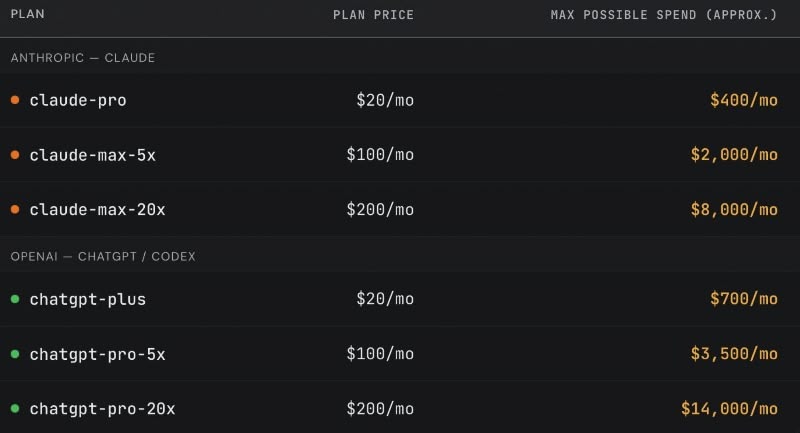
Image credit: SemiAnalysis


This means the very basic economics are broken. If Anthropic and OpenAI believed customers would actually pay the real cost of AI tokens, they wouldn't have to give away 20 to 40 times the amount of tokens to subscribers.

Meanwhile, back in March of this year, both moved their enterprise customers over to token-based billing. Within a few weeks, it came out that Uber had spent its entire annual token budget in the space of a quarter, and its COO said that it was getting "harder to justify" the cost of AI because it was hard to track the cost of AI to any actual useful features shipping. Sam Altman would eventually say it was a "huge issue" but declined to say how it might be fixed.

This is a problem across basically every single AI-powered startup, which has to pay the per-million token rate. Perplexity, Cursor, GitHub Copilot (which moved to token-based billing in June) – every single AI startup is unprofitable because their users don't want to pay the actual cost of AI.

Another issue is that AI services are just not that useful or differentiated. While people get some sort of benefit out of AI-generated code, these tools actually end up making them slower, and are filling codebases full of slop. Otherwise, an LLM is an LLM is an LLM – it can generate, it can summarize, it can search, and that's about it, which means that every AI service is effectively the same. That's why 89% of all AI revenues are Anthropic and OpenAI, and why every AI startup talks in terms of "annualized revenue" (monthx12) – because actual revenues are very depressing. Even then, most are barely at $100 million annualized.

Then there are the data centers. An AI data center is very, very expensive to build, takes 18 to 36 months, and costs billions of dollars, which means effectively anyone building one will be raising debt and only get paid once a customer moves in... except there aren't really any customers for AI data centers outside of Anthropic and OpenAI, both of whom are so unprofitable that they've had to raise hundreds of billions of dollars even when Microsoft, Google and Amazon built all their infrastructure.

The only reason everybody isn't freaking out about this is because AI-related stocks have done well, even though none of the hyperscalers actually share their AI revenues.

You've argued that AI's demand story is essentially a mirage – that most of the data center capacity is being absorbed by OpenAI and Anthropic themselves, which is masking the absence of real enterprise demand. If that's right, who do you think will actually bear the cost when the whole thing unravels?

Honestly, it's going to be a lot of private credit funds, because they're the ones funding the data centers, and they're funded by pension funds like the SF teachers fund or CalPERS, which makes me really, really worried about the systemic contagion.

People will argue that this means there's going to be a bailout, but this isn't really a bailoutable thing. These data centers are funded by project financing, which means that the money is basically gone and the only way to "make them whole" would be to either buy out the debt or feed them revenues. While you could theoretically bail out these special purpose vehicles (SPVs), doing so would be to the tune of hundreds of billions of dollars and be political cancer.

I also fundamentally believe that Oracle gets killed by OpenAI. Its revenues have been stagnating for 20 years, and the only way it's kept its head above water is $85bn+ in acquisitions, and even then, that's just kept things flat. Its bets on AI data centers – $340bn+ with hundreds of billions in debt – require OpenAI to become the largest, most-profitable company in the world by 2030, or Oracle runs out of money. Good luck on that one Larry.

The actual contagion from the collapse will be widespread. The TWSE is heavily reliant on Taiwanese ODMs like Quanta and Hon Hai (Foxconn) who have seen their revenues boosted by selling AI servers. While I don't think it kills these companies (especially as Hon Hai makes so much from Apple), it will cut their stock price, which will in turn cut the livelihoods of those investing. The same goes for Korean investors on the KOSPI, and eventually American investors in the various hyperscalers and semiconductor companies that are running entirely because of the AI bubble.

It all really sucks.

One of OpenAI's "Stargate" data centers (image credit: OpenAI)

Hyperscalers building out data centers have hoovered up so much of the world's memory supply that DRAM prices have roughly doubled this year. Tim Cook has called Apple's recent price increases "unavoidable" – Macs and iPads are already up, and iPhone models are expected to follow soon. It seems the clearest sign yet that the bubble's costs are being passed onto ordinary consumers. If the buildout is as speculative as you say, are people basically paying more for hardware to subsidise data centers that may never turn a profit?

I don't think any of them turn a profit, no.

Hyperscalers have spent over $1 trillion in capex since 2022. If we assume that even half of that is AI data centers, they need to make over $1.5 trillion in brand spanking new profit, not revenue, but actual profit, to justify any of these expenditures.

And yes, we are all paying more for stuff for effectively no reason other than that everybody in big tech has gone insane and wants to build as many data centers as possible. I wrote about this in the Hater's Guide To The Memory Crisis.

The hyperscalers are collectively spending north of $650 billion on AI infrastructure this year, whereas Apple is spending about $14 billion. It's as if Cupertino is treating AI as a commodity by paying Google around a billion a year for Gemini to run Siri and doing what it can on-device. The company was previously said to be dangerously behind on AI. That no longer seems to be the case, but at the same time, is it really more savvy to be renting a dependency on the very companies you say can't survive?

So, I think Apple Intelligence was both the worst and best thing to happen to Apple as far as the AI bubble goes.

It was a mass-radicalization of its users against AI – an attempt to cram a barely-functional series of add-ons that nobody asked for in the most-obtrusive way possible, with summaries that were almost immediately turned into memes and a new Siri that was, somehow, even worse than the old Siri.

And I think that told Apple to pump the brakes. It's barely spent anything on capex. It's barely done anything with AI. Despite headline after headline claiming it's "falling behind," nobody can really explain what it is it's falling behind on or why it matters. People hate Apple Intelligence, and I think Apple knows that, and so they're going to jingle the keys for the markets by putting "AI" on stuff without ever really putting their back into it.

If the bubble deflates the way you expect (write-downs, too much compute supply, possibly OpenAI cratering), can you walk us through what that would actually look like for Apple? Does anything break for iPhone users, or does Apple mostly watch it happen from the sidelines? Could it even benefit Apple?

I think things would look much the same for Apple. I think they will sit on the sidelines and watch everything burn. I could see them doing some choice acquisitions as things begin to collapse, but I could also see them do nothing.

I think Apple is in a very weird place at the moment. The Vision Pro was a dud, but it was also the most interesting and future-forward thing I've seen anyone put out in a while. If they were smart, they'd tread water and sink as much money into making that as small as humanely possible – no matter how long it takes – because the entire AI bubble is a result of everybody running out of hypergrowth ideas, mostly because we're flat out of new interfaces.

I want to be clear that what they want to do with the Vision Pro requires it to basically be weightless and invisible and never need adjustments. When it works, it's genuinely awesome. But that's a load-bearing when. One slight movement means the whole thing goes out of focus. I can't even use mine anymore because it needs an update that requires you to wear the thing the whole time. So much promise, released too early, shoved out the door by a CEO on his way out.

This article, "Apple Will 'Watch Everything Burn' When AI Bubble Bursts - Ed Zitron" first appeared on MacRumors.com

Discuss this article in our forums
  •  

macOS 27 Beta Reworks Mail's Compose Window Around Siri AI

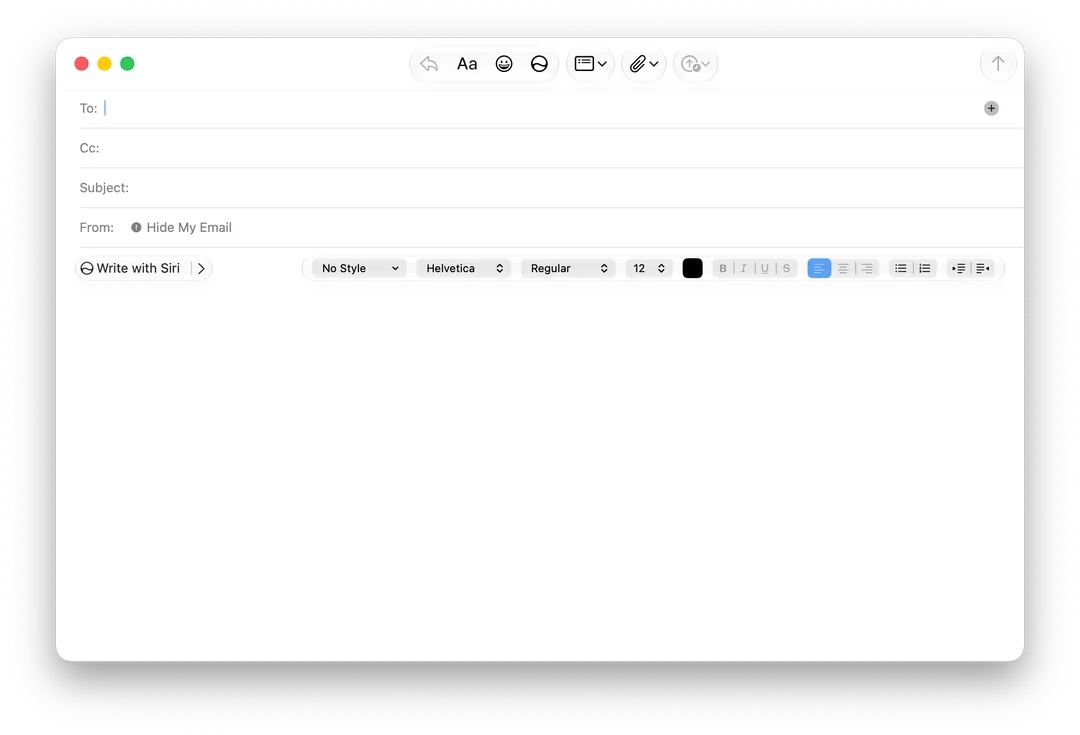
For macOS 27 Golden Gate, coming this fall, Apple appears to be testing a new formatting bar for the Mail app's compose window that promotes Apple Intelligence's Writing Tools and Siri AI, based on findings in the latest beta.


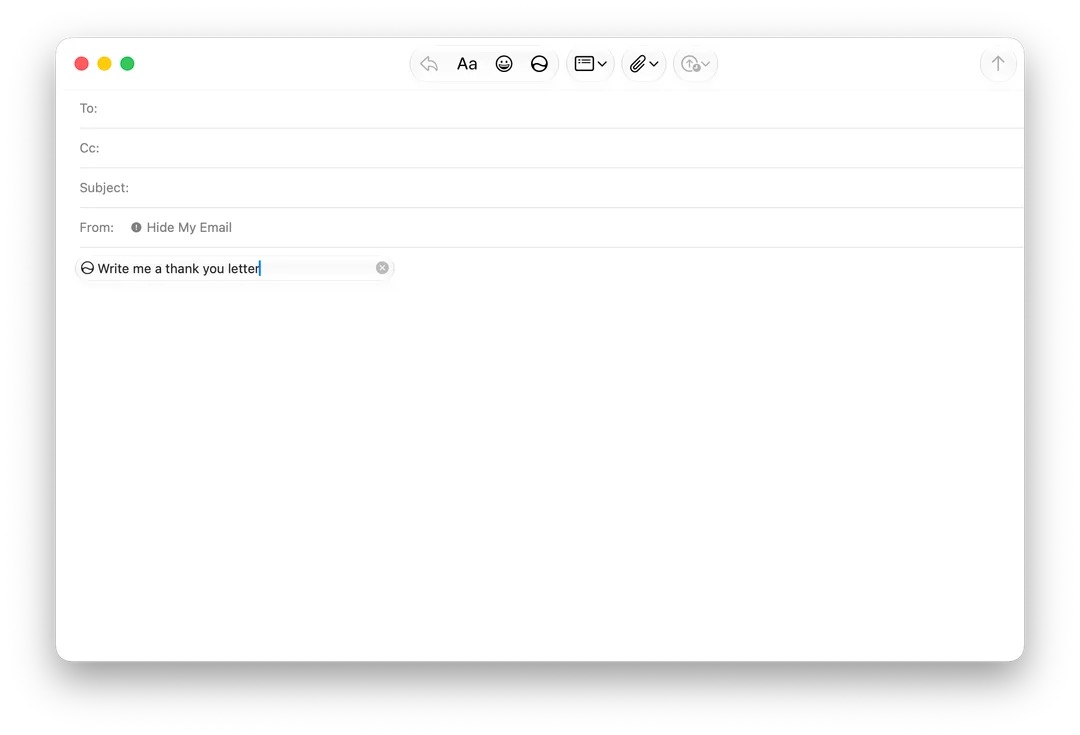
Feature flags discovered by MacRumors forum member "mactracker" – who this week also revealed the hidden Siri "voice pad" interface in beta 4 – show the reworked bar in Mail's message composer, which now features "Write with Siri" in the most prominent position.

In the current implementation, the classic formatting controls are automatically collapsed to the right edge of the composer and vanish completely once the user selects Write with Siri and starts typing a prompt.


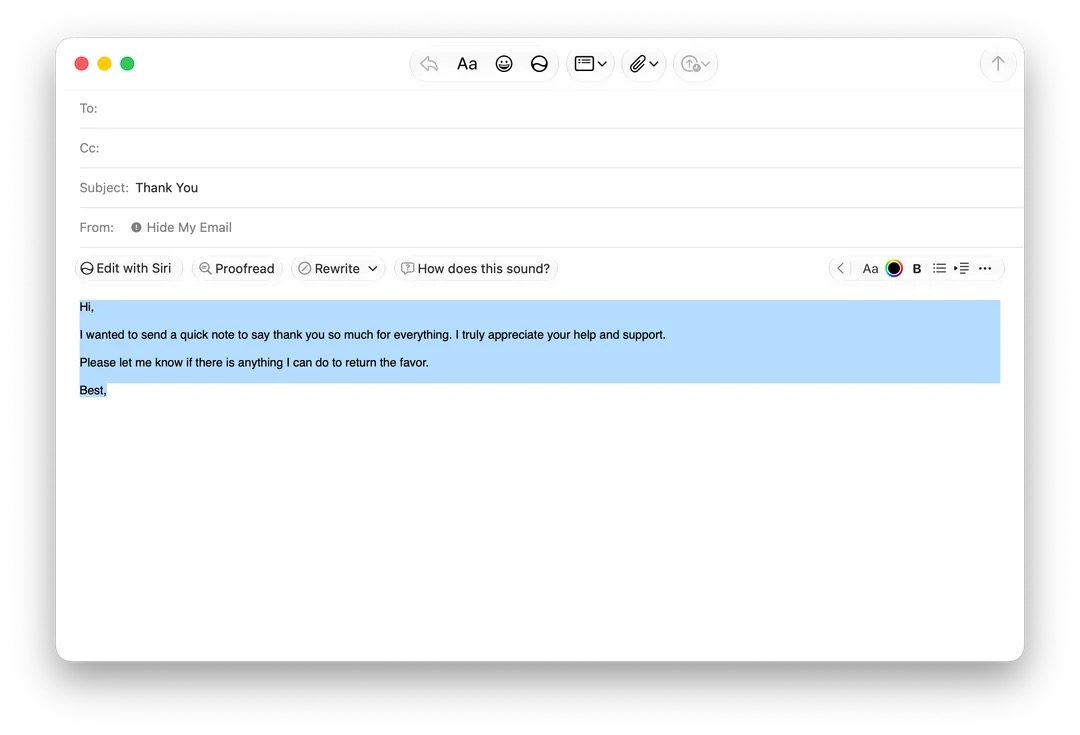
The redesigned bar adds the ability to display contextual Smart Reply suggestions from Siri AI without necessarily using them in your draft email. (macOS users will know that Smart Reply itself isn't new, having arrived with the first wave of Apple Intelligence features.) The new design lets you preview a suggested reply by hovering over it before inserting it, which is something the previous in-line design couldn't do.

When a suggested composition is selected, the formatting bar shows "Edit with Siri," "Proofread," and "Rewrite" options, as well as "How does this sound?" with the traditional formatting controls minimized.

The new bar isn't switched on by default and remains hidden behind an internal feature flag, so most testers won't see it. It's also still buggy, suggesting this is a work in progress – in Beta 4, for example, the redesign only shows up when replying to a message, but composing a fresh email still brings up the old formatting bar.


Whether the redesign makes the general release of macOS 27 is anyone's guess at this point, but it fits the broader pattern of integrating the new contextually aware Siri AI across the system.

macOS 27 Golden Gate is expected to officially launch in September when Apple releases new iPhone 18 Pro models, alongside its first foldable iPhone.
Tag: Siri

This article, "macOS 27 Beta Reworks Mail's Compose Window Around Siri AI" first appeared on MacRumors.com

Discuss this article in our forums
  •  

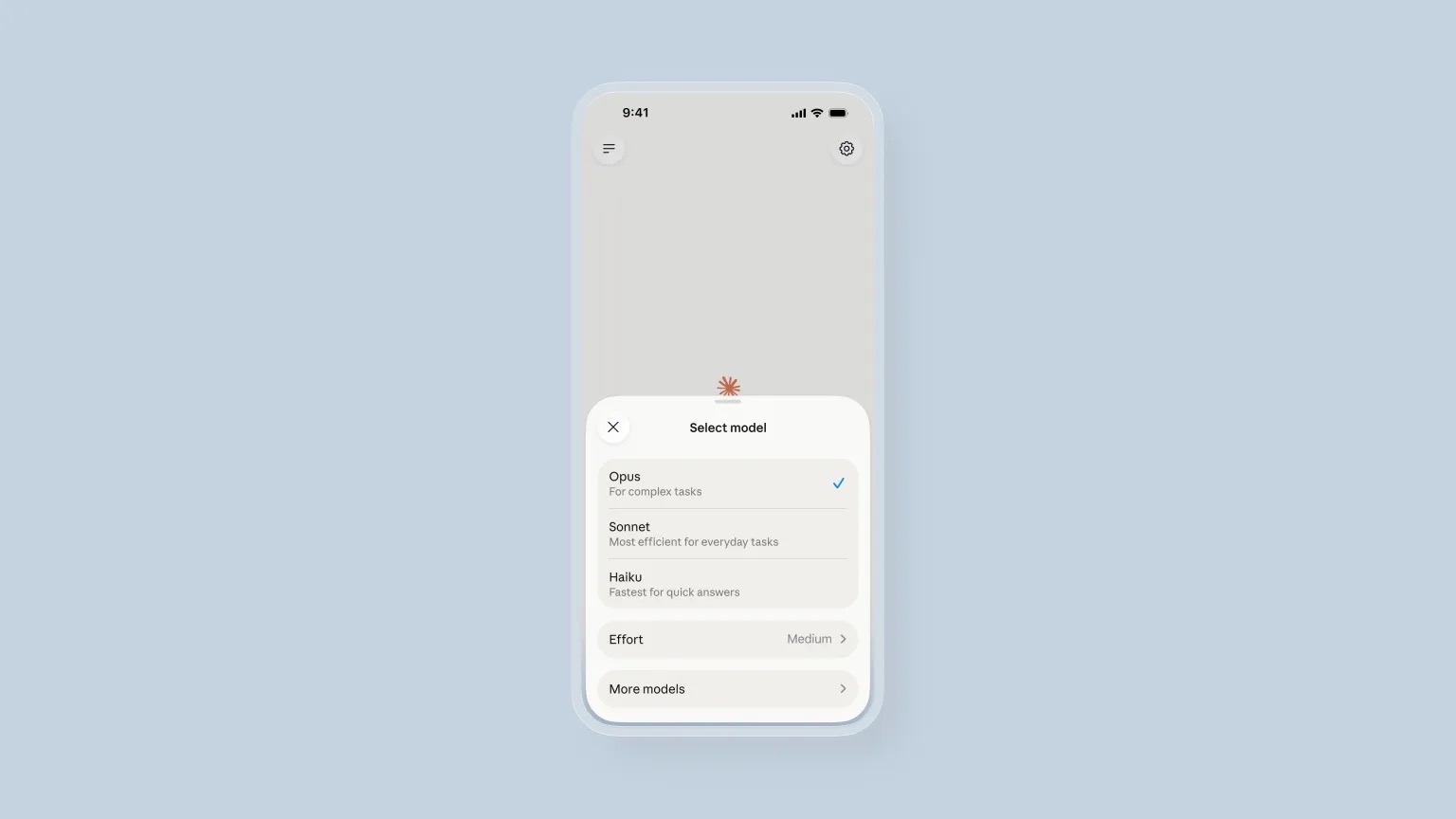
Claude Voice Mode Gains Opus and Sonnet Model Support

Anthropic has updated Claude's voice mode to support its more powerful Opus and Sonnet models, expanding a feature that was previously limited to the company's fastest-but-simplest model, Haiku.


Voice mode lets users hold full spoken conversations with the chatbot rather than having to type prompts and read responses. Users can switch between Claude's models mid-conversation, and can also move between text and voice in the same chat without losing context. With the addition of Opus and Sonnet support, users will be able to hold longer and more complex conversations, including providing feedback on the communication style.

In addition, Claude's Voice mode can now also tap into connected tools like Gmail, Google Calendar, Google Docs, and Slack, so Claude can check a calendar or summarize an email thread out loud, for example. Users with free accounts can connect one tool, whereas paid plans support more.

According to Anthropic's support documentation, the models available in voice mode now follow the user's subscription plan, and voice conversations start on whichever model the user last selected in text chat.

Claude's voice mode language support was extended beyond English earlier this year, with French, German, Hindi, Indonesian, Italian, Japanese, Korean, Portuguese, and Spanish available in beta. Users have to manually select a language in the app.


Voice mode works on iOS, Android, desktop, and the web, but Anthropic says it is designed to work best on phones. Voice conversations count toward standard usage limits and Anthropic's newest Fable model is not yet supported.

Meanwhile, OpenAI yesterday launched ChatGPT Voice in its desktop app, powered by a model it calls GPT-Live, which the company says can direct multiple agents running in ChatGPT Work or Codex by voice alone. The feature is rolling out on macOS and Windows to paid plans.

Correction: This story has been updated to reflect ChatGPT Voice's recent rollout.
This article, "Claude Voice Mode Gains Opus and Sonnet Model Support" first appeared on MacRumors.com

Discuss this article in our forums
  •  

WhatsApp Rolls Out Redesigned Message Bubbles for iOS

WhatsApp is rolling out a new design for message bubbles on iOS, reports WaBetaInfo. The platform's message bubbles are rounder than before with a softer shape – similar to iMessage – while shared media files appear without the original borders, giving them a cleaner look.

The message bubble update follows several Liquid Glass-based design changes that came to WhatsApp's chat interface on iPhone and iPad last month.
This article, "WhatsApp Rolls Out Redesigned Message Bubbles for iOS" first appeared on MacRumors.com

Discuss this article in our forums

  •  

Apple Seeking 20% OLED Panel Price Cut for iPhone 18 Pro Max

Apple is pushing OLED panel suppliers to lower their prices for the iPhone 18 Pro Max, as the cost of memory chips and other components rises, reports The Elec.


According to the Korea-based report, Apple has proposed paying around $70 for OLED panels, but it might end up paying even less. Industry estimates suggest that Samsung Display and LG Display will supply the panels for around $66.50 each. That would be a roughly 20 percent drop from the prices paid for iPhone 17 Pro Max OLED panels.

The report says that the price Apple has paid for iPhone OLED panels has fallen with each new generation. However, this year's reduction is unusually steep, especially considering that the iPhone 18 OLED panel is expected to require greater manufacturing complexity – Apple will be using Samsung Display's latest M16 OLED material set, which improves luminous efficiency, lifespan, and color performance.

Smartphone makers across the board are said to be trying to offset rising memory costs by reducing procurement expenses for other components, including display panels and camera modules.

According to market research firm UBI Research, Samsung Display is expected to supply 46 million OLED panels for Apple's iPhone 18 lineup this year, comprising 2 million for the standard iPhone 18 model, 18 million for the iPhone 18 Pro, and 26 million for the iPhone 18 Pro Max. Meanwhile, LG Display is forecast to supply 41 million panels, including 1 million for the standard model, 19 million for the 18 Pro, and 21 million for the 18 Pro Max.

Apple is expected to launch the iPhone 18 Pro models in September alongside its first foldable iPhone, followed by the iPhone 18 and iPhone 18e in spring 2027. Analysts suggest the iPhone 18 Pro and Pro Max could start at $1,299 and $1,399, respectively. In other words, a $200 jump over their predecessors, with rising memory and storage costs largely to blame.
Related Roundup: iPhone 18 Pro
Tags: OLED, The Elec

This article, "Apple Seeking 20% OLED Panel Price Cut for iPhone 18 Pro Max" first appeared on MacRumors.com

Discuss this article in our forums
  •  

Opera One Browser Adds Vertical Tabs - Should Safari Follow?

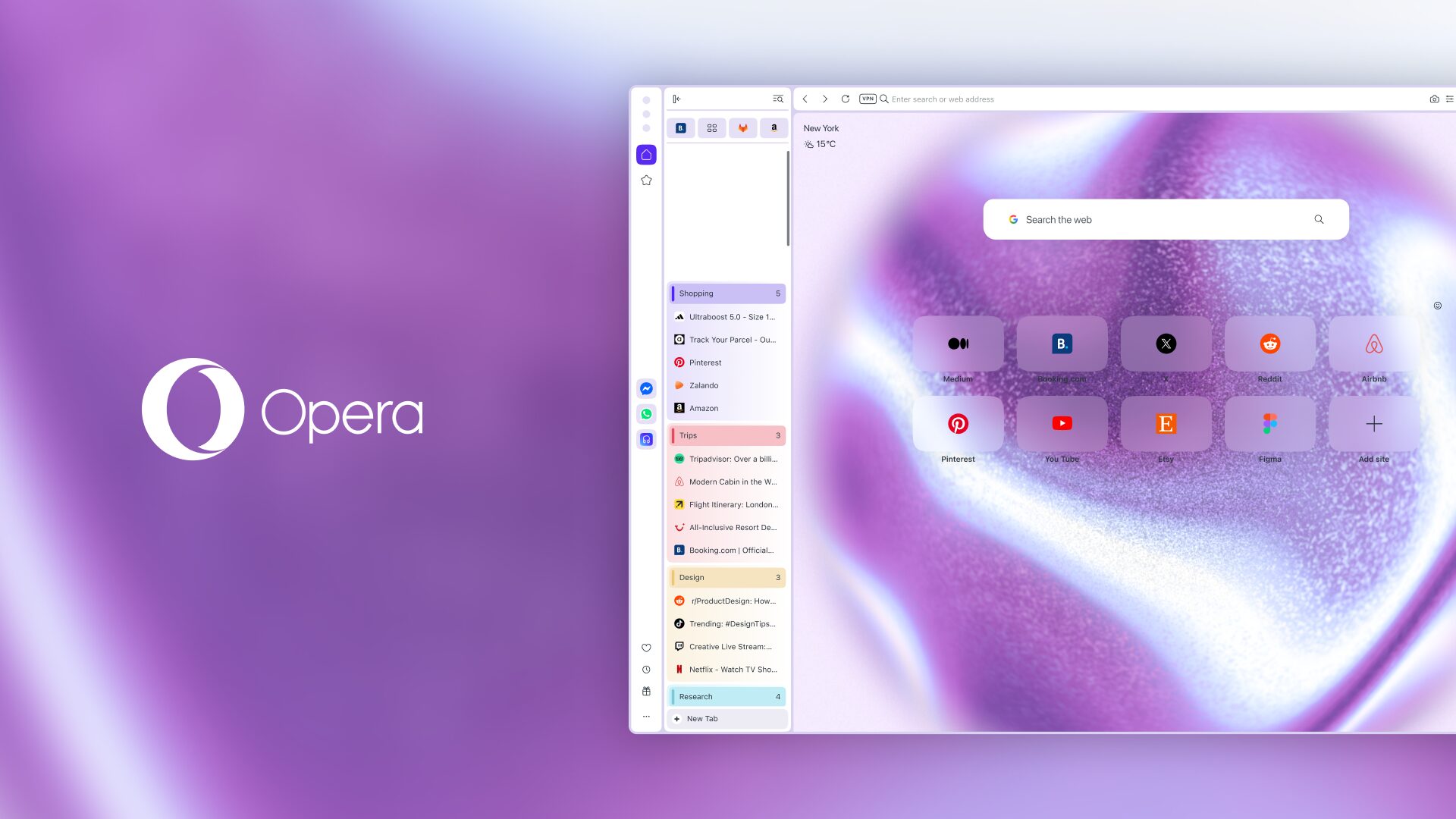
Opera One browser just pushed an update adding a Vertical Tabs option that moves the tab bar from the top of the window to a resizable panel down the left-hand side.


The feature aims to solve the perennial horizontal tab problem where too many open tabs makes each one shrink to an unreadable sliver of the webpage's favicon.

By contrast, in the vertical layout, page titles always stay legible. Opera's existing Tab Islands feature – where tabs that came from the same page or browsing session are grouped into a collapsible section in the tab strip – carries over from the standard view, and the panel collapses when screen space is tight.

Opera has also built Google Lens directly into the start page search bar with this update, so now an image search can be started by uploading a file, dragging and dropping, pasting from the clipboard, or entering a URL. Both features are live now in Opera One.

Opera is a late arrival to the vertical phenomenon that has slowly been making inroads across the wider browser landscape. Microsoft made vertical tabs generally available in Edge back in May 2021, and the feature has been popular with users on both Windows and macOS.

Mozilla followed in March 2025 with Firefox 136, which introduced vertical tabs as part of a redesigned sidebar. Firefox also allows the strip to be moved to the right edge of the window, if that's your preferred style.

Google was the last of the big names to make the same move. Chrome began rolling out vertical tabs in April, making full page titles readable and tab groups easier to manage, even at double-digit tab counts.

Apple's Safari browser features Tab Groups, which can be navigated from the sidebar and do give a vertical list of sorts, but there's never been a dedicated vertical tabs mode. Do Safari users want one, or are Tab Groups enough? Let us know in the comments.
This article, "Opera One Browser Adds Vertical Tabs - Should Safari Follow?" first appeared on MacRumors.com

Discuss this article in our forums

  •  

5 Reasons to Buy the iPhone 17 Now Instead of Waiting for iPhone 18

Apple's iPhone 18 Pro models and its first foldable are less than two months from being unveiled. That may sound like a reason to sit tight if you're looking to upgrade from an iPhone 16 or older series, but between looming price hikes and Apple's new split-launch calendar, there's a decent case for grabbing an iPhone 17 series model right now. Here are five reasons in favor of putting your order in today.


1. iPhone Price Hikes Almost Certain


Analysts suggest the iPhone 18 Pro and Pro Max could start at $1,299 and $1,399, respectively. That would represent a $200 jump over their predecessors, with rising memory and storage costs (i.e. the AI buildout) largely to blame. Meanwhile, the foldable iPhone price could start at north of $2,000. Apple has already increased the price of all of its iPhone models in Japan. The iPhone 17, by contrast, is still selling in the U.S. and other regions at the price Apple set last September (from $799). At this point, upcoming price hikes for the next-generation models seem inevitable, and there's no guarantee that the iPhone 17 series will be spared.

2. Some iPhone 18 Models Still a While Away


Under Apple's expected new split-launch strategy, only the iPhone 18 Pro models and the foldable arrive this September. The regular iPhone 18, lower-cost iPhone 18e, and iPhone Air 2 aren't expected until spring 2027, so anyone holding out for the regular iPhone 17's direct successor will be sat waiting for several months longer than usual.

3. The Base iPhone 18 Could Be a "Downgrade"


One leaker has repeatedly claimed that Apple will reduce the standard iPhone 18's display and chip specifications to control costs, which could see it potentially sharing more components with the cheaper iPhone 18e. And even with a rumored bump to 9GB of RAM, the lower-end models reportedly still won't support two new iOS 27 features. Nothing is certain yet, but if Apple is cutting corners for its next more affordable and base models, then the iPhone 17 or iPhone 17e could be the better-specced option, especially given the expected price difference.

4. Some iPhone 18 Upgrades Remain Uncertain


Several of the more eye-catching iPhone 18 Pro rumors may not play out at launch. An early report claiming that the iPhone 18 Pro would ditch the Dynamic Island for a hole-punch camera has completely lost steam, while the foldable iPhone's rumored 24-megapixel under-display camera may not be ready this year, and a truly crease-free folding screen looks more like "nearly crease-free" in practice. In other words, waiting doesn't guarantee that you'll get everything the rumor mill is predicting.

5. Your Trade-In Is Worth More Today


Trade-in and resale values on older iPhones typically slide once a new generation is announced, which means the iPhone in your pocket is likely at its peak value right now. Waiting until September to upgrade would mean paying more for the new, pricier model and getting less for the old one, which would be a double hit on your wallet.

None of this means Apple's iPhone 18 lineup won't be worth the money. But if you're upgrading from a pre-2025 iPhone and the foldable isn't something you're considering, then an iPhone 17 series model might still be the smarter option.
Related Roundups: iPhone 17, iPhone 18
Buyer's Guide: iPhone 17 (Neutral)
Related Forum: iPhone

This article, "5 Reasons to Buy the iPhone 17 Now Instead of Waiting for iPhone 18" first appeared on MacRumors.com

Discuss this article in our forums

  •  

Google Fined $1 Billion by EU for Search Bias and App Store Restrictions

Google was today fined €890 million ($1 billion) by the European Union for breaching antitrust rules with regard to its search and Google Play store services.


The European Commission found that Google had broken the Digital Markets Act (DMA) by using its dominant position in the search market to favour its own services, like shopping and hotel deals, over those of rivals.

The Commission also said that the company had abused its position by preventing developers from directing users to cheaper ways to buy apps and app subscriptions on websites and alternative app stores.

Google has been fined €460 million over its search practices and €430 million for its app store rules. Going forward, the Commission ordered the company to treat third-party services in search results "fairly and without discrimination" and to allow developers to offer users alternatives outside Google's app store. From the EU press release:


As part of today's two decisions, the Commission has ordered Google to bring the non-compliance to an end.

In particular, Google must implement measures to:
  • Treat third-party services that feature on Google's search results in a fair and non-discriminatory manner by reference to its own services, and

  • Allow app developers distributing their apps via Google Play Store, both technically and contractually, to freely communicate, promote offers and conclude contracts with users not only within but also outside the Google Play app store.


The Commission said that changes already made by Google to rectify the situation represented "substantial progress towards compliance." Google has also reportedly proposed and started testing changes to how it presents shopping ads and content related services, such as sports.

Google is required to comply with the Commission's decisions within 60 days, otherwise it risks periodic penalty payments of up to 5 percent of its total worldwide turnover. Google made revenues of just over $400 billion last year. It could still decide to appeal the decisions.

Apple is fighting a similar battle with the bloc's regulators. The company was fined €500 million ($573 million) last year for restricting App Store developers from directing users to alternative offers, and earlier this month the EU's General Court separately rejected its challenges to its designation as a gatekeeper for the App Store and iOS.
This article, "Google Fined $1 Billion by EU for Search Bias and App Store Restrictions" first appeared on MacRumors.com

Discuss this article in our forums

  •  

macOS 27 Beta Hides Trippy Siri 'Voice Pad' Interface With 13 Voices

For macOS 27 Golden Gate, Apple appears to be working on an immersive new interface for choosing Siri AI's voice, based on findings in the latest beta.


MacRumors forum member "mactracker" has shared what they call a hidden "voice pad" in the macOS 27 beta 4, which was released on Monday. When enabled, the interface replaces the System Settings menu for Siri's voice options with a nearly black canvas, with the currently selected voice marked by a colored dot.

Pressing, holding, and moving around the pad with your pointer brings the interface to life, causing various colors to transition across the view as more dots appear and the voice modulates through different characteristics. Each dot emerges from the ether like a revealed star in a hidden constellation.

The visuals are even responsive to cursor movement via spatial audio, so that when the pointer approaches a new voice on the pad, it sounds clearer and more present, while voices further away become distant and ambient. Meanwhile, a spatial mixer tracks the pointer's distance, angle, and velocity, which adjusts volume, reverb, occlusion, and filtering across the voice and background audio layers as you move.

The pad lays out 13 voice slots in a loose grid, suggesting Apple may be preparing to support up to 13 custom voices for Siri AI. You can see the UI in action in the video embedded below.

Currently, the latest macOS 27 beta doesn't include the required voice models, so it falls back to the two custom voices available. However, a related file found in the beta describes the 13 expected American English voices by gender, age, and character, spanning everything from a soft-spoken young female voice to a deep adult male voice and two older-sounding voices.

If the interface makes the final macOS 27 cut, it would be a big jump from where things stand today. As of the current betas, American is the only voice option for Siri AI, whose expressiveness and pace can only be adjusted via sliders.

In this context, the interface likely serves as an onboarding experience for picking Siri's underlying voice, with the existing picker and its Pace and Expressivity controls used to further adjust the voice after selection. While the interface remains unfinished, it is already said to be localized for 44 languages. It also shares the same Siri setup framework with iOS 27, so we could see it on iPhone and iPad, too.


Unlike the hidden Siri popover we covered earlier this week, there's no easy way for beta testers to switch on this feature flag, as it requires disabling System Integrity Protection (SIP) and overriding internal code with a debugger.

The new, more advanced Siri AI, which is backed by large language models, will arrive in supported regions with the release of iOS 27, macOS 27, and Apple's other software updates this September.
Tag: Siri

This article, "macOS 27 Beta Hides Trippy Siri 'Voice Pad' Interface With 13 Voices" first appeared on MacRumors.com

Discuss this article in our forums

  •  

WhatsApp Announces New CarPlay Experience, iPad Sign-Up, and More

WhatsApp just announced a raft of new features spanning CarPlay, iPad, and iPhone that are "designed to work wherever you do, across your devices and the other apps you use."


First up, WhatsApp for CarPlay and Android Auto has been completely refreshed. Now you can hear and respond to messages, make calls, see your call history, and reach your favorites, all hands-free directly from your car's screen.

Over on WhatsApp for web and desktop, a new feature powered by Adobe Acrobat means you can now open PDFs right inside WhatsApp without having to download them, then make lightweight edits like highlighting and annotating right in the chat.

Thirdly, you can now share a song straight from Apple Music or Spotify to your WhatsApp Status, so your friends can see what you're listening to.

Last but not least, it's now possible to sign up to WhatsApp on your iPad. Since WhatsApp announced its iPad app last year, one of the most requested features from users is the ability to create a WhatsApp directly on an iPad, without needing to link a phone. Now you can.

WhatsApp says these features are already rolling out to users now.
Related Roundup: CarPlay

This article, "WhatsApp Announces New CarPlay Experience, iPad Sign-Up, and More" first appeared on MacRumors.com

Discuss this article in our forums

  •  

The iPhone 18 Pro's Rumored Camera Upgrade, Explained

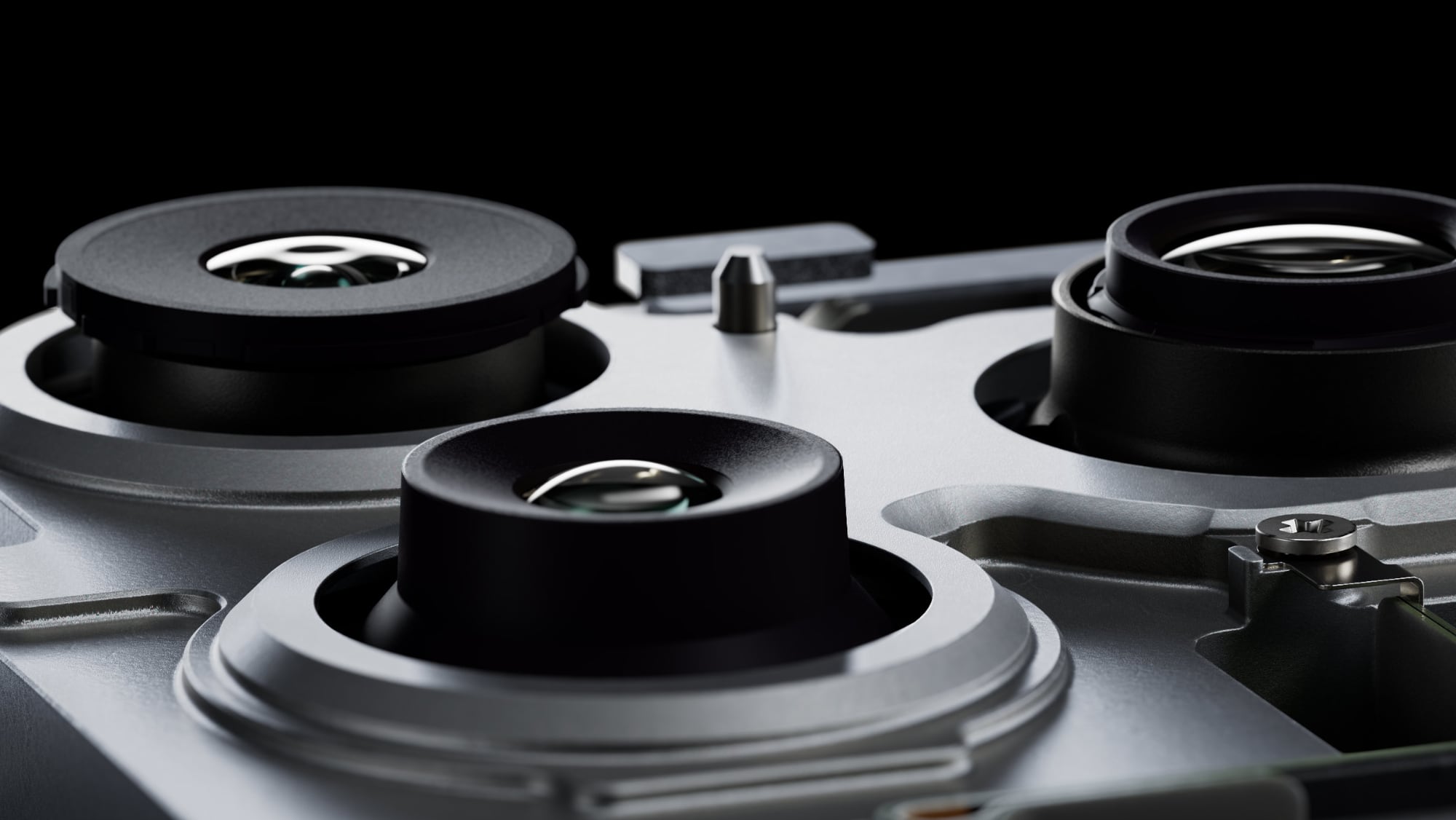
Apple's upcoming iPhone 18 Pro and iPhone 18 Pro Max are expected to feature a variable-aperture camera. The upgrade has been rumored repeatedly and would be a first for Apple's smartphone lineup, but what would it actually change for everyday users?


An aperture is the opening inside a camera lens that lets in light. A natural comparison would be the pupils of your eyes, which open wider in the dark and become smaller in bright conditions.

Current iPhone cameras have an opening that's fixed to the one size. To compensate for this, the iPhone adjusts other settings and uses software processing to brighten or darken the image. By contrast, a variable aperture would give the device mechanical control over the amount of light entering the camera.

The biggest improvement – and the one you're most likely to notice first – would be smoother-looking video when shooting outdoors. In bright sunlight, the existing camera on an iPhone has to capture each frame very quickly to avoid an overexposed image, which can sometimes make movement look unnaturally sharp or jerky.

In contrast, the iPhone 18 Pro's variable aperture camera would typically make the lens opening smaller to limit the amount of light that gets in. Doing so should prevent washed-out highlights and allow the camera to record movement with more natural-looking blur. Photos taken in good lighting could also appear sharper, especially around the edges. Not only that, Portrait Mode photos that use the "bokeh" effect should also look more realistic, as opposed to looking rendered computationally.

It's still unclear whether users will control the aperture themselves or whether the iPhone will adjust it automatically. That's a big question mark, since it should determine whether it becomes a hands-on photography tool or a built-in feature that simply makes photos and videos look better behind the scenes.

We should learn the answer to this question in the coming months. Apple is expected to debut the iPhone 18 Pro and iPhone 18 Pro Max in September, alongside its first foldable iPhone.
Related Roundup: iPhone 18 Pro

This article, "The iPhone 18 Pro's Rumored Camera Upgrade, Explained" first appeared on MacRumors.com

Discuss this article in our forums

  •  

iPhone 18 Rumor Reality Check: 20 Claims Ranked by Likelihood

Apple's iPhone 18 Pro models and its first foldable iPhone are less than two months away from being unveiled, with the standard iPhone 18, iPhone 18e, and iPhone Air 2 expected to follow in spring 2027 as part of the company's new split-launch strategy. We've looked back at everything we know so far, and ranked the most consistent rumors, followed by the more speculative ones.


Solid Rumors


  • iPhone Air 2 With Two Cameras – The second-generation iPhone Air is reportedly in advanced testing with an Ultra Wide camera joining the existing Main camera. The overall design is expected to remain largely unchanged apart from the additional lens.

  • New iPhone 18 Pro Colors – Dark Cherry is expected to be this year's signature finish, accompanied by Light Blue, Silver, and a Dark Gray option. The four colors have appeared in dummy-model images that corroborate earlier reports.

  • iPhone 18 Pro Variable Aperture Lens – Both Pro models are expected to gain a variable aperture for the 48-megapixel Main camera. This would let the camera adjust how much light reaches the sensor and provide users with greater control over exposure and depth of field.

  • More RAM for iPhone 18 – Reports disagree over whether the standard iPhone 18 will have 9GB or 12GB of RAM, but both amounts would be an increase over the iPhone 17's 8GB. The additional memory would support some of the more advanced on-device Apple Intelligence features coming in iOS 27.

  • iPhone 18 Pro Battery Life – Leaked capacities suggest larger batteries for Apple's premium models, with the iPhone 18 Pro Max potentially reaching around 5,567mAh outside of China. A more efficient 2nm A20 Pro chip and LTPO+ display could deliver a more noticeable improvement in actual battery life.

  • Book-Style Foldable Design – Apple's first foldable is consistently described as a short, wide, book-style device with an approximately 5.5-inch outer screen and 7.8-inch inner display. It is expected to use a 4:3 aspect ratio and resemble a small iPad when unfolded. It has been compared to "two titanium iPhone Airs side by side."

  • New Apple-Designed Modems – The foldable iPhone and at least international versions of iPhone 18 Pro models are expected to use Apple's faster second-generation C2 modem, which could come with support for 5G satellite connectivity. However, if the C2 lacks mmWave capability (which is not a feature of the C1 or C1X), Apple is expected to opt for a Qualcomm modem instead for the U.S. market.

  • Higher Prices – Rising memory and storage costs make price increases likely across the iPhone 18 lineup. Analysts estimate that the iPhone 18 Pro and Pro Max could start at $1,299 and $1,399, respectively – $200 more than their predecessors – while the foldable iPhone is expected to cost north of $2,000.


Possibly, Maybe


  • iPhone Air 2 Battery Life – One leaker claims the iPhone Air 2 will have a 3,500 mAh battery, an increase of around 11 percent over the current model. The 2nm A20 chip and a potentially thinner display could provide further efficiency or make room for the larger cell.

  • Only Two Foldable Colors – Some reports point to only two understated finishes for the foldable iPhone. White or silver appears most likely, while the darker option has variously been described as indigo, space gray, or black.

  • Smaller Dynamic Island – Alleged prototypes, screen protectors, and CAD images of the iPhone 18 Pro depict a Dynamic Island around 35 percent narrower than on current iPhone 17 models. Other reports say Apple considered both designs or may have postponed the change until next year's models due to challenges with Face ID components, so this rumor remains ambiguous.

  • Thicker Camera Plateau – Dummy models suggest the iPhone 18 Pro Max's camera plateau could increase from 11.23mm to 11.54mm. A separate report says the smaller iPhone 18 Pro's camera housing will also become thicker, but no precise measurement has been shared.

  • Simplified Camera Control – Apple is reportedly removing the capacitive sensing layer from Camera Control in future iPhones and instead relying solely on pressure sensitivity. The change could eliminate swipe gestures and accidental adjustments while reducing manufacturing and repair costs.

  • Crease-Free Foldable Display – Apple is said to have reduced the inner display's crease to less than 0.15mm deep, making it almost invisible during normal use. More recent rumors appear to acknowledge that some physical crease may be unavoidable, so "nearly crease-free" is probably more realistic than completely crease-free.

  • iPhone Ultra Naming – Recent rumors have increasingly referred to the foldable as the "iPhone Ultra," which would suit its expected position above the Pro Max. There is still no firm evidence of the final name, and "iPhone Fold" remains another, albeit outside possibility.


Seems Unlikely


  • iPhone 18 Pro Teleconverter – A single report claims Apple has evaluated a teleconverter that would increase the camera's effective focal length. The claim comes from a relatively new Apple leaker, and it remains unclear how such a system would work inside an iPhone.

  • Hole-Punch Selfie Camera – An early report from The Information said the iPhone 18 Pro would abandon the Dynamic Island for a top-left hole-punch camera. Subsequent reports instead point to either a smaller centered Dynamic Island or no change, making the hole-punch design look increasingly doubtful.

  • iPhone 18 Downgrades – One leaker claims Apple will reduce the standard iPhone 18's display and chip specifications to control costs, potentially sharing more components with the iPhone 18e. The report has little corroboration and conflicts with expectations for a 2nm A20 chip and additional RAM.

  • Foldable UDC Front Lens – The foldable's inner display has been rumored to contain a 24-megapixel under-display camera (UDC), but other information suggests the technology will not be ready this year. Apple may instead use visible hole-punch cameras on both the inner and outer displays.

  • Goodbye, SIM Tray – The foldable iPhone itself is widely expected to be eSIM-only, but the SIM tray does not appear ready to disappear from the entire lineup. Battery capacity rumors still list physical-SIM variants of the iPhone 18 Pro for China, Hong Kong, and other markets.

What are you most looking forward to in the iPhone 18 lineup? Let us know in the comments below. For more rumors, check out our iPhone 18, iPhone Fold, iPhone Air, and iPhone 18 Pro roundups, which we update regularly.
Related Roundup: iPhone 18
Related Forum: iPhone

This article, "iPhone 18 Rumor Reality Check: 20 Claims Ranked by Likelihood" first appeared on MacRumors.com

Discuss this article in our forums

  •  

Apple Chipmaker TSMC Plans Price Hikes of Up to 10% in 2027

Apple's principal chipmaker TSMC plans to raise prices by as much as 10 percent starting in 2027, according to a new report from Nikkei Asia.


The Taiwan-based foundry has reportedly held talks with clients about base price increases of 5 to 10 percent, covering both mature nodes and the more advanced processes at 7-nanometers and below that Apple relies on for its A-series and M-series chips. Negotiations began in June and were finalized this month, according to the publication's sources, with the new pricing set to take effect at the start of 2027.

Customers placing additional high-performance computing orders beyond their original forecasts will face a further 10 to 15 percent premium, which could lead to some advanced chip orders costing more than 10 percent extra overall.

The increased prices are said to reflect rising costs for materials, manufacturing equipment, and construction of new overseas chip plants.

TSMC reportedly decided to delay the hikes until 2027 to give customers time to adjust after negotiations concluded. The company declined to comment on the reported prices, but told Nikkei Asia that its general market approach was "strategic, not opportunistic."

Apple is TSMC's largest customer, and the timing means higher chip costs would come in the same year that Apple is rumored to launch additional iPhone 18 models as well as its 20th anniversary iPhone models. Whether Apple absorbs the increases or passes them along to customers remains to be seen. Apple last month dramatically increased device prices across multiple product lines, which CEO Tim Cook called "unavoidable," citing the soaring cost of memory and storage chips.
Tags: Nikkei, TSMC

This article, "Apple Chipmaker TSMC Plans Price Hikes of Up to 10% in 2027" first appeared on MacRumors.com

Discuss this article in our forums

  •  

Apple Testing 7-Inch Display for Largest 20th Anniversary iPhone Model

Apple is reportedly prototyping a larger iPhone display measuring roughly 6.96 inches, which would likely be marketed as a 7-inch panel if it reaches production.


According to Chinese leaker Digital Chat Station, Apple is testing the display internally in preparation for the 20th anniversary iPhone, which is expected to launch next year. The leaker said that the screen ratio is the same as the current iPhone 17 Pro Max, but whether the display is ultimately used in the iPhone 20 Pro Max remains unconfirmed at this stage.

Last month, Bloomberg reported that Apple had started ramping up work on two sizes of the 20th anniversary iPhone. Multiple rumors have suggested the device will have an edge-to-edge display with curved glass at all sides for a nearly borderless visual effect.

This year's upcoming iPhone 18 Proβ€Œ and β€ŒiPhone 18 Proβ€Œ Max models are expected to be the same dimensions as the current iPhone 17 Pro models, which are available in 6.3- and 6.9-inch sizes.

Apple last increased the size of its premium iPhone displays with the iPhone 16 Pro lineup in 2024. The iPhone 16 Pro grew from 6.1 to 6.3 inches, while the iPhone 16 Pro Max increased from 6.7 to 6.9 inches, thanks to slimmer bezels and slightly larger chassis dimensions.

Today's rumor is the first time that we have heard of any plans to increase the display size for Apple's 2027 commemorative iPhone.
This article, "Apple Testing 7-Inch Display for Largest 20th Anniversary iPhone Model" first appeared on MacRumors.com

Discuss this article in our forums

  •  

'ClickLock' Malware Coerces Mac Users Into Giving Up Passwords

Security firm Group-IB has identified a new piece of macOS malware in the wild that pressures users into surrendering their passwords via a barrage of fake system prompts.


Dubbed "ClickLock Stealer," the malware needs no exploits and no elevated privileges to work. Instead, the attack depends on the victim pasting a command into Terminal and running it. The command then executes a script, and everything else follows.

Group-IB did not directly observe how victims are lured into pasting the command, but based on the script's behavior, the firm believes it's served through a fake "ClickFix" page posing as a Cloudflare check or browser verification step. Such pages instruct visitors to copy a command and run it in Terminal as a supposed "verification requirement."

Once it's up and running, the script discreetly downloads several modules and shows a terminal-based loading animation mimicking a Cloudflare progress bar with browser verification. If a user declines the initial password dialog that appears, the malware starts locking system usage.

Specifically, the malware kills every visible app every 210 milliseconds while the password prompt remains on screen, and the rest of the desktop stays unusable until the victim gives in. Meanwhile, another loop suppresses macOS security notifications for roughly six hours.

If the user gives up and enters their password, a second, genuine macOS prompt is subsequently forced to the front, asking them to allow access to a Keychain item. Granting it hands over Chrome's "Safe Storage" AES key, which is what the browser uses to encrypt saved passwords and cookies.

With the login password and Chrome's encryption obtained, ClickLock then harvests browser credentials, Keychain data, password manager vaults, and any cryptocurrency wallets, and then sends it all to a Telegram bot. It also installs a hidden backdoor disguised as an iCloud process to give it continual access.

Group-IB says the campaign has been active since May 2026 and has targeted at least 100 victims across 33 countries. More than half of the victims were in Europe.

Apple has already updated macOS to try to defend against this class of attack before it can get underway. In macOS Tahoe 26.4, it added a warning that appears when the user attempts to paste a command into Terminal from a website, chat, or message, and blocks the paste until the user reviews it. (Opera browser also recently added a similar feature.)

In cases where macOS detects known malware, the paste is blocked outright with no override. Still, it should go without saying that no legitimate website will ever ask a user to paste a command into Terminal.
This article, "'ClickLock' Malware Coerces Mac Users Into Giving Up Passwords" first appeared on MacRumors.com

Discuss this article in our forums

  •  

Apple's Secret Siri Interface Buried in macOS 27 Beta: How to Enable

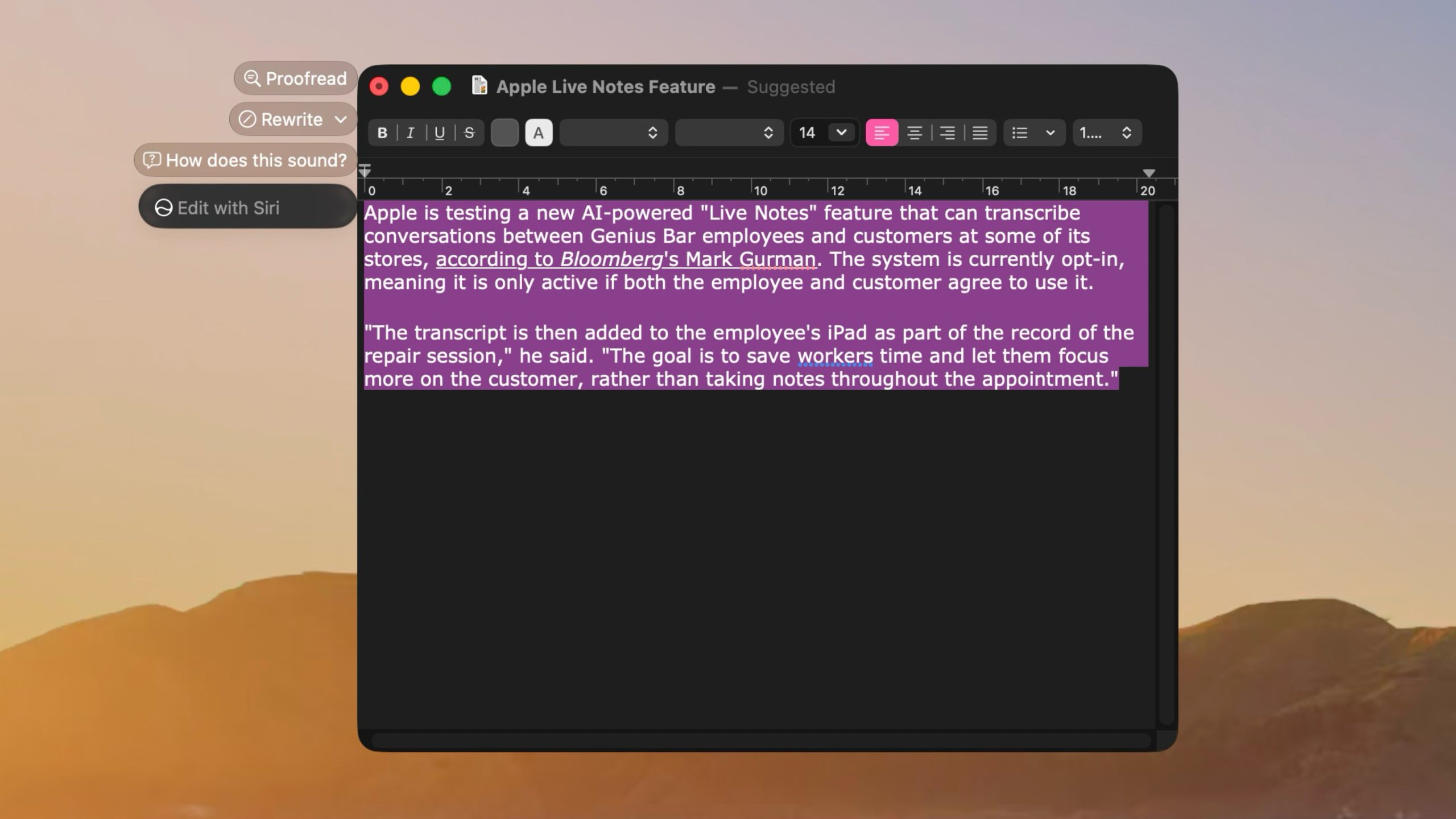
Apple appears to be testing a hidden popover interface for Siri AI in the macOS 27 Golden Gate beta that surfaces Writing Tools and contextual actions whenever the user selects some text.


Spotted by a member of Reddit's r/MacOSBeta community, the floating icon appears at the top-left of the selected text, expanding when the pointer hovers over it to a compact popover of the tools and actions.

Currently, the popover offers the tools Rewrite, Proofread, "How does this sound?" and "Edit with Siri," plus options for creating key points and summarizing text. The contextual actions are based on the content selected, including things like adding contact details, composing a message or email, creating a calendar event, showing a location in Maps, and tracking flights or packages.

The Siri popover is disabled by default in macOS 27 developer beta 3 and public beta 1. Beta testers found it can be switched on through a private feature flag, but the feature is clearly unfinished. Some of the actions don't respond, suggesting Apple is still building out the underlying functionality.

Adventurous beta users can try it with the following Terminal command, followed by a restart:
sudo mkdir -p /Library/Preferences/FeatureFlags/Domain && sudo defaults write /Library/Preferences/FeatureFlags/Domain/WritingTools LightweightUI_macOS -dict Enabled -bool true

And to disable the interface, use this command followed by a restart:
sudo defaults write /Library/Preferences/FeatureFlags/Domain/WritingTools LightweightUI_macOS -dict Enabled -bool false

Note that the UI's behavior is inconsistent, and there's no guarantee the interface will make it to the final release of macOS 27 Golden Gate this fall.
Tag: Siri

This article, "Apple's Secret Siri Interface Buried in macOS 27 Beta: How to Enable" first appeared on MacRumors.com

Discuss this article in our forums

  •  

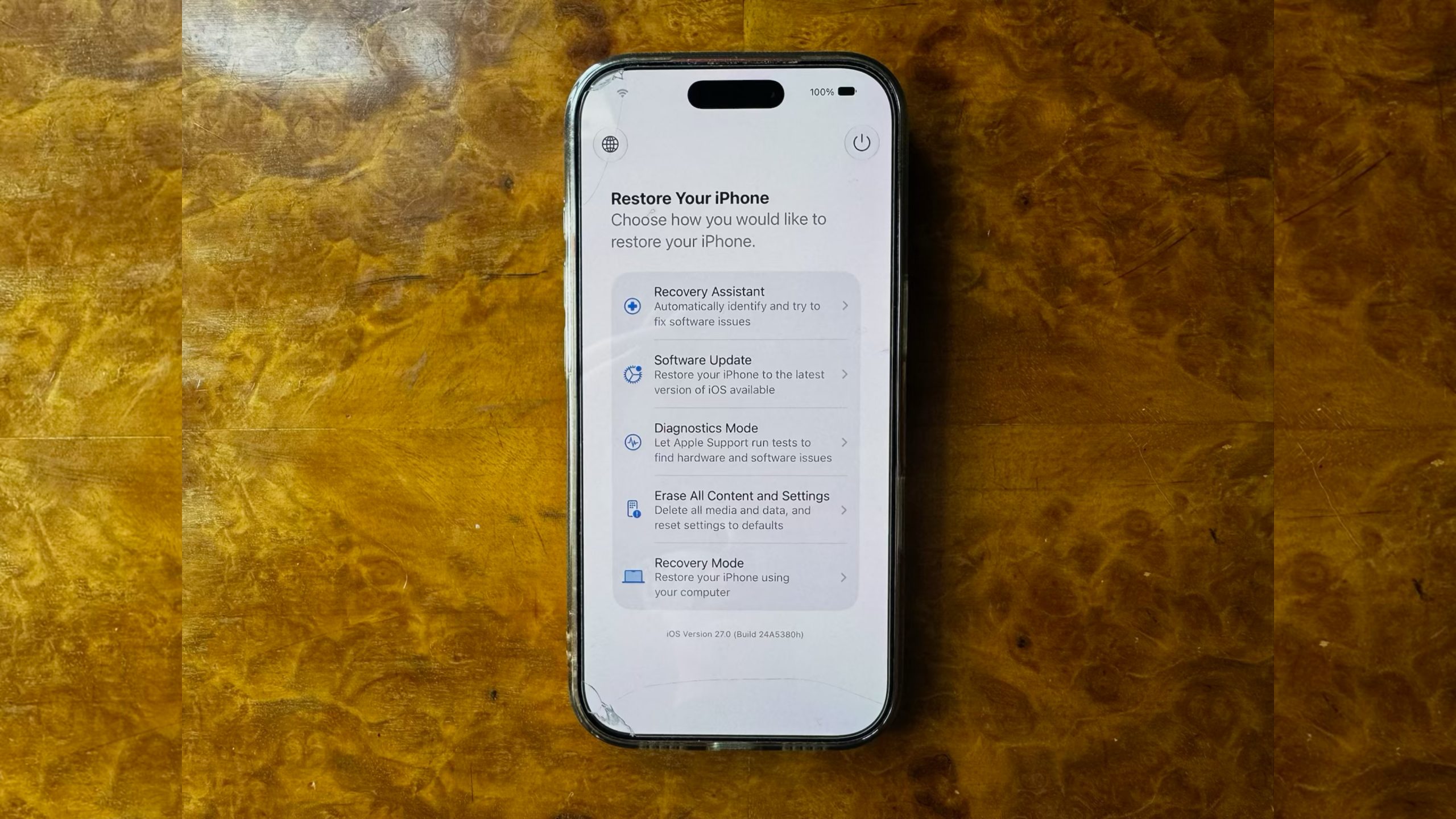
iOS 27: Access the New iPhone Recovery Screen

Since iOS 26, a malfunctioning iPhone has been able to boot itself into Recovery Assistant, with no Mac or PC required. However, you could only get there if your device failed to start up and dropped into recovery on its own.


In iOS 27, currently in beta, Apple has removed that limitation, and you can now manually boot into a Mac-style recovery screen whenever you like.

The new recovery mode lets you troubleshoot, update, or erase your device without necessarily plugging it into anything. It can connect automatically to a known Wi-Fi network, and it shows your battery percentage in the corner of the screen. Here's how to access it.

How to Boot Into Recovery Mode


Accessing the recovery mode is similar to the equivalent mode on Apple silicon Macs, and it works the same way on iPads running iPadOS 27.

  1. Turn off your iPhone, then wait about a minute to ensure it has fully shut down.

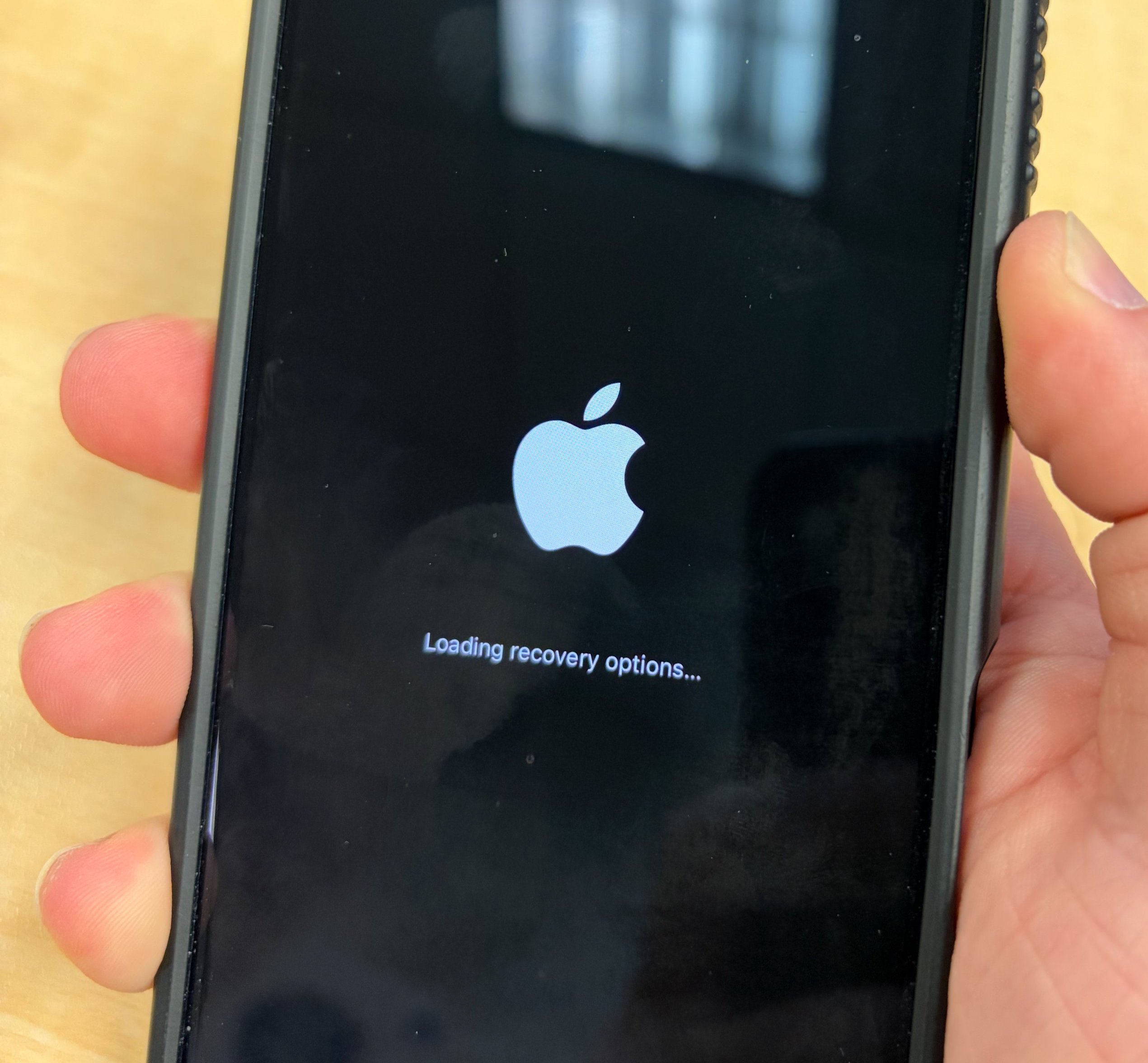
  2. Press and hold the Side button. The Apple logo will appear as it normally does during startup – continue holding the button and you'll see "Continue holding for recovery...".

  3. Release the button when "Loading recovery options..." appears.

Your iPhone will then boot into the new recovery screen instead of loading iOS.


What the Recovery Options Do


The recovery screen offers five options:

  • Recovery Assistant: Automatically scans for software issues and attempts to fix them without requiring further input.

  • Software Update: Installs the latest version of iOS available for your device, which can help if a failed update has left your iPhone stuck in a boot loop.

  • Diagnostics Mode: Runs diagnostics to check for hardware and software issues, and can recommend repairs if needed.

  • Erase All Content and Settings: Completely wipes your iPhone, just like the equivalent option in the Settings app.

  • Recovery Mode: Puts your iPhone into the traditional recovery mode for restoring it with a Mac or PC, without requiring the usual button-press sequence.

On newer iPhone models, there's also a sixth hidden option. While on the recovery screen, if you press and hold the Side button again, a popup menu will appear showing the option Nearby Device Recovery. This lets you restore your iPhone using another Apple device close by, similar to an existing recovery feature that debuted on iPhone 16 models.

Exiting the Recovery Screen


To leave recovery mode, tap the power button in the top-right corner of the screen and confirm that you want to restart. Alternatively, press and hold the physical Side button and choose Restart or Shut Down.

You shouldn't need the new recovery screen often, but it's worth knowing the button sequence now in case a beta goes wrong or a failed update bricks your iPhone. iOS 27 is currently in public beta, so you can download and try it out now before it's released in the fall.
Related Roundups: iOS 27, iPadOS 27

This article, "iOS 27: Access the New iPhone Recovery Screen" first appeared on MacRumors.com

Discuss this article in our forums

  •  

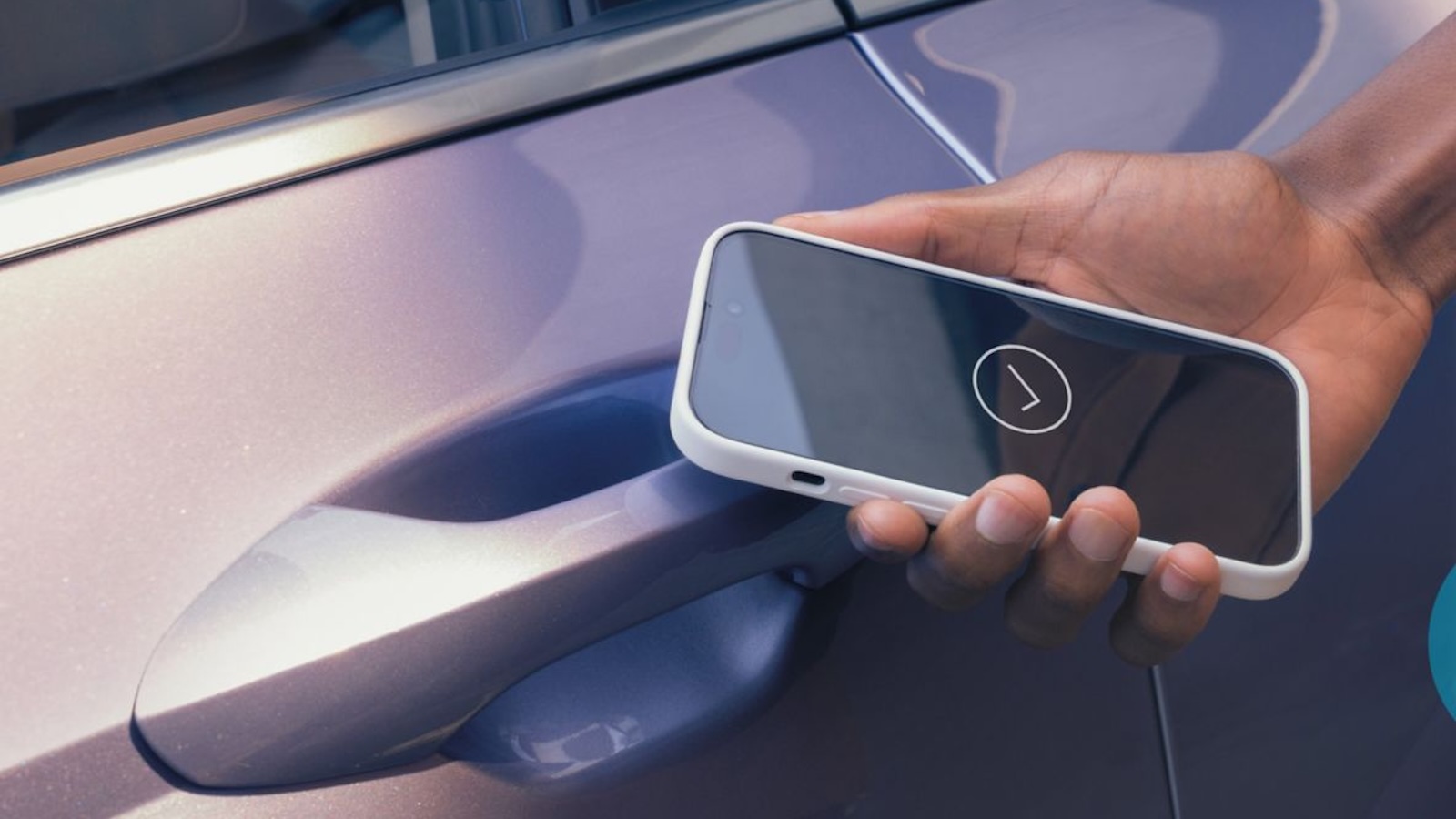
Apple Car Key Support Coming to Future GWM Tank SUVs

Apple's Car Keys feature appears to be coming to TANK vehicles made by Chinese maker Great Wall Motor (GWM), based on code changes discovered by MacRumors in Apple's Wallet app backend.


GWM Tank is a dedicated off-road luxury SUV brand produced by the Chinese automaker.

Car Keys allows an iPhone or Apple Watch with NFC capabilities to unlock a vehicle through the Wallet app. A digital version of a car key is stored in Wallet, and unlocking can be done simply by holding an Apple Watch or β€ŒiPhoneβ€Œ near a compatible vehicle's NFC reader.

What can be done with Car Keys may vary by car manufacturer, but at a minimum, Car Keys can be used to unlock your car, lock your car, and start your car, which are the features available with a physical key.

Apple introduced Car Keys in 2022, and car manufacturers like BMW, Rivian, Kia, and Hyundai have all implemented support for Car Keys. Apple maintains a full list of vehicles that support Car Keys on its CarPlay model availability webpage.
This article, "Apple Car Key Support Coming to Future GWM Tank SUVs" first appeared on MacRumors.com

Discuss this article in our forums

  •  

WhatsApp Begins Rolling Out New Username Feature

WhatsApp has started rolling out its new username feature, reports WABetaInfo. Some users who reserved their username have started receiving a notification that their username is active, and that they can now use it to send and receive messages to other users without revealing their phone number.

When someone creates a username, WhatsApp will notify people who already have an active chat with that person. WhatsApp has no directory of usernames to browse, and no username discovery suggestions, so people will need to know a WhatsApp user's exact username to send a message.
This article, "WhatsApp Begins Rolling Out New Username Feature" first appeared on MacRumors.com

Discuss this article in our forums

  •  

Report: Apple Sends Legal Letters to Dozens of OpenAI Employees

Apple has reportedly sent legal letters to dozens of former Apple employees now working at OpenAI, telling them to preserve potentially relevant documents and communications as it continues to pursue its trade secret lawsuit against the AI company.


The Financial Times ($) reports that Apple has targeted around 40 former employees with legal preservation letters, acting on its belief that the alleged misappropriation of confidential information may extend beyond the individuals named in its original complaint.

The development follows Apple's lawsuit filed last week against OpenAI, in which the company alleges a coordinated effort to obtain confidential information relating to its hardware engineering and product development.

Apple claims OpenAI recruited key engineers, including former Apple executives Tang Tan and Chang Liu, and benefited from proprietary designs, manufacturing processes, and other trade secrets. Tan is OpenAI's Chief Hardware Officer and a 24-year Apple veteran who led product design, while Liu is on the hardware team at OpenAI after working as a senior system electrical engineer at Apple.

The complaint says that more than 400 former Apple employees now work at OpenAI and suggests that the alleged misconduct is broader than a few isolated actions by individual employees. OpenAI has denied the allegations, saying in a statement to Bloomberg this week that it is "not aware of any evidence that this complaint has merit."

Apple has requested an injunction requiring OpenAI to cease using any Apple information during the development of OpenAI's AI hardware device. Apple is also seeking damages and suing Tan and Liu for breach of contract for violating their employment agreements. The company believes the evidence uncovered so far may represent only the "tip of the iceberg," according to its lawsuit.
This article, "Report: Apple Sends Legal Letters to Dozens of OpenAI Employees" first appeared on MacRumors.com

Discuss this article in our forums

  •  

Apple Reportedly Ramps Up Vapor Chamber Orders for Foldable iPhone

Apple has ramped up orders for vapor chamber cooling components said to be destined for its upcoming foldable iPhone and 20th-anniversary iPhone models, according to a Chinese leaker.


The Weibo account known as "Fixed Focus Digital" claims the increased order volume will first support the manufacture of Apple's book-style foldable, or "iPhone Ultra," which is expected to debut in September. Apple has reportedly asked suppliers to produce approximately 10 million foldable iPhones in 2026, up from an earlier forecast of seven to eight million units.

Fixed Focus Digital previously said Apple's first foldable iPhone would feature "impressive" vapor chamber cooling, claiming that the company is "going all out" with the device's thermal engineering. While there's no corroborating evidence, it's quite possible that the foldable design Apple is adopting could present unique cooling challenges because of its thinner internal structure and limited space for heat dissipation.

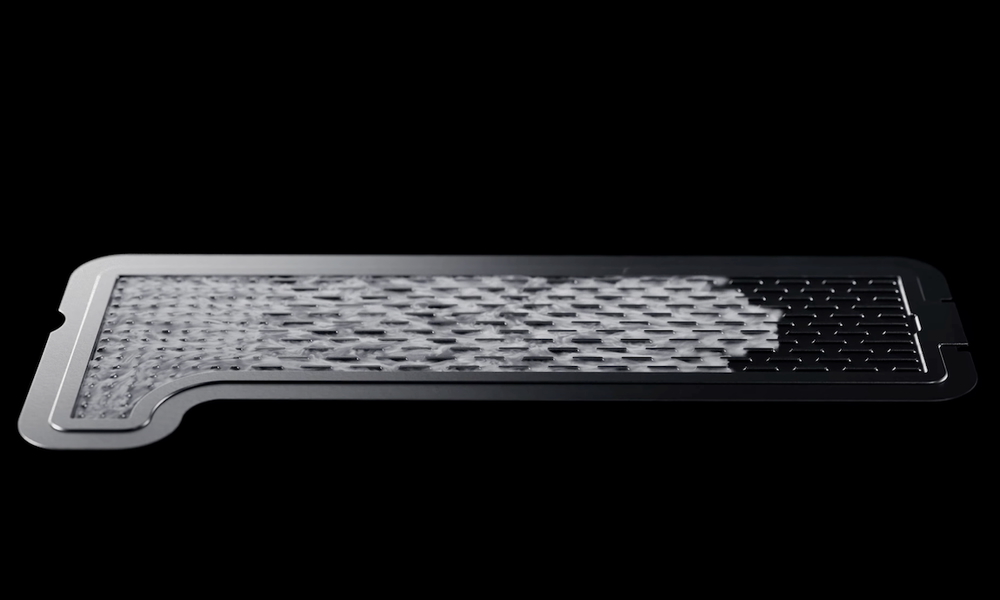
Apple introduced vapor chamber cooling to the iPhone lineup with last year's iPhone 17 Pro. The system uses a small amount of deionized water to move heat away from the A19 Pro chip and distribute it through the device's aluminum unibody frame.

Meanwhile, next year's 20th-anniversary iPhone will reportedly feature an edge-to-edge display with glass that curves around all four sides, with the aim of creating a nearly borderless appearance. If indeed we see such a device with a substantially redesigned enclosure, there's a good chance that it too will require a more advanced cooling system.

Apple is expected to offer two anniversary models in 2027 in sizes similar to the forthcoming iPhone 18 Pro and iPhone 18 Pro Max. The latter devices are rumored to retain the 6.3-inch and 6.9-inch dimensions of the current iPhone 17 Pro models, suggesting next year's commemorative lineup could use the same display sizes.

Earlier this week, Fixed Focus Digital claimed that Apple's "preferred approach" for the iPhone 20 is a return to glass, and that the relevant manufacturing facilities have already been renovated in advance of the project.
This article, "Apple Reportedly Ramps Up Vapor Chamber Orders for Foldable iPhone" first appeared on MacRumors.com

Discuss this article in our forums

  •  

How to Install macOS 27 Golden Gate Public Beta

Apple has made the first macOS 27 Golden Gate public beta available for testing before the new Mac operating system's official release in the fall. Keep reading to learn whether you should install it on your Mac, and if so, how to go about it.


Getting access to the macOS Golden Gate public beta is simple, and can be done by enrolling your Mac in Apple's free Apple Beta Software Program. The steps you need to complete to install the software on your Mac are provided towards the end of this article, but before you jump ahead, here are a few things worth considering.

Should I Install macOS Golden Gate Public Beta?


With macOS Golden Gate, Apple includes the same Siri AI features as iOS 27 and iPadOS 27, accessed through Spotlight with the Command + Space keyboard shortcut. Siri can search the web, find information in your photos, emails, and messages, answer questions about what's on your screen with Visual Intelligence, and complete actions within and across apps. A dedicated Siri app also supports ongoing conversations.

Apple has also refined the Liquid Glass design introduced last year. A new transparency slider lets you adjust the overall system effect, while updated opacity improves readability by better diffusing complex content. Additional interface refinements also add depth and separation, making it easier to identify the active window. There are a lot more improvements beyond the above, so the availability of the public beta will no doubt generate a lot of interest among Mac users.

But before you commit, bear in mind that Apple does not recommend installing macOS beta updates on your main Mac. However stable you may have heard it is anecdotally, this is beta software, which means there are almost certainly bugs and issues that can prevent certain software from working properly or cause other problems with the system. Indeed, one of the reasons that Apple releases the beta early is so that users can feed back problems and help Apple debug them. If you have a spare Mac hanging around, by all means use that, otherwise consider holding off until the general release in the fall.

Is My Mac Supported?


The update confirms the end of Intel Mac support. Apple said last year that macOS Tahoe would be the final release to run on pre-Apple silicon machines, and macOS 27 makes that official – you'll need an Apple silicon Mac to install it.

Here are the Macs compatible with macOS Golden Gate:

  • MacBook Neo (2026)

  • MacBook Air with Apple silicon (2020 and later)

  • MacBook Pro with Apple silicon (2020 and later)

  • iMac with Apple silicon (2021 and later)

  • Mac mini with Apple silicon (2020 and later)

  • Mac Studio with Apple silicon (2022 and later)

  • Mac Pro with Apple silicon (2023 and later)

Four models that ran macOS Tahoe didn't make the cut this year. They include the MacBook Pro (16-inch, 2019), the MacBook Pro (13-inch, 2020, Four Thunderbolt 3 ports), the iMac (2020), and the Mac Pro (2019).

Don't Forget to Back Up Your Mac


Be sure to back up your Mac using Time Machine before installing the software using the method, otherwise you won't be able to revert back to the previous version of macOS if things go wrong.

How to Install macOS Golden Gate Public Beta


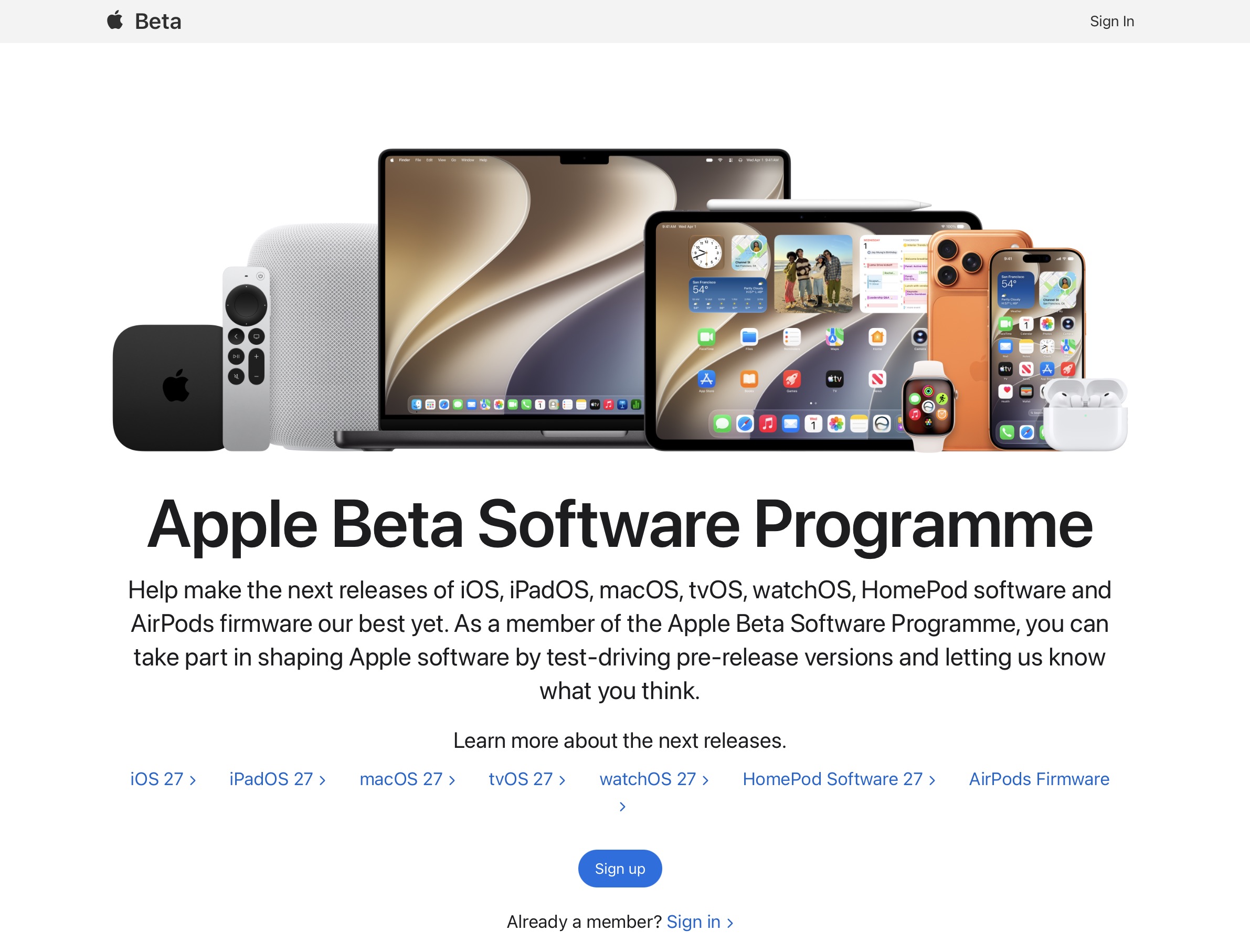
  1. Head over to Apple's Beta Software Program website and sign up using your Apple Account credentials, then agree to the terms and conditions if required.
    beta software program
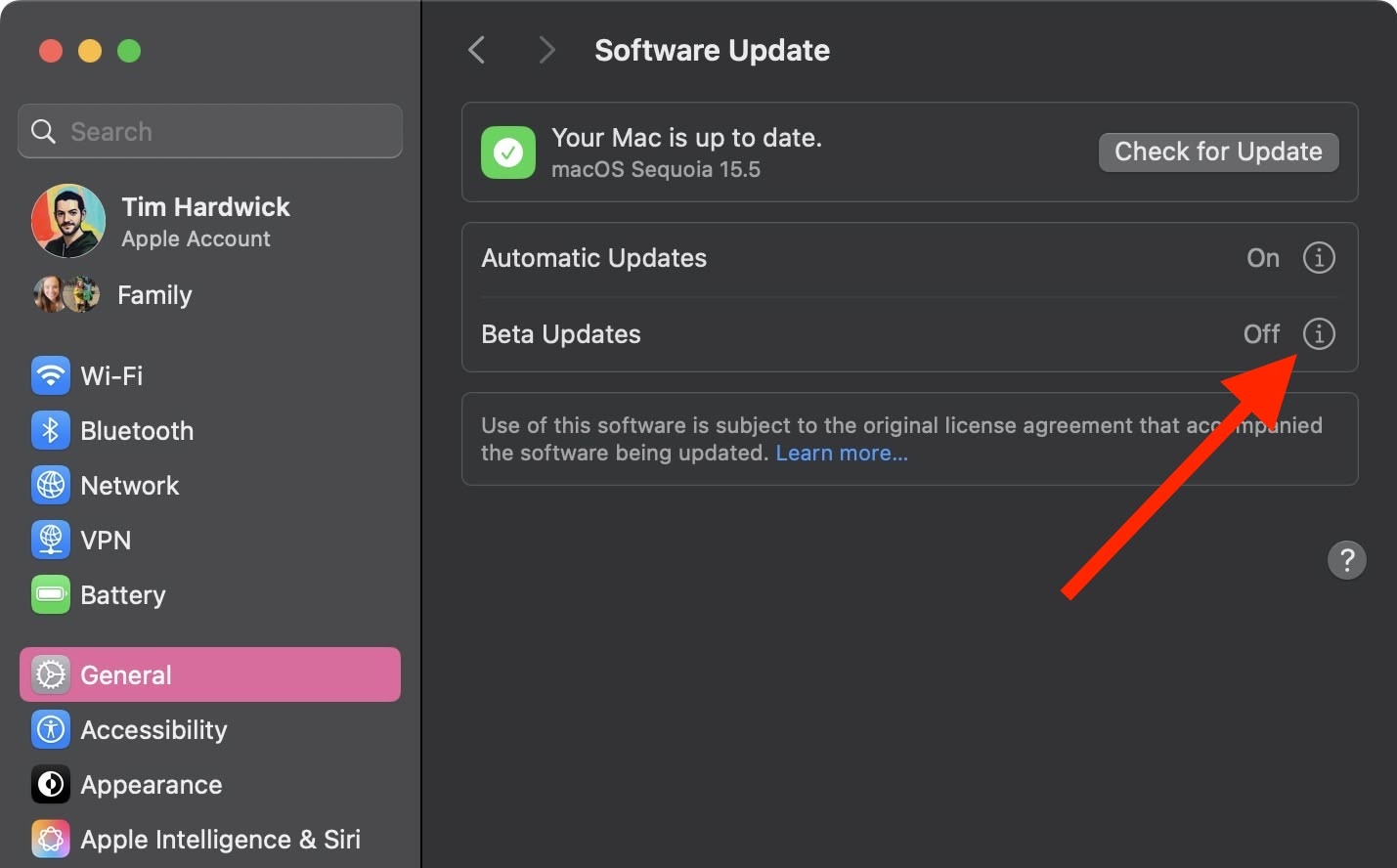
  2. Next, open System Settings on your Mac and select General ➝ Software Update.

  3. Look for "Beta Updates" and click the info (i) symbol next to it.
    settings
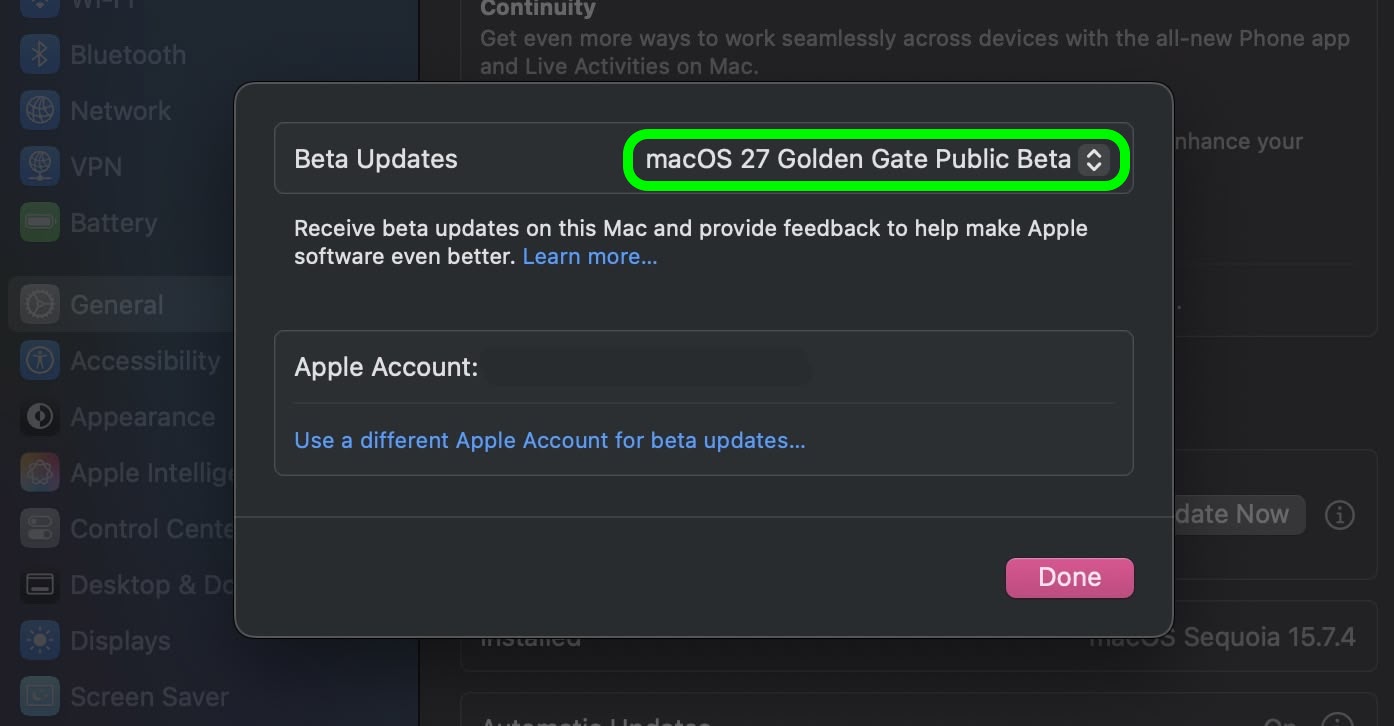
  4. Choose macOS 27 Golden Gate Public Beta from the dropdown list.
    settings
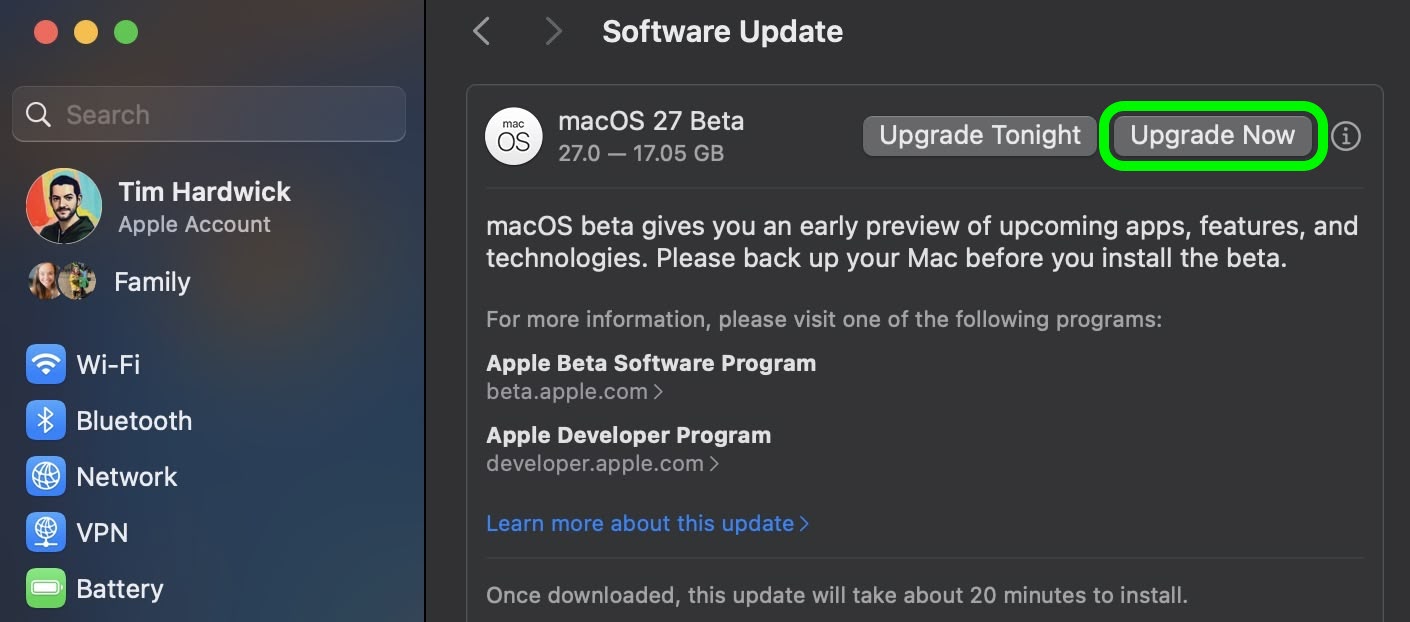
  5. Click Upgrade Now to begin the update process to macOS 27.

That's all you need to do. The installation process will complete just like a standard macOS update, so sit back and let the installation finish, after which your Mac will boot directly into the macOS Golden Gate beta.
This article, "How to Install macOS 27 Golden Gate Public Beta" first appeared on MacRumors.com

Discuss this article in our forums

  •  

Apple's 2026 Back to School Offer Goes Live in the US: Up to $150 Gift Card With Mac or iPad

Apple's annual Back to School promotion is now live in the United States, Canada, and Mexico, following earlier rollouts in Asia. This year's promotion offers a free Apple gift card with the purchase of an eligible Mac or iPad.


Apple is offering a $150 gift card with any new MacBook Pro, and a $100 gift card with any new MacBook Air, iPad Pro, and iPad Air. The gift card can be used towards purchases of Apple products and accessories, App Store apps, subscriptions to services like Apple Music, iCloud+ storage, and more.

The MacBook Neo is not an eligible product. Neither are the iPad mini, entry-level iPad, or any desktop Macs.

The promotion runs through August 27, 2026, in the U.S., according to Apple's terms and conditions. The gift card is offered in addition to Apple's standard education pricing, which provides discounts of roughly 5% to 10% on most Macs and iPads.

The offer is available through Apple's online Education Store and Apple Store locations. Eligible customers include current and newly accepted higher-education students, faculty and staff at higher-education institutions, parents purchasing on behalf of an eligible student, employees of K-12 institutions, and select other qualifying customers.

UNiDAYS verification is now required on Apple's education store in the U.S. and Canada.
This article, "Apple's 2026 Back to School Offer Goes Live in the US: Up to $150 Gift Card With Mac or iPad" first appeared on MacRumors.com

Discuss this article in our forums

  •  

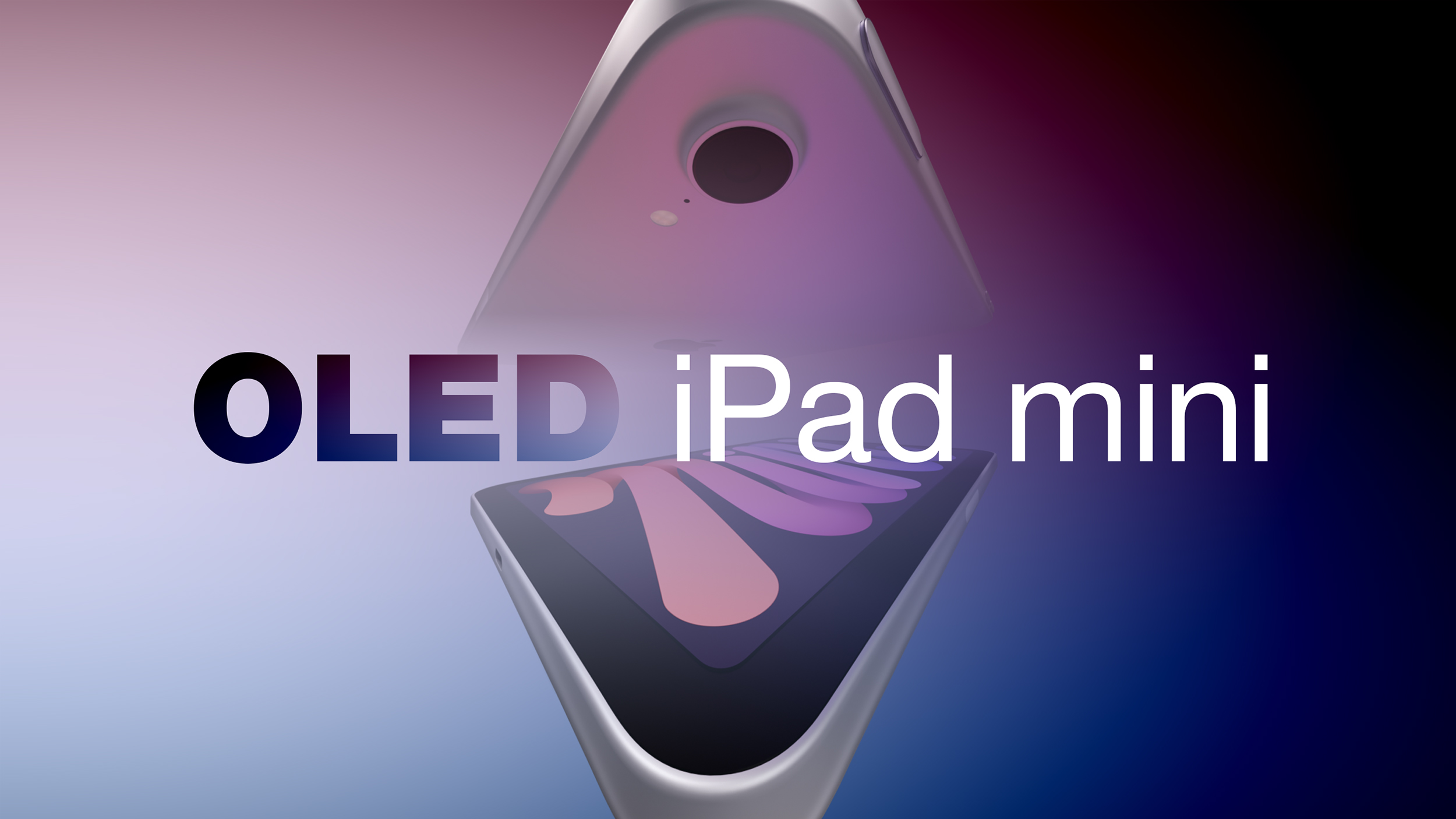
Upcoming OLED iPad Mini Allegedly Uses 60Hz 8.4-Inch Display Panel

Apple is allegedly using a 60Hz 8.4-inch display panel in the upcoming OLED iPad mini, which is expected to be released later this year.


The information comes courtesy of a hit-and-miss tipster running the account "yeux1122" on the Korean Naver blog. The leaker claims to have been told by a source in Apple's supply chain that the unreleased iPad mini is equipped with a low-temperature polycrystalline silicon (LTPS) backplane hybrid OLED panel clocked at 60Hz.

Apple's β€ŒiPad Proβ€Œ models feature two-stack low-temperature polycrystalline oxide (LTPO) OLED panelsβ€Œ, which makes the display capable of dynamically adjusting its refresh rate between 10Hz and 120Hz (aka ProMotion). In contrast, LTPS OLED panels are usually paired with fixed refresh rates – such as 60Hz, 90Hz, or 120Hz – and are typically dimmer than LTPO panels.

If the leak is true, it's likely to disappoint iPad mini fans. Previous reports have not been clear on whether the iPad mini 8 will feature a higher refresh rate than the 60Hz LCD display used in the existing iPad mini 7. Given that the base iPhone 17 uses a 120Hz ProMotion panel, some would have believed it was reasonable to expect the same on the first OLED iPad mini. That said, the iPhone 17e goes to show that Apple is still in the 60Hz OLED business, so it might not consider the iPad mini to be a big enough market to justify the more advanced panel technology.

There's still hope of course that the rumor is off the mark. The leaker also said that the smaller form factor iPad is currently in mass production at Samsung Display's A2 Generation 5.5 OLED production line, which is located at its Asan campus in South Korea. Samsung has used the A2 line to manufacture LTPO panels as well as comparatively inferior LTPS panels, so if that piece of information is true, it doesn't mean the new iPad mini will definitely use the latter panel.

Late last month, a report from Korean outlet ETNews claimed that mass production of the iPad mini 8 was underway at a Samsung factory. There are no rumors suggesting exactly when the next β€ŒiPad miniβ€Œ will be released, but a late 2026 launch is widely expected. Aside from refresh rates, OLED offers several advantages over the LCD technology used in the iPad mini 7, such as higher contrast, deeper blacks, and improved power efficiency.
Related Roundup: iPad mini
Tags: Naver, OLED
Buyer's Guide: iPad Mini (Don't Buy)
Related Forum: iPad

This article, "Upcoming OLED iPad Mini Allegedly Uses 60Hz 8.4-Inch Display Panel" first appeared on MacRumors.com

Discuss this article in our forums

  •  

iPhone 17 Pricing Helped Apple Buck China's Q2 Smartphone Decline

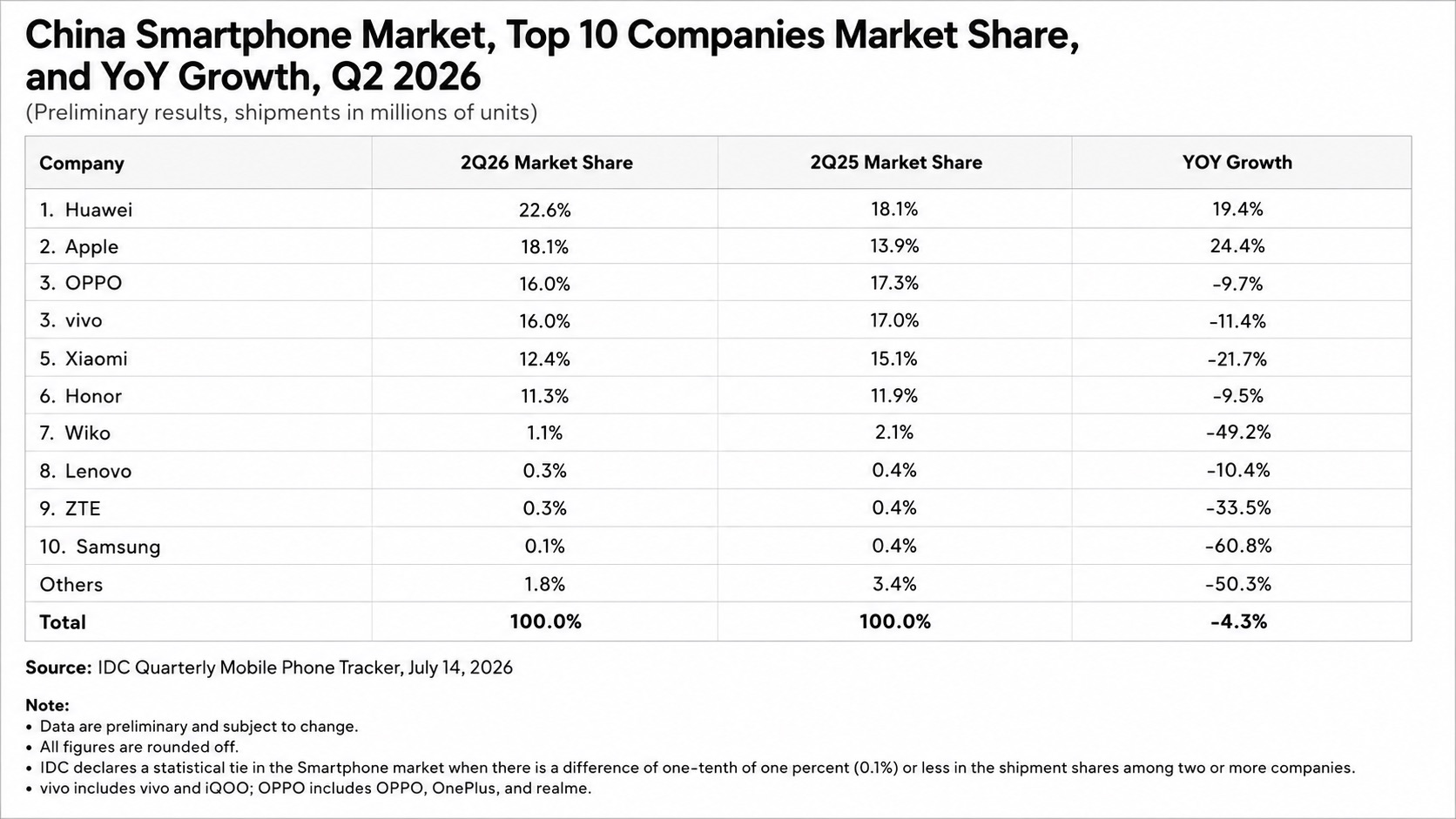
Apple grew iPhone shipments in China by 24.4 percent year over year in the second quarter of 2026, making it the fastest-growing smartphone brand in a market that shrank overall, according to preliminary figures released today by research firm IDC.


Total shipments in China fell 4.3 percent to roughly 66 million units, amounting to a fifth consecutive quarter of decline. Apple and Huawei were the only major vendors to grow, with Huawei up 19.4 percent.

Apple's share of the Chinese market rose from 13.9 percent to 18.1 percent year over year, which was second only to Huawei's 22.6 percent. Meanwhile, Xiaomi suffered the steepest fall among the big brands, with shipments down 21.7 percent.

IDC attributes the market divergence largely to the way vendors reacted to rising memory and component costs amid the AI infrastructure buildout. Most Android vendors raised prices from late March, but Apple and Huawei held theirs steady, instead introducing targeted promotions.

On top of this, Huawei kept widening its lineup to cover more of the market, while Apple's early warnings of upcoming price increases in the second half of the year encouraged some buyers to purchase iPhone 17 series models sooner than they might have otherwise. "That gave hesitant buyers a reason to go ahead and purchase," said IDC analyst Arthur Guo.

The growth came despite a weak June market, as smartphone sales during China's "618" shopping festival fell nearly 15 percent compared to the same period in 2025.


IDC says it expects conditions to deteriorate over the next couple of years. As vendors run down cheaper component inventory, the firm forecasts China's year-over-year decline could widen to around 20 percent in the second half of 2026, right around when Apple is expected to launch its new iPhone 18 Pro models and first foldable iPhone. Storage prices are unlikely to ease meaningfully before 2027, and a broader recovery is not expected until 2028 or 2029, reckons IDC.

On the bright side, the research firm believes customers are postponing upgrades rather than walking away from smartphones, so the delayed demand should return in time. On that basis, a recovery could arrive around 2028–2029 as a fresh replacement cycle comes due.
Related Roundup: iPhone 17
Tags: China, IDC
Buyer's Guide: iPhone 17 (Neutral)
Related Forum: iPhone

This article, "iPhone 17 Pricing Helped Apple Buck China's Q2 Smartphone Decline" first appeared on MacRumors.com

Discuss this article in our forums

  •  

WhatsApp Beta Reveals iCloud Backup Alternative for iPhone

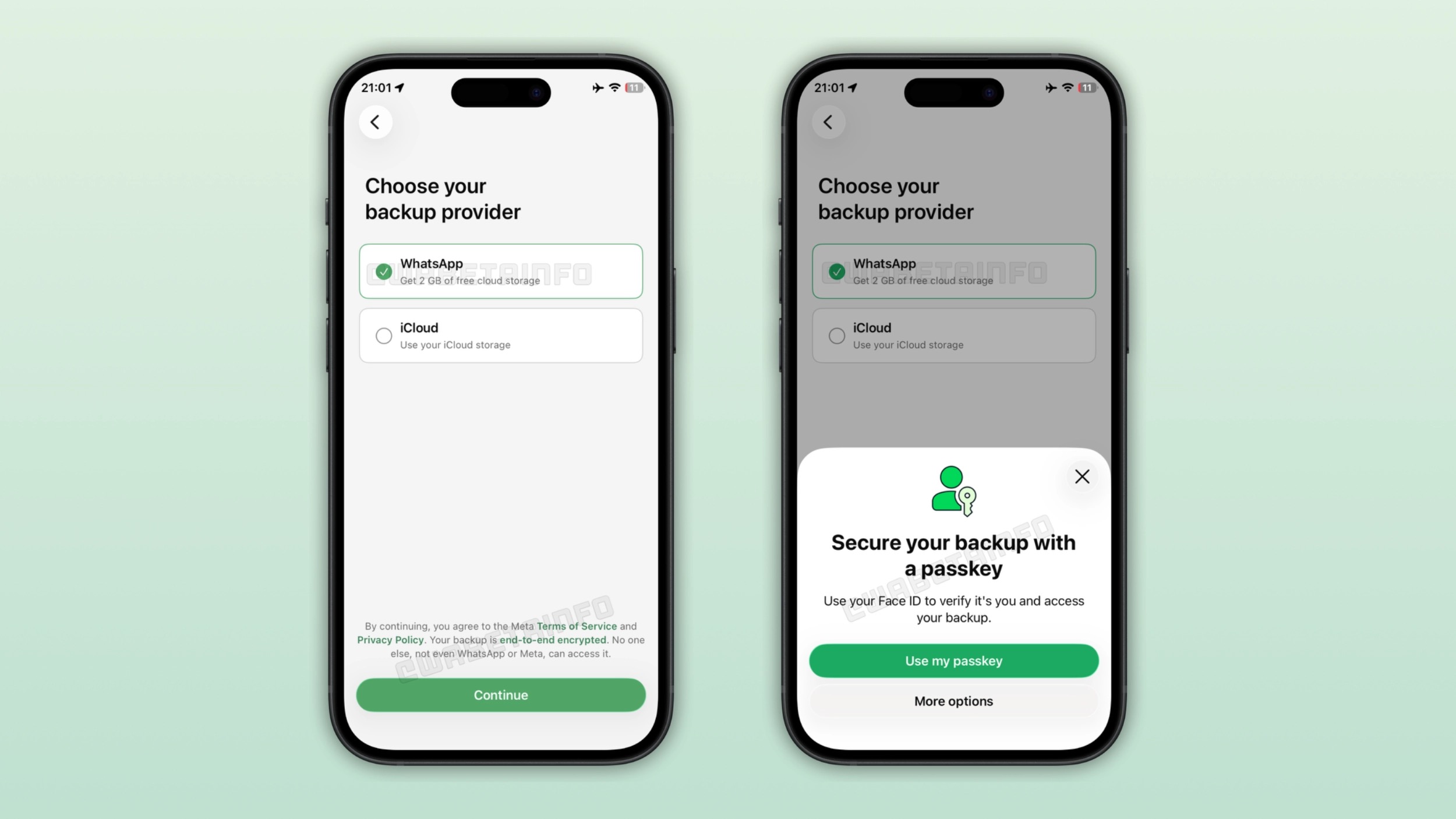
WhatsApp is developing a first-party cloud storage option for chat backups on iPhone, providing users with an alternative to iCloud for the first time, according to app tinkerer WABetaInfo.


Code found in the WhatsApp beta for iOS (version 26.28.10.16), available through TestFlight, suggests that users will eventually be able to pick their preferred backup destination directly from the app's chat backup settings. iCloud however will remain the default.

The feature harks back to one that WABetaInfo spotted in development for Android back in April, which is set to give users on Google's platform a way to store backups off Google Drive.

Under the plan, WhatsApp will reportedly include 2GB of free storage on its own servers, and there will be a 50GB tier priced at around $0.99 per month, similar to Apple's entry-level iCloud+ plan. There is also said to be a 1TB option in the works, although the tiers and pricing could always change before the backup feature goes live.

Image: WABetaInfo

Notably, backups kept on WhatsApp's servers will be protected by end-to-end encryption (E2EE) by default, with no way to switch encryption off. That's firmer protection than what is offered by iCloud backups, whose users must turn on encryption manually by enabling Advanced Data Protection (ADP). WhatsApp will reportedly recommend securing backups with a passkey, but a password or 64-digit key will also work.

WABetaInfo says the feature is still in development and not yet working for beta testers, and WhatsApp hasn't yet stated when it plans to officially launch the backup alternative.
This article, "WhatsApp Beta Reveals iCloud Backup Alternative for iPhone" first appeared on MacRumors.com

Discuss this article in our forums

  •  

Google Chrome's Gemini AI Features Roll Out to UK Users

Google has announced the rollout of Chrome's latest AI features to Mac and PC users in the U.K., indicated by a new "Ask Gemini" button with a sparkle icon in the upper right side of the browser.


Gemini in Chrome can work across multiple tabs, which is supposed to make it useful for comparing and summarizing information from several websites at once.

It also integrates with Google services such as Calendar, YouTube, Gmail, and Maps, allowing users to perform tasks like jumping to a specific moment in a YouTube video, scheduling a meeting, or drafting an email without leaving the current webpage.

The rollout includes Nano Banana, a new AI tool that can be used to generate images from text prompts right from the browser's sidebar.

Google says the new AI features will also be coming to iOS in the U.K. next month.

If you're not interested in any of this stuff, you can simply right-click on the Ask Gemini button at the upper right corner of Chrome and select Unpin to remove it from the browser.

Gemini's Chrome integration was initially limited to AI Pro and AI Ultra subscribers, but Google expanded access to all desktop users in the US in September 2025, followed by rollouts to over 50 countries.
This article, "Google Chrome's Gemini AI Features Roll Out to UK Users" first appeared on MacRumors.com

Discuss this article in our forums

  •  

Apple Stock Hits Record Territory as Traders Sour on AI Spending

Apple shares have rallied 15 percent since their worst day on the stock market in more than a year, adding almost $600 billion in value since June 25 and returning the stock to record territory (via Bloomberg).


The rebound comes as investors grow uneasy about the mind-boggling sums of cash continually being poured into the AI data center buildout, despite there being no obvious indicator for when investors will get a return on their investment.

Apple's decision to sit out the data center spending spree and instead pay Google for access to its frontier AI models is being increasingly seen by traders as an asset rather than a liability. Apple is using Google's Gemini to underpin the revamped version of Siri and new Apple Intelligence features across its platforms.

Apple's WWDC presentation last month of upcoming AI features in iOS 27 and macOS Golden Gate initially sent the stock lower, but it has since rebounded in impressive fashion.

The rally has occurred in spite of the fact that Apple is facing pressure from soaring memory chip costs, which was what prompted the company to raise prices on Macs, iPads, and its Home devices on June 25. That was the move that triggered the company's worst single-day stock drop since April 2025, with shares closing at $275.15. Apple's iPhone models were spared similar price hikes, but the company has hinted that further increases could follow.

Investors are also viewing Apple's upcoming foldable iPhone, expected in September, as a potential catalyst, according to Bloomberg. Nikkei reported earlier this month that Apple told suppliers to prepare for around 10 million units this year, up from a prior forecast of seven to eight million.

Apple shares are now up 16 percent in 2026, making it the best performer among the "Magnificent Seven" tech giants, which includes Microsoft, Amazon, Alphabet, Meta, Nvidia, and Tesla. AAPL closed at $315.32 on Friday, just shy of its all-time high of $317.40 set in early June.

In the coming days, MacRumors will be speaking with a prominent technology commentator about whether Apple's decision to avoid the AI data-center arms race is actually becoming a strategic advantage. Stay tuned.
This article, "Apple Stock Hits Record Territory as Traders Sour on AI Spending" first appeared on MacRumors.com

Discuss this article in our forums

  •  

Meta Pulls AI Image Feature From Instagram Days After Launch

Remember that new feature Meta announced last week that let people use public Instagram posts and reels to generate AI content? It didn't last long. Meta pulled the feature from Instagram late on Friday, following widespread criticism over privacy concerns.

"Our intent was to provide a useful creative tool and to give people control over whether their public ​content could be referenced in this way," Meta said in a statement. "We've ​heard the feedback that this feature missed the mark, so ⁠it's no longer available," the company added.
Tag: Meta

This article, "Meta Pulls AI Image Feature From Instagram Days After Launch" first appeared on MacRumors.com

Discuss this article in our forums

  •  

5 New Waze Features Rolling Out Now: Here Are All the Details

Google today announced that Waze is getting a handful of new features, including some Gemini-powered personalization enhancements for Conversational Reporting.


Conversational Reporting already uses Gemini when users report traffic incidents like slowdowns, but now you can use it to suggest map updates like road closures or outdated addresses. Saying something like "The road is closed here" will prompt Waze to send the information to local map editors, who then verify the suggestion and update the map for everyone.

Google says reporting road updates conversationally is rolling out now globally on iOS and Android.

Elsewhere, Gemini is being recruited in Waze to help users who know what they need to get, but don't know where to get it. Before navigating somewhere, you can tap the search voice icon to ask questions like "Find me a coffee shop that's open right now," "Find me parking close to Grand Mall" or something more specific like "Find me a gas station nearby with the lowest prices." Google says Waze will respond with a list of options that you can navigate using your voice.
The feature is also rolling out worldwide now on all platforms.

In addition, Waze is getting an option to adjust to a "less chatty" mode for voice prompts, so that interacting with the app's driving directions doesn't intrude as much on a driver's music or podcast listening.

Waze is also getting a new Motorcycle Mode that includes two-wheeled shortcuts and more accurate ETAs for more optimal routing.


Lastly, Waze will now suggest routes based on your previous trips, augmenting its hyperlocal understanding of a city's traffic patterns. So if you prefer driving on highways over local streets with multiple stops, you'll see those suggested first. It's an optional setting so it can be toggled off, and it's rolling out now in Argentina, Brazil, Colombia, Malaysia, Mexico, Peru and the Philippines on Android and iOS, with more countries coming soon.
Tag: Waze

This article, "5 New Waze Features Rolling Out Now: Here Are All the Details" first appeared on MacRumors.com

Discuss this article in our forums

  •  
❌