Lees weergave

Score Summer-Ready Anker Accessories at Rare Low Prices This Weekend

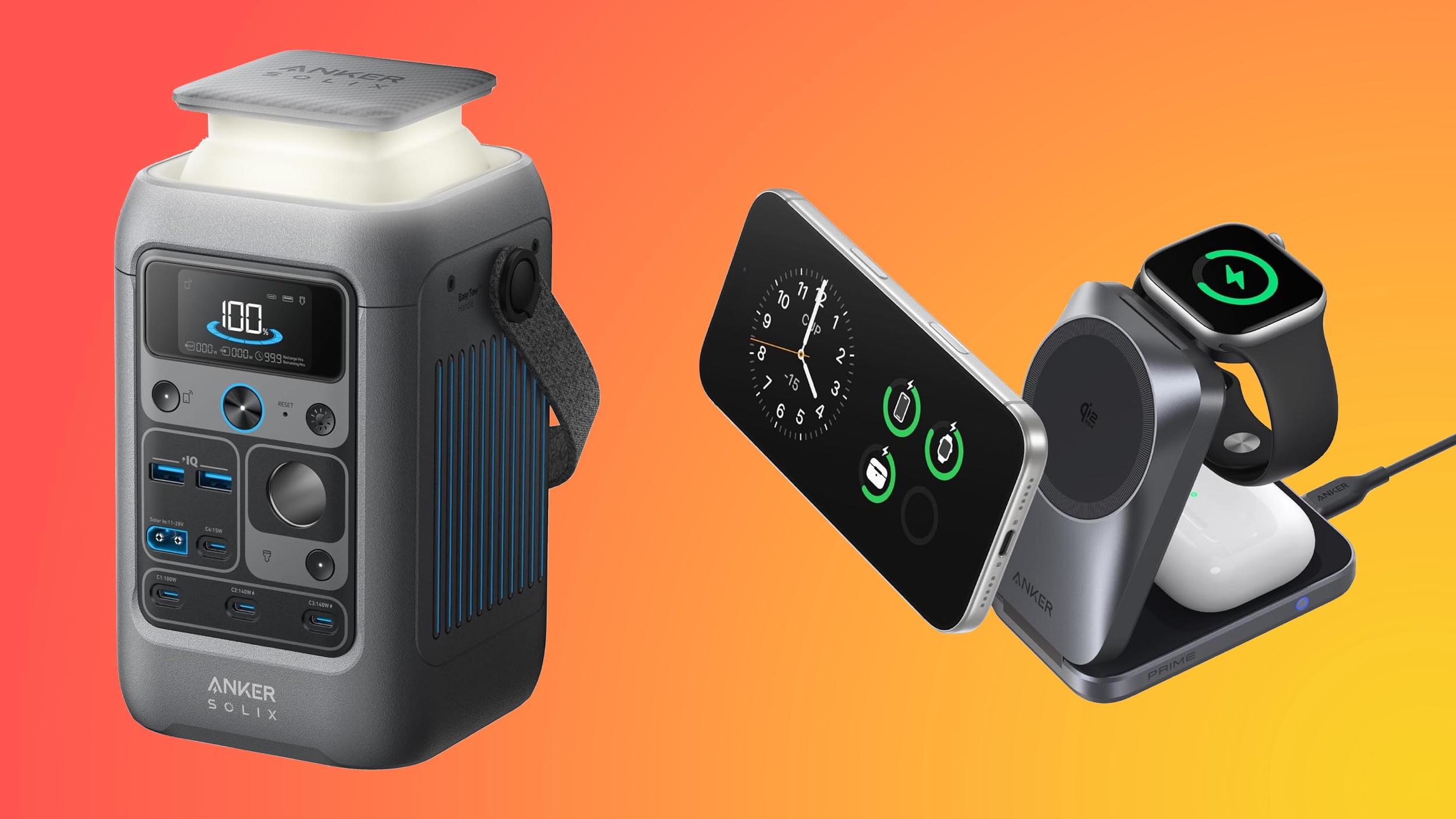
Anker's Prime 3-in-1 Wireless Charging Station has dropped to $99.74 on Amazon, down from $149.99. This is one of Anker's newest accessories, and Amazon's sale today is a match of the all-time low price that we last tracked during Prime Day.
Note: MacRumors is an affiliate partner with some of these vendors. When you click a link and make a purchase, we may receive a small payment, which helps us keep the site running.

The Prime 3-in-1 Wireless Charging Station features Qi2.2 support, which lets a compatible MagSafe ‌iPhone‌ charge at up to 25W. It's the same speed as Apple's ‌MagSafe‌ charger, and it is 10W faster than the standard Qi2 ‌MagSafe‌ chargers. You can also simultaneously charge an Apple Watch and AirPods with the device.


Below you'll find a list of the best Anker discounts on Amazon this week, also including wall chargers, portable batteries, and more. There are a few more accessories that are matching their Prime Day prices, including Anker's SOLIX Power Station with Lantern. You can get this accessory for $189.99, down from $249.99.

Wall Chargers


Wireless Chargers


Portable Chargers


Portable Power Stations


If you're on the hunt for more discounts, be sure to visit our Apple Deals roundup where we recap the best Apple-related bargains of the past week.


Deals Newsletter


Interested in hearing more about the best deals you can find in 2026? Sign up for our Deals Newsletter and we'll keep you updated so you don't miss the biggest deals of the season!


Related Roundup: Apple Deals

This article, "Score Summer-Ready Anker Accessories at Rare Low Prices This Weekend" first appeared on MacRumors.com

Discuss this article in our forums
  •  

Top Stories: 'iPhone Ultra' and Apple TV Rumors, iOS 27 Beta 3, and More

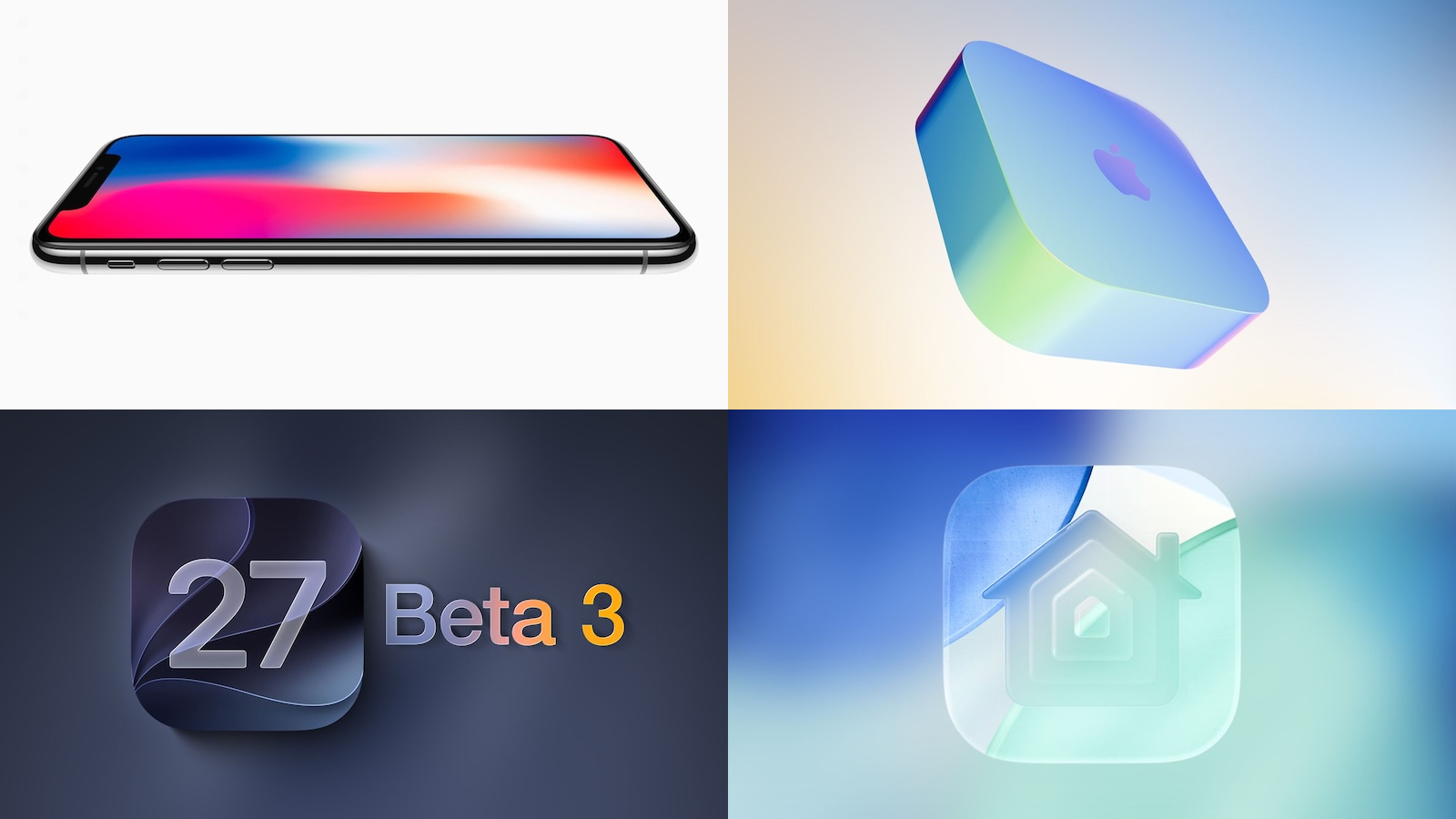
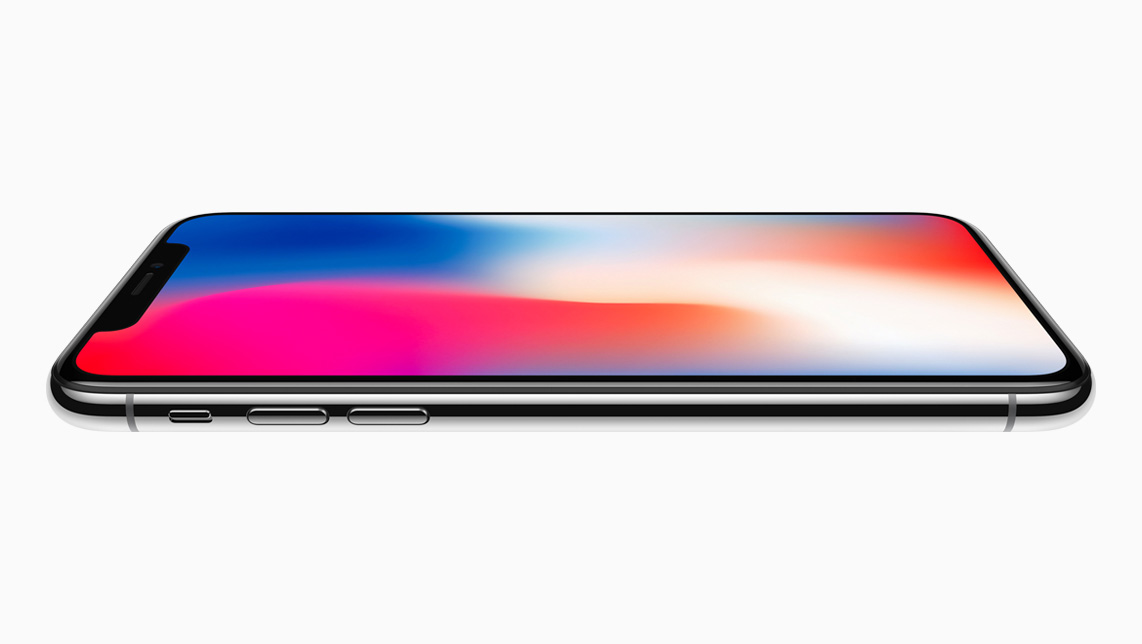
Apple's annual iPhone event is just two months away, but we're still not quite clear on when and in what quantities the new foldable "iPhone Ultra" will be available. It sounds like we could end up in a situation similar to that of the iPhone X where it was introduced at the September event but didn't become available for pre-orders until around six weeks later.


Other news this week included a third round of developer betas for iOS 27 and related updates, some fresh iPhone 18 Pro rumors, a recap on where things stand with the next-generation Apple TV, and more, so read on below for all of the details!

Top Stories


'iPhone Ultra' Likely to 'Repeat the iPhone X Story' With Delayed Launch


Apple will likely "repeat the iPhone X story" by unveiling its foldable iPhone at the same time as the iPhone 18 Pro and iPhone 18 Pro Max, but starting foldable iPhone pre-orders at a later date, according to analyst Ming-Chi Kuo.


Kuo this week said manufacturing challenges have limited early production of the foldable iPhone, which will reportedly be named iPhone Ultra. As a result, he believes the device may launch at some point after the iPhone 18 Pro models.

In 2017, Apple unveiled the iPhone 8, iPhone 8 Plus, and iPhone X on September 12. iPhone 8 and iPhone 8 Plus pre-orders began just three days later, while iPhone X pre-orders began six weeks later on Friday, October 27. Likewise, Kuo believes the foldable iPhone may not be available to pre-order until the fourth quarter of 2026.

Everything Coming in the 2026 Apple TV 4K


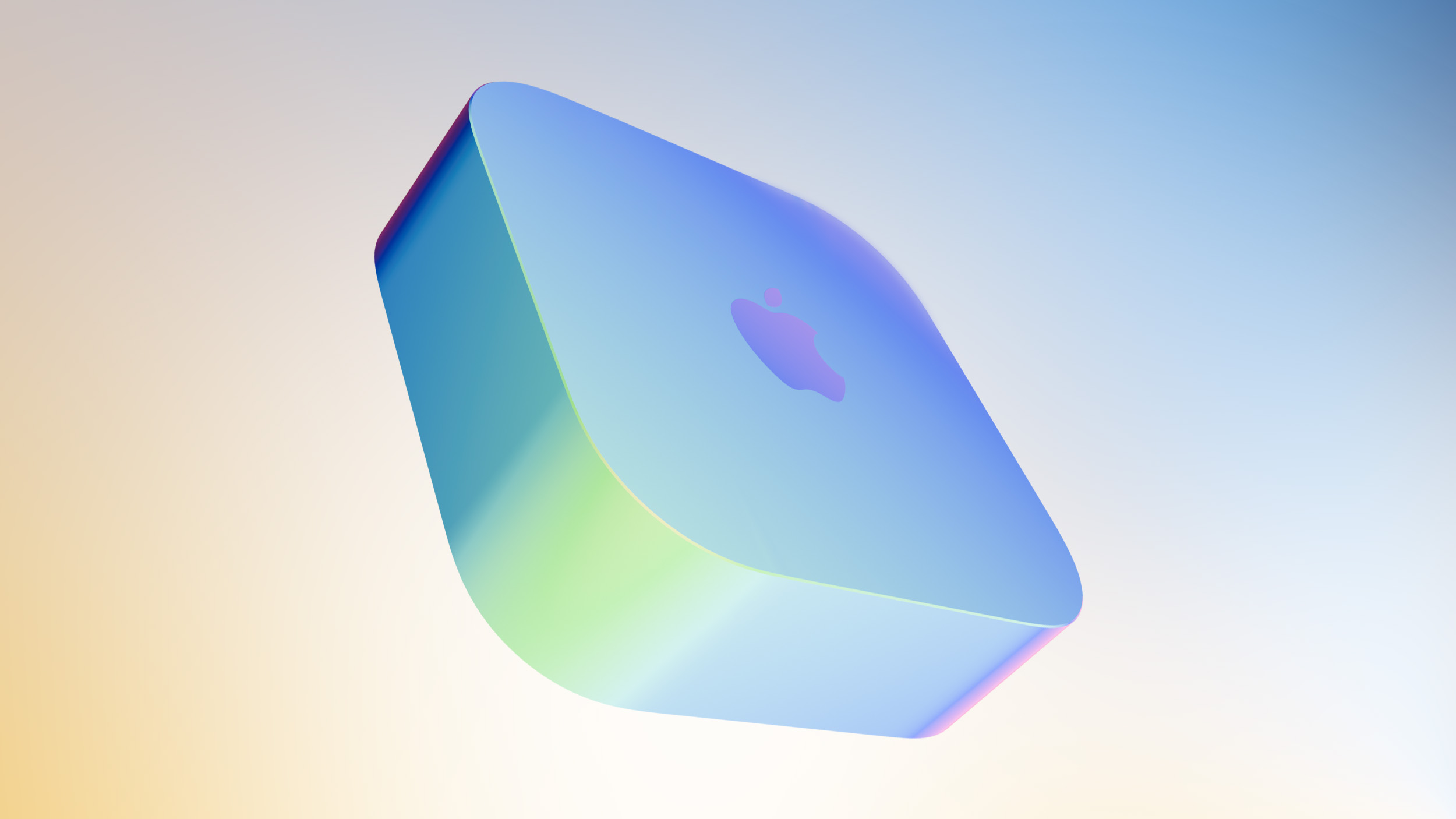
The Apple TV 4K hasn't been updated since 2022, and it's due for a refresh. An update is planned for 2026, but Apple is likely going to wait to launch it until Siri AI launches in iOS 27.


Check out our recap of everything we're expecting for the next iteration of Apple's set-top box, from specs and feature support to pricing and a launch date.

Everything New in iOS 27 Beta 3


Apple is continuing to refine iOS 27 ahead of its planned September launch, and the third developer beta released this week includes several new features. Siri is more customizable, there's a fun new wallpaper action, and there are some useful improvements to Photos and Shortcuts.


On the Mac side, the new macOS beta includes gorgeous new Golden Gate-themed wallpapers that can also serve as screen savers.

Public betas of the upcoming releases will be available sometime this month.

Apple Intelligence Home Features Require 2TB iCloud+ Plan in iOS 27


Using Apple Intelligence camera features in the Home app will require an iCloud+ plan starting at 2TB, according to Apple.


In iOS 27, iPadOS 27, and macOS 27 Golden Gate, the Home app is able to generate written summaries for motion alerts from HomeKit Secure Video cameras. It's also able to group footage from separate cameras for an overview of activity and pull out noteworthy recordings, plus it supports natural language search.

Apple said at WWDC that some ‌Apple Intelligence‌ features would require an ‌iCloud‌+ plan, but it hadn't specified which tier users would need to subscribe to. For the Home features, users will need the $9.99/month 2TB ‌iCloud‌+ plan or better.

iPhone 18 Pro Battery Capacities Revealed by Regulatory Filings


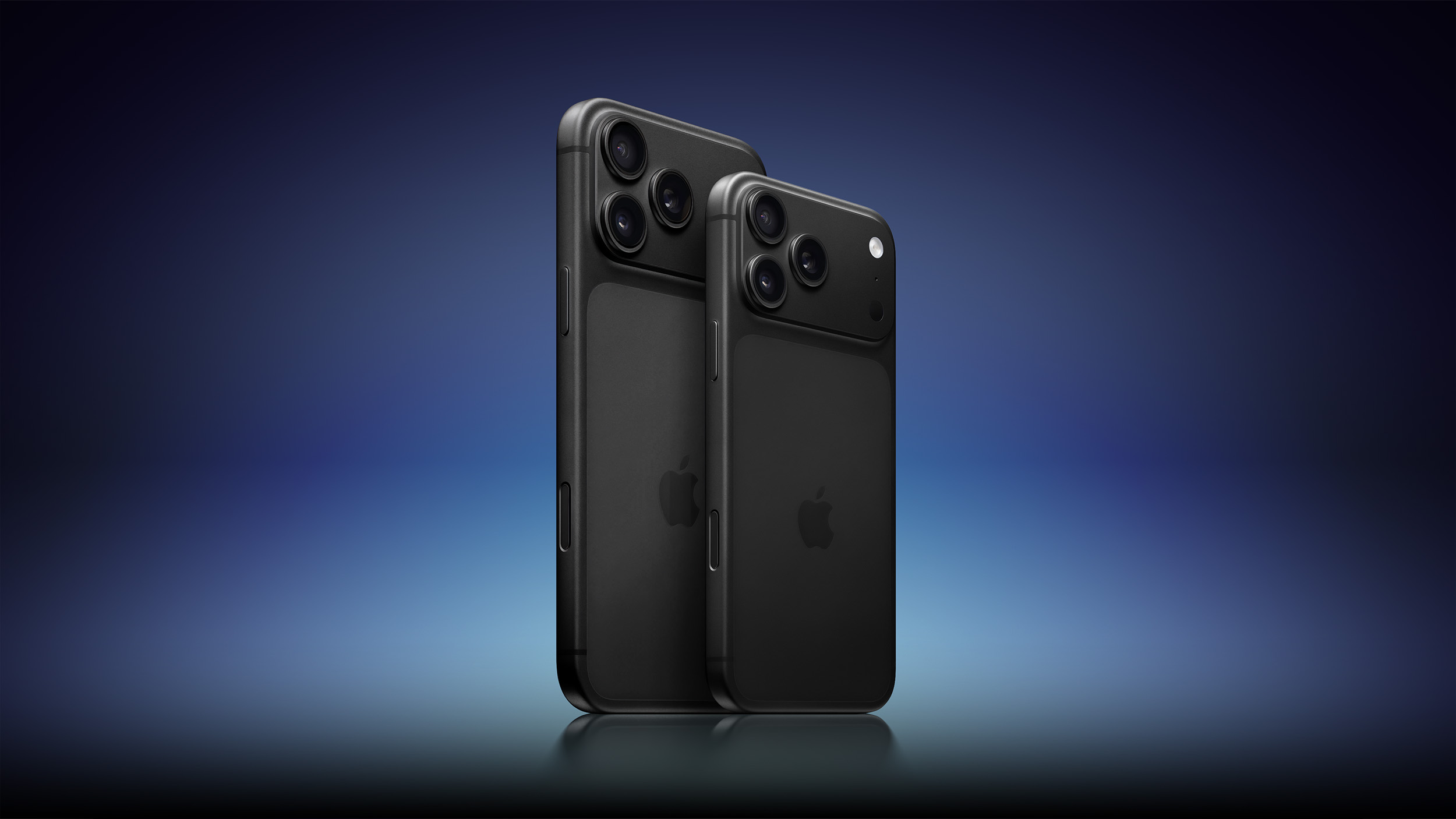
New Chinese regulatory certification filings appear to confirm the battery capacities of Apple's upcoming iPhone 18 Pro and ‌iPhone 18 Pro‌ Max models.


According to filings in China's C3 database, spotted earlier this week by the leaker known as "Digital Chat Station" on Weibo, the ‌iPhone 18 Pro‌ is seemingly rated for 4,056mAh in China and 4,288mAh in the U.S., up modestly from the iPhone 17 Pro's 3,988mAh and 4,252mAh. The ‌iPhone 18 Pro‌ Max shows a bigger jump, rated for 5,391mAh in China and 5,567mAh in the U.S., compared with 4,823mAh and 5,088mAh on the ‌iPhone 17 Pro‌ Max, an increase of nearly 500mAh.

The foldable "iPhone Ultra" will reportedly include two battery cells registering at 1,921mAh and 2,962mAh, for a combined minimum rated capacity of 4,883mAh.

When is Apple's 2026 Back to School Offer?


It is now July and we are still waiting for Apple to begin its annual Back to School offer in countries like the U.S. and Canada — if it is still coming. In the U.S., Apple launched its Back to School offer in June from 2020 through 2025, but it has waited until July in the more distant past.


Last year, college students and educational staff could receive a free accessory like AirPods 4 or an Apple Pencil Pro with the purchase of a qualifying Mac or iPad model. It is unclear what Apple plans to offer this year, but given the company recently raised prices on all Macs and iPads, this year's promotion would be rather bittersweet.

MacRumors Newsletter


Each week, we publish an email newsletter like this highlighting the top Apple stories, making it a great way to get a bite-sized recap of the week hitting all of the major topics we've covered and tying together related stories for a big-picture view.

So if you want to have top stories like the above recap delivered to your email inbox each week, subscribe to our newsletter!
This article, "Top Stories: 'iPhone Ultra' and Apple TV Rumors, iOS 27 Beta 3, and More" first appeared on MacRumors.com

Discuss this article in our forums
  •  

OpenAI Responds After Being Sued by Apple

OpenAI has responded after being sued by Apple over alleged theft of the iPhone maker's trade secrets.

"We have no interest in other companies' trade secrets," said OpenAI spokesperson Drew Pusateri. "We remain focused on building innovative technology that empowers people everywhere."
This article, "OpenAI Responds After Being Sued by Apple" first appeared on MacRumors.com

Discuss this article in our forums
  •  

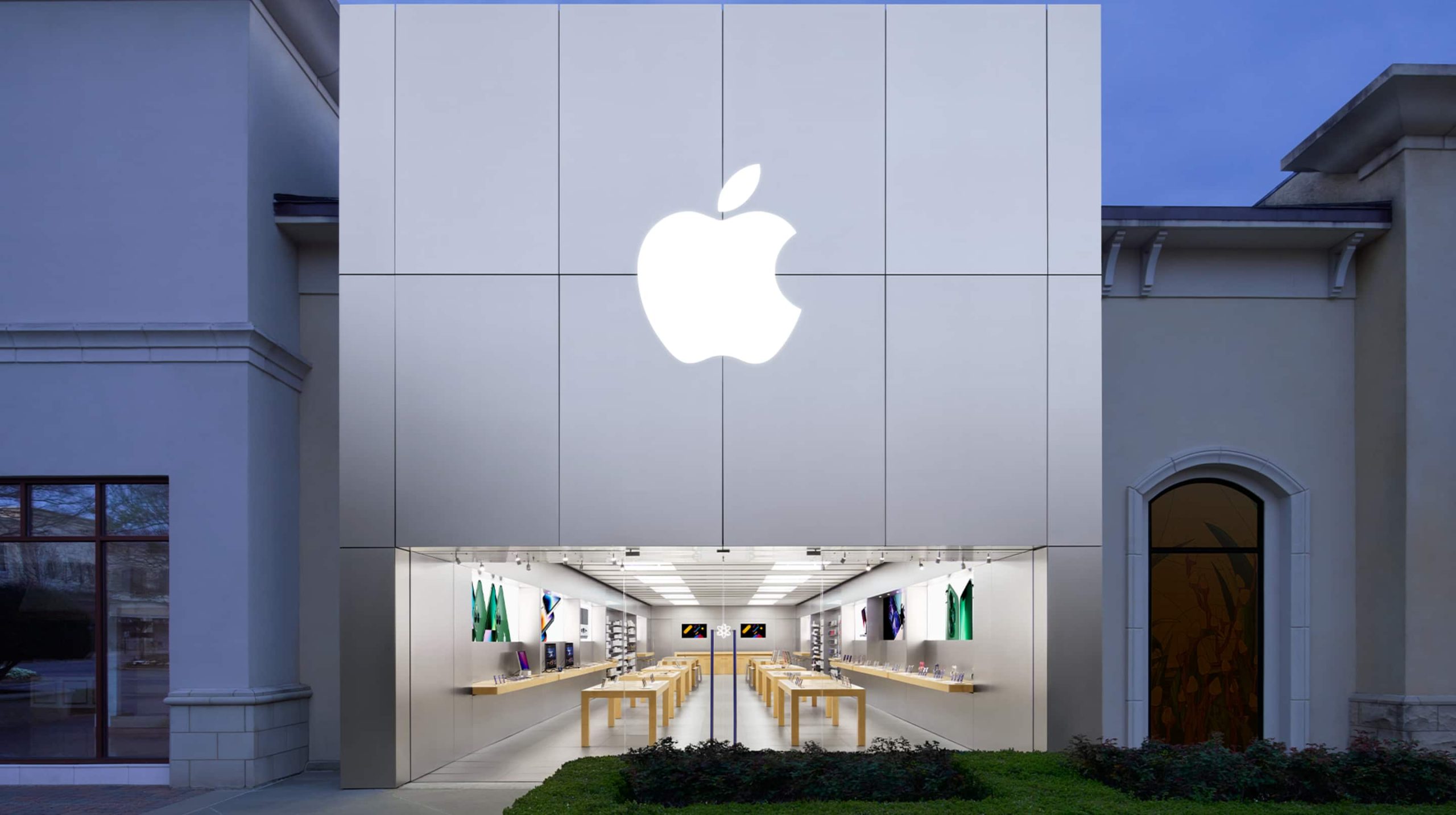
Two Apple Stores in U.S. Are Moving Soon

Two of Apple's retail stores in the U.S. will be relocating later this month, although they will only be a short distance from their existing locations.

Apple Renaissance at Colony Park

Apple Queens Center in Elmhurst, New York is moving to a temporary location in the shopping mall on Friday, July 17 at 10 a.m. local time, presumably to allow for renovations to be completed at the existing store over the coming months.

Apple Renaissance at Colony Park in Ridgeland, Mississippi is moving to a new spot within the same shopping center on Friday, July 24 at 10 a.m. local time. Apple's new storefront will be located right in front of the Show Fountain.
This article, "Two Apple Stores in U.S. Are Moving Soon" first appeared on MacRumors.com

Discuss this article in our forums
  •  

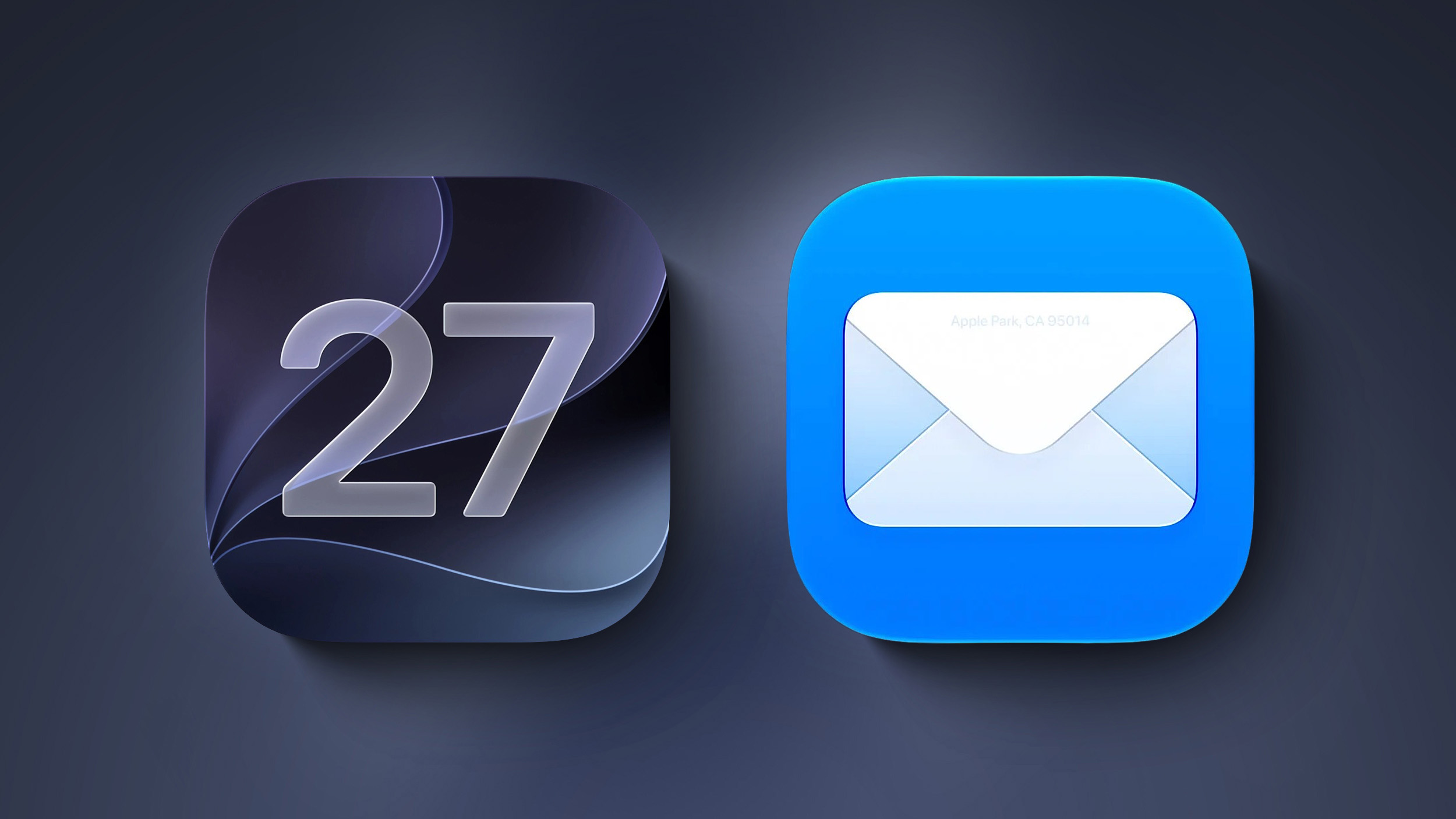
iOS 27: What's New With the Mail App

Apple's Mail app is getting some useful updates in iOS 27, with Apple making big improvements to search and introducing new AI features.


Search


‌iOS 27‌ has an overhauled search system that extends to the Mail app. Instead of surfacing results based on keywords and recency, Mail app search ranks results by relevance and intent. Search results that come up in Mail are more relevant than before, so you find exactly what you're looking for.

If you search for "Sprouts" because you want to find a recent order, it'll show your order before it shows marketing emails you might have from the same retailer.

Siri AI


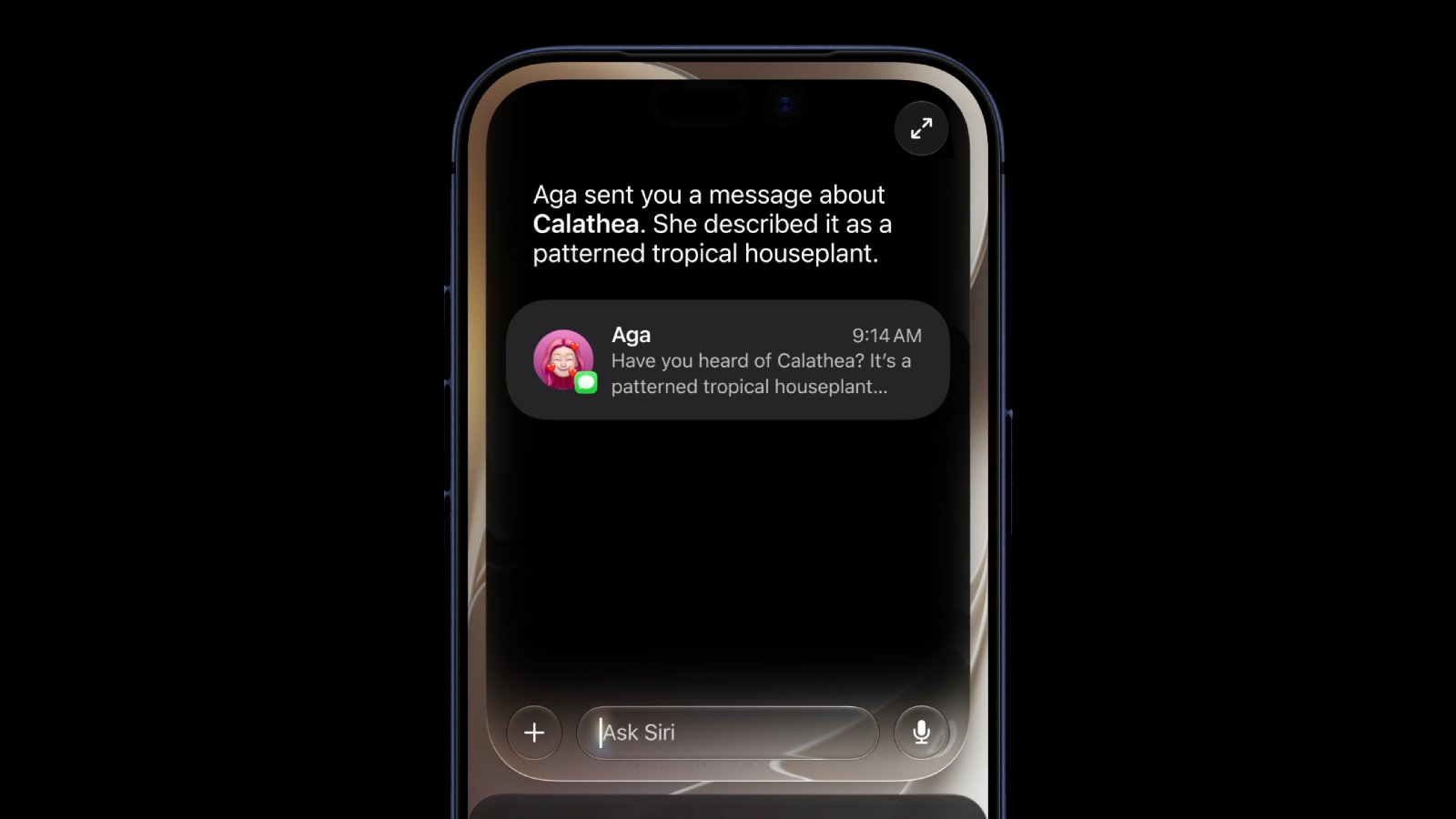
The Mail app has a built-in "Ask Siri" feature. Long press on any email and you can ask ‌Siri‌ to summarize, find an item in the email, track a package, get a flight number, save a photo, and more.

Once you get a response, you can swipe down to enter the ‌Siri‌ interface for asking follow-up questions. Conversations are logged in the ‌Siri‌ app.

‌Siri‌ can complete tasks in the Mail app too, like deleting all emails from a specified sender or adding information from an email to your Reminders list.

Writing Tools


The Mail app has a Write with ‌Siri‌ interface above the keyboard, which you can tap to get writing help. ‌Siri‌ can draft an email for you, check over an email you've written, help you reword an email, change the style of the email, or give you writing tips.

Write with ‌Siri‌ is able to match your standard writing style, punctuation, and tone, so emails sound more like you and less like AI.

Your iPhone also now flags both typos and grammar errors while you write.

Smart Reply


Smart Replies that your iPhone suggests to you are now tuned to your writing style, which means the one-tap suggestions sound like things you might actually type.

Contextual Suggestions


The contextual suggestions that you see at the top of the Mail app are now available to third-party apps, plus Apple has revamped the design.

An email that includes a flight time or a restaurant reservation has a one-tap button for adding it to the Calendar app. An email with directions may let you see the route in Maps, and emails with tracking information can be tracked with the Wallet app.

Call Context


Call Context is a feature that works between the Mail app and the Phone app. When you call a business like an airline or a retailer where you have a relevant email, the Phone app will show information pulled from that email.

You might see it bring up a reservation number for a flight, or an order number for a call with a retailer. Call Context works on-device, looking at who you're calling and not call audio.

Performance Improvements


Messages in Mail load faster, search indexing is more reliable, and unread badges between platforms like iOS and macOS sync more reliably. Apple also updated list formatting.

Requirements


The Mail app search improvements are available on all iPhones that run ‌iOS 27‌, but AI features like ‌Siri‌ AI integration, Write with ‌Siri‌, Call Context, and Contextual Suggestions require an iPhone that supports Apple Intelligence.

‌Siri‌ AI is not available in the European Union or China, and Contextual Suggestions are English-only at launch.
Related Roundups: iOS 27, iPadOS 27

This article, "iOS 27: What's New With the Mail App" first appeared on MacRumors.com

Discuss this article in our forums

  •  

Apple Sues OpenAI for Stealing Trade Secrets to Build AI Hardware

Apple today accused OpenAI of stealing Apple trade secrets and intellectual property in its effort to develop an AI hardware device.


In a lawsuit filed with the Northern District of California, Apple said it uncovered evidence of a months-long scheme to steal confidential information. Apple says OpenAI hardware lead and former Apple designer Tang Tan and former electrical engineer Chang Liu directed Apple employees interviewing with OpenAI to provide details on unreleased devices, components, manufacturing processes, and vendor relationships.

In a statement to MacRumors, Apple said it is suing to protect the hard work of its employees.
At Apple, our teams are constantly developing breakthrough technologies to create the best products and services in the world, and protecting their work and intellectual property is something we take very seriously. Recently, significant evidence has emerged suggesting individuals employed by OpenAI wrongfully took Apple's secret and confidential information regarding our unreleased technologies, processes, and products. We will always defend our teams' hard work and innovations, and we are taking all appropriate steps to do so.

Tan is accused of using his internal knowledge of Apple's exit procedures to help employees covertly deliver information, and giving OpenAI key information about Apple suppliers that has benefited OpenAI's work on an AI device. From the lawsuit:
OpenAI also instructs new hires on how to avoid scrutiny when they leave Apple. For example, Mr. Tan warns them not to tell Apple that they have taken jobs at OpenAI, so they can stay at Apple as long as they can. After his own departure, Mr. Tan improperly retained or obtained an internal Apple managers' document marked "Need to Know" that describes security procedures for employee departures. Messages left on Apple-issued work devices show that Mr. Tan and his OpenAI colleagues have been sharing this document with new hires before they give notice to Apple of their departures, previewing Apple's security protocols. Unsurprisingly, Apple's investigation has found a pattern by employees who depart for OpenAI of taking steps to evade the security processes intended to protect Apple's confidential information.

Apple says it discovered a pattern of OpenAI recruits emailing themselves confidential information when leaving Apple, including Tan. Others were "improperly using their knowledge of Apple's confidential and trade secret information to assist OpenAI in developing hardware." OpenAI apparently used confidential Apple hardware information when approaching Apple suppliers, and tricked one company into using a "specific trade secret metal-finishing technique" for an OpenAI device by claiming it had Apple's permission to do so.

Apple says evidence on an employee's work-issued device indicates Tan instructed her to "bring some parts" she worked on to an interview, suggesting she show OpenAI batteries, SIPs, logic boards, and other hardware. It was not an isolated incident, and Apple claims several OpenAI interviewees were asked to do the same.

Liu allegedly kept an Apple-issued laptop after departing the company and exploited a vulnerability to download dozens of confidential Apple documents while he was working at OpenAI. He also maintained a relationship with Yu-Ting "Alyssa" Peng, an Apple employee who continued to give him updates on Apple's projects, vendor decisions, and engineering details. When Liu learned he still had access to Apple's systems, he texted Peng "LOL, I found out I can access the [network storage], so funny."

Apple accuses OpenAI leadership of creating a culture of hardware theft, and says OpenAI's hardware business is "rotten to its core" because of its reliance on information stolen from Apple.
This is the tip of the iceberg. Apple lacks visibility into what's been happening behind closed doors at OpenAI, where such misconduct is normalized and exemplified by leadership. This much is clear, however: at every level, from members of its Technical Staff to its Chief Hardware Officer, and in coordination with business partners, OpenAI has been stealing Apple's trade secrets and confidential information. As a natural result, OpenAI's nascent hardware business now rests on the shakiest of foundations, rotten to its core by its illegal reliance on misappropriated trade secrets.

Apple attempted to contact OpenAI in February when it first learned of the potential theft, but OpenAI did not respond, leading Apple to investigate further. Apple claims OpenAI is under pressure to debut a hardware device, which has led to the company taking shortcuts instead of investing in legitimate development. "OpenAI has turned to trade secret misappropriation to free-ride off Apple's decades of innovation," reads the lawsuit.

Former Apple design chief and OpenAI designer Jony Ive is not named in the suit, but it does target io Products, which OpenAI acquired. While OpenAI CEO Altman is referenced, he isn't named as a defendant, and Apple doesn't suggest Ive or Altman were involved. Apple also does not appear to be targeting the ongoing OpenAI recruitment of Apple staff, though the lawsuit mentions that more than 400 former Apple employees now work at OpenAI.

Apple mentions its ongoing partnership with OpenAI for Siri ChatGPT integration, but only to say that the agreement is not an issue in the lawsuit.

Prior rumors suggest the relationship between Apple and OpenAI has been souring, with OpenAI allegedly considering a lawsuit against Apple because the integration failed to live up to OpenAI's expectations and Apple's promises.

In its trade secret theft lawsuit, Apple is seeking an injunction to stop OpenAI from possessing, using, or disclosing its technologies as well as damages "in an amount to be determined at trial." It is also suing Tan and Liu for breach of contract for violating their agreements with Apple.
This article, "Apple Sues OpenAI for Stealing Trade Secrets to Build AI Hardware" first appeared on MacRumors.com

Discuss this article in our forums
  •  

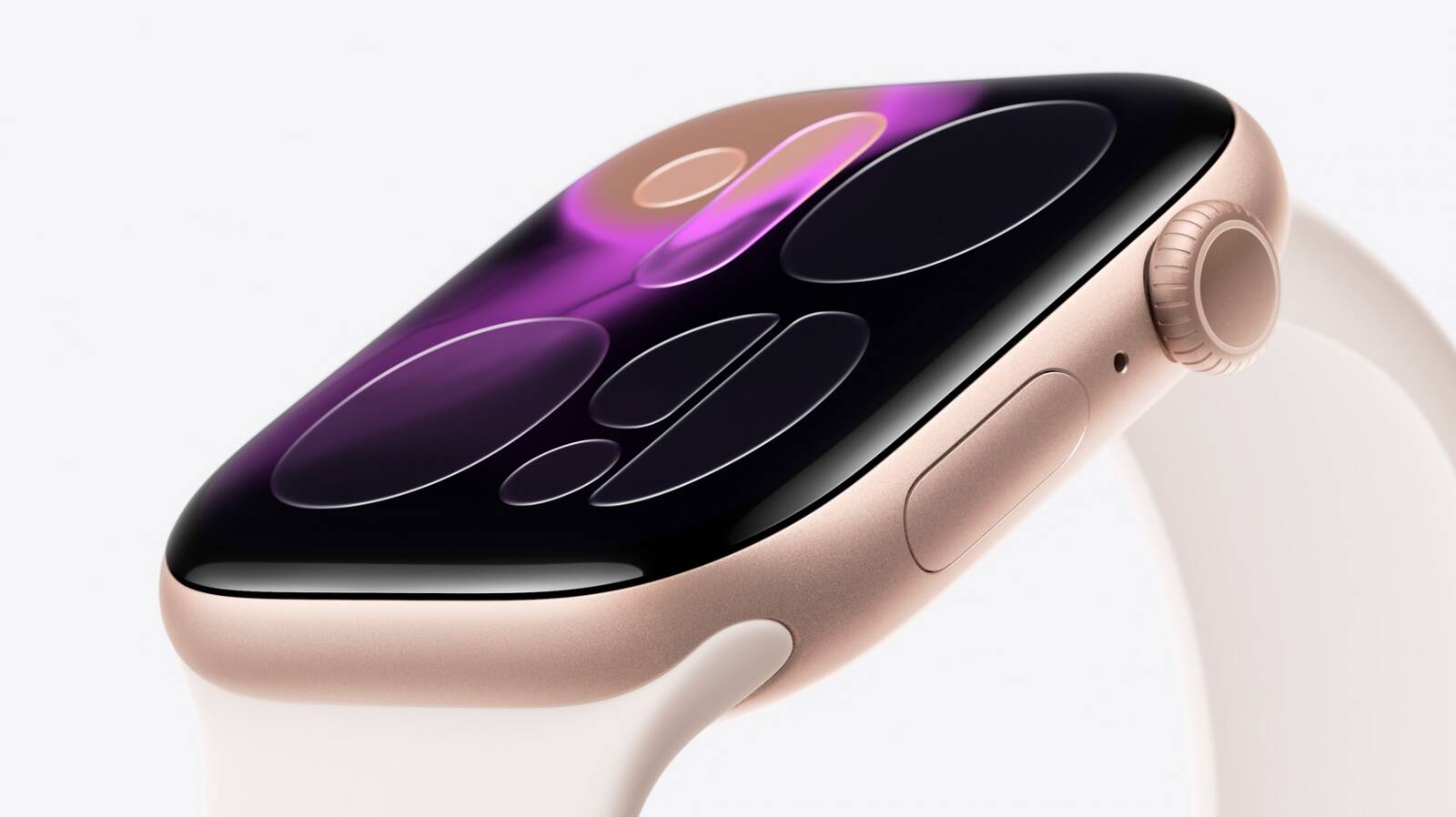
Apple Watch Accounts for 90% of AI Smartwatch Shipments

Apple accounted for roughly 90% of all Edge AI-capable smartwatch shipments in the first quarter of 2026, according to new data from Counterpoint Research.


That dominance came as Edge AI penetration across the broader smartwatch market grew 70% year-over-year, reaching 25% in the first quarter of 2026, according to Counterpoint's Global Smartwatch Shipments Tracker.

"Edge AI" refers to artificial intelligence that runs directly on a device's own chip rather than being processed on remote servers. On the Apple Watch, that means the onboard Neural Engine handles tasks like recognizing an irregular heartbeat or detecting a fall in the moment, without sending data to a paired iPhone or the cloud first. Anshika Jain, Principal Analyst at Counterpoint Research, said:

Brands have been continuously upgrading their smartwatch hardware to make devices more AI-capable. Edge AI integration enables real-time health insights and faster responses while helping ensure data privacy. Currently, Edge AI penetration remains limited to leading brands, with Apple solely accounting for ~90% of Edge AI smartwatch shipments in Q1 2026.


Health and fitness monitoring remains the main use case for Edge AI on smartwatches. Counterpoint's data shows blood pressure monitoring shipments doubling and sleep apnea detection tripling year over year, with brands now apparently setting their sights on diabetes detection next.

Apple's head start traces back to 2023, when it introduced the S9 chip with a 4-core Neural Engine built specifically for on-device machine learning in the Apple Watch. Huawei only followed with comparable silicon in 2025, launching its own Kirin W80 chip to power its "Celia" voice assistant locally, and Qualcomm isn't entering the race until this year with its Snapdragon Wear Elite platform. Google is also said to be readying its own Tensor-based wearable chip, though it has yet to ship.

Counterpoint notes that a software-driven alternative to dedicated NPUs is also emerging, with Ambiq's Apollo platform running AI inference on vector-core silicon via Arm's Helium extensions rather than purpose-built neural hardware. This approach remains a niche compared to Apple's dedicated-chip strategy, but it could eventually help cheaper smartwatches offer some Edge AI features without the silicon Apple has spent years building into its devices.

Counterpoint only classifies a smartwatch as Edge AI-capable if it has a neural engine or NPU on board and at least one of its health, safety, or interaction features actually runs its inference on that chip, rather than merely including the hardware.
Related Roundup: Apple Watch 11
Buyer's Guide: Apple Watch (Caution)

This article, "Apple Watch Accounts for 90% of AI Smartwatch Shipments" first appeared on MacRumors.com

Discuss this article in our forums
  •  

The MacRumors Show: Goodbye MacBook Pro? MacBook Ultra Is Coming

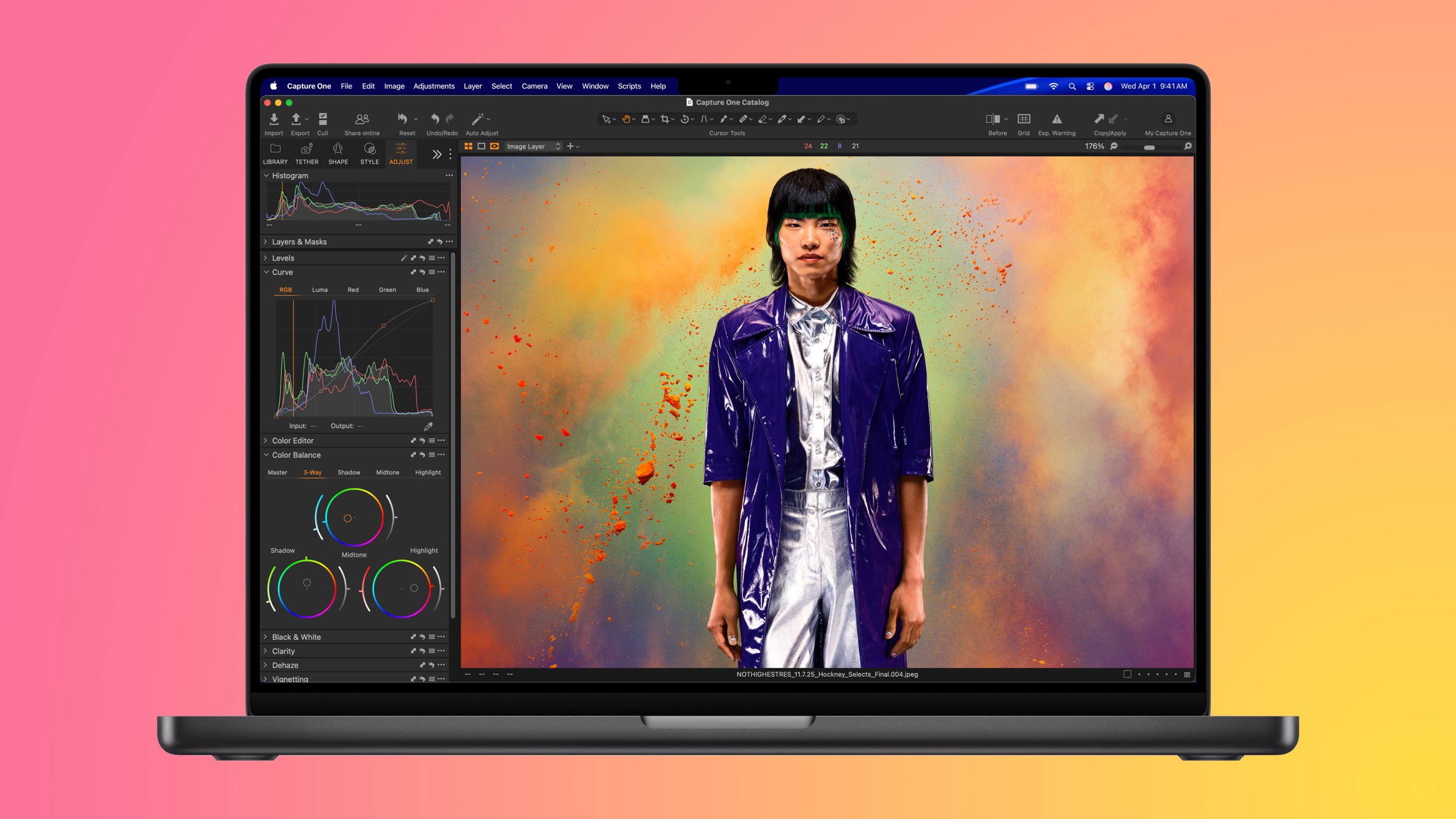
On this week's episode of The MacRumors Show, we discuss the future of Apple's increasingly tangled high-end MacBook lineup, including the entry-level MacBook Pro and the rumored "MacBook Ultra."


Apple's chip roadmap for the Mac is reportedly set to take an unusual turn over the next year. The company is said to be skipping the M6 Pro and M6 Max entirely, jumping from the M5 generation straight to the M7 for its high-end laptops. A standard M6 chip will still arrive this year in an entry-level ‌MacBook Pro‌, but there will apparently be no Pro or Max variant in that family.

As a result, Apple's first high-end OLED laptop will use the existing M5 Pro and M5 Max chips rather than newer silicon. First-generation buyers would therefore be paying a premium for a redesigned machine featuring the same processors already found in the current ‌MacBook Pro‌, with M7 Pro and M7 Max models expected to follow in the second half of 2027.

The launch window remains fluid. The device was long expected to arrive in late 2026, but memory chip constraints and Apple's recent price increases have pushed it toward early 2027. A second-generation model with M7 chips is already planned for late 2027, meaning the first Ultra could remain on sale for a relatively short window.

The overlapping releases make for a crowded and confusing roadmap. Across roughly a year, Apple is expected to ship a base M6 ‌MacBook Pro‌, a redesigned base M7 model in the first half of 2027, two M5 Pro and M5 Max MacBook Ultra models, their eventual M7 Pro and M7 Max successors, and perhaps new high-end ‌MacBook Pro‌ models with the M7 Pro and M7 Max. Notably, the entry-level M7 model is set to get the new design first, ahead of the pricier high-end ‌MacBook Pro‌ models.

The headline changes are reserved for the top-tier "Ultra" model. It is expected to be the first Mac with an OLED display, using the same hybrid tandem ‌OLED‌ technology as the iPad Pro, along with the first touchscreen on a Mac, a Dynamic Island in place of the notch, and a thinner chassis. Both 14-inch and 16-inch sizes are expected. Built-in cellular connectivity for the first time on a Mac is also rumored.

Apple is reportedly positioning touch as "touch-friendly, not touch-first," letting users move between touch, trackpad, and keyboard rather than treating the Mac like an iPad. That marks a reversal for a company that long resisted the idea. Steve Jobs argued in 2010 that vertical touchscreens cause arm fatigue, and as recently as 2021 hardware chief John Ternus said the Mac was "totally optimized for indirect input."

Signs of the shift are already visible in macOS 27 Golden Gate, which adds direct touch control to Sidecar, so users can tap and interact with macOS elements using a finger on an ‌iPad‌. A reinforced hinge is also expected, so the display does not wobble when tapped.

Pricing is likely to be steep. Apple raised prices across the Mac lineup in June, and the current 14-inch ‌MacBook Pro‌ now starts at $1,999, rising to $2,499 with the M5 Pro chip and $4,099 for an M5 Max. The 16-inch M5 Max reaches $4,399, and a fully specced configuration already exceeds $10,000. The high-end ‌OLED‌ model is expected to start higher still.

The MacRumors Show has its own YouTube channel, so make sure you're subscribed to keep up with new episodes and clips.


You can also listen to ‌The MacRumors Show‌ on Apple Podcasts, Spotify, Overcast, or other podcast apps. You can also copy our RSS feed directly into your player.


If you haven't already listened to the previous episode of The MacRumors Show, catch up to hear our discussion about the latest leaks and rumors surrounding the iPhone 18 Pro.

Subscribe to ‌The MacRumors Show‌ for new episodes every week, where we discuss some of the topical news breaking here on MacRumors, often joined by interesting guests such as Kayci Lacob, Kevin Nether, John Gruber, Mark Gurman, Jon Prosser, Luke Miani, Matthew Cassinelli, Brian Tong, Quinn Nelson, Jared Nelson, Eli Hodapp, Mike Bell, Sara Dietschy, iJustine, Jon Rettinger, Andru Edwards, Arnold Kim, Ben Sullins, Marcus Kane, Christopher Lawley, Frank McShan, David Lewis, Tyler Stalman, Sam Kohl, Federico Viticci, Thomas Frank, Jonathan Morrison, Ross Young, Ian Zelbo, and Rene Ritchie.

‌The MacRumors Show‌ is on X @MacRumorsShow, so be sure to give us a follow to keep up with the podcast. You can also email us at podcast@macrumors.com or head over to The MacRumors Show forum thread. Remember to rate and review the podcast, and let us know what subjects and guests you would like to see in the future.
Related Roundup: MacBook Pro
Buyer's Guide: MacBook Pro (Buy Now)
Related Forum: MacBook Pro

This article, "The MacRumors Show: Goodbye MacBook Pro? MacBook Ultra Is Coming" first appeared on MacRumors.com

Discuss this article in our forums
  •  

iPhone 18 Pro Max Component Costs Could Rise Nearly $300

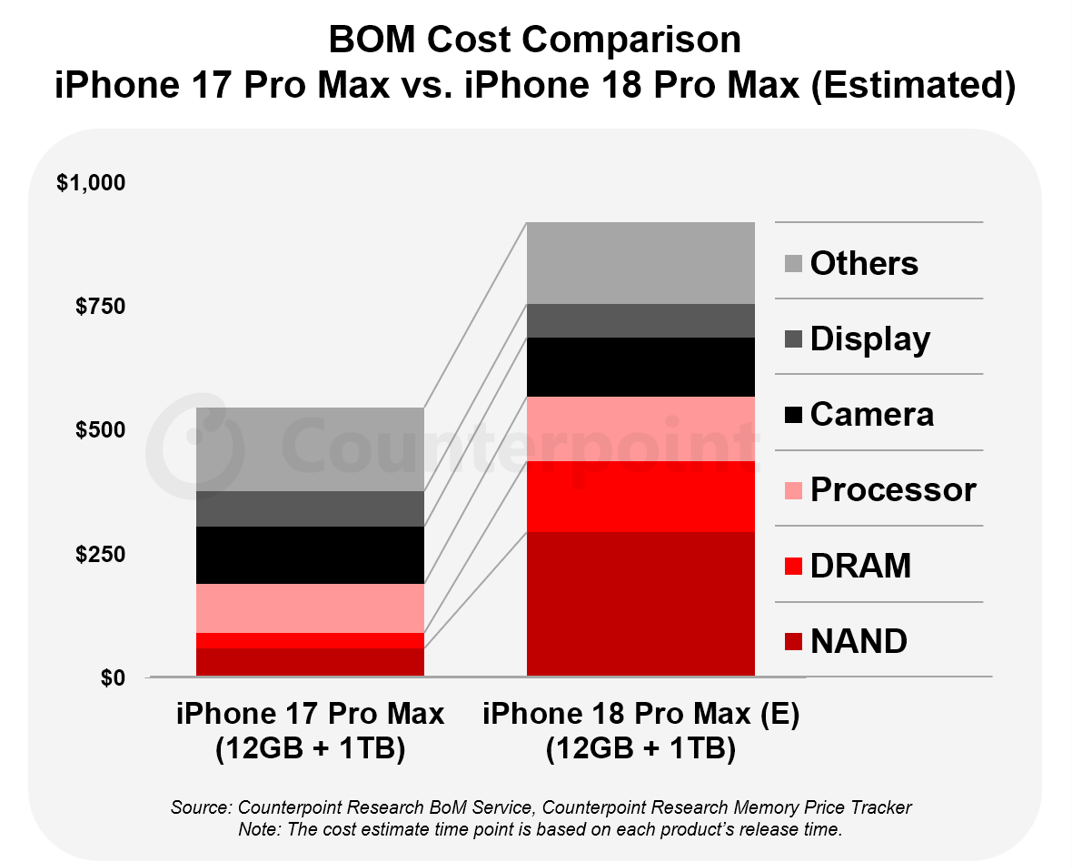
The bill of materials for the iPhone 18 Pro Max is expected to rise by nearly $300 compared to the iPhone 17 Pro Max, according to a new Counterpoint Research analysis.


The estimate covers the 1TB storage model. NAND flash costs for the device are said to exceed $250 on their own, a figure that would cover roughly half of the ‌iPhone 17 Pro‌ Max's entire estimated component cost. DRAM pricing is also climbing sharply, with both components facing pressure from a broader memory chip shortage tied to surging demand for AI hardware.

Apple's expected shift to a 2nm chip is described as the second-largest contributor to the cost increase. The ‌iPhone 18 Pro‌ is rumored to debut the A20 Pro, manufactured on TSMC's N2 process, which reportedly carries a steep premium in wafer pricing over the current N3P node used for the A19 Pro. Early yield ramp costs on a new process node typically add to per-unit chip pricing as well.

Counterpoint says display costs and other miscellaneous components may actually decline compared to the ‌iPhone 17 Pro‌ Max, partially offsetting the memory and chip increases. Camera costs are expected to rise slightly, which the firm attributes to new technology, likely a reference to the variable-aperture main camera rumored for the Pro models.


The report arrives weeks after Apple raised prices on 14 products, including every Mac and iPad, along with the Apple TV, HomePod, HomePod mini, and Vision Pro. Apple attributed those increases to the same memory chip shortage cited in the Counterpoint report, saying that the "supply-demand imbalance" driven by AI data center buildouts had made further price increases necessary. iPhone, Apple Watch, and AirPods pricing was left unchanged in that round of hikes, but the ‌iPhone 18 Pro‌ lineup is widely expected to be next.

The Wall Street Journal previously reported that the ‌iPhone 18 Pro‌ could start as high as $1,399, citing estimates that Apple's DRAM cost per unit could climb from $39 to $145 and its flash storage cost from $13 to $51. Apple CEO Tim Cook told the outlet that the company is "still working through" which devices will see price increases. Separately, IDC has estimated a $200 increase to the Pro and Pro Max models specifically, while Weibo leakers have separately suggested Apple could raise its Chinese starting price for the lineup by around 11%.

To manage the higher costs without giving up margin entirely, Apple is expected to apply different retail price increases across storage tiers rather than a flat increase across the lineup, concentrating the impact on higher-capacity models. Even with an average $200 retail price rise, Counterpoint still expects the ‌iPhone 18 Pro‌ Max to land at a slightly lower gross margin than the ‌iPhone 17 Pro‌ Max achieved in 2025.

The ‌iPhone 18 Pro‌ and ‌iPhone 18 Pro‌ Max are expected to launch alongside Apple's first foldable iPhone in the fall.
Related Roundup: iPhone 18 Pro

This article, "iPhone 18 Pro Max Component Costs Could Rise Nearly $300" first appeared on MacRumors.com

Discuss this article in our forums

  •  

$450 Off a MacBook Pro? The Best Apple Discounts You Can Grab Today

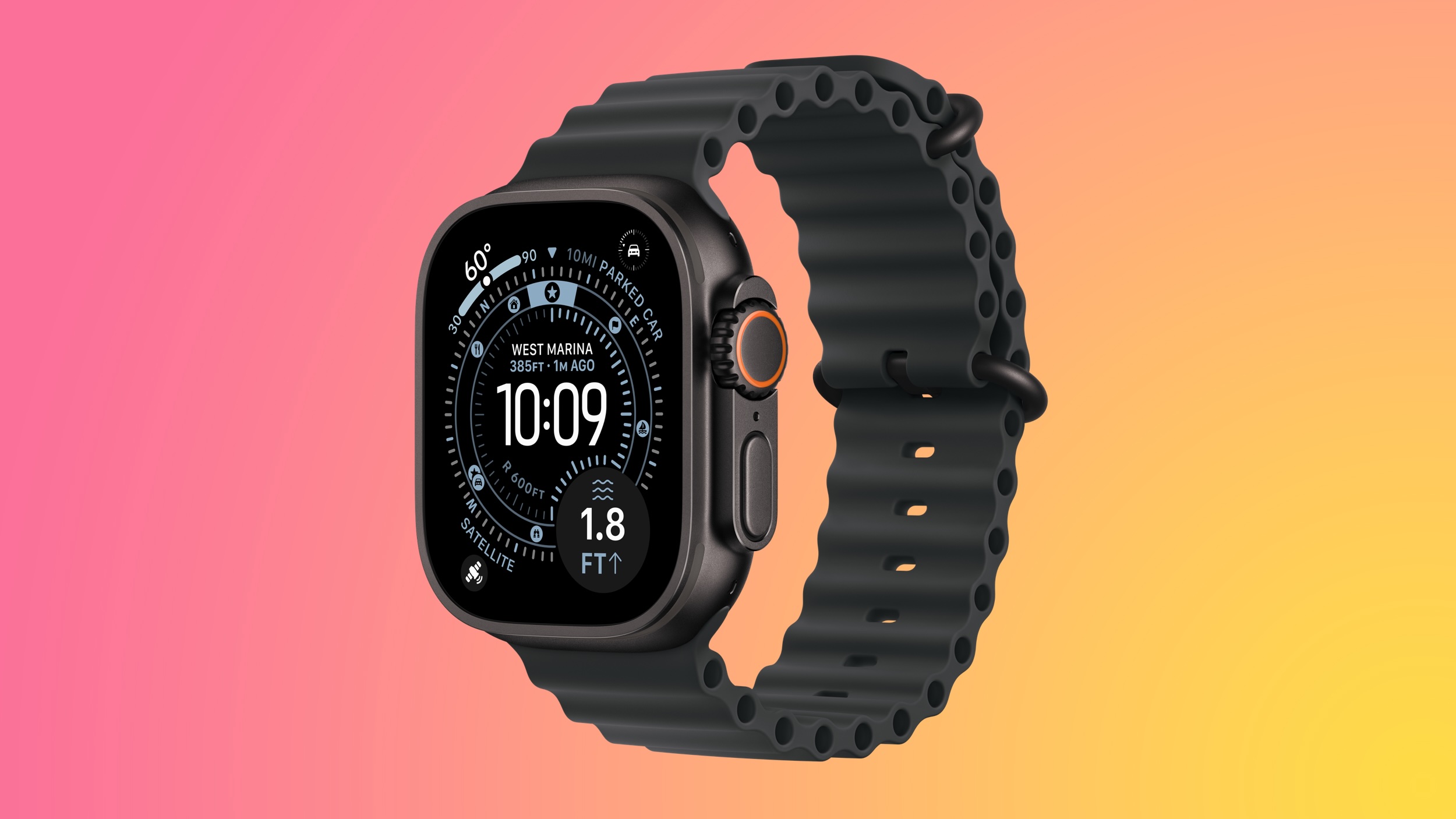
There are a few solid low prices on Apple devices available this week, including $99 off the Apple Watch Ultra 3, $150 off the M5 MacBook Air, and $450 off the M5 Pro MacBook Pro. You'll also find great deals on Anker accessories available on Amazon right now.

Note: MacRumors is an affiliate partner with some of these vendors. When you click a link and make a purchase, we may receive a small payment, which helps us keep the site running.
Apple Watch Ultra 3


  • What's the deal? Take $99 off Apple Watch Ultra 3

  • Where can I get it? Amazon

  • Where can I find the original deal? Right here


Amazon this week has a few deals on the Apple Watch Ultra 3, providing $99 discounts on select models. We did track these models at $149 off during Prime Day this year, but those discounts are long gone and Amazon's prices today are still solid second-best options for anyone who missed those sales in June.

MacBook Pro


  • What's the deal? Take $450 off M5 Pro MacBook Pro

  • Where can I get it? Best Buy

  • Where can I find the original deal? Right here


You can get the 24GB/2TB 14-inch M5 Pro MacBook Pro for $2,549.00 this week at Best Buy, down from the new price of $2,999.00. This is one of the last few remaining Apple devices remaining at pre-hike prices, and we're not expecting the sale to last much longer.

MacBook Air


  • What's the deal? Take $150 off M5 MacBook Air

  • Where can I get it? Amazon

  • Where can I find the original deal? Right here


Amazon is taking $150 off multiple models of the M5 MacBook Air, including deals on both 13-inch and 15-inch models. These are some of the lowest prices we've seen on the notebooks in the wake of Apple's price hikes last month.

Anker


  • What's the deal? Save on Anker accessories

  • Where can I get it? Amazon

  • Where can I find the original deal? Right here


Anker's popular Prime 3-in-1 Wireless Charging Station has dropped to $99.74 on Amazon, down from $149.99. This is one of Anker's newest accessories, and Amazon's sale today is a match of the all-time low price that we last tracked during Prime Day. There are plenty of other Anker accessories on sale this week, which you can find in our original post.

If you're on the hunt for more discounts, be sure to visit our Apple Deals roundup where we recap the best Apple-related bargains of the past week.


Deals Newsletter


Interested in hearing more about the best deals you can find in 2026? Sign up for our Deals Newsletter and we'll keep you updated so you don't miss the biggest deals of the season!


Related Roundup: Apple Deals

This article, "$450 Off a MacBook Pro? The Best Apple Discounts You Can Grab Today" first appeared on MacRumors.com

Discuss this article in our forums

  •  

EU: Facebook and Instagram's Infinite Scroll May Break Digital Rules

Meta has been warned by the European Commission that its endlessly scrolling Facebook and Instagram feeds may violate the EU's new Digital Services Act rules.


In preliminary findings published on Friday, the Commission said that its investigation into features such as infinite scroll, autoplay, push notifications, and highly personalized recommender systems, found that Meta "did not adequately assess the risks of their addictive design on the physical and mental wellbeing of users, including minors and vulnerable adults."

From the press release:
These features fuel the user's urge to keep scrolling and shift the brain into 'autopilot mode,' contributing to unhealthy habits and compulsive use.

Moreover, Meta disregarded available information about the time minors spend on Instagram or Facebook at night and how the optimization of its different formats – such as reels and stories – could lead to excessive or compulsive use of the services.
The Commission additionally criticized Meta's risk mitigation measures, saying that the platforms' time management tools could be easily dismissed and don't meaningfully limit the time users spend on the services. It also found fault with Meta's parental controls, which the Commission said were "only effective if parents and guardians possess adequate technical expertise, as well as devote effort and time to understand them."

The Commission said that at this stage of its investigation, it believes Meta needs to make design changes to both Instagram and Facebook. These could include disabling addictive features such as autoplay and infinite scroll by default, introducing effective screen time breaks, and modifying its recommender system to make it less focused on driving engagement.

Meta on Friday said it disagreed with the Commission's findings, claiming they "don't accurately take into account the significant steps we've taken to protect teens."

The Commission said Meta now has the opportunity to exercise its right of defence by reviewing the documents in the investigation file and responding in writing to its preliminary findings. If those provisional conclusions are upheld, the company could face a fine of up to 6 percent of its global annual turnover.
This article, "EU: Facebook and Instagram's Infinite Scroll May Break Digital Rules" first appeared on MacRumors.com

Discuss this article in our forums

  •  

OpenAI's ChatGPT Atlas Browser Is Shutting Down

OpenAI says it is shuttering its ChatGPT Atlas browser. When it was released last October, the company said the agentic browser was designed around the question "What if you could chat with your web browser?" The query was at least novel, but the answer was apparently not all that compelling.

As part of a slew of ChatGPT Work-related announcements on Thursday, OpenAI confirmed plans to "sunset" Atlas, with deprecation scheduled for August 9.

This article, "OpenAI's ChatGPT Atlas Browser Is Shutting Down" first appeared on MacRumors.com

Discuss this article in our forums

  •  

Apple Reportedly Slashes iPhone 17 Demand Forecast Amid Rising Costs

Apple has significantly lowered its demand expectations for the standard iPhone 17 because of rising hardware costs, a Chinese leaker claimed today.


According to the account "Fixed Focus Digital" on Weibo, some production lines for the standard iPhone 17 this week shifted from an earlier 15 percent reduction to plans to suspend roughly one-third of their capacity. The leaker also claimed Apple has made a "very serious" internal assessment of the impact that higher hardware costs could have on demand.

The claims can't be independently verified, plus the post doesn't say whether the production adjustments apply to overall iPhone 17 output or only to certain manufacturing lines, so caution is advised.

Higher component costs are impacting the electronics industry worldwide due to intense demand from AI companies intent on maximizing data center buildout, and Apple is far from immune.

The doubling cost of memory and storage chips over the last year recently led Apple to increase prices across multiple product lines, which CEO Tim Cook called "unavoidable." So far, iPhones have been spared the hikes, but Apple is widely expected to use the debut of iPhone 18 Pro models in September as a chance to increase the prices of its entire smartphone lineup.

Apple is expected to unveil a next-generation iPhone 18 model next spring alongside a new iPhone 18e and iPhone Air 2, as part of a new split-launch strategy.
Related Roundup: iPhone 17
Buyer's Guide: iPhone 17 (Neutral)
Related Forum: iPhone

This article, "Apple Reportedly Slashes iPhone 17 Demand Forecast Amid Rising Costs" first appeared on MacRumors.com

Discuss this article in our forums

  •  

Foldable iPhone Ultra Battery Capacity Allegedly Registered by Supplier

Apple's battery supplier has registered two new battery cells believed to be destined for the company's rumored foldable iPhone, according to a prolific Chinese leaker.


In a post on Weibo, the leaker known as Digital Chat Station said that the two cells have rated capacities of 1,921mAh and 2,962mAh, for a combined minimum rated capacity of 4,883mAh. "The supply chain is also predicting a total battery capacity of 4,800–5,000mAh, though this still needs further confirmation," the leaker added.

If accurate, the dual-cell design would be in line with existing book-style foldable smartphones, which typically split the battery across the device's two halves. In terms of where it sits next to rival foldables already on the market, the Google Pixel 10 Pro Fold has a total battery capacity of 5,015 mAh, while the Samsung Galaxy Z Fold 7 has a 4,400 mAh capacity. For comparison's sake, the iPhone 18 Pro and iPhone 18 Pro Max are believed to come with 4,288mAh and 5,567mAh batteries, respectively.

The leaker's claim appears to conflict with an early rumor suggesting Apple was testing a significantly larger 5,400mAh to 5,800mAh battery for its first foldable iPhone. That report described an engineering test configuration, however, so it's possible Apple has since revised the design. Either that or the rumor was incorrect.

A March 2025 rumor claimed that Apple has placed a heavy focus on improving power efficiency while slimming down key components of its foldable iPhone, with battery life said to be a key priority for the company. Separately, Apple analyst Ming-Chi Kuo has said the device will use high-density battery cells.

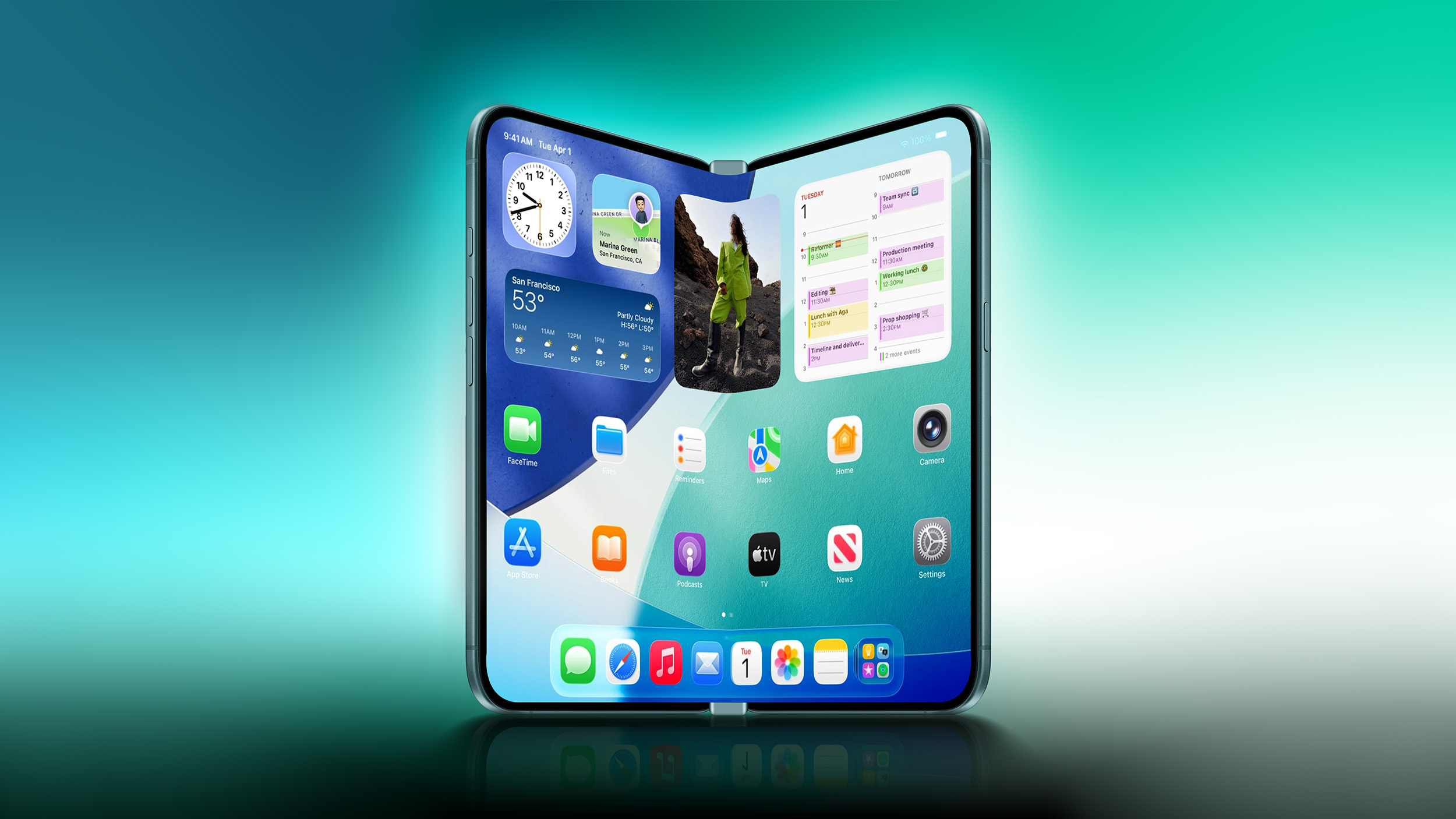
Apple's foldable iPhone is rumored to feature a 7.8-inch inner display and a 5.5-inch cover display, along with Touch ID instead of Face ID, an A20 chip, and Apple's C2 modem in some countries. The device is expected to be unveiled alongside the iPhone 18 Pro models in September. Apple's book-style foldable could launch as the "iPhone Ultra," as suggested by reports. IDC has predicted that the foldable will carry an average selling price of $2,500, with storage options potentially priced as high as $3,000.
This article, "Foldable iPhone Ultra Battery Capacity Allegedly Registered by Supplier" first appeared on MacRumors.com

Discuss this article in our forums

  •  

iOS 27: 8+ New CarPlay Features

With iOS 27, Apple is introducing several CarPlay features that will improve your in-car experience, both when you're driving and when you're idle in the car. From new video experiences to Siri AI, there are multiple new options to look forward to.


Video Apps


‌CarPlay‌ apps can incorporate video browsing capabilities, so you can browse for and watch videos on your in-car display while parked. The video playback feature does not work when a car is in motion for safety reasons, but if you're watching something and shift into drive, playback will switch to audio only.

iPhone apps that support AirPlay can also stream content to the car's display.

Video apps require car manufacturers to enable support on the vehicle, and no automakers have announced plans to add support as of now.

Siri AI


Apple's smarter, more capable version of ‌Siri‌ can be used in the car for hands-free conversations. ‌Siri‌ AI for ‌CarPlay‌ works like ‌Siri‌ AI on other devices, so you can ask it to complete tasks or find information for you while you drive.

Conversations in ‌CarPlay‌ sync to the ‌Siri‌ app on iPhone so you can pick them up later.

Audio


There is a persistent mini-player for the Now Playing ‌CarPlay‌ template. The player shows artwork and playback controls in the top right corner of audio and media apps.

The Now Playing interface in ‌CarPlay‌ also has a progress bar, so you can jump to a specific spot in a song, podcast, or audiobook.

Wallpapers


‌CarPlay‌ includes the new ‌iOS 27‌ wallpapers, formatted for the ‌CarPlay‌ interface. The wallpapers have wave-style designs in a range of colors, with 14 total wallpaper options available.

‌CarPlay‌ in ‌iOS 27‌ also supports larger, more interactive content thumbnails and it incorporates the updated Liquid Glass icons for apps like Maps and Weather.

Route Data


Navigation apps like Apple Maps and Google Maps can share route data with a vehicle for incorporating information like EV charging stops. The car is able to check a map route against the range of the vehicle, and suggest a charging stop.

Reliability and Location Accuracy


Apple says that wireless ‌CarPlay‌ is more reliable in ‌iOS 27‌, plus it supports improved GPS location accuracy and navigation heading detection.

Voice Control


All app categories are also now able to offer a voice control option, and Apple has designed a voice control template that can be integrated into apps for voice conversations.

Natural Language Improvements


In Apple Maps, Apple extended natural language search to navigation, and that also works with ‌CarPlay‌. You can ask ‌Siri‌ for directions that avoid toll roads, highways, and more.

Compatibility


Using the new ‌CarPlay‌ features in ‌iOS 27‌ requires a connected iPhone with ‌iOS 27‌ installed. For ‌Siri‌ AI, you'll need an iPhone that supports Apple Intelligence, which includes the iPhone 15 Pro and later.
Related Roundups: CarPlay, iOS 27, iPadOS 27

This article, "iOS 27: 8+ New CarPlay Features" first appeared on MacRumors.com

Discuss this article in our forums

  •  

Apple TV Taking Over Comic-Con's Hall H for the First Time With Widow's Bay, Silo and More

Apple TV is taking over Hall H at San Diego Comic-Con for the first time, according to Deadline. Apple is holding a two-hour panel on July 25 featuring stars from Widow's Bay, Matchbox The Movie, Mayday, Dark Matter, and Silo. Hall H is known for some of the biggest Comic-Con panels and events, and Saturday draws the largest crowds. Apple's event will come before a major Marvel Studios presentation.


Panelists from Matchbox The Movie will include John Cena, Jessica Biel, and Arturo Castro, while Dark Matter panelists will include Blake Crouch, Matt Tolmach, Jacquelyn Ben-Zekry, Joel Edgerton, Jennifer Connelly, and more. Panelists for Widow's Bay have not been announced, but it should be a popular portion of the event given the show's popularity. Widow's Bay recently received 19 Emmy nominations.

John Francis Daley and Jonathan Goldstein will discuss Mayday, and Silo panelists include Graham Yost, Rebecca Ferguson, Common, Tim Robbins, Ashley Zukerman, Jessica Henwick, and Alexandria Riley. Josh Horowitz from the Happy, Sad, Confused podcast will moderate the panels.

A Silo Experience will be held at The Lot from Friday, July 24 to Sunday, July 26. On Friday, July 24, Apple plans to offer a sneak preview of Dark Matter season 2.

‌Apple TV‌ has had a presence at prior Comic-Con events, but Apple skipped the 2025 show.

San Diego Comic-Con takes place from July 23 to July 26, with a preview night on July 22. The ‌Apple TV‌ panel will be held from 2:00 to 4:00 p.m. on July 25.
Related Roundup: Apple TV
Buyer's Guide: Apple TV (Don't Buy)

This article, "Apple TV Taking Over Comic-Con's Hall H for the First Time With Widow's Bay, Silo and More" first appeared on MacRumors.com

Discuss this article in our forums

  •  

Anthropic Adds 'Reflect' Feature to Claude for Tracking Your Usage

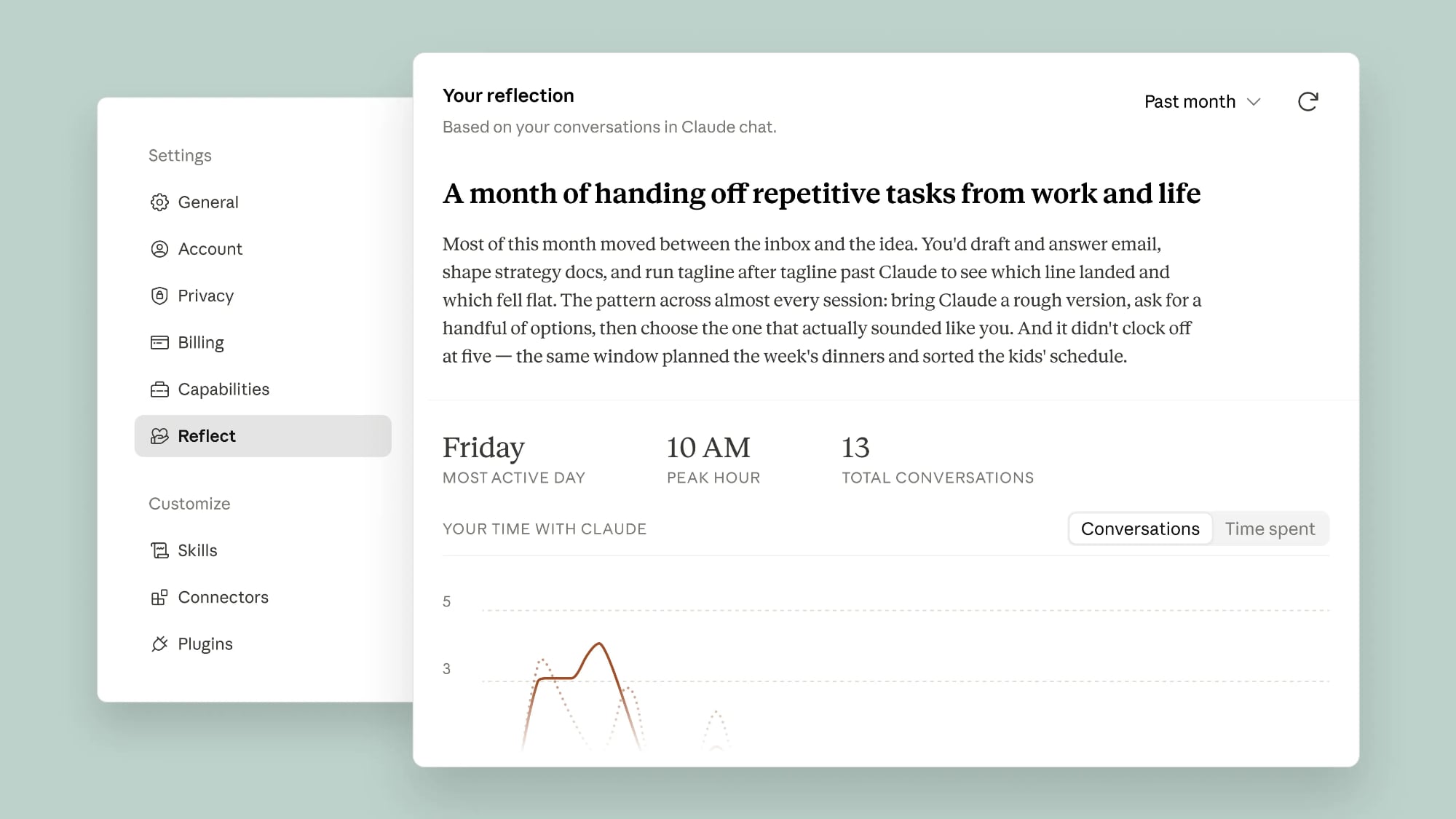
Anthropic is updating Claude with a new "Reflect" feature that's akin to Spotify Wrapped. Reflect lets you look back on how you've been using Claude, and for how long.


Reflect includes a summary of Claude usage, incorporating key topics, usage patterns, and the type of tasks you work through using Claude.

You can look back at Claude activity over the past 1, 3, 6, or 12 months, and in the near future, Anthropic plans to add a view of how much time you've spent using Claude. Anthropic says the Reflect feature invites users to step back and look at the role Claude plays in their lives. It will surface questions for you to consider, like "What's one thing you want to keep doing yourself, even if Claude could do it faster?"

There are new settings for quiet hours or scheduling a nudge to remind you to take a break from using Claude after a certain amount of time. Anthropic says you can also use the information with the 4D AI Fluency Framework to expand how you work with Claude across four categories: Delegation, Description, Discernment, and Diligence. It offers examples of how you collaborate with Claude, and it has practical suggestions for areas of improvement.

Reflect does not draw information from incognito chats, and it doesn't use underlying files from connected tools. Conversations connected to health integration tools are also left out of insights, and the information shown in the Reflect option isn't used for other purposes.

Reflect is available in beta for Free, Pro, and Max users who have memory turned on. It can be accessed through the Settings section of Claude on the web or in the desktop app. Select the Reflect tab to generate a report.
This article, "Anthropic Adds 'Reflect' Feature to Claude for Tracking Your Usage" first appeared on MacRumors.com

Discuss this article in our forums

  •  

OpenAI Debuts ChatGPT Work Agent and New GPT-5.6 Models

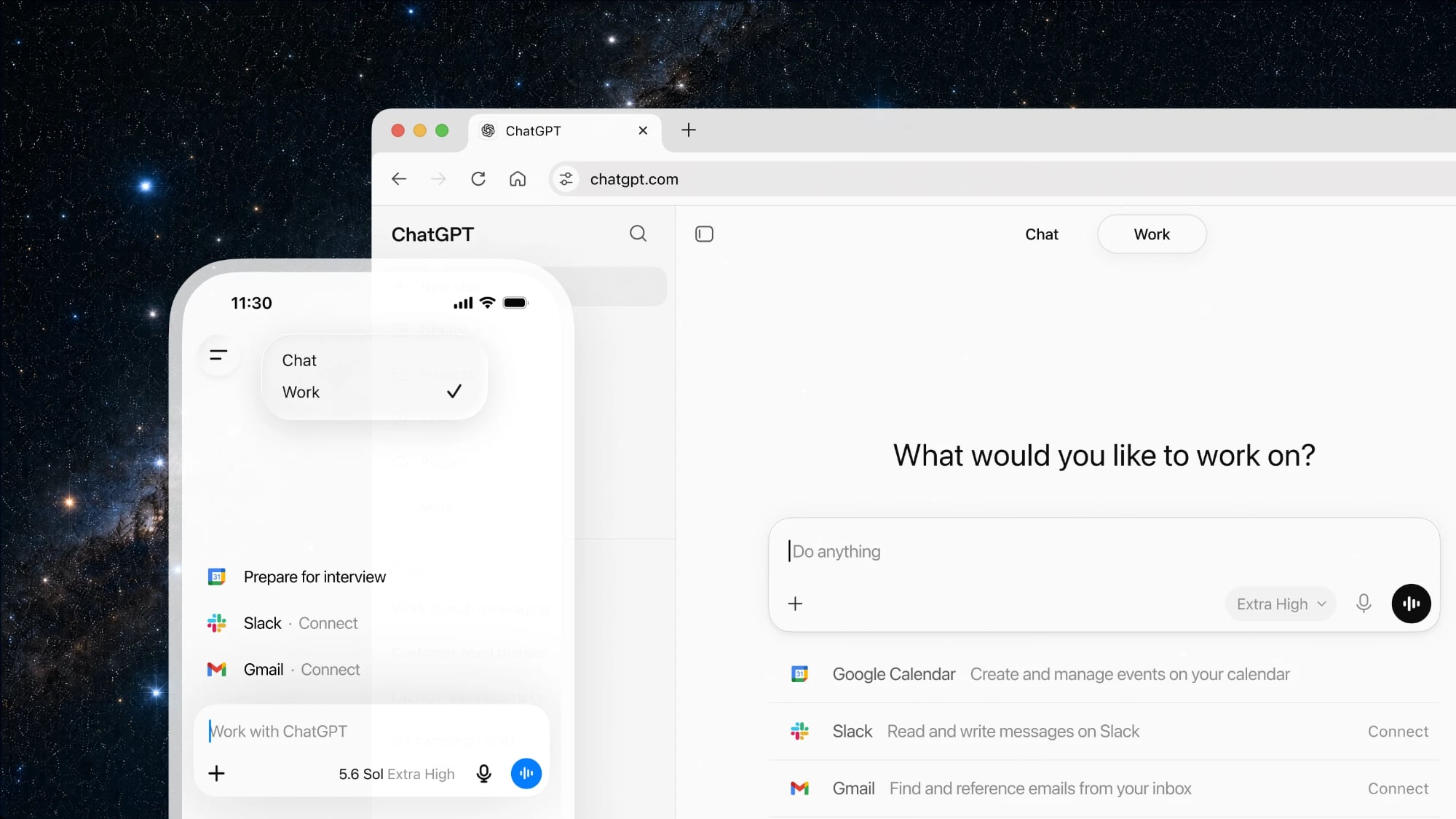
OpenAI today announced ChatGPT Work, a ChatGPT agent with built-in Codex that can complete tasks across web, mobile, and desktop using information from your apps. ChatGPT Work can execute multi-step tasks, using scheduling to work independently. Like Claude Cowork, ChatGPT can use your computer to do tasks in the background across apps.


Tasks can be started and managed on any device, including a smartphone. On the desktop, OpenAI is merging the Codex app with the ChatGPT app. ChatGPT Work can use local files and apps to do tasks, or a new built-in browser to access websites, tools, and online files. Plugins connect apps and systems to ChatGPT Work, and a new Sites beta feature lets you create interactive sites and web apps for reports, live dashboards, and more.

ChatGPT Work is powered by OpenAI's GPT–5.6 models, which are also rolling out today after a limited preview period. Sol is OpenAI's new flagship model, while Terra is a balanced everyday work model and Luna is a cost-efficient model.

OpenAI says that GPT–5.6 Sol achieves "state-of-the-art results" in coding, knowledge work, cybersecurity, and science. It outperforms prior frontier models while using fewer tokens for a lower estimated cost.

OpenAI claims that GPT–5.6 is better at coding and has improved design judgment, able to create "tasteful, ergonomic, and functional interfaces" with just high-level direction. It can also create more accurate presentations, documents, and spreadsheets.

The model has safeguards against misuse, with layered protections that include real-time checks, monitoring, and access calibrated to risk and trust. It is OpenAI's best cybersecurity model, ideal for code review, threat modeling, and more.

GPT–5.6 is available across ChatGPT, Codex, and the OpenAI API starting today. GPT–5.6 Sol is available for Plus, Pro, Business, and Enterprise users. Free and Go users have access to GPT–5.6 Terra.

ChatGPT Work is available today for Pro, Enterprise, and Edu plans. It will expand to Plus and Business plans in the next few days.

With OpenAI merging Codex and ChatGPT, there is a new ChatGPT desktop app that's available across Mac and Windows. Users who have the Codex app installed can update it to turn it into the new ChatGPT desktop app. The existing ChatGPT desktop app is being renamed ChatGPT Classic.
This article, "OpenAI Debuts ChatGPT Work Agent and New GPT-5.6 Models" first appeared on MacRumors.com

Discuss this article in our forums

  •  

Last Call: M5 Pro MacBook Pro Remains at Pre-Hike Price But Not for Much Longer

It's been a few weeks since Apple announced widespread price hikes across numerous product categories, including the 2026 MacBook Pro. These new prices are now reaching third party retailers, but there remains one exception at Best Buy, which still has one model of the 14-inch M5 Pro MacBook Pro at its pre-hike price.

Note: MacRumors is an affiliate partner with Best Buy. When you click a link and make a purchase, we may receive a small payment, which helps us keep the site running.

You can get the 24GB/2TB 14-inch M5 Pro MacBook Pro for $2,549.00, down from the new price of $2,999.00. This one is available in both Silver and Space Black, and Best Buy provides both in-store pick-up and delivery options at checkout.


Across Best Buy and Amazon, this remains one of the only products still available at pre-hike prices, with nearly every other MacBook and iPad either unavailable to purchase or only available at their newly increased prices.

If you're on the hunt for more discounts, be sure to visit our Apple Deals roundup where we recap the best Apple-related bargains of the past week.


Deals Newsletter


Interested in hearing more about the best deals you can find in 2026? Sign up for our Deals Newsletter and we'll keep you updated so you don't miss the biggest deals of the season!


Related Roundup: Apple Deals

This article, "Last Call: M5 Pro MacBook Pro Remains at Pre-Hike Price But Not for Much Longer" first appeared on MacRumors.com

Discuss this article in our forums

  •  

Apple Exploring Ways to Run Much Larger AI Models Directly on iPhones

Apple has held meetings with PrismML about ways it could use the startup's technology to run much larger AI models directly on iPhones, according to The Information.


The report said PrismML has managed to shrink down Alibaba's open-source large language model Qwen 3.6 to run entirely on an iPhone 17 Pro. The model has 27 billion parameters, which is larger than Apple's on-device AFM 3 Core Advanced model with 20 billion parameters. Apple's model powers iOS 27 enhancements such as Siri AI's more expressive voices and improved systemwide dictation on iPhone 17 Pro and iPhone Air models.

Unlike with AFM 3 Core Advanced, all of Qwen 3.6's parameters can be active at the same time.

"One new on-device Apple model has 20 billion parameters but uses a so-called sparse architecture, in which only 1 billion to 4 billion parameters are active at a time," the report said, in reference to AFM 3 Core Advanced. "In the case of PrismML's on-device model, all 27 billion parameters are active at the same time."

Larger models running directly on iPhones would allow for more Apple Intelligence features to run on device instead of on Apple's Private Cloud Compute servers, which could reduce Apple's costs and further enhance user privacy.
This article, "Apple Exploring Ways to Run Much Larger AI Models Directly on iPhones" first appeared on MacRumors.com

Discuss this article in our forums

  •  

Apple TV and MLB Release August Schedule for 'Friday Night Baseball'

Apple and MLB today released the August schedule for Apple TV's weekly Friday Night Baseball doubleheader.

Friday Night Baseball games are included with an Apple TV streaming subscription at no additional cost.
Related Roundup: Apple TV
Buyer's Guide: Apple TV (Don't Buy)

This article, "Apple TV and MLB Release August Schedule for 'Friday Night Baseball'" first appeared on MacRumors.com

Discuss this article in our forums

  •  

Apple's Manufacturing in India Gets Boost From New Tariff Exemptions

Apple stands to gain from India's decision to eliminate import duties on a range of components used in smartphone manufacturing, in a move that could further lower costs for the company's rapidly growing India-based supply chain.


According to a report from Reuters, the Indian government has done away with tariffs of 7.5% and 5% that had applied to inputs for wireless charging hardware, automotive and medical device screens, and lithium-ion battery cells. The exemptions are set to remain in effect through to March 31, 2029.

The wireless charging component exemption, in particular, feeds directly into the MagSafe ecosystem used across the iPhone lineup. With import costs on that hardware now removed, Apple's India-based assembly partners have a clearer path to sourcing and building charging components domestically rather than importing them at a markup.

Apple has leaned heavily on India as it works to shift iPhone production away from China, with assembly partners now building roughly a quarter of all iPhones in the country and producing the entire iPhone 17 lineup there for the first time, including the higher-end Pro and Pro Max models. Foxconn, one of Apple's main assemblers, poured $1.5 billion into expanding its India operations earlier this year, and Tata Electronics has grown into an equally central manufacturing partner alongside it.
Tags: India, MagSafe

This article, "Apple's Manufacturing in India Gets Boost From New Tariff Exemptions" first appeared on MacRumors.com

Discuss this article in our forums

  •  

Sonos, Sony, Anker and More: The Best Amazon Accessory Deals Right Now

There's a big accessory sale happening on Amazon this week, with the year's best prices on Anker chargers, Samsung monitors, Sonos audio products, and much more.

Note: MacRumors is an affiliate partner with some of these vendors. When you click a link and make a purchase, we may receive a small payment, which helps us keep the site running.
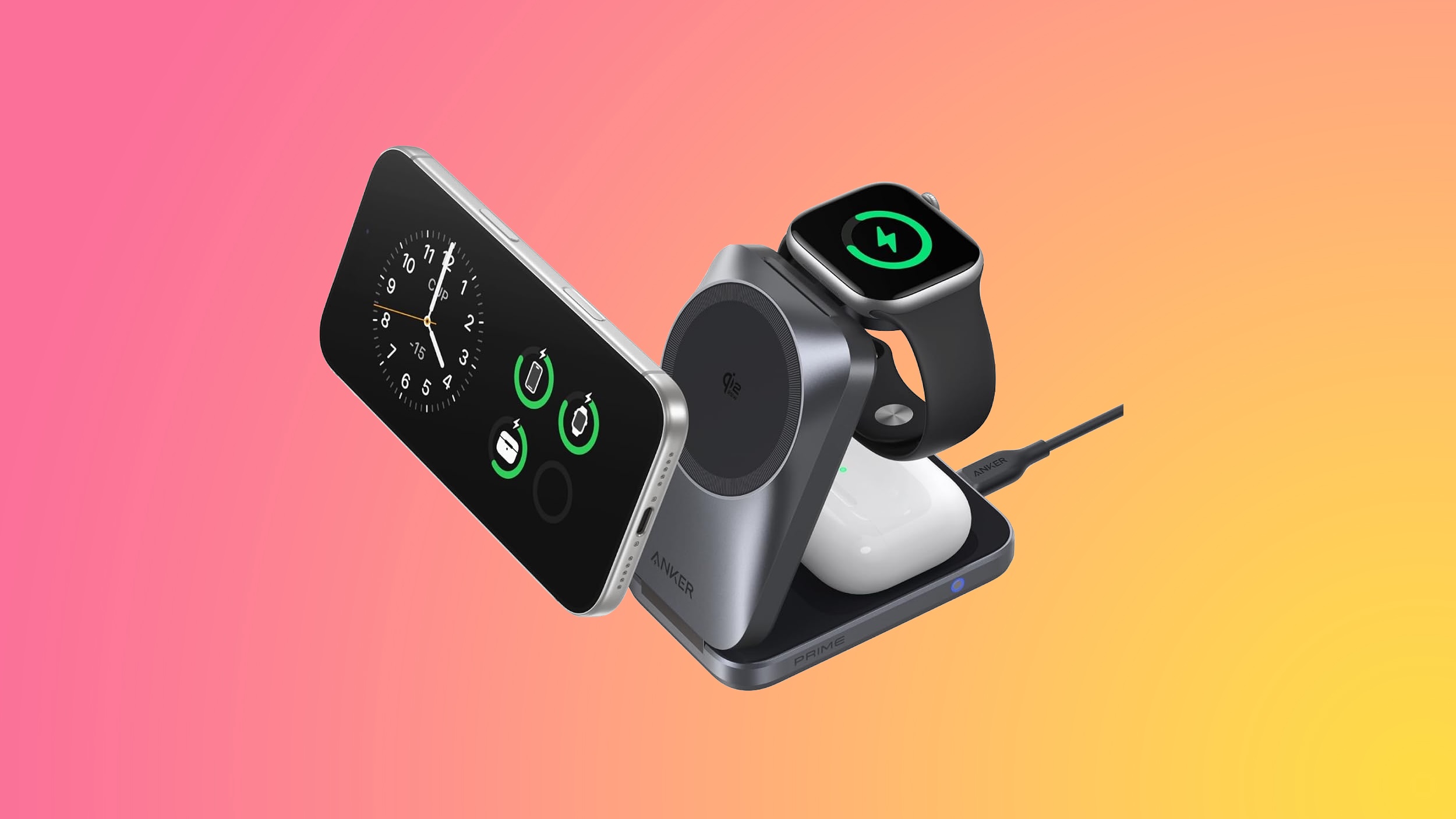

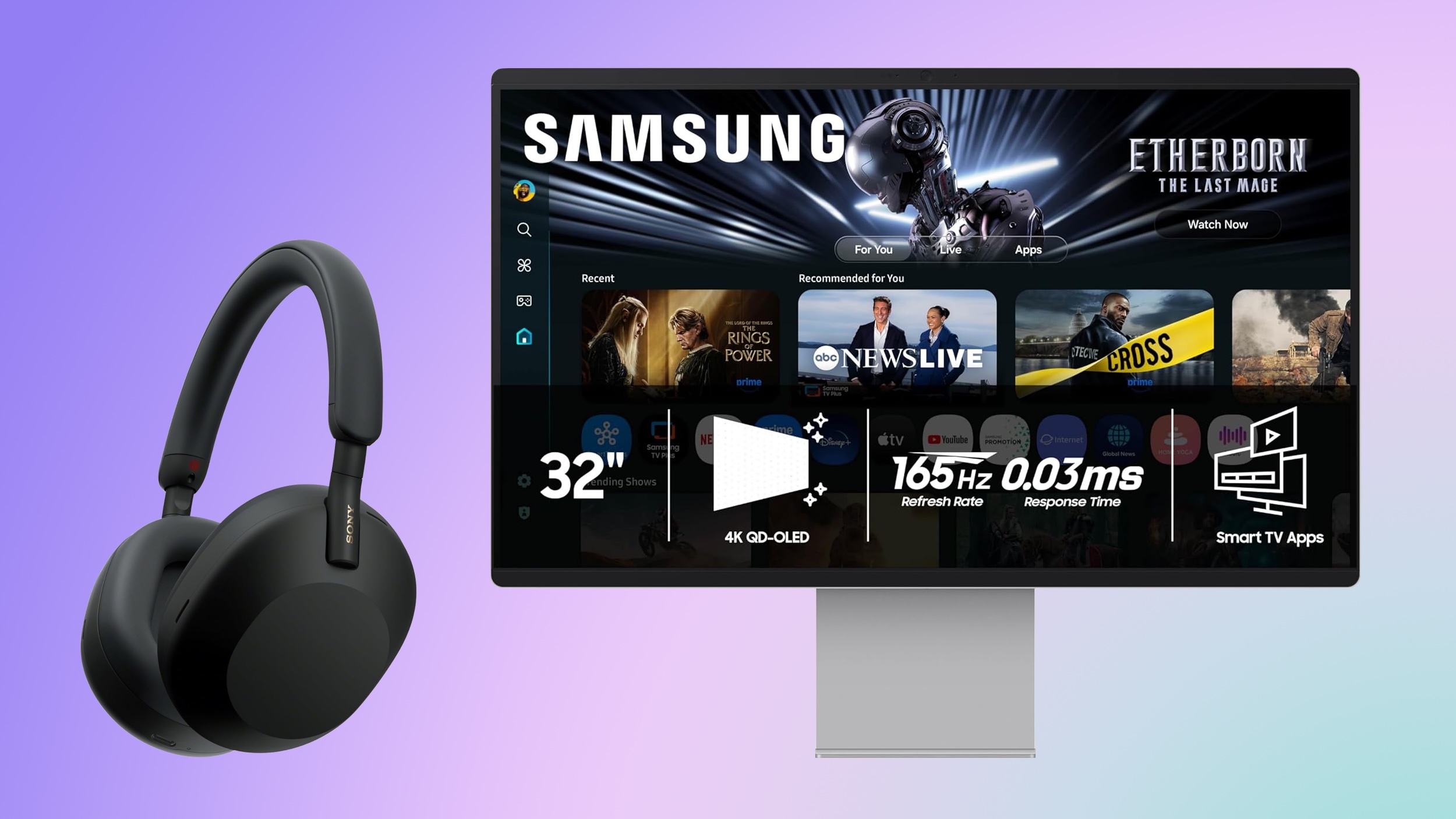
Highlights this time around include a new batch of audio devices on sale, including the Sonos Ace Headphones for $279.00, down from $399.00, and Sony's WH-1000XM5 Noise Canceling Headphones for $248.00, down from $399.00. Another notable audio discount is on the Soundcore Sleep A30 Earbuds, which are designed to be worn in bed, available for $179.99, down from $229.99.


In terms of monitor and TV deals, there are quite a few Samsung deals happening this week on Amazon. The 32-inch Smart Monitor M9 has hit its second-best price on Amazon at $1,267.20, down from $1,599.99, beating the Prime Day deal by about $30. You'll also find solid sales on The Frame TVs and Odyssey monitors right now.


We're also tracking big discounts from brands like LG, Hisense, iVANKY, Jackery, and more in the lists below. Accessories on sale include USB-C wall chargers, MagSafe-compatible wireless chargers, portable batteries, headphones, docks, and monitors.

Audio


Monitors and TVs


Docks


Wall Chargers


Wireless Chargers


Portable Chargers


If you're on the hunt for more discounts, be sure to visit our Apple Deals roundup where we recap the best Apple-related bargains of the past week.


Deals Newsletter


Interested in hearing more about the best deals you can find in 2026? Sign up for our Deals Newsletter and we'll keep you updated so you don't miss the biggest deals of the season!


Related Roundup: Apple Deals

This article, "Sonos, Sony, Anker and More: The Best Amazon Accessory Deals Right Now" first appeared on MacRumors.com

Discuss this article in our forums

  •  

'Siri AI' Lawsuit Update: Apple to Pay Owners of These iPhone Models

In May, Apple agreed to pay $250 million to settle a U.S. class action lawsuit over Siri AI's delayed launch, and eligible iPhone users could receive up to a $95 payout.


This week, the California court overseeing the case held a hearing regarding preliminary approval of the settlement, but the judge has not yet issued a ruling. It will likely be at least a few more months before eligible customers can begin submitting claims, with payouts unlikely to begin until late this year or early next year if the settlement is ultimately approved. In other words, no action is required from eligible customers at this time.

Below, we have answered some key questions regarding the lawsuit.

Why Was Apple Sued?


In June 2024, Apple previewed new Siri capabilities powered by Apple Intelligence, including understanding of a user's personal context, on-screen awareness, and deeper per-app controls. For example, Apple showed an iPhone user asking Siri about their mother's flight and lunch reservation plans based on info from the Mail and Messages apps.

Apple advertised those Siri features in product presentations, on its website, in a TV commercial starring actor Bella Ramsey, and elsewhere.


In March 2025, Apple delayed the launch of the personalized version of Siri, leading to the company being hit with a class action lawsuit alleging false advertising.

In a statement, Apple touted a range of other Apple Intelligence features it had already released. Nevertheless, Apple agreed to settle the lawsuit "to stay focused" on "delivering the most innovative products and services to our users."

Apple finally announced "Siri AI" at WWDC 2026 last month, and the revamped assistant is available to test on the iOS 27 developer beta, with a public beta to follow this month. iOS 27 should be released in September, at which point "Siri AI" will finally be available to all users with an iPhone 15 Pro or newer.


Am I Eligible?


To be eligible to submit a claim, you must reside in the U.S. and have purchased any iPhone 15 Pro or iPhone 16 model between June 10, 2024 and March 29, 2025.

The full list of eligible iPhone models:

  • iPhone 15 Pro

  • iPhone 15 Pro Max

  • iPhone 16

  • iPhone 16e

  • iPhone 16 Plus

  • iPhone 16 Pro

  • iPhone 16 Pro Max

It is unlikely that individuals who submit a claim will still need to have physical possession of an eligible iPhone model. However, there is a possibility that proof of purchase or other information will be required, such as the device's serial number. Exact requirements will be outlined on the settlement website, which is still not live.

How Much Will Apple Pay Me?


According to the terms of the settlement, each person who files an eligible claim will receive a per-device payment of $25, but this amount could increase up to $95 if the total number of claims submitted is lower than anticipated.

Where and When Can I Submit a Claim?


Over the coming months, a settlement website is expected to go live with an online claims form.

Eligible class members will be notified by email within approximately 45 days after the settlement receives preliminary approval, according to the court documents. Even if you are not notified but are a U.S. resident who purchased one of the above iPhone models within the above dates, you are still eligible if you meet the criteria.
This article, "'Siri AI' Lawsuit Update: Apple to Pay Owners of These iPhone Models" first appeared on MacRumors.com

Discuss this article in our forums

  •  

Apple Pulls Ability to Restore iPhone 5c, iPad Mini, and More [Updated]

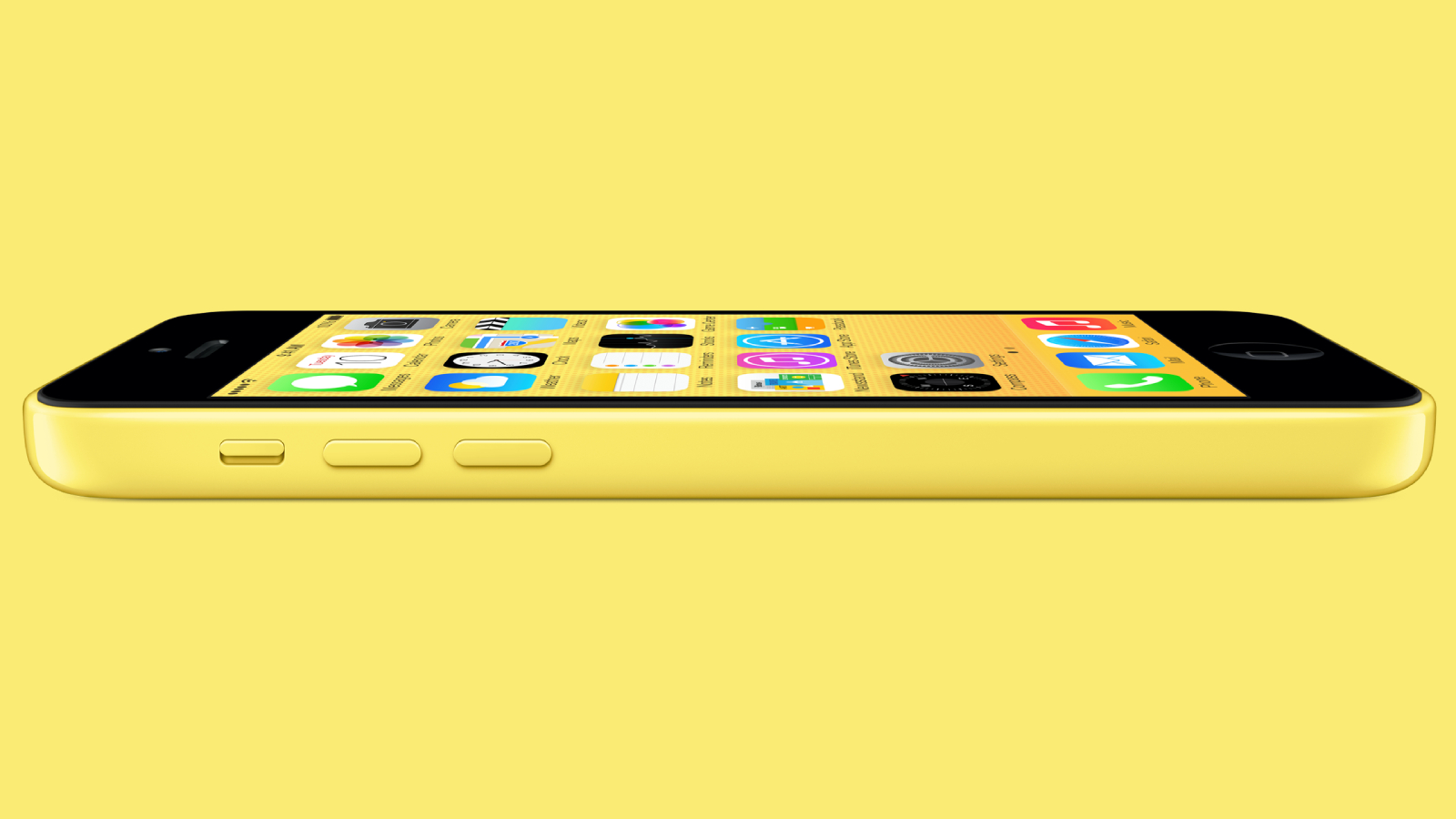
Apple has stopped signing several older versions of iOS for a group of legacy iPhone and iPad models, cutting off the paths to reinstall or downgrade the affected software.


Apple will no longer validate over-the-air (OTA) or direct IPSW installs of the builds in question. Once a version is unsigned, there is no longer a way to restore or install it through Finder or iTunes.

The change is narrower than a typical signing update. Apple has not stopped signing the iOS versions themselves. Instead, it has ended signing for the baseband firmware, the low-level software that runs each device's cellular modem, tied to those releases.

The affected releases span iOS 6 through iOS 10. The full set of devices and versions that can no longer be restored is as follows:


  • iPhone 4 (CDMA): iOS 7.1.2 IPSW installs

  • iPhone 4S: iOS 6.1.3 and iOS 8.4.1 OTA installs, plus iOS 9.3.5 and iOS 9.3.6 IPSW installs

  • iPhone 5 (GSM and CDMA): iOS 8.4.1 OTA installs, plus iOS 10.3.3 and iOS 10.3.4 IPSW installs

  • iPhone 5c (GSM and CDMA): iOS 10.3.3 IPSW installs

  • iPad 2 (Wi-Fi + 3G, CDMA): iOS 6.1.3 and iOS 8.4.1 OTA installs, plus iOS 9.3.5 and iOS 9.3.6 IPSW installs

  • iPad 3rd generation (GSM and CDMA): iOS 8.4.1 OTA installs, plus iOS 9.3.5 and iOS 9.3.6 IPSW installs

  • iPad 4th generation (Wi-Fi + Cellular): iOS 8.4.1 OTA installs, plus iOS 10.3.3 and iOS 10.3.4 IPSW installs

  • iPad mini (Wi-Fi + Cellular): iOS 8.4.1 OTA installs, plus iOS 9.3.5 and iOS 9.3.6 IPSW installs


Tellingly, every model caught up in the change is a cellular variant. Wi-Fi-only iPads are untouched, since they carry no cellular modem and therefore there is no baseband to sign in the first place.

The oldest hardware on the list is the CDMA iPhone 4, which never advanced beyond iOS 7.1.2, while the newest builds affected are iOS 10.3.3 and iOS 10.3.4 on the iPhone 5 and the fourth-generation ‌iPad‌.

For context, Apple did not separate iOS and iPadOS until iPadOS 13, so these much earlier ‌iPad‌ releases were all running iOS at the time.

One of the more interesting entries is the OTA version of iOS 8.4.1, which Apple had kept signing to serve as a stepping stone. Certain devices had to pass through iOS 8.4.1 on the way to iOS 9, and the same signed build gave owners a route back if they wanted to revert. That fallback now disappears for nearly every device on the list, from the iPhone 4S up to the iPhone 5.

A device that is already up and running on its current firmware carries on as normal, but owners lose the fallback of a fresh install should that firmware ever break. It also shuts the door on restores for anyone holding onto old hardware to test apps, check compatibility, or preserve software.

Signing changes like this usually target the latest releases instead, often landing within days of a significant security patch for a current version of iOS or iPadOS. Pulling signatures for decade-old builds on aging devices is rarer, and it touches only a tiny fraction of users in 2026, since everything on the list is more than ten years old.

Update 12:00 pm: Apple has fixed the baseband signing issue for the iPhone 5c on iOS 10.3.3 and iOS 10.3.4, and presumably other devices and iOS versions will follow.

Update 12:24 pm: Baseband signing for all devices has now been restored.
Related Roundups: iPad, iPad mini
Related Forums: iOS 10, iOS 8, iOS 9, iPad, iPhone

This article, "Apple Pulls Ability to Restore iPhone 5c, iPad Mini, and More [Updated]" first appeared on MacRumors.com

Discuss this article in our forums

  •  

DuckDuckGo Browser Now Blocks YouTube Ads on iPhone and Mac

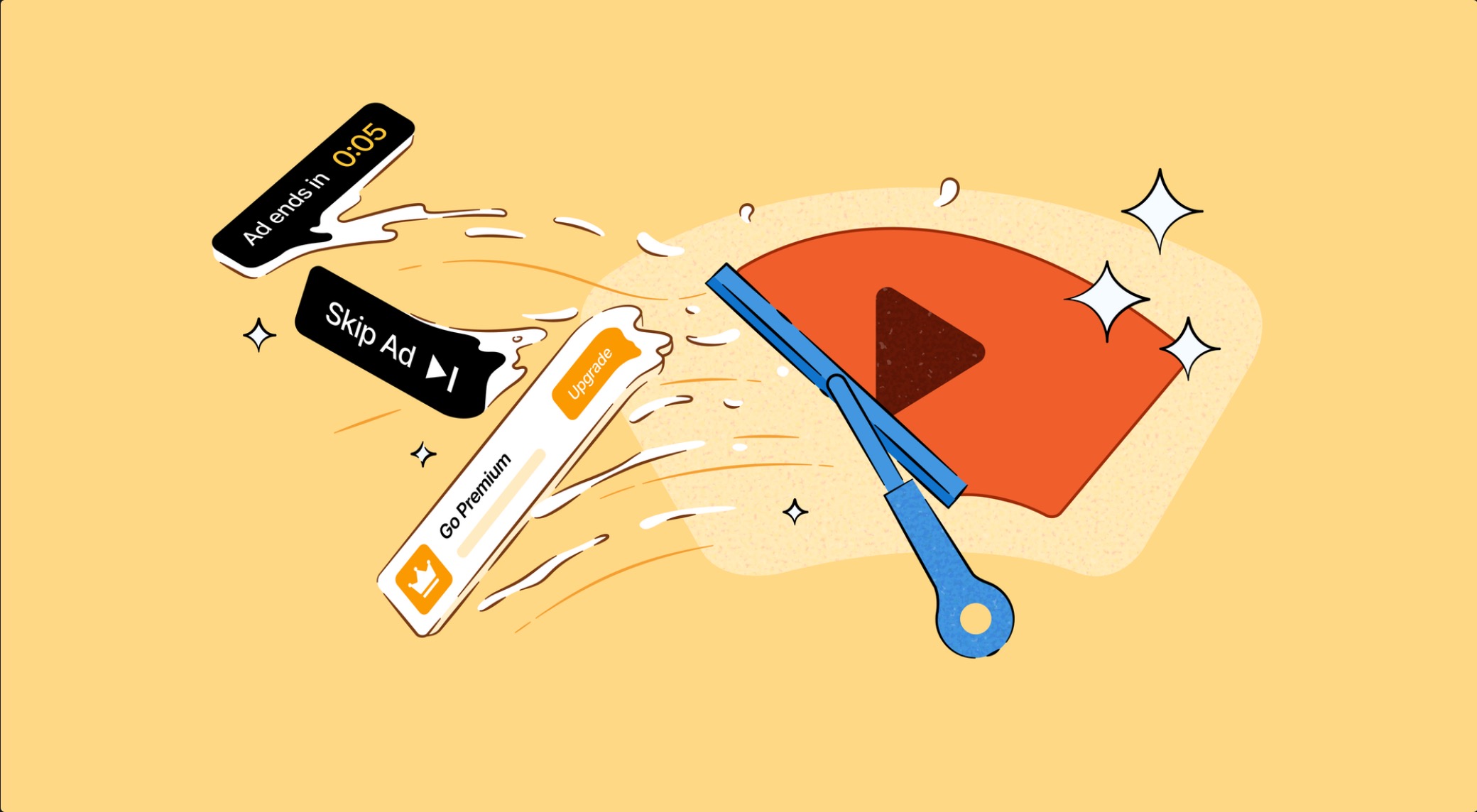
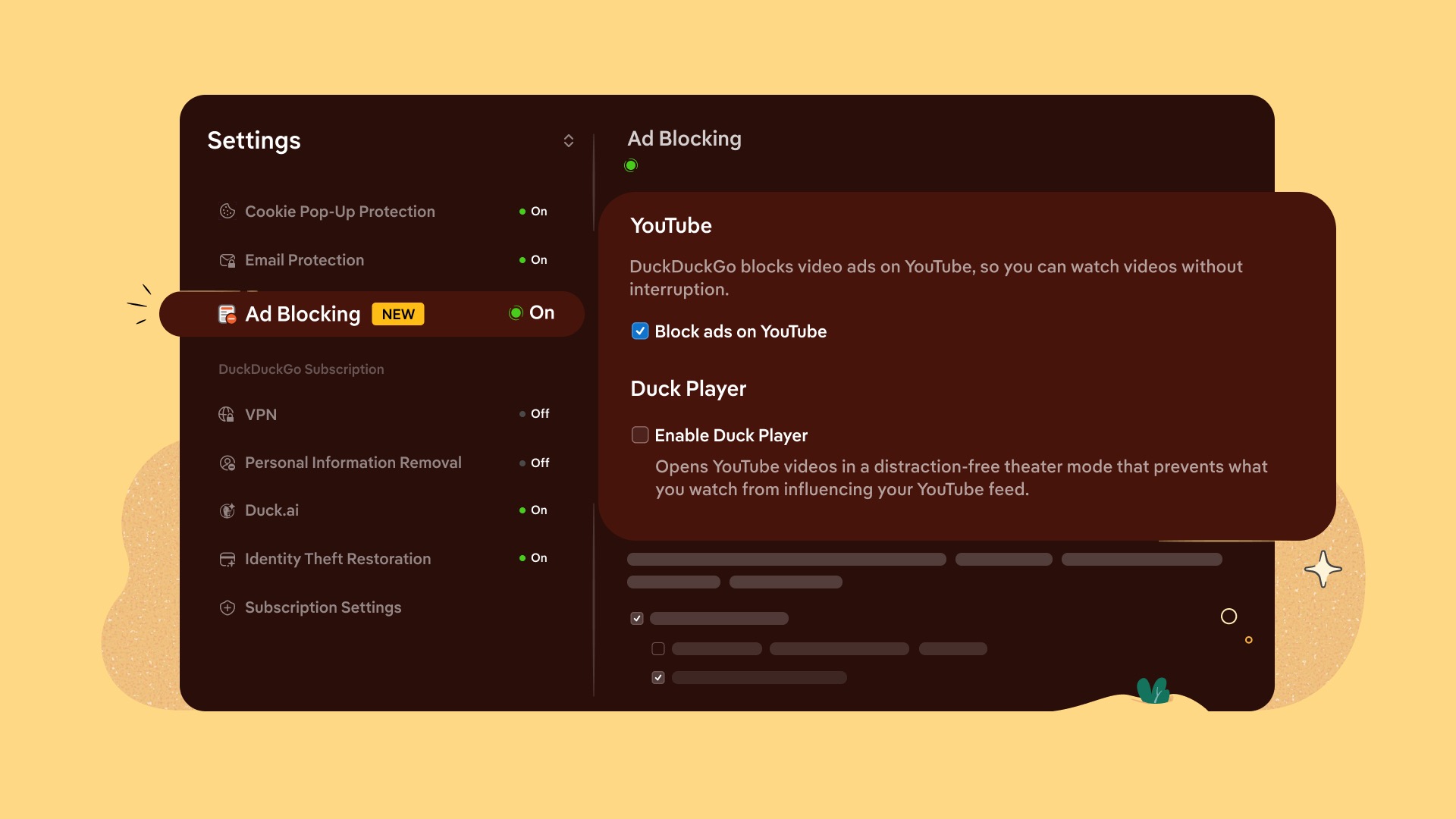
DuckDuckGo's free web browser now blocks most video ads on YouTube, and the feature is on by default for iPhone and Mac users running the latest version of the app.


Announced on Wednesday, YouTube Ad Blocking stops ads that play before and during videos on YouTube's website, and DuckDuckGo says the result is the regular YouTube experience minus the interruptions, so features like viewing history and saving your spot in playlists keep working.

One thing to watch on iPhone is if you tap a YouTube link, it often opens the dedicated YouTube app if you have it installed. The blocking feature obviously won't work there, and you'll need to open the YouTube website inside the DuckDuckGo browser instead.

DuckDuckGo says it is using a community-maintained filter lists from uBlock Origin, along with its own rules to help minimize breakage. The company warns that videos may buffer a little longer than usual, but playback should run uninterrupted once a clip loads.

Note that YouTube Ad Blocking is separate from Duck Player, the browser's distraction-free video viewing mode, but the two can be enabled together.


The move follows Google's ongoing efforts to break ad blockers every which way it can, including recent changes to Chrome that targeted uBlock Origin. It's worth mentioning that DuckDuckGo isn't the first browser to block YouTube ads, with similar features already available in Brave and Opera.

DuckDuckGo's browser offers more than a dozen privacy protections, including ad tracker blocking and cookie pop-up removal. It's available for iOS devices on the App Store and for Mac on the Mac App Store and DuckDuckGo website.
This article, "DuckDuckGo Browser Now Blocks YouTube Ads on iPhone and Mac" first appeared on MacRumors.com

Discuss this article in our forums

  •  

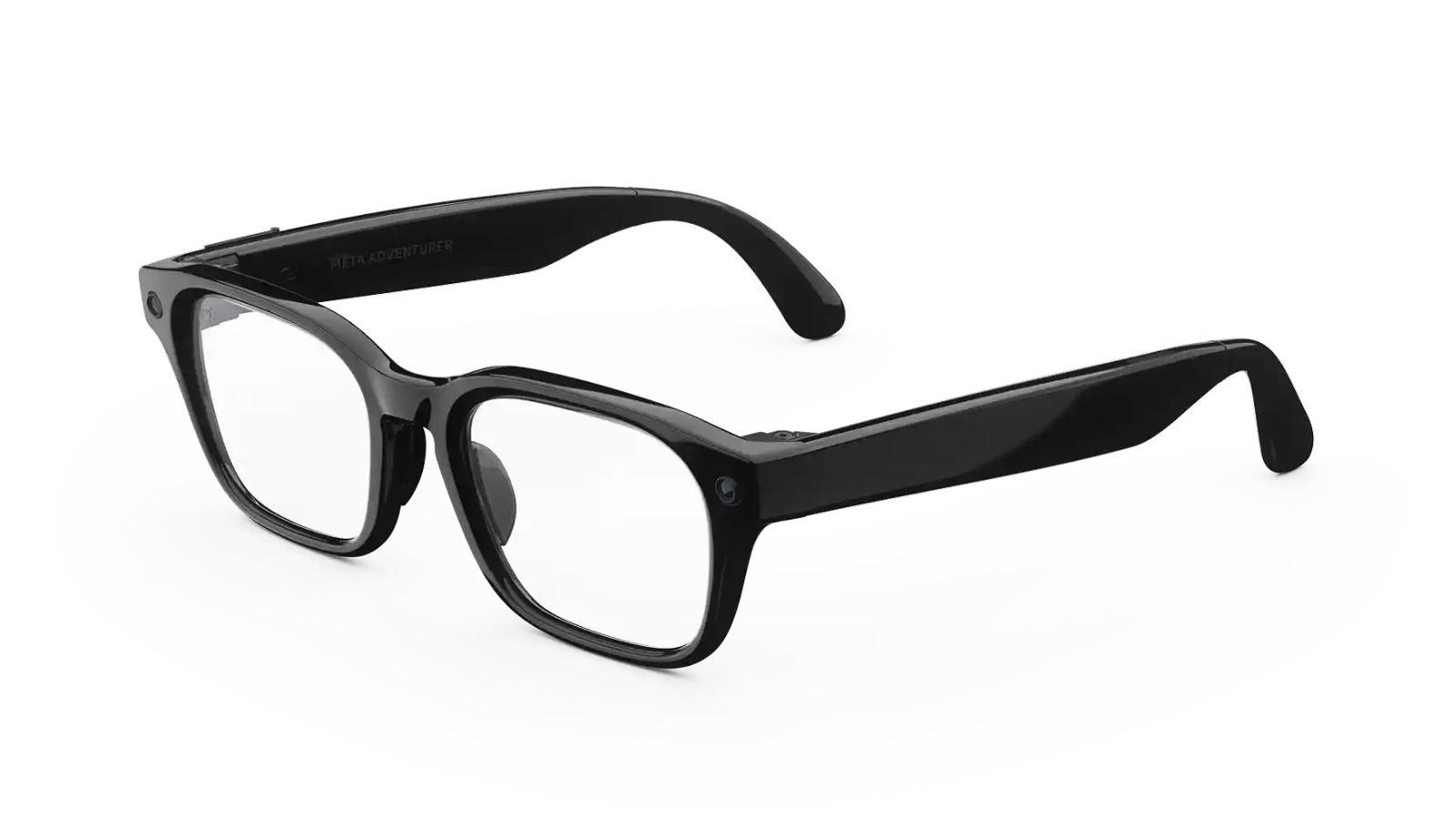
Meta's 'Super Sensing' Prototype Glasses Quietly Record Everything

Meta has prototyped "super sensing" smart glasses that use cameras and audio recordings to capture the wearer's every moment, reports the Financial Times ($).


The smart glasses continuously collect audio while taking photos every few seconds, allowing the user to leverage AI to help query what they saw or heard, or recall their day, according to the report's sources.

Meta's current AI smart glasses have an LED in the corner of the frame that lights up to signal to others when a wearer is taking photographs or filming. But Meta executives don't want to activate the LED when the super-sensing features are turned on.
In one proposed system, raw footage and audio would not be stored by Meta or made available to the user, several people said. Instead, the metadata from that audio and images would be extracted and uploaded to the server for Meta's AI to query, which proponents argue would have fewer privacy implications.

The company is also discussing whether data collected through the glasses and their features could be used to train its own AI models, as it pours billions into rivalling competition such as OpenAI, Google and Anthropic in the AI race.
The report suggests the features could be activated on Meta's existing glasses via a software update.

Meta's plan, which could still change, highlights the obvious civil liberty and privacy risks of smart glasses. Privacy experts argue that always-on devices could violate data privacy or biometric data laws. It is also unclear whether the company or the wearer would be liable for potential violations of wiretapping laws, given that several U.S. states prohibit recording third-party conversations without consent.

Meta's existing Ray-Ban smart glasses already lack a visual indicator when AI is being used to analyze the wearer's surroundings. The company says it safeguards privacy by stripping out key identifying information.

In February, it was reported that the social media giant had an inactive facial recognition feature embedded in its Ray-Ban smart glasses platform. The company later removed the system.

Apple is widely expected to release its first smart glasses in 2027, designed in-house rather than through a partner brand.

Apple's smart glasses are expected to include cameras, microphones, and AI capabilities, and will have the ability to take photos, record video, provide translations, give turn-by-turn directions, and more. However, they won't have augmented reality capabilities, and it's not clear how Apple will manage privacy concerns.
This article, "Meta's 'Super Sensing' Prototype Glasses Quietly Record Everything" first appeared on MacRumors.com

Discuss this article in our forums

  •  

iPhone 18 Pro Max Said to Be Thicker and Heavier Than Predecessor

Apple's upcoming iPhone 18 Pro Max could be noticeably thicker and heavier than its predecessor, suggesting a trade-off behind the device's rumored larger battery.


Chinese leaker Ice Universe today claimed the iPhone 18 Pro Max will measure around 9mm thick and weigh approximately 240 grams. That would make the device around 0.25mm thicker and roughly 7 grams heavier than the current iPhone 17 Pro Max.

The latest claim comes off the back of recent regulatory filings indicating the iPhone 18 Pro Max will feature a 5,391mAh battery in China and a 5,567mAh battery in the U.S. – an increase of nearly 500mAh over the iPhone 17 Pro Max.

Ice Universe suggested the added thickness and weight are a direct result of the larger battery, but Apple is also said to be adopting a new type of vapor chamber that uses stainless steel, which could also be a contributing factor.

The rumor builds on an earlier claim that Apple's next flagship could become the heaviest iPhone ever. If so, it would have to be heavier than the iPhone 14 Pro Max, which also weighed 240 grams, so it may turn out that there are only milligram-level differences between the two.

Apple's use of titanium instead of stainless steel made the iPhone 15 Pro and iPhone 16 Pro models lighter than the iPhone 14 Pro models. Apple then switched away from titanium to less-dense aluminum for the iPhone 17 Pro models, but internal changes and slightly thicker designs bumped up their weight again.

The ‌iPhone 18 Pro‌ and ‌iPhone 18 Pro‌ Max are expected to launch alongside Apple's first foldable iPhone this September.
Related Roundup: iPhone 18 Pro

This article, "iPhone 18 Pro Max Said to Be Thicker and Heavier Than Predecessor" first appeared on MacRumors.com

Discuss this article in our forums

  •  

Everything Coming in the 2026 Apple TV 4K

The Apple TV 4K hasn't been updated since 2022, and it's due for a refresh. An update is planned for 2026, but Apple is likely going to wait to launch it after Siri AI launches in iOS 27.


Design


‌Apple TV‌ design updates don't happen often, and that's not changing. The next ‌Apple TV‌ is going to have the same squircle shape as the current model, and it'll continue to be made from a black plastic material.

We're expecting the 2026 ‌Apple TV‌ to be indistinguishable from the existing ‌Apple TV‌ on the exterior, with no changes to size or design.

New Chip


The ‌Apple TV‌ 4K is going to get a new A-series chip, and that'll be the biggest upgrade. Rumors suggest Apple is planning to use the A17 Pro that was first introduced in the iPhone 15 Pro models.

Compared to the A15 Bionic in the current ‌Apple TV‌, the A17 Pro is a solid update, and it's a good reason to hold off on buying the current model. The A17 Pro is built on a 3-nanometer process for faster speeds and better efficiency. It has hardware-accelerated ray tracing for higher-quality graphics in games and it supports hardware-accelerated AV1 decoding, which is useful for streaming content.

The A17 Pro is the oldest chip Apple makes that supports Apple Intelligence, and it's also used in the iPad mini 7.

Since Apple has held the ‌Apple TV‌ update for so long, it's possible it'll get an even newer chip like the A18 or A19. A RAM update is possible too, especially if the ‌Apple TV‌ has any kind of ‌Apple Intelligence‌ support.

Apple Intelligence and Siri


The next ‌Apple TV‌ is ready to launch, but new ‌Siri‌ features are the holdup. Apple wants to release the ‌Apple TV‌ with the smarter version of ‌Siri‌ that Apple is testing in ‌iOS 27‌, iPadOS 27, and macOS 27.

Bloomberg's Mark Gurman says the Apple TV is linked to "new artificial intelligence features" that Apple has postponed until iOS 27, which is launching in September 2026. Apple intended to debut the ‌Apple Intelligence‌ ‌Siri‌ features in spring 2026, but the company was still experiencing issues with ‌Siri‌. At this point, we're not going to see new ‌Siri‌ capabilities until ‌iOS 27‌, which also means a delay for all the devices that Apple is holding.

Along with the ‌Apple TV‌, the rumored home hub and a new version of the HomePod are waiting on ‌Siri‌ AI's launch.

Updated ‌Siri‌ features may require more RAM and a faster chip, so if you want the smarter ‌Siri‌ on the ‌Apple TV‌, that's another reason to wait before making a purchase.

Wi-Fi


The ‌Apple TV‌ could get Apple's N1 networking chip with Wi-Fi 7 support. Wi-Fi 7 works with the 6GHz band offered by newer routers.

6GHz connectivity is faster and less congested, which you want for a streaming device.

Bluetooth and Thread


The ‌Apple TV‌ 4K could get Bluetooth 6 for connecting devices like controllers and earbuds.

Apple's N1 chip also supports Thread, so the ‌Apple TV‌ will be able to continue to serve as a Thread border router and a Matter hub for smart home devices.

Siri Remote


It's possible Apple will introduce a new Siri Remote alongside the ‌Apple TV‌, though it's unclear what Apple might change.

Pricing


There were rumors of a price drop, but with the June 2026 price increase for the 2022 ‌Apple TV‌ and all Macs and iPads, a lower price is unlikely.

Launch Date


With ‌Siri‌ AI set to launch in September in ‌iOS 27‌, we could see the ‌Apple TV‌ refreshed right around when new iPhone models come out.
Related Roundup: Apple TV
Buyer's Guide: Apple TV (Don't Buy)

This article, "Everything Coming in the 2026 Apple TV 4K" first appeared on MacRumors.com

Discuss this article in our forums

  •  

Meta's New AI Image Tool Can Use Your Public Instagram Photos by Default

Meta is rolling out a new feature that lets people use public Instagram posts and reels to generate AI content, and it's turned on by default.


If you have an Instagram account that's not set to private, there is a setting allowing anyone to generate content on ‌Meta‌ AI using your images and videos. The option was added to support ‌Meta‌'s new image generation model, Muse Image. Muse Image is rolling out across Instagram, WhatsApp, and ‌Meta‌ AI, and it pulls in images from an Instagram account with just an @-mention. From ‌Meta‌'s description of Muse Image:
You can also @-mention Instagram accounts in the Meta AI app to bring specific Instagram profiles right into your images. Whether you want to design a custom event invitation, mock up a collaborative creative concept, or generate a personalized graphic, tagging a username lets Meta AI use public photos to build a visual that's ready to post.

An Instagram help page explains that content on public Instagram accounts can be used for creating content with AI features, and you won't get a notification if someone uses your content to create an AI image.
If your account is public: Anyone on Instagram can reuse all or part of your reels, feed videos, and photos shared after reuse became available. Reels, feed videos, and photos can be reused in features like remix, sequence, templates and stickers. In addition, people may be able to create content with your Instagram content using AI features at Meta.

‌Meta‌ opts all public Instagram accounts in by default, but there is an option to turn off AI permissions. In the Instagram app settings, scroll to Sharing and Reuse, then toggle off "Posts" and "Reels" under the "Allow people to create with and reuse your content on Instagram and with AI features at ‌Meta‌."

Turn off the setting now if you don't want people using your content to create AI images, because AI content created prior to turning it off isn't deleted. Muse Image is still rolling out, and so is the toggle to turn off AI use. You may not see the opt-out option right away. Private Instagram profiles aren't included in Muse Image.

‌Meta‌ plans to expand Muse Image to Facebook and Messenger soon, and allow advertisers and agencies to use Muse Image to create content in the coming weeks. ‌Meta‌ is also working on a Muse Video feature.
This article, "Meta's New AI Image Tool Can Use Your Public Instagram Photos by Default" first appeared on MacRumors.com

Discuss this article in our forums

  •  
❌