Lees weergave

Apple's Camera-Equipped AirPods Ultra: What to Expect

Apple is working on AirPods that have cameras for feeding data to Siri. The new earbuds will be Apple's first AI wearable, and current rumors suggest they're going to come out in late 2027.

Design


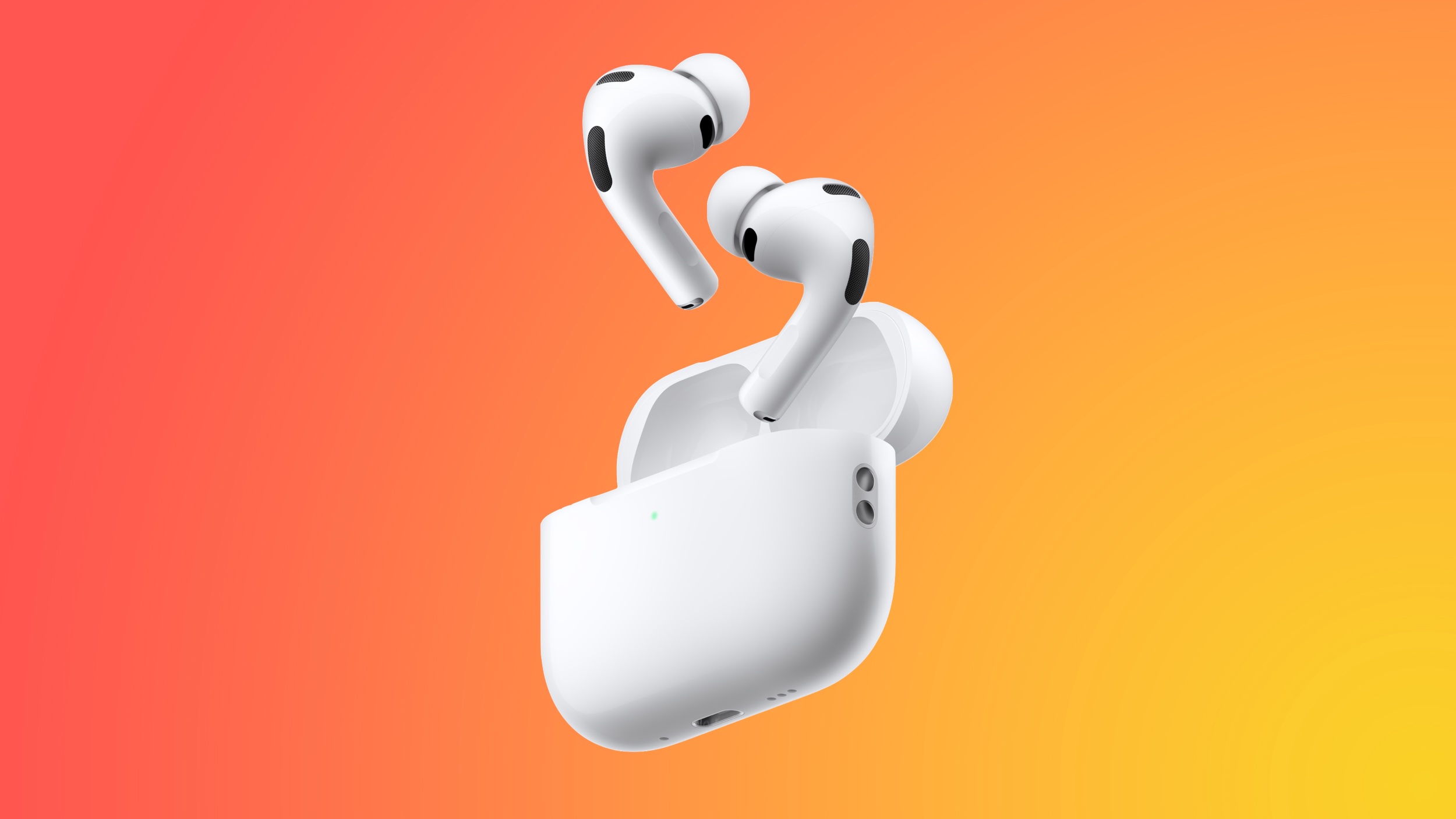
The AirPods will look similar to the current AirPods Pro 3, but with cameras embedded in the stem. Apple also plans to include a light that will come on when visual data from the AirPods is being sent to the cloud. The LED will let people around the wearer know the cameras are in use.
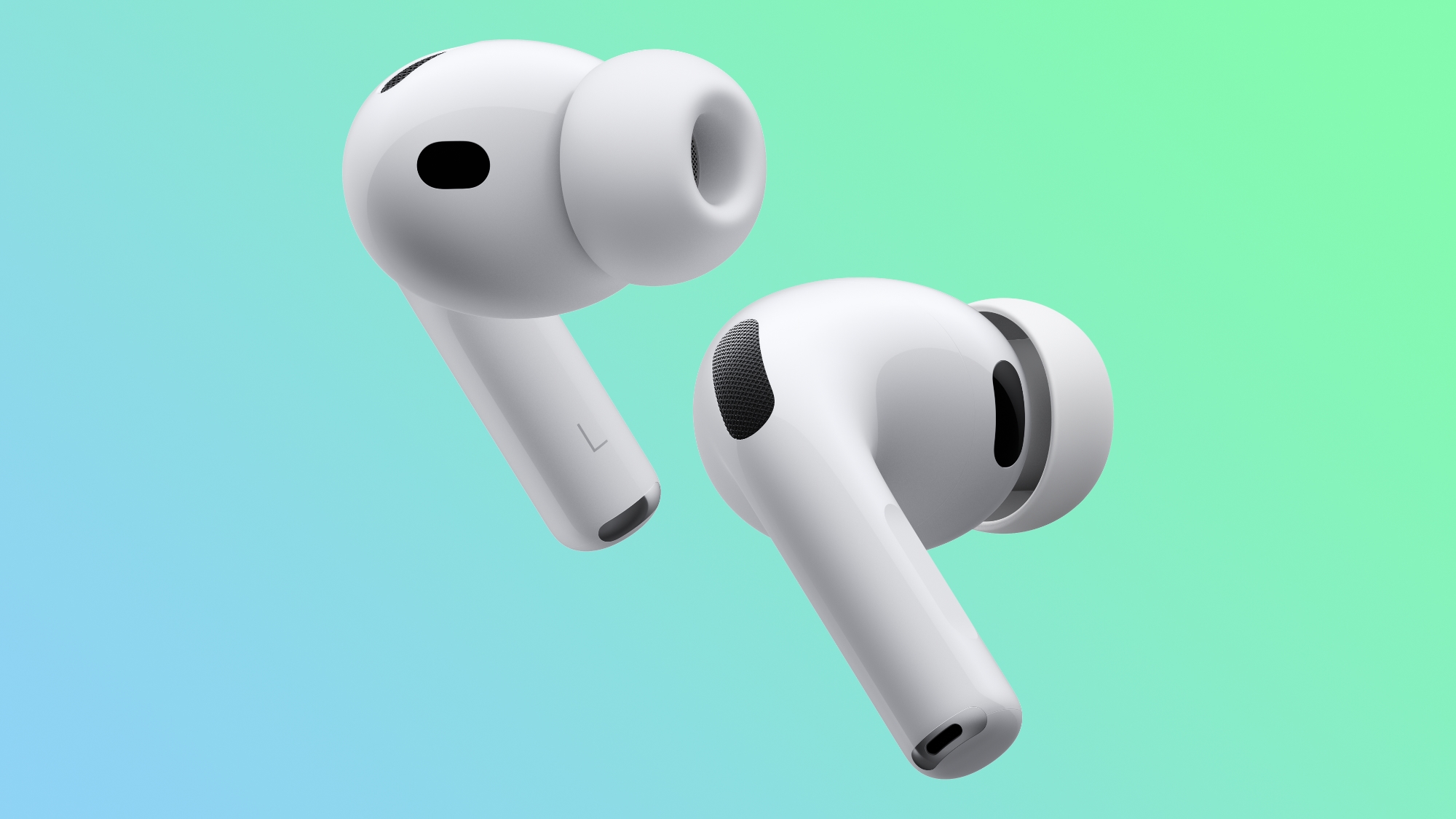


Size, design, and fit are expected to remain the largely same for the earbuds and the charging case, with the exception of the changes to the stem.

Rumors suggest Apple will use tiny infrared cameras, similar to the infrared camera used for Face ID.

Features


The cameras in the AirPods will be used for sending data about the wearer's surroundings to ‌Siri‌, giving ‌Siri‌ more information about where the user is and what's nearby.

‌Siri‌ will be able to answer questions about objects or whatever the wearer happens to be looking at. The camera-equipped AirPods could be useful for more exact turn-by-turn directions when walking, contextual reminders, 3D mapping, and more.

The iPhone already has Visual Intelligence, which uses AI to identify plants, animals, landmarks, art, books, and more. Camera-equipped AirPods will be able to supply data for ‌Visual Intelligence‌ without the need to use the Camera app.

Users aren't likely to be able to use the cameras to capture photos and videos.

H3 Chip


Apple is working on an upgraded H3 chip and it could make its first appearance in the next AirPods Pro. The H3 chip is expected to bring latency improvements and better audio quality.

Naming


Initial rumors about the AirPods with cameras said they wouldn't be a full new model and wouldn't be called the AirPods Pro 4, but launch timing has since changed. It's now likely the AirPods will be part of the AirPods Pro line, but naming is still unsettled.

Apple could call them the AirPods Pro 4, but AirPods Ultra is also a possibility.

Pricing


With the addition of cameras, the AirPods could be more expensive than the current $249 ‌AirPods Pro 3‌.

Compatibility


Since the AirPods will feed data to ‌Siri‌, an iPhone that supports Apple Intelligence will be required to use the features. ‌Apple Intelligence‌ is available on the iPhone 15 Pro and later.

Release Date


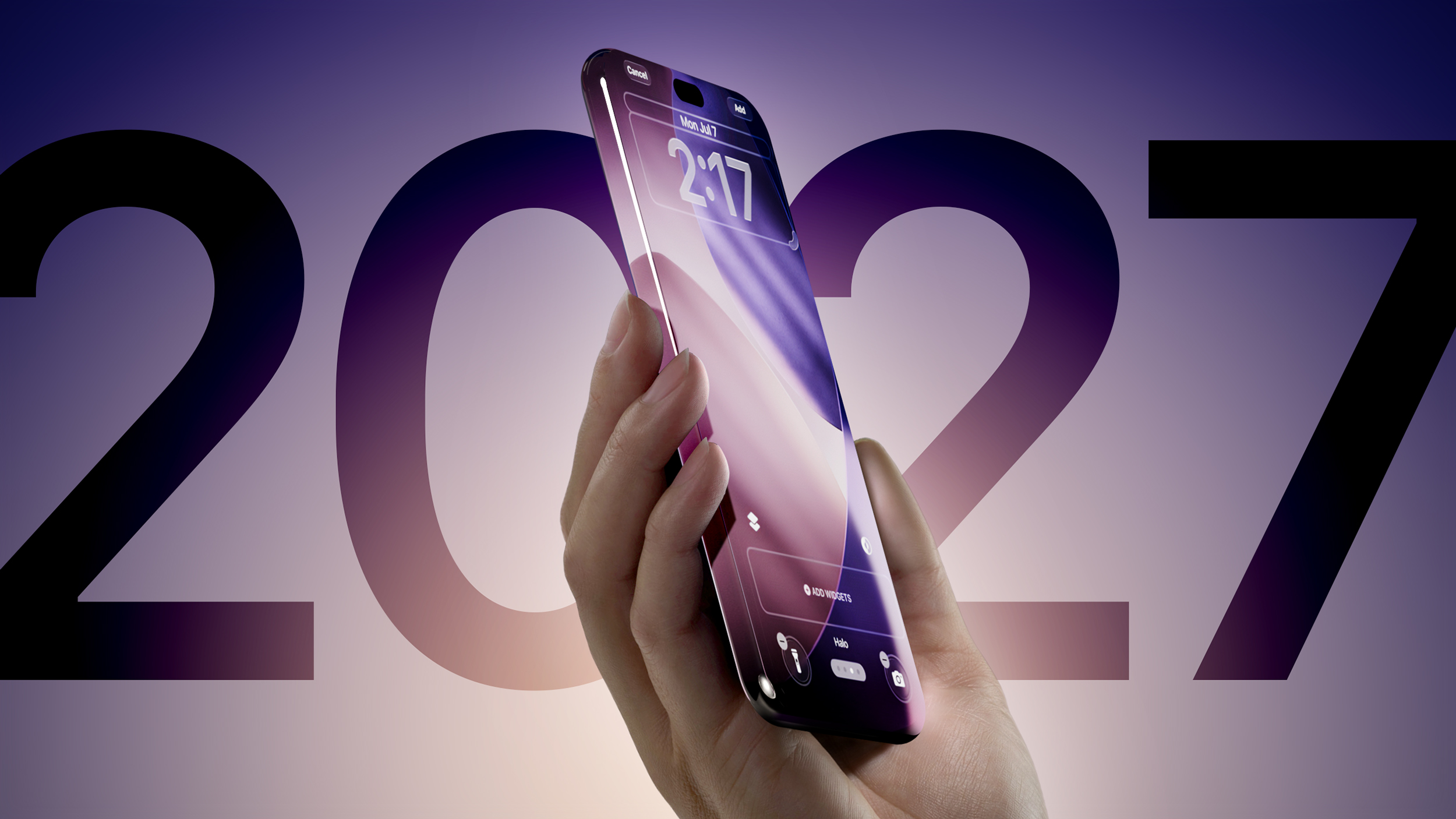
There were rumors suggesting the camera-equipped AirPods could come out as soon as this year, but the latest information indicates the new earbuds will launch in late 2027 alongside the 20th anniversary iPhone and a second-generation foldable iPhone.

Apple reportedly needed more time for the AirPods to design visual AI models capable of identifying objects.

Apple is testing the new AirPods with iOS 28, an update that Apple is already developing.
Related Roundups: AirPods 4, AirPods Pro 3
Related Forum: AirPods

This article, "Apple's Camera-Equipped AirPods Ultra: What to Expect" first appeared on MacRumors.com

Discuss this article in our forums

  •  

macOS Tahoe 26.5.2 and iOS 26.5.2 Updates Coming Soon

Apple is working on a macOS Tahoe 26.5.2 update that's expected to come out in the near future. The second macOS Golden Gate beta includes an upgrade path from ‌macOS Tahoe‌ 26.5.2, which suggests 26.5.2 is an upcoming build that Apple expects devices to be running soon.


The update will be released alongside iOS 26.5.2, which we've already confirmed is in testing based on MacRumors visitor logs.

‌macOS Tahoe‌ 26.5.2 and iOS 26.5.2 are expected to be minor updates with bug fixes and security updates.

Apple is also testing ‌macOS Tahoe‌ 26.6 and iOS 26.6 updates, and two betas have been released so far. With the 26.6 software not too far off, it's likely we'll get iOS 26.5.2 and ‌macOS Tahoe‌ 26.5.2 this week.
Related Roundups: iOS 26, iPadOS 26, macOS Tahoe
Related Forums: iOS 26, macOS Tahoe

This article, "macOS Tahoe 26.5.2 and iOS 26.5.2 Updates Coming Soon" first appeared on MacRumors.com

Discuss this article in our forums
  •  

Apple Dropping AirPort Utility From the App Store With iOS 27

Apple is planning to remove the AirPort Utility app from the App Store in the near future, according to the release notes for iOS 27 beta 2. The app is no longer fully supported in ‌iOS 27‌, and Apple warns that it is not guaranteed to work.


AirPort Utility will no longer be available for new downloads from the App Store. If you previously downloaded the app, you can still re-download it. When using AirPort Utility on iOS 27 and later, functionality is not guaranteed.

Users who have downloaded AirPort Utility in the past will be able to re-download it if needed.

Apple also plans to remove AirPort Utility from new installations of macOS, but users who already have it installed will continue to be able to use it after updating to new versions of macOS. As with ‌iOS 27‌, Apple says it isn't guaranteed to work in macOS Golden Gate.

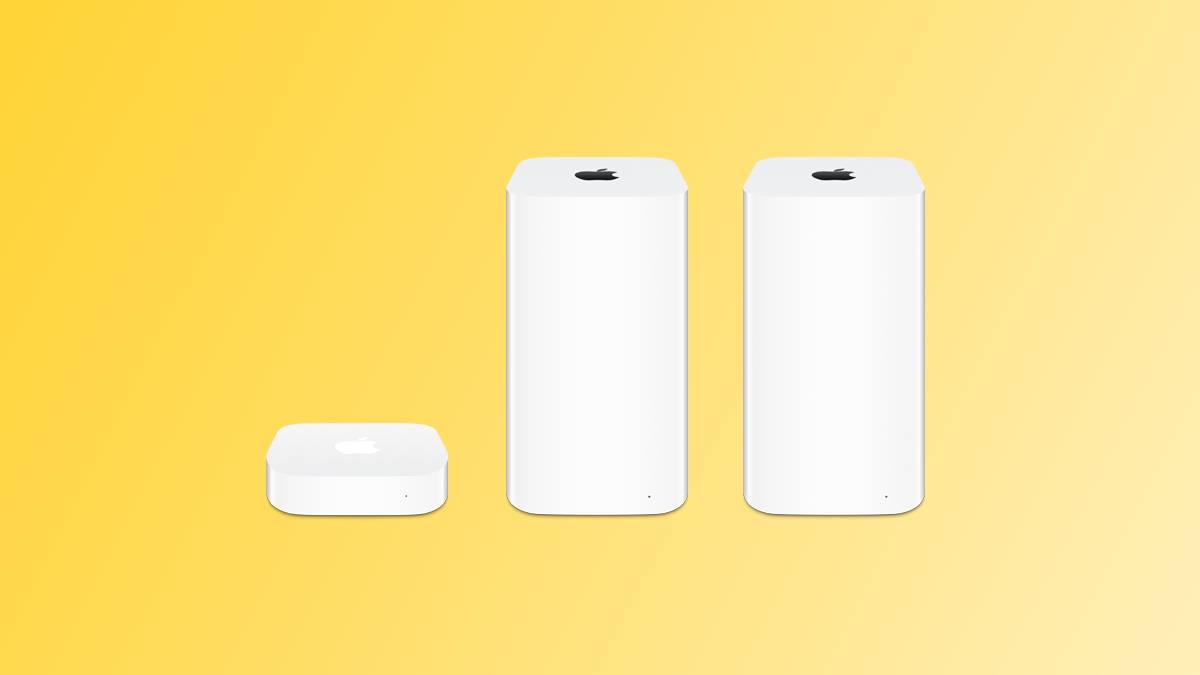
AirPort Utility lets users manage AirPort base stations like the AirPort Extreme, AirPort Express, and AirPort Time Capsule. Apple discontinued its AirPort routers back in 2018, but has continued to support them through the AirPort Utility app.

With ‌macOS Golden Gate‌, Apple is eliminating AFP support, which means the Time Machine feature on Macs will no longer work with the AirPort Time Capsule.

With Time Capsule support ending and Apple sunsetting the AirPort Utility app, it's clear Apple does not plan to continue offering updates to users who are still holding on to their AirPort devices.
Related Roundups: iOS 27, iPadOS 27

This article, "Apple Dropping AirPort Utility From the App Store With iOS 27" first appeared on MacRumors.com

Discuss this article in our forums
  •  

iOS 27 Beta 2 Adds Inline Replies to iPhone-to-Android RCS Chats

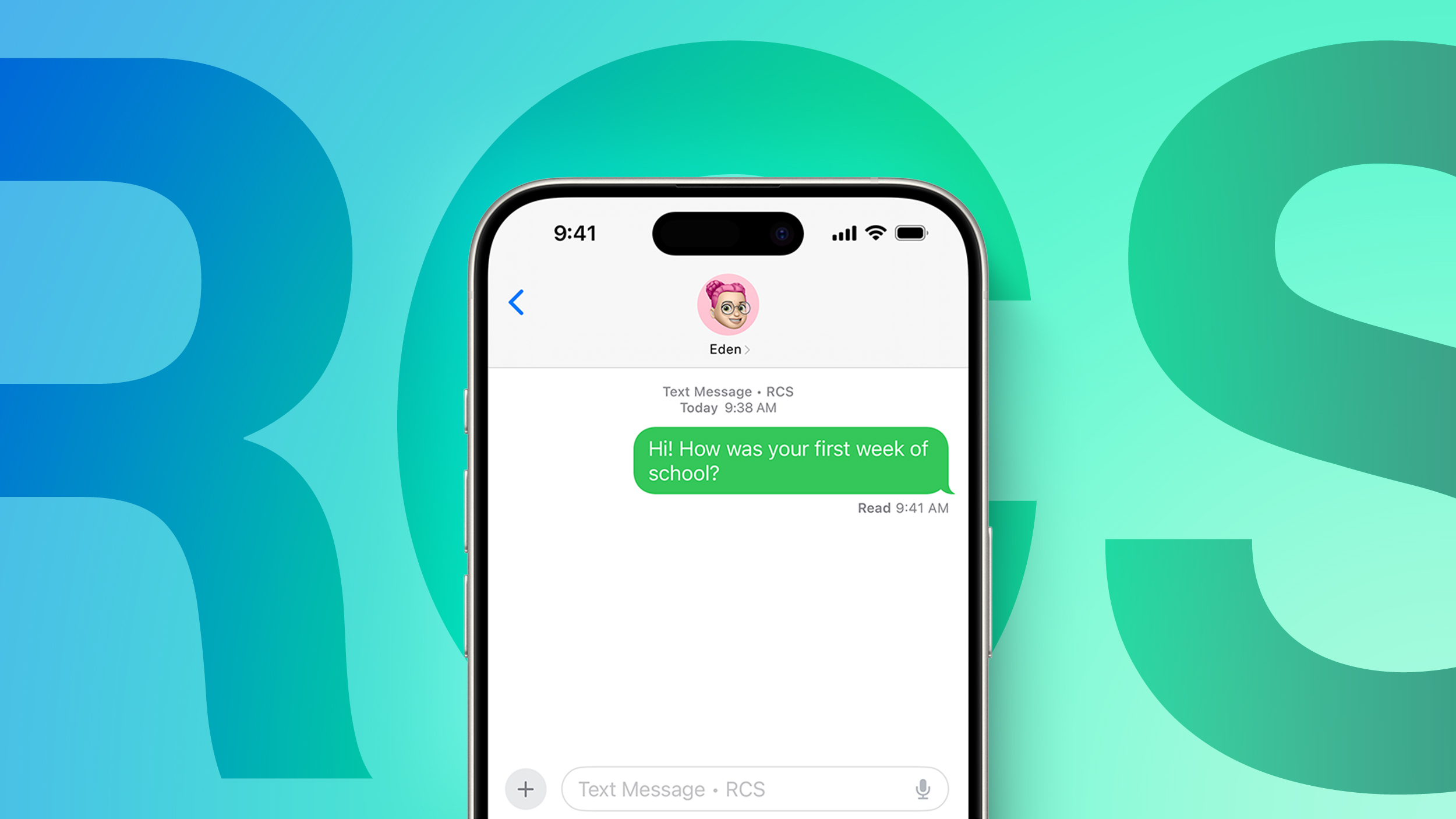
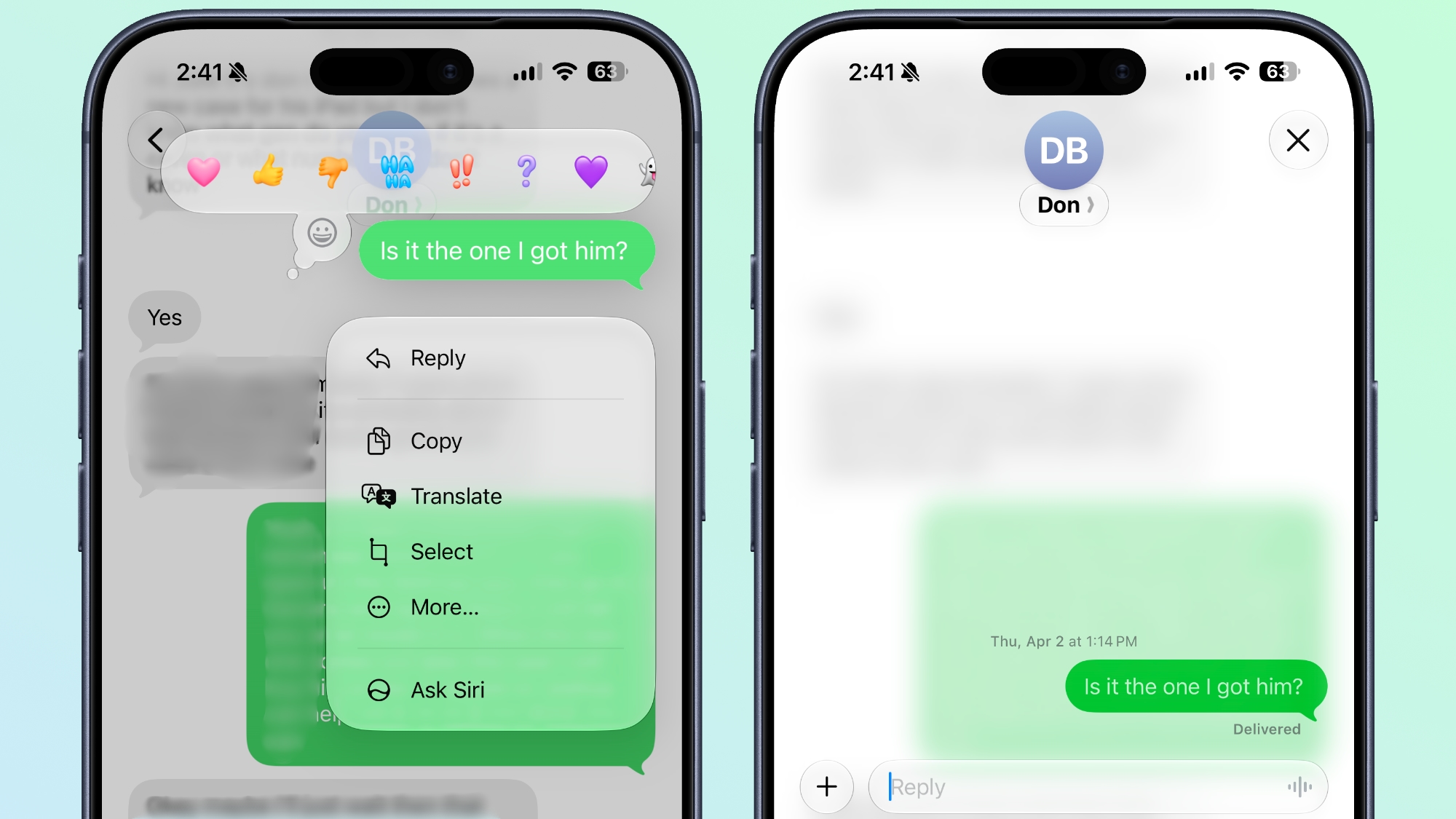
With the second beta of iOS 27, Apple added support for replying to a specific message in an RCS conversation with an Android user.


You can now long press on a message to get to the option to reply, and it works the same way that it does with iMessage.


‌iOS 27‌ also displays tapback/reaction emoji to images and videos properly. In iOS 26, it would use a text descriptor, such as [x loved an image] instead of showing the emoji. In ‌iOS 27‌, the emoji shows up on the image or video as it does in an iMessage conversation.

Apple added support for ‌RCS‌ in iOS 18, and has been improving it since then. iOS 26.5 added encryption for ‌RCS‌ messages sent between iPhone and Android users, and now more of the ‌RCS‌ features are being implemented.

For ‌RCS‌ reply threading to work properly, both the sender and the recipient need to have a smartphone and carrier that supports ‌RCS‌.

‌iOS 27‌ is limited to developers currently, but it will be available to the public when Apple releases a public beta in July. The software will see an official launch in September.
Related Roundups: iOS 27, iPadOS 27
Tags: Android, RCS

This article, "iOS 27 Beta 2 Adds Inline Replies to iPhone-to-Android RCS Chats" first appeared on MacRumors.com

Discuss this article in our forums
  •  

A Small iOS 27 Change Hints at Apple's Long-Rumored Home Hub

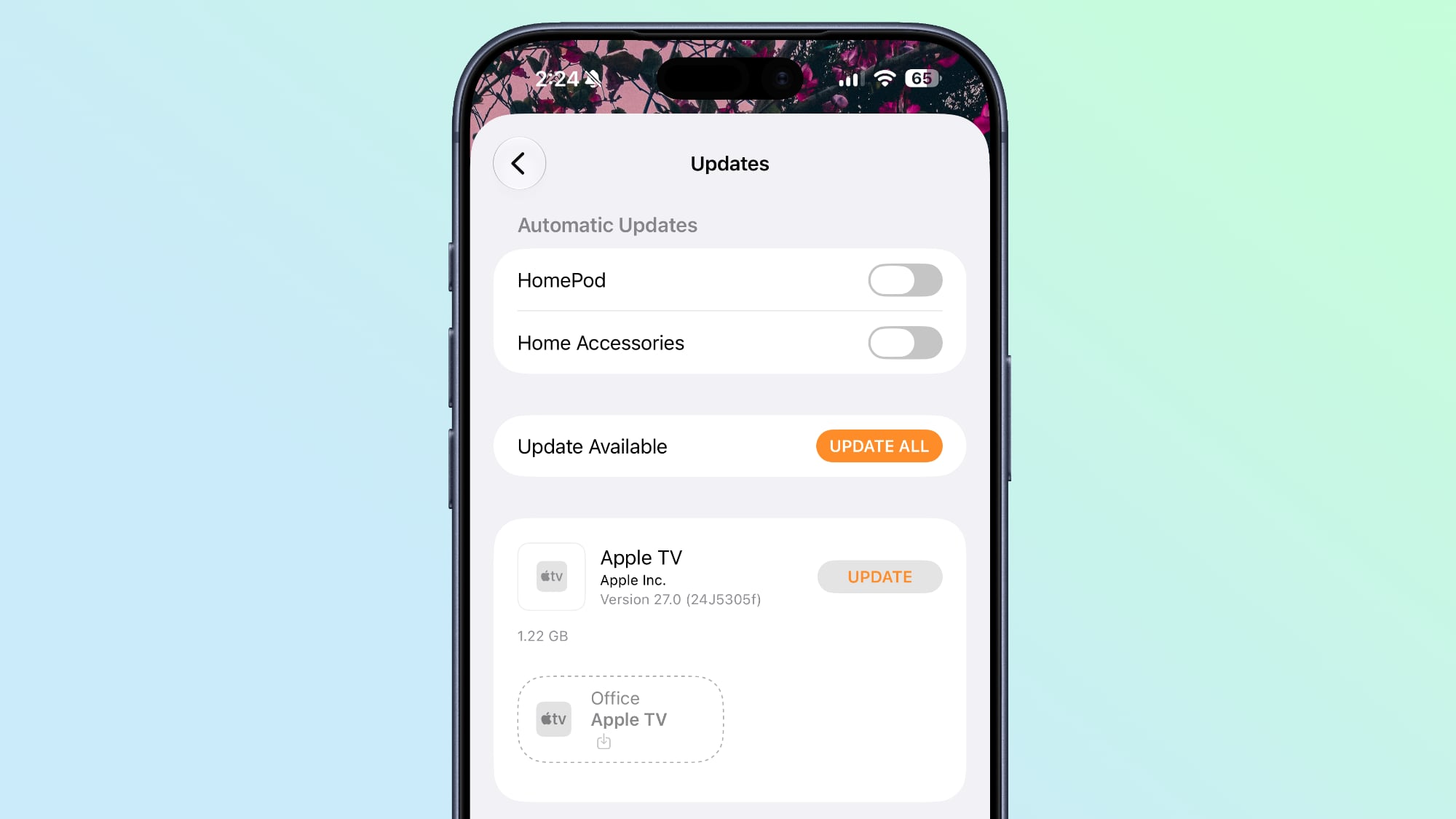
In iOS 27 beta 2, Apple updated the Home app to add support for remotely updating an Apple TV.


The ‌Apple TV‌ is now listed in the Updates section of the Home app's Settings interface, and tapping on the ‌Apple TV‌ update button installs the latest software without needing to turn on the ‌Apple TV‌.

The HomePod and HomePod mini have long been able to be updated through the Home app, so the ‌iOS 27‌ change for the ‌Apple TV‌ puts it on par with the ‌HomePod‌. The ‌HomePod‌ and ‌HomePod mini‌ run a variant of tvOS, so it makes sense for the ‌Apple TV‌ to be updated in the same way.

Apple's decision to add the ‌Apple TV‌ to the Home app update interface suggests that the upcoming home hub device that's in the works will also be controlled and updated through the Home app.

Apple is expected to release a dedicated home hub later this year, and it will run a version of tvOS like the ‌HomePod‌. It will be a centralized spot for controlling smart home products, making video calls, getting information like the current weather, and interfacing with Siri. The device is expected to have a 7-inch square display with built-in speakers, and it could be something of a HomePod-iPad hybrid.
Related Roundups: iOS 27, iPadOS 27

This article, "A Small iOS 27 Change Hints at Apple's Long-Rumored Home Hub" first appeared on MacRumors.com

Discuss this article in our forums
  •  

Wallet App Gets New 'Insights' Feature in iOS 27 Beta 2

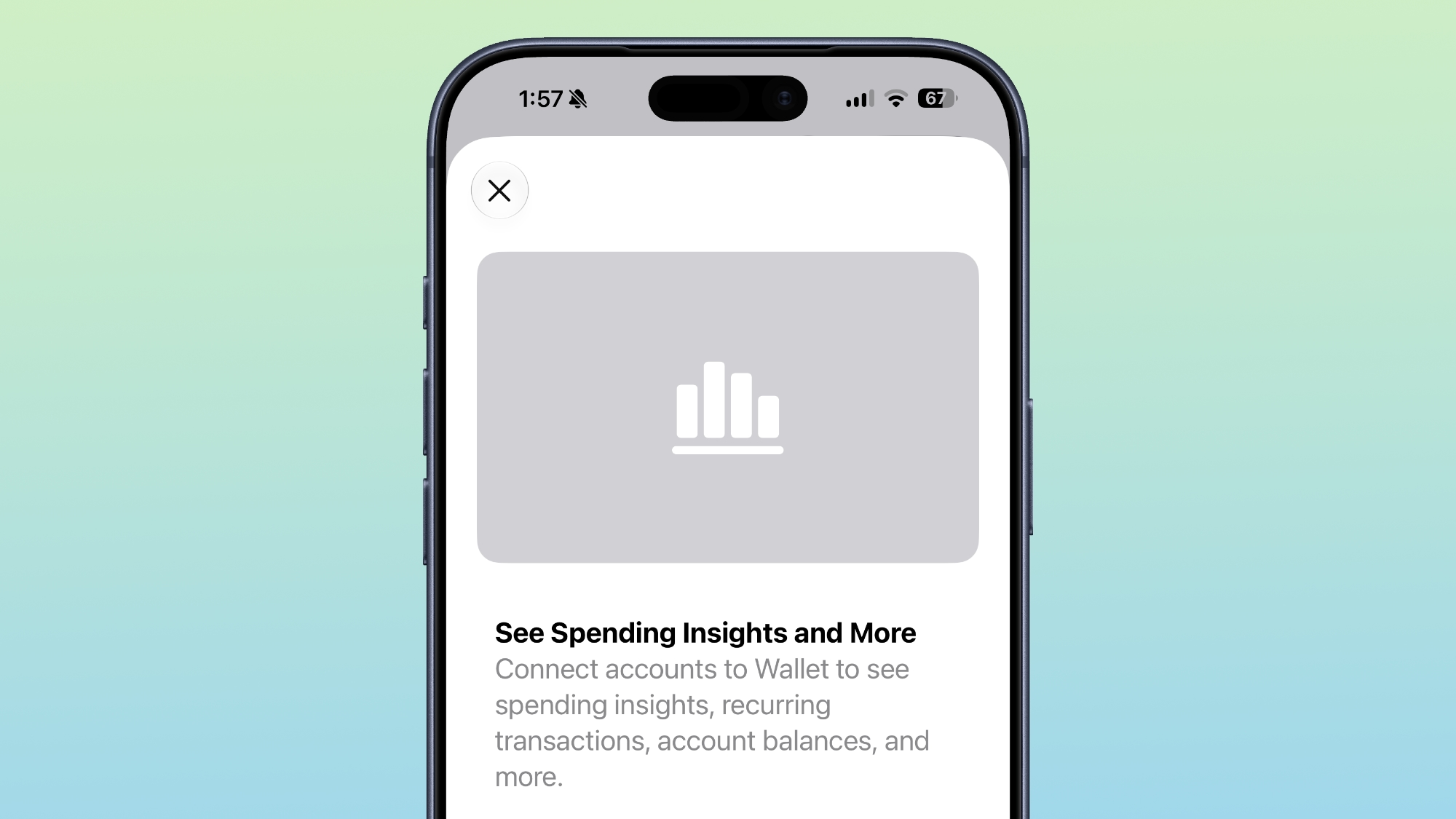
Apple has added a new "Insights" feature to the Wallet app in the second iOS 27 beta. Accessible by tapping the three dots in the upper right corner, Insights appears to let users add different financial accounts to monitor their spending.


A splash screen for the feature says users will be able to connect accounts to Wallet to see spending insights, recurring transactions, account balances, and more. The fine print says the following: "Your device is connected to your financial institution by an Apple wholly owned subsidiary, which fetches, categorizes, and standardizes your account information for display on your device. Your account information is not stored."

Tapping on the Continue button on the splash screen goes to the Add to Wallet interface with no new options available, so it does not appear to be functional at this time.

Apple has detailed transaction information for the Apple Card, but support for other cards and accounts has been limited. Apple did introduce a Connected Cards (later renamed Connected Accounts) feature in iOS 17.1, but it saw limited adoption. Discover implemented support and users could see their total card balance, Pay with Rewards, and transaction history, but Discover removed the functionality in early June and almost no other U.S. issuers ever used it. Several UK banks still have deeper integration with the Wallet app's Connected Accounts option.

It looks like Insights could be a successor to Connected Accounts that will work without card issuers specifically adding in support.

Update: We've heard from several users whose banks have offered Connected Accounts integration, and the new Insights feature in ‌iOS 27‌ beta 2 is working for them, displaying spending highlights and details, so it's clear that Insights is indeed an evolution of the existing Connected Accounts feature.
Related Roundups: iOS 27, iPadOS 27

This article, "Wallet App Gets New 'Insights' Feature in iOS 27 Beta 2" first appeared on MacRumors.com

Discuss this article in our forums
  •  

macOS Golden Gate Beta 2 Now available for Developers

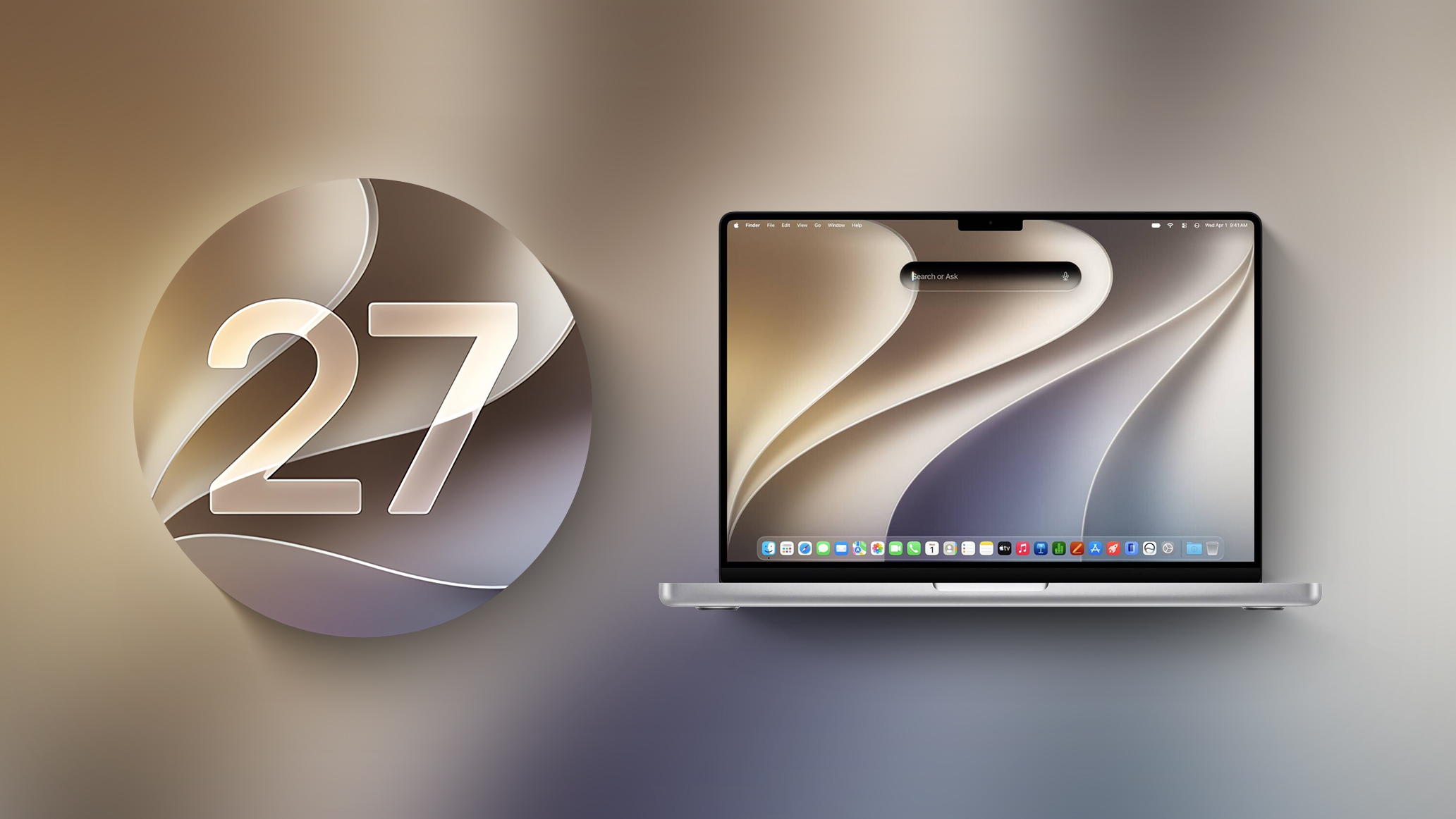
Apple today provided developers with the second beta of macOS Golden Gate, with the update coming two weeks after Apple seeded the first beta.


Developers can download ‌macOS Golden Gate‌ by going to System Settings > General > Software Update. Beta Updates will need to be enabled, and a free developer account is required.

‌macOS Golden Gate‌ includes multiple design improvements. Liquid Glass opacity has been improved to increase readability, there's a slider for controlling the level of transparency, and changes to shadowing make it easier to tell when a window is active. Apps now have uniform toolbars, edge-to-edge sidebars, and less rounded corners, plus there are fewer icons in menu bars.

Siri has been transformed into ‌Siri‌ AI, a chatbot-style assistant that combines general world knowledge, your personal data, and onscreen awareness to answer questions about anything and find information for you. ‌Siri‌ lives in Spotlight, and you can ask questions with the new Search or Ask interface.

There's also a ‌Siri‌ app where you can chat with ‌Siri‌ and view past conversations, and on newer Macs, you can set a custom voice for ‌Siri‌ with personalized pace and expressivity. Visual Intelligence is now on the Mac so ‌Siri‌ can answer questions about what's on your screen, and a Write with ‌Siri‌ feature lets ‌Siri‌ generate text or give feedback on your writing.

There are AI photo editing tools in the Photos app, AI tab organization in Safari, an option to use AI to automatically update weak passwords in the Passwords app, and a revamped Image Playground app that can generate photorealistic images.

More on all of the new features in ‌macOS Golden Gate‌ can be found in our macOS Golden Gate roundup. ‌macOS Golden Gate‌ is limited to developers right now, but Apple plans to release a public beta in July.
Related Roundup: macOS Golden Gate

This article, "macOS Golden Gate Beta 2 Now available for Developers" first appeared on MacRumors.com

Discuss this article in our forums
  •  

Apple Seeds iOS 27 and iPadOS 27 Second Betas to Developers

Apple today seeded the second betas of iOS 27 and iPadOS 27 to developers for testing purposes, with the update coming two weeks after Apple released the first betas following the WWDC 2026 keynote.


Registered developers can download the betas from the Settings app on the iPhone or iPad by going to the General section and selecting Software Update.

‌iOS 27‌ introduces Apple's smarter version of Siri, ‌Siri‌ AI. ‌Siri‌ AI is a chatbot similar to ChatGPT, incorporating general world knowledge, personal data from apps like Messages and Mail, and onscreen awareness to answer questions and find information for you.

There are new Apple Intelligence features in apps like Photos, Safari, Shortcuts, Wallet, and Passwords, plus Apple added a standalone ‌Siri‌ app that houses ‌Siri‌ conversations. Write with ‌Siri‌ is available systemwide for generating text or offering feedback on your writing, and Visual Intelligence has been relocated to the Camera app with a new ‌Siri‌ mode.

Apple improved the look of Liquid Glass and added a slider for customizing transparency. There are multiple performance improvements to speed up iOS, so everything feels faster, even on older iPhones. Apps launch quicker, AirDrop transfers are faster, the keyboard pops up more quickly, and devices are better at transitioning between Wi-Fi and Cellular to keep you connected.

For more on what's new in ‌iOS 27‌, we have a dedicated iOS 27 roundup.
Related Roundups: iOS 27, iPadOS 27

This article, "Apple Seeds iOS 27 and iPadOS 27 Second Betas to Developers" first appeared on MacRumors.com

Discuss this article in our forums
  •  

Apple Seeds tvOS 27 Beta 2 to Developers

Apple today seeded the second beta of tvOS 27 to developers for testing purposes, with the update coming two weeks after Apple released the first beta following the WWDC keynote.


The beta can be downloaded and installed through the Settings app on the Apple TV. A free developer account is required.

tvOS 27 has few new features compared to the other 27 software updates, but it does add a redesigned Podcasts app, options for larger text, and a more responsive Control Center.

AirPlaying to an ‌Apple TV‌ from another Apple device is faster, and apps and animations are smoother. You can also now see AppleCare coverage details in the Settings app.

More on the features in tvOS 27 can be found in our Apple TV roundup.
Related Roundup: Apple TV
Buyer's Guide: Apple TV (Don't Buy)

This article, "Apple Seeds tvOS 27 Beta 2 to Developers" first appeared on MacRumors.com

Discuss this article in our forums

  •  

Apple Seeds Second visionOS 27 Beta to Developers

Apple today provided developers with the second beta of an upcoming visionOS 27 update for testing purposes, with the beta coming two weeks after Apple released the first beta.


visionOS 27 can be installed by opening the Settings app, going to Software Updates, and opting into Beta Updates.

visionOS 27 introduces Siri AI, the smarter and more capable version of ‌Siri‌ that's similar in capability to chatbots like ChatGPT and Claude. On the Vision Pro, ‌Siri‌ can answer questions about anything the wearer is looking at, and there's a new ‌Siri‌ orb that can be placed anywhere in wearer's virtual space.

Panorama photos can be turned into spatial environments, and there's a new Icelandic Thórsmörk environment that features dramatic mountains, valleys, and glaciers, along with the northern lights. Web Environment support allows developers to create 360-degree environments in Safari for a more native Vision Pro browsing experience.

App windows are now curved to provide a more immersive workspace, and Control Center has been reorganized to make system controls easier to find. Apple added a smaller widget size, and notifications automatically expand when the wearer looks at them.

More on what's new in visionOS 27 is listed in our Vision Pro roundup.
Related Roundup: Apple Vision Pro
Buyer's Guide: Vision Pro (Neutral)
Related Forum: Apple Vision Pro

This article, "Apple Seeds Second visionOS 27 Beta to Developers" first appeared on MacRumors.com

Discuss this article in our forums

  •  

Everything New in Calendar and Reminders in iOS 27

The Calendar and Reminders apps look about the same as they did in iOS 26, but there are a couple of useful new Apple Intelligence features that make both apps more intuitive.


Natural Language for Calendar


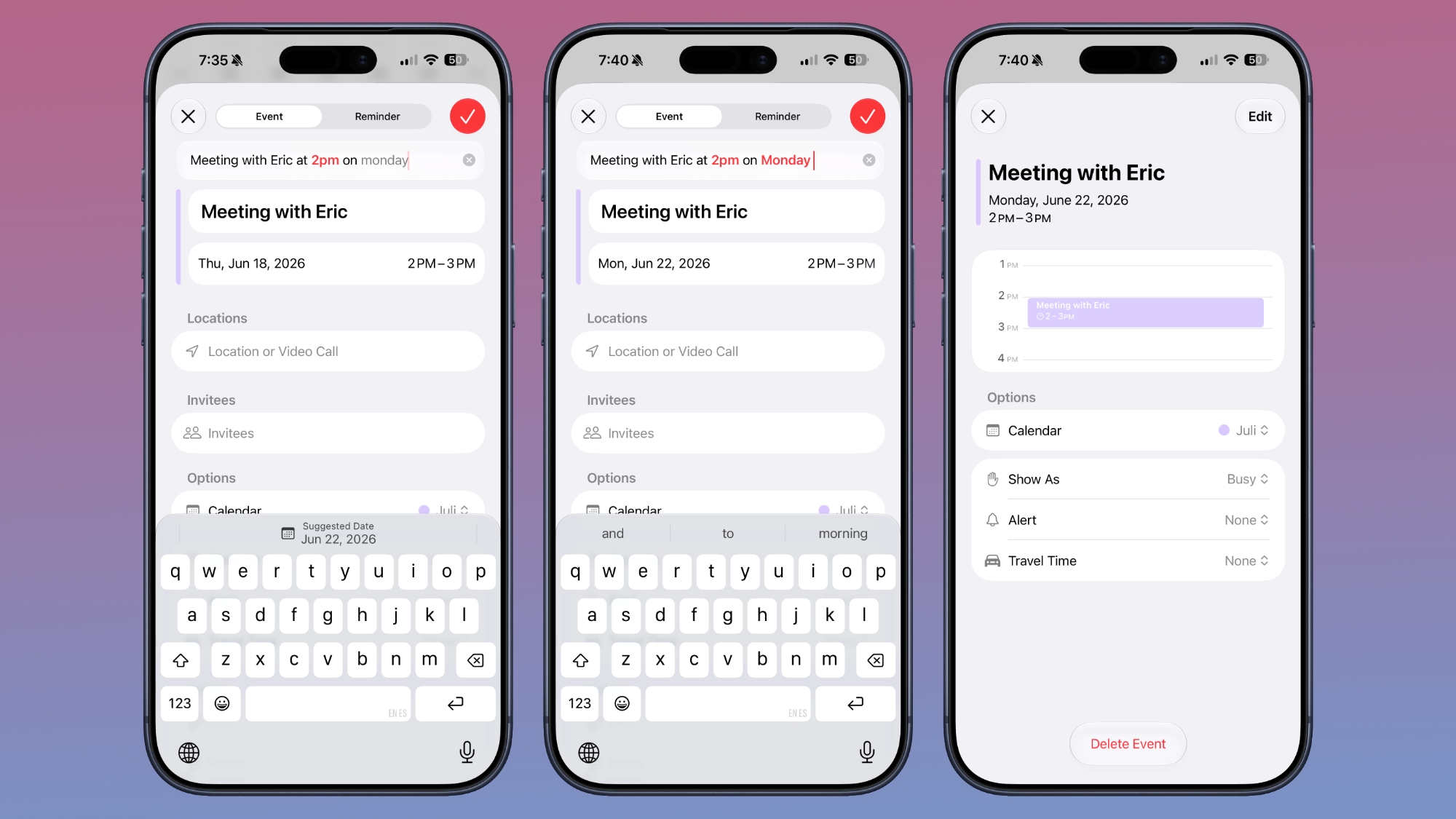
‌Apple Intelligence‌ in Calendar lets you add events by describing them in natural language. It identifies people, dates, and places while you are typing, and you can tap to add that info.


It's not as fluid as Fantastical, but it's better than before. You can't just open the Calendar app and type "meeting at 2pm with Eric on July 14" and have it filed correctly as you do in Fantastical because it doesn't have the same automatic date swapping.

Calendar adds an event on the date that's selected, and by default, that's the current date. To use natural language to select another date, you can type in "meeting at 2pm with Eric on July 14," but you need to tap on the July 14 suggestion at the top of the keyboard.

The Calendar app will automatically set the event to the time that you type in with natural language, so you don't need to tap for that.

Natural Language for Reminders


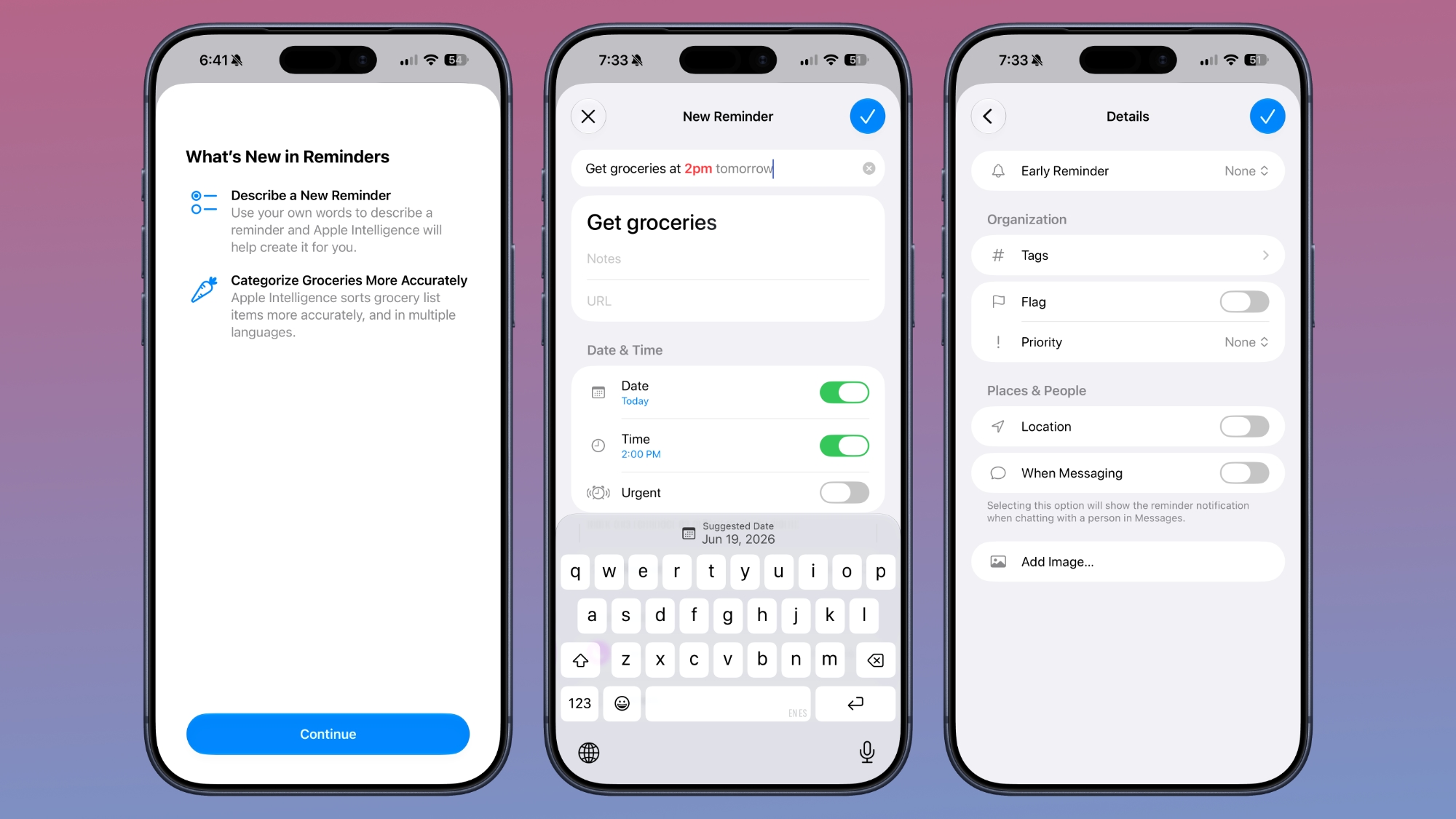
In Reminders, you can now describe a reminder in natural language and it will autofill the metadata that you mention. It can add date, time, and location automatically.


You can write in a reminder like "get the groceries at 6pm tonight" or "send the photos to John tomorrow at 4pm" and it will add the correct times to your reminder. The feature is in beta and it's not entirely consistent, so sometimes you need to tap on the suggestion below to add the correct date and time, and sometimes it does it automatically.

With natural language support, Apple removed the menu bar at the bottom of the interface for adding a new reminder. Adding extra features like an image or metadata such as a flag can now be done through the "Details" interface.

Calendar Event Editing


The event editing interface is a little simpler to use, and it's quicker to get to time adjustments. If you adjust the frequency of an event, Calendar can intelligently apply changes to all events. Siri can also be used for editing calendar events.

Holiday-Aware Alarms


The Calendar app tracks holidays, and can alert you the day before a holiday to ask if you want to change the time of the wake-up alarm that you have set.

Large Widgets


The Calendar and Reminders apps both have a new extra-large widget size that takes up an entire app page.

Siri AI


‌Siri‌ has full access to your calendar and can add events to it with natural language requests. What you can't do with the natural language entry, you can do with ‌Siri‌.

‌Siri‌ is much more capable than before, and it does a better job correctly adding events to the calendar on the day and time you intend, and with parameters, like repeating events.

Just describe the event you want to create and ‌Siri‌ can get it done. ‌Siri‌ can add events to your calendar from other apps, like Mail and Messages.

‌Siri‌ is able to search across the Calendar app and Reminders, so it knows your schedule and what's on your to-do list.

Visual Intelligence


Visual Intelligence in iOS 27 supports adding multiple events to your calendar at one time from a schedule. If you have a document with a list of dates, like a child's sports practice schedule, you can take a picture and add them to the Calendar app all at once.
<
h2>Reminders Grocery Lists
In ‌iOS 27‌, the Reminders app has improved grocery list sorting. It also supports more languages than before.

Shortcuts for Reminders


There are new Reminders actions in the Shortcuts app, including Create Group, Create List, Create Section, Delete Groups, Delete Lists, and Delete Sections. There's also a new "Get What's On Screen" option that can be used with Reminders.

Apple Intelligence Requirements


To use the ‌Apple Intelligence‌ features in ‌iOS 27‌, you need an iPhone 15 Pro or later.
Related Roundups: iOS 27, iPadOS 27

This article, "Everything New in Calendar and Reminders in iOS 27" first appeared on MacRumors.com

Discuss this article in our forums
  •  

Apple Music Reveals Top 20 Most-Streamed Artists of All Time

Apple today teamed up with Chart Data to share the top 20 most-streamed artists of all time. Chart Data says this is the first time that Apple has shared the all-time streaming list.


Drake is the number one most-streamed artist, with Taylor Swift coming in second. Future was third, followed by YoungBoy Never Broke Again and Bad Bunny. The full list is below.

Top 20 most streamed artists of all-time on Apple Music pic.twitter.com/c4WyaRZCTx

— chart data (@chartdata) June 18, 2026

Apple Music launched in June 2015, so the top 20 list includes streaming data for the past 11 years.

The streaming service is priced at $10.99 per month for an individual plan in the U.S., with other pricing options available for students, families, and in the Apple One bundle.

This article, "Apple Music Reveals Top 20 Most-Streamed Artists of All Time" first appeared on MacRumors.com

Discuss this article in our forums
  •  

Hands-On With watchOS 27: Every New Apple Watch Feature

watchOS 27 is the new version of watchOS that's coming to the Apple Watch this fall. It's a little light on features, but there are some useful new additions, including access to Siri AI.


‌watchOS 27‌ will have ‌Siri‌ AI, so you'll be able to use many of the same ‌Siri‌ features that you have on the iPhone on your wrist. Right now, the ‌Siri‌ features aren't in the ‌watchOS 27‌ beta, but the integration will be coming later this year. Apple is planning for a ‌Siri‌ app on the watch so you can access all of your ‌Siri‌ conversations.

‌Siri‌ AI for the watch will rely on a connected iPhone that supports Apple Intelligence, so you'll need an iPhone 15 Pro or later to use it on your watch. ‌Siri‌ will be able to access your personal data, search the web for info to answer questions, and take actions in apps.

There's a new dynamic app grid that's available when you press the Digital Crown. It will put the ‌Siri‌ app front and center, while also showing ‌Siri‌ Suggested apps that include your most used and recently used apps. The view shows multiple apps in addition to ‌Siri‌ and a shortcut to get to the full app list. Apple also improved Liquid Glass with better contrast and more uniform refraction, which boosts readability.

Workout Buddy is now available even without your iPhone nearby, and there are new metrics to keep you motivated, with the watch tracking progressive increases in the distance, pace, and duration of runs. Cycle Tracking now supports menopause/perimenopause recognition and notifications, and treadmill readings will be more accurate.

Apple added a new tap gesture, so you can single-tap your index finger and thumb together to select a widget in the Smart Stack. There are new Smart Stack suggested widgets for finding a parked car, accessing ‌Siri‌, getting to pinned messages, accessing transit cards, seeing noise notifications, getting reminders for birthdays, and more.

When you're getting a phone call, your watch can show information relevant to the call, like a flight confirmation number if you're on the phone with an airline. Custom passes made with the Wallet app on iPhone work on the Apple Watch, and there's a new unified Find My app for locating devices, items, and people. The ‌Find My‌ app supports Precision Finding for locating an iPhone, AirPods Pro 3, or an AirTag 2.

Under-the-hood improvements bring longer battery life, with Apple disabling little-used features like gestures, Start Workout reminders, and Raise to Speak to preserve battery.

‌watchOS 27‌ works on the Apple Watch Series 9 and later, the Apple Watch Ultra 2 and later, and the Apple Watch SE 3.
Buyer's Guide: Apple Watch (Caution)
Related Forum: Apple Watch

This article, "Hands-On With watchOS 27: Every New Apple Watch Feature" first appeared on MacRumors.com

Discuss this article in our forums
  •  

Philips Hue Adds Play Table Lamp, Floor Lamp, and New Candle Bulbs

Signify today announced two new Philips Hue devices to expand its Hue Entertainment lineup, debuting the Philips Hue Play Table Lamp and the Philips Hue Play Floor Lamp Large. There are also new candle bulbs.


The two lamps are similar to the existing Signe Hue table and floor lamps, featuring a tall, linear design that casts light on a wall or surface behind the light. The lamps offer color-changing lighting effects that synchronize with games, TV shows, movies, and music when used with the Hue Play HDMI Sync Box or the Hue Sync TV and desktop apps.

Signify says that the lamps are designed for flexible placement, and a video featuring the table lamp shows it placed next to a TV set to project on the wall behind it. The table lamp is 23.6 inches, while the floor lamp is 53 inches tall. Both support Chromasync for precise color matching.

The new lamps have a more affordable price than the previous gradient floor and table lamps. The Hue Play Table Lamp is priced at $80, and the Hue Play Floor Lamp is priced at $150.


The new Hue Candle bulbs have Matter over Thread integration and full-spectrum daylight technology. The temperature range up to 20,000K supports colors that mimic natural daylight throughout the day, and they support millions of Hue colors for use in lighting scenes. The bulbs are also 40 percent more energy efficient than the prior version, and they dim to 0.2 percent. Bulbs are priced at $110 for two.

All of the new products are available now from the Philips Hue website.
This article, "Philips Hue Adds Play Table Lamp, Floor Lamp, and New Candle Bulbs" first appeared on MacRumors.com

Discuss this article in our forums

  •  

Tim Cook Says Apple Price Increases Are 'Unavoidable' Due to Memory Costs

Apple is raising its prices to offset the high cost of memory and storage, CEO Tim Cook told The Wall Street Journal. Apple is no longer able to absorb the increased prices and will need to pass some of the cost on to consumers.


"Unfortunately, price increases are unavoidable," said Cook. "We're doing our best to mitigate the huge increases that are being passed to us, and we've been trying to shield our customers from the increases, but the situation has become unsustainable."

Cook did not say which products will get price increases or how much pricing will go up. The iPhone 18 Pro and ‌iPhone 18 Pro‌ Max coming in September could be more expensive than the iPhone 17 Pro and ‌iPhone 17 Pro‌ Max. Prices on iPads and Macs could go up in the near future.

Apple already raised the price of the Mac mini from $599 to $799 by eliminating its lowest-tier model. Apple has also eliminated several higher-tier ‌Mac mini‌ and Mac Studio options.

Growing demand for memory and storage chips from AI companies has led to chip shortages and higher costs. The Wall Street Journal suggests Apple will need to increase device costs "substantially" to maintain its current profit margins given the cost of memory chips and SSDs. Research firm TechInsights claims Apple will need to make the ‌iPhone 18 Pro‌ around $270 more expensive to keep its existing profit margin.

Apple is struggling more with memory chips, but storage chips are also an issue. "There's less supply at a time when consumers want devices and the memory guys are passing along huge price increases," Cook told The ‌Wall Street Journal‌. Cook said Apple will use its cash to increase memory supply, but he did not give details on what that means.

Apple does not plan to create its own memory and storage factories. "We can't do everything," Cook said. "We know what we're good at."

While memory chip makers like Samsung, SK Hynix, and Micron are increasing production capacity, much of that added capacity will prioritize server chips. Demand for consumer-device chips is expected to continue to outpace supply. At the same time, Apple needs to increase the DRAM in its devices to support new AI features. Cook likened the memory shortages to a hundred-year flood. "I've never seen anything like it in any area in over 40 years," he said.

Apple is one of the largest purchasers of memory and storage worldwide, but it is likely reluctant to make the same deals AI companies do. Those deals involve signing multi-year agreements with a large cash prepayment.

Multiple companies have already raised their prices, including Samsung, Microsoft, Sony, and Dell.

This article, "Tim Cook Says Apple Price Increases Are 'Unavoidable' Due to Memory Costs" first appeared on MacRumors.com

Discuss this article in our forums

  •  

iPadOS 27 Hands-On: Everything New for iPad

Like iOS 27, iPadOS 27 gains a smarter, more capable version of Siri, the ‌Siri‌ app, and new Apple Intelligence features in apps, but there are a few iPad-only standouts.


‌Siri‌ AI on iPad has all of the same features as ‌Siri‌ AI on the iPhone, so it can access your personal data, search the web for answers, complete tasks in apps, and answer questions about what's on your screen. For people who write with Apple Pencil on ‌iPad‌, it can index your handwritten notes so you can search through them. You can use ‌Siri‌ to take action on your notes, whether typed or handwritten.

‌Siri‌ can summarize, rewrite, give you writing advice, check grammar, generate new text for you, and more. There's a systemwide Write with ‌Siri‌ feature for getting help no matter which app you're using.

There's a new Image Playground app that can generate images in any style, including photorealistic, and that powers the Image Wand in the Notes app. You can draw a quick sketch of something in Notes and then use ‌Image Wand‌ to turn it into a photorealistic visual aid.

Visual Intelligence used to be an iPhone-only feature, but in ‌iPadOS 27‌, it's expanding to the ‌iPad‌. You can take a screenshot and then circle what you want to know more about with a finger or the ‌Apple Pencil‌. The ‌iPad‌ supports the same ‌Visual Intelligence‌ features, like telling you the nutritional value of food and identifying plants and animals.

The Shortcuts app can use AI to automatically generate shortcuts for you, which can be especially useful on the ‌iPad‌. If you want a quick way to change how the ‌iPad‌'s windowing works when you attach a keyboard vs. when you use it without a keyboard, you can describe that in a sentence or two and get a functional shortcut just a minute later.

Safari supports automatically grouping tabs, plus there's an AI feature for generating your own extensions. Like ‌iOS 27‌, ‌iPadOS 27‌ is also more responsive thanks to performance improvements. Browsing and transferring files are quicker, AirDrop is faster, apps launch more quickly, and multitasking on ‌iPad‌ is faster.

There's a Liquid Glass slider for adjusting opacity to your taste, and Apple also made other Liquid Glass improvements to boost readability. You can also resize iPhone apps that are running on the ‌iPad‌.

‌Siri‌ AI and ‌Apple Intelligence‌ in ‌iPadOS 27‌ require an ‌iPad‌ with an M-series chip or the A17 Pro iPad mini. EU users won't get ‌Siri‌ AI on ‌iPad‌ when ‌iPadOS 27‌ launches, and it's also not available in China.

Older iPads won't get ‌Siri‌ AI or ‌Apple Intelligence‌ features, but they will get the performance improvements Apple added. Older iPads will feel faster on ‌iPadOS 27‌ than they do in iPadOS 26.
Related Roundups: iOS 27, iPadOS 27

This article, "iPadOS 27 Hands-On: Everything New for iPad" first appeared on MacRumors.com

Discuss this article in our forums
  •  

iPhone Air With Dual Lens Camera Coming in Spring 2027

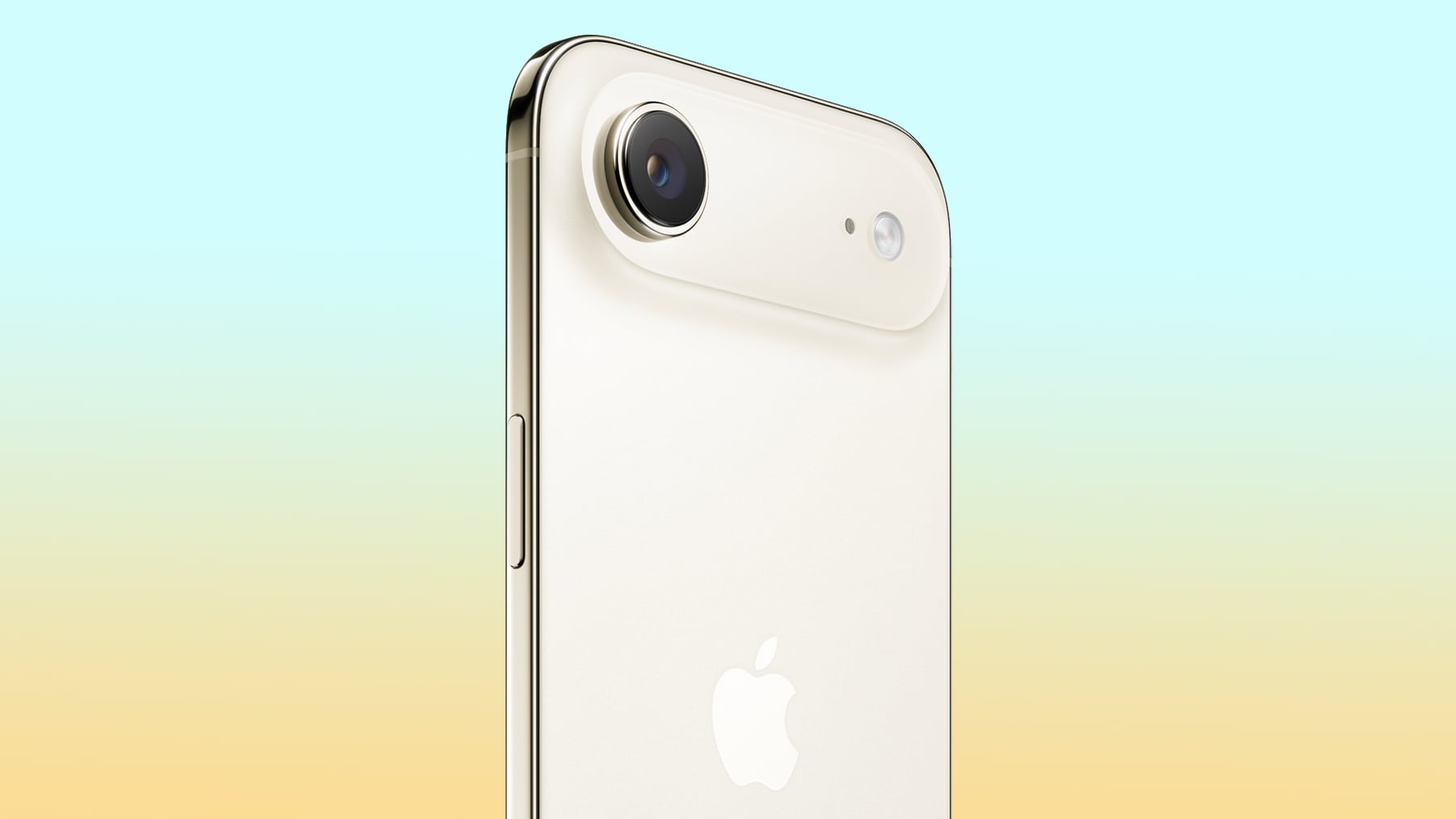
Apple is working on a new iPhone Air that's expected to launch in spring 2027, reports Bloomberg. The updated ‌iPhone Air‌ could get an Ultra Wide lens in addition to the Wide lens to make it a better value for the money.


An ‌iPhone Air‌ with two camera lenses has reached the advanced testing phase. The device has the same design as the current model with the exception of the extra lens.

Apple also wants to improve battery life, either through an increased battery size or improvements to efficiency. Given that the design of the new model is similar to the current design, there may not be room for a larger battery. The device will use an A20 chip built on Apple's new 2nm process, so it could feature better efficiency.

Multiple prior rumors have suggested Apple is adding a second camera to the ‌iPhone Air‌ to address the main customer complaint about the device. The current model has a single rear lens with a Wide lens, which makes it inferior to the more affordable iPhone 17 in terms of camera quality. The ‌iPhone 17‌ has a two-camera setup, while the iPhone 17 Pro and Pro Max have three cameras.

The next ‌iPhone Air‌ will come out alongside the iPhone 18 in 2027, with the iPhone 18 Pro, ‌iPhone 18 Pro‌ Max, and foldable iPhone set to debut in September.
Related Roundup: iPhone Air
Buyer's Guide: iPhone Air (Neutral)

This article, "iPhone Air With Dual Lens Camera Coming in Spring 2027" first appeared on MacRumors.com

Discuss this article in our forums
  •  

Matter 1.6 Announced With NFC Setup, Cross-Ecosystem Device Sharing, and Smarter Thermostats

The Connectivity Standards Alliance that includes Apple today announced the latest version of Matter, Matter 1.6. The update focuses on improved device setup, better coordinated device management, and response to control inputs.


Matter 1.6 includes NFC-Based Commissioning for setting up light bulbs in ceiling fixtures, in-wall switches, and other products that need to be configured prior to installation. It allows for setup before the device is fully powered, and it serves as an alternative to Bluetooth LE setup. Users will just need to hold a smartphone near a device to commission it.

For multi-ecosystem device sharing, Matter 1.6 supports "Joint Fabric" as a new approach that expands the Enhanced Multi-Admin toolkit. Joint Fabric lets multiple user-authorized controllers co-administer a single shared Matter network. Any device added to the Joint Fabric is accessible to all participating controllers, which makes it simpler for Android and iOS users in a household to access and control Matter-enabled devices. Matter smart home products can be controlled from any interface or ecosystem without requiring a separate setup of every device for each platform.

Thermostat Suggestions improve how thermostats account for user inputs and preferences. Controllers won't send direct commands to change temperature or mode, but will instead submit a time-bound suggestion tied to the thermostat's supported presets so the thermostat can react based on preferences and environmental conditions. The CSA says the new feature will be helpful in the following situations:

  • A user enrolled in a utility demand-response program can configure the thermostat to protect those commitments, preventing an automation from a different ecosystem from accidentally overriding a savings event.

  • A user who has chosen to optimize for energy savings, or for humidity control, air quality, or another preference, can have the setting recognized and respected across connected services without needing to configure it in each one.

  • A thermostat that was just manually adjusted, on the device or through one ecosystem, can recognize a suggestion arriving moments later from another source and will identify it is likely not what the user intended, and defer.


The update standardizes how devices communicate their capabilities and operational limits, and CO and smoke alarms are now able to indicate when they have been removed from their installed position. Security sensors are also able to interoperably indicate a sensor event history, so ecosystems have access to real-time status and past activity.

Matter 1.6 is available for device makers and platforms to integrate into their products. Apple so far has not been quick to implement new Matter specifications. Matter 1.4 was announced back in November 2024, but Apple Home doesn't support all of the Matter 1.4 features.

In tvOS 27, Apple implemented support for Thread 1.4, improving Matter-over-Thread connectivity. Thread credential sharing allows smart home devices to join existing Thread networks for a true mesh network instead of separate, parallel networks across Thread Border Routers from different manufacturers.
Tags: Matter, Thread

This article, "Matter 1.6 Announced With NFC Setup, Cross-Ecosystem Device Sharing, and Smarter Thermostats" first appeared on MacRumors.com

Discuss this article in our forums

  •  

Nimble's SharePower Is a 10,000mAh Power Bank That Splits in Two

Nimble this week debuted the SharePower, a USB-C power bank that can be used as a single charger or split into two chargers so it can be shared with a friend.


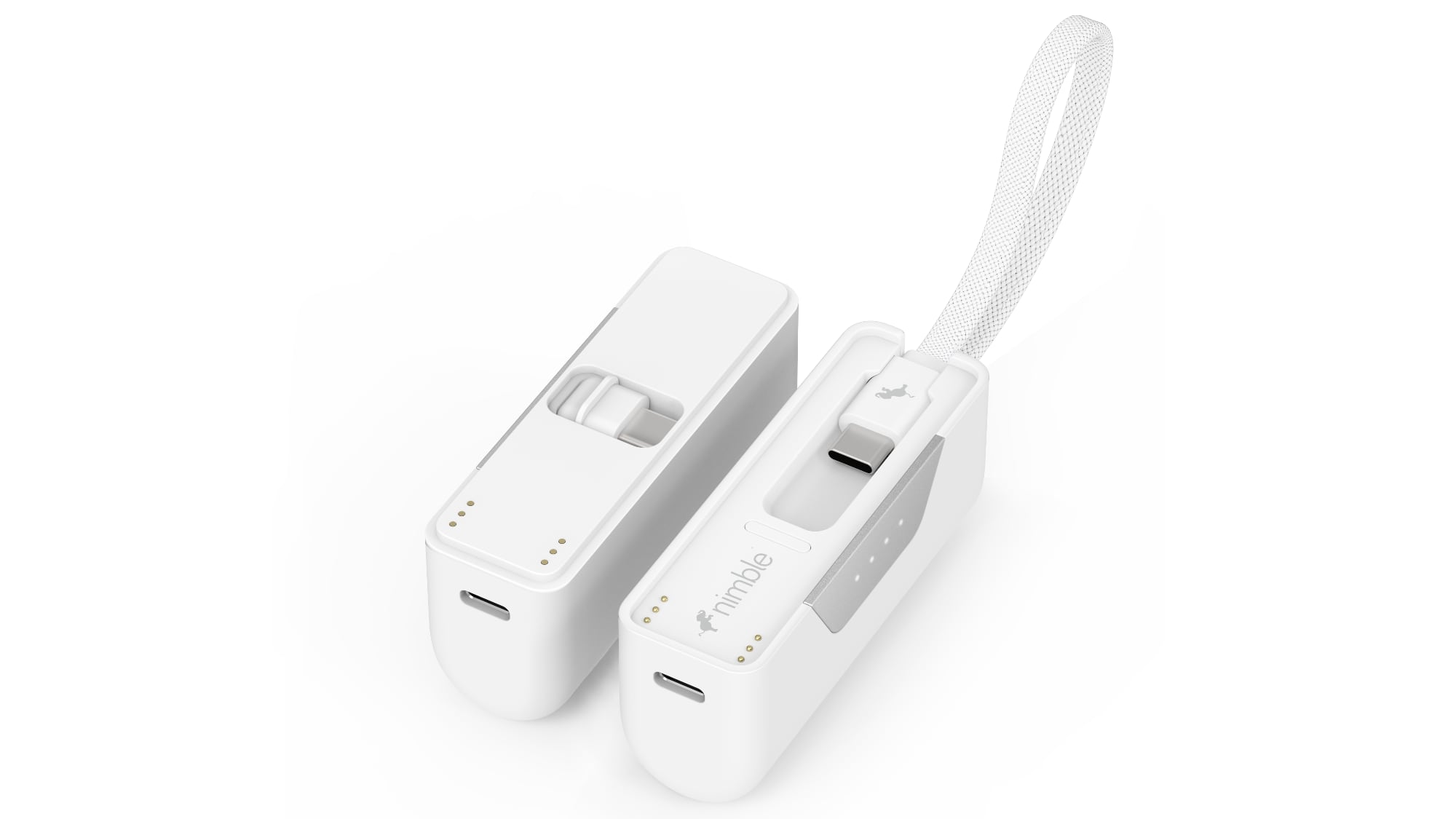
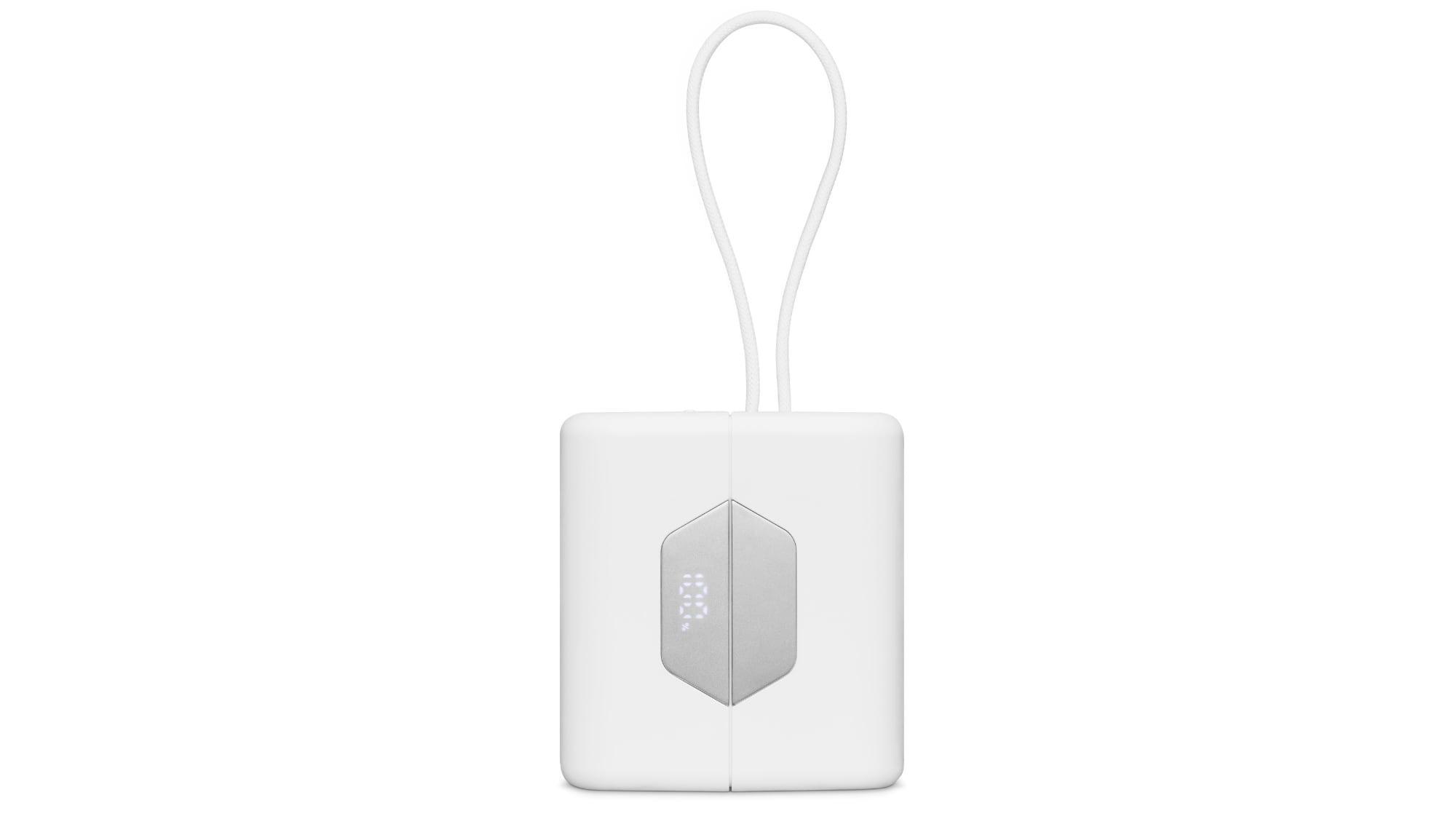
SharePower is a 10,000mAh power bank, with 5,000mAh available through each side of the device. The two halves attach together magnetically for charging a single smartphone, or come apart to charge two. We were able to test the SharePower before launch to see how it works.

Each side has an included USB-C cable. The left half has a 7-inch braided cable that doubles as a lanyard and it can tuck into the interior when the two halves are connected and the cable isn't in use. The right half of the power bank has a short pop-out USB-C cable. The side with the pop-out cable is nice because it attaches to the bottom of the iPhone and it's compact in size. The longer cable is useful if you need a bit more length when charging.


In our testing, both modules charged at the advertised speeds, but there was a faint electronic sound when charging, regardless of whether one module was in use or both modules were paired. 5,000mAh isn't enough to charge an iPhone 17 Pro Max to full, but the combined 10,000mAh can do so.

When paired, the two halves deliver up to 35W power to fast charge an iPhone, and when separated, each half offers 20W charging. There are two additional USB-C ports, one on each side, so up to four devices can be charged at one time when the power bank is separated, and three when it's combined. 20W is a little slow because the ‌iPhone 17 Pro‌ models need a higher watt charger to fast charge, but it's nice to have the option for splitting the charger if two people need power at once.

There's an LCD display that lets you know the remaining charge when the two halves come together and when they're separated, and it's a clever design. The left half has indicator lights so you can see the battery level when it's separated, and the right half has a percent reading. When the two halves are reunited, the percent reading changes to the combined total instead of just the battery level of the right half. When your device is fast charging, there's a green PD light.


There are smaller 10,000mAh power banks out there, but the dual design of the SharePower stands out. It measures 2.8 inches by 3.1 inches, and it is an inch thick. It weighs 7.6 ounces, and comes with an extra USB-C cable so you can charge it.

Nimble's SharePower is useful for anyone who has run into a situation where multiple people need to charge their iPhones at one time. With hundreds of power banks on the market, it manages to distinguish itself with added flexibility.

SharePower is available in white, blue, and pink. It can be purchased from the SharePower website or from Apple.com for $80.
This article, "Nimble's SharePower Is a 10,000mAh Power Bank That Splits in Two" first appeared on MacRumors.com

Discuss this article in our forums
  •  

Here's What's New With Visual Intelligence in iOS 27

Visual Intelligence is getting a big upgrade in iOS 27. It's now easier to find than it was before, and there are new ‌Visual Intelligence‌ capabilities. Apple also expanded it to the iPad and the Mac, so you can use the same features across devices.


Camera App


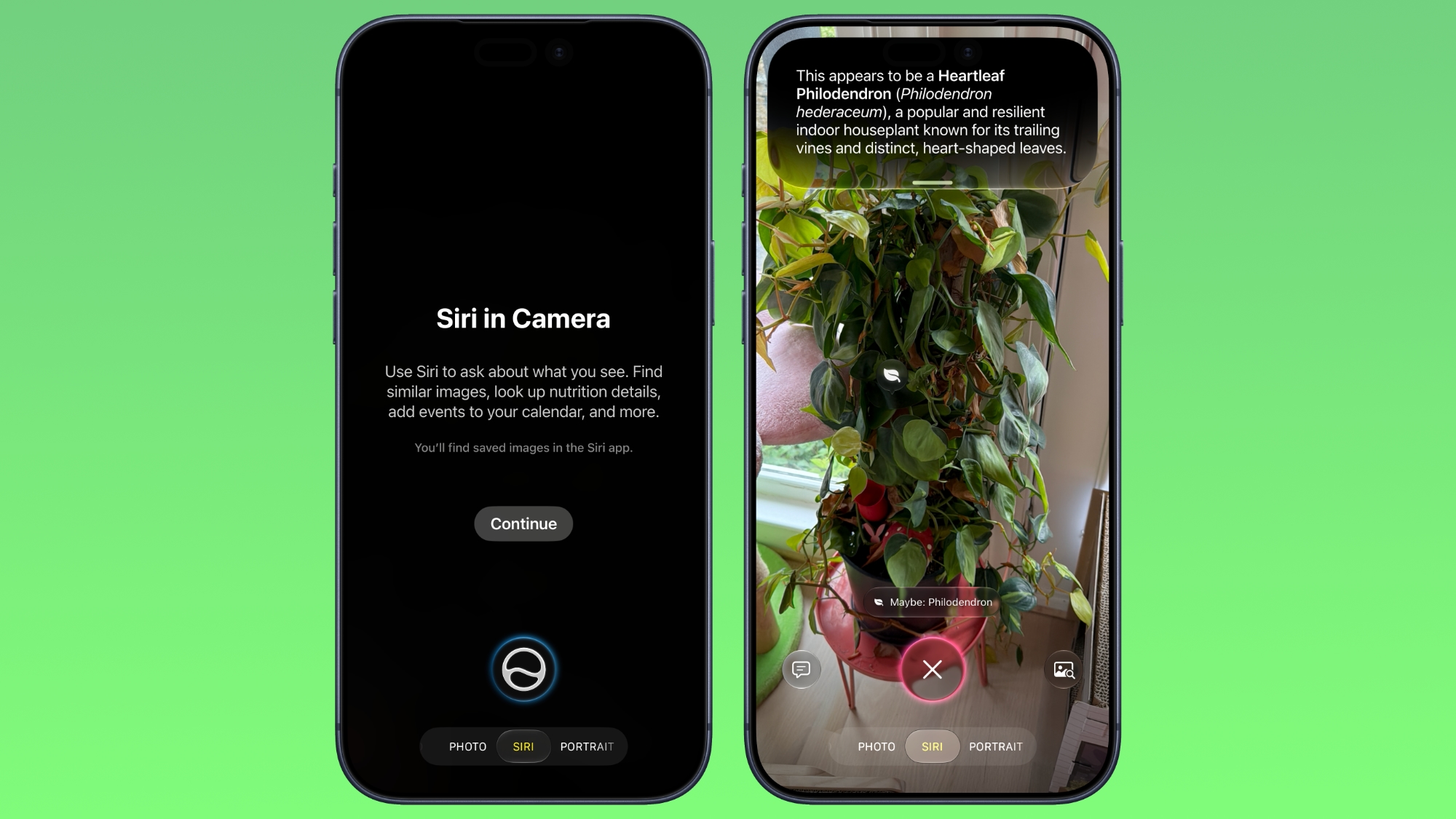
Apple moved ‌Visual Intelligence‌ to the Camera app in ‌iOS 27‌, and it's accessible through a new Siri Mode that lives with the Photo, Video, and other camera mode options. You can swipe over to ‌Siri‌ Mode and take a picture so ‌Siri‌ can see what you see.


‌Siri‌ will give you details about whatever you're looking at when you swipe down, and you can ask follow-up questions.

‌Siri‌ Mode replaces Camera Control as the primary method for accessing ‌Visual Intelligence‌, but you can still get to it by holding down the Camera Control button.

Smart Suggestions


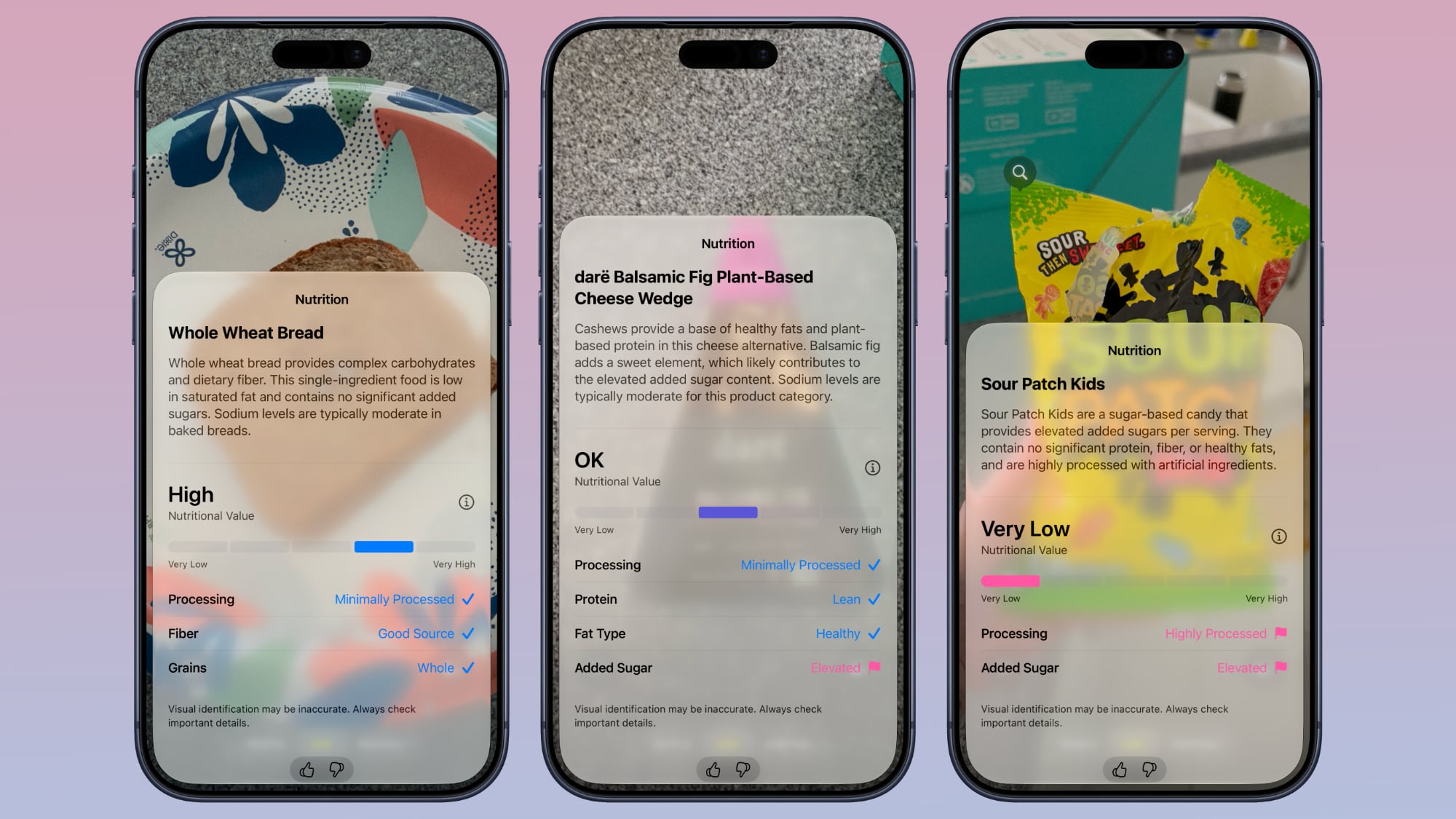
‌Siri‌ Mode will suggest relevant actions based on what you're taking a photo of. If you take a photo of a plant, ‌Siri‌ will offer to identify it. If you take a photo of a plate of food, ‌Siri‌ can give you the nutritional information.

Siri Integration


‌Visual Intelligence‌ is integrated with ‌Siri‌ AI, and ‌Siri‌ can answer questions about what you're looking at. Complex questions were previously handed off to ChatGPT, but that's no longer necessary.


The smarter, more capable version of ‌Siri‌ can do much of what ChatGPT can do, pulling information from the web to answer questions.

New iOS 27 Visual Intelligence Features


  • Nutritional Insights - You can take a picture of a meal or a food item to check its nutritional value. ‌Siri‌ doesn't tell you specific calories in an item, but it can tell you if what you're eating has nutritional value and what's good or bad about it.

  • Bill Splitting (U.S. only) - If you take a photo of a restaurant bill, you can split out what you ate and then send money via Apple Cash. Or calculate what everyone owes and request money.

  • Import Multiple Events - You can import multiple events into the Calendar or Reminders app at one time from a schedule or list.

  • Import Contacts - You can import contacts from a photo of a business card.

  • Wallet Passes - You can turn a photo of a barcode from a membership or pass into a Wallet pass.


‌Visual Intelligence‌ is much more powerful than before because of ‌Siri‌'s ability to search the web for answers. It can read laundry labels and give you clear instructions, look up items and find reviews on the web, identify odd devices or cables and tell you what they're for, scale recipes, read ingredient lists for you to check for allergens, transcribe messy written notes or lists into text, decipher confusing parking signs, offer plant care advice, solve math problems on a worksheet, and whatever else you can think to ask AI to do.

Other Visual Intelligence Capabilities


‌Visual Intelligence‌ has a long list of things it can be used for, and these options have been available in earlier versions of iOS.

  • Identify plants, animals, insects, landmarks, art, sculptures, books, and more.

  • Add items to your calendar from a piece of paper like an event poster or flyer.

  • Use Google Image Search to find similar images.

  • Search Etsy, Amazon, Anthropologie, and other apps for an item that you capture with the camera.

  • Provide details about a business in front of you, like hours of operation.

  • Translate, summarize, and read text aloud.


Siri App Integration


All of your ‌Visual Intelligence‌ ‌Siri‌ requests are saved in the ‌Siri‌ app so you can revisit them later. The ‌Siri‌ app can be set to retain conversations for a month, a year, or forever.

Visual Intelligence on Other Platforms


Apple expanded ‌Visual Intelligence‌ to iPadOS 27, macOS Golden Gate, and visionOS 27. On Mac, you can use a Command-Shift-Space keyboard shortcut to access ‌Visual Intelligence‌ and select a part of your display to ask a question about. On ‌iPad‌, you can access ‌Visual Intelligence‌ by taking a screenshot or swiping up from the lower left corner with Apple Pencil.

On Vision Pro, you can use ‌Visual Intelligence‌ just by looking at something, including physical items around you.

Device Requirements


‌Visual Intelligence‌ in ‌iOS 27‌ requires an iPhone 15 Pro or later. For Mac, you need an Apple silicon chip, and on the ‌iPad‌, you need an Apple silicon chip or the A17 Pro iPad mini.
Related Roundups: iOS 27, iPadOS 27

This article, "Here's What's New With Visual Intelligence in iOS 27" first appeared on MacRumors.com

Discuss this article in our forums
  •  

Beats Studio Buds Firmware Update Patches Bluetooth Vulnerability

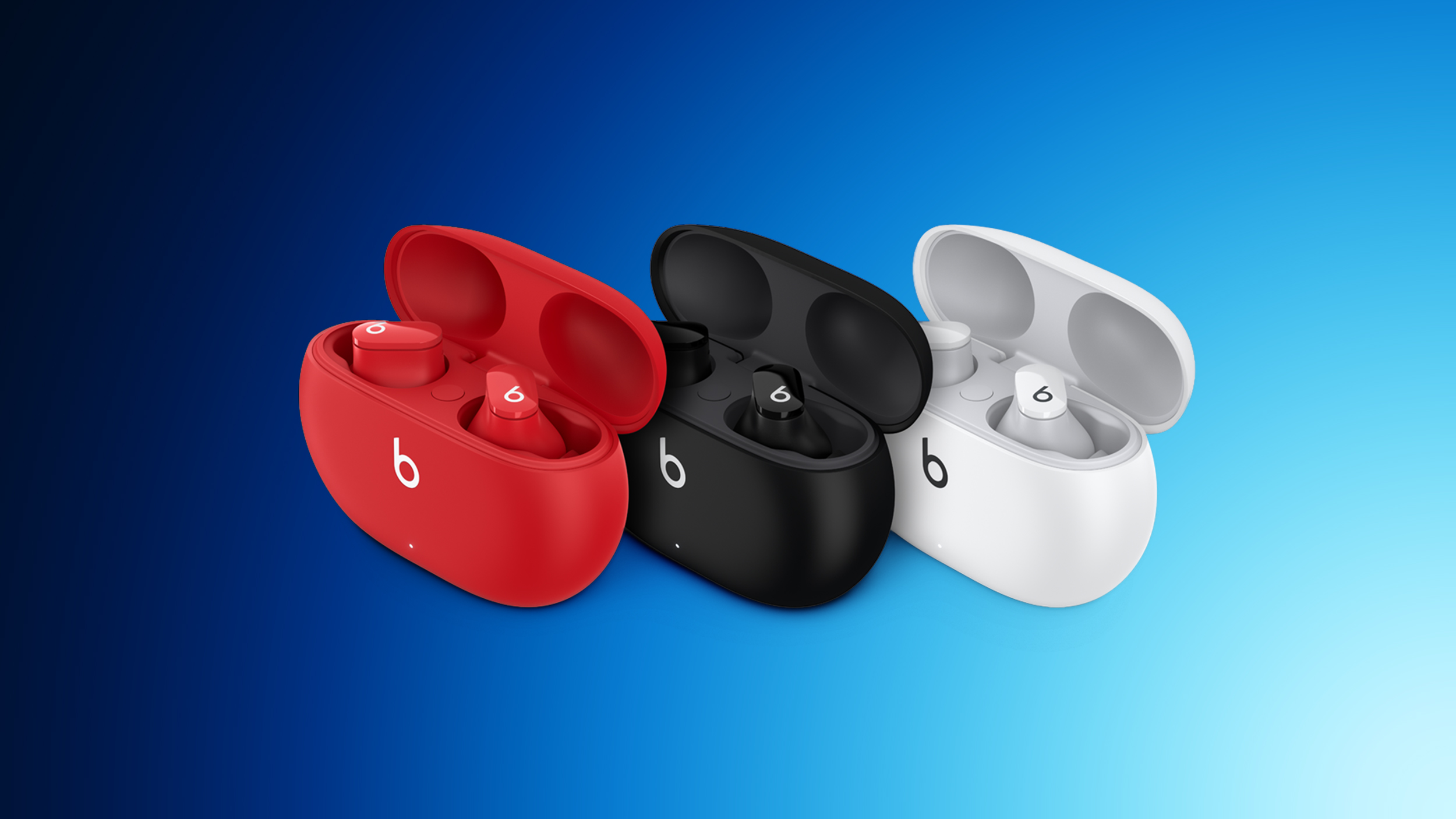
Apple today released a new firmware update for the Beats Studio Buds. The firmware, 1B211, addresses a Bluetooth vulnerability.


Apple's security support document for the update says it fixes a bug that could allow an attacker in Bluetooth range to listen through the microphone of the device.

The vulnerability would only be affected if someone was in Bluetooth range and the Studio Buds were not yet paired and seeking pair requests.

The bug was in open source code, and Apple Software was among the affected projects.

Updating the firmware of the Beats Studio Buds can be done by pairing them with an iPhone, iPad, or Mac, putting them on a charger, and keeping them in Bluetooth range of the paired device.
Tag: Beats

This article, "Beats Studio Buds Firmware Update Patches Bluetooth Vulnerability" first appeared on MacRumors.com

Discuss this article in our forums
  •  

Apple Watch Activity Challenge for International Day of Yoga Coming June 21

Apple is celebrating International Day of Yoga with an Activity Challenge that takes place on Sunday, June 21. To earn the in-app award, Apple Watch owners must record a yoga workout of 10 minutes or more.


Any yoga workout will fulfill the requirement, as long as you select the yoga workout type from the Workout app on the Apple Watch or use an app that adds yoga workouts to the Health app.
Share your practice with the planet on the International Day of Yoga. Record a yoga workout of 10 minutes or more on June 21 to earn this award.

Apple Watch owners who complete the challenge will be rewarded with an award in the Fitness app and a set of animated yoga stickers that can be used in the Messages app.


Apple holds Activity Challenges for various holidays and events throughout the year. Apple previously celebrated Global Running Day on June 3, and will likely have another challenge to celebrate National Parks in August.
Related Roundup: Apple Watch 11
Buyer's Guide: Apple Watch (Caution)

This article, "Apple Watch Activity Challenge for International Day of Yoga Coming June 21" first appeared on MacRumors.com

Discuss this article in our forums
  •  

Apple Releases New Firmware for AirPods Pro 2, AirPods Pro 3 and Beats Studio Buds

Apple today released new firmware for the AirPods Pro 3 and AirPods Pro 2. The firmware has a version number of 8B41, up from 8B40 for the ‌AirPods Pro 3‌ and 8B39 for the AirPods Pro 2.


There is no word on what's included in the new firmware, but Apple has a support document with limited notes. Most updates are limited to bug fixes and performance improvements.

To get the updated firmware, make sure your AirPods Pro are in range of your iPhone, iPad, or Mac and are connected via Bluetooth.

From there, connect your Apple device to Wi-Fi, put your AirPods in the Charging Case, and connect the Charging Case to power. Keep the case closed and wait at least 30 minutes for the firmware update to install. After that, check the version number and repeat the process if the update hasn't been installed.

Apple also released new 1B211 firmware for the Beats Studio Buds, up from 1B204.
Related Roundup: AirPods Pro 3
Buyer's Guide: AirPods Pro (Neutral)
Related Forum: AirPods

This article, "Apple Releases New Firmware for AirPods Pro 2, AirPods Pro 3 and Beats Studio Buds" first appeared on MacRumors.com

Discuss this article in our forums
  •  

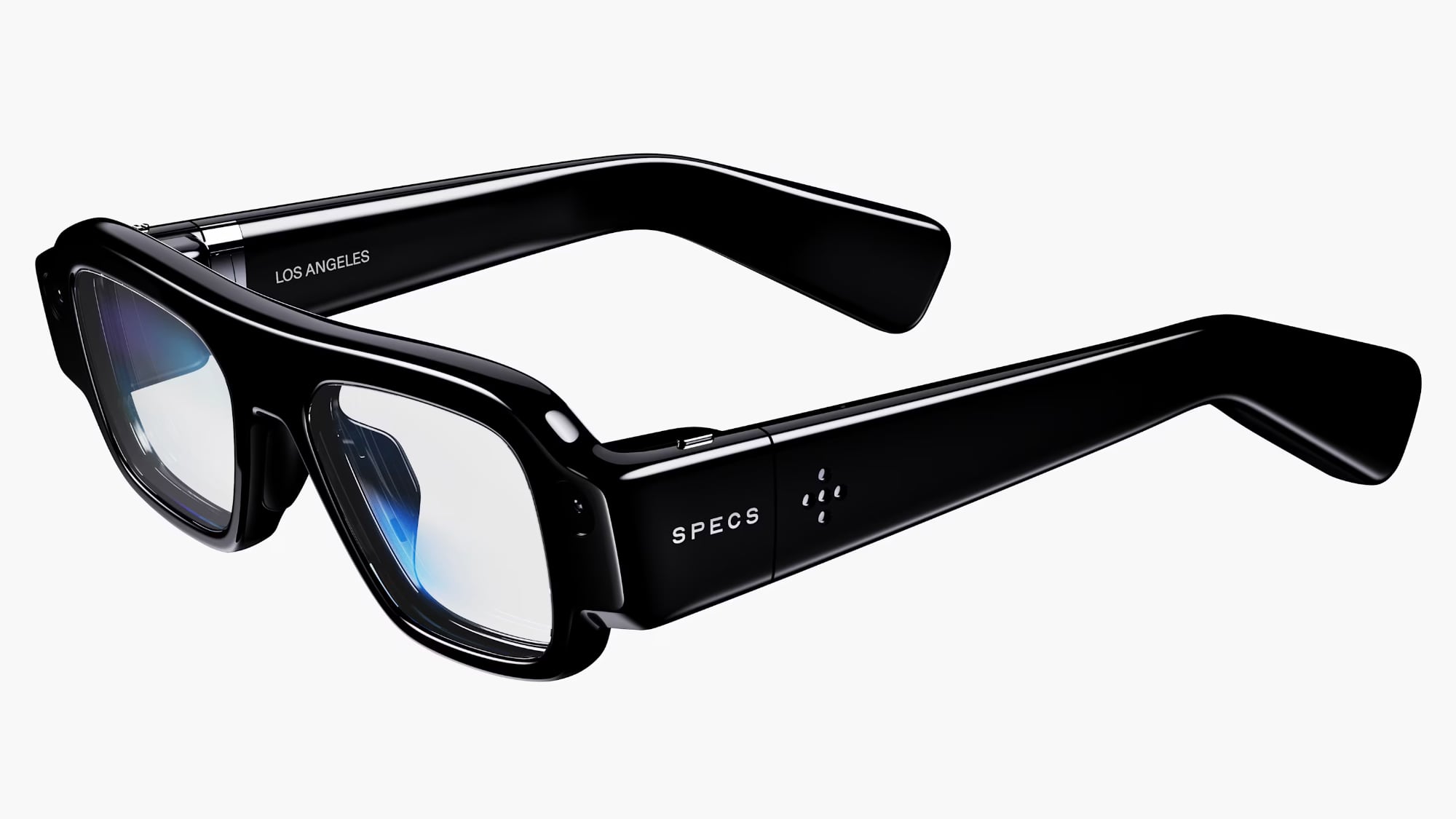
Snap Launches $2,195 'Specs' Augmented Reality Glasses

Snap today unveiled Specs, a pair of augmented reality glasses that it describes as a wearable computer built into a pair of see-through glasses.


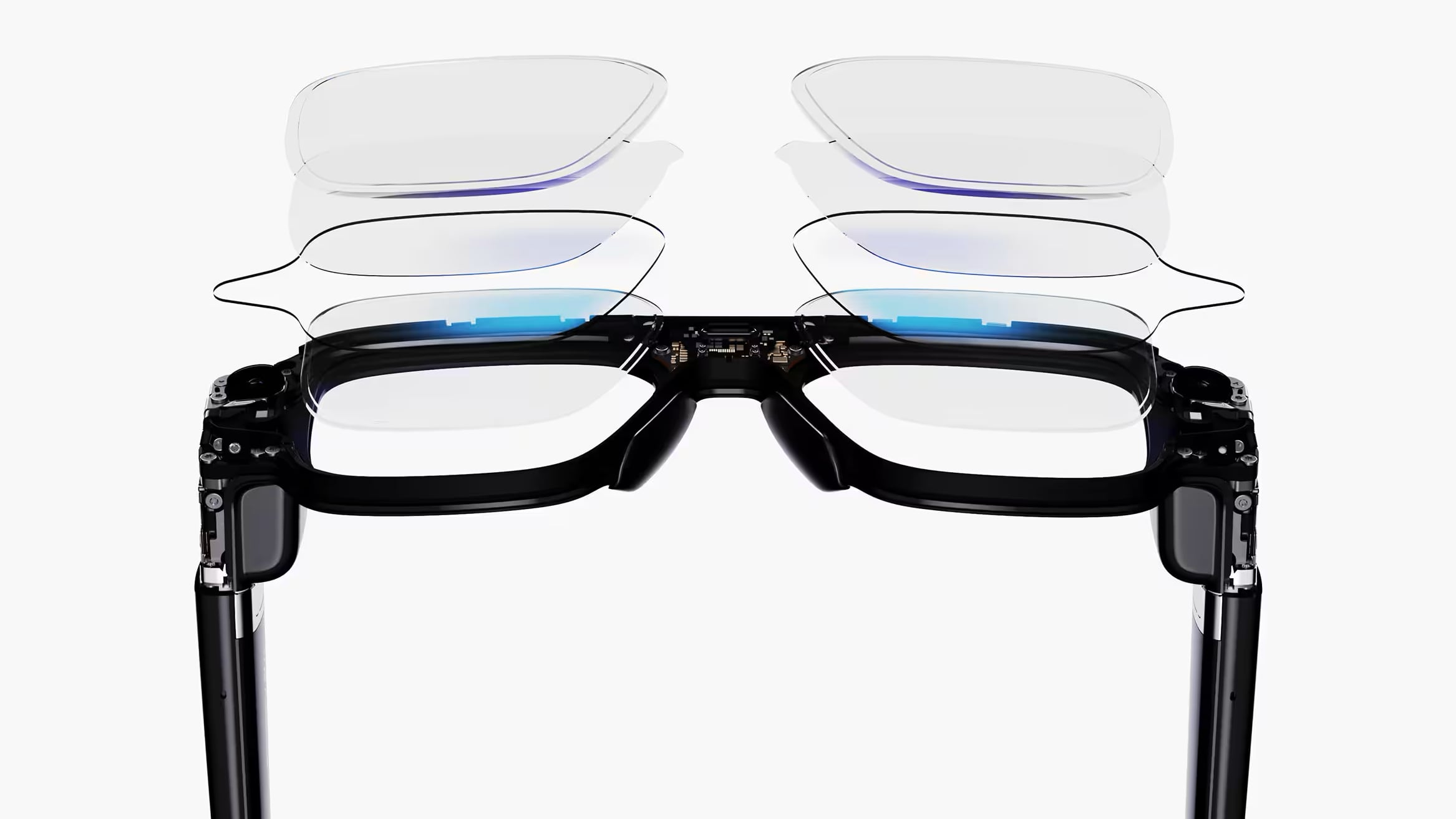
Specs are made from Swiss TR90 polymer that Snap suggests is "plastic titanium" because of its light weight and durability. The glasses are light enough to be "worn for hours" and two sizes are available. The 47mm frame weighs 132 grams (4.7 ounces), while the 52mm frame weighs 136 grams (4.8 ounces). Prescription lenses can be easily inserted and swapped out for sharing glasses with friends and family.

The AR glasses include cameras and sensors that feed data to AI with contextual understanding. There are two full-color high-resolution cameras, two infrared computer vision cameras, and 6-axis IMUs for inertial sensing. There are two Snapdragon chips inside, with one processor running the lenses, and the other handling computer vision.


Specs have a 51-degree field of view and a stereo waveguide display with automatic tinting for different lighting conditions. The device uses liquid crystal on silicon (LCoS) miniature projectors to project images to the display. Snap compares the field-of-view to a 115-inch screen viewed from 10 feet.


Stereo speakers are included for spatial audio, and there's a microphone array for audio input. The glasses have hand tracking capabilities for gesture control, along with voice recognition and support for natural voice commands.

Specs last for up to four hours with mixed use, and there is a custom magnetic charging cable that can charge the glasses while they're being worn. They come with a charging case that supports 20 hours of use. Prior-generation Spectacles from Snap that were limited to developers only offered 45 minutes of battery.


Specs can be used for watching content like movies, videos, and TV shows, casting to a screen, writing on a whiteboard, and using the myriad existing Snapchat lenses. Specs can also connect to a computer, phone, or gaming system over USB-C to be used as a display.

Snap CEO Evan Spiegel introduced the Specs at AWE USA 2026 and showed some of the experiences developers have created with Snap's Lens Studio. Since Specs can use lenses developed for Snapchat, there are already options for placing virtual items, playing mini games, getting DIY help, and more.


Lens Studio is getting agentic development for lenses, and there are developer integrations for Claude Code, Codex, and Cursor. Lenses are able to rely on APIs from OpenAI and Gemini for AI augmented reality experiences.

Specs are priced at $2,195 with a refundable $200 deposit, and they can be pre-ordered today. They're set to launch later this fall in the U.S., UK, and France.

Snap is beating multiple other tech companies to market with AR glasses, including Apple. Apple is developing augmented reality smart glasses with lenses, but the product won't launch for several more years. Apple's first glasses, which will be limited to AI capabilities and no built-in display, won't launch until late 2027.
Tags: Snap, Snapchat

This article, "Snap Launches $2,195 'Specs' Augmented Reality Glasses" first appeared on MacRumors.com

Discuss this article in our forums
  •  

Apple Seeds Second Public Betas of iOS 26.6, macOS Tahoe 26.6 and More

Apple today provided public beta testers with the second betas of iOS 26.6, iPadOS 26.6, macOS Tahoe 26.6, watchOS 26.6, and tvOS 26.6, with the software coming a day after Apple seeded the betas to developers and three weeks after the first public betas.


After signing up to beta test the software updates on Apple's beta site, public beta testers can download the new software using the Software Update section in the Settings app on each device.

iOS 26.6 has a feature that will let you know when you have blocked too many contacts, but the limit is in the thousands so most users may not ever see the messaging. There are also signs of a new iPhone anti-snatching feature that locks a stolen iPhone when it's grabbed from your hand.

No other major new features have been found in any of the software updates, with Apple likely focusing on bug fixes and security improvements. We're nearing the end of the "26" software cycle, with Apple planning to release iOS 27, iPadOS 27, macOS Golden Gate, and more this fall.
Related Roundups: iOS 26, iPadOS 26, macOS Tahoe
Related Forums: iOS 26, macOS Tahoe

This article, "Apple Seeds Second Public Betas of iOS 26.6, macOS Tahoe 26.6 and More" first appeared on MacRumors.com

Discuss this article in our forums

  •  

Apple's 2028 iPhones to Use 1.4nm A22 Pro Chips

Apple will transition from 2-nanometer chips to 1.4-nanometer chips with the high-end 2028 iPhone models, reports Bloomberg. Chip supplier Taiwan Semiconductor Manufacturing Co. (TSMC) will make the majority of Apple's A22 Pro chips, but Apple is also considering having Intel make some of them.


The current iPhone 17 models use a third-generation N3P 3-nanometer process. The iPhone 18 Pro, ‌iPhone 18 Pro‌ Max, and foldable iPhone expected in September 2026 will be the first to have chips built on a next-generation 2nm process. 2027 chips will also use the 2nm process, and then Apple will upgrade some chips to 1.4nm in 2028.

TSMC has been working on 1.4nm chips for several years, and its A14 node will bring up to 15 percent better performance than chips built on its N2 2nm node. Alternatively, the chips will offer the same performance but with 30 percent power savings.

Every step down in node size comes with higher production costs and limited capacity due to the difficulty of manufacturing the most advanced chips. Powerful and efficient chips from TSMC are in high demand from AI server manufacturers like NVIDIA, leading to a more limited supply for consumer devices. During Apple's last earnings call, CEO Tim Cook said ‌iPhone 17‌ models had been constrained during the quarter because Apple couldn't get enough A19 and A19 Pro chips from TSMC.

Apple has been aiming to diversify its chip supply chain, and it is rumored to be working with Intel. While Apple previously used Intel-designed chips in Macs, with the new agreement, Intel would make Arm-based chips using Apple chip designs.

Current rumors suggest Intel will make lower-end chips for devices like the iPad and Mac, but Intel CEO Lip-Bu Tan is aiming to revitalize Intel's chip manufacturing business by focusing on more advanced process nodes. Intel is developing its 14A node for 1.4nm chips, and it is expected to reach production in 2028. Prior rumors indicate Intel could make non-Pro iPhone chips in 2028.
Related Roundups: iPhone 18, iPhone 18 Pro
Related Forum: iPhone

This article, "Apple's 2028 iPhones to Use 1.4nm A22 Pro Chips" first appeared on MacRumors.com

Discuss this article in our forums

  •  

Apple's 20th Anniversary iPhones to Come in Two Sizes, Will Launch Alongside Gen 2 Foldable iPhone

Apple is "ramping up" work on the 20th anniversary iPhone that it plans to launch next year, reports Bloomberg. Multiple rumors have suggested the device will have an edge-to-edge display with curved glass at all sides for a nearly borderless visual effect.


There will be two anniversary models similar in size to the iPhone 18 Pro and ‌iPhone 18 Pro‌ Max that are launching this September. The ‌iPhone 18 Pro‌ and ‌iPhone 18 Pro‌ Max are expected to be the same size as current iPhone 17 Pro models, which suggests the anniversary iPhone could be available in 6.3 and 6.9 inch sizes.

Apple plans to release the 20th anniversary iPhones alongside a second-generation foldable iPhone. All three devices are going to adopt a 2-nanometer A21 chip. Apple has an iPhone 19 in the works too, and it is set to run a different A21 chip, likely a base chip instead of a Pro chip.

The ‌iPhone 18 Pro‌ and ‌iPhone 18 Pro‌ Max coming this year will have an A20 Pro processor built on Apple's 2-nanometer process. The A20 will mark the first node upgrade in several years and will see Apple transitioning from 3-nanometer chips for its flagship iPhones.

The standard iPhone 18 is not coming this fall, with Apple instead planning to debut it in spring 2027. It will use a less powerful A20 chip that's also built on the 2nm process.
This article, "Apple's 20th Anniversary iPhones to Come in Two Sizes, Will Launch Alongside Gen 2 Foldable iPhone" first appeared on MacRumors.com

Discuss this article in our forums

  •  

Apple's Camera-Equipped AirPods Coming in Late 2027 Alongside 20th Anniversary iPhone

Apple is working on camera-equipped AirPods that are expected to launch in late 2027 alongside the 20th anniversary iPhone and a next-generation foldable iPhone, reports Bloomberg.


The AirPods will be Apple's first wearable AI product. The cameras in the AirPods are not designed for taking photos and videos, and will instead send information about the wearer's surroundings to Siri. ‌Siri‌ will be able to answer questions about objects and whatever the wearer is looking at. Contextual reminders are a possibility, as are improved turn-by-turn directions when walking.

Apple already has a similar feature available through Visual Intelligence, which allows ‌Siri‌ to give details on photos that the user captures. In iOS 27, ‌Visual Intelligence‌ is accessible through the Camera app with a new ‌Siri‌ Mode.

The AirPods will look similar to the current AirPods Pro 3, but there will be cameras embedded in the stem. An included light will inform people around the wearer when the cameras are feeding data to ‌Siri‌.

Multiple rumors, including from Bloomberg, have previously suggested the AirPods with cameras could come in 2026. Apple apparently wanted to release the AirPods in 2026, but Apple's ongoing struggles with AI and a need to develop visual models capable of identifying objects around the user caused the AirPods to be delayed.

Bloomberg says all three devices are being tested with iOS 28, but timing "remains fluid and could change." Apple also has smart glasses in the works that could come as "early as the tail end of next year," which would presumably see the AirPods and the glasses launch at around the same time.
Related Roundups: AirPods 4, AirPods Pro 3
Related Forum: AirPods

This article, "Apple's Camera-Equipped AirPods Coming in Late 2027 Alongside 20th Anniversary iPhone" first appeared on MacRumors.com

Discuss this article in our forums

  •  

Siri AI in iOS 27: Features, Requirements, and How It Works

The biggest change in iOS 27 is Apple's total overhaul of Siri, with ‌Siri‌ turning into ‌Siri‌ AI. Apple delivered on the features originally promised at WWDC 2024 and added new capabilities that turn ‌Siri‌ into a viable competitor to chatbots like Claude and ChatGPT.


‌Siri‌ AI is available in the ‌iOS 27‌ beta, but everyone will get access this fall. Below, we walk through everything new you can expect from ‌Siri‌.

Siri AI


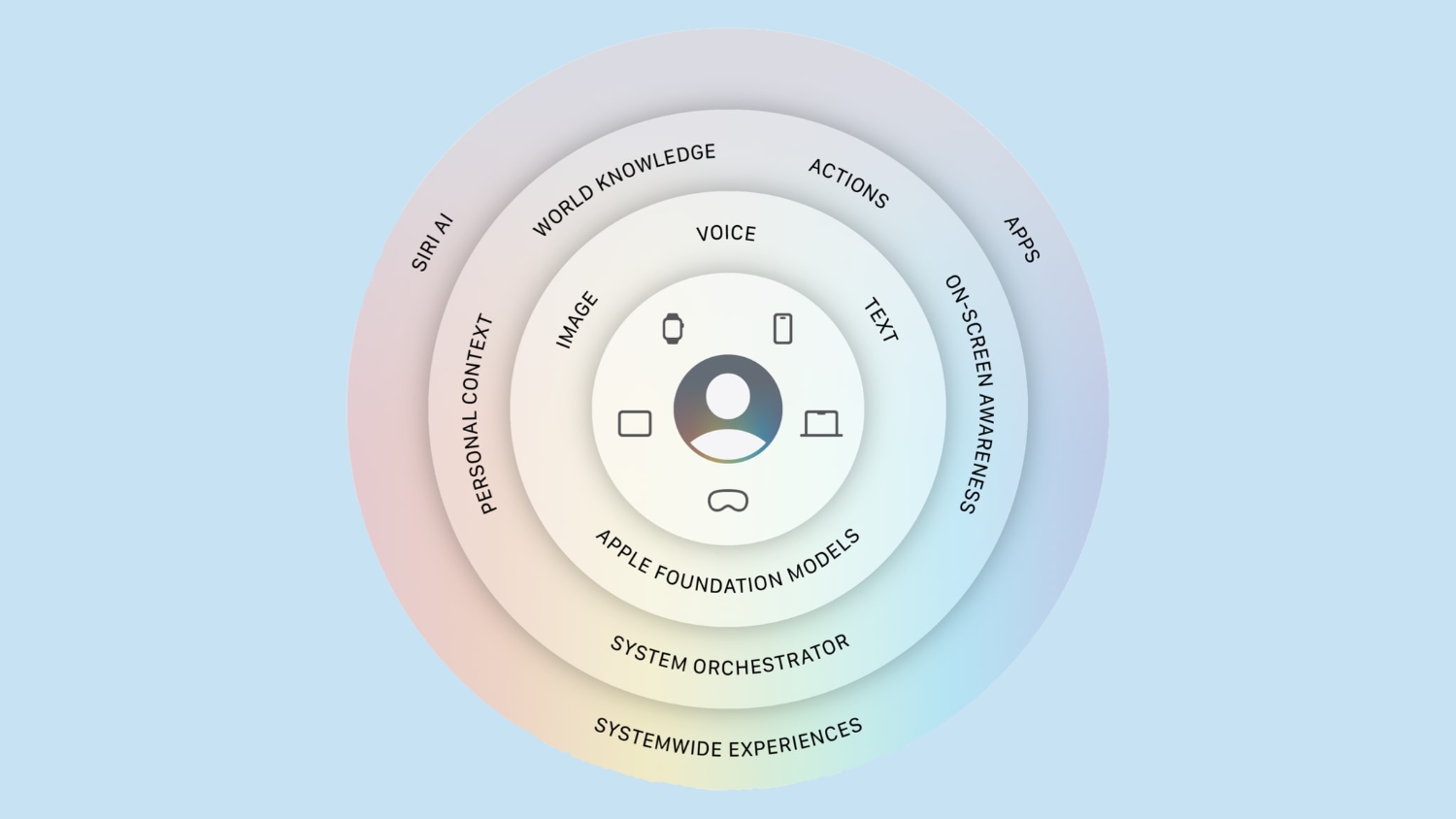
‌Siri‌ AI is more knowledgeable, more capable, and unlike other chatbots, able to tap into your personal data in apps like Mail, Messages, and Photos. Apple says ‌Siri‌ has understanding and reasoning that wasn't available before, with four main improvements that change how ‌Siri‌ works.


All of the different ‌Siri‌ functions come together to allow ‌Siri‌ to do far more than it could before. You can have full back-and-forth conversations with ‌Siri‌, and include multiple tasks in a single request.

Personal Context Understanding


Apple overhauled its search index, and ‌Siri‌ has access to emails, text messages, files, photos, notes, and more. ‌Siri‌ can find content from across your apps, but it also understands that content. You can ask ‌Siri‌ to surface photos, bring up information from emails or texts, or find files, and the Apple Intelligence semantic index behind the scenes finds what you need.

  • What was that movie my brother told me to watch last week?

  • Can you get me the directions to that place I was supposed to meet Eric tomorrow?

  • What video games did John recommend to me last year?

  • Find images with pancakes from 2024

  • What was the name of that restaurant I ate at in February?

  • What's the confirmation number for my upcoming flight?

  • What do I need to do tomorrow?

  • Show me my photos from the music festival last weekend

  • What's the door code Sarah texted me?

  • Find the lease my landlord emailed me last month

  • Who did I have lunch with two Tuesdays ago?


Broad World Knowledge


Apple can search the web for up-to-date information to answer questions about anything, similar to other chatbots. ‌Siri‌ can analyze documents and get information from the web for additional context, help come up with recipes, do party prep, help with homework, give gardening tips, assist with DIY projects, and much more.

  • When is the Suki Waterhouse show in SF?

  • How can I get tickets?

  • I'm planning a birthday party, can you find me some good cake recipes?

  • What's the difference between pine warblers and goldfinches?

  • What's the Hurricanes score?

  • What are the hours for the closest Ace Hardware?

  • What's a good substitute for buttermilk?

  • What's a 15% tip on $84?

  • Help me plan a 5-day trip to Lisbon


Onscreen Awareness


‌Siri‌ knows what's on your screen and can answer questions about it. ‌Siri‌ can tell what you're looking at, read text, and analyze images.

‌Siri‌ can tell you where a photo was taken if there's something recognizable in it, and you can ask questions about any app you're in without having to provide specifics.

  • Where was this photo taken?

  • Summarize this

  • Can you give me directions here?

  • What are the best native plant options for a shady spot near my house?

  • Does this document look correct?

  • What is this?

  • Translate this menu

  • Explain what this chart is showing


App Actions


App Actions allow ‌Siri‌ to use tools in apps to complete requests. ‌Siri‌ can use some apps on your behalf, including apps from Apple and third-party apps that have implemented App Actions support.

  • Write a quick response to this email

  • Send all the photos from today to Eric

  • Add a 3pm Tuesday meeting with the neighbor to my calendar

  • Add these photos to the cat album

  • Get me directions to the post office, but add a stop at the coffee shop first

  • Move my 2pm meeting to Thursday


Siri Design


On the iPhone, a new Search and Ask ‌Siri‌ interface replaces the former Spotlight search option, and it's available from the Dynamic Island. A swipe down from the middle of the iPhone's display brings up Search or Ask, where you can type or speak a question or request to ‌Siri‌.


An animation is displayed as ‌Siri‌ is thinking, and then the ‌Siri‌ bubble expands into a short response. If you swipe down on a response, it brings up a text bar where you can provide clarification or ask another question. A "+" button lets you add images or documents to the conversation.

Some responses use rich information cards pulled from apps. If you ask ‌Siri‌ about the weather, you'll see the current weather forecast. If you ask about upcoming calendar events, you'll see them listed in the Calendar app format.

You can also access ‌Siri‌ by pressing the side button or by using the "‌Siri‌" and "Hey ‌Siri‌" wake phrases.

Systemwide Context


‌Siri‌ works in any app. You can select text or images, then ask ‌Siri‌ about the selection. If you see an image in Safari you want to know more about, you can long press it to select and then ask ‌Siri‌ whatever you want about it.

Siri App


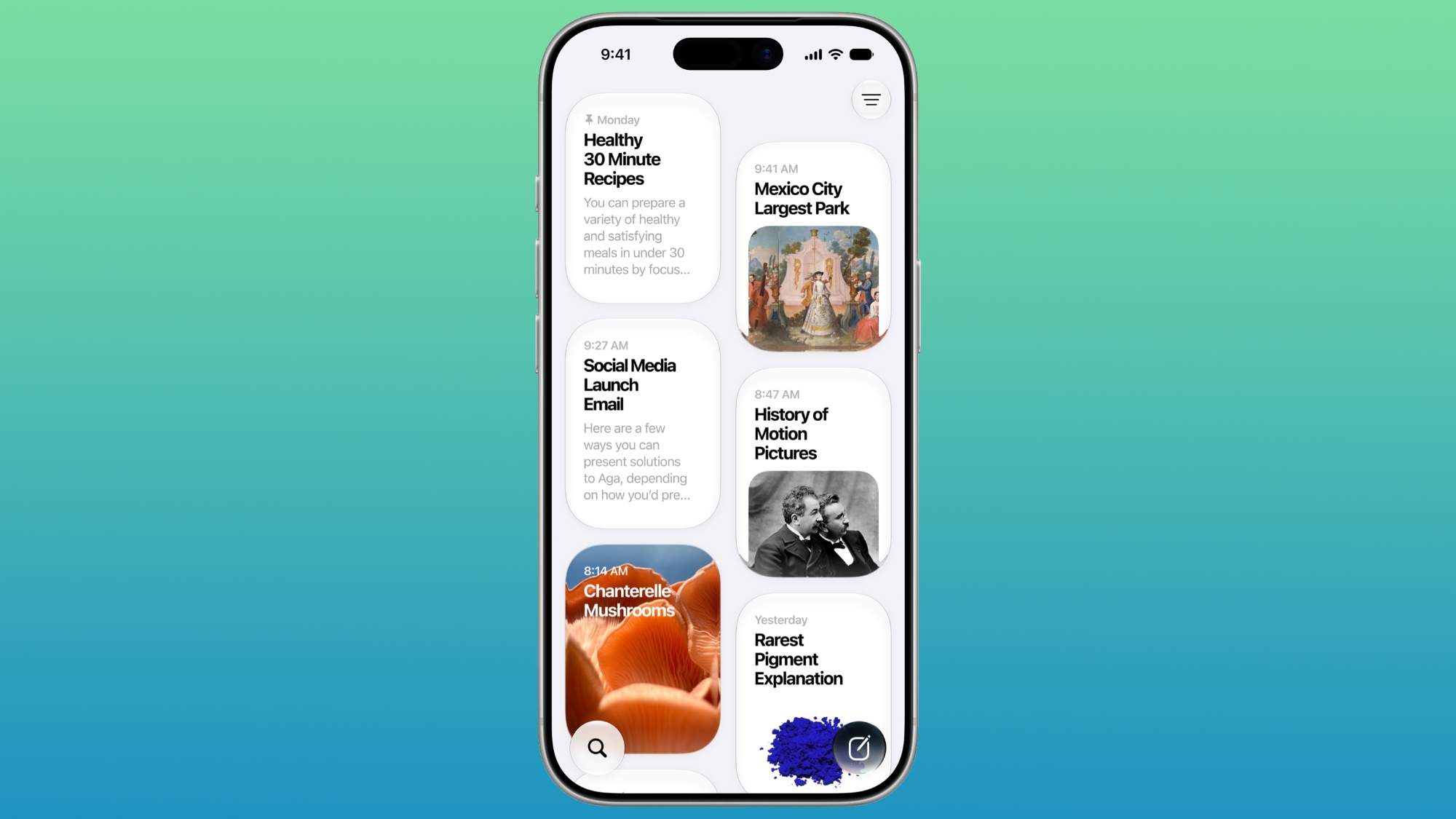
There is a dedicated ‌Siri‌ app where you can start new conversations or revisit past conversations you've had with ‌Siri‌.


The app has a card-style interface with details on your most recent conversations across all of your devices. You can also use the search button to find conversations, and there's a pin option for conversations that you revisit frequently.

Write with Siri


In ‌iOS 27‌, you can write with ‌Siri‌ anywhere you type with a systemwide Write with ‌Siri‌ feature. ‌Siri‌ can draft documents from scratch, and in Mail and Messages, it can use the same writing style that you normally use.

‌Siri‌ can give you feedback on your writing if you select your text and ask ‌Siri‌ how it sounds, and as you type in apps, there's automatic proofreading for misspellings and grammar. ‌Siri‌ can also edit, and you just need to describe the change that you want to make to something you've written, such as changing the tone to be more professional.

  • Make this email sound more formal

  • Turn these bullet points into a paragraph

  • Shorten this to three sentences

  • Draft a thank you note for a gift

  • Rewrite this to be friendlier

  • What do you think of this presentation?

  • How can I improve this email?


Apple's AI Models


The Apple Foundation models used for ‌Siri‌ and other ‌Apple Intelligence‌ features in ‌iOS 27‌ are the result of Apple's collaboration with Google. Apple used the technologies behind the Gemini AI models to develop the next generation of Apple Foundation models.


Apple's AI models are integrated into iOS and coordinated with a system orchestrator that can use the Spotlight index and the app toolbox.

The Spotlight index surfaces data from any app that integrates with it, such as Mail, Calendar, and Messages. The app toolbox identifies which app tools might be useful to answer a request.

Siri Voice


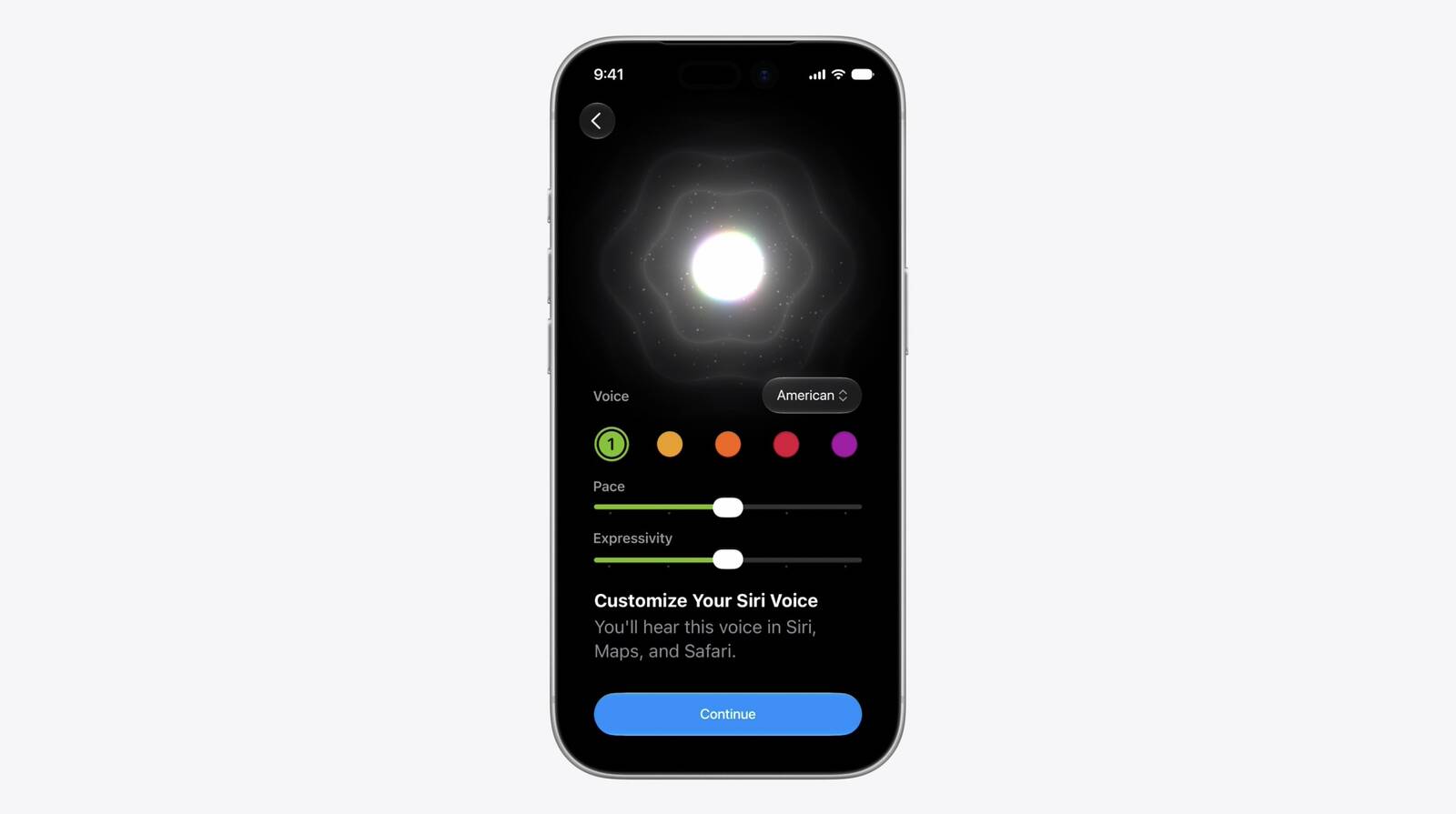
Apple has a more powerful on-device model for the iPhone 17 Pro and iPhone Air, allowing for a customizable ‌Siri‌ voice. Apple says its on-device model can understand and generate speech, plus understand text and images. You can tweak expressivity and pace when customizing ‌Siri‌'s voice.


The on-device model also improves accuracy for system-wide dictation thanks to better natural language understanding. Dictation is better at capturing what you're saying, and it makes fewer mistakes with spelling, punctuation, and capitalization.

Privacy


Apple's ‌Siri‌ features run on-device and on cloud servers using Private Cloud Compute. Data is not accessible to Apple or third parties.

Private Cloud Compute servers have historically all been Apple servers in Apple data centers, but Apple is expanding Private Cloud Compute to run ‌Apple Intelligence‌ workloads on Google Cloud using NVIDIA hardware.

Cross-Platform Availability


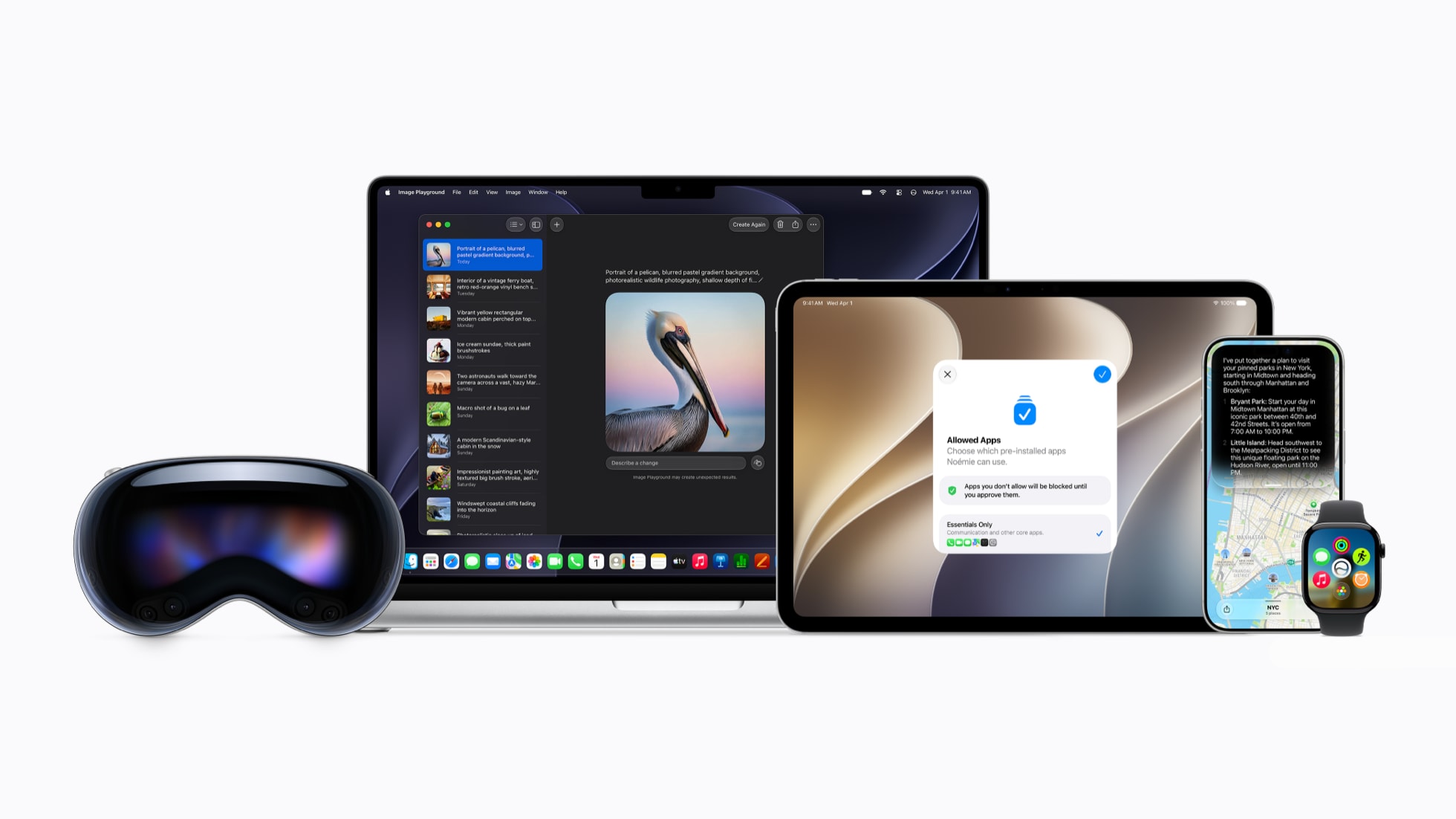
‌Siri‌ AI is available in ‌iOS 27‌, iPadOS 27, macOS Golden Gate, visionOS 27, and watchOS 27, so you can start a ‌Siri‌ request on one device and revisit it on another device.


‌Siri‌ conversations sync across devices, and the ‌Siri‌ app is available on most of Apple's software platforms.

‌Siri‌ AI features are also available when using CarPlay and AirPods.

Device Requirements


‌Siri‌ AI requires a device that supports ‌Apple Intelligence‌, including the iPhone 15 Pro and later.

‌Siri‌ AI will not be available in the European Union at launch on iPhone or iPad, but it will be available on the Mac. It will not be available in China.

Language Support


‌Siri‌ AI works in English (Australia, Canada, Ireland, India, New Zealand, South Africa, UK, U.S.), and will expand to more languages in the future.
Related Roundups: iOS 27, iPadOS 27
Tag: Siri

This article, "Siri AI in iOS 27: Features, Requirements, and How It Works" first appeared on MacRumors.com

Discuss this article in our forums

  •  

Apple to Unify Sign in With Apple and Hide My Email on One Domain

Apple is planning to unify the email domains used by Sign in with Apple and iCloud+ Hide My Email under a single private.icloud.com domain.


Addresses generated for both features will be issued on the new domain, Apple says.

Sign in with Apple addresses currently use the privaterelay.appleid.com domain, while ‌iCloud‌+ uses icloud.com. Later this summer, both will use the same private.icloud.com domain.

Email addresses that use the legacy domains will continue to work and mail will be forwarded with no interruption.

Developers with apps or websites that use Sign in with Apple will need to make sure their account systems, email validation logic, and allowlists accept addresses on the private.icloud.com domain in addition to the existing domains. Email service providers may also need to update domain-based filtering, suppression lists, or routing rules to include the private.icloud.com domain.

Regular users won't need to do anything, and both features will continue to work as expected.
This article, "Apple to Unify Sign in With Apple and Hide My Email on One Domain" first appeared on MacRumors.com

Discuss this article in our forums

  •  
❌