Lees weergave

Apple Unveiled These Five New Apps Last Week

Apple last week unveiled five new apps, with four announced at WWDC 2026 alongside its upcoming fall software updates, one released in beta for developers, and one released independently by its subsidiary Claris.


Siri AI App


One of the biggest announcements of WWDC 2026 was Siri AI, a ground-up rebuild of Apple's voice assistant that for the first time comes with a dedicated standalone app.

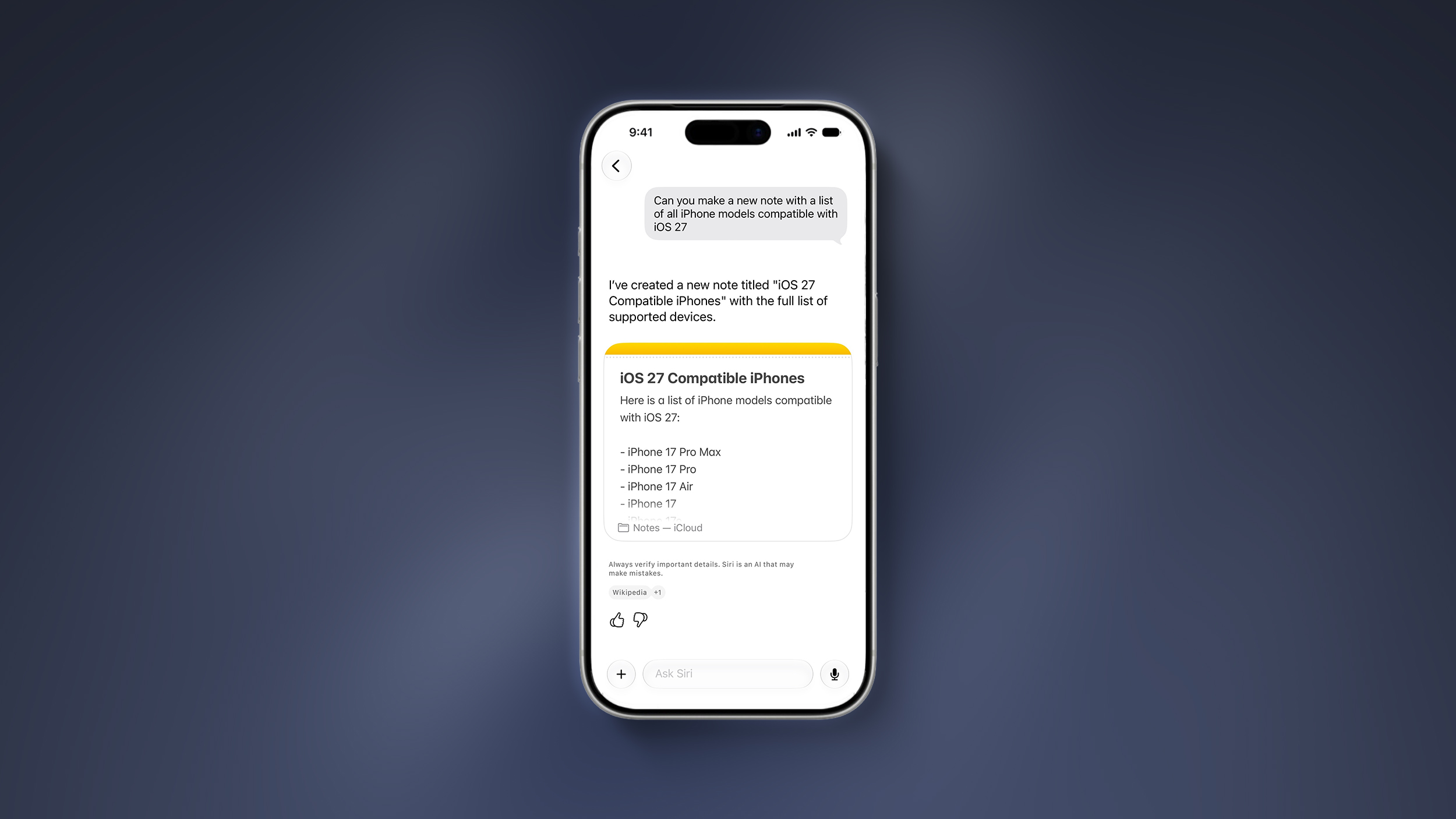
Like other chatbots, Siri can search the web and access general world knowledge, evaluate documents, solve math problems, and take action in and across apps, such as getting detailed Maps directions with multiple stops, editing and sharing photos, or writing an email in the user's own writing style. The app lets users type or talk to it like a chat thread, and syncs conversation history across all devices through iCloud.

The ‌Siri‌ app is available in most of Apple's next-generation operating systems, arriving this fall as part of iOS 27, iPadOS 27, macOS Golden Gate, watchOS 27, and visionOS 27. The operating systems are currently available to developers in beta, though access to Siri AI itself involves a waitlist. ‌Siri‌ AI will not be available in the EU at launch, though Apple says it is working on a path forward.

Apple TV Remote App Returns


Apple used to offer an Apple TV Remote app in the App Store, but it was removed in 2020. With this year's major updates, Apple is restoring the app as a proper Home Screen icon. It comes pre-installed with ‌iOS 27‌ and ‌iPadOS 27‌. To add it to the ‌Home Screen‌ as an app, users can swipe down, search for "Remote," then tap and hold the app icon to drag it into place. It is also accessible via the App Library.

All-New Find My on Apple Watch


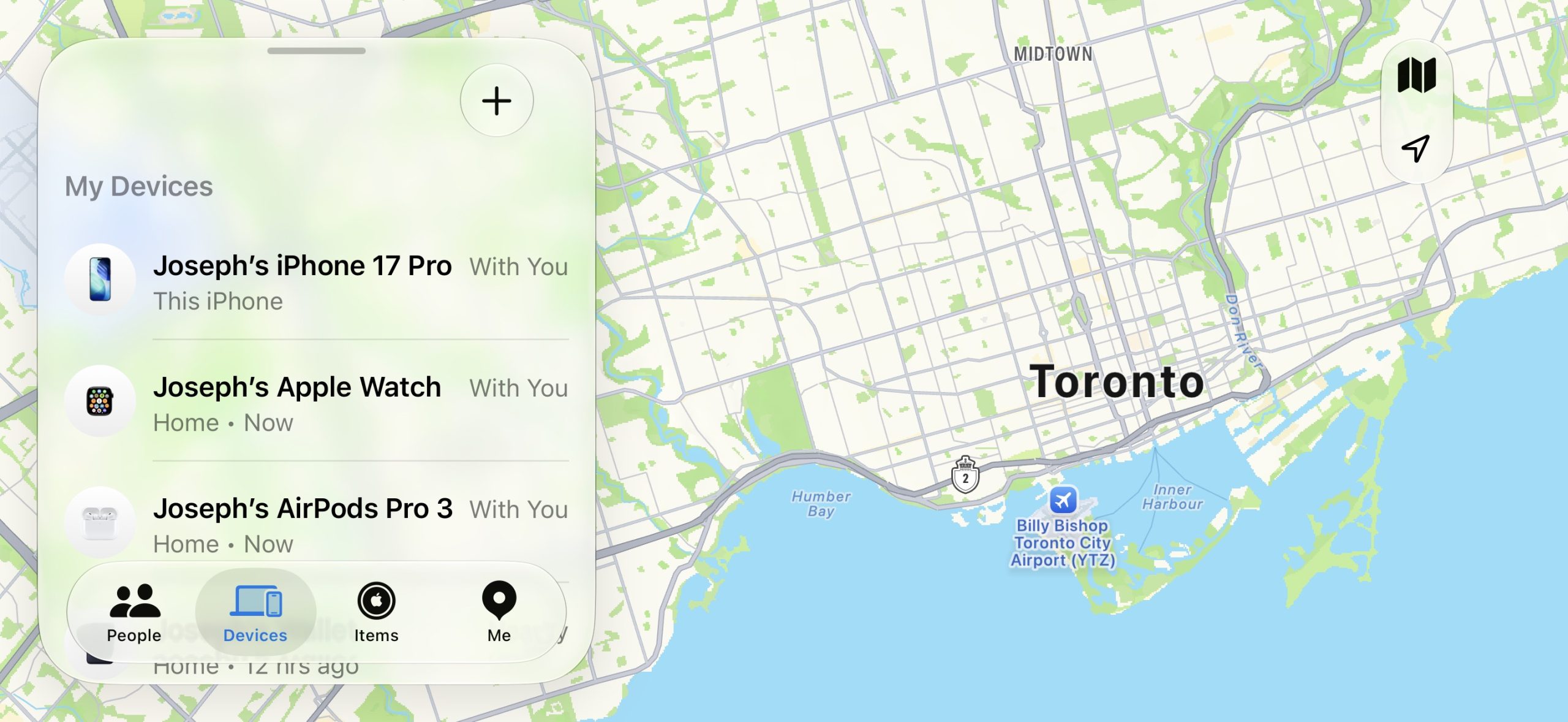
‌watchOS 27‌ is bringing a long-overdue consolidation to Find My on Apple Watch. Previously split across separate Find Devices, Find People, and Find Items apps, the new app consolidates everything into a single, map-centric interface.

The main screen provides quick access to actions like getting directions and finding nearby items, and Precision Finding is available for locating a paired iPhone, AirPods Pro 3, or AirTag 2. The redesign also introduces more flexible sharing options, giving users greater control over how they share their location and item tracking with others.

Pass Designer


Apple also introduced Pass Designer, a new Mac app for building and previewing Apple Wallet passes aimed at developers and businesses. The app supports templates provided by Apple or custom designs, letting developers bring in images such as logos, backgrounds, and strip images. As edits are made, Pass Designer updates a real-time preview using the same rendering as iOS and watchOS, so what is seen in Pass Designer is exactly what customers will see on their device. Pass Designer validates the pass as work progresses, alerting developers to issues such as missing required key values.

For boarding passes and event tickets, Pass Designer also supports semantic tags, which add structured data such as event dates, venue locations, and flight details that the system uses to enable features like ‌Siri‌ Suggestions, Calendar integration, and Maps directions. It can also automatically generate a backward-compatible pass structure from semantic data, ensuring passes work across devices where semantic tags may not be supported.

Pass Designer beta requires macOS 27 or later and is available to download now for registered Apple developers.

Claris FileMaker Go 2026


Unlike the four WWDC announcements, this app is already available. Claris FileMaker Go 2026 became available on June 10. FileMaker is a low-code database application platform that lets users build custom apps to organize, manage, and automate data without extensive programming knowledge.

The new version of the app adds support for iOS and iPadOS 26, and brings Google Gemini to FileMaker's roster of supported AI models, which already includes Anthropic, OpenAI, and Cohere. The 2026 release also focuses on developer productivity, infrastructure resilience, and an AI-ready architecture, and was shaped directly by feedback from the Claris developer community.

FileMaker is developed by Claris International, a subsidiary of Apple.
This article, "Apple Unveiled These Five New Apps Last Week" first appeared on MacRumors.com

Discuss this article in our forums
  •  

Three Apple Stores in U.S. Are Permanently Closing Today

As previously announced, Apple is moving forward with permanently closing three of its retail stores in the U.S. today, including a unionized location.


The locations that are closing on the evening of Saturday, June 20:In April, Apple said it made the "difficult decision" to close the stores due to "declining conditions" at the shopping malls in which they are located.

Notably, the staff at the Towson Town Center location became Apple's first retail employees in the U.S. to unionize in 2022. They belong to the International Association of Machinists and Aerospace Workers' Coalition of Organized Retail Employees (IAM CORE), and they signed a collective bargaining agreement with Apple in 2024.

Apple Towson Town Center

The union and the store's employees have been protesting the planned closure, and some politicians in Maryland have voiced their support.

The union is upset that Apple is allowing non-unionized employees at the Trumbull and North County stores to transfer to nearby locations, but not extending this offer to unionized employees at the Towson location. For its part, Apple said it is simply honoring the terms of the collective bargaining agreement that the employees agreed to.


According to Apple, the contract states that in the event of a store closure, Apple would transfer or rehire employees if the company opened a new store within 50 miles of the current location at Towson Town Center. In any other circumstance, the union negotiated for employees to receive severance, which is being provided.

Apple said it has no current plans to open a new store in the area, but if it were to do so within 18 months after the collective bargaining agreement was ratified, the affected employees would have the right of first refusal.

Nevertheless, IAM has accused Apple of potential union busting and said that the agreement "requires equal treatment."

"Apple workers in Towson voted to join the IAM, fought for and won a contract, and are now being punished for it," said IAM President Brian Bryant. "Apple signed a collective bargaining agreement that requires equal treatment. It is time for Apple to honor that agreement and do right by these workers before June 20."

Towson Town Center is genuinely in a state of decline and has lost many other major retailers in recent years, so it is very likely that Apple is exiting the shopping mall at least partly due to the worsening conditions. Nevertheless, the situation might lead employees at other stores to worry that joining a union does not always work out, and that could be advantageous to Apple given that the company has discouraged unionization.
This article, "Three Apple Stores in U.S. Are Permanently Closing Today" first appeared on MacRumors.com

Discuss this article in our forums

  •  

Top Stories: Apple Price Hikes Coming, 20th Anniversary iPhone Rumors, and More

While Apple held out as many other smartphone and computer manufacturers raised prices in the face of massive increases in memory and storage costs, CEO Tim Cook has signaled that Apple will soon have to follow suit as the "situation has become unsustainable."


In other news this week, rumors covered not just the iPhone 18 but also the 20th anniversary iPhone that's still over a year away, while Apple customers can some receive new perks with Chase credit cards and we went hands on with macOS Golden Gate to see what's new, so read on below for all the details on these stories and more!

Top Stories


Tim Cook Says Apple Price Increases Are 'Unavoidable' Due to Memory Costs


Hang onto your hats! Apple will be raising prices on at least some products to offset the high cost of memory and storage, CEO Tim Cook told The Wall Street Journal this week. Apple is no longer able to absorb the increased prices and will need to pass some of the cost on to consumers.


"Unfortunately, price increases are unavoidable," said Cook. "We're doing our best to mitigate the huge increases that are being passed to us, and we've been trying to shield our customers from the increases, but the situation has become unsustainable."

Cook did not say which products will get price increases or how much pricing will go up. The iPhone 18 Pro and ‌iPhone 18 Pro‌ Max coming in September could be more expensive than the iPhone 17 Pro and ‌iPhone 17 Pro‌ Max, while prices on iPads and Macs could also go up in the near future.

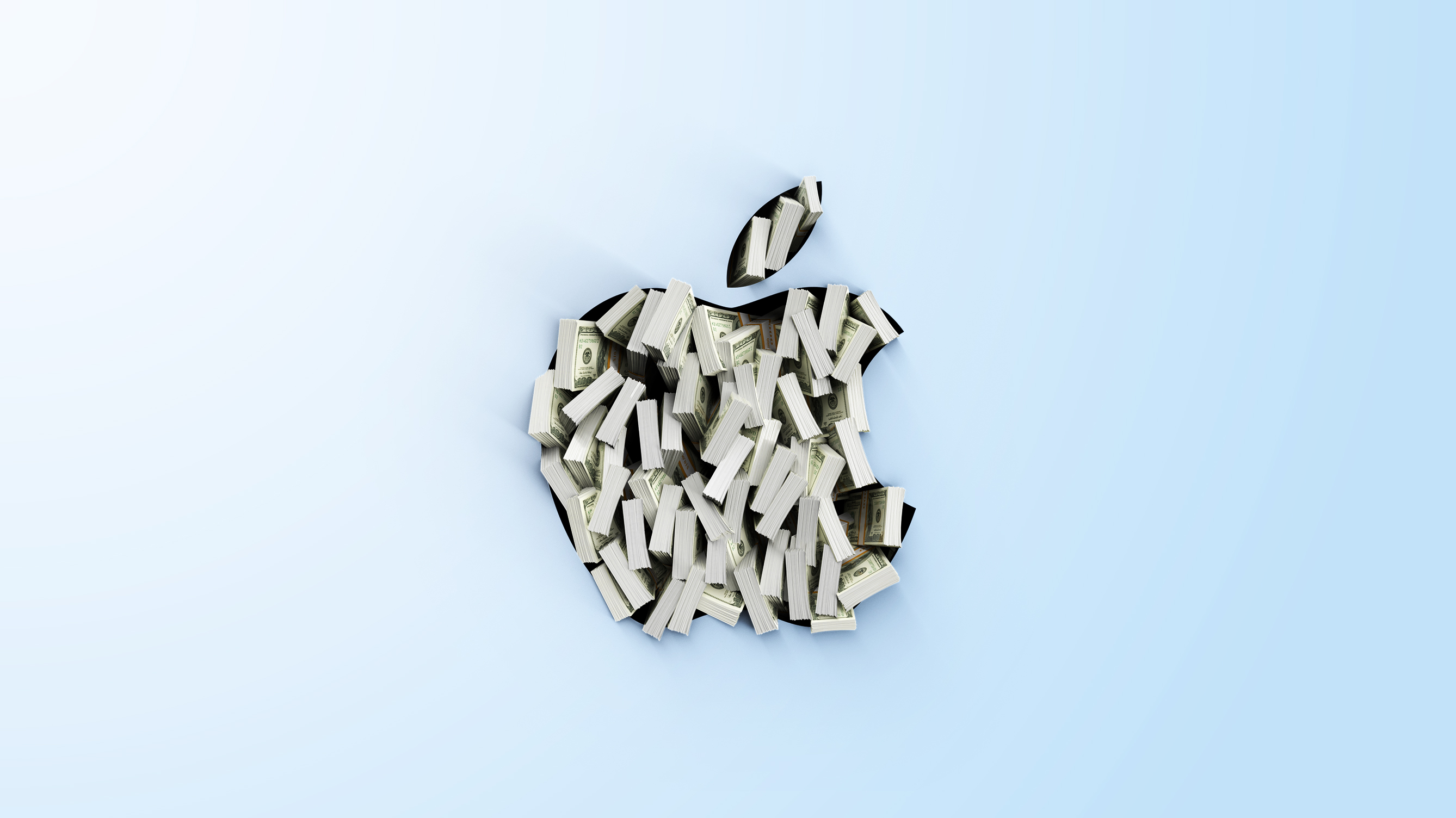
Apple's 20th Anniversary iPhones to Come in Two Sizes, Will Launch Alongside Gen 2 Foldable iPhone


Apple is "ramping up" work on the 20th anniversary iPhone that it plans to launch next year, reports Bloomberg. Multiple rumors have suggested the device will have an edge-to-edge display with curved glass at all sides for a nearly borderless visual effect.


There will be two anniversary models similar in size to the iPhone 18 Pro and ‌iPhone 18 Pro‌ Max that are launching this September. The ‌iPhone 18 Pro‌ and ‌iPhone 18 Pro‌ Max are expected to be the same size as current iPhone 17 Pro models, which suggests the anniversary iPhone could be available in 6.3- and 6.9-inch sizes.

iPhone 18 to Pack 12GB of RAM for Smarter Siri Features, No Price Bump


Cook's comments about raising prices in response to increased memory and storage costs come just after one analyst firm claimed that Apple does not intend to raise the price of its standard flagship model when the iPhone 18 debuts. The iPhone 18 will, however, see an upgrade to 12GB of memory to enable it to support the most powerful on-device AI models unveiled at WWDC last week.


Breaking from long-standing tradition, the iPhone 18 will apparently not be introduced in September alongside the Pro models, with Apple pushing back the standard model to a launch in the spring of 2027. That rumor has been circulating for quite some time, but the chairman of Apple supplier Largan Precision took the unusual step of essentially confirming the change without specifically naming Apple.

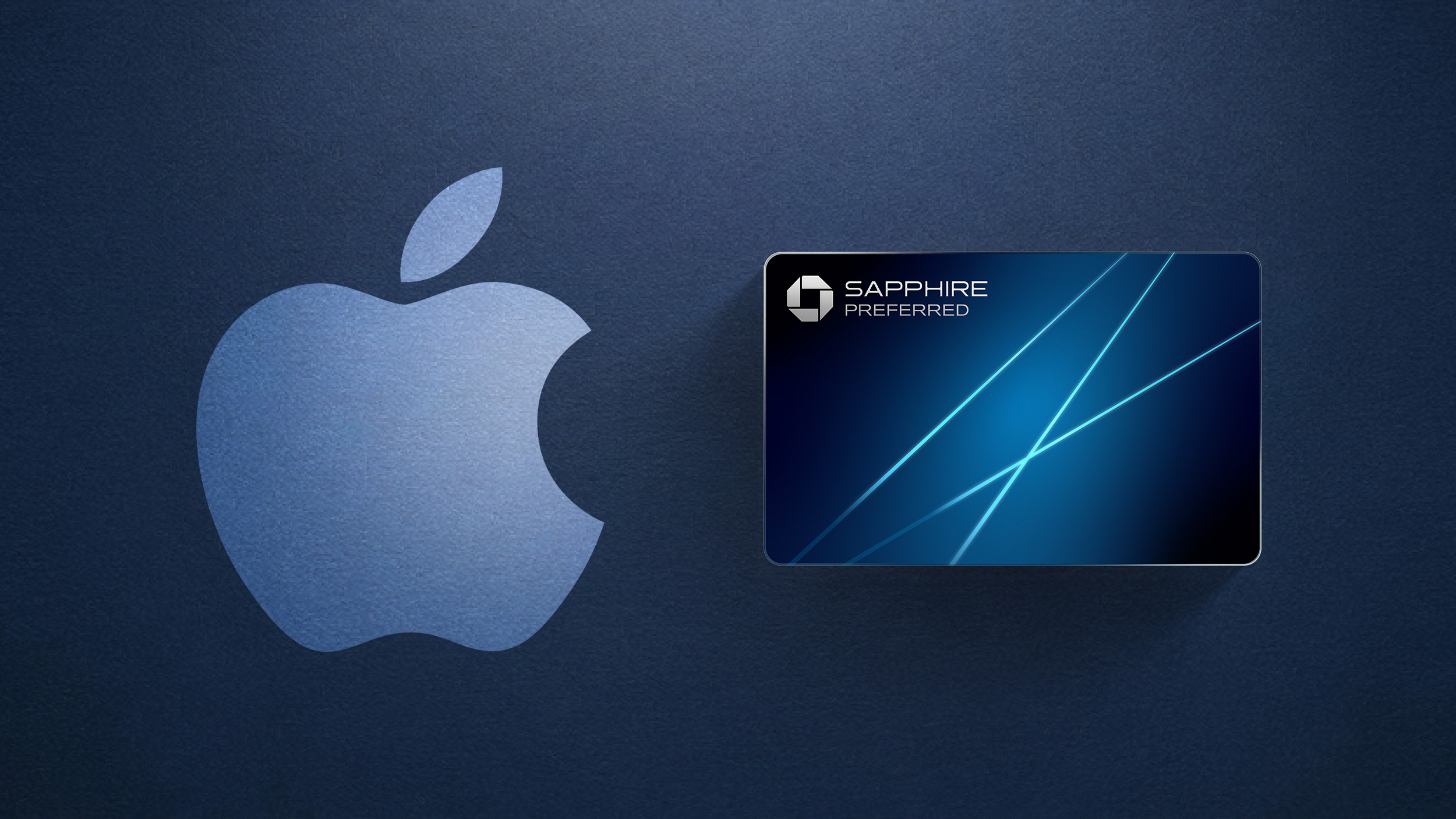
Chase Sapphire Preferred Card Introduces New Perk for Apple Customers


Chase this week announced new perks for its Sapphire Preferred credit card, and one of them is a complimentary one-year Apple TV streaming subscription.


To get the free year of Apple TV, which typically costs $12.99 per month in the U.S., you must activate the card by December 31, 2026. Apple One subscribers can receive a $7.50 discount per month instead.

The Apple One discount extends to Chase's premium Sapphire Reserve credit card as well. The Sapphire Reserve has offered free subscriptions to both Apple TV and Apple Music since last year, but now cardholders can receive a combined $15/month discount on an Apple One subscription instead.

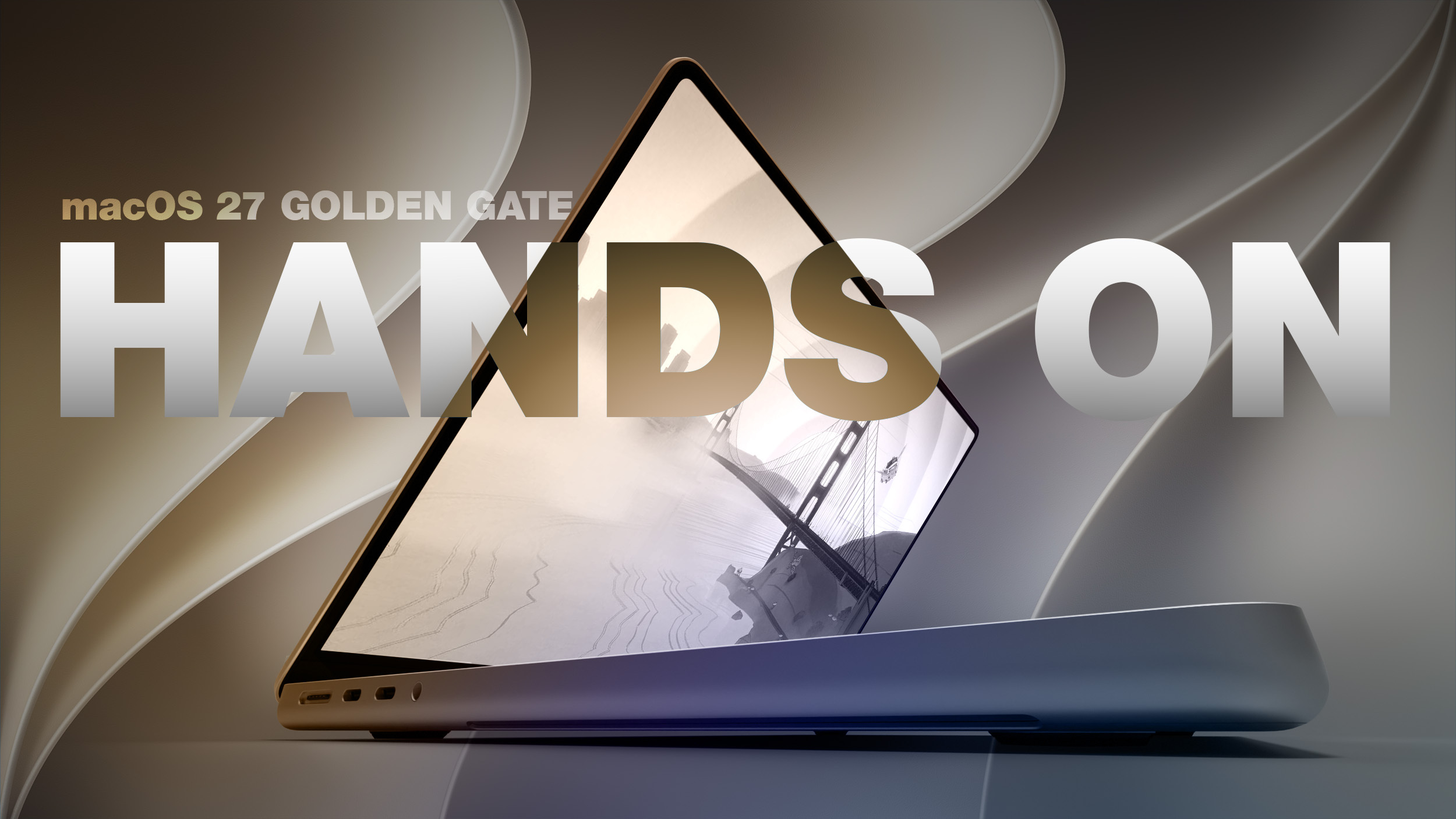
macOS 27 Golden Gate Hands-On: Every Major New Feature


macOS 27 Golden Gate is in beta ahead of a fall release, and we thought we'd go over what's new for those who don't want to risk beta software on their Mac. macOS Golden Gate adds Siri AI, Liquid Glass updates, and multiple new Apple Intelligence features.


Check out our hands-on video for a summary of what's new in the release!

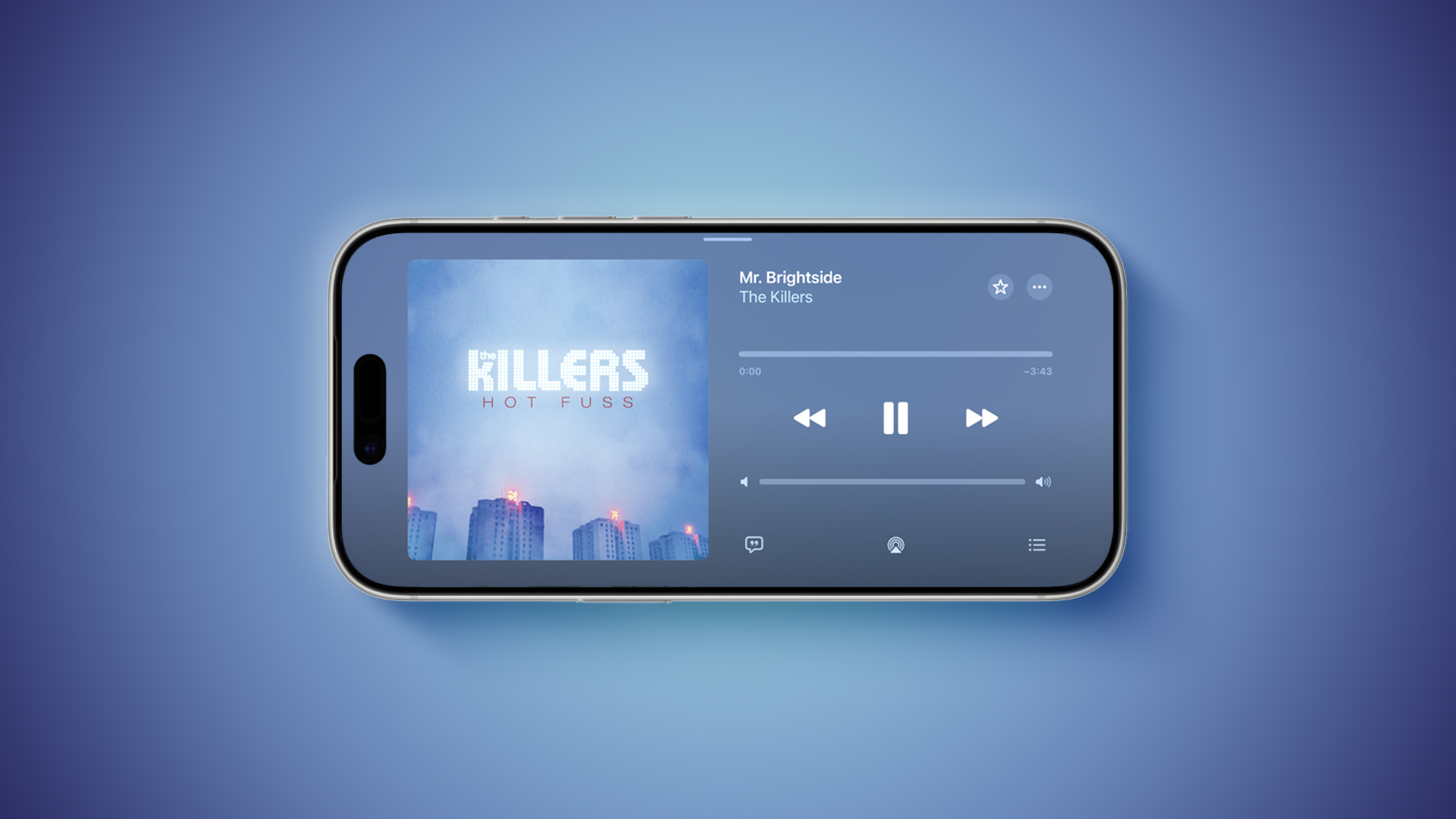
iOS 27 Adds Landscape Mode to More Apple Apps Ahead of 'iPhone Ultra'


iOS 27 enables landscape mode in more of Apple's built-in iPhone apps, including Apple Music, Podcasts, Fitness, Health, Reminders, Home, Shortcuts, Apple Watch, Find My, Weather, Voice Memos, Apple TV Remote, and others.


Many of the apps feature a left-aligned sidebar in landscape mode. In the Messages app, which already supported landscape orientation on iOS 26 and earlier, you can now collapse the sidebar to show only names and profile pictures.

Landscape mode was already available on iOS 26 or earlier in Apple Maps, Calendar, Files, Notes, Mail, and some other Apple apps too, but iOS 27 expands support to many more apps. This change could be laying the groundwork for the "iPhone Ultra," as landscape-friendly apps would be well suited for the rumored foldable device.

MacRumors Newsletter


Each week, we publish an email newsletter like this highlighting the top Apple stories, making it a great way to get a bite-sized recap of the week hitting all of the major topics we've covered and tying together related stories for a big-picture view.

So if you want to have top stories like the above recap delivered to your email inbox each week, subscribe to our newsletter!
This article, "Top Stories: Apple Price Hikes Coming, 20th Anniversary iPhone Rumors, and More" first appeared on MacRumors.com

Discuss this article in our forums

  •  

The MacRumors Show: Hands-On With iOS 27, Brutal watchOS 27 Cuts, and More

On this week's episode of The MacRumors Show, we continue unpacking WWDC 2026 and take a closer look at iOS 27, macOS Golden Gate, and Apple's other new software updates coming this fall.


iOS 27 supports the same iPhones as iOS 26, including the iPhone 11 and second-generation iPhone SE, giving the update the widest device compatibility of any iOS release to date.

macOS Golden Gate drops Intel Macs entirely, confirming the end of an era that Apple flagged a year earlier when it said macOS Tahoe would be the final release for pre-Apple silicon machines. Four models that ran Tahoe miss out: the 16-inch MacBook Pro (2019), the 13-inch ‌MacBook Pro‌ with four Thunderbolt 3 ports (2020), the 2020 iMac, and the 2019 Mac Pro. Golden Gate is also the last version with full Rosetta 2 support, meaning the translation layer that keeps Intel-built apps running on Apple silicon will disappear entirely after this release.

iPadOS 27 raises its hardware floor to the A14 Bionic or M1 chip, cutting the fifth-generation iPad mini, the eighth-generation iPad, the third-generation iPad Air, the first-generation 11-inch iPad Pro, and the third-generation 12.9-inch ‌iPad Pro‌.

watchOS 27 makes the steepest cuts in Apple Watch history, dropping the Series 6, Series 7, Series 8, original Ultra, and second-generation SE in a single wave and effectively erasing three years of device support at once. The only models that remain compatible are the Series 9, Series 10, Series 11, Ultra 2, Ultra 3, and SE 3.

tvOS 27 drops two Apple TV models, the Apple TV HD from 2015 and the first-generation ‌Apple TV‌ 4K from 2017, leaving only the second- and third-generation ‌Apple TV‌ 4K boxes supported.

In ‌iOS 27‌, notifications now slide in from the left edge of the screen rather than dropping down from the top, and reaching Notification Center requires swiping down from the top-left corner instead of the center, freeing up that gesture for Siri. Other changes include colorful sidebar icons, real-time widget updates when an app is already open, extra-large Home Screen widgets, and web audio that no longer interrupts other system audio.

The centerpiece of the update is Siri AI, which replaces Spotlight with a "Search or Ask" interface accessed by swiping down from the center of the display. ‌Siri‌ is designed to tone-match a user's own writing style when composing messages. Apple's pill-shaped ‌Siri‌ indicator is seemingly a hardware workaround for current Dynamic Island constraints, and a smaller ‌Dynamic Island‌ on the iPhone 18 Pro could allow the indicator to become a true circle. On the Apple Watch, ‌Siri‌ AI requires pairing with an iPhone that supports Apple Intelligence. In the European Union, ‌Siri‌ AI is available on macOS and visionOS at launch but not on the iPhone or ‌iPad‌.

‌Apple Intelligence‌ is also getting smarter Writing Tools and a composition assistant in Mail and Messages that adapts to how a user typically communicates with different contacts. Apple has overhauled Genmoji, adding a "Describe a change" interface for iterating on existing creations and the ability to start a new Genmoji from an existing emoji, a photo, or a person tagged in the user's photo library. Image Playground similarly adds support for multiple aspect ratios for wallpapers, Contact Posters, and social media images, alongside new photorealistic image generation.

Visual Intelligence, meanwhile, gets a new primary entry point called ‌Siri‌ Mode, though holding down Camera Control still works as an alternative. The feature is expanding to the ‌iPad‌ and Mac, and now supports importing multiple calendar events from a single photo of a flyer, as well as importing contacts directly from a photographed business card.

On the Mac, ‌macOS Golden Gate‌ extends toolbars and sidebars to the edges of the screen with a more consistent, tighter corner radius across windows. iPadOS 27 adds undo and redo for ‌Home Screen‌ edits, extra-large widgets in Today View, an optional persistent menu bar, and Visual Intelligence support for screenshots combined with Apple Pencil highlighting. Notes gains an Image Wand tool that generates photorealistic images from rough sketches, the ‌Siri‌ app gets a dedicated sidebar with full windowing support, and Shortcuts adds support for Magic Keyboard triggers.

watchOS 27 drops the Walkie-Talkie app entirely, with the feature missing from both the app list and Control Center in the first developer beta, while adding new Smart Stack suggestions, more accurate step tracking, and a consolidated Find My app. visionOS 27 lets users activate ‌Siri‌ simply by looking at its on-screen bubble rather than requiring a button press, and adds a redesigned Control Center along with new curved windows. tvOS 27 brings a redesigned Podcasts app, Hi-Res Lossless audio support in Apple Music, and on-device processing for HomeKit Secure Video.

The MacRumors Show has its own YouTube channel, so make sure you're subscribed to keep up with new episodes and clips.


You can also listen to ‌The MacRumors Show‌ on Apple Podcasts, Spotify, Overcast, or other podcast apps. You can also copy our RSS feed directly into your player.


If you haven't already listened to the previous episode of The MacRumors Show, catch up to hear our discussion about all of the major announcements Apple unveiled at WWDC 2026, including ‌Siri‌ AI, new ‌Apple Intelligence‌ features in apps, and system-wide performance and design improvements.

Subscribe to ‌The MacRumors Show‌ for new episodes every week, where we discuss some of the topical news breaking here on MacRumors, often joined by interesting guests such as Kayci Lacob, Kevin Nether, John Gruber, Mark Gurman, Jon Prosser, Luke Miani, Matthew Cassinelli, Brian Tong, Quinn Nelson, Jared Nelson, Eli Hodapp, Mike Bell, Sara Dietschy, iJustine, Jon Rettinger, Andru Edwards, Arnold Kim, Ben Sullins, Marcus Kane, Christopher Lawley, Frank McShan, David Lewis, Tyler Stalman, Sam Kohl, Federico Viticci, Thomas Frank, Jonathan Morrison, Ross Young, Ian Zelbo, and Rene Ritchie.

‌The MacRumors Show‌ is on X @MacRumorsShow, so be sure to give us a follow to keep up with the podcast. You can also email us at podcast@macrumors.com or head over to The MacRumors Show forum thread. Remember to rate and review the podcast, and let us know what subjects and guests you would like to see in the future.
Related Roundups: iOS 27, iPadOS 27, watchOS 26, watchOS 27
Related Forum: Apple Watch

This article, "The MacRumors Show: Hands-On With iOS 27, Brutal watchOS 27 Cuts, and More" first appeared on MacRumors.com

Discuss this article in our forums

  •  

Alogic Debuts New Touchscreen Monitors and Portable Displays With Mac Support

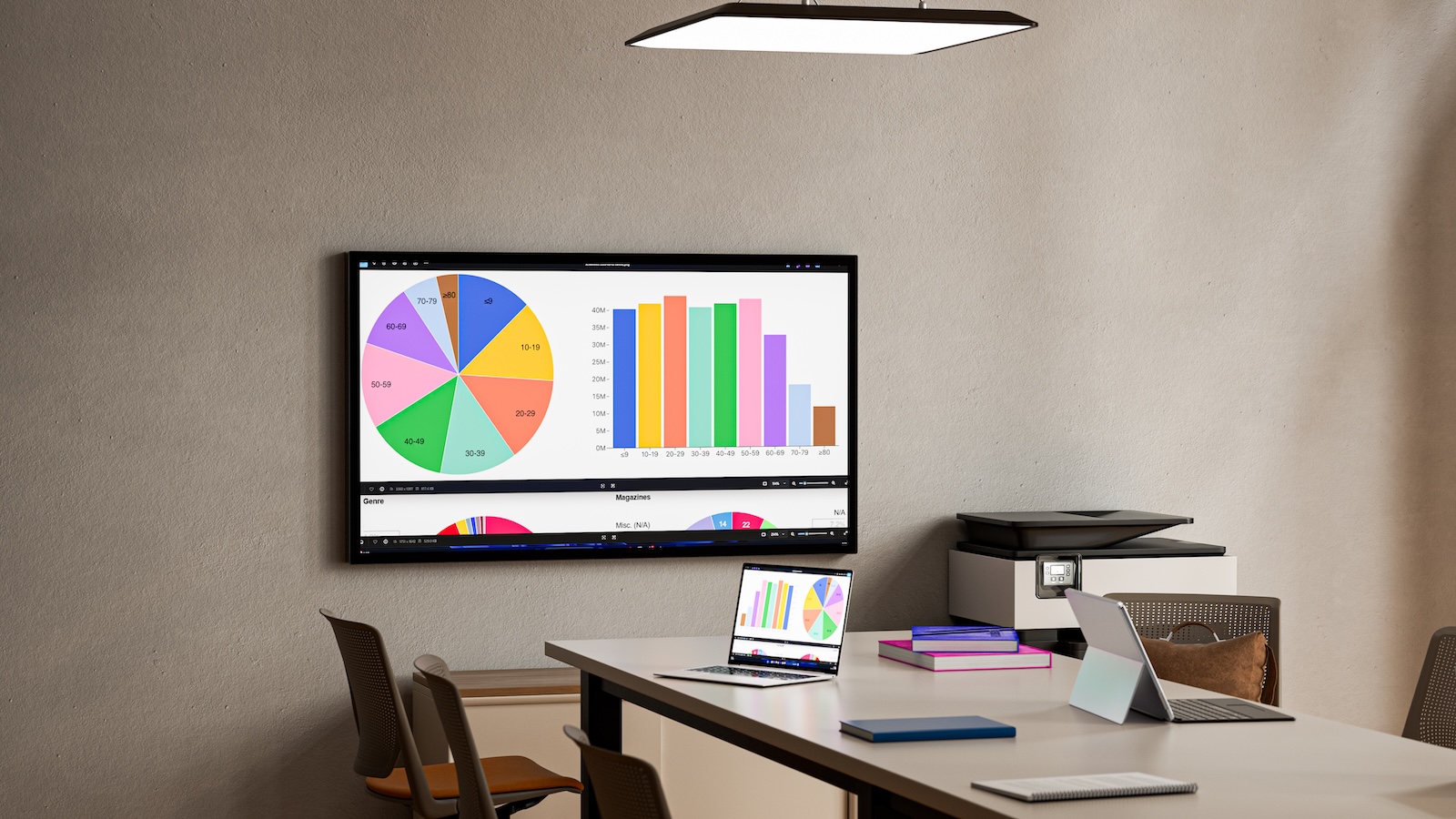
Alogic this week unveiled a new lineup of touchscreen displays that bring touch and stylus functionality to Macs, including the FOKUS interactive touchscreen series, the Aspekt Touch 27" monitor, and new Folio portable touchscreen displays.

Aspekt Touch 27"

While Apple has yet to release a touchscreen Mac, Alogic has established itself as one of the few display makers offering touch-enabled monitors designed to work with macOS. The company's latest products continue that focus, aiming to give Mac users a more direct way to interact with content using touch gestures and stylus input.

The new FOKUS series consists of 43-inch, 55-inch, and 65-inch 4K touchscreen displays designed for collaborative environments such as conference rooms, classrooms, and creative workspaces. The displays support multitouch interaction and work with Alogic's Active Stylus, which offers 4,096 levels of pressure sensitivity for writing, drawing, and annotation.

FOKUS 55"

For Mac users, the key feature is touch support. Since macOS does not natively offer touchscreen functionality, Alogic provides software that enables touch gestures, navigation, annotation, and drawing on connected Macs. The company has offered similar capabilities in previous touchscreen displays, including its Clarity lineup.

Alogic is also introducing the Aspekt Touch 27" monitor, a scaled down version of the existing Aspekt Touch 32" delivering multitouch and stylus support. The Aspekt Touch 27" features a 4K panel with 600 nits of brightness, integrated docking functionality with multiple USB-C and USB-A ports plus Ethernet and audio. It can accept HDMI 2.0, DisplayPort 1.4, and USB-C connections and can deliver 90 watts of charging power over USB-C for connected laptops.

Aspekt Touch 27"

The Aspekt Touch 27" is available in Silver and Space Black color options, with three stand options: a traditional Raise Stand, a Fold Stand that brings the display down to a comfortable stylus drawing position, and an Omni Fold Stand that offers the same functionality as the Fold Stand but which includes a built in mount for a Mac mini at the base of the display.

The company also announced new Folio portable touchscreen monitors for users who need a secondary display while traveling. The Folio models feature a folding cover that doubles as a stand and connect through USB-C, making them a natural companion for MacBooks. The standard Folio model features a single 16-inch display at a resolution 2,560 x 1,440, while the Folio Duo includes two of these screens stacked on top of each other. The Folio Duo can also be rotated 90º to orient the two displays side-by-side in a portrait orientation.

Folio Duo

Portable touchscreen displays are widely available, but many function only as standard monitors when connected to a Mac. Alogic has differentiated itself by supporting touch input on macOS, allowing users to interact directly with apps, presentations, documents, and creative projects.

The products arrive as interest in touchscreen Macs continues to grow. Reports over the past several years have suggested Apple has explored touchscreen Mac hardware, but the company has yet to introduce a Mac with a touch-enabled display with the first rumored to be a "MacBook Ultra" coming in late 2026 or early 2027. In the meantime, third-party solutions like Alogic's monitors offer Mac users a way to add touch functionality to their existing setups.

The new FOKUS, Aspekt Touch 27", and Folio displays were showcased at InfoComm 2026 this week as part of Alogic's expanding monitor portfolio. The FOKUS displays will be launching by September, priced at $2,799 for the 43-inch model, $3,299 for the 55-inch model, and $3,999 for the 65-inch model. The Folio ($899) and Folio Duo ($1,299) should become available around the same September time frame, while the Aspekt Touch 27" (starting at $1,799) and the Active Stylus with wireless charging ($149) will be available starting next month.
Tag: Alogic

This article, "Alogic Debuts New Touchscreen Monitors and Portable Displays With Mac Support" first appeared on MacRumors.com

Discuss this article in our forums

  •  

Prime Day 2026: Best Early Apple Device and Accessory Deals Now Live

Amazon is soon to be back with its annual summertime Prime Day event, lasting for four days from June 23-26, one of the longest Prime Day events yet. As it does every year, Prime Day offers shoppers a huge selection of deals across Amazon's storefront, and there are already many deals you can get on sale ahead of the event.

Note: MacRumors is an affiliate partner with Amazon. When you click a link and make a purchase, we may receive a small payment, which helps us keep the site running.
For our coverage, we're focusing on early discounts for Apple and Apple-related products that can be purchased right now on Amazon. As of today, this includes deals on AirPods, Apple Watch, iPad, monitors, charging accessories, and more. We're also sharing deals being matched at retailers like Best Buy in some cases.


As is typical for Prime Day deals, these markdowns are very time sensitive, so sales listed below may disappear fast, and new ones may appear even faster. With this in mind, we'll keep this article updated over the next few days, and keep an eye on the MacRumors front page as we'll be posting particularly great deals in separate articles next week.

Lastly, and perhaps most importantly, Amazon Prime Day requires you to have an Amazon Prime membership to take advantage of the discounts. Amazon Prime costs $14.99 per month or $139.00 per year, and it comes with a 30-day free trial for new subscribers.

Special for 2026, Amazon is also offering 50% off Prime memberships for Young Adults. Prime for Young Adults is a discounted Prime membership for anyone age 18-24 that offers all of the Prime benefits at $69.00 per year, half of the price of regular Prime.

Apple


AirPods


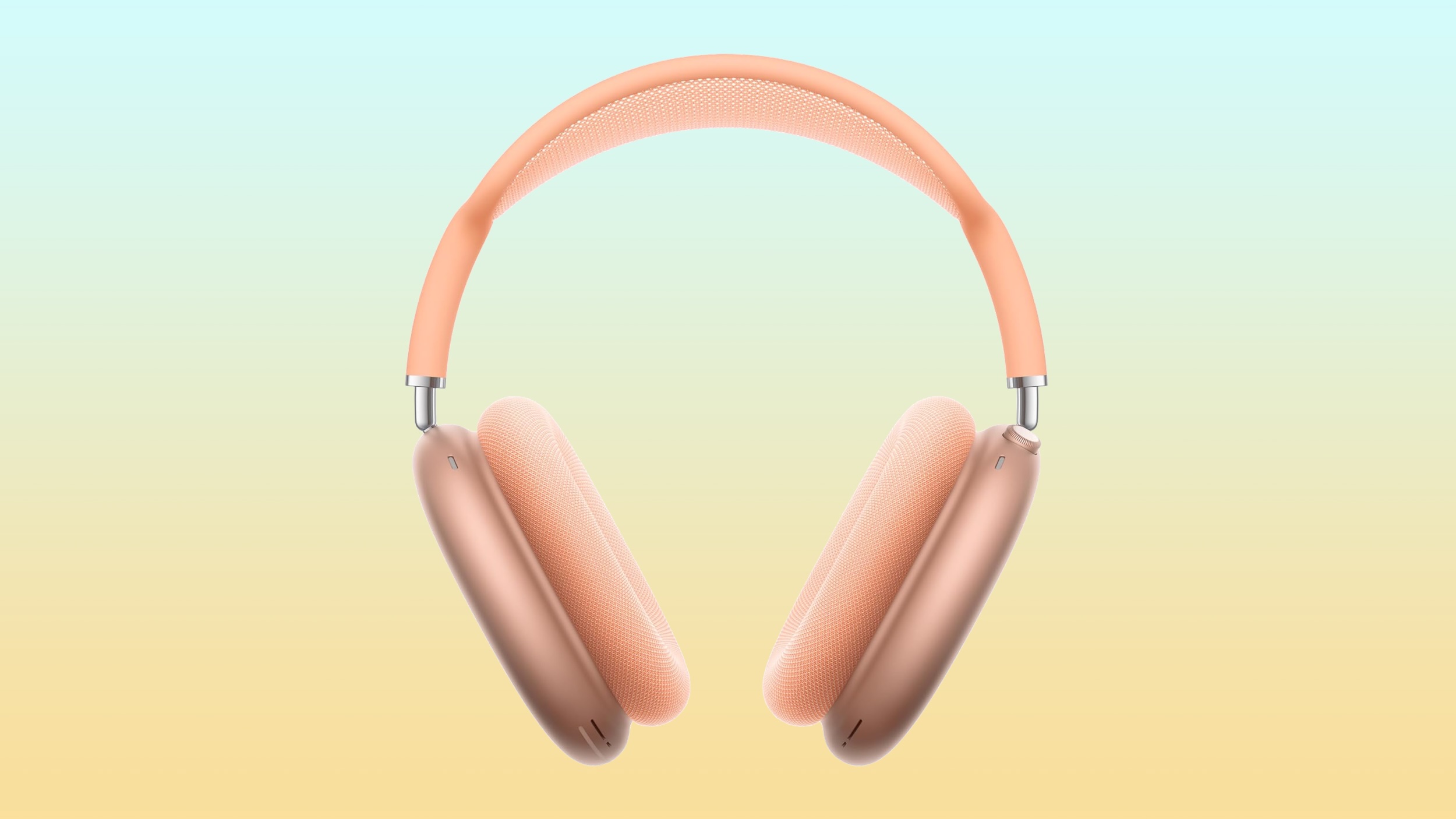
Amazon has the AirPods Max 2 on sale for $499.00 in all colors, down from $549.00. This is an all-time low price on the headphones. This is accompanied by a great discount on the AirPods 4 for Prime Day, available for $99.00, down from $129.00.


iPad


Amazon is taking up to $52 off Wi-Fi and cellular models of Apple's 11th generation iPad for Prime Day. Prices start at $299.00 for the 128GB Wi-Fi iPad, down from $349.00, a second-best price on this model.


Apple Watch Ultra 3


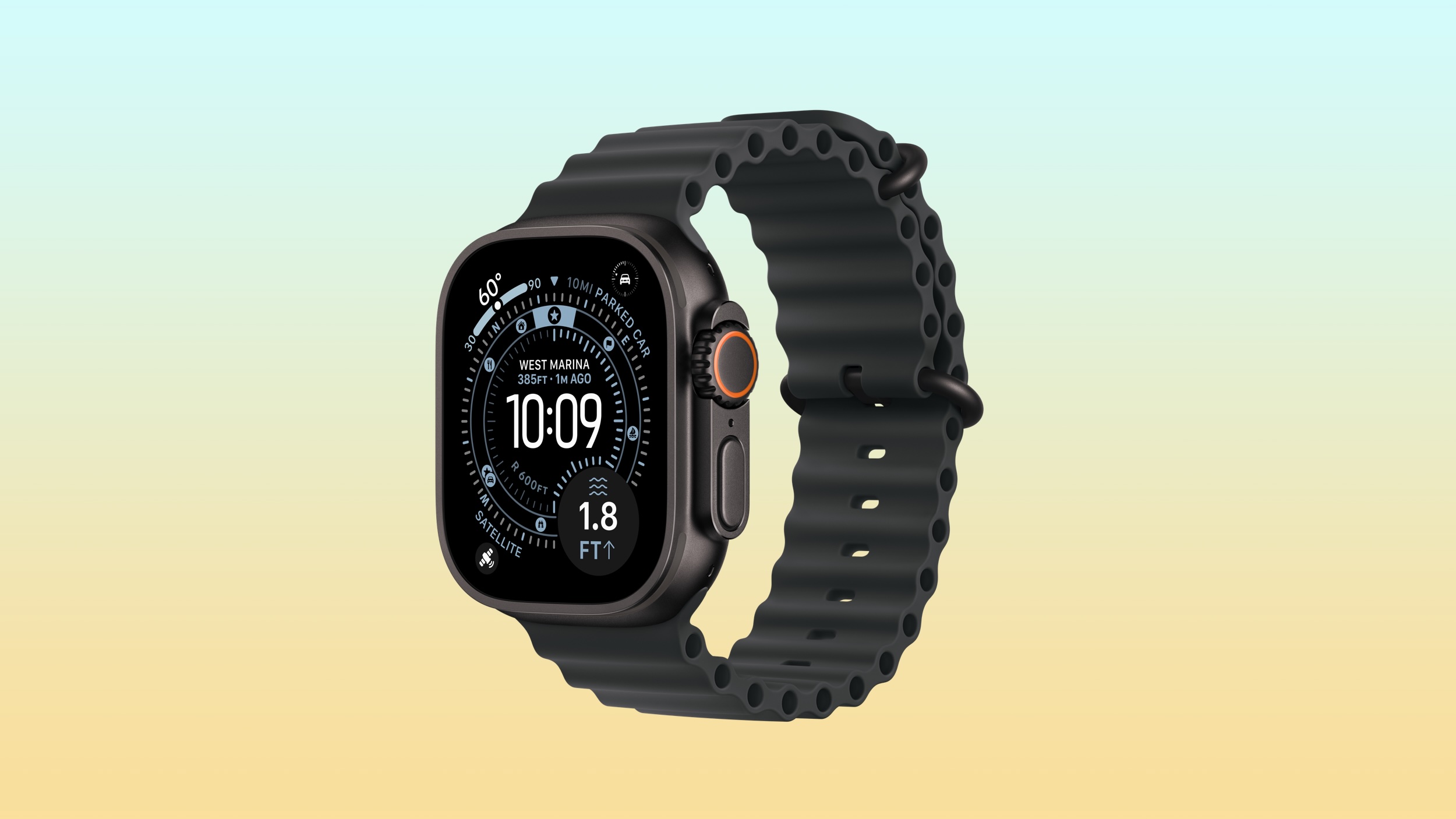
Amazon has the Apple Watch Ultra 3 on sale for $99 off the Black Titanium model with the Black Ocean Band this week. It's been nearly two months since we last tracked notable discounts on the Apple Watch Ultra 3, and right now only two models are on sale at $99 off.


There are discounts on a wide array of different Ultra 3 models, but they're only hitting around $50 off as of writing.

Apple Watch Series 11


In terms of watches, you'll also find all-time low prices on the Apple Watch Series 11 on Amazon ahead of Prime Day, with $100 discounts across numerous models of the smartwatch. This sale includes a handful of GPS aluminum models on sale at record low prices.


You can get the 42mm GPS Apple Watch Series 11 for $299.00, down from $399.00, and the 46mm GPS model for $329.00, down from $429.00. On Amazon, you'll find four of the 42mm GPS models and four of the 46mm GPS models on sale at these all-time low prices.

MacBook Air


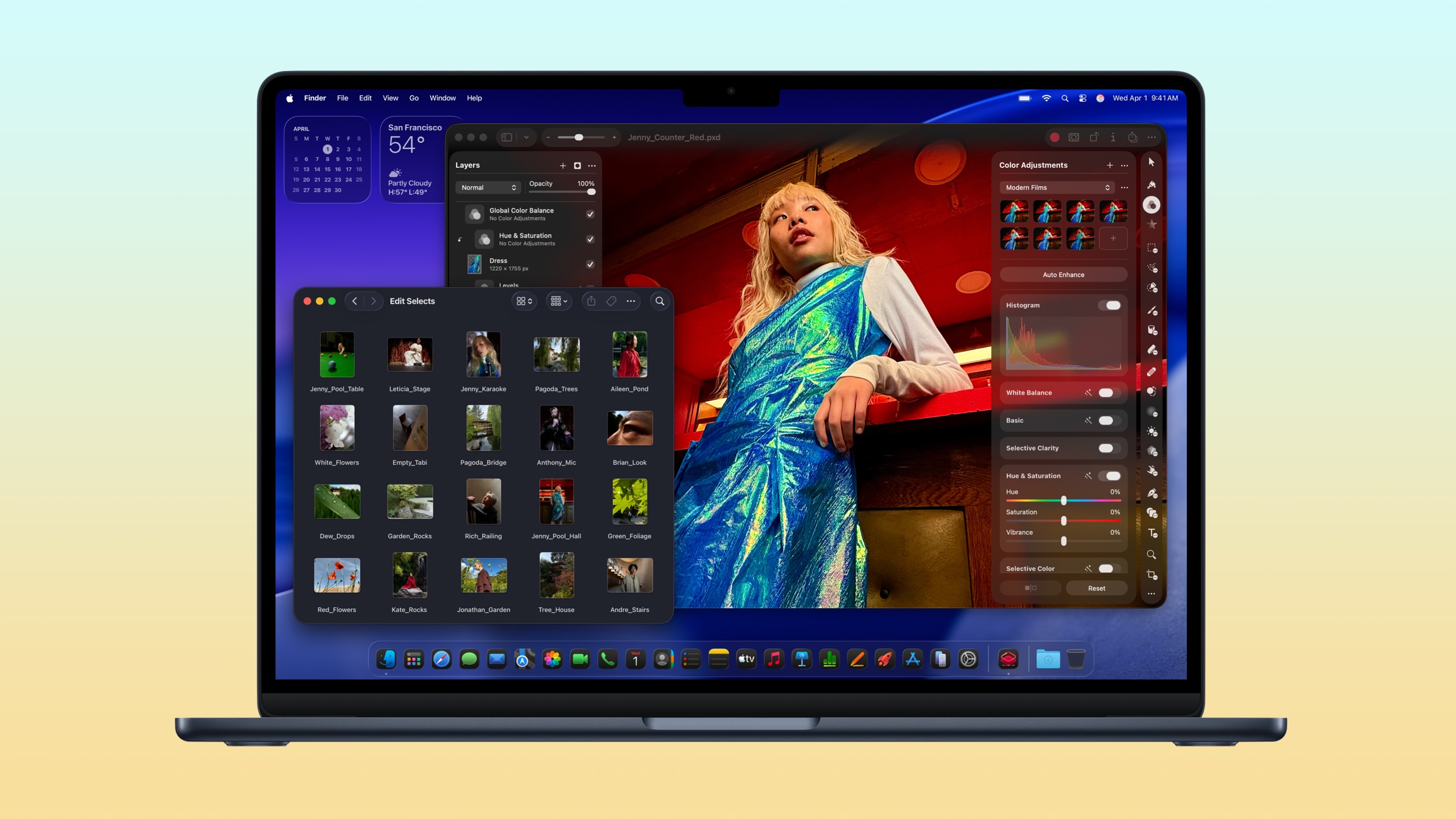
You'll find $149 off a few models of the 13-inch M5 MacBook Air on Amazon this week, starting at $949.99 for the 512GB model, down from $1,099.00.


More Deals


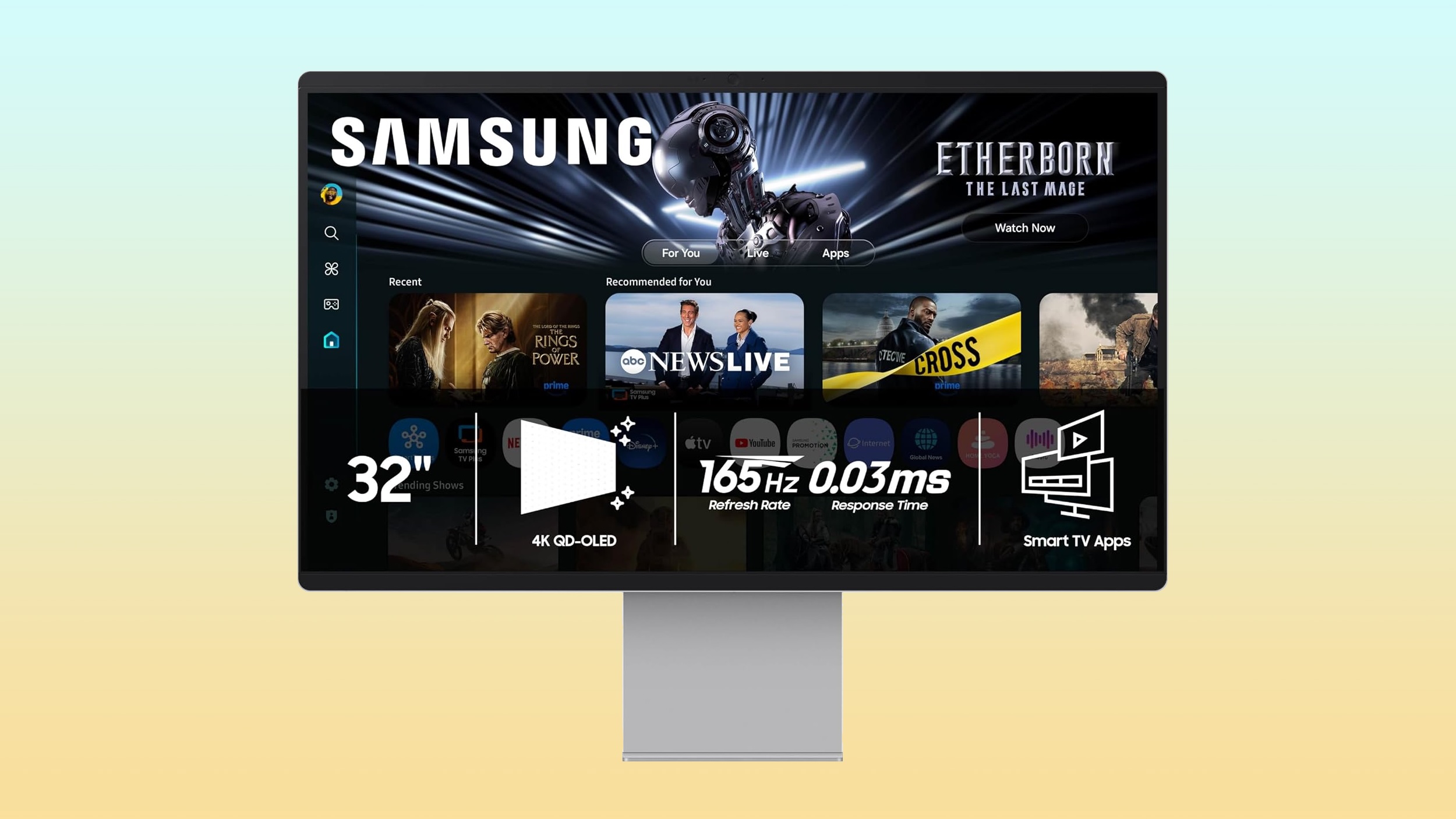
Highlights of early Prime Day accessory sales include a handful of monitor deals, like the 32-inch Samsung OLED M90SF Smart Monitor for $1,199.99, down from $1,599.99, which is a match of the best-ever price on this model. Below you'll also find great deals on monitors from Dell and LG.


These new deals join ongoing highlights of early Prime Day deals, including Anker's Prime 3-in-1 Wireless Charging Station, available for $109.99 on Amazon this week, down from $149.99. This is one of Anker's newest accessories, and Amazon's sale today is a solid second-best price on the device.


We're also tracking big discounts from brands like Sony, Samsung, Sonos, and more in the lists below. Accessories on sale include USB-C wall chargers, MagSafe-compatible wireless chargers, portable batteries, headphones, and soundbars.

Monitors


UGREEN


Wall Chargers


Wireless Chargers


Portable Chargers


Audio


If you're on the hunt for more discounts, be sure to visit our Apple Deals roundup where we recap the best Apple-related bargains of the past week.


Deals Newsletter


Interested in hearing more about the best deals you can find in 2026? Sign up for our Deals Newsletter and we'll keep you updated so you don't miss the biggest deals of the season!


Related Roundup: Apple Deals

This article, "Prime Day 2026: Best Early Apple Device and Accessory Deals Now Live" first appeared on MacRumors.com

Discuss this article in our forums

  •  

Apple Explains Why watchOS 27 Drops Support for So Many Models

Apple today detailed why five Apple Watch models will miss out on watchOS 27 and the new Siri AI features that come with it.


The Apple Watch Series 6, 7, 8, SE 2, and the original Apple Watch Ultra will not receive watchOS 27, and will only get basic security updates going forward. With the update, Apple is effectively dropping three years' worth of device support in a single software update, which is unprecedented for the product line.

Speaking to TechRadar, Cait Dooley, Apple Watch and Health product marketing manager, said performance requirements were behind the cutoff:

With every software release across every single one of our platforms, we always want to ensure that you have the best experience, so we make power and performance a priority. The great new features in watchOS, including the capabilities of Siri AI and the new tap gesture, work best with the processing power that is in Apple Watch Series 9 and later, Ultra 2 and later, and SE 3.


Dooley added that older watches paired with an iPhone running the latest software will keep working and will continue to receive security updates.

David Clark, senior director of watchOS software engineering, said one of the goals of ‌watchOS 27‌ was to "expand the intelligence story on Apple Watch and make it a true co-partner to Apple Intelligence." He described the watch as often "the most convenient way to interact with ‌Siri‌," since it's on the wrist all day and useful for quick questions when hands are full:

We really wanted to make sure the Siri experience is a singular and consistent experience, whether I decide to ask Siri on my wrist a question, or whether I have my phone in my hand and I decide to interact with Siri there. We really wanted to feel like it's one Siri, that has access to your data and is able to personalize it in a consistent way.


Clark used the example of asking ‌Siri‌ on Apple Watch for a recipe's ingredients while grocery shopping with both hands full, then later pulling up the same list on the iPhone in an easier-to-read format. He called that handoff a "superpower."

‌watchOS 27‌ is currently available in beta to developers, with a public beta expected next month ahead of official release in the fall.
Related Roundups: watchOS 26, watchOS 27
Related Forum: Apple Watch

This article, "Apple Explains Why watchOS 27 Drops Support for So Many Models" first appeared on MacRumors.com

Discuss this article in our forums

  •  

Report: iPhone 18 Pro Could Start at $1,399 Amid Price Hikes

Apple this week confirmed that price increases are coming across its lineup due to rising memory chip costs, and now The Wall Street Journal has published its own analysis estimating the iPhone 18 Pro could start as high as $1,399.


Speaking with The Wall Street Journal, Apple CEO Tim Cook acknowledged that the company is not immune to soaring memory chip costs. Asked which devices would see price increases and when, Cook said, "We're still working through that," with more clarification expected to arrive with the next iPhone lineup this September.

The price hikes stem from a global shortage of DRAM and NAND flash storage, driven largely by AI data centers competing for the same components. Manufacturers including Samsung Electronics and Micron Technology have been shifting production toward enterprise-scale memory chips for AI servers, squeezing supply for consumer electronics like the iPhone.

Citing analysis from research firm TechInsights, The ‌Wall Street Journal‌ now reports that prices for DRAM and flash storage are projected to roughly quadruple by this fall compared to last year. TechInsights estimates that Apple paid around $39 for the 12GB of DRAM in the iPhone 17 Pro, a cost that could climb to $145 in the ‌iPhone 18 Pro‌. The 256GB flash storage tier, which cost Apple about $13 in the ‌iPhone 17 Pro‌, could rise to $51.

Overall, TechInsights estimates Apple's component and manufacturing costs for the ‌iPhone 17 Pro‌ excluding memory at roughly $530. Combined with DRAM and flash storage, that puts the total estimated bill of materials for the base ‌iPhone 17 Pro‌ at about $582, with the ‌iPhone 18 Pro‌'s costs projected to rise 25% to around $726.

TechInsights' research suggests the $1,099 ‌iPhone 17 Pro‌ carries a gross margin of around 47%. To preserve that margin on the ‌iPhone 18 Pro‌, Apple would need to charge $1,371, but The ‌Wall Street Journal‌ notes that Apple's preference for standardized pricing makes a $1,299 starting price more likely, working out to a 44% margin.

That estimate doesn't factor in a new camera system, which supply chain analyst Ming-Chi Kuo says could cost Apple about 50% more than the previous generation. Accounting for that added cost using the same approach, The ‌Wall Street Journal‌ estimates Apple could set the ‌iPhone 18 Pro‌'s starting price at $1,399 or higher.

A starting price in that range would represent a $200 to $300 jump over the $1,099 ‌iPhone 17 Pro‌. The ‌iPhone 18 Pro‌ Max would likely start $100 above whatever price Apple sets for the Pro, consistent with the current gap between the two models. The ‌iPhone 18 Pro‌ models are expected to launch alongside the foldable "iPhone Ultra," which has been rumored to carry a starting price of around $2,000.
Related Roundup: iPhone 18 Pro

This article, "Report: iPhone 18 Pro Could Start at $1,399 Amid Price Hikes" first appeared on MacRumors.com

Discuss this article in our forums

  •  

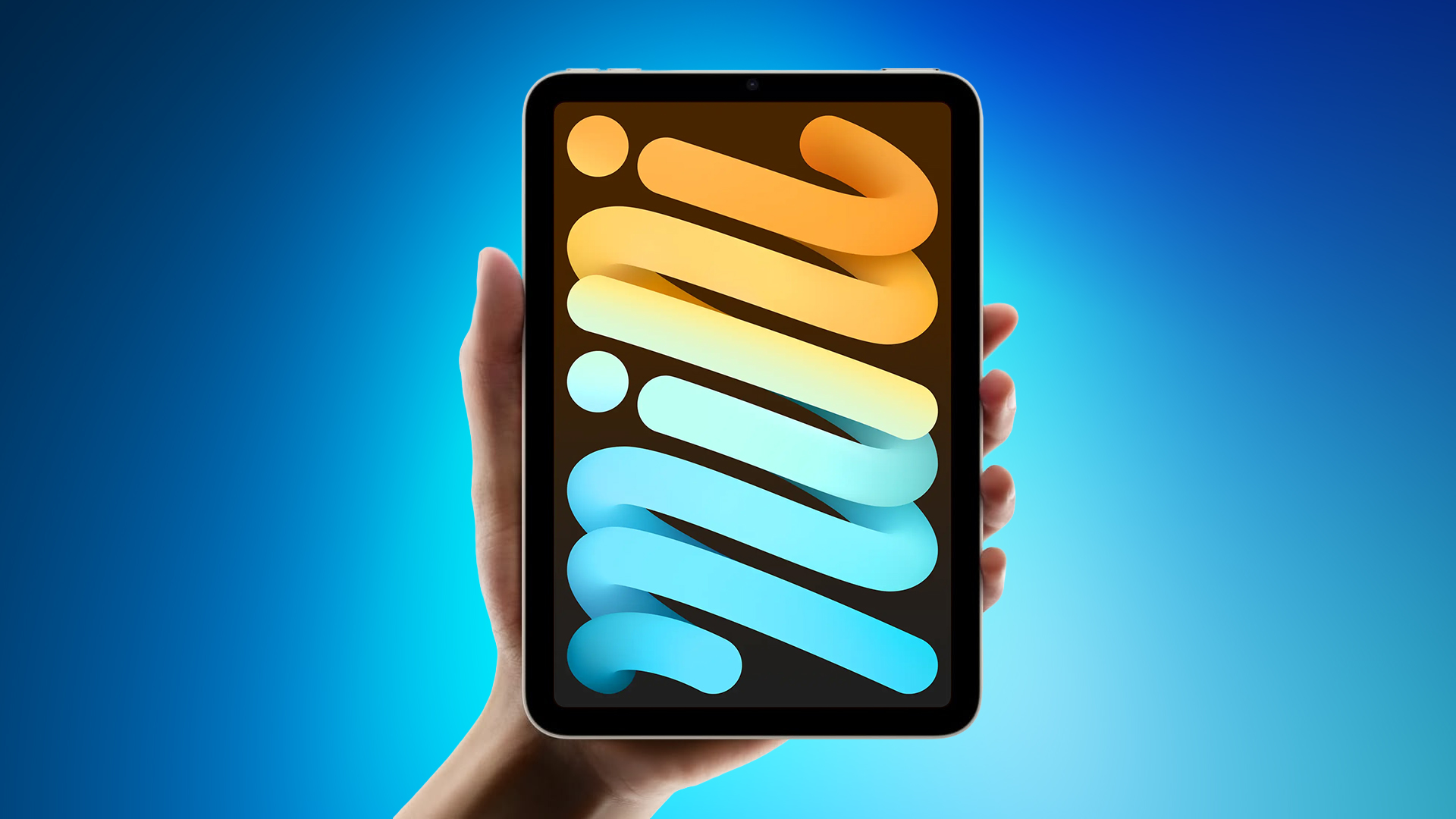
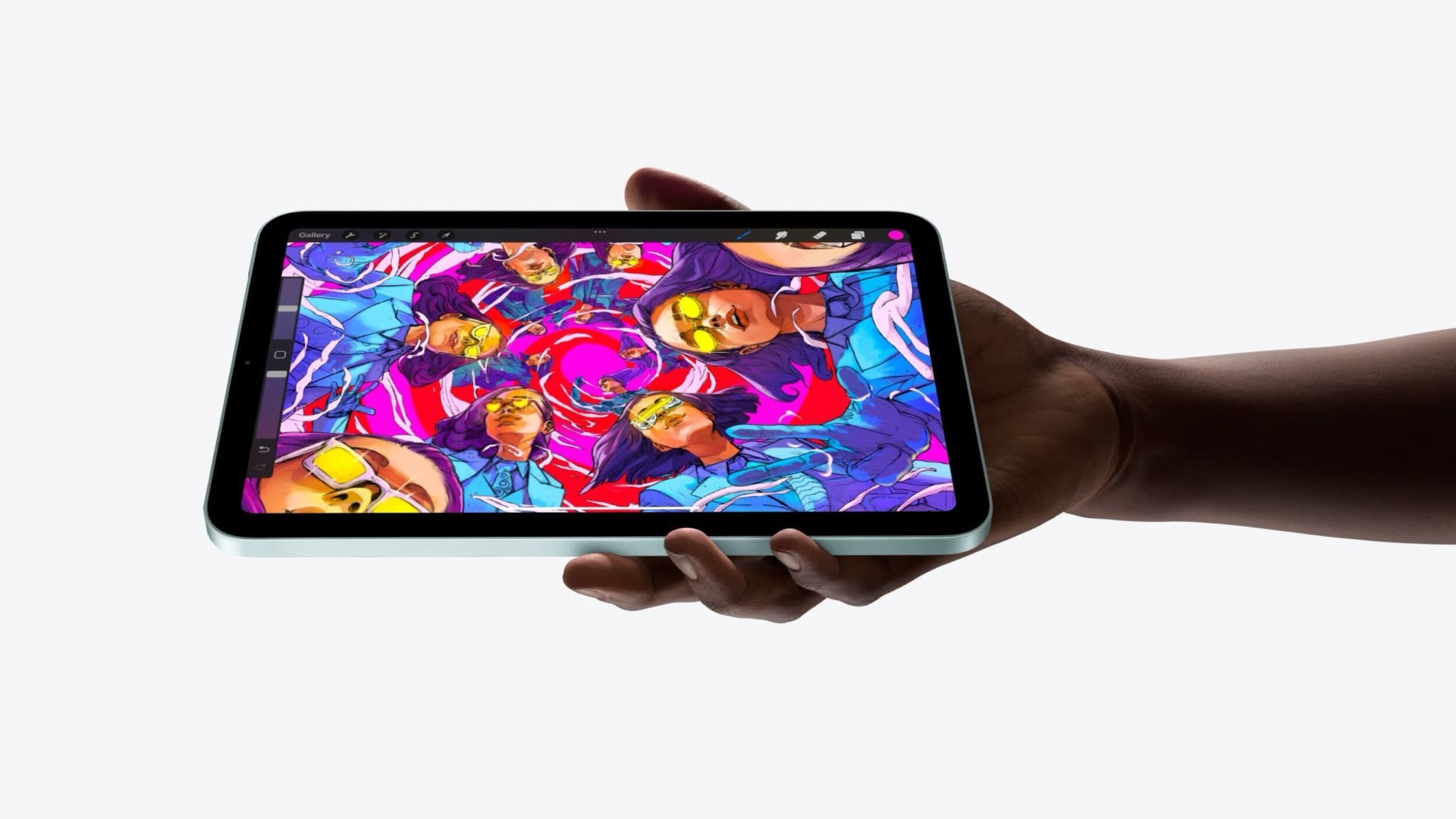
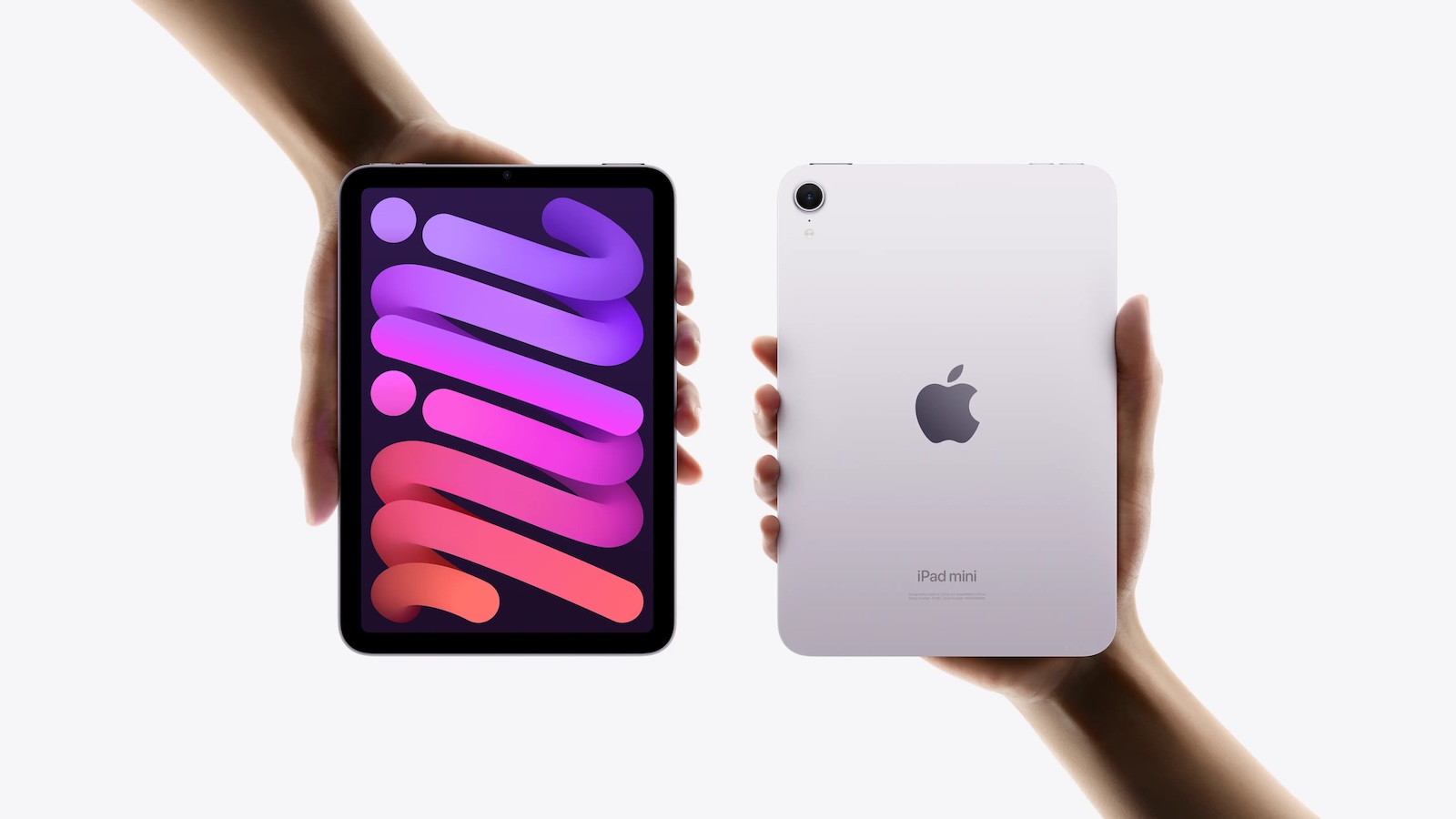
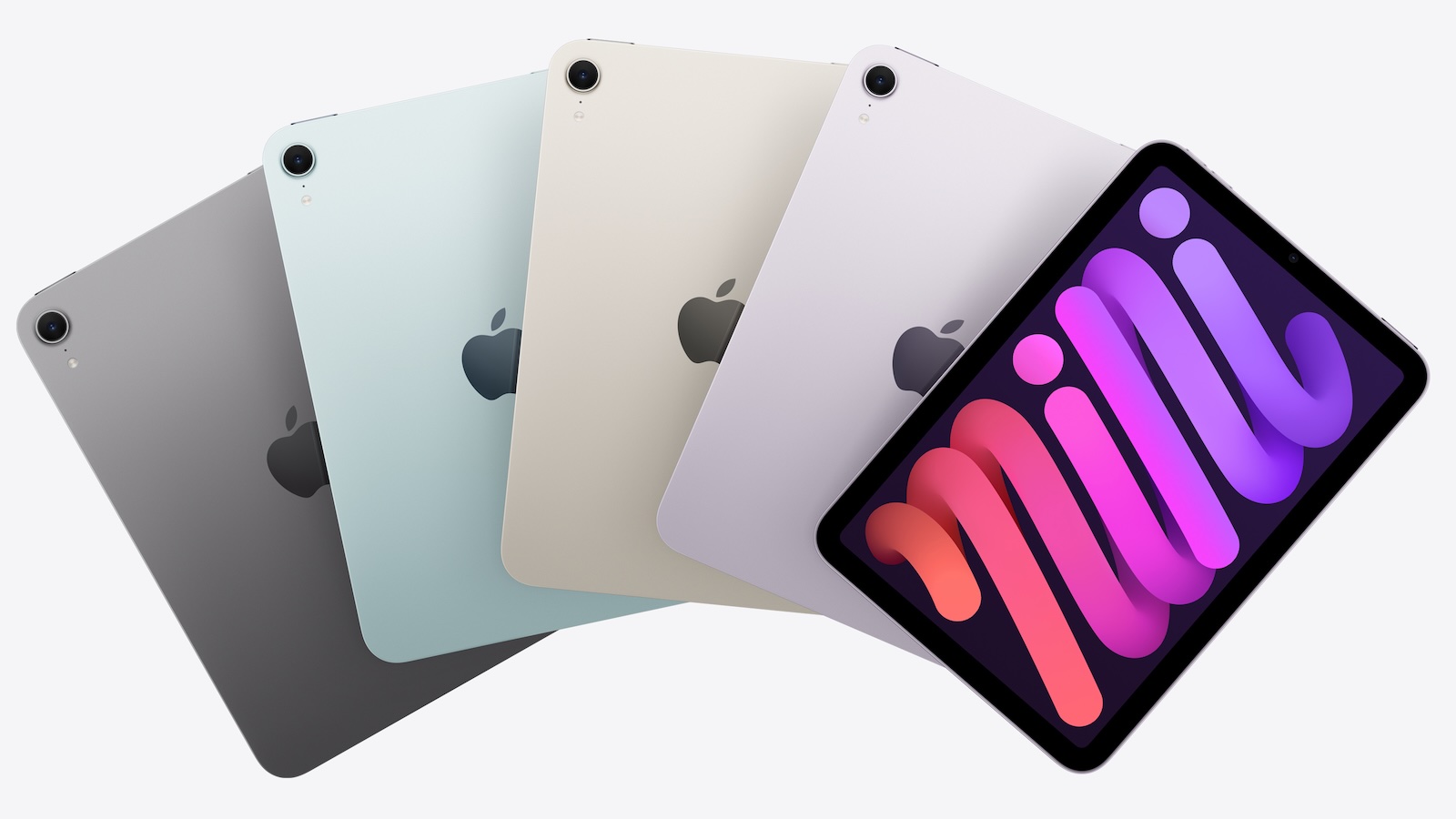
OLED iPad Mini: Release Date, Pricing, and What to Expect

According to the latest rumors, Apple is close to launching its next-generation iPad mini. So what should we expect from the successor to the iPad mini 7 that Apple released over 20 months ago. Read on to find out.


Processor and Performance


Apple is working on a next-generation version of the iPad mini (codename J510/J511) that features the A19 Pro chip, according to information found in code that Apple mistakenly shared in August.

Apple's A19 Pro chip since debuted in the iPhone Air and iPhone 17 Pro models. The iPhone 17 Pro models include the higher-end version of Apple's A19 Pro chip with a 6-core CPU and a 6-core GPU, while the iPhone Air uses a mid-tier A19 Pro chip with one fewer GPU core than the A19 Pro chip used in the iPhone 17 Pro and Pro Max.

If the code leak is accurate for the iPad mini 8, Apple is likely to use the mid-tier A19 Pro chip found in the iPhone Air. This is based on the fact that the A17 Pro chip used in the iPad mini 7 has a 6-core CPU with two high-performance cores and four efficiency cores, along with a 5-core GPU, compared to the 6-core GPU found on the A17 Pro used in the iPhone 15 Pro.

Apple built the A19 Pro chip on an upgraded third-generation 3-nanometer N3P process for modest speed and efficiency improvements. The chip includes a 16-core Neural Engine, next-generation dynamic caching, and unified image compression.

The GPU in the A19 Pro has an upgraded architecture with a larger cache, more memory, and Neural Accelerators that are built into each core. Apple says that this change provides 3× the peak GPU compute over the prior-generation chip. There's also an upgraded 16-core Neural Engine for AI tasks.

There is an outside chance that Apple opts for the A20 Pro chip for the new iPad mini. The claim has been made by a MacRumors tipster who analyzed a macOS kernel debug kit containing internal Apple codenames. However, the iPad mini has not always received Apple's newest A-series chip at the time it was updated, so the A19 Pro cannot be ruled out at this time. iPhone 18 Pro models are also expected to use the A20 Pro chip, which will reportedly be fabricated with TSMC's advanced 2nm process.

Display


Apple's plan to transition the ‌‌iPad mini‌‌ from an LCD to an OLED display is widely rumored. According to Bloomberg's Mark Gurman, the small form-factor tablet is likely to be the next Apple device to adopt OLED. According to a Chinese leaker with sources in Apple's supply chain, Apple has evaluated a Samsung-made OLED display for its next iPad mini model.

It remains unclear whether the iPad mini 8 will feature a higher refresh rate than the 60Hz LCD display used in the existing iPad mini 7, but since the new base iPhone 17 now uses a 120Hz ProMotion panel, it would be reasonable to expect the same on the first OLED iPad mini. A separate report has suggested the ‌‌‌iPad mini 8‌‌‌'s screen could increase in size from 8.3 inches to 8.7 inches with the adoption of OLED.

OLED panels can individually control each pixel, resulting in more precise color reproduction and deeper blacks compared to other common display technologies. They also provide superior contrast, faster response times, better viewing angles, and greater design flexibility. All of Apple's flagship iPhones use OLED panels, and in May 2024 the company brought the display technology to the iPad Pro for the first time.

Unlike Apple's ‌iPad Pro‌ models, which feature two-stack low-temperature polycrystalline oxide (LTPO) OLED panels‌, the ‌iPad mini‌ may have a single-stack low-temperature polycrystalline silicon (LTPS) panel, which would make it dimmer.

Chassis Design


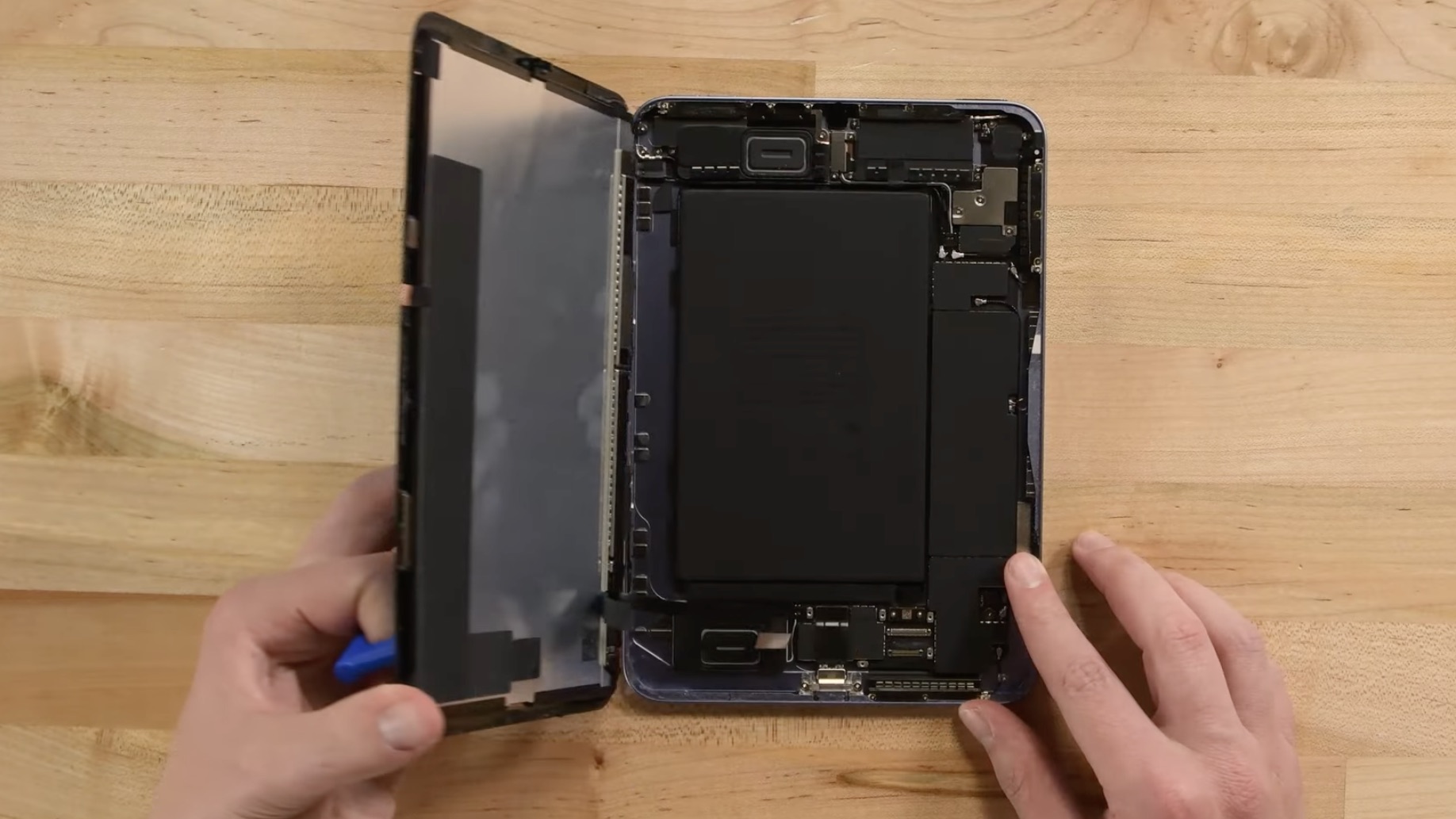
Apple is reportedly working to give the iPad mini 8 a more water-resistant design, according to Bloomberg's Mark Gurman. The updated casing would bring protection levels closer to those of the iPhone, making the tablet safer for use in damp environments.

To achieve this, Apple is said to have designed a new vibration-based speaker system that eliminates the need for traditional speaker holes. By using sound-emitting surfaces instead of open grilles, the company can reduce potential entry points for water and dust, resulting in a more sealed, durable enclosure.

On the iPhone, Apple relies on adhesives and gaskets to shield speakers and other openings from moisture. The iPad mini's approach appears to go further, doing away with the holes altogether. Current iPad mini models lack any official IP rating, but the upcoming version could mark the first in the lineup to feature a certified level of water protection.

Apple patents could offer further clues to the new design direction. For example, a 2014 patent outlines a "mechanically actuated panel acoustic system" that vibrates flat surfaces to generate sound, effectively turning parts of a device's chassis into a speaker diaphragm. This could potentially allow Apple to produce audio without visible speaker holes. The patent suggest Apple has been building towards a sealed, vibration-based acoustic system for several years.

Release Date


According to research firm Omdia, the ‌‌iPad mini‌‌ is expected to adopt an OLED display in 2027. However, Korea's ET News and ZDNET Korea have both suggested that the iPad mini will be updated with an OLED display in 2026. Bloomberg has also said the update could come as soon as this year.

The most recent word on the subject comes from Weibo-based leaker Instant Digital, who claims the OLED iPad mini will be launched in the second half of 2026 at the earliest.

In May 2024, it was reported that Samsung Display had started developing sample OLED panels for a future ‌iPad mini‌, with plans to initiate mass production at its facility in Cheonan in the second half of 2025. The same report claimed that Apple will bring an OLED panel to the iPad Air alongside the ‌iPad mini‌ in 2026, though Apple only refreshed the iPad Air in March, and more recent reporting suggests an OLED iPad Air will arrive in early 2027.

The latter outlook aligns with a December report by analyst firm Display Supply Chain Consultants (DSCC) that said an 8.5-inch OLED iPad mini is planned for a 2026 launch, while 11-inch and 13-inch OLED iPad Air models are expected to follow in 2027.

Ultimately, there are no rumors suggesting exactly when the next ‌iPad mini‌ will be released, but a launch later in 2026 has a high probability.

Pricing


The price of the current iPad mini 7 starts at $499 for the 128GB Wi-Fi-only model, going up to $799 for the 512GB model. However, there's a very good chance that the iPad mini 8 will cost more.

The main reason is rising memory and storage costs, brought about by the continuing AI data center buildout. Growing demand for memory and storage chips from AI companies has led to chip shortages and higher costs for everyone else, and Apple will need to increase device costs "substantially" to maintain its current profit margins, according to The Wall Street Journal.

Just this month, Apple CEO Tim Cook told WSJ that "price increases are unavoidable." Cook said the company was doing its best to "mitigate the huge increases that are being passed to us," and that it was trying to shield customers from them, but the situation has become "unsustainable."

Cook didn't say which products will go up in price, but it's hard to imagine its iPad lineup won't be affected.

Even before Cook's price warning, there was an expectation that the ‌next iPad mini‌ would be more expensive, with Bloomberg's Gurman suggesting Apple could charge up to $100 more for the device. We could now be looking like a couple of hundred dollars or more.

Gurman has previously argued that Apple should consider a lower-end version of the mini, or at least a change to its current $499 starting price, given that it's up against rival products that cost a lot less.

However, Apple users who are looking for a more affordable option should probably consider the 10th-generation iPad instead. Starting at $329, the iPad offers many iPad mini features, such as Touch ID and Center Stage, but at a lower price that balances functionality and affordability.
Related Roundup: iPad mini
Tag: OLED
Buyer's Guide: iPad Mini (Don't Buy)
Related Forum: iPad

This article, "OLED iPad Mini: Release Date, Pricing, and What to Expect" first appeared on MacRumors.com

Discuss this article in our forums

  •  

Everything New in Calendar and Reminders in iOS 27

The Calendar and Reminders apps look about the same as they did in iOS 26, but there are a couple of useful new Apple Intelligence features that make both apps more intuitive.


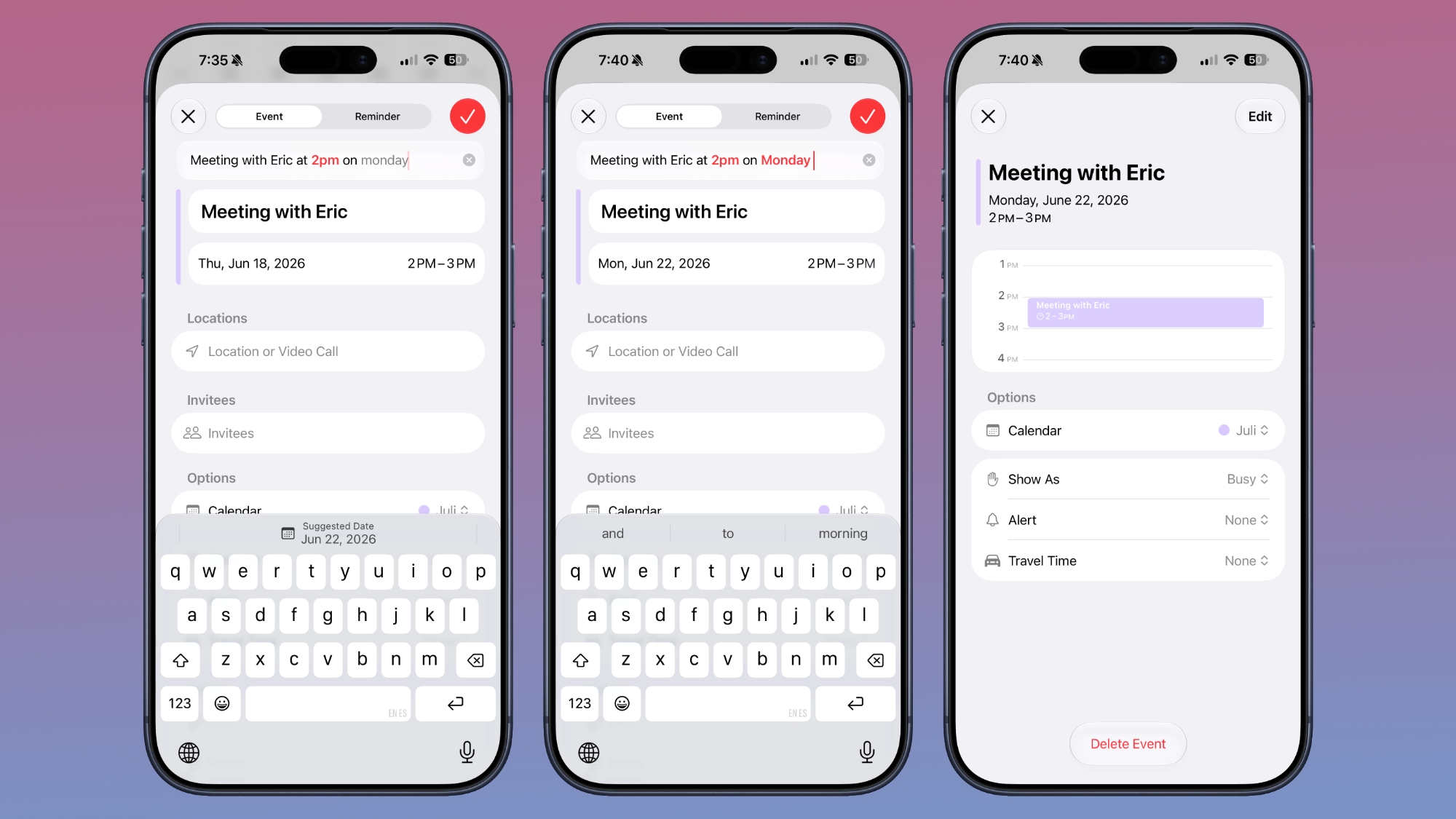
Natural Language for Calendar


‌Apple Intelligence‌ in Calendar lets you add events by describing them in natural language. It identifies people, dates, and places while you are typing, and you can tap to add that info.


It's not as fluid as Fantastical, but it's better than before. You can't just open the Calendar app and type "meeting at 2pm with Eric on July 14" and have it filed correctly as you do in Fantastical because it doesn't have the same automatic date swapping.

Calendar adds an event on the date that's selected, and by default, that's the current date. To use natural language to select another date, you can type in "meeting at 2pm with Eric on July 14," but you need to tap on the July 14 suggestion at the top of the keyboard.

The Calendar app will automatically set the event to the time that you type in with natural language, so you don't need to tap for that.

Natural Language for Reminders


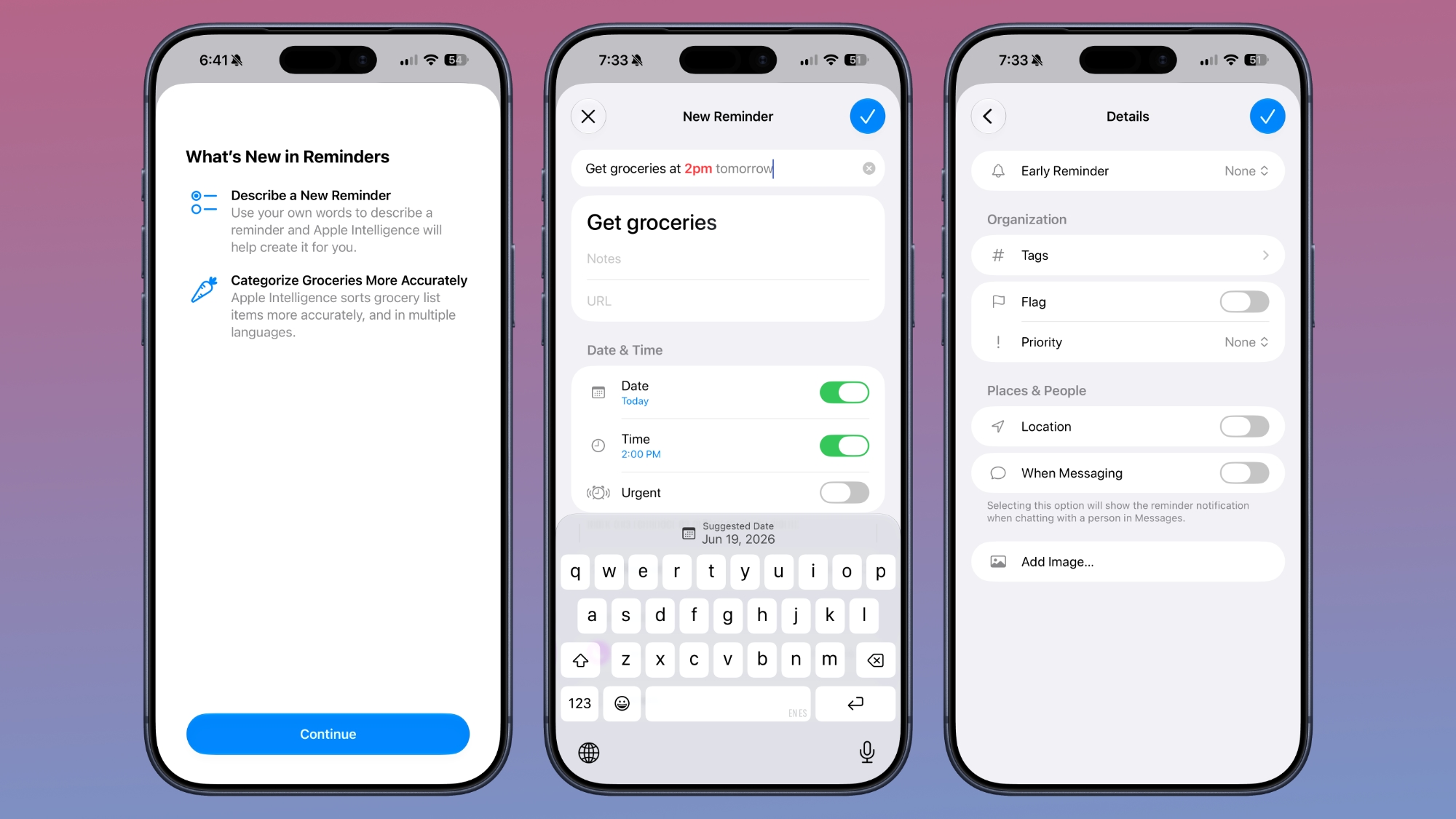
In Reminders, you can now describe a reminder in natural language and it will autofill the metadata that you mention. It can add date, time, and location automatically.


You can write in a reminder like "get the groceries at 6pm tonight" or "send the photos to John tomorrow at 4pm" and it will add the correct times to your reminder. The feature is in beta and it's not entirely consistent, so sometimes you need to tap on the suggestion below to add the correct date and time, and sometimes it does it automatically.

With natural language support, Apple removed the menu bar at the bottom of the interface for adding a new reminder. Adding extra features like an image or metadata such as a flag can now be done through the "Details" interface.

Calendar Event Editing


The event editing interface is a little simpler to use, and it's quicker to get to time adjustments. If you adjust the frequency of an event, Calendar can intelligently apply changes to all events. Siri can also be used for editing calendar events.

Holiday-Aware Alarms


The Calendar app tracks holidays, and can alert you the day before a holiday to ask if you want to change the time of the wake-up alarm that you have set.

Large Widgets


The Calendar and Reminders apps both have a new extra-large widget size that takes up an entire app page.

Siri AI


‌Siri‌ has full access to your calendar and can add events to it with natural language requests. What you can't do with the natural language entry, you can do with ‌Siri‌.

‌Siri‌ is much more capable than before, and it does a better job correctly adding events to the calendar on the day and time you intend, and with parameters, like repeating events.

Just describe the event you want to create and ‌Siri‌ can get it done. ‌Siri‌ can add events to your calendar from other apps, like Mail and Messages.

‌Siri‌ is able to search across the Calendar app and Reminders, so it knows your schedule and what's on your to-do list.

Visual Intelligence


Visual Intelligence in iOS 27 supports adding multiple events to your calendar at one time from a schedule. If you have a document with a list of dates, like a child's sports practice schedule, you can take a picture and add them to the Calendar app all at once.
<
h2>Reminders Grocery Lists
In ‌iOS 27‌, the Reminders app has improved grocery list sorting. It also supports more languages than before.

Shortcuts for Reminders


There are new Reminders actions in the Shortcuts app, including Create Group, Create List, Create Section, Delete Groups, Delete Lists, and Delete Sections. There's also a new "Get What's On Screen" option that can be used with Reminders.

Apple Intelligence Requirements


To use the ‌Apple Intelligence‌ features in ‌iOS 27‌, you need an iPhone 15 Pro or later.
Related Roundups: iOS 27, iPadOS 27

This article, "Everything New in Calendar and Reminders in iOS 27" first appeared on MacRumors.com

Discuss this article in our forums

  •  

Apple Music Reveals Top 20 Most-Streamed Artists of All Time

Apple today teamed up with Chart Data to share the top 20 most-streamed artists of all time. Chart Data says this is the first time that Apple has shared the all-time streaming list.


Drake is the number one most-streamed artist, with Taylor Swift coming in second. Future was third, followed by YoungBoy Never Broke Again and Bad Bunny. The full list is below.

Top 20 most streamed artists of all-time on Apple Music pic.twitter.com/c4WyaRZCTx

— chart data (@chartdata) June 18, 2026

Apple Music launched in June 2015, so the top 20 list includes streaming data for the past 11 years.

The streaming service is priced at $10.99 per month for an individual plan in the U.S., with other pricing options available for students, families, and in the Apple One bundle.

This article, "Apple Music Reveals Top 20 Most-Streamed Artists of All Time" first appeared on MacRumors.com

Discuss this article in our forums

  •  

Hands-On With watchOS 27: Every New Apple Watch Feature

watchOS 27 is the new version of watchOS that's coming to the Apple Watch this fall. It's a little light on features, but there are some useful new additions, including access to Siri AI.


‌watchOS 27‌ will have ‌Siri‌ AI, so you'll be able to use many of the same ‌Siri‌ features that you have on the iPhone on your wrist. Right now, the ‌Siri‌ features aren't in the ‌watchOS 27‌ beta, but the integration will be coming later this year. Apple is planning for a ‌Siri‌ app on the watch so you can access all of your ‌Siri‌ conversations.

‌Siri‌ AI for the watch will rely on a connected iPhone that supports Apple Intelligence, so you'll need an iPhone 15 Pro or later to use it on your watch. ‌Siri‌ will be able to access your personal data, search the web for info to answer questions, and take actions in apps.

There's a new dynamic app grid that's available when you press the Digital Crown. It will put the ‌Siri‌ app front and center, while also showing ‌Siri‌ Suggested apps that include your most used and recently used apps. The view shows multiple apps in addition to ‌Siri‌ and a shortcut to get to the full app list. Apple also improved Liquid Glass with better contrast and more uniform refraction, which boosts readability.

Workout Buddy is now available even without your iPhone nearby, and there are new metrics to keep you motivated, with the watch tracking progressive increases in the distance, pace, and duration of runs. Cycle Tracking now supports menopause/perimenopause recognition and notifications, and treadmill readings will be more accurate.

Apple added a new tap gesture, so you can single-tap your index finger and thumb together to select a widget in the Smart Stack. There are new Smart Stack suggested widgets for finding a parked car, accessing ‌Siri‌, getting to pinned messages, accessing transit cards, seeing noise notifications, getting reminders for birthdays, and more.

When you're getting a phone call, your watch can show information relevant to the call, like a flight confirmation number if you're on the phone with an airline. Custom passes made with the Wallet app on iPhone work on the Apple Watch, and there's a new unified Find My app for locating devices, items, and people. The ‌Find My‌ app supports Precision Finding for locating an iPhone, AirPods Pro 3, or an AirTag 2.

Under-the-hood improvements bring longer battery life, with Apple disabling little-used features like gestures, Start Workout reminders, and Raise to Speak to preserve battery.

‌watchOS 27‌ works on the Apple Watch Series 9 and later, the Apple Watch Ultra 2 and later, and the Apple Watch SE 3.
Buyer's Guide: Apple Watch (Caution)
Related Forum: Apple Watch

This article, "Hands-On With watchOS 27: Every New Apple Watch Feature" first appeared on MacRumors.com

Discuss this article in our forums

  •  

Philips Hue Adds Play Table Lamp, Floor Lamp, and New Candle Bulbs

Signify today announced two new Philips Hue devices to expand its Hue Entertainment lineup, debuting the Philips Hue Play Table Lamp and the Philips Hue Play Floor Lamp Large. There are also new candle bulbs.


The two lamps are similar to the existing Signe Hue table and floor lamps, featuring a tall, linear design that casts light on a wall or surface behind the light. The lamps offer color-changing lighting effects that synchronize with games, TV shows, movies, and music when used with the Hue Play HDMI Sync Box or the Hue Sync TV and desktop apps.

Signify says that the lamps are designed for flexible placement, and a video featuring the table lamp shows it placed next to a TV set to project on the wall behind it. The table lamp is 23.6 inches, while the floor lamp is 53 inches tall. Both support Chromasync for precise color matching.

The new lamps have a more affordable price than the previous gradient floor and table lamps. The Hue Play Table Lamp is priced at $80, and the Hue Play Floor Lamp is priced at $150.


The new Hue Candle bulbs have Matter over Thread integration and full-spectrum daylight technology. The temperature range up to 20,000K supports colors that mimic natural daylight throughout the day, and they support millions of Hue colors for use in lighting scenes. The bulbs are also 40 percent more energy efficient than the prior version, and they dim to 0.2 percent. Bulbs are priced at $110 for two.

All of the new products are available now from the Philips Hue website.
This article, "Philips Hue Adds Play Table Lamp, Floor Lamp, and New Candle Bulbs" first appeared on MacRumors.com

Discuss this article in our forums

  •  

You Can Watch All of F1's 2026 Austrian Grand Prix For Free on Apple TV

Apple today announced that every part of Formula 1's 2026 Austrian Grand Prix (June 26-28) will be streamed live on the Apple TV streaming service for free.

U.S. viewers can watch all sessions — including practices, qualifying, and the Grand Prix — with no subscription required.
This article, "You Can Watch All of F1's 2026 Austrian Grand Prix For Free on Apple TV" first appeared on MacRumors.com

Discuss this article in our forums

  •  

Apple's A12 and A13 Chips Facing New Unpatchable Exploit

Security research firm Paradigm Shift today published details of a new BootROM vulnerability affecting Apple's A12 and A13 chips, along with a working proof-of-concept exploit named "usbliter8."


The BootROM, or SecureROM, is the first code an iPhone runs when it powers on. Because it is baked directly into the chip at manufacture, any vulnerability found there cannot be fixed with a software update, meaning affected devices will remain vulnerable for the rest of their lives.

The last publicly known BootROM exploit of this kind was "checkm8," released in 2019 which affected devices from the iPhone 4S through to the iPhone X. usbliter8 now extends that history to the next generation of chips, covering the iPhone XS through to the iPhone 11 series.

The exploit works by taking advantage of a bug in the USB controller built into Apple's chips. When an iPhone receives USB data during startup, the controller uses a memory buffer to store incoming packets. Paradigm Shift found that by sending a specific sequence of unusually small packets, they could manipulate an internal hardware pointer in a way that causes it to walk backwards through memory, allowing data to be written to locations it should never reach. The researchers say this appears to be a bug in the USB controller hardware itself, not in Apple's software.

The A11 chip, used in the iPhone X, is not affected because its USB driver manually resets the pointer after each packet. A14 and later chips are also safe, as they configure a memory protection feature correctly at the BootROM level. The A12 and A13 sit in a vulnerable middle ground between the two.

On A12 devices, gaining code execution is relatively straightforward. On A13 devices, things are considerably harder because Apple introduced a security feature called Pointer Authentication Codes (PAC), which detects and blocks certain types of memory tampering. Paradigm Shift says working around PAC on the A13 required a lengthy multi-step process before the researchers could finally take control of the processor.

Once in control, the exploit installs a custom handler that survives a device restart and adds two capabilities: temporarily lowering the device's security settings, and booting unsigned software without any verification checks. It also injects the traditional "PWND" string into the iPhone's USB serial number as a signal that the device has been compromised, a convention that carries over from checkm8 and earlier exploits.

Paradigm Shift notes that while usbliter8 does not affect the Secure Enclave directly, a BootROM compromise of this kind opens up wider avenues for attacking it. The firm says it reported its findings to Apple Product Security before publication and worked with Apple on coordinated disclosure. The full proof-of-concept code has been published alongside the write-up at ps.tc.
Related Forum: iPhone

This article, "Apple's A12 and A13 Chips Facing New Unpatchable Exploit" first appeared on MacRumors.com

Discuss this article in our forums

  •  

Apple Announces Major App Store Changes on iOS in Brazil

Apple today announced that developers in Brazil will be allowed to distribute iPhone apps through alternative app marketplaces on iOS, and accept payments through third-party platforms. In other words, developers in Brazil will be able to circumvent the App Store and Apple's in-app purchase system, but there are still fees.


Alternative app marketplaces will have to be authorized by Apple and will need to meet ongoing requirements. For apps that are still distributed through the App Store, developers will be able to include an alternative payment processing method in their app and/or link users to a website to complete a transaction.

These changes are available on iOS 26.5 and later, and they are the result of regulatory action from Brazil's competition regulator. Apple has added a new page on its website with additional details for developers in Brazil.

Apple said these changes introduce privacy and security risks for users, including children. The company has introduced safeguards to mitigate these risks, including a notarization process for iOS apps, an authorization process for app marketplaces, and limitations on external links and alternative payments for users under the age of 18.

Apple has already allowed alternative app stores and/or third-party payment systems on iOS in the EU, Japan, and South Korea, and it will likely be forced to do so in the UK and Australia too, due to similar regulations in those countries.

Fees


iOS apps distributed on the App Store in Brazil will be able to take advantage of a lower commission of up to 21% on digital goods and services, down from a maximum of 30%, but many developers qualify for a commission as low as 10% through things such as the Small Business Program, Video Partner Program, and Mini Apps Partner Program.

If an app uses the App Store's in-app purchase system, there is an additional 5% fee.

Developers with iOS apps on the App Store in Brazil will pay a commission of 15% on transactions for digital goods and services made on a website linked to by the developer's app. In some cases, this commission will be lowered to 10%.

iOS apps distributed outside of the App Store in Brazil will be required to pay a 5% commission on the sale of digital goods and services, including paid apps. Apple says this "Core Technology Commission" compensates it for the tools, technologies, and services that enable developers to offer apps to iOS users.

By July 6, 2026, all current members of the Apple Developer Program will need to agree to an updated Apple Developer Program License Agreement, which includes new terms that allow for these options in Brazil.
This article, "Apple Announces Major App Store Changes on iOS in Brazil" first appeared on MacRumors.com

Discuss this article in our forums

  •  

iOS 27 Adds These New Features to Find My, Including 'Hide Location'

The upcoming iOS 27 update that Apple unveiled last week includes some new features and enhancements for Apple's Find My app on the iPhone.


iOS 27 is currently available as a developer beta, with a public beta to follow in July. The update is expected to be released to all users in September.

Below, we have outlined three additions to Apple's Find My app on iOS 27.

Hide Location


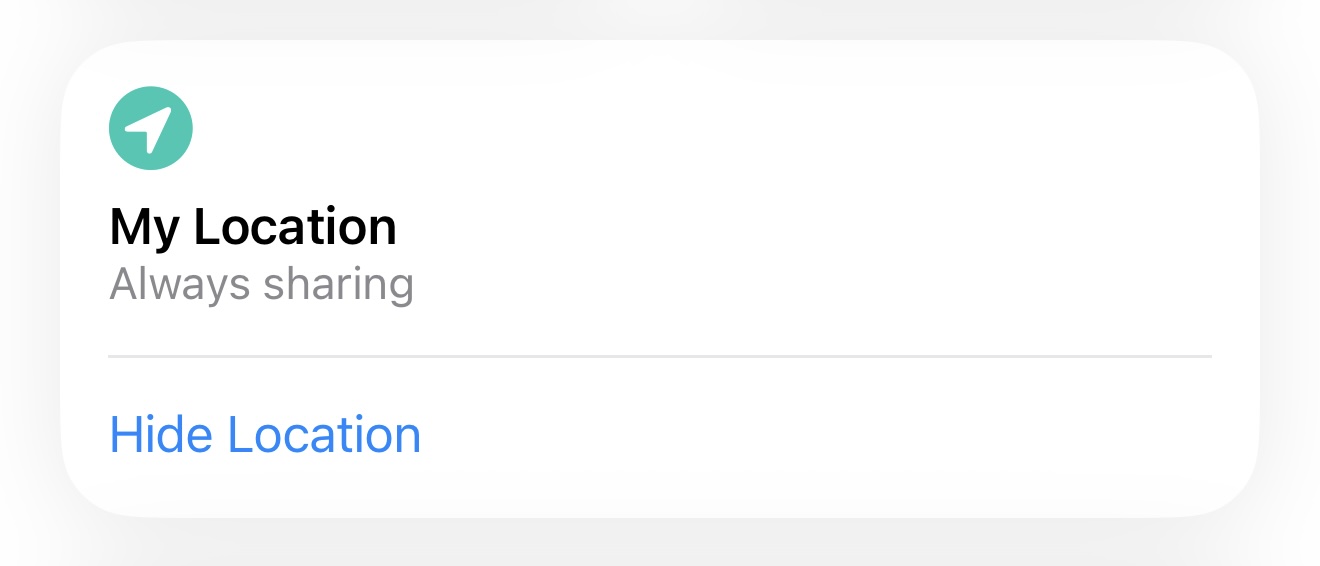
A new "Hide Location" option in Find My allows you to discreetly pause your location sharing with specific people until the end of the day — the other person will not receive any notification or alert about you temporarily hiding your location. Apple says it added this feature for situations such as surprise birthday parties.

Custom Durations for Location Sharing


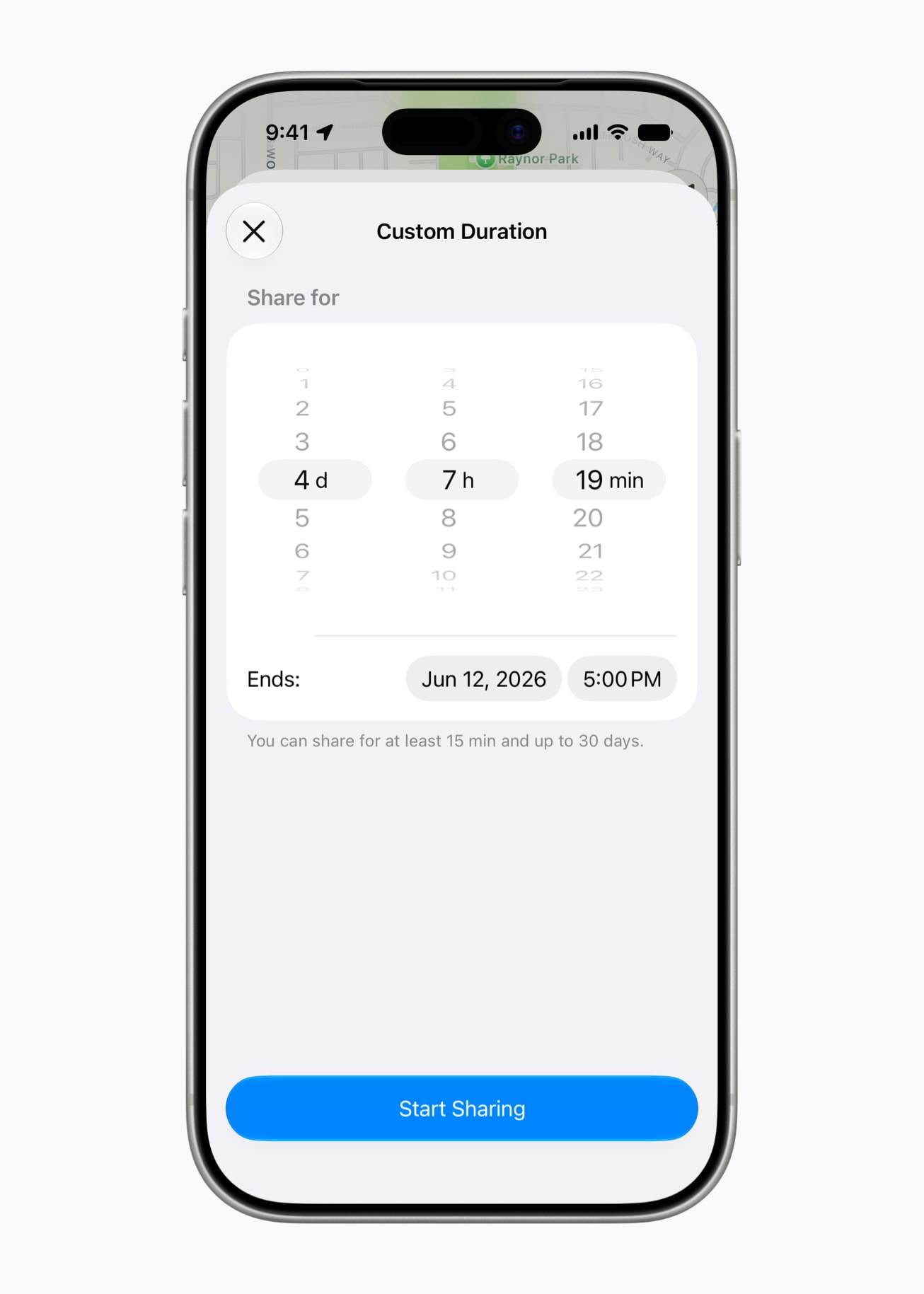
Find My now lets you share your location with others for a custom duration between 15 minutes and 30 days. You can set a precise number of days, hours, and minutes, or you can set a set a date and time for your location sharing to expire.

On iOS 26, there are only three preset timeframes: indefinitely, until end of day, and one hour.

Landscape Mode


iOS 27 enables landscape mode in more of Apple's built-in iPhone apps, including Find My.

Landscape mode was already available on iOS 26 or earlier in Apple Maps, Calendar, Files, Notes, Mail, and some other Apple apps too, but iOS 27 expands support to many more apps. This change could be laying the groundwork for the "iPhone Ultra," as landscape-friendly apps would be well suited for the rumored foldable device.

To use landscape mode in a supported app, simply turn your iPhone sideways. Portrait Orientation Lock must be turned off in Control Center.
Related Roundups: iOS 27, iPadOS 27
Tag: Find My

This article, "iOS 27 Adds These New Features to Find My, Including 'Hide Location'" first appeared on MacRumors.com

Discuss this article in our forums

  •  

Three Ways macOS 27 Improves iPhone Mirroring

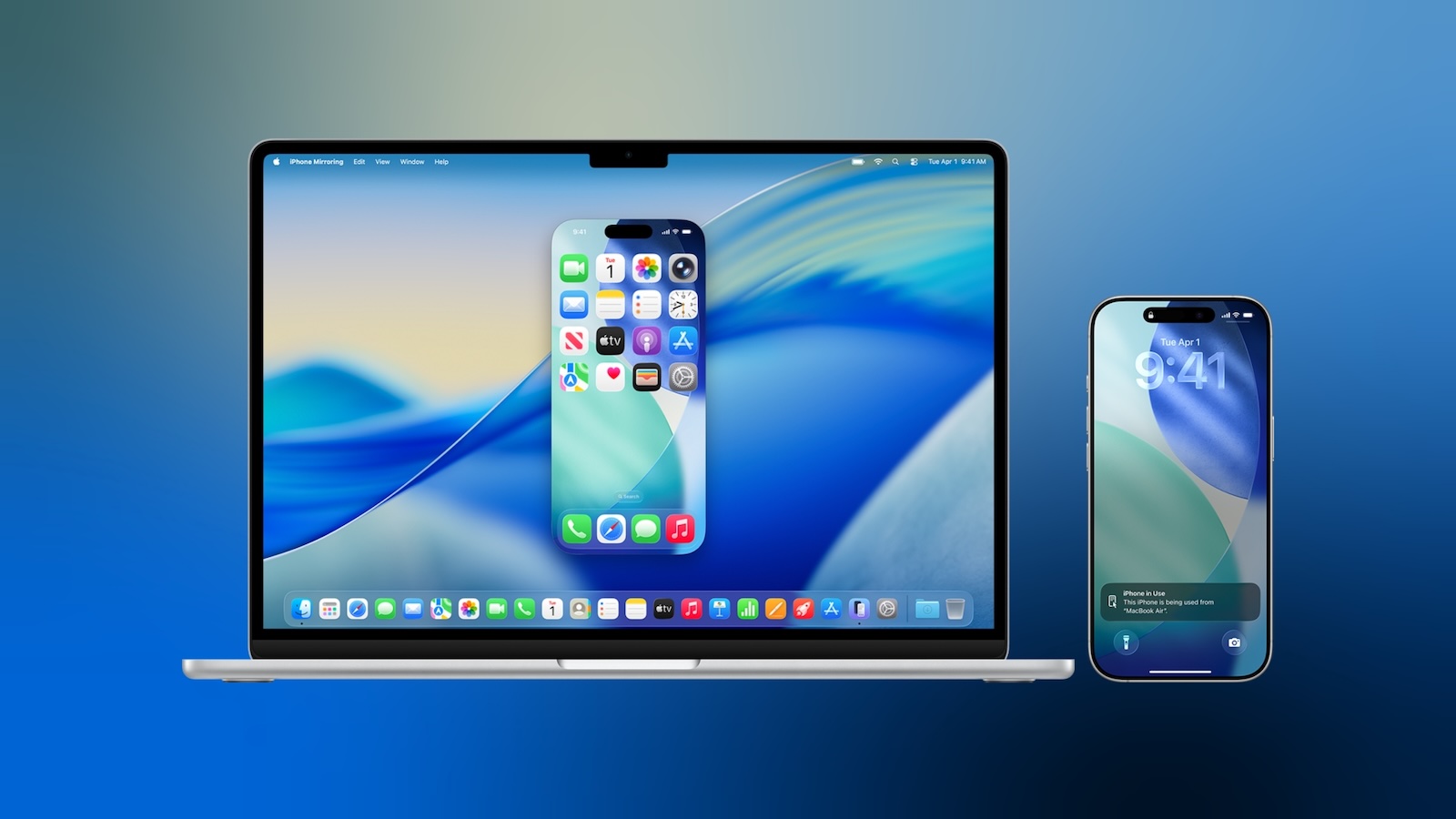
In macOS 27 Golden Gate, Apple has brought some meaningful updates to iPhone Mirroring besides a new app icon. Here's what's new.


macOS 27 is currently in developer beta, with a public beta coming next month and a general release expected in the fall.

Window Resizing


In macOS Tahoe, iPhone Mirroring is constrained to the iPhone's native aspect ratio, so window resizing is limited to the device's fixed proportions. Smaller, Actual Size, and Larger are the only options. By contrast, macOS 27 introduces support for multiple aspect ratios. Depending on the chosen aspect ratio, iPhone Mirroring displays either a modified iPhone interface or an app's available iPad layout. Adjustments are limited to iOS 27-compatible apps for now, but expect this to change when developers update their own apps. The change has also stoked speculation about a rumored foldable iPhone coming in September.

Control Center Access


In macOS 27, you can now access your iPhone's Control Center directly from your Mac using the Command-4 keyboard shortcut or via the View menu in the menu bar. Previously, iPhone Mirroring didn't support Control Center access at all.

DRM Support


macOS 27 also adds support for DRM-protected video playback in iPhone Mirroring. In macOS Tahoe, attempting to watch protected content, such as videos from streaming services or rented movies, results in a black screen on your Mac. With the next major update, however, you can view DRM-enabled content directly through the mirrored iPhone window.
This article, "Three Ways macOS 27 Improves iPhone Mirroring" first appeared on MacRumors.com

Discuss this article in our forums

  •  

Samsung Takes $50 Off 2026 Monitors, Plus Credit Towards Future Purchases

Samsung's newest monitors are now available to purchase, including the Odyssey G8, ViewFinity S8, and Movingstyle Essential. All of these are available with a $50 launch discount, plus your choice of extras including up to $300 in Samsung credit on a future purchase, a free Music Studio speaker, or free Galaxy Buds4 Pro.

Note: MacRumors is an affiliate partner with Samsung. When you click a link and make a purchase, we may receive a small payment, which helps us keep the site running.
Starting with the Samsung Odyssey G8 monitors, you will find $50 discounts across every model of the new 2026 devices. Prices start at $899.99 for the 27-inch Odyssey G8 5K Monitor, and also include Samsung's first 6K monitor with the 32-inch Odyssey G8 6K Monitor for $1,549.99.


Samsung also has a new 40-inch ViewFinity S8 Curved Monitor on sale for $1,349.99, as well as the Movingstyle Essential Monitor for $849.99, both $50 discounts. Additionally, the company announced a 27-inch model of the ViewFinity S8, but it's not yet available for purchase.


If you're on the hunt for more discounts, be sure to visit our Apple Deals roundup where we recap the best Apple-related bargains of the past week.


Deals Newsletter


Interested in hearing more about the best deals you can find in 2026? Sign up for our Deals Newsletter and we'll keep you updated so you don't miss the biggest deals of the season!


Related Roundup: Apple Deals

This article, "Samsung Takes $50 Off 2026 Monitors, Plus Credit Towards Future Purchases" first appeared on MacRumors.com

Discuss this article in our forums

  •  

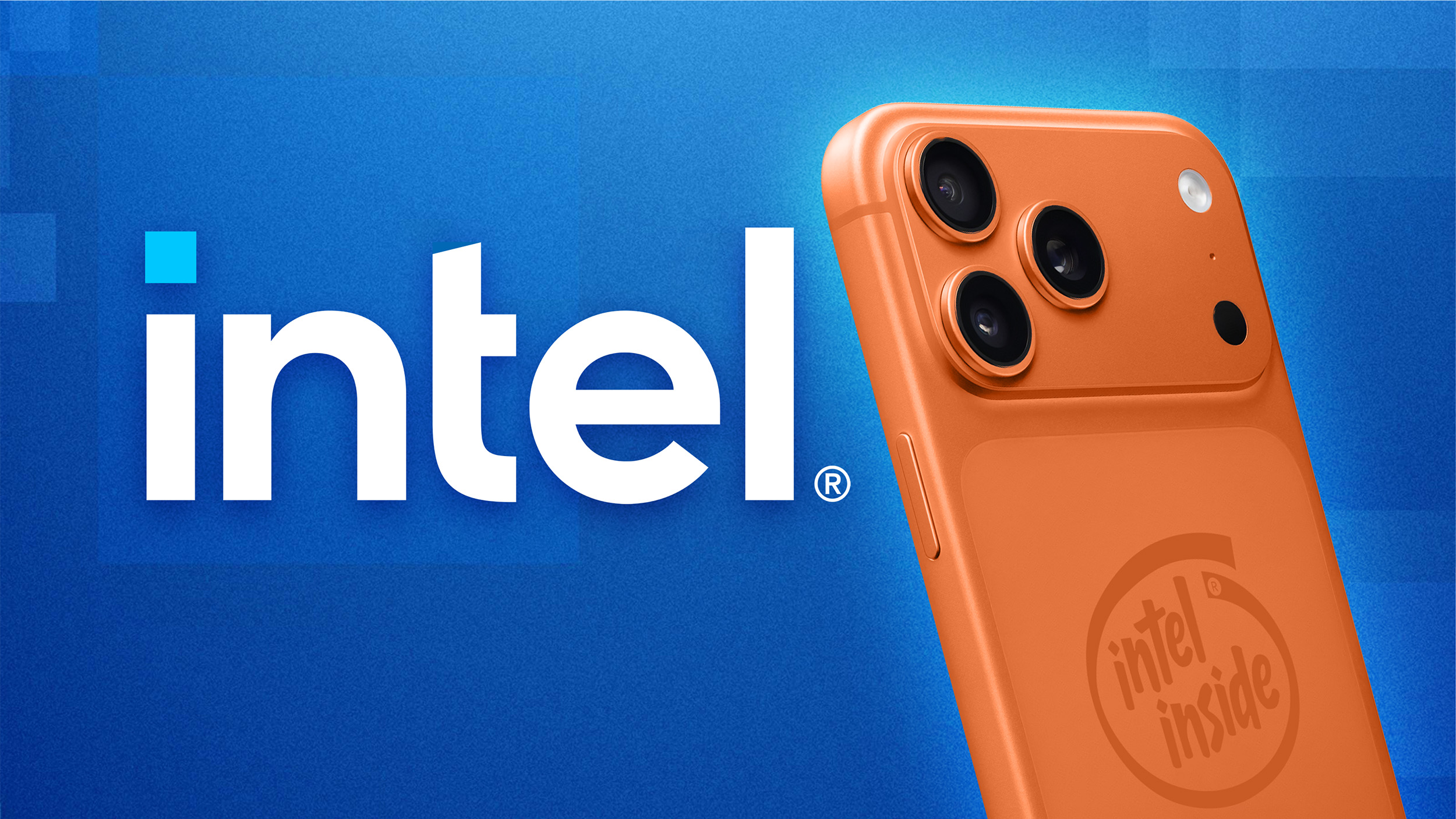
Apple to Make Chips in US With Intel, Trump Says

Apple has agreed to work with Intel to manufacture some of its chips in the United States, U.S. president Trump said on Thursday.


Intel's stock rose 9 percent in premarket trading following Trump's comments, which appeared in a social media post. Apple was up 0.6 percent in premarket trading.

Neither Apple nor Intel have officially commented on the deal, but The Wall Street Journal reported last month that Apple and Intel had established a preliminary agreement that would see Intel manufacturing processors for Apple devices.

Intel would make chips based on Apple chip designs in the same way that TSMC currently does. Prior rumors on Intel's Apple talks have suggested Intel could make some of the lower-end processors used in Apple devices, including the lowest-end M-series chip used in select iPad and Mac models.

Before Apple adopted Apple silicon, it used Intel-designed chips for its Macs, but there were continual chip delays. Today, Apple designs its own Arm-based chips and has TSMC manufacture them, giving it the freedom to roll out updates on a more predictable schedule.

Apple hasn't looked to Intel as a supplier before, both because the chipmaker has trailed rivals like TSMC and Samsung and because of the rocky history between the two companies.

That picture may be shifting under Lip-Bu Tan, who took over as Intel CEO last year after the company ousted Pat Gelsinger, and has since pushed to turn around its struggling chip manufacturing arm. Tan's efforts appear to be having the desired impact – the company's stock has surged 464 percent in the past 12 months, with the company hitting a market cap of $608.7 billion. The U.S. government also took a 10 percent stake in Intel last year, converting $8.9 billion in unpaid Chips Act grants into equity.

Apple has been trying to broaden its supply chain, since TSMC – based in Taiwan – is its only Apple silicon manufacturer at the moment. On Apple's most recent earnings call, CEO Tim Cook said iPhone 17 supply had been constrained during the quarter because the company couldn't secure enough A19 and A19 Pro chips from TSMC.

With the AI boom driving massive demand for AI servers, TSMC has less capacity to spare for consumer-device chips. That's left Apple with a weaker hand when it comes to securing production slots.
Tag: Intel

This article, "Apple to Make Chips in US With Intel, Trump Says" first appeared on MacRumors.com

Discuss this article in our forums

  •  

12 Reasons to Wait for the iPhone 18 Pro

We're only three months out from the launch of Apple's premium next-generation smartphone lineup, and while we're not expecting a sea change in terms of functionality, there are still several enhancements rumored to be coming to the iPhone 18 Pro and iPhone 18 Pro Max.


One thing worth noting is that Apple is reportedly planning a major change to its iPhone release cycle this year, adopting a two-phase rollout starting with the iPhone 18 series. That means the iPhone 18 Pro, iPhone 18 Pro Max, and the long-rumored foldable iPhone ("iPhone Ultra") will be released in September 2026, followed by the iPhone 18, iPhone Air 2, and iPhone 18e in spring 2027.


Overall Design

iPhone 17 Pro Style

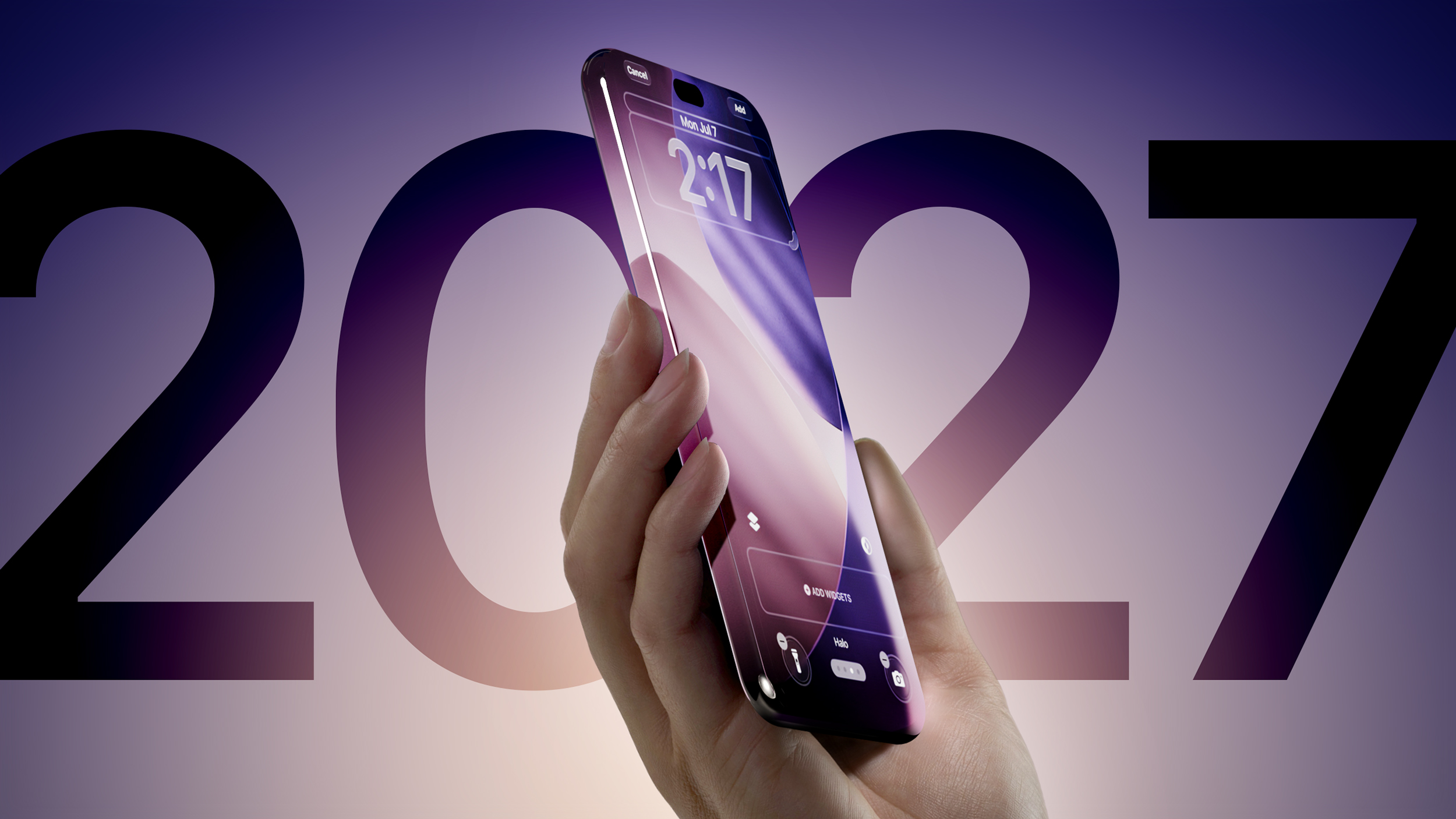
Rumors suggest the iPhone 18 Pro lineup will largely retain the same design as the iPhone 17 Pro models. Most rumors suggest the rear camera system will look identical to the current generation, featuring a raised "plateau" with three lenses arranged in a triangle – although recent dummies indicate a possible thickening of the plateau and the protrusion of individual lenses. Display sizes are also expected to remain unchanged, with the iPhone 18 Pro and iPhone 18 Pro Max continuing to use 6.3-inch and 6.9-inch panels, respectively (the same dimensions introduced with the iPhone 16 Pro series). iPhone 18 Pro models could drop the current two-tone look of the rear casing found on the iPhone 17 Pro in favor of a more seamless aesthetic, while Apple has apparently updated the back-glass "replacement process" to minimize the color difference between the Ceramic Shield 2 glass and the aluminum frame, resulting in a more unified appearance.

Next-Level Battery Life

Thicker Chassis

The iPhone 18 Pro Max will feature a bigger battery for continued best-in-class battery life, claims a Chinese leaker. The Weibo user known as "Digital Chat Station" said that the ‌iPhone 18‌ Pro Max will have a battery capacity of 5,100 to 5,200 mAh. (The iPhone 17 Pro Max has the biggest ‌iPhone‌ battery to date at 5,088 mAh. Apple says it has a battery life of up to 39 hours.) According to another rumor, the body of the iPhone 18 Pro Max will be slightly thicker than the iPhone 17 Pro Max, raising the device's weight to around 243 grams. That would make the iPhone 18 Pro Max approximately 3 grams more than the iPhone 14 Pro Max, which is currently the heaviest model Apple has produced. A larger battery is the most likely cause.

Smaller Dynamic Island

Under-Screen Face ID?

Rumors continue to circulate about whether the iPhone 18 Pro models will introduce under-display Face ID, but reports remain divided on when the technology will actually arrive. The feature would move the TrueDepth camera system beneath the display, eliminating the need for the current Dynamic Island cutout.

According to Wayne Ma of The Information, Apple is targeting a design without a Dynamic Island, replacing it with a single pinhole camera in the upper-left corner of the screen. However, other sources dispute that claim. Display analyst Ross Young believes under-display Face ID is possible for the iPhone 18 Pro, but says a smaller Dynamic Island will still be present. Bloomberg's Mark Gurman has echoed this view, reporting that the new models will feature a slimmed-down Dynamic Island rather than removing it entirely. Apple is also said to be testing new camera miniaturization technology to reduce the size of the front-facing camera currently located within the Dynamic Island.

The Weibo leaker "Ice Universe" has claimed the Dynamic Island cutout on the iPhone 18 Pro models will be approximately 35% narrower than it is on the iPhone 17 Pro models. Specifically, they said it will have a width of around 13.5mm, down from around 20.7mm.

Meanwhile, Chinese leaker Instant Digital has offered yet another version of events, saying the Dynamic Island will shrink in size, but that under-display Face ID and camera technology won't debut this year. The latest word on the subject is that Apple is weighing two options for the iPhone 18 Pro's Dynamic Island, and a final decision has yet to be made. One option apparently retains the existing screen mold from the iPhone 17 Pro, while the other introduces a significantly smaller "Mini ‌Dynamic Island‌" enabled by moving the Face ID receiver and transmitter components beneath the display.

Upgraded Display

LTPO+

The iPhone 18 Pro models will reportedly use LTPO+ display technology, which should be more power efficient than the current LTPO technology in the iPhone 17 series. Such an upgrade could also contribute to longer battery life (see above), since LPTO+ enables finer control of OLED light emission, potentially allowing the display to optimize its operation based on environmental conditions. In other words, it will know better when to up screen brightness or reduce it, depending on surrounding light sources. The panels are reportedly being supplied by Samsung Display and LG Display.

A20 Pro Chip

2nm Process

The iPhone 18 Pro models will use Apple's A20 chip, based on TSMC's 2nm process for power and efficiency improvements. A move to 2nm fabrication increases transistor density, which will enable higher performance. The A20 series is expected to deliver roughly a 15 percent speed gain and about 30 percent better efficiency compared with the A19 series used in Apple's iPhone 17 models.

Apple's A20 chip will be packaged with TSMC's Wafer-Level Multi-Chip Module (WMCM) technology, suggesting at least some A20 chips will have RAM integrated directly onto the same wafer as the CPU, GPU, and Neural Engine, rather than sitting adjacent to the chip and connected via a silicon interposer. This could contribute to faster performance for both overall tasks and Apple Intelligence, and longer battery life from improved power efficiency.

C2 Modem

Replacing Qualcomm

Apple plans to include its next-generation C2 modem in the iPhone 18 Pro models, according to supply chain analyst Jeff Pu. The chip will succeed the C1 modem, which debuted in the lower-cost iPhone 16e as Apple's first in-house cellular modem, and the C1X modem chip in the iPhone Air, which Apple says is up to 2× faster than the C1. The C2 is expected to bring faster speeds, improved power efficiency, and support for mmWave 5G in the United States – a feature missing from the C1 and C1X.

Apple's modem roadmap is part of a long-term strategy to reduce reliance on Qualcomm, which currently supplies 5G modems for the rest of the iPhone lineup. The company has been working on developing its own cellular chips for years, aiming for deeper integration and greater control over power management and performance.

New Camera Sensor

Samsung-Made

Samsung is working on a new three-layer stacked image sensor, reportedly intended for the iPhone 18. The sensor, referred to as PD-TR-Logic, integrates three layers of circuitry, which would improve camera responsiveness, reduce noise, and increase dynamic range. The leak comes from a source known as "Jukanlosreve," who claims the sensor is being developed specifically for Apple's 2026 iPhone lineup. Sony has long been Apple's sole image sensor supplier, so Samsung's entry would be a big shift in the iPhone's camera supply chain.

Variable Aperture

DSLR-Style

Apple intends to equip this year's iPhone 18 Pro models with a variable aperture lens, according to reports. Weibo-based leaker Digital Chat Station claims the main rear camera – what Apple calls the 48-megapixel Fusion camera – on both iPhone 18 Pro models will offer variable aperture, which would be a first for the iPhone. A variable-aperture system physically adjusts the lens opening, letting more light in for low-light shots or narrowing the opening for brighter scenes and deeper depth of field.

The main cameras on the iPhone 15 Pro, 16 Pro, and 17 Pro all use a fixed ƒ/1.78 aperture, where the lens is permanently set to its widest setting. With a variable lens, the iPhone 18 Pro would allow users to manually shift the aperture, similar to on a DSLR camera. This would mean more control over depth of field, enabling sharper focus on subjects or smoother background blur. Industry analyst Ming-Chi Kuo said in November 2024 that Apple's iPhone 18 Pro models will get the feature.

5G Satellite Internet

Non-Terrestrial Data

According to a report by The Information, Apple plans to add support for 5G networks that operate via satellites rather than Earth-based towers as early as next year. This advancement would allow future iPhones to gain full internet connectivity through satellite, not just limited emergency features.

If Apple meets the 2026 target, the first devices to feature 5G satellite internet would likely be the iPhone 18 Pro, iPhone 18 Pro Max, and the long-rumored foldable iPhone. Apple partners with Globalstar for its iPhone satellite features, but there is currently no service that delivers full 5G satellite internet directly to a smartphone. That said, Amazon and Globalstar announced in April a definitive merger agreement under which Amazon will acquire the satellite operator. Amazon's Leo satellite network will power existing iPhone features – with scope for additional feature support as part of a forthcoming infrastructure upgrade.

Simplified Camera Control

New Design

Apple is reportedly working to simplify the Camera Control button's design on iPhone 18 models in order to reduce costs. The current Camera Control button on iPhone 17 models uses both capacitive and pressure sensors beneath a sapphire crystal surface. The capacitive layer detects touch gestures, while the force sensor recognizes different pressure levels for taps, presses, and swipes.

However, according to the Weibo-based account Instant Digital, Apple will remove the capacitive sensing layer and retain only pressure sensing recognition in the second iteration to achieve all Camera Control functions on the iPhone 18. The simplified version is not about reducing functionality in the button, but about saving money. The current solution is said to be very expensive for Apple and is generating costly after-sales repairs.

We don't expect Camera Control to go away anytime soon – Apple apparently sees it as a key feature, so much so that it has reportedly made deliberate engineering compromises to ensure that the first foldable iPhone features the button.

New Colors

Three in Testing

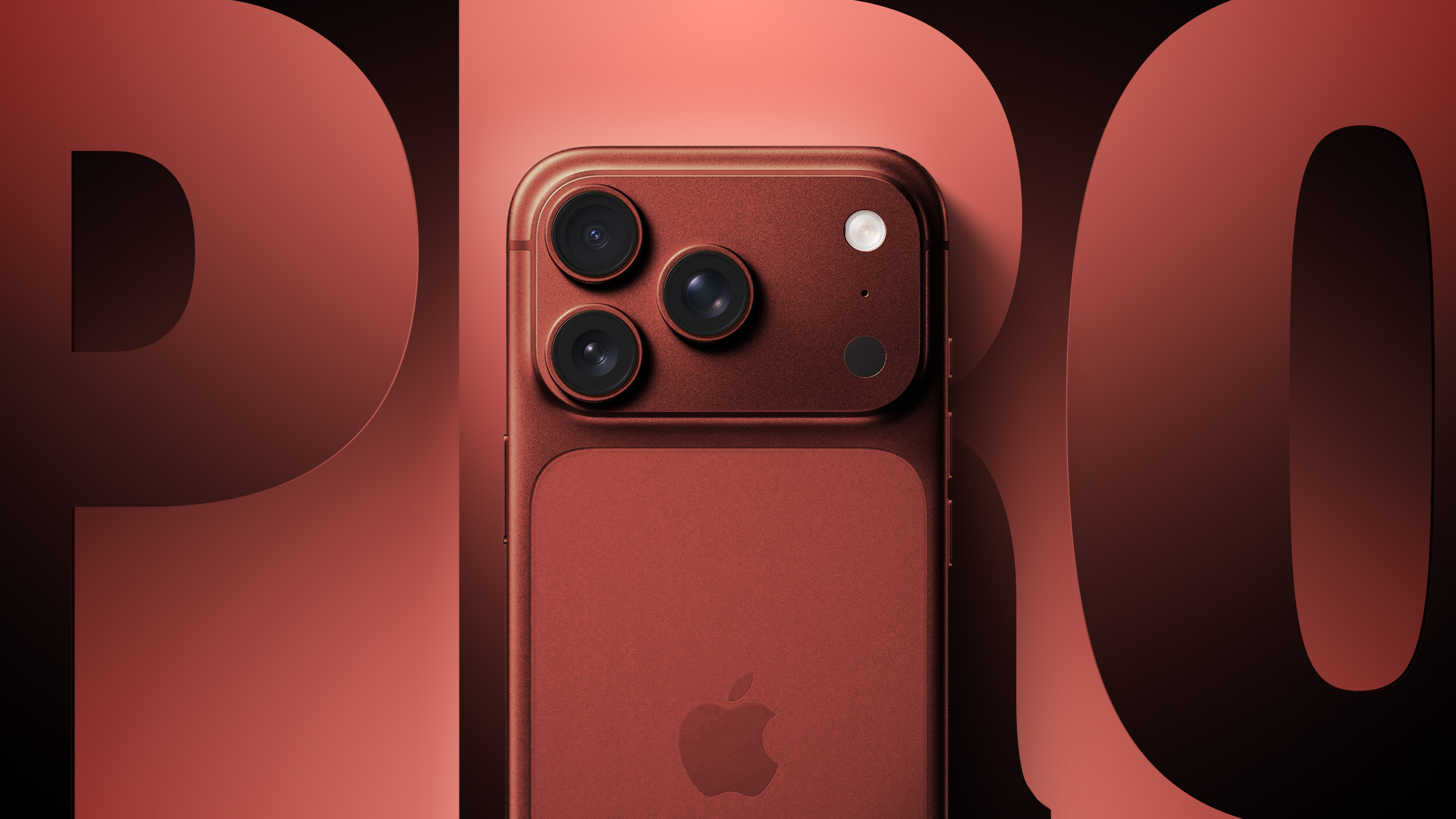
In February 2026, Bloomberg's Mark Gurman reported that Apple is testing a deep red finish for the iPhone 18 Pro and iPhone 18 Pro Max. Rumors of purple and brown finishes have also circulated, but Gurman believes those are just variants of the same red idea. Since then, we've seen aligned rumors that the devices will come in light blue, dark cherry, dark gray, and silver.

The iPhone 14 Pro and iPhone 14 Pro Max were previously available in Deep Purple, and Apple has never released an iPhone in a genuinely brown color. According to a Chinese leaker, Apple's iPhone 18 Pro models won't come in black this year. If the rumor is true, it will be the second consecutive year Apple has ditched what was arguably its most classic color option for the Pro lineup.

iOS 27

Smarter Siri

The iPhone 18 Pro will ship with iOS 27, which brings the biggest Siri shake-up in the assistant's history. Apple introduced Siri AI at WWDC in June – a rebuilt, more conversational version of Siri with onscreen awareness, personal context understanding, and broad world knowledge that lets it pull up-to-date answers from the web. It also gains its own standalone app for revisiting past conversations, an expanded Visual Intelligence mode, and writing tools that work across email, messages, and documents. Like the iPhone 17 Pro, the iPhone 18 Pro is expected to carry 12GB of RAM, so it should run the full range of Siri AI and Apple Intelligence features.
Related Roundup: iPhone 18 Pro

This article, "12 Reasons to Wait for the iPhone 18 Pro" first appeared on MacRumors.com

Discuss this article in our forums

  •  

Tim Cook Says Apple Price Increases Are 'Unavoidable' Due to Memory Costs

Apple is raising its prices to offset the high cost of memory and storage, CEO Tim Cook told The Wall Street Journal. Apple is no longer able to absorb the increased prices and will need to pass some of the cost on to consumers.


"Unfortunately, price increases are unavoidable," said Cook. "We're doing our best to mitigate the huge increases that are being passed to us, and we've been trying to shield our customers from the increases, but the situation has become unsustainable."

Cook did not say which products will get price increases or how much pricing will go up. The iPhone 18 Pro and ‌iPhone 18 Pro‌ Max coming in September could be more expensive than the iPhone 17 Pro and ‌iPhone 17 Pro‌ Max. Prices on iPads and Macs could go up in the near future.

Apple already raised the price of the Mac mini from $599 to $799 by eliminating its lowest-tier model. Apple has also eliminated several higher-tier ‌Mac mini‌ and Mac Studio options.

Growing demand for memory and storage chips from AI companies has led to chip shortages and higher costs. The Wall Street Journal suggests Apple will need to increase device costs "substantially" to maintain its current profit margins given the cost of memory chips and SSDs. Research firm TechInsights claims Apple will need to make the ‌iPhone 18 Pro‌ around $270 more expensive to keep its existing profit margin.

Apple is struggling more with memory chips, but storage chips are also an issue. "There's less supply at a time when consumers want devices and the memory guys are passing along huge price increases," Cook told The ‌Wall Street Journal‌. Cook said Apple will use its cash to increase memory supply, but he did not give details on what that means.

Apple does not plan to create its own memory and storage factories. "We can't do everything," Cook said. "We know what we're good at."

While memory chip makers like Samsung, SK Hynix, and Micron are increasing production capacity, much of that added capacity will prioritize server chips. Demand for consumer-device chips is expected to continue to outpace supply. At the same time, Apple needs to increase the DRAM in its devices to support new AI features. Cook likened the memory shortages to a hundred-year flood. "I've never seen anything like it in any area in over 40 years," he said.

Apple is one of the largest purchasers of memory and storage worldwide, but it is likely reluctant to make the same deals AI companies do. Those deals involve signing multi-year agreements with a large cash prepayment.

Multiple companies have already raised their prices, including Samsung, Microsoft, Sony, and Dell.

This article, "Tim Cook Says Apple Price Increases Are 'Unavoidable' Due to Memory Costs" first appeared on MacRumors.com

Discuss this article in our forums

  •  

iPadOS 27 Hands-On: Everything New for iPad

Like iOS 27, iPadOS 27 gains a smarter, more capable version of Siri, the ‌Siri‌ app, and new Apple Intelligence features in apps, but there are a few iPad-only standouts.


‌Siri‌ AI on iPad has all of the same features as ‌Siri‌ AI on the iPhone, so it can access your personal data, search the web for answers, complete tasks in apps, and answer questions about what's on your screen. For people who write with Apple Pencil on ‌iPad‌, it can index your handwritten notes so you can search through them. You can use ‌Siri‌ to take action on your notes, whether typed or handwritten.

‌Siri‌ can summarize, rewrite, give you writing advice, check grammar, generate new text for you, and more. There's a systemwide Write with ‌Siri‌ feature for getting help no matter which app you're using.

There's a new Image Playground app that can generate images in any style, including photorealistic, and that powers the Image Wand in the Notes app. You can draw a quick sketch of something in Notes and then use ‌Image Wand‌ to turn it into a photorealistic visual aid.

Visual Intelligence used to be an iPhone-only feature, but in ‌iPadOS 27‌, it's expanding to the ‌iPad‌. You can take a screenshot and then circle what you want to know more about with a finger or the ‌Apple Pencil‌. The ‌iPad‌ supports the same ‌Visual Intelligence‌ features, like telling you the nutritional value of food and identifying plants and animals.

The Shortcuts app can use AI to automatically generate shortcuts for you, which can be especially useful on the ‌iPad‌. If you want a quick way to change how the ‌iPad‌'s windowing works when you attach a keyboard vs. when you use it without a keyboard, you can describe that in a sentence or two and get a functional shortcut just a minute later.

Safari supports automatically grouping tabs, plus there's an AI feature for generating your own extensions. Like ‌iOS 27‌, ‌iPadOS 27‌ is also more responsive thanks to performance improvements. Browsing and transferring files are quicker, AirDrop is faster, apps launch more quickly, and multitasking on ‌iPad‌ is faster.

There's a Liquid Glass slider for adjusting opacity to your taste, and Apple also made other Liquid Glass improvements to boost readability. You can also resize iPhone apps that are running on the ‌iPad‌.

‌Siri‌ AI and ‌Apple Intelligence‌ in ‌iPadOS 27‌ require an ‌iPad‌ with an M-series chip or the A17 Pro iPad mini. EU users won't get ‌Siri‌ AI on ‌iPad‌ when ‌iPadOS 27‌ launches, and it's also not available in China.

Older iPads won't get ‌Siri‌ AI or ‌Apple Intelligence‌ features, but they will get the performance improvements Apple added. Older iPads will feel faster on ‌iPadOS 27‌ than they do in iPadOS 26.
Related Roundups: iOS 27, iPadOS 27

This article, "iPadOS 27 Hands-On: Everything New for iPad" first appeared on MacRumors.com

Discuss this article in our forums

  •  

iPhone Air With Dual Lens Camera Coming in Spring 2027

Apple is working on a new iPhone Air that's expected to launch in spring 2027, reports Bloomberg. The updated ‌iPhone Air‌ could get an Ultra Wide lens in addition to the Wide lens to make it a better value for the money.


An ‌iPhone Air‌ with two camera lenses has reached the advanced testing phase. The device has the same design as the current model with the exception of the extra lens.

Apple also wants to improve battery life, either through an increased battery size or improvements to efficiency. Given that the design of the new model is similar to the current design, there may not be room for a larger battery. The device will use an A20 chip built on Apple's new 2nm process, so it could feature better efficiency.

Multiple prior rumors have suggested Apple is adding a second camera to the ‌iPhone Air‌ to address the main customer complaint about the device. The current model has a single rear lens with a Wide lens, which makes it inferior to the more affordable iPhone 17 in terms of camera quality. The ‌iPhone 17‌ has a two-camera setup, while the iPhone 17 Pro and Pro Max have three cameras.

The next ‌iPhone Air‌ will come out alongside the iPhone 18 in 2027, with the iPhone 18 Pro, ‌iPhone 18 Pro‌ Max, and foldable iPhone set to debut in September.
Related Roundup: iPhone Air
Buyer's Guide: iPhone Air (Neutral)

This article, "iPhone Air With Dual Lens Camera Coming in Spring 2027" first appeared on MacRumors.com

Discuss this article in our forums

  •  

Matter 1.6 Announced With NFC Setup, Cross-Ecosystem Device Sharing, and Smarter Thermostats

The Connectivity Standards Alliance that includes Apple today announced the latest version of Matter, Matter 1.6. The update focuses on improved device setup, better coordinated device management, and response to control inputs.


Matter 1.6 includes NFC-Based Commissioning for setting up light bulbs in ceiling fixtures, in-wall switches, and other products that need to be configured prior to installation. It allows for setup before the device is fully powered, and it serves as an alternative to Bluetooth LE setup. Users will just need to hold a smartphone near a device to commission it.

For multi-ecosystem device sharing, Matter 1.6 supports "Joint Fabric" as a new approach that expands the Enhanced Multi-Admin toolkit. Joint Fabric lets multiple user-authorized controllers co-administer a single shared Matter network. Any device added to the Joint Fabric is accessible to all participating controllers, which makes it simpler for Android and iOS users in a household to access and control Matter-enabled devices. Matter smart home products can be controlled from any interface or ecosystem without requiring a separate setup of every device for each platform.

Thermostat Suggestions improve how thermostats account for user inputs and preferences. Controllers won't send direct commands to change temperature or mode, but will instead submit a time-bound suggestion tied to the thermostat's supported presets so the thermostat can react based on preferences and environmental conditions. The CSA says the new feature will be helpful in the following situations:

  • A user enrolled in a utility demand-response program can configure the thermostat to protect those commitments, preventing an automation from a different ecosystem from accidentally overriding a savings event.

  • A user who has chosen to optimize for energy savings, or for humidity control, air quality, or another preference, can have the setting recognized and respected across connected services without needing to configure it in each one.

  • A thermostat that was just manually adjusted, on the device or through one ecosystem, can recognize a suggestion arriving moments later from another source and will identify it is likely not what the user intended, and defer.


The update standardizes how devices communicate their capabilities and operational limits, and CO and smoke alarms are now able to indicate when they have been removed from their installed position. Security sensors are also able to interoperably indicate a sensor event history, so ecosystems have access to real-time status and past activity.

Matter 1.6 is available for device makers and platforms to integrate into their products. Apple so far has not been quick to implement new Matter specifications. Matter 1.4 was announced back in November 2024, but Apple Home doesn't support all of the Matter 1.4 features.

In tvOS 27, Apple implemented support for Thread 1.4, improving Matter-over-Thread connectivity. Thread credential sharing allows smart home devices to join existing Thread networks for a true mesh network instead of separate, parallel networks across Thread Border Routers from different manufacturers.
Tags: Matter, Thread

This article, "Matter 1.6 Announced With NFC Setup, Cross-Ecosystem Device Sharing, and Smarter Thermostats" first appeared on MacRumors.com

Discuss this article in our forums

  •  

You Can Easily Install the iOS 27 Beta For Free Right Now, Here's How

If you have not been paying close attention, you might still think that you need to be enrolled in the Apple Developer Program for $99 per year to install iOS developer betas, but that has not been the case for a few years now. In fact, anyone can install the iOS 27 developer beta on their iPhone for free, and the process is quite easy.


Even if you are not an app developer and have no current plans to release apps on the App Store, you can still install the iOS 27 developer beta on your iPhone. If you feel more comfortable with waiting for the iOS 27 public beta, though, Apple said that the first public beta of iOS 27 will be available at some point in July.


Warning: While the first iOS 27 developer beta is considered to be relatively stable, iOS betas can and do have bugs and performance issues. You may not be able to use some apps that you rely on, and issues can extend to CarPlay. Backing up your iPhone before installing beta software is highly recommended, and relying on a secondary iPhone altogether is always a good idea if possible.

How to Install the iOS 27 Developer Beta


  • Sign into your Apple Account from this page and accept the Apple Developer Agreement to become a registered Apple developer for free.

  • Open the Settings app and tap on General → Software Update → Beta Updates.

  • Select the iOS 27 Developer Beta option (restart your iPhone if you don't see it) and follow the on-screen steps.

How to Install the iOS 27 Public Beta (in July)


  • Sign up at beta.apple.com for free.

  • Open the Settings app and tap on General → Software Update → Beta Updates.

  • Select the iOS 27 Public Beta option (restart your iPhone if you don't see it) and follow the on-screen steps.
iOS 27 is compatible with the iPhone 11 and newer, but Apple Intelligence features like Siri AI are limited to the iPhone 15 Pro and newer.

Keep in mind that the revamped version of Siri has a waitlist. To join the waitlist, open the Settings app on iOS 27 and tap on Siri and you will find it there. It can take anywhere from hours to many days to receive access to Siri AI and the Siri app.
Related Roundups: iOS 27, iPadOS 27

This article, "You Can Easily Install the iOS 27 Beta For Free Right Now, Here's How" first appeared on MacRumors.com

Discuss this article in our forums

  •  

iOS 27 Adds Four New Features to Notes App, Including Markdown Copy-and-Paste

The upcoming iOS 27 update that Apple unveiled last week includes some new features and enhancements for Apple's Notes app on the iPhone.


iOS 27 is currently available as a developer beta, with a public beta to follow in July. The update is expected to be released to all users in September.

Below, we have outlined four additions to Apple's Notes app on iOS 27.

Siri AI


On the iPhone 15 Pro and newer, the more intelligent and personal version of Siri known as "Siri AI" can create notes with generated content. For example, you can ask Siri AI to create a note with a list of all iPhone models that are compatible with iOS 27, and it will do so after retrieving this information from the internet.

On iOS 26 and earlier, Siri can only create notes based on the words you actually say.

In addition, Siri AI will intelligently show an "Add to Notes" shortcut below certain messages in the Messages app based on the context of the conversation.


Copy and Paste in Markdown


iOS 27 introduces the ability to copy and paste text that is formatted in the Markdown language, created by well-known Apple commentator John Gruber.

Markdown lets you add formatting to text without using HTML:

  • Bold text: **bold**

  • Italic text: *italic*

  • Linked text: [Apple](https://apple.com)

  • List item: - Example
For example, if you paste "Apple's next CEO is **John Ternus**" into the Notes app on iOS 27, "John Ternus" will appear in bold text.

In reverse, if you select formatted text in the Notes app and tap on the right arrow in the Cut/Copy/Paste menu that pops open, there is a new "Copy as Markdown" option on iOS 27. If you tap on this option, any rich text formatting in your selection will automatically be converted to Markdown that can be pasted elsewhere.

Apple Notes already gained support for importing and exporting Markdown files on iOS 26.

Divider Lines


iOS 27 lets you organize notes with divider lines. Simply place the text cursor where you want the line to be inserted, tap on the right arrow in the Cut/Copy/Paste menu that pops open, and tap on the new "Insert Divider Line" option.

Section Links


You can now add a link to a specific section of a note. When you tap on the link, the Notes app automatically jumps to that section of text.

For example, you could create a new note that links back to a section of a previous note.
Related Roundups: iOS 27, iPadOS 27

This article, "iOS 27 Adds Four New Features to Notes App, Including Markdown Copy-and-Paste" first appeared on MacRumors.com

Discuss this article in our forums

  •  

Apple's WebKit Rules Reportedly Cost iOS Users Almost 30% Browser Performance

Microsoft engineers have published benchmark results showing that a Chromium-based browser using its own rendering engine scores 28.6% higher than Safari on Apple's own Speedometer 3.1 performance test on iOS.


Kyle Pflug, group product manager for the Microsoft Edge Web Platform, published results on Monday comparing a research prototype of Edge built with Apple's BrowserEngineKit framework against Safari running iOS 26.5.1. The Blink-based prototype scored 49.27 versus Safari's 38.3 on Speedometer 3.1, and also outperformed Safari on the JetStream 3 JavaScript benchmark by 13.1% (306.35 vs. 270.9) and on the MotionMark 1.3.1 graphics rendering benchmark by 2.1% (4,773.52 vs. 4,673.68). Pflug described the work as a research prototype rather than a finished product, and the numbers as preliminary results from his own device rather than lab conditions.

Apple requires all browsers on iOS to use WebKit, the engine that powers Safari, meaning browsers like Chrome and Firefox on iPhone are effectively reskinned Safari instances. The EU's Digital Markets Act theoretically changed that in March 2024, requiring Apple to allow alternative browser engines through BrowserEngineKit, yet more than two years later no browser maker has shipped an alternative engine on iOS. Companies cite technical barriers and the requirement to publish any such browser as an entirely separate app from their existing WebKit-based version.

Open Web Advocacy told The Register the results illustrate a 17-year cost to consumers. The group called on the European Commission to open a specification proceeding instructing Apple precisely how it must remove barriers to alternative engines, adding that restricting browser engines allows Apple to limit what the mobile web is capable of and keep businesses dependent on native apps and App Store rules.
Tag: WebKit

This article, "Apple's WebKit Rules Reportedly Cost iOS Users Almost 30% Browser Performance" first appeared on MacRumors.com

Discuss this article in our forums

  •  

Powerbeats Pro 2 Available for $199.95 Low Price, Plus More Early Prime Day Deals on Beats

Amazon this week is discounting a collection of Beats headphones and speakers ahead of Prime Day, including a low price on the Powerbeats Pro 2. You can get this new 2025 model for $199.95 in all four colors, down from $249.99. This deal on the Powerbeats Pro 2 is being matched at Best Buy, along with a few other Beats deals.

Note: MacRumors is an affiliate partner with some of these vendors. When you click a link and make a purchase, we may receive a small payment, which helps us keep the site running.
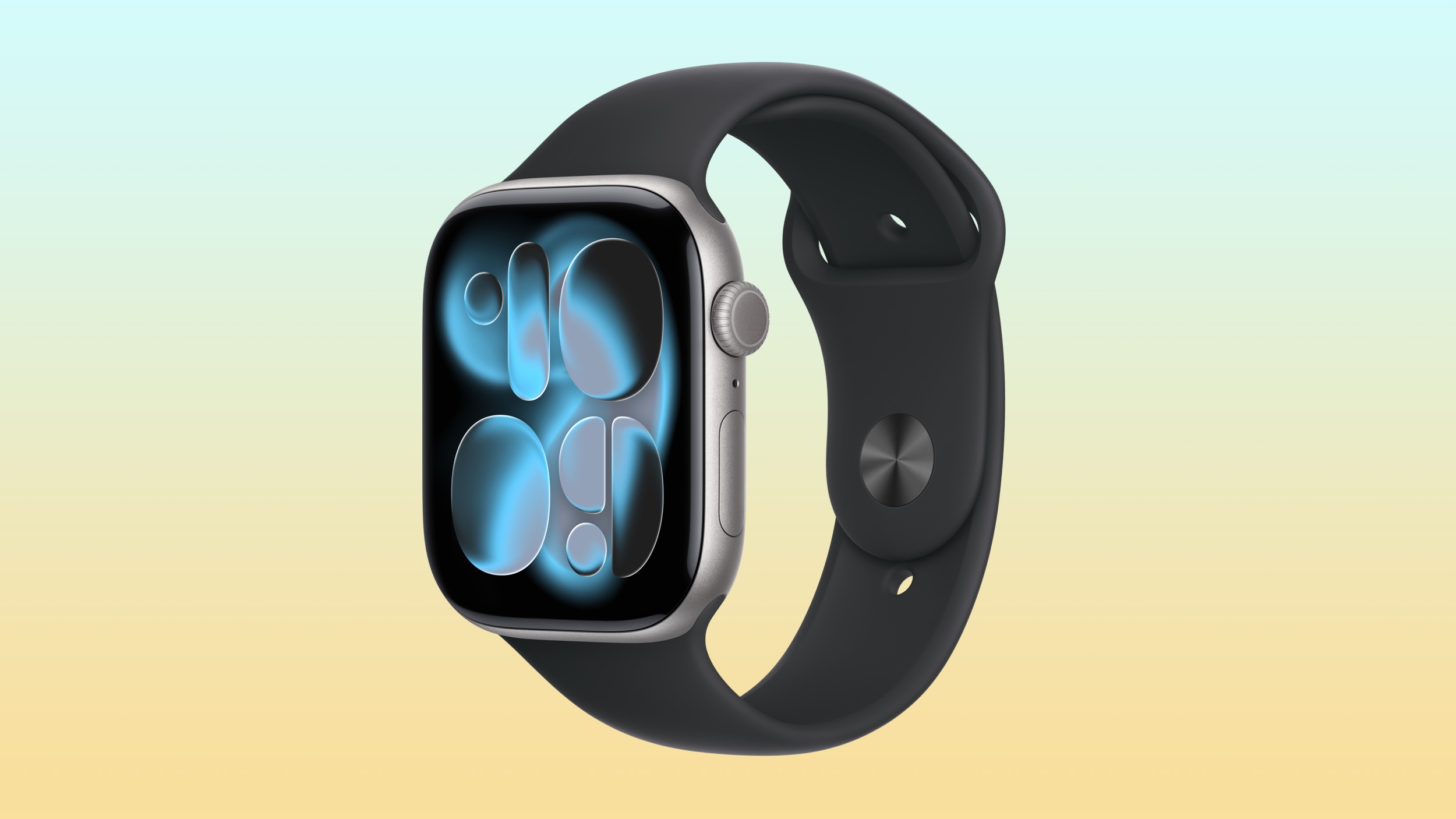
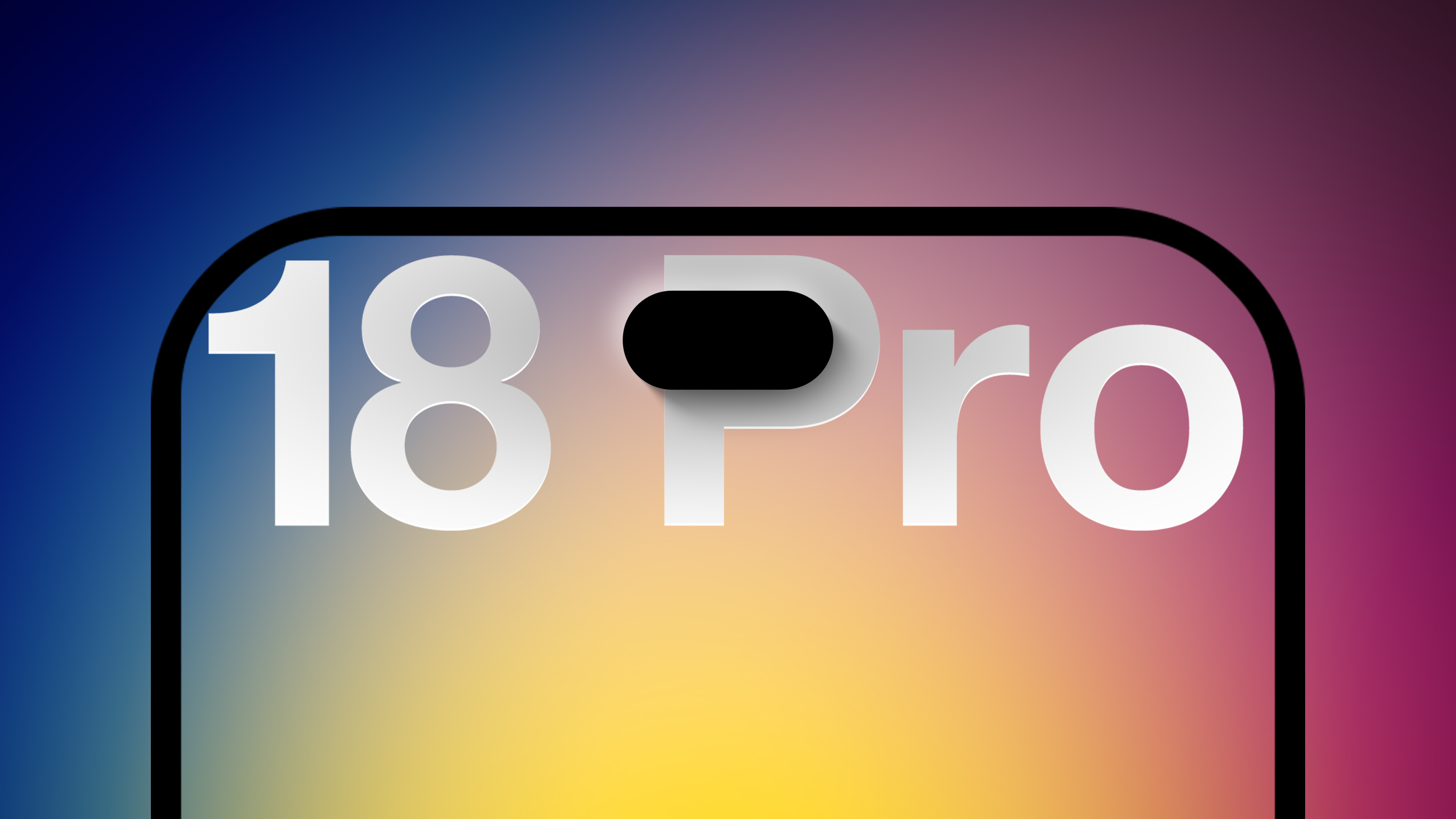
This sale also includes discounts on products like the Beats Pill, which has hit $99.95 on Amazon, down from $149.95. This is an all-time low price on the speaker.


Additionally, Amazon has the Beats Studio Buds+ for $99.95, down from $169.95. These have up to 9 hours of playback (up to 36 hours with charging case), USB-C, active noise cancellation, transparency mode, and an IPX4 rating for sweat and water resistance.

You'll also find a few steep discounts on over-ear headphones, like the Beats Studio Pro at $169.95, down from $349.99, and some markdowns on Beats iPhone 17 cases.


If you're on the hunt for more discounts, be sure to visit our Apple Deals roundup where we recap the best Apple-related bargains of the past week.


Deals Newsletter


Interested in hearing more about the best deals you can find in 2026? Sign up for our Deals Newsletter and we'll keep you updated so you don't miss the biggest deals of the season!


Related Roundup: Apple Deals

This article, "Powerbeats Pro 2 Available for $199.95 Low Price, Plus More Early Prime Day Deals on Beats" first appeared on MacRumors.com

Discuss this article in our forums

  •  

Apple's New Hide My Email Domain Makes It Easier to Block iCloud Aliases

Apple's decision to move Hide My Email to a dedicated "private.icloud.com" domain appears to have the consequence of making it easier for platforms that want to block iCloud aliases to do so.


Apple is unifying the email domains used by Sign in with Apple and ‌iCloud‌+ Hide My Email under a single private.icloud.com domain later this summer. Sign in with Apple currently uses privaterelay.appleid.com, while Hide My Email uses icloud.com, the same domain as standard ‌iCloud‌ email addresses.

That shared domain has historically made it difficult for services to selectively block disposable ‌iCloud‌ addresses. Blocking icloud.com outright would also block legitimate users with standard Apple email accounts. With the new subdomain, that tradeoff disappears.

@vxdb on X was among the first to flag the implication: "platforms who want to ban ‌iCloud‌ aliases can now do so by banning this new subdomain without affecting all ‌iCloud‌ users." Others online noted that email services, signup flows, and anti-abuse systems will now have a clean, unambiguous target if they choose to restrict alias-generated addresses.

Apple has said that existing addresses on legacy domains will continue to work and that mail will be forwarded with no interruption, so current Hide My Email users won't lose access to their aliases. New addresses generated after the migration, however, will feature the private.icloud.com domain, and it is those addresses that become blockable in isolation for the first time.
Tag: iCloud

This article, "Apple's New Hide My Email Domain Makes It Easier to Block iCloud Aliases" first appeared on MacRumors.com

Discuss this article in our forums

  •  
❌