Log in

New Apple TV 4K, HomeView, and HomePod Mini: 16 Details Just Leaked
Just two days before Apple's "Welcome home" experience in New York, Bloomberg's Mark Gurman has leaked several details about the new products set to be unveiled, including an all-new smart home hub, a HomePod mini 2, and a new Apple TV 4K.

Here is an all-in-one summary of the details shared by Gurman:
This article, "New Apple TV 4K, HomeView, and HomePod Mini: 16 Details Just Leaked" first appeared on MacRumors.com
Discuss this article in our forums
Here is an all-in-one summary of the details shared by Gurman:
- Apple's home hub with a touch-enabled display will be named HomeView, seemingly confirming a trademark filing discovered by MacRumors.
- HomeView is equipped with an A18 chip, which has 8GB of RAM in iPhones.
- HomeView will support Siri AI for voice control.
- HomeView will be available in a tabletop version with a speaker base made of metal, as well as a wall-mounted version with a flat, square wall plate.
- The tabletop HomeView will offer "better sound quality" than the HomePod mini.
- The tabletop HomeView will be available in four finishes: Gray, Silver, Starlight, and Rose. The wall-mounted version will be limited to Gray and Silver.
- HomeView will be unveiled this Tuesday, October 13, but the device is apparently not launching until "around mid-November."
- HomeView will have a selection of Apple apps, but no App Store for third-party apps.
- HomeView will be accompanied by an "Apple Home Collection" of accessories that brands such as LG and Schneider Electric developed in partnership with Apple. This will include a smart doorbell, deadbolt lock, thermostat, temperature sensor, indoor and outdoor security cameras, and a floodlight camera.
- LG's accessories for the HomeView will not ship "until later this year at the earliest."
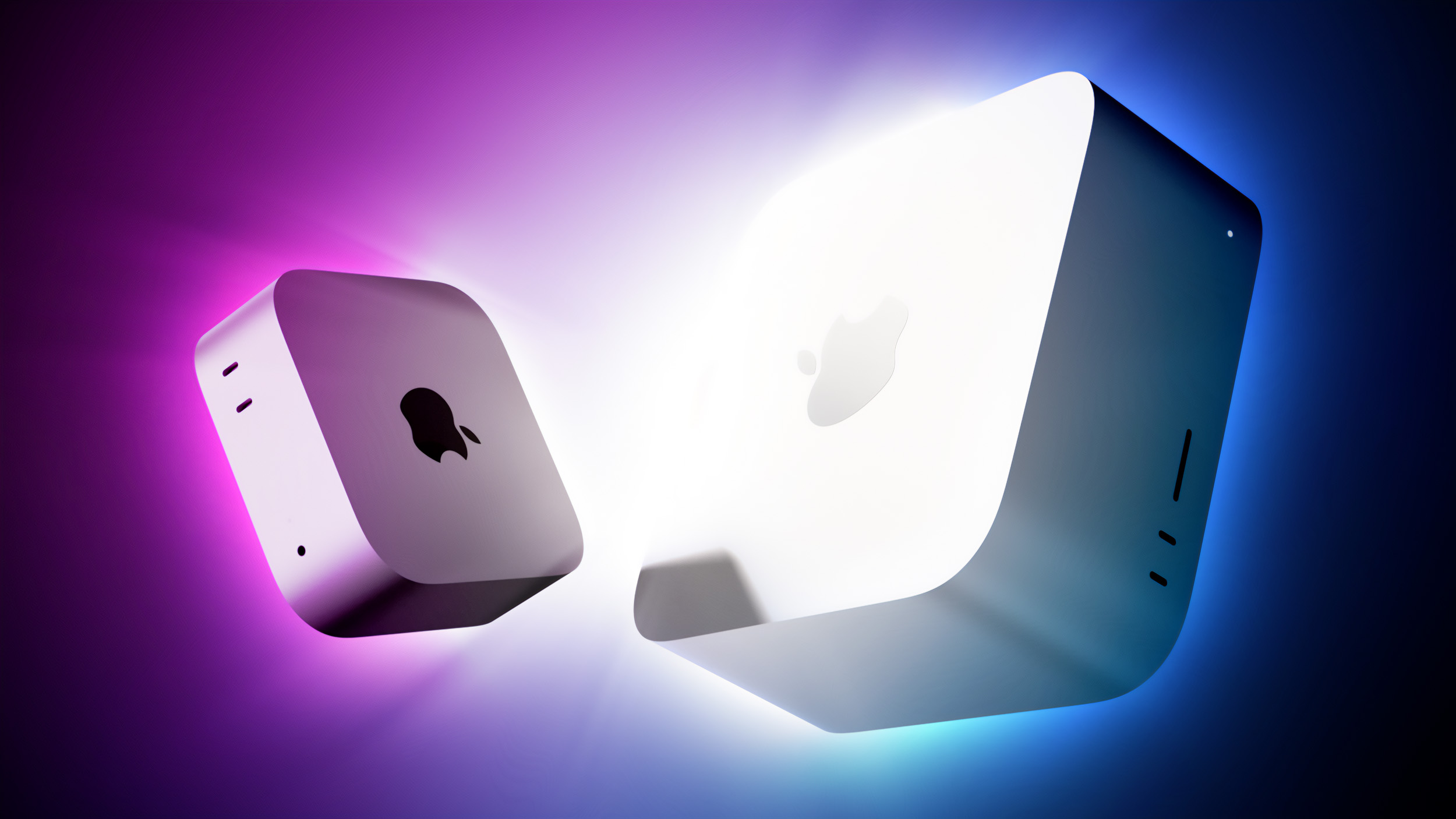
- The new HomePod mini will be equipped with the Apple Watch Series 10's S10 chip, up from the S5 chip in the current model.
- The new HomePod mini will be available in green, pink, blue, white, and midnight.
- The new Apple TV 4K will be equipped with an A19 chip, which has 8GB of RAM.
- The new Apple TV 4K may have built-in microphones for Siri AI.
- The new Apple TV 4K may have an updated Siri Remote with a built-in speaker that makes it easier to find.
- The new HomePod mini and Apple TV 4K models will be unveiled on October 13 and launch on Friday, October 30.
Related Roundups: Apple TV, HomePod mini
Buyer's Guide: Apple TV (Don't Buy), HomePod Mini (Don't Buy)
This article, "New Apple TV 4K, HomeView, and HomePod Mini: 16 Details Just Leaked" first appeared on MacRumors.com
Discuss this article in our forums
 Apple's next entry-level

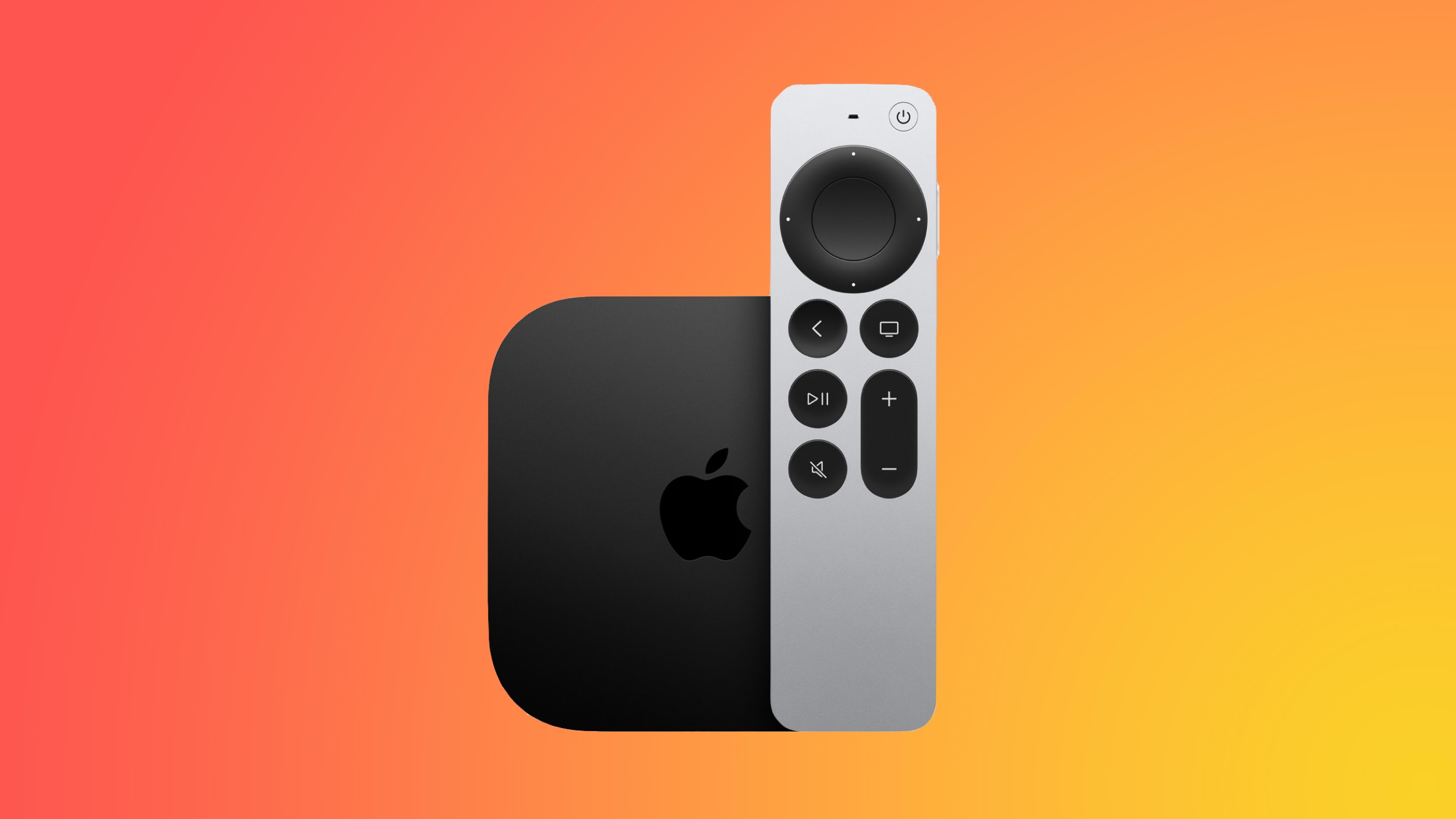 Apple's new Apple TV 4K will be powered by a standard A19 chip, up from the A15 in the current 2022 model, reports Bloomberg's Mark Gurman. Writing in his
 Note: MacRumors is an affiliate partner with some of these vendors. When you click a link and make a purchase, we may receive a small payment, which helps us keep the site running.

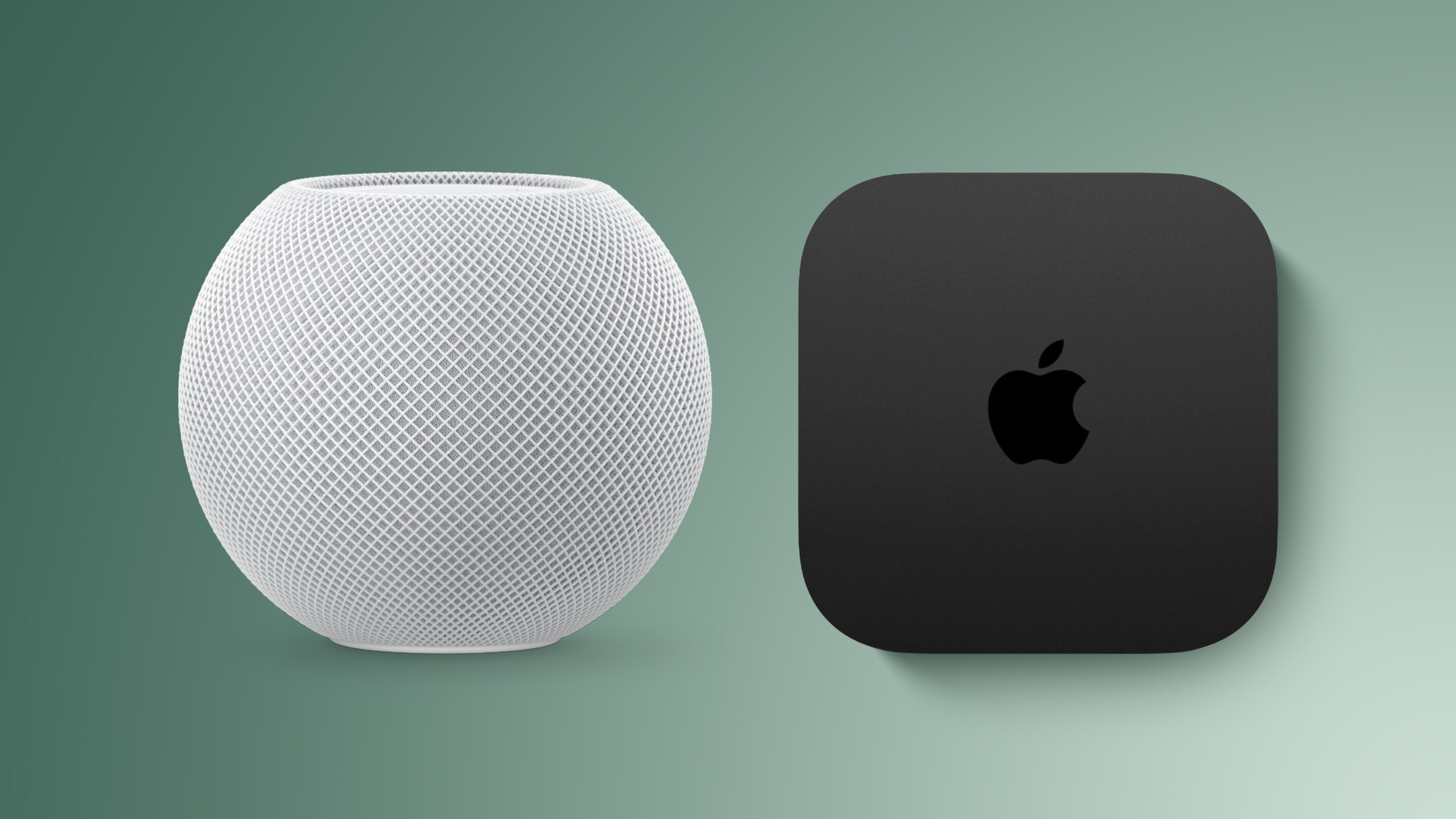 The new upcoming Apple TV 4K with A19 chip and new HomePod mini with S10 chip will launch on Friday, October 30, according to Bloomberg's Mark Gurman. Writing in his

 Note: MacRumors is an affiliate partner with Amazon. When you click a link and make a purchase, we may receive a small payment, which helps us keep the site running.