Log in

Apple Ordered to Pay $5.7 Billion Over Haptic Patent Infringement
Apple has been ordered to pay $5.7 billion in damages to Taction Technology after a federal jury found it had infringed two of the haptics company's patents, reported CNBC over the weekend.
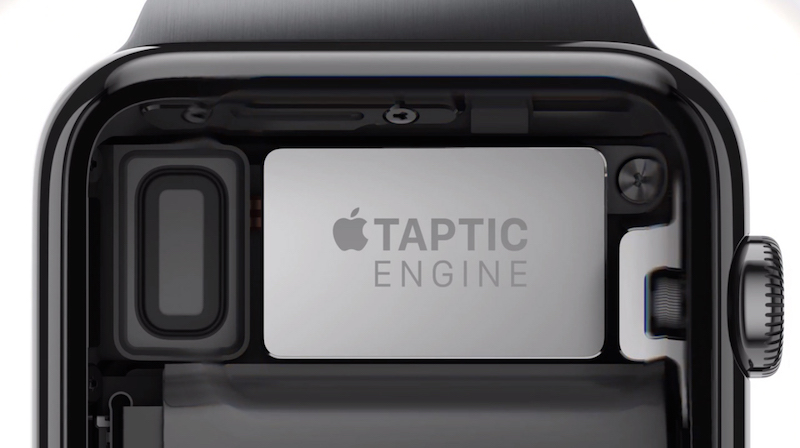
Taction sued Apple in 2021, arguing that Apple's Taptic Engine in the company's Apple Watches and iPhones uses its inventions without proper license or authority. Apple initially had the case dismissed in 2023, but the Federal Circuit later revived it.
The jury trial began September 14, and seven jurors deliberated for two days after proceedings concluded. They returned on Friday and delivered the verdict in favor of Taction.
"We're happy the jury found for Taction and vindicated its patent rights," the company's lead counsel, Lance Yang, told CNBC. "Taction waited five and a half years for this case to get to trial, so it was a long time coming."
Apple said it intends to appeal the decision.
This article, "Apple Ordered to Pay $5.7 Billion Over Haptic Patent Infringement" first appeared on MacRumors.com
Discuss this article in our forums
Taction sued Apple in 2021, arguing that Apple's Taptic Engine in the company's Apple Watches and iPhones uses its inventions without proper license or authority. Apple initially had the case dismissed in 2023, but the Federal Circuit later revived it.
The jury trial began September 14, and seven jurors deliberated for two days after proceedings concluded. They returned on Friday and delivered the verdict in favor of Taction.
"We're happy the jury found for Taction and vindicated its patent rights," the company's lead counsel, Lance Yang, told CNBC. "Taction waited five and a half years for this case to get to trial, so it was a long time coming."
Apple said it intends to appeal the decision.
"While we thank the jury for their consideration, we strongly disagree with today's verdict and the damages awarded, which are entirely unsupported by the facts," Apple told CNBC in a statement. "Apple's Taptic Engine is fundamentally different from Taction's technology, which Taction's own testing of Apple's products confirmed during trial. Apple does not use Taction's technology, and we will appeal."In Friday's verdict at the U.S. District Court for the Southern District of California, jurors did not find that Apple had infringed the patents willingly.
Tag: Apple Lawsuits
This article, "Apple Ordered to Pay $5.7 Billion Over Haptic Patent Infringement" first appeared on MacRumors.com
Discuss this article in our forums