Log in

The MacRumors Show: iPhone 18 Pro Event Expectations
Ahead of Apple's "Surprise and shine" event on September 9, we talk through everything to expect on this week's episode of The MacRumors Show.
The event begins at 10:00 a.m. Pacific Time at the Apple Park campus in Cupertino, California, and will be streamed on Apple's website, on YouTube, and through the Apple TV app. It is the first keynote since John Ternus succeeded Tim Cook as chief executive on September 1. Rumors suggest at least six new products will arrive at the event.
The Apple Watch Series 12 is expected to add a new chip, improved fitness tracking, better battery life, continuous heart-rate collection, and redesigned Health and Fitness experiences. A ceramic case option may return in white or dark gray, but no major redesign or Touch ID is now expected.
The Apple Watch Ultra 4 should receive the same new chip and health upgrades, again without a redesign. Apple may also expand its existing satellite connectivity features on the device with satellite Apple Maps and photo sharing in Messages.
AirPods 5 is expected to arrive in two versions, with and without active noise cancellation. Both may use an H3 chip for improved sound and lower latency, but are not expected to add the AirPods Pro 3's heart-rate sensor.
The iPhone 18 Pro should retain the iPhone 17 Pro's design while gaining an A20 Pro chip on TSMC's 2nm process, with RAM integrated on the same wafer. Other expected upgrades include a LTPO+ display, Samsung image sensor, simplified Camera Control without a capacitive layer, a narrower Dynamic Island, 12GB of RAM, 256GB base storage, and 5G satellite internet. It may use Apple's C2 modem outside the U.S., while U.S. models will likely retain Qualcomm hardware for mmWave connectivity.
The iPhone 18 Pro Max should share the smaller models's upgrades while adding a 5,391mAh battery in China and 5,567mAh battery in the U.S.. It may be thicker, heavier, and around 243 grams, with a variable-aperture main camera that could be exclusive to the larger device.
The foldable iPhone, likely called the "iPhone Ultra," is expected to be the biggest announcement, using a wide passport-style design with 5.5-inch outer and 7.8-inch inner displays, an iPad-like 4:3 aspect ratio, and a nearly invisible screen crease. It may feature a titanium-and-aluminum chassis, liquid-metal hinge, vapor-chamber cooling, A20 Pro chip, dual 5,400mAh to 5,800mAh batteries, Touch ID power button instead of Face ID, rear wide and ultra wide cameras, dual selfie cameras in hole-punch cutouts, and the Camera Control button, with 256GB, 512GB, and 1TB storage options. It is also expected to be more repairable than rival foldables.
The MacRumors Show has its own YouTube channel, so make sure you're subscribed to keep up with new episodes and clips.
You can also listen to The MacRumors Show on Apple Podcasts, Spotify, Overcast, or other podcast apps. You can also copy our RSS feed directly into your player.
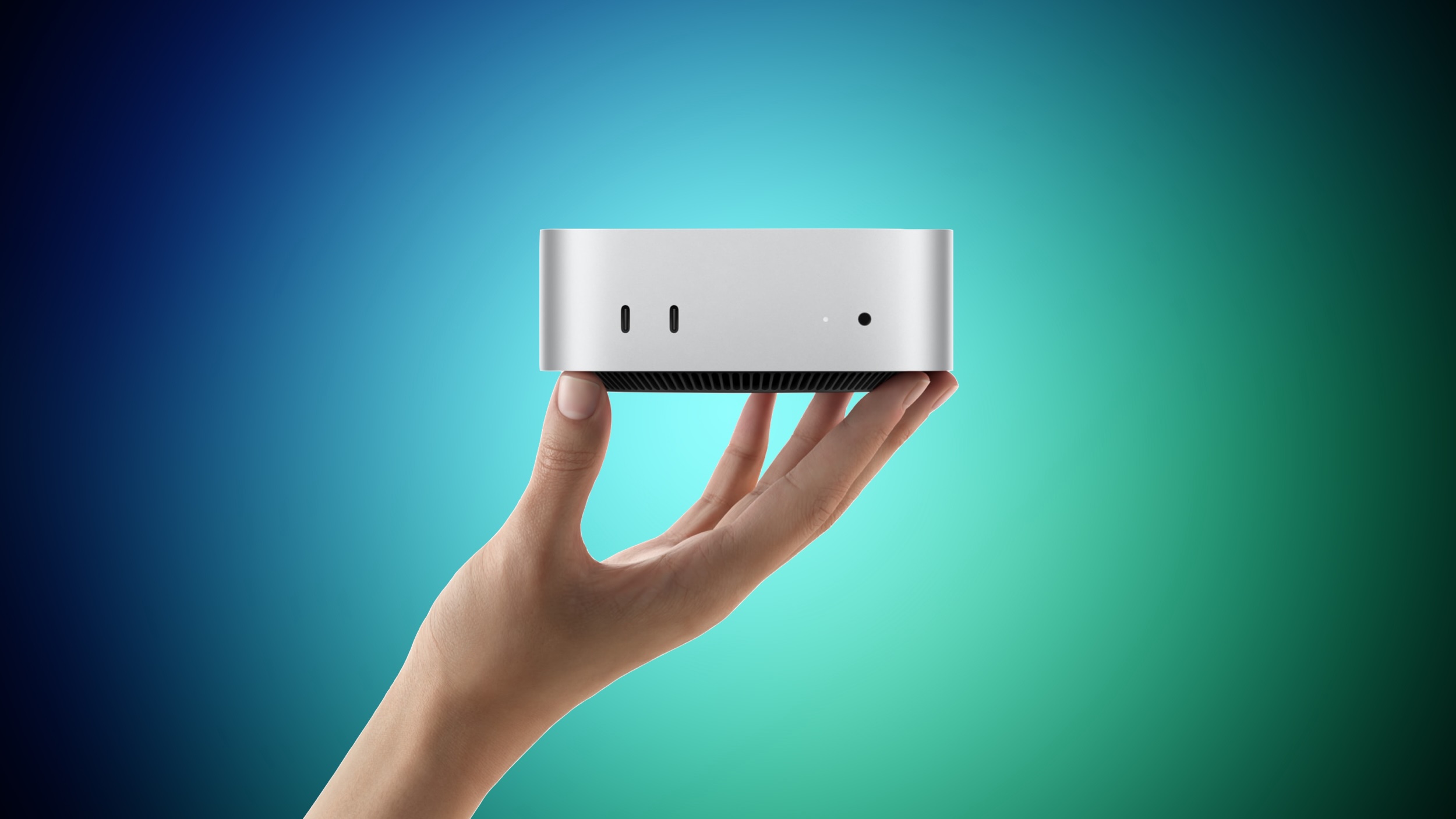
If you haven't already listened to the previous episode of The MacRumors Show, catch up to hear our discussion about the new Mac mini and Mac Studio, the M6 and M5 Ultra chips, and invites to Apple's September event.
Subscribe to The MacRumors Show for new episodes every week, where we discuss some of the topical news breaking here on MacRumors, often joined by interesting guests such as Michael Fisher, Kayci Lacob, Kevin Nether, John Gruber, Mark Gurman, Jon Prosser, Luke Miani, Matthew Cassinelli, Brian Tong, Quinn Nelson, Jared Nelson, Eli Hodapp, Mike Bell, Sara Dietschy, iJustine, Jon Rettinger, Andru Edwards, Arnold Kim, Ben Sullins, Marcus Kane, Christopher Lawley, Frank McShan, David Lewis, Tyler Stalman, Sam Kohl, Federico Viticci, Thomas Frank, Jonathan Morrison, Ross Young, Ian Zelbo, and Rene Ritchie.
The MacRumors Show is on X @MacRumorsShow, so be sure to give us a follow to keep up with the podcast. You can also email us at podcast@macrumors.com or head over to The MacRumors Show forum thread. Remember to rate and review the podcast, and let us know what subjects and guests you would like to see in the future.
This article, "The MacRumors Show: iPhone 18 Pro Event Expectations" first appeared on MacRumors.com
Discuss this article in our forums
Subscribe to The MacRumors Show YouTube channel for more videos
The event begins at 10:00 a.m. Pacific Time at the Apple Park campus in Cupertino, California, and will be streamed on Apple's website, on YouTube, and through the Apple TV app. It is the first keynote since John Ternus succeeded Tim Cook as chief executive on September 1. Rumors suggest at least six new products will arrive at the event.
The Apple Watch Series 12 is expected to add a new chip, improved fitness tracking, better battery life, continuous heart-rate collection, and redesigned Health and Fitness experiences. A ceramic case option may return in white or dark gray, but no major redesign or Touch ID is now expected.
The Apple Watch Ultra 4 should receive the same new chip and health upgrades, again without a redesign. Apple may also expand its existing satellite connectivity features on the device with satellite Apple Maps and photo sharing in Messages.
AirPods 5 is expected to arrive in two versions, with and without active noise cancellation. Both may use an H3 chip for improved sound and lower latency, but are not expected to add the AirPods Pro 3's heart-rate sensor.
The iPhone 18 Pro should retain the iPhone 17 Pro's design while gaining an A20 Pro chip on TSMC's 2nm process, with RAM integrated on the same wafer. Other expected upgrades include a LTPO+ display, Samsung image sensor, simplified Camera Control without a capacitive layer, a narrower Dynamic Island, 12GB of RAM, 256GB base storage, and 5G satellite internet. It may use Apple's C2 modem outside the U.S., while U.S. models will likely retain Qualcomm hardware for mmWave connectivity.
The iPhone 18 Pro Max should share the smaller models's upgrades while adding a 5,391mAh battery in China and 5,567mAh battery in the U.S.. It may be thicker, heavier, and around 243 grams, with a variable-aperture main camera that could be exclusive to the larger device.
The foldable iPhone, likely called the "iPhone Ultra," is expected to be the biggest announcement, using a wide passport-style design with 5.5-inch outer and 7.8-inch inner displays, an iPad-like 4:3 aspect ratio, and a nearly invisible screen crease. It may feature a titanium-and-aluminum chassis, liquid-metal hinge, vapor-chamber cooling, A20 Pro chip, dual 5,400mAh to 5,800mAh batteries, Touch ID power button instead of Face ID, rear wide and ultra wide cameras, dual selfie cameras in hole-punch cutouts, and the Camera Control button, with 256GB, 512GB, and 1TB storage options. It is also expected to be more repairable than rival foldables.
The MacRumors Show has its own YouTube channel, so make sure you're subscribed to keep up with new episodes and clips.
You can also listen to The MacRumors Show on Apple Podcasts, Spotify, Overcast, or other podcast apps. You can also copy our RSS feed directly into your player.
If you haven't already listened to the previous episode of The MacRumors Show, catch up to hear our discussion about the new Mac mini and Mac Studio, the M6 and M5 Ultra chips, and invites to Apple's September event.
Subscribe to The MacRumors Show for new episodes every week, where we discuss some of the topical news breaking here on MacRumors, often joined by interesting guests such as Michael Fisher, Kayci Lacob, Kevin Nether, John Gruber, Mark Gurman, Jon Prosser, Luke Miani, Matthew Cassinelli, Brian Tong, Quinn Nelson, Jared Nelson, Eli Hodapp, Mike Bell, Sara Dietschy, iJustine, Jon Rettinger, Andru Edwards, Arnold Kim, Ben Sullins, Marcus Kane, Christopher Lawley, Frank McShan, David Lewis, Tyler Stalman, Sam Kohl, Federico Viticci, Thomas Frank, Jonathan Morrison, Ross Young, Ian Zelbo, and Rene Ritchie.
The MacRumors Show is on X @MacRumorsShow, so be sure to give us a follow to keep up with the podcast. You can also email us at podcast@macrumors.com or head over to The MacRumors Show forum thread. Remember to rate and review the podcast, and let us know what subjects and guests you would like to see in the future.
Related Roundup: iPhone 18 Pro
Tag: The MacRumors Show
This article, "The MacRumors Show: iPhone 18 Pro Event Expectations" first appeared on MacRumors.com
Discuss this article in our forums