
Lees weergave

AirPods With Cameras Could Bring Improved Spatial Audio Head Tracking

Apple's AirPods with cameras could improve spatial audio on the iPhone and other Apple devices by detecting the position of the display the wearer is looking at. Details on the capability were found in macOS Tahoe 26.7 code, and shared on the MacRumors forums by member Mactracker.
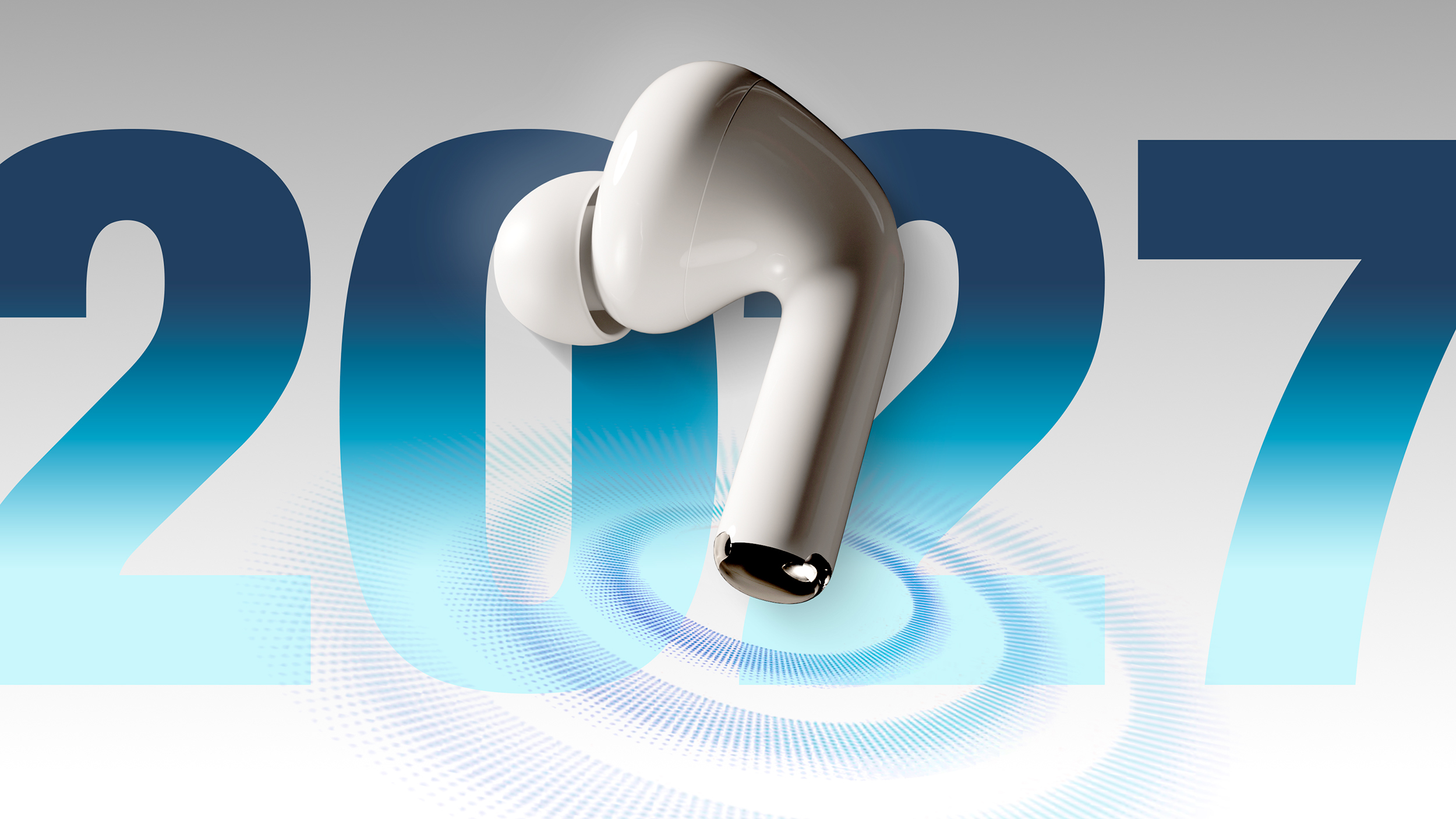

Sensors in the current AirPods power a spatial audio head tracking feature, and cameras could take that further. Code suggests the camera-equipped AirPods will find the physical screen the wearer is watching content on, comparing the screen's direction with the direction estimated by the motion sensors in the AirPods.

The AirPods may be able to identify laptops, displays, smartphones, tablets, and TVs, even detecting multiple displays and narrowing audio to the one the wearer is looking at. Screen detection will work behind the scenes and may pause when the wearer is in motion.

Devices with Face ID already use the ‌Face ID‌ sensors to assist with head tracking, but if the user also has AirPods with cameras, the AirPods will prefer camera input over ‌Face ID‌.

Code also references a server-based visual reasoning feature, further reinforcing rumors of Visual Intelligence support. The AirPods will reportedly send camera data to Apple's servers for ‌Visual Intelligence‌ requests.

The ‌macOS Tahoe‌ 26.7 release candidate that came out in August leaked a long list of references to unreleased Apple products, including the AirPods with cameras. Though multiple references to the AirPods were found, rumors suggest the product isn't going to launch until fall 2027.
Related Roundups: AirPods 4, AirPods Pro 3
Related Forum: AirPods

This article, "AirPods With Cameras Could Bring Improved Spatial Audio Head Tracking" first appeared on MacRumors.com

Discuss this article in our forums
  •  

Apple Adds Three More Macs to Obsolete Products List

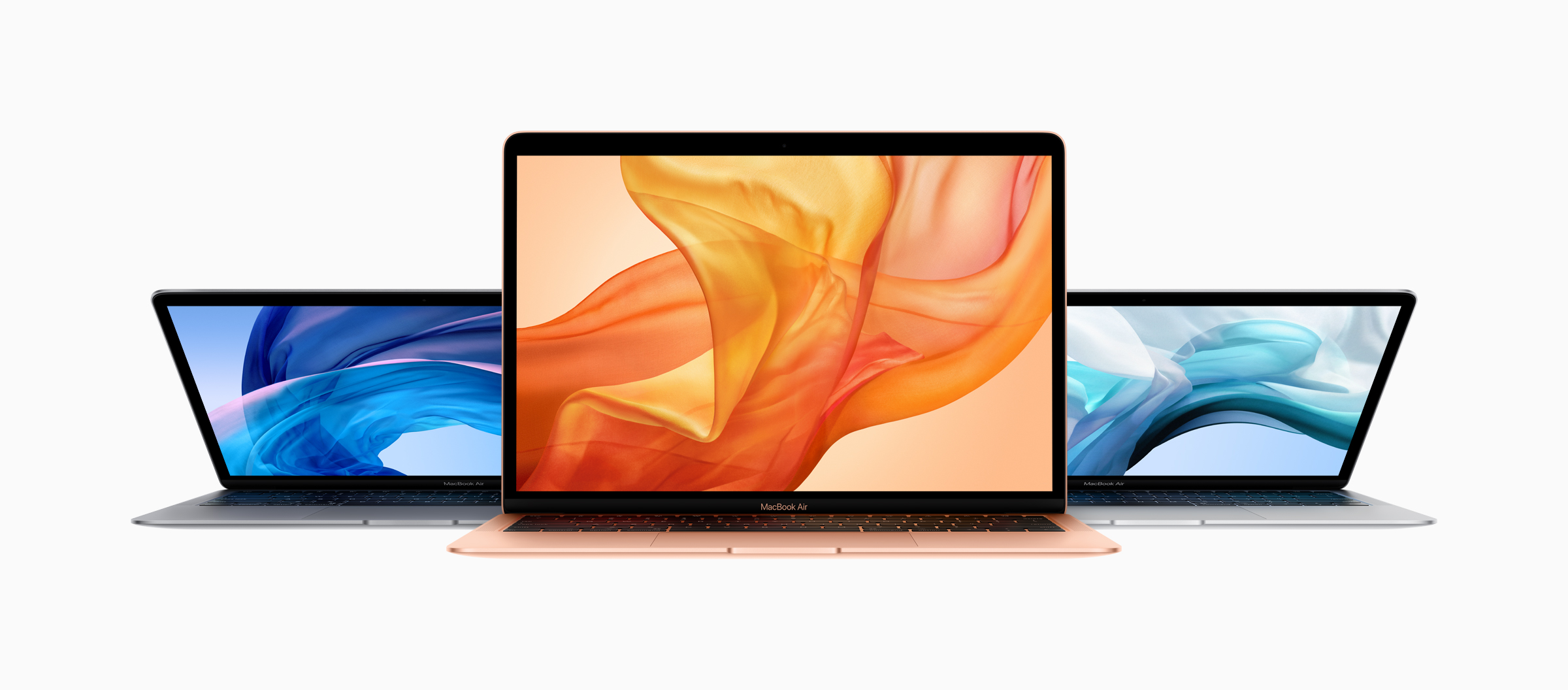
Apple today added three Macs to its list of obsolete products. The 2018 Retina MacBook Air, the 13-inch 2018 MacBook Pro with four Thunderbolt 3 ports, and the 13-inch 2017 ‌MacBook Pro‌ with two Thunderbolt 3 ports are now considered obsolete.


The three products were previously part of the vintage list, but have been moved. Apple adds a product to the vintage list when it's been five years since it was last distributed for sale, and it becomes obsolete at the seven-year mark.

Vintage products can still be repaired at Apple retail locations and by Apple Authorized Service Providers if Apple has the parts available. Devices that are obsolete are generally not eligible for repair, and Apple stops making repair components.

Apple has a battery-only repair policy for Mac laptops for up to 10 years after the Mac was last distributed for sale, so 2017/2018 ‌MacBook Pro‌ and 2018 ‌MacBook Air‌ owners may still be able to get battery replacements.

The 2018 ‌MacBook Air‌ was the first in the Air line with Touch ID and a Retina display. Prior ‌MacBook Air‌ models had a non-Retina display with much lower resolution and less vibrant colors. 2018 was also a redesign year for the ‌MacBook Air‌, with Apple introducing smaller bezels and a thinner, lighter chassis.

Apple's 2017 ‌MacBook Pro‌ used Intel's Kaby Lake processors, and it was a minor processor update with few other changes. The 2018 refresh added True Tone display support for the first time and a third-generation keyboard with butterfly keys.
This article, "Apple Adds Three More Macs to Obsolete Products List" first appeared on MacRumors.com

Discuss this article in our forums
  •  

Apple Releases macOS Golden Gate Beta 8

Apple today provided developers with the eighth beta of macOS Golden Gate, with the update coming a week after Apple seeded the seventh beta.


Developers can download ‌macOS Golden Gate‌ by going to System Settings > General > Software Update. Beta Updates will need to be enabled, and a free developer account is required.

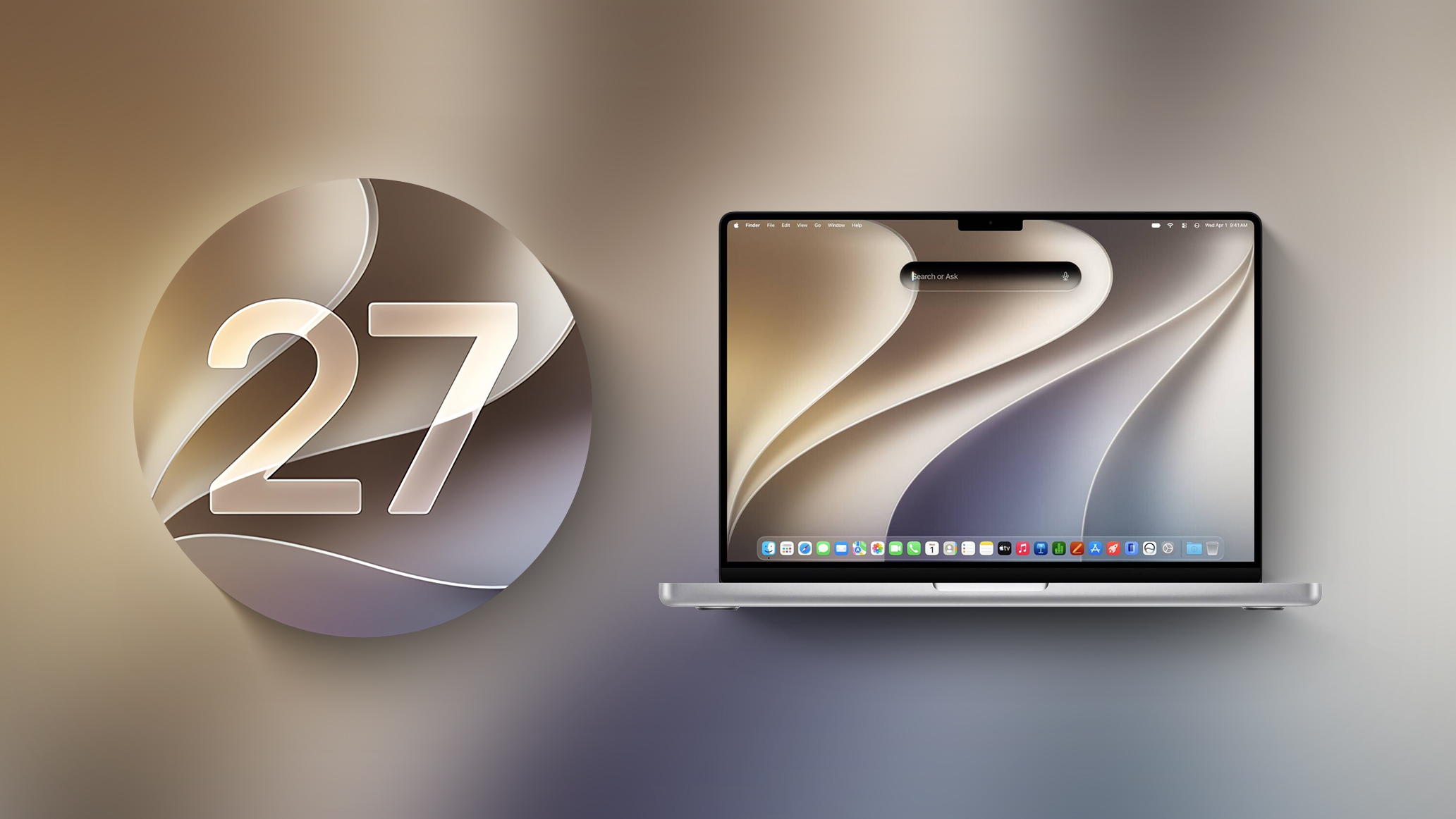
‌macOS Golden Gate‌ includes multiple design improvements. Liquid Glass opacity has been improved to increase readability, there's a slider for controlling the level of transparency, and changes to shadowing make it easier to tell when a window is active. Apps now have uniform toolbars, edge-to-edge sidebars, and less rounded corners, and there are fewer icons in menu bars.

Siri has been transformed into ‌Siri‌ AI, a chatbot-style assistant that combines general world knowledge, your personal data, and onscreen awareness to answer questions about anything and find information for you. ‌Siri‌ lives in Spotlight, and you can ask questions with the new Search or Ask interface.

There's also a ‌Siri‌ app where you can chat with ‌Siri‌ and view past conversations, and on newer Macs, you can set a custom voice for ‌Siri‌ with personalized pace and expressivity. Visual Intelligence is now on the Mac so ‌Siri‌ can answer questions about what's on your screen, and a Write with ‌Siri‌ feature lets ‌Siri‌ generate text or give feedback on your writing.

There are AI photo editing tools in the Photos app, AI tab organization in Safari, an option to use AI to automatically update weak passwords in the Passwords app, and a revamped Image Playground app that can generate photorealistic images.

More on all of the new features in ‌macOS Golden Gate‌ can be found in our macOS Golden Gate roundup.
Related Roundup: macOS Golden Gate

This article, "Apple Releases macOS Golden Gate Beta 8" first appeared on MacRumors.com

Discuss this article in our forums
  •  

Apple Seeds Eighth iOS 27 and iPadOS 27 Betas to Developers

Apple today seeded the eighth betas of iOS 27 and iPadOS 27 to developers for testing purposes, with the update coming one week after Apple released the seventh betas.


Registered developers can download the betas from the Settings app on the iPhone or iPad by going to the General section and selecting Software Update.

‌iOS 27‌ introduces Apple's smarter version of Siri, ‌Siri‌ AI. ‌Siri‌ AI is a chatbot similar to ChatGPT, incorporating general world knowledge, personal data from apps like Messages and Mail, and onscreen awareness to answer questions and find information for you.

There are new Apple Intelligence features in apps like Photos, Safari, Shortcuts, Wallet, and Passwords, plus Apple added a standalone ‌Siri‌ app that houses ‌Siri‌ conversations. Write with ‌Siri‌ is available systemwide for generating text or offering feedback on your writing, and Visual Intelligence has been relocated to the Camera app with a new ‌Siri‌ mode.

Apple improved the look of Liquid Glass and added a slider for customizing transparency. There are multiple performance improvements to speed up iOS, so everything feels faster, even on older iPhones. Apps launch quicker, AirDrop transfers are faster, the keyboard pops up more quickly, and devices are better at transitioning between Wi-Fi and Cellular to keep you connected.

For more on what's new in ‌iOS 27‌, we have a dedicated iOS 27 roundup.
Related Roundups: iOS 27, iPadOS 27

This article, "Apple Seeds Eighth iOS 27 and iPadOS 27 Betas to Developers" first appeared on MacRumors.com

Discuss this article in our forums
  •  

Apple Seeds watchOS 27 Beta 8 to Developers

Apple today seeded the eighth beta of watchOS 27 to developers, with the update coming a week after the launch of the seventh beta.


The beta can be downloaded through the Watch app on the iPhone with a free developer account. The Apple Watch will need to be on the charger, connected to Wi-Fi, and have a battery level of 50 percent or above for new software to be installed.

‌watchOS 27‌ introduces Siri AI, the smarter, more capable version of ‌Siri‌. ‌Siri‌ can hold back-and-forth conversations, plus it has access to general world knowledge and your personal data to answer questions and find information. ‌Siri‌ AI on Apple Watch requires an iPhone that supports Apple Intelligence, including the iPhone 15 Pro and later.

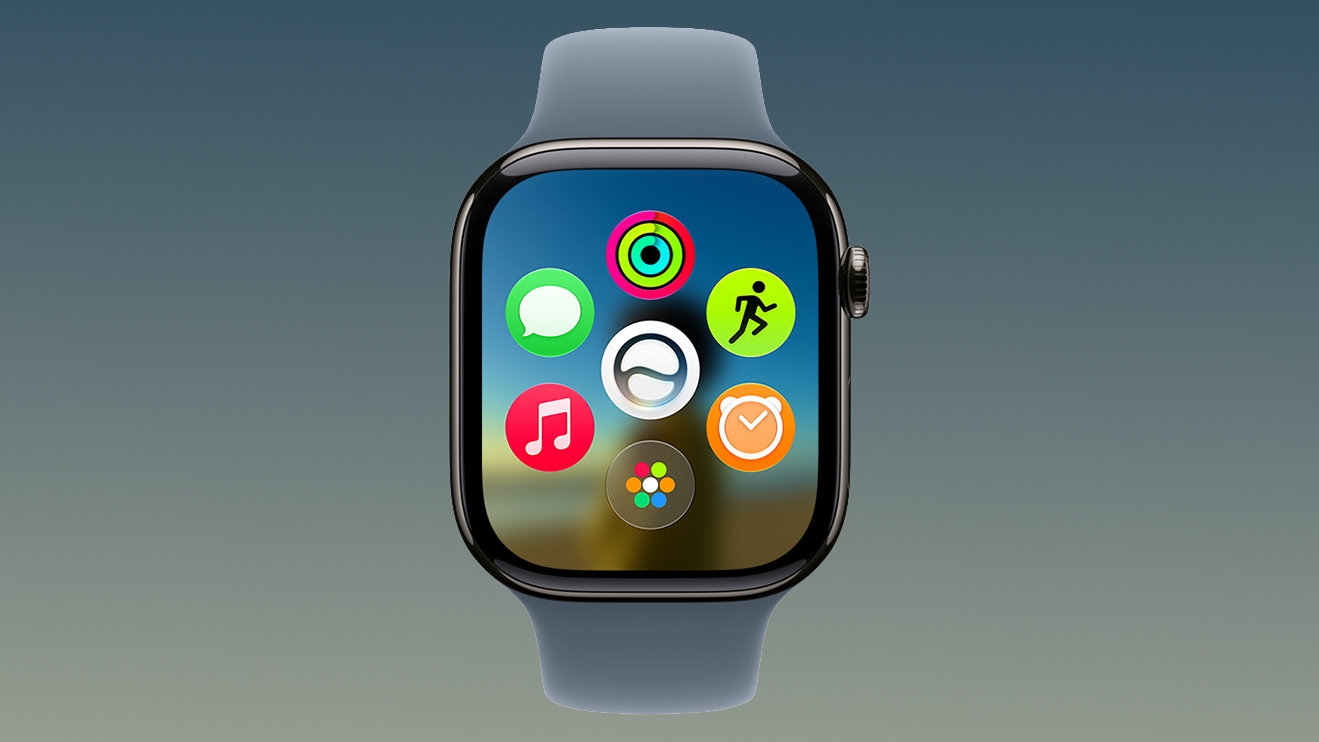
There's a Dynamic app grid that highlights ‌Siri‌ suggested apps, and more intuitive Smart Stack Suggestions. You can find your parked car, see pinned messages, get noise alerts, and view identity and transit cards.

Liquid Glass has been updated to improve legibility, and Workout Buddy works on the Apple Watch even when an iPhone isn't nearby. Workout Buddy also gains new metrics like progressive increases to distance, pace, or duration. Apple added a new all-in-one Find My app with support for Precision Finding, and there are performance optimizations that improve battery life.

More on what's new in ‌watchOS 27‌ is available in our watchOS 27 roundup.
Related Roundups: watchOS 26, watchOS 27
Related Forum: Apple Watch

This article, "Apple Seeds watchOS 27 Beta 8 to Developers" first appeared on MacRumors.com

Discuss this article in our forums
  •  

Apple Seeds tvOS 27 Beta 8 to Developers

Apple today seeded the eighth beta of tvOS 27 to developers for testing purposes, with the update coming a week after Apple released the seventh beta.


The beta can be downloaded and installed through the Settings app on the Apple TV. A free developer account is required.

tvOS 27 has few new features compared to the other 27 software updates, but it does add a redesigned Podcasts app, options for larger text, and a more responsive Control Center.

AirPlaying to an ‌Apple TV‌ from another Apple device is faster, and apps and animations are smoother. You can also now see AppleCare coverage details in the Settings app.

More on the features in tvOS 27 can be found in our Apple TV roundup.
Related Roundup: Apple TV
Buyer's Guide: Apple TV (Don't Buy)

This article, "Apple Seeds tvOS 27 Beta 8 to Developers" first appeared on MacRumors.com

Discuss this article in our forums

  •  

Apple Seeds Eighth visionOS 27 Beta to Developers

Apple today provided developers with the eighth beta of an upcoming visionOS 27 update for testing purposes. The beta comes a week after Apple released the seventh beta.


visionOS 27 can be installed by opening the Settings app, going to Software Updates, and opting into Beta Updates.

visionOS 27 introduces Siri AI, the smarter and more capable version of ‌Siri‌ that's similar in capability to chatbots like ChatGPT and Claude. On the Vision Pro, ‌Siri‌ can answer questions about anything the wearer is looking at, and there's a new ‌Siri‌ orb that can be placed anywhere in wearer's virtual space.

Panorama photos can be turned into spatial environments, and there's a new Icelandic Thórsmörk environment that features dramatic mountains, valleys, and glaciers, along with the northern lights. Web Environment support allows developers to create 360-degree environments in Safari for a more native Vision Pro browsing experience.

App windows are now curved to provide a more immersive workspace, and Control Center has been reorganized to make system controls easier to find. Apple added a smaller widget size, and notifications automatically expand when the wearer looks at them.

More on what's new in visionOS 27 is listed in our Vision Pro roundup.
Related Roundup: Apple Vision Pro
Buyer's Guide: Vision Pro (Neutral)
Related Forum: Apple Vision Pro

This article, "Apple Seeds Eighth visionOS 27 Beta to Developers" first appeared on MacRumors.com

Discuss this article in our forums
  •  

Apple's Phil Schiller Scales Back Role as John Ternus Era Begins

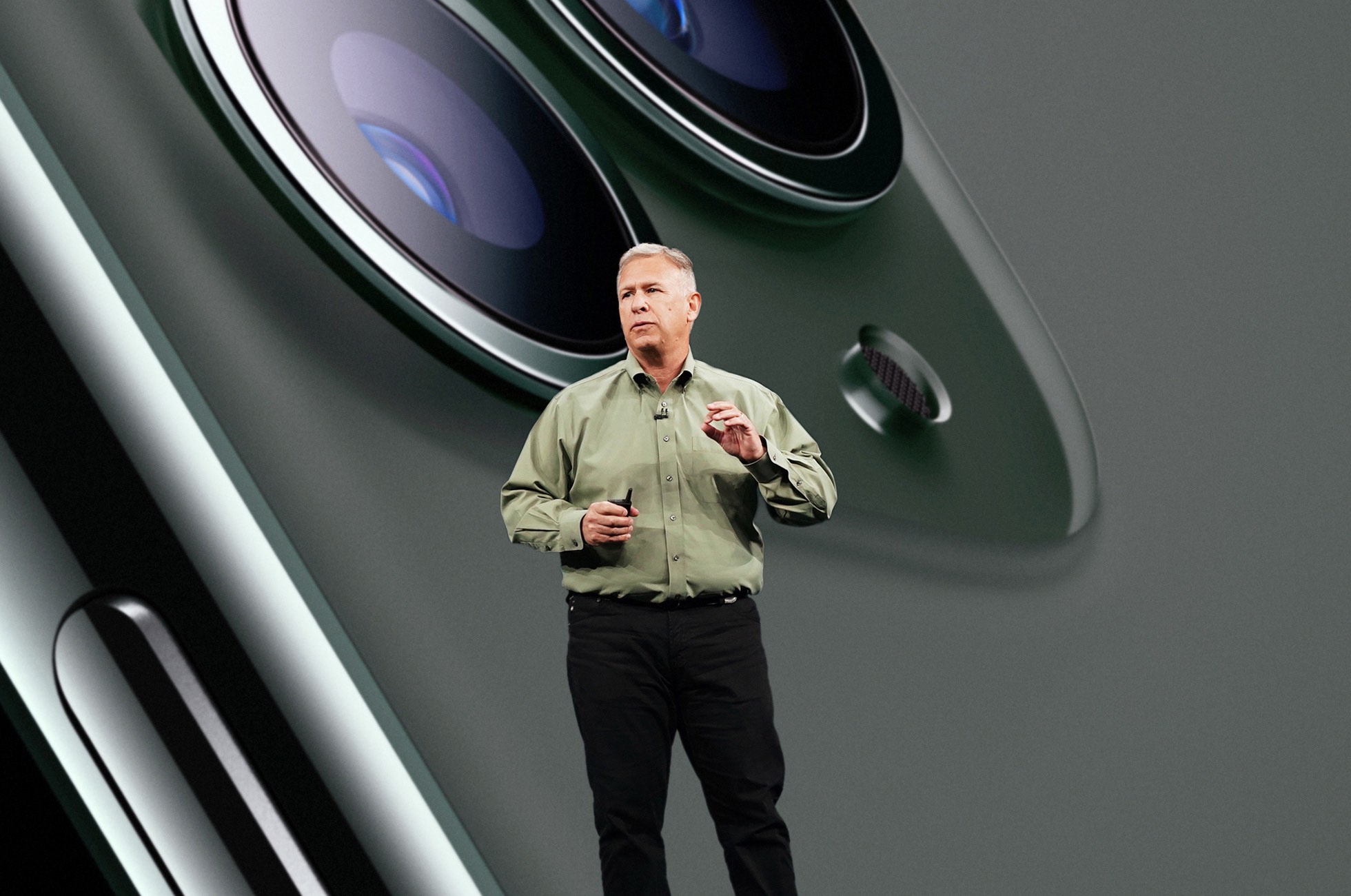
Apple's Phil Schiller is no longer going to run the App Store or oversee product events, reports Bloomberg. Schiller isn't leaving Apple, but he is narrowing his responsibilities and working on unspecified projects.

Phil Schiller
Employees at Apple told Bloomberg that 66-year-old Schiller appears to be taking another step toward retirement.

Schiller was Apple's marketing chief until 2020, when he stepped down and took on the title Apple Fellow. At the time, Schiller said he would stay at Apple for "as long as they will have me," but added that he wanted to make time for family, friends, and personal projects.

As Apple Fellow, Schiller continued to oversee the ‌App Store‌ and Apple events, but the role may not have left him with sufficient time for his own endeavors. In 2024, The Wall Street Journal said Schiller was working close to 80 hours a week. He has been in charge of the ‌App Store‌ during some of its most tumultuous years, including Apple's ongoing struggles to comply with the Digital Markets Act in the European Union, the company's legal battle with Epic Games, and multiple other changes demanded by regulatory action in countries like Brazil and Japan.

Schiller first joined Apple in 1987, left in 1993, and came back to the company in 1997 when Steve Jobs returned to Apple. He has been at the forefront of some of Apple's biggest product launches, including the iPod, iPhone, iPad, and Apple Watch. He plans to remain at Apple, and he will keep his Apple Fellow title.

Schiller is stepping down from overseeing the ‌App Store‌ and Apple product launches just as John Ternus is set to take over as Apple CEO. Today is Tim Cook's last day as CEO, with Cook transitioning to Apple Chairman.

Apple is moving the ‌App Store‌ to Eddy Cue, who oversaw it until 2015. Cue is Apple's services chief and will reportedly be taking a more influential role under Ternus' leadership. Carson Oliver, who has long been on the ‌App Store‌ team, will oversee its day-to-day operations.

Schiller deputy Nola Weinstein will lead the Apple events team, reporting to vice president of communications and public relations Kristin Huguet Quayle.
This article, "Apple's Phil Schiller Scales Back Role as John Ternus Era Begins" first appeared on MacRumors.com

Discuss this article in our forums

  •  
❌