Lees weergave

Steve Jobs' 8th Grade Science Project Sells for $34,375

A science project that Apple co-founder Steve Jobs built for his 8th-grade science fair sold at auction for $34,375.


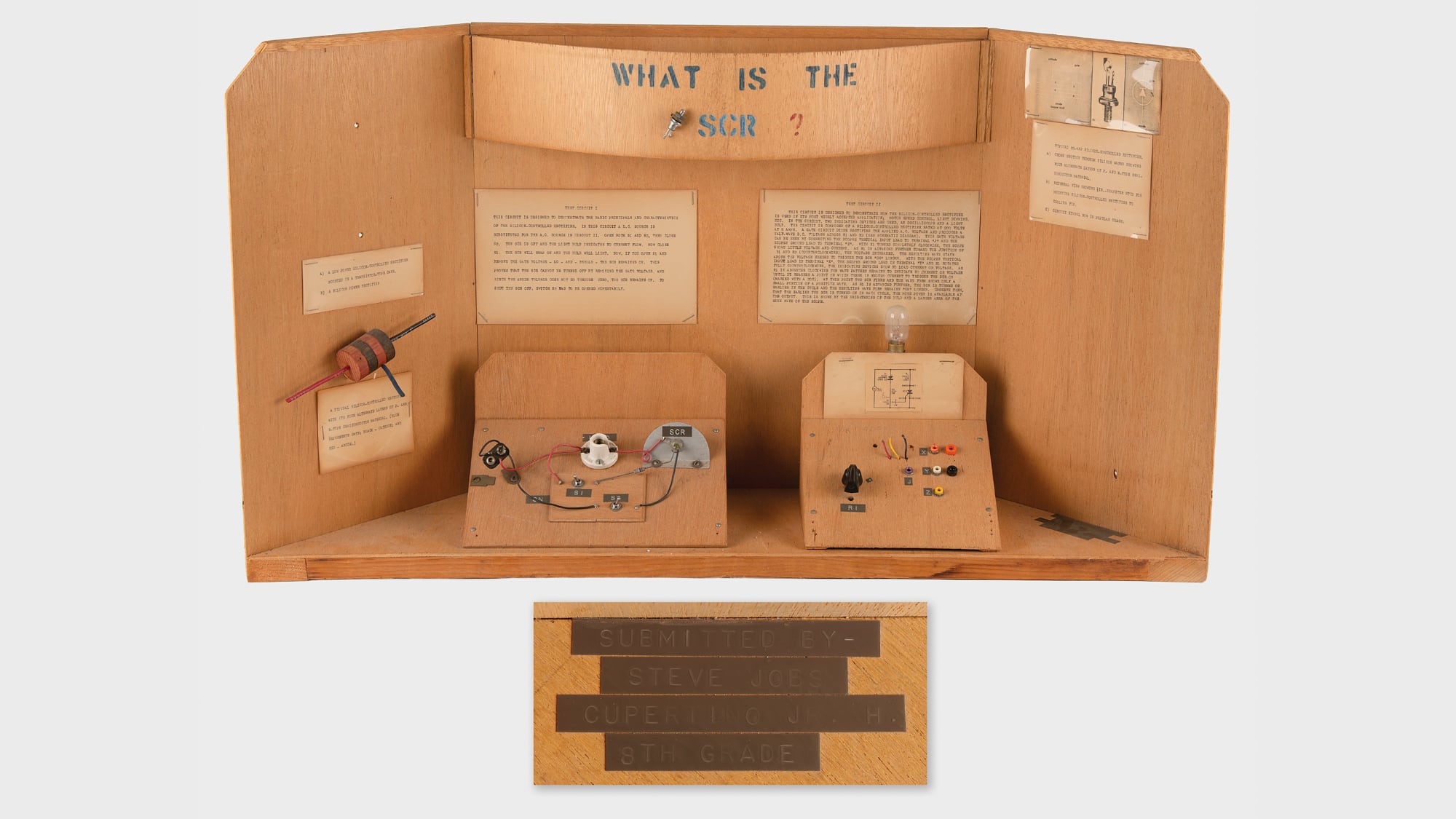
Jobs was attending Cupertino Jr. High when he designed the project, which is titled "What is the SCR?" The lot includes a display board built from plywood with three explanatory panels and a 10-page report with the same title.

The left panel has a wooden model of a "typical silicon-controlled rectifier with its four alternate layers of P- and N-Type semiconductor material," while the center test circuits demonstrate the basic principles and characteristics of the silicon-controlled rectifier, as well as how it is most widely used. The right panel has a diagram and description of a 25-amp silicon-controlled rectifier.

The project is labeled with Jobs' name, and the accompanying report is titled "What is the Silicon-Controlled Rectifier by Steve Jobs, Science, Mrs. Yakel, Feb. 29, 1968."

A note included on the project instructs judges to plug in Circuit II and the oscilloscope to see it operate, and it asks them to "please unplug!" the device after testing it.

Jobs' science fair project came from John Chovanec, Jobs' stepbrother. Chovanec's mother, Marilyn, married Paul Jobs in 1990 and continued to live in the Jobs family home in Los Altos. After Paul Jobs died in 1993, Steve Jobs declined to collect some of his personal belongings that remained in the home. Chovanec apparently asked Jobs to collect the items several times and at one point said he would keep the items himself instead. "Fine, but I don't want to be bothered about it again," Jobs reportedly responded.

Chovanec previously sold other items from Jobs' early years, including posters, magazines, bow ties, a desk, and more. A 1977 Apple Computer poster sold for $659,900, while an Apple–1 Byte Shop wooden case owned by Jobs sold for $254,375. The bow ties sold for $113,580.
This article, "Steve Jobs' 8th Grade Science Project Sells for $34,375" first appeared on MacRumors.com

Discuss this article in our forums

  •  

Distribution Release: EndeavourOS 2026.08.15

The DistroWatch news feed is brought to you by TUXEDO COMPUTERS. The EndeavourOS project has a new release, which is acting as a filler between two major releases. EndeavourOS 2026.08.15 "Titan Nova" fixes some keyboard setup issues, improves support for NVIDIA GPUs, and removes the Budgie desktop environment as an install-time option. "Titan Nova's live environment and offline installer....
  •  

Apple's Siri Settlement: Here's When iPhone Owners Can Submit Claims

In May, Apple agreed to pay $250 million to settle a U.S. class action lawsuit over Siri AI's delayed launch, and eligible iPhone users could receive up to a $95 payout. Today, a new court document revealed when customers will likely be able to begin submitting claims.


If the dates proposed by Apple's lawyers are approved by the judge, eligible customers would begin to be notified about the settlement on Monday, September 21 this year, and claim submissions would likely begin around that date. The claims period would end on Monday, December 21, giving customers around 90 days to take action.

Earlier this month, the judge set the final approval hearing for February 24, 2027, so payments to customers are not expected to begin until next year. For now, no action is required from customers, as the settlement website with a claims form has yet to go live. We will continue to provide updates on the case as they become available.

Below, we have answered some key questions regarding the lawsuit.

Why Was Apple Sued?


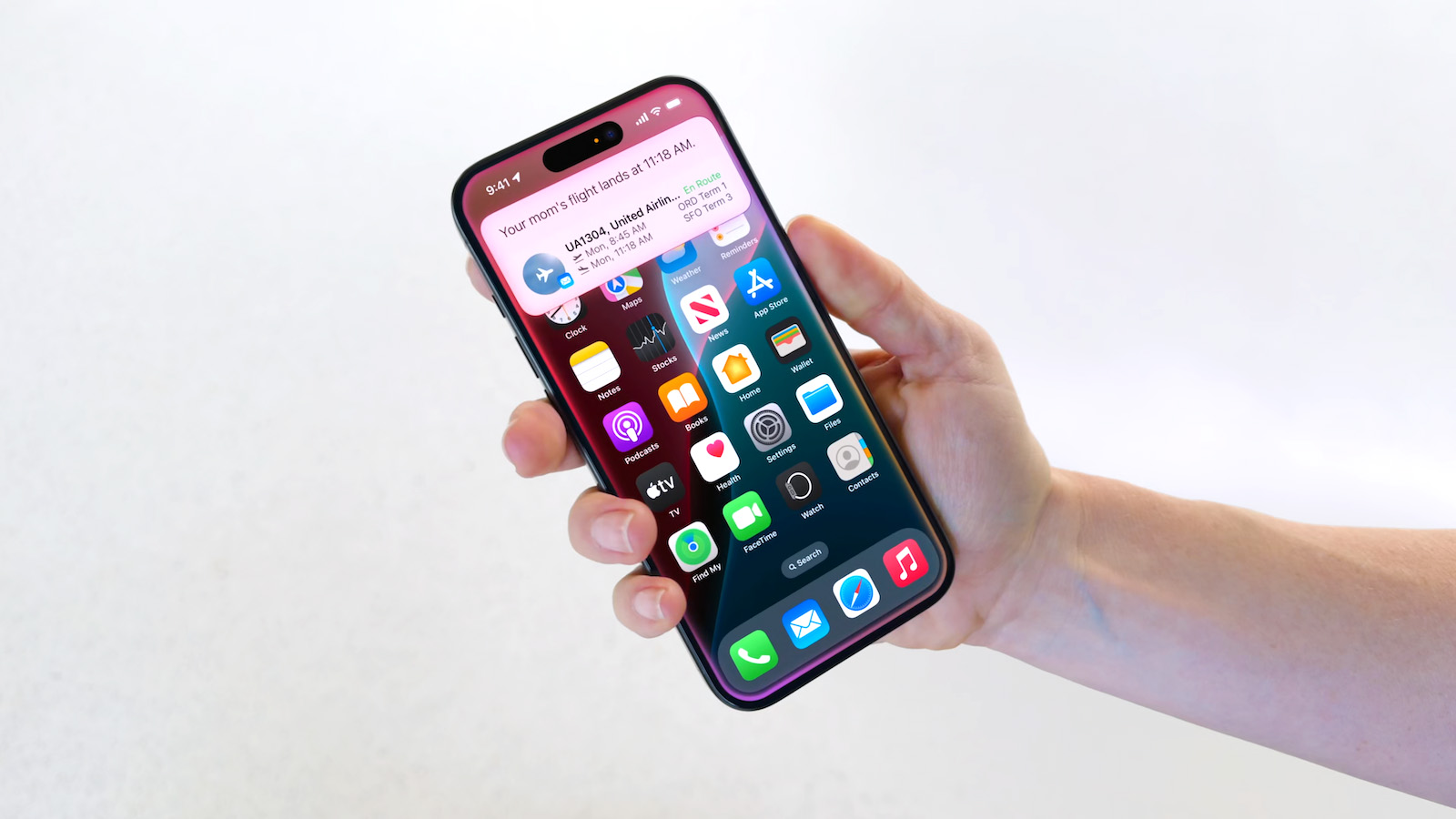
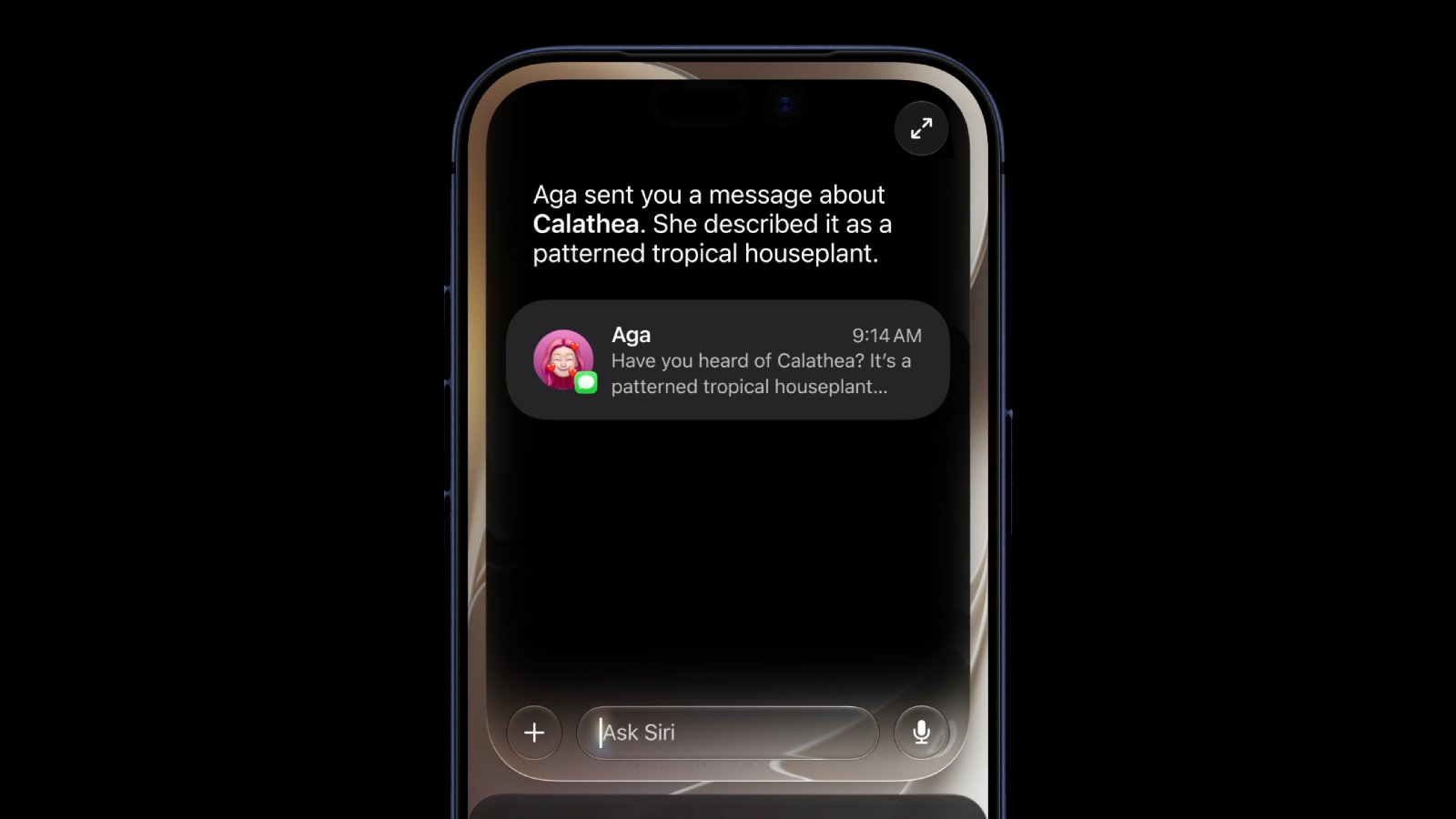
In June 2024, Apple previewed new Siri capabilities powered by Apple Intelligence, including understanding of a user's personal context, on-screen awareness, and deeper per-app controls. For example, Apple showed an iPhone user asking Siri about their mother's flight and lunch reservation plans based on info from the Mail and Messages apps.

Apple advertised those Siri features in product presentations, on its website, in a TV commercial starring actor Bella Ramsey, and elsewhere.


In March 2025, Apple delayed the launch of the personalized version of Siri, leading to the company being hit with a class action lawsuit alleging false advertising.

In a statement, Apple touted a range of other Apple Intelligence features it had already released. Nevertheless, Apple agreed to settle the lawsuit "to stay focused" on "delivering the most innovative products and services to our users."

Apple finally announced "Siri AI" at WWDC 2026 in June, and the revamped assistant is available to test on the iOS 27 beta ahead of a September release.


Am I Eligible?


To be eligible to submit a claim, you must reside in the U.S. and have purchased any iPhone 15 Pro or iPhone 16 model between June 10, 2024 and March 29, 2025.

The full list of eligible iPhone models:

  • iPhone 15 Pro

  • iPhone 15 Pro Max

  • iPhone 16

  • iPhone 16e

  • iPhone 16 Plus

  • iPhone 16 Pro

  • iPhone 16 Pro Max

It is unlikely that individuals who submit a claim will still need to have physical possession of an eligible iPhone model. However, there is a possibility that proof of purchase or other information will be required, such as the device's serial number. Exact requirements will be outlined on the settlement website, which is still not live.

How Much Will Apple Pay Me?


According to the terms of the settlement, each person who files an eligible claim will receive a per-device payment of $25, but this amount could increase up to $95 if the total number of claims submitted is lower than anticipated.

Where and When Can I Submit a Claim?


Later this year, a settlement website is expected to go live with an online claims form.
This article, "Apple's Siri Settlement: Here's When iPhone Owners Can Submit Claims" first appeared on MacRumors.com

Discuss this article in our forums

  •  

Which Macs Will Get an M6 Chip and Which Won't?

Apple announced new Mac mini machines this week, and the lower-end models include the first M6 chip. The M6 era will be a little complicated, because few Macs are going to get it. We won't have M6 Pro or M6 Max chips, which shakes up the Mac lineup for the next couple of years.


Devices With M6


The ‌Mac mini‌ is the first Mac with an M6, but the chip is going to come to a couple of other products in the lineup.

  • MacBook Pro - The 14-inch entry-level MacBook Pro could be updated with an M6 chip in October 2026.

  • iMac - The 24-inch iMac is also expected to get the M6 chip, likely around the time the ‌MacBook Pro‌ is updated.

  • MacBook Air - The MacBook Air could get the M6 chip in early 2027.

  • iPad Pro - The next iPad Pro could get the M6 chip.

  • iPad Air - A future version of the iPad Air is likely to adopt the M6. Apple usually keeps the ‌iPad Air‌ processor one generation behind the ‌iPad Pro‌.


M6 Pro and M6 Max


Apple isn't going to make M6 Pro or M6 Max chips, according to Bloomberg, so the M6 will be the first standalone Apple silicon chip that won't have more powerful variants.

Instead of manufacturing M6 Pro and M6 Max chips, Apple is speeding up its chip development timeline to bring the M7 Pro and M7 Max to market more quickly. The M7 Pro and M7 Max will have technologies that support on-device AI and GPU-intensive software, so they better meet growing demand for processors with those capabilities.

M5 Makes Up the Gap


Macs that would have used an M6 Pro or M6 Max chip are going to be stuck with the M5 Pro and M5 Max until the M7 family is ready. That means the high-end OLED "MacBook Ultra" we're expecting in late 2026 or early 2027 is going to use the same M5 Pro and M5 Max chips that are in the current ‌MacBook Pro‌ models. It's also possible it will get the M5 Ultra.

The new ‌Mac mini‌ also got the M5 Pro instead of an M6 Pro chip. The new Mac Studio announced alongside the ‌Mac mini‌ uses M5 Max and M5 Ultra chips.

Short Life Span


The M6 isn't going to be around for long, because Apple plans to launch the M7 in the first half of 2027. The M7 Pro and M7 Max will follow at the end of the year.

M6 Features


The M6 is Apple's first chip built on a new 2-nanometer process that increases transistor density on a smaller die. The process change improves performance and efficiency.

It has a 12-core CPU with what Apple says is the world's fastest CPU core, a larger 12-core GPU with Neural Accelerators for each core, a new Dual 16-core Neural Engine, and up to 170GB/s memory bandwidth.

The GPU has updated shader core architecture, Dynamic Caching, hardware-accelerated ray tracing, and 50 percent higher geometry rates for complex graphics.
This article, "Which Macs Will Get an M6 Chip and Which Won't?" first appeared on MacRumors.com

Discuss this article in our forums

  •  

This New App Brings 1990s 'After Dark' Screen Savers to Modern macOS

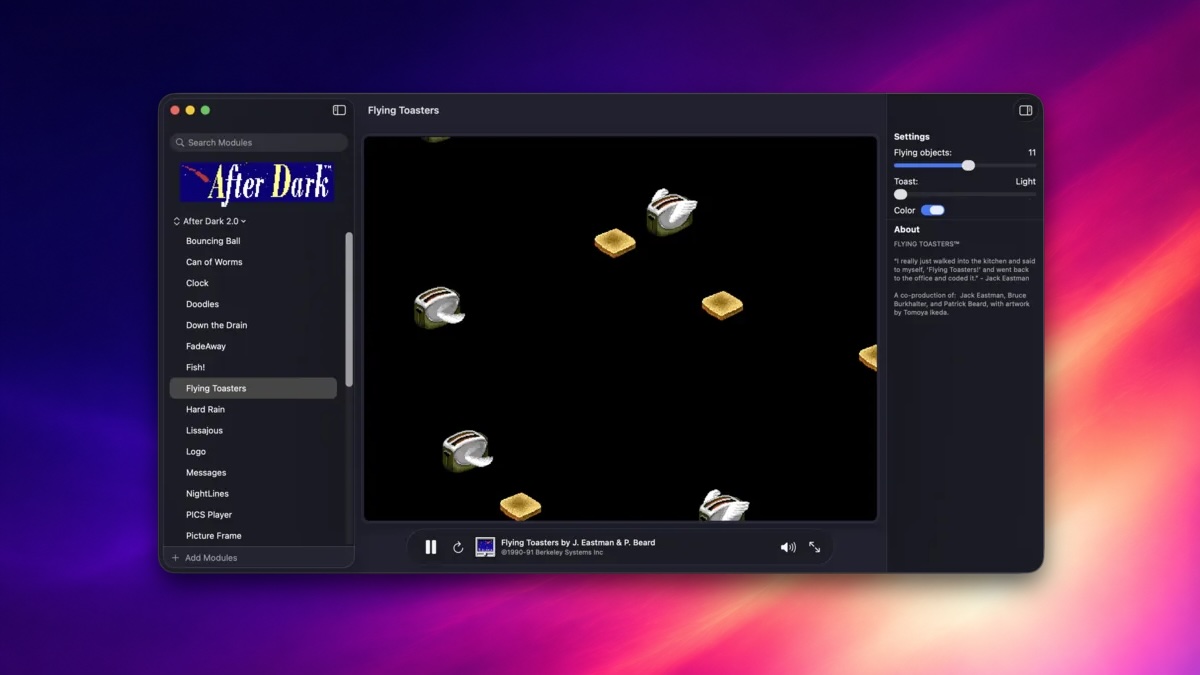
As noted by Daring Fireball's John Gruber, developer Jeff Halter has released a new Afterglow app that allows you to run classic After Dark screen savers on modern macOS versions.

"Afterglow is an emulator built specifically for running After Dark modules -- the original 68k module code, not a remake or port -- with no dependencies on ROMs or classic Mac OS," said Halter, who has several fun nostalgic projects, such as After Dark space shooter Lunacy and HyperCard player Stacks.
This article, "This New App Brings 1990s 'After Dark' Screen Savers to Modern macOS" first appeared on MacRumors.com

Discuss this article in our forums

  •  

The MacRumors Show: Apple's Surprisingly Big Week of Announcements

It's been an unusually big week for Apple announcements. On this week's episode of The MacRumors Show, we discuss the new Mac mini and Mac Studio, the M6 and M5 Ultra chips, and invites to Apple's September event.


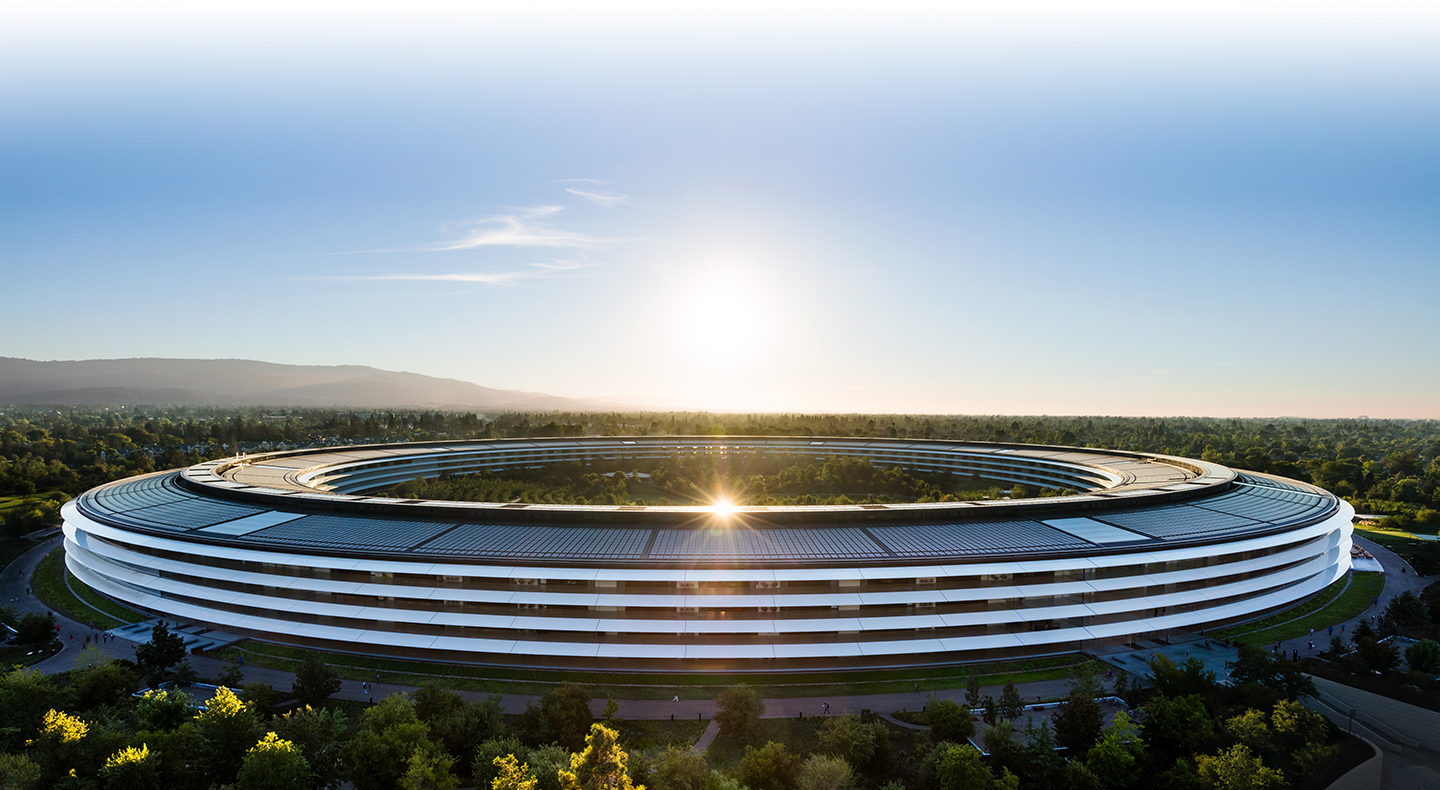
Apple confirmed on Wednesday that its annual iPhone event will take place on Wednesday, September 9 at Apple Park, starting at 10:00 a.m. Pacific Time, with select members of the media invited to attend. The event's tagline is "Surprise and Shine." Apple is expected to introduce at least six new products, including the the Apple Watch Series 12, Apple Watch Ultra 4, iPhone 18 Pro, ‌iPhone 18 Pro‌ Max, and the first foldable iPhone. Pre-orders should follow shortly after, and along with release dates for iOS 27, iPadOS 27 and macOS 27 Golden Gate.

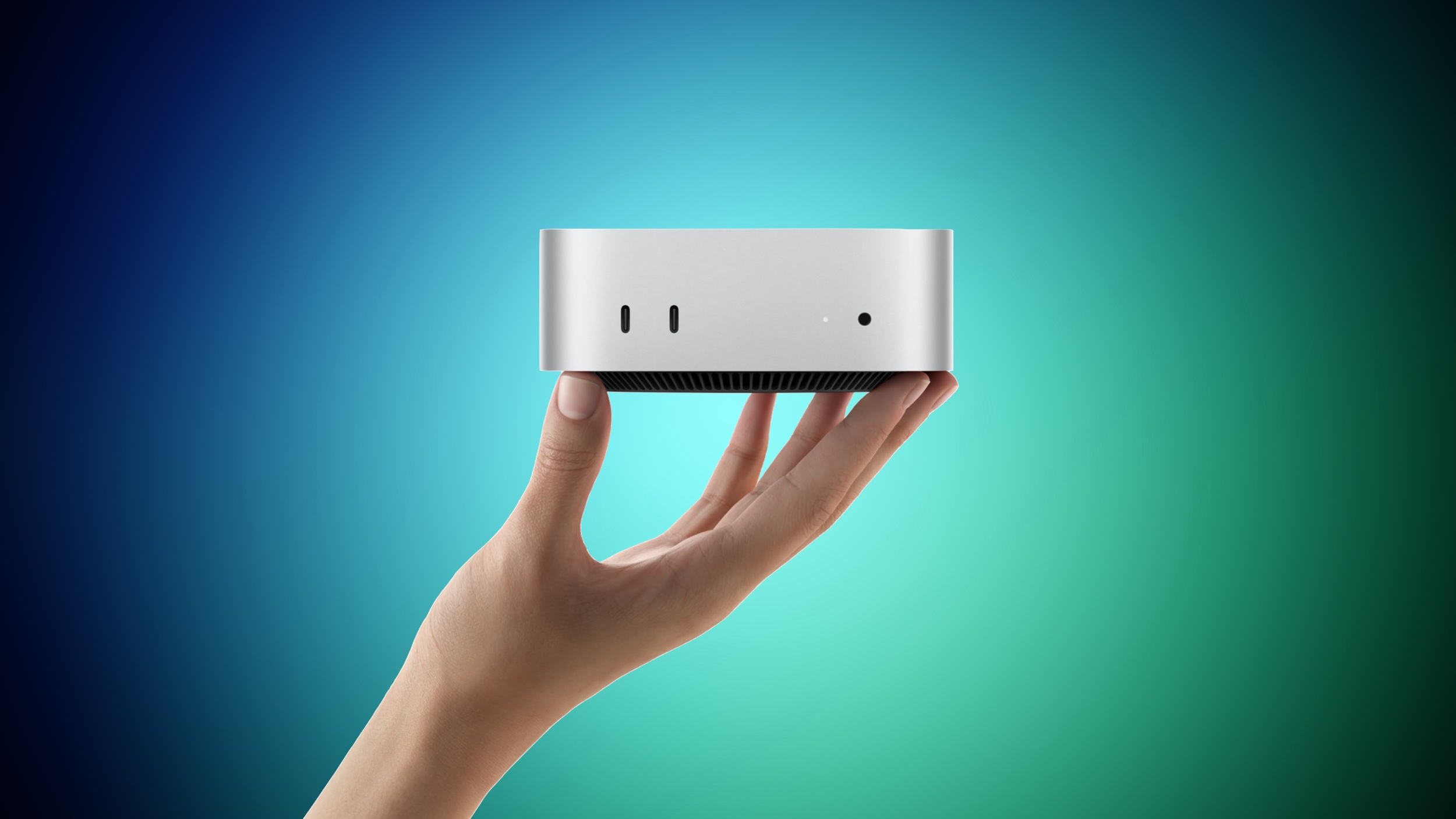
Apple announced the new Mac mini on Tuesday, offering M6 and M5 Pro chip options. The machine gains an N1 networking chip, bringing Wi-Fi 7 and Bluetooth 6, and moves to 2.5Gb Ethernet as standard, up from 1Gb, with a 10Gb option. Thunderbolt 5 is restricted to the M5 Pro model, which gets three Thunderbolt 5 ports while the M6 model keeps Thunderbolt 4. Genlock support over USB-C also helps to sync a display's refresh timing to a camera such as the iPhone 17 Pro. Pricing starts at $899 with 16GB and 256GB, rising to $1,699 for the M5 Pro at 24GB and 512GB. Pre-orders are now open, with launch on September 22.

The M6 is Apple's first 2nm chip. Its 12-core CPU is split into 2 super cores, 4 performance cores and 6 efficiency cores, making it the first Apple chip to combine all three core types in one design. Super cores are Apple's top tier, optimized for single-threaded speed. The 12-core GPU features a Neural Accelerator in each core for the first time in a ‌Mac mini‌. The GPU also adds an updated shader architecture, Dynamic Caching, and hardware-accelerated ray tracing, while an all-new Dual 16-core Neural Engine doubles peak compute over the previous generation, with system frameworks able to drive both engines at once. Memory starts at 16GB and tops out at 32GB, running at up to 170GB/s. M5 Pro scales further, to an 18-core CPU, a 20-core GPU and up to 64GB at 307GB/s.

The new Mac Studio arrived alongside the ‌Mac mini‌, with M5 Max and M5 Ultra chip options. The M5 Max offers an 18-core CPU with 6 super cores and 12 performance cores, an up-to-40-core GPU with Neural Accelerators in every core, and up to 128GB of memory at 614GB/s, with the GPU running up to 50% faster than the previous generation. Both configurations move to a next-generation SSD architecture on PCIe Gen 6 for up to twice the storage performance, and gain up to six Thunderbolt 5 ports at 120Gb/s, and the same genlock support as the ‌Mac mini‌. Apple's N1 chip also brings Wi-Fi 7 and Bluetooth 6 to the ‌Mac Studio‌. Pricing starts at $2,499 for the M5 Max at 36GB and 512GB, and $5,499 for the M5 Ultra at 96GB and 1TB, with the 512GB memory option not arriving until late October.

The M5 Ultra is Apple's first quad-die chip, using a next-generation version of UltraFusion to join two dual-die M5 Max chips into a single processor. The result is a CPU with up to 36 cores, 12 super and 24 performance, delivering 1.25x the single-threaded and 1.3x the multithreaded performance of the M3 Ultra. Its up-to-80-core GPU is the most powerful Apple silicon GPU ever made and the first on an Ultra chip to feature Neural Accelerators. Second-generation Dynamic Caching, hardware-accelerated mesh shading and third-generation ray tracing lift graphics up 40% over the M3 Ultra, and the chip features a 32-core Neural Engine. Memory reaches 512GB at 1.2TB/s, which is a 50% bandwidth increase.

Other announcements this week included a new, softer Apple Polishing Cloth at $9, down from $19, and refreshed U.S. Magic Keyboards for the Mac, now featuring glyphs instead of edge text. Apple Support's 1-800-APL-CARE line is also now answered by a generative AI assistant in the U.S. and Canada.

The MacRumors Show has its own YouTube channel, so make sure you're subscribed to keep up with new episodes and clips.


You can also listen to ‌The MacRumors Show‌ on Apple Podcasts, Spotify, Overcast, or other podcast apps. You can also copy our RSS feed directly into your player.


If you haven't already listened to the previous episode of The MacRumors Show, catch up to hear our discussion with YouTuber Michael Fisher about key rumors about the "iPhone Ultra" and how the device could compare to rivals.

Subscribe to ‌The MacRumors Show‌ for new episodes every week, where we discuss some of the topical news breaking here on MacRumors, often joined by interesting guests such as Kayci Lacob, Kevin Nether, John Gruber, Mark Gurman, Jon Prosser, Luke Miani, Matthew Cassinelli, Brian Tong, Quinn Nelson, Jared Nelson, Eli Hodapp, Mike Bell, Sara Dietschy, iJustine, Jon Rettinger, Andru Edwards, Arnold Kim, Ben Sullins, Marcus Kane, Christopher Lawley, Frank McShan, David Lewis, Tyler Stalman, Sam Kohl, Federico Viticci, Thomas Frank, Jonathan Morrison, Ross Young, Ian Zelbo, and Rene Ritchie.

‌The MacRumors Show‌ is on X @MacRumorsShow, so be sure to give us a follow to keep up with the podcast. You can also email us at podcast@macrumors.com or head over to The MacRumors Show forum thread. Remember to rate and review the podcast, and let us know what subjects and guests you would like to see in the future.
This article, "The MacRumors Show: Apple's Surprisingly Big Week of Announcements" first appeared on MacRumors.com

Discuss this article in our forums

  •  

Apple TV Buys an Existing Hit for the First Time Ever

Apple TV has bought the worldwide rights to "Small Prophets," breaking with how it normally operates in acquiring an existing English-language hit rather than commissioning a show of its own from the start.


‌Apple TV‌ has typically developed or, at the very least, commissioned shows in-house and given them their premiere on the service, regardless of where they may eventually end up. This was the model behind the BBC's "Trying," which ‌Apple TV‌+ produced first and later licensed to the BBC once its own run had finished.

Apple has also picked up individual foreign-language titles in the past, such as the French-Japanese drama "Drops of God." "Small Prophets" marks new ground since it is an English-language series and it had already become a broadcast hit elsewhere before Apple stepped in.

The acquisition, reported by Deadline, follows a run on BBC Two that produced the strongest 28-day launch numbers for a comedy on the channel since 2022, a 100% score on Rotten Tomatoes, and the International Panorama award at this year's Series Mania festival.

"Small Prophets" will stream on ‌Apple TV‌ worldwide starting on October 7, with the exception of the UK, where the show debuted on BBC iPlayer and BBC Two earlier this year. Viewers in the UK will be able to continue watching it on iPlayer before it eventually moves to ‌Apple TV‌.

The show is written, created, and directed by Mackenzie Crook, best known for appearing in "The Office" and "The Detectorists."

Small Prophets follows Quigley as the eccentric Michael Sleep, an ordinary man who, since his darling Clea disappeared seven years ago, has worked in a DIY store, while visiting his elderly dad Brian and hoping for Clea to return. One day, Brian shares an old recipe for a potion so a skeptical Michael can create homunculi – magical spirits that can predict the future – to learn if he will see Clea again.

Michael gets help from his young DIY store co-worker Kacey and their unlikely friendship blossoms through a dislike of store manager Gordon, while his nosy neighbors obsess about what Michael is doing in the garden shed.

The show, set in and around suburban Manchester and is seeped in Crook's trademark gentleness... includes animated elements to show the more magical elements of the story.


Deadline compared "Small Prophets" to "Ted Lasso," which recently began its fourth season as ‌Apple TV‌'s biggest premiere ever, favoring a gentler, more serialized storytelling style over a traditional sitcom.
Related Roundup: Apple TV
Buyer's Guide: Apple TV (Don't Buy)

This article, "Apple TV Buys an Existing Hit for the First Time Ever" first appeared on MacRumors.com

Discuss this article in our forums

  •  

iPhone 18 Pro Pre-Orders May Start at an Unusual Time

Pre-orders of Apple's iPhone 18 Pro may not open until Saturday, September 12, a day later than the company's usual schedule, according to a new report.


Apple is set to hold its annual iPhone event on Wednesday, September 9, where the ‌iPhone 18 Pro‌ models, its first-ever foldable iPhone, and the Apple Watch Series 12 and Ultra 4 are all expected to be announced.

Under Apple's typical launch plan, pre-orders begin the Friday immediately following the event, with devices shipping the following Friday. This year, that would place pre-orders on Friday, September 11, but Macworld reports that its German sister publication, Macwelt, has heard from a reliable source that Apple will instead push pre-orders back to Saturday, September 12.

There is precedent for this as the shift is reportedly tied to the date itself. September 11, 2026 marks the 25th anniversary of the September 11 attacks, and Apple has moved pre-orders away from that date before. In 2015, when the standard pre-order Friday also landed on September 11, Apple delayed iPhone 6S and 6S Plus pre-orders to Saturday, September 12.

The timing within the day is also said to be changing. Apple's pre-orders traditionally open at 5 a.m. PT, but the source says this year's window will instead start at midnight PT on Saturday.

The delayed pre-order date is expected to apply to the ‌iPhone 18 Pro‌, Apple Watch Series 12, and Apple Watch Ultra 4, alongside any other hardware Apple introduces at the event. Apple's foldable iPhone could follow at a later date, with pre-orders potentially not opening until late September.

Earlier this year, Macwelt reported that Apple would announce the iPhone 17e on Thursday, February 19, but that announcement didn't actually come until March 2. That being said, Saturday, September 12 looks like a solid bet for the ‌iPhone 18 Pro‌'s pre-order date, though the reported midnight PT start time is worth taking with a pinch of salt for now. Apple's iPhone event takes place in just under two weeks, on September 9.
Related Roundup: iPhone 18 Pro

This article, "iPhone 18 Pro Pre-Orders May Start at an Unusual Time" first appeared on MacRumors.com

Discuss this article in our forums

  •  

What NOT to Expect at Apple's 'Surprise and Shine' September 9 Event

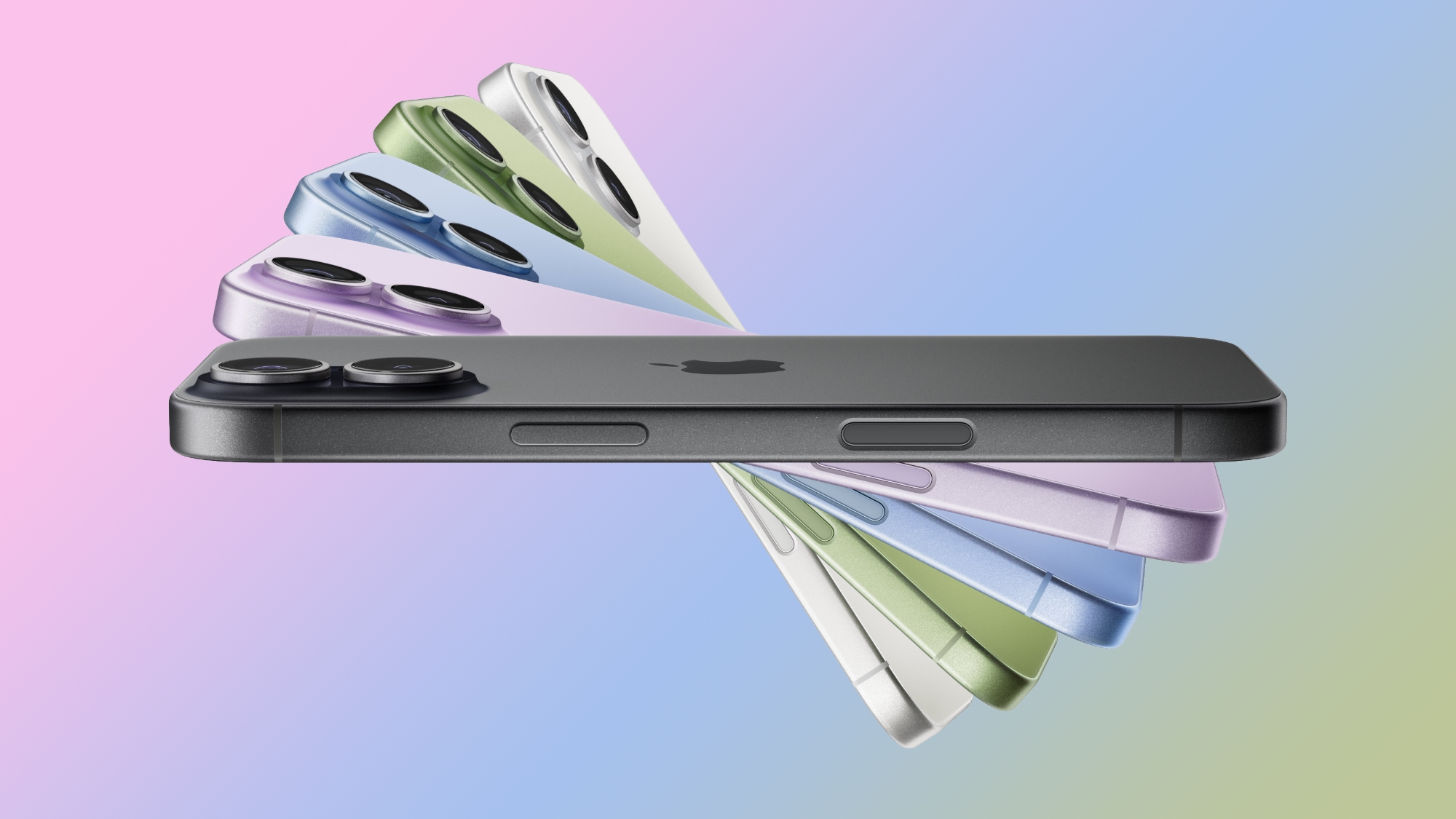
Apple's annual fall event takes place on Wednesday, September 9, when it is expected to unveil new iPhone 18 Pro models, the first foldable iPhone, an Apple Watch Series 12, a fourth-generation Apple Watch Ultra, and potentially AirPods 5. Apple may also make some additional new products available at its "Surprise and shine" event, but there are a handful of rumored upcoming devices that we don't expect to make an appearance this month.


To help set expectations ahead of Apple's "Surprise and shine" event, here are the products that Apple is unlikely to announce in September, but rather later on in the year or in 2027.

iPhone 18


Strange as it sounds, Apple's fall event this year will be missing a new regular iPhone. The successor to the iPhone 17 isn't expected until spring next year, as part of Apple's reported split-launch strategy. Going forward, Apple will dedicate its annual September event to its more expensive Pro-model iPhones and successive generations of its upcoming foldable iPhone.

The iPhone 18 could adopt Apple's upcoming 2-nanometer A20 chip. As for memory, information is mixed. Apple analyst Ming-Chi Kuo expects the device to have 9GB of RAM, 1GB more than the iPhone 17, while analyst Jeff Pu believes Apple will upgrade it with 12GB. If the iPhone 18 is limited to 9GB RAM, it will not support all Apple Intelligence features.

All iPhone 18 models could include a 24-megapixel front-facing camera, up from 18 megapixels. There are reports that Apple will use an improved display, which could also feature a smaller Dynamic Island.

iPhone Air 2


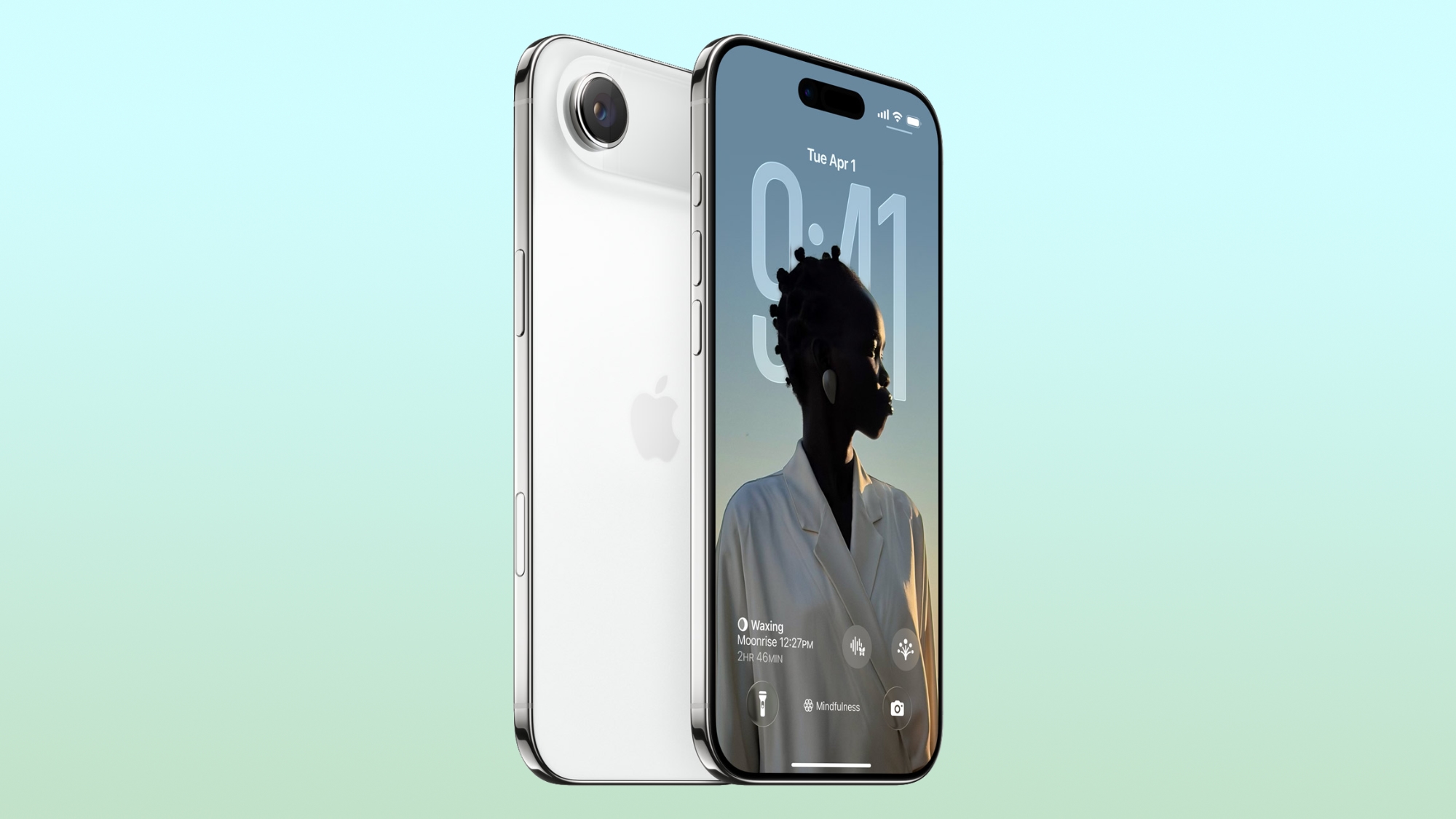
The iPhone Air that came out in September 2025 alongside the iPhone 17 lineup didn't sell as well as expected, and a second version is no longer believed to be coming in September 2026. Despite some debate about the future of the iPhone Air, the latest rumors suggest a new model is still in development, and will likely arrive in spring 2027 alongside the iPhone 18 and iPhone 18e.

Apple is said to be adding a second camera to the next iPhone Air to make it more appealing to consumers and to justify its $999 starting price. Apple also wants to improve battery life, either through an increased battery size or improvements to efficiency. Given that the design of the new model is similar to the current design, there may not be room for a larger battery. The device will use an A20 Pro chip built on Apple's new 2nm process, so it could feature better efficiency.

New Apple Watch SE 4


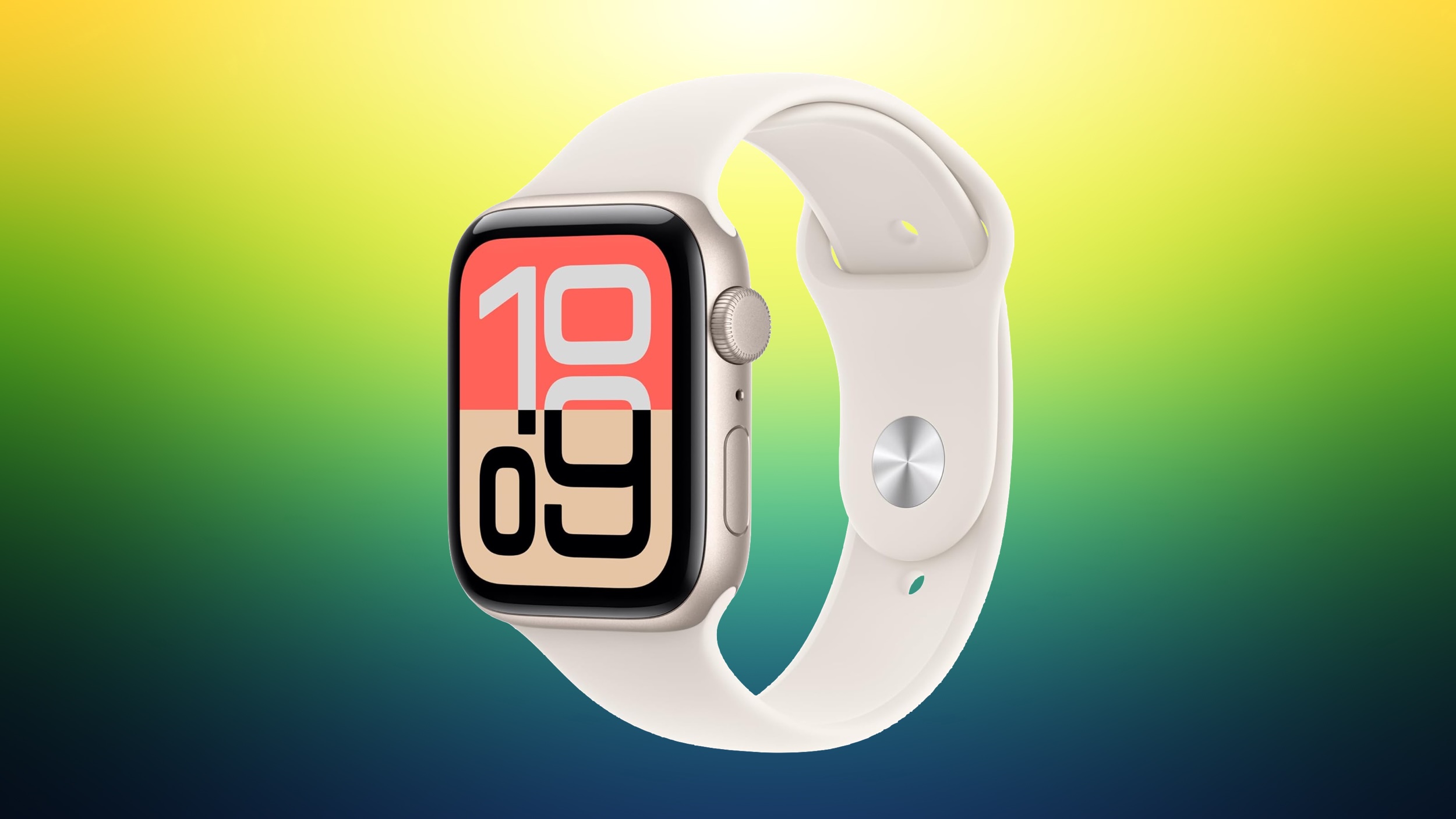
The current Apple Watch SE 3 is Apple's most affordable Apple Watch option. Apple updated it in September 2025, but we are not expecting a new model in 2026, and there's no word yet on when a new version is coming.

New Macs


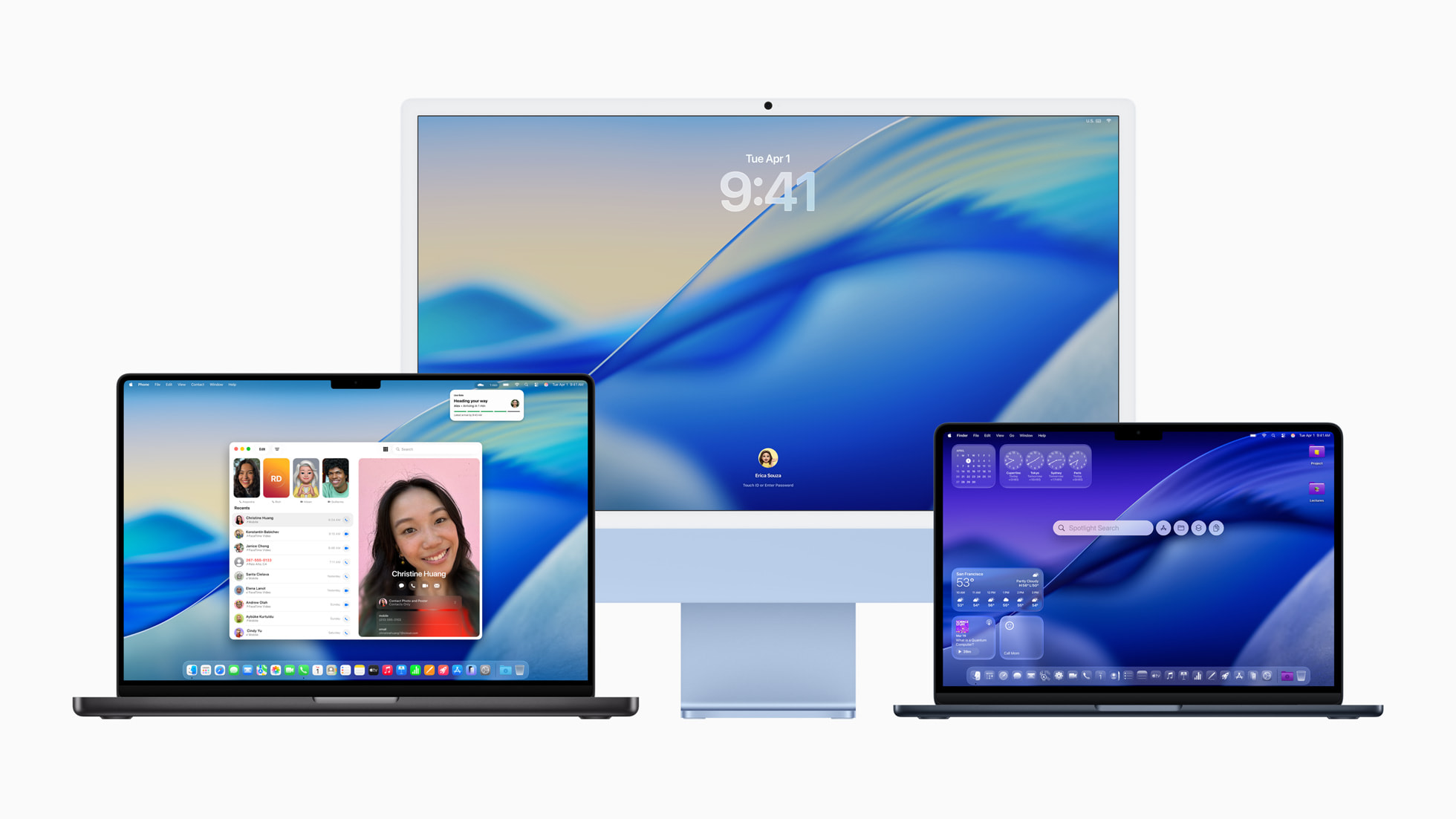
Apple reportedly plans to release an updated 14-inch MacBook Pro with an M6 chip in late 2026, followed by a major high-end MacBook Pro redesign in late 2026 or early 2027. Reportedly dubbed "MacBook Ultra," the new 14-inch and 16-inch models are expected to feature M5 Pro and M5 Max chips, an OLED display, a touch screen, a Dynamic Island, and a thinner design.

Apple is also said to be readying new iMac models with an upgraded chip and new color options. The new version is likely to be an updated 24-inch model with an M6 chip, replacing the existing M4 model that arrived in October 2024.

While it isn't impossible, we're unlikely to see any Macs debut on September 9. Apple typically uses its fall event to focus on new iPhone and Apple Watch models. The company usually unveils new Macs in October via press release or a separate event.

Possibly, Maybe


In addition to new iPhone 18 Pro models, Apple Watch models, and AirPods, Apple is expected to prepare other products for release this year. Still, the company is unlikely to draw too much attention away from its flagship smartphones, and may choose to save the following products for a separate event or launch them via press release in October or November:
What are you looking forward to most from Apple this year? Let us know in the comments.

This article, "What NOT to Expect at Apple's 'Surprise and Shine' September 9 Event" first appeared on MacRumors.com

Discuss this article in our forums

  •  

Apple One Just Went Up in Price

As a result of Apple TV receiving a price increase today, the Apple One Individual plan has also gone up in price.

In the U.S., for example, the Apple One Individual plan now costs $21.95 per month, up from $19.95 per month. Apple One Family and Apple One Premier are not affected, but those plans already went up in price last month alongside an Apple Music price increase.

Today's Apple TV and Apple One price increases affect the U.S., Brazil, Chile, and Mexico only.
This article, "Apple One Just Went Up in Price" first appeared on MacRumors.com

Discuss this article in our forums

  •  

Apple TV Streaming Service Receives Price Increase

Apple today informed MacRumors and others that the Apple TV streaming service is receiving a price increase in the U.S. starting today.


As a result of the Apple TV price increase, the Apple One Individual bundle has also gone up in price, with all of today's changes outlined below.

  • Apple TV (Monthly): $14.99 per month (up from $12.99 per month)

  • Apple TV (Annually): $119 per year (up from $99 per year)

  • Apple One (Individual): $21.95 per month (up from $19.95 per month)
Apple TV also received a price increase in Brazil, Chile, and Mexico today, according to Apple, but no other countries are affected.

The higher prices are effective immediately for new subscribers, while existing subscribers will be notified approximately one month prior to being charged the new price, according to Apple. Existing subscribers should look out for an email from Apple over the coming days and weeks ahead of their next subscription renewal.

Apple TV initially cost just $4.99 per month in the U.S. when it launched in 2019, but the price has increased four times. The monthly price rose to $6.99 in 2022, to $9.99 in 2023, to $12.99 in 2025, and now to $14.99.

Apple One Family and Apple One Premier did not receive price increases today, but those plans already went up in price in July alongside an Apple Music price increase. Apple One Individual had avoided a price increase at that time.
Related Roundup: Apple TV
Buyer's Guide: Apple TV (Don't Buy)

This article, "Apple TV Streaming Service Receives Price Increase" first appeared on MacRumors.com

Discuss this article in our forums

  •  

Apple's M6 Mac Mini Gets First Pre-Order Discounts at Amazon

Amazon today has introduced the first cash discounts on Apple's brand new Mac mini, with discounts including two of the M6 models as well as the M5 Pro model. All of these deals are pre-order discounts on the 2026 Mac mini, which officially launches on September 22.

Note: MacRumors is an affiliate partner with Amazon. When you click a link and make a purchase, we may receive a small payment, which helps us keep the site running.

You can get the 16GB RAM/256GB SSD Mac mini for $879.99, down from $899.00, and the 16GB RAM/512GB SSD model for $1,069.99, down from $1,099.00. Both of these devices come with the new M6 chip, and Amazon also has $29 off the M5 Pro Mac mini right now.


In terms of upgrades, Apple said the Mac mini with the M6 chip delivers up to 40% faster CPU performance, up to 4× faster performance for AI tasks in particular, up to 2× faster graphics performance, and up to 2× faster storage speeds compared to the previous-generation model with the 10-core M4 chip, 32GB of unified memory, and 2TB of storage.

If you're on the hunt for more discounts, be sure to visit our Apple Deals roundup where we recap the best Apple-related bargains of the past week.


Deals Newsletter


Interested in hearing more about the best deals you can find in 2026? Sign up for our Deals Newsletter and we'll keep you updated so you don't miss the biggest deals of the season!


Related Roundup: Apple Deals

This article, "Apple's M6 Mac Mini Gets First Pre-Order Discounts at Amazon" first appeared on MacRumors.com

Discuss this article in our forums

  •  

Apple Watch SE 3 Hits New Low Price of $199.99 on Amazon

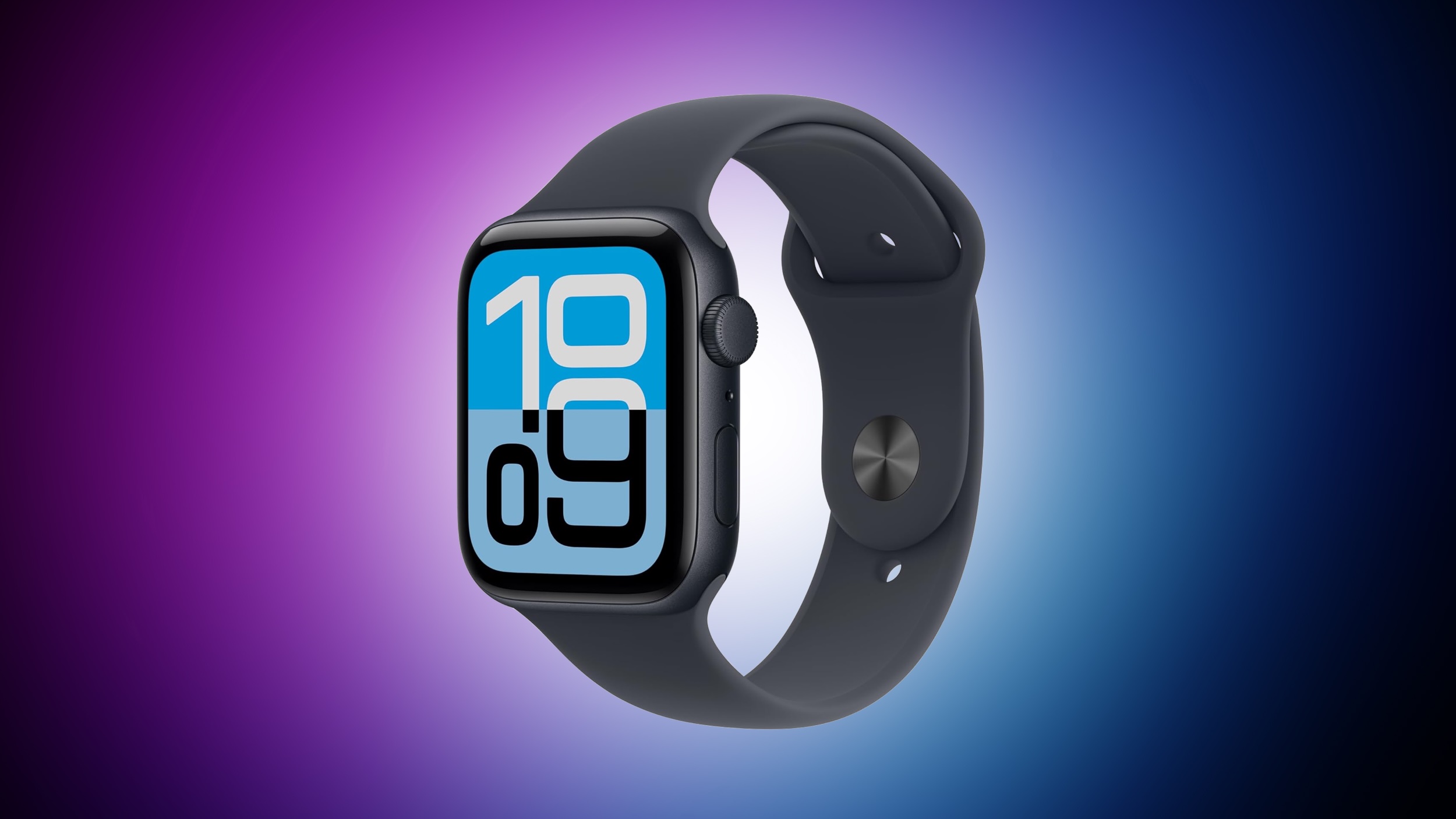
You can get the 44mm GPS Apple Watch SE for just $199.99 today on Amazon, down from $279.00. This is a steep discount on the wearable that beats the previous all-time low price by about $30, and matches the record low price of the 40mm GPS model of the smartwatch.

Note: MacRumors is an affiliate partner with Amazon. When you click a link and make a purchase, we may receive a small payment, which helps us keep the site running.

This is the Apple Watch SE with the Midnight Aluminum Case and Midnight Sport Band in the Medium/Large size. As of writing, this is the only model we're tracking on sale, and this is a very rare deal so anyone interested should check it out before Amazon takes it away.


If you're on the hunt for more discounts, be sure to visit our Apple Deals roundup where we recap the best Apple-related bargains of the past week.


Deals Newsletter


Interested in hearing more about the best deals you can find in 2026? Sign up for our Deals Newsletter and we'll keep you updated so you don't miss the biggest deals of the season!


Related Roundup: Apple Deals

This article, "Apple Watch SE 3 Hits New Low Price of $199.99 on Amazon" first appeared on MacRumors.com

Discuss this article in our forums

  •  

Apple Pledges Donation for Nepal and Tibet Flood Relief

Apple CEO Tim Cook today pledged that the company will make a donation toward relief and rebuilding work in Nepal and Tibet, where flash floods and mudslides have killed hundreds of people.


On Wednesday, part of a Himalayan glacier collapsed, briefly damming a river before a surge of water and mud hit communities downstream. Many people are dead or missing, and roads, bridges, and homes near the Nepal–Tibet border have been destroyed.

Our thoughts are with all those affected by the tragic flash floods and mudslides in Nepal and Tibet. Apple is making a donation to support relief and rebuilding efforts on the ground.

— Tim Cook (@tim_cook) August 28, 2026


This marks Apple's fifth disaster relief pledge in just over two months, after the company supported Indonesia's earthquake recovery earlier this month and previously stepped in for crises in Venezuela, Southern Europe, and Japan.

Cook makes this pledge in the final days of his tenure as CEO. John Ternus takes over the role on September 1, when Cook will shift into the newly created executive chairman position, where he is expected to continue representing Apple on policy matters.
This article, "Apple Pledges Donation for Nepal and Tibet Flood Relief" first appeared on MacRumors.com

Discuss this article in our forums

  •  

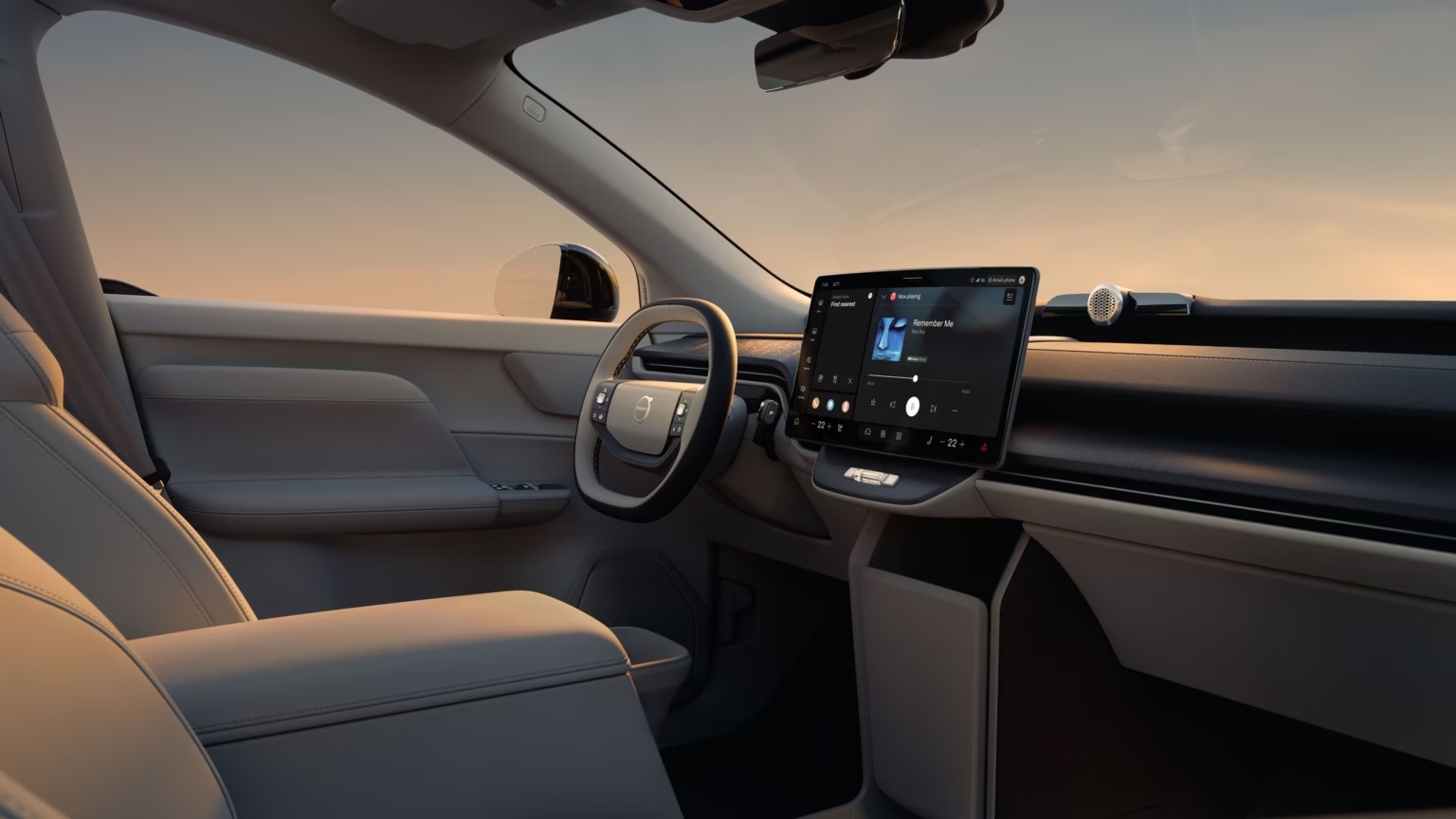
Spatial Audio in CarPlay Now Rolling Out in Volvo Vehicles

Volvo this week confirmed that Spatial Audio support in CarPlay, powered by Dolby Atmos, is now rolling out to EX90 models via a software update.

Volvo first detailed Spatial Audio for the EX60, EX90, and ES90 in July. It requires the optional Bowers & Wilkins sound system.
Related Roundup: CarPlay
Tag: Volvo

This article, "Spatial Audio in CarPlay Now Rolling Out in Volvo Vehicles" first appeared on MacRumors.com

Discuss this article in our forums

  •  

Otto Kekäläinen: The growing divide between AI hype and software engineering reality

Featured image of post The growing divide between AI hype and software engineering reality

It is widely accepted that there is an AI bubble in the financial markets at the moment. The moderate opinion is however that LLMs are constantly improving and will eventually take over more and more tasks from humans and increase productivity. But are LLMs actually getting smarter, or just better at fooling us?

There is a growing faction of technical experts that argue that LLMs are actually so bad for real progress, that they are banning their use and requiring human-only work to ensure quality and efficient use of humans’ time. A recent review of AI policies of 120 open source projects by Rakshit Yadav shows that 37 chose to have a total AI ban. In the Linux kernel AI-assisted contributions are allowed, but the LLM used needs to be attributed for transparency, while projects like GCC, QEMU, SDL, Gentoo, Zig and Ghostty have adopted policies to reject all AI-assisted contributions. There are also development platforms such as Codeberg and Sourcehut and app stores like Flathub that have banned AI use to generate software, documentation, bug reports, review comments and basically anything that is intended for humans to read. The projects that allow AI use typically still require that there must be a human-in-the-loop and the submitter must have read and filtered everything the LLM spits out before another human is exposed to it, in an effort to contain the spread of AI slop.

Right now, the Linux distribution Debian is having a vote among its developers on whether AI should be allowed or banned for use to contribute to Debian. One of the proposals on the ballot is a total ban of AI for code, documentation, translations, bug reports and more. The initial reaction from most people is astonishment — why don’t these techies want to use the latest and greatest technology mankind has produced so far? Is it that they don’t want Debian to improve faster with the help of AI? Or is it actually so that LLMs are a scam and incapable of being truly useful for Debian? These people are distinguished experts in their own field, and certainly not stupid, so it is worth pausing to understand why they are proposing AI banning policies.

Also, keep in mind that the AI datacenters themselves run on Debian or other Linux-based systems. All the open source software in the world has been fed to LLMs and software development is one of the main use cases for AI currently. So why is it that the maintainers of many open source projects don’t want to receive LLM-assisted contributions, despite the LLMs basically all running on top of those same software stacks and having been trained on how to do software development using the very same open source software codebases?

Why LLMs are so deceptive

The output of an LLM often looks very compelling, professional and correct. Humans have evolved to trust or distrust new information based on easy to detect secondary factors like what authority the speaker holds, or how confidently and eloquently the message is conveyed. Humans are however very bad at fact-checking and cross-referencing new information, as it requires a lot of effort, and humans like saving energy and being as lazy as possible.

Information asymmetry

The less you know about something, the easier it is to fool you on that topic. Nobel prizes in economics have been given in for research on how information asymmetry distorts markets and leads to suboptimal outcomes. In the field of software engineering we have now witnessed a flood of aspiring software developers using AI to create software that looks like it might work, but that is actually full of flaws. These people are well-intended, but they simply lack the expertise to understand what they are actually doing, and don’t possess the necessary judgement to decide when an LLM spits out something truly useful and when it is creating mostly garbage. This asymmetry in expertise I think explains the majority of the conflict currently witnessed in open source projects — the senior developers are flooded with requests to review code that is bad and a waste of time for everyone involved, while availability of AI grows the pool of people who could contribute and create more “code slop” at an ever-increasing speed.

The information asymmetry could to some degree be evened out if seniors teach juniors to do software engineering well, but it is of course not feasible to quickly mass educate everyone. Also, it seems that many don’t want to learn but instead expect to have all understanding outsourced to LLMs. Many seniors have noticed this and have stopped teaching juniors as the seniors don’t like the feeling of having their time wasted by teaching people who don’t want to learn. Juniors probably all understand that it would be better to learn to design and write software yourself, but using LLMs just feels too easy. I can fully relate to why people choose to take the path of least resistance. Unfortunately, that path often leads to a dead end.

Humans fall too easily for anthropomorphism

The human brain is wired to think that inanimate objects are alive and have feelings. Small children talk to their stuffed animals as if they were real, and lots of adults experience feelings of things happening in their surroundings due to some acts of gods or elves being angry or whatever. When we see a machine writing just like a human, or even more convincingly hear it talk and respond to our talk like a living thing, our brain automatically starts assuming it is a living thing with intelligence and feelings.

The fact that these creatures live in the abstract “cloud” and only appear through a portal we hold in our palm and behave in a way that was designed for maximum engagement makes the illusion even stronger. I recommend people try out running LLMs locally on their laptop to see the “raw” thing spitting out tokens and have some of the illusion shattered.

Also stop saying “please” to an LLM. It does not have any feelings.

Understanding “temperature”

In my experience understanding the concept of temperature in LLMs helps see why an LLM might confidently generate a plausible-looking but totally wrong code change. The large language models are statistical machines that, based on the input (previous tokens) to the neural network, try to predict what to output (next token). When running an LLM, if the temperature is configured to be zero, the output is very predictable and always follows the paths of the strongest connections (a.k.a. weights) between nodes and layers of the neural network. Unlike in living creatures where the brain learns and changes all the time, the weights of an LLM can only change during training. When an LLM is in “normal” use (during inference, generating next tokens) the weights are fixed, and if temperature is zero, the answer to a specific question will always be exactly the same. This is of course a bit boring and too machine-like, so typically LLMs have a bit of temperature set, which introduces random variation in what connections the neural network traverses.

Again, I recommend people try running small LLMs locally where temperature and other settings are fully exposed and configurable to see this themselves. It is a good antidote to falling for the illusion that LLMs would actually be intelligent.

Why benchmarks don’t tell the whole story

If LLMs continue to produce so much garbage, why are benchmarks showing that they are constantly improving? AI models are indeed improving all the time. For example the CAIS AI dashboard visualizes how frontier models have evolved in the past few years. However, the best models still have a pass rate of only about 50% on the Humanity’s Last Exam. On SWE-bench the best model today resolves just under 77%. That means there is a significant number of times when the AI is wrong. This matches my personal experiences, and the renowned Greg Kroah-Hartman recently wrote on the Linux developers mailing list that “even with the best of the current and next generation tools, at least 1/3 of the results they generate are flat out wrong or harmful”.

When generating cat videos the error rate does not matter, but in engineering, things absolutely must be correct. Sure, humans also make mistakes, but well educated and properly incentivized humans are so much more capable than LLMs in many regards. We can achieve complex things that work reliably, such as operating worldwide commercial air traffic without planes falling down every day.

There are currently a lot of humans who are incentivized to maintain the narrative that general artificial intelligence is coming soon and will take over everything. In fact, the whole financial system is currently skewed towards such a vision because the promise of falling labour costs and increased profits and monopolistic control of everything attracts capital like nothing before.

In this environment we need to remember that machines and economic systems are ultimately servants of humans, and not the other way around.

It’s just a tool

LLMs are not a scam, but a useful tool and technology that has its uses. But the idea that AI has or will surpass humans any time soon in either capabilities or efficiency is simply not true, and we should listen to the people who created humanity’s so far most complex systems (computers and software), who are saying that LLMs are in many cases so bad, that it might be better to ban them in certain places completely for the time being than to waste far more valuable human time on reading the text and code they generate.

The time asymmetry is not a new phenomenon as there has been various “script kiddies” for a long time. As an example, a person running a memory leak scanner without understanding the results and spending 10 minutes to file a bug report could force an open soruce maintainer to spend an hour on proving and explaining that the finding is false. What is new is how much the AI users blindly trust the outputs they get, and open source is uniquely vulnerable as there are no managers protecting developers use of time.

What I do, recommend, and expect to see in the next stages

I am using AI tools daily, and constantly experimenting with new models and new ways to use them. Sometimes they work, and often they don’t. Sometimes looping AI on itself can make it fix its own errors, but sometimes it just gets derailed and will never arrive at the correct solution. When an LLM fails to make a calendar entry for the right time based on reading my email it is easy for me to spot that it is wrong. I try to avoid using LLMs for anything where I can’t exercise judgement myself on whether the result was correct or not.

I also really hope that other people would not send me anything where their own effort was less than the effort I have to make reading and understanding it. This principle is not new — many have heard the requirement that reading code must require less effort than what it took to write it.

I have always kept a high bar on software code and asked fellow developers to make sure their code is well structured, easy to follow and documented. LLMs unfortunately make it easier for people to cheat in this regard, but if cheating is easier, maybe the punishment and deterrence needs to be higher now too. Now with many open source projects adopting policies that put guardrails on AI use, I expect we will soon start witnessing cases where the policies are enforced and it will be interesting to see how violations are judged.

As a society we might also need to develop new social standards and rules in what is acceptable treatment of other humans in human-to-machine interactions, and perhaps also new standards in showing what humans are responsible for what machine as the machines start acting more and more independently. I encourage people to take part in these discussions, and in case of doubt, err on the side that favors real human interactions. Contrary to what many business people seem to think, and even though I am in general a techno-optimist myself, I don’t feel there is any need to rush with AI adoption.

  •  

Distribution Release: Ubuntu 26.04.1

The DistroWatch news feed is brought to you by TUXEDO COMPUTERS. Oliver Reiche has announced the release of Ubuntu 26.04.1, an update to the distribution's latest long-term support release. "Ubuntu 26.04.1 LTS, code-named 'Resolute Raccoon', is here. This release continues Ubuntu's proud tradition of integrating the latest and greatest open-source technologies into a high-quality, easy-to-use Linux distribution. The team....
  •  

Gunnar Wolf: As far as LLMs go in Debian, I think that 936241857

I believe that, in the context of Debian voting, we are better off when we know the opinion of our peers, however, since the 2022-001 vote, it is no longer the case. Still, some DDs have disclosed the way they are voting on the 2026-002 General Resolution currently in progress, regarding LLM usage in Debian. So, here goes my vote and reasoning as briefly as possibl. This is the ballot I sent to devotee, the Debian Vote Engine:

-=-=-=-=-=- Don't Delete Anything Between These Lines =-=-=-=-=-=-=-=-
d69f9187-ed2f-40b6-a2eb-4211d3f84d86
[9] Choice 1: Ban LLM contributions from Debian via Social Contract
[3] Choice 2: Allow AI-Assisted Contributions with conditions
[6] Choice 3: Reject LLMs as far as practical, update Code of Conduct
[2] Choice 4: Accept AI contributions for Debian specific work
[4] Choice 5: Responsible Use of Generative AI
[1] Choice 6: A cautious approach to generative AI
[8] Choice 7: Debian is created by humans
[5] Choice 8: Avoid the use of LLM: climate destruction is a deal breaker
[7] Choice 9: None of the above
-=-=-=-=-=- Don't Delete Anything Between These Lines =-=-=-=-=-=-=-=-

This is the first time I can recall I delay my voting until after receiving the final call for votes (the vote will be over two days from now). I had some participation in the discussion, so I guess my position will be of no big surprise to anybody. I was also a seconder for choices 4 and F (4 and 6 in the vote text). This does not necessarily mean I believe they are the best (although I did rank them as 2 and 1, meaning I do): sometimes you agree a given text needs to be in the ballot, and second it even though you don’t intend to vote for it.

LLM?

Ranking this ballot was a mess due to the complex array of options it encodes. I warmly thank Lucas Nussbaum for coming up with the LLM usage in Debian: ballot option comparison (URL shown with my particular ballot ordering).

How do you read a complex Debian ballot like this one? I rank with [1] my favorite option, [2] for the next one, etc. We can encode options to be tied (i.e. setting more than options to the same value), and we can implicitly push options to the worst position by leaving them blank (so, with[ ]); I chose not to do any of those.

What were my voting guidelines?

First, I don’t want anything banning or that threatens with disciplinary action, so I push them below the special none of the above marker. Second… Some time ago I published a review in my blog (and in Computing Reviews) about the unfeasibility and unfairness of detecting LLM output on students’ assignments. I strongly believe we ought to appeal to the human responsibility and professionalism in all Debian contributors. This is the reason I proposed this amendment paragraph, that was accepted in choice F (6), which I ranked as my favorite:

The Debian project has always recognized the commitment and
professionalism of its members. All contributions are under the
responsibility of the Debian Contributor making it, no matter the
technology they have behind. We trust all Debian Developers,
Maintainers and Contributors will continue to uphold the high quality
values that have distinguished our project from its onset.

Other than that… I do not consider myself to be in any way an LLM fanboy nor anything like that. I distrust and dislike the excessive use of this technology, and continue to warn about the dangers and bad points of its abuse. But in my day-to-day professional work, I am also starting to relay on it for some tasks. I recognize it needs a lot of human oversight and… lets call it hand-holding to produce anything worth it, at least in my experience. But I do benefit from it — and always disclose its use to people who might be affected by it. I would like Debian to adopt such a stance.

Of course, I recgnize proposal H/8 as important (Avoid the use of LLM: climate destruction is a deal breaker). Some people have argued it’s not bad at all. I do not buy such claims: LLMs are f*cking expensive to train. But training can be seen as a once-per-model cost, and fine-tuning a good model to be run locally can be really worth it. It still pains me somewhat, but I cannot push this option higher than its #5 position in my list.

  •  

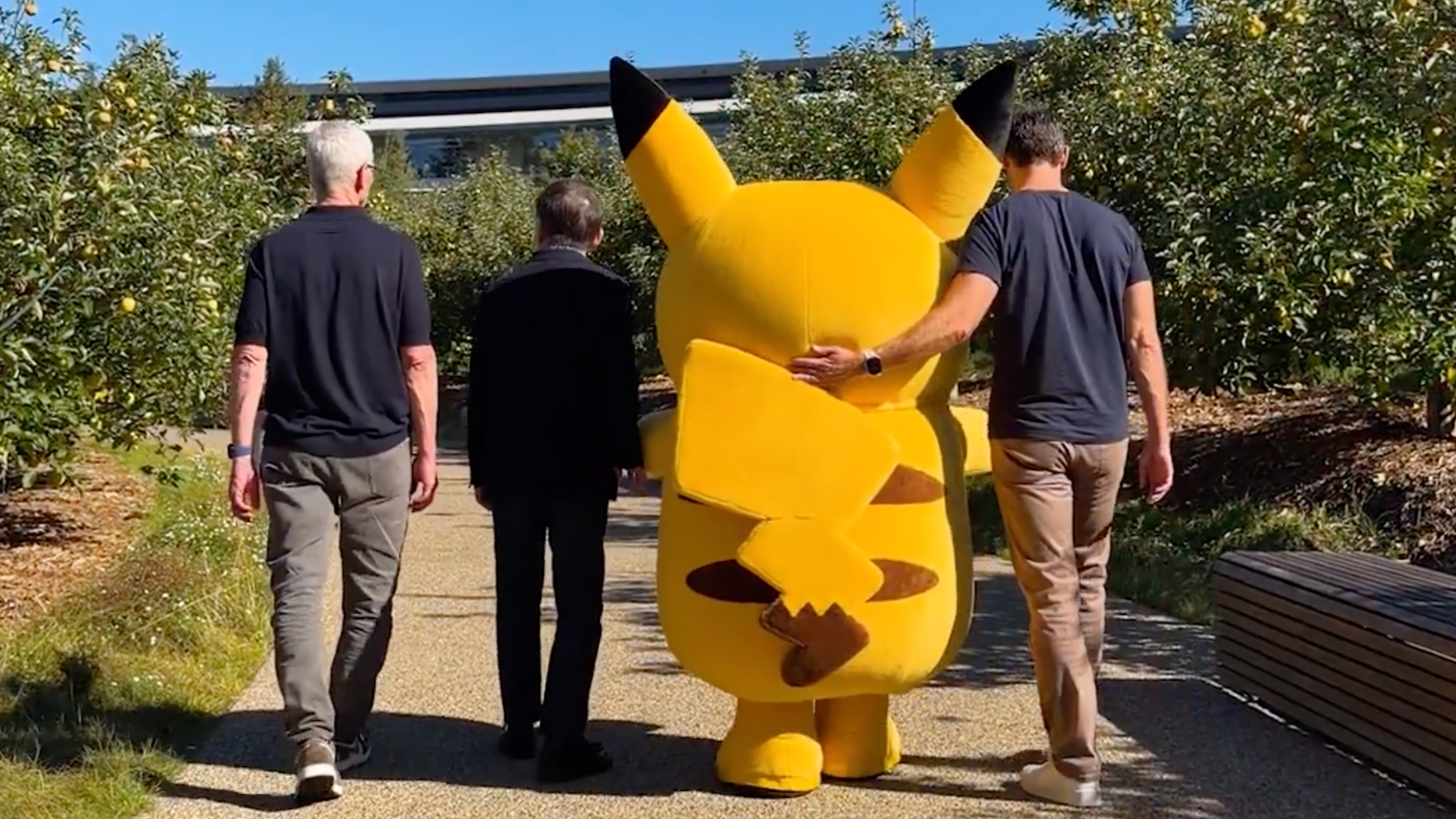
Pikachu Visits Apple Park, Meets Tim Cook and John Ternus

Tim Cook shared an inside look at the work he is doing behind the scenes as he prepares to step down as Apple's CEO next week. Cook has been preparing incoming CEO John Ternus for the transition over the last several months, and today he introduced Ternus to popular Pokémon character Pikachu.


Cook said he and Ternus met with the Pokémon team to talk gaming. The accompanying video features Pikachu exploring the Apple Park campus, including dancing under the rainbow arch and picking an apple from the orchard.

Today's agenda at Apple Park: Introduce the @Pokemon team to John, talk gaming, and politely ask Pikachu to stay out of the pond. Two out of three were accomplished. pic.twitter.com/KzirV3VX8U

— Tim Cook (@tim_cook) August 27, 2026

It's not clear why the Pokémon team was at ‌Apple Park‌, but Cook first met Pikachu in September 2025 on a trip to Japan for the reopening of Apple Ginza in Tokyo.

There are several Pokémon-themed games available on Apple's platforms, including Pokémon GO, Pokémon Trading Card Game Pocket, Pokémon UNITE, and Pokémon Champions.
This article, "Pikachu Visits Apple Park, Meets Tim Cook and John Ternus" first appeared on MacRumors.com

Discuss this article in our forums

  •  
❌