
Lees weergave

Should You Buy an iPhone 17 Now or Wait for iPhone 18?

For the first time since Apple started selling standard and "Pro" iPhones, we're not going to get an entry-level iPhone model this fall. Apple doesn't plan to release an iPhone 18 in September, and will only launch the iPhone 18 Pro, ‌iPhone 18 Pro‌ Max, and foldable iPhone Ultra. The lower-cost ‌iPhone 18‌ won't come out until spring 2027.


With prices rumored to be going up in the fall, does it make sense to buy an iPhone 17 now, or wait for the ‌iPhone 18‌?

Price Increases


Apple raised the prices of Macs and iPads in June, but iPhones remain untouched so far. We're expecting the ‌iPhone 18 Pro‌ and Pro Max to be $100 to $300 more expensive, and the ‌iPhone 18‌ could also be pricier.

TrendForce suggests Apple could charge more for the ‌iPhone 17‌ when it introduces new ‌iPhone 18 Pro‌ models, with price increases hitting even existing iPhone models. If that's the case, there won't be a monetary benefit to waiting to buy a prior-generation iPhone like there usually is. Depending on how much prices go up, you could save some cash if you buy now, especially if you're buying outright. Pricing on the ‌iPhone 17‌ starts at $799.

With a payment plan, you'll still save money, but a few dollars per month over a 12-month to 24-month period won't hit as hard.

Trade-Ins


If you're planning to trade in an older iPhone, it'll be worth more now than it will be when the ‌iPhone 18 Pro‌ models come out. Trade-in prices for older iPhones drop with every new iPhone launch.

Quality Might Go Down


From what we've heard of ‌iPhone 18‌ rumors, Apple could be implementing cost-cutting measures that drop quality in some areas. Apple might use a cheaper screen that's not as bright, and lower-quality A20 chips with fewer GPU cores. Apple is said to be using components from the low-cost iPhone 18e for the ‌iPhone 18‌, narrowing the gap between the two devices. If that's the case, it won't be as good a value as the ‌iPhone 17‌ because it will share fewer features with Apple's more expensive iPhones.

iOS 27 Features


There are mixed rumors about the ‌iPhone 18‌'s RAM situation. Two rumors say it will get 12GB, but analyst Ming-Chi Kuo says Apple is only going to up it to 9GB. With 9GB RAM, the ‌iPhone 18‌ won't support the iOS 27 Siri voice customization and dictation features, which require 12GB RAM. The ‌iPhone 17‌ doesn't have 12GB RAM and doesn't get those features either, so there is no ‌iOS 27‌ benefit to waiting unless Apple opts for 12GB RAM.

iPhone 18 Upgrades


The ‌iPhone 18‌ is on hold until spring 2027, but we've still heard rumors about what to expect. Some of these features might be worth holding out for, depending on what you want in an iPhone.

  • A20 chip - The A20 chip will be built on Apple's 2nm process, likely bringing CPU speed and efficiency improvements.

  • RAM - The ‌iPhone 17‌ has 8GB RAM, and the ‌iPhone 18‌ is rumored to get either 9GB or 12GB. 9GB isn't much of an increase, and it won't support the ‌Siri‌ Expressive Voices or dictation improvements in ‌iOS 27‌, but 12GB would.

  • Front camera - There could be a 24-megapixel selfie cam instead of an 18-megapixel camera, but that's still up in the air.

  • Smaller Dynamic Island - The ‌iPhone 18‌ is rumored to be getting the same smaller Dynamic Island Apple is bringing to the ‌iPhone 18 Pro‌ models.

  • Modem - Apple will likely use its C2 modem in the ‌iPhone 18‌ for faster, more reliable connectivity.


The iPhone 17 Is Still Good


The ‌iPhone 17‌ is the iPhone that we recommend for most people in our 2026 iPhone Buyer's Guide. It has the best mix of premium features, performance, and price, with only a handful of features reserved for the iPhone 17 Pro models.

It has the same 120Hz ProMotion refresh rate and Always-On display, the same Wide and Ultra Wide cameras, a chip that's not too much slower, and the same size display as the ‌iPhone 17 Pro‌. It lacks a Telephoto camera, has less RAM, uses a less durable chassis, and has a smaller battery, but that's about it.

If you're coming from an older iPhone like the iPhone 13, iPhone 14, or iPhone 15, the ‌iPhone 17‌ is going to be a major upgrade, and there's little reason to wait if you don't care about the features rumored for the ‌iPhone 18‌. Cost and timing are the two main reasons you might want to buy now instead of waiting.

We don't know what ‌iPhone 17‌ and ‌iPhone 18‌ pricing will look like in spring 2027, and roughly six months is a long additional wait if you were expecting to get a new phone in September.
Related Roundups: iPhone 17, iPhone 18
Buyer's Guide: iPhone 17 (Neutral)
Related Forum: iPhone

This article, "Should You Buy an iPhone 17 Now or Wait for iPhone 18?" first appeared on MacRumors.com

Discuss this article in our forums
  •  

iPhone 17 Pro One Year Later: What Held Up and What Didn't

We're getting close to the launch of new iPhone 18 Pro models that will replace the iPhone 17 Pro models, so MacRumors videographer Dan Barbera decided to take a look back at the iPhone he's been using for close to 12 months.


Ceramic Shield 2 was the best iPhone upgrade this year. Apple said it's more resistant to scratches, and that turned out to be true. Dan goes caseless, and his ‌iPhone 17 Pro‌ has only faint scratches, while the 16 Pro was scratched after three weeks. The iPhone has also survived facedown drops with no damage, but there are a few chips in the aluminum along the edges. There have been reports of the orange color fading over time, but Dan didn't see that with his device.

Battery life was also a standout on the ‌iPhone 17 Pro‌. It's able to keep up with a full day of heavy use, which is normally only possible with the larger battery in the Pro Max iPhones. Dan swapped to the smaller ‌iPhone 17 Pro‌ over the 17 Pro Max because the battery lasted longer than the 16 Pro battery.

Apple added vapor chamber cooling in the 17 Pro, and that kept the iPhone cooler than normal for most of the year. Dan said his iPhone is running hotter with minor dips in performance, probably because of the iOS 27 beta. Running beta software can affect battery life and device performance.

Rumors suggest the ‌iPhone 18 Pro‌ isn't going to be a huge upgrade over the ‌iPhone 17 Pro‌, and it's likely prices are going to go up. It's not the worst idea to buy an ‌iPhone 17 Pro‌ now instead of holding out for the ‌iPhone 18 Pro‌, especially if you have an older iPhone.
Related Roundup: iPhone 17 Pro
Related Forum: iPhone

This article, "iPhone 17 Pro One Year Later: What Held Up and What Didn't" first appeared on MacRumors.com

Discuss this article in our forums

  •  

What's Coming in September: New iPhones, Apple Watches and More

Apple will introduce at least five new devices at its iPhone-centric event next month, and it's also possible we'll get devices waiting on Siri AI like the Apple TV.


iPhone 18 Pro


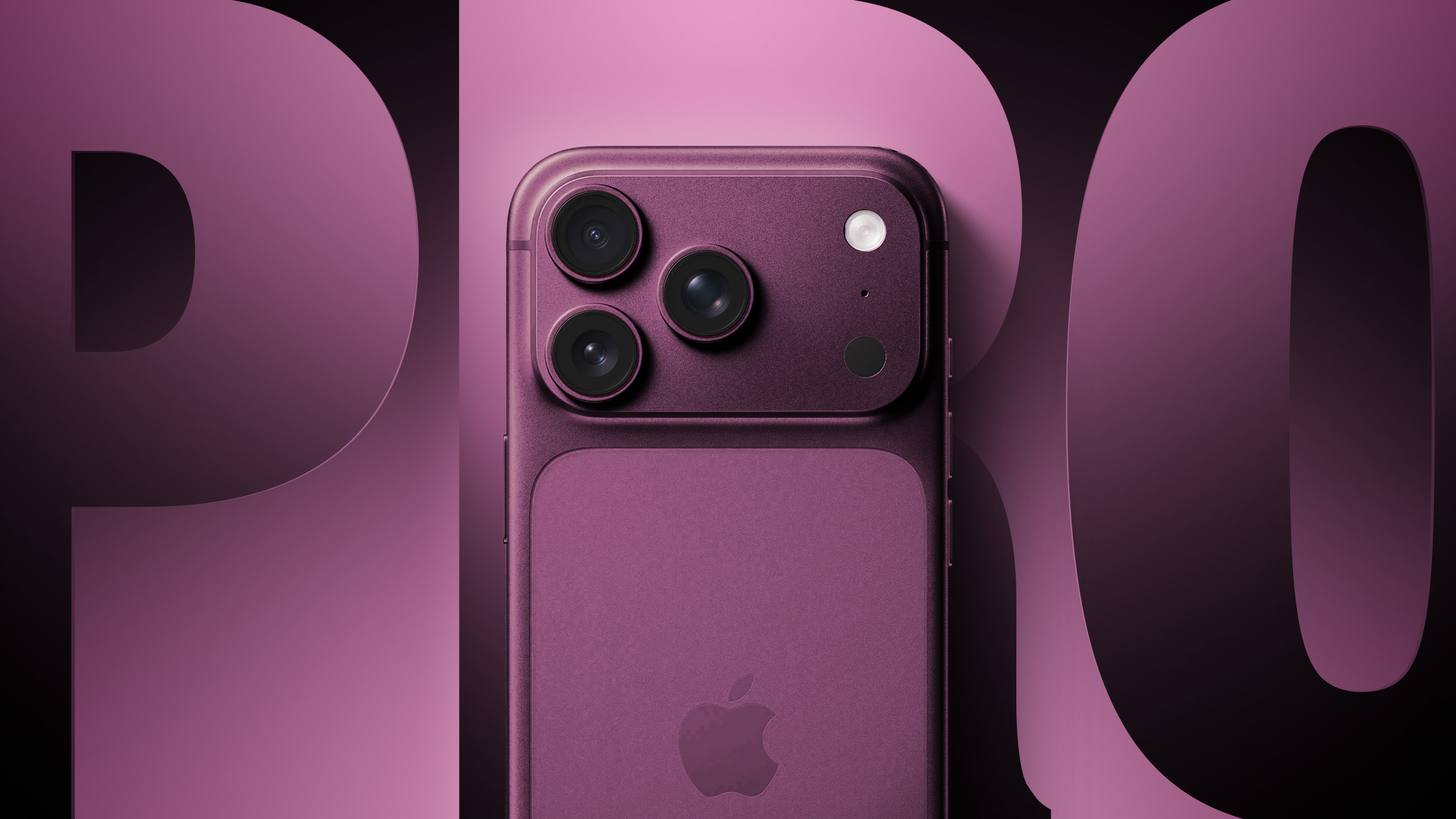
The iPhone 18 Pro is going to look like the iPhone 17 Pro, but with a smaller Dynamic Island. It's getting some internal updates, including a new Wide camera with a variable aperture for more control over lighting and a faster A20 Pro chip built on a new 2nm process. Battery life could improve with the updated chip and an upgraded LTPO+ OLED display, plus Apple could include a more efficient C2 modem and N2 networking chip. Dark Cherry is supposed to be this year's special color, and there will also be a light blue color.

iPhone 18 Pro Max


The ‌iPhone 18 Pro‌ Max will have the same feature set as the ‌iPhone 18 Pro‌, but it will have a larger battery and a bigger screen. Multiple rumors indicate the ‌iPhone 18 Pro‌ Max will be slightly thicker than the ‌iPhone 17 Pro‌ Max and the ‌iPhone 18 Pro‌ because it is slated to get a bigger battery than Apple used last year.

Both the ‌iPhone 18 Pro‌ and the ‌iPhone 18 Pro‌ Max could be up to $300 more expensive than the ‌iPhone 17 Pro‌ and the ‌iPhone 17 Pro‌ Max. Apple raised prices on Macs and iPads, but is waiting for the September refresh before upping iPhone prices.

Foldable iPhone


Apple's first foldable iPhone is almost ready to launch. The "iPhone Ultra" is expected to have a ~5.5-inch display when closed and a ~7.8-inch display when open. It'll have a 4:3 aspect ratio like an iPad, so when unfolded, it will be similar to using an iPad mini. Apple is supposedly using a hinge design that minimizes the visibility of the crease, and it'll get the same 2nm A20 chip Apple is using in the 18 Pro models.

The foldable iPhone is expected to have dual batteries with one on each side of the device, but it will be limited to a two-lens rear camera system. The iPhone is too thin for the TrueDepth camera system, so it is rumored to use Touch ID instead of Face ID. The foldable iPhone could cost somewhere between $2,000 and $2,500.

We've seen some reports of foldable iPhone manufacturing issues, and rumors that it could launch after the ‌iPhone 18 Pro‌ and ‌iPhone 18 Pro‌ Max. Apple could introduce it in September, and then launch it a bit later, which is what the company did for the iPhone X back in 2017.

Apple Watch Series 12


Apple will refresh the Apple Watch this year, but it's going to be a somewhat boring update. No design changes are expected, but it could get a faster S-series chip, and the upgrade could add improvements to some health and fitness features. It could also have a bigger battery for longer battery life.

Apple Watch Ultra 4


There's going to be an Apple Watch Ultra 4, and it will get the same chip upgrade as the Series 12. DigiTimes claimed the Ultra 4 will be thinner with an upgrade to sensing functions, but the site isn't always accurate and no other rumors have backed up the claim.

Other Possibilities


There are home products and Macs Apple could launch before the end of the year, but it's possible Apple will hold a second event sometime in October or November. There are quite a few home devices in development, plus Apple is expected to introduce an all-new home hub, so a second smart home event would make sense.

  • Home Hub - Apple is working on a home hub with a 7-inch square display. It can be used to control smart home products, view photos, make video calls, and display information. It will have full ‌Siri‌ AI integration, and it will run Apple apps. The hub could come as soon as 2026, but Apple might also hold it until early 2027.

  • Apple TV 4K - The ‌Apple TV‌ 4K is finally getting an update with a faster processor, more RAM, and a new networking chip.

  • HomePod mini - Apple will refresh the HomePod mini this year, adding a faster chip and new color options.

  • HomePod - The full-size HomePod could also get a new chip.

  • Smart Home Camera - Apple has its own security camera in development, and it could launch alongside the home hub.


Other late 2026 possibilities include an ‌OLED‌ ‌iPad mini‌, a refreshed 14-inch MacBook Pro with M6 chip, an iMac with an M6 chip, a high-end ‌OLED‌ ‌MacBook Pro‌ with touchscreen, a new Mac mini, and a new Mac Studio, but it's very doubtful these products would debut at the September iPhone event.

What's Not Launching


Apple isn't going to release a standard iPhone 18 in September 2026. The lineup will instead focus on more expensive iPhones. The ‌iPhone 18‌, iPhone 18e, and iPhone Air 2 will come out in spring 2027 instead. Apple does not plan to refresh the Apple Watch SE this year.

Hello, Ternus. Goodbye, Cook


Tim Cook is stepping down from his role as CEO on September 1 to become Apple's executive chairman, and John Ternus is taking over. Ternus will lead Apple's September iPhone event, and it's likely we won't see Cook during Apple's presentation.

Likely Event Dates


Given historical iPhone event dates, this year's presentation is most likely going to happen on Tuesday, September 8 or Wednesday, September 9. September 7 is Labor Day, and Apple may not want to make members of the media travel on a holiday.

Australia's ChannelNews said Apple's event will take place on September 8, but it's not clear if that's accurate information.

If the event is on September 8 or September 9, pre-orders would normally be on Friday, September 11. That date marks the 25th anniversary of the 9/11 attacks, so Apple might avoid holding pre-orders on that day. Instead, we could get pre-orders on Saturday, September 12, which is what Apple did when the iPhone 6s pre-order date fell on 9/11 in 2015.
This article, "What's Coming in September: New iPhones, Apple Watches and More" first appeared on MacRumors.com

Discuss this article in our forums
  •  

Ted Lasso Season 4 Premiere is Apple TV's Biggest Launch Ever

The Ted Lasso season 4 premiere was Apple's most popular TV show debut to date, according to Nielsen viewing data Apple sent to Deadline. The show racked up 296.6 million viewing minutes in the United States across the August 4 and August 5 launch window. It beat the premieres of prior seasons of Ted Lasso, plus the Severance and Pluribus premieres.


On just August 5, the first episode was the most-streamed program in the United States with more than 200 million viewing minutes.

Season 4 premiered more than three years after the season 3 finale aired, but the long break doesn't appear to have soured Ted Lasso fans. It initially seemed like season 3 might be the final season for the series, so a season 4 was more of a surprise than a wait.

In the fourth season, the show returns to its underdog roots with Ted Lasso moving back to Richmond to coach a second-division women's football team.

There are two episodes of season 4 available now, and new episodes come out every Wednesday.

Apple TV is priced at $12.99 per month, and it can be watched across Apple devices, on popular smart TVs, on set-top boxes like Roku, on gaming consoles, and on the web. ‌Apple TV‌ is also included in Apple One subscription bundles. New subscribers can get a seven-day free trial.
Related Roundup: Apple TV
Buyer's Guide: Apple TV (Don't Buy)

This article, "Ted Lasso Season 4 Premiere is Apple TV's Biggest Launch Ever" first appeared on MacRumors.com

Discuss this article in our forums

  •  

Apple Wants to Charge Developers Up to 15 Percent for Linking Outside the App Store

Apple today submitted a court-ordered proposal outlining the commission it believes is reasonable to collect from U.S. apps that link to purchase options outside of the App Store.


Apple is asking for half of its commission on standard apps, so apps that would pay 30 percent for an in-app purchase would pay 15 percent when linking to a web purchase option. Small Business Program participants that would normally pay 15 percent would pay 5 percent.

  • 15 percent - Standard apps.

  • 10 percent - Apps that are part of the News Partner Program, Video Partner Program, Mini Apps Partner Program, and subscription renewals.

  • 5 percent - Apps that qualify for the Small Business Program. Apps qualify if they earn under $1 million per year.


These proposed fees are what developers would pay when someone uses their app, taps a link in the app, and then makes a purchase on the website in the link. So if someone using the Spotify app clicked a link in the app to go to the Spotify website and then purchased a subscription, Spotify would owe Apple a 15 percent fee. Apple says the fees were calculated based on expert analysis, and they are lower than the link-out rates Google is charging in the Epic v. Google case.

Apple submitted the proposal to the U.S. District Court for the Northern District of California, where Judge Yvonne Gonzalez Rogers has been tasked with determining a reasonable fee for Apple to charge for its intellectual property.

The appeals court suggested the commission could be limited to the direct costs of facilitating link-outs, and under that approach, the fee would be zero. Apple says a zero commission would not reflect the value that it provides developers, and its suggested commission gives it fair compensation for the ‌App Store‌ platform.

As a recap, Apple was ordered to change its ‌App Store‌ rules to allow developers to link to purchase options outside of the ‌App Store‌ way back in 2021 during its legal dispute with Epic Games. Appeals delayed the ‌App Store‌ update for several years, but Apple eventually implemented a 12 to 27 percent fee that was nearly identical to its regular ‌App Store‌ fees when taking into account fees from third-party payment processors.

‌Epic Games‌ complained about Apple's fee structure, and Judge Gonzalez Rogers found Apple in contempt of court. In April 2025, she barred Apple from charging any fee on links, and since then, Apple has collected no money when an app sends users to a website to make a purchase. Apple appealed the ruling, and the appeals court upheld the contempt ruling, but said Apple was entitled to be compensated for its intellectual property. The appeals court sent the case back to the district court and Gonzalez Rogers to determine an appropriate fee.

With a loss on the contempt finding from the appeals court, Apple appealed to the Supreme Court. The justices agreed to hear the case in the term that starts in October. Apple tried several times to get the fee calculation paused until the Supreme Court rules on the case, but it was not successful.

The district court will now evaluate Apple's fee proposal and hear a response from ‌Epic Games‌, and Apple will need to implement the fee the court sets. Apple wanted to pause fee calculations because if the Supreme Court decides the appeals court erred when upholding the contempt ruling, it could nullify the district court's ruling barring Apple from charging fees.
This article, "Apple Wants to Charge Developers Up to 15 Percent for Linking Outside the App Store" first appeared on MacRumors.com

Discuss this article in our forums

  •  
❌