❌

Lees weergave

Apple Explains Why It Raised Prices on 14 Products Today

Apple today raised prices on many of its products, including all Macs and iPads, as well as the Apple TV, HomePod, HomePod mini, and Vision Pro. We shared a list of the price increases, which range from $30 for the HomePod mini to up to $1,300 for the Mac Studio. iPhone, Apple Watch, and AirPods prices have not changed, at least for now.


In a statement shared with MacRumors, Apple said it raised prices because of the ongoing memory chip shortage, resulting from companies building out data centers with powerful AI servers. The supply-demand imbalance has led to skyrocketing prices for RAM and SSD storage chips used in a wide range of Apple products.

Apple's full statement:
The consumer electronics industry is facing an unprecedented challenge. The rapid expansion of AI data centers has created an extraordinary surge in demand for memory and storage. We have never seen a component price increase this much, this quickly. We have shielded our customers from these increases so far, but we have now reached a point where we need to begin raising prices on a number of products, including today's increases for iPad and Mac. We know this is not welcome news, and we are working tirelessly to find solutions.
Last week, Apple CEO Tim Cook said price increases were "unavoidable."

Apple indicating that it needs to "begin" raising prices suggests that additional price increases might occur later. On the other hand, Apple noting that it is "working tirelessly to find solutions" suggests that prices might eventually come down again.

Apple is far from the only tech company that has raised prices in response to the memory chip shortage, with others including Microsoft, Samsung, Lenovo, HP, Dell, and more. Memory chip supplier Micron expects the shortage to last through 2027, so elevated prices could be the norm for another year and a half or longer.
This article, "Apple Explains Why It Raised Prices on 14 Products Today" first appeared on MacRumors.com

Discuss this article in our forums

  •  

Apple's 2026 Back to School Offer Expected to Begin by Next Week

Apple's annual Back to School promotion will return by next week, according to Bloomberg's Mark Gurman.
Last year, college students and educational staff could receive a free accessory like AirPods 4 or an Apple Pencil Pro with the purchase of a qualifying Mac or iPad model. It is unclear what Apple plans to offer this year, but given the company has just raised prices on all Macs and iPads, this year's Back to School promotion will be rather bittersweet.
This article, "Apple's 2026 Back to School Offer Expected to Begin by Next Week" first appeared on MacRumors.com

Discuss this article in our forums

  •  

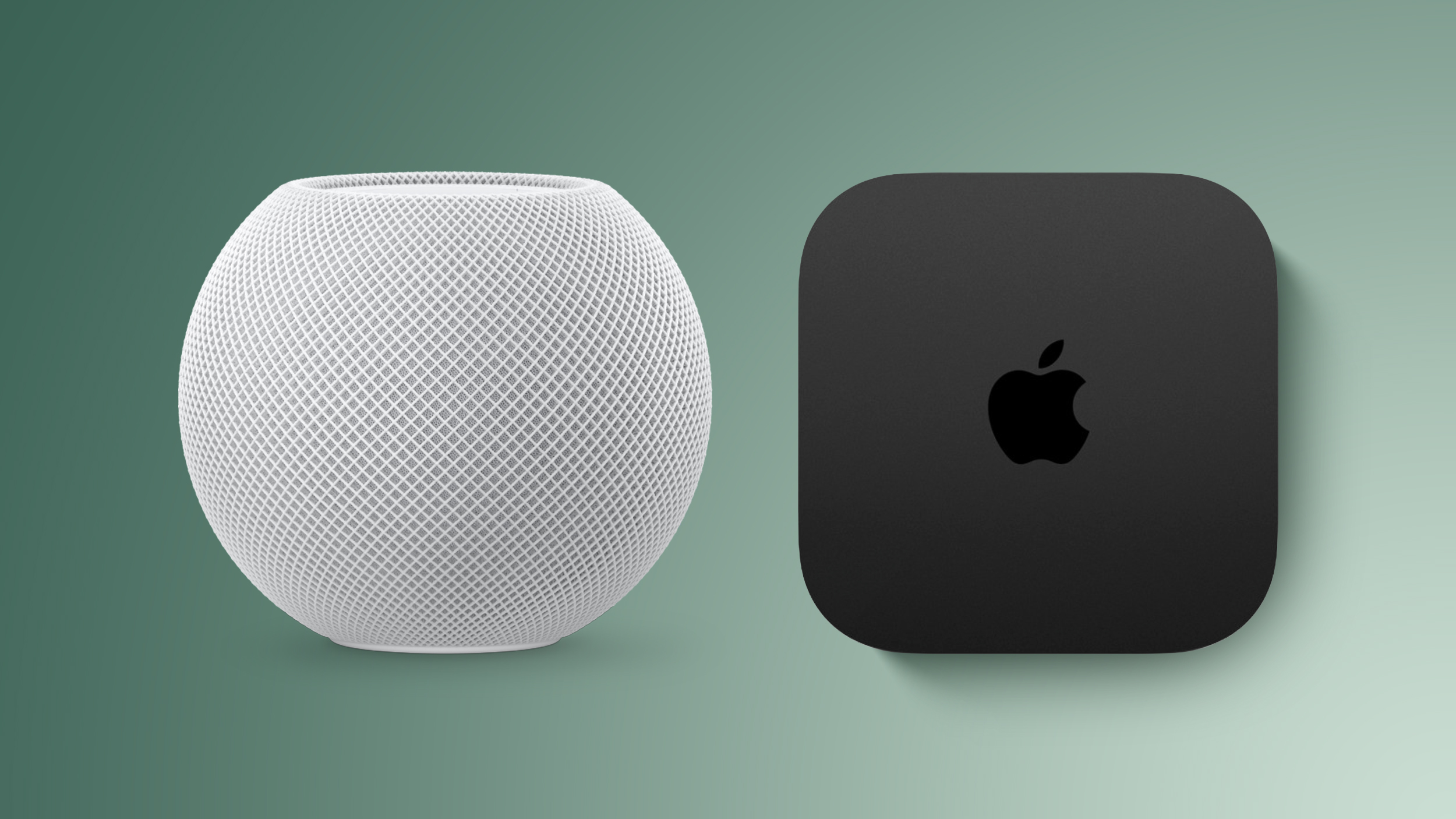
Apple TV and HomePod Just Went Up in Price Amid Wait for New Models

While the Apple TV, HomePod, and HomePod mini have not been updated in several years, all three products received price increases worldwide today.


Here is a summary of the price changes for these products in the United States:
  • Apple TV (Wi-Fi): $129 β†’ $199

  • Apple TV (Wi-Fi + Ethernet): $149 β†’ $249

  • HomePod: $299 β†’ $349

  • HomePod mini: $99 β†’ $129
Apple also raised prices on Macs, iPads, and more, with the company blaming the ongoing memory chip shortage, which has resulted in skyrocketing prices for RAM and SSD storage used in its products. "We have never seen a component price increase this much, this quickly," said Apple, in a statement shared with the media.

The price increases come amid a long wait for new Apple TV, HomePod, and HomePod mini models. All three devices are expected to be updated later this year with support for the more personal and intelligent version of Siri, which is currently available to test across the iOS 27, iPadOS 27, macOS 27, and visionOS 27 developer betas.

The trio of devices are between three and six years old. Apple unveiled the HomePod mini all the way back in October 2020, while the current Apple TV and HomePod models debuted in October 2022 and January 2023, respectively.

The current Apple TV 4K has an A15 Bionic chip from the iPhone 13 series, while the HomePod mini uses the S5 chip from the Apple Watch Series 5, and the second-generation full-sized HomePod uses the S7 chip from the Apple Watch Series 7.

Earlier rumors claimed the next Apple TV would be equipped with the A17 Pro chip, which is the oldest chip that supports Apple Intelligence. The device is also expected to feature Apple's N1 chip for Wi-Fi 7, Bluetooth 6, and Thread.

No major design changes have been rumored for the next Apple TV.

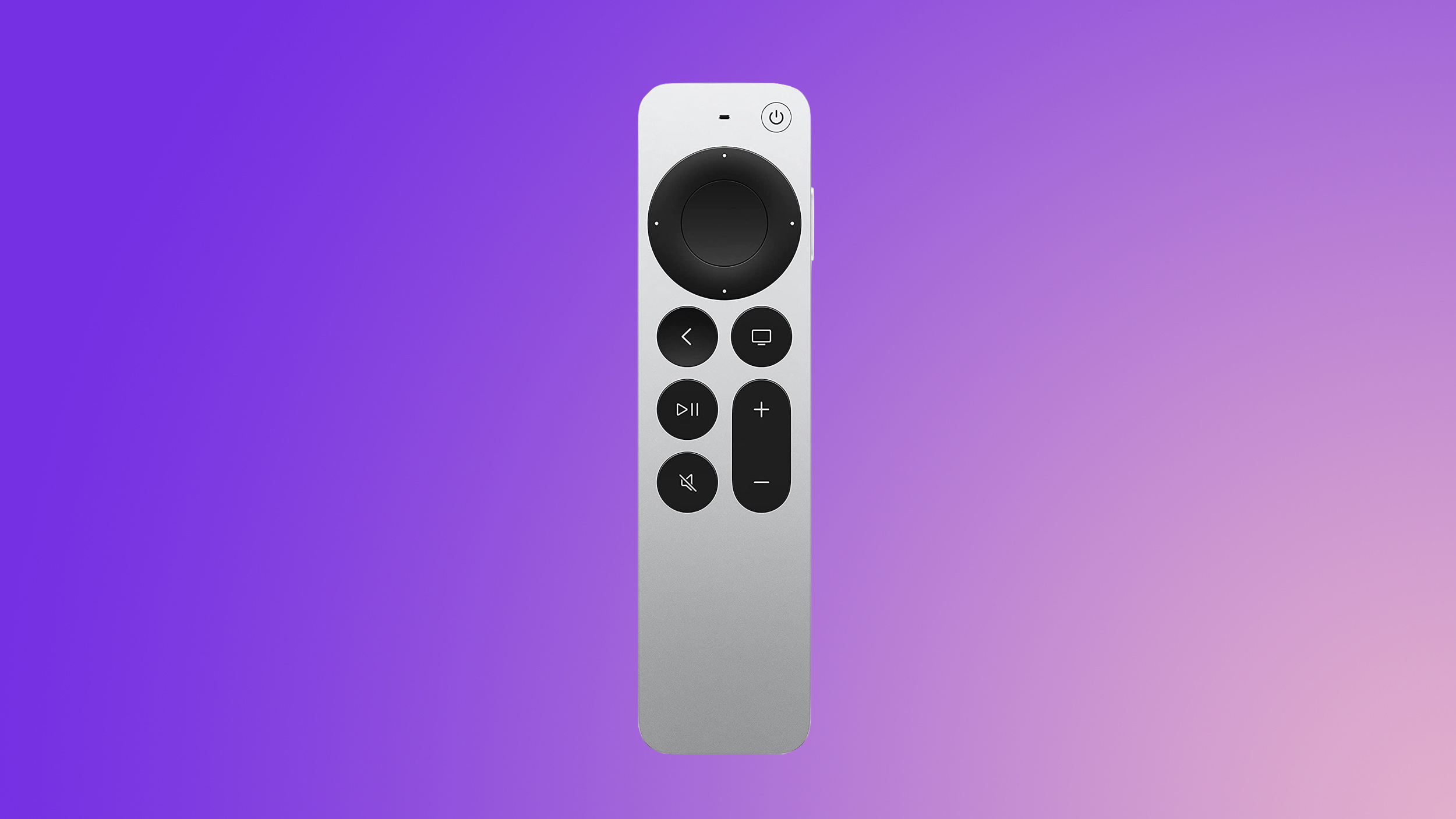
Bloomberg's Mark Gurman was told that the Apple TV's Siri Remote may be "refreshed" in some form, but he did not provide any specific details or guarantee that there will be any outward-facing design changes to the accessory.


As for the HomePod mini, it is expected to use an Apple Watch's S9 chip or newer. Other previously-rumored features for the speaker include the N1 chip, improved sound quality, a newer Ultra Wideband chip, and a red color option.

Apple is also expected to release an all-new smart home hub as early as this year.
Related Roundups: Apple TV, HomePod, HomePod mini

This article, "Apple TV and HomePod Just Went Up in Price Amid Wait for New Models" first appeared on MacRumors.com

Discuss this article in our forums

  •  

Apple Just Raised the Price of the MacBook Neo

Apple today announced that it is raising prices on many products, including the MacBook Neo, which now starts at $699 in the United States.


The price increases are due to the ongoing memory chip shortage, which has led to skyrocketing prices for the RAM and SSD storage used in products like the MacBook Neo. Companies such as OpenAI and Meta have been purchasing large amounts of memory chips for AI servers, resulting in a supply-demand imbalance that is driving up prices.

"We have never seen a component price increase this much, this quickly," said Apple.

When it was released in March, the MacBook Neo started at $599 in the U.S. with 256GB of storage, so the colorful laptop has received a $100 price increase.

The higher-end configuration with 512GB of storage and a Touch ID button also received a $100 price increase and now starts at $799, up from $699.

The price increases extend to Apple's education store, with the MacBook Neo now starting at $599 for college students in the U.S., up from $499.

Here is a summary of the MacBook Neo pricing changes in the U.S. today:
  • 256GB (Education Store): $499 β†’ $599

  • 256GB: $599 β†’ $699

  • 512GB with Touch ID (Education Store): $599 β†’ $699

  • 512GB with Touch ID: $699 β†’ $799
The increases also apply to other countries around the world, with the exact price changes varying based on local currencies. In Canada, for example, the MacBook Neo now starts at $949 with 256GB of storage, up from $799 when it launched.

Powered by an iPhone-class A18 Pro chip and 8GB of RAM, the MacBook Neo remains Apple's most affordable MacBook available right now. The colorful laptop is positioned below the MacBook Air, which now starts at $1,299 in the U.S., up from $1,099.
Related Roundup: MacBook Neo
Buyer's Guide: MacBook Neo (Buy Now)
Related Forum: MacBook Neo

This article, "Apple Just Raised the Price of the MacBook Neo" first appeared on MacRumors.com

Discuss this article in our forums

  •  
❌