Apple is working on AirPods that have cameras for feeding data to Siri. The new earbuds will be Apple's first AI wearable, and current rumors suggest they're going to come out in late 2027.
The AirPods will look similar to the current AirPods Pro 3, but with cameras embedded in the stem. Apple also plans to include a light that will come on when visual data from the AirPods is being sent to the cloud. The LED will let people around the wearer know the cameras are in use.
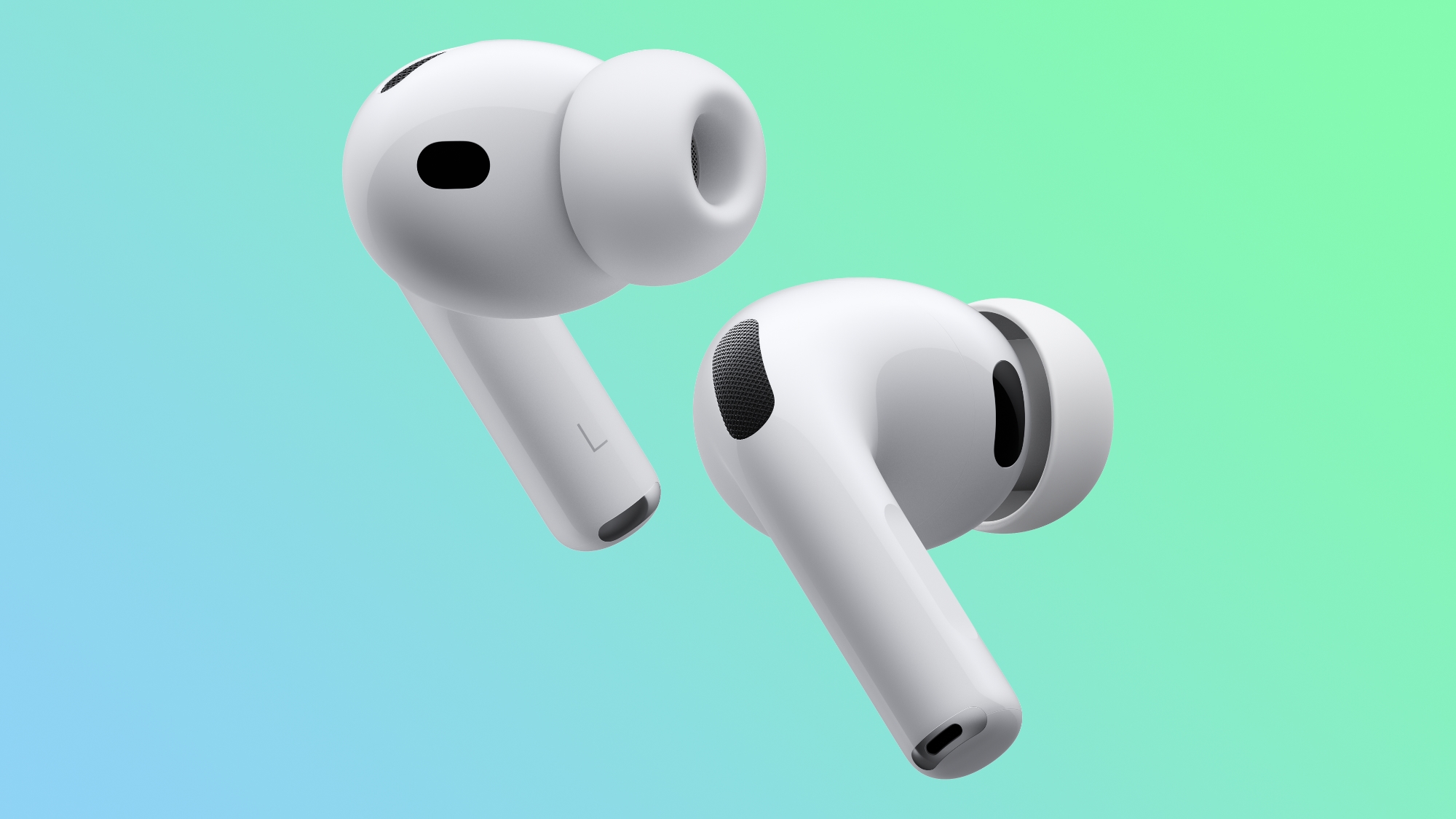
Size, design, and fit are expected to remain the largely same for the earbuds and the charging case, with the exception of the changes to the stem.
Rumors suggest Apple will use tiny infrared cameras, similar to the infrared camera used for Face ID.
Features
The cameras in the AirPods will be used for sending data about the wearer's surroundings to βSiriβ, giving βSiriβ more information about where the user is and what's nearby.
βSiriβ will be able to answer questions about objects or whatever the wearer happens to be looking at. The camera-equipped AirPods could be useful for more exact turn-by-turn directions when walking, contextual reminders, 3D mapping, and more.
The iPhone already has Visual Intelligence, which uses AI to identify plants, animals, landmarks, art, books, and more. Camera-equipped AirPods will be able to supply data for βVisual Intelligenceβ without the need to use the Camera app.
Users aren't likely to be able to use the cameras to capture photos and videos.
H3 Chip
Apple is working on an upgraded H3 chip and it could make its first appearance in the next AirPods Pro. The H3 chip is expected to bring latency improvements and better audio quality.
Naming
Initial rumors about the AirPods with cameras said they wouldn't be a full new model and wouldn't be called the AirPods Pro 4, but launch timing has since changed. It's now likely the AirPods will be part of the AirPods Pro line, but naming is still unsettled.
Apple could call them the AirPods Pro 4, but AirPods Ultra is also a possibility.
Pricing
With the addition of cameras, the AirPods could be more expensive than the current $249 βAirPods Pro 3β.
Compatibility
Since the AirPods will feed data to βSiriβ, an iPhone that supports Apple Intelligence will be required to use the features. βApple Intelligenceβ is available on the iPhone 15 Pro and later.
Release Date
There were rumors suggesting the camera-equipped AirPods could come out as soon as this year, but the latest information indicates the new earbuds will launch in late 2027 alongside the 20th anniversary iPhone and a second-generation foldable iPhone.
Apple reportedly needed more time for the AirPods to design visual AI models capable of identifying objects.
Apple is testing the new AirPods with iOS 28, an update that Apple is already developing.
Apple is working on a macOS Tahoe 26.5.2 update that's expected to come out in the near future. The second macOS Golden Gate beta includes an upgrade path from βmacOS Tahoeβ 26.5.2, which suggests 26.5.2 is an upcoming build that Apple expects devices to be running soon.
The update will be released alongside iOS 26.5.2, which we've already confirmed is in testing based on MacRumors visitor logs.
βmacOS Tahoeβ 26.5.2 and iOS 26.5.2 are expected to be minor updates with bug fixes and security updates.
Apple is also testing βmacOS Tahoeβ 26.6 and iOS 26.6 updates, and two betas have been released so far. With the 26.6 software not too far off, it's likely we'll get iOS 26.5.2 and βmacOS Tahoeβ 26.5.2 this week.
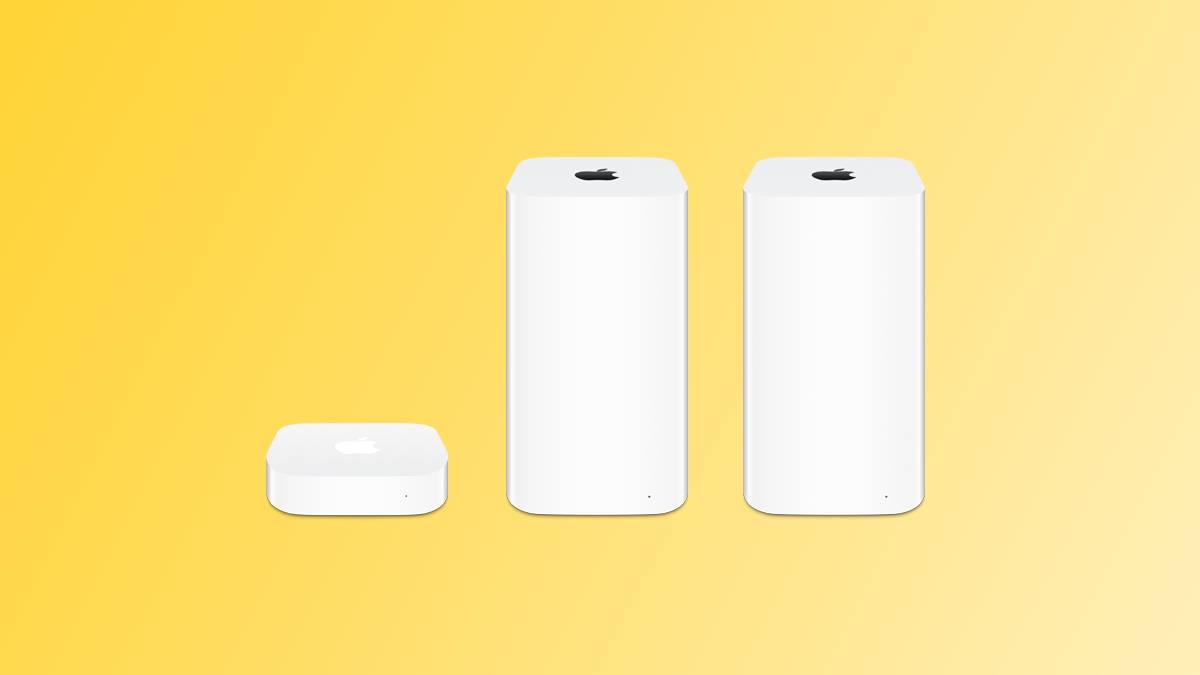
Apple is planning to remove the AirPort Utility app from the App Store in the near future, according to the release notes for iOS 27 beta 2. The app is no longer fully supported in βiOS 27β, and Apple warns that it is not guaranteed to work.
AirPort Utility will no longer be available for new downloads from the App Store. If you previously downloaded the app, you can still re-download it. When using AirPort Utility on iOS 27 and later, functionality is not guaranteed.
Users who have downloaded AirPort Utility in the past will be able to re-download it if needed.
Apple also plans to remove AirPort Utility from new installations of macOS, but users who already have it installed will continue to be able to use it after updating to new versions of macOS. As with βiOS 27β, Apple says it isn't guaranteed to work in macOS Golden Gate.
AirPort Utility lets users manage AirPort base stations like the AirPort Extreme, AirPort Express, and AirPort Time Capsule. Apple discontinued its AirPort routers back in 2018, but has continued to support them through the AirPort Utility app.
With βmacOS Golden Gateβ, Apple is eliminating AFP support, which means the Time Machine feature on Macs will no longer work with the AirPort Time Capsule.
With Time Capsule support ending and Apple sunsetting the AirPort Utility app, it's clear Apple does not plan to continue offering updates to users who are still holding on to their AirPort devices.
Amazon Prime Day 2026 is here, and it will last for four days, ending this Friday, June 26. As it does every year, Prime Day offers shoppers a huge selection of deals across Amazon's storefront, and we're tracking numerous all-time low prices on Apple gear right now.
Note: MacRumors is an affiliate partner with Amazon. When you click a link and make a purchase, we may receive a small payment, which helps us keep the site running.
For our coverage, we're focusing on discounts for Apple and Apple-related products that can be purchased right now on Amazon. As of today, this includes deals on AirPods, Apple Watch, iPad, monitors, charging accessories, and more. We're also sharing deals being matched at retailers like Best Buy in some cases.
As is typical for Prime Day deals, these markdowns are very time sensitive, so sales listed below may disappear fast, and new ones may appear even faster. With this in mind, we'll keep this article updated over the next few days, and keep an eye on the MacRumors front page as we'll be posting particularly great deals in separate articles next week.
Lastly, and perhaps most importantly, Amazon Prime Day requires you to have an Amazon Prime membership to take advantage of the discounts. Amazon Prime costs $14.99 per month or $139.00 per year, and it comes with a 30-day free trial for new subscribers.
Special for 2026, Amazon is also offering 50% off Prime memberships for Young Adults. Prime for Young Adults is a discounted Prime membership for anyone age 18-24 that offers all of the Prime benefits at $69.00 per year, half of the price of regular Prime.
AirPods
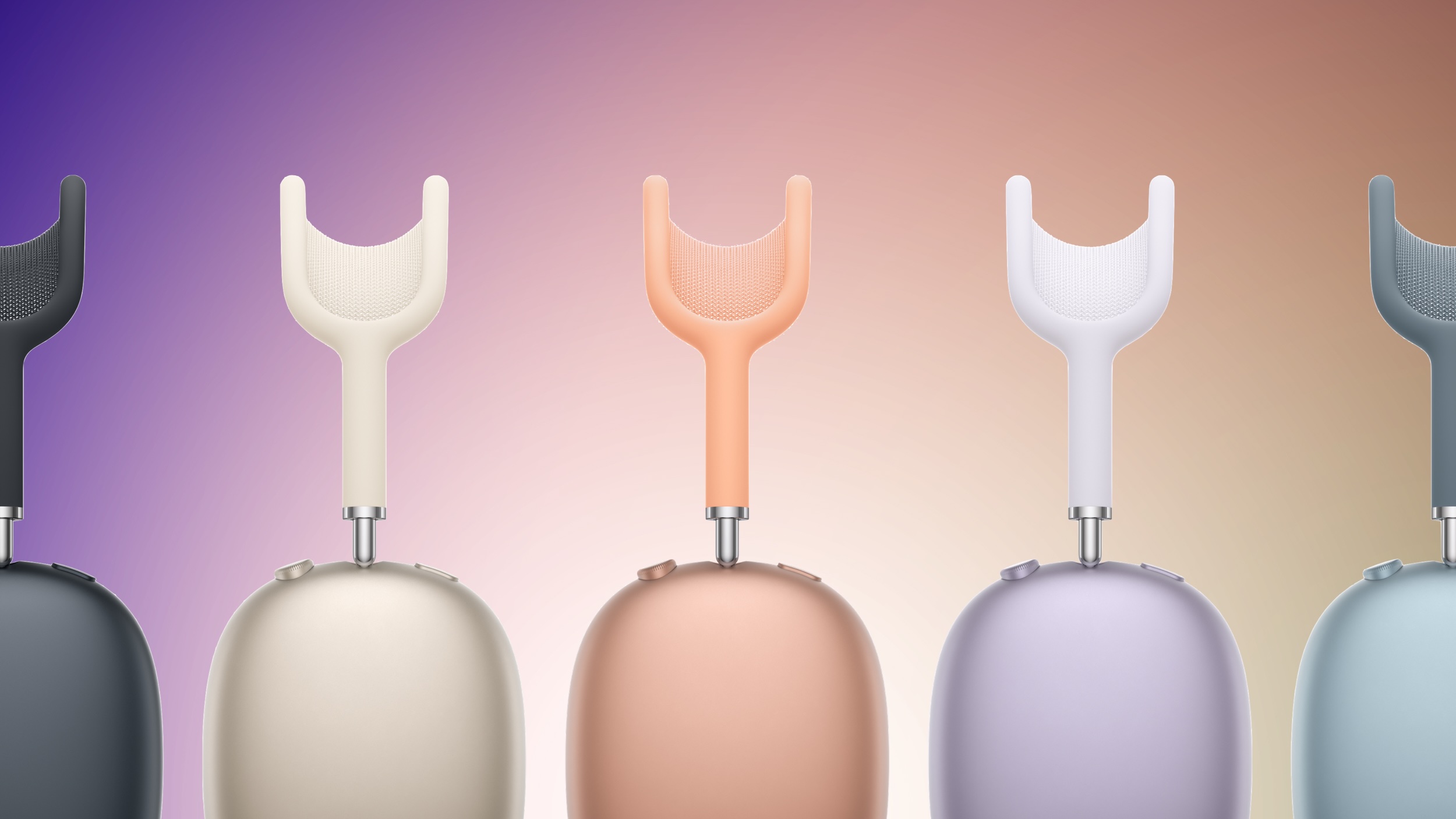
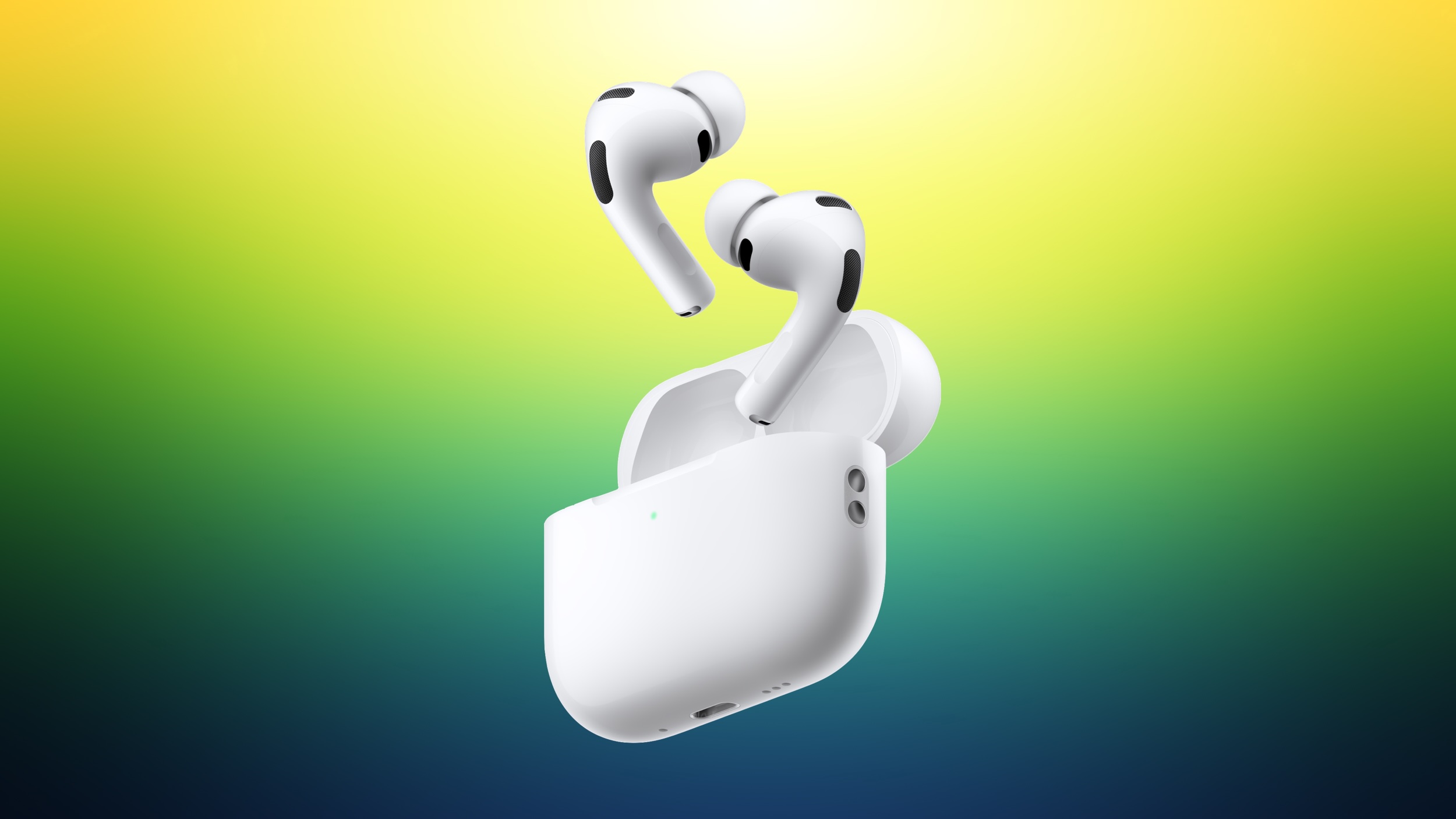
Amazon has the AirPods Max 2 on sale for $399.00 in all colors, down from $549.00. This is an all-time low price on the headphones. This is accompanied by a great discount on the AirPods 4 for Prime Day, available for $99.00, down from $129.00.
This is the first major discount we've ever seen on the AirTag 2 at Amazon since the device launched earlier in 2026. The new AirTag is equipped with a second-generation Ultra Wideband chip, enabling the Precision Finding feature to work up to 50% farther away from an item compared to the previous-generation model.
Apple Watch Ultra 3
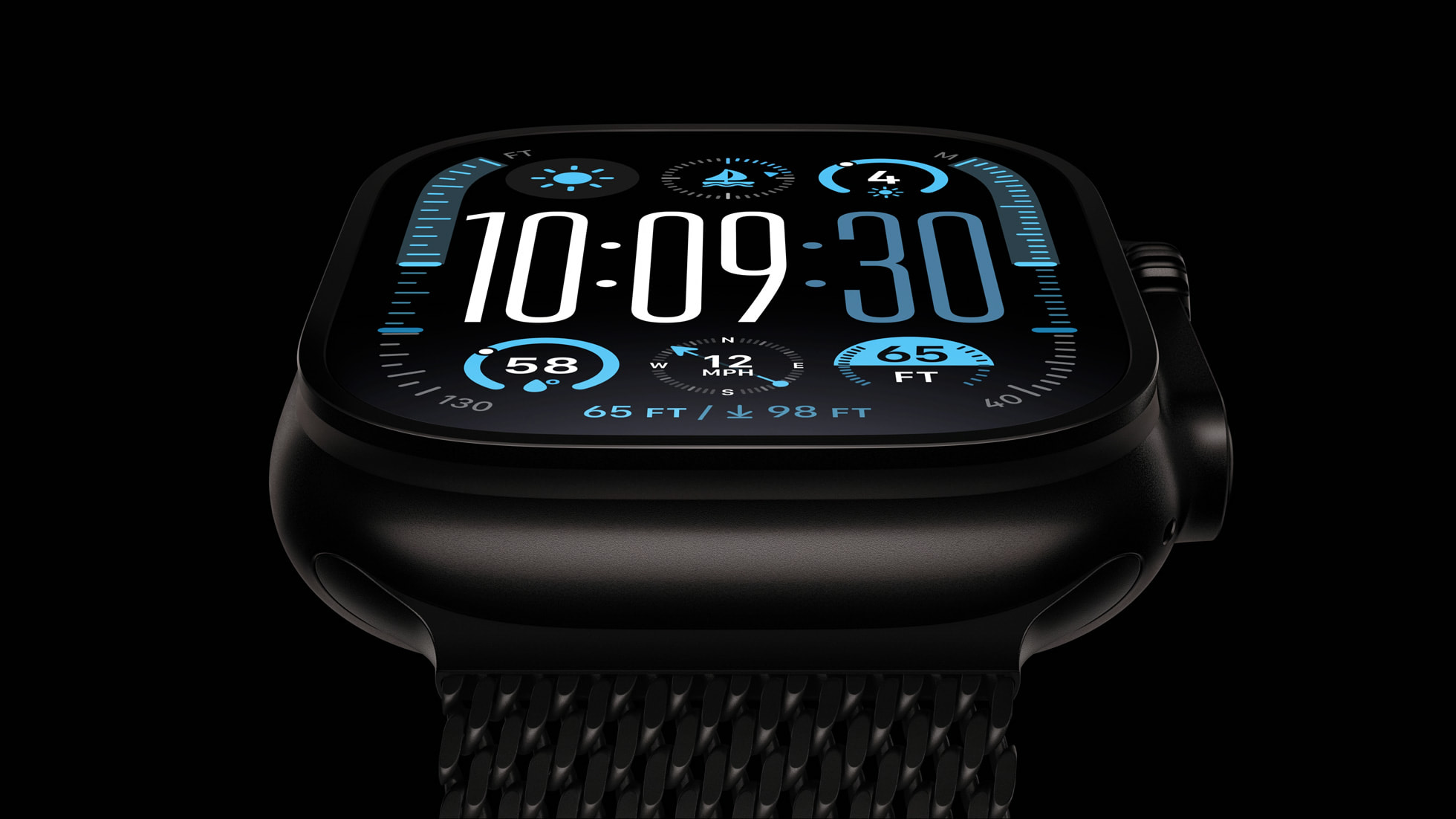
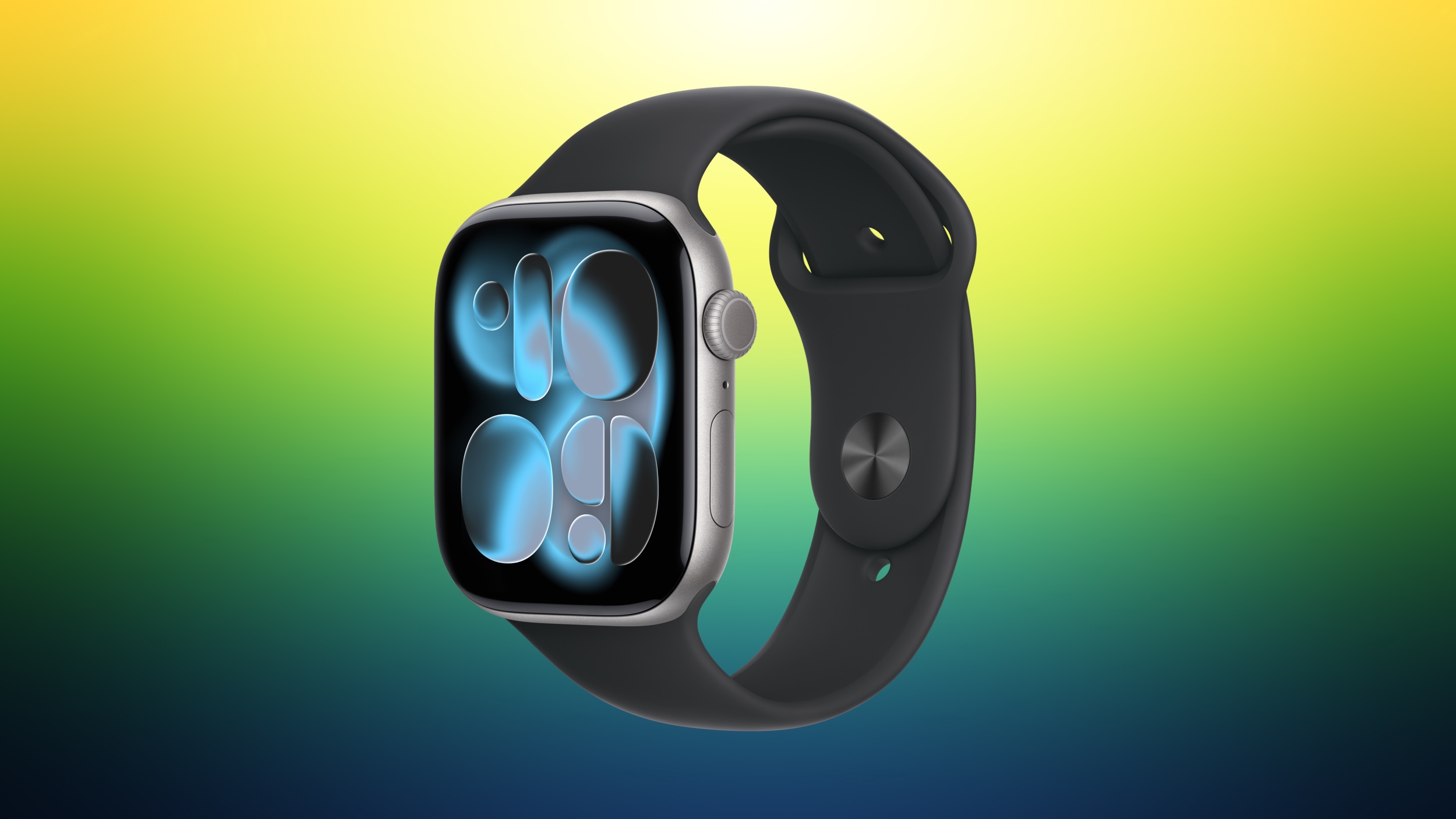
Amazon is discounting a wide array of Apple Watch Ultra 3 models down to $649.00 for Prime Day, from $799.00. This is a new all-time low price on the 2025 smartwatch, beating the previous record low price by about $50, and it's available in both Natural and Black Titanium color options.
Amazon this week has all-time low prices on the Apple Watch Series 11, with $120 discounts across numerous models of the smartwatch. This sale includes a handful of GPS aluminum models on sale at record low prices.
You can get the 42mm GPS Apple Watch Series 11 for $279.00, down from $399.00, and the 46mm GPS model for $309.00, down from $429.00. On Amazon, you'll find three of the 42mm GPS models and three of the 46mm GPS models on sale at these all-time low prices.
Apple Watch SE 3
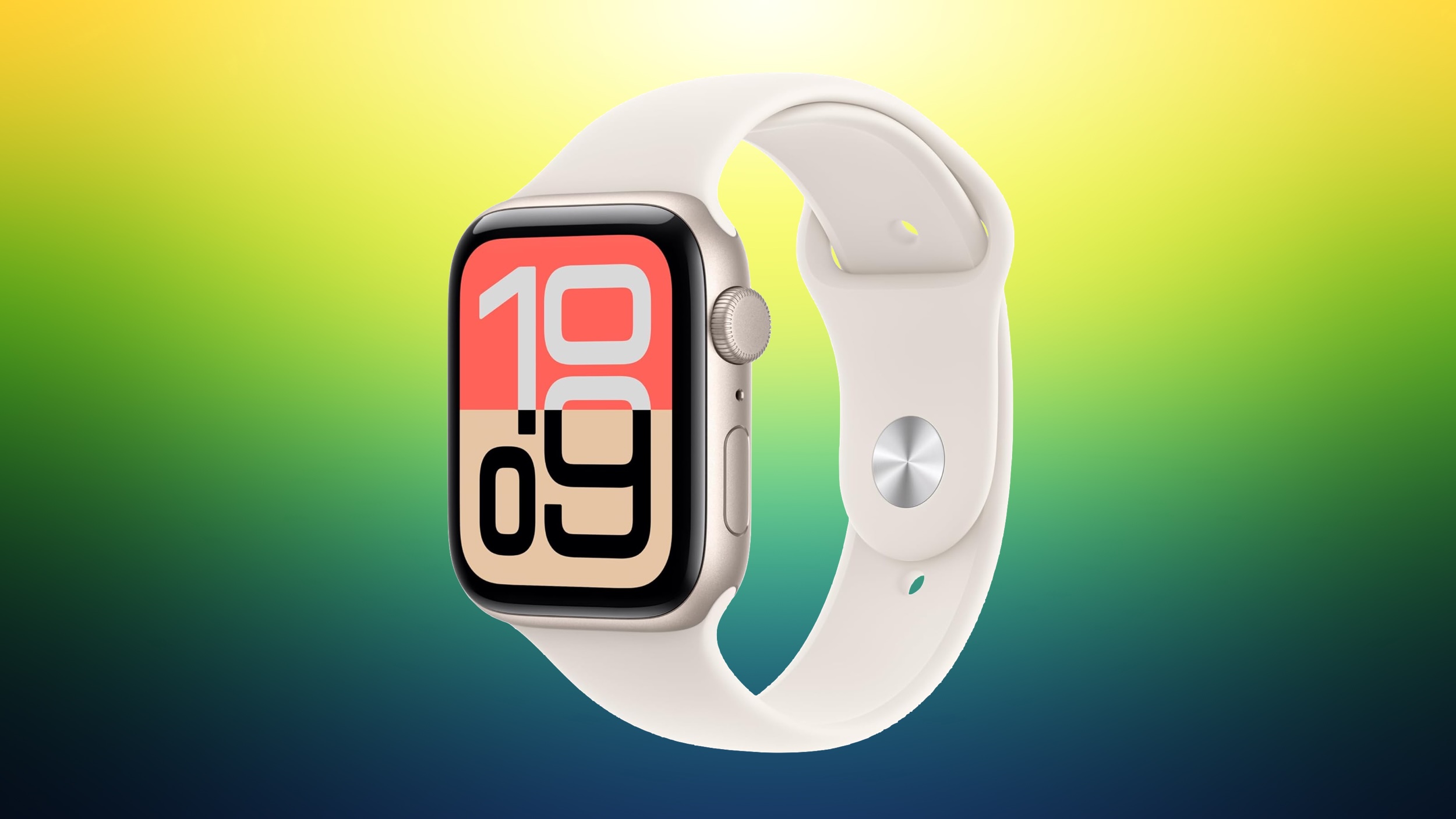
Amazon is also taking $50 off the Apple Watch SE 3, starting at $199.00 for the 40mm GPS model. These are matches of all-time low prices on the SE 3, and it's been over four months since we last tracked these prices on the wearable.
You can also get the 44mm GPS Apple Watch SE 3 on sale for $229.00, down from $279.00. Both the 40mm and 44mm GPS models are available in Midnight and Starlight Aluminum at these prices.
MacBook Air
You'll find $149 off a few models of the 13-inch M5 MacBook Air on Amazon this week, starting at $949.99 for the 512GB model, down from $1,099.00.
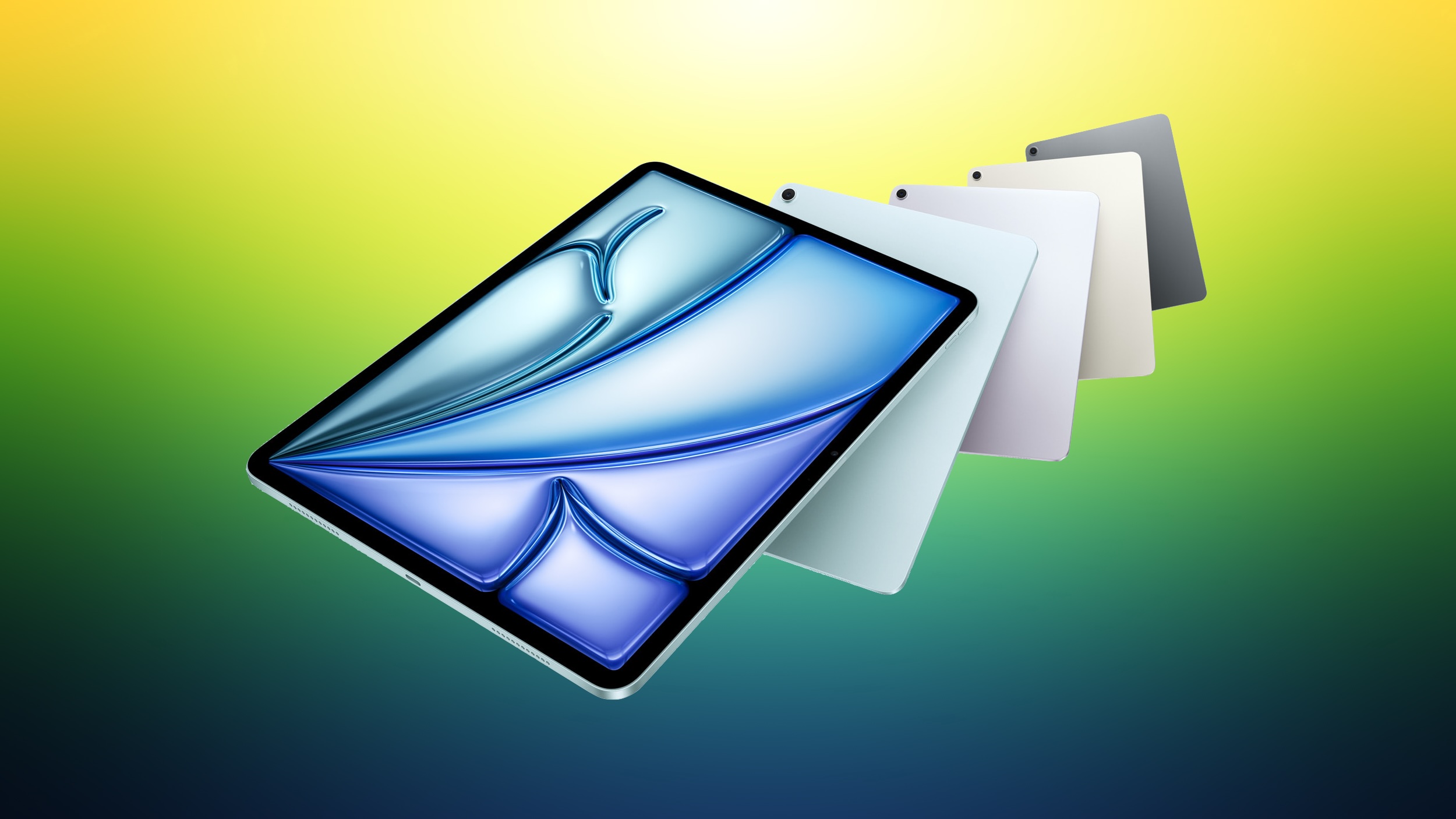
Amazon has brought back all-time low prices on a handful of M4 iPad Air tablets for Prime Day. This includes both 11-inch and 13-inch models of the brand new 2026 M4 iPad Air.
Specifically, the 128GB Wi-Fi 11-inch M4 iPad Air has dropped to $519.99, down from $599.00, beating the previous low price by about $40.
iPad
Amazon is taking up to $52 off Wi-Fi and cellular models of Apple's 11th generation iPad for Prime Day. Prices start at $299.00 for the 128GB Wi-Fi iPad, down from $349.00, a second-best price on this model.
If you're on the hunt for more discounts, be sure to visit our Apple Deals roundup where we recap the best Apple-related bargains of the past week.
Deals Newsletter
Interested in hearing more about the best deals you can find in 2026? Sign up for our Deals Newsletter and we'll keep you updated so you don't miss the biggest deals of the season!
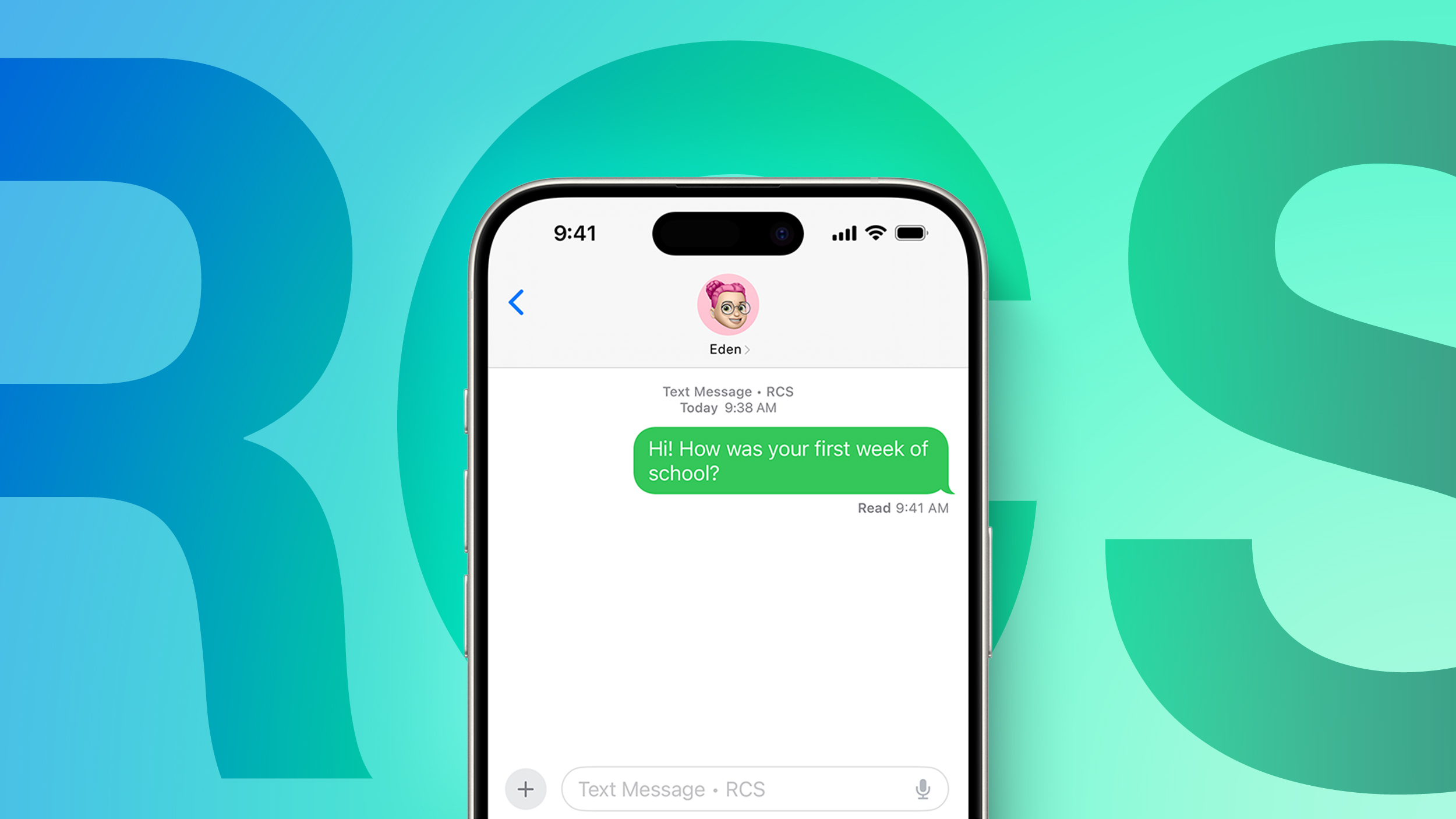
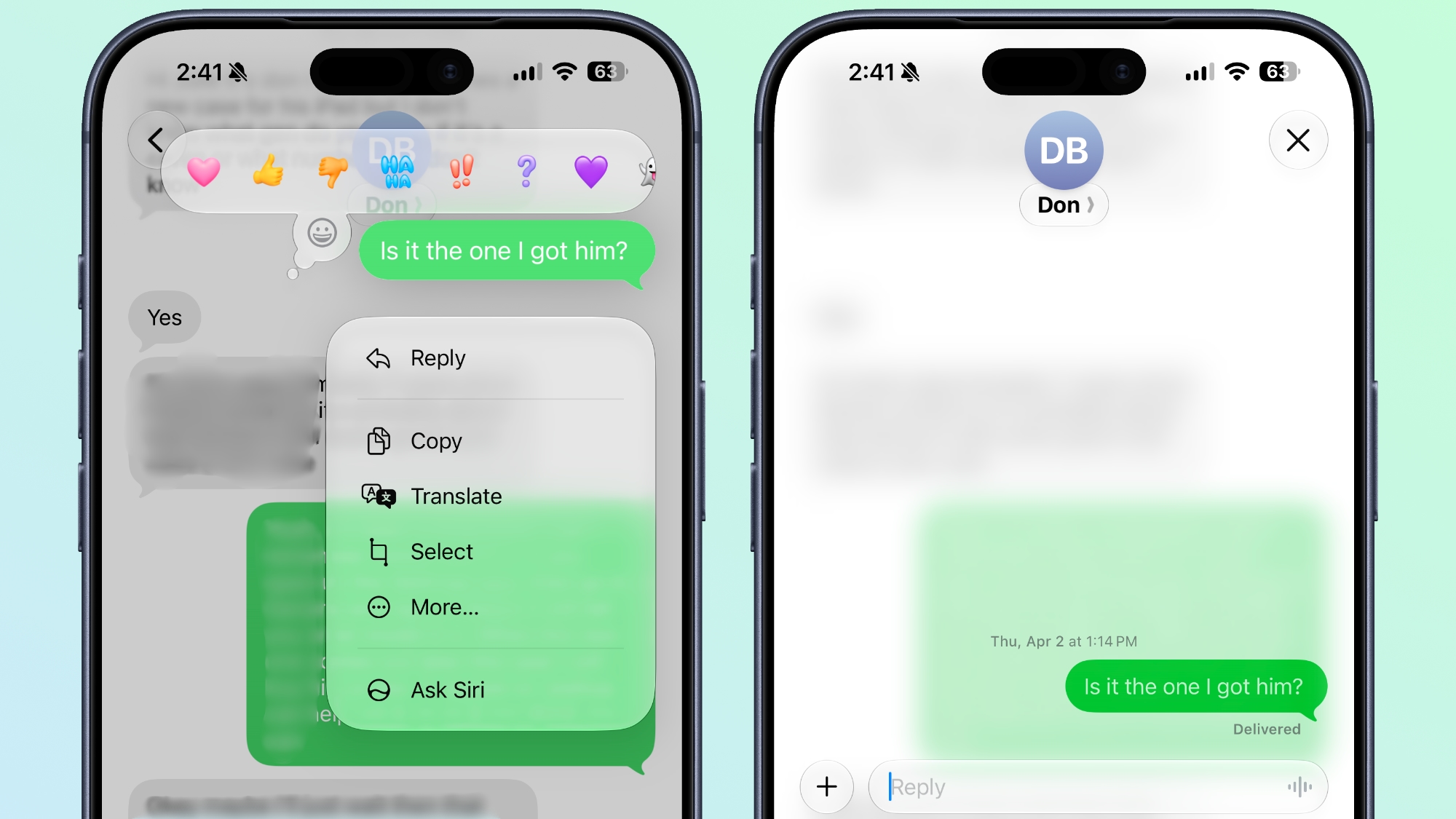
With the second beta of iOS 27, Apple added support for replying to a specific message in an RCS conversation with an Android user.
You can now long press on a message to get to the option to reply, and it works the same way that it does with iMessage.
βiOS 27β also displays tapback/reaction emoji to images and videos properly. In iOS 26, it would use a text descriptor, such as [x loved an image] instead of showing the emoji. In βiOS 27β, the emoji shows up on the image or video as it does in an iMessage conversation.
Apple added support for βRCSβ in iOS 18, and has been improving it since then. iOS 26.5 added encryption for βRCSβ messages sent between iPhone and Android users, and now more of the βRCSβ features are being implemented.
For βRCSβ reply threading to work properly, both the sender and the recipient need to have a smartphone and carrier that supports βRCSβ.
βiOS 27β is limited to developers currently, but it will be available to the public when Apple releases a public beta in July. The software will see an official launch in September.
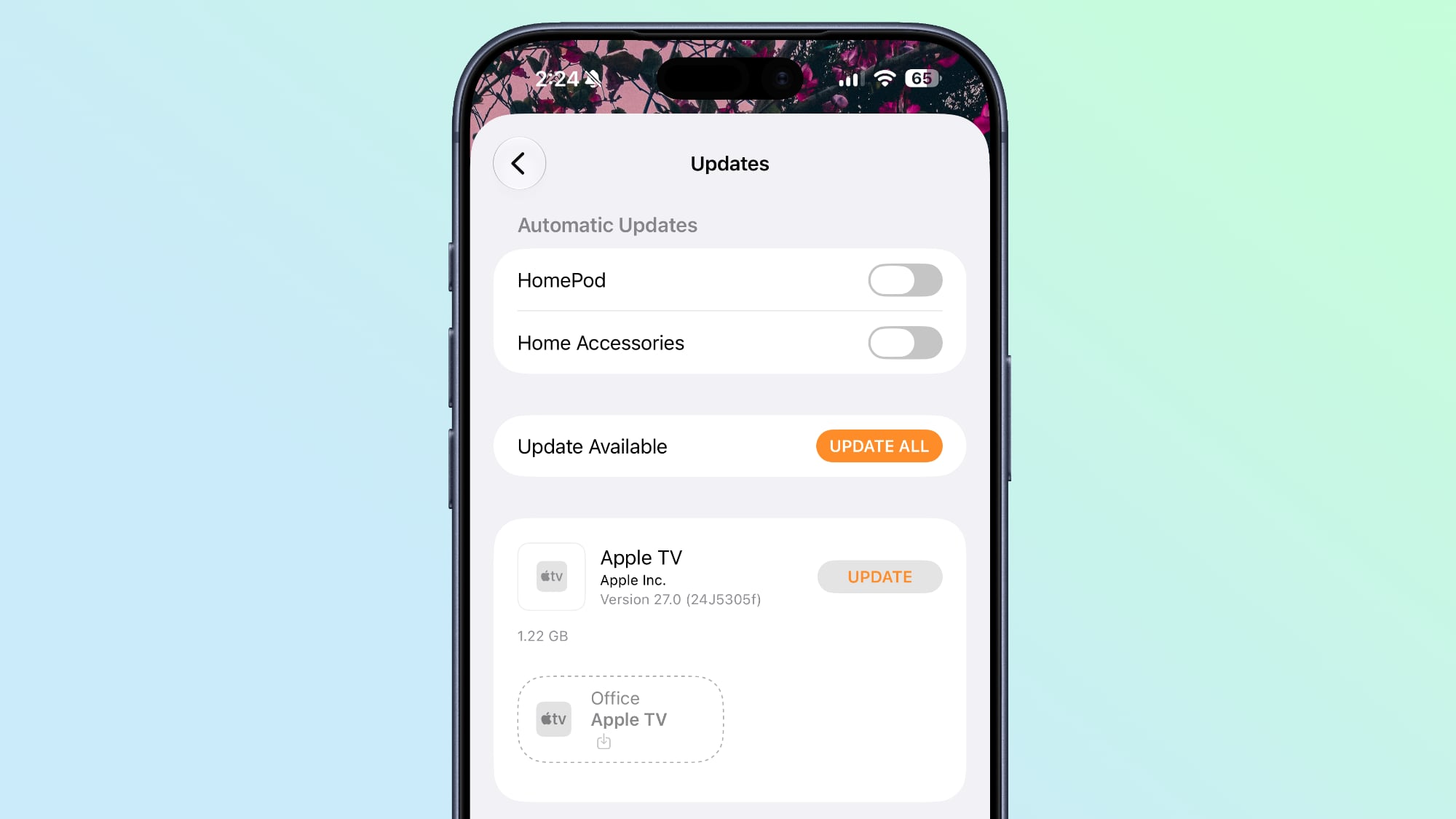
In iOS 27 beta 2, Apple updated the Home app to add support for remotely updating an Apple TV.
The βApple TVβ is now listed in the Updates section of the Home app's Settings interface, and tapping on the βApple TVβ update button installs the latest software without needing to turn on the βApple TVβ.
The HomePod and HomePod mini have long been able to be updated through the Home app, so the βiOS 27β change for the βApple TVβ puts it on par with the βHomePodβ. The βHomePodβ and βHomePod miniβ run a variant of tvOS, so it makes sense for the βApple TVβ to be updated in the same way.
Apple's decision to add the βApple TVβ to the Home app update interface suggests that the upcoming home hub device that's in the works will also be controlled and updated through the Home app.
Apple is expected to release a dedicated home hub later this year, and it will run a version of tvOS like the βHomePodβ. It will be a centralized spot for controlling smart home products, making video calls, getting information like the current weather, and interfacing with Siri. The device is expected to have a 7-inch square display with built-in speakers, and it could be something of a HomePod-iPad hybrid.
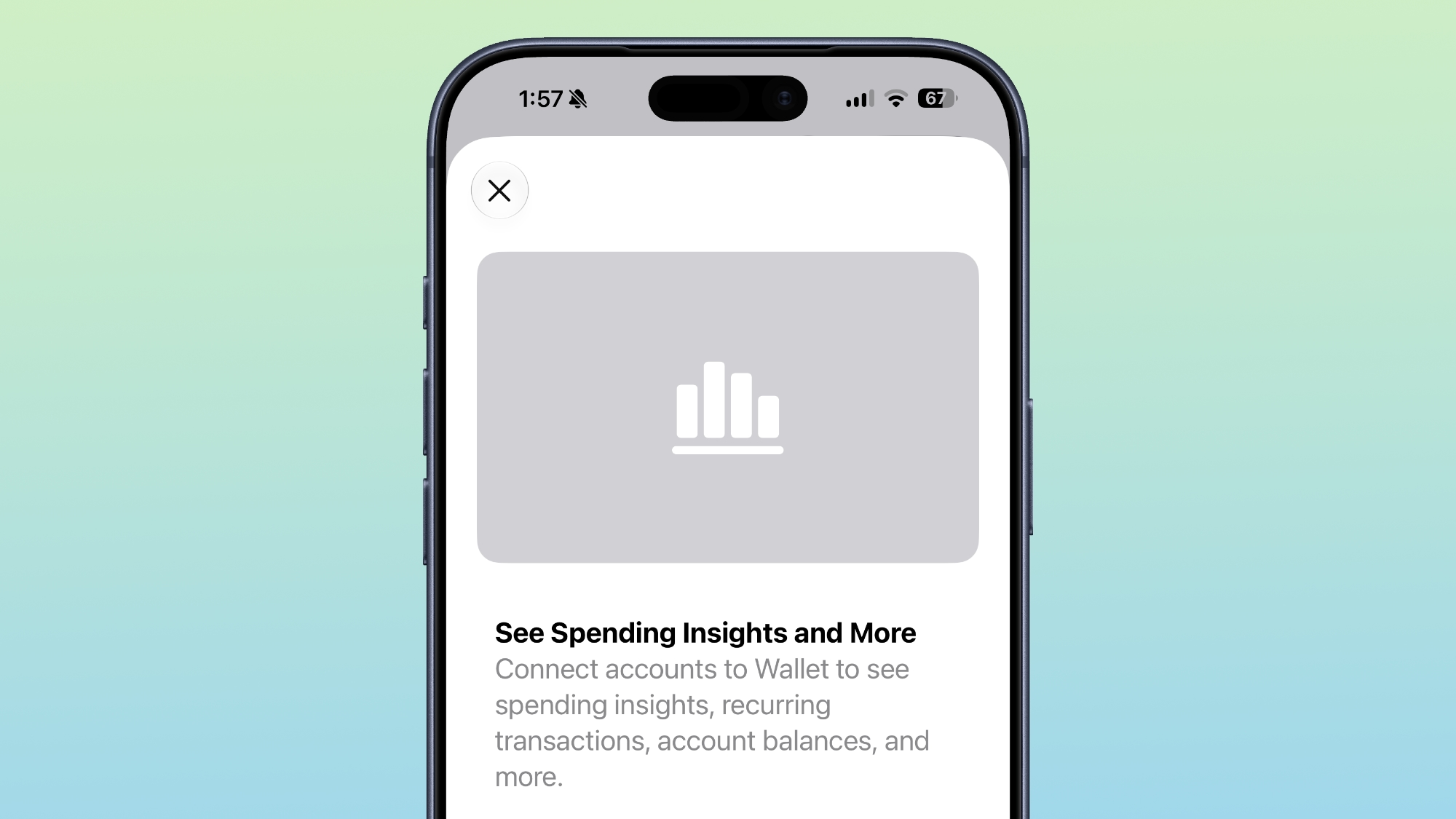
Apple has added a new "Insights" feature to the Wallet app in the second iOS 27 beta. Accessible by tapping the three dots in the upper right corner, Insights appears to let users add different financial accounts to monitor their spending.
A splash screen for the feature says users will be able to connect accounts to Wallet to see spending insights, recurring transactions, account balances, and more. The fine print says the following: "Your device is connected to your financial institution by an Apple wholly owned subsidiary, which fetches, categorizes, and standardizes your account information for display on your device. Your account information is not stored."
Tapping on the Continue button on the splash screen goes to the Add to Wallet interface with no new options available, so it does not appear to be functional at this time.
Apple has detailed transaction information for the Apple Card, but support for other cards and accounts has been limited. Apple did introduce a Connected Cards (later renamed Connected Accounts) feature in iOS 17.1, but it saw limited adoption. Discover implemented support and users could see their total card balance, Pay with Rewards, and transaction history, but Discover removed the functionality in early June and almost no other U.S. issuers ever used it. Several UK banks still have deeper integration with the Wallet app's Connected Accounts option.
It looks like Insights could be a successor to Connected Accounts that will work without card issuers specifically adding in support.
Update: We've heard from several users whose banks have offered Connected Accounts integration, and the new Insights feature in βiOS 27β beta 2 is working for them, displaying spending highlights and details, so it's clear that Insights is indeed an evolution of the existing Connected Accounts feature.
Apple today provided developers with the second beta of macOS Golden Gate, with the update coming two weeks after Apple seeded the first beta.
Developers can download βmacOS Golden Gateβ by going to System Settings > General > Software Update. Beta Updates will need to be enabled, and a free developer account is required.
βmacOS Golden Gateβ includes multiple design improvements. Liquid Glass opacity has been improved to increase readability, there's a slider for controlling the level of transparency, and changes to shadowing make it easier to tell when a window is active. Apps now have uniform toolbars, edge-to-edge sidebars, and less rounded corners, plus there are fewer icons in menu bars.
Siri has been transformed into βSiriβ AI, a chatbot-style assistant that combines general world knowledge, your personal data, and onscreen awareness to answer questions about anything and find information for you. βSiriβ lives in Spotlight, and you can ask questions with the new Search or Ask interface.
There's also a βSiriβ app where you can chat with βSiriβ and view past conversations, and on newer Macs, you can set a custom voice for βSiriβ with personalized pace and expressivity. Visual Intelligence is now on the Mac so βSiriβ can answer questions about what's on your screen, and a Write with βSiriβ feature lets βSiriβ generate text or give feedback on your writing.
There are AI photo editing tools in the Photos app, AI tab organization in Safari, an option to use AI to automatically update weak passwords in the Passwords app, and a revamped Image Playground app that can generate photorealistic images.
More on all of the new features in βmacOS Golden Gateβ can be found in our macOS Golden Gate roundup. βmacOS Golden Gateβ is limited to developers right now, but Apple plans to release a public beta in July.
Apple today seeded the second betas of iOS 27 and iPadOS 27 to developers for testing purposes, with the update coming two weeks after Apple released the first betas following the WWDC 2026 keynote.
Registered developers can download the betas from the Settings app on the iPhone or iPad by going to the General section and selecting Software Update.
βiOS 27β introduces Apple's smarter version of Siri, βSiriβ AI. βSiriβ AI is a chatbot similar to ChatGPT, incorporating general world knowledge, personal data from apps like Messages and Mail, and onscreen awareness to answer questions and find information for you.
There are new Apple Intelligence features in apps like Photos, Safari, Shortcuts, Wallet, and Passwords, plus Apple added a standalone βSiriβ app that houses βSiriβ conversations. Write with βSiriβ is available systemwide for generating text or offering feedback on your writing, and Visual Intelligence has been relocated to the Camera app with a new βSiriβ mode.
Apple improved the look of Liquid Glass and added a slider for customizing transparency. There are multiple performance improvements to speed up iOS, so everything feels faster, even on older iPhones. Apps launch quicker, AirDrop transfers are faster, the keyboard pops up more quickly, and devices are better at transitioning between Wi-Fi and Cellular to keep you connected.
Apple today seeded the second beta of tvOS 27 to developers for testing purposes, with the update coming two weeks after Apple released the first beta following the WWDC keynote.
The beta can be downloaded and installed through the Settings app on the Apple TV. A free developer account is required.
tvOS 27 has few new features compared to the other 27 software updates, but it does add a redesigned Podcasts app, options for larger text, and a more responsive Control Center.
AirPlaying to an βApple TVβ from another Apple device is faster, and apps and animations are smoother. You can also now see AppleCare coverage details in the Settings app.
Apple today provided developers with the second beta of an upcoming visionOS 27 update for testing purposes, with the beta coming two weeks after Apple released the first beta.
visionOS 27 can be installed by opening the Settings app, going to Software Updates, and opting into Beta Updates.
visionOS 27 introduces Siri AI, the smarter and more capable version of βSiriβ that's similar in capability to chatbots like ChatGPT and Claude. On the Vision Pro, βSiriβ can answer questions about anything the wearer is looking at, and there's a new βSiriβ orb that can be placed anywhere in wearer's virtual space.
Panorama photos can be turned into spatial environments, and there's a new Icelandic ThΓ³rsmΓΆrk environment that features dramatic mountains, valleys, and glaciers, along with the northern lights. Web Environment support allows developers to create 360-degree environments in Safari for a more native Vision Pro browsing experience.
App windows are now curved to provide a more immersive workspace, and Control Center has been reorganized to make system controls easier to find. Apple added a smaller widget size, and notifications automatically expand when the wearer looks at them.
Apple's next-generation AI dictation feature for the iPhone 17 Pro and iPhone Air is not turned on by default in the first developer beta of iOS 27.
Apple says the new AI-powered dictation system delivers "a major boost in accuracy," with more reliable on-the-fly capitalization and punctuation than the existing dictation system. The feature runs on Apple's new AFM 3 Core Advanced model, which is a 20-billion-parameter, natively multimodal system that uses a sparse architecture, activating just one to four billion parameters at a time depending on the request.
To fit a model that large onto a smartphone, the full model is stored in flash memory rather than DRAM, with a lightweight routing block selecting a fixed set of "experts" during initial processing and periodically reselecting them during generation, a technique Apple calls Instruction-Following Pruning.
In side-by-side human evaluations against Apple's previous production dictation system across seven quality dimensions, AFM 3 Core Advanced was preferred on overall quality by a margin of 44.7% to 17.6%, with that preference holding consistently across the other six dimensions, which include punctuation, casing, layout, meaning capture, disfluency handling, and style.
Because of the model's size, the upgraded dictation is limited to a handful of newer devices: the βiPhone 17 Proβ and βiPhone 17 Proβ Max, the βiPhone Airβ, the Vision Pro with M5 chip, iPads with an M4 chip or later with at least 12GB of RAM, and Macs with an M3 chip or later with at least 12GB of RAM. Notably, the standard iPhone 17 is excluded, as it ships with 8GB of RAM rather than the 12GB the larger model requires. The same AFM Core Advanced model also powers Apple's new customizable expressive Siri voices, another opt-in preview as of beta 1.
The new dictation model runs entirely on-device, so transcription quality stays the same whether or not the iPhone is connected to a network. It remains unclear whether the preview will stay off by default when βiOS 27β is released officially later this year, or whether Apple will switch it on automatically at some point during the beta cycle this summer.
Woot this week kicked off a big Prime Day-adjacent event, with the headliner being a massive discount on the Nintendo Switch 2. You'll also find savings on charging accessories, Bluetooth speakers, and more.
Note: MacRumors is an affiliate partner with some of these vendors. When you click a link and make a purchase, we may receive a small payment, which helps us keep the site running.
For the Nintendo Switch 2, you can get a brand new model of the console for $399.00 with the code CHEAPSWITCH2 at checkout. This takes $50 off the $449.00 version of the console for new Woot customers, and $30 off for everyone else.
Even at $419.00 for returning customers, this is a great and very rare discount on the Nintendo Switch 2, which is set to have a price hike to $499.00 later in the year. This version of the console does not come with a game, and it is in new condition on Woot with a 90 day Woot limited warranty.
Woot also has a large selection of Prime Day sales going on this week, including savings on Samsung The Frame TVs, Apple Watch bands, iPhone cases and chargers, Bluetooth speakers, and more.
If you're on the hunt for more discounts, be sure to visit our Apple Deals roundup where we recap the best Apple-related bargains of the past week.
Deals Newsletter
Interested in hearing more about the best deals you can find in 2026? Sign up for our Deals Newsletter and we'll keep you updated so you don't miss the biggest deals of the season!
Samsung Display has received Apple's approval to begin module production of OLED panels for Apple's first foldable iPhone, according to a report today from TheElec.
Citing industry sources, the report says Samsung Display has started operating part of its back-end production lines in Vietnam to fulfill an initial order of around three million panels scheduled for delivery this year. Module production approval requires a supplier to demonstrate final assembly quality and mass-production stability, and Apple's threshold is reportedly a yield rate of at least 70%. Samsung Display is said to have passed that bar after achieving final yields above 80%.
Samsung Display is believed to be the exclusive supplier of OLED panels for the foldable iPhone under a three-year agreement, meaning Apple will not source foldable OLED panels from any other display maker during that period. Back-end processing, which includes adding driver circuits, flexible printed circuit boards, and protective components before final inspection and shipment, is being handled at Samsung Display's Vietnam facility. That site has around 80 production lines in total, with roughly 50 currently active, leaving capacity to spare given the relatively modest three million unit order.
The panels are expected to use Color Filter on Encapsulation (CoE) technology, which removes the polarizer and forms a color filter directly on top of the encapsulation layer, along with Samsung Display's newest M16 OLED material set. The M16 stack is said to bring improvements to brightness, color performance, lifespan, and power efficiency over prior generations.
Apple's foldable iPhone is rumored to feature a 7.8-inch inner display and a 5.5-inch cover display, along with Touch ID instead of Face ID, an A20 chip, and Apple's C2 modem, with pricing expected to start around $2,000.
Prime Day deals are already in full swing today, despite the event not kicking off until tomorrow, June 23. Below we're tracking all-time low prices across the Apple Watch lineup, including Apple Watch Series 11 for $120 off, Apple Watch SE 3 for $50 off, and Apple Watch Ultra 3 for $150 off.
Note: MacRumors is an affiliate partner with Amazon. When you click a link and make a purchase, we may receive a small payment, which helps us keep the site running.
Apple Watch Series 11
Amazon this week has all-time low prices on the Apple Watch Series 11, with $120 discounts across numerous models of the smartwatch. This sale includes a handful of GPS aluminum models on sale at record low prices.
You can get the 42mm GPS Apple Watch Series 11 for $279.00, down from $399.00, and the 46mm GPS model for $309.00, down from $429.00. On Amazon, you'll find three of the 42mm GPS models and three of the 46mm GPS models on sale at these all-time low prices.
Apple Watch SE 3
Amazon is also taking $50 off the Apple Watch SE 3, starting at $199.00 for the 40mm GPS model. These are matches of all-time low prices on the SE 3, and it's been over four months since we last tracked these prices on the wearable.
You can also get the 44mm GPS Apple Watch SE 3 on sale for $229.00, down from $279.00. Both the 40mm and 44mm GPS models are available in Midnight and Starlight Aluminum at these prices.
Apple Watch Ultra 3
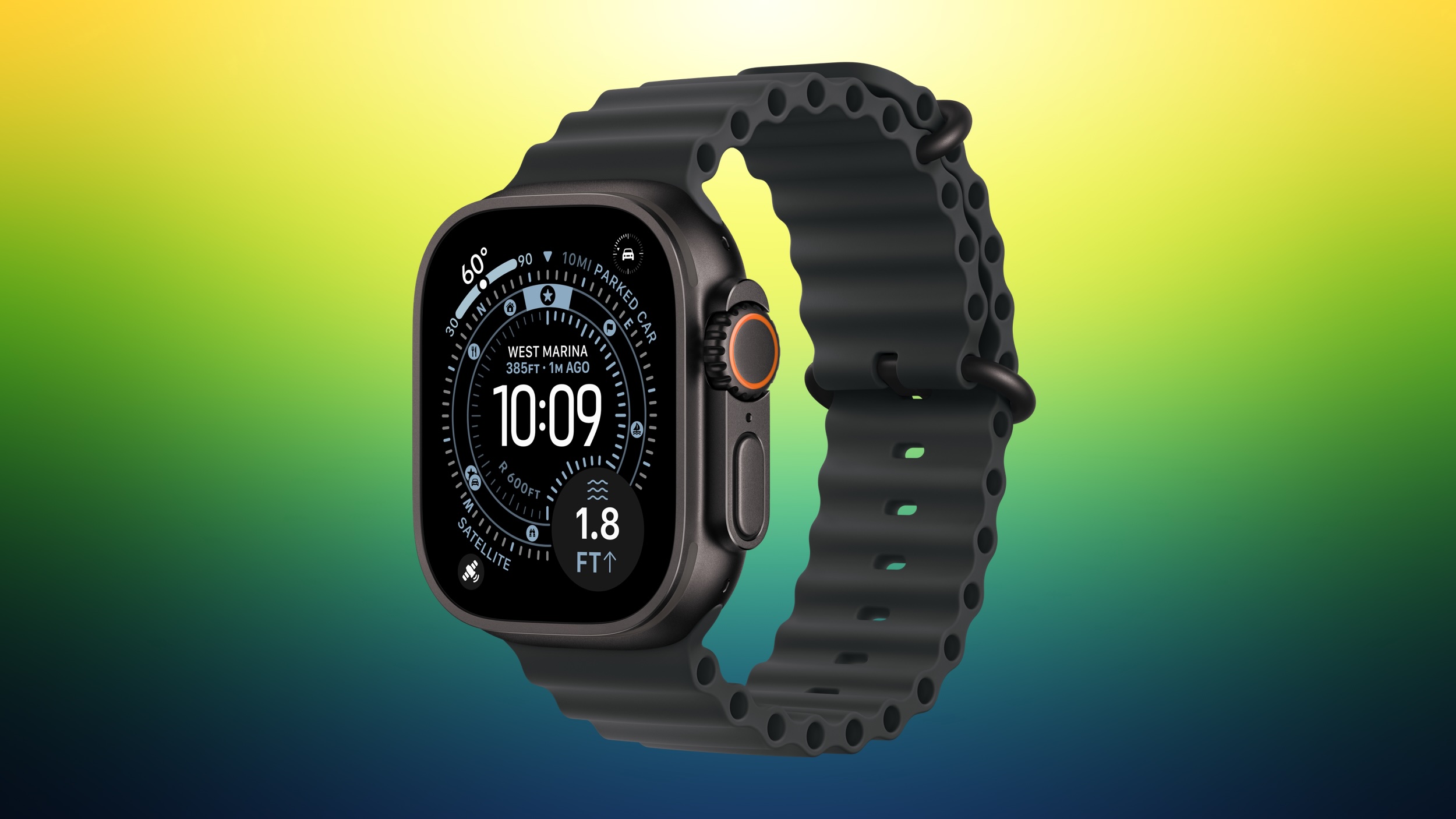
Finally, Amazon is discounting a wide array of Apple Watch Ultra 3 models down to $649.00 for Prime Day, from $799.00. This is a new all-time low price on the 2025 smartwatch, beating the previous record low price by about $50, and it's available in both Natural and Black Titanium color options.
Head to our full Deals Roundup to get caught up with all of the latest deals and discounts that we've been tracking over the past week.
Deals Newsletter
Interested in hearing more about the best deals you can find in 2026? Sign up for our Deals Newsletter and we'll keep you updated so you don't miss the biggest deals of the season!
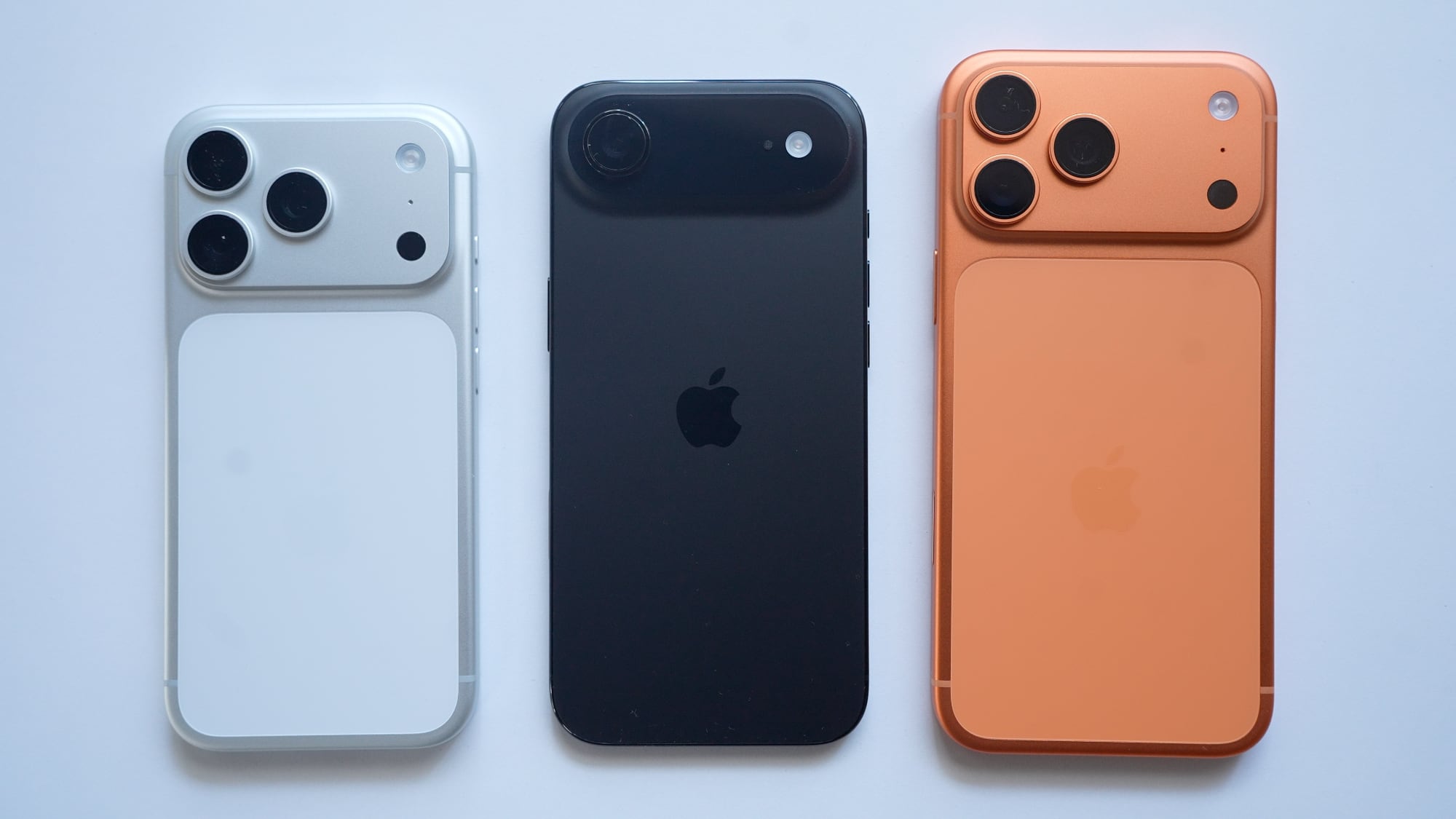
Apple's first foldable iPhone remains on track for a September debut, despite rumors to the contrary, based on a new report by China Securities Journal (via DigiTimes).
According to the report, which cites a source at an Apple supplier, the company recently started delivering components in small batches for Apple's first foldable iPhone.
The supplier also reportedly received guidance indicating that the device is scheduled to be unveiled in September 2026, alongside the iPhone 18 Pro and iPhone 18 Pro Max. A second supply-chain source cited in the report said it had received no indication of a delay and continues to work toward a fall 2026 release timetable.
The report backs a claim made last week by a Chinese leaker that suggestions of a delay are wide of the mark.
There have been occasional reports that Apple's first foldable device is encountering engineering hurdles as development enters its final stages. In May, leaker Instant Digital claimed the foldable iPhone was still facing durability concerns related to its hinge mechanism. While Apple is said to have largely resolved issues surrounding display creasing, the leaker suggested the hinge has yet to meet the company's long-term reliability standards.
Apple is known for imposing rigorous durability requirements on entirely new product categories, but reports of unresolved hinge concerns this late in development would be unusual given the device's expected launch timeline.
Bloomberg's Mark Gurman reported in March that Apple's foldable iPhone may not launch alongside the iPhone 18 Pro and iPhone 18 Pro Max in September. Earlier, Barclays analyst Tim Long predicted the device would not begin shipping until December, potentially creating a gap of up to three months between the foldable iPhone and Apple's flagship iPhone 18 Pro models.
Apple has taken a staggered launch approach before. In 2017, the iPhone X was unveiled alongside the iPhone 8 and iPhone 8 Plus, but it didn't reach customers until November, while the other models launched in September as usual.
If Apple ultimately decides to delay shipments of its foldable iPhone beyond September, it would likely still unveil the device alongside the iPhone 18 Pro and iPhone 18 Pro Max at its annual iPhone event. In that scenario, Apple would announce the entire lineup together before releasing each model according to its production schedule.
The foldable iPhone is expected to feature a 7.8-inch inner display and a 5.5-inch cover display, the A20 chip and C2 modem, a Touch ID power button instead of Face ID, and two rear cameras, with pricing rumored at around $2,000. Apple's book-style foldable could launch as the "iPhone Ultra," as suggested by reports.
In an unusual step compared to previous fall announcements, as part of a new split-launch strategy, Apple is expected to hold over the release of the regular iPhone 18 until spring next year.
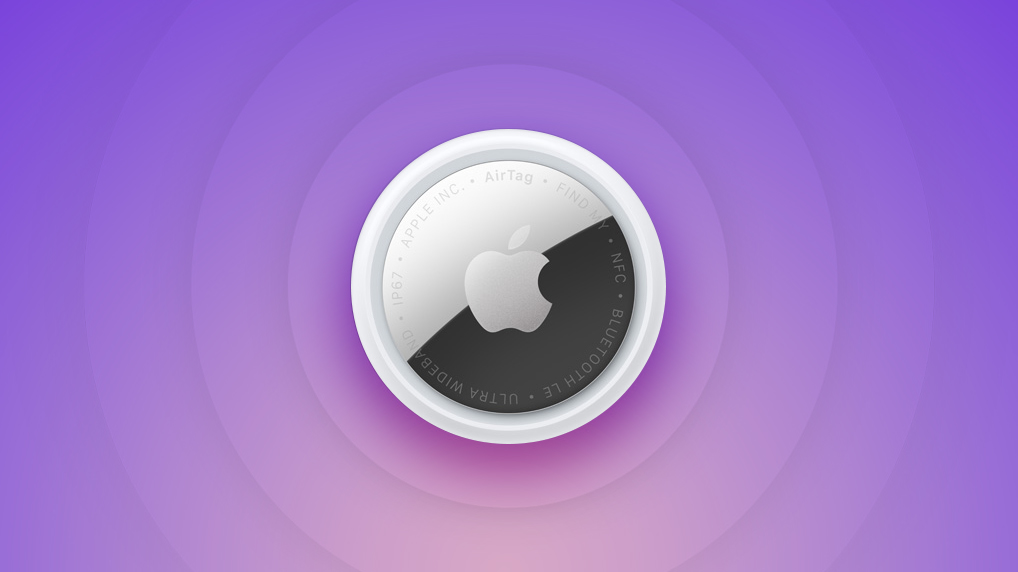
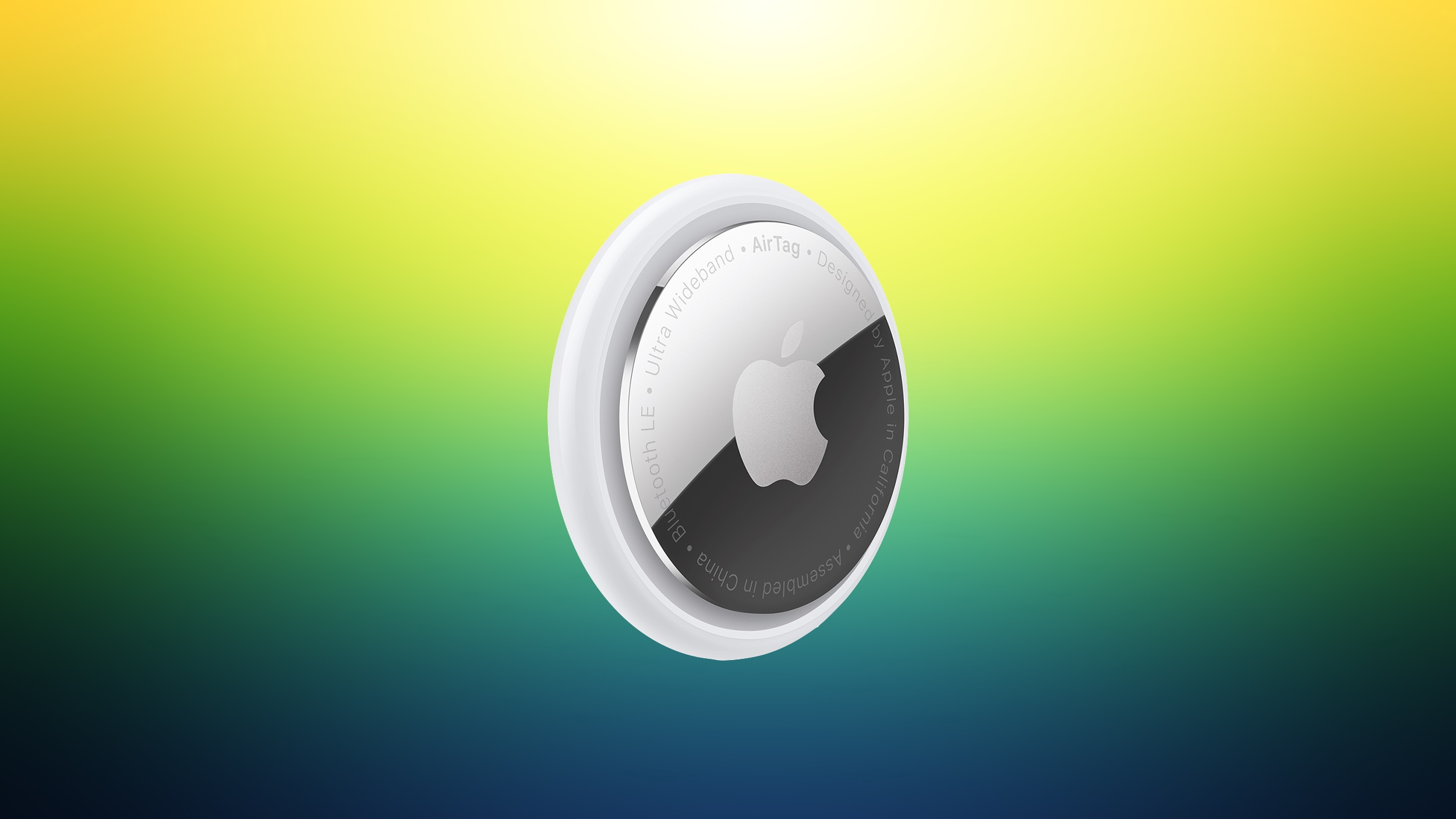
Prime Day doesn't kick off until tomorrow, but we're seeing a handful of steep discounts on a few Apple devices already today. This includes the AirTag 2 at the new low price of $24.00 for the 1-Pack and $89.00 for the 4-Pack.
Note: MacRumors is an affiliate partner with Amazon. When you click a link and make a purchase, we may receive a small payment, which helps us keep the site running.
This is the first major discount we've ever seen on the AirTag 2 at Amazon since the device launched earlier in 2026. The new AirTag is equipped with a second-generation Ultra Wideband chip, enabling the Precision Finding feature to work up to 50% farther away from an item compared to the previous-generation model.
If you're on the hunt for more discounts, be sure to visit our Apple Deals roundup where we recap the best Apple-related bargains of the past week.
Deals Newsletter
Interested in hearing more about the best deals you can find in 2026? Sign up for our Deals Newsletter and we'll keep you updated so you don't miss the biggest deals of the season!
iOS 27 introduces a new recovery mode for iPhone and iPad that lets the device boot into an alternative, lightweight interface without loading the full operating system, similar to recovery mode on Apple silicon Macs.
To use the feature, users must turn the device off, then hold the side button to power it on. The Apple logo appears as it would during a normal boot, but holding the button for an extended duration brings up a progress bar, and the device then launches into the new recovery environment rather than continuing into iOS or iPadOS as normal. The process mirrors how recovery mode is triggered on Apple silicon Macs by holding the power button.
The new recovery screen offers five options: Recovery Assistant, Software Update, Diagnostics Mode, Erase All Content and Settings, and Recovery Mode. The interface also displays the current battery percentage in the corner of the screen and automatically connects to a known Wi-Fi network, while a power button in the toolbar lets users attempt a normal restart instead.
New in iOS 27: On-Device Recovery Mode Options
When turning on your iPhone, if you continue to hold the power button, you will see new recovery options such as:
Recovery Assistant Software Update Diagnostics Mode Erase All Content and Settings Recovery Mode via Mac pic.twitter.com/eS404VH8Ca
The addition means some last-resort repairs that previously required connecting an iPhone or βiPadβ to a computer can now be carried out independently on the device itself. Apple's Recovery Assistant tool is designed to handle some of these automated fixes without further input.
The need to use the new recovery mode should remain rare. One scenario where it could come in handy is if a software update fails to install, such as when a device runs out of battery mid-update. Some iOS beta versions have in the past caused devices to soft-lock or enter boot loops, and in those cases, the Software Update option in the new recovery mode could allow a user to reinstall the last stable version of the OS without needing to put the device into DFU mode and restore it from a Mac or PC.
βiOS 27β and iPadOS 27 are in developer beta testing now, with a public beta expected next month, and an official release in the fall.
Apple's AirPods Max 2 have hit $399.00 on Amazon, down from $549.00. This sale is available in all five colors and it's a massive discount on the brand new headphones, coming in $100 under the previous all-time low price.
Note: MacRumors is an affiliate partner with some of these vendors. When you click a link and make a purchase, we may receive a small payment, which helps us keep the site running.
Free delivery has the AirPods Max 2 arriving around June 27, but Prime members should see same-day delivery options in many locations. This is one of the best early Prime Day deals we've tracked so far, and if more colors are added we'll update this article.
If you're on the hunt for more discounts, be sure to visit our Apple Deals roundup where we recap the best Apple-related bargains of the past week.
Deals Newsletter
Interested in hearing more about the best deals you can find in 2026? Sign up for our Deals Newsletter and we'll keep you updated so you don't miss the biggest deals of the season!
Apple will unveil the Apple Watch Ultra 4 alongside an Apple Watch Series 12 later this year, according to Bloomberg's Mark Gurman.
Writing in his latest Power On newsletter, Gurman plotted out Apple's product roadmap for the rest of the year, including the Phone 18 Pro, Pro Max, and the company's first foldable iPhone. "That flurry of devices should also include an Apple Watch Series 12 and Ultra 4," said Gurman.
Apple hasn't released a new Apple Watch Ultra model every year. The Ultra launched in 2022, followed by an Ultra 2 in 2023. In 2024, the only update was a black color option, but the underlying hardware remained unchanged. The Ultra 3 arrived in 2025, so it sounds like Apple isn't skipping a year this time around.
The Apple Watch Ultra 4 could include a "full redesign," according to a May 2026 DigiTimes report, but it's not clear what that would include. The device is also rumored to be getting a "significant upgrade to sensing functions." But again, we don't know what that might refer to.
In terms of new watch features, Apple is developing noninvasive blood glucose monitoring technology, but it is still believed to be a few years away while Apple works on further miniaturization.
Leaked Apple code has suggested the company is experimenting with biometric authentication in the form of Touch ID for 2026's Apple Watch lineup, but it's not clear how this could be implemented. Touch ID could go under the display, or it could be integrated into the side button. The feature would reduce reliance on numerical passcodes for unlocking, but the Apple Watch already has a wrist authentication feature for making purchases.
Looking further ahead, Apple is considering using LG Display's high-mobility oxide (HMO) thin-film transistor technology for the next Apple Watch OLED display in 2027. Compared to the current LTPO display technology, HMO increases electron mobility for lower power consumption.
The Apple Watch Ultra 4 and Apple Watch Series 12 are expected to arrive in September alongside the new iPhone models. watchOS 27 will add new watch faces to the new devices, including a variant of the Modular Ultra face.
Today, Microsoft is announcing one of the largest single capacity additions in our history. In Pecos, Texas, we will build a new datacenter campus, expanding our global datacenter capacity by approximately 2 gigawatts (GW) to meet strong and sustained customer demand for AI and cloud services across industries and regions. Beyond the technology, this is a major investment in West Texas. We expect to support over 6,000 construction jobs at peak build-out and to create hundreds of permanent operational jobs that will add a new industry that supports the local economy when the new datacenter campus is operational.
This multibillion-dollar datacenter campus investment over the next five to seven years reflects both the immediate needs we are seeing today and the future trajectory of AI and advanced compute, where reliable infrastructure at scale is essential to unlocking the next generation of innovation. This expansion is grounded in a simple principle: we build where our customers need us, and we build for the long term. We have a track record of doing exactly that in Texas. In the San Antonio region, where we have operated datacenters for nearly a decade, our investment has generated billions of dollars in local economic activity and supported thousands of local jobs. We are committed to delivering the same lasting value in Pecos.
Meeting customer demand with reliable infrastructure
Customer demand for AI and cloud services continues to grow rapidly, from startups building new applications to governments, healthcare providers and educational institutions modernizing critical systems. Meeting this demand requires not only more datacenter capacity, but capacity that is predictable, resilient and able to scale quickly.
The datacenter campus in Pecos enables us to deliver on that need. By pairing new datacenter infrastructure with dedicated energy supply located onsite, we can bring capacity online at the pace our customers require while maintaining operational reliability. Critically, the energy infrastructure required to power this datacenter is being funded by Microsoft. We are paying for the new generation and supporting infrastructure needed to serve our own operations. The capacity we bring online in Pecos is built to meet our demand, ensuring that our growth strengthens, rather than strains, the energy resources the community relies on.
Putting Community First in West Texas
While meeting customer demand is critical, how we grow is equally important. At Microsoft, our Community First approach guides us where we build, own and operate our datacenters, including our new datacenter campus in Pecos.
This work begins with a simple commitment: we show up as a lasting partner, not just a builder of infrastructure.
As shared in our letter to the community in Pecos and Reeves County, we are approaching this project as a new neighbor, with a focus on partnership, transparency and listening. We recognize that earning trust takes time, and we are committed to ongoing engagement with local residents, leaders and organizations as this project moves forward. The regionβs elected leadership has welcomed the investment. Reeves County Judge Leo Hung, the countyβs top elected official, said:
βWe are excited to welcome Microsoft to Pecos. This investment reflects the strength of our region and its ability to support innovation at a global scale. It will create new opportunities for local businesses, support workforce development and reinforce Pecos as a place where forward-looking companies can grow and thrive.β
Our Community First approach in this region focuses on three priorities:
1. Listening and engaging early
We engage early and often through community meetings, local partnerships and ongoing communication across the life of the project, which gives residents multiple ways to ask questions and share feedback, just as we have in other Texas communities.
2. Creating local economic opportunity
This project is built to drive lasting regional growth. As well as supporting thousands of construction jobs, the hundreds of permanent operational roles will add a new industry to the local economy. We will also invest in workforce development and small-business support. We are focused on ensuring that local residents are prepared to take advantage of the opportunities created by the AI economy. This is part of a sustained commitment to the region, building on more than a decade of experience in Texas, including our operations in San Antonio:
A snapshot of Microsoftβs long-term impact in San Antonio, the kind of partnership we are bringing to Pecos.
Near San Antonio, where we have operated for nearly a decade, our Datacenter Academy partners with local colleges to prepare students for datacenter careers, including a $545,000 investment that has already reached more than 450 students. Statewide, workforce programs like TechSpark have helped create more than 1,100 jobs and engaged 20,000 Texans in digital skilling. We will bring the same model of local hiring, training and small-business support to West Texas.
3. Partnering for lasting community impact
Our investment reaches well beyond the datacenter, into education, digital inclusion and nonprofit partnerships. In fiscal year 2024, Microsoft and its employees contributed $11 million in cash and $103.3 million in donated software and cloud technology to more than 10,000 Texas nonprofits, alongside 42,000+ employee volunteer hours. In Pecos, we will direct that same commitment toward the priorities that matter most to West Texas residents.
Advancing sustainability through innovation
As we expand our datacenter footprint, we remain equally committed to building and operating our infrastructure in ways that reduce environmental impact.
Energy and emissions
This includes improving energy efficiency across our infrastructure, from compute to hardware, and building on the 4.7 GW of renewable electricity we have already contracted for our electricity use in Texas, advancing carbon-free electricity through renewable generation and other technologies. This investment is intentionally designed with flexibility in mind, allowing Microsoft to adjust capacity over time as demand evolves.
At launch, the datacenter campus will operate with a co-located natural gas power facility, an arrangement known as βbehind the meter.β This serves the campus directly and independently of the public grid, so this demand does not take from the current grid. The plantβs design will integrate state-of-the-art air emissions controls, such as Selective Catalytic Reduction systems to lower nitrogen oxide emissions. Over time, we anticipate connecting the power facility and the datacenter to the broader grid and becoming part of the regional energy system, working in close coordination with utilities and local authorities. We will continue to drive additional improvements in environmental performance in line with our corporate commitments. This evolution reflects our long-term mindset in the region: as we grow, we intend to contribute to a more resilient and reliable grid that delivers value not only to our operations, but to the wider West Texas community.
Water stewardship
We plan to deploy closed loop cooling systems, which significantly reduce water requirements. This approach is expected to limit water usage by requiring only an initial charge of the cooling system at the start of operations, with no additional water consumption during steady-state operation. As a result, the total lifecycle water use of this datacenter is only a fraction of that consumed annually by a typical fast-food restaurant.
We are also designing our operations to minimize reliance on freshwater sources by utilizing nonpotable water where possible, helping to reduce pressure on shared community resources.
This builds on the way we approach water stewardship across Texas. Near San Antonio, Microsoft has helped fund the permanent protection of more than 1,500 acres in the Edwards Aquifer recharge zone β safeguarding a critical water source for over two million Texans β as part of our broader commitment to be water positive by 2030. In Pecos, we will continue to prioritize responsible water use, efficient design and close coordination with local authorities as our operations grow, and we will share our progress with the community over time.
Building for the future, responsibly
The datacenter in Pecos represents an important step forward in how we build infrastructure for the AI era by combining capacity at scale, energy and a commitment to responsible growth.
But just as importantly, it reflects how we do this work: in partnership with communities, with an enduring mindset and with a focus on creating shared value.
As we move forward, we will continue to engage closely with the community in West Texas, provide updates on our progress and ensure that this investment delivers lasting benefits for both our customers and our neighbors. Community members can learn more at Open letter to Pecos and Reeves County β Microsoft Local.
We look forward to building that future together.
Noelle Walsh leads the organization that powers the global Microsoft Cloud. She oversees the companyβs physical cloud infrastructure and operations, with a charter focused on safety, security, availability, sustainability and competitive infrastructure growth β bringing decades of global operational leadership.
There is growing speculation that Apple may hike the prices of its iPhone 17 lineup as soon as this month, following CEO Tim Cook's recent comments about "unavoidable" price increases.
Last week, Cook told The Wall Street Journal that Apple is no longer able to absorb the increased cost of memory and storage chips, both of which are in high demand from AI and neocloud companies as they continue to build more data centers.
The scale of the AI infrastructure buildout has prompted debate over whether demand will ultimately justify the hundreds of billions of dollars being invested, but for now it is helping to drive supply constraints across the semiconductor industry. Cook likened the memory shortages to a hundred-year flood. "I've never seen anything like it in any area in over 40 years," he said.
Multiple companies have already raised their prices, including Samsung, Microsoft, Sony, and Dell. Apple is now expected to follow suit. Bloomberg's Mark Gurman believes that the timing of Cook's comments likely indicates price hikes are "imminent." Gurman has also linked potential price increases to Apple's Back to School sale, which is expected to be announced imminently. His thinking is that Apple may tie the two things together as a "buffer."
Apple holds a Back to School sale each June, providing teachers and students with free accessories or gift cards when purchasing a Mac or an iPad. The added bonus is in addition to Apple's educational discount. The Back to School sale typically takes place around WWDC, and in three of the last five years, it has started 8 to 10 days after the WWDC keynote. That could mean we see the sale announced as soon as this week. Could higher device prices arrive in tandem?
Either way, Gurman believes the price hikes are "not a fall thing." In other words, they won't be held back until the launch of new iPhone 18 Pro models around mid-September. Chinese supply chain leaker Ice Universe said as much over the weekend, suggesting the price of Apple's current flagship lineup could rise before then.
Apple's existing iPhone retail prices are as follows:
iPhone 17e: from $599
iPhone 17: from $799
iPhone Air: from $999
iPhone 17 Pro: from $1,099
iPhone 17 Pro Max: from $1,199
Meanwhile, The Wall Street Journal has published its own analysis estimating the iPhone 18 Pro could start as high as $1,399.
Prices on iPads and Macs could also go up in the near future.
The DistroWatch news feed is brought to you by TUXEDO COMPUTERS. This week in DistroWatch Weekly:
Review: TBlock
News: Arch responds to more AUR attacks, Fedora's growing community, reasons to avoid immutable desktops, Ubuntu 26.10 to get speech recognition, Canonical updates its beta policy, highlights of KDE Plasma 6.7
Questions and answers: What is the significance of the AUR being compromised?
Released....