Lees weergave

Chase Sapphire Preferred Card Introduces New Perk for Apple Customers

Chase this week announced new perks for its Sapphire Preferred credit card, and one of them is a complimentary one-year Apple TV streaming subscription.
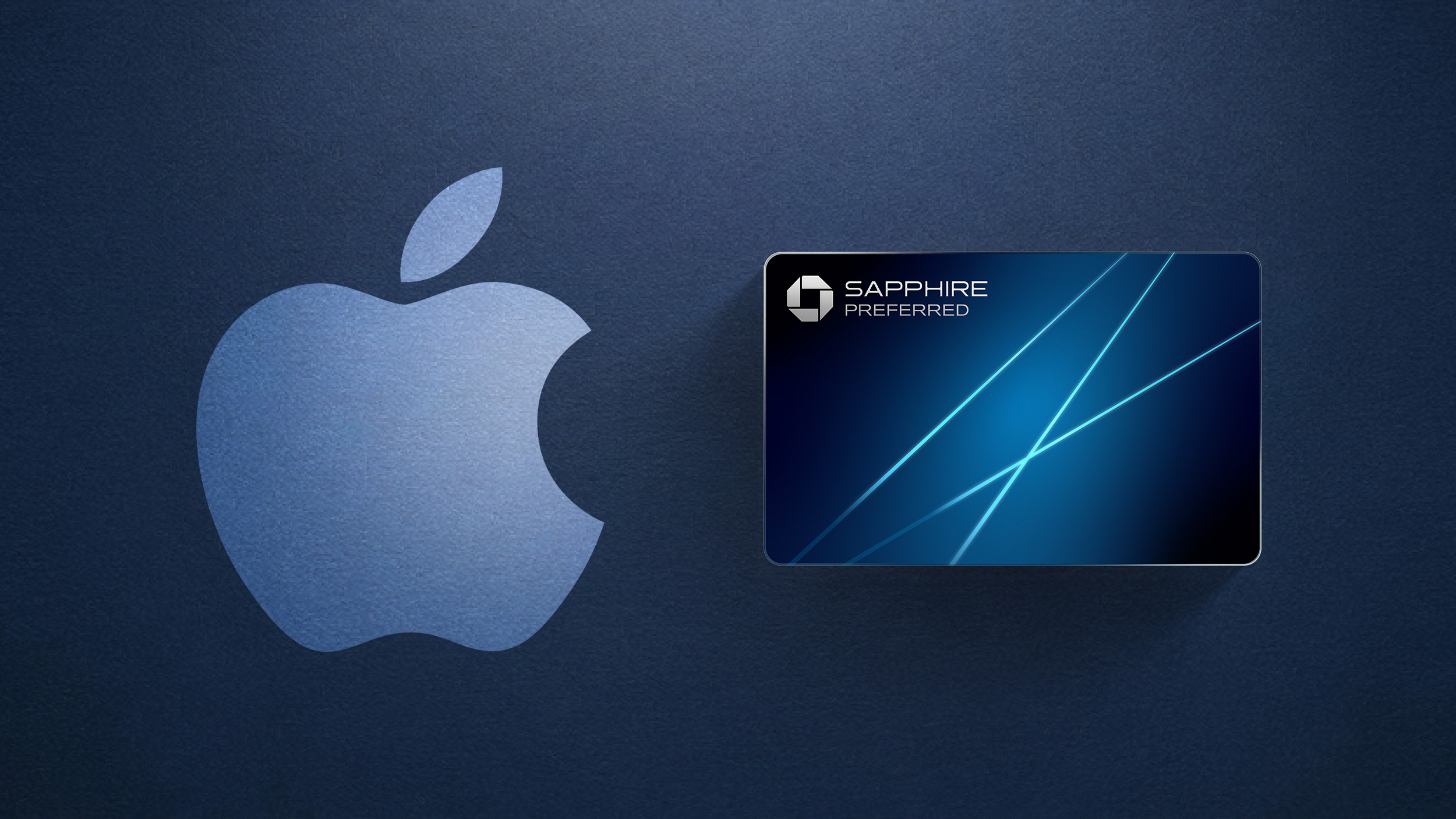

To get the free year of Apple TV, which typically costs $12.99 per month in the U.S., you must activate the card by December 31, 2026.

If you are already subscribed to Apple TV directly through Apple, the complimentary subscription from Chase will automatically supersede your paid subscription until it ends, at which point the paid subscription will resume at the going price.

As noted by 9to5Mac, Apple One subscribers can receive a $7.50 discount per month instead.

If you are subscribed to Apple One directly through Apple, and activate your complimentary Apple TV access on Chase.com or the Chase Mobile app with the same Apple Account connected to your Apple One billing, you will automatically receive a $7.50 discount on your Apple One subscription for 12 months starting on your next billing period.

Chase's Sapphire Preferred card continues to have a $95 annual fee. New and existing cardholders have access to these new benefits starting today.

The other new benefits include 3× points on gas, EV charging, and Airbnb and Vrbo bookings, while the card's annual hotel statement credit has been doubled to $100. There is also a new $120 Global Entry, TSA PreCheck, or NEXUS credit every four years, along with new "emergency evacuation and transportation" coverage.

On the other hand, the 10% anniversary bonus benefit is being discontinued, and Ultimate Rewards points will transfer to World of Hyatt at a rate of 4:3.

More details are available in Chase's press release. For a limited time, new cardholders can earn 100,000 points after spending $5,000 in the first three months.

Chase's higher-end Sapphire Reserve credit card offers complimentary Apple TV and Apple Music subscriptions, but it has an annual fee of $795.

Update: Sapphire Reserve cardholders can now get a $15/month discount on Apple One.
This article, "Chase Sapphire Preferred Card Introduces New Perk for Apple Customers" first appeared on MacRumors.com

Discuss this article in our forums
  •  

Second macOS Tahoe 26.6 Beta Now Available for Developers

Apple today provided the second beta of an upcoming macOS Tahoe 26.6 update to developers for testing purposes, with the update coming almost three weeks after Apple seeded the first beta.


Developers can download the ‌macOS Tahoe‌ 26.6 update by opening up the System Settings app, selecting the General category, and then choosing Software Update. Beta Updates will need to be enabled, and a free developer account is required.

With macOS Golden Gate set to launch in just a few months, Apple is likely focusing most of its attention on the new software. We are not expecting any major new features in ‌macOS Tahoe‌ 26.6.
Related Roundup: macOS Tahoe
Related Forum: macOS Tahoe

This article, "Second macOS Tahoe 26.6 Beta Now Available for Developers" first appeared on MacRumors.com

Discuss this article in our forums
  •  

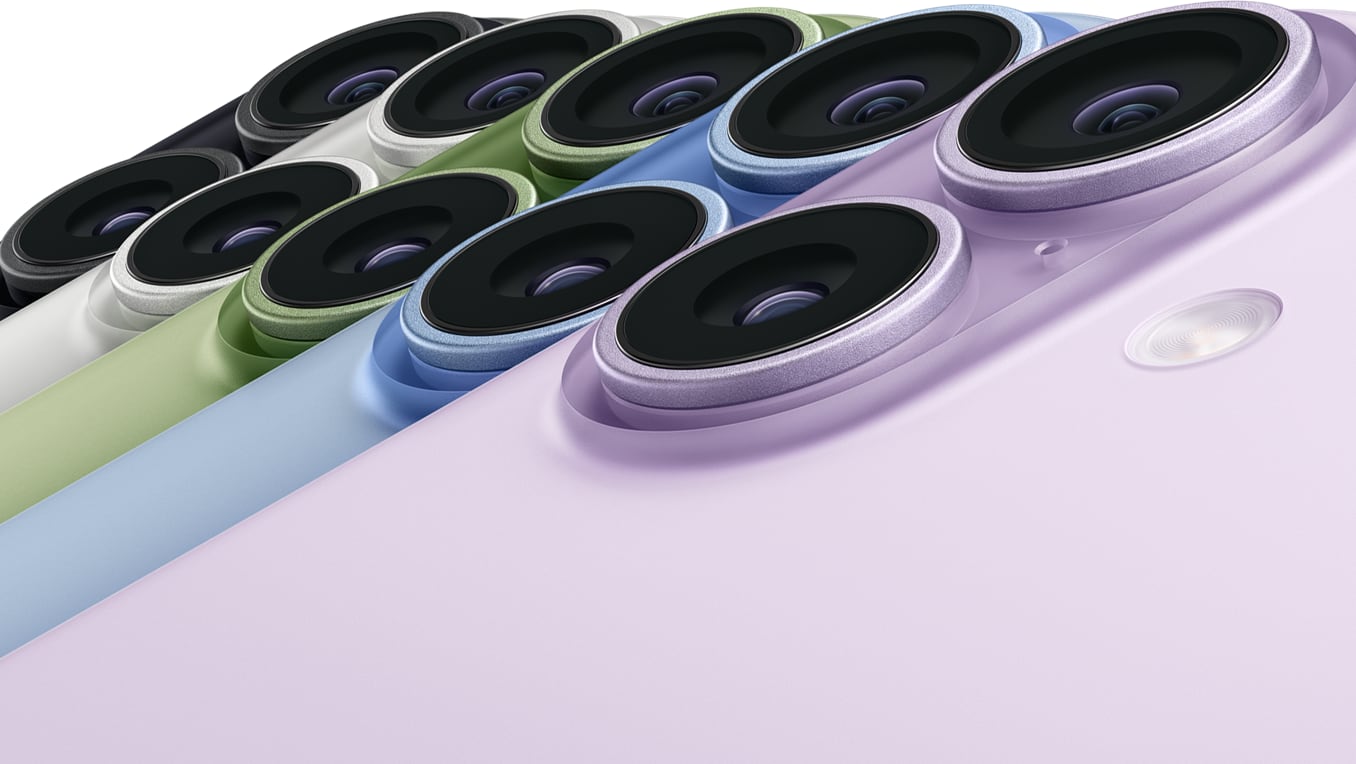
Apple Seeds Second iOS 26.6 and iPadOS 26.6 Betas to Developers

Apple today seeded the second betas of upcoming iOS 26.6 and iPadOS 26.6 updates to developers for testing purposes, with the software coming three weeks after Apple seeded the first betas.


Registered developers can download the betas from the Settings app on the iPhone or iPad by going to the General section and selecting Software Update.

With iOS 27 set to launch in September, Apple is wrapping up work on iOS 26. We are not expecting any major new features in the iOS 26.6 update, and it will primarily focus on bug fixes and performance improvements.

The update adds new wording around blocked contact limits, letting users know when they have exceeded the maximum number of blocked contacts. The update might also include a new anti-snatching feature that locks your iPhone if it's grabbed from your hand.
Related Roundups: iOS 26, iPadOS 26
Related Forum: iOS 26

This article, "Apple Seeds Second iOS 26.6 and iPadOS 26.6 Betas to Developers" first appeared on MacRumors.com

Discuss this article in our forums
  •  

No iPhone 18 This Year, Apple Supplier Comments Seemingly Confirm

Apple's standard iPhone 18 model will launch in early 2027, based on comments from a partner in the company's supply chain that appear to corroborate rumors of a delayed spring release for the base model.


Apple typically works on an annual smartphone launch cycle where it releases the entirety of its latest flagship iPhone series in the fall, usually around mid-September. That appears set to change this year, however.

Multiple reports claim the base iPhone 18 model will be held over until spring 2027, and only the iPhone 18 Pro models will debut this year alongside Apple's first foldable iPhone.

Now, comments from a key Apple supplier appear to offer corroborating evidence that the company is preparing to break from its traditional launch schedule.

Speaking at Largan Precision's annual shareholders' meeting, chairman Lin En-ping said a major U.S. customer had postponed the launch of a new model to the first quarter of 2027, shifting component procurement later into the year and boosting expected factory utilization in the fourth quarter.

Lin did not identify the customer or product, but Largan is Apple's primary supplier of iPhone camera lenses, so the remarks are notable in light of reports that the standard iPhone 18 will not launch alongside Apple's higher-end models this time around.

The comments are particularly noteworthy because Apple suppliers rarely offer public details about clients' future product launches, even indirectly.

According to reports, Apple plans to split future iPhone launches across two release windows. Under the new strategy, premium models would continue to debut in September, while lower-cost models would follow the next spring. If accurate, the standard iPhone 18 will arrive in early 2027 alongside the iPhone 18e and iPhone Air 2, roughly six months after the iPhone 18 Pro, iPhone 18 Pro Max, and Apple's much-rumored foldable "iPhone Ultra."

The staggered approach is expected to help Apple manage manufacturing resources more efficiently as its lineup grows to six devices instead of five, while helping maintain sales momentum throughout the year. If implemented, it would be the first deliberate separation of Apple's flagship iPhone releases since the company established its annual fall launch pattern with the iPhone 4S in 2011.

The standard iPhone 18 models are not expected to feature design changes, with Apple using the same 6.3-inch display size for the iPhone 18 and the 6.1-inch size for the iPhone 18e. For everything we know so far, be sure to check out our dedicated roundup.
Related Roundup: iPhone 18
Related Forum: iPhone

This article, "No iPhone 18 This Year, Apple Supplier Comments Seemingly Confirm" first appeared on MacRumors.com

Discuss this article in our forums
  •  

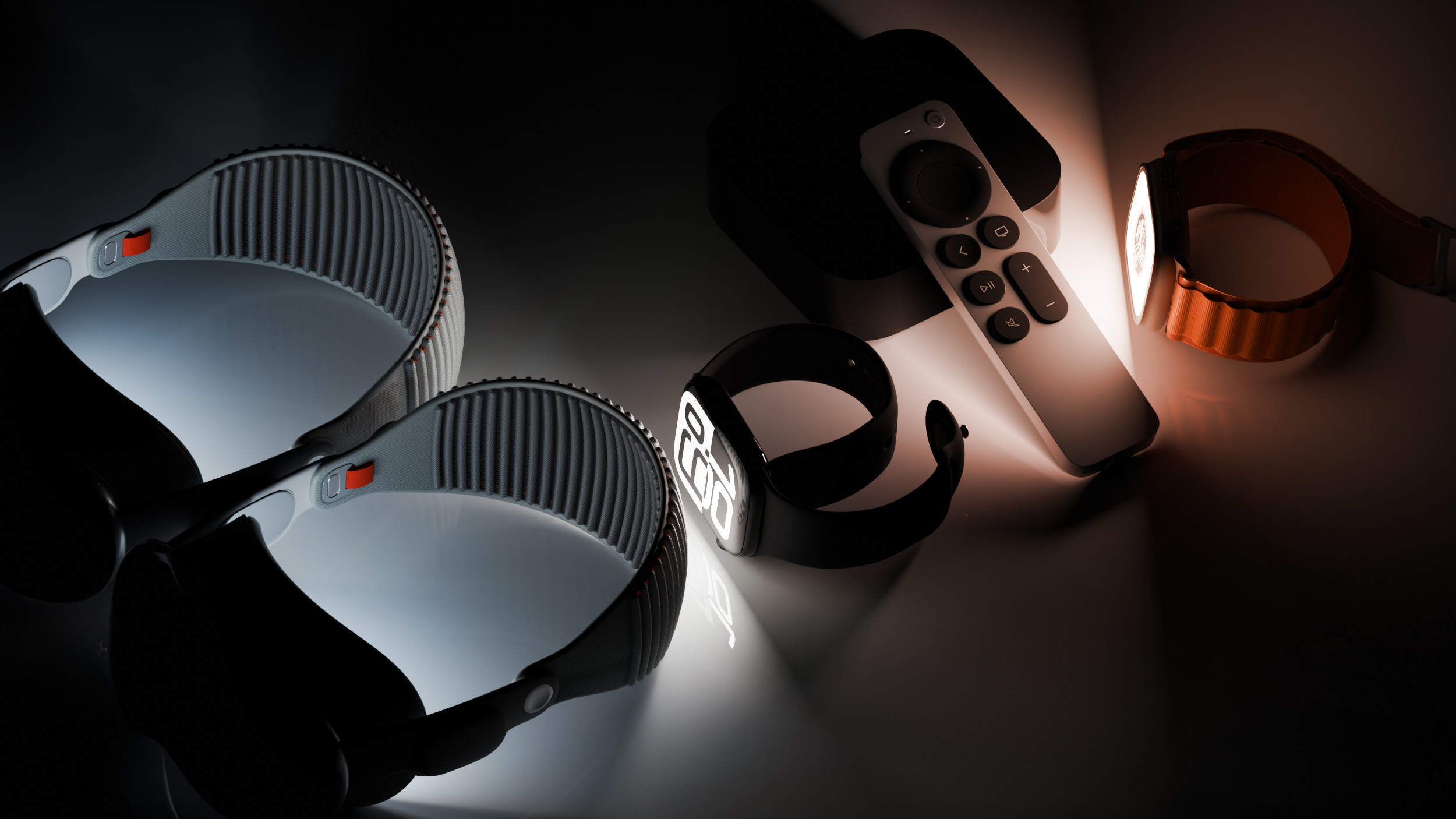
Apple Releases Second watchOS 26.6, tvOS 26.6 and visionOS 26.6 Betas

Apple today provided developers with the second betas of upcoming watchOS 26.6, tvOS 26.6, and visionOS 26.6 betas for testing purposes. The software comes three weeks after Apple seeded the first betas.


The software updates are available through the Settings app on each device, and because these are developer betas, a free developer account is required.

There's no word on what's in the software as of yet. watchOS, tvOS, and visionOS often get few features in each new beta, with updates primarily focusing on bug fixes and performance improvements.
This article, "Apple Releases Second watchOS 26.6, tvOS 26.6 and visionOS 26.6 Betas" first appeared on MacRumors.com

Discuss this article in our forums
  •  

iOS 26.5.2 Coming Soon Alongside the iOS 26.6 and iOS 27 Betas

Apple is internally testing iOS 26.5.2, according to the MacRumors visitor logs, which have accurately confirmed many future iOS versions over the years.


iOS 26.5.2 will almost certainly be a minor update that fixes software bugs and/or security vulnerabilities. We do not know exactly when the update will be released, but our best guess is that it will arrive this week or next week.

iOS 26.5.1 was released earlier this month with a fix for a charging issue that impacted some iPhone 17, iPhone 17 Pro, iPhone 17 Pro Max, and iPhone Air units. That update was not released for any other iPhones, so it is reasonable that Apple is apparently planning a follow-up iOS 26.5.2 update that supports the full range of compatible models.

Apple has a lot of software updates in the works, as iOS 26.5.2 will arrive alongside the iOS 26.6 beta and iOS 27 beta. The first iOS 26.6 beta did not introduce any major new features, as Apple is focused on the much bigger iOS 27 update with a more intelligent and personal version of Siri, design tweaks, and performance improvements.
Related Roundups: iOS 26, iPadOS 26, iOS 27, iPadOS 27
Related Forum: iOS 26

This article, "iOS 26.5.2 Coming Soon Alongside the iOS 26.6 and iOS 27 Betas" first appeared on MacRumors.com

Discuss this article in our forums

  •  

Philips Hue and WiZ Launch Sports Live Feature for the 2026 World Cup

Signify has launched Sports Live, a new feature for Philips Hue and WiZ smart lighting products that synchronizes lighting effects with live soccer match data in real time (via Hue Blog).


The feature is rolling out now for the 2026 FIFA World Cup. Sports Live uses live match data to trigger lighting changes at key in-game moments, including goals, yellow cards, and red cards, with the aim of making at-home viewing feel more immersive.

Unlike traditional TV sync systems that rely on HDMI-based hardware to analyze on-screen content, Sports Live connects directly to live match data and responds to events as they occur, eliminating the need for additional synchronization hardware. During quieter periods, lights adapt to reflect a favorite team's colors, the leading team's colors, or a neutral white when the score is tied.

Setup is handled through either the Philips Hue or WiZ mobile app. In the Hue app, the feature is found under the Sync tab, where users select a room or zone, which must include at least one color-capable light, and optionally choose favorite teams to receive match suggestions.

Current games appear directly in the Sync tab, with a separate list available for upcoming fixtures. Sports Live automatically starts 15 minutes before kickoff once a match is selected, and a delay adjustment tool lets viewers sync lighting effects to their specific broadcast.

After setup, users can still customize the default scene, brightness, and room. Any lights paired with Hue Sync Box take priority and will not be used for Sports Live. WiZ users can access the feature through the company's Wi-Fi platform without requiring a hub.

The Philips Hue 5.69 app update that delivers Sports Live also introduces a new Bridge zone, which consolidates all devices and automations across an entire Hue Bridge into a single group on the home dashboard, with options to create scenes and hide or rearrange groups. The zone appears in the "Hidden" section by default and must be manually surfaced.

Sports Live is compatible with existing Hue and WiZ entertainment features, including Hue Sync and WiZ Sync with TV, with the 2026 FIFA World Cup now underway in Mexico, Canada, and the U.S.
This article, "Philips Hue and WiZ Launch Sports Live Feature for the 2026 World Cup" first appeared on MacRumors.com

Discuss this article in our forums
  •  

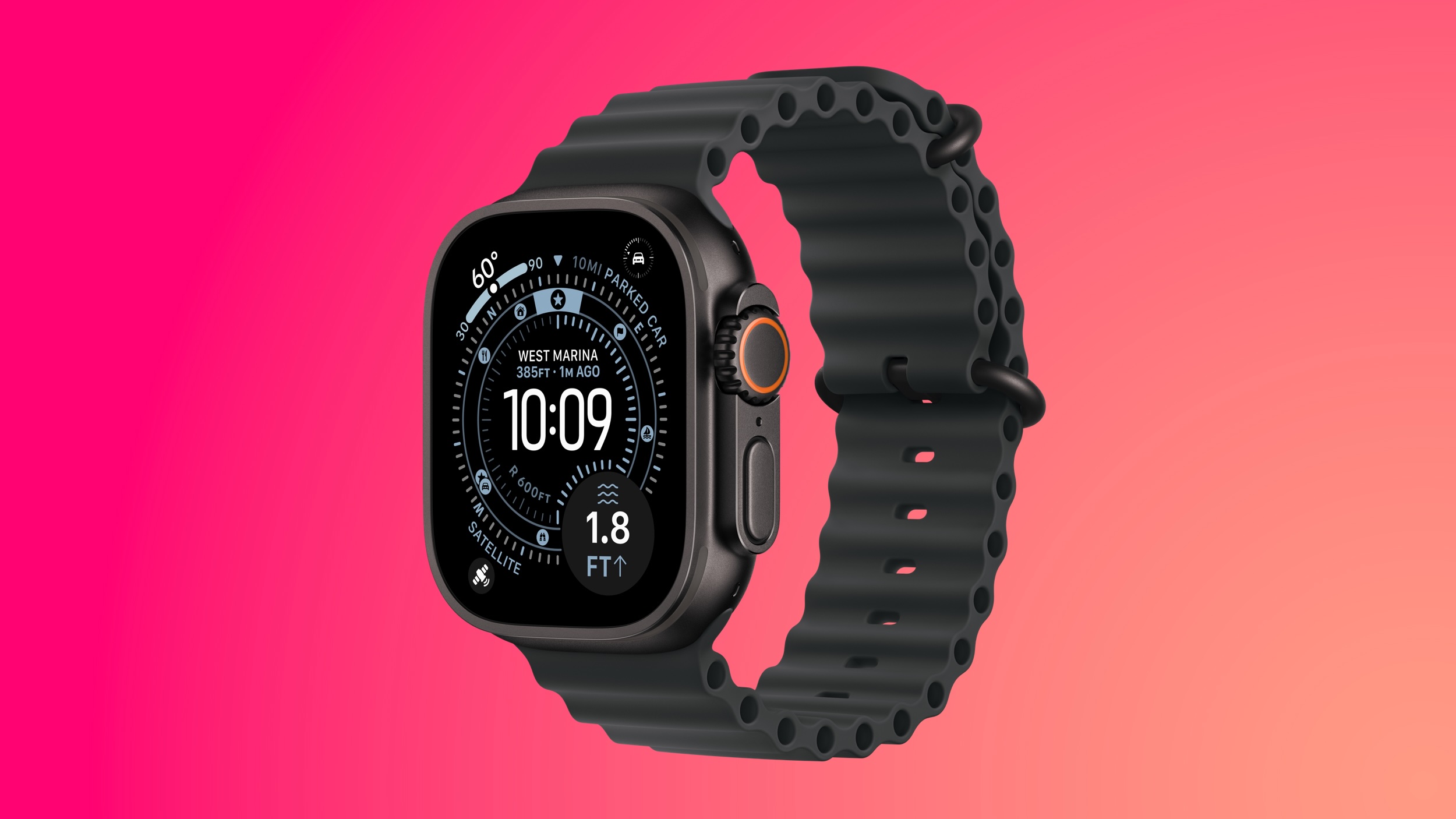
Apple Watch Ultra 3 Drops to $699.99 Ahead of Prime Day

Early Prime Day deals continue to trickle in as Amazon this week has brought back the best price of the year so far on the Apple Watch Ultra 3, taking $99 off the Black Titanium model with the Black Ocean Band. It's been nearly two months since we last tracked notable discounts on the Apple Watch Ultra 3, and right now only one model is on sale at $99 off.

Note: MacRumors is an affiliate partner with some of these vendors. When you click a link and make a purchase, we may receive a small payment, which helps us keep the site running.
There are discounts on a wide array of different Ultra 3 models, but they're only hitting around $50 off as of writing. For the Black Ocean Band model, Amazon provides an estimated delivery date before the end of the week, so it will arrive before Father's Day.


You'll also find all-time low prices on the Apple Watch Series 11 on Amazon ahead of Prime Day, with $100 discounts across numerous models of the smartwatch. This sale includes a handful of GPS aluminum models on sale at record low prices.


You can get the 42mm GPS Apple Watch Series 11 for $299.00, down from $399.00, and the 46mm GPS model for $329.00, down from $429.00. On Amazon, you'll find four of the 42mm GPS models and four of the 46mm GPS models on sale at these all-time low prices.

If you're on the hunt for more discounts, be sure to visit our Apple Deals roundup where we recap the best Apple-related bargains of the past week.


Deals Newsletter


Interested in hearing more about the best deals you can find in 2026? Sign up for our Deals Newsletter and we'll keep you updated so you don't miss the biggest deals of the season!


Related Roundup: Apple Deals

This article, "Apple Watch Ultra 3 Drops to $699.99 Ahead of Prime Day" first appeared on MacRumors.com

Discuss this article in our forums

  •  

Leaker Warns iPhone 18 Pro New Colors May Face Same Durability Issues

A known Weibo leaker has reiterated that the iPhone 18 Pro will retain its aluminum alloy build, while issuing a specific warning that the new color options may be susceptible to paint peeling.


In a new Weibo post, the leaker "Fixed Focus Digital" said the ‌iPhone 18 Pro‌ "will still feature an aluminum alloy build" and noted that heat dissipation is "indeed excellent." The leaker then added a pointed caveat: anyone unfamiliar with the durability problems that plagued the iPhone 17 Pro should "be careful about potential paint-peeling issues with the new color options."

Fixed Focus Digital previously pointed out that surface chipping on the ‌iPhone 17 Pro‌ is a common complaint, and that users who seek recourse from Apple are often told they cannot claim it, with the company classifying the issue as an inherent characteristic of the aluminum alloy material and normal wear and tear. The leaker added at the time that the ‌iPhone 18 Pro‌ would "continue to utilize this same design approach" despite its weaknesses.

The ‌iPhone 17 Pro‌ moved away from the titanium frames Apple used in its Pro lineup for the previous two years, adopting an anodized aluminum unibody design. Surface durability concerns surfaced almost immediately after launch. Reports suggested that Dark Blue and Cosmic Orange models appeared to scratch more easily than other finishes, with MacRumors forum users describing visible marks on in-store display units within days of availability.

A scratch test by YouTuber JerryRigEverything added some nuance, finding that most of the anodized shell holds up well against everyday items like keys and coins, but pinpointing the camera plateau as a clear weak point where the raised, unchamfered edges chip and scratch easily.

A separate issue emerged the following month, when a number of Cosmic Orange ‌iPhone 17 Pro‌ owners reported color shift, with the aluminum frame and camera plateau drifting toward a rose-gold or pink hue and in some cases prompting device replacements by Apple Support.

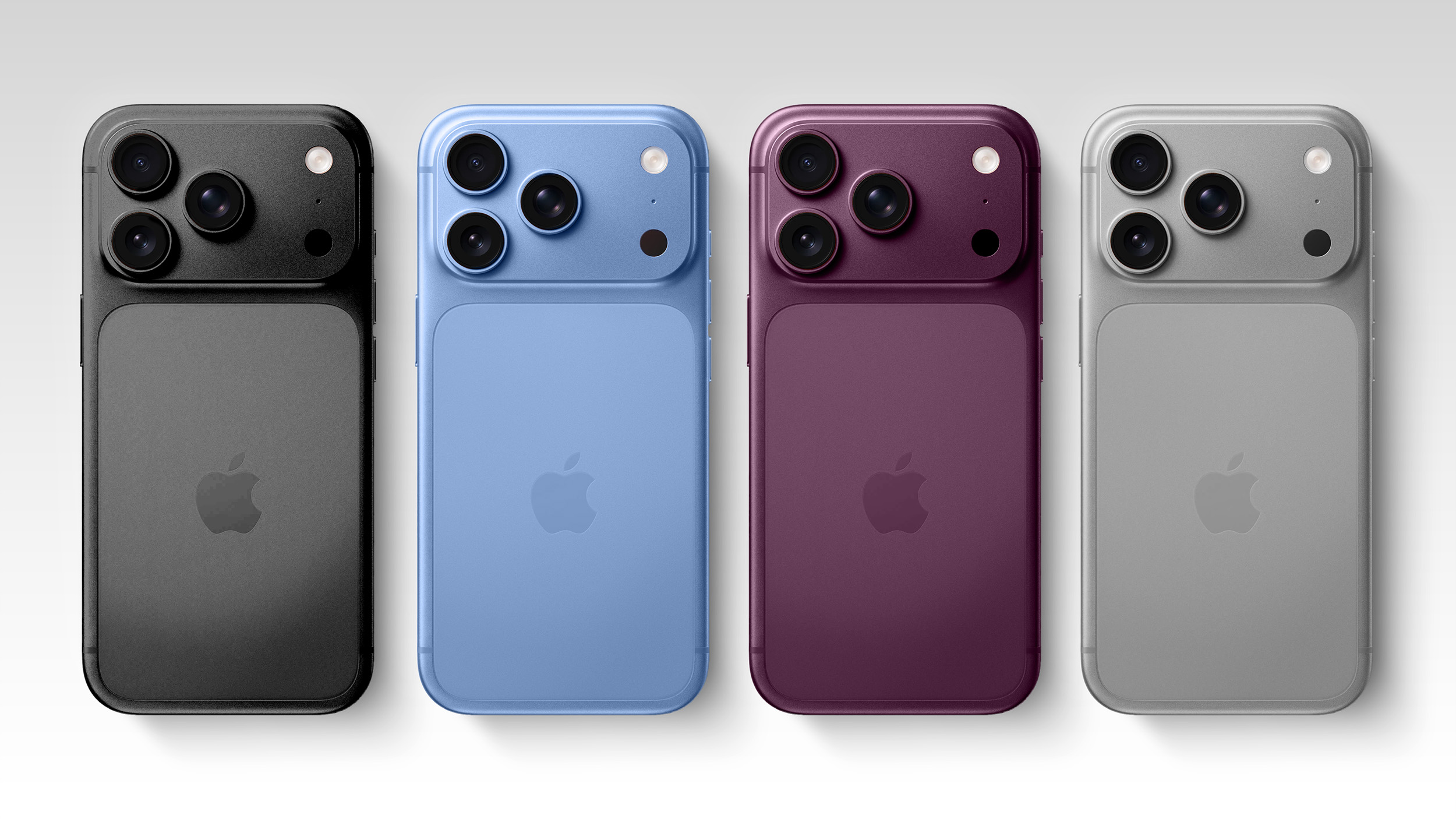
Rumors point to four color options for the ‌iPhone 18 Pro‌ models: Dark Cherry, Light Blue, Dark Gray, and Silver. Dark Cherry is expected to serve as the signature new color, described as a deep, wine-like red that is considerably more muted than last year's Cosmic Orange. The ‌iPhone 18 Pro‌ is not expected to offer a black option for the second consecutive year, but the rumored gray option could come very close.

The ‌iPhone 18 Pro‌ and ‌iPhone 18 Pro‌ Max are expected to be announced in September 2026, alongside the first foldable iPhone.
Related Roundup: iPhone 18 Pro

This article, "Leaker Warns iPhone 18 Pro New Colors May Face Same Durability Issues" first appeared on MacRumors.com

Discuss this article in our forums

  •  

Apple Adds Personalized Recommendations and New Marketing Tools to the App Store

Apple last week announced a series of new App Store features, including personalized app recommendations and expanded tools for developers to market their apps.


The most visible change for users is Personalized Collections, a new discovery feature that surfaces app and game recommendations tailored to individual interests and behavior. Alongside each recommendation, new "App Notes" explain why a specific app is being surfaced.

The collections can appear across the Apps, Games, and Search tabs, and will evolve over time as users' download and usage patterns change. Apple says the feature is now available in English in the U.S., with additional languages and regions to follow.

For developers, Apple introduces Creative Assets, rich images and videos that can appear in a product page header and search results, going beyond standard screenshots and app preview clips. These assets can be used to highlight seasonal content, new features, or brand identity, and are compatible with custom product pages and Apple's existing product page optimization testing tools.

A new Asset Library in ‌App Store‌ Connect gives developers a single place to manage all creative materials, with the ability to reuse assets across in-app events and promotions without re-uploading them. Developers can also submit assets for App Review approval independently of a full app update, which is useful for time-sensitive campaigns.

Mac App Store apps and games no longer require Intel support, allowing developers to ship Apple silicon-only binaries. Apple is also allowing developers to group multiple In-App Purchases into a single App Review submission, streamlining the process.

Apple also announced that the age rating questionnaire in ‌App Store‌ Connect will be updated in July to allow developers to indicate whether their app includes social media capabilities such as interacting with user-generated content through a social feed. This ties into new Time Allowances features coming in iOS 27, iPadOS 27, and macOS 27, which give parents more granular controls over how much time children spend in apps across categories including Entertainment, Games, and Social Media.
This article, "Apple Adds Personalized Recommendations and New Marketing Tools to the App Store" first appeared on MacRumors.com

Discuss this article in our forums

  •  

Distribution Release: EasyOS 7.4

The DistroWatch news feed is brought to you by TUXEDO COMPUTERS. Barry Kauler has announced the release of EasyOS 7.4. The new version focuses on polishing classic software options, providing X11 support, fixes for the ROX-filer file manager, and improving video playback by swapping out Celluloid for SMPlayer. "Version 7.4 is a 'milestone' release, consolidating EasyOS as supporting 'legacy'....
  •  

These Three Unannounced iOS 27 and watchOS 27 Features Are Still Coming

Apple developed more for its next-generation software updates than it revealed at WWDC last week, with three features already present in internal builds being deliberately withheld from the public announcement, Bloomberg's Mark Gurman reports.


Writing in the latest edition of his "Power On" newsletter, Gurman says all three missing features are active in internal versions of Apple's operating systems on employee devices today, and each is expected to surface publicly at a later date.

Customizable Camera App


A customizable Camera app for the iPhone, first reported by Gurman in May, also failed to appear at WWDC. The feature would let users rearrange camera controls as widgets along the top of the interface, choosing from options like flash, exposure, timer, depth of field, photo styles, and resolution.

Gurman believes Apple is holding it back specifically for the iPhone 18 Pro, which is expected to bring the most significant camera hardware upgrade in several years.

Siri Extensions


The most notable omission is Extensions, a framework that would allow third-party AI chatbots beyond ChatGPT to integrate with Siri, Apple Intelligence, and features like Writing Tools and Image Playground. Gurman says underlying support for Extensions is already present and visible in the first iOS 27 developer beta, with both a dedicated settings panel and an App Store section built and waiting to be switched on.

Apple has reportedly already held discussions with OpenAI, Anthropic, and Google about the framework, including details about an entitlement those companies would need to apply for. Gurman says he has "no doubt" the feature will arrive eventually.

As for why the Extensions feature was kept out of the WWDC, Gurman offers four theories. Firstly, demonstrating strong AI interoperability could weaken Apple's ongoing argument against EU regulators. Secondly, announcing robust third-party chatbot support could have overshadowed Apple's own Siri overhaul. Thirdly, the threat of litigation from OpenAI may have persuaded Apple to avoid publicly stripping ChatGPT of its exclusive status at its developer conference. Finally, adding a range of external AI options would have further complicated Apple's messaging at a time when it already needed to explain its use of Google's AI models in ‌Siri‌ AI.

Anyone running the first ‌iOS 27‌ or macOS Golden Gate betas can already see a chatbot picker allowing users to switch between ‌Siri‌ and ChatGPT; Gurman says that list is expected to grow via the new developer framework and ‌App Store‌ section. The feature has reportedly been in active use inside Apple for months.

Modular Watch Face


A new Modular watch face for Apple Watch was among the items Gurman had flagged as expected at WWDC but did not appear. Gurman's earlier claim that watchOS 27 would introduce new faces centered on a simplified take on the Modular Ultra design currently exclusive to the Apple Watch Ultra.

Gurman now expects the new face to debut alongside new Apple Watch models this fall.
Related Roundups: iOS 27, iPadOS 27

This article, "These Three Unannounced iOS 27 and watchOS 27 Features Are Still Coming" first appeared on MacRumors.com

Discuss this article in our forums

  •  

Apple Could Build an OpenClaw Competitor Eventually

Apple may eventually build a direct competitor to OpenClaw, an agentic AI system capable of autonomously operating software on behalf of the user, Bloomberg's Mark Gurman believes.


Writing in his Power On newsletter, Gurman says he expects Apple to develop a system that could fully operate iPhone, iPad, and Mac software on the user's behalf. The prediction comes on the back of comments made by Apple's Siri engineering chief, Mike Rockwell, following last week's WWDC keynote.

Rockwell appeared to leave the door open for ‌Siri‌ to expand beyond its current capabilities, describing the new engine underpinning the assistant as "a completely modern architecture" built with extensibility in mind:

[An agent is] something that is operating on a loop of information coming in, making decisions, and then taking action. And ours is primarily request based today.
 But the underpinning architecture for Siri is a completely modern architecture, and so our ability to extend in the future is is very similar.


Apple's SVP of Software Engineering, Craig Federighi, acknowledged the broader category but was measured in his framing of it, describing the space as experimental and saying that finding the right user experience remains the priority, while stopping short of ruling out Apple's eventual participation.

Apple's upcoming ‌Siri‌ implementation is newly rebuilt on a large language model foundation, and remains a request-based system. Full computer-use agentic functionality of the kind offered by OpenClaw and similar tools from Google and Anthropic would represent a significant expansion beyond what Apple announced last week.
This article, "Apple Could Build an OpenClaw Competitor Eventually" first appeared on MacRumors.com

Discuss this article in our forums

  •  

UK to Ban Social Media for Under-16s Starting in 2027

The British government will introduce a ban on social media access for all users under 16 years of age, set to take effect in 2027. UK prime minister Keir Starmer announced the plans on Monday, calling the move "the right step for Britain" and the best way to keep children safe online.

"This is not something I do lightly, and I will not present it as cost-free, as if social media has [brought no] benefits to young people, because clearly that is wrong," he said. "But government is always about choices, and it's clear to me that a total ban is the right choice."
The plan goes further than a similar ban introduced in Australia. It will cover major platforms Snapchat, TikTok, YouTube, Instagram, Facebook, and X. An exhaustive list has not yet been released, but Starmer said the rules will apply to services "whose purpose is to enable social interaction and which allow users to post material."

Messaging apps like WhatsApp and Signal are not covered by the ban, and most social media platforms already require children to be over 13 to create an account and use their services.

Platforms will also be required to stop under-16s from livestreaming, including on gaming services, and to block functions that let strangers contact children. Those restrictions will be on by default for under-17s to avoid what the government called "a cliff-edge at 16."

Meanwhile, "romantic companion" chatbots designed to simulate sexual relationships will have to enforce a minimum age of 18, and AI chatbots in general must restrict "intimate functionalities" for under-18s.
"I am not prepared to compromise on the safety and happiness of our children, and that is why this ban must happen, and that is why this ban will happen," Starmer said. "Yes, it's hard – hard to legislate for, hard to regulate, hard to enforce. That's why we sought a wide range of views on this. That's why we listened to people, had a conversation, we looked carefully at the evidence, learned from countries like Australia that are taking similar steps."
Starmer said he plans to pass legislation before Christmas, ahead of a spring 2027 rollout. The government said on Sunday that responses to its "Growing Up in the Online World" consultation showed that 90 percent of parents supported setting a minimum age of 16 for access to the apps.
This article, "UK to Ban Social Media for Under-16s Starting in 2027" first appeared on MacRumors.com

Discuss this article in our forums

  •  

Freexian Collaborators: Debian Contributions: Go default compatibility, Trimming build-essential, Python upstream engagement and more! (by Anupa Ann Joseph)

Debian Contributions: 2026-05

Contributing to Debian is part of Freexian’s mission. This article covers the latest achievements of Freexian and their collaborators. All of this is made possible by organizations subscribing to our Long Term Support contracts and consulting services.

Go default compatibility, by Helmut Grohne

At the MiniDebConf Hamburg, Andrew Lee had prepared a talk on how Debian accidentally chooses Go compatibility. Helmut joined Tobias Quathammer and Andrew Lee in looking into the problem. Go has a compatibility system where modules declare a desired Go version to be compatible with. This influences various features such as whether RSA keys smaller than 1024 bits are accepted. Unfortunately, Debian’s way of building Go packages is unique in setting GO111MODULE=off, which practically implies a very old compatibility version that enables a number of insecure settings. Most Linux distributions use the default GO111MODULE=on and therefore consult a go.mod file that often declares a sensible version. While doing so is the way for Debian longer term, getting there involves major changes so we also sought a more short term workaround. We developed a patch to the Go compiler that would enable it to pick up a compatibility version from the environment. Tobias uploaded it to unstable. The next step is communicating the declared compatibility version from go.mod to the compiler via the new variable. Then, rebuilding the archive resolves the immediate symptoms. This does not save us from having to perform the larger transition to GO111MODULE=on, but this shortcut can be backported to trixie.

Trimming build-essential, by Helmut Grohne

One of the harder problems of the architecture cross bootstrap is correctly expressing the Build-Depends of glib during the toolchain bootstrap. It implicitly depends on build-essential, which happens to depend on libc6-dev. This poses a cycle. It applies even for cross building, because it is interpreted for the host architecture and that there is no way of satisfying this dependency during the toolchain bootstrap.

Given discussions at MiniDebConf Hamburg with Jochen Sprickerhof and others, a seemingly stupid idea evolved: Let’s delete build-essential. What looks insane on the surface might deserve a second look. Given how we moved away from C, C++ and autotools, what is in build-essential no longer is required by much of the archive. With the rise of debputy, debian/rules no longer has to be a makefile. While the task would be huge, those packages relevant to architecture bootstrap could explicitly support building without the implied dependency making their dependencies explicit. In a number of cases, this amounts to issuing a dependency on g++-for-host. This dependency requires the use of architecture-prefixed tools. Therefore, Helmut wrote a debhelper change that makes it always pass build tools to various build systems. This also enables more packages to honour environment variables such as CC and CXX.

Python upstream engagement, by Stefano Rivera

Stefano attended PyCon US (at personal expense) to improve upstream relations and ensure Debian’s voice is heard where it needs to be. On Friday there was a packaging summit (notes) with good discussion on the future of the wheel format, and some discussion of the new abi3t shared library format for free-threaded python.

In preparation for the event, Stefano did a complete review of the current patch stack.

Stefano’s primary goal was to get some of Debian’s patches merged during the sprints, and results were mixed. Some trivial patches (e.g. GH-150098, made progress and merged, but the most consequential patch Debian is carrying is still blocked. Stefano will continue to try to drive progress on this.

Miscellaneous contributions

  • Carles worked on po-debconf-manager: Reviewed Catalan translations for 6 packages, submitted 10 packages to maintainers, and removed 3 packages from po-debconf-manager.
  • Carles worked on check-relations: Continued improving the backend, including importing source package build dependencies to better support analysis of Debian blends. Added support for ignoring packages using regular expressions and source package names in response to user feedback. Used the tool to report 5 new bugs and followed up on previously reported issues.
  • Helmut sent a cross build patch on behalf of a customer.
  • Helmut uploaded debvm and guess_concurrency both featuring improved reproducibility and documentation.
  • Helmut continued maintaining rebootstrap and made it correctly handle binNMUs of gcc-defaults. Additionally, he poked at existing gcc patches giving answers, rebasing or closing them.
  • Helmut supported the video team in Hamburg mixing audio.
  • Helmut continued to report undeclared file conflicts of various kinds and corresponded with maintainers about them.
  • Antonio attended a debate during the Brazil Internet Forum about the impacts of the child protection regulation (ECA Digital) on free software operating systems.
  • Antonio worked on Debian CI to improve the system transparency for users. This included listing any pending jobs explicitly in the job lists for each package/architecture/suite page, as well as adding a queue status page that users can check for an estimate of test latency.
  • Antonio worked on several Debian CI maintenance tasks, including but not limited to some monitoring improvements, replacing usage of fonts-font-awesome with fonts-fork-awesome, and adding the ability in debci to configure a global notice (which is being used in Debian CI to point to the system status pages).
  • Antonio started doing some tests related to the change of default Debian CI backend from lxc to incus-lxc. This helped identify an omission in the creation of incus-lxc images. It was missing dpkg-dev, which caused a few packages that assumed its presence to fail. In the end, the incus-lxc backend will be fixed to include dpkg-dev by default in the image, but that uncovered an undeclared dependency in gem2deb (Ruby packaging helper) and in ruby-byebug, both already fixed in unstable.
  • Stefano did some minimal work on debian-reimbursements to get it working with current versions of django-allauth.
  • May included the discovery of several high-severity Linux kernel root exploits. Stefano updated kernels and rebooted debian.social infrastructure several times.
  • Stefano supported the Hamburg miniDebConf’s wafer website during the event, and set up an instance for the 2027 edition too.
  • Stefano supported the bursary team issuing bursaries for DebConf 26.
  • Stefano uploaded routine updates of python-pip, pystemmer, snowball-data, snowball (making up a mini, uncoordinated snowball transition), python-authlib, python-discovery, python-installer, python-mitogen, python-pipx, python-cachecontrol, platformdirs, and python-virtualenv.
  • Stefano fixed a small number of bugs in dh-python, culminating in the 7.20260524 upload.
  • Thorsten finally managed to upload a new upstream version of hplip. He also uploaded a new upstream version of epson-inkjet-printer-escpr. Last but not least with the help of other contributors he could fix bugs in lprng.
  • Lucas and Santiago contributed significantly to the DebConf 26 Content team; helping to organize the team, review and rate talk proposals.
  • Lucas also supported a packaging sprint held in India by rebuilding and publishing the latest results of the Ruby 3.4 transition effort.
  • Santiago continued contributing to the efforts to organize DebConf 26, especially supporting the local team with different tasks.
  • In collaboration with Emmanuel Arias, Santiago is mentoring Aryan Karamtoth, a GSoC participant that is working to introduce linux live-patching support in Debian. The GSoC project started in May, with community bonding and coding. Santiago reviewed a merge request to prepare the clang-extract package for debian. clang-extract is one of the building blocks that will help to extract specific functions from large C code, so only relevant code can be patched, without recompiling the whole original basecode.
  • Anupa assisted Jean-Pierre Giraud with the point release announcements for Debian 13.5 and Debian 12.14.
  • Colin backported various security fixes from OpenSSH 10.3 to all supported releases (including LTS and ELTS).
  • Colin backported IP quality-of-service fixes to OpenSSH in trixie. The situation there had been unsatisfactory for some time, and upstream reworked their QoS support in OpenSSH 10.1 in a way that typically produces much better results.
  • Colin imported new upstream versions of 26 Python packages, and fixed around 25 RC bugs for the Python team.
  •  

Dirk Eddelbuettel: rbenchmark 1.0.1 on CRAN: New(ly Adopted) Package!

Quick note to share that rbenchmark is back on CRAN! The rbenchmark package makes it easy to benchmark (and compare) simple R expressions.

This package has been on CRAN for many years. At one point fourteen years ago it appeared to be rudderless so I offered help but things realigned. Now it was just tossed off CRAN, taking a number of packages depending on it with it (as shown in this CRANberries skeet listing a set of removed packages) so I offered again to help, and CRAN agreed. So here we are.

So far I just made a number of small ‘editing’ changes, added CI support, and enable dbsr-universe coverage . I do not expect to change the package materially. So far the package has no NEWS file either so maybe glance at the ChangeLog at the git repo.

This post by Dirk Eddelbuettel originated on his Thinking inside the box blog. If you like this or other open-source work I do, you can sponsor me at GitHub. You can also sponsor my Tour de Shore 2026 ride in support of the Maywood Fine Arts Center.

  •  

DistroWatch Weekly, Issue 1177

The DistroWatch news feed is brought to you by TUXEDO COMPUTERS. This week in DistroWatch Weekly:
Review: RakuOS 44 and TROMjaro 2026.05.08
News: Ubuntu MATE updates status of distribution, Asahi Linux fixes dual-boot issue with MacOS 27, Antergos gets new life, Arch Linux suffers repeat incidents in AUR repository
Questions and answers: Setting variables across multiple shells
Released last....
  •  
❌