Log in
Android Brands May Copy Apple's New Split iPhone Launch Strategy
Android manufacturers are planning to adopt Apple's split launch strategy, releasing high-end and standard models in separate windows rather than simultaneously, according to the leaker known as "Digital Chat Station."
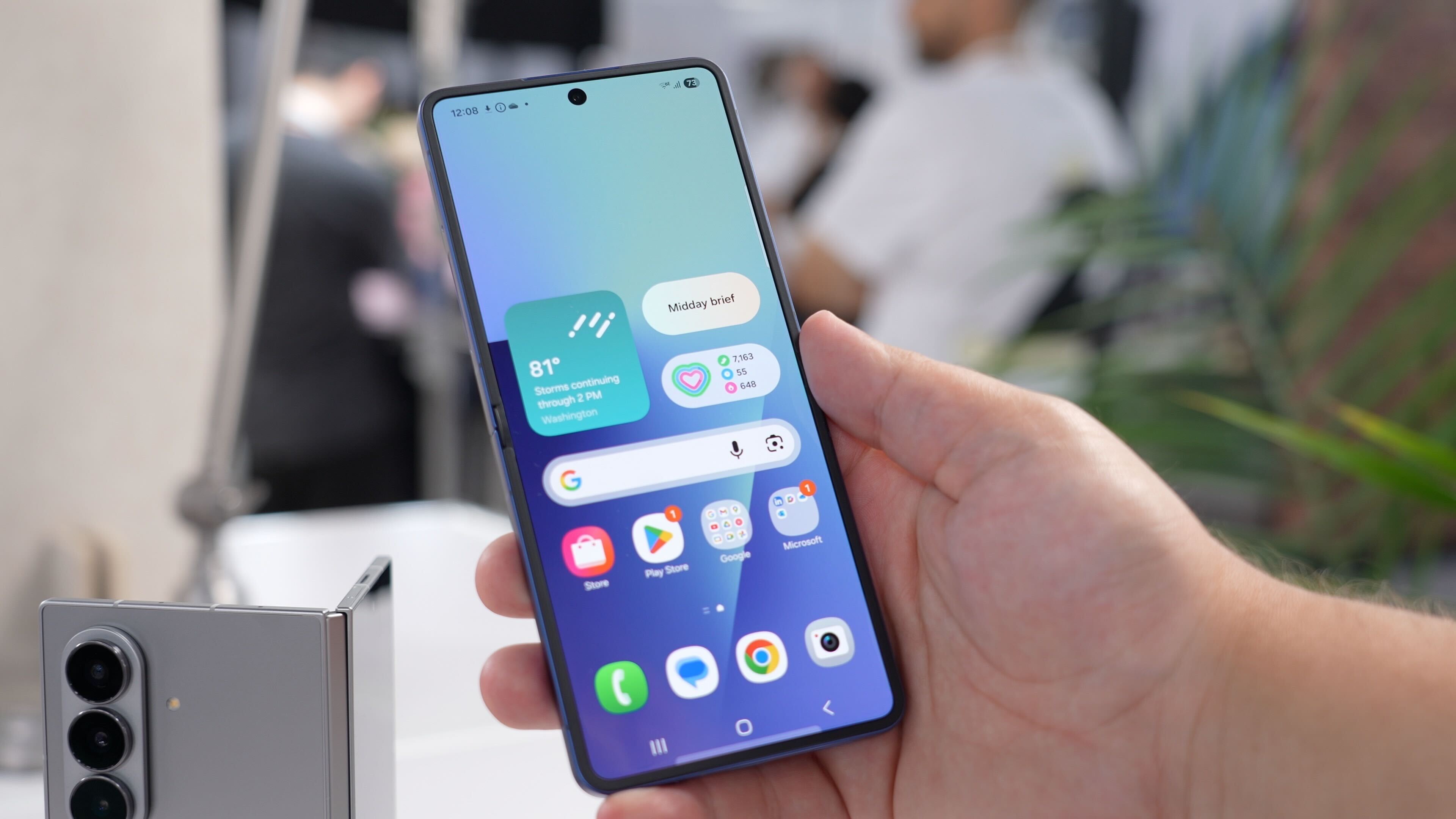
The leaker made the claim in a new post on Weibo this week, saying the "Android camp may repeat this style of play" with Pro series and standard models launching separately in a move to "comprehensively go head-to-head" with Apple. The leaker described it as a move to "fully benchmark" Apple, suggesting the motivation is competitive rather than logistical.
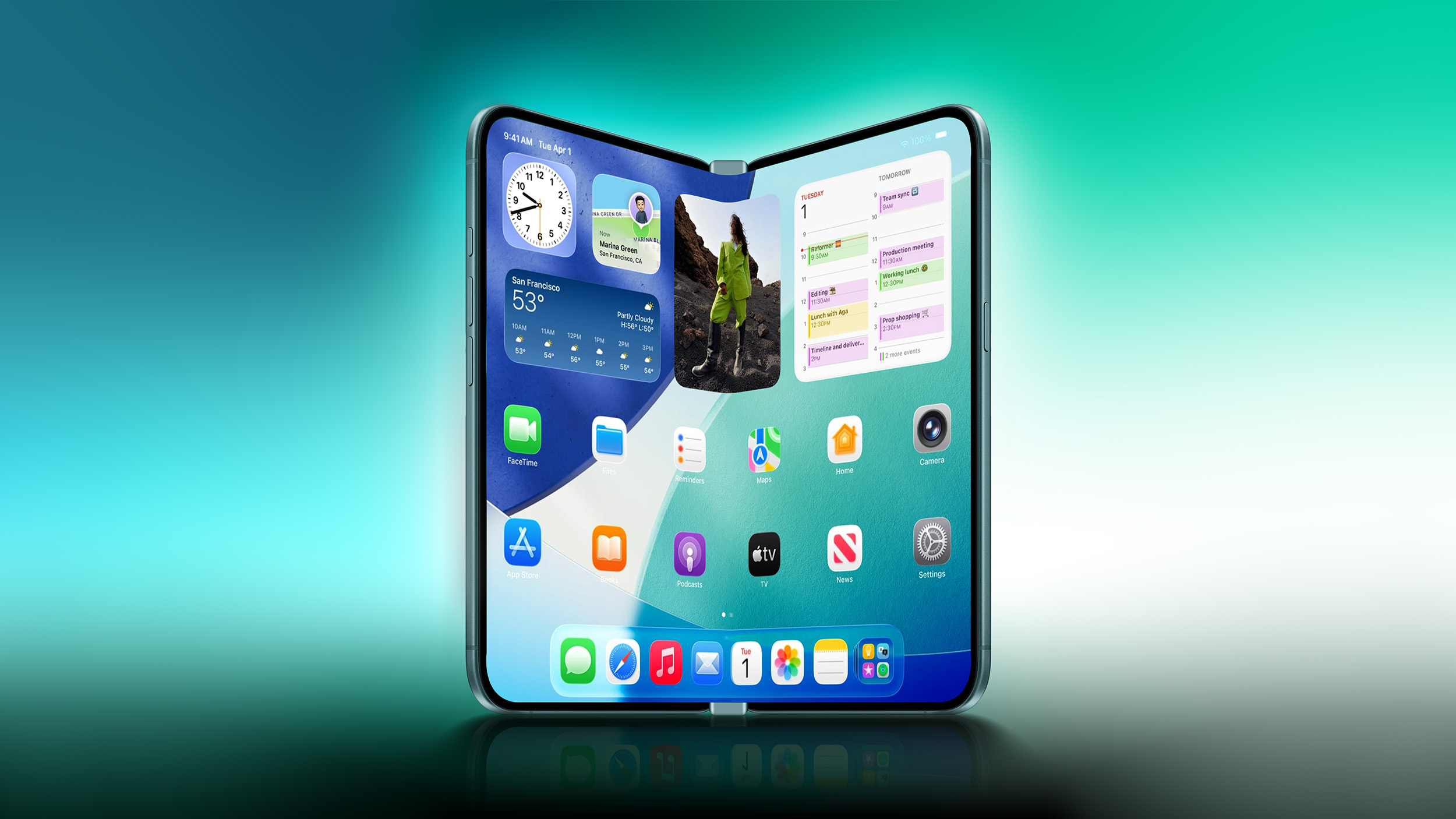
The same post reiterated earlier predictions about Apple's plans. Starting this year, Apple is widely expected to break from its long-standing September release cycle by splitting the iPhone 18 lineup across two windows: the iPhone 18 Pro, iPhone 18 Pro Max, and the first foldable iPhone are expected to launch in fall 2026, while the standard iPhone 18, iPhone 18e, and a second-generation iPhone Air are expected in spring 2027.
Digital Chat Station attributed the delay partly to supply pressure on memory and 2nm chip production, which is an explanation consistent with Nikkei Asia's corroborating report in January, which also cited a deliberate commercial motive to maximize revenue from premium models before cheaper alternatives arrive.
Supply chain analyst Ming-Chi Kuo and The Information have also supported the rumor of the split launch. Kuo framed the strategy as a way to prevent "diluted marketing efforts" as Apple's lineup expands to six devices and to address the "marketing gap" created by Chinese Android brands that typically launch their flagships in the first half of the year, a window Apple has historically ceded entirely to Android.
If Android brands do adopt the same release plan, it would mark a noticeable departure from current practice. Samsung, Apple's most direct competitor, launches its Galaxy S flagship family, standard, Plus, and Ultra, simultaneously each February or March, then launches foldables in a separate mid-year event in July. All tiers of the S series ship together and there is no equivalent of deliberately holding the base model back.
Xiaomi regularly launches flagship models in China several months before a global rollout, and its Ultra-tier models often arrive weeks or months after standard and Pro variants within the same generation. Oppo and Vivo similarly stagger Ultra devices relative to their base flagships, but in each case the split is led by entry level models debuting first, followed by high-end devices.
Should Android manufacturers adopt Apple's new plan, it would largely represent an inversion of the current approach, with premium models leading and standard devices following months later.
This article, "Android Brands May Copy Apple's New Split iPhone Launch Strategy" first appeared on MacRumors.com
Discuss this article in our forums
The leaker made the claim in a new post on Weibo this week, saying the "Android camp may repeat this style of play" with Pro series and standard models launching separately in a move to "comprehensively go head-to-head" with Apple. The leaker described it as a move to "fully benchmark" Apple, suggesting the motivation is competitive rather than logistical.
The same post reiterated earlier predictions about Apple's plans. Starting this year, Apple is widely expected to break from its long-standing September release cycle by splitting the iPhone 18 lineup across two windows: the iPhone 18 Pro, iPhone 18 Pro Max, and the first foldable iPhone are expected to launch in fall 2026, while the standard iPhone 18, iPhone 18e, and a second-generation iPhone Air are expected in spring 2027.
Digital Chat Station attributed the delay partly to supply pressure on memory and 2nm chip production, which is an explanation consistent with Nikkei Asia's corroborating report in January, which also cited a deliberate commercial motive to maximize revenue from premium models before cheaper alternatives arrive.
Supply chain analyst Ming-Chi Kuo and The Information have also supported the rumor of the split launch. Kuo framed the strategy as a way to prevent "diluted marketing efforts" as Apple's lineup expands to six devices and to address the "marketing gap" created by Chinese Android brands that typically launch their flagships in the first half of the year, a window Apple has historically ceded entirely to Android.
If Android brands do adopt the same release plan, it would mark a noticeable departure from current practice. Samsung, Apple's most direct competitor, launches its Galaxy S flagship family, standard, Plus, and Ultra, simultaneously each February or March, then launches foldables in a separate mid-year event in July. All tiers of the S series ship together and there is no equivalent of deliberately holding the base model back.
Xiaomi regularly launches flagship models in China several months before a global rollout, and its Ultra-tier models often arrive weeks or months after standard and Pro variants within the same generation. Oppo and Vivo similarly stagger Ultra devices relative to their base flagships, but in each case the split is led by entry level models debuting first, followed by high-end devices.
Should Android manufacturers adopt Apple's new plan, it would largely represent an inversion of the current approach, with premium models leading and standard devices following months later.
Tags: Android, Digital Chat Station
This article, "Android Brands May Copy Apple's New Split iPhone Launch Strategy" first appeared on MacRumors.com
Discuss this article in our forums