❌

Lees weergave

Apple's Touchscreen OLED MacBook Pro: Everything We Know

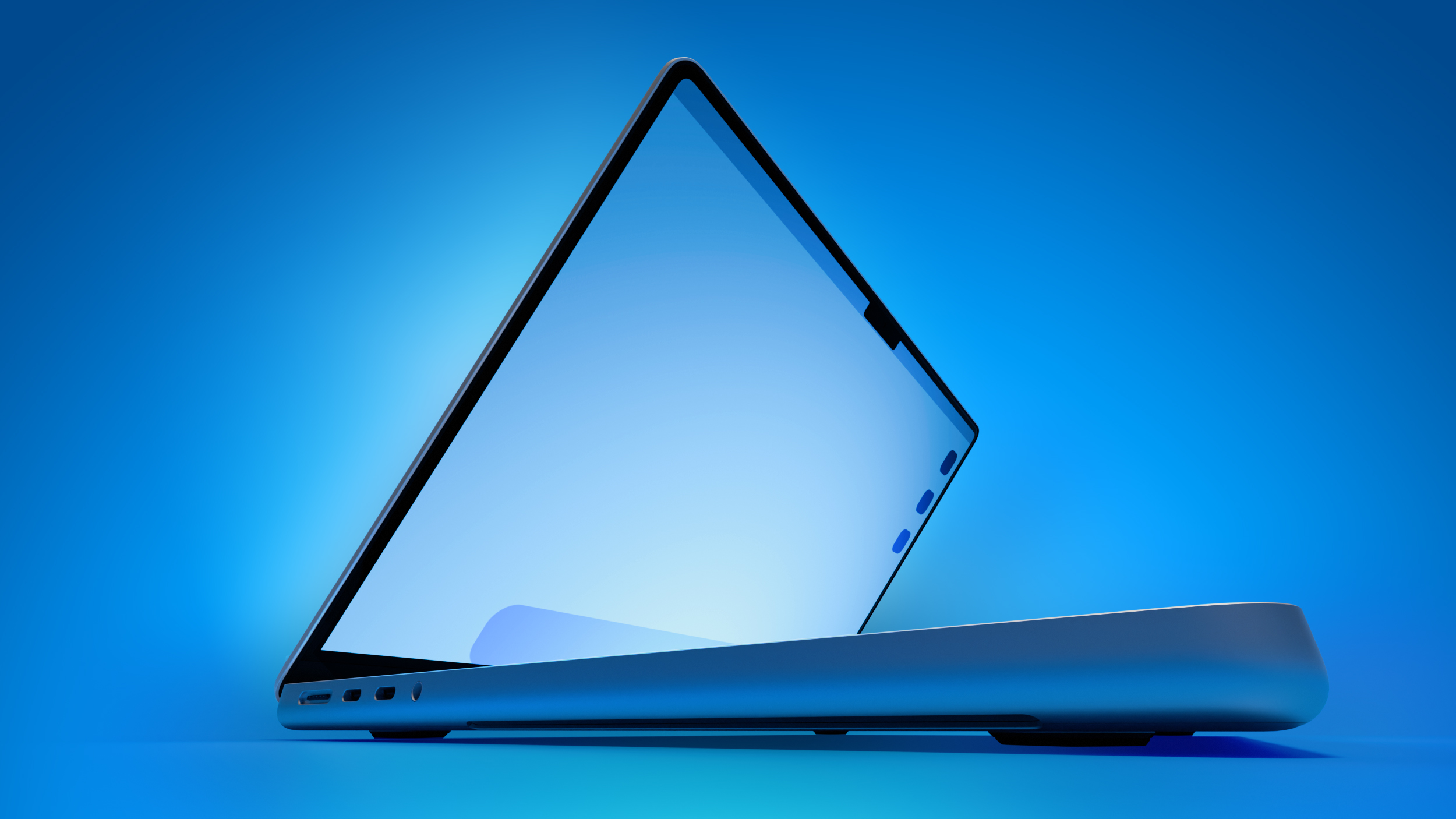
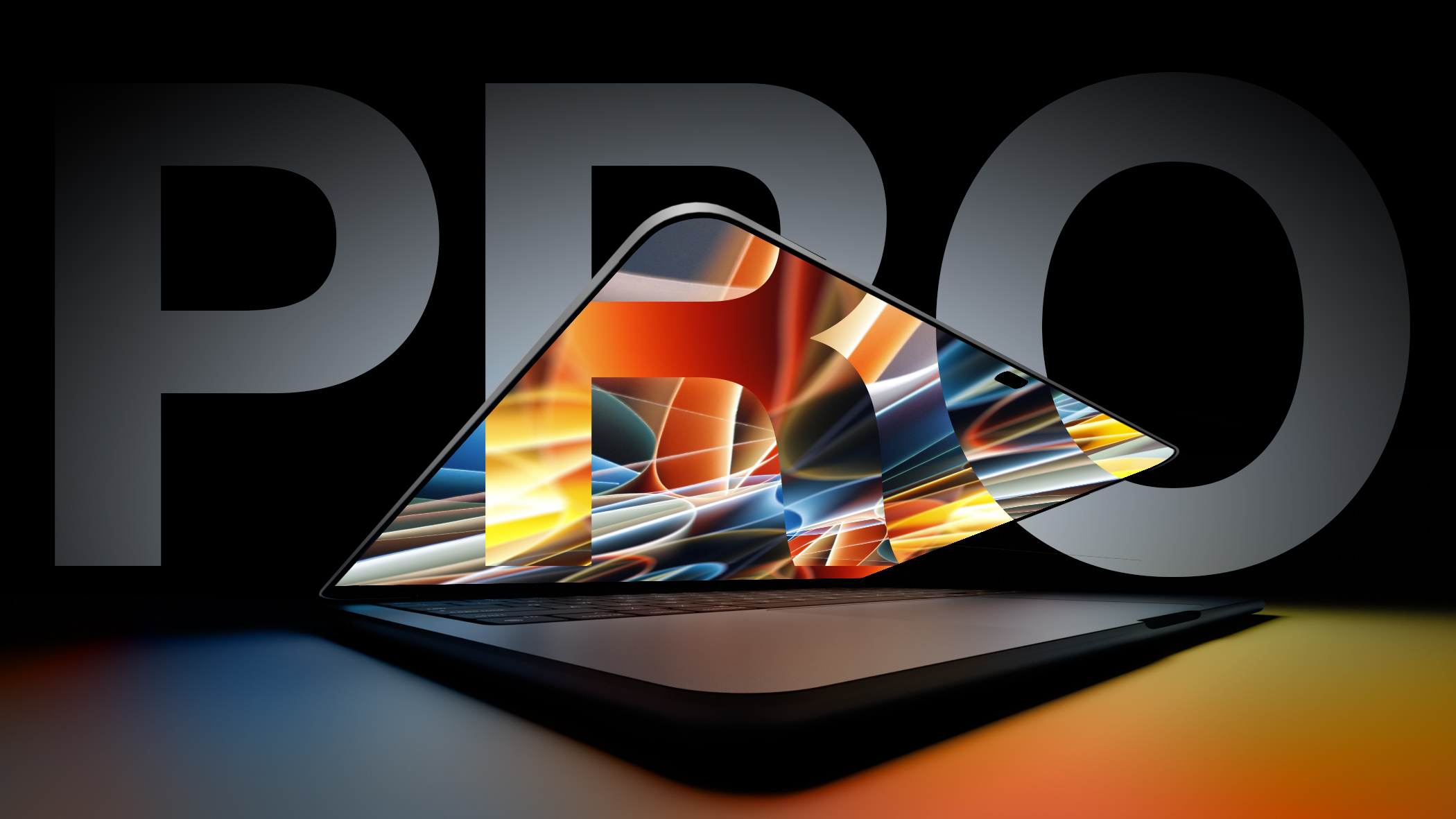
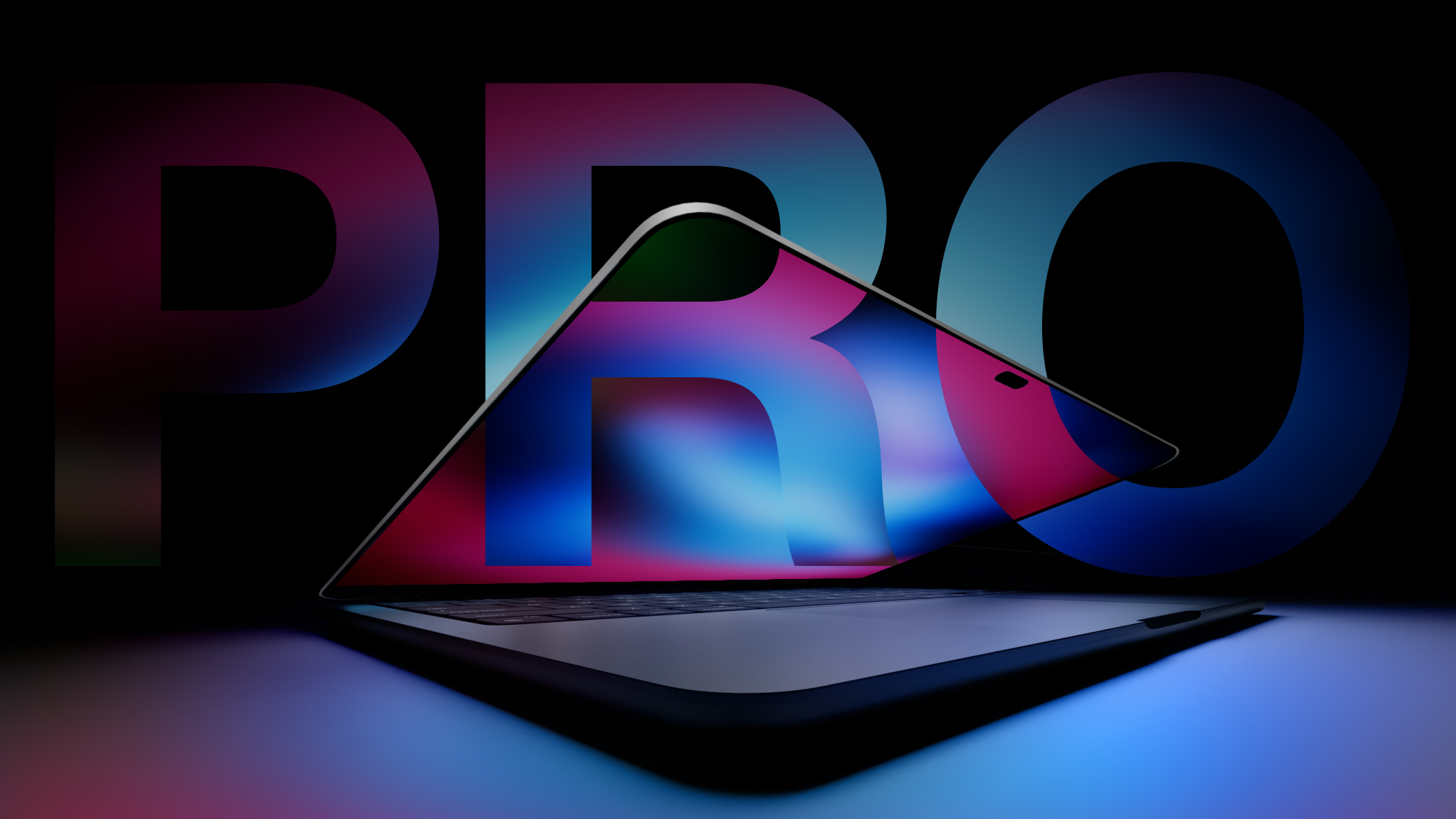
Apple is working on a high-end MacBook Pro, and it's nearly ready to launch. It will have several firsts in a Mac, including an OLED display and a touchscreen.

Design


Apple hasn't redesigned the ‌MacBook Pro‌ since the launch of the M1 Pro and M1 Max models in 2021, so it's due for a new look. The new ‌MacBook Pro‌ is expected to feature some minor design changes. There's only so much you can do in a laptop form factor, but rumors say it will be lighter and possibly a bit thinner than before, which suggests some tweaks to the casing.

Apple plans to get rid of the notch, replacing it with an iPhone-style Dynamic Island. A ‌Dynamic Island‌ could better unify the way Siri AI behaves across the iPhone and the Mac with iOS 27 and macOS Golden Gate, and it will take up less space on the display.

We haven't heard rumors of keyboard or trackpad changes, and neither needs an overhaul.

Size Options


The ‌OLED‌ ‌MacBook Pro‌ will be available in both 14-inch and 16-inch size options. It's not yet clear if it will replace the current models or be sold as a higher-end option alongside them.

Display


Apple's upcoming ‌MacBook Pro‌ will be the first with an ‌OLED‌ display. ‌OLED‌ display technology is already used for the iPhone, Apple Watch, and iPad Pro, but it has taken time for larger-sized ‌OLED‌ screens to come down in price.

‌OLED‌ will be an upgrade over the current mini-LED display technology in most cases, bringing richer colors and a higher contrast ratio with true blacks. In an ‌OLED‌ display, individual pixels turn off instead of dimming when not in use, so there's less blooming. ‌OLED‌ displays tend to have better HDR than mini-LED, but sometimes don't match the mini-LED brightness levels.

Rumors indicate Apple is using rigid ‌OLED‌ panels with oxide TFT backplanes and advanced tandem OLED structures. Tandem ‌OLED‌ panels are used in the ‌iPad Pro‌ and have a longer lifespan with less burn-in than single-stack ‌OLED‌ panels.

Touchscreen


Along with ‌OLED‌ technology, the ‌MacBook Pro‌ is expected to have the first touchscreen display on a Mac. Users will be able to use their fingers to interact with the Mac's display, similar to an iPad.

Touchscreen capabilities will be used alongside the trackpad and keyboard, suggesting Apple sees touch as supplementary instead of a primary control method. Apple is rumored to be adapting ‌macOS Golden Gate‌ for touch input.

Apple plans to add a reinforced hinge to the ‌MacBook Pro‌'s display so that it doesn't wobble when it's tapped.

Touchscreen Hints in macOS 27


There are features in ‌macOS Golden Gate‌ that hint at a future touchscreen Mac. Apple added direct touch input to Sidecar so users can tap and interact with macOS elements when using the ‌iPad‌ as a Mac display.

‌macOS Golden Gate‌ supports an iPhone-style pull-to-refresh option, and it can be used across apps like Safari, Mail, News, Podcasts, and Calendar. A pull-to-refresh option makes the most sense on a touch display.

Chips


The current high-end ‌MacBook Pro‌ models are equipped with M5 Pro and M5 Max chips, and Apple plans to use the same chips for the ‌OLED‌ ‌MacBook Pro‌.

Apple already introduced an M6 chip in the latest Mac mini, and it's expected to appear in a low-end ‌MacBook Pro‌ and an iMac on October 28, but Bloomberg says Apple isn't going to release any other chips in the M6 series. Apple's chip plans changed earlier this year, and the company is now accelerating the launch of the M7 series. The M7 chips feature major neural-processing improvements that will meet demand for machines better able to handle AI tasks.

With no M6 Pro or M6 Max planned, Apple will need to use the M5 Pro and M5 Max so it doesn't have to wait for the M7 series before debuting the ‌OLED‌ ‌MacBook Pro‌. A second-generation ‌OLED‌ ‌MacBook Pro‌ will use the M7 Pro and M7 Max chips, with that machine planned for late 2027.

Naming


There were rumors that the ‌OLED‌ model would be called the "MacBook Ultra," but that's apparently not happening. Apple's product unveiling has the tagline "Pro and tell," making it clear the new device will keep the Pro name.

Pricing


Apple's ‌OLED‌ ‌MacBook Pro‌ is expected to be a premium product, with a price tag higher than current ‌MacBook Pro‌ models. Apple raised the prices of all Macs in June 2026, so the ‌MacBook Pro‌ could be even more expensive. ‌MacBook Pro‌ pricing went up a minimum of $300 as part of the June price hikes.

The higher-end 14-inch ‌MacBook Pro‌ with M5 Pro chip starts at $2,499 after the price increase, while the 16-inch M5 Pro ‌MacBook Pro‌ starts at $2,999. The M5 Max models start at $4,099 for the 14-inch model and $4,399 for the 16-inch model.

Launch Date


Apple will introduce new Macs on Wednesday, October 28 as part of a "Pro and tell" launch. There won't be a livestreamed event, but some members of the media have been invited to Los Angeles to try out the new devices.

The ‌OLED‌ ‌MacBook Pro‌ could launch as soon as November 6.
Related Roundup: MacBook Pro
Tag: OLED
Buyer's Guide: MacBook Pro (Caution)
Related Forum: MacBook Pro

This article, "Apple's Touchscreen OLED MacBook Pro: Everything We Know" first appeared on MacRumors.com

Discuss this article in our forums
  •  

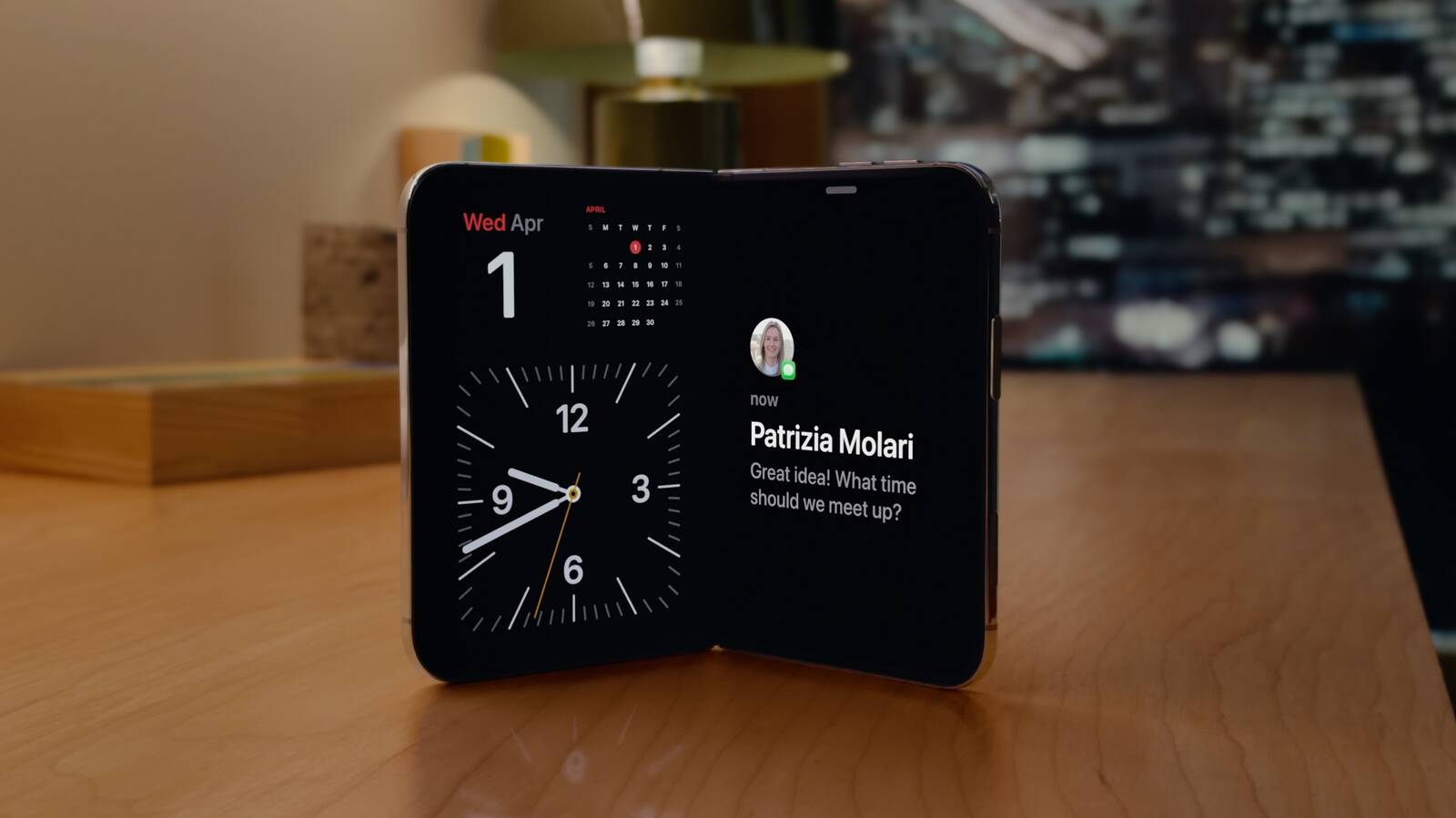
Here's What Apple's Apps Look Like on the iPhone Duo

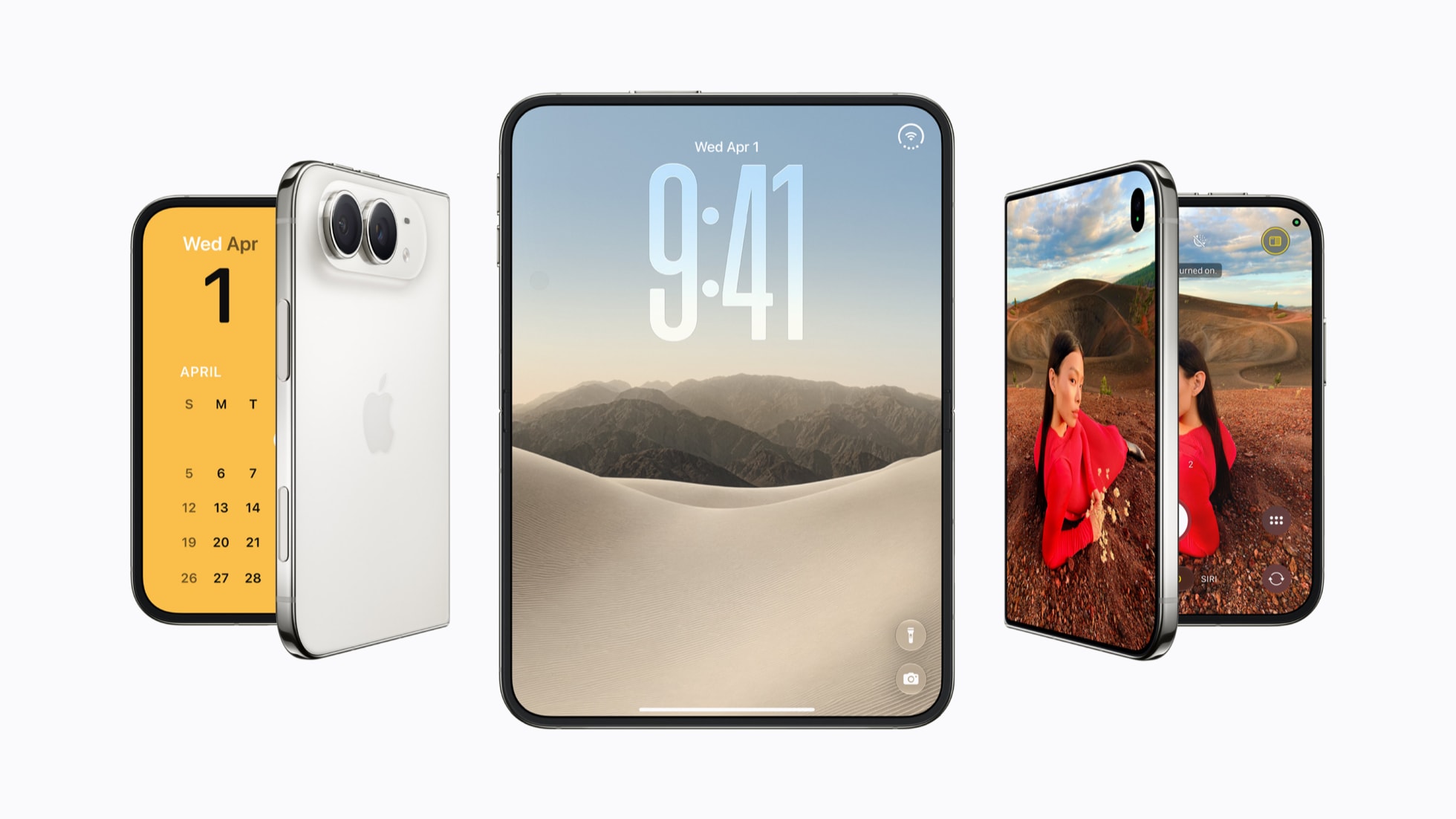
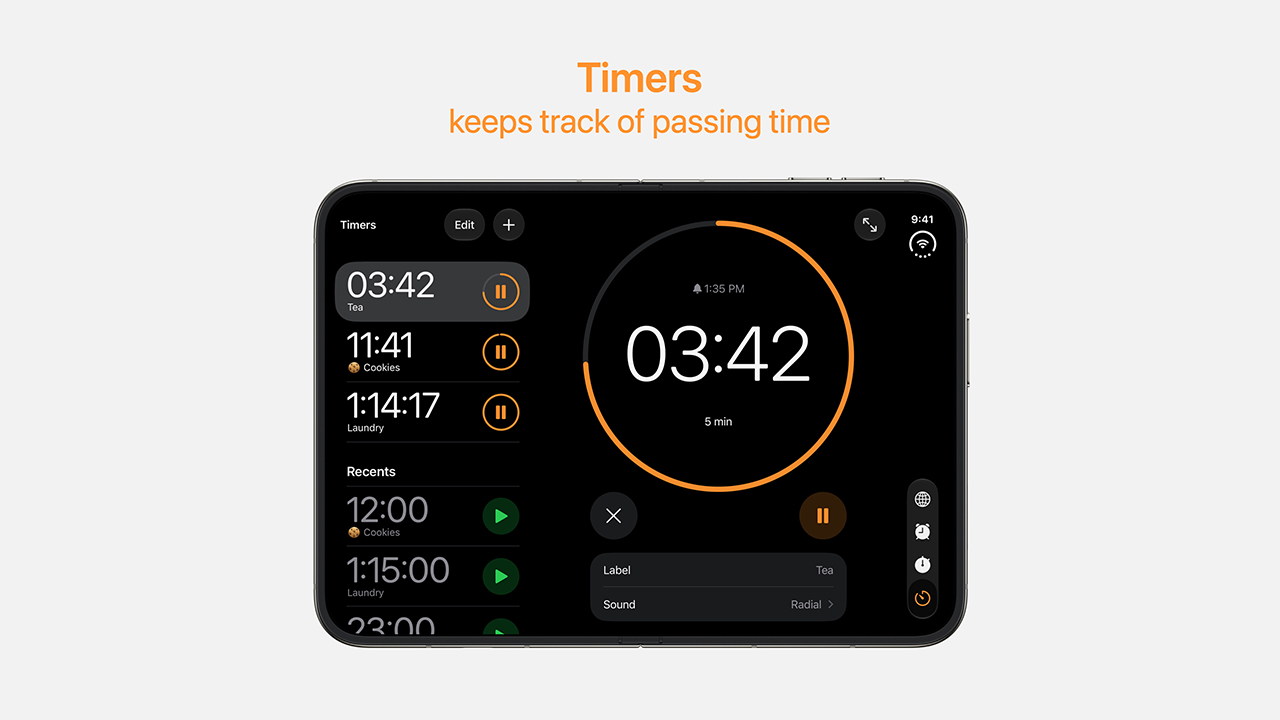
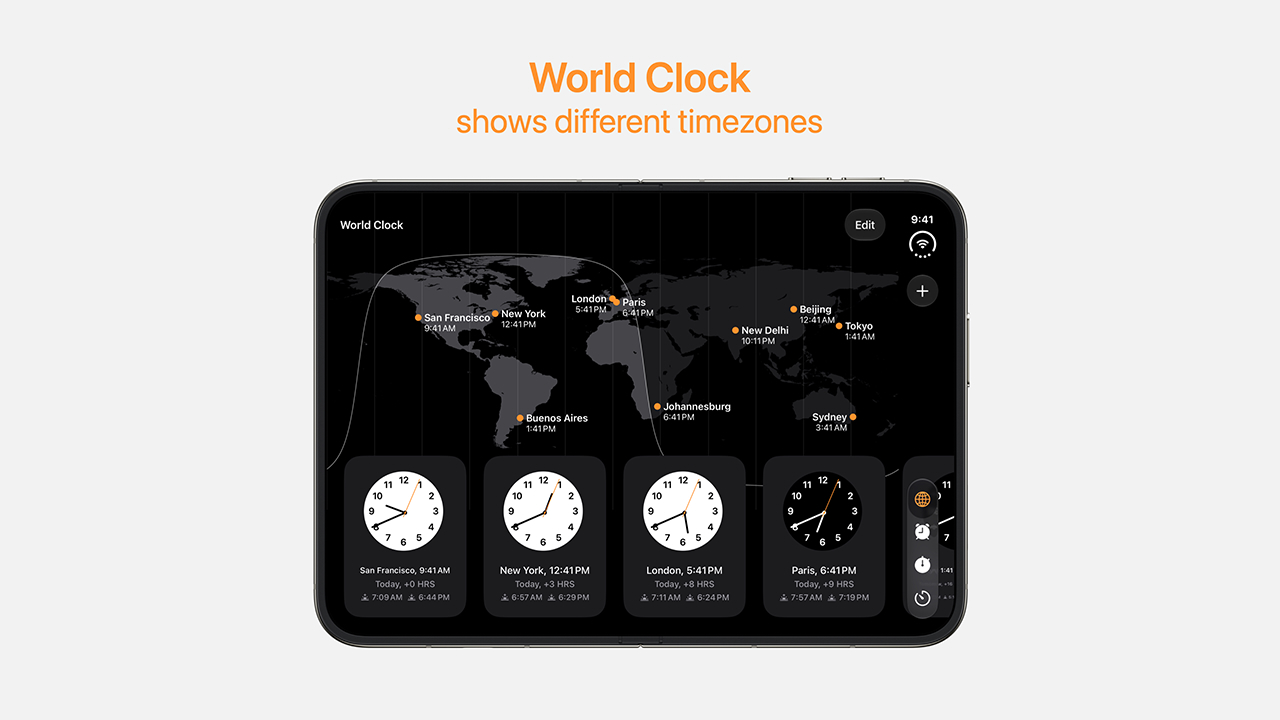
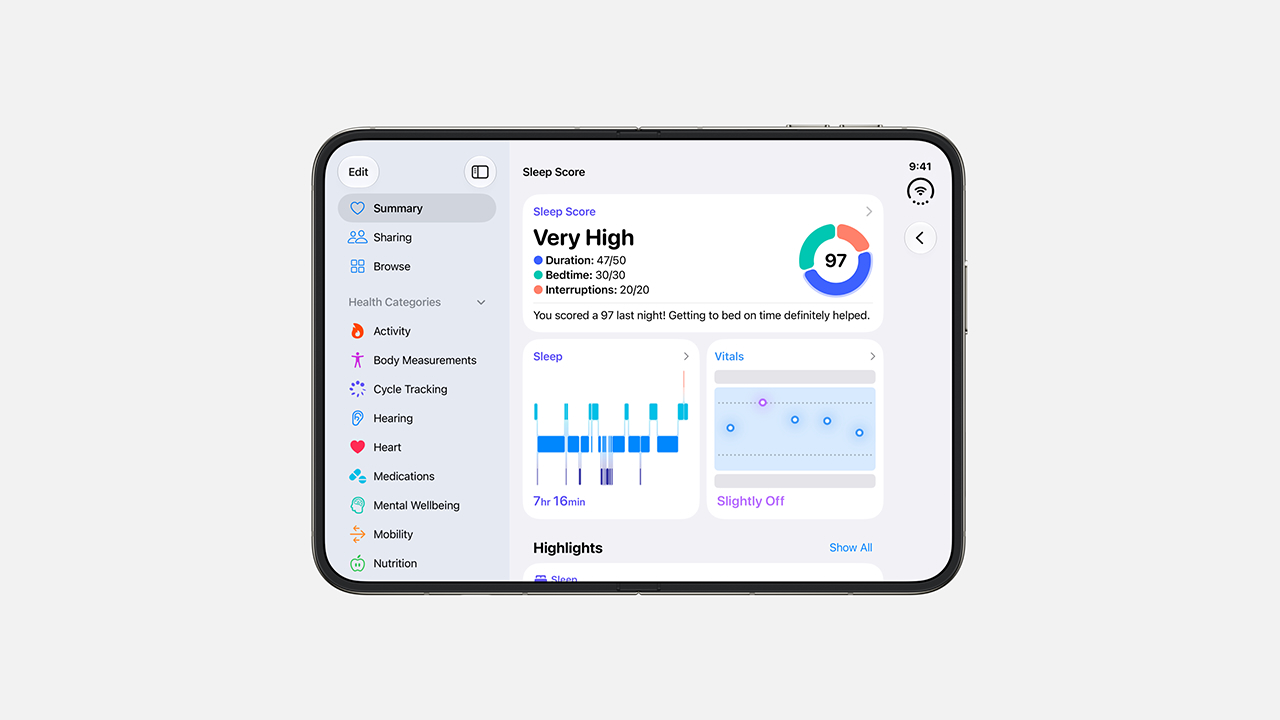
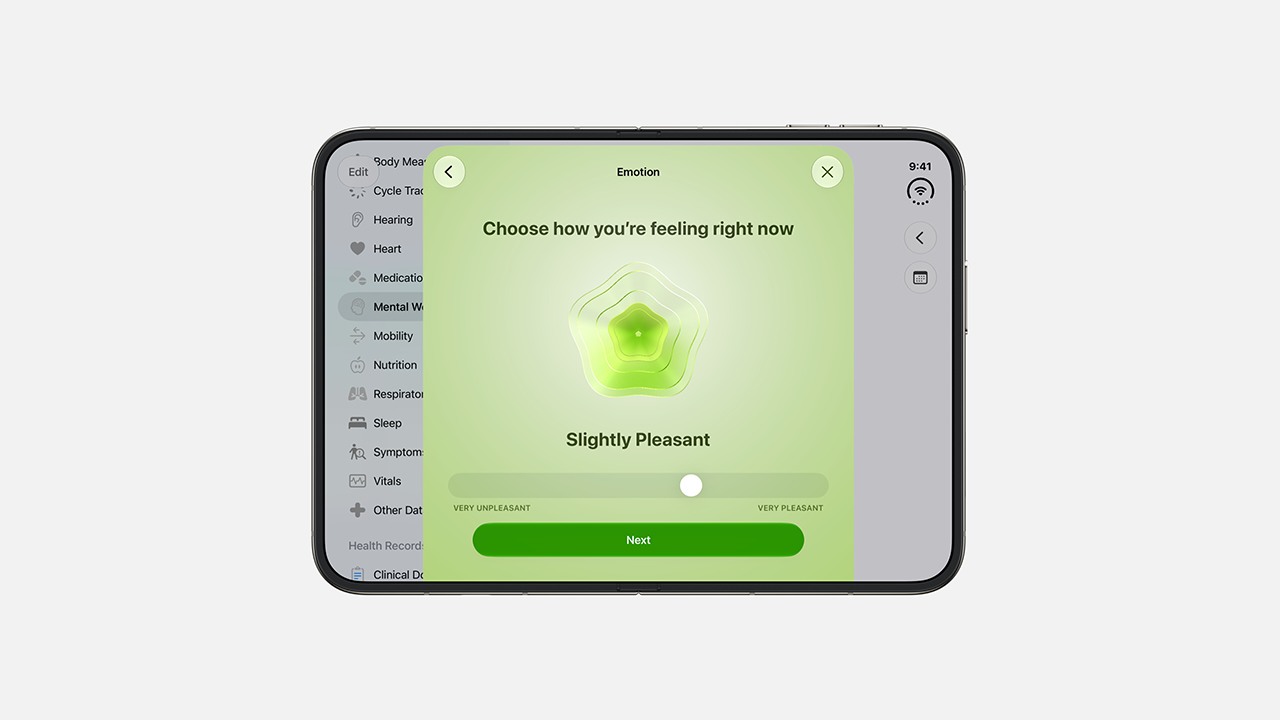
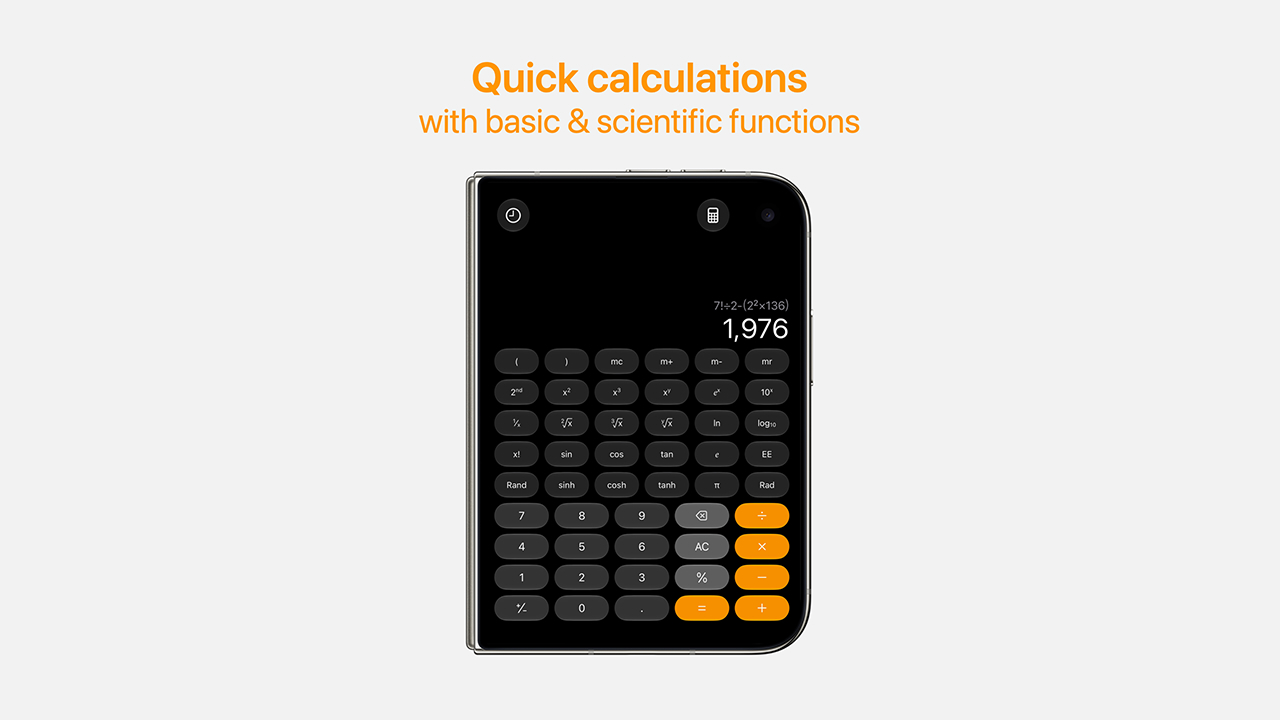
With just three days to go until the iPhone Duo is released, Apple is getting ready for the launch. Behind the scenes, the App Store now has screenshots of Apple's built-in apps running on the Duo. We've seen some apps in marketing materials, but images of the ones we haven't seen give us an idea of what it will be like using the ‌iPhone Duo‌ day to day.


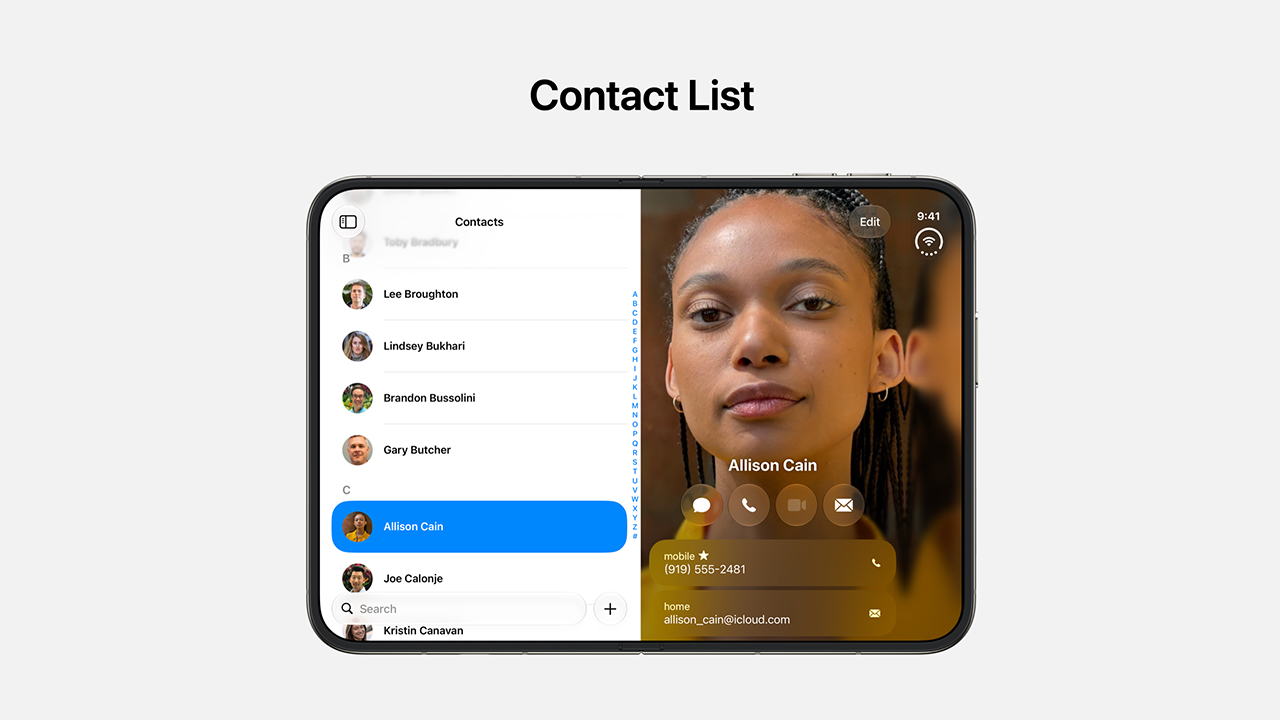
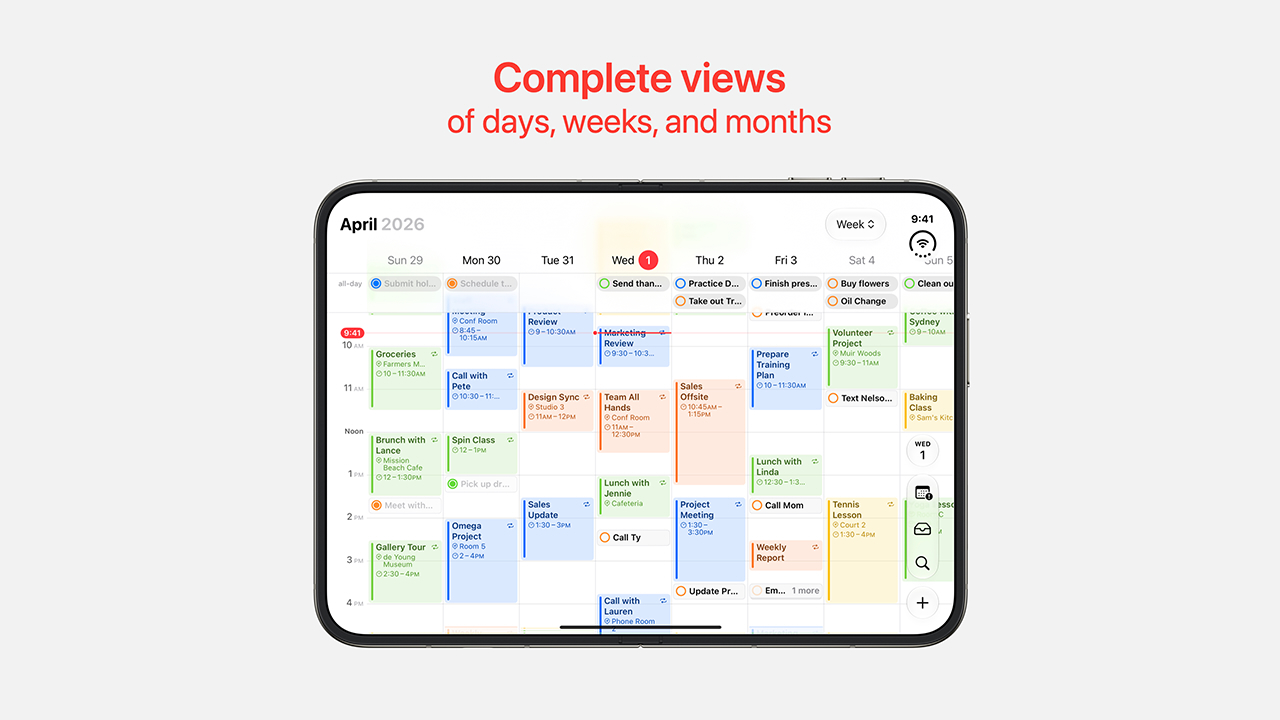
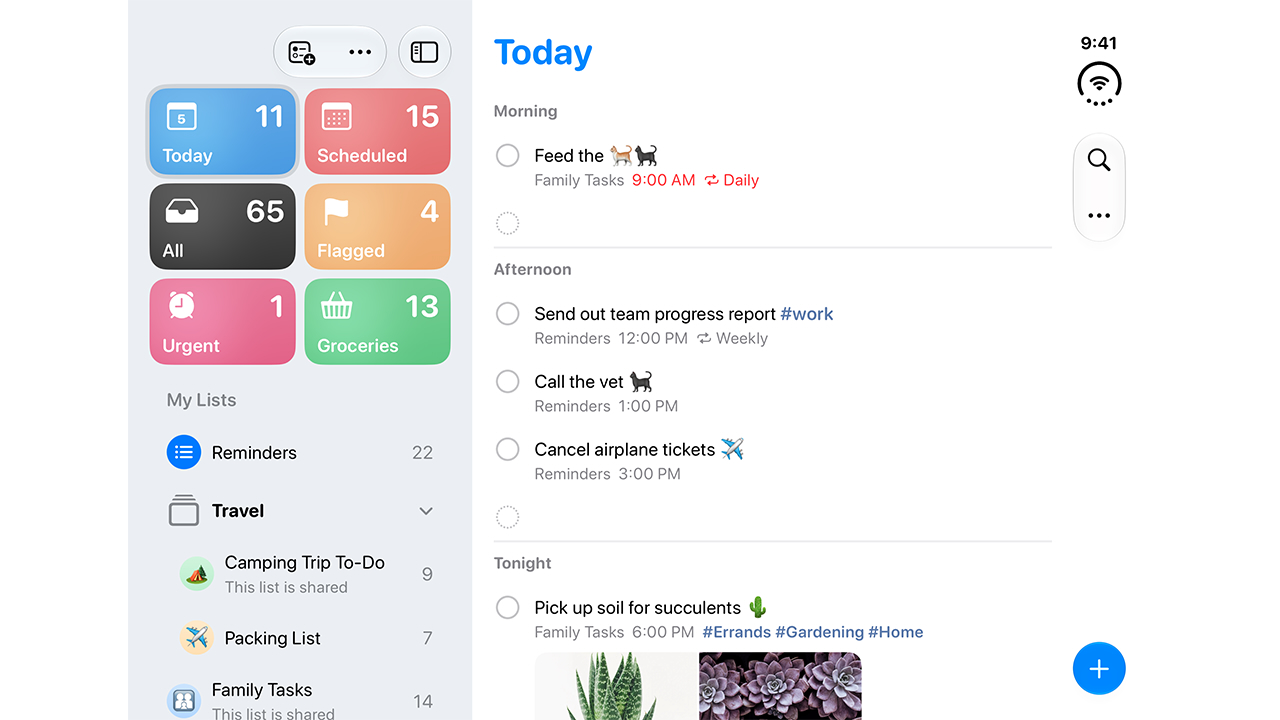
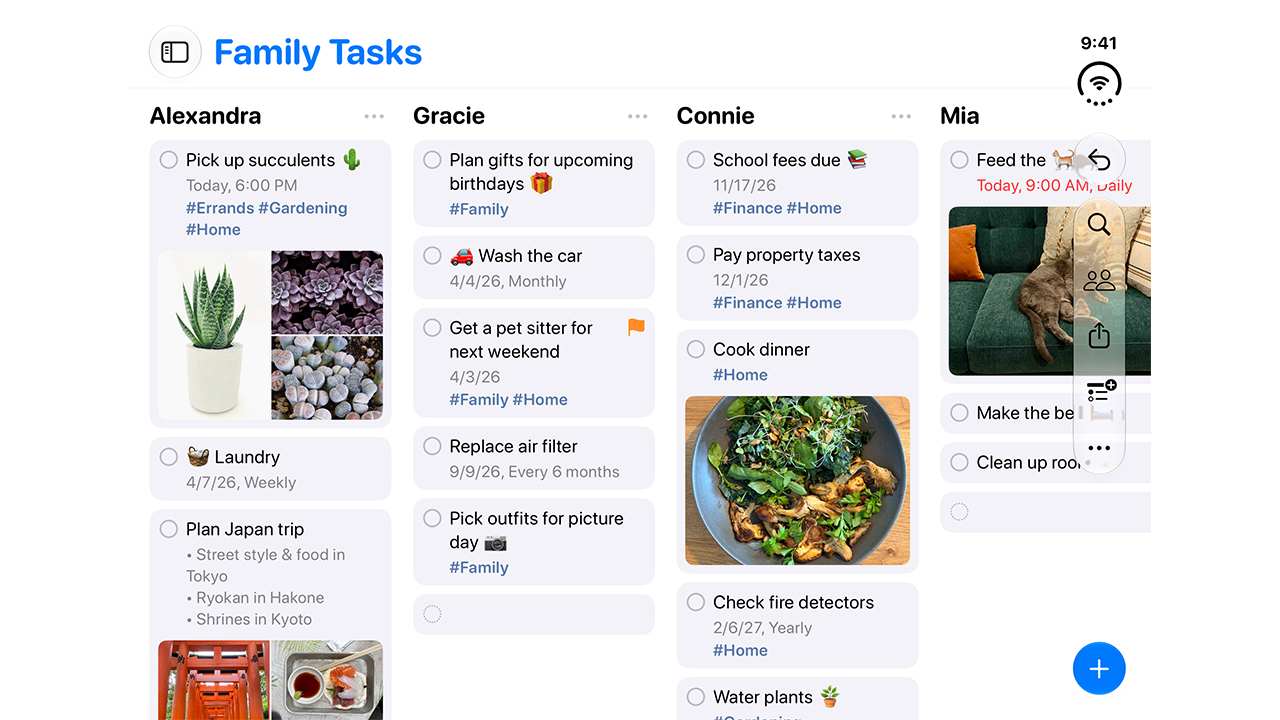
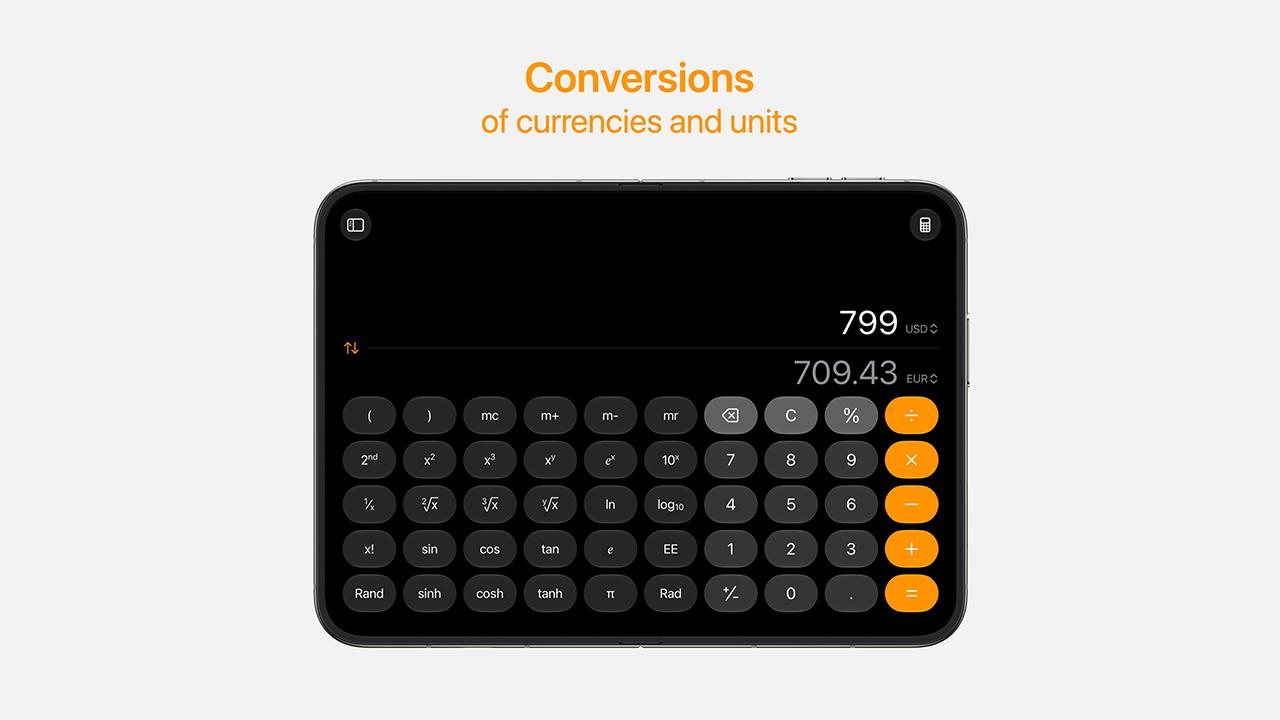
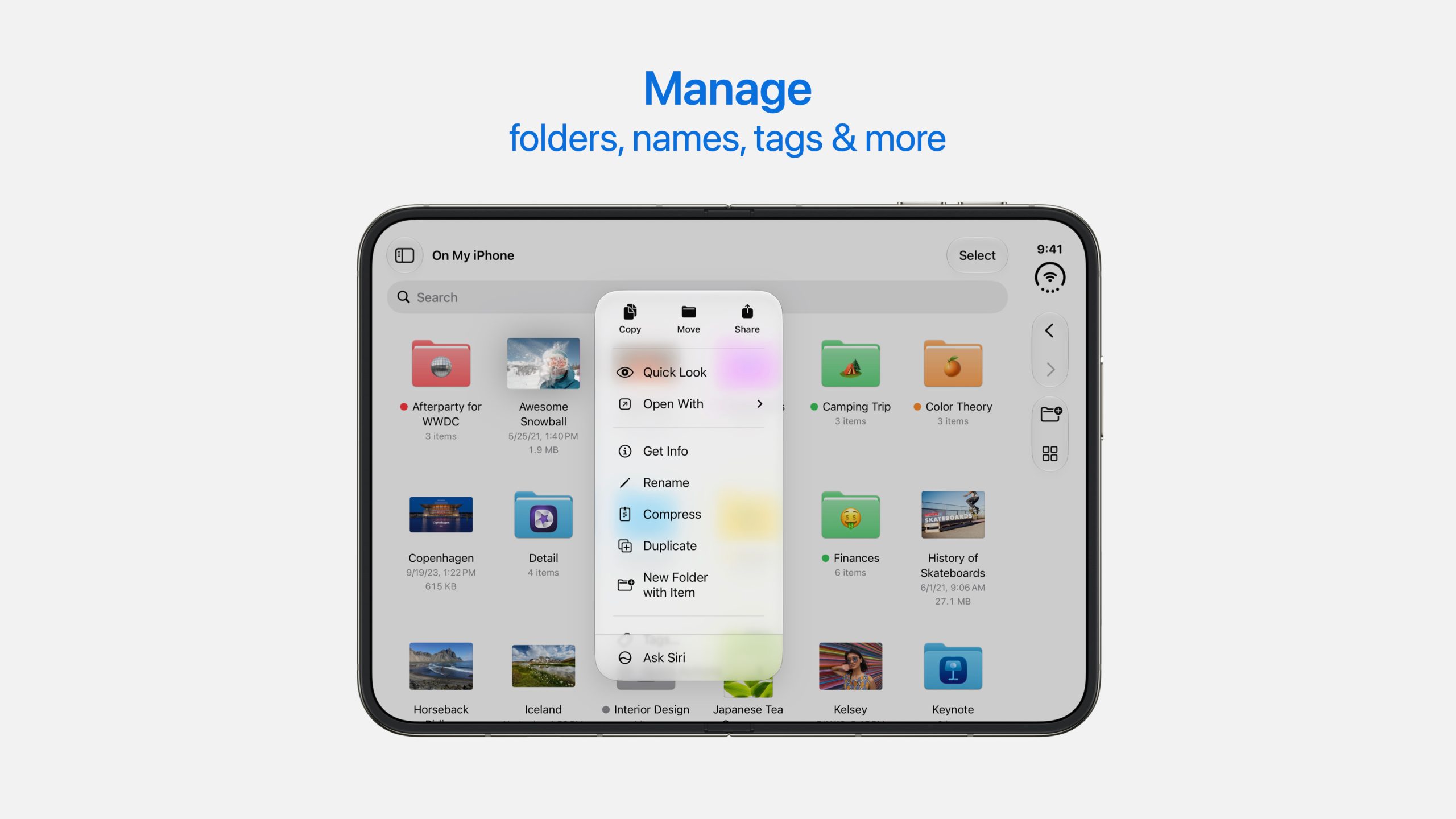
Many apps are shown in landscape orientation with an iPad-like interface that uses some of the screen real estate for sidebar navigation. Other apps use the full screen for more viewing space.


Some apps have a dual view that goes beyond sidebar navigation. In Contacts, the app is divided into a list of names and a view for editing information.


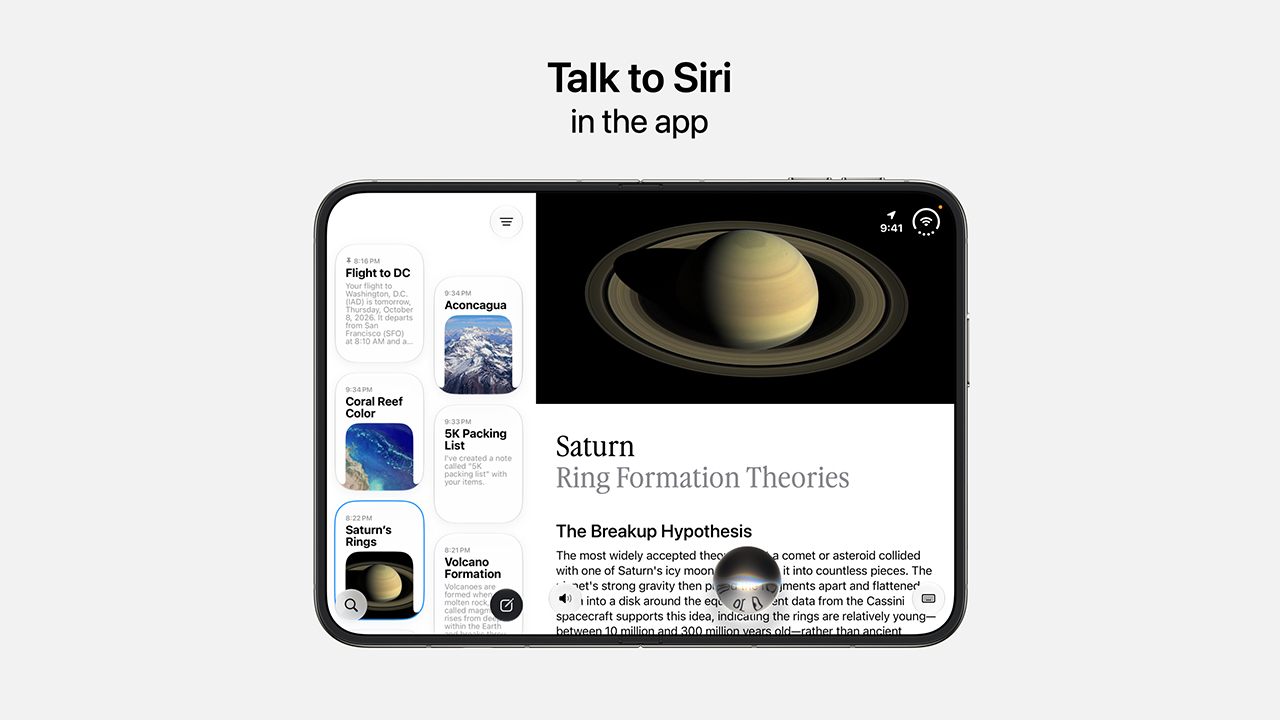
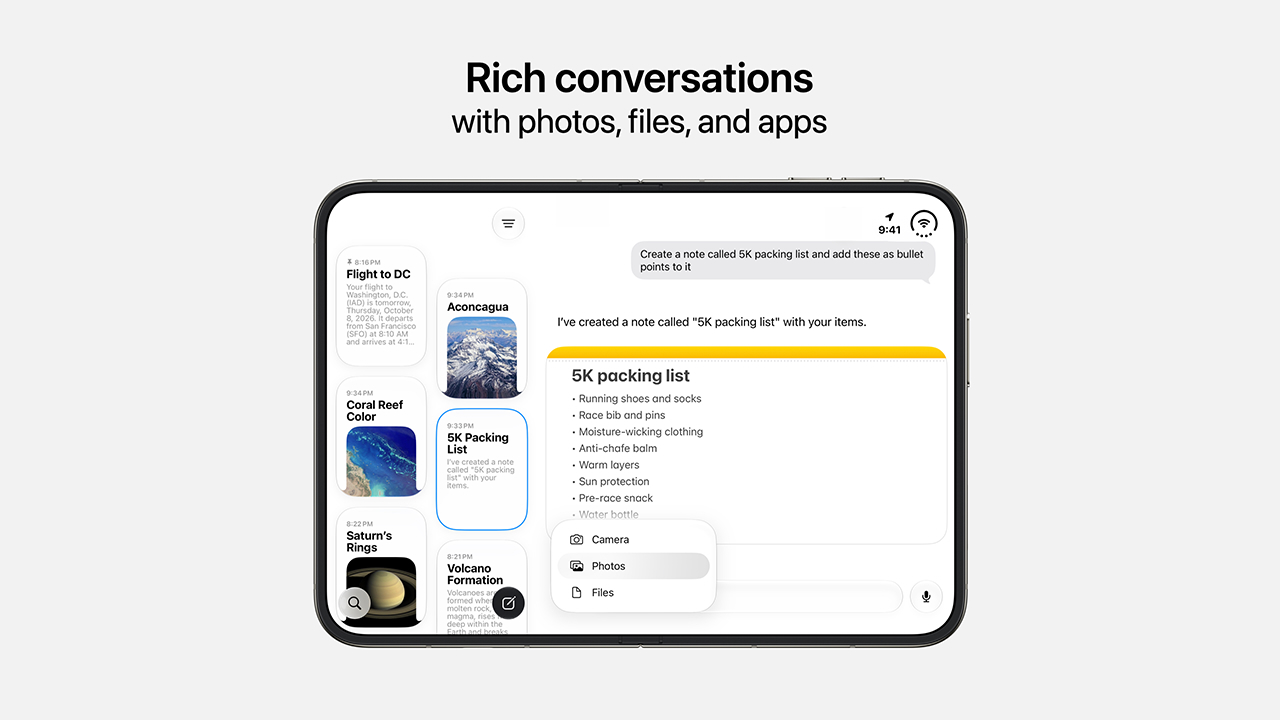
The Siri app doesn't have a traditional sidebar, but it also doesn't get a full split. The left part of the interface is a tiled view of conversations, while the full conversation can be viewed on the right.


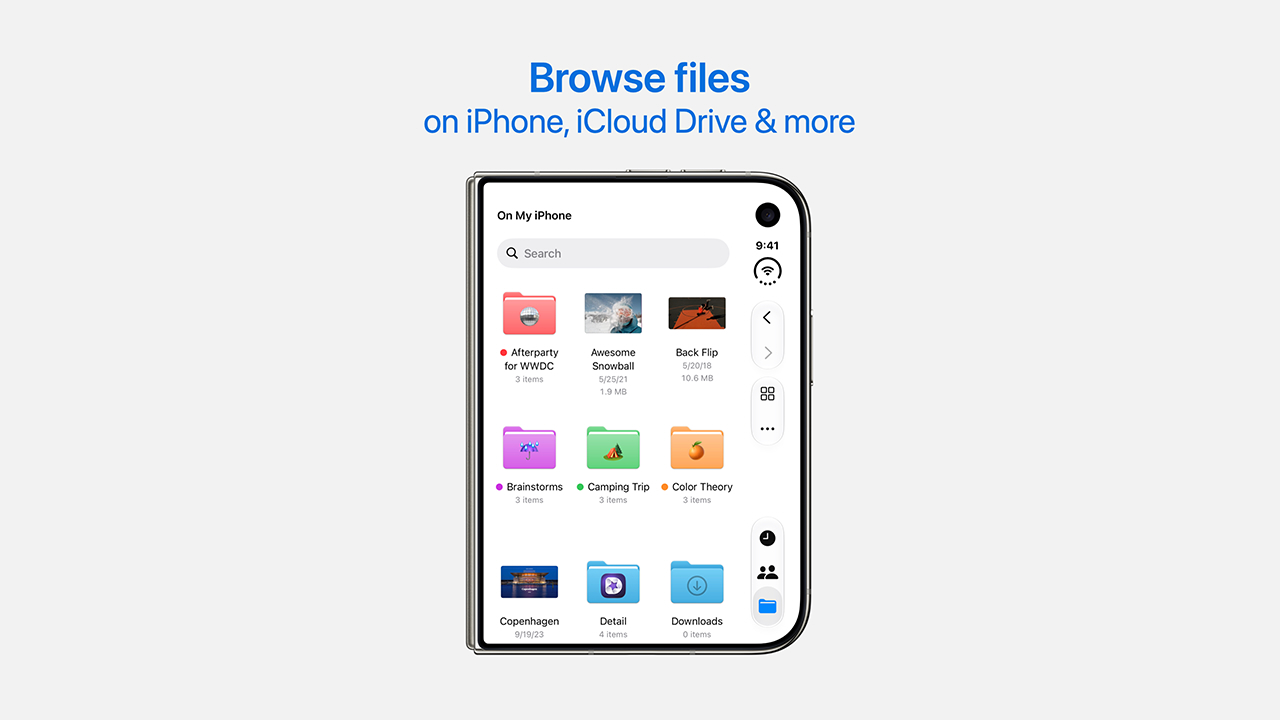
The ‌iPhone Duo‌ adopts a vertical dock and vertical navigation bars on the right side of the display in both open and closed views. The exception is an open view with the ‌iPhone Duo‌ held vertically, similar to an iPad in portrait orientation. When positioned that way, navigation bars remain at the bottom of the interface.


Apple's screenshots don't show many apps in the unfolded vertical orientation, but it is a viewing option. Apple says it's ideal for apps that use the keyboard or for browsing in Safari.


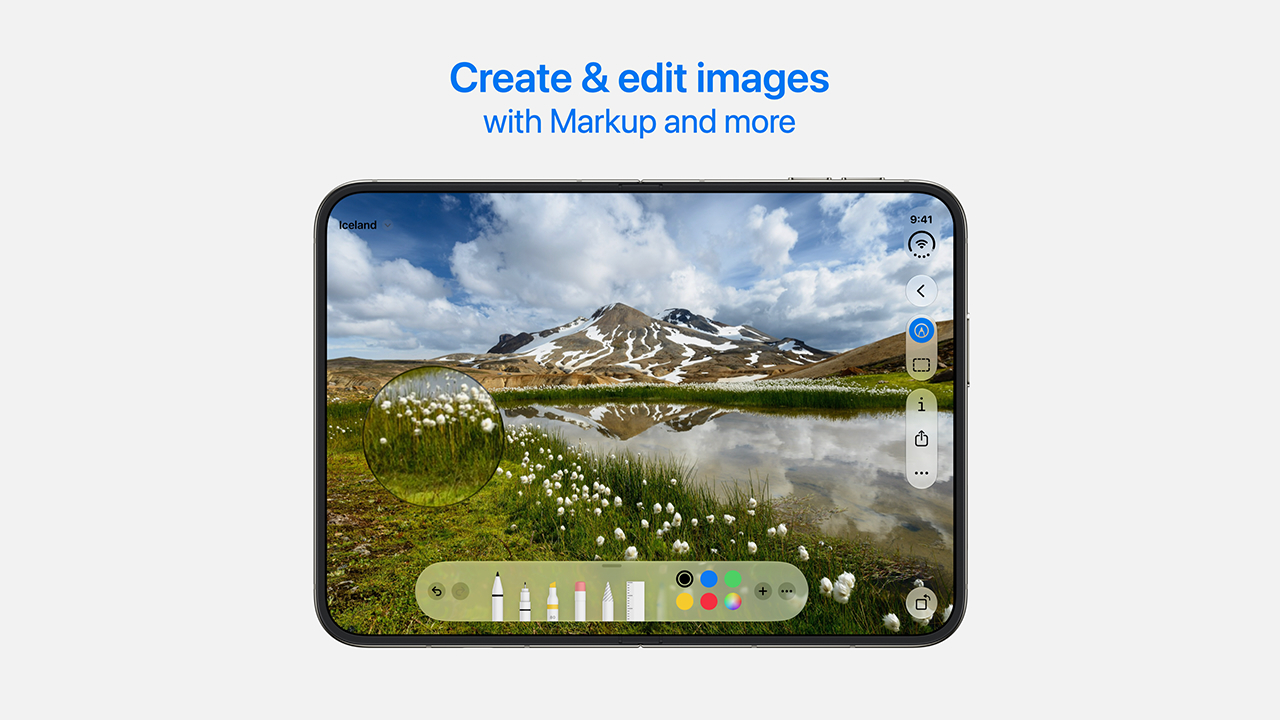
Apps like Preview have palettes at the bottom for selecting tools, and those are combined with sidebars, navigation bars, or both. Markup editing gives a good preview of what drawing and photo editing apps will be like, with a large amount of display space paired with a bottom tool palette.


Apps that don't need large navigation bars have widescreen views that take up the whole display. Apps that do have navigation bars have an option to tap to hide the bar.


Floating popovers show up when you press and hold on an icon. The popovers aren't scaled up and take up less room on the display than they do on Apple's smaller iPhones.


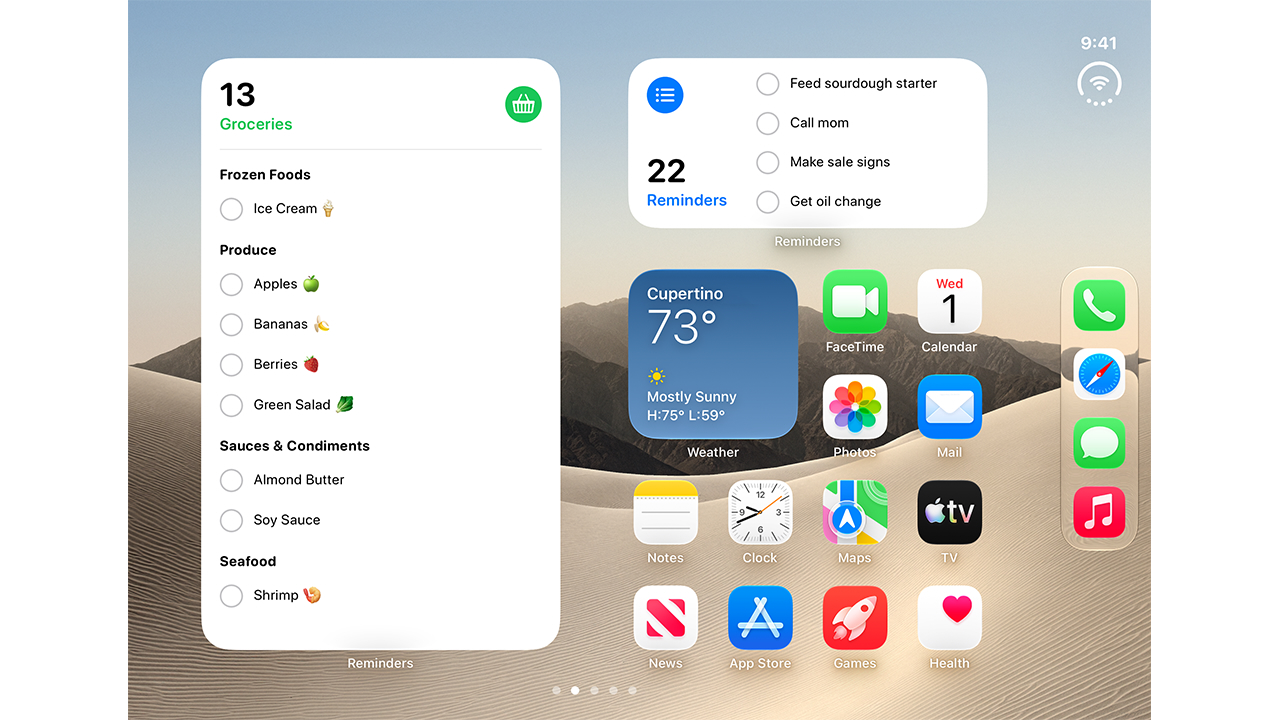
When you're on the Home Screen, you'll see the Today view on the left of the display with your widgets, while app icons are on the right. The status bar is in the upper-right corner, and the Lock Screen icons like Flashlight and Camera are in the bottom right. The inner display doesn't have an always-visible Dynamic Island because there is no Face ID and the FaceTime camera is under the screen. Apple is still using the ‌Dynamic Island‌, which expands out from the side of the display for Live Activities and alerts. The outer display has a small vertical ‌Dynamic Island‌ that includes the camera cutout.


Most of the ‌App Store‌ screenshots have the ‌iPhone Duo‌ unfolded in landscape orientation, though some also show what apps will look like on the smaller outer display.


Apps will be able to transition quickly from open to closed and to different positions, and Apple made an effort to keep navigation buttons in the same place for a unified experience no matter how you're using it.


Open and closed aren't the only options for the ‌iPhone Duo‌. Few screenshots show the positions, but the Duo can be used laptop-style at an angle for watching videos or standing in a tent shape with the outer display visible. You can also use it partially open and held like a book.

Screenshots also don't show two apps used side by side or multiple windows of the same app like Safari, both of which are options. We'll see a deluge of ‌iPhone Duo‌ updates for third-party apps when the device comes out.

The ‌iPhone Duo‌ is launching on October 23, which is this Friday. We should be getting media reviews and first impressions as soon as tomorrow since we'll be two days out from release.

(Thanks, Alireza!)
Related Roundup: iPhone Duo
Buyer's Guide: iPhone Duo (Buy Now)
Related Forum: iPhone

This article, "Here's What Apple's Apps Look Like on the iPhone Duo" first appeared on MacRumors.com

Discuss this article in our forums
  •  

Apple's October 28 'Pro and Tell' Launch: What's Coming

Apple will announce a second wave of new products on Wednesday, October 28. Like the October 13 "Welcome Home" announcement, "Pro and Tell" isn't going to be a traditional Apple event, but some members of the media have been invited to Los Angeles to get hands-on time with the new devices.


Everyone not invited to Los Angeles will get to see the product announcements via press releases that come out on October 28. Apple could send out press releases at 10:00 a.m. Pacific Time, which is when the media experience will begin. Press release announcements typically come out earlier in the morning around 9:00 a.m. Eastern Time, so that's also a possibility.

The "Pro and Tell" name gives us a strong hint at what's coming: the MacBook Pro. It will be joined by other new Macs and a new iPad.

OLED MacBook Pro


New high-end ‌MacBook Pro‌ models are coming with two firsts for the Mac line: OLED display technology and a touchscreen. Design changes are expected too, but the new ‌MacBook Pro‌ models are going to use the same chips as the current version.

  • OLED - The ‌MacBook Pro‌ will have an ‌OLED‌ display for improved contrast, richer colors, and power savings.

  • Touchscreen - macOS 27 is being updated for touch-based gestures, and the ‌MacBook Pro‌ will be the first Mac that has touchscreen capabilities. Touch will be available as a supplementary option alongside the trackpad and keyboard, so you can presumably opt not to use it at all.

  • Reinforced hinge - Apple is adding a sturdier hinge for support so the display won't move when you tap on the screen.

  • Design - There's only so much that can be changed when it comes to a notebook computer, but the ‌MacBook Pro‌ will be lighter than the current model. Sizes aren't expected to change, and ‌OLED‌ screens will be available for both the 14-inch and 16-inch models.

  • Dynamic Island - Apple is getting rid of the notch and will add a Dynamic Island instead.

  • Chips - Apple isn't adding new chips because there aren't any. The company is reportedly skipping the M6 Pro and M6 Max, and the M7 Pro and M7 Max won't be ready until late 2027. Rumors suggest the new models will use the same M5 Pro and M5 Max chips as the models introduced in March.


Apple might keep selling the current ‌MacBook Pro‌ models and add the ‌OLED‌ models as a higher-end, more expensive option. While there were rumors suggesting the ‌OLED‌ MacBook would be called the MacBook Ultra, it's now clear Apple is sticking with Pro.

‌OLED‌ displays are expensive, and touch modules also add cost, so the ‌OLED‌ ‌MacBook Pro‌ models will likely cost more than the current ‌MacBook Pro‌ models.

Entry-Level MacBook Pro


The 14-inch entry-level ‌MacBook Pro‌ is expected to get an M6 chip to replace the M5 chip it was updated with in October 2025. No other design changes are expected.

iMac


Rumors suggest Apple will update the 24-inch iMac with an M6 chip too. As with the entry-level ‌MacBook Pro‌, it won't get external changes.

iPad mini 8


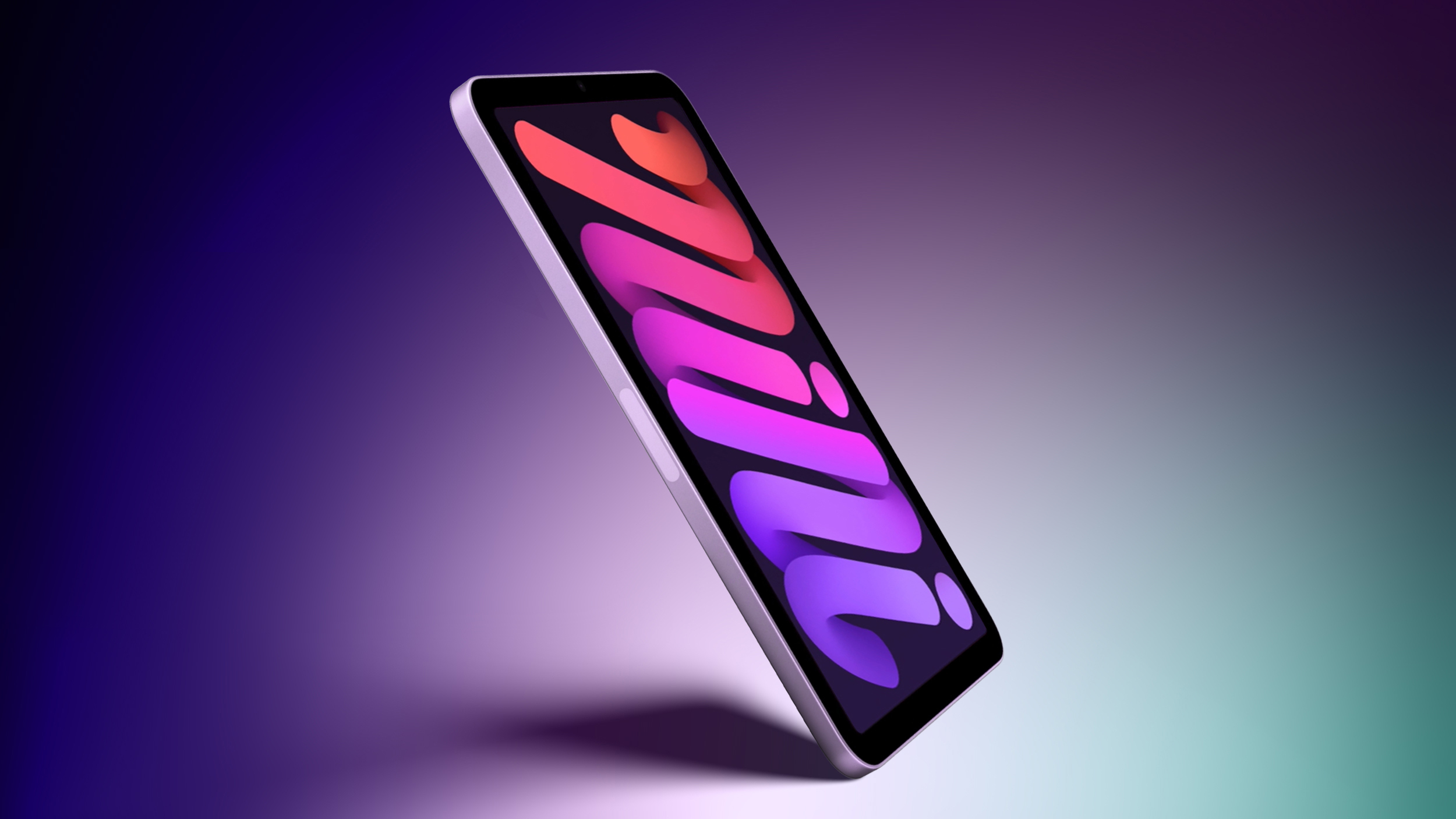
Along with the new Macs that are coming, we're expecting an iPad mini update. The ‌iPad mini‌ 8 is going to get an ‌OLED‌ display, making it the first ‌iPad‌ other than the iPad Pro to adopt ‌OLED‌.

It's also going to get a design refresh with a vibration-based speaker setup that eliminates speaker holes and allows for a more water-resistant design. It could be the first ‌iPad‌ with an IP rating, able to hold up to splashes and possibly even submersion.

The ‌iPad mini‌ 8 is expected to use the same A20 Pro chip that's in the iPhone 18 Pro models. It's so far unclear whether the ‌iPad mini‌ will continue to have a 60Hz refresh rate or if it will get a 120Hz ProMotion upgrade. The front camera will relocated from the portrait side to the landscape side, a change Apple previously made in other ‌iPad‌ models.

Waterproofing and ‌OLED‌ are expected to push up the price, so the new model could cost around $200 more than the current $599 model.

Launch Date


After an October 28 debut, the new Mac and ‌iPad‌ options could launch as soon as November 6. If this launch goes like the home product launch, the devices will be available for pre-order starting on October 28.
This article, "Apple's October 28 'Pro and Tell' Launch: What's Coming" first appeared on MacRumors.com

Discuss this article in our forums
  •  

Apple Limiting U.S. iPhone Duo Orders to Two Per Customer

Apple is only allowing customers in the United States to purchase a maximum of two iPhone Duos. Attempting to purchase more than two on the website or the Apple Store app gives the following notice: "A maximum of 2 iPhone Duo can be purchased per customer. Please adjust the total quantity of ‌iPhone Duo‌ in your order before checking out."


Some Reddit users describe the U.S. purchase limit as new, but we couldn't confirm if it was in place when pre-orders started on October 16. The Reddit thread has reports from customers claiming to have been able to purchase four Duos and from those who say they were limited to two.

Apple had clear two-per-customer restrictions listed in countries like China, Singapore, and Hong Kong, but the U.S. website doesn't mention the limit until you try to add more than two Duos to the cart.

Launch day delivery stock sold out within minutes of pre-orders going live, and many customers received delivery dates in November or December. Apple has been moving up some delivery dates, so it may be able to fulfill demand earlier than expected for some customers who pre-ordered early.
Related Roundup: iPhone Duo
Buyer's Guide: iPhone Duo (Buy Now)
Related Forum: iPhone

This article, "Apple Limiting U.S. iPhone Duo Orders to Two Per Customer" first appeared on MacRumors.com

Discuss this article in our forums
  •  

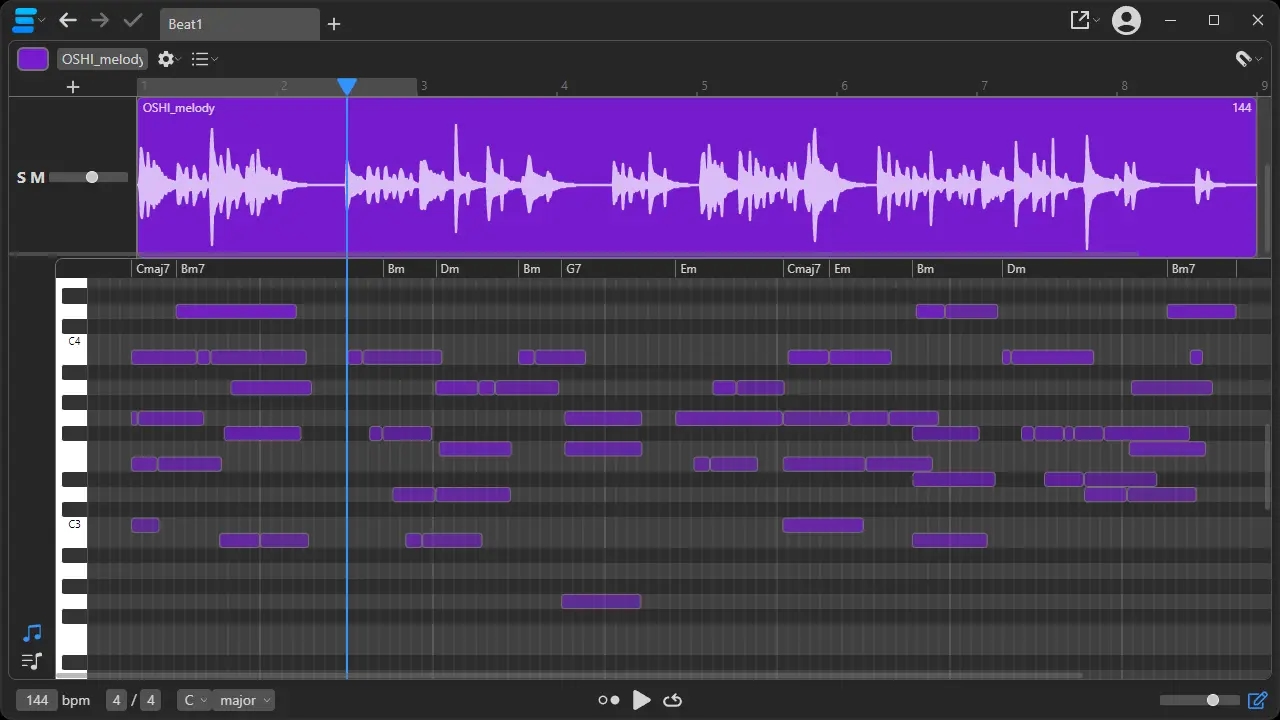
Apple Buys AI Audio Editing App Samplab

Apple acquired AI audio editing app Samplab in June, according to a notice shared today by the European Commission.


Samplab offered a desktop app and plugins for converting audio to MIDI, detecting and editing chords, stem splitting for isolating different parts of a song, and editing notes in polyphonic audio without affecting the timbre of the original.

Apple could fold the company's tools into Logic Pro or GarageBand. Logic Pro already has Stem Splitter and Chord ID, but polyphonic note editing would be new.

The filing says Apple acquired "certain assets" from Samplab and hired "certain Samplab employees." Apple is considered a "gatekeeper" in the European Union, and the Digital Markets Act requires it to inform the EC about deals involving core platform services, digital services, and data collection.

Samplab shut down on September 17, 2026. The Samplab website now redirects to Apple.com.
This article, "Apple Buys AI Audio Editing App Samplab" first appeared on MacRumors.com

Discuss this article in our forums
  •  

EFF's Privacy Badger Anti-Tracking Extension Expands to Safari

The Electronic Frontier Foundation (EFF) today announced the launch of Privacy Badger for Safari on macOS.


The free browser extension allows Safari users to block ad trackers to prevent companies from spying on your web browsing and tracking you across the web.

Privacy Badger has been available on other platforms like Chrome, Edge, and Firefox, but it is new to Safari. It requires Safari 26.5 or later.

The EFF says Privacy Browser can automatically learn to block hidden trackers on the web. It uses algorithmic methods to determine what is and isn't tracking, and it doesn't block ads unless those ads are also trackers.

Safari already limits the amount of information that trackers can access, but it lets trackers load. Privacy Badger blocks the trackers from loading and techniques that bypass Safari's protections don't work.

The extension is also able to block cookies and remove link click tracking from outgoing links on Facebook and Google.
This article, "EFF's Privacy Badger Anti-Tracking Extension Expands to Safari" first appeared on MacRumors.com

Discuss this article in our forums
  •  

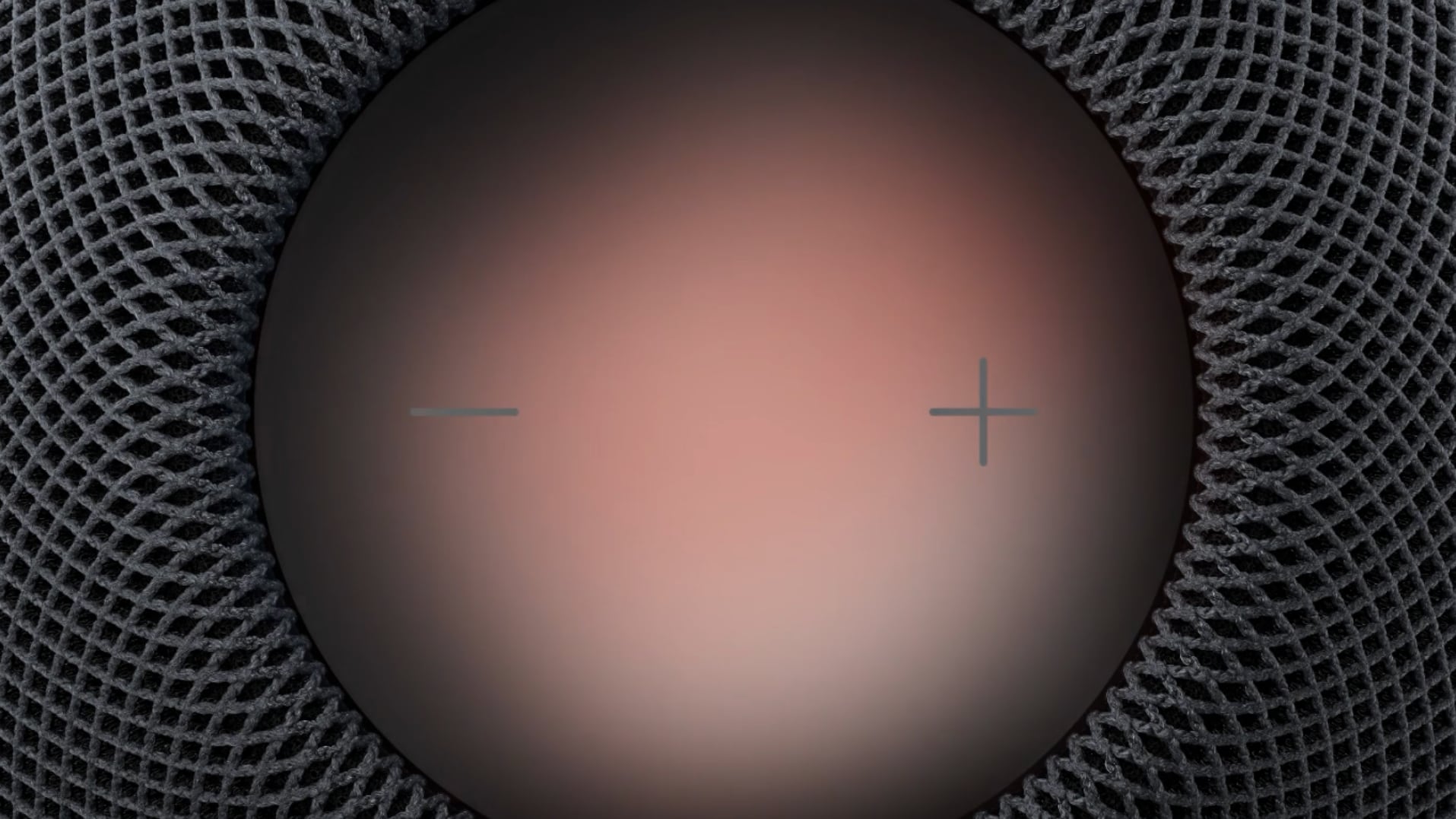
HomePod 27.2 Adds Sound Glow to Existing HomePod Models

Apple's latest software update for the HomePod brings a new Sound Glow feature to the ‌HomePod‌, ‌HomePod‌ mini, and HomePod mini 2. Apple introduced Sound Glow as a ‌HomePod mini 2‌ feature, but it's available for the second-generation ‌HomePod‌ and the original ‌HomePod‌ mini too.


‌HomePod‌ Software 27.2 is available as a release candidate update for developers and public beta testers, but it should launch next week. Once you've updated your ‌HomePod‌ or ‌HomePod‌ mini to the new software, you can go to the ‌HomePod‌ settings to turn on Sound Glow. If your HomePods are paired with an Apple TV, you can also use the ‌Apple TV‌ Control Center to turn Sound Glow on or off.

With Sound Glow, the top of a ‌HomePod‌ or ‌HomePod‌ mini lights up with color that pulses in sync with the music or audio that's playing. The feature draws colors from album artwork, and it works with songs, podcasts, Apple's ambient music feature, and more.

Sound Glow is not available on the original ‌HomePod‌.

‌HomePod‌ Software 27.2 also adds support for using HomePods as the default speaker for a Mac, support for using for HomePods or ‌HomePod‌ mini 2s as surround sound for an ‌Apple TV‌, and it adds a Lock Controls feature for disabling touch interactions with the top of the ‌HomePod‌.
Related Roundups: HomePod, HomePod mini 2

This article, "HomePod 27.2 Adds Sound Glow to Existing HomePod Models" first appeared on MacRumors.com

Discuss this article in our forums
  •  

tvOS 27.2 RC Lays Groundwork for HomePod Surround Sound

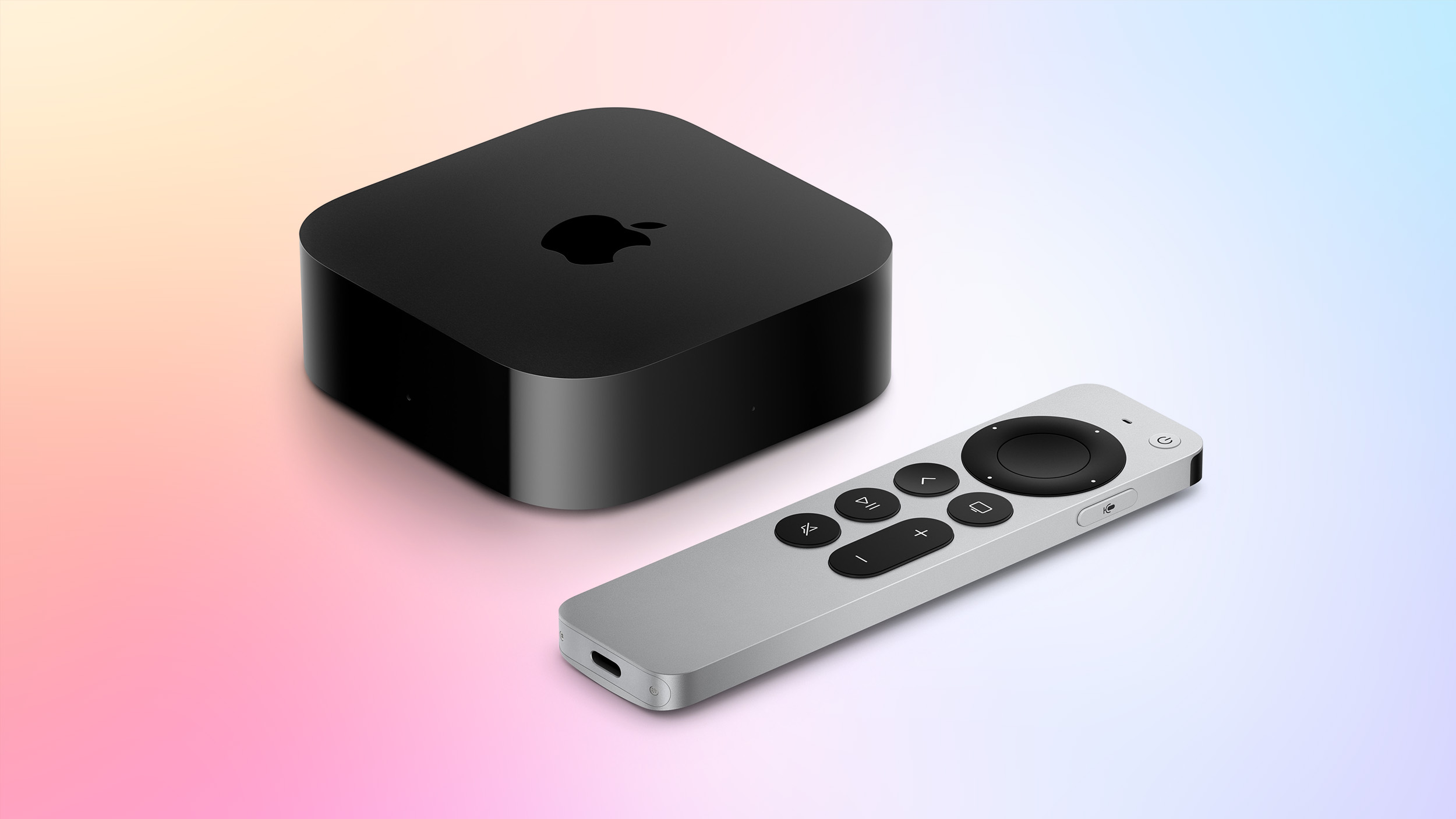
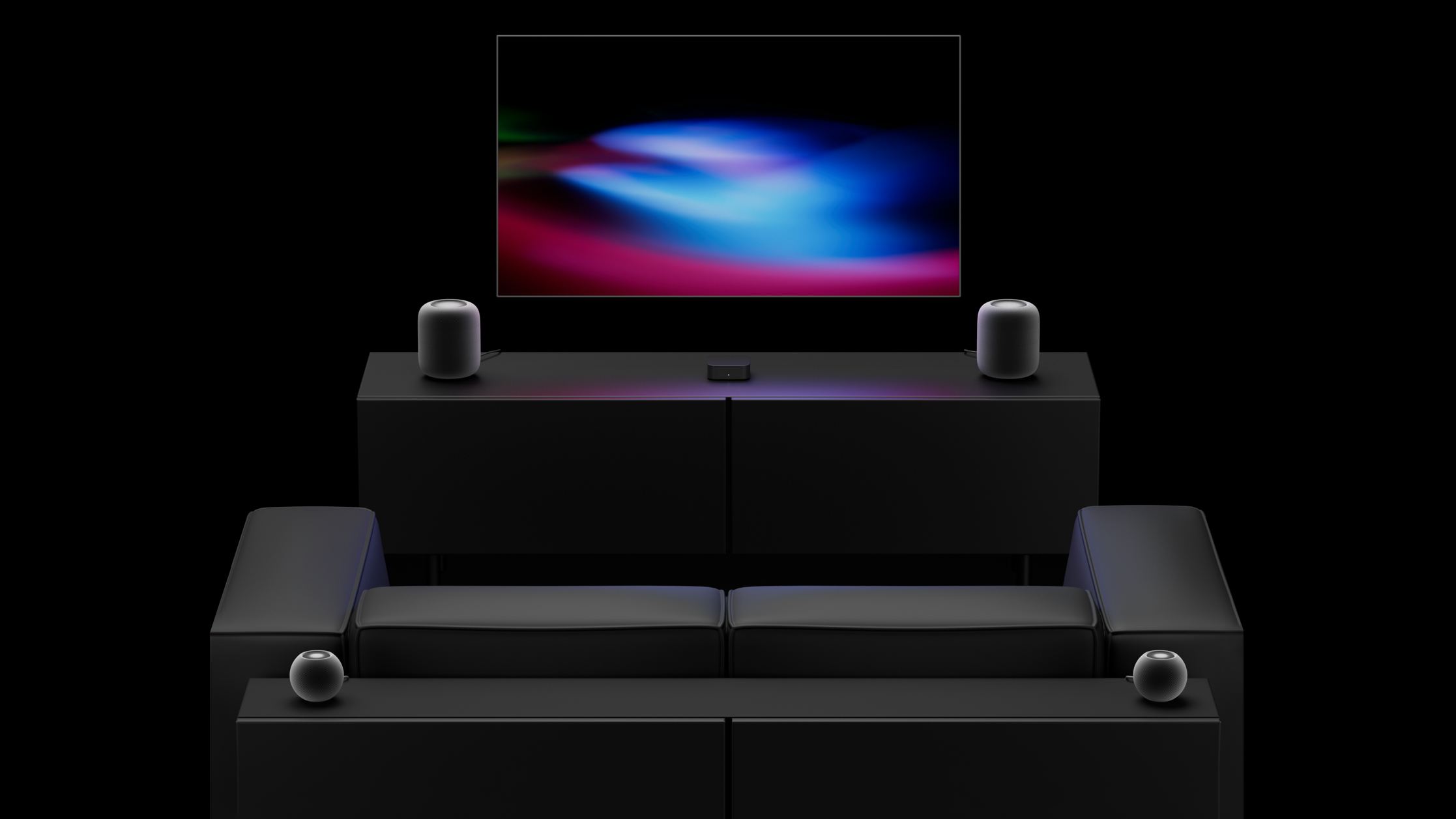
The iOS 27.2, tvOS 27.2, and HomePod Software 27.2 updates that Apple seeded today add support for four-speaker surround sound on the new Apple TV 4K ahead of its launch.


Setting up a ‌HomePod‌ home theater is done directly on the ‌Apple TV‌, but there is an option to start the process with the ‌Apple TV‌ remote app on iPhone.

With the fourth-generation ‌Apple TV‌ 4K, you can use four HomePod mini 2 speakers, four second-generation HomePods, or two HomePods and two ‌HomePod mini 2‌ speakers for surround sound (as long as each pair matches).

The original ‌HomePod‌ and the original ‌HomePod‌ mini can't be used for surround sound, and older ‌Apple TV‌ models don't support the feature.

Combining ‌HomePod‌ speakers with an ‌Apple TV‌ creates a home theater grouping, and the speakers are treated as a single accessory instead of separate audio devices. The speakers can detect their position in the room for calibrating timing and levels.

The ‌HomePod mini 2‌ launches on October 30, while the fourth-generation ‌Apple TV‌ 4K comes out on November 13. Both new devices can be pre-ordered from Apple. We're expecting iOS 27.2, tvOS 27.2, and ‌HomePod‌ Software 27.2 updates to come out next week.
Related Roundups: Apple TV, HomePod, HomePod mini 2

This article, "tvOS 27.2 RC Lays Groundwork for HomePod Surround Sound" first appeared on MacRumors.com

Discuss this article in our forums
  •  

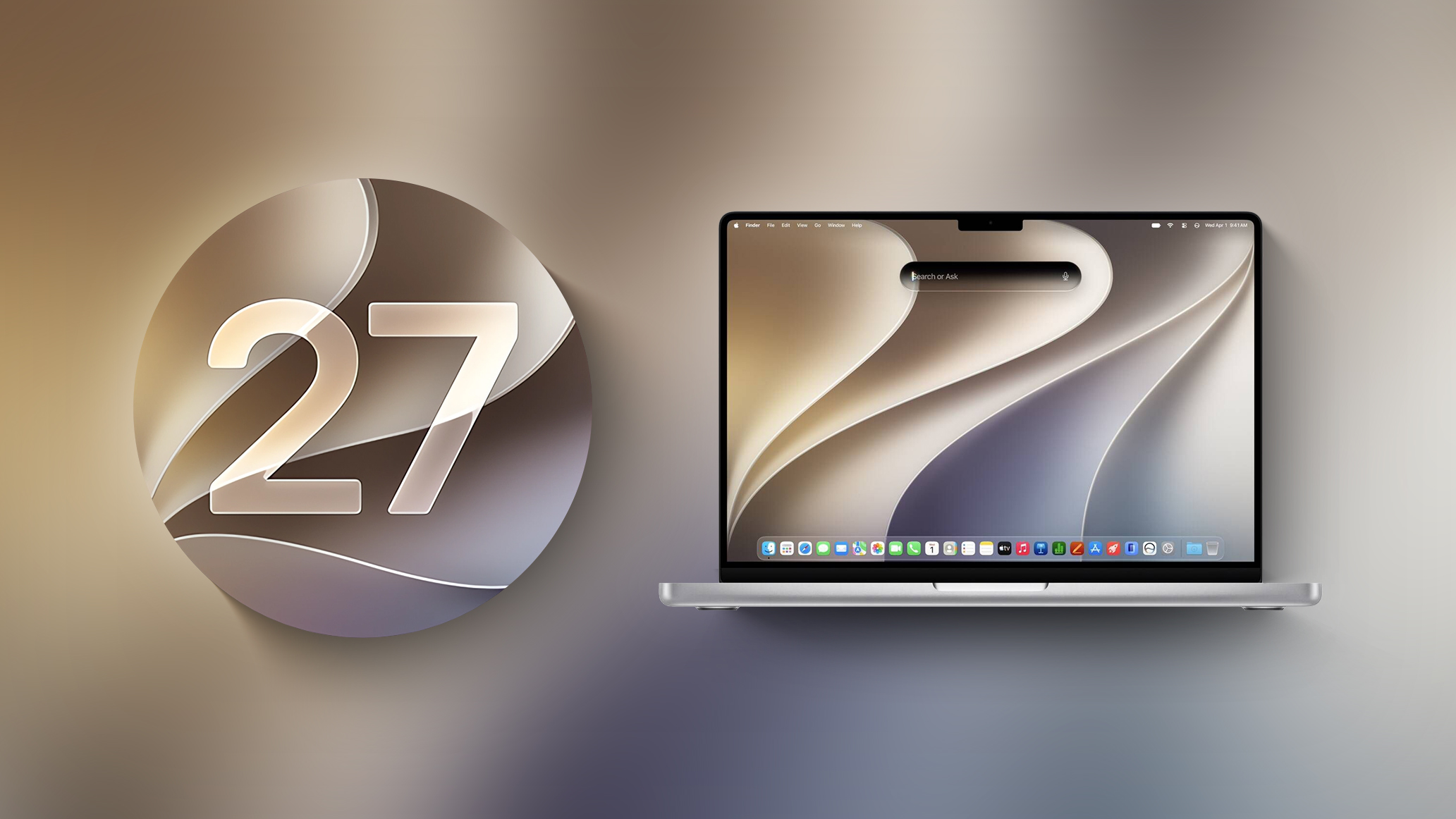
Apple Seeds macOS Golden Gate 27.2 Release Candidate to Developers

Apple is testing the next macOS Golden Gate update, and developers can download the ‌macOS Golden Gate‌ 27.2 release candidate. The RC comes a week after Apple released the fourth beta.


Registered developers can download ‌macOS Golden Gate‌ 27.2 by opening up the System Settings app, clicking on General, selecting Software Update, and opting into ‌macOS Golden Gate‌ betas.

‌macOS Golden Gate‌ 27.2 introduces Siri AI in new languages and includes new brightness and volume sliders.

We're expecting ‌macOS Golden Gate‌ 27.2 to launch toward the end of October.
Related Roundup: macOS Golden Gate
Related Forum: macOS Golden Gate

This article, "Apple Seeds macOS Golden Gate 27.2 Release Candidate to Developers" first appeared on MacRumors.com

Discuss this article in our forums

  •  

Apple Releases iOS 27.2 Release Candidate

Apple today seeded the release candidate of an upcoming iOS 27.2 update to developers for testing purposes, with the update coming a week after Apple released the fourth iOS 27.2 beta. Apple also seeded the iPadOS 27.2 RC.


Registered developers can download the beta updates by opting in under Settings > General > Software Update and selecting the iOS 27 developer beta.

The beta was used to test the new ‌iOS 27‌ Health app, but the features have since been removed and will be coming in a later update. It expands Siri AI to new languages including French, Japanese, Korean, Portuguese, and Spanish.

There are now profiles for the Apple TV app, Call Context supports anniversary alerts, and Apple Music has a new icon. The update also supports an alternative expanded prompt for App Tracking Transparency in the European Union.

Apple previously said the new ‌Siri‌ AI languages in iOS 27.2 would be available in October, so we are expecting iOS 27.2 to see a public launch before the end of the month. With the RC out, the update could come next week.
Related Roundups: iOS 27, iPadOS 27
Related Forum: iOS 27

This article, "Apple Releases iOS 27.2 Release Candidate" first appeared on MacRumors.com

Discuss this article in our forums
  •  

Apple Seeds watchOS 27.2, tvOS 27.2 and visionOS 27.2 Release Candidates

Alongside new betas of iOS 27.2, iPadOS 27.2, and macOS Golden Gate 27.2, Apple has seeded the release candidate versions of watchOS 27.2, tvOS 27.2 and visionOS 27.2. The RCs come a week after Apple released the fourth betas.


Registered developers can download the betas through the Settings app on each device.

There's no word on what's being added in visionOS 27.2 and tvOS 27.2, but Apple is bringing Siri AI to the Apple TV, so the update could include new ‌Siri‌ features. Apple has also released HomePod Software 27.2, including for the new HomePod mini 2.
Buyer's Guide: Vision Pro (Neutral)
Related Forums: Apple Vision Pro, Apple Watch

This article, "Apple Seeds watchOS 27.2, tvOS 27.2 and visionOS 27.2 Release Candidates" first appeared on MacRumors.com

Discuss this article in our forums
  •  

Apple Announcing New Products Next Week: 'Pro and Tell'

Apple's Greg Joswiak today hinted at new product announcements coming next week, sharing a social media post that says "Can't wait to pro and tell next week."


Rumors suggest Apple is planning to debut the new MacBook Pro with an OLED touchscreen display, an M6 entry-level ‌MacBook Pro‌, an M6 iMac, an iPad mini with an ‌OLED‌ display.

Can't wait to pro and tell next week. https://t.co/3wUkxwq35i

— Greg Joswiak (@gregjoz) October 19, 2026


Apple is expected to announce the new devices on Wednesday, October 28. Members of the media have been invited to an in-person "experience" in Los Angeles, California that starts at 10:00 a.m. Pacific Time, so we could see press releases for the new products at that time. As with the HomeView, HomePod, and Apple TV, we are not expecting a standard event, but media will get hands-on time with the Macs and the ‌iPad mini‌ and will be able to share their first impressions.

Last week, Bloomberg's Mark Gurman said the ‌OLED‌ ‌MacBook Pro‌ and other devices could launch on Friday, November 6.
This article, "Apple Announcing New Products Next Week: 'Pro and Tell'" first appeared on MacRumors.com

Discuss this article in our forums
  •  

Verizon Will Charge $10 a Month for iPhone Handoff

Verizon plans to charge customers $10 per month for the iPhone Handoff feature that Apple added in iOS 27. iPhone Handoff allows one phone number to be shared across two separate iPhones.


Pricing was included in Verizon's iPhone Duo announcement today, with the carrier confirming iPhone Handoff will work with the iPhone Duo and the iPhone 18 Pro models.
Verizon will support iPhone Handoff, giving customers the flexibility to use a single Verizon phone number seamlessly across two compatible iPhone models. Whether using the pocketable iPhone Duo on the go or iPhone 18 Pro for work, customers can switch active status between devices at any time while keeping full access to Verizon's 5G network. iPhone Handoff will be available from Verizon for $10/month on compatible iPhones models running iOS 27.

With iPhone Handoff, users can switch between a main iPhone and a companion iPhone at will, though a phone number can only be active on one iPhone at a time. Verizon says support is "coming soon," and Apple previously said Verizon would adopt the feature before the end of the year.

U.S. carrier T-Mobile already supports iPhone Handoff, but charges just $5 per month for the feature. AT&T, the third major U.S. carrier, recently suggested it has no imminent plans to support iPhone Handoff.

U.K. carrier EE also said this week that it will soon support iPhone Handoff. Customers who have EE's Full Works Plus plan will get iPhone Handoff free, while other EE users can get it for £5 per month.

Deutsche Telekom in Germany is the only other carrier that's added iPhone Handoff support so far. It costs €6.95 per month, but the carrier includes it for free in the MagentaMobil L and XL plans.
Tag: Verizon

This article, "Verizon Will Charge $10 a Month for iPhone Handoff" first appeared on MacRumors.com

Discuss this article in our forums
  •  

Apple Calls iPhone Duo Demand 'Extraordinary' After Orders Slip to 2027

Demand for the iPhone Duo has been "nothing short of extraordinary," Apple said in a statement to the Financial Times. The company also said it is "working hard to get this revolutionary new product into customers' hands as quickly as possible."


Pre-orders for the ‌iPhone Duo‌ opened this morning at 5 a.m. Pacific Time, and it didn't take long for available stock to dwindle. Within minutes, delivery dates slipped from October 23 to November, and by 5:30 a.m., delivery estimates reached January 25.

It is no longer possible to order an ‌iPhone Duo‌ for delivery in 2026 from Apple, and customers who purchase now will be waiting until early 2027. Prior to pre-orders launching, rumors said supplies could be constrained due to manufacturing difficulties.

With past iPhone launches where supplies were limited, Apple has sometimes been able to ship devices sooner than expected, so it's possible the company will work through its backlog ahead of schedule. There are no guarantees, though, and it's clear many will be waiting for months.

Apple has not yet said whether there will be ‌iPhone Duo‌ stock available for walk-in purchases on October 23, but if there is, we could see long lines outside Apple retail stores for the first time in several years.

Apple's website suggests there could be some stock available for store pickup as soon as next week, as there is a note to check back on October 24 for availability.

Pricing on the ‌iPhone Duo‌ starts at $1,999 and goes up to $3,199 for 2TB of storage. The first orders will be delivered to customers on October 23.
Related Roundup: iPhone Duo
Buyer's Guide: iPhone Duo (Buy Now)
Related Forum: iPhone

This article, "Apple Calls iPhone Duo Demand 'Extraordinary' After Orders Slip to 2027" first appeared on MacRumors.com

Discuss this article in our forums
  •  

New App Store Rules Target AI Deepfakes and Nudify Apps

Apple today expanded its App Store moderation rules to cover AI-generated nonconsensual intimate imagery. Sexually explicit content was already banned, but now Apple says app developers must proactively prevent and remove AI-generated deepfakes from their platforms. Apple warns that apps with offending content could be removed from the ‌App Store‌ if developers fail to act.


The updated 1.2 rule names AI content creation apps and could be targeting apps like Grok, among others. Users have complained about xAI's Grok chatbot being used for nude and sexualized deepfakes, and earlier this year, Apple told xAI it would remove Grok from the ‌App Store‌ if it continued to permit nude deepfakes. xAI put safeguards in place, and Apple approved an updated version of the app.

Apple also added guideline 2.5.19 to clarify that developers who add features or functionality not present in the version of an app submitted for review risk removal from the ‌App Store‌ and Apple Developer Program. Apple links the rule to "nudification" apps that create sexually explicit images of real individuals without their consent, suggesting some of the apps have concealed their true purpose during review and added the nudify feature after approval.
Apps containing hidden or undocumented features are also prohibited on the App Store, including apps that misrepresent their purpose during review and only reveal harmful capabilities — such as "nudification" — after approval, a tactic commonly known as bait-and-switch.

Along with changes focused on AI-generated content, Apple updated section 5 to extend its ban on apps that facilitate human trafficking or child exploitation to alternative app distribution.

"We do not hesitate to remove apps, and terminate the developers behind them, when they violate these guidelines," reads Apple's developer news post on the rule changes.

Apple's full updated guidelines can be found on its website.
This article, "New App Store Rules Target AI Deepfakes and Nudify Apps" first appeared on MacRumors.com

Discuss this article in our forums
  •  

Apple's $79 iPhone Duo Case Sticks On With Adhesive

Apple's iPhone Duo Case uses adhesive to attach to the device, according to people who have picked one up.


The case comes in two pieces and uses adhesive strips along the inside edges to attach securely to an ‌iPhone Duo‌. An included insert instructs users to peel off the adhesive's protective film, put each half on the Duo, and then press down to make sure it's well-adhered.

The ‌iPhone Duo‌ Case is made from polycarbonate and comes in Sand and Navy Blue. It is designed to protect the back of the iPhone where the camera bump is located and the front around the outer display. It has a cutout for the front display, and no protection for the inside of the device when it's unfolded.

the folio is clearly the nicer one, the kickstand feels sturdy (the hinges are metal underneath) but the case has a nice grippy feel to it though it has the adhesive stickers like other foldables

— Parker Ortolani (@ParkerOrtolani) October 16, 2026


Apple also sells the ‌iPhone Duo‌ Folio with Kickstand, and that case does not use adhesive. It attaches to the ‌iPhone Duo‌ magnetically, but it does not offer protection for the sides of the device and it covers the front display when in use. It uses magnets to make it easy to fold back if the outer display is needed.

‌iPhone Duo‌ pre-orders began today, and the first devices won't arrive to customers until next Friday, but cases are in stores today. Initial ‌iPhone Duo‌ stock sold out, and shipping estimates are now at January 25 for all colors and capacities.

The ‌iPhone Duo‌ Folio is priced at $129, and the ‌iPhone Duo‌ Case is priced at $79.
Related Roundup: iPhone Duo
Buyer's Guide: iPhone Duo (Buy Now)
Related Forum: iPhone

This article, "Apple's $79 iPhone Duo Case Sticks On With Adhesive" first appeared on MacRumors.com

Discuss this article in our forums
  •  

iPhone Duo Now Available to Pre-Order From Apple

Apple is now accepting pre-orders for the iPhone Duo through its online storefront and Apple Store app. If you don't see the option to order, refresh both the website and the app until the store loads.


Pre-orders for the ‌iPhone Duo‌ are launching in more than 70 countries and regions. Customers who used the "Get Ready" option to set up a purchase should be able to check out with a couple of taps.

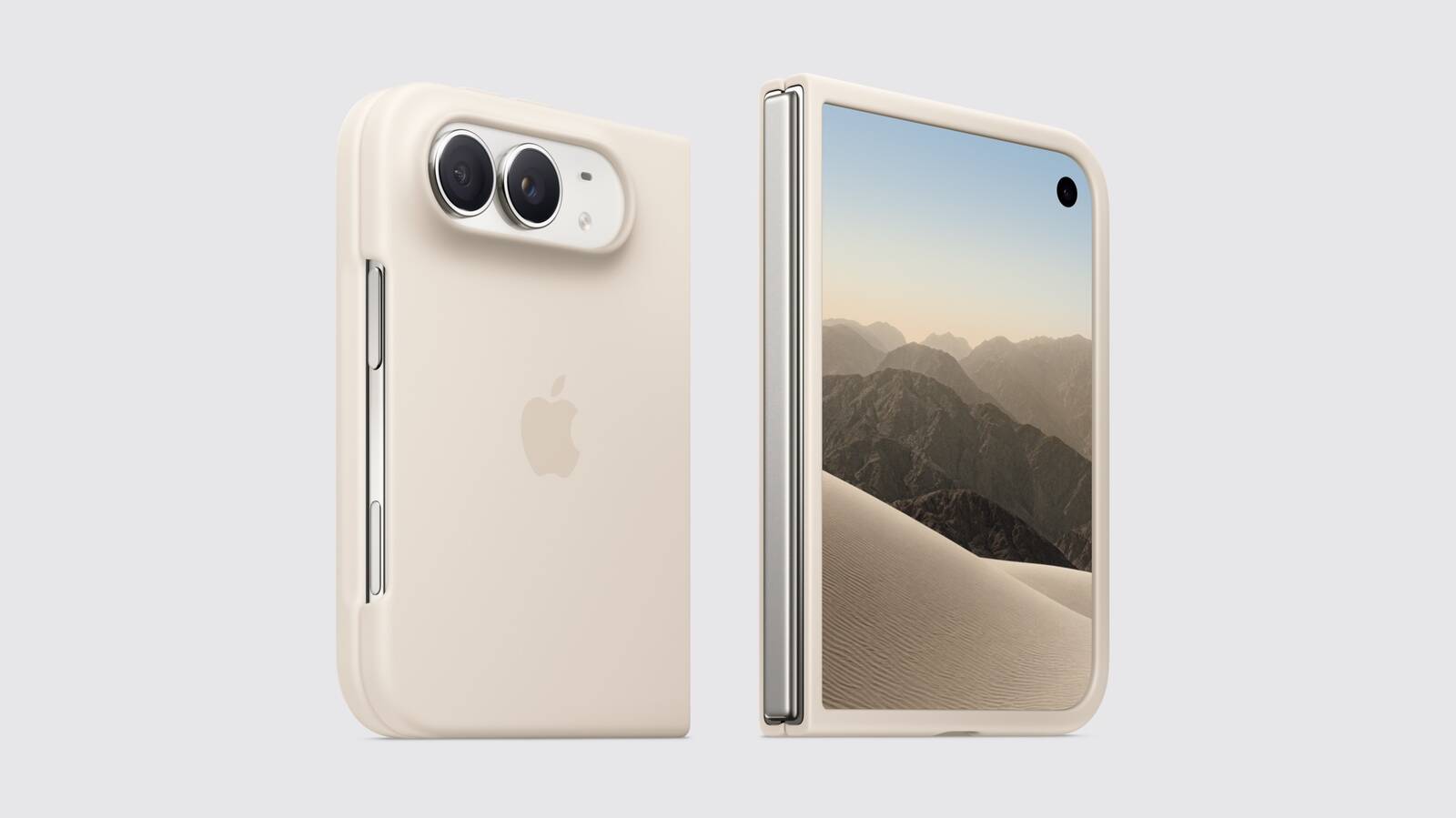
The ‌iPhone Duo‌ is Apple's first foldable smartphone. It features a 5.4-inch display when closed and a 7.6-inch display when open. It has an iPad-like aspect ratio and at 5.2mm when unfolded, it is Apple's thinnest iPhone to date.

Apple designed the ‌iPhone Duo‌ with an aluminum and titanium frame, complete with ceramic fiber antenna inserts and support ribs. It has a hinge with more than 100 components, and can be used in multiple orientations and positions. It lacks Face ID and adopts Touch ID instead, and it has a two-lens camera system without a telephoto lens.

The ‌iPhone Duo‌ is priced starting at $1,999 for 256GB of storage, and it comes in star white and night sky colors. Apple says its specialists are available to help users find ways to save and pay, including with Apple Upgrade, a Klarna-run lease program. With a 24-month lease, ‌iPhone Duo‌ pricing starts at $57.99 per month. Apple says customers can save from $175 to $885 by trading in an eligible iPhone 13 or newer.

If you're ordering an ‌iPhone Duo‌, it's a good idea to opt for AppleCare+. Some ‌iPhone Duo‌ repair fees are as high as $1,499 without a protection plan.

Along with Apple, carriers like Verizon, AT&T, and T-Mobile are accepting ‌iPhone Duo‌ pre-orders. Carriers have trade-in deals and discounts available, but make sure to read all of the fine print ahead of time.

Rumors suggest ‌iPhone Duo‌ supplies are limited due to production issues. The new iPhone could sell out quickly, so order right away if you want one on launch day.

Customers who successfully pre-order an ‌iPhone Duo‌ for launch day delivery will get their devices on Friday, October 23.
Related Roundup: iPhone Duo
Buyer's Guide: iPhone Duo (Buy Now)
Related Forum: iPhone

This article, "iPhone Duo Now Available to Pre-Order From Apple" first appeared on MacRumors.com

Discuss this article in our forums
  •  

Oops, Apple's Website Just Hinted at iPad Mini 8

Apple has an unreleased iPad mini Smart Folio listed on its French regulatory website, hinting that a new ‌iPad mini‌ is coming. The case's A3632 model number doesn't match current or past ‌iPad mini‌ cases.


Apple appears to have added the case to its website recently, and it's listed alongside iPhone 18 Pro accessories added in September.

The listing doesn't include any ‌iPad mini‌ specs, but it does suggest design changes to the device it's meant for as a new Smart Folio may mean current cases won't fit the next ‌iPad mini‌.

Rumors suggest the ‌iPad mini‌ 8 with an OLED display and a more water-resistant design will be introduced on October 27 or 28 alongside an ‌OLED‌ MacBook Pro. The A3632 Smart Folio could be for the ‌OLED‌ ‌iPad mini‌.
Related Roundup: iPad mini
Buyer's Guide: iPad Mini (Don't Buy)
Related Forum: iPad

This article, "Oops, Apple's Website Just Hinted at iPad Mini 8" first appeared on MacRumors.com

Discuss this article in our forums
  •  

OLED MacBook Pro Won't Get M7 Chips Until Late 2027

Apple is "pretty much done" with M6 chips, Bloomberg's Mark Gurman reiterated today on his podcast. Apple debuted the M6 chip in the Mac mini and has plans for an M6 iMac and entry-level 14-inch MacBook Pro, but the company is not planning to make M6 Pro, M6 Max, or M6 Ultra chips.


Apple will instead go from the M5 Pro, M5 Max, and M5 Ultra to the M7 lineup. The upcoming OLED ‌MacBook Pro‌ models will use the same M5 Pro and M5 Max chips Apple uses in the current ‌MacBook Pro‌ models, with no chip upgrade planned until 2027. The M5 Pro and M5 Max came out in March.

Gurman says the high-end touchscreen ‌MacBook Pro‌ models will get M7 Pro and M7 Max chips "at the end of next year." A refreshed low-end ‌MacBook Pro‌ with an M7 chip will launch next year, and an M7 Ultra chip is slated for the first half of 2028. It's unlikely we'll get a new Mac Studio in 2027 with the next Ultra chip planned for 2028.

Apple is reportedly skipping the rest of the M6 line to focus its resources on the M7 chips, which have technologies for artificial intelligence workloads.
Related Roundup: MacBook Pro
Tag: OLED
Buyer's Guide: MacBook Pro (Caution)
Related Forum: MacBook Pro

This article, "OLED MacBook Pro Won't Get M7 Chips Until Late 2027" first appeared on MacRumors.com

Discuss this article in our forums
  •  

Apple Pledged $25 Million to Trump's White House Ballroom

Apple pledged $25 million for Trump's White House ballroom, according to a list of donors obtained by The Washington Post.


Chipmaker Nvidia also committed $25 million, making Apple and Nvidia two of the top donors. Other donors include Microsoft, Comcast, Amazon, Cisco, Meta, T-Mobile, HP, Google (from a lawsuit settlement), Palantir, Salesforce, and Micron. Private donations on the list totaled $333 million, with some donors paying in full and some paying in installments.

The White House has not publicly disclosed donation amounts, even though political giving typically requires public disclosure and adherence to campaign finance rules. The Trump administration is collecting ballroom donations through a nonprofit and moving the funds into a White House account controlled by Trump.

A White House spokesperson said the administration will "relentlessly pursue those responsible" for the leaked list.

The ballroom's final cost hasn't been released, but a June contractor estimate suggested it would cost around $600 million and that more than half of the money would come from taxpayer funds.

Trump says the ballroom will be around 90,000 square feet and will seat 1,000 guests. The White House's East Wing was demolished to construct the ballroom.
This article, "Apple Pledged $25 Million to Trump's White House Ballroom" first appeared on MacRumors.com

Discuss this article in our forums
  •  

Touchscreen MacBook Pro Could Launch on November 6

Apple is planning to introduce new OLED touchscreen MacBook Pro models on October 27 or October 28, and the machines could launch on Friday, November 6, Bloomberg's Mark Gurman said during his latest podcast.


Apple retail stores apparently have a "big floor reset" scheduled for the evening of Thursday, November 5, and into Friday, November 6, which Gurman says could be in preparation for the new Macs. The store reset will follow a debut in late October, with Apple planning a creator-focused gathering in Los Angeles to introduce the new products.

Along with the ‌OLED‌ touchscreen ‌MacBook Pro‌, Apple is rumored to be launching the ‌OLED‌ iPad mini, M6 iMac, and M6 entry-level 14-inch ‌MacBook Pro‌. Gurman did not say whether there would be a classic Apple event, but suggested Apple will "do something" and will "have those videos" at the "very least."

Gurman previously said Apple might name the new ‌OLED‌ Macs the "MacBook Ultra," but he more recently walked that back and suggested they would be part of the ‌MacBook Pro‌ line. He also said the foldable iPhone could be the iPhone Ultra and that Apple would debut AirPods Ultra, but so far Apple has not embraced the Ultra naming.

The ‌OLED‌ ‌MacBook Pro‌ models could be sold as a higher-end option alongside the current mini-LED models, but new chips are not expected. Apple is said to be using the same M5 Pro and M5 Max chips that are in the existing ‌MacBook Pro‌ models.

If the ‌MacBook Pro‌ models do launch on November 6, Apple will have several weeks of product launches. The iPhone Duo is coming out on October 23, while the HomePod mini 2 launches October 30. The HomeView and the fourth-generation Apple TV 4K will be released on November 13.
Related Roundup: MacBook Pro
Buyer's Guide: MacBook Pro (Caution)
Related Forum: MacBook Pro

This article, "Touchscreen MacBook Pro Could Launch on November 6" first appeared on MacRumors.com

Discuss this article in our forums
  •  

Meta and Apple Bring Muse Spark Open AI Model to Mac Studio

Meta today announced the release of Muse Spark Open, which it says is the "most capable U.S. open-weight model to date."


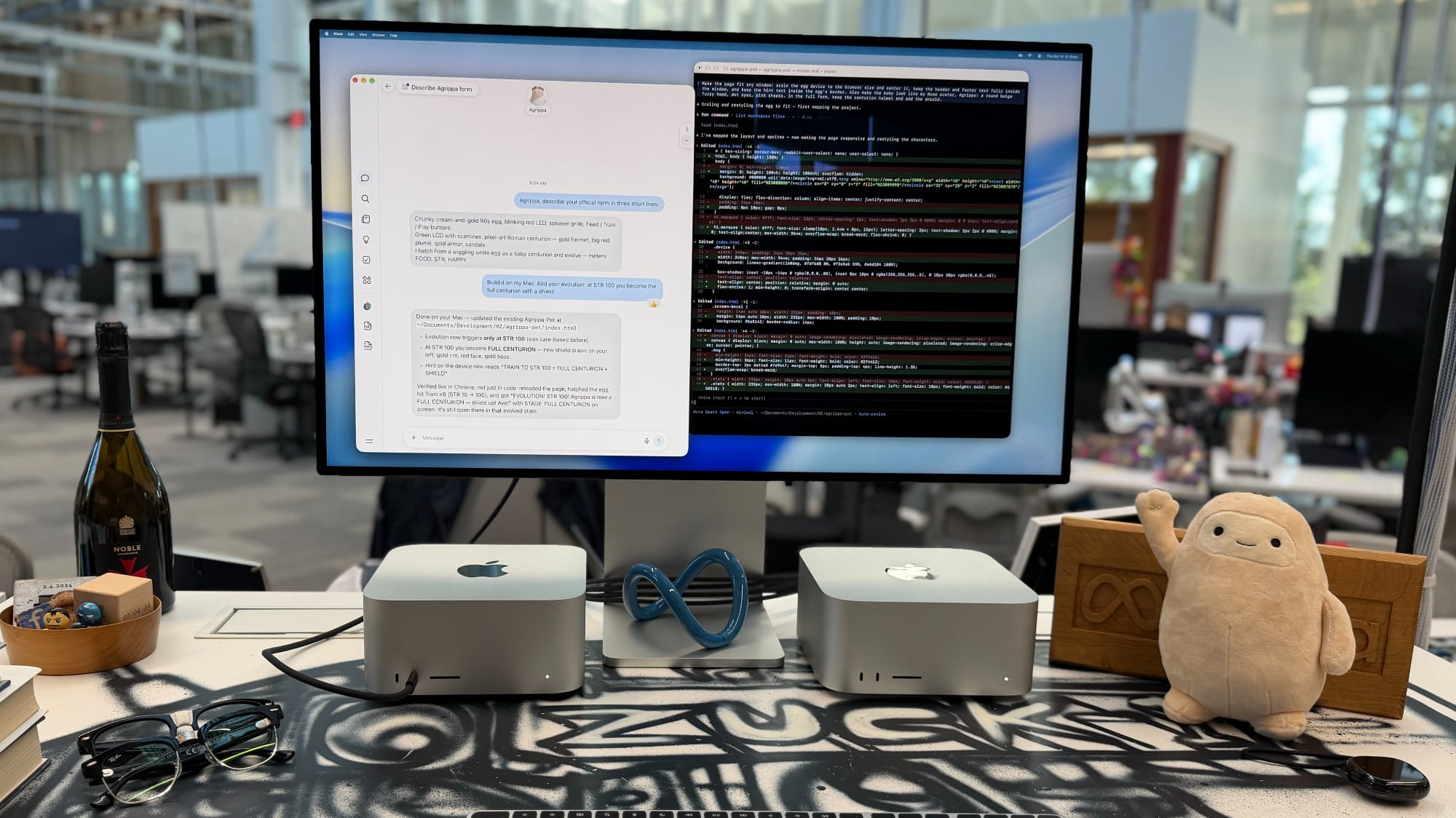
‌Meta‌ worked with Apple to bring Muse Spark Open to the Mac, and the model can run on a desktop setup with two 512GB Apple M5 Ultra Mac Studios running the latest MLX framework. ‌Meta‌ CEO Mark Zuckerberg thanked Apple CEO John Ternus for working with Meta.

@finkd Congrats to the team! Amazing to run a model of Muse Spark Open's caliber and scale this efficiently, right from your desk. Mac Studio keeps pushing the boundaries of on-device AI!

— John Ternus (@johnternus) October 15, 2026


Muse Spark Open has 816 billion total parameters with 42 billion active parameters and a 1 million-token context window. It is meant for coding and agentic work, and ‌Meta‌ says it excels at extended tasks, multi-step reasoning, and software engineering.

The new Muse model was tuned to run on Mac Studio, and ‌Meta‌ says the ‌Mac Studio‌ paired with Muse Spark Open is the "best way to run a powerful model on your own desktop." From ‌Meta‌:
Apple's unified memory architecture lets the M5 Ultra's integrated GPU use up to 512 GB per Mac Studio, so two machines can hold an entire model. And the chip's 1.2 TB/s of memory bandwidth is fast enough to read the small slice each token needs. The result is two Mac Studios behave like one supercomputer with a terabyte of unified memory.

Apple hasn't released the 512GB ‌Mac Studio‌ as of yet, but it's supposed to be coming later this month. It won't be cheap, because the 256GB ‌Mac Studio‌ is already priced over $10,000.

The model is available through API platforms at Baseten, Fireworks AI, Groq, Modal, Nebius, OpenRouter, and Together AI, with model weights downloadable from Amazon SageMaker AI, Google Cloud Model Garden, Hugging Face, and Microsoft Foundry Models. Muse Spark Open is free to download and has a license allowing limited commercial use.

Apple and ‌Meta‌ often argue more than they work together, so it is something of a surprise to see the two companies partnering for Muse Spark Open. "We're excited for mommy and daddy to be playing nice again," ‌Meta‌'s AI chief Alexandr Wang told Axios.
Related Roundup: Mac Studio
Tag: Meta
Buyer's Guide: Mac Studio (Buy Now)
Related Forum: Mac Studio

This article, "Meta and Apple Bring Muse Spark Open AI Model to Mac Studio" first appeared on MacRumors.com

Discuss this article in our forums
  •  

iPhone Duo's A20 Pro Chip Benchmarked Ahead of Launch

The iPhone Duo unsurprisingly offers performance similar to the iPhone 18 Pro, according to an early iPhone Duo benchmark shared on Geekbench 7. Both devices are equipped with Apple's 2nm A20 Pro chip with a 6-core CPU and a 7-core GPU.


The benchmarked ‌iPhone Duo‌ (iPhone19,4) is running iOS 27.1, as expected, and it had a single-core score of 3986 and a multi-core score of 11067. That's in line with multiple benchmarks collected from ‌iPhone 18 Pro‌ and ‌iPhone 18 Pro‌ Max models.

Scores vary from test to test, so while the result does fall short of the top ‌iPhone 18 Pro‌ benchmark scores, we're only viewing a single score. The ‌iPhone Duo‌ has the same 6-core CPU with a 4.93GHz base frequency that's identified in ‌iPhone 18 Pro‌ benchmarks, and it lists 11.30GB memory, which means 12GB of RAM.

While the ‌iPhone Duo‌ and ‌iPhone 18 Pro‌ models use the same A20 Pro chip, there could be differences in real-world performance based on thermal management, the ‌iPhone Duo‌'s two screens vs. a single screen, and other factors.

Apple says the A20 Pro offers up to 20 percent faster CPU performance than the A19 Pro and up to 40 percent faster GPU performance. GPU speeds were not tested.

Pre-orders for the ‌iPhone Duo‌ will start on October 16, and a launch will follow on October 23.
Related Roundup: iPhone Duo
Related Forum: iPhone

This article, "iPhone Duo's A20 Pro Chip Benchmarked Ahead of Launch" first appeared on MacRumors.com

Discuss this article in our forums
  •  

10 HomeView Features You Might Have Missed

Apple plans to launch the HomeView on November 13, so we have a month to go until we can learn more about it. Right now, we're limited to the information Apple has shared and what members of the media learned during limited hands-on time.


We've rounded up some interesting HomeView tidbits you might have missed.

  • Recipe walkthroughs - HomeView makes Safari recipes easier to follow by pulling out the ingredients and steps. You can tap on a "Start Cooking" button to get step-by-step instructions you can use as you cook. The device also supports multiple voice-activated timers.

  • Siri access - You can say Siri (English only) or Hey ‌Siri‌ for hands-free access, but there are also options for activating ‌Siri‌ with a swipe down from the top of the display or using Type to ‌Siri‌.

  • Apple Intelligence - HomeView has some Apple Intelligence features built in. You or members of your household can use ‌Siri‌ AI for general knowledge questions if you don't have an ‌Apple Intelligence‌ iPhone or iPad, but you do need one for any requests involving personal context.

  • Guests - Personal data is private, but guests can control smart home accessories, check the weather, set timers, and play music. Visitors can also AirPlay audio to the HomeView using peer-to-peer discovery.

  • Adaptable interface - HomeView can tell when someone is approaching and parts of the interface will change based on proximity. If someone is across the room, it shows less information in a larger view. As the person approaches, the view can change to show more information.

  • Faces - HomeView has multiple customizable faces similar to watch faces. Apple says some faces can "wake with you in the morning, wind down with you at night." The Snoopy face, for example, has different animations based on time of day, weather, and holidays.

  • Third-party apps - There's no App Store, but the HomeView has CarPlay-like software capabilities. It can show CarPlay audio and video apps from a linked iPhone. There are no ‌CarPlay‌ video apps except for Apple TV, so app developers will need to add support.

  • Handoff - You can transfer songs, podcasts, calls, videos, and recipes from the iPhone to the HomeView.

  • Live Activities - HomeView supports Live Activities, so if you have a timer running or get an incoming Intercom message, content will be visible while you use other apps.

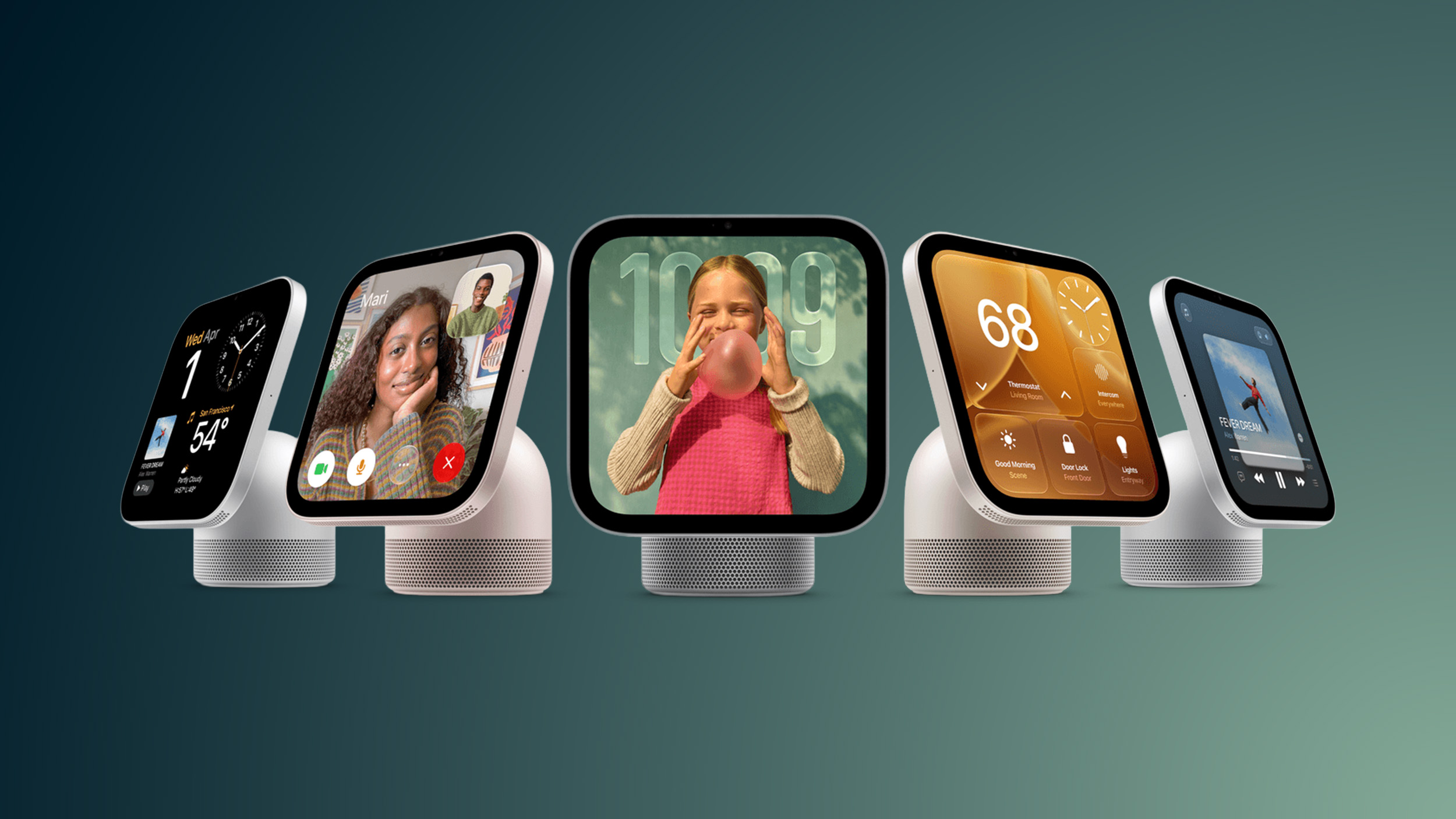
  • Sensors and HomeKit - The HomeView has temperature and humidity sensors that can be used in Home app scenes and automations. It also serves as a home hub for controlling HomeKit and Matter devices when you're away from home.


HomeView is available for pre-order now, and it will launch on November 13. It is priced at $299 and comes in either a tabletop version with a speaker base or a wall-mounted version.
Related Roundup: Apple HomeView
Buyer's Guide: HomeView (Buy Now)

This article, "10 HomeView Features You Might Have Missed" first appeared on MacRumors.com

Discuss this article in our forums
  •  

Apple Becomes Second Company to Close Above $5 Trillion

Apple today closed with a market capitalization above $5 trillion, making it the second company to do so after Nvidia.


As noted by The Wall Street Journal, Apple's market cap has exceeded $5 trillion six times before today during intraday trading, but this is the first time the company stayed above the mark at closing.

Apple closed at $342.96, for a market cap of $5.005 trillion. The new valuation comes just over a month after John Ternus took over for Tim Cook as Apple CEO, and two days ahead of iPhone Duo pre-orders.

While Apple surpassed Nvidia to briefly become the most valuable company in the world in July, Nvidia has since retaken the title and continues to hold the top spot with a market cap of $5.33 trillion.
Tag: AAPL

This article, "Apple Becomes Second Company to Close Above $5 Trillion" first appeared on MacRumors.com

Discuss this article in our forums
  •  

Which Apple Home Devices Get Siri AI, and When

There's been some confusion about which of Apple's new and existing home devices will support Siri AI and when, because ‌Siri‌ AI isn't going to be available at launch on some products.


Devices With Siri AI


  • HomeView - Available at launch (November 13)

  • Apple TV 4K (4th generation) - Available at launch (November 13)

  • Apple TV 4K (3rd generation) - Available in tvOS 27.2

  • Apple TV 4K (2nd generation) - Available in tvOS 27.2

  • HomePod mini 2 - Ships October 30, ‌Siri‌ AI coming in a future software update


Despite a report from CNET suggesting the first HomePod mini would support Siri AI, Apple has since confirmed that's not the case.

No Siri AI Support


  • Original HomePod mini

  • Original HomePod

  • Original Apple TV 4K (no tvOS 27)

  • Apple TV HD (no tvOS 27)


Unconfirmed


Siri AI Requirements


On the ‌HomePod‌ and Apple TV 4K models that support ‌Siri‌ AI, the home owner in the Home app must have an Apple Intelligence-enabled iPhone or iPad on the latest version of the software. ‌Siri‌ AI has to be turned on, and it has to be set to a supported language. Other members of the household don't need an Apple Intelligence-enabled device once ‌Siri‌ AI is turned on, except for personal requests.

HomeView does not require an Apple Intelligence-enabled iPhone or ‌iPad‌ for ‌Siri‌ AI, except for requests that use personal context.

‌Siri‌ AI for HomeView, ‌Apple TV‌ 4K, and HomePod mini 2 is English only and is limited to the United States, Australia, Canada, India, New Zealand, Singapore, South Africa, and the UK at launch.

EU Restrictions


‌Siri‌ AI is not available in the EU on the iPhone and ‌iPad‌, so ‌Siri‌ AI won't be available for home devices that support it. HomeView isn't even launching in the EU.

Siri AI Beta


Apple is still calling ‌Siri‌ AI a beta, and it will be in beta when it's available on HomeView, ‌Apple TV‌ 4K, and ‌HomePod mini 2‌.
This article, "Which Apple Home Devices Get Siri AI, and When" first appeared on MacRumors.com

Discuss this article in our forums
  •  

Apple Intelligence Coming to China in December With iOS 27.3

Apple plans to bring Apple Intelligence to China in iOS 27.3 after two years of regulatory delays, reports Bloomberg. The launch will include basic ‌Apple Intelligence‌ features for things like photo editing, but Siri AI won't be available. Image Playground and the newer version of Genmoji will be missing, plus text generation tools will be limited.


The South China Morning Post today reported that China's Ministry of Industry and Information Technology recently gave Apple network access permits to add Alibaba's Qwen and Tongyi Wanxiang models to the iPhone Duo, iPhone 18 Pro, and earlier iPhones, paving the way for an ‌Apple Intelligence‌ debut.

Apple introduced the first ‌Apple Intelligence‌ features in iOS 18.1, but they have been missing from China since launch. Apple received initial clearance to launch ‌Apple Intelligence‌ in China in July, but needed additional clearance for a consumer launch.

China restricts foreign AI technology, which meant Apple had to partner with Alibaba and Baidu to launch ‌Apple Intelligence‌ in the country. Apple also has to allow the Chinese government to approve ongoing updates to the AI models.

Competing smartphone makers in China like Huawei have long offered artificial intelligence features, and Apple has been at a disadvantage without comparable tools.

iOS 27.3 is expected in December.
Related Roundups: iOS 27, iPadOS 27
Related Forum: iOS 27

This article, "Apple Intelligence Coming to China in December With iOS 27.3" first appeared on MacRumors.com

Discuss this article in our forums
  •  

OpenAI Says Ex-Employee Showed Its Device Plans to Apple

OpenAI today suggested Apple could be using its trade secrets, the very thing Apple is already suing OpenAI for. In a court filing, OpenAI accused an ex-employee of giving sensitive data about an unreleased product to Apple.


The unnamed employee joined OpenAI from Apple and then returned after six months. OpenAI claims the person sent "over a hundred highly confidential files" to personal accounts, including manufacturing data and detailed images of at least one unreleased product. The former employee allegedly "made a presentation" on OpenAI product plans for Apple's senior leadership "months ago," and OpenAI is worried Apple could use that information to further its work on AI devices.
OpenAI is very concerned that its trade secret and confidential information is now circulating inside Apple, where Apple engineers can shape Apple's upcoming products based on OpenAI's confidential and innovative work. OpenAI has raised these issues directly with Apple, but to date, Apple has not provided OpenAI with the requested assurances that Apple is not in possession of, and has not used, OpenAI's trade secret and confidential information.

OpenAI asked the court for permission to investigate and pursue counterclaims if necessary. Apple told Reuters it has found no evidence to support OpenAI's claims and it has policies in place to ensure new employees do not use confidential information from previous employers.

Apple and OpenAI have been involved in a tense legal battle since Apple sued OpenAI in July. Apple says OpenAI employees Chang Liu and Tang Tan stole trade secrets from Apple to develop new AI hardware. OpenAI called the lawsuit "careless, aggressive and oddly personal," stating that it does not "have, nor want, any of their trade secrets" because it is "much more interested in building innovative products and technologies that push the frontier."

Yesterday, the court partially granted Apple's request for expedited discovery. OpenAI has up to two weeks to hand over forensic evidence as well as materials used when interviewing former Apple employees. Liu, Tan, and Alyssa Peng, Liu's former Apple colleague, will need to sit for depositions after Apple gets the requested information.

Judge Edward Davila, who is overseeing the case, said during a hearing today that he is "highly likely" to grant a preliminary injunction prohibiting OpenAI from using Apple's allegedly stolen trade secrets. Bloomberg says an injunction would "mark a potential setback" for OpenAI's hardware development efforts.
Tag: OpenAI

This article, "OpenAI Says Ex-Employee Showed Its Device Plans to Apple" first appeared on MacRumors.com

Discuss this article in our forums
  •  

WhatsApp Now Lets Anyone Join Calls, No Account Needed

Popular Meta chat app WhatsApp today gained guest calling, a feature that lets users invite anyone to join a voice or video call, even if the invitee doesn't have a WhatsApp account.


WhatsApp says everyone has access to free, end-to-end encrypted calls with no time limits and support for up to 32 people at once.

A guest joining a call needs permission from the call host, and guests will show up in a waiting room until the host lets them in. Guests cannot see other participants' phone numbers, send messages, or add others to the call, and hosts can remove them from the call at any time. Guests have access to screen sharing for reviewing materials, thumbs up and heart emoji reactions, and a raised hand to ask a question.

WhatsApp users can start a guest call through the Calls tab. Tap "+" to create a call link and then send the link to anyone. WhatsApp calls can be joined in a computer browser with a WhatsApp call link.

WhatsApp says that it plans to roll out calendar integrations later this year for creating a WhatsApp call from a Google or Outlook calendar.

With the option to join a call from a browser, WhatsApp is matching a feature that Apple started offering for FaceTime with iOS 15. Anyone can join a ‌FaceTime‌ call with a ‌FaceTime‌ link.
This article, "WhatsApp Now Lets Anyone Join Calls, No Account Needed" first appeared on MacRumors.com

Discuss this article in our forums
  •  

Everything Apple Still Has Coming in October

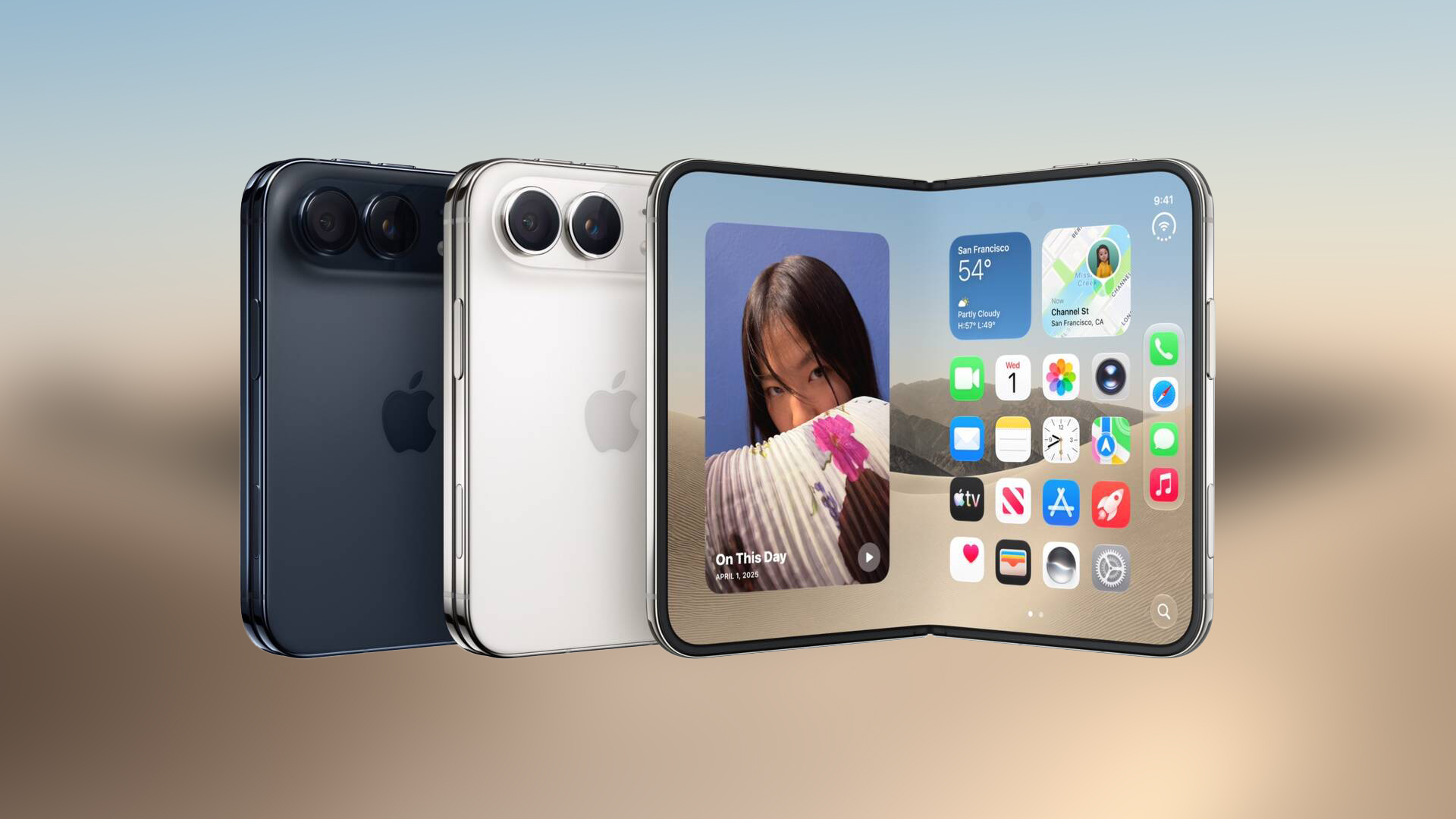
Apple debuted three new home products today, but the October announcements aren't over yet. Rumors suggest there will be another "event" on October 27, plus we're still waiting on the iPhone Duo.


Here's everything we're expecting to see launch or be announced in October.

  • October 16 - ‌iPhone Duo‌ pre-orders start.

  • October 23 - ‌iPhone Duo‌ launches.

  • October 27 - OLED touchscreen MacBook Pro, M6 14-inch ‌MacBook Pro‌, M6 iMac, ‌OLED‌ iPad mini

  • October 30 or before - iOS 27.2, iPadOS 27.2, macOS 27.2, and other 27.2 updates launch.

  • October 30 - HomePod mini 2 launch, ‌iPhone Duo‌ launches in more countries.

  • Late October - Mac Studio with 512GB of RAM comes out.


Apple is rumored to be holding content creator sessions in Los Angeles on October 27 and October 28 to show off the new Macs and ‌OLED‌ ‌iPad mini‌. As with the "Welcome Home" announcement, we may hear about the new devices via press release, with an in-person event for content creators and members of the media to get some hands-on time with the new products.

The new Macs will debut in October, but won't ship to customers until November. With an October 27 announcement, pre-orders could happen that same day and a launch could follow as soon as November 6.

Apple's ‌OLED‌ ‌MacBook Pro‌ is the product to watch because it will be Apple's first touchscreen Mac and the first redesign of the ‌MacBook Pro‌ since 2021. The new ‌MacBook Pro‌ will be lighter than the current version, and it will use M5 Pro and M5 Max chips.
This article, "Everything Apple Still Has Coming in October" first appeared on MacRumors.com

Discuss this article in our forums
  •  
❌