❌

Lees weergave

Amazon Discounts New Mac Mini by Up to $149, Mac Studio by $200

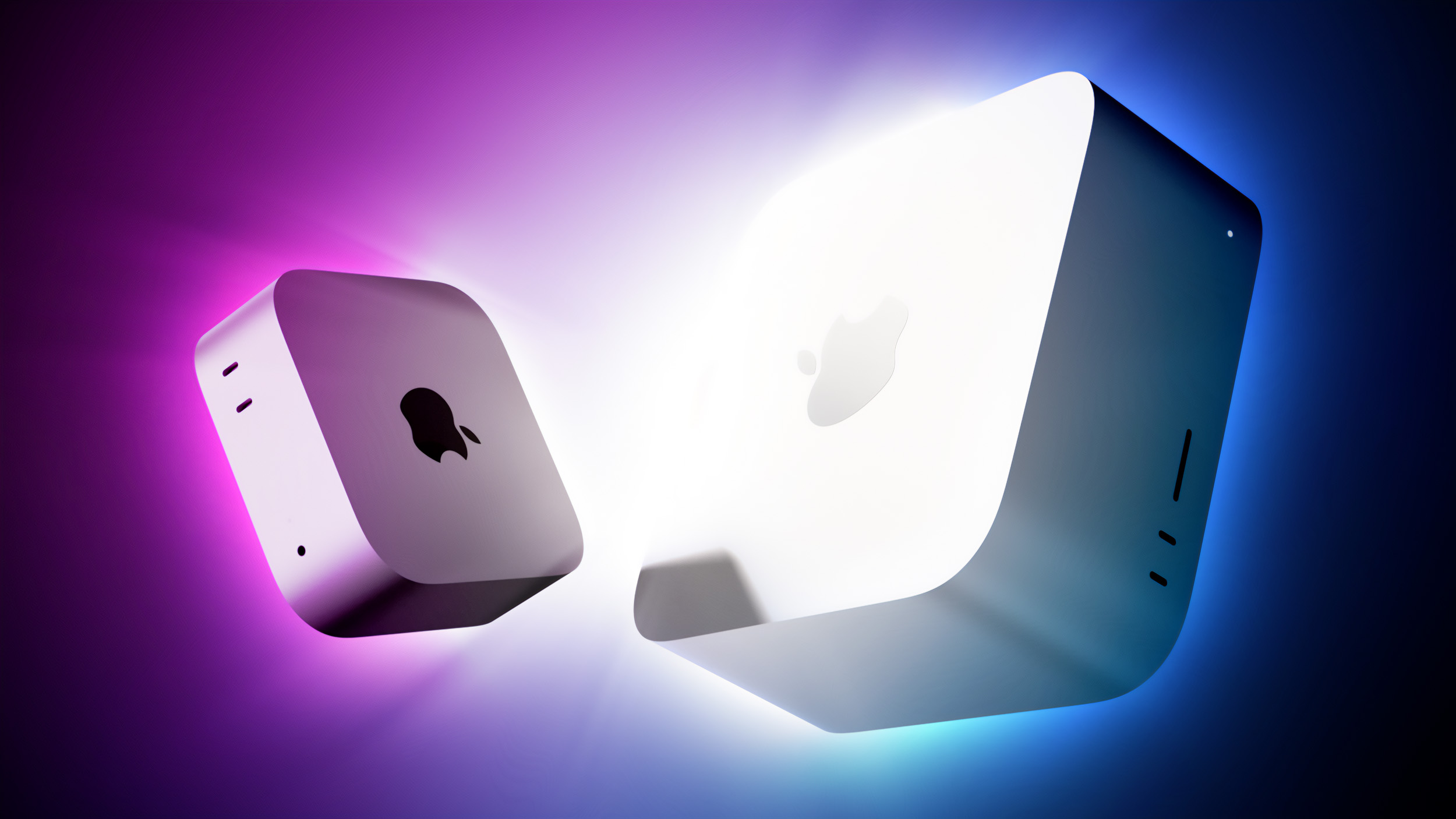
Amazon has Apple's brand new Mac mini for up to $149 off this weekend, with deals focused on the M6 Mac mini this time around. You'll also find $200 off the M5 Max Mac Studio below.

Note: MacRumors is an affiliate partner with some of these vendors. When you click a link and make a purchase, we may receive a small payment, which helps us keep the site running.

One of the best deals is on the M5 Max Mac Studio with 36GB RAM and a 512GB SSD, on sale for $2,299.00, down from $2,499.00. Regarding the Mac mini, you can get the 16GB RAM/256GB SSD Mac mini for $779.99 ($119 off), and the 16GB RAM/512GB SSD model for $949.99 ($149 off).


If you're on the hunt for more discounts, be sure to visit our Apple Deals roundup where we recap the best Apple-related bargains of the past week.


Deals Newsletter


Interested in hearing more about the best deals you can find as we head into the holidays? You can sign up for our Deals Newsletter and we'll keep you updated so you don't miss the biggest deals of the season!


Related Roundup: Apple Deals

This article, "Amazon Discounts New Mac Mini by Up to $149, Mac Studio by $200" first appeared on MacRumors.com

Discuss this article in our forums

  •  

Dirk Eddelbuettel: myman 0.12.0 on CRAN: Two new waves!

Another new and exciting version of our still-new package myman reached CRAN this morning, and has been built for r2u and on r-universe. The matching Python package has also been updated. The package offers twenty one hundred eighty four “My man …” posts by Kevin Kruse made on bsky during the summer of 2026. Each wave picked at one particular public persona. This package wrapse these up in the style of packages like fortunes or gaussfacts.

This release regroups two new waves of posts mocking, respectively, Peter Thiel and Michael Tracy, and make a small update to continuous integration. The short NEWS entry for this release follows.

Changes in version 0.12.0 (2026-10-18)

  • New waves eleven (100 posts) and twelve (100 posts) made last week; total is now 2184 posts

  • Small update to continuous integration

Courtesy of my CRANberries, there is also a diffstat report for the most recent release. More information is available at the repository or the package page.

This post by Dirk Eddelbuettel originated on his Thinking inside the box blog. If you like this or other open-source work I do, you can sponsor me at GitHub.

  •  

Apple Expected to Release New Products on Next Four Fridays

Apple likely plans to release MacBook Pro models with OLED displays, 14-inch MacBook Pro and iMac models with M6 chips, and/or an iPad mini 8 with an OLED display on Friday, November 6, according to Bloomberg's Mark Gurman.


The devices are expected to be announced on Tuesday, October 27 or Wednesday, October 28.

If this timeframe proves to be accurate, then Apple will be releasing new products for the next four Fridays, with the other dates already announced.


  • Friday, October 23: iPhone Duo

  • Friday, October 30: HomePod mini 2

  • Friday, November 6: MacBook Pro models with OLED displays, 14-inch MacBook Pro and iMac models with M6 chips, and/or an iPad mini 8

  • Friday, November 13: HomeView and Apple TV 4K (4th generation)


This article, "Apple Expected to Release New Products on Next Four Fridays" first appeared on MacRumors.com

Discuss this article in our forums

  •  

Apple Reveals iPhone Duo's Battery Capacity

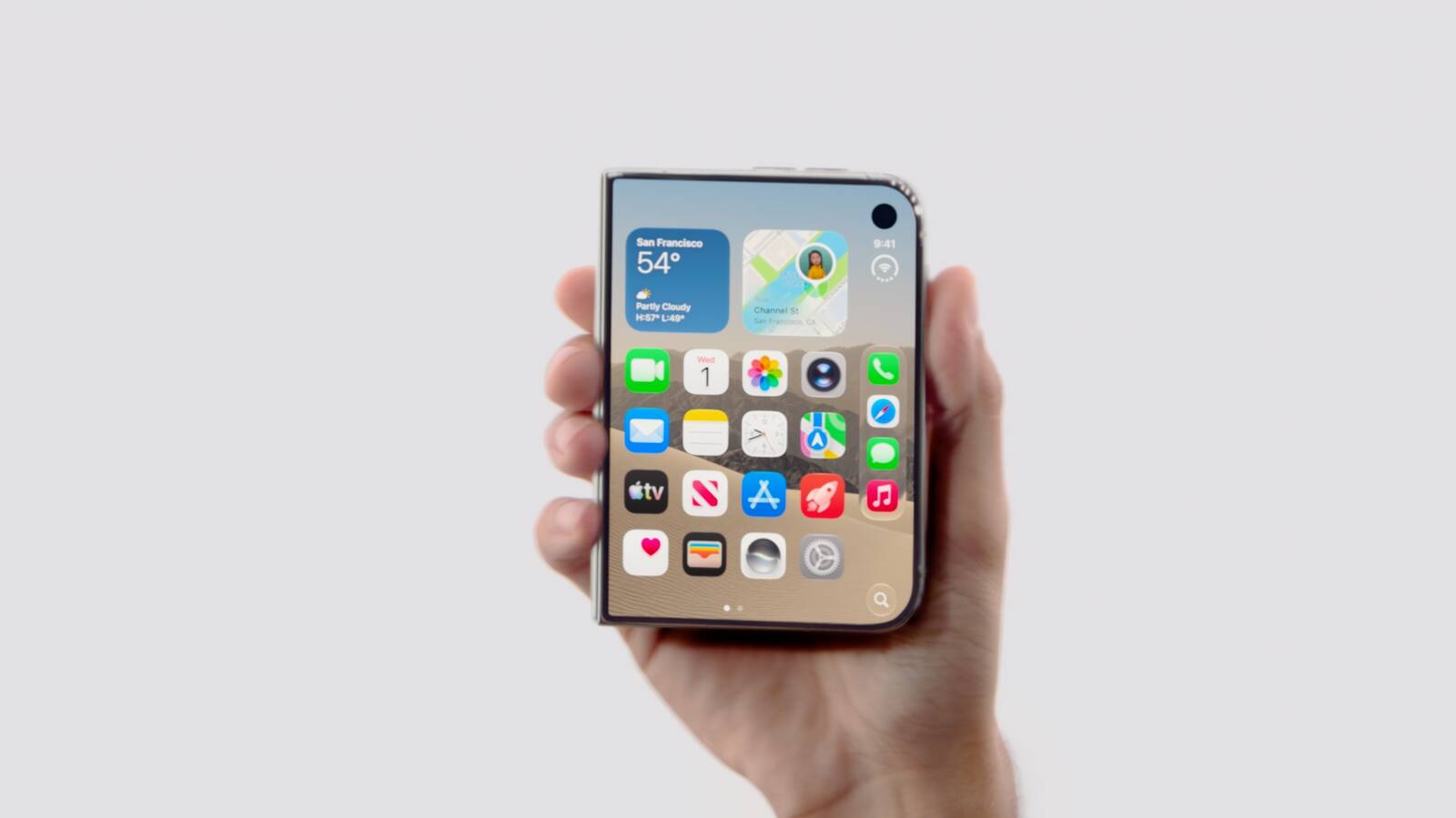
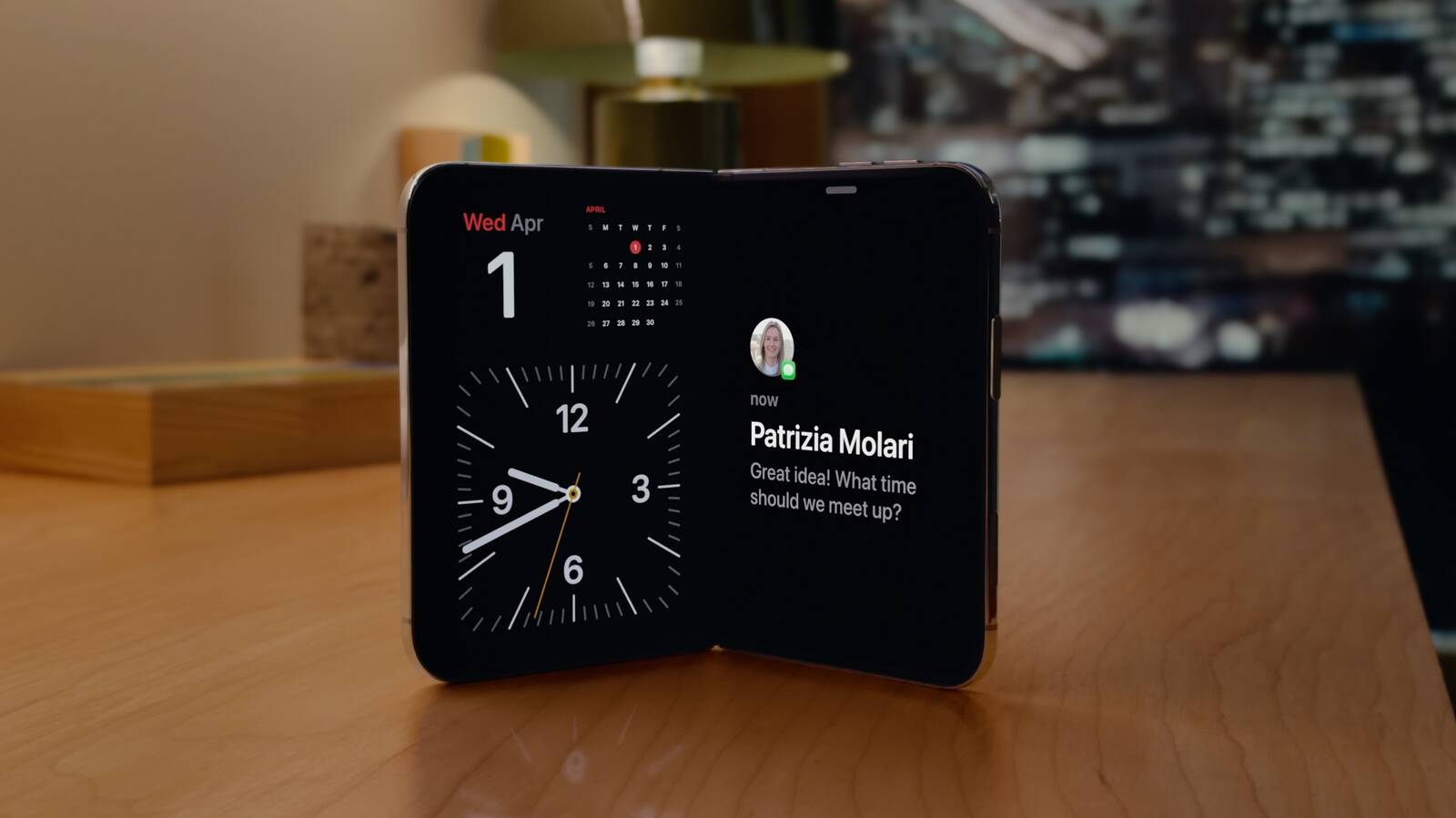
Apple on Friday published an EU energy label for the iPhone Duo that reveals the device has a total battery capacity of 4,883 mAh.


The document appears to confirm a previous leak that showed the iPhone Duo has 2,962 mAh and 1,921 mAh battery cells totaling 4,883 mAh. iPhone Duo is an eSIM-only device, so this battery capacity figure should apply worldwide, as there is no version of the device with a physical SIM card tray that would have a slightly smaller battery.

For comparison, iFixit found the eSIM-only iPhone 18 Pro has a 4,288 mAh battery capacity, and the eSIM-only iPhone 18 Pro Max has a 5,567 mAh battery.
Related Roundup: iPhone Duo
Buyer's Guide: iPhone Duo (Buy Now)
Related Forum: iPhone

This article, "Apple Reveals iPhone Duo's Battery Capacity" first appeared on MacRumors.com

Discuss this article in our forums

  •  

Apple Planning 'HomeView Max' With 9-Inch, 360-Degree Screen

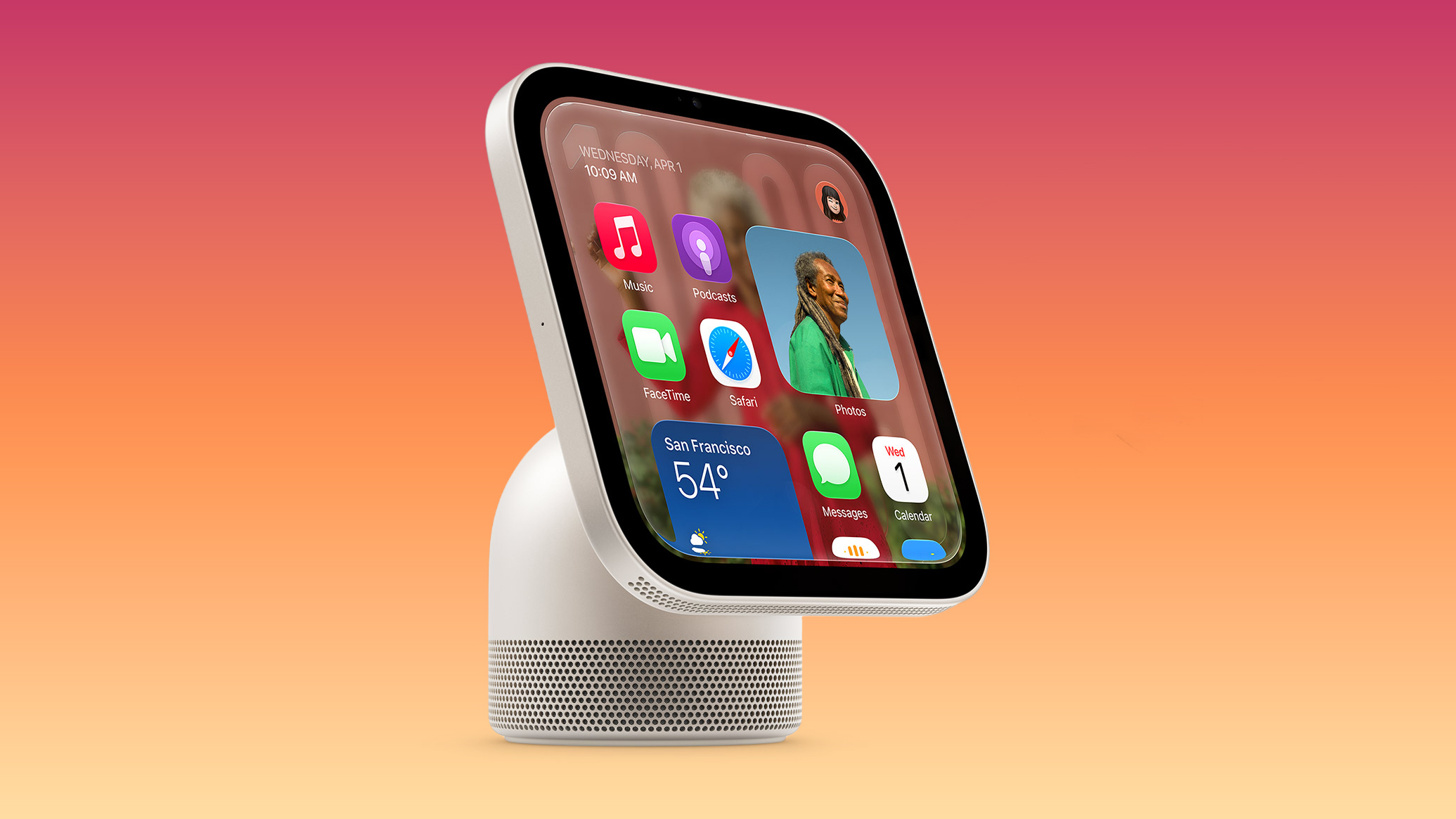
Apple plans to release a higher-end version of its new HomeView smart home hub with a larger 9-inch screen that can swivel a full 360 degrees on a robotic arm, according to Bloomberg's Mark Gurman. He expects the device to launch in 2027 or 2028.
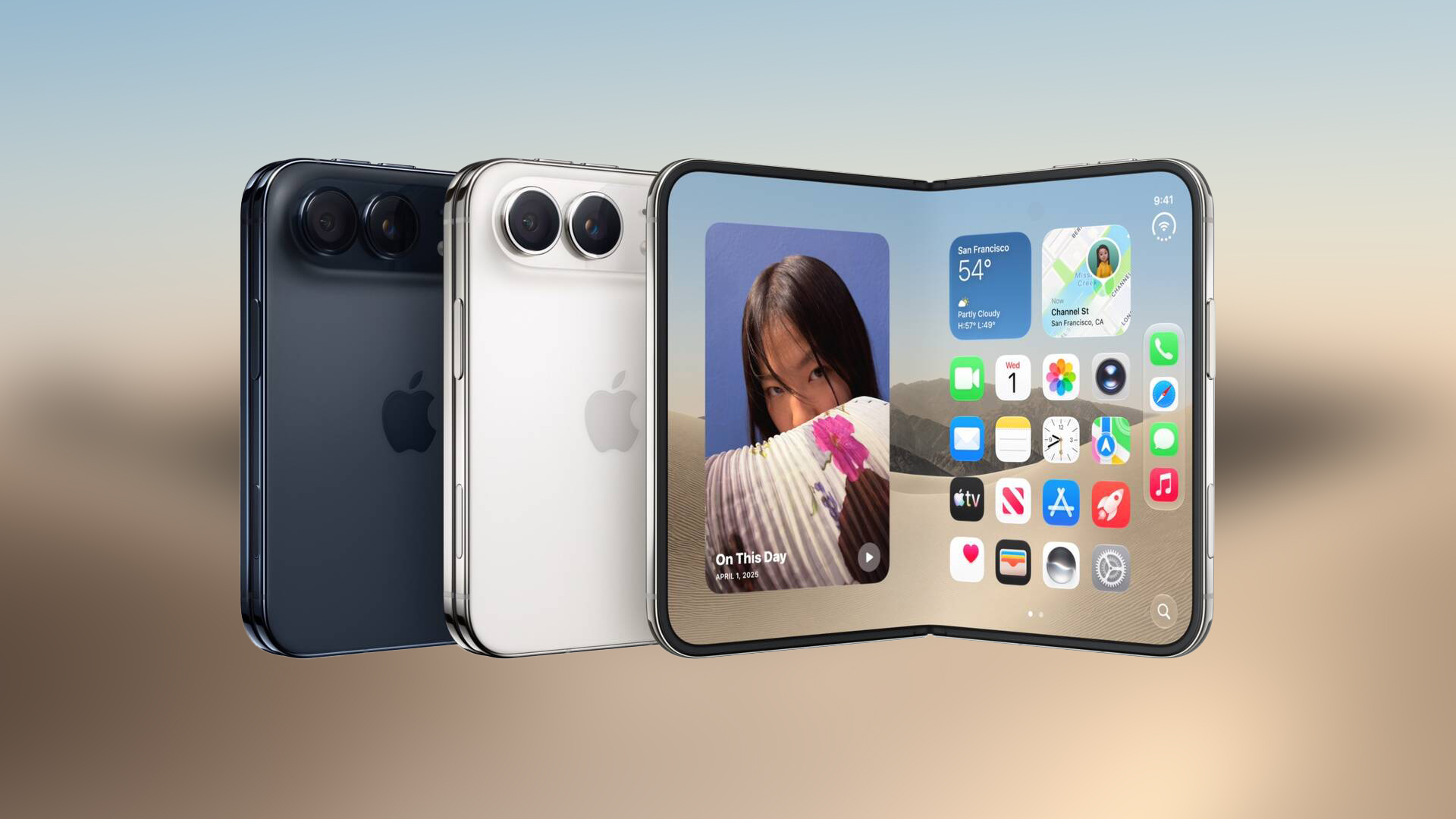
Gurman floated the names HomeView Max, HomeView Ultra, or HomeView 360 for the device, but these are just speculative names for now. The current tabletop version of the HomeView has a fixed 7-inch screen.
Related Roundup: Apple HomeView
Buyer's Guide: HomeView (Buy Now)

This article, "Apple Planning 'HomeView Max' With 9-Inch, 360-Degree Screen" first appeared on MacRumors.com

Discuss this article in our forums

  •  

Mark Gurman: Apple Made 'Major Mistake' With iPhone Duo Pre-Orders

Despite knowing that the iPhone Duo would face "severe supply constraints" due to manufacturing challenges, Apple chose to begin iPhone Duo pre-orders on Friday instead of waiting until it had more inventory ready, according to Bloomberg's Mark Gurman. In his Power On newsletter today, he called this decision a "major mistake."


"Let me cut to the chase: Apple made a major mistake here," he said. "The company knew there would be severe supply constraints but went ahead with the launch anyway, apparently prioritizing a desire to get the device on the market early in its fiscal first quarter over satisfying demand. That will disappoint many of the early adopters most eager to buy it."

Apple originally planned to launch the iPhone Duo in the U.S. and China only before expanding the device to other countries later, according to Gurman, but the company ultimately decided to start pre-orders in more than 70 countries simultaneously.

Less than 30 minutes after pre-orders began, Apple's estimated shipping dates for the iPhone Duo slipped to around January 25 in most countries. Apple typically underpromises and overdelivers with its delivery dates, though, so hopefully some customers will end up having their shipping estimates bumped up at least slightly.
Related Roundup: iPhone Duo
Buyer's Guide: iPhone Duo (Buy Now)
Related Forum: iPhone

This article, "Mark Gurman: Apple Made 'Major Mistake' With iPhone Duo Pre-Orders" first appeared on MacRumors.com

Discuss this article in our forums

  •  

Ludovic Rousseau: New version of pcsc-lite: 2.5.3

I have just released a new version of pcsc-lite 2.5.3.

pcsc-lite is a Free Software implementation of the PC/SC (also known as WinSCard) API for Unix systems. It provides an API for using smart cards and smart card readers.

Changes:

2.5.3: Ludovic Rousseau

18 October 2026

  • pcscd.service: preserve card sessions across polkit restarts

  • correctly decode all ATRs (fix the fix suggested by AI)

  • Fix authorization for uid > 65536

  •  

Distribution Release: CobaltX 0.3

The DistroWatch news feed is brought to you by TUXEDO COMPUTERS. Anton Batishchev has announced the release of CobaltX 0.3, an updated build of the project's gaming-focused Linux distribution based on Arch Linux, with KDE Plasma 6, the Linux Zen kernel and a pre-installed gaming stack: "What's new in 0.3 'Fullscreened'? X Mode — a full-screen, controller-first game launcher....
  •  

Steinar H. Gunderson: Decompilation patterns, part 15: Redundant if-for

Yet another way of writing for loops:

    var_a2_4 = ...
    if (var_a2_4 < 0x78) {
        ...
        do {
            ...
            var_a2_4 += 1;
        } while (var_a2_4 < 0x78);
    }

This extra if is merely there because the compiler wasn't able to prove that the variable didn't start below the bound, so it can't rewrite the while-do to a do-while without that extra check. So the rewrite still reads:

for (var_a2_4 = ...; var_a2_4 < 0x78; ++var_a2_4) {
    ...
}

possibly with the initializer skipped, if it comes from something complex earlier.

  •  

Dirk Eddelbuettel: RcppArmadillo 15.6.2-1 on CRAN: New Upstream

armadillo image

Armadillo is a powerful and expressive C++ template library for linear algebra and scientific computing. It aims towards a good balance between speed and ease of use, has a syntax deliberately close to Matlab, and is useful for algorithm development directly in C++, or quick conversion of research code into production environments. RcppArmadillo integrates this library with the R environment and language–and is widely used by (currently) 1370 other packages on CRAN, downloaded 49.4 million times (per the partial logs from the cloud mirrors of CRAN), and the CSDA paper (preprint / vignette) by Conrad and myself has been cited 735 times according to Google Scholar.

This versions updates to the 15.6.2 upstream Armadillo release made yesterday. It, along with 15.6.1 release we incorporated earlier, addresses only minor issues and should not present any user-facing changes. As usual, we did run full reverse-depdency checks against the over 1300 ackages, and did not find anything. As usual, we aim to accommodate the desired CRAN cadences for uploads and try not to exceed six in six months—so we did not ship 15.6.1-1 there. The package has also already been updated for Debian, built for r2u and r-universe, and will build shortly at CRAN for the different binary releases.

All changes since the last CRAN release follow.

Changes in RcppArmadillo version 15.6.2-1 (2026-10-16)

  • Upgraded to Armadillo release 15.6.2 (Medium Roast Cortado)

    • Faster inplace addition of eye() expressions

Changes in RcppArmadillo version 15.6.1-1 [github-only] (2026-10-02)

  • Upgraded to Armadillo release 15.6.1 (Medium Roast Cortado)

    • Fix for failures in pinv() when using the (non-default) "std" method

Courtesy of my CRANberries, there is a diffstat report relative to previous release. More detailed information is on the RcppArmadillo page. Questions, comments etc should go to the rcpp-devel mailing list off the Rcpp R-Forge page.

This post by Dirk Eddelbuettel originated on his Thinking inside the box blog. If you like this or other open-source work I do, you can sponsor me at GitHub.

  •  

Apple Retail Staff Told to Warn Against iPhone Duo Walk-In Purchases

Some Apple retail employees have been told to warn customers against visiting to purchase an iPhone Duo without a pre-order on Friday, October 23.


Apple Store employees told MacRumors that they have been advised that there will likely be no ‌iPhone Duo‌ stock available for walk-in purchases on launch day. Staff have been instructed to discourage customers without pre-orders from coming in expecting to buy the device, warning that they will be disappointed.

Apple's online store tells customers to check back on Saturday, October 24 for pickup availability. Pickup reservations were briefly available when pre-orders opened before the option was disabled.

The October 24 message does not guarantee stock will be available that day, and it remains unclear how firm the warning shared with employees is and whether it applies worldwide. If the guidance is firm and widely perpetuated, it closes off a potential route for customers hoping to bypass the device's lengthy online wait times, at least at the stores concerned.

Warnings about a constrained launch began well before Apple announced the ‌iPhone Duo‌. In early September, Nikkei Asia reported that production had reached only a few hundred devices per day in late August. Further production problems emerged in late September.

Earlier this month, Bloomberg's Mark Gurman said Apple had at one point believed production constraints could push the start of sales into November. The company subsequently assembled enough inventory to proceed with the October 23 launch, although supply remained very limited.

The extent of the shortage became apparent when pre-orders opened earlier this week. Delivery estimates moved beyond launch day within minutes, and within 30 minutes, all configurations in Apple's U.S. online store showed January 25 shipping estimates. The device is now effectively sold out for Christmas through Apple's online store.

Apple subsequently described demand as "nothing short of extraordinary" in a statement to the Financial Times, adding that it was working to get devices to customers as quickly as possible. Apple has not publicly specified whether any stores will have stock for launch-day walk-in purchases.

The ‌iPhone Duo‌ starts at $1,999 in the United States, with the first pre-order deliveries scheduled for October 23.
Related Roundup: iPhone Duo
Tag: Retail
Buyer's Guide: iPhone Duo (Buy Now)
Related Forum: iPhone

This article, "Apple Retail Staff Told to Warn Against iPhone Duo Walk-In Purchases" first appeared on MacRumors.com

Discuss this article in our forums

  •  

Apple Hires Former Meta Lawyer to Oversee Global Litigation

Apple has hired former Meta lawyer Scott Tucker to lead its litigation team, according to Bloomberg's Mark Gurman.


Tucker will become Apple's vice president of global litigation and financial services, a new position overseeing commercial lawsuits, patent disputes, and legal matters involving its financial products. He previously led litigation at ‌Meta‌ and held a senior legal role at Morgan Stanley.

The move brings Tucker back together with Jennifer Newstead, Apple's general counsel. Newstead joined Apple's leadership in March after six years as ‌Meta‌'s top lawyer.

Heather Grenier, who currently oversees Apple's commercial and competition litigation, will report to Tucker instead of Newstead. She will remain on Newstead's leadership team. Apple is also expanding legal executive Kyle Andeer's responsibilities to include international legal matters, child safety, cybersecurity, and law enforcement.

The changes are part of a wider overhaul under Newstead, who now oversees both legal and government affairs. Apple announced plans to combine the teams alongside the retirements of Kate Adams and Lisa Jackson.

According to Gurman, some Apple executives believe the company should have performed better in court, particularly in App Store disputes. Its battle with Epic Games has forced changes to the rules for links to outside payment options and the fees Apple can charge.

Apple also faces the U.S. government's antitrust lawsuit and privacy cases. Separately, it agreed to a $250 million settlement over delayed Siri features, with a final approval hearing scheduled for February 2027.
This article, "Apple Hires Former Meta Lawyer to Oversee Global Litigation" first appeared on MacRumors.com

Discuss this article in our forums

  •  

Distribution Release: Synex 26.10.17

The DistroWatch news feed is brought to you by TUXEDO COMPUTERS. The Synex distribution is based on Debian "Stable" and is available in several desktop editions. The project's latest snapshot, version 26.10.17, updates the base system and includes a COSMIC flavour running version 1.10.0 of the COSMIC desktop. "The COSMIC edition moves to version 1.10.0, accumulating the changes from....
  •  

Steinar H. Gunderson: Decompilation patterns, part 14: Strength increase

Let's look at the entire loop from yesterday:

    u16 spE10;
    u16 *var_v0_2;

    ...

    var_t1_2 = 0x7F;
    var_v0_2 = &spE10 + 0xFE;
    do {
        *var_v0_2 = 0;
        var_t1_2 -= 1;
        var_v0_2 -= 2;
    } while (var_t1_2 >= 0);

What's going with the pointer arithmetic here? Why is it indexing out-of-bounds?

The first thing to notice is that m2c doesn't really take into account that arithmetic on pointers in C is multiplied by the size of the element. And obviously, spE10 is the root of some array. So corrected, this reads:

    u16 spE10[0x80];  // Modified.
    u16 *var_v0_2;

    ...

    var_t1_2 = 0x7F;
    var_v0_2 = spE10 + 0x7F;  // Modified.
    do {
        *var_v0_2 = 0;
        var_t1_2 -= 1;
        var_v0_2 -= 1;  // Modified.
    } while (var_t1_2 >= 0);

We saw yesterday how we should rewrite the iteration back to a for loop, but also, most likely, the pointer arithmetic here came from strength reduction; the compiler took a multiplication operation and rewrote it to a “weaker” operation (subtraction) since that's typically cheaper, at the cost of making the values dependent, an easy trade. So we can rewrite it back into multiplication:

    var_t1_2 = 0x7F;
    do {
        var_v0_2 = spE10 + var_t1_2;
        *var_v0_2 = 0;
        var_t1_2 -= 1;
    } while (var_t1_2 >= 0);

and now it's easy to see that the loop should read:

    for (i = 0; i < 0x80; ++i) {
        spE10[i] = 0;
    }

and then, of course, the array should get a better name.

Sometimes the loop counter will go backwards while the pointer will go forwards, which is also completely normal, especially if there's side effects. The compiler will reverse one but not the other.

  •  

Top Stories: Apple HomeView, New Apple TV and HomePod mini, and Sold-Out iPhone Duo

It was another crazy busy week for Apple, headlined by Tuesday seeing the company take the wraps off of several home-related products as part of a "Welcome home" launch wave.


And as if that wasn't enough, Friday saw the start of iPhone Duo pre-orders with delivery estimates quickly slipping by months amid its popularity and apparent product shortages, while we're looking forward to even more products launches later this month, so read on below for all of the details!

Top Stories


Apple Announces 'HomeView' Smart Home Hub


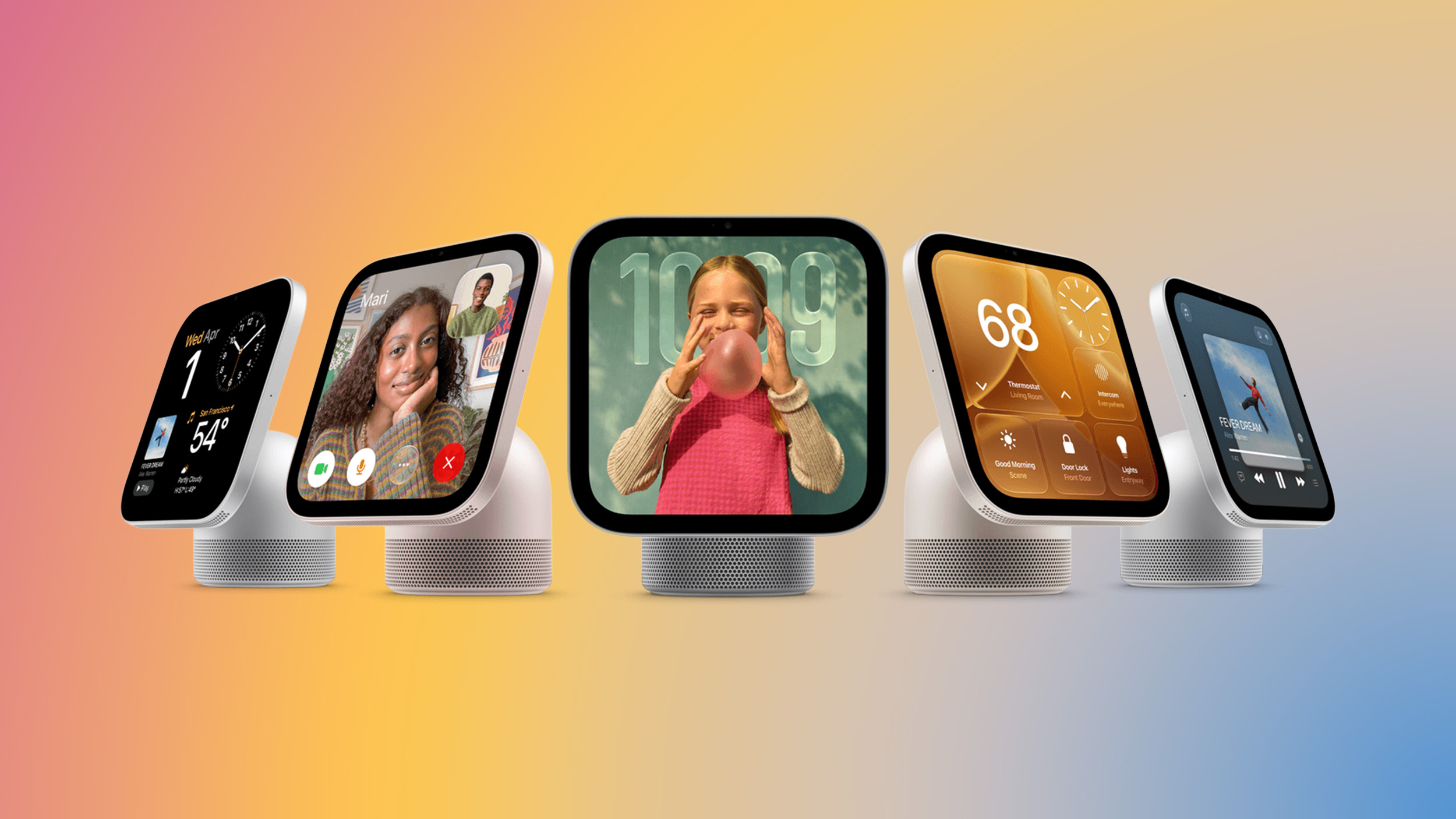
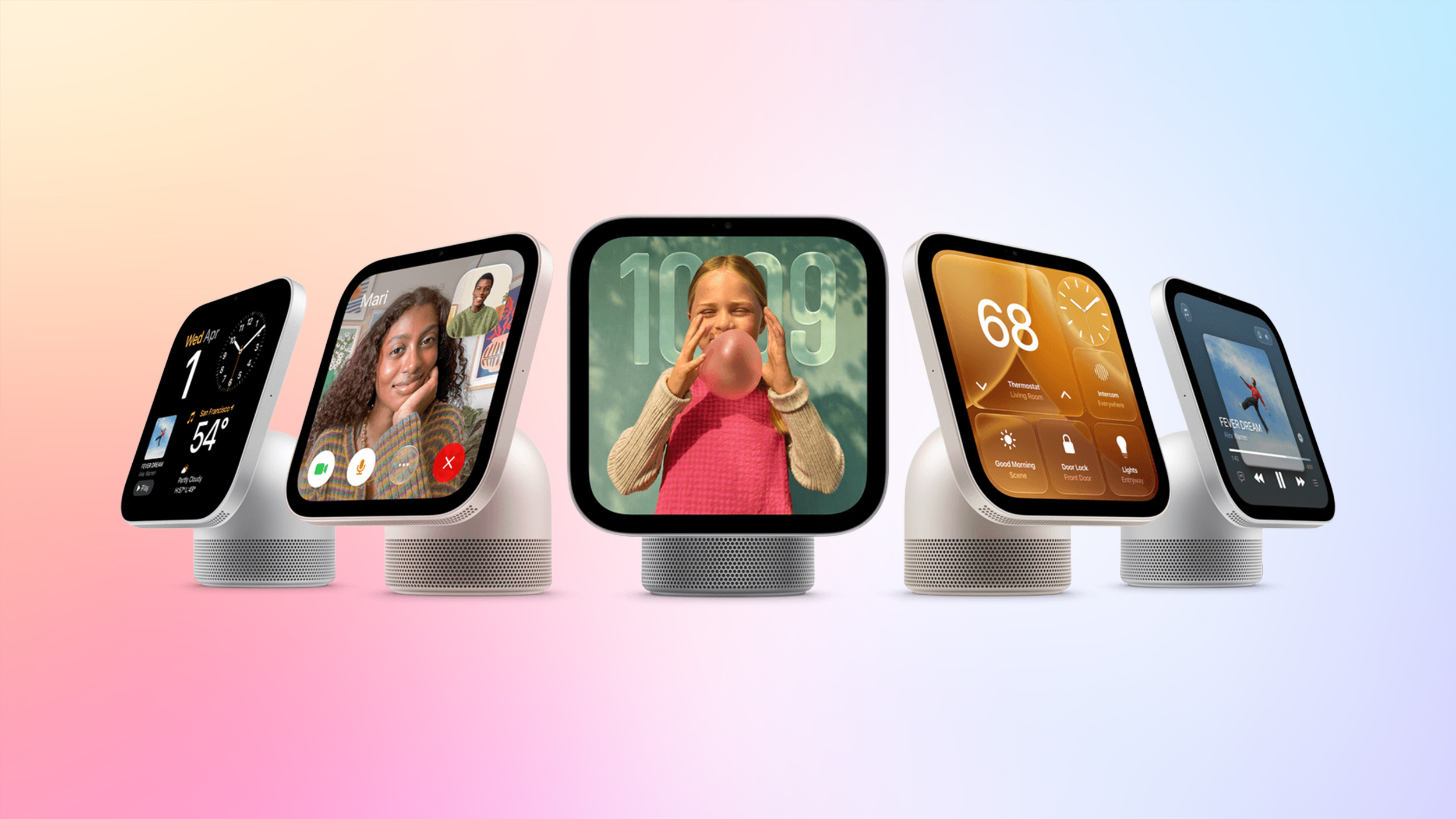
Apple's long-rumored smart home hub is finally official, with Apple debuting the $299 HomeView as part of its "Welcome home" product launch this week.


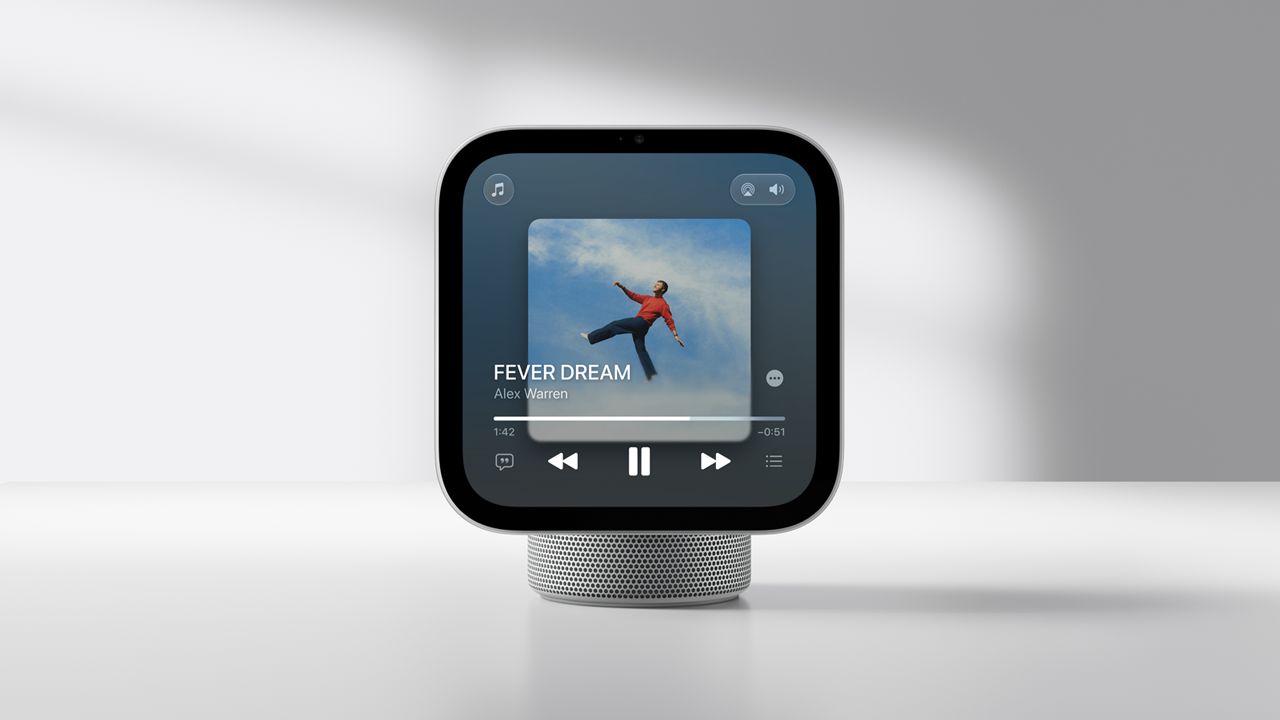
Apple HomeView features a 7-inch Liquid Retina display and Siri AI support, and it's available in both tabletop and wall mounted versions. The device is able to recognize multiple users and adjust its presentation of information depending on how far the user is from the screen, and it supports Photos faces, Apple Music playlists, FaceTime calls, and more.

Pre-orders are underway now with a launch coming on November 13.

New Apple TV 4K Announced With A19 Chip, Updated Siri Remote, More


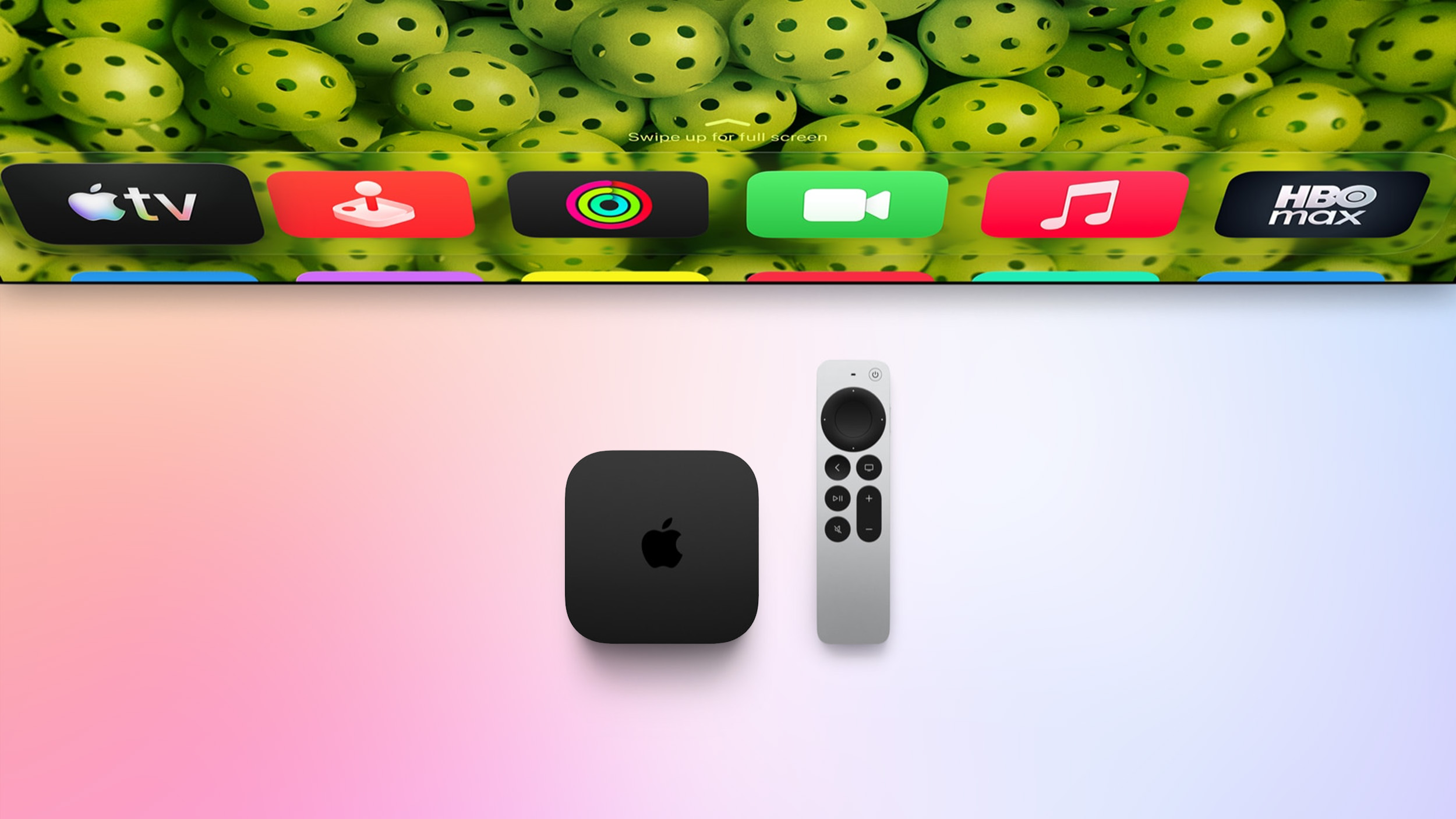
While the Apple HomeView was the headline attraction of this week's introductions, the Apple TV box also got its first update in four years with the unveiling of the fourth-generation Apple TV 4K.


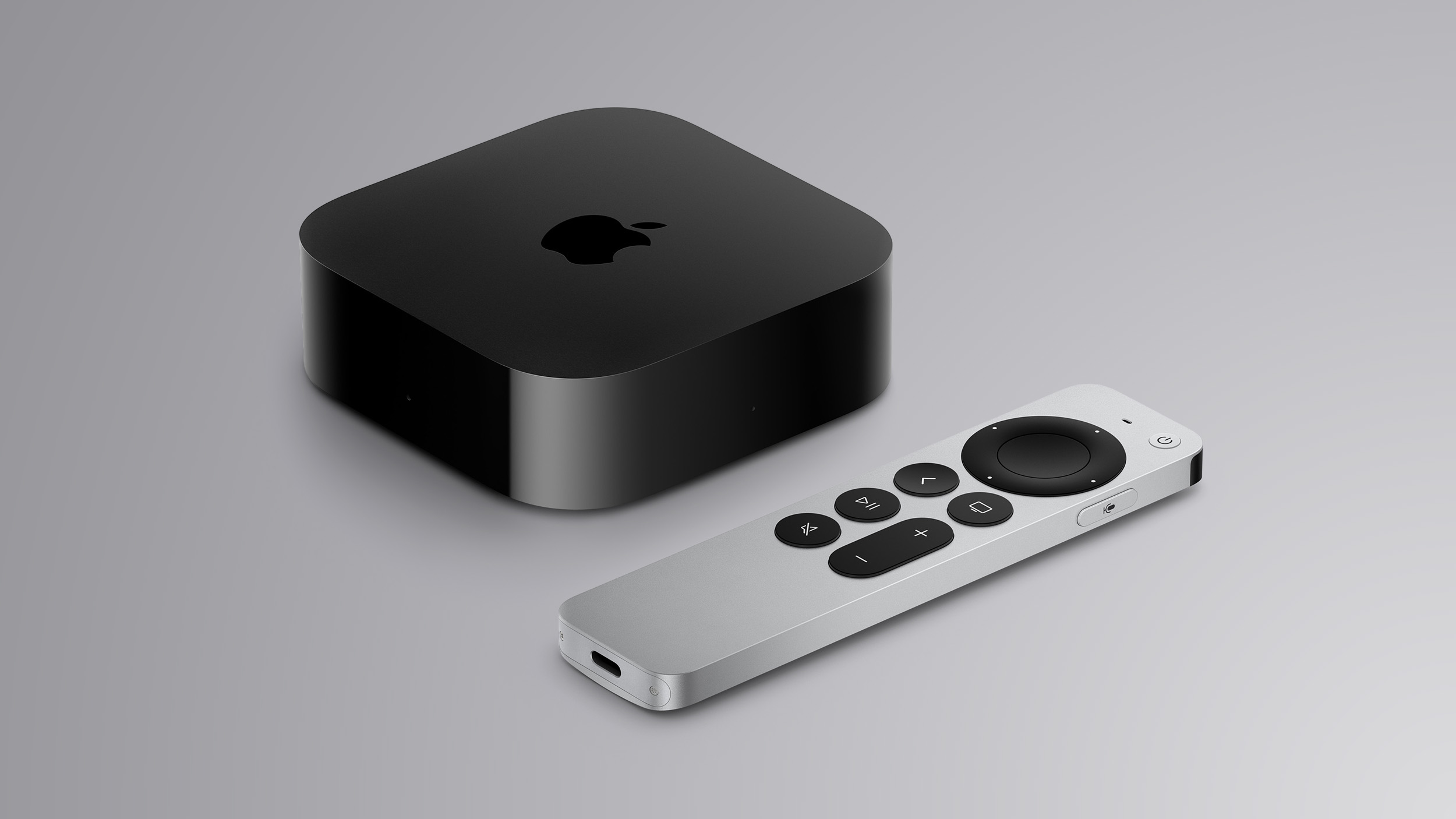
The new box gets a big upgrade to the A19 chip, which provides Siri AI support and improved performance. A new Siri Remote (also available separately for older boxes) includes Find My support with Precision Finding and a speaker to allow it to make itself heard when lost. And for times when you want to use Siri without the remote, the box itself also now includes microphones for hands-free Siri AI.

The new box comes with a significant price hike to $299, and it's available for pre-order now ahead of a November 13 launch.

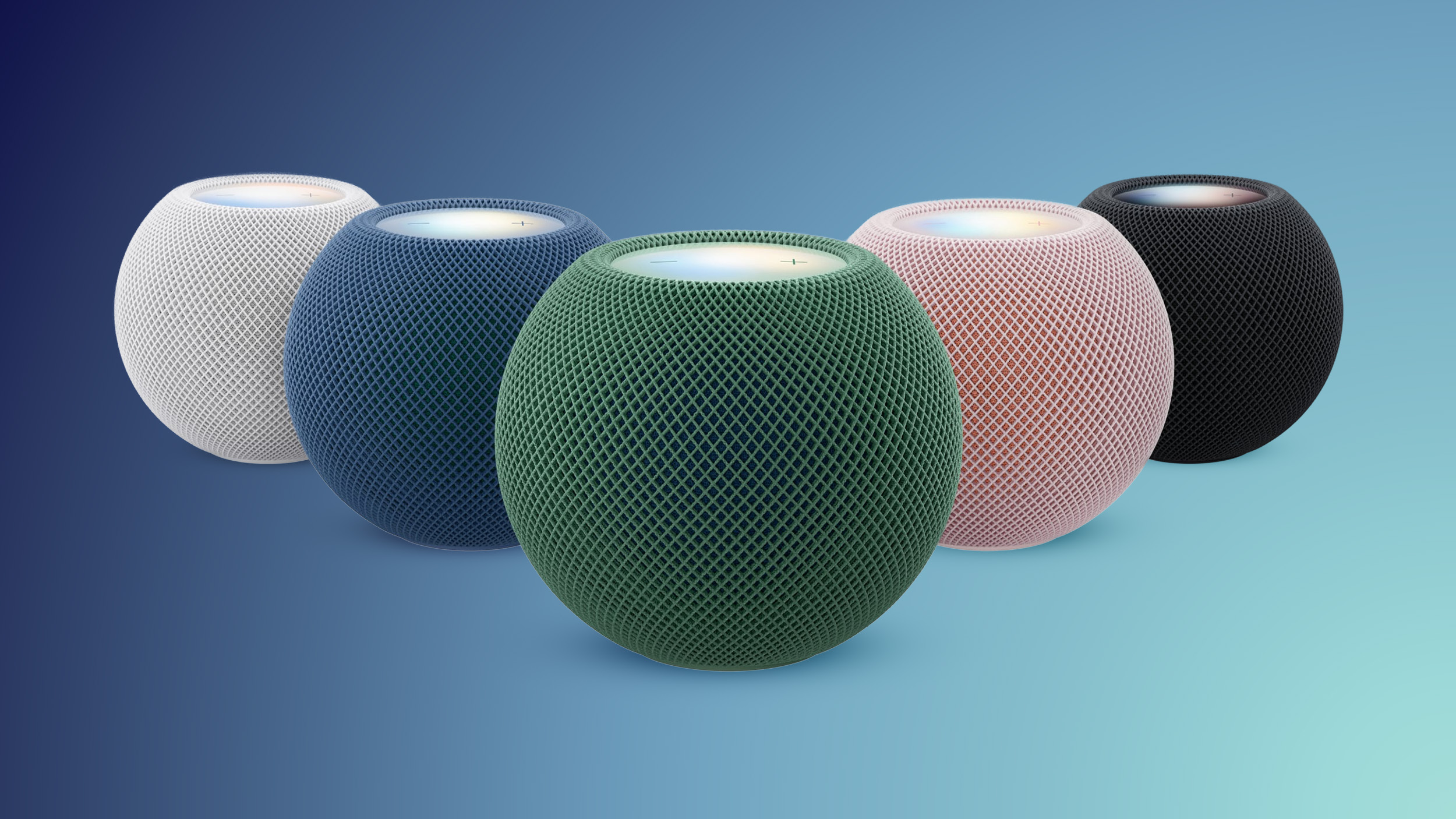
Apple Announces $149 HomePod Mini 2 With Siri AI, 'Sound Glow', and Four-Speaker Surround Sound


Apple's third home-related product announcement for the week was a new HomePod mini equipped with Siri AI, new colors, and improved audio experiences. The ‌HomePod‌ mini 2 has an S10 chip that supports advanced computational audio, and Apple says it optimizes dynamic range, loudness, and acoustic performance in real-time.


A Sound Glow feature turns the ‌HomePod‌ mini's top into a "visual canvas" that glows and animates in sync with music, reacting to bass and treble. It uses colors generated from the song's album artwork for a unique experience for each song.

The HomePod mini 2 is priced at $149 and is available for pre-order now ahead of an October 30 launch. Siri AI won't be available at launch, however, as it will come in a future software update.

iPhone Duo is Sold Out for Christmas as Shipping Estimates Slip to 2027


Apple began accepting iPhone Duo pre-orders in a number of countries at 5 a.m. Pacific Time on Friday, with delivery estimates starting to slip within minutes if not seconds. Within half an hour, delivery estimates in the U.S. ultimately stabilized at late January 2027, a three-month delay.


In remains to be seen how much, if any, stock Apple will have at its retail stores for walk-in purchases on the October 23 launch date, and scalpers are already selling off early pre-orders for as much as $5,000.

Apple Inviting Media to October 28 'Launch Experience'


After previously reporting that Apple was planning a two-day product showcase in Los Angeles on October 27 and 28 for select content creators and members of the media to experience even more upcoming Apple products, Bloomberg's Mark Gurman now says Apple has begun explicitly inviting members of the media to the event for October 28.


We're expecting to see several more products launch on either October 27 or 28, including new high-end 14-inch and 16-inch MacBook models with touchscreen OLED displays, new iMac and entry-level MacBook Pro models based around the M6 chip, and a new iPad mini with an OLED display.

MacRumors Newsletter


Each week, we publish an email newsletter like this highlighting the top Apple stories, making it a great way to get a bite-sized recap of the week hitting all of the major topics we've covered and tying together related stories for a big-picture view.

So if you want to have top stories like the above recap delivered to your email inbox each week, subscribe to our newsletter!
This article, "Top Stories: Apple HomeView, New Apple TV and HomePod mini, and Sold-Out iPhone Duo" first appeared on MacRumors.com

Discuss this article in our forums

  •  

Distribution Release: FunOS 26.10

The DistroWatch news feed is brought to you by TUXEDO COMPUTERS. FunOS, an Ubuntu-based Linux distribution featuring the lightweight JWM window manager, has been updated to version 26.10. The new release expands the Broadcom wireless support and resolves screen blanking issues: "The FunOS team is proud to announce the release of FunOS 26.10, built on top of Ubuntu 26.10....
  •  

Distribution Release: Asmi Linux 26.10

The DistroWatch news feed is brought to you by TUXEDO COMPUTERS. Tony George has announced the availability of an updated version of Asmi Linux, an Ubuntu-based distribution with a customised Xfce desktop and "Asmi Settings", a custom-built system configuration utility. It is based on the newly-released Ubuntu 26.10: "Asmi Linux 26.10, based on Ubuntu 26.10 'Stonking Stingray', is now....
  •  

Verizon Will Charge $10 a Month for iPhone Handoff

Verizon plans to charge customers $10 per month for the iPhone Handoff feature that Apple added in iOS 27. iPhone Handoff allows one phone number to be shared across two separate iPhones.


Pricing was included in Verizon's iPhone Duo announcement today, with the carrier confirming iPhone Handoff will work with the iPhone Duo and the iPhone 18 Pro models.
Verizon will support iPhone Handoff, giving customers the flexibility to use a single Verizon phone number seamlessly across two compatible iPhone models. Whether using the pocketable iPhone Duo on the go or iPhone 18 Pro for work, customers can switch active status between devices at any time while keeping full access to Verizon's 5G network. iPhone Handoff will be available from Verizon for $10/month on compatible iPhones models running iOS 27.

With iPhone Handoff, users can switch between a main iPhone and a companion iPhone at will, though a phone number can only be active on one iPhone at a time. Verizon says support is "coming soon," and Apple previously said Verizon would adopt the feature before the end of the year.

U.S. carrier T-Mobile already supports iPhone Handoff, but charges just $5 per month for the feature. AT&T, the third major U.S. carrier, recently suggested it has no imminent plans to support iPhone Handoff.

U.K. carrier EE also said this week that it will soon support iPhone Handoff. Customers who have EE's Full Works Plus plan will get iPhone Handoff free, while other EE users can get it for £5 per month.

Deutsche Telekom in Germany is the only other carrier that's added iPhone Handoff support so far. It costs €6.95 per month, but the carrier includes it for free in the MagentaMobil L and XL plans.
Tag: Verizon

This article, "Verizon Will Charge $10 a Month for iPhone Handoff" first appeared on MacRumors.com

Discuss this article in our forums

  •  

Apple Calls iPhone Duo Demand 'Extraordinary' After Orders Slip to 2027

Demand for the iPhone Duo has been "nothing short of extraordinary," Apple said in a statement to the Financial Times. The company also said it is "working hard to get this revolutionary new product into customers' hands as quickly as possible."


Pre-orders for the ‌iPhone Duo‌ opened this morning at 5 a.m. Pacific Time, and it didn't take long for available stock to dwindle. Within minutes, delivery dates slipped from October 23 to November, and by 5:30 a.m., delivery estimates reached January 25.

It is no longer possible to order an ‌iPhone Duo‌ for delivery in 2026 from Apple, and customers who purchase now will be waiting until early 2027. Prior to pre-orders launching, rumors said supplies could be constrained due to manufacturing difficulties.

With past iPhone launches where supplies were limited, Apple has sometimes been able to ship devices sooner than expected, so it's possible the company will work through its backlog ahead of schedule. There are no guarantees, though, and it's clear many will be waiting for months.

Apple has not yet said whether there will be ‌iPhone Duo‌ stock available for walk-in purchases on October 23, but if there is, we could see long lines outside Apple retail stores for the first time in several years.

Apple's website suggests there could be some stock available for store pickup as soon as next week, as there is a note to check back on October 24 for availability.

Pricing on the ‌iPhone Duo‌ starts at $1,999 and goes up to $3,199 for 2TB of storage. The first orders will be delivered to customers on October 23.
Related Roundup: iPhone Duo
Buyer's Guide: iPhone Duo (Buy Now)
Related Forum: iPhone

This article, "Apple Calls iPhone Duo Demand 'Extraordinary' After Orders Slip to 2027" first appeared on MacRumors.com

Discuss this article in our forums

  •  

New App Store Rules Target AI Deepfakes and Nudify Apps

Apple today expanded its App Store moderation rules to cover AI-generated nonconsensual intimate imagery. Sexually explicit content was already banned, but now Apple says app developers must proactively prevent and remove AI-generated deepfakes from their platforms. Apple warns that apps with offending content could be removed from the ‌App Store‌ if developers fail to act.


The updated 1.2 rule names AI content creation apps and could be targeting apps like Grok, among others. Users have complained about xAI's Grok chatbot being used for nude and sexualized deepfakes, and earlier this year, Apple told xAI it would remove Grok from the ‌App Store‌ if it continued to permit nude deepfakes. xAI put safeguards in place, and Apple approved an updated version of the app.

Apple also added guideline 2.5.19 to clarify that developers who add features or functionality not present in the version of an app submitted for review risk removal from the ‌App Store‌ and Apple Developer Program. Apple links the rule to "nudification" apps that create sexually explicit images of real individuals without their consent, suggesting some of the apps have concealed their true purpose during review and added the nudify feature after approval.
Apps containing hidden or undocumented features are also prohibited on the App Store, including apps that misrepresent their purpose during review and only reveal harmful capabilities — such as "nudification" — after approval, a tactic commonly known as bait-and-switch.

Along with changes focused on AI-generated content, Apple updated section 5 to extend its ban on apps that facilitate human trafficking or child exploitation to alternative app distribution.

"We do not hesitate to remove apps, and terminate the developers behind them, when they violate these guidelines," reads Apple's developer news post on the rule changes.

Apple's full updated guidelines can be found on its website.
This article, "New App Store Rules Target AI Deepfakes and Nudify Apps" first appeared on MacRumors.com

Discuss this article in our forums

  •  

Steinar H. Gunderson: Decompilation patterns, part 13: Reverse loop

Anyone who's read “bro-coder” C from before that was a name will recognize this idiom:

    var_t1_2 = 0x7F;
    ...
    do {
        ...
        var_t1_2 -= 1;
    } while (var_t1_2 >= 0);

Why does the loop count backwards? It's because comparison with zero is cheaper on some (many) platforms. Some people would reverse the loop manually, but compilers quickly managed to do that themselves. So you want:

   for (i = 0; i < 0x80; ++i) {
      ...
   }

and tomorrow, we'll have a look at what's inside the loop as well.

  •  

Distribution Release: ZimaOS 1.8.0

The DistroWatch news feed is brought to you by TUXEDO COMPUTERS. IceWhale Technology has released an updated build of ZimaOS, an independently-developed, Linux-based operating system for personal servers and network-attached storage (NAS) computers. The new ZimaOS 1.8.0 brings improvements to its Gallery module: "ZimaOS 1.8.0. New: added a Gallery feature that supports adding photo sources and browsing photos and....
  •  

Didn't Pre-Order Apple's HomeView? Here's How Long the Wait is Now

Apple's all-new HomeView smart home hub has been available for pre-order since Tuesday, with the earliest orders set to be delivered on Friday, November 13. If you did not place a pre-order yet though, you may face a longer wait now, with Apple's estimated delivery dates pushing into early December for select colors of the tabletop HomeView.


Estimated delivery dates in the U.S. vary by ZIP code right now. For example, the tabletop HomeView in silver has a November 23-December 1 delivery range in New York, but a later November 30-December 7 range in some other locations.

The tabletop HomeView is still available for Friday, November 13 launch day delivery in some colors and locations in the U.S., and the wall-mounted HomeView is not facing any delays at all as of the time this article was published.

Apple TV 4K delivery estimates are nearly identical: November 23-December 1 in some parts of the U.S., and November 30-December 7 in others.

If you have yet to pre-order a HomePod mini 2, do not worry, as the speaker is still widely available for delivery on its Friday, October 30 launch day throughout the U.S. in all five color options. Keep in mind that Siri AI will not be available on the HomePod mini 2 until support arrives in a future software update, according to Apple.
Related Roundup: Apple HomeView
Buyer's Guide: HomeView (Buy Now)

This article, "Didn't Pre-Order Apple's HomeView? Here's How Long the Wait is Now" first appeared on MacRumors.com

Discuss this article in our forums

  •  

Dirk Eddelbuettel: RcppSimdJson 0.1.17 on CRAN: Updates

A brand new release 0.1.17 of the RcppSimdJson package is now on CRAN, and has been built for r2u and on r-universe.

RcppSimdJson wraps the fantastic and genuinely impressive simdjson library by Daniel Lemire and collaborators. Via very clever algorithmic engineering to obtain largely branch-free code, coupled with modern C++ and newer compiler instructions, it results in parsing gigabytes of JSON parsed per second which is quite mindboggling. The best-case performance is ‘faster than CPU speed’ as use of parallel SIMD instructions and careful branch avoidance can lead to less than one cpu cycle per byte parsed; see the video of the talk by Daniel Lemire at QCon.

This release is a small increment relative to the 0.1.6 release last week that got us (upstream) version 5.0.2 with many notable changes and sizeable speed gains on all fronts, including the interface from R. However, this failed to compile at CRAN on macOS x86_64 as the machine is setup for only partial support of C++20: no ranges, no concepts. So we now test, and fall back to C++17 if the test compilation fails. Upstream, meanwhile, already got to 5.0.5 which is included. It also gets us improved handling of disabling pragmas which we hope will survive CRAN checks.

The brief NEWS entry for this release follows.

Changes in version 0.1.17 [unreleased] (2026-10-xx)

  • Compilation starts with a C++20 feature test; if this fails C++17 is used (Dirk in #111 fixing #110)

  • simdjson was upgraded to version 5.0.5 (Daniel in #112)

Courtesy of my CRANberries, there is also a diffstat report for this release. For questions, suggestions, or issues please use the issue tracker at the GitHub repo.

This post by Dirk Eddelbuettel originated on his Thinking inside the box blog. If you like this or other open-source work I do, you can now sponsor me at GitHub.

  •  

Apple's $79 iPhone Duo Case Sticks On With Adhesive

Apple's iPhone Duo Case uses adhesive to attach to the device, according to people who have picked one up.


The case comes in two pieces and uses adhesive strips along the inside edges to attach securely to an ‌iPhone Duo‌. An included insert instructs users to peel off the adhesive's protective film, put each half on the Duo, and then press down to make sure it's well-adhered.

The ‌iPhone Duo‌ Case is made from polycarbonate and comes in Sand and Navy Blue. It is designed to protect the back of the iPhone where the camera bump is located and the front around the outer display. It has a cutout for the front display, and no protection for the inside of the device when it's unfolded.

the folio is clearly the nicer one, the kickstand feels sturdy (the hinges are metal underneath) but the case has a nice grippy feel to it though it has the adhesive stickers like other foldables

— Parker Ortolani (@ParkerOrtolani) October 16, 2026


Apple also sells the ‌iPhone Duo‌ Folio with Kickstand, and that case does not use adhesive. It attaches to the ‌iPhone Duo‌ magnetically, but it does not offer protection for the sides of the device and it covers the front display when in use. It uses magnets to make it easy to fold back if the outer display is needed.

‌iPhone Duo‌ pre-orders began today, and the first devices won't arrive to customers until next Friday, but cases are in stores today. Initial ‌iPhone Duo‌ stock sold out, and shipping estimates are now at January 25 for all colors and capacities.

The ‌iPhone Duo‌ Folio is priced at $129, and the ‌iPhone Duo‌ Case is priced at $79.
Related Roundup: iPhone Duo
Buyer's Guide: iPhone Duo (Buy Now)
Related Forum: iPhone

This article, "Apple's $79 iPhone Duo Case Sticks On With Adhesive" first appeared on MacRumors.com

Discuss this article in our forums

  •  

Distribution Release: Voyager Live 26.10

The DistroWatch news feed is brought to you by TUXEDO COMPUTERS. The Voyager Live project has published a new release, version 26.10. The new release is offered in two editions, one with Flatpak and one with Snap package support. "I present to you Voyager 26.10, based on Ubuntu 'Stonking Stingray'. Two standard editions are offered - one based on....
  •  

Apple TV 4K and HomePod Mini Price Increases 'Much More Striking' Than New Features

Daring Fireball's John Gruber shared his first impressions of the new Apple TV 4K and HomePod mini 2 this week, and he concluded that the price increases the devices received are "much more striking" than any of the new features introduced.


Prior to receiving price increases in late June, the previous Apple TV 4K started at $129 in the U.S., while the previous HomePod mini was priced at $99. The new Apple TV and the HomePod mini 2 are priced at $299 and $149, respectively, so both devices are now significantly more expensive than they were just four months ago.

Since the new Apple TV is only available in a single configuration with 128GB of storage and an Ethernet port, it is more fair to compare it to the equivalent previous-generation 128GB model, which was initially $149 and went up to $249 in late June. This means the new model is technically only $50 more expensive, but the reality is that the minimum you can spend on a new Apple TV 4K is now $299, up significantly from $129.

The price increases stack up if you want to use a pair of HomePod mini speakers as the default audio output on an Apple TV 4K. As noted by Gruber, it now costs nearly $600 to buy all of those devices, up from nearly $350 before late June.

"At the old pre-June prices, you could buy a 128 GB Apple TV and a pair of HomePod Minis for $350 ($150 + $100 + $100)," said Gruber. "Four short months later, with today's new models, that combination would cost $600 ($300 + $150 + $150). That price difference is much more striking than any of the new and improved features in the products."

To be clear, Gruber said he still thinks the new Apple TV 4K is "worth it" to him at its current price, and he believes the HomePod mini 2's price is "reasonable." However, he acknowledges that the "general consumer market thought the old prices were too high," and now Apple has made even more price increases on top.
Related Roundups: Apple TV, HomePod mini 2

This article, "Apple TV 4K and HomePod Mini Price Increases 'Much More Striking' Than New Features" first appeared on MacRumors.com

Discuss this article in our forums

  •  

Announcing new builds for 16 October 2026

Hello Windows Insiders, Today, we’re releasing new Windows 11 Insider Preview builds to the Beta, Experimental, and Release Preview channels. New builds this week Select your channel below to view its release notes: For those on other specific Windows build versions, here are today’s new builds and release notes:
  • Beta (26H1): Build 28020.3262
  • Experimental (26H1): Build 28120.3272
  • Experimental (Future Platforms): We do not have an Experimental (Future Platforms) build today
We also have Release Preview for Windows 11, version 26H1 and Windows 11, version 25H2/26H2 going out today: NVIDIA RTX Spark launch Today we also see the launch of the new range of Windows 11 devices powered by the NVIDIA RTX Spark chip. There's never been a better time to join the Windows Insider Program, and we look forward to welcoming a new group of Insiders and devices into the program to provide feedback and continue help shape the future of Windows.

Notable new features:

[Gaming]

Release channel: Beta, Experimental
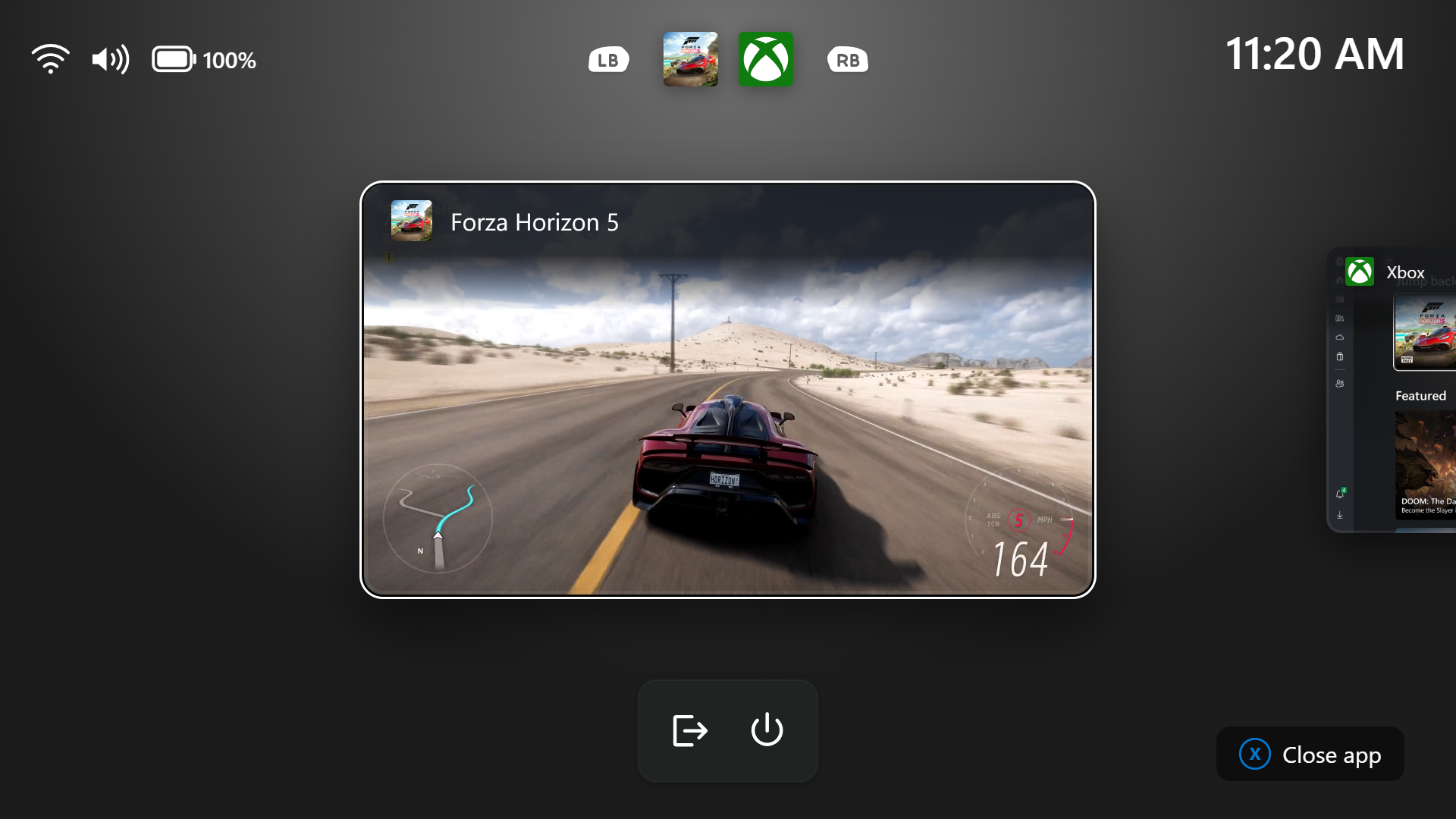
  • We're introducing a refreshed Gaming Task View experience in XBOX mode, featuring a new navigation bar that provides quick access to Exit to Desktop and Power Options. This update makes key system actions easier to access while gaming.
[caption id="attachment_179233" align="aligncenter" width="1920"]Gaming Task View showing the new navigation bar with Exit to Desktop and Power options. Gaming Task View showing the new navigation bar with Exit to Desktop and Power options.[/caption]

[Windows Hello]

Release channel: Experimental
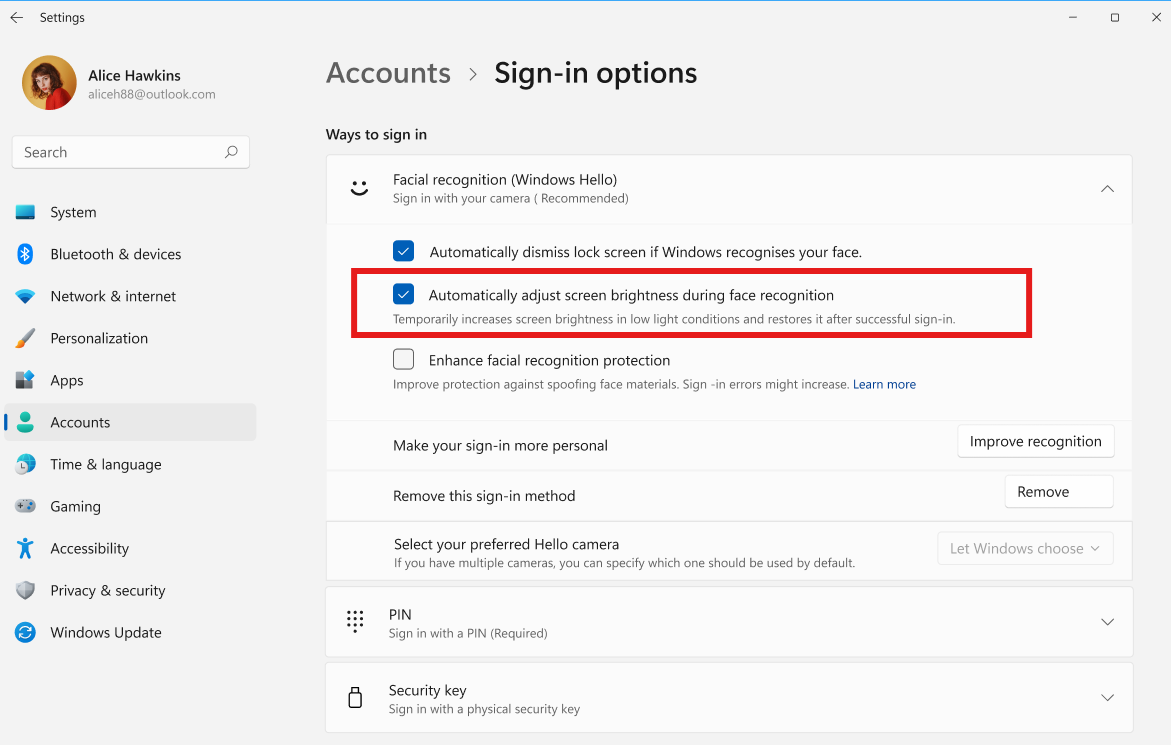
  • Windows Hello facial recognition can temporarily brighten your screen to help you sign in when you're in a dark or dimly lit room.
  • To turn on this feature, go to Settings > Accounts > Sign-in options > Facial recognition (Windows Hello) and turn on Automatically adjust screen brightness during face recognition.
[caption id="attachment_179234" align="aligncenter" width="1171"]The setting to automatically adjust screen brightness during Windows Hello facial recognition. The setting to automatically adjust screen brightness during Windows Hello facial recognition.[/caption] Thanks, Stephen and the Windows Insider Program team
  •  

Apple Refers to HomeView as 'HomePodDevice' in Legal Document

Apple's HomeView software license agreement refers to the HomeView as a "HomePodDevice" in one section. This is surely a placeholder name from a draft version of the agreement that Apple forgot to replace in the final version, and it reveals that Apple unsurprisingly views the HomeView as a HomePod-like device.

On a related note, Apple's legal website has two other agreements titled "HomePodOS 26" and "HomePodOS 27," even though Apple refers to the platform as simply "HomePod software" in those documents and elsewhere. It may be the closest we get to homeOS.
Related Roundup: Apple HomeView
Buyer's Guide: HomeView (Buy Now)

This article, "Apple Refers to HomeView as 'HomePodDevice' in Legal Document" first appeared on MacRumors.com

Discuss this article in our forums

  •  

The MacRumors Show: Was HomeView Worth the Wait?

Apple this week finally announced the HomePod mini 2, a new Apple TV 4K, and its "HomeView" smart home hub. On this week's episode of The MacRumors Show, we talk through our reactions to the announcements.

Subscribe to The MacRumors Show YouTube channel for more videos

Apple's HomeView costs $299 and combines a 7-inch square display with Siri AI, FaceTime, music playback, and smart home controls. It has had something of a mixed reception from YouTubers and the wider Apple community, with some of the criticism centering on what it adds for someone who already owns an iPhone, iPad, Apple Watch, or HomePod.

A screen for timers, photos, music, and home controls will be useful for many, but it is harder to explain why someone wearing an Apple Watch would reach across a kitchen counter to set a timer, or why they would type a message on HomeView instead of taking out their iPhone. Apple's promotional video puts some of those less convincing uses front and center.

There are many details to like about the design. The display can show photos and customizable faces, dim to just 0.3 nits in the dark, and adjust its interface as someone approaches. In the kitchen, guided recipes turn webpages into step-by-step instructions, with voice-controlled timers available while cooking.

HomeView makes more sense as a replacement for an Echo Show or Nest Hub, particularly for anyone tired of poor ecosystem integration and ads on their smart display. For people who have never wanted one, it may be less obvious what Apple has added to change their minds.

HomeView recognizes up to six people and switches to their apps and personal information. Its privacy protections mean personal content normally appears only when the user is recognized and their paired device is nearby and recently unlocked. ‌Siri‌ AI can answer general questions without an Apple Intelligence-compatible device, but personal requests still require one.

There is no App Store, either. Compatible third-party audio and video apps appear through a connected iPhone or ‌iPad‌, using a CarPlay-like system. For services such as Spotify and Audible, that means relying on another device rather than installing an app directly on HomeView.

The wall-mounted version costs the same $299 despite losing the tabletop model's speaker base, woofer, and passive radiators. Mounts start at $59.95, and the box includes no power adapter or cable. It could be a welcome replacement for an ‌iPad‌ mounted on a wall, but putting several around a home quickly becomes expensive.

Six years after the original ‌HomePod‌ mini, the HomePod mini 2 adds an S10 chip, Sound Glow lighting, and support for ‌Siri‌ AI while retaining the same basic speaker hardware. Its $149 price is roughly 50% higher than the original's $99 launch price, following a June increase to $129.

The new model can serve as a default Mac speaker on models with Wi-Fi 6E or later. ‌Siri‌ AI is likely to make a bigger difference to everyday use, but it will arrive later, after the speaker launches on October 30.

The new Apple TV 4K also asks buyers to pay more for a familiar product. At $299, it adds the A19 chip, built-in microphones, and an updated ‌Siri‌ Remote. ‌Siri‌ AI is also coming to older models, while the new remote can be bought separately for $59.

The starting price is now more than twice the $129 entry point available before June's increases. The new model includes 128GB of storage, Ethernet, and Thread, and the equivalent outgoing model had already reached $249. Even so, $299 is a substantial outlay for a streaming box when many existing owners have little reason to replace theirs.

Support for four HomePods is one reason to upgrade. The new ‌Apple TV‌ can use matching front and rear pairs of ‌HomePod mini 2‌ or second-generation full-sized HomePods for surround sound. Buying the box, two full-sized HomePods, and two ‌HomePod mini 2‌ speakers at Apple's U.S. prices totals $1,295. These are products people can keep for years, but that also makes keeping an existing setup an attractive option.

The Apple Home Collection, developed with LG and Schneider Electric, adds another set of expensive purchases. One-tap setup and a lock that uses Ultra Wideband to unlock as someone approaches are useful features. Whether they justify paying more than for other HomeKit accessories is another matter, especially when buying equipment for an entire home.

Apple is reportedly still working on a robotic home display and its own camera, separate from the LG and Schneider products. The camera is said to detect activity and presence without recording video.

We also look ahead to the rumored OLED MacBook, where a lighter design and a new display could matter more than the touchscreen. It is expected to be announced later this month. We also briefly return to the iPhone Duo, including whether its folding display and software changes make a more convincing case for trying a new kind of Apple device.

The MacRumors Show has its own YouTube channel, so make sure you're subscribed to keep up with new episodes and clips.

You can also listen to ‌The MacRumors Show‌ on Apple Podcasts, Spotify, Overcast, or other podcast apps. You can also copy our RSS feed directly into your player.


If you haven't already listened to the previous episode of The MacRumors Show, catch up to hear our predictions about the HomeView, ‌HomePod mini 2‌, and new ‌Apple TV‌ 4K prior to their official announcement.

Subscribe to ‌The MacRumors Show‌ for new episodes every week, where we discuss some of the topical news breaking here on MacRumors, often joined by familiar guests such as Tyler Stalman, Michael Fisher, Kayci Lacob, Kevin Nether, John Gruber, Mark Gurman, Jon Prosser, Luke Miani, Matthew Cassinelli, Brian Tong, Quinn Nelson, Jared Nelson, Eli Hodapp, Mike Bell, Sara Dietschy, iJustine, Jon Rettinger, Andru Edwards, Arnold Kim, Ben Sullins, Marcus Kane, Christopher Lawley, Frank McShan, David Lewis, Sam Kohl, Federico Viticci, Thomas Frank, Jonathan Morrison, Ross Young, Ian Zelbo, and Rene Ritchie.

‌The MacRumors Show‌ is on X @MacRumorsShow, so be sure to give us a follow to keep up with the podcast. You can also email us at podcast@macrumors.com or head over to The MacRumors Show forum thread. Remember to rate and review the podcast, and let us know what subjects and guests you would like to see in the future.
Related Roundup: Apple HomeView
Buyer's Guide: HomeView (Buy Now)

This article, "The MacRumors Show: Was HomeView Worth the Wait?" first appeared on MacRumors.com

Discuss this article in our forums

  •  
❌