❌

Lees weergave

Didn't Pre-Order Apple's HomeView? Here's How Long the Wait is Now

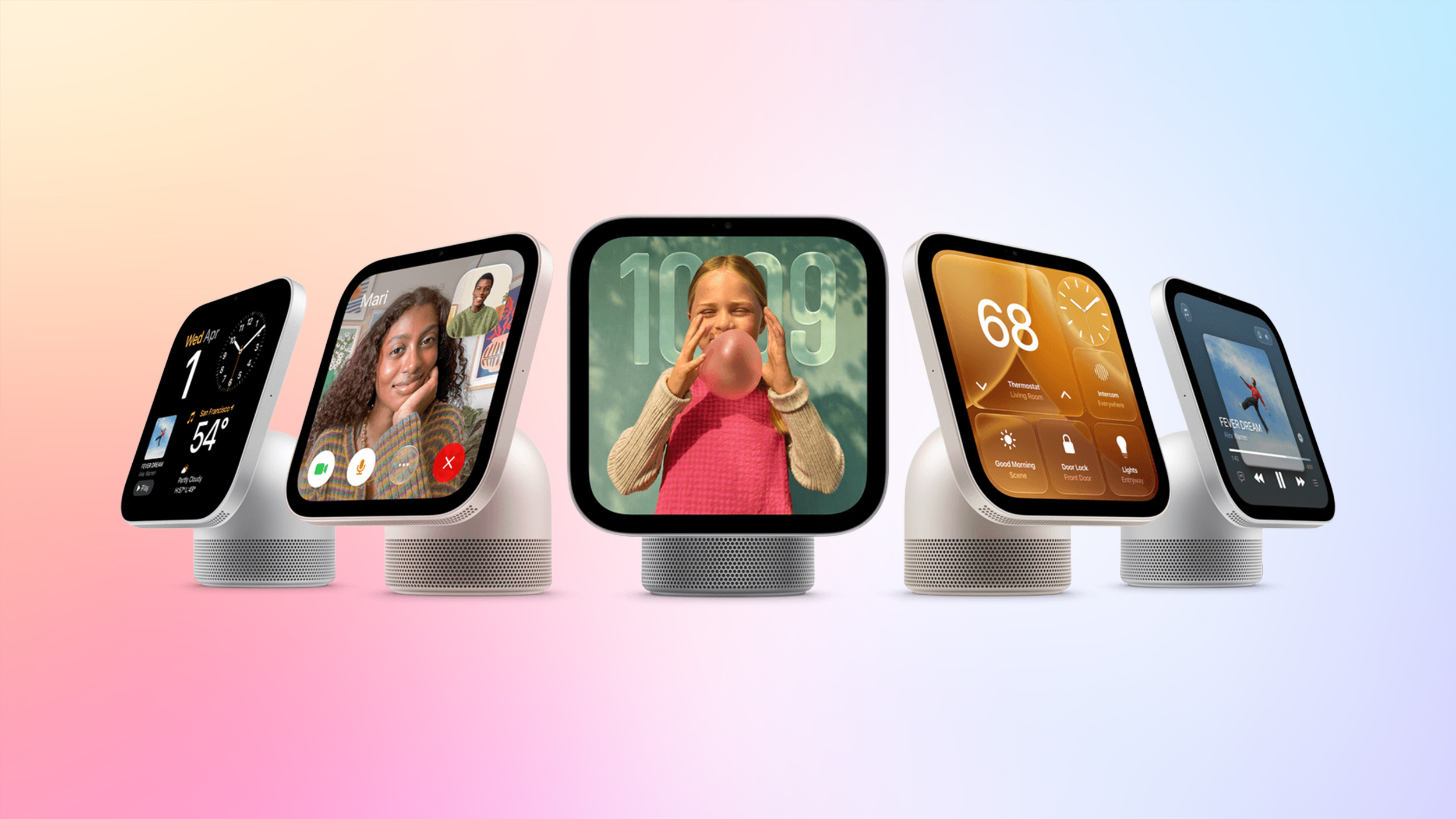
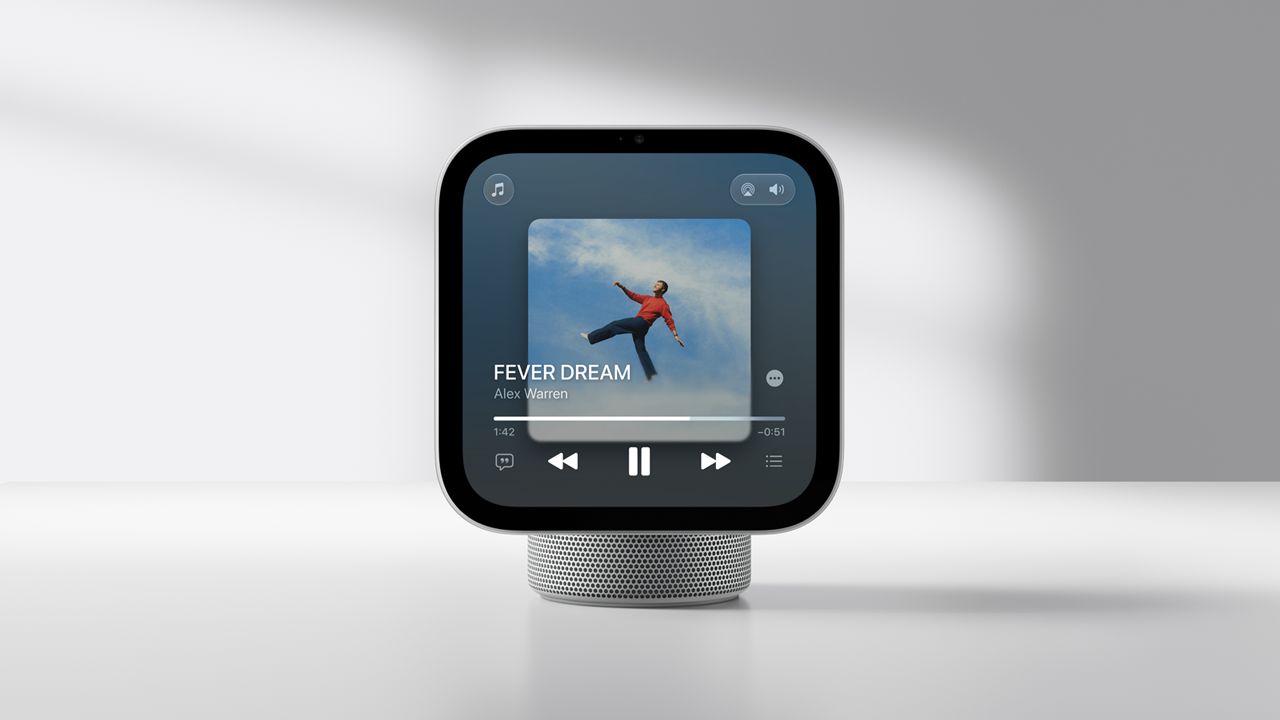
Apple's all-new HomeView smart home hub has been available for pre-order since Tuesday, with the earliest orders set to be delivered on Friday, November 13. If you did not place a pre-order yet though, you may face a longer wait now, with Apple's estimated delivery dates pushing into early December for select colors of the tabletop HomeView.


Estimated delivery dates in the U.S. vary by ZIP code right now. For example, the tabletop HomeView in silver has a November 23-December 1 delivery range in New York, but a later November 30-December 7 range in some other locations.

The tabletop HomeView is still available for Friday, November 13 launch day delivery in some colors and locations in the U.S., and the wall-mounted HomeView is not facing any delays at all as of the time this article was published.

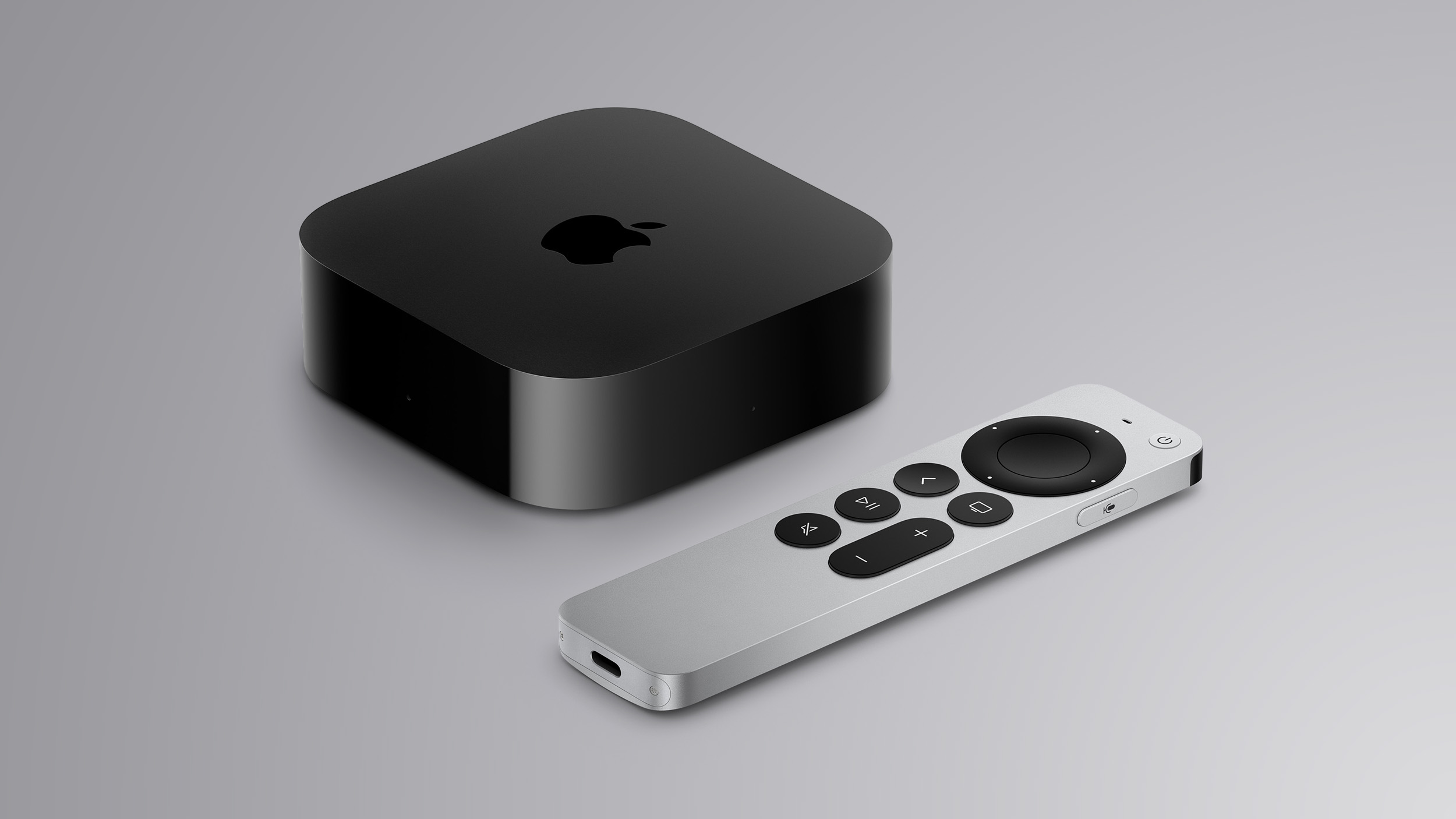
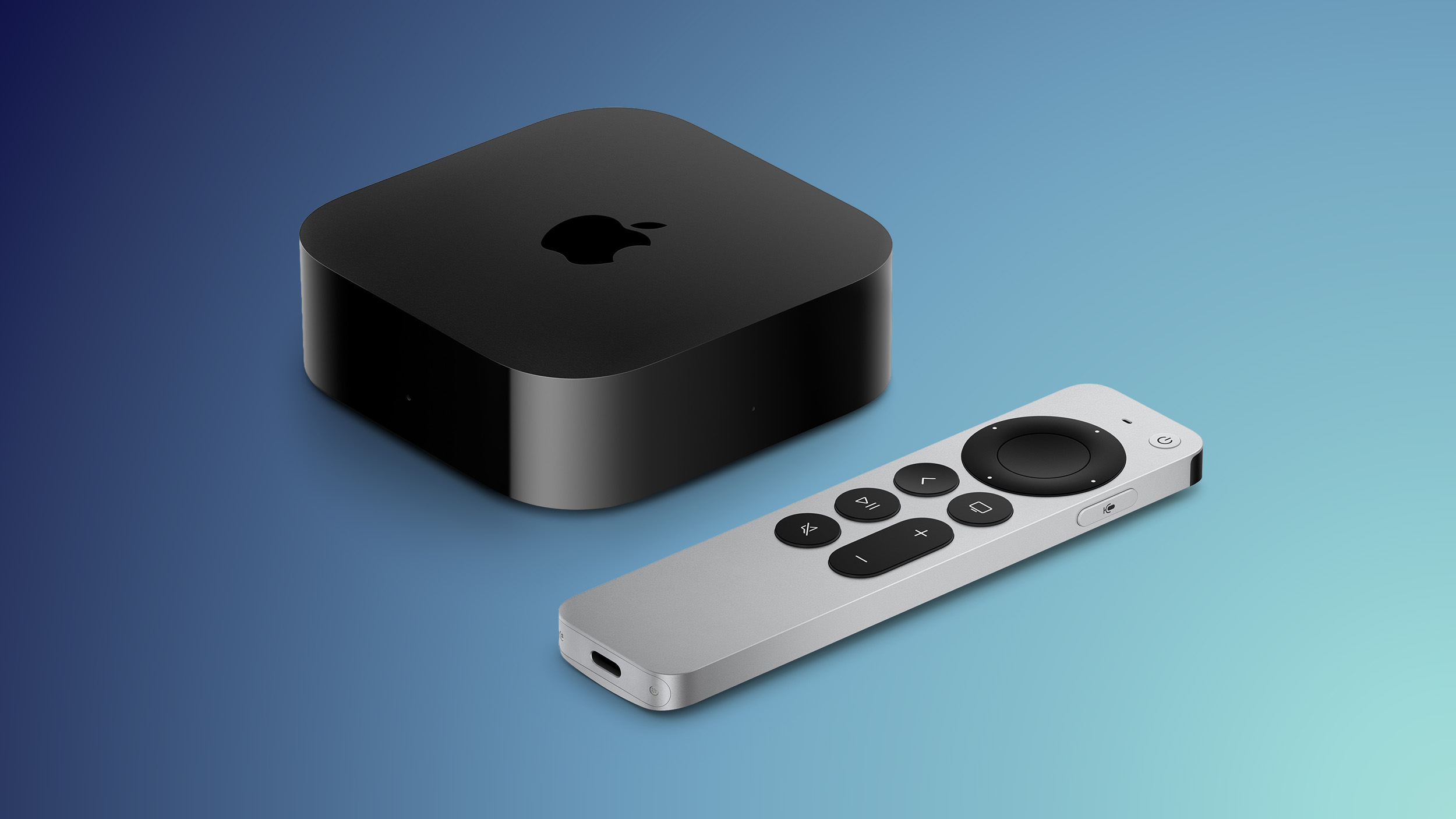
Apple TV 4K delivery estimates are nearly identical: November 23-December 1 in some parts of the U.S., and November 30-December 7 in others.

If you have yet to pre-order a HomePod mini 2, do not worry, as the speaker is still widely available for delivery on its Friday, October 30 launch day throughout the U.S. in all five color options. Keep in mind that Siri AI will not be available on the HomePod mini 2 until support arrives in a future software update, according to Apple.
Related Roundup: Apple HomeView
Buyer's Guide: HomeView (Buy Now)

This article, "Didn't Pre-Order Apple's HomeView? Here's How Long the Wait is Now" first appeared on MacRumors.com

Discuss this article in our forums

  •  

Dirk Eddelbuettel: RcppSimdJson 0.1.17 on CRAN: Updates

A brand new release 0.1.17 of the RcppSimdJson package is now on CRAN, and has been built for r2u and on r-universe.

RcppSimdJson wraps the fantastic and genuinely impressive simdjson library by Daniel Lemire and collaborators. Via very clever algorithmic engineering to obtain largely branch-free code, coupled with modern C++ and newer compiler instructions, it results in parsing gigabytes of JSON parsed per second which is quite mindboggling. The best-case performance is ‘faster than CPU speed’ as use of parallel SIMD instructions and careful branch avoidance can lead to less than one cpu cycle per byte parsed; see the video of the talk by Daniel Lemire at QCon.

This release is a small increment relative to the 0.1.6 release last week that got us (upstream) version 5.0.2 with many notable changes and sizeable speed gains on all fronts, including the interface from R. However, this failed to compile at CRAN on macOS x86_64 as the machine is setup for only partial support of C++20: no ranges, no concepts. So we now test, and fall back to C++17 if the test compilation fails. Upstream, meanwhile, already got to 5.0.5 which is included. It also gets us improved handling of disabling pragmas which we hope will survive CRAN checks.

The brief NEWS entry for this release follows.

Changes in version 0.1.17 [unreleased] (2026-10-xx)

  • Compilation starts with a C++20 feature test; if this fails C++17 is used (Dirk in #111 fixing #110)

  • simdjson was upgraded to version 5.0.5 (Daniel in #112)

Courtesy of my CRANberries, there is also a diffstat report for this release. For questions, suggestions, or issues please use the issue tracker at the GitHub repo.

This post by Dirk Eddelbuettel originated on his Thinking inside the box blog. If you like this or other open-source work I do, you can now sponsor me at GitHub.

  •  

Apple's $79 iPhone Duo Case Sticks On With Adhesive

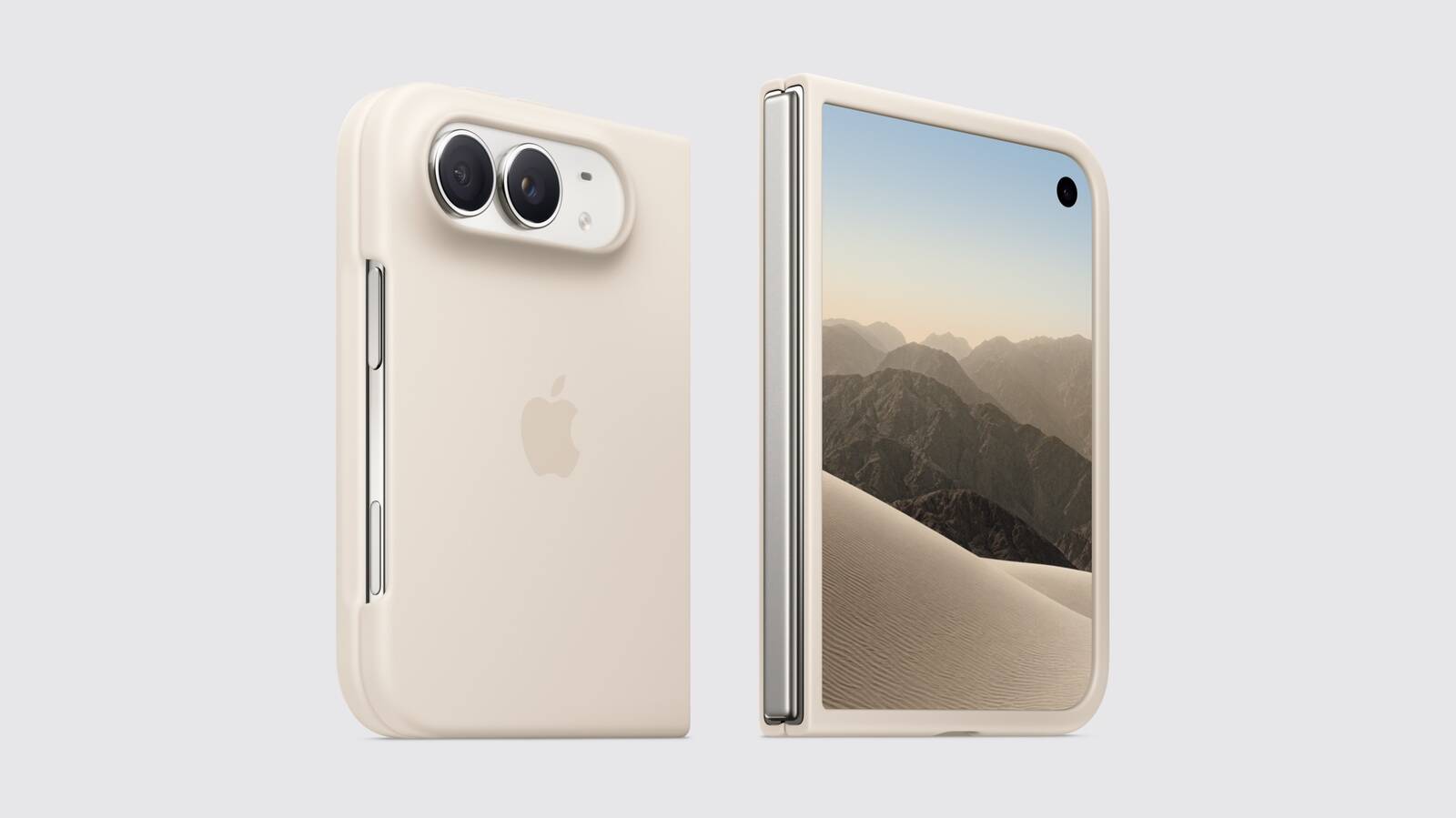
Apple's iPhone Duo Case uses adhesive to attach to the device, according to people who have picked one up.


The case comes in two pieces and uses adhesive strips along the inside edges to attach securely to an ‌iPhone Duo‌. An included insert instructs users to peel off the adhesive's protective film, put each half on the Duo, and then press down to make sure it's well-adhered.

The ‌iPhone Duo‌ Case is made from polycarbonate and comes in Sand and Navy Blue. It is designed to protect the back of the iPhone where the camera bump is located and the front around the outer display. It has a cutout for the front display, and no protection for the inside of the device when it's unfolded.

the folio is clearly the nicer one, the kickstand feels sturdy (the hinges are metal underneath) but the case has a nice grippy feel to it though it has the adhesive stickers like other foldables

— Parker Ortolani (@ParkerOrtolani) October 16, 2026


Apple also sells the ‌iPhone Duo‌ Folio with Kickstand, and that case does not use adhesive. It attaches to the ‌iPhone Duo‌ magnetically, but it does not offer protection for the sides of the device and it covers the front display when in use. It uses magnets to make it easy to fold back if the outer display is needed.

‌iPhone Duo‌ pre-orders began today, and the first devices won't arrive to customers until next Friday, but cases are in stores today. Initial ‌iPhone Duo‌ stock sold out, and shipping estimates are now at January 25 for all colors and capacities.

The ‌iPhone Duo‌ Folio is priced at $129, and the ‌iPhone Duo‌ Case is priced at $79.
Related Roundup: iPhone Duo
Buyer's Guide: iPhone Duo (Buy Now)
Related Forum: iPhone

This article, "Apple's $79 iPhone Duo Case Sticks On With Adhesive" first appeared on MacRumors.com

Discuss this article in our forums

  •  

Distribution Release: Voyager Live 26.10

The DistroWatch news feed is brought to you by TUXEDO COMPUTERS. The Voyager Live project has published a new release, version 26.10. The new release is offered in two editions, one with Flatpak and one with Snap package support. "I present to you Voyager 26.10, based on Ubuntu 'Stonking Stingray'. Two standard editions are offered - one based on....
  •  

Apple TV 4K and HomePod Mini Price Increases 'Much More Striking' Than New Features

Daring Fireball's John Gruber shared his first impressions of the new Apple TV 4K and HomePod mini 2 this week, and he concluded that the price increases the devices received are "much more striking" than any of the new features introduced.


Prior to receiving price increases in late June, the previous Apple TV 4K started at $129 in the U.S., while the previous HomePod mini was priced at $99. The new Apple TV and the HomePod mini 2 are priced at $299 and $149, respectively, so both devices are now significantly more expensive than they were just four months ago.

Since the new Apple TV is only available in a single configuration with 128GB of storage and an Ethernet port, it is more fair to compare it to the equivalent previous-generation 128GB model, which was initially $149 and went up to $249 in late June. This means the new model is technically only $50 more expensive, but the reality is that the minimum you can spend on a new Apple TV 4K is now $299, up significantly from $129.

The price increases stack up if you want to use a pair of HomePod mini speakers as the default audio output on an Apple TV 4K. As noted by Gruber, it now costs nearly $600 to buy all of those devices, up from nearly $350 before late June.

"At the old pre-June prices, you could buy a 128 GB Apple TV and a pair of HomePod Minis for $350 ($150 + $100 + $100)," said Gruber. "Four short months later, with today's new models, that combination would cost $600 ($300 + $150 + $150). That price difference is much more striking than any of the new and improved features in the products."

To be clear, Gruber said he still thinks the new Apple TV 4K is "worth it" to him at its current price, and he believes the HomePod mini 2's price is "reasonable." However, he acknowledges that the "general consumer market thought the old prices were too high," and now Apple has made even more price increases on top.
Related Roundups: Apple TV, HomePod mini 2

This article, "Apple TV 4K and HomePod Mini Price Increases 'Much More Striking' Than New Features" first appeared on MacRumors.com

Discuss this article in our forums

  •  

Announcing new builds for 16 October 2026

Hello Windows Insiders, Today, we’re releasing new Windows 11 Insider Preview builds to the Beta, Experimental, and Release Preview channels. New builds this week Select your channel below to view its release notes: For those on other specific Windows build versions, here are today’s new builds and release notes:
  • Beta (26H1): Build 28020.3262
  • Experimental (26H1): Build 28120.3272
  • Experimental (Future Platforms): We do not have an Experimental (Future Platforms) build today
We also have Release Preview for Windows 11, version 26H1 and Windows 11, version 25H2/26H2 going out today: NVIDIA RTX Spark launch Today we also see the launch of the new range of Windows 11 devices powered by the NVIDIA RTX Spark chip. There's never been a better time to join the Windows Insider Program, and we look forward to welcoming a new group of Insiders and devices into the program to provide feedback and continue help shape the future of Windows.

Notable new features:

[Gaming]

Release channel: Beta, Experimental
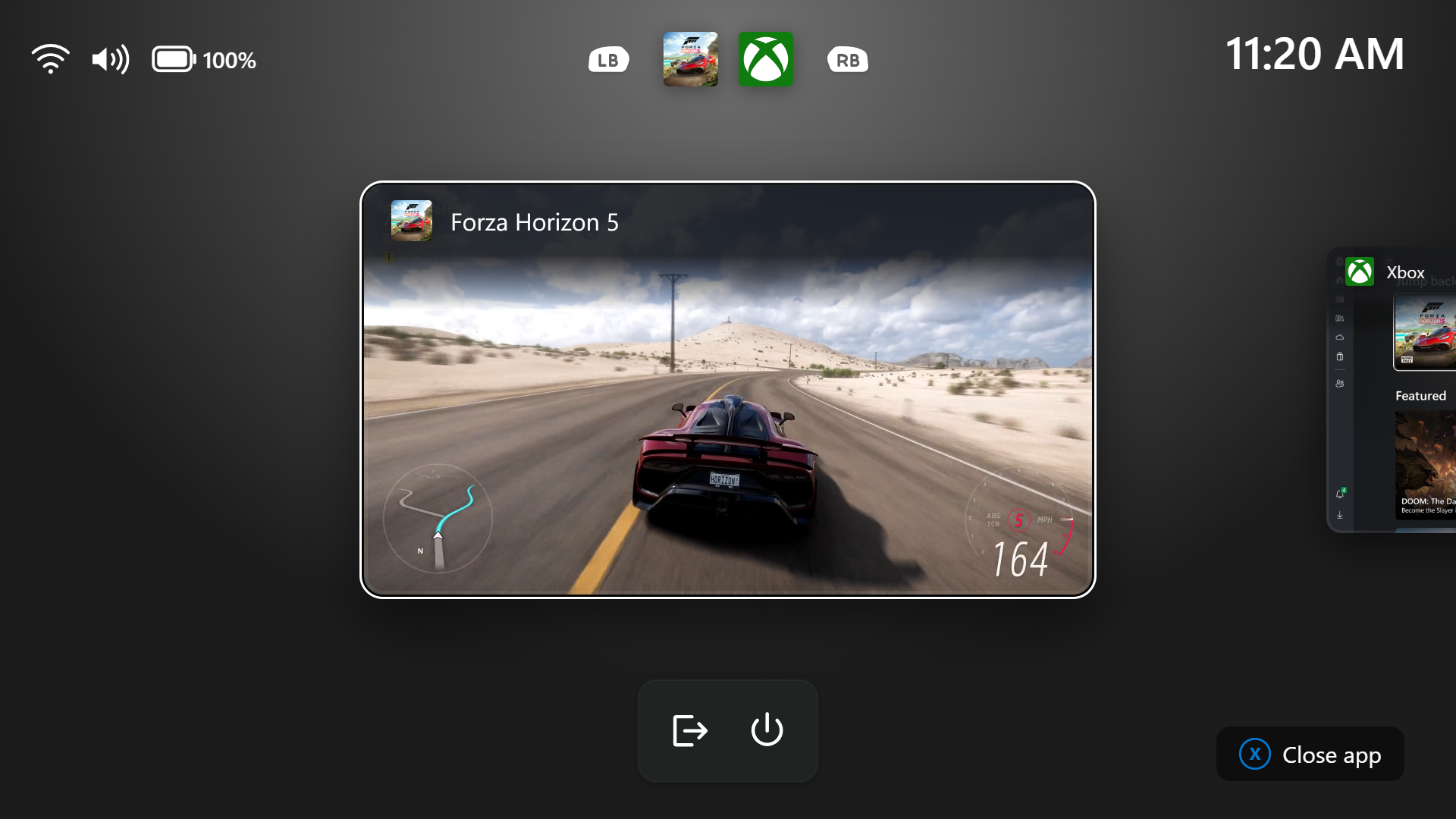
  • We're introducing a refreshed Gaming Task View experience in XBOX mode, featuring a new navigation bar that provides quick access to Exit to Desktop and Power Options. This update makes key system actions easier to access while gaming.
[caption id="attachment_179233" align="aligncenter" width="1920"]Gaming Task View showing the new navigation bar with Exit to Desktop and Power options. Gaming Task View showing the new navigation bar with Exit to Desktop and Power options.[/caption]

[Windows Hello]

Release channel: Experimental
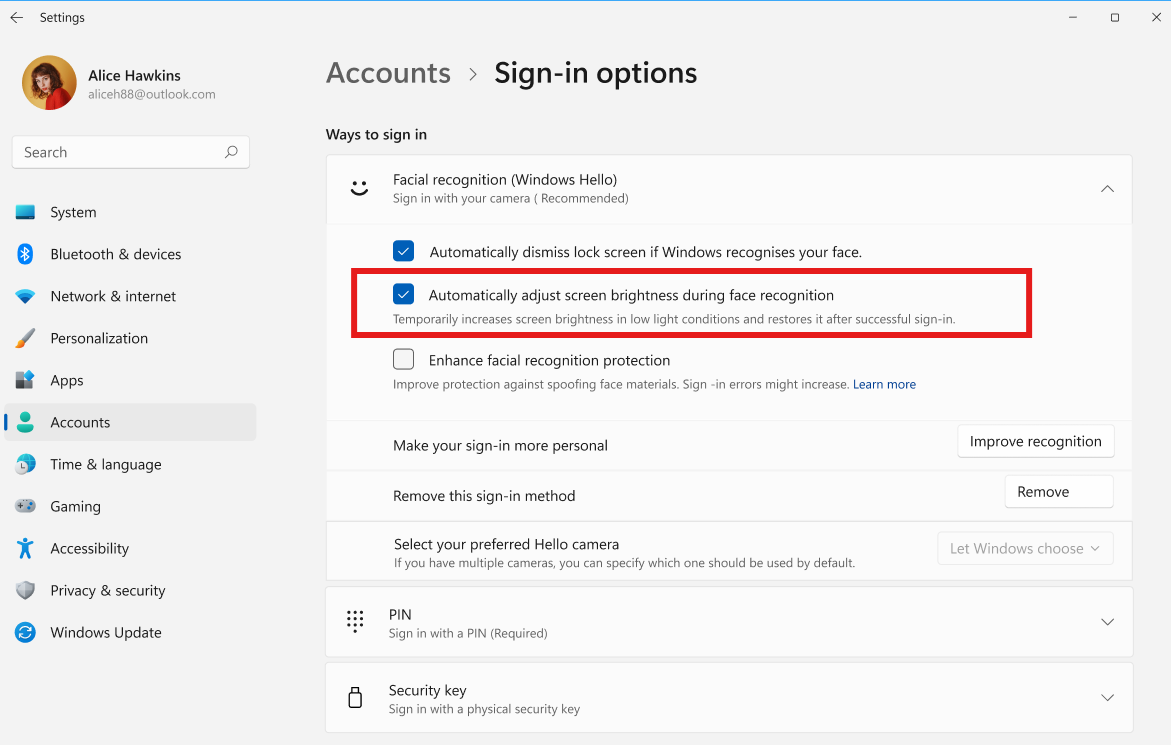
  • Windows Hello facial recognition can temporarily brighten your screen to help you sign in when you're in a dark or dimly lit room.
  • To turn on this feature, go to Settings > Accounts > Sign-in options > Facial recognition (Windows Hello) and turn on Automatically adjust screen brightness during face recognition.
[caption id="attachment_179234" align="aligncenter" width="1171"]The setting to automatically adjust screen brightness during Windows Hello facial recognition. The setting to automatically adjust screen brightness during Windows Hello facial recognition.[/caption] Thanks, Stephen and the Windows Insider Program team
  •  

Apple Refers to HomeView as 'HomePodDevice' in Legal Document

Apple's HomeView software license agreement refers to the HomeView as a "HomePodDevice" in one section. This is surely a placeholder name from a draft version of the agreement that Apple forgot to replace in the final version, and it reveals that Apple unsurprisingly views the HomeView as a HomePod-like device.

On a related note, Apple's legal website has two other agreements titled "HomePodOS 26" and "HomePodOS 27," even though Apple refers to the platform as simply "HomePod software" in those documents and elsewhere. It may be the closest we get to homeOS.
Related Roundup: Apple HomeView
Buyer's Guide: HomeView (Buy Now)

This article, "Apple Refers to HomeView as 'HomePodDevice' in Legal Document" first appeared on MacRumors.com

Discuss this article in our forums

  •  

The MacRumors Show: Was HomeView Worth the Wait?

Apple this week finally announced the HomePod mini 2, a new Apple TV 4K, and its "HomeView" smart home hub. On this week's episode of The MacRumors Show, we talk through our reactions to the announcements.

Subscribe to The MacRumors Show YouTube channel for more videos

Apple's HomeView costs $299 and combines a 7-inch square display with Siri AI, FaceTime, music playback, and smart home controls. It has had something of a mixed reception from YouTubers and the wider Apple community, with some of the criticism centering on what it adds for someone who already owns an iPhone, iPad, Apple Watch, or HomePod.

A screen for timers, photos, music, and home controls will be useful for many, but it is harder to explain why someone wearing an Apple Watch would reach across a kitchen counter to set a timer, or why they would type a message on HomeView instead of taking out their iPhone. Apple's promotional video puts some of those less convincing uses front and center.

There are many details to like about the design. The display can show photos and customizable faces, dim to just 0.3 nits in the dark, and adjust its interface as someone approaches. In the kitchen, guided recipes turn webpages into step-by-step instructions, with voice-controlled timers available while cooking.

HomeView makes more sense as a replacement for an Echo Show or Nest Hub, particularly for anyone tired of poor ecosystem integration and ads on their smart display. For people who have never wanted one, it may be less obvious what Apple has added to change their minds.

HomeView recognizes up to six people and switches to their apps and personal information. Its privacy protections mean personal content normally appears only when the user is recognized and their paired device is nearby and recently unlocked. ‌Siri‌ AI can answer general questions without an Apple Intelligence-compatible device, but personal requests still require one.

There is no App Store, either. Compatible third-party audio and video apps appear through a connected iPhone or ‌iPad‌, using a CarPlay-like system. For services such as Spotify and Audible, that means relying on another device rather than installing an app directly on HomeView.

The wall-mounted version costs the same $299 despite losing the tabletop model's speaker base, woofer, and passive radiators. Mounts start at $59.95, and the box includes no power adapter or cable. It could be a welcome replacement for an ‌iPad‌ mounted on a wall, but putting several around a home quickly becomes expensive.

Six years after the original ‌HomePod‌ mini, the HomePod mini 2 adds an S10 chip, Sound Glow lighting, and support for ‌Siri‌ AI while retaining the same basic speaker hardware. Its $149 price is roughly 50% higher than the original's $99 launch price, following a June increase to $129.

The new model can serve as a default Mac speaker on models with Wi-Fi 6E or later. ‌Siri‌ AI is likely to make a bigger difference to everyday use, but it will arrive later, after the speaker launches on October 30.

The new Apple TV 4K also asks buyers to pay more for a familiar product. At $299, it adds the A19 chip, built-in microphones, and an updated ‌Siri‌ Remote. ‌Siri‌ AI is also coming to older models, while the new remote can be bought separately for $59.

The starting price is now more than twice the $129 entry point available before June's increases. The new model includes 128GB of storage, Ethernet, and Thread, and the equivalent outgoing model had already reached $249. Even so, $299 is a substantial outlay for a streaming box when many existing owners have little reason to replace theirs.

Support for four HomePods is one reason to upgrade. The new ‌Apple TV‌ can use matching front and rear pairs of ‌HomePod mini 2‌ or second-generation full-sized HomePods for surround sound. Buying the box, two full-sized HomePods, and two ‌HomePod mini 2‌ speakers at Apple's U.S. prices totals $1,295. These are products people can keep for years, but that also makes keeping an existing setup an attractive option.

The Apple Home Collection, developed with LG and Schneider Electric, adds another set of expensive purchases. One-tap setup and a lock that uses Ultra Wideband to unlock as someone approaches are useful features. Whether they justify paying more than for other HomeKit accessories is another matter, especially when buying equipment for an entire home.

Apple is reportedly still working on a robotic home display and its own camera, separate from the LG and Schneider products. The camera is said to detect activity and presence without recording video.

We also look ahead to the rumored OLED MacBook, where a lighter design and a new display could matter more than the touchscreen. It is expected to be announced later this month. We also briefly return to the iPhone Duo, including whether its folding display and software changes make a more convincing case for trying a new kind of Apple device.

The MacRumors Show has its own YouTube channel, so make sure you're subscribed to keep up with new episodes and clips.

You can also listen to ‌The MacRumors Show‌ on Apple Podcasts, Spotify, Overcast, or other podcast apps. You can also copy our RSS feed directly into your player.


If you haven't already listened to the previous episode of The MacRumors Show, catch up to hear our predictions about the HomeView, ‌HomePod mini 2‌, and new ‌Apple TV‌ 4K prior to their official announcement.

Subscribe to ‌The MacRumors Show‌ for new episodes every week, where we discuss some of the topical news breaking here on MacRumors, often joined by familiar guests such as Tyler Stalman, Michael Fisher, Kayci Lacob, Kevin Nether, John Gruber, Mark Gurman, Jon Prosser, Luke Miani, Matthew Cassinelli, Brian Tong, Quinn Nelson, Jared Nelson, Eli Hodapp, Mike Bell, Sara Dietschy, iJustine, Jon Rettinger, Andru Edwards, Arnold Kim, Ben Sullins, Marcus Kane, Christopher Lawley, Frank McShan, David Lewis, Sam Kohl, Federico Viticci, Thomas Frank, Jonathan Morrison, Ross Young, Ian Zelbo, and Rene Ritchie.

‌The MacRumors Show‌ is on X @MacRumorsShow, so be sure to give us a follow to keep up with the podcast. You can also email us at podcast@macrumors.com or head over to The MacRumors Show forum thread. Remember to rate and review the podcast, and let us know what subjects and guests you would like to see in the future.
Related Roundup: Apple HomeView
Buyer's Guide: HomeView (Buy Now)

This article, "The MacRumors Show: Was HomeView Worth the Wait?" first appeared on MacRumors.com

Discuss this article in our forums

  •  

Apple Pre-Orders Kick Off With First Discounts on HomeView and Apple TV 4K

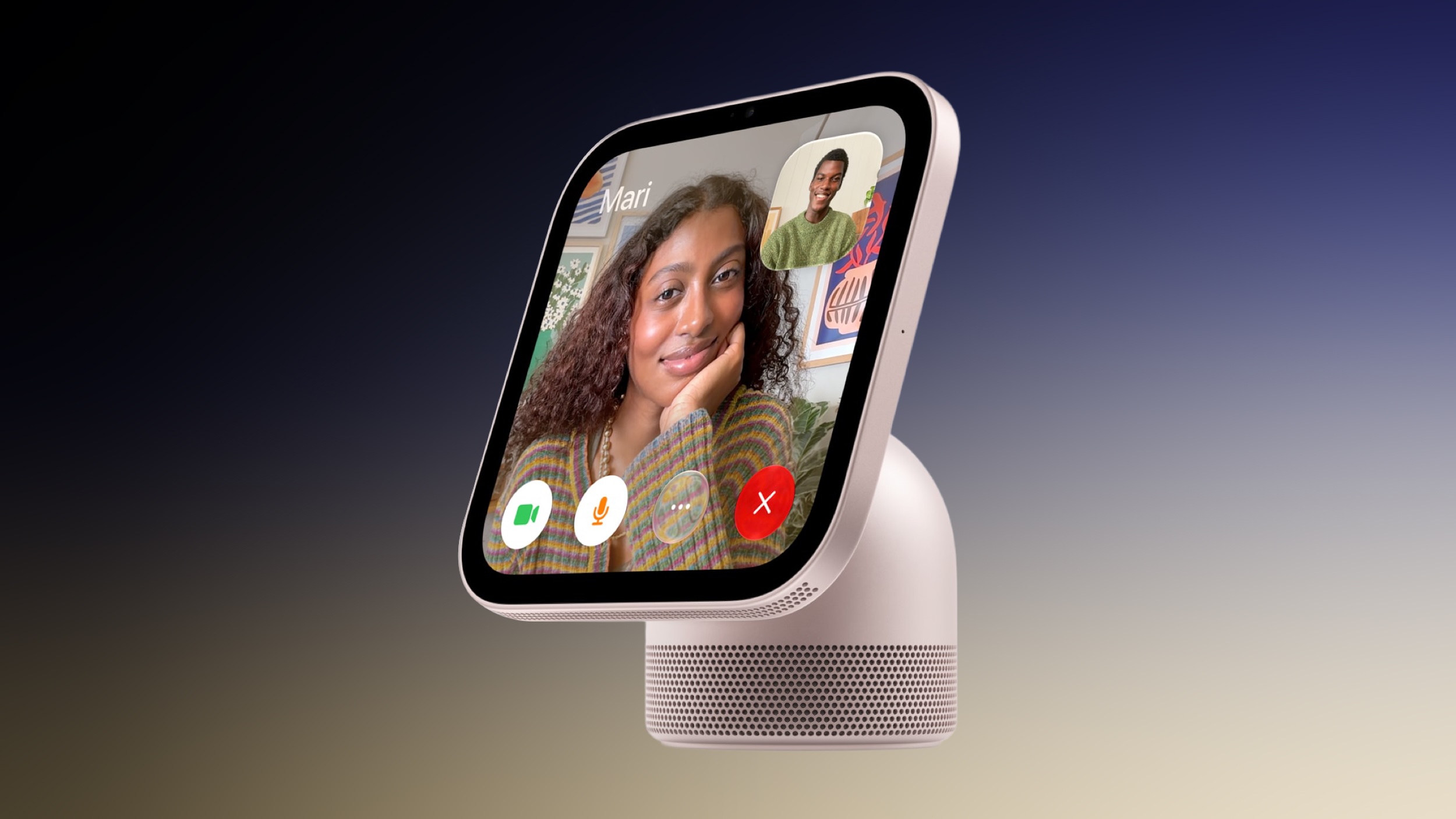
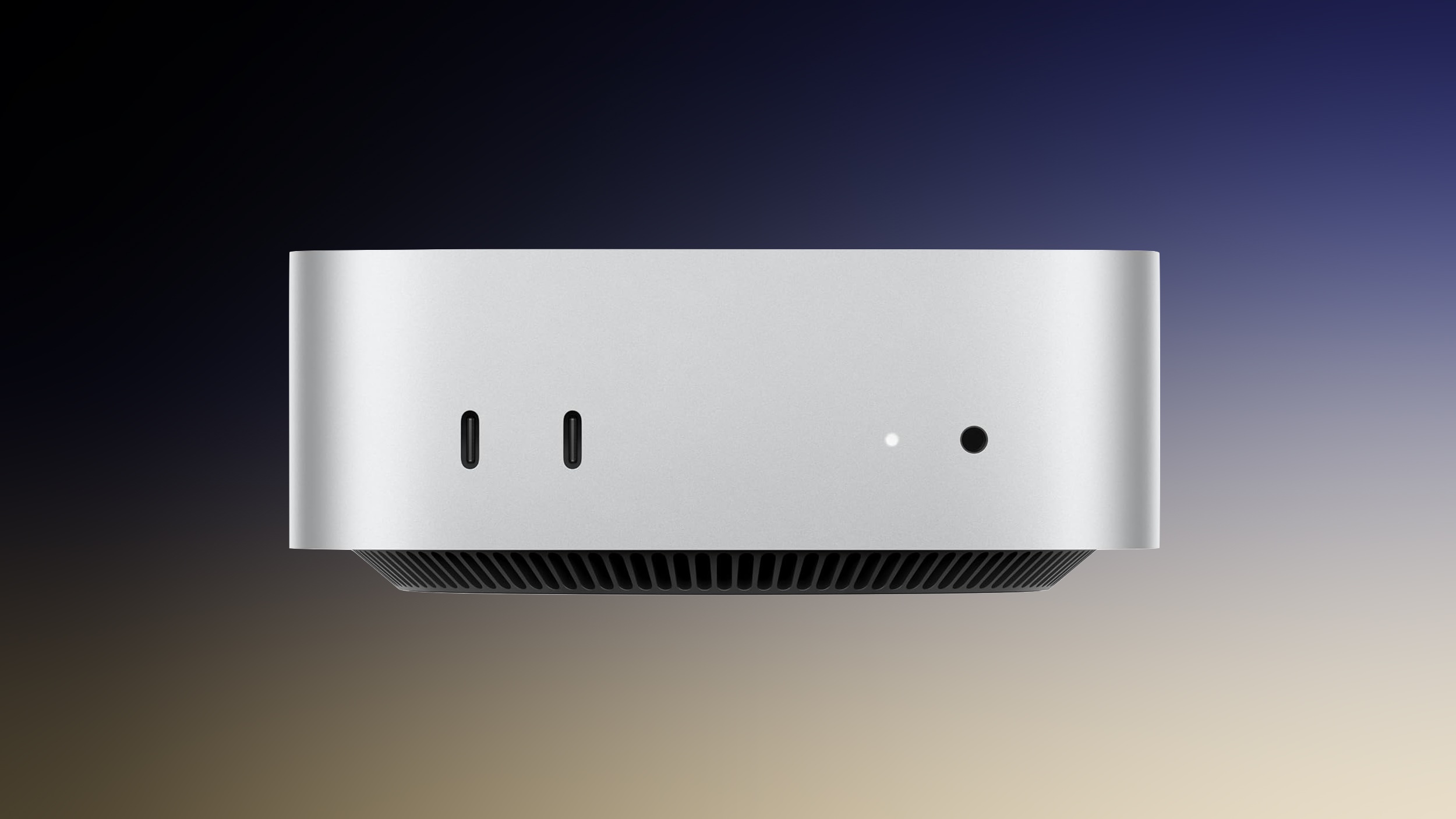
Pre-orders are now live on Apple's newest devices, including the HomeView and Apple TV 4K, and Amazon has the first-ever discounts on these devices. We're also tracking great deals on MacBook Pro, Mac mini, and Apple Watch SE 3 in this week's best Apple deals.

Note: MacRumors is an affiliate partner with Amazon. When you click a link and make a purchase, we may receive a small payment, which helps us keep the site running.
Apple Pre-Orders


  • What's the deal? Get early pre-order discounts on HomeView, Apple TV 4K, and iPhone Duo

  • Where can I get it? Amazon and cellular carriers

  • Where can I find the original deal? Right here


It's pre-order week for Apple's newest devices, with the HomeView, Apple TV 4K, and iPhone Duo all now available to be pre-ordered. On Amazon, you can get a small discount on the HomeView and Apple TV 4K, while cellular carriers like AT&T have up to $1,200 off with trade-in credit on the iPhone Duo.

Mac Mini and Mac Studio


  • What's the deal? Get record low prices on Mac mini and Mac Studio

  • Where can I get it? Amazon

  • Where can I find the original deal? Right here


Apple's M5 Max Mac Studio with 36GB RAM and a 512GB SSD is still on sale for $2,299.00, down from $2,499.00. Regarding the Mac mini, you can get the 16GB RAM/256GB SSD Mac mini for $779.99, down from $899.00, and the 16GB RAM/512GB SSD model for $949.99, down from $1,099.00.

Apple Watch SE 3


  • What's the deal? Get $49 off Apple Watch SE 3

  • Where can I get it? Amazon

  • Where can I find the original deal? Right here


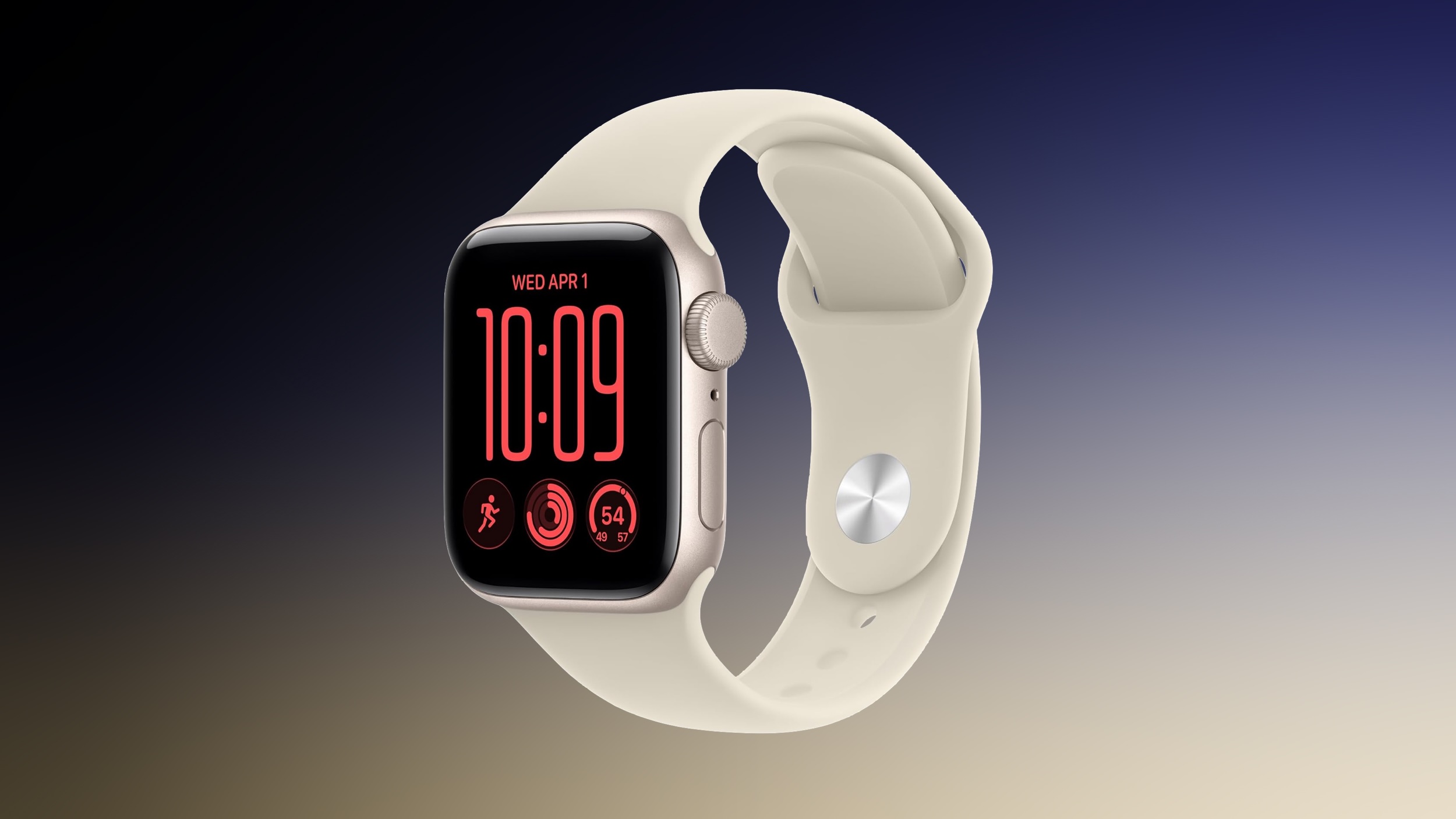
Amazon is discounting one model of the Apple Watch SE 3 today, with a price that matches the Prime Day low we saw earlier in the month. You can get the 40mm GPS model for $199.99, a $49 discount.

MacBook Pro


  • What's the deal? Get record low prices on 2026 MacBook Pro

  • Where can I get it? Amazon

  • Where can I find the original deal? Right here


Amazon has introduced a giant $800 discount on the 36GB/2TB 14-inch M5 Max MacBook Pro, now priced at $3,299.00. This is the steepest discount on the 14-inch models right now, but you'll also find a few entry-level options on sale below.

If you're on the hunt for more discounts, be sure to visit our Apple Deals roundup where we recap the best Apple-related bargains of the past week.


Deals Newsletter


Interested in hearing more about the best deals you can find as we head into the holidays? You can sign up for our Deals Newsletter and we'll keep you updated so you don't miss the biggest deals of the season!


Related Roundup: Apple Deals

This article, "Apple Pre-Orders Kick Off With First Discounts on HomeView and Apple TV 4K" first appeared on MacRumors.com

Discuss this article in our forums

  •  

iPhone Duo Resold for $5,000 on eBay After Selling Out

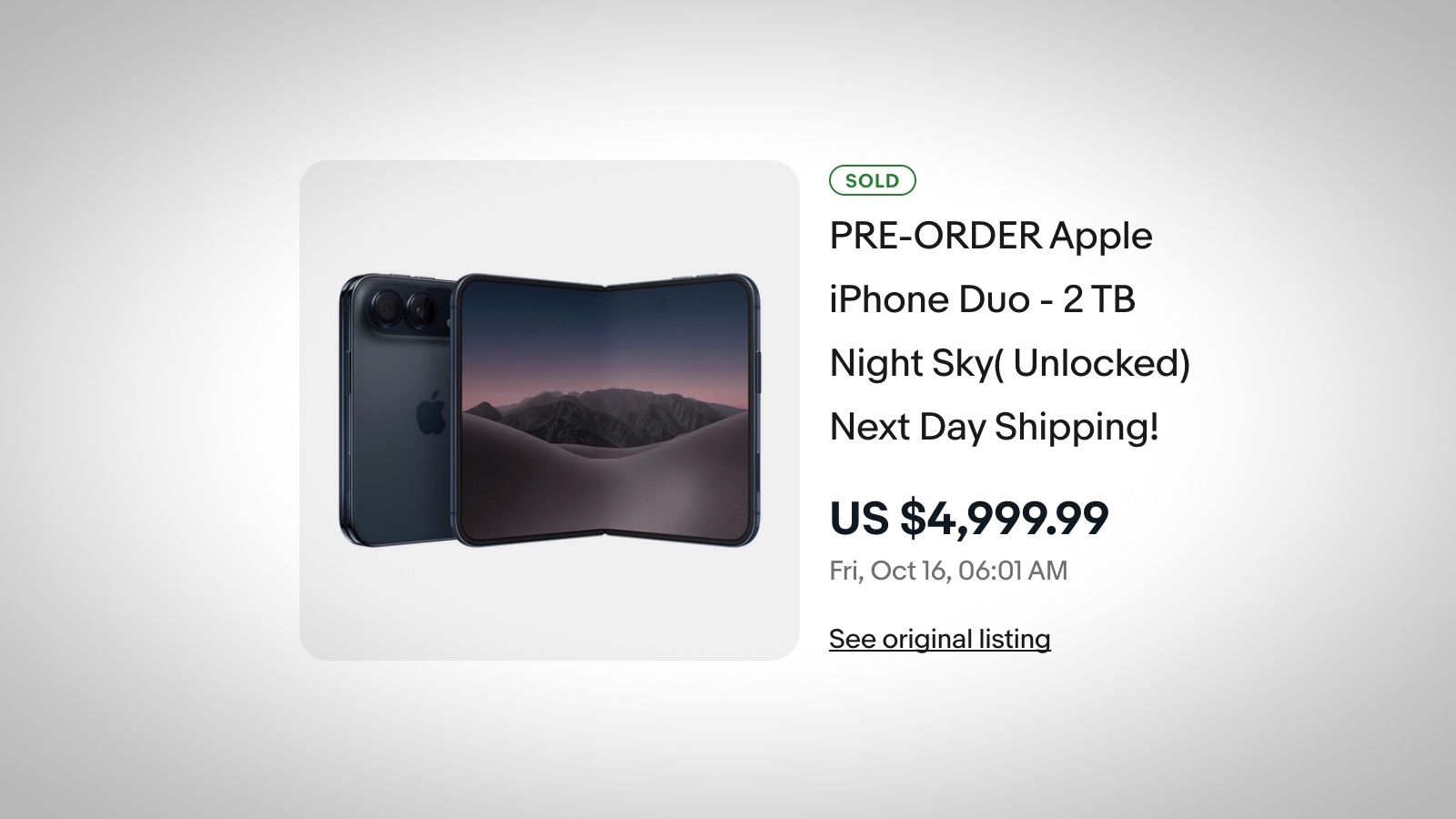
As spotted by Vadim Yuryev of the YouTube channel Max Tech, the iPhone Duo has already been resold on eBay for as much as $5,000 after shipping estimates for the device slipped into 2027 on Apple's online store within minutes of pre-orders beginning today.


The listing that is marked as sold is for an iPhone Duo in the Night Sky color with 2TB of storage. Apple sells this configuration for $3,199 in the U.S., so the device has apparently fetched an $1,800 premium on eBay.

A separate eBay listing for a "confirmed pre-order" of an iPhone Duo in Night Sky with 1TB of storage is also marked as sold for $4,400. Apple sells this configuration for $2,599, so this device has also been resold at a $1,800 premium.

Apple's online store in the U.S. showed an estimated shipping date of January 25 for all iPhone Duo configurations when this article was published.
Related Roundup: iPhone Duo
Tag: eBay
Buyer's Guide: iPhone Duo (Buy Now)
Related Forum: iPhone

This article, "iPhone Duo Resold for $5,000 on eBay After Selling Out" first appeared on MacRumors.com

Discuss this article in our forums

  •  

Developers Question Scope of Potential Apple Antitrust Settlement

Developers are questioning whether a settlement of the U.S. government's antitrust case against Apple would meaningfully loosen the company's control over the iPhone, according to The Information.


The report highlights PayPal and Epic Games among the companies that have raised concerns with the Department of Justice (DOJ). Officials have reportedly indicated that they favor a negotiated resolution and have asked developers to suggest improvements to how the iPhone works with other companies' products.

These discussions largely center on interoperability, including access for competing accessories and payment services. The concern among developers and antitrust lawyers cited in the report is how much Apple would actually have to change. Rival smartwatches, for example, lack much of the integration available to the Apple Watch, while competing payment apps reportedly still face disadvantages despite gaining access to near-field communication (NFC) technology for contactless payments.

When the DOJ filed its lawsuit in March 2024, it alleged that restrictions affecting messaging, digital wallets, smartwatches, cloud gaming, and multipurpose apps helped Apple unlawfully protect its smartphone monopoly. Apple rejected these allegations and argued that the government's proposed intervention would threaten its ability to design integrated products.

Some of the capabilities at issue have changed since the lawsuit began. Apple added Rich Communication Services (RCS) support to Messages with iOS 18, improving communication with Android phones. It also expanded access to the iPhone's NFC capabilities for third-party contactless transactions starting with iOS 18.1.

According to The Information, Apple offered interoperability concessions during an earlier attempt to avert the lawsuit. The company could still resist the broader changes developers want, leaving the current negotiations without an agreement. Proton said it doubted Apple would accept terms developers would regard as satisfactory.
This article, "Developers Question Scope of Potential Apple Antitrust Settlement" first appeared on MacRumors.com

Discuss this article in our forums

  •  

Massive Discounts Hit 2026 MacBook Pro With Up to $800 Off

Today we're tracking a trio of major discounts on Apple's newest MacBook Pro models, including $500 off a 16-inch model and up to $800 off 14-inch models on Amazon.

Note: MacRumors is an affiliate partner with some of these vendors. When you click a link and make a purchase, we may receive a small payment, which helps us keep the site running.
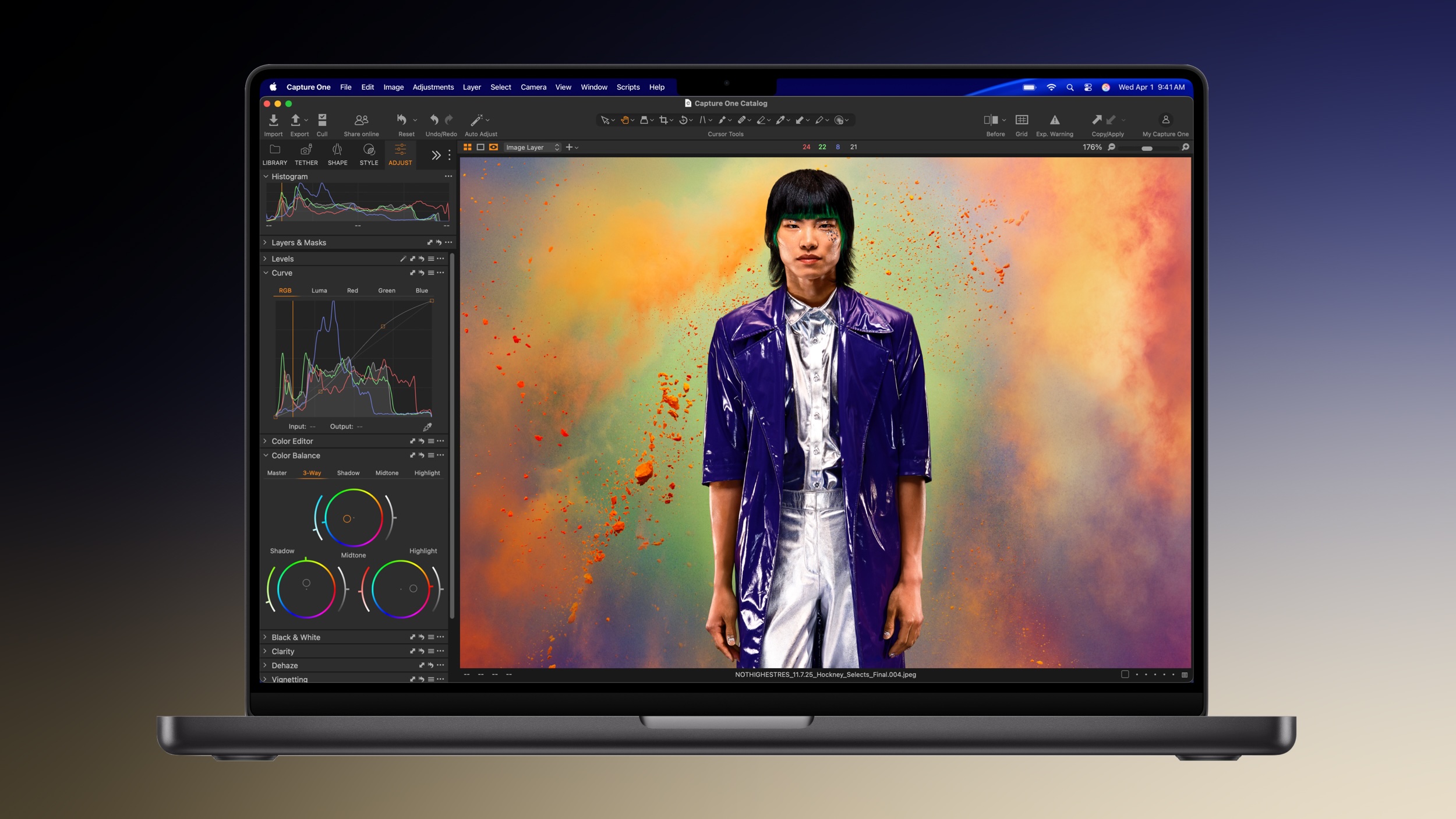
The 15-Core M5 Pro 14-inch MacBook Pro with 24GB RAM and 2TB SSD has hit $2,399.00 on Amazon, down from $2,999.00. This one is only available in Space Black, and it's a new record low price on the 14-inch MacBook Pro, now priced just $100 more than the 1TB model on Amazon.


Additionally, Amazon has now sweetened the deal on the 14-inch M5 Max MacBook Pro with 36GB RAM and 2TB SSD, available for $3,299.00, down from $4,099.00. This is now a massive $800 discount on the new price of the MacBook Pro, and it beats the previous discount we saw earlier in the month by $200.

If you're on the hunt for more discounts, be sure to visit our Apple Deals roundup where we recap the best Apple-related bargains of the past week.


Deals Newsletter


Interested in hearing more about the best deals you can find as we head into the holidays? You can sign up for our Deals Newsletter and we'll keep you updated so you don't miss the biggest deals of the season!


Related Roundup: Apple Deals

This article, "Massive Discounts Hit 2026 MacBook Pro With Up to $800 Off" first appeared on MacRumors.com

Discuss this article in our forums

  •  

Distribution Release: Lubuntu 26.10

The DistroWatch news feed is brought to you by TUXEDO COMPUTERS. Last but not least, Lubuntu, an official Ubuntu flavour which uses the Lightweight Qt Desktop Environment (LXQt), has also been updated to version 26.10: "Thanks to the hard work from our contributors, Lubuntu 26.10 has been released. With the code name 'Stonking Stingray', Lubuntu 26.10 is the 31st....
  •  

iPhone Duo is Sold Out for Christmas as Shipping Estimates Slip to 2027

If you were hoping to surprise someone with an iPhone Duo for Christmas, you might be out of luck, as Apple's online store in the U.S. is already showing an estimated shipping date of January 25 for all configurations following the start of pre-orders today.

It is possible that some Apple Stores will have the iPhone Duo available for walk-in customers on Friday, October 23 launch day, but it seems likely that inventory will be very tight. For customers interested in reserving an Apple Store pickup slot, Apple's online store now says to check back on Saturday, October 24 for this.
Related Roundup: iPhone Duo
Buyer's Guide: iPhone Duo (Buy Now)
Related Forum: iPhone

This article, "iPhone Duo is Sold Out for Christmas as Shipping Estimates Slip to 2027" first appeared on MacRumors.com

Discuss this article in our forums

  •  

Didn't Pre-Order an iPhone Duo Yet? Wait Times Are Significant Now

iPhone Duo pre-orders began today in the U.S. and select other countries. If you have yet to place a pre-order, however, wait times at Apple are longer now.


The first customers who pre-ordered right when pre-orders began at 5 a.m. Pacific Time today will have their iPhone Duo delivered on Friday, October 23 launch day. By just 5:30 a.m. Pacific Time though, Apple's online store in the U.S. was already showing a shipping date of January 25 for all iPhone Duo configurations.

  • iPhone Duo / Star White / 256GB: January 25

  • iPhone Duo / Star White / 512GB: January 25

  • iPhone Duo / Star White / 1TB: January 25

  • iPhone Duo / Star White / 2TB: January 25

  • iPhone Duo / Night Sky / 256GB: January 25

  • iPhone Duo / Night Sky / 512GB: January 25

  • iPhone Duo / Night Sky / 1TB: January 25

  • iPhone Duo / Night Sky / 2TB: January 25
As always, Apple's shipping estimates are based on a combination of supply and demand, and we do not know how much supply was available on day one of pre-orders. Bloomberg's Mark Gurman said that iPhone Duo supply would be limited, following earlier reports of potential manufacturing challenges resulting in low production yield.

With shipping times now into 2027, the iPhone Duo is no longer available in time for delivery before Christmas through Apple's online store.

It may still be possible to secure an iPhone Duo far earlier than January by visiting an Apple Store on October 23 launch day. However, based on how quickly shipping times slipped, it seems likely that most locations will have extremely tight inventory for walk-in customers. iPhone Duo is also available at resellers like Best Buy.

Apple Store pickup was briefly an option when placing an iPhone Duo pre-order on Apple's online store, but the pickup system has now been disabled, with Apple now informing customers to check back on Saturday, October 24 for this.
Related Roundup: iPhone Duo
Buyer's Guide: iPhone Duo (Buy Now)
Related Forum: iPhone

This article, "Didn't Pre-Order an iPhone Duo Yet? Wait Times Are Significant Now" first appeared on MacRumors.com

Discuss this article in our forums

  •  

First Apple TV 4K Pre-Order Discount Arrives at Amazon

Following in the footsteps of a small pre-order discount on the HomeView, Amazon is now offering the first cash discount on the brand new A19 Apple TV 4K. You can get this model for $289.99, down from $299.00.

Note: MacRumors is an affiliate partner with some of these vendors. When you click a link and make a purchase, we may receive a small payment, which helps us keep the site running.
This is a pre-order discount on the new Apple TV 4K, and Amazon provides an estimated delivery on launch day, which is November 13. Although only a $9 discount, this is now the best price we've tracked on the device, and as of writing Amazon is the only place offering any sort of markdown.


For anyone who just wants to upgrade their existing Apple TV 4K with the new Find My-enabled Siri Remote, Amazon has that accessory for pre-order at $59.00. There's no discount on the Siri Remote, but if you purchase this without spending on an entirely new Apple TV 4K, you'll definitely be saving yourself some money.


If you're looking to save on the HomeView, Amazon has the home hub device for $289.99 as well, down from $299.00. This one is available in Space Gray and Rose Pink colors, and it's also set to launch on November 13.

If you're on the hunt for more discounts, be sure to visit our Apple Deals roundup where we recap the best Apple-related bargains of the past week.


Deals Newsletter


Interested in hearing more about the best deals you can find as we head into the holidays? You can sign up for our Deals Newsletter and we'll keep you updated so you don't miss the biggest deals of the season!


Related Roundup: Apple Deals

This article, "First Apple TV 4K Pre-Order Discount Arrives at Amazon" first appeared on MacRumors.com

Discuss this article in our forums

  •  

iPhone Duo Pre-Order Deals: The Best Carrier Offers From AT&T and T-Mobile

Apple today launched pre-orders for the iPhone Duo. If you're looking to place a pre-order on one of these models at a cellular carrier, we've rounded up all of the best deals and offers you can find from the major carriers in the United States.

Note: MacRumors is an affiliate partner with some of these vendors. When you click a link and make a purchase, we may receive a small payment, which helps us keep the site running.
AT&T


At AT&T, new and existing customers can get up to $1,200 off the iPhone Duo with an eligible trade-in. If you're switching to AT&T, the carrier will give you up to $800 to pay off your current device balance, and you can save $200 per line when ordering the smartphone online.


In regards to the main offer of up to $1,200 off the iPhone Duo, AT&T says this requires an eligible trade-in of $230 or more, alongside activation of a new line or upgrading an existing line. You'll get this credit over the course of 36 months on your AT&T bill.

You can find the breakdown of each plan tier from AT&T below, and remember that they each require a trade-in as well.

  • Up to $1,200 off iPhone Duo: requires AT&T Premium 2.0 plan or higher / trade-in value of $230 or more

  • Up to $930 off iPhone Duo: requires AT&T Extra 2.0 plan or higher / trade-in value of $130 or more

  • Up to $500 off iPhone Duo: requires Value 2.0 plan / trade-in value of $130 or more

  • Up to $350 off iPhone Duo: requires any eligible unlimited plan / trade-in value of $35-$129


T-Mobile


T-Mobile is offering up to $1,000 off the iPhone Duo with any condition trade-in on an Experience Beyond plan. This discount will appear in the form of bill credits over the course of 36 months.


Similarly if you're on the Experience More or Experience Beyond plan, you can get up to $830 off with a trade-in, and up to $730 off with a new line on most other plans. All of these offers have the same payout schedule over the course of 36 months.

If you're on the hunt for more discounts, be sure to visit our Apple Deals roundup where we recap the best Apple-related bargains of the past week.


Deals Newsletter


Interested in hearing more about the best deals you can find as we head into the holidays? You can sign up for our Deals Newsletter and we'll keep you updated so you don't miss the biggest deals of the season!


Related Roundup: Apple Deals

This article, "iPhone Duo Pre-Order Deals: The Best Carrier Offers From AT&T and T-Mobile" first appeared on MacRumors.com

Discuss this article in our forums

  •  

iPhone Duo Now Available to Pre-Order From Apple

Apple is now accepting pre-orders for the iPhone Duo through its online storefront and Apple Store app. If you don't see the option to order, refresh both the website and the app until the store loads.


Pre-orders for the ‌iPhone Duo‌ are launching in more than 70 countries and regions. Customers who used the "Get Ready" option to set up a purchase should be able to check out with a couple of taps.

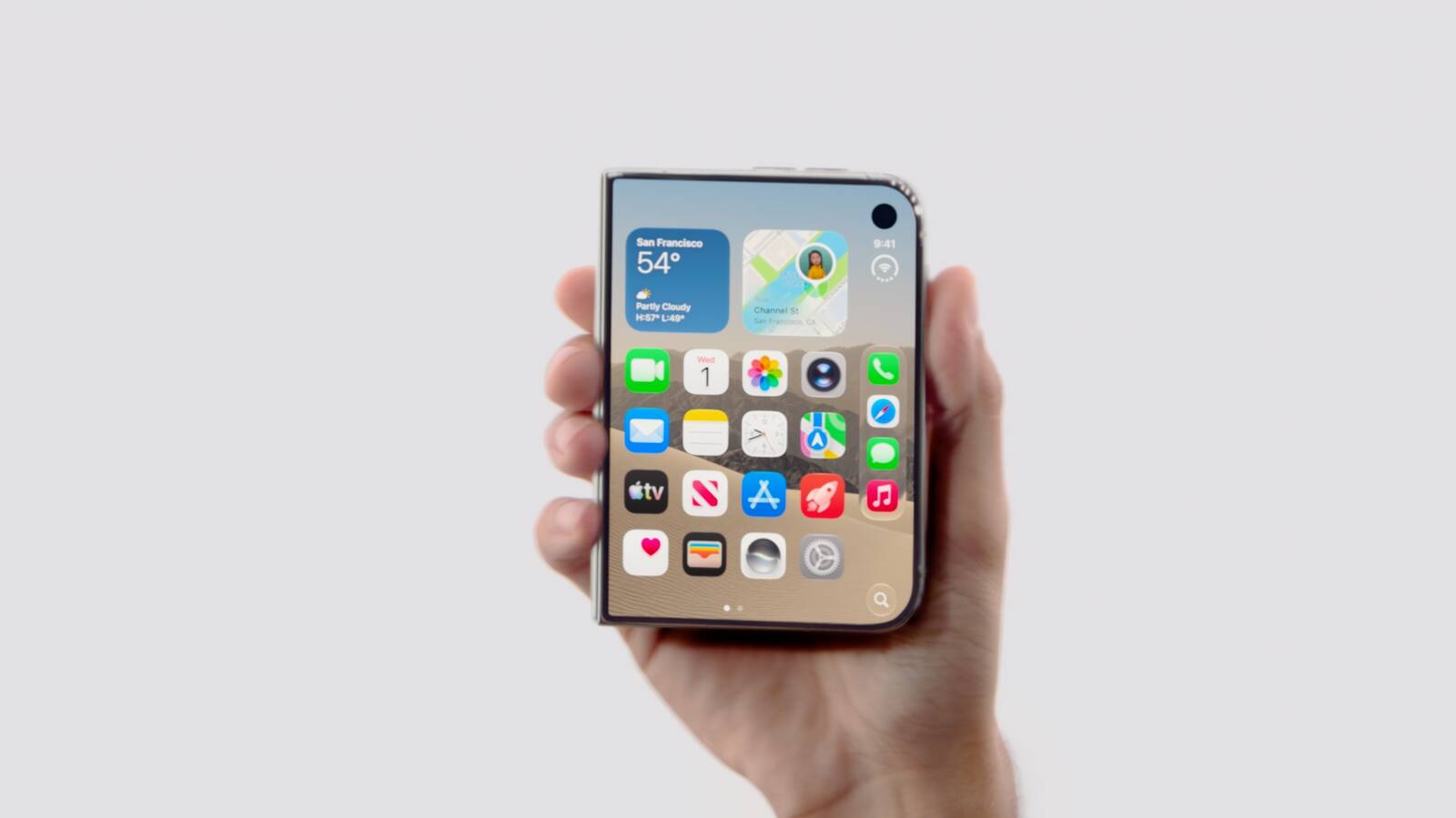
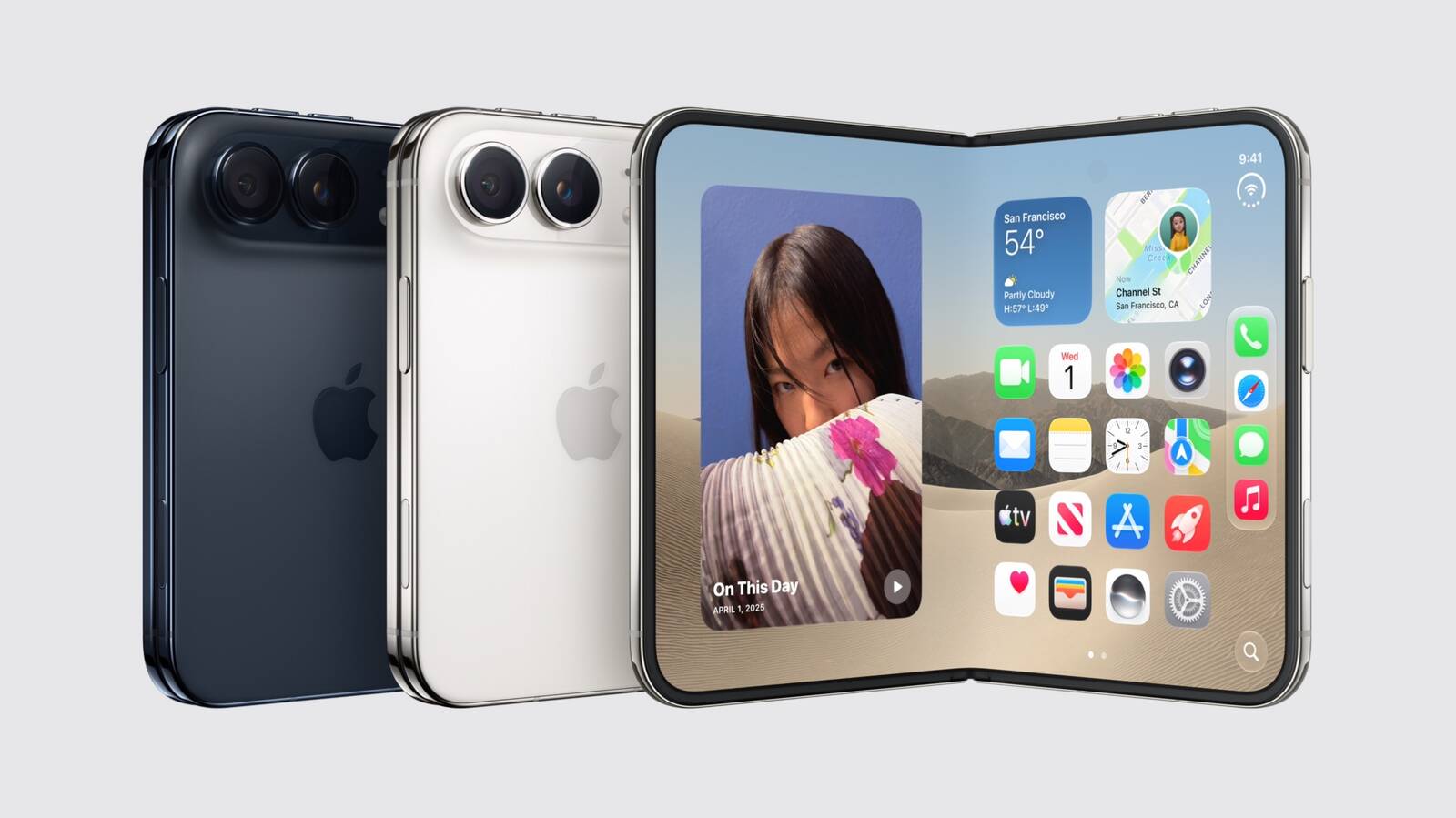
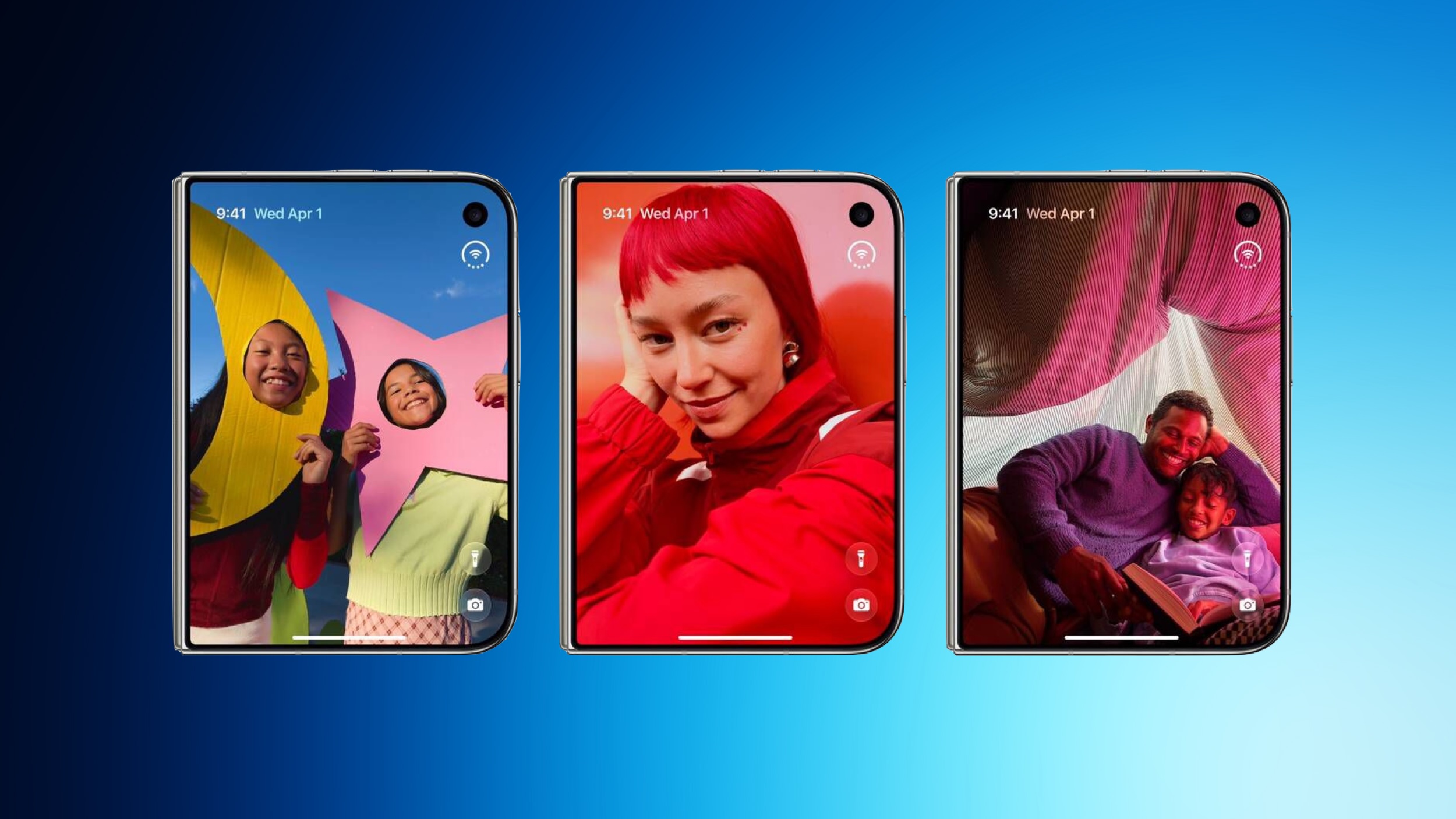
The ‌iPhone Duo‌ is Apple's first foldable smartphone. It features a 5.4-inch display when closed and a 7.6-inch display when open. It has an iPad-like aspect ratio and at 5.2mm when unfolded, it is Apple's thinnest iPhone to date.

Apple designed the ‌iPhone Duo‌ with an aluminum and titanium frame, complete with ceramic fiber antenna inserts and support ribs. It has a hinge with more than 100 components, and can be used in multiple orientations and positions. It lacks Face ID and adopts Touch ID instead, and it has a two-lens camera system without a telephoto lens.

The ‌iPhone Duo‌ is priced starting at $1,999 for 256GB of storage, and it comes in star white and night sky colors. Apple says its specialists are available to help users find ways to save and pay, including with Apple Upgrade, a Klarna-run lease program. With a 24-month lease, ‌iPhone Duo‌ pricing starts at $57.99 per month. Apple says customers can save from $175 to $885 by trading in an eligible iPhone 13 or newer.

If you're ordering an ‌iPhone Duo‌, it's a good idea to opt for AppleCare+. Some ‌iPhone Duo‌ repair fees are as high as $1,499 without a protection plan.

Along with Apple, carriers like Verizon, AT&T, and T-Mobile are accepting ‌iPhone Duo‌ pre-orders. Carriers have trade-in deals and discounts available, but make sure to read all of the fine print ahead of time.

Rumors suggest ‌iPhone Duo‌ supplies are limited due to production issues. The new iPhone could sell out quickly, so order right away if you want one on launch day.

Customers who successfully pre-order an ‌iPhone Duo‌ for launch day delivery will get their devices on Friday, October 23.
Related Roundup: iPhone Duo
Buyer's Guide: iPhone Duo (Buy Now)
Related Forum: iPhone

This article, "iPhone Duo Now Available to Pre-Order From Apple" first appeared on MacRumors.com

Discuss this article in our forums

  •  

iPhone 18 Pro vs. iPhone Duo Buyer's Guide: Which Should You Choose?

Apple's new iPhone lineup presents an unusual choice: Pay more for a folding display, or spend less on a phone with more advanced cameras and fewer hardware compromises.


Alongside the iPhone 18 Pro and ‌iPhone 18 Pro‌ Max, which start at $1,199 and $1,299 respectively, Apple now offers the $1,999 iPhone Duo, its first foldable iPhone. All three feature the A20 Pro chip, but their different designs and capabilities make the decision more complicated than simply choosing a screen size.

The ‌iPhone Duo‌'s $700 premium over the ‌iPhone 18 Pro‌ Max buys a 7.6-inch folding display, Split View multitasking with two apps side by side, and a design that can stand on its own for watching video and making FaceTime calls. It also supports StandBy without being connected to a charger. These capabilities, alongside the appeal of a radically new kind of iPhone, are its strongest reasons for consideration.

The Pro models offer a more versatile camera system, Face ID, the Action button, and substantially lower prices. Our guide helps to answer the question of how to decide which of these iPhones is best for you.

All three models still share a large amount of hardware. The shared features include:


  • A20 Pro chip with a 6-core CPU, 7-core GPU with Neural Accelerators, dual 16-core Neural Engine, and hardware-accelerated ray tracing

  • Apple C2 modem (except on the ‌iPhone 18 Pro‌ Max in the United States), N1 wireless networking chip, and the second-generation Ultra Wideband chip

  • Super Retina XDR OLED displays with ProMotion up to 120Hz, Always-On display, Dynamic Island, and 3,000 nits of peak outdoor brightness

  • Ceramic Shield 2 on the Pro models' front displays and the ‌iPhone Duo‌'s outer display, Ceramic Shield backs, and IP68 water and dust resistance to a maximum depth of 6 meters for up to 30 minutes

  • Camera Control, a 48MP Fusion Ultra Wide camera at 13mm and f/2.2, Photographic Styles 3, Dual Capture, smart focus tracking, and 48MP macro photography

  • iOS 27, Apple Intelligence, and Siri AI support, subject to feature, language, and regional availability

  • Emergency SOS, Roadside Assistance, Messages, and Find My via satellite, plus Crash Detection

  • USB-C with USB 3 speeds, MagSafe and Qi2 wireless charging up to 25W, and eSIM support

  • 256GB, 512GB, 1TB, and 2TB storage options


The comparison below outlines the key differences between the Pro models and the ‌iPhone Duo‌:

Display


‌iPhone 18 Pro‌ and ‌iPhone 18 Pro‌ Max ‌iPhone Duo‌
iPhone 18 Pro: 6.3-inch display
iPhone 18 Pro Max: 6.9-inch display
7.6-inch inner folding display and 5.4-inch outer display
iPhone 18 Pro: 2622-by-1206 resolution at 460 ppi
iPhone 18 Pro Max: 2868-by-1320 resolution at 460 ppi
Outer display: 1398-by-2034 resolution at 460 ppi
Inner display: 1878-by-2670 resolution at 430 ppi
Approximately 2.17:1 aspect ratio (19.6:9) Outer display: Approximately 1.45:1
Inner display: Approximately 1.42:1
Rigid display without a folding crease Folding inner display with a replaceable polymer cover layer and a crease that can be visible in certain lighting
Nano-texture finish and wide-angle OLEDs on the inner display
Split View multitasking with two apps side by side
Apple Pencil (USB-C) support coming later in 2026


Design and Build


‌iPhone 18 Pro‌ and ‌iPhone 18 Pro‌ Max ‌iPhone Duo‌
Aluminum unibody Polished titanium frame with a 3D-printed hinge cover
Fixed body Hinge supports partially open positions for watching video, taking photos, and making calls
Action button
‌Face ID‌ enabled by TrueDepth technology Touch ID in the side button
Dual ambient light sensors Four ambient light sensors
‌MagSafe‌ accessory compatibility listed by Apple: cases, wallets, and wireless chargers ‌MagSafe‌ accessory compatibility listed by Apple: cases and wireless chargers
eSIM-only in the United States; nano-SIM and eSIM in selected other markets, including the UK eSIM-only worldwide
Black, Silver, Glacier, and Burgundy options Night Sky and Star White options
Made with 40% recycled content, including 85% recycled aluminum in the enclosure, 100% recycled rare earth elements in all magnets, 80% recycled steel in the battery enclosure and vapor chamber chassis, and 100% recycled tungsten in the Taptic Engine Made with 35% recycled content, including 100% recycled aluminum in the internal structural frame, 85% recycled titanium in the enclosure, and 100% recycled titanium in the 3D-printed hinge cover
50% of manufacturing electricity sourced from renewable electricity 60% of manufacturing electricity sourced from renewable electricity


Dimensions and Weight


‌iPhone 18 Pro‌ ‌iPhone 18 Pro‌ Max ‌iPhone Duo‌
Height 5.91 inches (150.0 mm) 6.43 inches (163.4 mm) 4.64 inches (117.8 mm), open or closed
Width 2.83 inches (71.9 mm) 3.07 inches (78.0 mm) 3.31 inches (84.1 mm) closed
6.48 inches (164.6 mm) open
Depth 0.34 inch (8.75 mm) 0.34 inch (8.75 mm) 0.44 inch (11.3 mm) closed
0.21 inch (5.2 mm) open
Weight 7.44 ounces (211 grams) 8.78 ounces (249 grams) 8.96 ounces (254 grams)


Rear Cameras


‌iPhone 18 Pro‌ and ‌iPhone 18 Pro‌ Max ‌iPhone Duo‌
48MP Pro Fusion camera system 48MP Dual Fusion camera system
48MP Fusion Main camera: 24mm, second-generation sensor-shift optical image stabilization, and 100% Focus Pixels 48MP Fusion Main camera: 26mm, sensor-shift optical image stabilization, and Hybrid Focus Pixels
Variable aperture on Main camera: f/1.48, f/1.8, f/2.8, and f/4.0 Fixed f/1.6 aperture on Main camera
12MP optical-quality 2x sensor crop at 48mm from the Main camera 12MP optical-quality 2x sensor crop at 52mm from the Main camera
48MP Fusion Telephoto camera: 100mm (4x), f/2.8, tetraprism, and 3D sensor-shift optical image stabilization and autofocus
12MP optical-quality 8x sensor crop at 200mm, f/2.8, from the Fusion Telephoto camera
LiDAR scanner
0.5x, 1x, 2x, 4x, and 8x lens and optical-quality zoom options 0.5x, 1x, and 2x lens and optical-quality zoom options
8x optical-quality zoom in and 2x optical zoom out, for a 16x optical-quality zoom range 2x optical-quality zoom in and 2x optical zoom out, for a 4x optical-quality zoom range
Digital zoom up to 40x for photos and up to 24x for video Digital zoom up to 10x for photos and up to 6x for video
Adaptive True Tone flash True Tone flash
Four studio-quality microphones Microphone configuration not specified by Apple
Smart Take and Duo Preview


Pro Capture Features and Formats


‌iPhone 18 Pro‌ and ‌iPhone 18 Pro‌ Max ‌iPhone Duo‌
Pro controls for lens aperture, shutter speed, white balance, and viewing histogram Manual controls including white balance and focus
ProRAW
Apple Reference Image, using the Fusion Main camera only; availability varies by region
Spatial photos
Spatial video recording at 1080p at 30 fps
ProRes video recording up to 4K at 120 fps with external recording
ProRes RAW video recording
Apple Log 2
Academy Color Encoding System (ACES)
Genlock with supported accessories
Image formats captured: HEIF, JPEG, and DNG Image formats captured: HEIF and JPEG
Video formats recorded: HEVC, H.264, ProRes, and ProRes RAW Video formats recorded: HEVC and H.264
Video playback formats listed by Apple include HEVC, H.264, AV1, and ProRes Video playback formats listed by Apple include HEVC, H.264, and AV1


Front Cameras


‌iPhone 18 Pro‌ and ‌iPhone 18 Pro‌ Max ‌iPhone Duo‌
18MP Center Stage front camera, f/1.9 12MP Center Stage outer camera, f/2.2
Autofocus with Focus Pixels on the front camera Outer front camera autofocus not specified by Apple
Front camera Pro controls, ProRAW, ProRes, ProRes RAW, Apple Log 2, and Academy Color Encoding System
Kid Cue on the outer display
Under-display ‌FaceTime‌ camera on the inner display, f/1.8, limited to 1080p video at 30 or 60 fps, without Night mode, portrait photography, or Photographic Styles
Duo ‌FaceTime‌
Optical zoom with the rear camera in ‌FaceTime‌ Zoom with the rear camera in ‌FaceTime‌


Battery and Charging


‌iPhone 18 Pro‌ and ‌iPhone 18 Pro‌ Max ‌iPhone Duo‌
Built-in rechargeable battery Dual built-in rechargeable batteries
iPhone 18 Pro: Up to 24 hours typical use
iPhone 18 Pro Max: Up to 30 hours typical use
Up to 24 hours typical use
iPhone 18 Pro: Up to 36 hours video playback
iPhone 18 Pro Max: Up to 45 hours video playback
Up to 44 hours video playback using the outer display
Up to 31 hours using the inner display
iPhone 18 Pro: Up to 33 hours streamed video playback
iPhone 18 Pro Max: Up to 40 hours streamed video playback
Up to 37 hours streamed video playback using the outer display
Up to 26 hours using the inner display
Up to 50% charge in around 15 minutes Up to 50% charge in around 20 minutes


The figures above are Apple's U.S. battery ratings. These wired fast-charging figures require a compatible 60W-capable adapter or higher, sold separately.

Price


‌iPhone 18 Pro‌ ‌iPhone 18 Pro‌ Max ‌iPhone Duo‌
256GB $1,199 $1,299 $1,999
512GB $1,399 $1,499 $2,199
1TB $1,799 $1,899 $2,599
2TB $2,399 $2,499 $3,199


For many buyers, the ‌iPhone 18 Pro‌ or ‌iPhone 18 Pro‌ Max is the better choice. They offer the same A20 Pro chip as the ‌iPhone Duo‌, a more versatile camera system, and a substantially lower price. Choose the Pro if you prefer a smaller, lighter phone, or pay $100 more for the Pro Max if you want a larger screen and longer battery life.

The camera system is the clearest reason to choose a Pro model. Its variable aperture adjusts automatically during everyday photography, while also giving photographers greater control over depth of field. The dedicated Telephoto camera provides much more flexibility for distant subjects, from performances and sporting events to travel photography. These advantages matter even if you never use professional capture formats.

Buyers who rely on ProRAW, ProRes, Apple Log 2, or the Pro models' full manual-control suite have an even stronger reason to choose an ‌iPhone 18 Pro‌. While the ‌iPhone Duo‌ does offer some manual camera controls, its selection of tools and formats is much more limited.

The ‌iPhone Duo‌ is worth considering if you would regularly unfold it for reading, documents, viewing photos, watching video, or using two apps side by side. Think through a typical day and identify your specific tasks that would benefit from the inner display, such as keeping a reference document open while writing an email. ‌Apple Pencil‌ support could also make it useful for handwritten notes and annotations, but that support is coming later in 2026.

Being able to prop the phone up for a call or video, give someone a live preview while photographing them, or use StandBy away from a charger may be useful throughout the day. Buyers who want to experience Apple's first foldable may also value the novelty and flexibility of the design, even without a specific productivity need.

You still need to be comfortable with the changes to everyday features. ‌Touch ID‌ replaces ‌Face ID‌, and there is no Action button for a customizable shortcut. The outer front camera has a lower resolution than the Pro models' camera, while the inner camera is designed around ‌FaceTime‌ and lacks several photography features. If selfies or front-camera video are important to you, those differences deserve consideration alongside the rear cameras.

Try to assess the ‌iPhone Duo‌ when it is closed as well as open. Despite its smaller outer display, it is wider and thicker than either Pro model and slightly heavier than the ‌iPhone 18 Pro‌ Max. Handling it in person in an Apple Store should help establish whether its width, folded thickness, and weight suit the way you normally carry and use your phone.

Battery life also depends on how you use the two displays. Apple's U.S. figures put the ‌iPhone Duo‌ level with the smaller Pro for typical use, below the Pro Max. Its long outer-display video playback rating does not carry over to the inner display, so buyers planning to spend much of the day unfolded should pay particular attention to those separate figures.

The price gap remains significant at every storage tier. A 1TB ‌iPhone 18 Pro‌ Max costs $100 less than the entry-level ‌iPhone Duo‌, which has 256GB of storage. At the same capacity, the ‌iPhone Duo‌ costs $700 more than the Pro Max or $800 more than the Pro. Buyers who need substantial local storage therefore have another reason to favor a Pro model.

The premium can also extend to repairs and coverage. In the United States, Apple's estimated inner-display repair fee is $999 without AppleCare+, compared with $329 for the ‌iPhone 18 Pro‌'s display and $379 for the Pro Max's. Battery service costs $229, compared with $129 for either Pro model. A separate replacement of the inner display's cover layer is listed at $49 without coverage or $19 with ‌AppleCare‌+.

Standalone ‌AppleCare‌+ with Theft and Loss also costs more for the ‌iPhone Duo‌, at $19.99 per month in the United States rather than $14.99 for either Pro model. Buyers planning to insure their phone should include that recurring difference when comparing ownership costs.

Choose the ‌iPhone Duo‌ if its inner display would meaningfully improve the things you do on your phone, or if experiencing Apple's latest radical rethink of the iPhone is itself worth the premium and compromises to you. If you expect to spend most of your time on the outer display, the Pro models are easier to justify: You would otherwise be paying substantially more while making limited use of the feature that most distinguishes the ‌iPhone Duo‌.

The ‌iPhone 18 Pro‌ and ‌iPhone 18 Pro‌ Max are available now. ‌iPhone Duo‌ pre-orders begin at 5 a.m. Pacific Time on October 16, ahead of launch on October 23.
Related Roundups: iPhone 18 Pro, iPhone Duo
Related Forum: iPhone

This article, "iPhone 18 Pro vs. iPhone Duo Buyer's Guide: Which Should You Choose?" first appeared on MacRumors.com

Discuss this article in our forums

  •  

Distribution Release: Kubuntu 26.10

The DistroWatch news feed is brought to you by TUXEDO COMPUTERS. Kubuntu, a desktop Linux distribution that combines the power of Ubuntu with the KDE Plasma desktop, has reached version 26.10: "Kubuntu 26.10, code-named 'Stonking Stingray', is out today, released on the same day as the Ubuntu 26.10 base. It is an interim release, supported with security updates and....
  •  

Apple Store Down Ahead of iPhone Duo Pre-Orders

Apple's online store is down ahead of iPhone Duo pre-orders, which begin at 5:00 a.m. Pacific Time on Friday, October 16.


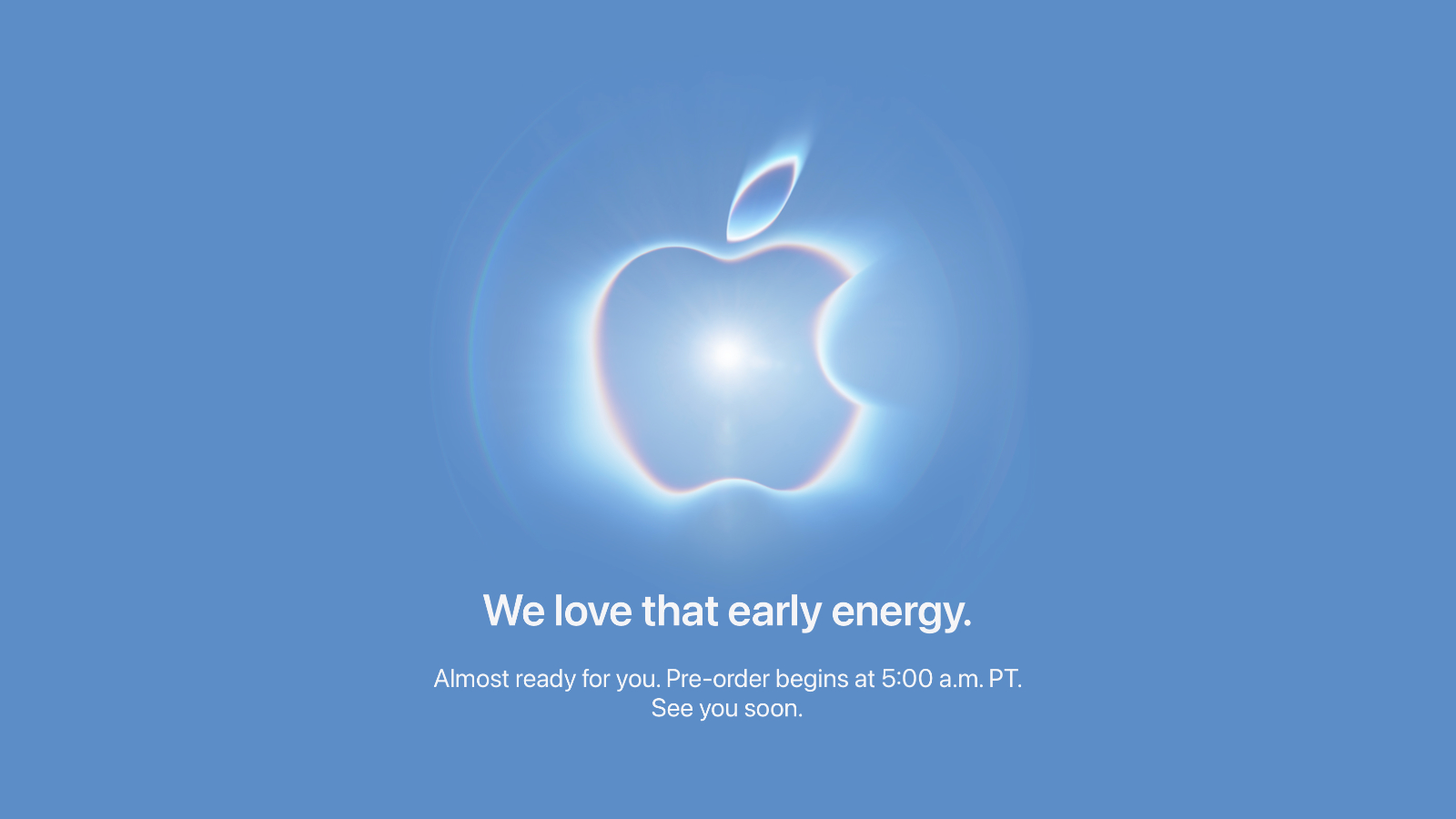
"We love that early energy," reads the Apple Store's message when visiting the U.S. website. "Almost ready for you. Pre-order begins at 5:00 a.m. PT. See you soon." Apple has been opening pre-orders at 5:00 a.m. Pacific Time for several years, rather than the 12:01 a.m. start time it previously used.

Customers in more than 70 countries and regions, including Australia, Canada, China, France, Germany, India, Japan, Mexico, the UAE, the UK, and the U.S., will be able to pre-order the ‌iPhone Duo‌ when the store comes back online.

The ‌iPhone Duo‌ is Apple's first foldable iPhone and comes in Star White and Night Sky. It is available in 256GB, 512GB, 1TB, and 2TB storage capacities. Here's what to know before placing an order:


In the United States, the ‌iPhone Duo‌ starts at $1,999. The device launches on Friday, October 23, when deliveries to customers and in-store availability begin. Availability will expand to 28 additional countries and regions on Friday, October 30.
Related Roundup: iPhone Duo
Buyer's Guide: iPhone Duo (Buy Now)
Related Forum: iPhone

This article, "Apple Store Down Ahead of iPhone Duo Pre-Orders" first appeared on MacRumors.com

Discuss this article in our forums

  •  

Distribution Release: Ubuntu Kylin 26.10

The DistroWatch news feed is brought to you by TUXEDO COMPUTERS. Ubuntu Kylin, a community edition of Ubuntu optimised for users in China and featuring a custom desktop called UKUI, has been upgraded to version 26.10: "On October 15, 2026, the Kylin team officially released Ubuntu Kylin 26.10, which will be supported for 9 months. Based on the Linux....
  •  

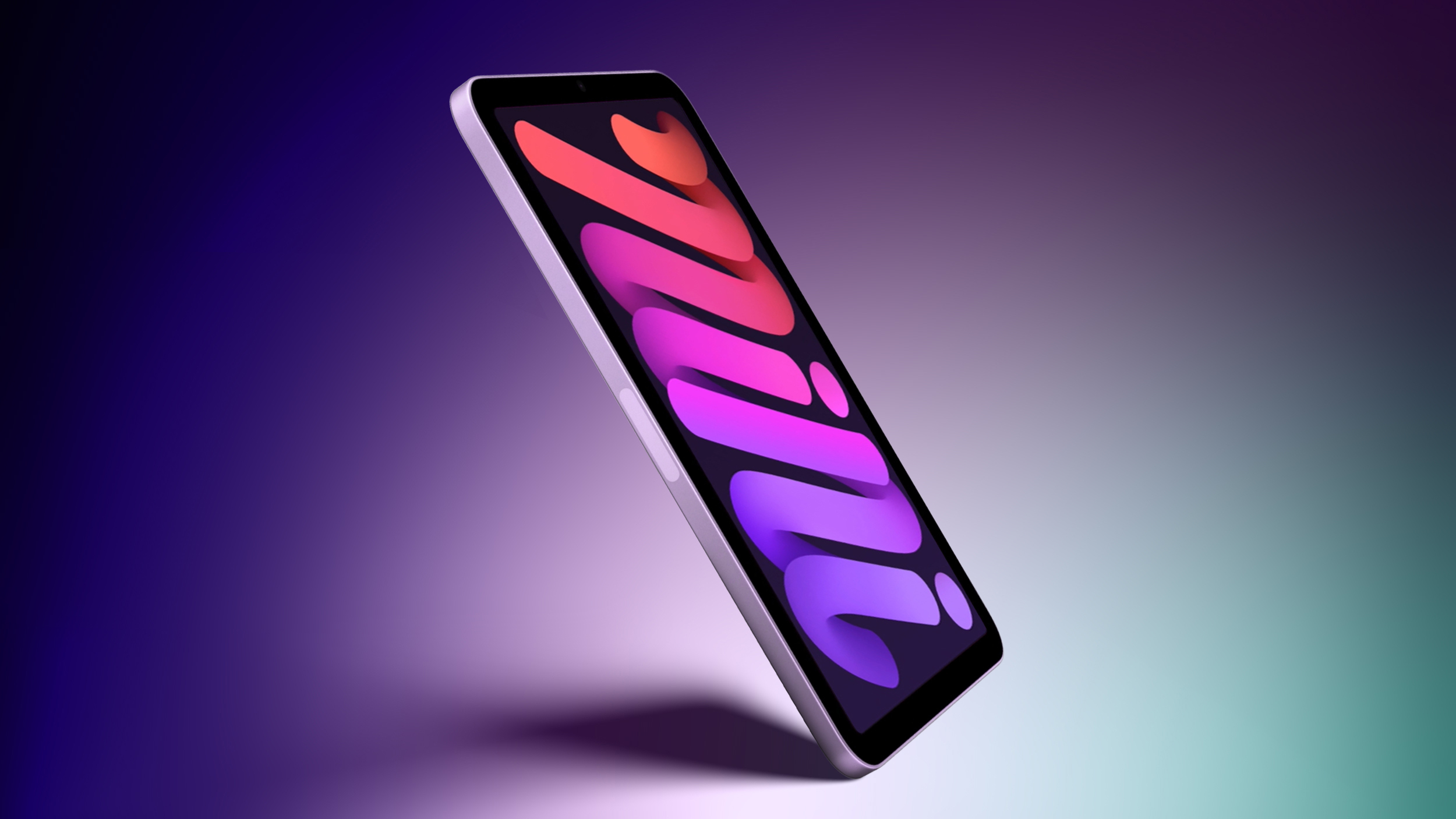
Oops, Apple's Website Just Hinted at iPad Mini 8

Apple has an unreleased iPad mini Smart Folio listed on its French regulatory website, hinting that a new ‌iPad mini‌ is coming. The case's A3632 model number doesn't match current or past ‌iPad mini‌ cases.


Apple appears to have added the case to its website recently, and it's listed alongside iPhone 18 Pro accessories added in September.

The listing doesn't include any ‌iPad mini‌ specs, but it does suggest design changes to the device it's meant for as a new Smart Folio may mean current cases won't fit the next ‌iPad mini‌.

Rumors suggest the ‌iPad mini‌ 8 with an OLED display and a more water-resistant design will be introduced on October 27 or 28 alongside an ‌OLED‌ MacBook Pro. The A3632 Smart Folio could be for the ‌OLED‌ ‌iPad mini‌.
Related Roundup: iPad mini
Buyer's Guide: iPad Mini (Don't Buy)
Related Forum: iPad

This article, "Oops, Apple's Website Just Hinted at iPad Mini 8" first appeared on MacRumors.com

Discuss this article in our forums

  •  

Distribution Release: Ubuntu Unity 26.10

The DistroWatch news feed is brought to you by TUXEDO COMPUTERS. Ubuntu Unity is a community edition of Ubuntu featuring Canonical's former desktop environment, Unity. The project's 26.10 release focuses on maintenance and bug fixes: "Ubuntu Unity 26.10 'Stonking Stingray' is out. This release was focused mostly on maintenance, packaging updates, adaptation to general changes in Ubuntu 26.10 and....
  •  

Distribution Release: Ubuntu Cinnamon 26.10

The DistroWatch news feed is brought to you by TUXEDO COMPUTERS. The Ubuntu Cinnamon project has published version 26.10, code name 'Stonking Stingray', which features the Cinnamon 6.6.9 desktop. release notes list the desktop updates: "It’s that time again. I am happy to announce that Ubuntu Cinnamon 26.10 'Stonking Stingray' has been released. A lot of the changes are....
  •  

OLED MacBook Pro Won't Get M7 Chips Until Late 2027

Apple is "pretty much done" with M6 chips, Bloomberg's Mark Gurman reiterated today on his podcast. Apple debuted the M6 chip in the Mac mini and has plans for an M6 iMac and entry-level 14-inch MacBook Pro, but the company is not planning to make M6 Pro, M6 Max, or M6 Ultra chips.


Apple will instead go from the M5 Pro, M5 Max, and M5 Ultra to the M7 lineup. The upcoming OLED ‌MacBook Pro‌ models will use the same M5 Pro and M5 Max chips Apple uses in the current ‌MacBook Pro‌ models, with no chip upgrade planned until 2027. The M5 Pro and M5 Max came out in March.

Gurman says the high-end touchscreen ‌MacBook Pro‌ models will get M7 Pro and M7 Max chips "at the end of next year." A refreshed low-end ‌MacBook Pro‌ with an M7 chip will launch next year, and an M7 Ultra chip is slated for the first half of 2028. It's unlikely we'll get a new Mac Studio in 2027 with the next Ultra chip planned for 2028.

Apple is reportedly skipping the rest of the M6 line to focus its resources on the M7 chips, which have technologies for artificial intelligence workloads.
Related Roundup: MacBook Pro
Tag: OLED
Buyer's Guide: MacBook Pro (Caution)
Related Forum: MacBook Pro

This article, "OLED MacBook Pro Won't Get M7 Chips Until Late 2027" first appeared on MacRumors.com

Discuss this article in our forums

  •  

Apple Pledged $25 Million to Trump's White House Ballroom

Apple pledged $25 million for Trump's White House ballroom, according to a list of donors obtained by The Washington Post.


Chipmaker Nvidia also committed $25 million, making Apple and Nvidia two of the top donors. Other donors include Microsoft, Comcast, Amazon, Cisco, Meta, T-Mobile, HP, Google (from a lawsuit settlement), Palantir, Salesforce, and Micron. Private donations on the list totaled $333 million, with some donors paying in full and some paying in installments.

The White House has not publicly disclosed donation amounts, even though political giving typically requires public disclosure and adherence to campaign finance rules. The Trump administration is collecting ballroom donations through a nonprofit and moving the funds into a White House account controlled by Trump.

A White House spokesperson said the administration will "relentlessly pursue those responsible" for the leaked list.

The ballroom's final cost hasn't been released, but a June contractor estimate suggested it would cost around $600 million and that more than half of the money would come from taxpayer funds.

Trump says the ballroom will be around 90,000 square feet and will seat 1,000 guests. The White House's East Wing was demolished to construct the ballroom.
This article, "Apple Pledged $25 Million to Trump's White House Ballroom" first appeared on MacRumors.com

Discuss this article in our forums

  •  

Matthew Garrett: Epic's EAC2 v2 seems fairly easily bypassable

Epic just announced the upcoming version 2 of their Linux implementation of Easy Anti-Cheat. It’s based on using the Linux eBPF security module to monitor what’s happening, and then a bunch of extra infrastructure to make sure this can’t be bypassed. The core part of this is requiring secure boot be enabled (ensuring that modified kernels can’t be used), using measured boot to verify that secure boot is enabled and which keys are used (to prevent you from just signing your own modified kernel), and then doing remote attestation, a mechanism where the TPM generates a signed copy of the boot measurements and passes that off to a server which verifies it came from a real TPM, verifies that you have secure boot enabled and are using the right keys, and presumably then allows you into the game.

This is all fine as long as you can prove that the measurements provided are real, and that’s actually a lot harder than you might think. First, we can simply make up our own quote signed with our own key and say that it came from a TPM. This is avoided by every TPM having an Endorsement Key (or EK) and an associated certificate, with that certificate being signed by the TPM vendor. If you have a list of all the legitimate TPM vendors and their CA keys, you can verify that the measurements came from a real TPM. Easy enough. So we need to get the measurements from a real TPM, and the one on our motherboard contains the measurements that were generated by the firmware and bootloader, and we can’t reset those at runtime without resetting the TPM, which… oh huh there’s actually nothing stopping us from doing that at runtime, as long as we have access to the hardware. Many desktop boards have the TPM on a small plugin module with a standard pinout that includes a reset pin. Simply short that to ground briefly and the TPM is back in its initial state, and userland can write whatever measurements it wants to it. Boot a modified kernel which lies to the eBPF code? As long as you replay the expected log values from a boot with secure boot on and a trusted kernel, the TPM will still happily provide a legitimate set of measurements that’ll satisfy the checker.

What if the TPM is less accessible, either because it’s mounted directly to the motherboard or it’s inside the CPU or chipset? That’s going to be trickier. But here’s the thing. The quote needs to come from a TPM, but not necessarily the TPM on your motherboard. TPMs these days are usually connected via the Serial Peripheral Interface, usually referred to as SPI. Microchip make a USB to SPI bridge, and there’s a Linux driver. Wire one of those up with an appropriate header and you can plug in an easily available TPM module intended for plugging into a motherboard, and now we tell the kernel to ignore the motherboard TPM and make /dev/tpmrm0 point at the USB one and program it with a set of trusted measurements and once again everything is going to look just fine (yes obviously the eBPF code can look for this, but we’re running a modified kernel so we can just lie to the eBPF code).

Remote attestation on PCs just doesn’t work that well in environments where you can’t associate a specific TPM with a specific system, which is basically everywhere except enterprises. But maybe that doesn’t matter and cheaters wouldn’t be willing to spend the $20 or so it’d take to produce one of these things? That would seem somewhat surprising, but it’s not impossible. And obviously any server-side cheat detection that triggers could then block that specific TPM, meaning they’d need to go and get another TPM, and maybe that ends up being enough to discourage people from bothering. From a practical level, this may be sufficient. But at a technical level? It’s not great.

  •  

Distribution Release: Ubuntu Budgie 26.10

The DistroWatch news feed is brought to you by TUXEDO COMPUTERS. The Ubuntu Budgie project has published a new release, Ubuntu Budgie 26.10, which receives nine months of support. The main focus of the latest version is an update to the Budgie desktop: "Ubuntu Budgie 26.10 'Stonking Stingray' is a Standard Release with nine months of support by your....
  •  
❌