❌

Lees weergave

Steinar H. Gunderson: Decompilation patterns, part 7: if to condition

A variation of the pattern from yesterday; say you have:

if (x == 3) {
    y = 0;
} else {
    y = 1;
}

When these are zero and one, sometimes this will give a better match, since booleans are evaluated as such:

y = (x != 3);

It's rare to have something else than zero or one work for this pattern (e.g. you would rarely write y = (x != 3) * 2 + 1).

  •  

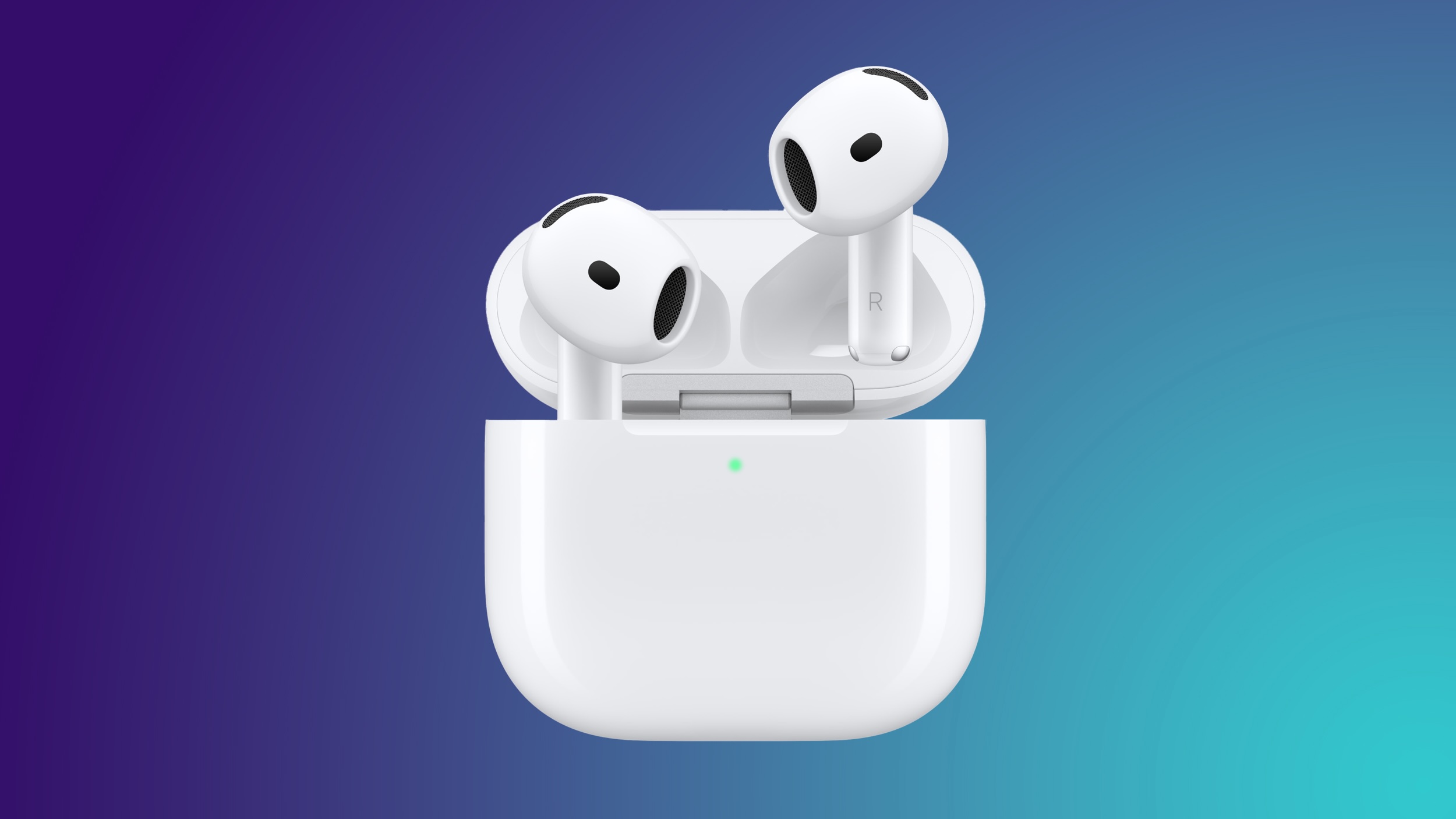
AirPods 5 vs. AirPods 5 With Wireless Charging Case Buyer's Guide

Apple offers two versions of the AirPods 5: a $129 model with a USB-C Charging Case and a $149 model with a Wireless Charging Case. The extra $20 also buys longer battery life, swipe volume controls, and additional Find My features, so there are differences between the earbuds themselves as well as their cases.


Both models include Active Noise Cancellation as standard, the H2 chip, the same open-ear design, and the same redesigned acoustic architecture with updated Adaptive EQ. They also share Transparency mode, Adaptive Audio, Conversation Awareness, Personalized Spatial Audio, Voice Isolation, studio-quality audio recording, and IP57 dust, sweat, and water resistance. Both support Live Translation when paired with a compatible iPhone with Apple Intelligence enabled, in supported languages and regions.

The earbuds have identical dimensions and weight. The cases are also the same size, although the Wireless Charging Case is slightly heavier. There are still some notable differences to justify the price difference. Our guide helps to answer the question of how to decide which of these sets of AirPods is best for you.


AirPods 5 AirPods 5 With Wireless Charging Case
Force sensor Force sensor with swipe volume controls
Up to four hours of listening time on a single charge with Active Noise Cancellation enabled (up to six hours with noise control off) Up to five hours of listening time on a single charge with Active Noise Cancellation enabled (up to seven hours with noise control off)
Up to 20 hours of listening time with the charging case with Active Noise Cancellation enabled Up to 22 hours of listening time with the charging case with Active Noise Cancellation enabled
Charging Case (USB-C) Wireless Charging Case (USB-C) with support for the Apple Watch charger and Qi-certified chargers
Case speaker for Find My and charging and battery status sounds
Find My with last-connected location and sound playback on the earbuds Find My network tracking, sound playback on the earbuds, separate locations for each earbud and the case, and individual Lost Mode support
Charging case weighs 32.3 grams (1.14 ounces) Charging case weighs 34.7 grams (1.22 ounces)
$129 $149


For most people, the AirPods 5 with Wireless Charging Case are clearly the better buy. The extra $20 is a very small premium for conveniences you are likely to appreciate if you use your AirPods regularly. Longer listening time is useful for travel and extended sessions, while swipe volume controls let you make adjustments without reaching for your iPhone or asking Siri.

The higher-end model is worth considering even if you plan to charge exclusively over USB-C. Wireless charging becomes more useful if you already have a Qi charger or Apple Watch charger. Its additional Find My features are valuable if you tend to misplace your AirPods, allowing you to locate the earbuds and case separately and use the Find My network when they are beyond your device's range. The case speaker also helps when it slips between cushions or gets buried in a bag.

The standard AirPods 5 make more sense if you are on a very strict budget, want a secondary pair, or mostly listen for short periods. You still get the same audio technology and noise cancellation, so saving $20 does not mean compromising on those core features. You simply need to be comfortable with USB-C charging, shorter battery life, fewer controls, and more limited Find My functionality.

The charging cases are not interchangeable between the two models. If you buy the standard AirPods 5, you cannot add wireless charging later by purchasing the other model's case, making it worth deciding which features you want before buying.

Before buying, compare prices using our Deals roundup, since discounts can change the price gap between the two models.

If you're considering an upgrade from AirPods 4 or want to see what changed between generations, our AirPods 4 vs. AirPods 5 Buyer's Guide compares the improvements and explains whether upgrading is worthwhile.
Related Roundup: AirPods 5
Buyer's Guide: AirPods (Buy Now)
Related Forum: AirPods

This article, "AirPods 5 vs. AirPods 5 With Wireless Charging Case Buyer's Guide" first appeared on MacRumors.com

Discuss this article in our forums

  •  

Apple's All-New Home Hub Will Be Revealed October 13: What to Expect

Apple reportedly plans to unveil an all-new smart home hub as part of the "Welcome home" product launch it announced for Tuesday, October 13.


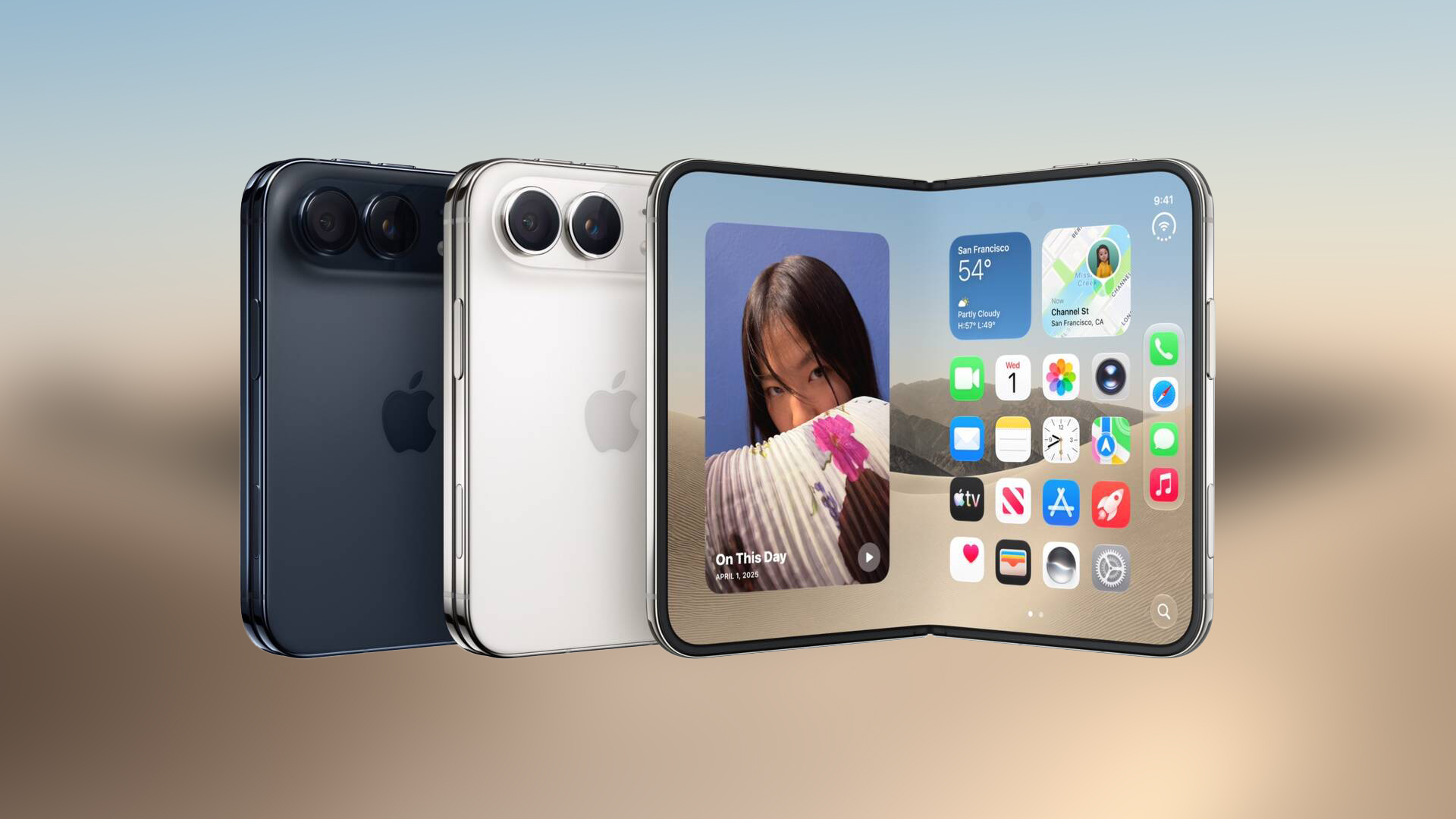
Our image above is just a rough concept based on rumored design details, so be prepared for the device's actual appearance to be different.

The device will likely be unveiled in a press release shared on the Apple Newsroom website at around 9 a.m. Eastern Time on Tuesday, as that is when Apple's private "Welcome home" experience in New York begins. At the experience, invited reporters and content creators will likely receive hands-on time with the home hub.

The hub is said to be designed for managing smart home accessories in the Apple Home app, home security monitoring, digital photo galleries, calendar appointments, music playback, FaceTime video calls, and more. As a user approaches the hub, or moves away from it, the size of the interface elements will reportedly adjust.

The device will be ideal for the kitchen, bedroom, and living room, and it will reportedly have multi-user support for families.

The hub reportedly has a 6-inch square display, and an A18 chip or newer for Apple Intelligence, with Siri AI expected to be a tentpole feature. A new operating system — potentially named "homeOS" — will feature clock faces, widgets, and more. There will be a tabletop version of the hub with a speaker base, plus a wall-mounted version.

Some of the preinstalled Apple apps that will apparently be available on the new platform include Calendar, Camera, Apple Music, Apple Podcasts, Apple News, Reminders, Notes, and the new Siri app with Siri AI conversation history. Do not expect third-party apps at launch, though, as the device reportedly lacks an App Store.

The device is often referred to as a "HomePad" in rumors because of expectations that it will be sort of a HomePod-iPad hybrid, but perhaps Apple will opt for a straightforward "Apple Home" name, or perhaps it will go with "HomeView" based on trademark filings that are potentially linked to the company. We will soon find out.
This article, "Apple's All-New Home Hub Will Be Revealed October 13: What to Expect" first appeared on MacRumors.com

Discuss this article in our forums

  •  

Tim Retout: Reading my solar inverter over RS485

For over ten years, the only way I have had of knowing what our solar panels are doing has been an impulse monitor on the generation meter, counting the flashes of its LED. It has always been a bit flaky due to battery changes or loose connections, and there has never been a way to see solar generation alongside the energy used by the rest of the house. This week I have fixed that, by building a small ESPHome sensor which talks directly to the inverter. I am still reeling slightly: with AI assistance, it took under a week from idea to working implementation, and it is a project I would certainly never have attempted otherwise. The result is zeversolar-esphome.

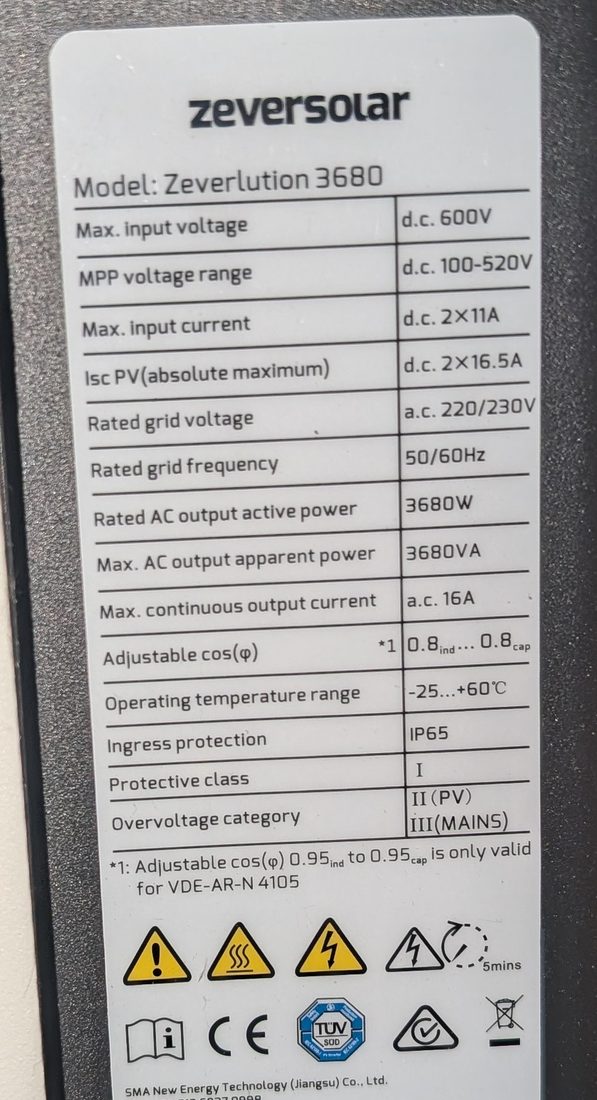
The inverter is a Zeversolar Zeverlution 3680, which has an RS485 port but no Wi-Fi or Ethernet module. It doesn’t speak Modbus; it uses Eversolar’s own master/slave protocol, which nobody has officially documented but which several people have reverse-engineered over the years (credit to eversolar-monitor, Heliograph and others). Manufacturer support for Eversolar/Zeversolar inverters apparently ended in December 2019 when the company went out of business.

The rating plate on the side of the inverter, reading Model: Zeverlution 3680, with its input and output ratings and safety symbols.

The rating plate on my inverter.

A while ago I had looked into what ports were available on this inverter with a view to connecting some sort of monitoring, but I had abandoned it as “too hard”. While working on some Home Assistant configuration, Claude suggested the idea again, but similarly wrote it off initially. I encouraged it to explore a bit further, and supplied the model number of the inverter, at which point the picture got a lot more promising. After a bit of back-and-forth about hardware, we settled on an M5Stack Atom Lite on an Atomic RS485 Base. The main attraction was that it already comes in a case, so I didn’t need to design (or, more likely, bodge) an enclosure.

While I waited for the parts to arrive, Claude wrote the firmware: an ESPHome external component built around a small, dependency-free C++ driver, with host-side unit tests against byte captures that other people had published from other models. I found it slightly surreal to have a tested protocol driver before owning any hardware to run it on.

Cables

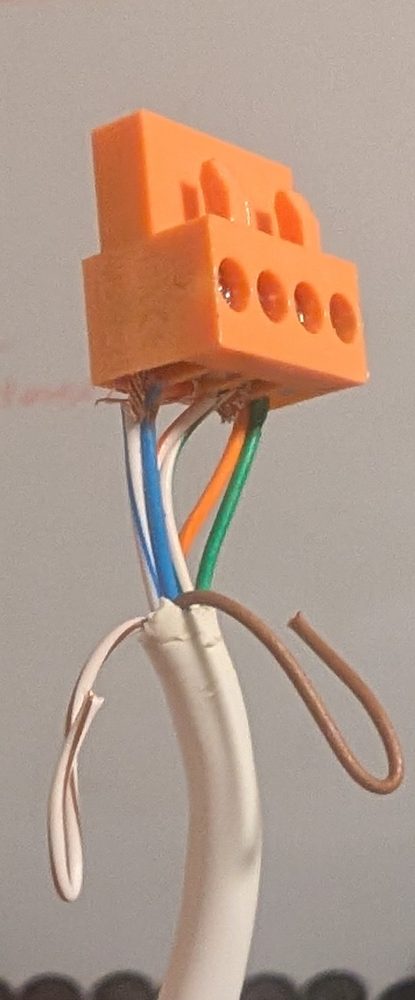
The parts came before the tools I needed to get into the inverter safely (a DC clamp meter and a T25 screwdriver bit), so in the meantime I made up an RS485 cable - this uses an RJ45 connection at one end, and some custom wiring at the other. My first attempt was with some CAT 6, but (as Claude had pointed out and I had ignored) its solid-core conductors are much harder to twist together. So I gave up and sacrificed an old CAT 5e patch lead instead, which went much better.

The cut end of a white CAT 5e cable, with its twisted pairs pushed into an orange four-way screw-terminal plug.

The custom end of the cable, before being taped up.

The risky bit

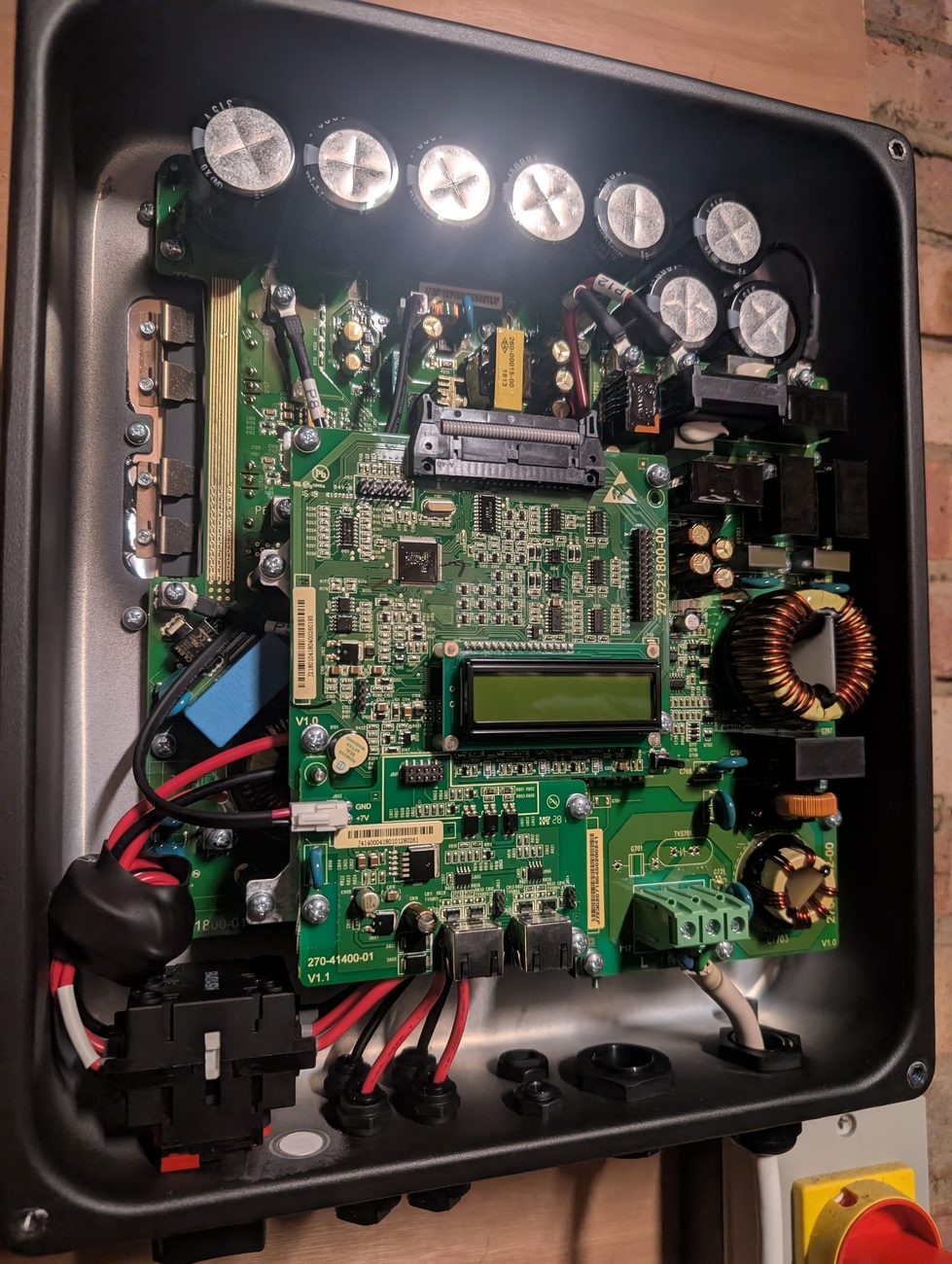
On a Zeverlution, the RJ45 sockets are inside the wiring compartment, which means taking the cover off to install the monitor. The manual addresses this part to qualified electricians. So the step I was most nervous about was not the software at all, but safely isolating the inverter.

The inverter with its cover removed, showing large capacitors along the top, a green circuit board with a small LCD display, and cable glands along the bottom edge.

Inside the inverter, with the cover off.

I did this with appropriate caution, following the instructions from the manual carefully, and also waiting until after dark just in case. Now that I understand how the DC clips from the panels work, I can see how to do this safely during daytime too – but hopefully this won’t be necessary.

A yellow RJ45 plug in one of the two network sockets on the inverter's circuit board, with its white cable running out through a cable gland in the base.

Plugged in, and threaded through the cable gland.

Warning: if you’re not confident, I would always advise to get an electrician to do this bit. Do what I say, not what I do.

Debugging over Wi-Fi

Once the device was installed, the nice thing about ESPHome is that I never need to go back in the loft again to update it – it reflashes over Wi-Fi. I’ve taken full advantage of this for debugging, and for reading the wire protocol directly from the logs.

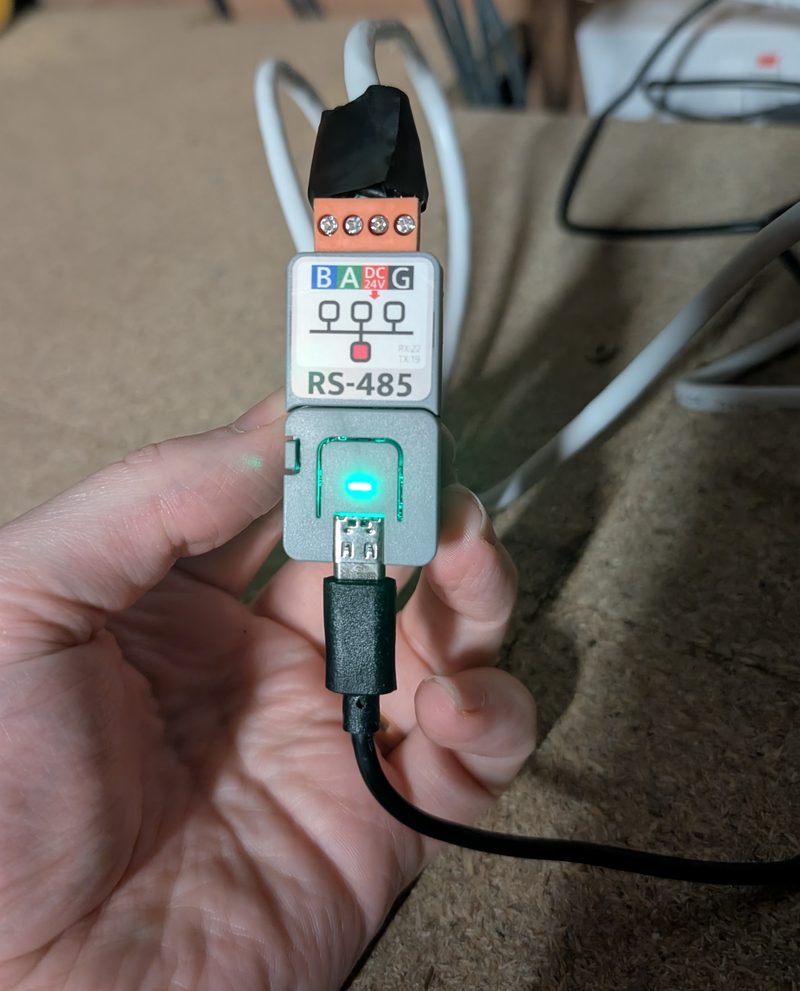
A hand holding the small grey M5Stack Atom Lite on its RS485 base, with the inverter cable taped into the screw terminals on top and its status LED glowing green.

The finished device. Green means generating.

Separately, I’ve used Claude to integrate the new sensors into Home Assistant. Solar generation finally sits in the Energy dashboard next to the rest of the house’s usage, which was the whole point.

Reflections

This was a fun, quick project, and it solved a problem that has eluded me for a decade. I want to be honest about how much of that is down to the AI: I would not have attempted any of this on my own. I could not have told you the protocol existed, never mind implemented it. My contribution was everything involving a screwdriver, and ordering some hardware.

  •  

Accessory Deals This Weekend: Save on TVs, Headphones, and Smart Home Gear

We've been keeping an eye on all of the Prime Day deals that remain available since the event ended a few days ago, and this weekend that includes numerous tech accessories still at solid low prices. In this article we're tracking deals on accessories for charging, smart homes, smartphones, and more.

TVs and Monitors


Note: MacRumors is an affiliate partner with some of these vendors. When you click a link and make a purchase, we may receive a small payment, which helps us keep the site running.


Chargers


Audio


Cases


Home


Screen Protectors


Mac


If you're on the hunt for more discounts, be sure to visit our Apple Deals roundup where we recap the best Apple-related bargains of the past week.


Deals Newsletter


Interested in hearing more about the best deals you can find in 2026? Sign up for our Deals Newsletter and we'll keep you updated so you don't miss the biggest deals of the season!


Related Roundup: Apple Deals

This article, "Accessory Deals This Weekend: Save on TVs, Headphones, and Smart Home Gear" first appeared on MacRumors.com

Discuss this article in our forums

  •  

Apple Announcing HomePod Mini 2 Next Week With These New Features

Apple reportedly plans to unveil a new HomePod mini as part of the "Welcome home" experience it announced for Tuesday, October 13. We expect the new HomePod mini to be announced in a press release shared on the Apple Newsroom website at around 9 a.m. Eastern Time on that day, and hands-on photos and videos should surface shortly afterwards.


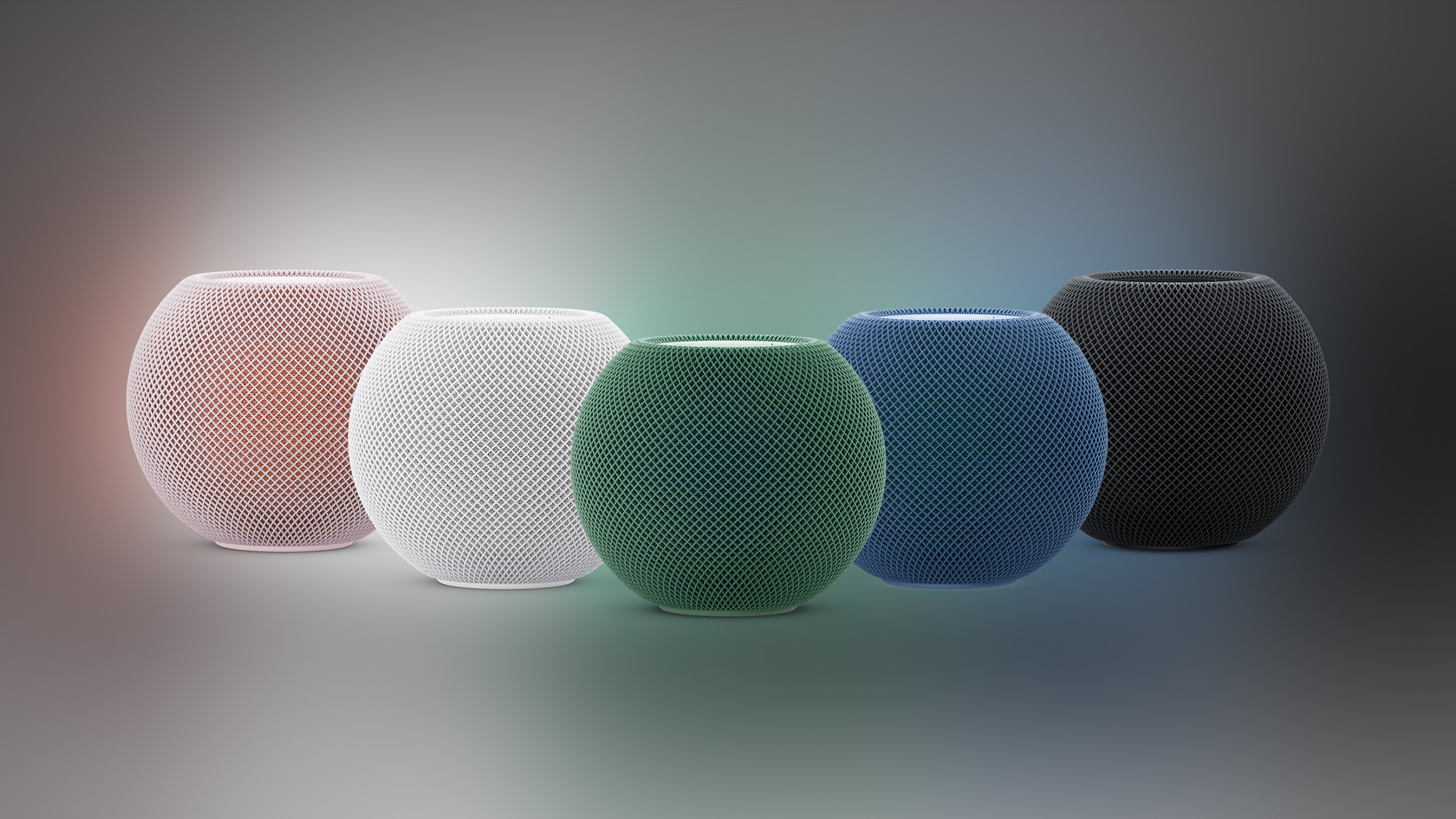
The second-generation HomePod mini is rumored to feature a newer chip that enables Siri AI support (at least with a nearby iPhone), along with improved sound quality, Apple's N1 chip with Wi-Fi 7 support, a second-generation Ultra Wideband chip, and new color options, including pink and green. No major design changes are expected.

Coincidentally, the original HomePod mini also debuted on October 13 back in 2020, so there has been a six-year wait for a new model. The current HomePod mini is powered by the S5 chip that debuted in the Apple Watch Series 5 in 2019.

In June, the HomePod mini received a price increase. In the U.S., it now costs $129, up from $99.
Related Roundup: HomePod mini

This article, "Apple Announcing HomePod Mini 2 Next Week With These New Features" first appeared on MacRumors.com

Discuss this article in our forums

  •  

A New Apple TV 4K is Finally Coming on Tuesday

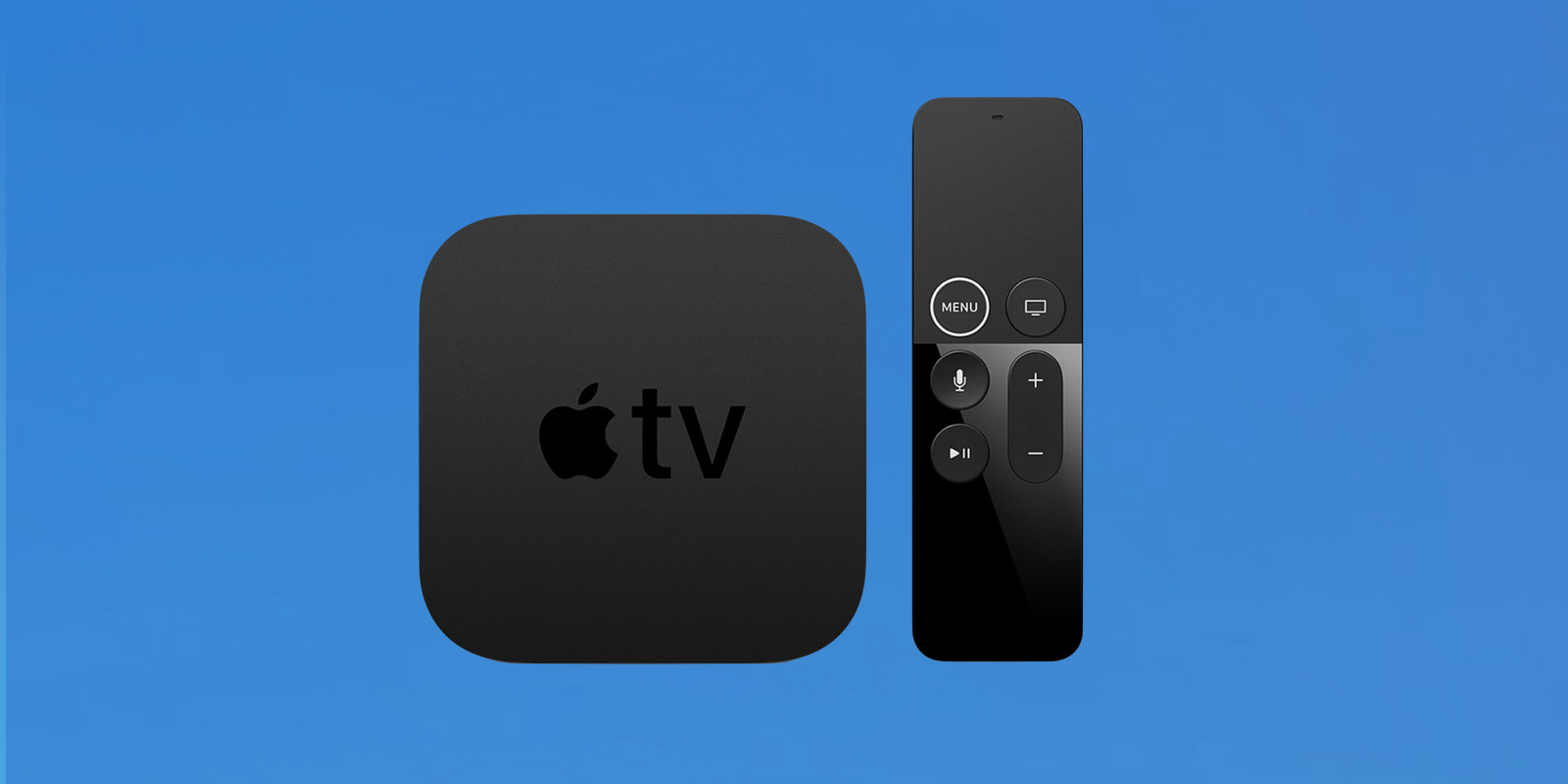
After a nearly four-year wait, a new Apple TV is finally expected to be announced as part of Apple's "Welcome home" launch on Tuesday, October 13.


We expect the new Apple TV to be announced in a press release shared on the Apple Newsroom website on Tuesday, and then selected reporters and content creators invited to Apple's "Welcome home" experience in New York that day will likely share hands-on photos and videos of the device. The experience begins at 9 a.m. Eastern Time.

The fourth-generation Apple TV 4K is rumored to be equipped with an A19 or A19 Pro chip. This chip upgrade would result in the Apple TV having 8GB to 12GB of RAM, and this will reportedly enable Siri AI support on the device. The current Apple TV, announced in October 2022, has an A15 Bionic chip and 4GB of RAM.

The new model is also expected to be equipped with Apple's N1 chip with support for Wi-Fi 7, which would enable faster speeds and lower latency compared to the current Apple TV's Wi-Fi 6, when the device is used with a Wi-Fi 7 router. The N1 chip also supports Bluetooth 6.0, whereas the current Apple TV supports Bluetooth 5.0.

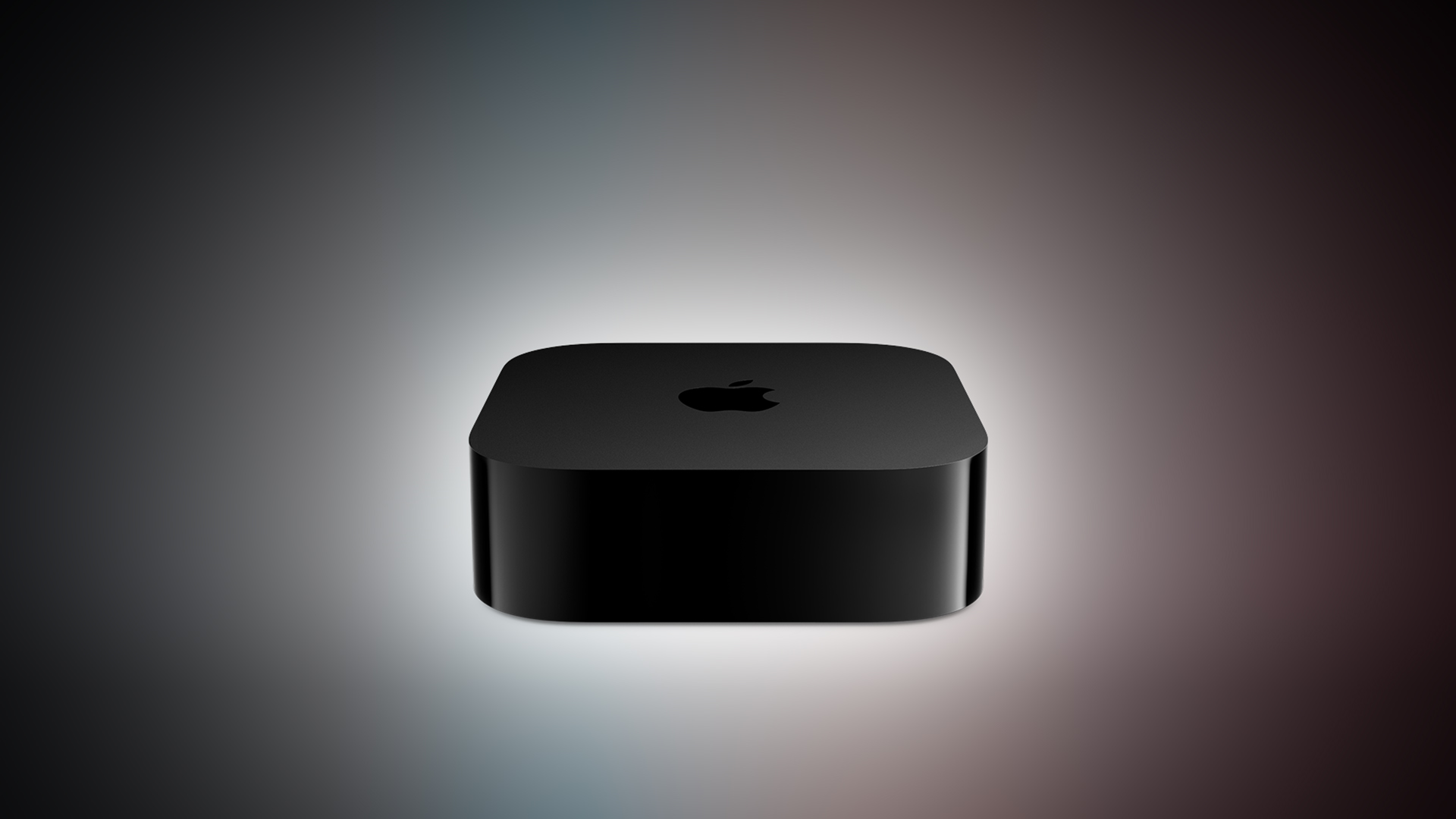
A leaked image of the new Apple TV did not reveal any external design changes compared to the current model. However, the accompanying Siri Remote is expected to be revised in some way, as a new version was referenced in Apple's software code.

In June, the Apple TV 4K received a price increase amid surging memory chip costs. In the U.S., for example, the device now starts at $199, up from $129.
Related Roundup: Apple TV
Buyer's Guide: Apple TV (Don't Buy)

This article, "A New Apple TV 4K is Finally Coming on Tuesday" first appeared on MacRumors.com

Discuss this article in our forums

  •  

Top Stories: Apple's 'Welcome Home' Launch on October 13 and More

Following the usual September rush of Apple news, it looks like October is also about ready to explode, with not just one but two rounds of Apple product debuts this month sandwiched around the iPhone Duo launch.
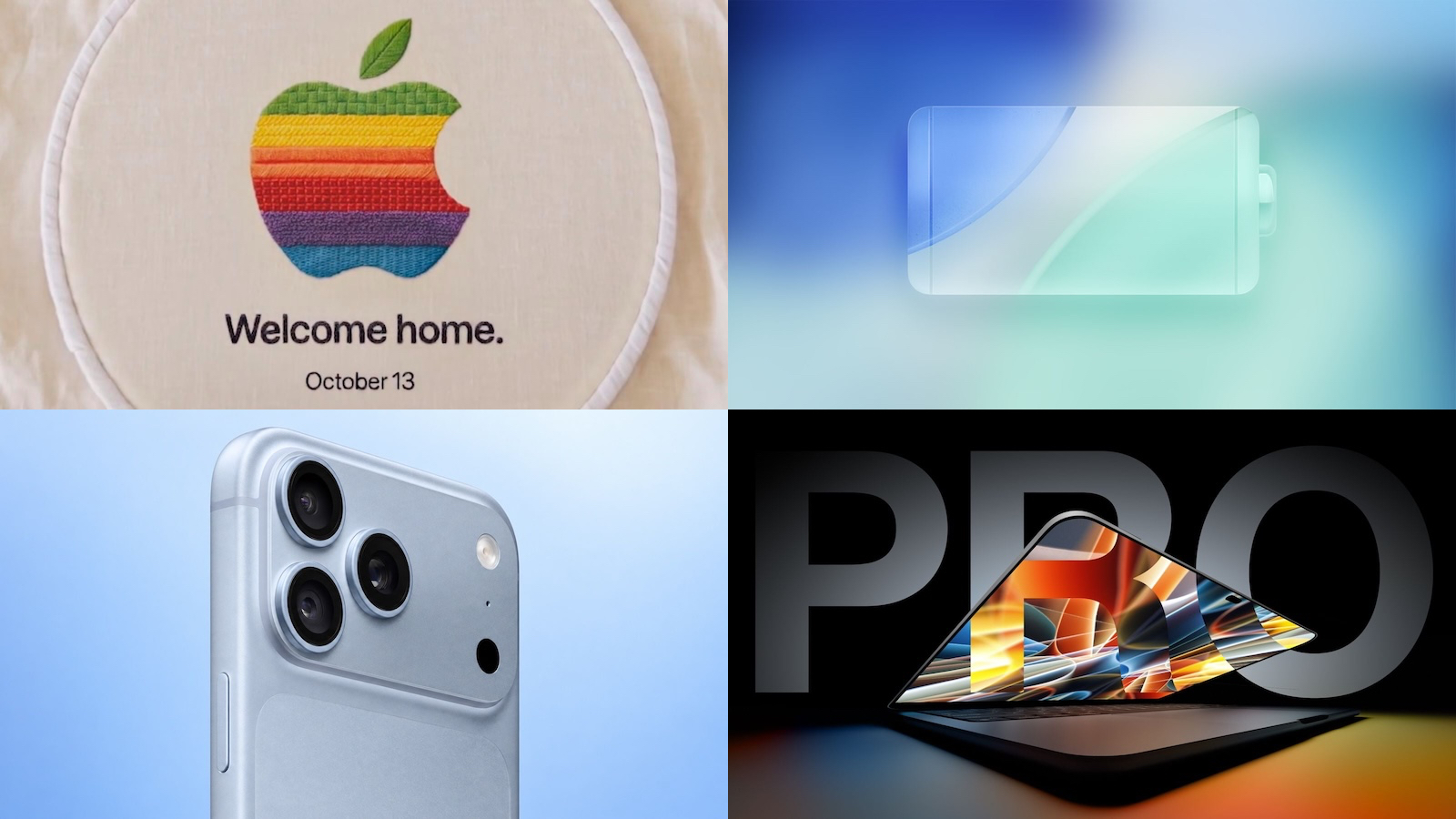

A first launch on October 13 has been confirmed by Apple and will clearly be focused on the home as has been rumored, while it appears a second round a couple of weeks later will focus on new Macs and perhaps a few more things still in Apple's pipeline, so read on below for all of the details on these stories and more!

Top Stories


Apple Product Launch Announced for October 13: 'Welcome Home'


Apple has announced an upcoming product launch that will take place on Tuesday, October 13. It looks like it will arrive as a batch of press releases, with select members of the media getting hands-on time with the new products at an "Apple Experience" in New York City at 9:00 a.m. Eastern Time that day.
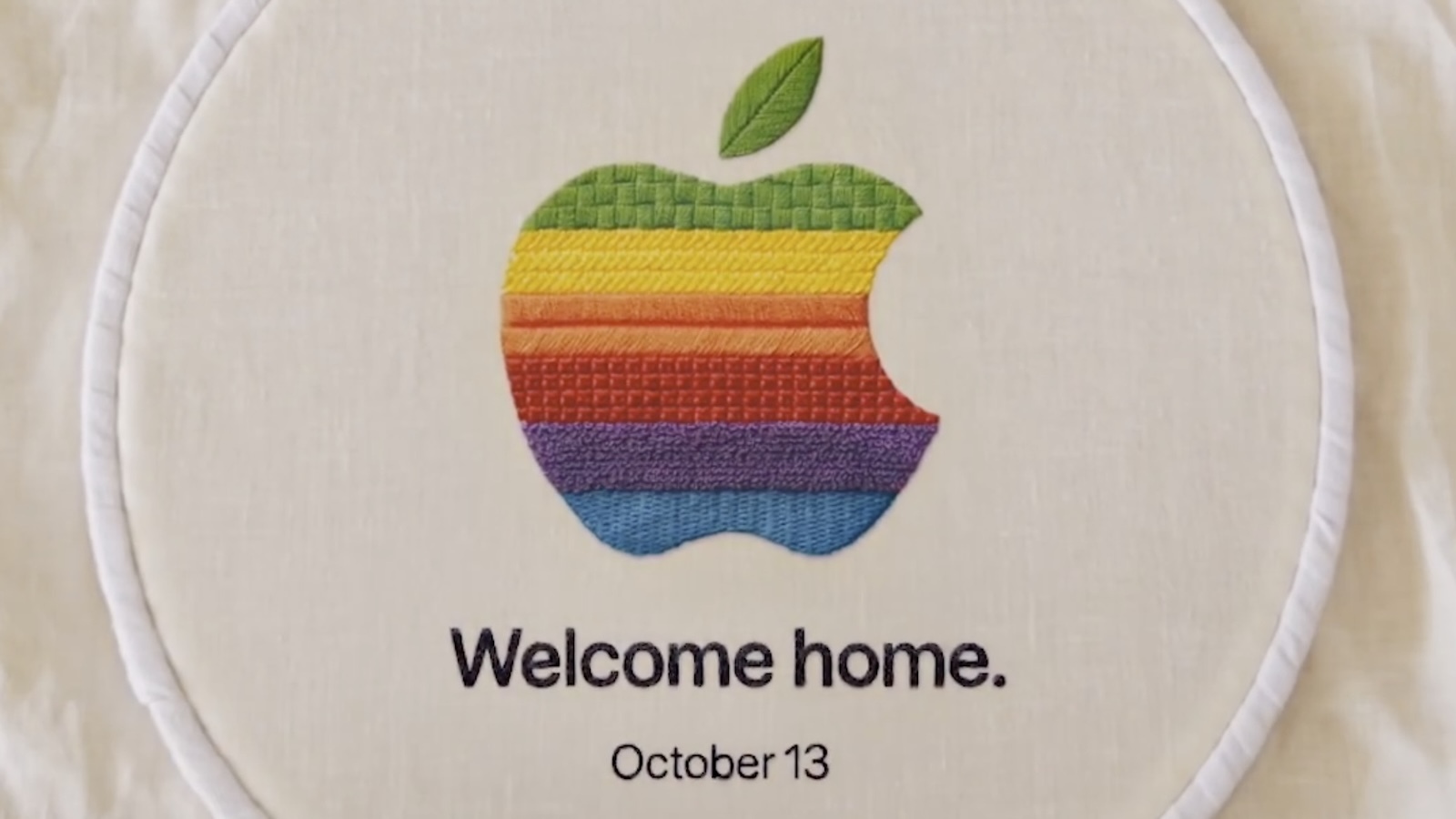

We are expecting Apple's announcement to focus on new smart home products, including the long-rumored smart home hub, a new Apple TV 4K, and a refreshed HomePod mini.

iPhone Duo pre-orders also begin next week, and even that might not be all for the month of October as MacRumors has heard there may be another set of product launches in the final week of the month and Bloomberg has corroborated the rumor. We're still expecting updates for several Mac models that would likely come in the final wave, as well as a new iPad mini.

Three Years of 80% Charge Limits on iPhone: The Results


Since 2023, Apple's newer iPhones have had an optional 80 percent charge limit for those who want to extend battery lifespan. Charging to 80 percent instead of 100 percent is supposed to put less stress on the battery, improving longevity.


For the last three years, MacRumors managing editor Juli Clover has used that setting on her iPhones, starting with the iPhone 15 Pro Max, then the iPhone 16 Pro Max, and most recently, the iPhone 17 Pro Max.

After 12 months at an 80 percent maximum charge, her iPhone 17 Pro Max is at 97 percent maximum capacity with a cycle count of 277, which is pretty good, but we want to know how that compares to other users who have used different charging strategies, so please share yours in the discussion thread!

Apple Says iPhone 18 Pro Max Users With AT&T Cellular Issue Need to Have Device Replaced


Since the launch of the iPhone 18 Pro and iPhone 18 Pro Max last month, a number of U.S. customers with the Pro Max model on AT&T have run into issues with their devices losing cellular service and no way to fix the issue.
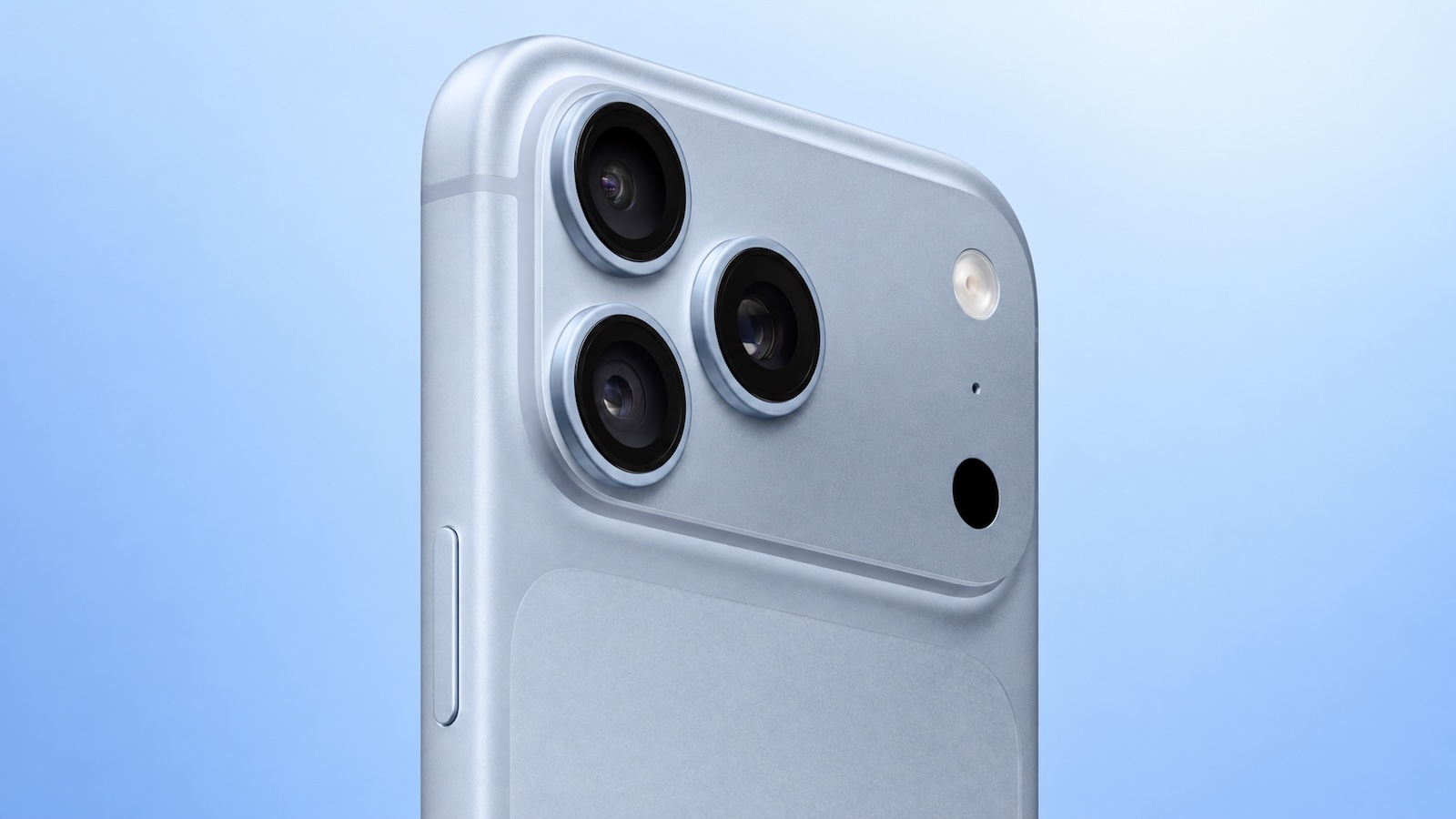

AT&T last week sent out text messages to iPhone 18 Pro Max users urging them to update "immediately" to iOS 27.0.1, which was released by Apple on September 28. While that update does not fix the service issues for affected users, it will apparently help keep the issue from impacting devices that have yet to run into problems.

Apple and AT&T have not shared details on exactly what the issue is or what caused it, but it's significant enough that affected devices have to be replaced. Notably, iPhone 18 Pro Max models sold in the United States are the only ones in the iPhone 18 Pro family to still use a Qualcomm cellular modem rather than Apple's own C2 modem, but it's unclear if that is related to the issue.

MacBook Pro With OLED Display Rumored to Be 'Significantly Lighter'


One of the Mac updates we're expecting to see as part of a reported October 27 launch is the long-rumored high-end MacBook with a touchscreen OLED display.
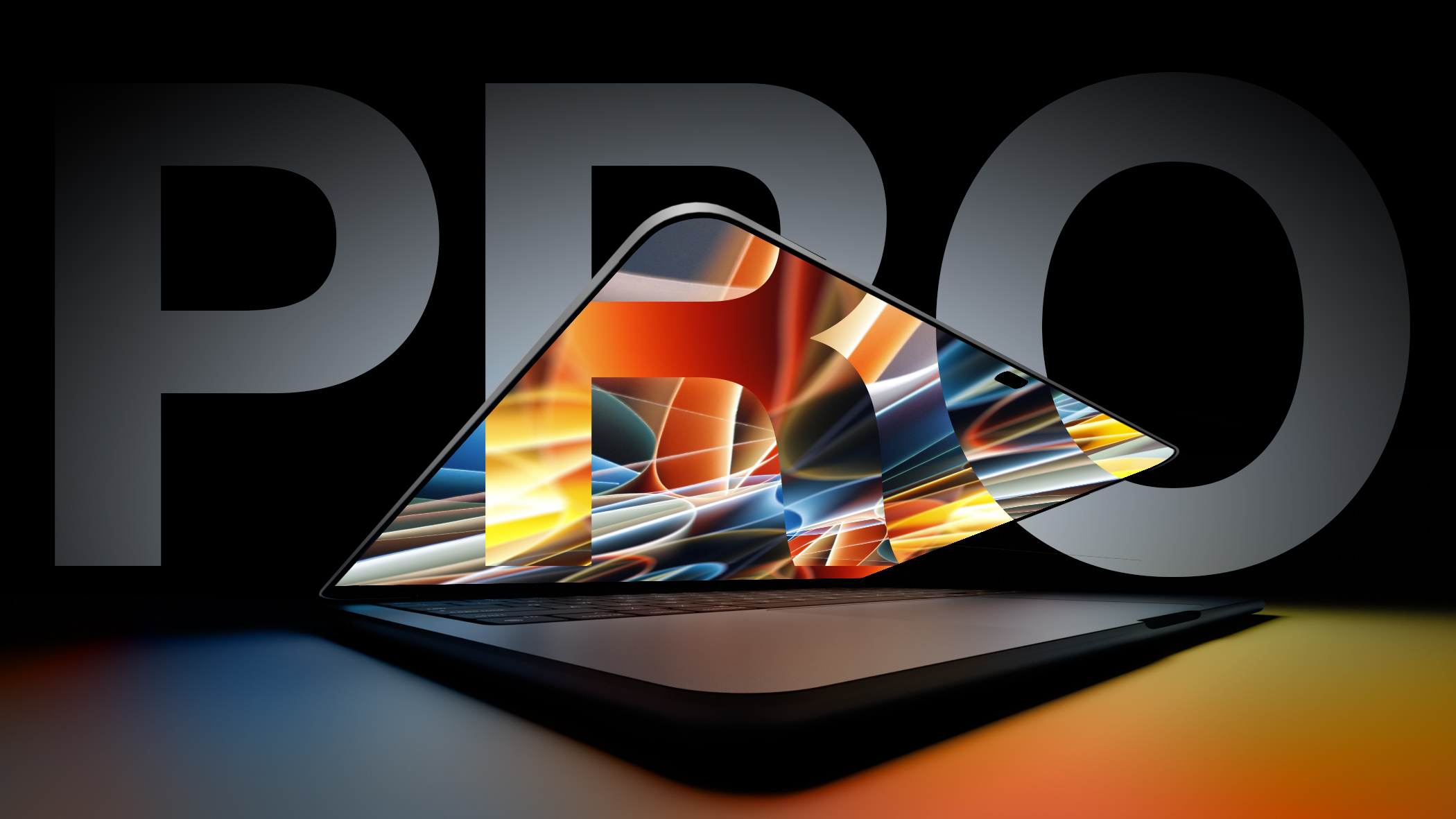

Notably, Bloomberg's Mark Gurman says that these machines will be "significantly lighter" than the current MacBook Pro models, though they won't be much thinner.

We're continuing to see evidence of the upcoming touch capabilities for these machines, with the latest beta of macOS 27.2 adding a new animation when long pressing on Dock icons that's similar to what's seen on touch-based operating systems like iOS and iPadOS, plus code for a number of new touch-specific gestures.

LG Making Doorbell, Lock, and Cameras for Apple's Home Hub


In a bit of an unusual development, Apple will be partnering with LG for its upcoming smart home push set to be unveiled on Tuesday, with the two companies working together on accessories that will be released under the LG brand rather than as Apple-branded products.
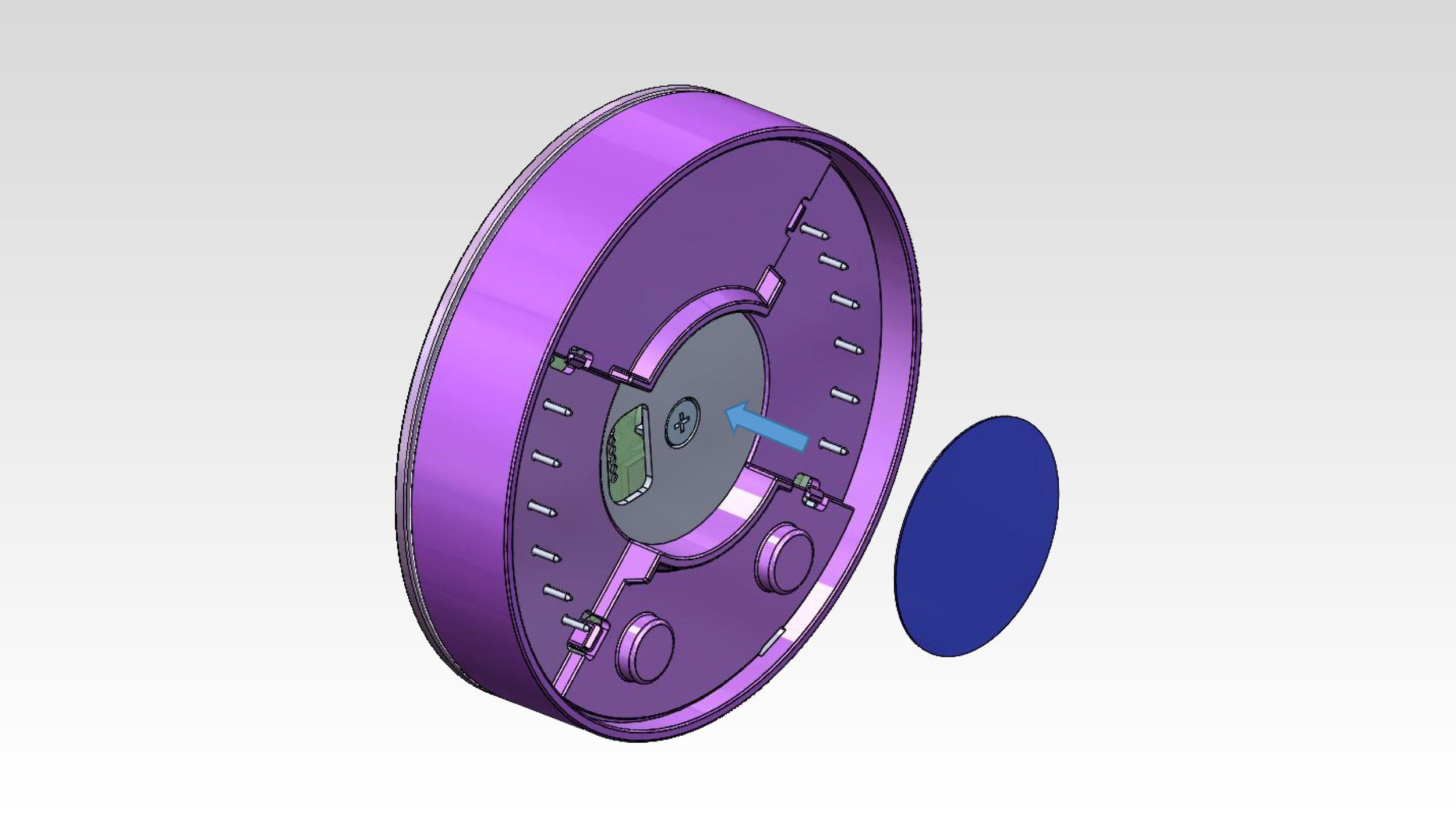

Products like doorbells, smart locks, and cameras will be included in the lineup, and regulatory documents and leaked code have already provided glimpses of some of the products. While the products are being released by LG, the collaboration with Apple will give them tighter integration and simpler setup within the Apple ecosystem.

Apple Announces 'Full Disk Access' Changes on macOS Due to AI Agents


In a post on its developer news website late last week, Apple announced that it will be introducing "additional controls" for the "Full Disk Access" setting on macOS due to new risks posed by AI agents. This comes amid the rise of always-on AI agents like Meta's Muse and OpenAI's Dots, which have prompted privacy concerns.
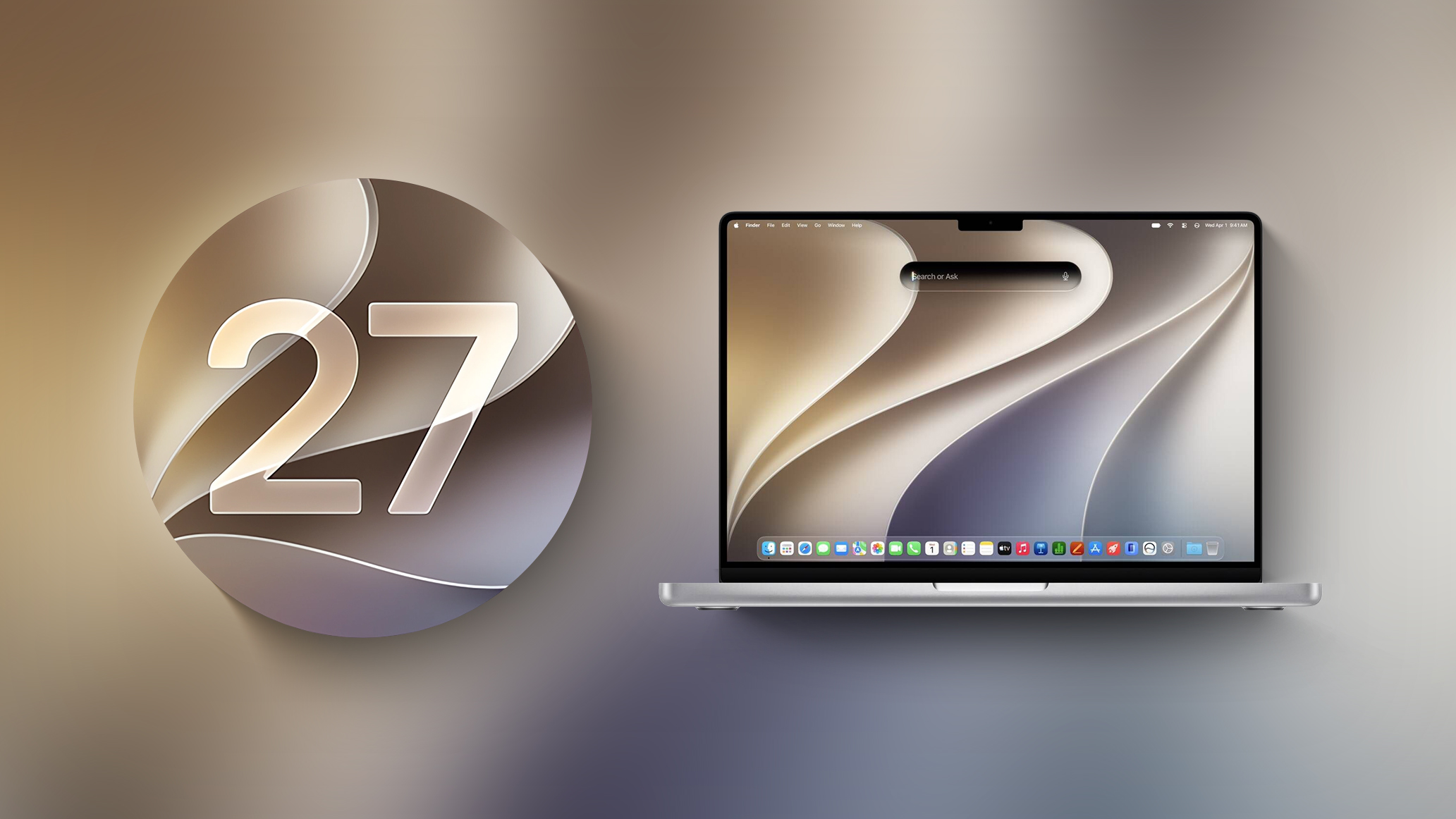

"Some developers are using Full Disk Access in ways that could put users at risk, exposing everything on their systems—including files, mail, messages, and even browsing history—without users' full knowledge and understanding," said Apple.

"As AI agents become increasingly capable and autonomous, the risks associated with this level of access will grow substantially," it added.

MacRumors Newsletter


Each week, we publish an email newsletter like this highlighting the top Apple stories, making it a great way to get a bite-sized recap of the week hitting all of the major topics we've covered and tying together related stories for a big-picture view.

So if you want to have top stories like the above recap delivered to your email inbox each week, subscribe to our newsletter!
This article, "Top Stories: Apple's 'Welcome Home' Launch on October 13 and More" first appeared on MacRumors.com

Discuss this article in our forums

  •  

Apple Stores Will Add Your Name to iPhone Duo's Startup Screen

Apple has something special planned for customers who purchase an iPhone Duo in an Apple Store. Employees will be able to customize the Duo so it displays the name of the buyer at the "Hello" screen when it turns on for the first time.


Bloomberg's Mark Gurman says Apple retail stores in the United States will have a personalization system for adding the buyer's name to an ‌iPhone Duo‌, with English and Spanish language options.

Fun little touch for the iPhone Duo launch: Apple retail stores will have a system to customize the boot of the device with the buyer's name so it says "Hello, Mark" (for example) when it turns on for the first time. (US only, Duo only, English and Spanish).

— Mark Gurman (@markgurman) October 9, 2026


Presumably, the name option will be available for devices ordered for in-store pickup and devices purchased in person.

The ‌iPhone Duo‌ will be available for pre-order starting on October 16 at 5 a.m. Pacific Time, and it will launch on October 23. Pricing starts at $1,999.
Related Roundup: iPhone Duo
Related Forum: iPhone

This article, "Apple Stores Will Add Your Name to iPhone Duo's Startup Screen" first appeared on MacRumors.com

Discuss this article in our forums

  •  

SpaceX Inches Closer to Becoming a U.S. Carrier

SpaceX this week announced two developments that further its goal of becoming a major U.S. carrier to compete with AT&T, Verizon, and T-Mobile.


It is acquiring a low-band spectrum license portfolio in the 800MHz band, which it says addresses one of the "remaining technical gaps" that will let it to compete with other carriers. Most smartphones already support the 800MHz band SpaceX is buying.

The FCC approved the Starlink Mobile Gen2 constellation application, letting SpaceX launch 15,000 satellites optimized for 2GHz spectrum globally. The company says the Starlink Mobile satellites will "deliver more than 100 times the bandwidth" of the current generation. The FCC also issued SpaceX a waiver permitting the company to offer wireless service through its satellites without a spectrum leasing agreement with a terrestrial carrier.

After receiving final FCC approval for the new spectrum purchase, SpaceX will combine its satellites with an "advanced terrestrial deployment" to connect devices everywhere. SpaceX says the 2GHz mid-band spectrum will offer high-bandwidth capacity in the U.S., while the new low-band spectrum will allow Starlink's signal to penetrate through obstacles like walls.

SpaceX plans to be the first network operator to deploy satellite and terrestrial spectrum. It says it will offer a single network with "a reliable service indoors, outdoors, in cellular dead zones, and everywhere in between."

SpaceX already powers T-Mobile's satellite feature, but T-Mobile recently removed SpaceX branding from its website after finalizing a joint satellite venture with AT&T and Verizon. SpaceX's Starlink Mobile announcement caused shares of AT&T, Verizon, and T-Mobile to drop, with Verizon seeing its worst one-day fall since 2002.
This article, "SpaceX Inches Closer to Becoming a U.S. Carrier" first appeared on MacRumors.com

Discuss this article in our forums

  •  

Dirk Eddelbuettel: RcppSimdJson 0.1.16 on CRAN: Much Faster Again!

A brand new release 0.1.16 of the RcppSimdJson package is now on CRAN, has been built for r2u, and is updated on r-universe.

RcppSimdJson wraps the fantastic and genuinely impressive simdjson library by Daniel Lemire and collaborators. Via very clever algorithmic engineering to obtain largely branch-free code, coupled with modern C++ and newer compiler instructions, it results in parsing gigabytes of JSON parsed per second which is quite mindboggling. The best-case performance is ‘faster than CPU speed’ as use of parallel SIMD instructions and careful branch avoidance can lead to less than one cpu cycle per byte parsed; see the video of the talk by Daniel Lemire at QCon.

This version updates to the recent 5.0.2 upstream release with improved performance. Given the strong focus on performance, this release also alters some of the R and C++ interfaces to be more direct. Rcpp generally aims for a balance between readable / maintainable code and good performance; this moves the dial closer to strong performance gains. As Daniel noted in a table in the (main) PR for this release, this now consistently beats yyjsonr, and improves considerably over the previous release of this package. I had made some smaller interim upgrades earlier (without a CRAN releases), and made a number of minor standard packaging updates.

The short NEWS entry for this release follows.

Changes in version 0.1.16 (2026-10-09)

  • simdjson was upgraded to versions 4.6.1 and 4.6.3 (Dirk in #100 and #102 fixing #99 and #101)

  • simdjson was upgraded to version 5.0.2 (Daniel in #104)

  • A number of small tweaks to the Rcpp interface were made too (Daniel in #104)

  • Diagnostics for gcc and clang are not suppressed per CRAN Policy (Dirk in #106 closing #105)

  • The continuous integration matrix was extended to g++ version 15 and 16 (Dirk in #108 closing #107)

  • A few minor packaging nags were address (Dirk in #109)

Courtesy of my CRANberries, there is also a diffstat report for this release. For questions, suggestions, or issues please use the issue tracker at the GitHub repo.

This post by Dirk Eddelbuettel originated on his Thinking inside the box blog. If you like this or other open-source work I do, you can now sponsor me at GitHub.

  •  

Louis-Philippe Véronneau: Removing myself as a Lintian uploader in the next few weeks

A few days ago, a colleague reached out to me, asking if I could help draft a resolution on digital autonomy and free software for the upcoming renewal of our collective bargaining agreement. Although she's very politicised and generally a great individual, she is not a techie and we never really talked about these issues before.

This took me by surprise. I should have been rejoicing; no, I should have been the one who brought up this topic in our union. Wasn't I the technical expert on these issues? But alas, my first reaction when she came to me was to snicker and tell myself: "That's cute, but nothing's ever gonna change, Big Tech is too strong and our governments don't give a damn."

How sad and cynical is that? That's not the person I want to be.

Something in the Quebecois political landscape has shifted in the last few years with regards to tech. More and more "regular" people seem to be talking about the importance of digital autonomy, how government services shouldn't rely on Big Tech and how we should be using FOSS on hardware we actually control.

A few years ago, I would have been at the vanguard of this change. I would have been part of the creation of Données souveraines Québec. Heck, they are organising a whole conference next week and I'm not even going. How did this happen to me?

I first fell for Free Software for its political ideals: Knowledge Should Be Free, Cooperation Is More Efficient Than Competition, Centralisation Should Be Avoided When Possible, etc. I still believe in all of this, but somehow, after years of fighting for change in the tech world, I have retreated into technical work. I maintain Debian packages as a hobby and to scratch my own itch. I run services for myself and a few friends. I organise Debian User Group meetings.

To be clear, I haven't generally given up. I'm very politically active in my union and at work, I'm a good member of my housing cooperative and I'm still fighting against the industrialisation of natural spaces in my neighborhood. But when it comes time to defend freedom in the tech world, lately, I've just been shrugging and accepting I should use Microsoft Teams like every one else does. I want this to change and to do so, I need to free some time.

Lintian

Two years ago, I added myself to Lintian's Uploaders list. Up until then1, I enjoyed fixing little issues here and there and liked creating new tags to help out the Python Team, where most of my Debian time was spent.

Lintian was badly in need of a new maintainer and as I felt it was an important project, I decided to step in. 37 releases and about 160 closed bugs later2, I'm done.

To be honest, I haven't had much fun maintaining Lintian lately. Bugs keep piling on the BTS, so much so I have mostly been ignoring them for the past few months. In fact, most of the actual work triaging, writing code and fixing bug has been done by Nilesh Patra for a while now.

All this to say, if you care about Lintian, you should consider adding yourself to the Uploaders list, as I'm out and Nilesh can't do all the work by himself.

He's a great person to work with and since I don't want to suddenly leave him all alone, I'll be sticking around for a few more weeks in the hope someone else will volunteer to help out. A smooth transition with a new co-maintainer would really be nice!

If you're interested, don't hesitate to reach out to me on IRC or by email.


  1. My first technical commit to Lintian was nearly 7 years ago! Crazy how time flies. ↩

  2. Mostly closed by other people than I! ↩

  •  

Apple Potentially Behind 'HomeView' Trademark Filed Alongside 'homeOS' Last Year

Apple potentially used a shell company named Home Services LLC to secretly file for a "HomeView" trademark in the U.S. and various other countries last year, around the same time that another shell company named Home Operations Suite LLC that also might be linked to Apple filed for a "homeOS" trademark.


Apple reportedly plans to unveil an all-new smart home hub during its "Welcome home" launch on Tuesday, October 13. Will the device be named HomeView, and will its all-new operating system be named homeOS? We shall soon find out.

Apple has a history of using shell companies to secretly file trademarks related to unannounced hardware and software. For example, prior to the Apple Vision Pro launching in 2023, a shell company that was ultimately connected to Apple filed a trademark for "visionOS," which ended up being the name of the Vision Pro's operating system. However, Apple was also behind a trademark for an "xrOS" name that it ultimately abandoned in favor of visionOS, so trademark filings do not always correspond with Apple's final branding decisions.

"HomePad" is another speculative name for Apple's home hub, given that the device is expected to be somewhat of a HomePod-iPad hybrid.

Perhaps the device will have a straightforward "Apple Home" name? That name could be confusing given there is also an Apple Home app, but this is a company that has an Apple TV 4K device, an Apple TV app, and an Apple TV streaming service, so it is certainly possible. Or maybe "HomePod Pro" instead? Share your guesses in the comments section.
This article, "Apple Potentially Behind 'HomeView' Trademark Filed Alongside 'homeOS' Last Year" first appeared on MacRumors.com

Discuss this article in our forums

  •  

Distribution Release: ZEPHIX 9

The DistroWatch news feed is brought to you by TUXEDO COMPUTERS. Robert Spiteri has announced the release of ZEPHIX 9, the latest stable version of the project's desktop Linux distribution based on Debian's "Stable" branch. Unlike ZEPHIX's ultra lightweight releases of the past, the new version, which features the LXDE desktop, is a 9.4 GB live ISO image containing....
  •  

Mark Your Calendar: Six Important Apple Dates Coming Up This Month

The final three weeks of October are going to be extremely busy for Apple, so we have recapped some key dates below if you want to mark your calendar.


Apple will be announcing new products on October 13, the iPhone Duo launches on October 23, and even more products are expected to debut on October 27.

Here are six important Apple dates coming up this month:

  • Monday, October 12: You can get ready for your iPhone Duo pre-order.

  • Tuesday, October 13: Apple is holding a "Welcome home" experience to unveil an all-new smart home hub, a new HomePod mini, and a new Apple TV 4K.

  • Friday, October 16: iPhone Duo pre-orders begin at 5 a.m. Pacific Time.

  • Friday, October 23: iPhone Duo launches.

  • Tuesday, October 27: While not yet officially announced, Apple reportedly plans to unveil even more new products on this day, including redesigned MacBook Pro models with OLED touchscreens, an iPad mini with an OLED display, a 14-inch MacBook Pro with an M6 chip, and an iMac with an M6 chip.

  • Friday, October 30: iPhone Duo launches in 28 additional countries and regions.

Apple said the iPhone Duo will ship with iOS 27.1, while iOS 27.2 is expected to be released to the public at some point in October too.

Finally, Apple plans to release a Mac Studio with 512GB of RAM in "late October," but it has yet to announce a specific release date.
Related Roundup: iPhone Duo
Related Forum: iPhone

This article, "Mark Your Calendar: Six Important Apple Dates Coming Up This Month" first appeared on MacRumors.com

Discuss this article in our forums

  •  

Reproducible Builds (diffoscope): diffoscope 333 released

The diffoscope maintainers are pleased to announce the release of diffoscope version 333. This version includes the following changes:

[ Johannes Schauer Marin Rodrigues ]
* Add support for showing differences in POSIX.1-2001 PAX headers within .tar
  files.

[ Chris Lamb ]
* Re-order various parts of the tar comparator to make it easier to
  progressively delve into its functionality.
* Reflect that the use of the "case-match" language feature requires at least
  Python 3.10+. This can be worked around if it causes problems - let us know.
* Update various copyright years.

You find out more by visiting the project homepage.

  •  

MacRumors Giveaway: Win an Apple Watch Series 12 and a Nylon Band From Southern Straps

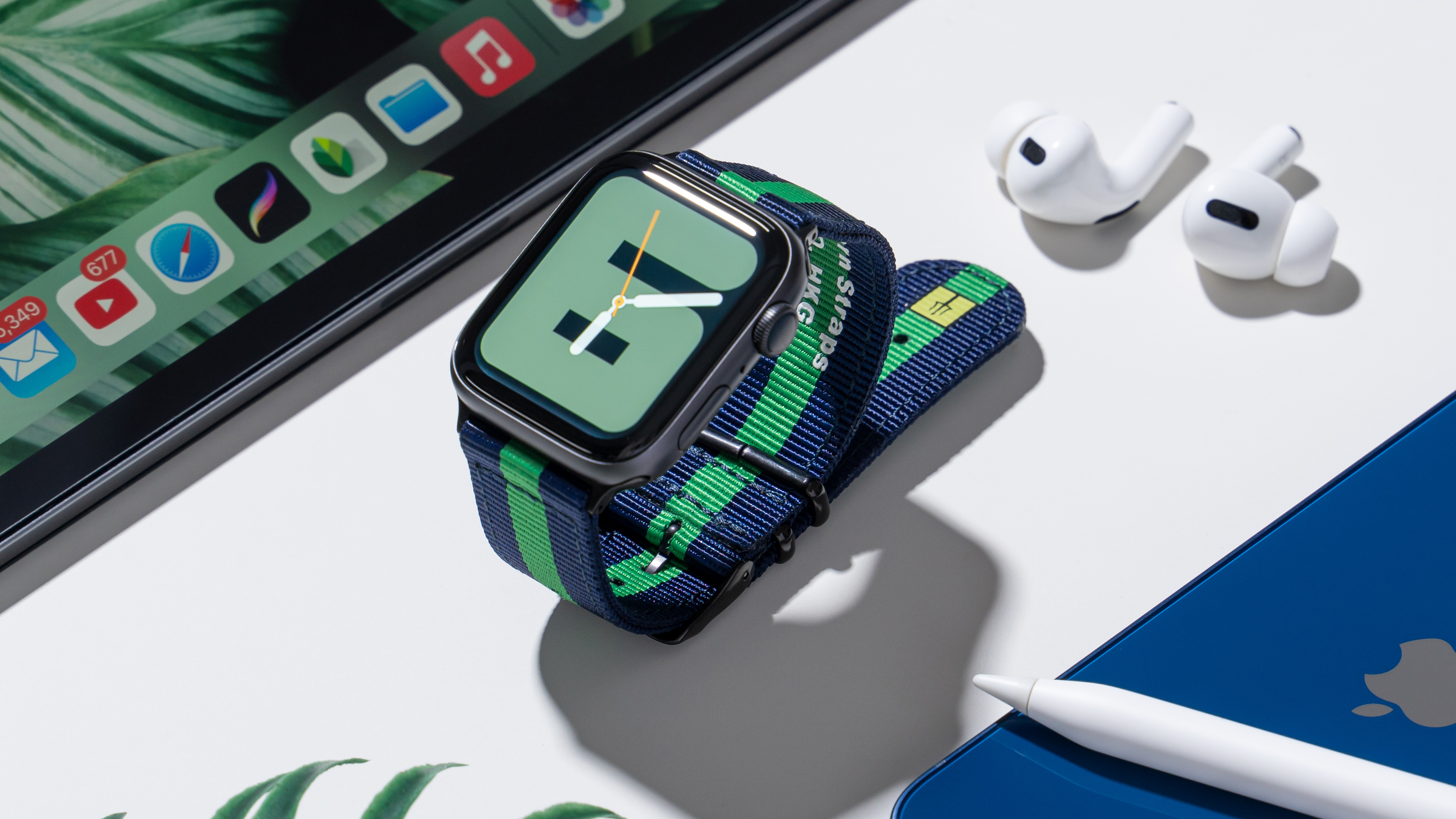
For this week's giveaway, we've teamed up with Southern Straps to offer MacRumors readers a chance to win an Apple Watch Series 12 and a nylon band from Southern Straps to go along with it.


Southern Straps is a California-based company that has been making high-quality bands for the Apple Watch since the device first launched in 2015, and the company's selection of bands offer a an alternative to Apple's bands in unique styles that Apple does not offer.


Southern Straps set out to make nylon NATO-style bands for the Apple Watch over a decade ago, and it is still making those same handcrafted watch straps today. With years of experience, Southern Straps has had time to perfect the band's look and construction.

Available for $60 or two for $105, each Southern Straps Apple Watch band is made from a single piece of nylon that is folded over, heat sealed, and stitched together for durability. The multi-step process makes sure that each band holds up for years of use, and they come with a five-year warranty.


Southern Straps offers over 10 color options, ranging from solid colors in green, black, and beige, to striped options in colorful combinations like blue and green, blue and red, khaki and red, blue and white, blue and orange, black and gray, and the classic red, white, and blue.

Bands can be ordered with hardware in black, silver, or gold to match the different Apple Watch models. There are two sizes: one that is compatible with 42mm to 49mm Apple Watch models, and one that is compatible with smaller 38mm to 42mm models. The bands work with every Apple Watch model from the original Apple Watch to the Apple Watch Ultra 4 and the Series 12.


Pegged spring bars are included with each band so that you can change the hardware if you get an Apple Watch in a new size or a new color. Southern Straps bands are perfect for daily use and transition easily from work to working out.


We have an Apple Watch Series 12 for one lucky MacRumors reader, plus a Southern Straps band. To enter to win, use the widget below and enter an email address. Email addresses will be used solely for contact purposes to reach the winner(s) and send the prize(s). You can earn additional entries by subscribing to our weekly newsletter, subscribing to our YouTube channel, following us on Twitter, following us on Instagram, following us on Threads, or visiting the MacRumors Facebook page.

Due to the complexities of international laws regarding giveaways, only U.S. residents who are 18 years or older, UK residents who are 18 years or older, and Canadian residents who have reached the age of majority in their province or territory are eligible to enter. All federal, state, provincial, and/or local taxes, fees, and surcharges are the sole responsibility of the prize winner. To offer feedback or get more information on the giveaway restrictions, please refer to our Site Feedback section, as that is where discussion of the rules will be redirected.


Southern Straps Giveaway
The contest will run from today (October 9) at 9:00 a.m. Pacific Time through 9:00 a.m. Pacific Time on October 16. The winner will be chosen randomly on or shortly after October 16 and will be contacted by email. The winner will have 48 hours to respond and provide a shipping address before a new winner is chosen.
Related Roundup: Apple Watch 12
Buyer's Guide: Apple Watch (Buy Now)
Related Forum: Apple Watch

This article, "MacRumors Giveaway: Win an Apple Watch Series 12 and a Nylon Band From Southern Straps" first appeared on MacRumors.com

Discuss this article in our forums

  •  

First Apple TV 4K Now 'Vintage' Ahead of New Model Coming on Tuesday

Apple today added the first-generation Apple TV 4K from 2017 to the vintage products list on its website, just four days before a new model is finally expected to debut.

A fourth-generation Apple TV 4K will reportedly be unveiled on Tuesday, October 13, as part of Apple's "Welcome home" launch.
Related Roundup: Apple TV
Buyer's Guide: Apple TV (Don't Buy)

This article, "First Apple TV 4K Now 'Vintage' Ahead of New Model Coming on Tuesday" first appeared on MacRumors.com

Discuss this article in our forums

  •  

Colin Watson: Free software activity in September 2026

My Debian contributions this month were all sponsored by Freexian.

You can also support my work directly via Liberapay or GitHub Sponsors.

OpenSSH

I worked with upstream to remove libselinux linkage from /usr/sbin/sshd.

I applied a fix from Mark Robillard Jr to fix reload logic when using sysvinit.

groff

I upgraded from 1.24.1 to 1.24.2, which fixed a few command injection security vulnerabilities.

parted

I upgraded from 3.7 to 3.8, which fixed CVE-2026-89085 and CVE-2026-89088.

Python packaging

New upstream versions:

setuptools 84 is now in Debian and no longer contains pkg_resources. Removing uses of that module has been an ongoing project for a while now, but I did another batch of fixes this month:

A new python-coverage version triggered several build regressions due to a known problem in pytest-cov. I worked around these by setting COVERAGE_CORE=ctrace:

Other build/test failures:

I investigated a build failure in python-proton-vpn-local-agent and proposed a fix upstream, but I’m not comfortable applying this in Debian without review. If you’re familiar with this code, please take a look.

I fixed some other bugs:

Rust packaging

rust-derivre had an invalid Section field, which I cleaned up.

  •  

Apple Shares Fall After News of iPhone 18 Pro Order Cuts

Apple shares fell more than 2.5% in early trading today in response to Nikkei Asia's report that the company is cutting iPhone 18 Pro component orders due to weaker-than-expected demand. October orders were reportedly reduced by at least 15%, with higher memory costs and $100 price increases weighing on demand.
Related Roundup: iPhone 18 Pro
Tag: AAPL
Related Forum: iPhone

This article, "Apple Shares Fall After News of iPhone 18 Pro Order Cuts" first appeared on MacRumors.com

Discuss this article in our forums

  •  

Prime Day Leftover Deals: AirPods Max 2 for $429, Mac Mini for $779.99, and More

Amazon's Prime Big Deal Days event is over, but there are plenty of Apple deals still available as we head into the weekend. This includes big discounts on AirPods Max 2, Apple Watch Series 12, MacBook Pro, and more.

Note: MacRumors is an affiliate partner with Amazon. When you click a link and make a purchase, we may receive a small payment, which helps us keep the site running.
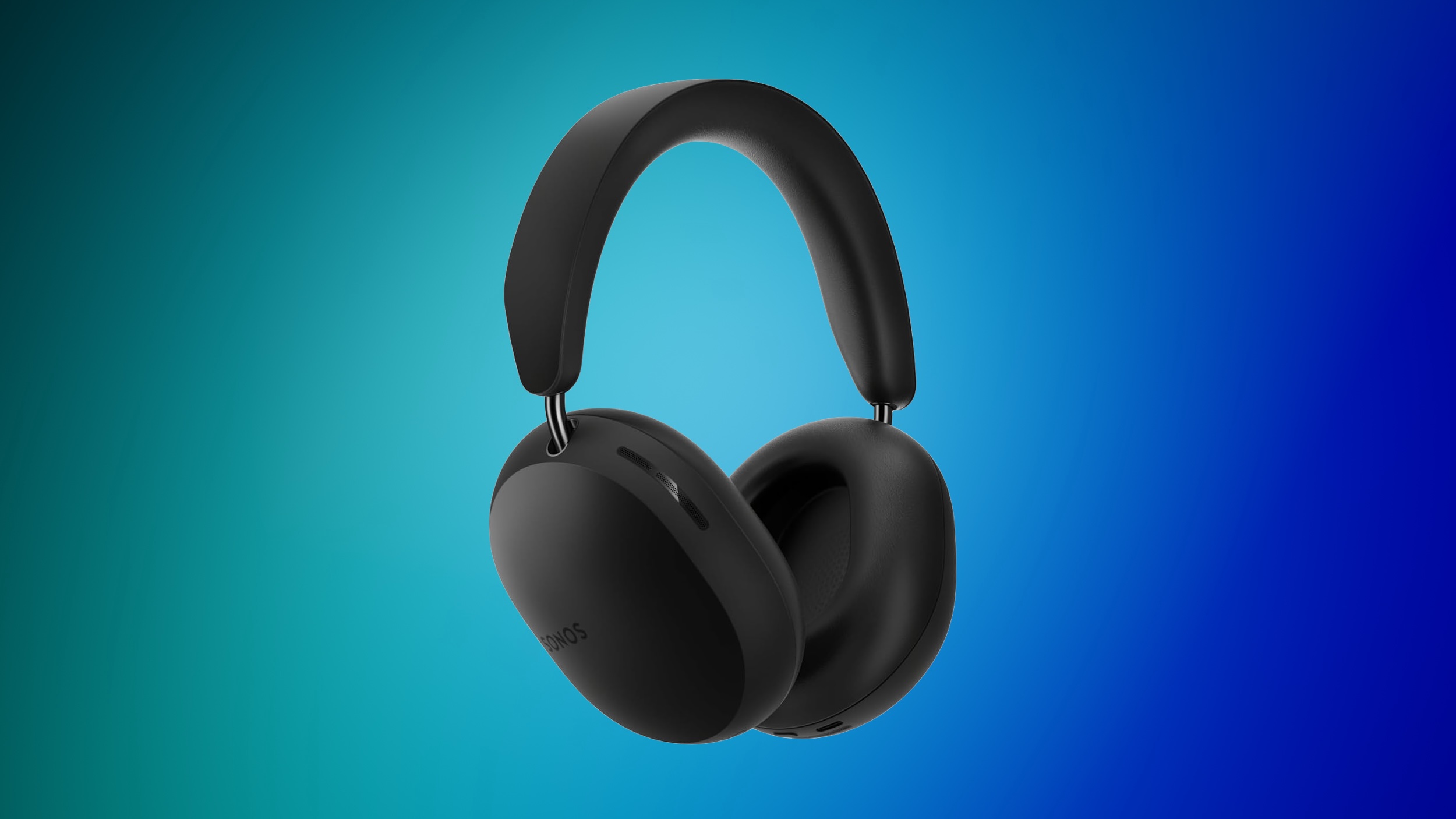
AirPods Max 2


The only remaining Prime Day AirPods deal is on the AirPods Max 2, which Amazon has for $429.00 right now in every color, down from $549.00. This is a great second-best price, as we haven't tracked it any lower in months.


Apple Watch


For the Apple Watch Series 12, you can get the 42mm GPS model for $349.99 and the 46mm GPS model for $399.99, both of which are $49 discounts and new all-time low prices. Both of these models have two colors available at these all-time low prices, and you'll find a few cellular options on sale as well.


Mac Mini and Mac Studio


Apple's M5 Max Mac Studio with 36GB RAM and a 512GB SSD is still on sale for $2,299.00, down from $2,499.00. Regarding the Mac mini, you can get the 16GB RAM/256GB SSD Mac mini for $779.99, down from $899.00, and the 16GB RAM/512GB SSD model for $949.99, down from $1,099.00.


MacBook Air


Amazon introduced $200 off nearly every M5 MacBook Air model for Prime Big Deal Days, and every single model is still available today. These are the best prices we've seen on the M5 MacBook Air in the wake of Apple's summertime price hikes.

In terms of 13-inch models, Amazon has the 16GB/512GB 13-inch MacBook Air for $1,099.00, down from $1,299.00. This one is available in all four colors on Amazon, and it's accompanied by the 16GB/1TB and 24GB/1TB model for $200 off as well.


For the 15-inch M5 MacBook Air models, prices start with the 16GB/512GB model for $1,299.00, down from $1,499.00. You can also get the 16GB/1TB model for $1,599.00, down from $1,799.00, all $200 off and the best prices we've seen in months.


MacBook Pro


Amazon has introduced a giant $600 discount on the 36GB/2TB 14-inch M5 Max MacBook Pro, now priced at $3,499.00. This is the steepest discount on the 14-inch models right now, but you'll also find a few entry-level options on sale below.


In terms of the larger display models, we're tracking big discounts on all four models on Amazon. These start at $2,749.00 for the 24GB/1TB M5 Pro configuration ($250 off), and reach up to $4,499.00 for the 48GB/2TB M5 Max device ($500 off).


iPad Air


Amazon this week has multiple discounts on the M4 iPad Air, providing up to $149 off these 2026 models. These remain the best prices we've seen in the wake of Apple's summer price hikes, and many deals are being matched at Best Buy.


The new iPad Air features the M4 chip, C1X modem, and N1 networking chip, which brings support for Wi-Fi 7 and Bluetooth 6. In terms of design, the 2026 models are identical to the 2025 iPad Air tablets, with an edge-to-edge display, slim bezels, and aluminum chassis.

iPad


Finally, Amazon has the 2025 iPad for $50 off in all Wi-Fi configurations, starting at $399.00 for the 128GB Wi-Fi model.


If you're on the hunt for more discounts, be sure to visit our Apple Deals roundup where we recap the best Apple-related bargains of the past week.


Deals Newsletter


Interested in hearing more about the best deals you can find as we head into the holidays? You can sign up for our Deals Newsletter and we'll keep you updated so you don't miss the biggest deals of the season!


Related Roundup: Apple Deals

This article, "Prime Day Leftover Deals: AirPods Max 2 for $429, Mac Mini for $779.99, and More" first appeared on MacRumors.com

Discuss this article in our forums

  •  

The MacRumors Show: Apple's Smart Home Products Are Coming

On this week's episode of The MacRumors Show, we look ahead to Apple's recently announced October 13 event and its expected push into the smart home market, including a dedicated home hub, the HomePod mini 2, and a new Apple TV.


Apple is expected to introduce its first smart home hub, a new ‌HomePod mini‌, and an updated ‌Apple TV‌ 4K, according to Bloomberg's Mark Gurman. Siri AI is expected to be central to all three devices, following years of delays.

The impending launch also comes amid Apple's reported efforts under CEO John Ternus to introduce products more frequently and accelerate development. Moving beyond predictable spring and fall release cycles could give Apple more opportunities to experiment, particularly in categories where existing products have gone years without substantial hardware changes.

The home hub is expected to feature a square 6-inch display, with a tabletop version resembling the iMac G4 and a separate wall-mounted model. Its new operating system reportedly combines customizable clock and photo displays, Apple Watch-style app icons, and iPad-like layouts. A range of apps including FaceTime, Music, Calendar, Notes, and more should make it useful for quick interactions throughout the day. Facial and voice recognition will bring up individual profiles, while a guest mode will hide personal information from visitors. The device is rumored to start at around $350.

The ‌Apple TV‌ 4K is rumored to tout an A19 or A19 Pro chip, additional memory, Apple's N1 networking chip, and an updated ‌Siri‌ Remote, while retaining its existing design. The hardware should improve gaming performance and enable Apple Intelligence and Siri AI.

The ‌HomePod mini‌ 2 is also expected to retain its current design, with leaked images revealing green, pink, and lighter blue finishes alongside white and black. A faster S-series chip would support Siri AI. A new full-sized HomePod is reportedly planned for a later date. Separately, software findings point to four-HomePod surround sound mode.

Apple's reported collaboration with LG could help expand the ecosystem around the home hub. The planned lineup includes a video doorbell, deadbolt lock, thermostat, and temperature sensor, along with indoor, outdoor, and floodlight cameras. These would carry LG branding, with Apple reportedly contributing to their development.

Apple's longer-term plans also include its own privacy-focused camera and sensor, reportedly designed to analyze the home without recording video. A higher-end home hub with a 9-inch display mounted on a robotic arm also reportedly remains in development.

Apple has now announced a product event for Tuesday, October 13, sharing a "Welcome home" teaser. Selected members of the media have been invited to an "Apple Experience" in Tribeca, New York, beginning at 9:00 a.m. Eastern Time. The MacRumors Show has its own YouTube channel, so make sure you're subscribed to keep up with new episodes and clips.

You can also listen to ‌The MacRumors Show‌ on Apple Podcasts, Spotify, Overcast, or other podcast apps. You can also copy our RSS feed directly into your player.


If you haven't already listened to the previous episode of The MacRumors Show, catch up to hear our discussion with photographer and videographer Tyler Stalman about whether the iPhone 18 Pro's camera is a compelling reason to upgrade, how its new features affect everyday shooting, and what photographers gain or give up with the iPhone Duo.

Subscribe to ‌The MacRumors Show‌ for new episodes every week, where we discuss some of the topical news breaking here on MacRumors, often joined by interesting guests such as Michael Fisher, Kayci Lacob, Kevin Nether, John Gruber, Mark Gurman, Jon Prosser, Luke Miani, Matthew Cassinelli, Brian Tong, Quinn Nelson, Jared Nelson, Eli Hodapp, Mike Bell, Sara Dietschy, iJustine, Jon Rettinger, Andru Edwards, Arnold Kim, Ben Sullins, Marcus Kane, Christopher Lawley, Frank McShan, David Lewis, Sam Kohl, Federico Viticci, Thomas Frank, Jonathan Morrison, Ross Young, Ian Zelbo, and Rene Ritchie.

‌The MacRumors Show‌ is on X @MacRumorsShow, so be sure to give us a follow to keep up with the podcast. You can also email us at podcast@macrumors.com or head over to The MacRumors Show forum thread. Remember to rate and review the podcast, and let us know what subjects and guests you would like to see in the future.
This article, "The MacRumors Show: Apple's Smart Home Products Are Coming" first appeared on MacRumors.com

Discuss this article in our forums

  •  

Steinar H. Gunderson: Decompilation patterns, part 6: If-add-else

Often, m2c will spit out something like this:

x = 3;
if (a == 10) {
    x = 4;
}

This may be what was intended, but if it doesn't match (usually due to different register allocation; the rewrite itself is nearly always going to be taken, since it saves a branch on one of the paths), this is often a better rewrite:

if (a == 10) {
    x = 4;
} else {
    x = 3;
}

and in some cases, this may have different code generation (especially as you can stick it into an argument list):

x = (a == 10) ? 4 : 3;

This is a bit more of a trial and error than the others, and of course, it depends on the computed values not having side effects.

  •  

Leak Details iPhone Features for Apple's LG Home Accessories

Smart home accessories that Apple reportedly helped LG develop could offer iPhone proximity controls and a way to begin setup before the devices have power, according to findings shared by the leaker known as "pdfu."


The findings concern the upcoming LG-branded accessory range that Bloomberg revealed earlier this week. The lineup reportedly includes a thermostat, temperature sensor, deadbolt lock, wired video doorbell, and several security cameras. Apple apparently co-developed the accessories.

One of the features, called "Proximity Control," will surface a shortcut when an iPhone is tapped against or brought close to an accessory. Pdfu says the Dynamic Island will present an "Open Controls" option for products such as thermostats. Cameras and doorbells will instead display a camera viewer.

The interaction will also apparently work on iPads and iPhones without a ‌Dynamic Island‌, using a notification that remains visible for 30 seconds. A setting in the Home app will let users switch proximity controls off after configuring the accessory.

MacRumors contributor Aaron Perris identified the Dynamic Island references earlier this week. Pdfu says the underlying feature has appeared in code since iOS 27.0, with its settings changing during development. Earlier versions included an option to open controls automatically, but the enabled setting in iOS 27.2 currently asks users to open them through a prompt.

According to the leaker, the accessories will use an identifier stored on an NFC tag alongside a Bluetooth Low Energy broadcast to support recognition and proximity interactions. Tapping a device for the first time will also produce ‌Dynamic Island‌ feedback as setup begins.

Apple's "second-party" LG accessories will debut another Home feature: Proximity Control.

As with HomePod, tapping or bringing iPhone near the accessory shows a hint in the Dynamic Island. An "Open Controls" button opens the accessory's controls. Cameras and doorbells show a camera viewer.

An iPhone without a Dynamic Island or an iPad will show a 30-second notification instead. You can disable this behavior in the Home app after setup.

You'll also see feedback in the Dynamic Island as iPhone launches setup when you first tap the accessory to pair it.

Behind the scenes, the accessory writes an "apple-deviceid" in the Matter payload stored on its NFC tag that helps iOS identify it when tapped. It also broadcasts a Bluetooth Low Energy advert for Apple Proximity Control.

The feature appears in code since iOS 27.0. In earlier versions, Apple showed three presentation options instead of the on/off toggle in iOS 27.2:
• Never: Suppresses proximity controls.​
• Ask to Launch: ​Shows Dynamic Island hint or notification, which deep links the control card.
• Launch Automatically: Shows control card.​

In the current implementation, the enabled state is equivalent to Ask to Launch. Home's helper text reads: "Show controls when you bring your iPhone near your [accessory]." The feature is still in active development across beta releases, so the final behavior may change.

The Dynamic Island proximity control code in iOS 27.2 was first reported by @aaronp613 and @MacRumors.

— pdfu (@itspdfu) October 9, 2026


The second feature, described in a separate post, will allow pairing to start while an accessory is unpowered. An iPhone will transfer its pairing identity and network credentials into the accessory's secure element using near-field communication (NFC). When the device receives power, it will connect to Wi-Fi or Thread, allowing a home hub to finish Matter setup.

Pdfu says that this setup method will be exclusive to HomeKit. LG replaces the secure element's Matter NFC applet with a ‌HomeKit‌ applet, even though iOS 27 also supports standard Matter NFC. Conventional Matter pairing will remain available once the accessories are powered on.

LG home accessories are set to debut with HomeKit-exclusive "tap to set up without power" feature, according to iOS 27 code and device firmware.

When you tap your iPhone on the accessory, HomeKit pairing happens over NFC. Your iPhone's pairing identity and network credentials are stored in the accessory's NFC secure element.

Once powered on, the accessory joins your Wi‑Fi or Thread network, and your home hub completes the Matter setup.

• Apple's HomeKit-over-NFC implementation is separate from Matter NFC Commissioning.
• Firmware for the LG lock and thermostat identifies an NXP SE051H Secure Element.
• While iOS 27 supports standard Matter NFC commissioning, LG's firmware replaces NXP's Matter NFC applet in the secure element with a HomeKit applet. This suggests that NFC provisioning will be a HomeKit exclusive. You can still pair the accessories over Matter once they're powered on.

(Shown here: Setup instruction asset for the LG lock)

— pdfu (@itspdfu) October 8, 2026


Proximity Control is still being revised across beta releases, according to pdfu, so its behavior could change before shipping.

Apple yesterday announced its "Welcome home" event for Tuesday, October 13, with a home hub, updated Apple TV 4K, and refreshed HomePod mini expected to be announced. Apple could provide a preview of LG's accessories, although Bloomberg says their release remains at least a few months away.
This article, "Leak Details iPhone Features for Apple's LG Home Accessories" first appeared on MacRumors.com

Discuss this article in our forums

  •  

Every M5 MacBook Air Now $200 Off on Amazon

Prime Day deals have started drying up, but you can still get $200 off every model of the M5 MacBook Air as we head into the weekend. These are the best post-hike prices we've seen on the M5 MacBook Air, and prices now start at $1,099.00 for the 512GB 13-inch model and $1,299.00 for the 512GB 15-inch model.

Note: MacRumors is an affiliate partner with some of these vendors. When you click a link and make a purchase, we may receive a small payment, which helps us keep the site running.
Not only is every storage configuration on sale at these all-time low prices, but Amazon has nearly every color in stock as well. Free delivery estimates place most computers arriving around early next week, while Prime members should see it sooner.


For the 15-inch M5 MacBook Air models, prices start with the 16GB/512GB model for $1,299.00, down from $1,499.00. You can also get the 16GB/1TB model for $1,599.00, down from $1,799.00, all $200 off and the best prices we've seen in months.


If you're on the hunt for more discounts, be sure to visit our Apple Deals roundup where we recap the best Apple-related bargains of the past week.


Deals Newsletter


Interested in hearing more about the best deals you can find as we head into the holidays? You can sign up for our Deals Newsletter and we'll keep you updated so you don't miss the biggest deals of the season!


Related Roundup: Apple Deals

This article, "Every M5 MacBook Air Now $200 Off on Amazon" first appeared on MacRumors.com

Discuss this article in our forums

  •  

Mac Shipments Fall, But Apple Still Gains Ground in Shrinking Market

Apple's Mac shipments declined 11.3% in the third quarter of 2026, but the company increased its market share as worldwide PC shipments fell more sharply, according to IDC's latest preliminary estimates.


Apple shipped an estimated 5.9 million Macs between July and September, compared with 6.7 million a year earlier. That put Apple's market share at 9.5%, up from 8.5% in the third quarter of 2025. Apple retained fourth place in IDC's vendor rankings.

Across all brands, shipments dropped to 62.7 million units from 78.5 million a year earlier, a decline of 20.1%. The downturn followed a 3.8% annual decrease in the second quarter. Third-quarter shipments were also 9.1% below the second-quarter total, despite this usually being a busier period for the industry.

Lenovo led the market with 14.9 million shipments, followed by HP with 10.3 million and Dell with 7.6 million. Their respective declines were 22.6%, 30.9%, and 25%. ASUS, in fifth place with 5.5 million shipments, recorded an 8.6% decrease, making it the only top-five vendor with a smaller percentage decline than Apple.

IDC says the timing of earlier orders contributed to the weak quarter. Manufacturers and distribution partners secured stock sooner than usual to limit their exposure to rising memory costs, reducing the volume left for later in the year. With sellers still holding that inventory, there was apparently less need to order additional devices during the third quarter.

The research firm also cited component shortages and higher prices, linking the pressure on supply and costs to the expansion of AI data centers. Apple raised prices in June, with former CEO Tim Cook citing sharply rising memory expenses during the company's July earnings call.

IDC added that sellers could offer discounts to reduce unsold stock, but it does not expect prices to return to where they were a year ago. The firm also warned that a weakening economy could further depress demand through the end of 2026 and into 2027.
Tag: IDC

This article, "Mac Shipments Fall, But Apple Still Gains Ground in Shrinking Market" first appeared on MacRumors.com

Discuss this article in our forums

  •  

Apple Reportedly Cuts iPhone 18 Pro Orders After Price Hike Dampens Demand

Apple has asked some of its suppliers to cut production of iPhone 18 Pro components due to lower-than-expected demand, according to Nikkei Asia ($).


Citing its own sources, the report claims that Apple has been more cautious about shipments since early September because of the rising cost of memory chips, leading to higher prices. Component orders for October were said to have been cut by at least 15 percent compared with what was originally requested.

The iPhone 18 Pro and iPhone 18 Pro Max start at $1,199 and $1,299 respectively, which is $100 more than the models they replace. Apple has publicly blamed AI-driven memory chip costs for the recent price increases across its lineup, which has seen prices of MacBooks and iPads tick up, as well as for iPhone 16 and 17 models and other products.

Nikkei also said that softer demand between late August and October could be related to Apple changing its iPhone launch schedule. Rather than announcing its latest flagship iPhone series in one go, as it typically does, Apple is expected instead to release the regular iPhone 18 in the spring of 2027, alongside the lower-cost iPhone 18e and the ultra-thin iPhone Air 2, as part of a split launch strategy.

The iPhone 18 Pro models feature 12GB of RAM, which is the same working memory as last year's iPhone 17 Pro and iPhone 17 Pro Max. One rumor has it that Apple originally planned to equip the iPhone 18 Pro lineup with 16GB of RAM, but it may have ultimately decided against it due to the higher cost.
Related Roundup: iPhone 18 Pro
Tag: Nikkei
Related Forum: iPhone

This article, "Apple Reportedly Cuts iPhone 18 Pro Orders After Price Hike Dampens Demand" first appeared on MacRumors.com

Discuss this article in our forums

  •  

Russell Coker: Don’t Anthromorphise LLMs

Greg KH gave a great lecture for Kernel Recipies 2026 about the use of LLMs to find and fix bugs in kernel code [1]. I recommend that everyone watch this and I also think it’s important to note that hardly any of the lecture is really specific to kernel coding, it’s just that the Linux kernel is one of the highest profile large free software projects so it gets more attention than most projects in both good and bad ways.

One side note that Greg made at 20:30 is about the natural tendency to anthromorphise the entity sending bug reports, I think this deserves much wider appreciation. For the case of patches to source code the human sending the patch will have dedicated some time and effort to writing it, if it’s their first patch then they will have probably checked it a lot and maybe sought advice from people they regard as skilled. If they have a history of sending patches for the project they will probably do fewer checks but the quality of their work would be higher. In every case there’s some minimum level of quality that you can expect from a human who has gone to the effort of finding a bug and writing code to try and fix it.

This doesn’t mean that all code written by humans is good, I have written code that’s objectively bad on many occasions and I have also written code that’s good for my scenario but bad for others. For example the first patch I sent to the Linux kernel made all possible configuration settings of an ISA NE2000 network card be detected by the kernel (a clear benefit when using hardware I had available) but was rejected by Linus because it would break some ISA SCSI cards. So while being unsuitable for inclusion in the main kernel source tree the patch wasn’t bad for everyone and the change was clear and easy to check. I had of course checked the code many times before submitting it because I didn’t want to waste Linus’ time on rubbish code.

When you receive something produced by a human you will consider that the work was done by someone who spent some effort on it and did it for a reason. It may be misguided or even hostile in some rare cases but it is definitely worth some consideration. If you think of the output of LLMs in the same way you will give them much more consideration than they deserve. I think that the output of a LLM should not be given any more consideration than the first hit from a web search engine, it might be good but it might also be ridiculously wrong. I think in many ways LLM output should be treated with less trust than the first result from a web search because LLMs are designed to be convincing as an answer to your question unlike the cases where a web page has the wrong answer and it’s more obviously wrong.

This is going to become more of an issue as LLMs give responses that are more human-like. Early LLMs would refuse to advise on crimes. Currently ChatGPT will deflect for example when asking about advice for writing a crime novel it recommends to have the action of finding an employee to bribe happen outside the plot and concentrate on interactions within the group. One recent model I tried gave a human style conversation about how it felt uncomfortable about discussing such things in a similar manner to a law abiding person being coerced into helping with a criminal plan.

I expect that the attempts to appear human will increase and that this will become more of a problem. Possibly to the extent that we need to use something like the GPG web of trust to determine who is human.

Related posts:

  1. Bad Criticism of LLMs (not AI) Discussion of “AI” systems seems to be dominated by fears...
  2. AMD Video Drivers, LLMs, and Debian Kernels The AMD GPU Problem For a while I’ve been having...
  3. Links July 2011 The Reid Report has an article about the marriage pledge...
  •  

Apple Signs Hiring and Licensing Deal With AI Podcast Startup Huxe

Apple has reached an agreement to recruit employees from Huxe and license the AI audio startup's technology, according to a new European Commission filing.


The filing says Apple will have the right to make employment offers to certain Huxe employees and receive a non-exclusive license to the company's intellectual property, so this isn't an outright acquisition of the company.

Huxe was founded by former Google NotebookLM team members Raiza Martin, Jason Spielman, and Stephen Hughes. NotebookLM – since renamed Gemini Notebook – is Google's AI research tool, which is best known for its ability to turn documents and other source material into podcast-style audio discussions.

Huxe brought a similar approach to personalized listening, given that its app generated audio briefings based on users' emails, calendars, and interests, as well as podcasts about topics they wanted to explore. Listeners could interrupt the AI hosts to ask questions or request a different explanation.

The startup announced in May that it was winding down, and said its team was moving on and that development would stop. Its audio service ended on May 28. Apple notified the Commission of the arrangement on June 9.

The filing does not say which employees Apple could recruit, nor does it confirm whether anyone has actually been hired.
This article, "Apple Signs Hiring and Licensing Deal With AI Podcast Startup Huxe" first appeared on MacRumors.com

Discuss this article in our forums

  •  

Russell Coker: en-html.org is a Scam Site

Currently a scam group is sending out email to the administrators of web sites that link to a variety of dead domains. They claim to be the legitimate operators of the dead domains in question and request that the links change to mirrors of the web sites under en-html.org. Their end goal appears to game search engines by getting links from a lot of old web pages and later use that high ranking for selling SEO optimisation.

If you have made the mistake of linking to something under en-html.org then I recommend that you change the link to the original content on archive.org.

If you receive email from the en-html.org domain then ignore it, or configure your mail server to reject it.

I am seriously considering configuring the DNS servers I run to return no valid data for any requests under that domain.

Also I will reject all future requests to update links in old blog posts. The very small number of people who want to see what I linked to in old posts can use archive.org.

Related posts:

  1. Advertising a Scam Below is a strange Google advert that appeared on my...
  2. Web Site Validation Over the last few days I’ve got this blog and...
  3. putting HTML codes and other special characters into a blog entry I often want to write blog posts about HTML code...
  •  
❌