Apple will introduce new OLED touchscreen MacBook Pro models and an OLED iPad mini "on or around" Tuesday, October 27, reports Bloomberg. The launch will also include an M6 14-inch MacBook Pro and an M6 iMac.
Bloomberg says both the October 13 and October 27 product launches will include "an online video presentation" as well as a hands-on experience for members of the media.
Apple has been working on an OLED MacBook for several years now, and while some rumors indicated it could be named the MacBook Ultra, Bloomberg suggests the 14-inch and 16-inch notebooks will be in the MacBook Pro family. The devices will be thinner and lighter than current MacBook Pro models and they will have OLED displays, touchscreen capabilities, and a Dynamic Island.
The iPad mini will have a landscape camera for video calls, a redesigned speaker system, and a new OLED display.
Starting today, iPhone users still running iOS 26 will see iOS 27.0.1 as the prominent software update in the Settings app under General → Software Update, with iOS 26.7.1 now relegated to a smaller "Also Available" section at the bottom.
iOS 27 was released on September 14, but until now that update and later iOS 27.0.1 were shown under the "Also Available" section, with iOS 26.7 and later iOS 26.7.1 shown in the prominent position. By reversing the order in which the updates are shown today, Apple is more actively encouraging iPhone users who are still on iOS 26 to install iOS 27.
Apple is not forcing iPhone users to install iOS 27, but at least installing iOS 26.7.1 is recommended in order to receive the latest security fixes.
This is a copy of an email I sent at work. I'm not sure I
should be making noise about this here, feedback welcome.
This is your bi-yearly reminder that time is changing soon! October 25th
in Europe, November 1st in North America. Less people in Canada are
changing this year, with BC, Alberta, Manitoba and Northwest
Territories getting rid of DST.
What's happening?
Some places in the world implement what is called Daylight saving time
or DST:
Normally, you shouldn't have to do anything: computers automatically
change time following local rules, assuming they are correctly
configured, provided recent updates have been applied in the case of a
recent change in said rules (because yes, this happens, and happened
this year, and yes, you need to upgrade your software!).
Of course, appliances like your microwave oven will likely not change
time and will need to adjusted unless they are so-called "smart", in
which case they are part of the skynet botnet and should be destroyed.
If your clock is flashing "0:00" or "12:00", you have no action to take
to adapt to this change, lucky you.
If you haven't changed time in six months, congratulations, your clock
will be accurate again!
In any case, you should still consider DST because it might affect some
of your meeting schedules, particularly if you set up a new meeting
schedule in the last 6 months and forgot to consider this change.
If your location does not have DST
Properly scheduled meetings affecting multiple time zones are set in UTC
time, which does not change. So if your location does not observer
time changes, your (local!) meeting time will not change.
But be aware that some other folks attending your meeting might have
the DST bug and their meeting times will change.
Be kind to those poor souls which might be missing meetings by a full
hour because time flies backwards for them.
If you do observe DST
If you are affected by daylight savings, your local meeting times
will change for UTC meetings. Normally, your meeting times are
scheduled to take this into account and the new hours should be
reasonable.
But now is a good time to verify that. Take a look at your schedule for
the next couple of weeks and reschedule meetings before the daylight
saving come up to avoid too much disruption. You have only a couple of
weeks to do so right now.
When do times change, how, and and where?
As regular readers will remember, the rule of thumb is:
Spring forward, fall backwards.
That is, during the season of Spring, the clocks move forward, and
during the Fall (like right now), they move backwards. That is in the
northern hemisphere, but then the southern hemisphere is often saner and
doesn't switch anyways.
So time will move backwards which means an extra hour of sleep. Unless
you have children or bad sleep, in which case your body doesn't care
about what the clock says and will wake up one hour earlier than what it
should.
And of course, this doesn't happen everywhere at once, so let's see when
it happens where.
Europe
The dance starts in Europe.
The change happens on the last Sunday in October at 01:00 UTC (not local
time!), that is October 25th. If you are in the central European
timezone, also known as Amsterdam, Berlin, or Paris time depending on
your national affiliation, that essentially means that at 2:59 local the
clocks will fall back to 2:00 instead of going to 3:00.
Concretely, set your watch back one hour before going to bed, go to bed
at the normal time, and enjoy an extra hour of sleep or leisure.
If you have kids, you might want to start getting them to bed slightly
earlier every day for a week before the change so they take time getting
used to the change. If you have trouble sleeping in the morning, find
your inner child and do that to yourself as well.
USA / Canada
Then it's the US[1] and Canada[2] joining the dance, on the First Sunday in
November at 02:00 local (not UTC!), that is, I believe, November 1st
2026.
This means that, at 1:59, the clocks will flip to 1:00, instead of 2:00.
Concretely, do like the Europeans and tweak your clock before going to
bed.
That is a little less than four weeks from now.
[1] except Arizona (except the Navajo nation), US territories, and
Hawaii
[2] except Yukon, Saskatchewan, (newly) British Columbia, (newly)
Alberta, (newly) Northwest Territories, (newly) Manitoba, one island in
Nunavut (Southampton Island), one town in Ontario (Atikokan) and small
parts of Quebec (Le Golfe-du-Saint-Laurent)
Other places with DST
This time again, I must apologize to the people of Cuba, Lebanon,
Israel, Palestine, Egypt, Chile, Australia, and New Zealand, as you fine
folks all have your own DST rules that are omitted here for brevity. I
rely on this page from Wikipedia to be updated by time nerds accurately
for this message, and it should provide you with a rough idea of what's
coming:
In general, changes also happen in October, but either on different
times or different days, except in the south hemisphere, where they
might happen in September (oops, sorry NZ folks, I'm late!).
Places without DST
Everyone else, enjoy, you're on the right side of history, and we thank
you for the good example you give us.
Changes since last time
There's been lots of changes since last time:
British Columbia moved to permanent -07 on 2026-03-09, that is it
will not change to normal time in November
Alberta moved to permanent -06 on 2026-06-18, similar to BC above.
Canada’s Northwest Territories moved to permanent -06 on 2026-08-21,
matching Alberta.
Manitoba moves to permanent -05 on 2026-10-31.
Morocco moves to permanent +00 on 2026-09-20.
Moldova has used EU transition times since 2022, but the tz database
only noticed in 2026
This is my interpretation of the changes announced on the tzdata mailing
list here:
If the eastward trend continues, Canada should adopt country-wide "no
daylight savings" rules by 2027, although there's actually no sign of
the other provinces (Ontario, Québec and so on) currently running bills
to change those rules just yet. Poor Canadians like me confused about
time in their countries can refer to this section of Wikipedia for
details:
It also seems like the US government might finally adopt a permanent
daylight saving change bill in 2026, as the "Sunshine protection act"
pass the house in July:
True to form, this was associated with absolutely ridiculous pressure
from Donald Trump against republicans (his own party!) objecting to the
change:
On July 14, 2026, the House passed a Sunshine Protection Act bill
backed by President Trump. Nevertheless, the bill was opposed in the
Senate by Republicans, including Senator Cotton. In response, on
October 3, 2026, Trump shared a post on Truth Social urging Cotton to
approve the bill, where he revealed Cotton's personal cellphone number
and called on people to call him.
Given that the last time the US did a major change to the daylight
savings policy (in 2005), Canada followed suit to stay in sync, it's
quite possible Trump's mad dash might actually finish getting rid of DST
in North America:
CEO John Ternus is making changes to Apple's leadership, reports Bloomberg. Apple veteran Steve Smith will take over mergers and acquisitions and corporate development, which was previously led by Adrian Perica. M&A is an important team at Apple, handling acquisitions and arrangements like the deal Apple had with OpenAI to add ChatGPT to Siri.
Perica will stay at Apple to oversee iCloud, Fitness+, and Apple News, which he has done since 2023, and will now report to App Store and services lead Eddy Cue. While Perica reported to Tim Cook in his M&A role, Smith will report to Apple CFO Kevan Parekh as M&A moves back to the finance division.
Carson Oliver is being promoted to vice president of the App Store, and he has been in charge of the App Store since Phil Schillerstepped down from his role as App Store chief in late August. Oliver is reporting to Cue, who is now overseeing the App Store and other services.
According to Bloomberg, Cue is assessing potential successors, and Perica is a lead candidate. Apple Music lead Oliver Schusser is also in the running.
In his new role as the executive chairman of Apple's board of directors, Tim Cook told The Independent's David Phelan that he is "not meddling" with Apple's new CEO John Ternus.
"First of all, John and I have an incredible level of trust in each other," said Cook. "The relationship must be based on trust, and the communication must be frequent and significant. But other than that, what I'm focused on right now is worldwide policy. And the interface with governments around the world matters because there are lots of things where we're trying to advance or advocate for change. There's a significant amount of work in that, and I'm doing that and helping John in any way he sees fit. I'm not meddling. I'm not a meddler."
The Independent's David Phelan on Wednesday interviewed Apple's executive chairman Tim Cook at Apple's U.K. headquarters in the Battersea Power Station, and one of the topics they discussed was John Ternus taking over as Apple's CEO.
Ternus, who was previously Apple's hardware engineering chief, succeeded Cook as Apple's CEO on September 1. Cook said the transition "started years ago."
"It's been an interesting transition," said Cook. "We really set out to have the best transition ever, a textbook example that people could look back to and learn from. It actually started years ago. Obviously, these things are not quick things and I feel so great about how things are going. I think everything has gone sort of exactly the way I had envisioned it. And it feels fantastic. Because Apple deserved the best."
Cook said that he stepped down on September 1, just eight days before Ternus unveiled the iPhone Duo, in part to give Ternus some immediate momentum.
"I wanted John to have some wind at his back," said Cook. "And the wind at Apple is very much based on the product cycle. This product cycle feels unbelievably great. The Duo is coming in a few weeks and it's amazing."
Cook had the seemingly impossible task of succeeding the legendary Steve Jobs as CEO. Jobs told Cook not to make a decision simply because it is what Jobs would have done, and Cook said that he provided Ternus with similar advice.
"The advice I've given him is, make it your own job," said Cook. "Put your time in the things that you can add the most value to around the company. And that means don't mimic me. Just like I didn't mimic Steve. We all have different strengths."
Apple and The King's Trust, a charity founded by King Charles III, on Wednesday announced an "immersive new education program to help young people build careers in the creative industries," with more details outlined in our previous coverage.
Cook commented on the program in his interview with Phelan.
"It's a way for us to give back in a way that is uniquely Apple," he said. "There are a lot of ways to do philanthropic activities, but I think you want to do ones where you can give part of yourself... not just your resource, but part of yourself, and we have such great creative people in the company that can be incredible mentors to these folks."
Cook also touched on the new Apple Music Hall inside Apple's Battersea headquarters, describing the performance venue as "uniquely Apple."
"I'm not sure there's a lot of people that could do it, and there's certainly not a lot of people that would. Every detail has been thought through, the construction, the design, the technology behind it, spatial audio capabilities: it's the perfect place to perform, whether you're a top-tier artist now, or an emerging artist, one that's just starting out. And it's a commitment to live performance and the recognition that that is so important."
Apple's new smart home hub is coming next week, expected to allow users to control all of their HomeKit gadgets directly from its rumored 6-inch square display, or via Siri AI. In anticipation of the home hub launch, we've gathered some of the most notable (and discounted) HomeKit and Matter-enabled smart home devices below, all of which you'll be able to control via the home hub.
Note: MacRumors is an affiliate partner with some of these vendors. When you click a link and make a purchase, we may receive a small payment, which helps us keep the site running.
If you're on the hunt for more discounts, be sure to visit our Apple Deals roundup where we recap the best Apple-related bargains of the past week.
Deals Newsletter
Interested in hearing more about the best deals you can find as we head into the holidays? You can sign up for our Deals Newsletter and we'll keep you updated so you don't miss the biggest deals of the season!
This was my hundred-forty-seventh month that I did some work for the Debian LTS initiative, started by Raphael Hertzog at Freexian.
During my allocated time I uploaded or worked on:
[DLA 4804-1] libsmpp34 security update to fix one CVE in Bookworm related to an out of bound read.
[#1149107] trixie-pu of libsmpp34 has been created and wait for review by the release team.
[DLA 4805-1] mkvtoolnix security update to fix one CVE in Bookworm related to a heap buffer overflow.
[DLA 4806-1] pgextwlist security update to fix one CVE in Bookworm related to substituting extension schemas or owners matching [“$’\].
[ELA-1837-1] mkvtoolnix gimp security update to fix one CVE in Bullseye to a heap buffer overflow.
[osmo-iuh] upload to fix a CVE related to a reachable assertion in Sid.
Besides doing these uploads, the month was filled with unscheduled meetings, discussions and explanations, all basically around the role of FD.
During my week of FD duties, I had to become familiar with new tools. As there are several things that FD has to do over and over again, I tried to automate this a bit. My experiments went well and I think this can be used to make FD duties less repetitive.
I also continued my work on cups and hplip and I am confident that I can do uploads in October.
Last but not least I spend some time on security-master to assist others (especially the kernel team) with uploads to Bookworm and Bullseye.
In case you need to get a complete clone of the security-tracker, using the option –deepen n might be of help. Unfortunately in case you choosed n too high and some kind of error appears, something gets into a mess and you need to start almost from the beginning (some objects are still present and are used again). If you want to run a script, a value of 10 might be a good choice. You don’t have to deepen back to the beginning. At some point in time you can just –unshallow and get the whole rest. Afterwards doing a git gc is highly recommended.
Debian Printing
This month I uploaded a new upstream version or a bugfix version of:
… hplip to unstable, to fix an expired certificate and some bugs.
A new and exciting version of our still-new package myman reached CRAN this morning, and has been
built for r2u and on
r-universe. The
matching Python package
has also been updated. The package offers nineteen hundred eighty four
“My man …” posts by Kevin Kruse
made on bsky during the summer of 2026.
Each wave picked at one particular public persona. This package wrapse
these up in the style of packages like fortunes or gaussfacts.
A sample usage illustration shows how to extract by pattern, and
shows posts from the two most recent waves:
>library(myman)>myman("maitre")My man looks like he's inquiring with the maitre'd about the house curly fries.-- about Howard Lutnick on 2026-08-28My man looks like a maitre'd who deeply doubts you have a reservation. -- about Scott Bessent on 2026-08-31My man looks like he's asked the maitre'd to remove a party of four he finds visuallyunpleasant. -- about Scott Bessent on 2026-08-31My man looks like the maitre'd at a very exclusive restaurant called The Berghof.-- about JD Vance on 2026-09-13My man looks like he's asking the maitre'd where they source their corn dogs.-- about Palmer Luckey on 2026-10-02My man looks like Data had to borrow a sports jacket from the maitre'd. -- about Elon Musk on 2026-10-05>
One can also subset by ‘target’, or sample randomly (which is the
default).
As noted during the initial
announcement last week, wave eight did not make it into the initial
CRAN release as it happened
while the package was under review. Waves nine and ten occured more or
less while I was out of town last weekend—so this release now brings
three new waves to the CRAN package! We also added two new helper
functions to extract the underlying data frame object, and tabulate the
targetted men.
To align the version number with the count of post ‘waves’, we
switched to version 0.10.0 for this release and the corresponding Python package release so
that both implementations now have the same version number.
The NEWS entry for this release follows.
Changes in version 0.10.0
(2026-10-08)
New waves nine (100 posts) and ten (190 posts) made last week;
total is now 1984 posts
New helper functions posts() and men()
retrieving data.frame of posts and tabulation of targets
Internal post gathering and aggregation functions have been
updated and generalized
Versioning scheme now goes with post waves (also for Python
sibbling)
I've always known that the browser uses the Domain Name Resolution (DNS) system to convert domain names like aezign.com.au into raw IP addresses, but have never actually understood how it works, outside of making sure my network config uses 1.1.1.1 or 8.8.8.8 instead of the crappy one the ISP provides. In this article, I set out to understand what nameservers do, and how they help anything that uses the internet find the right records.
DNS in a nutshell
A well-used analogy is a phonebook; when you have someone's name and need to find their phone number, you look through the phonebook. Overall, DNS does the same thing: when you enter an address like example.com, your browser will contact a DNS server (the "phonebook") to determine its IP addresses. On Linux (or MacOS) systems, you can use dig on the command line to perform a DNS lookup and see what this looks like:
$ dig example.com

; <<>> DiG 9.20.29-1-Debian <<>> example.com
;; global options: +cmd
;; Got answer:
;; ->>HEADER<<- opcode: QUERY, status: NOERROR, id: 42782
;; flags: qr rd ra; QUERY: 1, ANSWER: 2, AUTHORITY: 0, ADDITIONAL: 1

;; OPT PSEUDOSECTION:
; EDNS: version: 0, flags:; udp: 1232
;; QUESTION SECTION:
;example.com.                   IN      A

;; ANSWER SECTION:
example.com.            221     IN      A       104.20.23.154
example.com.            221     IN      A       172.66.147.243

;; Query time: 20 msec
;; SERVER: 1.1.1.1#53(1.1.1.1) (UDP)
;; WHEN: Sun Sep 27 21:07:50 AWST 2026
;; MSG SIZE  rcvd: 72
Here, you can see the DNS server being used is 1.1.1.1 (Cloudflare's DNS server), and that it found the IPs 104.20.23.154 and 172.66.147.243 associated with the domain name example.com. Your browser will then contact these IP addresses directly to load the website you are trying to open.
Configuring DNS servers
You can configure DNS servers through your operating system's network settings, and for some applications such as Firefox, with the application itself. If you don't manually set a DNS server, your computer will use the ones provided by your modem. If those are not configured, the default defined by the modem manufacturer or your ISP will be used.
The most well-used and reliable DNS servers you can use are Cloudflare's (1.1.1.1 and 1.0.0.1) and Google's (8.8.8.8 and 8.8.4.4). Having more than one DNS server means that if the first one in the list doesn't work or doesn't find the matching IPs for a domain name, it will move to the next one in the list, a backup DNS server.
DNS servers must be configured as IP addresses. If your computer tried to use a DNS server at a domain name, then where would your computer find the IP address for that domain name? It wouldn't be able to, as this is the exact gap that DNS servers fulfill.
Records
DNS is not used only to find IPs for a domain, but a whole host of other things. Collectively they are referred to as "records" (or "DNS records"). Each record is associated to a domain (e.g. example.com) or a subdomain (e.g. bar.example.com, foo.bar.example.com) Here are some of the most common and important types:
A - Map to an IPv4 address (e.g. 104.20.23.154).
This is the fundamental function of DNS: to map from a domain name to a server's IP address. Multiple A records leads to load balancing, where browsers will randomly select one of the returned IP addresses such that traffic is evenly split between them.
AAAA - Map to an IPv6 address (e.g. 2606:4700:10::6814:179a).
This serves the same purpose as A records but for IPv6. Multiple AAAA records results in the same load balancing behaviour. All modern websites should have both an A record for legacy compatibility, and an AAAA record to future-proof for the gradual shift towards IPv6 addresses.
CNAME - Alias to another domain name (e.g. example.com).
DNS servers will recursively lookup records for the aliased domain name until they reach an IP address (in an A or AAAA record).
MX - Specify a Mail Exchange server (e.g. mail.example.com).
This record tells email SMTP servers where to direct emails to. For instance, the MX record for aezign.com.au is mail.aezign.au; this directs SMTP servers like Gmail and Outlook to send emails to the mailserver running at mail.aezign.au. This also allows specifying a priority field, so that you can define multiple MX records (such as a main and a backup) and consumers will try to connect to the listed mailservers from lowest priority to highest.
TXT - Store arbitrary text data
This is most commonly used for site verification (for instance, to link your website to Google Search Console) and for email security measures like DKIM, DMARC, and SPF.
NS - Specify the nameservers for a domain (e.g. zeus.ns.cloudflare.com).
These authoritative nameservers are responsible for providing all the other record types when needed.
dig lets you query each of these. For instance, to list the MX records against aezign.com.au:
You can see that gmail.com has several mailservers configured as redundancies due to the Gmail's sheer scale. gmail-smtp-in.l.google.com has the highest priority of 5, so SMTP servers will attempt to contact that mailserver first, followed by alt1.gmail-smtp-in.l.google.com and so on.
Nameservers
Now there needs to be somewhere for DNS records against a domain name to be defined, right? This is where nameservers come in.
Nameservers are DNS servers that answer queries about the domains they are authoritative for i.e. the domains they are in charge of. For example, the authoritative nameservers for example.com are hera.ns.cloudflare.com and elliott.ns.cloudflare.com, which means Cloudflare's nameservers are the source of truth when looking up DNS records for example.com. You can check this with dig:
Nameservers are configured with your domain name's registrar. The nameserver you set dictates where your remaining DNS records will live. For example.com, this means you would configure all your records on Cloudflare's dashboard, since they are responsible for the domain's DNS records.
Recursive resolution
The DNS servers that our computers use follow a recursive resolution process behind-the-scenes to find the authoritative nameservers for a domain, followed by the records you are querying.
Finding the root nameservers
Due to the recursive nature of the resolution process, there needs to be a starting point: the root (.) nameservers. The resolver uses a fixed list of root nameservers called root hints issued by IANA (named.root), to locate and contact the root nameservers. Resolvers will have this provided to them initially, and can dynamically update it themselves by querying one of the root nameservers for the root NS records to obtain a fresh list. For instance, we can query 198.41.0.4 (a.root-servers.net) to obtain a new list of root nameservers:
$ dig @198.41.0.4 NS .

; <<>> DiG 9.20.29-1-Debian <<>> @198.41.0.4 NS .
; (1 server found)
;; global options: +cmd
;; Got answer:
;; ->>HEADER<<- opcode: QUERY, status: NOERROR, id: 43677
;; flags: qr aa rd; QUERY: 1, ANSWER: 13, AUTHORITY: 0, ADDITIONAL: 27
;; WARNING: recursion requested but not available

;; OPT PSEUDOSECTION:
; EDNS: version: 0, flags:; udp: 4096
;; QUESTION SECTION:
;.				IN	NS

;; ANSWER SECTION:
.			518400	IN	NS	l.root-servers.net.
.			518400	IN	NS	j.root-servers.net.
.			518400	IN	NS	f.root-servers.net.
.			518400	IN	NS	h.root-servers.net.
.			518400	IN	NS	d.root-servers.net.
.			518400	IN	NS	b.root-servers.net.
.			518400	IN	NS	k.root-servers.net.
.			518400	IN	NS	i.root-servers.net.
.			518400	IN	NS	m.root-servers.net.
.			518400	IN	NS	e.root-servers.net.
.			518400	IN	NS	g.root-servers.net.
.			518400	IN	NS	c.root-servers.net.
.			518400	IN	NS	a.root-servers.net.

;; ADDITIONAL SECTION:
l.root-servers.net.	518400	IN	A	199.7.83.42
l.root-servers.net.	518400	IN	AAAA	2001:500:9f::42
j.root-servers.net.	518400	IN	A	192.58.128.30
j.root-servers.net.	518400	IN	AAAA	2001:503:c27::2:30
f.root-servers.net.	518400	IN	A	192.5.5.241
f.root-servers.net.	518400	IN	AAAA	2001:500:2f::f
h.root-servers.net.	518400	IN	A	198.97.190.53
h.root-servers.net.	518400	IN	AAAA	2001:500:1::53
d.root-servers.net.	518400	IN	A	199.7.91.13
d.root-servers.net.	518400	IN	AAAA	2001:500:2d::d
b.root-servers.net.	518400	IN	A	170.247.170.2
b.root-servers.net.	518400	IN	AAAA	2801:1b8:10::b
k.root-servers.net.	518400	IN	A	193.0.14.129
k.root-servers.net.	518400	IN	AAAA	2001:7fd::1
i.root-servers.net.	518400	IN	A	192.36.148.17
i.root-servers.net.	518400	IN	AAAA	2001:7fe::53
m.root-servers.net.	518400	IN	A	202.12.27.33
m.root-servers.net.	518400	IN	AAAA	2001:dc3::35
e.root-servers.net.	518400	IN	A	192.203.230.10
e.root-servers.net.	518400	IN	AAAA	2001:500:a8::e
g.root-servers.net.	518400	IN	A	192.112.36.4
g.root-servers.net.	518400	IN	AAAA	2001:500:12::d0d
c.root-servers.net.	518400	IN	A	192.33.4.12
c.root-servers.net.	518400	IN	AAAA	2001:500:2::c
a.root-servers.net.	518400	IN	A	198.41.0.4
a.root-servers.net.	518400	IN	AAAA	2001:503:ba3e::2:30

;; Query time: 476 msec
;; SERVER: 198.41.0.4#53(198.41.0.4) (UDP)
;; WHEN: Mon Sep 28 00:01:08 AWST 2026
;; MSG SIZE  rcvd: 811
Querying the root nameservers
For example.com, the first step is to query the root (.) nameservers to find the nameservers for the .com top-level domain (TLD). Using a.root-servers.net again:
$ dig @198.41.0.4 NS com

; <<>> DiG 9.20.29-1-Debian <<>> @198.41.0.4 NS com
; (1 server found)
;; global options: +cmd
;; Got answer:
;; ->>HEADER<<- opcode: QUERY, status: NOERROR, id: 22528
;; flags: qr rd; QUERY: 1, ANSWER: 0, AUTHORITY: 13, ADDITIONAL: 27
;; WARNING: recursion requested but not available

;; OPT PSEUDOSECTION:
; EDNS: version: 0, flags:; udp: 4096
;; QUESTION SECTION:
;com.				IN	NS

;; AUTHORITY SECTION:
com.			172800	IN	NS	l.gtld-servers.net.
com.			172800	IN	NS	j.gtld-servers.net.
com.			172800	IN	NS	h.gtld-servers.net.
com.			172800	IN	NS	d.gtld-servers.net.
com.			172800	IN	NS	b.gtld-servers.net.
com.			172800	IN	NS	f.gtld-servers.net.
com.			172800	IN	NS	k.gtld-servers.net.
com.			172800	IN	NS	m.gtld-servers.net.
com.			172800	IN	NS	i.gtld-servers.net.
com.			172800	IN	NS	g.gtld-servers.net.
com.			172800	IN	NS	a.gtld-servers.net.
com.			172800	IN	NS	c.gtld-servers.net.
com.			172800	IN	NS	e.gtld-servers.net.

;; ADDITIONAL SECTION:
l.gtld-servers.net.	172800	IN	A	192.41.162.30
l.gtld-servers.net.	172800	IN	AAAA	2001:500:d937::30
j.gtld-servers.net.	172800	IN	A	192.48.79.30
j.gtld-servers.net.	172800	IN	AAAA	2001:502:7094::30
h.gtld-servers.net.	172800	IN	A	192.54.112.30
h.gtld-servers.net.	172800	IN	AAAA	2001:502:8cc::30
d.gtld-servers.net.	172800	IN	A	192.31.80.30
d.gtld-servers.net.	172800	IN	AAAA	2001:500:856e::30
b.gtld-servers.net.	172800	IN	A	192.33.14.30
b.gtld-servers.net.	172800	IN	AAAA	2001:503:231d::2:30
f.gtld-servers.net.	172800	IN	A	192.35.51.30
f.gtld-servers.net.	172800	IN	AAAA	2001:503:d414::30
k.gtld-servers.net.	172800	IN	A	192.52.178.30
k.gtld-servers.net.	172800	IN	AAAA	2001:503:d2d::30
m.gtld-servers.net.	172800	IN	A	192.55.83.30
m.gtld-servers.net.	172800	IN	AAAA	2001:501:b1f9::30
i.gtld-servers.net.	172800	IN	A	192.43.172.30
i.gtld-servers.net.	172800	IN	AAAA	2001:503:39c1::30
g.gtld-servers.net.	172800	IN	A	192.42.93.30
g.gtld-servers.net.	172800	IN	AAAA	2001:503:eea3::30
a.gtld-servers.net.	172800	IN	A	192.5.6.30
a.gtld-servers.net.	172800	IN	AAAA	2001:503:a83e::2:30
c.gtld-servers.net.	172800	IN	A	192.26.92.30
c.gtld-servers.net.	172800	IN	AAAA	2001:503:83eb::30
e.gtld-servers.net.	172800	IN	A	192.12.94.30
e.gtld-servers.net.	172800	IN	AAAA	2001:502:1ca1::30

;; Query time: 772 msec
;; SERVER: 198.41.0.4#53(198.41.0.4) (UDP)
;; WHEN: Mon Sep 28 00:09:25 AWST 2026
;; MSG SIZE  rcvd: 828
Querying the TLD nameservers
Now the resolver has .com nameservers and their IPs. We can use one of these, such as 192.5.6.30 (a.gtld-servers.net) to find the nameservers for example.com:
$ dig @192.5.6.30 NS example.com

; <<>> DiG 9.20.29-1-Debian <<>> @192.5.6.30 NS example.com
; (1 server found)
;; global options: +cmd
;; Got answer:
;; ->>HEADER<<- opcode: QUERY, status: NOERROR, id: 37419
;; flags: qr rd; QUERY: 1, ANSWER: 0, AUTHORITY: 2, ADDITIONAL: 13
;; WARNING: recursion requested but not available

;; OPT PSEUDOSECTION:
; EDNS: version: 0, flags:; udp: 4096
;; QUESTION SECTION:
;example.com.                   IN      NS

;; AUTHORITY SECTION:
example.com.            172800  IN      NS      hera.ns.cloudflare.com.
example.com.            172800  IN      NS      elliott.ns.cloudflare.com.

;; ADDITIONAL SECTION:
hera.ns.cloudflare.com. 172800  IN      A       108.162.192.162
hera.ns.cloudflare.com. 172800  IN      A       172.64.32.162
hera.ns.cloudflare.com. 172800  IN      A       173.245.58.162
hera.ns.cloudflare.com. 172800  IN      AAAA    2606:4700:50::adf5:3aa2
hera.ns.cloudflare.com. 172800  IN      AAAA    2803:f800:50::6ca2:c0a2
hera.ns.cloudflare.com. 172800  IN      AAAA    2a06:98c1:50::ac40:20a2
elliott.ns.cloudflare.com. 172800 IN    A       108.162.195.228
elliott.ns.cloudflare.com. 172800 IN    A       162.159.44.228
elliott.ns.cloudflare.com. 172800 IN    A       172.64.35.228
elliott.ns.cloudflare.com. 172800 IN    AAAA    2606:4700:58::a29f:2ce4
elliott.ns.cloudflare.com. 172800 IN    AAAA    2803:f800:50::6ca2:c3e4
elliott.ns.cloudflare.com. 172800 IN    AAAA    2a06:98c1:50::ac40:23e4

;; Query time: 80 msec
;; SERVER: 192.5.6.30#53(192.5.6.30) (UDP)
;; WHEN: Mon Sep 28 00:12:19 AWST 2026
;; MSG SIZE  rcvd: 359
Finding the domain's nameserver
The response tells the resolver that the nameservers for example.com are hera.ns.cloudflare.com and elliott.ns.cloudflare.com. Now since these Cloudflare nameservers are also .com domains and Cloudflare is so commonly used, the .com nameserver provides optional sibling glue records as defined in RFC 9471 to prevent further roundtrips and optimize the process.
If we ignore the sibling glue records provided, the resolver would have to ask the .com nameservers for the nameservers for cloudflare.com:
$ dig @192.5.6.30 NS cloudflare.com

; <<>> DiG 9.20.29-1-Debian <<>> @192.5.6.30 NS cloudflare.com
; (1 server found)
;; global options: +cmd
;; Got answer:
;; ->>HEADER<<- opcode: QUERY, status: NOERROR, id: 40307
;; flags: qr rd; QUERY: 1, ANSWER: 0, AUTHORITY: 5, ADDITIONAL: 21
;; WARNING: recursion requested but not available

;; OPT PSEUDOSECTION:
; EDNS: version: 0, flags:; udp: 4096
;; QUESTION SECTION:
;cloudflare.com.                        IN      NS

;; AUTHORITY SECTION:
cloudflare.com.         172800  IN      NS      ns3.cloudflare.com.
cloudflare.com.         172800  IN      NS      ns5.cloudflare.com.
cloudflare.com.         172800  IN      NS      ns4.cloudflare.com.
cloudflare.com.         172800  IN      NS      ns6.cloudflare.com.
cloudflare.com.         172800  IN      NS      ns7.cloudflare.com.

;; ADDITIONAL SECTION:
ns3.cloudflare.com.     172800  IN      A       162.159.0.33
ns3.cloudflare.com.     172800  IN      A       162.159.7.226
ns3.cloudflare.com.     172800  IN      AAAA    2400:cb00:2049:1::a29f:21
ns3.cloudflare.com.     172800  IN      AAAA    2400:cb00:2049:1::a29f:7e2
ns5.cloudflare.com.     172800  IN      A       162.159.2.9
ns5.cloudflare.com.     172800  IN      A       162.159.9.55
ns5.cloudflare.com.     172800  IN      AAAA    2400:cb00:2049:1::a29f:209
ns5.cloudflare.com.     172800  IN      AAAA    2400:cb00:2049:1::a29f:937
ns4.cloudflare.com.     172800  IN      A       162.159.1.33
ns4.cloudflare.com.     172800  IN      A       162.159.8.55
ns4.cloudflare.com.     172800  IN      AAAA    2400:cb00:2049:1::a29f:121
ns4.cloudflare.com.     172800  IN      AAAA    2400:cb00:2049:1::a29f:837
ns6.cloudflare.com.     172800  IN      A       162.159.3.11
ns6.cloudflare.com.     172800  IN      A       162.159.5.6
ns6.cloudflare.com.     172800  IN      AAAA    2400:cb00:2049:1::a29f:30b
ns6.cloudflare.com.     172800  IN      AAAA    2400:cb00:2049:1::a29f:506
ns7.cloudflare.com.     172800  IN      A       162.159.4.8
ns7.cloudflare.com.     172800  IN      A       162.159.6.6
ns7.cloudflare.com.     172800  IN      AAAA    2400:cb00:2049:1::a29f:408
ns7.cloudflare.com.     172800  IN      AAAA    2400:cb00:2049:1::a29f:606

;; Query time: 163 msec
;; SERVER: 192.5.6.30#53(192.5.6.30) (UDP)
;; WHEN: Mon Sep 28 00:26:53 AWST 2026
;; MSG SIZE  rcvd: 573
Here, the .com nameserver provides in-domain glue records for cloudflare.com's nameservers. Without these, there would be a circular dependency, since the nameserver named is a subdomain of the domain being queried for. This is because nameservers are always defined by name, which means that in order to actually contact the nameserver, your computer needs to obtain its IP address with another DNS lookup.
Next, we'd use one of these nameservers, say ns3.cloudflare.com, to obtain the IP for hera.ns.cloudflare.com:
$ dig @162.159.0.33 hera.ns.cloudflare.com

; <<>> DiG 9.20.29-1-Debian <<>> @162.159.0.33 hera.ns.cloudflare.com
; (1 server found)
;; global options: +cmd
;; Got answer:
;; ->>HEADER<<- opcode: QUERY, status: NOERROR, id: 16801
;; flags: qr aa rd; QUERY: 1, ANSWER: 3, AUTHORITY: 0, ADDITIONAL: 1
;; WARNING: recursion requested but not available

;; OPT PSEUDOSECTION:
; EDNS: version: 0, flags:; udp: 1232
;; QUESTION SECTION:
;hera.ns.cloudflare.com.                IN      A

;; ANSWER SECTION:
hera.ns.cloudflare.com. 86353   IN      A       108.162.192.162
hera.ns.cloudflare.com. 86353   IN      A       173.245.58.162
hera.ns.cloudflare.com. 86353   IN      A       172.64.32.162

;; Query time: 123 msec
;; SERVER: 162.159.0.33#53(162.159.0.33) (UDP)
;; WHEN: Mon Sep 28 01:11:37 AWST 2026
;; MSG SIZE  rcvd: 99
Querying the domain's authoritative nameserver
Now we've reached the authoritative nameserver for example.com! The last thing to do is to fetch the A record for example.com to obtain its server's IP address:
$ dig @108.162.192.162 example.com

; <<>> DiG 9.20.29-1-Debian <<>> @108.162.192.162 example.com
; (1 server found)
;; global options: +cmd
;; Got answer:
;; ->>HEADER<<- opcode: QUERY, status: NOERROR, id: 43082
;; flags: qr aa rd; QUERY: 1, ANSWER: 2, AUTHORITY: 0, ADDITIONAL: 1
;; WARNING: recursion requested but not available

;; OPT PSEUDOSECTION:
; EDNS: version: 0, flags:; udp: 1232
;; QUESTION SECTION:
;example.com.                   IN      A

;; ANSWER SECTION:
example.com.            300     IN      A       104.20.23.154
example.com.            300     IN      A       172.66.147.243

;; Query time: 123 msec
;; SERVER: 108.162.192.162#53(108.162.192.162) (UDP)
;; WHEN: Mon Sep 28 01:13:47 AWST 2026
;; MSG SIZE  rcvd: 72
At last, we've determined that the IP addresses of the servers behind example.com are 104.20.23.154 and 172.66.147.243. This matches our earlier lookup directly against your computer's configured DNS server.
The DNS servers your computer uses encapsulate this recursive resolution process behind the scenes, so that your computer only needs to make one round trip, and the servers can use their much faster data center connections and caching to optimize the process and make the query as fast as possible.
Checking DNS records
To check a website's records, the first thing to do is to ensure the domain name is pointed at the correct nameserver. For instance, aezign.com.au is supposed to use Cloudflare, since that is where all the DNS records have been set up. We can verify this using dig, (or alternatively with online tools like dnschecker.org):
If this is not set correctly, the DNS records you configure will not work, as resolvers will be fetching records from somewhere else. In most cases, you can update this in your domain registrar's settings. This is especially common for new domain names, which default to the registrar's nameservers; unless you plan to use their built-in DNS management, you'll need to point them to your chosen provider.
Now we can check that the DNS records configured match those your DNS server returns. For aezign.com.au, these are the MX and TXT records configured on Cloudflare.
The MX record and some TXT records configured for aezign.com.au on Cloudflare's dashboard.
We can check these using dig, and using the +short option to show only the content of the records.
As we can see, this matches, which means that the nameservers for aezign.com.au are correct and the DNS records are what we intend them to be.
Note that if you've recently changed the nameserver or DNS records for your domain, it can take anywhere between 10 seconds and 24 hours for the changes to take effect and propagate across the different DNS servers globally. Tools like dnschecker.org can check your records on different DNS servers worldwide to see if they're reflecting your changes. The reason for this is caching: DNS servers like 1.1.1.1 will cache results so it doesn't have to do the full resolution process every time, and uses the Time-To-Live (TTL) you configure in your DNS records as a guideline for caching duration.
Apple today announced an upcoming product launch that will take place on Tuesday, October 13. We are expecting Apple's announcement to focus on new smart home products, including the long-rumored smart home hub, a new Apple TV 4K, and a refreshed HomePod mini.
The home hub is an all-new device that's like a cross between an iPad and a HomePod. It's rumored to have a 6-inch square display, and it's designed as a multi-person device to control smart home products, place FaceTime calls, watch videos, get news and weather information, stay up to date on calendar events, and more. It will integrate with Siri AI, and voice will be the main method of interaction.
Apple envisions people installing a hub in multiple rooms in the house. There will be a version meant to be mounted on the wall and a version with a half-dome speaker base, similar in design to the iMac G4. A camera and a presence sensor will detect when a person is in the room, and the device will be able to tell who it is to show a customized interface with widgets and apps. Pricing could be around $350.
The HomePod mini is going to get new colors, an N1 networking chip for improved Wi-Fi and Bluetooth, and a faster S-series processor that will support Siri AI. The Apple TV 4K is going to get an A19 or A19 Pro chip, a RAM upgrade, the same N1 chip as the HomePod mini, and an upgraded Siri Remote.
There is an OLEDiPad mini in development, and it could come during the home event. The iPad mini is expected to be more water-resistant with a faster chip and the first OLED display in a smaller tablet size.
Timing on the October 13 product launch is unknown, and it is also unclear if there will be an event component or if the devices will debut via press release. Some members of the media have been invited to an "Apple Experience" set to take place in Tribeca, New York on October 13 at 9:00 a.m. Attendees will likely get hands-on time with the new products Apple introduces.
Rumors suggest Apple has several Macs coming before the end of the year, but those could be introduced at later in the year instead of during the home product launch.
Amazon today announced a new lineup of Alexa Tablets, introducing three aluminum tablets with Google Play access, integrated Alexa+, and prices starting at $229.99 to compete with Apple's iPad lineup.
The new tablets run Android, moving away from Amazon's Fire OS and its separate app store. Google Play support brings access to apps such as YouTube, Gmail, and Google Docs, addressing a longstanding limitation of Amazon's tablets.
The flagship Alexa Tablet 12 Pro starts at $499.99 with 8GB of RAM and 128GB of storage, aiming to rival the iPad Pro at a significantly lower price point. It features a MediaTek Dimensity 8400 chip, a 12-inch display with an adaptive refresh rate of up to 120Hz and a 3:2 aspect ratio, a 6.5mm-thick aluminum body, Wi-Fi 6E, and quad Dolby Atmos speakers. Amazon claims that the device has up to 16 hours of video playback.
A $549.99 version adds a "Nanomatte" display, using precision-etched glass developed with Corning to reduce glare. Higher configurations offer up to 16GB of RAM. Unlike Apple's nano-texture display option, which requires a 1TB or 2TB iPad Pro, Amazon's matte finish is available with 128GB of storage.
Amazon is also introducing a $149.99 Pro Keyboard and $89.99 Pro Pen for the 12-inch model. Both attach magnetically, while the keyboard includes a trackpad and connects without Bluetooth pairing. The pen supports pressure sensitivity and wireless charging, and the tablet supports multiple app windows for multitasking.
The Alexa Tablet 11 starts at $329.99 with 8GB of RAM and 64GB of storage, offering an 11-inch 2.5K display with a 90Hz refresh rate. A 128GB version costs $379.99. The smaller Alexa Tablet 8 starts at $229.99 with an 8.7-inch display, 4GB of RAM, and 64GB of storage.
Alexa+ can answer questions and control smart home devices through voice or touch. An optional On-Screen Intelligence feature lets the assistant respond to displayed content, with screen access disabled by default and a visual indicator when active. Tablet-specific Alexa+ access is included, while full access across compatible Alexa devices requires Prime membership or a separate Alexa+ subscription.
The lineup also introduces a Kindle reading mode that silences notifications and reduces blue-light output. Amazon quotes up to 20 hours of reading on the 11-inch and Pro models, and up to 19 hours on the compact model.
The tablets undercut several models in Apple's lineup. The Alexa Tablet 11 starts below the $449 entry-level iPad, although Apple's model includes 128GB of storage. The Alexa Tablet 12 Pro costs less than the $749 11-inch iPad Air, while offering a larger display and higher refresh rate. Apple's $1,199 iPad Pro offers a tandem OLED display and an M5 chip.
Amazon also announced Kids tablets in 8.7-inch and 11-inch sizes, starting at $229.99 and $329.99, respectively. Versions for ages three and up include a soft bumper case, while those for ages six and up come with a slim hard case. Each includes a year of Amazon Kids+ and parent-managed access to Google Play.
Parents can set screen-time limits, filter content, and monitor activity through the Parent Dashboard, also available on iOS and Android. A new AI-powered Storybuilder feature lets children use their voices to create illustrated stories.
Orders open today, with shipping starting October 14 in the United States, Canada, and Mexico, followed by the United Kingdom, Germany, France, Italy, and Spain on October 19. The Kids models also launch in Japan on October 14.
Amazon's Prime Big Deal Days event has ended, but the Apple deals have kept rolling into today, with the year's best prices still available on AirPods Pro 3, Apple Watch Series 12, and more.
Note: MacRumors is an affiliate partner with Amazon. When you click a link and make a purchase, we may receive a small payment, which helps us keep the site running.
AirPods
Some of the best overall discounts this Prime Day were on AirPods, and you can still get the AirPods Pro 3 for the record low price of $179.00, down from $249.00. We haven't seen a deal this good since over the summer, during the first Prime Day event in June.
For the Apple Watch Series 12, you can get the 42mm GPS model for $349.99 and the 46mm GPS model for $399.99, both of which are $49 discounts and new all-time low prices. Both of these models have two colors available at these all-time low prices, and you'll find a few cellular options on sale as well.
Apple's M5 Max Mac Studio with 36GB RAM and a 512GB SSD is still on sale for $2,299.00, down from $2,499.00. Regarding the Mac mini, you can get the 16GB RAM/256GB SSD Mac mini for $779.99, down from $899.00, and the 16GB RAM/512GB SSD model for $949.99, down from $1,099.00.
Amazon introduced $200 off nearly every M5 MacBook Air model for Prime Big Deal Days, and every single model is still available today. These are the best prices we've seen on the M5 MacBook Air in the wake of Apple's summertime price hikes.
In terms of 13-inch models, Amazon has the 16GB/512GB 13-inch MacBook Air for $1,099.00, down from $1,299.00. This one is available in all four colors on Amazon, and it's accompanied by the 16GB/1TB and 24GB/1TB model for $200 off as well.
For the 15-inch M5 MacBook Air models, prices start with the 16GB/512GB model for $1,299.00, down from $1,499.00. You can also get the 16GB/1TB model for $1,599.00, down from $1,799.00, all $200 off and the best prices we've seen in months.
Amazon has introduced a giant $600 discount on the 36GB/2TB 14-inch M5 Max MacBook Pro, now priced at $3,499.00. This is the steepest discount on the 14-inch models right now, but you'll also find a few entry-level options on sale below.
In terms of the larger display models, we're tracking big discounts on all four models on Amazon. These start at $2,749.00 for the 24GB/1TB M5 Pro configuration ($250 off), and reach up to $4,499.00 for the 48GB/2TB M5 Max device ($500 off).
If you're on the hunt for more discounts, be sure to visit our Apple Deals roundup where we recap the best Apple-related bargains of the past week.
Deals Newsletter
Interested in hearing more about the best deals you can find as we head into the holidays? You can sign up for our Deals Newsletter and we'll keep you updated so you don't miss the biggest deals of the season!
Apple's entry-level 16-inch MacBook Pro has received a massive discount today on Amazon, coming in at $563 off its new price. This is the 18-Core M5 Pro 16-inch MacBook Pro with 24GB RAM and a 1TB SSD, available for $2,436.53, down from $2,999.00.
Note: MacRumors is an affiliate partner with some of these vendors. When you click a link and make a purchase, we may receive a small payment, which helps us keep the site running.
This is a $563 discount on the 16-inch MacBook Pro, and it beats the previous markdown we tracked during Prime Day this week by over $300. As of writing, it's only available in the Space Black option, and delivery times are slipping into November.
If you're on the hunt for more discounts, be sure to visit our Apple Deals roundup where we recap the best Apple-related bargains of the past week.
Deals Newsletter
Interested in hearing more about the best deals you can find as we head into the holidays? You can sign up for our Deals Newsletter and we'll keep you updated so you don't miss the biggest deals of the season!
On his Power On podcast today, Bloomberg's Mark Gurman insisted that Apple plans to hold an "online home event" on Tuesday, October 13 to introduce an all-new smart home hub, a new HomePod mini, and a new Apple TV 4K, all with Siri AI.
It is not clear if Gurman is referring to a feature-length, live-streamed event video, or if he considers a series of Apple Newsroom press releases and per-product YouTube videos to be an "event." Either way, selected reporters and content creators would likely receive hands-on time with the devices later on Tuesday.
Jon Prosser is arguing that Apple's alleged trade secrets are now public, while the company seeks his YouTube revenue records, channel analytics, and third-party messages to investigate his alleged financial gain from leaks about iOS 26.
In a new joint status report filed yesterday, Apple said it is still waiting for YouTube revenue reports, channel analytics, and third-party communications requested from Prosser more than three months ago. The materials concern his alleged financial gain and how Apple's confidential information was obtained and shared, continuing the discovery dispute detailed in August.
Prosser's lawyer says he has already fulfilled the discovery obligations agreed to when the parties sought to set aside the default against him. He says Apple keeps requesting more documents each time records are produced.
His attorney also argues that Apple's identified trade secrets are now public following the release of iOS 26 and macOS 26, and questions whether some were ever secret given earlier third-party disclosures. He says Apple's written descriptions lack corresponding images, making its claims difficult to assess.
Apple disputes that its disclosure is deficient and says it is willing to discuss it with the defendants' lawyers. It also says Prosser's deposition testimony and his Signal exchanges with Michael Ramacciotti suggest the pair coordinated to obtain and disclose confidential information for financial gain, contradicting Ramacciotti's denial of a conspiracy.
Ramacciotti wants to distance his case from Prosser's defense, with his lawyer saying he is "unwilling to be drawn into it." He has asked Judge James Donato for an October conference at which Apple would explain what further evidence it needs, followed by a deadline within 30 days to dismiss its claims against him or commit to trial. He now conditions a second deposition and updated written answers on Apple first providing a roadmap to resolution.
Apple filed the lawsuit in July 2025, alleging that Prosser and Ramacciotti coordinated to access an Apple employee's development iPhone and profit from unreleased software information. Prosser published videos showing recreations of iOS 26's Liquid Glass redesign before Apple's announcement. Apple is seeking damages and an injunction against further disclosure of its trade secrets.
In his July 2 response to the lawsuit, Prosser admitted participating in a FaceTime call during which Ramacciotti showed him features running on the development device. He denied participating in a coordinated scheme or that the information he viewed constituted trade secrets.
If the court does not grant Ramacciotti's request for an October status conference, the parties plan to submit their next update on December 2.
Apple's iPhone Air 2 will be approximately 0.4mm thinner than the current model despite having a higher-capacity battery, claims the account "yeux1122" on the Korean Naver blog. Apple lists the original iPhone Air at 5.6mm thick, so a 0.4mm reduction would put its successor at approximately 5.2mm, around 7% thinner. Interestingly, that would match the thickness of the new iPhone Duo when unfolded.
A previous rumor claimed the iPhone Air 2 will feature a 3,500mAh battery. That's up from the 3,149mAh battery in the current iPhone Air, indicating around an 11% increase in raw capacity. The next-generation device is expected to launch early next year alongside the iPhone 18e and the regular iPhone 18.
Ahead of the expected imminent launch of the new iPad mini 8, word out of Asia suggests that the device will feature a 60Hz OLED display rather than a ProMotion 120Hz display.
The information comes courtesy of a hit-and-miss tipster running the account "yeux1122" on the Korean Naver blog. "There have been mentions of 120Hz in some overseas reports, but the domestic production quantity has already been confirmed to be LTPS at 60Hz," the tipster wrote. "That's it."
It's not the first time we've heard that OLED iPad mini won't share the same ProMotion display as the iPad Pro models. In July, the same leaker claimed they had been told by a source in Apple's supply chain that the unreleased iPad mini is equipped with a low-temperature polycrystalline silicon (LTPS) backplane hybrid OLED panel clocked at 60Hz.
Apple's iPad Pro models feature two-stack low-temperature polycrystalline oxide (LTPO) OLED panels, which makes the display capable of dynamically adjusting its refresh rate between 10Hz and 120Hz (aka ProMotion). In contrast, LTPS OLED panels are usually paired with fixed refresh rates – such as 60Hz, 90Hz, or 120Hz – and are typically dimmer than LTPO panels.
If the leak is true, it's likely to disappoint iPad mini fans. Previous reports have not been clear on whether the iPad mini 8 will feature a higher refresh rate than the 60Hz LCD display used in the existing iPad mini 7. Given that the base iPhone 17 uses a 120Hz ProMotion panel, some would have believed it was reasonable to expect the same on the first OLED iPad mini. That said, the iPhone 17e goes to show that Apple is still in the 60Hz OLED business, so it might not consider the iPad mini to be a big enough market to justify the more advanced panel technology.
The new iPad mini is expected at some point in October, but Apple has not yet announced a launch date. Apple will unveil some new home products on Tuesday, October 13, according to a report from Bloomberg's Mark Gurman. However, MacRumors' sources indicate that Apple plans to hold a separate event in the final week of October, so the iPad mini 8 could arrive then.
Update: Apple will debut the new iPad mini on or around Tuesday, October 27, reports Bloomberg.
Bloomberg's Mark Gurman has walked back somewhat on his previous reporting that Apple's upcoming touchscreen OLED MacBook Pro will be thinner than current models. "I don't think it'll be significantly thinner in the end," he posted on X late Wednesday in reply to a question about the machine, which is expected to launch on October 27.
In October 2025, Gurman reported that the OLED MacBook Pro models would have "thinner and lighter" frames. Then again in November 2025, he said the touchscreen models would have "a thinner chassis." Now it seems that they will only be "significantly lighter," per Gurman's October 2026 newsletter. It seems thinner and lighter do not necessarily go hand in hand.
Microsoft today announced launch timing and pricing for the Surface Laptop Ultra that it unveiled earlier this year.
The 15-inch Surface Laptop Ultra is priced starting at $2,599, undercutting Apple's $2,999 16-inch MacBook Pro, and it targets the same creator and developer market. Microsoft says it is built for "demanding creative, software development, AI, engineering, and 3D workloads."
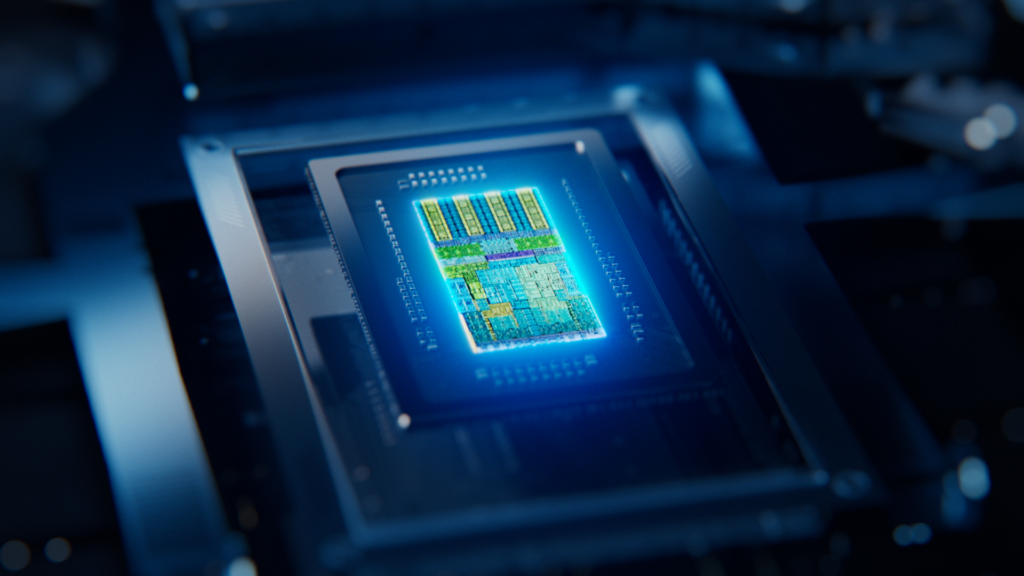
Microsoft's new laptop uses an Nvidia RTX Spark chip, which includes an Nvidia Blackwell RTX GPU with up to 6,144 cores and an Nvidia Grace CPU with up to 20 cores. It supports up to 128GB of unified memory and has a new thermal architecture to support the hardware. The RTX Spark is an Arm-based chip, so the laptop runs Windows on Arm with x86 apps using Microsoft's Prism emulation.
According to Microsoft, the Surface Laptop Ultra is its most powerful notebook to date. It has the "brightest, sharpest, and most vivid display" Microsoft has used in a Surface device, with peak HDR brightness that's 25% higher than the M5 MacBook Pro's. The mini-LED display is a touchscreen, and it supports gestures and navigation, but not pen input.
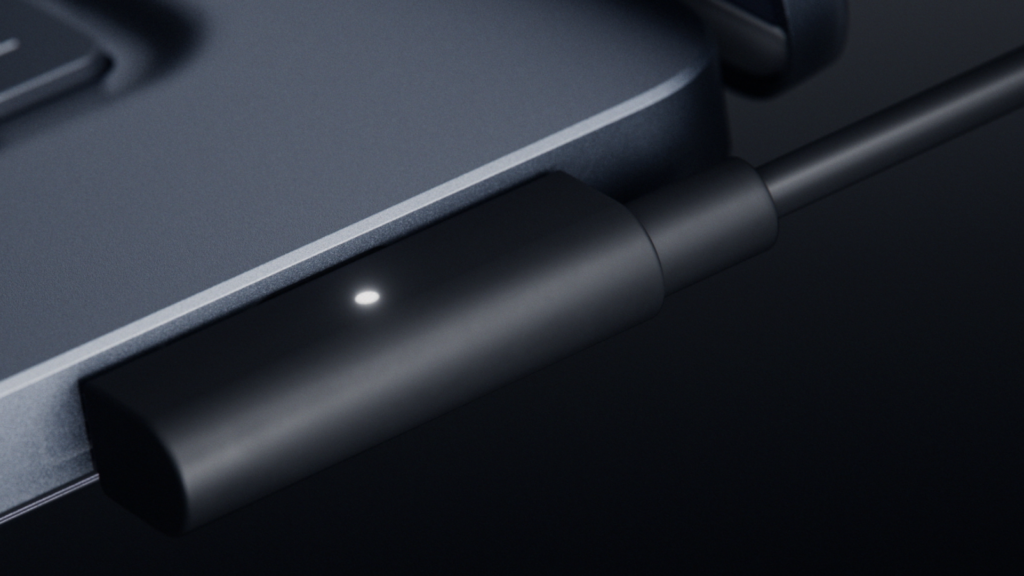
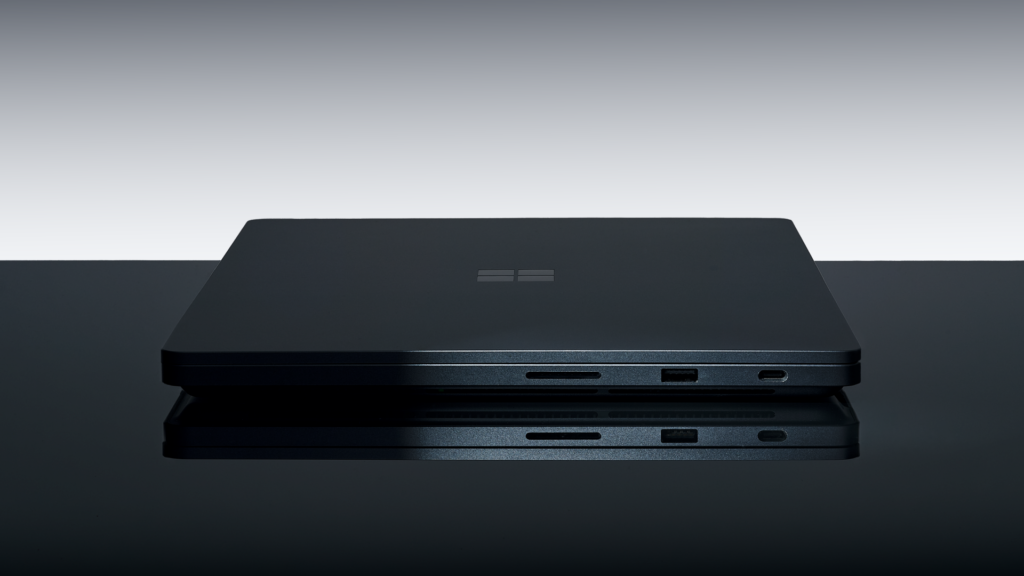
The laptop is lighter than the 16-inch MacBook Pro, with a large haptic trackpad and upgradeable storage. Microsoft even adopted a MagSafe equivalent, adding support for Magnetic Connect. Microsoft says Magnetic Connect is the "world's first built-in magnetic USB-C charging on a laptop." The device has three USB-C ports, a USB-A port, an HDMI port, an SD card reader, and a 3.5mm headphone jack.
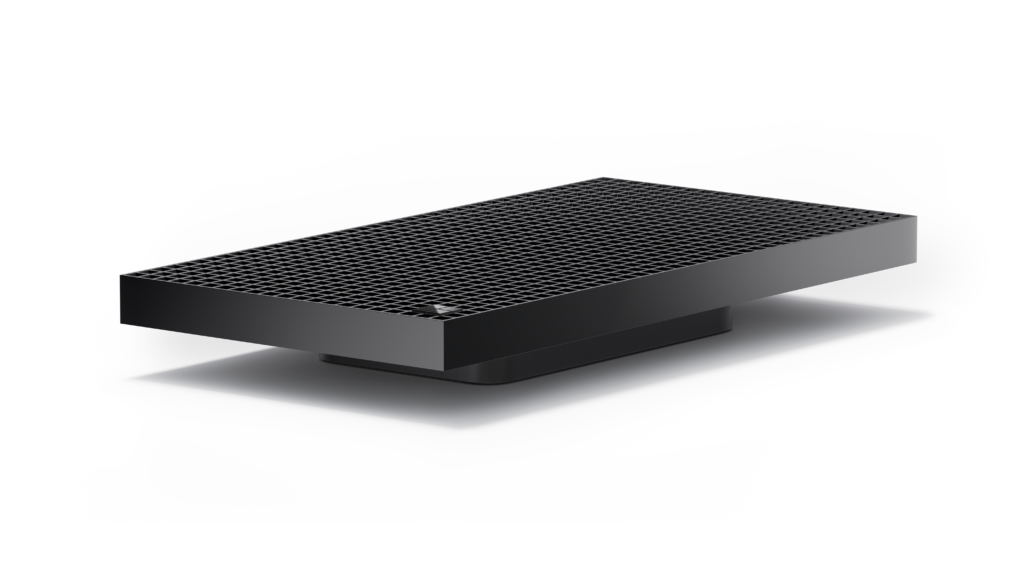
Along with the Surface Laptop Ultra, Microsoft announced the $5,999 Surface RTX Spark Dev Box to compete with devices like the Mac Studio and Mac mini. It is equipped with an Nvidia RTX Spark chip and offers up to 1 petaflop of AI performance with support for AI models up to 120B parameters.
Microsoft is offering a bonus to customers who "break up" with their MacBooks. MacBook owners can get up to $1,000 cash back when purchasing a Surface Laptop Ultra by trading in an eligible MacBook. The Surface Laptop Ultra launches on October 16.
"We're confident that once today's creators and developers experience everything Surface Laptop Ultra has to offer, they won't look back," reads Microsoft's website.
The Surface Laptop Ultra will directly compete with Apple's rumored OLED MacBook, which could also have an Ultra name. The MacBook Ultra is expected to feature a touchscreen, M5 Pro and M5 Max chips, and a thinner and lighter design.
Google today said it is making its SynthID Detector available to everyone for identifying content created using AI.
SynthID Detector first rolled out to members of the media last year, and it is now available worldwide in English. SynthID Detector is a website that lets users upload a photo, video, or audio file to determine whether it has a SynthID watermark that identifies it as AI-generated. Google's tool cannot distinguish between AI-created and AI-edited media, and it requires signing in to use.
SynthID embeds digital watermarks into content created by AI. The watermarks are not visible to humans but can be detected with Google's website. SynthID Detector can identify media generated using AI from Google, OpenAI, Nvidia, and Kakao. Apple also plans to support SynthID later this year.
Google says its website is not a general AI detector and can only detect media that uses the SynthID technology. SynthID checks are already integrated into Search, Gemini, and Chrome for users who want an alternative to SynthID Detector.
OpenAI today introduced Intelligent UI, a new feature that will let ChatGPT answer questions with "fully interactive user interfaces." OpenAI says everyday answers will be more visual, and the feature will make it easier for users to understand complicated topics.
ChatGPT responses will include graphics, tappable buttons, forms, charts, diagrams, and other interactive experiences. Sample comparisons between GPT–5.6 and GPT–6 on OpenAI's website show more visuals in responses, an interactive recipe widget that can automatically tweak quantities based on guest count, checklists, integrated maps, and multiple-choice follow-up questions to narrow down results.
ChatGPT can quickly create tools to complete tasks, like a bill splitter, small games, and a calculator. GPT–6 is also able to start answering while it's still thinking for quicker responses.
According to OpenAI, Intelligent UI uses a library of native, streamable components with a compiler that processes the interface as the model generates it.
In addition to introducing Intelligent UI, OpenAI is expanding GPT–6 models to more users. GPT–6 with Intelligent UI is rolling out to ChatGPT Plus, Pro, Business, and Enterprise users today, and tomorrow, the rollout will expand to Free and Go tiers.
Plus, Pro, Business, and Enterprise users get GPT–6 Sol, while Free and Go tier users get access to GPT–6 Luna. GPT–6 is limited to the Chat tab, and the models for Work and Codex aren't changing.
Repair site iFixit this week continued taking apart the latest Apple devices, this time tearing down the Apple Watch Series 12 and the Apple Watch Ultra 4.
The Apple Watch Ultra 4 has no repairability changes. There are copious amounts of glue between the casing and the display for waterproofing, and getting to the battery has to be done through the screen. It's easy to slice through the display cable when attempting to pry the device open.
The Apple Watch Series 12 is also difficult to get into, but it has a pull tab for the adhesive holding the battery in place, which iFixit says is a "modest" repairability improvement. The Series 12 also drops the ZIF connector that made repairs more difficult, which makes for a simpler process. There is no way to access the battery without removing the display, and no way to swap the display without removing the battery.
The Apple Watch Ultra 4 has a 2.444Wh battery, up from 2.313Wh in the Apple Watch Ultra 3. The 46mm Series 12 has a 1.461Wh battery, up from 1.403Wh for the Series 11.
With the pull tab and the improved cable layout, iFixit gave the Apple Watch Series 12 a repairability score of 4 out of 10, an improvement over the last base model iFixit scored. The Ultra 4 also earned a 4 out of 10, which is the same score iFixit has given to all prior Apple Watch Ultra models.
The site points to Google as proof that a wearable can be repairable. Google's Pixel Watch 5 earned a repairability score of 9 out of 10. The Pixel Watch 5's display and battery can be accessed by removing a few screws and a gasket, with no adhesive to deal with.
iFixit claims Apple is "out of compliance" with the Right to Repair laws in Washington, Oregon, California, Nevada, Colorado, Minnesota, Texas, New York, Maryland, and Connecticut because it does not sell Apple Watch repair parts or service tools, nor does it offer repair manuals.
iFixit says it is preparing evidence to help attorneys general in states with Right to Repair laws understand that Apple is not complying with the law.
Apple and The King’s Trust are building on their longstanding partnership by launching an immersive new education program to help young people move into the world of work.
Apple is partnering with UK charity The King's Trust to launch a new education program that will help young people build careers in creative industries, Apple said today.
The Apple x King's Trust Creative Labs will give people aged 18 to 30 the opportunity to work with Apple experts as they look into different career paths.
An initial cohort of up to 20 people is participating in specialized workshops to learn "valuable, industry-aligned skills using Apple technologies." The educational experience started this week with music industry and creative workshops timed to the opening of Apple Music Hall at Battersea Power Station in London. Apple chairman Tim Cook and King Charles III visited Apple Music Hall to meet with attendees.
More cohorts and more sessions will follow over the next year.
Apple has worked with The King's Trust since 2019, expanding access to science, technology, engineering, arts, and mathematics programming to schools across the UK. Apple says it is also working with The King's Trust on resources that will build AI literacy, creativity, and agency among educators and young people.
Some Apple Watch Series 12 and Ultra 4 owners have experienced unexpected skin irritation with the new models, according to reports on the MacRumors forums and Reddit.
Affected users complain of a burning sensation and redness under the sensor area. The Apple Watch Series 12 and Ultra 4 measure heart rate every five seconds, and some people have wondered if that's the cause of the skin irritation.
Along with more frequent heart rate readings, the Series 12 and Ultra 4 have a larger ECG electrode surface, photodiodes in a ring-shaped arrangement, and larger green LEDs. It is unknown if any of these design changes are a problem, but wrist irritation from the Apple Watch is a complaint that dates back to the original model.
Apple says reactions can be caused by wearing a band too tight or too loose, or by irritants like soap and sweat under the watch. Some Apple Watch models contain nickel, but it is a low amount below EU limits, and Apple says it's unlikely to be a problem. The Apple Watch case and certain Apple Watch bands have trace amounts of acrylates and methacrylates from adhesives, but Apple says it designs the watch and bands to keep those components away from skin.
Apple recommends making sure a band fits well and keeping the Apple Watch, bands, and skin clean and dry. Apple adds that cleaning may be required after workouts or exposure to liquids like sweat, soap, sunscreen, and lotion.
Some users have seen the issue clear up after an adjustment period wearing the watch, and cleaning the back of the watch and the band has also helped in some cases. Other users have returned their devices. Apple advises that users experiencing redness, swelling, itchiness, or other irritation consult a physician before putting the watch back on.
Hello Windows Insiders,
Today, we’re releasing new Windows 11 Insider Preview builds to the Beta and Experimental channels! Coming straight off the back of our Windows + Surface event, we have some exciting new features entering the Windows Insider Program.
New builds this week
Select your channel below to view its release notes:
New Windows Search experience with inline actions: We're beginning to roll out a new Windows Search experience built on WinUI 3 that is faster, more efficient, and features a streamlined design that makes results easier to scan. We're also introducing inline actions, allowing you to quickly complete tasks directly. Turn on dark mode or Bluetooth, adjust your screen brightness, mute your device, or arrange windows from Windows Search.
We're improving how Windows Search understands what you're looking for, including better matching for typos and synonyms. We'll continue fine-tuning these improvements over the coming weeks. For more information detailing the new changes, check out the dedicated Windows Insider Blog.
[caption id="attachment_179190" align="aligncenter" width="2560"] Screenshot of the new Windows Search experience[/caption]
As part of our continued commitment to making Widgets more useful for everyday moments, we're introducing the Battery Status widget for Insiders on newer builds. This widget provides a unified view of battery levels for your PC and peripheral devices, helping you quickly assess power status without hunting through multiple UI locations. Add it by going to Widgets board > Add widgets > Battery Status.
[caption id="attachment_179221" align="aligncenter" width="604"] UI showing the new Battery Status widget, providing a unified view of battery levels across your PC and connected devices.[/caption]
Thanks,
Stephen and the Windows Insider Program team
For more than a decade, Surface has been shaped by the people pushing technology further.
Creators rendering complex scenes. Developers building what doesn't exist yet. Designers moving between ideas, models, code, and content. Makers whose work demands more from their devices because they're constantly pushing boundaries.
Over time, we've learned something important: the people who choose Surface aren't just using technology for tasks; they're shaping what's next.
Today, we're opening pre-orders for two new devices built for that reality: Surface Laptop Ultra and Surface RTX Spark Dev Box. These new Surface devices bring to life the broader Windows vision for hybrid intelligence we’re sharing today, combining the power of the PC and the cloud to help people do more with AI.
Surface Laptop Ultra: Made for world makers
Surface Laptop Ultra started with a clear ambition: How can we better serve the needs of creators, developers, and AI builders?
The answer wasn’t simply a faster laptop. It meant fundamentally rethinking what a high-performance Windows PC could be.
It started with a deep partnership to optimize Windows to take full advantage of NVIDIA’s RTX Spark™ Superchip. We then designed an entirely new device around the platform from the ground up. Mechanical, electrical, thermal, acoustic, material engineers, and industrial designers worked together from the beginning to fully realize the potential of the RTX Spark.
The result is our most powerful Surface Laptop ever, built for demanding creative, technical, and AI workloads.
One superchip. One complete system.
Designed around NVIDIA RTX Spark, Surface Laptop Ultra unites an NVIDIA Blackwell RTX GPU with up to 6,144 cores, an NVIDIA Grace CPU with up to 20 cores, and up to 128 GB of unified memory.1
Run AI models exceeding 120B parameters locally, with up to 1 petaflop of AI performance.2 Move between creative work, development, and immersive gaming without missing a beat. Keep more of your work on-device, with less reliance on the cloud and access to the CUDATM ecosystem and full Windows AI stack.3
Power is only the beginning
Power only matters if it lasts.
That's why we designed a new thermal architecture that delivers up to 2.5x more thermal power capacity than our current Surface Laptops. In a chassis less than 18 mm thin and under 4.5 lb4, Surface Laptop Ultra was built for sustained performance.
The 15-inch PixelSense™ Ultra touchscreen is the brightest, sharpest, and most vivid display we've ever put on a Surface Laptop.5 It’s designed to empower professionals to review footage frame by frame, annotate designs, explore datasets, and interact directly with their work.
It delivers the brightest peak HDR of any laptop6, up to 25% brighter peak HDR than MacBook Pro M57, and the color accuracy creators trust.
The touchpad is 30% larger, with advanced haptics for precise control across demanding creative workflows.8
Storage is user-removable, so you can upgrade, replace, or secure your own storage.9
Surface Laptop Ultra is available in Platinum and Nightfall, so it looks as sleek and sophisticated as it runs.10
It also features our most complete port selection yet, led by something entirely new: Magnetic Connect, the world’s first built-in magnetic USB-C® charging on a laptop.
The included charging cable attaches magnetically to the right-side USB-C port and releases easily. The port remains fully functional for video, data, and other USB-C devices.
Other ports include:
· Two additional USB-C ports
· HDMI
· USB-A
· An SD card reader
· A 3.5 mm headphone jack
Drive up to three 4K displays11. Import footage without adapters. One device. Every connection you need.
Built for real work. Always ready to play.
Creative professionals get a display they can trust, graphics acceleration when projects get demanding, and up to 128 GB of unified memory to provide headroom for multitasking across demanding creative and local AI workflows.
Developers can use local models with GitHub Copilot to bring agentic coding on device. They can prototype agents, review code, test larger models, and keep development tools running side by side.
When the work is done, the same RTX Spark architecture that accelerates creative and AI workloads also powers a great gaming experience.
Ray tracing, DLSS and NVIDIA Reflex in supported titles, together with the deep and growing catalog of games on Windows on Arm, mean the machine you rely on during the day can keep delivering when it’s time to play.
Surface RTX Spark Dev Box
Surface Laptop Ultra moves with you. Surface RTX Spark Dev Box gives developers, AI engineers, and technical teams powerful AI compute at their desks.
Also built around NVIDIA RTX Spark Superchip, this developer-first powerhouse brings massive local AI compute to a compact small form factor, giving developers more control over where workloads run and how resources are used.
When experimentation happens locally, teams can iterate faster, reduce cloud dependency, and reserve cloud resources for the workloads that truly need them. Dev Box offers developers:
Up to 1 petaflop of AI performance and 128 GB of unified memory on your desk
Support for AI models exceeding 120B parameters with large context windows2
Local inference, evaluation, and experimentation at interactive speeds
The same powerful NVIDIA RTX Spark platform that powers Surface Laptop Ultra
Ready to go out of the box
The goal is simple: less time configuring your environment, more time building. As part of the Project Zenith family of devices, Surface RTX Spark Dev Box comes ready with the tools, runtimes, and environments developers use most, including Visual Studio Code, Git, GitHub CLI, GitHub Copilot, WSL, Python, Node and more.
Run AI agents where they work best
Give developers the freedom to move faster with agents, while keeping access, compute, and cost under control. Windows is the OS for agents, and Surface is the hardware for Windows.
Microsoft Execution Containers provide containment for agents, while upcoming Windows capabilities will use Microsoft Entra to distinguish agent activity from user activity and extend Microsoft Agent 365 controls to local agents on-device. With NVIDIA RTX Spark and up to 128 GB of unified memory, Surface Laptop Ultra and Surface RTX Spark Dev Box can run demanding models and agent workflows locally, including GitHub Copilot tasks that investigate builds and propose fixes, while Microsoft Dev Box adds cloud capacity when needed.1 The result is governed, scalable AI development without spending a cloud token on every step.
Commercial configurations of Surface Laptop Ultra are available for pre-order today.
Break up with your MacBook
If you've outgrown the compromises of a traditional professional laptop, we'll help make the switch.
Level up to Surface Laptop Ultra and get up to $1,000 cash back when you trade in an eligible MacBook Pro.12
We're confident that once today's creators and developers experience everything Surface Laptop Ultra has to offer, they won't look back. Learn more about the offer here.
Reserve yours today
Starting today, pre-order Surface Laptop Ultra starting at $2,599 (MSRP) from Microsoft.com or select retailers worldwide, with availability beginning October 16. At Microsoft Store, explore the full lineup of configurations and accessories, with free shipping, easy returns, flexible payment options, and Microsoft support. If you’re looking for a commercial device, explore Surface Laptop Ultra for Business.
Surface RTX Spark Dev Box is available for pre-order for $5,999 (MSRP), exclusively on Microsoft.com in the U.S. and will begin shipping to customers this November.
1 Memory varies by configuration. 128GB total system memory in a unified memory architecture dynamically shared between CPU and GPU. Maximum amount addressable by the GPU depends on system configuration and workload and is less than the total. 2 Based on theoretical FP4 performance of 1 petaflop using the sparsity feature. See: NVIDIA Corporation - NVIDIA and Microsoft Reinvent Windows PCs for the Age of Personal AI. 3 CUDA™ is a registered trademark of NVIDIA Corporation. 4 Might vary depending on manufacturing processes. 5 Surface display has rounded corners within a standard rectangle. When measured as a standard rectangular shape the screen is 15” diagonally (actual viewable area is less). Touchscreen is optimized for touch interaction only. Pen input and compatibility with Surface Pen, Surface Slim Pen, or similar accessories is not supported. 6 Peak HDR brightness of 2,000 nits, measured over a 10 percent window with HDR content. Comparison against laptops commercially available as of October 2026. Sustained and SDR brightness are lower. Actual brightness varies with content, settings, and conditions. 7 Based on peak HDR brightness comparing Surface Laptop Ultra to MacBook Pro M5 Pro published specifications as of October 1st, 2026. 8 Compared to Surface Laptop 8th Edition 9 Replacement components and service options vary by market and over time. Repairs should follow the Microsoft Service Guide. Device damage caused during repair may not be covered by warranty unless required by law. 10 Colors available on selected models only. Available colors, sizes, finishes, and processors may vary by store, market, and configuration. 11 External monitor support requires compatible displays, cables, and accessories. See Surface tested peripherals page for compatibility information. 12 Offer valid with purchases of qualifying new Surface Laptop Ultra device between October 7, 2026 - November 23, 2026 after trade-in of a qualifying device, where customer submits the online trade-in claim for their used device, plus proof of purchase for new device, during the Promotion Period. Available only through the Microsoft Store online in the United States and Canada. Amount of additional cash back varies depending on device purchased and value of trade in; see FAQ for more details. To be eligible for the cash back, customer must mail in the qualifying trade-in device within 15 days of completing the online trade-in process. To be eligible for trade-in, (i) customer must own the qualifying device, (ii) the device must power on, (iii) the battery must hold a charge (the device must not be required to be plugged in to operate), and (iv) the device must be in fully functional, working condition and not have broken or missing components, a cracked display or screen, liquid damage, modification(s) or the device warranty seal broken. The device cannot be password protected and must include its original chargers, accessories, and hard drive. Trade-in value depends on device type and condition after inspection by Teladvance. All trade-ins and reimbursements are subject to Teladvance's sole discretion and approval. Devices determined to not meet eligibility criteria may be shipped back to the customer or recycled. Recycled devices are not eligible for cash back. All trade-ins are final. See Microsoft Store Trade-in Program for steps and requirements. Not valid on prior orders or purchases; cannot be transferred or otherwise redeemed for cash or gift cards, or credit towards other devices or products. May not be combined with other offers. Void where prohibited or restricted by law. Microsoft reserves the right to modify or discontinue offers at any time. Limit of 1 offer per customer.

 Log in

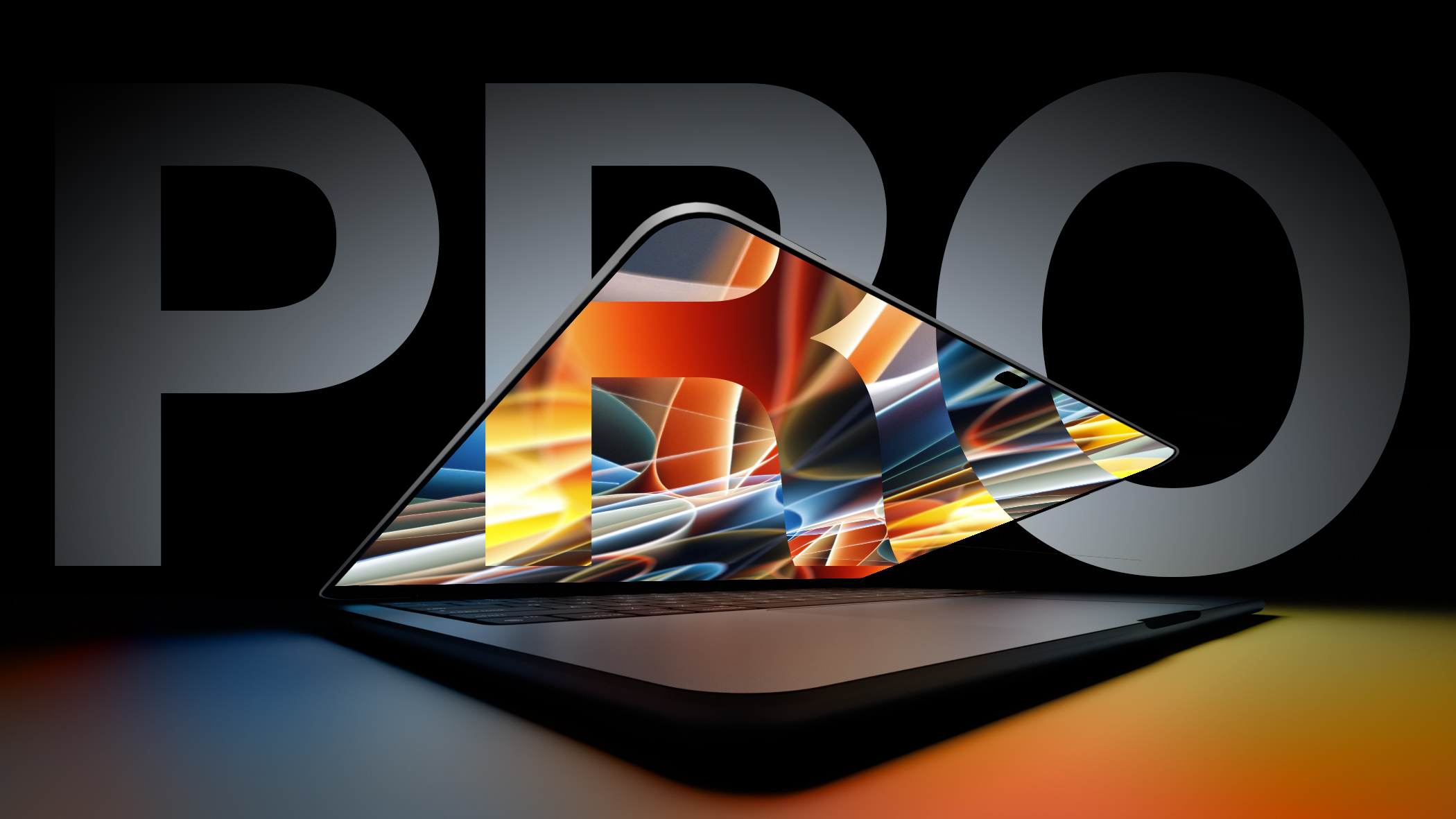
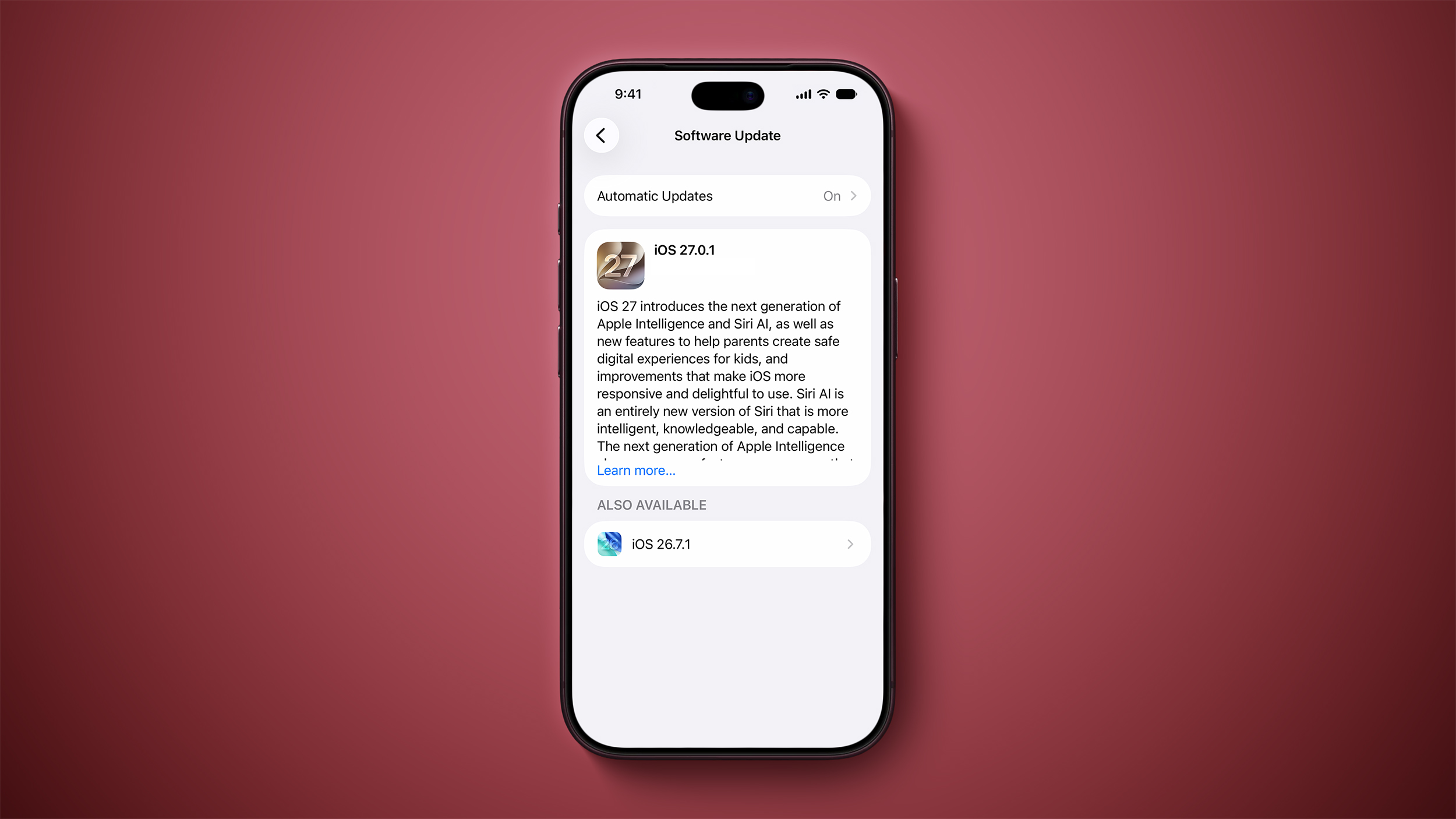


 In his new role as the executive chairman of Apple's board of directors, Tim Cook
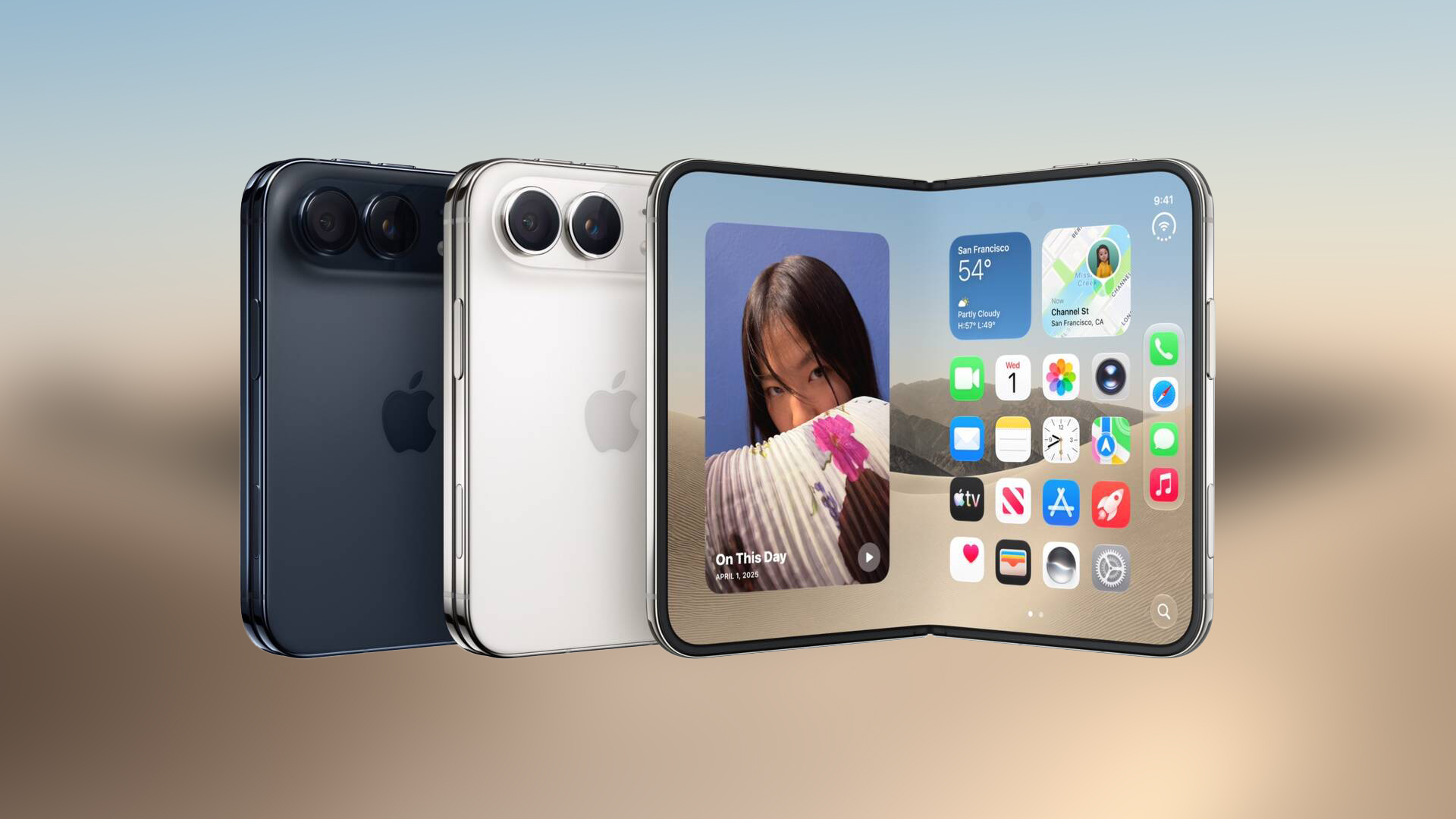
 Note: MacRumors is an affiliate partner with some of these vendors. When you click a link and make a purchase, we may receive a small payment, which helps us keep the site running.


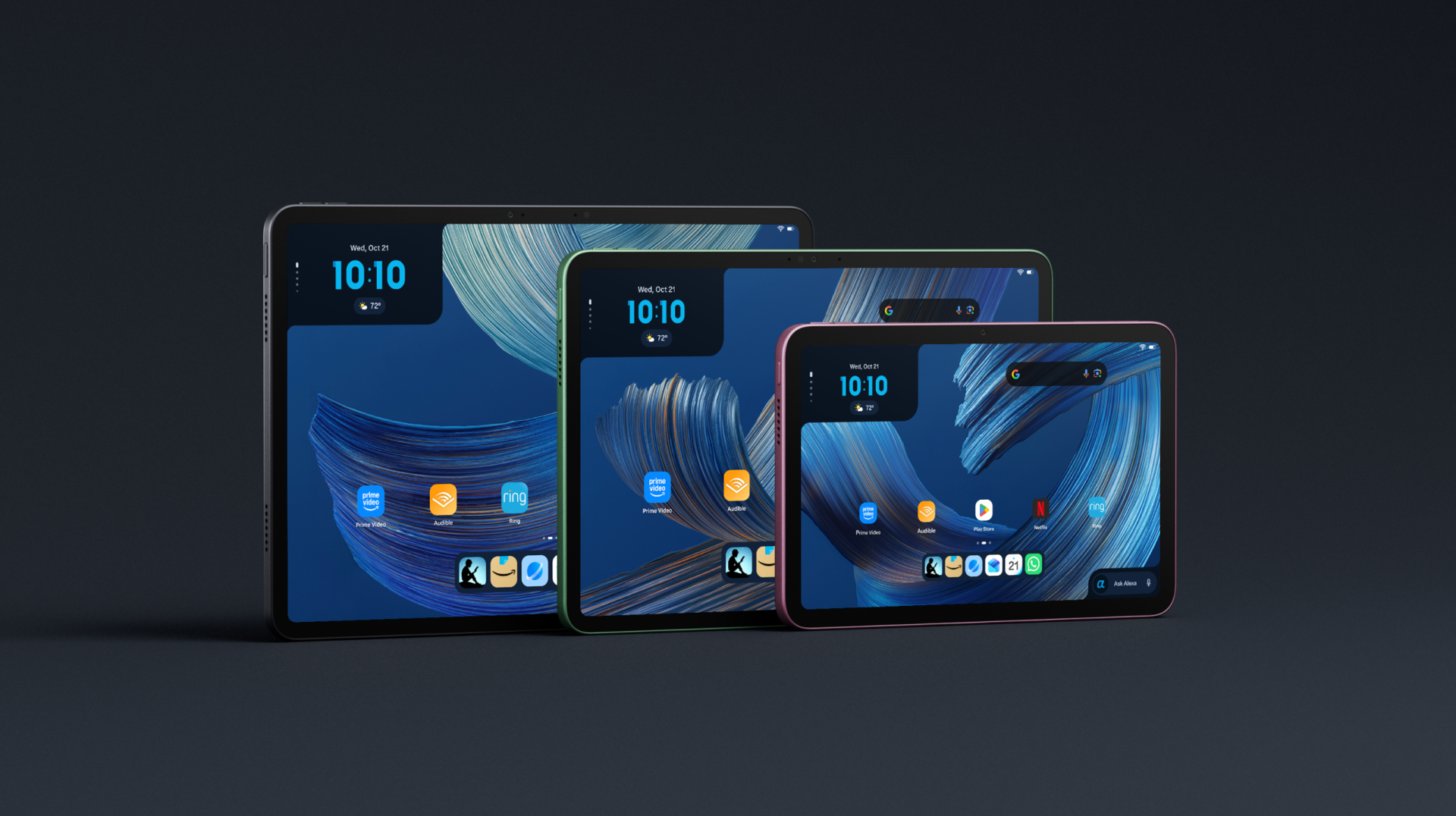
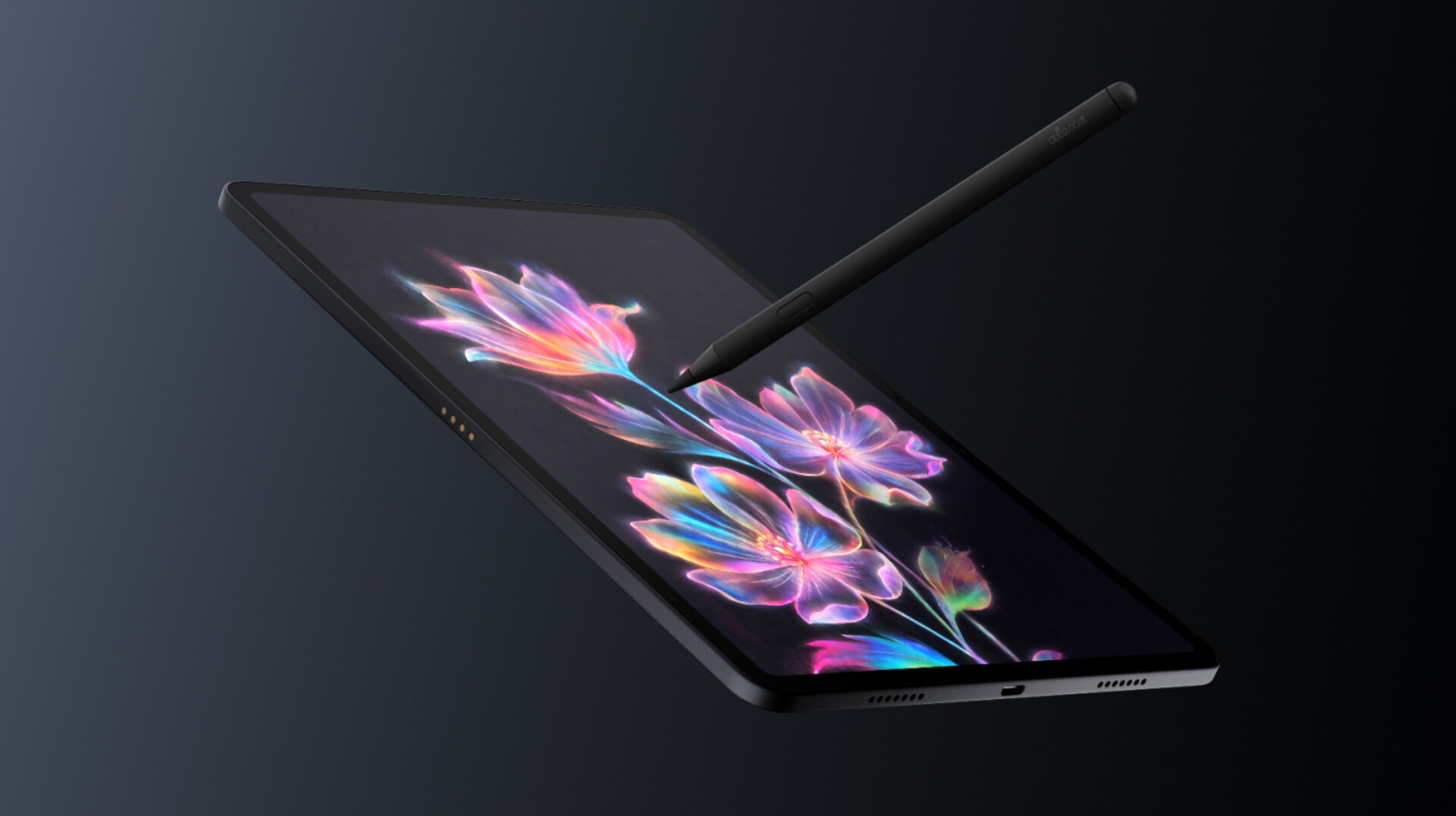
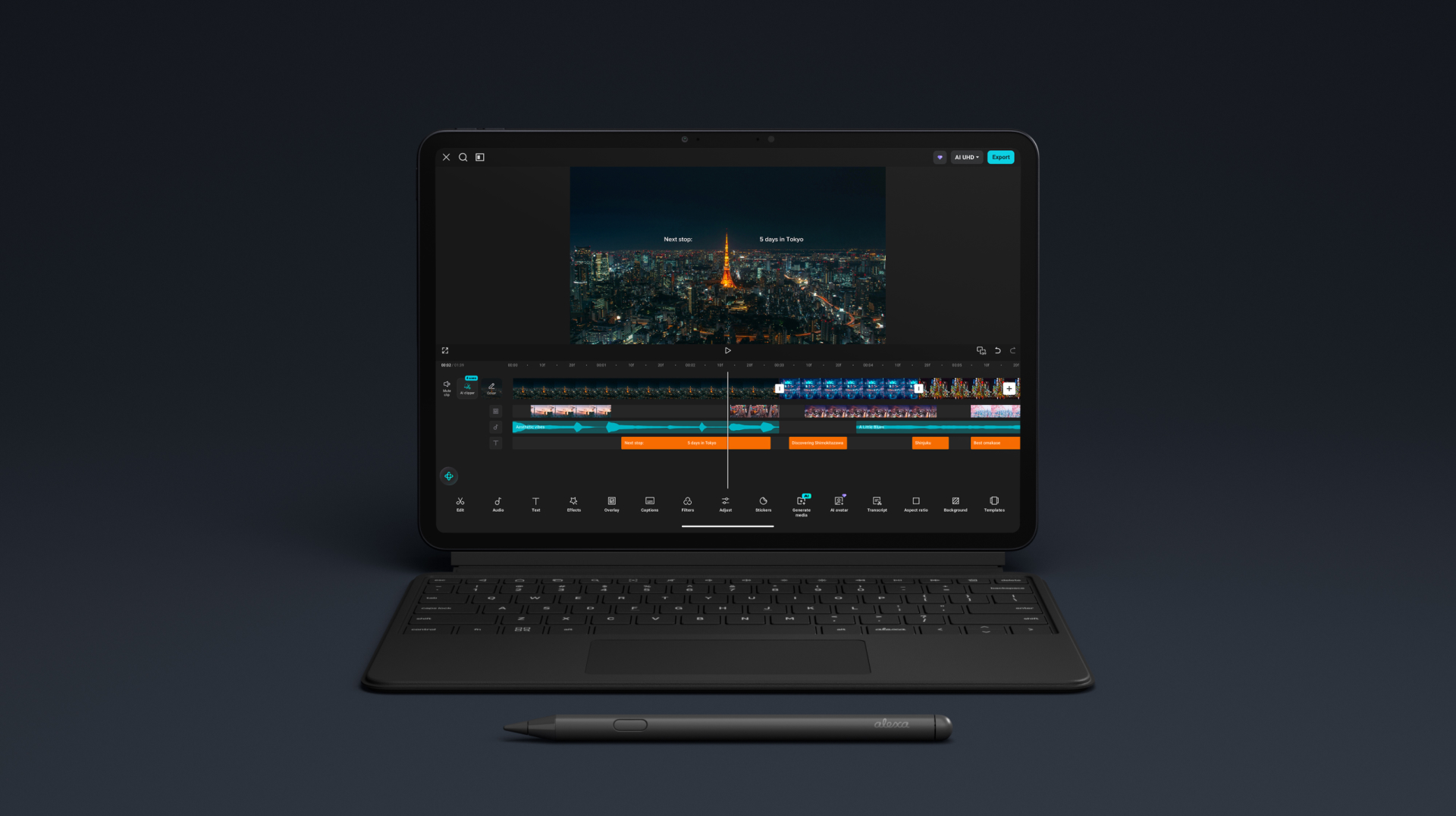
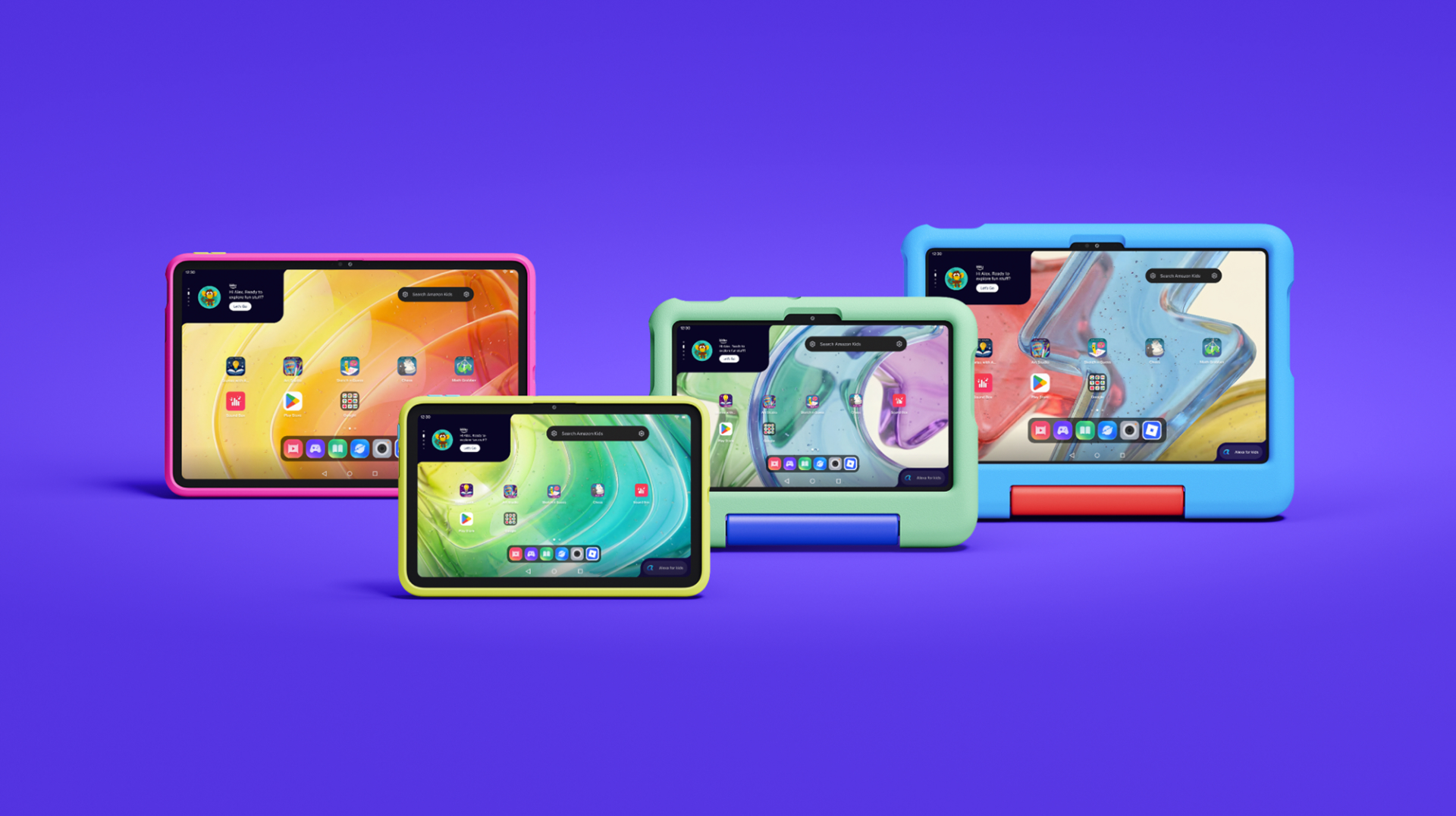
 Note: MacRumors is an affiliate partner with Amazon. When you click a link and make a purchase, we may receive a small payment, which helps us keep the site running.
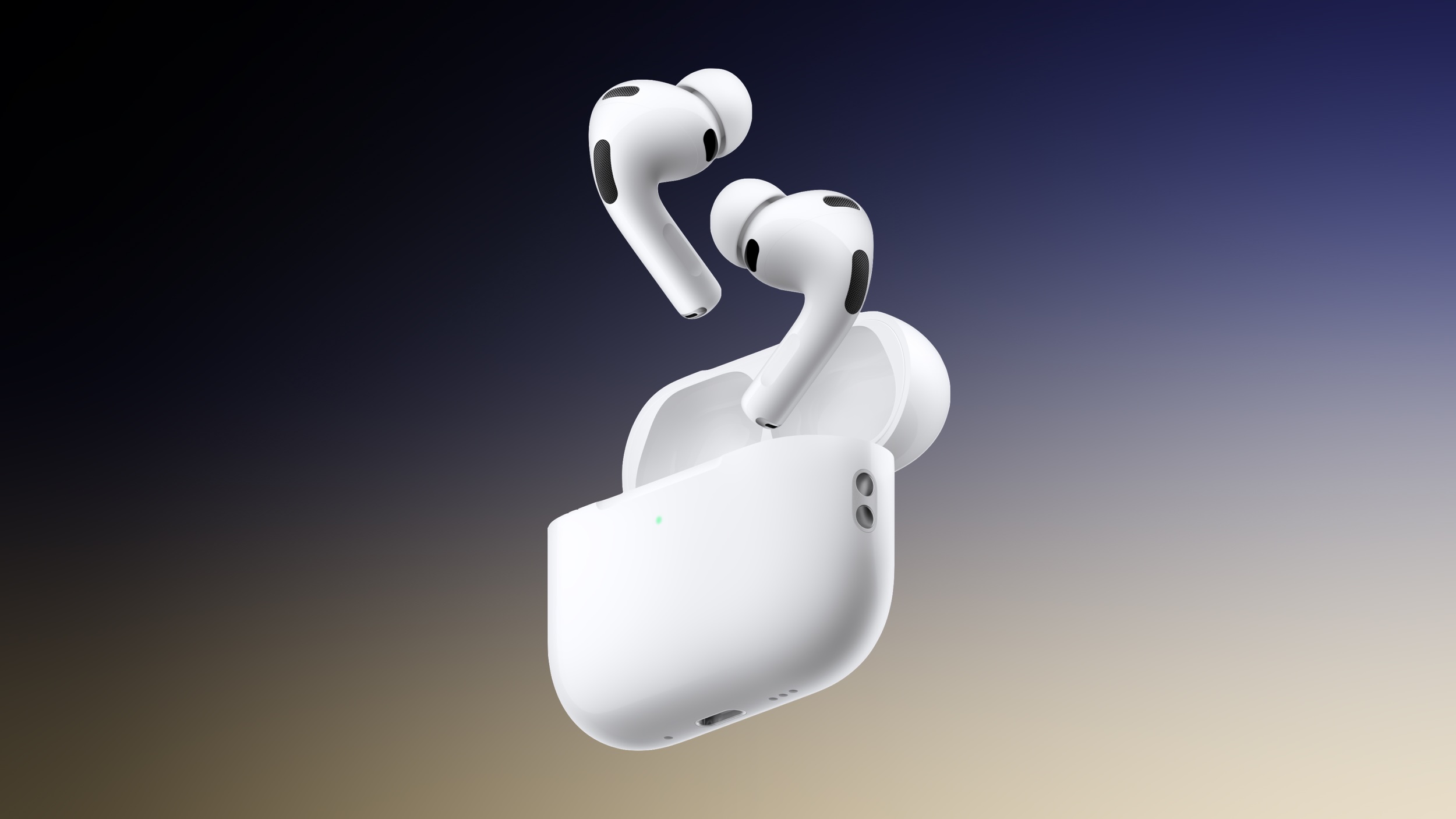
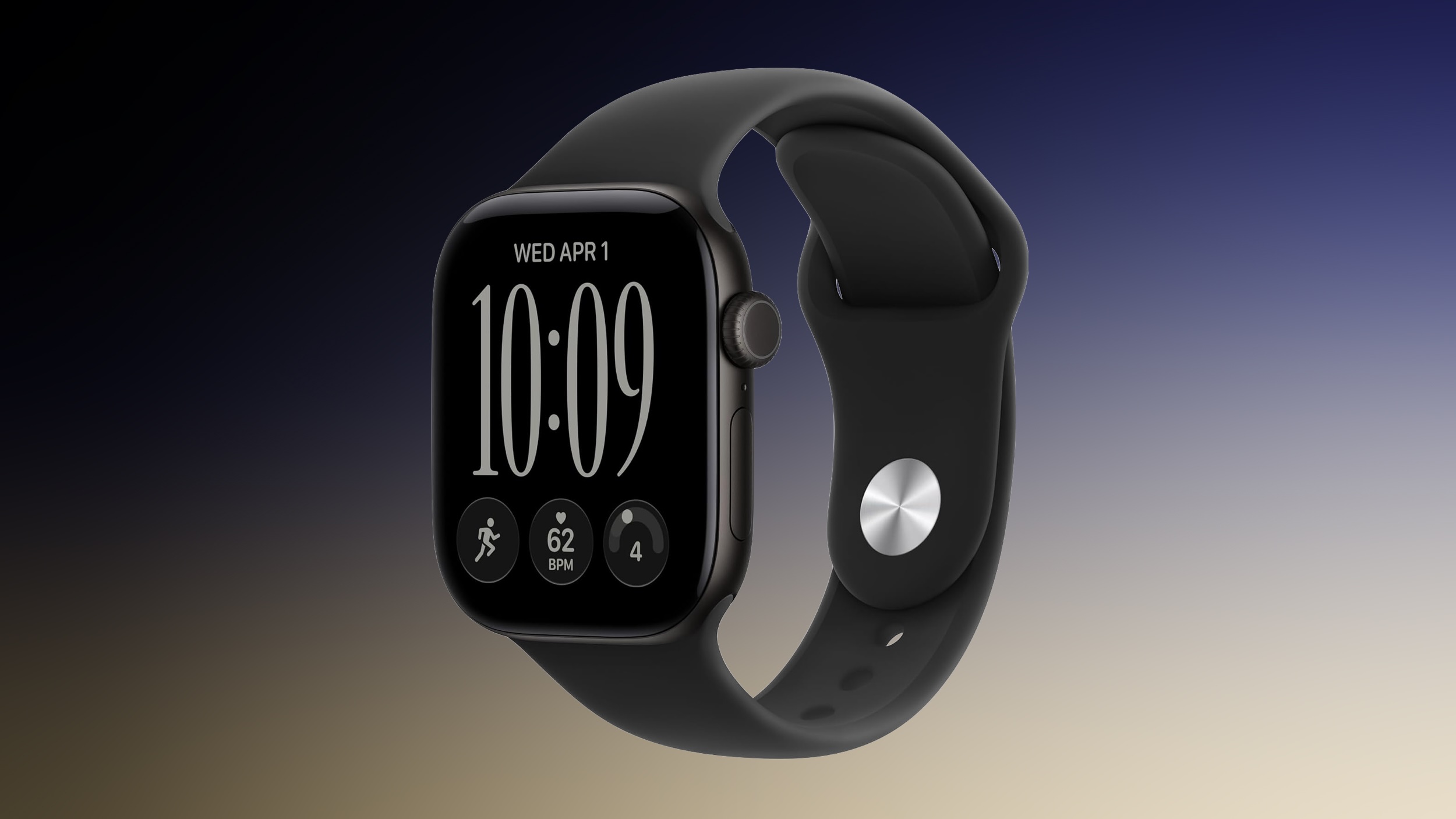
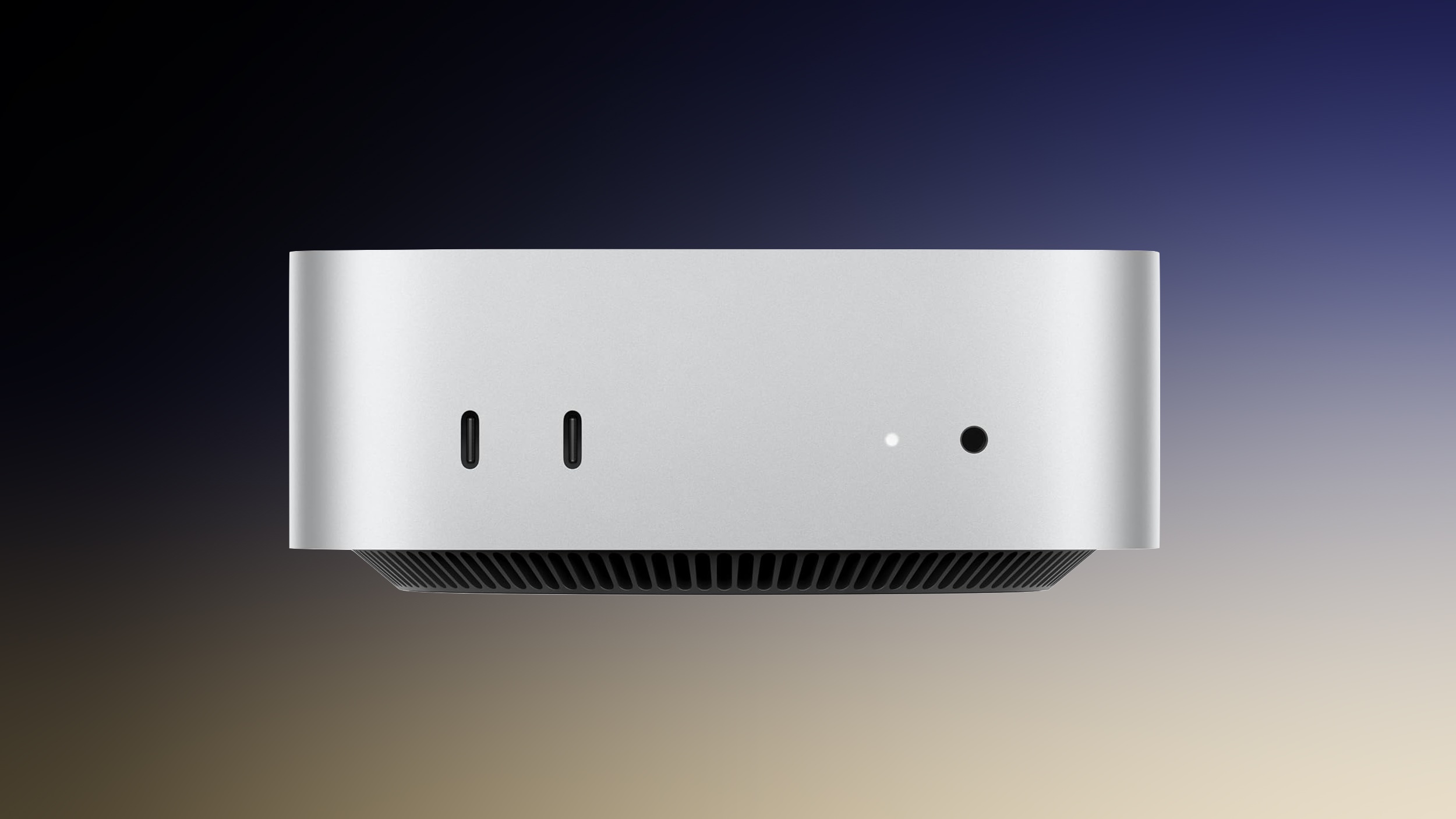
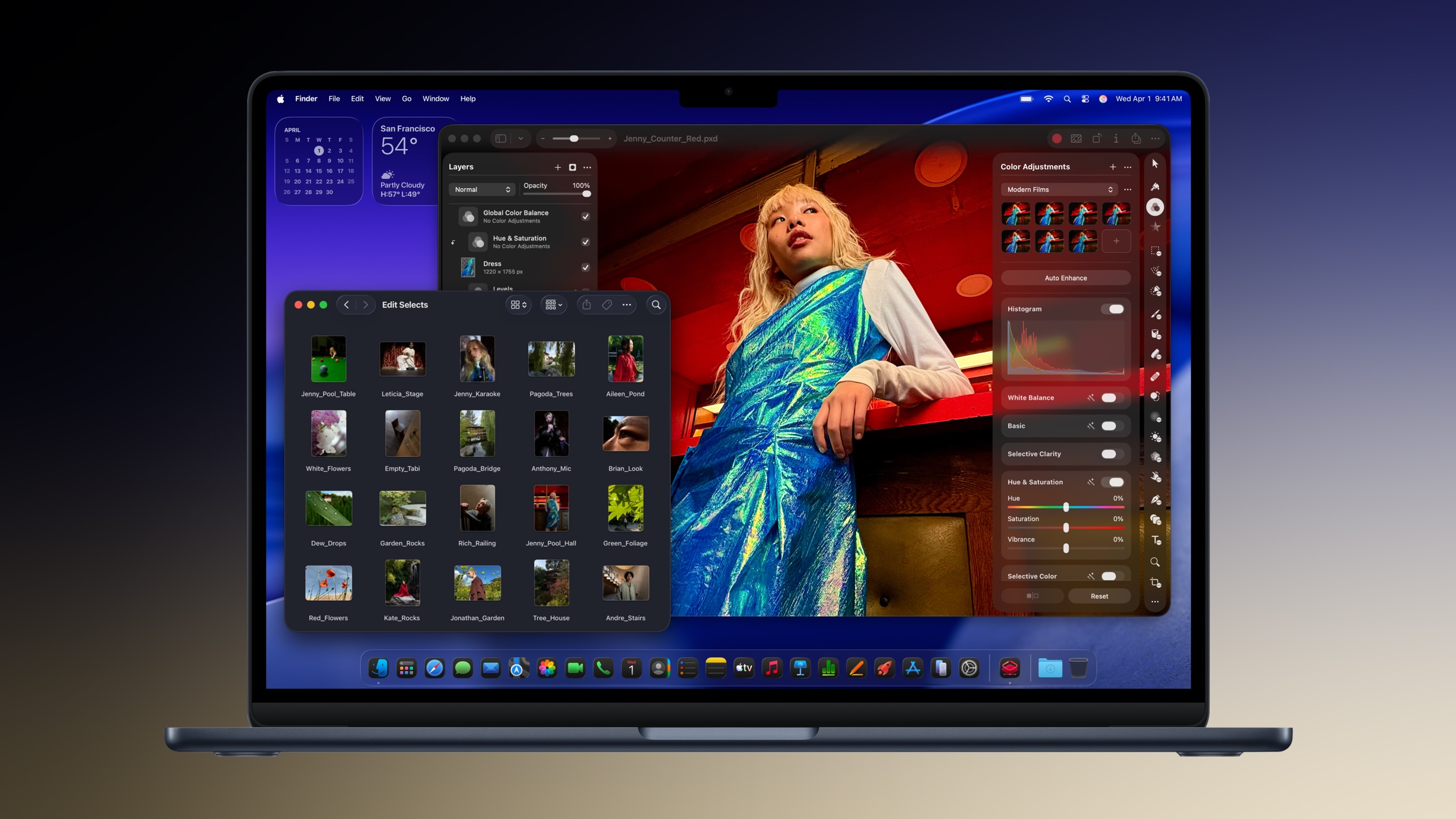
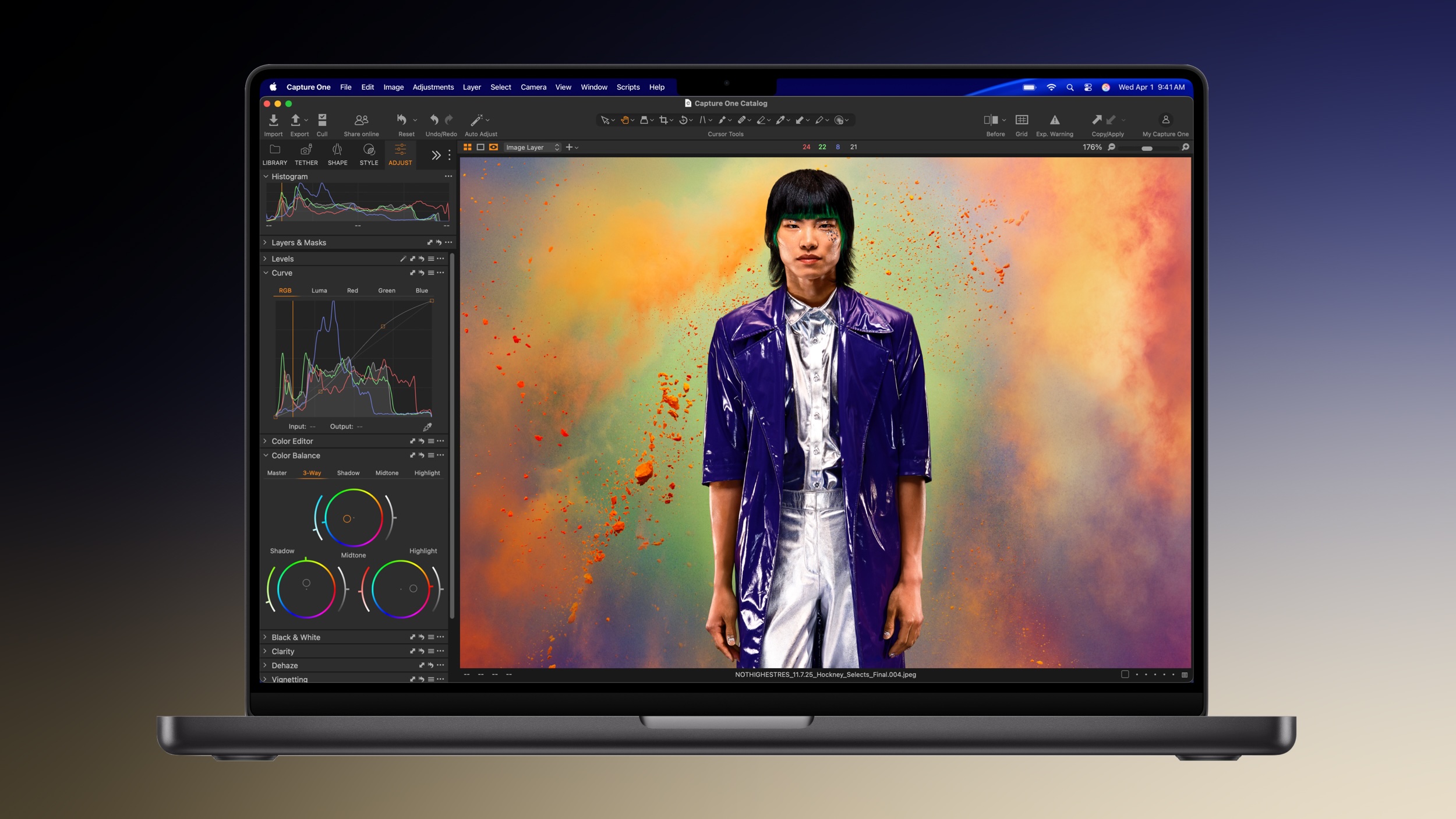
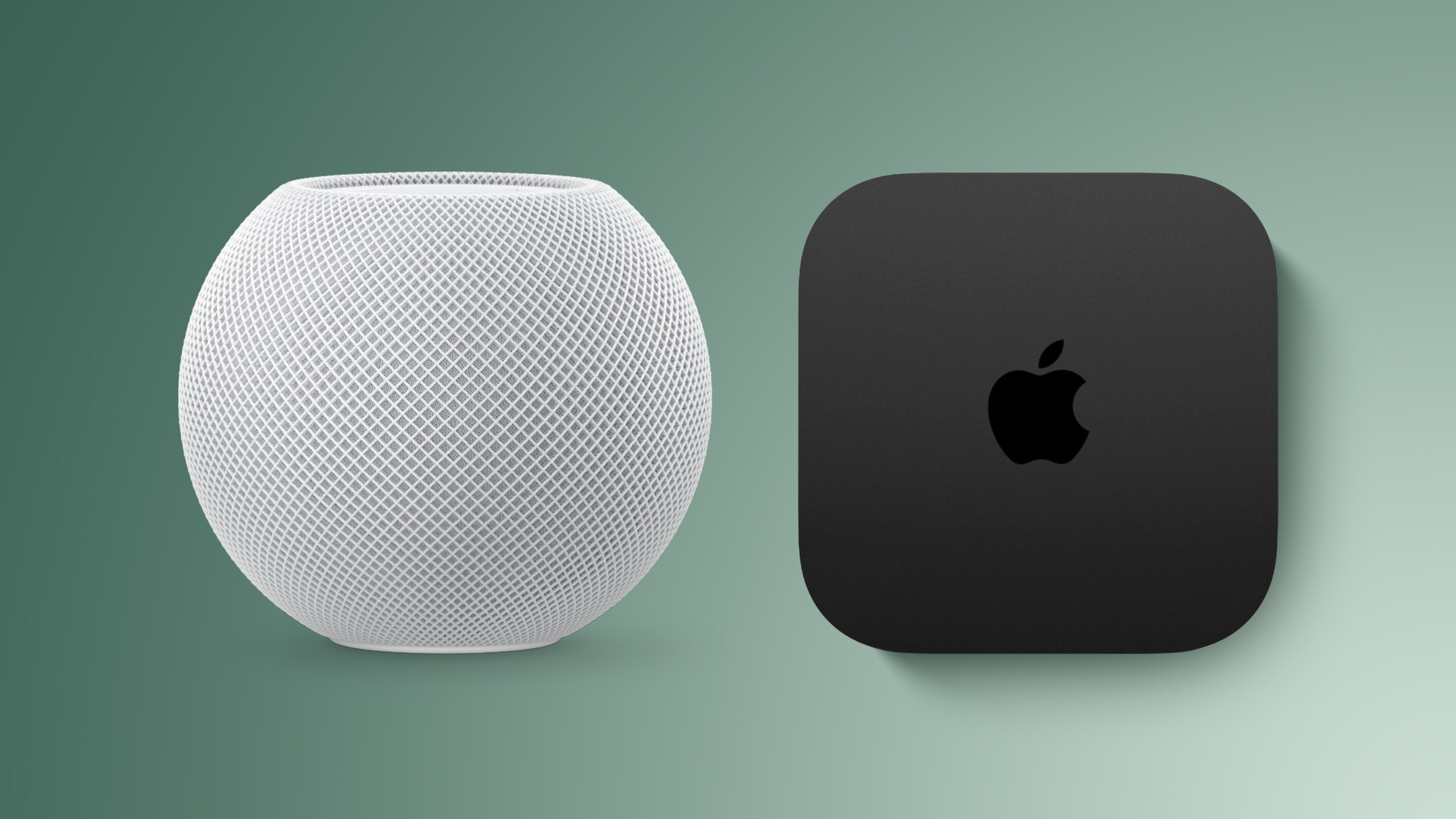 On his

 Apple's iPhone Air 2 will be approximately 0.4mm thinner than the current model despite having a higher-capacity battery, claims the account "
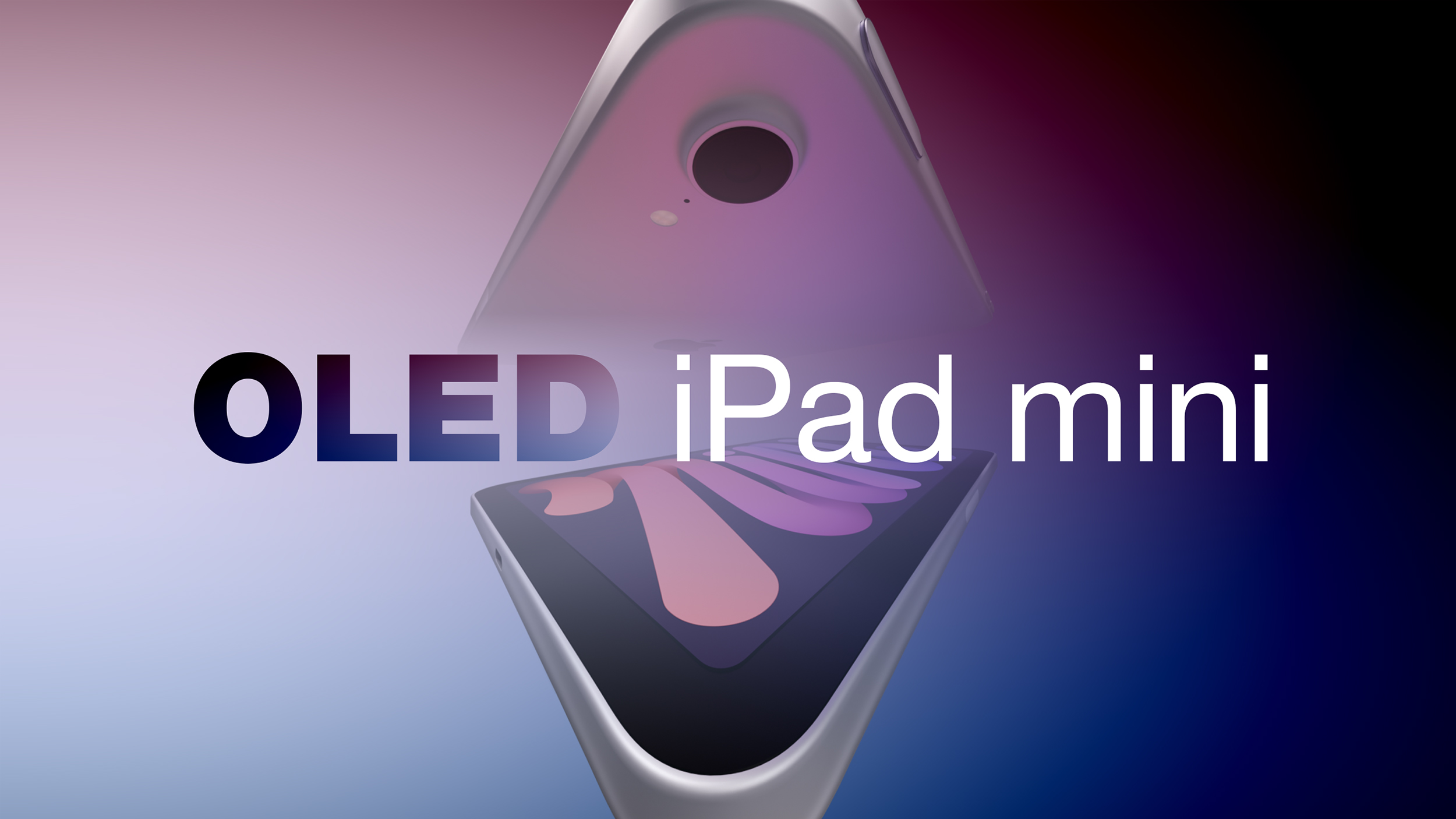
 Bloomberg's Mark Gurman has walked back somewhat on his previous reporting that Apple's

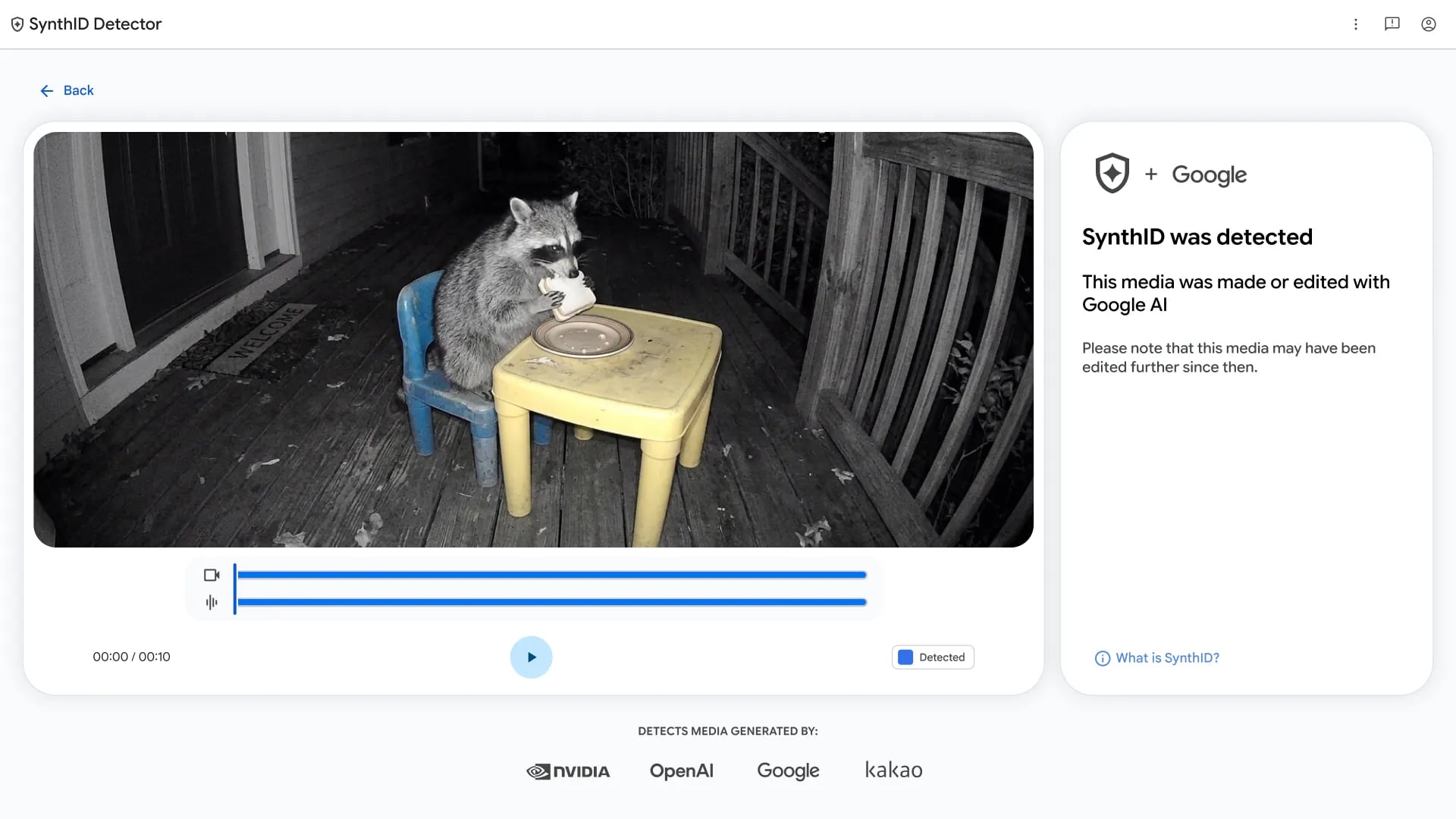
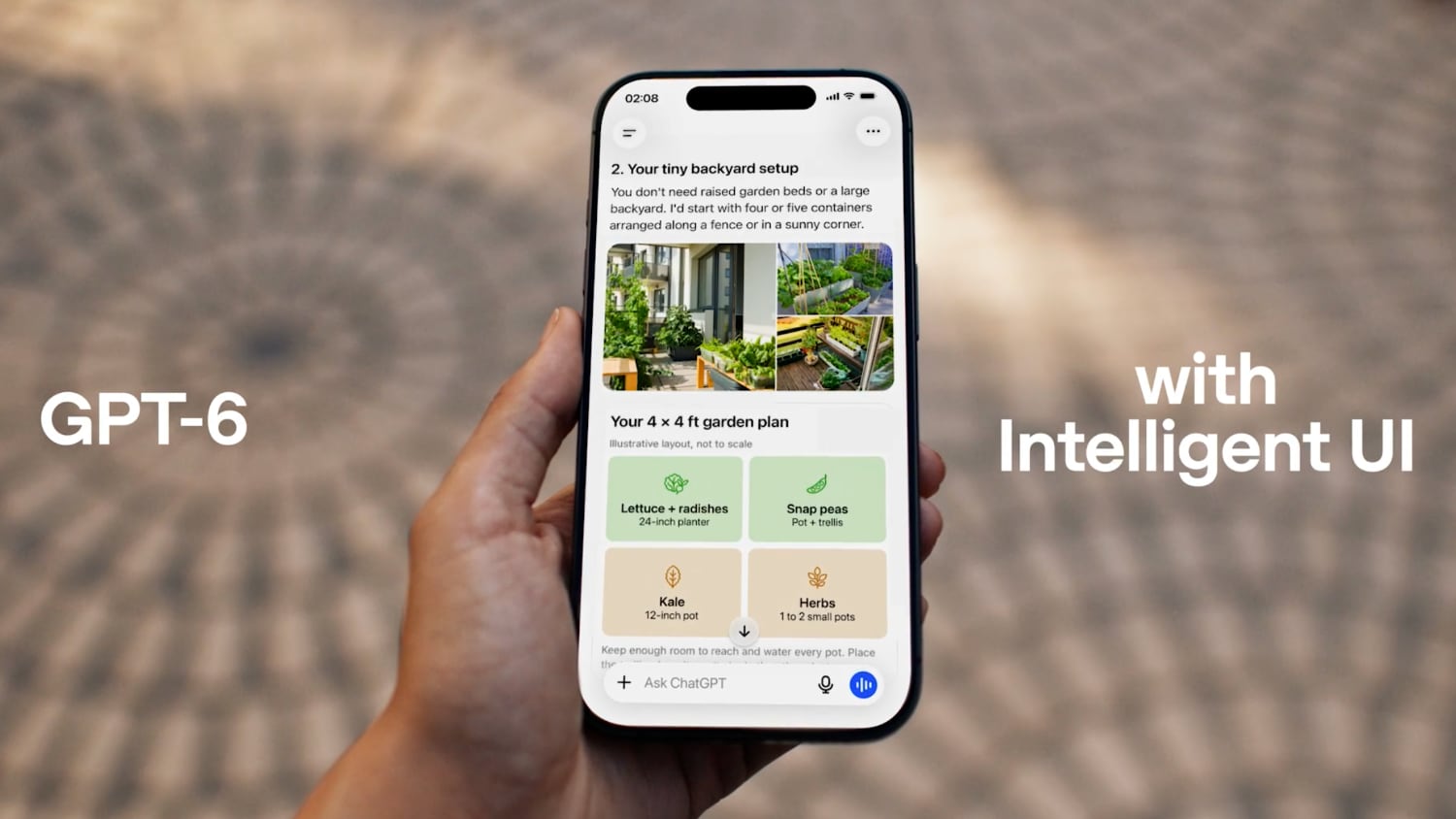


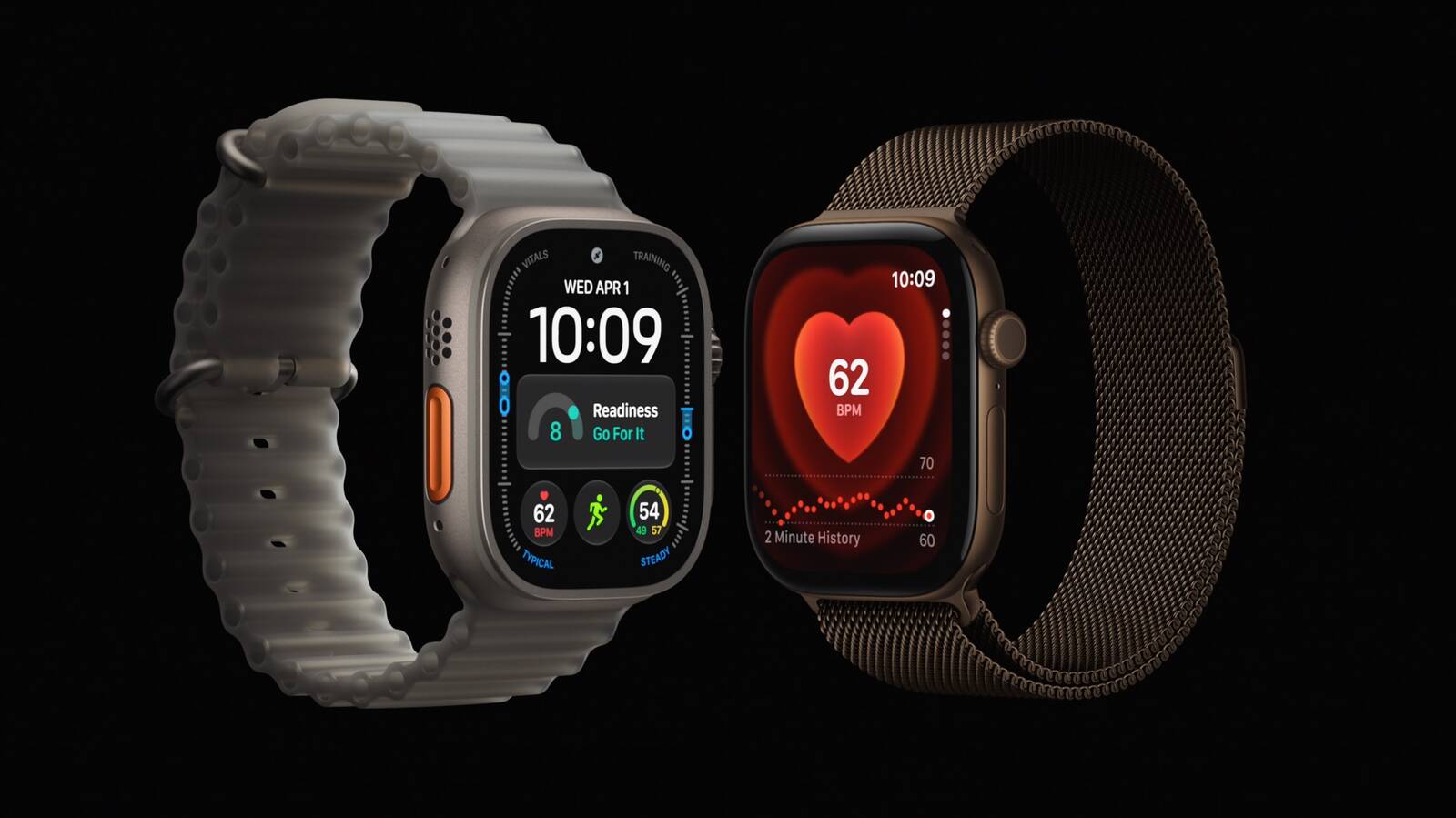
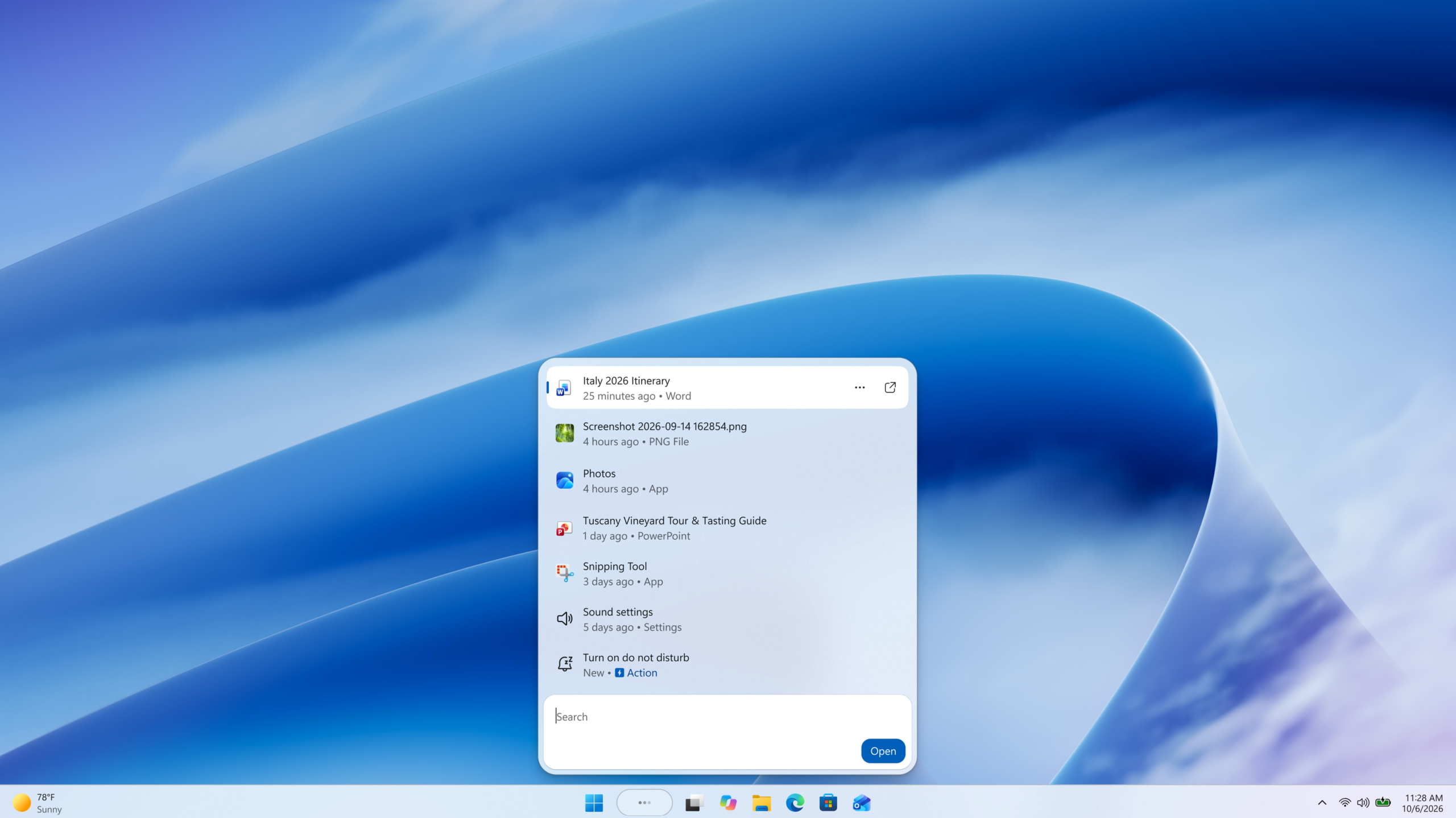
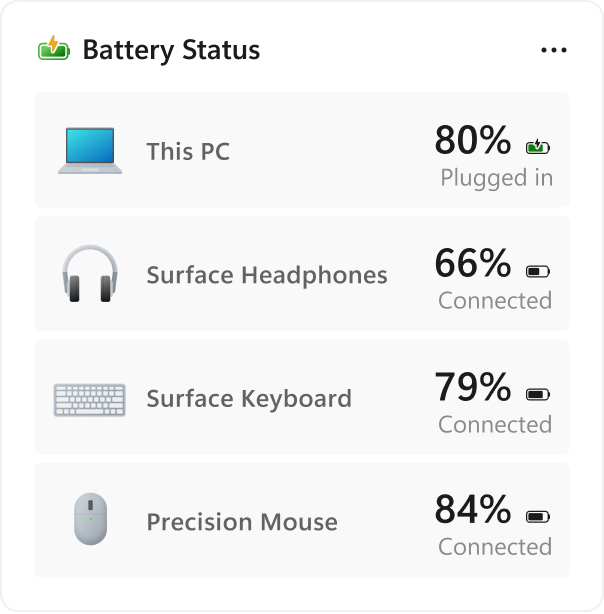
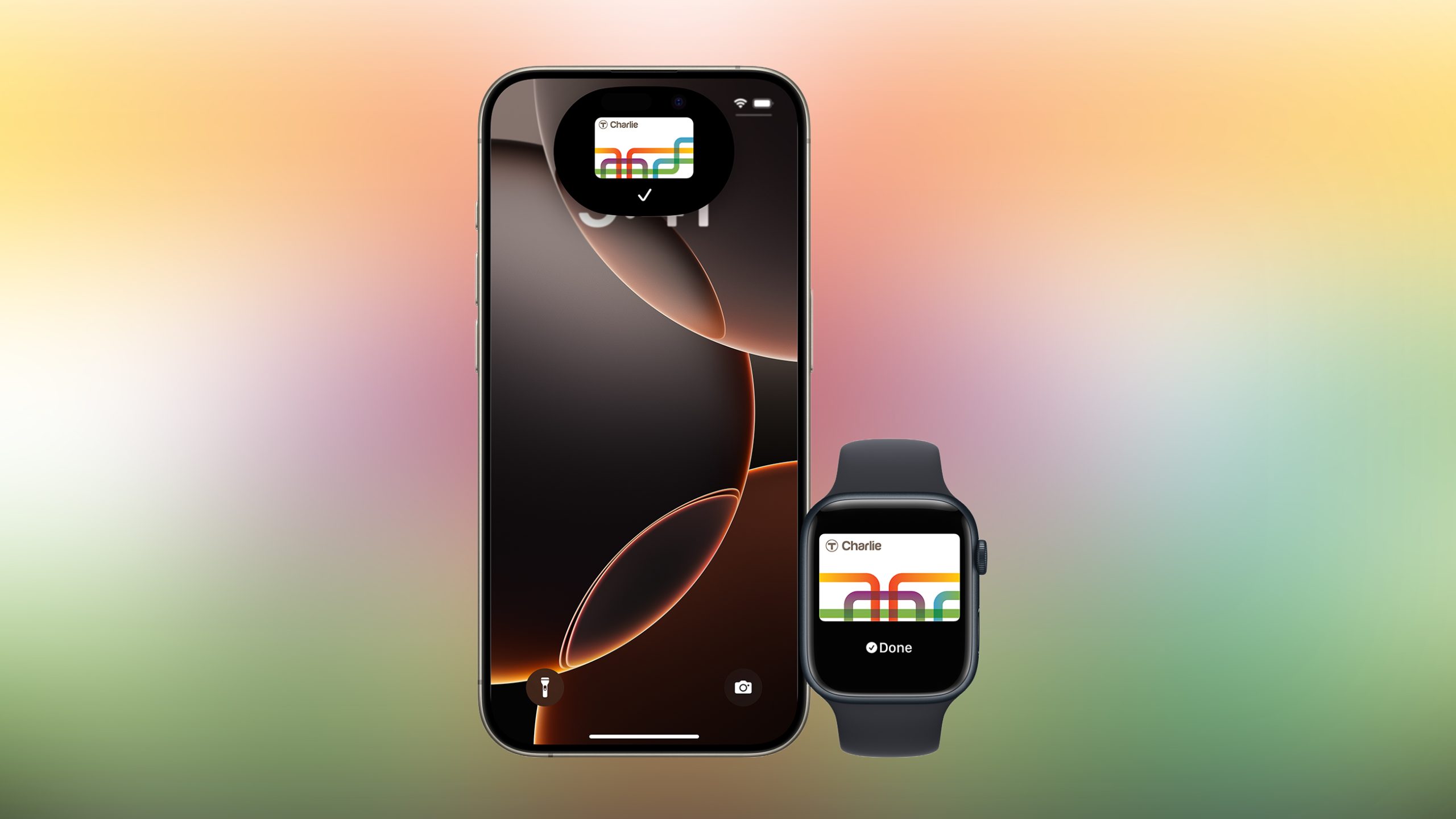 This year, the Massachusetts Bay Transportation Authority (MBTA) has been