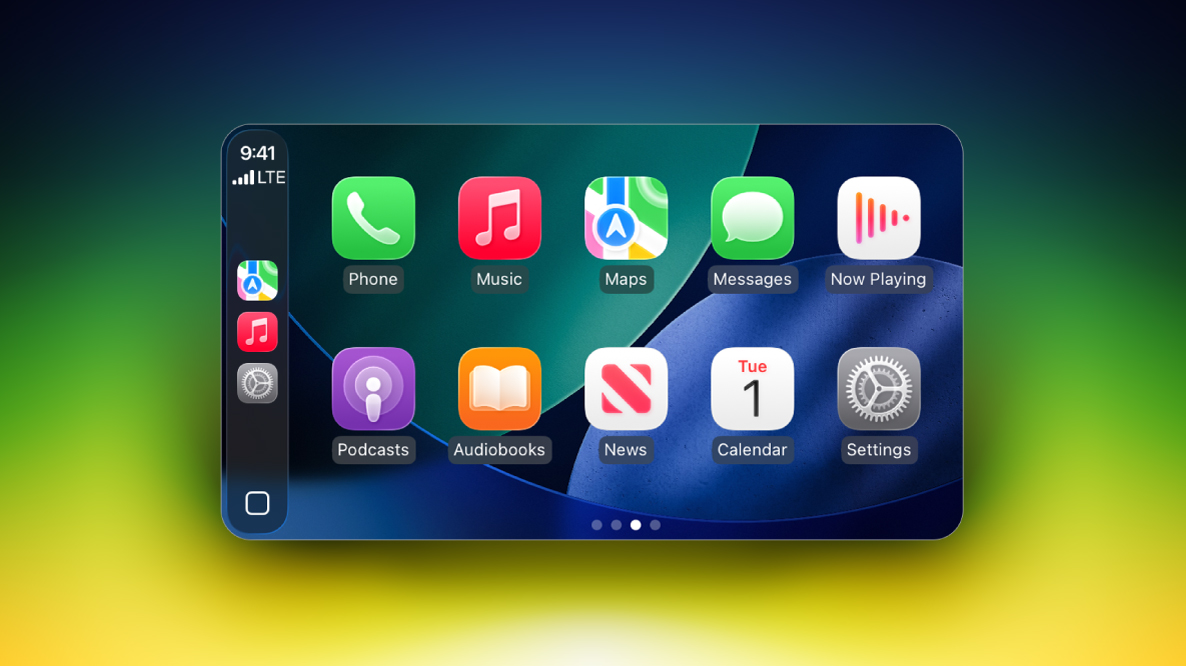
Recent reports claiming that General Motors is reversing course on its controversial plans to ditch CarPlay in its future EVs appear to be incorrect.
As noted by Joanna Stern, host of the YouTube channel New Things, a GM spokesperson has confirmed that its new software interface that shows CarPlay or Android Auto alongside its own native system in 2027 models of its Chevrolet Silverado and GMC Sierra is specific to the gas-powered versions of those pickup trucks.
GM previously stated that CarPlay and Android Auto would continue to be offered in its new gas-powered vehicles for the "foreseeable future," so the 2027 models of those trucks still supporting those platforms is not a change of course.
There is one more wrinkle in that GM's all-electric 2027 Cadillac LYRIQ supports CarPlay and Android Auto still — it is unclear if the Lyriq will always be an exception or if it will simply be one of GM's final EVs to ever support phone mirroring systems. Overall, though, GM continues to insist that its future EVs will not offer CarPlay.
All in all, GM really wants you to know that it is committed to ditching the extremely popular feature that you probably want in your next EV.
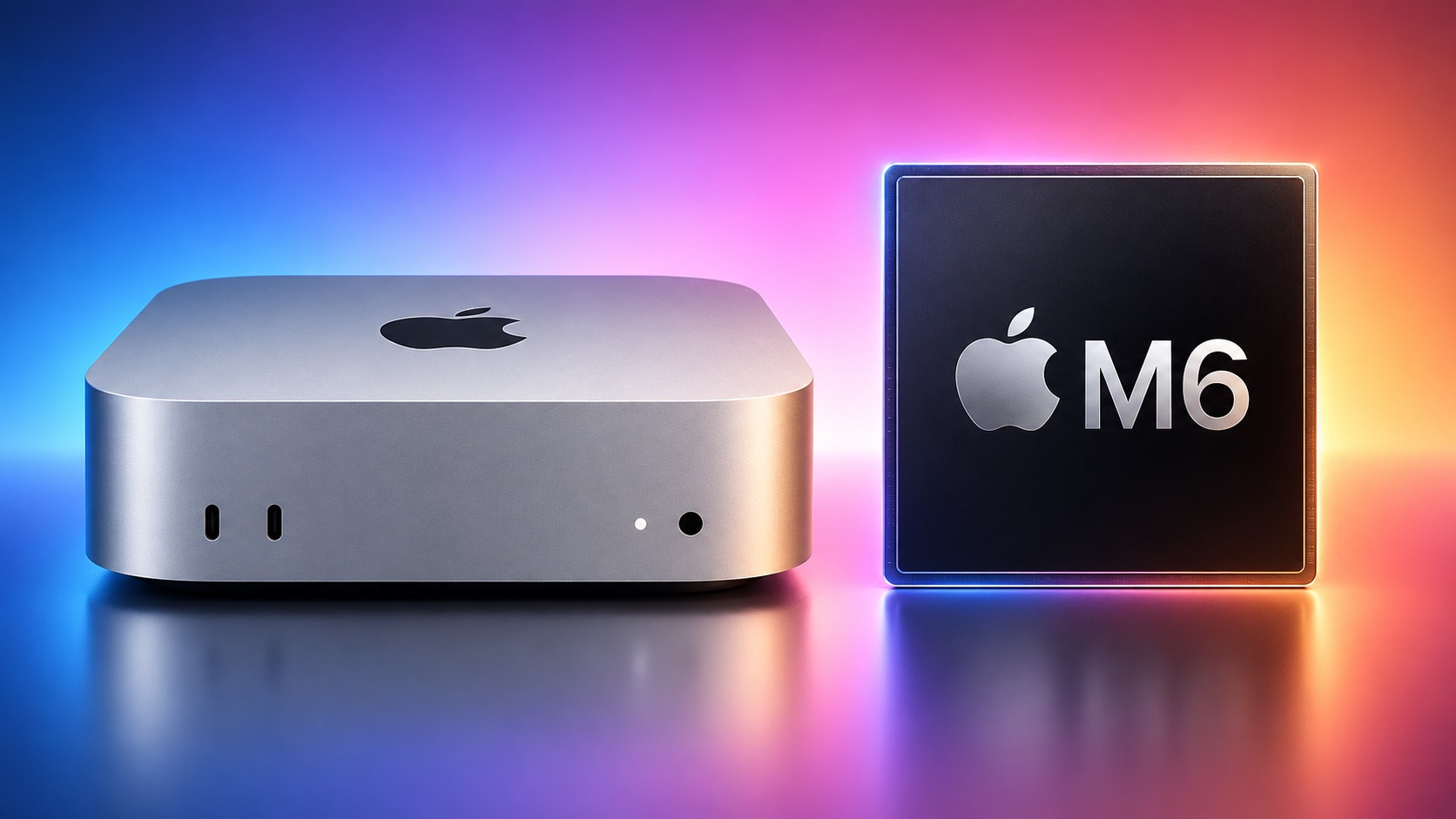
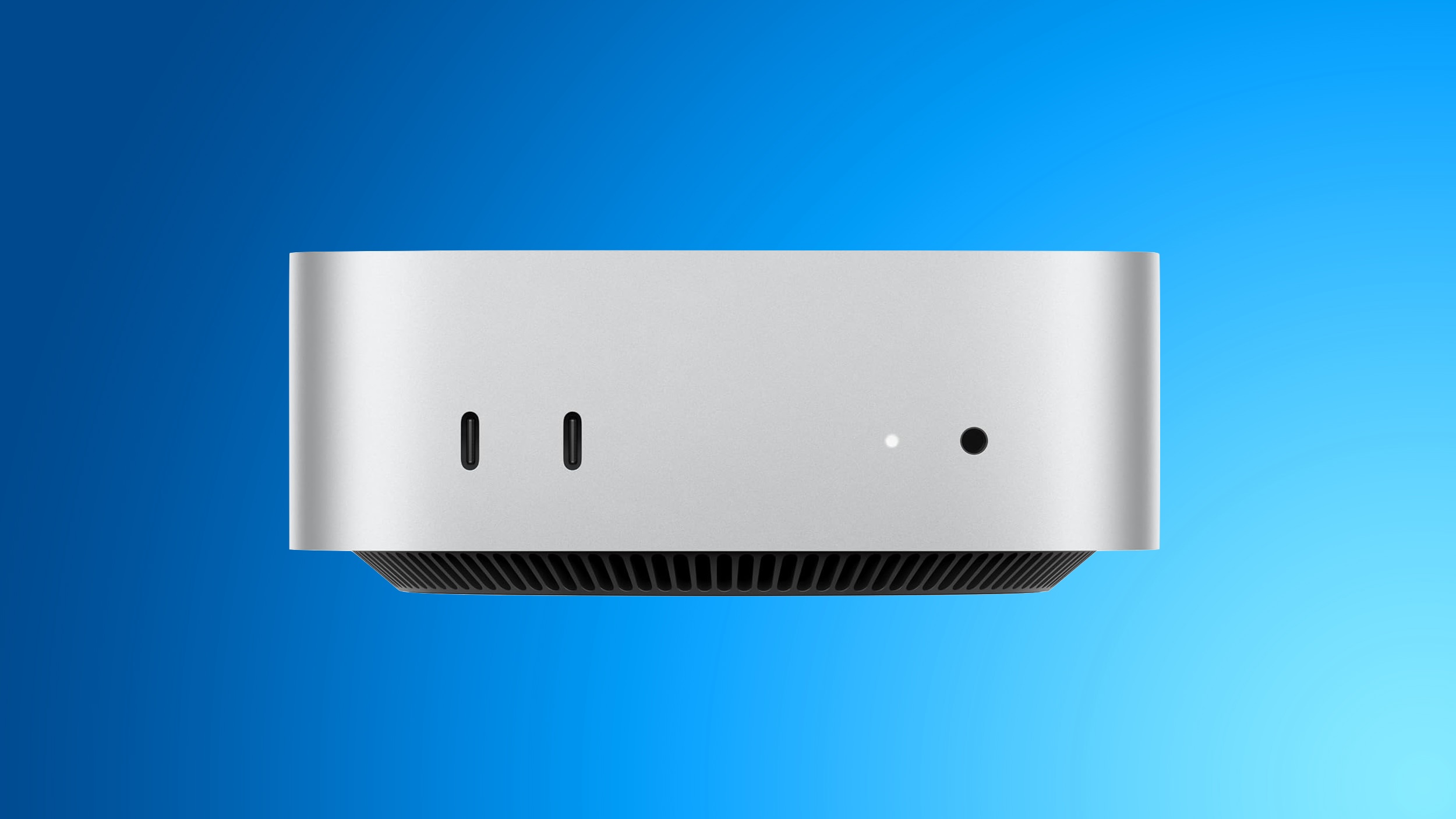
The first reviews of the new Mac mini with M6 and M5 Pro chip options have been published ahead of the computer launching this Tuesday.
While the Mac mini now starts at $899 in the U.S., up from just $599 for the previous model when it first launched, WIRED's Luke Larsen said it is "still a good deal" because of the impressive performance of the M6 and M5 Pro chip options. To borrow a famous Steve Jobs phrase, it just might not be such an "insanely great" deal anymore.
This is the gist of most Mac mini reviews published today: the new model is extremely capable, including for AI, but the $300 price increase is unfortunate. Apple said it has raised prices on many products due to the ongoing memory chip shortage, with the company passing on the skyrocketing prices of RAM and storage chips to customers.
Apple's new iPhone 18 Pro and iPhone 18 Pro Max began arriving to customers on Friday, and unfortunately some early adopters are experiencing Face ID issues.
According to a Reddit post spotted by 9to5Mac, Face ID authentication for specific actions such as unlocking a locked app sometimes fails to work on the iPhone 18 Pro models, and the device then freezes and eventually reboots to the lock screen. It is unclear how widespread this problem is, but it can be hit or miss and not all users are affected.
Apple moved Face ID's infrared camera underneath the top-left corner of the display on the iPhone 18 Pro models to achieve a smaller Dynamic Island on the devices. It is unclear if this hardware change is related to these Face ID issues, but it is likely that Apple will eventually resolve any new Face ID bugs in a future iOS 27 update.
Ahead of the new Mac Studio with M5 Max and M5 Ultra chips launching this Tuesday, the first reviews of the computer have been shared by selected tech websites and YouTube channels. According to one review published by Macworld's Roman Loyola, the biggest upgrade isn't even the M5 Ultra, but rather significantly faster storage speeds.
"Typically, we start our reviews by looking at overall performance with Geekbench, and then we work our way through more specific aspects," he said. "But the SSD performance is so overwhelmingly good, it's the story here."
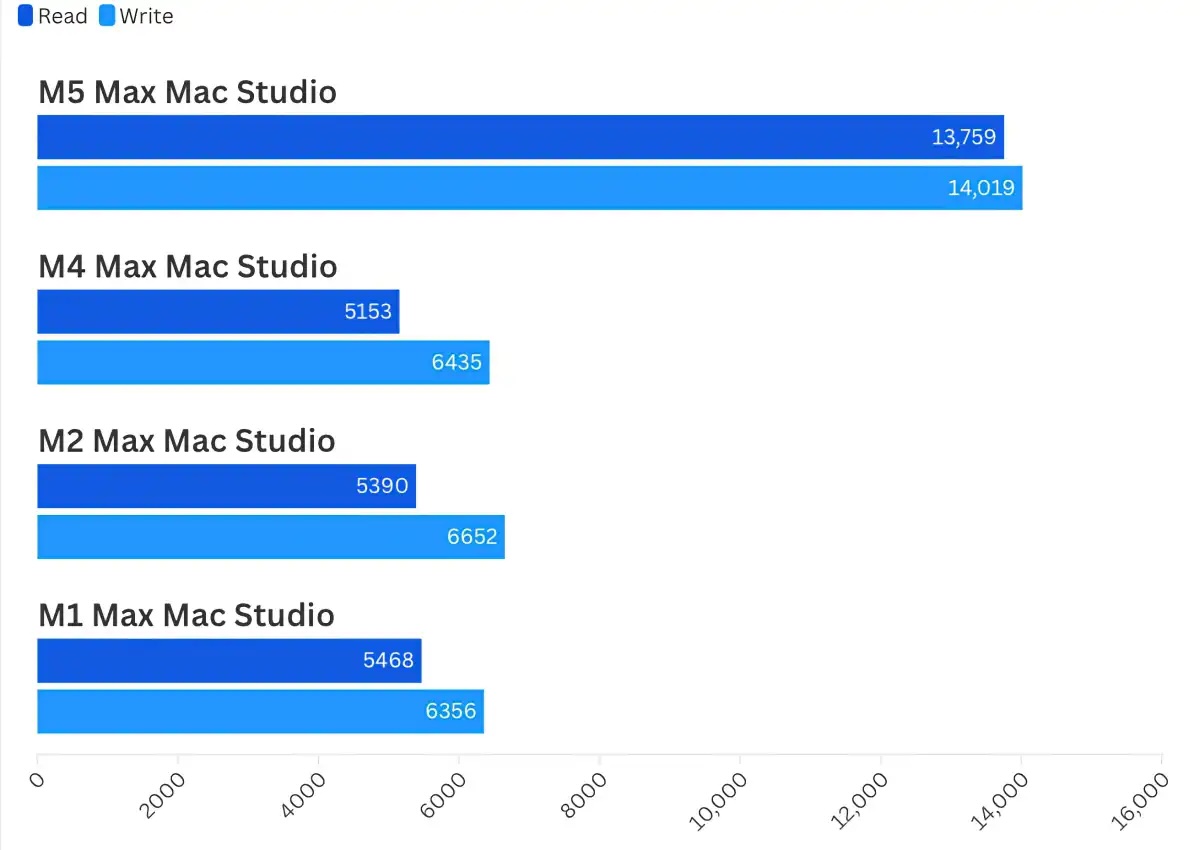
Loyola ran Blackmagic's Disk Speed Test benchmark tool on the new Mac Studio with an 18-core M5 Max chip, 128GB of RAM, and a 4TB SSD, and the computer achieved around 2.6× faster SSD read speeds and around 2.1× faster SSD write speeds compared to a previous-generation Mac Studio with the M4 Max chip. The results are shown in the image below.
Indeed, Apple advertised up to 2× faster storage speeds for the new Mac Studio, and these benchmark results show an even bigger boost. As always, real-world performance may vary, but expect significantly faster SSD speeds overall.
Unsurprisingly, the M5 Ultra is Apple's fastest chip ever. Based on Geekbench 7 results so far, it has up to around 30% faster single-core CPU performance and up to around 35% faster multi-core performance compared to the M3 Ultra.
Apple said the M5 Ultra has up to 1.25× faster single-threaded CPU performance and up to 1.3× faster multi-threaded CPU performance compared to the M3 Ultra, so the benchmark results roughly align with or even beat those advertised claims.
All in all, the new Mac Studio is super fast, with The Verge's Antonio G. Di Benedetto describing the M5 Ultra model's performance as "outrageous" and PCMag's Brian Westover calling the computer "a serious powerhouse for top-tier local AI inference."
The new Mac Studio and a new Mac mini with M6 and M5 Pro chip options have been available to pre-order since August 25 and launch this Tuesday, September 22.
High performance comes at a high price, especially due to recent price increases, which Apple attributed to the ongoing memory chip shortage. In the U.S., the Mac Studio starts at $2,499 with an M5 Max chip and at a whopping $5,499 with an M5 Ultra chip. The previous Mac Studio with the M4 Max started at $1,999 when it launched.
iFixit today published an iPhone 18 Pro and iPhone 18 Pro Max teardown in both article and video formats, providing a closer look inside the new devices.
The teardown confirms the battery capacities for the eSIM-only models:
iPhone 18 Pro: 4,288 mAh (+0.8% vs. 4,252 mAh for iPhone 17 Pro)
iPhone 18 Pro Max: 5,567 mAh (+9.4% vs. 5,088 mAh for iPhone 17 Pro Max)
eSIM-only models of the iPhone 18 Pro and iPhone 18 Pro Max are sold in the U.S., Canada, Mexico, Japan, Saudi Arabia, the United Arab Emirates, Qatar, Oman, Bahrain, and Kuwait. The devices have a SIM card tray in all other countries.
Battery capacities for iPhone 18 Pro models with SIM card trays surfaced previously.
The teardown also provides an in-depth look at the new variable aperture system on both models, the larger vapor chamber for cooling, and more.
NAND now sits inside the dual-layer logic board, which makes storage-related repairs less convenient, according to iFixit. In addition, the screen's plastic frame cracked or broke away on three of the four iPhone 18 Pro models it opened, which is a new issue that it did not face with previous models. However, iFixit said further testing is needed.
Apple laid off a "handful" of Apple Fitness+ employees last week, according to Bloomberg's Mark Gurman.
"This is widely seen within the Fitness+ organization as the beginning of more drastic cost-cutting measures and other major changes to the service in the months and years ahead," he said.
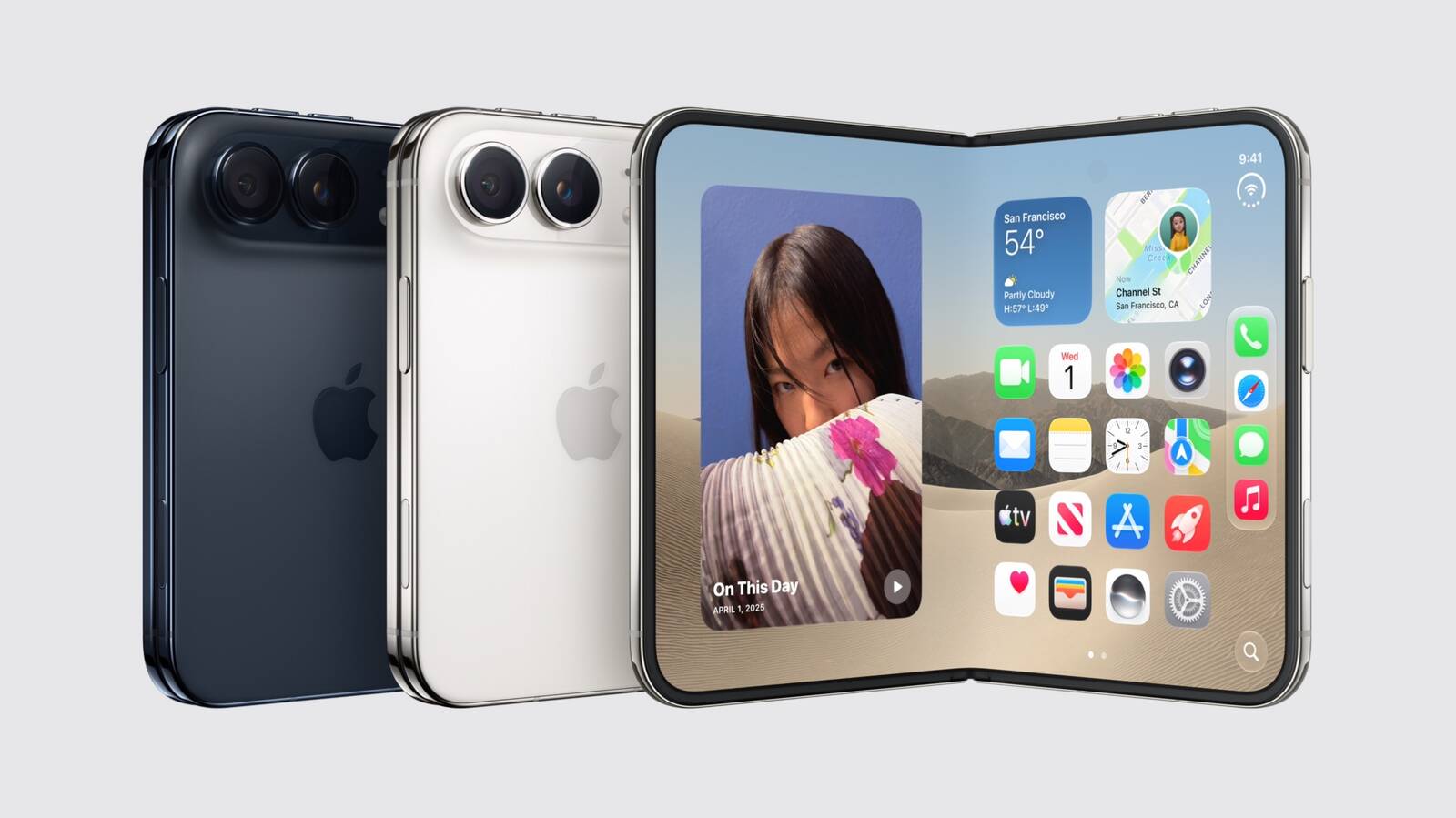
A shorter Apple Pencil for the iPhone Duo was in development, but Apple scrapped it due to "technical problems ahead of mass production," according to Bloomberg's Mark Gurman.
Apple will pay an estimated $25 per eligible iPhone to eligible customers, who can submit a claim via the settlement website between September 21 and December 21 of this year. The exact payment may be higher or lower than $25 depending on the total number of valid claims submitted and other factors, with the maximum amount set at $95.
Apple denies all of the allegations made in the lawsuit. Apple agreed to the settlement to avoid the costs and risks of a trial.
Below, we have answered some key questions regarding the lawsuit.
Why Was Apple Sued?
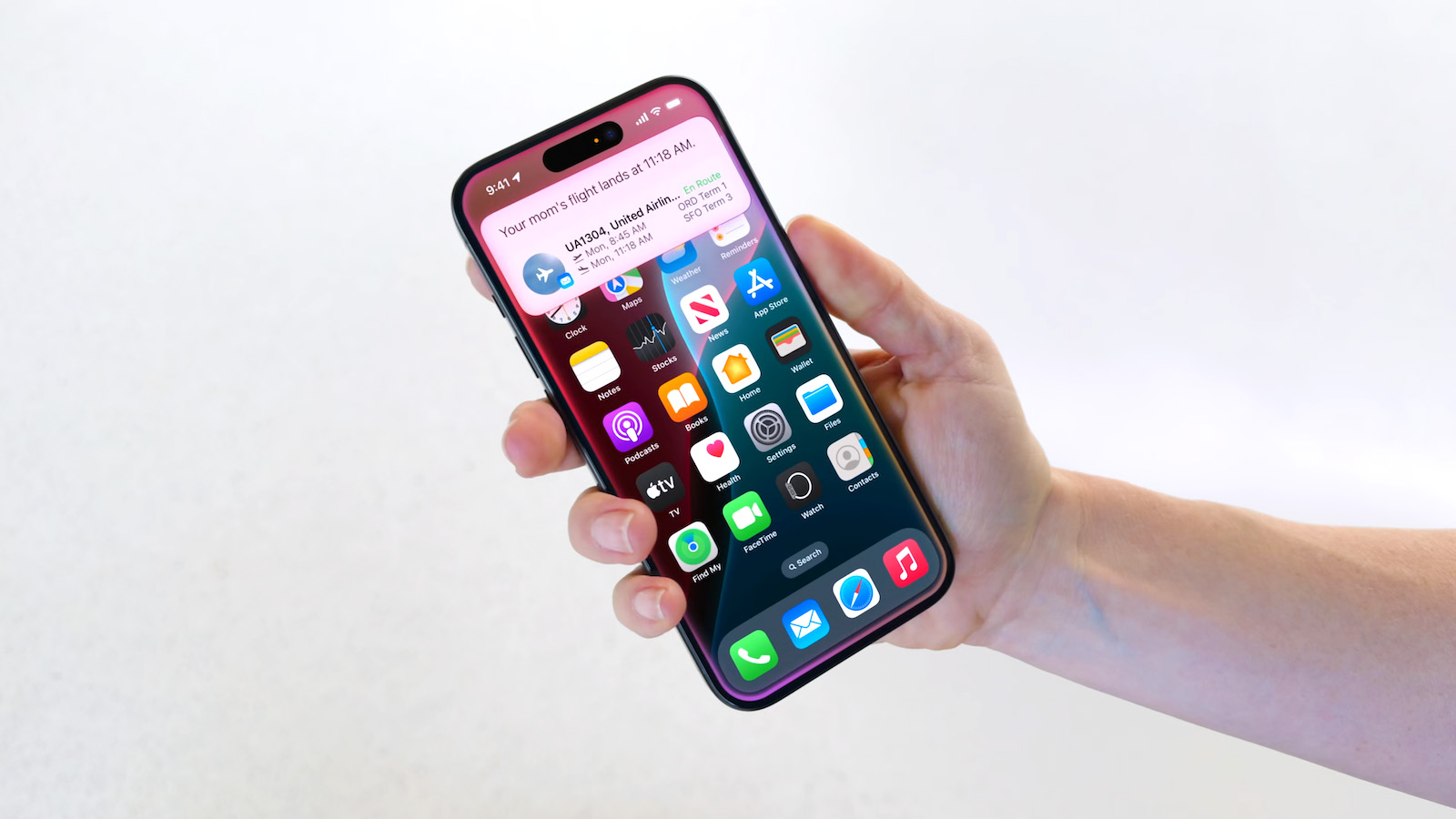
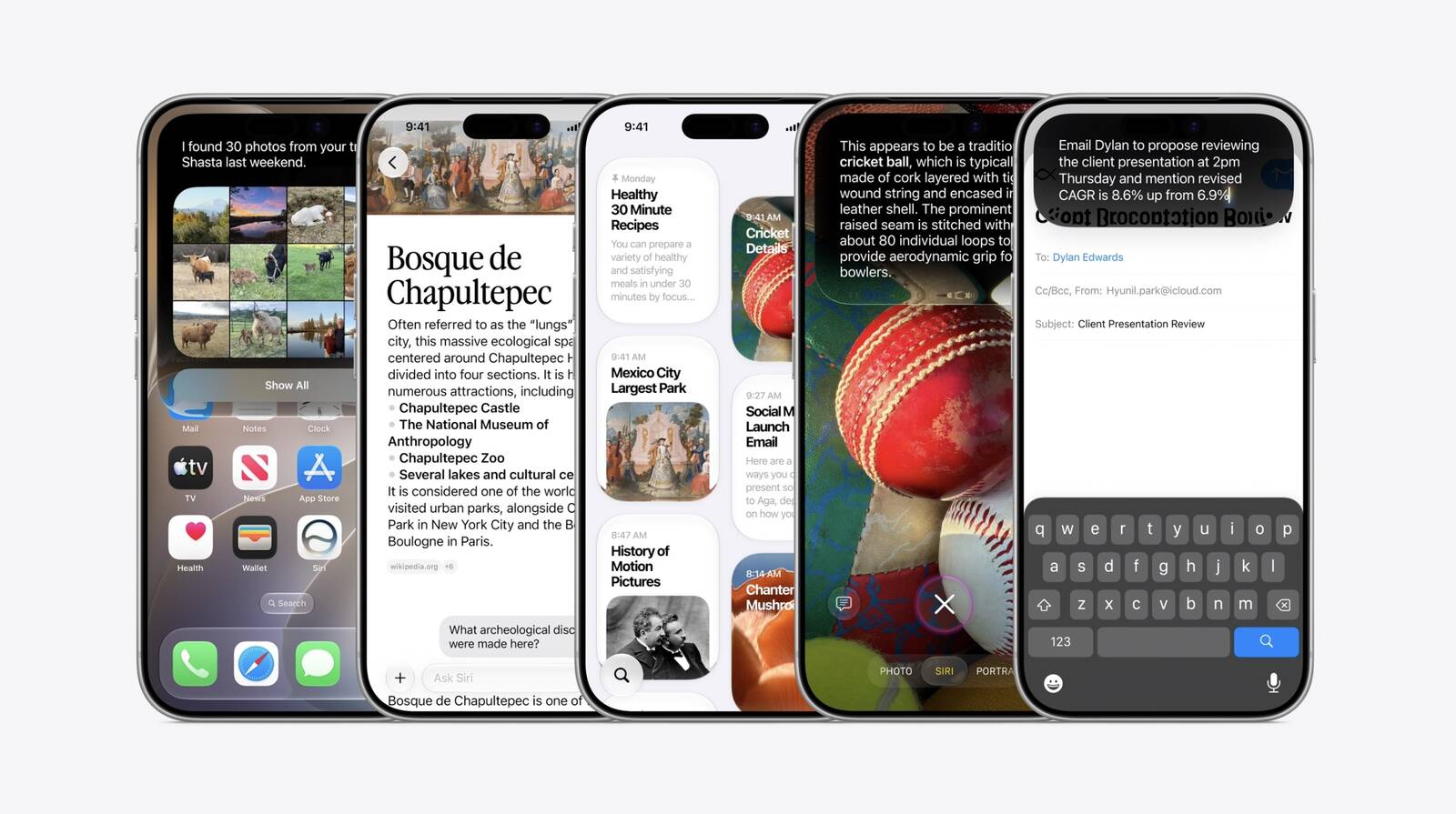
In June 2024, Apple previewed new Siri capabilities powered by Apple Intelligence, including understanding of a user's personal context, on-screen awareness, and deeper per-app controls. For example, Apple showed an iPhone user asking Siri about their mother's flight and lunch reservation plans based on info from the Mail and Messages apps.
In a statement, Apple touted a range of other Apple Intelligence features it had already released. Nevertheless, Apple agreed to settle the lawsuit "to stay focused" on "delivering the most innovative products and services to our users."
Siri AI is still considered a beta feature even though iOS 27 is no longer in beta.
Am I Eligible?
To be eligible to submit a claim, you must reside in the U.S. and have purchased one of the iPhone models listed below in the U.S. for purposes other than resale between June 10, 2024 and March 29, 2025.
The full list of eligible iPhone models:
iPhone 15 Pro
iPhone 15 Pro Max
iPhone 16
iPhone 16e
iPhone 16 Plus
iPhone 16 Pro
iPhone 16 Pro Max
Over the coming days, eligible customers should be notified about the settlement in an email, which will contain a claim ID and a PIN code. But, the settlement website also offers an option to submit a claim without this information.
The claims form asks for your personal information and the eligible iPhone's serial number. If you indicate that you do not have the serial number, the form asks for your Apple Account email address and the eligible iPhone's phone number.
How Much Will Apple Pay Me?
According to the terms of the settlement, each person who files an eligible claim will receive a per-device payment of $25, but this amount could increase up to $95 if the total number of claims submitted is lower than anticipated.
Where and When Can I Submit a Claim?
You can submit a claim on the settlement website between September 21 and December 21.
When Will I Receive Payment?
A final approval hearing is scheduled for February 24, 2027, so payments to customers are not expected to begin until some point next year.
What Else Should I Know?
The settlement website answers some common questions about opting out of the settlement and other important topics, so be sure to read it carefully.
So far, the M5 Ultra has achieved up to a 59% higher Metal score (366,744) on Geekbench 7 compared to the M3 Ultra's average score of 230,420, and the chip's OpenCL score is roughly in line with NVIDIA's GeForce RTX 4080.
As for the M6 chip, it has so far achieved up to a 34% higher Metal score (93,217) compared to the M5 chip's average score of 69,563.
TechInsights has published an iPhone 18 Pro Max teardown that confirms the U.S. version of the device is equipped with Qualcomm's Snapdragon X80 modem.
The device's modem firmware had already pointed towards the Snapdragon X80 modem.
The smaller iPhone 18 Pro and the iPhone Duo use Apple's custom-designed C2 modem worldwide, and the iPhone 18 Pro Max uses the C2 modem in every other country, so the U.S. version of the iPhone 18 Pro Max having a Qualcomm modem is unique.
iPhone 17 Pro and iPhone 17 Pro Max models have the same Snapdragon X80 modem worldwide, although TechInsights noted that the U.S. version of the iPhone 18 Pro Max has a newly-identified mmWave 5G antenna module from Apple.
We will have to wait for C2 vs. Snapdragon X80 performance tests.
Apple has yet to explain why only the U.S. version of the iPhone 18 Pro Max still has a Qualcomm modem, so we can only speculate for now. In 2023, Qualcomm announced that it would supply Apple with smartphone modems through 2026, so perhaps Apple is ensuring that it complies with its contractual obligations in a minimal way.
Apple's C2 modem supports ultra-fast mmWave 5G in the U.S., unlike its previous-generation C1 and C1X modems. Qualcomm modems in the iPhone 12 and newer already supported mmWave 5G in the U.S., so Apple played catch up here. Apple said the C2 delivers "meaningfully faster uploads" compared to the C1X while consuming 15% less energy.
Apple today released the first Xcode 27.1 beta. The latest version of the tool adds support for iPhone Duo app development.
Available on Apple silicon Macs running macOS 26.6 or later, Xcode 27.1 includes updated SDKs for the iPhone Duo, and a simulator that supports the device's new poses and orientations.
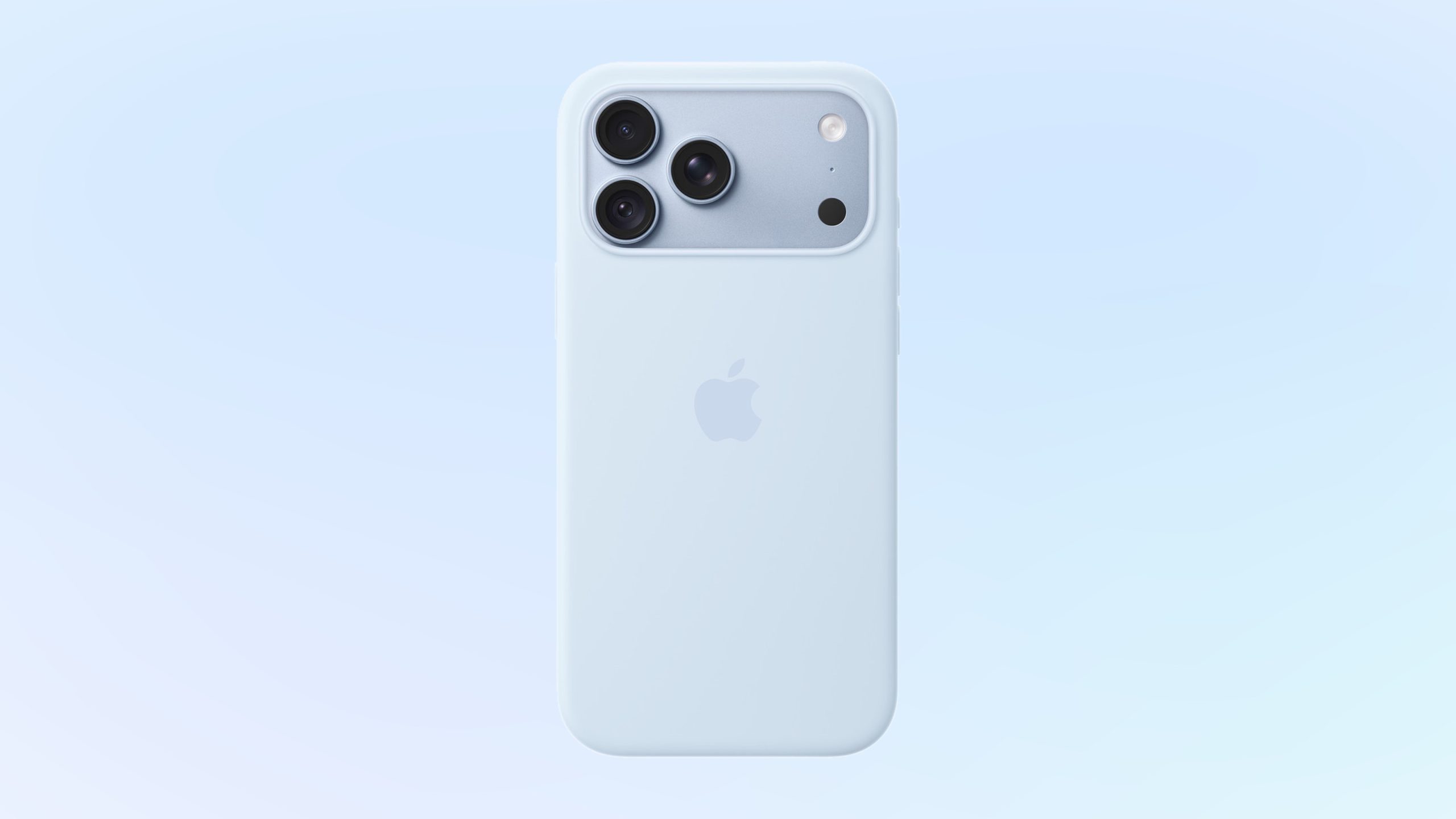
Can you use iPhone 17 Pro and iPhone 17 Pro Max cases with the iPhone 18 Pro and iPhone 18 Pro Max, and vice versa?
Apple's official answer is no, according to Daring Fireball's John Gruber. Apple said the camera plateau on the iPhone 18 Pro models is ever so slightly thicker this year. Gruber said the difference is one-tenth of a millimeter: 11.5mm vs. 11.4mm. It is a minor difference, but Apple would obviously prefer to sell you a new case.
In practice, most cases should be interchangeable. In his personal testing, Gruber said his iPhone 17 Pro cases fit the iPhone 18 Pro models perfectly, as did iPhone 18 Pro cases on iPhone 17 Pro models. So, both generations of Apple-branded cases should work with both generations of iPhones, and many third-party cases should be fine too.
Of course, there will probably be the odd third-party case that does not fit, but this is likely to be the rare exception rather than the norm.
YouTube channel REWA Technology today shared one of the first iPhone 18 Pro teardown videos, offering a look inside the new device.
iPhone 18 Pro and iPhone 18 Pro Max feature a smaller Dynamic Island, which Apple achieved by moving Face ID's infrared camera under the display in the top-left corner. The pixels above the infrared camera have a special pattern that lets infrared light pass through, but that area of the screen looks fairly normal at typical viewing angles.
The teardown shows the repositioned infrared camera, plus other changes like the larger 48-megapixel main camera with variable aperture.
The model in the video has a physical SIM card tray, meaning it has a slightly smaller battery compared to eSIM-only models sold in the U.S., Canada, Japan, and select other countries. As expected, this model has a 4,056 mAh battery capacity.
We are still waiting for a teardown of the U.S. version of the iPhone 18 Pro Max, which is expected to have a Qualcomm cellular modem, such as the Snapdragon X80 or the Snapdragon X85. The smaller iPhone 18 Pro uses Apple's C2 modem worldwide, as does the iPhone 18 Pro Max in all other countries beyond the U.S., according to Apple.
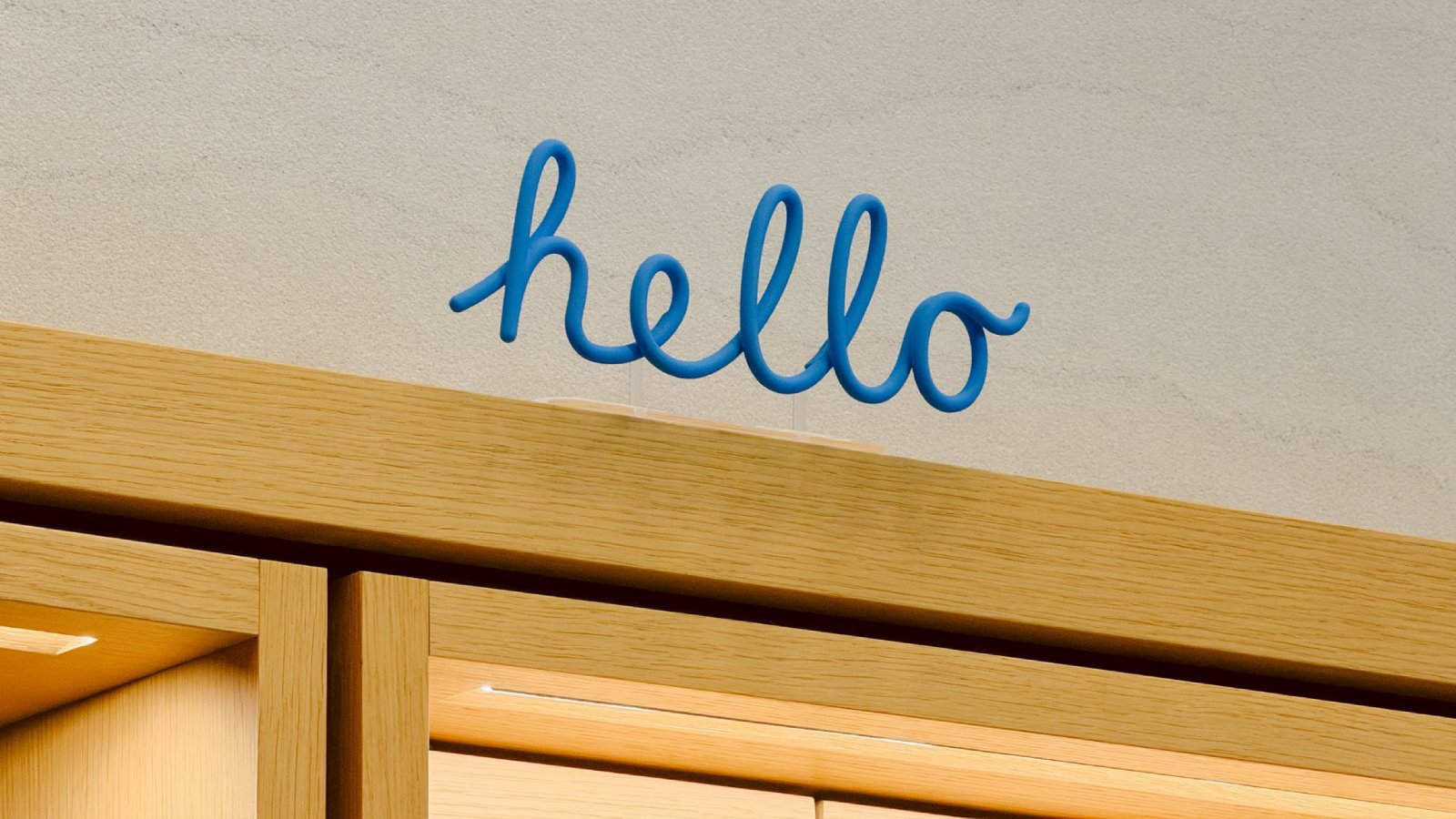
Starting today, many if not all Apple Stores around the world have received a new "hello" decoration somewhere in the store for the purposes of testing iPhone camera zoom.
Like the iPhone 17 Pro models, the new iPhone 18 Pro models that launched today offer up to 8× optical zoom.
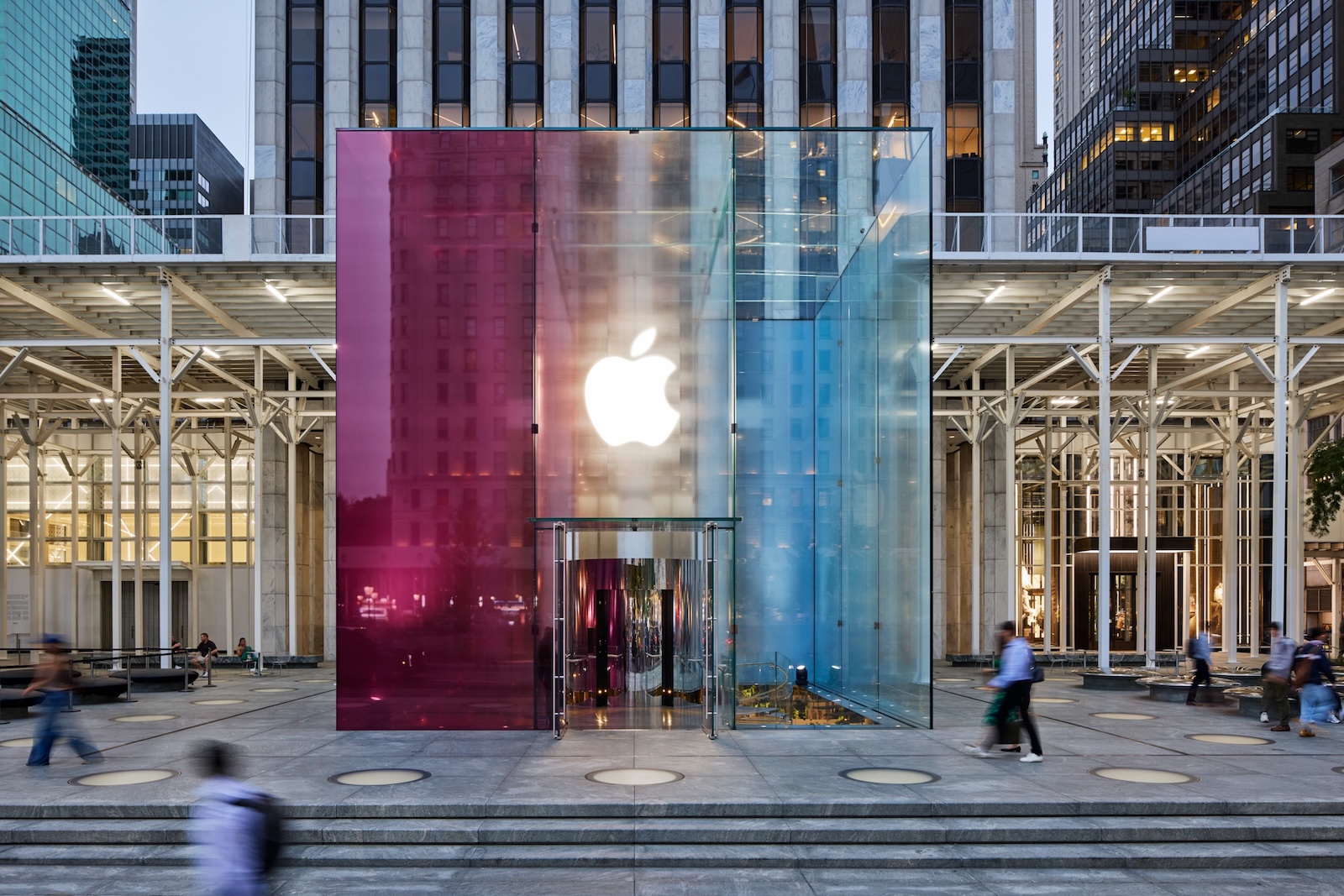
Apple Fifth Avenue in New York is ready for iPhone 18 Pro launch day.
The store's iconic glass cube entrance has received a colorful makeover that matches the iPhone 18 Pro's new Burgundy and Glacier finishes. "So excited for tomorrow," said Apple CEO John Ternus, who will likely be at the store for the launch tomorrow.
Apple has agreed to pay Samsung even higher prices for RAM and storage chips starting in the first quarter of 2027, according to a DigiTimes report this week citing an earlier report from Chinese publication Jiemian News.
Apple has reportedly agreed to pay nearly $2 per Gb of DRAM and $0.33 per Gb of NAND storage. This is a 30% to 40% increase in pricing for these chips compared to what Apple is paying in the third quarter of 2026, according to DigiTimes.
It is unclear if this reported agreement will lead Apple to further raise prices on products like iPhones, iPads, and Macs, or if the company has already factored in the more expensive components in early 2027 into its current 2026 prices.
AI companies have been building out massive data centers, leading to a memory chip shortage that has driven up the prices of RAM and NAND storage chips. Apple has raised prices on a wide range of products since June, with former CEO Tim Cook calling the increases "unavoidable" due to the chip shortage, which he likened to a "100-year flood."
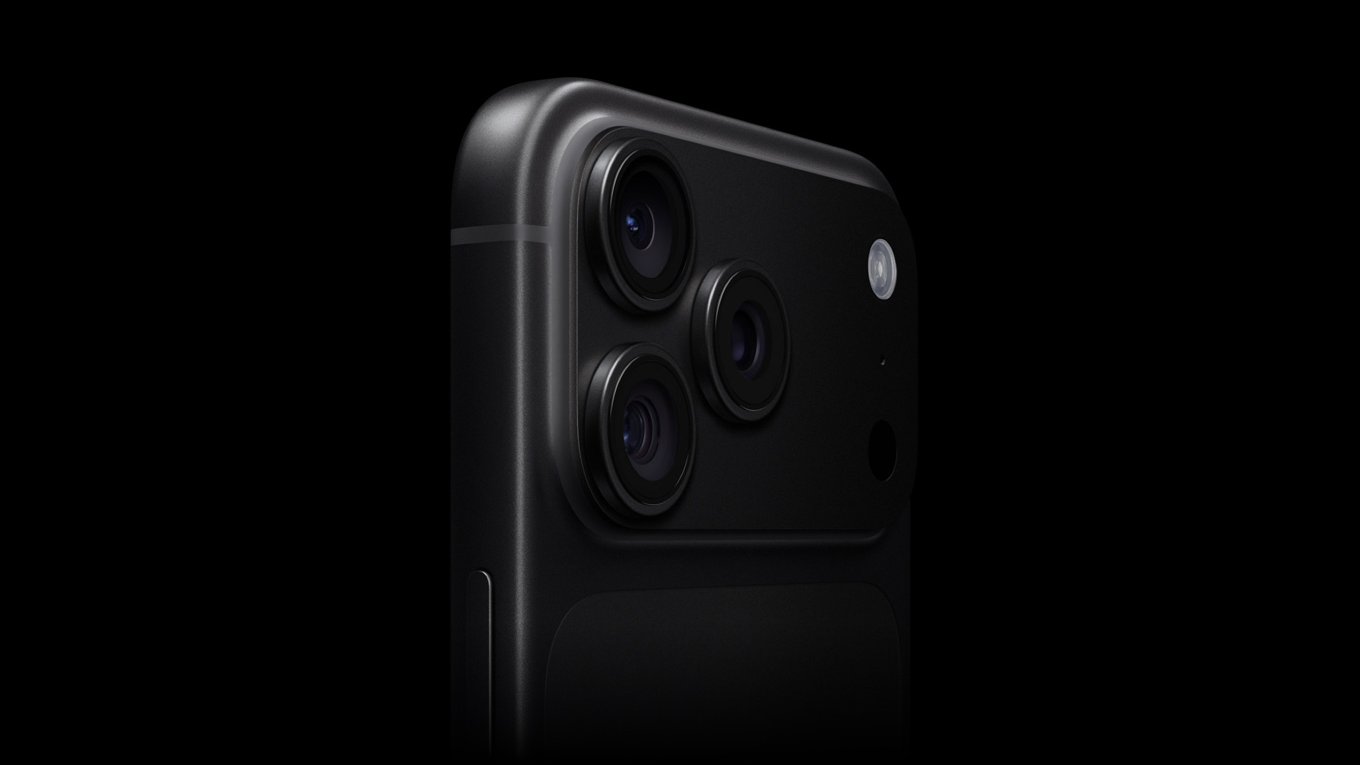
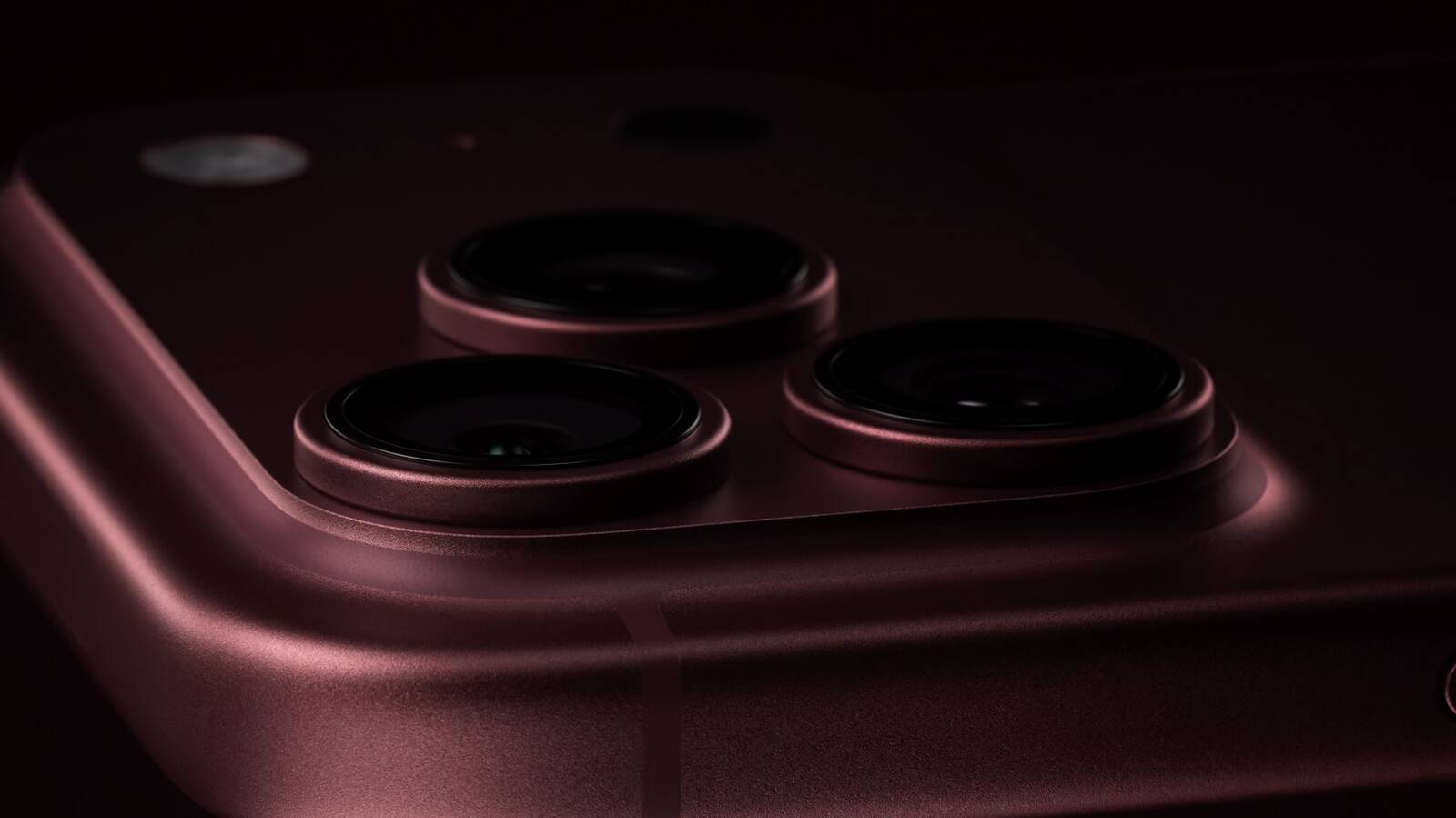
Apple last week unveiled the iPhone 18 Pro and iPhone 18 Pro Max. While the devices look very similar to the iPhone 17 Pro models, there are still quite a few new features and incremental changes compared to the previous generation.
Below, we have recapped 10 new features coming with the iPhone 18 Pro models, which have been available to pre-order since Saturday, September 12 and will begin arriving to customers and launch in stores this Friday, September 18.
A20 Pro chip, the first 2nm chip in an iPhone. It has a 6-core CPU, a 7-core GPU, and a 32-core Neural Engine. Apple says the chip delivers up to 20% faster CPU performance and up to 40% faster graphics performance compared to the A19 Pro chip in the iPhone 17 Pro. Apple also says sustained performance is up to 40% faster.
Three new color options: Burgundy, Black, and Glacier. Orange is no longer an option. The rear aluminum and Ceramic Shield glass area are now more color matched.
The main 48-megapixel Fusion camera on both the iPhone 18 Pro and iPhone 18 Pro Max has variable aperture, allowing you to adjust the amount of light that reaches the image sensor for greater control over depth of field. Apple says this upgrade will allow for improved low-light photography and crisper details in the back of group photos. Aperture options include ƒ/1.48, ƒ/1.8, ƒ/2.8, and ƒ/4.0.
In the Camera app on iPhone 18 Pro models, new Pro controls allow you to manually control or adjust shutter speed, white balance, and aperture, and there is an option to use a histogram.
iPhone 18 Pro models can record time-lapse videos in 4K and Dolby Vision HDR.
Both of the iPhone 18 Pro models have longer battery life compared to the previous generation — especially the iPhone 18 Pro Max. If we go by Apple's offline video playback metric, the iPhone 18 Pro Max has up to 15% longer battery life compared to the iPhone 17 Pro Max. Fast charging to 50% now takes 15 minutes, down from 20 minutes.
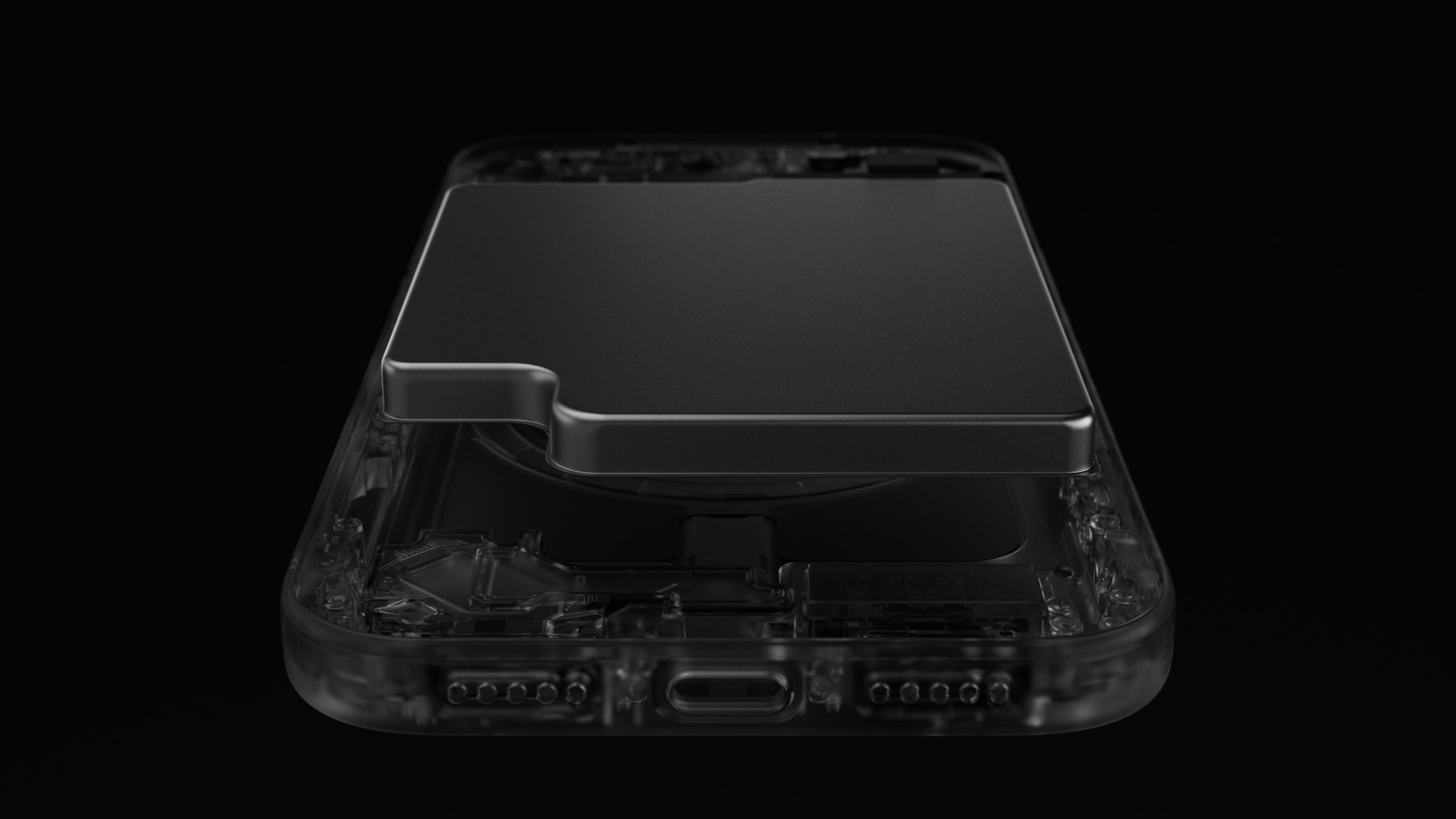
The revamped vapor chamber cooling system in the iPhone 18 Pro models has three times more surface area than the one in the iPhone 17 Pro models, for even better heat dissipation.
iPhone 18 Pro models worldwide are equipped with Apple's second-generation C2 cellular modem for 5G and LTE, while the iPhone 18 Pro Max has it in every country except for the U.S., where it has a Qualcomm modem. Apple says the C2 chip has "AI-powered improvements" to cellular quality and reliability, delivering "meaningfully faster uploads when compared to its previous C1X modem while consuming 15% less energy. In the U.S., the chip supports mmWave 5G.
There is now a 2TB storage capacity for both the Pro and Pro Max models — it was previously exclusive to the iPhone 17 Pro Max.
Starting today, new and qualifying returning subscribers can get a free three-month Apple One trial with the purchase of any new iPhone, iPad, or Mac capable of running the latest iOS, iPadOS, or macOS versions from Apple or an Apple Authorized Reseller.
For the three-month trial, you can choose from any of the available plans: Apple One Individual (normally $21.95 per month in the U.S.), Apple One Family (normally $27.95 per month), or Apple One Premier (normally $39.95 per month). After the trial ends, you will be automatically billed at the full price unless/until you cancel.
Here's what each plan includes:
Individual: 50GB of iCloud+ storage, Apple TV, Apple Music, and Apple Arcade
Family: 200GB of iCloud+ storage, Apple TV, Apple Music, and Apple Arcade
Premier: 2TB of iCloud+ storage, Apple TV, Apple Music, Apple Arcade, Apple Fitness+, and Apple News+
Apple says the offer is not available to current Apple One subscribers, or to previous Apple One subscribers who cancelled within the last 60 days. There are some other strings attached, so visit the offer page and review Apple's terms and conditions.
Apple's steps to initiate the trial:
Turn on your new iPhone, iPad, or Mac and sign in with your Apple Account.
Make sure the device is running the latest version of iOS, iPadOS, or macOS.
Open the Settings app and look for "Services included with your purchase" to complete setup.
If you cancel the trial, Apple says it ends immediately.
Apple says the three-month trial is available in the following countries:
In the U.S., Apple is charging a higher $129 out-of-warranty fee to replace the battery in an iPhone 18 Pro or iPhone 18 Pro Max compared to previous models, according to its website.
Apple has always charged $119 to replace the battery in iPhone 16 Pro and iPhone 17 Pro models, so the fee has increased by $10 for the iPhone 18 Pro models, which have larger batteries. If your iPhone has AppleCare+ coverage, though, Apple will replace the battery for no extra charge if its capacity has dropped below 80%. You can check this in the Settings app under Battery → Battery Health.
Apple said the new iPhone 18 Pro models are capable of faster USB-C charging compared to the iPhone 17 Pro models, and a new video shared by the YouTube channel Xiaobai's Tech Reviews offers a closer look at the year-over-year improvement.
As spotted by the account Ice Universe, the video reveals that the iPhone 18 Pro Max can go from 0% to 100% battery life in as little as 55 minutes with a capable charger, compared to 81 minutes for the iPhone 17 Pro Max. In other words, the iPhone 18 Pro Max can be "fully" charged 26 minutes faster compared to the previous generation (iPhones continue to receive a slow trickle of power even after they show 100% battery life).
In line with Apple's advertised claim, the video showed that the iPhone 18 Pro Max can reach 50% battery life in just 15 minutes, down from 20 minutes for the iPhone 17 Pro models.
The smaller iPhone 18 Pro should have similar charging speeds.
During the video's test, the iPhone 18 Pro Max reached a peak charging speed of 52W for the first 12 minutes of the charging session. Last year, the iPhone 17 Pro Max achieved a peak charging speed of 36W in a separate test conducted by ChargerLAB. As always, charging slows down later in a session to prevent overheating.
Exactly how useful these improvements are to you will depend on your charging habits. If you mostly charge your iPhone overnight, then faster charging is obviously not very beneficial. But if you find yourself topping up your iPhone throughout the day, then saving nearly a half hour on a 0% to 100% charge may be meaningful to you.
Apple's tech specs state that to achieve the fastest charging speeds on the iPhone 18 Pro models, you need to use a power adapter capable of 60W or higher with Adjustable Voltage Supply (AVS). Apple sells a charger that meets this description: its 40W Dynamic Power Adapter with 60W Max, which is priced at $39 on its U.S. online store.
Apple TV's broadcast of the Los Angeles Dodgers vs. San Francisco Giants game this Friday will incorporate the brand new iPhone 18 Pro.
More than a dozen iPhone 18 Pro devices will be placed throughout Dodger Stadium during the game, according to Apple. The devices will capture live gameplay from unique vantage points and scenes from around the ballpark, including batting practice, player introductions, dugout perspectives, and the atmosphere throughout the stadium.
"iPhone will offer unique perspectives that would be difficult to achieve with traditional broadcast cameras thanks to its small footprint," said Apple.
Apple TV offers a weekly MLB doubleheader called Friday Night Baseball as part of a subscription — there is no additional cost to watch the games. Watch the Dodgers take on the Giants this Friday, September 18 at 7 p.m. Pacific Time.
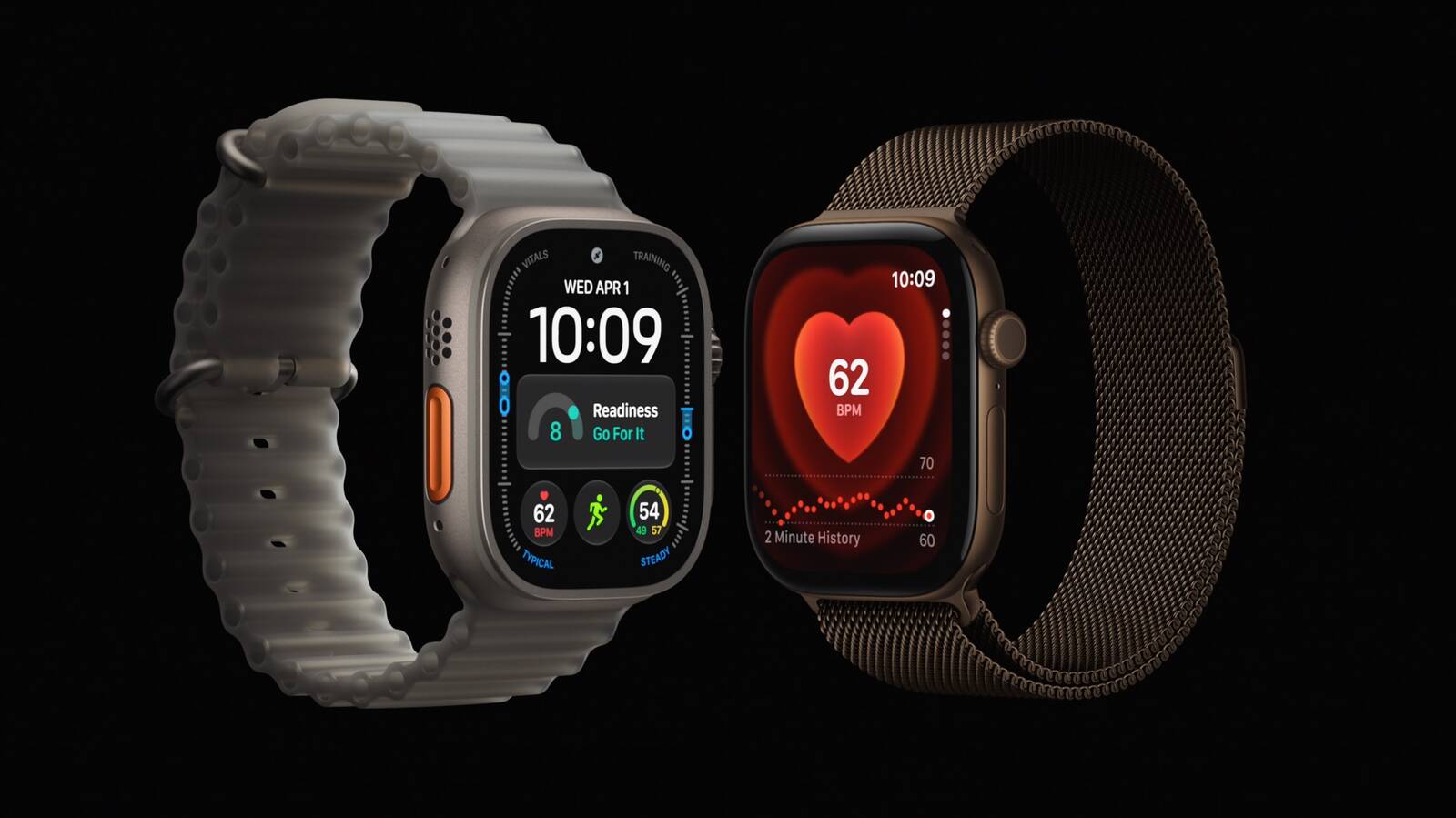
While both new Apple Watches look virtually identical to the previous-generation models on the outside, there are a handful of upgrades this year. For example, a more powerful S11 chip and larger LEDs on the optical heart sensor enable more accurate and frequent heart rate sensing, and HRV is now measured up to 24 times more often.
There is also a new Readiness app, more accurate step tracking, and faster charging. Finally, two new Audio Intelligence features Siri Rewind and Live Recap will be available later this year, as part of an upcoming watchOS update.
The S11's impact was also noticeable in testing. Siri AI queries are faster on the Series 12 than my Ultra 3.
Song added that the higher-frequency heart rate sensing did not impact battery life:
I didn't notice a negative impact to battery life from continuous heart rate tracking. People will gripe that the Series 12 doesn't have multi-day battery and sticks to the Series 11's 24-hour battery estimate. But like last year, I maintain that faster charging is a fine enough solution. In a 20-minute charging test, I went from 20 to 64 percent battery.
In my testing, the Apple Watch Ultra 4 lives up to Apple's battery life claims. In my real-world test, I charged it to 100% around 8 p.m. on Sunday and didn't put it back on the charger until 8 p.m. on Tuesday. That's 48 hours on a single charge, including 90 minutes of workout tracking, three hours away from my iPhone, and two nights of sleep tracking.
CNET's Vanessa Hand Orellana noted that the Apple Watch's belated ability to show a readiness score stands apart from competitors like the Oura Ring by continuously updating throughout the day and not requiring a monthly subscription fee for some stats:
Many wearables give you a score in the morning based on metrics such as HRV, sleep, temperature and other overnight vitals, but since it's static and delivered once a day, it can feel like a life sentence (and sometimes a self-fulfilling prophecy) rather than a training tool. The Apple Watch keeps measuring your daytime vitals and adjusts your Readiness score as the day unfolds and rates you from 0–10 with actionable advice including Recover, Pace Yourself, Ready and Go for It. In theory, you could see how a midmorning nap affects your score and adjust your workout accordingly.
Apple also gives you the data behind your Readiness score at no additional cost. Oura, for example, shows you a Readiness score without a subscription, but you'll need to pay the $7/monthly fee to dig into what's driving it and to see long-term trends.
Apple's readiness score requires "at least" seven nights of data, and most reviewers said they were still not seeing a score yet after around a week, so we will need to wait for later reviews to get a better look at the feature.
Siri Rewind and Live Recap were not available to reviewers yet, either, unfortunately.
If you can ignore the Live Rewind and Siri Recap features that aren't even available on the Apple Watch Series 12 yet, the device is a solid upgrade over older models. The new health sensing system is a meaningful overhaul, while the expansion of gesture support has the potential to enable more hands-free interactions with your watch. The inclusion of a new type of HRV measurement, increased sampling rates and some additional watch face complications are small but helpful touches for those who obsess over their metrics.
There are some new case options and colors for the Series 12, such as Light Bronze aluminum and the return of ceramic in Pearl White and Night Blue.
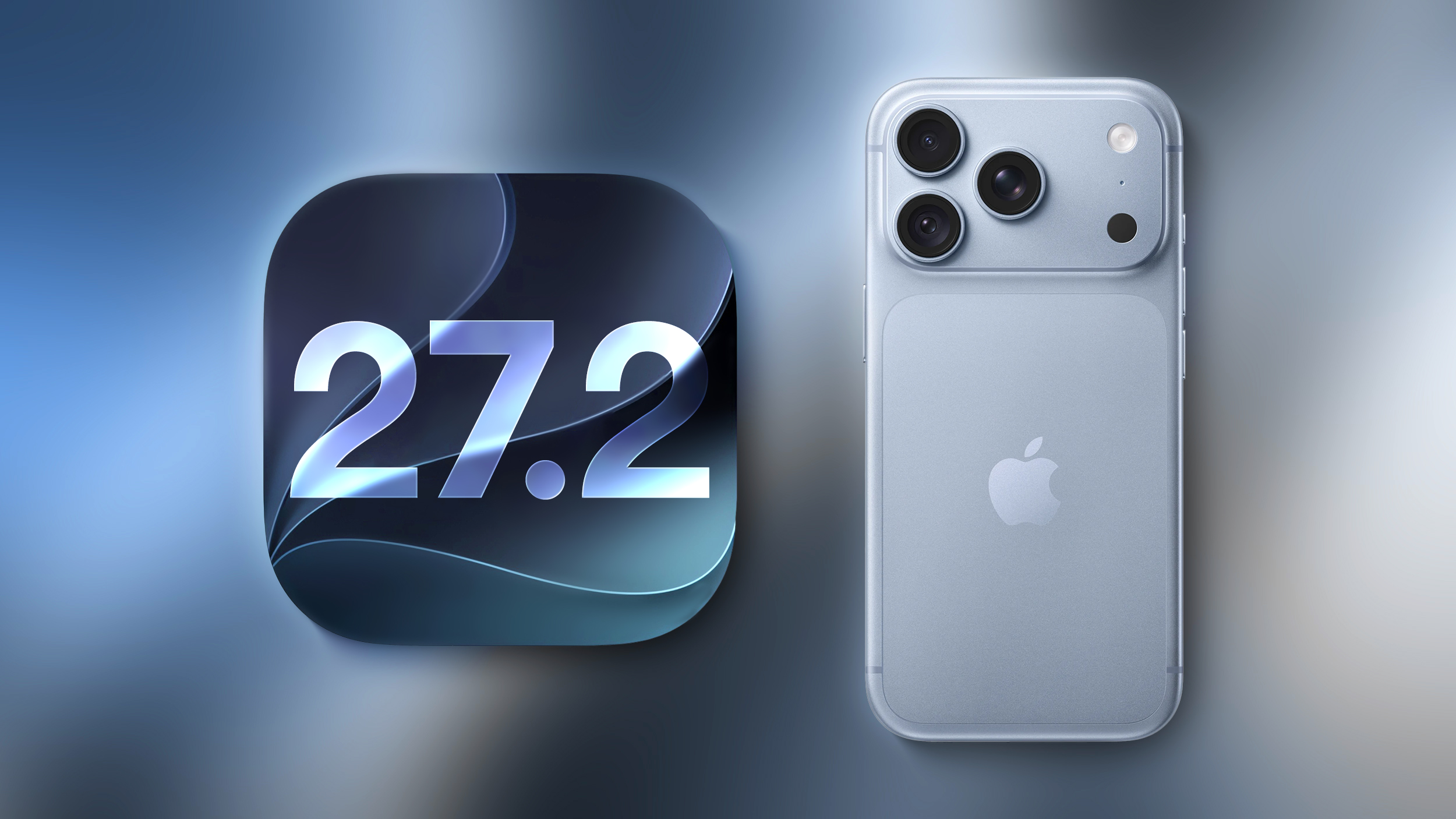
Apple just seeded the first beta of iOS 27.2 to developers for testing. Yes, you read that correctly: iOS 27.2, not iOS 27.1.
Why no iOS 27.1 beta? The answer likely relates to the iPhone Duo.
Apple previously announced that the iPhone Duo will ship with iOS 27.1, which means that software version will contain all sorts of references to the device hidden within the code. If an iOS 27.1 beta were to have been released today, it could have spoiled some smaller iPhone Duo details that did not make it into Apple's event.
The earlier iOS 27.2 beta versions at a minimum will likely have little to no iPhone Duo references within the code to prevent leaks.
Eventually, the iOS 27.1 and iOS 27.2 codebases will presumably converge, but we will have to wait and see how Apple goes about this exactly.
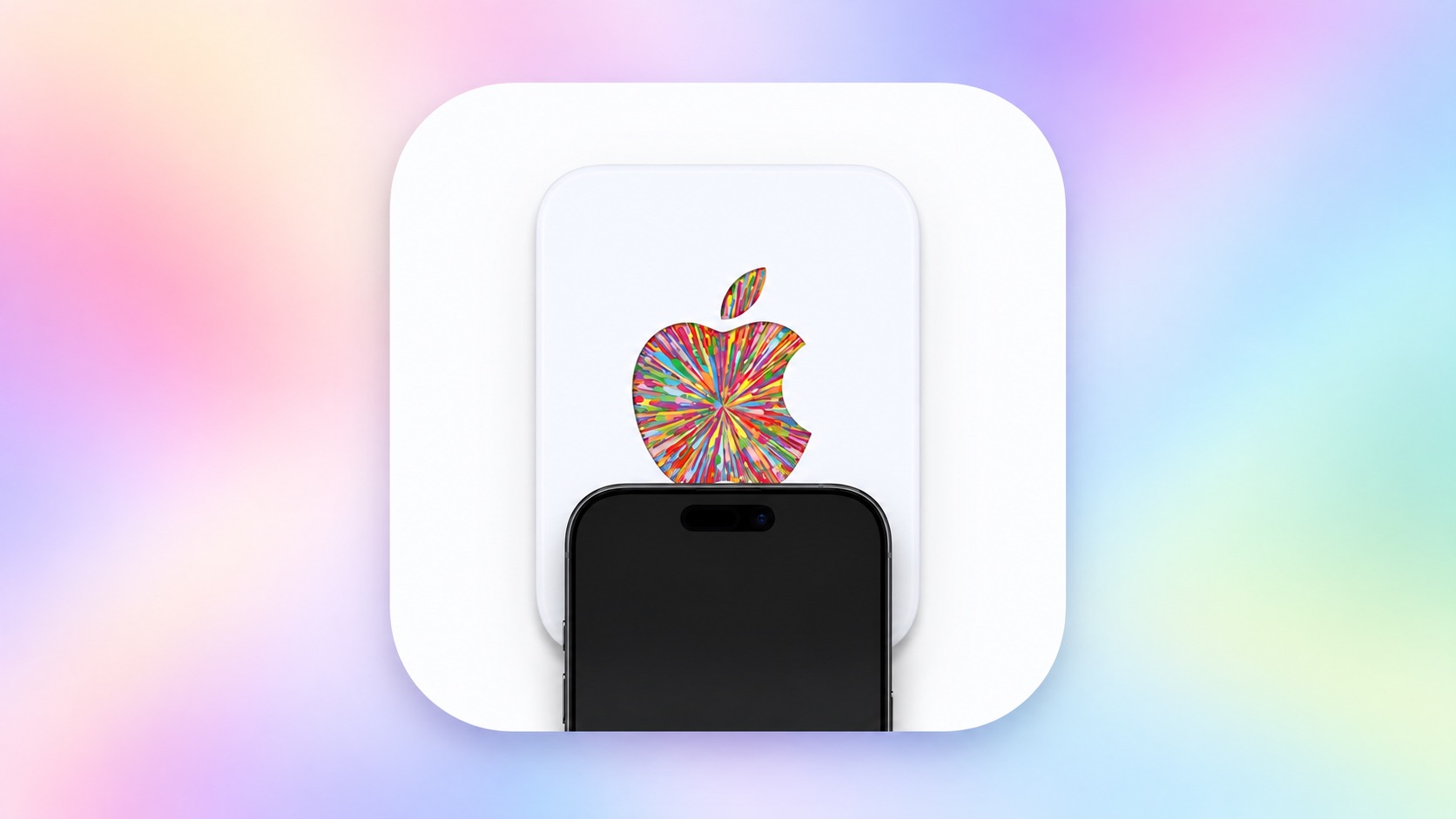
Last week, our team discovered code in the iOS 27 Release Candidate that revealed there will be a new NFC-based way to redeem Apple gift cards by tapping them on the back of a compatible iPhone, and now a demo of the feature has surfaced.
While the functionality does not appear to be live yet, Karta co-founder David Anderson figured out a workaround to get the new gift card interface to appear on iOS 27 and shared a video of it in action on his LinkedIn page today.
Apple's new gift cards will have fine print on the bottom of the card that says "hold iPhone here to redeem," and then a redemption flow will automatically pop up on iOS 27. You can then proceed to check the balance of the card and redeem it. Alternatively, the fine print says that customers can still visit apple.com/redeem for manual redemption.
Specifically, customers will be instructed to hold the top, rear side of their iPhone near the bottom of the Apple gift card to initiate NFC-based redemption.
NFC-based redemption will seemingly help to combat Apple gift card scams, but we do not have all of the details yet. During the redemption process, Apple will verify that the card is authentic and unspent, according to iOS 27 code. For security reasons, the interface may show "this card has been blocked" or "cancelled" if necessary.
iOS 27 is compatible with the iPhone 11 series and newer, all of which support NFC, so this new Apple gift card redemption method should be widely available. However, the feature has yet to be announced by Apple and we do not know when it will launch.
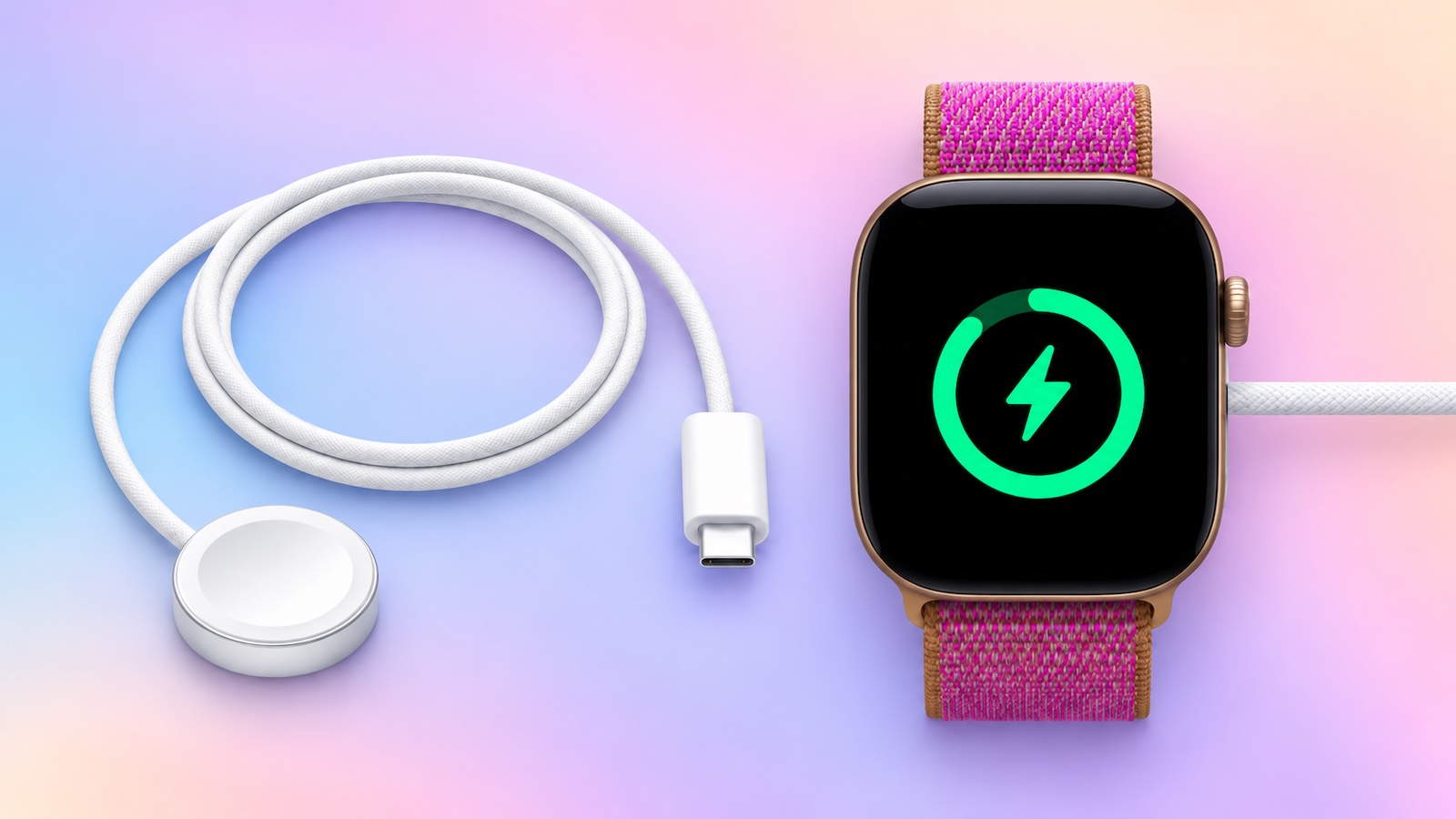
The new Apple Watch Series 12 and Apple Watch Ultra 4 have hardware changes that allow for faster charging, but you will need to use the new version of the Apple Watch Magnetic Fast Charger included in the box in order to achieve this boost. If you need extra ones for your own charging stands or travel or so forth, Apple released the new version of the charger on its online store last week, with U.S. pricing set at $29.
We have confirmed that the new version of the Apple Watch charging puck — model A3277 — can deliver up to 10W of power to enable the faster charging speeds. The previous version of the charger is limited to 5W. Accordingly, you will also need to use a USB-C Power Delivery charger that is rated 10W or higher for the fastest charging.
With just 15 minutes of charging, Apple said the new charger can add 12 hours of battery life to the Series 12 and 18 hours of battery life to the Ultra 4.
The previous Apple Watch Series 11 and Apple Watch Ultra 3 can get 8 hours and 12 hours of battery life respectively with a 15-minute charge, according to Apple. Using the new charging puck will not speed up these times, as the Series 12 and Ultra 4 have hardware changes, so you need both a new watch and the new charger for the fastest charging.
The first iPhone 18 Pro and iPhone 18 Pro Max reviews have been published today by selected tech websites and YouTube channels, ahead of the devices beginning to arrive to customers and launching in stores this Friday, September 18.
While the iPhone 17 Pro models featured a major design overhaul last year, the iPhone 18 Pro models look the same overall and have a set of more incremental year-over-year upgrades related to the cameras, battery life, and performance.
With the new A20 Pro chip, the first 2nm chip in a smartphone, Apple said the iPhone 18 Pro models deliver up to 20% faster CPU performance and up to 40% faster graphics performance compared to the A19 Pro chip in the iPhone 17 Pro.
I ran Geekbench 7's CPU benchmark on the iPhone 18 Pro and compared results with the iPhone 17 Pro. Both phones were running the official iOS 27 release. The iPhone 18 Pro scored 4,027 for single-core and 11,540 for multi-core, and the iPhone 17 Pro mustered 3,258 on single-core and 9,167 on multi-core. That works out to a 24% boost for single-core performance and a 26% boost for multi-core.
A revamped vapor chamber cooling system in the iPhone 18 Pro models is three times larger than the one in the iPhone 17 Pro models, for better heat dissipation. This allows the A20 Pro to achieve peak, sustained performance for longer.
Wong on the iPhone 18 Pro's thermal management:
I don't think the iPhone 18 Pros got hot once doing anything normal that would cause it to heat up. Not even shooting 4K resolution video at 60 fps under the heatwave that baked Cupertino during the Apple launch event could overheat it.
Both of the iPhone 18 Pro models have longer battery life compared to the previous generation — especially the iPhone 18 Pro Max. If we go by Apple's offline video playback metric, the iPhone 18 Pro Max has up to 15% longer battery life compared to the iPhone 17 Pro Max. Fast charging to 50% now takes 15 minutes, down from 20 minutes.
Tom's Guide published its typical battery life test, in which the iPhone 18 Pro Max achieved around half an hour longer battery life compared to the iPhone 17 Pro Max:
OnePlus 15: 25 hours and 13 minutes
iPhone 18 Pro Max: 18 hours and 27 minutes
iPhone 17 Pro Max: 17 hours and 54 minutes
Galaxy S26 Ultra: 16 hours and 40 minutes
iPhone 18 Pro: 16 hours and 17 minutes
iPhone 17 Pro: 15 hours and 21 minutes
iPhone 18 Pro models have a slightly smaller Dynamic Island at the top of the screen that supports up to three Live Activities at once, up from two.
In my testing, what I've actually appreciated most is what happens when you have two Live Activities running at the same time. Thanks to the smaller Dynamic Island, the second Live Activity that appears on the right side can now show more information.
The popular flight-tracking app Flighty showed this off:
Flighty for iOS 27 is here
🏝️ Refined Dynamic Island 💫 New flight progress arc 📱 Support for all new sizes 🎨 New app icons ✨️ "Ask Flighty" with Siri AI
Flying's most useful Dynamic Island. Now even better.
The main 48-megapixel Fusion camera on both the iPhone 18 Pro and iPhone 18 Pro Max has variable aperture, allowing you to adjust the amount of light that reaches the image sensor for greater control over depth of field. Apple says this upgrade will allow for improved low-light photography and crisper details in the back of group photos.
Variable aperture options include ƒ/1.48, ƒ/1.8, ƒ/2.8, and ƒ/4.0.
I think Apple's choice not to lock us to the wider aperture was very smart, because sharpness takes a hit when shooting wide open. We noticed that while the center is about as sharp as last year's iPhone 17 Pro when shooting at night, the edges quickly degraded — this is not unusual for a wide-open lens, even on a full-size camera. When you're that wide open, image quality tends to fall off without a bunch of additional glass elements to counteract it. However, the image cleans up nicely at f/1.8 and sharpness peaks at f/2.8. At f/4, sharpness dips again, this time from diffraction, but not substantially. In order from sharpest to softest, it goes: f/2.8, f/1.8, f/4, and f/1.48.
In the Camera app, iPhone 18 Pro users can manually adjust shutter speed, white balance, and aperture, and there is an option to use a histogram. These new "Pro controls" are exclusive to the iPhone 18 Pro and iPhone 18 Pro Max.
I enjoy these controls, as I have when they've appeared on Android phones. My big criticism is how they're accessed: I use the lens aperture and shutter speed controls quite a bit, but they are located at the bottom of the camera controls drawer. When shooting one-handed, I have to tap, then expand the drawer to get to the bottom. I wish I could customize the position of the icons like I can with settings in the phone's control center. Also, why can't I assign any of these to the Camera Control button on the side of the phone? Imagine focus pulling in a video recording by sliding your finger.
For 5G and LTE, the iPhone 18 Pro is equipped with Apple's second-generation C2 cellular modem worldwide, while the iPhone 18 Pro Max has the C2 modem in every country except the U.S., where it is reportedly still equipped with a Qualcomm modem, perhaps for contractual reasons. Apple said the C2 modem delivers "meaningfully faster uploads" compared to its previous C1X modem while consuming 15% less energy. In the U.S., the C2 is Apple's first modem with mmWave 5G support.
We have not yet found any reviews that tested the C2 modem in a scientific way, but anecdotally most reviewers found 5G performance to be very adequate.
iPhone 18 Pro and iPhone 18 Pro Max color options: a classic Silver, the return of Black, and special new Burgundy and Glacier finishes.
In our view, there is no massive reason to upgrade to the iPhone 18 Pro models if you are coming from an iPhone 17 Pro or perhaps even an iPhone 16 Pro. If you have an iPhone 14 Pro or older, though, upgrading to the iPhone 18 Pro is worth it to catch up on years of enhancements and bump up to a model that supports the new-and-improved Siri, which truly is a lot better and is available on the iPhone 15 Pro and newer.
That's the reality with most iPhone launches nowadays: the devices remain excellent, yet the year-over-year upgrades can sort of feel "meh."
In the iPhone Duo's shadow, the iPhone 18 Pro certainly feels like an "S" device. But S-year iPhones were never bad iPhones. They were simply unexciting. Similarly, while none of the iPhone 18 Pro's latest features are things you should run out the door to spend money on, it's certainly a meaningful improvement for anyone on an iPhone 16 Pro or older. Of all the iPhones you can buy now, it has the best camera setup, and anyone with the slightest interest in manual photography will appreciate the new variable aperture controls.
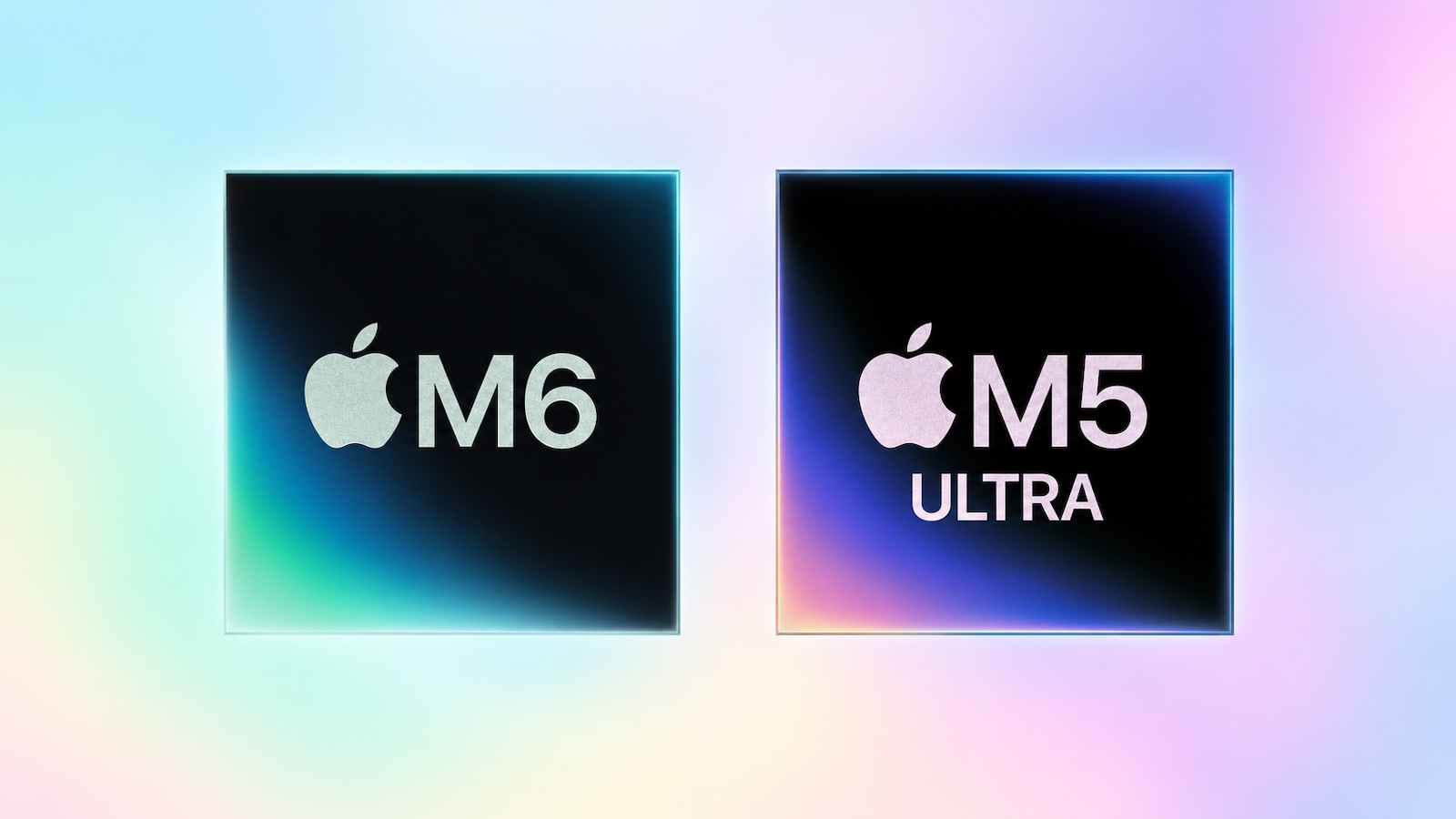
The first unverified benchmark result for Apple's new M5 Ultra chip surfaced in the Geekbench 7 database today, offering a look at the chip's impressive performance gains. The new Mac Studio will be Apple's first device to be equipped with the M5 Ultra.
Here is how the highest-end M5 Ultra chip with a 36-core CPU scored:
Single-core CPU score: 3,774
Multi-core CPU score: 52,516
Apple never released an M4 Ultra chip. Here are the average scores for the highest-end M3 Ultra chip with a 32-core CPU on Geekbench 7:
Single-core CPU score: 2,920
Multi-core CPU score: 39,059
Unsurprisingly, the M5 Ultra is Apple's fastest chip ever. If this Geekbench result is accurate, it has up to around 30% faster single-core CPU performance and up to around 35% faster multi-core performance compared to the M3 Ultra. But, it comes at a steep cost. In the U.S., the Mac Studio with a 36-core M5 Ultra starts at $6,799.
Apple said the M5 Ultra has up to 1.25× faster single-threaded CPU performance and up to 1.3× faster multi-threaded CPU performance compared to the M3 Ultra, so the benchmark result roughly aligns with or even beats those advertised claims. However, keep in mind that there wil be some variance in scores as additional results surface.
Here is where the M5 Ultra slots in for maximum multi-core CPU performance:
M5 Ultra: 52,516
M3 Ultra: 39,059
M5 Max: 35,119
M5 Pro: 33,593
M4 Max: 29,047
M2 Ultra: 28,789
M4 Pro: 24,894
M3 Max: 24,649
M1 Ultra: 23,328
M6: 22,783
M5: 17,948
M2 Max: 17,387
M3 Pro: 16,880
M2 Pro: 16,725
M4: 15,477
M1 Max: 14,299
M1 Pro: 13,914
M3: 11,650
M2: 9,809
M1: 8,582
Based on these scores, the M5 Ultra is up to 2.25× faster than Apple's original M1 Ultra chip and up to 6× faster compared to the regular M1 chip.
As always, real-world performance varies.
The new Mac Studio with M5 Max and M5 Ultra chips and the new Mac mini with M6 and M5 Pro chips launch on Tuesday, September 22.
We are still waiting for GPU results for the M5 Ultra to appear in the Geekbench 7 database.
The first unverified benchmark result for Apple's new M6 chip surfaced in the Geekbench 7 database today, offering a look at the chip's performance gains. The new Mac mini will be Apple's first device to be equipped with the M6 chip, which is 2nm.
Here is how the M6 chip scored:
Single-core CPU score: 4,071
Multi-core CPU score: 22,783
Here are the average M5 chip scores for comparison:
Single-core CPU score: 3,641
Multi-core CPU score: 17,948
If this single Geekbench 7 result is accurate, the M6 chip has up to around 12% faster single-core CPU performance and up to around 27% faster multi-core CPU performance compared to the M5 chip. Note that the M6 chip is in the new Mac mini, while the M5 chip scores are based on the 14-inch MacBook Pro, but performance should be similar.
Apple said the M6 chip has the world's fastest single-threaded CPU performance, and its 4,071 single-core score indeed tops all other Macs and PCs in the Geekbench 7 database, including the M5 Max chip (3,731) and Qualcomm's Snapdragon X2 Elite Extreme (3,396). Up to 27% faster multi-core CPU performance is in line with Apple's claim of up to 1.2× faster multi-threaded performance, so all of Apple's advertised claims hold up.
Here is where the M6 chip slots in for maximum multi-core CPU performance:

 Log in

 Apple laid off a "handful" of Apple Fitness+ employees last week, according to
 A shorter Apple Pencil for the iPhone Duo was in development, but Apple scrapped it due to "technical problems ahead of mass production," according to
 A supposed
 Apple today released the first
 Starting today, many if not all Apple Stores around the world have
 Apple Fifth Avenue in New York is ready for iPhone 18 Pro launch day.