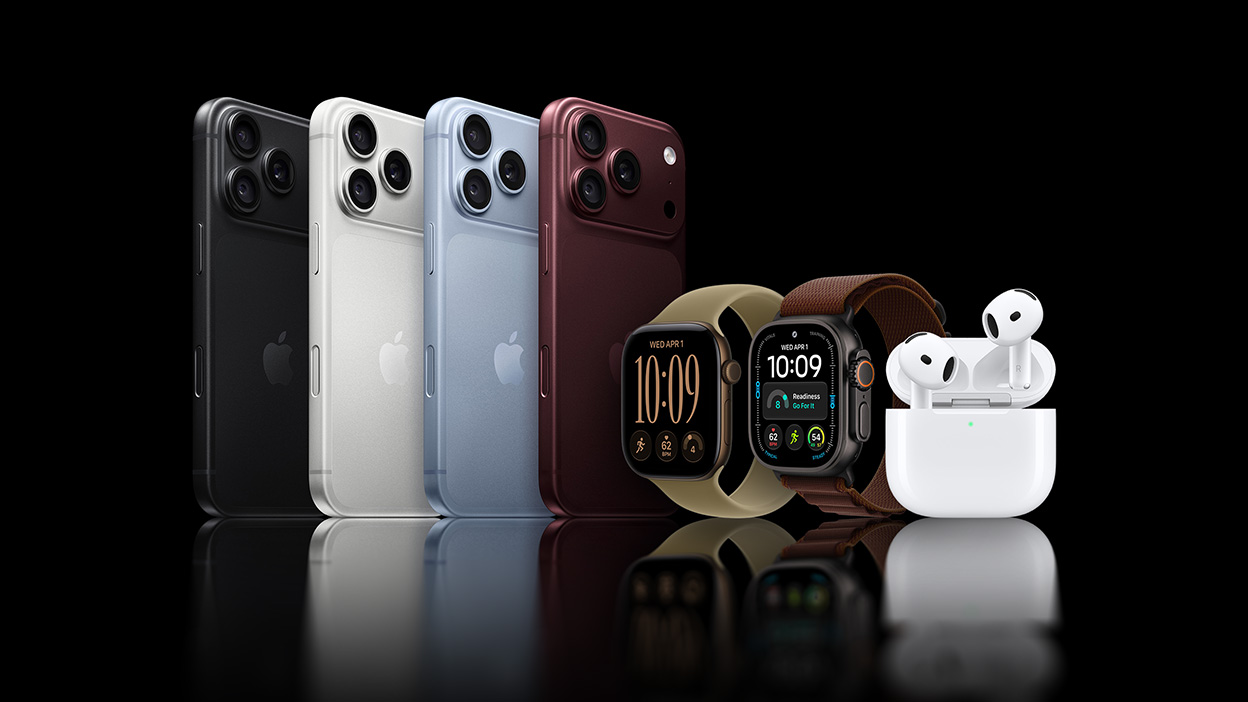
❌

Lees weergave

Ludovic Rousseau: New version of PyKCS11: 1.5.20

I just released a new version of PyKCS11, a Python wrapper above the PKCS#11 API.

See PyKCS11 introduction or PyKCS11’s documentation.

The project is registered at Pypi: https://pypi.org/project/PyKCS11/

Explanation

This version only fixes a problem on Windows.

In version 1.5.19, I upgraded the PKCS#11 header file pkcs11.h to version PKCS#11 3.2. Execution of automatic tests failed on Windows. I then disabled failed test. But I, in fact, disabled all the tests on Windows. And the problem went unnoticed.

Version 1.5.19 did not contain the code required to pack the structures on Windows. So the PyKCS11 wrapper and the PKCS#11 library were not alligned on the data format. And crash...

Changes:

1.5.20 - September 2026, Ludovic Rousseau

  • fix C_Initialize() crash on Windows

  •  

Ludovic Rousseau: Security issues reported by an AI tool in CCID driver

version 1.8.3 of the CCID driver (New version of libccid: 1.8.3) addresses 6 security issues identified by an AI tool.

Very low impact

The reported issues are either not exploitable because the input and output buffers used by PC/SC Lite to call the CCID driver are large enough, or the exploitation requires rogue smart card or smart card reader (i.e. sending non-compliant data).

If you would like to read the details, the issues have been fixed in the following git commits:

Comments

The AI tool identified real issues.

However, it would be difficult to exploit these issues unless the attacker used a custom-built reader or smart card. This is something I started doing with the Pico HSM project, which is a CCID reader in a Raspberry Pi Pico. This allows you to modify the CCID frames sent by the reader as required.

The bug reports from the AI tool are very verbose. This is useful for impressing a manager with a long, complex-looking text. However, reading the entire report is often a waste of my time. It is often much faster to read the proposed patch to understand the problem it is trying to fix.

The proposed fixes are, sometimes, incorrect. They are a good starting point, though. However, never apply an AI-generated patch without fully understanding it.

Conclusion

Thanks to Red Hat and Jakub Jelen for the bug reports.

I am very happy that the AI tool only identified issues with no or low impact.

  •  

Ludovic Rousseau: New version of libccid: 1.8.3

I have just released version 1.8.3 of libccid the Free Software CCID class smart card reader driver.

Red Hat reported 6 security issues found by an AI tool. See Security issues reported by an AI tool in CCID driver.

Changes:

1.8.3 - 29 August 2026, Ludovic Rousseau

  • Add support of

    • Broadcom Corp 58200 0x5884

    • Broadcom Corp 58200 0x5885

    • Broadcom Corp 58200 0x5886

    • Broadcom Corp 58200 0x5887

    • Circle CIR135 ICC

    • DigiFlow LLP. KAZTOKEN

    • HID Global Crescendo NFC Reader

    • HID Global OMNIKEY Plug

    • HID Global OMNIKEY SE Plug

    • Neowave LinkeoC-PRO

    • Swissbit iShield Key 2 Pro

  • macOS: provide a sample script to build the driver with meson

  • fix some minor issues found by an AI tool

  • Some other minor improvements

  •  

Hands-On With the Apple Watch Series 12

The Apple Watch Series 12 came out today, and we picked one up to get a look at the new feature set. There are no major external changes, but Apple updated the device's internals and health sensors.


The Apple Watch Series 12 has the same design as the Series 11, but it does come in different colors. The aluminum models are available in a light gold shade that's distinct from the rose gold Apple used last year, as well as dark bronze, black, and space gray. There are also ceramic models in pearl white and night blue, and polished titanium models in radiant gold and natural. On the aluminum models, Apple is now using Ceramic Shield 2 instead of Ion-X glass, and the new material is 60 percent tougher.

You might not be able to tell a Series 11 apart from a Series 12 when looking at the front, but the back has been updated. Apple says the upgraded sensors make the Apple Watch Series 12 the most accurate wearable for heart rate sensing.

The Series 12 has a Health Sensing System that pairs the new sensors with an S11 chip that's faster than the S10 in the prior-generation model. It takes heart rate readings every five seconds now and measures heart rate variability as often as every five minutes.

It's early, but so far we haven't seen the higher sampling rates cause excessive battery drain. The Apple Watch Series 12 is still rated for all-day battery life, and charging is faster this year. You can get up to 12 hours of normal usage from a 15-minute charge, but you need to use the Apple Watch charger that comes with the Series 12. Older chargers won't give you the faster charging rate.

The Health Sensing System powers a readiness score that lets you know whether to go all-out on activity or take a rest day. It's based on metrics such as recent activity, vitals, and sleep, and will adjust as the day continues. It takes about a week of data collection from the Series 12 before you start getting a readiness score.

The S11 chip will power Live Rewind and Siri Recap features, but those won't be available until later this year.

Even though the Apple Watch hasn't seen a design refresh, the health features make this a decent update. You may not want to upgrade if you have the Series 10 or Series 11, but anything older is worth upgrading from.

The Series 12 comes in 42mm and 46mm size options with pricing starting at $399.
Related Roundup: Apple Watch 12
Buyer's Guide: Apple Watch (Buy Now)
Related Forum: Apple Watch

This article, "Hands-On With the Apple Watch Series 12" first appeared on MacRumors.com

Discuss this article in our forums

  •  

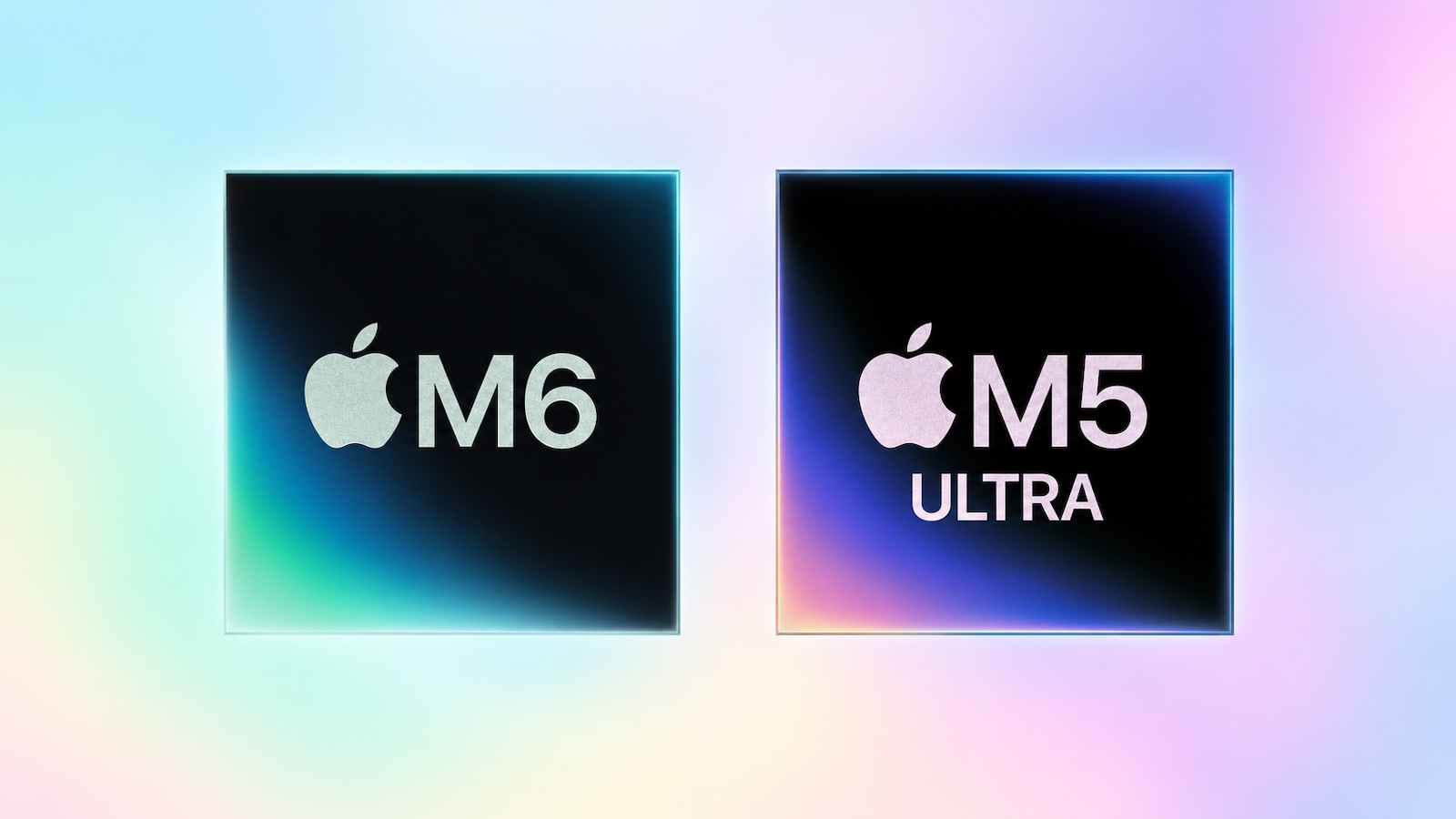
M5 Ultra and M6 Chip Benchmark Results Reveal Graphics Performance

The first GPU benchmark results for Apple's new M5 Ultra and M6 chips have surfaced, ahead of the new Mac Studio and Mac mini models launching on Tuesday. If you are interested in CPU results, we shared those earlier this week.


So far, the M5 Ultra has achieved up to a 59% higher Metal score (366,744) on Geekbench 7 compared to the M3 Ultra's average score of 230,420, and the chip's OpenCL score is roughly in line with NVIDIA's GeForce RTX 4080.

As for the M6 chip, it has so far achieved up to a 34% higher Metal score (93,217) compared to the M5 chip's average score of 69,563.


Chip Metal Score
M5 Ultra366,744
M3 Ultra230,420
M5 Max225,606
M2 Ultra201,144
M4 Max189,301
M1 Ultra150,098
M3 Max146,550
M5 Pro130,896
M2 Max130,091
M1 Max107,711
M4 Pro107,354
M693,217
M2 Pro77,176
M3 Pro72,637
M569,563
M1 Pro63,531
M451,818
M346,033
M240,529
M127,277


As always, real-world performance will vary.
This article, "M5 Ultra and M6 Chip Benchmark Results Reveal Graphics Performance" first appeared on MacRumors.com

Discuss this article in our forums

  •  

iPhone 18 Pro Max in U.S. Has Qualcomm's Snapdragon X80 Modem

TechInsights has published an iPhone 18 Pro Max teardown that confirms the U.S. version of the device is equipped with Qualcomm's Snapdragon X80 modem.


The device's modem firmware had already pointed towards the Snapdragon X80 modem.

The smaller iPhone 18 Pro and the iPhone Duo use Apple's custom-designed C2 modem worldwide, and the iPhone 18 Pro Max uses the C2 modem in every other country, so the U.S. version of the iPhone 18 Pro Max having a Qualcomm modem is unique.

iPhone 17 Pro and iPhone 17 Pro Max models have the same Snapdragon X80 modem worldwide, although TechInsights noted that the U.S. version of the iPhone 18 Pro Max has a newly-identified mmWave 5G antenna module from Apple.

We will have to wait for C2 vs. Snapdragon X80 performance tests.

Apple has yet to explain why only the U.S. version of the iPhone 18 Pro Max still has a Qualcomm modem, so we can only speculate for now. In 2023, Qualcomm announced that it would supply Apple with smartphone modems through 2026, so perhaps Apple is ensuring that it complies with its contractual obligations in a minimal way.

Apple's C2 modem supports ultra-fast mmWave 5G in the U.S., unlike its previous-generation C1 and C1X modems. Qualcomm modems in the iPhone 12 and newer already supported mmWave 5G in the U.S., so Apple played catch up here. Apple said the C2 delivers "meaningfully faster uploads" compared to the C1X while consuming 15% less energy.
Related Roundup: iPhone 18 Pro
Related Forum: iPhone

This article, "iPhone 18 Pro Max in U.S. Has Qualcomm's Snapdragon X80 Modem" first appeared on MacRumors.com

Discuss this article in our forums

  •  

Apple Releases Xcode 27.1 Beta With iPhone Duo Support

Apple today released the first Xcode 27.1 beta. The latest version of the tool adds support for iPhone Duo app development.

Available on Apple silicon Macs running macOS 26.6 or later, Xcode 27.1 includes updated SDKs for the iPhone Duo, and a simulator that supports the device's new poses and orientations.
Related Roundup: iPhone Duo
Tag: Xcode
Related Forum: iPhone

This article, "Apple Releases Xcode 27.1 Beta With iPhone Duo Support" first appeared on MacRumors.com

Discuss this article in our forums

  •  

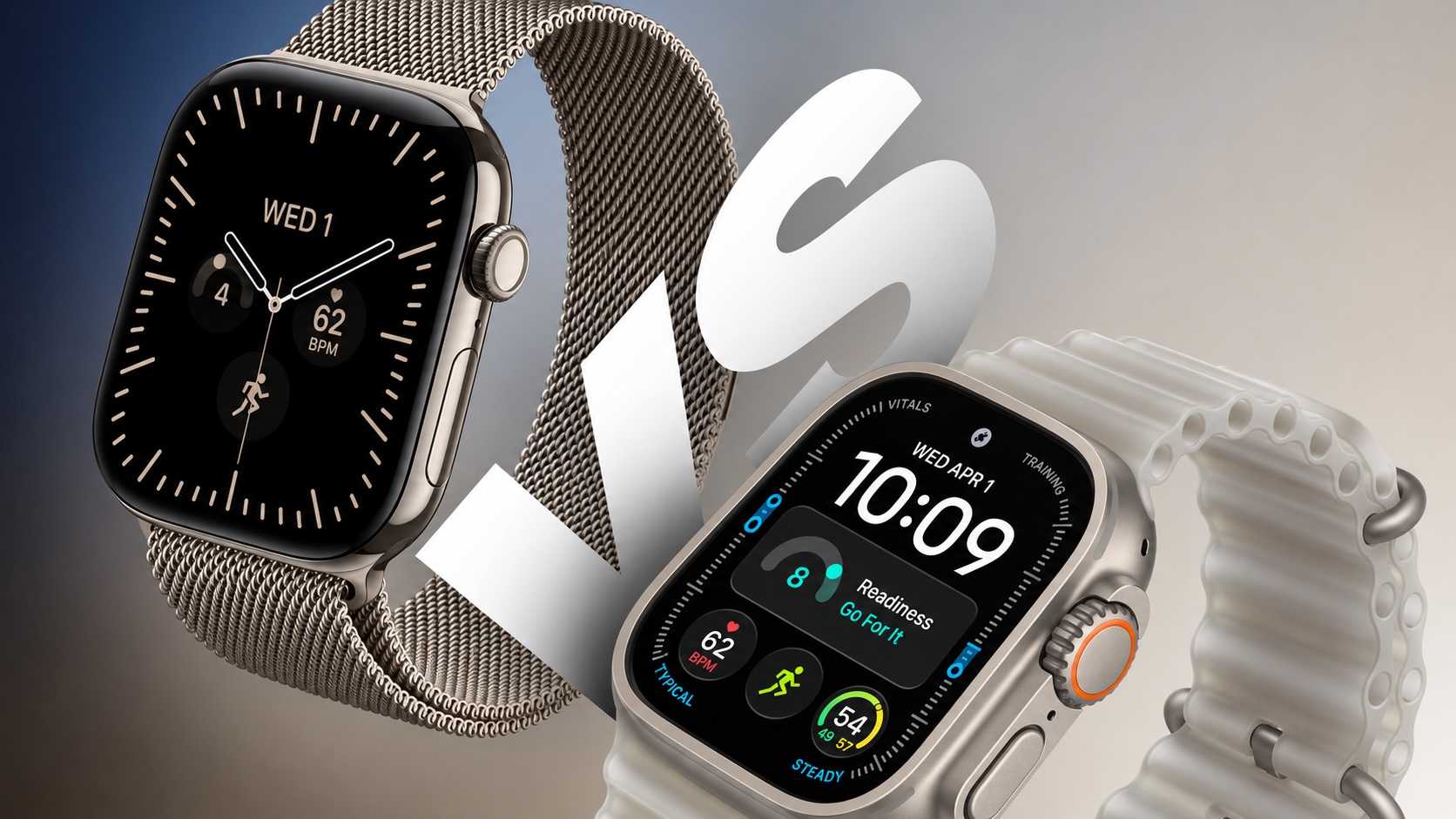
Apple Watch Series 12 vs. Ultra 4 Buyer's Guide

The Apple Watch Series 12 and Apple Watch Ultra 4 bring new health sensors, a new chip, and more detailed recovery insights to Apple's smartwatch lineup, so how do they compare?


Both models feature the S11 chip, 4GB of RAM, 64GB of storage, and the new Health Sensing System, which measures heart rate every five seconds throughout the day. They also share Readiness, Recovery HRV, daytime vitals, improved step tracking, hypertension notifications, sleep apnea notifications, Sleep Score, and more. This means that the Ultra 4's higher price does not buy you more advanced everyday health tracking.

The Apple Watch Series 12 starts at $399, while the Apple Watch Ultra 4 starts at $799. The gap narrows if you want a premium case material, with the titanium Series 12 starting at $699. This year, the Series 12 also gains a ceramic option starting at $899, making it more expensive than the Ultra despite its smaller size and shorter battery life.

The Apple Watch Ultra continues to focus on durability, extended battery life, and additional capabilities for activities like diving and exploration. Our guide helps to answer the question of how to decide which of these two Apple Watches is best for you. The differences between the Apple Watch Series 12 and ‌Apple Watch Ultra 4‌ are as follows:


Apple Watch Series 12 ‌Apple Watch Ultra 4‌
Rounded design with a thinner case and front glass that curves at the edges Rugged design with a thicker case and slightly raised edges to protect the flat front crystal
Aluminum, polished titanium, or polished ceramic case Blasted titanium case
Aluminum and titanium: 42mm and 46mm case sizes
Ceramic: Marketed as 42mm and 46mm, with actual heights of 43mm and 47mm
49mm case size
42mm aluminum and titanium: 37mm case width
43mm ceramic: 37mm case width
46mm aluminum and titanium: 40mm case width
47mm ceramic: 41mm case width
49mm titanium: 44mm case width
Aluminum and titanium: 9.7mm case depth
Ceramic: 9.85mm case depth
12mm case depth
Weighs 31.5 to 52.9 grams depending on case size, material, finish, and connectivity Natural titanium: 63.0 grams
Black titanium: 63.1 grams
Aluminum: Ceramic Shield 2 front glass
Titanium and ceramic: Sapphire front crystal
Sapphire front crystal
42mm: 374 by 446 pixels
46mm: 416 by 496 pixels
422 by 514 pixels
42mm: 970 sq mm display area
46mm: 1,196 sq mm display area
1,245 sq mm display area
Up to 2,000 nits peak brightness Up to 3,000 nits peak brightness
Exclusive Wayfinder, Modular Ultra, and Orienteering faces
Night Mode on Apple Watch Ultra faces
Customizable Action button, including Precision Start for workouts
86-decibel Siren to attract attention
Single speaker Dual speakers
Single microphone with Voice Isolation Three-microphone array with beamforming and wind noise mitigation
Aluminum: GPS or GPS + Cellular options
Titanium and ceramic: GPS + Cellular
GPS + Cellular on all models
U.S. TDD cellular bands: 5G n38, n40, and n41; LTE 38, 39, 40, and 41 U.S. TDD cellular bands: 5G n38, n40, n41, and n53; LTE 38, 39, 40, 41, and 53
Satellite communications for Emergency SOS, Messages, and Find My
Precision L1 GPS Precision dual-frequency GPS (L1 and L5)
GPS, GLONASS, Galileo, QZSS, and BeiDou support GPS, Galileo, QZSS, and BeiDou support
Water resistant to 50m Water resistant to 100m
Suitable for swimming and snorkeling Suitable for swimming, snorkeling, high-speed water sports, and recreational scuba diving to 40m
Depth gauge and Depth app to 6m Depth gauge and Depth app to 40m
Tested to MIL-STD 810H
EN13319 certification for recreational scuba diving
Recommended ambient operating temperature of 0°C to 35°C On-wrist operating temperature of -20°C to 55°C
Always-on altimeter Always-on altimeter with expanded operating range from -500m to 9,000m
Operating altitude from 0m to 3,000m Operating altitude from -500m to 9,000m
Up to 24 hours of normal use Up to 50 hours of normal use
Up to 38 hours in Low Power Mode Up to 84 hours in Low Power Mode
Up to 10 hours of standard outdoor workout tracking Up to 18 hours of standard outdoor workout tracking
Up to 25 hours in Extended Workout mode with full GPS and heart rate readings
Up to 45 hours in Max Extended Workout mode, retaining GPS readings every second
Charge from 0 to 80% in about 30 minutes Charge from 0 to 80% in about 45 minutes
15 minutes of charging for up to 12 hours of normal use 15 minutes of charging for up to 18 hours of normal use
Aluminum: Dark Bronze, Light Gold, Black, and Space Gray
Titanium: Radiant Gold and Natural
Ceramic: Pearl White and Night Blue
Natural Titanium or Black Titanium
Hermès: Silver or Radiant Gold titanium Hermès: Natural titanium
40% recycled content in aluminum and titanium models 45% recycled content
Aluminum: Starts at $399
Titanium: Starts at $699
Ceramic: Starts at $899
Hermès: Starts at $1,399
Standard: Starts at $799
Hermès: Starts at $1,499


For most users, the Apple Watch Series 12 is the better choice. It offers the same performance, health sensors, Readiness insights, and Audio Intelligence features as the Ultra 4 in a thinner, lighter device. The aluminum model delivers these benefits for $400 less, making it the stronger option for everyday use and regular workouts.

The Ultra 4's most broadly useful advantage is battery life. Its longer endurance makes overnight wear and extended workouts easier to fit around charging. You do not need to be an endurance athlete to appreciate less frequent charging, but the premium is easier to justify if the Series 12 cannot comfortably cover your usual activities and charging habits.

For hiking away from cellular coverage, recreational scuba diving, or very long events, the Ultra has a clearer purpose. Satellite communications, dual-frequency GPS, greater water resistance, and extended workout modes address needs that the Series 12 cannot fully meet. The Action button and brighter display may also appeal to enthusiasts who simply want more capable hardware.

Size and appearance remain substantial trade-offs. The Ultra is considerably bulkier and heavier despite offering a display only slightly larger than the 46mm Series 12's. The Series 12 is more discreet and offers polished titanium and ceramic finishes, making it better suited to buyers who prioritize comfort or appearance. Try on the Ultra before buying if you are unsure about its size.

The decision becomes closer if you already want the titanium Series 12, since its starting price is just $100 below the Ultra's. At that point, paying more for longer battery life and additional hardware is reasonable if you are comfortable with the larger case. The $899 ceramic Series 12 is primarily a choice of material and finish; choose it because you prefer its appearance, rather than expecting more capabilities than the $799 Ultra.
Related Forum: Apple Watch

This article, "Apple Watch Series 12 vs. Ultra 4 Buyer's Guide" first appeared on MacRumors.com

Discuss this article in our forums

  •  

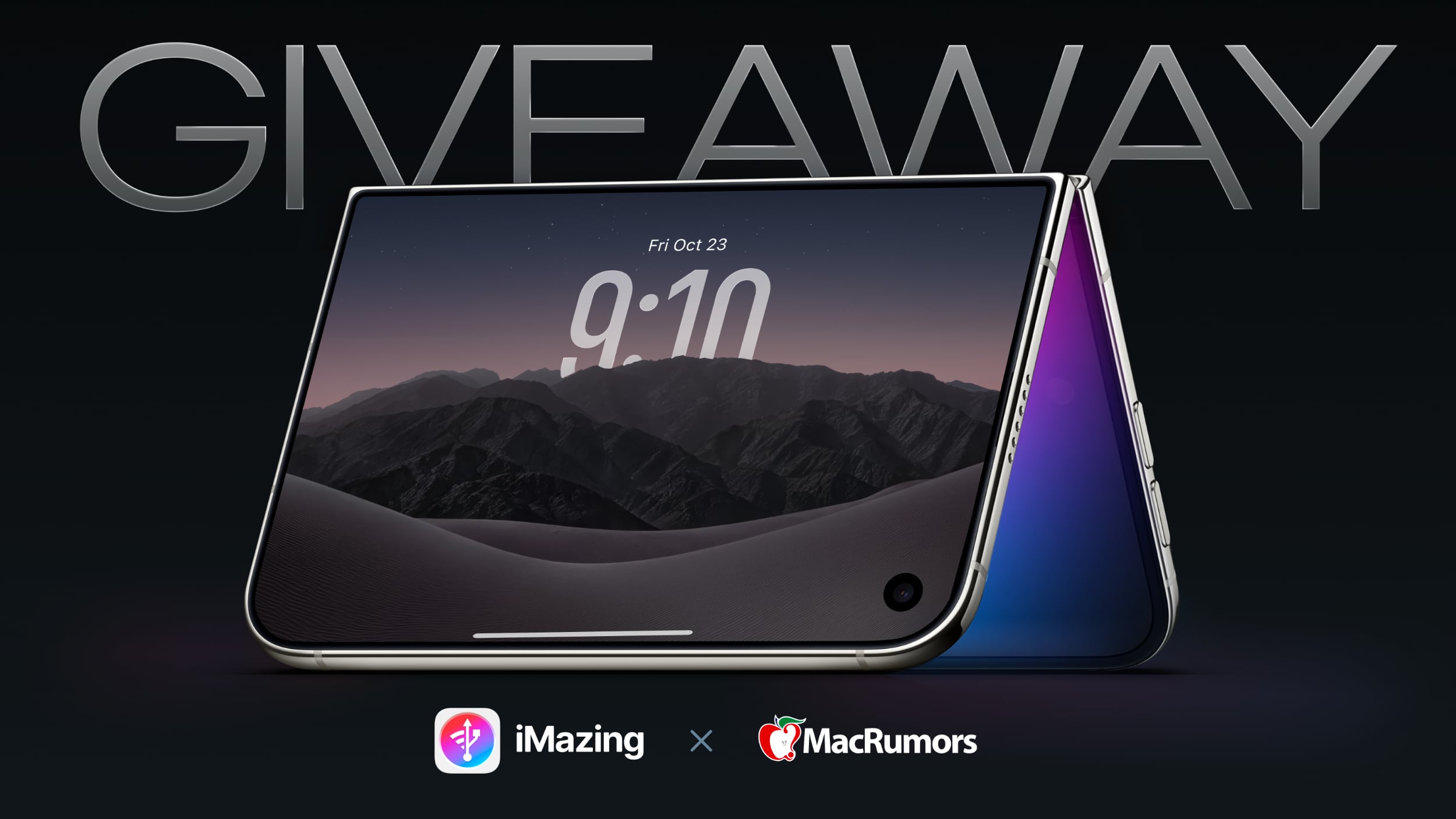
MacRumors Giveaway: Win an iPhone Duo From iMazing

For this week's giveaway we've teamed up with iMazing to offer MacRumors readers a chance to win an iPhone Duo and a copy of the iMazing software to go along with it.


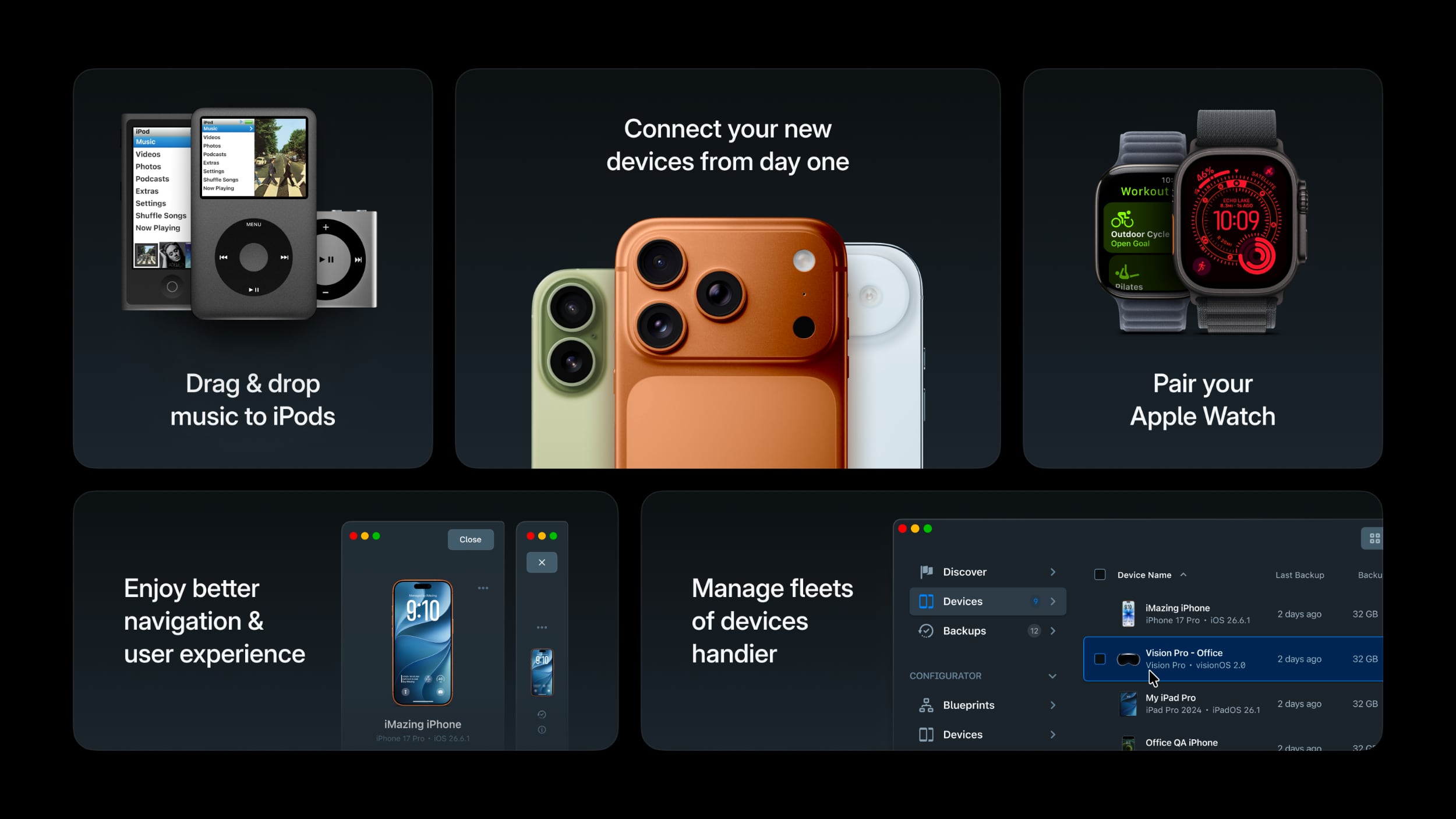
If you're unfamiliar with iMazing, it's Mac and PC software that offers a speedy, simple way to manage all of the data on your iPhone. You can make backups, add and delete photos, videos, and music, save content like messages, and much more.

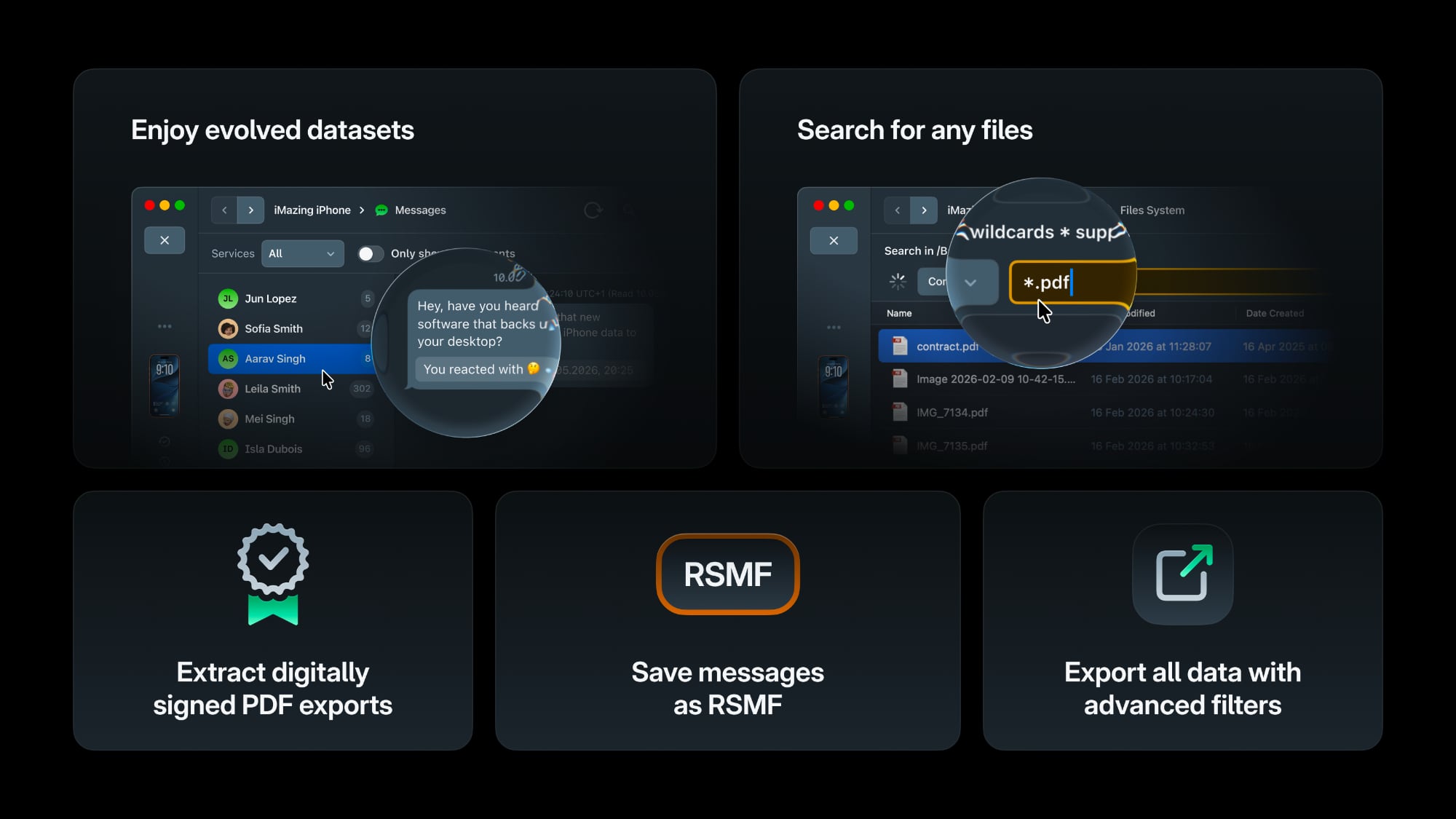
While Apple has the built-in Finder on Mac for managing an iPhone, iMazing has a ton of features Apple doesn't offer. You can set up automatic backups with snapshots that make it easy to find what you're looking for and selective restore for bringing back just what you need. A useful search tool lets you find files on your devices and in your backups.


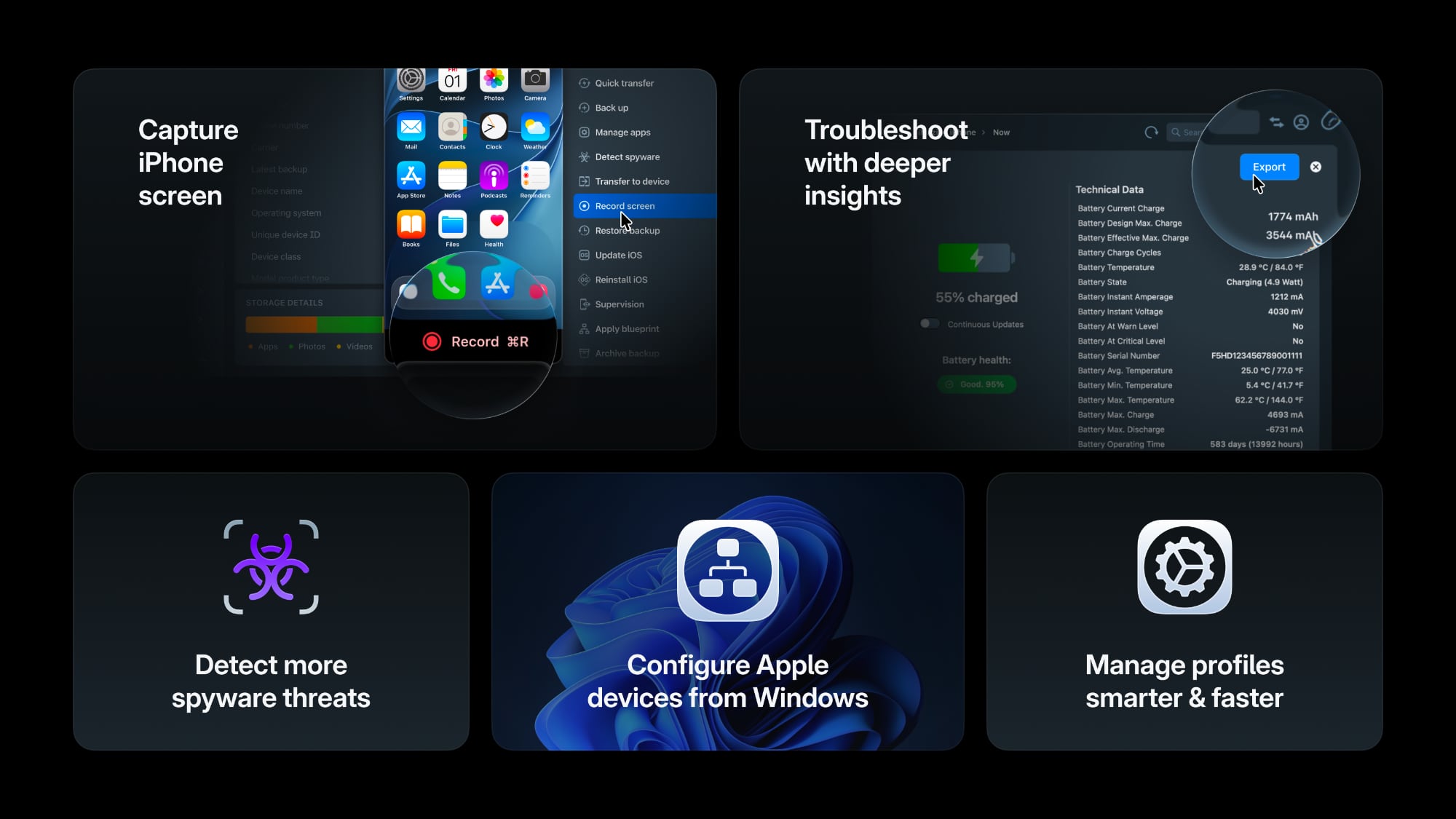
There's a Device Overview with detailed information about your iPhone in one spot, and dedicated tools for browsing, exporting, and archiving content. You can transfer photos, music, books, movies, and other media files from your computer to your iPhone and vice versa. You can even create an entire archive of your messages from the Messages app or WhatsApp.

iMazing can be used for screen recording on macOS, and there are diagnostic and device-info export tools. A Spyware Analyzer lets you know if any of your devices have been compromised.


The software isn't limited to the iPhone. It works with the iPad and Vision Pro, along with older devices like the iPod. If you have an old iPod with music on it, you can use iMazing to get it off. It also supports song transfers from non-iOS music players.

iMazing was entirely overhauled in 2024, and since then, the software has continued to get regular updates to add new features. The user interface has been updated with a collapsible sidebar and customizable device and backup list views, and data export has been improved. You can export all of your data with advanced filters, and use the same filters on the Unified Logs browser. Business features have improved too, with streamlined MDM enrollment, a Command Line Interface for advanced interaction with iOS devices and backups, and the iMazing Profile Editor 2 for configuring macOS app, notification, and login permissions.


You'll never have to worry about a device being unsupported with iMazing. It's updated with ongoing support for new models as they come out. In the near future, iMazing plans to add Android support, which will make it even more useful. iMazing can be downloaded from the iMazing website at prices starting at $30. iMazing has personal subscriptions, family subscriptions, and enterprise subscriptions, with free trials available. Some functions are free without a purchase.


We have a 256GB ‌iPhone Duo‌ and a copy of iMazing to give away to one MacRumors reader. 10 other readers will win a copy of iMazing. Since the ‌iPhone Duo‌ has not been released yet, this is a prize that will be delivered after the device launches on October 23.

To enter to win, use the widget below and enter an email address. Email addresses will be used solely for contact purposes to reach the winner(s) and send the prize(s). You can earn additional entries by subscribing to our weekly newsletter, subscribing to our YouTube channel, following us on Twitter, following us on Instagram, following us on Threads, or visiting the MacRumors Facebook page.

Due to the complexities of international laws regarding giveaways, only U.S. residents who are 18 years or older, UK residents who are 18 years or older, and Canadian residents who have reached the age of majority in their province or territory are eligible to enter. All federal, state, provincial, and/or local taxes, fees, and surcharges are the sole responsibility of the prize winner. To offer feedback or get more information on the giveaway restrictions, please refer to our Site Feedback section, as that is where discussion of the rules will be redirected.

The contest will run from today (September 18) at 9:00 a.m. Pacific Time through 9:00 a.m. Pacific Time on September 25. The winners will be chosen randomly on or shortly after September 25 and will be contacted by email. The winners will have 48 hours to respond and provide a shipping address before a new winner is chosen.
Related Roundup: iPhone Duo
Related Forum: iPhone

This article, "MacRumors Giveaway: Win an iPhone Duo From iMazing" first appeared on MacRumors.com

Discuss this article in our forums

  •  

'Shop Different': Apple Retail Pioneer Ron Johnson Shares the Inside Story

Back in 1999, unhappy at how Macs were being positioned in traditional computer retail stores, Steve Jobs decided that Apple needed to make its own push into retail. The man he brought on to lead the initiative was Ron Johnson, previously the vice president of merchandising at Target.


Johnson and writer Zander Nethercutt have teamed up for a new book entitled Shop Different: How Retail Revealed Apple's Genius, releasing next Tuesday, September 22, and I recently had a chance to read through the book and chat with Johnson about it.

Shop Different covers Johnson's background including his time at department store Mervyn's and at Target, but the bulk of the book unsurprisingly focuses on his work at Apple as his biggest success story and a topic of significant interest for legions of Apple fans and others in the business world and beyond.

Johnson started at Apple on February 1, 2000, and he worked hand-in-hand with Jobs and other Apple executives to develop a vision and buildout plan for Apple retail stores, leading to the opening of the company's first two stores in May 2001.

While Apple retail stores have become iconic landmarks and sought-after mall anchors in over 20 countries around the world, their success was not always a given, and Shop Different goes into detail on the trials and tribulations of developing the first stores and their weak early performance, struggles that ultimately gave way to the massive success that the stores have achieved.

Some of the high-level background of the Apple retail development process, including how Apple built out a full-scale store mockup in a Cupertino warehouse, has long been known, but Johnson dives into much more detail on how everything played out. Johnson describes early meetings with Jobs as they discussed the philosophy behind delving directly into retail, the challenges of securing prime real estate, Jobs' initial reaction to Johnson's proposed "Genius Bar" name for the stores' support services, and much more.

In the latter portions of Shop Different, Johnson shares some touching moments from his interactions with Jobs as pancreatic cancer took its toll on the Apple founder, as well as Johnson's transition to CEO of department store JCPenney, a difficult period amid Jobs' decline and death, misgivings about leaving Apple to take on the new role, and ultimately his inability to achieve success turning JCPenney's fortunes around.

In talking with Johnson, I asked whether he felt the evolution of Apple retail since his departure fifteen years ago has remained true to the vision he and Jobs had from the beginning, across several different retail chiefs with varying backgrounds.
You know, really, honestly, I do. I'm very impressed.

And part of it goes back to, when we launched the stores, Tim and Deirdre were involved on the operations side. I tell a story in the book where Steve said, you know, "What are the ten things you need to do well?" And one of those was inventory...inventory management. Well, Deirdre kind of led the team that managed the inventory. And so she was involved with the stores before we opened our first one.

And so when the stores got back to her leadership, I think there was a little a difficult period after I left, it took a little while, but now I think the stores are really fulfilling, fabulously well, the initial mission and vision we had for the stores. You know, so I'm really impressed.
Among the highlights for Johnson are Apple's ongoing focus on improving the quality, size, and locations of stores to reflect the caliber of the brand, rather than focusing on overall store count, and how Apple has maintained a high standard for its "exceptional" retail employees, some of whom have been with the company for many years.

As a follow-up, I asked Johnson about his thoughts on the succession of Apple retail chiefs that followed him, given the range of backgrounds they had with John Browett coming out of British consumer electronics retailer Dixons, Angela Ahrendts coming from the luxury fashion world at Burberry, and in recent years longtime Apple executive Deirdre O'Brien.
You know, I was the first retailer at Apple. And I built the initial team and, we relied a lot on other Apple departments, but fundamentally, I think Tim felt that he's got to find a retail leader to run the stores, right?

And so he started out with an operations leader, but obviously that led to a pretty quick change, because the stores were never about, sure, it's important how you operate, but it's really about a culture of love and connection, and you've got to have someone who will embrace that, right?

And then you went to Angela, who was a highly respected retail leader. But I think after Angela left, which was nearing the 20th anniversary of the stores, he kind of concluded, I think, that maybe an internal person who really understands Apple could be a great leader of the stores.

She's been there from the beginning, so I think Tim made the decision to really make sure the stores were highly integrated, connected with Apple as a company. Because it's pretty easy for them to be on their own doing their own thing. But once you bring in someone like Deirdre, who has managed the People teams, has managed at Apple, has managed a lot of the operations teams at Apple, you'll get a different level of connectivity to Apple itself.

And I think that was probably one of the big strengths Deirdre brought to the retail stores, was her knowledge of Apple headquarters. And she was able to, as an example, bring in a lot of talented people to retail who came out of other parts of Apple. Whereas before that, you'd hire, like, Angela probably hires someone from the outside that she worked with in retail.
Johnson also had particularly kind words for Vanessa Trigub, who was named to a vice president role last year to head up retail operations under O'Brien, with Johnson calling her a "fabulous leader" who "has a great vision for how to serve customers."

My conversation with Johnson took place a few days prior to last week's unveiling of the iPhone Duo, but he acknowledged the rumors about the device and mentioned the role Apple retail will play in allowing customers to experience the new product category.
What a great opportunity when this new, supposedly foldable phone comes out. Now, I think the stores will be more crowded during September and October. They'll be more crowded than in years. Because, remember, one to two billion people that are on iPhones, that use them every day.

And even if you're not going to buy the new one, you want to go see it, right? Because it is a major new form factor that would change your experience of using it. So I think that's what the stores were built for, is to help launch new products and I expect the stores to be incredibly busy.


Shop Different: How Retail Revealed Apple's Genius is available for pre-order now through Amazon and other book retailers, and it launches on Tuesday, September 22.
This article, "'Shop Different': Apple Retail Pioneer Ron Johnson Shares the Inside Story" first appeared on MacRumors.com

Discuss this article in our forums

  •  

Paul Tagliamonte: Why Write?

As a graduate of a liberal arts university, I wound up, unsurprisingly, taking a lot of classes in every possible academic discipline. Thinking back to the person that I was going into university, I don’t think I would have chosen to take them – after all, my degree was in the sciences; I’d have been stoked to do nothing more than wall-to-wall computer science until I ran out of coursework and filled the rest of my hours with research and independent studies with my professors (which, I guess I did actually do, just not as much as I would have otherwise).

Even this blog’s CSS theme (now 18 years old and starting to look it) was something I wrote after receiving and repeatedly re-reading a tattered third-hand copy of “The Laws of Thought” by George Boole. It was gifted to me by a college friend majoring in philosophy while I was crashing at his rental on the beach. He gave it to me because he knew I “liked that shit” and, while it was definitely computer science in nature, I would not have read it otherwise. I have vivid memories of sleeping on his la-z-boy surrounded by towers of books he was working through. He went on to do incredible work, getting his PhD, doing research, brilliant writing – his death in 2023 has robbed humanity of more time with him. “The Laws of Thought” sits behind me in my office, and is one of my most valued possessions.

My friends mean more to me than I could ever express, and I definitely don’t show it enough. Each of my classes made me a more thoughtful person. My professors made me a better, more well-rounded person – and a person who attempts to live up to the oft repeated credo of being “men and women for others”. I did the best I could, even though I was never a particularly good student. Without liberal arts, I don’t think I would, dispositionally, have been capable of pushing myself – to this day – to continue to learn on nights and weekends, for no reason other than wanting to learn. I refuse to stop expanding my perspective, and do my best to approach new problems with as much humility and curiosity as I can muster.

Every few days for the last year or so, I have been thinking back to a reading assignment from my junior year that, at the time, I thought was a borderline throwaway filler assignment for the class. The reading is an essay from 1947 by the french existentialist philosopher and libertarian marxist, Jean-Paul Sartre (as some of the more erudite may have now already worked out given the blog’s title), “Why Write?”. I re-read it this week. It is not filler. I remember this essay better than some of the classwork I considered more important at the time.

Why Write?

“Why Write?” starts off by describing the ways in which writing – trying to communicate your thoughts, opinions, or feelings to others – is an act of projection. The writer will only ever draw from a place of their “own subjectivity” – writing is taking your person and putting it on display. You’re choosing what words to use, how to use them, pulling from knowledge you’ve accumulated (based on how you’ve chosen to spend your time). Spending any amount of your finite existence in order to convey a thought is, itself, announcing to the world that you believe it to be a thought worth sharing.

Meanwhile, the act of reading is not simply turning letters into words. Reading is engaging with the work, and understanding the work in a process that looks more like what Sartre terms “re-invention” or “discovery” – “the literary object, though realized through language, is never given in language”. It is not enough to read the words in a book end-to-end; you must, as a reader, actively engage with the work to understand what is being communicated by those words. Reading is to take the words on the page, and “exceed” the mere words through what he calls “directed creation”. The reader is “re-inventing”/“discovering” the writer’s thoughts by following their “landmarks in the void”.

And this all makes pretty good sense to me – I know if someone is being sarcastic because I know the writer; I have read their words and have read into their words, allowing myself to be directed by the writer into “discovering” the thought they have left me in their work. I understand that their words are humorous, not irate. Knowing who the author of a work is can completely change the point of a sentence. The fact I’m writing about Sartre at all, or that this very writing has been constrained for presentation in this blog’s CSS is only happening because of who I am, what things I’ve experienced in life, and what has made me, me. Sartre argues that this dyadic coupling between writer and writing means that I, as a writer, can never truly read my own writing. I will never be capable of reading my own work and getting something out of it – the work is already an extension of my own person. I can discover no thought in my own works.

Of course, Sartre, as an existentialist, is honor bound to go one step further here – the reader, by participating in reading a work, is asserting their own freedom. Every time a writer writes “[…] the writer appeals to the reader’s freedom to collaborate in the production of [their] work”. The creative act may only be complete if both writer and reader have recognized one another and made a choice to do so. No one is compelled to complete the creative act. The things you read matter. Reading something fundamentally alters you as a person – you can not simply un-read a thought. Everything you read changes your universe. I have a hunch Sartre would find things like the (original early 2010s era) “tl;dr” reply to obviously terrible writing absolutely hilarious as a reader’s expression of freedom (not to be confused with modern 2020s era usage as shorthand for “summary section”). Using your freedom to choose to complete the writer’s creative act (or not) is inherently asserting your humanity.

I’m a bit fuzzy on the specifics of this quote, but I think it was sj who told me at one year’s Mystery Hunt that “A puzzle is a contract between puzzle author and puzzle solver, the author promises that the puzzle is solvable if you’re clever enough”. The puzzle author and puzzle solver are engaging in a collaborative production of the work that is only possible by recognizing one another. Similarly, Sartre – “whatever connections [the reader] may establish among the different parts of the book among the chapters or the words [the reader] has a guarantee, namely, that they have been expressly willed”.

Wall Drawing #123

It follows, Sartre argues, that the act of writing, as a means to convey a thought to a reader, may only be completed through the act of reading. Reading can only be done by others; writing, therefore, only exists to be read – it can serve no other purpose. Writing and reading are two halves of the same creative, collaborative act, only satisfied when both writer and reader acknowledge one another. Combined, writing and reading are the act of recognizing one another’s humanity, thoughts, experiences, consciousness – the act of co-creation of thought is the critical aspect of writing and reading – reconstructing the author’s perspective, thought, intent, point. The co-creation is the point of both reading and writing.

Writing without anyone to read the work leaves the writer’s bid for co-creation unsatisfied and humanity unrecognized. No thought has been conveyed to any reader, no one has understood the reason behind the “landmarks in the void” you’ve carefully placed, leaving you to either “[…] put down [your] pen or despair”. Writing is an appeal to the reader’s freedom, and the nature of that freedom is the writer can not control it – never being understood is always a possibility any time anyone sets out to write.

Nearly 12 years ago, I attempted to read the text on the git manpage generator for the first time – I remember the exact feeling of my brain going into “git manpage parsing mode” where every word was dragging git plumbing megaliths through the sand from their far-flung homes. I can still feel the surface of my desk as I instinctually started to trace out logical connections between git internals referenced as I read along. It took me a good 20 seconds to realize what I was reading made no sense. This website broke Sartre’s writer-reader agreement – I was attempting to read this website, but there was nothing there. You can “mechanically” “read” the git-man-page-generator, but you can never read it – it is not possible to read it. It was funny – unsettling. Each grasp at a real-looking image in front of me misses, my hand coming back empty. I couldn’t get enough of it. I must have tried to read a dozen generations in a row. I had never had something quite that broken pass that far into my consciousness before. Although I kept trying, it never did feel quite the same as that first time; I think fundamentally, I couldn’t forget that it was random.

While never having anyone read your writing drives them to “put down your pen or despair”, Sartre never had to contend with the opposite problem – being asked to read that which was not written. Reading that which was not written does not merely leave someone unrecognized when a reader makes a choice; instead, it is an inherent violation of the contract between reader and writer. Not only is no humanity being recognized through attempting to read words which were not written, but the reader, not the writer, is the one who bears the burden of unexpected apophenia. The reader, while engaging in co-creation, must now contort themselves to uphold their end of the Sartrean agreement, scrutinizing text to ascribe consciousness, thought and intent only to come back up with pareidolia-fueled echos of one’s own self and disfigured half-thoughts of others. The reality is, the modern reader must now “mechanically” “read” most written work they come across, scrutinizing text for any signs of thought before truly attempting to read the work. Failing to do this correctly changes our person – each time it happens, a small part of us is irrevocably altered. Choosing to engage in this ballet because you wish to do so is one thing – this is your right and freedom as a reader – but passing words which were not written as your own in an attempt to wrestle a reader’s freedom of co-creation from them is another entirely.

If you didn’t write it, I don’t want to read it (dw;dr). Send me your prompt instead.

  •  

Announcing new builds for 18 September 2026

Hello Windows Insiders, Today, we’re releasing new Windows 11 Insider Preview builds to the Beta and Experimental channels. New builds this week Select your channel below to view its release notes: For those on other specific Windows build versions, here are today’s new builds and release notes:

Notable new features:

[Accessibility - Mouse indicator]

Release channel: Experimental
  • We're introducing a sleeker new animation for the Mouse indicator. This can be enabled under accessibility settings. We've also added the option to keep the indicator activated until the user presses the escape key.

[Magnifier]

Release channel: Experimental
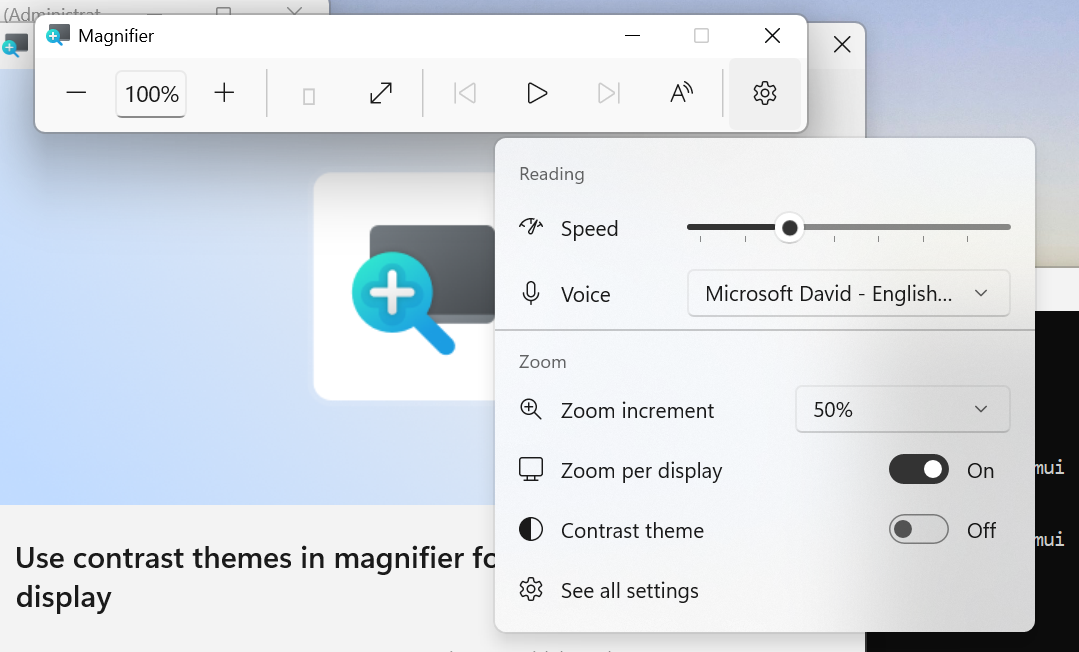
  • A new contrast theme toggle for a lower-glare screen. If bright screens are uncomfortable, many people use color inversion to reduce glare. However, inversion changes everything on screen, including photos, charts, and videos. With this update, we're introducing a new contrast theme toggle in Magnifier. Check out the release notes link for more information.
[caption id="attachment_179168" align="aligncenter" width="1079"]UI showing the new contrast theme toggle in Magnifier UI showing the new contrast theme toggle in Magnifier[/caption]

[Cloud rebuild]

Release channel: Experimental
  • We're updating Cloud rebuild, the recovery option that restores a Windows 11 PC to a clean, known-good state by performing a full OS reinstall, with two additions. Cloud rebuild can now sanitize the device's drives as part of the rebuild and IT administrators can now configure and start Cloud rebuild remotely through the Recovery CSP. See release notes for more information.
[caption id="attachment_179169" align="aligncenter" width="1481"]UI showing new Cloud rebuild file removal options. UI showing new Cloud rebuild file removal options.[/caption] Thanks, Stephen and the Windows Insider Program team
  •  

Apple Teams Up With ROSÉ for iPhone 18 Pro Camera Ad

Apple is promoting the iPhone 18 Pro with a new Shot on iPhone ad featuring Blackpink member ROSÉ's latest music video. The video for the song "new trick" was filmed using the ‌iPhone 18 Pro‌.


Apple's video shows some of the footage as well as a behind-the-scenes look at some of the filming equipment. Many of Apple's Shot on iPhone videos pair the iPhone with high-end filming rigs for stability and cinematic effects. Apple has worked with several other musicians in the past for Shot on iPhone music videos, including The Weeknd, Lady Gaga, and Olivia Rodrigo.

Apple says the variable lens aperture on the 48MP Main camera improved low-light footage and "added impressive depth of field to bring the music video to life."

The ‌iPhone 18 Pro‌ models launched today with an upgraded Main camera and new features like updated Photographic Styles, auto subject tracking, and Pro Controls for manual adjustments of aperture and shutter speed. Pricing on the ‌iPhone 18 Pro‌ starts at $1,199.
Related Roundup: iPhone 18 Pro
Related Forum: iPhone

This article, "Apple Teams Up With ROSÉ for iPhone 18 Pro Camera Ad" first appeared on MacRumors.com

Discuss this article in our forums

  •  

The MacRumors Show: Is the iPhone Duo Actually Worth It?

On this week's episode of The MacRumors Show, we revisit the iPhone Duo debate, early impressions of the AirPods 5, and the merits of Apple's latest iPhone and Apple Watch upgrades.


Apple's first foldable iPhone continues to divide opinion, with much of the discussion centering on whether its larger inner display justifies the compromises elsewhere. Combining an iPhone and an iPad-like device has obvious appeal, but its value depends on how often that extra screen space would actually be used.

Watching videos, reading, referencing documents, and working across multiple apps could all make the foldable display worthwhile, particularly when traveling. For users who primarily take photos, send messages, and browse social media, the benefits may be harder to justify against the device's price, weight, thickness, and camera trade-offs. The excitement surrounding a new form factor also raises the question of whether buyers will embrace it for the long term or return to a conventional iPhone.

Our discussion also addresses criticism of the ‌iPhone Duo‌'s inner display, including concerns about sharpness, color saturation, and crease visibility. Its nano-texture finish introduces a balance between reducing glare and retaining the appearance of a glossy screen, with hands-on impressions offering a different perspective from photos and videos online. Other considerations include using the wider form factor one-handed, switching from Face ID to Touch ID, and potentially replacing an iPad on some trips.

‌AirPods 5‌ emerge as a potential standout following a week of use, including on a flight. Their fit and improved active noise cancellation could make them particularly appealing to users who struggle with AirPods Pro's silicone tips. We also consider the value of the higher-end model and how iOS 27's equalizer can help adjust a sound profile that may initially seem too bass-heavy.

The Apple Watch Series 12 and redesigned Health app receive a closer look, with this year's health features forming a more substantial upgrade after several relatively modest generations. Clearer presentation of health data and new longevity information promise to make collected metrics more useful. Whether those additions justify replacing an older watch remains a separate question for owners whose basic fitness and sleep-tracking needs are already met.

Finally, we return to the iPhone 18 Pro's variable-aperture camera, smaller Dynamic Island, and new Photographic Styles. The discussion weighs how noticeable these changes will be in everyday use, with the new film-inspired styles potentially offering as much appeal as the camera hardware improvements. We also look at whether owners of recent Pro models have sufficient reason to switch, and when a discounted iPhone 17 Pro could offer better value.

The MacRumors Show has its own YouTube channel, so make sure you're subscribed to keep up with new episodes and clips.


You can also listen to ‌The MacRumors Show‌ on Apple Podcasts, Spotify, Overcast, or other podcast apps. You can also copy our RSS feed directly into your player.


If you haven't already listened to the previous episode of The MacRumors Show, catch up to hear our initial discussion about the ‌iPhone 18 Pro‌, ‌iPhone Duo‌, Apple Watch Series 12, Apple Watch Ultra 4, and ‌AirPods 5‌.

Subscribe to ‌The MacRumors Show‌ for new episodes every week, where we discuss some of the topical news breaking here on MacRumors, often joined by interesting guests such as Michael Fisher, Kayci Lacob, Kevin Nether, John Gruber, Mark Gurman, Jon Prosser, Luke Miani, Matthew Cassinelli, Brian Tong, Quinn Nelson, Jared Nelson, Eli Hodapp, Mike Bell, Sara Dietschy, iJustine, Jon Rettinger, Andru Edwards, Arnold Kim, Ben Sullins, Marcus Kane, Christopher Lawley, Frank McShan, David Lewis, Tyler Stalman, Sam Kohl, Federico Viticci, Thomas Frank, Jonathan Morrison, Ross Young, Ian Zelbo, and Rene Ritchie.

‌The MacRumors Show‌ is on X @MacRumorsShow, so be sure to give us a follow to keep up with the podcast. You can also email us at podcast@macrumors.com or head over to The MacRumors Show forum thread. Remember to rate and review the podcast, and let us know what subjects and guests you would like to see in the future.
Related Roundup: iPhone Duo
Related Forum: iPhone

This article, "The MacRumors Show: Is the iPhone Duo Actually Worth It?" first appeared on MacRumors.com

Discuss this article in our forums

  •  

Apple Designers Explain the Thinking Behind iPhone Duo

Apple's design team reveals how notebooks helped inspire the iPhone Duo, along with interface principles and expectations for future features, in a new interview with GQ.


The interview features Apple CEO John Ternus, Vice President of Industrial Design Molly Anderson, and Vice President of Human Interface Design Steve Lemay. In addition to the device's previously announced features, Anderson and Lemay discuss how Apple approached its physical design and the experience of moving between its two displays.

Anderson said familiar notebooks provided a reference for making a device that offers more space while remaining compact enough to carry comfortably.

Everyone knows what a notebook feels like in the pocket and what it feels like to carry around. So that was a big part of the inspiration: 'How do you get to something that gives you space but also feels compact?'"


The ‌iPhone Duo‌'s proportions are derived from the international A-series paper system, allowing the device to retain the same proportions when opened and closed.

Anderson also explained how Apple tuned the hinge's resistance. Its custom variable torque profile makes the device easy to open before biasing it toward remaining open and lying flat.

Lemay said that the guiding idea of the ‌iPhone Duo‌'s software was to make unfolding feel like expanding the device users were already holding. Maintaining the location and recognizability of controls was part of that approach, so users would not have to search again for a button after opening the phone. The transition animation was designed to reveal an inner display that appears to grow beneath the outer one.

It was really important to us from the beginning that iPhone Duo feels like one cohesive experience, not two different products awkwardly fused together.


Lemay explicitly identified the Mac as a key influence on the Duo's interface, alongside the iPad and existing iPhones. He characterized the result as the "greatest hits" of those products.

The interview also questioned how Apple expects the product to develop after launch. Lemay said developers will devise uses that Apple's design team has not anticipated, and suggested that some could influence the wider foldable industry and change the direction of the ‌iPhone Duo‌ itself in the future.

There are so many things the developers will come up with that we've never anticipated. Some of those will become big ideas that take over the industry and change the product in interesting ways.


The ‌iPhone Duo‌ launches on October 23, with pre-orders beginning on October 16. Pricing starts at $1,999.
Related Roundup: iPhone Duo
Related Forum: iPhone

This article, "Apple Designers Explain the Thinking Behind iPhone Duo" first appeared on MacRumors.com

Discuss this article in our forums

  •  

Are iPhone 17 Pro Cases Compatible With iPhone 18 Pro? Here's What Apple Says

Can you use iPhone 17 Pro and iPhone 17 Pro Max cases with the iPhone 18 Pro and iPhone 18 Pro Max, and vice versa?


Apple's official answer is no, according to Daring Fireball's John Gruber. Apple said the camera plateau on the iPhone 18 Pro models is ever so slightly thicker this year. Gruber said the difference is one-tenth of a millimeter: 11.5mm vs. 11.4mm. It is a minor difference, but Apple would obviously prefer to sell you a new case.

In practice, most cases should be interchangeable. In his personal testing, Gruber said his iPhone 17 Pro cases fit the iPhone 18 Pro models perfectly, as did iPhone 18 Pro cases on iPhone 17 Pro models. So, both generations of Apple-branded cases should work with both generations of iPhones, and many third-party cases should be fine too.

Of course, there will probably be the odd third-party case that does not fit, but this is likely to be the rare exception rather than the norm.
Related Roundups: iPhone 17 Pro, iPhone 18 Pro
Related Forum: iPhone

This article, "Are iPhone 17 Pro Cases Compatible With iPhone 18 Pro? Here's What Apple Says" first appeared on MacRumors.com

Discuss this article in our forums

  •  

Apple Launch Day Deals on iPhone 18 Pro, AirPods 5, Apple Watch Series 12, and More

Apple's newest products launch today, including the iPhone 18 Pro, iPhone 18 Pro Max, AirPods 5, Apple Watch Series 12, and Apple Watch Ultra 4. Many of these devices have launch discounts available at various retailers, all of which you can find below.

Note: MacRumors is an affiliate partner with some of these vendors. When you click a link and make a purchase, we may receive a small payment, which helps us keep the site running.
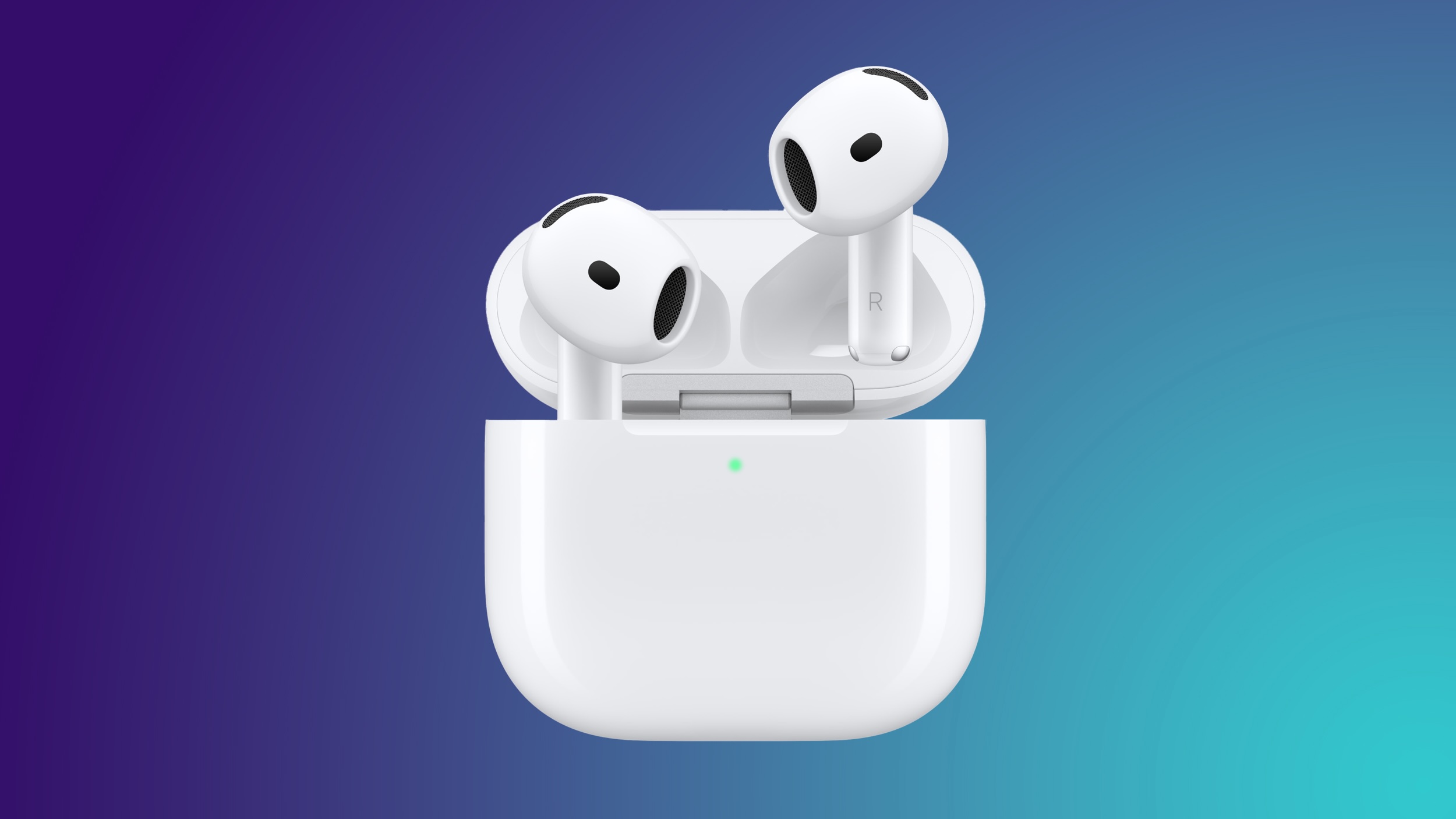
AirPods and Apple Watch Launch Day


  • What's the deal? Get launch deals on AirPods 5 and Apple Watch Series 12

  • Where can I get it? Amazon

  • Where can I find the original deal? Right here


The AirPods 5, Apple Watch Series 12, and Apple Watch Ultra 4 all launch today, and there are a few initial deals on some model available on Amazon. Although these discounts are small, if you're looking to buy Apple's newest products on launch day, they're the best sales you'll find online.

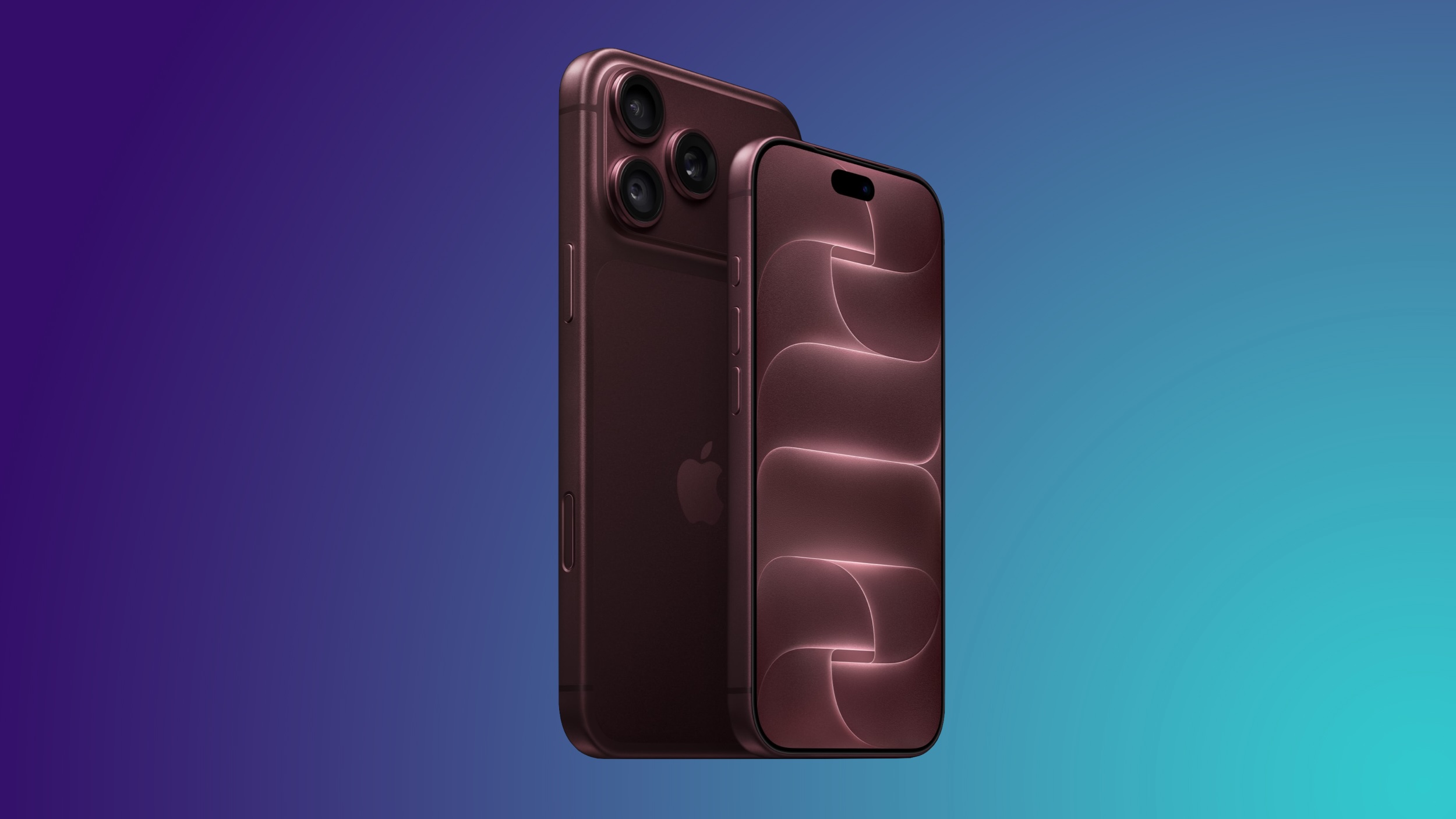
iPhone 18 Pro


  • What's the deal? Get launch deals on iPhone 18 Pro and iPhone 18 Pro Max

  • Where can I get it? AT&T and Verizon

  • Where can I find the original deal? Right here


It's iPhone 18 Pro and iPhone 18 Pro Max launch day, and you can find the usual carrier offers from AT&T, Verizon, and more on the new devices. The popular offer this year is up to $1,200 off the iPhone 18 Pro with eligible device trade-in on select unlimited plans.

iPhone 18 Pro Accessories


  • What's the deal? Save on color-matched accessories for your iPhone 18 Pro

  • Where can I get it? Anker and Satechi


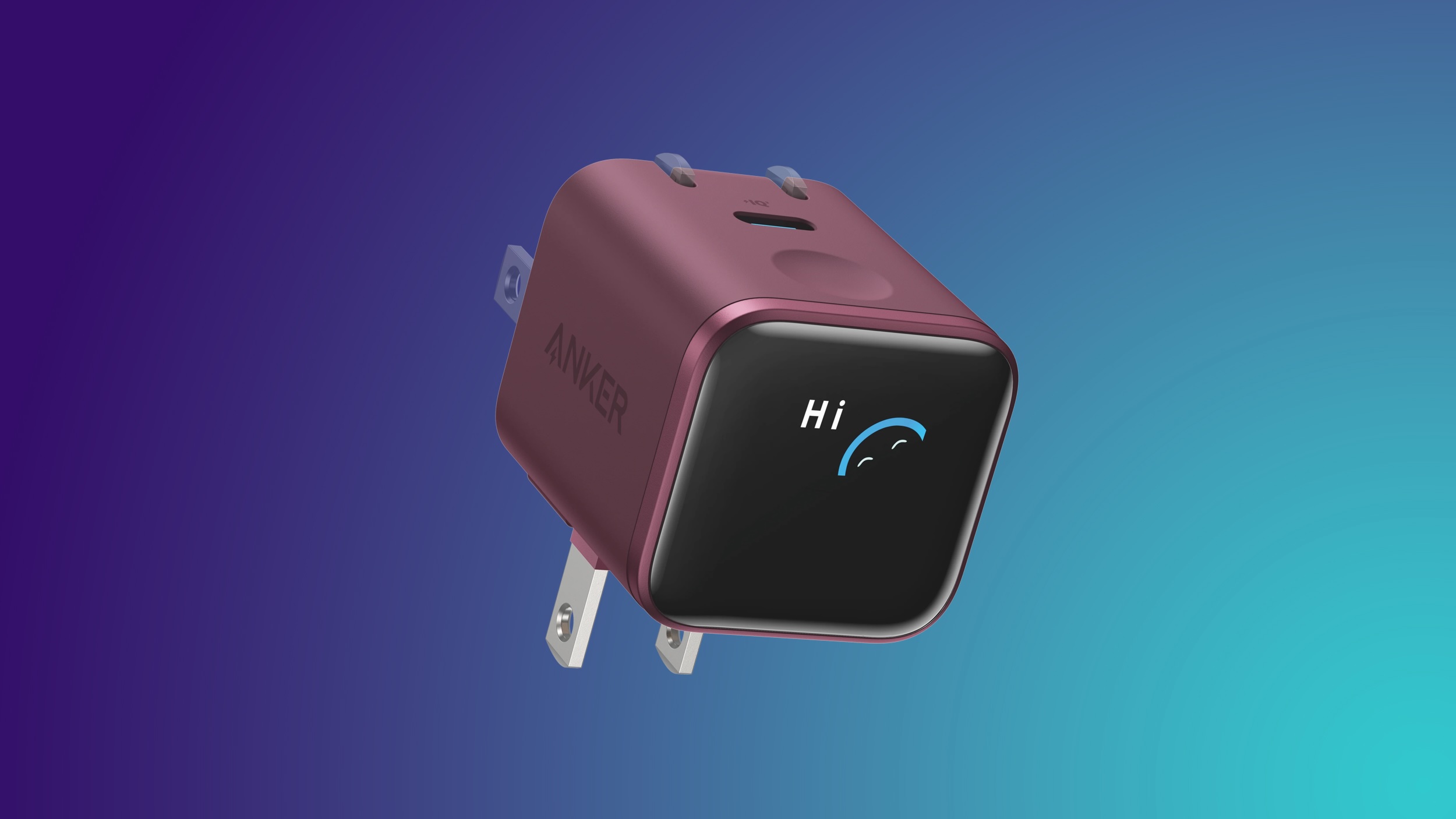
If you're buying the new iPhone 18 Pro, you might be shopping for matching accessories, and popular accessory companies like Anker and Satechi have introduced a few color-matched accessories for the new burgundy color. This includes the MagGo 2 Pro Magnetic Power Bank from Anker and more.

Mac Mini and Mac Studio Pre-Orders


  • What's the deal? Take up to $49 off Mac mini and Mac Studio pre-orders

  • Where can I get it? Amazon

  • Where can I find the original deal? Right here


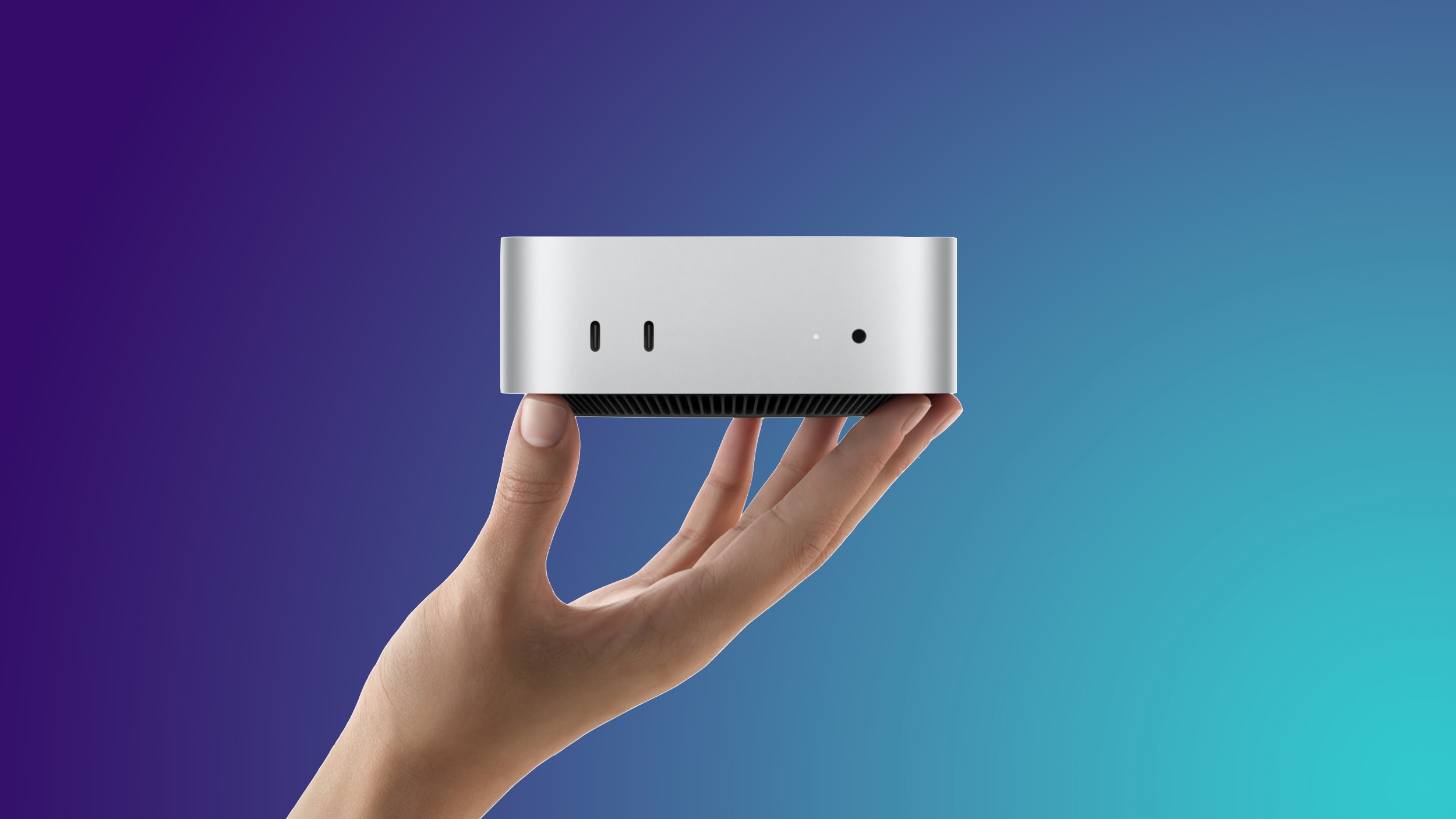
Amazon recently introduced the first cash discounts on Apple's brand new Mac mini and Mac Studio, with discounts reaching up to $49 off original prices. All of these deals are pre-order discounts on the 2026 Mac mini and Mac Studio, which officially launches on September 22.

If you're on the hunt for more discounts, be sure to visit our Apple Deals roundup where we recap the best Apple-related bargains of the past week.


Deals Newsletter


Interested in hearing more about the best deals you can find in 2026? Sign up for our Deals Newsletter and we'll keep you updated so you don't miss the biggest deals of the season!


Related Roundup: Apple Deals

This article, "Apple Launch Day Deals on iPhone 18 Pro, AirPods 5, Apple Watch Series 12, and More" first appeared on MacRumors.com

Discuss this article in our forums

  •  

Apple Supplier Subsidiary Considering U.S. Flash Memory Factory

Apple supplier SK Hynix's subsidiary Solidigm is considering a U.S. NAND flash memory factory, with upstate New York emerging as a leading candidate, according to Reuters. The move would reduce Solidigm's reliance on its NAND factory in China. Yesterday, it emerged that the Apple supplier is in manufacturing talks with Intel to start memory production in the U.S.
This article, "Apple Supplier Subsidiary Considering U.S. Flash Memory Factory" first appeared on MacRumors.com

Discuss this article in our forums

  •  

iPhone 18 Pro Teardown Reveals How Apple Shrunk the Dynamic Island

YouTube channel REWA Technology today shared one of the first iPhone 18 Pro teardown videos, offering a look inside the new device.


iPhone 18 Pro and iPhone 18 Pro Max feature a smaller Dynamic Island, which Apple achieved by moving Face ID's infrared camera under the display in the top-left corner. The pixels above the infrared camera have a special pattern that lets infrared light pass through, but that area of the screen looks fairly normal at typical viewing angles.

The teardown shows the repositioned infrared camera, plus other changes like the larger 48-megapixel main camera with variable aperture.


The model in the video has a physical SIM card tray, meaning it has a slightly smaller battery compared to eSIM-only models sold in the U.S., Canada, Japan, and select other countries. As expected, this model has a 4,056 mAh battery capacity.

We are still waiting for a teardown of the U.S. version of the iPhone 18 Pro Max, which is expected to have a Qualcomm cellular modem, such as the Snapdragon X80 or the Snapdragon X85. The smaller iPhone 18 Pro uses Apple's C2 modem worldwide, as does the iPhone 18 Pro Max in all other countries beyond the U.S., according to Apple.
Related Roundup: iPhone 18 Pro
Related Forum: iPhone

This article, "iPhone 18 Pro Teardown Reveals How Apple Shrunk the Dynamic Island" first appeared on MacRumors.com

Discuss this article in our forums

  •  

iPhone 18 Pro Demand Stronger Than Expected

Apple's latest iPhone upgrade cycle is showing stronger-than-expected demand, with buyers favoring more expensive models and storage configurations, according to an Evercore ISI consumer survey seen by Investing.com.


Evercore surveyed nearly 4,000 consumers in the United States. Among respondents, 67% identified their existing iPhone's age as the main reason to upgrade, a substantial increase from 48% in the previous year's survey.

The purchase preferences also suggest that buyers remain willing to spend more on Apple's higher-end devices. The iPhone 18 Pro and Pro Max together attracted 53% of prospective buyers, with 32% choosing the Pro Max, compared with 29% a year earlier.

Evercore estimates that average iPhone selling prices could increase by approximately 28%. Its forecast combines higher retail prices with a greater proportion of purchases going toward premium models and larger storage configurations, including the reported 2TB options for the ‌iPhone 18 Pro‌ models and iPhone Duo.

The foldable ‌iPhone Duo‌ attracted interest from 14% of respondents. Evercore believes that figure could rise as its mid-October launch approaches, although the survey currently places it well behind the combined Pro models.

Interest extended to other Apple products, with 38% of respondents planning an Apple Watch purchase and 43% considering AirPods. Both figures increased from the previous year.

The findings reflect stated purchase intentions in the U.S., rather than completed sales or worldwide demand. Evercore nevertheless believes they support a stronger revenue outlook for Apple's fiscal 2027 than the ~7% growth anticipated by analysts.
Related Roundup: iPhone 18 Pro
Related Forum: iPhone

This article, "iPhone 18 Pro Demand Stronger Than Expected" first appeared on MacRumors.com

Discuss this article in our forums

  •  

Fan Site Lets You 'Design the Next iPhone'

"Design the Next iPhone," an interactive website from developer Neal Agarwal, gives users control over a virtual iPhone's look, including the option to combine conventional smartphone components with deliberately impractical accessories.


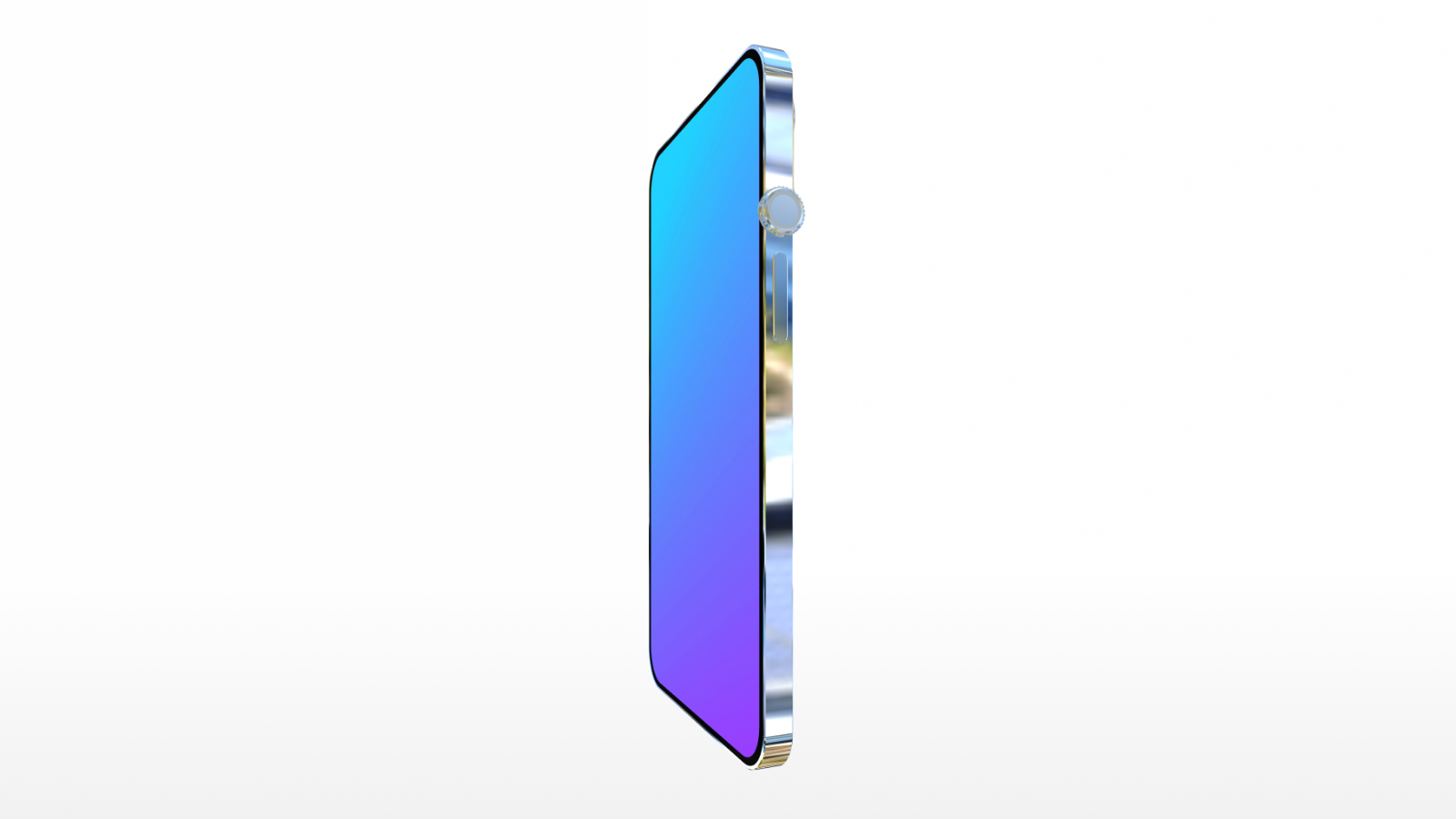
The interactive tool starts with a bare iPhone model that can be rotated in 3D, with users able to drag and drop components onto its surface. Cameras, volume buttons, Lightning ports, Home buttons, and Apple logos can be placed wherever users want, with multiple copies of each item available for more unconventional designs.

Beyond standard smartphone features, the site offers a headphone jack, HDMI port, Apple Watch-style Digital Crown, and a hinge. Users can also add an Android or pear logo, a rotary dial, an antenna, or a classic iPod click wheel. The more absurd options include a steering wheel, a joystick, and a Mac Pro "Pro Wheel."

Users can customize the device's color and wallpaper, and give their creation a name. Selecting "Present" generates a mock Apple product presentation with a fictional price based on the components added, along with a pop-up of former Apple CEO Tim Cook praising the design. The finished iPhone can be downloaded as a rotating video.

Visit the site to try making your own.
This article, "Fan Site Lets You 'Design the Next iPhone'" first appeared on MacRumors.com

Discuss this article in our forums

  •  

Apple Stores Have a New 'Hello' Easter Egg, Here's Why

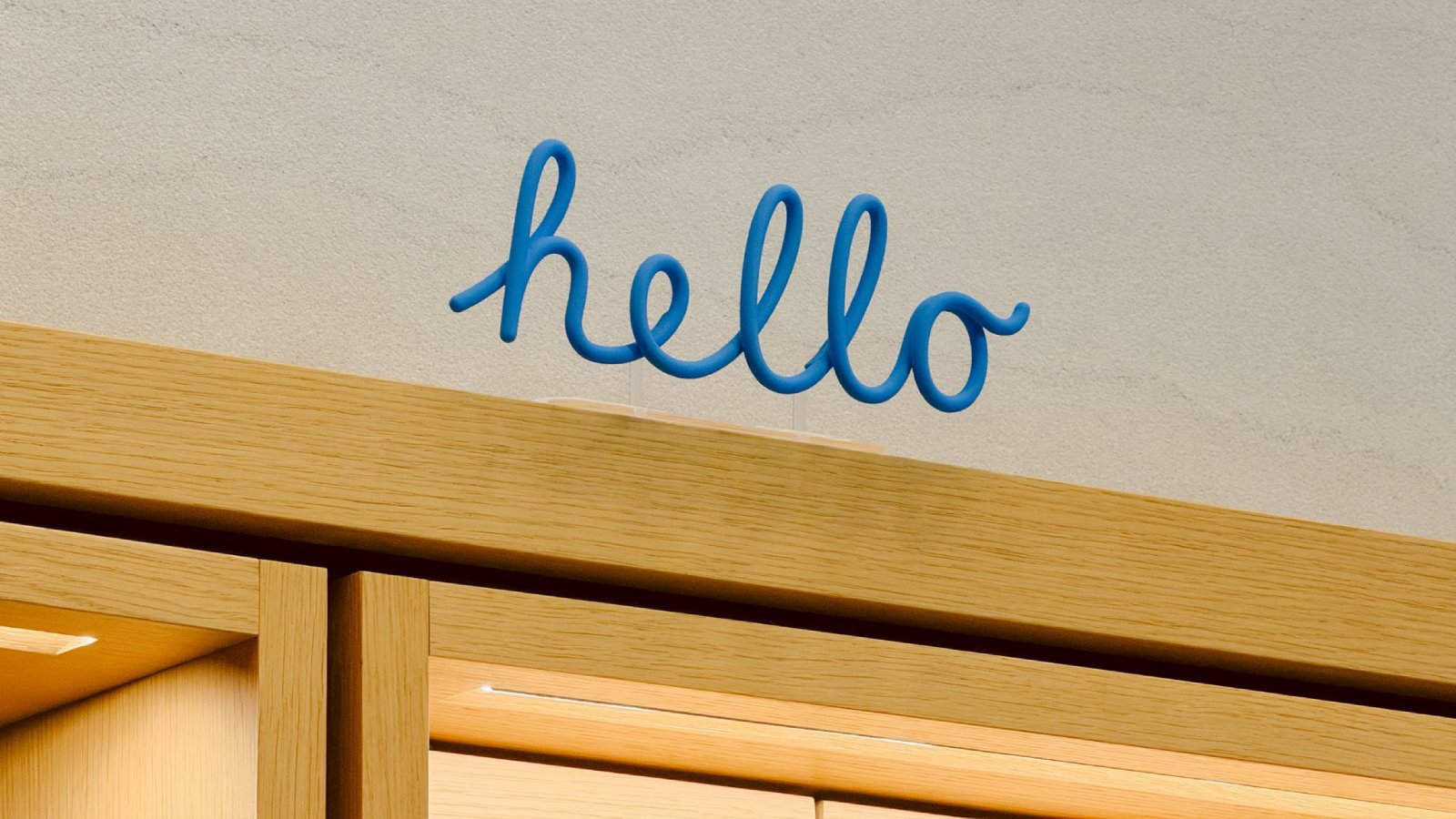
Starting today, many if not all Apple Stores around the world have received a new "hello" decoration somewhere in the store for the purposes of testing iPhone camera zoom.
Like the iPhone 17 Pro models, the new iPhone 18 Pro models that launched today offer up to 8× optical zoom.
This article, "Apple Stores Have a New 'Hello' Easter Egg, Here's Why" first appeared on MacRumors.com

Discuss this article in our forums

  •  

iPhone 18 Pro: The New Features You Should Try First

Apple's iPhone 18 Pro and iPhone 18 Pro Max launched today in markets around the world. Keep reading if you're the owner of one of Apple's latest models. Whether you're upgrading from an older iPhone or completely new to Apple, this guide will help you get the most out your new device.


With the first round of pre-ordered iPhones 18 Pro models now being delivered to customers and availability in stores, MacRumors has put together the following series of dedicated how-to articles explaining all the new features to be found on Apple's newest models.

iPhone 18 Pro: Using the New Camera Features


New iPhone Adopters


iOS 27


Forgot to Pre-Order?


For customers who forgot to pre-order one of the new models or simply decided to wait, most configurations ordered online are now estimated for delivery in late September or early October, but the good news is that same-day or next-day pickup is now an option at select Apple Store locations around the world.
Related Roundup: iPhone 18 Pro
Related Forum: iPhone

This article, "iPhone 18 Pro: The New Features You Should Try First" first appeared on MacRumors.com

Discuss this article in our forums

  •  

iPhone 18 Pro: Using the New Variable Aperture Lens

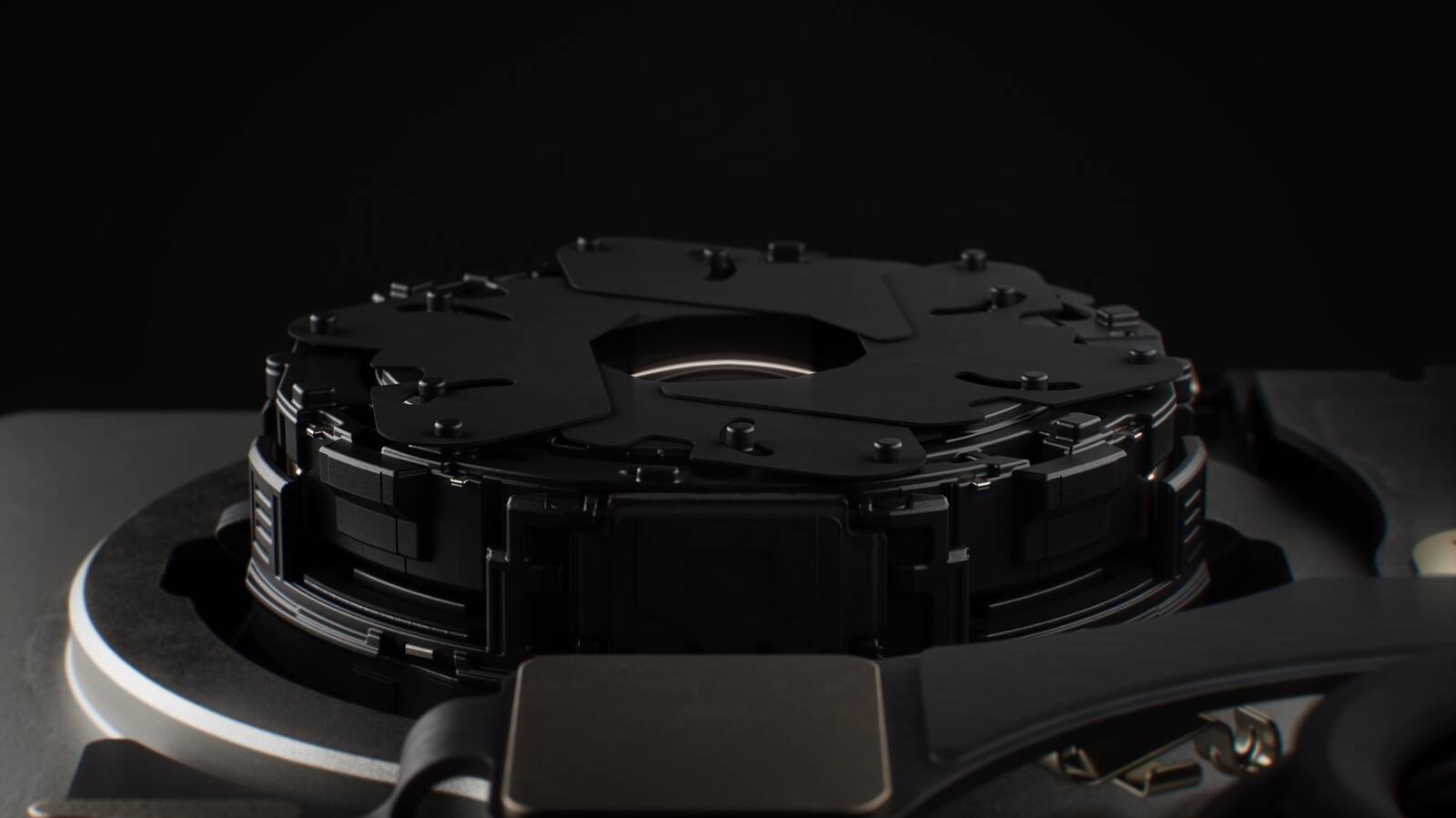
Like the iPhone 17 Pro models, the new iPhone 18 Pro and iPhone 18 Pro Max have three rear cameras – a 48MP Fusion Main lens, an 8x48MP Telephoto lens, and a 48MP Ultra Wide lens. They also share the same focal lengths and resolutions as their predecessors. The big upgrade this year though is the new variable aperture on the Main camera. Let's dive in.


Aperture is what controls how much light enters the lens and hits the sensor. If too little light hits that sensor, images tend to be blurry and/or grainy. To compensate, the shutter has to stay open longer, or it has to turn on Night Mode. The problem with this approach is that the longer the shutter stays open or Night Mode is engaged, the more likely that the imagery will be blurry. Even still photos can lack sharpness and definition.

The solution is to use a variable aperture lens that is physically able to let more or less light in depending on the shot, which in turn allows for variations in shutter speed. The iPhone 18 Pro models can do this automatically, or you can take over the process manually for more stylistic control.

To achieve this, the iPhone 18 Pro and iPhone 18 Pro Max trade a fixed ƒ/1.78 aperture for a four-stop variable aperture ranging from ƒ/1.48 to ƒ/4.0, delivering around 50 percent better low-light performance and giving photographers optical control over depth of field that the iPhone has never offered before.


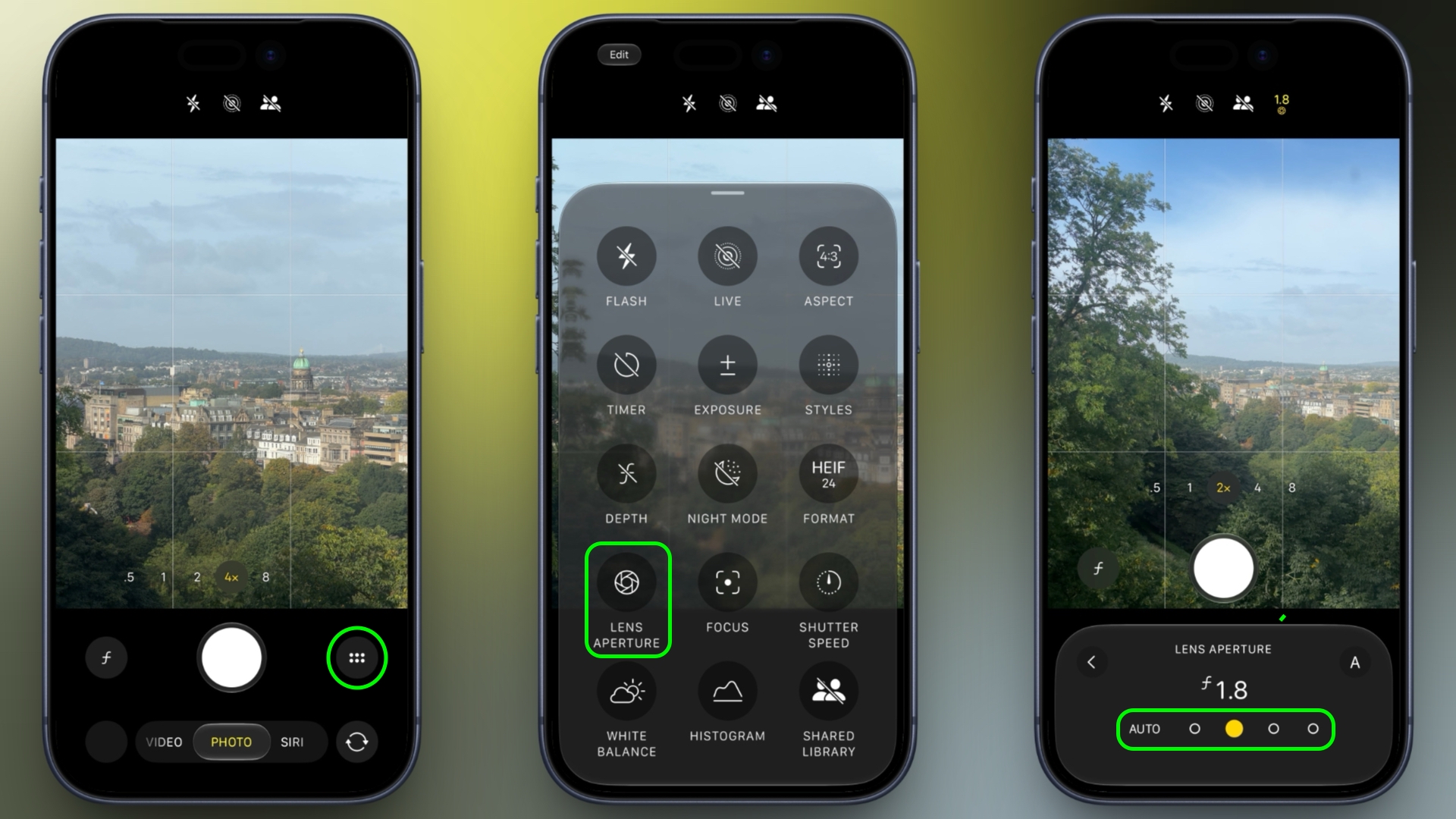
As mentioned, you can leave the iPhone 18 Pro to do its thing with the new variable aperture, or you can take control of it manually. Here's how it's done:

  1. In the Camera app, tap the button with six dots at the bottom-right of the interface.

  2. Select Lens Aperture from the control pane.

  3. Tap one of the four circles to set the aperture: from left to right they range ƒ/1.48, ƒ1.8, ƒ2.8, and finally, ƒ/4.0.

  4. If you change your mind, tap the Auto button on the left to let the iPhone automatically control the aperture.
variable aperture

Try experimenting with different aperture settings to see how they affect your images. The ƒ/1.48, for example, produces a more shallow depth of field, while the ƒ/4.0 will have more of the image in focus.

Just remember that with a variable aperture, the lower the f-number, the wider the aperture and the more light reaches the sensor. That allows the camera to use a faster shutter speed in the same lighting conditions, while also producing a shallower depth of field. By contrast, the higher the f-number, the smaller the aperture, letting in less light but increasing the amount of the scene that can remain in focus. The latter can be useful for landscapes and group shots, for example.
Related Roundup: iPhone 18 Pro
Related Forum: iPhone

This article, "iPhone 18 Pro: Using the New Variable Aperture Lens" first appeared on MacRumors.com

Discuss this article in our forums

  •  

Forgot to Pre-Order iPhone 18 Pro? Apple Store Pickup Available Today at Most Locations

Apple's new iPhone 18 Pro and iPhone 18 Pro Max models are now being delivered to customers worldwide following the pre-order period that began on Saturday, September 12. For those who didn't pre-order, there's now a 3-4 week wait time for iPhone 18 Pro Max models across all storage options and colorways in the U.S. Demand has been less strong for iPhone 18 Pro models, but you're still looking at a 2-3 week wait for any configuration. However, delivery or in-store pickup at select Apple Store locations on launch day is still an option.


As of writing, Apple's online stores in the United States and Canada haven't yet been updated to show pickup availability, but there could be shortages for some configurations, though there could be some variation state by state.

In the U.K., all ‌iPhone 18 Pro and iPhone 18 Pro Max‌ configurations have shipping estimates running into the first and second week of October, respectively, but ‌same-day pickup is still available in many regions, but it could depend on the store you choose. Apple Stores in Australia, China, India, Japan, Malaysia, Mexico, South Korea, Türkiye, and the UAE are also offering same-day pickup options.

To order a product with ‌Apple Store‌ pickup, add the product to your bag on Apple.com or in the ‌Apple Store‌ app, proceed to checkout, select the "I'll pick it up" option, enter your ZIP or postal code, choose an available ‌Apple Store‌ location, select a pickup date, and select a 15-minute check-in window. Payment is completed online, and a valid government-issued photo ID and the order number may be required upon pickup.

‌iPhone 18 Pro models may also be available for walk-in customers at ‌Apple Store‌ locations with sufficient inventory, but availability can't be guaranteed. Walk-in customers may be placed into a separate queue with lower priority upon arrival to the store.

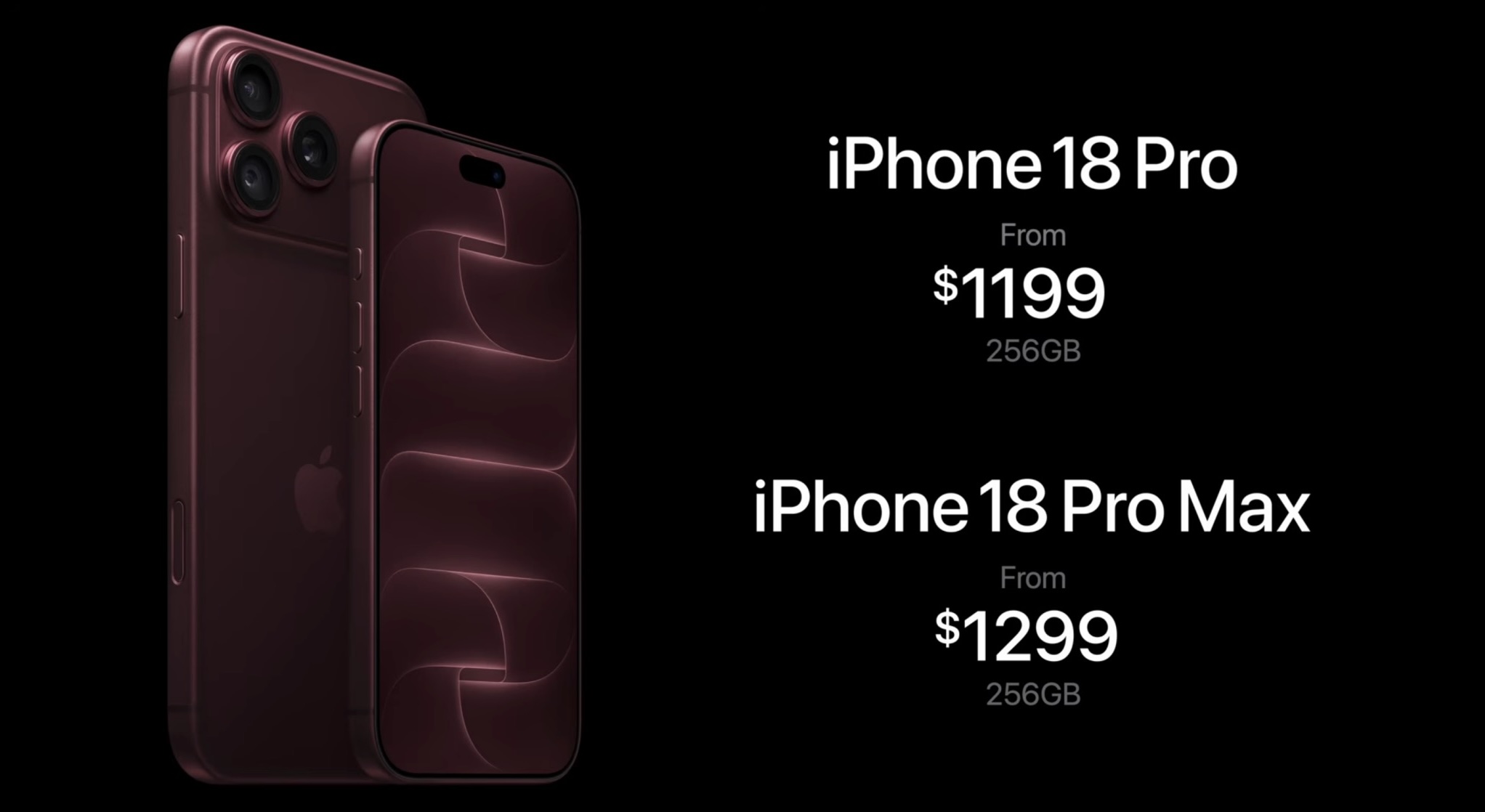
The iPhone 18 Pro starts at $1,199 and the iPhone 18 Pro Max starts at $1,299. Both received a $100 increase over their predecessors, and the increases get steeper the more storage you opt for, with a 1TB iPhone 18 Pro now costing $300 more than a 1TB iPhone 17 Pro did last year.

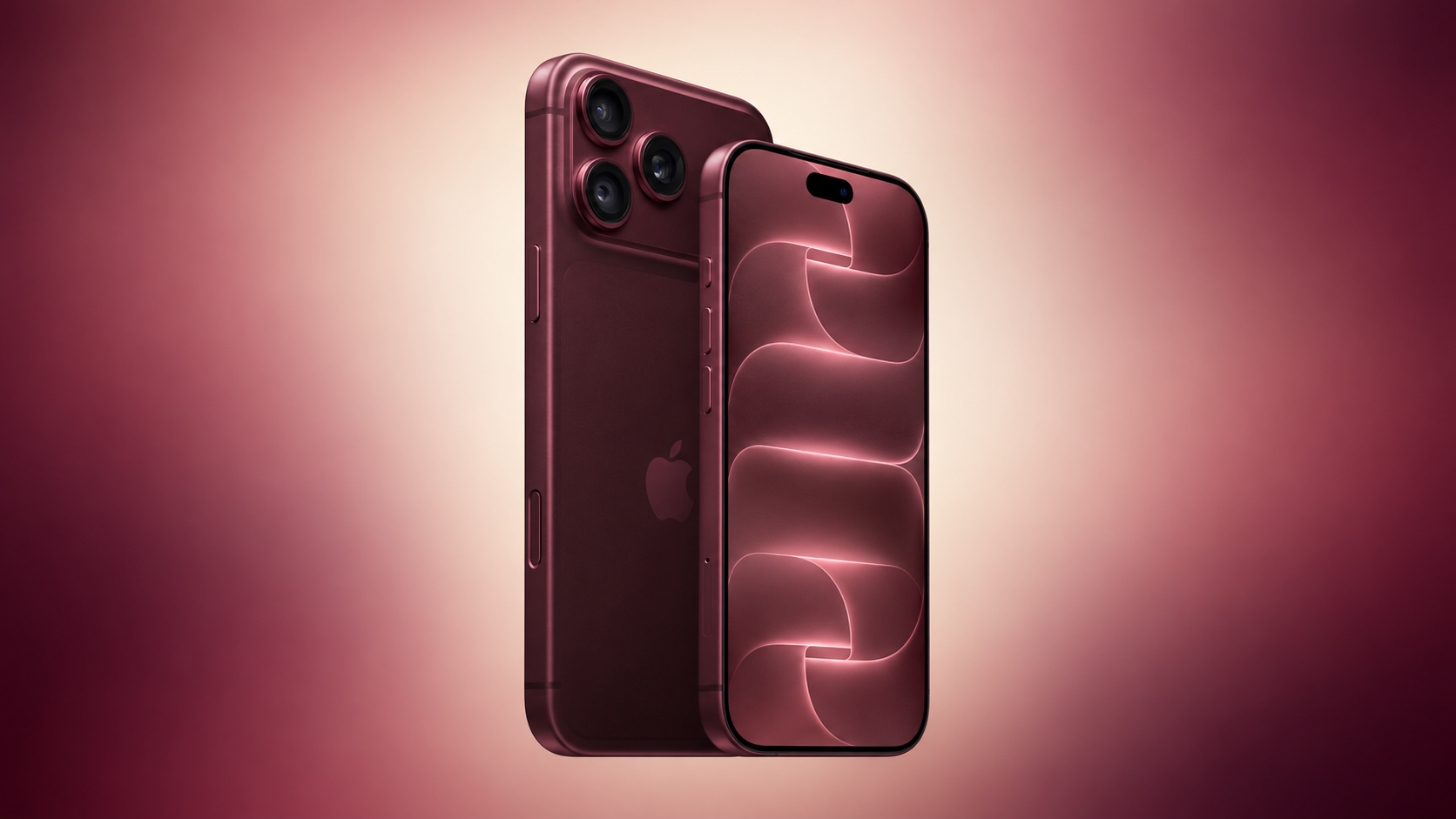
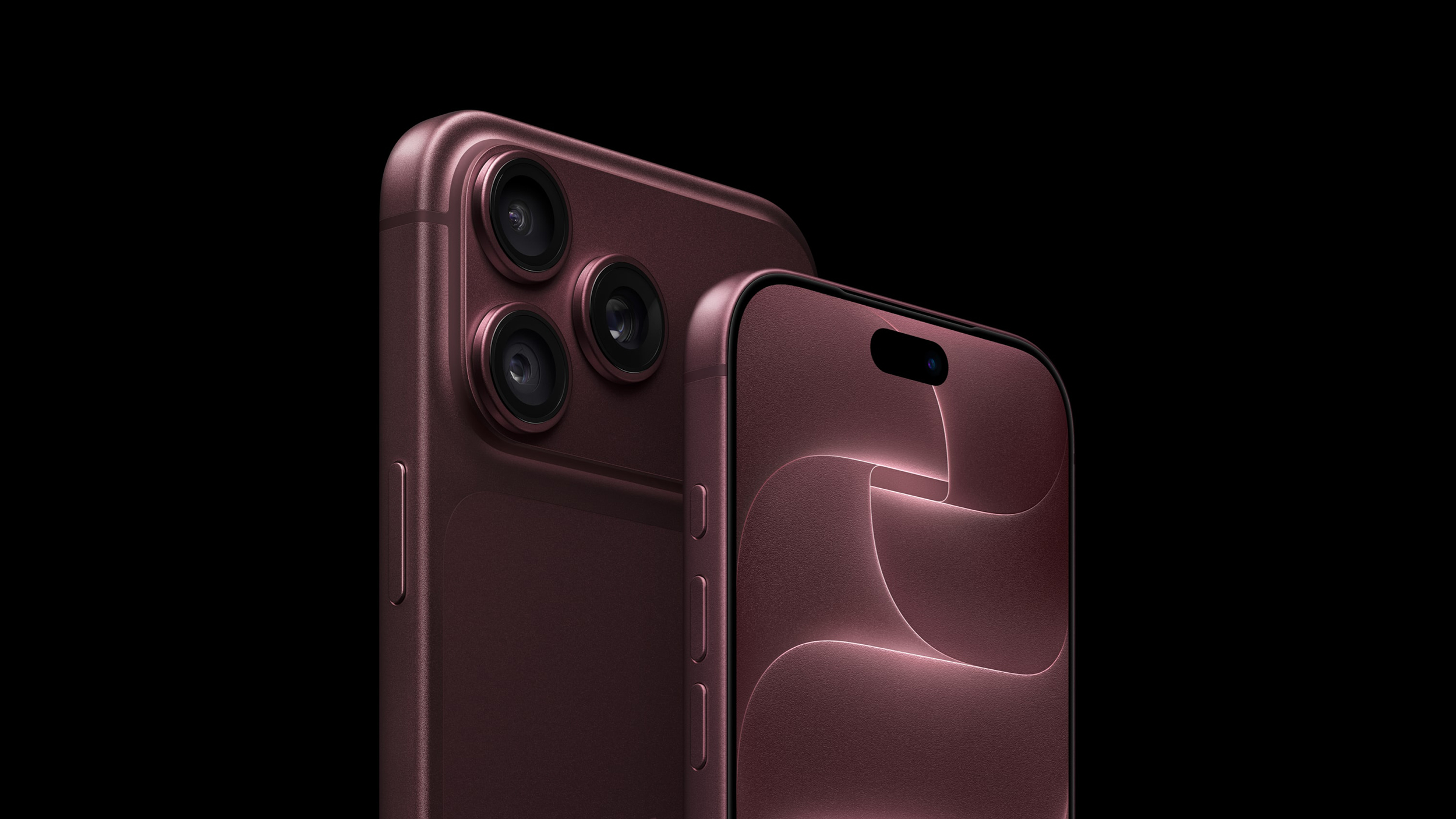
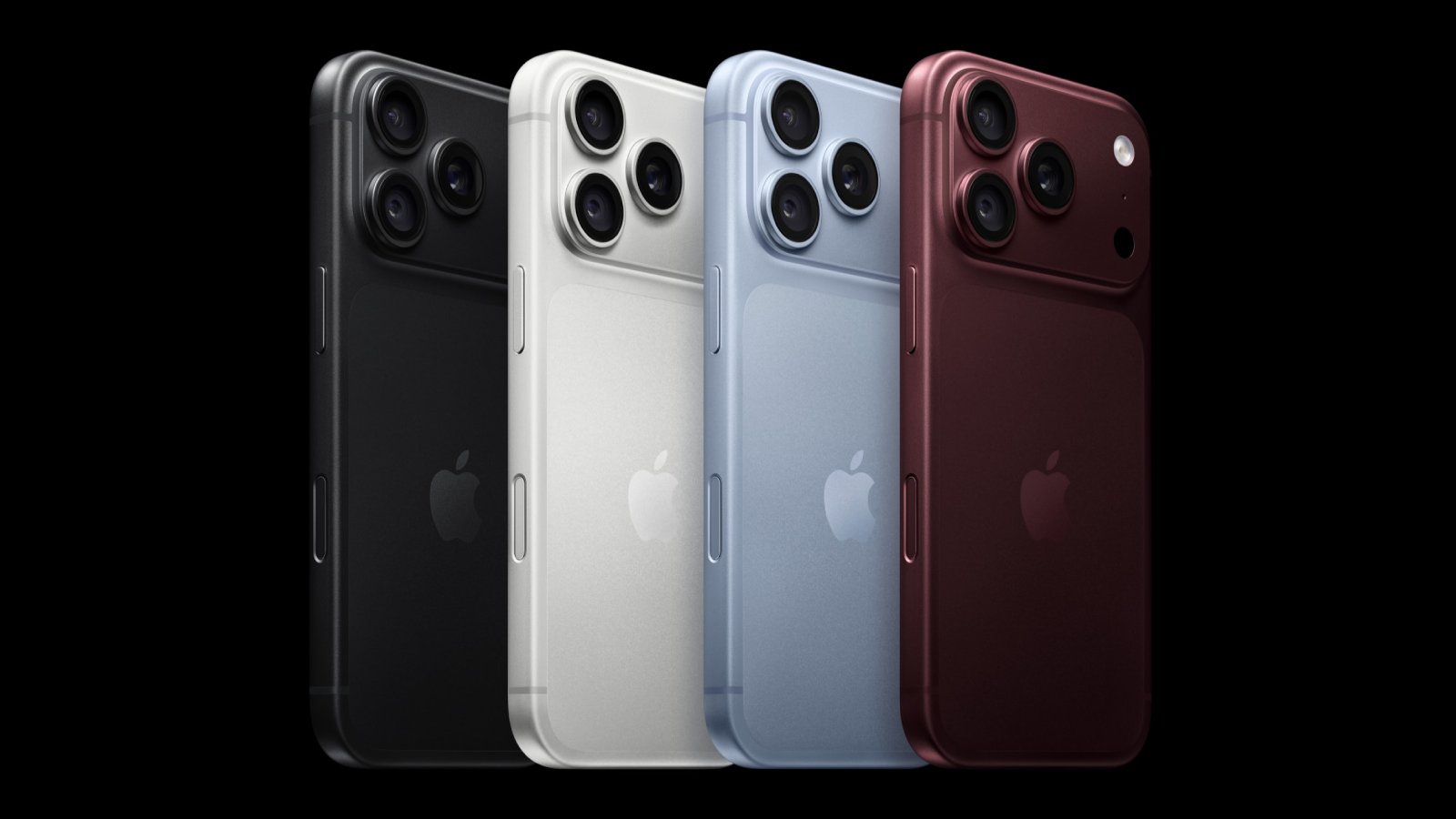
Both phones have the same OLED Super Retina XDR always-on display with ProMotion and the Dynamic Island, the A20 Pro chip, 5G connectivity, a 48 megapixel Pro Fusion camera system, and the same four color options: Burgundy, Glacier Blue, Silver, and Black. Both are also offered in the same four storage tiers, including a 2TB option that is available on the smaller Pro model for the first time.
Related Roundup: iPhone 18 Pro
Related Forum: iPhone

This article, "Forgot to Pre-Order iPhone 18 Pro? Apple Store Pickup Available Today at Most Locations" first appeared on MacRumors.com

Discuss this article in our forums

  •  

Petter Reinholdtsen: Long term storage of Mattermost messages with Noark 5 XML

It is said that those who cannot remember the past are condemned to repeat it, a quote often attributed to the American philosopher George Santayana. And to remember the past, records must be maintained and kept accessible to learn from. With this in mind, it is no wonder that archivists worldwide consider it crucial to ensure the archival records are both complete and accurate, with a constant frustration caused by the knowledge that the archives are neither due to challenges in tracking down and collecting what should be archived.

The last few days, I decided to simplify the collection of Messages from the Mattermost chat service, used by a few of the organisations I am involved in, to try to improve the situation slightly. To achieve this, I had written a dedicated extraction tool. Partly to see how hard it would be, and partly to ensure that if one of the services were shut down or replaced, everything in it would not be lost. Of course it is in the nature of the use of instant messages that most of them are not fit for permanent storage, at least not according to Norwegian law, where there is a threshold "worthy of the archive" (arkivverdig) that should be met, and messages like "should we go to lunch now" are below the bar and should be filtered out. The tool can not help with this filtering, and that will have to be done using other means after collection.

The tools I had my bullshit generator write, under strict supervision and many iterations, will extract every message visible to the user whose credentials are used to log into Mattermost, and write it out in Noark 5 extraction XML format and visualize the result. I created the visualiser mostly to quickly be able to debug the extracted XML, but also to make life easier for anyone interested in testing out the tool set.

The extractor mattermost-noark5extract create a hierarchy with arkiv/arkivdel for the Mattermost server, and then individual mappe for each channel and direct message chat, a registrering for each message thread, dokumentbeskrivelse for every message in the tread, and one or more dokumentobjekt for each message and their attachments/images. So far it is only tested on one Mattermost installation, where around 23,000 messages is extracted in 61 seconds and produce 295M with approximately 600 attachments and around 675,000 lines of XML in arkivstruktur.xml. You pass it the URL of the service, a username and password, a directory path where to store the collection and an optional channel name substring to limit the collection to only a subset of the messages available.

The mattermost-noark5extract-browser viewer can load this collection and visualize it similarly to Mattermost's web interface, with the list of channels and direct messages dialogues on the left, messages chronologically in the centre and a selected thread displayed on the right.

I know Mattermost provide several login options. I've only had the one used on my test server implemented so far, and know the extract tool will have to be extended a bit for it to handle servers using one of these options.

If you would like to examine the new toolkit, mattermost-noark5extract is available from gitlab. I wanted to put it on codeberg, but as the recent rule change forbid code mostly written by a bullshit generator there, it was not really an option. Note that some years ago I wrote a similar tool to extract material from the request tracker system. The source for request-tracker-noark5extract is also available from codeberg. I would love to hear from you if you test the tools.

As usual, if you use Bitcoin and wish to support my activities, please send donations to 15oWEoG9dUPovwmUL9KWAnYRtNJEkP1u1b.

  •  

Apple CEO John Ternus Teases iPhone 18 Pro Launch Day

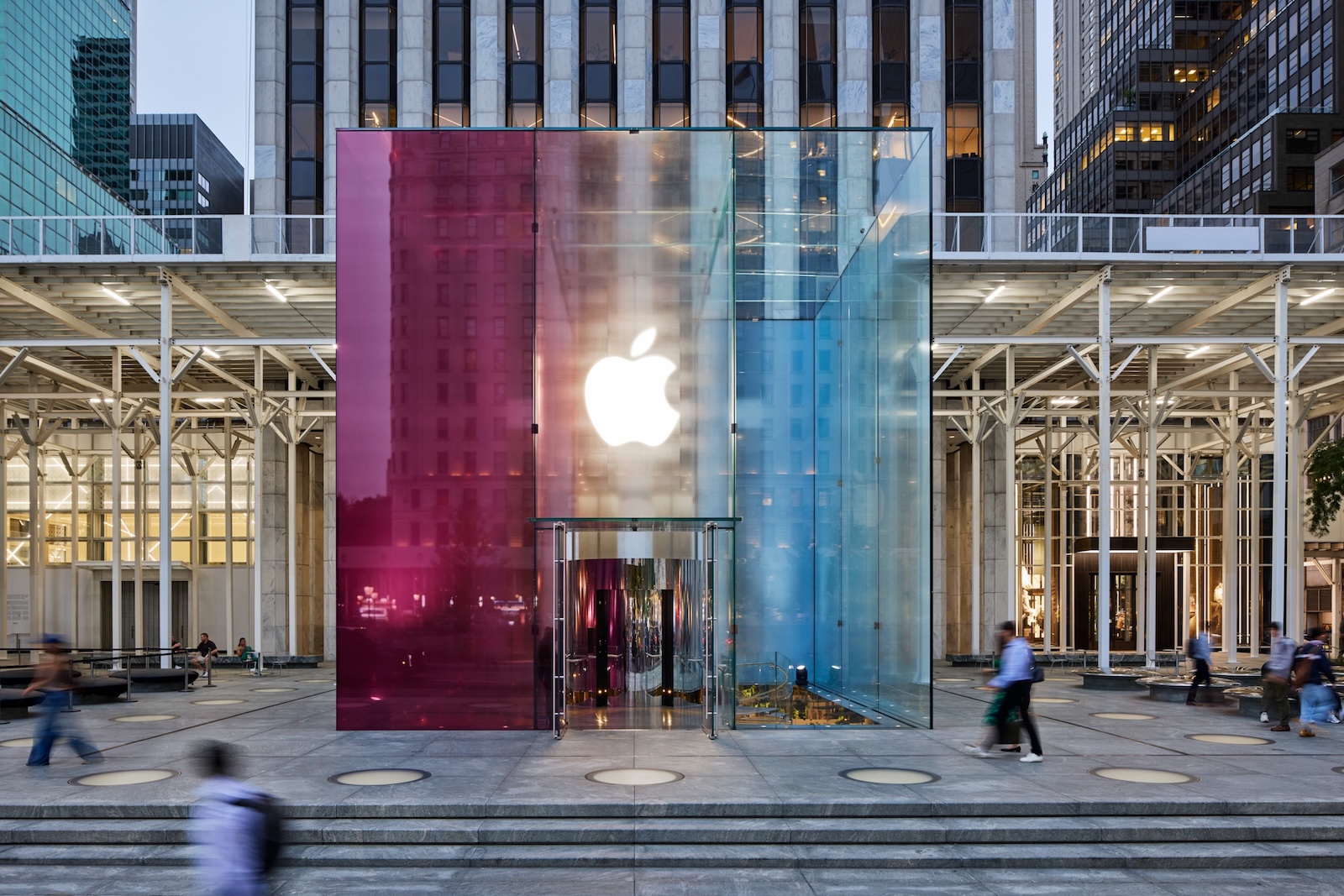
Apple Fifth Avenue in New York is ready for iPhone 18 Pro launch day.
The store's iconic glass cube entrance has received a colorful makeover that matches the iPhone 18 Pro's new Burgundy and Glacier finishes. "So excited for tomorrow," said Apple CEO John Ternus, who will likely be at the store for the launch tomorrow.
Related Roundup: iPhone 18 Pro
Related Forum: iPhone

This article, "Apple CEO John Ternus Teases iPhone 18 Pro Launch Day" first appeared on MacRumors.com

Discuss this article in our forums

  •  

Apple Reportedly Accepts Even Higher RAM and Storage Prices in 2027

Apple has agreed to pay Samsung even higher prices for RAM and storage chips starting in the first quarter of 2027, according to a DigiTimes report this week citing an earlier report from Chinese publication Jiemian News.


Apple has reportedly agreed to pay nearly $2 per Gb of DRAM and $0.33 per Gb of NAND storage. This is a 30% to 40% increase in pricing for these chips compared to what Apple is paying in the third quarter of 2026, according to DigiTimes.

It is unclear if this reported agreement will lead Apple to further raise prices on products like iPhones, iPads, and Macs, or if the company has already factored in the more expensive components in early 2027 into its current 2026 prices.

AI companies have been building out massive data centers, leading to a memory chip shortage that has driven up the prices of RAM and NAND storage chips. Apple has raised prices on a wide range of products since June, with former CEO Tim Cook calling the increases "unavoidable" due to the chip shortage, which he likened to a "100-year flood."

In June, Apple raised prices on all Macs and iPads, as well as the Apple TV, HomePod, HomePod mini, and Vision Pro, with many of the increases ranging from $100 to $300. In addition, iPhone 18 Pro starting prices are $100 higher in the U.S. compared to the iPhone 17 Pro models, and older iPhones have gone up in price too.
This article, "Apple Reportedly Accepts Even Higher RAM and Storage Prices in 2027" first appeared on MacRumors.com

Discuss this article in our forums

  •  

First iPhone 18 Pro, Apple Watch Series 12, Apple Watch Ultra 4 and AirPods 5 Orders Arriving to Customers

It's Friday, September 18 in Australia and New Zealand, which means customers who pre-ordered are beginning to receive their new devices. The iPhone 18 Pro, ‌iPhone 18 Pro‌ Max, Apple Watch Series 12, Apple Watch Ultra 4, and AirPods 5 are launching today.


Apple fans who ordered an iPhone, Apple Watch, or AirPods will soon be sharing first impressions on Instagram, Reddit, the MacRumors forums, and other social networks. If you've received one of Apple's latest devices, let us know in the comments below and feel free to share photos and first impressions.

Since there are no Apple Stores in New Zealand, customers in Australia are the first that can pick up their new devices or make a purchase in an Apple Store. In-store stock in Australia will give us insight into what we can expect worldwide, but we are anticipating ample supply of most ‌iPhone 18 Pro‌ and Pro Max models.

If you missed pre-ordering, you can likely get a new iPhone from an Apple retail location, a carrier, or another big box retailer like Target, Walmart, or Best Buy.

After Australia and New Zealand, sales and deliveries of the new iPhone 18 models and the other devices will begin in Asia, the Middle East, Europe, and finally, North America. Some Apple Stores worldwide are opening early at 8:00 a.m. local time to allow customers to pick up reserved devices and make walk-in purchases.


We shared our first unboxing video of the ‌iPhone 18 Pro‌ today, but we'll have the new Apple Watch models tomorrow, and an in-depth ‌iPhone 18 Pro‌ camera video next week.
Related Forums: AirPods, Apple Watch, iPhone

This article, "First iPhone 18 Pro, Apple Watch Series 12, Apple Watch Ultra 4 and AirPods 5 Orders Arriving to Customers" first appeared on MacRumors.com

Discuss this article in our forums

  •  
❌