❌

Lees weergave

Dirk Eddelbuettel: td 0.0.7 on CRAN: New Features and Updates

A new version 0.0.7 of the td package for accessing the twelvedata API for financial is now on CRAN, and has been built for r2u.

This release combines the standard set of maintenance changes that accrue in a four and a half year period (!!) as that much time has past since the previous release. But it also contains two contributed functions to retried, respectively, a profile (available under a paid plan) and a set of main fundamental data statistics, both provided Kenneth Rose.

The NEWS entry follows.

Changes in version 0.0.7 (2026-09-13)

  • Added fun_statistics and fun_profile function

  • Expanded README.md with additional badges, and updated URLs

  • Updated continuous integration multiple times

  • Switched to Authors@R

Thanks to CRANberries, you can also look at the most recent diff to the previous release. See the project page, the github repo, and the package documentation for more details.

This post by Dirk Eddelbuettel originated on his Thinking inside the box blog. If you like this or other open-source work I do, you can now sponsor me at GitHub.

  •  

AirPods 5 Pre-Orders Go Live, While Older Models Reach Up to $100 Off This Weekend

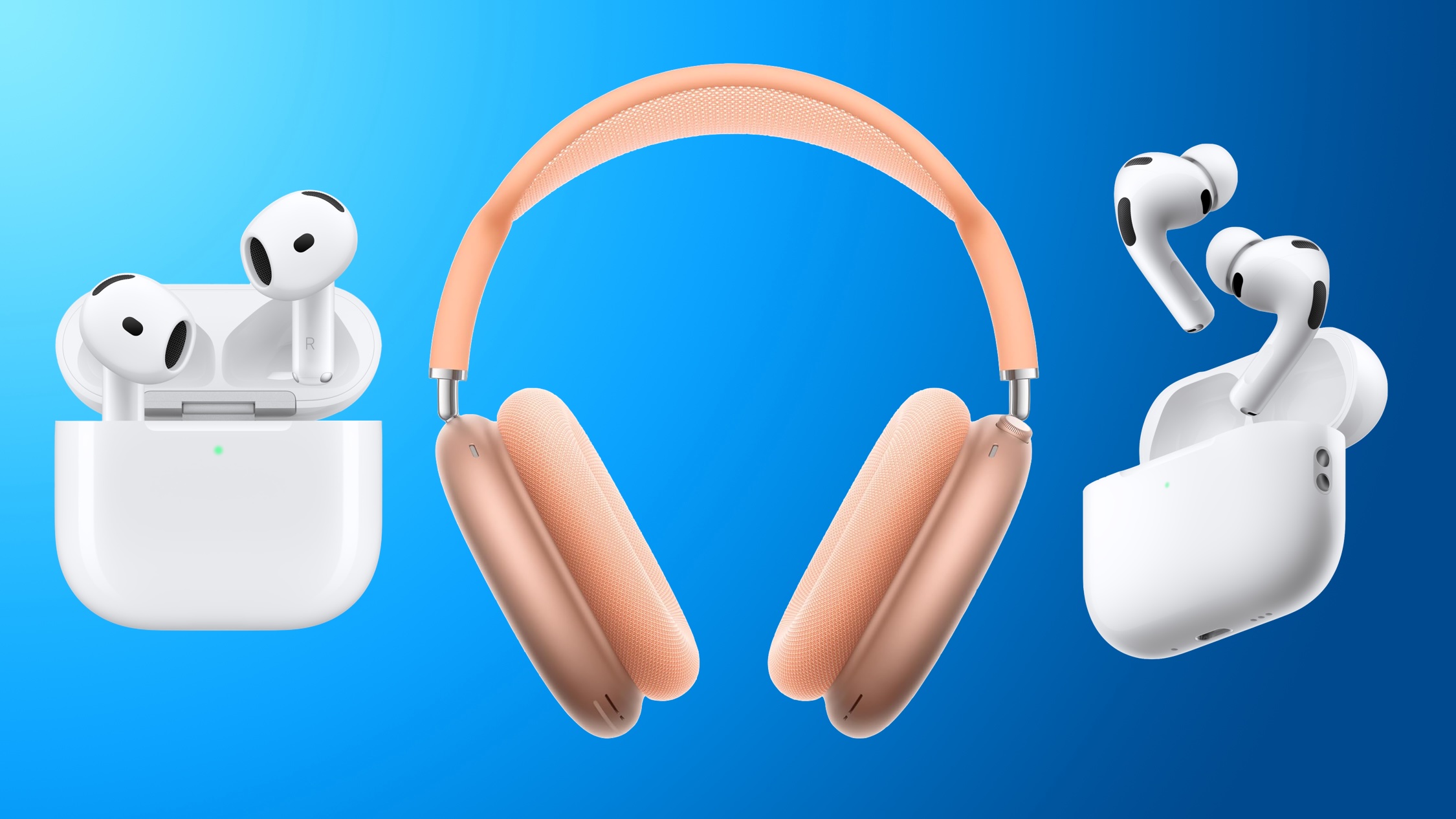
Apple just announced the new AirPods 5, and Amazon has them up for pre-order right now starting at $129.00. If you are looking for deals on other models, Amazon also has great prices on AirPods Max 2 at $100 off, AirPods Pro 3 at $50 off, and AirPods 4 at $30 off.

Note: MacRumors is an affiliate partner with some of these vendors. When you click a link and make a purchase, we may receive a small payment, which helps us keep the site running.

AirPods 5


You can pre-order the AirPods 5 and AirPods 5 with Wireless Charging Case right now on Amazon, available for $129.00 and $149.00, respectively. There are no pre-order deals yet on these devices, and they will officially launch on September 18.


AirPods Max 2


Apple's AirPods Max 2 have hit $449.00 on Amazon this week, down from $549.00. This sale is available in all five colors of the headphones.


Free delivery has the AirPods Max 2 arriving around September 15, but Prime members should see same-day delivery options in many locations. We haven't seen the AirPods Max 2 hit their all-time low price since June, so if you've been waiting for a solid deal, today's your chance to save on the headphones.

AirPods Pro 3


Amazon today has the AirPods Pro 3 available for $199.00, down from $249.00. This is the best price we've seen on the AirPods Pro 3 since Prime Day in June, coming in around $20 higher when compared to that all-time low price.


This model of the AirPods Pro launched in September 2025 and has 2x better Active Noise Cancellation than the previous generation, better audio quality, a revised fit that's meant to improve comfort and stability, Live Translation for in-person conversations, and heart rate sensing for workouts.

AirPods 4


You can also get the AirPods 4 for $99.00, down from $129.00. This is a second-best price on the AirPods 4, which is the base model without Active Noise Cancellation.


If you're on the hunt for more discounts, be sure to visit our Apple Deals roundup where we recap the best Apple-related bargains of the past week.


Deals Newsletter


Interested in hearing more about the best deals you can find in 2026? Sign up for our Deals Newsletter and we'll keep you updated so you don't miss the biggest deals of the season!


Related Roundup: Apple Deals

This article, "AirPods 5 Pre-Orders Go Live, While Older Models Reach Up to $100 Off This Weekend" first appeared on MacRumors.com

Discuss this article in our forums

  •  

Here's When iOS 27 Rolls Out Today in Every Time Zone

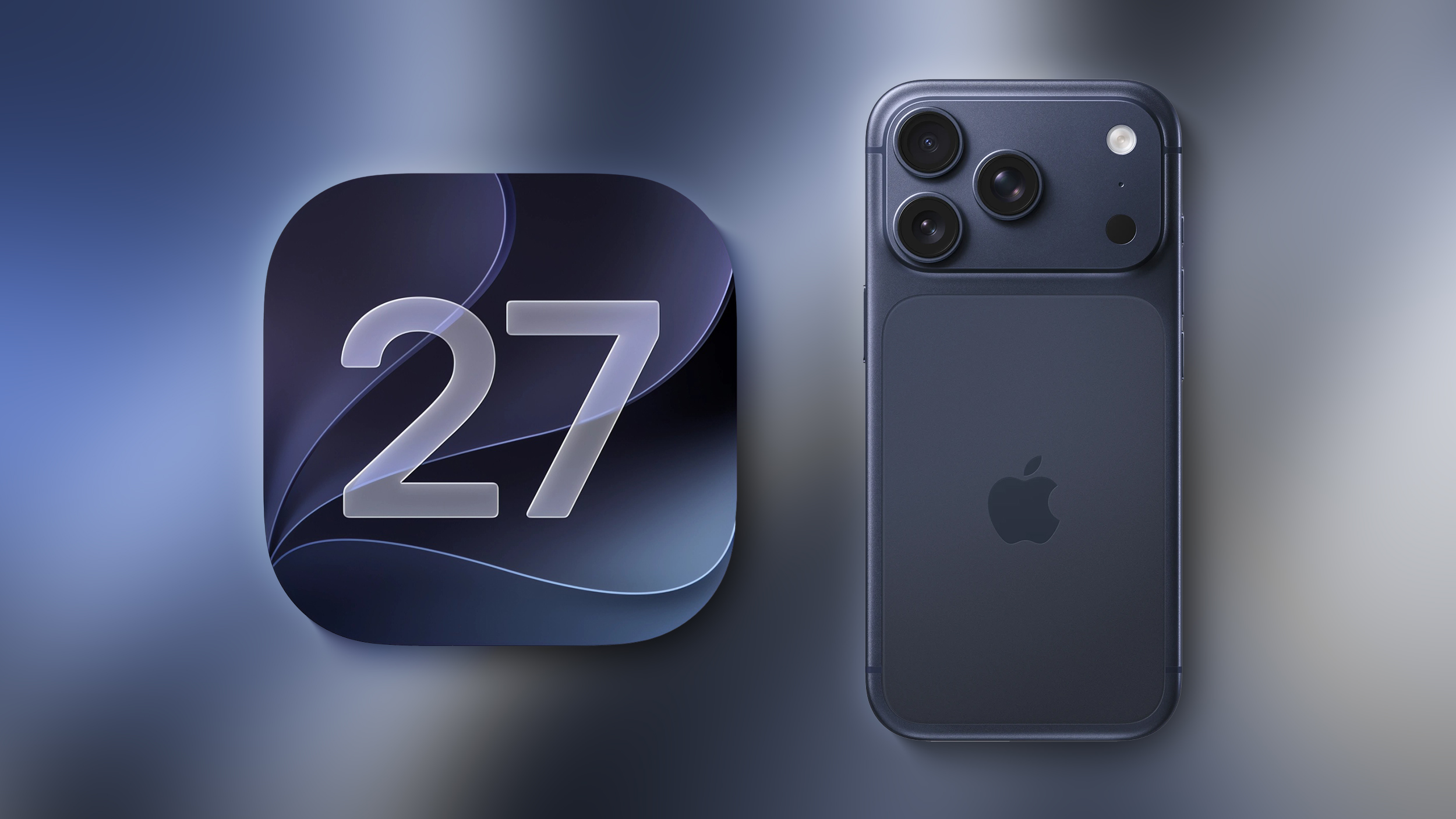
Apple is about to release iOS 27, which will finally deliver more advanced Siri AI capabilities as well as a variety of other refinements, improvements, and new features to iPhones. It's Apple's biggest software update of the year, and Apple announced at Wednesday's iPhone event that it will be releasing ‌iOS 27‌ sometime today – Monday, September 14.


‌iOS 27‌ won't be the only release today, as macOS Golden Gate and other releases in the OS 27 family will also drop around the same time as ‌iOS 27‌.

Based on past releases, the update is likely to drop at around 10:00 a.m. Pacific Time/1:00 p.m. Eastern Time. Apple's own websites for countries around the world also suggest a 10:00 a.m. Pacific Time release, with Apple's site for India listing a September 14 launch while the company's pages for Singapore, Hong Kong, and others in that region list a September 15 release. That points to a narrow release window around 10:00 a.m. Pacific to line up with time zones where it will be after midnight in some of those countries.

To give iPhone users globally an idea of when ‌iOS 27‌ should become available as an over-the-air update, we've compiled the below list of time zone conversions for a number of countries. This list isn't exhaustive, so please verify the exact time for your specific location, and bear in mind that there could always be a delay as Apple prepares its servers for rollout.


  • Australia (Western) - 1:00 a.m. (01:00) AWST (Tuesday)

  • Australia (Eastern) - 3:00 a.m. (03:00) AEST (Tuesday)

  • Austria - 7:00 p.m. (19:00) CEST

  • Baltic countries - 8:00 p.m. (20:00) EEST

  • Belgium - 7:00 p.m. (19:00) CEST

  • Brazil East - 2:00 p.m. (14:00) BRT

  • Canada (Pacific) - 10:00 a.m. (10:00) PDT

  • Canada (Eastern) - 1:00 p.m. (13:00) EDT

  • Canada (Atlantic) - 2:00 p.m. (14:00) ADT

  • China - 1:00 a.m. (01:00) CST (Tuesday)

  • Denmark - 7:00 p.m. (19:00) CEST

  • Finland - 8:00 p.m. (20:00) EEST

  • France - 7:00 p.m. (19:00) CEST

  • Germany - 7:00 p.m. (19:00) CEST

  • Hong Kong - 1:00 a.m. (01:00) HKT (Tuesday)

  • India - 10:30 p.m. (22:30) IST

  • Indonesia (Western) - midnight (00:00) WIB (Tuesday)

  • Ireland - 6:00 p.m. (18:00) IST

  • Italy - 7:00 p.m. (19:00) CEST

  • Japan - 2:00 a.m. (02:00) JST (Tuesday)

  • Luxembourg - 7:00 p.m. (19:00) CEST


  • Netherlands - 7:00 p.m. (19:00) CEST

  • New Zealand - 5:00 a.m. (05:00) NZST (Tuesday)

  • Norway - 7:00 p.m. (19:00) CEST

  • Poland - 7:00 p.m. (19:00) CEST

  • Portugal - 6:00 p.m. (18:00) WEST

  • Puerto Rico - 1:00 p.m. (13:00) AST

  • Saudi Arabia - 8:00 p.m. (20:00) AST

  • Singapore - 1:00 a.m. (01:00) SGT (Tuesday)

  • South Africa - 7:00 p.m. (19:00) SAST

  • South Korea - 2:00 a.m. (02:00) KST (Tuesday)

  • Spain - 7:00 p.m. (19:00) CEST

  • Sweden - 7:00 p.m. (19:00) CEST

  • Switzerland - 7:00 p.m. (19:00) CEST

  • Taiwan - 1:00 a.m. (01:00) CST (Tuesday)

  • UAE - 9:00 p.m. (21:00) GST

  • United Kingdom - 6:00 p.m. (18:00) BST

  • United States (Pacific) - 10:00 a.m. (10:00) PDT

  • United States (Mountain) - 11:00 a.m. (11:00) MDT

  • United States (Central) - noon (12:00) CDT

  • United States (Eastern) - 1:00 p.m. (13:00) EDT


Be Prepared to Wait


When ‌iOS 27‌ and iPadOS 27 become available as an over-the-air update, make sure your device is fully charged before you start the process over Wi-Fi, as it may take some time to complete. To check that the update is available, go to Settings ➝ General ➝ Software Update, and wait a moment for your device to contact Apple's servers. If you're in no rush, you can wait for ‌iOS 27‌ to be delivered to your iPhone when you next plug it into your computer.

On that note, a word of caution: During the initial rollout of major software updates like ‌iOS 27‌, Apple users may experience slower download speeds and sluggish performance when trying to update their devices. This is largely due to the high demand on Apple's servers, as millions of users worldwide attempt to download the update simultaneously.

The surge in traffic can overwhelm network capacity, leading to delays in downloading or installing the update. To avoid these potential issues, you may want to wait a day or two before installing the update, allowing server congestion to subside and ensuring a smoother upgrade experience.
Related Roundups: iOS 27, iPadOS 27, macOS Golden Gate
Related Forums: iOS 27, macOS Golden Gate

This article, "Here's When iOS 27 Rolls Out Today in Every Time Zone" first appeared on MacRumors.com

Discuss this article in our forums

  •  

Apple Says iPhone 18 Pro Max Sold in U.S. Differs in One Way

As noted by Nicolas Lellouche, who writes for the French tech website Numerama, Apple has updated its tech specs pages for the iPhone 18 Pro and iPhone 18 Pro Max to clarify which models are equipped with its new C2 cellular modem and where.


Apple now says the iPhone 18 Pro has a C2 modem worldwide, while the iPhone 18 Pro Max uses the chip in every country except for the U.S.

According to a tipster known as @itspdfu, who has been digging through Apple's software updates in recent weeks, iOS 27 code reveals that the iPhone 18 Pro Max is equipped with a Qualcomm modem instead of the C2 chip in the U.S.

Apple has yet to provide an explanation for this modem difference, so we can only speculate for now. In 2023, Qualcomm announced that it would supply Apple with smartphone modems through 2026, so perhaps Apple is equipping the U.S. version of the iPhone 18 Pro Max with a Qualcomm modem in order to honor this agreement in a minimum way.

Apple's C2 modem supports ultra-fast mmWave 5G in the U.S., unlike its previous-generation C1 and C1X modems. Qualcomm modems in the iPhone 12 and newer already supported mmWave 5G in the U.S., so Apple is playing catch up here. Apple said the C2 delivers "meaningfully faster uploads" compared to the C1X while consuming 15% less energy.

Apple's first-generation C1 modem debuted in the iPhone 16e in February 2025, and the second-generation C1X debuted in the iPhone Air in September 2025. Now, the third-generation C2 modem has arrived in the iPhone 18 Pro models, except for the iPhone 18 Pro Max in the U.S. as mentioned, as Apple's transition away from Qualcomm continues.

It is unclear which Qualcomm modem is in U.S. units of the iPhone 18 Pro Max, but the Snapdragon X85 is most likely. Over the coming weeks, real-world performance tests should show how the C2 and Snapdragon X85 stack up.

Apple's foldable iPhone Duo uses the C2 modem worldwide.
Related Roundup: iPhone 18 Pro
Related Forum: iPhone

This article, "Apple Says iPhone 18 Pro Max Sold in U.S. Differs in One Way" first appeared on MacRumors.com

Discuss this article in our forums

  •  

Dirk Eddelbuettel: sanitizers 0.1.2 on CRAN: Maintenance

bleach

The third release (in twelve years !!) of the sanitizers package is now on CRAN. sanitizers provides ‘true positives’ for programming errors detected by the Address Sanitizer and friends such as the Undefined Behavior Sanitizer. This permits validation of the setup when chasing such bug reports: it allows us to ascertain that the compiler (and instrumented R version) are correctly set up and the errors we expect to be reported are in fact reported. That established, a proposed fix no longer exhibiting that same error will then likely be a suitable one.

A very good resources for all things sanitizers is the Google repo at GitHub and especially its wiki.

A little over twelve years since the first release, and three years since the second one, this update brings chiefly internal package changes and maintenance. No functional changes, no behavioural changes.

The brief NEWS entry follows.

Changes in version 0.1.2 (2026-09-12)

  • Expanded README.md with additional badges, and updated URLs

  • Updated continuous integration multiple times

  • Switched to Authors@R

  • Added usage, arguments and value sections to manual page

Thanks to CRANberries, you can also look at the most recent diff to the previous release. See the project page, the github repo, and the package documentation for more details.

This post by Dirk Eddelbuettel originated on his Thinking inside the box blog. If you like this or other open-source work I do, you can now sponsor me at GitHub.

  •  

Top Stories: Apple Event Recap With iPhone Duo, iPhone 18 Pro, Apple Watch, and AirPods

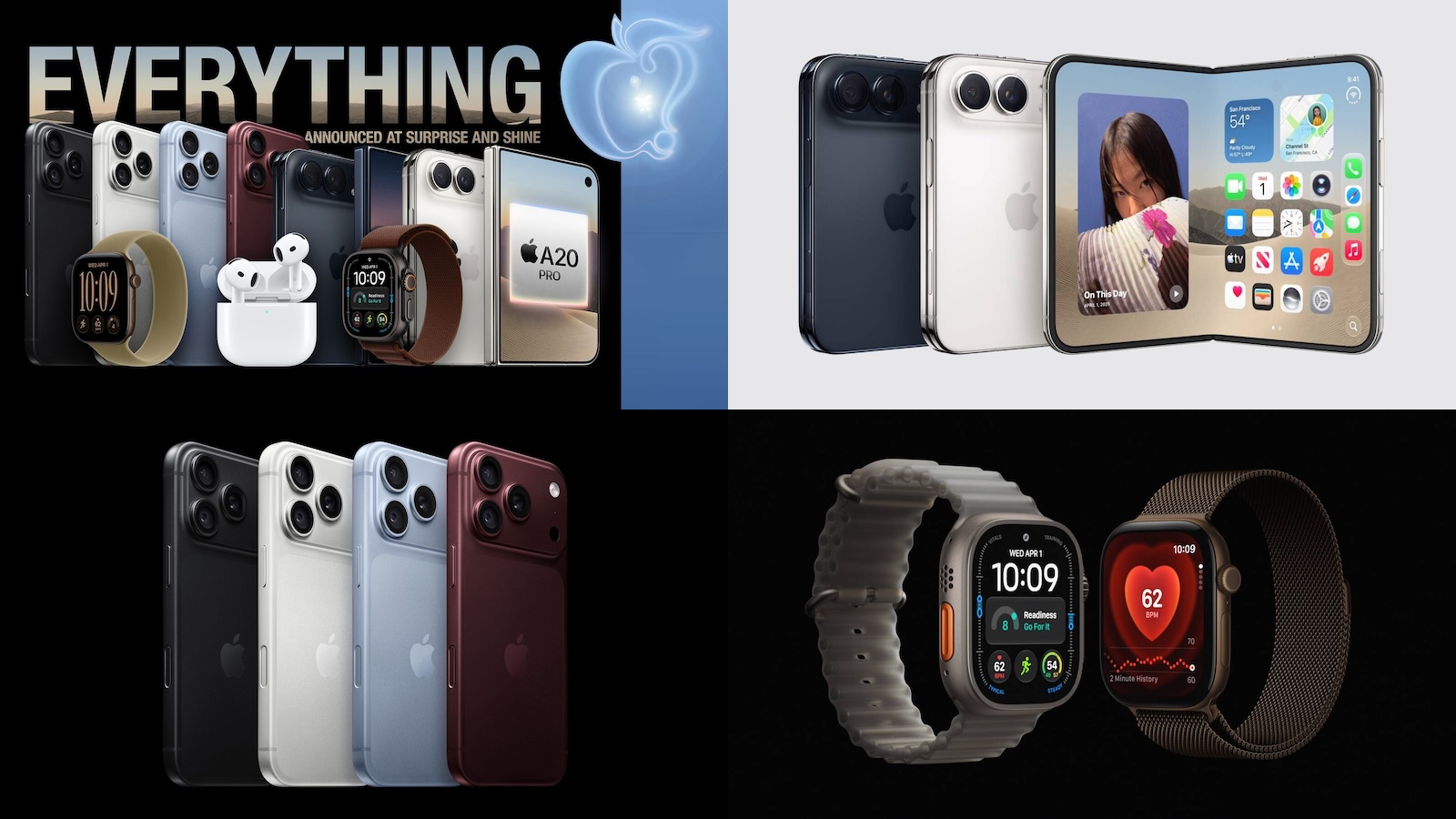
Apple's long-awaited foldable iPhone Duo is here, but that wasn't all we saw at this week's event, as Apple also took the wraps off of the iPhone 18 Pro and Pro Max, the Apple Watch Series 12 and Ultra 4, and the AirPods 5.


We'll have to wait a little over a month to get our hands on the foldable iPhone Duo, but the rest of the products will be out at the end of next week. And don't forget iOS 27, macOS Golden Gate, and other software updates that will be dropping on Monday!

Top Stories


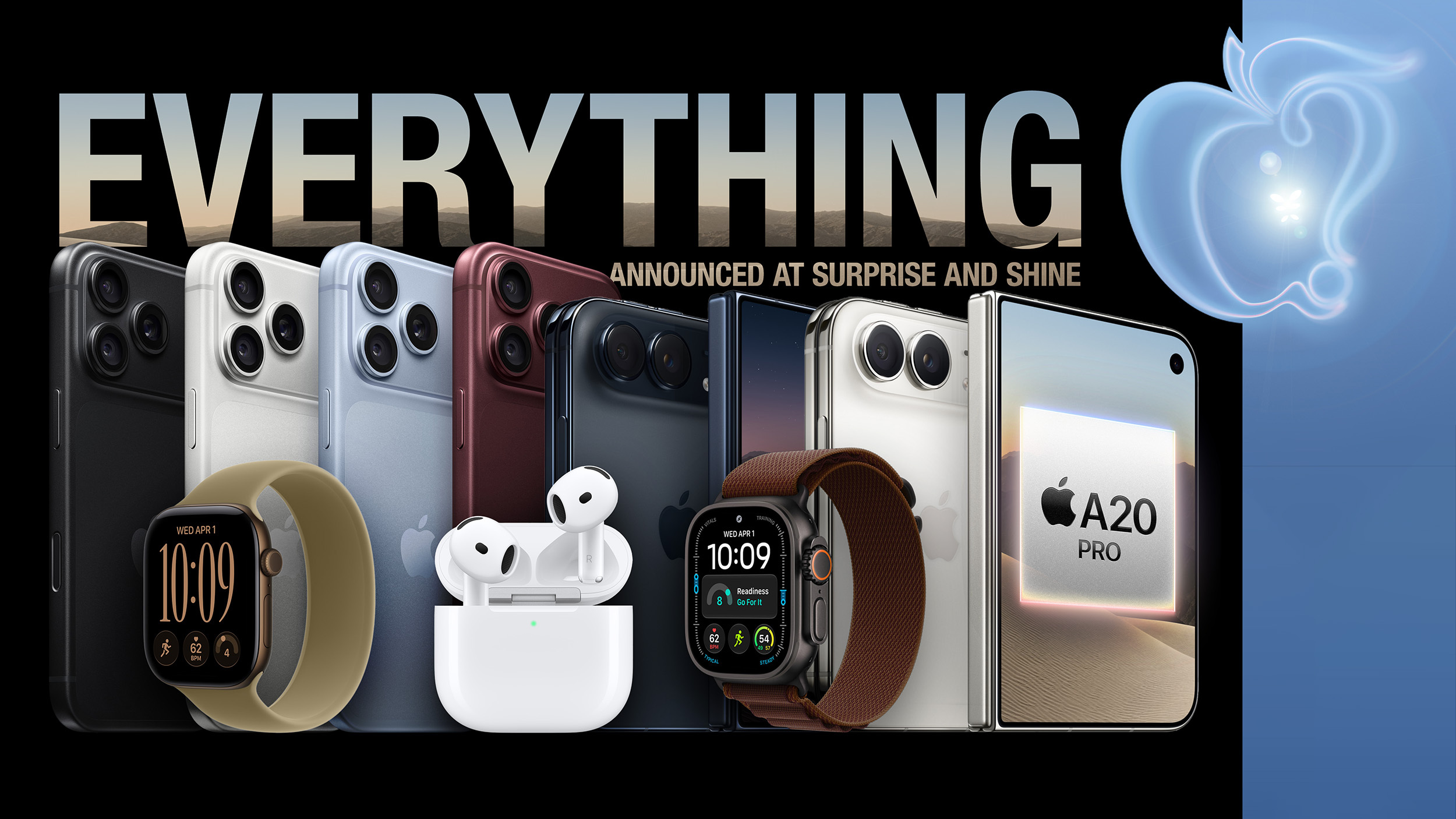
Everything Apple Announced at This Week's Event


We'll pull out the highlights below, but be sure to check out our recap video and complete index to all of our coverage of Apple's "Surprise and Shine" event that saw the introduction of several new iPhone, Apple Watch, and AirPods models.


The event saw John Ternus taking the stage just days after officially becoming Apple CEO, making some of the bigger announcements of the day and handing off to other Apple executives to present the details.

Apple Announces Foldable 'iPhone Duo'


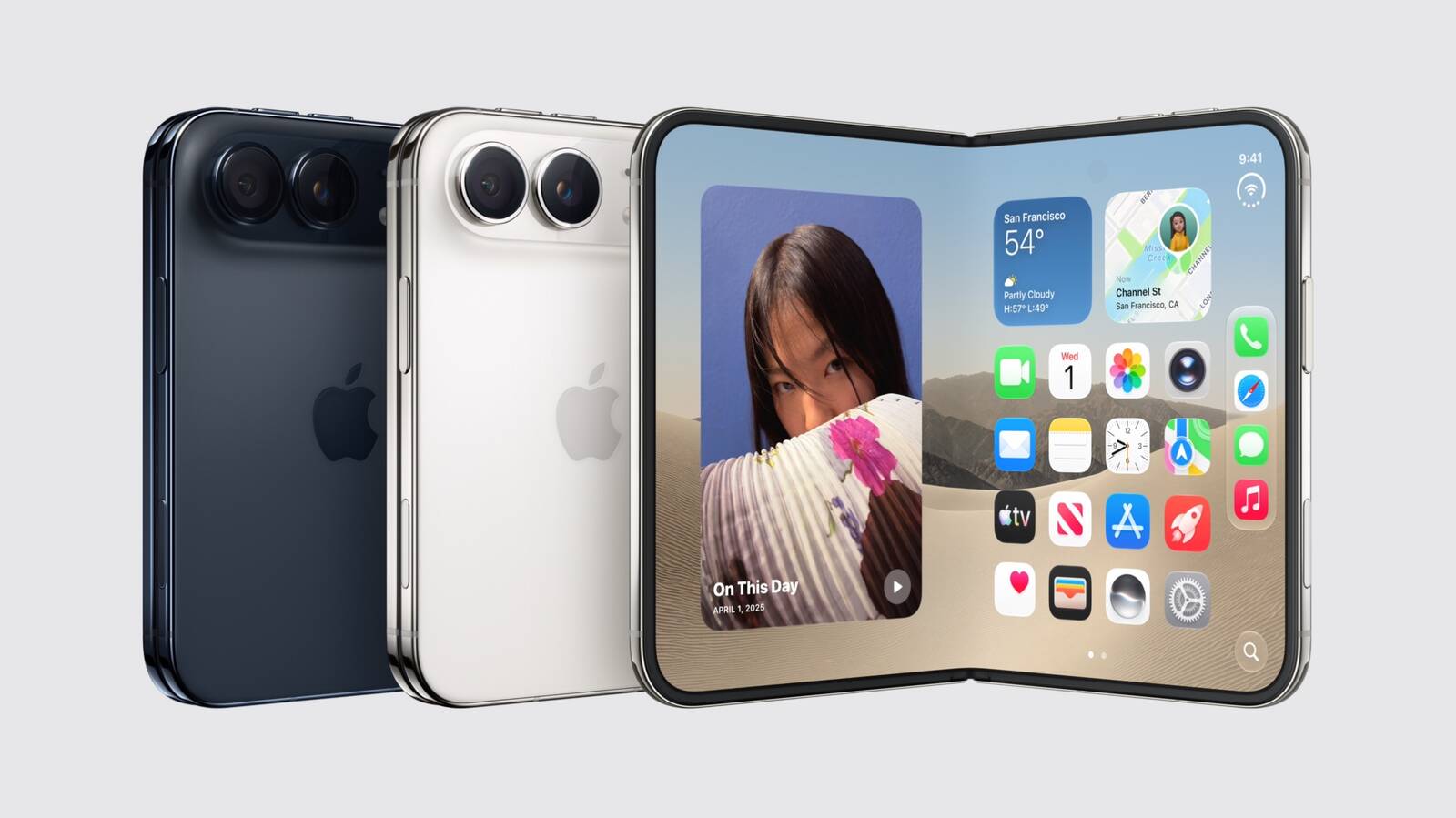
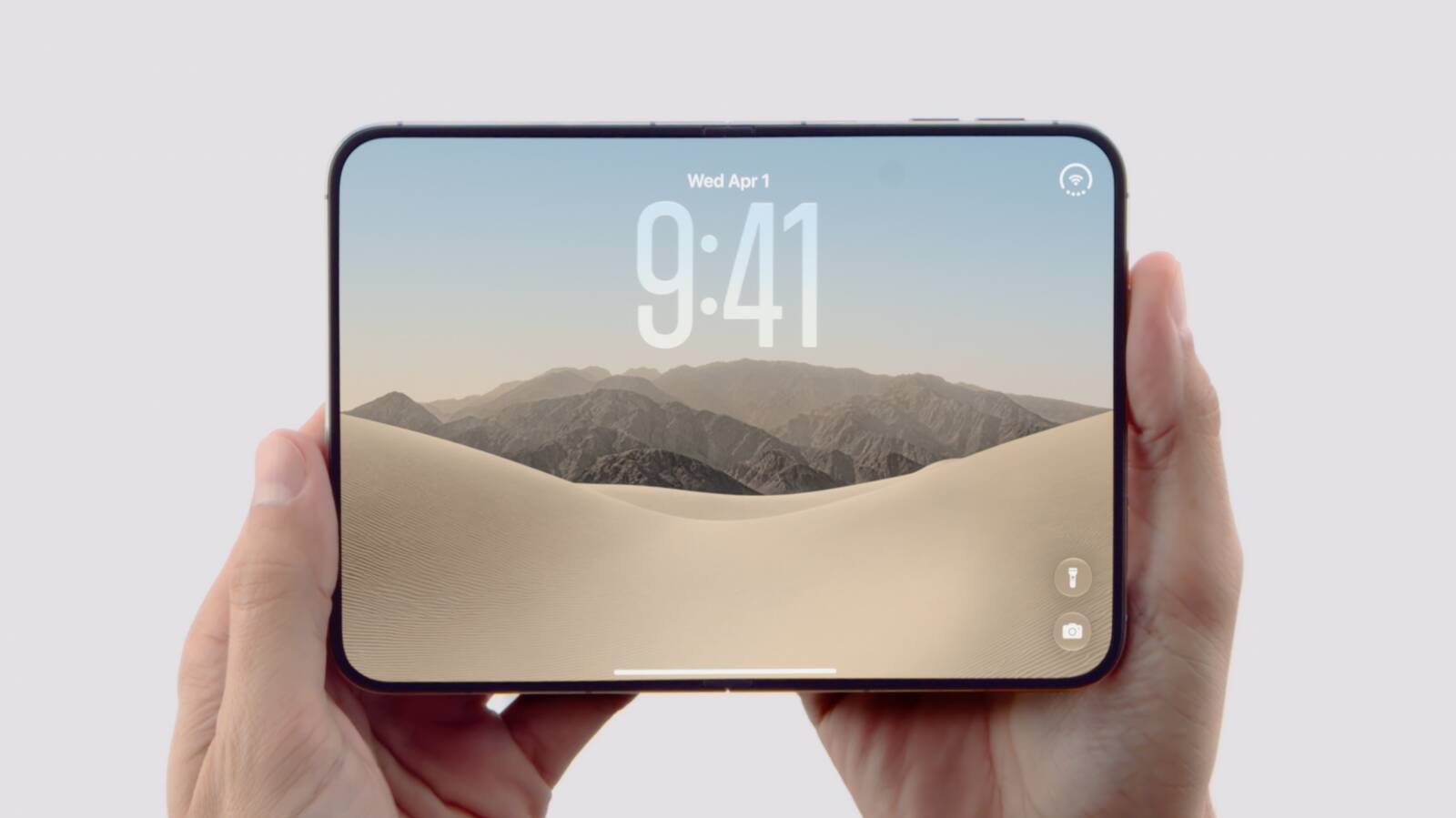
The star of Wednesday's show was a "one more thing" unveiling of the iPhone Duo, Apple's new compact foldable phone featuring a more traditional-sized screen on the outside but unfolding into a nearly iPad mini-sized screen on the inside.


In addition to a refined hardware design, the iPhone Duo features numerous software refinements to deliver a user experience optimized for the new form factor.

Pre-orders for the iPhone Duo begin on October 16, with a launch to follow on October 23, and in the meantime, check out our hands-on video from the event.

Apple Announces iPhone 18 Pro and iPhone 18 Pro Max


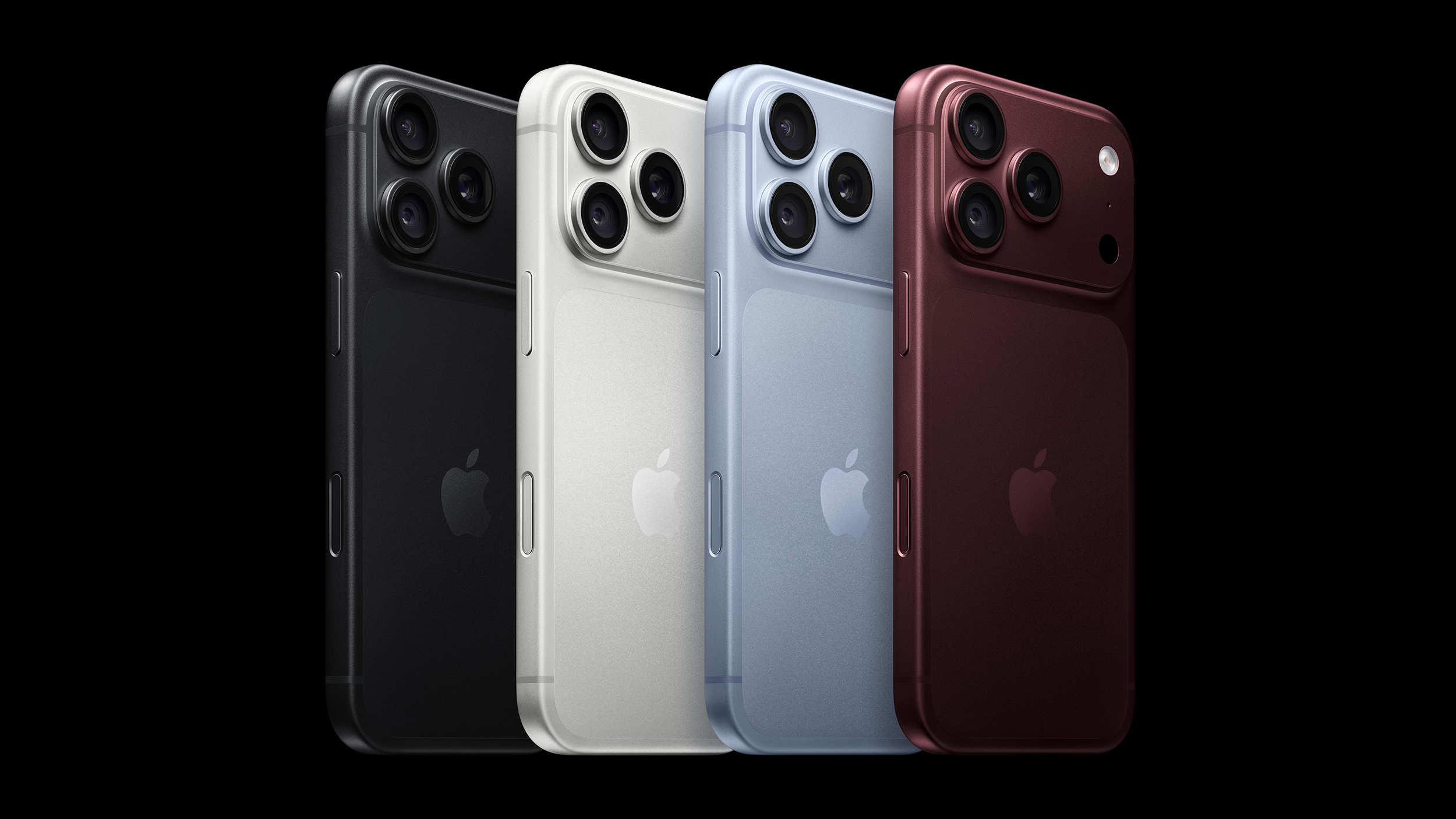
Apple this week also unveiled the iPhone 18 Pro and iPhone 18 Pro Max, which look very similar to the iPhone 17 Pro models but have several upgrades.


As was widely rumored, both devices have a smaller Dynamic Island that can show up to three Live Activities at once. The A20 Pro chip in the iPhone 18 Pro models has a 6-core CPU, a 7-core GPU, and a 32-core Neural Engine, and thanks in part to a much larger vapor chamber cooling system, Apple says sustained performance is up to 40% faster compared to the A19 Pro chip.

Other updates include new camera features such as a variable aperture on the Main camera, longer battery life, and new color options, all of which we discussed in our hands-on and early impressions video. Pre-orders for the iPhone 18 Pro and Pro Max kicked off today, with a launch coming on September 18.

Apple Announces Apple Watch Series 12 With S11 Chip, Upgraded Health Sensors and Ceramic Models


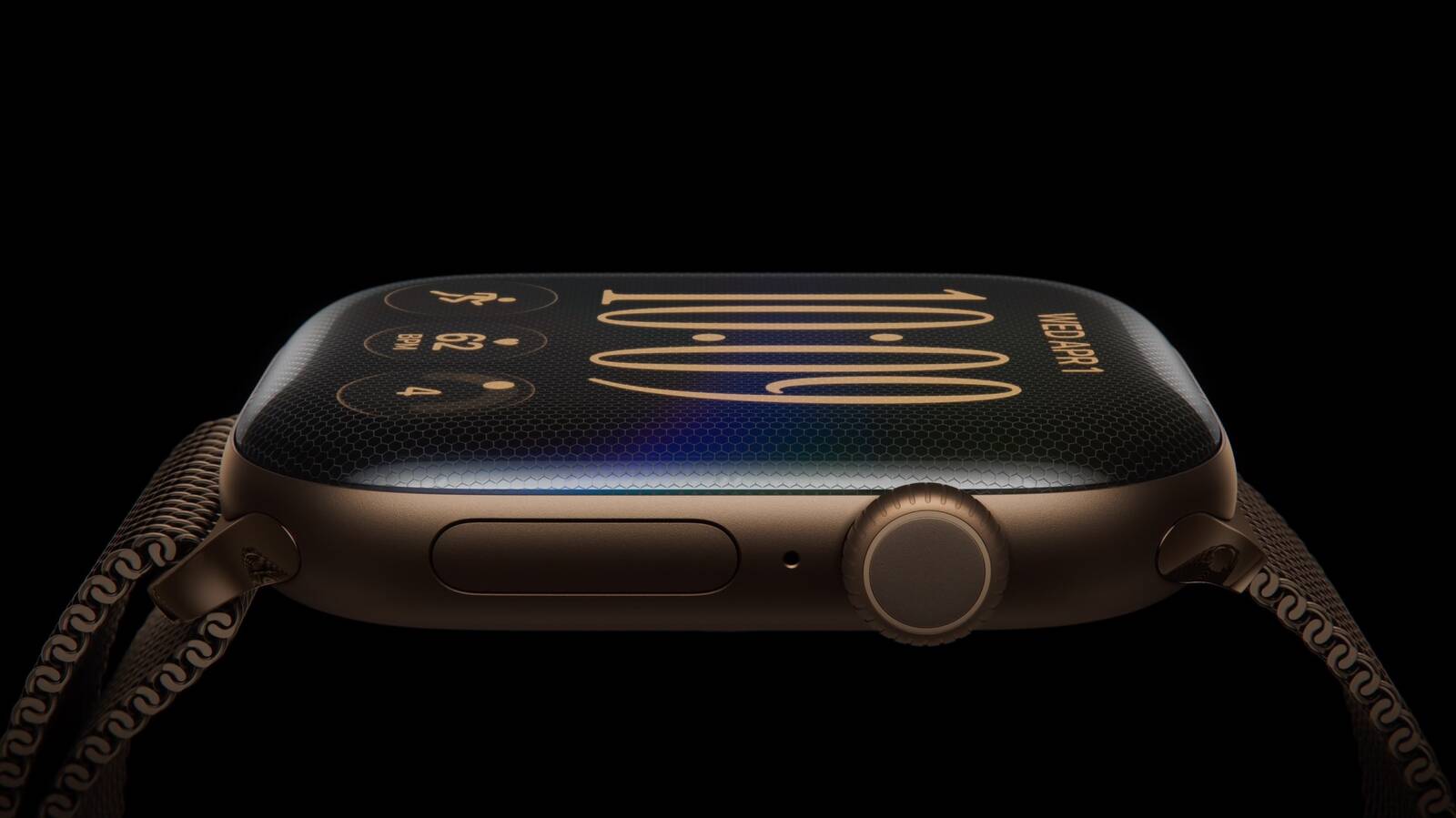
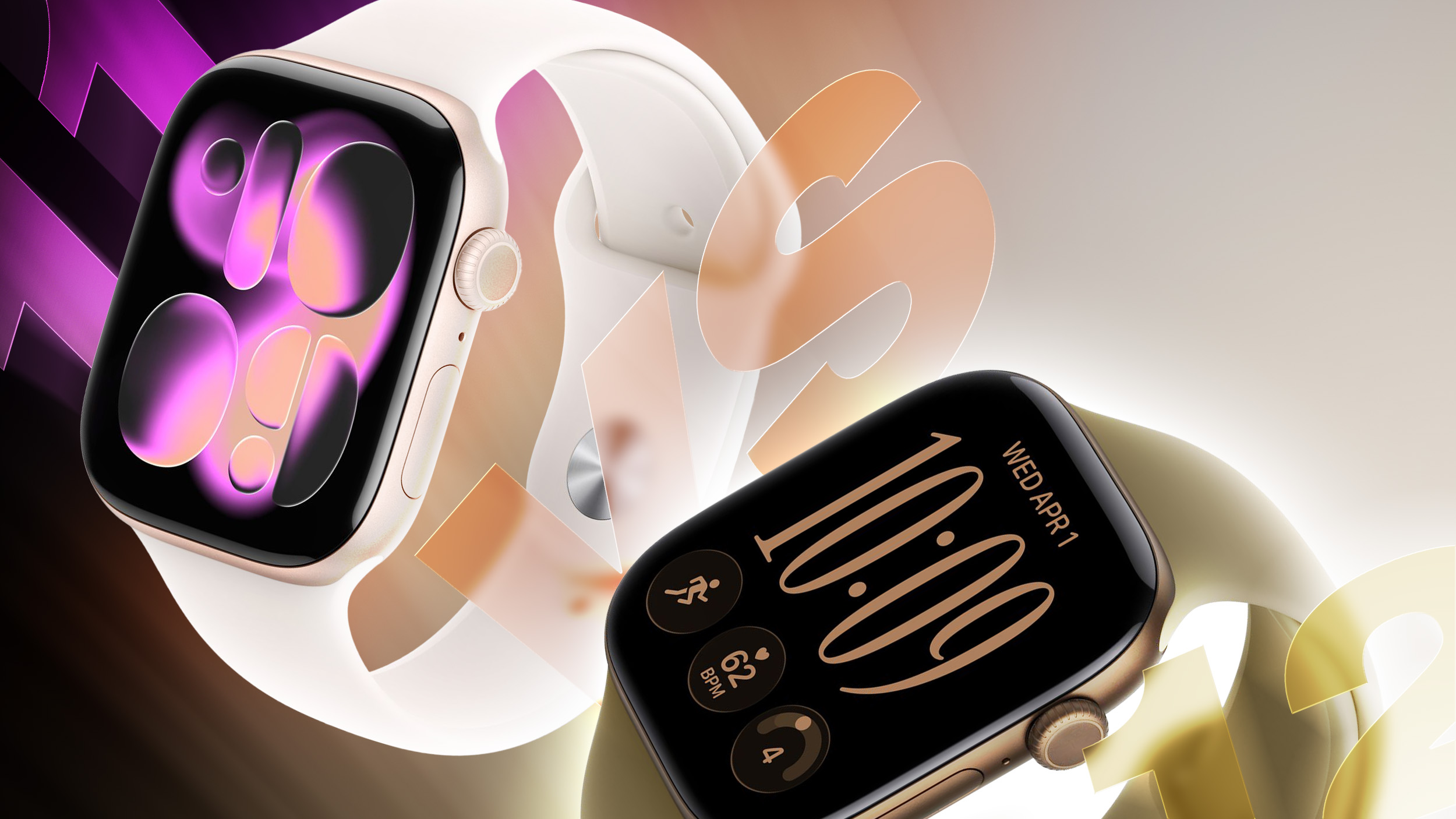
The Apple Watch Series 12 was also introduced this week, featuring a new S11 chip, a similar redesigned health sensing system as on the Ultra 4, and new aluminum, titanium, and ceramic finishes.


Series 12 comes in Space Gray, Black, Light Gold, and Dark Bronze aluminum finishes. The aluminum models gain Ceramic Shield, which Apple says makes their screens 60% tougher. Polished titanium models are also available in Radiant Gold and Natural, while ceramic models come in Pearl White and Night Blue.

Pricing starts at $399, with pre-orders available now ahead of a September 18 launch.

Apple Announces Apple Watch Ultra 4 With Two-Day Battery Life and Upgraded Health Tracking


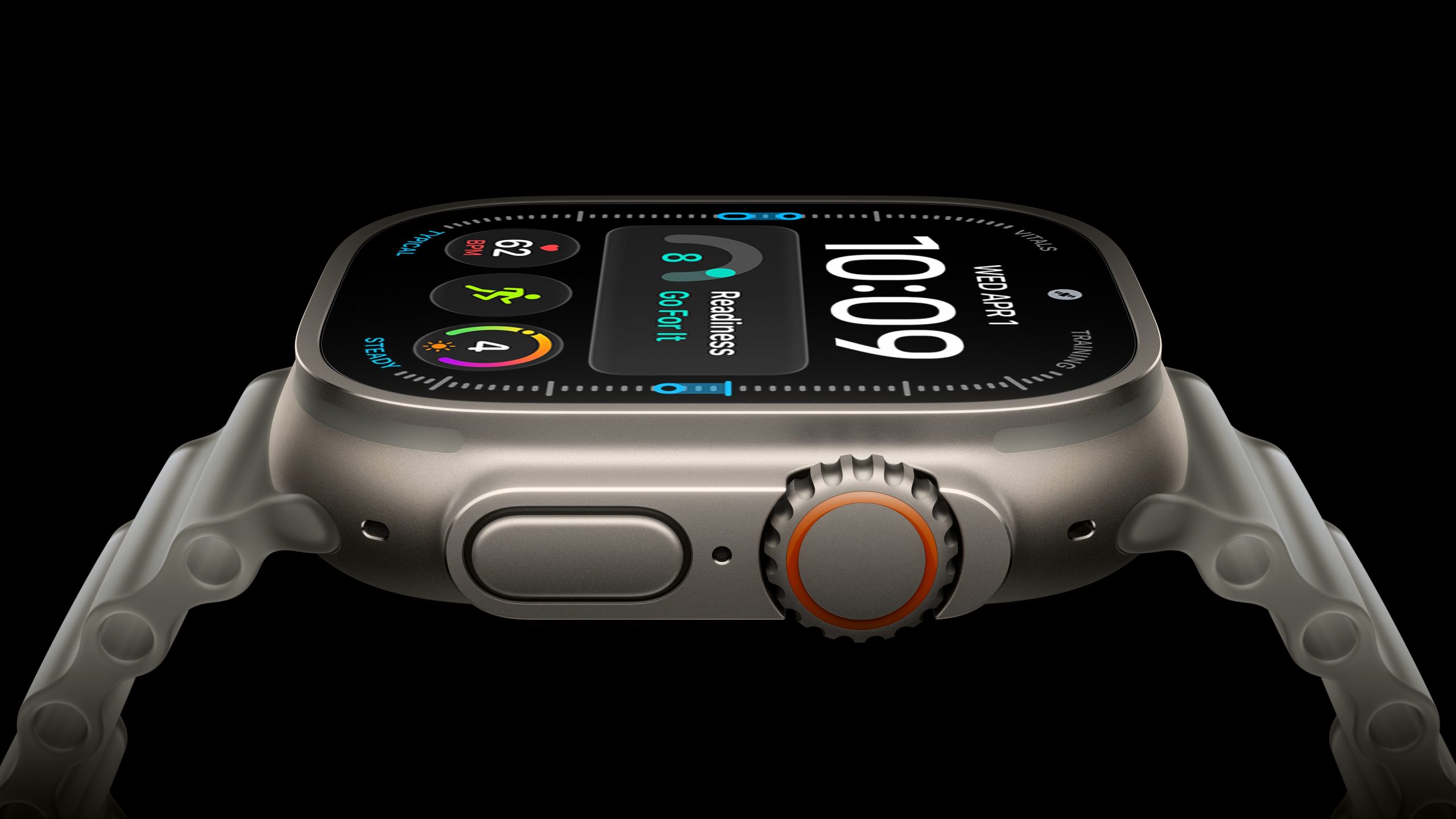
Apple this week announced the Apple Watch Ultra 4, which features a new S11 chip, a redesigned health sensing system, and a larger battery that Apple says delivers two days of battery life.


With improved power efficiency, Ultra 4 offers up to 18 hours of workout tracking with full GPS and heart rate monitoring, or 45 hours in its maximum extended workout mode, according to Apple.

Pre-orders are available now ahead of a September 18 launch, with prices starting at $799.

AirPods 5 Announced With Improved Noise Cancellation, Audio Quality, and More


Finally, Apple introduced AirPods 5, offering Active Noise Cancellation with its entry-level wireless earbuds at a starting price of $129. A $149 version with a Wireless Charging Case adds swipe-based volume controls on the stems and longer battery life.


Apple says AirPods 5 remove up to 50% more external noise than AirPods 4 with Active Noise Cancellation. They also boast a redesigned acoustic architecture and updated Adaptive EQ which promise richer, more detailed sound, and an improved Transparency mode that makes nearby voices and sounds more natural.

AirPods 5 are available to pre-order now, with availability beginning Friday, September 18.

MacRumors Newsletter


Each week, we publish an email newsletter like this highlighting the top Apple stories, making it a great way to get a bite-sized recap of the week hitting all of the major topics we've covered and tying together related stories for a big-picture view.

So if you want to have top stories like the above recap delivered to your email inbox each week, subscribe to our newsletter!
This article, "Top Stories: Apple Event Recap With iPhone Duo, iPhone 18 Pro, Apple Watch, and AirPods" first appeared on MacRumors.com

Discuss this article in our forums

  •  

Didn't Pre-Order iPhone 18 Pro Yet? Here's How Long the Wait is Now

iPhone 18 Pro and iPhone 18 Pro Max pre-orders began today in the U.S. and many other countries. If you have yet to place a pre-order on Apple's online store, you might face a longer wait now, depending on your desired configuration.


The first customers who pre-ordered right when pre-orders began on September 12 at 5 a.m. Pacific Time will have their devices delivered on Friday, September 18. As of September 13 at 5:30 a.m. Pacific Time, though, select configurations on Apple's online store in the U.S. are now showing delivery estimates into October for new orders.


  • iPhone 18 Pro / Black / 256GB: September 18

  • iPhone 18 Pro / Black / 512GB: September 18

  • iPhone 18 Pro / Black / 1TB: September 18

  • iPhone 18 Pro / Black / 2TB: September 18

  • iPhone 18 Pro / Silver / 256GB: September 24-29

  • iPhone 18 Pro / Silver / 512GB: September 18

  • iPhone 18 Pro / Silver / 1TB: September 18

  • iPhone 18 Pro / Silver / 2TB: September 18

  • iPhone 18 Pro / Glacier / 256GB: September 18

  • iPhone 18 Pro / Glacier / 512GB: September 18

  • iPhone 18 Pro / Glacier / 1TB: September 18

  • iPhone 18 Pro / Glacier / 2TB: September 18

  • iPhone 18 Pro / Burgundy / 256GB: September 24-29

  • iPhone 18 Pro / Burgundy / 512GB: September 24-29

  • iPhone 18 Pro / Burgundy / 1TB: September 18

  • iPhone 18 Pro / Burgundy / 2TB: September 18


  • iPhone 18 Pro Max / Black / 256GB: October 6-13

  • iPhone 18 Pro Max / Black / 512GB: October 6-13

  • iPhone 18 Pro Max / Black / 1TB: September 24-29

  • iPhone 18 Pro Max / Black / 2TB: September 18

  • iPhone 18 Pro Max / Silver / 256GB: October 6-13

  • iPhone 18 Pro Max / Silver / 512GB: October 6-13

  • iPhone 18 Pro Max / Silver / 1TB: September 18

  • iPhone 18 Pro Max / Silver / 2TB: September 18

  • iPhone 18 Pro Max / Glacier / 256GB: October 6-13

  • iPhone 18 Pro Max / Glacier / 512GB: October 6-13

  • iPhone 18 Pro Max / Glacier / 1TB: September 24-29

  • iPhone 18 Pro Max / Glacier / 2TB: September 18

  • iPhone 18 Pro Max / Burgundy / 256GB: October 6-13

  • iPhone 18 Pro Max / Burgundy / 512GB: October 6-13

  • iPhone 18 Pro Max / Burgundy / 1TB: October 6-13

  • iPhone 18 Pro Max / Burgundy / 2TB: September 18
Apple Store pickup may still be an option for launch day depending on the model.

Inventory will likely continue to tighten for both delivery and Apple Store pickup as the day progresses, so order quickly if you are planning to.
Related Roundup: iPhone 18 Pro
Related Forum: iPhone

This article, "Didn't Pre-Order iPhone 18 Pro Yet? Here's How Long the Wait is Now" first appeared on MacRumors.com

Discuss this article in our forums

  •  

Here Are The Best Carrier Deals You Can Get When Pre-Ordering iPhone 18 Pro Today

Apple today launched pre-orders for the iPhone 18 Pro and iPhone 18 Pro Max. If you're looking to place a pre-order on one of these models at a cellular carrier, we've rounded up all of the best deals and offers you can find from the major carriers in the United States.

Note: MacRumors is an affiliate partner with some of these vendors. When you click a link and make a purchase, we may receive a small payment, which helps us keep the site running.

AT&T


Starting with AT&T, you can get the iPhone 18 Pro and iPhone 18 Pro Max for up to $1,200 off with an iPhone trade-in in any condition. You'll need to upgrade with AT&T Next Up Anytime or switch to get this offer, and AT&T says it will be available for iPhone Duo orders in October as well.


If you switch to AT&T from a different carrier, AT&T will pay off your phone balance at up to $800 off per line. With the $1,200 offer, AT&T is offering the 256GB iPhone 18 Pro at no cost.

T-Mobile


T-Mobile's offers are nearly identical to AT&T. You can get the iPhone 18 Pro and iPhone 18 Pro Max for up to $1,200 off you trade in an old device (in any condition) and purchase the new device on an eligible unlimited plan. You can also get this offer if you switch a line to Experience Beyond 2.0, Experience Beyond, or Go5G Next.


Additionally, you can get up to $930 off any iPhone 18 Pro model when trading in an eligible device, or switching a line to T-Mobile on Experience More 2.0, Experience More, or Go5G Plus.

For Apple Watches at T-Mobile, if you buy any new Apple Watch Series 12 or Ultra 4 device, you can get $300 off a second model when you add a watch line on the Watch Plan 2.0.

Verizon


Similar to the other carriers, Verizon is offering up to $1,200 off the iPhone 18 Pro and iPhone 18 Pro Max with an eligible smartphone trade-in. You'll need to purchase the new iPhone on a 36-month payment plan and you'll receive the discount in the form of monthly promo credits over the course of your plan.


Verizon is also offering the Apple Watch Series 12 at no cost when you purchase it alongside a new iPhone. You just need to buy the iPhone on Simplicity, Simplicity Plus, Pro, or myPlan, and purchase the Apple Watch on a 36-month payment plan.

Visible


Visible is offering $480 off the iPhone 18 Pro when you purchase it on the Visible+ Pro plan. To get this deal, you'll need to join or switch to the Visible+ Pro monthly plan and purchase the iPhone 18 Pro at full retail price, and then you'll see the $480 off in terms of monthly service credits.


Visible's offer differs from other carriers due to requiring the full retail purchase of the new iPhone, compared to AT&T and others, which are offering discounts on monthly financing options. If you're interested, new members can get 50% off one year of the Visible+ Pro annual plan with SAVEHALF at checkout.

Visible offers unlimited talk, text, and data for $19/month on the Visible plan, $29/month on the Visible+ plan, or $39/month on the Visible+ Pro plan (prices include $6 discount with current promo code SAVE6).

If you're on the hunt for more discounts, be sure to visit our Apple Deals roundup where we recap the best Apple-related bargains of the past week.


Deals Newsletter


Interested in hearing more about the best deals you can find in 2026? Sign up for our Deals Newsletter and we'll keep you updated so you don't miss the biggest deals of the season!


Related Roundup: Apple Deals

This article, "Here Are The Best Carrier Deals You Can Get When Pre-Ordering iPhone 18 Pro Today" first appeared on MacRumors.com

Discuss this article in our forums

  •  

iPhone 18 Pro and iPhone 18 Pro Max Now Available to Pre-Order

Apple is now accepting pre-orders for the iPhone 18 Pro and ‌iPhone 18 Pro‌ Max through its online storefront and the Apple Store app. If you don't see the option to order, make sure to refresh until the store comes up. The app is often a quicker way to get a pre-order in.


Pre-orders for the ‌iPhone 18 Pro‌ models are available in more than 65 countries and regions around the world. If you used "Get Ready" ahead of time, you'll be able to place an order with just a couple of taps.

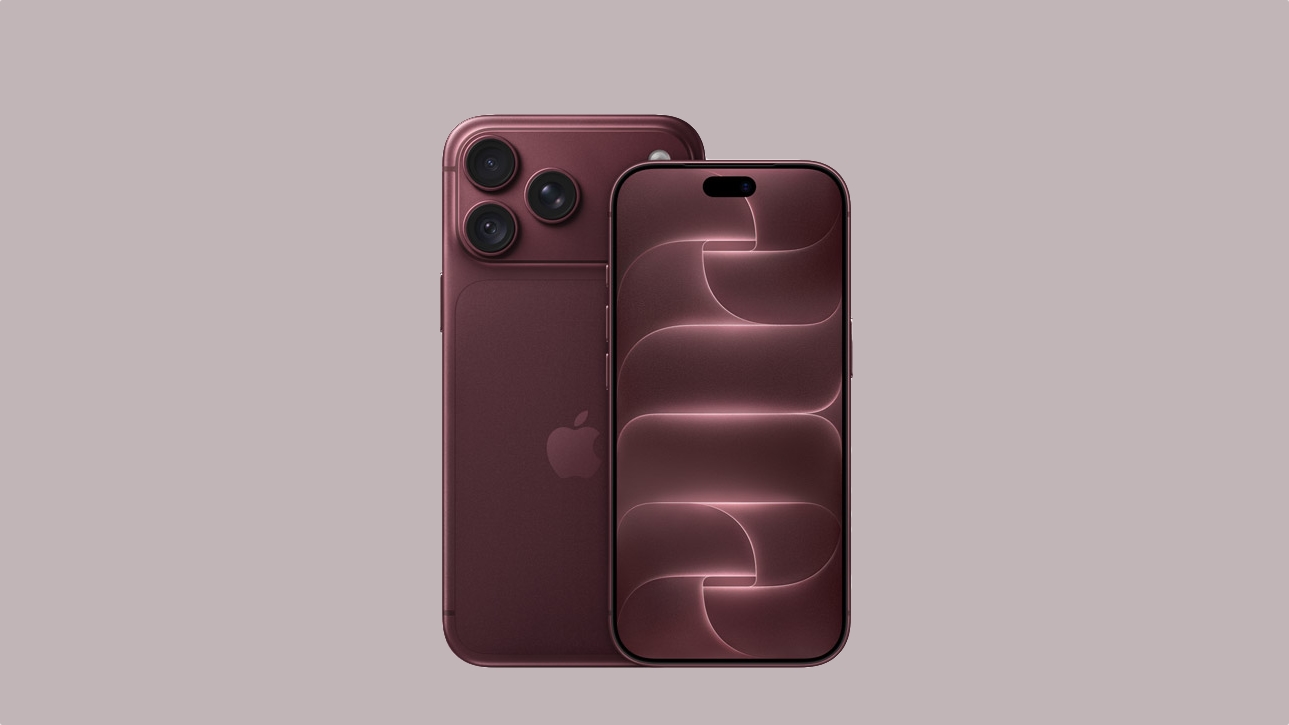
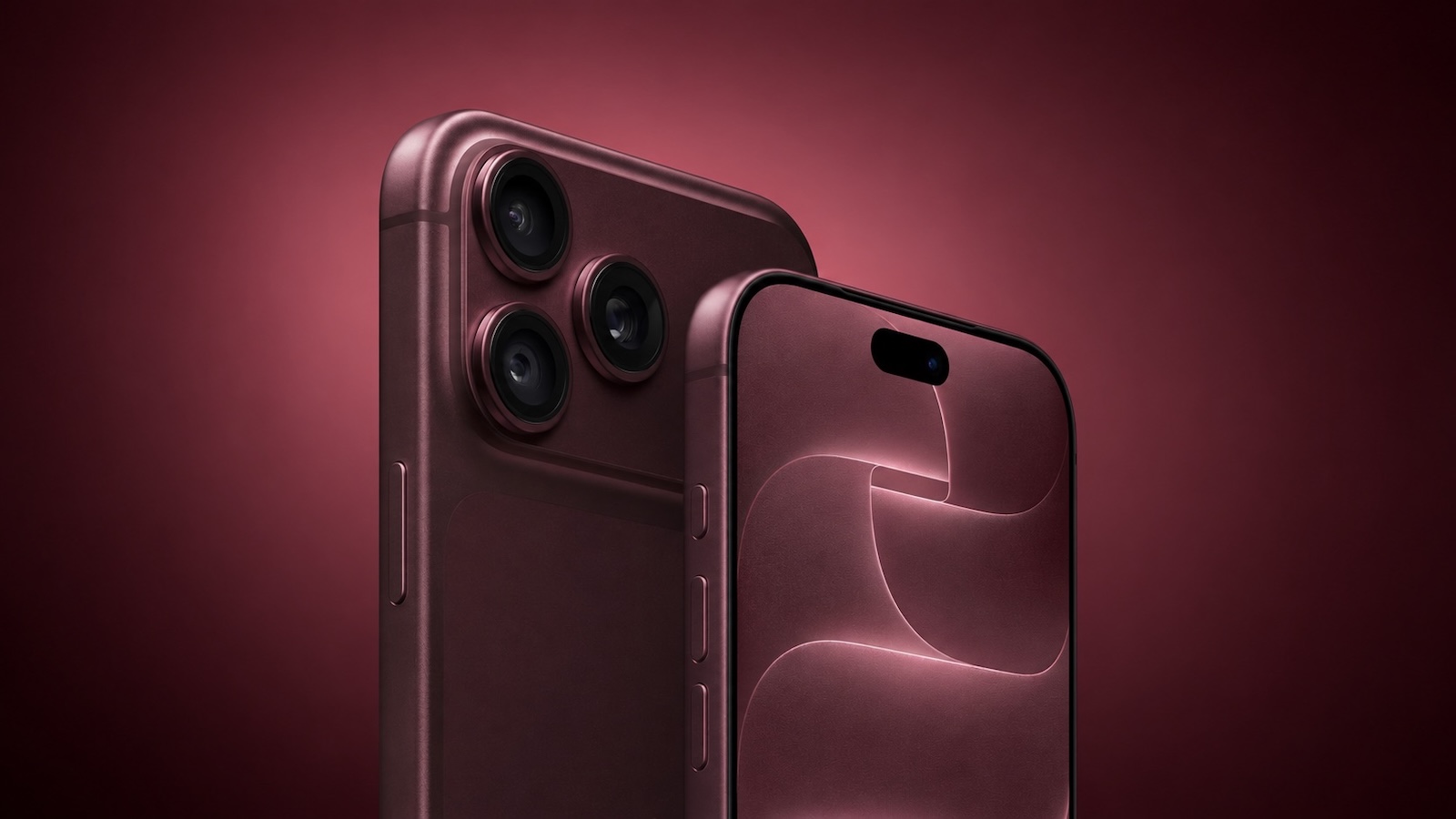
The ‌iPhone 18 Pro‌ and ‌iPhone 18 Pro‌ Max are Apple's latest flagship iPhones, featuring a new variable aperture Main camera, a faster A20 Pro chip, improved vapor chamber cooling, upgraded 5G modems, longer battery life, faster charging, and a smaller Dynamic Island. The new iPhones come in silver, black, glacier, and burgundy.

Pricing on the ‌iPhone 18 Pro‌ begins at $1,199 for the 256GB model, and the ‌iPhone 18 Pro‌ Max is priced starting at $1,299. Up to 2TB of storage is available at higher prices.

Apple is not offering the lower-cost iPhone 18 at this time, and the iPhone Duo won't launch until October 23, so there may be high demand for the ‌iPhone 18 Pro‌ models. It's always a good idea to pre-order early because popular colors and capacities often sell out.

In addition to Apple, carriers like Verizon, AT&T, and T-Mobile are accepting pre-orders, as are retailers like Best Buy and Walmart. Carriers are offering trade-in deals and discounts for customers, while Apple has the Apple Upgrade program available with monthly payment options.

Customers who pre-order an ‌iPhone 18 Pro‌ or an ‌iPhone 18 Pro‌ Max today will start receiving their iPhones on Friday, September 18.
Related Roundup: iPhone 18 Pro
Related Forum: iPhone

This article, "iPhone 18 Pro and iPhone 18 Pro Max Now Available to Pre-Order" first appeared on MacRumors.com

Discuss this article in our forums

  •  

Apple Store Down Ahead of iPhone 18 Pro Pre-Orders

Apple's online store is down ahead of iPhone 18 Pro and iPhone 18 Pro Max pre-orders, which begin at 5:00 a.m. Pacific Time on Saturday, September 12.


"We love that early energy," reads the Apple Store's message when visiting the U.S. website. "Almost ready for you. Pre-order begins at 5:00 a.m. PT. See you soon." Apple has been opening pre-orders at 5:00 a.m. Pacific Time for several years, rather than the 12:01 a.m. start time it previously used. Today the store went down especially early.

Customers in more than 65 countries and regions, including Australia, Canada, China, France, Germany, India, Japan, Mexico, the UAE, the U.K., and the U.S., will be able to pre-order both models when the store comes back online.

The iPhone 18 Pro and iPhone 18 Pro Max come in Burgundy, Glacier, Silver, and Black. Both models are available in 256GB, 512GB, 1TB, and 2TB storage capacities, bringing the 2TB option to the smaller Pro model for the first time.


In the United States, the iPhone 18 Pro starts at $1,199, while the iPhone 18 Pro Max starts at $1,299. Both models launch on Friday, September 18, when deliveries to customers and in-store availability begin.
Related Roundup: iPhone 18 Pro
Related Forum: iPhone

This article, "Apple Store Down Ahead of iPhone 18 Pro Pre-Orders" first appeared on MacRumors.com

Discuss this article in our forums

  •  

How to Pre-Order iPhone 18 Pro From Apple and Get the Model You Want on Launch Day

Update: iPhone 18 Pro pre-orders are now live on the Apple Store.


Apple unveiled the iPhone 18 Pro and iPhone 18 Pro Max on September 9 at its "Surprise and shine" event. If you're keen to be among the first to get your hands on one, here are some tips on how to give yourself the best chance. If you're looking to grab a foldable iPhone Duo, check out our separate guide.


Apple says pre-orders for the new iPhone 18 Pro models open on Saturday, September 12 at 5:00 a.m. Pacific Time ahead of a launch on Friday, September 18. We have a guide to when pre-orders go live in every time zone.

Going on previous fall iPhone launches, shipping estimates for popular iPhone Pro configurations tend to slip by several weeks within hours of Apple's pre-orders opening, which tends to happen the week of the announcement. Ordering quickly therefore can make the difference between a launch-day delivery and an extended wait. These tips should help give you the best chance of grabbing one.

  • Get Ready for your iPhone 18 Pro pre-order: Before pre-orders go live, you have a short time window to set up a "Get Ready" feature in the Apple Store app or on Apple's online store. This allows you to prepare your purchase by selecting your preferred model, confirming carrier status, adding accessories, choosing an AppleCare+ plan, and setting up payment methods. Afterwards, when pre-orders begin, you'll be able to complete your purchase with just a tap. Apple says it is giving customers until 9 p.m. Pacific Time today to get their pre-order ready ahead of the morning rush. This deadline has now passed, but the option still appears to be available for some customers, so act now if you want a quicker checkout on Saturday.


  • Check your Apple Account details now: Do the necessary checks that confirm your payment method hasn't expired, your billing address matches your card, and your shipping address is the place you actually want your iPhone sent to.


  • Get your trade-in quote in advance: Getting a trade-in valuation on your current iPhone adds more screens to the checkout process, so get it done before pre-orders go live. After a trade-in estimate is generated, Apple has to receive your old device within 14 days (15 days in Canada) to ensure you get the estimated value. But this countdown only comes into effect after you receive your iPhone 18 Pro – not before.


  • If you financed your current phone through the old iPhone Upgrade Program, check your status and your replacement financing options now: Apple discontinued the old program in the US in July 2026. Eligible existing members can move to Apple Upgrade, Apple Card Monthly Installments, carrier financing, or a one-time purchase. Note that in the UK, Apple is in the process of transitioning former Upgrade Program customers to its Flexible Finance Account.


  • Open the Apple Store app ahead of time: Ensure you have the app up-to-date, open, and with your saved configuration on screen several minutes before pre-orders go live. The store does not always become accessible to every customer at exactly the advertised second. In fact, it's more likely to open up a few minutes later than that. Also: keep Apple's online store open in a browser on another device. Going on previous pre-orders, which of the two comes back first can vary by launch.


  • Don't change your configuration selection at checkout: Every change you make to your basket likely re-queries Apple's inventory. If your saved specification is available, take it all the way to payment. This includes which color you prefer – the more last-minute changes you make, the greater the risk becomes that availability will change before you check out.


  • Choose in-store pickup if it's offered: There's every reason to believe that Apple's pickup inventory will be allocated separately from its delivery stock, so a store slot can still be available after delivery estimates have slipped. Opting for in-store pickup also removes any potential ambiguity surrounding your estimated delivery window.


  • Launch day walk-in stock is a genuine alternative: Apple could conceivably hold back some inventory for in-store purchases on launch morning. Brick-and-mortar stocks are also allocated per store rather than nationally. Apple's pickup availability checker updates through the morning and is likely to be more efficient and reliable than calling the store. That being said, don't assume you'll be able to walk into a store and pick up an iPhone 18 Pro.

For all the details about the new iPhone 18 Pro models, be sure to check out our dedicated roundup.
Related Roundup: iPhone 18 Pro
Related Forum: iPhone

This article, "How to Pre-Order iPhone 18 Pro From Apple and Get the Model You Want on Launch Day" first appeared on MacRumors.com

Discuss this article in our forums

  •  

How to Pre-Order iPhone 18 Pro From Apple and Get the Model You Want on Launch Day

Apple unveiled the iPhone 18 Pro and iPhone 18 Pro Max on September 9 at its "Surprise and shine" event. If you're keen to be among the first to get your hands on one, here are some tips on how to give yourself the best chance. If you're looking to grab a foldable iPhone Duo, check out our separate guide.


Apple says pre-orders for the new iPhone 18 Pro models open on Saturday, September 12 at 5:00 a.m. Pacific Time ahead of a launch on Friday, September 18. We have a guide to when pre-orders go live in every time zone.

Going on previous fall iPhone launches, shipping estimates for popular iPhone Pro configurations tend to slip by several weeks within hours of Apple's pre-orders opening, which tends to happen the week of the announcement. Ordering quickly therefore can make the difference between a launch-day delivery and an extended wait. These tips should help give you the best chance of grabbing one.

  • Get Ready for your iPhone 18 Pro pre-order: Before pre-orders go live, you have a short time window to set up a "Get Ready" feature in the Apple Store app or on Apple's online store. This allows you to prepare your purchase by selecting your preferred model, confirming carrier status, adding accessories, choosing an AppleCare+ plan, and setting up payment methods. Afterwards, when pre-orders begin, you'll be able to complete your purchase with just a tap. Apple says it is giving customers until 9 p.m. Pacific Time today to get their pre-order ready ahead of the morning rush. This deadline has now passed, but the option still appears to be available for some customers, so act now if you want a quicker checkout on Saturday.


  • Check your Apple Account details now: Do the necessary checks that confirm your payment method hasn't expired, your billing address matches your card, and your shipping address is the place you actually want your iPhone sent to.


  • Get your trade-in quote in advance: Getting a trade-in valuation on your current iPhone adds more screens to the checkout process, so get it done before pre-orders go live. After a trade-in estimate is generated, Apple has to receive your old device within 14 days (15 days in Canada) to ensure you get the estimated value. But this countdown only comes into effect after you receive your iPhone 18 Pro – not before.


  • If you financed your current phone through the old iPhone Upgrade Program, check your status and your replacement financing options now: Apple discontinued the old program in the US in July 2026. Eligible existing members can move to Apple Upgrade, Apple Card Monthly Installments, carrier financing, or a one-time purchase. Note that in the UK, Apple is in the process of transitioning former Upgrade Program customers to its Flexible Finance Account.


  • Open the Apple Store app ahead of time: Ensure you have the app up-to-date, open, and with your saved configuration on screen several minutes before pre-orders go live. The store does not always become accessible to every customer at exactly the advertised second. In fact, it's more likely to open up a few minutes later than that. Also: keep Apple's online store open in a browser on another device. Going on previous pre-orders, which of the two comes back first can vary by launch.


  • Don't change your configuration selection at checkout: Every change you make to your basket likely re-queries Apple's inventory. If your saved specification is available, take it all the way to payment. This includes which color you prefer – the more last-minute changes you make, the greater the risk becomes that availability will change before you check out.


  • Choose in-store pickup if it's offered: There's every reason to believe that Apple's pickup inventory will be allocated separately from its delivery stock, so a store slot can still be available after delivery estimates have slipped. Opting for in-store pickup also removes any potential ambiguity surrounding your estimated delivery window.


  • Launch day walk-in stock is a genuine alternative: Apple could conceivably hold back some inventory for in-store purchases on launch morning. Brick-and-mortar stocks are also allocated per store rather than nationally. Apple's pickup availability checker updates through the morning and is likely to be more efficient and reliable than calling the store. That being said, don't assume you'll be able to walk into a store and pick up an iPhone 18 Pro.

For all the details about the new iPhone 18 Pro models, be sure to check out our dedicated roundup.
Related Roundup: iPhone 18 Pro
Related Forum: iPhone

This article, "How to Pre-Order iPhone 18 Pro From Apple and Get the Model You Want on Launch Day" first appeared on MacRumors.com

Discuss this article in our forums

  •  

Here's When iPhone 18 Pro Pre-Orders Begin in Every Time Zone

Pre-orders for the iPhone 18 Pro and ‌iPhone 18 Pro‌ Max are set to begin on Saturday, September 12, at 5:00 a.m. Pacific Time, with the new devices set to become available for pre-order in numerous countries around the world simultaneously.


We've compiled pre-order times for various countries to help MacRumors readers be among the first to order. This list isn't exhaustive, so please verify the exact time for your specific location.

  • Australia West - 8:00 p.m. AWST

  • Australia East - 10:00 p.m. AEST

  • Austria - 2:00 p.m. CEST

  • Belgium - 2:00 p.m. CEST

  • Canada West - 5:00 a.m. PDT

  • Canada East - 8:00 a.m. EDT

  • China - 8:00 p.m. CST

  • Denmark - 2:00 p.m. CEST

  • Finland - 3:00 p.m. EEST

  • France - 2:00 p.m. CEST

  • Germany - 2:00 p.m. CEST

  • Guernsey - 1:00 p.m. BST

  • Hong Kong - 8:00 p.m. HKT

  • Ireland - 1:00 p.m. IST

  • Isle of Man - 1:00 p.m. BST

  • Italy - 2:00 p.m. CEST

  • Japan - 9:00 p.m. JST

  • Jersey - 1:00 p.m. BST

  • Luxembourg - 2:00 p.m. CEST

  • Netherlands - 2:00 p.m. CEST


  • New Zealand - midnight NZST next day

  • Norway - 2:00 p.m. CEST

  • Portugal - 1:00 p.m. WEST

  • Puerto Rico - 8:00 a.m. AST

  • Saudi Arabia - 3:00 p.m. AST

  • Singapore - 8:00 p.m. SGT

  • South Korea – 9:00 p.m. KST

  • Spain - 2:00 p.m. CEST

  • Sweden - 2:00 p.m. CEST

  • Switzerland - 2:00 p.m. CEST

  • Taiwan - 8:00 p.m. CST

  • UAE - 4:00 p.m GST

  • United Kingdom - 1:00 p.m. BST

  • United States West - 5:00 a.m. PDT

  • United States Mountain - 6:00 a.m. MDT

  • United States Central - 7:00 a.m. CDT

  • United States East - 8:00 a.m. EDT

  • US Virgin Islands - 8:00 a.m. AST
Customers can prepare for the iPhone 18 Pro launch using the "Get Ready" pre-order setup until 9:00 p.m. Pacific Time on Friday night. This process allows you to select your iPhone model, confirm your carrier, and enter payment and shipping details in advance.

For those wanting a device on launch day, immediate pre-ordering is recommended. Supply availability is uncertain, and popular models or colors may sell out within minutes or hours.

The iPhone 18 Pro starts at $1,199, while the iPhone 18 Pro Max begins at $1,299. U.S. carriers are offering various discounts, while Apple offers the new Apple Upgrade program and trade-in options to reduce costs.

Pre-orders open on September 12. The first iPhone 18 Pro and iPhone 18 Pro Max orders will be delivered to customers on Friday, September 18.
Related Roundup: iPhone 18 Pro
Related Forum: iPhone

This article, "Here's When iPhone 18 Pro Pre-Orders Begin in Every Time Zone" first appeared on MacRumors.com

Discuss this article in our forums

  •  

Two iOS 27 Features Won't Be Ready for Monday's Launch

Two iOS 27 features need a little more time in testing and won't be shipping until a future update, even though they were present during the beta period.


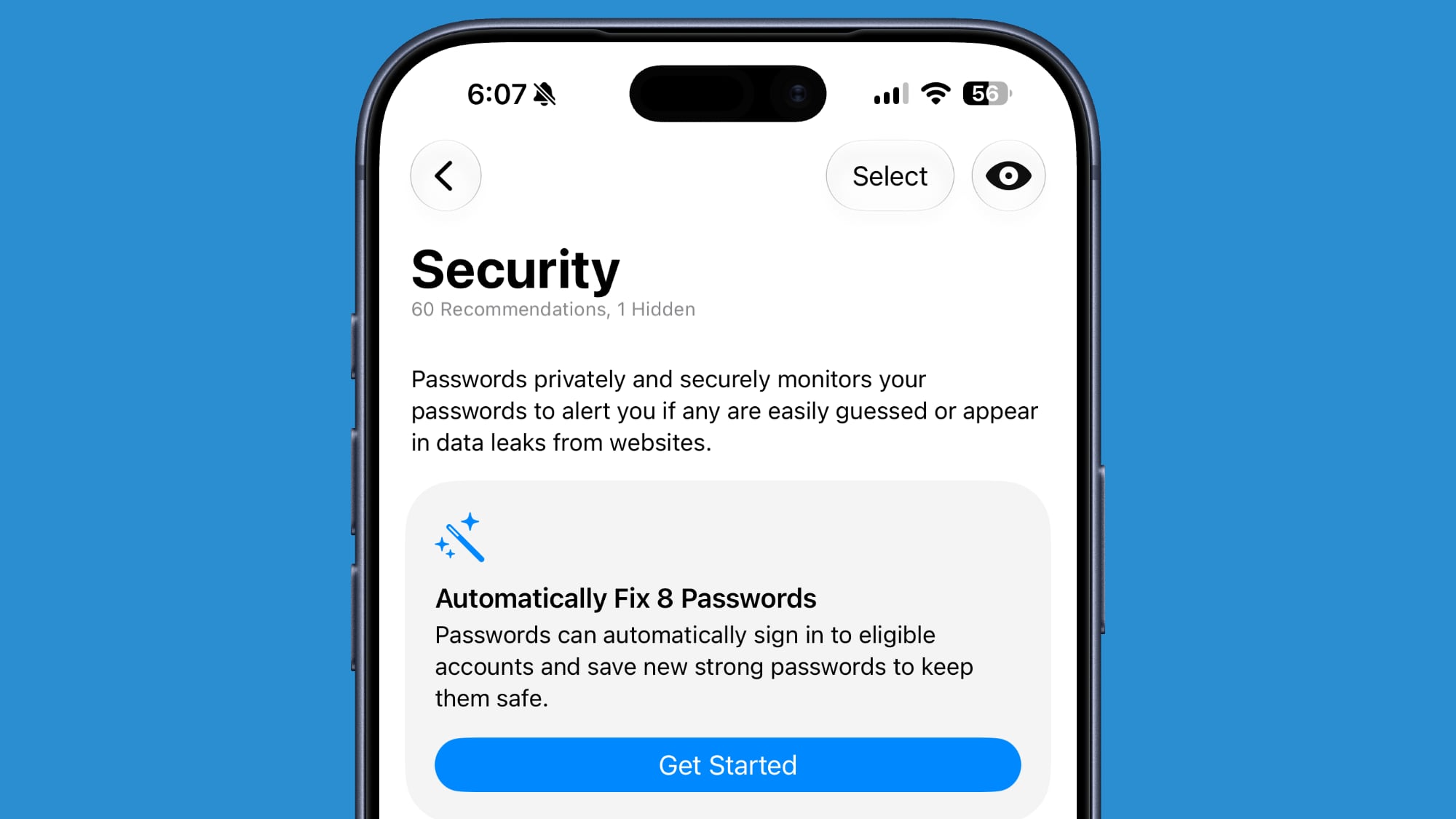
Suggestions in Messages conversations and the option to automatically fix compromised passwords with a tap will not be in the initial version of ‌iOS 27‌, and will instead launch in a later version of ‌iOS 27‌.

Apple noted the delays on its iOS 27 page, as well as its iPadOS 27 and macOS Golden Gate pages as these are cross-platform features.

For the password update feature, the Passwords app uses Apple Intelligence and Safari to fix compromised passwords in the background without the user needing to do so manually

In the Messages app, ‌Apple Intelligence‌ surfaces one-tap suggestions based on what's being discussed in a conversation. If someone you're talking to asks you to send a photo or complete a task, Messages recognizes the request and suggests action on the information with the relevant apps.

We already know that an iOS 27.1 update will be coming before October 23 because the iPhone Duo comes out on that date and ships with it pre-installed. We could potentially get the new features as soon as iOS 27.1.

‌iOS 27‌ and ‌iPadOS 27‌ will launch to the public on Monday, September 14.
Related Roundups: iOS 27, iPadOS 27
Related Forum: iOS 27

This article, "Two iOS 27 Features Won't Be Ready for Monday's Launch" first appeared on MacRumors.com

Discuss this article in our forums

  •  

Apple Watch Series 11 vs. Series 12 Buyer's Guide: 25+ Upgrades Compared

The Apple Watch Series 12 is now available for pre-order, and unlike last year's model, it brings a substantial list of changes over its predecessor. Here's everything that's new.


Last year, the Series 11 introduced just four changes over the Series 10, making it perhaps the smallest generational upgrade in the device's history. The Series 12 is a far more meaningful refresh, even though it essentially retains the same design for a third consecutive year.

It launches on Friday, September 18, at the same $399 starting price as the Series 11, which Apple has now discontinued. This guide lists all of the differences between the Series 11 and Series 12 models to help you understand the changes:


Apple Watch Series 11 Apple Watch Series 12
S10 chip (2024) S11 chip (2026)
2GB RAM 4GB RAM
Electrical heart sensor "Health Sensing System" with second-generation electrical heart sensor
Third-generation optical heart sensor Fourth-generation, always-on optical heart sensor
Heart rate tracking High-frequency background heart rate tracking (every five seconds)
HRV Recovery HRV and overall HRV (measured up to 24x more often)
Vitals app with heart rate, respiratory rate, wrist temperature, and sleep duration Vitals app with heart rate, respiratory rate, wrist temperature, sleep duration, and HRV, plus daytime vitals view
Readiness app
More accurate step tracking
Steps complication
Audio Intelligence (Live Rewind, Siri Recap, Sound Recognition, and Shazam)
Ion-X glass with 2x scratch resistance (aluminum models) Ceramic Shield 2, 60% tougher than Ion-X (aluminum models)
Metal and sapphire crystal back Aluminum or titanium and zirconia back
Aluminum or titanium case Aluminum, titanium, or ceramic case
Aluminum: Jet Black, Rose Gold, Silver, and Space Gray Aluminum: Dark Bronze, Light Gold, Black, and Space Gray
Titanium: Slate, Gold, and Natural Titanium: Radiant Gold and Natural
Ceramic: Pearl White and Night Blue
Hermès: Silver titanium Hermès: Silver and Radiant Gold titanium
15 minutes of charging for up to 8 hours of normal use 15 minutes of charging for up to 12 hours of normal use
5 minutes of charging for up to 8 hours of sleep tracking 5 minutes of charging for up to 10 hours of sleep tracking
Now discontinued From $399


The new ceramic case marks the first ceramic Apple Watch since the Series 5 Edition in 2019, but it is slightly larger than the other models and weighs up to 52.9 grams in its 46mm Night Blue configuration. Even the aluminum and titanium models are now 1mm wider and around 2 grams heavier than their predecessors.

At the same time, the display appears to have shrunk slightly, even though its resolution is unchanged. Apple lists the 46mm Series 12 with 1,196 sq mm of display area, 2% less than the 1,220 sq mm of the Series 11, while the 42mm model drops 1.9% from 989 sq mm to 970 sq mm.

A marginally smaller screen in a wider case means thicker borders, and Apple also appears to have pulled the case back slightly around a larger front glass, which could make them look even more prominent. The Series 10 went through a similar change in 2024, when its visible aluminum edge shrank compared to the Series 9 but its overall bezel, including the black border under the glass, actually grew. The shift is less dramatic this time around, since the Series 12 keeps the same basic case design. Here's how the two generations compare in size, weight, and display area:


46mm Apple Watch Series 11 Apple Watch Series 12
Dimensions 46mm x 39mm x 9.7mm 46mm x 40mm x 9.7mm
Display area 1,220 sq mm 1,196 sq mm
Aluminum (GPS) 37.8 grams 39.5 grams
Aluminum (Cellular) 36.9 grams 38.6 grams
Titanium 43.1 grams 44.9 grams


42mm Apple Watch Series 11 Apple Watch Series 12
Dimensions 42mm x 36mm x 9.7mm 42mm x 37mm x 9.7mm
Display area 989 sq mm 970 sq mm
Aluminum (GPS) 30.3 grams 32.2 grams
Aluminum (Cellular) 29.7 grams 31.5 grams
Titanium 34.6 grams 36.5 grams


The new ceramic models, which have no Series 11 equivalent, are larger and considerably heavier still:


Ceramic 46mm 42mm
Dimensions 47mm x 41mm x 9.85mm 43mm x 37mm x 9.85mm
Pearl White 51.3 grams 41.7 grams
Night Blue 52.9 grams 42.8 grams


The most significant upgrade between the two devices is the new Health Sensing System. It uses a larger electrode surface for better skin contact during ECG readings, redesigned photodiodes laid out in a ring for more efficient light capture, and bigger, more power-efficient green LEDs. The result is that the Series 12 measures heart rate every five seconds throughout the day, 60 times more frequently than before, and samples HRV up to 24 times more often. Apple claims this gives the Series 12 the most accurate heart rate sensing of any wearable.

That higher-frequency data powers several new health features that are exclusive to the Series 12. The Readiness app weighs up your recent activity, training load, vitals, and sleep score to produce a single daily score out of 10, alongside a recommendation ranging from "Recover" to "Go For It." There is also a separate Recovery HRV metric, a daytime view in the Vitals app, and new watch face complications for real-time heart rate and step count. Apple has also rebuilt its pedometer model and says the Series 12 now offers the most accurate step tracking of any smartwatch.

The Series 12 is the first model in two years to get a new chip, with the S11 replacing the S10 that powered both the Series 10 and Series 11, which itself was almost identical to the S9 chip from 2023. The new model also has twice as much RAM, with 4GB compared to 2GB in the Series 11.

The S11 chip enables Audio Intelligence, a new set of features exclusive to the Series 12 and Ultra 4. Live Rewind displays a transcript of the last 15 seconds of conversation with a double press of the Digital Crown, ‌Siri‌ Recap generates summaries of conversations, Sound Recognition alerts deaf or hard of hearing users to sounds like sirens and doorbells, and Shazam can automatically identify music playing nearby. According to Apple, audio is processed in a hardware-isolated Secure Exclave on the S11 chip and is never recorded.

Everyday battery life is unchanged at up to 24 hours, or up to 38 hours in Low Power Mode. The improvements instead focus on workouts and charging. The Series 12 offers up to 10 hours of battery life during an outdoor workout, which Apple says is 25% more than the Series 11, and 15 minutes of charging now delivers up to 12 hours of use rather than eight.

All other aspects, such as display resolution and brightness, 64GB of storage, 5G connectivity, and water and dust resistance all carry over from the Series 11 unchanged.

Is It Worth Upgrading?


For new buyers, the Series 12 is the obvious choice. It costs the same $399 that the Series 11 did at launch, while adding a more capable health sensing system, double the RAM, and a considerable list of exclusive features. With a new chip and more memory, it is also likely to be better placed for future Apple Intelligence features. The Series 11 is the better value option only when it can be found heavily discounted, which is likely as third-party retailers clear their remaining stock.

Last year, we concluded that virtually no users should upgrade from a Series 10 to a Series 11. This year, the picture is more nuanced. For most Series 11 owners, there is still no general-purpose reason to upgrade, since many key features are unchanged and ‌Siri‌ AI is coming to the Series 11 anyway. However, the Series 12 is worth considering if you rely on your Apple Watch for training and recovery insights, since continuous heart rate tracking, Recovery HRV, and Readiness are all exclusive to the new model. Deaf and hard of hearing users may find Sound Recognition a compelling reason to upgrade on its own, and some users will simply want the new ceramic finish.

Series 11 owners who are happy to wait may prefer to hold out for next year's "Series 13," which is rumored to bring the first major redesign since the Series 10, including a new band attachment system.

By contrast, upgrading is much easier to justify if you have a Series 9 or older. Series 10 owners would gain a new, thinner design with a wider screen, a tougher display on aluminum models, and a longer battery life in addition to all of this year's changes.
Related Roundup: Apple Watch 12
Buyer's Guide: Apple Watch (Buy Now)
Related Forum: Apple Watch

This article, "Apple Watch Series 11 vs. Series 12 Buyer's Guide: 25+ Upgrades Compared" first appeared on MacRumors.com

Discuss this article in our forums

  •  

iPhone 18 Pro Pre-Orders: Deadline to 'Get Ready' Early is Tonight

iPhone 18 Pro and iPhone 18 Pro Max pre-orders begin this Saturday, September 12 at 5 a.m. Pacific Time.

Apple allows you to prepare for your pre-order early. Simply look for the "Get Ready" button on the Shop iPhone page or in the Apple Store app and proceed to select your iPhone 18 Pro model and any accessories, get pre-approved for financing or leasing if necessary, and so forth.

Apple is giving customers until 9 p.m. Pacific Time today to get their pre-order ready ahead of the morning rush, so act fast if you want a quicker checkout tomorrow.
Related Roundup: iPhone 18 Pro
Related Forum: iPhone

This article, "iPhone 18 Pro Pre-Orders: Deadline to 'Get Ready' Early is Tonight" first appeared on MacRumors.com

Discuss this article in our forums

  •  

iPhone 18 Pro First Look: Same Design, Big Changes Inside

After Wednesday's event, Apple let members of the media take a look at the new iPhone 18 Pro models, so we're able to share some early first impressions with you before pre-orders start tomorrow.


The ‌iPhone 18 Pro‌ and Pro Max look almost identical to the iPhone 17 Pro models, but there are some subtle changes that make the new devices stand out. There's less of a color difference between the aluminum frame and the glass back, so while the 17 Pro models had a two-tone look, the ‌iPhone 18 Pro‌ models are more uniform.

Apple is selling the ‌iPhone 18 Pro‌ and Pro Max in four colors, including silver, black, burgundy, and glacier, which is a light blue. Burgundy especially looks good in person, and people who missed black last year will be glad to see it back. There's no change to size or shape, so they're still available with 6.3-inch and 6.9-inch displays. Both are a little heavier, and the ‌iPhone 18 Pro‌ Max weighs 16 grams more than the 17 Pro Max.

Display quality is the same, but Apple slimmed down the Dynamic Island, so it takes up less space, plus it can show up to three Live Activities at once.

Inside, there's a new 2nm A20 Pro chip. If you're upgrading to the ‌iPhone 18 Pro‌ from an ‌iPhone 17 Pro‌, you're probably not going to notice a day-to-day difference between the A19 Pro and the A20 Pro, but the ‌iPhone 18 Pro‌ models might run cooler. There's a new vapor chamber cooling system that takes up three times more area, and Apple says it supports up to 40 percent faster sustained performance. There's a new dual Neural Engine, but RAM hasn't increased and it's still at 12GB.

Battery life is better in both Pro models. The ‌iPhone 18 Pro‌ lasts for up to 36 hours when watching video, and the ‌iPhone 18 Pro‌ Max lasts for up to 45 hours. Charging over USB-C is faster, and you can get a 50 percent charge in 15 minutes with a 60W power adapter. MagSafe and Qi2 wireless charging are still supported but max out at 25W.

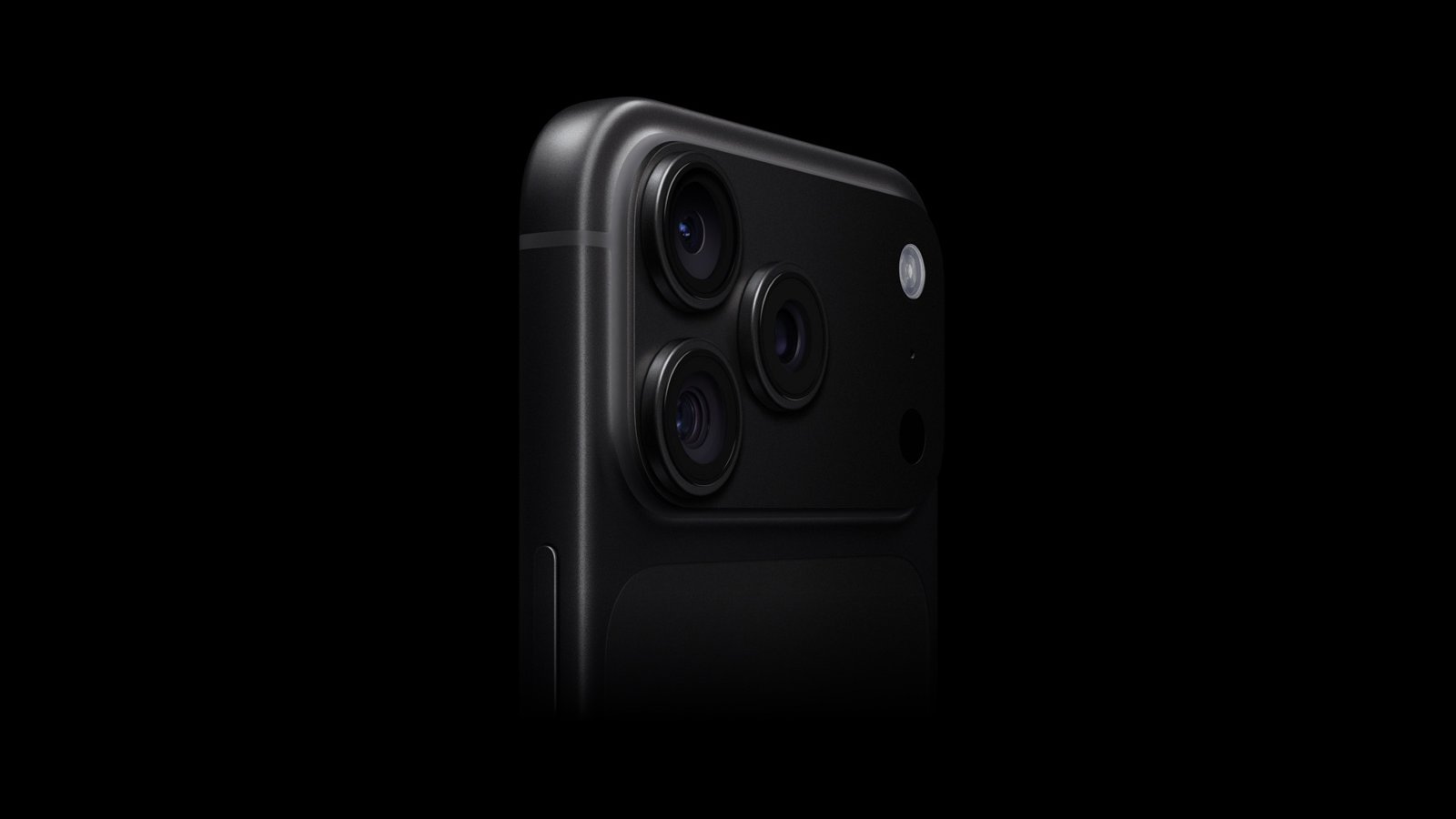
There's a three-lens camera system with an upgraded Main camera. The 48MP Main camera has a variable aperture that has four stops: ƒ/1.48, ƒ/1.8, ƒ/2.8, ƒ/4.0. Aperture will adjust automatically when you're taking photos, but there's a new Pro Controls option if you want to make manual changes. You can adjust aperture, shutter speed, and white balance, plus there's a histogram for making tweaks. With the variable aperture and the Pro Controls, you can adjust the amount of light and the background blur of images.

Photographic Styles now have texture and grain controls, and when you're filming, smart focus tracking can lock on to a subject even if it leaves the frame so you never lose focus. Cinematic effects can be added to video after capture for the first time, and Audio Mix works with music. There's also support for 4K Dolby Vision time-lapse videos.

All 6.3-inch ‌iPhone 18 Pro‌ models have the C2 modem, while ‌iPhone 18 Pro‌ Max models in the U.S. have a Qualcomm modem. ‌iPhone 18 Pro‌ Max models outside the U.S. also have the C2, and it's not clear why Apple opted for that modem split. The C2 is faster and more energy-efficient than the prior C1X, and it now supports mmWave 5G speeds in addition to sub–6GHz.

As expected, Apple raised its iPhone prices. The ‌iPhone 18 Pro‌ starts at $1,199 in the U.S., and the ‌iPhone 18 Pro‌ Max starts at $1,299, so there's a $100 increase for both base models. Starting storage remains at 256GB, but you can upgrade up to 2TB.

Pre-orders for the ‌iPhone 18 Pro‌ and ‌iPhone 18 Pro‌ Max start at 5:00 a.m. Pacific Time on Saturday, September 12. The new iPhones will launch on September 18.
Related Roundup: iPhone 18 Pro
Related Forum: iPhone

This article, "iPhone 18 Pro First Look: Same Design, Big Changes Inside" first appeared on MacRumors.com

Discuss this article in our forums

  •  

Apple Still Has 8 More Products to Announce Later This Year

Apple's annual iPhone event is now in the rearview mirror, but it still has many more products to announce later this year, according to rumors.


Apple is expected to unveil the following eight products this year, although the MacBook Pro with an OLED display might not arrive until early 2027.

With this many products still coming, Apple will likely hold an October event this year.

iPad

Mac


Home


  • Apple TV: At least five new features, including an A17 Pro chip or newer, an increased 8GB of RAM for Apple Intelligence, Siri AI support, an Apple-designed N1 chip with Wi-Fi 7 support, and an updated Siri Remote. The new Apple TV will apparently look similar to the existing model, so do not expect any major design changes.

  • HomePod mini: Newer chip with Siri AI support, improved sound quality, Apple's N1 chip with Wi-Fi 7 support, a second-generation Ultra Wideband chip, and potentially new color options like red. The new HomePod mini will apparently look similar to the existing model, so do not expect any major design changes.

  • Home Hub: An all-new smart home hub featuring Siri AI, a 6-inch to 7-inch square display, an A18 chip or newer for Apple Intelligence, FaceTime, and more. A new operating system will feature clock faces, widgets, and more. There will a tabletop version with a speaker base and a wall-mounted version.

Headphones

  • Beats 360: New over-ear Beats 360 headphones with an AirPods Max-like design, interchangeable ear cushions and headbands, up to 1.75× more noise cancellation than the Beats Studio Pro, IPX4-rated water resistance, and more. It is likely that Apple will announce the Beats 360 before the end of September.

This article, "Apple Still Has 8 More Products to Announce Later This Year" first appeared on MacRumors.com

Discuss this article in our forums

  •  

The Need for Speed Controls – These Weeks in Firefox: Issue 208

Highlights

Playback speed settings panel in a Picture-in-Picture window.

Friends of the Firefox team

Resolved bugs (excluding employees)

Script to find new contributors from bug list

Volunteers that fixed more than one bug

  • Benoit
  • Chris Vander Linden
  • Fede
  • japandi
  • Lukáš Lipinský
  • Nirmal Advani
  • Ruhollah Majdoddin
  • Sameem [:sameembaba]
  • Sebastian Zartner [:sebo]
  • Zyphrenn

New contributors (🌟 = first patch)

Project Updates

Add-ons / Web Extensions

Addon Manager & about:addons
  • As part of Nova about:addons work:
    • Replaced the “more themes” button in the themes list view footer with a promo element when Nova is enabled – Bug 2057200
    • Removed the testing XPI base url pref from ThemesList.sys.mjs – Bug 2053220
    • Fixed a mismatch between the popup panel border radius applied by Nova and the border radius applied to the document.body of the WebExtensions popup page loaded into it – Bug 2057844
    • Moved new strings added as part of the about:addons Nova restyling out of the locales preview – Bug 2052034
  • As part of legacy telemetry cleanups for the Add-ons related telemetry, migrated addons-search-detection telemetry off the legacy telemetry mirroring path, now collected only through Glean – Bug 2055606
WebExtensions Framework

DevTools

::picker rules for a pseudo element within the DevTools Inspector pane.

A tooltip showing a breakdown of a CSS var function

WebDriver

New Tab Page

  • Big ticket items:
    • Did a trainhop last week to help with the remote layouts effort
    • Doing another trainhop this week to make some spacing optimizations, deploying tomorrow if all goes well
    • We will be experimenting with some more layout variations over the next few months
      • Example:

A layout variation for the New Tab page with the Widgets column on the left and Popular Today column on the right.

Picture-in-Picture

Search and Urlbar

  • Nova: continued work on the Nova redesign, focusing on CSS fixes, tab group and container styling, and tab/address bar polish. Efforts are underway to ensure the UI integrates correctly with platform themes and high-contrast modes.
  • IPC Urlbar / Multi-Context Address Bar (MCAB) on New Tab: Significant progress has been made on the IPC Urlbar implementation. The CI variant is now live and upgraded to Tier 2, allowing for better bug detection. Currently focused on making content modules content-process-safe and preparing for new tab search bar integration. Here’s moz-urlbar rendering something on about:newtab for the first time:

The Firefox New Tab page with an unstyled in-page search bar in the center, showing Google search suggestions for "what's a scotch bonnet"

  •  

Announcing new builds for 11 September 2026

Hello Windows Insiders, Today, we’re releasing new Windows 11 Insider Preview builds to the Beta, Experimental, and Release Preview channels. New builds this week Select your channel below to view its release notes: For those on other specific Windows build versions, here are today’s new builds and release notes: We also have the Windows 11, version 26H1 Release Preview going out today:

Notable new features:

[Context menu]

Release channel: Experimental Building on the work we've been doing to improve the context menu experience:
  • We've added a new teaching tip you might see as a first-time experience to help you learn about the customization options.
  • In theme with giving you more control, you can also now turn off the customize context menu entry in the new context menu settings.
  • We've fixed a few small issues with the Send To option in the context menu not working as expected.

[File Explorer search]

Release channel: Experimental
  • Search from This PC in File Explorer is now indexer-based, making it much faster and consistent with search from File Explorer Home.
Thanks, Stephen and the Windows Insider Program team
  •  

iPhone Duo Can Do Split View, But Not Like Your iPad

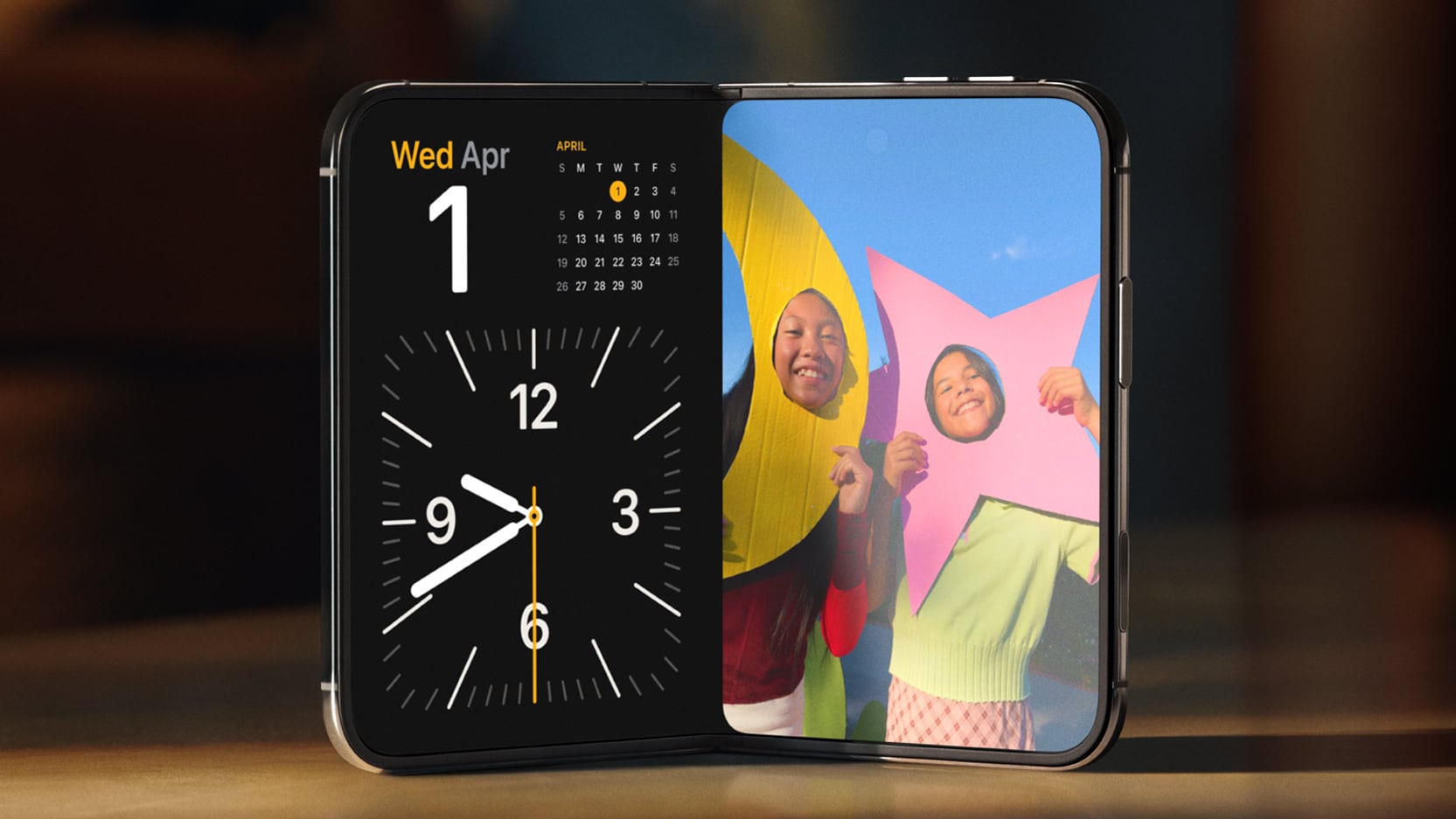
Apple's iPhone Duo is the first iPhone that can run two apps side by side, but anyone expecting the sort of freedom that Split View offers on iPad might want to temper their expectations.


Apple's iPhone Duo marketing materials talk up app pairs and side-by-side windows, but it doesn't mention anything about resizing them. There's a reason for that.

If you put two apps side by side on the iPhone Duo's 7.6-inch foldable display, you can't drag the divider between them to make one app take up more space than the other. It's a fixed 50/50 split, regardless.

That's likely to be a disappointment to anyone who's used Split View on the iPad. Indeed, iPad owners have been able to resize apps in Split View when in landscape mode ever since 2015 when iOS 9 introduced the feature.

So why does Apple not let you resize apps on the iPhone Duo? It's likely down to the device's display geometry.


Both the inner and outer displays share the same 1:1.4 aspect ratio, and each half of the inner display works out to roughly the same size and shape as the outer screen. So an even split gives each app a canvas it already has to support, with the divider sitting neatly on the fold. (The only exception to this, it seems, is when watching a TV show or movie above another app in portrait mode; based on Apple's promo videos, Apple TV content is shown in its proper aspect ratio and the lower app is allowed to rise above the fold.)

If you were able to drag the boundary around, not only would it create a bunch of in-between sizes that wouldn't fit neatly on the outer screen, it would also be a nightmare for developers to build support into their iPhone apps.

Despite the lack of resizing capability, the iPhone Duo's foldable screen still has a lot of benefits. It allows you to quickly swap between apps, open two windows of the same app, and have a conversation over Messages while looking at another app's content, in both landscape and portrait modes. You can also save pairs of apps to come back to later.

Using apps side-by-side on iPhone Duo.

So unfortunately, you can't change the app size when you use split view on the iPhone Duo. Only 1:1.

画面分割した際のアプリサイズは変えられない仕様です🥲 pic.twitter.com/1K1peXeivK

— g.O.R.i(ゴリミー管理人) (@planetofgori) September 10, 2026

Apple's first iPhone with a foldable display was always going to having a learning curve, especially for users coming from the iPad. With a starting price of $1,999, iPhone Duo pre-orders begin Friday, October 16, with availability starting Friday, October 23.
Related Roundup: iPhone Duo
Related Forum: iPhone

This article, "iPhone Duo Can Do Split View, But Not Like Your iPad" first appeared on MacRumors.com

Discuss this article in our forums

  •  

The MacRumors Show: iPhone 18 Pro and iPhone Duo Announced!

The wait is over; Apple has now announced the iPhone 18 Pro and its first foldable, the iPhone Duo. We talk through our reactions to the range of new products on this week's episode of The MacRumors Show.


The iPhone 18 Pro and iPhone 18 Pro Max gain a smaller Dynamic Island, new Glacier, Burgundy, and Black color options, and the 2nm A20 Pro chip, which delivers up to 40% faster sustained performance with help from a vapor chamber three times larger than before. The ‌iPhone 18 Pro‌ now matches the iPhone 17 Pro Max with up to 24 hours of typical use, according to Apple, while the Pro Max gets up to 30 hours in what the company calls its biggest generational battery life leap ever.

Both models have a 48-megapixel main camera with variable aperture from ƒ/1.48 to ƒ/4.0, new Pro Controls for manual aperture, shutter speed, and white balance, texture and grain controls in Photographic Styles, and Apple Reference Image, which signs photo data at capture to verify authenticity. Pricing starts at $1,199 and $1,299, $100 more than last year, while higher storage tiers rose by as much as $500, and pre-orders begin Saturday, September 12 ahead of a September 18 launch.

The Apple Watch Series 12 and Ultra 4 introduce a new "Health Sensing System" that measures heart rate every five seconds and HRV as often as every five minutes, feeding a new daily Readiness score, and Apple claims it offers the most accurate heart rate sensing of any wearable. A new S11 chip with twice the RAM powers Audio Intelligence features including Sound Recognition, Live Rewind, which transcribes the last 15 seconds of speech, and Siri Recap, which summarizes conversation.

Aluminum models now have Ceramic Shield for 60% tougher displays, titanium models come in polished Radiant Gold and Natural, and ceramic returns for the first time since the Series 5 in Pearl White and Night Blue, with cases that are slightly larger and heavier. The Apple Watch Series 12 starts at $399 for 42mm, while the 46mm model rose $20 to $449, titanium starts at $699, and ceramic starts at $899, with orders open now ahead of launch on September 18.

The AirPods 5 retain their open-ear design but gain Active Noise Cancellation as standard, with Apple claiming up to 50% more noise reduction than AirPods 4 with ANC, plus a new multiport acoustic architecture and next-generation Adaptive EQ. The $129 model offers over four hours of listening with ANC and 20 hours total with the case, while a $149 model adds stem volume control, up to five hours with ANC, and a wireless charging case. Both models are available to order now.

The iPhone Duo is a book-style foldable with a 7.6-inch inner display and a 5.4-inch outer display that share the same aspect ratio, and Apple says it is the thinnest iPhone ever when unfolded. The inner screen has a nano-texture finish to reduce glare and crease visibility, while the device features a titanium frame, an IP68 rating, Touch ID in the side button, the A20 Pro chip, Apple's new C2 modem, MagSafe, and a dual-battery design rated for up to 44 hours of video playback on the outer display.

There is no Face ID, Action button or Telephoto camera. Apple Pencil support arrives later this year, limited to the USB-C ‌Apple Pencil‌. The ‌iPhone Duo‌ comes in Star White and Night Sky and starts at $1,999 with 256GB of storage, reaching $3,199 for 2TB, with pre-orders beginning October 16 ahead of an October 23 launch, shipping with iOS 27.1.

Apple also introduced AppleCare One Family, which covers every eligible device across up to six Family Sharing members in the U.S. for $49.99 per month. Alongside the new models, Apple raised prices on the iPhone 16, iPhone 17e, iPhone 17, and iPhone Air by $100 each to $799, $699, $899, and $1,099, respectively, and discontinued the ‌iPhone 17 Pro‌ and ‌iPhone 17 Pro‌ Max. Apple also revealed that it is extending free satellite access by another year for iPhone 14, iPhone 15, and ‌iPhone 16‌ users.

The MacRumors Show has its own YouTube channel, so make sure you're subscribed to keep up with new episodes and clips.


You can also listen to ‌The MacRumors Show‌ on Apple Podcasts, Spotify, Overcast, or other podcast apps. You can also copy our RSS feed directly into your player.


If you haven't already listened to the previous episode of The MacRumors Show, catch up to hear our discussion about what we expected from the event to see what we got right and wrong.

Subscribe to ‌The MacRumors Show‌ for new episodes every week, where we discuss some of the topical news breaking here on MacRumors, often joined by interesting guests such as Michael Fisher, Kayci Lacob, Kevin Nether, John Gruber, Mark Gurman, Jon Prosser, Luke Miani, Matthew Cassinelli, Brian Tong, Quinn Nelson, Jared Nelson, Eli Hodapp, Mike Bell, Sara Dietschy, iJustine, Jon Rettinger, Andru Edwards, Arnold Kim, Ben Sullins, Marcus Kane, Christopher Lawley, Frank McShan, David Lewis, Tyler Stalman, Sam Kohl, Federico Viticci, Thomas Frank, Jonathan Morrison, Ross Young, Ian Zelbo, and Rene Ritchie.

‌The MacRumors Show‌ is on X @MacRumorsShow, so be sure to give us a follow to keep up with the podcast. You can also email us at podcast@macrumors.com or head over to The MacRumors Show forum thread. Remember to rate and review the podcast, and let us know what subjects and guests you would like to see in the future.
Related Roundups: iPhone 18 Pro, iPhone Duo
Related Forum: iPhone

This article, "The MacRumors Show: iPhone 18 Pro and iPhone Duo Announced!" first appeared on MacRumors.com

Discuss this article in our forums

  •  

iPhone Duo is Missing These 10 iPhone 18 Pro Features

While the iPhone Duo is the first foldable iPhone ever and has some unique features like Duo FaceTime and forthcoming Apple Pencil support, the device lacks some other features available on the iPhone 18 Pro and iPhone 18 Pro Max.


Below, we have listed 10 features that are missing on the iPhone Duo:

  • A dedicated Telephoto camera with up to 8× optical zoom. Instead, the iPhone Duo's main 48-megapixel Fusion camera has "optical-quality" 2× zoom.

  • Variable aperture for the main 48-megapixel Fusion camera, which provides greater control over depth of field in photos and videos.

  • A higher-resolution 18-megapixel Center Stage front camera. On the iPhone Duo, this camera is 12 megapixels.

  • Action button.

  • Face ID. Instead, the iPhone Duo has a Touch ID button.

  • LiDAR Scanner, which measures depth for augmented reality purposes.

  • Other camera features: Pro controls in the Camera app, ProRAW, ProRes RAW, spatial photos and videos, and more.


You can pre-order the iPhone 18 Pro and iPhone 18 Pro Max starting Saturday, September 12 at 5 a.m. Pacific Time, ahead of a Friday, September 18 launch. iPhone Duo pre-orders begin Friday, October 16 at 5 a.m. Pacific Time, and the device will be released on Friday, October 23.
Related Roundups: iPhone 18 Pro, iPhone Duo
Related Forum: iPhone

This article, "iPhone Duo is Missing These 10 iPhone 18 Pro Features" first appeared on MacRumors.com

Discuss this article in our forums

  •  

Amazon Offers Up to $600 Off M5 MacBook Pro, $330 Off Studio Display

Huge discounts hit Apple's M5 Pro and M5 Max MacBook Pro this week, with as much as $600 off select models on Amazon. We're also tracking ongoing deals on pre-orders for the new Mac mini and Mac Studio, plus you can pair your new computer with a Studio Display or Studio Display XDR at up to $330 off.

Note: MacRumors is an affiliate partner with some of these vendors. When you click a link and make a purchase, we may receive a small payment, which helps us keep the site running.

MacBook Pro


  • What's the deal? Take up to $600 off 2026 MacBook Pro

  • Where can I get it? Amazon

  • Where can I find the original deal? Right here


Amazon this week introduced big discounts on the M5 Pro and M5 Max MacBook Pro, with up to $600 off select models. A handful of models have better discounts when compared to the last time we tracked these deals, coming in as much as $100 off previous price points.

Mac Mini and Mac Studio Pre-Orders


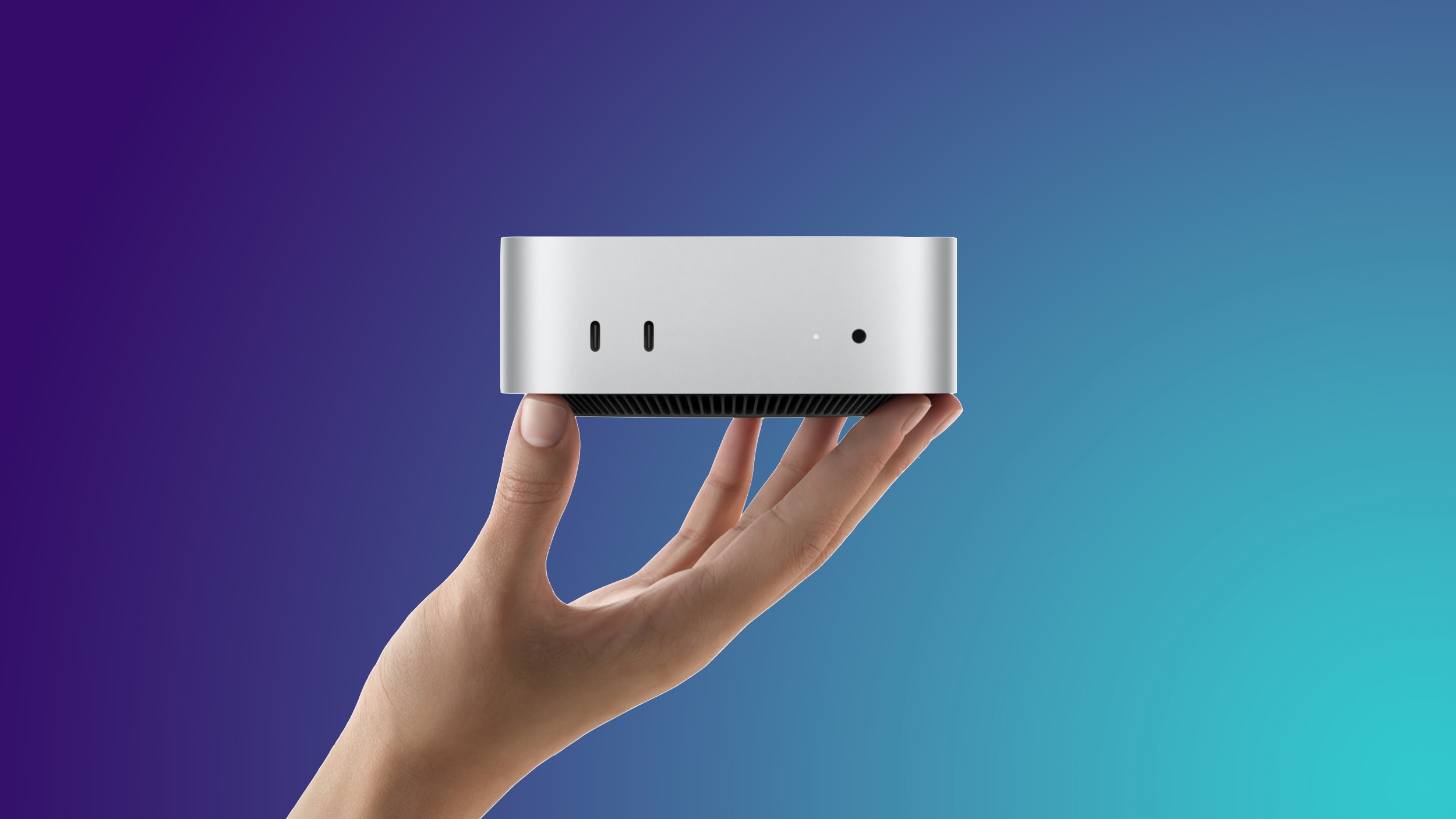
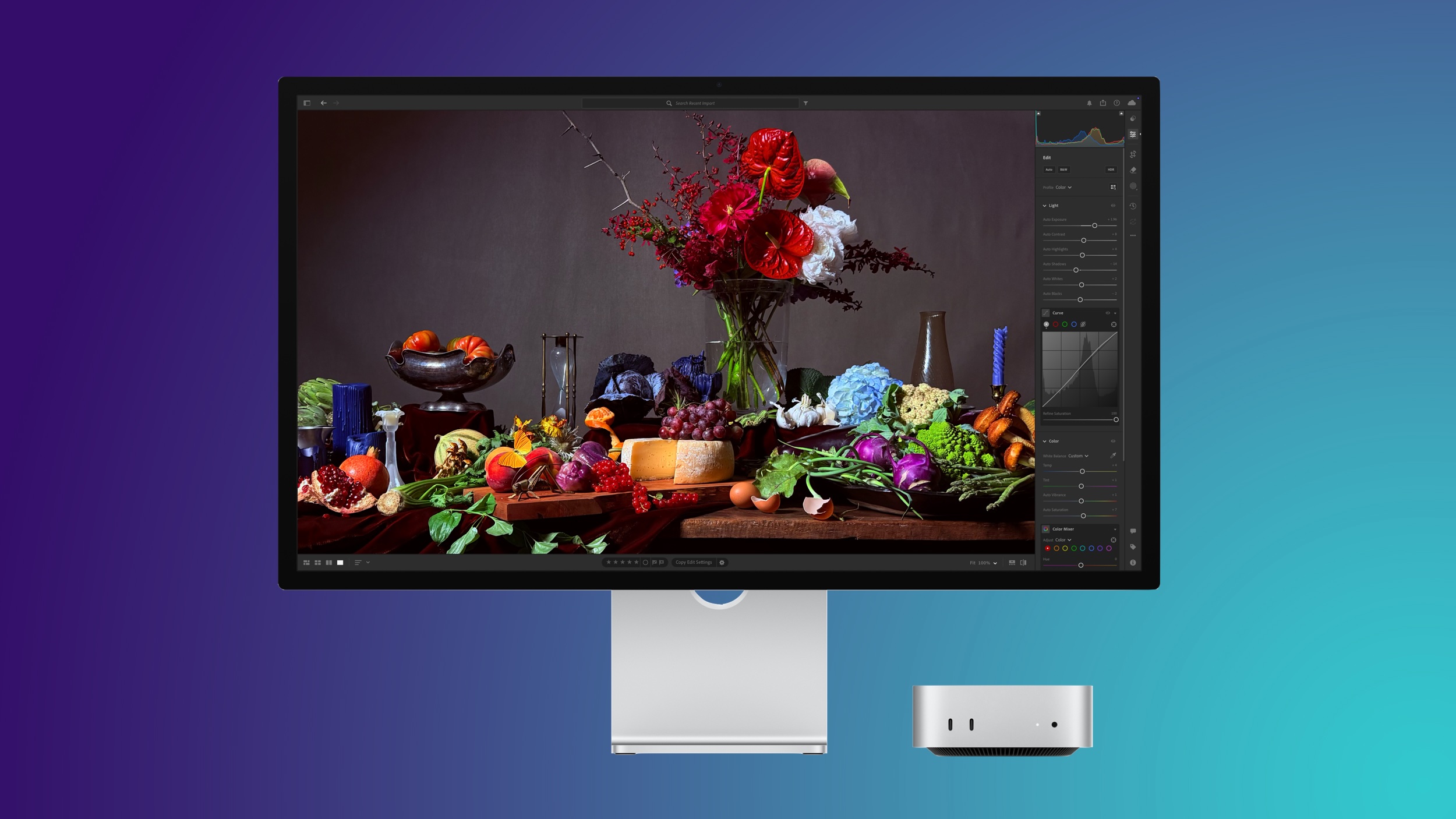
  • What's the deal? Take up to $49 off Mac mini and Mac Studio pre-orders

  • Where can I get it? Amazon

  • Where can I find the original deal? Right here


Amazon recently introduced the first cash discounts on Apple's brand new Mac mini and Mac Studio, with discounts reaching up to $49 off original prices. All of these deals are pre-order discounts on the 2026 Mac mini and Mac Studio, which officially launches on September 22.

Studio Display


  • What's the deal? Take up to $330 off Apple Studio Displays

  • Where can I get it? Amazon

  • Where can I find the original deal? Right here


Amazon this month introduced major discounts on the Apple Studio Display and Apple Studio Display XDR, providing up to $330 off these monitors, and you can still get these deals today. The steepest discount is on the Studio Display XDR with Standard Glass and Tilt- and Height-Adjustable display.

AirTag 2


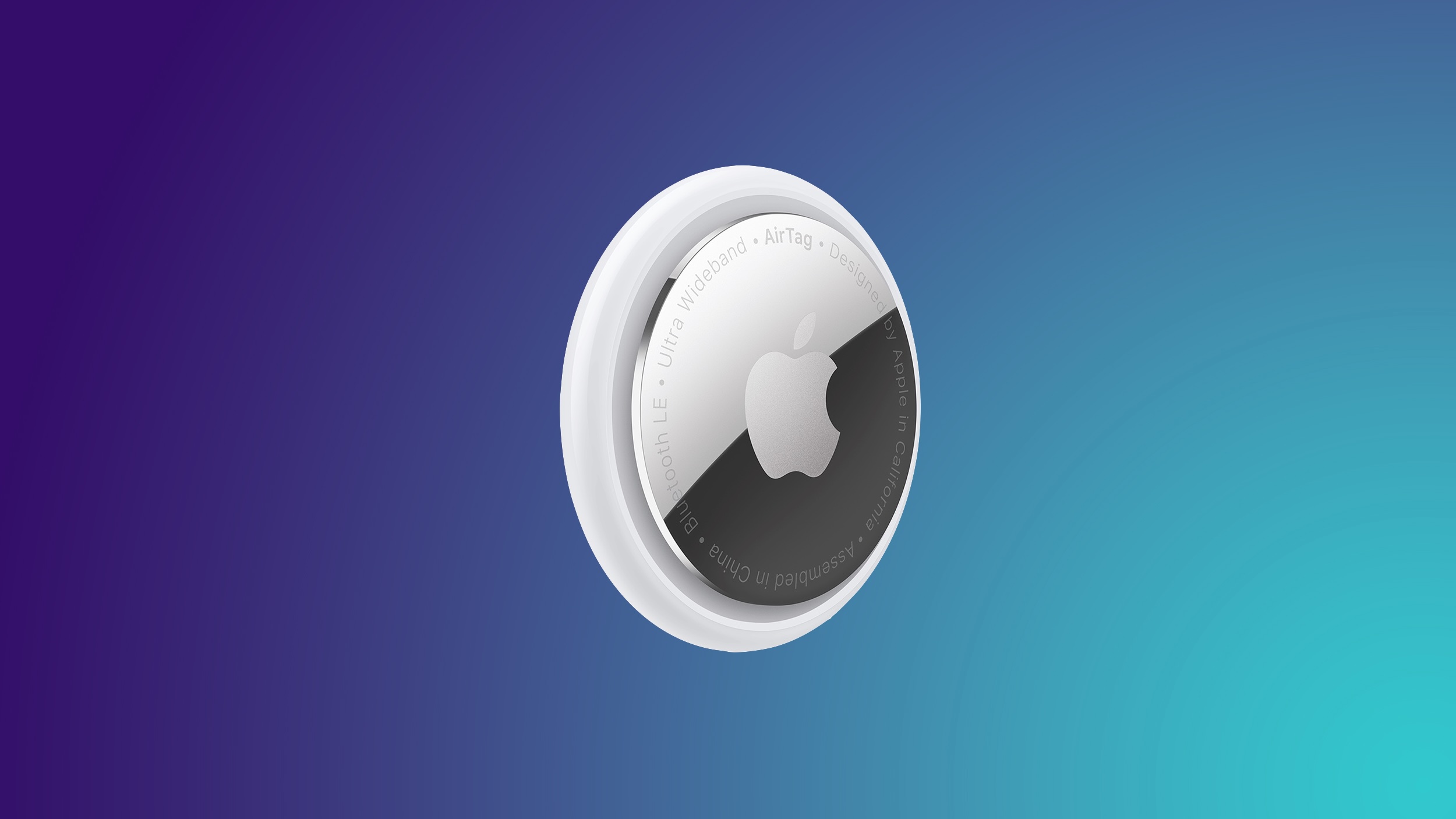
  • What's the deal? Take up to $19 off AirTag 2

  • Where can I get it? Amazon

  • Where can I find the original deal? Right here


Apple's AirTag 2 is on sale for $79.99 this week on Amazon, down from $99.00. This deal is on the 4-Pack of the AirTag 2, and it's a new record low price for the accessory, beating the previous low by about $9.

If you're on the hunt for more discounts, be sure to visit our Apple Deals roundup where we recap the best Apple-related bargains of the past week.


Deals Newsletter


Interested in hearing more about the best deals you can find in 2026? Sign up for our Deals Newsletter and we'll keep you updated so you don't miss the biggest deals of the season!


Related Roundup: Apple Deals

This article, "Amazon Offers Up to $600 Off M5 MacBook Pro, $330 Off Studio Display" first appeared on MacRumors.com

Discuss this article in our forums

  •  

Reminder: AirPods 5 Do Not Include a Charging Cable in the Box

A reminder for anyone pre-ordering the new AirPods 5 announced this week: Apple does not include a USB-C cable or a charger in the box with either of the two models available.

If you purchase the cheaper of the two AirPods 5 models, you are limited to wired charging and will need to supply your own USB-C cable. Alternatively, you can opt for the AirPods 5 with a wireless charging case and use your own USB-C cable, Apple Watch charging puck, MagSafe charger, or Qi charger.
Related Roundup: AirPods 5
Buyer's Guide: AirPods (Buy Now)
Related Forum: AirPods

This article, "Reminder: AirPods 5 Do Not Include a Charging Cable in the Box" first appeared on MacRumors.com

Discuss this article in our forums

  •  

What Upgrading to iPhone 18 Pro From iPhone 17 Pro Gets You

Apple's new iPhone 18 Pro and iPhone 18 Pro Max largely build on last year's models with a series of targeted upgrades rather than a major redesign. The most notable changes dial in better performance, camera capabilities, battery life, and wired charging speeds.


Several key specifications remain unchanged from the iPhone 17 Pro models. The iPhone 18 Pro and Pro Max retain the same 6.3-inch and 6.9-inch display sizes, 3,000-nit peak outdoor brightness, and 48-megapixel Ultra Wide and Telephoto cameras with 4x Telephoto and 8x optical-quality zoom.

MagSafe and Qi2 charging also remain capped at 25W, while the overall industrial design – minus the Dynamic Island – is largely unchanged. The Main camera, however, receives substantial upgrades, including the new variable-aperture system. Here's what you can expect if you're planning to upgrade from an iPhone 17 Pro or Pro Max.

  • A20 Pro chip replaces the A19 Pro, with up to 20% faster CPU and 40% faster GPU performance.

  • 7-core GPU that's up from the 6-core GPU in the A19 Pro.

  • Twice the AI processing performance, with a new Dual 16-core Neural Engine.

  • Redesigned vapor chamber with three times the surface area, enabling up to 40% better sustained performance.

  • Smaller Dynamic Island that can display up to three Live Activities at once.

  • Variable-aperture 48MP Main camera with ƒ/1.48, ƒ/1.8, ƒ/2.8, and ƒ/4 settings, replacing the fixed ƒ/1.78 aperture on the iPhone 17 Pro models.

  • Around 50% better low-light performance from the Main camera.

  • New manual camera controls for aperture, shutter speed, white balance, and histogram.

  • New Apple Reference Image feature for creating authenticated, unalterable reference photos.

  • Photographic Styles 3, with new texture and grain controls.

  • Cinematic effects that can now be applied after capture to video shot at up to 60 fps.

  • Cinematic mode at up to 4K Dolby Vision at 60 fps, up from 30 fps on the previous models.

  • Time-lapse recording upgraded to 4K Dolby Vision.

  • Improved Audio Mix with higher-quality voice processing and music isolation.

  • New smart focus tracking for photos and video.

  • Improved low-light video recording at 1080p.

  • Up to 36 hours of video playback on iPhone 18 Pro, up from 33 hours on the 17 Pro.

  • Up to 45 hours of video playback on iPhone 18 Pro Max, up from 39 hours on the 17 Pro Max.

  • Faster wired charging: Apple says 50% in around 15 minutes, down from around 20 minutes.

  • 2TB storage option on the 6.3-inch iPhone 18 Pro, up from a 1TB maximum.

  • New Black, Silver, Glacier, and Burgundy finishes, replacing Silver, Cosmic Orange, and Deep Blue.

  • Heavier design: The iPhone 18 Pro is 5g heavier than its predecessor, while the iPhone 18 Pro Max is 16g heavier.

  • $100 higher starting price: $1,199 for iPhone 18 Pro and $1,299 for iPhone 18 Pro Max.

The iPhone 18 Pro and iPhone 18 Pro Max will be available to pre-order starting Saturday, September 12 at 5 a.m. Pacific Time / 8 a.m. Eastern Time. The devices will then be released on Friday, September 18. If you're keen to be among the first to get your hands on one, we have some tips on how to give yourself the best chance come launch day.
Related Roundups: iPhone 17 Pro, iPhone 18 Pro
Related Forum: iPhone

This article, "What Upgrading to iPhone 18 Pro From iPhone 17 Pro Gets You" first appeared on MacRumors.com

Discuss this article in our forums

  •  

IMAX Reacts to iPhone Duo's 1:1.4 Aspect Ratio Displays

Production theater company IMAX has responded in a mixed way to Apple's embrace of a 1:1.4 aspect ratio on the iPhone Duo's inner and outer displays. The boxier ratio happens to be very close to the classic "full-frame" IMAX 1.43:1 aspect ratio, which comes from the geometry of the company's original 15-perforation/70mm film system.

In response to an X post from someone wondering if we'll see more 1:14.1 content because of the iPhone Duo, IMAX's official account said, "Love this for them," but then added, "Still not watching movies on a phone..." Pre-orders open October 16 ahead of an October 23 launch.
Related Roundup: iPhone Duo
Related Forum: iPhone

This article, "IMAX Reacts to iPhone Duo's 1:1.4 Aspect Ratio Displays" first appeared on MacRumors.com

Discuss this article in our forums

  •  

Apple Execs Explain iPhone Duo's Display Design, Secrecy, and Price

In a joint interview with Tom's Guide and TechRadar, new Apple CEO John Ternus and marketing chief Greg Joswiak explained why the company waited until now to release a foldable, its design philosophy, and how it kept the iPhone Duo under wraps.


Ternus said the timing always comes down to when a product idea meets Apple's bar "for quality and durability, but also for design." He said the device "was like a greenfield of opportunity for us because it was an opportunity to rethink so many different things."

Apple took a hard look at what other foldable makers were offering and felt it "wasn't particularly inspiring," said Joswiak, adding that Apple's approach was "twofold – no pun intended."

First, Apple believes the device's wider 1:1.4 aspect ratio is the answer to designs that resemble two phones "awkwardly stuck together," said Joz. Second, Apple worked on the software to make the Duo "unlike any foldable that's out there."

As for the foldable display, Ternus said the inner screen's top layer is polymer, not glass, which meant devising an entirely new way of making Apple's nano-texture finish. Rival displays, he said, are "kind of cheap-feeling plastic surfaces. They don't feel good to touch, they're kind of wavy, wrinkly."

"The nano-texture just wipes that all out," he added. "It's beautifully flat. It feels amazing to touch and it's incredibly durable."

Joswiak said he is "super proud" that Apple kept the project relatively secret: "We put the extra security on it. We didn't talk about it to anybody. We had a very funny code name, which I won't even repeat, that had nothing to do with it. But we said we're going to keep this one extra secret because, look, people knew through leaks that we were working on a foldable."

Leakers did get the aspect ratio right, Joz conceded. "There were a lot of coincidental instances of people finding that an interesting aspect ratio. And this is when we said, okay, we're going to really keep this one locked down – and it worked."

As for the $1,999 starting price, Ternus mused: "Yes, it's more expensive than the other phones, but we think it's great value." Joz added: "It's called iPhone Duo for a reason. It's like two products."

You can watch the full interview via the embedded video above or on the YouTube website. Pre-orders for the iPhone Duo begin Friday, October 16, ahead of an October 23 launch.
Related Roundup: iPhone Duo
Related Forum: iPhone

This article, "Apple Execs Explain iPhone Duo's Display Design, Secrecy, and Price" first appeared on MacRumors.com

Discuss this article in our forums

  •  

Reproducible Builds: Reproducible Builds in August 2026

Welcome to the August 2026 report from the Reproducible Builds project!

In our reports, we try to outline the most important things that we have been up to over the past month. As a quick recap about what problem our project intends to solve, whilst anyone may inspect the source code of free software for malicious flaws, almost all software is distributed to end users as pre-compiled binaries. The motivation behind the reproducible builds effort is to ensure no flaws have been introduced during this compilation process by promising identical results are always generated from a given source, thus allowing multiple third-parties to come to a consensus on whether a build was compromised or not.

In this month’s report, we cover:

  1. New updated SBOM specification from CISA.gov
  2. LWN on Bootstrappable builds at FOSSY 2026
  3. ”What’s missing to have reproducible builds on PyPI?”
  4. Distribution work
  5. Unreproducible builds under EROFS filesystem fixed
  6. Tool and documentation development
  7. Six new scholarly papers
  8. Patches

New updated SBOM specification from CISA.gov

CISA, the Cybersecurity and Infrastructure Security Agency of the U.S. government published some the joint guidance entitled Minimum Elements for a Software Bill of Materials (SBOM), which updates and supersedes the baseline 2021 version covered in previous editions of these reports.

Whilst the PDF is worth skimming, the interesting changes include that the specification now mandates standard cryptographic hashes: unlike earlier standards that allowed hash omission or manifest-only parsing, hashes must be computed from the output. This is is important for reproducible builds, as it ensures the recording of the metadata required to demonstrate the shipped software matches the build output precisely where applicable. In addition, where the top-level only dependency limitation that was present in the 2021 version has been removed in favour of complete coverage with no minimum depth. That is, SBOMs are expected to reflect all linked libraries, vendored dependencies and other build-time inclusions.


LWN on Bootstrappable builds at FOSSY 2026

In the “Toolchains and Other Development Tools” track at Software Freedom Conservancy’s FOSSY 2026 in British Columbia, Canada, Timothy Sample gave a presentation on bootstrappable builds. This presentation was then covered in a Linux Weekly News article by Jake Edge entitled Bootstrappable builds: how and why, which serves as an excellent introduction to the concept:

The basic idea behind bootstrappable builds is to create a system that can be built without relying on pre-built artifacts. “Can we go from zero to the modern day without having to just assume the existence of these already-built-for-us artifacts?” The classic recipe for yogurt requires some yogurt to start the process, which is like how we normally build a C compiler today—we start with an existing C compiler binary. You might think about making sourdough bread with your grandmother’s starter brought over from the old country; “we’re basically making C compilers with Dennis Ritchie’s starter carried over from Bell Labs”.

The article, which goes on to cover GNU Mes and other projects that overlap with Reproducible Builds, also has a number of thought-provoking comments.


”What’s missing to have reproducible builds on PyPI?”

Core Python developer, Brett Cannon wrote an interesting blog post this month addressing What’s missing to have reproducible builds on PyPI, the official public repository for third-party Python software packages:

The reason I like the idea of making reproducible builds work is that I think it can be done in such a way as to not require any work on the part of the producer of a distribution (which is a technical term for sdists or wheels, i.e., the people who upload stuff to PyPI), and thus make reproducible builds very low-friction for people to opt into supporting. […]

Brett goes on to outline “What’s missing from the specs” and how reproducibility might be visible on PyPI to consumers:

Assuming all of this comes to pass and we record the where the source code is that went into a distribution and the software used to make the distribution, how do we make it useful to people? Does every person who cares about having a secure supply chain have to rebuild everything they use themselves? Is there some way for even people who don’t care about this stuff to benefit? […]


Distribution work

In Debian this month, 23 reviews of Debian packages were added, 28 were updated and 27 were removed this month adding to our knowledge about identified issues. A number of issue types have been updated as well, such as the addition of a new toolchain issue related to python-traitlets […], and the note for an existing issue related to texi2html was updated as well […].

Lastly, Bernhard M. Wiedemann posted another openSUSE monthly update for their reproducibility work there.


Unreproducible builds under EROFS filesystem fixed

Martin Pitt reported on Fosstodon that they had identified an issue where the mkfs (“make filesystem”) command for the EROFS (Enhanced Read-Only File System) subsystem of the Linux kernel did not have sorted extended file attributes, leading to reproducible builds.

Thankfully, Martin also reported that they had fixed this in a commit to the kernel which “order[s] each inode’s xattrs by name so that images stay reproducible”. […]


Tool and documentation development

diffoscope is our in-depth and content-aware diff utility that can locate and diagnose reproducibility issues. This month, Chris Lamb made a number of changes, including preparing and uploading versions 327, 328 and 329 to Debian. In particular, he ensured that diffoscope did not require python3-guestfs in the autopkgtests on 32-bit architectures in order to fix Debian bug (#1144372) […]. Colin Watson made an additional change, handling a potentially missing openssh-client package when running the autopkgtests […], and Jochen Sprickerhof made a similar change to cope with missing cpio and qemu-img functionality […] whilst also updating the XML comparator to be considered when comparing SVG images […].


Yet again, there were a number of improvements made to our website this month as well. For example:

  • Chris Lamb added draft for a Gothenburg summit-related news article. […][…]

  • Holger Levsen then published the same article. […][…]

  • Lastly, a large number of commits were pushed comprising an interview with Reproducible Builds developer Jochen Sprickerhof to be published within the next week. […][…][…][…][…][…][…]


Six new scholarly papers

Jens Dietrich, Spencer Sun, Tim W. White and Behnaz Hassanshahi (the result of a collaboration between Victoria University of Wellington and Oracle Australia published a paper this month entitled No Snake Oil: Verifying Python Package Builds. Drawing on the metaphor of “snake oil”, that is, a fake or ineffective medicine or solution sold with exaggerated claims of curing or fixing everything, the authors write that

Two tools that are designed to automate [PyPI] rebuilds and run them at scale are macaron and oss-rebuild. We study 12,180 popular releases from PyPI and find that the byte-for-byte equivalence rate is generally low. We analyse the reasons why they produce different wheels, and find that equivalence between the original and rebuilt wheels can often still be established, preserving most of the guarantees users expect from rebuildable releases. We present and evaluate daleq4py, a tool to establish the equivalence of Python wheels through the kernel of a normalisation function that is based on provenance-preserving datalog rules. Experimental results show that daleq4py substantially expands the set of rebuilds that can be accepted as equivalent.

The full PDF of their paper can be viewed online, and Jens Dietrich to our mailing list to announce the availability of both the paper and the daleq4py tool itself.


Dimitri Kokkonis, Michaël Marcozzi and Stefano Zacchiroli published an article this month titled Not In My Git Yard: Catching Backdoors at Commit and Release Time on the topic of “code-level backdoors” — that is, “stealthy code changes that grant hidden privileges via secret triggers”. These issues:

… pose a persistent threat to opensource software. Known attempts to inject such backdoors into widely used projects through malicious commits, tampered release packages, or compromised third-party dependencies, were stopped only by luck and manual review. Existing Continuous Integration (CI) pipelines cannot detect these attacks, and downstream binary analysis tools require substantial manual effort. In this work, we present Lily, an automated approach that strengthens open-source development and release processes against backdoor injection. Lily integrates a backdoor detection mechanism into (1) CI pipelines to block malicious commits, and (2) release vetting workflows to prevent tampered releases or compromised dependencies from entering large ecosystems, such as Linux distributions.

The full PDF can be read online.


Ranindya Paramitha and Laurie Williams of North Carolina State University along with Christian Kästner of Carnegie Mellon University published a paper this month with the title of The Software Supply Chain as a Market for Lemons: A Multivocal Review of Trust Signal Collapse. (A “lemon” in American English, is a vehicle that “turns out to have several manufacturing defects”.) Their abstract is as follows:

Practitioners evaluating open-source dependencies rely on cheap trust signals, e.g., stars, download counts, and contributor activity, as substitutes for direct code inspection, assuming those signals reflect genuine trustworthiness. Prior work has documented individual signal gaming, but the landscape of collapses across all dependency-adoption signals, as well as the ecosystem’s response, remains unexplored. The goal of this study is to aid software practitioners in understanding the reliability of dependency adoption trust signals, such as download counts and contributor activity, by conducting a multivocal review of 252 Google Search sources and 870 Reddit threads.

Worryingly, after their review, the authors conclude that “cheap trust signals collapse under three simultaneous forces: adversarial manipulation, gaming techniques indistinguishable from legitimate behavior, and non-adversarial AI-driven inflation.”

The full PDF of the paper is available online.


Julien Malka, Aman Sharma, Martin Monperrus, Stefano Zacchiroli and Théo Zimmermann published a paper this month on Trusting-Trust Attack against an Entire Linux Distribution through Binary Manipulation:

Ken Thompson’s trusting-trust attack, in which a compromised compiler backdoors the programs it builds and reproduces the backdoor in subsequent rebuilds of itself, is widely regarded as a threat specific to compilers. We show that it is not. We construct a complete trusting-trust attack around GNU strip, an ordinary build utility that neither inspects nor generates source code, using only manipulations of finished ELF files.

Scarily, in the authors’ example, “a single tampered strip in the binary seed implants a payload that propagates from one generation of strip to the next and survives into the final standard environment after the seed leaves the dependency closure […] without failures and backdoors”.

A full PDF of the paper is available for download online.


Mehdi Keshanimm, Amirhossein Rahmati, Mohammad Hossein Aref and Abbas Heydarnoori published a paper that is currently under review at Emperical Software Engineering titled AROMA+: A Study of Factors Affecting Reproducible Builds in the Maven Ecosystem. (Maven is a/the build automation tool used for Java projects.) In their paper, the authors note that

[…] reusing external software in a project presents a security risk when the source of the component is unknown or the consistency of a component cannot be verified. The SolarWinds attack serves as a popular example in which the injection of malicious code into a library affected thousands of customers and caused a loss of billions of dollars. […] Our research aims to support [reproducibility] efforts in the Maven ecosystem through automation. We investigate the feasibility of automatically finding the source code of a library from its Maven release and recovering information about the original release environment. Our tool, AROMA+, can obtain this critical information from the artifact and the source repository through several heuristics and we use the results for reproduction attempts of packages on Maven Central.

The full PDF of their article can be downloaded online.


Lastly, Oreofe Solarin, Kelechi Kalu, James C. Davis and Paschal Amusuo published a paper this month titled Reproducibility is Not Enough: Artifact Verifiability in Decentralized-Build Package Ecosystems:

[A]rtifact verification requires more than deterministic builds: a verifier must also recover the source state, build environment, dependencies, and build instructions that produced the artifact. Decentralized-build ecosystems make this difficult because artifacts are produced through heterogeneous tools, maintainer-controlled workflows, and fragmented metadata. As a result, it remains unclear how often artifacts in these ecosystems can be independently verified. This paper studies artifact verifiability across four popular decentralized-build package ecosystems. We define an independent verifier model that relies only on registry-derivable metadata and an artifact comparison model with tiered equivalence levels. We implement these models in an Artifact Verification Pipeline and use it to measure artifact verifiability across the target ecosystems.

The authors conclude that “beyond build determinism, verifiability is limited by missing source and build metadata, implicit release transformations, and unconventional build practices”.

A PDF of their paper can be reviewed online.


Patches

The Reproducible Builds project detects, dissects and attempts to fix as many currently-unreproducible packages as possible. We endeavour to send all of our patches upstream where applicable or possible. This month, we wrote a large number of such patches, including:


If you are interested in contributing to the project, please visit our Contribute page on our website.

  •  
❌