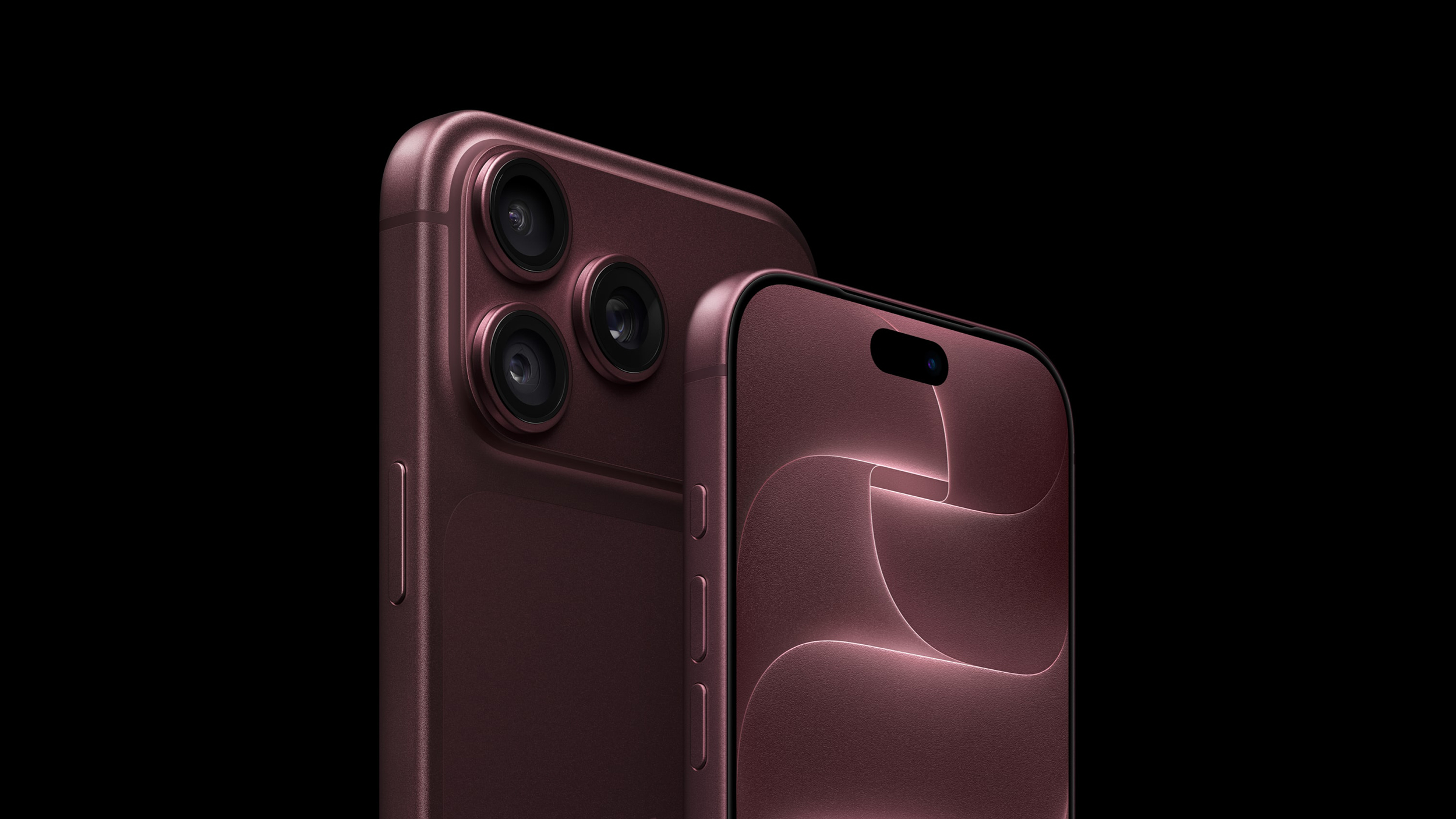
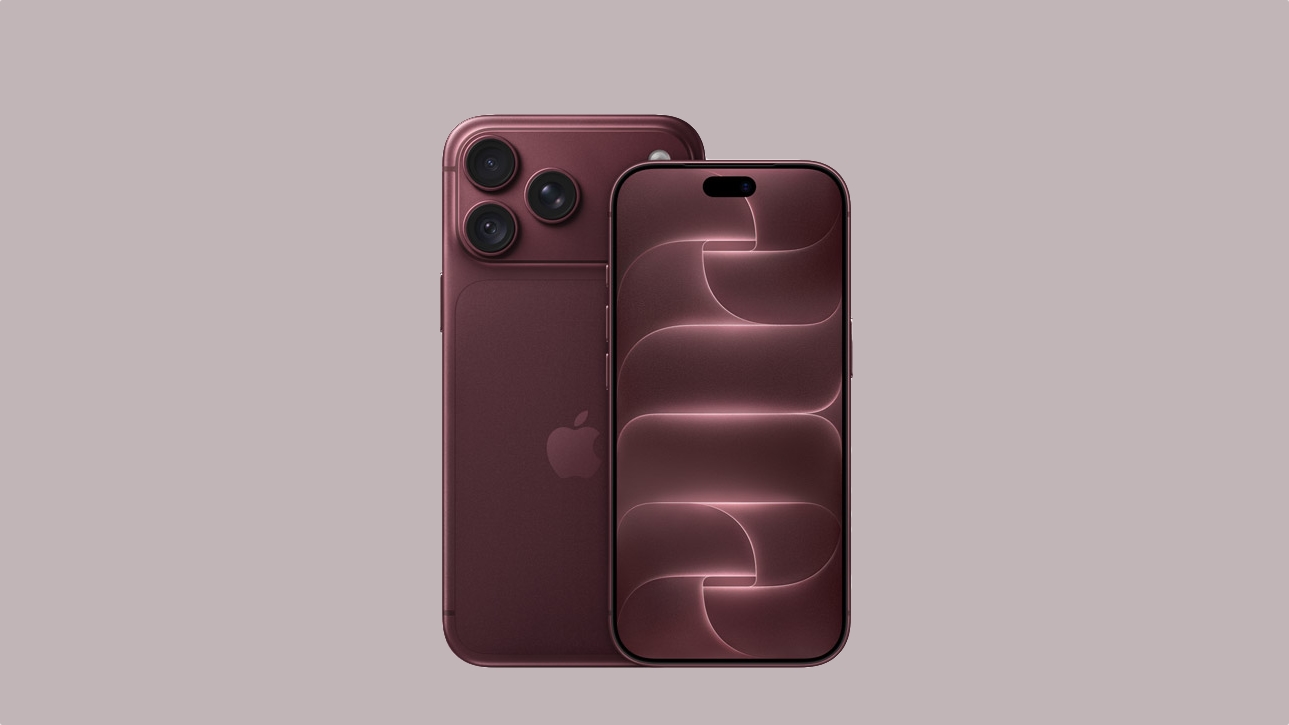
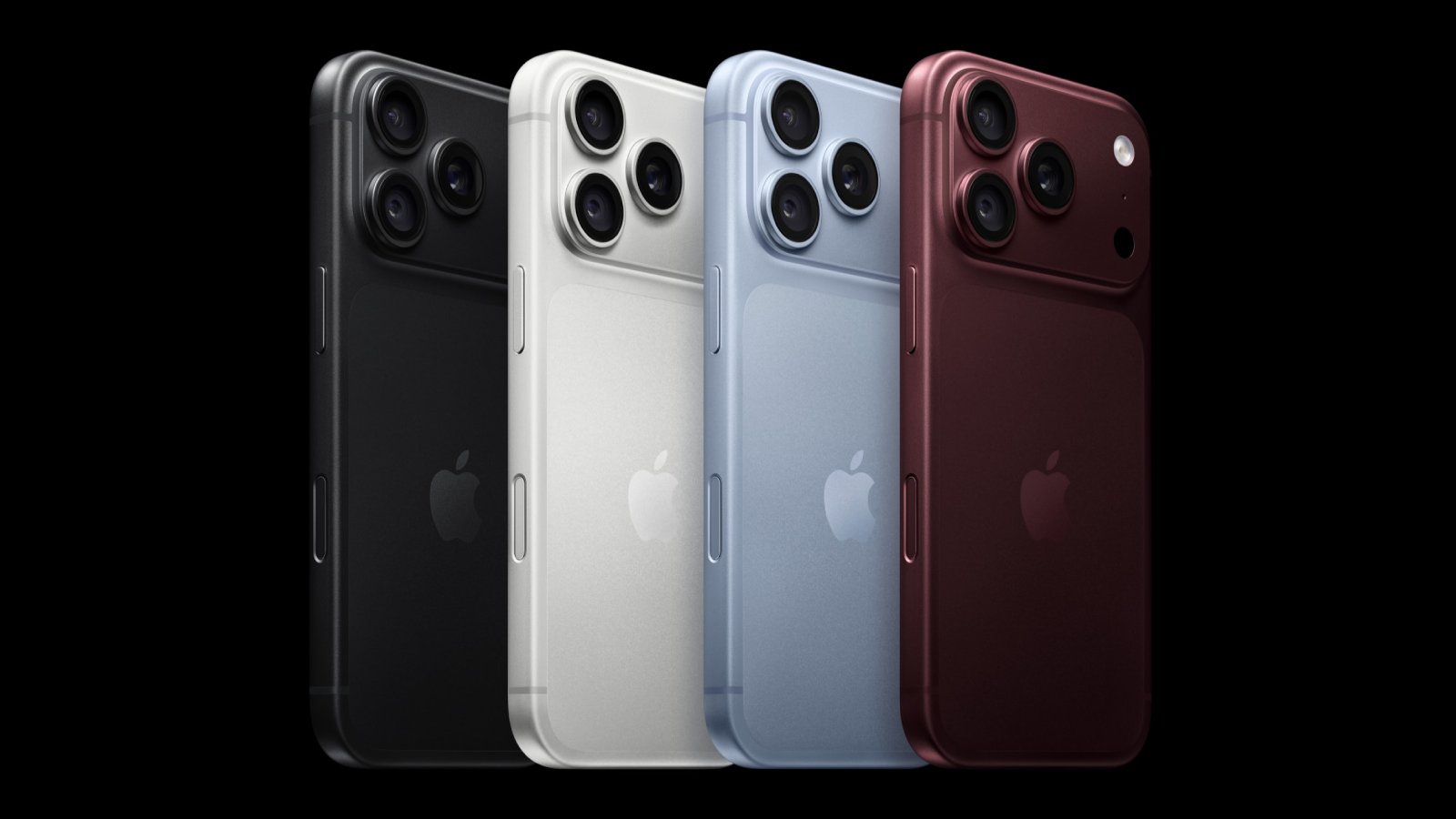
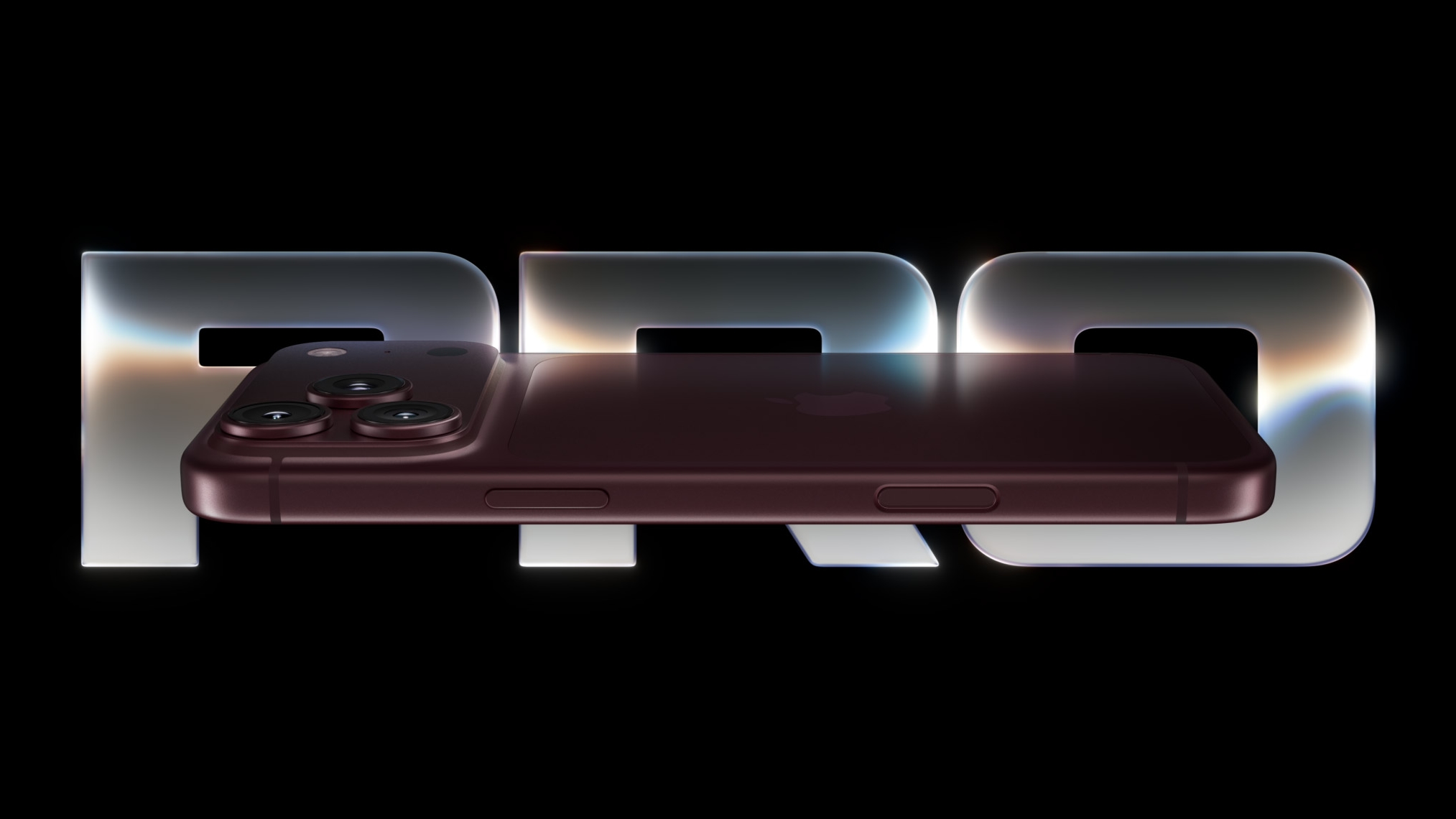
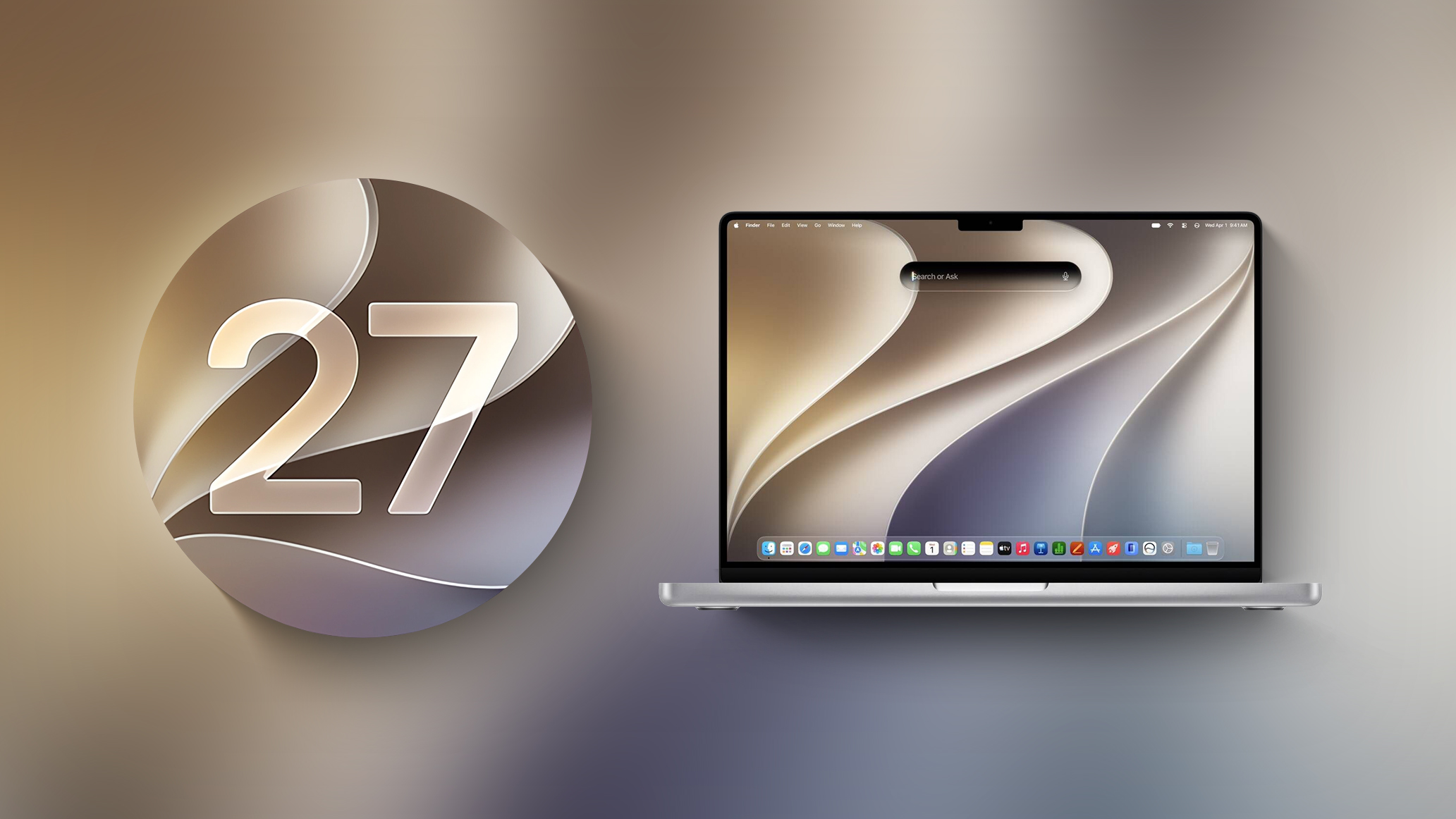
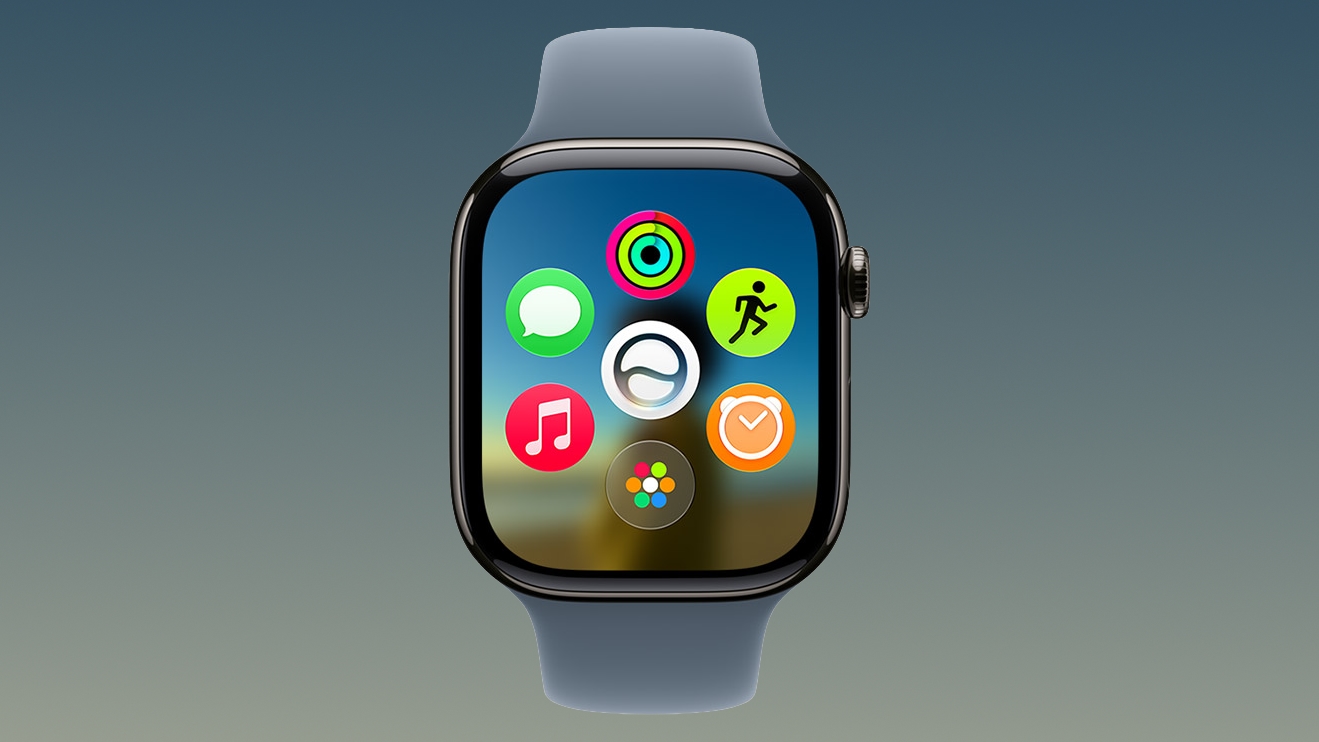
Despite rumors of an increase in thickness, the iPhone 18 Pro Max has the same physical dimensions as the iPhone 17 Pro Max. It is 163.4mm x 78mm x 8.75mm, but it did get 16 grams heavier.
Apple says the iPhone 18 Pro Max weighs 249 grams, while the iPhone 17 Pro Max weighed 233 grams, making it the heaviest non-folding iPhone to date. It is heavier than the iPhone 14 Pro Max, which was previously Apple's weightiest iPhone at 240 grams.
The iPhone 18 Pro weighs 211 grams, up from 206 grams in the prior-generation model. Apple may have increased battery size even though dimensions didn't change, or the new vapor chamber cooling system may be heavier heavier.
There's a bigger vapor chamber in the iPhone 18 Pro models that takes up three times more surface area to dissipate more heat. The A20 Pro is able to deliver up to 40 percent better sustained performance than the A19 Pro thanks to the next-generation vapor chamber and "more thermally conductive materials."
The 18 Pro Max battery offers up to six hours more video playback than the battery in the iPhone 17 Pro Max.
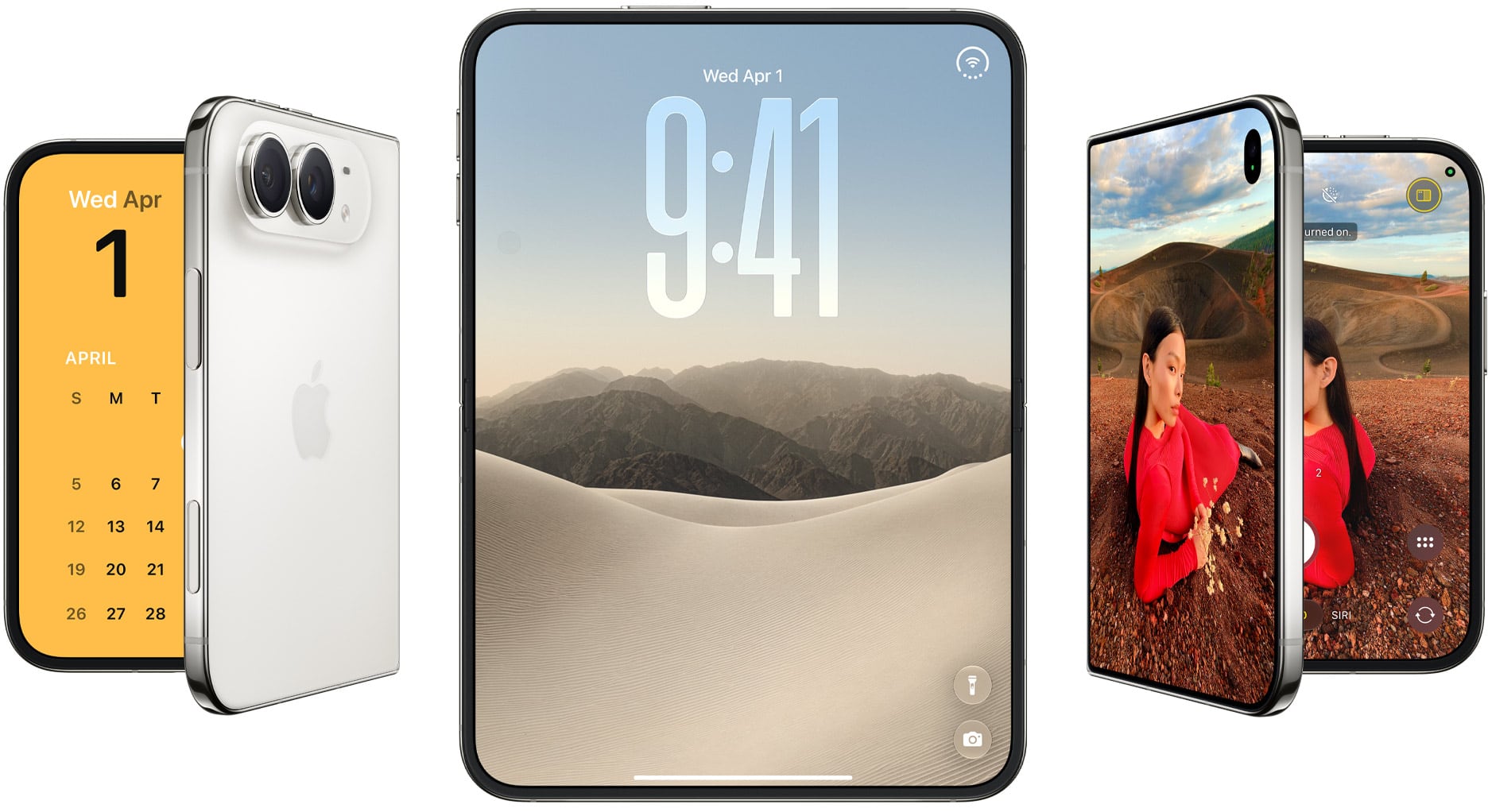
Even though it's 249 grams, the iPhone 18 Pro Max is still a little bit lighter than the iPhone Duo, which weighs 254 grams. The iPhone Duo is Apple's heaviest iPhone to date.
Cases for the iPhone 17 Pro models should fit the iPhone 18 Pro models given that the dimensions are the same.
Apple raised the base price of the iPhone 18 Pro and iPhone 18 Pro Max by $100 compared to the iPhone 17 Pro models, but if you want more storage, those price increases are even higher.
The iPhone 18 Pro starts at $1,199 for 256GB of storage, while the iPhone 17 Pro started at $1,099. There's a $200 increase if you go up to 512GB ($1,399), but if you want 1TB of storage, you're going to be paying $300 more.
A 1TB iPhone 18 Pro is priced at $1,799, but a 1TB iPhone 17 Pro was $1,499. There's a new 2TB option for the Pro this year, and it's priced at $2,399.
A 1TB iPhone 17 Pro Max was $1,599, but this year, it'll cost you $1,899 to get a 1TB iPhone 18 Pro Max. The 2TB iPhone 18 Pro Max option is even more expensive at $2,499, a $500 increase over the 2TB iPhone 17 Pro Max price.
Storage and memory costs have been soaring because of ongoing supply shortages, so it's not too surprising to see a notable surcharge on the 1TB storage option.
It looks like the iPhone 18 Pro and iPhone 18 Pro Max may have different modems inside. On Apple's technical specifications page for the new devices, the iPhone 18 Pro lists Apple's C2 modem, but the iPhone 18 Pro Max lists no modem at all in the U.S.
The same information is also listed on Apple's announcement for the iPhone 18 Pro models.
Both models feature N1, an Apple-designed wireless networking chip that enables Wi-Fi 7, Bluetooth 6, and Thread. iPhone 18 Pro introduces C2, Apple's next-generation cellular modem system, which brings AI-powered improvements to cellular quality and reliability.
The lack of a C2 mention for the Pro Max might seem like a mistake at first glance, but the separate Pro and Pro Max model numbers actually list different LTE bands. On the U.S. Pro specification list, there's a Band 106, but there's no Band 106 on the Pro Max list.
It is not known why Apple would use different modems for the iPhone 18 Pro and iPhone 18 Pro Max, but there were rumors before launch that some devices would continue to use Qualcomm modems.
Apple is also using the C2 modem for the iPhone Duo, so it's possible there were supply issues. It appears both the new iPhone 18 Pro and iPhone 18 Pro Max may use the C2 modem outside of the U.S., so the split could be U.S. only.
The C2 modem supports both sub-6GHz and mmWave 5G, and Apple says it includes AI improvements to cellular quality and reliability. It is faster and more energy efficient than the C1X modem, but it's not yet clear how it compares to the Qualcomm modem in the 18 Pro Max.
Apple's new iPhone 18 Pro models will go on sale on September 18, with preorders to take place on September 12. Pricing on the iPhone 18 Pro starts at $1,199, while pricing on the 18 Pro Max starts at $1,299.
Apple today confirmed that there will be a daily usage limit for Siri AI, with expanded access available for a fee in the future.
In the fine print of Apple's announcement of the Health Sensing features coming to the Apple Watch Series 12 and Apple Watch Ultra 4, Apple says it will have usage limits on Siri AI, intelligent photo editing tools, Image Playground, and Apple Foundation Cloud models in the Shortcuts app.
Certain Apple Intelligence features that rely on server-side models are subject to daily usage limits, including but not limited to Siri AI, intelligent photo editing tools, Image Playground, and AFM 3 Cloud models in Shortcuts. Daily limits may vary by feature, request complexity, system demand, system policies, and other factors. Expanded access to such features will be available for a fee in the future.
Limits will vary by factors that include feature, request complexity, and system demand.
Apple did not offer details on what the fee will be or how it will be charged, but at WWDC, Apple said that higher iCloud+ tiers will include expanded access to the limited Apple Intelligence features.
iOS 27 with Siri AI and the new capabilities will launch on September 14. The new Apple Watch and iPhone models will come out on September 18.
The iPhone Duo has what Apple is calling an "iPhone-first dual battery system" with one battery on each side of the device. Apple optimized physical space for battery capacity to make sure that the battery lasts as long as possible.
When using the larger 7.6-inch inner display (unfolded), the battery lasts for up to 31 hours of video playback.
If you're using just the 5.4-inch outer display, the battery lasts for up to 44 hours when watching video.
With Apple's typical use metric, which includes equal use of both screens, the battery lasts for up to 24 hours. Typical use includes a mix of messaging, photo capture, listening to music, social app use, streaming video, playing games, web browsing, and navigation. Apple says it is based on median usage across iPhone users.
The typical use metric for the iPhone Duo matches the iPhone 18 Pro's. The larger 7.6-inch display draws more power and eats more battery than the 18 Pro when watching video, while the smaller display gets better battery life. The iPhone 18 Pro Max has the longest battery life of the three iPhones at up to 45 hours.
The iPhone Duo is able to charge to 50 percent in around 20 minutes with a 60W or higher USB-C power adapter. It includes support for MagSafe and can wirelessly charge at up to 25W using MagSafe or Qi2.
The two batteries in the iPhone Duo are managed as a single battery by iOS. Apple says battery life was maximized through the two-battery design, eSIM-only design, C2 modem efficiency, and the new A20 Pro chip.
Preorders for the iPhone Duo will start on October 16, with a launch to follow on October 23.
The iPhone 18 Pro Max has the largest battery ever in an iPhone, and both iPhone 18 Pro models last for longer than the iPhone 17 Pro models.
iPhone 18 Pro Battery
Typical use - Up to 24 hours
Video playback - Up to 36 hours
Streaming video - Up to 33 hours
iPhone 18 Pro Max
Typical use - Up to 30 hours
Video playback - Up to 45 hours
Streaming video - Up to 40 hours
For comparison, the iPhone 17 Pro lasted for up to 33 hours when watching video, and the iPhone 17 Pro Max lasted for up to 39 hours. Streaming video numbers were 30 hours for the 17 Pro and 35 hours for the 17 Pro Max.
The iPhone 18 Pro gains three hours of battery life, while the 18 Pro Max gains six hours. Apple says its "typical use" metric is based on median iPhone usage and includes messages, photo captures, music, social app use, streaming, games, browsing, and navigation.
The iPhone 18 Pro and Pro Max offer faster charging and can charge to 50 percent in a 15-minute period when using a 60W or higher Adjustable Voltage Supply power adapter. The two iPhones offer up to a 50 percent charge in 30 minutes with a 35W adapter, and up to 25W MagSafe and Qi2 charging is supported.
Preorders for the iPhone 18 Pro models will begin on Saturday, September 12 at 5:00 a.m. Pacific Time.
Apple today seeded the release candidate versions of iOS 27 and iPadOS 27 for final testing purposes, with the update coming a week after Apple released the eighth betas. These will be the last beta updates of iOS 27 and iPadOS 27 before the software's public release, as long as no bugs are found.
Registered developers and public beta testers can download the betas from the Settings app on the iPhone or iPad by going to the General section and selecting Software Update.
iOS 27 introduces Apple's smarter version of Siri, Siri AI. Siri AI is a chatbot similar to ChatGPT, incorporating general world knowledge, personal data from apps like Messages and Mail, and onscreen awareness to answer questions and find information for you.
There are new Apple Intelligence features in apps like Photos, Safari, Shortcuts, Wallet, and Passwords, plus Apple added a standalone Siri app that houses Siri conversations. Write with Siri is available systemwide for generating text or offering feedback on your writing, and Visual Intelligence has been relocated to the Camera app with a new Siri mode.
Apple improved the look of Liquid Glass and added a slider for customizing transparency. There are multiple performance improvements to speed up iOS, so everything feels faster, even on older iPhones. Apps launch quicker, AirDrop transfers are faster, the keyboard pops up more quickly, and devices are better at transitioning between Wi-Fi and Cellular to keep you connected.
Apple today seeded the release candidate version of macOS Golden Gate, with the update coming a week after Apple seeded the eighth beta. The release candidate is the final version of macOS Golden Gate that developers and beta testers will get before the software sees a public launch.
Testers can download macOS Golden Gate by going to System Settings > General > Software Update. Beta Updates will need to be enabled, and a free developer account is required.
macOS Golden Gate includes multiple design improvements. Liquid Glass opacity has been improved to increase readability, there's a slider for controlling the level of transparency, and changes to shadowing make it easier to tell when a window is active. Apps now have uniform toolbars, edge-to-edge sidebars, and less rounded corners, and there are fewer icons in menu bars.
Siri has been transformed into Siri AI, a chatbot-style assistant that combines general world knowledge, your personal data, and onscreen awareness to answer questions about anything and find information for you. Siri lives in Spotlight, and you can ask questions with the new Search or Ask interface.
There's also a Siri app where you can chat with Siri and view past conversations, and on newer Macs, you can set a custom voice for Siri with personalized pace and expressivity. Visual Intelligence is now on the Mac so Siri can answer questions about what's on your screen, and a Write with Siri feature lets Siri generate text or give feedback on your writing.
There are AI photo editing tools in the Photos app, AI tab organization in Safari, an option to use AI to automatically update weak passwords in the Passwords app, and a revamped Image Playground app that can generate photorealistic images.
Apple today seeded the release candidate versions of watchOS 27, visionOS 27, and tvOS 27 to developers and public beta testers. The release candidates are the final versions of the updates that will be seeded to the public as long as no final bugs are found during this last round of testing.
The updates can be installed through the Software Update section in the Settings app on each device.
watchOS 27 introduces Siri AI, the smarter, more capable version of Siri. Siri can hold back-and-forth conversations, plus it has access to general world knowledge and your personal data to answer questions and find information. Siri AI on Apple Watch requires an iPhone that supports Apple Intelligence, including the iPhone 15 Pro and later.
There's a Dynamic app grid that highlights Siri suggested apps, and more intuitive Smart Stack Suggestions. You can find your parked car, see pinned messages, get noise alerts, and view identity and transit cards. Liquid Glass has been updated to improve legibility, and Workout Buddy works on the Apple Watch even when an iPhone isn't nearby. Apple also added a new all-in-one Find My app.
visionOS 27 also includes Siri AI. Siri on Vision Pro can answer questions about anything the wearer is looking at, and there's a new Siri orb that can be placed anywhere in wearer's virtual space.
Panorama photos can be turned into spatial environments, and there's a new Icelandic Thórsmörk environment that features dramatic mountains, valleys, and glaciers, along with the northern lights. Web Environment support allows developers to create 360-degree environments in Safari for a more native Vision Pro browsing experience.
App windows are now curved to provide a more immersive workspace, and Control Center has been reorganized to make system controls easier to find. Apple added a smaller widget size, and notifications automatically expand when the wearer looks at them.
tvOS 27 has few new features compared to the other 27 software updates, but it does add a redesigned Podcasts app, options for larger text, and a more responsive Control Center.
AirPlaying to an Apple TV from another Apple device is faster, and apps and animations are smoother. You can also now see AppleCare coverage details in the Settings app.
Rumors about the foldable iPhone were unclear on whether it would have MagSafe charging, but it turns out the iPhone Duo does indeed have a magnetic charging array.
Tech specs for the device say it supports MagSafe wireless charging at up to 25W, the same as the iPhone 18 Pro models. It also supports Qi2.2 25W wireless charging when using third-party accessories.
Faster wired charging is available, with the iPhone Duo charging to 50 percent in a 20-minute period. That's a little bit slower than the iPhone 18 Pro and Pro Max, which can charge to 50 percent in 15 minutes.
The iPhone Duo goes on sale on October 16, and it will launch on October 23. Pricing starts at $1,999 for 256GB of storage.
Apple's September event will take place on Wednesday, September 9 at 10:00 a.m. Pacific Time. Apple will announce its 2026 iPhone lineup, and this year is a big one. Along with the slab-style iPhones we've been using for years, Apple is going to debut its first foldable device. We'll also get new Apple Watches, a new set of AirPods, and possibly some other surprises.
Everything we expect to see at the "Surprise and Shine" event is below.
Foldable iPhone
Apple's 2026 iPhone lineup will include its first foldable device. We don't know what Apple will call it, but rumors suggest it might be named the iPhone Ultra.
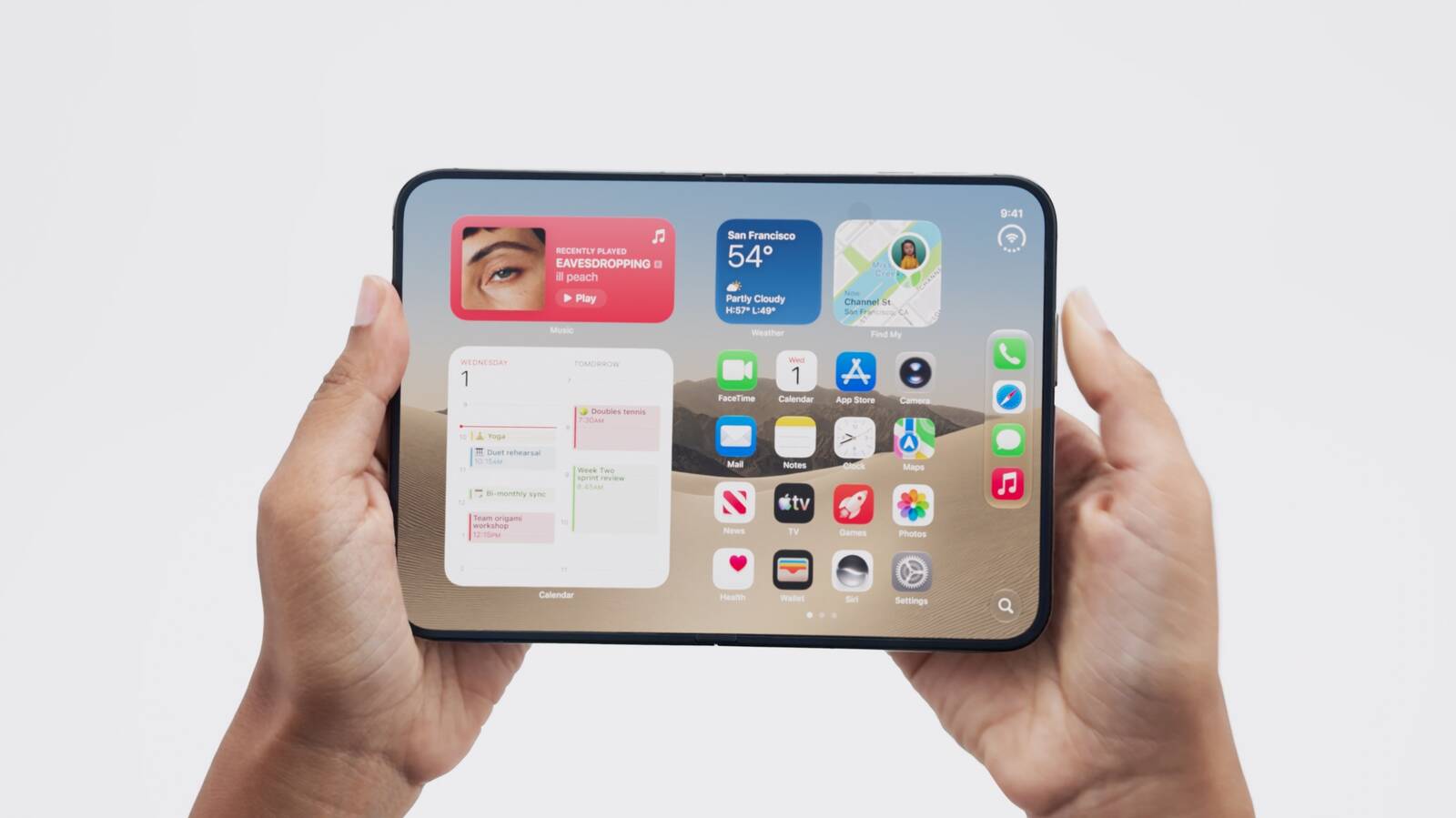
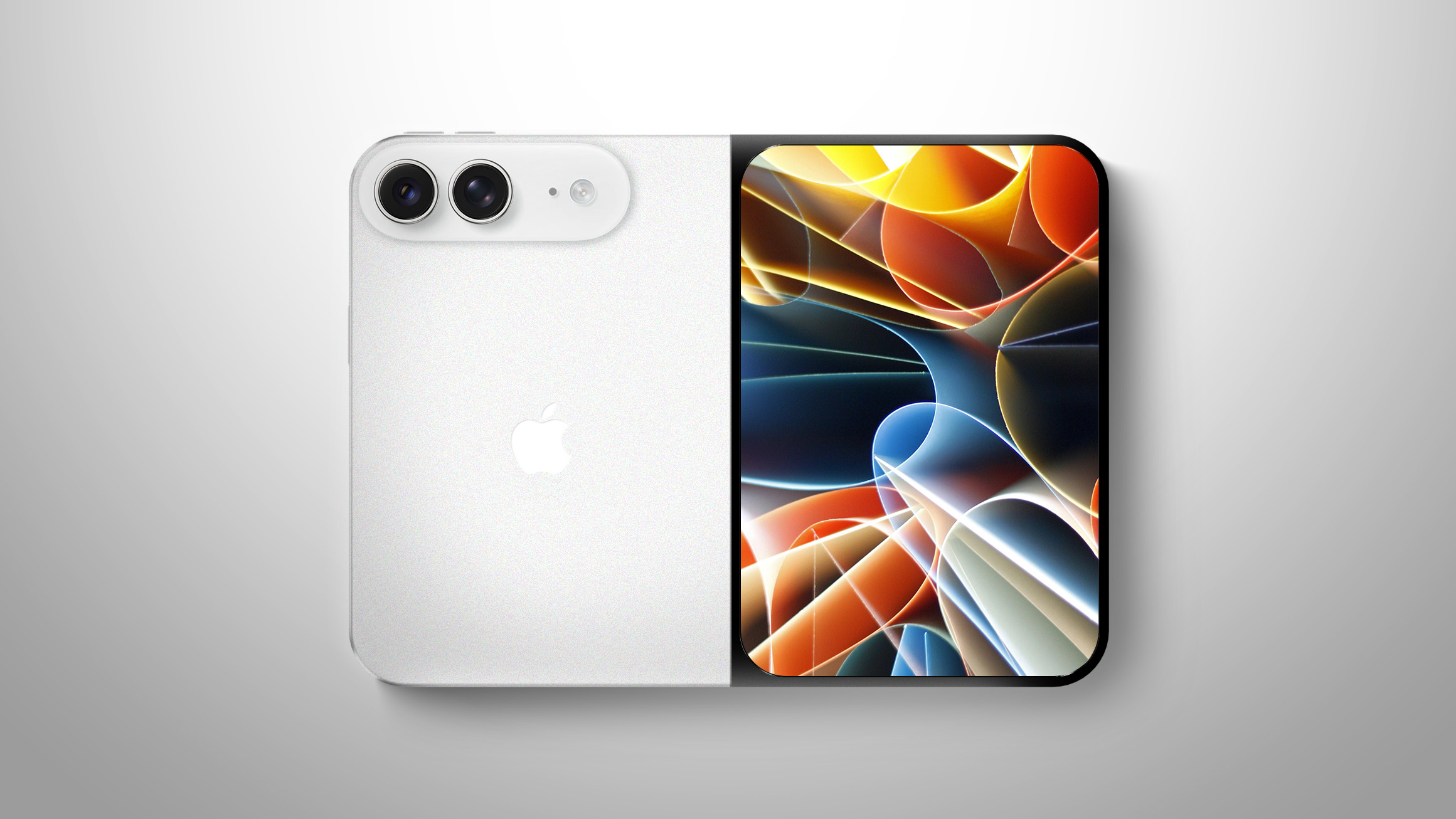
Apple has designed a book-style foldable that has an iPad-like layout when it's opened up. It will have a ~5.5-inch OLED outer display, which is what you'll use when the iPhone is closed. It will unfold into a larger OLED display that's approximately 7.8 inches.
The design is wider than it is tall when it's open, and you can picture it as something like an iPad mini that folds in half. Samsung's recent Galaxy Z Fold8 matches the foldable iPhone rumors, so it may be the best look at the size and layout of Apple's device.
Apple wanted a crease-free design, but that doesn't seem to be possible with a foldable yet. The iPhone Ultra will instead have a minimal crease and a durable liquid metal hinge. Foldables are delicate and hinges can be a weak point, so Apple focused on durability. Rumors indicate Apple could have some tricks to keep the crease less visible over time, such as optically clear adhesive that will fill in any micro-cracks caused by repeated folding.
When unfolded, the iPhone Ultra could be as thin as 4.5mm, making it Apple's thinnest iPhone to date. That would make it 9mm when folded, which is close to the thickness of the 8.75mm iPhone 17 Pro Max. With a chassis that thin, Apple had to make design compromises.
There is reportedly no space for the TrueDepth camera system for Face ID, so it's going to use Touch ID instead. There will be a Touch ID side button, similar to the iPad Air and iPad mini. Though Face ID isn't included, there will be front cameras for both the inner and outer displays.
Apple also didn't have room for a three-lens rear camera system, so the iPhone Ultra won't have a telephoto lens. Rumors suggest it will have an Ultra Wide lens and a Wide lens located on the back of the device, so the rear camera works whether the iPhone Ultra is folded or unfolded.
The iPhone Ultra will have a 2nm A20 Pro chip. The A20 Pro is expected to be around 18 percent faster and up to 30 percent more power efficient than the A19 Pro, and it could have a 7-core GPU, a wider memory interface, and a larger L2 cache for its efficiency cores. We're expecting 12GB of RAM.
Apple's 2026 iPhones could use its house-designed C2 modem, which is expected to be faster and more efficient than the C1X. It's not yet clear if Apple has added mmWave technology to the C2, and if it hasn't, foldable iPhone models sold in the U.S. could use Qualcomm modems instead. mmWave 5G isn't widely used outside of the U.S., but it is an expected feature for U.S. iPhones. The other alternative is limiting the foldable iPhone to sub–6GHz 5G speeds worldwide.
Each half of the iPhone Ultra will have a battery inside, and it could have a total capacity in the 5,400 to 5,800 mAh range. The iPhone 17 Pro Max has a 5,088 mAh battery for comparison.
Apple isn't taking risks with color. The iPhone Ultra will come in silver/white and a second color that's been described as a very deep shade of indigo that's close to black.
Software could make or break the iPhone Ultra, and Apple has been telling developers to design their apps for a variety of sizes and aspect ratios to accommodate the two foldable screens. The iPhone Ultra is likely to support multitasking, side-by-side apps, and sidebars, much like the iPad.
Apple's first foldable won't be cheap. According to rumors, it will cost at least $2,000, and higher-capacity models could be upwards of $2,500.
iPhone 18 Pro and iPhone 18 Pro Max
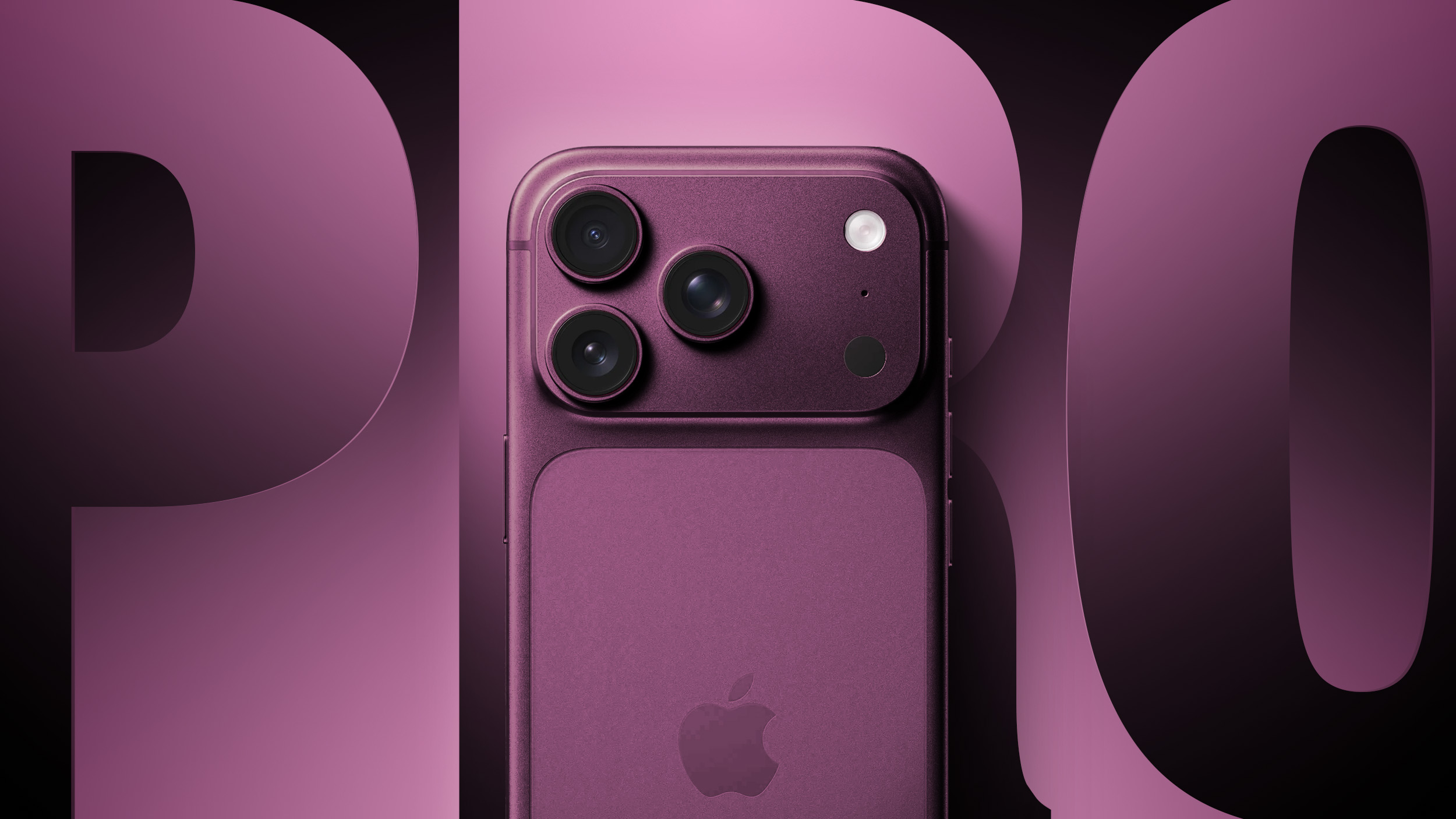
The iPhone 18 Pro models will look a lot like the iPhone 17 Pro models, with no major design changes expected. There are rumors that the iPhone 18 Pro Max might be a little bit thicker and heavier because of a larger battery, but iPhone 17 Pro cases are expected to fit the iPhone 18 Pro models. The camera plateau could be slightly thicker to accommodate a new variable aperture lens.
Apple has new colors planned, including a dark cherry shade, light blue, and silver. Rumors suggest there won't be a black iPhone 18 Pro option.
With the iPhone 17 Pro models, there's a clear color contrast between the frosted glass back and the aluminum casing, but that might be more subtle with the iPhone 18 Pro. While the overall shape isn't being updated, the iPhone 18 Pro and Pro Max could have a smaller Dynamic Island. There were early rumors about under-display Face ID with no Dynamic Island at all, but that's not going to happen.
There may be a noticeable increase in battery life due to the larger capacity battery rumored for the 18 Pro Max (5,567 mAh), plus efficiency improvements from the 2nm A20 Pro chip it's supposed to get and an upgrade in display technology. Rumors say Apple is using an LTPO+ display that's more efficient than the current OLED display.
Apple plans to upgrade the main rear camera with a DSLR-like variable aperture, giving users more control over the light that reaches the lens. An option for a smaller aperture in bright lighting could improve exposure, while a larger aperture in lower lighting conditions would let in more light to reduce grain and produce sharper images. A variable aperture also gives more control over background blur. Some rumors suggest this might be a feature exclusive to the iPhone 18 Pro Max, but it's not clear if that's accurate.
Apple could use a three-layer stacked image sensor developed by Samsung, which would make the camera more responsive and improve low-light performance. The Telephoto lens could have a wider aperture to let in more light, but no changes are rumored for the Ultra Wide lens or the front-facing camera.
There might be changes to the Camera Control button. Apple is supposedly simplifying it to eliminate the capacitive layer that lets you swipe to adjust camera settings on the button.
As with the foldable iPhone, some or all of the iPhone 18 Pro models could get Apple's C2 modem, but again, it's possible U.S. models will have Qualcomm modems for mmWave 5G.
Compared to the iPhone 17 Pro models, the iPhone 18 Pro models will be more expensive. Apple is paying more for memory and storage, and prices for Macs and iPads already went up. We could see a price increase ranging from $100 to $300.
Apple Watch Series 12
The Apple Watch Series 12 won't design changes, but Apple could bring back the ceramic case option. We're expecting an updated processor that could bring improvements to health and fitness tracking.
Apple is testing a feature that would let the heart rate sensor continuously collect data throughout the day, powering a new Health app feature that could show wellness-related info similar to what the Oura Ring offers.
Apple Watch Ultra 4
Like the Apple Watch Series 12, the Apple Watch Ultra 4 will have no major changes. It's likely to get the same upgraded processor and related changes.
AirPods 5
References to AirPods 5 were found in the macOS 26.7 release candidate, and the new earbuds could launch alongside the iPhone 18 Pro models. Apple could add an updated H3 chip for improved sound quality and lower latency, and we're likely to still get an ANC version and a non-ANC version.
Possible Product Launches
Home hub - Apple is working on a home hub with a 7-inch square display, an integrated camera, presence detection sensors, and more. It will control smart home devices, but it will also run apps. Rumors suggest it can be used to make video calls, play content, and interact with Siri AI, the new version of Siri in iOS 27. Apple has been waiting to launch the home hub because Siri AI is a central feature of the new device.
Apple TV 4K - There's a new Apple TV with a faster processor in the works, and it could come at the September event. No design changes are expected, but an updated chip could support Siri AI and new gameplay features. There are also signs of a new remote in Apple code.
HomePod mini - The HomePod mini is due for a refresh, and it's also expected to get a faster processor. We haven't heard word of design changes, but it could come in new colors.
Software Updates
At the September 9 event, Apple will announce the release dates for iOS 27, iPadOS 27, macOS Golden Gate, tvOS 27, watchOS 27, and visionOS 27. Apple will also likely seed release candidate versions of the updates to developers and public beta testers following the event.
Based on historical release timelines, iOS 27 and its sister updates could come out as soon as September 14.
What Not to Expect
There are several other products rumored to be launching before the end of 2026, but they'll likely come at a second event in October or November. There's also a notable omission from the lineup, because Apple is going to delay the iPhone 18.
iPhone 18 - The standard iPhone 18 will not launch in September 2026, with Apple instead planning to debut it in spring 2027 alongside the iPhone 18e and the iPhone Air 2. In the fall, we're only getting the iPhone 18 Pro, iPhone 18 Pro Max, and foldable iPhone.
Apple Watch SE 4 - There won't be a new Apple Watch SE 4 this year.
M6 MacBook Pro - A new entry-level MacBook Pro with an M6 chip is coming before the end of the year, but not at the September event.
M6 iMac - There's also an M6 iMac rumored to be coming in 2026, but Apple is likely to hold a Mac event to announce it, or do it via press release at a later date.
OLED MacBook Pro - We've been waiting on an OLED touchscreen MacBook Pro, and it's rumored for late 2026 or early 2027. It's not a candidate for Apple's September event.
OLED iPad mini - There's an OLED iPad mini in development, and it's expected to launch before the end of October. It's another one that's unlikely for an iPhone event.
Apple's New CEO
New Apple CEO John Ternus has presented at Apple events before, but the iPhone event will be the first he hosts as CEO in place of Tim Cook.
Cook was Apple's CEO for 15 years, so a transition to Ternus leading an event is a major change.
Cook is now Apple's executive chairman, and he may not make an appearance during the event at all.
iPhone Preorders
Apple almost always holds preorders on the Friday after an event, but this year, that Friday is 9/11. It's unlikely Apple will do iPhone preorders on Friday because of the date, so orders could happen on Saturday instead. The last time iPhone preorders overlapped with the 9/11 date in 2015, Apple pushed orders to Saturday.
If Apple follows the same pattern, the iPhone 18 Pro models and the iPhone Ultra could be available for preorder on Saturday, September 12. Back in 2015, Apple started preorders at 12:01 a.m. Pacific Time, but in recent years, preorders have started at 5:00 a.m. Pacific Time. Preorders this year could take place at 5:00 a.m. on September 12.
The new iPhones will likely launch on Friday, September 18, regardless of preorder date.
How to Watch
Apple's "Surprise and Shine" event will start at 10:00 a.m. Pacific Time on Wednesday, September 9. Apple will livestream the event on its website, on YouTube, and through the Apple TV app on supported devices.
For those unable to watch the livestream, MacRumors will have full event coverage on MacRumors.com and the MacRumorsLive X account. We'll also take a much closer look at all of the new products after the event.
Apple could release a home security system and service in 2027, according to Bloomberg.
The company is designing a privacy-forward home security camera that will "use AI to monitor the surrounding environment instead of actual video footage." It will apparently work with a new home security and monitoring service, but no additional detail on the service is included.
Apple is planning to release a home hub for controlling smart home devices before the end of the year, and rumors have previously suggested there's a camera in the works to go along with it. Early rumors indicated it would be a wireless camera with Siri integration and a connection to the home hub that's in development.
Apple already has HomeKit Secure Video, an Apple Home feature for third-party cameras. HomeKit Secure Video features end-to-end encryption and uses iCloud to securely stream and store video from compatible HomeKit cameras.
In iOS 27, Apple is upgrading its HomeKit camera features. The Home app is able to generate written summaries for motion alerts, plus it can surface highlights and group footage from different cameras together. The new features require a 2TB or higher iCloud+ plan, while HomeKit Secure Video requires a 50GB plan or better.
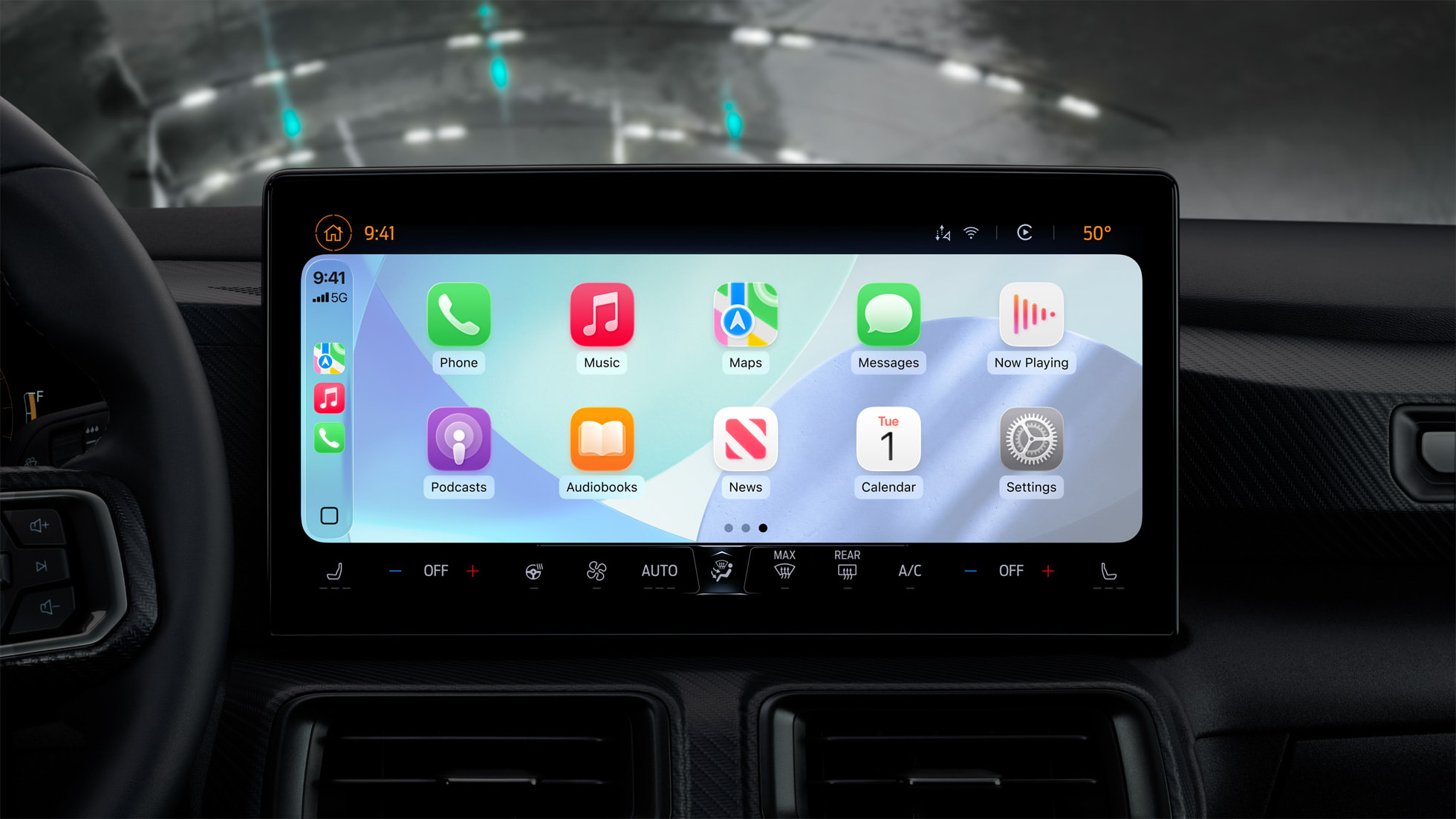
Anthropic added CarPlay integration to the Claude iOS app, which means Claude users can talk to Claude through their in-car infotainment systems.
Apple added support for third-party chatbots in CarPlay in iOS 26.4. Chatbot apps with CarPlay integration need to add support for a voice control screen, use Apple's designated CarPlay template, and get an entitlement from Apple. Claude can answer voice-based questions hands-free, but the chatbot won't be able to control vehicle or iPhone functions. Users also need to open the Claude app from the CarPlay interface because there is no support for third-party wake words.
The Claude app on CarPlay opens with a "Start a hands-free conversation" screen, with options to start a new chat or access recent chats. There are in-app controls for muting and unmuting and ending and resuming conversations, plus visual cues for when Claude is listening or talking.
CarPlay has long supported third-party apps, but Apple has limited the kinds of apps that are available to prevent driving distractions. OpenAI added CarPlay support to the ChatGPT app earlier this year.
Update: This article was updated to note that the Claude CarPlay integration is live.
References to two unreleased controllers that identify as Apple hardware in code were spotted in the macOS 26.7 release candidate by MacRumors reader Pdfu. Apple's first macOS 26.7 release candidate came out in mid-August, and it was full of references to unreleased Apple devices, from iPhones and Macs to new home accessories. Pdfu has continued to dig into the RC, finding new details that were previously overlooked.
There are GameController profiles for two hardware devices identified as T6502 and T1057, which Pdfu suggests could be Apple gaming controllers in development. The two controllers have different haptic designs and standard controller components, like a D-pad, dual thumbsticks, shoulder buttons, Home and Menu buttons, and analog triggers. T1057 also has accelerometer and gyroscope support, while T6502 doesn't.
The code includes dedicated hardware plug-ins for each device as well, which suggests these are actual devices instead of placeholder code.
The code found in the first macOS Tahoe 26.7 RC could point to an Apple controller in the works, but it could also be referencing internal test hardware Apple uses for testing game controller code and support. Apple removed the code in the second macOS Tahoe 26.7 RC.
Apple has had multiple opportunities to release a game controller. The company could have launched one alongside any version of the Apple TV, when Apple Arcade came out, or when the Vision Pro launched, but it didn't. Instead, Apple focused on building extensive support for third-party controllers.
In 2015, Apple required Apple TV games to support the Siri Remote as a gaming controller, but gave that up in a matter of months. With the Vision Pro, it partnered with Sony to add Vision Pro support to the PlayStation VR2 Sense controllers instead of designing its own controller.
Console makers have mastered the controller, and many people already have Xbox, PlayStation, or Nintendo controllers. There's little improvement to be made on controller ergonomics, but if Apple is working on a controller, features like Find My and instant cross-device pairing could set it apart from competitors.
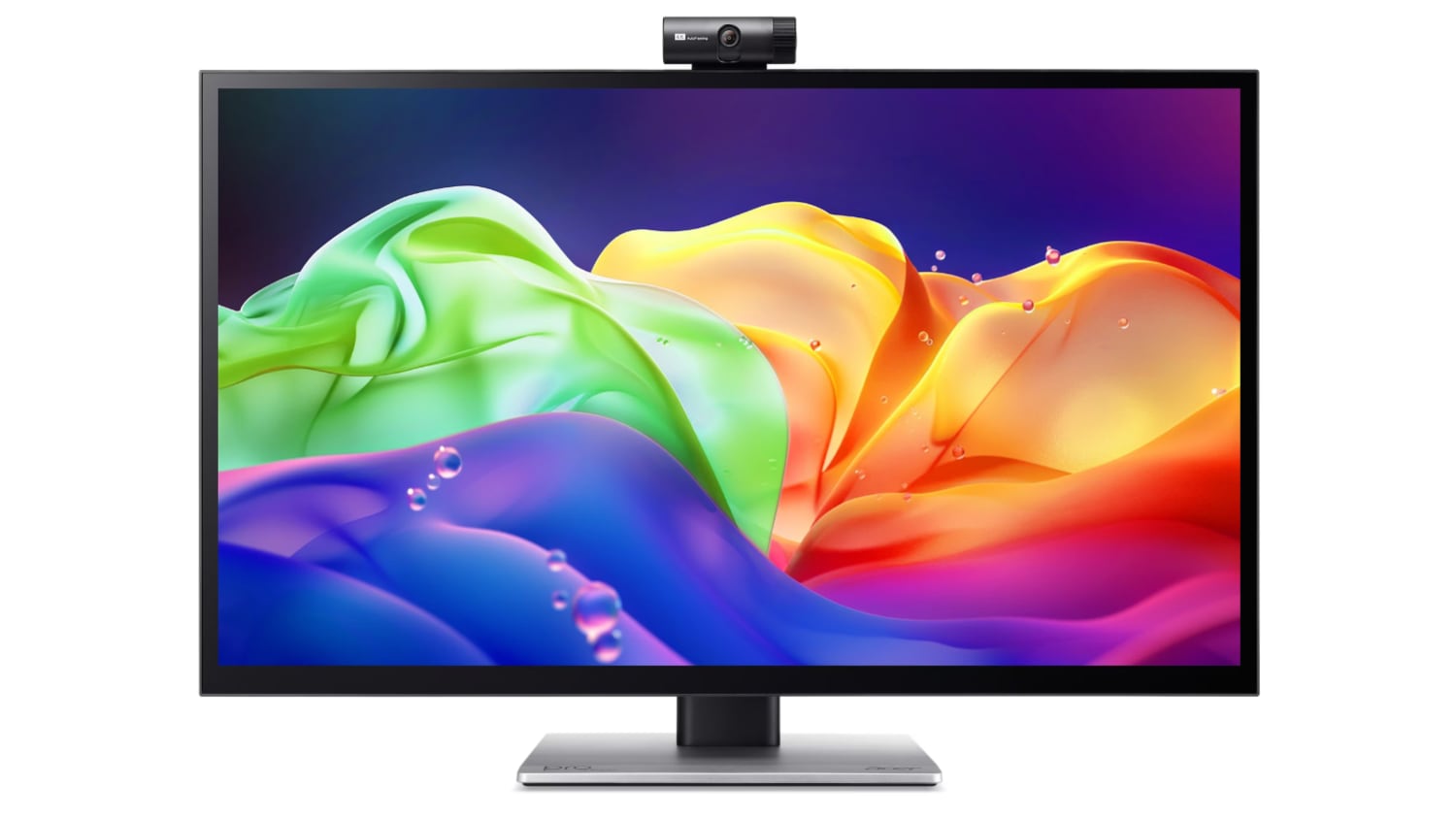
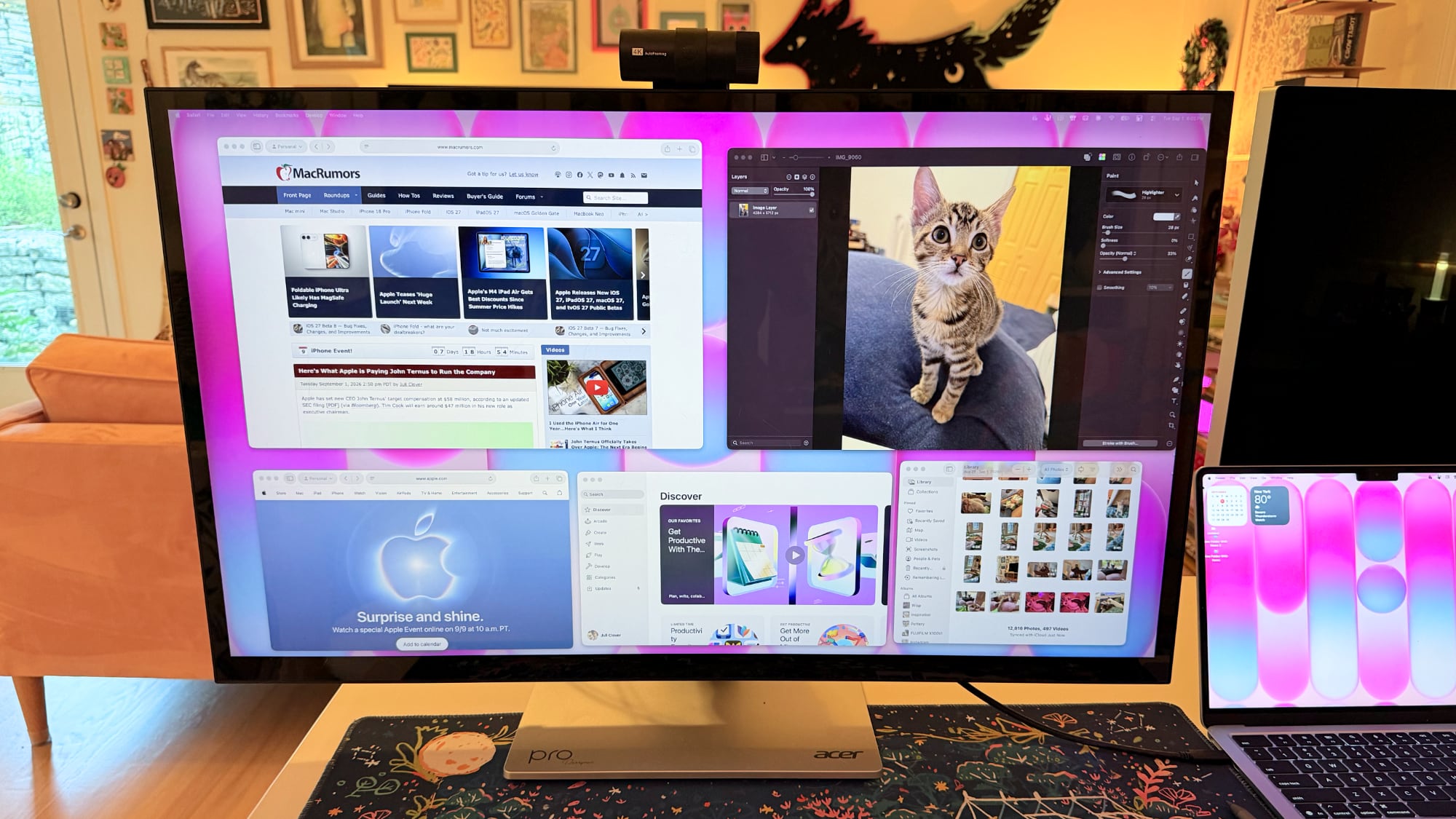
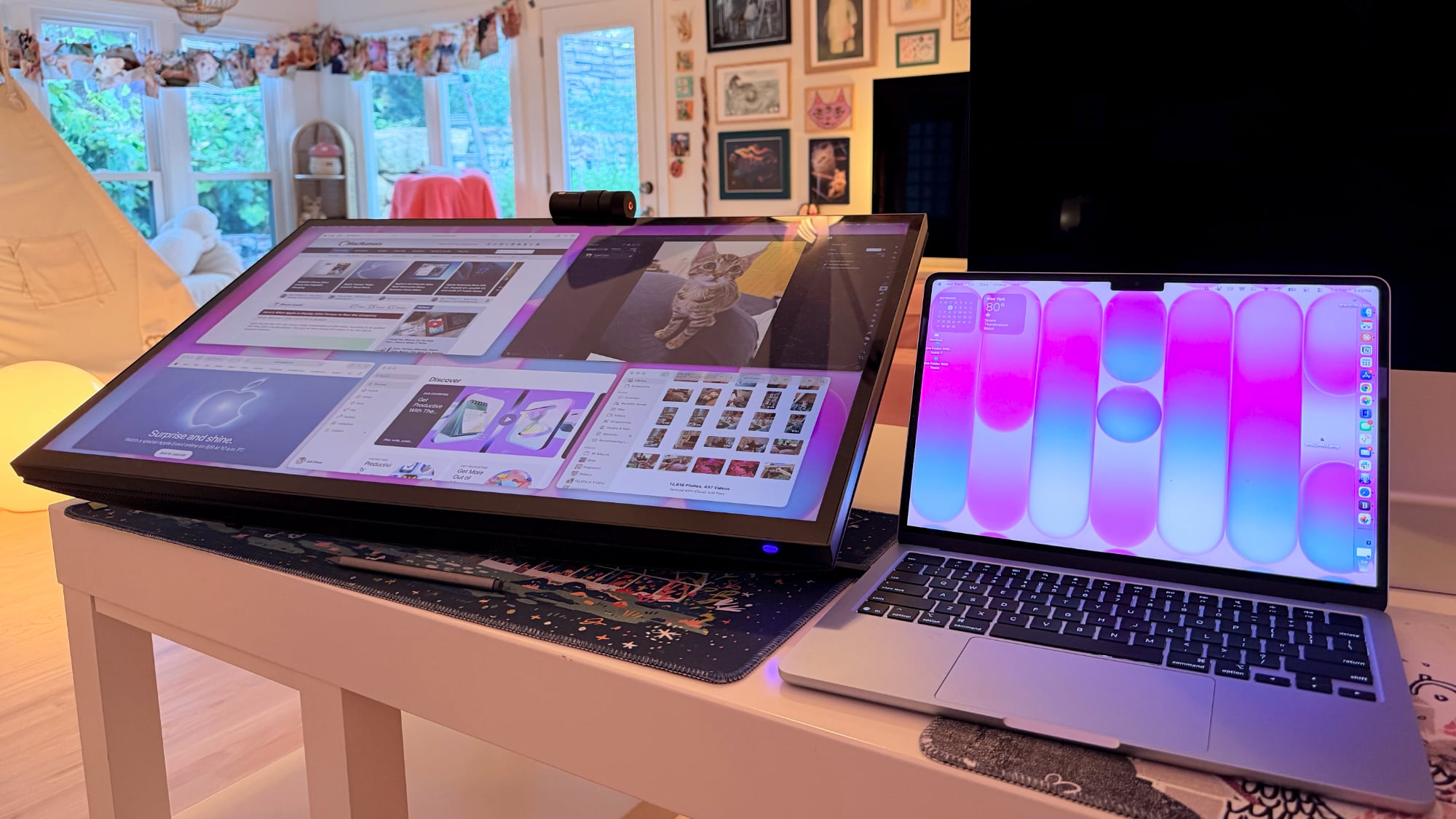
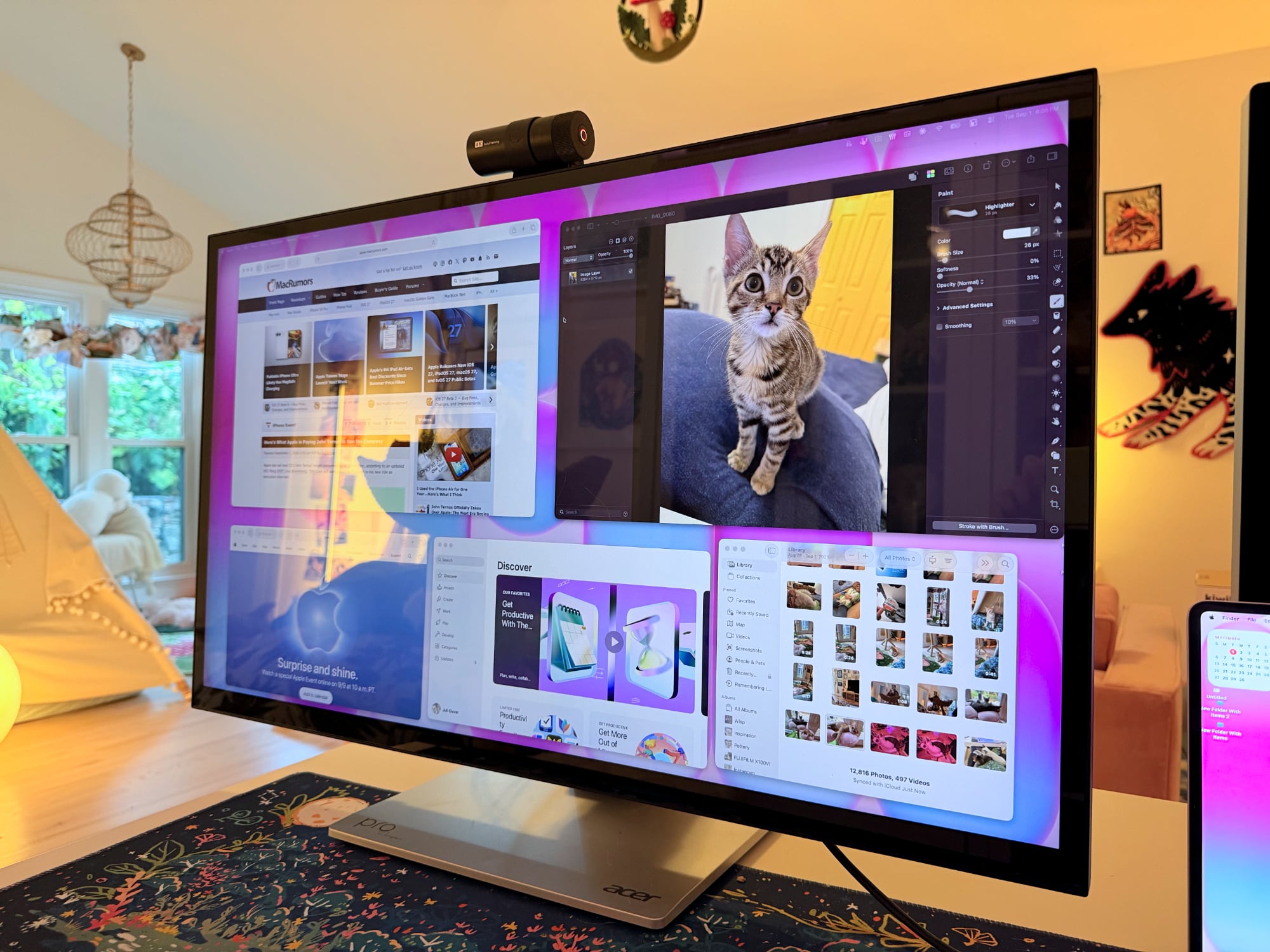
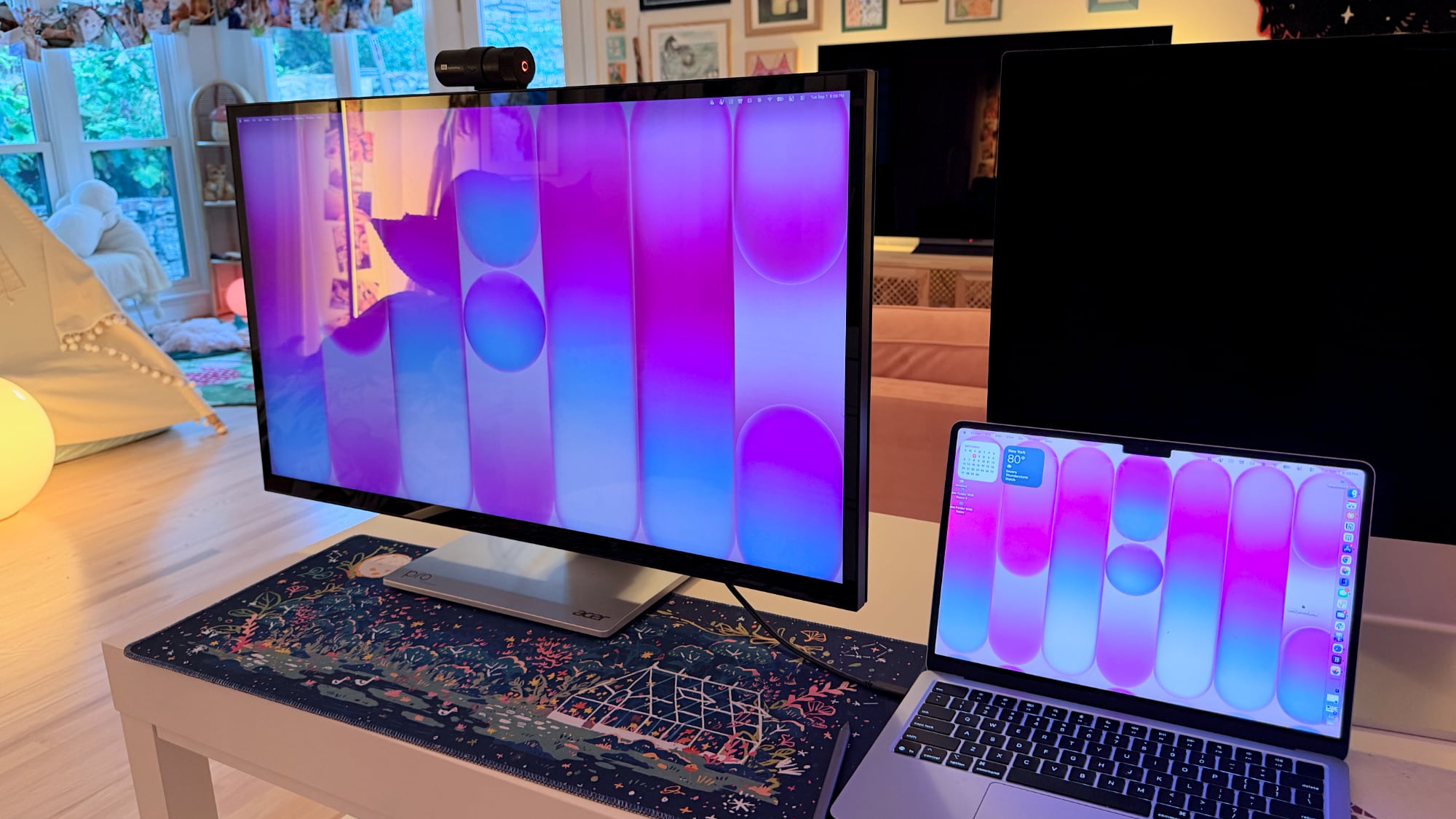
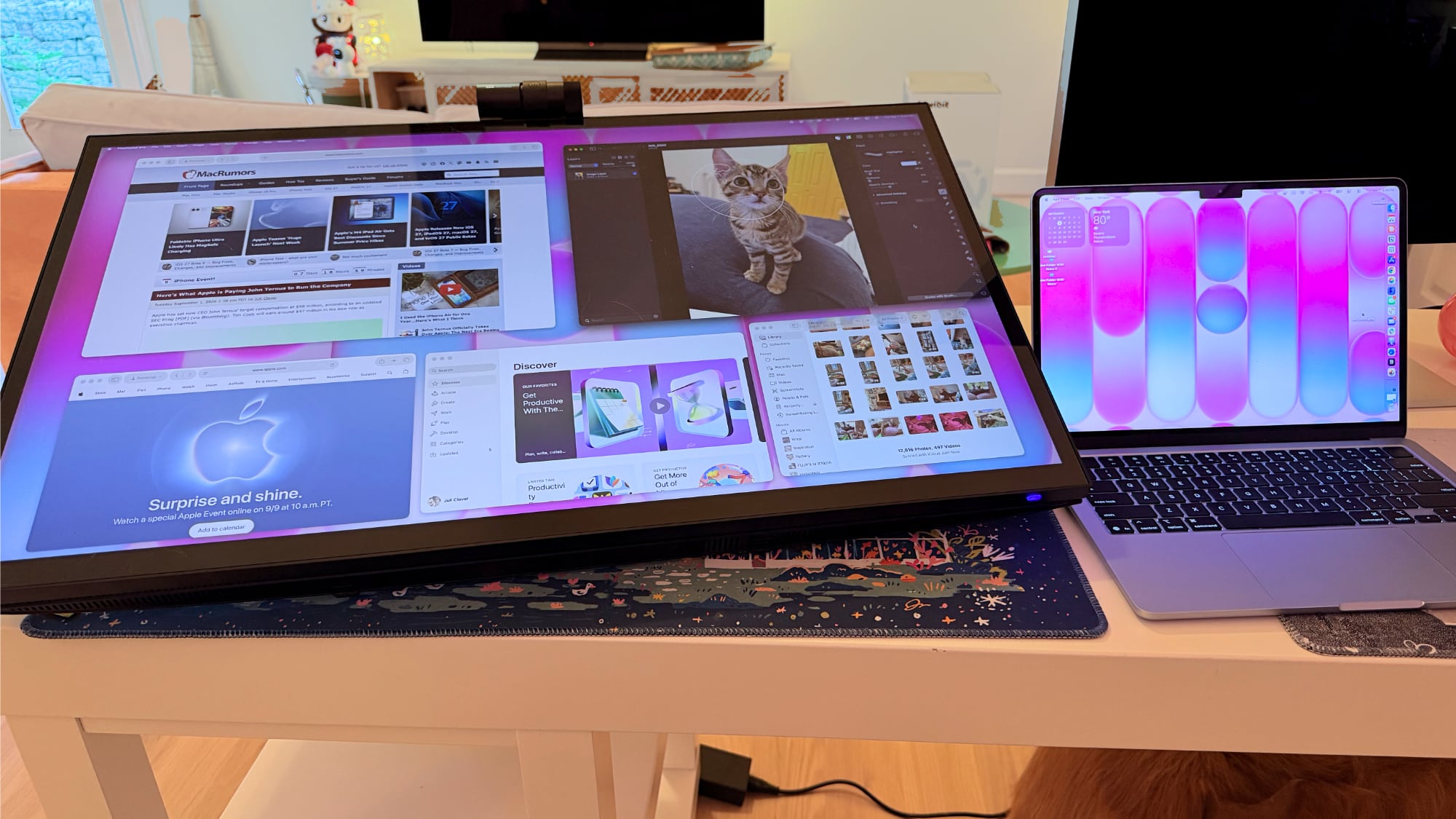
Acer recently came out with a new 6K 31.5-inch display, the ProDesigner PE320QXT. It's a touchscreen display that's able to work with a Mac using touch drivers, and it's aimed at professional creators. It's fun to use, but there are some compromises, and this is not the display to get unless you really want touch integration.
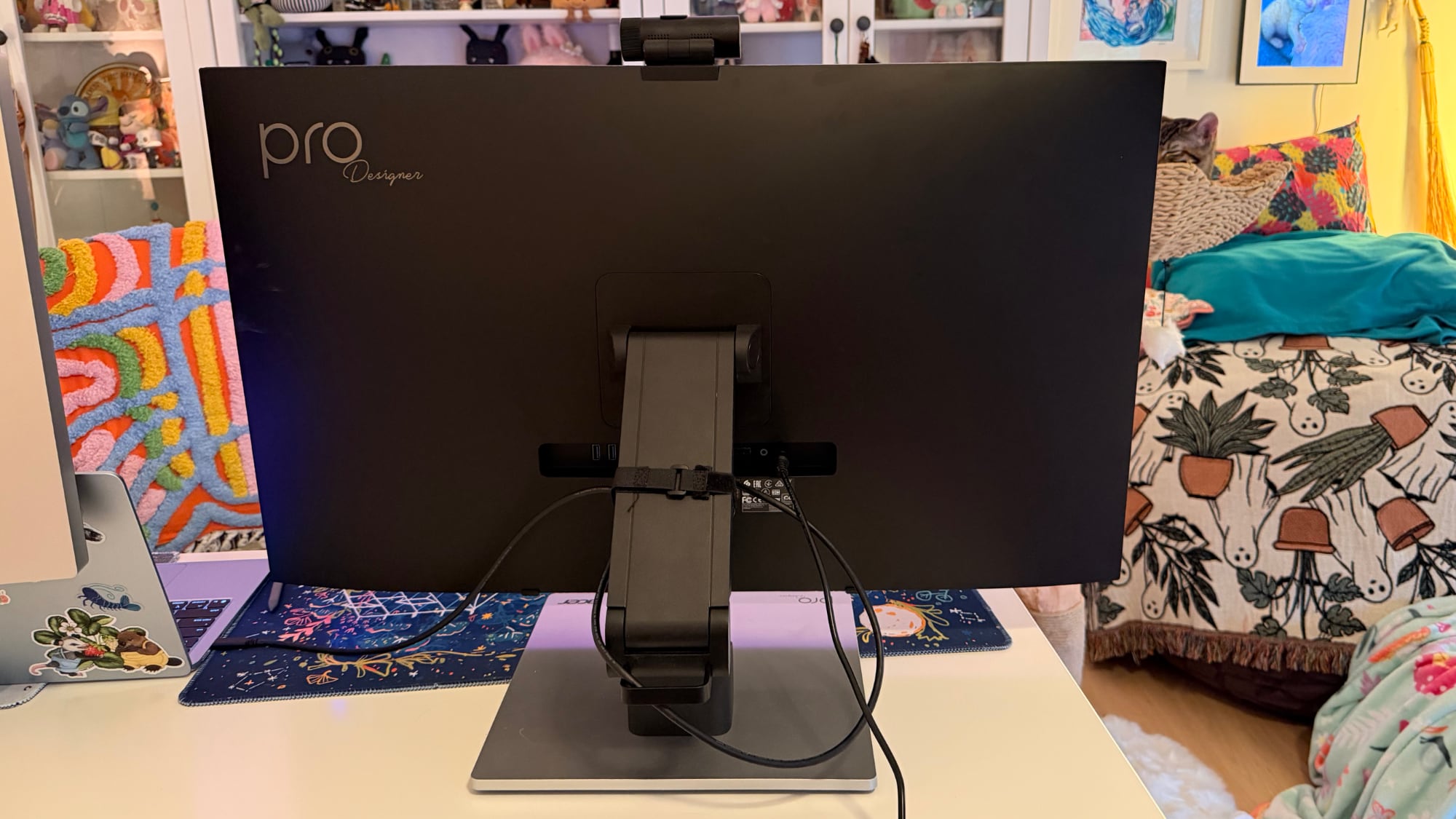
This is a big, heavy display. It's thicker than my Apple Studio Display, and it's thicker than any other display I've tested, likely because of the touch layer. It does have a tapered design so the sides aren't quite as thick as the middle, but this isn't a modern-looking monitor. It doesn't resemble something designed in 2026, especially with the button-based controls and the thick bezels. If someone told me this was a display from 2006, I'd believe it. With its stand, the ProDesigner weighs about 22 pounds, and it takes up a lot of room on my desk.
The display uses an IPS panel and has a resolution of 6016 x 3384, and it can connect to a Mac using HDMI or USB-C. I tested it on a 16-inch M1 MaxMacBook Pro running macOS Golden Gate and an M4 MacBook Air. By default, macOS uses a 3008 x 1692 scaled resolution, which is a good compromise between display quality and sizing. It can be set at higher resolutions, including the full 6016 x 3384, but window sizing and text get smaller as resolution goes up.
Text is crisp and everything looks sharp at the default resolution, but brightness is limited to 400 nits and contrast is just fair, not outstanding. My office is bright, and in the daytime, 400 nits is a little too dim, especially if I'm simultaneously using the MacBook Pro's much better mini-LED screen or a Studio Display with the Acer ProDesigner. Brightness does go up to 600 nits for HDR content, but I wouldn't recommend it for HDR movies because it doesn't have the local dimming you get from mini-LED or OLED.
Though brightness wasn't where I wanted it to be, quality and color were excellent. With some displays, it's unpleasant to use them with a MacBook Pro because of the pixel density mismatch, but 6K resolution makes a difference when using the display next to a MacBook Pro. Text and interface elements don't look soft or low-resolution. Acer says the display is Calman-verified for color accuracy with support for 99 percent of the Adobe RGB and P3 color gamuts. I don't have a colorimeter or a reference display for testing, but colors were saturated and seemed similar to those on my MacBook Pro. I did notice a little light bleed at the edges of the display when viewing a dark image in a dark room, but it's not something I noticed in regular use and the display otherwise looked uniform.
One of the main concerns with any kind of color work is the glossiness of the display. This is one of the most reflective displays I've used, and it is problematic when viewing dark content in a room with bright light. If you have lights behind you, they're going to reflect and make it harder to see what you're working on. Acer says it's an anti-glare display, but I disagree.
This is a display with a 60Hz refresh rate, and I do notice the lower refresh rate when scrolling through webpages because I'm used to my Mac's 120Hz option. This isn't a display I'd choose for games because of it, but games do look good thanks to the resolution.
Controls
Acer doesn't have a native macOS app for controlling the display, so there's no way to control brightness from the Mac unless you download third-party display software. I use BetterDisplay, and it works well.
Without third-party display software, you're limited to the brightness controls on the monitor itself. There are five buttons on the bottom right of the display. On-device controls are not as convenient as software-based controls, and it takes too many button presses to adjust brightness. I need to press one button to toggle the brightness setting, then use a different button and press several times to adjust up or down.
The brightness control is right next to the power button, so I've accidentally turned the display off several times. It's hard to imagine a control scheme that would be less ergonomic than the one Acer chose. You can tediously control all of the display settings with the physical buttons, or use third-party software to solve the problem.
Stand
The ProDesigner uses a folding stand made for switching between an upright and a tilted, low-angle orientation, with the latter meant to be used for drawing, sketching, and other tablet-style work. Since the stand is meant to tilt into a tablet position, it doesn't have much height adjustment, with about six inches of range. If you need the display to be taller, you'll need a monitor riser.
It is easy to pull it down into more of a tablet mode, and when it's oriented like that, it's like using a giant iPad or drawing tablet. It can be adjusted to several different angles, and it swivels 360 degrees so you can find the best position for whatever you're doing. The stand mechanism feels well-designed and there's little friction when making changes.
I didn't think attempting to draw or write on a display this size was going to be comfortable, but being able to angle the display helped. I had no issue when using it at my desk, though it does take up a lot of space. This isn't a situation where you can pick up your drawing surface and pop over to the couch to draw. You need the right setup for this display and its large stand.
The stand design makes the most sense if you're often using the display in touch mode, and less sense if you just want a display. It doesn't have the range of height adjustment of a standard desktop display because of the mechanism to shift it into a tablet position.
Ports and Charging
The display connects to a Mac over USB-C and offers 90W passthrough charging. That's not enough power to reach the 140W maximum charging speed of a 16-inch MacBook Pro, but it was enough to keep my Mac topped up over the course of the day, even while gaming.
It has two HDMI 2.1 ports, one DisplayPort 1.4 port, a USB-C port with power delivery, two USB-A 3.2 Gen 1 ports, a USB-B upstream port, and a 3.5mm jack. There is no Thunderbolt support, so you can't daisy-chain displays.
Touchscreen and Software
macOS doesn't have native touchscreen support, so third-party software is required to make the Acer display's touchscreen function. Acer suggests the UPDD Touch Software driver from Touch-Base, and it allows for 10-finger touch input.
You can use all of the Mac gestures you're familiar with on the ProDesigner, but it's clear this is a display that wasn't built with the Mac in mind. The UPDD software requires per-app customization of touch gestures for some workflows. It's nice that the customization is available, but the software can be confusing. I don't know who is going to want to put in the work to get this running in a way that doesn't involve at least some frustration. In an app like Pixelmator Pro, I'd have to manually tweak the gestures to be able to use it efficiently, and the same goes for most apps. Apps on the Mac just weren't built for touch input.
With the UPDD software, touch input works, and works well. Finger taps are accurate, and Acer has a stylus that goes along with the display (that is a separate purchase). With the stylus, fine-line writing and drawing are supported, and features I'd expect with a stylus, like palm rejection and tilt, are available. Using the stylus is similar to using an iPad with an Apple Pencil that has hover. I can see the mouse cursor when the stylus is close to the screen so I can tell what I'm doing. Using touch or the stylus didn't seem laggy, and writing on the display was responsive.
Touch works on macOS, and I can tap with a finger to launch apps, change settings, adjust windows, and control on-screen elements, but it's not a feature I need or want. It would take me months, if not years, to get as fast with touch gestures as I am with a trackpad, and I'd never be able to replace the keyboard.
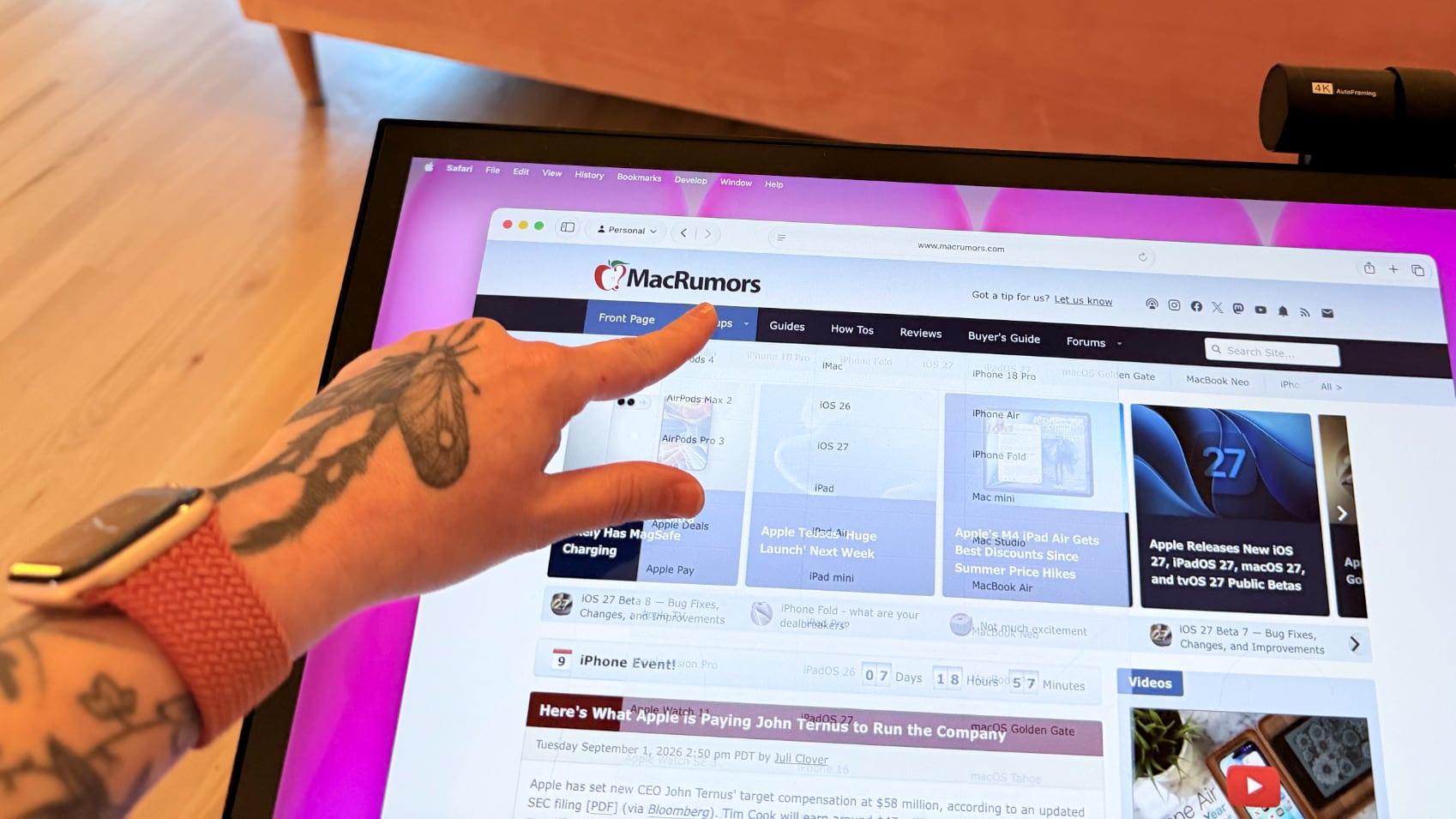
The display's touch feature is useful for drawing and sketching, and likely convenient for workflows like video editing, but I'm not sure it has appeal beyond that. There aren't many Mac tasks that are easier to do or more accessible with touch controls. Also, a display this big and this glossy really shows fingerprints.
Webcam and Speakers
There is a built-in 8-megapixel webcam, and it is higher quality than the camera in my MacBook Pro (not hard to achieve). Since I don't do a ton of video calls, it's not a super important feature for me, but someone who is often in video meetings might appreciate it more.
The camera can tilt for adjusting the angle depending on where you're positioned, but it is a wider angle than I'm used to with a webcam and the framing is awkward. When the camera is not in use, there's a physical cover for privacy purposes.
The speakers are fine, but nothing special. I wouldn't use them over standalone speakers or a Mac's speakers. Voice calls and short video content sound fine, but music sounds one-dimensional.
Bottom Line
Acer's ProDesigner PE320QXT wasn't built for the Mac, and it's obvious. It requires a lot of software to work, and it's software that Acer didn't even design. You can use it with the Mac, but the Mac was an afterthought.
The touch hardware works well, and if you want a 31.5-inch drawing surface, this display does that. You can make this work with a favorite creative app, and it's a lot of fun to have such a big digital canvas. There are rumors that Apple is working on a touchscreen OLED MacBook, so macOS could get more touch-friendly in the near future and that might change how useful the display is.
macOS wasn't built to be used with a touchscreen, and I would bet money that no Mac user is going to speed up an established and comfortable Mac workflow with Acer's display.
The only reason to choose this display over another 6K display is the touch feature. If you want a big touch surface, the ProDesigner is a good option and it's priced well for what it is. If you need a Mac display for any other purpose, you're probably better off getting something else.
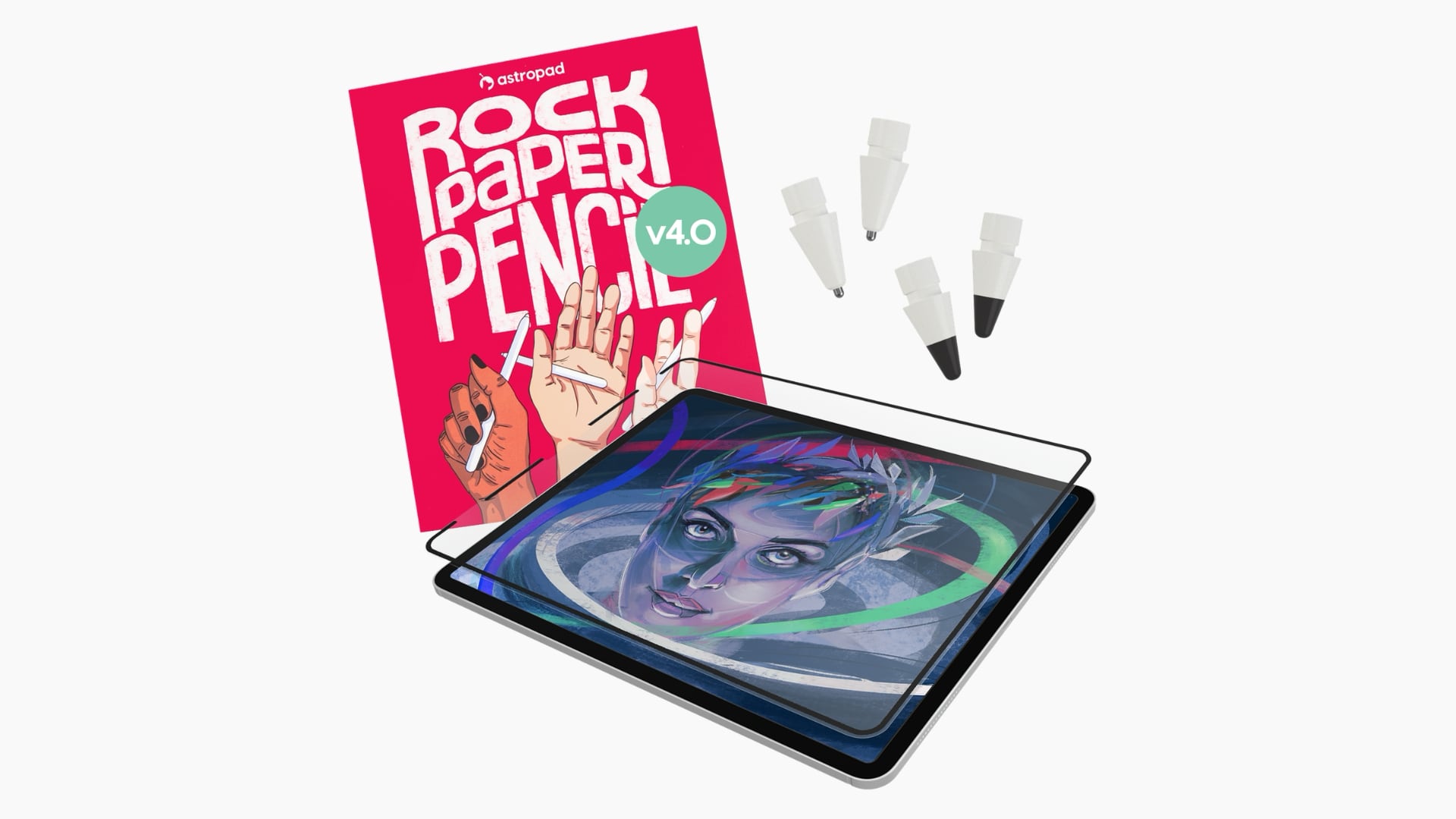
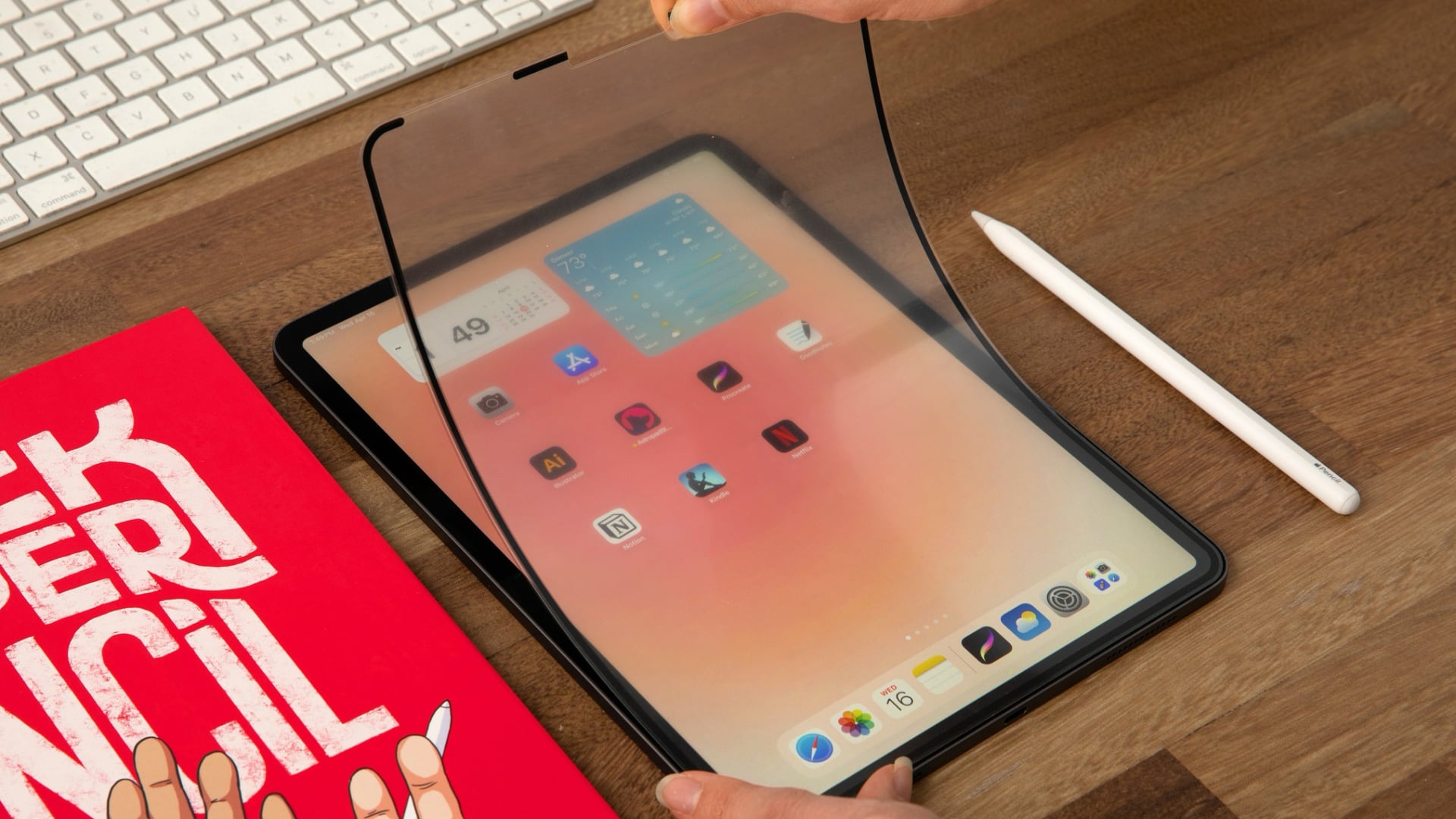
The $49.99 Rock Paper Pencil is a screen protector and Apple Pencil tip combo that makes writing on your iPad feel like writing on a piece of paper instead of a slippery glass display. It's a more comfortable and natural writing and drawing experience.
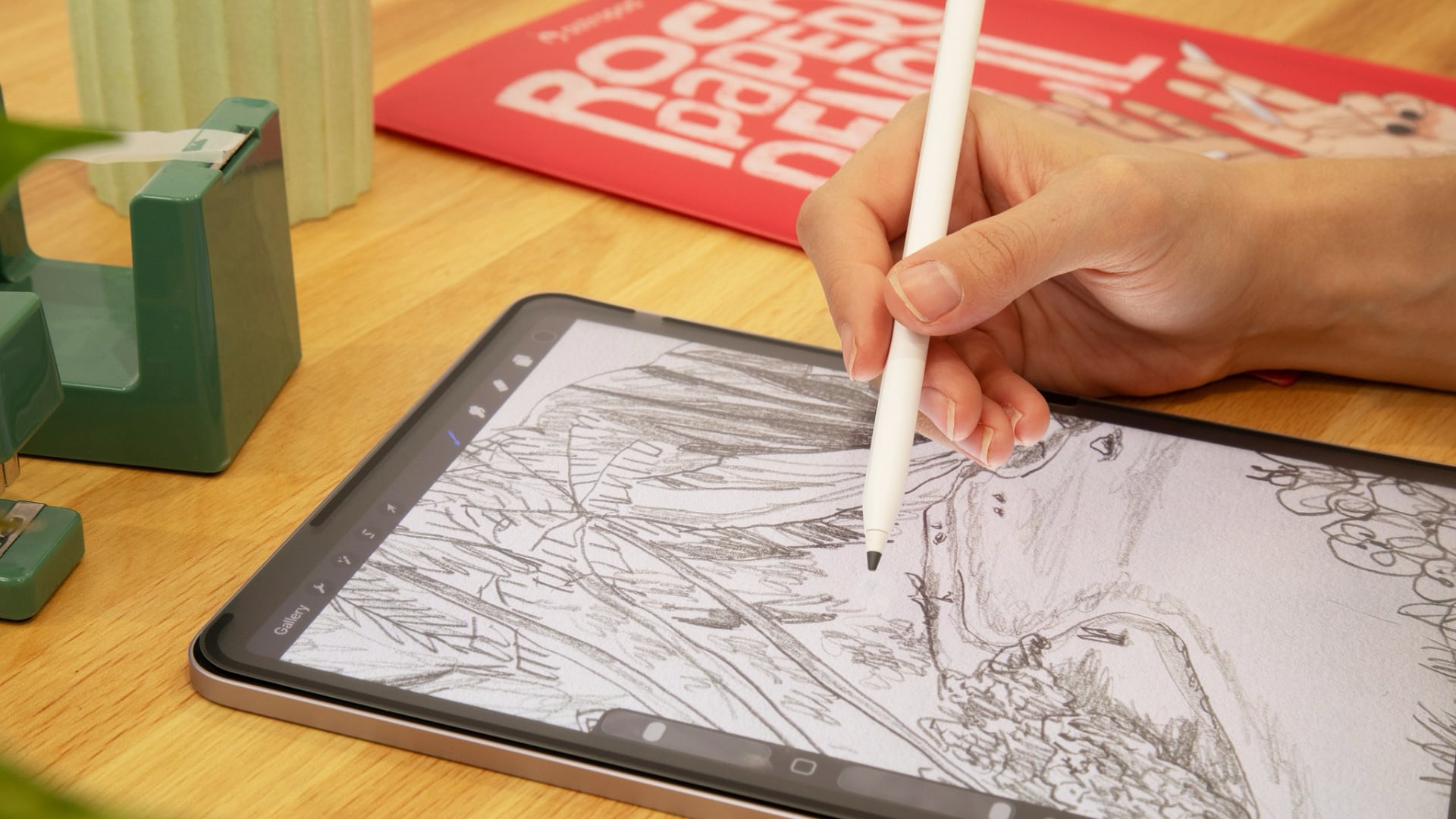
A non-adhesive paper-textured screen protector attaches to the iPad's display, with a custom tip added to the Apple Pencil. The paper-like feel of the screen comes from a microscopic texture that adds friction to improve control.
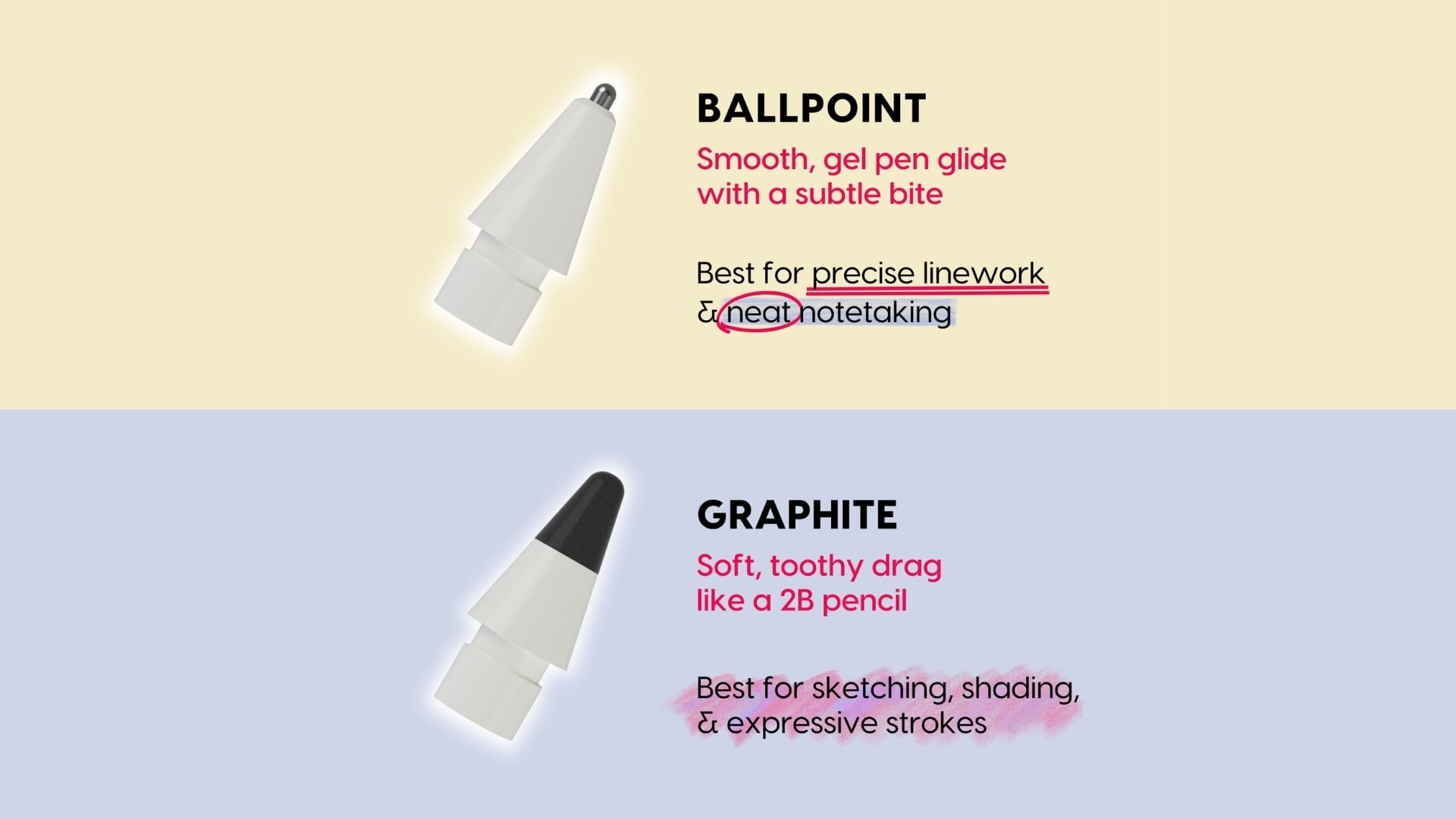
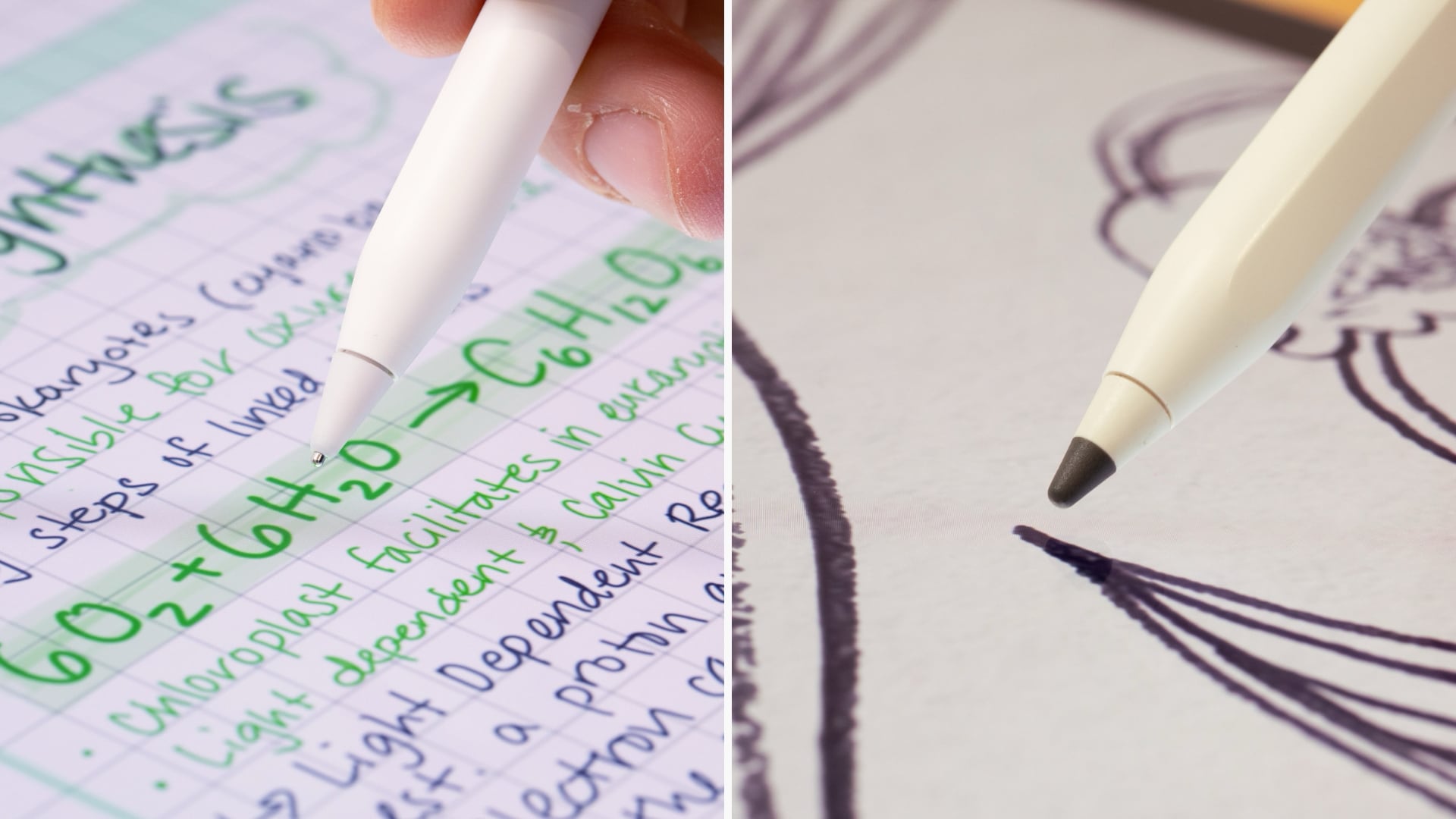
Astropad this week launched the fourth iteration of Rock Paper Pencil, and it now comes with tips that have a different feel. There's a new graphite tip that's meant to feel like writing with a 2B pencil, which Astropad says is ideal for sketching and shading. It even sounds like writing with a pencil on paper when you use it. There's also a ballpoint tip that feels like using with a smooth gel pen. It's ideal for writing and linework. Two of each kind of tip are included in the kit.
When you want to use your iPad for watching videos or playing games, you can take off the screen protector and store it away in a protective sleeve. It attaches to the iPad with Astropad's NanoCling technology, so there's no adhesive to deal with.
For those who dislike the unnatural feel of writing or drawing on a glass surface with a plastic Apple Pencil tip, Rock Paper Pencil is worth checking out.
Rock Paper Pencil is compatible with all of Apple's M2, M3, M4, and M5 iPads, as well as many older iPads.
We have a Rock Paper Pencil kit, an M4 iPad Air, and an Apple Pencil Pro for one lucky MacRumors reader. To enter to win, use the widget below and enter an email address. Email addresses will be used solely for contact purposes to reach the winner(s) and send the prize(s). You can earn additional entries by subscribing to our weekly newsletter, subscribing to our YouTube channel, following us on Twitter, following us on Instagram, following us on Threads, or visiting the MacRumorsFacebook page.
Due to the complexities of international laws regarding giveaways, only U.S. residents who are 18 years or older, UK residents who are 18 years or older, and Canadian residents who have reached the age of majority in their province or territory are eligible to enter. All federal, state, provincial, and/or local taxes, fees, and surcharges are the sole responsibility of the prize winner. To offer feedback or get more information on the giveaway restrictions, please refer to our Site Feedback section, as that is where discussion of the rules will be redirected.
The contest will run from today (September 4) at 9:00 a.m. Pacific Time through 9:00 a.m. Pacific Time on September 11. The winner will be chosen randomly on or shortly after September 11 and will be contacted by email. The winner will have 48 hours to respond and provide a shipping address before a new winner is chosen.
Aqara today introduced five new Matter-enabled smart lights compatible with Apple Home. The lights support Thread and Zigbee as well, and can be paired with Aqara sensors and switches.
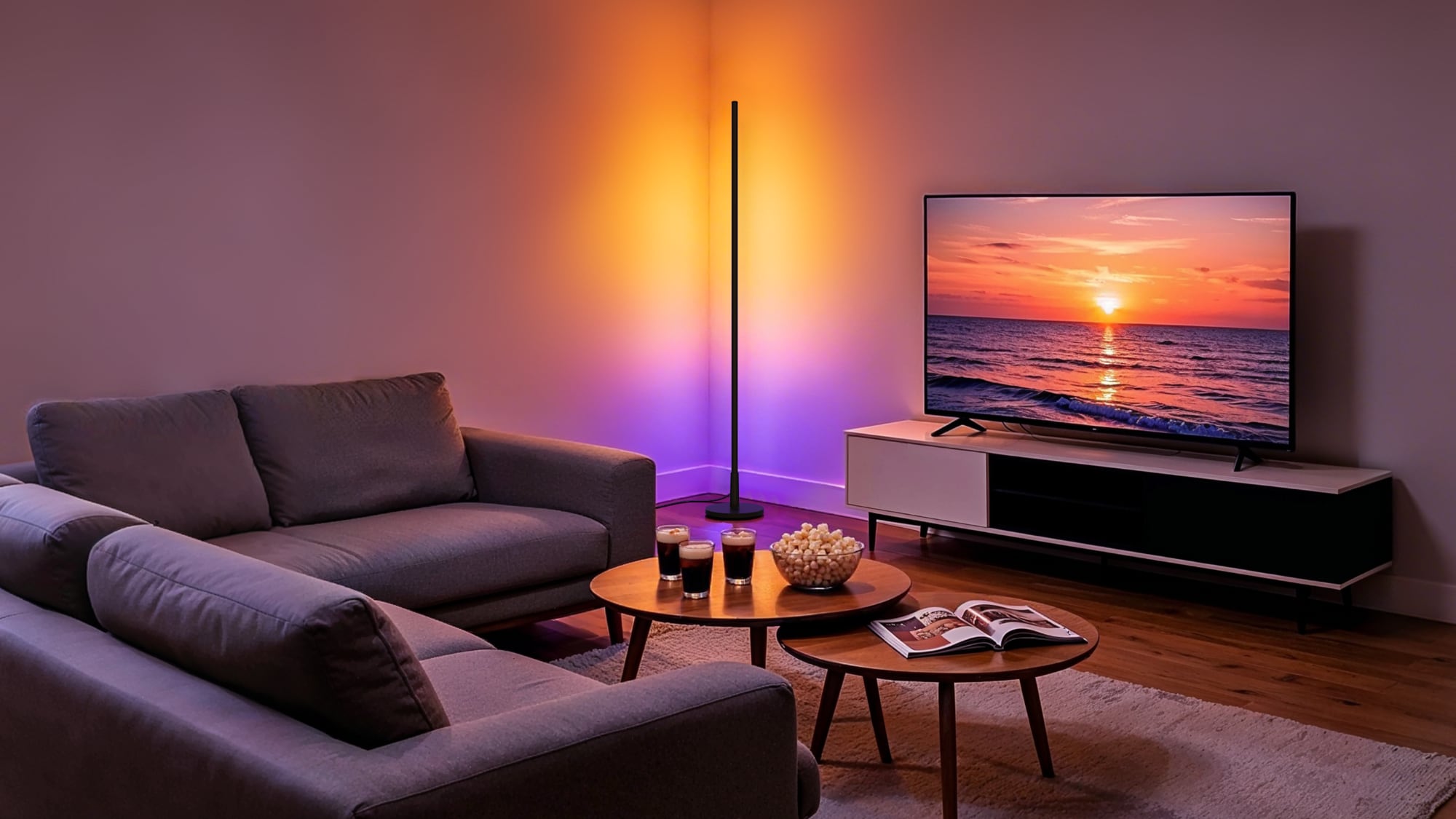
The Floor Lamp T1 is a tall, rod-shaped light with a wall-wash effect. It has 18 controllable zones that can be set to different colors, and it supports 2000K to 9000K white light at up to 1,000 lumens.
Aqara's LED Downlight T2 has a thin profile for low ceilings or retrofitting. It supports 16 million colors and 2000K to 9000K white light. The trimmable LED Strip T2 has 108 LEDs per meter and is ideal for use under cabinets and along shelves. Aqara says it delivers even light without visible hotspots. The light strip has 18 controllable zones every three meters for smooth color gradients.
The Outdoor String Lights H1 are weatherproof for use on patios and decks. The lights have individually controllable zones with the same white light range as the other lights, and can adjust based on time of day, environment, and triggers from other smart home devices.
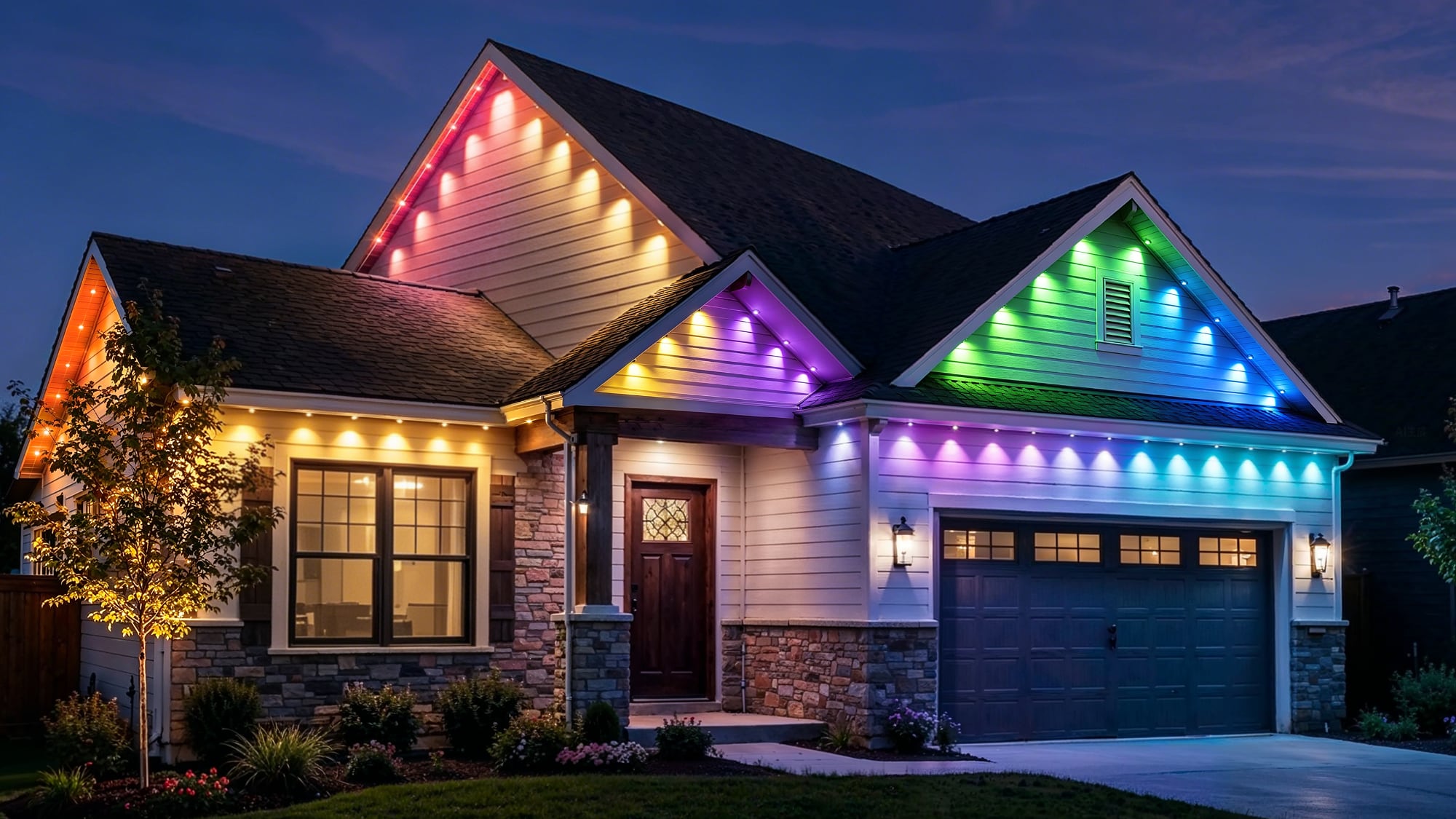
Aqara also announced the Permanent Outdoor Lights H1 that can be used all year. The lights feature independently controlled LEDs and can be extended or cut to fit any roofline.
Aqara is showing off the new lights at IFA. Pricing and launch timing are not yet available.
We're less than a week away from the debut of Apple's first foldable iPhone, and rumors have been picking up as the event date approaches. Here's the latest.
Crease - Some of the early language about the foldable iPhone's crease suggested Apple might have found a way to make it invisible, but later rumors are more realistic. The crease is minimal, but Apple hasn't found a magic way to get rid of it.
Touch ID - Touch ID is still expected for the foldable iPhone. Apple didn't have room for the Face ID hardware because the device is rumored to be just 4.5mm thick. There will be volume buttons at the top of the iPhone Ultra, with a Touch ID side button for unlocking.
Software - iOS 27makes it clear Apple is making sure apps will work with the foldable iPhone. There's a big push for app resizability and layout flexibility. The iPhone is expected to support multitasking, sidebars, and side-by-side app usage.
Cameras - Camera rumors haven't changed. We're expecting a two-lens camera setup with Wide and Ultra Wide lenses.
Chips - Early rumors said Apple would transition to the C2 and move away from Qualcomm, but it looks like Apple might still use Qualcomm modems in the United States. It hinges on whether the C2 supports mmWave 5G. The iPhone Ultra will also adopt Apple's A20 Pro chip, the same as the iPhone 18 Pro models.
Colors - The foldable iPhone is expected in white/silver and dark blue.
Apple Pencil - Apple tested an Apple Pencil with the foldable iPhone, but it's probably not going to launch.
Launch Timing - Rumors on iPhone Ultra launch timing and production have been mixed, with some sources reporting delays. Gurman says he will be "very surprised" if the device doesn't launch at the same time as the iPhone 18 Pro models or "very close to it." It's still possible supplies could be constrained, leading to long waits for those who don't pre-order early.
Price - The iPhone Ultra is expected to cost over $2,000, possibly up to $2,500 depending on storage capacity.
Apple will introduce the iPhone Ultra and the iPhone 18 Pro models at its "Surprise and Shine" event that will be held on Wednesday, September 9.
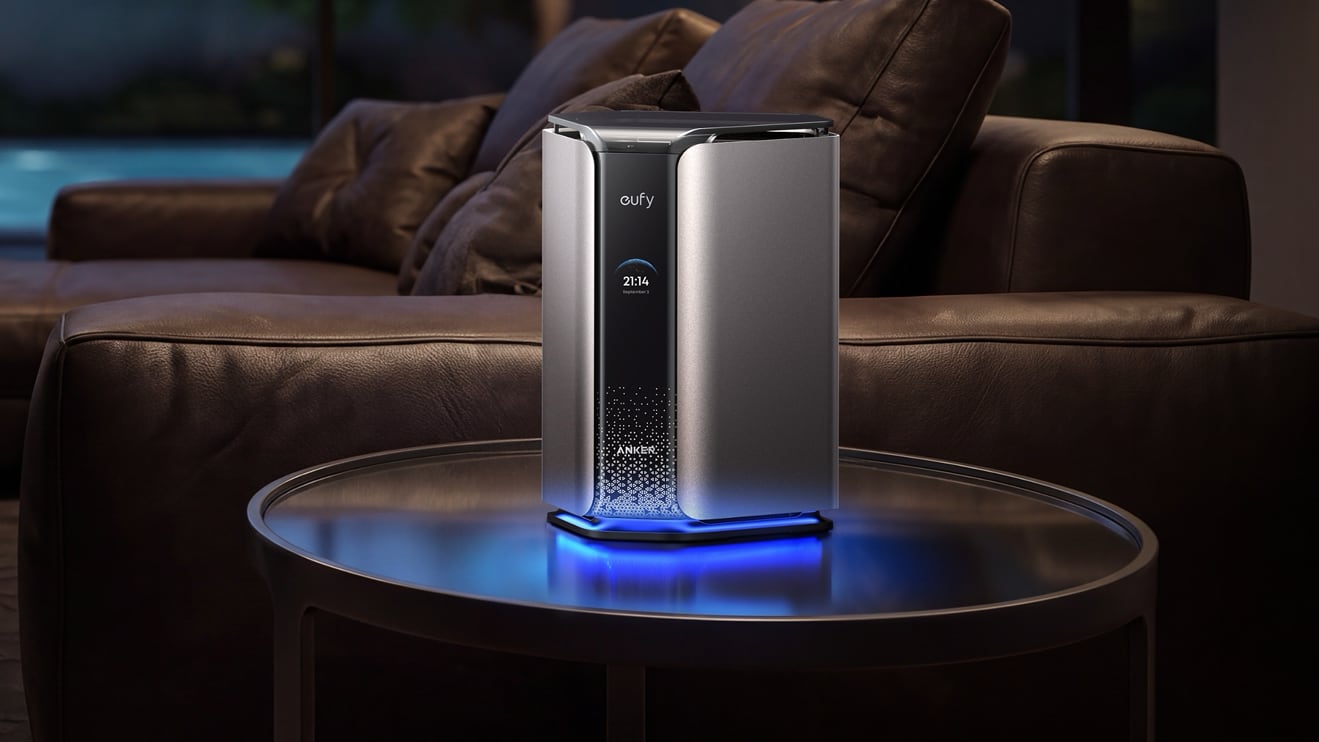
Anker today announced the launch of Anker MindBase, an AI home hub meant to work with almost 100 Anker devices and Matter-enabled smart home devices from other companies. It works alongside HomeKit, and is equipped with an AI Core compute card and the on-device Anker TrueSmart AI Agent.
In addition to working as a smart home hub, the MindBase supports up to 48TB of local storage, and it functions as a NAS. It can be used for storing files, photos, and videos locally. MindBase integrates with Anker security cameras, and Anker plans to sell a MindBase Security Kit that includes a new TrackLight Cam S1, S4 Video Doorbell, and Smart Security Shield sensor.
Anker says on-device AI evaluates events in real time to assess risk and respond through observation, lighting, verbal warnings, or active deterrence. The sensor can be placed at the edge of a property, using radar to detect strangers from up to 15 meters away.
Anker is also debuting several new home security products.
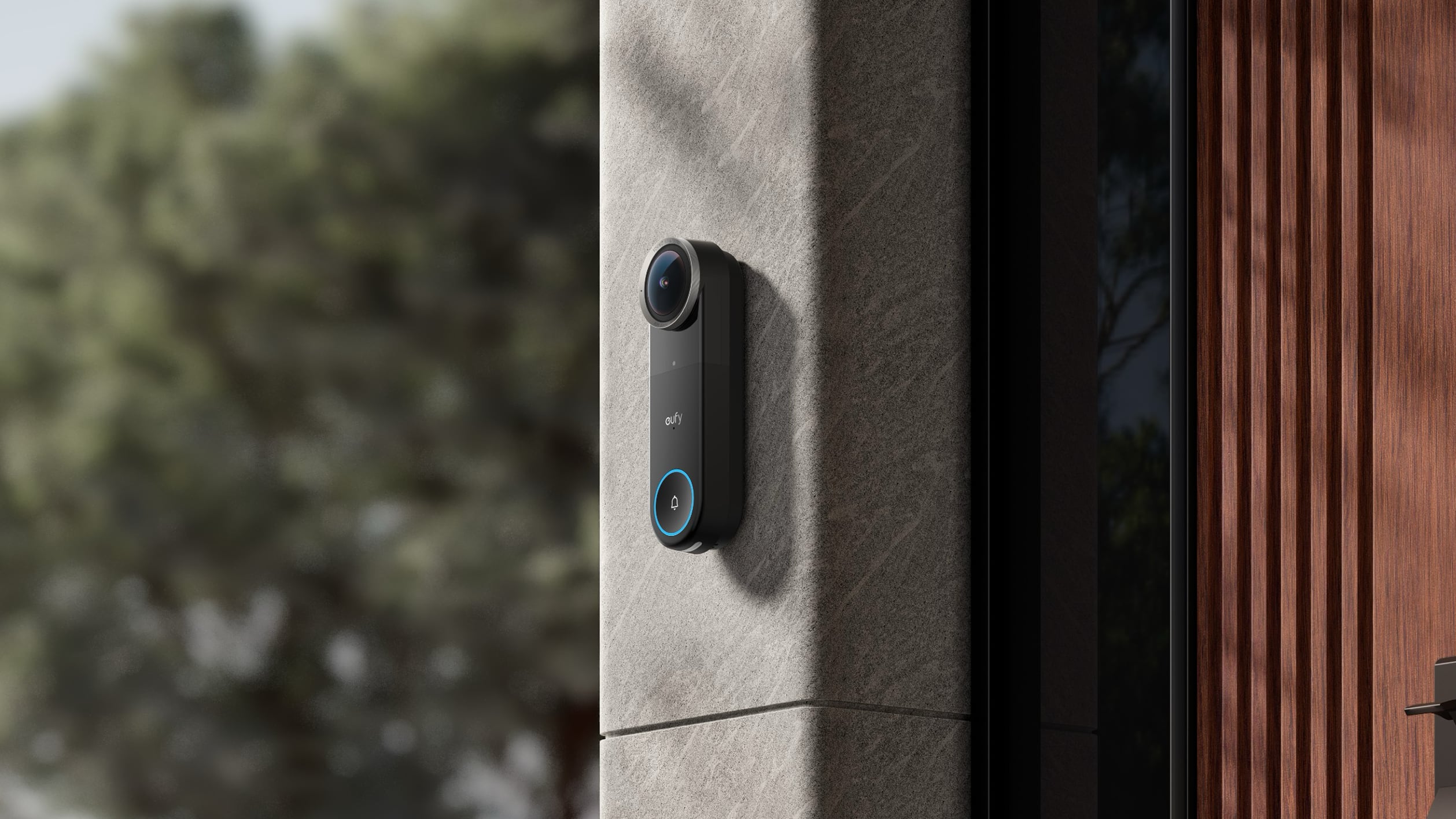
Eufy Video Doorbell S4 - The Video Doorbell S4 is a wired doorbell and security camera combo. It has a 9-megapixel lens with 3K resolution and a 180-degree field of view.
Eufy Window Camera E10 - The E10 is a camera that mounts on the inside of a window for use in rentals. It has a 25-degree adjustable tilt with anti-glare optics, and it records in 2.5K resolution.
Eufy Fall Detection Sensor - The Fall Detection Sensor is a non-wearable sensor that uses mmWave radar sensing to detect falls without using a camera. It can be mounted on the wall and supports two-way communication.
Eufy NVR Security System E50 - The E50 pairs an 8-channel network video recorder with four hybrid bullet pan-tilt-zoom dual-lens camera. There's a 2K resolution wide-angle bullet lens and a motorized 4K resolution PTZ lens.
The E50 system is available on the Eufy website starting at $999. The Video Doorbell S4 is priced at $300 and will be available in late September. The Window Camera E10 will be available later this year for $70. Availability and pricing have not yet been announced for the MindBase and Fall Detection Sensor.
Aqara today introduced five new Matter-enabled smart lights compatible with Apple Home. The lights support Thread and Zigbee as well, and can be paired with Aqara sensors and switches.
The Floor Lamp T1 is a tall, rod-shaped light with a wall-wash effect. It has 18 controllable zones that can be set to different colors, and it supports 2000K to 9000K white light at up to 1,000 lumens.
Aqara's LED Downlight T2 has a thin profile for low ceilings or retrofitting. It supports 16 million colors and 2000K to 9000K white light. The trimmable LED Strip T2 has 108 LEDs per meter and is ideal for use under cabinets and along shelves. Aqara says it delivers even light without visible hotspots. The light strip has 18 controllable zones every three meters for smooth color gradients.
The Outdoor String Lights H1 are weatherproof for use on patios and decks. The lights have individually controllable zones with the same white light range as the other lights, and can adjust based on time of day, environment, and triggers from other smart home devices.
Aqara also announced the Permanent Outdoor Lights H1 that can be used all year. The lights feature independently controlled LEDs and can be extended or cut to fit any roofline.
Aqara is showing off the new lights at IFA. Pricing and launch timing are not yet available.
Govee today introduced three new lighting products, including theSky Ceiling Light, COB Strip Light 2 Pro, and Permanent Outdoor Lights 2 Pro.
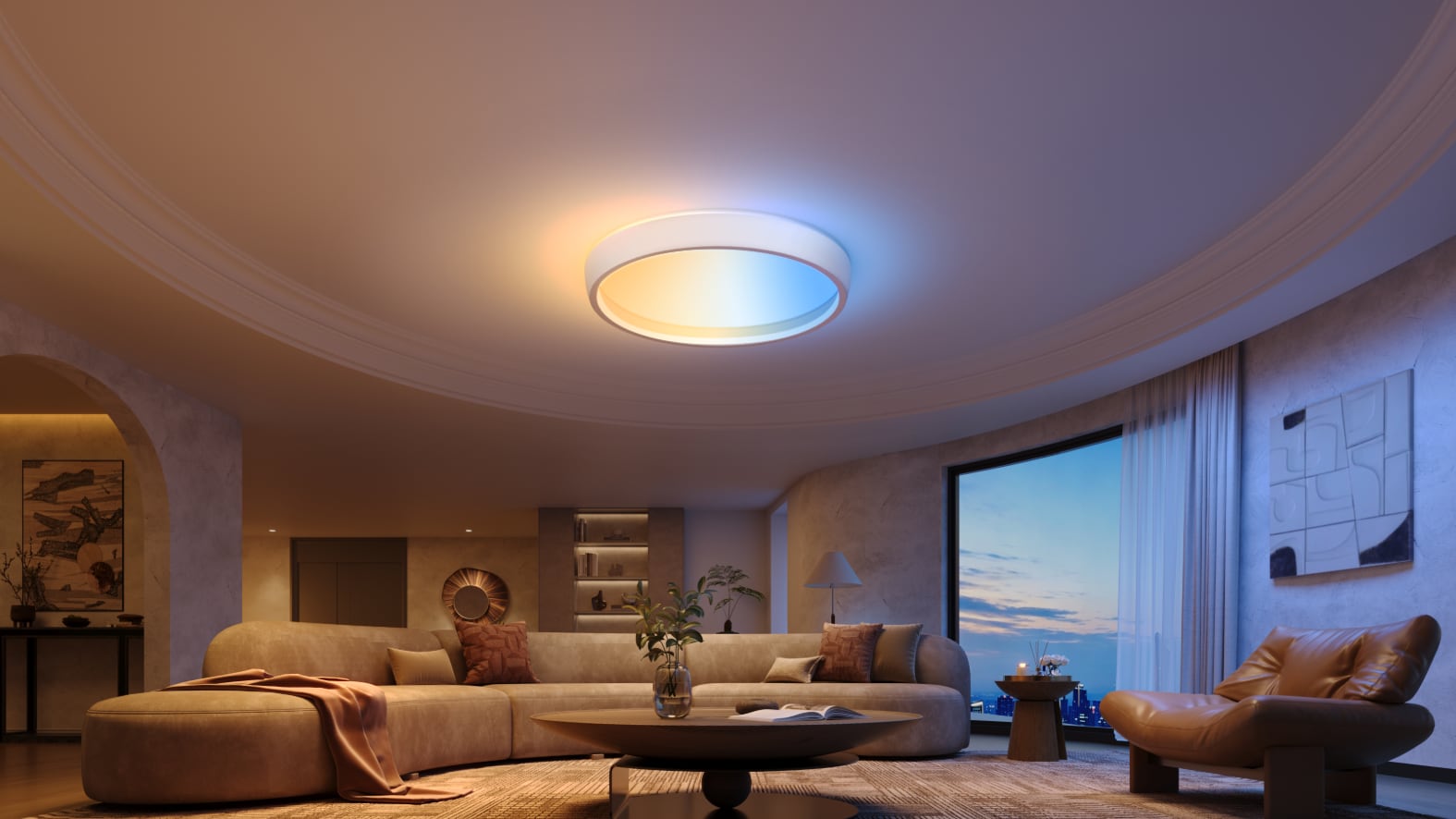
Govee says the $400 Matter-enabled Sky Ceiling Light is a "mood-responsive" light that uses AI Lighting Bot 2.0 to set the color of the light based on the user's mood or request. The light has a 478nm sky-blue spectrum for use indoors when daylight is limited, which Govee claims supports the body's "natural vitality and rhythm." It also offers white light across a 1,000K to 10,000K temperature range, with up to 7,000 lumens.
The $170 COB Strip Light 2 Pro displays custom light scenes using AI text prompts. Govee says users can curate ambient lighting for gaming, parties, movie nights, and more. The light strip has 1,344 LEDs and 16 ICs per meter, plus a triple-layer groove design for smooth output in single-color and multi-color modes.
Govee's Permanent Outdoor Lights 2 Pro feature a dual-layer design with two independently controlled ICs per light head, which allows the top and bottom zones to show different colors and effects at once. Like Govee's other lights, the Outdoor Lights 2 Pro can be controlled with AI Lighting Bot 2.0 and are priced starting at $500.
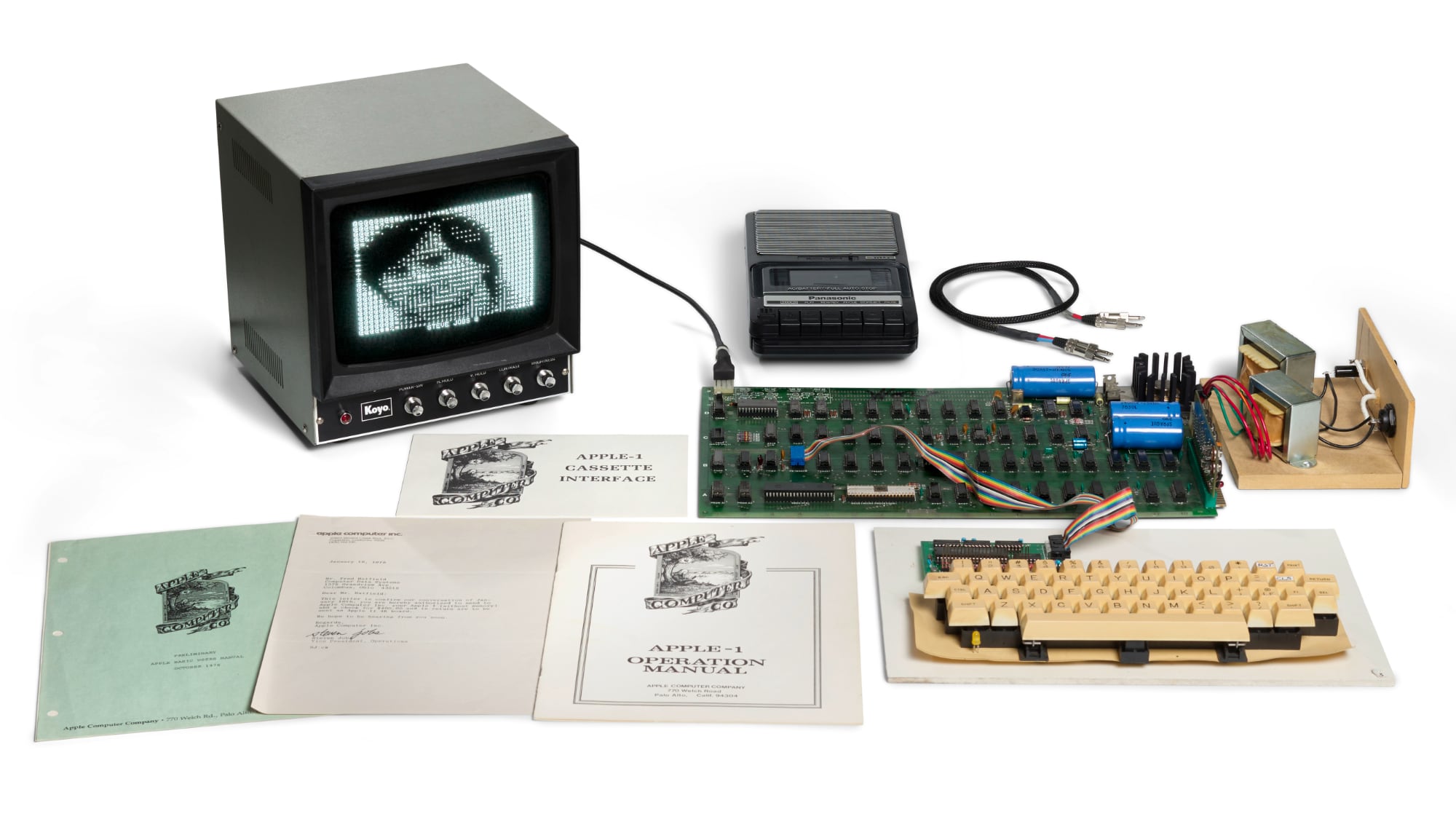
An original Apple–1 Computer could sell for between $500,000 and $800,000 when it is auctioned off this October.
There are fewer than 75 Apple–1 Computers known to exist, and a smaller number that are operational. The "Hatfield" Apple–1 is number 48 on the Apple–1 registry, and it is in working condition.
The machine was purchased by Fred Hatfield, a computer enthusiast and employee of Computer Data Systems. It is signed by Steve Wozniak and comes with a letter written to Hatfield and signed by Steve Jobs. Jobs authorized a trade-in for the newly released Apple II after Hatfield complained about the Apple–1 software, but Hatfield declined the offer because he would have needed to pay $400 for the upgrade.
Hatfield sold the Apple–1 in 2013 for $40,000. At the time, it was non-functional, but the buyer fixed it, got it signed by Wozniak, and sold it at auction for $671,400. It's now going up for sale again.
Steve Jobs and Steve Wozniak produced 200 Apple–1 computers in 1976. The device was originally offered as a bare circuit board to be sold as a kit and completed by hobbyists, but Jobs sold 50 fully assembled Apple–1 machines to California-based retailer The Byte Shop. The Byte Shop resold the assembled machines for $666.66.
The Hatfield Apple–1 will be available for public and private viewing at locations in Los Angeles, Boston, San Francisco, and New York, with dates and information listed on the auctioneer's website. Bids will be accepted from October 4 to October 14.
Functional Apple–1 computers have sold for over $900,000 at auction in the past, though pricing varies based on condition and provenance.
Apple today shared a short video featuring an Apple Watch user named Amanda who says her device saved her life.
In 2024, Amanda began receiving alerts about an abnormal heart rate. Her watch alerted her about changes to her resting heart rate and her overnight vitals, prompting her to visit her doctor.
She ended up being diagnosed with acute myeloid leukemia, an aggressive cancer. After treatment, she is in remission.
"I absolutely believe that if it wasn't for my Apple Watch, I wouldn't be talking to you," she said.
The Apple Watch regularly monitors heart rate and can send alerts when a high heart rate is detected during rest. It also notes low heart rates and irregular heart rhythms, plus the ECG app can detect atrial fibrillation.
Apple today informed developers that universal Mac App Store apps that require macOS 13 or later can remove support for Intel-based Mac computers.
We're reaching out to let you know that universal macOS apps on the Mac App Store that require macOS 13 or later can now remove support for Intel-based Mac computers.
By removing support for Intel-based Mac computers, you can simplify your development and optimize your download and on-device size.
Apps that drop Intel support will no longer deliver updates for those machines, but Intel Mac users will be able to keep using the last compatible version of an app. Apple did not previously allow Mac App Store apps with Intel compatibility to drop support.
Apple is also phasing out support for Rosetta 2, the feature that lets Intel-based apps run on Apple silicon Macs. Rosetta will stop working for most apps after macOS Golden Gate, and apps that use it won't launch. Apple is making an exception for some older unmaintained gaming titles that rely on Intel-based frameworks.
It's been almost 12 months since Apple launched the iPhone Air, and because MacRumors videographer Dan Barbera has been using it daily since launch, he decided to do a one-year review covering what it's like using Apple's super-thin iPhone on a long-term basis.
The iPhone Air is the thinnest iPhone Apple has released to date, and the form factor doesn't get old. It's pocketable, can be used with one hand, and it's much lighter than the iPhone 17 Pro and Pro Max. There's not much compromise on screen size since it has a 6.5-inch OLED display.
Apple used a smaller battery in the iPhone Air, and it doesn't last as long as the iPhone 17 Pro models. Some people might be able to get through the day on a single charge, but others will need an external battery pack like the one Apple built for the iPhone Air.
There's a single camera, which is one of the compromises with Apple's super-thin iPhone. You only get the Wide lens, with no option for the Ultra Wide or Telephoto lenses that come with the other iPhone 17 models. No Ultra Wide also means no macro images.
Price was and continues to be the biggest iPhone Air issue. At $999, it's more expensive than the iPhone 17, which has two cameras and nearly the same processor, and only $100 less than the three-camera iPhone 17 Pro. The iPhone Air's price wasn't worth it to a lot of people, and rumors suggest that it didn't sell well.
Make sure to watch Dan's video to see all of his thoughts on the iPhone Air.
Apple has set new CEO John Ternus' target compensation at $58 million, according to an updated SEC filing [PDF]. Tim Cook's target compensation is $47 million in his new role as executive chairman.
Ternus' fiscal 2027 compensation includes a $3 million salary and an annual equity award with a target value of $55 million. A quarter of the award is time-based and will vest semiannually over four years. The rest of the restricted stock units (RSUs) will vest based on Apple's total shareholder return relative to other companies in the S&P 500, which is how Cook's RSUs have worked for many years. For fiscal 2026, Apple granted Ternus a prorated RSU award with a target value of $2.5 million.
Cook's new salary will be $2 million, but he's also earning an equity award with a target value of $45 million in fiscal 2027. Half will be granted in the form of time-based RSUs that vest over four years, and the other half will vest based on Apple's stock performance. Should Cook retire on or after the first anniversary of the grant date, his equity will vest, but he won't receive the shares until the originally scheduled vesting dates.
Target compensation figures for Ternus and Cook do not include performance-based bonuses, so the final amount each earns in fiscal 2027 could change.
In 2025, Cook earned $74.3 million, including a $3 million salary, $12 million in performance-based cash awards, and $57.5 million in stock awards.
Ternus' previous pay as Apple's senior vice president of hardware engineering was not publicly shared, so this is the first look at his compensation.
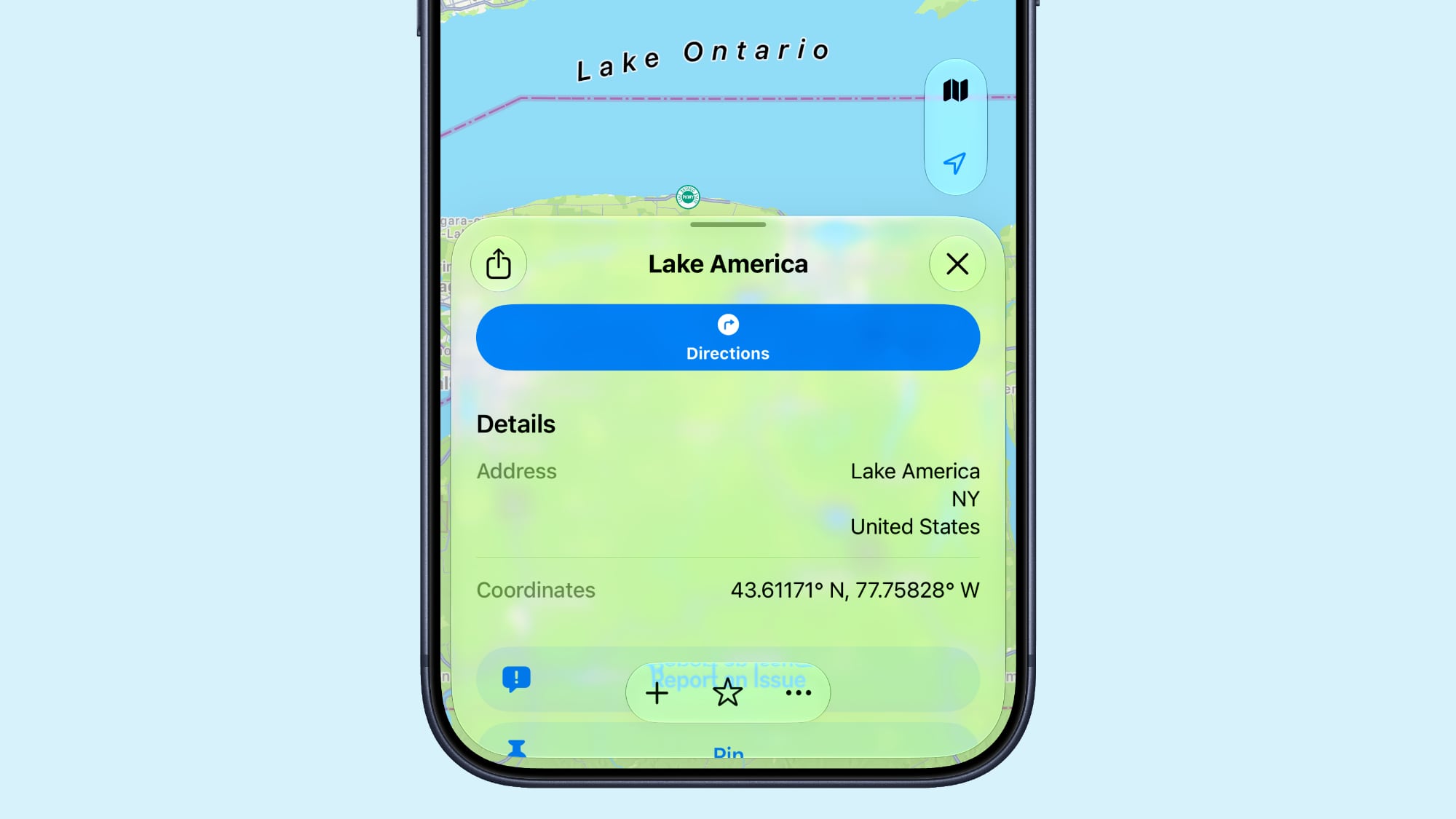
Apple Maps users in the United States will now see "Lake America" instead of "Lake Ontario" for the Great Lake on the border of Ontario and New York.
The updated name is currently rolling out to iPhone, iPad, and Mac users. The Maps app still has the Lake Ontario label for the body of water, but tapping it now says "Lake America." Apple will likely change the label in the next few hours.
As with Trump's renaming of the Gulf of Mexico, Apple Maps users in the United States will see the lake listed as Lake America. Canadians will see the Lake Ontario name, and users outside of the U.S. and Canada will see both names.
According to Axios, Trump directly asked Apple to rename Lake Ontario "Lake America" in the Maps app. Trump announced the name change after the ongoing trade war escalated with both countries announcing additional tariffs.
Once popular mapping app MapQuest refused to change the name of Lake Ontario, and its stance has caused it to surge on the App Store charts. MapQuest is the number one free app on the iPhone at the current time.
Anthropic today introduced Claude Fable 5.1 and Claude Mythos 5.1, which the company says are the "world's most advanced models for coding and knowledge work."
According to Anthropic, Claude Fable 5.1 sets a new standard for coding, knowledge work, and long-running problem-solving tasks. It achieves similar or better results than Fable 5 at low or medium effort, and has much higher performance at higher effort tiers. It outperforms Fable 5, Opus 5, and OpenAI's GPT–5.6 Sol across multiple benchmarks.
Fable 5.1 and Mythos 5.1 are the same model, but with different safeguard levels. Fable 5.1 is available to everyone, but Mythos 5.1 is limited to U.S. companies and individuals participating in Anthropic's trusted access programs. There's a new Life Sciences Verification Program that allows Mythos 5.1's advanced biology capabilities to be used for scientific research, with open enrollment for scientists coming soon.
Safeguards for Fable 5.1 have been improved, and Claude Code users should see around 60 percent fewer cybersecurity false positives. Anthropic says Fable 5.1 can now be used to discover software vulnerabilities, but not develop exploits for them. Fable 5.1 includes invisible watermarking for text generated by Claude, and Anthropic is rolling out a detection API in a private preview. The API is available to eligible organizations as required by EU law.
Fable 5.1 costs approximately 25 percent less than Fable 5 for typical workloads, and up to 45 percent for highly agentic work, because of a reduction in cache-read pricing. Base pricing remains the same. It is available today on all platforms.
Apple's foldable "iPhone Ultra" will likely support MagSafe charging, Bloomberg's Mark Gurman said in an interview with Tom's Guide.
iPhone Ultra dummy models that surfaced in April didn't include a MagSafe ring, while dummies of the iPhone 18 Pro did. Leaked cases for the device did have a MagSafe ring, making it unclear whether it would support MagSafe charging.
"All indications that I've heard is that MagSafe is in for this foldable phone. They were able to get it into the iPhone Air, and I don't see why they wouldn't be able to get it into the foldable," said Gurman.
Leaving out MagSafe was plausible because the iPhone Ultra is supposedly super thin, measuring 4.5mm when open. The device does not have room for Face ID camera hardware, and it is rumored to use Touch ID instead.
Gurman recapped several other iPhone Ultra rumors:
$2,000+ price tag
5.5-inch outer display (when closed)
7.8-inch inner display (when unfolded)
Short and wide passport-style design
Latest Apple modem (likely C2)
Latest Apple chip (A20 Pro)
Wide and Ultra Wide camera lenses
No telephoto lens
Durable hinge, minimal but not invisible crease
Apple has "gone to great lengths" to make apps automatically resize to fit different displays
Apple will announce the foldable iPhone alongside the iPhone 18 Pro models at its "Surprise and Shine" event set to be held on Wednesday, September 9. While there have been rumors that the foldable iPhone could be delayed and launch after the iPhone 18 Pro models, Gurman says he would be "very surprised" if the foldable did not come out at the same time as the Pro iPhones or "very close to it."
"Either on the same launch date, a dual launch, or coming out within weeks later. This idea of a late October, November launch, massive delays, supply chain issues, I don't believe to be the case," he said.
Former Apple CFO Luca Maestri is taking another step back from the company, reports Bloomberg. Maestri left his role as CFO in January 2025, but stayed at Apple to run the company's Corporate Services teams.
Maestri stepped down from that position in recent weeks, and Bloomberg says he is still at Apple but has no responsibilities other than hosting a class at Apple University. Maestri reported to former Apple CEO Tim Cook, but he does not report to new Apple CEO John Ternus. Maestri is slowly withdrawing from Apple, and visits the office about once a week.
Corporate services includes information systems and technology, information security, and real estate and development. The team is being taken over by Kevan Parekh, who became Apple's CFO after Maestri stepped down.
Bloomberg says Cook liked to keep departing executives in smaller roles, but Ternus may not continue that practice.

 Log in