❌

Lees weergave

iPhone 18 Pro: Everything M6 Tells Us About the A20 Chip

Apple announced the M6 chip last week, just ahead of its September iPhone event, providing the clearest indication yet of what the A20 will bring to the iPhone 18 lineup.
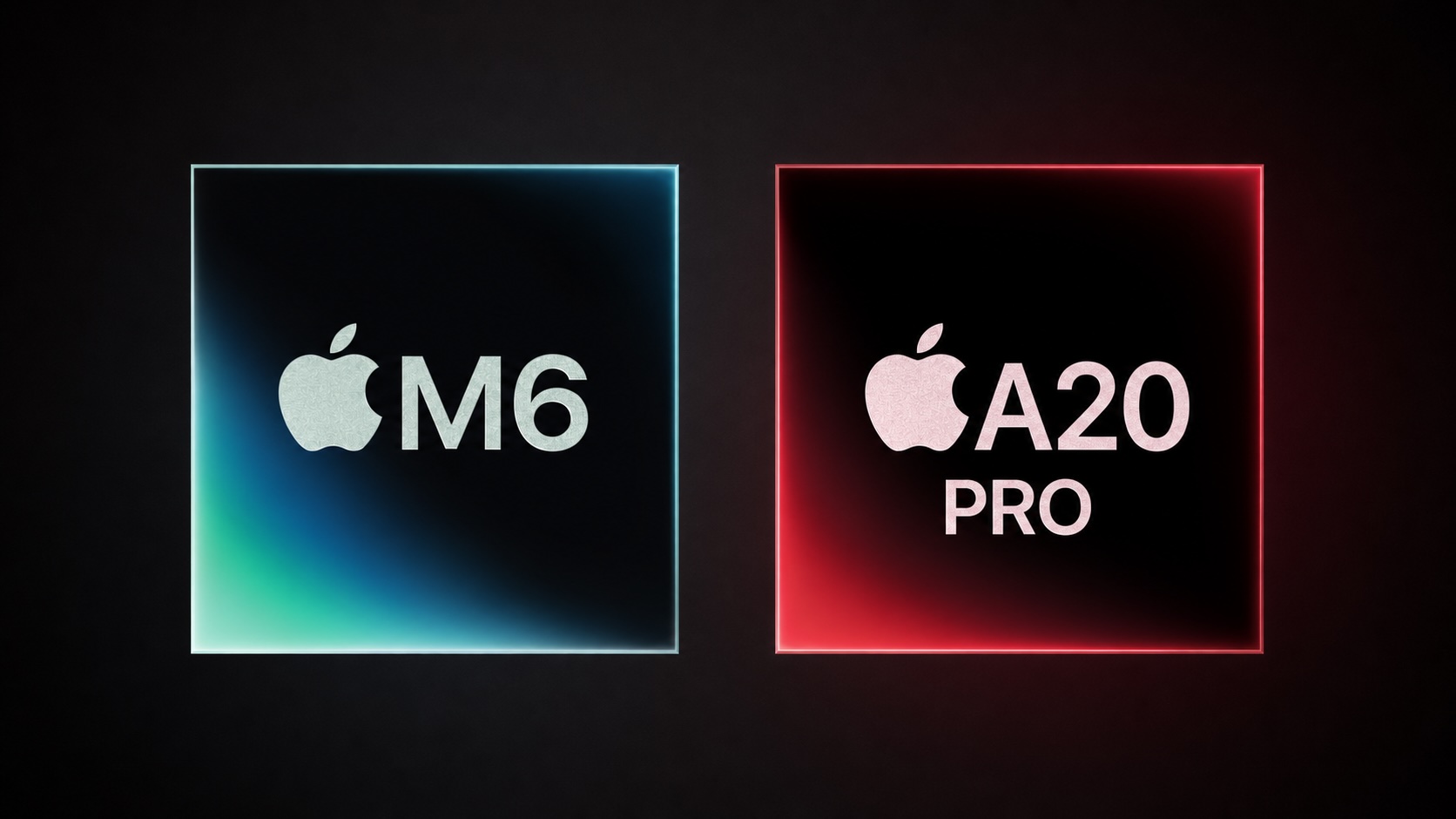

Apple silicon generations share much of their architecture across the A-series and the M-series, so a new A-series chip normally functions as a partial preview of the M-series chip that follows it. This year the order reversed; the M6 was revealed on August 25, ahead of the A20 Pro expected in the iPhone 18 Pro this month.

Recent reports place the A20 Pro at up to 18% faster and up to 30% more power efficient than the A19 Pro, which is broadly similar to the M6 over the M5.

Apple's First 2nm iPhone Chip


The M6 is Apple's first chip built on TSMC's 2nm (N2) process, with the second almost certain to be the A20. Being a smaller manufacturing process, N2 has higher transistor density, allowing Apple to pack more performance into a smaller area.

Apple has historically debuted new nodes on the A-series, since iPhone volume validates yields, so introducing N2 in an $899 Mac mini represents a change. As such, reports that the A20 and A20 Pro will move to N2 are now supported by a shipping product rather than analyst predictions. The consequence for the iPhone event is that the "Apple's first 2nm chip" claim is no longer available.

Dual Neural Engine?


The iPhone's Neural Engine has remained at 16 cores and approximately 35 trillion operations per second since the A17 Pro, spanning three generations. The M6 introduces a Dual 16-core Neural Engine, which Apple says system frameworks can address simultaneously for up to 2x the peak compute of previous generations.

The change corresponds with the reported move to WMCM packaging, which integrates memory onto the same wafer as the CPU, GPU, and Neural Engine to shorten the path between them. It is possible that die area and thermal constraints may limit a dual engine to the A20 Pro.

GPU AI Gains Are Now Incremental


Apple said the M5 delivered over 4x the peak GPU compute for AI compared to the M4, reflecting the introduction of Neural Accelerators within each GPU core. The M6 is rated at nearly 30% over the M5.

The A19 Pro recorded a comparable 4x improvement on the iPhone 17 Pro last September for the same architectural reason. Second-generation Neural Accelerators consequently appear to represent a refinement rather than another step change, suggesting the A20 Pro will not repeat the A19 Pro's headline figure.

Graphics Improvements Should Carry Across


The M6 adds 50% increased geometry rates, an updated shader core architecture, revised Dynamic Caching, and hardware-accelerated ray tracing. These are architectural changes and comparable graphics work has historically appeared across both the A-series and M-series within the same generation.

Memory Bandwidth Suggests a Modest A20 Gain


Memory bandwidth determines how quickly data moves between the memory and the processor, and it is the main constraint on running large language models on device. The M6 provides up to 170GB/s, which Apple describes as a 10% increase over the M5's 153.6GB/s.

That increase is small enough to indicate Apple is using a faster grade of the same LPDDR5X memory rather than moving to the newer LPDDR6 standard, which would have delivered a far larger jump. Reports indicate Apple is sourcing high-speed LPDDR5X from Samsung for the β€ŒiPhone 18β€Œ lineup, and the M6 is consistent with that.

The implication for the A20 is that memory bandwidth is unlikely to improve dramatically. The A19 Pro is rated at 76.8GB/s, and a similar 10% uplift would take the A20 Pro to roughly 85GB/s. Any meaningful gain in how quickly the β€ŒiPhone 18 Proβ€Œ loads and runs on-device models is therefore more likely to come from WMCM packaging shortening the distance data travels than from the memory itself.

AV1 Encode Remains Absent


The M6 Media Engine supports hardware-accelerated H.264, HEVC, ProRes, and ProRes RAW, with AV1 decode but no AV1 encode, matching the M5. The omission on a new process node in a desktop chip makes its inclusion in the A20 Pro highly unlikely.
Related Roundups: iPhone 18, iPhone 18 Pro
Related Forum: iPhone

This article, "iPhone 18 Pro: Everything M6 Tells Us About the A20 Chip" first appeared on MacRumors.com

Discuss this article in our forums
  •  

Foldable 'iPhone Ultra' Still Likely to Be Missing These Five Features

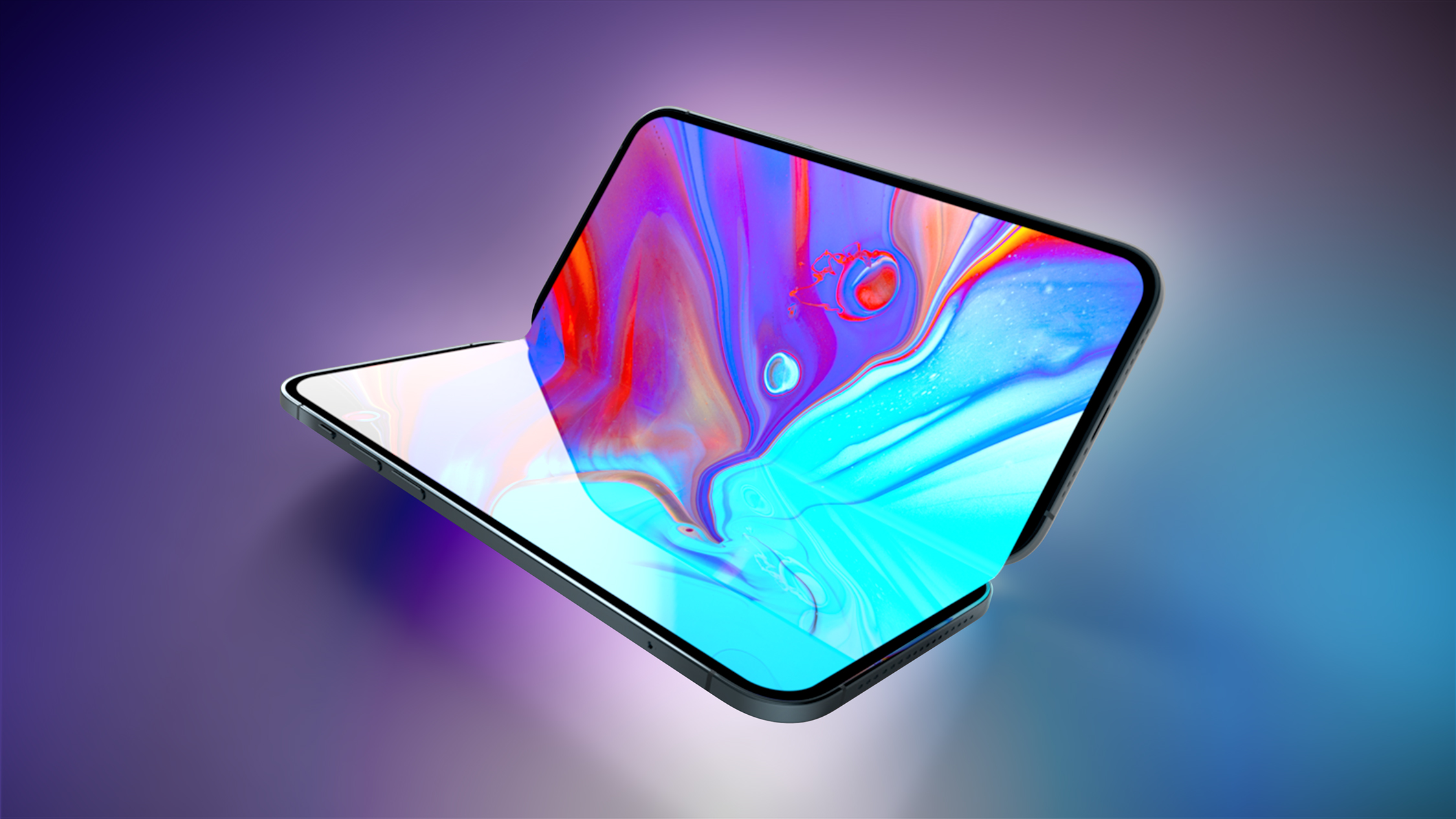
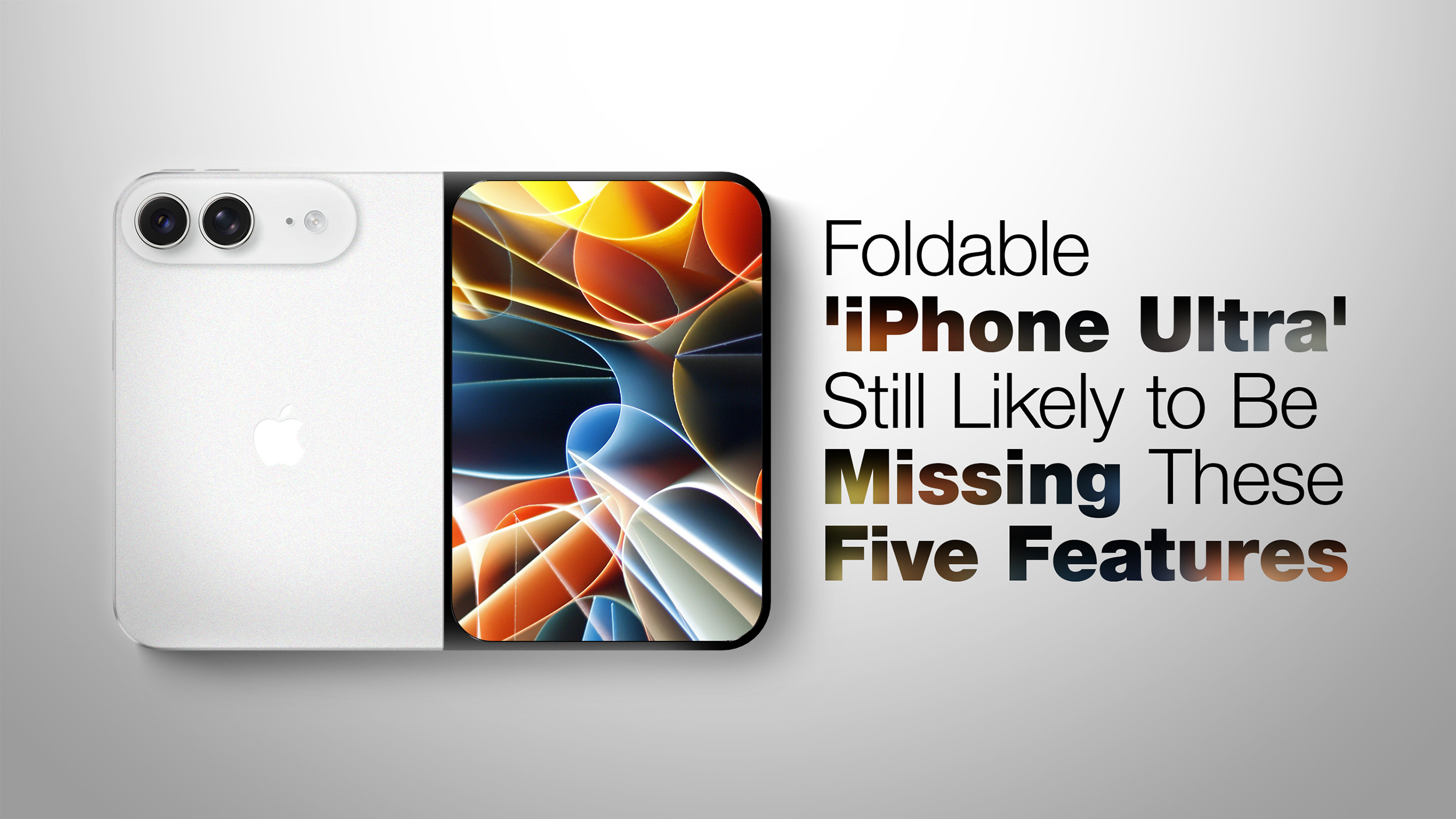
Apple's first foldable iPhone, dubbed the "iPhone Ultra," is expected to launch without at least four features that will be present on the iPhone 18 Pro models, despite a price tag of at least $2,000.


The iPhone Air lacks Ultra Wide and Telephoto rear cameras, a SIM card slot, and stereo speakers. With a super thin design, a titanium frame, and a glass back, the β€ŒiPhone Ultraβ€Œ is expected to be very similar to the β€ŒiPhone Airβ€Œ in terms of design, and it is possible that similar concessions will be present on the device. There are no indications that the β€ŒiPhone Ultraβ€Œ will be missing stereo speakers, but it is not out of the question given the other compromises Apple has chosen to make. Based on over a year of reports and rumors, the β€ŒiPhone Ultraβ€Œ could be missing the following features:


  • Face ID/TrueDepth camera array

  • Telephoto camera/third rear camera

  • Action button

  • Physical SIM card slot

  • mmWave 5G


MagSafe was originally in question earlier in the rumor cycle.


Face ID


The β€ŒiPhone Ultraβ€Œ is believed to be too thin to accommodate Apple's TrueDepth camera array, which is required for β€ŒFace IDβ€Œ authentication, so Apple is expected to revert to a Touch ID side button instead.

There will still be a front-facing camera for both displays, with the inner one rumored to be a 24-megapixel under-display sensor, but biometric authentication will be handled by the fingerprint reader.

The last flagship iPhone with Touch ID was 2016's iPhone 7. The β€ŒiPhone 18 Proβ€Œ models are moving in the opposite direction, apparently relocating β€ŒFace IDβ€Œ's flood illuminator beneath the screen to shrink the Dynamic Island.

Telephoto Camera


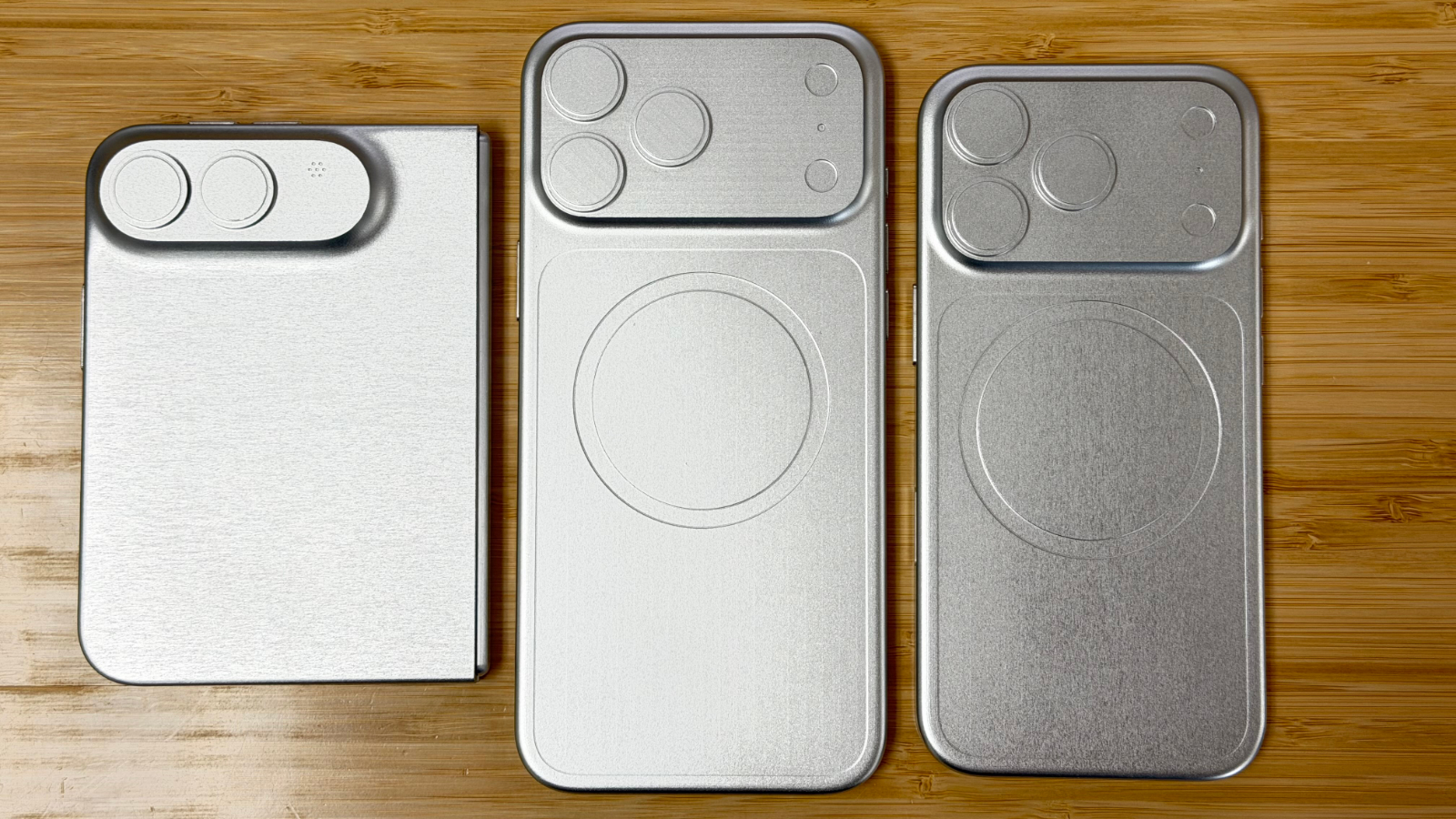
As visible on dummy models shared by Sonny Dickson, Vadim Yuryev, and others, the β€ŒiPhone Ultraβ€Œ is expected to sport only two rear cameras. These are believed to be 48-megapixel Wide and Ultra Wide lenses, with no third Telephoto camera of the kind found on the Pro models.

Bloomberg's Mark Gurman said last month that the people who have used the device are impressed by it, but singled out the camera system as the most likely disappointment for buyers.

Action Button


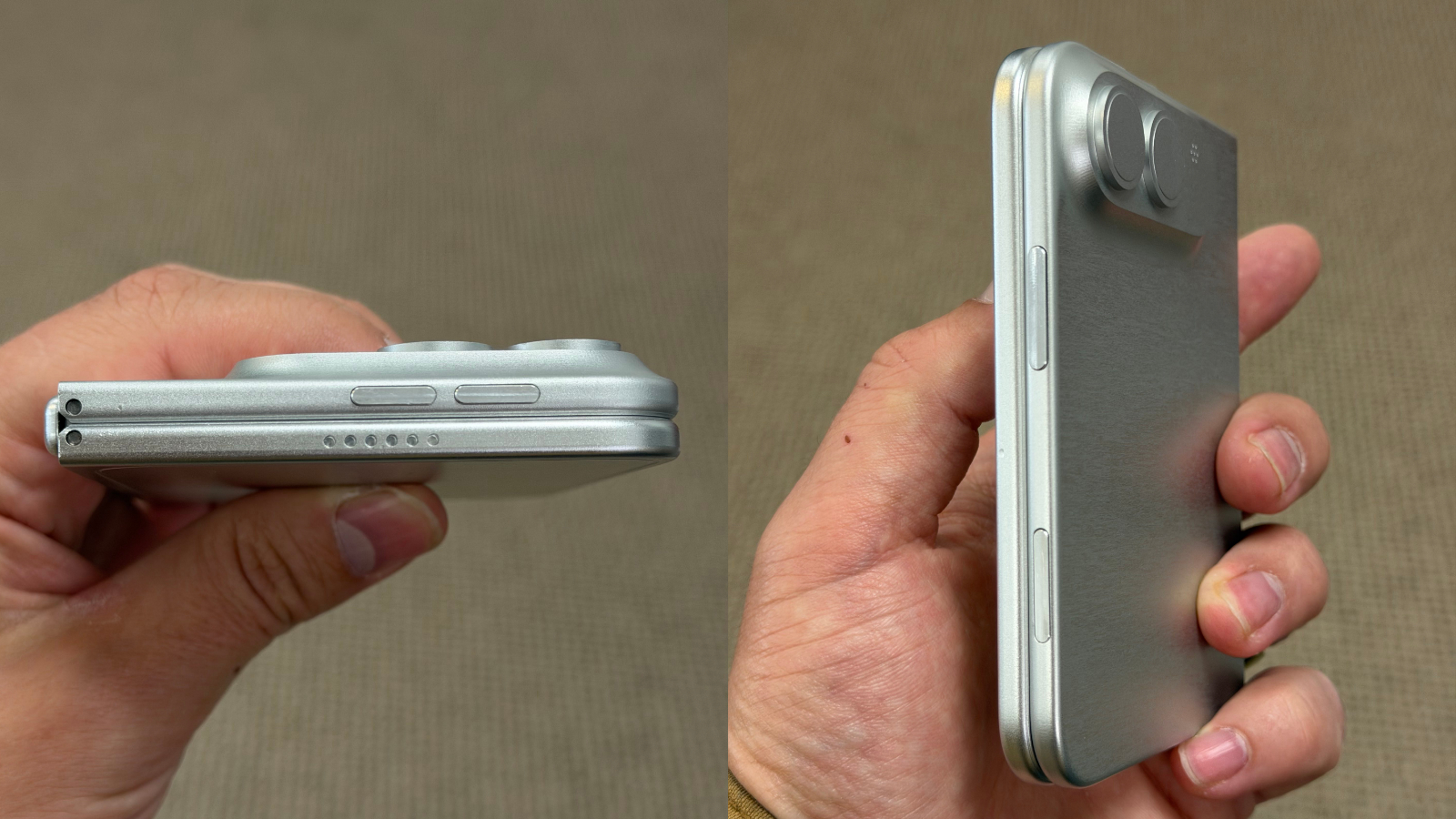
Dummy models continue to point to the absence of the Action button. A power button and volume buttons are clearly visible, with the volume buttons located on the top edge of the device and aligned to the right, similar to the iPad mini, but the left edge appears to be entirely bare. That would make the β€ŒiPhone Ultraβ€Œ the first iPhone with no Action button or silent switch, some three years after Apple introduced the Action button on the iPhone 15 Pro as a replacement for the switch.

The unusual button layout was first rumored by Weibo leaker "Instant Digital," who said that the motherboard sits on the right side of the device. Rather than run cables across the display to the left side, where the volume buttons are located on every other iPhone, Apple is said to have decided to run them directly upwards to maximize internal space.

Image via Vadim Yuryev.


SIM Card Slot


Rumors indicate that the β€ŒiPhone Ultraβ€Œ will also lack a SIM card slot, just like the β€ŒiPhone Airβ€Œ, being compatible with eSIM only. Gurman and analyst Ming-Chi Kuo both expect the device to be eSIM only in every market where it launches.

mmWave 5G Connectivity


The device is likely to miss mmWave 5G if it features Apple's in-house C2 modem as rumored, since reports indicate the C2 may still lack mmWave capability. β€ŒiPhone 18 Proβ€Œ models sold in the United States are expected to retain Qualcomm hardware because they support the mmWave bands used by American carriers. Apple does not sell mmWave-capable iPhones outside the U.S.

The β€ŒiPhone Ultraβ€Œ's C2-based configuration would therefore advance Apple's modem transition, just like the β€ŒiPhone Airβ€Œ, but could limit the device to sub-6GHz 5G.

MagSafe?


Bloomberg's β€ŒMark Gurmanβ€Œ has now indicated that β€ŒMagSafeβ€Œ will make it into the device after all. Speaking in an interview with Tom's Guide, Gurman said "all indications that I've heard is that β€ŒMagSafeβ€Œ is in for this foldable phone," pointing to the fact that Apple managed to fit the magnet array into the β€ŒiPhone Airβ€Œ.

The uncertainty stemmed from the dummy models of the device that emerged earlier this year. Units shared by Dickson and Yuryev showed no indentations for the internal β€ŒMagSafeβ€Œ magnets, while the mock β€ŒiPhone 18 Proβ€Œ and β€ŒiPhone 18 Proβ€Œ Max units shown alongside them clearly did. Leaked cases for the foldable, on the other hand, included a magnetic ring, leaving the question open until recently.

Image via Vadim Yuryev.


Price and Launch


The rumored starting price for the β€ŒiPhone Ultraβ€Œ varies, but reports agree that it will not be below $1,999, with Kuo placing it somewhere between $2,000 and $2,500. The iPhone 17 Pro starts at $1,099 and has all of the above features, and while the β€ŒiPhone 18 Proβ€Œ is expected to see a price increase of $200 to $300, the β€ŒiPhone Ultraβ€Œ's compromises could still prove controversial.

Apple will almost certainly unveil the device alongside the β€ŒiPhone 18 Proβ€Œ and β€ŒiPhone 18 Proβ€Œ Max at its "Surprise and Shine" event on Wednesday, September 9.
Related Roundup: iPhone Fold

This article, "Foldable 'iPhone Ultra' Still Likely to Be Missing These Five Features" first appeared on MacRumors.com

Discuss this article in our forums
  •  

The MacRumors Show: iPhone 18 Pro Event Expectations

Ahead of Apple's "Surprise and shine" event on September 9, we talk through everything to expect on this week's episode of The MacRumors Show.


The event begins at 10:00 a.m. Pacific Time at the Apple Park campus in Cupertino, California, and will be streamed on Apple's website, on YouTube, and through the Apple TV app. It is the first keynote since John Ternus succeeded Tim Cook as chief executive on September 1. Rumors suggest at least six new products will arrive at the event.

The Apple Watch Series 12 is expected to add a new chip, improved fitness tracking, better battery life, continuous heart-rate collection, and redesigned Health and Fitness experiences. A ceramic case option may return in white or dark gray, but no major redesign or Touch ID is now expected.

The Apple Watch Ultra 4 should receive the same new chip and health upgrades, again without a redesign. Apple may also expand its existing satellite connectivity features on the device with satellite Apple Maps and photo sharing in Messages.

AirPods 5 is expected to arrive in two versions, with and without active noise cancellation. Both may use an H3 chip for improved sound and lower latency, but are not expected to add the AirPods Pro 3's heart-rate sensor.

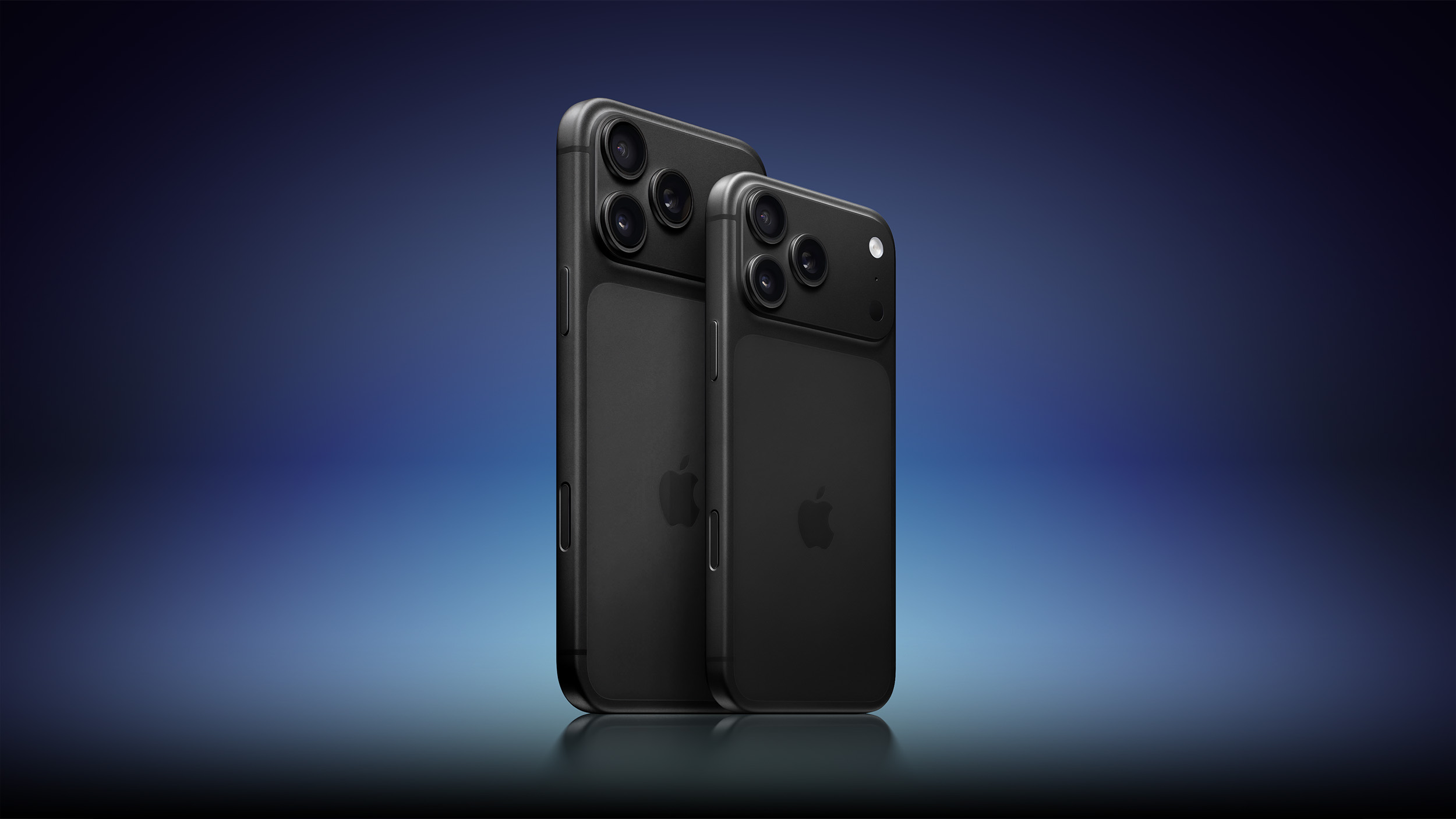
The iPhone 18 Pro should retain the iPhone 17 Pro's design while gaining an A20 Pro chip on TSMC's 2nm process, with RAM integrated on the same wafer. Other expected upgrades include a LTPO+ display, Samsung image sensor, simplified Camera Control without a capacitive layer, a narrower Dynamic Island, 12GB of RAM, 256GB base storage, and 5G satellite internet. It may use Apple's C2 modem outside the U.S., while U.S. models will likely retain Qualcomm hardware for mmWave connectivity.

The β€ŒiPhone 18 Proβ€Œ Max should share the smaller models's upgrades while adding a 5,391mAh battery in China and 5,567mAh battery in the U.S.. It may be thicker, heavier, and around 243 grams, with a variable-aperture main camera that could be exclusive to the larger device.

The foldable iPhone, likely called the "iPhone Ultra," is expected to be the biggest announcement, using a wide passport-style design with 5.5-inch outer and 7.8-inch inner displays, an iPad-like 4:3 aspect ratio, and a nearly invisible screen crease. It may feature a titanium-and-aluminum chassis, liquid-metal hinge, vapor-chamber cooling, A20 Pro chip, dual 5,400mAh to 5,800mAh batteries, β€ŒTouch IDβ€Œ power button instead of Face ID, rear wide and ultra wide cameras, dual selfie cameras in hole-punch cutouts, and the Camera Control button, with 256GB, 512GB, and 1TB storage options. It is also expected to be more repairable than rival foldables.

The MacRumors Show has its own YouTube channel, so make sure you're subscribed to keep up with new episodes and clips.


You can also listen to β€ŒThe MacRumors Showβ€Œ on Apple Podcasts, Spotify, Overcast, or other podcast apps. You can also copy our RSS feed directly into your player.


If you haven't already listened to the previous episode of The MacRumors Show, catch up to hear our discussion about the new Mac mini and Mac Studio, the M6 and M5 Ultra chips, and invites to Apple's September event.

Subscribe to β€ŒThe MacRumors Showβ€Œ for new episodes every week, where we discuss some of the topical news breaking here on MacRumors, often joined by interesting guests such as Michael Fisher, Kayci Lacob, Kevin Nether, John Gruber, Mark Gurman, Jon Prosser, Luke Miani, Matthew Cassinelli, Brian Tong, Quinn Nelson, Jared Nelson, Eli Hodapp, Mike Bell, Sara Dietschy, iJustine, Jon Rettinger, Andru Edwards, Arnold Kim, Ben Sullins, Marcus Kane, Christopher Lawley, Frank McShan, David Lewis, Tyler Stalman, Sam Kohl, Federico Viticci, Thomas Frank, Jonathan Morrison, Ross Young, Ian Zelbo, and Rene Ritchie.

β€ŒThe MacRumors Showβ€Œ is on X @MacRumorsShow, so be sure to give us a follow to keep up with the podcast. You can also email us at podcast@macrumors.com or head over to The MacRumors Show forum thread. Remember to rate and review the podcast, and let us know what subjects and guests you would like to see in the future.
Related Roundup: iPhone 18 Pro

This article, "The MacRumors Show: iPhone 18 Pro Event Expectations" first appeared on MacRumors.com

Discuss this article in our forums

  •  

M6 vs. M5 Pro Mac Mini Buyer's Guide

Apple last week announced two new Mac mini models, one with the all-new M6 chip and one with the M5 Pro chip that debuted in the MacBook Pro earlier this year.


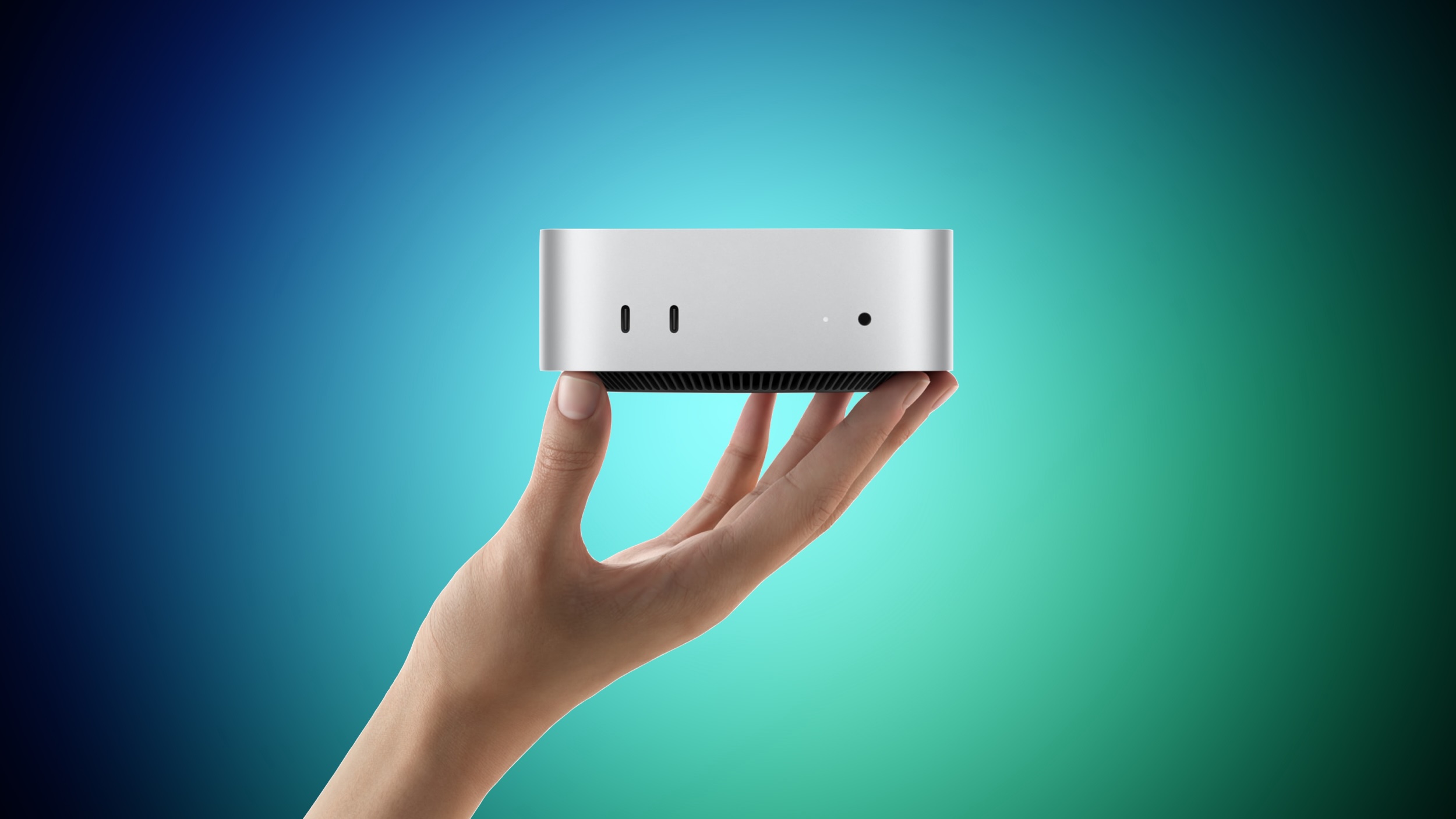
Somewhat like the β€ŒMacBook Proβ€Œ last year, Apple has again placed its newest silicon in the entry-level machine and a previous-generation Pro chip in the high-end machine, so the more expensive β€ŒMac miniβ€Œ is not simply a faster version of the cheaper one. The M6 model starts at $899 with a 12-core CPU, 16GB of unified memory, and 256GB of storage. The M5 Pro model starts at $1,699 with a 15-core CPU, 24GB of memory, and 512GB of storage, and it can be configured with up to an 18-core CPU and a 20-core GPU.

Both are the highest starting prices Apple has ever set for the β€ŒMac miniβ€Œ, which makes the $800 gap between the two models more consequential than in previous generations. Our guide helps to answer the question of how to decide which of these two β€ŒMac miniβ€Œ models is best for you.

Both models are available to pre-order now and launch on Tuesday, September 22. The two machines are physically identical and share the majority of their hardware. The shared features include:


  • The same 5.0 by 5.0 inch aluminum enclosure in silver, unchanged since 2024

  • Neural Accelerators in every GPU core, a first for the β€ŒMac miniβ€Œ

  • Wi-Fi 7 and Bluetooth 6 via the N1 chip, another first for the β€ŒMac miniβ€Œ

  • 2.5Gb Ethernet as standard, with a 10Gb Ethernet configuration option

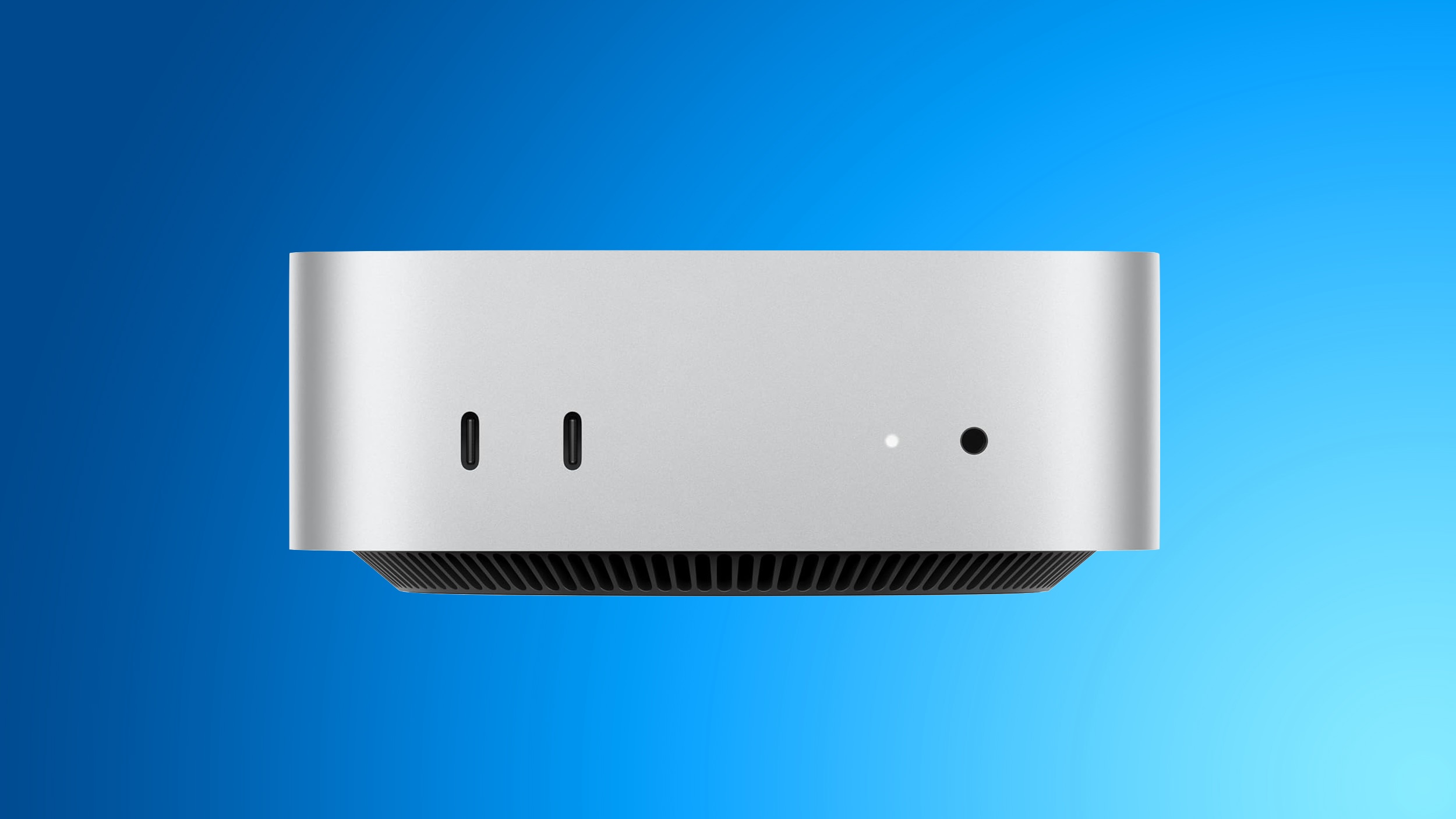
  • Two front USB-C ports and a headphone jack with high-impedance headphone support

  • An HDMI port and native support for up to three external displays

  • Genlock over USB-C for synchronizing a display with a camera such as the iPhone 17 Pro

  • macOS 27 with Apple Intelligence and Siri AI


Everything that differs between the two models is set out below:


β€ŒMac miniβ€Œ (M6) β€ŒMac miniβ€Œ (M5 Pro)
M6 chip M5 Pro chip
Built with TSMC's 2nm (N2) process Built with TSMC's 3nm (N3P) process
12-core CPU 15-core or 18-core CPU
Two super cores, four performance cores, and six efficiency cores Up to six super cores and 12 performance cores
World's fastest single-threaded performance, according to Apple
12-core GPU 16-core or 20-core GPU
Updated shader core architecture, Dynamic Caching, and hardware-accelerated ray tracing, with 50% higher geometry rates Enhanced shader core with third-generation ray tracing
Dual 16-core Neural Engine, with up to 2x the peak compute of previous generations 16-core Neural Engine
Up to 170GB/s memory bandwidth 307GB/s memory bandwidth
16GB, 24GB, or 32GB of unified memory 24GB, 48GB, or 64GB of unified memory
256GB, 512GB, 1TB, or 2TB of storage 512GB, 1TB, 2TB, 4TB, or 8TB of storage
Three Thunderbolt 4 ports Three Thunderbolt 5 ports
Clustering of multiple β€ŒMac miniβ€Œ systems over Thunderbolt 5
1.5 pounds (0.67 kg) 1.6 pounds (0.73 kg)
Starts at $899 Starts at $1,699


For the majority of buyers, the M6 model is the right choice, and not only because it is $800 cheaper. It is the newer chip, built on a 2nm process, and Apple says it contains the world's fastest CPU core. It is also the only β€ŒMac miniβ€Œ with the Dual 16-core Neural Engine, which Apple says delivers up to twice the peak compute of the single Neural Engine used in the M5 Pro. If your workload is dominated by everyday productivity, web work, photo editing, coding, or light on-device AI, the M6 should feel marginally faster in day-to-day use, especially for single-core tasks, and be more future-proof.

Buying the more expensive machine means accepting older silicon in exchange for a broader performance. What the M5 Pro provides is scale rather than speed per core: up to 18 CPU cores against 12, up to 20 GPU cores against 12, and 307GB/s of memory bandwidth against 170GB/s. Those advantages only really surface in sustained, heavily parallel work such as video rendering, 3D and VFX production, compilation of large codebases, and scientific simulation.

The memory ceiling is the clearest dividing line. The M6 model tops out at 32GB of unified memory, while the M5 Pro reaches 64GB. If you intend to run local large language models, work with complex 3D scenes, or keep sizeable datasets resident in memory, the M6 configuration simply cannot be specified high enough, no matter how much you spend on it. Storage works the same way, with the M6 limited to 2TB and the M5 Pro extending to 8TB.

Thunderbolt is the other hard limit. The M5 Pro model has three Thunderbolt 5 ports, double the bandwidth of the Thunderbolt 4 ports on the M6 model, and Thunderbolt 5 is what allows several β€ŒMac miniβ€Œ systems to be clustered together to run large AI models entirely on device. This is significant for users building a small local compute setup, or attaching high-speed external storage arrays for video work.

A note of caution applies to configuring the cheaper machine upward. Adding 32GB of memory and 2TB of storage to the M6 model pushes it well past its $899 starting price and narrows the gap to the M5 Pro considerably. At that point, the M5 Pro entry configuration becomes a more sensible purchase for anyone doing professional work, since the extra outlay buys substantially more CPU and GPU capacity, faster memory, and Thunderbolt 5 rather than just more of the same.

One final consideration is longevity. Apple reportedly has no plans for an M6 Pro chip, so the M5 Pro will remain the highest-end β€ŒMac miniβ€Œ option until the M7 family arrives in 2027. Buyers who want the newest Apple silicon in the smallest desktop Apple sells can only get it by choosing the $899 machine.
Related Roundup: Mac mini
Buyer's Guide: Mac Mini (Buy Now)
Related Forum: Mac mini

This article, "M6 vs. M5 Pro Mac Mini Buyer's Guide" first appeared on MacRumors.com

Discuss this article in our forums

  •  

Apple Hit With $2.7 Billion Lawsuit Over App Tracking Rules

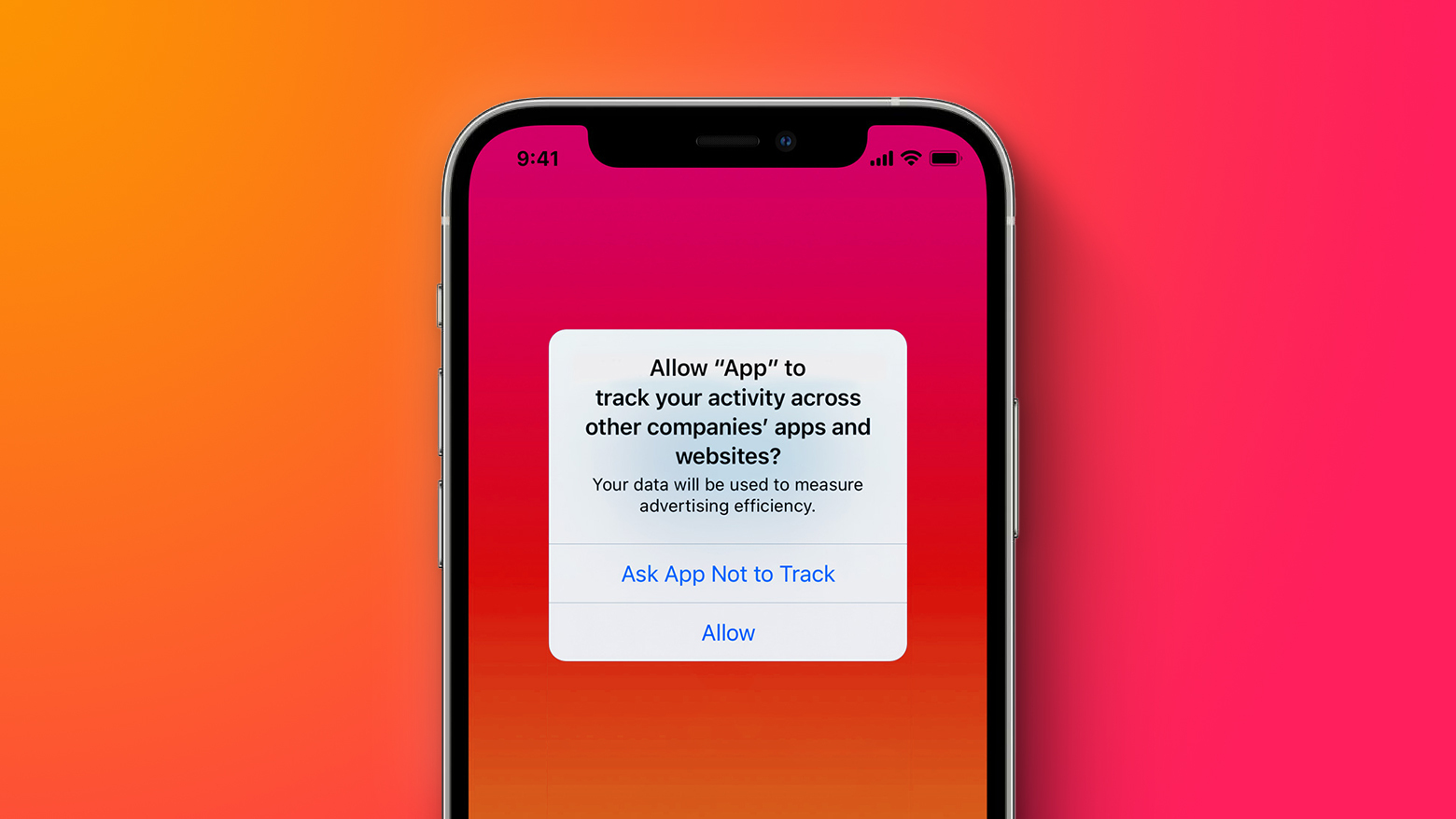
Apple is facing a Β£2 billion ($2.7 billion) lawsuit in London accusing it of imposing stricter App Tracking Transparency rules on third party developers than on its own advertising services (via Reuters).
The case, filed at London's Competition Appeal Tribunal, follows a similar suit in which the tribunal ordered Apple to pay around Β£1.5 billion over App Store commissions last October, a ruling Apple is appealing. The new claim still needs to be certified before it can proceed.
This article, "Apple Hit With $2.7 Billion Lawsuit Over App Tracking Rules" first appeared on MacRumors.com

Discuss this article in our forums

  •  

Apple Apparently Cancels Plans for Two New MacBooks

Apple has canceled plans for a foldable MacBook and a larger OLED MacBook Pro model, according to research firm Omdia.


In a new research note, Omdia said Apple has scrapped development of a large foldable MacBook that would have measured between 16.1 and 18 inches when unfolded. It was previously reported that this device had already slipped out of its original 2026 production window, with Omdia among the firms tracking it at the time, though under that earlier reporting it was generally described as a large-screened foldable iPad rather than a MacBook.

Apple has also apparently called off a separate, previously planned MacBook with an β€ŒOLEDβ€Œ display between 14.4 and 16.1 inches in size, which would have sat in its own tier between the standard β€ŒMacBook Proβ€Œ sizes and the canceled foldable. With both of those product lines scrapped, the 14.3 to 16.3 inch size range will seemingly remain exclusive to the β€ŒMacBook Proβ€Œ series going forward.

Omdia said Apple's broader strategy of bringing β€ŒOLEDβ€Œ displays to its entire β€ŒiPadβ€Œ and MacBook lineup has not changed, but the company has reworked which products will get β€ŒOLEDβ€Œ and what specific β€ŒOLEDβ€Œ technology each one uses, a shift that lines up with the changes detailed in Apple's rumored 2026 and 2027 product roadmap.

As part of that same reshuffle, Apple is said to be adding a new 13.8 inch MacBook positioned between the LCD MacBook Air and the β€ŒOLEDβ€Œ β€ŒMacBook Proβ€Œ, using a new generation of β€ŒOLEDβ€Œ technology that includes an LTPO+ backplane, under-panel camera, and color-filter-on-encapsulation technology, among other features. That new 13.8 inch model appears to fill the gap in Apple's lineup that the now canceled 14.4 to 16.1 inch MacBook β€ŒOLEDβ€Œ would have occupied, positioned below the Pro rather than above it.

The 14.3- and 16.3-inch β€ŒMacBook Proβ€Œ β€ŒOLEDβ€Œ models, also referred to as the "MacBook Ultra," are expected to be announced in the second half of 2026 or early 2027. Omdia added that Apple will not discontinue the existing mini-LED β€ŒMacBook Proβ€Œ models in those sizes when the high-end β€ŒOLEDβ€Œ versions arrive, and the two display types are expected to sell in parallel for several years, with the mini-LED version likely continuing until at least 2028.
Related Roundup: MacBook Pro
Tag: Omdia
Buyer's Guide: MacBook Pro (Buy Now)
Related Forum: MacBook Pro

This article, "Apple Apparently Cancels Plans for Two New MacBooks" first appeared on MacRumors.com

Discuss this article in our forums

  •  

iPhone 18 Pro Chip Leak Indicates Major GPU and Memory Bandwidth Improvements

An alleged solder joint diagram for Apple's A20 Pro chip suggests the processor will deliver a number of significant upgrades, including a seven-core GPU, a wider memory interface, and a larger L2 cache for its efficiency cores.


The claims come from a Weibo user who says the layout was reconstructed by mapping the chip's solder ball positions and overlaying them with die level images to sketch out where each block of the processor sits. According to the post, the resulting outline points to a two and four core CPU configuration and a seven core GPU, with the top of the die housing the GPU and the CPU occupying the center.

Based on the layout, the leaker expects the A20 Pro's efficiency cores to share an 8MB L2 cache, up from 6MB on the A19 Pro, while the performance cores retain their existing 16MB L2 cache. The size of the shared system level cache is not yet known, but the leaker believes it is unlikely to shrink given the chip's new image signal processor and neural engine.

With regards to the GPU, the seven core configuration would mark an increase from the six cores on the A19 Pro, a jump of roughly 16%. The leak also points to a 96-bit memory interface for LPDDR5x RAM, up from the 64-bit interface on the A19 Pro, a 50% increase that would meaningfully boost memory bandwidth. Graphics performance tends to scale with memory bandwidth, so the wider bus could have an additional impact on top of the additional GPU core.

The A20 Pro is highly likely to debut the iPhone 18 Pro and β€ŒiPhone 18 Proβ€Œ Max next week. It could also be used in Apple's first foldable iPhone.
Related Roundups: iPhone 18 Pro, iPhone Fold

This article, "iPhone 18 Pro Chip Leak Indicates Major GPU and Memory Bandwidth Improvements" first appeared on MacRumors.com

Discuss this article in our forums

  •  

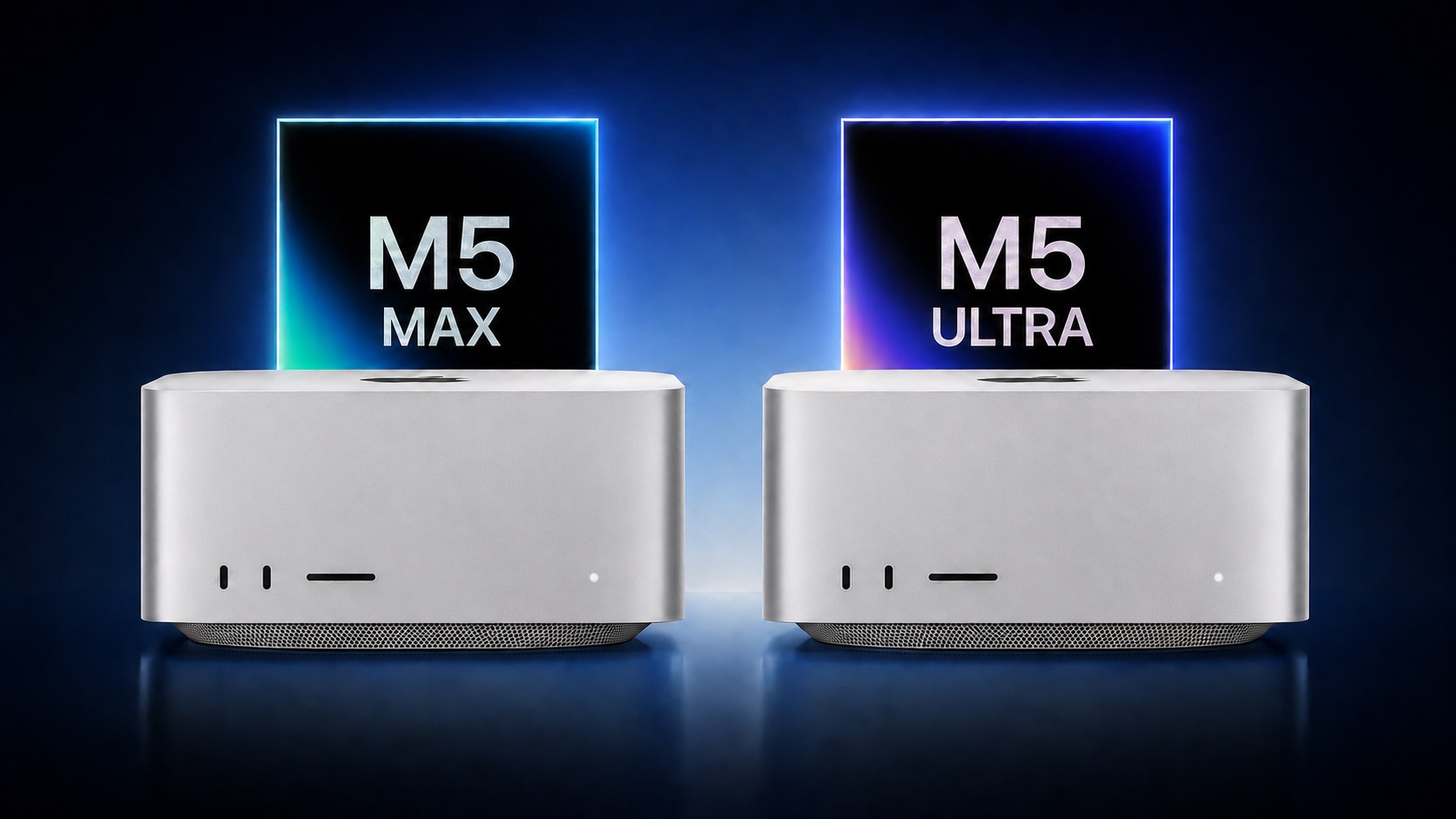
Mac Studio Buyer's Guide: M5 Max vs. M5 Ultra

Apple last week announced two new Mac Studio models, with one built around the M5 Max chip and one around the all-new M5 Ultra chip, replacing the M4 Max and M3 Ultra models that had been on sale since March 2025.


The gap between the two is unusually wide this time. β€ŒMac Studioβ€Œ with M5 Max starts at $2,499, holding the price Apple set when it raised Mac prices in June, while β€ŒMac Studioβ€Œ with M5 Ultra starts at $5,499, a further $200 increase on the post-June M3 Ultra price and $1,500 above what the M3 Ultra cost at launch.

That makes the premium $3,000 before any configure-to-order options, and memory and storage upgrades are more expensive than usual because of the memory chip shortage. Our guide helps to answer the question of how to decide which of these two β€ŒMac Studioβ€Œ models is best for you. The shared features include:


  • An identical enclosure measuring 3.7 inches tall and 7.7 inches wide

  • Neural Accelerators built into every GPU core, and hardware-accelerated ray tracing

  • Hardware-accelerated H.264, HEVC, ProRes, and ProRes RAW, plus AV1 decode

  • A next-generation SSD architecture that Apple says is up to twice as fast as before

  • Thunderbolt 5 with up to 120Gb/s of bandwidth, and clustering of multiple systems using RDMA (remote direct memory access)

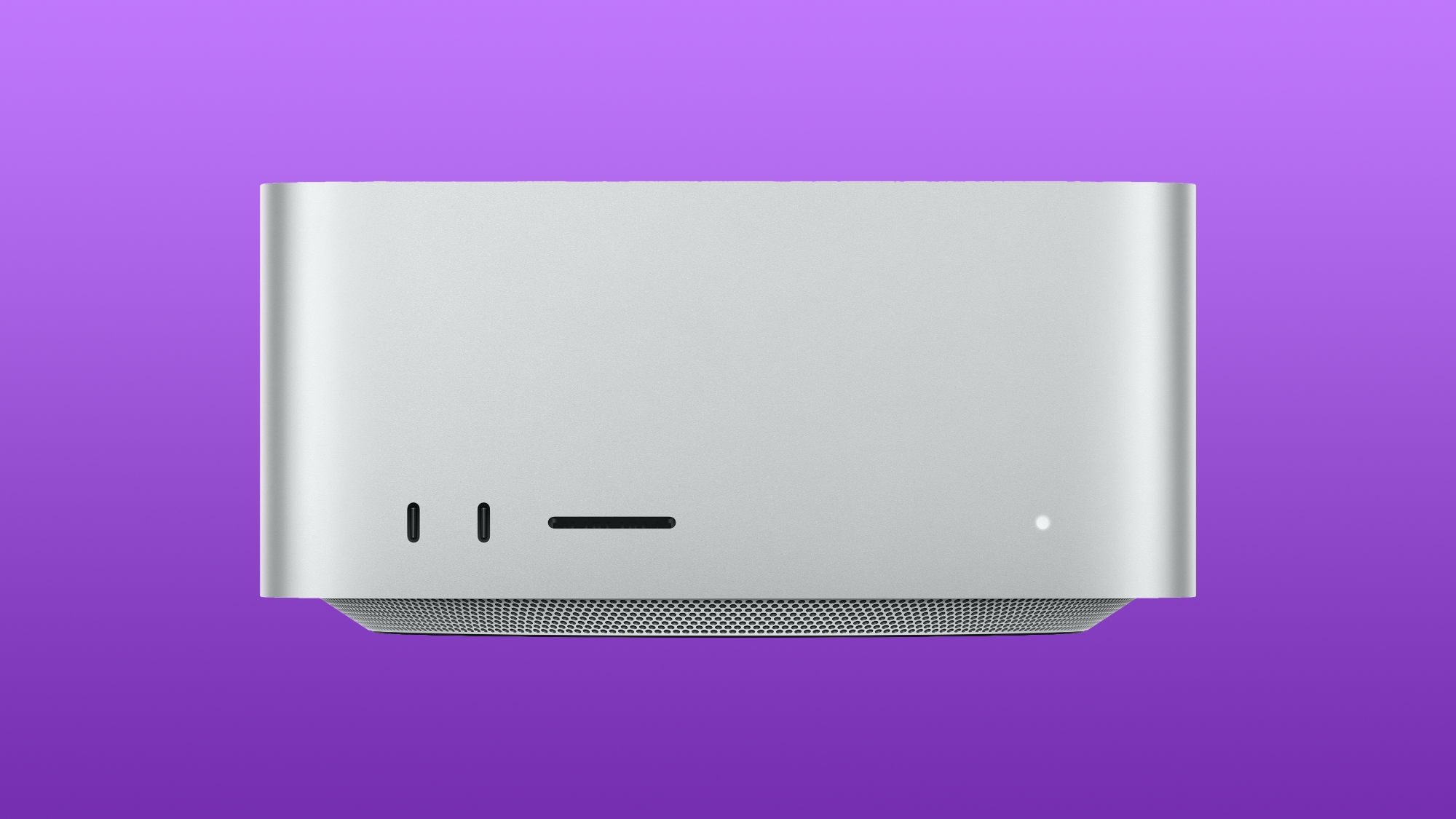
  • 10Gb Ethernet, HDMI, and an SDXC card slot (UHS-II)

  • Wi-Fi 7 and Bluetooth 6 via the N1 chip, both new to the β€ŒMac Studioβ€Œ

  • Genlock over USB-C for synchronization with professional camera capture

  • A 3.5mm headphone jack with support for high-impedance headphones

  • macOS 27, Apple Intelligence, and Siri AI


Here is everything that differs between the two models:


β€ŒMac Studioβ€Œ (M5 Max) β€ŒMac Studioβ€Œ (M5 Ultra)
Starts at $2,499 Starts at $5,499
M5 Max chip M5 Ultra chip
18-core CPU with 6 super cores and 12 performance cores Up to 36-core CPU with 12 super cores and 24 performance cores, from 30 cores
Up to 40-core GPU, from 32 cores Up to 80-core GPU, from 64 cores
16-core Neural Engine 32-core Neural Engine
Up to 614GB/s memory bandwidth 1.2TB/s memory bandwidth
36GB, 48GB, 64GB, or 128GB of unified memory 96GB, 256GB, or 512GB of unified memory
512GB, 1TB, 2TB, 4TB, or 8TB of storage 1TB, 2TB, 4TB, 8TB, or 16TB of storage
Up to 3.9x faster AI performance than M4 Max Up to 4.3x the peak AI compute performance of M3 Ultra
Up to 50% faster graphics than M4 Max Up to 1.8x faster graphics than M3 Ultra
One video decode engine and two video encode engines Two video decode engines and four video encode engines
Two ProRes encode and decode engines Four ProRes encode and decode engines
Four Thunderbolt 5 ports, two USB-C ports, and two USB-A ports Six Thunderbolt 5 ports and two USB-A ports
Support for up to five 4K displays, four 6K displays, or two 8K displays Support for up to eight 4K displays, eight 6K displays, or four 8K displays
6.0 pounds (2.7 kg) 8.0 pounds (3.6 kg)


For the overwhelming majority of buyers, including most professionals, the M5 Max is the more appropriate choice. An 18-core CPU, up to 40 GPU cores with Neural Accelerators, up to 128GB of unified memory, and up to 614GB/s of bandwidth cover workflows such as multi-stream 4K and 6K editing, large Logic sessions with real-time plugins, compiling substantial codebases, and most 3D and motion work.

Apple's own figures support this, with up to 3x faster Magic Mask performance in Blackmagic Design DaVinci Resolve Studio and 1.4x faster scene rendering in Maxon Redshift compared to M4 Max, and graphics that are up to 50% faster than the previous generation. Since memory cannot be added later, the sensible approach is to spend more on unified memory at the point of purchase rather than on the higher chip tier.

You should only choose the M5 Ultra if you anticipate running into a performance ceiling the M5 Max cannot clear. The most obvious use-case is local AI inference, where the whole model needs to be resident in memory. 256GB and 512GB configurations paired with 1.2TB/s of bandwidth allow models with hundreds of billions of parameters to run on the machine itself, which keeps sensitive material on-device and eliminates the recurring cost of paying for cloud inference.

The other workflows that can take advantage of the M5 Ultra include studios finishing 8K material from several cameras at once, where the doubled Media Engine and its four encode engines earn their keep, research and simulation work that needs an enormous memory pool, and anyone who specifically needs six Thunderbolt 5 ports or more than five displays.

There is a notable catch in how the two memory ladders overlap. The M5 Ultra begins at 96GB, which is less than the 128GB you can configure on the M5 Max, so paying the premium at the entry configuration buys you more cores and more bandwidth, but less memory. The Ultra only separates itself at 256GB and above, and Apple limits the 512GB option to the 80-core GPU model, which means the configurations that justify the machine sit far above its starting price.

This is where the price proximity argument becomes noticeable. Configuring an M5 Max with memory and storage narrows the gap considerably, and at that point the Ultra becomes worth pricing alongside it, because it roughly doubles GPU cores, Neural Engine cores, memory bandwidth, and Media Engine capacity in one step. If your workload sits comfortably inside 128GB, though, that money is better spent on storage and displays than on the chip.

Both models support clustering over Thunderbolt 5 and RDMA, and Apple says four β€ŒMac Studioβ€Œ systems working together deliver up to 3x faster AI inference than a single machine, so scaling inference does not necessarily mean buying the most expensive configuration outright.

If the M5 Max still looks like more performance than you need, the new Mac mini with the M5 Pro chip starts at $1,699 with up to a 20-core GPU and 307GB/s of memory bandwidth, which is enough for a great deal of professional work.

Both new β€ŒMac Studioβ€Œ models are available to pre-order now, with availability beginning on September 22. The 512GB configuration arrives in late October, and its pricing is expected to start well above $10,000.
Related Roundup: Mac Studio
Buyer's Guide: Mac Studio (Buy Now)
Related Forum: Mac Studio

This article, "Mac Studio Buyer's Guide: M5 Max vs. M5 Ultra" first appeared on MacRumors.com

Discuss this article in our forums

  •  

iPhone 18 Pro Colors Apparently Include Black, But Skip Silver

iPhone 18 Pro colors could include Dark Cherry, Sky Blue, and Black, with a Silver option unlikely to make the final lineup, according to the leaker known as "Fixed Focus Digital."


In a new post on Weibo, the leaker "Fixed Focus Digital" said the β€ŒiPhone 18 Proβ€Œ has entered full mass production and predicted a slightly different color lineup from what previous rumors have suggested, featuring Dark Cherry (also referred to as Burgundy), Sky Blue, and Black.

The leaker said a Silver option will "most likely" not be offered, adding in a reply that they have not seen evidence of that color's existence in China. If accurate, the lineup would mean Apple is replacing all three iPhone 17 Pro colors with new options for β€ŒiPhone 18 Proβ€Œ, rather than carrying Silver over as many earlier reports had suggested.

Bloomberg's Mark Gurman first described the β€ŒiPhone 18 Proβ€Œ's main new shade as "deep red." A Macworld report later called it "Dark Cherry," and said the other colors would be Light Blue, Dark Gray, and Silver.

Weibo leaker "Instant Digital" said Apple may skip black, then described Dark Cherry as a mix of burgundy, coffee, and deep purple. Dummy models from Sonny Dickson showed Dark Cherry, Light Blue, Black, and Silver, while SIM tray photos showed Dark Cherry with Light Blue and Dark Gray.

The rumors point to Dark Cherry replacing Cosmic Orange as the signature Pro color, with Light Blue or Sky Blue, Silver, and Black or Dark Gray also possible. Black remains uncertain, after Apple reportedly considered black and steel gray for the β€ŒiPhone 17 Proβ€Œ before dropping both.

Apple's β€ŒiPhone 18 Proβ€Œ and β€ŒiPhone 18 Proβ€Œ Max are expected to be unveiled at the company's September event next week, alongside the company's first foldable iPhone, dubbed the "iPhone Ultra."
Related Roundup: iPhone 18 Pro

This article, "iPhone 18 Pro Colors Apparently Include Black, But Skip Silver" first appeared on MacRumors.com

Discuss this article in our forums

  •  

Dispute With OpenAI Said to Be a 'Mess of Apple's Own Making'

OpenAI yesterday denied Apple's allegations of trade secret theft, telling a federal court that Apple failed to show any confidential information was actually stolen by its former employees, according to Reuters.


In a new filing submitted to the U.S. District Court in San Jose, California, OpenAI argued that the dispute is "a mess of Apple's own making." The filing is a direct response to Apple's new forensic evidence submitted against former Apple employees Chang Liu and Tang Tan, whom Apple accuses of stealing trade secrets related to hardware design, manufacturing, and supply chain operations after filing the lawsuit in July.

OpenAI says the lawsuit is an attempt to slow a rival and deter more employee departures. In court filings, it notes that it has hired about 400 former Apple employees for its hardware projects. The company argues that California law allows workers to move freely between competitors, while shifting attention to Apple's internal practices instead of addressing the forensic evidence allegation by allegation.

OpenAI alleges that Apple encourages staff to use personal iCloud accounts for work, potentially blurring the boundary between personal and company data after an employee leaves. It also says Apple's practice of immediately escorting departing employees off site leaves too little time to return devices or internal files, portraying the allegations as the result of a flawed offboarding process rather than intentional theft.

The filing says Liu retained access to Apple documents only to help former colleagues find files or answer questions, and that Apple employees repeatedly contacted him for support. Tan said he returned his Apple prototypes before leaving and kept only non-confidential materials, including a standard departure checklist.

OpenAI characterized the dispute as employees choosing to leave a company it says has been slow to adopt AI for a faster-moving competitor. It argued that Apple should not use its own internal failures to portray those departures as unlawful. Judge Edward J. Davila is scheduled to hear arguments on October 1.
This article, "Dispute With OpenAI Said to Be a 'Mess of Apple's Own Making'" first appeared on MacRumors.com

Discuss this article in our forums

  •  

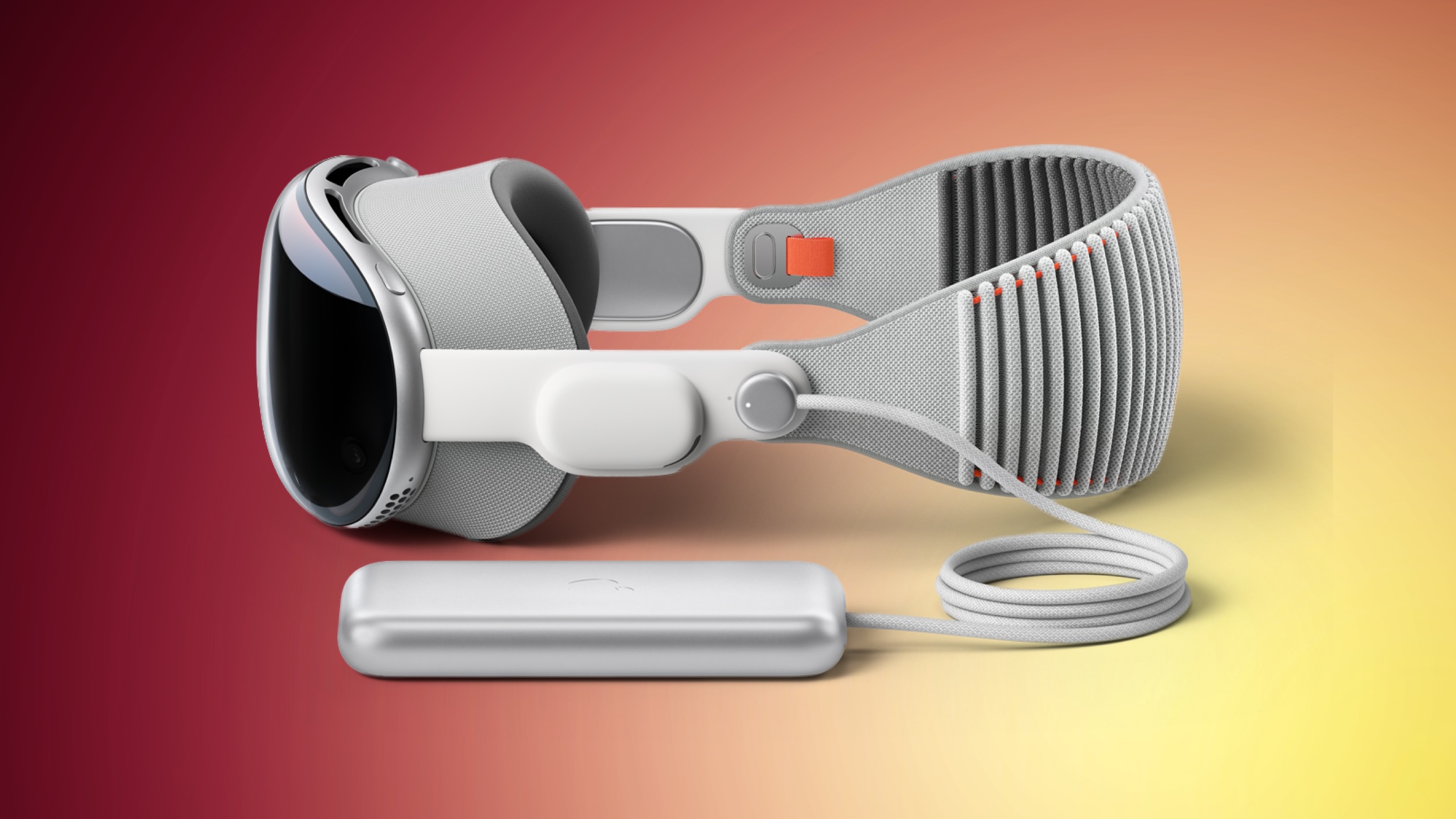
Apple's Vision Pro Layoffs Were Broader Than First Reported

Recent layoffs of Apple employees working on the Vision Pro were broader than previously thought, Bloomberg's Mark Gurman reports.


Last month, Gurman said that Apple cut around 100 jobs from the Vision Products Group, with those cuts centered on the headset's gaming and immersive video teams. Gurman now says the layoffs also reached Vision Pro staff across the rest of the company, including people working on device security, audio engineering, Siri integration, testing, and visionOS. The cuts follow the June departure of Paul Meade, the executive who ran Apple's Vision Pro and smart glasses division, who left Apple for OpenAI.

Gurman reports that people inside the Vision Pro group have spent months lobbying new CEO John Ternus to stay the course on the platform even as sales continue to underwhelm. Colleagues who have discussed the headset with Ternus say he was skeptical of it from the start, seeing it as too bulky and too costly to reach a mass audience.

Interestingly, since visionOS apparently runs on Apple's upcoming smart glasses, the wider layoffs impact software shared across both product lines rather than the headset alone. Ternus is still said to support Apple's smart glasses project, code named N50, which remain on track for launch next year, but Gurman says he would consider walking away from head worn devices as a category altogether if they never catch on with buyers. That willingness also could weigh on the overhauled Vision Pro successor, code named N224, which is not expected before the end of 2028.
Related Roundup: Apple Vision Pro
Buyer's Guide: Vision Pro (Neutral)
Related Forum: Apple Vision Pro

This article, "Apple's Vision Pro Layoffs Were Broader Than First Reported" first appeared on MacRumors.com

Discuss this article in our forums

  •  

Apple Caught Off Guard by AI Demand for Mac Mini and Mac Studio

Apple's unusually timed announcement of new Mac mini and Mac Studio models this week was driven by unexpectedly strong enterprise appetite for AI hardware, according to The Information.


Apple normally releases new Mac models in the autumn, closer to October or November, making this week's announcement unusually early, falling just before the anticipated arrival of new iPhone models. The Information says that the AI-driven boom in β€ŒMac Studioβ€Œ and β€ŒMac miniβ€Œ sales is behind the early launch.

Apple noticeably promoted the ability to link multiple Mac Studios together into a single, more capable system for running large frontier AI models, a feature aimed at business and developer customers rather than everyday consumers.

Apple highlighted the β€ŒMac miniβ€Œ and β€ŒMac Studioβ€Œ's shift toward business buyers in June, with a "Business at the Park" event involving executives from major companies Ford, Disney, and Anthropic. The β€ŒMac miniβ€Œ was said to be the "darling" of the event.

Even so, enterprise's rush toward powerful desktop Macs more broadly took Apple by surprise. The company reportedly did not possess an engineering team dedicated to business customers or staff focused on developer relations, and lacked an enterprise AI strategy.

Businesses that approached Apple asking to buy access to the company's Private Cloud Compute infrastructure were reportedly turned down. Apple is instead leaning on partners such as WebAI and Mount Thor, which provide AI tools and execution environments built on Apple hardware.

A surge in demand for Mac hardware to run AI models has coincided with the global memory shortage, leaving many β€ŒMac miniβ€Œ and β€ŒMac Studioβ€Œ configurations out of stock for months. Some enterprise customers are reportedly turning to other hardware such as Nvidia's DGX Spark, a compact AI desktop launched late last year in a form factor similar to the β€ŒMac miniβ€Œ's, as Apple's own high end configurations remain difficult to get hold of.
Related Roundups: Mac Studio, Mac mini
Related Forums: Mac Studio, Mac mini

This article, "Apple Caught Off Guard by AI Demand for Mac Mini and Mac Studio" first appeared on MacRumors.com

Discuss this article in our forums

  •  

The MacRumors Show: Apple's Surprisingly Big Week of Announcements

It's been an unusually big week for Apple announcements. On this week's episode of The MacRumors Show, we discuss the new Mac mini and Mac Studio, the M6 and M5 Ultra chips, and invites to Apple's September event.


Apple confirmed on Wednesday that its annual iPhone event will take place on Wednesday, September 9 at Apple Park, starting at 10:00 a.m. Pacific Time, with select members of the media invited to attend. The event's tagline is "Surprise and Shine." Apple is expected to introduce at least six new products, including the the Apple Watch Series 12, Apple Watch Ultra 4, iPhone 18 Pro, β€ŒiPhone 18 Proβ€Œ Max, and the first foldable iPhone. Pre-orders should follow shortly after, and along with release dates for iOS 27, iPadOS 27 and macOS 27 Golden Gate.

Apple announced the new Mac mini on Tuesday, offering M6 and M5 Pro chip options. The machine gains an N1 networking chip, bringing Wi-Fi 7 and Bluetooth 6, and moves to 2.5Gb Ethernet as standard, up from 1Gb, with a 10Gb option. Thunderbolt 5 is restricted to the M5 Pro model, which gets three Thunderbolt 5 ports while the M6 model keeps Thunderbolt 4. Genlock support over USB-C also helps to sync a display's refresh timing to a camera such as the iPhone 17 Pro. Pricing starts at $899 with 16GB and 256GB, rising to $1,699 for the M5 Pro at 24GB and 512GB. Pre-orders are now open, with launch on September 22.

The M6 is Apple's first 2nm chip. Its 12-core CPU is split into 2 super cores, 4 performance cores and 6 efficiency cores, making it the first Apple chip to combine all three core types in one design. Super cores are Apple's top tier, optimized for single-threaded speed. The 12-core GPU features a Neural Accelerator in each core for the first time in a β€ŒMac miniβ€Œ. The GPU also adds an updated shader architecture, Dynamic Caching, and hardware-accelerated ray tracing, while an all-new Dual 16-core Neural Engine doubles peak compute over the previous generation, with system frameworks able to drive both engines at once. Memory starts at 16GB and tops out at 32GB, running at up to 170GB/s. M5 Pro scales further, to an 18-core CPU, a 20-core GPU and up to 64GB at 307GB/s.

The new Mac Studio arrived alongside the β€ŒMac miniβ€Œ, with M5 Max and M5 Ultra chip options. The M5 Max offers an 18-core CPU with 6 super cores and 12 performance cores, an up-to-40-core GPU with Neural Accelerators in every core, and up to 128GB of memory at 614GB/s, with the GPU running up to 50% faster than the previous generation. Both configurations move to a next-generation SSD architecture on PCIe Gen 6 for up to twice the storage performance, and gain up to six Thunderbolt 5 ports at 120Gb/s, and the same genlock support as the β€ŒMac miniβ€Œ. Apple's N1 chip also brings Wi-Fi 7 and Bluetooth 6 to the β€ŒMac Studioβ€Œ. Pricing starts at $2,499 for the M5 Max at 36GB and 512GB, and $5,499 for the M5 Ultra at 96GB and 1TB, with the 512GB memory option not arriving until late October.

The M5 Ultra is Apple's first quad-die chip, using a next-generation version of UltraFusion to join two dual-die M5 Max chips into a single processor. The result is a CPU with up to 36 cores, 12 super and 24 performance, delivering 1.25x the single-threaded and 1.3x the multithreaded performance of the M3 Ultra. Its up-to-80-core GPU is the most powerful Apple silicon GPU ever made and the first on an Ultra chip to feature Neural Accelerators. Second-generation Dynamic Caching, hardware-accelerated mesh shading and third-generation ray tracing lift graphics up 40% over the M3 Ultra, and the chip features a 32-core Neural Engine. Memory reaches 512GB at 1.2TB/s, which is a 50% bandwidth increase.

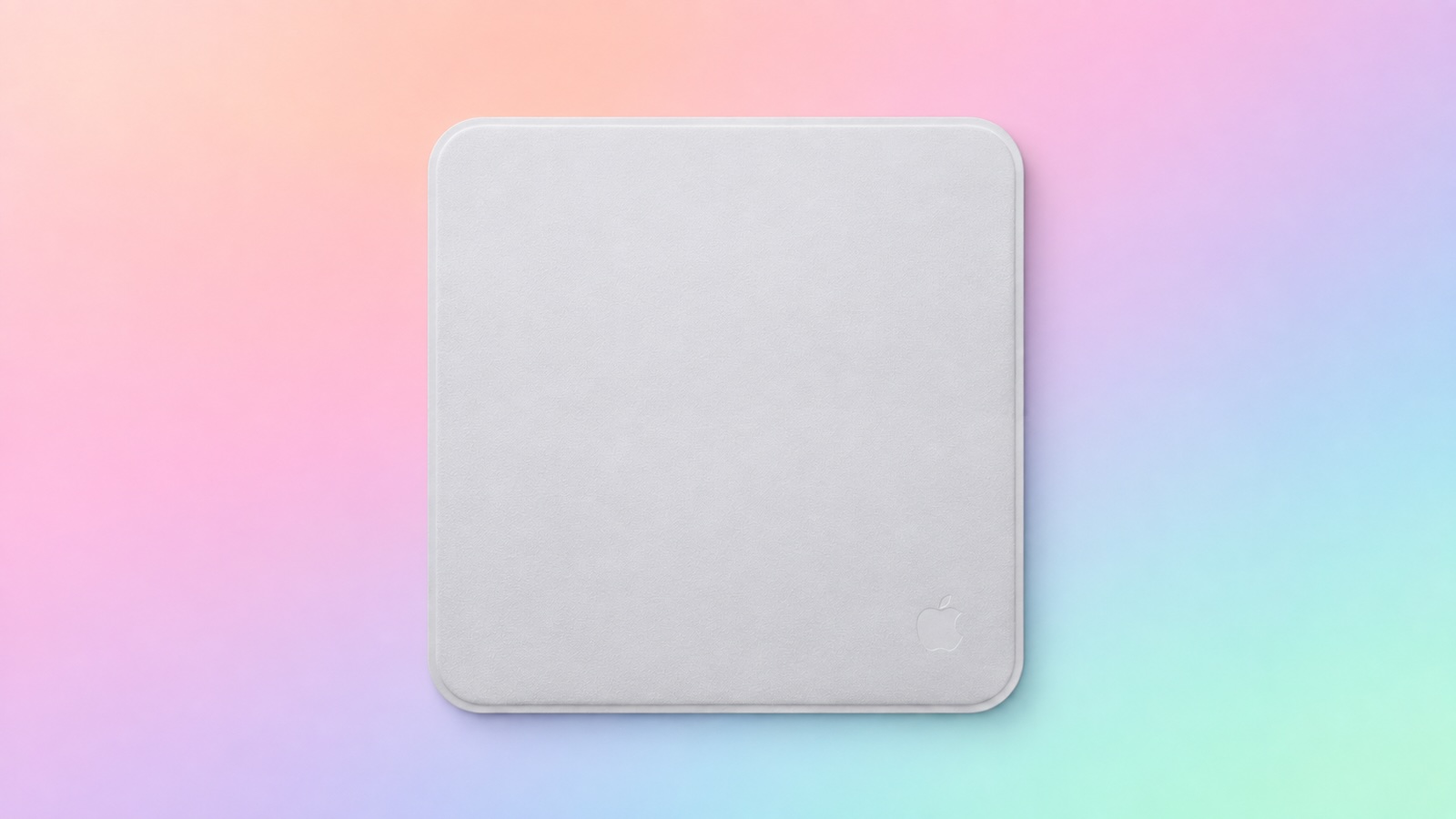
Other announcements this week included a new, softer Apple Polishing Cloth at $9, down from $19, and refreshed U.S. Magic Keyboards for the Mac, now featuring glyphs instead of edge text. Apple Support's 1-800-APL-CARE line is also now answered by a generative AI assistant in the U.S. and Canada.

The MacRumors Show has its own YouTube channel, so make sure you're subscribed to keep up with new episodes and clips.


You can also listen to β€ŒThe MacRumors Showβ€Œ on Apple Podcasts, Spotify, Overcast, or other podcast apps. You can also copy our RSS feed directly into your player.


If you haven't already listened to the previous episode of The MacRumors Show, catch up to hear our discussion with YouTuber Michael Fisher about key rumors about the "iPhone Ultra" and how the device could compare to rivals.

Subscribe to β€ŒThe MacRumors Showβ€Œ for new episodes every week, where we discuss some of the topical news breaking here on MacRumors, often joined by interesting guests such as Kayci Lacob, Kevin Nether, John Gruber, Mark Gurman, Jon Prosser, Luke Miani, Matthew Cassinelli, Brian Tong, Quinn Nelson, Jared Nelson, Eli Hodapp, Mike Bell, Sara Dietschy, iJustine, Jon Rettinger, Andru Edwards, Arnold Kim, Ben Sullins, Marcus Kane, Christopher Lawley, Frank McShan, David Lewis, Tyler Stalman, Sam Kohl, Federico Viticci, Thomas Frank, Jonathan Morrison, Ross Young, Ian Zelbo, and Rene Ritchie.

β€ŒThe MacRumors Showβ€Œ is on X @MacRumorsShow, so be sure to give us a follow to keep up with the podcast. You can also email us at podcast@macrumors.com or head over to The MacRumors Show forum thread. Remember to rate and review the podcast, and let us know what subjects and guests you would like to see in the future.
This article, "The MacRumors Show: Apple's Surprisingly Big Week of Announcements" first appeared on MacRumors.com

Discuss this article in our forums

  •  

Apple TV Buys an Existing Hit for the First Time Ever

Apple TV has bought the worldwide rights to "Small Prophets," breaking with how it normally operates in acquiring an existing English-language hit rather than commissioning a show of its own from the start.


β€ŒApple TVβ€Œ has typically developed or, at the very least, commissioned shows in-house and given them their premiere on the service, regardless of where they may eventually end up. This was the model behind the BBC's "Trying," which β€ŒApple TVβ€Œ+ produced first and later licensed to the BBC once its own run had finished.

Apple has also picked up individual foreign-language titles in the past, such as the French-Japanese drama "Drops of God." "Small Prophets" marks new ground since it is an English-language series and it had already become a broadcast hit elsewhere before Apple stepped in.

The acquisition, reported by Deadline, follows a run on BBC Two that produced the strongest 28-day launch numbers for a comedy on the channel since 2022, a 100% score on Rotten Tomatoes, and the International Panorama award at this year's Series Mania festival.

"Small Prophets" will stream on β€ŒApple TVβ€Œ worldwide starting on October 7, with the exception of the UK, where the show debuted on BBC iPlayer and BBC Two earlier this year. Viewers in the UK will be able to continue watching it on iPlayer before it eventually moves to β€ŒApple TVβ€Œ.

The show is written, created, and directed by Mackenzie Crook, best known for appearing in "The Office" and "The Detectorists."

Small Prophets follows Quigley as the eccentric Michael Sleep, an ordinary man who, since his darling Clea disappeared seven years ago, has worked in a DIY store, while visiting his elderly dad Brian and hoping for Clea to return. One day, Brian shares an old recipe for a potion so a skeptical Michael can create homunculi – magical spirits that can predict the future – to learn if he will see Clea again.

Michael gets help from his young DIY store co-worker Kacey and their unlikely friendship blossoms through a dislike of store manager Gordon, while his nosy neighbors obsess about what Michael is doing in the garden shed.

The show, set in and around suburban Manchester and is seeped in Crook's trademark gentleness... includes animated elements to show the more magical elements of the story.


Deadline compared "Small Prophets" to "Ted Lasso," which recently began its fourth season as β€ŒApple TVβ€Œ's biggest premiere ever, favoring a gentler, more serialized storytelling style over a traditional sitcom.
Related Roundup: Apple TV
Buyer's Guide: Apple TV (Don't Buy)

This article, "Apple TV Buys an Existing Hit for the First Time Ever" first appeared on MacRumors.com

Discuss this article in our forums

  •  

iPhone 18 Pro Pre-Orders May Start at an Unusual Time

Pre-orders of Apple's iPhone 18 Pro may not open until Saturday, September 12, a day later than the company's usual schedule, according to a new report.


Apple is set to hold its annual iPhone event on Wednesday, September 9, where the β€ŒiPhone 18 Proβ€Œ models, its first-ever foldable iPhone, and the Apple Watch Series 12 and Ultra 4 are all expected to be announced.

Under Apple's typical launch plan, pre-orders begin the Friday immediately following the event, with devices shipping the following Friday. This year, that would place pre-orders on Friday, September 11, but Macworld reports that its German sister publication, Macwelt, has heard from a reliable source that Apple will instead push pre-orders back to Saturday, September 12.

There is precedent for this as the shift is reportedly tied to the date itself. September 11, 2026 marks the 25th anniversary of the September 11 attacks, and Apple has moved pre-orders away from that date before. In 2015, when the standard pre-order Friday also landed on September 11, Apple delayed iPhone 6S and 6S Plus pre-orders to Saturday, September 12.

The timing within the day is also said to be changing. Apple's pre-orders traditionally open at 5 a.m. PT, but the source says this year's window will instead start at midnight PT on Saturday.

The delayed pre-order date is expected to apply to the β€ŒiPhone 18 Proβ€Œ, Apple Watch Series 12, and Apple Watch Ultra 4, alongside any other hardware Apple introduces at the event. Apple's foldable iPhone could follow at a later date, with pre-orders potentially not opening until late September.

Earlier this year, Macwelt reported that Apple would announce the iPhone 17e on Thursday, February 19, but that announcement didn't actually come until March 2. That being said, Saturday, September 12 looks like a solid bet for the β€ŒiPhone 18 Proβ€Œ's pre-order date, though the reported midnight PT start time is worth taking with a pinch of salt for now. Apple's iPhone event takes place in just under two weeks, on September 9.
Related Roundup: iPhone 18 Pro

This article, "iPhone 18 Pro Pre-Orders May Start at an Unusual Time" first appeared on MacRumors.com

Discuss this article in our forums

  •  

Apple Pledges Donation for Nepal and Tibet Flood Relief

Apple CEO Tim Cook today pledged that the company will make a donation toward relief and rebuilding work in Nepal and Tibet, where flash floods and mudslides have killed hundreds of people.


On Wednesday, part of a Himalayan glacier collapsed, briefly damming a river before a surge of water and mud hit communities downstream. Many people are dead or missing, and roads, bridges, and homes near the Nepal–Tibet border have been destroyed.

Our thoughts are with all those affected by the tragic flash floods and mudslides in Nepal and Tibet. Apple is making a donation to support relief and rebuilding efforts on the ground.

β€” Tim Cook (@tim_cook) August 28, 2026


This marks Apple's fifth disaster relief pledge in just over two months, after the company supported Indonesia's earthquake recovery earlier this month and previously stepped in for crises in Venezuela, Southern Europe, and Japan.

Cook makes this pledge in the final days of his tenure as CEO. John Ternus takes over the role on September 1, when Cook will shift into the newly created executive chairman position, where he is expected to continue representing Apple on policy matters.
This article, "Apple Pledges Donation for Nepal and Tibet Flood Relief" first appeared on MacRumors.com

Discuss this article in our forums

  •  

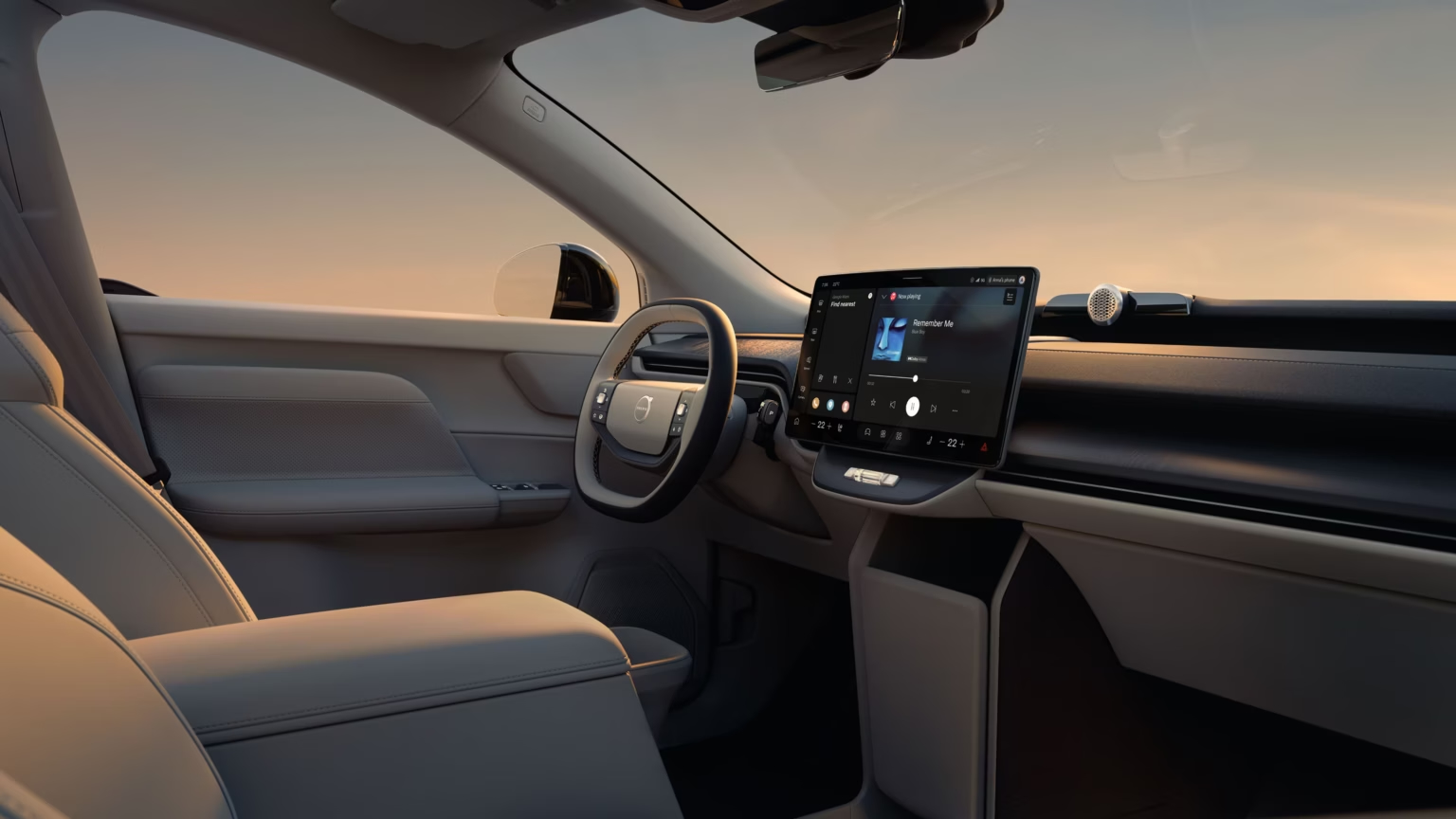
Spatial Audio in CarPlay Now Rolling Out in Volvo Vehicles

Volvo this week confirmed that Spatial Audio support in CarPlay, powered by Dolby Atmos, is now rolling out to EX90 models via a software update.

Volvo first detailed Spatial Audio for the EX60, EX90, and ES90 in July. It requires the optional Bowers & Wilkins sound system.
Related Roundup: CarPlay
Tag: Volvo

This article, "Spatial Audio in CarPlay Now Rolling Out in Volvo Vehicles" first appeared on MacRumors.com

Discuss this article in our forums

  •  

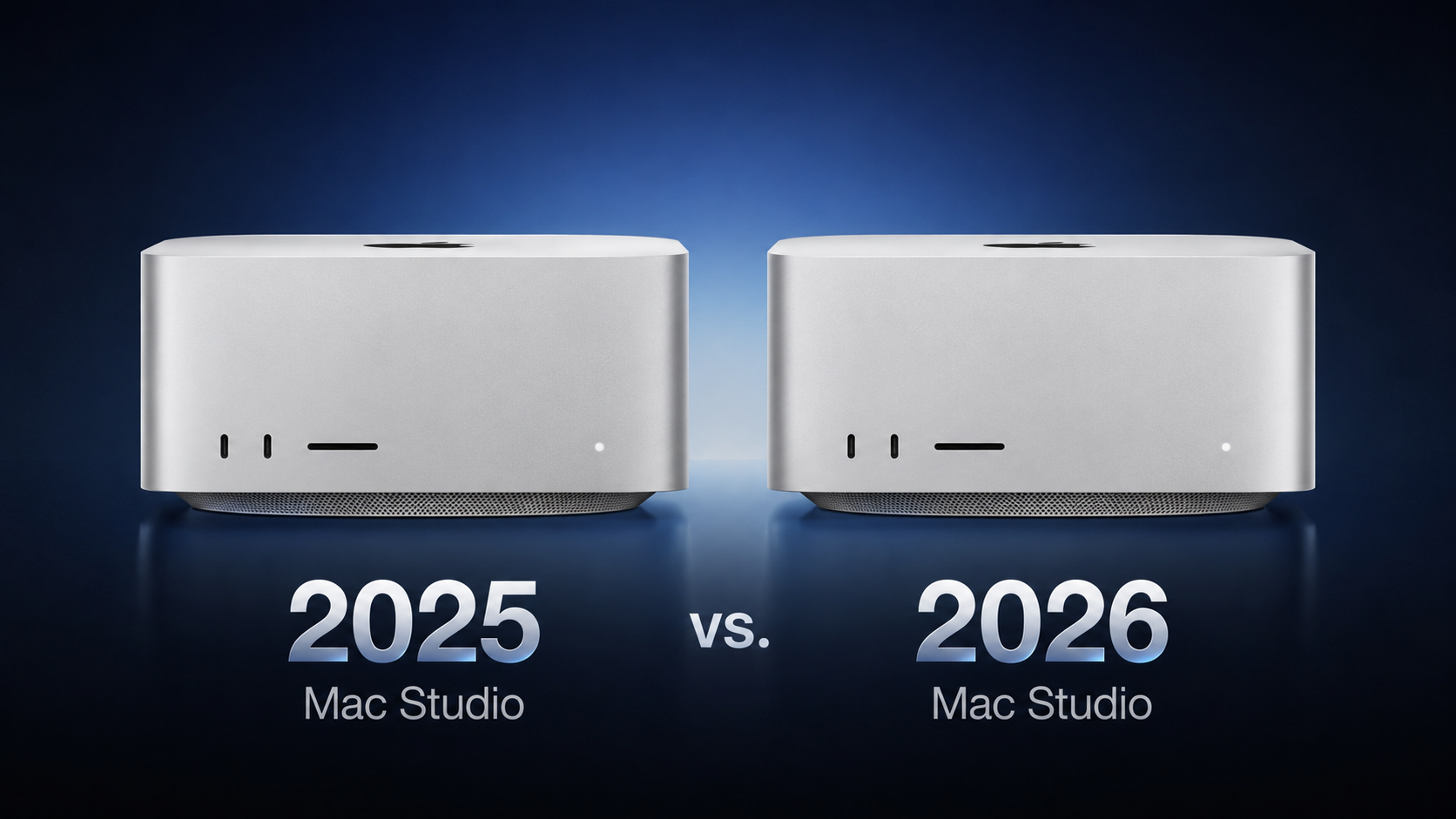
2025 vs. 2026 Mac Studio Buyer's Guide: All Upgrades Compared

Apple this week announced a new Mac Studio with the M5 Max and M5 Ultra chips, discontinuing the M4 Max and M3 Ultra models that had been on sale since March 2025.


The machine's design is unchanged for a fifth consecutive year, with all of the upgrades being internal. The table below details everything that changed regardless of whether you choose a Max or an Ultra chip. The two tables that follow break down the differences within each tier.

What Changed Across Both Models


Here's everything that differs between the 2025 and 2026 β€ŒMac Studioβ€Œ irrespective of configuration:


β€ŒMac Studioβ€Œ (2025) β€ŒMac Studioβ€Œ (2026)
Baseline SSD read and write speeds Next-generation SSD architecture built on PCIe Gen 6, with up to twice the read and write speeds
Wi-Fi 6E (802.11ax) Wi-Fi 7 (802.11be) via the Apple-designed N1 chip
Bluetooth 5.3 Bluetooth 6
Genlock over USB-C


With the latest model, Wi-Fi 7 and Bluetooth 6 arrive on the β€ŒMac Studioβ€Œ for the first time, facilitated by the same N1 chip Apple introduced in the iPhone 17 lineup. Apple also says the new machine is made with 35% recycled content overall, including 100% recycled aluminum in the enclosure and 100% recycled rare earth elements in all magnets.

Mac Studio M4 Max vs. M5 Max


Here's everything that differs between the M4 Max and M5 Max configurations:


β€ŒMac Studioβ€Œ (M4 Max, 2025) β€ŒMac Studioβ€Œ (M5 Max, 2026)
M4 Max chip M5 Max chip
14-core CPU, configurable to 16-core, with 12 performance cores and 4 efficiency cores 18-core CPU with 6 super cores and 12 performance cores
32-core GPU, configurable to 40-core 32-core GPU, configurable to 40-core, with Neural Accelerators built into every core and enhanced shader cores
Second-generation hardware-accelerated ray tracing Third-generation hardware-accelerated ray tracing
Up to 546GB/s memory bandwidth Up to 614GB/s memory bandwidth
36GB unified memory with the 32-core GPU, or 64GB with the 40-core GPU (128GB option withdrawn in May 2026) 36GB unified memory with the 32-core GPU, or 48GB, 64GB, or 128GB with the 40-core GPU
Weighs 6.1 pounds (2.74 kg) Weighs 6.0 pounds (2.7 kg)
Now discontinued Starts at $2,499


The most immediately useful change is at the entry level. The M4 Max started with a 14-core CPU and could be configured up to 16 cores, whereas the M5 Max has an 18-core CPU as standard with no CPU upgrade to buy. Apple has also changed its core architecture, dropping the performance and efficiency split in favor of 6 super cores and 12 performance cores.

Mac Studio M3 Ultra vs. M5 Ultra


The table below outlines every difference between the two Ultra configurations:


β€ŒMac Studioβ€Œ (M3 Ultra, 2025) β€ŒMac Studioβ€Œ (M5 Ultra, 2026)
M3 Ultra chip M5 Ultra chip
28-core CPU, configurable to 32-core, with 24 performance cores and 8 efficiency cores 30-core CPU, configurable to 36-core, with 12 super cores and 24 performance cores
60-core GPU, configurable to 80-core 64-core GPU, configurable to 80-core, with Neural Accelerators built into every core and enhanced shader cores
First-generation hardware-accelerated ray tracing Third-generation hardware-accelerated ray tracing
Dynamic Caching Second-generation Dynamic Caching
819GB/s memory bandwidth 1.2TB/s memory bandwidth
96GB, 256GB, or 512GB unified memory (512GB option withdrawn in March 2026 and the 256GB option withdrawn in May 2026) 96GB or 256GB unified memory, or 512GB with the 80-core GPU
Now discontinued Starts at $5,499


Across both generations, the maximum GPU still contains 80 cores, the Neural Engine still contains 32 cores, display support and media engine is identical, storage still maxes out at 16TB, and maximum unified memory is still 512GB. The 1.2TB/s of bandwidth feeding that memory, which is 50% higher than before, and the Neural Accelerators for each GPU core, are among the key changes.

How Big Are the Upgrades?


Apple's own comparisons against the outgoing chips are heavily weighted toward AI and graphics. For the M5 Max against the M4 Max, Apple claims:


  • Up to 3.9x faster LLM prompt processing in LM Studio

  • Up to 3.5x faster text-to-image performance

  • Up to 3x faster Magic Mask performance in Blackmagic Design DaVinci Resolve Studio

  • Up to 1.9x faster basecalling for DNA sequencing in Oxford Nanopore MinKNOW

  • Up to 50% faster graphics performance


For the M5 Ultra against the M3 Ultra, Apple claims:


  • Up to 4.3x faster text-to-image performance

  • Up to 4x faster LLM prompt processing in LM Studio

  • Up to 3.3x faster CopyCat ML training performance in Foundry Nuke

  • Up to 1.8x faster graphics performance

  • Up to 1.7x faster scene rendering performance in Maxon Redshift

  • Up to 1.3x higher multithreaded CPU performance


On either chip, tasks that use matrix multiplication can run three to four times faster thanks to new Neural Accelerators in each GPU core.

Which to Choose?


Apple no longer sells the M4 Max or M3 Ultra models, which became relatively poor value for money by the end of their run. The M4 Max cost $2,499 with a 14-core CPU and up to 64GB of memory. For the same price, the M5 Max has an 18-core CPU, 614GB/s memory bandwidth, up to 128GB of memory, twice-fast storage, and Wi‑Fi 7. The M3 Ultra ended at $5,299 with a 96GB memory limit. For $200 more, the M5 Ultra brings back 256GB and 512GB options and adds 50% more memory bandwidth.

Current M4 Max and M3 Ultra owners generally do not need to upgrade after only 17 months. Launch buyers paid $1,999 or $3,999, so replacing their machine now costs 25–38% more for the same design, ports, Ultra core limits, storage limit, and Media Engine. The main exception is AI-heavy work. Local LLMs, on-device image or video generation, and demanding machine-learning tasks in applications like DaVinci Resolve or Nuke can benefit substantially from the new Neural Accelerators. The M5 Ultra's 1.2TB/s memory bandwidth can also improve large-model token generation.

The upgrade makes more sense for M1 or M2 β€ŒMac Studioβ€Œ owners. Apple says the M5 Max can process prompts up to 10.7Γ— faster than the M1 Max, while the M5 Ultra can train ML models up to 15.4Γ— faster than the M1 Ultra. Older models also lack Thunderbolt 5, AV1 decoding, and the newer Media Engine. If you already skipped the 2025 refresh, this is a more meaningful step forward.

The 2025 models are mainly worth considering used or refurbished at a steep discount. Apple raised prices in June, so lightly discounted older stock is often too close in price to a new model. One notable exception is an M3 Ultra with 256GB or 512GB of memory, since those configurations were unavailable new for much of 2026 and M5 Ultra equivalents will not ship until later this year.

When configuring, buyers should remember that memory and graphics are linked. The M5 Max always has an 18-core CPU, so the key choices are GPU and memory. More than 36GB of memory requires the 40-core GPU. With the M5 Ultra, 512GB of memory requires the 80-core GPU. If memory is your limit, as it often is for local AI tasks, you may need to pay for more GPU cores too. Apple says the 512GB M5 Ultra arrives in late October, with pricing expected to start above $10,000.

The M5 Ultra is now Apple's highest-end Mac. Apple discontinued the Mac Pro in March, seemingly with no plans for a replacement. There is no higher end Mac to wait for and no internal expansion path beyond adding a second machine.

Pre-orders are now open, with all but the 512GB model arriving on September 22. All M5 Ultra configurations now show a shipping time of 10–12 weeks in the United States.
Related Roundup: Mac Studio
Buyer's Guide: Mac Studio (Buy Now)
Related Forum: Mac Studio

This article, "2025 vs. 2026 Mac Studio Buyer's Guide: All Upgrades Compared" first appeared on MacRumors.com

Discuss this article in our forums

  •  

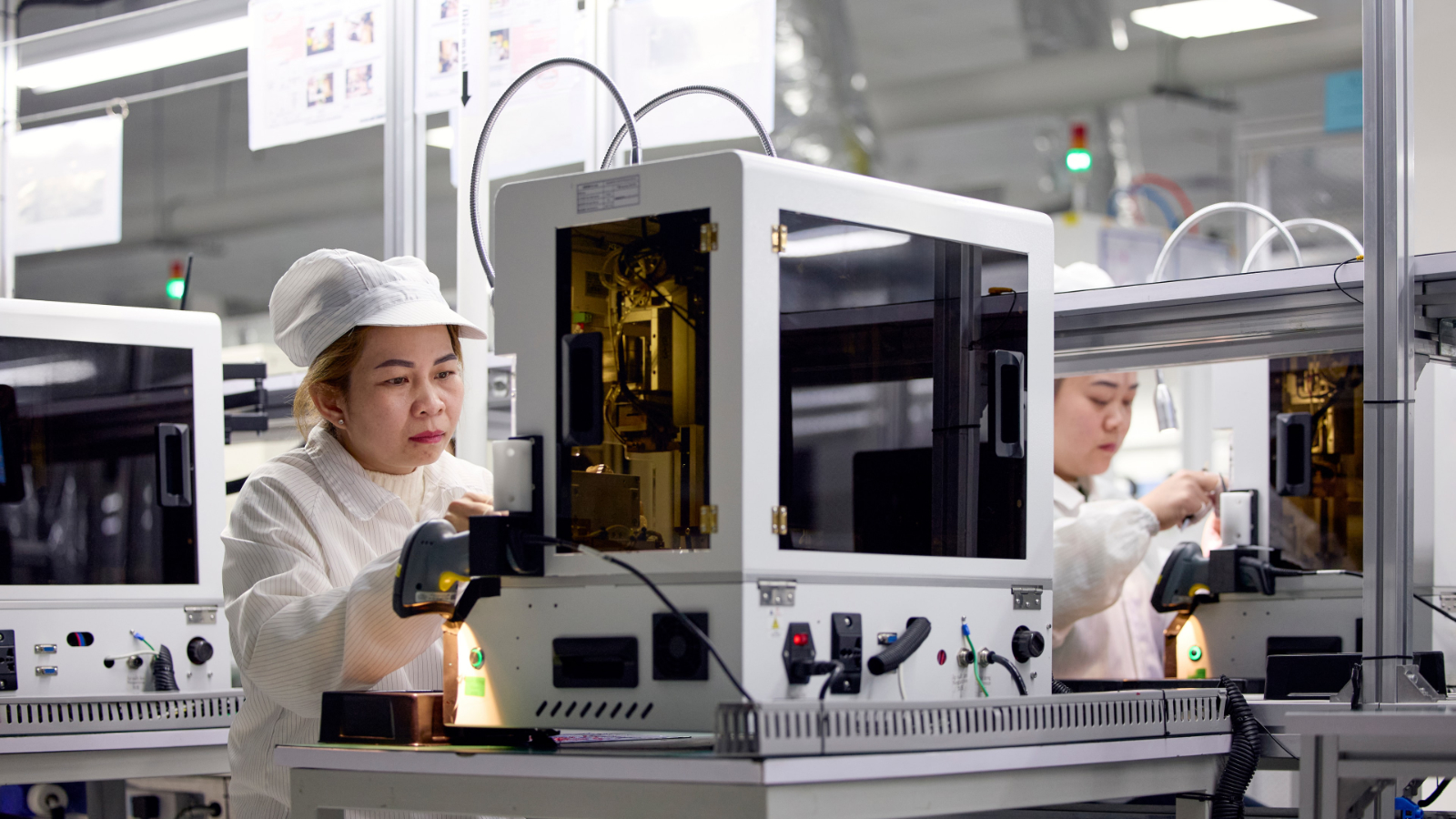
Apple Announces New Education Center in Vietnam

Apple today announced a new Apple Education Center in Hanoi to expand training and skill development programs for employees across its supply chain in Vietnam.


The new center is the first of its kind in the country and will begin offering courses this fall, operating in partnership with Hanoi University of Science and Technology (HUST). Apple and its partners already run almost 20 educational programs for supplier employees in Vietnam.

Courses will combine both online and in-person learning, covering areas including manufacturing, robotics, and automation technology. The center will also offer leadership and soft skills training aimed at helping workers advance in their current roles or move into new career paths.

The new center is the latest initiative funded by Apple's $50 million Supplier Employee Development Fund, a global program the company launched in 2022. Apple said more than 9 million education and training sessions have been delivered via the fund so far, and more than 108,000 supplier employees have taken part in its Swift programming courses since 2017.

The fund also supports workplace rights education and health programs covering broader topics such as health and fitness programming, mental health, and disease screening.
This article, "Apple Announces New Education Center in Vietnam" first appeared on MacRumors.com

Discuss this article in our forums

  •  

Leaked Images Give First Look at Apple's AI Servers

Images claiming to show the inside of an Apple-made AI server, believed to power Private Cloud Compute, surfaced online this week, offering a first look at how the hardware is laid out.


The images were shared earlier this week by the X user @hsuchingpo, an account with a track record of Apple hardware and prototype leaks. Captioned simply "Apple M5 Server," the leaker said the hardware is "most likely" Apple's Private Cloud Compute (PCC) system. Private Cloud Compute is Apple's system for offloading demanding Apple Intelligence requests from a device to the cloud while keeping user data from being stored or shared.

The images show a rack mountable chassis packed with compute modules. Each one has a separate circuit board mounted on a carrier bar and secured with blue and red ejector latches for quick removal. The boards connect into a backplane through gold edge connectors, with heatsinks running through the center of each column and a service diagram taped inside the lid mapping out numbered board positions and Apple part numbers.

θ‹ΉζžœM5ζœεŠ‘ε™¨#apple pic.twitter.com/BJE4W0qPWF

β€” εΎι™ηŽ―ε’ƒ (@hsuchingpo) August 24, 2026


Each single chassis holds up to 32 boards. The layout appears to be built around airflow, with heatsinks running down the center and fans at both ends.

One close-up image shows a board with its thermal paste wiped away, revealing an Apple logo printed directly onto a chip package, appearing to confirm the hardware uses Apple's own silicon. Two NAND flash chips sit nearby.

The leaker added that the server cannot manage its own workload independently. In replies, they explained that the hardware "requires use in conjunction with Mac Studio (serves the function of software control)" and apart from Apple, no one can activate it, since doing so needs both a physical control machine and a control account.

Apple produces AI servers domestically at a facility in Houston, Texas, as part of a $600 billion U.S. investment commitment.
This article, "Leaked Images Give First Look at Apple's AI Servers" first appeared on MacRumors.com

Discuss this article in our forums

  •  

iPhone 17 Remains World's Best Selling Smartphone

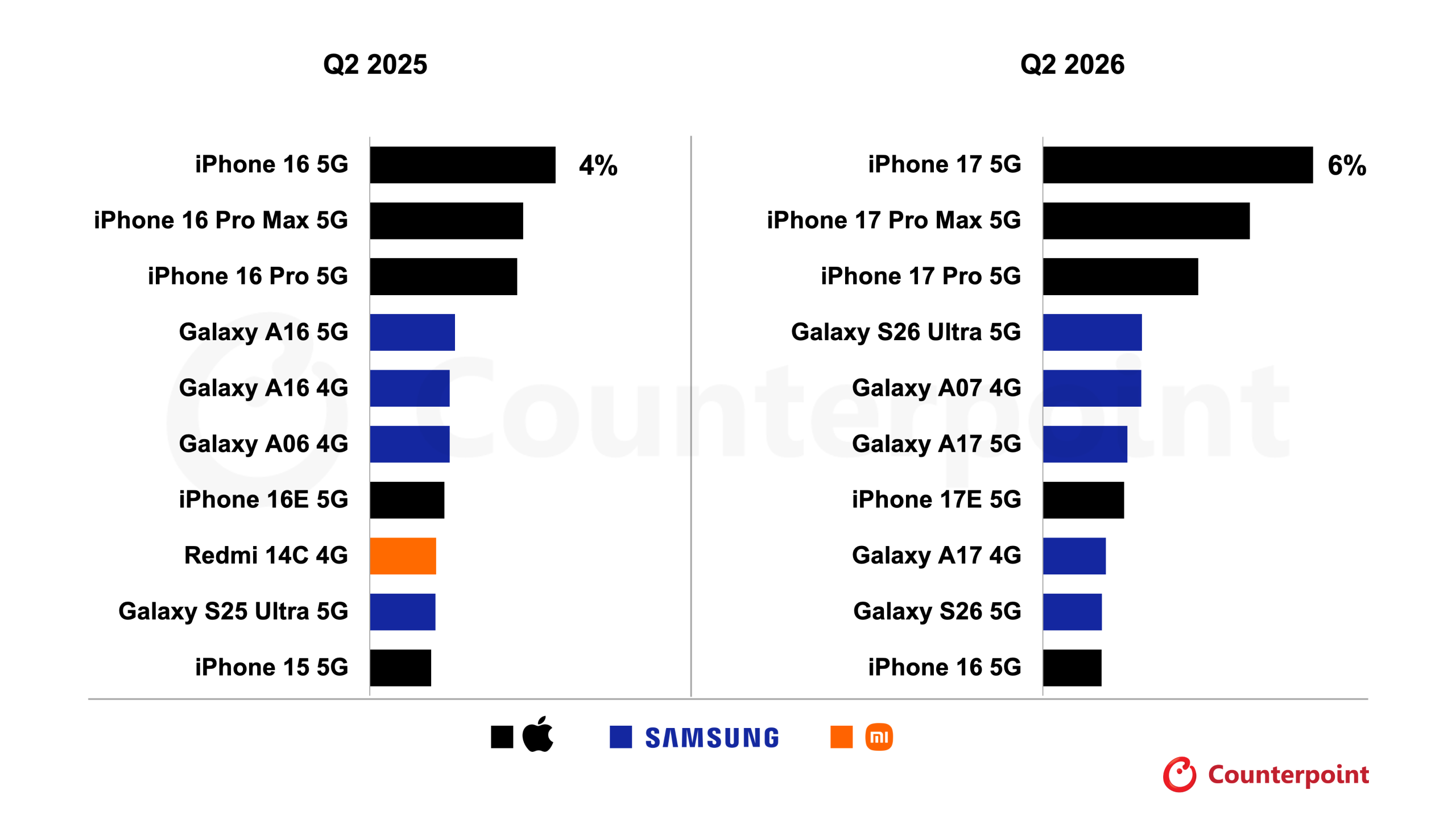
The iPhone 17 retained its position as the world's best selling smartphone in the second quarter of 2026, according to Counterpoint Research, with the iPhone 17 Pro Max and β€ŒiPhone 17 Proβ€Œ holding the next two spots on the firm's quarterly ranking.


Data from Counterpoint's Global Handset Model Sales Tracker places the standard β€ŒiPhone 17β€Œ at 6% of global smartphone unit sales for the second quarter, building on the top spot it already held in the first quarter. Apple and Samsung filled all ten of the top spots, with a combined 26% share of worldwide unit sales that was two points higher than a year earlier.

Counterpoint tied the growth to regional strength outside Apple's usual core markets, with gains in India, Japan, and the Middle East and Africa, plus a near doubling of sales in South Korea.

The base iPhone 17 model remained the best selling smartphone during the quarter, supported by significant upgrades that narrowed the gap with the Pro models. Meanwhile, strong premium demand drove the iPhone 17 Pro and Pro Max sales, aided by trade in programs, promotions, and accessible financing options that improved affordability.


Rising smartphone prices across the industry also nudged buyers toward more expensive pricing tiers generally, which largely worked in Apple's favor given its lineup skews upmarket already.


The iPhone 17e took seventh place following its refresh that added MagSafe and increased storage for the same price, boosted by compelling carrier deals in the U.S. and Japan. The iPhone 16 rounded out the list at number ten, leaving Apple with five of the ten slots, which is the same count and nearly the same positions Apple held a year earlier with the β€ŒiPhone 16β€Œ lineup and iPhone 15.

Samsung's best performer was the Galaxy S26 Ultra in fourth place, which is the first time that Samsung's top tier device has outsold every other Android phone in the second quarter. This is said to partly be a reflection of Samsung steering more marketing spend toward its flagship models to protect margins as costs climb. Samsung's cheaper Galaxy A phones also remained competitive further down the market.

Overall, the smartphone market shrank 11% in the quarter, a contraction Counterpoint links to the ongoing shortages and price rises that has manufacturers concentrating resources on their most profitable phones. Apple and Samsung both grew unit sales against that backdrop, a divergence that is visible in Counterpoint's regional data as well.
Related Roundup: iPhone 17
Buyer's Guide: iPhone 17 (Neutral)
Related Forum: iPhone

This article, "iPhone 17 Remains World's Best Selling Smartphone" first appeared on MacRumors.com

Discuss this article in our forums

  •  

New Mac Mini and Mac Studio Add Genlock Support for Camera Syncing

Apple's new Mac mini and Mac Studio feature genlock support over USB-C, allowing users to precisely synchronize a display with a camera such as the iPhone 17 Pro, without the need for additional equipment.

It keeps multiple cameras and displays locked to the same timing signal, stopping footage from drifting out of sync during a multi-camera shoot.
Related Roundups: Mac Studio, Mac mini
Related Forums: Mac Studio, Mac mini

This article, "New Mac Mini and Mac Studio Add Genlock Support for Camera Syncing" first appeared on MacRumors.com

Discuss this article in our forums

  •  

Concept Video Imagines Apple's Foldable iPhone Ultra Reveal

A new fan-made concept video imagining Apple's rumored foldable iPhone is circulating online, weeks before the company is expected to unveil the device at its annual fall keynote.


The video was created by designer Gunhoo Lee to provide a realistic look at what a brief "iPhone Ultra" reveal could look like, showcasing its 7.8-inch inner display, Touch ID authentication, mechanical hinge, dual battery system, and A20 chip. The features and specifications it depicts track closely with months of corroborated rumors.

Apple's foldable iPhone is widely expected to be announced alongside the iPhone 18 Pro and β€ŒiPhone 18 Proβ€Œ Max next month, so the real reveal video isn't far away.
Related Roundup: iPhone Fold

This article, "Concept Video Imagines Apple's Foldable iPhone Ultra Reveal" first appeared on MacRumors.com

Discuss this article in our forums

  •  

New Mac Studio Can Be Clustered Together for Faster AI Performance

Multiple new Mac Studio units can be clustered together over Thunderbolt 5 and RDMA (remote direct memory access), creating a shared memory pool for running larger AI models.

If four Mac Studio systems are clustered together, Apple says they can deliver 3x faster AI inference than running the same task on a single system, with the shared memory pool helping to load the largest and most demanding frontier-class open-weight models available today.
Related Roundup: Mac Studio
Buyer's Guide: Mac Studio (Buy Now)
Related Forum: Mac Studio

This article, "New Mac Studio Can Be Clustered Together for Faster AI Performance" first appeared on MacRumors.com

Discuss this article in our forums

  •  

75% of US Adults Aren't Interested in a Foldable iPhone

Three out of four U.S. adults say they have no interest in buying a foldable iPhone, according to a new survey from CNET.


CNET's survey was conducted online by YouGov between August 13 and 17, polling 2,605 U.S. adults. It found that 75% are not interested in an Apple foldable device, and those who are would not pay anywhere near the rumored $2,000+ price.

Interest is low across every generation surveyed. Boomers (1946–1964) and Gen Xers (1965–1980) are the least interested, at 83% and 77% respectively, while 69% of Gen Z (1997–2012) and 68% of millennials (1981–1996) also said they would pass on a foldable iPhone. CNET noted that a quarter of respondents still expressing interest in the device is a notable proportion for what remains a niche product category.

On average, U.S. adults said they would spend just $781 on a foldable iPhone, about $48 less than the $799 starting price of the standard iPhone 17. Gen Z was willing to spend the most, an average of $919, followed by millennials at $859, Gen X at $690, and Boomers at $572. That mismatch between expected pricing and what buyers actually want to pay highlights just how far a $2,000+ device will sit outside most people's budgets.

Moreover, CNET found that 41% of U.S. adults are rethinking their upgrade plans because of anticipated price increases. Apple raised prices on most of its devices in June, citing the global memory shortage, though iPhone, Apple Watch, and AirPods prices were untouched at the time. The iPhone 18 Pro lineup is expected to cost more than its predecessor when it launches for the same reasons.

5% of respondents said they are considering buying an older or cheaper model, 4% are considering switching brands, and 4% are looking at refurbished or used phones. Another 9% said they will only upgrade if a trade-in or carrier promotion covers the cost. 22% of U.S. adults said they have no plans to upgrade anytime soon regardless of what Apple releases, ranging from 16% of millennials to 27% of Boomers.
Related Roundup: iPhone Fold

This article, "75% of US Adults Aren't Interested in a Foldable iPhone" first appeared on MacRumors.com

Discuss this article in our forums

  •  

Apple's New Polishing Cloth Is Softer, Not Smaller Than Original

Apple's new $9 Polishing Cloth, whose changes beyond pricing were unclear yesterday, is close in size to the original but noticeably less stiff, according to a comparison posted on X.

The user says the new material feels closer to the cloth included with Apple's nano-texture displays or the Vision Pro.
This article, "Apple's New Polishing Cloth Is Softer, Not Smaller Than Original" first appeared on MacRumors.com

Discuss this article in our forums

  •  

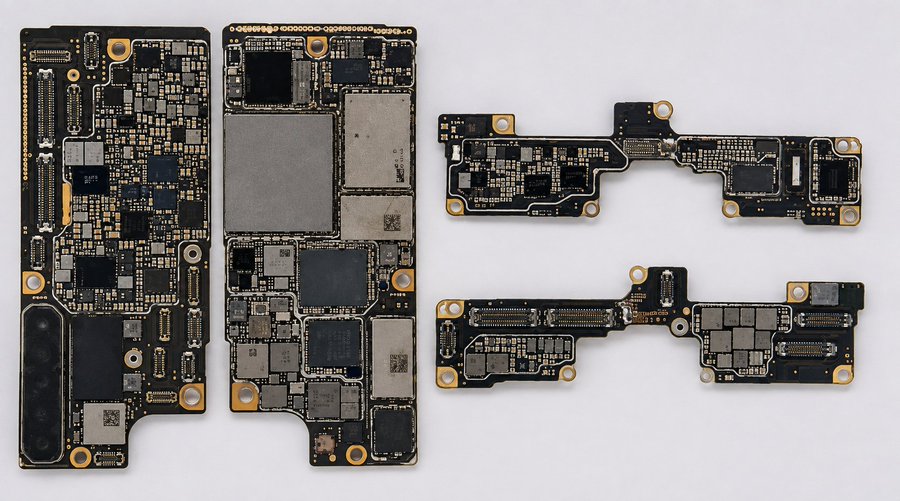
Alleged Foldable iPhone Motherboard Photos Surface Online

Images and video claiming to show circuitry from Apple's upcoming foldable iPhone are circulating on X and Chinese social media platforms.


For example, on X, the user "LusiRoy7" posted a short video alongside an image, as well as a labeled composite image identifying components, purportedly depicting the motherboard of Apple's foldable iPhone. The image appears to show the CPU, a hinge connector, a flex cable connector, and more.

Separately, on the Chinese forum Baidu, a diagram from the repair parts vendor MIJING depicts the same components. The MIJING diagram uses Chinese repair-industry component numbering. The range of images appear to show the same parts.

While the authenticity of the images is unknown, they are likely another sign that the launch of the first foldable iPhone is nearing. The device is widely expected to be announced alongside the iPhone 18 Pro models next month.

Rumors point to a 5.5-inch cover display and a 7.8-inch inner display, the A20 Pro chip, and a 5,000mAh battery, as well as a 48-megapixel dual rear camera system and 18-megapixel selfie cameras on both the outer and inner displays. The device is expected to debut with a price of at least $2,000.
Related Roundup: iPhone Fold

This article, "Alleged Foldable iPhone Motherboard Photos Surface Online" first appeared on MacRumors.com

Discuss this article in our forums

  •  

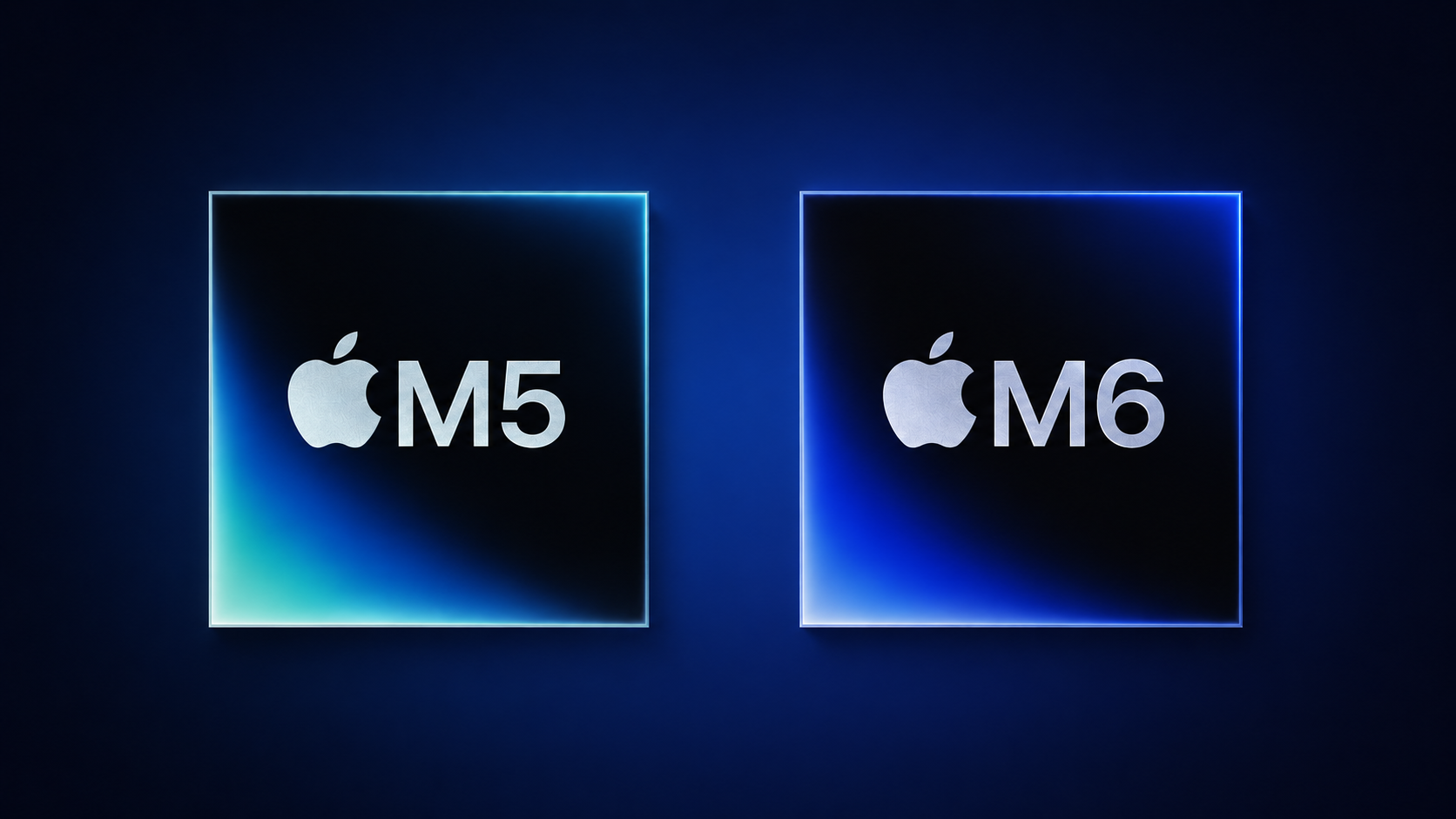
M5 vs. M6 Chip Buyer's Guide: How Much Better Really Is M6?

Apple yesterday announced the M6, its first chip built using a 2nm process and the first Apple silicon design to use three different CPU core types, but how does it compare to the M5?


Compared to the M5 chip that Apple launched in October 2025, the M6 delivers:


  • Up to 1.2x faster multithreaded CPU performance.

  • Nearly 30% higher peak GPU compute for AI.

  • Up to 2x peak Neural Engine compute.

  • 50% higher geometry rates for complex graphics.

  • 10% higher unified memory bandwidth.


Apple did not publish real-world benchmarks comparing the M6 to the M5 directly, instead framing its Mac mini figures against the M4 and M1 models:


  • Up to 13.5x faster LLM prompt processing in LM Studio versus β€ŒM1β€Œ, and up to 4.8x faster versus the M4.

  • Up to 2.3x faster spreadsheet calculations in Microsoft Excel versus β€ŒM1β€Œ, and up to 1.5x faster versus the M4.

  • Up to 2x faster gaming performance with ray tracing in "Cyberpunk 2077: Ultimate Edition" versus the M4.


The most significant architectural change is in the CPU. The M5 splits its ten cores into performance and efficiency groups, which is an arrangement Apple silicon has used since the β€ŒM1β€Œ. The M6 adds a third tier called "super cores," which handle single-threaded workloads and which Apple says give the chip the world's fastest single-threaded performance.

The performance cores join them for heavier multithreaded work, while the efficiency cores take background tasks. The second major change is the Neural Engine, which is now doubled, with system frameworks able to use both engines at once so apps see faster model execution without any work from developers required. Other hardware changes compared to the M5 include:


Apple M5 Chip (2025) Apple M6 Chip (2026)
Made with TSMC's third-generation 3nm process (N3P) Made with TSMC's first-generation 2nm process (N2)
FinFET transistors Gate-all-around nanosheet transistors
10-core CPU with 4 performance cores and 6 efficiency cores 12-core CPU with 2 super cores, 4 performance cores, and 6 efficiency cores
Super cores dedicated to single-threaded workloads
16-core Neural Engine Dual 16-core Neural Engine that system frameworks can run simultaneously
10-core GPU with a Neural Accelerator in every core 12-core GPU with a Neural Accelerator in every core
Enhanced shader cores Updated shader core architecture
Second-generation dynamic caching Third-generation dynamic caching
153 GB/s unified memory bandwidth 170 GB/s unified memory bandwidth


The move to a 2nm process is a significant technical change. Apple chips have used FinFET transistors for years, but the M6's N2 process uses a newer design with gate-all-around nanosheet transistors. This means that the transistor's gate wraps around the channel on every side, giving it better control and reducing power leakage at tiny sizes.

TSMC says N2 can offer 10–15% more speed at the same power, or 25–30% lower power use at the same speed, compared with its N3E process. But the M5 uses the newer N3P process, not N3E, so the actual M5-to-M6 improvement is likely to be smaller than those figures suggest.

The M6 is a broad but fairly modest upgrade. It improves the CPU, GPU, Neural Engine, and memory bandwidth, rather than delivering a dramatic gain in one area. The M5's biggest leap was in AI-focused GPU performance, thanks to Neural Accelerators built into each GPU core. The M6's reported 1.2Γ— multithreaded CPU gain and 10% increase in memory bandwidth are good refinements rather than step-changes.

Single-threaded performance is the main exception. Some tasks cannot be split across many CPU cores, including code compilation, file indexing, image editing, and parts of agentic AI workflows. These tasks depend heavily on the speed of one core, and the M6's new "super cores" are designed to improve that directly. A doubled Neural Engine should also help with local AI models, while the larger GPU can process prompts faster.

For everyday work and general responsiveness, the difference will probably be difficult to notice. The M5 already has more than enough performance for normal use, so there is little general-purpose reason to upgrade from an M5 to an M6.

The more consequential question for buyers is where the M6 sits in the lineup, because it is not part of a straightforward replacement for the M5 family. Bloomberg's Mark Gurman reported in July that Apple has no plans to release "M6 Pro," "M6 Max," or "M6 Ultra" chips, having decided to accelerate development of the AI-optimized M7 generation. The new Mac mini illustrates this point, since its higher-specification configuration uses the M5 Pro. That makes the M6 the first of its kind to not have higher-end variants, and it means the M5 Pro, M5 Max, and M5 Ultra remain the chips to buy if you need anything more than base-tier performance.

The dual Neural Engine and 2nm process give the M6 headroom for on-device AI tools that grow more demanding, but the M7 is expected in the first half of 2027 with neural processing upgrades that prompted Apple to cut the M6 lineup short. If your workloads are AI-heavy enough that the M6's gains matter to you, the chip designed for exactly that is less than a year away.

The M6 chip is currently available only in the new Mac mini, which starts at $899 and ships on September 22. M6 versions of the MacBook Pro and iMac are expected to be announced in October. The M5 chip remains available in the 14-inch β€ŒMacBook Proβ€Œ, the latest iPad Pro, and the Apple Vision Pro, with M5 Pro and M5 Max in the higher-end β€ŒMacBook Proβ€Œ models and M5 Max and M5 Ultra in the new Mac Studio.
Related Roundup: Mac mini
Buyer's Guide: Mac Mini (Buy Now)
Related Forum: Mac mini

This article, "M5 vs. M6 Chip Buyer's Guide: How Much Better Really Is M6?" first appeared on MacRumors.com

Discuss this article in our forums

  •  

Apple Smart Home Display Still Coming This Year

Apple remains on track to launch its first smart home device with a screen before the end of the year, according to Bloomberg's Mark Gurman.


Gurman reiterated that the device will use facial recognition to determine who is standing in front of it and serve up personalized content for that individual user. The description lines up with code found in macOS Tahoe 26.7 earlier this week, which revealed that the smart home hub will support multiple user profiles and use "ambient sensing" to verify identity. Apple is also readying a new Apple TV and an updated HomePod mini as part of the same renewed push into the home, according to Gurman.

Apple's smart home hub has been rumored for years. It is rumored to feature a square, seven-inch display with a front-facing camera, running an operating system closer to tvOS than iOS, with a home screen built around quick-access widgets. Pricing is expected to land somewhere around $350.

Apple originally intended to release the device in spring 2025, then targeted spring 2026, before pushing it back to September because Siri AI was not ready. Gurman reported over the weekend that Apple is rearranging sections of its retail stores to accommodate new smart home products.
Related Roundups: Apple TV, HomePod mini

This article, "Apple Smart Home Display Still Coming This Year" first appeared on MacRumors.com

Discuss this article in our forums

  •  

Apple Quietly Refreshes Magic Keyboards

Apple today quietly introduced updated Magic Keyboard models with revised U.S. English key labeling.


On the new keyboards, the tab, caps lock, shift, return, and delete keycaps are labeled with glyphs rather than edge text. On the full-size models with a numeric keypad, the change goes further, with the home, page up, page down, end, clear, and enter keys also swapping their text labels for symbols.

Four models have been updated: the Magic Keyboard, the Magic Keyboard with Touch ID, and the Magic Keyboard with Touch ID and Numeric Keypad in both white keys and black keys.

The one U.S. English model Apple has not refreshed is the Magic Keyboard with Numeric Keypad, which lacks β€ŒTouch IDβ€Œ and continues to use text labels on the same keys.

The change mirrors the one Apple made to its laptops earlier this year, when the new MacBook Air, MacBook Pro, and MacBook Neo adopted glyphs on the same set of keys.

Since the U.S. English layout is the default option in Canada, Australia, New Zealand, and Singapore, among other countries, the new labeling effectively extends well beyond the United States. Apple has used glyphs on its British English and other European layouts for some time, so the symbols will already be familiar to customers there.
This article, "Apple Quietly Refreshes Magic Keyboards" first appeared on MacRumors.com

Discuss this article in our forums

  •  
❌