❌

Lees weergave

Apple Maps Renames Lake Ontario 'Lake America'

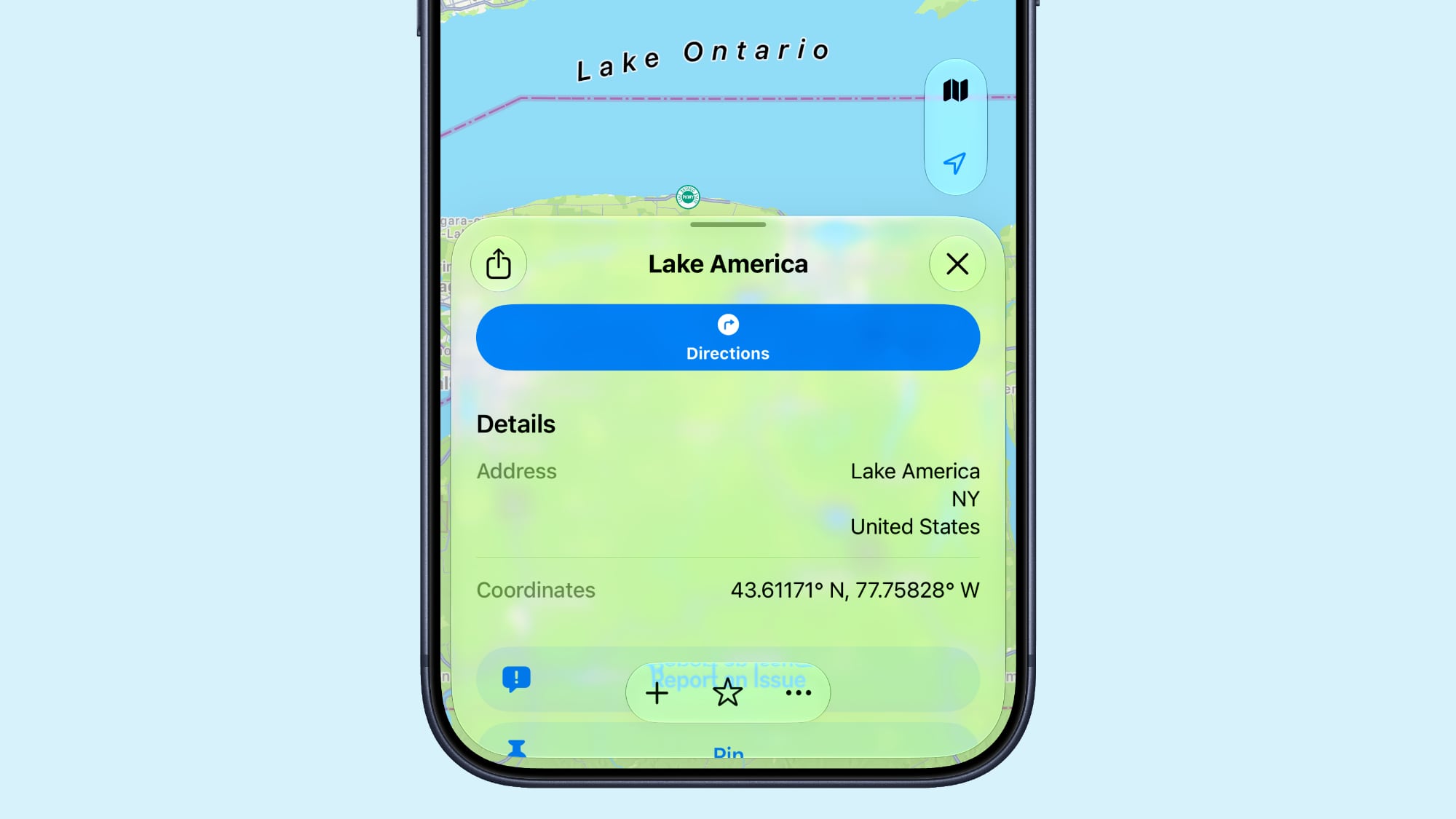
Apple Maps users in the United States will now see "Lake America" instead of "Lake Ontario" for the Great Lake on the border of Ontario and New York.


The updated name is currently rolling out to iPhone, iPad, and Mac users. The Maps app still has the Lake Ontario label for the body of water, but tapping it now says "Lake America." Apple will likely change the label in the next few hours.

U.S. President Donald Trump last week issued an executive order changing the name of Lake Ontario to Lake America. The U.S. Geographic Names Information System updated the database with the new name, and Google Maps adopted it earlier this week.

As with Trump's renaming of the Gulf of Mexico, ‌Apple Maps‌ users in the United States will see the lake listed as Lake America. Canadians will see the Lake Ontario name, and users outside of the U.S. and Canada will see both names.

According to Axios, Trump directly asked Apple to rename Lake Ontario "Lake America" in the Maps app. Trump announced the name change after the ongoing trade war escalated with both countries announcing additional tariffs.

Once popular mapping app MapQuest refused to change the name of Lake Ontario, and its stance has caused it to surge on the App Store charts. MapQuest is the number one free app on the iPhone at the current time.
This article, "Apple Maps Renames Lake Ontario 'Lake America'" first appeared on MacRumors.com

Discuss this article in our forums

  •  

macOS Golden Gate Seems to Hint at MacBook Pro With OLED Display

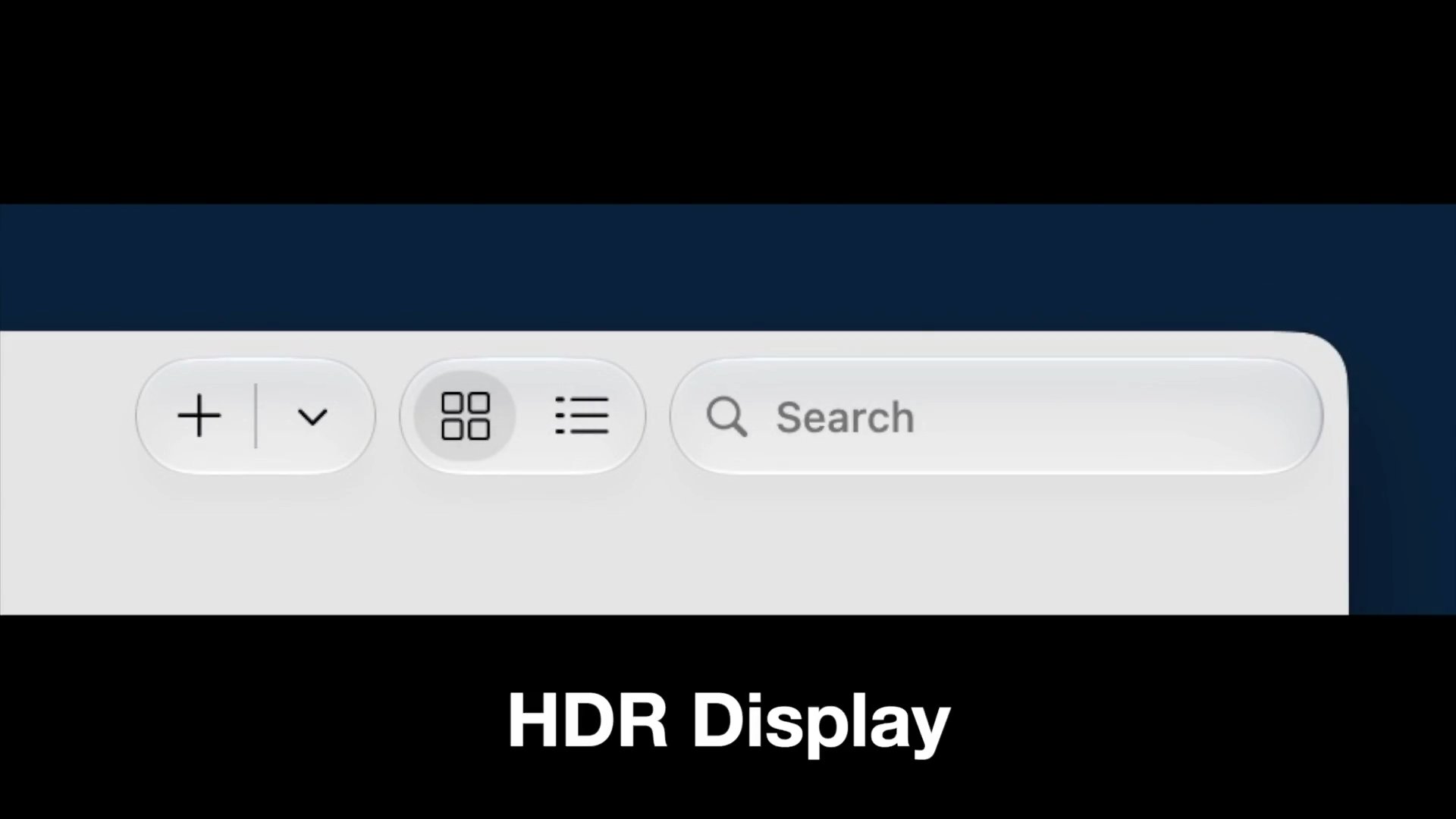
As noted by Broadcasts developer Steven Troughton-Smith, many Liquid Glass interface elements on the macOS Golden Gate beta have an even glassier appearance on certain high-end OLED displays with HDR support than they do on ordinary displays.

Apple reportedly plans to release new MacBook Pro or "MacBook Ultra" models with an OLED display by early 2027, so it is likely that macOS Golden Gate has these Liquid Glass enhancements in preparation for those laptops.
Related Roundups: MacBook Pro, macOS Golden Gate
Tag: OLED
Buyer's Guide: MacBook Pro (Buy Now)
Related Forum: MacBook Pro

This article, "macOS Golden Gate Seems to Hint at MacBook Pro With OLED Display" first appeared on MacRumors.com

Discuss this article in our forums

  •  

Anthropic Launches Claude Fable 5.1 With Lower Costs and Fewer False Positives

Anthropic today introduced Claude Fable 5.1 and Claude Mythos 5.1, which the company says are the "world's most advanced models for coding and knowledge work."


According to Anthropic, Claude Fable 5.1 sets a new standard for coding, knowledge work, and long-running problem-solving tasks. It achieves similar or better results than Fable 5 at low or medium effort, and has much higher performance at higher effort tiers. It outperforms Fable 5, Opus 5, and OpenAI's GPT–5.6 Sol across multiple benchmarks.

Fable 5.1 and Mythos 5.1 are the same model, but with different safeguard levels. Fable 5.1 is available to everyone, but Mythos 5.1 is limited to U.S. companies and individuals participating in Anthropic's trusted access programs. There's a new Life Sciences Verification Program that allows Mythos 5.1's advanced biology capabilities to be used for scientific research, with open enrollment for scientists coming soon.

Safeguards for Fable 5.1 have been improved, and Claude Code users should see around 60 percent fewer cybersecurity false positives. Anthropic says Fable 5.1 can now be used to discover software vulnerabilities, but not develop exploits for them. Fable 5.1 includes invisible watermarking for text generated by Claude, and Anthropic is rolling out a detection API in a private preview. The API is available to eligible organizations as required by EU law.

Fable 5.1 costs approximately 25 percent less than Fable 5 for typical workloads, and up to 45 percent for highly agentic work, because of a reduction in cache-read pricing. Base pricing remains the same. It is available today on all platforms.
This article, "Anthropic Launches Claude Fable 5.1 With Lower Costs and Fewer False Positives" first appeared on MacRumors.com

Discuss this article in our forums

  •  

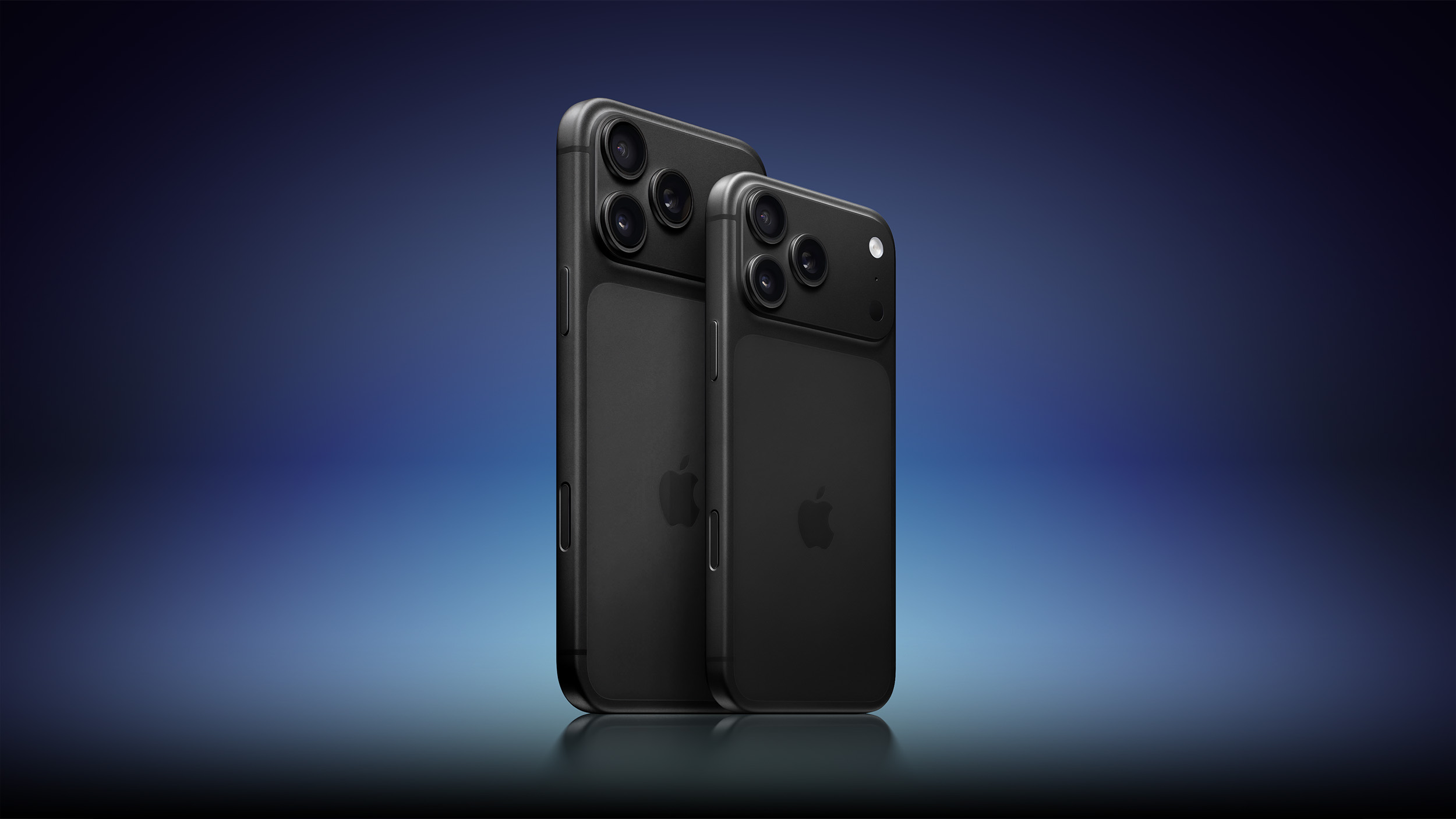
Foldable iPhone Ultra Likely Has MagSafe Charging

Apple's foldable "iPhone Ultra" will likely support MagSafe charging, Bloomberg's Mark Gurman said in an interview with Tom's Guide.


‌iPhone Ultra‌ dummy models that surfaced in April didn't include a ‌MagSafe‌ ring, while dummies of the iPhone 18 Pro did. Leaked cases for the device did have a ‌MagSafe‌ ring, making it unclear whether it would support ‌MagSafe‌ charging.

"All indications that I've heard is that ‌MagSafe‌ is in for this foldable phone. They were able to get it into the iPhone Air, and I don't see why they wouldn't be able to get it into the foldable," said Gurman.

Leaving out ‌MagSafe‌ was plausible because the ‌iPhone Ultra‌ is supposedly super thin, measuring 4.5mm when open. The device does not have room for Face ID camera hardware, and it is rumored to use Touch ID instead.

Gurman recapped several other ‌iPhone Ultra‌ rumors:

  • $2,000+ price tag

  • 5.5-inch outer display (when closed)

  • 7.8-inch inner display (when unfolded)

  • Short and wide passport-style design

  • Latest Apple modem (likely C2)

  • Latest Apple chip (A20 Pro)

  • Wide and Ultra Wide camera lenses

  • No telephoto lens

  • Durable hinge, minimal but not invisible crease

  • Apple has "gone to great lengths" to make apps automatically resize to fit different displays


Apple will announce the foldable iPhone alongside the ‌iPhone 18 Pro‌ models at its "Surprise and Shine" event set to be held on Wednesday, September 9. While there have been rumors that the foldable iPhone could be delayed and launch after the ‌iPhone 18 Pro‌ models, Gurman says he would be "very surprised" if the foldable did not come out at the same time as the Pro iPhones or "very close to it."

"Either on the same launch date, a dual launch, or coming out within weeks later. This idea of a late October, November launch, massive delays, supply chain issues, I don't believe to be the case," he said.
Related Roundup: iPhone Fold

This article, "Foldable iPhone Ultra Likely Has MagSafe Charging" first appeared on MacRumors.com

Discuss this article in our forums

  •  

Dirk Eddelbuettel: gaussfacts 0.0.4 on CRAN: New Feature

Gauss

Another new release of the gaussfacts package arrived on CRAN. This follows a recent one a good week ago, which had been the first in pretty much exactly a decade!

gaussfacts provides a fortunes-inspired function to display randomly-chosen facts about Carl Friedrich Gauss, based on the collection curated by Mike Cavers via the gaussfacts web site (with an archive.org link it case it vanishes again). Each call of gaussfact() displays another (randomly chosen, or indexed) fact.

This release corrects an old typo, thanks to an issue filed right after the last release. It also adds a small (but useful) feature that (most if not all of) the other fortunes-alike packages already have: the ability to look up by (matching) character string.

So to take an example, asking for “dice”’ gets us these two cracker quotes that still make me smile:

> gaussfacts::gaussfact("dice")     # match string
God does not play dice, unless Gauss promises to let him win once in a while. 
God does not play dice with the universe, but Gauss does. 
> 

Thanks for an issue filed, we also corrected an old typo. The NEWS file entry follows.

Changes in version 0.0.4 (2026-09-01)

  • Support character argument to support lookup via regular expression

  • Correct one old typo in README.md

Otherwise, and always worth noting, this update had a particularly speedy passage at CRAN taking a whole six minutes:

Thanks to my CRANberries, there is a diff to the previous release. Questions, comments etc should go to the GitHub issue tracker off the GitHub repo.

This post by Dirk Eddelbuettel originated on his Thinking inside the box blog. If you like this or other open-source work I do, you can sponsor me at GitHub.

  •  

Ex-Apple CFO Luca Maestri Winding Down His Time at the Company

Former Apple CFO Luca Maestri is taking another step back from the company, reports Bloomberg. Maestri left his role as CFO in January 2025, but stayed at Apple to run the company's Corporate Services teams.


Maestri stepped down from that position in recent weeks, and Bloomberg says he is still at Apple but has no responsibilities other than hosting a class at Apple University. Maestri reported to former Apple CEO Tim Cook, but he does not report to new Apple CEO John Ternus. Maestri is slowly withdrawing from Apple, and visits the office about once a week.

Corporate services includes information systems and technology, information security, and real estate and development. The team is being taken over by Kevan Parekh, who became Apple's CFO after Maestri stepped down.

Bloomberg says Cook liked to keep departing executives in smaller roles, but Ternus may not continue that practice.
This article, "Ex-Apple CFO Luca Maestri Winding Down His Time at the Company" first appeared on MacRumors.com

Discuss this article in our forums

  •  

Apple Teases 'Huge Launch' Next Week

In his first memo to Apple employees as CEO today, John Ternus teased a "huge launch next week that's going to be phenomenal."


In a social media post today, Apple's marketing chief Greg Joswiak teased that Apple has "more to say" on Wednesday, September 9, which is when the company will be holding its next special event, starting at 10 a.m. Pacific Time.

Hello, indeed. More to say September 9. 😉 https://t.co/q4hep7iDtq

— Greg Joswiak (@gregjoz) September 1, 2026

During the event, Apple is expected to unveil the iPhone 18 Pro and iPhone 18 Pro Max, its first-ever foldable iPhone, the Apple Watch Series 12 and Apple Watch Ultra 4, and potentially AirPods 5. Of course, there could be other announcements and surprises too. MacRumors will be providing live coverage of the event from Steve Jobs Theater.
This article, "Apple Teases 'Huge Launch' Next Week" first appeared on MacRumors.com

Discuss this article in our forums

  •  

Read John Ternus' First Memo to Apple Employees as CEO

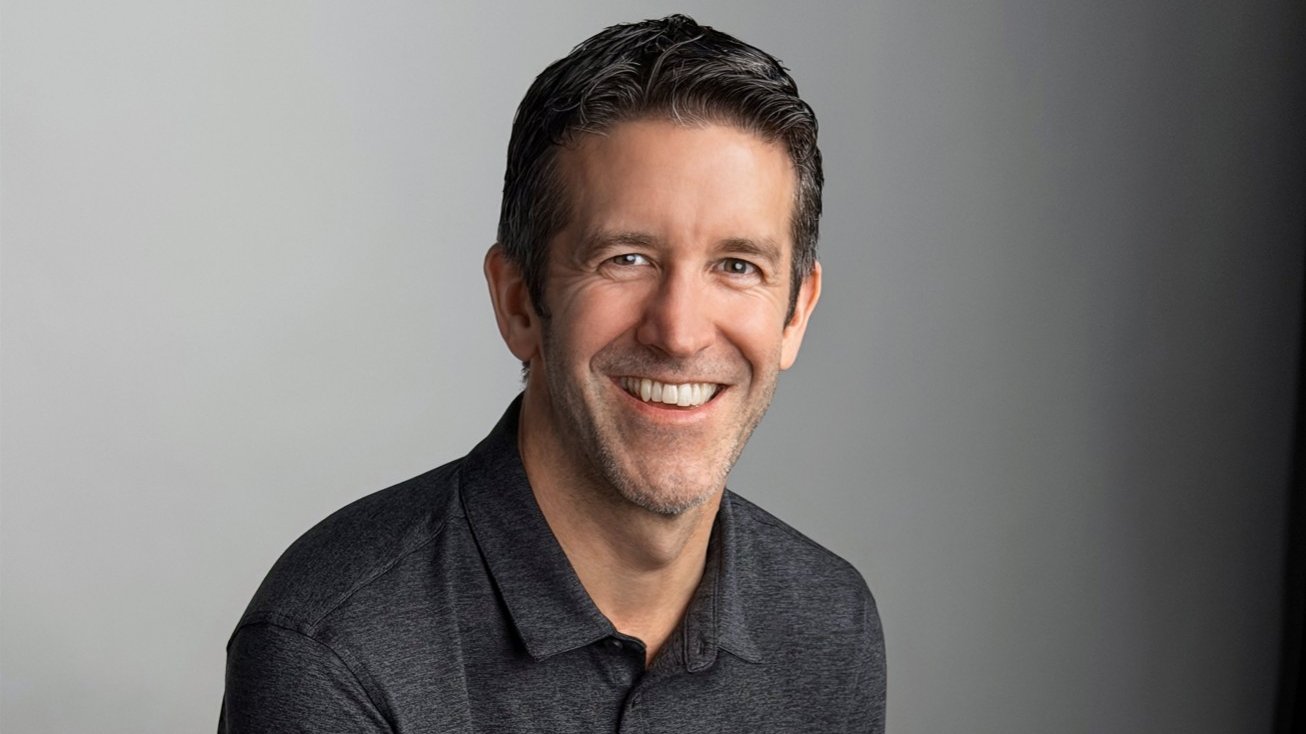
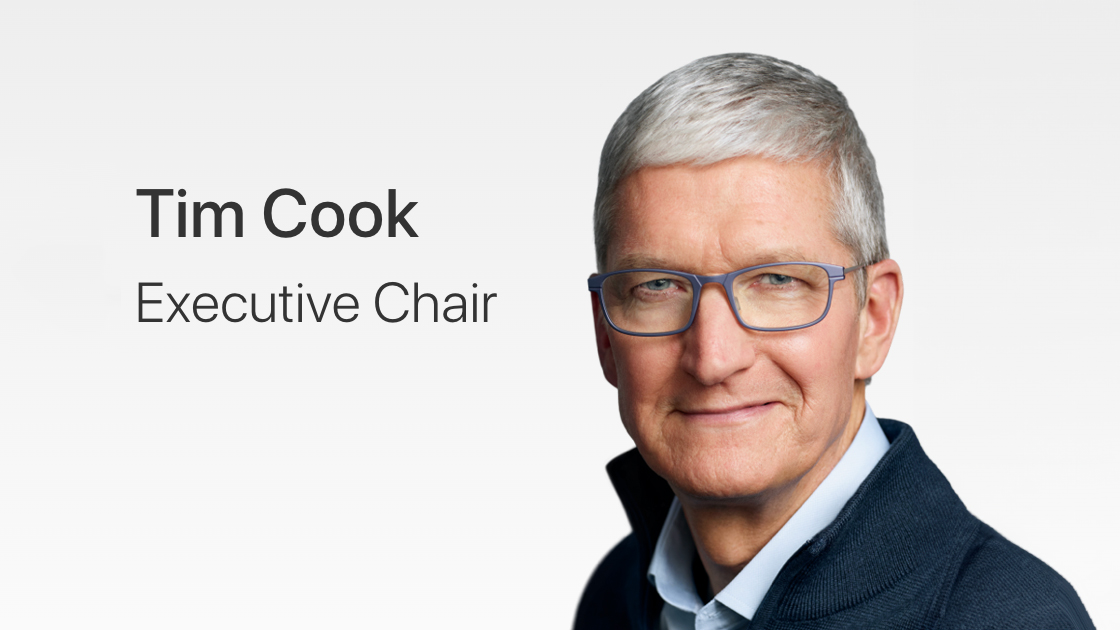
John Ternus officially became Apple's CEO today, with Tim Cook transitioning to a new role as Executive Chair. Ternus sent his first memo as CEO to employees this morning, praising Cook and sharing his excitement for Apple's future.


MacRumors obtained a copy of the memo, which you can read in full below.
Team,

Today, on my first day as CEO, I just wanted to send a quick note to thank everyone for the warm wishes. I also want to extend my deep appreciation to Tim for sharing so much of his knowledge and experience during this transition, and more importantly, for everything he contributed to Apple over the years. We're so lucky to have had a CEO who led with his values and with such decency and humanity. We are all better for it, and I'm so grateful he'll be our executive chairman.

I'm honored to be stepping into this role at what is truly the greatest company in the world, and I am so excited about everything we have in store. We have a huge launch next week that's going to be phenomenal. Thanks for everything you've all done to make it possible.

I'm just as excited about what lies beyond that, including the incredible products already in the works and the ones we haven't even imagined yet that we'll dream up and create together. There's no team in the world I'd rather build the future with.

More to come. In the meantime, thanks for your excellent work!

John
Ternus is a longtime Apple employee, having first joined the company in 2001. Prior to becoming CEO, he was senior vice president of Hardware Engineering, so he has a product-focused background instead of the operations background Cook has. Apple's leadership team has been reorganizing during the transition from Cook to Ternus, and the full effect of the changes will play out over the next several years.

Johny Srouji is now Apple's chief hardware officer, taking over the Hardware Engineering team that Ternus previously led. Former engineering VP and Ternus lieutenant Laura Legros is returning to Apple, and the product design team was restructured.

On his last day as CEO, Cook told employees he took "enormous comfort" in handing leadership of Apple to "someone as brilliant and wonderful and capable as John."

Ternus has been on stage during Apple events before, but the September 9 "Surprise and Shine" iPhone event will be his first as Apple CEO.
This article, "Read John Ternus' First Memo to Apple Employees as CEO" first appeared on MacRumors.com

Discuss this article in our forums

  •  

Apple's M4 iPad Air Gets Best Discounts Since Summer Price Hikes

Amazon and Best Buy this week have multiple discounts on the M4 iPad Air, providing up to $149 off these 2026 models. These are the best prices we've seen in the wake of Apple's summer price hikes.

Note: MacRumors is an affiliate partner with Amazon. When you click a link and make a purchase, we may receive a small payment, which helps us keep the site running.

You'll find savings on both the 11-inch and 13-inch models of the M4 iPad Air, with savings mainly focused on 128GB and 256GB Wi-Fi tablets. All of these discounts have been automatically applied and do not require a coupon code or a special membership.


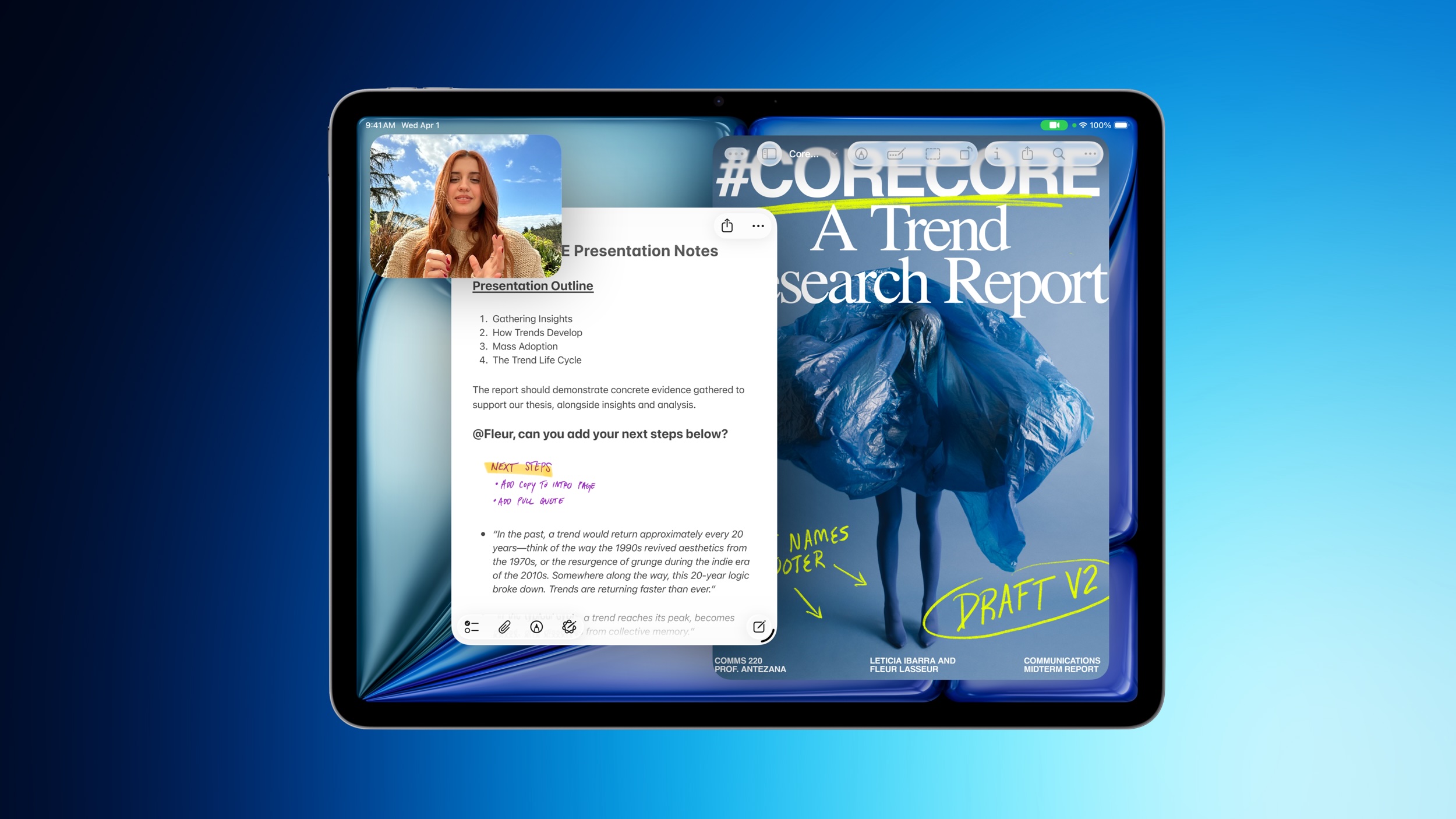
The new iPad Air features the M4 chip, C1X modem, and N1 networking chip, which brings support for Wi-Fi 7 and Bluetooth 6. In terms of design, the 2026 models are identical to the 2025 iPad Air tablets, with an edge-to-edge display, slim bezels, and aluminum chassis.

11-inch M4 iPad Air


13-inch M4 iPad Air


If you're on the hunt for more discounts, be sure to visit our Apple Deals roundup where we recap the best Apple-related bargains of the past week.


Deals Newsletter


Interested in hearing more about the best deals you can find in 2026? Sign up for our Deals Newsletter and we'll keep you updated so you don't miss the biggest deals of the season!


Related Roundup: Apple Deals

This article, "Apple's M4 iPad Air Gets Best Discounts Since Summer Price Hikes" first appeared on MacRumors.com

Discuss this article in our forums

  •  

Apple's New CEO John Ternus is Now on X

Apple's new CEO John Ternus now has an X account, and he has already shared his first post saying hello to the world.

Ternus did not have a public social media presence prior to today.

Tim Cook is now Apple's executive chairman, and his own X account's description has been updated to reflect that change.
This article, "Apple's New CEO John Ternus is Now on X" first appeared on MacRumors.com

Discuss this article in our forums

  •  

iPhone 18 Pro Colors Apparently Include Black, But Skip Silver

iPhone 18 Pro colors could include Dark Cherry, Sky Blue, and Black, with a Silver option unlikely to make the final lineup, according to the leaker known as "Fixed Focus Digital."


In a new post on Weibo, the leaker "Fixed Focus Digital" said the ‌iPhone 18 Pro‌ has entered full mass production and predicted a slightly different color lineup from what previous rumors have suggested, featuring Dark Cherry (also referred to as Burgundy), Sky Blue, and Black.

The leaker said a Silver option will "most likely" not be offered, adding in a reply that they have not seen evidence of that color's existence in China. If accurate, the lineup would mean Apple is replacing all three iPhone 17 Pro colors with new options for ‌iPhone 18 Pro‌, rather than carrying Silver over as many earlier reports had suggested.

Bloomberg's Mark Gurman first described the ‌iPhone 18 Pro‌'s main new shade as "deep red." A Macworld report later called it "Dark Cherry," and said the other colors would be Light Blue, Dark Gray, and Silver.

Weibo leaker "Instant Digital" said Apple may skip black, then described Dark Cherry as a mix of burgundy, coffee, and deep purple. Dummy models from Sonny Dickson showed Dark Cherry, Light Blue, Black, and Silver, while SIM tray photos showed Dark Cherry with Light Blue and Dark Gray.

The rumors point to Dark Cherry replacing Cosmic Orange as the signature Pro color, with Light Blue or Sky Blue, Silver, and Black or Dark Gray also possible. Black remains uncertain, after Apple reportedly considered black and steel gray for the ‌iPhone 17 Pro‌ before dropping both.

Apple's ‌iPhone 18 Pro‌ and ‌iPhone 18 Pro‌ Max are expected to be unveiled at the company's September event next week, alongside the company's first foldable iPhone, dubbed the "iPhone Ultra."
Related Roundup: iPhone 18 Pro

This article, "iPhone 18 Pro Colors Apparently Include Black, But Skip Silver" first appeared on MacRumors.com

Discuss this article in our forums

  •  

Distribution Release: Linux From Scratch 13.1

The DistroWatch news feed is brought to you by TUXEDO COMPUTERS. The Linux From Scratch (LFS) project has announced the release of Linux From Scratch 13.1, a document which will assist people in building their own distribution from source code. This version of LFS includes Linux kernel 7.1.8, glibc 2.44 and GCC 16.2.0. "The Linux From Scratch community announces....
  •  

John Ternus is Now Apple's CEO

Apple's former hardware engineering chief John Ternus officially became CEO of the company today, with the change now reflected on Apple's leadership page.


Ternus joined Apple in 2001, became a vice president of hardware engineering in 2013, and became senior vice president of hardware engineering in 2021. He is 51, so he could serve as CEO for 10 to 15 years before reaching typical retirement age.

Tim Cook is now executive chairman of Apple's board of directors, after a 15-year run as CEO. In this role, Apple said Cook "will assist with certain aspects of the company, including engaging with policymakers around the world."


During his final day as CEO on Monday, Cook stopped by the Apple Park Visitor Center in Cupertino, California to meet some of Apple's retail employees from various stores, with photos and a video of the visit available on Instagram.

In case you missed it, Cook shared a letter to the Apple community in April.
This article, "John Ternus is Now Apple's CEO" first appeared on MacRumors.com

Discuss this article in our forums

  •  

Valhalla's Things: Granddaughter Clock

Posted on September 1, 2026
Tags: madeof:atoms, madeof:bits, craft:electronics, craft:paper

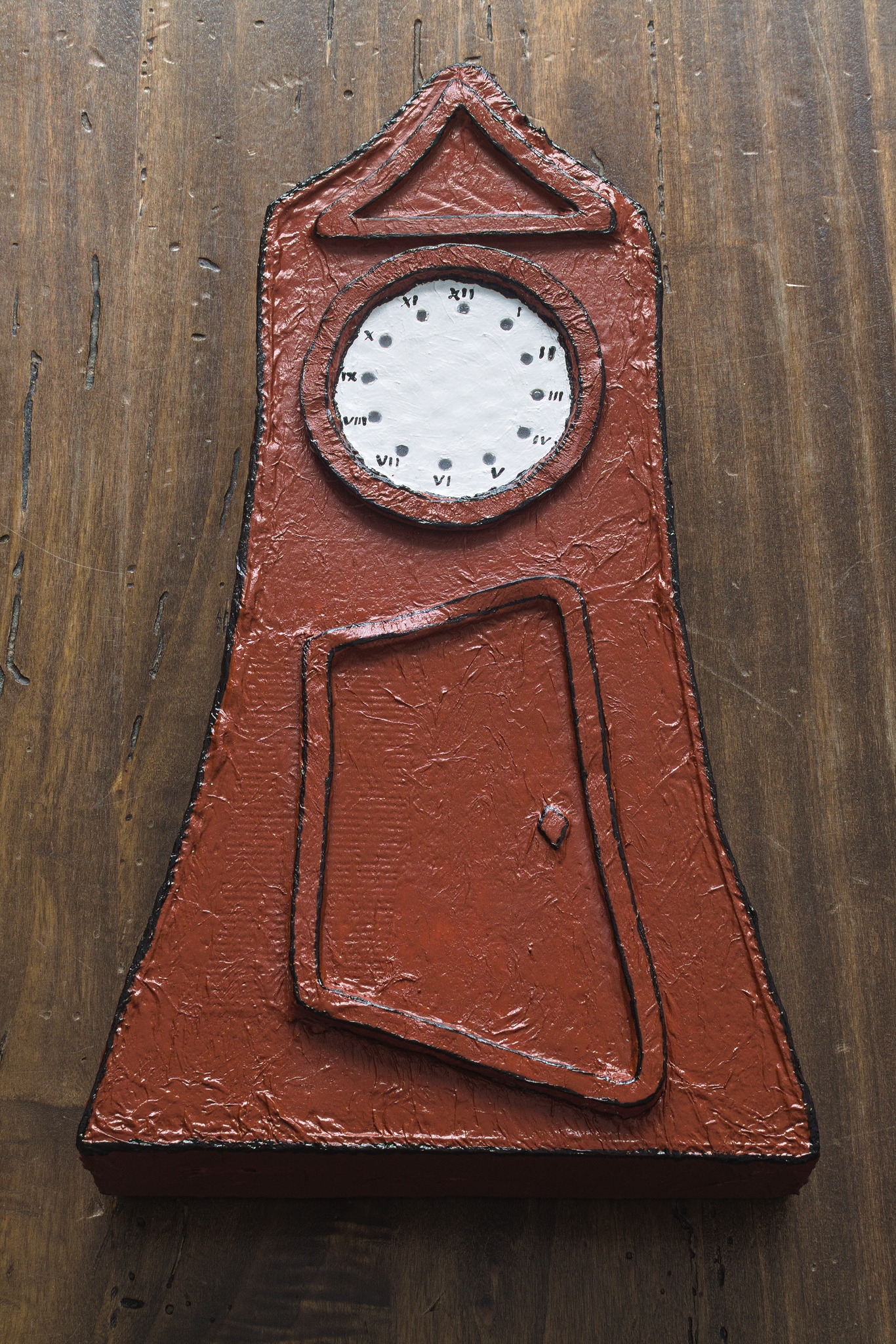
a paper maché object in the shape of a cartoony grandfather clock with a somewhat irregular shape, painted reddish brown except for the white face.

Remember the Conference Talk Timeout Ring? Well, things may have escalated a bit.

The first thing that happened is that I may have accidentally added more RGB LED rings, one for each size to an order of things that we actually needed, because they were cheap and potentially shiny (and I may have ideas that involve the big ones, but they are still just vague ideas).

When they arrived, I played a bit with them to check that they were working, and one was used in a pinch as a light while soldering, and worked nicely.

In the same order there was also a Raspberry Pico2 W and I decided to use it instead of the ESP32-C3-DevKit-Lipo I’ve used a lot lately because it has better support1 in CircuitPython.

So, I have an RGB LED ring with a multiple of 12 LEDs and a microcontroller board with a lot of memory and wifi, what I’m going to do? a grandfather clock, obviously. Except our grandfathers didn’t exactly have LEDs, so it’s going to be a granddaughter clock.

Have I mentioned that things escalated? well, of course I wanted the clock to show the time, but I also wanted it to be able to turn into a flashlight, and to run a countdown for conference talks and any other need, and to tell me if there are things that need to be taken care of around the house, and…

And I have an MQTT server and a number of sensors around the house that provide environmental data, and I decided I might as well use it for other things.

So I designed this to listen to an MQTT topic for commands, another MQTT topic for data, and to switch between modes when instructed to do so by a command.

Other considerations included the fact that this is keeping a number of LEDs on, so I didn’t even try to reduce power usage to run it on battery power for significant amounts (weeks) of time (although running it from a power bank seems to work for shorter durations — I’m thinking a day or two).

And then it was time to fix the part where recognising the first LED on a ring is hard, and I decided to grab my Art Attack supplies and make a case in the shape of a grandfather clock, scaled down to a suitable size for keeping on a desk or bookcase.

I used some IKEA box to make a structure, glued it with hot glue, and then wrapped everything with paper napkins and PVA for added strength, plus a bit of tarlatan for the door hinge.

I opted for a very cartoonish look (and yes, if you are old enough that it resembles something, there was a vague source of inspiration in a cultural artefact of the early 1990) with just a clock face that fits in by friction, a hinged door to access the electronics and a bit of decorative trimming at the top.
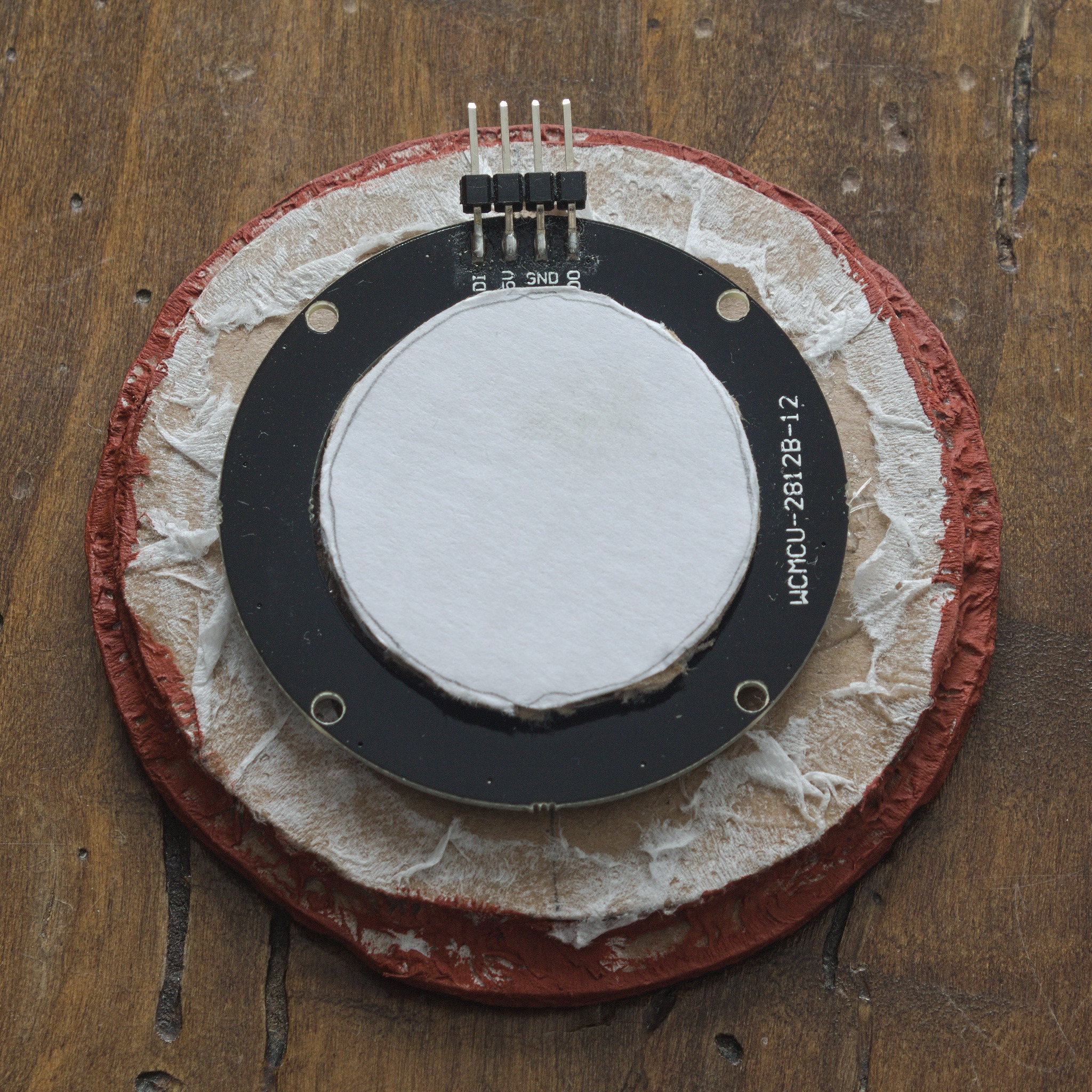
a structure made of circles of cardboard in various sizes glued together and strengthened with tissue paper, with a LED ring fitting snugly on top. The ring is marked WCMCU-2812B-12.

For the face I decided to make holes in the cardboard and fill them with hot glue to make a sort of light pipe, with the LEDs pressed against them on the inside. It’s not perfect, but it mostly works.

And then everything stopped: while I waited for the PVA to dry I started doing something else, and then there were other projects, and other, and the clock lingered in the Pile. There was a brief interruption as I started to paint the first coat of brown, and then I moved back to the other projects.

Until, months later, I decided it was time to finish using the brown and white tubes of paint that I had on my desktop, so I could put them away 2, and in a reasonable time I finished painting the clock, including a second coat of brown, and black contour lines to add a bit of depth in a way consistent with the cartoonish look.

And then it was time to go back to the internals: I got the LED ring and raspberry pico back from their respective drawers, connected them with dupont cables and fit them in the case for a test: it worked.
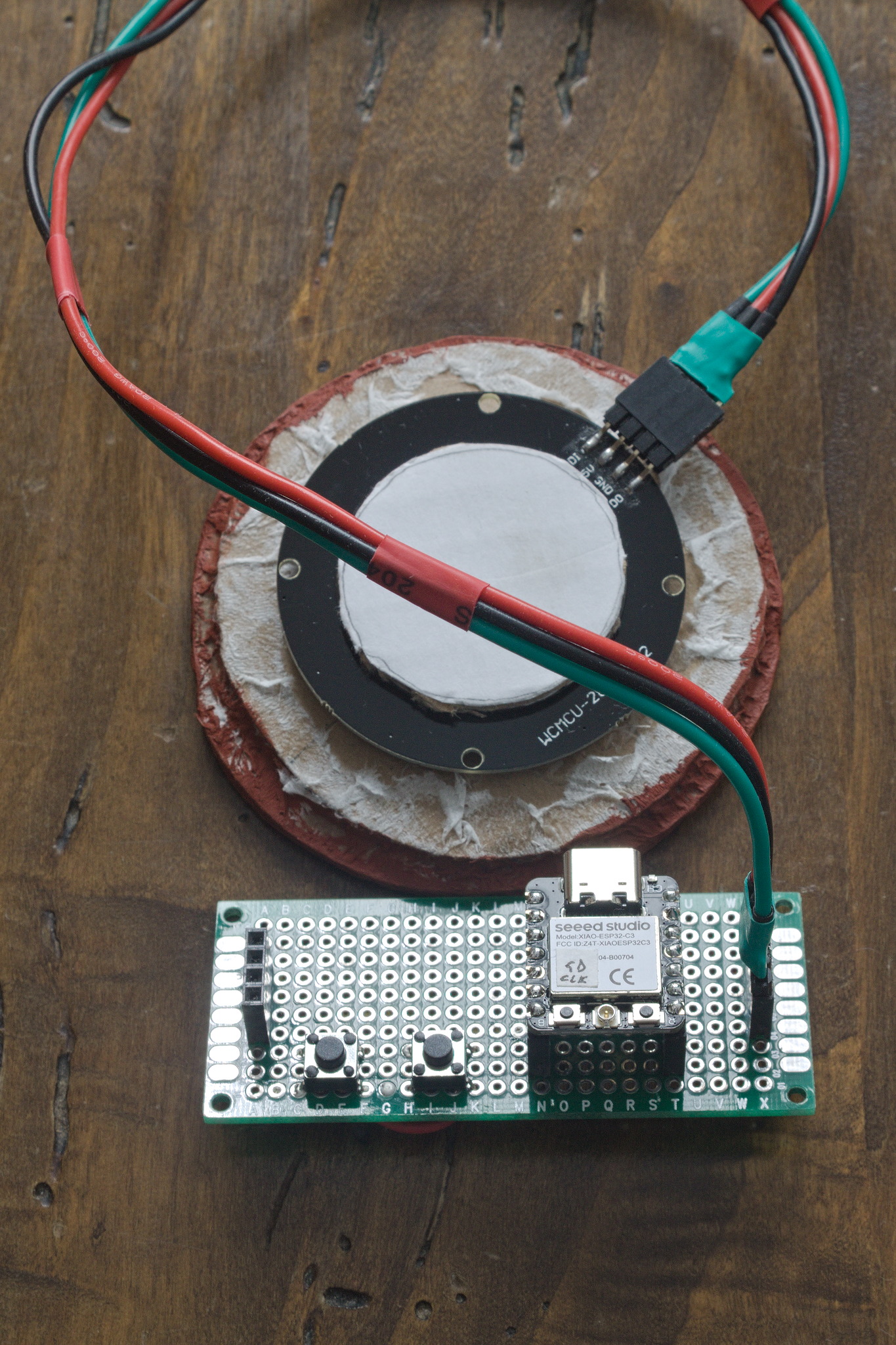
a LED ring mounted on the back of structure made out of circles of cardboard in different sizes, glued together; it's connected with wires kept together with heat shrink to a perfboard with a couple of connectors, two buttons and a small microcontroller board (details on which are in the next paragraph).

However, the raspberry had quite a lot of pins, and it felt wasteful to use it on something that basically needs one. On the other hand, I had recently bought a few Seed Studio XIAO ESP32C3 for another project3, and those are quite smaller, and also slightly cheaper, and I could spare one out of the 13 I had.

Up to now on the XIAO boards I had been using MicroPython: I had started to use it on the ESP32-C3-DevKit-Lipo because, contrary to CircuitPython, the generic ESP32-C3 image worked on it, and on the ESP32 boards there is no CIRCUITPYTHON partition, which in my opinion is one of the advantages that make CircuitPython more convenient to use than MicroPython.

However, the code I had already written for the clock used CircuitPython, so I flashed one of the XIAOs with the other interpreter, and after changing just one pin definition the software I had worked.

Going back and forwards between the two interpreters will be interesting, especially since I have already started to write some code for the other project in MicroPython, and they are supposed to interoperate. I may end up rewriting one of them, if I start getting hindered by the subtle differences.
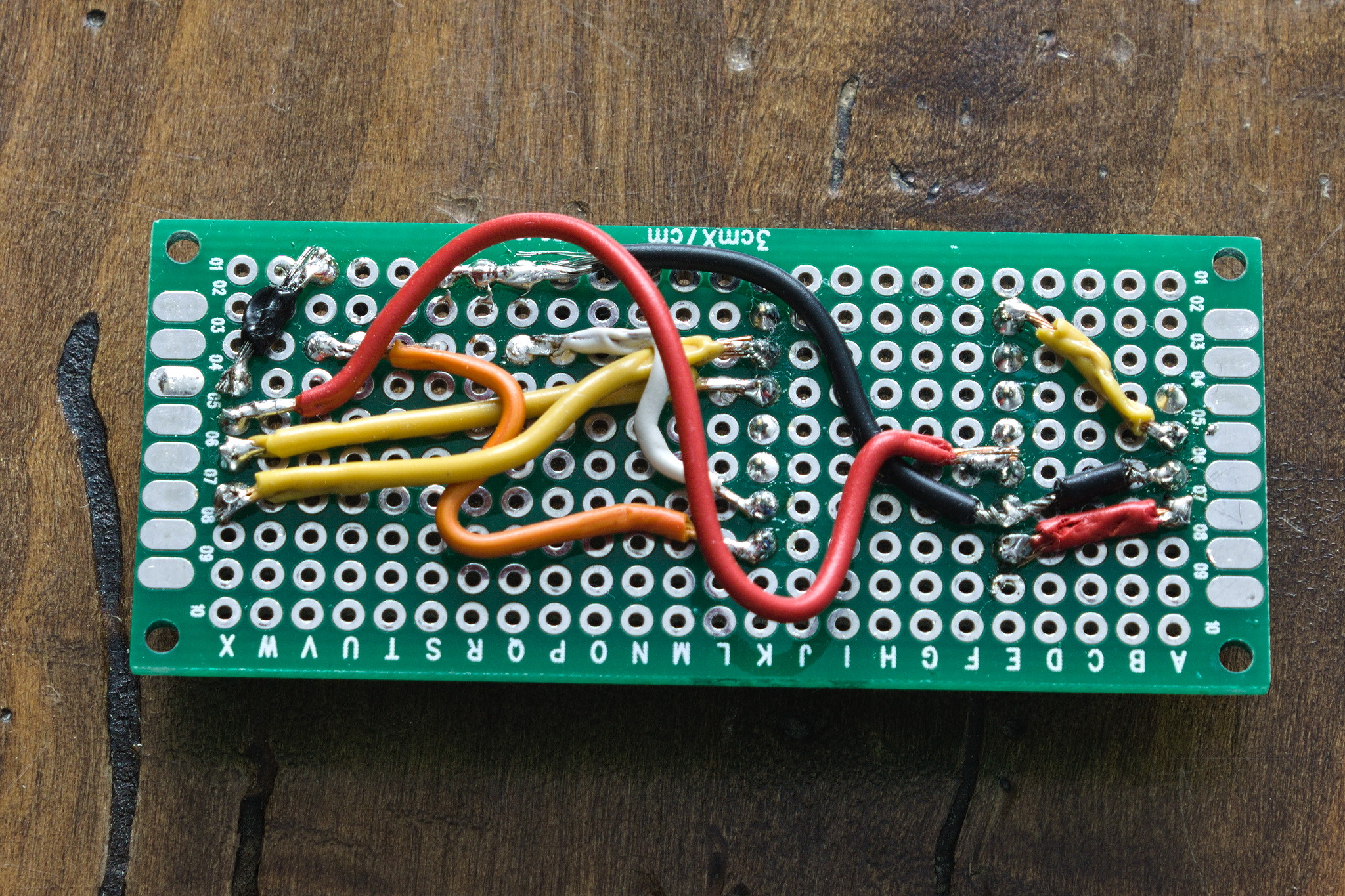
A rat nest of mostly colour-coded wire that cross each other. badly soldered to the back of a bit of perfboard, with heat damage on the wire insulation.

The next step involved dealing with the temporary connections to make them a bit more permanent: I have been using LibrePCB for that other project, so of course what I did was… grabbing a bit of perfboard and YOLO a growing rat nest of cables over it, without bothering with drawing any kind of schematics in advance. And having to desolder stuff and solder it again a couple of times, because I had issues with the difference between left and right, and with the concept of rotations in 3D space.
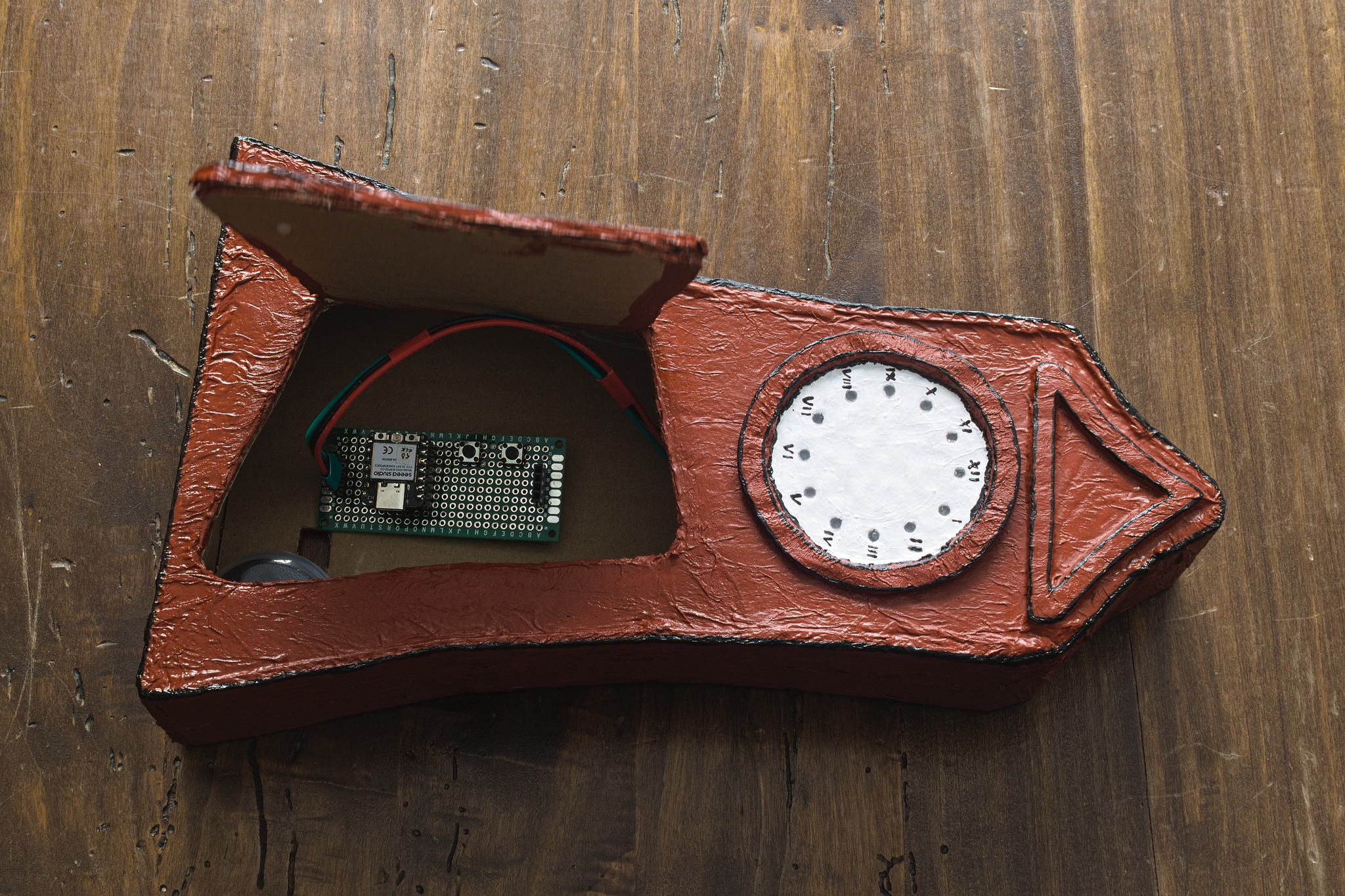
the clock turned 90°, with the door open showing the board inside, plus a hint of a round plastic container that housed the microcontroller board. A rectangular hole about the size of an USB cable is visible in the back of the clock.

Everything was brought back into the case, in a mostly stable configuration with an usb cable coming out of a hole in the back for power and surprisingly it works.

Or at least, 95% of the issues it still has are software, plus I still need to add a few features, so right now it lives above my desktop, with the cable dangling close to an USB port, so that I can continue working on that in the next few weeks.

The external look is not going to change, so there will be changes on the git repository, and there may or not be a third post here in the future, depending on whether there will be something funny or interesting, or it will just be small incremental improvements.


  1. I think that CircuitPython on the ESP32-C3-DevKit-Lipo only requires fixing two PIN definitions in the files for a very similar board and a recompile, but the latter part looks like a PITA and I haven’t committed to it.↩︎

  2. to make room for other crafting supplies for other projects, of course.↩︎

  3. yes, it will be blogged! unless it fails in a catastrophic way and gets buried under a layer of litter to forget about it. :D↩︎

  •  

Firefox for iOS Gets Built-In Ad Blocker

Mozilla today said it is adding an ad blocker to Firefox for iOS, allowing users to block many third-party ads and ad-related trackers.


The ad blocker uses the EasyList filter list and Apple's WebKit Content Blocker technology, which is the same content-blocker API Safari ad blockers use. App Store ad blockers only work with Safari, so Mozilla built the feature directly into the app.

Firefox won't block ads served by the site you're visiting, and ads shown in search results will still appear. Sponsored shortcuts and other sponsored content shown by Firefox when you open a new tab are separate from ads and won't be blocked.

Ad blocking is turned off by default, and it can be turned on in the Firefox app by going to Settings > Browsing > Ad Blocker.
Tag: Firefox

This article, "Firefox for iOS Gets Built-In Ad Blocker" first appeared on MacRumors.com

Discuss this article in our forums

  •  

Dispute With OpenAI Said to Be a 'Mess of Apple's Own Making'

OpenAI yesterday denied Apple's allegations of trade secret theft, telling a federal court that Apple failed to show any confidential information was actually stolen by its former employees, according to Reuters.


In a new filing submitted to the U.S. District Court in San Jose, California, OpenAI argued that the dispute is "a mess of Apple's own making." The filing is a direct response to Apple's new forensic evidence submitted against former Apple employees Chang Liu and Tang Tan, whom Apple accuses of stealing trade secrets related to hardware design, manufacturing, and supply chain operations after filing the lawsuit in July.

OpenAI says the lawsuit is an attempt to slow a rival and deter more employee departures. In court filings, it notes that it has hired about 400 former Apple employees for its hardware projects. The company argues that California law allows workers to move freely between competitors, while shifting attention to Apple's internal practices instead of addressing the forensic evidence allegation by allegation.

OpenAI alleges that Apple encourages staff to use personal iCloud accounts for work, potentially blurring the boundary between personal and company data after an employee leaves. It also says Apple's practice of immediately escorting departing employees off site leaves too little time to return devices or internal files, portraying the allegations as the result of a flawed offboarding process rather than intentional theft.

The filing says Liu retained access to Apple documents only to help former colleagues find files or answer questions, and that Apple employees repeatedly contacted him for support. Tan said he returned his Apple prototypes before leaving and kept only non-confidential materials, including a standard departure checklist.

OpenAI characterized the dispute as employees choosing to leave a company it says has been slow to adopt AI for a faster-moving competitor. It argued that Apple should not use its own internal failures to portray those departures as unlawful. Judge Edward J. Davila is scheduled to hear arguments on October 1.
This article, "Dispute With OpenAI Said to Be a 'Mess of Apple's Own Making'" first appeared on MacRumors.com

Discuss this article in our forums

  •  

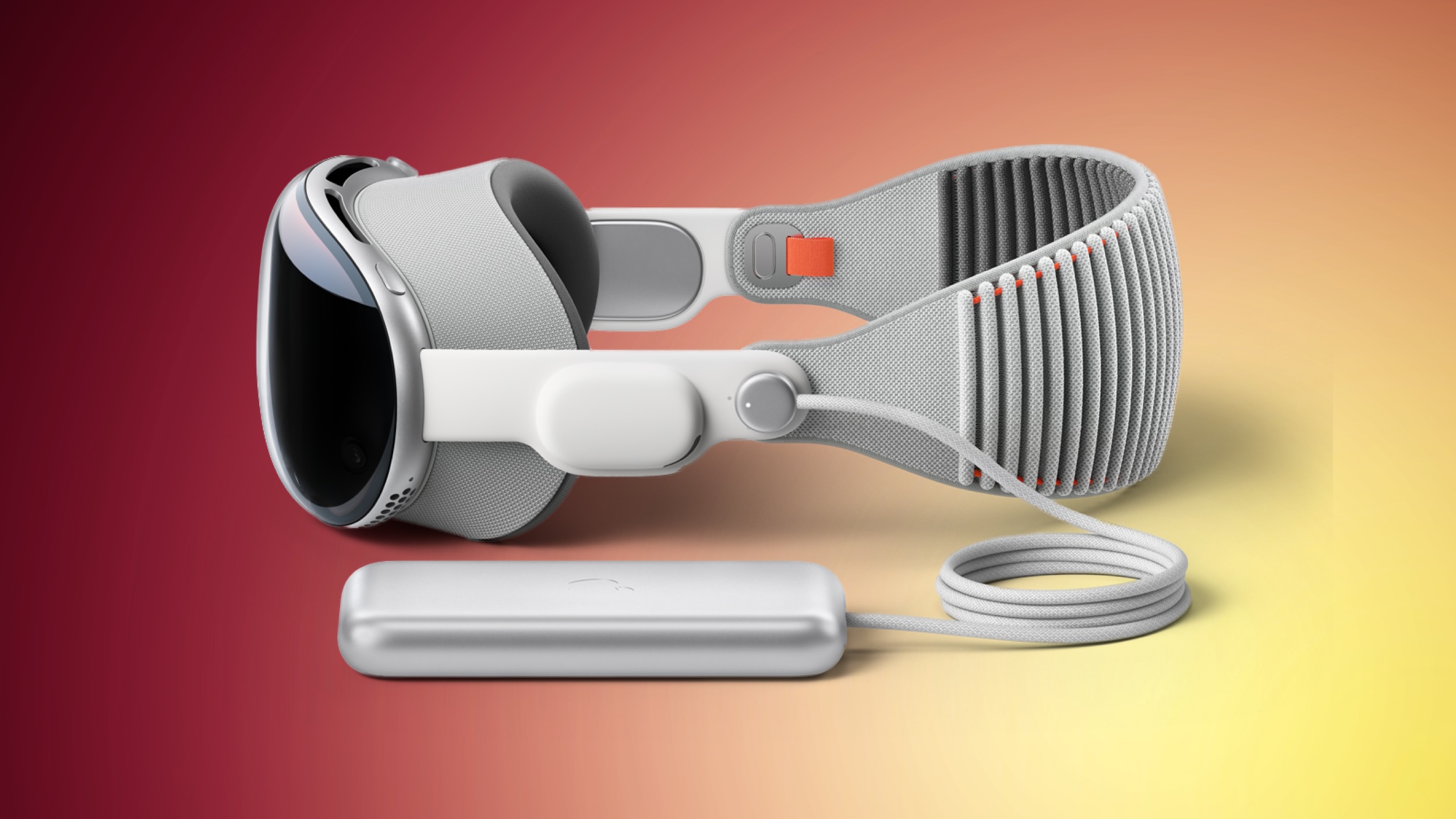
Apple's Vision Pro Layoffs Were Broader Than First Reported

Recent layoffs of Apple employees working on the Vision Pro were broader than previously thought, Bloomberg's Mark Gurman reports.


Last month, Gurman said that Apple cut around 100 jobs from the Vision Products Group, with those cuts centered on the headset's gaming and immersive video teams. Gurman now says the layoffs also reached Vision Pro staff across the rest of the company, including people working on device security, audio engineering, Siri integration, testing, and visionOS. The cuts follow the June departure of Paul Meade, the executive who ran Apple's Vision Pro and smart glasses division, who left Apple for OpenAI.

Gurman reports that people inside the Vision Pro group have spent months lobbying new CEO John Ternus to stay the course on the platform even as sales continue to underwhelm. Colleagues who have discussed the headset with Ternus say he was skeptical of it from the start, seeing it as too bulky and too costly to reach a mass audience.

Interestingly, since visionOS apparently runs on Apple's upcoming smart glasses, the wider layoffs impact software shared across both product lines rather than the headset alone. Ternus is still said to support Apple's smart glasses project, code named N50, which remain on track for launch next year, but Gurman says he would consider walking away from head worn devices as a category altogether if they never catch on with buyers. That willingness also could weigh on the overhauled Vision Pro successor, code named N224, which is not expected before the end of 2028.
Related Roundup: Apple Vision Pro
Buyer's Guide: Vision Pro (Neutral)
Related Forum: Apple Vision Pro

This article, "Apple's Vision Pro Layoffs Were Broader Than First Reported" first appeared on MacRumors.com

Discuss this article in our forums

  •  

Russ Allbery: Review: Last Chance to Save the World

Review: Last Chance to Save the World, by Beth Revis

Series: Chaotic Orbits #3
Publisher: DAW Books
Copyright: April 2025
ISBN: 0-7564-1971-9
Format: Kindle
Pages: 133

Last Chance to Save the World is a far-future science fiction caper novella and the conclusion of the trilogy that began with Full Speed to a Crash Landing. This is a direct sequel to How to Steal a Galaxy, picking up right after that story leaves off, but you don't have to remember the details to enjoy this installment.

Ada has finally achieved a (temporary, contingent) alliance with government agent Rian White by convincing Rian that some things are more important than Ada's disregard for the law. She's going to need his help. They have once chance to save Earth from a new and even more malicious round of capitalist environmental blackmail, and it's going to require Rian's security access as well as all of Ada's heist skills.

But first, a visit with Ada's mother, who lives in an old watchtower on Malta and keeps pigeons.

Each entry in this series has been a little shorter than the last, and Last Chance to Save the World is definitely a novella. This is a great length for a heist story: enough room for some setup and a couple of major plot twists, but short enough that the story can maintain a headlong pace. Even in the third novella of a series and a novel's worth of time in Ada's head, Revis has one major surprise for the reader left. And, as usual, there's a lot of misdirection, sarcastic commentary, and the delightful competence of a protagonist who puts considerable professional effort into being underestimated.

The bits with Ada's mother were great. This is the first time we've seen Ada have significant interactions other than her flirting and teasing of Rian, and I loved seeing a different side of her. The heist itself was satisfying, although not quite as good as How to Steal a Galaxy. Ada gets to throw a few more verbal daggers, but there are more events in this installment and therefore more action and less dialogue. Ada's commentary and dialogue is still my favorite part, though.

For all that Rian says I like to break the law, it should be illegal for any one man to be both this dumb and this rich. It's astounding, really. Any of his employees could run circles around him, but it doesn't take brains to buy stuff. Strom Fetor sees nothing clearly except profit margins.

There is, of course, even more flirting and semi-fake romance. Those were not my favorite part, mostly because while it's obvious what Rian sees in Ada, it baffles me what Ada sees in Rian. I know the star-crossed romance between the law man and the charismatic thief is an old fictional trope, but I found it very hard to justify Rian's continuing commitment to his law and government given the clear facts of this setting.

Up until this novella, one could excuse Rian as the sort of person whose belief in order, stability, and rules combines with possibly excessive optimism to create a belief in an imperfect system. But here, Ada has finally convinced Rian that some great evils truly will not be fixed by following the rules. He's onboard, but somehow in a way that leads to precisely no reconsideration, soul-searching, or breach in his commitment to defending a clearly corrupt and failing political system.

My objection is not that this is unrealistic; sadly, it's very realistic. My objection is that Rian is dumber than a bag of hammers, I don't like reading about his blind allegiance to a bad system, and I do not understand how that goes with the sexy feelings. I'm sure this is my lack of understanding of physical affection overriding common sense, and Ada is at least not a complete idiot about her attraction. But I felt like this novella expected me to like Rian as more than a foil for Ada, and I very much did not.

That knocked a point off my enjoyment of this entry, but the heist is great, the politics are interesting, and the climax was very satisfying. This is not quite as good as the middle book of the trilogy, but it's a satisfying conclusion. If you liked the previous entries, you'll want to read this one for the conclusion.

Last Chance to Save the World resolves the main plot driver of the trilogy, but there's a lot of space for more sequels. If they materialize, I will probably keep reading, although I hope someone knocks some sense into Rian.

Rating: 8 out of 10

  •  

Qualcomm Raising Chip Prices Starting Tomorrow

Qualcomm is increasing prices for its chips by double digits starting tomorrow. Qualcomm announced the impending price hike back in July, letting customers know prices would go up for chips shipped after September 1.


Qualcomm said it cannot continue to absorb increasing supplier costs. "We're just passing through big cost increases that we have," said Qualcomm CEO Cristiano Amon in an interview with Reuters.

Apple has been transitioning to its own modem chips, but it is still sourcing modem chips from Qualcomm for the iPhone 17 models. Apple will discontinue the iPhone 17 Pro models when the iPhone 18 Pro is released in September, but it is likely to keep the ‌iPhone 17‌ in the lineup.

Apple's iPhone 17e and iPhone Air use its C1X modem, and rumors suggest some ‌iPhone 18 Pro‌ models and the foldable iPhone could use a new Apple-designed C2 chip with faster 5G speeds. Apple may still rely on Qualcomm for modem chips in the United States, according to leaked iPhone 18 Pro documents from Tata Electronics.

Prices have gone up for DRAM and storage due to supply issues, which has affected most device manufacturers. Apple raised prices of Macs and iPads in June, and the ‌iPhone 18 Pro‌ models are expected to be more expensive than their predecessors.

Amon also said in July that Qualcomm is expecting the revenue it earns from Apple to decline faster than previously anticipated, dropping approximately 50 percent from the September quarter to the December quarter. He blamed supply constraints, which will reduce the share of Qualcomm components used in the iPhone 18 lineup.

In addition to supplying modem chips to Apple, Qualcomm makes mobile chips for Samsung and other smartphone manufacturers. Qualcomm is raising prices across its lineup, and increases will be negotiated with customers individually.
This article, "Qualcomm Raising Chip Prices Starting Tomorrow" first appeared on MacRumors.com

Discuss this article in our forums

  •  

Apple Releases New iOS 27, iPadOS 27, macOS 27, and tvOS 27 Public Betas

Apple today released the sixth public betas of iOS 27, iPadOS 27, tvOS 27, and macOS Golden Gate, allowing anyone with a compatible device to download and test the new software. The sixth betas come a week after Apple seeded the fifth betas and a few hours after the eighth developer betas.


You can get started by signing up on Apple's beta website and then opting in to the public beta by opening up the Settings app on your device, selecting General, and choosing Software Update.

We are nearing the end of the beta testing process, and no notable new features were found in today's developer betas. We are expecting the release candidate versions of the software next week following Apple's September 9 iPhone event.
Related Roundups: Apple TV, iOS 27, iPadOS 27
Buyer's Guide: Apple TV (Don't Buy)

This article, "Apple Releases New iOS 27, iPadOS 27, macOS 27, and tvOS 27 Public Betas" first appeared on MacRumors.com

Discuss this article in our forums

  •  

Apple Says Former Engineer Used Stolen Trade Secrets at OpenAI, Taught AI Agent to Run Them

Apple today submitted new evidence in its lawsuit against OpenAI, with the hope that the new information will persuade the judge to grant an expedited discovery process.


Apple filed a theft of trade secrets lawsuit against OpenAI employees Chang Liu and Tang Tan in July, accusing them of using multiple methods to steal data from Apple. Liu kept an Apple-issued MacBook after he left for OpenAI, and Apple got it back after the lawsuit was filed. Apple now says forensic analysis of the laptop has uncovered more evidence of Liu's use of Apple information and his attempts to hide what he'd done.

From the lawsuit:

  • Mr. Liu not only downloaded a confidential Apple circuit schematic but also used it in his work at OpenAI;

  • Far from his unauthorized access to Apple's third-party cloud storage being unknown to him, Mr. Liu and others at OpenAI were well-aware of that access;

  • Mr. Liu, upon learning of Apple's internal investigation of him, sent instructions for destroying evidence to an OpenAI colleague who confirmed she would comply; and

  • Mr. Liu used a tool in his work at OpenAI that has the same name as an internal Apple engineering application used for Apple development work.


Liu downloaded the circuit schematic from Apple in March, two months after he left the company. Liu used the schematic to run a simulation using electrical engineering tool LTspice, and then messaged people telling them he ran the simulation for power conversion development work. Liu described how he trained an AI agent to run LTspice.

According to the filing, he said he was "[f]eeling AI all day long," and that "[i]n the past hour," his AI "agent learned how to run LTspice, look at result, tune compensation parameter." "I try to make a behavior buck," he wrote. "With voltage outer and current inner. Everything ideal. It still took me a day.. now it's two hour. Including learning fresh."

"Oh man! Why do they even need you then?" the person Liu was talking to reportedly replied.

Liu used the Apple schematic on a Mac mini that later synced to the MacBook he took from Apple, which is why Apple knows about it. Apple now wants to investigate the ‌Mac mini‌ and other devices Liu still has in his possession.

Apple says the "shocking evidence" is proof that its trade secrets are in active use and evidence is being destroyed, which is why expedited discovery is needed.

Apple initially asked for expedited discovery earlier this month, also requesting an injunction preventing OpenAI from using its trade secrets. OpenAI responded by asking the court to dismiss the lawsuit, claiming the accusations were "meritless." OpenAI also published a public statement calling the lawsuit "careless, aggressive and oddly personal" and stating that it does not "have, nor want, any of their trade secrets" because it is "much more interested in building innovative products and technologies that push the frontier."

Judge Edward J. Davila is set to hear arguments in the case on October 1.
Tag: OpenAI

This article, "Apple Says Former Engineer Used Stolen Trade Secrets at OpenAI, Taught AI Agent to Run Them" first appeared on MacRumors.com

Discuss this article in our forums

  •  

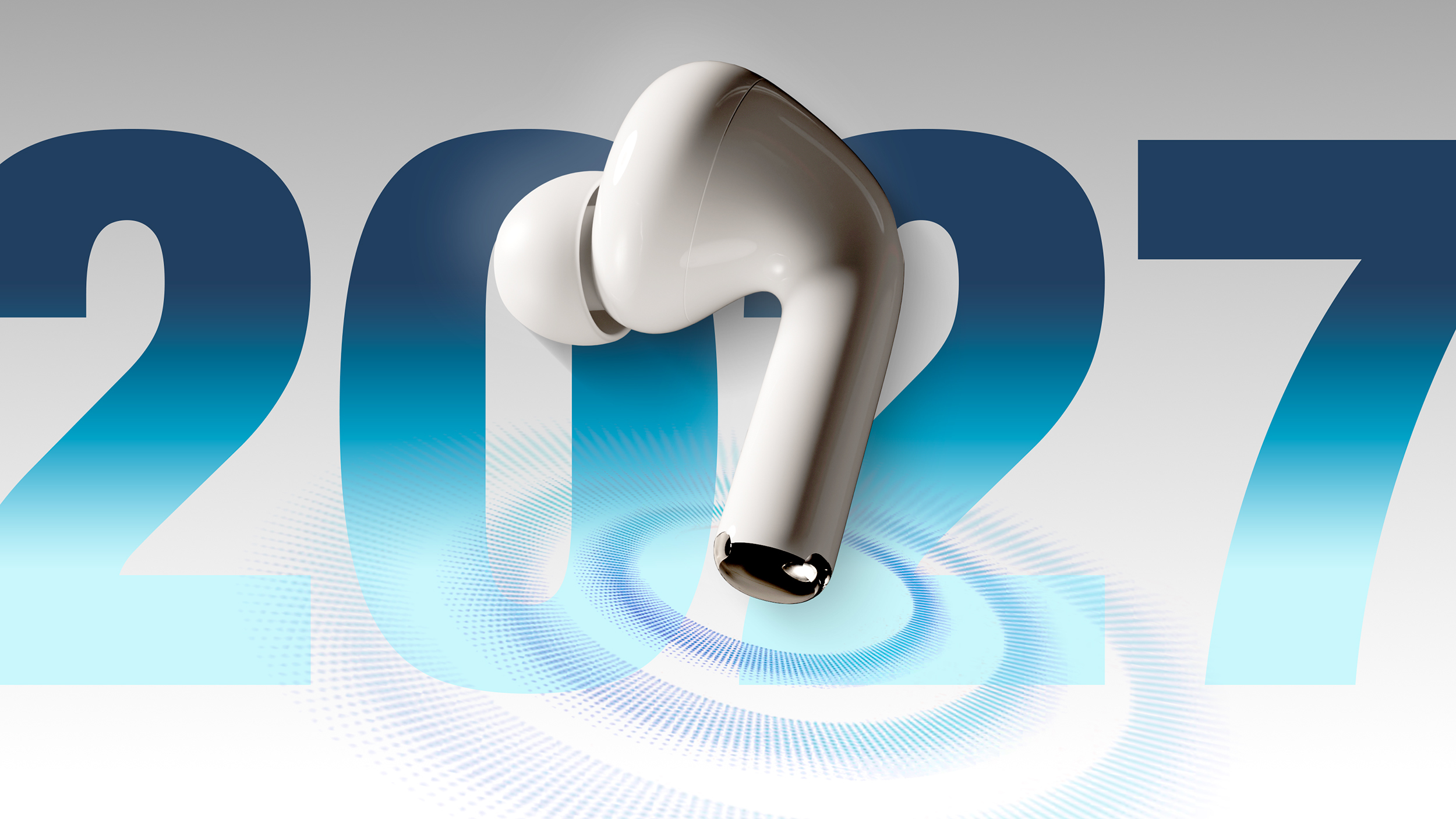
AirPods With Cameras Could Bring Improved Spatial Audio Head Tracking

Apple's AirPods with cameras could improve spatial audio on the iPhone and other Apple devices by detecting the position of the display the wearer is looking at. Details on the capability were found in macOS Tahoe 26.7 code, and shared on the MacRumors forums by member Mactracker.


Sensors in the current AirPods power a spatial audio head tracking feature, and cameras could take that further. Code suggests the camera-equipped AirPods will find the physical screen the wearer is watching content on, comparing the screen's direction with the direction estimated by the motion sensors in the AirPods.

The AirPods may be able to identify laptops, displays, smartphones, tablets, and TVs, even detecting multiple displays and narrowing audio to the one the wearer is looking at. Screen detection will work behind the scenes and may pause when the wearer is in motion.

Devices with Face ID already use the ‌Face ID‌ sensors to assist with head tracking, but if the user also has AirPods with cameras, the AirPods will prefer camera input over ‌Face ID‌.

Code also references a server-based visual reasoning feature, further reinforcing rumors of Visual Intelligence support. The AirPods will reportedly send camera data to Apple's servers for ‌Visual Intelligence‌ requests.

The ‌macOS Tahoe‌ 26.7 release candidate that came out in August leaked a long list of references to unreleased Apple products, including the AirPods with cameras. Though multiple references to the AirPods were found, rumors suggest the product isn't going to launch until fall 2027.
Related Roundups: AirPods 4, AirPods Pro 3
Related Forum: AirPods

This article, "AirPods With Cameras Could Bring Improved Spatial Audio Head Tracking" first appeared on MacRumors.com

Discuss this article in our forums

  •  

Apple Adds Three More Macs to Obsolete Products List

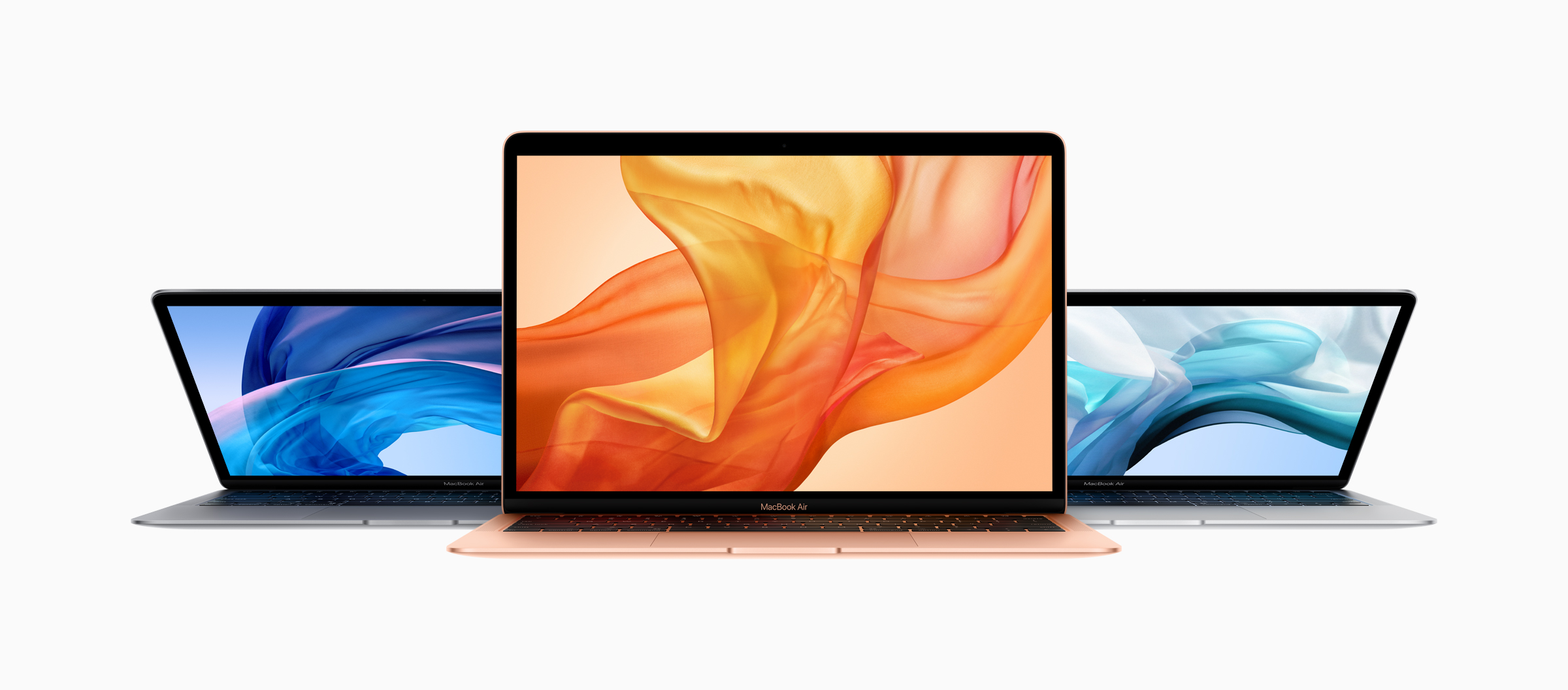
Apple today added three Macs to its list of obsolete products. The 2018 Retina MacBook Air, the 13-inch 2018 MacBook Pro with four Thunderbolt 3 ports, and the 13-inch 2017 ‌MacBook Pro‌ with two Thunderbolt 3 ports are now considered obsolete.


The three products were previously part of the vintage list, but have been moved. Apple adds a product to the vintage list when it's been five years since it was last distributed for sale, and it becomes obsolete at the seven-year mark.

Vintage products can still be repaired at Apple retail locations and by Apple Authorized Service Providers if Apple has the parts available. Devices that are obsolete are generally not eligible for repair, and Apple stops making repair components.

Apple has a battery-only repair policy for Mac laptops for up to 10 years after the Mac was last distributed for sale, so 2017/2018 ‌MacBook Pro‌ and 2018 ‌MacBook Air‌ owners may still be able to get battery replacements.

The 2018 ‌MacBook Air‌ was the first in the Air line with Touch ID and a Retina display. Prior ‌MacBook Air‌ models had a non-Retina display with much lower resolution and less vibrant colors. 2018 was also a redesign year for the ‌MacBook Air‌, with Apple introducing smaller bezels and a thinner, lighter chassis.

Apple's 2017 ‌MacBook Pro‌ used Intel's Kaby Lake processors, and it was a minor processor update with few other changes. The 2018 refresh added True Tone display support for the first time and a third-generation keyboard with butterfly keys.
This article, "Apple Adds Three More Macs to Obsolete Products List" first appeared on MacRumors.com

Discuss this article in our forums

  •  

Apple Seemingly Made a Mistake When Announcing the New Mac Studio

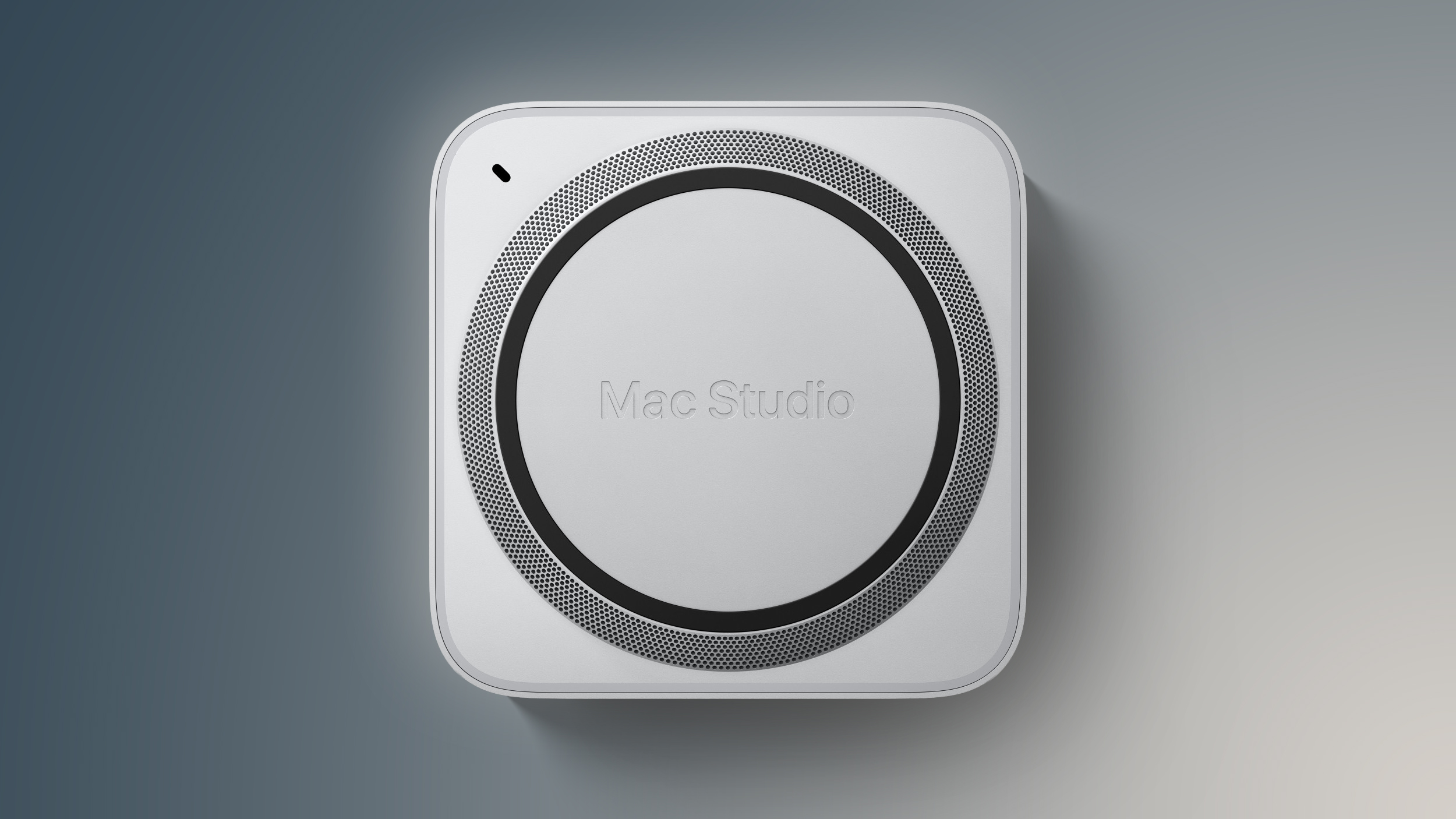
Apple's press release for the new Mac Studio with M5 Max and M5 Ultra chips last week initially stated that the computer had "next-generation SSD architecture built on PCIe Gen 6." However, as spotted by the French blog MacGeneration, Apple removed the PCIe 6.0 mention from the announcement shortly after it was published.


The press release still mentions that the new Mac Studio has a "next-generation SSD architecture" that delivers up to twice as fast storage speeds compared to the previous generation, but it no longer mentions PCIe 6.0. Apple has yet to respond to our request for comment, but it seems like the company simply made a mistake in the press release, as it is much more likely that the new Mac Studio supports the PCIe 5.0 standard.

First, we already know that the 14-inch and 16-inch MacBook Pro models with the same M5 Max chip available in the new Mac Studio have SSDs with PCIe 5.0, and Apple likewise advertised up to twice as fast SSD speeds for those laptops. Second, there are no consumer PCs on the market yet that have SSDs with PCIe 6.0 support.

The M5 Ultra chip is all new, but it probably supports PCIe 5.0 as well, or else Apple would not have needed to edit its Mac Studio press release.

All in all, the new Mac Studio appears to support PCIe 5.0, not PCIe 6.0.
Related Roundup: Mac Studio
Buyer's Guide: Mac Studio (Buy Now)
Related Forum: Mac Studio

This article, "Apple Seemingly Made a Mistake When Announcing the New Mac Studio" first appeared on MacRumors.com

Discuss this article in our forums

  •  

Jonathan McDowell: What do I want in a Linux distribution?

I’ve been a Debian user since 1999, and a Debian developer since 2000. Given recent events it’s worth thinking about why that that is, and why I haven’t switched to something else in the past quarter century.

My first Linux distro was Slackware, off a CD in a book, some time in the mid 90s. After starting university I ran SUSE for a while, then moved to RedHat (both back before they had commercial variants significantly different to what was available freely). The main motivation for switching was package management; I was running a machine at home, and a machine at university. Keeping track of what was installed on each, and what versions, was getting annoying with Slackware. Most of the folk I knew were running RedHat, and I mostly played with SUSE because I’m contrary before realising it was different enough that I couldn’t easily make use of 3rd party RPMs.

I came to Debian via friends in Cambridge, who spoke highly of it. The first Debian machine I installed was fourier, the initial host for Black Cat Networks, and I never looked back.

(For additional context I should also point out I have contributed, in the distant past, to, and run, OpenWRT, OpenEmbedded, and FreeBSD.)

I’d like to try and work out what is it I get from Debian that I’d need in anything else. Originally I tried to order the requirements in some sort of priority, but it’s sometimes hard to work out what I’d drop if I had to compromise somewhere, so it’s a somewhat loose ordering.

Stable releases, with security support
I run Linux in lots of places, from remote servers/VMs, to my house router, to my desktop/laptop. Some of those I don’t want to be updating regularly with new software releases, I need something I can be sure is going to keep working, but will get necessary security + critical updates. A rolling distro that provides security via the latest upstream release doesn’t provide that guarantee. Equally there need to be regular stable releases, or things become too stale. (The one time I considered moving away from Debian was during the 3 year Sarge / 3.1 release cycle. I think if things hadn’t improved I’d have jumped ship to Ubuntu at the time.)
A good selection of packages
One of the reasons I moved from RedHat to Debian was the wide range of packages available as part of the standard OS. Pulling it all into the distro helps with quality control, compared to random 3rd party packages. A centralised bug system and repository is a win too. Perhaps packages at all is something I should list, but I take it as a given if you’re running a distro. I need to know what I have installed on my machine, what version that software is, what files it owns, and what it depends on.
Free Software
This is important to me. I’ll make pragmatic compromises about software I run on my systems if it makes sense, but I want to start from a place that does not require anything non-free. I’ve run a company on Debian, and I’ve worked on numerous products that ran it under the hood. The DFSG give me confidence I can do that.
Smooth upgrades
Debian’s ability to upgrade a system smoothly is one of the reasons I first moved to it. The first upgrade I did was remotely on a machine sitting on a 2Mb/s leased line. I was nervous doing the reboot at the end, but it came back fine. At the time the equivalent procedure with RedHat involved rebooting into the OS installer to do the upgrade.
I know things have moved on since then, and really it should all be scripted, and machines should be cattle not pets, but for personal use I run a small enough number of machines that having the upgrade path between releases is a must have.
Community
The original pull of the Debian community was the knowledge I could get involved, and upload packages that were missing that I was using. That’s how I first got involved, uploading things Black Cat used, which made life easier for us in the long run. I don’t have time to maintain all the software I use myself, and I don’t want to be beholden to a commercial entity to do so for me, so a distribution that allows me to help out where I can as part of the community seems to me to be the right way to do things.
Architecture support
Perhaps less important, especially when I started using Debian, but these days I have amd64, arm64, armhf, and riscv machines. Everything except for the risvc box is doing something useful, and would need replaced if I couldn’t keep running it, and I expect RISC-V to transition into that state in the next few years as the hardware improves.
Binary packages
I ran a FreeBSD desktop for some time. It might have been the way I was holding it, but binary package installs were generally not something reliable, especially after the initial install, and I ended up building things from ports from source quite often. That worked incredibly well (I used to think people who raved about Gentoo really should just go do it properly and use FreeBSD), but I don’t want to spend time compiling things, especially on some of my machines (my router should not need a compiler, for example).

Ultimately I don’t want to have to actively think about the Linux distribution I use. Debian has mostly given me that; I know it will generally be suitable for most environments I want to use it in (embedded situations where OpenWRT or OpenEmbedded are better choices being the exception, but that’s less frequent these days), and I can rely on getting timely security updates (thanks to all those who work on that within Debian!). I’m not sure there’s currently an alternative that would suit my needs? I’d love to hear if there’s something I should look at, even if I’m not necessary making a move just yet!

  •  

Apple Releases macOS Golden Gate Beta 8

Apple today provided developers with the eighth beta of macOS Golden Gate, with the update coming a week after Apple seeded the seventh beta.


Developers can download ‌macOS Golden Gate‌ by going to System Settings > General > Software Update. Beta Updates will need to be enabled, and a free developer account is required.

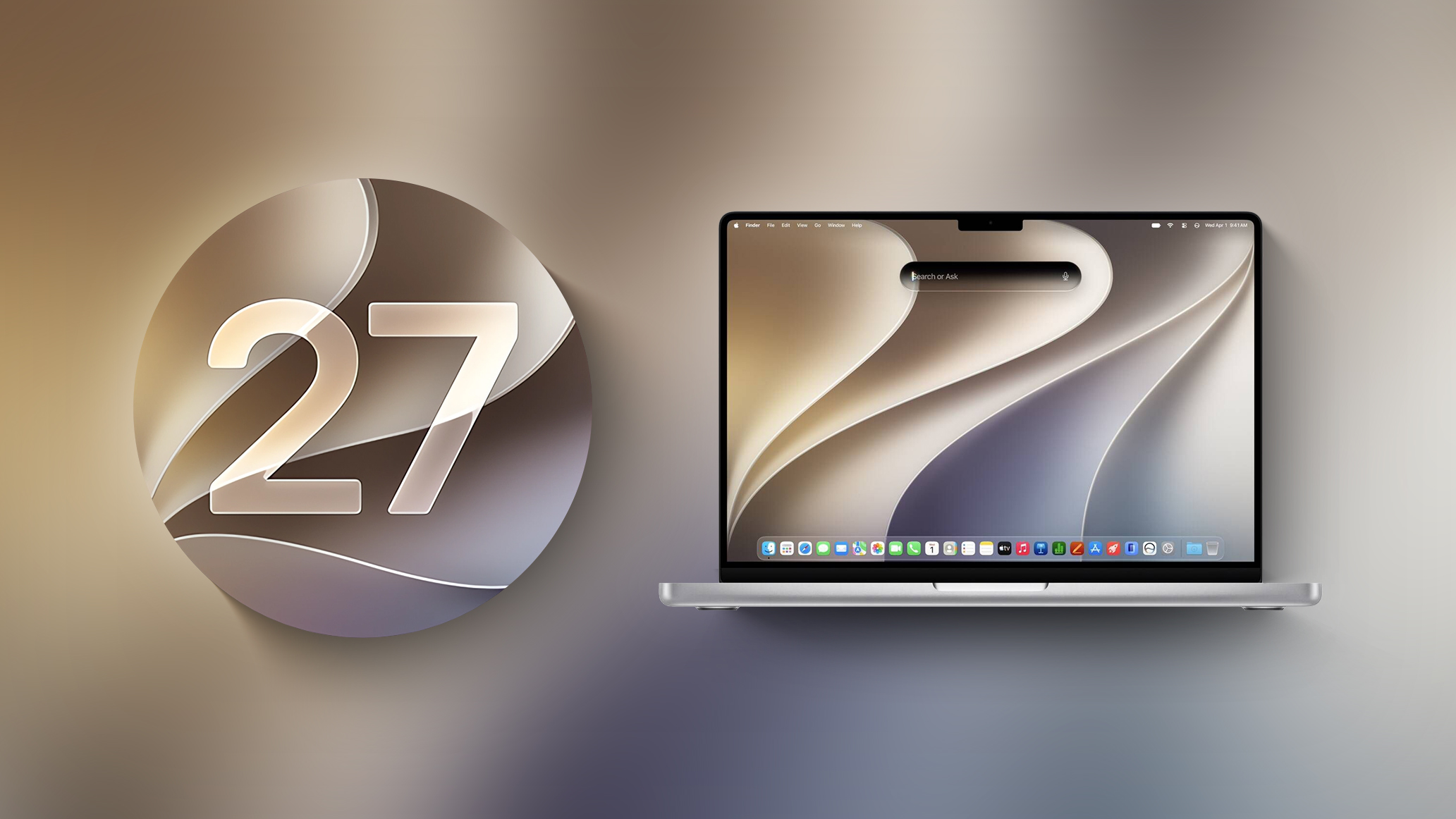
‌macOS Golden Gate‌ includes multiple design improvements. Liquid Glass opacity has been improved to increase readability, there's a slider for controlling the level of transparency, and changes to shadowing make it easier to tell when a window is active. Apps now have uniform toolbars, edge-to-edge sidebars, and less rounded corners, and there are fewer icons in menu bars.

Siri has been transformed into ‌Siri‌ AI, a chatbot-style assistant that combines general world knowledge, your personal data, and onscreen awareness to answer questions about anything and find information for you. ‌Siri‌ lives in Spotlight, and you can ask questions with the new Search or Ask interface.

There's also a ‌Siri‌ app where you can chat with ‌Siri‌ and view past conversations, and on newer Macs, you can set a custom voice for ‌Siri‌ with personalized pace and expressivity. Visual Intelligence is now on the Mac so ‌Siri‌ can answer questions about what's on your screen, and a Write with ‌Siri‌ feature lets ‌Siri‌ generate text or give feedback on your writing.

There are AI photo editing tools in the Photos app, AI tab organization in Safari, an option to use AI to automatically update weak passwords in the Passwords app, and a revamped Image Playground app that can generate photorealistic images.

More on all of the new features in ‌macOS Golden Gate‌ can be found in our macOS Golden Gate roundup.
Related Roundup: macOS Golden Gate

This article, "Apple Releases macOS Golden Gate Beta 8" first appeared on MacRumors.com

Discuss this article in our forums

  •  

Apple Seeds Eighth iOS 27 and iPadOS 27 Betas to Developers

Apple today seeded the eighth betas of iOS 27 and iPadOS 27 to developers for testing purposes, with the update coming one week after Apple released the seventh betas.


Registered developers can download the betas from the Settings app on the iPhone or iPad by going to the General section and selecting Software Update.

‌iOS 27‌ introduces Apple's smarter version of Siri, ‌Siri‌ AI. ‌Siri‌ AI is a chatbot similar to ChatGPT, incorporating general world knowledge, personal data from apps like Messages and Mail, and onscreen awareness to answer questions and find information for you.

There are new Apple Intelligence features in apps like Photos, Safari, Shortcuts, Wallet, and Passwords, plus Apple added a standalone ‌Siri‌ app that houses ‌Siri‌ conversations. Write with ‌Siri‌ is available systemwide for generating text or offering feedback on your writing, and Visual Intelligence has been relocated to the Camera app with a new ‌Siri‌ mode.

Apple improved the look of Liquid Glass and added a slider for customizing transparency. There are multiple performance improvements to speed up iOS, so everything feels faster, even on older iPhones. Apps launch quicker, AirDrop transfers are faster, the keyboard pops up more quickly, and devices are better at transitioning between Wi-Fi and Cellular to keep you connected.

For more on what's new in ‌iOS 27‌, we have a dedicated iOS 27 roundup.
Related Roundups: iOS 27, iPadOS 27

This article, "Apple Seeds Eighth iOS 27 and iPadOS 27 Betas to Developers" first appeared on MacRumors.com

Discuss this article in our forums

  •  

Apple Seeds watchOS 27 Beta 8 to Developers

Apple today seeded the eighth beta of watchOS 27 to developers, with the update coming a week after the launch of the seventh beta.


The beta can be downloaded through the Watch app on the iPhone with a free developer account. The Apple Watch will need to be on the charger, connected to Wi-Fi, and have a battery level of 50 percent or above for new software to be installed.

‌watchOS 27‌ introduces Siri AI, the smarter, more capable version of ‌Siri‌. ‌Siri‌ can hold back-and-forth conversations, plus it has access to general world knowledge and your personal data to answer questions and find information. ‌Siri‌ AI on Apple Watch requires an iPhone that supports Apple Intelligence, including the iPhone 15 Pro and later.

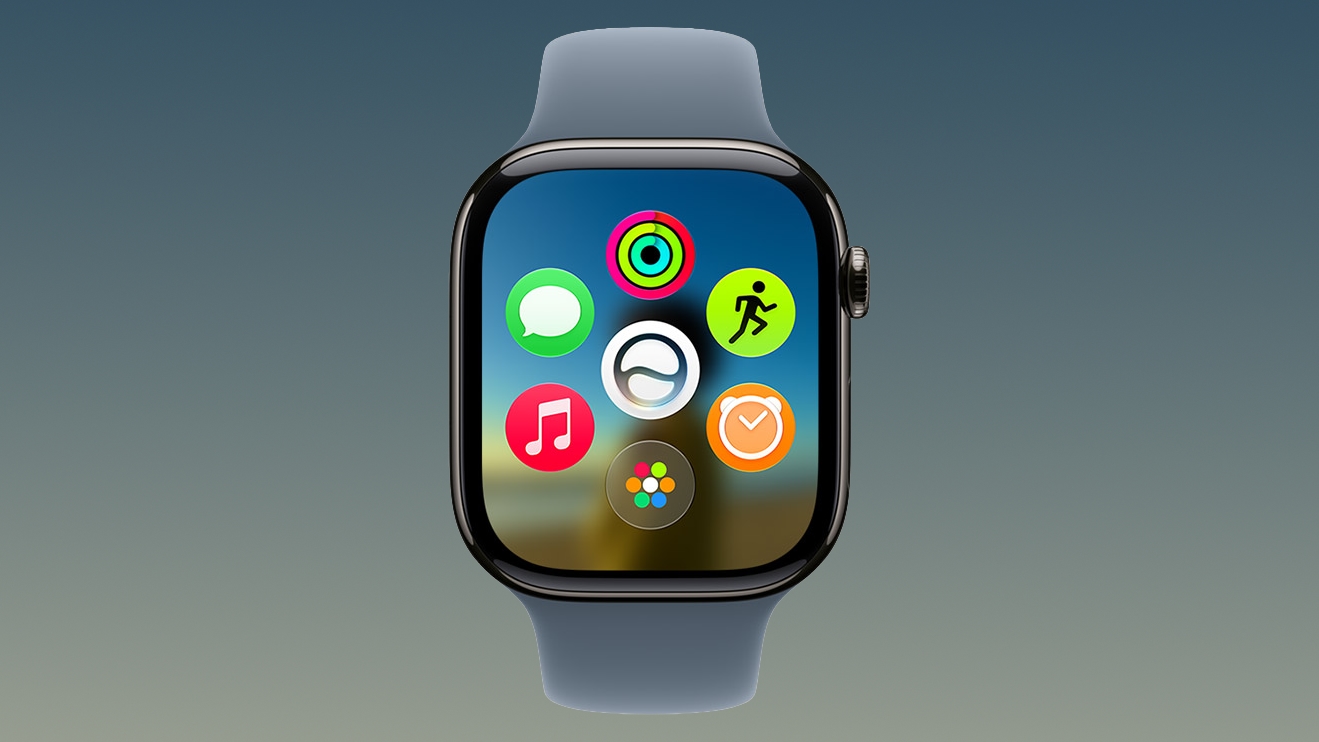
There's a Dynamic app grid that highlights ‌Siri‌ suggested apps, and more intuitive Smart Stack Suggestions. You can find your parked car, see pinned messages, get noise alerts, and view identity and transit cards.

Liquid Glass has been updated to improve legibility, and Workout Buddy works on the Apple Watch even when an iPhone isn't nearby. Workout Buddy also gains new metrics like progressive increases to distance, pace, or duration. Apple added a new all-in-one Find My app with support for Precision Finding, and there are performance optimizations that improve battery life.

More on what's new in ‌watchOS 27‌ is available in our watchOS 27 roundup.
Related Roundups: watchOS 26, watchOS 27
Related Forum: Apple Watch

This article, "Apple Seeds watchOS 27 Beta 8 to Developers" first appeared on MacRumors.com

Discuss this article in our forums

  •  

Apple Seeds tvOS 27 Beta 8 to Developers

Apple today seeded the eighth beta of tvOS 27 to developers for testing purposes, with the update coming a week after Apple released the seventh beta.


The beta can be downloaded and installed through the Settings app on the Apple TV. A free developer account is required.

tvOS 27 has few new features compared to the other 27 software updates, but it does add a redesigned Podcasts app, options for larger text, and a more responsive Control Center.

AirPlaying to an ‌Apple TV‌ from another Apple device is faster, and apps and animations are smoother. You can also now see AppleCare coverage details in the Settings app.

More on the features in tvOS 27 can be found in our Apple TV roundup.
Related Roundup: Apple TV
Buyer's Guide: Apple TV (Don't Buy)

This article, "Apple Seeds tvOS 27 Beta 8 to Developers" first appeared on MacRumors.com

Discuss this article in our forums

  •  
❌