โŒ

Lees weergave

2025 vs. 2026 Mac Studio Buyer's Guide: All Upgrades Compared

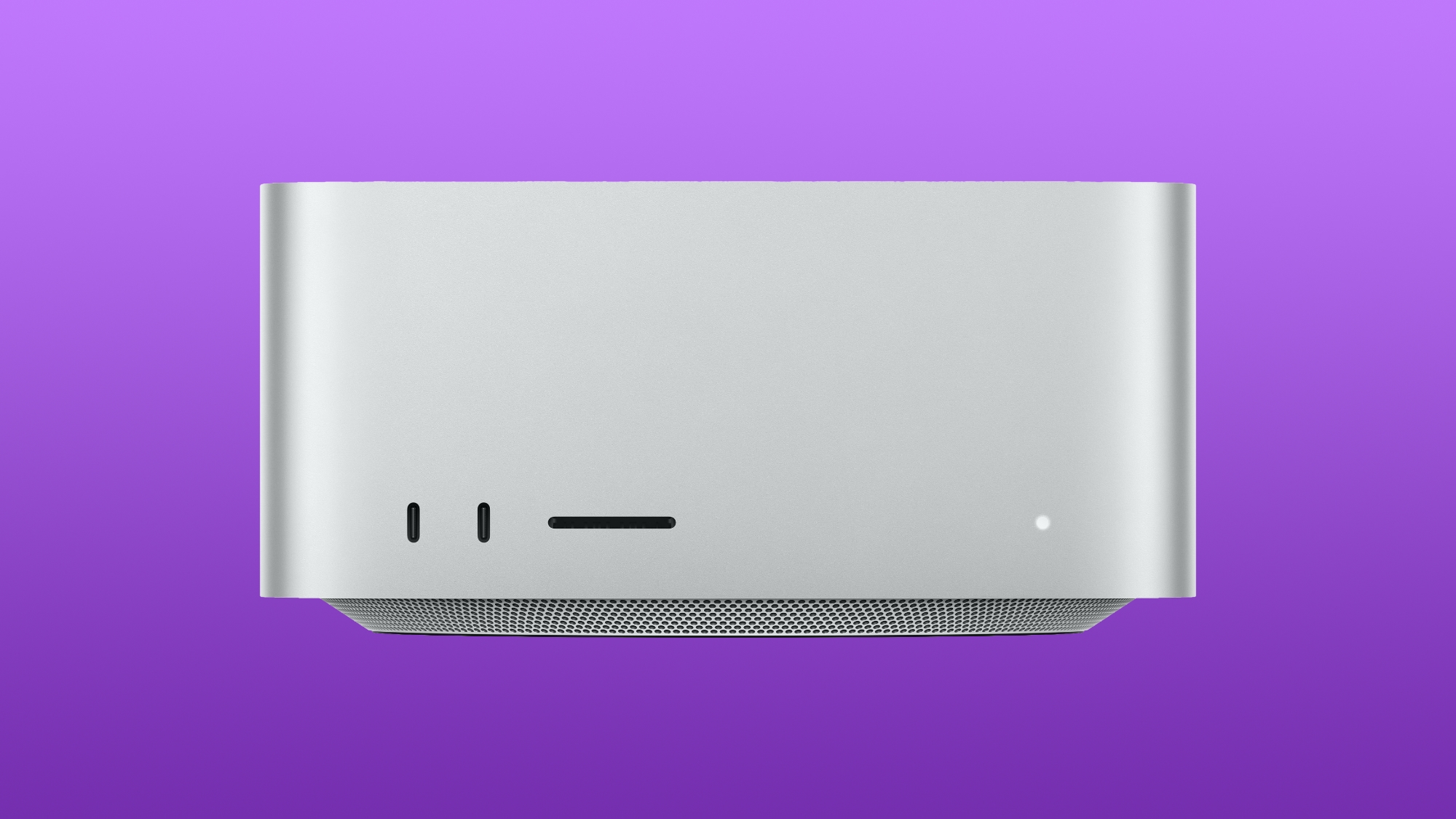
Apple this week announced a new Mac Studio with the M5 Max and M5 Ultra chips, discontinuing the M4 Max and M3 Ultra models that had been on sale since March 2025.
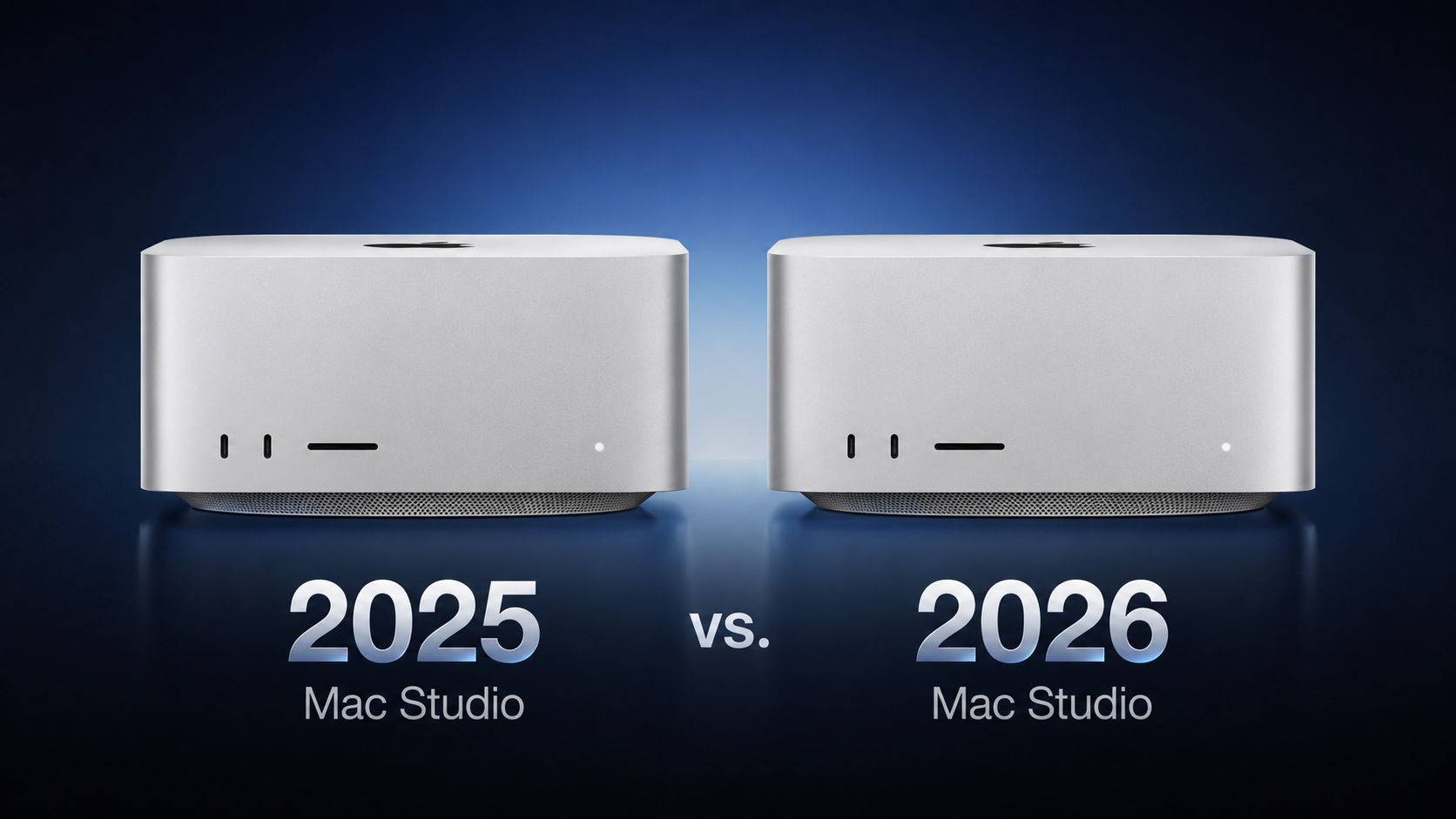

The machine's design is unchanged for a fifth consecutive year, with all of the upgrades being internal. The table below details everything that changed regardless of whether you choose a Max or an Ultra chip. The two tables that follow break down the differences within each tier.

What Changed Across Both Models


Here's everything that differs between the 2025 and 2026 โ€ŒMac Studioโ€Œ irrespective of configuration:


โ€ŒMac Studioโ€Œ (2025) โ€ŒMac Studioโ€Œ (2026)
Baseline SSD read and write speeds Next-generation SSD architecture built on PCIe Gen 6, with up to twice the read and write speeds
Wi-Fi 6E (802.11ax) Wi-Fi 7 (802.11be) via the Apple-designed N1 chip
Bluetooth 5.3 Bluetooth 6
Genlock over USB-C


With the latest model, Wi-Fi 7 and Bluetooth 6 arrive on the โ€ŒMac Studioโ€Œ for the first time, facilitated by the same N1 chip Apple introduced in the iPhone 17 lineup. Apple also says the new machine is made with 35% recycled content overall, including 100% recycled aluminum in the enclosure and 100% recycled rare earth elements in all magnets.

Mac Studio M4 Max vs. M5 Max


Here's everything that differs between the M4 Max and M5 Max configurations:


โ€ŒMac Studioโ€Œ (M4 Max, 2025) โ€ŒMac Studioโ€Œ (M5 Max, 2026)
M4 Max chip M5 Max chip
14-core CPU, configurable to 16-core, with 12 performance cores and 4 efficiency cores 18-core CPU with 6 super cores and 12 performance cores
32-core GPU, configurable to 40-core 32-core GPU, configurable to 40-core, with Neural Accelerators built into every core and enhanced shader cores
Second-generation hardware-accelerated ray tracing Third-generation hardware-accelerated ray tracing
Up to 546GB/s memory bandwidth Up to 614GB/s memory bandwidth
36GB unified memory with the 32-core GPU, or 64GB with the 40-core GPU (128GB option withdrawn in May 2026) 36GB unified memory with the 32-core GPU, or 48GB, 64GB, or 128GB with the 40-core GPU
Weighs 6.1 pounds (2.74 kg) Weighs 6.0 pounds (2.7 kg)
Now discontinued Starts at $2,499


The most immediately useful change is at the entry level. The M4 Max started with a 14-core CPU and could be configured up to 16 cores, whereas the M5 Max has an 18-core CPU as standard with no CPU upgrade to buy. Apple has also changed its core architecture, dropping the performance and efficiency split in favor of 6 super cores and 12 performance cores.

Mac Studio M3 Ultra vs. M5 Ultra


The table below outlines every difference between the two Ultra configurations:


โ€ŒMac Studioโ€Œ (M3 Ultra, 2025) โ€ŒMac Studioโ€Œ (M5 Ultra, 2026)
M3 Ultra chip M5 Ultra chip
28-core CPU, configurable to 32-core, with 24 performance cores and 8 efficiency cores 30-core CPU, configurable to 36-core, with 12 super cores and 24 performance cores
60-core GPU, configurable to 80-core 64-core GPU, configurable to 80-core, with Neural Accelerators built into every core and enhanced shader cores
First-generation hardware-accelerated ray tracing Third-generation hardware-accelerated ray tracing
Dynamic Caching Second-generation Dynamic Caching
819GB/s memory bandwidth 1.2TB/s memory bandwidth
96GB, 256GB, or 512GB unified memory (512GB option withdrawn in March 2026 and the 256GB option withdrawn in May 2026) 96GB or 256GB unified memory, or 512GB with the 80-core GPU
Now discontinued Starts at $5,499


Across both generations, the maximum GPU still contains 80 cores, the Neural Engine still contains 32 cores, display support and media engine is identical, storage still maxes out at 16TB, and maximum unified memory is still 512GB. The 1.2TB/s of bandwidth feeding that memory, which is 50% higher than before, and the Neural Accelerators for each GPU core, are among the key changes.

How Big Are the Upgrades?


Apple's own comparisons against the outgoing chips are heavily weighted toward AI and graphics. For the M5 Max against the M4 Max, Apple claims:


  • Up to 3.9x faster LLM prompt processing in LM Studio

  • Up to 3.5x faster text-to-image performance

  • Up to 3x faster Magic Mask performance in Blackmagic Design DaVinci Resolve Studio

  • Up to 1.9x faster basecalling for DNA sequencing in Oxford Nanopore MinKNOW

  • Up to 50% faster graphics performance


For the M5 Ultra against the M3 Ultra, Apple claims:


  • Up to 4.3x faster text-to-image performance

  • Up to 4x faster LLM prompt processing in LM Studio

  • Up to 3.3x faster CopyCat ML training performance in Foundry Nuke

  • Up to 1.8x faster graphics performance

  • Up to 1.7x faster scene rendering performance in Maxon Redshift

  • Up to 1.3x higher multithreaded CPU performance


On either chip, tasks that use matrix multiplication can run three to four times faster thanks to new Neural Accelerators in each GPU core.

Which to Choose?


Apple no longer sells the M4 Max or M3 Ultra models, which became relatively poor value for money by the end of their run. The M4 Max cost $2,499 with a 14-core CPU and up to 64GB of memory. For the same price, the M5 Max has an 18-core CPU, 614GB/s memory bandwidth, up to 128GB of memory, twice-fast storage, and Wiโ€‘Fi 7. The M3 Ultra ended at $5,299 with a 96GB memory limit. For $200 more, the M5 Ultra brings back 256GB and 512GB options and adds 50% more memory bandwidth.

Current M4 Max and M3 Ultra owners generally do not need to upgrade after only 17 months. Launch buyers paid $1,999 or $3,999, so replacing their machine now costs 25โ€“38% more for the same design, ports, Ultra core limits, storage limit, and Media Engine. The main exception is AI-heavy work. Local LLMs, on-device image or video generation, and demanding machine-learning tasks in applications like DaVinci Resolve or Nuke can benefit substantially from the new Neural Accelerators. The M5 Ultra's 1.2TB/s memory bandwidth can also improve large-model token generation.

The upgrade makes more sense for M1 or M2 โ€ŒMac Studioโ€Œ owners. Apple says the M5 Max can process prompts up to 10.7ร— faster than the M1 Max, while the M5 Ultra can train ML models up to 15.4ร— faster than the M1 Ultra. Older models also lack Thunderbolt 5, AV1 decoding, and the newer Media Engine. If you already skipped the 2025 refresh, this is a more meaningful step forward.

The 2025 models are mainly worth considering used or refurbished at a steep discount. Apple raised prices in June, so lightly discounted older stock is often too close in price to a new model. One notable exception is an M3 Ultra with 256GB or 512GB of memory, since those configurations were unavailable new for much of 2026 and M5 Ultra equivalents will not ship until later this year.

When configuring, buyers should remember that memory and graphics are linked. The M5 Max always has an 18-core CPU, so the key choices are GPU and memory. More than 36GB of memory requires the 40-core GPU. With the M5 Ultra, 512GB of memory requires the 80-core GPU. If memory is your limit, as it often is for local AI tasks, you may need to pay for more GPU cores too. Apple says the 512GB M5 Ultra arrives in late October, with pricing expected to start above $10,000.

The M5 Ultra is now Apple's highest-end Mac. Apple discontinued the Mac Pro in March, seemingly with no plans for a replacement. There is no higher end Mac to wait for and no internal expansion path beyond adding a second machine.

Pre-orders are now open, with all but the 512GB model arriving on September 22. All M5 Ultra configurations now show a shipping time of 10โ€“12 weeks in the United States.
Related Roundup: Mac Studio
Buyer's Guide: Mac Studio (Buy Now)
Related Forum: Mac Studio

This article, "2025 vs. 2026 Mac Studio Buyer's Guide: All Upgrades Compared" first appeared on MacRumors.com

Discuss this article in our forums
  •  

Apple Announces New Education Center in Vietnam

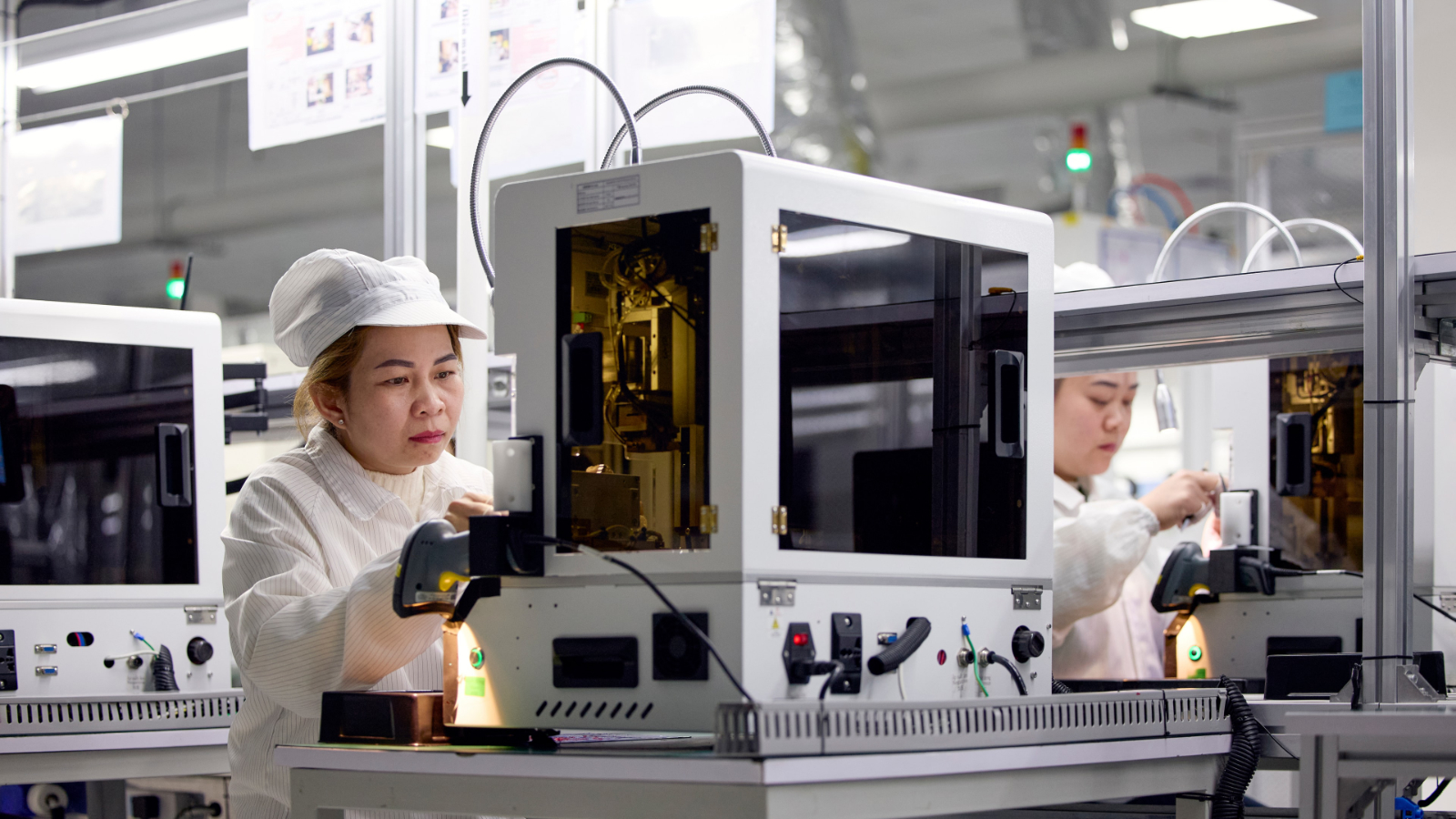
Apple today announced a new Apple Education Center in Hanoi to expand training and skill development programs for employees across its supply chain in Vietnam.


The new center is the first of its kind in the country and will begin offering courses this fall, operating in partnership with Hanoi University of Science and Technology (HUST). Apple and its partners already run almost 20 educational programs for supplier employees in Vietnam.

Courses will combine both online and in-person learning, covering areas including manufacturing, robotics, and automation technology. The center will also offer leadership and soft skills training aimed at helping workers advance in their current roles or move into new career paths.

The new center is the latest initiative funded by Apple's $50 million Supplier Employee Development Fund, a global program the company launched in 2022. Apple said more than 9 million education and training sessions have been delivered via the fund so far, and more than 108,000 supplier employees have taken part in its Swift programming courses since 2017.

The fund also supports workplace rights education and health programs covering broader topics such as health and fitness programming, mental health, and disease screening.
This article, "Apple Announces New Education Center in Vietnam" first appeared on MacRumors.com

Discuss this article in our forums
  •  

Leaked Images Give First Look at Apple's AI Servers

Images claiming to show the inside of an Apple-made AI server, believed to power Private Cloud Compute, surfaced online this week, offering a first look at how the hardware is laid out.


The images were shared earlier this week by the X user @hsuchingpo, an account with a track record of Apple hardware and prototype leaks. Captioned simply "Apple M5 Server," the leaker said the hardware is "most likely" Apple's Private Cloud Compute (PCC) system. Private Cloud Compute is Apple's system for offloading demanding Apple Intelligence requests from a device to the cloud while keeping user data from being stored or shared.

The images show a rack mountable chassis packed with compute modules. Each one has a separate circuit board mounted on a carrier bar and secured with blue and red ejector latches for quick removal. The boards connect into a backplane through gold edge connectors, with heatsinks running through the center of each column and a service diagram taped inside the lid mapping out numbered board positions and Apple part numbers.

่‹นๆžœM5ๆœๅŠกๅ™จ#apple pic.twitter.com/BJE4W0qPWF

โ€” ๅพ้™็Žฏๅขƒ (@hsuchingpo) August 24, 2026


Each single chassis holds up to 32 boards. The layout appears to be built around airflow, with heatsinks running down the center and fans at both ends.

One close-up image shows a board with its thermal paste wiped away, revealing an Apple logo printed directly onto a chip package, appearing to confirm the hardware uses Apple's own silicon. Two NAND flash chips sit nearby.

The leaker added that the server cannot manage its own workload independently. In replies, they explained that the hardware "requires use in conjunction with Mac Studio (serves the function of software control)" and apart from Apple, no one can activate it, since doing so needs both a physical control machine and a control account.

Apple produces AI servers domestically at a facility in Houston, Texas, as part of a $600 billion U.S. investment commitment.
This article, "Leaked Images Give First Look at Apple's AI Servers" first appeared on MacRumors.com

Discuss this article in our forums
  •  

iPhone 17 Remains World's Best Selling Smartphone

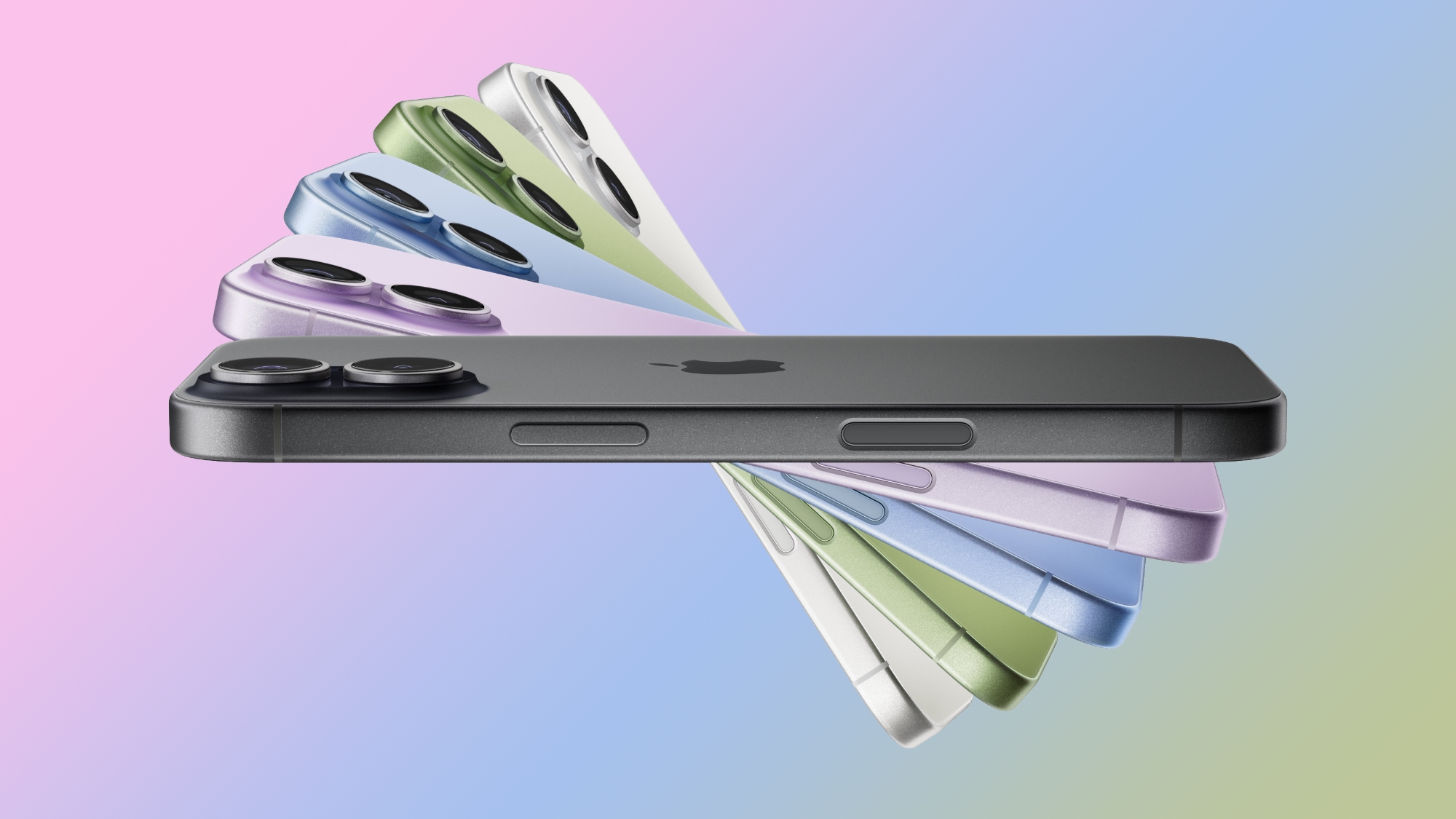
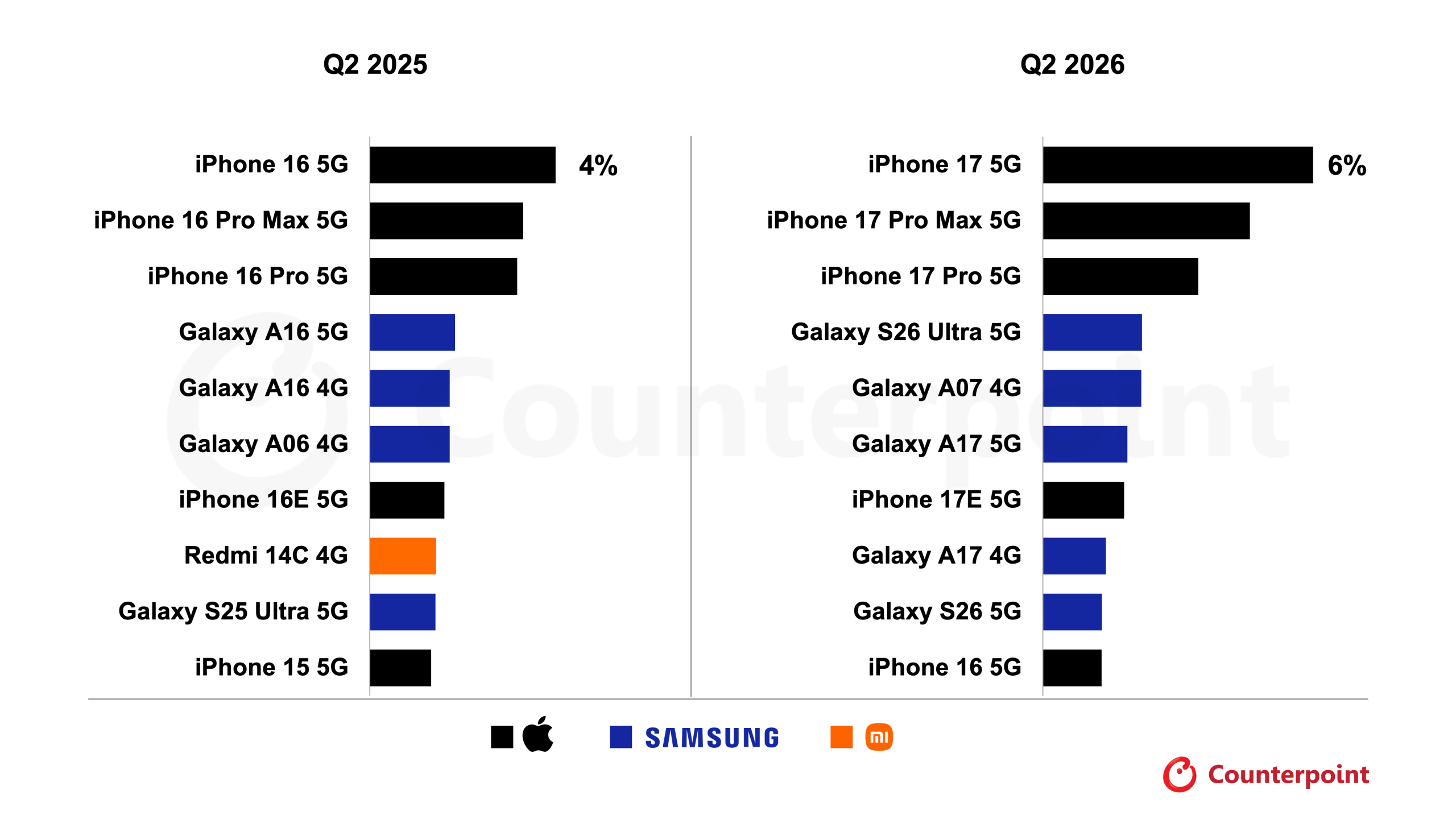
The iPhone 17 retained its position as the world's best selling smartphone in the second quarter of 2026, according to Counterpoint Research, with the iPhone 17 Pro Max and โ€ŒiPhone 17 Proโ€Œ holding the next two spots on the firm's quarterly ranking.


Data from Counterpoint's Global Handset Model Sales Tracker places the standard โ€ŒiPhone 17โ€Œ at 6% of global smartphone unit sales for the second quarter, building on the top spot it already held in the first quarter. Apple and Samsung filled all ten of the top spots, with a combined 26% share of worldwide unit sales that was two points higher than a year earlier.

Counterpoint tied the growth to regional strength outside Apple's usual core markets, with gains in India, Japan, and the Middle East and Africa, plus a near doubling of sales in South Korea.

The base iPhone 17 model remained the best selling smartphone during the quarter, supported by significant upgrades that narrowed the gap with the Pro models. Meanwhile, strong premium demand drove the iPhone 17 Pro and Pro Max sales, aided by trade in programs, promotions, and accessible financing options that improved affordability.


Rising smartphone prices across the industry also nudged buyers toward more expensive pricing tiers generally, which largely worked in Apple's favor given its lineup skews upmarket already.


The iPhone 17e took seventh place following its refresh that added MagSafe and increased storage for the same price, boosted by compelling carrier deals in the U.S. and Japan. The iPhone 16 rounded out the list at number ten, leaving Apple with five of the ten slots, which is the same count and nearly the same positions Apple held a year earlier with the โ€ŒiPhone 16โ€Œ lineup and iPhone 15.

Samsung's best performer was the Galaxy S26 Ultra in fourth place, which is the first time that Samsung's top tier device has outsold every other Android phone in the second quarter. This is said to partly be a reflection of Samsung steering more marketing spend toward its flagship models to protect margins as costs climb. Samsung's cheaper Galaxy A phones also remained competitive further down the market.

Overall, the smartphone market shrank 11% in the quarter, a contraction Counterpoint links to the ongoing shortages and price rises that has manufacturers concentrating resources on their most profitable phones. Apple and Samsung both grew unit sales against that backdrop, a divergence that is visible in Counterpoint's regional data as well.
Related Roundup: iPhone 17
Buyer's Guide: iPhone 17 (Neutral)
Related Forum: iPhone

This article, "iPhone 17 Remains World's Best Selling Smartphone" first appeared on MacRumors.com

Discuss this article in our forums
  •  

New Mac Mini and Mac Studio Add Genlock Support for Camera Syncing

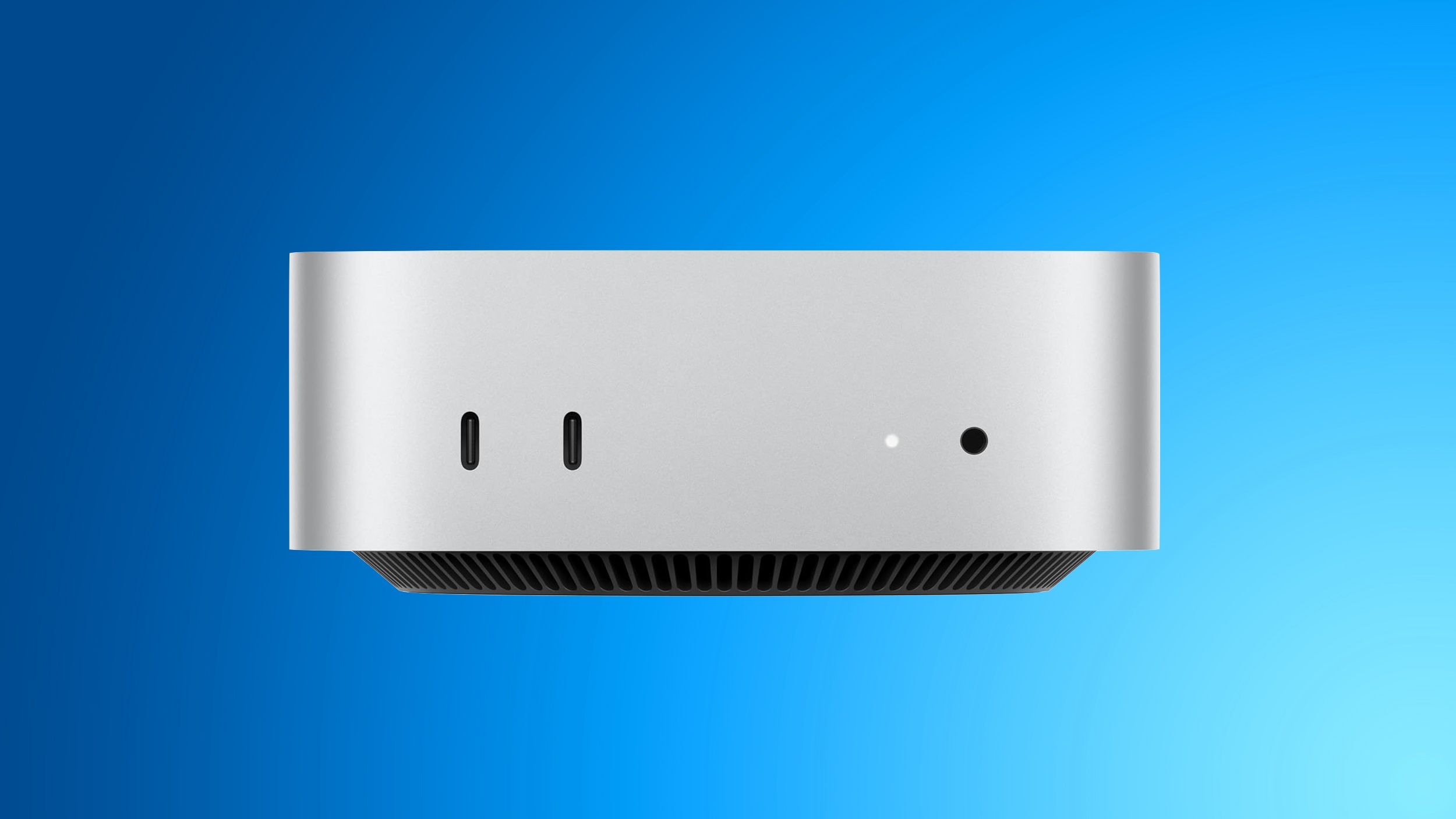
Apple's new Mac mini and Mac Studio feature genlock support over USB-C, allowing users to precisely synchronize a display with a camera such as the iPhone 17 Pro, without the need for additional equipment.

It keeps multiple cameras and displays locked to the same timing signal, stopping footage from drifting out of sync during a multi-camera shoot.
Related Roundups: Mac Studio, Mac mini
Related Forums: Mac Studio, Mac mini

This article, "New Mac Mini and Mac Studio Add Genlock Support for Camera Syncing" first appeared on MacRumors.com

Discuss this article in our forums
  •  

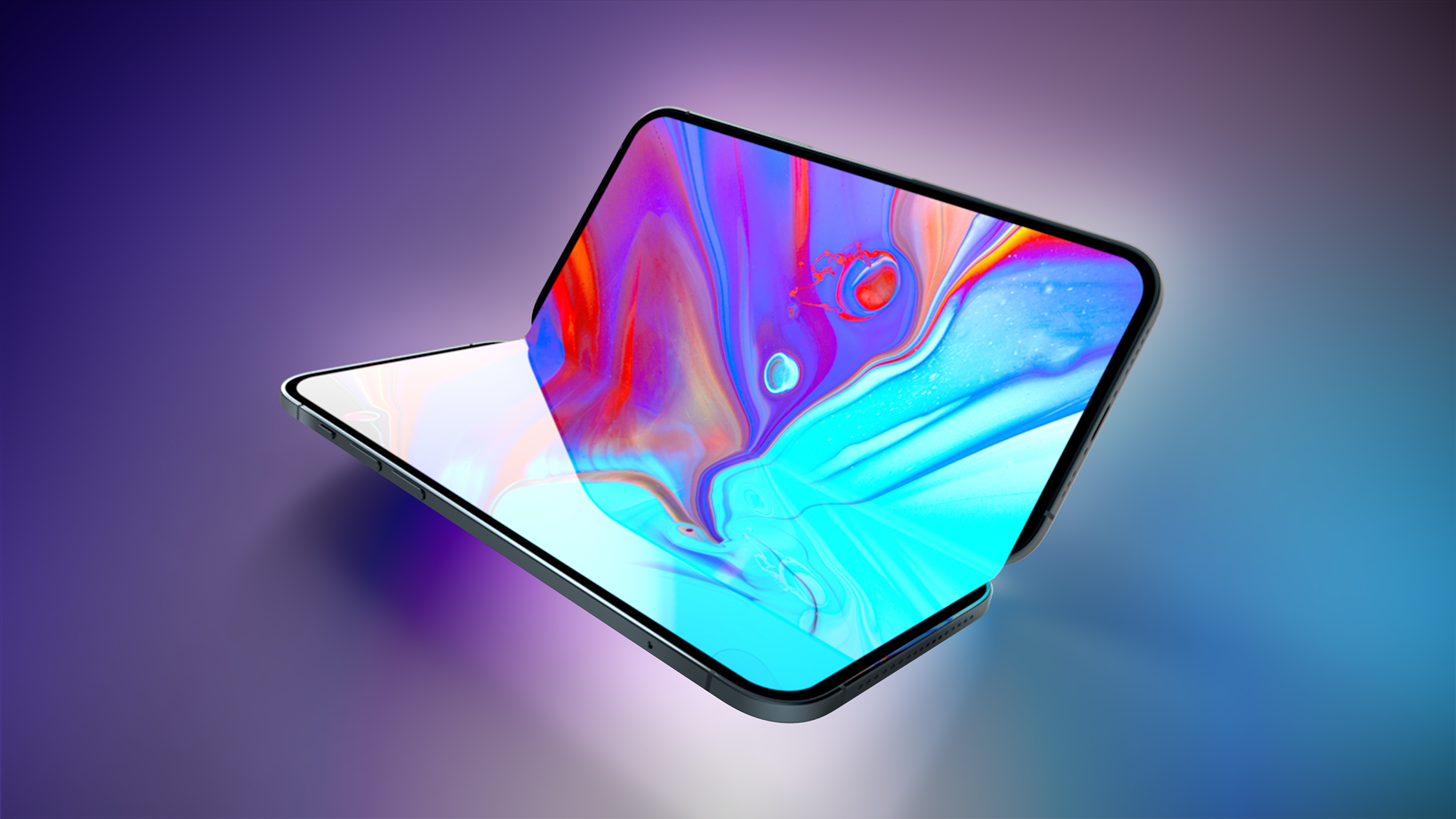
Concept Video Imagines Apple's Foldable iPhone Ultra Reveal

A new fan-made concept video imagining Apple's rumored foldable iPhone is circulating online, weeks before the company is expected to unveil the device at its annual fall keynote.


The video was created by designer Gunhoo Lee to provide a realistic look at what a brief "iPhone Ultra" reveal could look like, showcasing its 7.8-inch inner display, Touch ID authentication, mechanical hinge, dual battery system, and A20 chip. The features and specifications it depicts track closely with months of corroborated rumors.

Apple's foldable iPhone is widely expected to be announced alongside the iPhone 18 Pro and โ€ŒiPhone 18 Proโ€Œ Max next month, so the real reveal video isn't far away.
Related Roundup: iPhone Fold

This article, "Concept Video Imagines Apple's Foldable iPhone Ultra Reveal" first appeared on MacRumors.com

Discuss this article in our forums

  •  

New Mac Studio Can Be Clustered Together for Faster AI Performance

Multiple new Mac Studio units can be clustered together over Thunderbolt 5 and RDMA (remote direct memory access), creating a shared memory pool for running larger AI models.

If four Mac Studio systems are clustered together, Apple says they can deliver 3x faster AI inference than running the same task on a single system, with the shared memory pool helping to load the largest and most demanding frontier-class open-weight models available today.
Related Roundup: Mac Studio
Buyer's Guide: Mac Studio (Buy Now)
Related Forum: Mac Studio

This article, "New Mac Studio Can Be Clustered Together for Faster AI Performance" first appeared on MacRumors.com

Discuss this article in our forums

  •  

75% of US Adults Aren't Interested in a Foldable iPhone

Three out of four U.S. adults say they have no interest in buying a foldable iPhone, according to a new survey from CNET.


CNET's survey was conducted online by YouGov between August 13 and 17, polling 2,605 U.S. adults. It found that 75% are not interested in an Apple foldable device, and those who are would not pay anywhere near the rumored $2,000+ price.

Interest is low across every generation surveyed. Boomers (1946โ€“1964) and Gen Xers (1965โ€“1980) are the least interested, at 83% and 77% respectively, while 69% of Gen Z (1997โ€“2012) and 68% of millennials (1981โ€“1996) also said they would pass on a foldable iPhone. CNET noted that a quarter of respondents still expressing interest in the device is a notable proportion for what remains a niche product category.

On average, U.S. adults said they would spend just $781 on a foldable iPhone, about $48 less than the $799 starting price of the standard iPhone 17. Gen Z was willing to spend the most, an average of $919, followed by millennials at $859, Gen X at $690, and Boomers at $572. That mismatch between expected pricing and what buyers actually want to pay highlights just how far a $2,000+ device will sit outside most people's budgets.

Moreover, CNET found that 41% of U.S. adults are rethinking their upgrade plans because of anticipated price increases. Apple raised prices on most of its devices in June, citing the global memory shortage, though iPhone, Apple Watch, and AirPods prices were untouched at the time. The iPhone 18 Pro lineup is expected to cost more than its predecessor when it launches for the same reasons.

5% of respondents said they are considering buying an older or cheaper model, 4% are considering switching brands, and 4% are looking at refurbished or used phones. Another 9% said they will only upgrade if a trade-in or carrier promotion covers the cost. 22% of U.S. adults said they have no plans to upgrade anytime soon regardless of what Apple releases, ranging from 16% of millennials to 27% of Boomers.
Related Roundup: iPhone Fold

This article, "75% of US Adults Aren't Interested in a Foldable iPhone" first appeared on MacRumors.com

Discuss this article in our forums

  •  

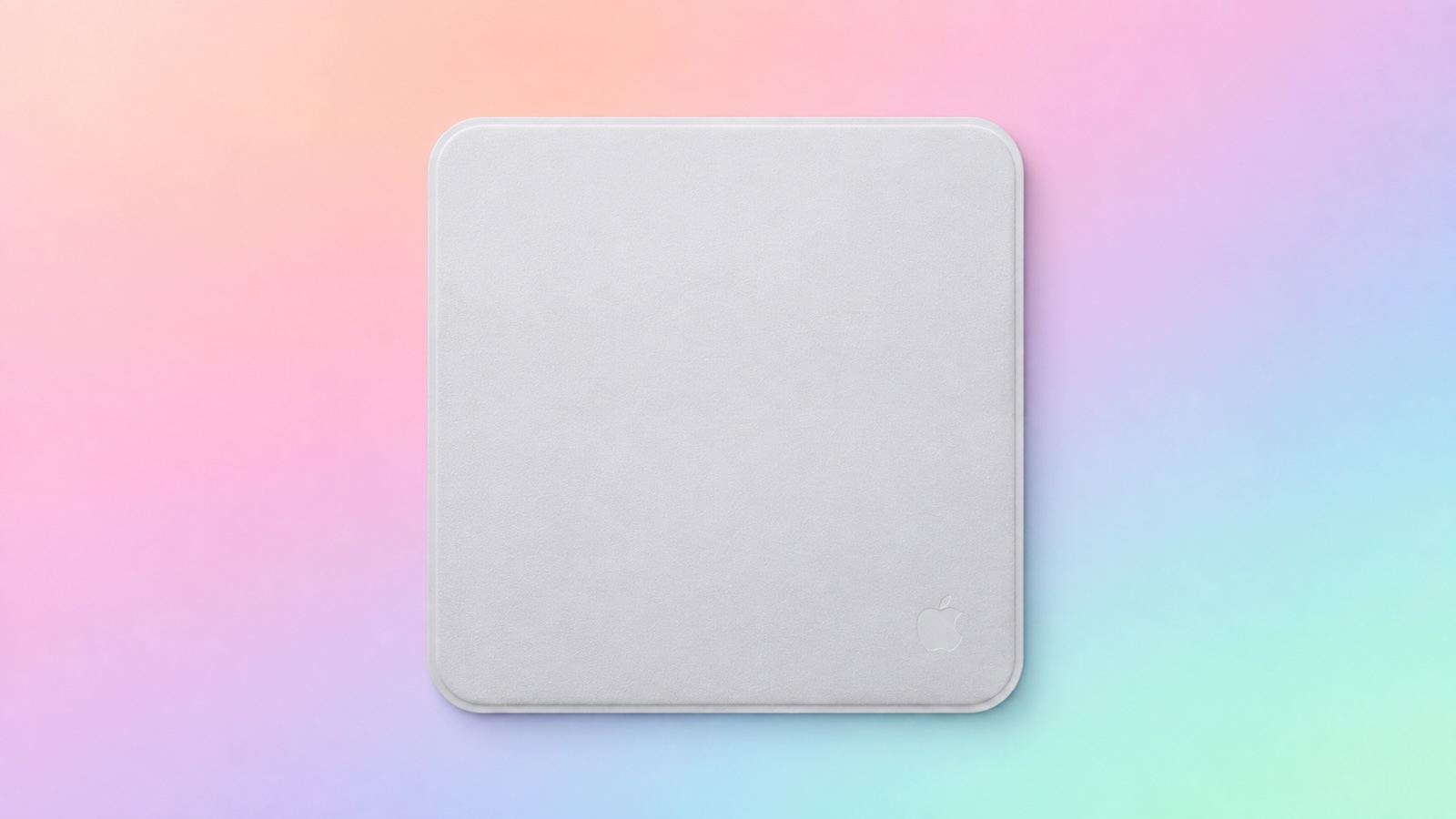
Apple's New Polishing Cloth Is Softer, Not Smaller Than Original

Apple's new $9 Polishing Cloth, whose changes beyond pricing were unclear yesterday, is close in size to the original but noticeably less stiff, according to a comparison posted on X.

The user says the new material feels closer to the cloth included with Apple's nano-texture displays or the Vision Pro.
This article, "Apple's New Polishing Cloth Is Softer, Not Smaller Than Original" first appeared on MacRumors.com

Discuss this article in our forums

  •  

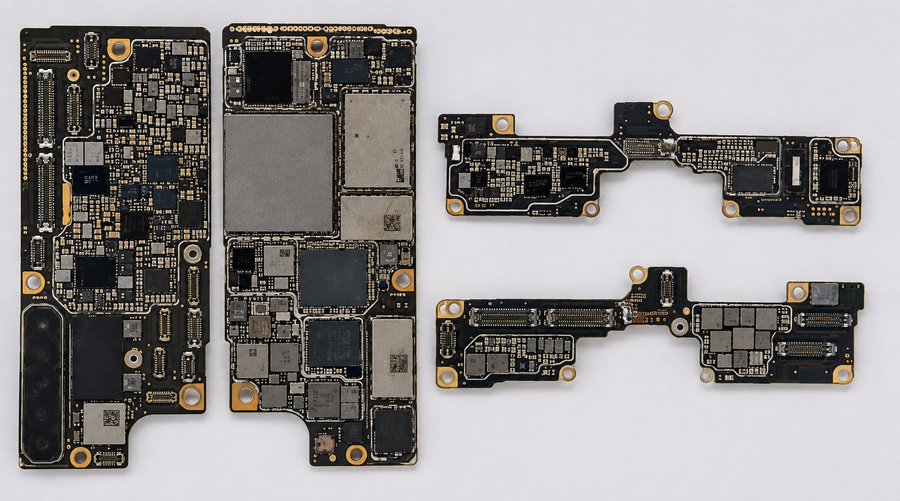
Alleged Foldable iPhone Motherboard Photos Surface Online

Images and video claiming to show circuitry from Apple's upcoming foldable iPhone are circulating on X and Chinese social media platforms.


For example, on X, the user "LusiRoy7" posted a short video alongside an image, as well as a labeled composite image identifying components, purportedly depicting the motherboard of Apple's foldable iPhone. The image appears to show the CPU, a hinge connector, a flex cable connector, and more.

Separately, on the Chinese forum Baidu, a diagram from the repair parts vendor MIJING depicts the same components. The MIJING diagram uses Chinese repair-industry component numbering. The range of images appear to show the same parts.

While the authenticity of the images is unknown, they are likely another sign that the launch of the first foldable iPhone is nearing. The device is widely expected to be announced alongside the iPhone 18 Pro models next month.

Rumors point to a 5.5-inch cover display and a 7.8-inch inner display, the A20 Pro chip, and a 5,000mAh battery, as well as a 48-megapixel dual rear camera system and 18-megapixel selfie cameras on both the outer and inner displays. The device is expected to debut with a price of at least $2,000.
Related Roundup: iPhone Fold

This article, "Alleged Foldable iPhone Motherboard Photos Surface Online" first appeared on MacRumors.com

Discuss this article in our forums

  •  

M5 vs. M6 Chip Buyer's Guide: How Much Better Really Is M6?

Apple yesterday announced the M6, its first chip built using a 2nm process and the first Apple silicon design to use three different CPU core types, but how does it compare to the M5?


Compared to the M5 chip that Apple launched in October 2025, the M6 delivers:


  • Up to 1.2x faster multithreaded CPU performance.

  • Nearly 30% higher peak GPU compute for AI.

  • Up to 2x peak Neural Engine compute.

  • 50% higher geometry rates for complex graphics.

  • 10% higher unified memory bandwidth.


Apple did not publish real-world benchmarks comparing the M6 to the M5 directly, instead framing its Mac mini figures against the M4 and M1 models:


  • Up to 13.5x faster LLM prompt processing in LM Studio versus โ€ŒM1โ€Œ, and up to 4.8x faster versus the M4.

  • Up to 2.3x faster spreadsheet calculations in Microsoft Excel versus โ€ŒM1โ€Œ, and up to 1.5x faster versus the M4.

  • Up to 2x faster gaming performance with ray tracing in "Cyberpunk 2077: Ultimate Edition" versus the M4.


The most significant architectural change is in the CPU. The M5 splits its ten cores into performance and efficiency groups, which is an arrangement Apple silicon has used since the โ€ŒM1โ€Œ. The M6 adds a third tier called "super cores," which handle single-threaded workloads and which Apple says give the chip the world's fastest single-threaded performance.

The performance cores join them for heavier multithreaded work, while the efficiency cores take background tasks. The second major change is the Neural Engine, which is now doubled, with system frameworks able to use both engines at once so apps see faster model execution without any work from developers required. Other hardware changes compared to the M5 include:


Apple M5 Chip (2025) Apple M6 Chip (2026)
Made with TSMC's third-generation 3nm process (N3P) Made with TSMC's first-generation 2nm process (N2)
FinFET transistors Gate-all-around nanosheet transistors
10-core CPU with 4 performance cores and 6 efficiency cores 12-core CPU with 2 super cores, 4 performance cores, and 6 efficiency cores
Super cores dedicated to single-threaded workloads
16-core Neural Engine Dual 16-core Neural Engine that system frameworks can run simultaneously
10-core GPU with a Neural Accelerator in every core 12-core GPU with a Neural Accelerator in every core
Enhanced shader cores Updated shader core architecture
Second-generation dynamic caching Third-generation dynamic caching
153 GB/s unified memory bandwidth 170 GB/s unified memory bandwidth


The move to a 2nm process is a significant technical change. Apple chips have used FinFET transistors for years, but the M6's N2 process uses a newer design with gate-all-around nanosheet transistors. This means that the transistor's gate wraps around the channel on every side, giving it better control and reducing power leakage at tiny sizes.

TSMC says N2 can offer 10โ€“15% more speed at the same power, or 25โ€“30% lower power use at the same speed, compared with its N3E process. But the M5 uses the newer N3P process, not N3E, so the actual M5-to-M6 improvement is likely to be smaller than those figures suggest.

The M6 is a broad but fairly modest upgrade. It improves the CPU, GPU, Neural Engine, and memory bandwidth, rather than delivering a dramatic gain in one area. The M5's biggest leap was in AI-focused GPU performance, thanks to Neural Accelerators built into each GPU core. The M6's reported 1.2ร— multithreaded CPU gain and 10% increase in memory bandwidth are good refinements rather than step-changes.

Single-threaded performance is the main exception. Some tasks cannot be split across many CPU cores, including code compilation, file indexing, image editing, and parts of agentic AI workflows. These tasks depend heavily on the speed of one core, and the M6's new "super cores" are designed to improve that directly. A doubled Neural Engine should also help with local AI models, while the larger GPU can process prompts faster.

For everyday work and general responsiveness, the difference will probably be difficult to notice. The M5 already has more than enough performance for normal use, so there is little general-purpose reason to upgrade from an M5 to an M6.

The more consequential question for buyers is where the M6 sits in the lineup, because it is not part of a straightforward replacement for the M5 family. Bloomberg's Mark Gurman reported in July that Apple has no plans to release "M6 Pro," "M6 Max," or "M6 Ultra" chips, having decided to accelerate development of the AI-optimized M7 generation. The new Mac mini illustrates this point, since its higher-specification configuration uses the M5 Pro. That makes the M6 the first of its kind to not have higher-end variants, and it means the M5 Pro, M5 Max, and M5 Ultra remain the chips to buy if you need anything more than base-tier performance.

The dual Neural Engine and 2nm process give the M6 headroom for on-device AI tools that grow more demanding, but the M7 is expected in the first half of 2027 with neural processing upgrades that prompted Apple to cut the M6 lineup short. If your workloads are AI-heavy enough that the M6's gains matter to you, the chip designed for exactly that is less than a year away.

The M6 chip is currently available only in the new Mac mini, which starts at $899 and ships on September 22. M6 versions of the MacBook Pro and iMac are expected to be announced in October. The M5 chip remains available in the 14-inch โ€ŒMacBook Proโ€Œ, the latest iPad Pro, and the Apple Vision Pro, with M5 Pro and M5 Max in the higher-end โ€ŒMacBook Proโ€Œ models and M5 Max and M5 Ultra in the new Mac Studio.
Related Roundup: Mac mini
Buyer's Guide: Mac Mini (Buy Now)
Related Forum: Mac mini

This article, "M5 vs. M6 Chip Buyer's Guide: How Much Better Really Is M6?" first appeared on MacRumors.com

Discuss this article in our forums

  •  

Apple Smart Home Display Still Coming This Year

Apple remains on track to launch its first smart home device with a screen before the end of the year, according to Bloomberg's Mark Gurman.


Gurman reiterated that the device will use facial recognition to determine who is standing in front of it and serve up personalized content for that individual user. The description lines up with code found in macOS Tahoe 26.7 earlier this week, which revealed that the smart home hub will support multiple user profiles and use "ambient sensing" to verify identity. Apple is also readying a new Apple TV and an updated HomePod mini as part of the same renewed push into the home, according to Gurman.

Apple's smart home hub has been rumored for years. It is rumored to feature a square, seven-inch display with a front-facing camera, running an operating system closer to tvOS than iOS, with a home screen built around quick-access widgets. Pricing is expected to land somewhere around $350.

Apple originally intended to release the device in spring 2025, then targeted spring 2026, before pushing it back to September because Siri AI was not ready. Gurman reported over the weekend that Apple is rearranging sections of its retail stores to accommodate new smart home products.
Related Roundups: Apple TV, HomePod mini

This article, "Apple Smart Home Display Still Coming This Year" first appeared on MacRumors.com

Discuss this article in our forums

  •  

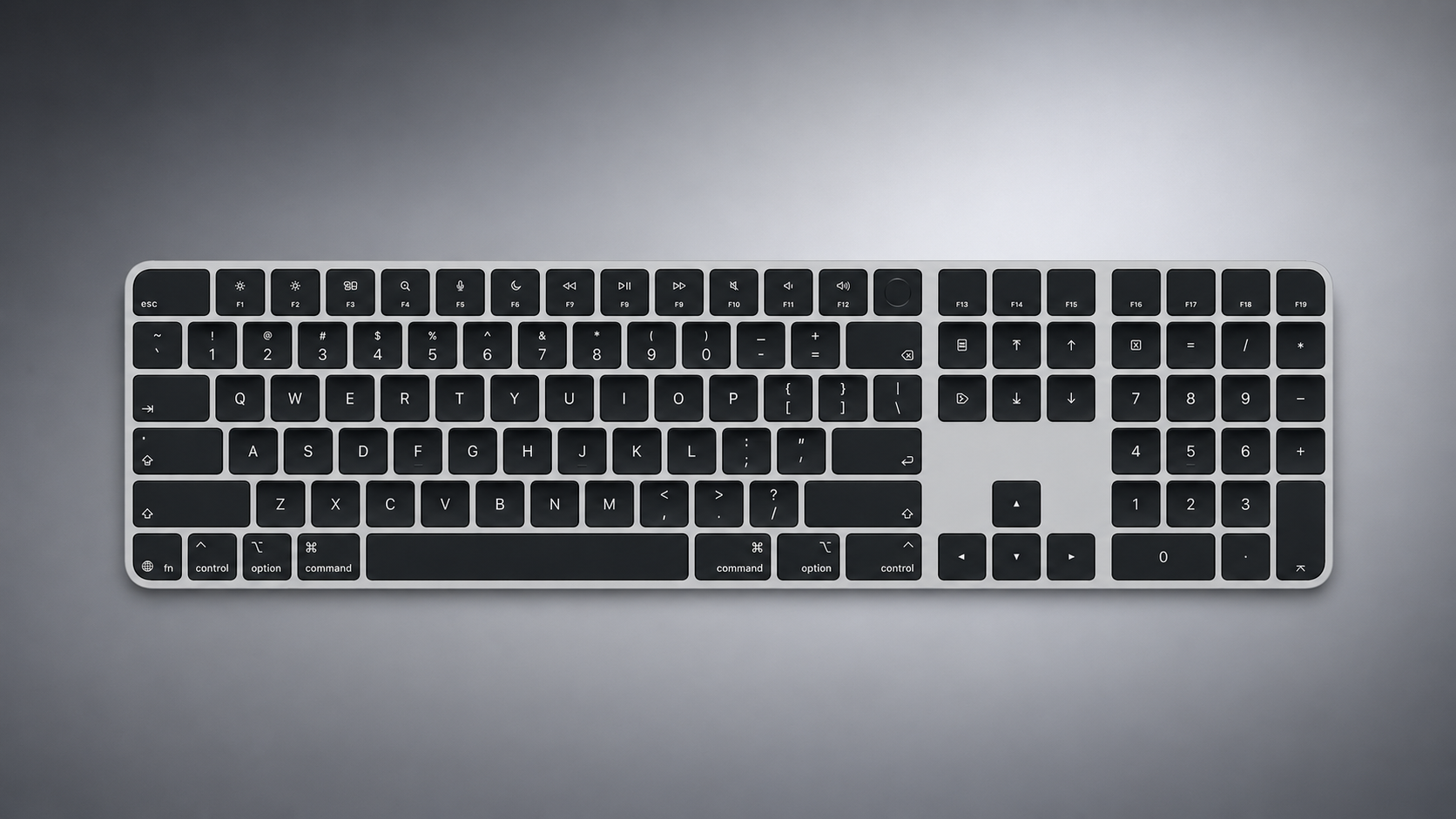
Apple Quietly Refreshes Magic Keyboards

Apple today quietly introduced updated Magic Keyboard models with revised U.S. English key labeling.


On the new keyboards, the tab, caps lock, shift, return, and delete keycaps are labeled with glyphs rather than edge text. On the full-size models with a numeric keypad, the change goes further, with the home, page up, page down, end, clear, and enter keys also swapping their text labels for symbols.

Four models have been updated: the Magic Keyboard, the Magic Keyboard with Touch ID, and the Magic Keyboard with Touch ID and Numeric Keypad in both white keys and black keys.

The one U.S. English model Apple has not refreshed is the Magic Keyboard with Numeric Keypad, which lacks โ€ŒTouch IDโ€Œ and continues to use text labels on the same keys.

The change mirrors the one Apple made to its laptops earlier this year, when the new MacBook Air, MacBook Pro, and MacBook Neo adopted glyphs on the same set of keys.

Since the U.S. English layout is the default option in Canada, Australia, New Zealand, and Singapore, among other countries, the new labeling effectively extends well beyond the United States. Apple has used glyphs on its British English and other European layouts for some time, so the symbols will already be familiar to customers there.
This article, "Apple Quietly Refreshes Magic Keyboards" first appeared on MacRumors.com

Discuss this article in our forums

  •  

Apple Debuts M5 Ultra as Most Powerful Chip Ever

Apple today announced the M5 Ultra, which the company says is its most powerful chip ever.


The M5 Ultra is built by connecting two dual-die M5 Max chips using Apple's next-generation UltraFusion technology, which is the first time Apple has used a quad-die architecture in an M-series chip. UltraFusion increases inter-die bandwidth to over 4.4TB/s and connection density by more than 6x, allowing the four dies to function as a single processor.

The chip includes an CPU with up to 36 cores, containing 12 super cores and 24 performance cores, delivering up to 1.25x higher single-threaded performance and up to 1.3x higher multithreaded performance than the M3 Ultra.

Its GPU scales up to 80 cores, with a Neural Accelerator built into each core for the first time on an Ultra chip. Apple says this delivers up to 4.3x the peak AI compute performance compared to the M3 Ultra, along with up to 1.8x faster graphics than the previous-generation chip.

The M5 Ultra also includes a 32-core Neural Engine and a more capable Media Engine, with twice the video encode and decode blocks as M5 Max, allowing users to simultaneously play up to 33 streams of 8K ProRes 422 at 30 fps.

The chip supports up to 512GB of unified memory and up to 1.2TB/s of memory bandwidth, a 50% increase over M3 Ultra. Apple says the added memory and bandwidth let users store large datasets locally, increase tokens per second, and run large language models with hundreds of billions of parameters entirely on device.

The M5 Ultra is exclusively available in the new Mac Studio, which is available for pre-order today, with availability beginning on September 22. Configurations with 512GB of memory launch in late October.
This article, "Apple Debuts M5 Ultra as Most Powerful Chip Ever" first appeared on MacRumors.com

Discuss this article in our forums

  •  

Apple Reveals M6 as First-Ever 2nm Chip

Apple today announced the M6 chip, its first built using a 2-nanometer process and featuring a Dual 16-core Neural Engine.


Apple says the 2nm process packs greater transistor density into a smaller die, contributing to the chip's overall gains in performance and power efficiency.

The M6 chip features a larger, more powerful 12-core CPU, two more cores than the M5, made up of two super cores, four performance cores, and six efficiency cores. Apple says the chip delivers the world's fastest single-threaded performance and up to 1.2x faster multithreaded performance than the M5, and up to 2.4x faster than the M1.

The chip also features a 12-core GPU, with two more cores than the M5, with a Neural Accelerator built into each core. Apple says this delivers nearly a 30% increase in peak GPU compute for AI compared to the M5, and more than 8x compared to the โ€ŒM1โ€Œ, resulting in faster prompt processing for on-device LLMs.

The GPU also gains updates to the shader core architecture, Dynamic Caching, and hardware-accelerated ray tracing, along with a 50% increase in geometry rates for more complex graphics.

The M6 introduces a Dual 16-core Neural Engine, offering up to 2x the peak compute of previous generations. Apple says system frameworks can automatically use both engines at once, allowing applications to run AI models faster.

The chip supports up to 32GB of unified memory and up to 170GB/s of unified memory bandwidth, which is a 10% increase over M5 and 2.5x more than the โ€ŒM1โ€Œ.

The M6 debuts in the new Mac mini, which launches on Tuesday, September 22.
This article, "Apple Reveals M6 as First-Ever 2nm Chip" first appeared on MacRumors.com

Discuss this article in our forums

  •  

Apple Unveils New Mac Studio With M5 Max and M5 Ultra Chips

Apple today announced new Mac Studio models with the M5 Max and M5 Ultra chips, the latter of which is the company's most powerful chip ever.


The new โ€ŒMac Studioโ€Œ features a next-generation SSD architecture built on PCIe Gen 6 that Apple says is up to twice as fast as before. The machine also gains Thunderbolt 5 ports with up to 120Gb/s of bandwidth, along with Wi-Fi 7 and Bluetooth 6 for the first time via Apple's N1 chip. The new โ€ŒMac Studioโ€Œ also supports genlock over USB-C and can drive up to eight displays.

The M5 Ultra chip includes an up to 36-core CPU that contains 12 super cores and 24 performance cores. It delivers up to 1.25x higher single-threaded performance and up to 1.3x higher multithreaded performance than the M3 Ultra from the previous generation โ€ŒMac Studioโ€Œ.

The M5 Ultra features a GPU with up to 80 cores, and a Neural Accelerator is built into each core, offering up to 4.5x the peak GPU compute for AI tasks compared to the M3 Ultra and more than 6x compared to the M1 Ultra. Apple says the GPU's latest shader core technology, paired with second-generation Dynamic Caching, hardware-accelerated mesh shading, and third-generation ray tracing, delivers up to 40% faster graphics performance than the M3 Ultra.

The chip also includes a more capable Media Engine, with dedicated hardware for H.264, HEVC, four ProRes encode and decode engines, and hardware-accelerated AV1 decode, along with a 32-core Neural Engine for on-device AI tasks.


The M5 Ultra is built by connecting two dual-die M5 Max chips using Apple's next-generation UltraFusion technology, which increases inter-die bandwidth to over 4.4TB/s and connection density by more than 6x, allowing the four dies to function as a single processor.

The new โ€ŒMac Studioโ€Œ with the M5 Ultra supports up to 512GB of unified memory and up to 1.2TB/s of memory bandwidth, which is a 50% increase over M3 Ultra. Apple says the added memory and bandwidth allows users to store large datasets locally, increase tokens per second, and run large language models with hundreds of billions of parameters entirely on device.

Users can also cluster multiple โ€ŒMac Studioโ€Œ systems together using built-in support for Thunderbolt 5 and RDMA (remote direct memory access), creating a shared memory pool across systems. Apple says a cluster of four โ€ŒMac Studioโ€Œ systems delivers up to 3x faster AI inference than a single system.

The โ€ŒMac Studioโ€Œ is also now available with the M5 Max chip, offering an 18-core CPU with 6 super cores and 12 performance cores, up to 40 GPU cores, up to 128GB of unified memory with up to 614GB/s of memory bandwidth, and up to 8TB of storage. Apple says the M5 Max delivers up to 3.9x faster AI performance than the previous generation.

The new โ€ŒMac Studioโ€Œ will be released on September 22, but the model with 512GB of unified memory launches in late October. It is available for pre-order now.
Related Roundup: Mac Studio
Buyer's Guide: Mac Studio (Buy Now)
Related Forum: Mac Studio

This article, "Apple Unveils New Mac Studio With M5 Max and M5 Ultra Chips" first appeared on MacRumors.com

Discuss this article in our forums

  •  

Apple Watch Series 12 to Get Fitness Tracking Upgrades

Apple's new Apple Watch models will feature upgrades to fitness tracking, according to Bloomberg's Mark Gurman, who otherwise characterized this year's changes to the lineup as "minor."
Gurman said much the same in July, pointing to faster performance and better health and fitness tracking in the absence of any design overhaul.
Related Roundup: Apple Watch 11

This article, "Apple Watch Series 12 to Get Fitness Tracking Upgrades" first appeared on MacRumors.com

Discuss this article in our forums

  •  

iPhone Trade-In Values Slide Ahead of New Model Launch

Ahead of the announcement of the iPhone 18 Pro, โ€ŒiPhone 18 Proโ€Œ Max, and first foldable iPhone next month, a new study from trade-in comparison site SellCell finds that most iPhones lose a considerable amount of trade-in value in the 10-day window between Apple's announcement and the actual product launch.


Looking at the launch of the iPhone 15, iPhone 16, and iPhone 17 lineups, SellCell found that trade-in values dropped for 117 of 156 models tracked, or 75% of the total, between announcement day and release day. That window saw the steepest declines for the โ€ŒiPhone 17โ€Œ lineup last year, with 50 of 54 iPhone models (92.6%) losing value, with an average drop of $36.46 per device.

The largest individual declines came from older models still on the trade-in market at the time. The โ€ŒiPhone 16โ€Œ Plus 512GB fell from $695 to $566, a $129 drop and the largest loss in the dataset. The iPhone 15 Plus 128GB saw the steepest percentage decline, falling from $440 to $351, a loss of 20.2%.

SellCell paired the pricing data with a survey of 2,000 U.S. iPhone users. 61.4% of respondents said they plan to keep their current iPhone until a replacement is in hand and set up, rather than trading it in around the announcement. The most common reasons cited were needing the phone for continued use and needing to transfer data, which together accounted for 77.4% of responses.

Apple updated and largely increased its own official trade-in estimates last month ahead of the โ€ŒiPhone 18 Proโ€Œ and foldable iPhone announcement.
This article, "iPhone Trade-In Values Slide Ahead of New Model Launch" first appeared on MacRumors.com

Discuss this article in our forums

  •  

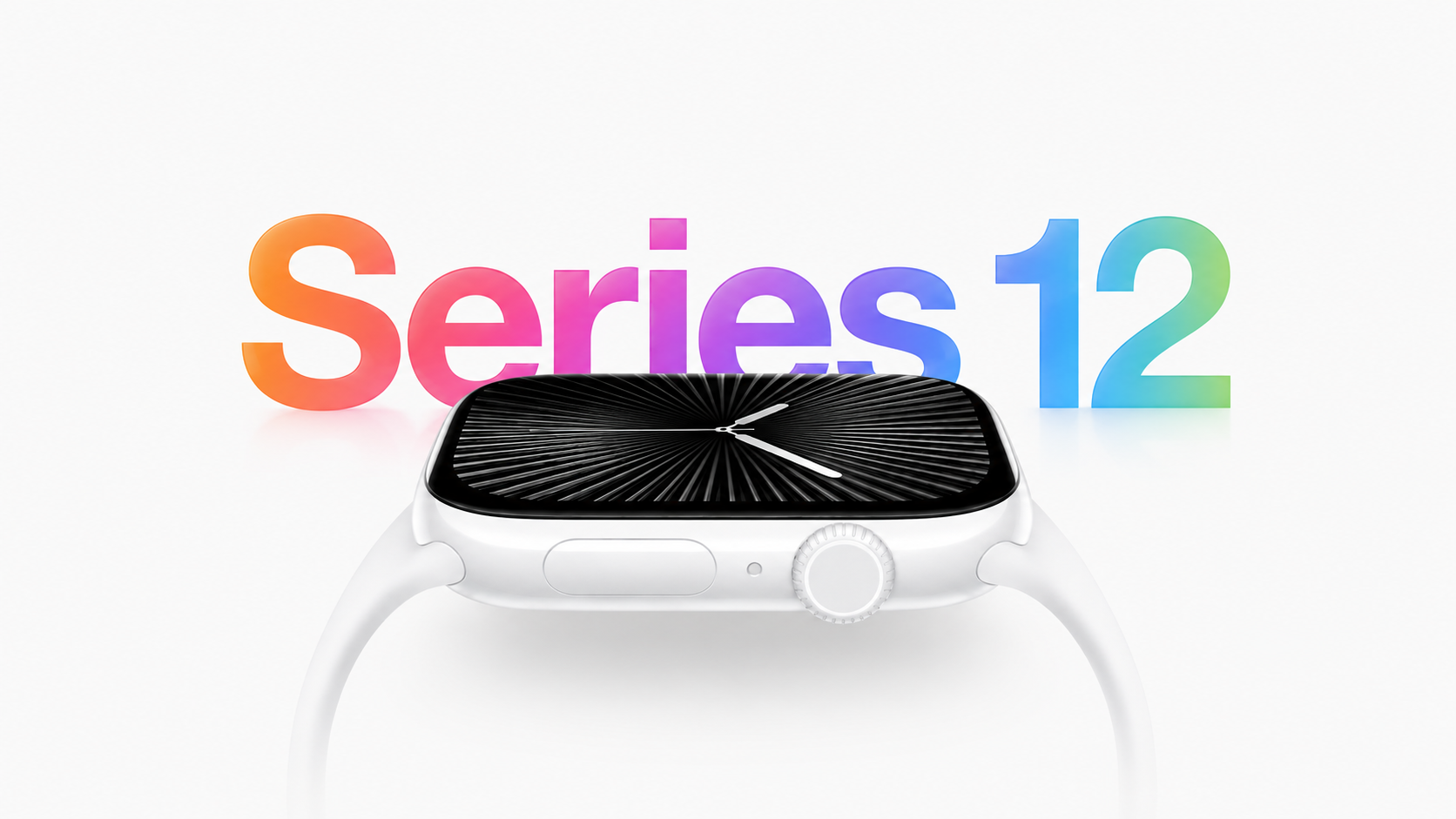
Apple Watch Series 12: Everything to Expect Next Month

The Apple Watch Series 12 is almost certain to be introduced at Apple's annual iPhone event next month, and the rumors point to another quieter upgrade year for the device.


Apple has not altered the Apple Watch's design since the Series 10 arrived in 2024, and it is not expected to change this year either, making 2026 the third year of the current case. This isn't unusual since every Apple Watch casing design has lasted through three successive generations before being refreshed.

Bloomberg's Mark Gurman believes the Series 12 will continue a run of "modest upgrades," with virtually everything of significance happening internally. Here are all of the features and changes rumored for the device so far:


  • New chip: Last year's Apple Watch Series 11 retained the same S10 chip as its predecessor for the first time, and the S10 chip is itself functionally the same as 2023's S9 chip. After three generations of the same chip, the Apple Watch Series 12 is highly likely to deliver the first meaningfully new chip for the device in years. Evidence of this has also been spotted in internal Apple code. The new chip will likely be branded as the "S11," but it could be the "S12" if Apple wants to keep its numbering in line with the series.

  • Longer battery life: A known leaker on the Chinese social media platform Weibo said in May that Apple is prioritizing battery life with the Series 12, pursuing a physically larger battery as well as efficiency gains elsewhere in the device. Apple rates the Series 11 at up to 24 hours on a charge, or up to 38 hours in Low Power Mode.

  • Health and fitness improvements: Gurman referred to a number of health and fitness upgrades for the device without detailing them. DigiTimes pointed to a new blood pressure notification feature awaiting FDA clearance, which would build on the hypertension notifications Apple introduced last year, and claimed at least one high-end model is due a significant sensing upgrade involving eight sensors arranged in a ring.

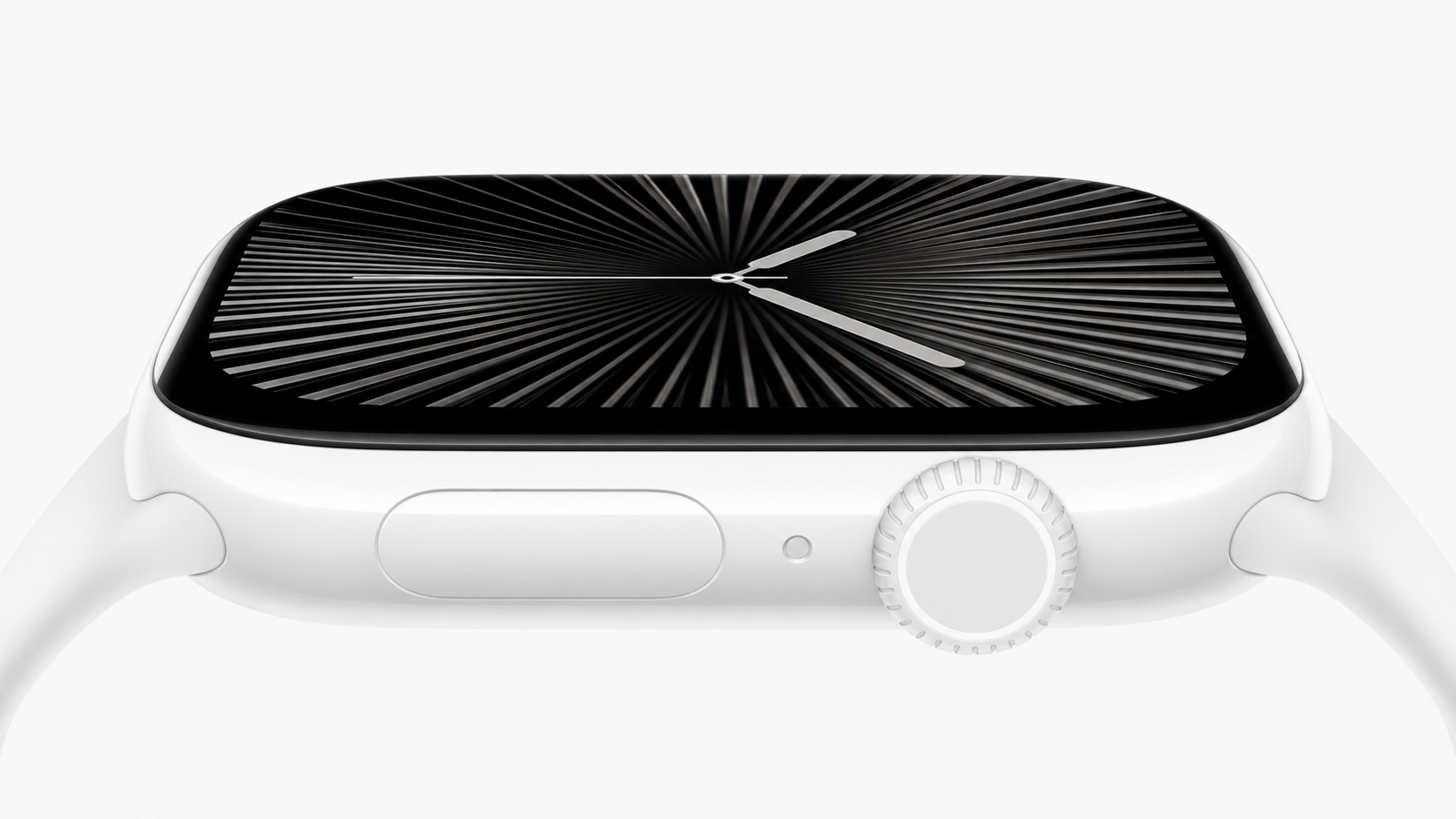
  • Ceramic case option: Gurman reported this month that the Apple Watch's distinctive ceramic casing is set to return either this year or in 2027, and the leaker and prototype collector known as "Kosutami" since claimed it will arrive with the Series 12. The finish has been absent from the lineup for six years and would give Apple a high-end case option above titanium for the first time since 2020.

  • New colors and bands: Gurman expects to see the device unveiled with a fresh collection of case finishes and band options.


Leaked code related to the Apple Watch Series 12 included references to "AppleMesa," Apple's codename for Touch ID, prompting rumors that a sensor could sit under the display or in the side button. The same leaker who flagged the battery focus denied the claim, arguing that it would add cost and consume internal space better given over to the battery. Gurman said he does not expect any significant design changes to the Series 12 or Ultra 4, which a fingerprint sensor would almost certainly require, so the rumor seems unlikely to pan out.

A rumor about a new sensor embedded in the band looks similarly improbable. Kosutami claimed in July that the Series 12 could ship with at least one health sensor in a band, which would be a first for the product. Every existing model houses its sensors in the case itself, and no other source has corroborated the claim.

The Apple Watch Series 12 is expected to be announced alongside the Apple Watch Ultra 4, iPhone 18 Pro, โ€ŒiPhone 18 Proโ€Œ Max, and foldable "iPhone Ultra." There is not expected to be a new Apple Watch SE this year.
Related Roundup: Apple Watch 11

This article, "Apple Watch Series 12: Everything to Expect Next Month" first appeared on MacRumors.com

Discuss this article in our forums

  •  

iPhone 20's Curved Glass Design to Be Made Like iPhone Air

Apple's 20th-anniversary iPhone will be made using the same glass manufacturing process developed for the iPhone Air, according to the leaker known as "Fixed Focus Digital."


In a new post on Weibo, the leaker said that โ€ŒiPhone Airโ€Œ manufacturing equipment has been modified to produce more rounded glass components for next year's 20th anniversary iPhone, which has helped to reduce Apple's manufacturing costs. The leaker added that overall heat dissipation and thinness have both improved substantially as a result of the changes.

The claim builds on the leaker's earlier report that a supply chain facility had finished renovations ahead of "iPhone 20" production, with manufacturing quality expected to land somewhere around that of the first-generation โ€ŒiPhone Airโ€Œ. The โ€ŒiPhone Airโ€Œ is Apple's thinnest iPhone to date at 5.6mm and uses a polished titanium frame with a glass back.

The report adds incremental detail to a redesign that has been rumored for well over a year. Bloomberg's Mark Gurman reported that Apple is aiming for a "mostly glass, curved iPhone without any cutouts in the display" to mark the iPhone's 20th anniversary, with curved glass wrapping around all sides of the device.

The 20th-anniversary iPhone models are expected to launch in the fall of 2027, following the iPhone 18, iPhone 18e, and โ€ŒiPhone Airโ€Œ 2 in the spring.
Related Roundup: iPhone Air
Buyer's Guide: iPhone Air (Neutral)

This article, "iPhone 20's Curved Glass Design to Be Made Like iPhone Air" first appeared on MacRumors.com

Discuss this article in our forums

  •  

Apple Preparing to Increase iPhone Prices

Apple is preparing to raise iPhone prices following similar moves from Samsung and Google, according to Bloomberg's Mark Gurman.


Apple raised prices on almost every major product category two months ago, with affected Macs and iPads rising about 23% on average. In the latest edition of his "Power On" newsletter, Gurman said that the iPhone faces the same memory and chip supply chain issues affecting Apple's other products, so a price increase "remains inevitable."

Apple has apparently been closely observing how Samsung and Google respond to higher component costs. Both companies raised prices on their latest smartphones by about $100. Matching that increase would put the iPhone 18 Pro's starting price at $1,199, up about 9% from the current iPhone 17 Pro's $1,099 starting price.

Given the severity of the memory crunch, Gurman says that is a "fairly modest bump," suggesting Apple is absorbing some of the added costs itself. The company has already warned of pressure on gross margins this quarter, which is a sign it is not passing on all of its growing expenses to customers.

Apple still has good reason not to push too far. A $100 increase would keep the iPhone broadly in Samsung's pricing territory and avoid the "sticker shock" of the steeper hikes imposed on the Mac and iPad. Nevertheless, Gurman says that Apple has room to go higher, since the Mac and โ€ŒiPadโ€Œ price increases were far larger and the iPhone has a loyal customer base to draw on. The new Apple Upgrade subscription program could also soften the blow by allowing buyers to spread the higher cost across monthly payments rather than paying the full price upfront.
Related Roundup: iPhone 18 Pro

This article, "Apple Preparing to Increase iPhone Prices" first appeared on MacRumors.com

Discuss this article in our forums

  •  

Apple Vision Pro Was Almost Called 'Reality Pro'

The Vision Pro headset was internally called "Reality Pro" for a significant stretch of its development before Apple settled on the name it ultimately shipped with, according to the prototype collector and leaker known as "Kosutami."


In a post on X, Kosutami wrote that the "Apple Vision Pro was originally called Reality Pro" during the early stages of development, pointing to an internal string, "realityprorealityosdev."

The Reality Pro name is not new information. Bloomberg's Mark Gurman reported in September 2022 that Apple's first headset would likely launch as "Apple Reality Pro." In August 2022, trademark filings for "Reality One," "Reality Pro," and "Reality Processor" surfaced in the United States and several other countries, filed through a shell company called Immersive Health Solutions LLC, a tactic Apple has used before to keep upcoming product names under wraps.

Those filings followed an earlier trademark application for "realityOS" dated December 2021 and filed by another apparent shell company, Realityo Systems LLC, after developers had already spotted realityOS references inside Apple's own software and App Store upload logs. By mid-2023, additional trademark activity surfaced for terms like "xrOS," "xrProOS," "realityproOS," and "realOS."

Apple ultimately unveiled the headset as the Vision Pro at WWDC 2023, seemingly dropping the Reality branding entirely for both the device and its operating system, which shipped as visionOS. The switch came late enough in development that traces of the old naming, like the string Kosutami highlights, persisted in internal builds and software.

Apple reportedly retains trademark rights to "Reality Pro" and "Reality One," which could matter in China, where Huawei holds a ten year license to the Vision Pro trademark until 2031. Gurman said that Apple could fall back on Reality Pro branding in markets where Vision Pro is unavailable as a trademark.

Vision Pro launched in the U.S. in February 2024 at $3,499. Apple this week laid off around 100 members of its Vision Products Group and largely shut down its Vision Pro gaming and immersive video teams. The cuts follow reports that Apple has effectively shelved the product line, having already canceled both a redesigned Vision Pro 2 and the cheaper "Vision Air" as the company's attention shifts to smart glasses instead.
Related Roundup: Apple Vision Pro
Buyer's Guide: Vision Pro (Neutral)
Related Forum: Apple Vision Pro

This article, "Apple Vision Pro Was Almost Called 'Reality Pro'" first appeared on MacRumors.com

Discuss this article in our forums

  •  

The MacRumors Show: Michael Fisher Talks iPhone Ultra

YouTuber Michael Fisher, known as "MrMobile," joins us on this week's episode of The MacRumors Show to talk through key rumors about the "iPhone Ultra" and how the device could compare to rivals.


Michael has covered the foldable phone category since 2019 and personally owned or reviewed nearly every major device in it, from the original Galaxy Fold to Samsung's newly redesigned Galaxy Z Fold8. He still carries a Motorola Razr Ultra as his personal phone alongside a rotating stack of review units.

Apple's foldable iPhone, rumored to be called the "โ€ŒiPhone Ultraโ€Œ," is widely expected to be announced alongside the iPhone 18 Pro this fall, featuring a 7.8-inch inner display, a 5.5-inch cover screen, the A20 chip, and a starting price above $2,000.

Much of the design speculation centers on Apple adopting a shorter, wider form factor similar to the Z Fold8 and older Pixel devices, rather than the taller, narrower shape most foldables have used for years. To minimize the crease that has plagued the category since the original Galaxy Fold, Apple is reportedly pursuing a layered glass display structure paired with a liquid metal hinge.

The foldable is reportedly expected to ship with just two rear lenses and no telephoto camera, despite engineering compromises made elsewhere to fit in a Camera Control button, while Samsung's competing Z Fold8 Ultra ships with a three-lens system that includes a telephoto with 3x optical zoom. The foldable iPhone is also expected to use Touch ID built into the side button rather than Face ID, since there is reportedly no room for the TrueDepth sensor array in such a thin chassis.

Pricing has been a recurring point of speculation, with Bloomberg's Mark Gurman saying the foldable will "cross the $2,000 threshold" in the U.S., which would make it Apple's most expensive iPhone ever. Durability is also likely to face scrutiny, given the hinge failures that plagued the original Galaxy Fold and the fact that Samsung's current foldables still lack a full dust resistance rating years into the category's existence.

Code strings found in the iOS 27 beta reference a hinge angle, which could hint at foldable-specific software features, and Apple has already introduced new app adaptation protocols, likely as preparation for the device.

See more of Michael's work over on his YouTube channel. Fisher is also a co-founder of Clicks, which makes physical keyboard accessories for smartphones. The MacRumors Show has its own YouTube channel, so make sure you're subscribed to keep up with new episodes and clips.


You can also listen to โ€ŒThe MacRumors Showโ€Œ on Apple Podcasts, Spotify, Overcast, or other podcast apps. You can also copy our RSS feed directly into your player.


If you haven't already listened to the previous episode of The MacRumors Show, catch up to hear our discussion about how the Apple Watch is seemingly heading into one of its least eventful new generations, yet the rumors stacking up behind it describe the most radical rethink in the product's history coming later.

Subscribe to โ€ŒThe MacRumors Showโ€Œ for new episodes every week, where we discuss some of the topical news breaking here on MacRumors, often joined by interesting guests such as Kayci Lacob, Kevin Nether, John Gruber, Mark Gurman, Jon Prosser, Luke Miani, Matthew Cassinelli, Brian Tong, Quinn Nelson, Jared Nelson, Eli Hodapp, Mike Bell, Sara Dietschy, iJustine, Jon Rettinger, Andru Edwards, Arnold Kim, Ben Sullins, Marcus Kane, Christopher Lawley, Frank McShan, David Lewis, Tyler Stalman, Sam Kohl, Federico Viticci, Thomas Frank, Jonathan Morrison, Ross Young, Ian Zelbo, and Rene Ritchie.

โ€ŒThe MacRumors Showโ€Œ is on X @MacRumorsShow, so be sure to give us a follow to keep up with the podcast. You can also email us at podcast@macrumors.com or head over to The MacRumors Show forum thread. Remember to rate and review the podcast, and let us know what subjects and guests you would like to see in the future.
This article, "The MacRumors Show: Michael Fisher Talks iPhone Ultra" first appeared on MacRumors.com

Discuss this article in our forums

  •  

MG Could Be Next Automaker to Get Apple Car Key Support

Code found in Apple's backend car key system suggests the company is preparing to add support for MG vehicles.


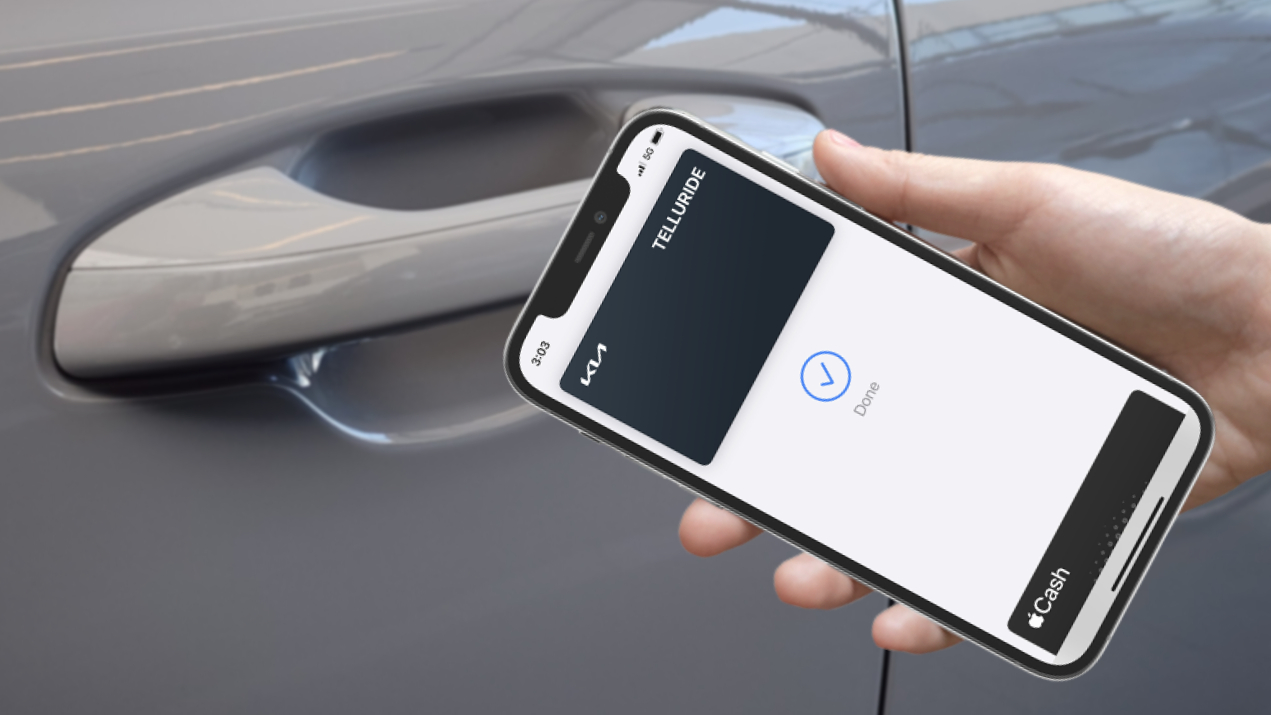
The discovery indicates Apple has begun preparing car key support for SAIC Motor's MG brand. With an Apple Car Key, drivers can use their iPhone or Apple Watch to lock, unlock, and start a compatible vehicle instead of relying on a traditional key fob, with support for Express Mode that works without authentication.

MG began as a British sports car marque in 1924 before China's SAIC Motor acquired the brand in 2007, and it has since become one of the fastest-growing car brands in Europe. The company recently delivered its one millionth car to a European customer, with roughly 386,000 of those sales coming from the UK alone, where MG now holds more than four percent of the market and ranks among the country's 10 largest car makers by volume. That growth has been driven in large part by MG's electric lineup, including the MG4 and MG Cyberster.

As with other backend references to expanded Apple Car Key support, the code does not indicate which MG models will be compatible or provide a timeframe for rollout, and MG has not yet announced support for the feature. Its addition to Apple's backend code does suggest, however, that its release could soon be on the way.
This article, "MG Could Be Next Automaker to Get Apple Car Key Support" first appeared on MacRumors.com

Discuss this article in our forums

  •  

Apple Paid $17 Billion in Taxes to Ireland Last Year

Apple paid $17 billion in taxes to Ireland last year, which is 40% of its $43 billion worldwide total (via the Financial Times). The figures were disclosed for the first time under new EU rules requiring large companies to break down their finances by country.
The payment was significantly boosted by the EU's top court ordering Apple in 2024 to pay โ‚ฌ13 billion in back taxes, after ruling that Ireland had granted the company unlawful state aid resulting in a tax rate of less than 1%.
This article, "Apple Paid $17 Billion in Taxes to Ireland Last Year" first appeared on MacRumors.com

Discuss this article in our forums

  •  

Smartphone Sales Are Falling Worldwide, But Apple Keeps Growing

Apple gained ground in India, Latin America, and Europe even as all three markets contracted, according to a new series of Counterpoint Research reports.


Between late March and the beginning of August, Indian smartphone sales ran 14% behind the equivalent stretch of 2025, and the market slipped for three straight weeks once major promotions in July had finished. Apple outperformed every rival with a 15% rise, which Counterpoint attributes to strong iPhone 17 demand holding up alongside continued affordability offers. Samsung and OPPO each grew just 4% in the country.

The research firm added that promotions are borrowing demand from the weeks either side of them, rather than growing the market. Amid broad price rises, Counterpoint expects the Indian smartphone market to finish 2026 down around 13%.

Latin American smartphone shipments fell 10% in the second quarter, which is the region's steepest annual drop since the third quarter of 2023. Apple and Samsung were the only brands to grow, by 5% and 6% respectively, while Motorola, HONOR, and Xiaomi all receded in the market. Apple's gains apparently came from absorbing component cost increases rather than passing them on to customers, and the company now accounts for roughly 51% of everything sold above $600 in the region.

European shipments dropped 10% to 35 million units, which is the weakest second quarter in three years. Apple added nine percentage points of market share to achieve parity with Samsung, with each now on 34%, and Xiaomi on 15%. No other brands sit above 4%. Counterpoint expects further declines as inventory dries up, but forecasts that Apple will continue outperforming the wider market.

The smartphone market in China was down 8.6% across the first 30 weeks of the year, with the rate of decline widening back into double digits once the popular 618 shopping festival had concluded. Apple's sales have slowed since July, with discounts pulled back across retail channels and much of the summer's demand already spent during promotions. Counterpoint expects that lull to last until the new iPhone lineup arrives. Huawei, meanwhile, led the market throughout in the region, holding more than a fifth of weekly sales since April.

Counterpoint expects constrained memory supply and elevated prices to run through the remainder of 2026, with a recovery unlikely before 2028. Apple is expected to introduce its next iPhone lineup in September, featuring the iPhone 18 Pro, โ€ŒiPhone 18 Proโ€Œ Max, and foldable "iPhone Ultra."
This article, "Smartphone Sales Are Falling Worldwide, But Apple Keeps Growing" first appeared on MacRumors.com

Discuss this article in our forums

  •  

Ceramic Apple Watch Rumored to Return With Series 12

Apple plans to resurrect its ceramic Apple Watch casing with this year's Series 12 model, according to the leaker and prototype collector known as "Kosutami."


In a new post on X, Kosutami said that the casing will return with the Series 12. Apple first introduced a ceramic Apple Watch Edition with the Series 2 in September 2016, replacing the original gold Edition model and bringing the line's price down from thousands of dollars to a comparatively modest $1,249.

The white ceramic finish, made from a compressed zirconia and alumina powder polished with a diamond slurry, was marketed as being four times as hard as stainless steel. Apple expanded the material a year later with a gray ceramic option alongside the Series 3, but the Edition line disappeared entirely for the Series 4 in 2018, with Apple dropping ceramic and offering no high-end case option at all that year.

The white ceramic finish returned for the Series 5 in 2019 alongside an all-new titanium option, before Apple discontinued it for good when the Series 6 launched in 2020. The material has been absent from the Apple Watch lineup for six years since. It has since become one of the more sought after finishes among collectors on the resale market.

Earlier this month, Bloomberg's Mark Gurman reported that the ceramic case option is expected to return either this year or in 2027. Kosutami's latest post suggests that the feature will indeed arrive this year.

The Apple Watch Series 12 is expected to feature a new chip for improved performance, alongside a selection of other small upgrades. The device is expected to be introduced alongside the Apple Watch Ultra 4, iPhone 18 Pro, โ€ŒiPhone 18 Proโ€Œ Max, and first foldable iPhone next month.
Related Roundup: Apple Watch 11

This article, "Ceramic Apple Watch Rumored to Return With Series 12" first appeared on MacRumors.com

Discuss this article in our forums

  •  

Fake Cases Hint at New Clear and TechWoven Colors for iPhone 18 Pro

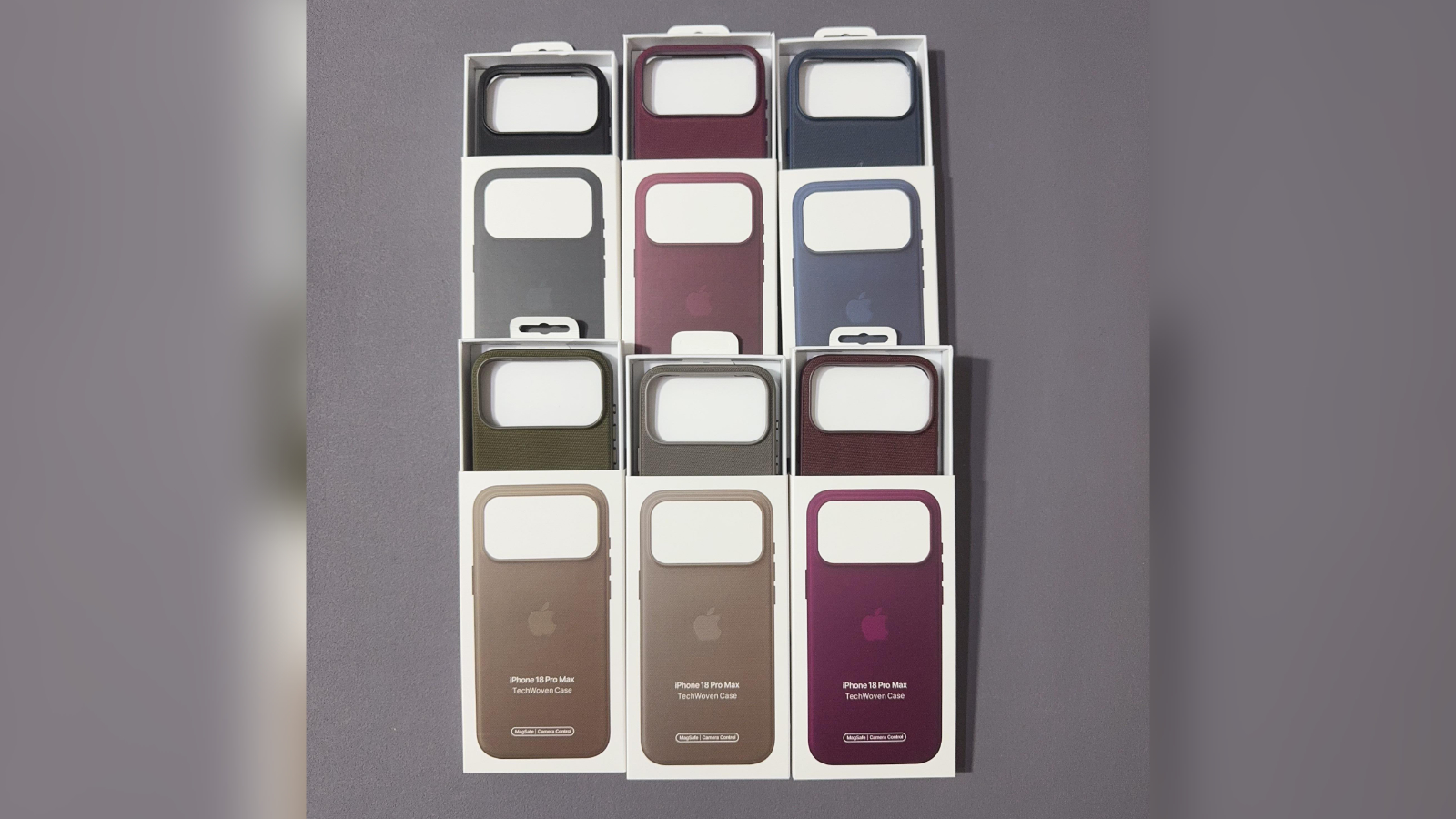
The leaker known as "DuanRui" today shared video and images of cases designed for the iPhone 18 Pro Max, potentially offering an early look at some of the new color options for Apple's official accessories.


The cases themselves are fake, featuring the same model number used for existing iPhone 17 Pro accessories, but they could still be based on the genuine cases Apple is expected to release alongside the โ€ŒiPhone 18 Proโ€Œ and โ€ŒiPhone 18 Proโ€Œ Max next month.

Ahead of every major new iPhone announcement, dupe accessories like these tend to circulate in China well before Apple's official unveiling. Case makers frequently work from leaked dimensions and CAD files to get their molds ready in time for launch day, and while some manufacturers take creative liberties and expand their lineups beyond what Apple ends up shipping, such as continuing to offer leather cases, the fakes can still offer an early indication of some of the genuine accessories to come.

One clip shows an Apple-style clear case tinted light blue. It retains the opaque square in the center of the case that conceals the MagSafe magnets, a design first introduced last year on the iPhone 17 Pro's clear case due to the relocated Apple logo on the device. It was criticized by some for its appearance, particularly with Cosmic Orange and Deep Blue. The light blue tint is notable given that the โ€ŒiPhone 18 Proโ€Œ is rumored to come in a Light Blue finish, which this case would complement.

pic.twitter.com/8DygztVAaM

โ€” DuanRuiๆฎต้” (@duanrui1205) August 20, 2026


The TechWoven cases shown in the images appear in a wider range of colors than what Apple currently offers, featuring black, cherry red, brown, green, blue, and taupe. Apple's existing iPhone 17 Pro TechWoven cases come in just five colors: blue, purple, black, sienna, and green.

pic.twitter.com/oce8Drze6N

โ€” DuanRuiๆฎต้” (@duanrui1205) August 20, 2026


The cherry red option stands out in particular, as it would match the eye-catching "flagship" "Dark Cherry" finish widely rumored for the โ€ŒiPhone 18 Proโ€Œ models.

The โ€ŒiPhone 18 Proโ€Œ and โ€ŒiPhone 18 Proโ€Œ Max are expected to launch alongside the first foldable iPhone, dubbed the "iPhone Ultra," in September.
Related Roundup: iPhone 18 Pro
Tag: DuanRui

This article, "Fake Cases Hint at New Clear and TechWoven Colors for iPhone 18 Pro" first appeared on MacRumors.com

Discuss this article in our forums

  •  

Things 3.23 Brings Long-Requested Overhaul of Repeating To-Dos

Cultured Code today released Things 3.23, featuring a significant update to the app's handling of repeating to-dos, addressing two of the most requested changes from users.


Until now, repeating to-dos in Things lacked some of the flexibility of standard to-dos and today's update closes that gap along with a handful of valuable smaller refinements throughout the app. The latest update's changes include:


  • Complete repeating tasks early: Repeating to-dos now display a regular checkbox, just like any other to-do, allowing them to be completed early, with the next copy scheduled based on the existing rule.

  • Make Exception or Update Rule: Rescheduling a fixed-schedule repeating to-do by moving it to a new date now prompts a choice between "Make Exception," which moves only that instance and leaves the rest of the schedule untouched, and "Update Rule," which changes the recurrence pattern itself going forward, so moving a Monday to-do to a Tuesday makes it repeat every Tuesday from then on.

  • After-completion repeat changes: To-dos that repeat a period of time after completion, rather than on a fixed schedule, simply move to the new date when rescheduled, with no prompt.

  • Create Next Copy: Selecting "Repeat" then "Create Next Copy" allows users get a head start on a to-do or project before its scheduled date, adding notes or completing checklist items in advance.

  • Repeat icon: Generated copies of repeating to-dos now feature a small grey repeat icon to indicate their origin.

  • Redesigned setup dialog: The setup dialog for configuring repeating to-dos now has a visual refresh with easier date selection.

  • Bulk actions: Multiple repeating to-dos can now be paused, resumed, or stopped at once.

  • Unified codebase: The display and editing of to-dos, both within lists and when expanded, is now driven by the same code across the Mac, iPadOS, and iOS.


Things already featured a list that gathers all repeating to-dos and projects along with their upcoming generated copies in one place, accessible by typing "Repeating" into the app's search field.

Things 3.23 is available now as a free update on the App Store for the Mac, iPad, iPhone, and Vision Pro. The update requires macOS 13.3, iOS and iPadOS 16.4, watchOS 9.1, and visionOS 26, or newer.
This article, "Things 3.23 Brings Long-Requested Overhaul of Repeating To-Dos" first appeared on MacRumors.com

Discuss this article in our forums

  •  

Job Listing Suggests Apple Fitness+ Could Get Live Content

Apple is hiring a Studio Producer for its Fitness+ service with a background in live production, in what could be a hint at the future of the service.


The job listing was posted last month, detailing an in-person role at Apple's Santa Monica studio. It calls for someone with a "strong foundation in live or live-to-tape multi-camera production and a genuine curiosity about where live content is headed next." Apple says it wants a "creative collaborator" who is "excited to experiment with new formats" and "push the boundaries of what live fitness content can be."

The role's actual list of responsibilities reads like Fitness+ production management rather than anything specific to live content. While Fitness+ is not a live service, many of the skills applicable to live production would likely be transferable to its needs.

Apple Fitness+ launched in 2020 as a library of trainer-led workout and meditation videos available on the iPhone, iPad, and Apple TV, all shot in advance and streamed on demand, with Apple Watch integration for workout metrics. Apple has never offered Peloton-style live classes, real-time leaderboards, or scheduled sessions through the service, so the listing's repeated emphasis on live production skills appears to mark new territory, even if the responsibilities section stops short of describing what that live content would look like.

The job listing arrives as Apple continues to consider Fitness+'s future. Bloomberg's Mark Gurman reported in November that Fitness+ was "under review" amid a broader reorganization, describing it as one of Apple's "weakest digital offerings" due to high churn and low revenue. Apple health vice president Sumbul Desai took over the service as part of that restructuring, with the health division now reporting directly to services chief Eddy Cue.

Gurman said in February that the review was still ongoing, and guessed that Apple would eventually merge Fitness+ with the Health app directly in some form, "perhaps offering it as a combined subscription." He did not mention any plans for live content.

Thanks, Anthony!
This article, "Job Listing Suggests Apple Fitness+ Could Get Live Content" first appeared on MacRumors.com

Discuss this article in our forums

  •  
โŒ