Lees weergave

Dirk Eddelbuettel: RcppMsgPack 0.2.5 on CRAN: Minor Maintenance

Another maintenance release of RcppMsgPack got onto CRAN today. MessagePack itself is an efficient binary serialization format. It lets you exchange data among multiple languages like JSON. But it is faster and smaller. Small integers are encoded into a single byte, and typical short strings require only one extra byte in addition to the strings themselves. RcppMsgPack brings both the C++ headers of MessagePack as well as clever code (in both R and C++) Travers wrote to access MsgPack-encoded objects directly from R.

This release is once again chiefly maintenance. Besides standard upkeep to the README.md and continuous integration setup we had to add one #include. The clang++-23 compiler, when also running with its own library, now now needs the type_traits.h header file (in the upstream MessagePack code) so we added that. No other changes, so no user-facing changes. Details follow from the NEWS file.

Changes in version 0.2.5 (2026-08-19)

  • Explicitly include header "type_traits.h" to appease clang++-23

  • Standard maintenance updating continuous integration, adding minor helper script, and updating README.md

Courtesy of my CRANberries, there is also a diffstat report for this release. For questions, suggestions, or issues please use the issue tracker at the GitHub repo.

This post by Dirk Eddelbuettel originated on his Thinking inside the box blog. If you like this or other open-source work I do, you can now sponsor me at GitHub.

  •  

New Apple Store Reportedly Opening in Idaho

Apple plans to open a new 10,000-square-foot store at The Village at Meridian, an outdoor shopping complex near Boise, Idaho, according to building permits reviewed by BoiseDev.

Apple is aiming to open the store in time for the iPhone 18 Pro launch this September, a tipster claimed. The company's only other store in Idaho is located at the Boise Towne Square shopping mall.
This article, "New Apple Store Reportedly Opening in Idaho" first appeared on MacRumors.com

Discuss this article in our forums

  •  

College Students Can Get a Free Year of Google AI Pro

Google today said eligible college students in the United States can get a free year of Google AI Pro. Google AI Pro is normally priced at $19.99 per month, and it includes 4x higher usage limits in Gemini, access to Gemini Spark, Gemini in Google apps like Gmail and Google Docs, and 5TB of storage space.


Eligible college students outside the United States can get a free year of Google AI Plus, which includes Gemini Omni, 4x higher usage limits in Gemini, and 400GB storage.

College students can also opt for a Google AI Pro and YouTube Premium bundle for $8.99 per month in the United States, which is a 70 percent discount off the regular price. Students can subscribe to the YouTube Premium bundle for up to four years, and verification through SheerID is required.

Google added a student hub to Gemini with study notebooks, diagnostic quizzes, and study plans. Gemini Notebook is available in AI Mode in Search, and a dedicated notebook can be set up for each project or class. Notebooks from Gemini Notebook or the Gemini app will appear automatically in Search. Notebooks for AI Mode are rolling out to over 180 countries in the coming days.

Google Search can generate custom tools and simulations for complicated concepts, along with practice quizzes for the ACT, AP, ENEM, GRE, JEE, LSAT, MCAT, NEET, and SAT. Generative UIs are available globally in AI Mode and are rolling out to AI Overviews over the coming weeks, while the practice quiz option is available now.

Lens in Search will soon include an interactive learning experience for breaking down tough problems. Students can use the Google app to take a photo of what they're working on to get an AI Overview that can find mistakes and offer explanations.

Students can sign up for a free AI plan on Google's website through December 31, 2026. After the free subscription period, Google will charge $19.99 per month for AI Pro unless the plan is canceled, and $4.99 per month (or the local currency equivalent) for AI Plus.

Students must be 18 years or older with a personal Google Account and must verify student status with a valid school email address when requested.
Tags: Gemini, Google

This article, "College Students Can Get a Free Year of Google AI Pro" first appeared on MacRumors.com

Discuss this article in our forums

  •  

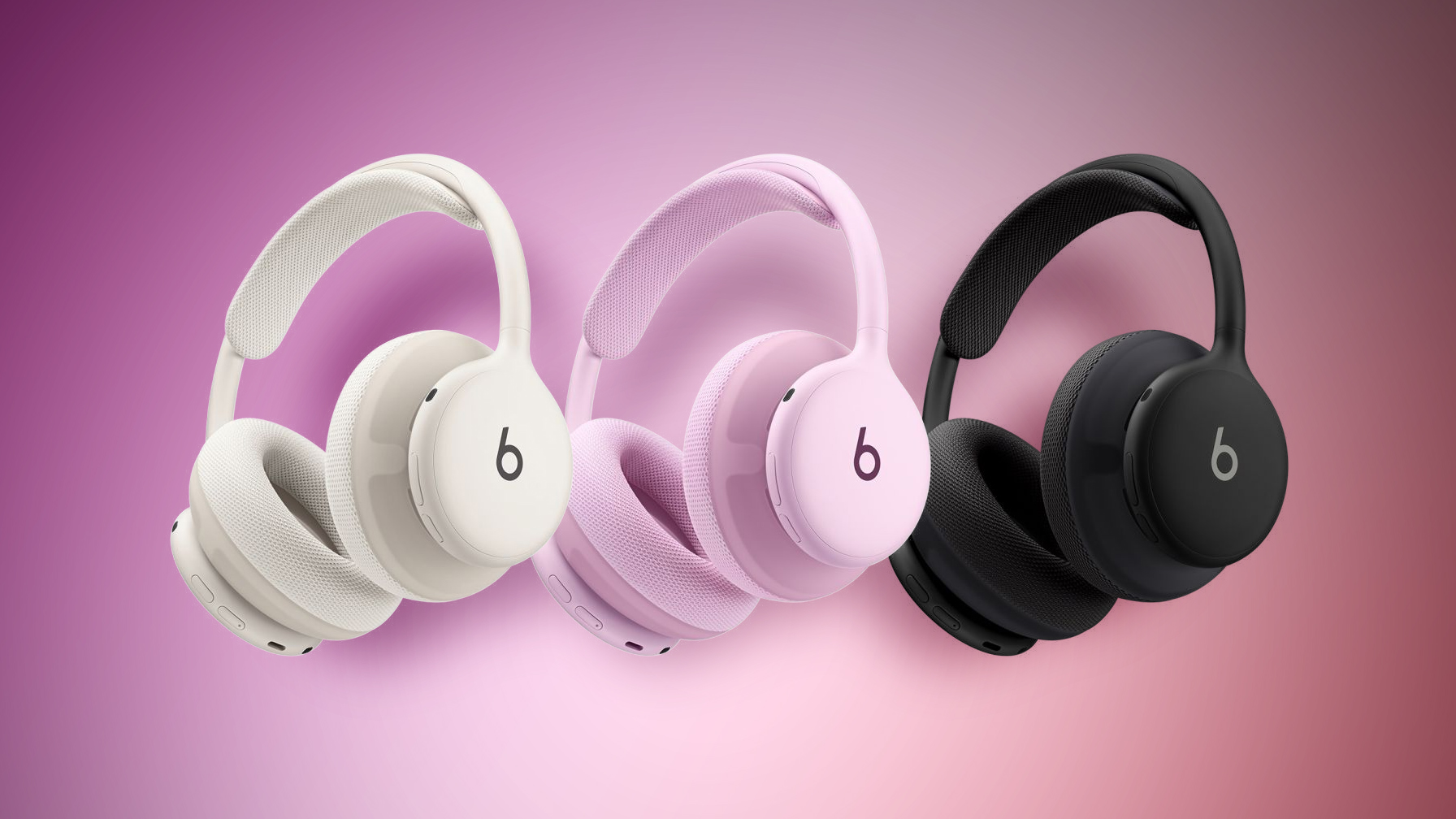
Beats 360 Over-Ear Headphones Leak in Retail Listings

One of the Beats codenames MacRumors found in the macOS Tahoe 26.7 update (B518) appears to be for the Beats 360, a new set of over-ear headphones that we could see launch soon.


Multiple Reddit users found signs of the Beats 360 on UK websites like Amazon, though those listings have now been removed.

The headphones have a look that is distinct from the existing Beats Studio Pro over-ear headphones, featuring a rounder design with AirPods Max-like mesh fabric ear cups and headband. The ear cups and headband will be replaceable with interchangeable cushion options. The headphones will ship with Performance Knit cushions, but an UltraPlush option will also be available. Beats will sell the headphones in Pink, Black, Sky, and Cloud. Volt and Navy may also be color options, but there are only listings for cushions in the shades.

One listing says these are the first-ever sweat-resistant and water-resistant over-ear headphones Beats has come out with, so it sounds like they should be better for wearing during workouts than current Beats over-ear options. From the listing:

  • Beats 360 have interchangeable cushion options for both ear cups and headband, so you can have a fresh set ready after your workout or a new colour just to switch up your look. These over-ear noise-cancelling headphones are built for active lifestyles and all-day comfort.

  • Active Noise Cancelling (ANC) blocks out unwanted noise to help you focus, after adapting to your environment and unique fit - with up to 1.75x more noise cancellation than Beats Studio Pro.

  • The bespoke, high-fidelity acoustic platform delivers powerful bass and pinpoint precision across the tonal range with ultra-low distortion for the ultimate listening experience. Personalised spatial audio with dynamic head tracking delivers immersive surround sound.

  • Ear cushions are built from acoustically engineered memory foam and shaped to fit comfortably over your ears, forming an optimal seal for incredible sound.

  • Exceptional call quality powered by an advanced Al-trained algorithm and beam-forming mic system that filters out background noise.

  • Our first-ever sweat- and water-resistant over-ear headphones, with an IPX4 rating to ensure they're built to go everywhere you do.

  • All-day battery life for extended playback even with ANC on.

  • Compatible with both Apple and Android for one-touch pairing and more. Easy-to-use controls are positioned on the back of each ear cup, including a volume rocker, a multifunction button to control music and calls, a power button and a listening mode button.

  • Fold-flat design for extra comfort and convenience. Woven ripstop fabric case included.

  • What's in the box: Beats 360 true wireless over-ear headphones with interchangeable performance knit cushions, woven ripstop fabric carrying case, warranty card and Quick Start Guide. Additional Beats 360 cushion kits, USB-C charging cable and power adapter sold separately.


Pricing is expected to start at $299 in the United States. There's no word on when the new Beats headphones will launch, but with listings popping up, they could come anytime.

We previously saw signs of the new headphones in May, when the U.S. Federal Communications Commission published documents featuring the rounded design that's showing up on product pages, and in July when Beats gave them to World Cup players as a teaser.
Tag: Beats

This article, "Beats 360 Over-Ear Headphones Leak in Retail Listings" first appeared on MacRumors.com

Discuss this article in our forums

  •  

Anker and Jackery Kick Off Power Station Sales With Up to $1,500 Off

Anker and Jackery have introduced big discounts across their most popular portable power stations this week, including up to $1,500 off select models from each company. We're tracking Anker's best deals over at Amazon, while Jackery's discounts can be found on the retailer's own website.

Anker SOLIX


Note: MacRumors is an affiliate partner with Jackery and Anker. When you click a link and make a purchase, we may receive a small payment, which helps us keep the site running.

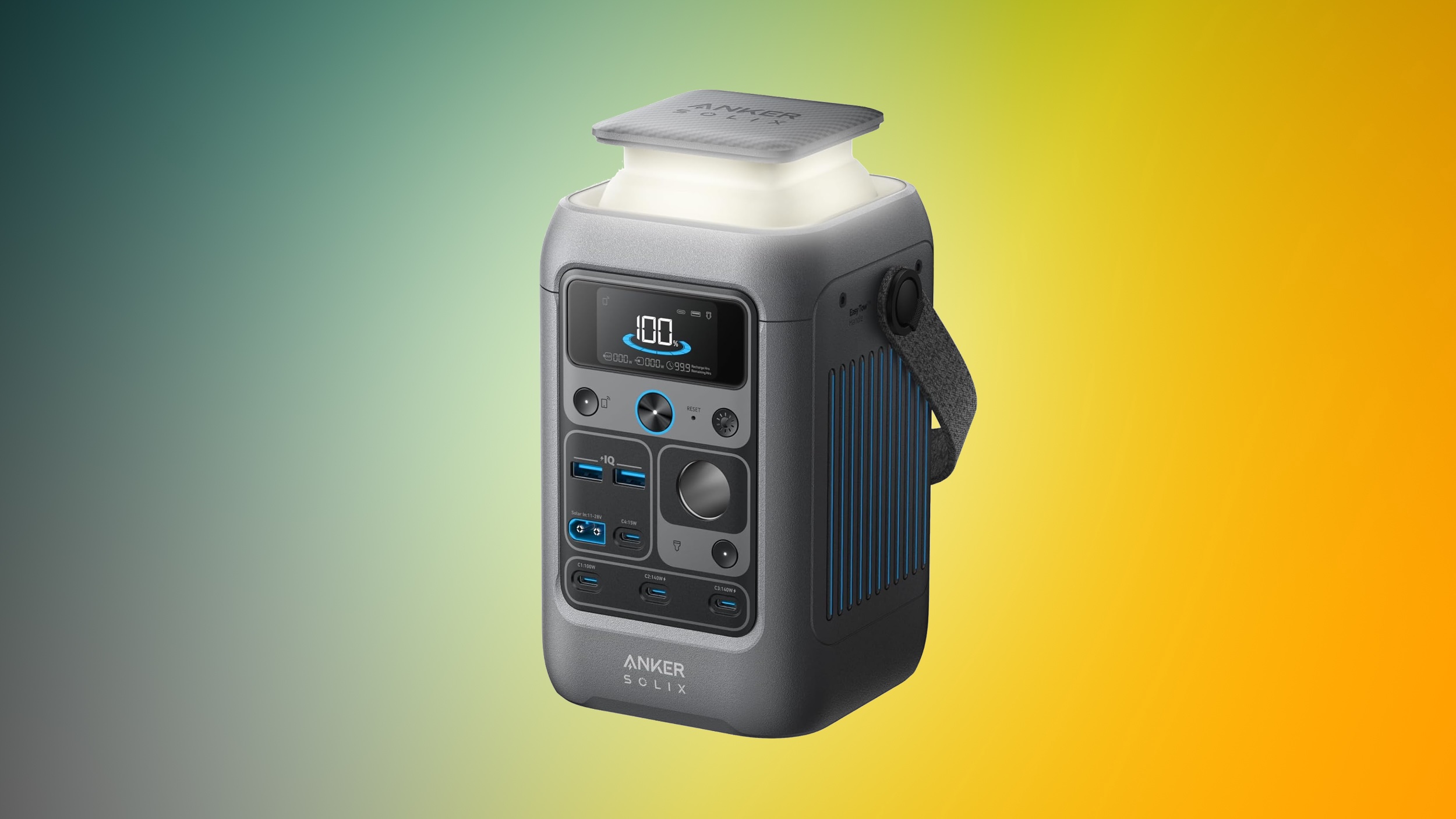
The majority of Anker's portable power station deals are from the SOLIX brand on Amazon, and all of these deals have been automatically applied on each page. There are plenty of notable discounts, including the popular Anker SOLIX C300 Portable Power Station with Lantern for $199.99, down from $249.99.


Jackery


Over on Jackery's website, you'll find up to $1,500 off a wide array of portable power stations, solar generators, add-on batteries, and more. This sale is aimed at anyone preparing for storm season power outages and is set to last for another few days, ending the night of August 26.


If you're on the hunt for more discounts, be sure to visit our Apple Deals roundup where we recap the best Apple-related bargains of the past week.


Deals Newsletter


Interested in hearing more about the best deals you can find in 2026? Sign up for our Deals Newsletter and we'll keep you updated so you don't miss the biggest deals of the season!


Related Roundup: Apple Deals

This article, "Anker and Jackery Kick Off Power Station Sales With Up to $1,500 Off" first appeared on MacRumors.com

Discuss this article in our forums

  •  

Antoine Beaupré: The people vs the AI overlords

Also in this series:

In a post to oss-security, my (Debian) co-developer Russ Allbery stated that "open source software [OSS] is coming face to face with a motivation crisis that has been building for a long time". His point is essentially that large language models (LLMs1) are making the existing OSS community crisis worse. For him, it's the flood of code reviews, but he argues that varies according to people's desires, for others it's security issues and so on.

I think Russ is right, but I would argue there's something much bigger than our open communities going on here, and it's about the entire field of computing. This pressure is on all of us, regardless of whether we work on open source software or not.

How people use models

People using LLMs in their workflow have radically changed how programming works, even for people who claim to avoid vibe-coding. And I'm sorry to single out one poor maintainer here: it's not you, Brian, you're just one example among many. But this is typical use of those models nowadays:

Once it’s done, I’ll use /code-review and let Claude spawn sub-agents to do a full review of the new code. This usually finds some problems, even problems that the “main” Claude instance didn’t find during its validation. I usually keep running /code-review again and again after finding and fixing issues, until there aren’t any left.

Think about what that means for a minute. This is automation built to fire up dozens of agents crunching at a problem for minutes if not hours of GPU compute time, in parallel. This is essentially a couple of shelves in a datacenter rack, totally maxed out on power and cooling, abstracted behind a cute little /code-review command.

The author, here, is rightly concerned that "Anthropic could pull the rug out and require API pricing", which is perhaps a code word for "charging something closer to actual costs". Brian also pays lip service to environmental and societal costs but those are largely abstracted away, so let's keep that conversation aside here as well, as we have discussed it before anyways.

But clearly, this way of working has an (externalized) cost, to say the least.

Paying for non-free tools

For decades my work has been focused on free and open source software. I've long stopped using proprietary operating systems like Windows or Mac, and even before that switch, I was mostly using free software on those platforms, partly out of principle, but also because I was too poor. So the tools of my trade are free, and I build free tools with them.

It feels like we're going backwards: when I was in school, a millennia ago, my classmates didn't have access to a compiler and were wondering how they would scrape the money to buy a compiler like Borland's or Microsoft's. I had a compiler built into my operating system (FreeBSD at the time), so that wasn't a problem for me. For them, it was a significant expense, but at least those expenses (or more shady sourcing of programs) were a one-shot deal.

Fast forward 30 years, and software is rented: you pay monthly for Adobe's Photoshop and Microsoft's office suite just like you pay for Netflix, Disney+ or Spotify2. And now you need to add dozens (if not hundreds of dollars) of monthly credits to access LLMs on top of that.

So, now we have to pay to get anything done? This is peak enshitification of our job: first they steal our work to train their models, and then they sell it back to us at a profit.

Attacking the engineers

AI is coming for our jobs, as engineers, if not everyone, according to the narrative. For a while now, our job market has deteriorated: less jobs, for less pay. Lots of skilled engineers looking for work and finding crap jobs then still looking while working.

This is not by accident.3 We engineers have a lot of power, it is not organized, but that's just a couple of unions away (easy!). Tech overlords know this, so they are attacking our profession, directly, by forcing us to train and use models that they can control.

Even in environments where programmers are not forced to use LLMs, the mere pressure of other people's LLM-generated work is huge. One can be forced to review LLM outputs, or just peer pressured you into producing more.

We're now supposed to accelerate delivery, because models can presumably do things so much better and faster. With supply chain security becoming such a large vector that we now have worms crawling around developers accounts on NPM, increasing the delivery cadence seems like a really bad idea.4

The LLM hype is part of the larger wave of cyberwar against workers, against water, against the Earth, against all the people. This is not a matter of individually "adapting to the reality" or personal choice, but a political, social, hard problem we need to address collectively.


  1. I again prefer the term LLM to "AI" because models do not possess intelligence. I did use it in the title because click baiting is apparently important, but I stopped short of calling this one "Rage Against the Machines" because that would be the title of every blog post I have ever made.
  2. Yes, I know that Visual Studio is kind of free now, but I wouldn't be surprised if they turn that into a rental as well, because why not.
  3. Beyond sabotaging the job market, Sam Altman event wants to sell "intelligence as a utility" something that is just a really bad idea but especially shows how megalomaniac those people are.
  4. This brings back memories of another era, walking us back decades in terms of computer security.
  •  

Apple Accidentally Leaked More Than 10 New Products in macOS Update

Apple on Monday seeded the macOS 26.7 Release Candidate, and the upcoming software update has seemingly leaked more than 10 new Apple products.


macOS 26.7's code contains references to AirPods with infrared cameras for Visual Intelligence, the long-rumored foldable iPhone, an all-new Apple smart home hub, the first-ever MacBook and iPad mini models with OLED displays, an updated Siri Remote for a next-generation Apple TV, and more, according to MacRumors contributor Aaron Perris.

All of the findings so far:Watch our video recap:


Apple's annual iPhone event takes place in September, so at least some of the new products will likely be unveiled next month.
This article, "Apple Accidentally Leaked More Than 10 New Products in macOS Update" first appeared on MacRumors.com

Discuss this article in our forums

  •  

Next Apple TV Rumored to Have Five New Features, Including Siri AI

According to rumors, the next-generation Apple TV 4K will have at least five new features, including an A17 Pro chip or newer, increased RAM, Siri AI support, an Apple-designed N1 chip with Wi-Fi 7 support, and an updated Siri Remote.


Below, we recap everything rumored for the next Apple TV, along with potential launch timing.

Rumored Features


A17 Pro Chip or Newer


The next Apple TV will be equipped with the A17 Pro chip, according to MacRumors contributor Aaron Perris, who digs through Apple's code to uncover references to future devices. However, given the lengthy four-year wait for a new Apple TV, it is possible the device will instead receive an even newer A18 Pro or A19 Pro chip.

The current Apple TV uses the A15 Bionic chip that debuted in the iPhone 13 series in 2021.

With an A17 Pro chip or newer, the next Apple TV would have faster performance, hardware-accelerated ray tracing for improved graphics rendering in games, increased RAM, and likely support for some Apple Intelligence and Siri AI features.

Increased RAM


As mentioned above, the next Apple TV should have increased RAM. With an A17 Pro chip or newer, the device should be equipped with at least 8GB of RAM, up from 4GB in the current model. The extra memory would allow the Apple TV to support some Apple Intelligence features, and this will reportedly include Siri AI.

Siri AI


According to 9to5Mac, tvOS 27 will likely add Siri AI to the Apple TV 4K:
When running Device Hub via Xcode in macOS 27, the Apps list for tvOS 27 has a new addition: Siri.

The Siri entry features a 'com.apple.campo' string. Prior reporting indicates 'campos' is Apple's internal codename for Siri AI.

Comparing app lists for tvOS 26 and tvOS 27 simulator modes confirms that 'Siri' is not present in tvOS 26's list. It's new with tvOS 27.

This addition, combined with the 'campo' reference, strongly suggests that Siri AI will debut in tvOS 27 this fall. It might even come with a dedicated Siri app on Apple TV—though that's not guaranteed, as the 'Apps' list includes system functions beyond just user-facing apps.
Siri AI will likely be limited to the new Apple TV with sufficient RAM and processing power.

N1 Chip With Wi-Fi 7


In 2024, Bloomberg's Mark Gurman said the next Apple TV would be equipped with Apple's own combined Wi-Fi and Bluetooth chip, which is presumably the since-announced N1 chip that debuted in the iPhone 17 series and iPhone Air. That chip supports Wi-Fi 7, which would be an upgrade over the current Apple TV's Wi-Fi 6 support.

Wi-Fi 7 has increased bandwidth, in part because it allows for data transmission over the 2.4GHz, 5GHz, and 6GHz bands simultaneously with a supported device and router. Wi-Fi 7 is theoretically up to 4× faster than Wi-Fi 6, but real-world speeds are typically bottlenecked by internet service providers and other factors.

In the latest iPhones, the N1 chip also supports Bluetooth 6, which would offer lower latency and other benefits compared to the current Apple TV's Bluetooth 5.

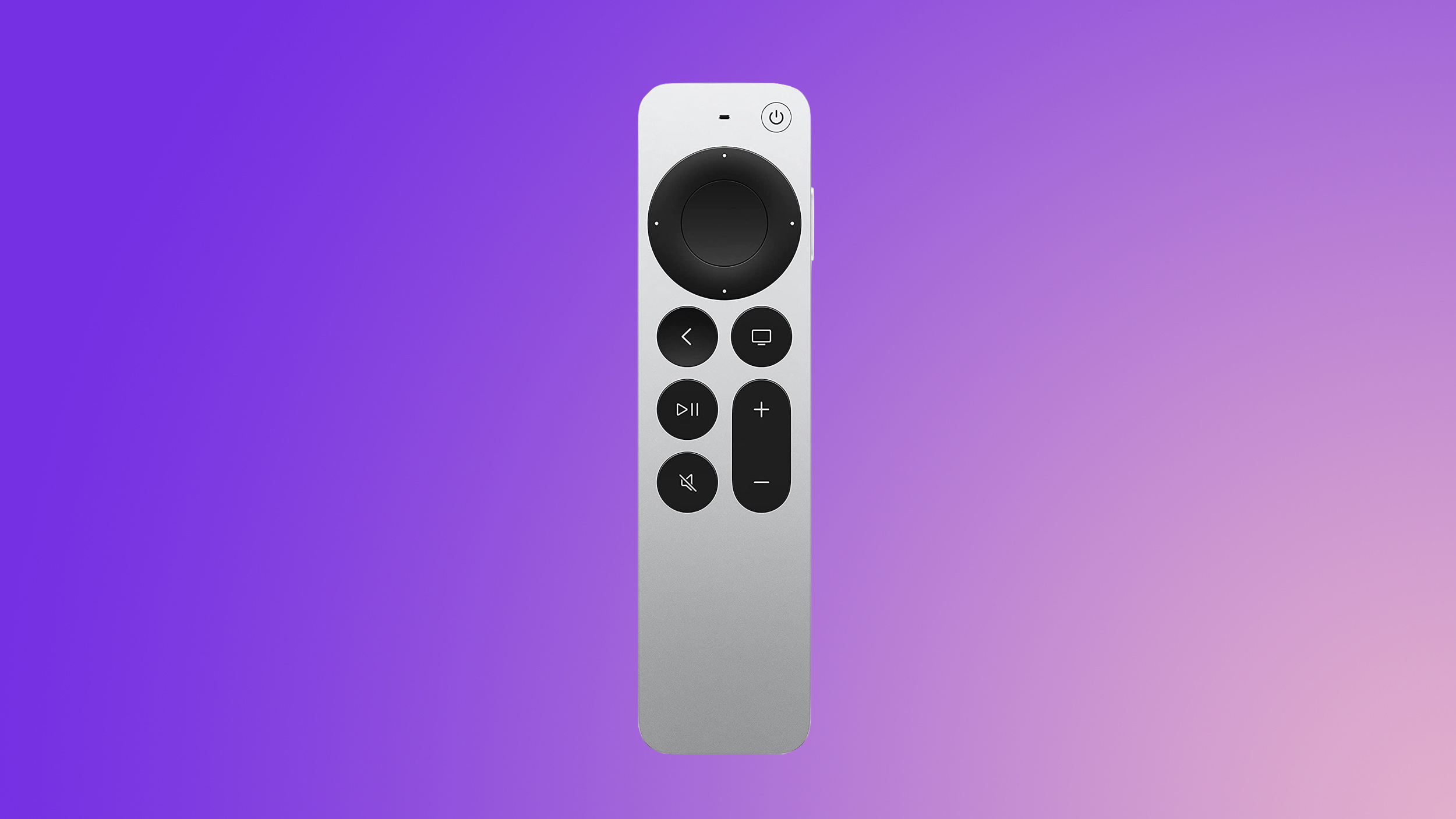
Updated Siri Remote


The new Apple TV will likely ship with an upgraded Siri Remote, according to both Bloomberg's Mark Gurman and macOS 26.7 code findings. However, the code did not reveal any specific changes that may be planned for the remote.

Design


The next Apple TV will reportedly have a similar design as the current model.

In 2024, it was reported that Apple had "discussed" offering an Apple TV with a built-in camera for FaceTime and gesture-based controls, but there is no indication that Apple is moving forward with that plan for the next model in particular.

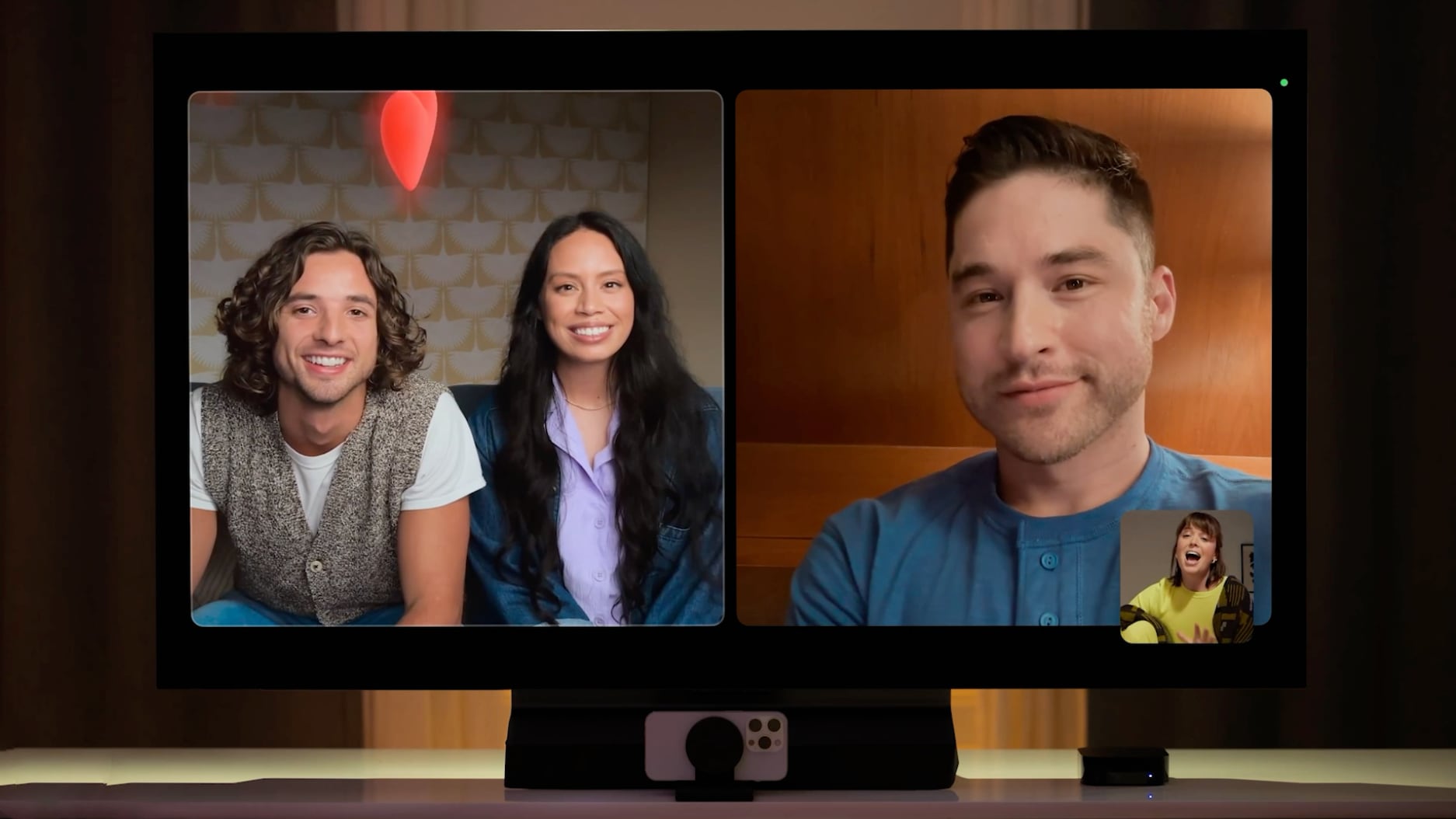
tvOS 17 added a FaceTime app to the Apple TV, allowing for video calls with the rear camera on a connected iPhone or iPad. If the Apple TV gained a built-in camera, users would no longer need to rely on an external device for video calls on the TV.


tvOS 26 enhanced FaceTime in ways that would be fitting for an Apple TV with a camera:
With tvOS 26, users can enjoy a more personalized FaceTime experience that's consistent with iOS. Contact Posters on Apple TV make it easier and more personal by displaying a contact's customized photo and name when starting a FaceTime call on Apple TV. Live Captions expand to include French, German, Japanese, Korean, Mandarin, and Spanish, enabling Apple TV to use on-device intelligence to display Live Captions for FaceTime conversations, so users can follow what's being said in even more languages. Additionally, FaceTime audio and phone call notifications will appear onscreen for the active profile, allowing users to answer on connected HomePod speakers or their iPhone, and ensuring that communication with loved ones remains at the forefront.
In the meantime, a Continuity Camera feature allows you to use an iPhone or iPad camera with the Apple TV 4K (3rd generation).

Launch Timing and Pricing


The new Apple TV will likely be unveiled in September or October this year, at either the annual iPhone event or a follow-up event. Apple reportedly plans to unveil a trio of new smart home products this year, including the new Apple TV, an all-new smart home hub with tabletop and wall-mounted versions, and an updated HomePod mini.

Here is when the previous four Apple TV models were announced:
  • Apple TV 4K (3rd generation): October 2022

  • Apple TV 4K (2nd generation): April 2021

  • Apple TV 4K (1st generation): September 2017

  • Apple TV HD: September 2015
In June, Apple raised prices on 14 products, including the Apple TV 4K. In the U.S., the Wi-Fi model with 64GB of storage now starts at $199 (up from $129), while the Wi-Fi + Ethernet model with 128GB of storage now starts at $249 (up from $149). It is unclear if the next Apple TV will maintain those prices or be even more expensive.
Related Roundup: Apple TV
Tag: Siri
Buyer's Guide: Apple TV (Don't Buy)

This article, "Next Apple TV Rumored to Have Five New Features, Including Siri AI" first appeared on MacRumors.com

Discuss this article in our forums

  •  

Things 3.23 Brings Long-Requested Overhaul of Repeating To-Dos

Cultured Code today released Things 3.23, featuring a significant update to the app's handling of repeating to-dos, addressing two of the most requested changes from users.


Until now, repeating to-dos in Things lacked some of the flexibility of standard to-dos and today's update closes that gap along with a handful of valuable smaller refinements throughout the app. The latest update's changes include:


  • Complete repeating tasks early: Repeating to-dos now display a regular checkbox, just like any other to-do, allowing them to be completed early, with the next copy scheduled based on the existing rule.

  • Make Exception or Update Rule: Rescheduling a fixed-schedule repeating to-do by moving it to a new date now prompts a choice between "Make Exception," which moves only that instance and leaves the rest of the schedule untouched, and "Update Rule," which changes the recurrence pattern itself going forward, so moving a Monday to-do to a Tuesday makes it repeat every Tuesday from then on.

  • After-completion repeat changes: To-dos that repeat a period of time after completion, rather than on a fixed schedule, simply move to the new date when rescheduled, with no prompt.

  • Create Next Copy: Selecting "Repeat" then "Create Next Copy" allows users get a head start on a to-do or project before its scheduled date, adding notes or completing checklist items in advance.

  • Repeat icon: Generated copies of repeating to-dos now feature a small grey repeat icon to indicate their origin.

  • Redesigned setup dialog: The setup dialog for configuring repeating to-dos now has a visual refresh with easier date selection.

  • Bulk actions: Multiple repeating to-dos can now be paused, resumed, or stopped at once.

  • Unified codebase: The display and editing of to-dos, both within lists and when expanded, is now driven by the same code across the Mac, iPadOS, and iOS.


Things already featured a list that gathers all repeating to-dos and projects along with their upcoming generated copies in one place, accessible by typing "Repeating" into the app's search field.

Things 3.23 is available now as a free update on the App Store for the Mac, iPad, iPhone, and Vision Pro. The update requires macOS 13.3, iOS and iPadOS 16.4, watchOS 9.1, and visionOS 26, or newer.
This article, "Things 3.23 Brings Long-Requested Overhaul of Repeating To-Dos" first appeared on MacRumors.com

Discuss this article in our forums

  •  

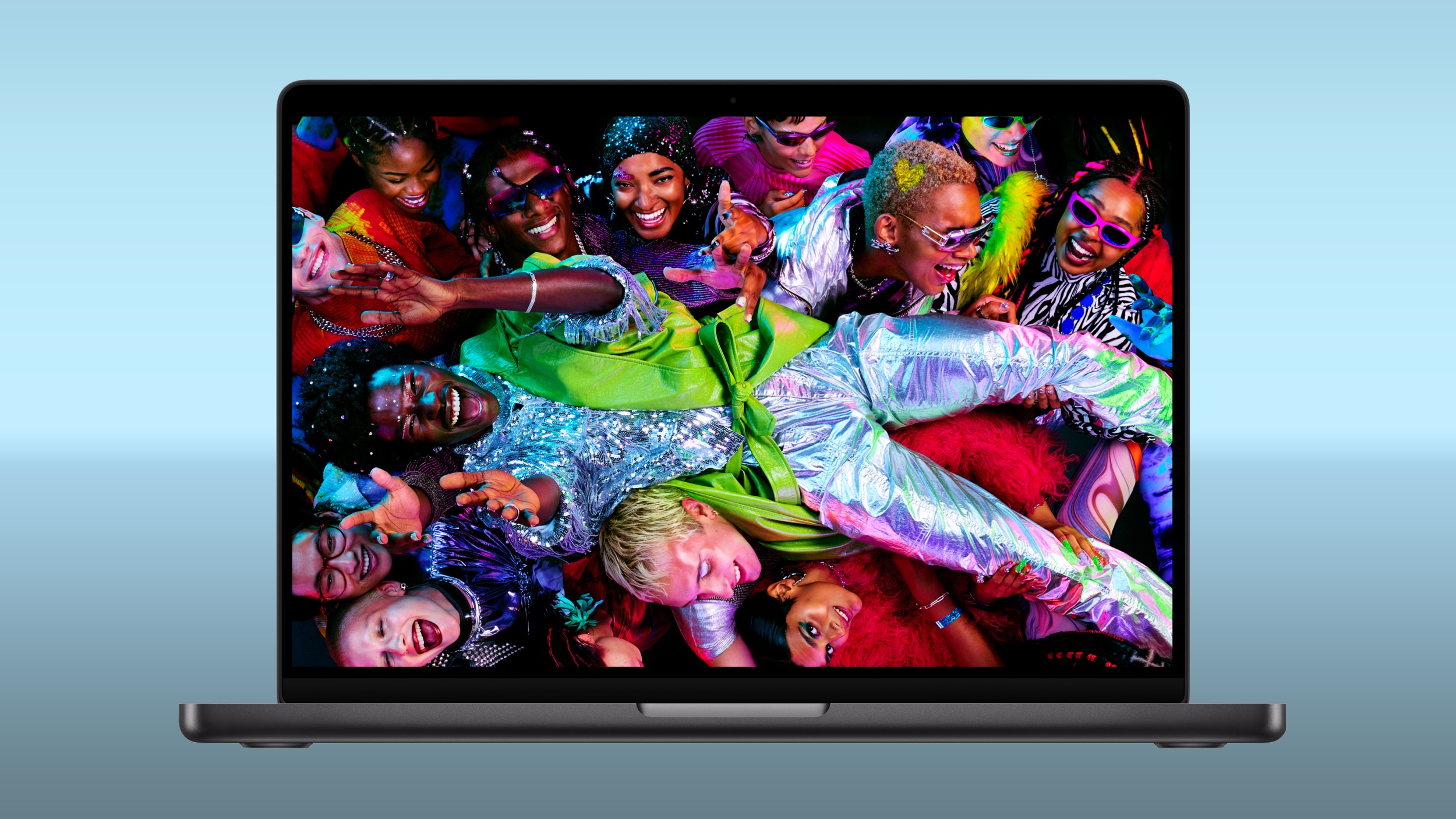
Amazon and Best Buy Offer Up to $500 Discounts on 2026 MacBook Pro

Amazon and Best Buy today have big discounts on the M5 Pro and M5 Max MacBook Pro, with up to $500 off select models. A handful of models have better discounts when compared to the last time we tracked these deals, coming in as much as $100 off previous price points.

Note: MacRumors is an affiliate partner with Amazon. When you click a link and make a purchase, we may receive a small payment, which helps us keep the site running.

We're focusing on Amazon in the links below, but you can find every deal matched at Best Buy this week during its big 60th Anniversary Sale. This event includes savings on everything from Apple products to TVs, audio accessories, video games, appliances, and more.

14-Inch MacBook Pro


Prices start at $2,299.00 for the 24GB/1TB 14-inch M5 Pro MacBook Pro, down from $2,499.00. Amazon is also providing $400 off the 15-Core/24GB/2TB model, as well as $400 off the 18-Core/24GB/2TB model, both of which are the best prices we've seen in the wake of the recent price hikes.


16-Inch MacBook Pro


In terms of the larger display models, we're tracking discounts on all four models on Amazon. These start at $2,759.99 for the 24GB/1TB M5 Pro configuration ($239 off), and reach up to $4,499.00 for the 48GB/2TB M5 Max device ($500 off).


If you're on the hunt for more discounts, be sure to visit our Apple Deals roundup where we recap the best Apple-related bargains of the past week.


Deals Newsletter


Interested in hearing more about the best deals you can find in 2026? Sign up for our Deals Newsletter and we'll keep you updated so you don't miss the biggest deals of the season!


Related Roundup: Apple Deals

This article, "Amazon and Best Buy Offer Up to $500 Discounts on 2026 MacBook Pro" first appeared on MacRumors.com

Discuss this article in our forums

  •  

iPad Mini 8: Release Date, Pricing, and What to Expect

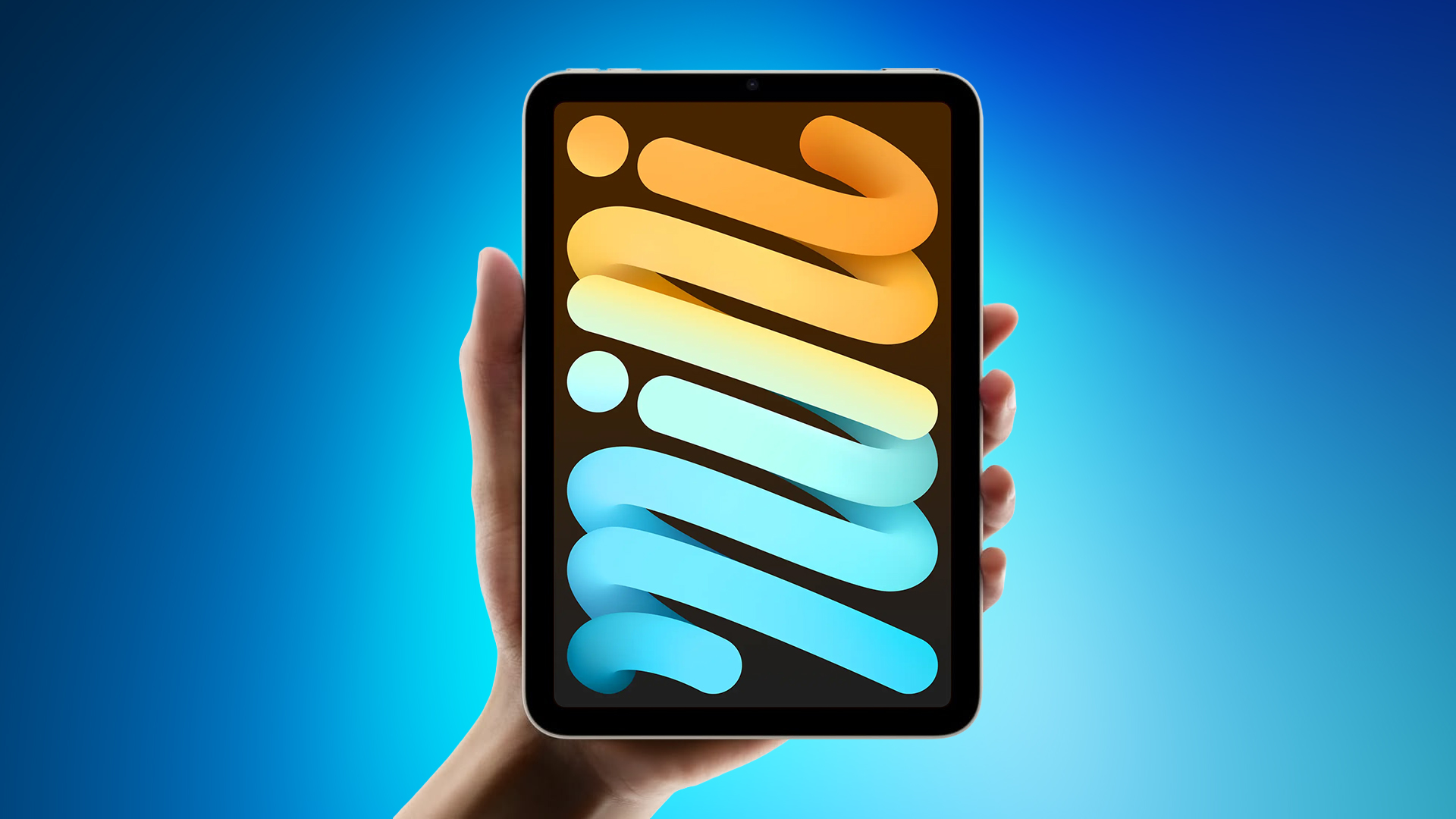
According to the latest rumors, Apple is close to launching its next-generation iPad mini. So what should we expect from the successor to the iPad mini 7 that Apple released over 21 months ago. Read on to find out.

Processor and Performance


Apple is working on a next-generation version of the iPad mini (codename J510/J511) that features the A19 Pro chip, according to information found in code that Apple mistakenly shared in August.

Apple's A19 Pro chip since debuted in the iPhone Air and iPhone 17 Pro models. The iPhone 17 Pro models include the higher-end version of Apple's A19 Pro chip with a 6-core CPU and a 6-core GPU, while the iPhone Air uses a mid-tier A19 Pro chip with one fewer GPU core than the A19 Pro chip used in the iPhone 17 Pro and Pro Max.

If the code leak is accurate for the iPad mini 8, Apple is likely to use the mid-tier A19 Pro chip found in the iPhone Air. This is based on the fact that the A17 Pro chip used in the iPad mini 7 has a 6-core CPU with two high-performance cores and four efficiency cores, along with a 5-core GPU, compared to the 6-core GPU found on the A17 Pro used in the iPhone 15 Pro.

Apple built the A19 Pro chip on an upgraded third-generation 3-nanometer N3P process for modest speed and efficiency improvements. The chip includes a 16-core Neural Engine, next-generation dynamic caching, and unified image compression.

The GPU in the A19 Pro has an upgraded architecture with a larger cache, more memory, and Neural Accelerators that are built into each core. Apple says that this change provides 3× the peak GPU compute over the prior-generation chip. There's also an upgraded 16-core Neural Engine for AI tasks.

There is an outside chance that Apple opts for the A20 Pro chip for the new iPad mini. The claim has been made by a MacRumors tipster who analyzed a macOS kernel debug kit containing internal Apple codenames. However, the iPad mini has not always received Apple's newest A-series chip at the time it was updated, so the A19 Pro cannot be ruled out at this time. iPhone 18 Pro models are also expected to use the A20 Pro chip, which will reportedly be fabricated with TSMC's advanced 2nm process.

Display
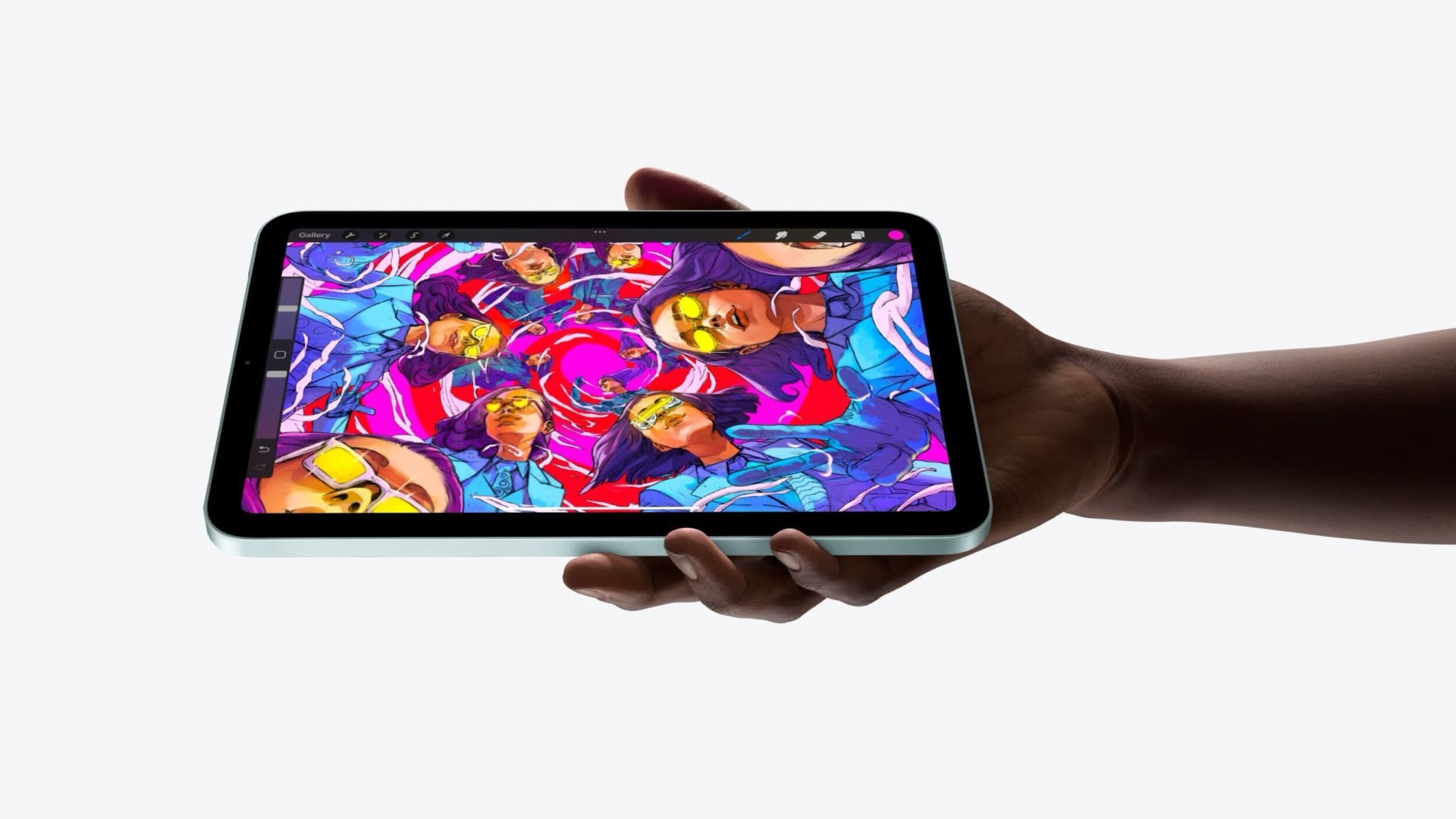


Apple's plan to transition the ‌‌iPad mini‌‌ from an LCD to an OLED display is widely rumored. According to Bloomberg's Mark Gurman, the small form-factor tablet is likely to be the next Apple device to adopt OLED. According to a Chinese leaker with sources in Apple's supply chain, Apple has evaluated a Samsung-made OLED display for its next iPad mini model.

It remains unclear whether the iPad mini 8 will feature a higher refresh rate than the 60Hz LCD display used in the existing iPad mini 7, but since the new base iPhone 17 now uses a 120Hz ProMotion panel, it would be reasonable to expect the same on the first OLED iPad mini. A separate report has suggested the ‌‌‌iPad mini 8‌‌‌'s screen could increase in size from 8.3 inches to 8.7 inches with the adoption of OLED.

OLED panels can individually control each pixel, resulting in more precise color reproduction and deeper blacks compared to other common display technologies. They also provide superior contrast, faster response times, better viewing angles, and greater design flexibility. All of Apple's flagship iPhones use OLED panels, and in May 2024 the company brought the display technology to the iPad Pro for the first time.

Unlike Apple's ‌iPad Pro‌ models, which feature two-stack low-temperature polycrystalline oxide (LTPO) OLED panels‌, the ‌iPad mini‌ may have a single-stack low-temperature polycrystalline silicon (LTPS) panel, which would make it dimmer.

Chassis Design
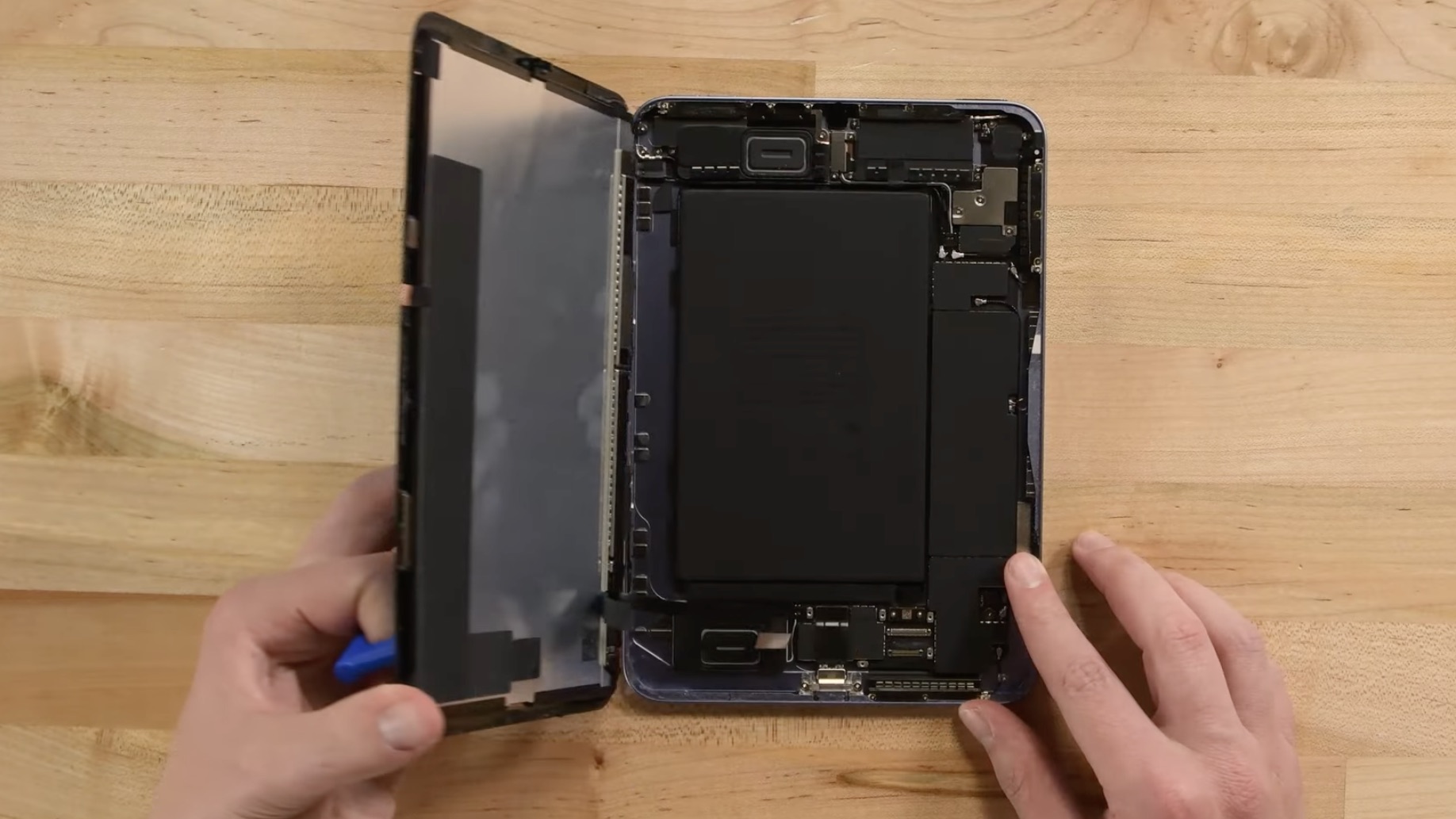


Apple is reportedly working to give the iPad mini 8 a more water-resistant design, according to Bloomberg's Mark Gurman. The updated casing would bring protection levels closer to those of the iPhone, making the tablet safer for use in damp environments.

To achieve this, Apple is said to have designed a new vibration-based speaker system that eliminates the need for traditional speaker holes. By using sound-emitting surfaces instead of open grilles, the company can reduce potential entry points for water and dust, resulting in a more sealed, durable enclosure.

On the iPhone, Apple relies on adhesives and gaskets to shield speakers and other openings from moisture. The iPad mini's approach appears to go further, doing away with the holes altogether. Current iPad mini models lack any official IP rating, but the upcoming version could mark the first in the lineup to feature a certified level of water protection.

Apple patents could offer further clues to the new design direction. For example, a 2014 patent outlines a "mechanically actuated panel acoustic system" that vibrates flat surfaces to generate sound, effectively turning parts of a device's chassis into a speaker diaphragm. This could potentially allow Apple to produce audio without visible speaker holes. The patent suggest Apple has been building towards a sealed, vibration-based acoustic system for several years.

Release Date
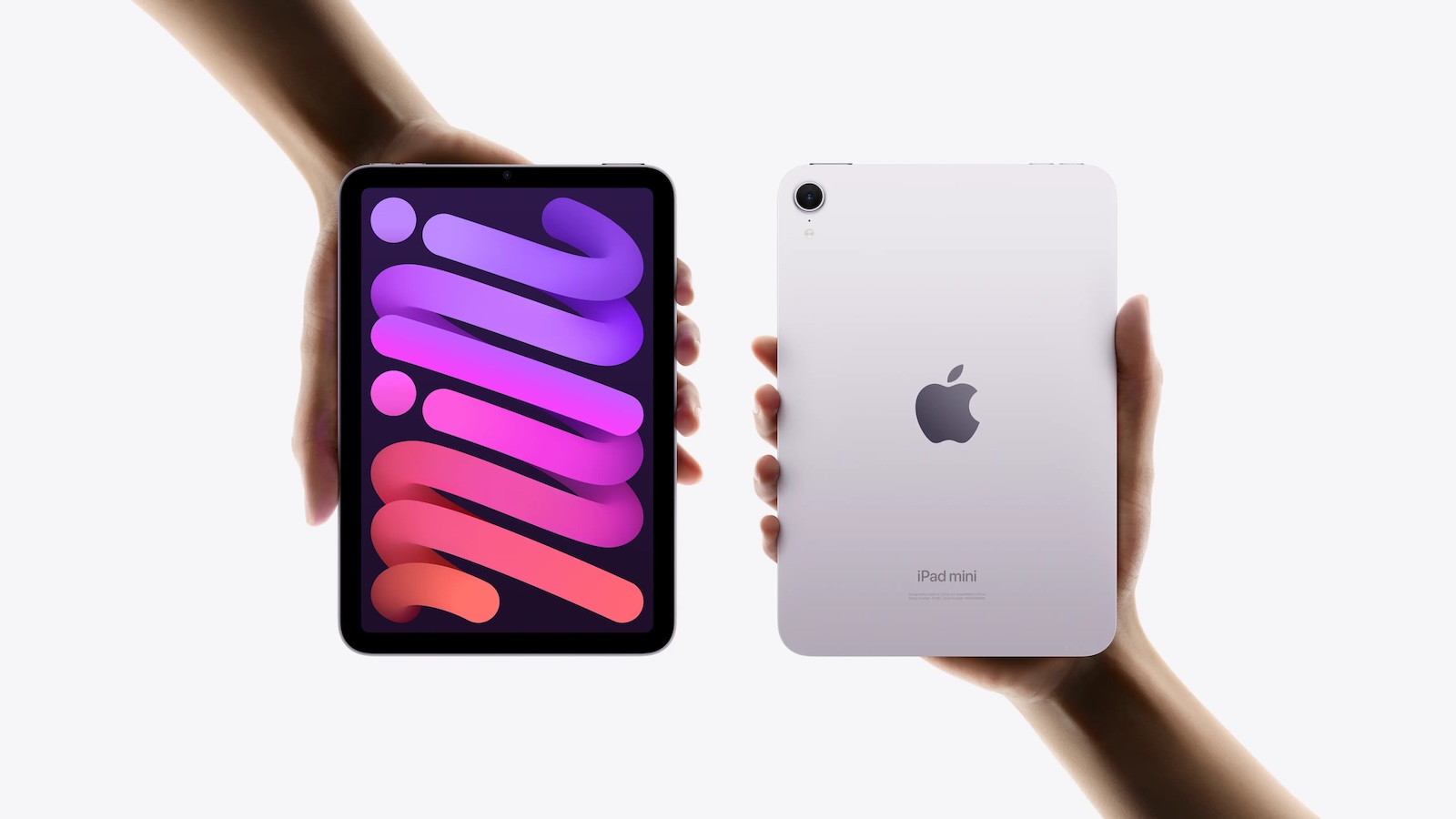


Korea's ET News and ZDNET Korea have both suggested that the iPad mini will be updated with an OLED display in 2026. Bloomberg has also said the update could come as soon as this year.

In May 2024, it was reported that Samsung Display had started developing sample OLED panels for a future ‌iPad mini‌, with plans to initiate mass production at its facility in Cheonan in the second half of 2025. The same report claimed that Apple will bring an OLED panel to the iPad Air alongside the ‌iPad mini‌ in 2026, though Apple only refreshed the iPad Air in March, and more recent reporting suggests an OLED iPad Air will arrive in early 2027.

A report in late June from Korean outlet ETNews claimed that mass production of the iPad mini 8 is already underway at a Samsung factory.

The latest reporting on the subject came last month from Bloomberg's Mark Gurman, who said Apple is planning to release a new iPad mini model with an OLED display by October this year.

Pricing
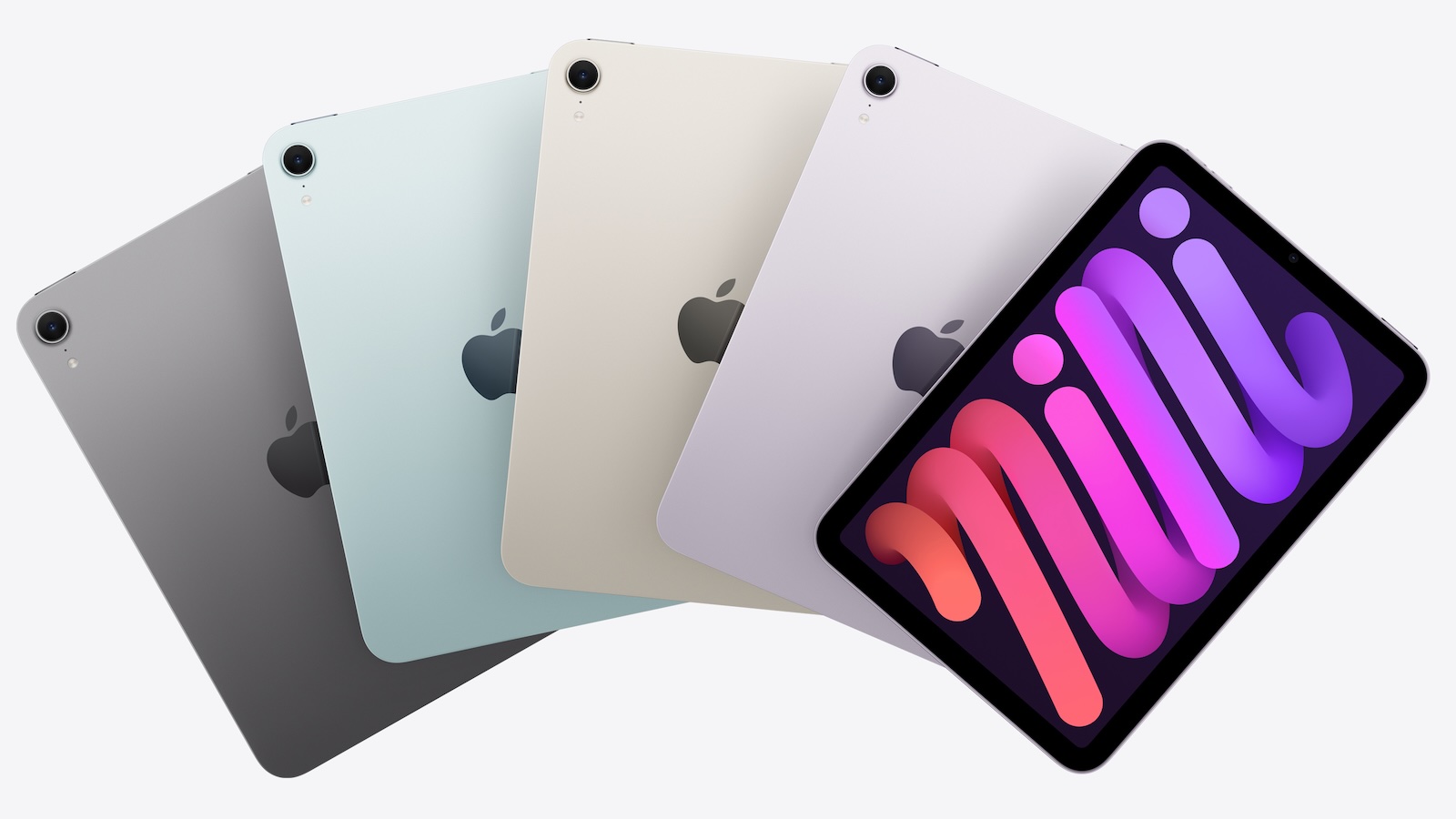


The price of the current iPad mini 7 starts at $599 for the 128GB Wi-Fi-only model. Apple raised the price in late June, up from $499 (+$100).

The main reason for the price rise is rising memory and storage costs, brought about by the continuing AI data center buildout. Growing demand for memory and storage chips from AI companies has led to chip shortages and higher costs for everyone else, including Apple.

In late June, outgoing CEO Tim Cook told The Wall Street Journal that the price increases across its product lineup were "unavoidable." Cook said the company was doing its best to "mitigate the huge increases that are being passed to us," and that it was trying to shield customers from them, but the situation had become "unsustainable."

Even before Apple's price rises, there was an expectation that the ‌next iPad mini‌ would be more expensive, with Bloomberg's Gurman suggesting Apple could charge up to $100 more for the device.

Gurman has previously argued that Apple should consider a lower-end version of the mini, or at least a change to its starting price ($499 at the time – but now $599), given that it's up against rival products that cost a lot less.

However, Apple users who are looking for a more affordable option should probably consider the 10th-generation iPad instead. Now starting at $449, the iPad offers many iPad mini features, such as Touch ID and Center Stage, but at a lower price that balances functionality and affordability.
Related Roundup: iPad mini
Buyer's Guide: iPad Mini (Don't Buy)
Related Forum: iPad

This article, "iPad Mini 8: Release Date, Pricing, and What to Expect" first appeared on MacRumors.com

Discuss this article in our forums

  •  

iPhone 17 Pro Cases Fit iPhone 18 Pro - Or At Least Otterbox Thinks So

Bloomberg's Mark Gurman noted on X (Twitter) today that Otterbox is already selling iPhone 18 Pro cases at Best Buy. While the timing is early for a new iPhone that isn't expected to launch until mid-September, what's more interesting is that Otterbox's packaging indicates the iPhone 18 Pro will fit iPhone 17 Pro cases and vice versa.

Gurman passed on the packaging detail without saying whether he agrees with the implied sizing, but rumors suggest the iPhone 18 Pro lineup will largely retain the same design as the iPhone 17 Pro models. However, at least two leakers have claimed that the iPhone 18 Pro Max could be thicker and heavier than its predecessor, owing to its larger battery.
Related Roundups: iPhone 17 Pro, iPhone 18 Pro
Related Forum: iPhone

This article, "iPhone 17 Pro Cases Fit iPhone 18 Pro - Or At Least Otterbox Thinks So" first appeared on MacRumors.com

Discuss this article in our forums

  •  

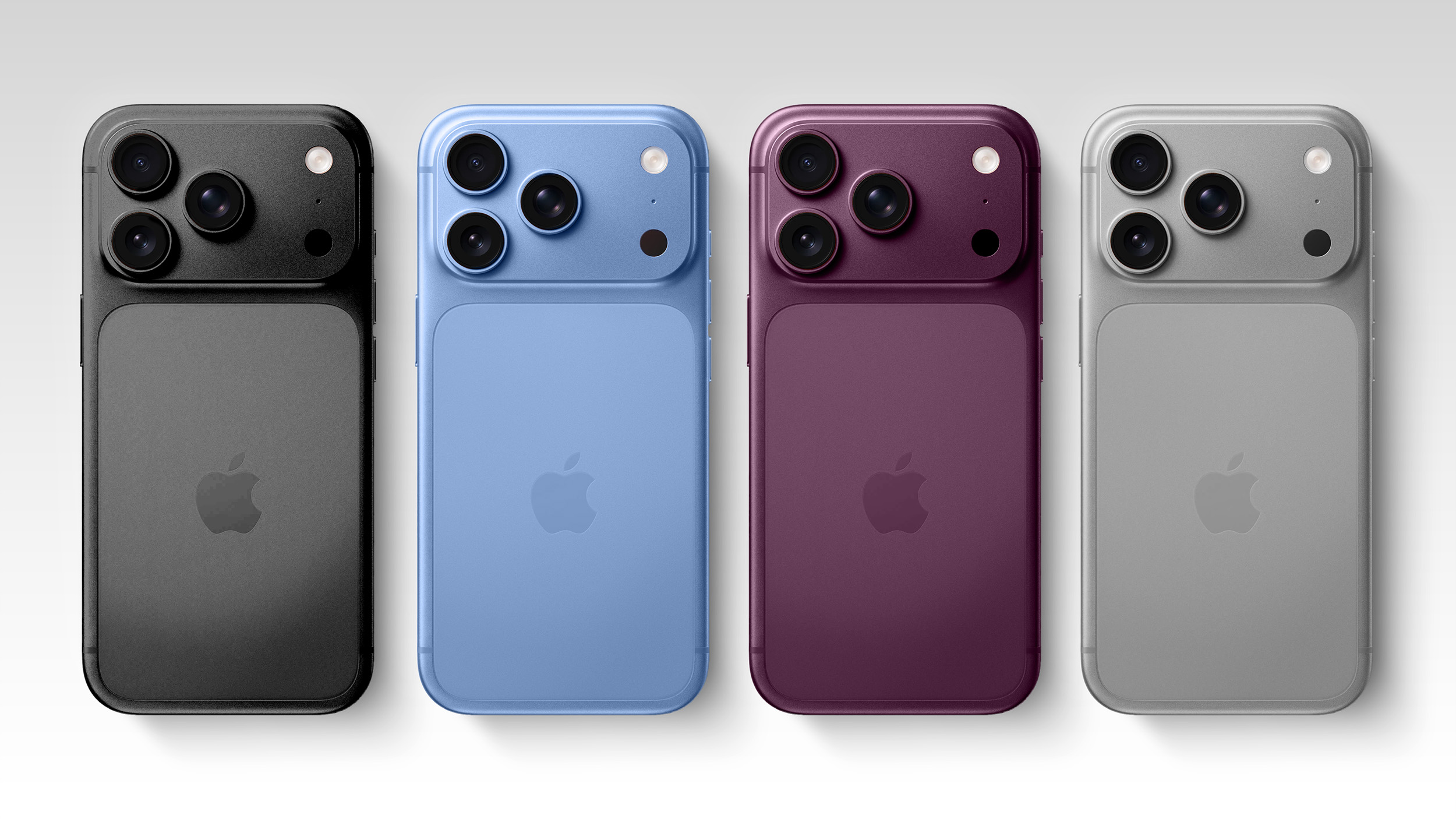
Apple's iPhone 18 Release Schedule: What's Coming and When

Since 2019, Apple has released a more affordable standard iPhone and a higher-end "Pro" variant, giving customers multiple flagship iPhones to choose from. Apple is deviating from its standard release timeline this year and splitting the iPhone 18 launch.


We aren't going to get all of the ‌iPhone 18‌ models in fall 2026, because Apple is holding the standard ‌iPhone 18‌ until spring 2027. If you want an iPhone in the traditional September timeframe, it's going to cost you this year.

Fall 2026 iPhones


Apple's three most expensive iPhones will be introduced at its iPhone event in September.

  • iPhone 18 Pro - The iPhone 18 Pro will look like the iPhone 17 Pro, but it is expected to have a smaller Dynamic Island and a variable aperture Wide camera for more precise lighting adjustments. It will use Apple's next-generation A20 chip built on a 2nm process.

  • iPhone 18 Pro Max - The ‌iPhone 18 Pro‌ Max will be nearly identical to the ‌iPhone 17 Pro‌ Max, but it might be a little bit thicker because of a larger battery. There is a possibility the new camera will be limited to the Pro Max, but that's not confirmed. Both models will come in a new dark cherry color.

  • Foldable iPhone - Apple's first foldable iPhone could be called the iPhone Ultra. When closed, it'll be around 5.5 inches, and when open, it'll be around 7.8 inches. It will be similar in size and aspect ratio to an iPad mini in landscape mode, with new app multitasking features. It will have Touch ID instead of Face ID and will be limited to a two-camera system.


Multiple analysts agree the ‌iPhone 18 Pro‌ models are going to be more expensive than their ‌iPhone 17 Pro‌ counterparts. Memory supply shortages have driven up the cost of consumer DRAM, and Apple has to pay much more for memory.

Some of the increased cost will be offset by discounts Apple has negotiated on other components like the display, but an increase seems unavoidable after the June price hike on Macs and iPads.

Analysts have estimated a $100 to $300 price increase for both models. Current pricing starts at $1,099 for the ‌iPhone 17 Pro‌ and $1,199 for the ‌iPhone 17 Pro‌ Max.

Since there's no current foldable iPhone, there's no set price. Rumors suggest it'll cost between $2,000 and $2,500, and it could absorb some of the higher ‌iPhone 18 Pro‌ component costs.

Spring 2027 iPhones


  • iPhone 18 - The ‌iPhone 18‌ will have a 2nm A20 chip, more RAM, a smaller ‌Dynamic Island‌, and a new C2 modem chip. Apple could downgrade the display to save money, and the device might share more components with the iPhone 18e.

  • iPhone 18e - The iPhone 18e will follow the iPhone 17e. It's expected to get an upgraded chip and 9GB of RAM.

  • iPhone Air 2 - Apple is planning a second-generation iPhone Air that could launch alongside the ‌iPhone 18‌ and iPhone 18e. Rumors suggest it could get a second camera to make it a better value (likely an Ultra Wide) and a bigger battery.


What's Next?


After launching the ‌iPhone 18‌, iPhone 18e, and ‌iPhone Air‌ 2 in spring 2027, it's not clear if Apple will stick with the spring/fall split launch strategy or revert to its standard timing.

There are rumors of a 20th-anniversary iPhone coming in fall 2027, and it sounds like a higher-end device. Apple could opt to stick with the timing change it's making across 2026 and 2027 because it will better spread iPhone sales throughout the year.
Related Roundups: iPhone 18, iPhone 18 Pro, iPhone Fold
Related Forum: iPhone

This article, "Apple's iPhone 18 Release Schedule: What's Coming and When" first appeared on MacRumors.com

Discuss this article in our forums

  •  

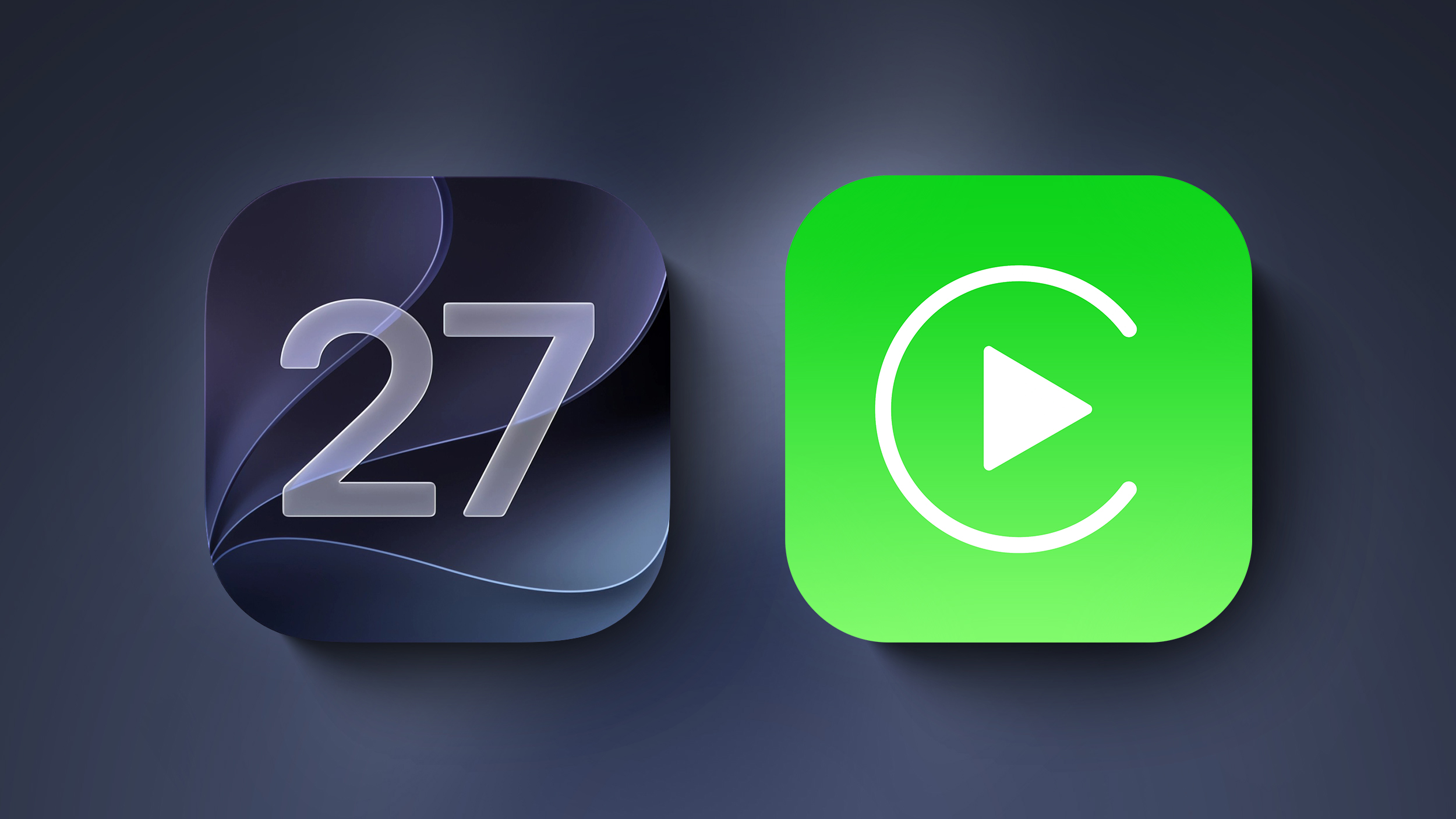
iOS 27: 8+ New CarPlay Features

With iOS 27, Apple is introducing several CarPlay features that will improve your in-car experience, both when you're driving and when you're idle in the car. From new video experiences to Siri AI, there are multiple new options to look forward to.


Video Apps


‌CarPlay‌ apps can include video browsing capabilities, so you can browse for and watch videos on your in-car display while parked. The video playback feature does not work when a car is in motion for safety reasons, but if you're watching something and shift into drive, playback will switch to audio only.

iPhone apps that support AirPlay can also stream content to the car's display.

Video apps require car manufacturers to enable support on the vehicle, and no automakers have announced plans to add support as of now. The Apple TV app is the first confirmed app that will work with the feature.

Siri AI


Apple's smarter, more capable version of ‌Siri‌ can be used in the car for hands-free conversations. ‌Siri‌ AI for ‌CarPlay‌ works like ‌Siri‌ AI on other devices, so you can ask it to complete tasks or find information for you while you drive.

Conversations in ‌CarPlay‌ sync to the ‌Siri‌ app on iPhone so you can pick them up later.

Audio


There is a persistent mini-player for the Now Playing ‌CarPlay‌ template. The player shows artwork and playback controls in the top right corner of audio and media apps.

The Now Playing interface in ‌CarPlay‌ also has a progress bar, so you can jump to a specific spot in a song, podcast, or audiobook.

Wallpapers


‌CarPlay‌ includes the new ‌iOS 27‌ wallpapers, formatted for the ‌CarPlay‌ interface. The wallpapers have wave-style designs in a range of colors, with 14 total options available.

‌CarPlay‌ in ‌iOS 27‌ also supports larger, more interactive content thumbnails, and it uses the updated Liquid Glass icons for apps like Maps and Weather.

Route Data


Navigation apps like Apple Maps and Google Maps can share route data with a vehicle for adding information like EV charging stops in directions. The car can check a map route against the range of the vehicle, and suggest a charging stop.

Reliability and Location Accuracy


Apple says wireless ‌CarPlay‌ is more reliable in ‌iOS 27‌, with improved GPS location accuracy and navigation heading detection.

Voice Control


All app categories are can now offer a voice control option, and Apple has designed a voice control template that can be integrated into apps for voice conversations.

Natural Language Improvements


In Apple Maps, Apple extended natural language search to navigation, and that also works with ‌CarPlay‌. You can ask ‌Siri‌ for directions that avoid toll roads, highways, and more.

Compatibility


Using the new ‌CarPlay‌ features in ‌iOS 27‌ requires a connected iPhone with ‌iOS 27‌ installed. For ‌Siri‌ AI, you'll need an iPhone that supports Apple Intelligence, which includes the iPhone 15 Pro and later.

Availability


‌iOS 27‌ is available to developers and public beta testers right now, with a public launch expected in September.
Related Roundups: CarPlay, iOS 27, iPadOS 27

This article, "iOS 27: 8+ New CarPlay Features" first appeared on MacRumors.com

Discuss this article in our forums

  •  

iCloud, Photos, Find My and More Experiencing Issues

Several iCloud services are experiencing issues, according to Apple's system status page.


Find My, Game Center, Photos, ‌iCloud‌ Calendar, ‌iCloud‌ Mail, ‌iCloud‌ Contacts, ‌iCloud‌ Web Apps, and iWork for ‌iCloud‌ are all experiencing service interruptions.

Apple says only some users may run into problems. The issue started at 3:33 p.m. Eastern Time and is ongoing.
This article, "iCloud, Photos, Find My and More Experiencing Issues" first appeared on MacRumors.com

Discuss this article in our forums

  •  

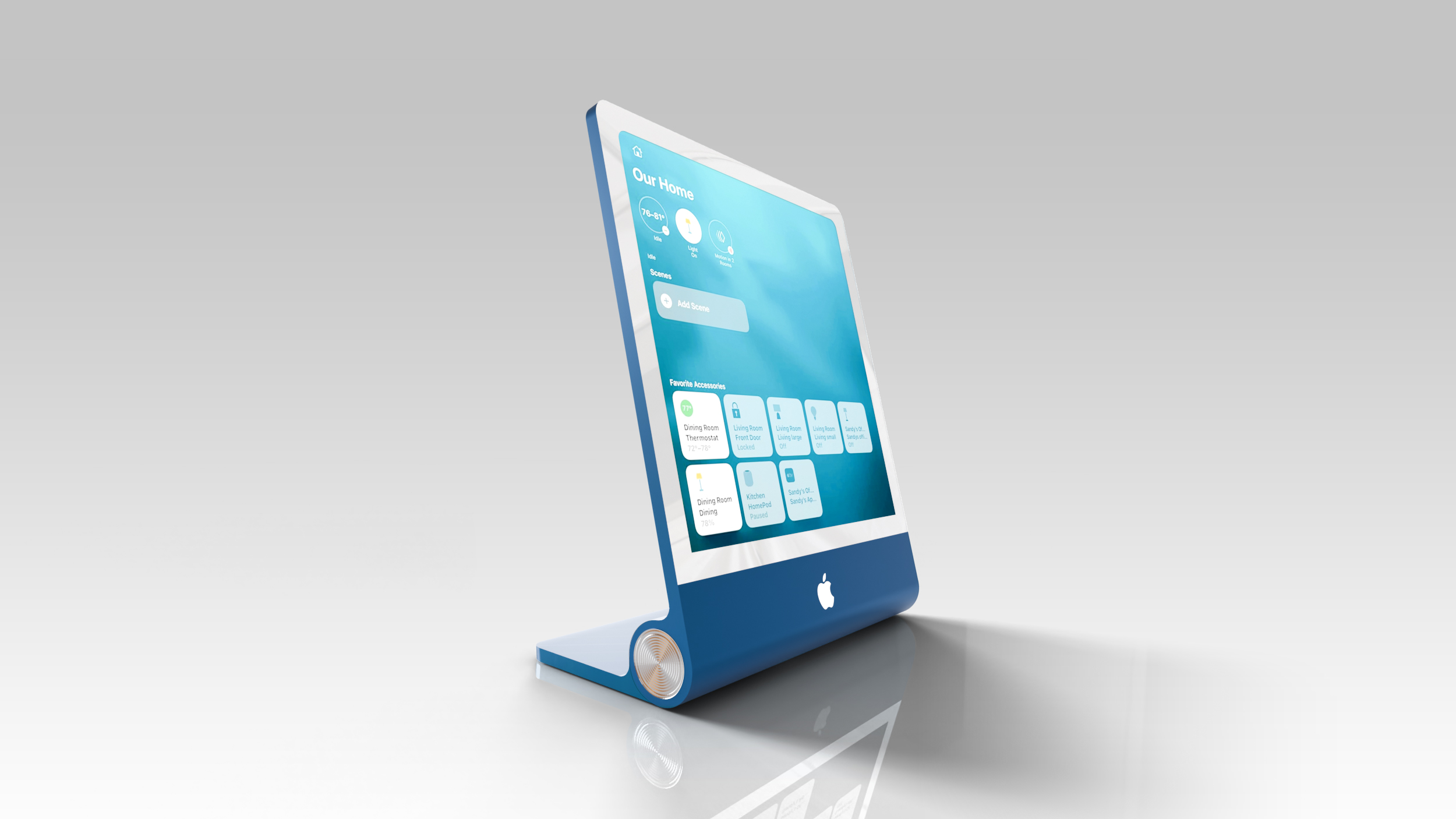
Apple's Home Hub Will Have a Widget Gallery With iPhone Widget Support

Apple is working on a home hub that incorporates Siri AI, and it's set to launch as soon as this year. The home hub will use a Widget Gallery that lets users select the content they want to appear on the device's home screen.


Mentions of the Widget Gallery were found in macOS Tahoe 26.7, an update that leaked a long list of unreleased Apple products. The strings were found in a file named PosterKit-J490, and J490 is the codename for the home hub. PosterKit is Apple's framework for Lock Screen customization, and the hub's home screen could have many of the same options for icons, widgets, and clock faces.

Apple already uses the Widget Gallery on iPhone, iPad, and Mac for adding widgets to the Home Screen and Lock Screen of those devices, and the home hub will have a similar mechanism.

Based on the code, widgets installed on a linked iPhone will be suggested on the home hub, much like how iPhone widgets are available on a Mac without an app being installed. It looks like third-party app widgets may be supported in addition to Apple's own apps. iPhone app widgets displayed on the home hub will have information mirrored from the iPhone.

All users in the home will be able to see the widgets installed on the home hub, but content in widgets will only be visible when the primary linked device is in the home for privacy protection.

A Smart Stack will automatically rotate through widgets to show relevant information throughout the day, and users will also be able to flip through the different Smart Stack options. Apple already has Smart Stack on its other devices, including the Apple Watch.

The home hub isn't expected to have its own App Store, but it will support Apple apps like Safari, Apple News, Apple Music, Notes, Calendar, Photos, and Home. Tapping on an installed widget from the home screen could launch a full app with more information. Code references a Face Gallery too, suggesting users will be able to select different clock options for the device's home screen, and it indicates that the hub will be able to be added to HomeKit scenes and automations alongside other smart home accessories.

Apple's hub is expected to have a 7-inch square display with options to put it on a base or mount it on the wall. More information about the device can be found in our guide.
This article, "Apple's Home Hub Will Have a Widget Gallery With iPhone Widget Support" first appeared on MacRumors.com

Discuss this article in our forums

  •  

National Parks Apple Watch Activity Challenge Launching August 23

Apple will launch its annual National Parks Apple Watch activity challenge on Sunday, August 23 to celebrate national parks across the United States.


Apple Watch owners can earn an Apple Watch activity award by doing a hike, walk, run, or wheelchair push that lasts for 20 minutes or more on August 23, 2026.
Earning this award is a walk in the park. Or a run. Or a hike. Or a wheelchair push. Just record one of these workouts for 20 minutes or more on August 23.

Like all of the Apple Watch activity challenges, earning the award will provide users with animated stickers that can be used in the Messages app.


Along with a new Apple Watch challenge, Apple typically offers other national parks-themed content in August, including an Apple Pay donation program, Apple TV content, Apple Music songs, books, podcasts, and more.
Related Roundup: Apple Watch 11

This article, "National Parks Apple Watch Activity Challenge Launching August 23" first appeared on MacRumors.com

Discuss this article in our forums

  •  

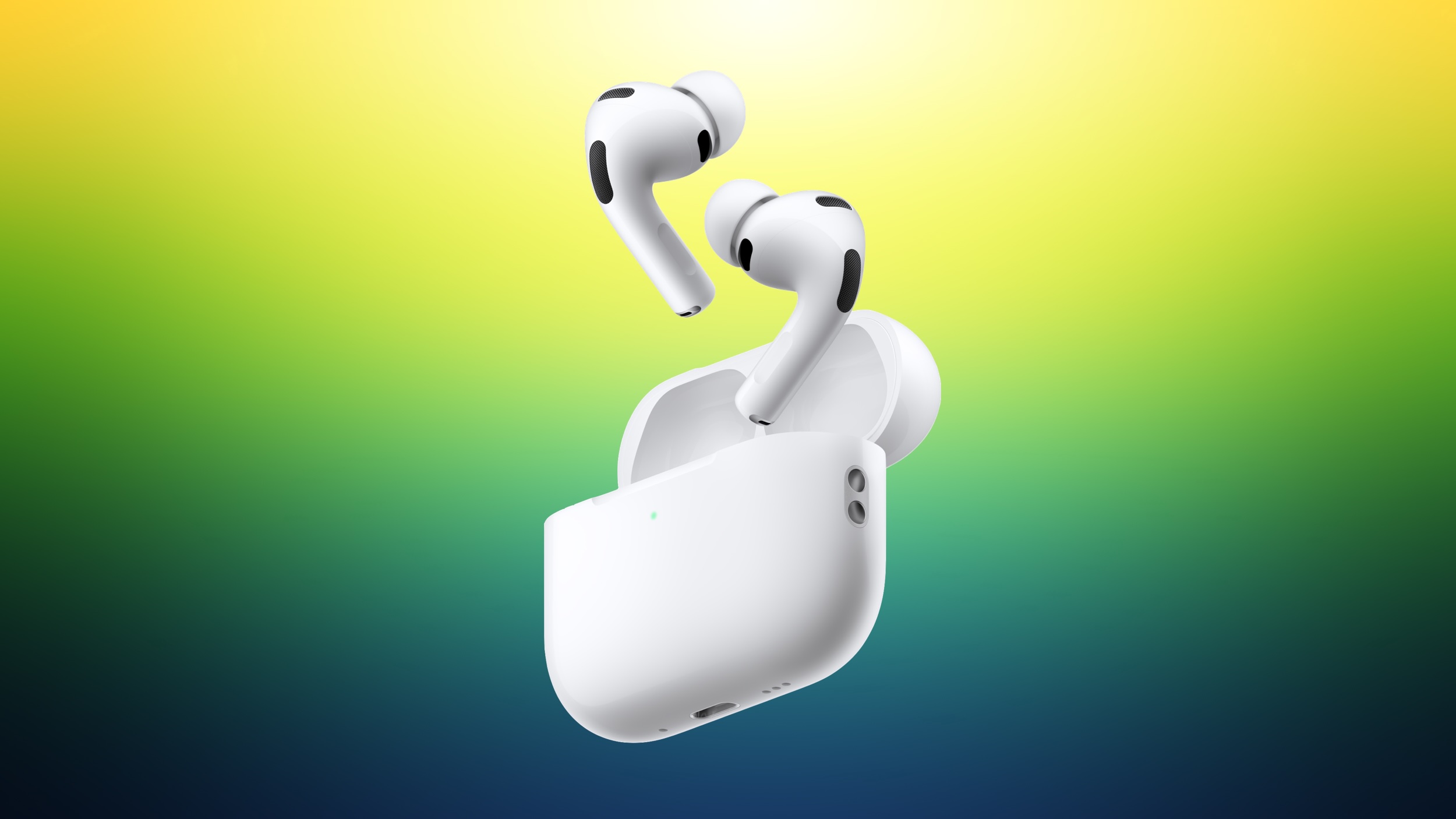
Apple's Camera AirPods May Launch as 'AirPods Pro,' Not 'AirPods Ultra'

The camera-equipped AirPods that we've confirmed Apple is working on are likely going to be part of the AirPods Pro lineup rather than separate "AirPods Ultra."


A macOS Tahoe 26.7 file that references the new AirPods is labeled "AirPods Pro," hinting at the new name. It's possible that's a placeholder name, so AirPods Ultra isn't entirely out of the question, but given Apple put a full video of the new AirPods in the software, there isn't much need for a placeholder.

Bloomberg's Mark Gurman said in March that Apple was considering several devices with the Ultra name, including the foldable iPhone Ultra, AirPods Ultra, and an OLED MacBook Ultra, but that may not be a term we see for the new AirPods. He suggested Apple might use the name because the camera-equipped AirPods were expected to be more expensive than the $249 AirPods Pro 3, so Apple's "Pro" choice could also be a hint that pricing won't be too far off the current model.

Rumors about camera-equipped AirPods have been a little confusing, and that could account for any naming discrepancies. Most of the rumors about the AirPods with a camera were about a product with the codename B798. In June, Gurman said the camera AirPods had been delayed because of issues with Siri AI, and would not launch until September 2027 alongside the 20th anniversary iPhone.

In early August, Gurman revised his launch timing and said Apple was close to debuting camera AirPods with the codename B790. The B790 AirPods had apparently been progressing alongside the B798 model, and Gurman said the company "famously creates competing versions of the same product internally," with B790 closer to launch than B798.

It's not known if there are differences between the B790 and B798 products Apple has been working on, but it looks like we're going to see the camera AirPods this year. The AirPods video in ‌macOS Tahoe‌ 26.7 suggests the device is near-ready to launch.

The camera in the AirPods will not be used for capturing photos and videos and will instead feed visual information to ‌Siri‌ AI for an easier-to-use version of Visual Intelligence.
Related Roundup: AirPods Pro 3
Buyer's Guide: AirPods Pro (Neutral)
Related Forum: AirPods

This article, "Apple's Camera AirPods May Launch as 'AirPods Pro,' Not 'AirPods Ultra'" first appeared on MacRumors.com

Discuss this article in our forums

  •  

Apple Overhauls EU App Store Fees to Settle Digital Markets Act Dispute

Apple today announced changes to its App Store policies and fees in the European Union to comply with the Digital Markets Act. Apple says the changes were made after "close collaboration" with the European Commission, and the updates simplify the fee structure and "resolve Apple's disagreements with the Commission over business terms and alternative distribution."


The initial acquisition fee and store services fee are being removed for apps distributed outside of the ‌App Store‌, and Apple will now charge a 5% Core Technology Commission on digital purchases that replaces the prior per-install Core Technology Fee.

Commission rates are changing for ‌App Store‌ apps, alternative payments, and apps distributed through alternative app marketplaces or the web.

  • App Store Apps With In-App Purchase - Apple will charge a 26% fee for apps distributed through the ‌App Store‌ that use in-app purchase. The fee will be 15% for Small Business Program, Mini Apps Partner Program, and Video Partner Program participants. It will also be 15% for auto-renewing subscriptions after their first year.

  • App Store Apps Using Alternative Payments - Apps in the ‌App Store‌ that use in-app alternative payment processing will pay 20%. Developers in Apple's programs will pay 10%.

  • Apps That Link Out of the App for Purchases - Apps that link to a website purchase option will pay 15%. Developers in Apple's programs will pay 10%.

  • Alternative App Marketplace Apps - Apple will charge a 5% Core Technology Commission.

  • Apps Distributed via the Web - Apple will charge a 5% Core Technology Commission.


Developers can offer in-app purchase options alongside alternative payment options in the EU, which is something Apple did not allow before. Apple says there will be presentation requirements so users have a consistent, transparent experience.

Developers distributing apps in the EU must select their payment options and maintain those options for 12 months before making changes to "provide consistency and clarity for users." Apple will still use a Notarization process for apps downloadable through the web and through alternative app marketplaces.

Apps in the Kids category or being used by children under 13 will not include links to websites to complete transactions. All apps that use alternative payment processing or link to a website for transactions have to include a parental gate if the user is under 18.

Apple is relaxing the rules for operating an alternative app marketplace or distributing apps via the web in the European Union. Apple used to require developers to have a one million euro standby letter of credit from an A-rated financial institution, but the new rules are as follows:

  • Meet a moderate financial-stability bar as scored by Dun & Bradstreet.

  • Are publicly traded or owned by a publicly traded company.

  • Have received venture funding from an established investment firm.

  • Have completed a financial audit by a licensed accountant.

  • Are a government entity, educational institution, or nonprofit.


Developers can sign the new terms starting today, and the changes go into effect on October 1.
This article, "Apple Overhauls EU App Store Fees to Settle Digital Markets Act Dispute" first appeared on MacRumors.com

Discuss this article in our forums

  •  

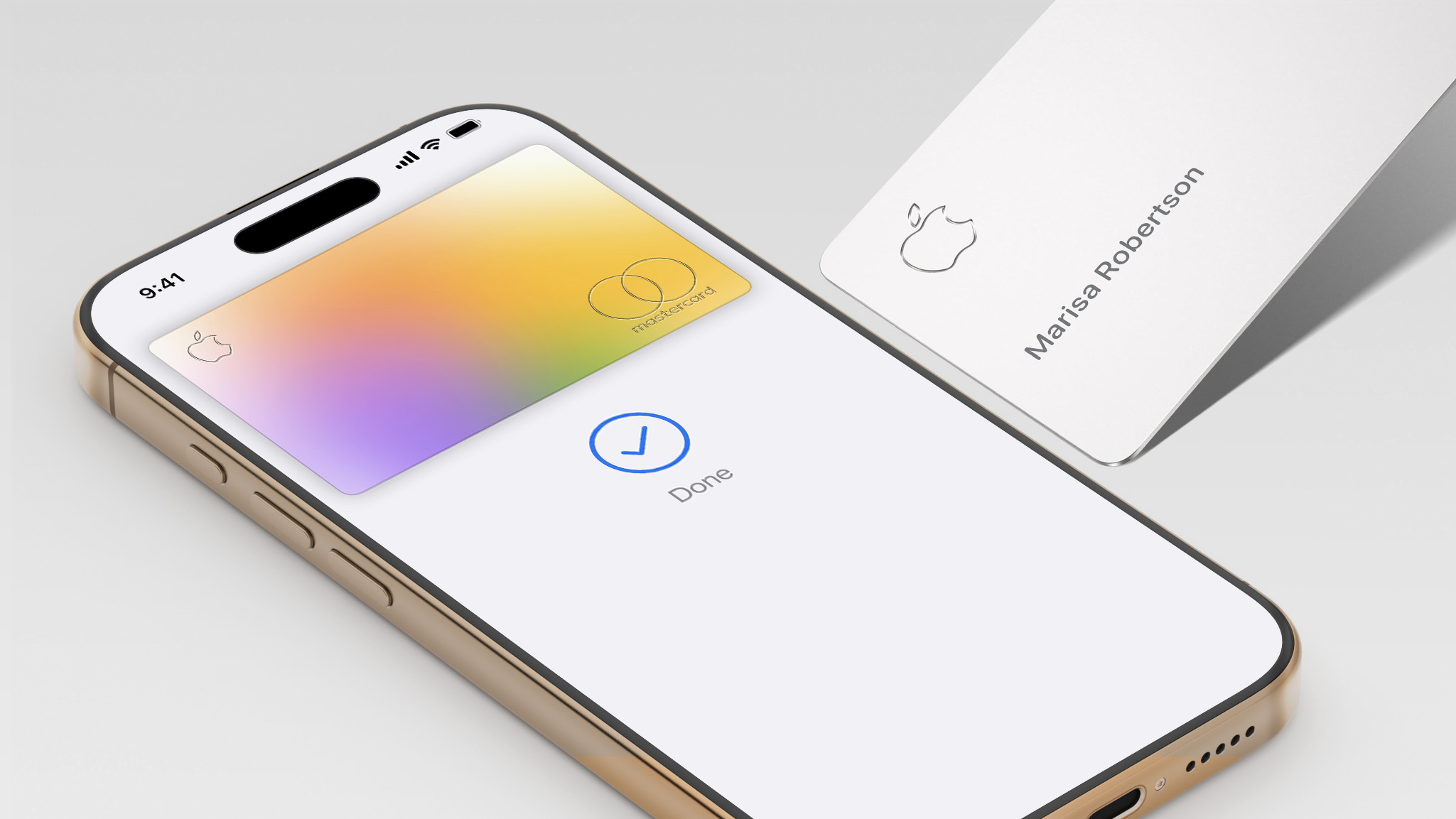
Apple Card Offering 5% Cash Back on Select Purchases for Limited Time

Now through September 15, you can get 5% Daily Cash when you use the Apple Card via Apple Pay on up to $750 in combined eligible purchases at Booking​.com, Hertz, ChargePoint, Exxon, and Mobil. The maximum total Daily Cash you can earn through this offer is $37.50, according to Apple, with complete details outlined on this page.


Ordinarily, the Apple Card offers 3% Daily Cash at these partners, but this limited-time promotion provides an additional 2% Daily Cash on eligible purchases up to the $750 limit. Apple has given the offer an "August road trip" theme, as the eligible purchases include hotel rooms, rental cars, gas, and electric vehicle charging.

Apple's credit card is available in the U.S. only.
This article, "Apple Card Offering 5% Cash Back on Select Purchases for Limited Time" first appeared on MacRumors.com

Discuss this article in our forums

  •  

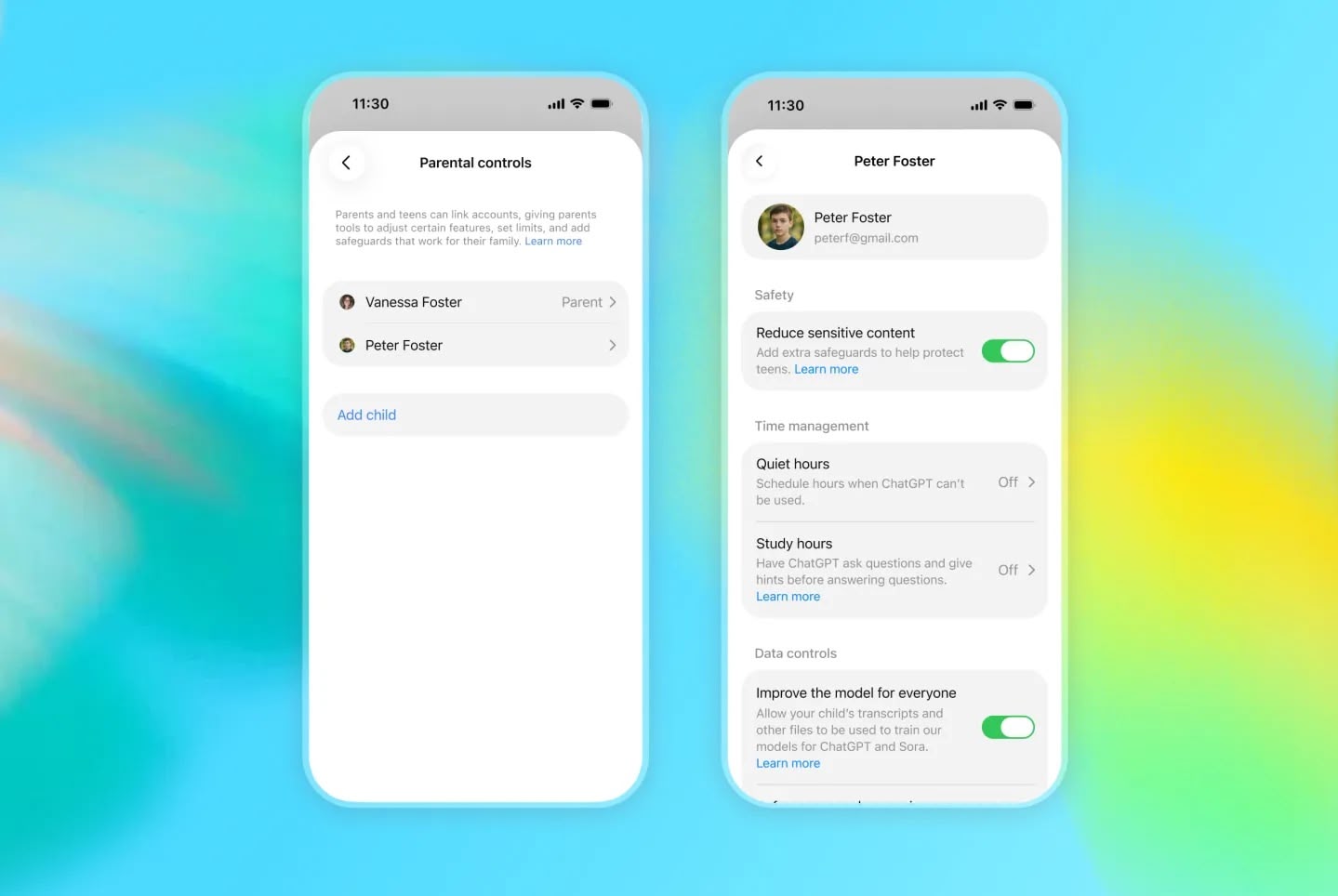
OpenAI Announces ChatGPT for Teens With Built-In Safeguards and Learning Prompts

OpenAI is adding a ChatGPT mode for teenagers that includes parental controls, enhanced content safeguards, and a focus on learning.


ChatGPT for Teens is "designed to help teens learn, think critically, deepen understanding, and use AI with confidence," said the company in a blog post announcing the feature.

The feature includes learning-focused starter prompts for facilitating studying, practicing skills, or exploring ideas. ChatGPT's Study mode is baked in, as are learning tools (including quizzes when available), and Study hours that let the teen or a linked parent/guardian choose when eligible new chats start in study mode.

OpenAI says reminders encourage users to take breaks, and there are built-in provisions for making it clear that ChatGPT is AI, and does not have consciousness, experience feelings or emotions. That backstop aims to discourage relationship-forming with the chatbot.

ChatGPT automatically enables ChatGPT for Teens for eligible accounts identified as belonging to someone under 18. Users who think they are seeing the feature by mistake can verify their age and ask ChatGPT to remove the teen protections.

OpenAI says ChatGPT for Teens is rolling out globally to eligible teen accounts on Free and paid personal ChatGPT plans beginning August 18, with full availability in Australia expected September 8.
This article, "OpenAI Announces ChatGPT for Teens With Built-In Safeguards and Learning Prompts" first appeared on MacRumors.com

Discuss this article in our forums

  •  

Apple's M4 iPad Air Gets Best-Ever Discounts Since Summer Price Hikes

Amazon and Best Buy this week have multiple discounts on the M4 iPad Air, providing $100 off these 2026 models. These are the best prices we've seen in the wake of Apple's summer price hikes.

Note: MacRumors is an affiliate partner with Amazon. When you click a link and make a purchase, we may receive a small payment, which helps us keep the site running.
You'll find savings on both the 11-inch and 13-inch models of the M4 iPad Air, with savings mainly focused on 128GB and 256GB Wi-Fi tablets. All of these discounts have been automatically applied and do not require a coupon code or a special membership.


The new iPad Air features the M4 chip, C1X modem, and N1 networking chip, which brings support for Wi-Fi 7 and Bluetooth 6. In terms of design, the 2026 models are identical to the 2025 iPad Air tablets, with an edge-to-edge display, slim bezels, and aluminum chassis.

11-inch M4 iPad Air


13-inch M4 iPad Air


If you're on the hunt for more discounts, be sure to visit our Apple Deals roundup where we recap the best Apple-related bargains of the past week.


Deals Newsletter


Interested in hearing more about the best deals you can find in 2026? Sign up for our Deals Newsletter and we'll keep you updated so you don't miss the biggest deals of the season!


Related Roundup: Apple Deals

This article, "Apple's M4 iPad Air Gets Best-Ever Discounts Since Summer Price Hikes" first appeared on MacRumors.com

Discuss this article in our forums

  •  

Apple Donating to Indonesian Earthquake Relief Efforts

In a social media post today, Apple CEO Tim Cook said Apple will be donating to relief efforts on the ground in Indonesia as the country reels from a deadly earthquake and aftershocks.

Apple has donated to the Red Cross following past natural disasters, but it does not disclose the dollar amounts.
This article, "Apple Donating to Indonesian Earthquake Relief Efforts" first appeared on MacRumors.com

Discuss this article in our forums

  •  

Thomas Lange: LLM usage in Debian

After spending many hours on reading all the proposals and discussions the best choice for me is NOTA (None of the above).

We do not need to create new rules for LLM usage, we already have our DFSG and our social contract.

Keep it simple, stupid. Avoid more rules!

  •  

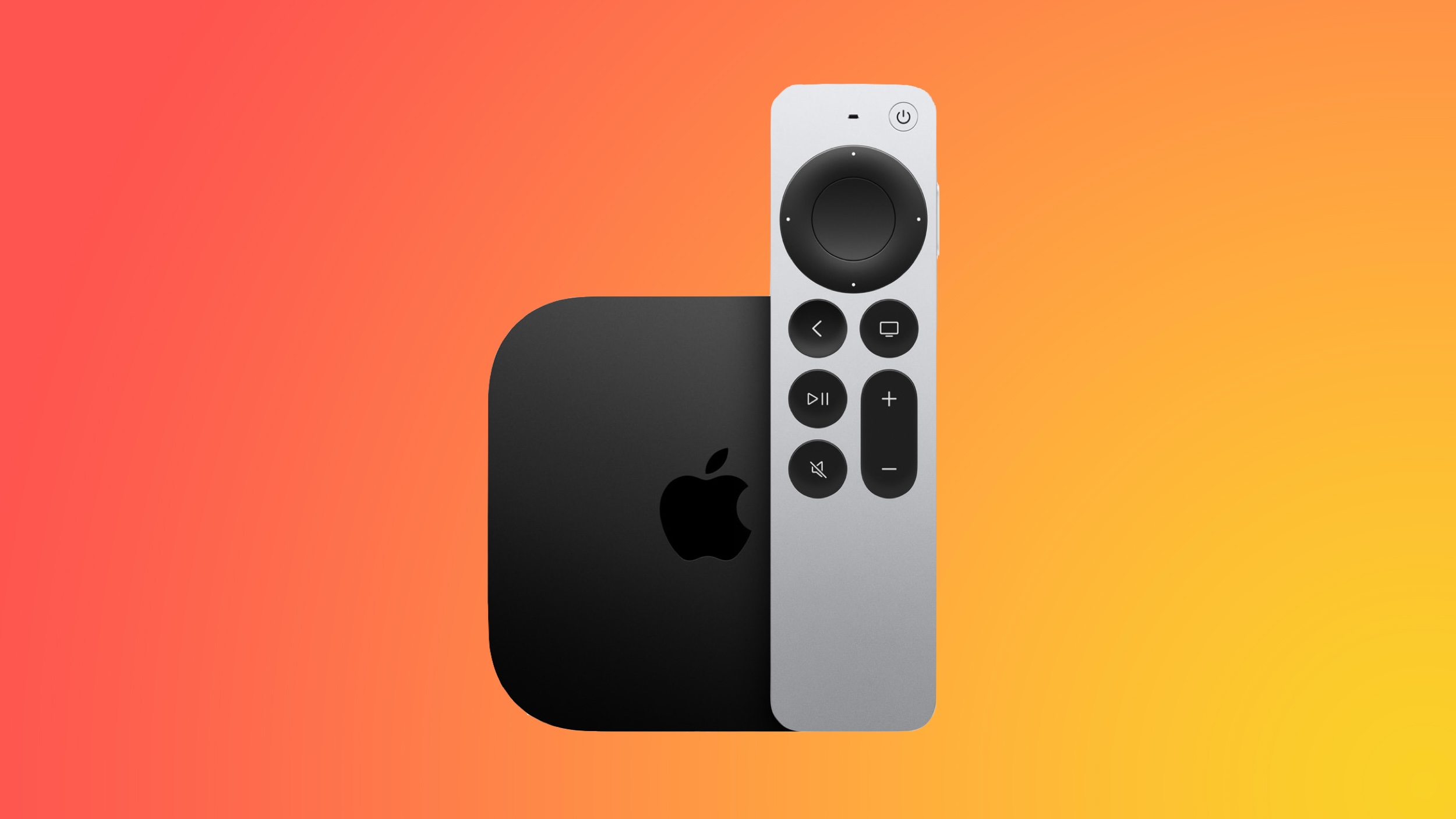
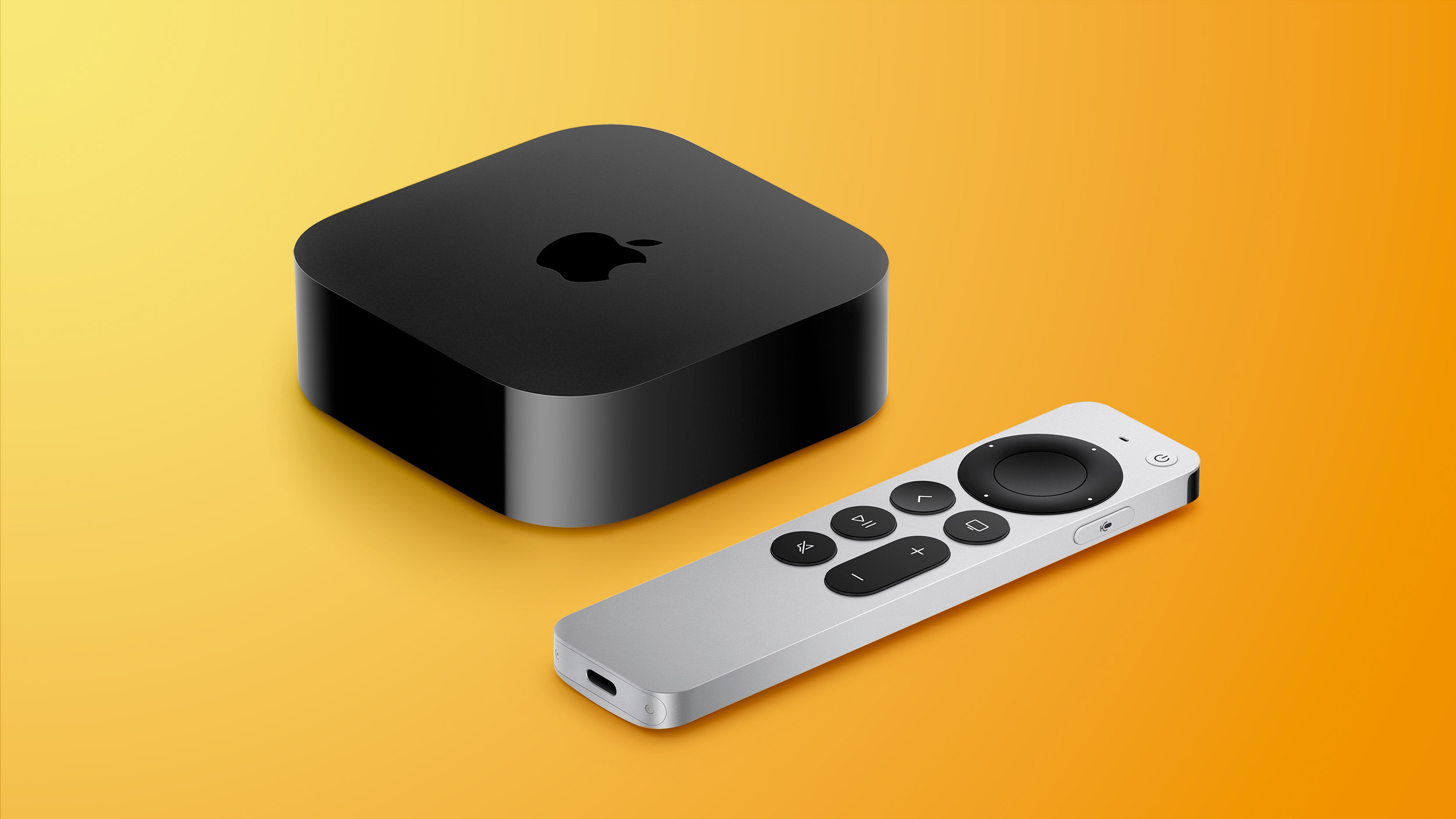
New Apple TV to Come With Upgraded Siri Remote

The next-generation Apple TV 4K will ship with an upgraded Siri Remote, according to macOS 26.7 code findings.

The code does not reveal any specific changes planned for the remote, but it suggests that a new Apple TV is finally coming soon, following years of rumors. The new model, expected to be powered by an A17 Pro chip or newer, will likely be unveiled this September or October.
This article, "New Apple TV to Come With Upgraded Siri Remote" first appeared on MacRumors.com

Discuss this article in our forums

  •  

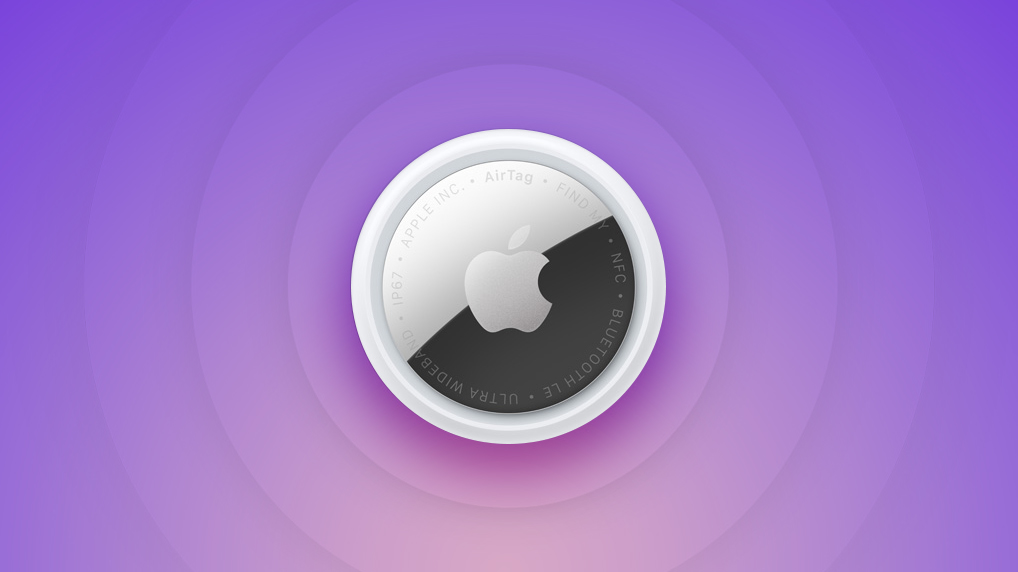
AirTag 2 Drops to Low Price of $89 for 4-Pack

Apple's AirTag 2 is on sale for $89.00 this week on Amazon, down from $99.00. This deal is on the 4-Pack of the AirTag 2, and it's a match of the record low price first seen during Prime Day.

Note: MacRumors is an affiliate partner with Amazon. When you click a link and make a purchase, we may receive a small payment, which helps us keep the site running.
We're also tracking a smaller deal on the AirTag 2 1-Pack, available for $24.00, down from $29.00. This is another record low price on the AirTag 2, and both have estimated delivery dates of August 23.


The new AirTag is equipped with a second-generation Ultra Wideband chip, enabling the Precision Finding feature to work up to 50% farther away from an item compared to the previous-generation model.

If you're on the hunt for more discounts, be sure to visit our Apple Deals roundup where we recap the best Apple-related bargains of the past week.


Deals Newsletter


Interested in hearing more about the best deals you can find in 2026? Sign up for our Deals Newsletter and we'll keep you updated so you don't miss the biggest deals of the season!


Related Roundup: Apple Deals

This article, "AirTag 2 Drops to Low Price of $89 for 4-Pack" first appeared on MacRumors.com

Discuss this article in our forums

  •  

Apple's US App Store Commission Revenue Down 18% This Year

The commission Apple earns from the App Store is shrinking in markets where it has been forced to relax its grip on in-app purchases, based on new analytics data.


According to Appfigures, cited by the Financial Times ($), Apple's U.S. commission revenue has fallen 18 percent since the start of 2026. It also found App Store revenue declining in Brazil and Japan since both countries introduced new regulations.

Separately, Sensor Tower said U.S. consumer spending through the App Store was down 6 percent in the second quarter, compared to 9 percent growth a year earlier.

The figures follow Apple's admission during last month's earnings call that regulatory changes have started to weigh on its Services growth. Apple reported services revenue of $30.7 billion for the June quarter, a record for the period but short of the $31.4 billion that analysts expected.

Apple traditionally has taken 15 to 30 percent of digital purchases made inside apps on the App Store. However, a U.S. injunction won by Epic Games now forces the company to let developers steer users to outside payment options without taking a cut. Sensor Tower said the U.S. slowdown had been heavily affected by the ruling. Apple has not collected fees from link-outs in the U.S. since April 2025.
This article, "Apple's US App Store Commission Revenue Down 18% This Year" first appeared on MacRumors.com

Discuss this article in our forums

  •  

Sonos iPhone App Finally Gains Live Activities Support

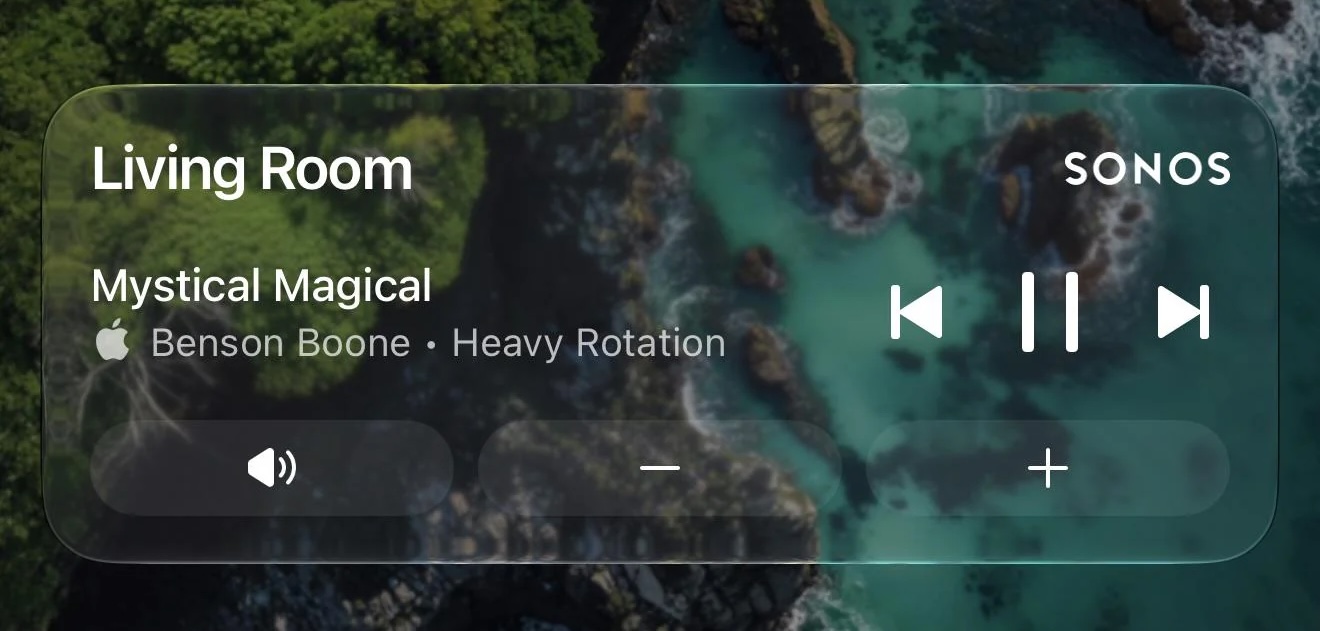
Sonos just updated its iOS app with new Live Activities support, providing quick access to playback controls from your Lock Screen.

Image credit: MajorAtmosphere

Sonos shared a Reddit post announcing the new feature, which appears after you initiate playback on a Sonos device and then close the app.

The Live Activity shows the current room or group you were last playing audio from and allows you to play/pause or skip tracks. Even if you initiate playback on Sonos from outside the Sonos app (Direct Control from supported services, Bluetooth, or AirPlay) you can still use the local playback controls that appear on the Live Activity.

As things stand, album art can't be displayed on the Live Activity, but the company said it's looking into alternative ways to enhance the Lock Screen experience. Sonos also mentioned that Live Activities work on Apple Watch and CarPlay, but "right now the controls aren't supported" in these instances.

Sonos called Live Activities support a "much requested, anticipated, and needed feature."

(Via 9to5Mac.)
Tag: Sonos

This article, "Sonos iPhone App Finally Gains Live Activities Support" first appeared on MacRumors.com

Discuss this article in our forums

  •  

Andy Simpkins: My first go at tracking down a kernel bug…

A couple of weekends back, I upgraded my home sever. It failed to restart after running apt dist-upgrade

The only update that was performed was to the kernel, it went from 6.12.88+deb13-amd64 to 6.12.100+deb13-amd64. I had previously performed an apt-get upgrade, and rebooted the machine, so I was pretty sure that this was to blame. This blog entry (is a late) attempt to document how I went about finding a fix for this issue so that next time I don’t need as much hand holding as I did this time around :-)

(1)
Having my machine not boot following an upgrade is pretty rare, but has happened before. Usually it is because I have done something wrong so as always confirming I haven’t broken something by accident is always my first step…

I plugged in a keyboard an monitor to the machine and watched it boot. Being a server this takes a long time (I guess because at this stage of system initialisation we want to test things sequentially)

Watching the system boot I see the usual BIOS/UEFI stages for this machine, followed by the grub menu and the the local screen showed:

            Loading Linux 6.12.100+deb13-amd64 ...
            Loading initial ramdisk ...

Nothing else. That was it. OK that looks like I have a broken system all right, and at very early stage of the boot process process.

(2)
Breaking into the grub menu and removing the quiet option yields a little more information (but not much):

            Loading Linux 6.12.100+deb13-amd64 …
            Loading initial ramdisk ...
            

            	EFI stub: Loaded initrd from LINUX_EFI_INITRD_MEDIA_GUID d
            	evice path
            		EFI stub: Measured initrd data into PCR 9

and nothing else.

(3) Initial debugging

  • Confirmed that I could still boot the machine with the old kernel 6.12.88+deb13-amd64 (During boot select Advanced options from the grub menu followed by the kernel image wanted)
    • Yes – the system starts happily with the previous kernel
  • Checked that /boot had enough space
    • Yes – plenty of space
  • Is anyone else reporting this problem?
    • Nothing jumps out on Debian’s bug tracker
    • Actually not mush referenced for my search “EFI stub: Measured initrd data into PCR 9 apart” other than the usual rantings to “turn off secure boot” (on this server that currently isn’t turned on – bad me)

(4) Triage

Start looking for where the fault first occurred. At this point I needed help, and given that Sledge was visiting I asked if he would sanity check what I was doing. His initial thoughts were that that /boot had run out of space, but replaying my step (3) with him acting as a ‘rubber duck’ showed that this was something other than PBKAC

Sledge had a quick look, then informed me that between kernel images 6.12.88+deb13 and 6.12.100+deb13 Debian stable has only had shipped .90 .94 .95 and .96 kernels. We could easily try them all:

  • wget each kernel package then install (dpkg -i) followed by an update-grub, checking that there was sufficient space on disks especially my small /boot partition)
  • I started with image 6.12.95+deb13 and this worked
  • 6.12.96+deb13 yielded the same lock up on boot as 6.12.100+deb13

OK I now have the first kernel image that doesn’t boot on my system, time to raise a bug…

Up until now I have been walking to my garage where the server is located and standing in front of a rack
with a monitor and keyboard plugged into the machine. However this machine supports IPMI so I spent a little time getting that up and running so that I can continue from the relative comfort of my desk (with lights, a chair and not needing to hold the keyboard with one hand)

Great I can now grab screen shots from the confort of my desk (unfortunatly they are only screen shots not text files, but at least we can seen the early stage of boot, Post, grub menu and then initramfs before system log happens)

(5) Collating information for the initial bug report

Sledge had mentioned my problem in irc/#debain-kernal where iam_tj suggested that we try appending
‘debug earlycon=efifb’ to the kernal command line. This yielded 15 seconds worth of messages before the system locked up the last few messages being (vmlinuz-6.12.96+deb13-amd64):

[ 14.663477] RCU Tasks: Setting shift to 5 and lim to 1 rcu_task_cb_adjust=1 rcu_task_cpu_ids=20.
[ 14.750474] RCU Tasks Rude: Setting shift to 5 and lim to 1 rcu_task_cb_adjust=1 rcu_task_cpu_ids=20.
[ 14.838024] RCU Tasks Trace: Setting shift to 5 and lim to 1 rcu_task_cb_adjust=1 rcu_task_cpu_ids=20.
[ 14.929752] NR_IRQS: 524544, nr_irqs: 584, preallocated irqs: 16
[ 15.016814] rcu: srcu_init: Setting srcu_struct sizes based on contention.
[ 15.104011] Console: colour dummy device 80×25
[ 15.191236] printk: legacy console [tty0] enabled
[ 15.278249] printk: legacy bootconsole [efifb0] disabled

Booting the working kernel with the same kernel options yields the SAME messages with slightly differing times, but then continues to login prompt:

 [   14.697466] RCU Tasks: Setting shift to 5 and lim to 1 rcu_task_cb_adjust=1 rcu_task_cpu_ids=20.
 [   14.784936] RCU Tasks Rude: Setting shift to 5 and lim to 1 rcu_task_cb_adjust=1 rcu_task_cpu_ids=20.
 [   14.872067] RCU Tasks Trace: Setting shift to 5 and lim to 1 rcu_task_cb_adjust=1 rcu_task_cpu_ids=20.
 [   14.964000] NR_IRQS: 524544, nr_irqs: 584, preallocated irqs: 16
 [   15.051482] rcu: srcu_init: Setting srcu_struct sizes based on contention.
 [   15.226079] printk: legacy console [tty0] enabled
 [   15.313751] printk: legacy bootconsole [efifb0] disabled
 [   15.400831] ACPI: Core revision 20240827
 [   15.401415] clocksource: hpet: mask: 0xffffffff max_cycles: 0xffffffff, max_idle_ns: 79635855245 ns
 [   15.401464] APIC: Switch to symmetric I/O mode setup
 
... and so on

iam_tj also suggested adding keep_bootcon – with ‘debug earlycon=efifb keep_bootcon’ on vmlinuz-6.12.96+deb13-amd64:
We get a LOT further – and we see a crash / trace-back:

[ 34.285342] BUG: kernel NULL pointer dereference, address: 0000000000000000

I raised bug #1143721 and followed it up with screen captures of the boot sequence (captured from the IPMI client) and files containing the output of dmidecode, lscpu and lspci to kive the kernel team as much information as possible:

[6.12.96+deb13-amd64 debug earlycon=efifb keep_bootcon.tar.gz (application/gzip, attachment)]
[dmidecode.txt (text/plain, attachment)]
[lscpu.txt (text/plain, attachment)]
[lspci.txt (text/plain, attachment)]

(6) Tracking down the bug Git Bisect

The problem with this type of bug is that it is hardware (class) specific, whilst the kernel doesn’t boot on my system, it clearly has worked on machines used by the kernel team, the Debian test and build infrastructure, (otherwise this kernel would never have been released) and everyone else who has upgraded to the newer kernel before I did (otherwise we would be drowning in fails to boot bug reports). Carnil’s excellent response to my bug: Message #15 (and help in IRC) provided me with a detailed step by step guide in how to track down the individual git commit that fails on my system. I had already (with Sledge’s suggestion) made a clone of the stable branch, but was struggling to follow the steps in the Debian Linux Kernel Handbook to re-build a duplicate kernel because I didn’t understand how to obtain the same configuration that Debian used to build the kernel; Carnil’s email provided me the missing steps (Highlighted).

git clone --single-branch -b linux-6.12.y https://git.kernel.org/pub/scm/linux/kernel/git/stable/linux-stable.git
cd linux-stable
git checkout v6.12.95
cp /boot/config-$(uname -r) .config
yes '' | make localmodconfig
make savedefconfig
mv defconfig arch/x86/configs/my_def
test 6.12.96 to ensure this is "bad"
git checkout v6.12.96
make my_defconfig
make -j $(nproc) bindeb-pkg
… install the resulting .deb package and confirm it fails to boot and triggers the NULL pointer dereference.

Right I can now start to Bisect the problem:

git bisect start
git bisect good v6.12.95
git bisect bad v6.12.96

Rather than use the half step point’s git bisect suggested I was advised in irc to jump straight to the a given commit that from the git log was suspected as the culprit:

git checkout 977855894bca4b87afa50d21e3f3e85a5a0e901f
build and install….
fails…
git bisect bad

git checkout 977855894bca4b87afa50d21e3f3e85a5a0e901f~1 ## ~1 is the commit beforehand
build and install….
fails…
git bisect good

The entire test tree can shown with git bisect log and this was submitted as an email to the bug report, we have found our smoking gun :-)

Finally I would like to thank Carnil, Iam_tj for their time patience and fantastic support in guiding me through finding this regression. Right now kernel bugs are coming in thick and fast with a lot of AI assisted bug hunting, the increased numbers of bugs mean that the kernel team are especially busy. Hopefully our paths will cross and I’ll be able to buy you some beers (or whatever) soon. thank you. Sledge also deserves thanks for putting up with me and pointing me in the right direction (as ever). Lucky for me that he lives nearby so I can provide beers on a regular basis :-)

  •  
❌