Lees weergave

iCloud, Photos, Find My and More Experiencing Issues

Several iCloud services are experiencing issues, according to Apple's system status page.


Find My, Game Center, Photos, ‌iCloud‌ Calendar, ‌iCloud‌ Mail, ‌iCloud‌ Contacts, ‌iCloud‌ Web Apps, and iWork for ‌iCloud‌ are all experiencing service interruptions.

Apple says only some users may run into problems. The issue started at 3:33 p.m. Eastern Time and is ongoing.
This article, "iCloud, Photos, Find My and More Experiencing Issues" first appeared on MacRumors.com

Discuss this article in our forums

  •  

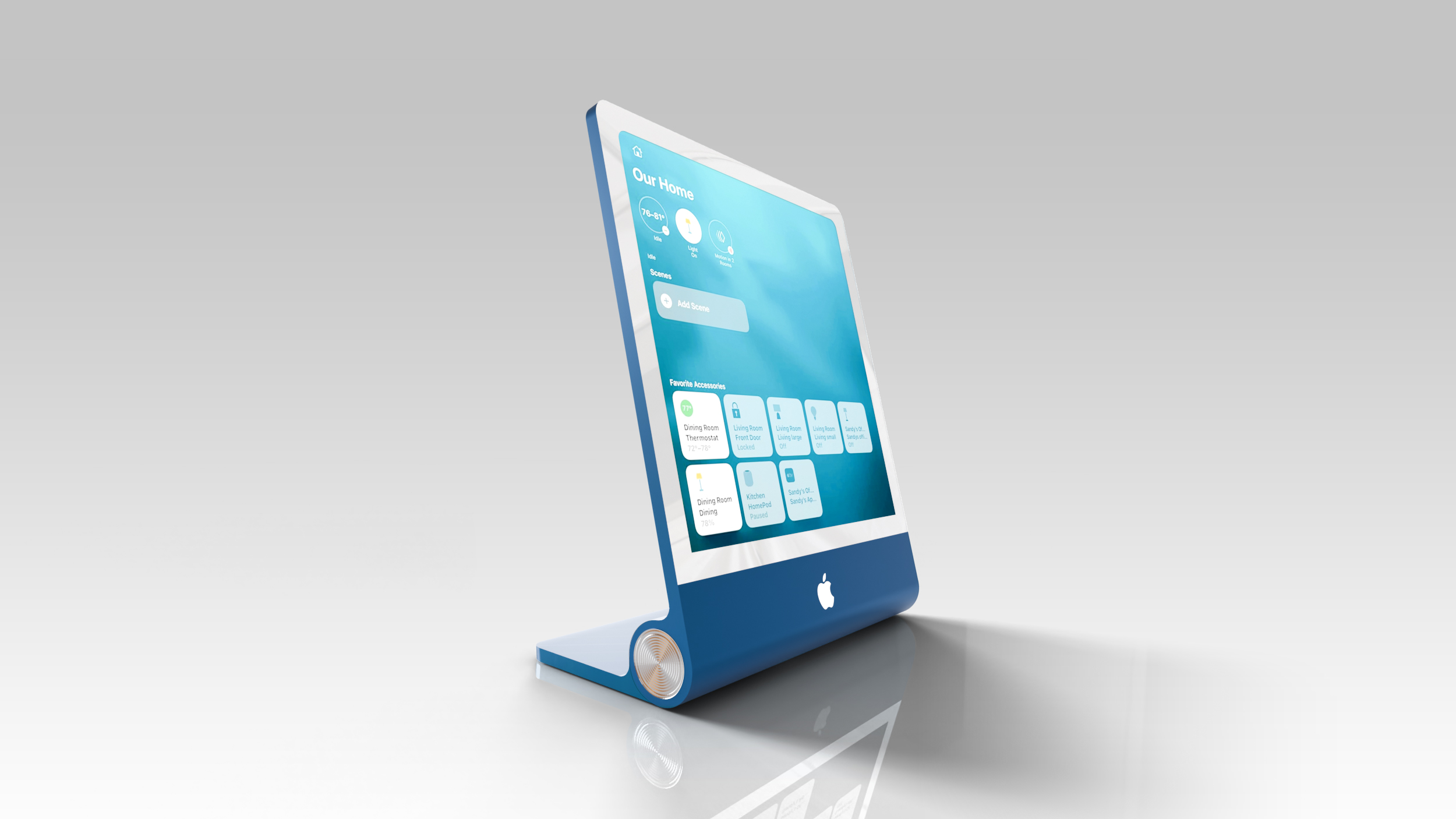
Apple's Home Hub Will Have a Widget Gallery With iPhone Widget Support

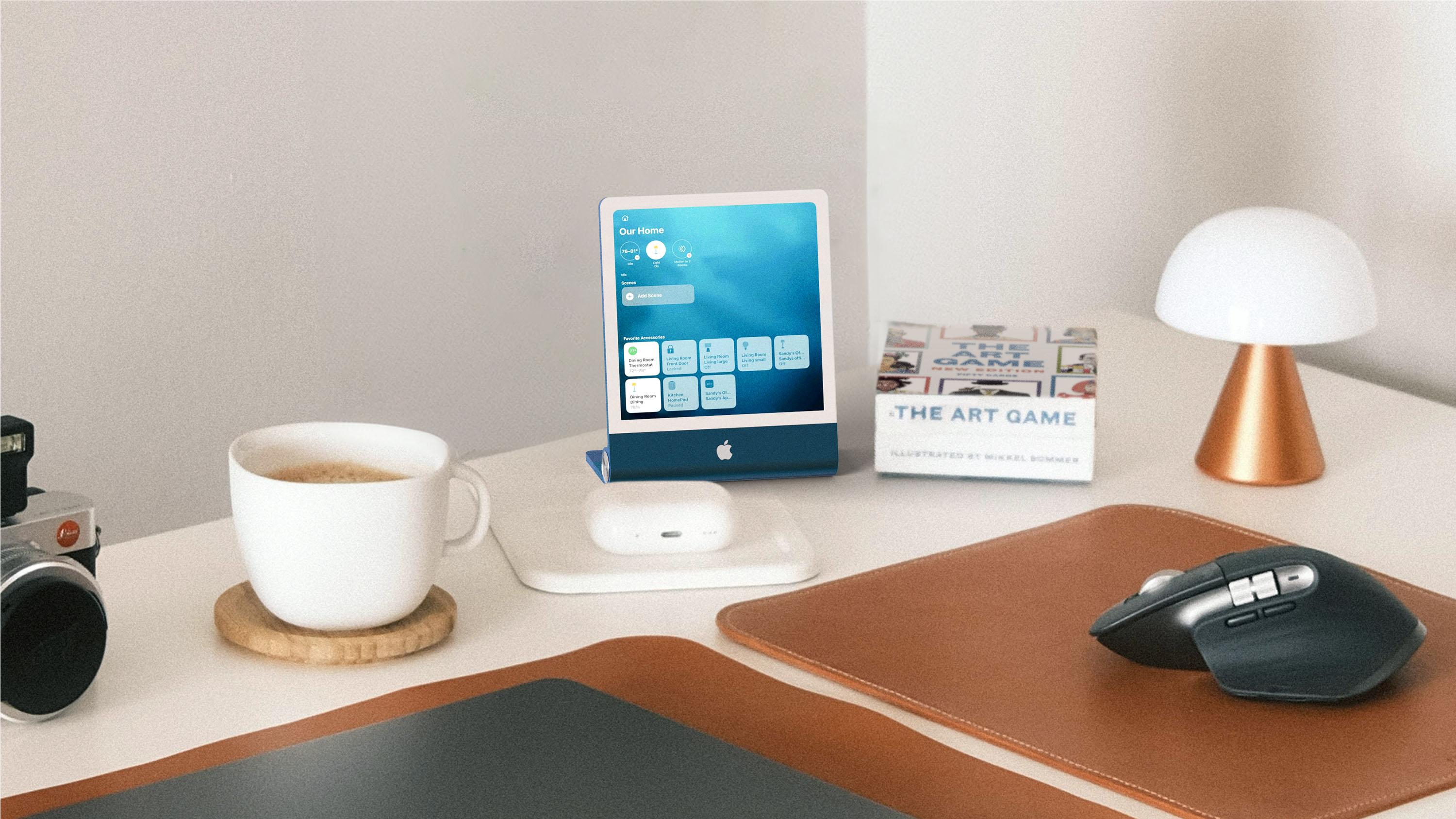
Apple is working on a home hub that incorporates Siri AI, and it's set to launch as soon as this year. The home hub will use a Widget Gallery that lets users select the content they want to appear on the device's home screen.


Mentions of the Widget Gallery were found in macOS Tahoe 26.7, an update that leaked a long list of unreleased Apple products. The strings were found in a file named PosterKit-J490, and J490 is the codename for the home hub. PosterKit is Apple's framework for Lock Screen customization, and the hub's home screen could have many of the same options for icons, widgets, and clock faces.

Apple already uses the Widget Gallery on iPhone, iPad, and Mac for adding widgets to the Home Screen and Lock Screen of those devices, and the home hub will have a similar mechanism.

Based on the code, widgets installed on a linked iPhone will be suggested on the home hub, much like how iPhone widgets are available on a Mac without an app being installed. It looks like third-party app widgets may be supported in addition to Apple's own apps. iPhone app widgets displayed on the home hub will have information mirrored from the iPhone.

All users in the home will be able to see the widgets installed on the home hub, but content in widgets will only be visible when the primary linked device is in the home for privacy protection.

A Smart Stack will automatically rotate through widgets to show relevant information throughout the day, and users will also be able to flip through the different Smart Stack options. Apple already has Smart Stack on its other devices, including the Apple Watch.

The home hub isn't expected to have its own App Store, but it will support Apple apps like Safari, Apple News, Apple Music, Notes, Calendar, Photos, and Home. Tapping on an installed widget from the home screen could launch a full app with more information. Code references a Face Gallery too, suggesting users will be able to select different clock options for the device's home screen, and it indicates that the hub will be able to be added to HomeKit scenes and automations alongside other smart home accessories.

Apple's hub is expected to have a 7-inch square display with options to put it on a base or mount it on the wall. More information about the device can be found in our guide.
This article, "Apple's Home Hub Will Have a Widget Gallery With iPhone Widget Support" first appeared on MacRumors.com

Discuss this article in our forums

  •  

National Parks Apple Watch Activity Challenge Launching August 23

Apple will launch its annual National Parks Apple Watch activity challenge on Sunday, August 23 to celebrate national parks across the United States.


Apple Watch owners can earn an Apple Watch activity award by doing a hike, walk, run, or wheelchair push that lasts for 20 minutes or more on August 23, 2026.
Earning this award is a walk in the park. Or a run. Or a hike. Or a wheelchair push. Just record one of these workouts for 20 minutes or more on August 23.

Like all of the Apple Watch activity challenges, earning the award will provide users with animated stickers that can be used in the Messages app.


Along with a new Apple Watch challenge, Apple typically offers other national parks-themed content in August, including an Apple Pay donation program, Apple TV content, Apple Music songs, books, podcasts, and more.
Related Roundup: Apple Watch 11

This article, "National Parks Apple Watch Activity Challenge Launching August 23" first appeared on MacRumors.com

Discuss this article in our forums

  •  

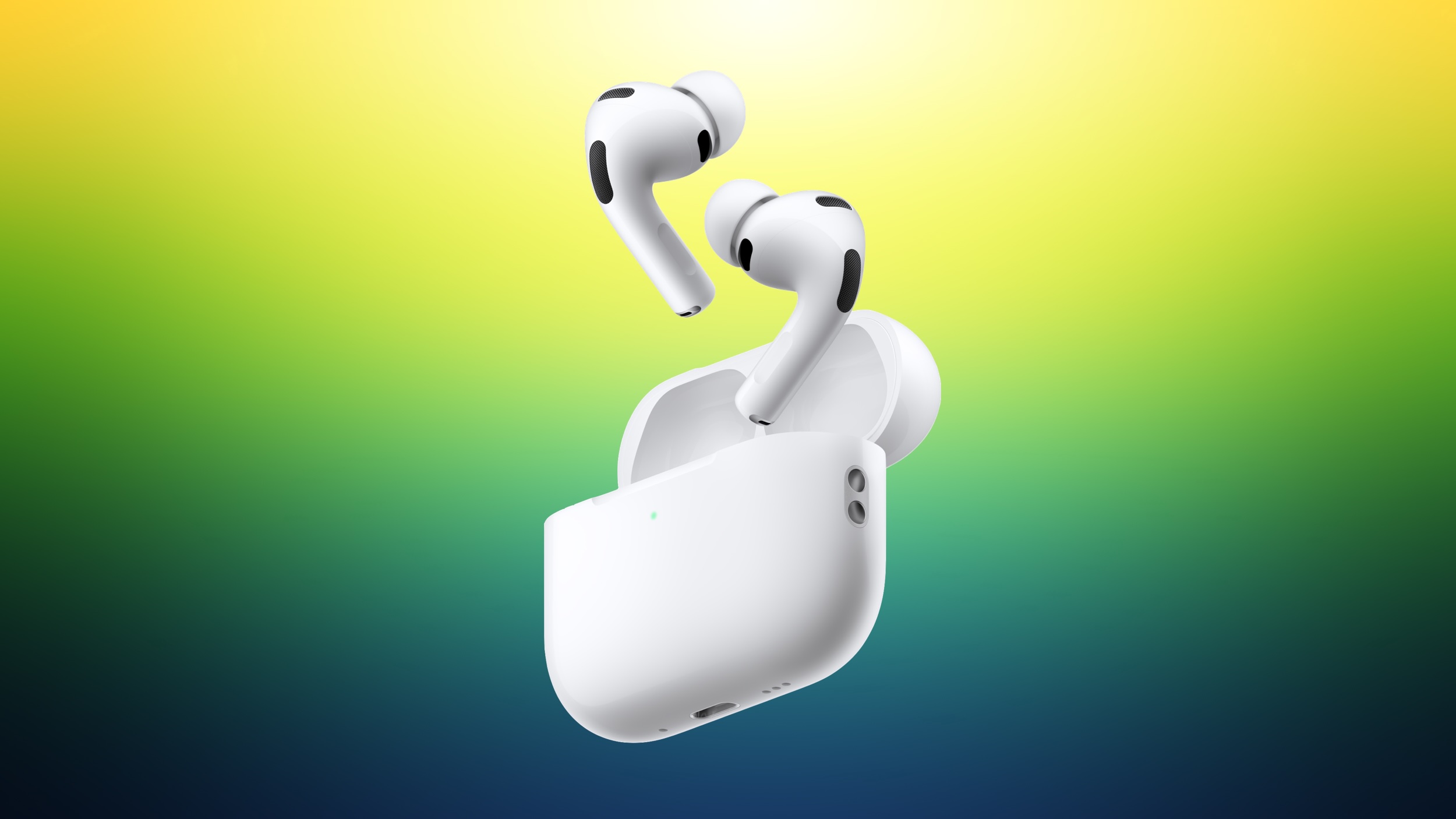
Apple's Camera AirPods May Launch as 'AirPods Pro,' Not 'AirPods Ultra'

The camera-equipped AirPods that we've confirmed Apple is working on are likely going to be part of the AirPods Pro lineup rather than separate "AirPods Ultra."


A macOS Tahoe 26.7 file that references the new AirPods is labeled "AirPods Pro," hinting at the new name. It's possible that's a placeholder name, so AirPods Ultra isn't entirely out of the question, but given Apple put a full video of the new AirPods in the software, there isn't much need for a placeholder.

Bloomberg's Mark Gurman said in March that Apple was considering several devices with the Ultra name, including the foldable iPhone Ultra, AirPods Ultra, and an OLED MacBook Ultra, but that may not be a term we see for the new AirPods. He suggested Apple might use the name because the camera-equipped AirPods were expected to be more expensive than the $249 AirPods Pro 3, so Apple's "Pro" choice could also be a hint that pricing won't be too far off the current model.

Rumors about camera-equipped AirPods have been a little confusing, and that could account for any naming discrepancies. Most of the rumors about the AirPods with a camera were about a product with the codename B798. In June, Gurman said the camera AirPods had been delayed because of issues with Siri AI, and would not launch until September 2027 alongside the 20th anniversary iPhone.

In early August, Gurman revised his launch timing and said Apple was close to debuting camera AirPods with the codename B790. The B790 AirPods had apparently been progressing alongside the B798 model, and Gurman said the company "famously creates competing versions of the same product internally," with B790 closer to launch than B798.

It's not known if there are differences between the B790 and B798 products Apple has been working on, but it looks like we're going to see the camera AirPods this year. The AirPods video in ‌macOS Tahoe‌ 26.7 suggests the device is near-ready to launch.

The camera in the AirPods will not be used for capturing photos and videos and will instead feed visual information to ‌Siri‌ AI for an easier-to-use version of Visual Intelligence.
Related Roundup: AirPods Pro 3
Buyer's Guide: AirPods Pro (Neutral)
Related Forum: AirPods

This article, "Apple's Camera AirPods May Launch as 'AirPods Pro,' Not 'AirPods Ultra'" first appeared on MacRumors.com

Discuss this article in our forums

  •  

Apple Overhauls EU App Store Fees to Settle Digital Markets Act Dispute

Apple today announced changes to its App Store policies and fees in the European Union to comply with the Digital Markets Act. Apple says the changes were made after "close collaboration" with the European Commission, and the updates simplify the fee structure and "resolve Apple's disagreements with the Commission over business terms and alternative distribution."


The initial acquisition fee and store services fee are being removed for apps distributed outside of the ‌App Store‌, and Apple will now charge a 5% Core Technology Commission on digital purchases that replaces the prior per-install Core Technology Fee.

Commission rates are changing for ‌App Store‌ apps, alternative payments, and apps distributed through alternative app marketplaces or the web.

  • App Store Apps With In-App Purchase - Apple will charge a 26% fee for apps distributed through the ‌App Store‌ that use in-app purchase. The fee will be 15% for Small Business Program, Mini Apps Partner Program, and Video Partner Program participants. It will also be 15% for auto-renewing subscriptions after their first year.

  • App Store Apps Using Alternative Payments - Apps in the ‌App Store‌ that use in-app alternative payment processing will pay 20%. Developers in Apple's programs will pay 10%.

  • Apps That Link Out of the App for Purchases - Apps that link to a website purchase option will pay 15%. Developers in Apple's programs will pay 10%.

  • Alternative App Marketplace Apps - Apple will charge a 5% Core Technology Commission.

  • Apps Distributed via the Web - Apple will charge a 5% Core Technology Commission.


Developers can offer in-app purchase options alongside alternative payment options in the EU, which is something Apple did not allow before. Apple says there will be presentation requirements so users have a consistent, transparent experience.

Developers distributing apps in the EU must select their payment options and maintain those options for 12 months before making changes to "provide consistency and clarity for users." Apple will still use a Notarization process for apps downloadable through the web and through alternative app marketplaces.

Apps in the Kids category or being used by children under 13 will not include links to websites to complete transactions. All apps that use alternative payment processing or link to a website for transactions have to include a parental gate if the user is under 18.

Apple is relaxing the rules for operating an alternative app marketplace or distributing apps via the web in the European Union. Apple used to require developers to have a one million euro standby letter of credit from an A-rated financial institution, but the new rules are as follows:

  • Meet a moderate financial-stability bar as scored by Dun & Bradstreet.

  • Are publicly traded or owned by a publicly traded company.

  • Have received venture funding from an established investment firm.

  • Have completed a financial audit by a licensed accountant.

  • Are a government entity, educational institution, or nonprofit.


Developers can sign the new terms starting today, and the changes go into effect on October 1.
This article, "Apple Overhauls EU App Store Fees to Settle Digital Markets Act Dispute" first appeared on MacRumors.com

Discuss this article in our forums

  •  

Apple's Camera-Equipped AirPods Confirmed: See Them in Action

Apple is working on camera-equipped AirPods that appear to be nearly ready to launch, based on a video MacRumors found in the macOS Tahoe 26.7 release candidate.


In a short demo, a man holds a book up so the camera in the AirPods can see the title. "With Visual Intelligence, your world becomes savable. See something you like? Just ask me to save it for later," says the voiceover text.

Here is your first look at AirPods with Cameras in action using Visual Intelligence.

This video file came from macOS 26.7 RC pic.twitter.com/yo7RI4MCeu

— Aaron (@aaronp613) August 18, 2026

The camera on the AirPods will feed information to ‌Visual Intelligence‌, and Siri will be able to answer questions about the wearer's surroundings and log information. There is a direct reference to setting up ‌Visual Intelligence‌ on the AirPods.

If hair is covering the AirPods up, you'll receive an alert. "To get the most accurate information about things in your environment, make sure AirPods are not covered," it says.

The camera-equipped AirPods have the codename B790, which was also previously mentioned by Bloomberg's Mark Gurman. Gurman suggested the AirPods could launch as soon as September, so we could see them at the iPhone-centric event where Apple will unveil the iPhone 18 Pro, ‌iPhone 18 Pro‌ Max, and foldable iPhone Ultra.

‌macOS Tahoe‌ 26.7 has multiple other mentions of the B790 product, as well as references to a long list of other unreleased Apple products.
Related Roundups: AirPods 4, AirPods Pro 3
Related Forum: AirPods

This article, "Apple's Camera-Equipped AirPods Confirmed: See Them in Action" first appeared on MacRumors.com

Discuss this article in our forums

  •  

macOS Tahoe 26.7 is Full of References to Unreleased Apple Products

The macOS Tahoe 26.7 release candidate that Apple seeded today has references to several unreleased products, from home devices to iPhones, iPads, AirPods, and Macs.


Some of these codenames have shown up in prior software updates but have new feature flags, while others haven't been seen in the code before.

Home Accessories


  • Home Hub (J490/HomeAccessory17,1 and J491/HomeAccessory17,2) - There are references to Siri setup for a "J490" home accessory, which has previously been identified as Apple's upcoming home hub. There's a second reference to J490 and J491. J490 is believed to be the version of the home hub with a base, while J491 is the version that's meant to be mounted on a wall.

  • HomePod mini (B525) - Code mentions "Argentium" has been installed on a product codenamed B525, which likely corresponds to the HomePod mini. The current HomePod mini has a B520 codename.

  • Home Accessory (J229) - There is a reference to "J229Architecture," a codename for an unreleased Apple product. J229 previously popped up in iOS 26 last December and was found by Macworld. The site said it was a device with multiple sensors and the ability to detect alarm sounds and capture images. It's possible J229 is the rumored security camera Apple is working on, or some kind of accessory to go with its home hub products.

  • Pebble - There's a reference to "Pebble," which Bloomberg previously said was Apple's codename for the homeOS operating system that runs on the home hub.

  • HomeAccessory17,3 (J595) - A tabletop robot.

  • Mystery Colors - There are references to colors for a home accessory, which might be linked to the ‌HomePod mini‌ 2, the home hub, or something else. The colors are Rose Pink, Silver, Space Gray, and Starlight.

  • Audio Accessory Visual Reasoning - There is an audio_accessory_visual_reasoning string, which could be for the home hub.


Headphones


  • AirPods with Cameras (B790) - B790 is the codename for AirPods with a camera, according to Bloomberg. Confusingly, these are not the camera-equipped AirPods rumored for 2027 because those have a B798 codename, but are a "separate camera AirPods project" that could come out as soon as September. Code specifically mentions an image stream for the device: "B790 start image stream failed for left bud."

  • Beats (B518 and B522) - B518 and B522 could reference upcoming Beats headphones.

  • AirPods Pro 4 - There is a reference to AirPodsPro1,4, which could be fourth-generation AirPods Pro. The current AirPods Pro 3 are AirPodsPro1,3. There's also a reference to AirPod3,5.


iPhone


  • iPhone Air 2 (V62) - V62 was previously seen in iOS 27 code, and Macworld says it's the iPhone Air 2. The ‌iPhone Air‌ 2 isn't expected until spring 2027.

  • iPhone 18 Pro (V63) - V63 was previously seen in ‌iOS 27‌ code, and Macworld says it's the iPhone 18 Pro. The ‌iPhone 18 Pro‌ is expected in September.

  • iPhone 18 Pro Max (V64) - V64 was previously seen in ‌iOS 27‌ code, and Macworld says it's the ‌iPhone 18 Pro‌ Max. The ‌iPhone 18 Pro‌ Max is expected in September.

  • iPhone 18 (V67) - V67 was previously seen in ‌iOS 27‌ code, and Macworld says it's the iPhone 18. The ‌iPhone 18‌ isn't expected until spring 2027.

  • iPhone Ultra (V68) - V68 was previously seen in ‌iOS 27‌ code, and Macworld says it's the foldable iPhone Ultra. The ‌iPhone Ultra‌ is expected in September.


Mac


  • MacBook Pro (J804) - J804 is the entry-level 14-inch MacBook Pro that's going to be updated with an M6 chip before the end of the year. The current M5 ‌MacBook Pro‌ is J704.

  • iMac (J833 and J834) - J833 and J834 are the codenames for new iMac models Apple is working on, according to Bloomberg.

  • MacBook Pro - K114c, K114s, K116c, and K116s reference upcoming ‌MacBook Pro‌ models. It's possible these are the higher-end OLED ‌MacBook Pro‌ models Apple is working on.


iPad


  • iPad mini (J510 and J511) - J510 and J511 are the codenames for the next-generation iPad mini rumored to be getting an ‌OLED‌ display and A19 Pro chip.


Headset


Apple TV Remote


There's a mention of ATVRemote1,5, which appears to be a new Apple TV remote. Rumors previously suggested the next ‌Apple TV‌ could come with an updated remote control.

Apple Intelligence in China


There are references to Writing Tools coming to China. Code mention temporary restrictions due to triggering safety alerts, and content that won't be able to be edited with Apple Intelligence.


  • Content safety update required. iPhone will be able to use Writing Tools once the automatic update completes.

  • Unable to edit this text. %1$@ may be able to help with this type of content. This text will need to be sent to %2$@.

  • Writing Tools are temporarily restricted due to triggering safety alerts multiple times.


Unknown Model Numbers


There are multiple model numbers listed that do not correspond to any existing Apple product and they don't have a clear link to an upcoming product.

  • A3436, A3437, A3438, A3439, A3440, A3441

  • A3456, A3457

  • A3465

  • A3529, A3530, A3531, A3532, A3533

  • A3543

  • A3577

  • Device1,8234

  • Device1,8236

  • Device1,8238

  • Device1,8240

  • Device1,8241

  • Device1,8242

  • Device1,8246

  • Device1,8247

  • Device1,8248


We'll see the first devices on this list launch this September, when Apple is expected to introduce the ‌iPhone 18 Pro‌, ‌iPhone 18 Pro‌ Max, and ‌iPhone Ultra‌. We don't yet know when new home products or Macs might come out. Apple often holds two fall events, so there could be a second event in October or November for the ‌MacBook Pro‌, ‌iMac‌, ‌iPad mini‌, and home accessories.
Related Roundup: macOS Tahoe
Related Forum: macOS Tahoe

This article, "macOS Tahoe 26.7 is Full of References to Unreleased Apple Products" first appeared on MacRumors.com

Discuss this article in our forums

  •  

Apple Releases New iOS 27, iPadOS 27, macOS 27, and tvOS 27 Public Betas

Apple today released the fourth public betas of iOS 27, iPadOS 27, tvOS 27, and macOS Golden Gate, allowing anyone with a compatible device to download and test the new software. The fourth betas come a week after Apple seeded the third betas and just a few hours after the sixth developer betas.


You can get started by signing up on Apple's beta website and then opting in to the public beta by opening up the Settings app on your device, selecting General, and choosing Software Update.

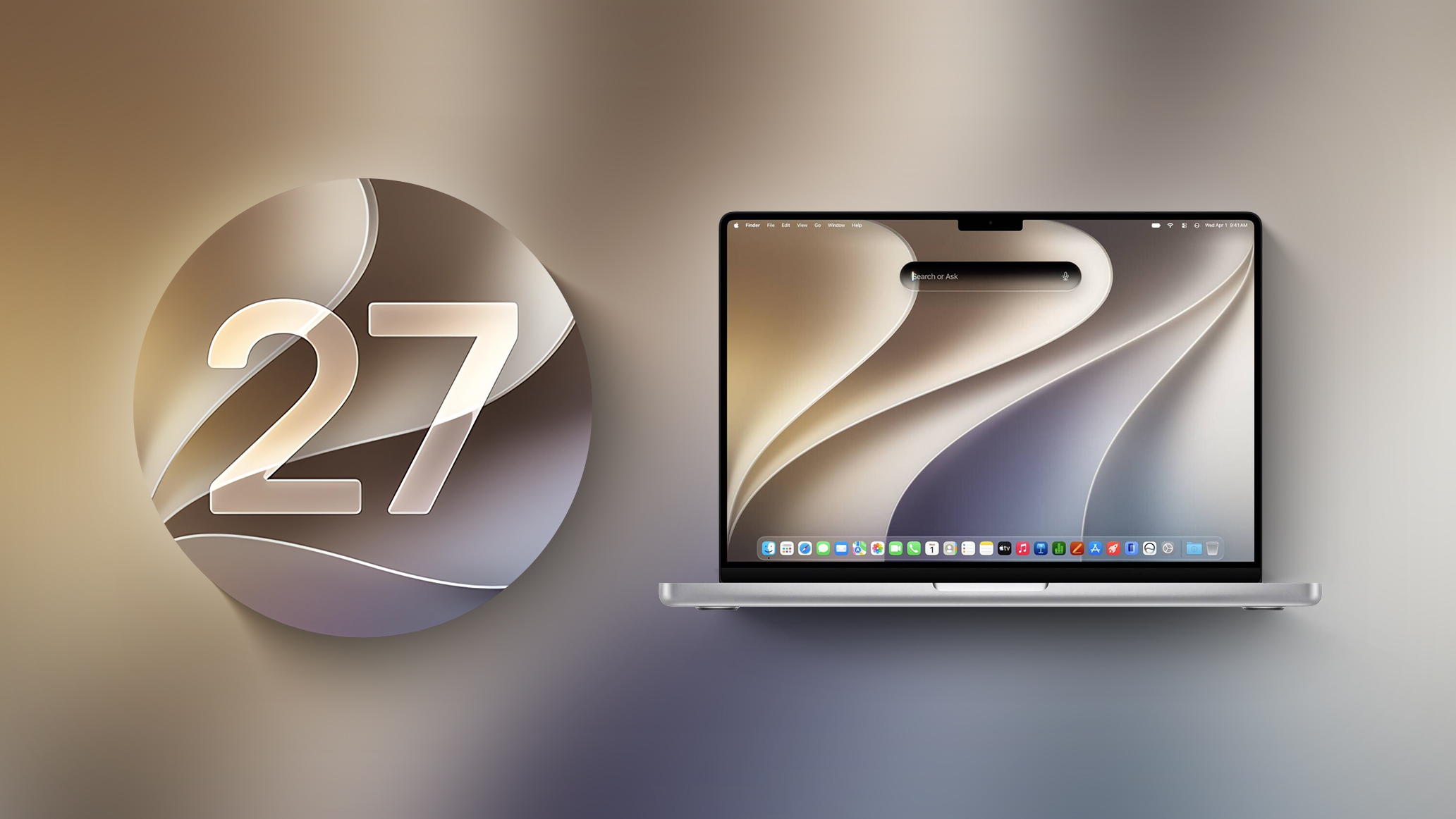
We are nearing the end of the beta testing process, and few new features were found in today's developer betas. ‌macOS Golden Gate‌ includes new wallpapers, while ‌iOS 27‌ has a Shortcuts splash screen and a new Game Center icon.
Related Roundups: Apple TV, iOS 27, iPadOS 27
Buyer's Guide: Apple TV (Don't Buy)

This article, "Apple Releases New iOS 27, iPadOS 27, macOS 27, and tvOS 27 Public Betas" first appeared on MacRumors.com

Discuss this article in our forums

  •  

Apple Adds More New Wallpapers in macOS Golden Gate

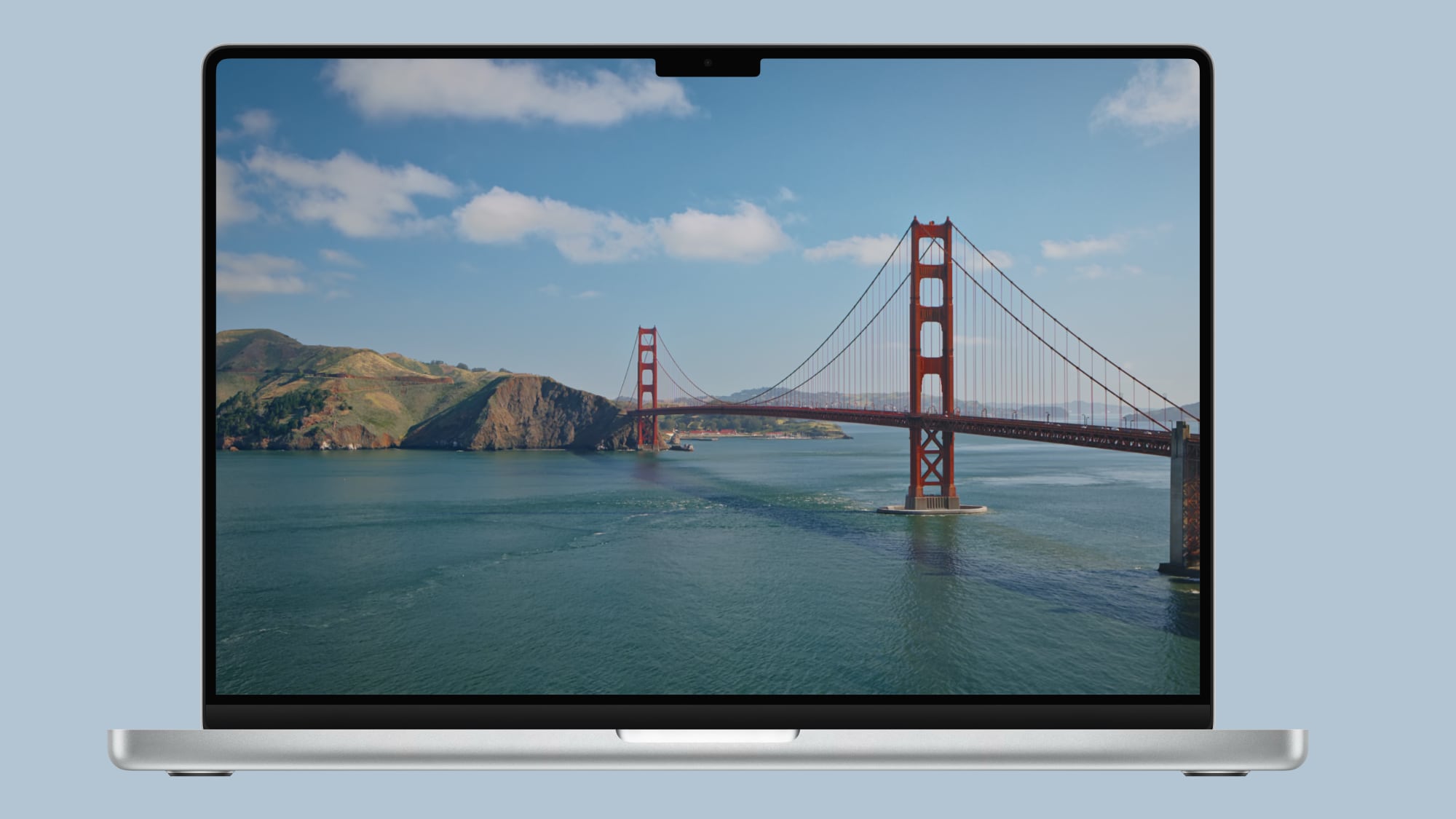
Apple today added two new Golden Gate-themed wallpaper options in the sixth beta of macOS 27.


There are new Golden Gate Day and Golden Gate Evening wallpaper options that join the Golden Gate Sunset and Golden Gate Night wallpapers that Apple introduced in earlier betas.

macOS 27 also includes abstract Golden Gate wallpaper options for those who don't prefer scenery.


Golden Gate Day and Golden Gate Evening animate when you unlock your Mac, and can be set as a screen saver. When used as screen saver, both wallpapers feature cars slowly driving across the bridge.

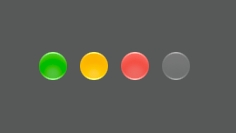
Apple also tweaked the look of the traffic light buttons in macOS Golden Gate beta six, adding a Liquid Glass aesthetic.


‌macOS Golden Gate‌ is available for developers and public beta testers, with a public launch coming in September.
Related Roundup: macOS Golden Gate

This article, "Apple Adds More New Wallpapers in macOS Golden Gate" first appeared on MacRumors.com

Discuss this article in our forums

  •  

iOS 26.6.1 and macOS Tahoe 26.6.2 Fix Nearly 30 Security Vulnerabilities

The iOS 26.6.1, iPadOS 26.6.1, and macOS Tahoe 26.6.2 updates Apple released today fix almost 30 security vulnerabilities, according to Apple's security support document. This is Apple's third security release in three weeks as AI surfaces bugs faster than the company's typical release schedule can absorb.


Apple says the software includes security fixes that were previously added to the iOS 27, iPadOS 27, and macOS Golden Gate betas.

There are fixes for an audio vulnerability that could allow an app to leak sensitive user information, an image vulnerability that could allow for arbitrary code execution, a trio of kernel vulnerabilities, and several WebKit bugs that could cause memory corruption or Safari crashes. Of the 29 CVEs outlined in the document, 21 are WebKit-related, and nine are credited to OpenAI Codex Security.

On iOS, Apple also fixed a telephony bug that could allow an attacker in a privileged network position to bypass IPSec authentication and intercept network traffic.

None of the vulnerabilities are known to have been actively exploited, but Apple always recommends updating to new versions of iOS, iPadOS, and macOS as soon as possible. Now that the vulnerabilities have been made public, attackers could target devices still running earlier versions of the software.

Apple also released iOS 18.7.10 and iPadOS 18.7.10 for devices unable to run iOS 26 and iPadOS 26. Apple did not ship macOS Sequoia or macOS Sonoma updates for Macs unable to run ‌macOS Tahoe‌.

The updates can be installed by opening up the Settings app, tapping into the General section, and selecting Software Update.
Related Roundups: iOS 26, iPadOS 26, macOS Tahoe
Related Forums: iOS 26, macOS Tahoe

This article, "iOS 26.6.1 and macOS Tahoe 26.6.2 Fix Nearly 30 Security Vulnerabilities" first appeared on MacRumors.com

Discuss this article in our forums

  •  

Apple Seeds Sixth visionOS 27 Beta to Developers

Apple today provided developers with the sixth beta of an upcoming visionOS 27 update for testing purposes. The beta comes a week after Apple released the fifth beta.


visionOS 27 can be installed by opening the Settings app, going to Software Updates, and opting into Beta Updates.

visionOS 27 introduces Siri AI, the smarter and more capable version of ‌Siri‌ that's similar in capability to chatbots like ChatGPT and Claude. On the Vision Pro, ‌Siri‌ can answer questions about anything the wearer is looking at, and there's a new ‌Siri‌ orb that can be placed anywhere in wearer's virtual space.

Panorama photos can be turned into spatial environments, and there's a new Icelandic Thórsmörk environment that features dramatic mountains, valleys, and glaciers, along with the northern lights. Web Environment support allows developers to create 360-degree environments in Safari for a more native Vision Pro browsing experience.

App windows are now curved to provide a more immersive workspace, and Control Center has been reorganized to make system controls easier to find. Apple added a smaller widget size, and notifications automatically expand when the wearer looks at them.

More on what's new in visionOS 27 is listed in our Vision Pro roundup.
Related Roundup: Apple Vision Pro
Buyer's Guide: Vision Pro (Neutral)
Related Forum: Apple Vision Pro

This article, "Apple Seeds Sixth visionOS 27 Beta to Developers" first appeared on MacRumors.com

Discuss this article in our forums

  •  

Apple Seeds watchOS 27 Beta 6 to Developers

Apple today seeded the sixth beta of watchOS 27 to developers, with the update coming a week after the launch of the fifth beta.


The beta can be downloaded through the Watch app on the iPhone with a free developer account. The Apple Watch will need to be on the charger, connected to Wi-Fi, and have a battery level of 50 percent or above for new software to be installed. The beta is available for all Apple Watch models compatible with ‌watchOS 27‌ except for the Apple Watch Ultra 3.

‌watchOS 27‌ gains Siri AI, the smarter, more capable version of ‌Siri‌. ‌Siri‌ can hold back-and-forth conversations, plus it has access to general world knowledge and your personal data to answer questions and find information. ‌Siri‌ AI on Apple Watch requires an iPhone that supports Apple Intelligence, including the iPhone 15 Pro and later.

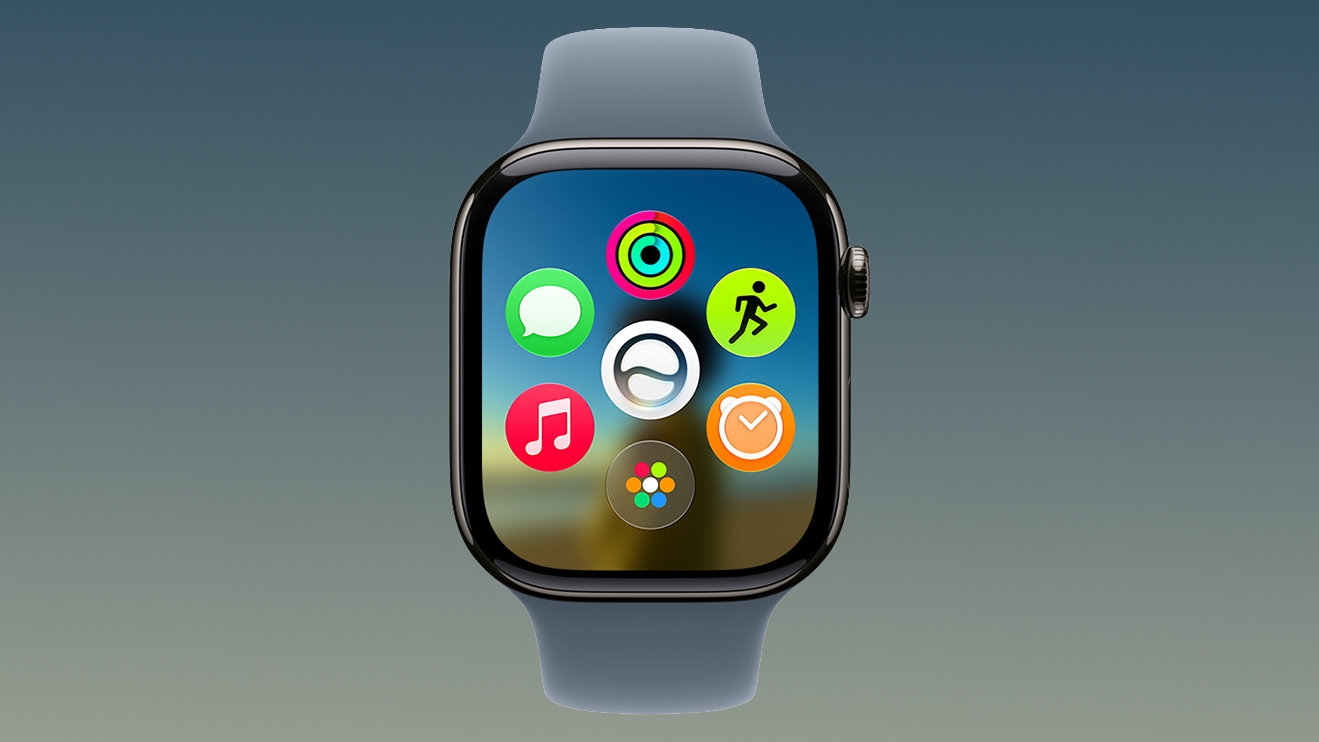
There's a new Dynamic app grid that highlights ‌Siri‌ suggested apps, and more intuitive Smart Stack Suggestions. You can find your parked car, see pinned messages, get noise alerts, and view identity and transit cards.

Liquid Glass has been updated to improve legibility, and Workout Buddy works on the Apple Watch even when an iPhone isn't nearby. Workout Buddy also gains new metrics like progressive increases to distance, pace, or duration. Apple added a new all-in-one Find My app with support for Precision Finding, and there are performance optimizations that improve battery life.

More on what's new in ‌watchOS 27‌ is available in our watchOS 27 roundup.
Related Roundups: watchOS 26, watchOS 27
Related Forum: Apple Watch

This article, "Apple Seeds watchOS 27 Beta 6 to Developers" first appeared on MacRumors.com

Discuss this article in our forums

  •  

Apple Seeds tvOS 27 Beta 6 to Developers

Apple today seeded the sixth beta of tvOS 27 to developers for testing purposes, with the update coming a week after Apple released the fifth beta.


The beta can be downloaded and installed through the Settings app on the Apple TV. A free developer account is required.

tvOS 27 has few new features compared to the other 27 software updates, but it does add a redesigned Podcasts app, options for larger text, and a more responsive Control Center.

AirPlaying to an ‌Apple TV‌ from another Apple device is faster, and apps and animations are smoother. You can also now see AppleCare coverage details in the Settings app.

More on the features in tvOS 27 can be found in our Apple TV roundup.
Related Roundup: Apple TV
Buyer's Guide: Apple TV (Don't Buy)

This article, "Apple Seeds tvOS 27 Beta 6 to Developers" first appeared on MacRumors.com

Discuss this article in our forums

  •  

Apple Releases macOS Golden Gate Beta 6

Apple today provided developers with the sixth beta of macOS Golden Gate, with the update coming a week after Apple seeded the fifth beta.


Developers can download ‌macOS Golden Gate‌ by going to System Settings > General > Software Update. Beta Updates will need to be enabled, and a free developer account is required.

‌macOS Golden Gate‌ includes multiple design improvements. Liquid Glass opacity has been improved to increase readability, there's a slider for controlling the level of transparency, and changes to shadowing make it easier to tell when a window is active. Apps now have uniform toolbars, edge-to-edge sidebars, and less rounded corners, plus there are fewer icons in menu bars.

Siri has been transformed into ‌Siri‌ AI, a chatbot-style assistant that combines general world knowledge, your personal data, and onscreen awareness to answer questions about anything and find information for you. ‌Siri‌ lives in Spotlight, and you can ask questions with the new Search or Ask interface.

There's also a ‌Siri‌ app where you can chat with ‌Siri‌ and view past conversations, and on newer Macs, you can set a custom voice for ‌Siri‌ with personalized pace and expressivity. Visual Intelligence is now on the Mac so ‌Siri‌ can answer questions about what's on your screen, and a Write with ‌Siri‌ feature lets ‌Siri‌ generate text or give feedback on your writing.

There are AI photo editing tools in the Photos app, AI tab organization in Safari, an option to use AI to automatically update weak passwords in the Passwords app, and a revamped Image Playground app that can generate photorealistic images.

More on all of the new features in ‌macOS Golden Gate‌ can be found in our macOS Golden Gate roundup.
Related Roundup: macOS Golden Gate

This article, "Apple Releases macOS Golden Gate Beta 6" first appeared on MacRumors.com

Discuss this article in our forums

  •  

Apple Seeds Sixth iOS 27 and iPadOS 27 Betas to Developers

Apple today seeded the sixth betas of iOS 27 and iPadOS 27 to developers for testing purposes, with the update coming one week after Apple released the fifth betas.


Registered developers can download the betas from the Settings app on the iPhone or iPad by going to the General section and selecting Software Update.

‌iOS 27‌ introduces Apple's smarter version of Siri, ‌Siri‌ AI. ‌Siri‌ AI is a chatbot similar to ChatGPT, incorporating general world knowledge, personal data from apps like Messages and Mail, and onscreen awareness to answer questions and find information for you.

There are new Apple Intelligence features in apps like Photos, Safari, Shortcuts, Wallet, and Passwords, plus Apple added a standalone ‌Siri‌ app that houses ‌Siri‌ conversations. Write with ‌Siri‌ is available systemwide for generating text or offering feedback on your writing, and Visual Intelligence has been relocated to the Camera app with a new ‌Siri‌ mode.

Apple improved the look of Liquid Glass and added a slider for customizing transparency. There are multiple performance improvements to speed up iOS, so everything feels faster, even on older iPhones. Apps launch quicker, AirDrop transfers are faster, the keyboard pops up more quickly, and devices are better at transitioning between Wi-Fi and Cellular to keep you connected.

For more on what's new in ‌iOS 27‌, we have a dedicated iOS 27 roundup.
Related Roundups: iOS 27, iPadOS 27

This article, "Apple Seeds Sixth iOS 27 and iPadOS 27 Betas to Developers" first appeared on MacRumors.com

Discuss this article in our forums

  •  

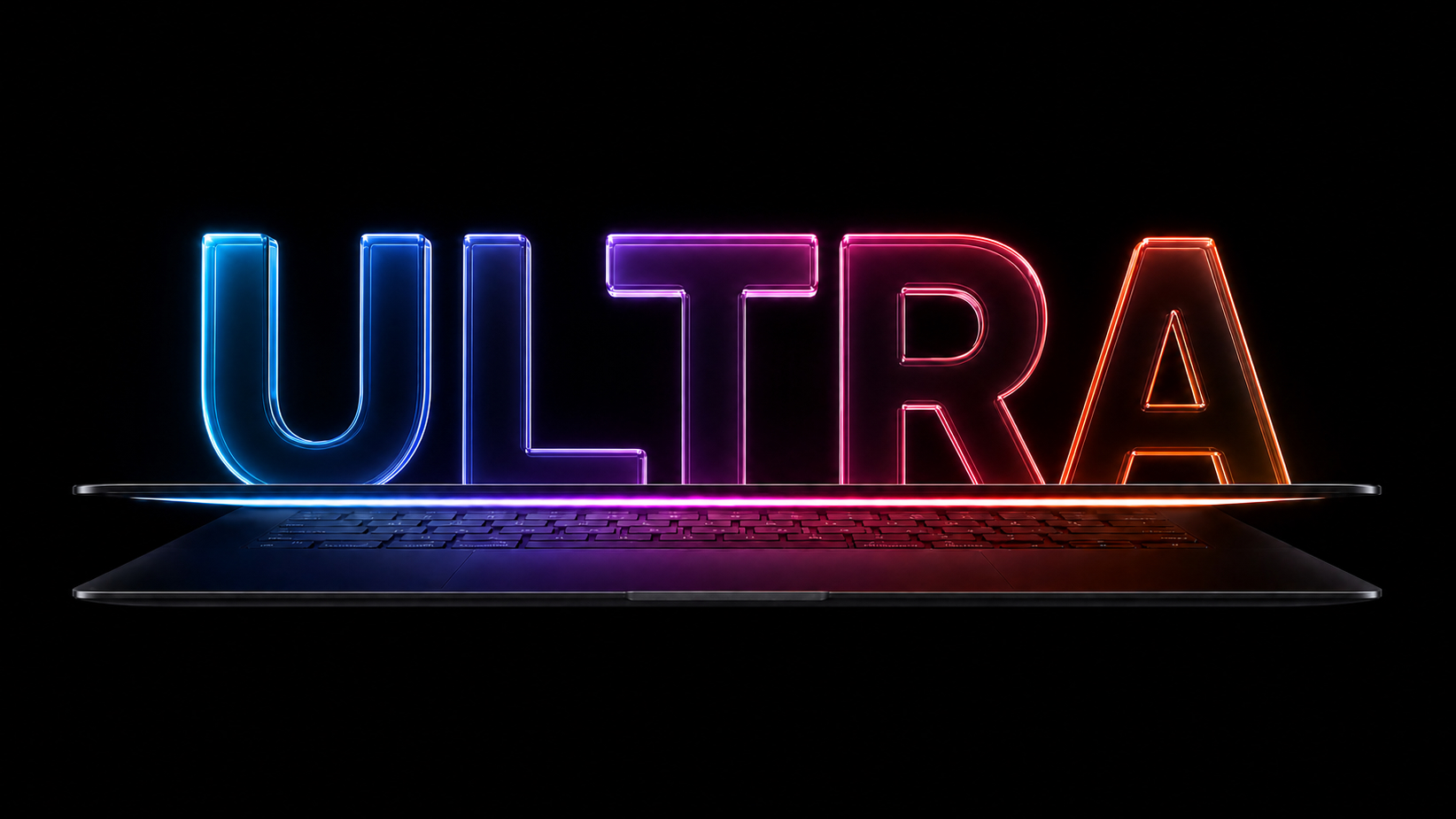
MacBook Ultra: Everything We Know About Apple's OLED Touchscreen Mac

Apple is working on a high-end MacBook Pro that could be called the "MacBook Ultra." The device will have several firsts in a Mac, including an OLED display and a touchscreen.


The "Ultra" name isn't a sure thing, because Apple could also continue to call the device the ‌MacBook Pro‌ and make it a high-end model in the Pro lineup. There are rumors of other "Ultra" devices in the works like AirPods and the foldable iPhone, which could be called the iPhone Ultra.

Design


Apple hasn't redesigned the ‌MacBook Pro‌ since the launch of the M1 Pro and M1 Max models in 2021, so the device is due for a new look. The MacBook Ultra could feature some design changes, including a thinner chassis.

Apple could get rid of the notch on the MacBook Ultra, replacing it with an iPhone-style Dynamic Island. A ‌Dynamic Island‌ could better unify the way Siri AI behaves across the iPhone and the Mac with iOS 27 and macOS Golden Gate.

Size Options


The MacBook Ultra will be available in both 14-inch and 16-inch size options.

Display


Apple's upcoming MacBook will be the first with an OLED display. OLED display technology is already used for the iPhone, Apple Watch, and iPad Pro, but it has taken time for larger-sized OLED screens to come down in price.

OLED will be an upgrade over the current mini-LED display technology in most cases, bringing deeper colors and a higher contrast ratio with true blacks. In an OLED display, individual pixels turn off instead of dimming when not activated, so there's less light leakage. OLED displays tend to have better HDR than mini-LED, but sometimes don't match the mini-LED brightness levels.

Along with OLED technology, the MacBook Ultra is expected to have the first touchscreen display on a Mac. Users will be able to use their fingers to interact with the Mac's display, similar to an iPad.

Touchscreen capabilities will be used alongside the trackpad and keyboard, suggesting Apple sees touch as supplementary rather than a primary control method. Apple is rumored to be adapting ‌macOS Golden Gate‌ for touch input.

Apple plans to add a reinforced hinge to the MacBook Ultra's display so that it doesn't wobble when it's tapped.

MacBook Ultra Hints


There are features in ‌macOS Golden Gate‌ that hint at a future touchscreen Mac. Apple added direct touch input to Sidecar so users can tap and interact with macOS elements when using the ‌iPad‌ as a Mac display.

‌macOS Golden Gate‌ supports an iPhone-style pull-to-refresh option, and it can be used across apps like Safari, Mail, News, Podcasts, and Calendar. A pull-to-refresh option makes the most sense on a touch display.

Chips


The current ‌MacBook Pro‌ models are equipped with M5 Pro and M5 Max chips, and Apple plans to use the same chips for the rumored MacBook Ultra.

Apple is planning to introduce the M6 chip as soon as late 2026, but Bloomberg says Apple isn't going to release any other chips in the M6 series. Apple's chip plans have changed in recent months, and the company is now accelerating the launch of the M7 series. The M7 chips feature major neural processing improvements that will meet increasing demand for machines better able to handle AI tasks.

With no M6 Pro or M6 Max planned, Apple will need to use the M5 Pro and M5 Max so it doesn't have to wait for the M7 series before debuting the MacBook Ultra. A second-generation MacBook Ultra will use the M7 Pro and M7 Max chips, with that machine planned for late 2027 or early 2028.

Pricing


Apple's OLED MacBook is expected to be a premium product, with a price tag higher than current ‌MacBook Pro‌ models. Apple raised the prices of all Macs in June 2026, and so the MacBook Ultra will likely be even more expensive than expected. ‌MacBook Pro‌ pricing went up $300.

The higher-end 14-inch ‌MacBook Pro‌ with M5 Pro chip starts at $2,499 after the price increase, while the 16-inch M5 Pro ‌MacBook Pro‌ starts at $2,999. The OLED MacBook will be priced even higher.

Launch Date


Rumors suggest the MacBook Ultra will launch in late 2026 or early 2027, with mass production to start in late 2026. If the MacBook Ultra comes in 2026, it could be released sometime between October and December, but it won't be introduced at Apple's September iPhone event. If the new MacBook launches in 2027, it could come early in the year at Apple's first 2027 event.

Timing is uncertain because of ongoing memory shortages. Apple will need to be able to secure enough memory chips, and that could affect the company's launch plans.
This article, "MacBook Ultra: Everything We Know About Apple's OLED Touchscreen Mac" first appeared on MacRumors.com

Discuss this article in our forums

  •  

Should You Buy an iPhone 17 Now or Wait for iPhone 18?

For the first time since Apple started selling standard and "Pro" iPhones, we're not going to get an entry-level iPhone model this fall. Apple doesn't plan to release an iPhone 18 in September, and will only launch the iPhone 18 Pro, ‌iPhone 18 Pro‌ Max, and foldable iPhone Ultra. The lower-cost ‌iPhone 18‌ won't come out until spring 2027.


With prices rumored to be going up in the fall, does it make sense to buy an iPhone 17 now, or wait for the ‌iPhone 18‌?

Price Increases


Apple raised the prices of Macs and iPads in June, but iPhones remain untouched so far. We're expecting the ‌iPhone 18 Pro‌ and Pro Max to be $100 to $300 more expensive, and the ‌iPhone 18‌ could also be pricier.

TrendForce suggests Apple could charge more for the ‌iPhone 17‌ when it introduces new ‌iPhone 18 Pro‌ models, with price increases hitting even existing iPhone models. If that's the case, there won't be a monetary benefit to waiting to buy a prior-generation iPhone like there usually is. Depending on how much prices go up, you could save some cash if you buy now, especially if you're buying outright. Pricing on the ‌iPhone 17‌ starts at $799.

With a payment plan, you'll still save money, but a few dollars per month over a 12-month to 24-month period won't hit as hard.

Trade-Ins


If you're planning to trade in an older iPhone, it'll be worth more now than it will be when the ‌iPhone 18 Pro‌ models come out. Trade-in prices for older iPhones drop with every new iPhone launch.

Quality Might Go Down


From what we've heard of ‌iPhone 18‌ rumors, Apple could be implementing cost-cutting measures that drop quality in some areas. Apple might use a cheaper screen that's not as bright, and lower-quality A20 chips with fewer GPU cores. Apple is said to be using components from the low-cost iPhone 18e for the ‌iPhone 18‌, narrowing the gap between the two devices. If that's the case, it won't be as good a value as the ‌iPhone 17‌ because it will share fewer features with Apple's more expensive iPhones.

iOS 27 Features


There are mixed rumors about the ‌iPhone 18‌'s RAM situation. Two rumors say it will get 12GB, but analyst Ming-Chi Kuo says Apple is only going to up it to 9GB. With 9GB RAM, the ‌iPhone 18‌ won't support the iOS 27 Siri voice customization and dictation features, which require 12GB RAM. The ‌iPhone 17‌ doesn't have 12GB RAM and doesn't get those features either, so there is no ‌iOS 27‌ benefit to waiting unless Apple opts for 12GB RAM.

iPhone 18 Upgrades


The ‌iPhone 18‌ is on hold until spring 2027, but we've still heard rumors about what to expect. Some of these features might be worth holding out for, depending on what you want in an iPhone.

  • A20 chip - The A20 chip will be built on Apple's 2nm process, likely bringing CPU speed and efficiency improvements.

  • RAM - The ‌iPhone 17‌ has 8GB RAM, and the ‌iPhone 18‌ is rumored to get either 9GB or 12GB. 9GB isn't much of an increase, and it won't support the ‌Siri‌ Expressive Voices or dictation improvements in ‌iOS 27‌, but 12GB would.

  • Front camera - There could be a 24-megapixel selfie cam instead of an 18-megapixel camera, but that's still up in the air.

  • Smaller Dynamic Island - The ‌iPhone 18‌ is rumored to be getting the same smaller Dynamic Island Apple is bringing to the ‌iPhone 18 Pro‌ models.

  • Modem - Apple will likely use its C2 modem in the ‌iPhone 18‌ for faster, more reliable connectivity.


The iPhone 17 Is Still Good


The ‌iPhone 17‌ is the iPhone that we recommend for most people in our 2026 iPhone Buyer's Guide. It has the best mix of premium features, performance, and price, with only a handful of features reserved for the iPhone 17 Pro models.

It has the same 120Hz ProMotion refresh rate and Always-On display, the same Wide and Ultra Wide cameras, a chip that's not too much slower, and the same size display as the ‌iPhone 17 Pro‌. It lacks a Telephoto camera, has less RAM, uses a less durable chassis, and has a smaller battery, but that's about it.

If you're coming from an older iPhone like the iPhone 13, iPhone 14, or iPhone 15, the ‌iPhone 17‌ is going to be a major upgrade, and there's little reason to wait if you don't care about the features rumored for the ‌iPhone 18‌. Cost and timing are the two main reasons you might want to buy now instead of waiting.

We don't know what ‌iPhone 17‌ and ‌iPhone 18‌ pricing will look like in spring 2027, and roughly six months is a long additional wait if you were expecting to get a new phone in September.
Related Roundups: iPhone 17, iPhone 18
Buyer's Guide: iPhone 17 (Neutral)
Related Forum: iPhone

This article, "Should You Buy an iPhone 17 Now or Wait for iPhone 18?" first appeared on MacRumors.com

Discuss this article in our forums

  •  

iPhone 17 Pro One Year Later: What Held Up and What Didn't

We're getting close to the launch of new iPhone 18 Pro models that will replace the iPhone 17 Pro models, so MacRumors videographer Dan Barbera decided to take a look back at the iPhone he's been using for close to 12 months.


Ceramic Shield 2 was the best iPhone upgrade this year. Apple said it's more resistant to scratches, and that turned out to be true. Dan goes caseless, and his ‌iPhone 17 Pro‌ has only faint scratches, while the 16 Pro was scratched after three weeks. The iPhone has also survived facedown drops with no damage, but there are a few chips in the aluminum along the edges. There have been reports of the orange color fading over time, but Dan didn't see that with his device.

Battery life was also a standout on the ‌iPhone 17 Pro‌. It's able to keep up with a full day of heavy use, which is normally only possible with the larger battery in the Pro Max iPhones. Dan swapped to the smaller ‌iPhone 17 Pro‌ over the 17 Pro Max because the battery lasted longer than the 16 Pro battery.

Apple added vapor chamber cooling in the 17 Pro, and that kept the iPhone cooler than normal for most of the year. Dan said his iPhone is running hotter with minor dips in performance, probably because of the iOS 27 beta. Running beta software can affect battery life and device performance.

Rumors suggest the ‌iPhone 18 Pro‌ isn't going to be a huge upgrade over the ‌iPhone 17 Pro‌, and it's likely prices are going to go up. It's not the worst idea to buy an ‌iPhone 17 Pro‌ now instead of holding out for the ‌iPhone 18 Pro‌, especially if you have an older iPhone.
Related Roundup: iPhone 17 Pro
Related Forum: iPhone

This article, "iPhone 17 Pro One Year Later: What Held Up and What Didn't" first appeared on MacRumors.com

Discuss this article in our forums

  •  

What's Coming in September: New iPhones, Apple Watches and More

Apple will introduce at least five new devices at its iPhone-centric event next month, and it's also possible we'll get devices waiting on Siri AI like the Apple TV.

iPhone 18 Pro


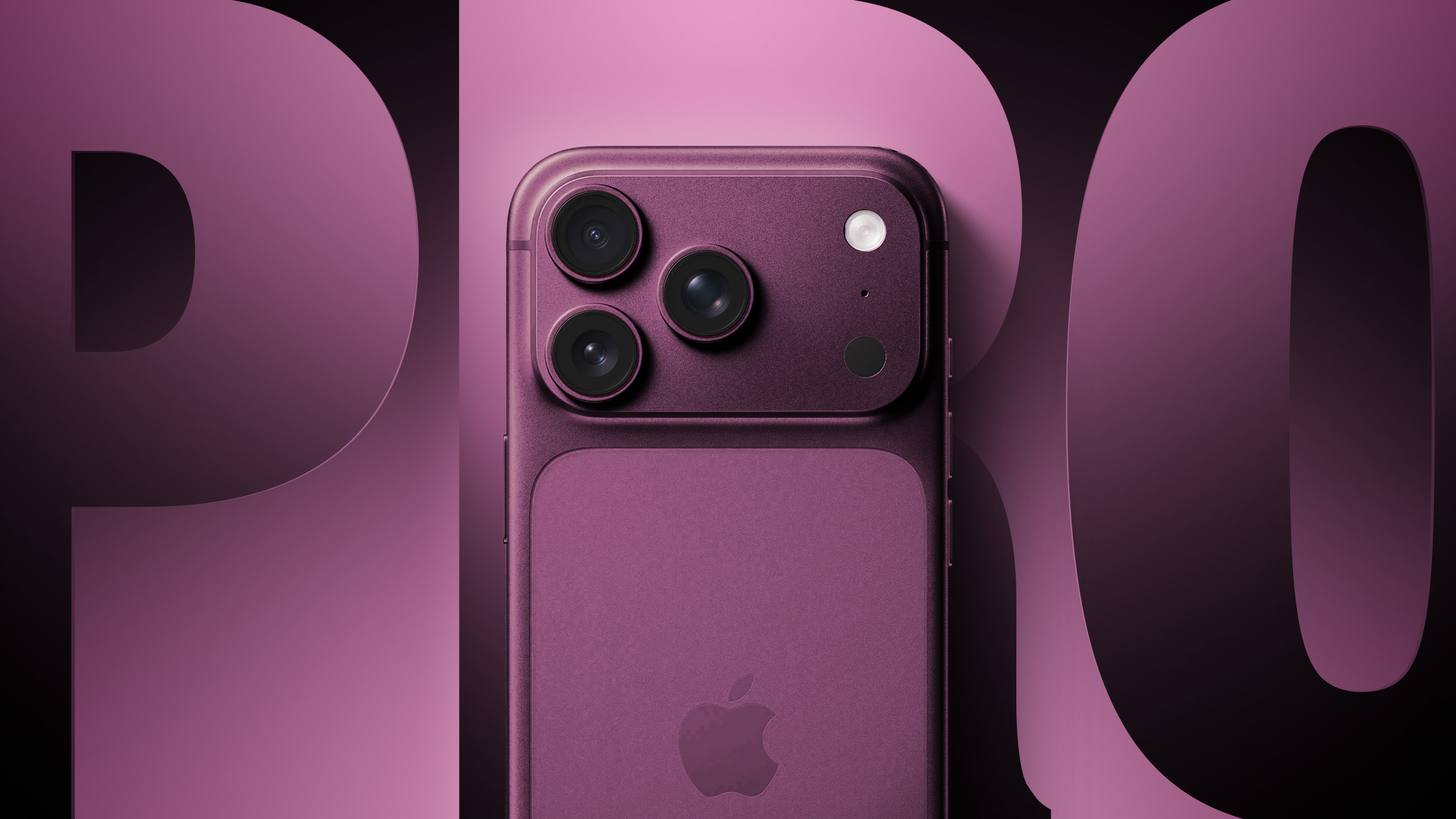
The iPhone 18 Pro is going to look like the iPhone 17 Pro, but with a smaller Dynamic Island. It's getting some internal updates, including a new Wide camera with a variable aperture for more control over lighting and a faster A20 Pro chip built on a new 2nm process. Battery life could improve with the updated chip and an upgraded LTPO+ OLED display, plus Apple could include a more efficient C2 modem and N2 networking chip. Dark Cherry is supposed to be this year's special color, and there will also be a light blue color.

iPhone 18 Pro Max


The ‌iPhone 18 Pro‌ Max will have the same feature set as the ‌iPhone 18 Pro‌, but it will have a larger battery and a bigger screen. Multiple rumors indicate the ‌iPhone 18 Pro‌ Max will be slightly thicker than the ‌iPhone 17 Pro‌ Max and the ‌iPhone 18 Pro‌ because it is slated to get a bigger battery than Apple used last year.

Both the ‌iPhone 18 Pro‌ and the ‌iPhone 18 Pro‌ Max could be up to $300 more expensive than the ‌iPhone 17 Pro‌ and the ‌iPhone 17 Pro‌ Max. Apple raised prices on Macs and iPads, but is waiting for the September refresh before upping iPhone prices.

Foldable iPhone


Apple's first foldable iPhone is almost ready to launch. The "iPhone Ultra" is expected to have a ~5.5-inch display when closed and a ~7.8-inch display when open. It'll have a 4:3 aspect ratio like an iPad, so when unfolded, it will be similar to using an iPad mini. Apple is supposedly using a hinge design that minimizes the visibility of the crease, and it'll get the same 2nm A20 chip Apple is using in the 18 Pro models.
The foldable iPhone is expected to have dual batteries with one on each side of the device, but it will be limited to a two-lens rear camera system. The iPhone is too thin for the TrueDepth camera system, so it is rumored to use Touch ID instead of Face ID. The foldable iPhone could cost somewhere between $2,000 and $2,500.

We've seen some reports of foldable iPhone manufacturing issues, and rumors that it could launch after the ‌iPhone 18 Pro‌ and ‌iPhone 18 Pro‌ Max. Apple could introduce it in September, and then launch it a bit later, which is what the company did for the iPhone X back in 2017.
Apple Watch Series 12


Apple will refresh the Apple Watch this year, but it's going to be a somewhat boring update. No design changes are expected, but it could get a faster S-series chip, and the upgrade could add improvements to some health and fitness features. It could also have a bigger battery for longer battery life.
Apple Watch Ultra 4


There's going to be an Apple Watch Ultra 4, and it will get the same chip upgrade as the Series 12. DigiTimes claimed the Ultra 4 will be thinner with an upgrade to sensing functions, but the site isn't always accurate and no other rumors have backed up the claim.

Other Possibilities


There are home products and Macs Apple could launch before the end of the year, but it's possible Apple will hold a second event sometime in October or November. There are quite a few home devices in development, plus Apple is expected to introduce an all-new home hub, so a second smart home event would make sense.

  • Home Hub - Apple is working on a home hub with a 7-inch square display. It can be used to control smart home products, view photos, make video calls, and display information. It will have full ‌Siri‌ AI integration, and it will run Apple apps. The hub could come as soon as 2026, but Apple might also hold it until early 2027.

  • Apple TV 4K - The ‌Apple TV‌ 4K is finally getting an update with a faster processor, more RAM, and a new networking chip.

  • HomePod mini - Apple will refresh the HomePod mini this year, adding a faster chip and new color options.

  • HomePod - The full-size HomePod could also get a new chip.

  • Smart Home Camera - Apple has its own security camera in development, and it could launch alongside the home hub.


Other late 2026 possibilities include an ‌OLED‌ ‌iPad mini‌, a refreshed 14-inch MacBook Pro with M6 chip, an iMac with an M6 chip, a high-end ‌OLED‌ ‌MacBook Pro‌ with touchscreen, a new Mac mini, and a new Mac Studio, but it's very doubtful these products would debut at the September iPhone event.

What's Not Launching


Apple isn't going to release a standard iPhone 18 in September 2026. The lineup will instead focus on more expensive iPhones. The ‌iPhone 18‌, iPhone 18e, and iPhone Air 2 will come out in spring 2027 instead. Apple does not plan to refresh the Apple Watch SE this year.

Hello, Ternus. Goodbye, Cook


Tim Cook is stepping down from his role as CEO on September 1 to become Apple's executive chairman, and John Ternus is taking over. Ternus will lead Apple's September iPhone event, and it's likely we won't see Cook during Apple's presentation.

Likely Event Dates


Given historical iPhone event dates, this year's presentation is most likely going to happen on Tuesday, September 8 or Wednesday, September 9. September 7 is Labor Day, and Apple may not want to make members of the media travel on a holiday.

Australia's ChannelNews said Apple's event will take place on September 8, but it's not clear if that's accurate information.

If the event is on September 8 or September 9, pre-orders would normally be on Friday, September 11. That date marks the 25th anniversary of the 9/11 attacks, so Apple might avoid holding pre-orders on that day. Instead, we could get pre-orders on Saturday, September 12, which is what Apple did when the iPhone 6s pre-order date fell on 9/11 in 2015.
This article, "What's Coming in September: New iPhones, Apple Watches and More" first appeared on MacRumors.com

Discuss this article in our forums

  •  

Ted Lasso Season 4 Premiere is Apple TV's Biggest Launch Ever

The Ted Lasso season 4 premiere was Apple's most popular TV show debut to date, according to Nielsen viewing data Apple sent to Deadline. The show racked up 296.6 million viewing minutes in the United States across the August 4 and August 5 launch window. It beat the premieres of prior seasons of Ted Lasso, plus the Severance and Pluribus premieres.


On just August 5, the first episode was the most-streamed program in the United States with more than 200 million viewing minutes.

Season 4 premiered more than three years after the season 3 finale aired, but the long break doesn't appear to have soured Ted Lasso fans. It initially seemed like season 3 might be the final season for the series, so a season 4 was more of a surprise than a wait.

In the fourth season, the show returns to its underdog roots with Ted Lasso moving back to Richmond to coach a second-division women's football team.

There are two episodes of season 4 available now, and new episodes come out every Wednesday.

Apple TV is priced at $12.99 per month, and it can be watched across Apple devices, on popular smart TVs, on set-top boxes like Roku, on gaming consoles, and on the web. ‌Apple TV‌ is also included in Apple One subscription bundles. New subscribers can get a seven-day free trial.
Related Roundup: Apple TV
Buyer's Guide: Apple TV (Don't Buy)

This article, "Ted Lasso Season 4 Premiere is Apple TV's Biggest Launch Ever" first appeared on MacRumors.com

Discuss this article in our forums

  •  

Apple Wants to Charge Developers Up to 15 Percent for Linking Outside the App Store

Apple today submitted a court-ordered proposal outlining the commission it believes is reasonable to collect from U.S. apps that link to purchase options outside of the App Store.


Apple is asking for half of its commission on standard apps, so apps that would pay 30 percent for an in-app purchase would pay 15 percent when linking to a web purchase option. Small Business Program participants that would normally pay 15 percent would pay 5 percent.

  • 15 percent - Standard apps.

  • 10 percent - Apps that are part of the News Partner Program, Video Partner Program, Mini Apps Partner Program, and subscription renewals.

  • 5 percent - Apps that qualify for the Small Business Program. Apps qualify if they earn under $1 million per year.


These proposed fees are what developers would pay when someone uses their app, taps a link in the app, and then makes a purchase on the website in the link. So if someone using the Spotify app clicked a link in the app to go to the Spotify website and then purchased a subscription, Spotify would owe Apple a 15 percent fee. Apple says the fees were calculated based on expert analysis, and they are lower than the link-out rates Google is charging in the Epic v. Google case.

Apple submitted the proposal to the U.S. District Court for the Northern District of California, where Judge Yvonne Gonzalez Rogers has been tasked with determining a reasonable fee for Apple to charge for its intellectual property.

The appeals court suggested the commission could be limited to the direct costs of facilitating link-outs, and under that approach, the fee would be zero. Apple says a zero commission would not reflect the value that it provides developers, and its suggested commission gives it fair compensation for the ‌App Store‌ platform.

As a recap, Apple was ordered to change its ‌App Store‌ rules to allow developers to link to purchase options outside of the ‌App Store‌ way back in 2021 during its legal dispute with Epic Games. Appeals delayed the ‌App Store‌ update for several years, but Apple eventually implemented a 12 to 27 percent fee that was nearly identical to its regular ‌App Store‌ fees when taking into account fees from third-party payment processors.

‌Epic Games‌ complained about Apple's fee structure, and Judge Gonzalez Rogers found Apple in contempt of court. In April 2025, she barred Apple from charging any fee on links, and since then, Apple has collected no money when an app sends users to a website to make a purchase. Apple appealed the ruling, and the appeals court upheld the contempt ruling, but said Apple was entitled to be compensated for its intellectual property. The appeals court sent the case back to the district court and Gonzalez Rogers to determine an appropriate fee.

With a loss on the contempt finding from the appeals court, Apple appealed to the Supreme Court. The justices agreed to hear the case in the term that starts in October. Apple tried several times to get the fee calculation paused until the Supreme Court rules on the case, but it was not successful.

The district court will now evaluate Apple's fee proposal and hear a response from ‌Epic Games‌, and Apple will need to implement the fee the court sets. Apple wanted to pause fee calculations because if the Supreme Court decides the appeals court erred when upholding the contempt ruling, it could nullify the district court's ruling barring Apple from charging fees.
This article, "Apple Wants to Charge Developers Up to 15 Percent for Linking Outside the App Store" first appeared on MacRumors.com

Discuss this article in our forums

  •  

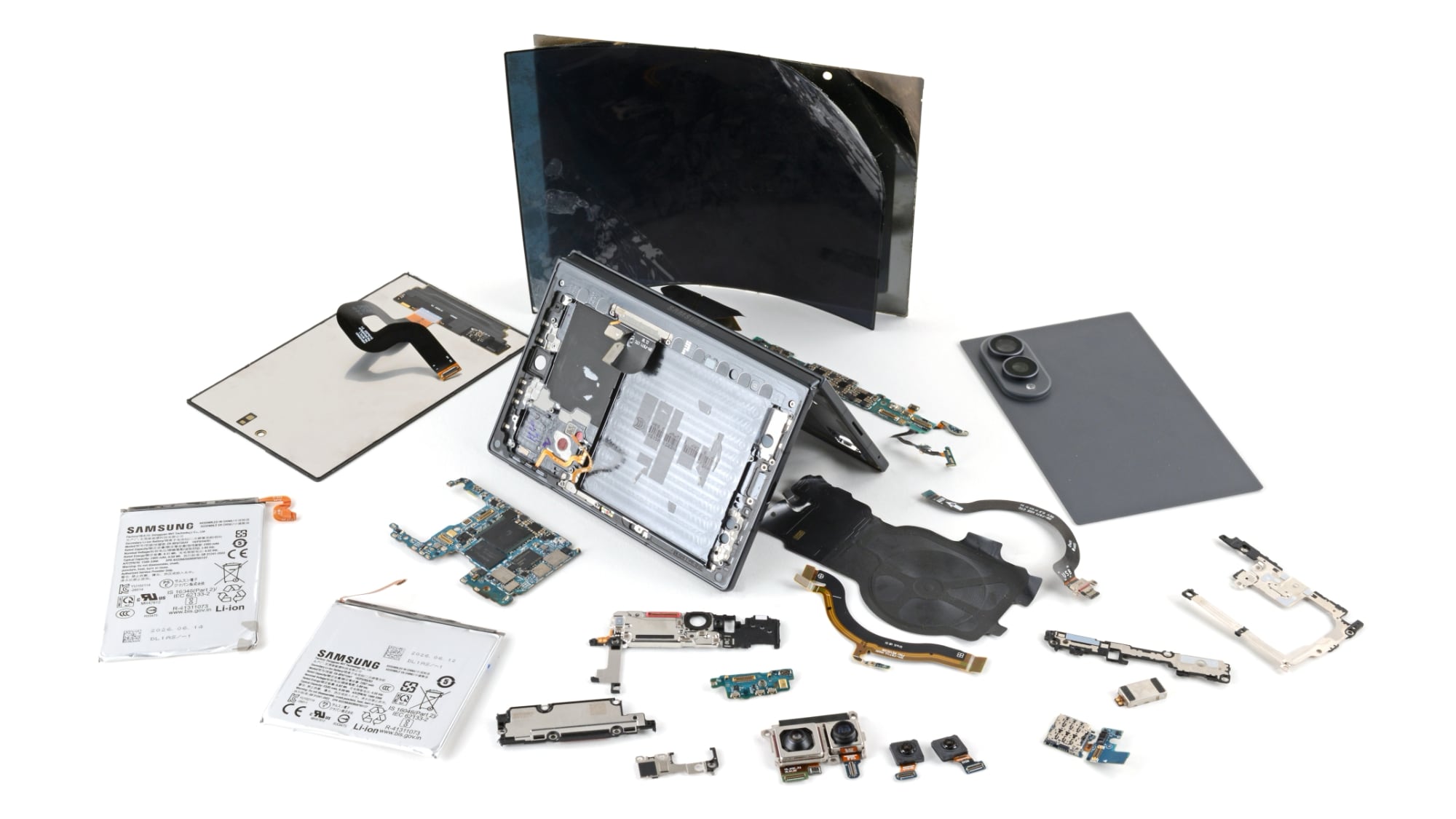
iFixit's Galaxy Z Fold8 Teardown is a Preview of Apple's Foldable Challenges

Samsung launched new foldable smartphones earlier this month, including the Galaxy Z Fold8. If you didn't know it was a Samsung device, you might look at it and think it's Apple's foldable because it matches rumors about the iPhone Ultra so well.


The Z Fold8 is likely to be the closest competitor to the foldable ‌iPhone Ultra‌, which makes iFixit's teardown of Samsung's smartphone an interesting read. Will Apple's foldable have some of the same troubles as the Z Fold8, or has Apple solved the issues plaguing foldable smartphones?

Hinges have been a failure point on foldable smartphones, and it's a design problem Samsung hasn't been able to solve. The Fold8 has a dust-and-water ingress rating of IP48, so it's resistant to water, but not to dust. It's hard to keep dust away from a smartphone, and when dust gets inside, it gums up the hinge mechanism and it fails.


iFixit did a dust test on the Z Fold8, putting particulates in the hinge. It resulted in "truly awful crunching and grinding noises" and then the device stopped opening normally. Dust that made its way into the hinge did stay out of many of the sealed portions of the phone, but if a foldable smartphone isn't folding, there's still a major issue.

An IP4X dust rating means the Z Fold8 is resistant to particles 1mm in size and greater, but as iFixit found, many sand and dust particles are smaller than that. iFixit said beach sand measured 0.16mm, and the powder it used was 0.04mm.

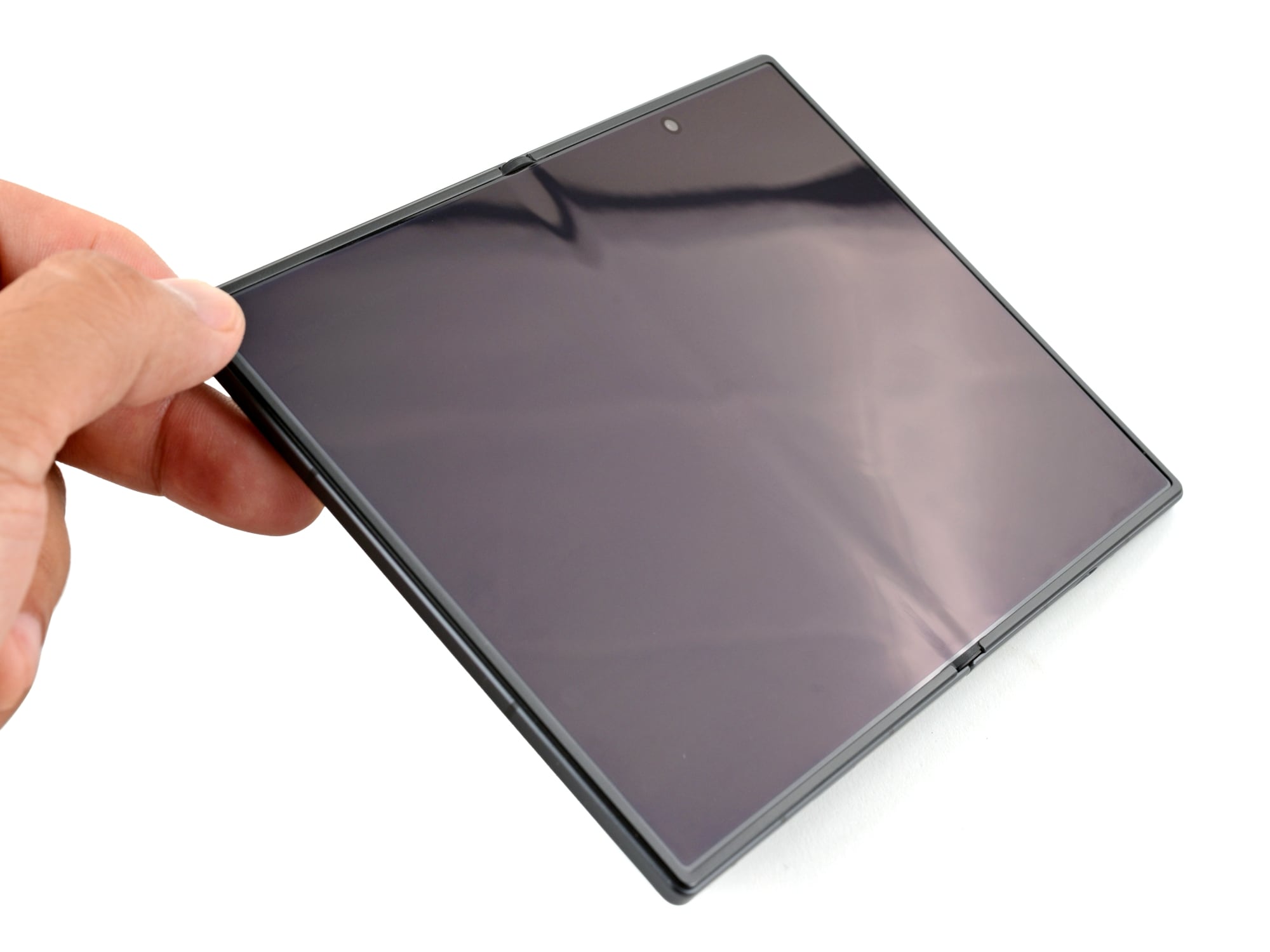
Samsung used a new hinge design for the Z Fold8 and added a titanium-reinforced display structure that helps the screen open flatter, but it couldn't get rid of the crease entirely. Creases in foldables can become more visible over time as the device is opened and closed, and a recent Tom's Guide review said the crease in the Z Fold8 became more visible after just seven days.

iFixit was not impressed with the repairability of the Z Fold8, and it earned a repairability score of 4/10. The bezel around the inner display broke into pieces as it was removed, and there's no way to get to the hinge without removing the display. Batteries also aren't easy to replace because doing so requires removing the outer display. "It's an expensive, painful repair even when everything goes right," said iFixit.


The Z Fold8 has a tablet-like look and feel with a 5.5-inch screen when closed and a 7.6-inch screen when open. Most of Samsung's prior foldables have been tall and narrow, but this one is closer to an iPad mini, and its dimensions nearly match those rumored for Apple's foldable.

Apple waited to make a foldable iPhone because it wanted a device that had a minimal crease. Rumors suggest it is using a display panel created by Samsung Display and liquid metal for the hinge, along with optically clear adhesive to make the crease disappear as much as possible.

iFixit will likely do the same hinge test when the foldable iPhone comes out, and we'll know whether Apple "solved" the crease and hinge issue or will be dealing with the same problems. The foldable ‌iPhone Ultra‌ will be introduced at Apple's annual September event alongside the iPhone 18 Pro models.

Google's new Pixel 11 Pro Fold has an IP68 dust-and-water-resistance rating with a gearless hinge design, so it will presumably fare better than the Z Fold8 in a dust exposure test. It launches on August 20.
This article, "iFixit's Galaxy Z Fold8 Teardown is a Preview of Apple's Foldable Challenges" first appeared on MacRumors.com

Discuss this article in our forums

  •  

Apple Opens Houston Advanced Manufacturing Center Ahead of Mac Mini Production

Apple today opened its Advanced Manufacturing Center (AMC) in Houston, Texas. It's located in the same Houston facility where Apple makes AI servers and will start manufacturing the Mac mini this year.


Small and medium businesses can visit the 20,000-square-foot facility for free training and educational sessions, taking advantage of interactive labs, tools, and equipment, including a holographic lab table. Apple says participants can learn the "same innovative processes" used to make Apple devices.
"In less than nine months, we have invested hundreds of millions of dollars into this Houston facility. We stood up a factory, started production, and shipped the first advanced AI servers off the line. Today, we're thrilled to open our new Advanced Manufacturing Center, a place where businesses, workers, and students can learn the same innovative processes that we use to make Apple's most groundbreaking products. And we're pleased to begin Mac mini production later this year," said Tim Cook, Apple's CEO. "We believe in American workers and American ingenuity, and we are moving at an incredible pace because we want to build more than great products. We want to build the future of American manufacturing."

Apple experts will hold sessions on topics like advanced manufacturing principles for final assembly and design considerations for printed circuit board assembly, and lead interactive workshops that use the site's representative production facility and equipment. Apple says participants will learn to identify and adapt to production challenges in real time.

In the future, the AMC will offer hands-on training to local college students.

The location is part of Apple's pledge to spend $600 billion to support manufacturing in the United States. Businesses interested in visiting the AMC can sign up for notifications about future sessions on Apple's website.
Related Roundup: Mac mini
Buyer's Guide: Mac Mini (Don't Buy)
Related Forum: Mac mini

This article, "Apple Opens Houston Advanced Manufacturing Center Ahead of Mac Mini Production" first appeared on MacRumors.com

Discuss this article in our forums

  •  

Apple in Talks to Pay Publishers for News Content to Power Siri AI

Apple has approached publishers to establish content deals that would give Siri AI access to current news and information, reports The Wall Street Journal.


Apple is proposing multiyear agreements where publishers would receive payment when their content is used, which is different from standard AI deals. Typical deals between AI companies and news organizations have set fees for broad content access. Apple has discussed a nine-figure budget for the payments.

The Wall Street Journal says Apple previously inked deals that included AI training rights. Apple has also worked with publishers for its Apple News+ service since 2019, though some publishers were unhappy with the content deals and ended their partnerships.

‌Siri‌ AI is set to launch this fall in iOS 27, iPadOS 27, and macOS 27. ‌Siri‌ AI is a major departure from the prior version of ‌Siri‌, and Apple has an incentive to ensure accurate news headlines. An iOS 18 notification summary feature turned out to be an embarrassment after Apple Intelligence generated false headlines that misled users. Apple ended up removing news summaries for more than a year while it made improvements.
Tag: Siri

This article, "Apple in Talks to Pay Publishers for News Content to Power Siri AI" first appeared on MacRumors.com

Discuss this article in our forums

  •  

Supreme Court Lets Apple Delay App Store Fee Fight for 24 Hours

U.S. Supreme Court Justice Elena Kagan today granted Apple a one-day stay in its legal fight with Epic Games, giving Apple more time to outline the fees it wants to charge developers for linking out to purchase options on the web.


Just yesterday, the U.S. District Court for the Northern District of California denied Apple's request for a stay in the proceedings, giving Apple 24 hours to deliver its fee proposal. Apple then submitted an emergency filing to the Supreme Court, arguing that fee calculations should be paused until the justices hear the case and make a decision on the contempt ruling. If the contempt ruling is thrown out, fee proceedings won't be necessary.

Bloomberg says the short stay is meant to give the high court more time to consider Apple's request. Without the pause, Apple would have needed to submit its proposed fees to the court by 5:00 p.m. Eastern Time on Wednesday. Apple now has until 5:00 p.m. on Thursday, unless the Supreme Court gives the company a longer reprieve. Kagan already denied a similar stay request earlier this year.

The fight over fees is part of an ongoing dispute with Epic Games that started in 2020. Apple won the initial legal fight and wasn't declared a monopolist, but the company was ordered to change its anti-steering rules to let developers link to non-App Store purchase options. Apple did so, but charged fees that were almost identical to standard App Store fees.

‌Epic Games‌ accused Apple of violating the injunction, and the court agreed. Apple was found in contempt of court for willfully violating the original ruling, and barred from collecting fees on links in the U.S. ‌App Store‌.

An appeals court ruling upheld the contempt decision, but said Apple was due reasonable fees for its intellectual property. The case was sent back to district court to determine what a reasonable fee might be. Apple then appealed to the Supreme Court, and the justices agreed to hear it.

Apple wants the Supreme Court to throw out the contempt ruling, negating the order barring it from collecting fees and the subsequent appeals court order mandating reasonable fee calculations. Apple has argued that regulators worldwide are watching to see what a U.S. court considers a reasonable rate, so fee proceedings set a reference point even if the contempt ruling is thrown out.

Apple has not collected fees from link-outs in the U.S. since April 2025, and the company would rather continue to collect no money while it exhausts all appeals than have the court establish a rate.
This article, "Supreme Court Lets Apple Delay App Store Fee Fight for 24 Hours" first appeared on MacRumors.com

Discuss this article in our forums

  •  

Google's $100 Pixel Price Hike and Trade-In Push Hint at Apple's iPhone 18 Pro Plans

Google raised the price of its latest smartphones compared to last year, and the increase may hint at what Apple will do with the iPhone 18 Pro models.


All of Google's Pixel starting prices are $100 higher than they were last year.

  • Pixel 11 - $899, up from $799

  • Pixel 11 Pro - $1,099, up from $999

  • Pixel 11 Pro XL - $1,299, up from $1,199

  • Pixel 11 Pro Fold - $1,899, up from $1,799


The 41mm Pixel Watch 5 is now $399, up from $349, and the 45mm model is now $429, up from $399.

With the price hikes, Google increased the base storage for some of its devices, which Apple did with the iPhone 17 Pro. The Pixel 11 and Pixel 11 Pro now start with 256GB instead of 128GB, so pricing is technically the same as last year's 256GB model. The Pixel 11 Pro XL and Pixel 11 Pro Fold started with 256GB last year and still do, so those devices have straight price increases.

Google also cut RAM in some models to mitigate costs. The base Pixel 11 Pro and Pixel 11 Pro XL have 12GB RAM instead of 16GB RAM. Last year, all Pixel 10 Pro devices had 16GB RAM, but this year, Pixel users need to pay at least $1,219 for 11 Pro and $1,419 for the 11 Pro XL to get 16GB RAM.

A customer buying the Pixel 11 Pro will now pay $100 more for a 128GB storage increase and 4GB less RAM than the 10 Pro last year.

Google is heavily emphasizing trade-in offers, which has the effect of distracting customers from the price increase. Google's product page lists trade-in discounts before actual pricing, stating the Pixel 11 Pro is priced "From $499" with trade-in, while the Pixel 11 Pro XL is "From $699." Purchase pages for the new devices don't even reveal full pricing for a chosen model until a customer declines a trade-in. Google also shows carrier discounts and monthly payment options.

Apple already focuses on trade-in offers and monthly financing when launching new iPhones, but whether it will go as far as Google remains to be seen. Apple recently announced the Apple Upgrade program in partnership with Klarna, offering fee-free 12-month through 36-month payment plans for purchases.

Google told Engadget that despite the decrease in RAM, this year's models will perform faster than the comparable 2025 models.
Pixel's full stack approach allows us to optimize the way on-device models load and execute, keeping our hardware lean, fast, and highly responsive. In fact, through software and silicon optimization, you can expect faster and smoother performance from this year's Pro models when compared to last year's comparable 256GB SSD SKUs.

Analysts think the ‌iPhone 18 Pro‌ models could be up to $300 more expensive than the iPhone 17 Pro models, but Apple also negotiated lower prices for other components, which could help absorb some of the increased price it has to pay for RAM.

Both Apple and Google have been affected by memory price hikes that Apple CEO Tim Cook likened to a "100-year flood." He said there have been "exponential increases in memory prices," leading the company to raise the cost of its iPads and Macs. Memory chips for consumer devices are in short supply because chip manufacturers are prioritizing chips for AI data centers. The lack of supply has caused RAM prices to skyrocket.

iPhone prices have not increased yet, even though other manufacturers like Samsung have raised prices. Multiple rumors suggest iPhones will be more expensive starting in September. Apple could use the same tactic as Google and increase base storage while hiking prices, but so far it doesn't look like the company will lower the amount of RAM in the Pro models.

The ‌iPhone 17 Pro‌ and Pro Max already start with 12GB, and Apple likely can't make major changes without impacting the Apple Intelligence and Siri AI features it is rolling out this fall.
Related Roundup: iPhone 18 Pro

This article, "Google's $100 Pixel Price Hike and Trade-In Push Hint at Apple's iPhone 18 Pro Plans" first appeared on MacRumors.com

Discuss this article in our forums

  •  

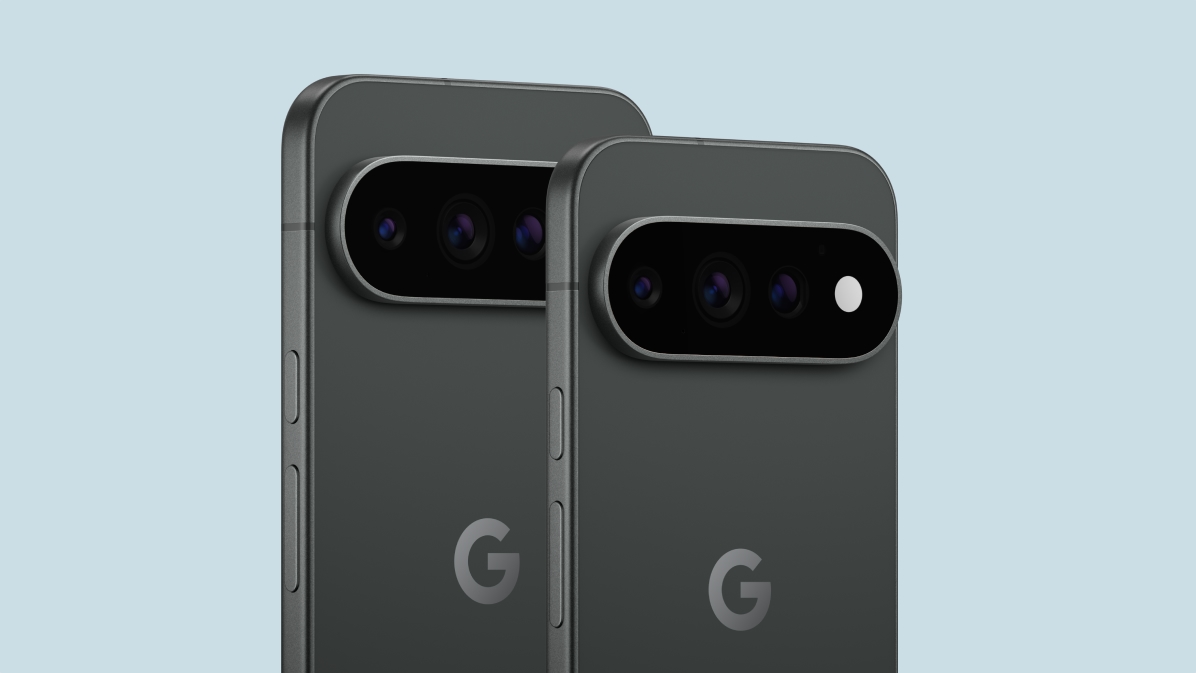
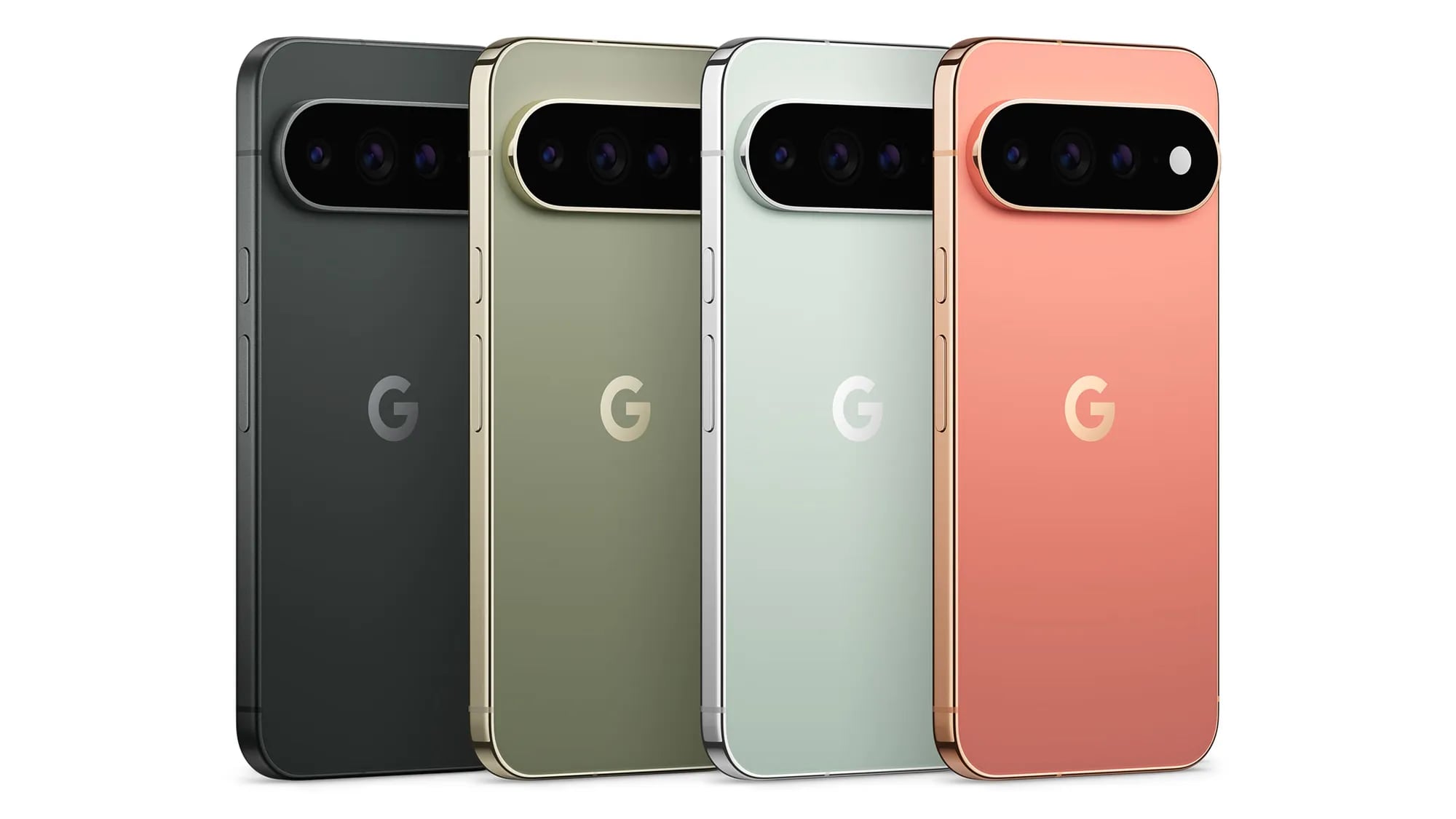
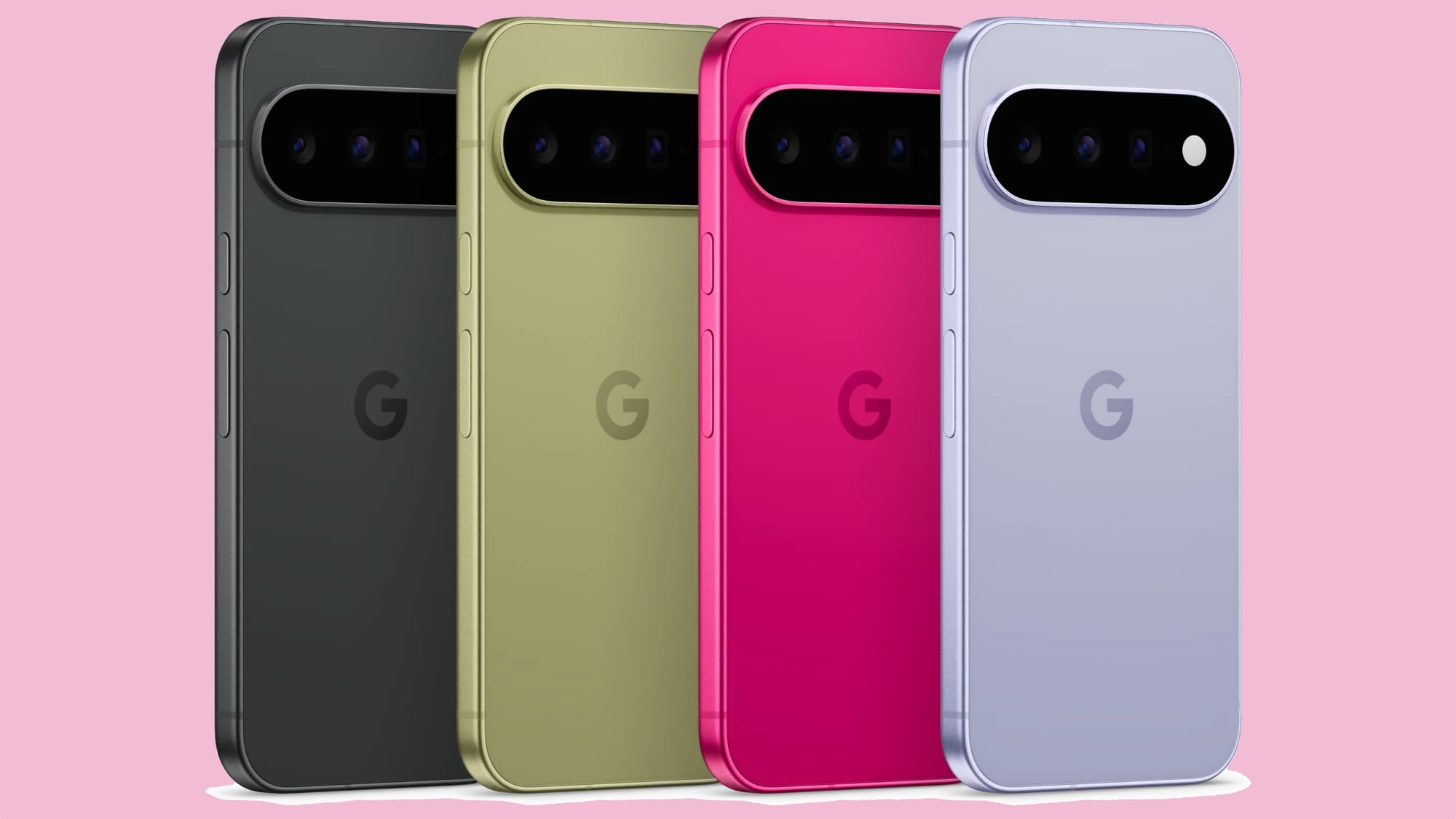
Google Kicks Off Fall Hardware Season With New Pixel 11 Smartphones

Google today announced new products that compete with Apple devices like the iPhone and the Apple Watch. There are new Pixel smartphones with AI capabilities, a new foldable, and new wearable devices.


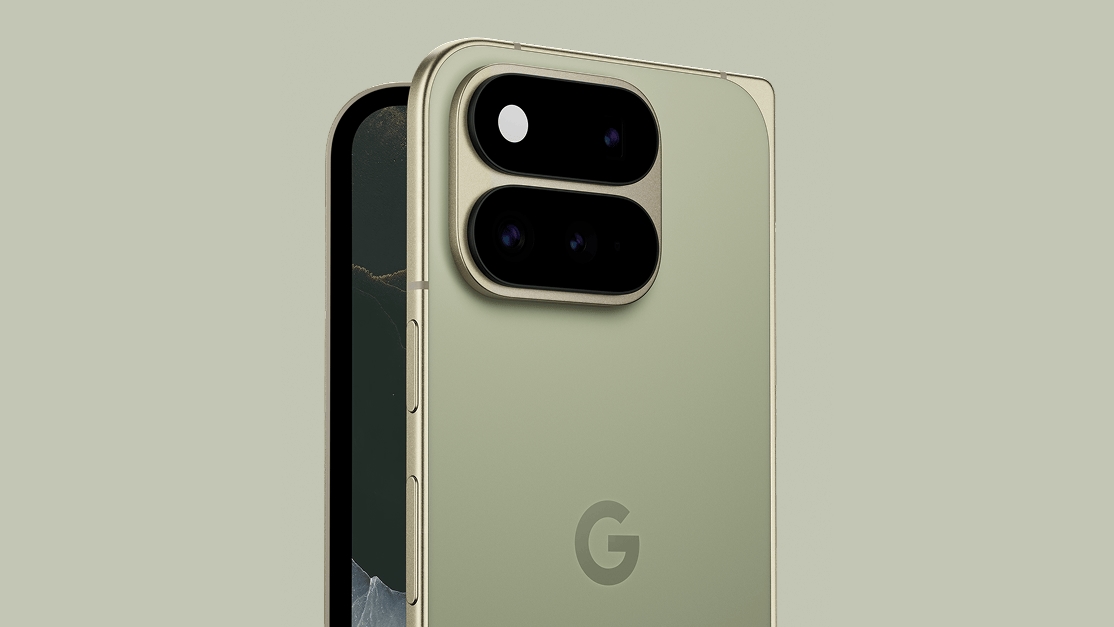
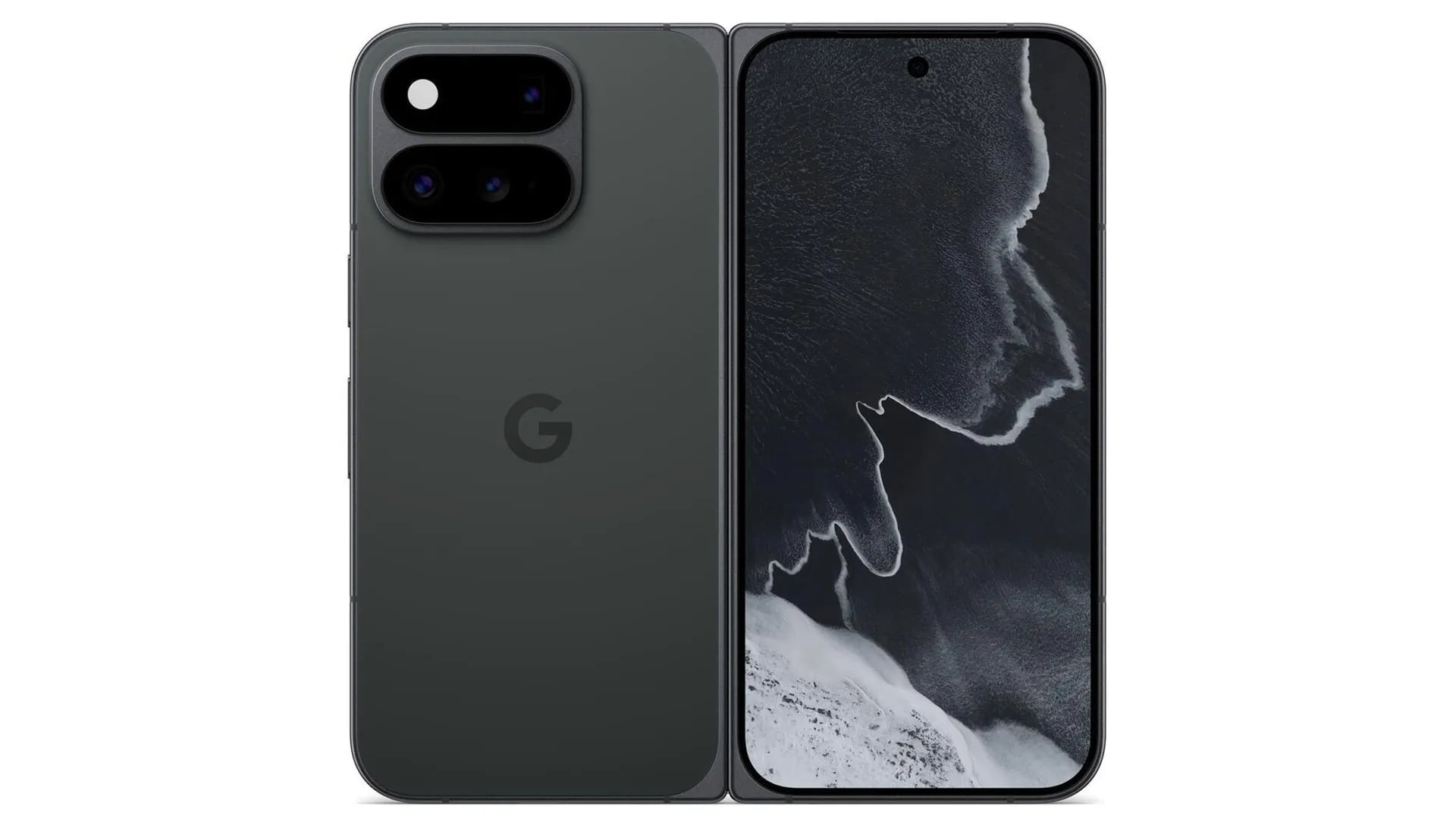
Pixel 11 Pro Fold


The Pixel 11 Pro Fold is thinner and lighter than the prior-generation Pixel Fold. It has a 6.5-inch OLED display when closed, and an 8-inch ‌OLED‌ display when open. When unfolded, it's 5.1mm thick, and when closed, it's 10.2mm thick.


The Pixel 11 Pro Fold and other new Pixel models have a "HiLight" feature with LED lights around the flash. HiLight glows in different colors for incoming calls or when talking to Gemini. Other features:

  • Thinner bezels

  • Up to 2,000 nits brightness for HDR and 3,600 nits peak brightness for the inner display, 120Hz refresh rate

  • Obsidian and olive colors

  • Glass fiber composite back cover that Google says is "nearly impossible to crack"

  • Gearless hinge with larger bend radius and thicker glass layer for better durability

  • Improved crease performance

  • Faster charging speeds and 4,806mAh battery

  • 2nm Tensor G6 chip with 16GB RAM

  • 48-megapixel main camera with larger sensor, 10.5-megapixel ultrawide camera, and 10.8-megapixel telephoto camera with up to 30x zoom


Pricing on the Pixel 11 Pro Fold starts at $1,899, and it can be pre-ordered from the Google Store.

Pixel 11 Pro and Pro XL


  • 6.3 or 6.8-inch display

  • 3,600 nits peak brightness

  • Anti-scratch Gorilla Glass Victus 2 cover glass

  • HiLight LED feature

  • Matte glass back

  • 50-megapixel wide camera, 48-megapixel ultrawide camera, 48-megapixel telephoto camera with up to 120x zoom

  • 42-megapixel front-facing camera

  • 8K video recording

  • 2nm Google Tensor G6 chip with up to 16GB RAM


Pricing on the Pixel 11 Pro starts at $1,099, and pricing on the Pixel 11 Pro XL starts at $1,299. Pre-orders are live now.

Pixel 11


  • 6.3-inch display

  • 3,000 nits peak brightness

  • Gorilla Glass Victus 2 cover glass

  • 40 percent thinner camera bar

  • 48-megapixel wide camera, 13-megapixel ultrawide camera, 10.8-megapixel telephoto camera with up to 30x zoom

  • 2nm Google Tensor G6 chip with 12GB RAM


The Pixel 11 is priced starting at $899 and it can be pre-ordered now.

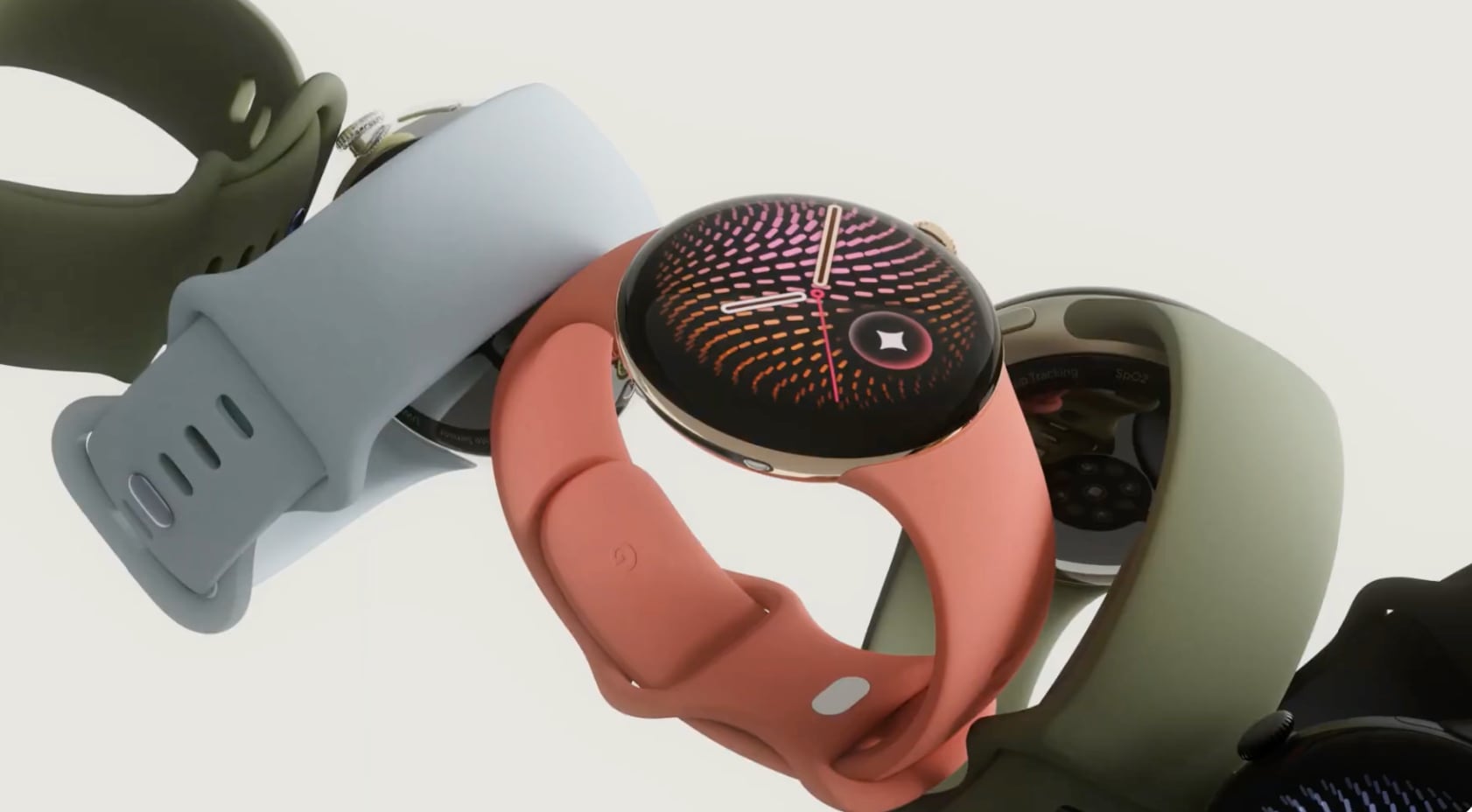
Pixel Watch 5


The Pixel Watch 5 uses the same round display Google's smartwatches are known for, with an improved 3,000-nit brightness level. There are new watch faces and complications, including new generative watch faces.


The device has more accurate GPS route tracking, more accurate sleep tracking, new Gemini integrations, and personalized strength coaching. It has context-aware updates on the watch face, surfacing info when it's needed. Raise to Talk engages Gemini, with core actions done on-device.

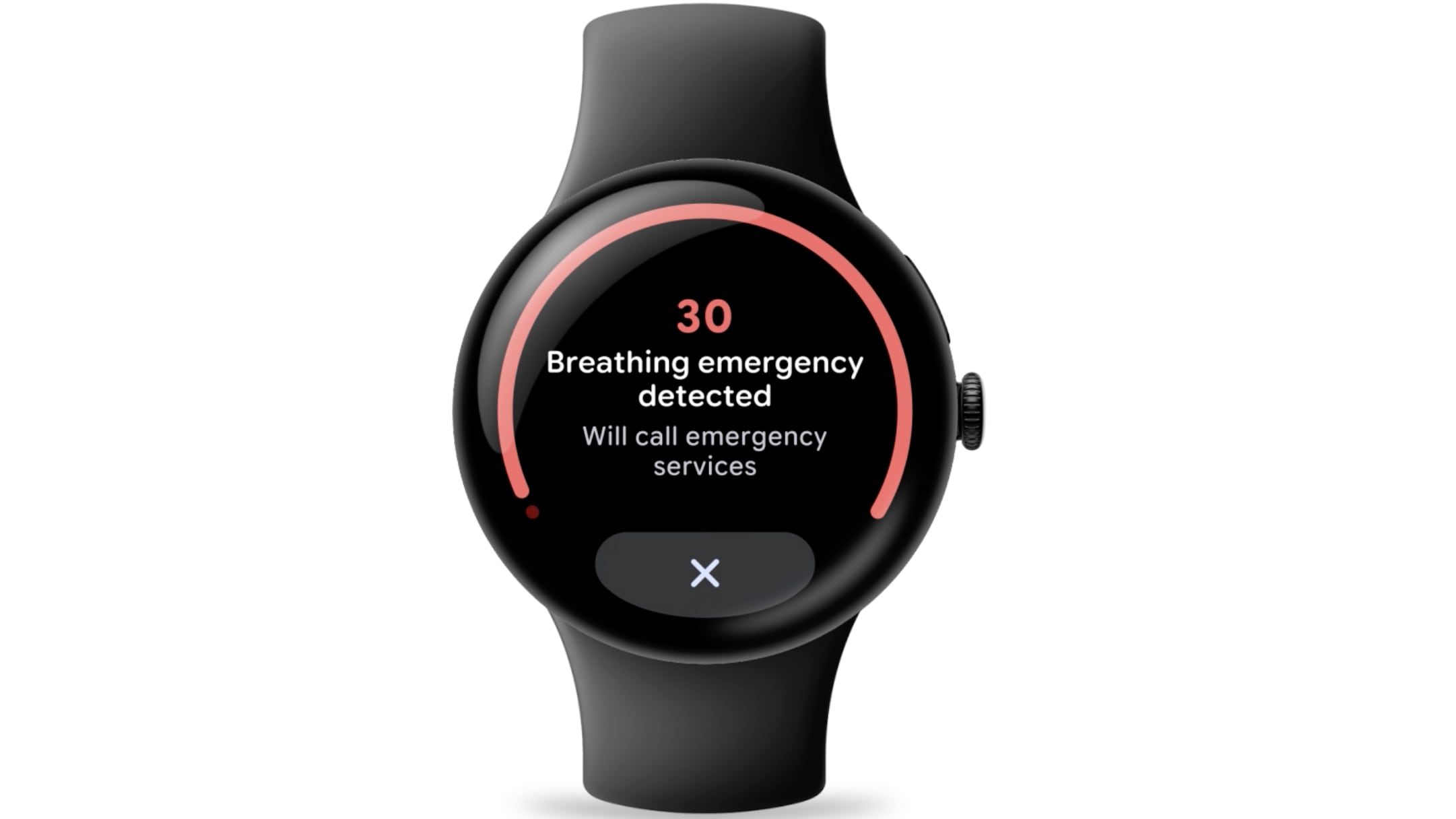
There are new one-handed gestures for confirming, selecting, and sending content, which are similar to some of the gestures available on the Apple Watch. Google says the Pixel Watch 5 can detect when the wearer stops breathing and can summon help with a new breathing emergency detection feature.


The Pixel Watch 5 is priced starting at $399.

New Software Features


  • Gemini Intelligence - Google says Gemini Intelligence can do more multistep tasks across apps. There's a new Rambler voice input feature that removes filler words and corrects run-on sentences, and a sign-to-text feature that supports American Sign Language. There are new location-based insights that show you info based on where you are, and contextually relevant suggestions in text conversations.

  • Magic Capture - One tap records video that the Pixel edits, crops, and unblurs into a collection of images and video.

  • Camera Looks - Mirrors the iPhone's Photographic Styles feature, letting users choose an aesthetic (Natural, Shadows, or Vanilla) at the point of capture.

  • Circle to Search - Circle to Search works in the Camera viewfinder, so you can circle something and get AI info on it.

  • Live Translate - Google's new devices translate videos and audio in real time.

  • Health Guardian - An AI Health Guardian monitors insulin resistance trends, blood pressure patterns, and sleep breathing quality trends.


Pixel Tag


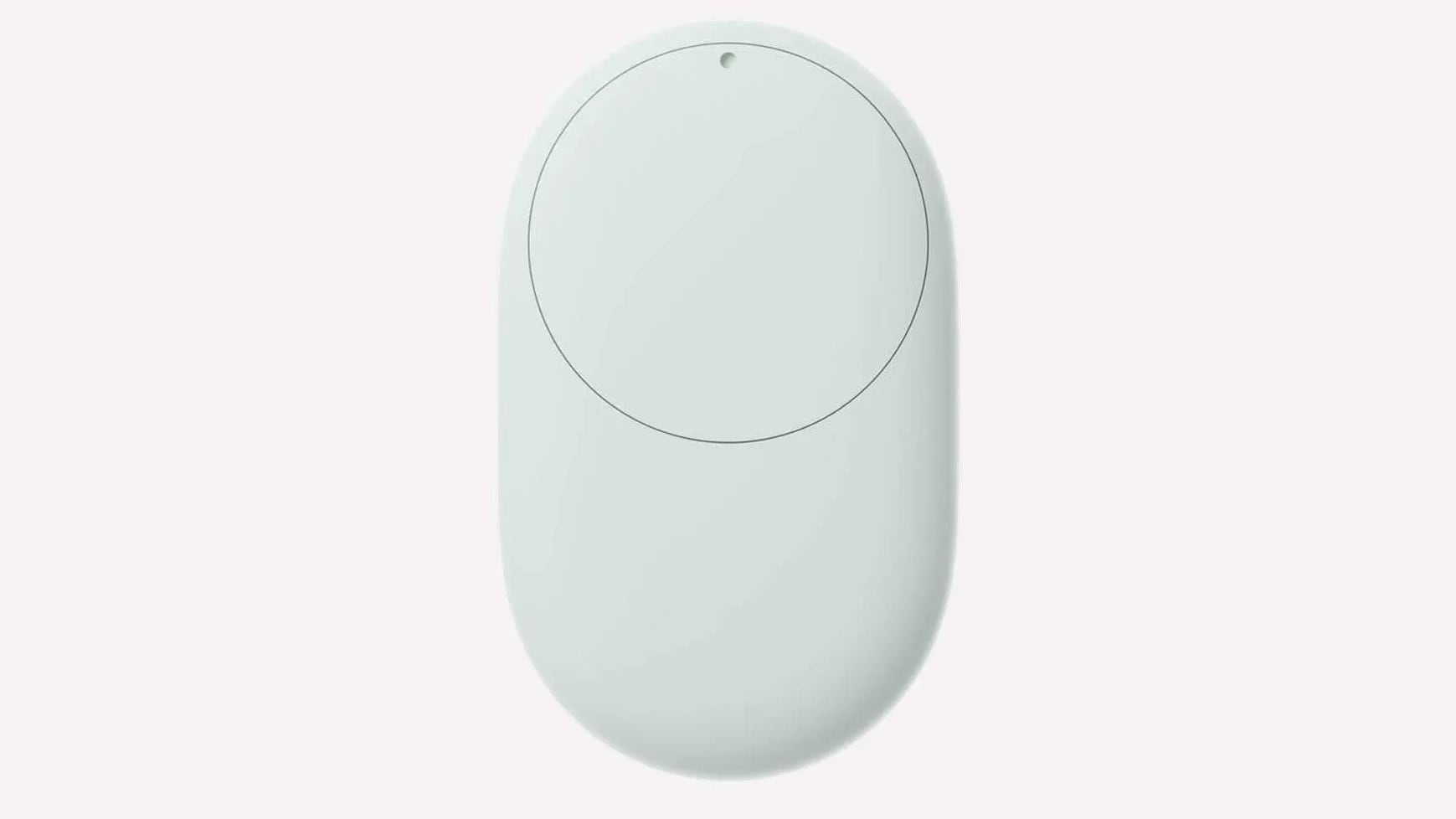
Google also debuted a $29 Pixel Tag that competes with the AirTag. It links to the Google item tracking network that leverages Android devices to find items. It has much of the same feature set as the ‌AirTag‌, with details available in our full article.


More Info


Google's new product lineup will launch on August 20, just a few weeks ahead of when Apple will unveil its latest smartphone models. We're expecting Apple to announce the iPhone 18 Pro, ‌iPhone 18 Pro‌ Max, foldable iPhone Ultra, and new Apple Watch models.

More on the new announcements can be found on Google's website.
Tag: Google

This article, "Google Kicks Off Fall Hardware Season With New Pixel 11 Smartphones" first appeared on MacRumors.com

Discuss this article in our forums

  •  

Google Unveils $29 Pixel Tag to Take On Apple's AirTag

Google today introduced the Pixel Tag, its answer to Apple's AirTag. Pixel Tag is Google's first item tracker, even though Google implemented an item tracking network two years ago that's been used by third-party devices.


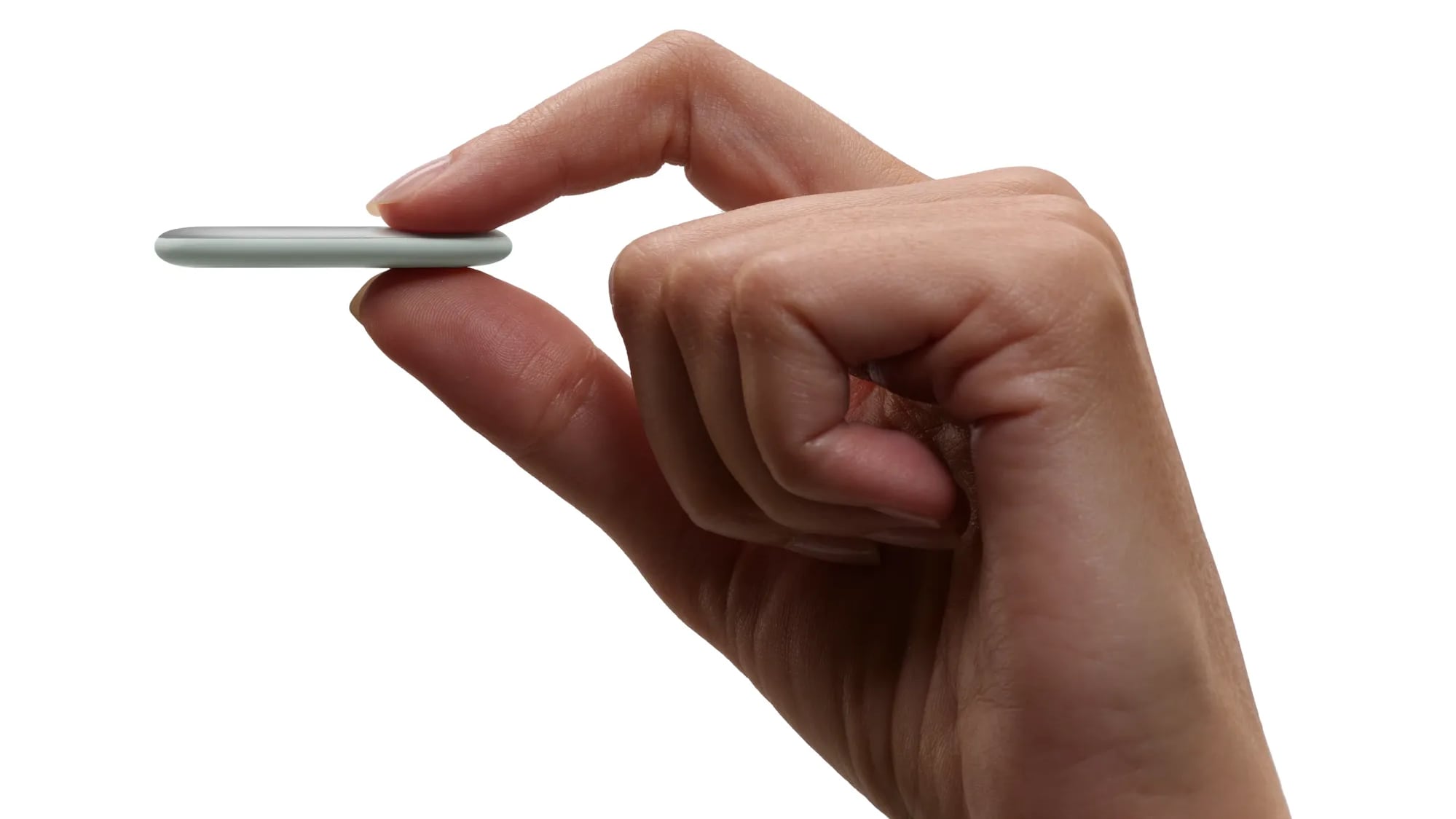
The Pixel Tag is made from stainless steel, and it is IP67 water- and dust-resistant. There's a built-in speaker that can play a sound when an item it's attached to is lost, and a button that causes a sound to play on a connected smartphone. An on-device button is one feature that distinguishes the Pixel Tag from the ‌AirTag‌.

Pixel Tags have an oval shape instead of a round shape, and they don't come with an attachment point and like the ‌AirTag‌, require an add-on accessory for adding to keys or bags. Like the ‌AirTag‌, the Pixel Tag uses a replaceable battery that lasts for up to one year. It works with Android devices running Android 9 or newer with Bluetooth 6, and can be tracked in the Find Hub app.

Google added Bluetooth and Ultra Wideband to the Pixel Tag, so it supports a precision finding feature when an item is lost nearby but out of sight. The Pixel Tag supports many of the same functions as the ‌AirTag‌, like alerts when an item is left behind and the option to share item location with multiple people.


The ‌AirTag‌ relies on Apple's Find My network when an item is out of range of its owner's device, and Google has a similar system. The Find Hub network taps into more than a billion Android devices for locating items.

Google has the same protections as Apple, and Android devices send alerts when an unknown tag is detected traveling with you. Unknown tracker alerts are cross-platform thanks to a collaboration between Apple and Google, so iPhone users will get an alert if a Pixel Tag is nearby and vice versa.

Google plans to sell Pixel Tags for $29 for one or $99 for four, which is the same price as the ‌AirTag‌ 2. Pixel Tags will launch in November 2026.
Related Roundup: AirTag
Tag: Google
Buyer's Guide: AirTag (Buy Now)

This article, "Google Unveils $29 Pixel Tag to Take On Apple's AirTag" first appeared on MacRumors.com

Discuss this article in our forums

  •  

Apple Hires Airline Exec as Vice President of Government Affairs

Apple hired former American Airlines executive vice president Nick Gatten as its new vice president of government affairs, reports Bloomberg.


Gatten will take on some of the duties of senior vice president of government affairs Katherine Adams, who is retiring at the end of 2026. Gatten will report to Apple senior vice president and general counsel Jennifer Newstead, with Adams to remain available in an advisory role until October 1.

Bloomberg says Gatten is a Republican that Apple felt would be able to align with the Trump administration while also working with democrats. He previously worked at Fannie Mae where he managed a team that interfaced with Republican members of Congress, and he oversaw government affairs at JPMorgan Chase & Co. and American Airlines. He is also on the board of the Faith and Politics institution, an organization that "cultivates mutual respect, moral reflection, increased understanding, and honest conversation among political leaders." From the article:
At the same time, Apple sees Gatten as someone who can work constructively with policymakers on both sides of the aisle, the people said. That will be especially important if the balance of power shifts in Washington. Democrats are vying to take control of at least one chamber of Congress in midterm elections in November, and Trump has less than 2 1/2 years left in his term.
Gatten will work closely with Tim Cook in his new role. Cook plans to step down as Apple CEO on September 1, with hardware chief John Ternus to take over. Cook will remain on as executive chairman, engaging with policymakers and governments worldwide.
This article, "Apple Hires Airline Exec as Vice President of Government Affairs" first appeared on MacRumors.com

Discuss this article in our forums

  •  

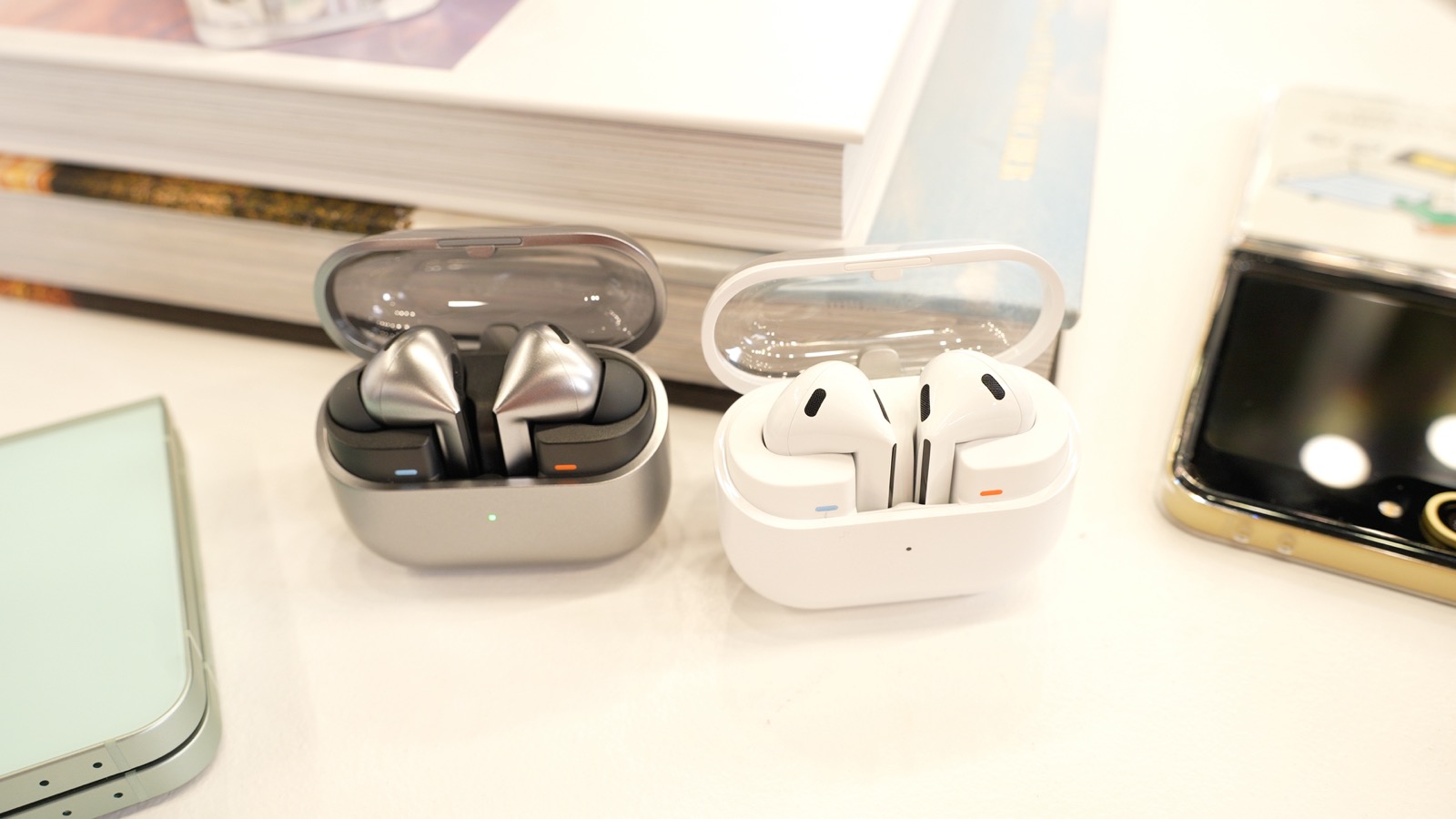
Samsung is Starting to Catch Up to Apple on Hearing Health

Samsung today said its Galaxy Buds Hearing Aid feature has been cleared by the U.S. FDA, which means hearing aid capabilities will be coming to the Galaxy Buds in the fourth quarter of 2026.


Samsung will join Apple in offering over-the-counter hearing aid functionality. Apple added an FDA-cleared hearing health feature to the AirPods back in 2024, allowing them to be used as a clinical-grade hearing aid.

Like the AirPods, the Galaxy Buds can replace a hearing aid for mild to moderate hearing loss, and Samsung is introducing a Hearing Test option like Apple did. Galaxy Buds users can do a self-administered hearing test in five minutes and the resulting clinical-grade audiogram can be used to adjust the built-in Hearing Aid feature.

The Galaxy Buds will amplify the sounds users have difficulty hearing, like high frequencies or whispers, which is also how the AirPods work. Noise elimination and beamforming also help Galaxy Buds users by focusing on the sounds in front of the user and suppressing background noise.

Samsung says it worked with the National Acoustic Laboratories and Samsung Medical Center to develop the hearing aid feature set. Hearing Aid features will be available on the Galaxy Buds3 Pro and the Galaxy Buds4 Pro. A newer Samsung Galaxy smartphone that supports One UI 8 or later is required.

After introducing hearing aid features in the U.S. in iOS 18.1, Apple has expanded availability to over 150 countries and regions. Apple had a two-year head start, but Samsung is now starting to catch up with a Galaxy Buds hearing health option that matches most of what the AirPods can do.
Tag: Samsung

This article, "Samsung is Starting to Catch Up to Apple on Hearing Health" first appeared on MacRumors.com

Discuss this article in our forums

  •  
❌