❌

Lees weergave

Tim Cook Reflects on His Legacy in Final Weeks as Apple CEO

Apple CEO Tim Cook once said that what Steve Jobs stood for, in a word, was "innovation." In a CBS News interview conducted yesterday, Cook – in his final weeks at the helm of the company – was asked what his legacy stood for, and this was his response:

"In my view, your legacy is described by others, not yourself. And so, I hope that people will say that I was a good and decent man. And if they say that at the end of the day, I will feel like I have achieved something."

The interview was conducted as part of CBS News' coverage of Apple's opening of its Advanced Manufacturing Center (AMC) in Houston, Texas. You can watch it in full here.
This article, "Tim Cook Reflects on His Legacy in Final Weeks as Apple CEO" first appeared on MacRumors.com

Discuss this article in our forums

  •  

30 New Things Your iPhone Can Do in iOS 27

Apple will release iOS 27 in September, and despite the company's focus this year on refining its flagship operating system and nixing bugs, there are still many additional features on the way, not least of which is Apple's new context-aware Siri, re-tooled for the generative AI era.
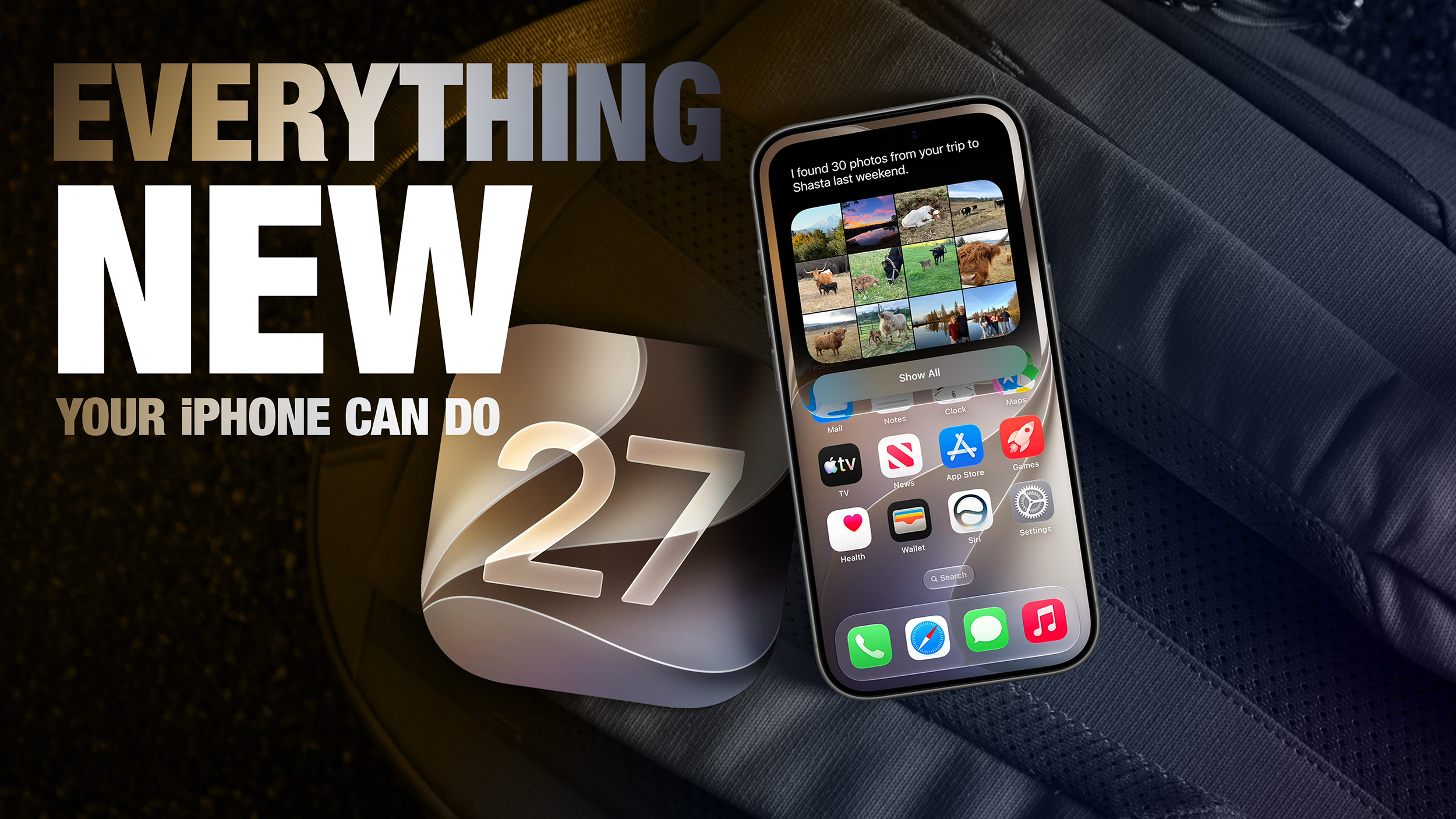

This year's major iPhone software update isn't all about AI, though, as the following feature list testifies. iOS 27 is currently in public beta – if you're OK with that, you can install it today.

Extend Your Photos and Lock Screen Wallpaper
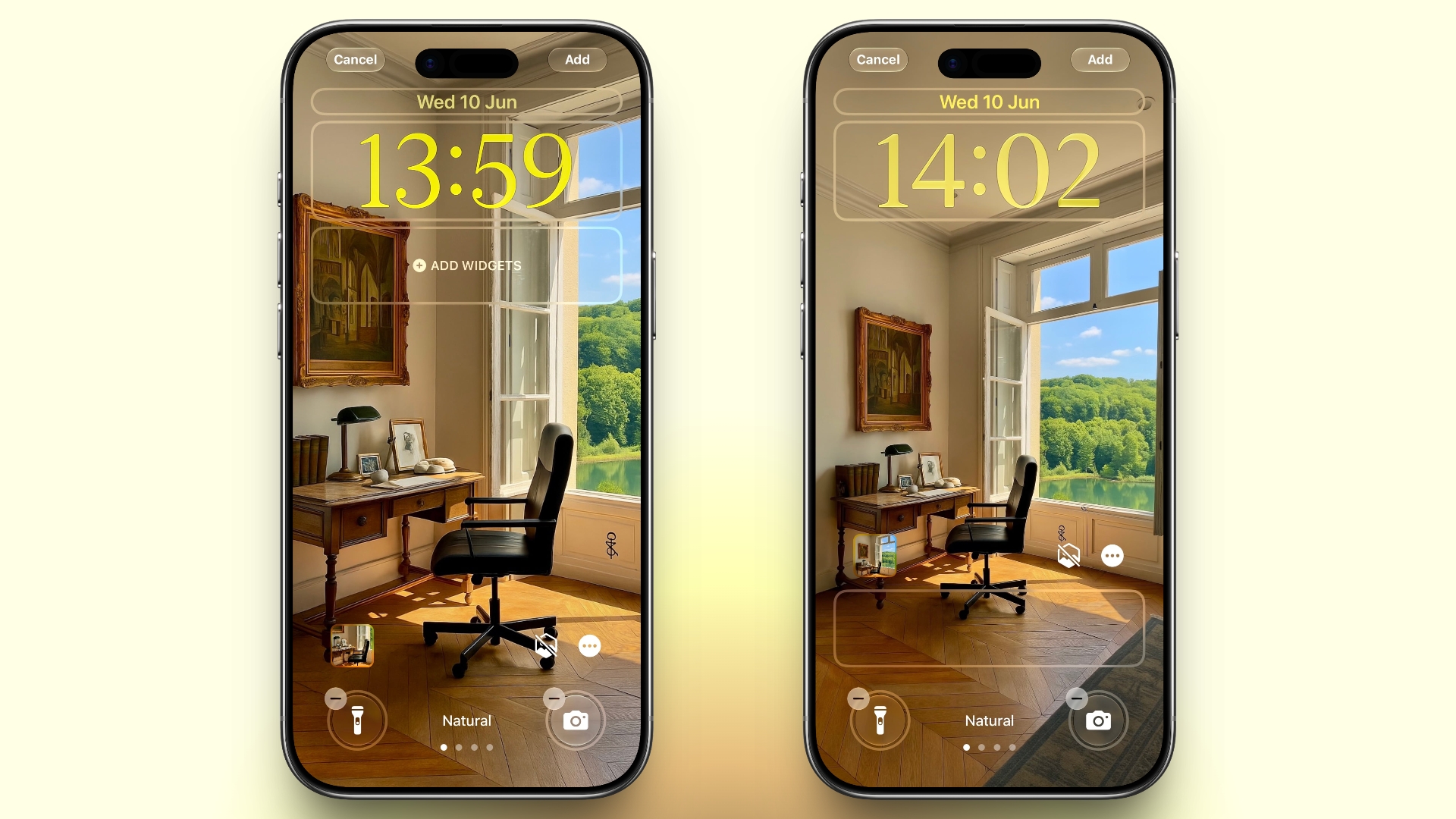


A new wallpaper extension feature in iOS 27 uses Apple Intelligence to automatically expand a photo beyond its original boundaries so it fills the entire Lock Screen more naturally. If a photo is cropped too tightly, doesn't match your iPhone's aspect ratio, or it leaves empty space when positioned on the Lock Screen, iOS 27 can generate additional image content around the edges with the "Extend" option. It will analyze the existing image and create matching background details that blend with the original photo, so there's no need for aggressive cropping. The Extend option can also be found in the Photos app.

Organize Your Safari Tabs
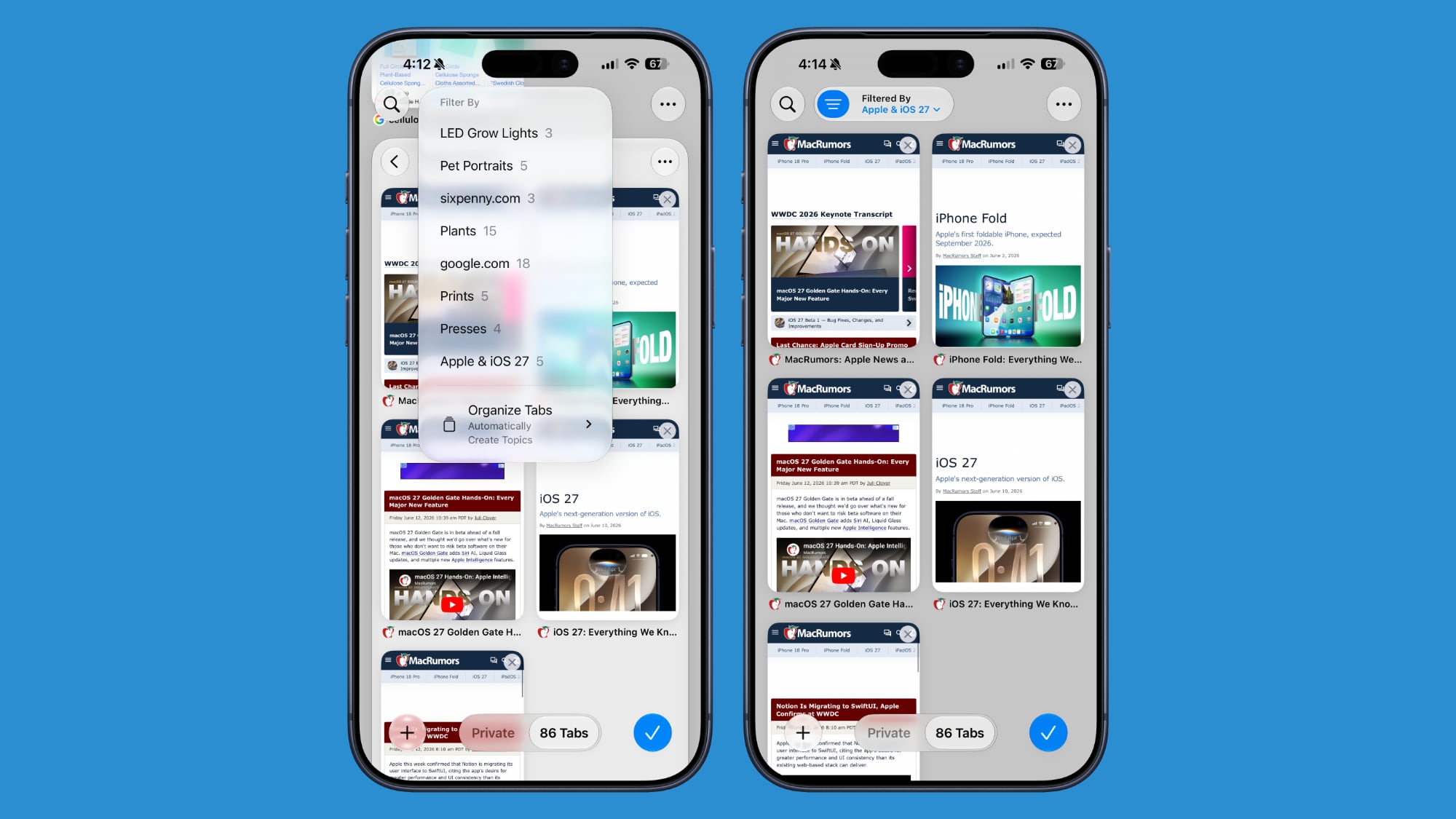


Safari uses Apple Intelligence to automatically organize your open tabs into related topics, making them easier to browse and manage. For example, if you're shopping for a new refrigerator while planning a vacation, Safari groups tabs for each activity into separate topic-based collections. You can enable this feature by opening Tab View, tapping the three-line icon in the top-right corner, and turning on Automatically Create Topics.

Use Natural Language for Reminder and Calendar Entries
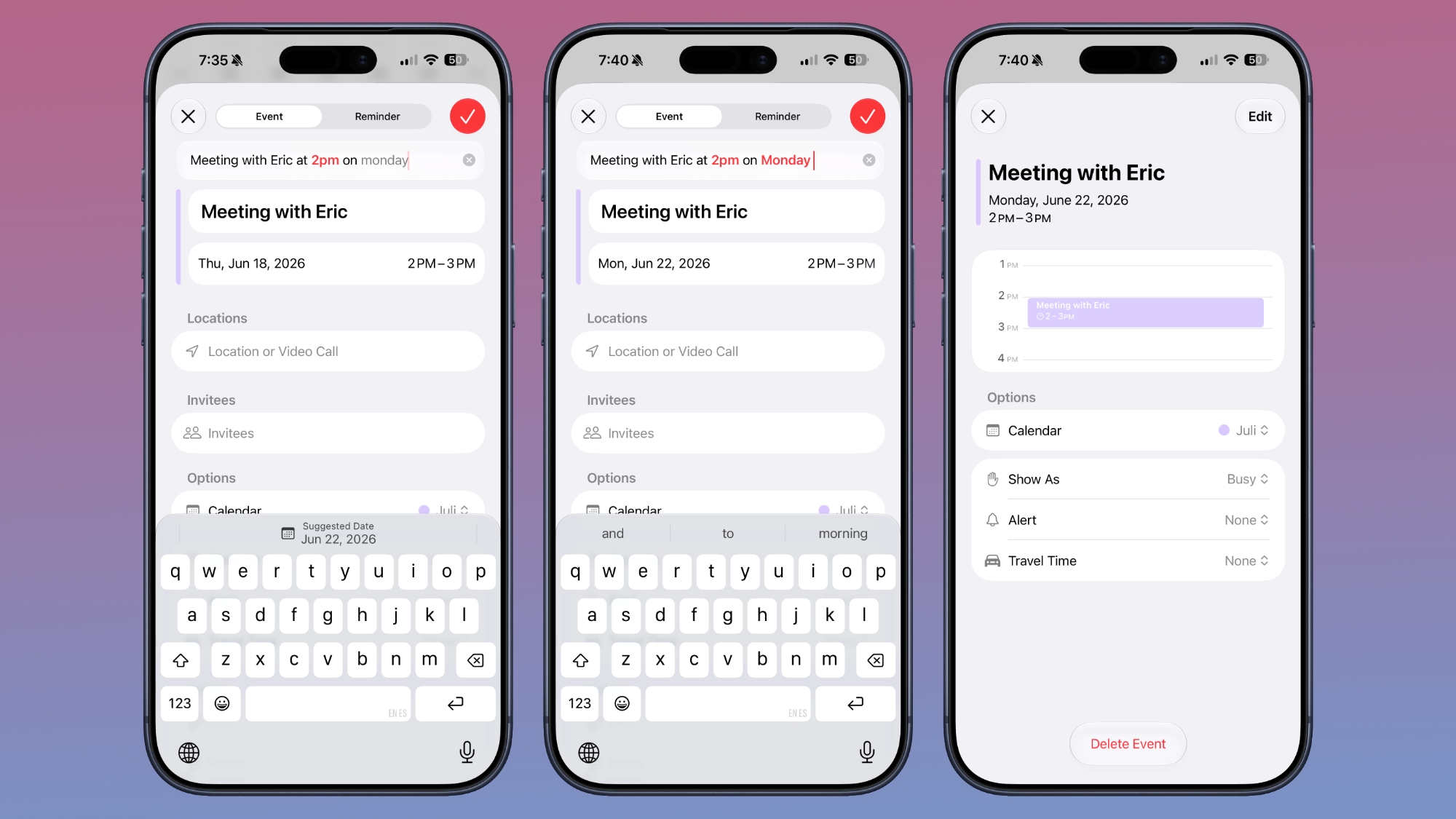


In the Reminders app, you can now create reminders using natural language, and Apple Intelligence will automatically fill in details such as the date, time, and location. For example, if you type "Pick up Dad at 6 p.m. tonight" or "Send the photos to Eric tomorrow at 3 p.m.," Reminders extracts the relevant information and adds it to the reminder automatically.

The Calendar app also supports natural language input, identifying people, dates, and locations as you type. You can then tap the suggested information to quickly add it to your event.

Inline Reply to Messages From Android Users
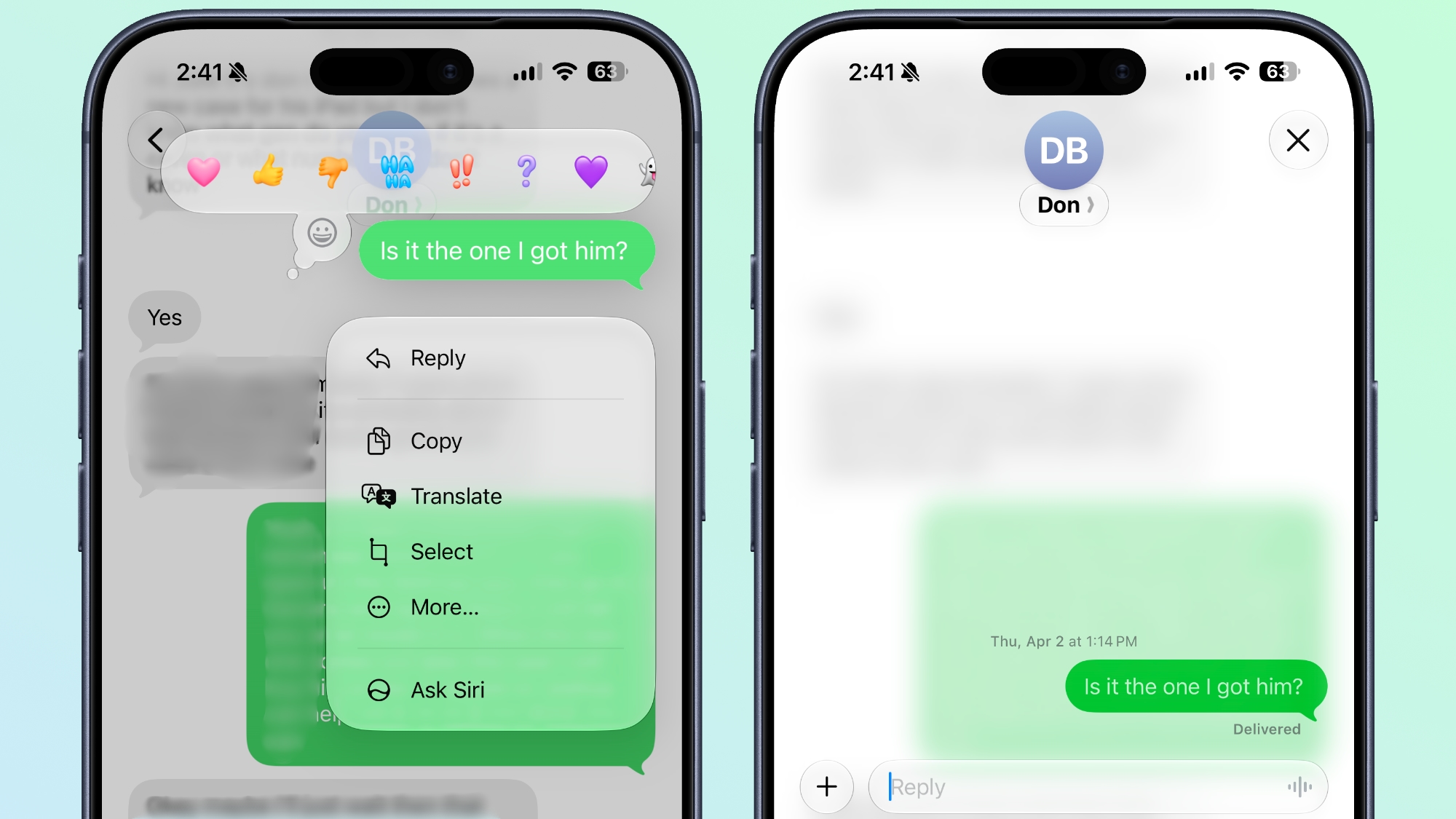


In the Messages app, you can now long press on a specific message from an Android user (a green chat bubble) and get an option to reply to it. That contrasts with iOS 26, where inline replies are limited to blue bubbles sent over Apple's iMessage platform.

Upgrade Your Wallet Passes
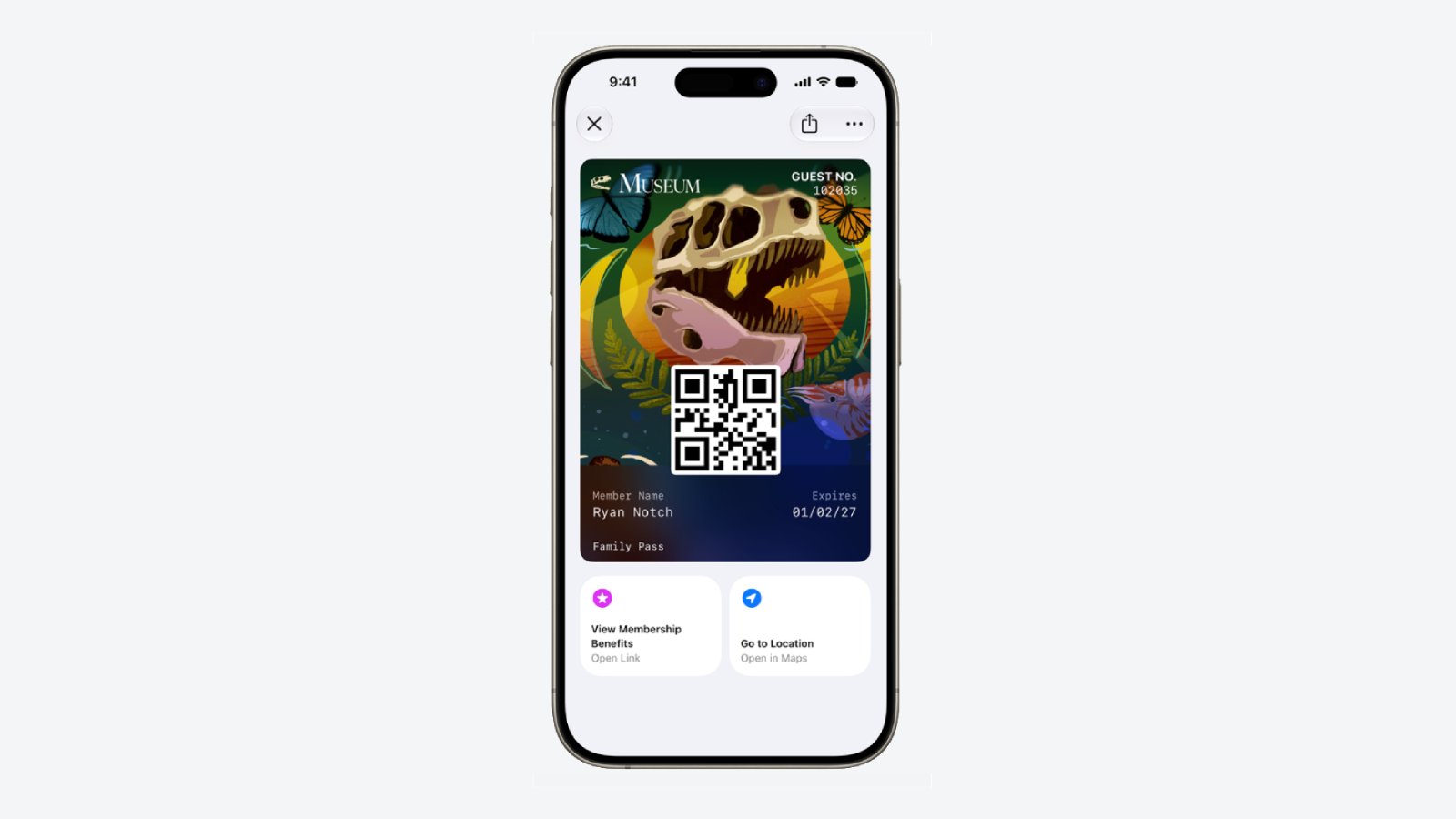


Apple has expanded the redesigned pass experience in the Wallet app with iOS 27, bringing the enhanced design introduced for airline boarding passes in iOS 26 to additional pass types. Membership, gift, loyalty, and rewards cards can now use a new Poster Generic layout with a background image, a logo, customizable header and footer fields, main information, and an optional barcode. Passes can also include up to two quick actions at the bottom, such as getting directions to a venue or checking a rewards points balance.

Describe Your Next Shortcut
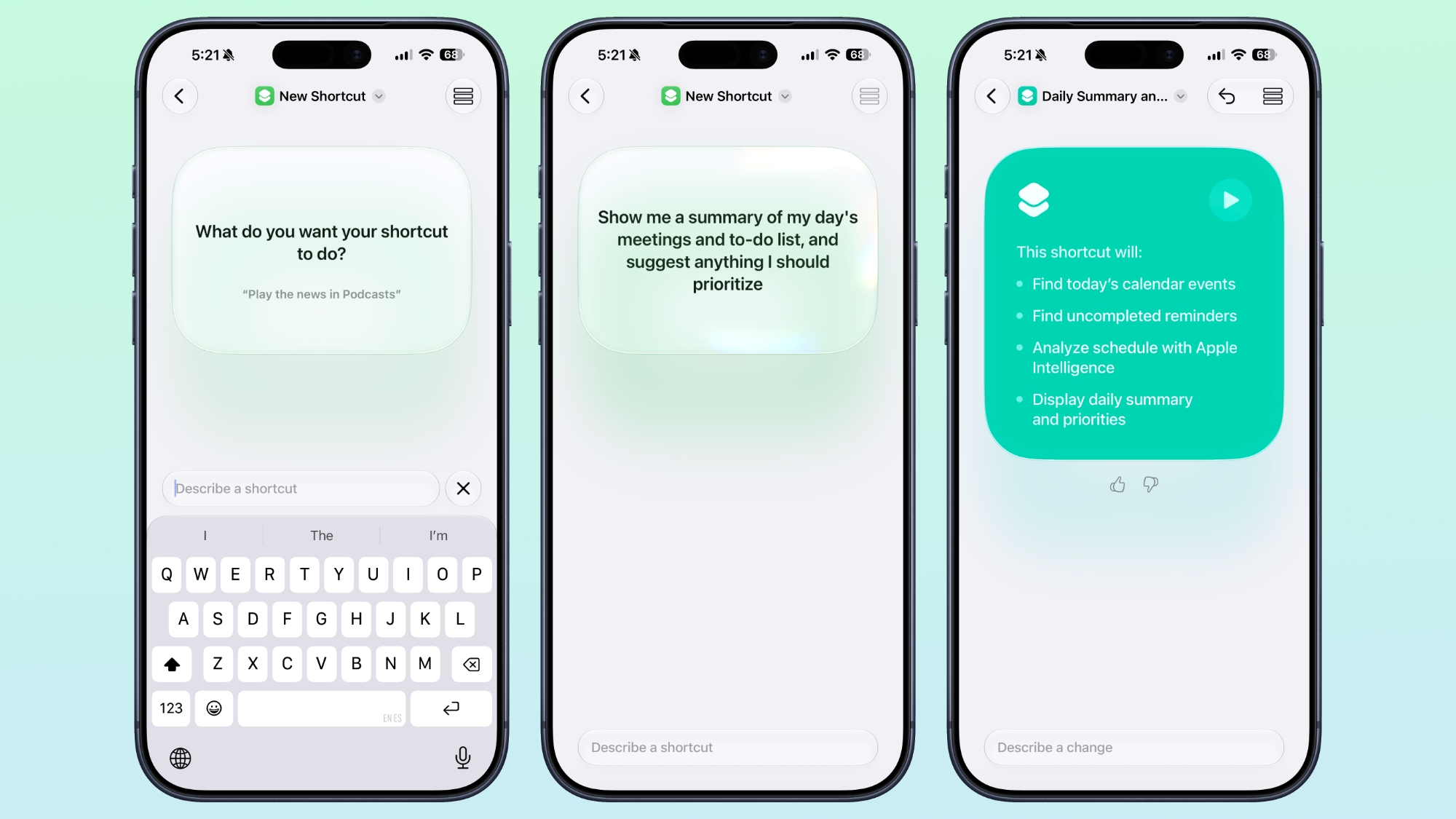


Apple Intelligence makes creating shortcuts much more accessible by letting you build them with natural language. Tapping New Shortcut in the Shortcuts app opens a Describe a Shortcut interface, where you simply explain what you want the shortcut to do. You can describe a single action or a more complex automation, and Apple Intelligence selects the appropriate actions and assembles the shortcut automatically.

For example, you could create a shortcut that sets tomorrow's alarm based on your first Calendar event, enables Sleep Focus, and dims the bedroom lights each evening, or one that displays your first meeting, the weather, and today's reminders every morning. Like existing shortcuts, these automations can be triggered by factors such as the time of day, your location, app activity, system events like taking a screenshot, incoming notifications, and more.

Get a Better Flyover of Your City
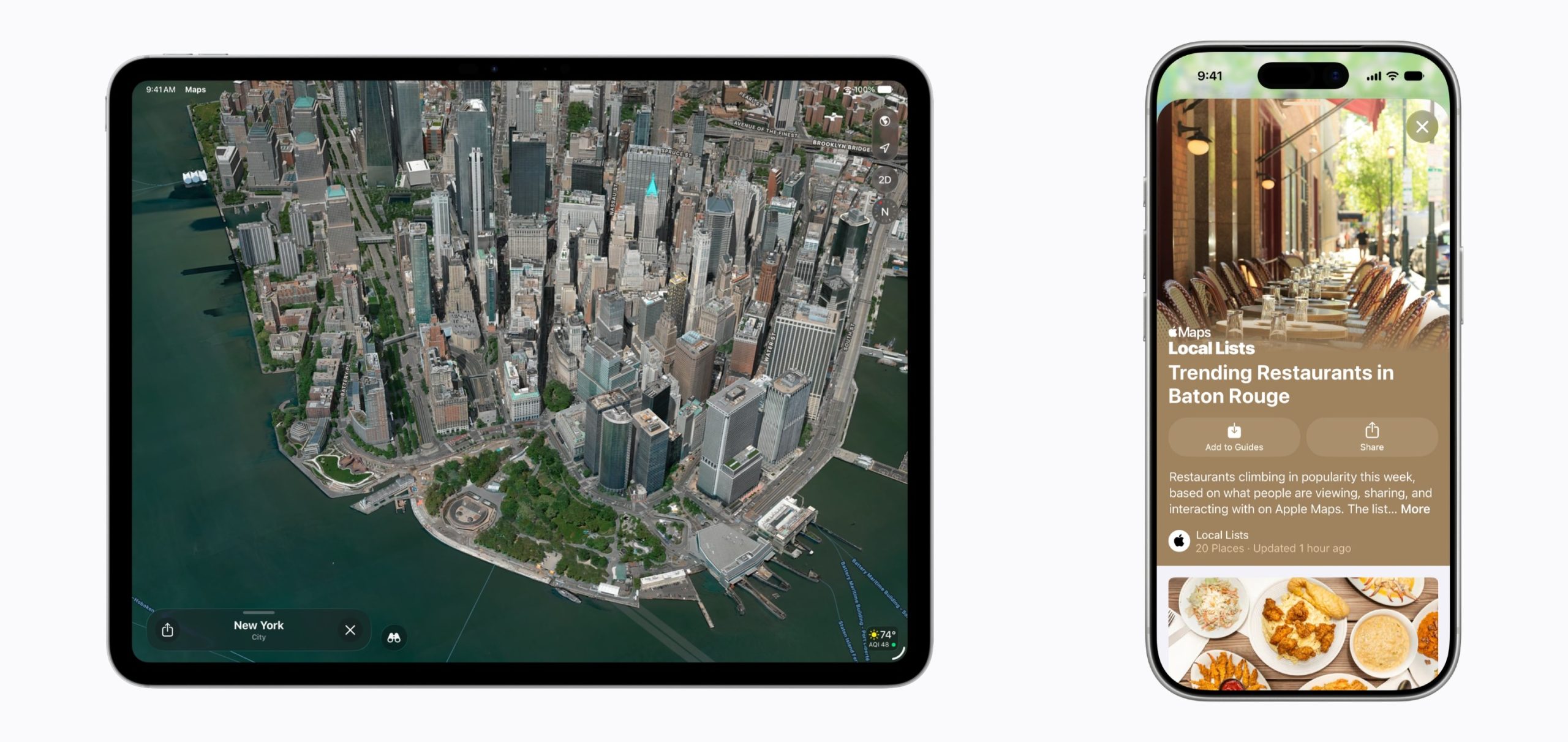


Apple is enhancing the Flyover feature in Maps with iOS 27, using Apple Intelligence models to improve aerial imagery with greater texture and sharper detail. Trees, buildings, and other landmarks appear more realistic, with more accurate geometry and improved lighting effects.

According to Apple, the update makes select cities around the world look more lifelike, from the shape of individual trees to the way light reflects off glass skyscrapers. Flyover already offers detailed 3D views of landmarks, roads, parks, and buildings in more than 350 cities, so iOS 27 is essentially using AI to further improve the quality of those visualizations.

Ask Siri What Your Camera Sees
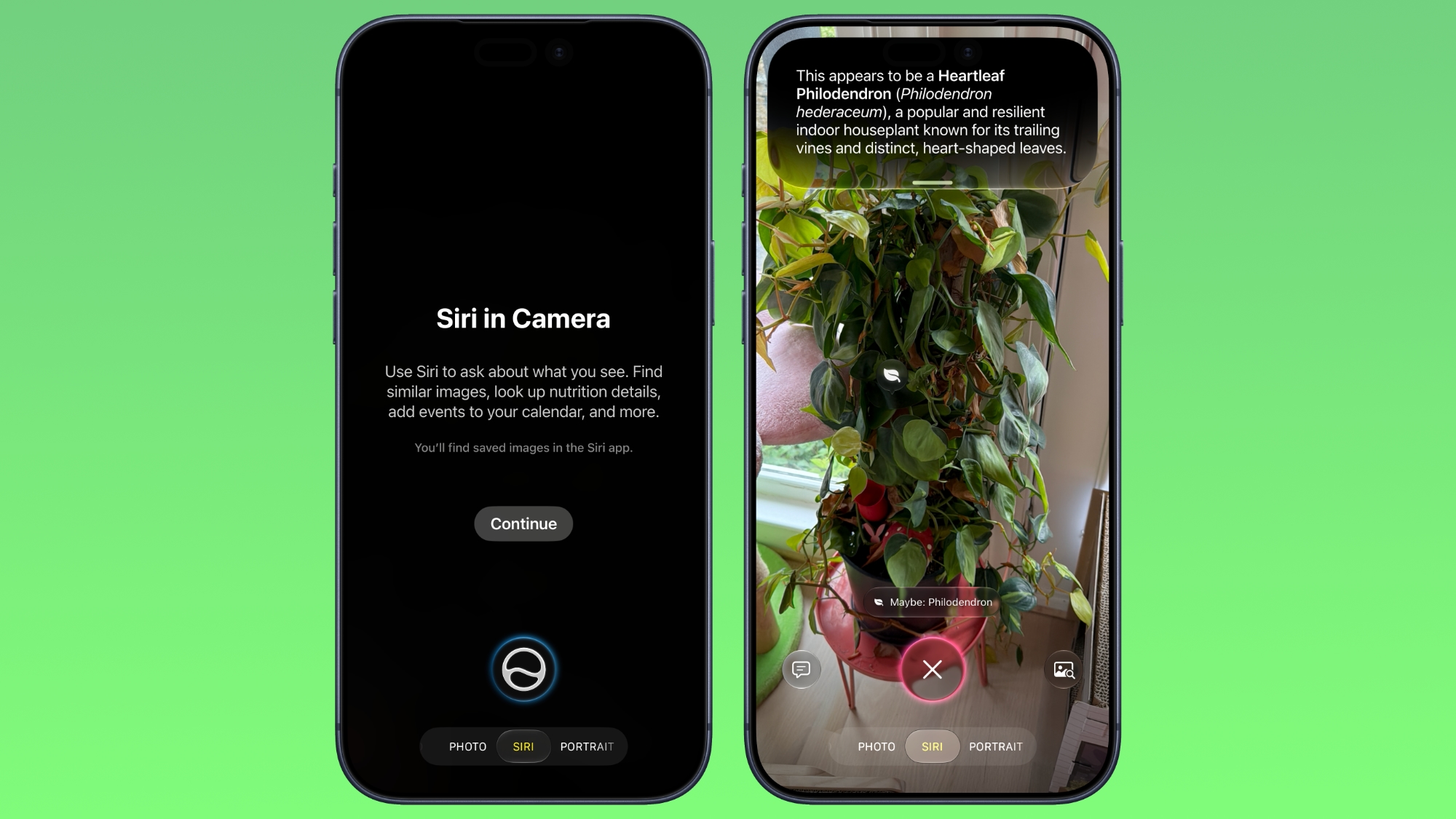


The iOS 27 Camera app has a new "Siri" mode that is available in addition to the video, photo, and other camera modes. The new mode uses Visual Intelligence to identify objects in the frame and provide information about them. It can be used to identify plants, animals, food, and more. If it's food you want info on, for example, it can tell you what it is, and how many calories are in it.

Other examples β€ŒSiriβ€Œ mode can be used for include capturing a photo of an event flyer and adding a date to the Calendar app, text translation, splitting a bill, and more.

Make Your Lock Screen Clock More Compact

lock screen
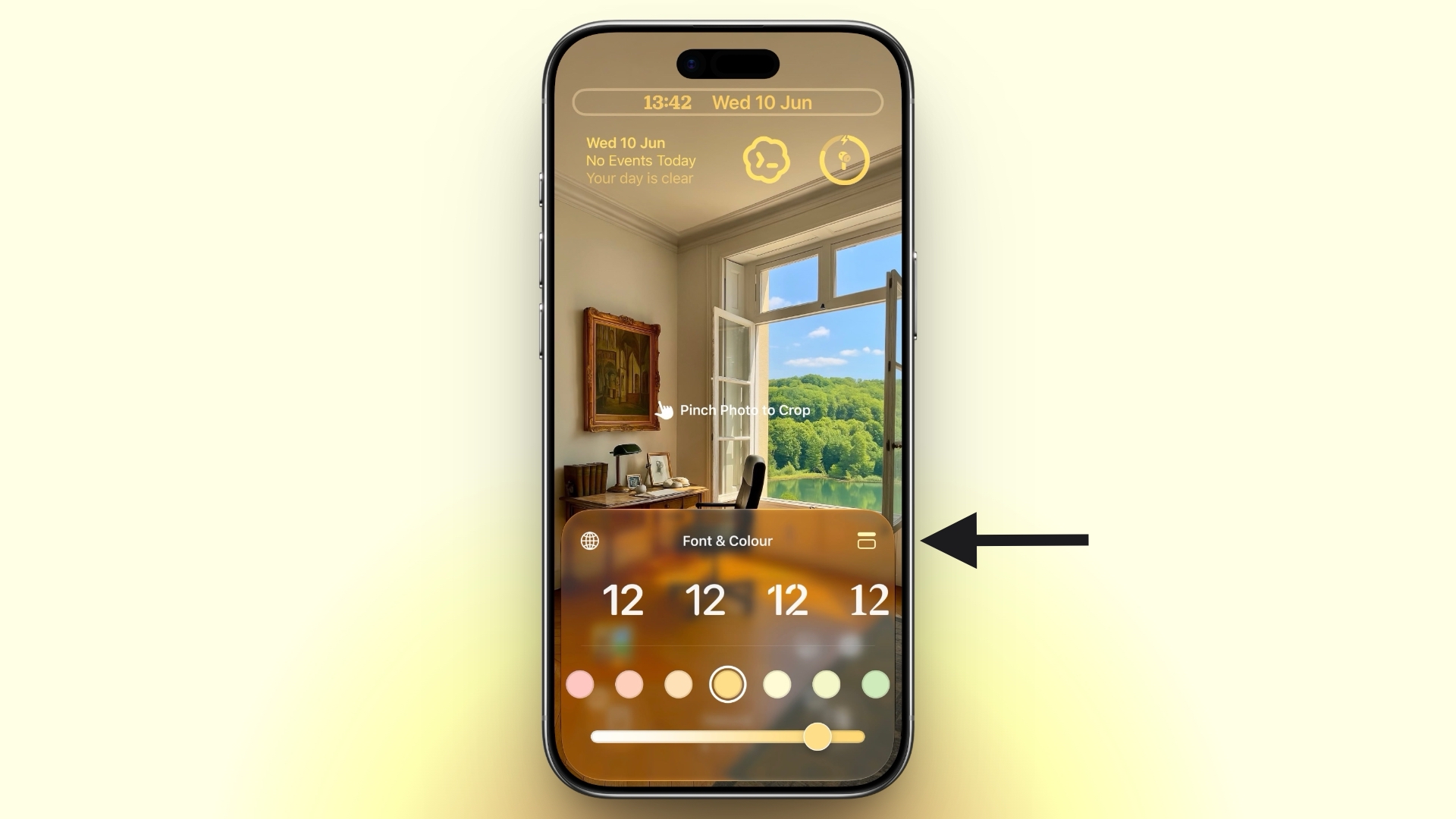
A new compact clock mode is available as a new Lock Screen layout option in iOS 27. Found in the top-right corner of the Font & Color panel, the option moves the time from its traditional large, centered position to a much smaller format alongside the date and widgets at the top of the screen. It's a nice option to have if you like a cleaner Lock Screen look that shows off your wallpaper more fully, and it's the complete opposite effect introduced in iOS 26 that stretches the clock down the screen.

Generate Photo-realistic Images with Image Playground



Apple's Image Playground has been a bit of an embarrassment up until now, being limited to cutesy re-renderings of actual photos and sketched illustrations. But the app gets a major update in iOS 27. Powered by a new generative model that runs on Private Cloud Compute, it can produce high-quality images in virtually any style, including photo-realistic output for the first time. All generated images automatically carry a hidden SynthID watermark to identify them as AI-generated. The app now also supports photo-based editing in addition to creation.

Tweak Liquid Glass Opacity

settings
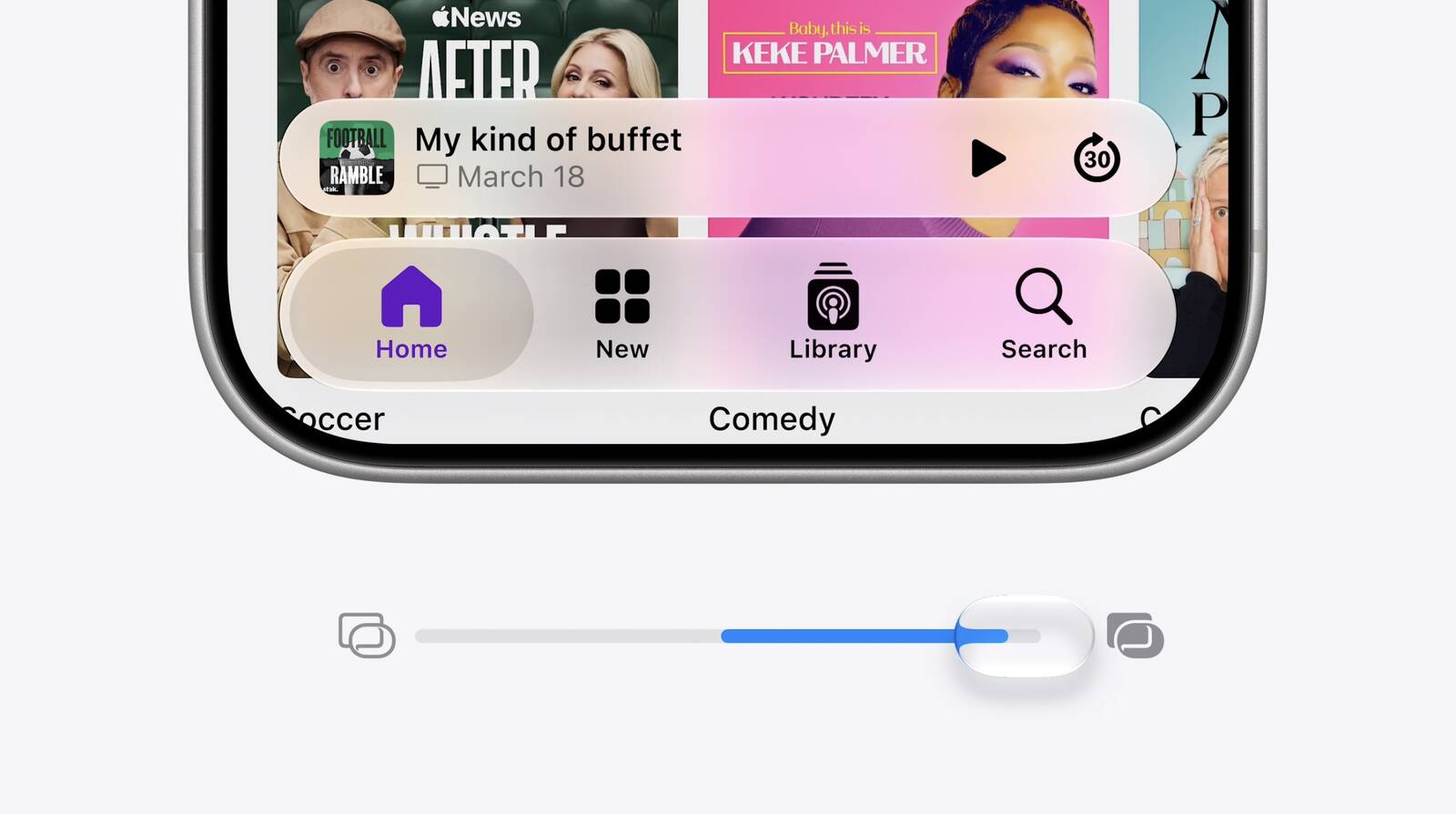
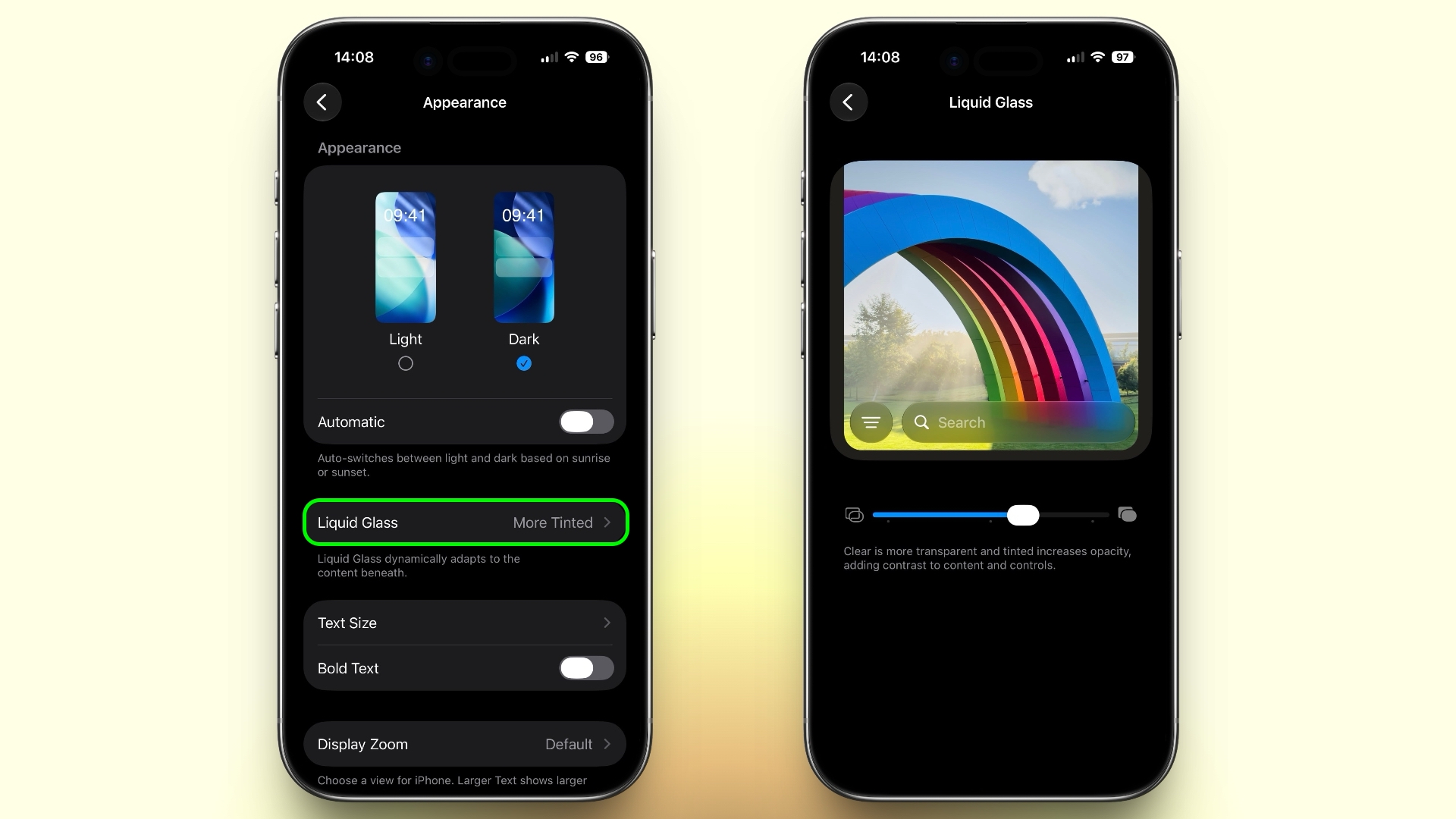
If Apple's Liquid Glass UI embrace in iOS 26 wasn't your thing, there's a way to tone it down. In iOS 27, Apple added a full Liquid Glass slider under Settings ➝ Appearance ➝ Liquid Glass. It changes the translucency of Liquid Glass elements, and you can choose a clear version of Liquid Glass that allows some of the background to show through, select a more opaque, tinted version that improves the legibility of text, or choose something in between.

Create a Slideshow from Any Album
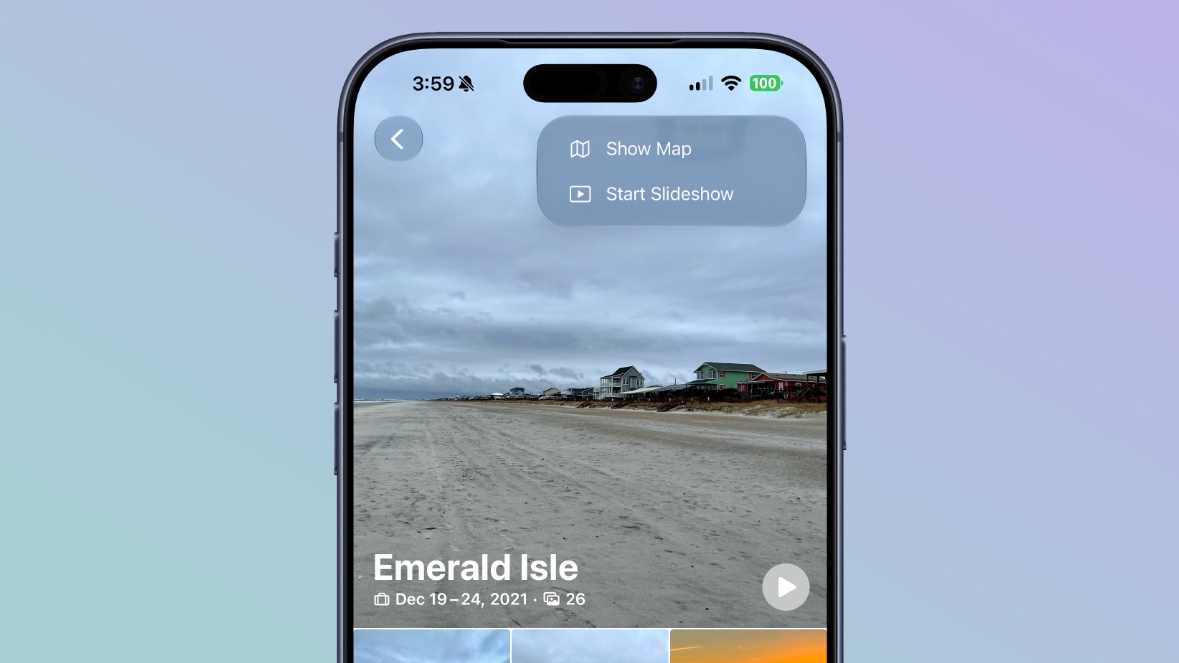


In iOS 27, you can create a slideshow from any album, collection, or selection of photos in the Photos app, rather than being limited to Memories. Open an album or select multiple photos, tap the menu button in the top-right corner, and choose Start Slideshow. Slideshows can be customized with different transition styles, slide durations, and background music, and then saved as a video or shared directly to social media.

Easily Switch Between Siri and ChatGPT



The new Siri app in iOS 27 defaults to the new Siri AI, but you can switch it to ChatGPT if you prefer. Simply long press on the text input field and tap "Ask...", then you'll see an option to change to ChatGPT. Note that conversation context does not transfer when you switch chatbot providers. Currently, ChatGPT appears as an alternative in the Siri AI app whether or not you have the ChatGPT extension enabled in Settings ➝ Siri ➝ ChatGPT.

Build a Browser Extension With a Prompt
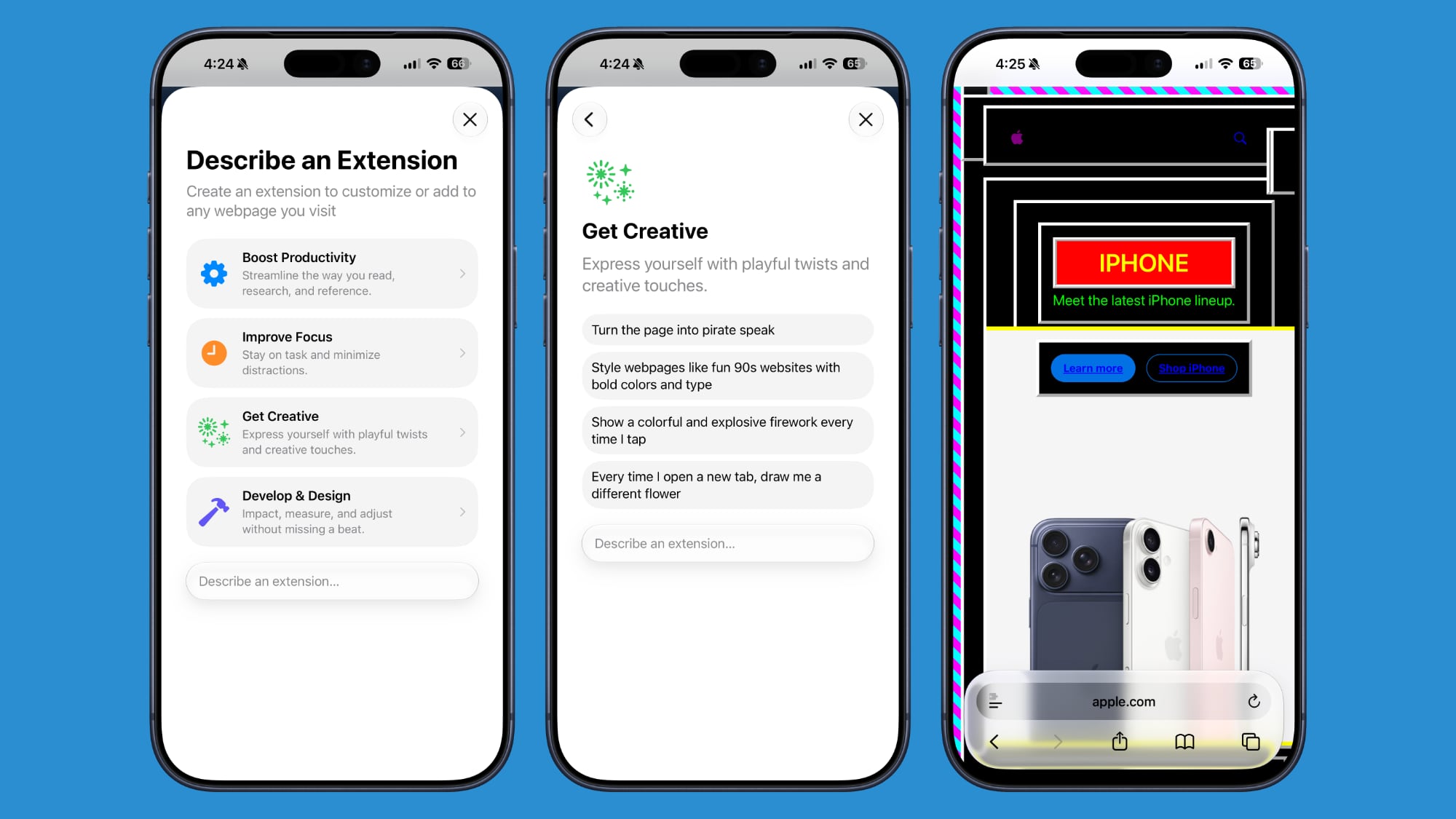


Safari has been given a new AI-powered extension creation feature. A new Create an Extension option, available from Safari's menu to the left of the address bar, lets you describe what you want an extension to do in plain language, and Apple generates it for you. If you need inspiration, Apple also provides suggested ideas across categories including Boost Productivity, Improve Focus, Get Creative, and Develop and Design.

Get AI Summaries of HomeKit Camera Footage (iCloud+ Only)
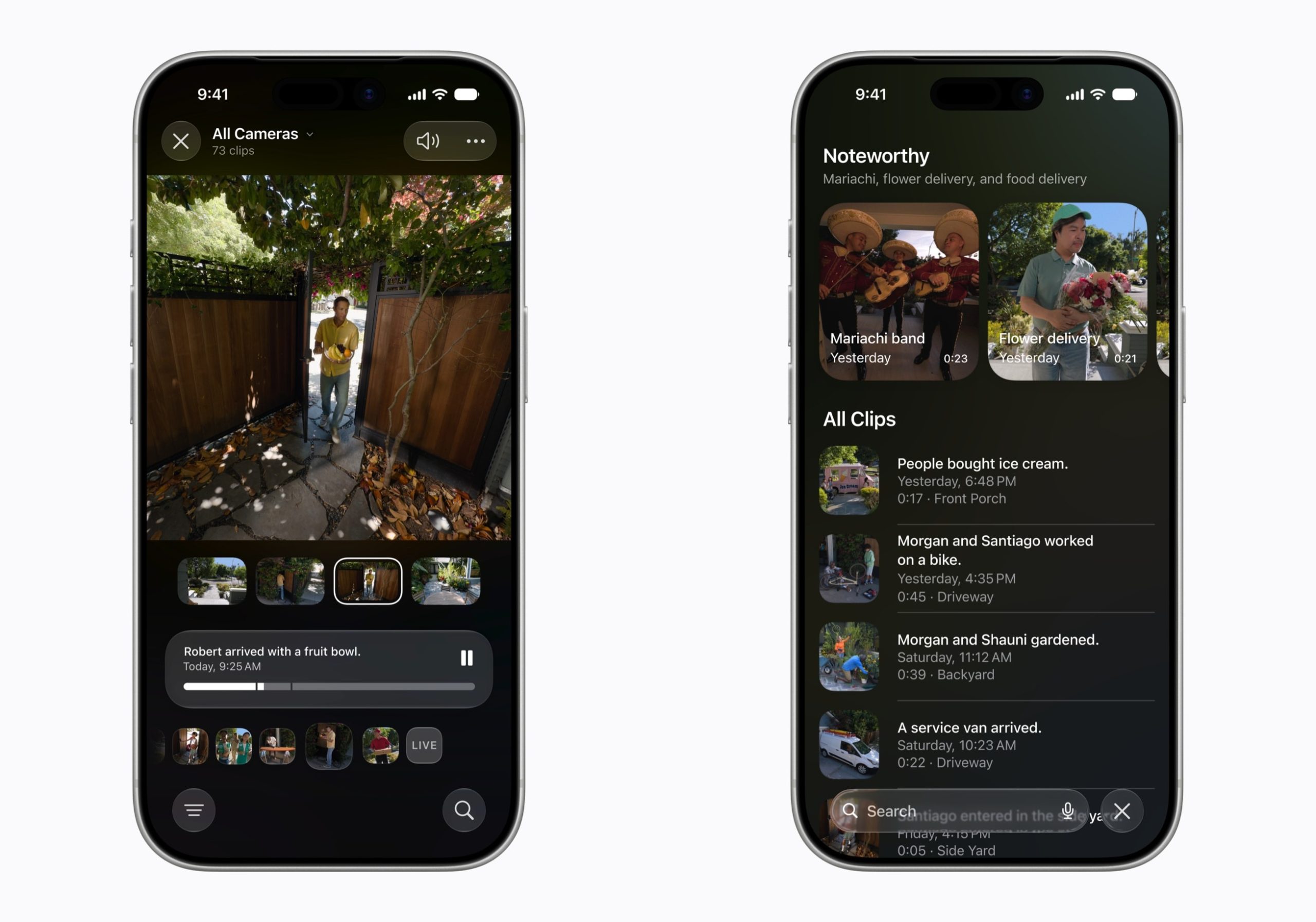


The Home app is now able to generate written summaries for motion alerts from HomeKit Secure Video cameras. It's also able to group footage from separate cameras for an overview of activity and pull out noteworthy recordings, plus it supports natural language search. Bear in mind that this feature is only available if you have an iCloud+ plan with at least 2TB of storage (that's a $9.99/month subscription).

Equalize Your AirPods
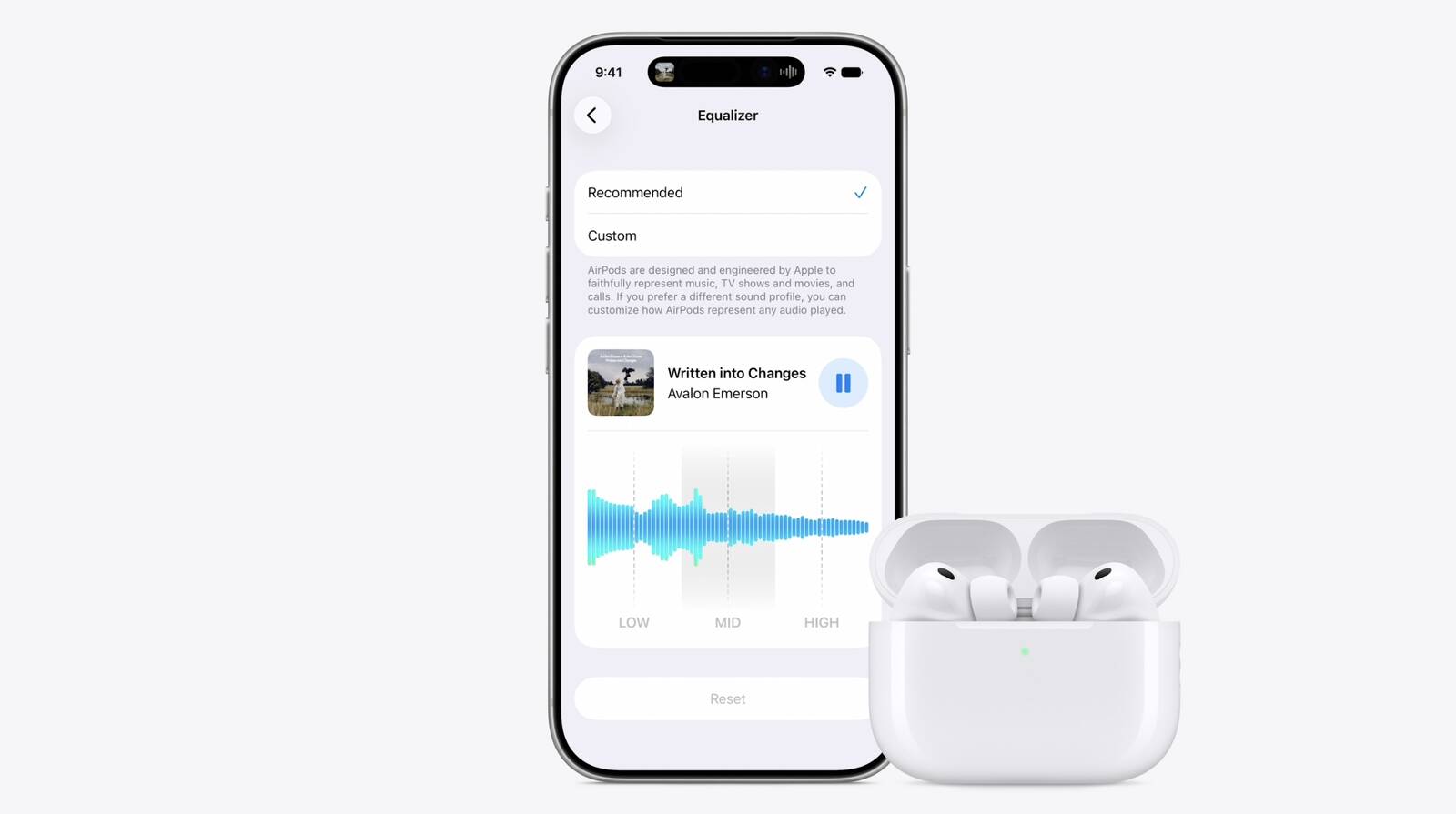


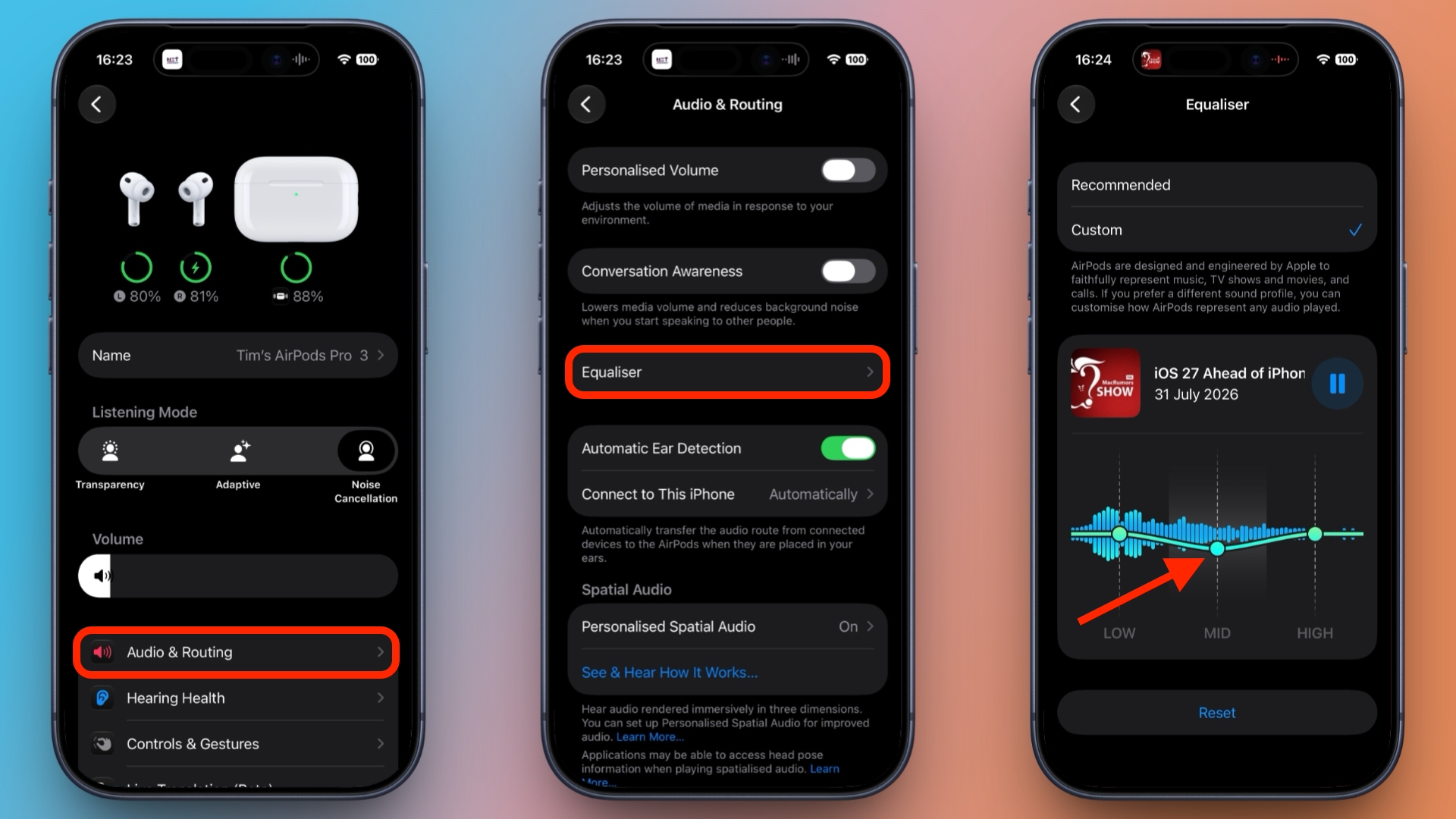
With iOS 27, Apple finally introduces adjustable EQ controls for compatible AirPods models. With your AirPods paired and the latest firmware installed, you can go to Settings ➝ [Your AirPods] ➝ Audio & Routing ➝ Equalizer ➝ Custom to adjust the lows, mids, and highs. Custom EQ is available on AirPods with Apple's H2 chip, including AirPods Pro 2, AirPods Pro 3, AirPods 4, and AirPods Max 2.

Customize Siri's Voice
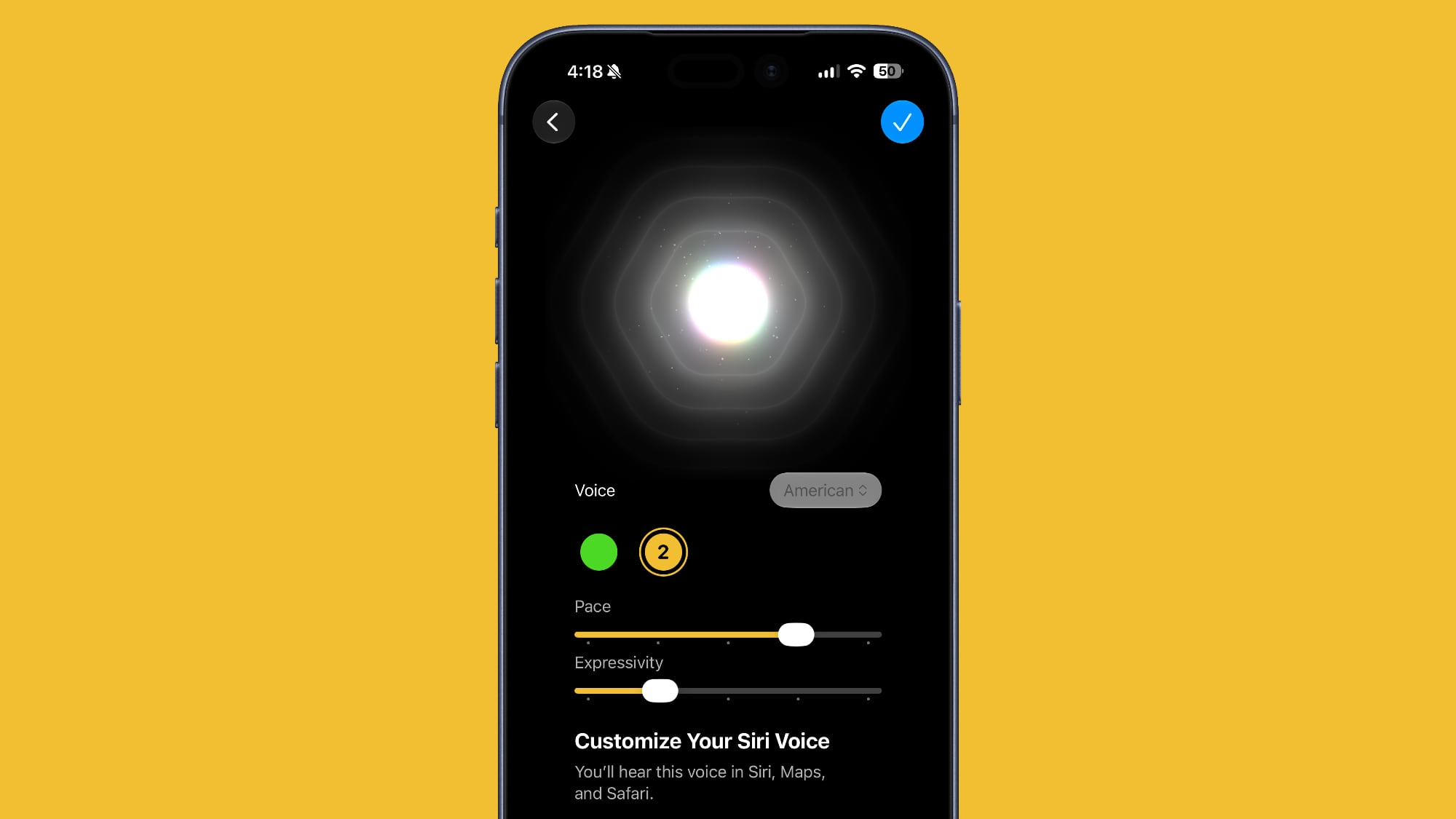


Apple has introduced a more powerful on-device Apple Intelligence model for the iPhone 17 Pro, iPhone 17 Pro Max, and iPhone Air. The upgraded model can understand and generate speech, as well as interpret text and images, enabling a more natural and responsive Siri experience. It also unlocks new voice customization options that let you adjust Siri's expressiveness and speaking pace to suit your preferences.

Rate Your Photos
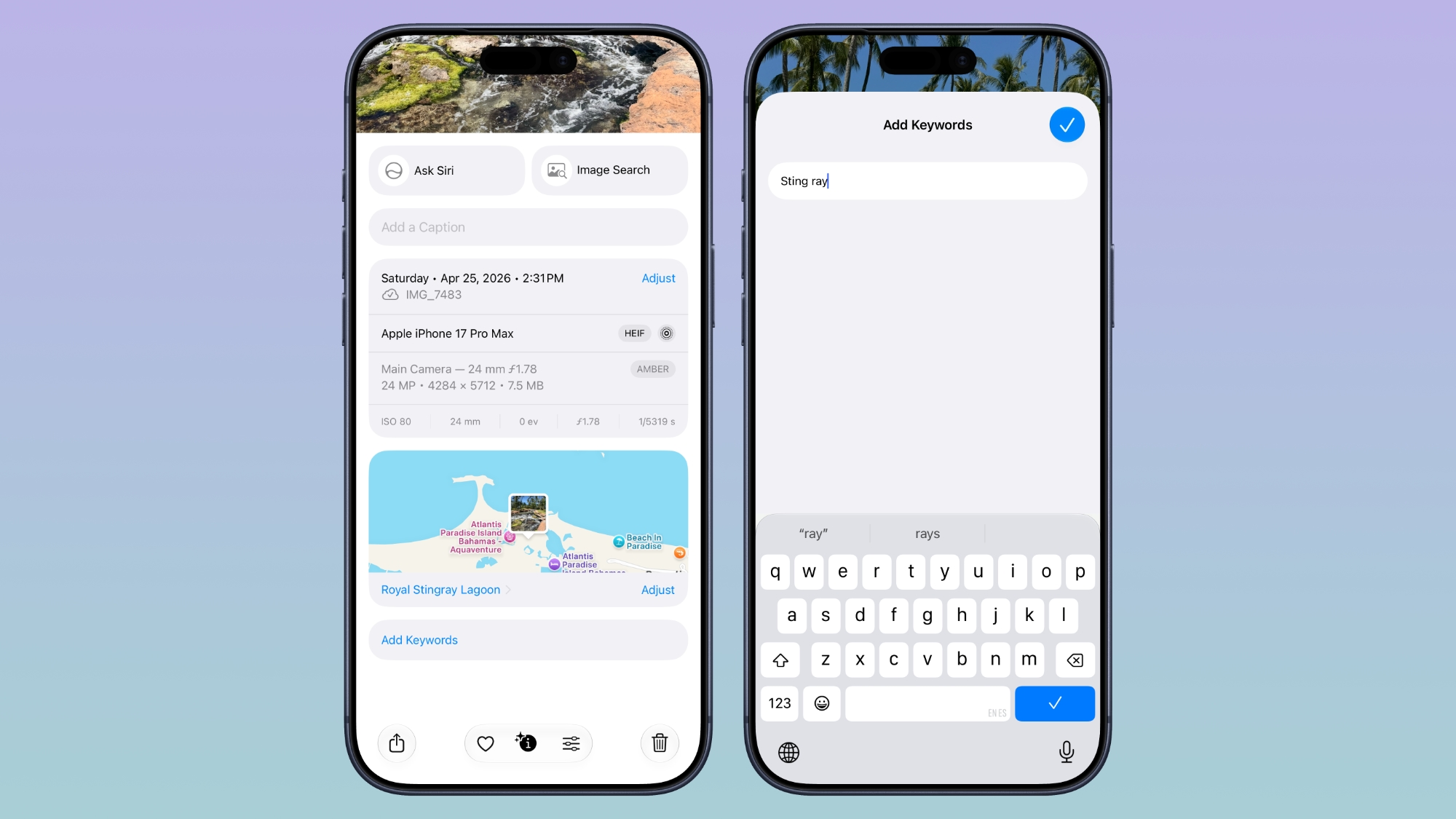


Apple now lets you assign one- to five-star ratings and keywords to photos and videos in the Photos app, making it easier to organize and filter your library. To go with the new feature, Apple has added a Show Rating Controls option to the Photos section of the Settings app. When enabled, it displays star ratings on photos and videos and adds rating badges to thumbnails, ensuring that your highest-rated media is easy to spot at a glance.

Ask Questions About Your Surroundings
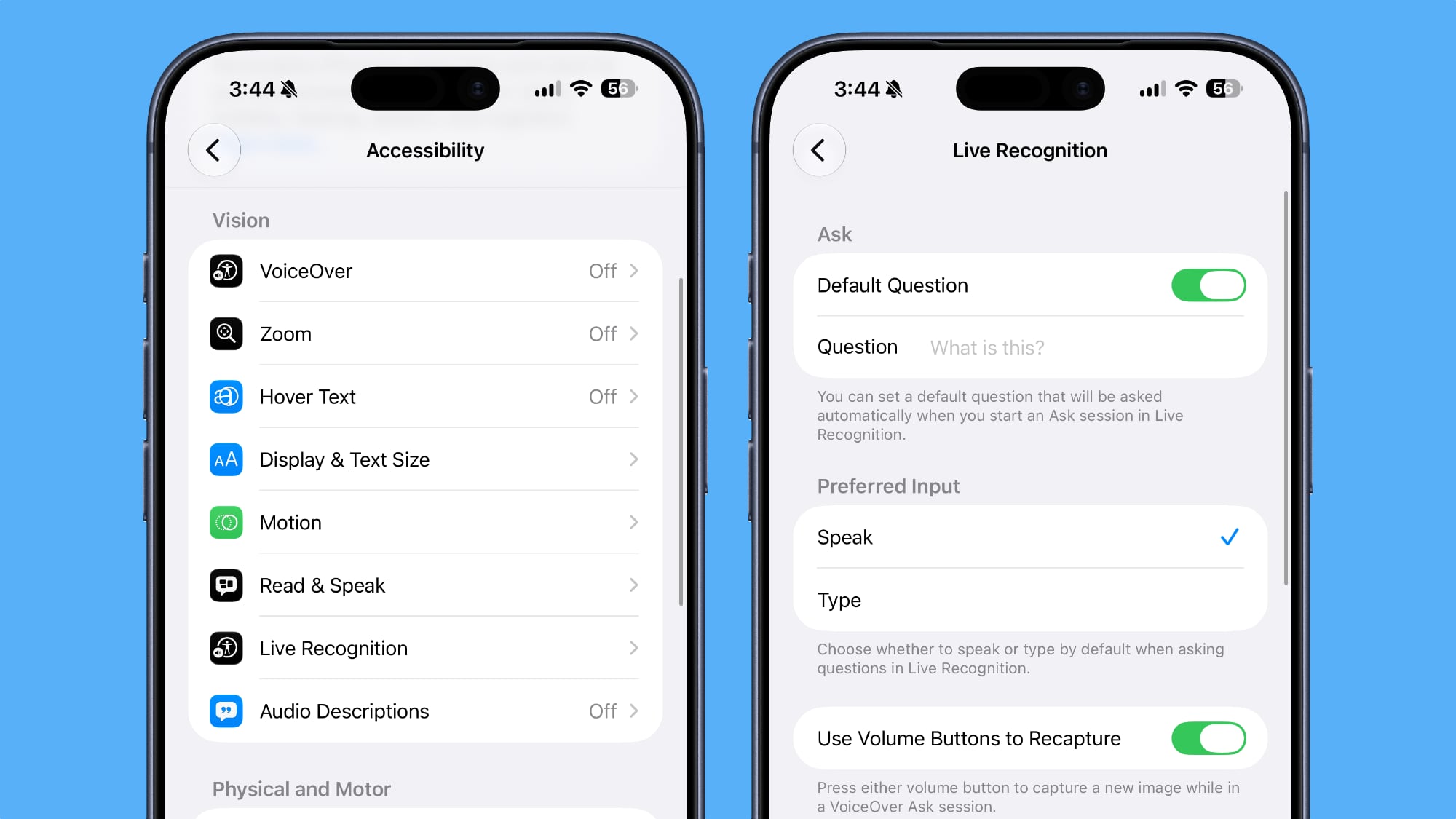


In Accessibility, Apple has added a new Live Recognition section. Powered by on-device intelligence, Live Recognition uses the iPhone's camera to identify and describe people, objects, and surroundings in real time. It can also answer questions about what it sees, with the option to set a default prompt for quick access.

Auto-Update Your Weak Passwords
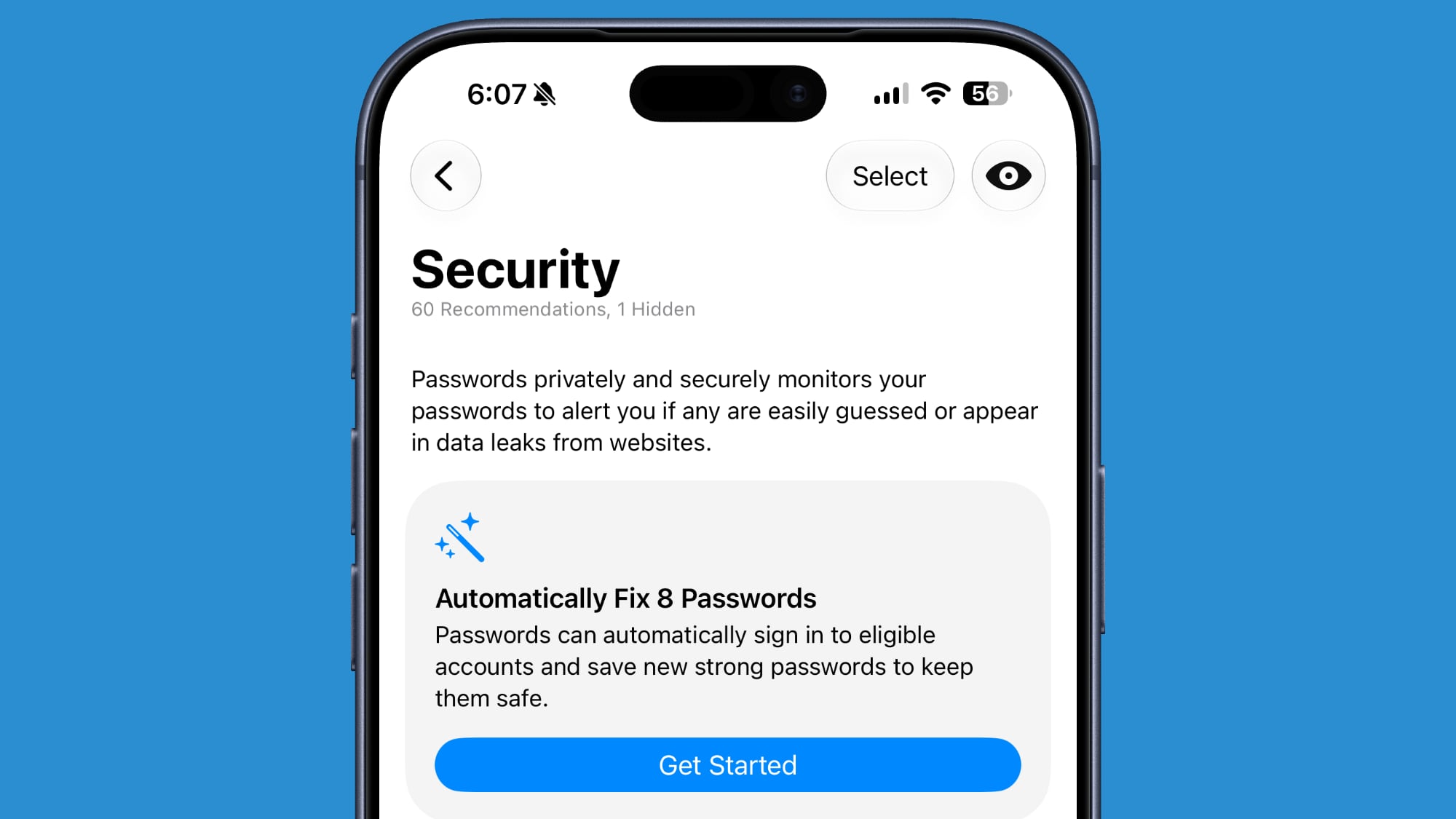


If you use Apple's Passwords app, there's a new feature that uses Safari to automatically change weak and compromised passwords for you. The feature uses β€ŒApple Intelligenceβ€Œ to automatically navigate to eligible websites, sign in, and update your password with a tap.

Save a Still From a Video
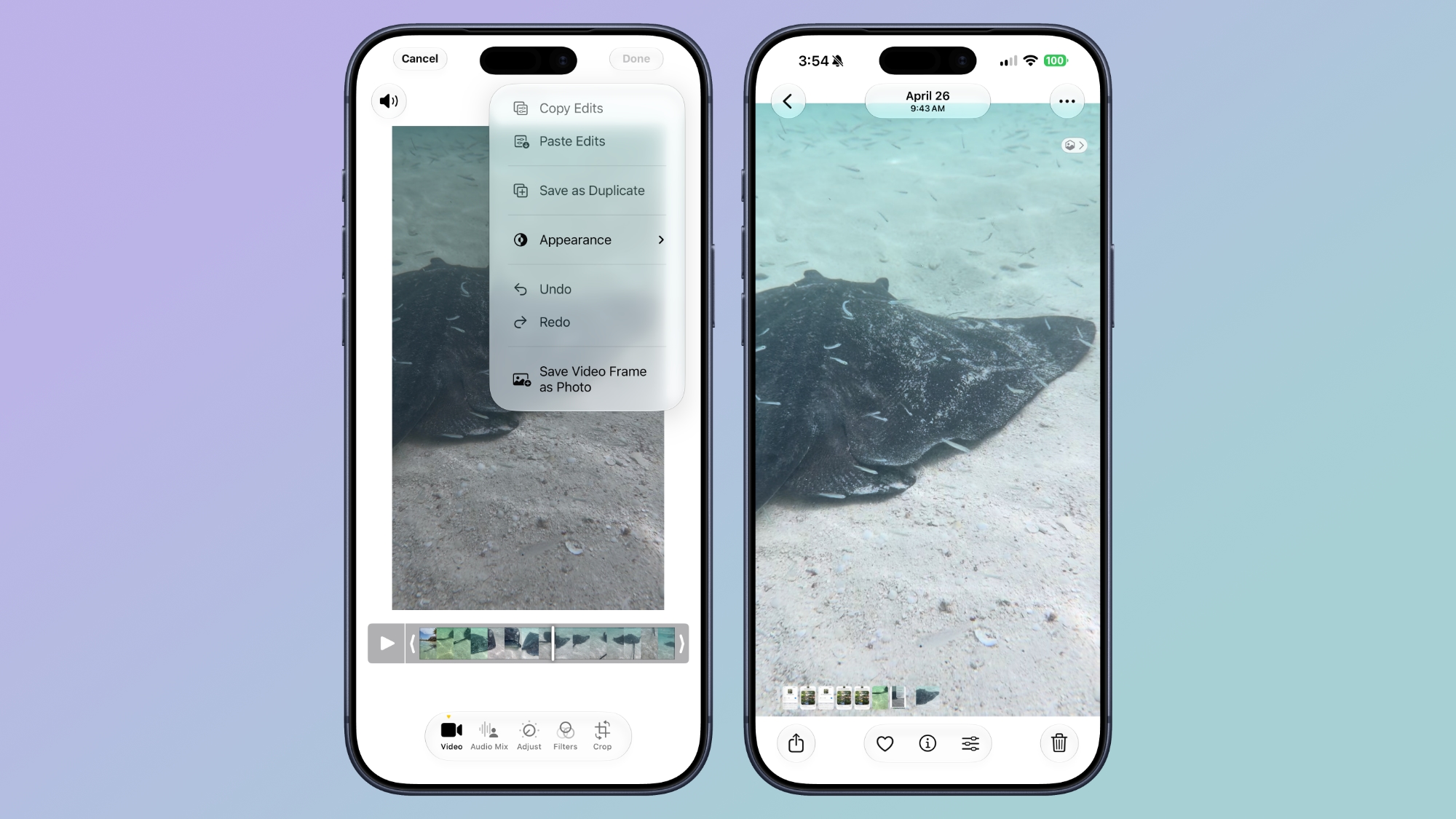


The Photos app in iOS 27 lets you pull a single frame out of a video and save it as its own photo. So you no longer have to rely on the old workaround of pausing playback, taking a screenshot, and cropping out the scrubber. The frame is subsequently saved in your library as a normal image, ready to edit or share just like any other shot.

Give Your Alarms Their Own Volume
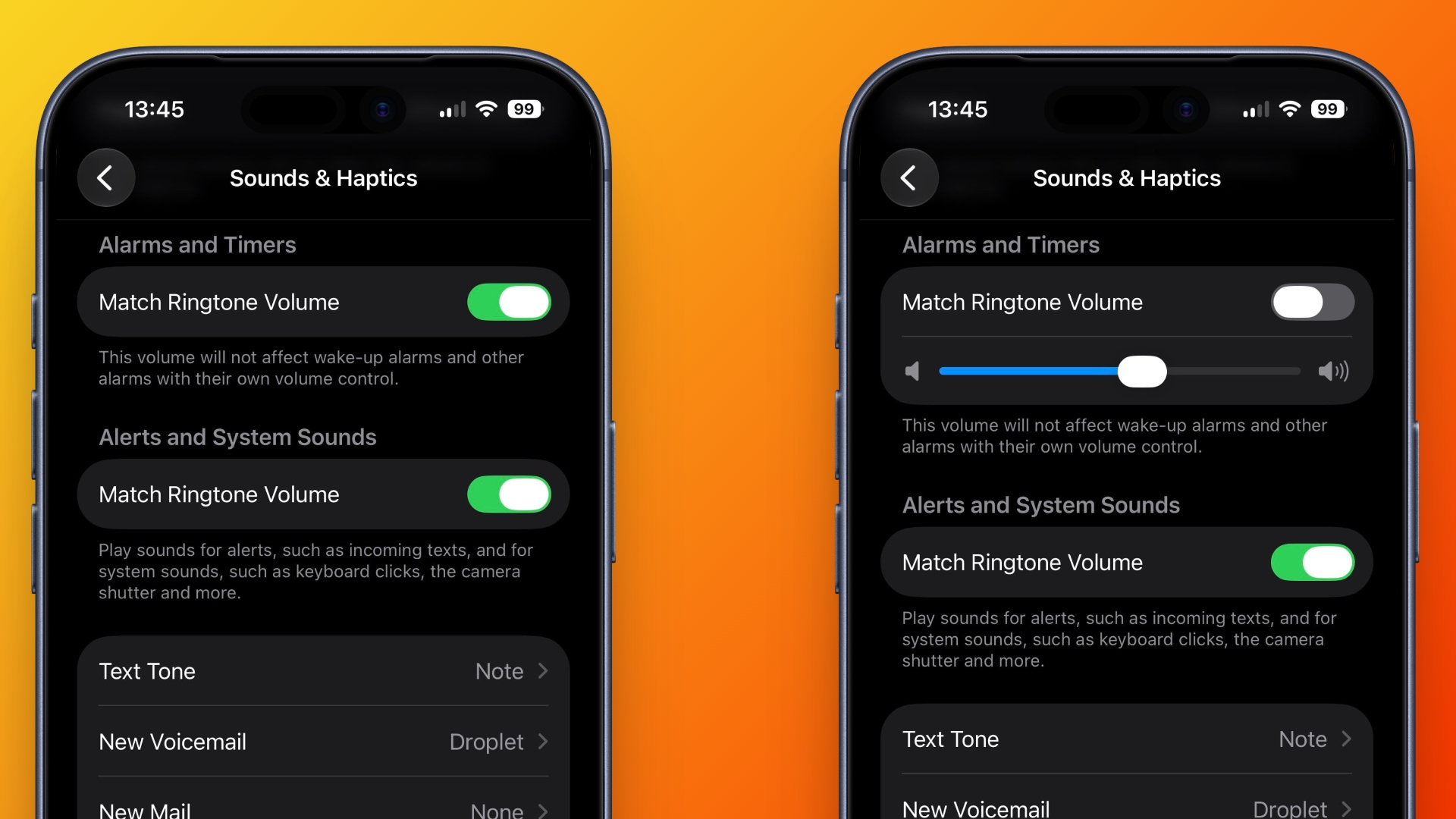


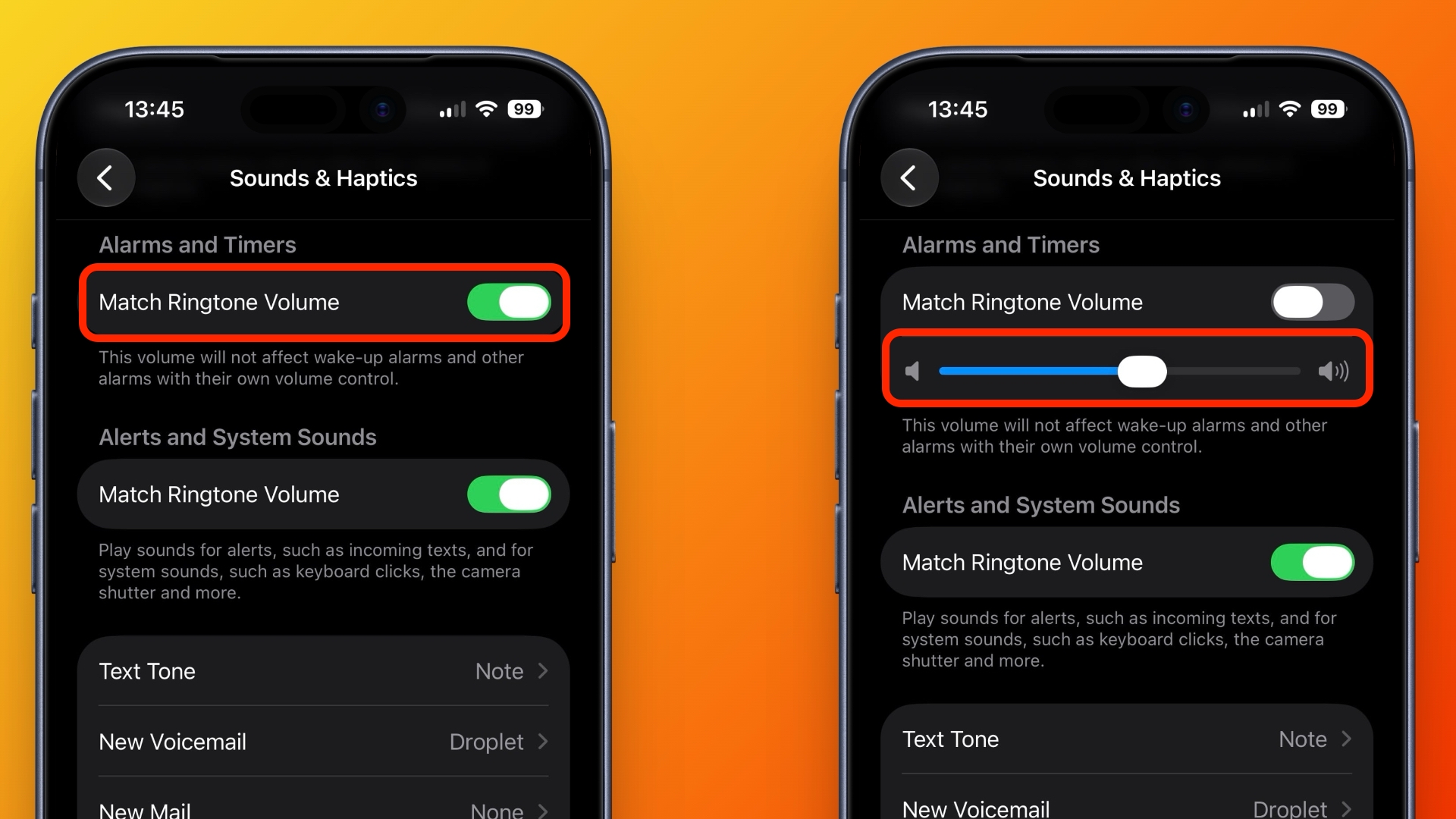
In iOS 27, Settings ➝ Sounds & Haptics gains an Alarms and Timers section with a "Match Ringtone Volume" toggle. Switch it off and a dedicated slider appears, so you can drop the ringer to nothing overnight and still get woken at the volume you chose. Apple's own note under the slider says it won't override wake-up alarms or other alarms that carry their own volume control.

Share Your Location for as Long as You Want
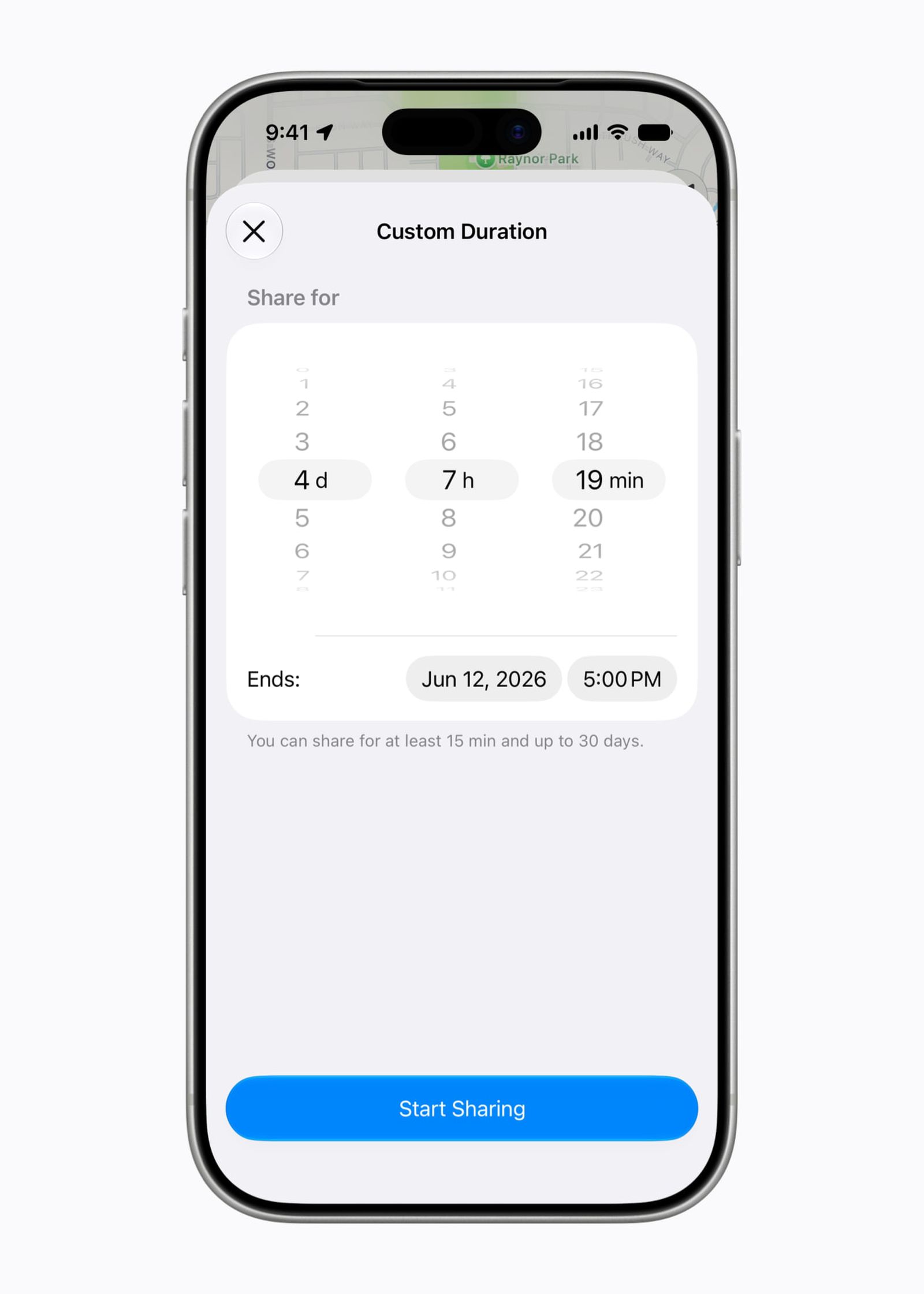


In iOS 26, sharing your location in Find My involves choosing from three presets: one hour, until end of day, or indefinitely. By contrast, iOS 27 adds custom durations – four days and six hours, for example. Alternatively, you can enter an exact date and time for sharing to expire. You can also pause sharing with specific people until the end of the day, without them being informed.

Show Both Camera Views on a FaceTime Call
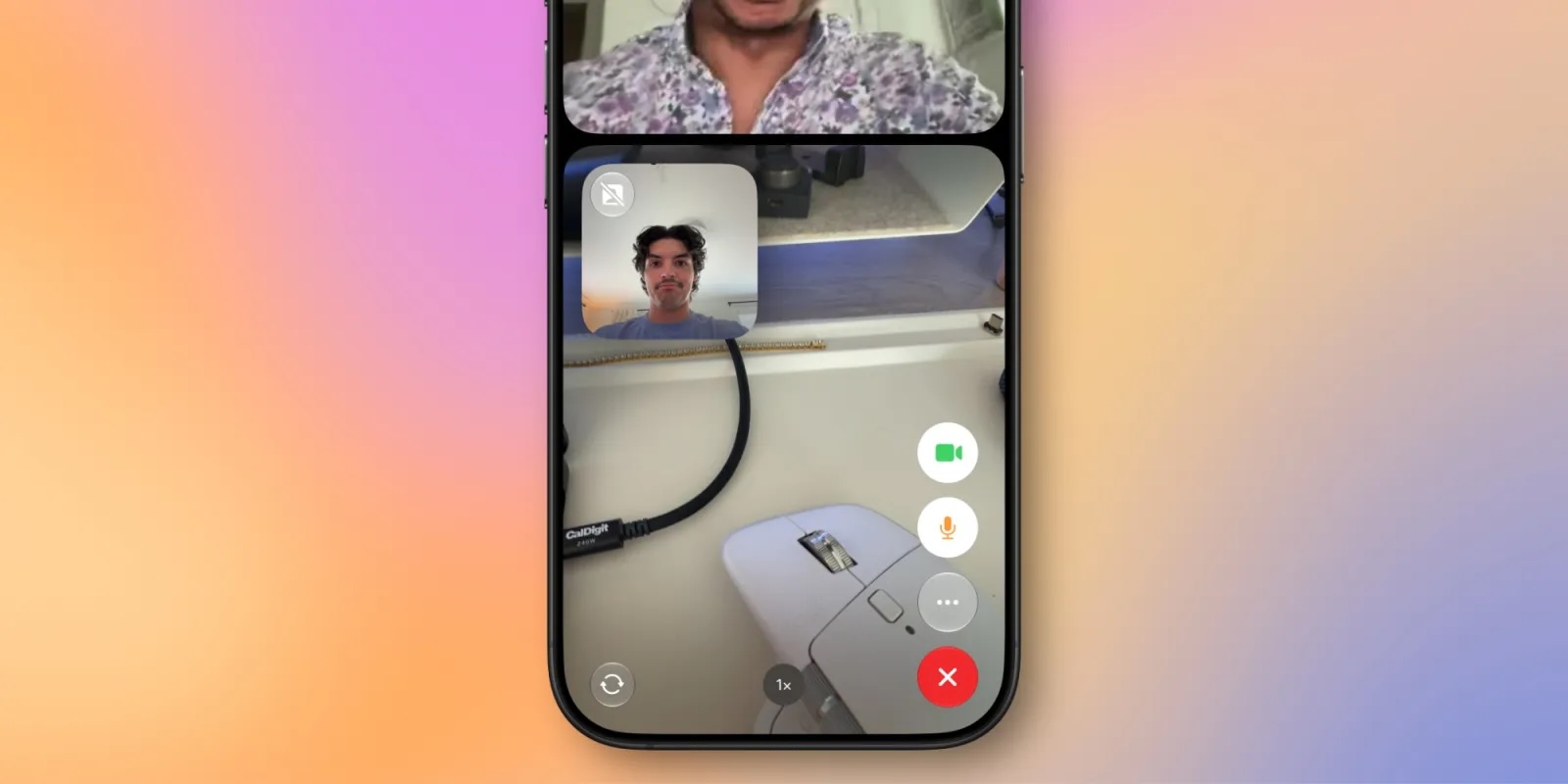


FaceTime has a Dual Capture option in iOS 27. On the iPhone 17 models and the iPhone Air, you can use the front and back cameras at the same time while on a FaceTime call. The person you're calling is able to see your face and what's shown through the back camera. You can turn on Dual Capture on a supported iPhone by tapping on the camera flip button. If you only want to show the back camera feed, you can tap to turn off the front camera view.

Draw in Messages
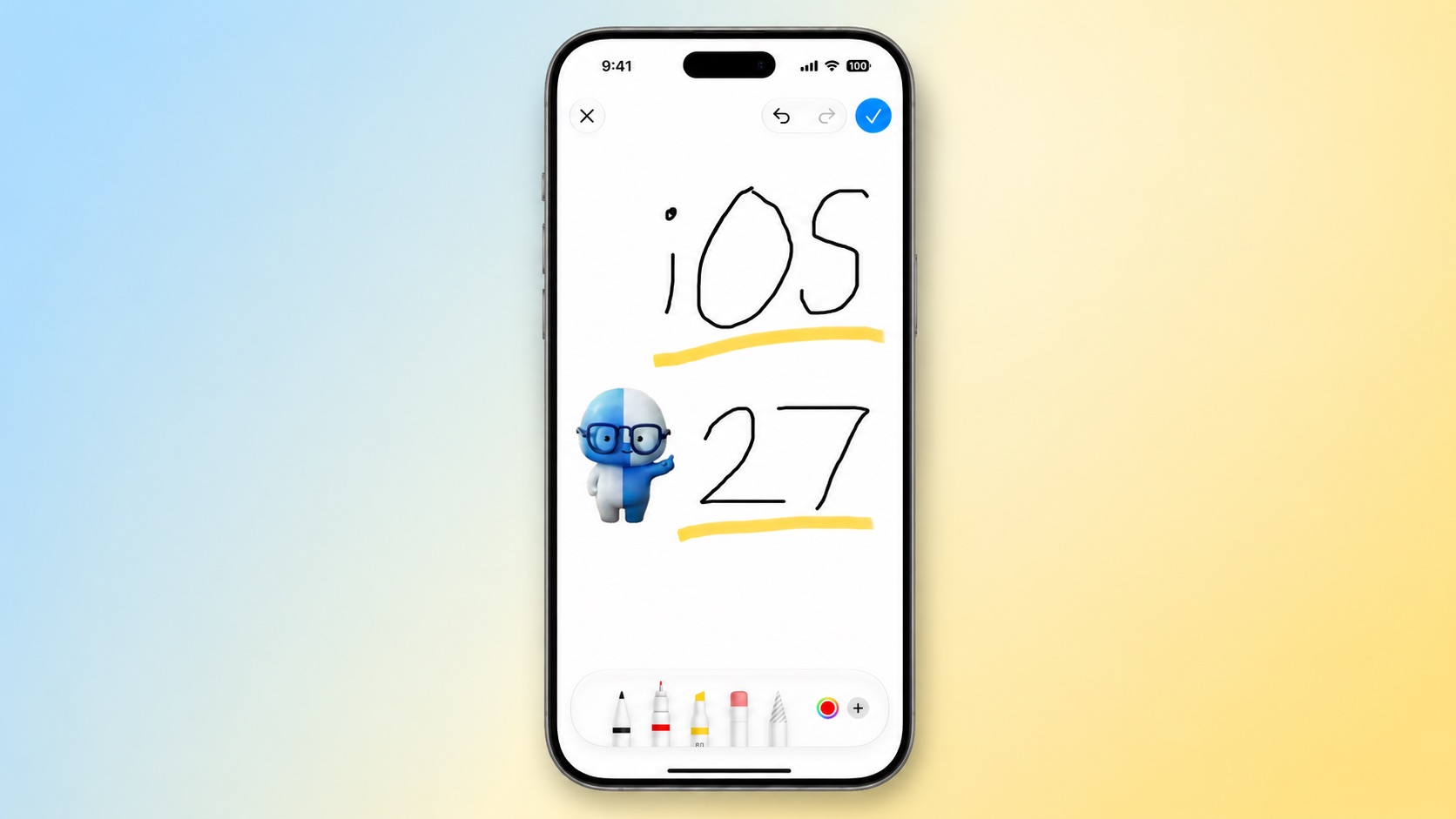


You can now drawing in the Messages app to send little sketches and notes. It's available when tapping on the "+" button next to the text bar in a conversation. The drawing interface is the same as the Markup tool available in apps like Photos and Notes. There's a marker, a pen, a highlighter, and an eraser, plus options to use the tools in any color.

Get Notified About a Webpage Change
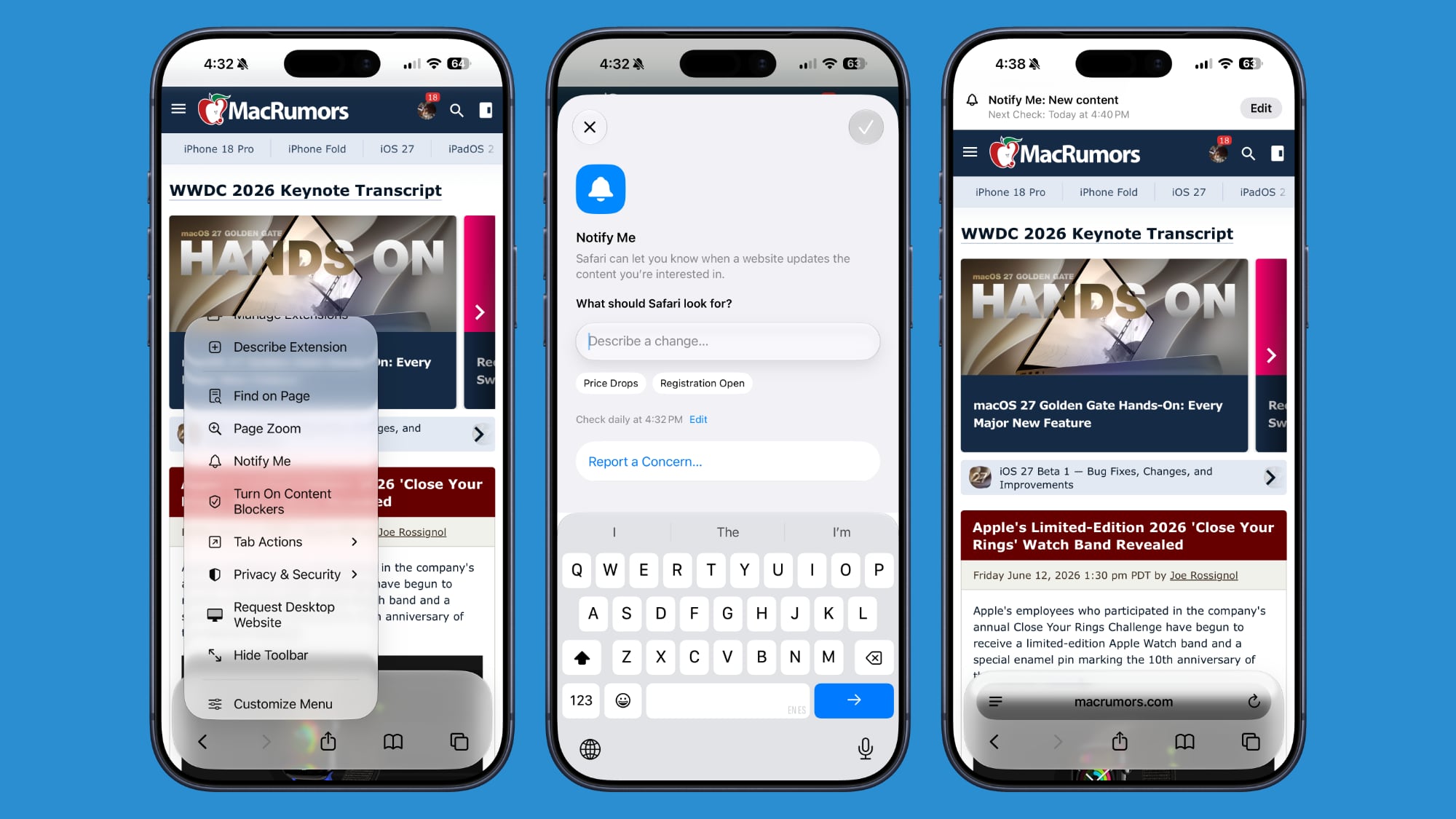


Apple's new version of Safari browser in macOS 27 and iOS 27 can be tasked to monitor a webpage and notify you of any changes. With "Notify Me," Safari can keep checking a website on your behalf – such as a product you've been watching for when it comes back in stock – and alert you when a change occurs.

Reframe a Photo
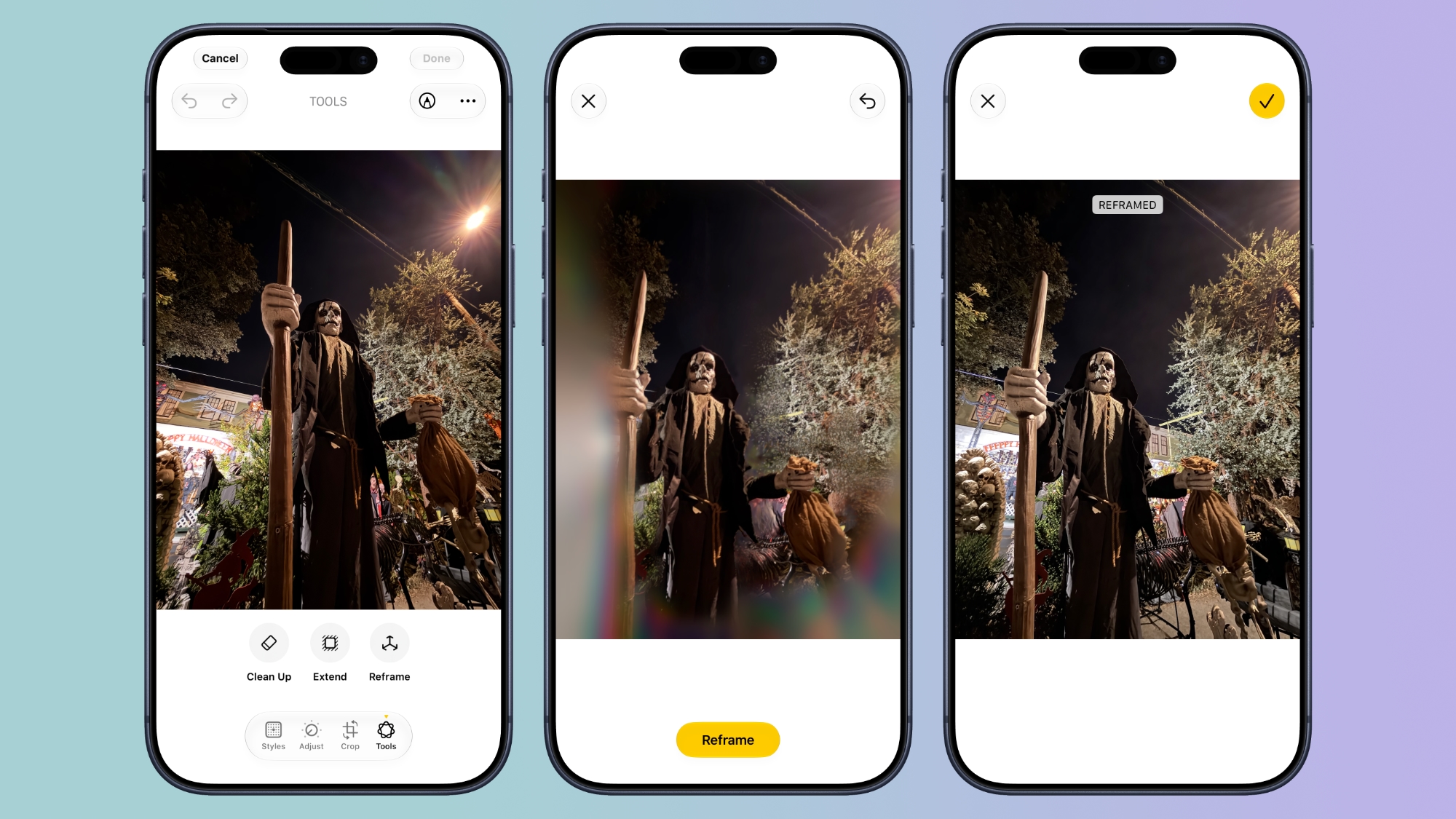


A new Reframe feature in Photos can change the perspective of a photo and make adjustments to the angle of a person or object. It uses the spatial information the iPhone gathers when a photo is taken, and combines it with AI to change the angle of the camera in post-processing. The spatial data is used for adjusting the subject of the image, and then AI fills in any pixels that are missing.

Get Spending Insights in Wallet

wallet
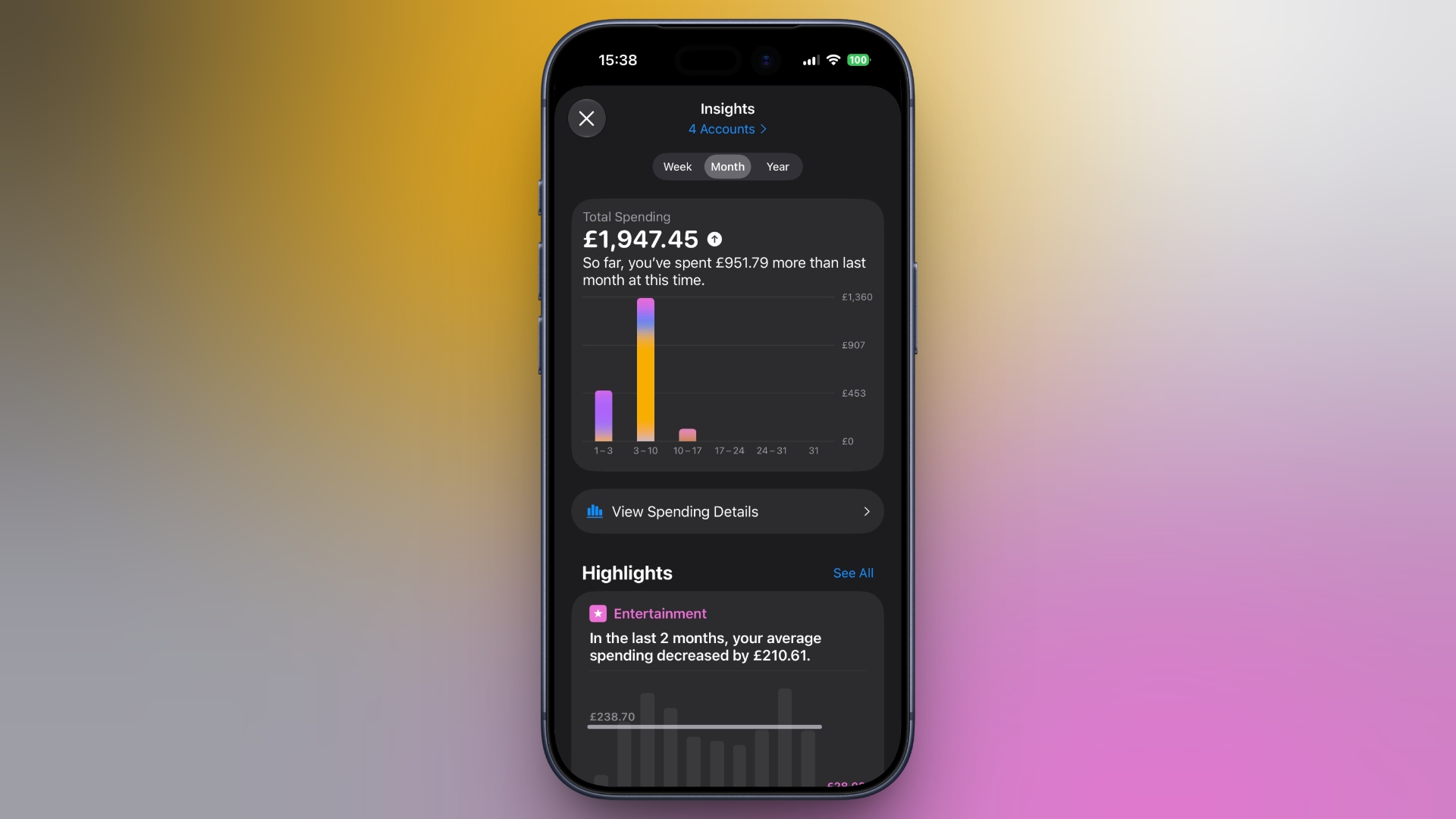
A new "Insights" feature in the Wallet app lets you add different Connected Accounts to monitor your spending. Accessed by tapping the three dots in the top right corner, the feature displays your spending highlights, trends, and other details. Note that Connected Accounts integration is dependent on your bank offering the feature, and currently it has broader support in the U.K. than in the U.S.

Get Context When on a Call
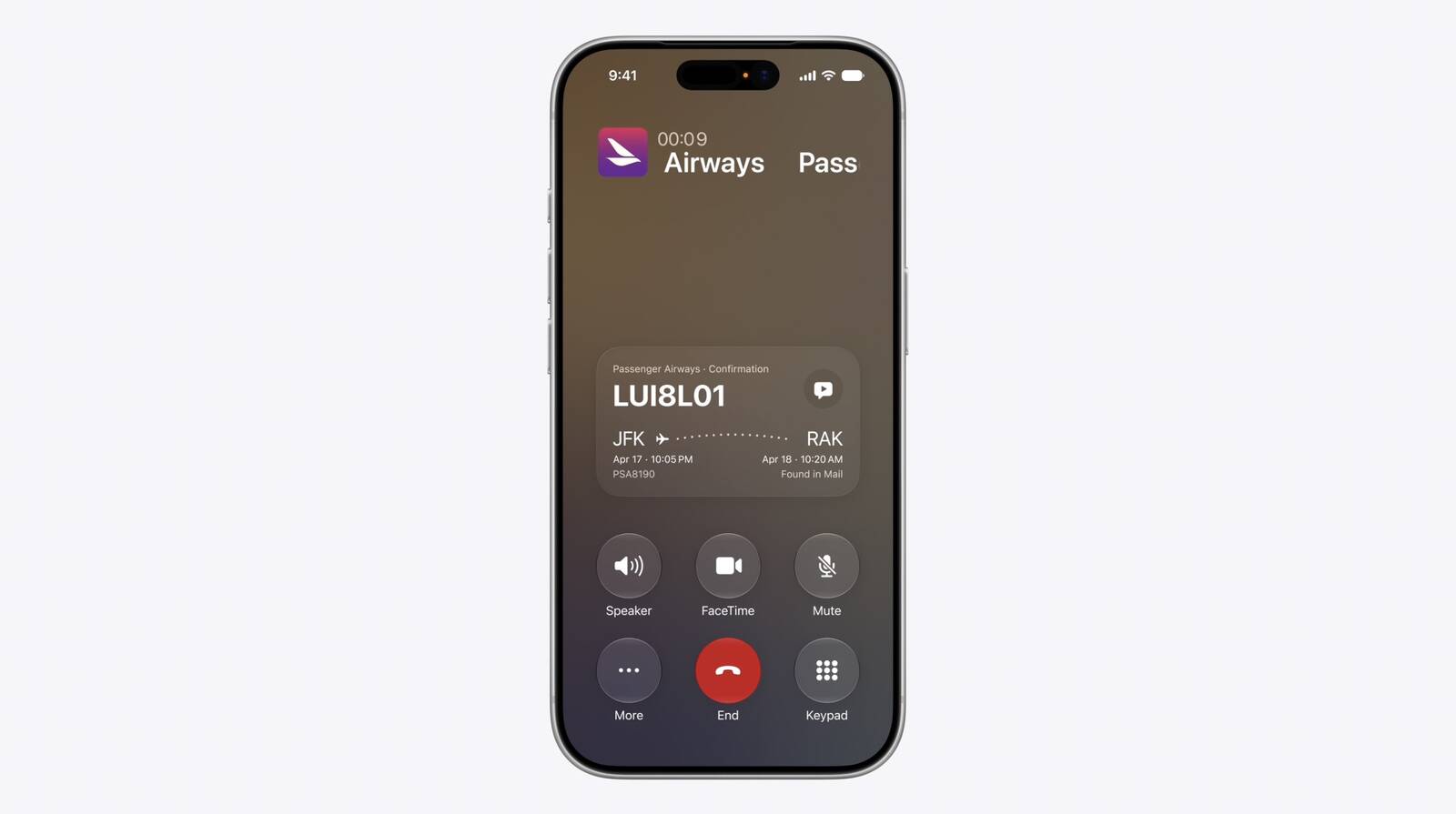


When you're on a phone call to a business, a new feature called "Call Context" proactively surfaces relevant information. If you call an airline to change a flight, for example, the Phone app can automatically find the relevant confirmation code or reservation number from Mail and display it during the call. Apple says Call Context looks only at who the user is calling and not at the call audio itself. The feature runs entirely on device, meaning no data is shared with Apple or any third party.

Learn What's Trending Around You in Maps
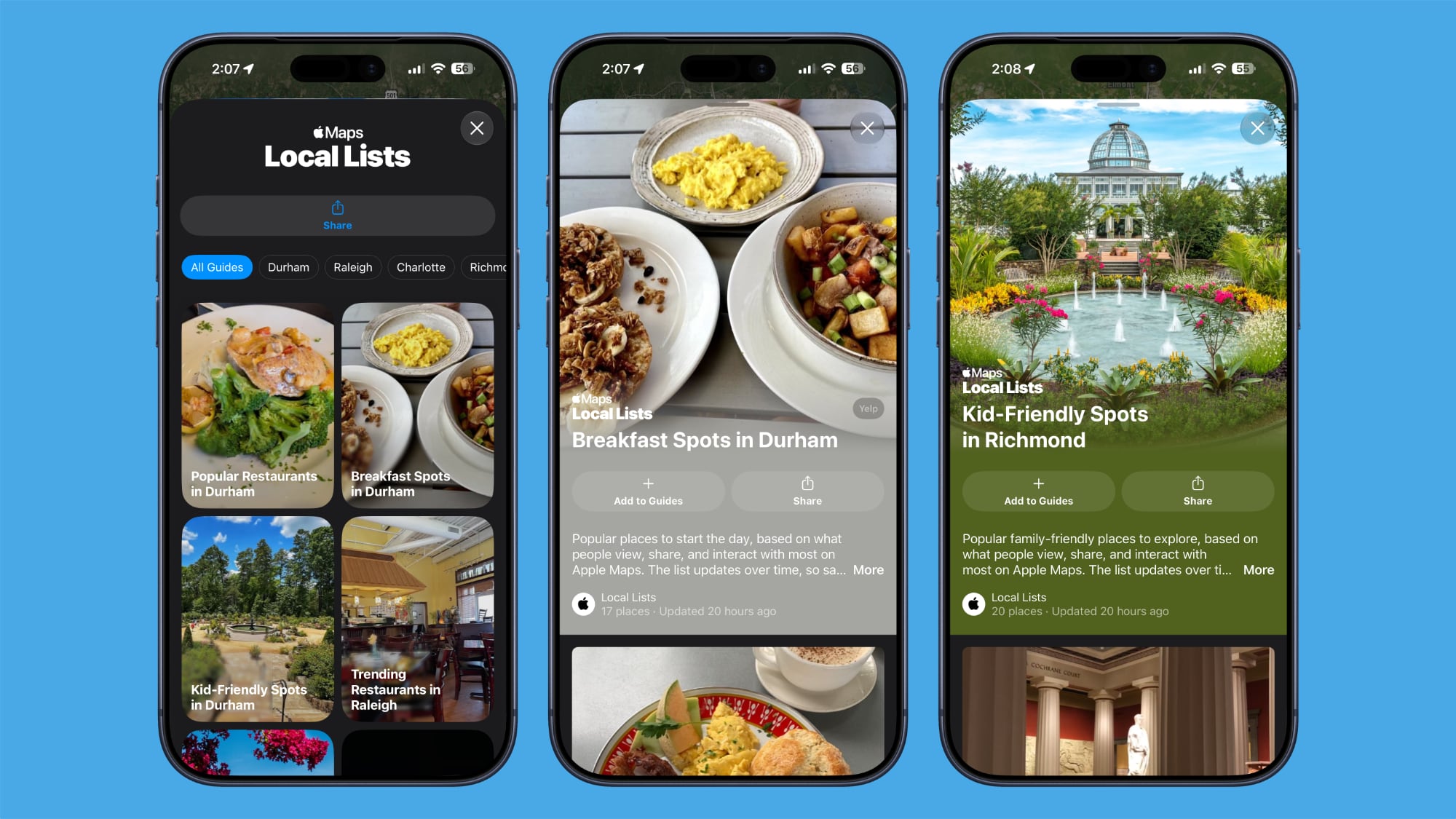


In Maps, a new Local Lists section uses intelligent insights from what's trending around you for suggestions on places you should visit. Maps surfaces locally relevant collections of places to make it easier to find popular and interesting locations. Apple says Local Lists is privacy-focused and does not use information tied to individual users. Note that this feature is only available in the U.S.
Related Roundups: iOS 27, iPadOS 27

This article, "30 New Things Your iPhone Can Do in iOS 27" first appeared on MacRumors.com

Discuss this article in our forums

  •  

Apple Trained Own AI Model for China Market With Help From Alibaba

Reuters reports that Apple has trained its own large language model for the China market, rather than relying on a third-party model to power its Apple Intelligence features in the country.


The LLM has been developed with the help of Alibaba, according to the report's sources. The development marks a break from Apple's previous strategy of relying on domestic models to bring generative AI to its devices sold in China.

Rollout of its AI features in China is expected in the coming months. The rollout is described by the report as a "dual-track strategy" for AI deployment in China, allowing Apple to navigate regulatory hurdles that have limited access for other U.S. tech companies.

The move makes Apple the first foreign company approved by the Chinese government to offer a proprietary AI model in the country.

Apple previously agreed with Chinese regulators to incorporate Alibaba's Qwen model into Apple Intelligence features, similar to Apple's existing ChatGPT extension available elsewhere. Apple briefly published a support guide in China explaining how Mac users can connect Alibaba's Qwen AI to Siri and Writing Tools, before pulling it entirely less than a day later.
This article, "Apple Trained Own AI Model for China Market With Help From Alibaba" first appeared on MacRumors.com

Discuss this article in our forums

  •  

'iPhone Ultra' Could Face Staggered Market Rollout, US Only at Launch

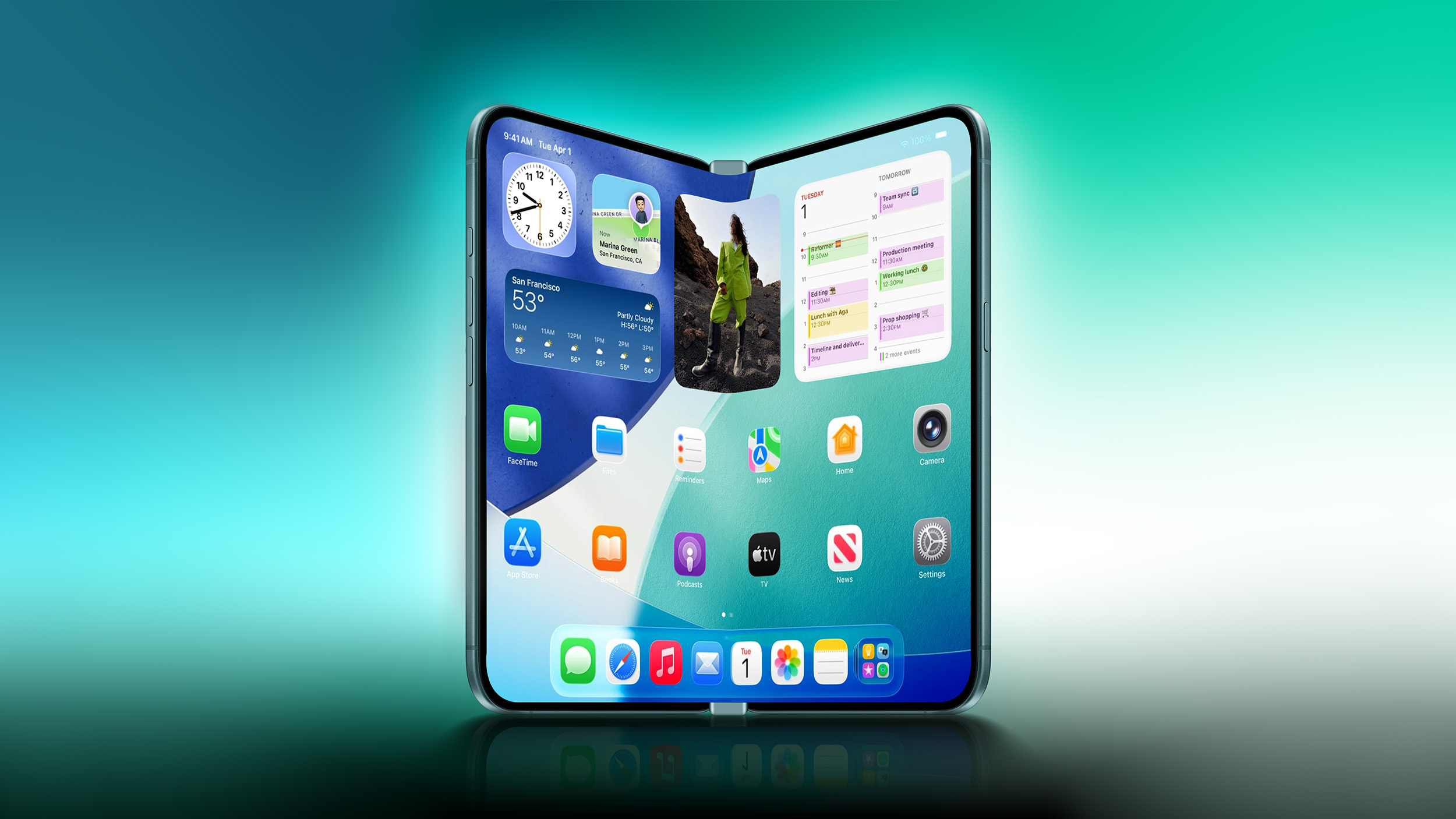
Apple's upcoming foldable "iPhone Ultra" may see a staggered country-by-country launch over several months, with initial availability limited to the U.S. market, according to an Australian publication.


In a report labeled "exclusive," ChannelNews said today it has been told by local carriers and one major retailer that Apple's first foldable iPhone will be a "no show" when the iPhone 18 Pro models launch in September, despite being unveiled together. Instead, Apple will release the book-style device in the U.S. market first, followed by key markets including China over two or three months.

The staggered launch is said to be due to supply setbacks and "pricing problems." The publication's sources also claim that Apple is "having testing issues with production models that have already been built."

Apple analyst Ming-Chi Kuo claimed last month that Apple would unveil its first foldable iPhone at the same time as the iPhone 18 Pro and iPhone 18 Pro Max, but that iPhone Ultra pre-orders would start at a later date than the latter models.

Kuo said manufacturing challenges have limited early production, but this is the first time we have heard that a staggered country rollout could be another consequence of continuing supply issues.

Vision Pro All Over Again?


It wouldn't be the first time Apple has launched a new product in a staggered manner. When the Vision Pro launched in February 2024, it was only available in the U.S. initially. The headset was later launched in China, Hong Kong, Japan, and Singapore in June, followed by Australia, Canada, France, Germany, and the UK in July.

The reasons for the Vision Pro's staggered launch came down to low volume production, retail store readiness, and the fact that it was an entirely new category for Apple. All three could arguably apply to the company's first foldable.

Multiple reports have suggested the iPhone Ultra's production has faced hurdles because of the complexity of the device, with the hinge structure and display durability testing having been the principal bottlenecks. However, those issues were thought to have been resolved during trial production at Foxconn, with Apple subsequently raising its order to around 10 million units, up from 7-8 million units for the year, according to Nikkei Asia.

That said, 10 million units amounts to only a third of Kuo's forecast of 20-22 million units for iPhone 18 Pro models this year. Meanwhile, Kuo still believes Apple's supplier will ship only 7-8 million foldable iPhones in 2026. At such a relatively small number, Apple would presumably struggle to stock 40+ countries on launch day.

It's worth bearing in mind that a staggered market launch is a claim made by the report's sources, and remains uncorroborated. Either way, we should know for sure soon enough. The iPhone Ultra's unveiling is only a matter of weeks away, and we're expecting it to feature an inner display of around 7.7 to 7.8 inches, a 5.5-inch cover screen, a thickness of roughly 4.5mm, and a starting price above $2,000. Apple's iPhone event is most likely going to happen on Tuesday, September 8 or Wednesday, September 9.
Related Roundups: Apple Vision Pro, iPhone Fold
Buyer's Guide: Vision Pro (Neutral)
Related Forum: Apple Vision Pro

This article, "'iPhone Ultra' Could Face Staggered Market Rollout, US Only at Launch" first appeared on MacRumors.com

Discuss this article in our forums

  •  

Base iPhone 18 Tipped to Get These Two Pro-Level Upgrades

The base iPhone 18 model that Apple is expected to release by March 2027 will be equipped with 12GB of RAM, up from 8GB in the iPhone 17, according to analyst Jeff Pu.


Pu's latest assessment, if accurate, would see the iPhone 18 gaining the same amount of memory as the iPhone 17 Pro models. Analyst Dan Nystedt claimed the same RAM upgrade for the iPhone 18 back in April.

That said, their predictions conflict with the most recent report on the subject from analyst Ming-Chi Kuo, who said both the iPhone 18 and iPhone 18e would have only 9GB of RAM. This would prevent the devices from supporting some Apple Intelligence features.

However, Pu agrees with Kuo that the lower-cost iPhone 18e – also coming in the spring – will come with 9GB of RAM, based on his own sources and supply chain information. Both models are expected to be powered by the A20 chip.

Interestingly, Pu additionally believes that the regular iPhone 18 will feature a narrower Dynamic Island. Most of the rumors about a smaller Dynamic Island have pertained to the iPhone 18 Pro models, but Chinese leaker Ice Universe has also claimed the smaller Dynamic Island will be adopted across the iPhone 18 lineup.
Related Roundup: iPhone 18
Tag: Jeff Pu
Related Forum: iPhone

This article, "Base iPhone 18 Tipped to Get These Two Pro-Level Upgrades" first appeared on MacRumors.com

Discuss this article in our forums

  •  

WhatsApp Now Lets You Save a Contact's Username

Following its username feature rollout, WhatsApp is now letting users save a contact's username when they add their name and phone number. The username field is shown between the first and last name fields and the phone number section.

You can add a new contact in WhatsApp by tapping the + button in the navigation bar of the Chats tab. According to WABetaInfo, when usernames become more widely available, WhatsApp will populate the username field automatically when users create a new contact from the chat info screen.
This article, "WhatsApp Now Lets You Save a Contact's Username" first appeared on MacRumors.com

Discuss this article in our forums

  •  

Apple's 2026 Back to School Offer is Now Live Across Europe

Apple's annual Back to School promotion is now live in the United Kingdom and 18 other European countries: Austria, Belgium, Czechia, Denmark, Finland, France, Germany, Hungary, Ireland, Italy, the Netherlands, Norway, Poland, Portugal, Spain, Sweden, Switzerland, and Turkey.


The European launch follows the company's back-to-school promotion rollout in the United States and several other regions and territories last month.

The offer is aimed at college students and educational staff and includes a gift card worth up to Β£120/€120 with the purchase of an eligible Mac or iPad. Turkey is the exception, where buyers of eligible Macs and iPads can choose a four-pack of AirTags at no additional charge, or they can pay extra for various AirPods models or (when purchasing an iPad) an Apple Pencil Pro.

Note that the MacBook Neo is not an eligible product in any of the countries, and the iPad mini, entry-level iPad, and desktop Macs are excluded too.

The promotion runs through to October 22, 2026.
This article, "Apple's 2026 Back to School Offer is Now Live Across Europe" first appeared on MacRumors.com

Discuss this article in our forums

  •  

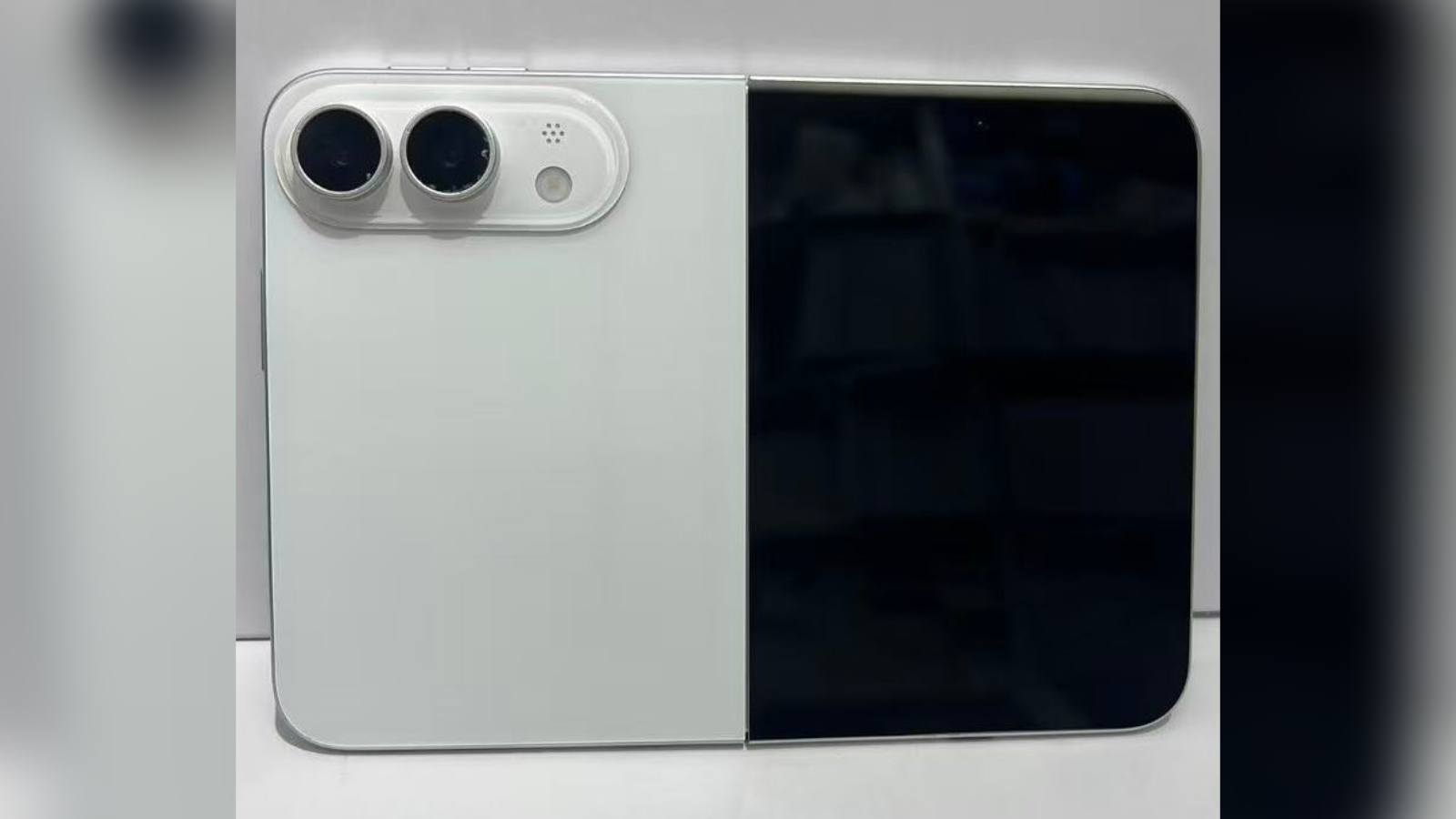
iPhone Ultra's Two Selfie Cameras Could Sit in the Same Corner

With Apple's upcoming iPhone Ultra there's been a lingering question over the exact placement of the selfie cameras in the device's folded and unfolded states – but today we may have stumbled upon the answer.


Dummy units have suggested a top-centered cut-out for the selfie camera on the outer display of Apple's foldable, while locating the selfie camera for the inner display in the outermost top-left corner. That presents an asymmetry untypical of Apple's designs.

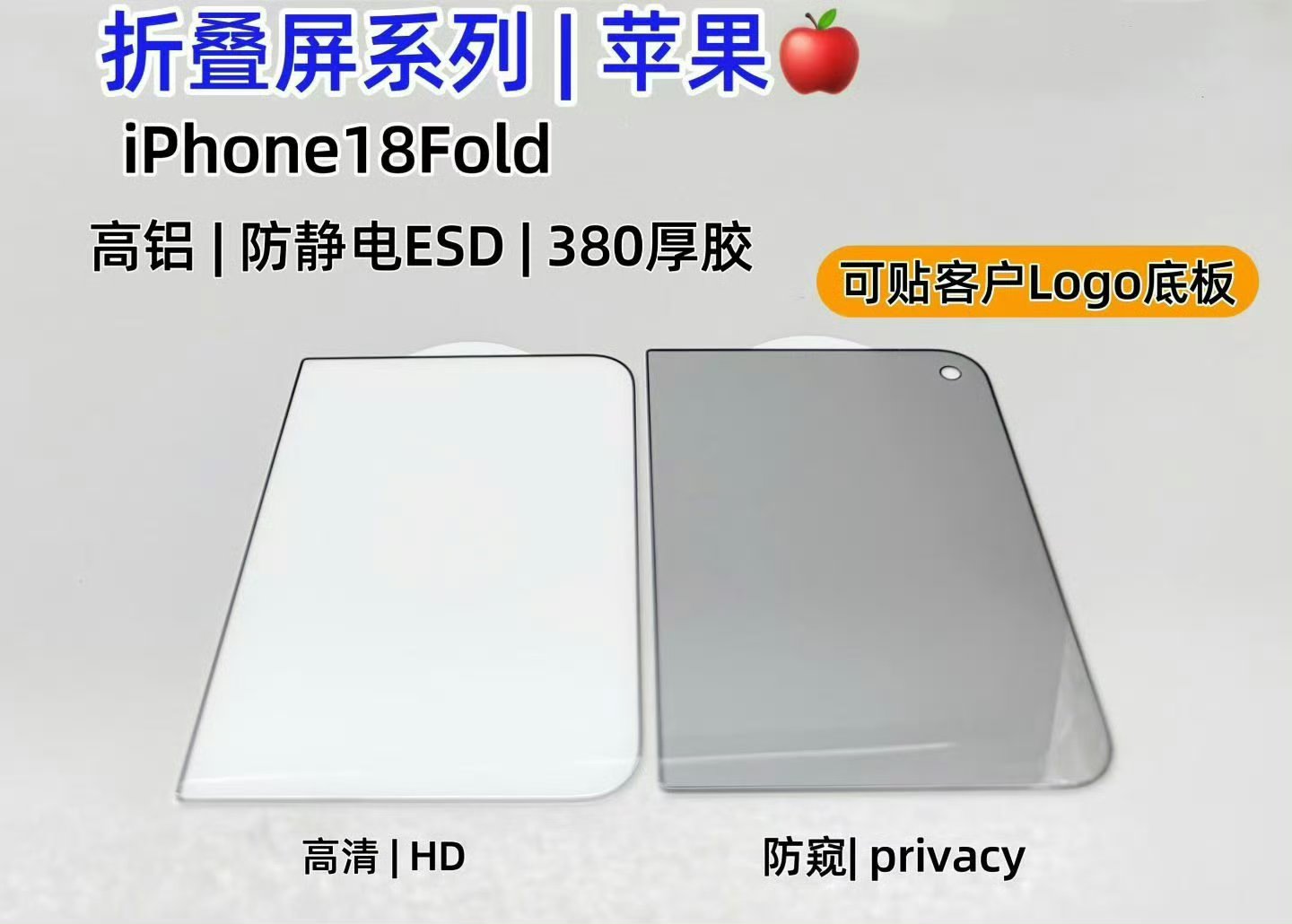
However, screen protectors for the iPhone Ultra that surfaced online today suggest the device's selfie cameras on the inner and outer displays may be located in the same corner of the same half, with one facing out and one facing in.


The screen protectors show a selfie camera cutout on the top-right corner of the outer display when the device is closed. Taken together, the two leaks could imply one front-facing camera zone in a single corner.


Such an arrangement – two slightly offset lenses – could let Apple confine the cutouts and camera modules to a single region of a 4.5mm thick chassis, rather than having them spaced out in different places, which would fit for a device where internal space is at a premium.

Now, accessory makers typically work from leaked CAD files of sometimes dubious accuracy, so a pair of screen protectors can't be considered to provide definitive evidence of a device's design. Our reading also assumes the dummy iPhone Ultra models had one camera placement correct (the top-left inner selfie camera) and one out of whack (the centered outer camera). Even so, the side-by-side internal placement could make sense.

We'll know one way or another soon enough. The iPhone Ultra is expected to be unveiled next month, featuring a 5.5-inch cover display and a 7.8-inch inner display, the A20 Pro chip, Touch ID integrated into the Side button in lieu of Face ID, and a 5,000mAh battery, along with a 48-megapixel dual rear camera system.
Related Roundup: iPhone Fold

This article, "iPhone Ultra's Two Selfie Cameras Could Sit in the Same Corner" first appeared on MacRumors.com

Discuss this article in our forums

  •  

Microsoft Edge Browser to Get Apple Account Sign-In Support

Microsoft is testing support for signing into its Edge browser using your Apple Account, avoiding the need to create a Microsoft account. Two new flags related to the support were spotted by MacMagazine in the latest Edge Canary build, with the feature also rolling out to Edge Beta users.
One of the flags enables Apple Account sign-in for Edge profiles, while the other adds an Apple sign-in button to the profile menu (where a Google Account sign-in option already exists). In its release notes for Edge Beta 152, Microsoft already lists Apple Account sign-in support for Windows and macOS, but describes it as a "controlled rollout," so there may be some delay before all beta users see it.
This article, "Microsoft Edge Browser to Get Apple Account Sign-In Support" first appeared on MacRumors.com

Discuss this article in our forums

  •  

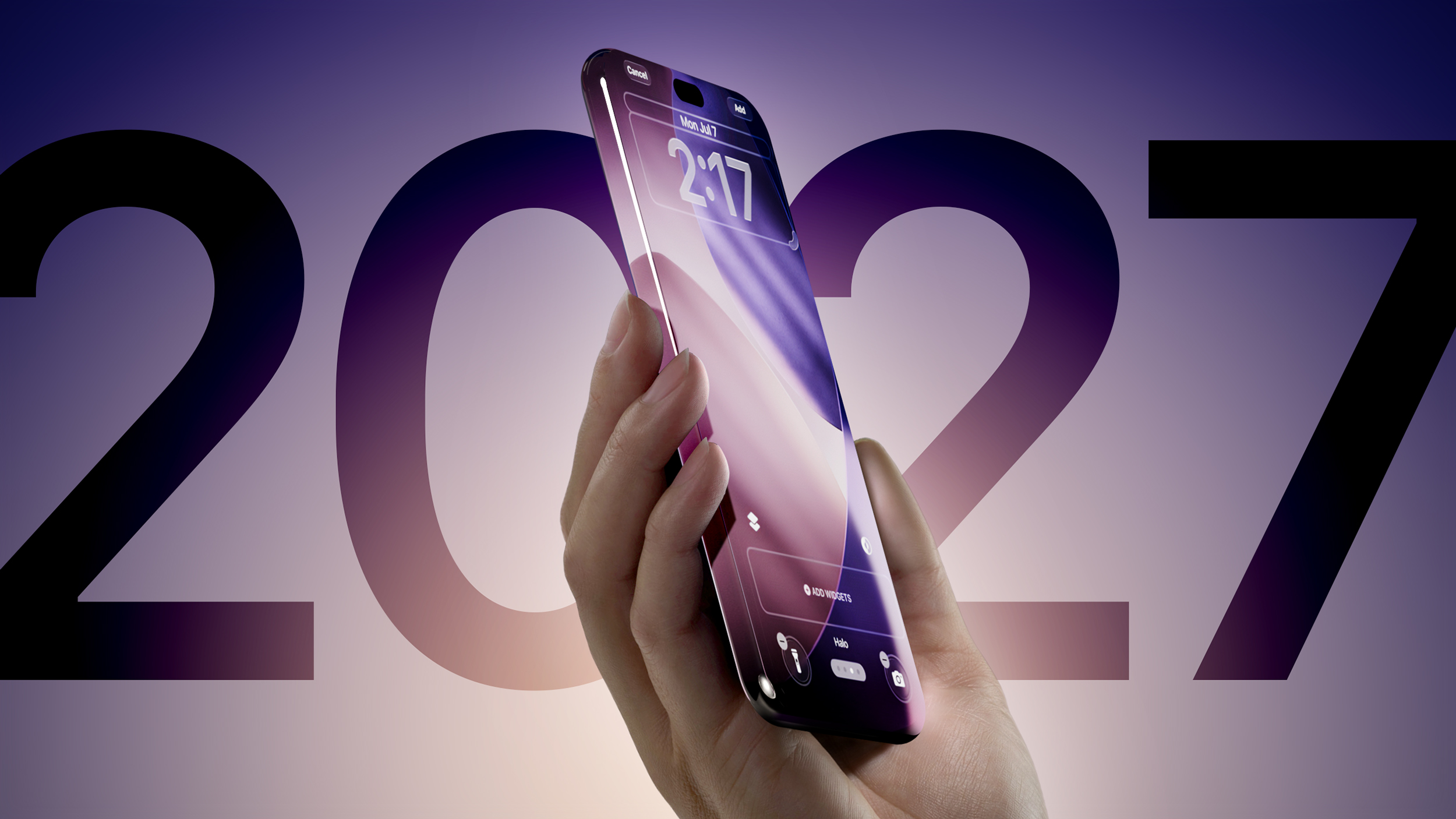
Leaker: All-Glass 2027 iPhone Still on Track Despite Cancellation Rumors

There's been more pushback against the recent analyst report that claimed Apple's all-glass 20th-anniversary iPhone next year has been canceled. Bloomberg's Mark Gurman has already responded by saying the "glass-centric" redesign is still on track for 2027, and now a prominent Chinese leaker says the commemorative device indeed remains in active development.


Weibo-based leaker Digital Chat Station identifies the device as having two sizes in equivalent Pro/Pro Max variants, citing the internal codenames V73/V74 previously referenced by Gurman. Based on supply chain information, the leaker says the two new displays have increased in physical size while retaining the same aspect ratio. Their rationale for this is that Apple's borderless four-curved-edge design uses a flat 2D display combined with a glass cover, and takes advantage of the glass's optical refraction and shape to create the visual effect of a display lacking borders.

The description lines up with Gurman's claim that glass is used on the front and back of the phones, with the material curving into the sides, leaving only a small metal band in the middle.

Digital Chat Station's latest post also chimes with an earlier claim of theirs that Apple is testing a slightly larger 6.96-inch display for the device's Pro Max variant, suggesting the OLED panel itself is slightly bigger, but the extra area curves the display further into the device's edges while the chassis remains essentially the same size as the current iPhone 17 Pro Max.

Jefferies analyst Edison Lee caused a stir on Monday when he claimed Apple's rumored all-glass iPhone expected to mark the device's 20th anniversary has been canceled. Gurman soon refuted the claim based on his own information, though he did say that Apple had also considered a "more aspirational version" that "used even more glass" – but this was scrapped early on. It's quite possible that this more ambitious version was the device Lee was referring to in his report.

Either way, today's post from Digital Chat Station adds further weight to the possibility that Lee is off the mark, and that the radically redesigned 20th-anniversary iPhone is still in the works and should arrive in the fall of 2027.
This article, "Leaker: All-Glass 2027 iPhone Still on Track Despite Cancellation Rumors" first appeared on MacRumors.com

Discuss this article in our forums

  •  

Apple Pay to Launch in India by October

Apple Pay will launch in India by this October, reports Business Standard, citing people familiar with the matter. Apple Pay will support major credit card networks like Visa and Mastercard, but it won't support transactions via the country's Unified Payments Interface (UPI) at launch.
Apple would need clearance from the National Payments Corporation of India (NPCI) for that to happen, plus it would need to partner with a sponsor bank for routing the transactions. Negotiations are said to be ongoing.

Bloomberg reported in February that Apple has been in talks with major Indian banks in a bid to get Apple Pay up and running in the country this year.
Related Roundup: Apple Pay

This article, "Apple Pay to Launch in India by October" first appeared on MacRumors.com

Discuss this article in our forums

  •  

Latest iOS 27 Beta References Six Unreleased iPhone Models

Macworld reports that iOS 27 beta 5, released to developers on Monday, contains hidden code revealing six unreleased iPhone models – although you've probably heard of them before.


The following references are said to have been found alongside references to existing iPhone models, in system files associated with the iPhone's battery drivers and Battery Intelligence features:

  • V62 β€” iPhone Air 2

  • V63 β€” iPhone 18 Pro

  • V64 β€” iPhone 18 Pro Max

  • V67 β€” iPhone 18

  • V68 β€” iPhone Ultra

  • V69 β€” iPhone 18e

It's the first time the full iPhone 18 lineup has been mentioned in code found in an iOS 27 beta. To be clear, the discovered references are the codes in bold, excluding the names (which are inferred) but these internal Apple identifiers have appeared in previous leaks or have been used by Bloomberg's Mark Gurman in his reporting, allowing them to be matched to the expected iPhone models.

Apple has not publicly confirmed the existence of any upcoming iPhone 18 models, but regular readers will know that they have been heavily rumored for several months now.

Apple is taking a different launch approach to the iPhone 18 series this time around, with a split-launch strategy that will see the iPhone 18 Pro, iPhone 18 Pro Max, and foldable iPhone Ultra unveiled in September. For the first time, the regular iPhone 18 will be launched in the spring of 2027 alongside the iPhone 18e and iPhone Air 2.
Related Roundups: iOS 27, iPadOS 27, iPhone 18
Related Forum: iPhone

This article, "Latest iOS 27 Beta References Six Unreleased iPhone Models" first appeared on MacRumors.com

Discuss this article in our forums

  •  

Bluesky Now Lets You Hide Reposts From Specific Users in Your Feeds

Bluesky now lets you hide reposts from a specific person in your feeds if they're getting a bit spammy for your liking. You can hide reposts from individual users by clicking the three dots button in their profile and selecting "Hide reposts in feeds."

Bluesky told The Verge it will also be launching a feature that will auto-add post numbers to threads, which should make it easier for users to gauge how long a thread will take to read. The beta feature can be enabled in Bluesky's settings.
Tag: Bluesky

This article, "Bluesky Now Lets You Hide Reposts From Specific Users in Your Feeds" first appeared on MacRumors.com

Discuss this article in our forums

  •  

Apple's Foldable iPhone Ultra Faces a Surging Samsung Galaxy Z Fold 8

Apple's foldable iPhone is expected to arrive in September against a rival already outrunning its own forecasts.
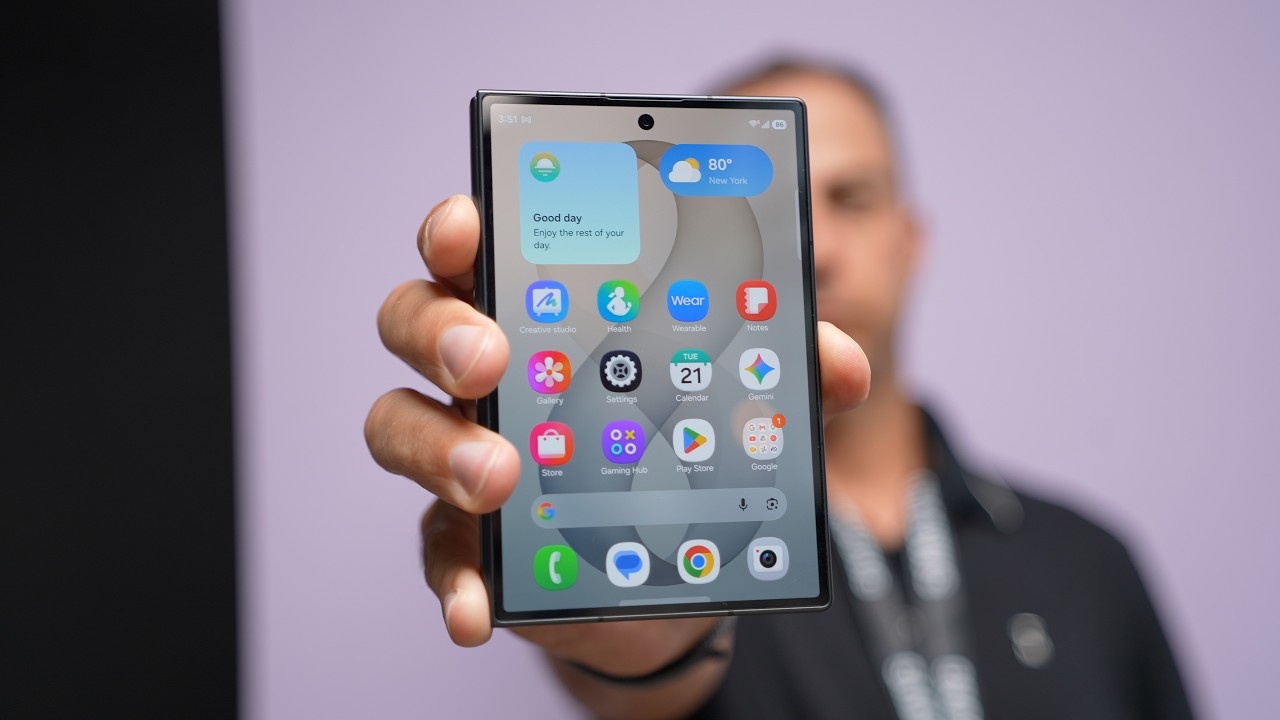
ETNews reports Samsung is building an extra one million Galaxy Z Fold 8 units, after the 4:3 device took 70 percent of a record 1.44 million Galaxy Z8 series pre-orders. Apple's foldable display – made by Samsung – is rumored to use the same aspect ratio in the same book-style form factor.
This article, "Apple's Foldable iPhone Ultra Faces a Surging Samsung Galaxy Z Fold 8" first appeared on MacRumors.com

Discuss this article in our forums

  •  

Apple Testing Chinese Memory Chips in iPhones and MacBooks

Apple has been testing memory chips from China's ChangXin Memory Technologies (CXMT) across product lines including iPhones and MacBooks, according to a report today from The Wall Street Journal ($).


Laptop makers HP and Acer have already started using memory chips from CXMT in devices sold outside the U.S. Meanwhile, Apple has held early talks with CXMT about supplying components for devices sold in China, and the company is hoping for a sign-off from the White House before going further. The Financial Times reported last month that Apple had begun qualifying CXMT's DRAM, but today's report is the first to place that testing inside specific product categories.

What could scupper any potential deal are U.S. rules that bar American companies from transferring technology to CXMT, including conversations about technical details and product specifications. Export lawyer Kevin Wolf of Akin Gump told WSJ that Apple can buy off-the-shelf CXMT components and haggle over price, but it can't commission chips designed to its own requirements.

Apple usually has memory specially configured to work optimally with its own silicon, so using standard parts could mean reworking sections of its hardware, or potentially settling for less-than-ideal performance.

What's making Apple's life harder is the fact that a bipartisan group of senators led by Chuck Schumer has asked the company to rule out using Chinese memory entirely. A response to the request is due August 21.

There are supply issues to contend with as well. CXMT has reportedly maxed out production for the year and has little room for new international customers, having already prioritized domestic buyers such as ByteDance, Tencent, and Xiaomi. Its prices reportedly sit level with (and sometimes above) those of Micron, SK Hynix, and Samsung. That's bad news for Apple. A fourth supplier only helps if it has chips to sell and sells them cheaper. Right now though, CXMT does neither.

Apple raised prices across its product lineup (excepting iPhone models) in June, blaming memory costs driven by the AI infrastructure demand.
This article, "Apple Testing Chinese Memory Chips in iPhones and MacBooks" first appeared on MacRumors.com

Discuss this article in our forums

  •  

OLED iMac Panel Could Include Extra Layer to Fight Screen Burn-In

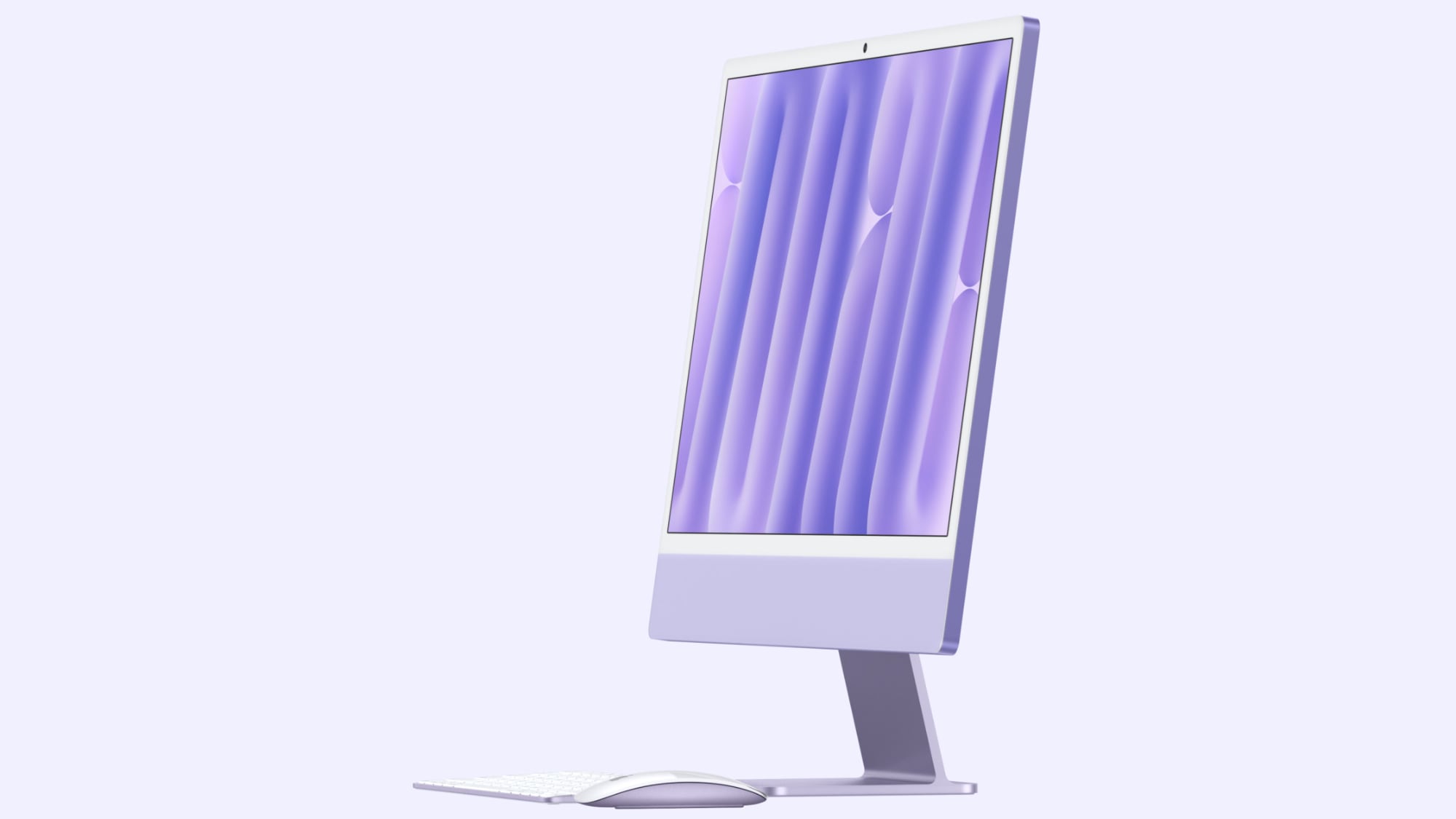
LG Display is developing a five-layer OLED panel structure that could end up in a future iMac, with an extra layer added to prevent screen burn-in and increase brightness, reports The Elec.


LG Display already builds four-stack OLED panels for high-resolution monitors, and arranges the light-emitting layers in a blue-green-blue-red pattern. The five-stack version reportedly under development adds a third blue layer, creating a blue-green-blue-red-blue arrangement.

Stacking on another emitting layer spreads the electrical load, which is important at high pixel densities, where each pixel gets smaller, as does the portion of it that actually emits light. Pushing more current through a smaller emitter to keep brightness up is also said to shorten panel life while making image retention more likely.

Apple last year sent requests for information to Samsung Display and LG Display about iMac OLED panel development. The specifications discussed were a 24-inch panel with 600 nits of brightness and 218 pixels per inch. The current 24-inch iMac's LCD manages 500 nits at the same density.

LG Display has already demonstrated a 27-inch 5K panel at 220 PPI with an RGB stripe subpixel layout. Given it uses the four-stack structure, it is likely not destined for an iMac, but The Elec suggests it is a gauge for high-density RGB stripe OLED and whether the company can manufacture it in volume.

The only problem with using five stacks, however, is cost. More emitting layers mean more organic material and a reportedly fiddlier deposition process. At the same time, LG Display has to reach Apple's brightness and lifespan requirements without ruining its yields in the process.

Samsung Display is developing QD-OLED for the same reason. Both suppliers are targeting 2028 to have the first iMac OLED panels developed, but a launch likely won't happen until 2029 at the earliest. Meanwhile, Apple is expected to refresh its current 24-inch LCD-based iMac with a new processor later this year.
Related Roundup: iMac
Tags: OLED, The Elec
Buyer's Guide: iMac (Don't Buy)
Related Forum: iMac

This article, "OLED iMac Panel Could Include Extra Layer to Fight Screen Burn-In" first appeared on MacRumors.com

Discuss this article in our forums

  •  

iPhone 18 Pro Costing Apple 38% More to Make, TrendForce Estimates

Apple's iPhone 18 Pro will cost nearly 40 percent more to build than its predecessor because of soaring memory prices, according to new data analyzed TrendForce.


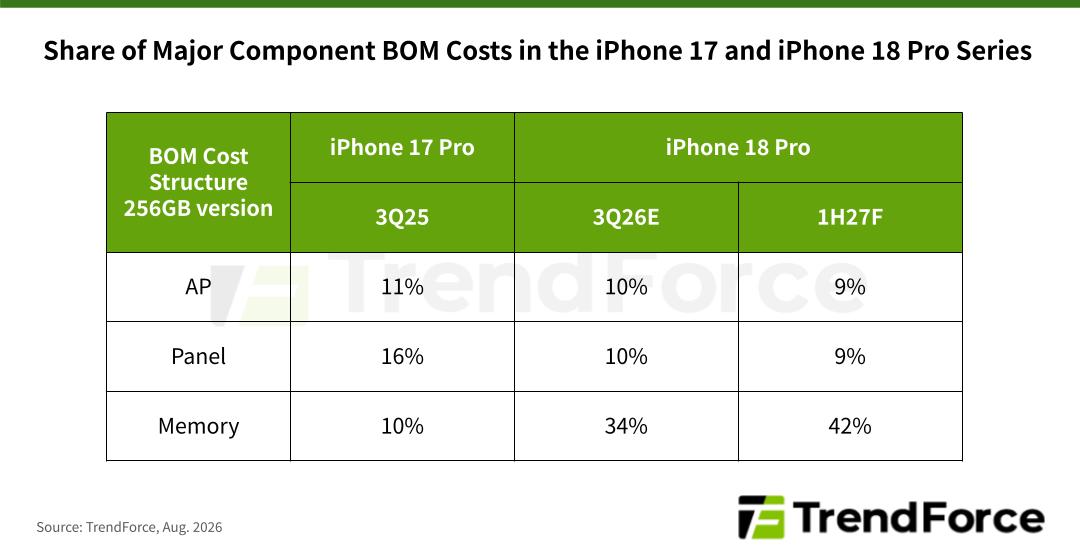
The research firm's latest smartphone analysis puts the bill of materials for the 256GB iPhone 18 Pro roughly 38 percent above the equivalent iPhone 17 Pro, and says higher retail prices will be unavoidable as a result.

Memory is said to have accounted for about 10 percent of the 256GB iPhone Pro's total component cost a year ago. TrendForce estimates that figure at roughly 34 percent in the third quarter of 2026, rising past 40 percent in the first half of 2027. Panel and application processor costs, once the two biggest line items, drop to single-digit percentages by that point, given memory has taken up so much of the overall cost.

TrendForce expects Apple to take the same approach it used with recent MacBook launches by giving up part of its gross margin to keep the increase palatable with customers and protect shipment volumes. It also suggests Apple could raise prices on older iPhone models at the same time as the new lineup arrives, thereby spreading the cost recovery across the range.


TrendForce notes that memory prices have climbed five- to sevenfold since the start of 2025, and expects Android vendors in the entry-level and mid-range segments to raise prices more steeply than Apple. That, or they could drop product lines outright.

Apple raised prices across the Mac, iPad, Apple TV, HomePod, and Vision Pro lines in June over concerns about the same memory crunch. The iPhone lineup escaped that round, but it looks increasingly unlikely that it will escape the next one.

Apple is expected to announce the iPhone 18 Pro, iPhone 18 Pro Max, and its first foldable iPhone "Ultra" next month.
Related Roundup: iPhone 18 Pro

This article, "iPhone 18 Pro Costing Apple 38% More to Make, TrendForce Estimates" first appeared on MacRumors.com

Discuss this article in our forums

  •  

Apple Dropped Plan to Ship Leased iPhones Already Set Up for Users

Apple considered a so-called "white-glove" element for its Apple Upgrade leasing program that would have delivered each new replacement device already loaded with the customer's data, but the idea never made it out of planning, according to Bloomberg's Mark Gurman.


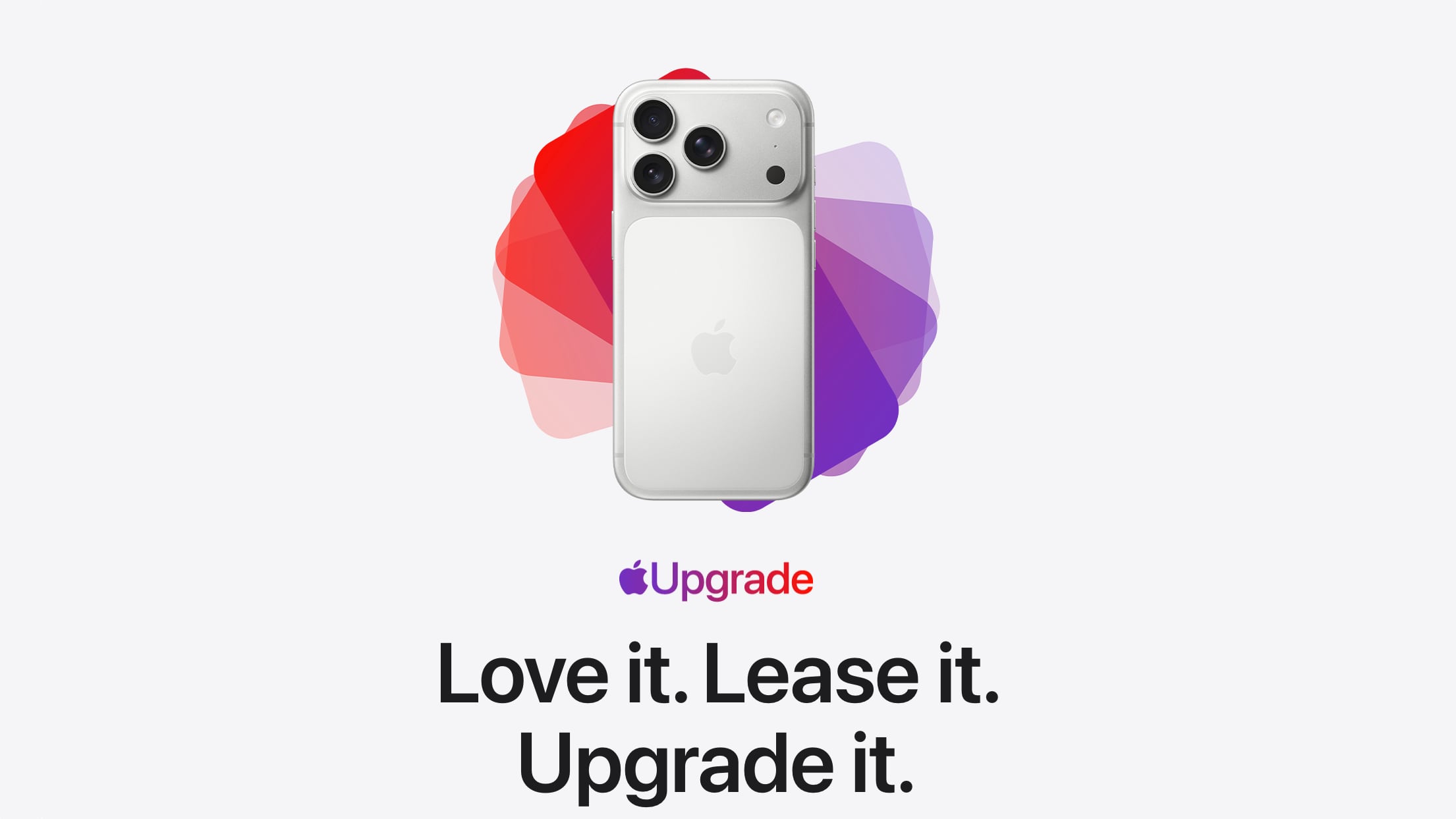
Apple Upgrade launched in the U.S. on July 28, replacing the iPhone Upgrade Program and iPhone Payments. The plan lets customers lease an iPhone, iPad, Mac, or Apple Watch rather than buy one outright or pay in installments. iPhone and Apple Watch leases run 12 or 24 months, while Mac and iPad terms are 24 or 36 months. At the end of a term, customers return the device, pay off the balance and keep it, or trade up to a new lease.

In his latest Power On newsletter, Gurman reports that when the concept was first discussed years ago, Apple also weighed the idea of having each year's device arrive at the customer's door ready to use, restored from their iCloud backup before it shipped. The version of Apple Upgrade that was actually launched last month includes nothing of the sort.

Setting up a new iPhone can be a notoriously drawn-out process, and the feature would have removed that step from launch day entirely. Gurman believes however that the privacy optics may have put Apple off the idea.

Gurman says the technical side was never the obstacle. Rather, Apple may have decided the idea of receiving a new iPhone with personal account data pre-installed on it could be unnerving for some customers, provoking questions about how the data was transferred and whether anyone could have accessed it.
This article, "Apple Dropped Plan to Ship Leased iPhones Already Set Up for Users" first appeared on MacRumors.com

Discuss this article in our forums

  •  

New MacBook Pro and Refreshed iMacs Likely Coming in October

Apple is likely to unveil a new M6 MacBook Pro and refreshed iMacs in October, based on its typical release schedule, according to Bloomberg's Mark Gurman.


Writing in the latest edition of his Power On newsletter, Gurman reiterated his belief that Apple is readying the launch of a refreshed base-model MacBook Pro with a 14-inch display powered by an M6 chip.

The base model is expected ahead of new high-end MacBook Pro models with OLED displays and M5 Pro and M5 Max chips, which could arrive between the end of this year and early 2027. Gurman reported last month that Apple was testing the laptops with macOS 27.1, which is scheduled for release to consumers at the end of October.

As for iMacs, the new version is likely to be an updated 24-inch model with an M5 chip or M6 chip, replacing the existing M4 model. No major design changes are expected, with Apple also reportedly developing a 24-inch iMac with an OLED display, though that won't arrive for several years.
Related Roundup: MacBook Pro
Buyer's Guide: MacBook Pro (Buy Now)
Related Forum: MacBook Pro

This article, "New MacBook Pro and Refreshed iMacs Likely Coming in October" first appeared on MacRumors.com

Discuss this article in our forums

  •  

Apple Account Card Expands Again: What It Is and What It Isn't

Apple this week expanded support for its Apple Account Card in the Wallet app to Estonia, Latvia, Lithuania, and Malta. The Apple Account Card option for Wallet started rolling out in 2022, and Apple has been gradually expanding the feature to more countries since then.


What is the Apple Account Card?


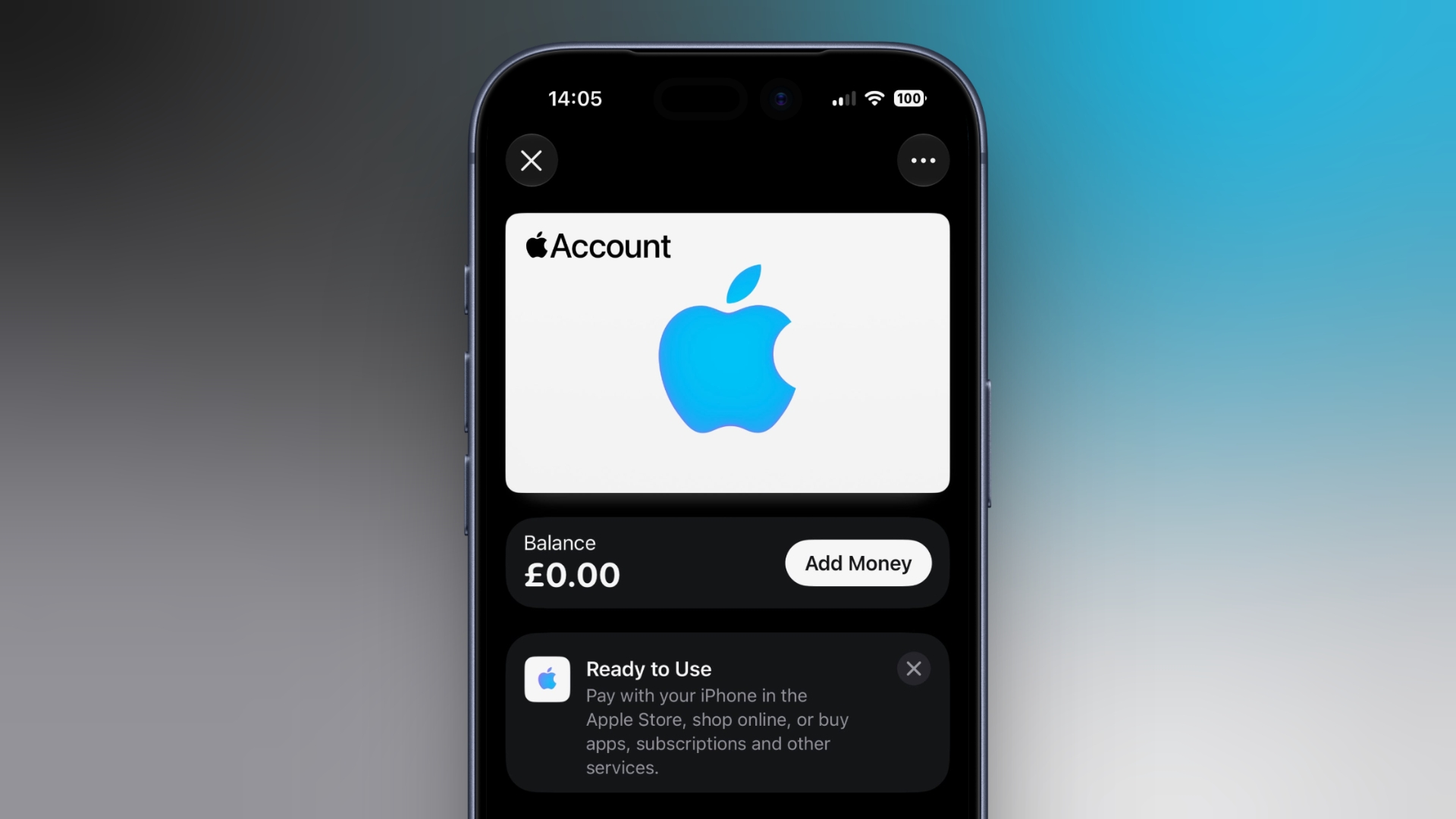
So what is it, exactly? The card displays the balance associated with a user's Apple Account (formerly Apple ID), and it can be used to make purchases in any brick-and-mortar Apple Store and online at Apple.com. It can also be used to buy apps in the App Store, as well as subscriptions and other Apple services.

It's also where the credit goes if you use it to redeem an Apple Gift Card. An Apple Account Card can also be topped up using a linked debit or credit card (via the "Add Money" option in Wallet).

It's NOT an Apple Credit Card


Note that an Apple Account Card is different from Apple Card, the latter of which is a straightforward digital and physical credit card for making financial transactions at contactless payment terminals (via Apple Pay), as well as in stores, restaurants, and other locations where Apple Pay isn't yet accepted.

Comparatively, an Apple Account Card is a digital-only card for money available in your Apple Account balance. There's no credit line, no interest, and no rewards attached. Neither is there a physical version of the Apple Account Card. You can't send money to a friend with it, and the balance isn't something you can cash out.

Apple Account Card – Supported Regions


As well as the regions mentioned at the start of this article, Apple Account Cards are supported in the following countries:

  • Australia

  • Austria

  • Belgium

  • Canada

  • Czechia

  • Denmark

  • Finland

  • Hong Kong

  • Ireland

  • Italy

  • Japan


  • Luxembourg

  • Mexico

  • Norway

  • Poland

  • Portugal

  • Spain

  • Sweden

  • Switzerland

  • the UK

  • U.S.

  • United Arab Emirates


One thing to note: Paying in person at an Apple Store with an Apple Account Card (by double-clicking the side button and holding your iPhone to the reader) isn't available in every country or region, and neither are all of the card's other features. Apple hasn't yet said whether the four new regions that it most recently expanded to will get the full range of usage options.

Add an Apple Account Card to Wallet


wallet
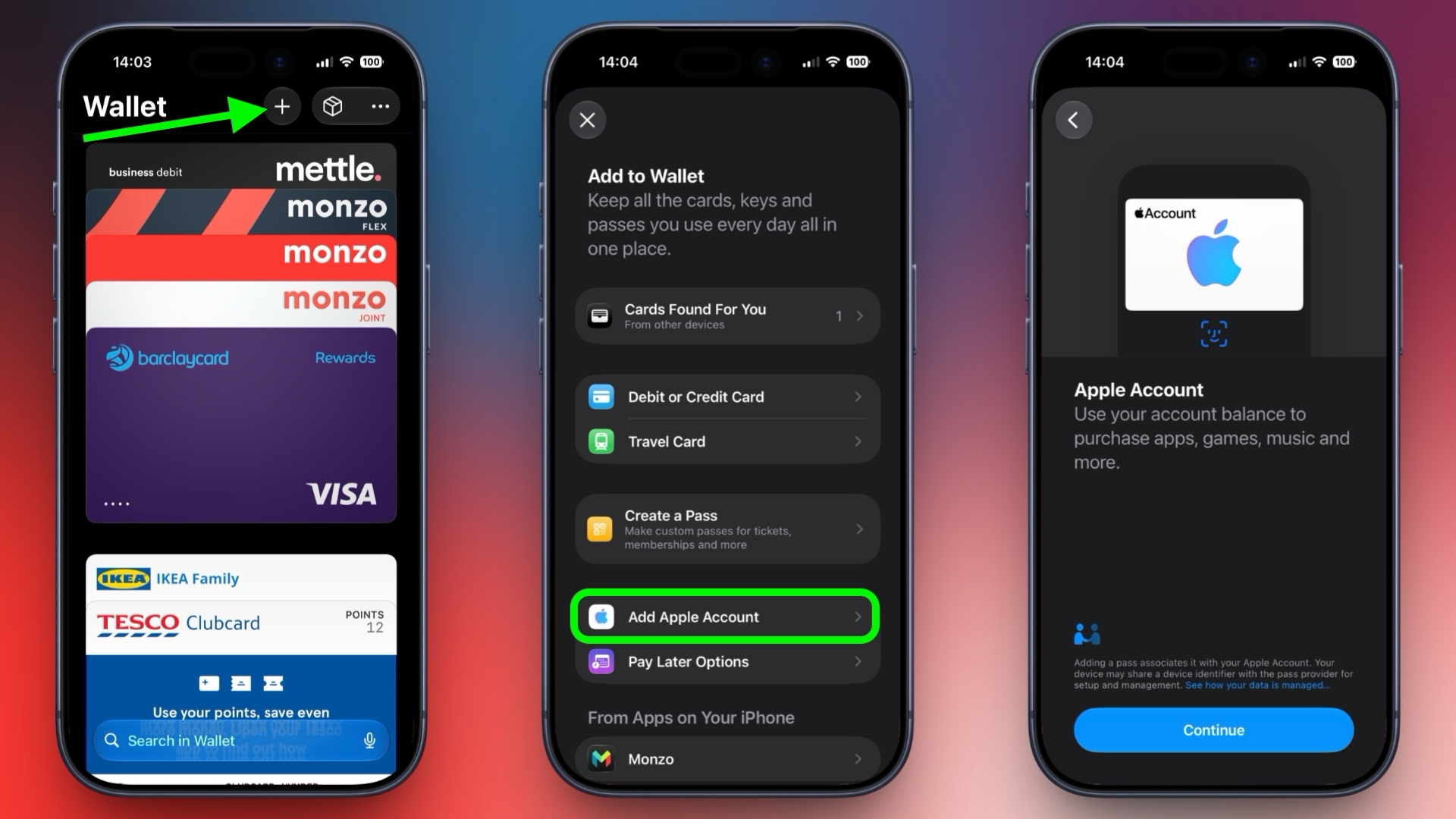
To add an Apple Account Card to your iPhone's Wallet app, open Wallet, tap the plus (+) button, then tap Add Apple Account. Tap Continue, then give it a few moments while it's linked to your Apple Account. Once it's in your Wallet, your balance and any recent transactions will appear below the card.
This article, "Apple Account Card Expands Again: What It Is and What It Isn't" first appeared on MacRumors.com

Discuss this article in our forums

  •  

iOS 27's New Compact Clock Gives Your Wallpaper Room to Breathe

In iOS 26, Apple let you stretch the Lock Screen clock down your iPhone's display until it dwarfed everything else. In iOS 27, Apple has a new clock option that does the opposite, with the introduction of a compact mode that shrinks the time to roughly the size of the date and tucks it into the row at the top of the screen.

betsy-cat-lock-screen
The result is a Lock Screen that genuinely shows off your wallpaper, while still displaying the time and date. If you picked a photo that looks better in its complete framing, this is the first time iOS gives you the opportunity to see more of it unobstructed.

How to Switch to the Compact Clock


The following steps show you how it's done.

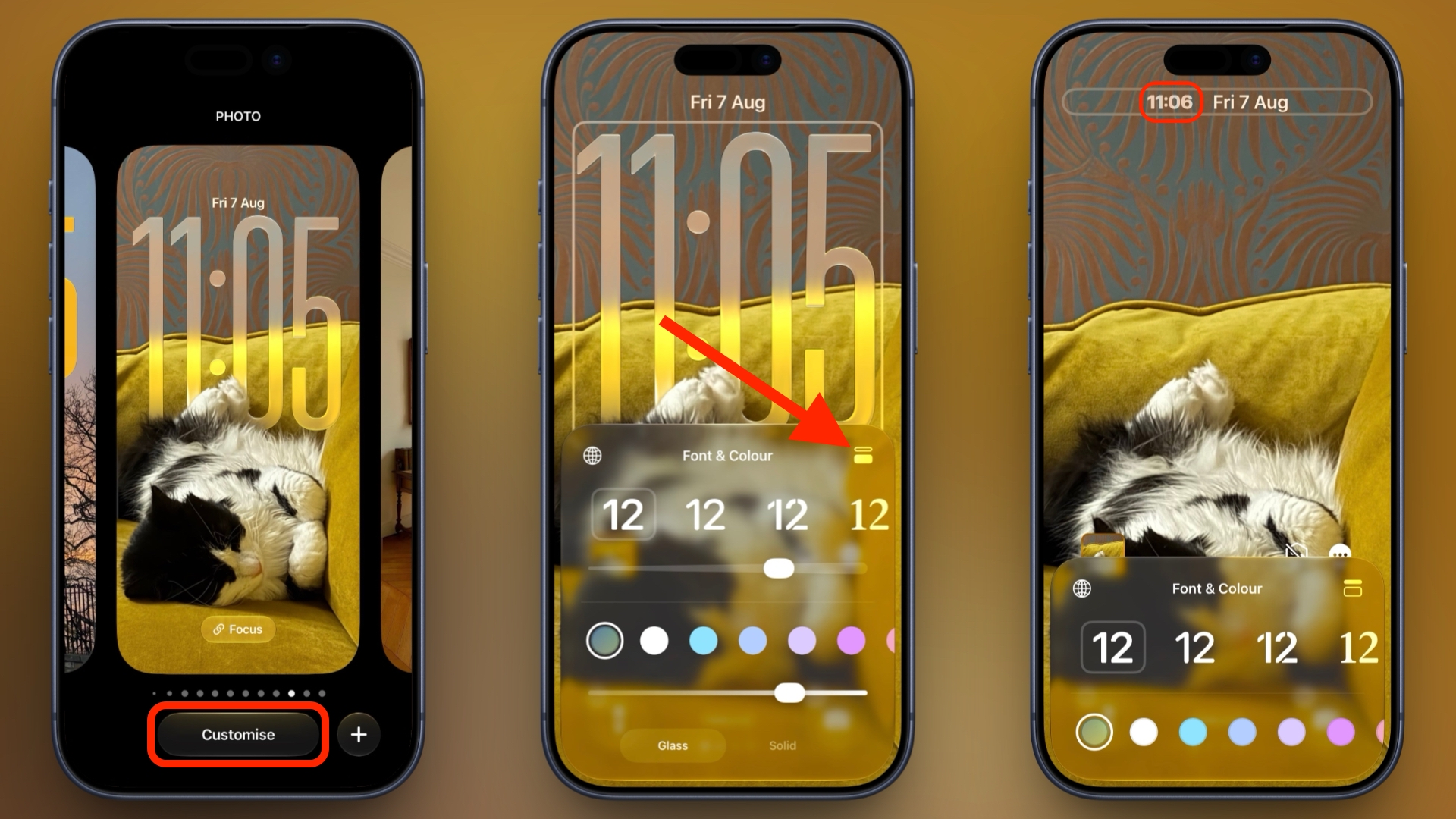
  1. Touch and hold the Lock Screen, then tap Customize.

  2. Tap inside the currently set clock frame to open the Font & Color panel.

  3. Tap the new icon made of two horizontal bars in the top-right corner of the panel to set the clock to compact mode.

  4. If you're happy with the new look, tap anywhere else on the wallpaper, then tap Done in the top-right corner of the screen.

compact clock steps

You'll see that the clock shrinks immediately and moves up beside the date, so you can judge the effect against your wallpaper before saving. To go back, simply tap the same icon in the Font & Color panel again. The clock will return to its previous position and size.

Customizations


The new compact clock keeps your existing clock customizations like font, weight, and color, and these can still be adjusted, but you do lose access to the Liquid Glass slider in compact mode.

Bear in mind that the option applies to individual Lock Screens rather than being a global setting, so you can have a compact clock on one wallpaper and a full-size one on another – for a Focus mode, for example. iOS 27 is currently in public beta with general availability expected in September.
Related Roundups: iOS 27, iPadOS 27

This article, "iOS 27's New Compact Clock Gives Your Wallpaper Room to Breathe" first appeared on MacRumors.com

Discuss this article in our forums

  •  

Set a Custom EQ for Your AirPods in iOS 27

Sony, Bose, and Sennheiser owners have been able to adjust the audio frequency spectrum of their headphones for years, whereas AirPods owners have had to make do with Apple's default tuning. That's no longer the case in iOS 27, which adds a three-band equalizer to the AirPods settings screen.


It's worth noting that iOS has had an EQ setting for years – it's buried in Settings ➝ Apps ➝ Music, but it applies only to Apple Music playback, and works on any pair of headphones. In iOS 27, the new EQ is specifically tied to your AirPods, so it applies to everything you listen to. Your custom EQ profile also carries over to iPad and Mac when you pair your AirPods with them.

What You Need


Custom EQ requires Apple's H2 chip, so it supports AirPods Pro 2, AirPods Pro 3, AirPods 4, and AirPods Max 2. Earlier models, including the original AirPods Max, aren't compatible with the feature.

You'll also need current AirPods beta firmware. If the Equalizer option described below doesn't appear, pair your AirPods with your iPhone, tap your AirPods in Settings, then tap AirPods Beta Updates and toggle on the beta updates option. Afterwards, put your AirPods in the case, connect the case to power, and leave it near your unlocked iPhone to let the latest beta firmware install quietly in the background. It shouldn't take more than half an hour.

How to Adjust Your AirPods EQ


  1. With your AirPods connected, open Settings on your iPhone.

  2. Tap your AirPods at the top of the screen.

  3. Tap Audio & Routing.

  4. Tap Equalizer.

  5. Tap Custom, then drag the low, mid, and high points up or down.

settings
You should see a media playback control above the EQ showing the last thing you listened to, allowing you to hear how your adjustments sound in real time. Lows cover bass weight, mids carry vocals and most instruments, and highs handle treble detail and sibilance.

To undo your changes, simply tap Reset, or choose Recommended at the top to restore Apple's default profile. You'll find all the same options in iPadOS 27, as well as in macOS 27 Golden Gate (in System Settings).

iOS 27 and Apple's other upcoming software updates remain in public beta for now, with a general release expected sometime this September.
Related Roundups: AirPods 4, iOS 27, iPadOS 27
Buyer's Guide: AirPods (Caution)
Related Forum: AirPods

This article, "Set a Custom EQ for Your AirPods in iOS 27" first appeared on MacRumors.com

Discuss this article in our forums

  •  

iPhone 18 Pro Models Could Be Up to $300 More Expensive, Says Analyst

This year's iPhone 18 Pro and iPhone 18 Pro Max could be $250-$300 more expensive than existing iPhone 17 Pro models due to higher silicon and memory costs, an analyst claimed today.


According to an earnings note by Jeff Pu of GF Securities, higher 2nm silicon and DRAM/NAND costs could drive the price hikes, as Apple grapples with global component shortages owing to the AI infrastructure buildout.

Currently, the iPhone 17 Pro and iPhone 17 Pro Max start at $1,099 and $1,199, respectively. In June, Apple increased the prices of iPads, Macs, HomePods, the Apple TV, and the Vision Pro. iPhone models were spared similar hikes. Pu believes price hikes on the next-generation Pro models could create "demand uncertainty." The analyst has subsequently downgraded AAPL from buy to hold.

It's a shift of tone from Pu, who in May said Apple could price the iPhone 18 Pro models "aggressively," despite rising memory costs.

During the company's Q3 earnings call on Thursday, outgoing Apple CEO Tim Cook did not comment on whether Apple plans to raise iPhone prices when the iPhone 18 Pro models and first foldable launch this September, but many analysts believe prices will go up.

This September, Apple is expected to unveil the iPhone 18 Pro models alongside its first foldable iPhone, which is expected to cost north of $2,000. The regular iPhone 18, iPhone 18e, and iPhone Air 2 are expected to launch in spring 2027.
Related Roundup: iPhone 18 Pro
Tag: Jeff Pu

This article, "iPhone 18 Pro Models Could Be Up to $300 More Expensive, Says Analyst" first appeared on MacRumors.com

Discuss this article in our forums

  •  

Spotify Adds Running Mode to iOS App With Tempo-Matched Music

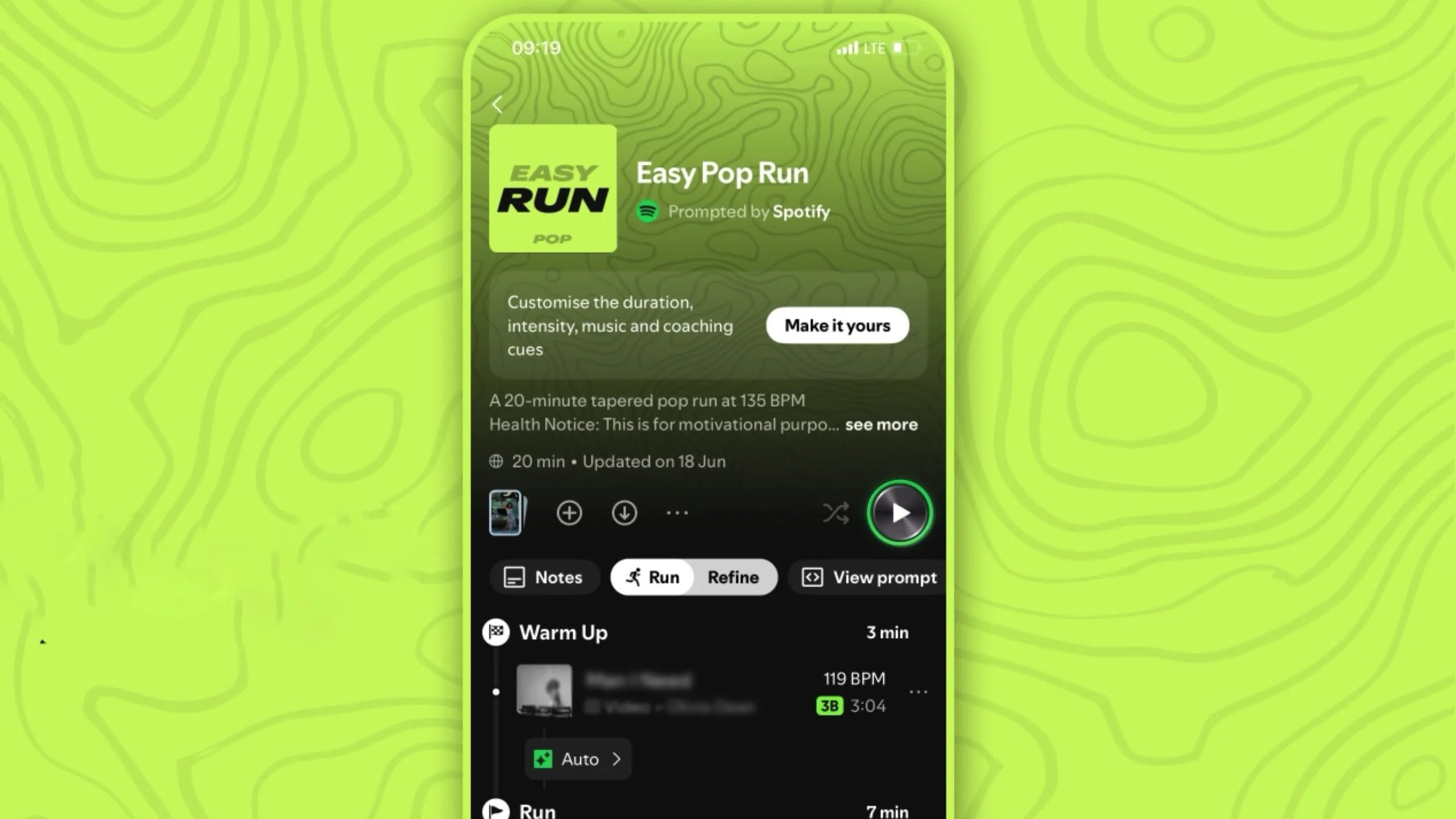
Spotify today announced a new Running Mode that turns playlists into structured running sessions built around workout type, tempo, and listening habits. It's launching on iOS first.


Located in the app's Fitness Hub, the feature lets runners choose from 25 presets that can be tweaked to fit workout type (interval, steady, or pyramid, for example), with options for duration, beats per minute, and the preferred kind of music. Spotify then matches track selection to the chosen tempo and moves through songs as the session progresses.

Optional audio cues can be enabled to guide users through their run, although these are English-only for now.

Spotify suggests the feature grew out of its fitness-based "Prompted Playlists," a natural-language playlist feature that has seen a lot of fitness prompts directed its way.

Running Mode sits alongside the fitness content Spotify added in April, when it began featuring Peloton classes and creator workout videos in the app.

Strava discontinued its in-app Spotify integration late last month, and removed the music controls that had lived in Strava's workout display since 2023, so Spotify's new mode could be a timely salve for runners who want to keep listening.

Spotify says the new Running Mode is available to premium subscribers in the U.S., Canada, the U.K., Ireland, Australia, New Zealand, and Sweden, starting today.
Tag: Spotify

This article, "Spotify Adds Running Mode to iOS App With Tempo-Matched Music" first appeared on MacRumors.com

Discuss this article in our forums

  •  

iOS 27 Finally Unlinks Alarm Volume From Your iPhone Ringer

For the better part of two decades, an iPhone's alarm volume has matched its ringer. In other words, if you slide the ringtone volume down to silence your iPhone overnight, you're also turning your alarm's volume down with it. That's no longer the case in iOS 27.


Settings now includes an "Alarms and Timers" section with its own Match Ringtone Volume toggle. If you toggle it off, a dedicated slider appears that allows you to drop the ringer volume to nothing, and you'll still be woken at whatever alarm volume you choose.

How to Set a Separate Alarm Volume


  1. Open Settings on your iPhone.

  2. Tap Sounds & Haptics.

  3. Under "Alarms and Timers," toggle off Match Ringtone Volume.

  4. Drag the slider that appears to set your alarm and timer volume.

settings

That's all there is to it. Alarms and timers now have their own level, regardless of how quiet or loud your iPhone's ringer is set at.

Bear in mind that alarms carrying their own volume control – like any wake-up alarm you have selected in your Sleep schedule – will keep the level you set for them individually. To go back to the old behavior, simply toggle Match Ringtone Volume back on, and the slider will disappear.

A Second Toggle for Alerts and System Sounds


You may notice that directly below the "Alarms and Timers" controls sits a second Match Ringtone Volume switch in a separate section. This covers alerts and system sounds, like incoming texts, keyboard clicks, and suchlike. Toggle off this setting and you'll get a similar independent slider. It's a neat fix if, say, you've ever wanted a loud ringer without a loud keyboard.

iOS 27 is currently available in public beta and is expected to be generally available this coming September.
Related Roundups: iOS 27, iPadOS 27

This article, "iOS 27 Finally Unlinks Alarm Volume From Your iPhone Ringer" first appeared on MacRumors.com

Discuss this article in our forums

  •  

iOS 27: Tone Down Liquid Glass Transparency

If you've never been a fan of Liquid Glass – Apple's glass-like interface effect introduced in iOS 26 – then there's some good news in iOS 27. Apple has added a setting that lets you finely adjust the level of translucency, giving you more control over the look and feel of your iPhone.


Perhaps you find notifications too see-through, or you want to see more of your wallpaper through Control Center. Fortunately, iOS 27 includes a dial that can help with that. Apple has swapped the two-option Clear and Tinted setting for a continuous slider that puts translucency anywhere between barely-there glass and a heavy frost.

The earlier presets arrived in iOS 26.1 and gave you two positions on a spectrum, whereas iOS 27 gives you the whole spectrum. It also locates the control in "Appearance" – a new section in Settings that gathers up interface options previously scattered through Display & Brightness, including Light and Dark mode and text size.

Not only that, Apple has also tweaked the default look, and says that Liquid Glass now diffuses complex content behind it more effectively while drawing a clearer separation between layers.

How to Change the Liquid Glass Effect


When you first install iOS 27, you'll be presented with the slider to change the Liquid Glass effect, but it's good to know how to get to it later if you want to switch up the look.

  1. Open Settings on your iPhone.

  2. Tap Appearance.

  3. Tap Liquid Glass.

  4. Drag the slider left for a clearer, more transparent effect, or right to add tint and opacity.

settings

The midpoint on the slider is Apple's default. The UI preview redraws in real time as you drag it, so you can watch it instead of having to back out of Settings to check. Note that the setting applies across the system, and affects everything from Control Center and Home screen folders to app overlays and Lock Screen notifications.

If the Slider Doesn't Go Far Enough


Even at the tinted end, Apple's interface retains a degree of glassiness. If you're not satisfied with the result, two Accessibility options push it further:
  • Reduce Transparency strips out nearly all translucency, leaving only flat, solid backgrounds.

  • Increase Contrast sharpens the boundaries between buttons, text, and whatever sits behind them.
You can find both in Settings ➝ Accessibility ➝ Display & Text Size.

You'll find that iPadOS 27 also offers these controls in the same place, and the same goes for macOS 27 Golden Gate (albeit in System Settings). All three software updates are in public beta now, with a general release expected in September.
Related Roundups: iOS 27, iPadOS 27

This article, "iOS 27: Tone Down Liquid Glass Transparency" first appeared on MacRumors.com

Discuss this article in our forums

  •  

iPhone 18 Pro: Twelve Changes Coming to Apple's Next Flagship

We're less than two months out from the launch of Apple's premium next-generation smartphone lineup, and while we're not expecting a dramatic change in terms of functionality, there are still several enhancements rumored to be coming to the iPhone 18 Pro and iPhone 18 Pro Max.


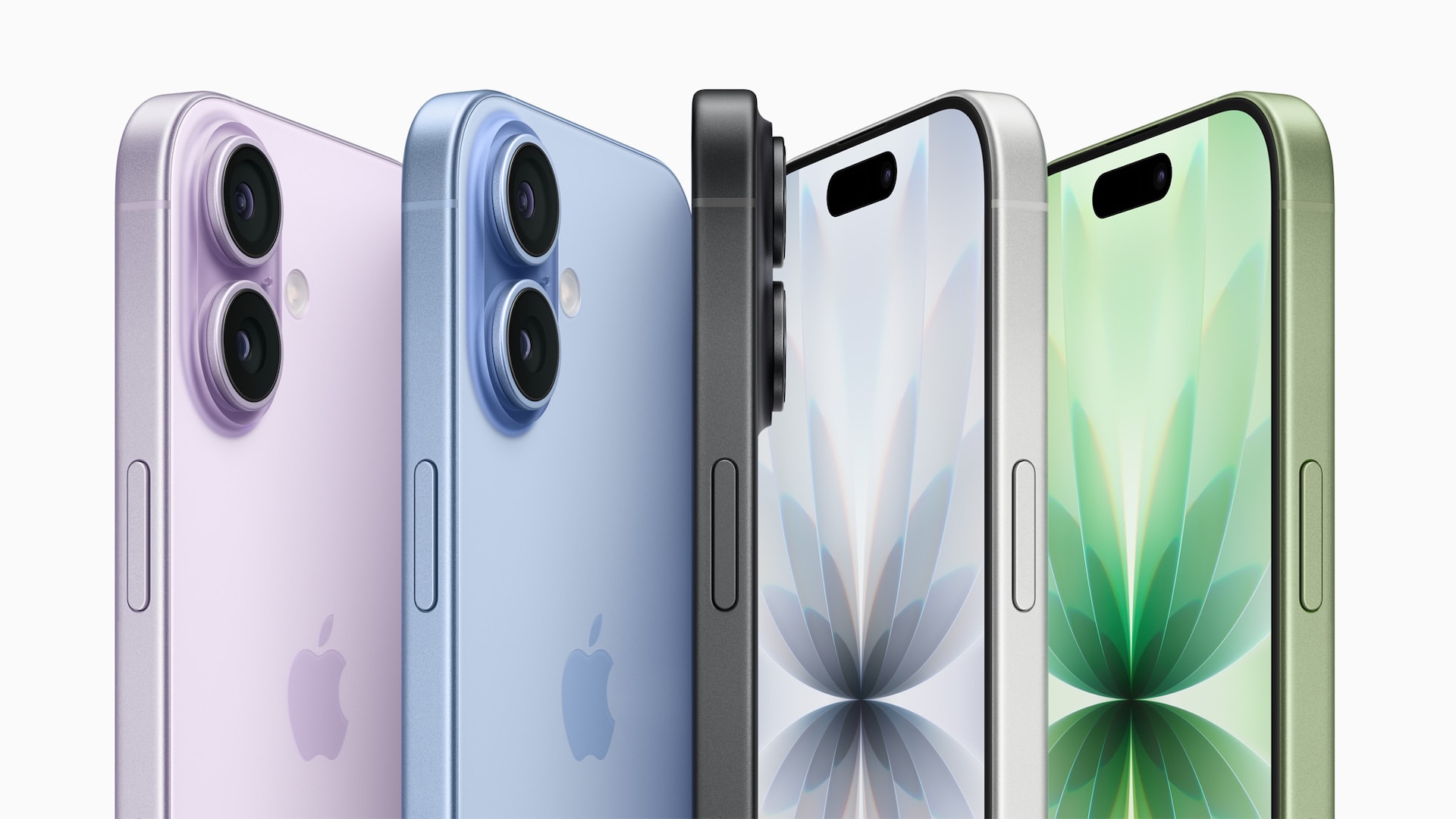
One thing worth noting is that Apple is reportedly planning a major change to its iPhone release cycle this year, adopting a two-phase rollout starting with the iPhone 18 series. That means the iPhone 18 Pro, iPhone 18 Pro Max, and the long-rumored foldable iPhone ("iPhone Ultra") will be released in September 2026, followed by the iPhone 18, iPhone Air 2, and iPhone 18e in spring 2027.


Overall Design

iPhone 17 Pro Style

Rumors suggest the iPhone 18 Pro lineup will largely retain the same design as the iPhone 17 Pro models. Most rumors suggest the rear camera system will look identical to the current generation, featuring a raised "plateau" with three lenses arranged in a triangle – although recent dummies indicate a possible thickening of the plateau and the protrusion of individual lenses. Display sizes are also expected to remain unchanged, with the iPhone 18 Pro and iPhone 18 Pro Max continuing to use 6.3-inch and 6.9-inch panels, respectively (the same dimensions introduced with the iPhone 16 Pro series). iPhone 18 Pro models could drop the current two-tone look of the rear casing found on the iPhone 17 Pro in favor of a more seamless aesthetic, while Apple has apparently updated the back-glass "replacement process" to minimize the color difference between the Ceramic Shield 2 glass and the aluminum frame, resulting in a more unified appearance. More recently, rumors have suggested that the iPhone 18 Pro Max could be thicker and heavier than its predecessor, suggesting a trade-off behind the device's rumored larger battery.

Next-Level Battery Life

Thicker Chassis

The iPhone 18 Pro Max will feature a bigger battery for continued best-in-class battery life, based on Chinese regulatory findings. The β€ŒiPhone 18 Proβ€Œ is seemingly rated for 4,056mAh in China and 4,288mAh in the U.S., up modestly from the iPhone 17 Pro's 3,988mAh and 4,252mAh. The β€ŒiPhone 18 Proβ€Œ Max shows a bigger jump, rated for 5,391mAh in China and 5,567mAh in the U.S., compared with 4,823mAh and 5,088mAh on the β€ŒiPhone 17 Proβ€Œ Max, an increase of nearly 500mAh.According to another rumor, the body of the iPhone 18 Pro Max will be slightly thicker than the iPhone 17 Pro Max, raising the device's weight to around 243 grams. That would make the iPhone 18 Pro Max approximately 3 grams more than the iPhone 14 Pro Max, which is currently the heaviest model Apple has produced. A larger battery is the most likely cause.

Smaller Dynamic Island

Under-Screen Face ID?

Rumors continue to circulate about whether the iPhone 18 Pro models will introduce under-display Face ID, but reports remain divided on when the technology will actually arrive. The feature would move the TrueDepth camera system beneath the display, eliminating the need for the current Dynamic Island cutout.

According to Wayne Ma of The Information, Apple is targeting a design without a Dynamic Island, replacing it with a single pinhole camera in the upper-left corner of the screen. However, other sources dispute that claim. Display analyst Ross Young believes under-display Face ID is possible for the iPhone 18 Pro, but says a smaller Dynamic Island will still be present. Bloomberg's Mark Gurman has echoed this view, reporting that the new models will feature a slimmed-down Dynamic Island rather than removing it entirely. Apple is also said to be testing new camera miniaturization technology to reduce the size of the front-facing camera currently located within the Dynamic Island.

The Weibo leaker "Ice Universe" has claimed the Dynamic Island cutout on the iPhone 18 Pro models will be approximately 35% narrower than it is on the iPhone 17 Pro models. Specifically, they said it will have a width of around 13.5mm, down from around 20.7mm.

Meanwhile, Chinese leaker Instant Digital has offered yet another version of events, saying the Dynamic Island will shrink in size, but that under-display Face ID and camera technology won't debut this year. The latest word on the subject is that Apple is weighing two options for the iPhone 18 Pro's Dynamic Island, and a final decision has yet to be made. One option apparently retains the existing screen mold from the iPhone 17 Pro, while the other introduces a significantly smaller "Mini β€ŒDynamic Islandβ€Œ" enabled by moving the Face ID receiver and transmitter components beneath the display.

Upgraded Display

LTPO+

The iPhone 18 Pro models will reportedly use LTPO+ display technology, which should be more power efficient than the current LTPO technology in the iPhone 17 series. Such an upgrade could also contribute to longer battery life (see above), since LPTO+ enables finer control of OLED light emission, potentially allowing the display to optimize its operation based on environmental conditions. In other words, it will know better when to up screen brightness or reduce it, depending on surrounding light sources. The panels are reportedly being supplied by Samsung Display and LG Display.

A20 Pro Chip

2nm Process

The iPhone 18 Pro models will use Apple's A20 chip, based on TSMC's 2nm process for power and efficiency improvements. A move to 2nm fabrication increases transistor density, which will enable higher performance. The A20 series is expected to deliver roughly a 15 percent speed gain and about 30 percent better efficiency compared with the A19 series used in Apple's iPhone 17 models.

Apple's A20 chip will be packaged with TSMC's Wafer-Level Multi-Chip Module (WMCM) technology, suggesting at least some A20 chips will have RAM integrated directly onto the same wafer as the CPU, GPU, and Neural Engine, rather than sitting adjacent to the chip and connected via a silicon interposer. This could contribute to faster performance for both overall tasks and Apple Intelligence, and longer battery life from improved power efficiency. In June, an image of the iPhone 18 Pro motherboard leaked online, showing the A20 Pro chip will indeed use the new packaging technology.

C2 Modem

Replacing Qualcomm

It was previously expected that Apple would include its next-generation C2 modem in the iPhone 18 Pro models. The chip would succeed the C1 modem, which debuted in the lower-cost iPhone 16e as Apple's first in-house cellular modem, and the C1X modem chip in the iPhone Air, which Apple says is up to 2Γ— faster than the C1. While the C2 would likely bring faster speeds, improved power efficiency, and support for mmWave 5G in the United States, a recent rumor has questioned its adoption there. It's possible that the iPhone 18 Pro will use different modem chips depending on the market it is sold in, with U.S. models retaining Qualcomm hardware and international models using Apple's in-house C2 modem.

Apple's modem roadmap is part of a long-term strategy to reduce reliance on Qualcomm, which currently supplies 5G modems for the rest of the iPhone lineup. The company has been working on developing its own cellular chips for years, aiming for deeper integration and greater control over power management and performance.

New Camera Sensor

Samsung-Made

Samsung is working on a new three-layer stacked image sensor, reportedly intended for the iPhone 18. The sensor, referred to as PD-TR-Logic, integrates three layers of circuitry, which would improve camera responsiveness, reduce noise, and increase dynamic range. The leak comes from a source known as "Jukanlosreve," who claims the sensor is being developed specifically for Apple's 2026 iPhone lineup. Sony has long been Apple's sole image sensor supplier, so Samsung's entry would be a big shift in the iPhone's camera supply chain.

Variable Aperture

DSLR-Style

Apple intends to equip this year's iPhone 18 Pro models with a variable aperture lens, according to reports. Weibo-based leaker Digital Chat Station claims the main rear camera – what Apple calls the 48-megapixel Fusion camera – on both iPhone 18 Pro models will offer variable aperture, which would be a first for the iPhone. A variable-aperture system physically adjusts the lens opening, letting more light in for low-light shots or narrowing the opening for brighter scenes and deeper depth of field.

The main cameras on the iPhone 15 Pro, 16 Pro, and 17 Pro all use a fixed Ζ’/1.78 aperture, where the lens is permanently set to its widest setting. With a variable lens, the iPhone 18 Pro would allow users to manually shift the aperture, similar to on a DSLR camera. This would mean more control over depth of field, enabling sharper focus on subjects or smoother background blur. Industry analyst Ming-Chi Kuo said in November 2024 that Apple's iPhone 18 Pro models will get the feature.

5G Satellite Internet

Non-Terrestrial Data

According to a report by The Information, Apple plans to add support for 5G networks that operate via satellites rather than Earth-based towers as early as next year. This advancement would allow future iPhones to gain full internet connectivity through satellite, not just limited emergency features.

If Apple meets the 2026 target, the first devices to feature 5G satellite internet would likely be the iPhone 18 Pro, iPhone 18 Pro Max, and the long-rumored foldable iPhone. Apple partners with Globalstar for its iPhone satellite features, but there is currently no service that delivers full 5G satellite internet directly to a smartphone. That said, Amazon and Globalstar announced in April a definitive merger agreement under which Amazon will acquire the satellite operator. Amazon's Leo satellite network will power existing iPhone features – with scope for additional feature support as part of a forthcoming infrastructure upgrade.

Simplified Camera Control

New Design

Apple is reportedly working to simplify the Camera Control button's design on iPhone 18 models in order to reduce costs. The current Camera Control button on iPhone 17 models uses both capacitive and pressure sensors beneath a sapphire crystal surface. The capacitive layer detects touch gestures, while the force sensor recognizes different pressure levels for taps, presses, and swipes.

However, according to the Weibo-based account Instant Digital, Apple will remove the capacitive sensing layer and retain only pressure sensing recognition in the second iteration to achieve all Camera Control functions on the iPhone 18. The simplified version is not about reducing functionality in the button, but about saving money. The current solution is said to be very expensive for Apple and is generating costly after-sales repairs.

We don't expect Camera Control to go away anytime soon – Apple apparently sees it as a key feature, so much so that it has reportedly made deliberate engineering compromises to ensure that the first foldable iPhone features the button.

New Colors

Three in Testing

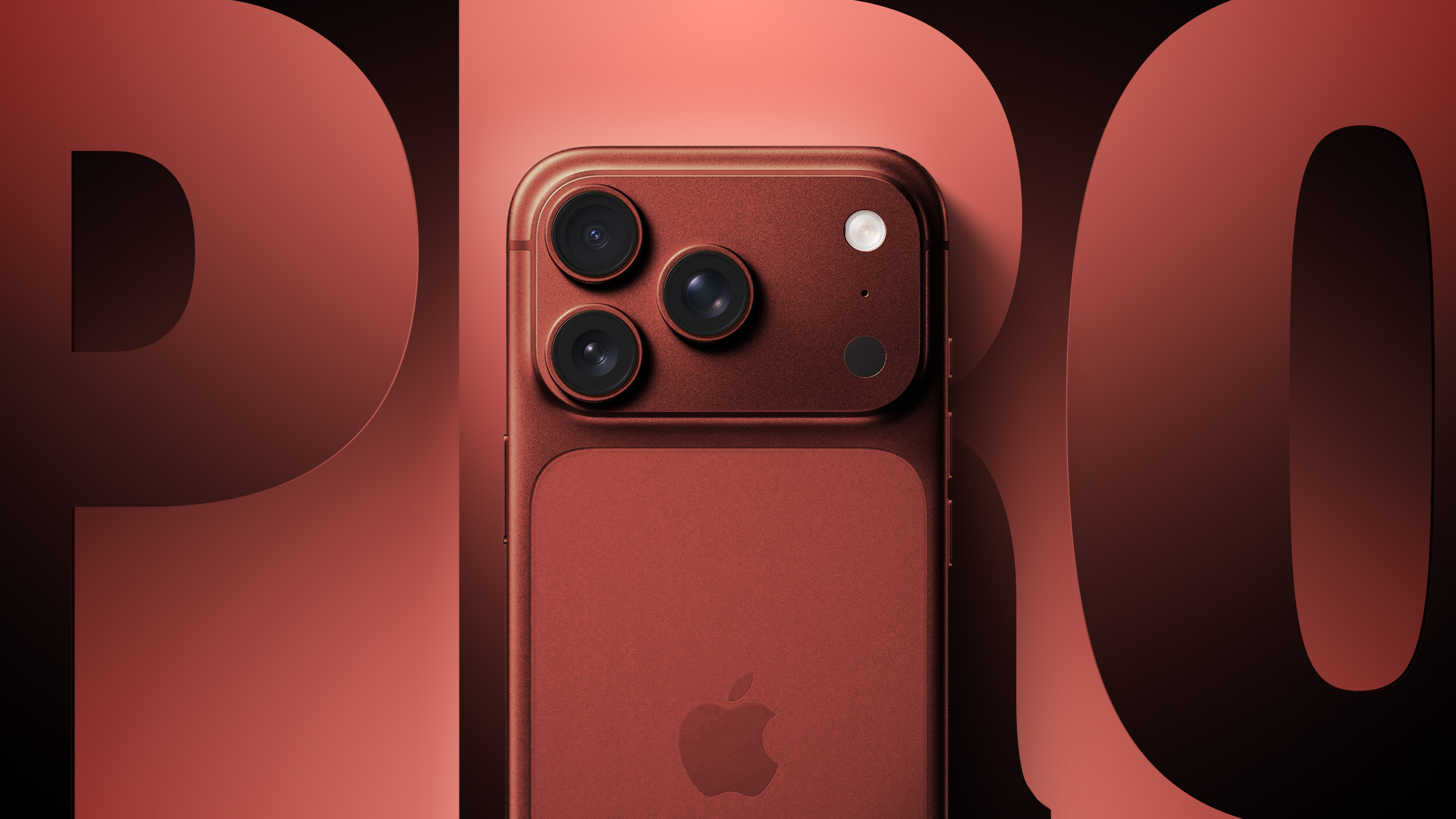
In February 2026, Bloomberg's Mark Gurman reported that Apple is testing a deep red finish for the iPhone 18 Pro and iPhone 18 Pro Max. Rumors of purple and brown finishes have also circulated, but Gurman believes those are just variants of the same red idea. Since then, we've seen aligned rumors that the devices will come in light blue, dark cherry, dark gray, and silver.

The iPhone 14 Pro and iPhone 14 Pro Max were previously available in Deep Purple, and Apple has never released an iPhone in a genuinely brown color. According to a Chinese leaker, Apple's iPhone 18 Pro models won't come in black this year. If the rumor is true, it will be the second consecutive year Apple has ditched what was arguably its most classic color option for the Pro lineup.

iOS 27

Smarter Siri

The iPhone 18 Pro will ship with iOS 27, which brings the biggest Siri shake-up in the assistant's history. Apple introduced Siri AI at WWDC in June – a rebuilt, more conversational version of Siri with onscreen awareness, personal context understanding, and broad world knowledge that lets it pull up-to-date answers from the web. It also gains its own standalone app for revisiting past conversations, an expanded Visual Intelligence mode, and writing tools that work across email, messages, and documents. Like the iPhone 17 Pro, the iPhone 18 Pro is expected to carry 12GB of RAM, so it should run the full range of Siri AI and Apple Intelligence features.
Related Roundup: iPhone 18 Pro

This article, "iPhone 18 Pro: Twelve Changes Coming to Apple's Next Flagship" first appeared on MacRumors.com

Discuss this article in our forums

  •  

iOS 27 Lets You Hide the Messages Button Everyone Hits by Mistake

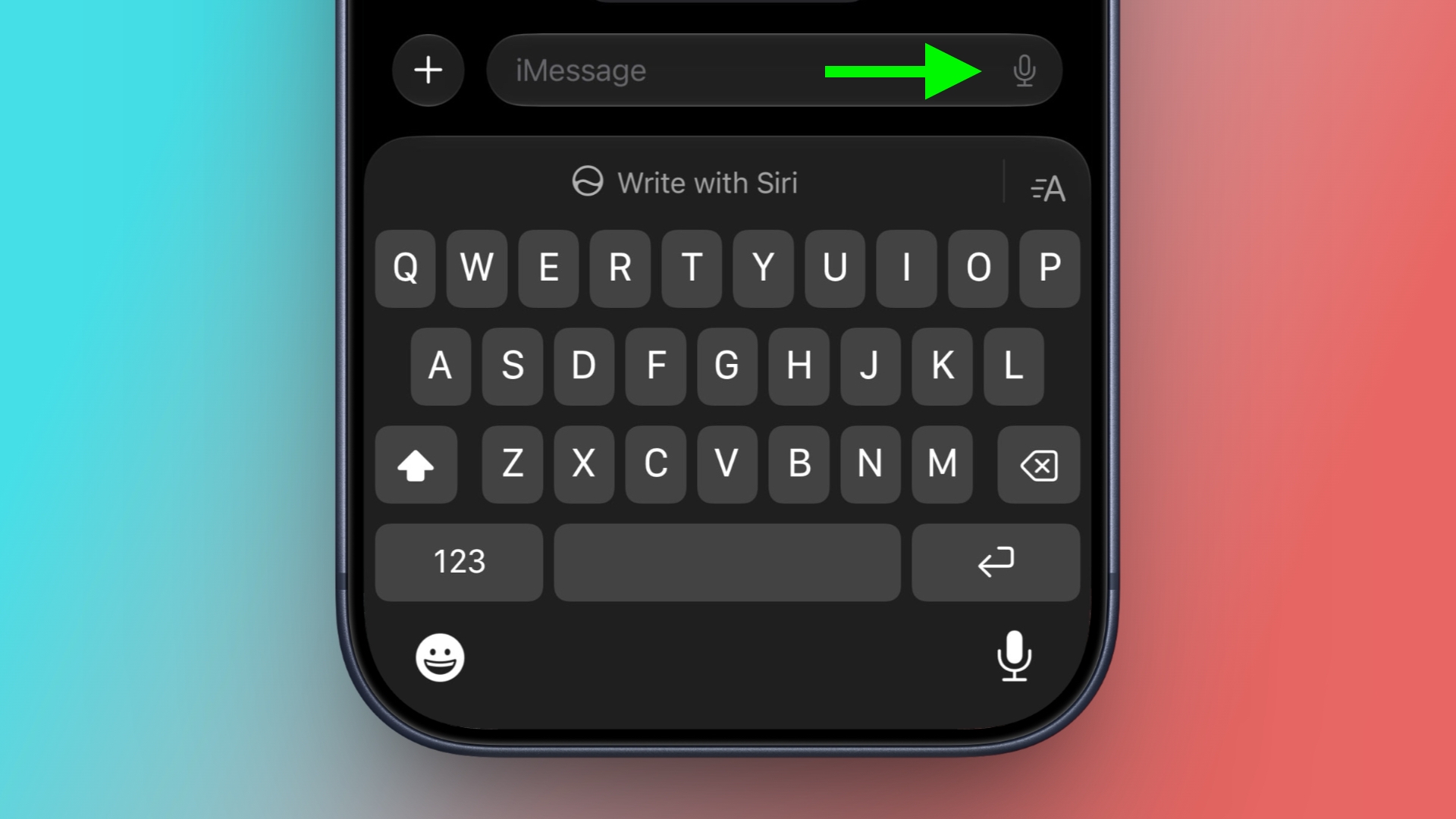
If you accidentally press the dictation or voice icon after sending a text in Messages, your music may pause while your iPhone starts listening. It's a small annoyance, but a frequent one, since the dictation/audio icon sits so close to the send arrow that stray taps are almost inevitable. In iOS 27 and iPadOS 27, Apple has finally given you a way to get rid of it.

messages
The issue is one that popstar Justin Bieber publicly complained about, claiming that the send button shouldn't have multiple functions so close together. The post went viral, and in iOS 27, Apple has done something about it.

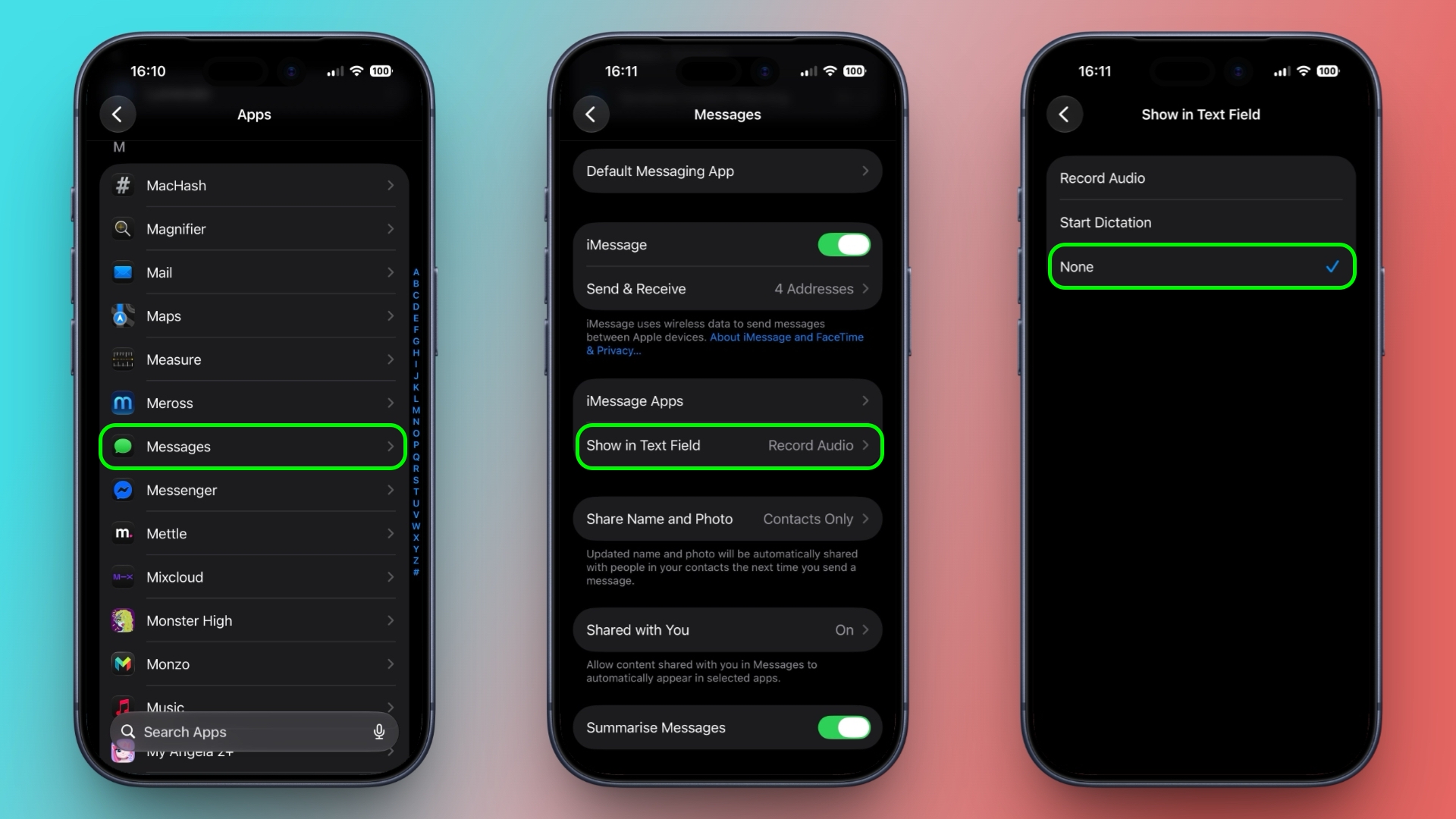
Quite simply, the message text field now has a new setting. You can choose whether it displays the audio waveform icon for recording a voice message, the microphone icon for dictation, or nothing at all. Here's how to find it:

  1. Open the Settings app on your iPhone or iPad.

  2. Tap Apps at the bottom of the list.

  3. Tap Messages.

  4. Tap Show in Text Field.

  5. Choose one of the three options: Record Audio, Start Dictation, or None.
    settings
If you keep tapping the text field icon by mistake, you'll want to choose None.

If you occasionally record voice messages, don't worry – you can still use the plus button to the left of the input field to enable Audio. If it's dictation you sometimes use, you'll find the microphone key at the bottom right of the iOS keyboard (if it's not there, go to Settings ➝ General ➝ Keyboard and turn on Enable Dictation.)

iOS 27 is remains in beta, with a public release expected sometime this September.
Related Roundups: iOS 27, iPadOS 27

This article, "iOS 27 Lets You Hide the Messages Button Everyone Hits by Mistake" first appeared on MacRumors.com

Discuss this article in our forums

  •  

iPhone Driver's Licenses May Soon Expand to Another US State

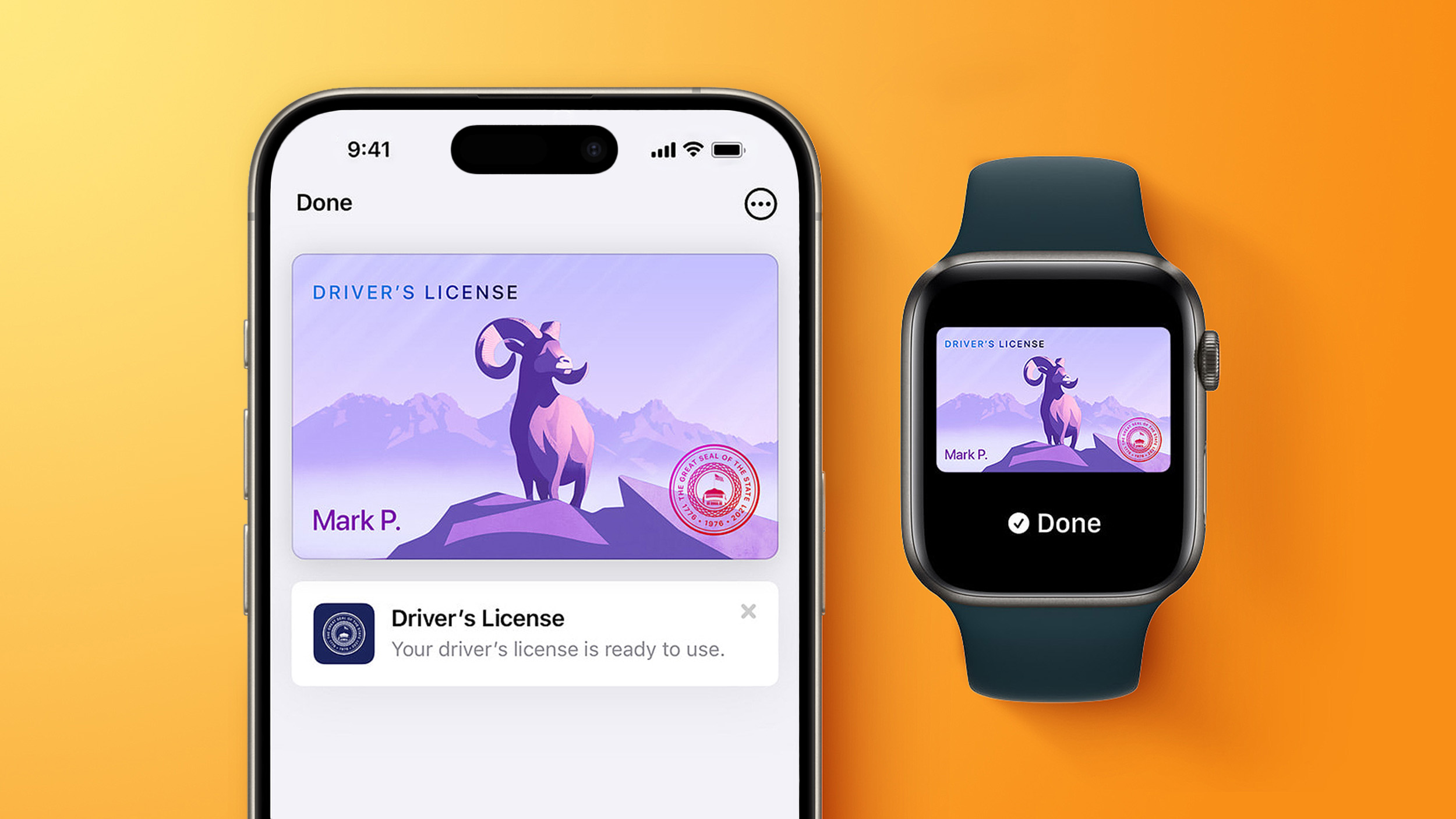
Driver's licenses and IDs may soon be available in Apple Wallet for iPhone and Apple Watch users living in Oklahoma. MacRumors discovered signs of an Oklahoma ID in Apple's backend.


With input from Apple, a House bill was passed in March 2026 that allows Service Oklahoma to issue mobile or digital versions of state identification cards, driver's licenses or permits – suggesting this is Apple taking preparatory steps for future Wallet integration.

The digital equivalents are not intended to replace physical licenses or state IDs, meaning Oklahomans will be required to keep the latter, while using the mobile version as a "companion option."

Other states planning to add support for driver's licenses in Apple Wallet include Connecticut, Kentucky, Mississippi, Utah, and Virginia. MacRumors already spotted signs of Utah and Virginia in Apple's backend.

Multiple states have already implemented support, as has Puerto Rico:

  • Arkansas

  • Arizona

  • California

  • Colorado

  • Georgia

  • Hawaii

  • Illinois

  • Iowa

  • Maryland

  • Montana

  • New Mexico

  • North Dakota

  • Ohio

  • West Virginia


Digital IDs and licenses are accepted at select TSA checkpoints across the United States. They can also be used at some business venues and in select apps that require ID verification for services or purchases.

In states that do not support licenses in the Wallet app, iPhone users can add their U.S. passport to the Apple Wallet app with the iOS 26 Digital ID feature.
This article, "iPhone Driver's Licenses May Soon Expand to Another US State" first appeared on MacRumors.com

Discuss this article in our forums

  •  

WhatsApp Rolls Out Web Calling, Call Transfer Across Devices, and More

WhatsApp has announced a handful of enhancements for group calling over the encrypted platform, including seamless call transfers across devices and a new web calling feature.


It's now possible to make and receive audio and video calls, including both one-on-one and group calls, directly from WhatsApp Web. The new browser-based service provides access to common features available on other devices, like screen sharing, reactions, and a dedicated Calls tab with a user's full call history.

WhatsApp says the end-to-end encrypted web service will make it easier to jump on a call without leaving your browser, and it should be especially welcomed by anyone who uses a work laptop that doesn't allow app downloads.

The latest rollout also brings Call Transfer, allowing users to move an active group call from one device to another without hanging up.

Then there's the new Waiting Room, which appears when creating a WhatsApp call link with "Require approval to join" enabled. Participants now enter the waiting room first until the host is ready to let them in.

Two last additions round out this update: QuickHD allows users to enjoy high-definition video immediately in the very first few seconds of the call, while Noise Suppression removes background noise so that voices come through more clearly, even in loud or busy environments.

WhatsApp says the slate of new features are rolling out gradually and will be "available to everyone soon."
This article, "WhatsApp Rolls Out Web Calling, Call Transfer Across Devices, and More" first appeared on MacRumors.com

Discuss this article in our forums

  •  
❌