Lees weergave

MacBook Ultra: Everything We Know About Apple's OLED Touchscreen Mac

Apple is working on a high-end MacBook Pro that could be called the "MacBook Ultra." The device will have several firsts in a Mac, including an OLED display and a touchscreen.
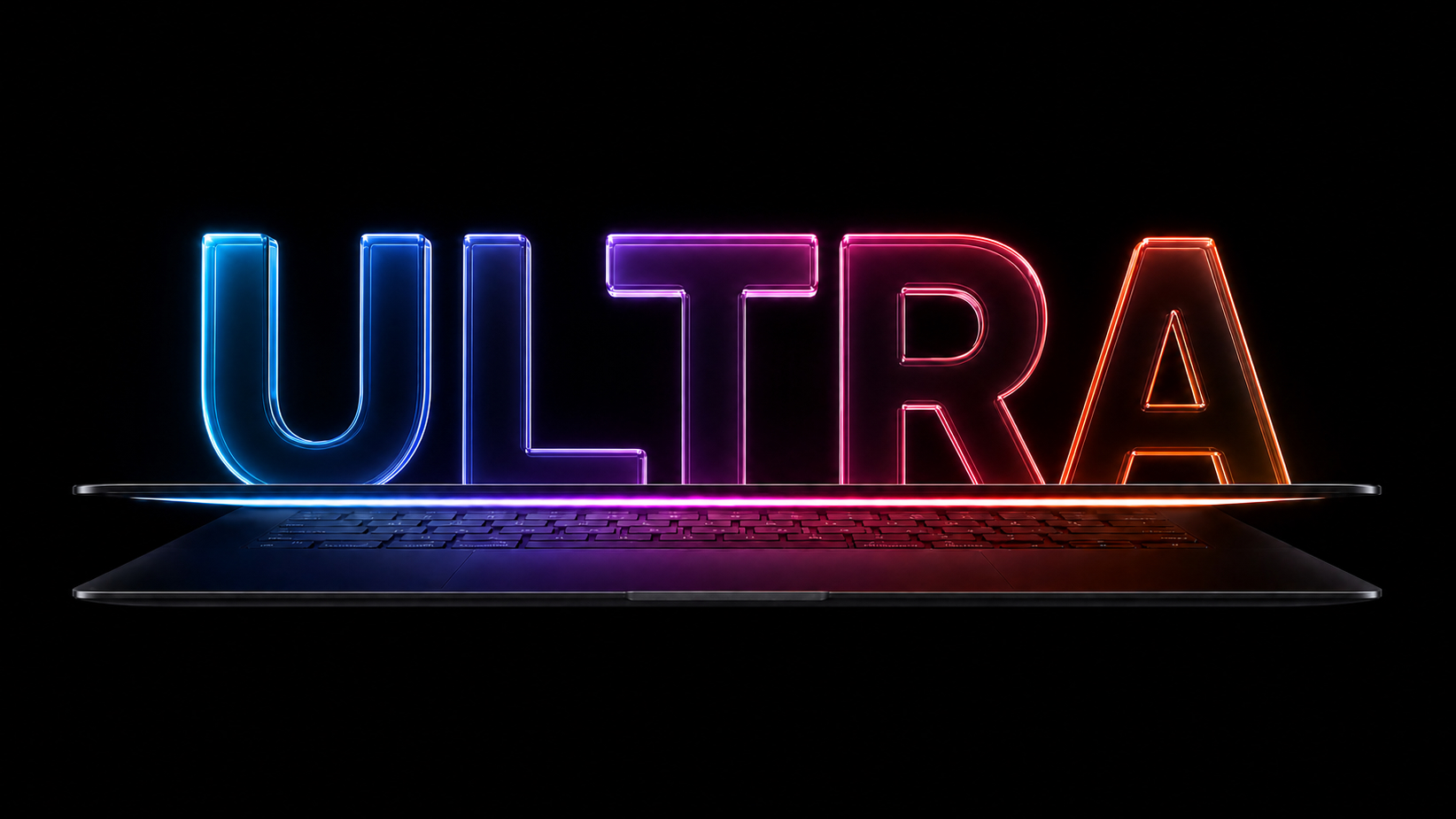

The "Ultra" name isn't a sure thing, because Apple could also continue to call the device the ‌MacBook Pro‌ and make it a high-end model in the Pro lineup. There are rumors of other "Ultra" devices in the works like AirPods and the foldable iPhone, which could be called the iPhone Ultra.

Design


Apple hasn't redesigned the ‌MacBook Pro‌ since the launch of the M1 Pro and M1 Max models in 2021, so the device is due for a new look. The MacBook Ultra could feature some design changes, including a thinner chassis.

Apple could get rid of the notch on the MacBook Ultra, replacing it with an iPhone-style Dynamic Island. A ‌Dynamic Island‌ could better unify the way Siri AI behaves across the iPhone and the Mac with iOS 27 and macOS Golden Gate.

Size Options


The MacBook Ultra will be available in both 14-inch and 16-inch size options.

Display


Apple's upcoming MacBook will be the first with an OLED display. OLED display technology is already used for the iPhone, Apple Watch, and iPad Pro, but it has taken time for larger-sized OLED screens to come down in price.

OLED will be an upgrade over the current mini-LED display technology in most cases, bringing deeper colors and a higher contrast ratio with true blacks. In an OLED display, individual pixels turn off instead of dimming when not activated, so there's less light leakage. OLED displays tend to have better HDR than mini-LED, but sometimes don't match the mini-LED brightness levels.

Along with OLED technology, the MacBook Ultra is expected to have the first touchscreen display on a Mac. Users will be able to use their fingers to interact with the Mac's display, similar to an iPad.

Touchscreen capabilities will be used alongside the trackpad and keyboard, suggesting Apple sees touch as supplementary rather than a primary control method. Apple is rumored to be adapting ‌macOS Golden Gate‌ for touch input.

Apple plans to add a reinforced hinge to the MacBook Ultra's display so that it doesn't wobble when it's tapped.

MacBook Ultra Hints


There are features in ‌macOS Golden Gate‌ that hint at a future touchscreen Mac. Apple added direct touch input to Sidecar so users can tap and interact with macOS elements when using the ‌iPad‌ as a Mac display.

‌macOS Golden Gate‌ supports an iPhone-style pull-to-refresh option, and it can be used across apps like Safari, Mail, News, Podcasts, and Calendar. A pull-to-refresh option makes the most sense on a touch display.

Chips


The current ‌MacBook Pro‌ models are equipped with M5 Pro and M5 Max chips, and Apple plans to use the same chips for the rumored MacBook Ultra.

Apple is planning to introduce the M6 chip as soon as late 2026, but Bloomberg says Apple isn't going to release any other chips in the M6 series. Apple's chip plans have changed in recent months, and the company is now accelerating the launch of the M7 series. The M7 chips feature major neural processing improvements that will meet increasing demand for machines better able to handle AI tasks.

With no M6 Pro or M6 Max planned, Apple will need to use the M5 Pro and M5 Max so it doesn't have to wait for the M7 series before debuting the MacBook Ultra. A second-generation MacBook Ultra will use the M7 Pro and M7 Max chips, with that machine planned for late 2027 or early 2028.

Pricing


Apple's OLED MacBook is expected to be a premium product, with a price tag higher than current ‌MacBook Pro‌ models. Apple raised the prices of all Macs in June 2026, and so the MacBook Ultra will likely be even more expensive than expected. ‌MacBook Pro‌ pricing went up $300.

The higher-end 14-inch ‌MacBook Pro‌ with M5 Pro chip starts at $2,499 after the price increase, while the 16-inch M5 Pro ‌MacBook Pro‌ starts at $2,999. The OLED MacBook will be priced even higher.

Launch Date


Rumors suggest the MacBook Ultra will launch in late 2026 or early 2027, with mass production to start in late 2026. If the MacBook Ultra comes in 2026, it could be released sometime between October and December, but it won't be introduced at Apple's September iPhone event. If the new MacBook launches in 2027, it could come early in the year at Apple's first 2027 event.

Timing is uncertain because of ongoing memory shortages. Apple will need to be able to secure enough memory chips, and that could affect the company's launch plans.
This article, "MacBook Ultra: Everything We Know About Apple's OLED Touchscreen Mac" first appeared on MacRumors.com

Discuss this article in our forums
  •  

Should You Buy an iPhone 17 Now or Wait for iPhone 18?

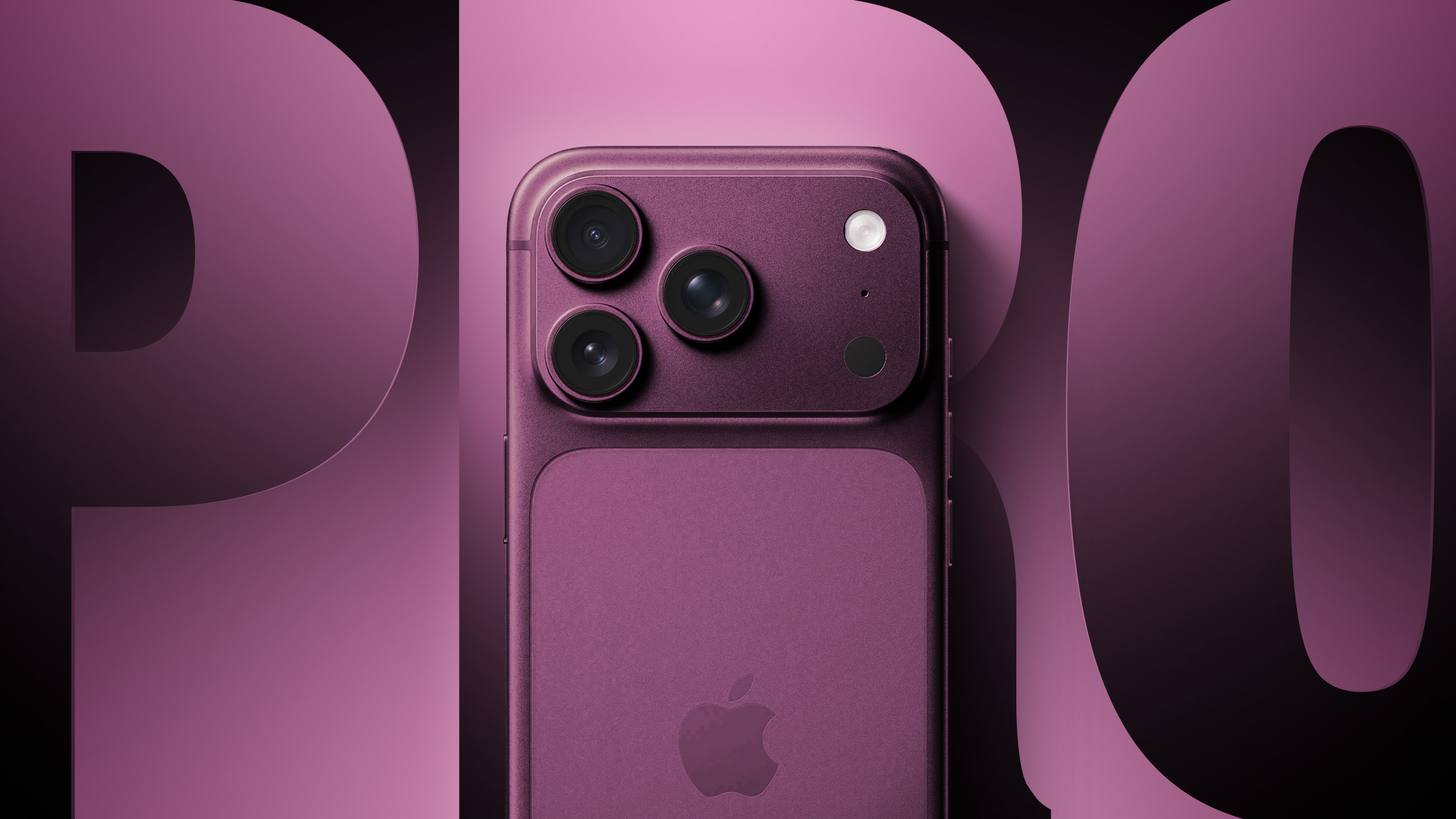
For the first time since Apple started selling standard and "Pro" iPhones, we're not going to get an entry-level iPhone model this fall. Apple doesn't plan to release an iPhone 18 in September, and will only launch the iPhone 18 Pro, ‌iPhone 18 Pro‌ Max, and foldable iPhone Ultra. The lower-cost ‌iPhone 18‌ won't come out until spring 2027.


With prices rumored to be going up in the fall, does it make sense to buy an iPhone 17 now, or wait for the ‌iPhone 18‌?

Price Increases


Apple raised the prices of Macs and iPads in June, but iPhones remain untouched so far. We're expecting the ‌iPhone 18 Pro‌ and Pro Max to be $100 to $300 more expensive, and the ‌iPhone 18‌ could also be pricier.

TrendForce suggests Apple could charge more for the ‌iPhone 17‌ when it introduces new ‌iPhone 18 Pro‌ models, with price increases hitting even existing iPhone models. If that's the case, there won't be a monetary benefit to waiting to buy a prior-generation iPhone like there usually is. Depending on how much prices go up, you could save some cash if you buy now, especially if you're buying outright. Pricing on the ‌iPhone 17‌ starts at $799.

With a payment plan, you'll still save money, but a few dollars per month over a 12-month to 24-month period won't hit as hard.

Trade-Ins


If you're planning to trade in an older iPhone, it'll be worth more now than it will be when the ‌iPhone 18 Pro‌ models come out. Trade-in prices for older iPhones drop with every new iPhone launch.

Quality Might Go Down


From what we've heard of ‌iPhone 18‌ rumors, Apple could be implementing cost-cutting measures that drop quality in some areas. Apple might use a cheaper screen that's not as bright, and lower-quality A20 chips with fewer GPU cores. Apple is said to be using components from the low-cost iPhone 18e for the ‌iPhone 18‌, narrowing the gap between the two devices. If that's the case, it won't be as good a value as the ‌iPhone 17‌ because it will share fewer features with Apple's more expensive iPhones.

iOS 27 Features


There are mixed rumors about the ‌iPhone 18‌'s RAM situation. Two rumors say it will get 12GB, but analyst Ming-Chi Kuo says Apple is only going to up it to 9GB. With 9GB RAM, the ‌iPhone 18‌ won't support the iOS 27 Siri voice customization and dictation features, which require 12GB RAM. The ‌iPhone 17‌ doesn't have 12GB RAM and doesn't get those features either, so there is no ‌iOS 27‌ benefit to waiting unless Apple opts for 12GB RAM.

iPhone 18 Upgrades


The ‌iPhone 18‌ is on hold until spring 2027, but we've still heard rumors about what to expect. Some of these features might be worth holding out for, depending on what you want in an iPhone.

  • A20 chip - The A20 chip will be built on Apple's 2nm process, likely bringing CPU speed and efficiency improvements.

  • RAM - The ‌iPhone 17‌ has 8GB RAM, and the ‌iPhone 18‌ is rumored to get either 9GB or 12GB. 9GB isn't much of an increase, and it won't support the ‌Siri‌ Expressive Voices or dictation improvements in ‌iOS 27‌, but 12GB would.

  • Front camera - There could be a 24-megapixel selfie cam instead of an 18-megapixel camera, but that's still up in the air.

  • Smaller Dynamic Island - The ‌iPhone 18‌ is rumored to be getting the same smaller Dynamic Island Apple is bringing to the ‌iPhone 18 Pro‌ models.

  • Modem - Apple will likely use its C2 modem in the ‌iPhone 18‌ for faster, more reliable connectivity.


The iPhone 17 Is Still Good


The ‌iPhone 17‌ is the iPhone that we recommend for most people in our 2026 iPhone Buyer's Guide. It has the best mix of premium features, performance, and price, with only a handful of features reserved for the iPhone 17 Pro models.

It has the same 120Hz ProMotion refresh rate and Always-On display, the same Wide and Ultra Wide cameras, a chip that's not too much slower, and the same size display as the ‌iPhone 17 Pro‌. It lacks a Telephoto camera, has less RAM, uses a less durable chassis, and has a smaller battery, but that's about it.

If you're coming from an older iPhone like the iPhone 13, iPhone 14, or iPhone 15, the ‌iPhone 17‌ is going to be a major upgrade, and there's little reason to wait if you don't care about the features rumored for the ‌iPhone 18‌. Cost and timing are the two main reasons you might want to buy now instead of waiting.

We don't know what ‌iPhone 17‌ and ‌iPhone 18‌ pricing will look like in spring 2027, and roughly six months is a long additional wait if you were expecting to get a new phone in September.
Related Roundups: iPhone 17, iPhone 18
Buyer's Guide: iPhone 17 (Neutral)
Related Forum: iPhone

This article, "Should You Buy an iPhone 17 Now or Wait for iPhone 18?" first appeared on MacRumors.com

Discuss this article in our forums

  •  

iPhone 17 Pro One Year Later: What Held Up and What Didn't

We're getting close to the launch of new iPhone 18 Pro models that will replace the iPhone 17 Pro models, so MacRumors videographer Dan Barbera decided to take a look back at the iPhone he's been using for close to 12 months.


Ceramic Shield 2 was the best iPhone upgrade this year. Apple said it's more resistant to scratches, and that turned out to be true. Dan goes caseless, and his ‌iPhone 17 Pro‌ has only faint scratches, while the 16 Pro was scratched after three weeks. The iPhone has also survived facedown drops with no damage, but there are a few chips in the aluminum along the edges. There have been reports of the orange color fading over time, but Dan didn't see that with his device.

Battery life was also a standout on the ‌iPhone 17 Pro‌. It's able to keep up with a full day of heavy use, which is normally only possible with the larger battery in the Pro Max iPhones. Dan swapped to the smaller ‌iPhone 17 Pro‌ over the 17 Pro Max because the battery lasted longer than the 16 Pro battery.

Apple added vapor chamber cooling in the 17 Pro, and that kept the iPhone cooler than normal for most of the year. Dan said his iPhone is running hotter with minor dips in performance, probably because of the iOS 27 beta. Running beta software can affect battery life and device performance.

Rumors suggest the ‌iPhone 18 Pro‌ isn't going to be a huge upgrade over the ‌iPhone 17 Pro‌, and it's likely prices are going to go up. It's not the worst idea to buy an ‌iPhone 17 Pro‌ now instead of holding out for the ‌iPhone 18 Pro‌, especially if you have an older iPhone.
Related Roundup: iPhone 17 Pro
Related Forum: iPhone

This article, "iPhone 17 Pro One Year Later: What Held Up and What Didn't" first appeared on MacRumors.com

Discuss this article in our forums
  •  

What's Coming in September: New iPhones, Apple Watches and More

Apple will introduce at least five new devices at its iPhone-centric event next month, and it's also possible we'll get devices waiting on Siri AI like the Apple TV.


iPhone 18 Pro


The iPhone 18 Pro is going to look like the iPhone 17 Pro, but with a smaller Dynamic Island. It's getting some internal updates, including a new Wide camera with a variable aperture for more control over lighting and a faster A20 Pro chip built on a new 2nm process. Battery life could improve with the updated chip and an upgraded LTPO+ OLED display, plus Apple could include a more efficient C2 modem and N2 networking chip. Dark Cherry is supposed to be this year's special color, and there will also be a light blue color.

iPhone 18 Pro Max


The ‌iPhone 18 Pro‌ Max will have the same feature set as the ‌iPhone 18 Pro‌, but it will have a larger battery and a bigger screen. Multiple rumors indicate the ‌iPhone 18 Pro‌ Max will be slightly thicker than the ‌iPhone 17 Pro‌ Max and the ‌iPhone 18 Pro‌ because it is slated to get a bigger battery than Apple used last year.

Both the ‌iPhone 18 Pro‌ and the ‌iPhone 18 Pro‌ Max could be up to $300 more expensive than the ‌iPhone 17 Pro‌ and the ‌iPhone 17 Pro‌ Max. Apple raised prices on Macs and iPads, but is waiting for the September refresh before upping iPhone prices.

Foldable iPhone


Apple's first foldable iPhone is almost ready to launch. The "iPhone Ultra" is expected to have a ~5.5-inch display when closed and a ~7.8-inch display when open. It'll have a 4:3 aspect ratio like an iPad, so when unfolded, it will be similar to using an iPad mini. Apple is supposedly using a hinge design that minimizes the visibility of the crease, and it'll get the same 2nm A20 chip Apple is using in the 18 Pro models.

The foldable iPhone is expected to have dual batteries with one on each side of the device, but it will be limited to a two-lens rear camera system. The iPhone is too thin for the TrueDepth camera system, so it is rumored to use Touch ID instead of Face ID. The foldable iPhone could cost somewhere between $2,000 and $2,500.

We've seen some reports of foldable iPhone manufacturing issues, and rumors that it could launch after the ‌iPhone 18 Pro‌ and ‌iPhone 18 Pro‌ Max. Apple could introduce it in September, and then launch it a bit later, which is what the company did for the iPhone X back in 2017.

Apple Watch Series 12


Apple will refresh the Apple Watch this year, but it's going to be a somewhat boring update. No design changes are expected, but it could get a faster S-series chip, and the upgrade could add improvements to some health and fitness features. It could also have a bigger battery for longer battery life.

Apple Watch Ultra 4


There's going to be an Apple Watch Ultra 4, and it will get the same chip upgrade as the Series 12. DigiTimes claimed the Ultra 4 will be thinner with an upgrade to sensing functions, but the site isn't always accurate and no other rumors have backed up the claim.

Other Possibilities


There are home products and Macs Apple could launch before the end of the year, but it's possible Apple will hold a second event sometime in October or November. There are quite a few home devices in development, plus Apple is expected to introduce an all-new home hub, so a second smart home event would make sense.

  • Home Hub - Apple is working on a home hub with a 7-inch square display. It can be used to control smart home products, view photos, make video calls, and display information. It will have full ‌Siri‌ AI integration, and it will run Apple apps. The hub could come as soon as 2026, but Apple might also hold it until early 2027.

  • Apple TV 4K - The ‌Apple TV‌ 4K is finally getting an update with a faster processor, more RAM, and a new networking chip.

  • HomePod mini - Apple will refresh the HomePod mini this year, adding a faster chip and new color options.

  • HomePod - The full-size HomePod could also get a new chip.

  • Smart Home Camera - Apple has its own security camera in development, and it could launch alongside the home hub.


Other late 2026 possibilities include an ‌OLED‌ ‌iPad mini‌, a refreshed 14-inch MacBook Pro with M6 chip, an iMac with an M6 chip, a high-end ‌OLED‌ ‌MacBook Pro‌ with touchscreen, a new Mac mini, and a new Mac Studio, but it's very doubtful these products would debut at the September iPhone event.

What's Not Launching


Apple isn't going to release a standard iPhone 18 in September 2026. The lineup will instead focus on more expensive iPhones. The ‌iPhone 18‌, iPhone 18e, and iPhone Air 2 will come out in spring 2027 instead. Apple does not plan to refresh the Apple Watch SE this year.

Hello, Ternus. Goodbye, Cook


Tim Cook is stepping down from his role as CEO on September 1 to become Apple's executive chairman, and John Ternus is taking over. Ternus will lead Apple's September iPhone event, and it's likely we won't see Cook during Apple's presentation.

Likely Event Dates


Given historical iPhone event dates, this year's presentation is most likely going to happen on Tuesday, September 8 or Wednesday, September 9. September 7 is Labor Day, and Apple may not want to make members of the media travel on a holiday.

Australia's ChannelNews said Apple's event will take place on September 8, but it's not clear if that's accurate information.

If the event is on September 8 or September 9, pre-orders would normally be on Friday, September 11. That date marks the 25th anniversary of the 9/11 attacks, so Apple might avoid holding pre-orders on that day. Instead, we could get pre-orders on Saturday, September 12, which is what Apple did when the iPhone 6s pre-order date fell on 9/11 in 2015.
This article, "What's Coming in September: New iPhones, Apple Watches and More" first appeared on MacRumors.com

Discuss this article in our forums
  •  

Ted Lasso Season 4 Premiere is Apple TV's Biggest Launch Ever

The Ted Lasso season 4 premiere was Apple's most popular TV show debut to date, according to Nielsen viewing data Apple sent to Deadline. The show racked up 296.6 million viewing minutes in the United States across the August 4 and August 5 launch window. It beat the premieres of prior seasons of Ted Lasso, plus the Severance and Pluribus premieres.


On just August 5, the first episode was the most-streamed program in the United States with more than 200 million viewing minutes.

Season 4 premiered more than three years after the season 3 finale aired, but the long break doesn't appear to have soured Ted Lasso fans. It initially seemed like season 3 might be the final season for the series, so a season 4 was more of a surprise than a wait.

In the fourth season, the show returns to its underdog roots with Ted Lasso moving back to Richmond to coach a second-division women's football team.

There are two episodes of season 4 available now, and new episodes come out every Wednesday.

Apple TV is priced at $12.99 per month, and it can be watched across Apple devices, on popular smart TVs, on set-top boxes like Roku, on gaming consoles, and on the web. ‌Apple TV‌ is also included in Apple One subscription bundles. New subscribers can get a seven-day free trial.
Related Roundup: Apple TV
Buyer's Guide: Apple TV (Don't Buy)

This article, "Ted Lasso Season 4 Premiere is Apple TV's Biggest Launch Ever" first appeared on MacRumors.com

Discuss this article in our forums
  •  

Apple Wants to Charge Developers Up to 15 Percent for Linking Outside the App Store

Apple today submitted a court-ordered proposal outlining the commission it believes is reasonable to collect from U.S. apps that link to purchase options outside of the App Store.


Apple is asking for half of its commission on standard apps, so apps that would pay 30 percent for an in-app purchase would pay 15 percent when linking to a web purchase option. Small Business Program participants that would normally pay 15 percent would pay 5 percent.

  • 15 percent - Standard apps.

  • 10 percent - Apps that are part of the News Partner Program, Video Partner Program, Mini Apps Partner Program, and subscription renewals.

  • 5 percent - Apps that qualify for the Small Business Program. Apps qualify if they earn under $1 million per year.


These proposed fees are what developers would pay when someone uses their app, taps a link in the app, and then makes a purchase on the website in the link. So if someone using the Spotify app clicked a link in the app to go to the Spotify website and then purchased a subscription, Spotify would owe Apple a 15 percent fee. Apple says the fees were calculated based on expert analysis, and they are lower than the link-out rates Google is charging in the Epic v. Google case.

Apple submitted the proposal to the U.S. District Court for the Northern District of California, where Judge Yvonne Gonzalez Rogers has been tasked with determining a reasonable fee for Apple to charge for its intellectual property.

The appeals court suggested the commission could be limited to the direct costs of facilitating link-outs, and under that approach, the fee would be zero. Apple says a zero commission would not reflect the value that it provides developers, and its suggested commission gives it fair compensation for the ‌App Store‌ platform.

As a recap, Apple was ordered to change its ‌App Store‌ rules to allow developers to link to purchase options outside of the ‌App Store‌ way back in 2021 during its legal dispute with Epic Games. Appeals delayed the ‌App Store‌ update for several years, but Apple eventually implemented a 12 to 27 percent fee that was nearly identical to its regular ‌App Store‌ fees when taking into account fees from third-party payment processors.

‌Epic Games‌ complained about Apple's fee structure, and Judge Gonzalez Rogers found Apple in contempt of court. In April 2025, she barred Apple from charging any fee on links, and since then, Apple has collected no money when an app sends users to a website to make a purchase. Apple appealed the ruling, and the appeals court upheld the contempt ruling, but said Apple was entitled to be compensated for its intellectual property. The appeals court sent the case back to the district court and Gonzalez Rogers to determine an appropriate fee.

With a loss on the contempt finding from the appeals court, Apple appealed to the Supreme Court. The justices agreed to hear the case in the term that starts in October. Apple tried several times to get the fee calculation paused until the Supreme Court rules on the case, but it was not successful.

The district court will now evaluate Apple's fee proposal and hear a response from ‌Epic Games‌, and Apple will need to implement the fee the court sets. Apple wanted to pause fee calculations because if the Supreme Court decides the appeals court erred when upholding the contempt ruling, it could nullify the district court's ruling barring Apple from charging fees.
This article, "Apple Wants to Charge Developers Up to 15 Percent for Linking Outside the App Store" first appeared on MacRumors.com

Discuss this article in our forums

  •  

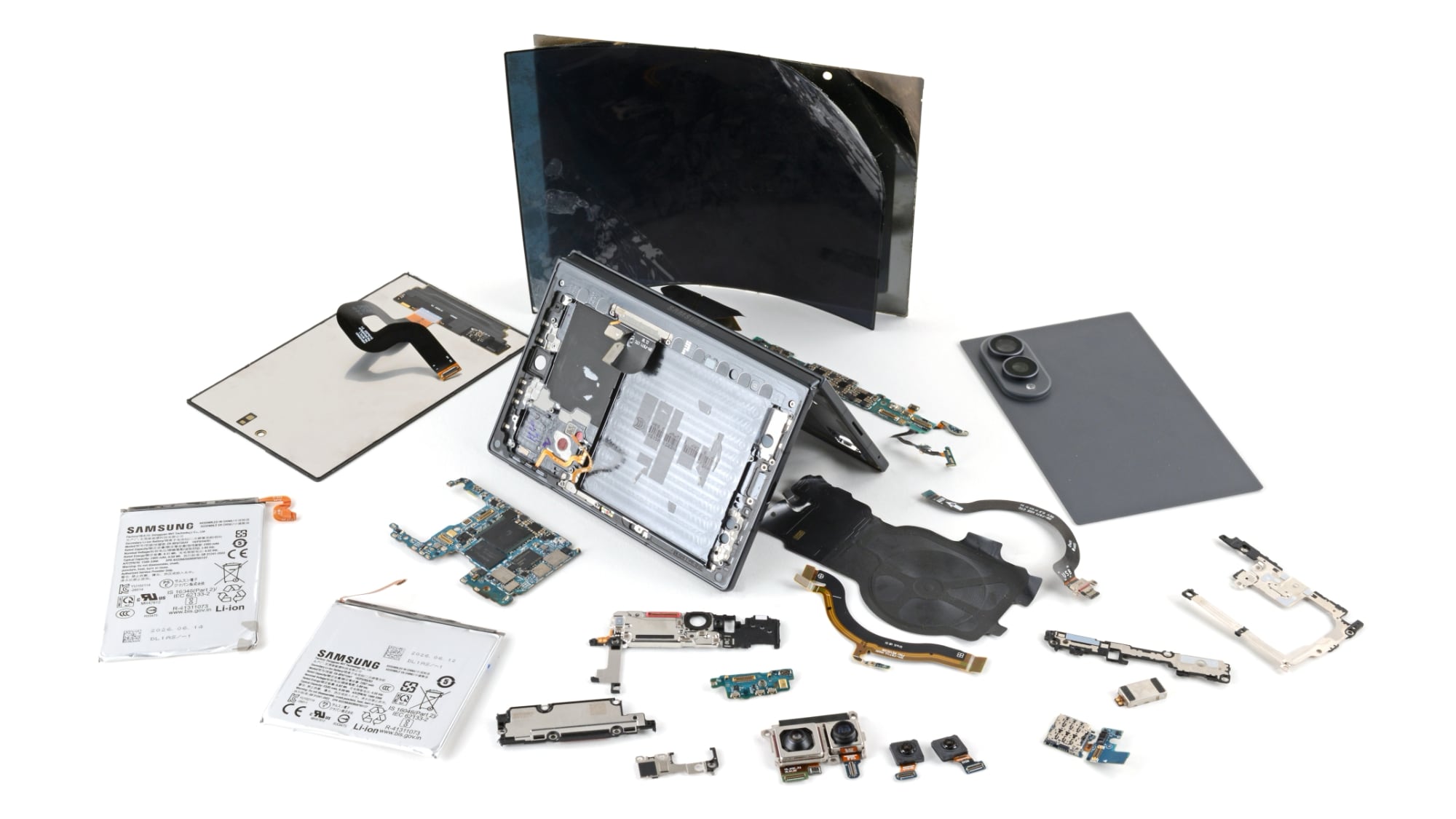
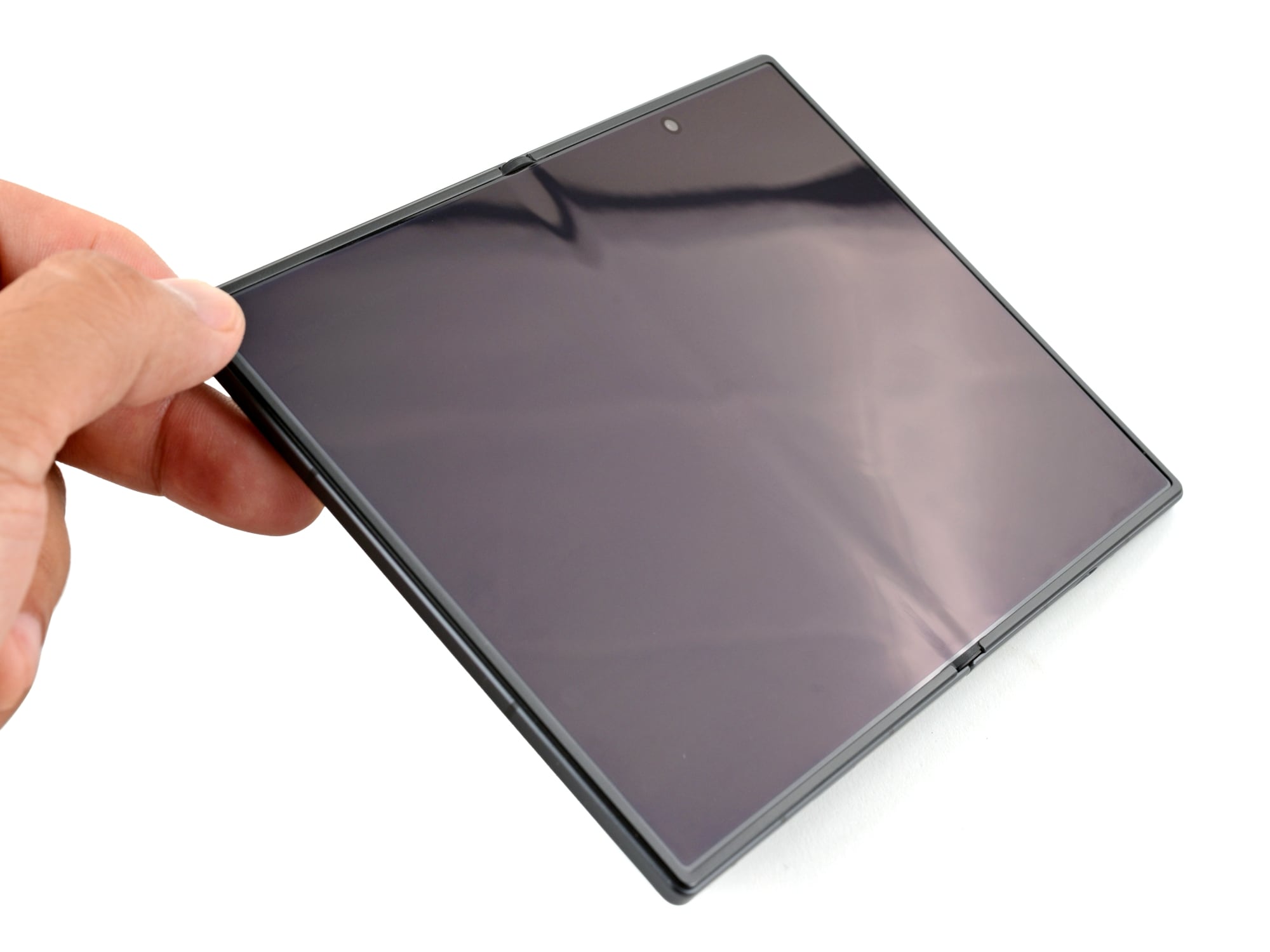
iFixit's Galaxy Z Fold8 Teardown is a Preview of Apple's Foldable Challenges

Samsung launched new foldable smartphones earlier this month, including the Galaxy Z Fold8. If you didn't know it was a Samsung device, you might look at it and think it's Apple's foldable because it matches rumors about the iPhone Ultra so well.


The Z Fold8 is likely to be the closest competitor to the foldable ‌iPhone Ultra‌, which makes iFixit's teardown of Samsung's smartphone an interesting read. Will Apple's foldable have some of the same troubles as the Z Fold8, or has Apple solved the issues plaguing foldable smartphones?

Hinges have been a failure point on foldable smartphones, and it's a design problem Samsung hasn't been able to solve. The Fold8 has a dust-and-water ingress rating of IP48, so it's resistant to water, but not to dust. It's hard to keep dust away from a smartphone, and when dust gets inside, it gums up the hinge mechanism and it fails.


iFixit did a dust test on the Z Fold8, putting particulates in the hinge. It resulted in "truly awful crunching and grinding noises" and then the device stopped opening normally. Dust that made its way into the hinge did stay out of many of the sealed portions of the phone, but if a foldable smartphone isn't folding, there's still a major issue.

An IP4X dust rating means the Z Fold8 is resistant to particles 1mm in size and greater, but as iFixit found, many sand and dust particles are smaller than that. iFixit said beach sand measured 0.16mm, and the powder it used was 0.04mm.

Samsung used a new hinge design for the Z Fold8 and added a titanium-reinforced display structure that helps the screen open flatter, but it couldn't get rid of the crease entirely. Creases in foldables can become more visible over time as the device is opened and closed, and a recent Tom's Guide review said the crease in the Z Fold8 became more visible after just seven days.

iFixit was not impressed with the repairability of the Z Fold8, and it earned a repairability score of 4/10. The bezel around the inner display broke into pieces as it was removed, and there's no way to get to the hinge without removing the display. Batteries also aren't easy to replace because doing so requires removing the outer display. "It's an expensive, painful repair even when everything goes right," said iFixit.


The Z Fold8 has a tablet-like look and feel with a 5.5-inch screen when closed and a 7.6-inch screen when open. Most of Samsung's prior foldables have been tall and narrow, but this one is closer to an iPad mini, and its dimensions nearly match those rumored for Apple's foldable.

Apple waited to make a foldable iPhone because it wanted a device that had a minimal crease. Rumors suggest it is using a display panel created by Samsung Display and liquid metal for the hinge, along with optically clear adhesive to make the crease disappear as much as possible.

iFixit will likely do the same hinge test when the foldable iPhone comes out, and we'll know whether Apple "solved" the crease and hinge issue or will be dealing with the same problems. The foldable ‌iPhone Ultra‌ will be introduced at Apple's annual September event alongside the iPhone 18 Pro models.

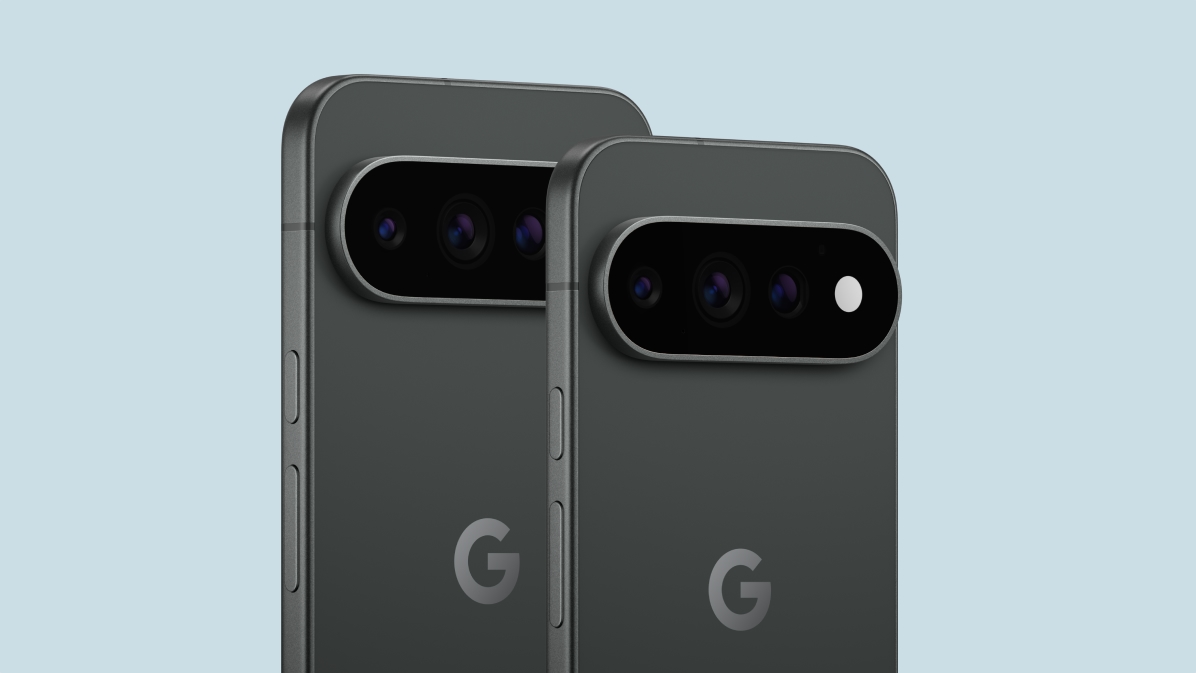
Google's new Pixel 11 Pro Fold has an IP68 dust-and-water-resistance rating with a gearless hinge design, so it will presumably fare better than the Z Fold8 in a dust exposure test. It launches on August 20.
This article, "iFixit's Galaxy Z Fold8 Teardown is a Preview of Apple's Foldable Challenges" first appeared on MacRumors.com

Discuss this article in our forums

  •  

Apple Opens Houston Advanced Manufacturing Center Ahead of Mac Mini Production

Apple today opened its Advanced Manufacturing Center (AMC) in Houston, Texas. It's located in the same Houston facility where Apple makes AI servers and will start manufacturing the Mac mini this year.


Small and medium businesses can visit the 20,000-square-foot facility for free training and educational sessions, taking advantage of interactive labs, tools, and equipment, including a holographic lab table. Apple says participants can learn the "same innovative processes" used to make Apple devices.
"In less than nine months, we have invested hundreds of millions of dollars into this Houston facility. We stood up a factory, started production, and shipped the first advanced AI servers off the line. Today, we're thrilled to open our new Advanced Manufacturing Center, a place where businesses, workers, and students can learn the same innovative processes that we use to make Apple's most groundbreaking products. And we're pleased to begin Mac mini production later this year," said Tim Cook, Apple's CEO. "We believe in American workers and American ingenuity, and we are moving at an incredible pace because we want to build more than great products. We want to build the future of American manufacturing."

Apple experts will hold sessions on topics like advanced manufacturing principles for final assembly and design considerations for printed circuit board assembly, and lead interactive workshops that use the site's representative production facility and equipment. Apple says participants will learn to identify and adapt to production challenges in real time.

In the future, the AMC will offer hands-on training to local college students.

The location is part of Apple's pledge to spend $600 billion to support manufacturing in the United States. Businesses interested in visiting the AMC can sign up for notifications about future sessions on Apple's website.
Related Roundup: Mac mini
Buyer's Guide: Mac Mini (Don't Buy)
Related Forum: Mac mini

This article, "Apple Opens Houston Advanced Manufacturing Center Ahead of Mac Mini Production" first appeared on MacRumors.com

Discuss this article in our forums
  •  

Apple in Talks to Pay Publishers for News Content to Power Siri AI

Apple has approached publishers to establish content deals that would give Siri AI access to current news and information, reports The Wall Street Journal.


Apple is proposing multiyear agreements where publishers would receive payment when their content is used, which is different from standard AI deals. Typical deals between AI companies and news organizations have set fees for broad content access. Apple has discussed a nine-figure budget for the payments.

The Wall Street Journal says Apple previously inked deals that included AI training rights. Apple has also worked with publishers for its Apple News+ service since 2019, though some publishers were unhappy with the content deals and ended their partnerships.

‌Siri‌ AI is set to launch this fall in iOS 27, iPadOS 27, and macOS 27. ‌Siri‌ AI is a major departure from the prior version of ‌Siri‌, and Apple has an incentive to ensure accurate news headlines. An iOS 18 notification summary feature turned out to be an embarrassment after Apple Intelligence generated false headlines that misled users. Apple ended up removing news summaries for more than a year while it made improvements.
Tag: Siri

This article, "Apple in Talks to Pay Publishers for News Content to Power Siri AI" first appeared on MacRumors.com

Discuss this article in our forums
  •  

Supreme Court Lets Apple Delay App Store Fee Fight for 24 Hours

U.S. Supreme Court Justice Elena Kagan today granted Apple a one-day stay in its legal fight with Epic Games, giving Apple more time to outline the fees it wants to charge developers for linking out to purchase options on the web.


Just yesterday, the U.S. District Court for the Northern District of California denied Apple's request for a stay in the proceedings, giving Apple 24 hours to deliver its fee proposal. Apple then submitted an emergency filing to the Supreme Court, arguing that fee calculations should be paused until the justices hear the case and make a decision on the contempt ruling. If the contempt ruling is thrown out, fee proceedings won't be necessary.

Bloomberg says the short stay is meant to give the high court more time to consider Apple's request. Without the pause, Apple would have needed to submit its proposed fees to the court by 5:00 p.m. Eastern Time on Wednesday. Apple now has until 5:00 p.m. on Thursday, unless the Supreme Court gives the company a longer reprieve. Kagan already denied a similar stay request earlier this year.

The fight over fees is part of an ongoing dispute with Epic Games that started in 2020. Apple won the initial legal fight and wasn't declared a monopolist, but the company was ordered to change its anti-steering rules to let developers link to non-App Store purchase options. Apple did so, but charged fees that were almost identical to standard App Store fees.

‌Epic Games‌ accused Apple of violating the injunction, and the court agreed. Apple was found in contempt of court for willfully violating the original ruling, and barred from collecting fees on links in the U.S. ‌App Store‌.

An appeals court ruling upheld the contempt decision, but said Apple was due reasonable fees for its intellectual property. The case was sent back to district court to determine what a reasonable fee might be. Apple then appealed to the Supreme Court, and the justices agreed to hear it.

Apple wants the Supreme Court to throw out the contempt ruling, negating the order barring it from collecting fees and the subsequent appeals court order mandating reasonable fee calculations. Apple has argued that regulators worldwide are watching to see what a U.S. court considers a reasonable rate, so fee proceedings set a reference point even if the contempt ruling is thrown out.

Apple has not collected fees from link-outs in the U.S. since April 2025, and the company would rather continue to collect no money while it exhausts all appeals than have the court establish a rate.
This article, "Supreme Court Lets Apple Delay App Store Fee Fight for 24 Hours" first appeared on MacRumors.com

Discuss this article in our forums
  •  

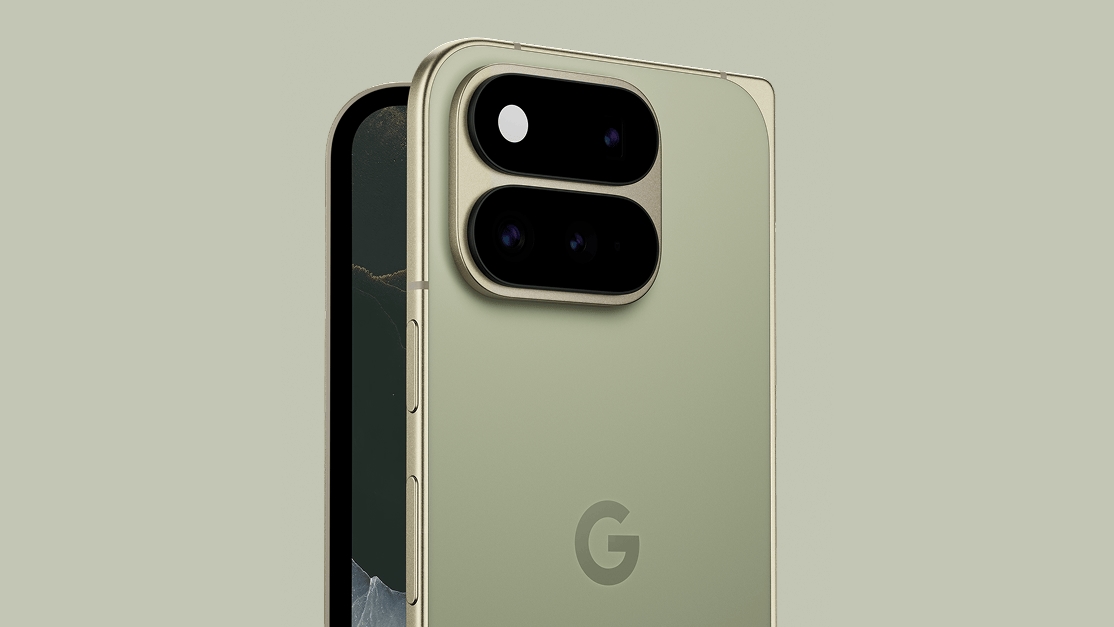
Google's $100 Pixel Price Hike and Trade-In Push Hint at Apple's iPhone 18 Pro Plans

Google raised the price of its latest smartphones compared to last year, and the increase may hint at what Apple will do with the iPhone 18 Pro models.


All of Google's Pixel starting prices are $100 higher than they were last year.

  • Pixel 11 - $899, up from $799

  • Pixel 11 Pro - $1,099, up from $999

  • Pixel 11 Pro XL - $1,299, up from $1,199

  • Pixel 11 Pro Fold - $1,899, up from $1,799


The 41mm Pixel Watch 5 is now $399, up from $349, and the 45mm model is now $429, up from $399.

With the price hikes, Google increased the base storage for some of its devices, which Apple did with the iPhone 17 Pro. The Pixel 11 and Pixel 11 Pro now start with 256GB instead of 128GB, so pricing is technically the same as last year's 256GB model. The Pixel 11 Pro XL and Pixel 11 Pro Fold started with 256GB last year and still do, so those devices have straight price increases.

Google also cut RAM in some models to mitigate costs. The base Pixel 11 Pro and Pixel 11 Pro XL have 12GB RAM instead of 16GB RAM. Last year, all Pixel 10 Pro devices had 16GB RAM, but this year, Pixel users need to pay at least $1,219 for 11 Pro and $1,419 for the 11 Pro XL to get 16GB RAM.

A customer buying the Pixel 11 Pro will now pay $100 more for a 128GB storage increase and 4GB less RAM than the 10 Pro last year.

Google is heavily emphasizing trade-in offers, which has the effect of distracting customers from the price increase. Google's product page lists trade-in discounts before actual pricing, stating the Pixel 11 Pro is priced "From $499" with trade-in, while the Pixel 11 Pro XL is "From $699." Purchase pages for the new devices don't even reveal full pricing for a chosen model until a customer declines a trade-in. Google also shows carrier discounts and monthly payment options.

Apple already focuses on trade-in offers and monthly financing when launching new iPhones, but whether it will go as far as Google remains to be seen. Apple recently announced the Apple Upgrade program in partnership with Klarna, offering fee-free 12-month through 36-month payment plans for purchases.

Google told Engadget that despite the decrease in RAM, this year's models will perform faster than the comparable 2025 models.
Pixel's full stack approach allows us to optimize the way on-device models load and execute, keeping our hardware lean, fast, and highly responsive. In fact, through software and silicon optimization, you can expect faster and smoother performance from this year's Pro models when compared to last year's comparable 256GB SSD SKUs.

Analysts think the ‌iPhone 18 Pro‌ models could be up to $300 more expensive than the iPhone 17 Pro models, but Apple also negotiated lower prices for other components, which could help absorb some of the increased price it has to pay for RAM.

Both Apple and Google have been affected by memory price hikes that Apple CEO Tim Cook likened to a "100-year flood." He said there have been "exponential increases in memory prices," leading the company to raise the cost of its iPads and Macs. Memory chips for consumer devices are in short supply because chip manufacturers are prioritizing chips for AI data centers. The lack of supply has caused RAM prices to skyrocket.

iPhone prices have not increased yet, even though other manufacturers like Samsung have raised prices. Multiple rumors suggest iPhones will be more expensive starting in September. Apple could use the same tactic as Google and increase base storage while hiking prices, but so far it doesn't look like the company will lower the amount of RAM in the Pro models.

The ‌iPhone 17 Pro‌ and Pro Max already start with 12GB, and Apple likely can't make major changes without impacting the Apple Intelligence and Siri AI features it is rolling out this fall.
Related Roundup: iPhone 18 Pro

This article, "Google's $100 Pixel Price Hike and Trade-In Push Hint at Apple's iPhone 18 Pro Plans" first appeared on MacRumors.com

Discuss this article in our forums
  •  

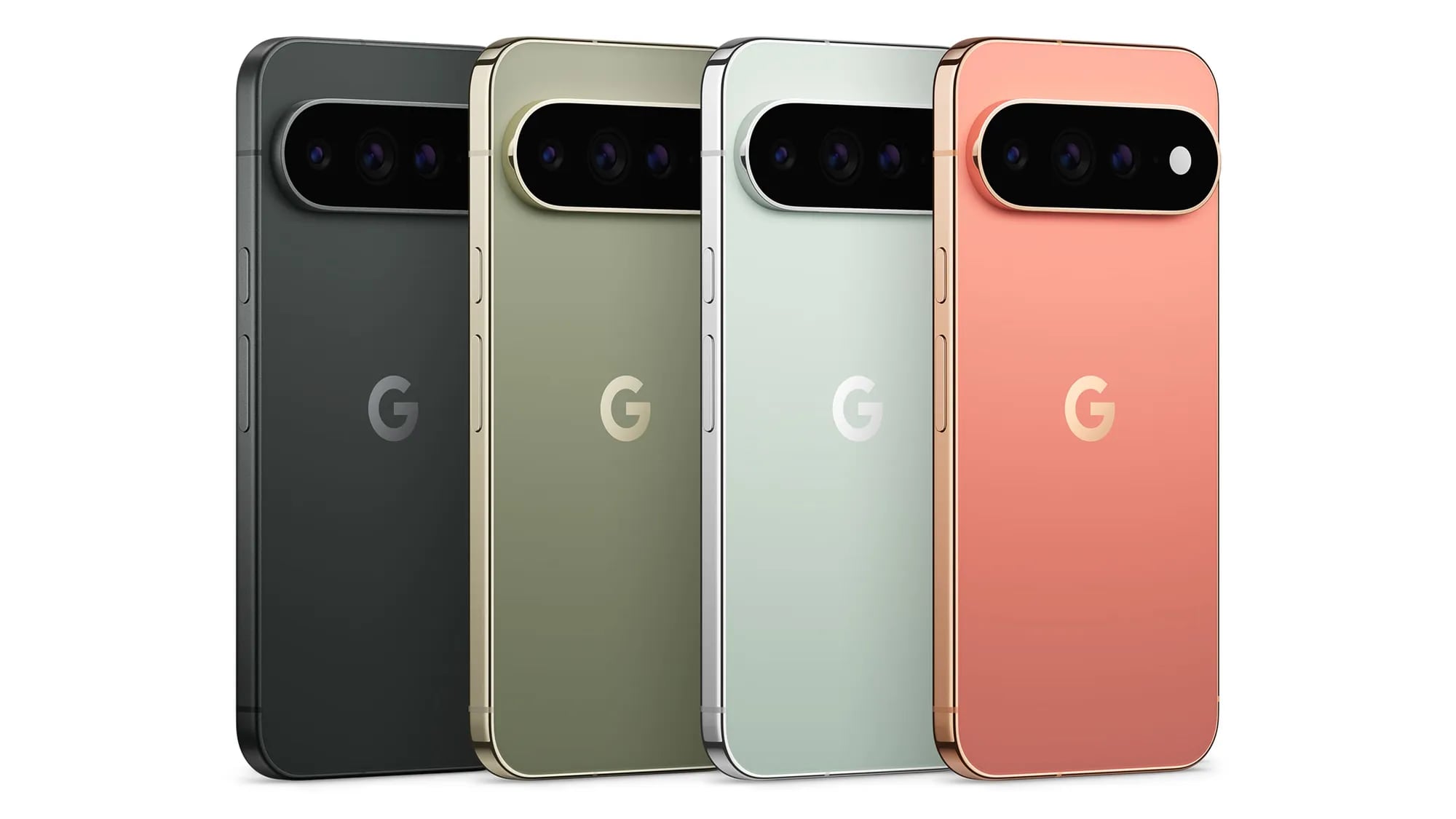
Google Kicks Off Fall Hardware Season With New Pixel 11 Smartphones

Google today announced new products that compete with Apple devices like the iPhone and the Apple Watch. There are new Pixel smartphones with AI capabilities, a new foldable, and new wearable devices.


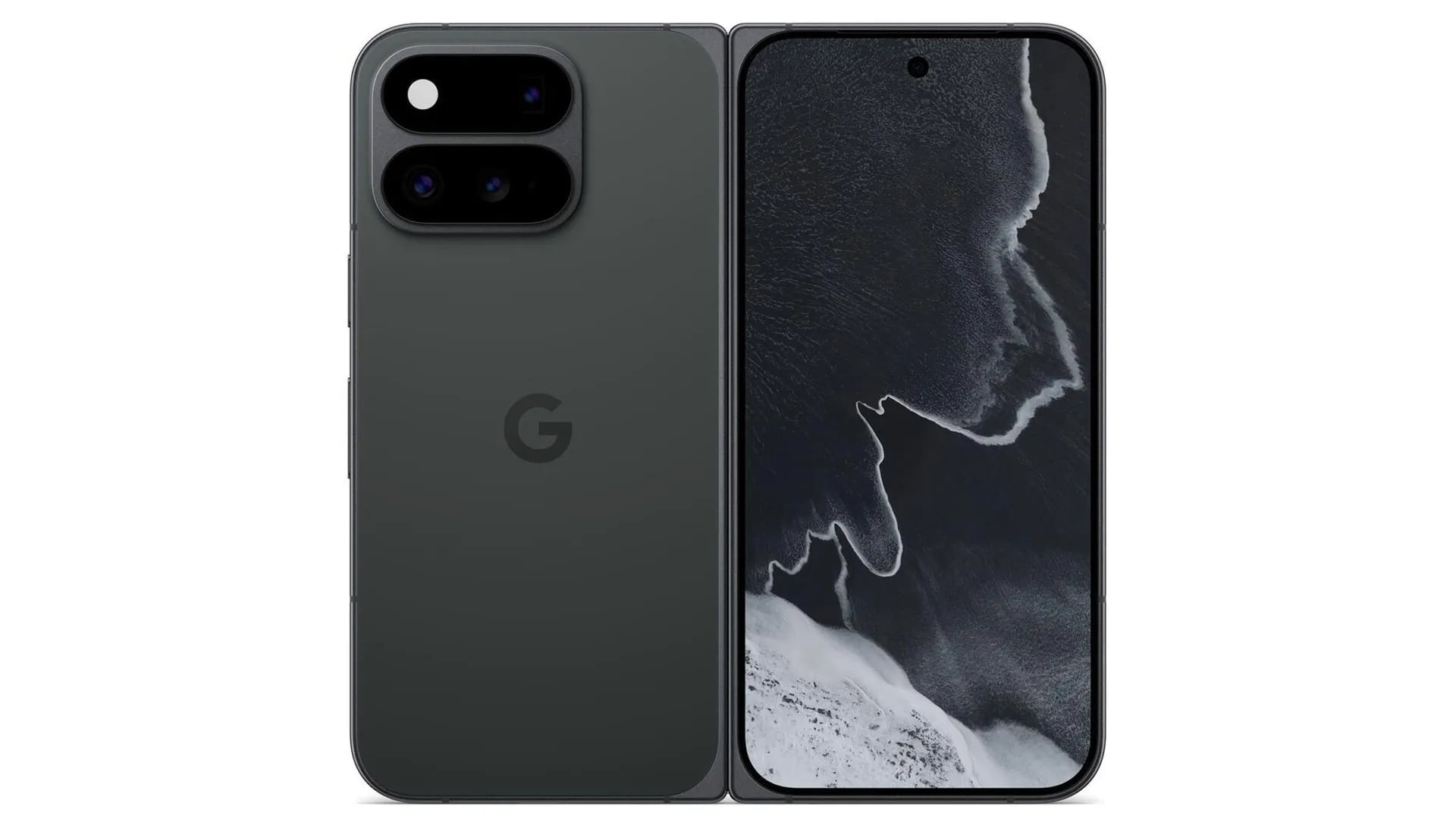
Pixel 11 Pro Fold


The Pixel 11 Pro Fold is thinner and lighter than the prior-generation Pixel Fold. It has a 6.5-inch OLED display when closed, and an 8-inch ‌OLED‌ display when open. When unfolded, it's 5.1mm thick, and when closed, it's 10.2mm thick.


The Pixel 11 Pro Fold and other new Pixel models have a "HiLight" feature with LED lights around the flash. HiLight glows in different colors for incoming calls or when talking to Gemini. Other features:

  • Thinner bezels

  • Up to 2,000 nits brightness for HDR and 3,600 nits peak brightness for the inner display, 120Hz refresh rate

  • Obsidian and olive colors

  • Glass fiber composite back cover that Google says is "nearly impossible to crack"

  • Gearless hinge with larger bend radius and thicker glass layer for better durability

  • Improved crease performance

  • Faster charging speeds and 4,806mAh battery

  • 2nm Tensor G6 chip with 16GB RAM

  • 48-megapixel main camera with larger sensor, 10.5-megapixel ultrawide camera, and 10.8-megapixel telephoto camera with up to 30x zoom


Pricing on the Pixel 11 Pro Fold starts at $1,899, and it can be pre-ordered from the Google Store.

Pixel 11 Pro and Pro XL


  • 6.3 or 6.8-inch display

  • 3,600 nits peak brightness

  • Anti-scratch Gorilla Glass Victus 2 cover glass

  • HiLight LED feature

  • Matte glass back

  • 50-megapixel wide camera, 48-megapixel ultrawide camera, 48-megapixel telephoto camera with up to 120x zoom

  • 42-megapixel front-facing camera

  • 8K video recording

  • 2nm Google Tensor G6 chip with up to 16GB RAM


Pricing on the Pixel 11 Pro starts at $1,099, and pricing on the Pixel 11 Pro XL starts at $1,299. Pre-orders are live now.

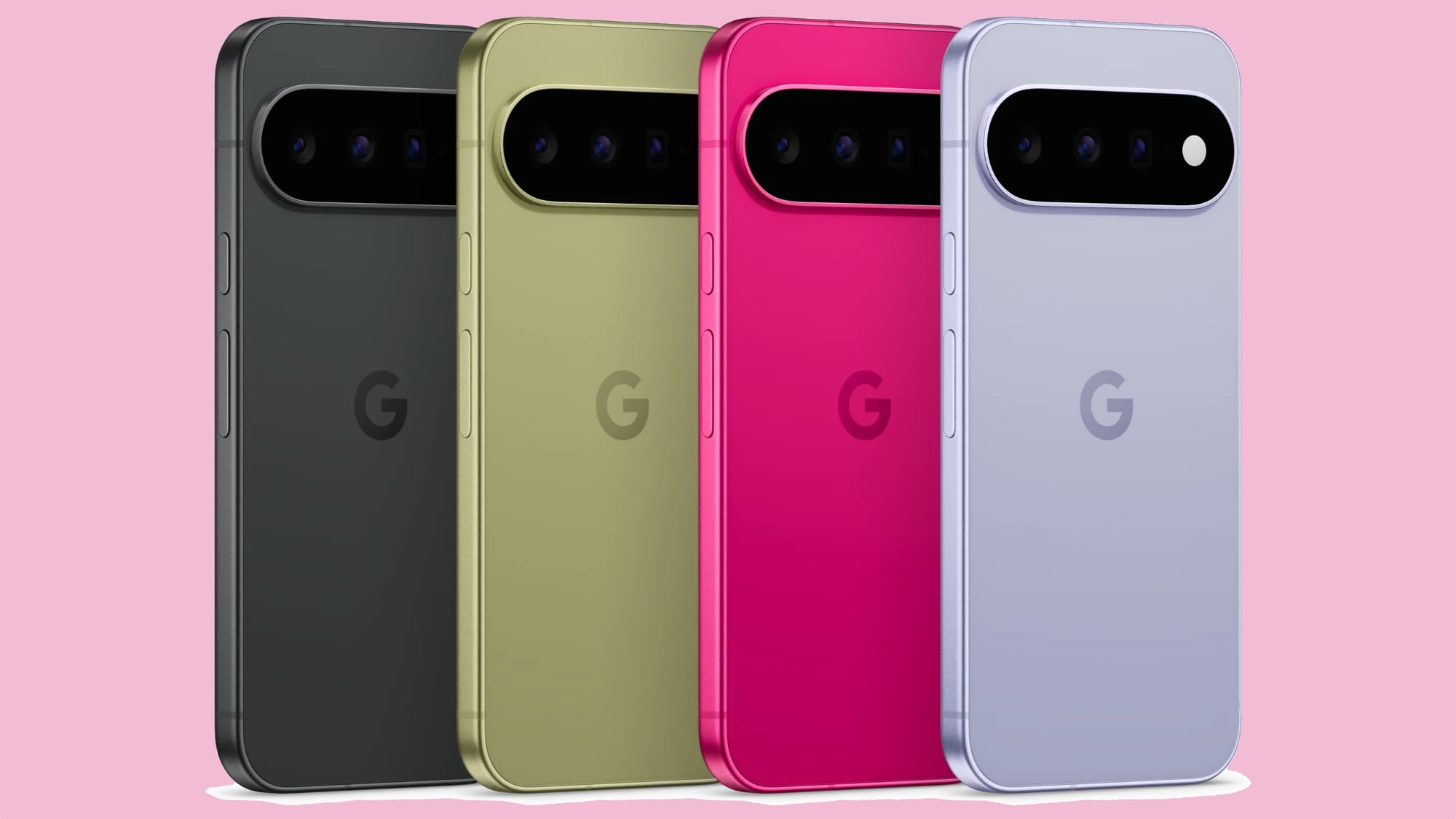
Pixel 11


  • 6.3-inch display

  • 3,000 nits peak brightness

  • Gorilla Glass Victus 2 cover glass

  • 40 percent thinner camera bar

  • 48-megapixel wide camera, 13-megapixel ultrawide camera, 10.8-megapixel telephoto camera with up to 30x zoom

  • 2nm Google Tensor G6 chip with 12GB RAM


The Pixel 11 is priced starting at $899 and it can be pre-ordered now.

Pixel Watch 5


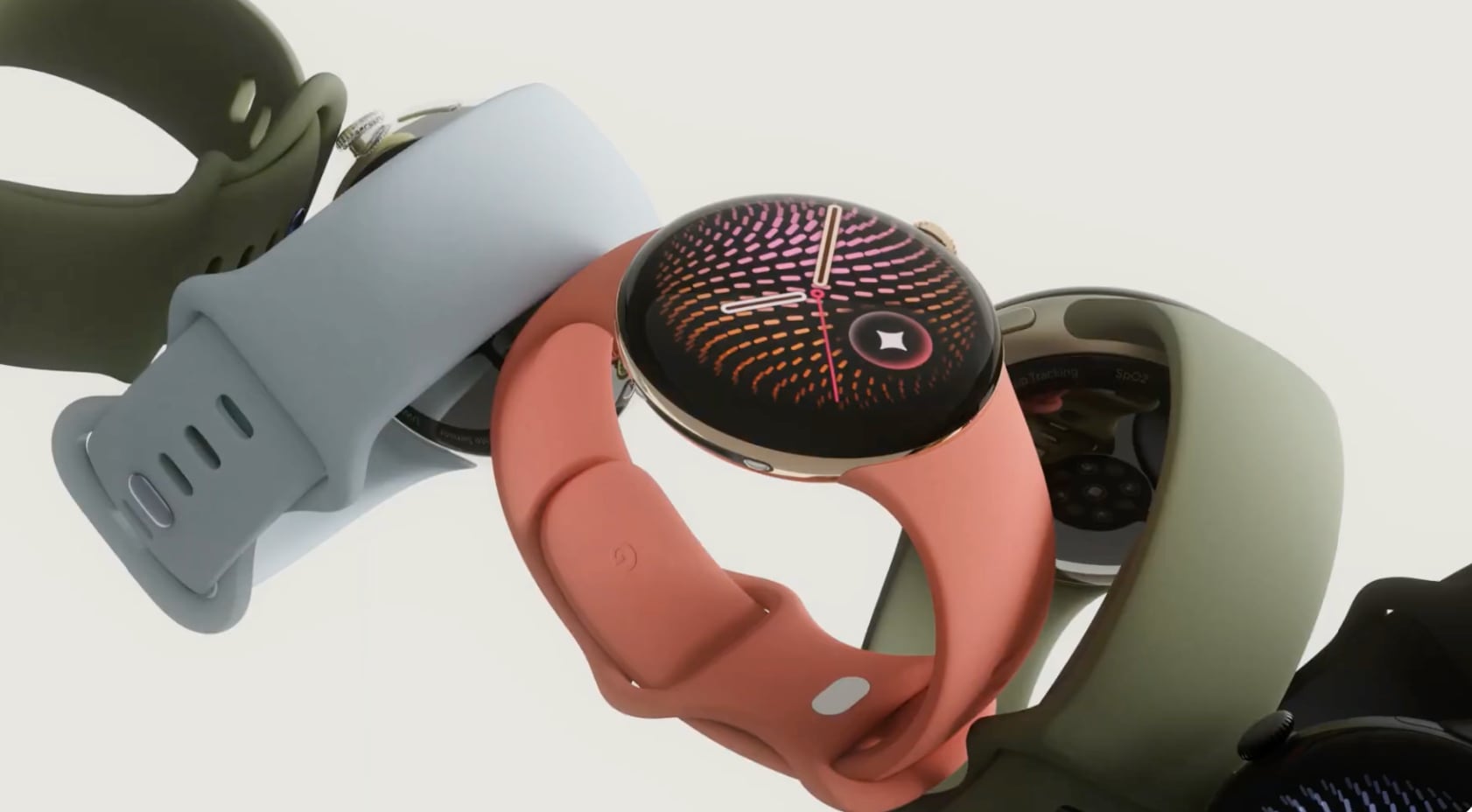
The Pixel Watch 5 uses the same round display Google's smartwatches are known for, with an improved 3,000-nit brightness level. There are new watch faces and complications, including new generative watch faces.


The device has more accurate GPS route tracking, more accurate sleep tracking, new Gemini integrations, and personalized strength coaching. It has context-aware updates on the watch face, surfacing info when it's needed. Raise to Talk engages Gemini, with core actions done on-device.

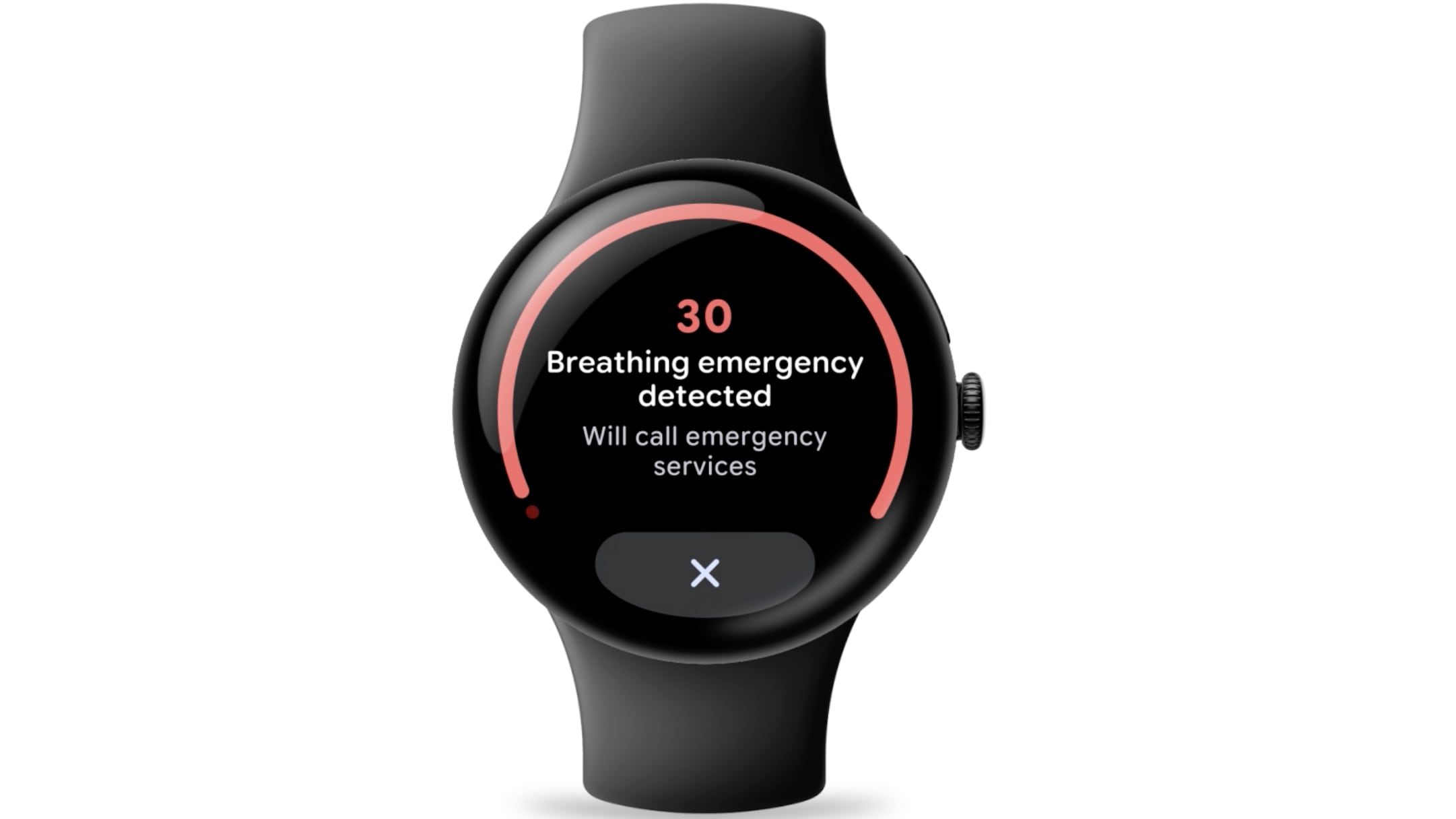
There are new one-handed gestures for confirming, selecting, and sending content, which are similar to some of the gestures available on the Apple Watch. Google says the Pixel Watch 5 can detect when the wearer stops breathing and can summon help with a new breathing emergency detection feature.


The Pixel Watch 5 is priced starting at $399.

New Software Features


  • Gemini Intelligence - Google says Gemini Intelligence can do more multistep tasks across apps. There's a new Rambler voice input feature that removes filler words and corrects run-on sentences, and a sign-to-text feature that supports American Sign Language. There are new location-based insights that show you info based on where you are, and contextually relevant suggestions in text conversations.

  • Magic Capture - One tap records video that the Pixel edits, crops, and unblurs into a collection of images and video.

  • Camera Looks - Mirrors the iPhone's Photographic Styles feature, letting users choose an aesthetic (Natural, Shadows, or Vanilla) at the point of capture.

  • Circle to Search - Circle to Search works in the Camera viewfinder, so you can circle something and get AI info on it.

  • Live Translate - Google's new devices translate videos and audio in real time.

  • Health Guardian - An AI Health Guardian monitors insulin resistance trends, blood pressure patterns, and sleep breathing quality trends.


Pixel Tag


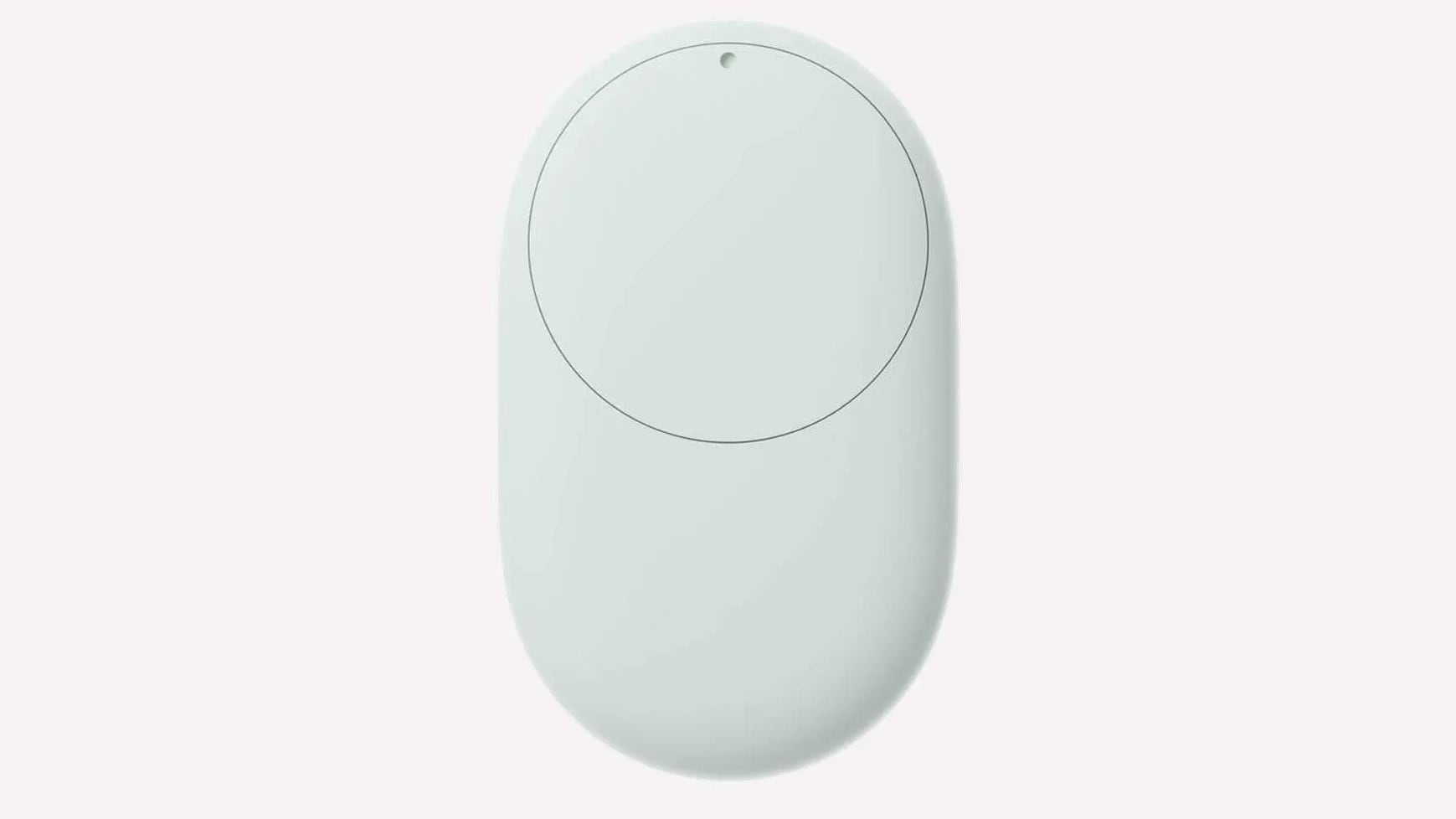
Google also debuted a $29 Pixel Tag that competes with the AirTag. It links to the Google item tracking network that leverages Android devices to find items. It has much of the same feature set as the ‌AirTag‌, with details available in our full article.


More Info


Google's new product lineup will launch on August 20, just a few weeks ahead of when Apple will unveil its latest smartphone models. We're expecting Apple to announce the iPhone 18 Pro, ‌iPhone 18 Pro‌ Max, foldable iPhone Ultra, and new Apple Watch models.

More on the new announcements can be found on Google's website.
Tag: Google

This article, "Google Kicks Off Fall Hardware Season With New Pixel 11 Smartphones" first appeared on MacRumors.com

Discuss this article in our forums
  •  

Google Unveils $29 Pixel Tag to Take On Apple's AirTag

Google today introduced the Pixel Tag, its answer to Apple's AirTag. Pixel Tag is Google's first item tracker, even though Google implemented an item tracking network two years ago that's been used by third-party devices.


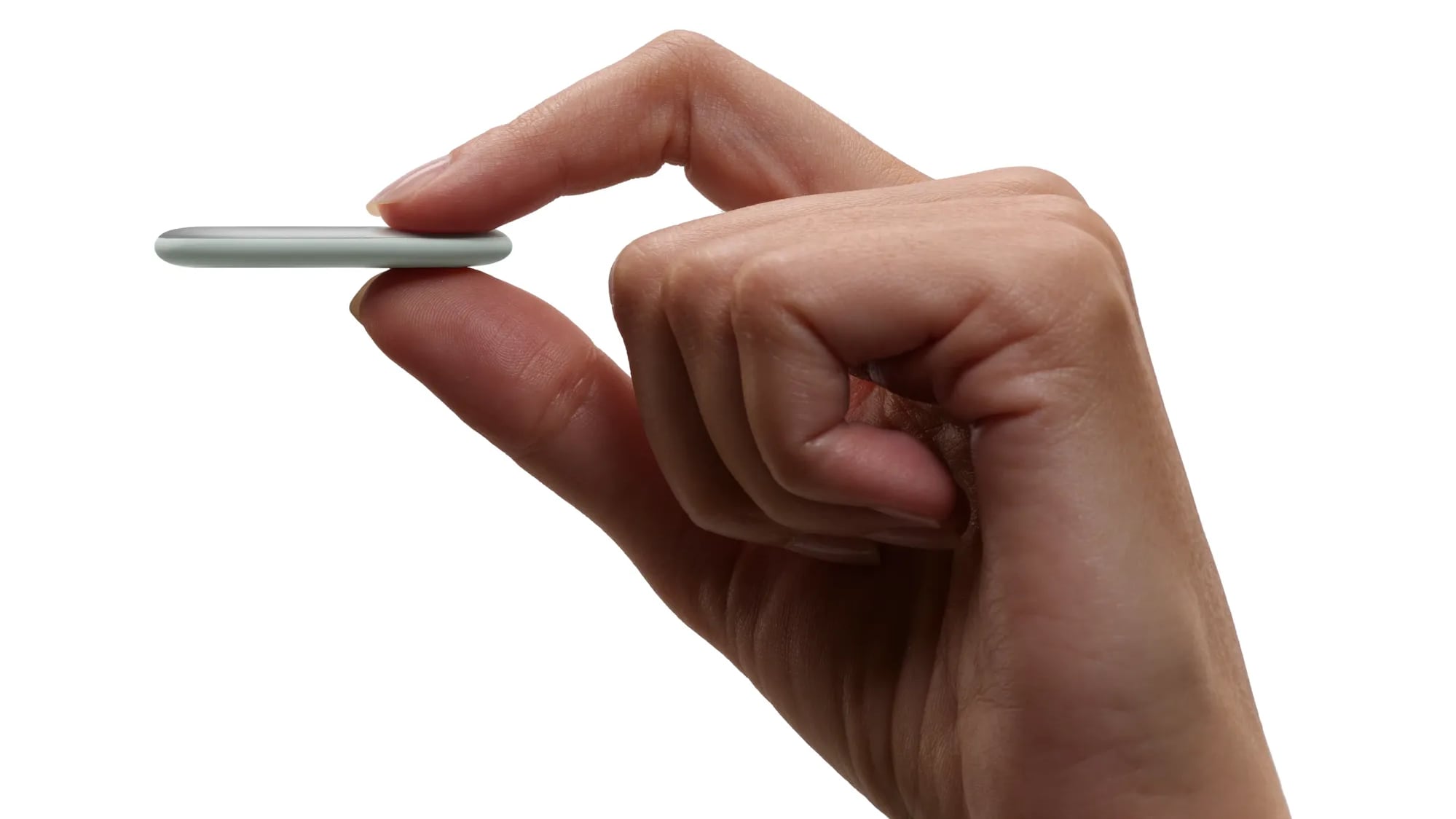
The Pixel Tag is made from stainless steel, and it is IP67 water- and dust-resistant. There's a built-in speaker that can play a sound when an item it's attached to is lost, and a button that causes a sound to play on a connected smartphone. An on-device button is one feature that distinguishes the Pixel Tag from the ‌AirTag‌.

Pixel Tags have an oval shape instead of a round shape, and they don't come with an attachment point and like the ‌AirTag‌, require an add-on accessory for adding to keys or bags. Like the ‌AirTag‌, the Pixel Tag uses a replaceable battery that lasts for up to one year. It works with Android devices running Android 9 or newer with Bluetooth 6, and can be tracked in the Find Hub app.

Google added Bluetooth and Ultra Wideband to the Pixel Tag, so it supports a precision finding feature when an item is lost nearby but out of sight. The Pixel Tag supports many of the same functions as the ‌AirTag‌, like alerts when an item is left behind and the option to share item location with multiple people.


The ‌AirTag‌ relies on Apple's Find My network when an item is out of range of its owner's device, and Google has a similar system. The Find Hub network taps into more than a billion Android devices for locating items.

Google has the same protections as Apple, and Android devices send alerts when an unknown tag is detected traveling with you. Unknown tracker alerts are cross-platform thanks to a collaboration between Apple and Google, so iPhone users will get an alert if a Pixel Tag is nearby and vice versa.

Google plans to sell Pixel Tags for $29 for one or $99 for four, which is the same price as the ‌AirTag‌ 2. Pixel Tags will launch in November 2026.
Related Roundup: AirTag
Tag: Google
Buyer's Guide: AirTag (Buy Now)

This article, "Google Unveils $29 Pixel Tag to Take On Apple's AirTag" first appeared on MacRumors.com

Discuss this article in our forums
  •  

Apple Hires Airline Exec as Vice President of Government Affairs

Apple hired former American Airlines executive vice president Nick Gatten as its new vice president of government affairs, reports Bloomberg.


Gatten will take on some of the duties of senior vice president of government affairs Katherine Adams, who is retiring at the end of 2026. Gatten will report to Apple senior vice president and general counsel Jennifer Newstead, with Adams to remain available in an advisory role until October 1.

Bloomberg says Gatten is a Republican that Apple felt would be able to align with the Trump administration while also working with democrats. He previously worked at Fannie Mae where he managed a team that interfaced with Republican members of Congress, and he oversaw government affairs at JPMorgan Chase & Co. and American Airlines. He is also on the board of the Faith and Politics institution, an organization that "cultivates mutual respect, moral reflection, increased understanding, and honest conversation among political leaders." From the article:
At the same time, Apple sees Gatten as someone who can work constructively with policymakers on both sides of the aisle, the people said. That will be especially important if the balance of power shifts in Washington. Democrats are vying to take control of at least one chamber of Congress in midterm elections in November, and Trump has less than 2 1/2 years left in his term.
Gatten will work closely with Tim Cook in his new role. Cook plans to step down as Apple CEO on September 1, with hardware chief John Ternus to take over. Cook will remain on as executive chairman, engaging with policymakers and governments worldwide.
This article, "Apple Hires Airline Exec as Vice President of Government Affairs" first appeared on MacRumors.com

Discuss this article in our forums
  •  

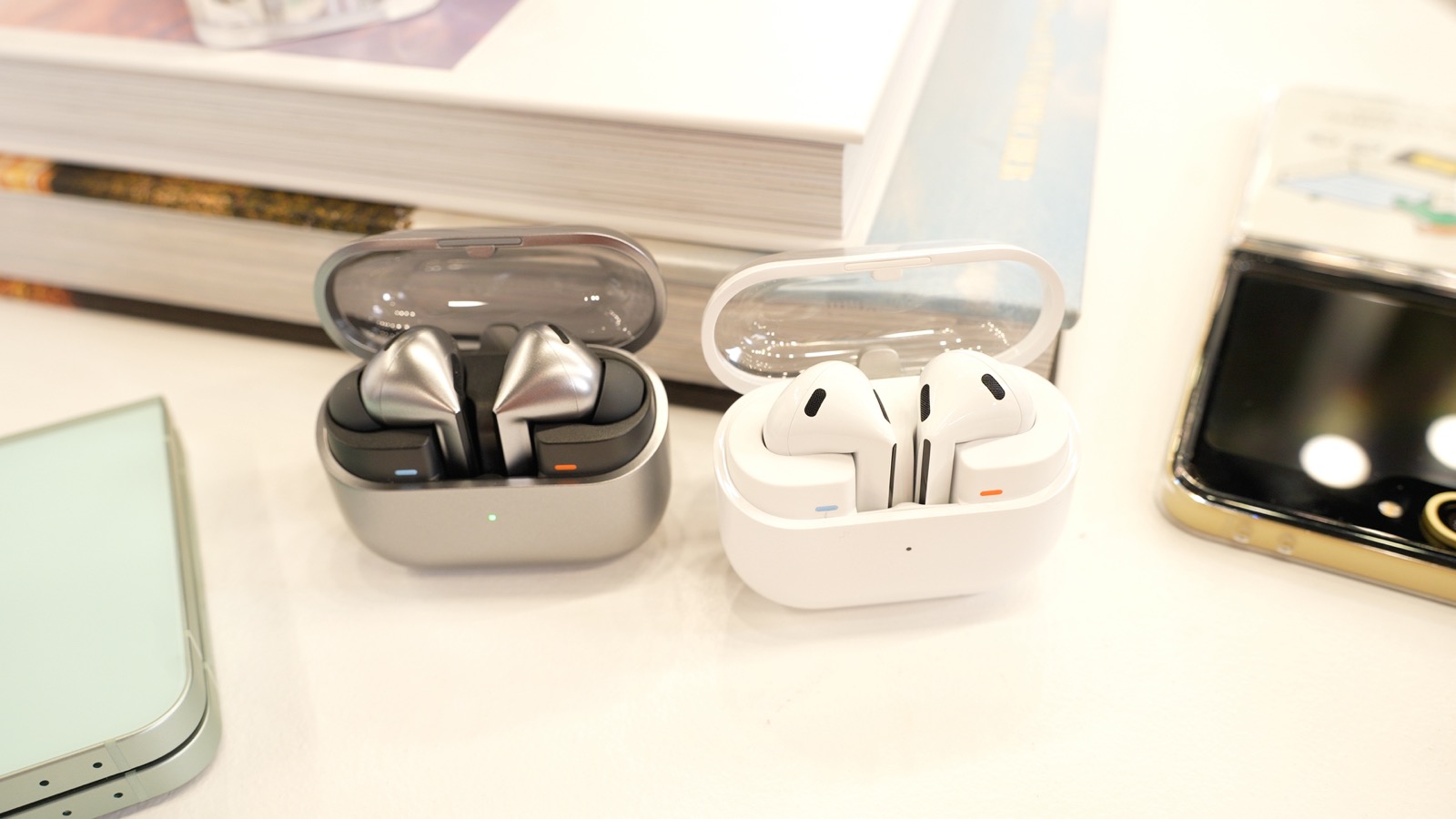
Samsung is Starting to Catch Up to Apple on Hearing Health

Samsung today said its Galaxy Buds Hearing Aid feature has been cleared by the U.S. FDA, which means hearing aid capabilities will be coming to the Galaxy Buds in the fourth quarter of 2026.


Samsung will join Apple in offering over-the-counter hearing aid functionality. Apple added an FDA-cleared hearing health feature to the AirPods back in 2024, allowing them to be used as a clinical-grade hearing aid.

Like the AirPods, the Galaxy Buds can replace a hearing aid for mild to moderate hearing loss, and Samsung is introducing a Hearing Test option like Apple did. Galaxy Buds users can do a self-administered hearing test in five minutes and the resulting clinical-grade audiogram can be used to adjust the built-in Hearing Aid feature.

The Galaxy Buds will amplify the sounds users have difficulty hearing, like high frequencies or whispers, which is also how the AirPods work. Noise elimination and beamforming also help Galaxy Buds users by focusing on the sounds in front of the user and suppressing background noise.

Samsung says it worked with the National Acoustic Laboratories and Samsung Medical Center to develop the hearing aid feature set. Hearing Aid features will be available on the Galaxy Buds3 Pro and the Galaxy Buds4 Pro. A newer Samsung Galaxy smartphone that supports One UI 8 or later is required.

After introducing hearing aid features in the U.S. in iOS 18.1, Apple has expanded availability to over 150 countries and regions. Apple had a two-year head start, but Samsung is now starting to catch up with a Galaxy Buds hearing health option that matches most of what the AirPods can do.
Tag: Samsung

This article, "Samsung is Starting to Catch Up to Apple on Hearing Health" first appeared on MacRumors.com

Discuss this article in our forums
  •  

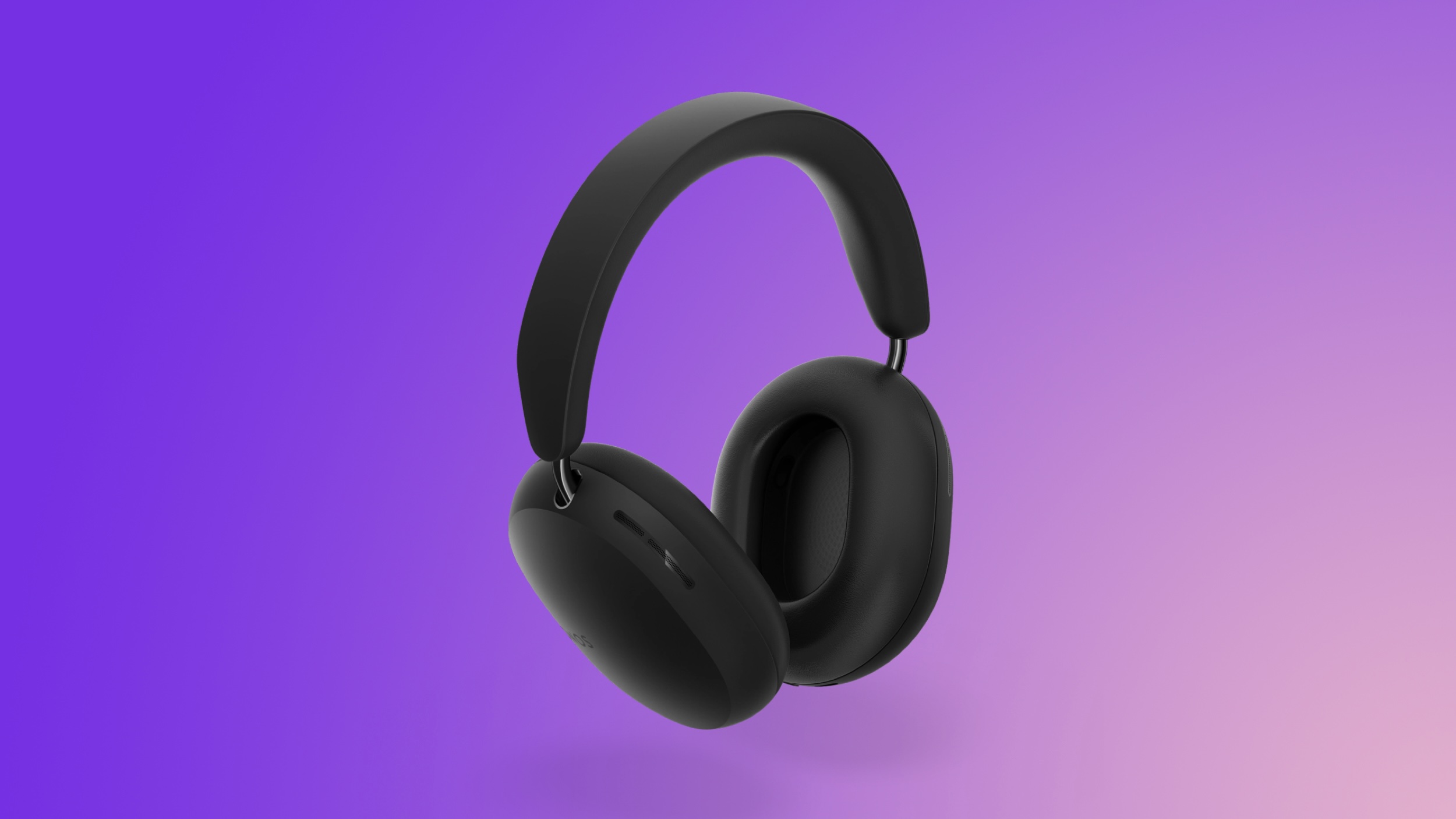
Sonos Preparing AirPods Max Rival With Voice Assistant Support

Sonos is working on an upgraded version of its Ace headphones that will support AI, reports Bloomberg. The Sonos Ace Ultra showed up in an FCC filing earlier this week, with the product likely set to debut in September.


Sonos debuted the original Sonos Ace in 2024. Reviews praised the sound quality and active noise cancellation, but the headphone market is crowded, and Sonos' product launched shortly after its disastrous app redesign. The headphones also didn't fully integrate with the rest of the Sonos ecosystem, making them unappealing to Sonos users. Sonos ended up selling around 200,000 units, well below the internal one-million target it set.

Bloomberg suggests the new model will kick off Sonos' push into artificial intelligence. The headphones could support voice commands based on info in the filing, allowing them to be used with AI chatbots from third-party companies. Sonos CEO Tom Conrad said last month that AI will be an area of focus, with "conversational computing and predictive intelligence moving into the home."

The headphones will come in Greige, Shadow Black, Agave, Blush, and Sand, according to the FCC filing, but little else is known about them because most of the filing was redacted.

The original Sonos Ace were priced at $449 at launch and were competitive with the AirPods Max. The headphones had an over-ear design similar to the AirPods Max, and the same general feature set. Apple does not have a new version of the AirPods Max coming anytime soon, so the second-generation Sonos Ace headphones will still be pitted against the original AirPods Max design.
Related Roundup: AirPods Max 2
Tag: Sonos
Buyer's Guide: AirPods Max (Buy Now)
Related Forum: AirPods

This article, "Sonos Preparing AirPods Max Rival With Voice Assistant Support" first appeared on MacRumors.com

Discuss this article in our forums
  •  

Satechi Launches 240W ChargeView Desktop Charger With Six USB-C Ports

Satechi today launched the ChargeView 240W Desktop Charger, a successor to the 140W ChargeView released last year. The ChargeView 240W can power multiple devices at one time, splitting 240W across six USB-C ports.


The ChargeView 240W has an LCD display that shows the live wattage of all ports that are in use. The C1 and C2 ports offer up to 140W each, while ports C3 and C4 can deliver up to 100W each. The final two ports offer up to 30W. These are maximum power levels, and actual wattage will vary based on how many ports are used at one time. If all six ports are in use, power would be split 70W/70W/30W/30W/20W/20W.

Satechi is offering the ChargeView in Space Black, and it has a metallic matte finish with a glossy display cover. The Space Black shade is meant to complement Apple devices like the MacBook Pro and Studio Display. There is an included stand that allows the ChargeView to be used in horizontal or vertical orientation on a desktop.

The ChargeView uses GaN technology so it is compact, and it has no fan, so it operates silently. Satechi notes that the device will redistribute power when a new device is plugged in, so there can be a momentary interruption in charging.

The ChargeView 240W can be purchased from the Satechi website or from Amazon for $149.99.
Tag: Satechi

This article, "Satechi Launches 240W ChargeView Desktop Charger With Six USB-C Ports" first appeared on MacRumors.com

Discuss this article in our forums
  •  

Apple Extends 2026 Back to School Promotion Until September 24

Apple today extended its 2026 Back to School Promotion until September 24, which means it will last almost a month longer than planned. The extension is applicable in the United States, Canada, Mexico, and multiple countries in Asia.


The Back to School promotion offers a free item or gift card when students or educators purchase an eligible Mac or iPad model, plus an educational discount.

In the United States, Canada, Mexico, Malaysia, the Philippines, Taiwan, and Thailand, Apple is offering a gift card with purchase. In the U.S., that includes a $150 gift card when purchasing a MacBook Pro or a $100 gift card when purchasing a MacBook Air, iPad Pro, or iPad Air.

In China, Singapore, and Vietnam, customers can get a pack of four AirTags with the purchase of select devices, while customers in India can get a pack of four AirTags, AirPods 4, or Apple Pencil Pro depending on the device bought.

The MacBook Neo, iPad mini, entry-level ‌iPad‌, desktop Macs, and iPhones are excluded from the promotion. UNiDAYS verification is required to make a purchase.

Apple previously planned to end its Back to School promotion on August 27.
This article, "Apple Extends 2026 Back to School Promotion Until September 24" first appeared on MacRumors.com

Discuss this article in our forums
  •  

Grok Bot Brings Always-On AI Agents to macOS and iOS

Elon Musk's SpaceXAI today announced the launch of Grok Bot, a "team of always-on agents" that can complete tasks using tools, websites, and apps. Grok Bot can work in the cloud, so jobs keep running when your laptop is closed. The feature is tied to Cursor, the AI coding company that SpaceX is acquiring for $60 billion.


Grok subscribers can send a message to a bot from their phone or desktop app using natural language. SpaceXAI says that while other tools may require building workflows and routines, Grok Bot gets a task done with a chat. It is able to sign into websites (even those with no API), but SpaceXAI hasn't given details on how authentication works.

Multiple bots can be used in parallel, with one managing others and specialists for different tasks. Bots can join a group chat where they can coordinate on their own, passing work, assigning ownership, and only drawing in the user for judgment calls.

Users can teach Grok Bot a workflow. It watches as a task is completed, saves the routine, and then can run it solo the next time by following the same steps. SpaceXAI says bots learn over time and can eventually start working "before you need to ask."

There are several Grok Bot examples on the SpaceXAI website, like a sales bot updating the CRM with call transcript notes, an ops bot onboarding new hires and processing invoices in Gmail, and an engineering bot reproducing a bug in the product UI, filing a ticket, and handing the fix task off to a debugging bot.

Grok Bot is in beta and available for SuperGrok Heavy, Cursor Ultra, and Cursor Teams Premium subscribers on macOS and iOS. Enterprise users can join a waitlist for future access.
This article, "Grok Bot Brings Always-On AI Agents to macOS and iOS" first appeared on MacRumors.com

Discuss this article in our forums
  •  

Apple Can't Delay App Store Fee Fight While Waiting on Supreme Court

Apple has again failed to earn a stay for fee calculations in its ongoing legal fight with Epic Games. Apple's case will be heard by the Supreme Court in the term that begins in October, and Apple asked the U.S. District Court for the Northern District of California to pause proceedings until then, but the court said no [PDF].


Apple now has 24 hours to give the court an outline of the fees it wants to charge developers for using alternative payment options and linking out to purchase options on the web. ‌Epic Games‌ will then be able to give a legal analysis of Apple's fee proposal, and the court will decide what's reasonable.

Apple's stay was denied! Now they have 24 hours to file their proposed menu of junk fees with The Court, and Epic will have 60 days to file our legal analysis in advance of a court hearing on the topic.

— Tim Sweeney (@TimSweeneyEpic) August 11, 2026

Fee calculations are the result of a long, drawn-out dispute between ‌Epic Games‌ and Apple, which started when Epic sued Apple in 2020. Apple largely won the initial legal fight, but was ordered to change its anti-steering rules to let developers link to non-App Store purchase options. Apple complied, but charged a 12 to 27 percent fee that resulted in few developers choosing to use the option.

‌Epic Games‌ accused Apple of violating the court's order and U.S. District Judge Yvonne Gonzalez Rogers agreed. In April 2025, she found Apple in contempt of court for willfully violating her ruling, and stopped Apple from collecting any fees on links in the U.S. App Store.

Apple appealed, and the appeals court upheld the contempt ruling, but said Apple was entitled to reasonable fees for its intellectual property. The appeals court sent the case back to the district court to figure out what a reasonable fee might be. Apple has not been able to collect payment for link-outs since April 2025, and right now, there are no fees.

The appeals court ruling that continued to hold Apple in contempt led Apple to appeal to the Supreme Court, and the Supreme Court agreed to hear the case. Apple sought a pause on the fee calculations because the higher court's decision could undo the contempt ruling, but the appeals court, Supreme Court, and now the district court have denied Apple's pause requests.

The court will now determine a fee, and Apple will need to change its ‌App Store‌ rules to comply. The fee that's set in this legal battle could have implications well beyond the United States because Apple told the Supreme Court that regulators around the world are watching to see the outcome.
This article, "Apple Can't Delay App Store Fee Fight While Waiting on Supreme Court" first appeared on MacRumors.com

Discuss this article in our forums
  •  

Apple Releases New iOS 27 AirPods Firmware for Public Beta Testers

Apple today released new AirPods beta firmware available for public testers. The firmware has a build number of 9A5336b, and it is available for the AirPods Pro 2, AirPods Pro 3, AirPods 4, and AirPods Max 2. It is the same as the AirPods beta released for developers last week.


In iOS 27, iPadOS 27, and macOS Golden Gate, Apple is adding a new AirPods interface, a slider for Adaptive mode, and support for custom EQ, so the firmware lets public beta testers use those features. AirPods are also compatible with the new Siri AI.

When the AirPods are connected to an iPhone, iPad, or Mac running iOS 26, iPadOS 26, or macOS 26 or later, there is a beta firmware option that can be accessed in the AirPods settings interface. Toggling on beta updates allows users to install the beta firmware.

Firmware updates can be downloaded by connecting the AirPods to an Apple device and connecting them to power. It can take a few hours for new firmware to be installed because there is no software update option like there is for other Apple devices.
Related Roundups: AirPods 4, iOS 27, iPadOS 27
Buyer's Guide: AirPods (Caution)
Related Forum: AirPods

This article, "Apple Releases New iOS 27 AirPods Firmware for Public Beta Testers" first appeared on MacRumors.com

Discuss this article in our forums

  •  

Apple Pay Chief Jennifer Bailey Retiring in October

Apple Pay executive Jennifer Bailey is retiring and leaving Apple in October, reports Bloomberg. Bailey has been with Apple since 2003 and has long overseen ‌Apple Pay‌ and Apple Wallet.


In an employee memo announcing her departure, Apple's services chief Eddy Cue said Bailey will be available in an advisory role.
After more than 25 years at Apple, Jennifer Bailey has decided to retire in October. During her tenure, Jennifer has made extraordinary contributions from leading the Apple Store Online through a period of significant growth and global expansion to overseeing the launch of Apple Pay.

Under Jennifer's leadership, Apple Pay has changed the way hundreds of millions of our users pay, with a simpler, more secure, and private experience. She also led the development and growth of Apple Wallet, oversaw the development and launch of Apple Card, and led our work in Services fraud prevention and partner operations, Gift Cards, and Trust and Safety. And those are just a few of her achievements.

On a personal note, Jennifer has been an incredible friend and leader, and I will miss working with her.

Please join me in thanking Jennifer for her incredible contributions to Apple. Before Jennifer's transition at the end of October, we will announce our succession plan, and Jennifer will continue to be available to support the transition in an advisory role.

As we continue to work toward our vision of replacing the physical wallet, I'm more confident than ever in the work that we are all doing and look forward to an exciting future ahead.

Bloomberg says Bailey's retirement is "seen as a major loss" for the company. ‌Apple Pay‌ has expanded to more than 80 countries under Bailey's leadership, and Apple says it is accepted at more than 85 percent of retailers in the United States.

Bailey is one of several Apple leaders who have retired or are retiring in the near future. Apple general counsel Kate Adams is leaving Apple in late 2026, while environmental chief Lisa Jackson left in early 2026. AI chief John Giannandrea and COO Jeff Williams retired in 2026 and 2025, respectively, and UI design lead Alan Dye departed for Meta in late 2025. Apple CFO Luca Maestri and marketing chief Phil Schiller have taken on smaller roles, and CEO Tim Cook is set to transition to a new role on September 1. Other executives like ‌Eddy Cue‌, Craig Federighi, Deirdre O'Brien, and Greg Joswiak have all been with Apple for decades and are getting closer to retirement age.
Related Roundup: Apple Pay

This article, "Apple Pay Chief Jennifer Bailey Retiring in October" first appeared on MacRumors.com

Discuss this article in our forums

  •  

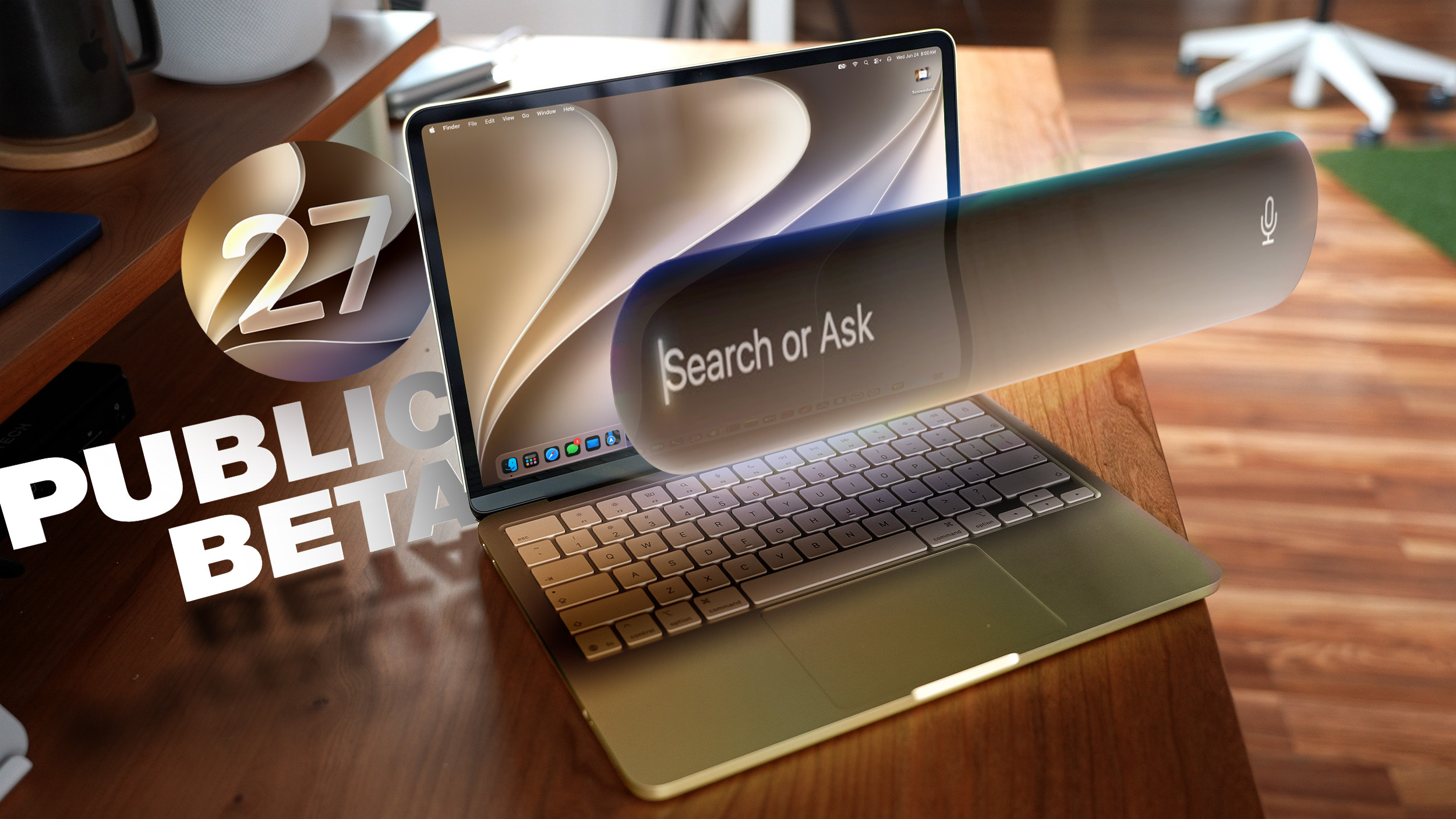
Third macOS Golden Gate Public Beta Now Available

Apple today released the third public beta of macOS Golden Gate, allowing non-developers to test the software ahead of its fall release. You can sign up to test the update on Apple's beta website, and then download it by going to System Settings > General > Software Update and toggling on the macOS 27 beta.


‌macOS Golden Gate‌ includes the same Siri AI features as iOS 27 and iPadOS 27, but you get to ‌Siri‌ through Spotlight with a Command + Space keyboard shortcut. ‌Siri‌ can search the web to answer questions, look through your personal data like photos, emails, and messages to help you find what you're searching for, and complete actions in and between apps. There is a dedicated ‌Siri‌ app, and you can hold ongoing conversations with ‌Siri‌.

Apple brought Visual Intelligence to the Mac, so ‌Siri‌ can look at what's on your screen and answer questions about it.

The Liquid Glass design introduced last year has been updated, and Apple added a slider for controlling overall system transparency. Liquid Glass opacity has been changed so it better diffuses complex content, and other design changes bring more depth and separation to the UI so it's easier to tell which window is active.

Apps now feature uniform toolbars with headings and controls that are easier to read, and windows no longer have such dramatically rounded corners. Sidebars are no longer floating and extend edge-to-edge, plus window positioning is more consistent across external displays.

Write with ‌Siri‌ is able to generate text from scratch, correct your grammar, or give you feedback on your writing, and there are new AI editing tools in the Photos app. In Shortcuts, you can create automations with natural language requests, and search has been improved in Mail and Messages. Apple made multiple performance improvements across ‌macOS Golden Gate‌ for a faster, smoother experience even on older Macs.

More on the new features in macOS 27 can be found in our macOS Golden Gate roundup.
Related Roundup: macOS Golden Gate

This article, "Third macOS Golden Gate Public Beta Now Available" first appeared on MacRumors.com

Discuss this article in our forums
  •  

Third iOS 27 and iPadOS 27 Public Betas Now Available

Apple today released the third public betas of iOS 27 and iPadOS 27, allowing anyone with a compatible device to download and test the new software. The third betas come two weeks after Apple seeded the second betas.


You can get started by signing up on Apple's beta website and then opting in to the public beta by going to Settings > General > Software Update and choosing the ‌iOS 27‌ or ‌iPadOS 27‌ Public Beta option.

‌iOS 27‌ introduces Siri AI, a more capable version of ‌Siri‌ that can search the web, access your personal information, see what's on your screen, and take actions in and across apps. ‌Siri‌ in ‌iOS 27‌ is more similar to Claude or ChatGPT than the prior version of ‌Siri‌, with a dedicated ‌Siri‌ app for back-and-forth conversations. You can use ‌Siri‌ AI if you have a device that supports Apple Intelligence.

Apple updated the Liquid Glass design that debuted last year, adding a slider to adjust the transparency level and refining its look. There are new AI features in many of Apple's apps. Visual Intelligence moved to the Camera app and supports new features like getting the nutritional information for a meal or splitting a bill, and ‌Siri‌ is able to generate text for you or help you refine your writing with Write with ‌Siri‌.

There are new AI photo editing tools in the Photos app, Safari can organize your tabs automatically, and you can create Shortcuts and Safari extensions using natural language commands. AirPods have custom EQ, the Home app supports 4K video cameras, and there are new child safety controls for parents.

Apple made dozens of improvements to device performance, and everything feels faster, even on older iPhones. Apps launch quicker, AirDrop transfers are faster, the keyboard loads quicker, and more.

Additional information on the new features in ‌iOS 27‌ can be found in our dedicated iOS 27 roundup, with info on ‌iPadOS 27‌ available in our separate iPadOS 27 roundup.
Related Roundups: iOS 27, iPadOS 27

This article, "Third iOS 27 and iPadOS 27 Public Betas Now Available" first appeared on MacRumors.com

Discuss this article in our forums
  •  

tvOS 27 and watchOS 27 Third Public Betas Now Available

Apple today released the third public betas of tvOS 27 and watchOS 27, giving Apple TV and Apple Watch users a chance to try the new software ahead of its fall launch. There's also a new HomePod Software 27 beta for the ‌HomePod‌ and HomePod mini.


You can sign up for Apple's public beta testing program on the beta website, and then download the updates through the Settings app on each device.

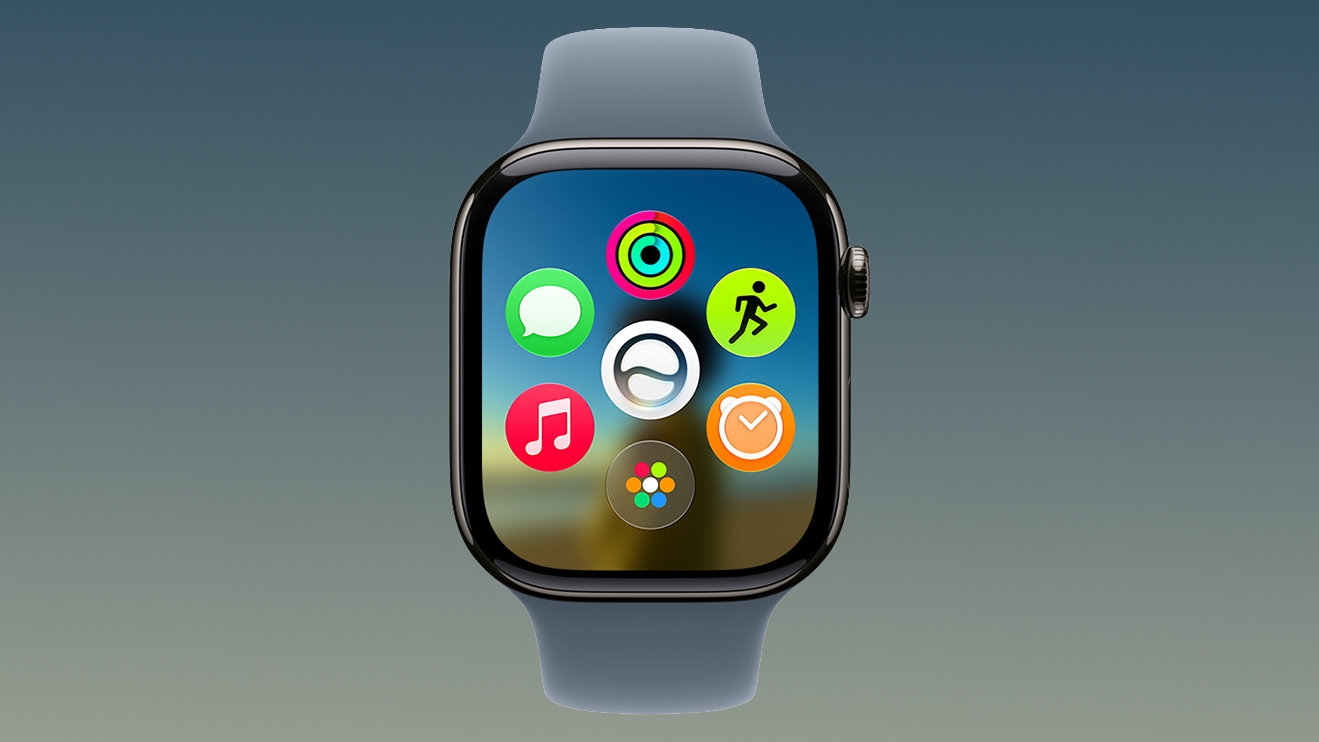
‌watchOS 27‌ adopts Siri AI, and you can use ‌Siri‌ from your wrist as long as you have an iPhone that supports it. ‌Siri‌ AI can access your personal information, answer all kinds of questions, and complete tasks for you. There is a dedicated ‌Siri‌ app that's front and center on the watch in the new dynamic app grid that comes up when pressing the Digital Crown.

There's a new gesture for selecting a widget in the Smart Stack, plus Apple added Smart Stack suggestions for finding a parked car, accessing a transit card, and getting a birthday reminder.

Workout Buddy works without your iPhone nearby, treadmill run and walk distances are tracked more accurately, and Apple added a unified Find My app that also supports Precision Finding.

tvOS 27 has a redesigned Podcasts app, Hi-Res Lossless audio and AutoMix song transitions in Apple Music, and easier profile switching. With performance improvements, apps launch faster, animations are speedier, and devices connect more quickly when AirPlaying content.

More on what's new in the updates can be found in our watchOS 27 roundup and Apple TV roundup.
Related Roundups: Apple TV, watchOS 26, watchOS 27
Buyer's Guide: Apple TV (Don't Buy)

This article, "tvOS 27 and watchOS 27 Third Public Betas Now Available" first appeared on MacRumors.com

Discuss this article in our forums
  •  

iOS 27 Hints at 'Apple Reference Image' Photo Authentication

Apple is working on "Apple Reference Image," a photo provenance system that will verify if an image was captured with an iPhone. References to the feature were found in a privacy disclosure included in iOS 27 beta 5, but it is not live yet.


According to the text, there will be a "Reference" mode option in the Camera app that users can select. Using this mode will embed provenance data in the image's metadata.

Images captured with an opt-in Reference mode can be authenticated to confirm they were taken with an iPhone. Authenticating is done by tapping the Reference badge on the image, which sends the raw image, sensor signatures, capture time frame, and the unique hardware identifiers of the sensor to Apple's Private Cloud Compute (PCC) servers. PCC uses the information to determine whether the camera captured the photo, gives it a unique ID, and then returns an authenticated version to the user's device.

When authenticating a photo, Apple receives sensor data, a hash, and the assessment results, but not the raw photo. Apple can refuse to authenticate images from a sensor that might be compromised, and it can retroactively revoke a sensor's past authentications.

Authenticated photos can be viewed on an iPhone, iPad, or Mac, and the Reference badge can also be clicked on a Mac. Images have to be captured in Apple's specific Reference mode to be authenticated, which suggests it's a feature aimed at pro photographers, journalists, and others who need to verify images. There may also be a video component, since Apple's disclosure mentions "photos or videos" and "uncropped footage."

Reference mode offers hardware-backed evidence that an image was captured with a physical camera sensor, which is useful at a time when AI can generate realistic-looking images. AI images are often watermarked or labeled through metadata to make sure they can be identified as fake, including images from Image Playground.

Camera manufacturers like Leica, Sony, and Nikon use C2PA Content Credentials for authentication, and Google also adopted it for the Pixel 10 lineup. Apple's authentication system sounds like it serves a similar purpose.
Related Roundups: iOS 27, iPadOS 27

This article, "iOS 27 Hints at 'Apple Reference Image' Photo Authentication" first appeared on MacRumors.com

Discuss this article in our forums
  •  

Everything New in iOS 27 Beta 5

We're a little over a month away from the launch of iOS 27, and Apple is continuing to make changes. The fifth beta of ‌iOS 27‌ changes the look of some app icons and adjusts Liquid Glass, plus it adds some smaller features that make the iPhone just a little nicer to use.


App Icons


There are updated Liquid Glass icons for Safari, Siri, Settings, Remote, App Store, and Preview. Some of the icons have been entirely redesigned, while others feature more detail than before.


Siri AI Voice Customization


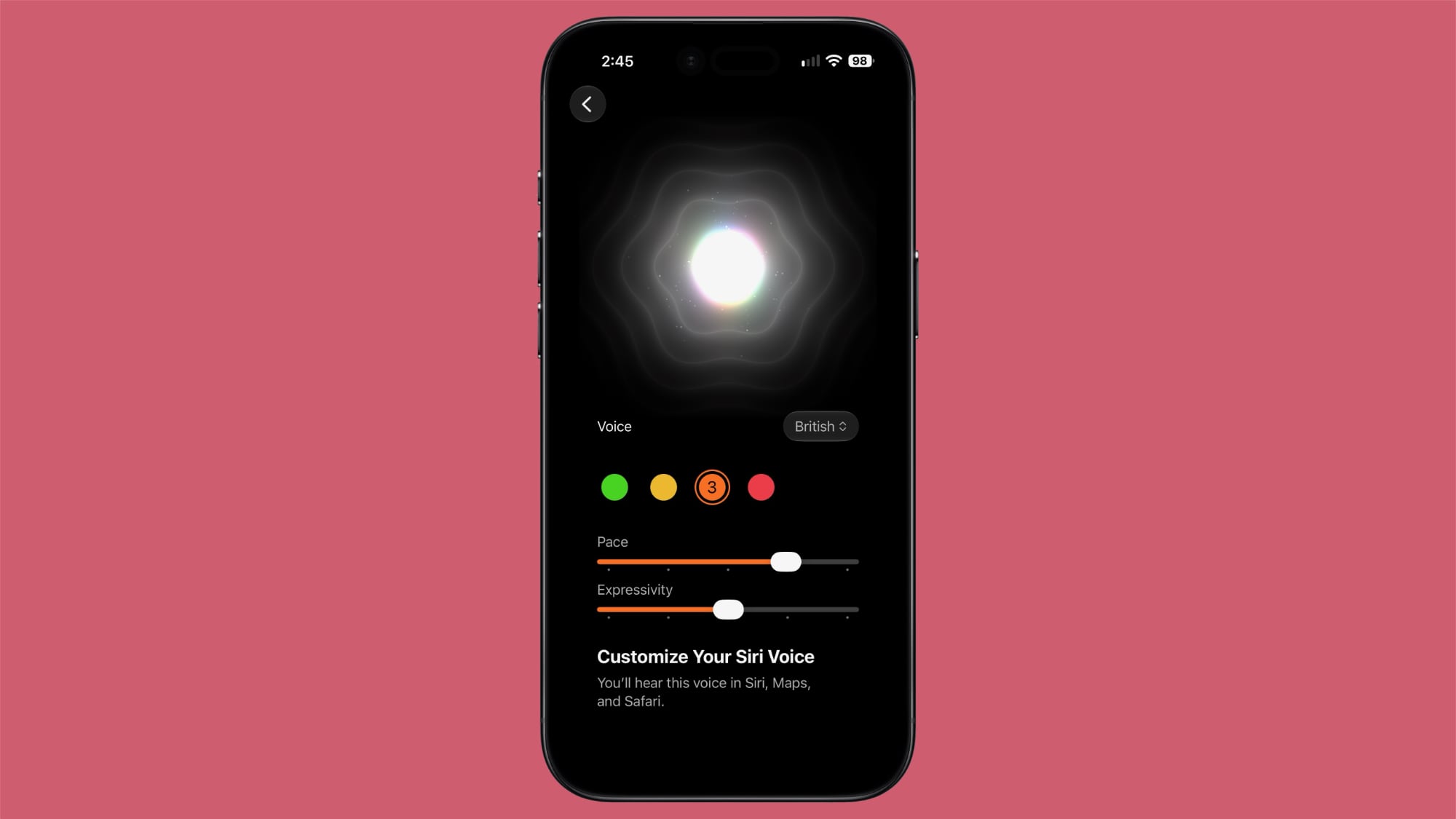
Voice customizations for ‌Siri‌ AI have been expanded, and Pace and Expressivity can be adjusted for all seven American voices and the four British voices.


‌Siri‌ AI voice customization is done on-device, so the feature is limited the iPhone 17 Pro, ‌iPhone 17 Pro‌ Max, or iPhone Air.

Contacts


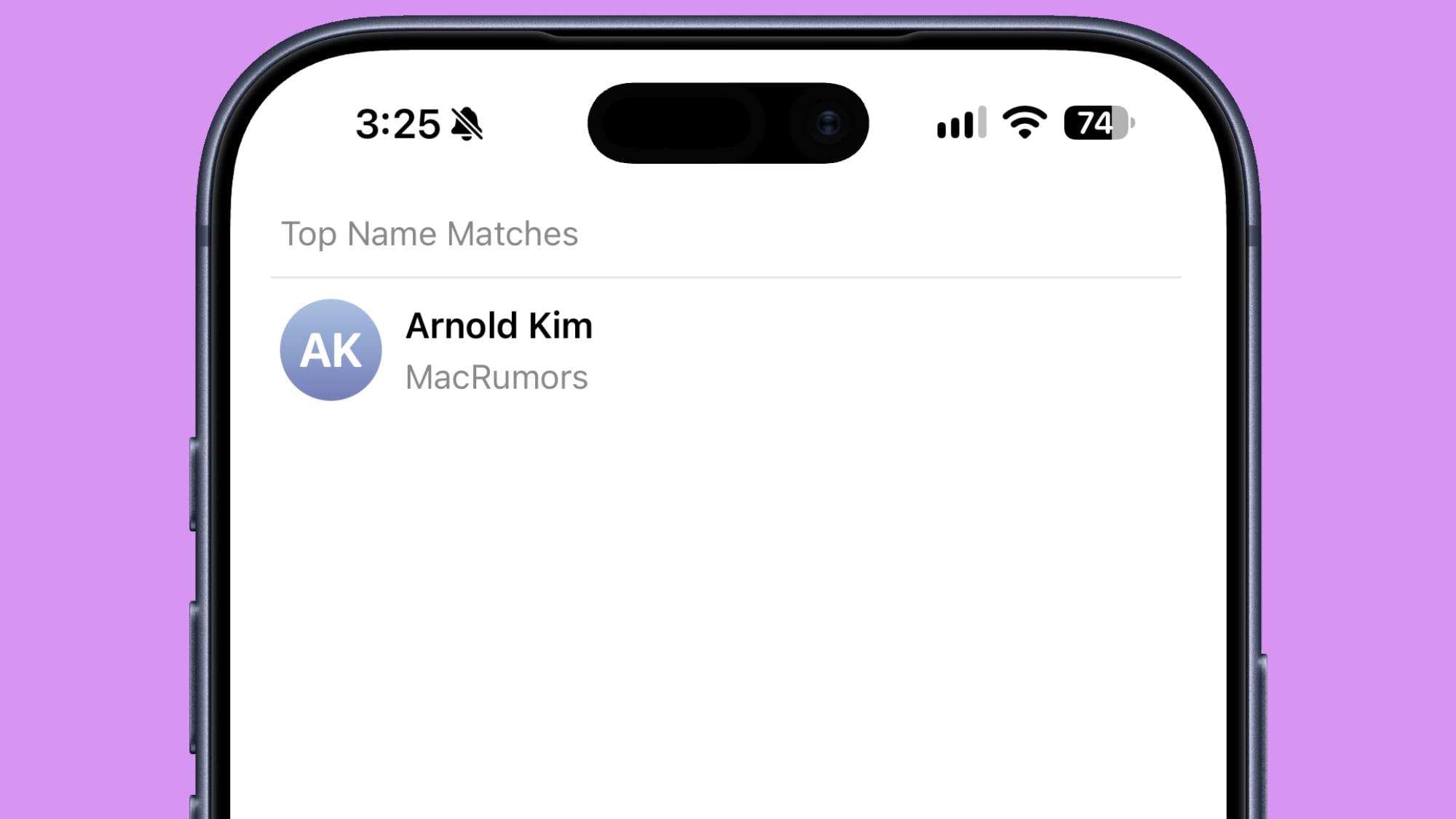
If a contact you've created has a company associated with it, the company name will show in the contact list under the name and in search. It makes it easier to see more information on a contact without having to tap into the contact card.


Create a Pass


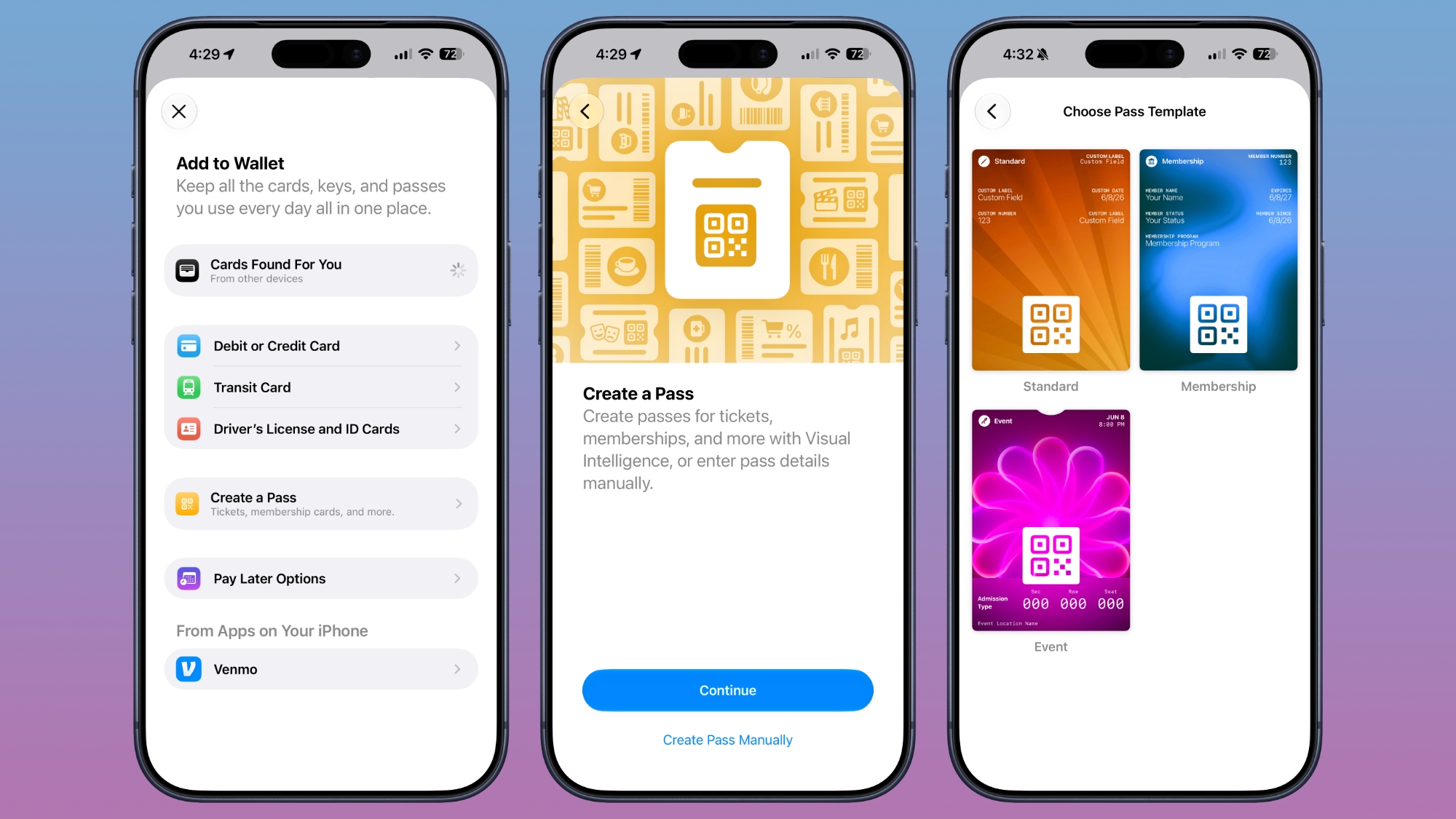
The Apple Wallet Create a Pass feature is now available outside of the U.S.


Splash Screens


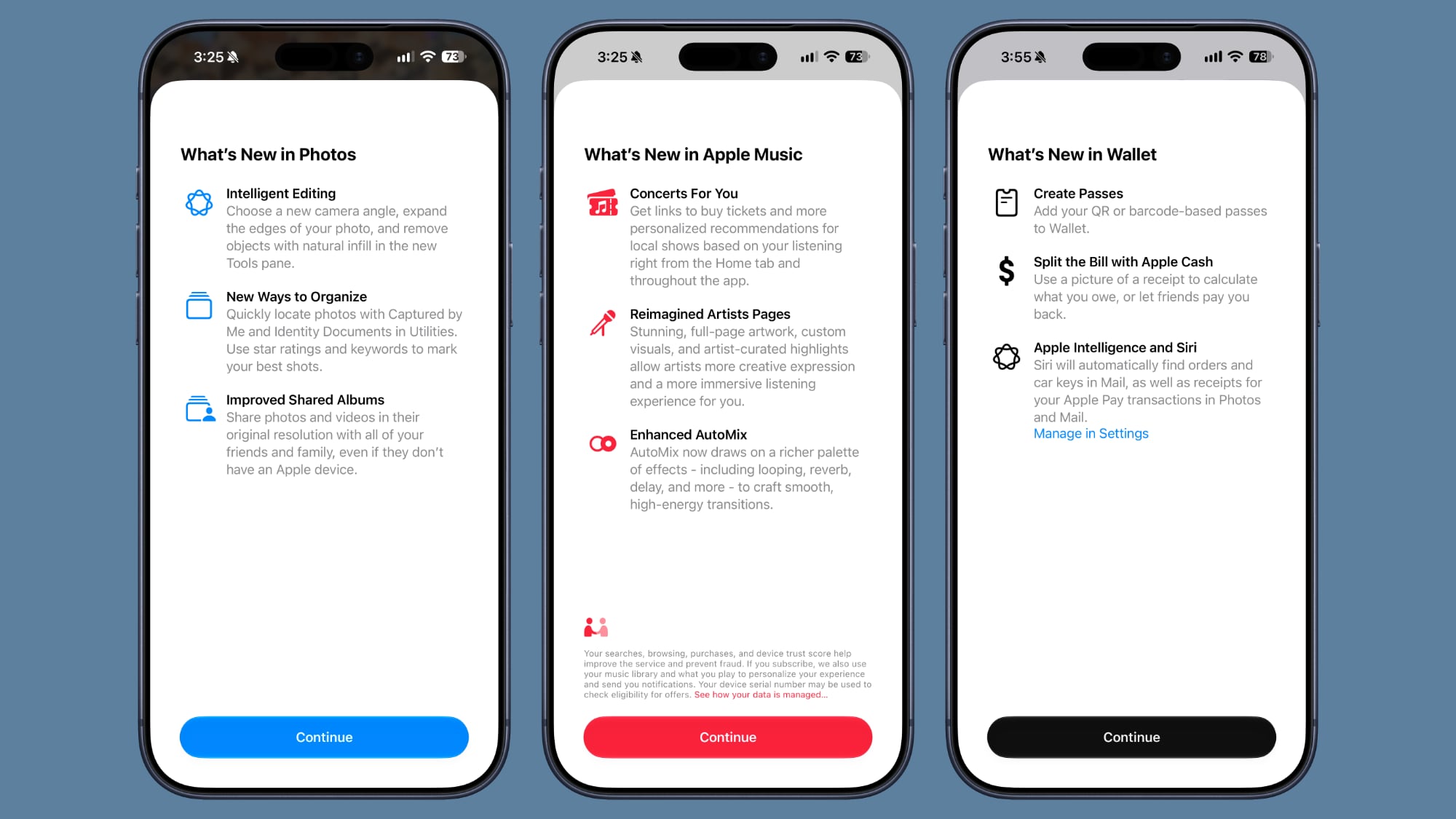
Apple added splash screens for the Photos, Wallet, and Music apps, explaining what's new in ‌iOS 27‌.


Search and Ask


Apple made minor changes to the animation when bringing up Search or Ask. The suggestions interface now comes up as the search bar does rather than popping up slightly afterward.

The search interface also now has a "Search the Web" option at the bottom of results that was not there before.

Apps in Search


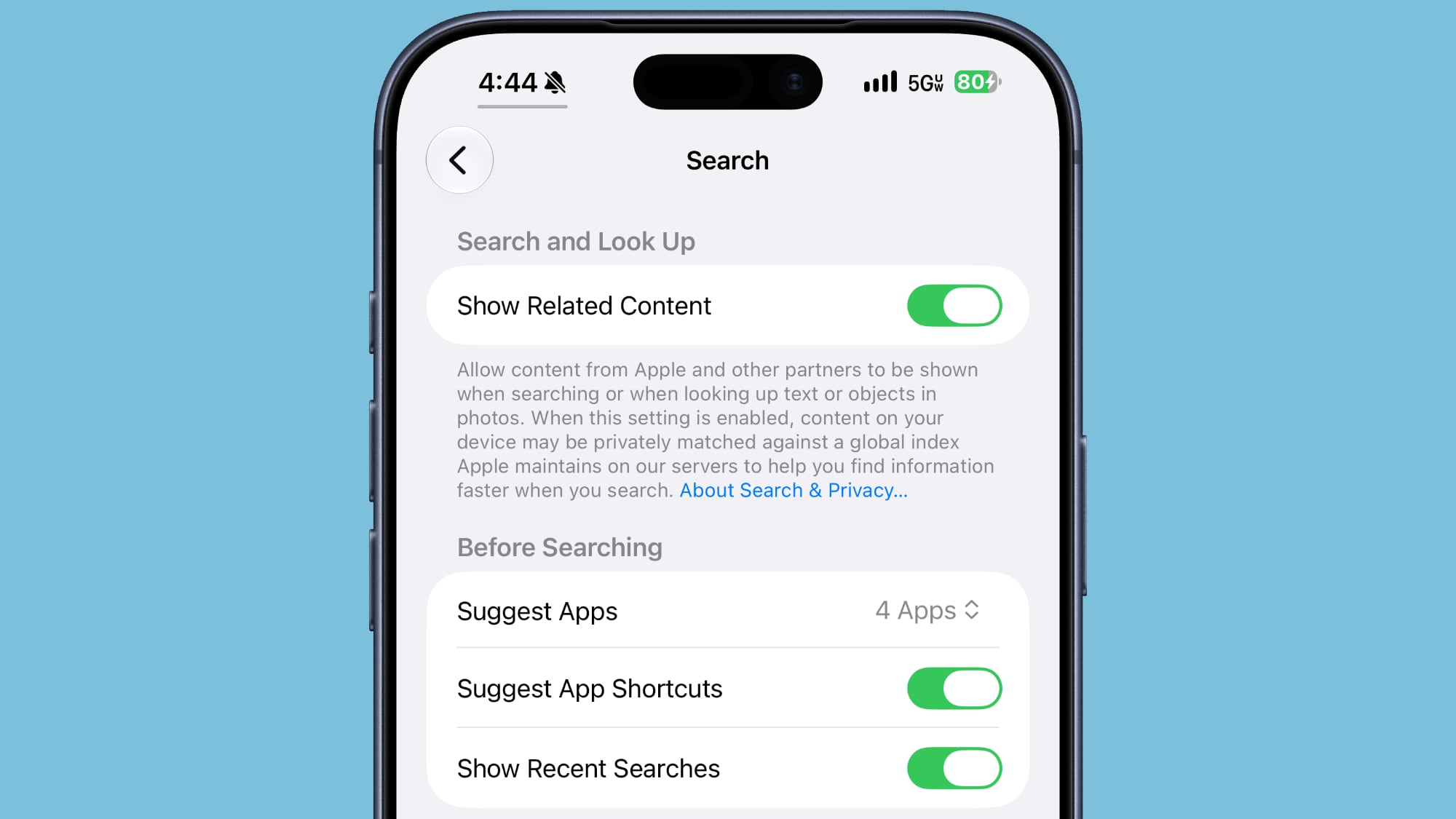
You can now decide whether search should show app results, and if so, how many. You can turn off app results, have it show four apps, or have it show eight apps. There's also a toggle for showing app shortcuts.


Control Center


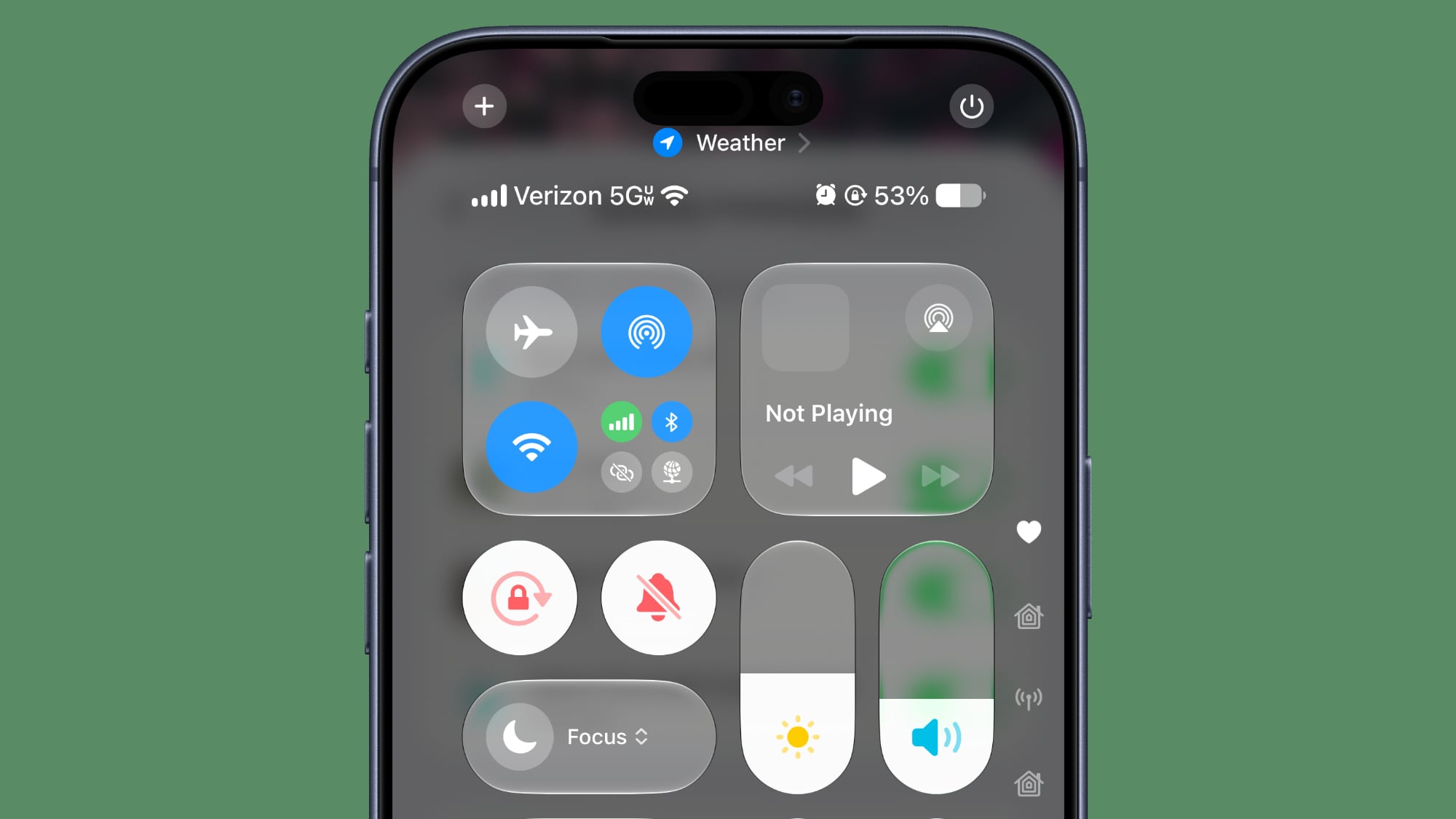
When connected to Wi-Fi, the Control Center no longer shows information on cellular connection.

The ‌iOS 27‌ Control Center in beta 4

5G


5G+ is now available in Spain.

Software Updates


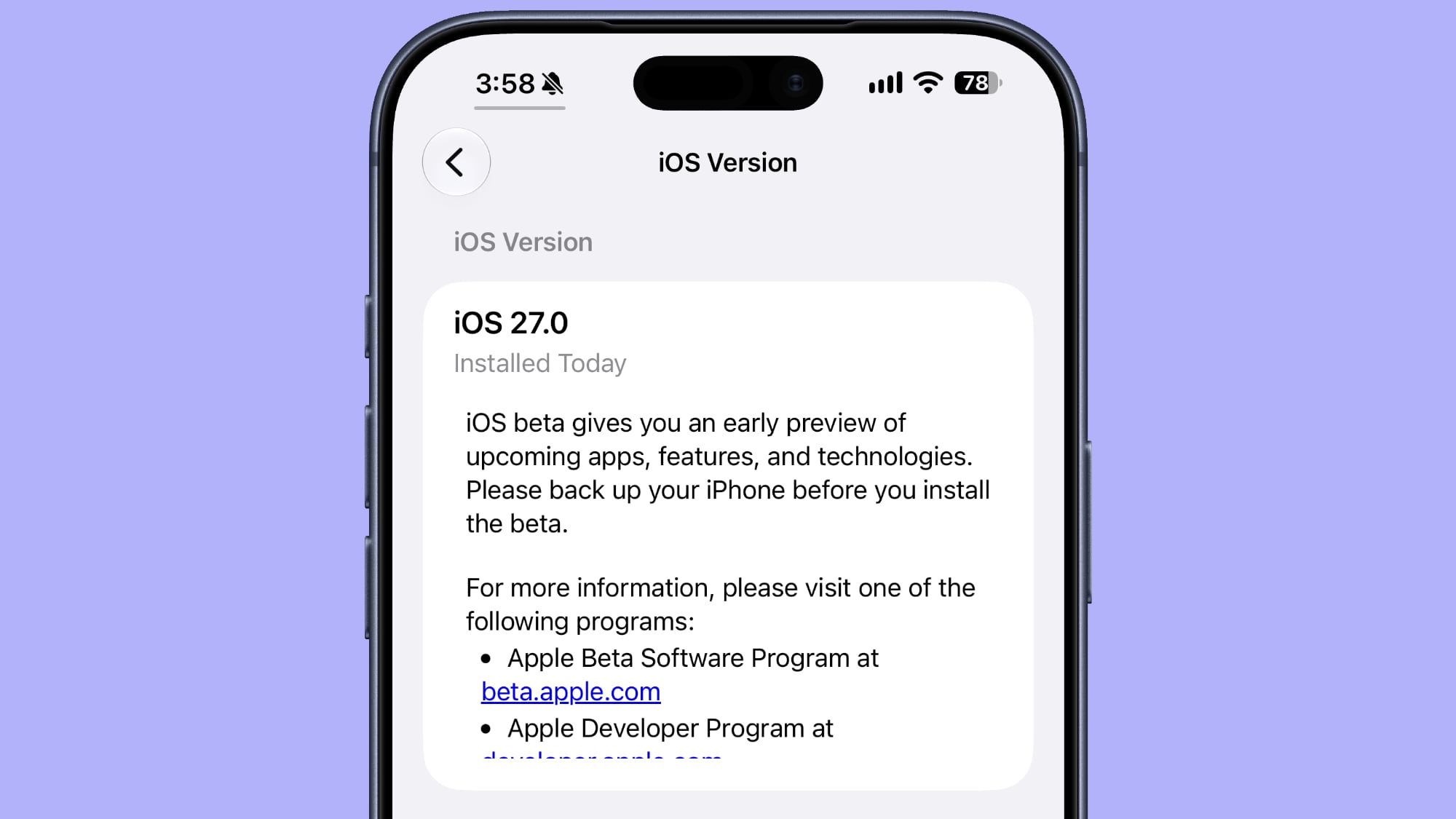
When you look at your software version in Settings > General > About, it now tells you when the last update was installed.


Clock


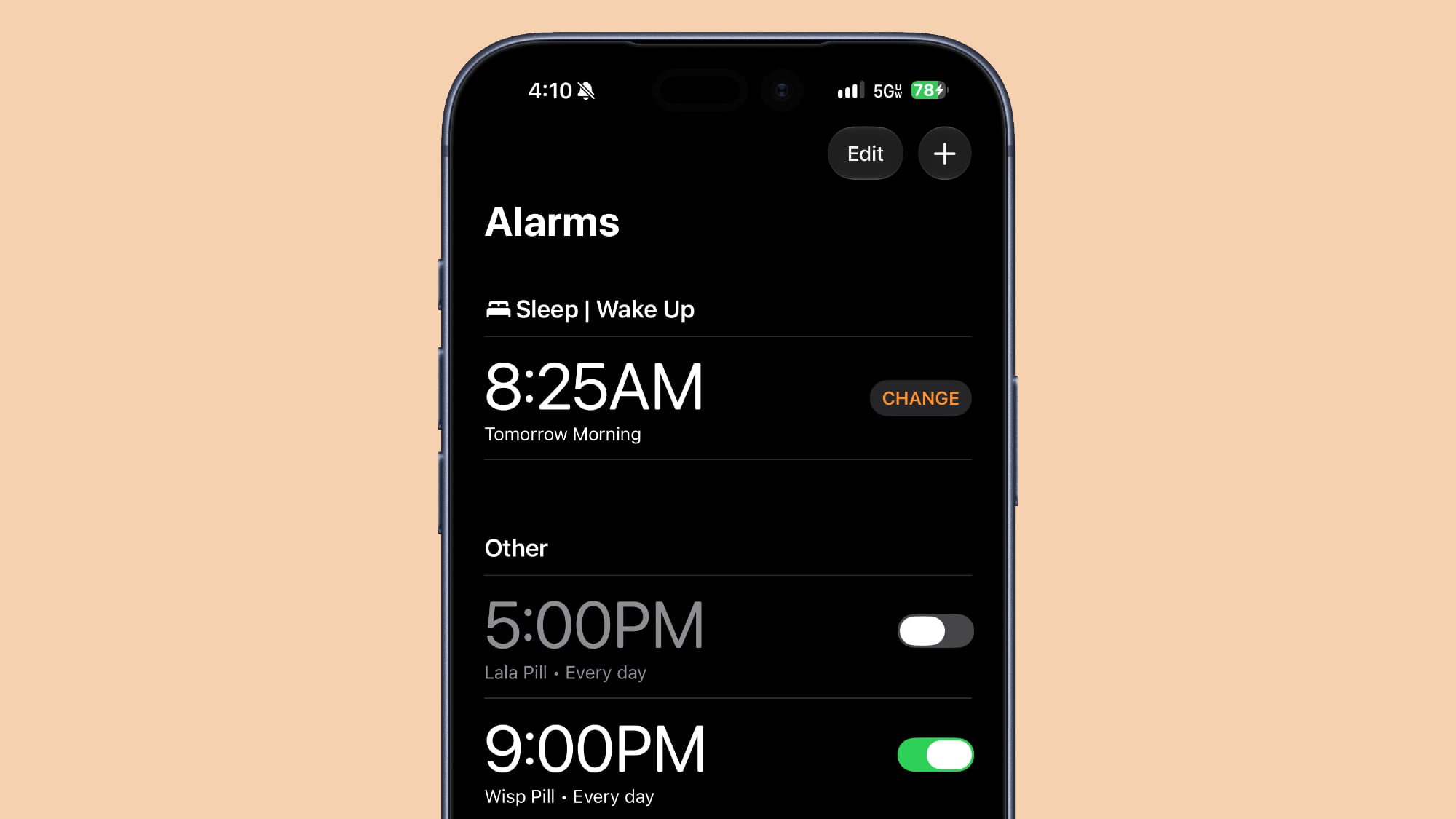
There is a thicker font for the Alarms and Timers section of the Clock app.


Liquid Glass


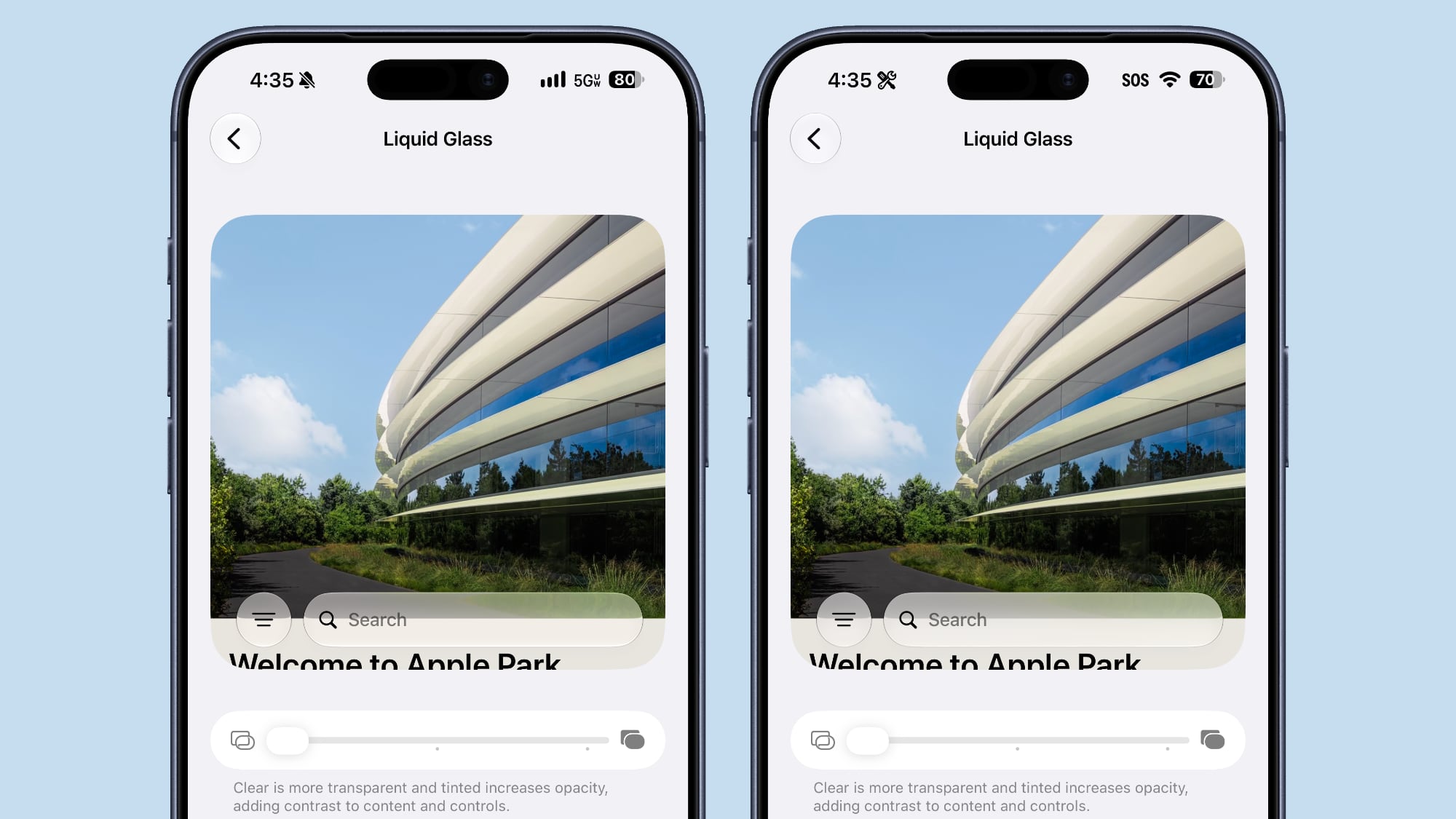
The clearest Liquid Glass setting is clearer than it was in the prior beta.


Mail


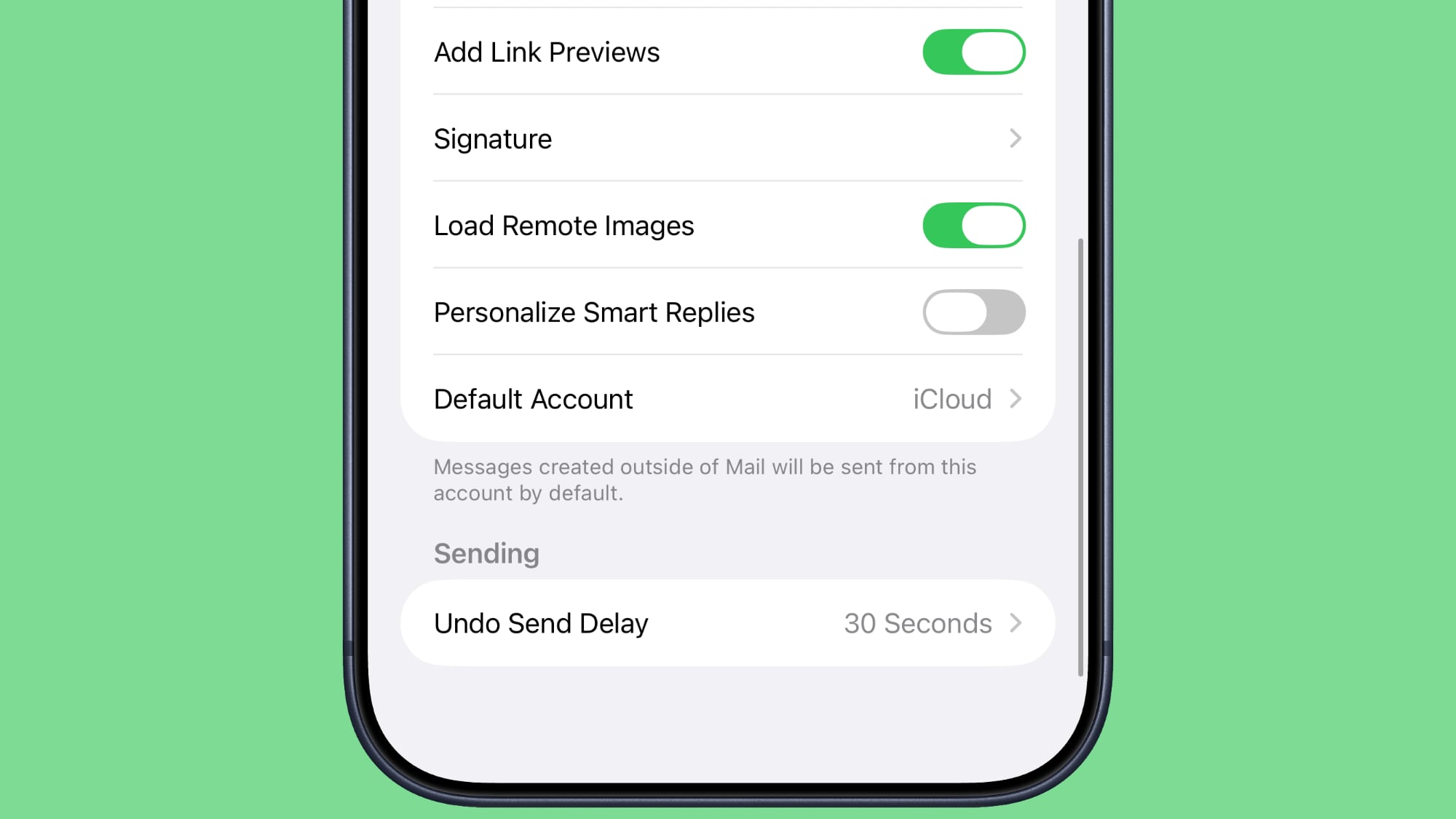
There's now a toggle for the Personalize Smart Replies feature in the Mail app. It's off by default and can be turned on in the Mail section of the Settings app.


Battery


The Battery section of the Settings app will now let you know if a poor cellular connection is causing battery drain.
Related Roundups: iOS 27, iPadOS 27

This article, "Everything New in iOS 27 Beta 5" first appeared on MacRumors.com

Discuss this article in our forums
  •  

iOS 27 Wallet App Gets 7 New Features

Apple is making more of an effort to turn the iPhone into a physical wallet replacement in iOS 27, and there are several upgrades to the Wallet app.


Pass Upgrades


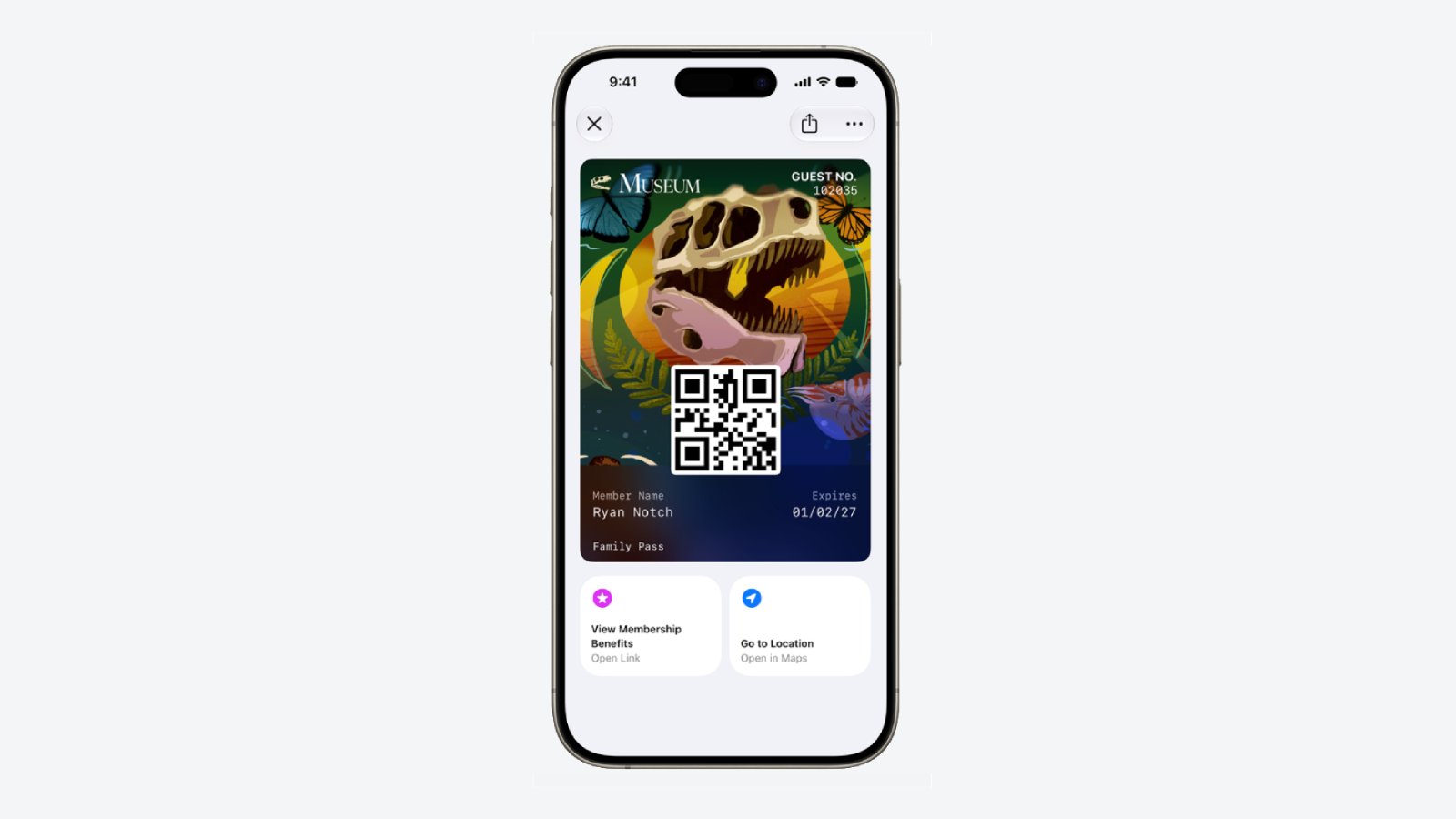
Apple upgraded airline boarding passes in the Wallet app with iOS 26, and in ‌iOS 27‌, upgrades are coming to additional types of passes. Memberships, gift cards, loyalty cards, and rewards cards can use a bolder "Poster Generic" card style with full background images, primary logo, header fields, footer field, primary fields, and an optional barcode.


Each pass is able to include up to two actions that can be tapped from the bottom of the pass, such as getting directions to a venue or checking a rewards point balance.

Apple is also allowing users to check the pass issuer certificate to ensure that a digital pass is legitimate (not applicable to Create a Pass), and there are four new barcode types supported, including EAN–13, Code 39, Codabar, and ITF.

There is a new Pass Designer Mac app for developers that makes it easier to create a pass using a WYSIWYG editor.

Create a Pass


There's a "Create a Pass" feature in the Wallet app for adding tickets, memberships, and more using Visual Intelligence. If you have a ticket for an event and there's not a digital version available for the Wallet app already, you can create one using the physical pass.


You can scan a pass and add it with Visual Intelligence if there's a barcode or QR code, or a pass can be added manually. Pass templates include Standard, Membership, and Event.

Each type includes relevant information like name, location, or admission type, along with a scannable code drawn from an included barcode or QR code that you take a photo of. There are 12 background colors to choose from with different texture options, or seven custom backgrounds for categories like theater, music, sports, and movies.

Fields can be added or removed as needed when creating a custom pass, with options like label, date, membership, contact, coupon code, VIN, insurance, and more, so most physical cards are able to be stored digitally.

Hotel Keys


When you add a digital hotel key from a participating hotel to the Wallet app, you can now view more details about the trip. Hotels can provide updates on booked activities and allow access to different services.

AI Bill Splitting


Using the new Siri Mode in the Camera app, or a feature in the Messages and Wallet apps, you can take a photo of a bill and use Apple Intelligence to figure out what each person owes. ‌Visual Intelligence‌ scans the receipt and makes a digital copy of everything on the list, and each person can select what they consumed. Tax and tip portions are also calculated automatically.

Payments can be made using Apple Cash, which is a U.S.-only feature.

Insights


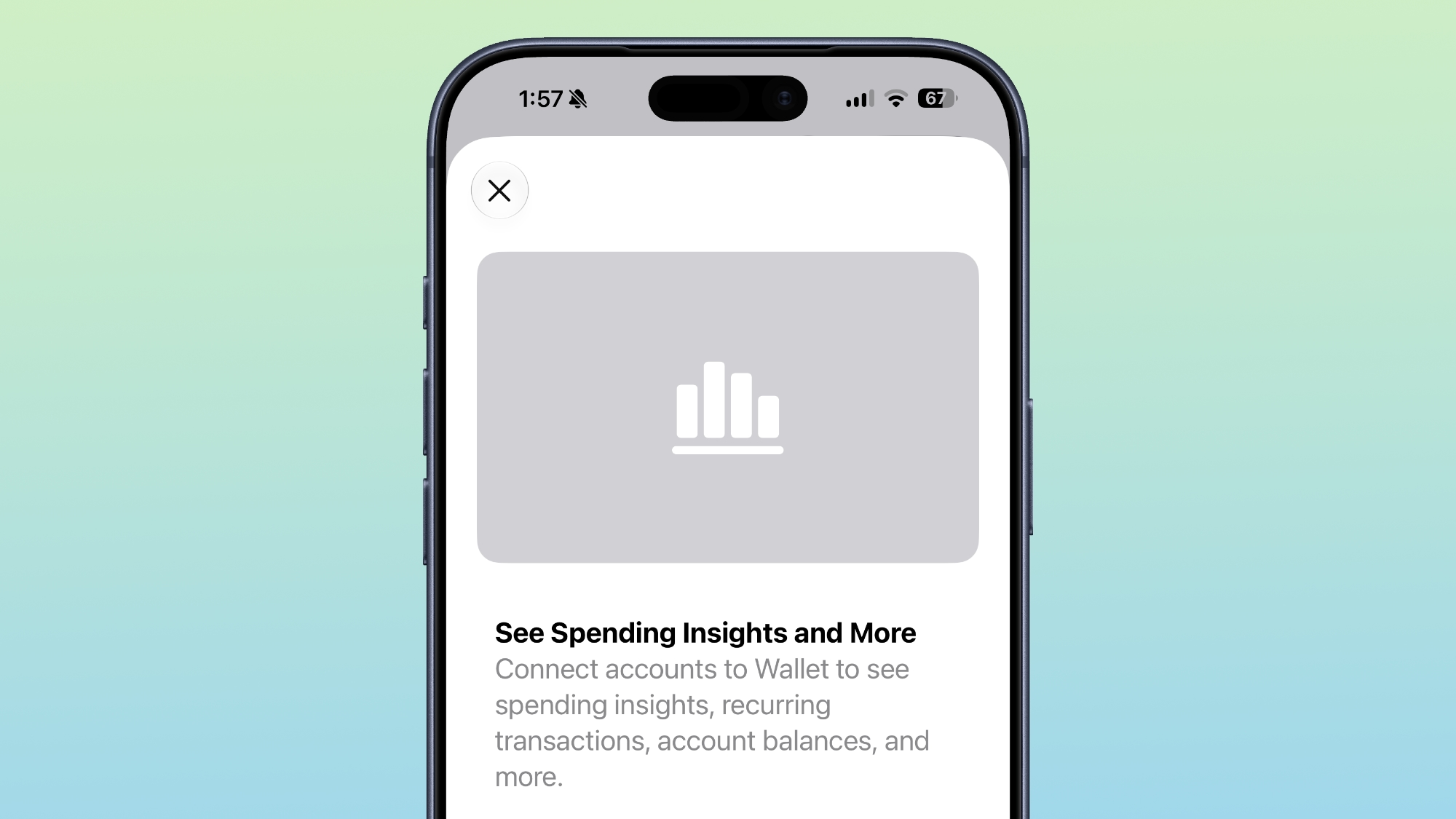
‌iOS 27‌ includes an "Insights" feature where you can add financial accounts to the Wallet app to monitor spending.


Insights is an expansion of the Connected Accounts feature in earlier versions of iOS, and it includes spending, recurring transactions, account balances, and more. It works for financial institutions that have implemented Connected Cards support, including several UK banks.

Order Tracking


Order tracking in the Wallet app is expanding to Australia and Canada in ‌iOS 27‌. In ‌iOS 26‌, it was limited to the United States and UK.

Tap to Share


Tap to Share is an ‌iOS 27‌ feature that lets customers connect to a participating merchant's iPhone for quicker digital checkout.

Device Requirements


‌Visual Intelligence‌ is an ‌Apple Intelligence‌ feature requiring an iPhone 15 Pro or newer. Many of the other features should work on all iPhones.
Related Roundups: iOS 27, iPadOS 27

This article, "iOS 27 Wallet App Gets 7 New Features" first appeared on MacRumors.com

Discuss this article in our forums
  •  

iOS 27 Beta 5 Brings New Icons for Siri, Safari, Settings and More

In the fifth beta of iOS 27, Apple is continuing to make design tweaks. There are updated Liquid Glass icons for Safari, the Siri app, Settings, Remote, App Store, and Preview.


The Safari icon is a brighter blue with more detailed compass lines and arrows, while the ‌Siri‌ icon looks more like the actual ‌Siri‌ bubble that's displayed when ‌Siri‌ is activated. The ‌App Store‌ app icon is more translucent so you can better see each line making up the A, Settings uses more translucency, and Preview has an entirely different look with a loupe over a colorful background. The Remote icon also has more detail and it's been updated with a gray background instead of black.

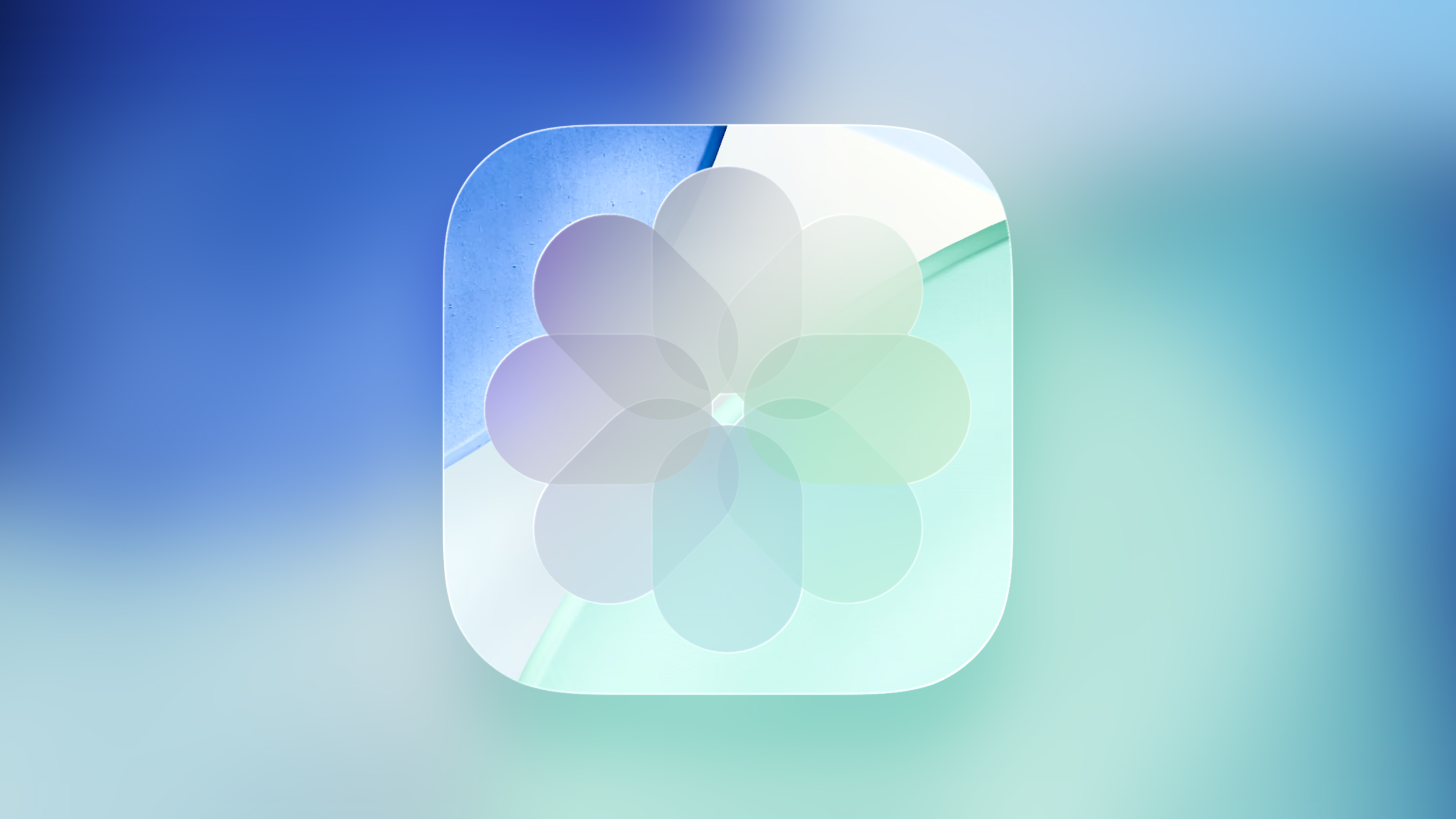
Some app icons were updated with the initial ‌iOS 27‌ beta release, including Maps, Photos, and Weather, but others kept their iOS 26 look.

It's possible Apple will overhaul even more icons in upcoming betas, because the company said it was planning to give icons an updated layered look to better fit the Liquid Glass aesthetic.

‌iOS 27‌ will be released in just about a month.
Related Roundups: iOS 27, iPadOS 27
Tag: Siri

This article, "iOS 27 Beta 5 Brings New Icons for Siri, Safari, Settings and More" first appeared on MacRumors.com

Discuss this article in our forums
  •  

Latest iOS 27 Beta Expands Siri AI Voice Customization

With the fifth beta of iOS 27, Apple has expanded the voice customization options for Siri AI.


Pace and Expressivity can now be adjusted for more of the available voice options instead of just the two American voices.

There are seven American voice options and four British voices to choose from, all of which can be customized with different Pace and Expressivity settings. Pace changes talking speed, while expressivity changes emphasis.

‌Siri‌ AI voice customization is done on-device, so the feature is limited to newer iPhones. You need an iPhone 17 Pro, ‌iPhone 17 Pro‌ Max, or iPhone Air to use voice customization on an iPhone.

It's available on Macs with an M3 chip or newer and at least 12GB RAM, and the M4 iPad Pro and newer, also with at least 12GB RAM.
Related Roundups: iOS 27, iPadOS 27
Tag: Siri

This article, "Latest iOS 27 Beta Expands Siri AI Voice Customization" first appeared on MacRumors.com

Discuss this article in our forums
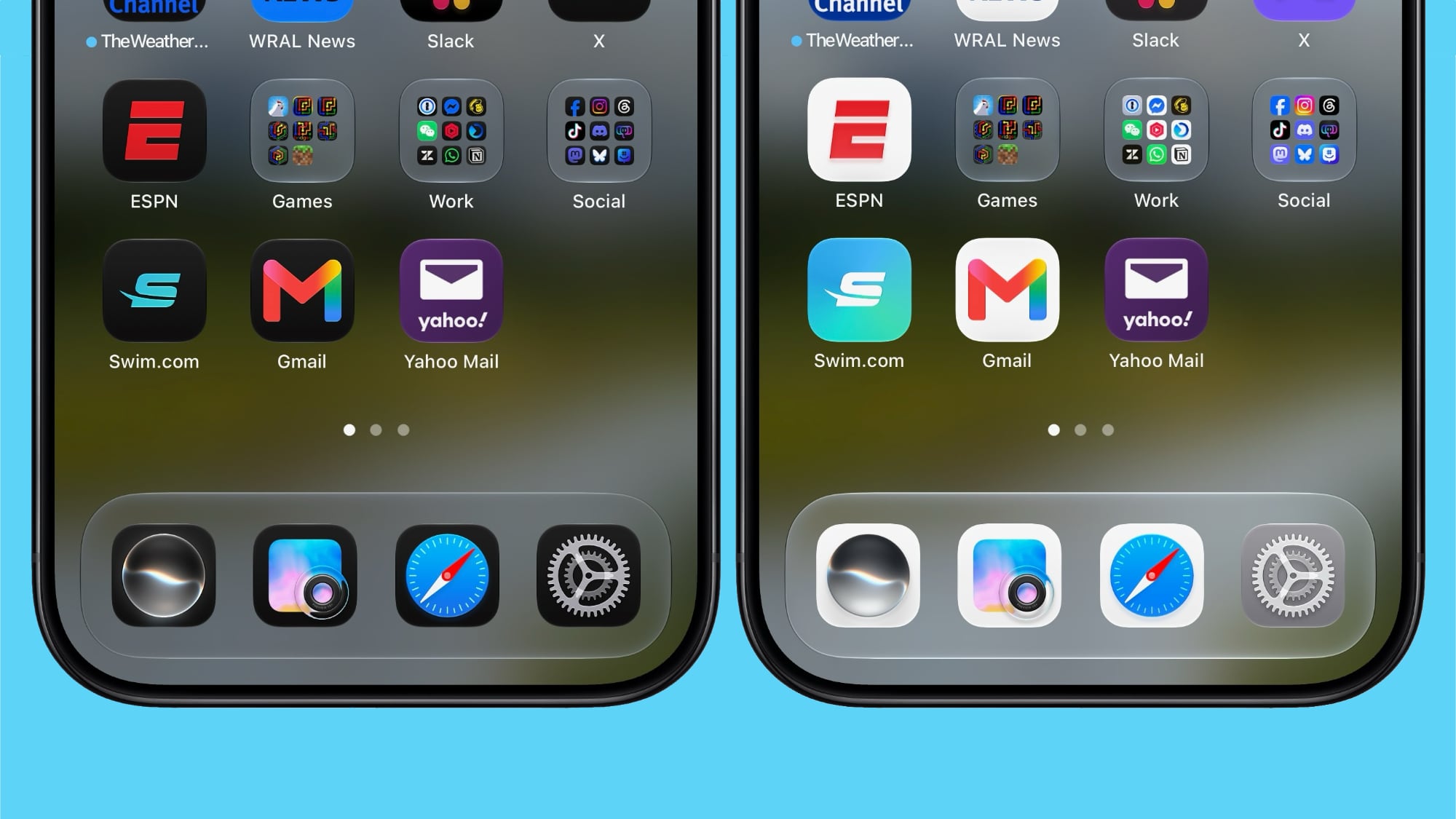
  •  
❌