Lees weergave

Claude Code Adds Cross-Session Messaging on macOS

Anthropic has updated Claude Code so that separate coding sessions can message each other directly, removing the need to manually copy context between Terminal windows.


The company shipped the feature in Claude Code version 2.1.224, released on Friday for macOS and Linux. Two new tools power it: ListAgents, which finds other active sessions running on the Mac, and SendMessage, which delivers the message. A session that receives one shows it as a labeled card with a link back to the sender.

According to Anthropic's documentation, only text passes between sessions, not conversation history, files, or permissions. One session can warn another when a change breaks something it depends on, or pass along an answer another session is waiting on, and Anthropic says an incoming message can't approve a permission request or change a session's settings on its own.

New in Claude Code: your sessions can now message each other.

Instead of having to re-explain yourself in another session, you can now tell Claude to do it. It sends a summary (not your history or files), and the other session picks it up mid-task. pic.twitter.com/PtNsfXeQXP

— ClaudeDevs (@ClaudeDevs) August 7, 2026


The feature sits alongside Claude Code's existing subagents and Agent Teams tools, but connects sessions a user is already running separately on their Mac rather than ones Claude spawns and manages itself. Messages between sessions on the same Mac stay local and never reach Anthropic's servers. Between different machines, messaging works only as a reply through Remote Control, the feature that connects a Mac terminal to the Claude apps for iOS and Android.

Cross session messaging requires macOS or Linux with Claude Code 2.1.224 or later and isn't available on Windows. It was released alongside 31 other changes in the same release, including a new claude self-hosted-runner command for Team and Enterprise plans.
This article, "Claude Code Adds Cross-Session Messaging on macOS" first appeared on MacRumors.com

Discuss this article in our forums
  •  

iPhone 17 Prices Could Rise as Soon as Monday, Rumor Claims

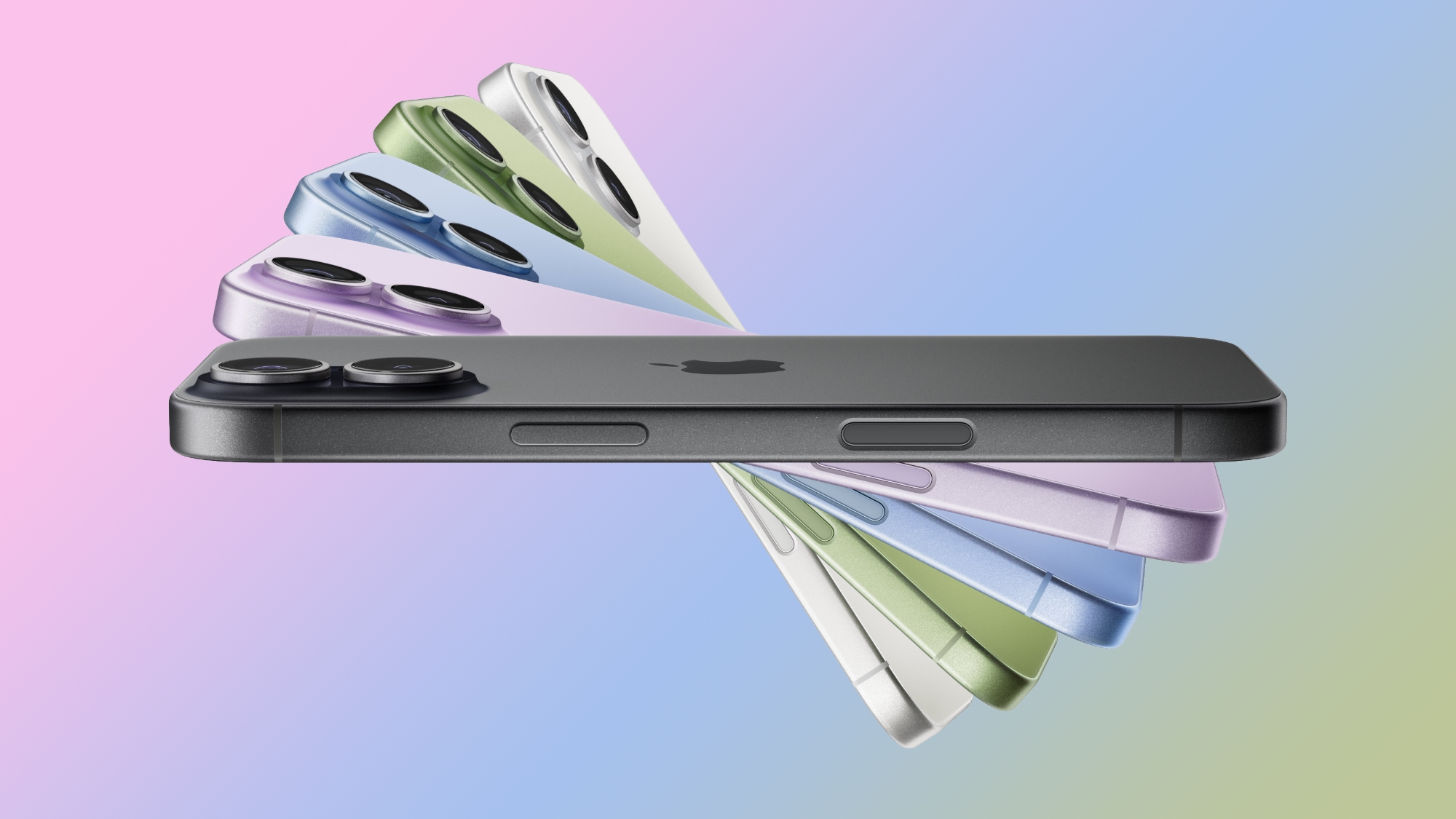
Apple could raise iPhone 17 prices as soon as Monday, August 10, according to a new rumor, well before the wider round of increases expected with next month's iPhone 18 Pro launch.


Weibo leaker "Fixed Focus Digital" said in a post yesterday that rumors are circulating about an ‌iPhone 17‌ price change taking effect on August 10. The leaker was noncommittal about whether prices will actually move, though the post claimed with more certainty that Apple has called off plans to raise production capacity on some lines from 15% to 30%. It's not clear from the post which components or products that capacity change refers to.

Apple raised prices on Macs, iPads, and most other devices in June, citing soaring memory and storage costs, but left the iPhone, Apple Watch, AirPods, Studio Display, and accessories untouched. Apple's next round of pricing changes is widely rumored to center on the ‌iPhone 18 Pro‌.

Apple is expected to launch the ‌iPhone 18 Pro‌, ‌iPhone 18 Pro‌ Max, and its first foldable iPhone next month, with the standard iPhone 18 and iPhone 18e not arriving until spring 2027. The ‌iPhone 17‌ is set to remain Apple's mainstream option well into next year, which could give Apple sufficient reason to adjust its pricing independently of the new lineup.

If Apple does raise ‌iPhone 17‌ prices this Monday, it remains to be seen whether the increase would apply across the whole lineup, including the iPhone 17e ($599), ‌iPhone 17‌ ($799), iPhone Air ($999), iPhone 17 Pro ($1,099), and ‌iPhone 17 Pro‌ Max ($1,199), or whether only select models will be affected.
Related Roundups: iPhone 17, iPhone 17 Pro, iPhone 17e
Related Forum: iPhone

This article, "iPhone 17 Prices Could Rise as Soon as Monday, Rumor Claims" first appeared on MacRumors.com

Discuss this article in our forums

  •  

The MacRumors Show: iPhone Air 2 - What Changes After a Difficult First Year

The iPhone Air reaches one year on sale next month, and Apple is now closer to launching its successor than it is to the original's debut. On this week's episode of The MacRumors Show, we discuss what's next for the device.


The first-generation model has had a difficult run. A KeyBanc Capital Markets survey found virtually no demand for the device within weeks of its September 2025 launch, supply chain analyst Ming-Chi Kuo reported that suppliers were asked to cut capacity by more than 80% between launch and early 2026, and Luxshare and Foxconn both wound down production, leaving the phone believed to be entirely out of manufacture. Apple discounted it heavily in March, and SellCell data put its ten-week depreciation at 44.3% on average, against 34.6% for the iPhone 17 series. The Weibo leaker known as "Digital Chat Station" said in May that the device had barely surpassed 700,000 activations even after multiple rounds of price cuts.

A single rear camera left a $999 phone looking less capable than the cheaper ‌iPhone 17‌, which has two, and the absence of the iPhone 17 Pro's vapor chamber cooling means the Air runs warmer under load. It also lacks stereo speakers. Battery life falls short of a full day for many users, mitigated in part by the dedicated MagSafe battery accessory Apple sells alongside it. With the ‌iPhone 17 Pro‌ starting at $1,099, the Air occupies a $100 gap that gave buyers little reason to stop there.

Almost every change rumored for the second-generation model targets one of those points. Bloomberg reported in June that Apple will add an Ultra Wide lens alongside the existing 48-megapixel Fusion camera, and that the dual-lens design has reached advanced testing with the same exterior as the current model save for the extra lens.

Almost everything other than the battery sits inside the ‌iPhone Air‌'s camera plateau, and Apple has reportedly asked suppliers for an ultra-thin Face ID module to free up space. The company also plans to adopt Samsung's CoE display technology, which is thinner and brighter than the current panel and debuts first on the foldable iPhone. Digital Chat Station expects a 3,500mAh battery, up from 3,149mAh, and The Information reported that Apple wants the device to be lighter and to gain vapor chamber cooling despite the added hardware.

The device will also likely feature the A20 Pro chip, binned in some form like its predecessor, along with Apple's second-generation N2 wireless networking chip, the C2 modem, and 12GB of RAM, unchanged from the current model. Externally, little is expected to change beyond the additional rear camera, but Pu expects a slightly smaller Dynamic Island, in line with the wider iPhone 18 lineup. A lavender color option could replace Sky Blue.

Pricing is the biggest open question. The Information reported that Apple is considering a lower price for the second model, but the surrounding lineup is moving too. Pu expects the iPhone 18 Pro and Pro Max to cost $250 to $300 more than the current Pro models owing to 2nm silicon and memory costs, and the foldable iPhone is rumored to start somewhere between roughly $2,000 and $2,500. A widened gap between the Air and the Pro tier could change the calculation that undermined the original, particularly once the camera disparity with the standard iPhone disappears.

The leaker "Fixed Focus Digital" claimed in April that Apple will push through at least two generations of the device no matter how poorly it sells, a position consistent with Bloomberg's Mark Gurman, who expects the Air 2 in spring 2027 alongside the standard iPhone 18 and iPhone 18e. Nikkei Asia reported in January that no second-generation Air was expected before 2027 at the earliest.

Apple's confidence in the fall lineup appears to be growing in the meantime. The company reportedly told suppliers to prepare roughly 10 million foldable iPhones this year, up from an earlier forecast of seven to eight million, and has booked parts for around 80 million smartphones in the second half of 2026. Samsung, meanwhile, says the Galaxy Z Fold 8, Z Fold 8 Ultra, and Z Flip 8 drew 1.44 million pre-orders in South Korea across seven days, a company record, with the redesigned Z Fold 8 accounting for close to half of them.

The ‌iPhone 18 Pro‌, ‌iPhone 18 Pro‌ Max, and foldable iPhone are expected in September, and Apple has already begun preparing for the event, opening a lottery for U.S. retail employees to staff it. The MacRumors Show has its own YouTube channel, so make sure you're subscribed to keep up with new episodes and clips.


You can also listen to ‌The MacRumors Show‌ on Apple Podcasts, Spotify, Overcast, or other podcast apps. You can also copy our RSS feed directly into your player.


If you haven't already listened to the previous episode of The MacRumors Show, catch up to hear our discussion about the iOS 27 beta, talking through our experiences with Siri AI, Liquid Glass refinements, and more.

Subscribe to ‌The MacRumors Show‌ for new episodes every week, where we discuss some of the topical news breaking here on MacRumors, often joined by interesting guests such as Kayci Lacob, Kevin Nether, John Gruber, Mark Gurman, Jon Prosser, Luke Miani, Matthew Cassinelli, Brian Tong, Quinn Nelson, Jared Nelson, Eli Hodapp, Mike Bell, Sara Dietschy, iJustine, Jon Rettinger, Andru Edwards, Arnold Kim, Ben Sullins, Marcus Kane, Christopher Lawley, Frank McShan, David Lewis, Tyler Stalman, Sam Kohl, Federico Viticci, Thomas Frank, Jonathan Morrison, Ross Young, Ian Zelbo, and Rene Ritchie.

‌The MacRumors Show‌ is on X @MacRumorsShow, so be sure to give us a follow to keep up with the podcast. You can also email us at podcast@macrumors.com or head over to The MacRumors Show forum thread. Remember to rate and review the podcast, and let us know what subjects and guests you would like to see in the future.
Related Roundup: iPhone Air
Buyer's Guide: iPhone Air (Neutral)

This article, "The MacRumors Show: iPhone Air 2 - What Changes After a Difficult First Year" first appeared on MacRumors.com

Discuss this article in our forums
  •  

Apple Flags Discovery Delays in Its Lawsuit Against Jon Prosser

Apple has told a federal court that it hasn't heard from Jon Prosser's legal team in a month, as discovery drags on in its trade secret lawsuit against the leaker.


In a joint status report filed on Wednesday in the Northern District of California, Apple's attorneys said they had made repeated attempts to reach Prosser's counsel about outstanding discovery issues without success. From the filing:

Apple and Mr. Prosser have worked to advance this case through limited discovery. Mr. Prosser provided documents and communications to Apple, and sat for a deposition on June 16, 2026. Unfortunately, Apple last heard from Mr. Prosser's counsel on July 6th, 2026, despite repeated attempts to communicate and follow up on outstanding discovery issues. There still appear to be deficiencies in Mr. Prosser's productions, and Apple has notified Mr. Prosser's counsel of those issues.


Shortly before the report was filed, Prosser's attorney told Apple's legal team that the delay likely stems from Prosser welcoming his second child and attending to the newborn's care. The attorney indicated he would find dates for Prosser to provide the remaining discovery materials.

Co-defendant Michael Ramacciotti, who Apple says accessed the confidential device at the center of the case, has continued cooperating throughout the case. He agreed to supplement his interrogatory responses and sit for a second deposition.

Apple sued Prosser and Ramacciotti in July 2025, accusing them of misappropriating trade secrets tied to then-unreleased iOS 26 software, including the Liquid Glass redesign, by accessing a development iPhone belonging to Apple engineer Ethan Lipnik.

Ramacciotti cooperated with the case from the outset, but Prosser initially missed several deadlines to respond, leading the court to enter a default against him in October 2025 that barred him from contesting Apple's allegations. Prosser's attorney successfully petitioned to have that default set aside in June 2026, and Prosser filed a formal answer in the case on July 2. In it, he admitted joining a FaceTime call in which Ramacciotti showed him unreleased iOS features running on the development device, but denied that what he saw constituted trade secrets and denied knowing the device belonged to Lipnik.

Apple is seeking damages as well as a permanent injunction barring Prosser from disclosing its trade secrets again. Such an order could stop him from covering unreleased Apple products at all, which forms a significant part of his YouTube channel. Ramacciotti's second deposition is set for September, and all three parties expect to file another status update with the court on October 7.
This article, "Apple Flags Discovery Delays in Its Lawsuit Against Jon Prosser" first appeared on MacRumors.com

Discuss this article in our forums
  •  

Apple Captures 65% of Global Premium Smartphone Market

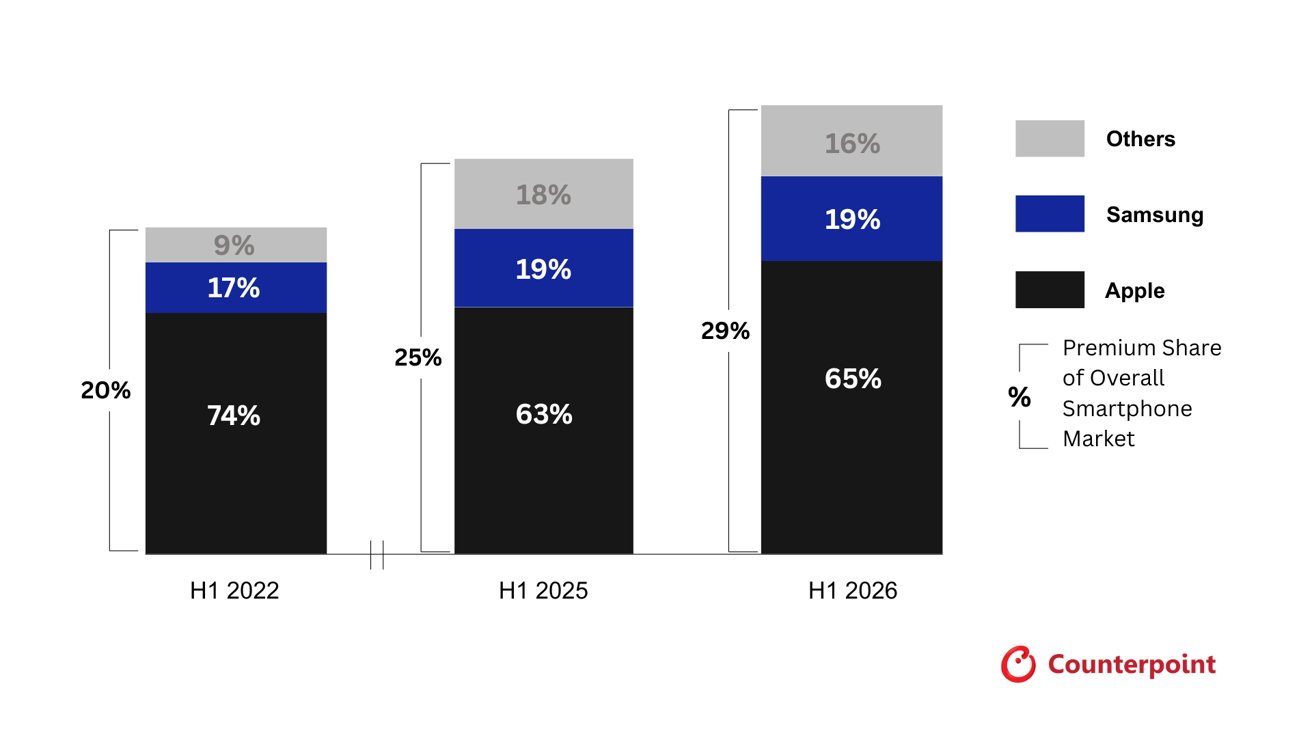
Apple captured 65% of the global premium smartphone market in the first half of 2026, as the wider premium segment's share of overall smartphone sales climbed to a record 29%.


That's according to Counterpoint Research's Handset Model Sales Tracker, which tracks smartphones with a wholesale average selling price of $600 or more. Apple's premium segment revenue grew 9% year-over-year in the first half of 2026, which Counterpoint attributed to strong sales of the iPhone 17 lineup, particularly the base model.

Even with that growth, Apple's share of the premium segment has slipped from 74% in the first half of 2022. Counterpoint pins the decline on intensifying competition in China, the largest premium smartphone market, where Huawei, Xiaomi, OPPO, and vivo have all sharpened their flagship offerings, pulling more Chinese consumers toward domestic premium brands.

Across the broader premium segment, unit sales grew 5% year-over-year in the first half of 2026, with the segment's overall market share up from 25% in the first half of 2025 and 20% in the first half of 2022. Counterpoint says the latest gains stem largely from rising memory and component costs, which have hit low- and mid-tier phones harder than flagship models.


Premium brands, including Apple, were better positioned to absorb the higher costs through wider margins and fewer promotions, helping sustain demand even as the broader market grew more challenging. The share gains between the first half of 2022 and the first half of 2025, by contrast, were driven mainly by a broader premiumization trend as consumers traded up to higher-end devices.

Counterpoint Research said the narrowing price gap between mid-tier and premium phones is accelerating that shift, making flagship devices, including older or discounted iPhones, a more attractive upgrade for consumers:

As mid-segment Android smartphone prices rise, the price gap with premium devices, especially older or discounted flagship models, is narrowing. This trend makes flagship smartphones a better upgrade option for consumers. To support this shift, OEMs are expanding financing, trade-in and buyback programs to improve affordability. Samsung has also expanded its Galaxy Forever program to several markets to make flagship devices more accessible.


Samsung remains the only other brand in Apple's league, holding 19% of the premium segment after 3% year-over-year growth, despite a later launch for the Galaxy S26 series. Behind the two leaders, Chinese brands showed the sharpest growth off a much smaller base: OPPO grew 69% on the strength of its Find X9 series, while vivo grew 20% as the X300 series outperformed its predecessor.

Counterpoint expects Apple to keep its lead alongside Samsung, citing Apple's strength in developed markets, its integrated ecosystem, and its brand value, even as Huawei and Xiaomi are seen as well positioned to keep gaining share in China. Counterpoint added that premiumization "will be the key strategy in the smartphone industry as the focus shifts from shipment volumes to value and profit maximization."
This article, "Apple Captures 65% of Global Premium Smartphone Market" first appeared on MacRumors.com

Discuss this article in our forums
  •  

Mac Pro Turns 20 Today, Five Months After Apple Killed It

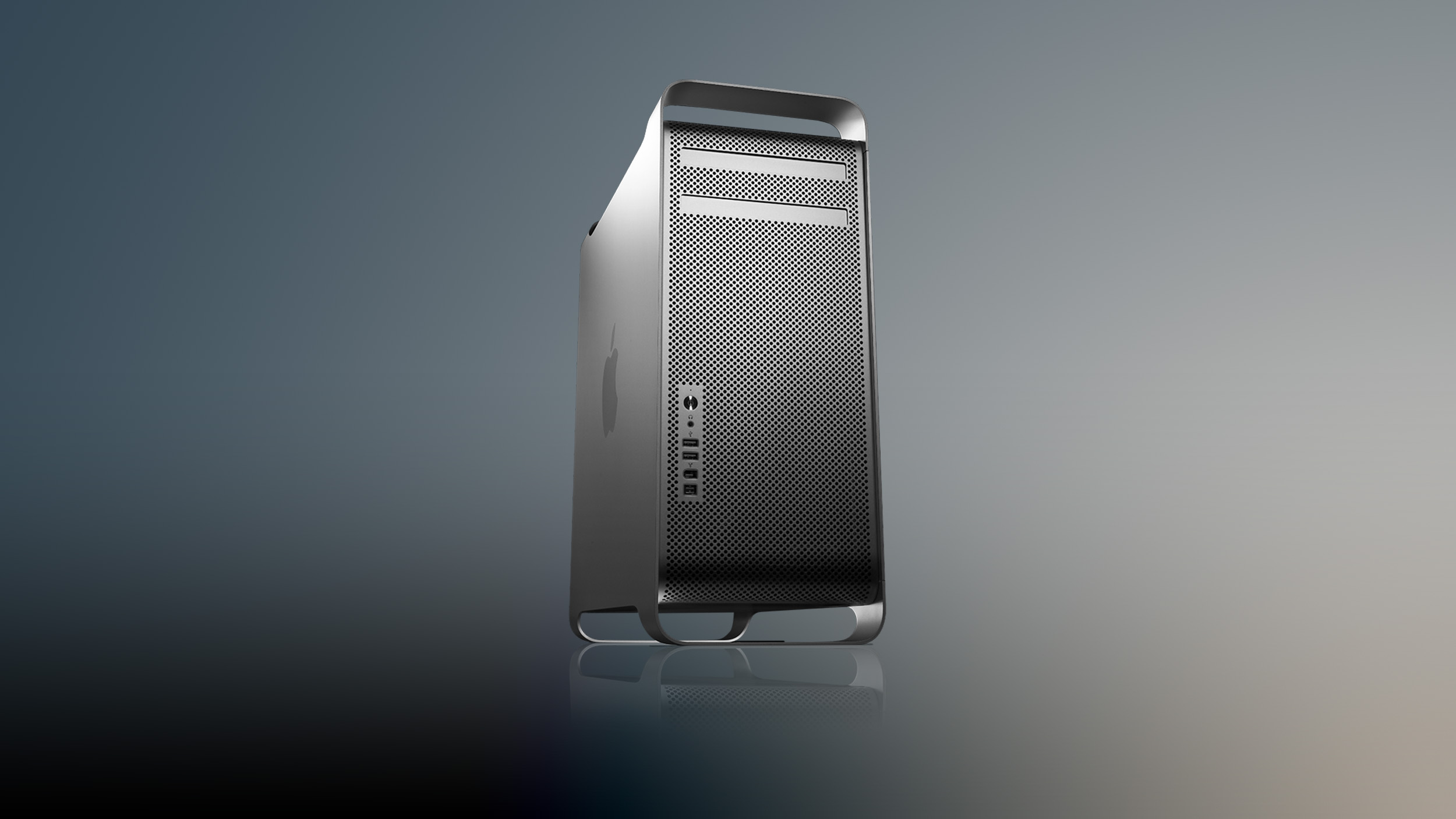
Apple announced the original Mac Pro 20 years ago today, with the anniversary landing five months after the company discontinued the machine for good.


On August 7, 2006, Apple unveiled the first Mac Pro, powered by two dual-core 64-bit Xeon processors that Apple said made it up to twice as fast as the Power Mac G5 it replaced. It was the last Mac to complete Apple's transition from PowerPC to Intel chips, and it launched with PCI Express expansion slots and a $2,499 starting price.

The Mac Pro quickly became the machine of choice for video editors, audio engineers, and other creative professionals, particularly those running Final Cut Studio, the editing suite Apple positioned squarely at the same audience. Its four internal drive bays, tool-free case, and PCIe expansion slots made it easy to configure for demanding workloads, and Apple kept the pace of updates brisk in its early years, adding an eight-core configuration in April 2007 and following with a refreshed base model in January 2008. That steady cadence of upgrades continued through 2012, a sharp contrast to the long droughts that would define the machine's later years.

The Mac Pro remained as Apple's professional flagship for almost the next two decades since its launch. That positioning kept the machine niche, and Apple's attention to it was inconsistent.

The clearest example came in 2013, when Apple replaced the classic tower with a radically redesigned cylindrical model nicknamed the "trash can" Mac Pro, built around a single central "unified thermal core." The trash can went unrefreshed for six years, a lifetime in computing terms, before Apple apologized to its pro user base and essentially admitted the design was a mistake.

In a 2017 interview, Craig Federighi said Apple had "designed ourselves into a bit of a thermal corner," having built the machine around GPU workloads that never materialized as broadly as the company expected. A more conventional tower, with eight PCIe slots, arrived in 2019.

Even after that redesign, the Mac Pro's position kept eroding. The Mac Studio delivered nearly identical performance in a smaller, far cheaper package. Once the Mac Pro moved to Apple silicon with the M2 Ultra chip in June 2023, add-in cards like the Afterburner lost support, leaving PCIe expansion as close to its only remaining edge over the Studio, a slim advantage for a machine that started at $6,999.

Apple discontinued the Mac Pro on March 26, 2026, pulling it from its website. The company said it has no plans to design a new version, and no future model is coming.

The announcement landed three months before Apple raised prices on 14 products, including Macs and iPads, to offset the rising cost of memory chips. The ‌Mac Studio‌'s M3 Ultra configuration jumped $1,300, from $3,999 to $5,299, while the entry-level MacBook Pro rose $300, from $1,699 to $1,999.

Apple CEO Tim Cook said that "price increases are unavoidable," adding that Apple had tried to shield customers from rising memory costs but "the situation has become unsustainable." Cook likened the shortage to "a hundred-year flood," saying he had "never seen anything like it in any area in over 40 years."

Applying that same roughly 33% jump seen on the M3 Ultra ‌Mac Studio‌ to the Mac Pro's $6,999 starting price would have pushed a base configuration above $9,300, with no extra RAM, storage, or GPU cores factored in, a price unlikely to move many units of a machine that was already selling in small numbers.

With the Mac Pro gone, the Mac Studio is now Apple's most powerful desktop, though it lacks the tower's internal PCIe expansion slots. Apple's next ‌Mac Studio‌ refresh is expected to bring the M5 Max and M5 Ultra chips to the machine.
Buyer's Guide: Mac Pro (Don't Buy)
Related Forum: Mac Pro

This article, "Mac Pro Turns 20 Today, Five Months After Apple Killed It" first appeared on MacRumors.com

Discuss this article in our forums
  •  

Apple Raises Trade-In Values for iPhone, Mac, and More

Apple today updated its U.S. trade-in estimates, raising values for most iPhone, iPad, Mac, and Apple Watch models and adding several Android phones to the list for the first time.


As first noted by 9to5Mac, some devices gained nearly 30% in estimated value compared to the last update in May.

The iPhone 16 Pro Max now tops Apple's iPhone estimates at up to $720, up from $695, and increases run all the way down the lineup to some of Apple's oldest supported models:


  • iPhone 16 Pro Max: $695 to $720

  • iPhone 16 Pro: $560 to $630

  • iPhone 16 Plus: $465 to $485

  • iPhone 16: $460 to $480

  • iPhone 15 Pro Max: $490 to $530

  • iPhone 15 Pro: $410 to $420

  • iPhone 15 Plus: $325 to $340

  • iPhone 15: $320 to $335

  • iPhone 14 Pro Max: $375 to $405

  • iPhone 14 Pro: $320 to $335

  • iPhone 14: $225 to $235

  • iPhone SE (3rd generation): $80 to $85

  • iPhone 13 Pro Max: $320 to $340

  • iPhone 13 Pro: $260 to $285

  • iPhone 13: $195 to $205

  • iPhone 13 mini: $150 to $155

  • iPhone 12 Pro Max: $220 to $240

  • iPhone 12 Pro: $180 to $195

  • iPhone 12: $125 to $135

  • iPhone 12 mini: $85 to $90

  • iPhone 11 Pro Max: $150 to $160

  • iPhone 11 Pro: $135 to $145

  • iPhone 11: $100 to $110

  • iPhone XS Max: $90 to $95

  • iPhone XS: $65 to $70

  • iPhone XR: $80 to $90

  • iPhone 8: $35 to $40


Unchanged models include the iPhone 16e, iPhone 14 Plus, iPhone SE (2nd generation), iPhone X, and iPhone 8 Plus. Every current ‌iPad‌ also gained value:


  • iPad Pro: $690 to $720

  • iPad Air: $460 to $490

  • iPad mini: $265 to $300

  • iPad: $235 to $260


The Mac saw some of the largest percentage increases in today's update, led by the Mac mini's roughly 28% jump:


  • MacBook Pro: $690 to $855

  • MacBook Air: $520 to $580

  • Mac mini: $375 to $480

  • iMac: $355 to $380

  • Mac Studio: $1,045 to $1,305

  • Mac Pro: $2,045 to $2,195


The iMac Pro remains unchanged. Apple Watch estimates rose across most of the lineup:


  • Apple Watch Series 10: $150 to $165

  • Apple Watch Series 9: $130 to $135

  • Apple Watch Series 8: $90 to $95

  • Apple Watch Series 7: $65 to $70


Unchanged models include the Apple Watch Ultra 2, Apple Watch Ultra, Apple Watch SE (2nd generation), Apple Watch Series 6, and Apple Watch SE (1st generation).

Android trade-in values were more mixed. Apple added several newer Samsung, Google, and OnePlus phones to the list for the first time, while some existing estimates fell:


  • Samsung Galaxy S22 Ultra 5G: $130 to $125

  • Samsung Galaxy S22+ 5G: $80 to $85

  • Samsung Galaxy S22 5G: $80 to $85

  • Samsung Galaxy S21 Ultra 5G: $95 (new)

  • Google Pixel 9 Pro XL: $315 (new)

  • Google Pixel 9 Pro: $305 (new)

  • Google Pixel 9: $210 (new)

  • Google Pixel 8 Pro: $165 to $155

  • Google Pixel 7 Pro: $95 to $90

  • Google Pixel 7: $65 to $60

  • OnePlus 13: $250 (new)

  • OnePlus 13R: $165 (new)


Unchanged models include the Samsung Galaxy S21+ 5G, Samsung Galaxy S21 5G, Google Pixel 8, Google Pixel 8a, OnePlus 12, and OnePlus 12R.

As always, Apple's listed values are estimates, with the company noting that final offers can vary based on a device's condition and configuration, and that not all devices are eligible for trade-in credit.
This article, "Apple Raises Trade-In Values for iPhone, Mac, and More" first appeared on MacRumors.com

Discuss this article in our forums
  •  

Apple Scrambling to Secure Memory Ahead of iPhone 18 Pro Launch

Apple and its manufacturing partners are racing to secure enough mobile DRAM to complete production of the iPhone 18 Pro and its first foldable iPhone, with around $1 billion worth of unpackaged processors reportedly sitting idle as they wait on memory chips, according to semiconductor analyst Tim Culpan.


With less than six weeks until the expected debut of the ‌iPhone 18 Pro‌ and the first foldable iPhone, widely rumored to be called the "iPhone Ultra," assemblers are working with Apple to hurry DRAM shipments, Culpan reports. Apple leans heavily on Micron for the memory but also buys from SK Hynix and Samsung. Apple and its assemblers are said to remain confident they can meet initial demand, though sources are concerned that online order wait times could stretch out while retail inventory dries up quickly.

This year's iPhone lineup is set to introduce the "A20 Pro" chip, Apple's first chip built on TSMC's N2 process, which started shipping in volume earlier this year. Production is reportedly progressing well, with good volume and yields, but completed wafers are piling up because the DRAM needed to package them has not arrived. Because packaging cannot be completed without the corresponding DRAM, Culpan estimates that TSMC is currently sitting on roughly $1 billion worth of Apple processors that cannot move to the next stage of production.

The bottleneck apparently threatens to ripple into the final stages of iPhone production. Main logic board assembly and final assembly are handled primarily by Foxconn and BYD in China, and delays in packaged processor deliveries could compress their production schedules even if Apple ultimately secures enough memory for launch.

The squeeze reflects a broader memory shortage as AI infrastructure spending eats into global DRAM supply. Apple CEO Tim Cook acknowledged the pressure during the company's July 30 earnings call, saying Apple was "seeing some very significant constraints currently, with limited flexibility in the supply chain."

The crunch already forced Apple to raise prices and shift production priorities, with Bloomberg's Mark Gurman reporting this week that Apple is steering buyers toward the MacBook Pro and away from the MacBook Air.

Assemblers have reportedly been told that Apple plans to build around 200 million units combined across the iPhone 18, ‌iPhone 18 Pro‌, and ‌iPhone Ultra‌ over their lifetimes, with the Ultra accounting for less than 10% of that total. The rest is expected to be split evenly between the Pro and standard models. The foldable iPhone will likely cost more than $2,000, making it the most expensive iPhone Apple has ever sold.
Related Roundups: iPhone 18 Pro, iPhone Fold

This article, "Apple Scrambling to Secure Memory Ahead of iPhone 18 Pro Launch" first appeared on MacRumors.com

Discuss this article in our forums
  •  

Apple Account Card in Wallet Now Available in Four More Countries

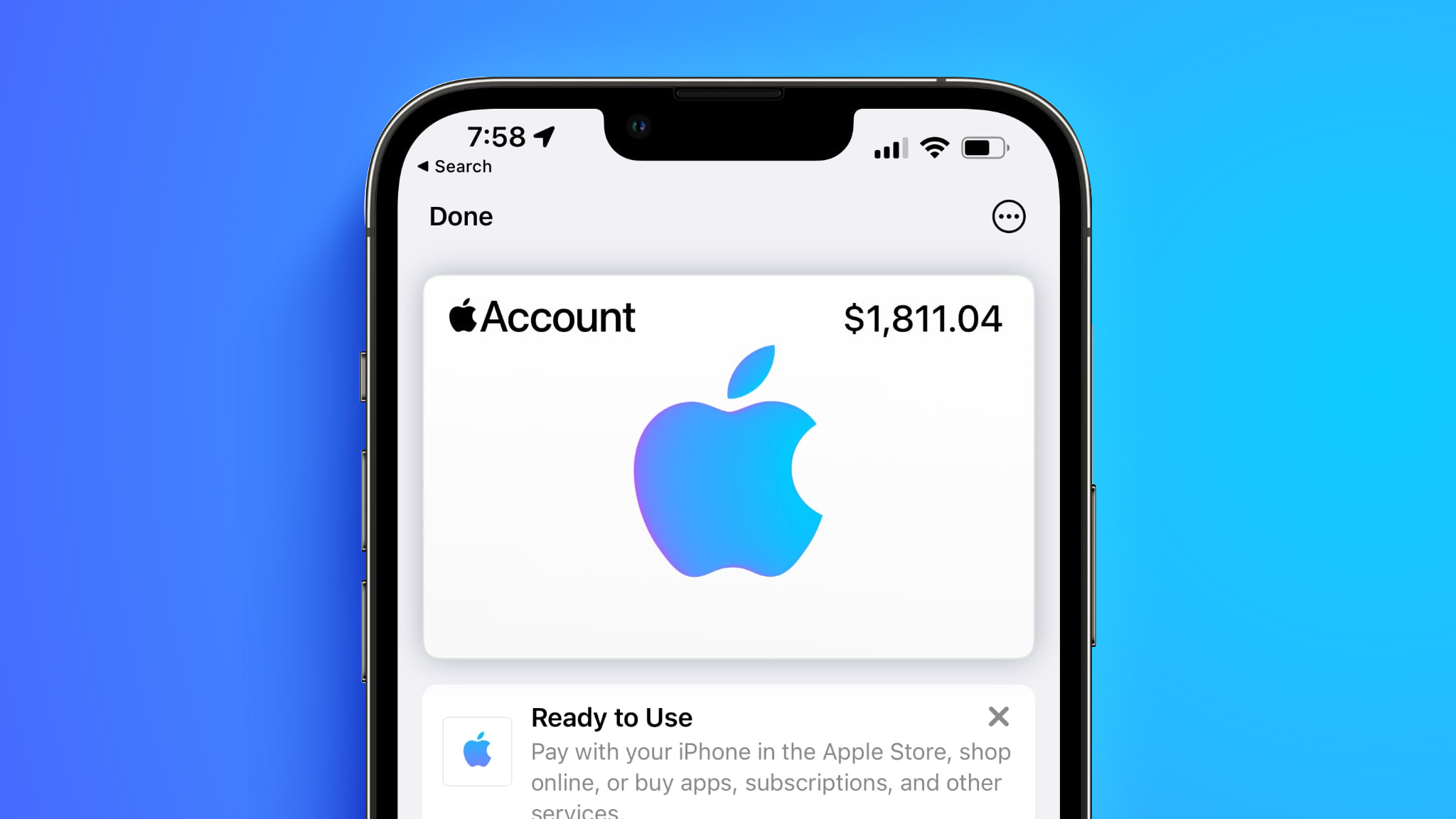
Apple has expanded support for the Apple Account Card in the Wallet app to Estonia, Latvia, Lithuania, and Malta.
The Apple Account Card option for Wallet started rolling out in 2022, and Apple has been gradually expanding to more countries since then.

The card displays the balance associated with a user's Apple Account and can be used to make purchases in the Apple Store, online, or for apps, subscriptions, and other Apple services.
This article, "Apple Account Card in Wallet Now Available in Four More Countries" first appeared on MacRumors.com

Discuss this article in our forums

  •  

Apple's Bid to Use Chinese Chipmaker as Leverage Backfires

Apple's attempt to use Chinese memory maker CXMT as leverage against Samsung Electronics and SK Hynix has backfired, with the two Korean chipmakers ending up with more pricing power rather than less, DigiTimes reports, citing South Korean and Chinese trade press.


This year, Apple has explored CXMT and fellow Chinese chipmaker YMTC as potential DRAM suppliers, and had progressed to testing CXMT's chips as memory shortages pushed up the cost of almost all Apple devices. Apple hoped a credible Chinese alternative would pressure Samsung and SK Hynix into cutting their own prices, a tactic it has used before with OLED suppliers and contract manufacturers.

CXMT is barred from EUV lithography tools under U.S. export controls, so it has to rely on older DUV equipment that, per a cost analysis cited by TechTimes, requires around 30% more wafer starts to produce the same output. That extra cost means matching Samsung and SK Hynix's prices is CXMT's floor, not a discount it's able to offer, so when Apple pushed for a lower LPDDR5X quote, CXMT turned it down and held pricing at or above the Korean suppliers' own rates.

With that threat neutralized, Apple seemingly lost its main point of leverage. Digital Daily reports that Chinese device makers Huawei and Xiaomi have already locked up most of CXMT's output through long-term, high-price contracts, so the company doesn't need Apple's business badly enough to negotiate.

The result is the opposite of what Apple wanted; without a credible cheaper alternative to point to, Samsung and SK Hynix face less pressure to lower their own prices, at the same time they're shifting production toward high-bandwidth memory for AI servers and tightening the broader DRAM supply. The setback comes after Apple's CXMT plans drew pushback, with politicians demanding Apple commit to not buying Chinese memory chips at all.
This article, "Apple's Bid to Use Chinese Chipmaker as Leverage Backfires" first appeared on MacRumors.com

Discuss this article in our forums

  •  

OpenAI Asks Judge to Dismiss Apple's Trade Secrets Lawsuit

OpenAI has asked a federal judge to dismiss Apple's lawsuit accusing the AI company of stealing trade secrets, calling the allegations "meritless."


Lawyers for OpenAI said Apple's suit twists the actions of its employees. Bloomberg reports that the filing defends Chief Hardware Officer Tang Yew Tan, who spent 24 years at Apple as VP of product design for iPhone and Apple Watch before leaving to co-found io Products with former Apple design chief Jony Ive. io merged with OpenAI in July 2025. OpenAI said Tan followed normal industry recruiting practices when interviewing Apple staff.

OpenAI also defended senior systems engineer Chang Liu, one of two former Apple employees named in the suit. Apple claims Liu accessed confidential hardware files over several weeks after finding an authentication bug. OpenAI said Liu was simply helping a former Apple colleague find information for their own work, and published excerpts of text messages it says back up that account. "Apple should not be permitted to use a baseless and pretextual lawsuit," OpenAI's lawyers wrote.

OpenAI's motion argues Apple never properly identified what information actually counts as a protectable trade secret. The company said it has no interest in Apple's confidential material because it is "building something entirely new and different from anything at Apple."

Axios reported that OpenAI's filing also disputes how Apple built its case. According to OpenAI, Apple's own security practices, including letting staff use personal iCloud accounts for work and later reviewing personal messages left on company devices, are what gave former employees leftover system access in the first place, not evidence of a coordinated theft. The 31 page filing repeatedly frames the case as Apple trying to cover for its own struggles, with variations of the word "fail" appearing nearly 50 times.

OpenAI's filing also revisited an earlier dispute over how the two sides first fell out of contact. Apple's suit had claimed OpenAI never responded to its outreach in February, and that the two sides discussed the matter with OpenAI's general counsel. OpenAI says neither is true, and that the breakdown traced back to Apple's own outside counsel confusing two OpenAI employees with similar surnames and sending a message to the wrong person.

This week's motion follows the suit Apple filed against OpenAI in July, which accuses the company of running a scheme to pull confidential product information out of job candidates and new hires. Apple and OpenAI had spent about two years partnering to build ChatGPT integration into Siri, but the relationship soured as OpenAI moved into hardware, a shift accelerated by its acquisition of Ive's startup. Apple's suit claims more than 400 former Apple employees now work at OpenAI.

Apple escalated the case further this week, asking the same judge for a preliminary injunction to stop OpenAI from using any alleged trade secrets while the case continues, along with expedited discovery targeting Liu, Tan, OpenAI and its foundation, and io. Apple said its investigation has since turned up 11 more former employees who may have been witnesses or otherwise involved, beyond Liu, Tan, and previously named OpenAI employee Yu-Ting Peng.

Apple claims one former employee met with Liu and Peng before Peng's OpenAI interview and discussed proprietary information about unannounced products, and that another took screenshots of confidential documents relating to an unannounced Apple product before their own interview. Apple also said that after it filed its complaint, several former staffers now at OpenAI reached out about returning Apple issued devices they had kept.

OpenAI called that injunction request "based on false information and completely unnecessary" in a public blog post responding to Apple's filing. OpenAI has a court ordered deadline of August 17 to formally respond to Apple's preliminary injunction request. The judge is set to hear arguments on October 1.
This article, "OpenAI Asks Judge to Dismiss Apple's Trade Secrets Lawsuit" first appeared on MacRumors.com

Discuss this article in our forums

  •  

Apple Vision Pro Speeds Up Surgery by Almost 20%

Surgeons who wore an Apple Vision Pro as their primary display during a tear duct procedure finished operations 19% faster than surgeons using a traditional monitor, according to a peer-reviewed study by UC San Diego.


The study, published in the journal AJO International (via iPhone in Canada), looked at 32 endoscopic surgeries to clear blocked tear ducts. In half the cases, surgeons wore Vision Pro headsets that streamed the endoscopic video feed directly into their field of view instead of looking at a monitor across the room, letting them keep a natural forward-facing posture throughout.

Average operative time came in at 34.4 minutes with the Vision Pro, compared to 42.7 minutes with the traditional monitor. Every case in both groups succeeded with no complications, and all five surgeons involved said they preferred operating with the headset, reporting lower physical and mental workload.

The researchers also found the Vision Pro was cheaper and far smaller than the monitor setup it replaced, though they caution the study is small and preliminary, and call for larger trials to confirm the results.
Related Roundup: Apple Vision Pro
Buyer's Guide: Vision Pro (Neutral)
Related Forum: Apple Vision Pro

This article, "Apple Vision Pro Speeds Up Surgery by Almost 20%" first appeared on MacRumors.com

Discuss this article in our forums

  •  

Foldable Smartphone Sales to Rise 20% This Year Due to 'iPhone Ultra'

Global foldable smartphone shipments are expected to grow 20% in 2026 compared to last year, with Apple's first entry into the category cited as one of the factors driving the increase, according to industry sources cited by DigiTimes.


The report notes that the broader smartphone market is contending with tighter supply of upstream logic chips and higher memory prices, but says the foldable segment is expected to keep expanding regardless. Samsung is expected to retain its lead in the category, while Apple, Huawei, and other brands are described as helping to drive growth, with the fourth quarter of 2026 flagged as the year's most important sales period.

Industry sources told the publication that wider foldable designs and Apple's move into foldables are giving the category a further lift. Nearly eight years of product development, along with a growing number of brand launches and a broader range of devices for buyers, have made foldables more mature and given manufacturers added momentum to expand shipments.

Apple is expected to unveil its first foldable iPhone alongside the iPhone 18 Pro models this September, and has reportedly told suppliers to prepare to build around 10 million units this year. Supply chain analyst Ming-Chi Kuo has suggested the device may not be available to pre-order until the fourth quarter of 2026, a timeline that lines up with DigiTimes' framing of that quarter as the category's key growth window.

According to the report, Samsung's own experience shows that early preorder campaigns can generate strong launch-period sales, but the bigger growth phase is expected to arrive in the fourth quarter, once foldable launches from multiple brands are already on the market. That period is seen as a key opportunity to expand overall demand and drive shipment growth. ‌DigiTimes‌ added that that most consumers already expect device prices to rise, so demand should hold up as long as increases stay reasonable.
This article, "Foldable Smartphone Sales to Rise 20% This Year Due to 'iPhone Ultra'" first appeared on MacRumors.com

Discuss this article in our forums

  •  

Bigger Displays Rumored for Next Year's iPhone Models

Apple is prototyping a second new iPhone display, this one measuring around 6.4 inches, that could be destined for the 20th anniversary iPhone, according to a Chinese leaker.


In a recent post on Weibo, the leaker known as "Digital Chat Station" said Apple is currently sampling two new display panels. One measures roughly 6.4 inches and has a chance of being used in the "‌iPhone 20 Pro‌," while the other is the approximately 7-inch panel previously reported for the larger ‌"iPhone 20 Pro Max‌."

According to the leaker, physical screen sizes across the entire 20th anniversary lineup are set to increase while the aspect ratio stays the same as before, and the devices may adopt an all-new borderless design with curves on all four edges. That would line up with earlier claims that the lineup will feature an edge-to-edge display with curved glass on all sides for a nearly borderless visual effect.

A 6.4-inch screen would be a modest step up from the 6.3-inch displays on the current ‌iPhone 17 Pro‌ and the upcoming ‌iPhone 18 Pro‌, which is not expected to change size this year. Apple last grew its premium iPhone displays with the iPhone 16 Pro lineup in 2024, when the ‌iPhone 16‌ Pro increased from 6.1 to 6.3 inches and the ‌iPhone 16‌ Pro Max grew from 6.7 to 6.9 inches.

The claim follows a Bloomberg report from last month that said Apple had ramped up work on two sizes of the 20th-anniversary iPhone.

In addition to the new design and larger displays, Apple's 20th anniversary iPhone models are expected to feature under-display Face ID technology, a custom Apple image sensor, haptic buttons, the A21 chip, higher bandwidth memory, and a pure silicon battery.
This article, "Bigger Displays Rumored for Next Year's iPhone Models" first appeared on MacRumors.com

Discuss this article in our forums

  •  

WhatsApp Adds '@ all' Mentions and Poll Upgrades to Group Chats

WhatsApp today announced a series of updates to group chats, including an "@all" mention feature, three new poll upgrades, and a faster way to spin off new groups from existing ones.


The most notable addition is @all, which lets a group member alert everyone in a chat at once instead of tagging people individually. WhatsApp says the feature is meant for important, time-sensitive messages, such as school or office closures, event deadlines, or last-minute changes to plans. In groups with more than 32 members, only admins can use @all. The mention will surface even in muted chats, though WhatsApp says users can mute @all specifically in their notification settings if they want to opt out.

Polls are also gaining three improvements. Poll creators can now set an end time that automatically locks voting once it passes, hide voter names so participants can respond without others seeing their choices, and edit a poll's question for up to 15 minutes after posting it to fix typos or add clarity.

WhatsApp is also simplifying group creation. A new "Create a similar group" option lets users start a new group chat populated with members from an existing one in a single tap, rather than adding participants one by one. WhatsApp suggests the feature for splitting off side conversations, such as planning a surprise party away from the group being surprised, or diving into a specific topic without cluttering the main chat.

Today's changes come as a continuation of updates introduced earlier this year, when WhatsApp added group message history, member tags, and event reminders. WhatsApp has more than 100 million users in the U.S. and over 3 billion globally.
This article, "WhatsApp Adds '@ all' Mentions and Poll Upgrades to Group Chats" first appeared on MacRumors.com

Discuss this article in our forums

  •  

Apple's Annual India Sales Surpass $10 Billion for First Time

Apple's annual sales in India surpassed $10 billion for the first time in the fiscal year ending in March, according to a person familiar with the matter cited by Bloomberg, as the company continues to widen its retail footprint in the country.

Revenue grew at a double-digit percentage rate over the 12 months through March, up from about $9 billion a year earlier, with iPhones accounting for a significant majority of the total and demand for iPads and MacBooks also rising.
Tag: India

This article, "Apple's Annual India Sales Surpass $10 Billion for First Time" first appeared on MacRumors.com

Discuss this article in our forums

  •  

OpenAI Posts Public Rebuttal to Apple's Trade Secrets Lawsuit

Apple has asked a federal judge for a preliminary injunction against OpenAI as its trade secrets lawsuit escalates, and OpenAI responded hours later with a detailed public rebuttal that includes internal messages and legal correspondence.


Reuters reports that Apple yesterday filed a motion seeking to bar OpenAI and two former employees, Chang Liu and Tang Tan, from accessing, using, or disclosing its alleged confidential information, along with a request for expedited discovery. "Apple will be irreparably harmed absent a preliminary injunction," the company said in its filing.

Apple originally sued OpenAI on July 10, alleging that former Apple engineer Liu and former Apple design executive Tan ran a scheme to funnel confidential product information to OpenAI's hardware business. OpenAI has repeatedly denied any wrongdoing, saying it has "no interest in other companies' trade secrets."

Late on Monday evening, OpenAI published a blog post titled "Apple is getting this wrong," calling the lawsuit "careless, aggressive and oddly personal." The company disputes Apple's account of its pre-litigation contact, saying Apple's outside counsel emailed the wrong person in February after confusing two Asian last names, and published the underlying email chain showing the mix-up, along with an apology from Apple's counsel. OpenAI says it heard nothing further about the specific allegations for five months before Apple filed suit.

OpenAI published iMessage exchanges it says show Apple employees repeatedly asking Liu for help locating files and technical information after his January 22 departure, including directing a colleague to AirDrop files from his Apple-linked iCloud account. The same messages show an Apple employee still asking Liu about internal files as late as March 5, with another participant in the thread calling the exchange "highly irregular."

OpenAI also defended Tan, who spent 24 years at Apple before joining io Products, the hardware startup he co-founded with Jony Ive, which merged with OpenAI in July 2025. "Tang has always been clear with the team that we do not want, and must not use, any confidential information from other companies," OpenAI said.

Apple's complaint claims more than 400 former Apple employees now work at OpenAI. A hearing on Apple's injunction request has not yet been scheduled.
This article, "OpenAI Posts Public Rebuttal to Apple's Trade Secrets Lawsuit" first appeared on MacRumors.com

Discuss this article in our forums

  •  

Telegram Briefly Removed From App Store

Apple briefly removed Telegram from the App Store on Monday night after a review found content that violated its guidelines against child sexual abuse material (CSAM), but restored the app a short while later, according to Reuters.


Reports of the removal began circulating around 9:30 p.m. ET on Monday, with searches for Telegram on the ‌App Store‌ returning nothing and the app's direct listing showing a "page can't be found" error. Existing users were not affected and could keep using the app throughout, and Telegram remained available on the Mac App Store. The app returned to the ‌App Store‌ roughly 40 minutes later, around 10:10 p.m. ET. Apple confirmed the reason for the takedown in a statement:

We briefly removed Telegram from the App Store after our review found content that violates our strict guidelines prohibiting child sexual abuse material. The app was subsequently restored after the developer promptly removed the content and banned the user who posted it.


Telegram said the action stemmed from a single account. "Apple reported one user sharing CSAM, who was immediately banned," the company said, adding that it has removed more than 337,900 groups and channels related to CSAM in 2026, on top of 29,640 removals in 2025 following reports from groups including the National Center for Missing & Exploited Children.

reports of my demise are greatly exaggerated 🍎

— Telegram Messenger (@telegram) August 4, 2026


Epic Games CEO Tim Sweeney, a longtime critic of ‌App Store‌ policy amid his own antitrust fight with Apple, argued on X that the takedown showed the need for more competition in app distribution. "Apple's ‌App Store‌ desperately needs competition worldwide," Sweeney wrote. "Apple capriciously removes a vital communication and privacy tool from availability to a billion users, and sadly this is business as usual." He went on to question the consistency of the standard Apple applied, noting the company "did not elaborate on how, if that is the standard for app removal, any communications app could operate at scale, including iMessage."

Monday's action echoes a February 2018 removal, when Apple pulled both Telegram and its Telegram X client over what founder Pavel Durov described at the time as "inappropriate content," restoring the apps only after Telegram added extra safeguards.
This article, "Telegram Briefly Removed From App Store" first appeared on MacRumors.com

Discuss this article in our forums

  •  

India Moves to Extend Tax Break Apple Lobbied For

India has proposed extending tax breaks until 2041 for foreign companies that supply machinery to their contract manufacturers, handing a win to Apple as it expands iPhone production in the country, Reuters reports.

Introduced in February, the exemption previously ran only until 2031, and Apple had long since lobbied against being taxed on the high-end iPhone machinery it owns in India. The draft bill still has to be passed by both houses of parliament.
Tag: India

This article, "India Moves to Extend Tax Break Apple Lobbied For" first appeared on MacRumors.com

Discuss this article in our forums

  •  

Apple Launches New Legal Challenge Against UK Backdoor Demand

Apple last month filed a new legal complaint with the UK's Investigatory Powers Tribunal (IPT) over the British government's demand for access to encrypted iCloud backups belonging to UK users, according to an order issued by the court and reported by the Financial Times.


The Home Office previously agreed to drop its original demand for a backdoor covering UK and U.S. customers alike, after a diplomatic row with Washington. The British government subsequently issued a new technical capability notice (TCN) to Apple last year, limited to users in the UK.

Technical capability notices are issued under the UK's Investigatory Powers Act, which the government says is necessary to investigate terrorism and child sexual abuse. They can force companies to hand UK security services access to customer data, even when that data is encrypted.

The court notified Privacy International of Apple's new complaint. The group, along with Liberty, had already brought a separate complaint against such notices at the IPT, with that case due to be heard in December.

Apple has long argued that any such backdoor would weaken security for all its customers. Apple and the Home Office are both legally barred from discussing TCNs.
This article, "Apple Launches New Legal Challenge Against UK Backdoor Demand" first appeared on MacRumors.com

Discuss this article in our forums

  •  

Apple's Smart Glasses Could Become Its Next Health Device

Apple wants its future glasses and headsets to double as health and fitness devices, Bloomberg's Mark Gurman reports.


In the latest edition of his "Power On" newsletter, Gurman said the ambition traces back to Vision Pro's early development, when Apple weighed a number of ambitious health and fitness features for the headset. Among the ideas Apple explored was a Vision Pro-native take on Fitness+, designed to have wearers work out and follow along with classes while the headset's body-tracking sensors monitored their form. That project stalled and was ultimately scrapped, according to Gurman, both because of technical limitations and because the headset was simply too heavy to wear comfortably during a workout.

Apple has apparently carried that ambition into its smart glasses project once the company shifted its spatial computing focus away from Vision Pro. He draws a parallel to AirPods, which Apple transformed from simple earbuds into a functioning hearing aid system. Sensors embedded in the glasses, he suggested, could eventually let Apple capture movement data in a similar way, opening the door to fitness-tracking functionality later down the line.

Gurman noted that this won't be part of the glasses when they debut next year; he expects the health capabilities to arrive gradually, over a period of years rather than at launch.

He pointed out that the Vision Products Group, Apple's team responsible for glasses and future headsets, is looking to hire a "strategic product design leader" tasked with helping "define the future of health, well-being and fitness experiences across vision products." Whoever fills the role will need to "translate ambiguous opportunities at the intersection of spatial computing, wearables, consumer health and human behavior" into an actual product direction.

The listing also calls for a candidate with "experience developing and validating digital health or fitness products" and "familiarity with sensor-driven experiences." Put together, Gurman argues, the posting confirms Apple's intent to eventually place its glasses alongside AirPods and Apple Watch as health platforms.

Apple's first smart glasses are expected to launch late next year, following a potential unveiling at WWDC.
This article, "Apple's Smart Glasses Could Become Its Next Health Device" first appeared on MacRumors.com

Discuss this article in our forums

  •  

AirPods With Cameras Could Arrive Sooner Than Expected

Apple's first camera-equipped AirPods could launch as soon as next month, according to Bloomberg's Mark Gurman.


Apple has reportedly spent years working on camera-equipped AirPods under the code name "B798," as part of a broader AI wearables push that also encompasses smart glasses and a wearable AI pendant. That model had been on track for a 2026 release before slipping to 2027.

In his latest "Power On" newsletter, Gurman said that a separate camera AirPods project, code named "B790," has been progressing alongside B798. He noted this isn't unusual for Apple, saying the company "famously creates competing versions of the same product internally." He added that the B790 hardware is closer to production. Pieces of it have turned up in iOS 27's code, and it is reportedly listed internally as a candidate to ship before the year is out.

It is not the first sign of B790's existence. Developer Sam Henri Gold found traces of the same codename buried in the second iOS 27 developer beta last month. Gurman did not mention what separates the B790 hardware from the more advanced B798 model, and it's still an open question whether Apple will ultimately ship both.

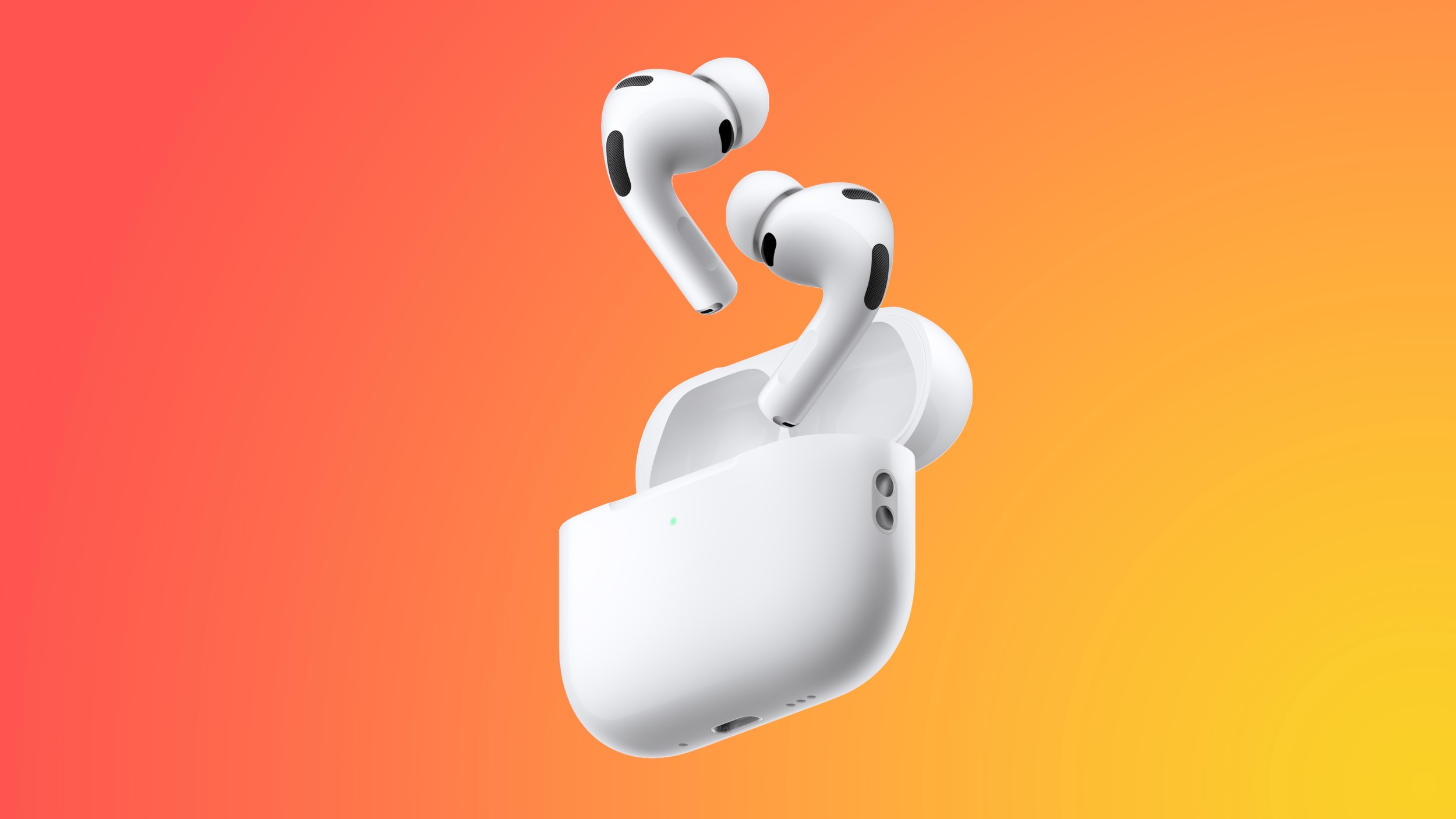
Rather than taking photos or video, the sensors in Apple's camera AirPods are expected to hand Siri a live view of a wearer's surroundings, tying into existing Visual Intelligence tools. Because a camera-equipped model is expected to cost more than the current $249 AirPods Pro 3, Gurman previously said Apple is weighing "AirPods Ultra" branding rather than calling them "AirPods Pro 4."

If the B790 model does arrive this year, a September debut alongside new iPhones is the most likely scenario, while the fuller featured B798 version remains slated for late 2027.
Related Roundups: AirPods 4, AirPods Pro 3
Related Forum: AirPods

This article, "AirPods With Cameras Could Arrive Sooner Than Expected" first appeared on MacRumors.com

Discuss this article in our forums

  •  

6 Things We Already Know About the 2028 iPhone

Rumors about Apple's 2028 iPhone are already starting to circulate, offering an early look at how the company plans to evolve the iPhone's design, display, and cameras.


The 2028 device will follow the 20th anniversary iPhone, which is set to introduce a display that curves down around all four edges for a near borderless effect. Reports suggest the first version of that design will launch with some visible compromises, and that the 2028 model is where Apple intends to resolve them. As with all rumors this far out, the details remain subject to change.

Because the 2028 iPhone is expected to refine the anniversary design rather than replace it, it should carry over much of what defines the 2027 model. That includes the curved all-glass body with a display that wraps around all four edges, a crater-shaped light diffusion layer that keeps brightness uniform across the curved screen, and a potential shift to solid-state haptic buttons integrated into the frame.

Apple's goal of moving the Face ID system and front camera beneath the display for a front free of cutouts remains, and the 2028 model may stand a better chance of achieving an uninterrupted display if the technology is not ready in time for 2027. Here are the six key rumors about the 2028 iPhone:


  • Refined curved-glass display: The 2028 iPhone is expected to use a more advanced version of the four-edge curved display debuting on the 2027 model. Where the anniversary iPhone is said to use a magnesium-silver alloy in its cathode layer, which can introduce image distortion and brightness loss in the curved areas, the 2028 model is reported to switch to more transparent indium zinc oxide cathodes. According to Korea's ETNews, the change should deliver less distortion, more even brightness, and fewer heat issues at the curved edges.

  • Hole-Punch Dynamic Island: DSCC's Ross Young has said under-display ‌Face ID‌ is unlikely to be ready in time for 2027, meaning the 20th anniversary model may retain a Dynamic Island similar to the one on the iPhone 18 Pro. That would leave the 2028 iPhone as the more likely candidate to take the next step toward a cutout-free front, whether through an even smaller hole-punch or a move to place the ‌Face ID‌ system and front camera under the display.

  • Narrower bezels: The move to indium zinc oxide cathodes is also expected to let Apple narrow the bezel further than on the 2027 anniversary model, bringing the design closer to a true all-screen front. It is one of several improvements ETNews attributes to the more transparent cathode material.

  • Tandem OLED: Apple is reported to be weighing tandem OLED technology for the iPhone as early as 2028, having already adopted it on the M4 iPad Pro. The structure stacks two organic light-emitting layers for improved brightness, a longer lifespan, and better power efficiency than the single-layer panels used in current iPhones. LG Display is said to be promoting a "simplified tandem" approach that stacks two layers for the blue sub-pixel only, though the final decision rests with Apple.

  • 'A22 Pro' chip: The high-end 2028 models are expected to move from the 2-nanometer process used in 2027 to a 1.4-nanometer "A22 Pro" chip. Bloomberg's Mark Gurman reported that the chip will be built on TSMC's A14 node, which is said to offer up to 15% better performance than a 2nm chip, or the same performance with 30% lower power draw. TSMC is expected to make the majority of the chips, though Apple is also apparently considering Intel for some of them.

  • 200-megapixel telephoto camera: Apple is reported to have tested a 200-megapixel periscope telephoto sensor in prototypes, but the technology is unlikely to reach the iPhone before 2028, according to the leaker known as "Digital Chat Station." Morgan Stanley similarly reported that Apple is working to bring a 200-megapixel camera to the iPhone as soon as 2028. The higher resolution would capture greater detail and allow photos to be cropped further or reproduced at larger sizes without a loss of quality.


With the 2028 iPhone still around 26 months away, none of this is settled, and the further out a rumor sits, the more room there is for Apple's plans to change before the device reaches production. Still, rumors about the device are more relevant than they might first appear.

Anyone buying an iPhone 18 Pro this September on a common two-year upgrade cycle will be due their next iPhone in 2028, meaning this is the model many of this year's buyers will actually upgrade to. The picture forming now is an early look at what that upgrade could hold, and part of a longer redesign arc that begins with the 2027 anniversary model before reaching its more polished form the following year.
This article, "6 Things We Already Know About the 2028 iPhone" first appeared on MacRumors.com

Discuss this article in our forums

  •  

iPad Air Could Finally Be Redesigned Next Year

The iPad Air has looked the same since 2020, making it the longest-running design in Apple's tablet lineup. There is a reasonable case that 2027 could be when that comes to an end.


Apple last gave the ‌iPad Air‌ a new enclosure in 2020, when the fourth-generation model introduced flat sides, an all-screen front, and Touch ID in the top button. The subsequent M1, M2, M3, and M4 updates were all internal with no design changes.

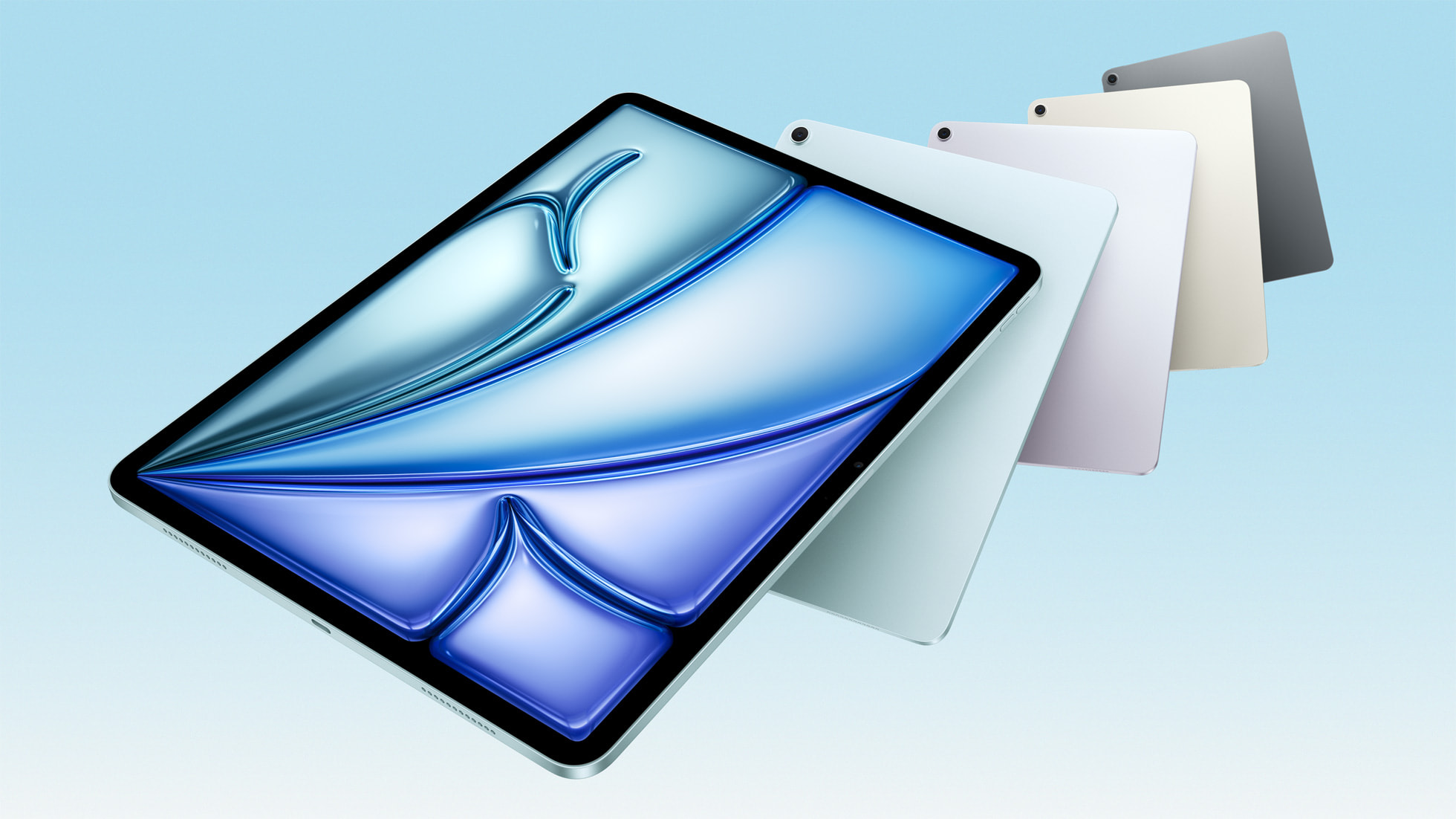
That could change next year. Apple is expected to move the iPad Air to OLED in early 2027, with Samsung Display supplying single-stack LTPS panels that sit below the tandem OLED in the iPad Pro on cost and brightness. The M5 chip is also rumored. That will form the largest change the product has had in years, and it comes as part of a wider OLED rollout that will eventually reach products like the iMac and MacBook Air.

The substantial upgrade would be a suitable candidate for a complete redesign. When the ‌iPad Pro‌ moved to ‌OLED‌ in 2024, Apple completely redesigned the device for the first time since 2018, introducing a substantially thinner chassis.

More strikingly, the iPad mini 8 is expected by October with a new design, an OLED display, a vibration-based speaker system that eliminates speaker holes, and a water-resistant casing that would be an iPad first.

The ‌iPad Air‌ and ‌iPad mini‌ have shared their design language since their introduction, with the mini most recently adopting the Air's look in 2021 and holding it through to the iPad mini 7. If the mini receives a new enclosure this year, the Air is the obvious candidate to bring over the same one next. It could be much like how the original ‌iPad mini‌ from 2012 set the design standard for the ‌iPad Air‌ just a year later.

There have been no specific rumors about an ‌iPad Air‌ redesign for next year, but if it does mirror the ‌iPad mini‌, the device could gain the same vibration-based speaker system, water-resistance, and more.
Related Roundup: iPad Air
Buyer's Guide: iPad Air (Buy Now)
Related Forum: iPad

This article, "iPad Air Could Finally Be Redesigned Next Year" first appeared on MacRumors.com

Discuss this article in our forums

  •  

The MacRumors Show: Revisiting iOS 27 Ahead of iPhone 18 Pro

After over a month of testing iOS 27, on this week's episode of The MacRumors Show we circle back to the beta and talk through our experiences with Siri AI, Liquid Glass refinements, and more.


‌iOS 27‌ is expected to launch this fall, bringing sweeping performance work across the system. Apple has cited more than 80 speed and efficiency improvements, with app launches up to 30 percent faster and AirDrop transfers up to 80 percent faster than on iOS 26. Animations, keyboard responsiveness, Home Screen page swapping, and App Library loading have all been sped up, and Apple says the improvements extend even to older iPhones like the iPhone 11.

The centerpiece of ‌iOS 27‌ is Siri AI, a substantially overhauled version of the assistant positioned as a rival to chatbots like Claude and ChatGPT. ‌Siri‌ AI can hold back-and-forth conversations, draw on personal context from Mail, Messages, Photos, and Files, and see what's on screen to answer follow-up questions. A new standalone Siri app houses ongoing conversations, while a "Search or Ask" interface, accessed via the Dynamic Island, has effectively replaced Spotlight as the default way to search the device and launch apps.

Liquid Glass, the translucent design language introduced in ‌iOS 26‌, has also been reworked. ‌iOS 27‌ adds a system-wide transparency slider in place of the binary "Clear" and "Tinted" toggle from iOS 26.1, letting users dial the effect anywhere between fully opaque and completely clear. Apple also improved how the material diffuses busy content behind it, addressing readability complaints that dogged the original rollout, and refreshed first-party app icons with additional Liquid Glass layering.

Elsewhere, Apple has leaned into contextual, on-device intelligence. For example, Call Context, a new Phone app feature, automatically surfaces relevant information, such as a flight confirmation number or order code pulled from Mail, when a user calls a business they've recently corresponded with. Apple says the feature works entirely on-device and looks only at who is being called, not at call audio, and it also appears on the Apple Watch during a call.

Calendar and Reminders now support natural language entry, letting users type something like "meeting at 2pm with Eric on July 14" and have the app suggest the date, time, and attendees automatically. Apple says ‌Siri‌ can handle more complex natural-language scheduling requests directly, including edits to recurring events.

The ‌Photos‌ app gains three generative editing tools grouped under an Apple Intelligence Tools section: an upgraded Clean Up, a new Extend tool, and Spatial Reframing. Clean Up now offers Fast, High Quality, and Auto modes for object removal and can reconstruct more complex backgrounds than before. Extend uses generative AI to fill in new content when a photo's borders are expanded, and is capped at a maximum of 25% per side. Spatial Reframing, which draws on the same spatial data used for Portrait mode, lets users shift a photo's apparent camera angle after it was taken.

The Shortcuts app has been rebuilt around a "Describe a Shortcut" interface, where ‌Apple Intelligence‌ assembles an entire automation from a plain-language description rather than requiring users to build workflows action by action manually. Safari picks up a similar natural-language approach with a new Create an Extension option for building custom browser extensions on the fly, automatic AI-driven tab organization by topic, and a "Notify Me" tool that monitors a webpage and alerts users when it changes, which is useful, Apple says, for tracking ticket sales or restocked products.

Image Playground has also been overhauled for ‌iOS 27‌, adding support for photorealistic image generation, edits to existing images via text descriptions, and additional aspect ratio options for wallpapers and Contact Posters.

‌iOS 27‌ is available now to developers and public beta testers, and Apple plans to release the software officially in September. The MacRumors Show has its own YouTube channel, so make sure you're subscribed to keep up with new episodes and clips.


You can also listen to ‌The MacRumors Show‌ on Apple Podcasts, Spotify, Overcast, or other podcast apps. You can also copy our RSS feed directly into your player.


If you haven't already listened to the previous episode of The MacRumors Show, catch up to hear our discussion about OpenAI's move into hardware and the trade secret lawsuit Apple filed against the company earlier this month.

Subscribe to ‌The MacRumors Show‌ for new episodes every week, where we discuss some of the topical news breaking here on MacRumors, often joined by interesting guests such as Kayci Lacob, Kevin Nether, John Gruber, Mark Gurman, Jon Prosser, Luke Miani, Matthew Cassinelli, Brian Tong, Quinn Nelson, Jared Nelson, Eli Hodapp, Mike Bell, Sara Dietschy, iJustine, Jon Rettinger, Andru Edwards, Arnold Kim, Ben Sullins, Marcus Kane, Christopher Lawley, Frank McShan, David Lewis, Tyler Stalman, Sam Kohl, Federico Viticci, Thomas Frank, Jonathan Morrison, Ross Young, Ian Zelbo, and Rene Ritchie.

‌The MacRumors Show‌ is on X @MacRumorsShow, so be sure to give us a follow to keep up with the podcast. You can also email us at podcast@macrumors.com or head over to The MacRumors Show forum thread. Remember to rate and review the podcast, and let us know what subjects and guests you would like to see in the future.
Related Roundups: iOS 27, iPadOS 27, iPhone 18 Pro

This article, "The MacRumors Show: Revisiting iOS 27 Ahead of iPhone 18 Pro" first appeared on MacRumors.com

Discuss this article in our forums

  •  

MacBook Ultra's New Design Won't Stay Exclusive for Long

The touchscreen and the OLED panel have dominated discussion about Apple's next high-end laptop, but the redesign wrapped around them may prove to be an equally consequential change, largely because it is not expected to stay unique to the machine for long.


Bloomberg's Mark Gurman last week laid out Apple's plan to refresh every Mac it sells over the next two years. In the report, he mentioned that the entry-level 14-inch MacBook Pro due in 2027, reportedly code-named K104, is said to resemble the design of the high-end K114 and K116 machines while using a standard M7 chip. The design debuting on the rumored "MacBook Ultra" would therefore reach a considerably cheaper Mac within roughly a year of launch, a pattern first reported at the start of July.

Apple last redesigned the MacBook Pro in 2021 alongside the introduction of the M1 Pro and M1 Max chips, and that overhaul ran in the opposite direction to this one. The machine grew thicker and heavier, and Apple restored the HDMI port, the SD card slot, and MagSafe charging that it had stripped out in the preceding generation. Five years on, the company is apparently trying to reverse the thickness.

The chassis is expected to be noticeably thinner and lighter. Swapping a mini-LED backlight for a hybrid OLED stack removes an entire physical layer from the lid, since ‌OLED‌ pixels emit their own light. There has so far been no indication that Apple intends to sacrifice ports to find the rest of the millimeters, which is just as well given how poorly that went last time.

The front of the machine is where the change should be most obvious. The notch is expected to disappear in favor of a much smaller hole-punch camera, a change first indicated on a roadmap from research firm Omdia and since corroborated by Bloomberg. The cutout is said to be pill-shaped, paving the way for an interactive Dynamic Island that expands contextually in the way it does on the iPhone.

Whether the screens themselves will grow is less settled. Omdia claimed that Samsung Display will supply 14.3-inch and 16.3-inch panels, marginally larger than the 14.2-inch and 16.2-inch displays on current models, which would imply slimmer bezels wrapped around a slightly bigger screen. A February report from Bloomberg, however, indicated that screen sizes were not expected to change, but that rumor may not have accounted for a slight reduction in bezels.

Apple is said to be fitting a reinforced hinge so the display does not wobble when tapped, but it is not clear if this will result in any external visual changes. Gurman described the approach to touch as "touch-friendly, not touch-first."

What will become of the high-end ‌MacBook Pro‌ is still a loose thread. Gurman's roadmap lists a high-end 14-inch and 16-inch "MacBook" without the Pro suffix, and no separate high-end ‌MacBook Pro‌ sits alongside it, though that phrasing is hard to lean on when the exact branding itself is unresolved. The new MacBook "Ultra" could replace the current M5 Pro and M5 Max models outright at a higher price point or arrive above them as a genuinely new tier while they stay on sale.

If the high-end ‌MacBook Pro‌ gains Apple's next-generation M7 Pro and M7 Max chips in late 2027, considering that the entry-level M7 model will gain the MacBook Ultra's design in the first half of that year, it seems inevitable that the high-end machines will follow, meaning that all five of Apple's most powerful laptops will share the same overall design.
This article, "MacBook Ultra's New Design Won't Stay Exclusive for Long" first appeared on MacRumors.com

Discuss this article in our forums

  •  

20th Anniversary iPhone Coming Next Year With These 10 Features

Apple's 20th anniversary iPhone is expected to arrive in the fall of 2027 with the most significant redesign the device has seen since the iPhone X.


The first iPhone was announced in January 2007 and went on sale that June, meaning the device's 20th anniversary technically falls on June 29, 2027. Apple rarely launches new high-end iPhones outside of its September timeframe, and the anniversary models are still expected to arrive in the fall of that year, just as the iPhone X did in 2017 despite marking the 10th anniversary of a device that launched in June.

The 2027 model has been rumored for well over a year, with reports pointing to an all-glass design, new display technology, and a series of upgrades Apple has been working toward for several generations. Much as the iPhone X set the template for the years of iPhones that followed, the anniversary model is likely to define the device's design direction for some time.

Apple could skip the name "iPhone 19" in the same way it skipped "iPhone 9" ahead of the iPhone X in 2017, with rumors so far variably referring to the device as the "iPhone 20" and the "iPhone XX." Here is everything that has been rumored for the device so far:


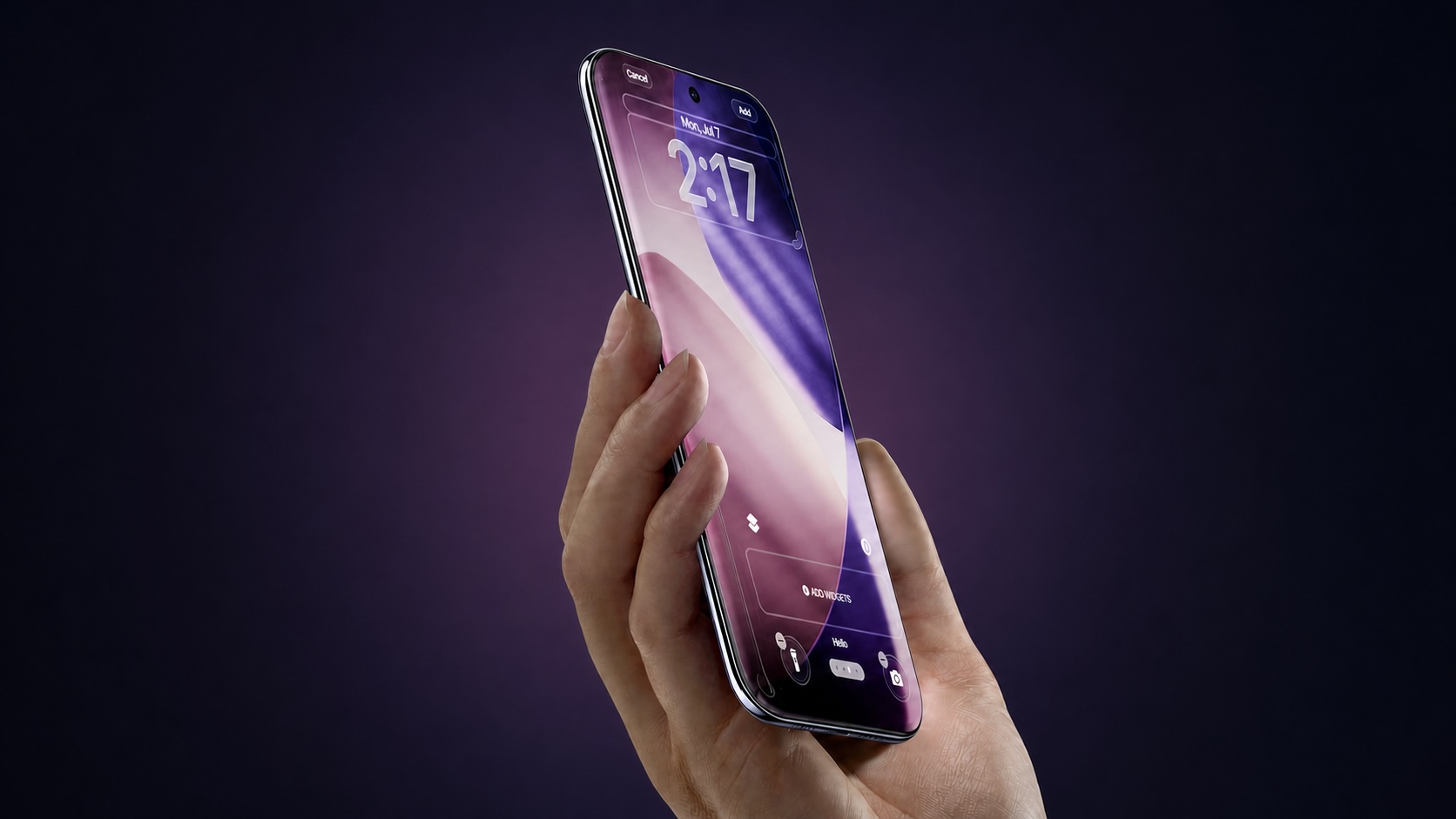
  • Curved all-glass design with edge-to-edge display: Apple is reportedly aiming for a new design with curved glass generously wrapping around the front and back, described by Bloomberg's Mark Gurman as a curved iPhone without cutouts in the display. Facilities in Apple's supply chain have reportedly finished renovations ahead of production, with manufacturing quality said to be around that of the first-generation iPhone Air. The panel is said to curve down around all four edges for a borderless effect, going beyond the curved displays used by other manufacturers. Rather than the aggressively curved "waterfall" edges seen on some Samsung panels, Apple is said to be seeking an equal-depth quad-curved design with very shallow "micro-curves," which could make edge swipes feel more natural and reduce distortion of on-screen content. Bending the display circuitry around every edge reportedly requires an ultra-thin film encapsulation layer to protect the OLED panel from moisture and air, and one leak claims a bezel of 1.1mm, compared to approximately 1.44mm on the iPhone 17 Pro.

  • More advanced display: Apple is reported to be adopting a Samsung-made panel using Color Filter on Encapsulation, which removes the polarizing film and applies the color filter directly onto the encapsulation layer. The technique reduces the thickness of the display stack and lets more light through, improving brightness while reducing power draw, and the panel is said to be paired with next-generation 16nm display driver chips. Apple is also said to be employing a crater-shaped light diffusion layer designed to even out brightness so the display appears uniformly lit across all areas, including at the curved edges.

  • Under-display Face ID: Apple reportedly wants to move the Face ID system beneath the panel, using a "spliced micro-transparent glass" window that allows infrared sensors to pass through the display. The technology is expected to debut on iPhone 18 Pro models first, but DSCC's Ross Young has said it is unlikely to be fully ready even for 2027, and expects an iPhone 18 Pro-style smaller Dynamic Island to remain.

  • Two size options: Unlike the iPhone X, which launched in a single 5.8-inch size, Apple is planning two anniversary models roughly matching the iPhone 18 Pro and Pro Max at 6.3 and 6.9 inches, although the larger model could be marketed as a 7-inch device owing to its slimmer bezels and all-screen design.

  • Custom Apple image sensor: Apple is reported to be developing its own stacked image sensor to replace the Sony sensors used across the iPhone lineup, having already built a working prototype. The sensor is said to use LOFIC technology, allowing each pixel to store varying amounts of light and potentially reaching up to 20 stops of dynamic range.

  • Solid-state haptic buttons: Apple is rumored to be reviving "Project Bongo" to replace the mechanical Side button, volume buttons, Action button, and Camera Control with haptic equivalents integrated into the frame. The buttons have reportedly passed tests for use with gloves, wet hands, extreme temperatures, and with a case fitted. An ultra-low energy microprocessor is claimed to keep the solid-state buttons functional even when the handset is powered off or the battery has run out.

  • A21 chip: Both anniversary models are expected to use a second-generation 2-nanometer "A21" chip, shared with the second-generation foldable iPhone.

  • High bandwidth memory: Apple is reported to be considering mobile HBM, a form of DRAM that stacks memory chips vertically and connects them using through-silicon vias to increase signal transmission speeds. Connecting the memory to the iPhone's GPU is said to be a strong candidate for improving on-device AI performance, and Apple has reportedly discussed the plan with memory suppliers Samsung and SK Hynix, both of which expect to begin mass production after 2026.

  • Apple modem in the United States: Apple is aiming to have modems that outperform Qualcomm's on speed and AI functionality by 2027, following the C1 and C1X used in the iPhone 16e and ‌iPhone Air‌, and the C2 on the ‌iPhone 18 Pro‌ outside the United States only. With the 20th anniversary iPhone, an Apple-designed modem should come to the high-end devices for the first time in the United States, delivering an efficiency boost for better battery life.

  • Pure silicon battery: Apple is said to be pairing the new display with pure silicon battery technology for improved power efficiency, which offers higher energy density than conventional lithium-ion cells and could allow greater capacity in the same physical space. One leaker has claimed a 6,000mAh battery could come to the device, though it is unclear where that figure comes from.


Reverse wireless charging, under-display audio that eliminates the earpiece slit, and a next-generation Ceramic Shield have all been mentioned by one leaker, but it is unknown whether these claims are based on supply chain information.

With the device still more than a year away, the final 20th anniversary iPhone could still change considerably from the current picture provided by rumors. A two-stage rollout has been reported for the curved panel itself, with the 2027 implementation said to introduce some distortion and brightness loss at the edges before a more advanced version follows in 2028.

Apple is expected to launch the 20th anniversary iPhone in the fall of 2027 alongside a second-generation foldable iPhone, following the ‌iPhone 18‌, iPhone 18e, and ‌iPhone Air‌ 2 in the spring.
This article, "20th Anniversary iPhone Coming Next Year With These 10 Features" first appeared on MacRumors.com

Discuss this article in our forums

  •  

OpenAI's First Devices: Speaker, Smartphone, and More

OpenAI's hardware roadmap has sharpened considerably in recent months, with its first device now identified, a smartphone said to be arriving as soon as next year, and a wider lineup taking shape behind them.


AI Smart Speaker


OpenAI's first product is a portable, screenless smart speaker developed with former Apple design chief Jony Ive, designed to act as a personal companion in the home rather than a conventional voice assistant.

Design


The device is said to have a rechargeable battery so it can be carried between rooms, a camera for understanding its surroundings, and mechanical elements that move on their own to give a sense that it is alive. Ive and CEO Sam Altman had previously said they did not want to build a device with a screen, with Altman describing a prototype to employees as "the coolest piece of technology that the world will have ever seen."

Features


Powered by ChatGPT and using GPT-Live for conversation, the speaker will reportedly control smart home accessories, answer questions, play media, and respond to messages, becoming more personalized and proactive over time. It is also said to have a personality of its own. OpenAI reportedly does not regard the HomePod or HomePod mini as comparable products.

Price and Release Date


The speaker is expected in early 2027 at a price between $200 and $300, having slipped beyond an initial release target of this year.

AI Smartphone


Supply chain analyst Ming-Chi Kuo first described the device in April as an "AI agent phone" built around a continuous, context-aware interface rather than individual apps, arguing that the smartphone is the only device capturing a user's full real-time state, including location, activity, communication, and context. He believes controlling both the operating system and the hardware is the only way OpenAI can deliver a comprehensive agent service.

Specifications


The phone is said to use a customized version of MediaTek's Dimensity 9600 processor built on TSMC's N2P node, also used on Apple's upcoming "A20" chips, with MediaTek now looking likely to be the sole chip supplier after Kuo initially named Qualcomm as a possible partner. Luxshare Precision Industry is believed to be the exclusive manufacturing partner, and Sunny Optical has secured component orders for two OpenAI devices, likely for camera modules.

Its headline known specification is an image signal processor with an enhanced HDR pipeline intended to improve real-world sensing through the camera, alongside two AI processors for handling vision and language tasks simultaneously.

Timeline


Mass production was originally targeted for 2028, but Kuo revised that to the first half of 2027, reflecting OpenAI's planned IPO and intensifying competition in the category. He projects combined 2027 and 2028 shipments could reach around 30 million units if development stays on track.

Other Devices


Smart glasses, a smart lamp, and potentially earbuds are also reportedly in development, though those sit further out on the roadmap and some could be cancelled. The lineup stems from OpenAI's $6.5 billion acquisition of Ive's startup io Products, alongside an aggressive recruitment campaign that has brought more than 400 former Apple employees to the company, among them designers Evans Hankey, Tang Tan, and Scott Cannon, and Vision Products Group leader Paul Meade. Apple responded with retention bonuses of up to $400,000 in restricted stock units for its iPhone Product Design team.

Apple's Lawsuit


That hiring is now the subject of litigation. Apple sued OpenAI on July 10 over the alleged theft of trade secrets, and Bloomberg's Mark Gurman argues the case is already slowing the hardware effort by deterring Apple engineers from interviewing and making suppliers wary. OpenAI says it has "no interest in other companies' trade secrets."

What Does It Mean for Apple?


Apple is separately rumored to be developing smart glasses, AirPods with cameras, an AI pendant, and a smart home hub with enhanced Siri capabilities, putting the two companies on a collision course across several categories.
Tag: OpenAI

This article, "OpenAI's First Devices: Speaker, Smartphone, and More" first appeared on MacRumors.com

Discuss this article in our forums

  •  

Everything We Know About MacBook Ultra's All-New Design

Apple's next high-end laptop is expected to bring the most substantial external changes to the MacBook Pro line since 2021. No renders, case leaks, or dimensions have emerged, but a series of reports have established much of what is set to change.


Bloomberg's Mark Gurman has said there is a good chance the model represents a "true overhaul" for the laptop, thanks to the combination of an OLED display and a thinner design, and Apple is reportedly working toward the thinnest and lightest products in their categories across the tech industry. The design is also expected to extend beyond this machine, with the entry-level 14-inch ‌MacBook Pro‌ due in 2027 said to resemble it.

Every ‌MacBook Pro‌ released since 2021 has measured 0.61 inches (15.5mm) thick for 14-inch models and 0.66 inches (16.8mm) thick for 16-inch models, figures that have remained unchanged across five chip generations. The next model is expected to be noticeably thinner and lighter, though no credible figure has been reported. Replacing the mini-LED backlight with a hybrid OLED panel removes a physical layer from the lid, so the reduction may be most pronounced in the upper half of the machine.

The notch is expected to be replaced by a hole-punch camera, a change first indicated by a roadmap from research firm Omdia and subsequently corroborated by Bloomberg. The cutout is said to be pill-shaped to accommodate an interactive Dynamic Island.

The notch has been the most distinctive feature of the ‌MacBook Pro‌'s display since 2021, and removing it would leave the menu bar as a continuous strip interrupted by a small island rather than divided in two. Apple appears to be preparing for the change in software, since the "Search or Ask" interface built into Spotlight in macOS 27 adopts a dark, pill-shaped design suited to a cutout of that shape.

The bezels surrounding the display may also shrink. Omdia claims Samsung Display will supply 14.3-inch and 16.3-inch panels, fractionally larger than the 14.2-inch and 16.2-inch displays currently in use, which within a largely unchanged chassis would result in narrower borders.

Apple is also said to be fitting a reinforced hinge so that the display does not wobble when tapped. Whether the lid will also tilt further back than the current model, which stops relatively early for structural reasons, is yet to be seen.

Several elements are expected to carry over. Bloomberg reported in February that the machine would look a lot like the current MacBook Pro, specifying that the keyboard and trackpad would be retained and that the device would remain a conventional clamshell in 14-inch and 16-inch sizes, rather than a detachable or convertible design. HDMI, MagSafe, and the SD card slot were reinstated in the 2021 redesign after an unpopular absence, and no report has suggested they will be removed again.

Gurman expects the laptop to arrive between late 2026 and early 2027, with the later window now considered more likely owing to the global memory chip shortage.
This article, "Everything We Know About MacBook Ultra's All-New Design" first appeared on MacRumors.com

Discuss this article in our forums

  •  

Here's What the 'iPhone 20' is Expected to Look Like

Apple's 20th anniversary iPhone is expected to arrive in the fall of 2027 with the most significant design overhaul the device has seen since the iPhone X.


In many ways, the device is expected to repeat the story of the iPhone X, which marked the device's 10th anniversary in 2017 by dropping the Home button and introducing an edge-to-edge display. The 2027 model is rumored to overhaul the design language that has defined the iPhone ever since, and will likely set the template for the years that follow. The device is highly likely to launch in the fall of 2027 alongside the second generation foldable iPhone.

All-Glass Design With Curved Display


Glass is at the center of the redesign. Bloomberg's Mark Gurman described a mostly glass, curved iPhone without any cutouts in the display, with a return to a glass back and curved glass that wraps around all four edges of the device. It would be the clearest expression yet of former design chief Jony Ive's ambition for an iPhone that resembles a single slab of glass. Facilities in Apple's supply chain have reportedly completed renovations ahead of production, with build quality said to be comparable to that of the first-generation iPhone Air.

Rather than the aggressive "waterfall" edges that Samsung used on its Galaxy phones for years, Apple is said to be seeking an equal-depth quad-curved panel that keeps the curve very shallow, using so-called "micro-curves" rather than a deep roll onto the sides. The gentler shape could make swipes from the edge of the display feel more natural, prevent distortion of on-screen content, and help the device feel softer in the hand.

The effect may rely on more than physical curvature alone. Leaker "Ice Universe" suggested it is unlike traditional quad-curved displays or the curved screens seen on Android phones, and could depend on a combination of optical refraction, light-guiding structures, and carefully engineered visual illusion to make the frame recede from view. Apple may reflect the theme in its branding, with one report claiming it could market the panel as a "Liquid Glass Display," echoing its current software design language. One unverified mock-up, shared by an account with an unproven track record, depicted a bezel of just 1.1mm around the display, compared to approximately 1.44mm on the iPhone 17 Pro.

No Dynamic Island?


The front of the device remains the most uncertain aspect of the design. Apple reportedly wants to achieve a front with no cutouts at all, moving both the Face ID system and the selfie camera beneath the display, with one report describing a "spliced micro-transparent glass" window that would let ‌Face ID‌'s infrared sensors pass through the panel. DSCC's Ross Young has said the technology is unlikely to be fully ready for 2027, however, and while Apple is still testing an under-screen camera, it seems likely that a small hole-punch or a reduced version of the smaller Dynamic Island expected on iPhone 18 Pro models could remain.

Two Size Options


Apple is reportedly planning two anniversary models at roughly 6.3 and 6.9 inches, matching the iPhone 18 Pro and Pro Max, but the larger one could be fractionally larger and marketed as a 7-inch device owing to its slimmer bezels.

Thin Polished Frame


The frame is expected to be a thin polished band, though its material remains uncertain. Some rumors point to a departure from the aluminum used on Apple's current models, but leaker Fixed Focus Digital has pushed back on claims that Apple is preparing a return to titanium or a switch to Liquid Metal, arguing that aluminum remains the only practical choice for now given the heat generated by on-device AI processing. The same leaker has described aluminum as the material for "straight-edged" phones specifically, a distinction that leaves room for a different approach on the curved-edge anniversary model.

Haptic Buttons


Apple is also rumored to be revisiting solid-state haptic buttons for the device. The company is said to be reviving the long-shelved "Project Bongo" effort to replace the mechanical Side button, volume buttons, Action button, and Camera Control with haptic equivalents integrated into the frame, with zero physical movement when pressed.

Doing away with the physical openings that mechanical buttons require would suit a device intended to look like an unbroken piece of glass, and the buttons have reportedly passed tests for use with gloves, wet hands, extreme temperatures, and with a case fitted. An ultra-low energy microprocessor is said to keep them working even when the handset is powered off or the battery has run out.
This article, "Here's What the 'iPhone 20' is Expected to Look Like" first appeared on MacRumors.com

Discuss this article in our forums

  •  
❌