
Lees weergave

The MacRumors Show: Revisiting iOS 27 Ahead of iPhone 18 Pro

After over a month of testing iOS 27, on this week's episode of The MacRumors Show we circle back to the beta and talk through our experiences with Siri AI, Liquid Glass refinements, and more.


‌iOS 27‌ is expected to launch this fall, bringing sweeping performance work across the system. Apple has cited more than 80 speed and efficiency improvements, with app launches up to 30 percent faster and AirDrop transfers up to 80 percent faster than on iOS 26. Animations, keyboard responsiveness, Home Screen page swapping, and App Library loading have all been sped up, and Apple says the improvements extend even to older iPhones like the iPhone 11.

The centerpiece of ‌iOS 27‌ is Siri AI, a substantially overhauled version of the assistant positioned as a rival to chatbots like Claude and ChatGPT. ‌Siri‌ AI can hold back-and-forth conversations, draw on personal context from Mail, Messages, Photos, and Files, and see what's on screen to answer follow-up questions. A new standalone Siri app houses ongoing conversations, while a "Search or Ask" interface, accessed via the Dynamic Island, has effectively replaced Spotlight as the default way to search the device and launch apps.

Liquid Glass, the translucent design language introduced in ‌iOS 26‌, has also been reworked. ‌iOS 27‌ adds a system-wide transparency slider in place of the binary "Clear" and "Tinted" toggle from iOS 26.1, letting users dial the effect anywhere between fully opaque and completely clear. Apple also improved how the material diffuses busy content behind it, addressing readability complaints that dogged the original rollout, and refreshed first-party app icons with additional Liquid Glass layering.

Elsewhere, Apple has leaned into contextual, on-device intelligence. For example, Call Context, a new Phone app feature, automatically surfaces relevant information, such as a flight confirmation number or order code pulled from Mail, when a user calls a business they've recently corresponded with. Apple says the feature works entirely on-device and looks only at who is being called, not at call audio, and it also appears on the Apple Watch during a call.

Calendar and Reminders now support natural language entry, letting users type something like "meeting at 2pm with Eric on July 14" and have the app suggest the date, time, and attendees automatically. Apple says ‌Siri‌ can handle more complex natural-language scheduling requests directly, including edits to recurring events.

The ‌Photos‌ app gains three generative editing tools grouped under an Apple Intelligence Tools section: an upgraded Clean Up, a new Extend tool, and Spatial Reframing. Clean Up now offers Fast, High Quality, and Auto modes for object removal and can reconstruct more complex backgrounds than before. Extend uses generative AI to fill in new content when a photo's borders are expanded, and is capped at a maximum of 25% per side. Spatial Reframing, which draws on the same spatial data used for Portrait mode, lets users shift a photo's apparent camera angle after it was taken.

The Shortcuts app has been rebuilt around a "Describe a Shortcut" interface, where ‌Apple Intelligence‌ assembles an entire automation from a plain-language description rather than requiring users to build workflows action by action manually. Safari picks up a similar natural-language approach with a new Create an Extension option for building custom browser extensions on the fly, automatic AI-driven tab organization by topic, and a "Notify Me" tool that monitors a webpage and alerts users when it changes, which is useful, Apple says, for tracking ticket sales or restocked products.

Image Playground has also been overhauled for ‌iOS 27‌, adding support for photorealistic image generation, edits to existing images via text descriptions, and additional aspect ratio options for wallpapers and Contact Posters.

‌iOS 27‌ is available now to developers and public beta testers, and Apple plans to release the software officially in September. The MacRumors Show has its own YouTube channel, so make sure you're subscribed to keep up with new episodes and clips.


You can also listen to ‌The MacRumors Show‌ on Apple Podcasts, Spotify, Overcast, or other podcast apps. You can also copy our RSS feed directly into your player.


If you haven't already listened to the previous episode of The MacRumors Show, catch up to hear our discussion about OpenAI's move into hardware and the trade secret lawsuit Apple filed against the company earlier this month.

Subscribe to ‌The MacRumors Show‌ for new episodes every week, where we discuss some of the topical news breaking here on MacRumors, often joined by interesting guests such as Kayci Lacob, Kevin Nether, John Gruber, Mark Gurman, Jon Prosser, Luke Miani, Matthew Cassinelli, Brian Tong, Quinn Nelson, Jared Nelson, Eli Hodapp, Mike Bell, Sara Dietschy, iJustine, Jon Rettinger, Andru Edwards, Arnold Kim, Ben Sullins, Marcus Kane, Christopher Lawley, Frank McShan, David Lewis, Tyler Stalman, Sam Kohl, Federico Viticci, Thomas Frank, Jonathan Morrison, Ross Young, Ian Zelbo, and Rene Ritchie.

‌The MacRumors Show‌ is on X @MacRumorsShow, so be sure to give us a follow to keep up with the podcast. You can also email us at podcast@macrumors.com or head over to The MacRumors Show forum thread. Remember to rate and review the podcast, and let us know what subjects and guests you would like to see in the future.
Related Roundups: iOS 27, iPadOS 27, iPhone 18 Pro

This article, "The MacRumors Show: Revisiting iOS 27 Ahead of iPhone 18 Pro" first appeared on MacRumors.com

Discuss this article in our forums
  •  

MacBook Ultra's New Design Won't Stay Exclusive for Long

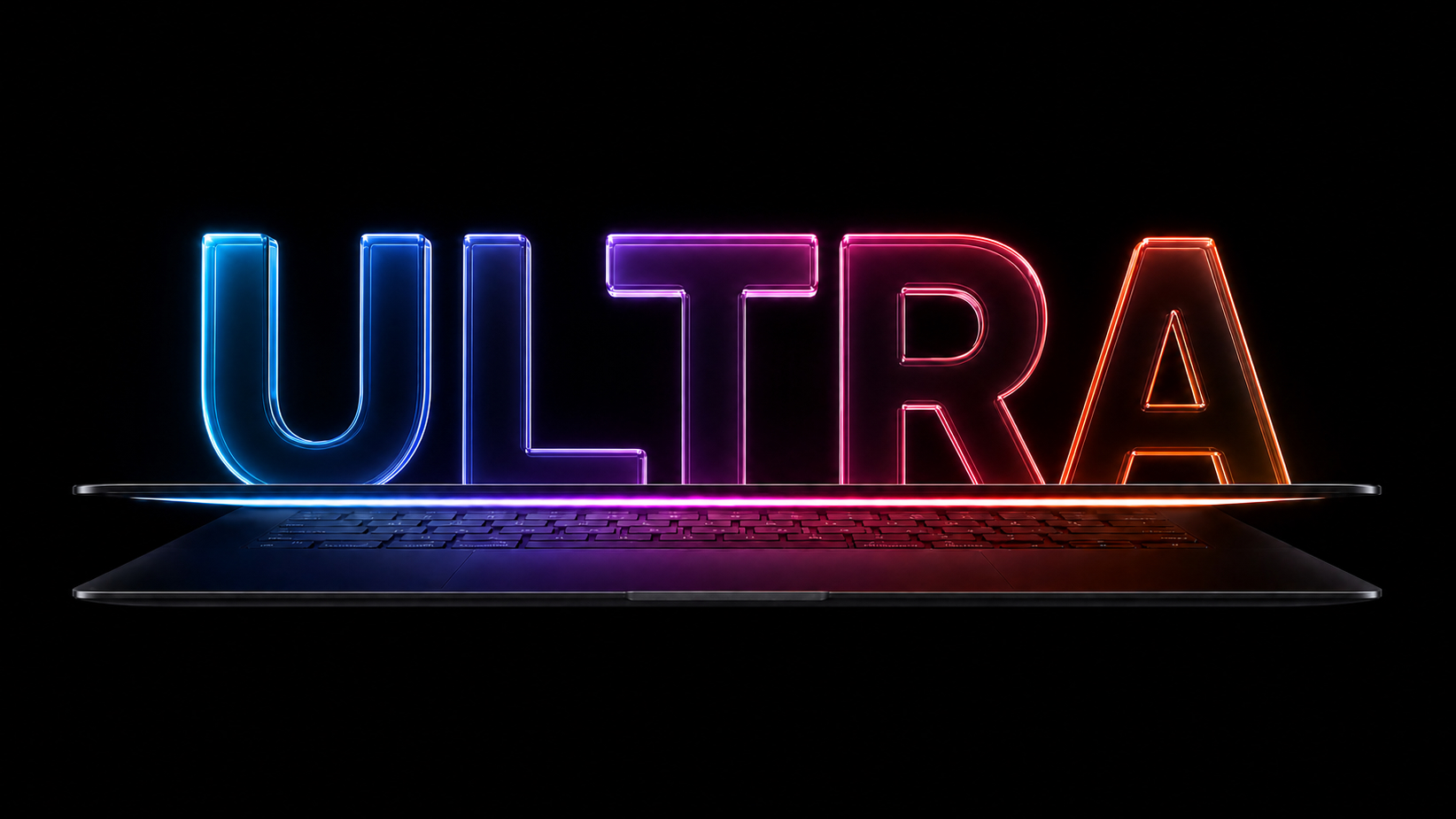
The touchscreen and the OLED panel have dominated discussion about Apple's next high-end laptop, but the redesign wrapped around them may prove to be an equally consequential change, largely because it is not expected to stay unique to the machine for long.


Bloomberg's Mark Gurman last week laid out Apple's plan to refresh every Mac it sells over the next two years. In the report, he mentioned that the entry-level 14-inch MacBook Pro due in 2027, reportedly code-named K104, is said to resemble the design of the high-end K114 and K116 machines while using a standard M7 chip. The design debuting on the rumored "MacBook Ultra" would therefore reach a considerably cheaper Mac within roughly a year of launch, a pattern first reported at the start of July.

Apple last redesigned the MacBook Pro in 2021 alongside the introduction of the M1 Pro and M1 Max chips, and that overhaul ran in the opposite direction to this one. The machine grew thicker and heavier, and Apple restored the HDMI port, the SD card slot, and MagSafe charging that it had stripped out in the preceding generation. Five years on, the company is apparently trying to reverse the thickness.

The chassis is expected to be noticeably thinner and lighter. Swapping a mini-LED backlight for a hybrid OLED stack removes an entire physical layer from the lid, since ‌OLED‌ pixels emit their own light. There has so far been no indication that Apple intends to sacrifice ports to find the rest of the millimeters, which is just as well given how poorly that went last time.

The front of the machine is where the change should be most obvious. The notch is expected to disappear in favor of a much smaller hole-punch camera, a change first indicated on a roadmap from research firm Omdia and since corroborated by Bloomberg. The cutout is said to be pill-shaped, paving the way for an interactive Dynamic Island that expands contextually in the way it does on the iPhone.

Whether the screens themselves will grow is less settled. Omdia claimed that Samsung Display will supply 14.3-inch and 16.3-inch panels, marginally larger than the 14.2-inch and 16.2-inch displays on current models, which would imply slimmer bezels wrapped around a slightly bigger screen. A February report from Bloomberg, however, indicated that screen sizes were not expected to change, but that rumor may not have accounted for a slight reduction in bezels.

Apple is said to be fitting a reinforced hinge so the display does not wobble when tapped, but it is not clear if this will result in any external visual changes. Gurman described the approach to touch as "touch-friendly, not touch-first."

What will become of the high-end ‌MacBook Pro‌ is still a loose thread. Gurman's roadmap lists a high-end 14-inch and 16-inch "MacBook" without the Pro suffix, and no separate high-end ‌MacBook Pro‌ sits alongside it, though that phrasing is hard to lean on when the exact branding itself is unresolved. The new MacBook "Ultra" could replace the current M5 Pro and M5 Max models outright at a higher price point or arrive above them as a genuinely new tier while they stay on sale.

If the high-end ‌MacBook Pro‌ gains Apple's next-generation M7 Pro and M7 Max chips in late 2027, considering that the entry-level M7 model will gain the MacBook Ultra's design in the first half of that year, it seems inevitable that the high-end machines will follow, meaning that all five of Apple's most powerful laptops will share the same overall design.
This article, "MacBook Ultra's New Design Won't Stay Exclusive for Long" first appeared on MacRumors.com

Discuss this article in our forums
  •  

20th Anniversary iPhone Coming Next Year With These 10 Features

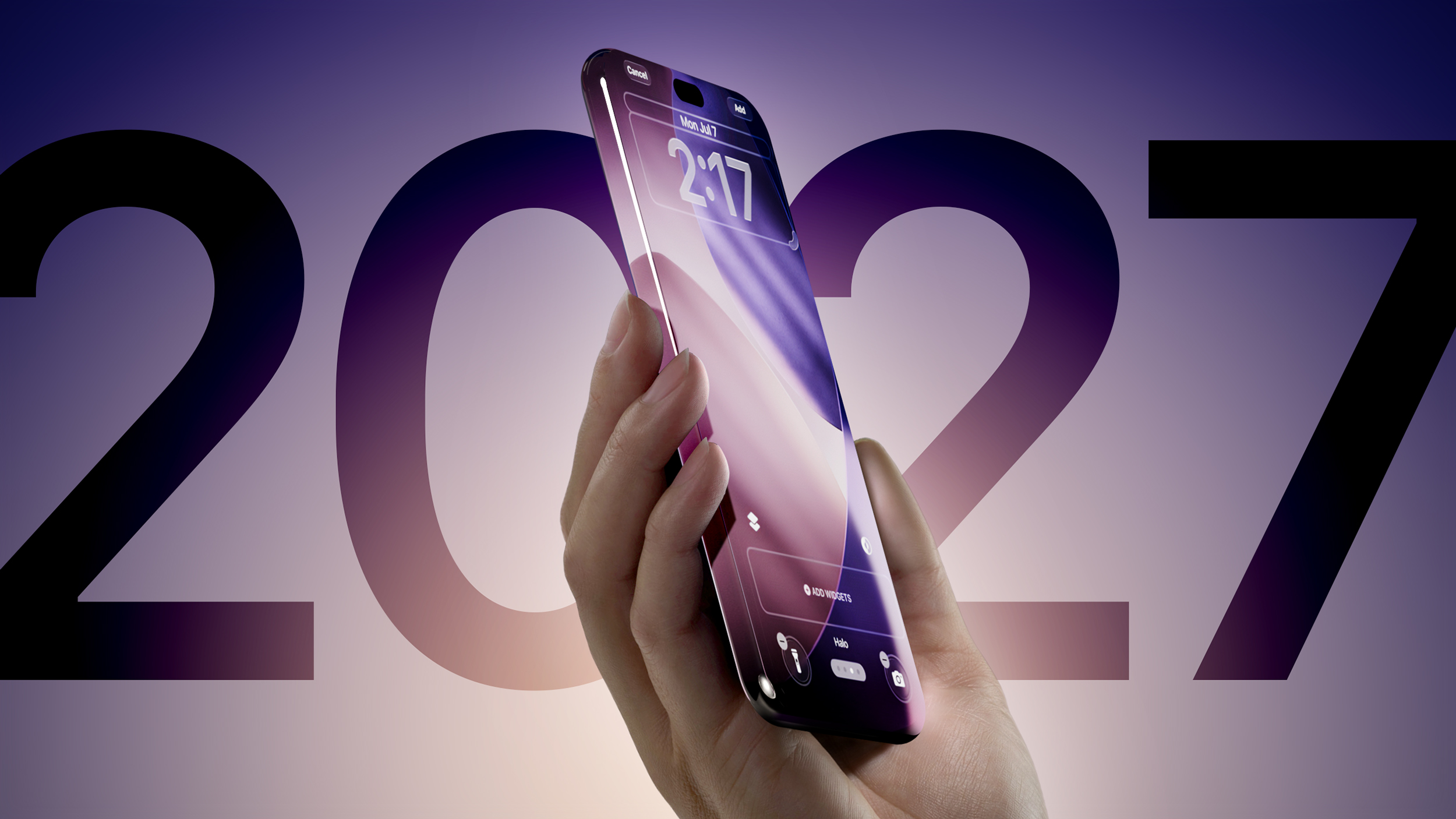
Apple's 20th anniversary iPhone is expected to arrive in the fall of 2027 with the most significant redesign the device has seen since the iPhone X.


The first iPhone was announced in January 2007 and went on sale that June, meaning the device's 20th anniversary technically falls on June 29, 2027. Apple rarely launches new high-end iPhones outside of its September timeframe, and the anniversary models are still expected to arrive in the fall of that year, just as the iPhone X did in 2017 despite marking the 10th anniversary of a device that launched in June.

The 2027 model has been rumored for well over a year, with reports pointing to an all-glass design, new display technology, and a series of upgrades Apple has been working toward for several generations. Much as the iPhone X set the template for the years of iPhones that followed, the anniversary model is likely to define the device's design direction for some time.

Apple could skip the name "iPhone 19" in the same way it skipped "iPhone 9" ahead of the iPhone X in 2017, with rumors so far variably referring to the device as the "iPhone 20" and the "iPhone XX." Here is everything that has been rumored for the device so far:


  • Curved all-glass design with edge-to-edge display: Apple is reportedly aiming for a new design with curved glass generously wrapping around the front and back, described by Bloomberg's Mark Gurman as a curved iPhone without cutouts in the display. Facilities in Apple's supply chain have reportedly finished renovations ahead of production, with manufacturing quality said to be around that of the first-generation iPhone Air. The panel is said to curve down around all four edges for a borderless effect, going beyond the curved displays used by other manufacturers. Rather than the aggressively curved "waterfall" edges seen on some Samsung panels, Apple is said to be seeking an equal-depth quad-curved design with very shallow "micro-curves," which could make edge swipes feel more natural and reduce distortion of on-screen content. Bending the display circuitry around every edge reportedly requires an ultra-thin film encapsulation layer to protect the OLED panel from moisture and air, and one leak claims a bezel of 1.1mm, compared to approximately 1.44mm on the iPhone 17 Pro.

  • More advanced display: Apple is reported to be adopting a Samsung-made panel using Color Filter on Encapsulation, which removes the polarizing film and applies the color filter directly onto the encapsulation layer. The technique reduces the thickness of the display stack and lets more light through, improving brightness while reducing power draw, and the panel is said to be paired with next-generation 16nm display driver chips. Apple is also said to be employing a crater-shaped light diffusion layer designed to even out brightness so the display appears uniformly lit across all areas, including at the curved edges.

  • Under-display Face ID: Apple reportedly wants to move the Face ID system beneath the panel, using a "spliced micro-transparent glass" window that allows infrared sensors to pass through the display. The technology is expected to debut on iPhone 18 Pro models first, but DSCC's Ross Young has said it is unlikely to be fully ready even for 2027, and expects an iPhone 18 Pro-style smaller Dynamic Island to remain.

  • Two size options: Unlike the iPhone X, which launched in a single 5.8-inch size, Apple is planning two anniversary models roughly matching the iPhone 18 Pro and Pro Max at 6.3 and 6.9 inches, although the larger model could be marketed as a 7-inch device owing to its slimmer bezels and all-screen design.

  • Custom Apple image sensor: Apple is reported to be developing its own stacked image sensor to replace the Sony sensors used across the iPhone lineup, having already built a working prototype. The sensor is said to use LOFIC technology, allowing each pixel to store varying amounts of light and potentially reaching up to 20 stops of dynamic range.

  • Solid-state haptic buttons: Apple is rumored to be reviving "Project Bongo" to replace the mechanical Side button, volume buttons, Action button, and Camera Control with haptic equivalents integrated into the frame. The buttons have reportedly passed tests for use with gloves, wet hands, extreme temperatures, and with a case fitted. An ultra-low energy microprocessor is claimed to keep the solid-state buttons functional even when the handset is powered off or the battery has run out.

  • A21 chip: Both anniversary models are expected to use a second-generation 2-nanometer "A21" chip, shared with the second-generation foldable iPhone.

  • High bandwidth memory: Apple is reported to be considering mobile HBM, a form of DRAM that stacks memory chips vertically and connects them using through-silicon vias to increase signal transmission speeds. Connecting the memory to the iPhone's GPU is said to be a strong candidate for improving on-device AI performance, and Apple has reportedly discussed the plan with memory suppliers Samsung and SK Hynix, both of which expect to begin mass production after 2026.

  • Apple modem in the United States: Apple is aiming to have modems that outperform Qualcomm's on speed and AI functionality by 2027, following the C1 and C1X used in the iPhone 16e and ‌iPhone Air‌, and the C2 on the ‌iPhone 18 Pro‌ outside the United States only. With the 20th anniversary iPhone, an Apple-designed modem should come to the high-end devices for the first time in the United States, delivering an efficiency boost for better battery life.

  • Pure silicon battery: Apple is said to be pairing the new display with pure silicon battery technology for improved power efficiency, which offers higher energy density than conventional lithium-ion cells and could allow greater capacity in the same physical space. One leaker has claimed a 6,000mAh battery could come to the device, though it is unclear where that figure comes from.


Reverse wireless charging, under-display audio that eliminates the earpiece slit, and a next-generation Ceramic Shield have all been mentioned by one leaker, but it is unknown whether these claims are based on supply chain information.

With the device still more than a year away, the final 20th anniversary iPhone could still change considerably from the current picture provided by rumors. A two-stage rollout has been reported for the curved panel itself, with the 2027 implementation said to introduce some distortion and brightness loss at the edges before a more advanced version follows in 2028.

Apple is expected to launch the 20th anniversary iPhone in the fall of 2027 alongside a second-generation foldable iPhone, following the ‌iPhone 18‌, iPhone 18e, and ‌iPhone Air‌ 2 in the spring.
This article, "20th Anniversary iPhone Coming Next Year With These 10 Features" first appeared on MacRumors.com

Discuss this article in our forums
  •  

OpenAI's First Devices: Speaker, Smartphone, and More

OpenAI's hardware roadmap has sharpened considerably in recent months, with its first device now identified, a smartphone said to be arriving as soon as next year, and a wider lineup taking shape behind them.


AI Smart Speaker


OpenAI's first product is a portable, screenless smart speaker developed with former Apple design chief Jony Ive, designed to act as a personal companion in the home rather than a conventional voice assistant.

Design


The device is said to have a rechargeable battery so it can be carried between rooms, a camera for understanding its surroundings, and mechanical elements that move on their own to give a sense that it is alive. Ive and CEO Sam Altman had previously said they did not want to build a device with a screen, with Altman describing a prototype to employees as "the coolest piece of technology that the world will have ever seen."

Features


Powered by ChatGPT and using GPT-Live for conversation, the speaker will reportedly control smart home accessories, answer questions, play media, and respond to messages, becoming more personalized and proactive over time. It is also said to have a personality of its own. OpenAI reportedly does not regard the HomePod or HomePod mini as comparable products.

Price and Release Date


The speaker is expected in early 2027 at a price between $200 and $300, having slipped beyond an initial release target of this year.

AI Smartphone


Supply chain analyst Ming-Chi Kuo first described the device in April as an "AI agent phone" built around a continuous, context-aware interface rather than individual apps, arguing that the smartphone is the only device capturing a user's full real-time state, including location, activity, communication, and context. He believes controlling both the operating system and the hardware is the only way OpenAI can deliver a comprehensive agent service.

Specifications


The phone is said to use a customized version of MediaTek's Dimensity 9600 processor built on TSMC's N2P node, also used on Apple's upcoming "A20" chips, with MediaTek now looking likely to be the sole chip supplier after Kuo initially named Qualcomm as a possible partner. Luxshare Precision Industry is believed to be the exclusive manufacturing partner, and Sunny Optical has secured component orders for two OpenAI devices, likely for camera modules.

Its headline known specification is an image signal processor with an enhanced HDR pipeline intended to improve real-world sensing through the camera, alongside two AI processors for handling vision and language tasks simultaneously.

Timeline


Mass production was originally targeted for 2028, but Kuo revised that to the first half of 2027, reflecting OpenAI's planned IPO and intensifying competition in the category. He projects combined 2027 and 2028 shipments could reach around 30 million units if development stays on track.

Other Devices


Smart glasses, a smart lamp, and potentially earbuds are also reportedly in development, though those sit further out on the roadmap and some could be cancelled. The lineup stems from OpenAI's $6.5 billion acquisition of Ive's startup io Products, alongside an aggressive recruitment campaign that has brought more than 400 former Apple employees to the company, among them designers Evans Hankey, Tang Tan, and Scott Cannon, and Vision Products Group leader Paul Meade. Apple responded with retention bonuses of up to $400,000 in restricted stock units for its iPhone Product Design team.

Apple's Lawsuit


That hiring is now the subject of litigation. Apple sued OpenAI on July 10 over the alleged theft of trade secrets, and Bloomberg's Mark Gurman argues the case is already slowing the hardware effort by deterring Apple engineers from interviewing and making suppliers wary. OpenAI says it has "no interest in other companies' trade secrets."

What Does It Mean for Apple?


Apple is separately rumored to be developing smart glasses, AirPods with cameras, an AI pendant, and a smart home hub with enhanced Siri capabilities, putting the two companies on a collision course across several categories.
Tag: OpenAI

This article, "OpenAI's First Devices: Speaker, Smartphone, and More" first appeared on MacRumors.com

Discuss this article in our forums
  •  

Everything We Know About MacBook Ultra's All-New Design

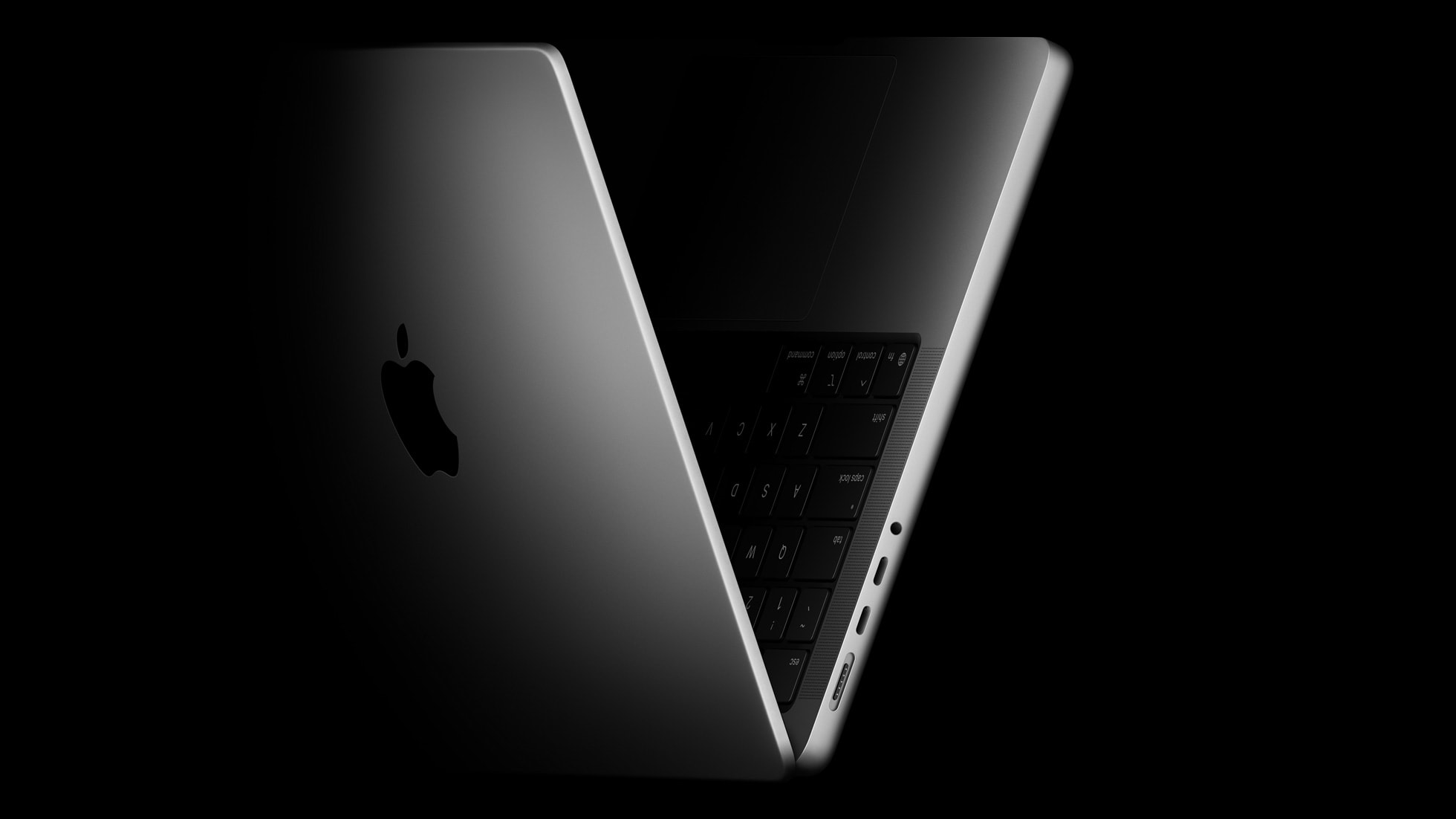
Apple's next high-end laptop is expected to bring the most substantial external changes to the MacBook Pro line since 2021. No renders, case leaks, or dimensions have emerged, but a series of reports have established much of what is set to change.


Bloomberg's Mark Gurman has said there is a good chance the model represents a "true overhaul" for the laptop, thanks to the combination of an OLED display and a thinner design, and Apple is reportedly working toward the thinnest and lightest products in their categories across the tech industry. The design is also expected to extend beyond this machine, with the entry-level 14-inch ‌MacBook Pro‌ due in 2027 said to resemble it.

Every ‌MacBook Pro‌ released since 2021 has measured 0.61 inches (15.5mm) thick for 14-inch models and 0.66 inches (16.8mm) thick for 16-inch models, figures that have remained unchanged across five chip generations. The next model is expected to be noticeably thinner and lighter, though no credible figure has been reported. Replacing the mini-LED backlight with a hybrid OLED panel removes a physical layer from the lid, so the reduction may be most pronounced in the upper half of the machine.

The notch is expected to be replaced by a hole-punch camera, a change first indicated by a roadmap from research firm Omdia and subsequently corroborated by Bloomberg. The cutout is said to be pill-shaped to accommodate an interactive Dynamic Island.

The notch has been the most distinctive feature of the ‌MacBook Pro‌'s display since 2021, and removing it would leave the menu bar as a continuous strip interrupted by a small island rather than divided in two. Apple appears to be preparing for the change in software, since the "Search or Ask" interface built into Spotlight in macOS 27 adopts a dark, pill-shaped design suited to a cutout of that shape.

The bezels surrounding the display may also shrink. Omdia claims Samsung Display will supply 14.3-inch and 16.3-inch panels, fractionally larger than the 14.2-inch and 16.2-inch displays currently in use, which within a largely unchanged chassis would result in narrower borders.

Apple is also said to be fitting a reinforced hinge so that the display does not wobble when tapped. Whether the lid will also tilt further back than the current model, which stops relatively early for structural reasons, is yet to be seen.

Several elements are expected to carry over. Bloomberg reported in February that the machine would look a lot like the current MacBook Pro, specifying that the keyboard and trackpad would be retained and that the device would remain a conventional clamshell in 14-inch and 16-inch sizes, rather than a detachable or convertible design. HDMI, MagSafe, and the SD card slot were reinstated in the 2021 redesign after an unpopular absence, and no report has suggested they will be removed again.

Gurman expects the laptop to arrive between late 2026 and early 2027, with the later window now considered more likely owing to the global memory chip shortage.
This article, "Everything We Know About MacBook Ultra's All-New Design" first appeared on MacRumors.com

Discuss this article in our forums
  •  

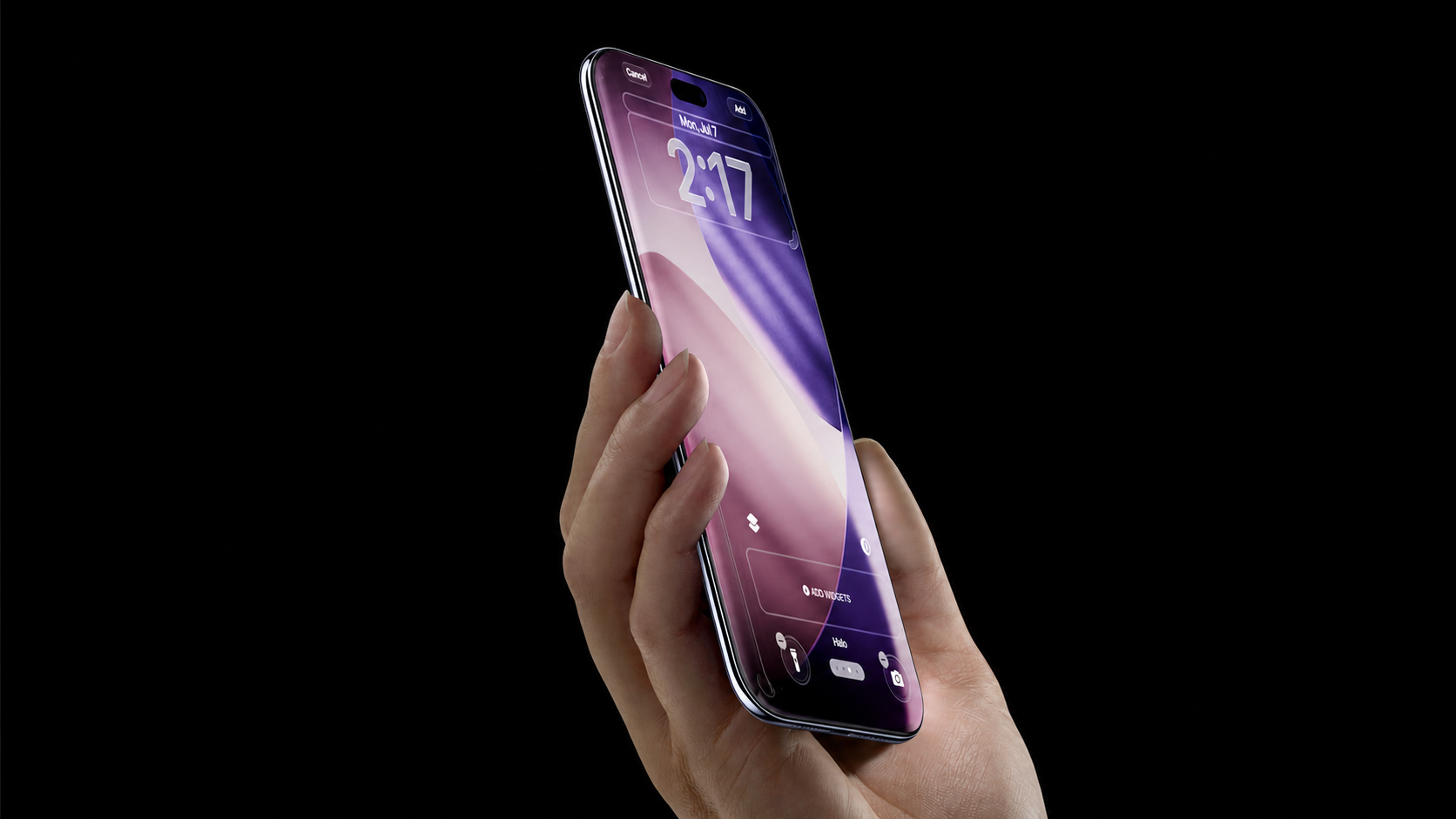
Here's What the 'iPhone 20' is Expected to Look Like

Apple's 20th anniversary iPhone is expected to arrive in the fall of 2027 with the most significant design overhaul the device has seen since the iPhone X.


In many ways, the device is expected to repeat the story of the iPhone X, which marked the device's 10th anniversary in 2017 by dropping the Home button and introducing an edge-to-edge display. The 2027 model is rumored to overhaul the design language that has defined the iPhone ever since, and will likely set the template for the years that follow. The device is highly likely to launch in the fall of 2027 alongside the second generation foldable iPhone.

All-Glass Design With Curved Display


Glass is at the center of the redesign. Bloomberg's Mark Gurman described a mostly glass, curved iPhone without any cutouts in the display, with a return to a glass back and curved glass that wraps around all four edges of the device. It would be the clearest expression yet of former design chief Jony Ive's ambition for an iPhone that resembles a single slab of glass. Facilities in Apple's supply chain have reportedly completed renovations ahead of production, with build quality said to be comparable to that of the first-generation iPhone Air.

Rather than the aggressive "waterfall" edges that Samsung used on its Galaxy phones for years, Apple is said to be seeking an equal-depth quad-curved panel that keeps the curve very shallow, using so-called "micro-curves" rather than a deep roll onto the sides. The gentler shape could make swipes from the edge of the display feel more natural, prevent distortion of on-screen content, and help the device feel softer in the hand.

The effect may rely on more than physical curvature alone. Leaker "Ice Universe" suggested it is unlike traditional quad-curved displays or the curved screens seen on Android phones, and could depend on a combination of optical refraction, light-guiding structures, and carefully engineered visual illusion to make the frame recede from view. Apple may reflect the theme in its branding, with one report claiming it could market the panel as a "Liquid Glass Display," echoing its current software design language. One unverified mock-up, shared by an account with an unproven track record, depicted a bezel of just 1.1mm around the display, compared to approximately 1.44mm on the iPhone 17 Pro.

No Dynamic Island?


The front of the device remains the most uncertain aspect of the design. Apple reportedly wants to achieve a front with no cutouts at all, moving both the Face ID system and the selfie camera beneath the display, with one report describing a "spliced micro-transparent glass" window that would let ‌Face ID‌'s infrared sensors pass through the panel. DSCC's Ross Young has said the technology is unlikely to be fully ready for 2027, however, and while Apple is still testing an under-screen camera, it seems likely that a small hole-punch or a reduced version of the smaller Dynamic Island expected on iPhone 18 Pro models could remain.

Two Size Options


Apple is reportedly planning two anniversary models at roughly 6.3 and 6.9 inches, matching the iPhone 18 Pro and Pro Max, but the larger one could be fractionally larger and marketed as a 7-inch device owing to its slimmer bezels.

Thin Polished Frame


The frame is expected to be a thin polished band, though its material remains uncertain. Some rumors point to a departure from the aluminum used on Apple's current models, but leaker Fixed Focus Digital has pushed back on claims that Apple is preparing a return to titanium or a switch to Liquid Metal, arguing that aluminum remains the only practical choice for now given the heat generated by on-device AI processing. The same leaker has described aluminum as the material for "straight-edged" phones specifically, a distinction that leaves room for a different approach on the curved-edge anniversary model.

Haptic Buttons


Apple is also rumored to be revisiting solid-state haptic buttons for the device. The company is said to be reviving the long-shelved "Project Bongo" effort to replace the mechanical Side button, volume buttons, Action button, and Camera Control with haptic equivalents integrated into the frame, with zero physical movement when pressed.

Doing away with the physical openings that mechanical buttons require would suit a device intended to look like an unbroken piece of glass, and the buttons have reportedly passed tests for use with gloves, wet hands, extreme temperatures, and with a case fitted. An ultra-low energy microprocessor is said to keep them working even when the handset is powered off or the battery has run out.
This article, "Here's What the 'iPhone 20' is Expected to Look Like" first appeared on MacRumors.com

Discuss this article in our forums
  •  

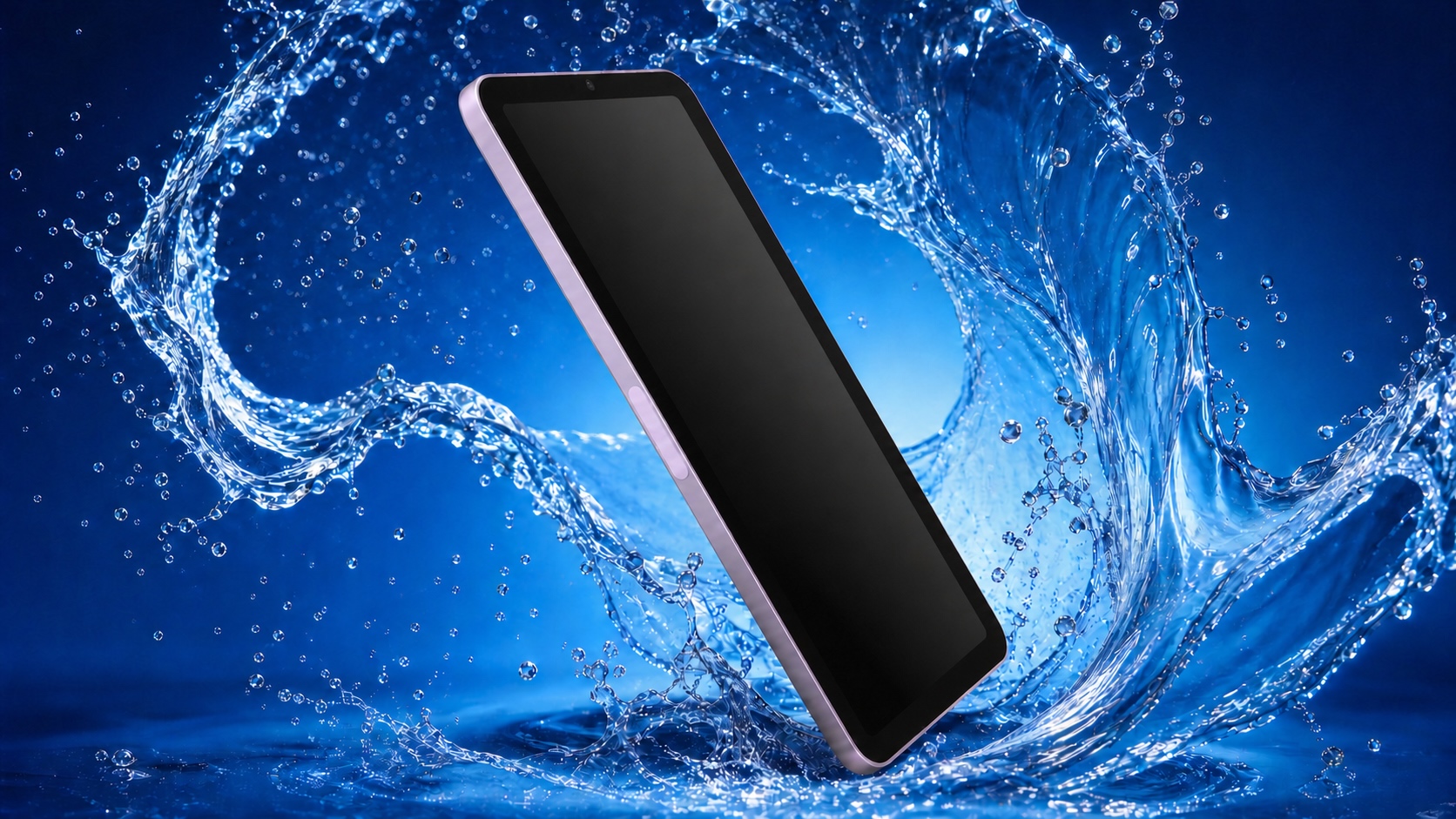
Apple's First Water-Resistant iPad to Launch Later This Year

Apple's next iPad mini will apparently be the first iPad with a water-resistant design, and the tablet is now expected to arrive by October.


Bloomberg's Mark Gurman reported last year that Apple is working on an updated casing that offers protection comparable to the iPhone, making the ‌iPad mini‌ safe for casual use in wet environments like a bathroom or a pool area. No ‌iPad‌ currently carries an official water resistance rating, and Apple does not consider the existing models safe to get wet.

To achieve this, Apple has reportedly designed a vibration-based speaker system that removes the need for traditional speaker holes. Sound would instead emit from flat surfaces on the tablet's chassis, effectively turning parts of the body into a speaker diaphragm and eliminating one of the main routes through which water and dust enter a device.

The approach differs from the method Apple uses on the iPhone, which relies on adhesives and gaskets to seal speaker openings and other ingress points. It is not yet known what IP rating the ‌iPad mini‌ will carry. The iPhone is rated IP68 and can withstand submersion in water up to six meters deep for 30 minutes.

Apple has been building toward the technology for some time. A 2014 patent from the company describes a "mechanically actuated panel acoustic system" that vibrates flat panels to generate sound, negating the need for speaker grilles altogether.

A sealed design would also close one of the everyday gaps between the ‌iPad mini‌ and dedicated e-readers. Devices like the Kindle Paperwhite and Kobo Libra Color are rated to survive immersion, and the ability to read in the bath or by the pool has long been one of the practical advantages they hold over Apple's smallest tablet.

Gurman recently said that Apple plans to release the new iPad mini by October. Korean outlet ETNews reported in June that Samsung Display had begun mass production of OLED panels for the device, lending weight to a launch in that window.

Water resistance is one of at least four major changes expected this year. The switch to OLED will make the mini the second ‌iPad‌ line to adopt the technology after the iPad Pro, delivering higher contrast, true blacks, and better power efficiency than the LCD screen in the iPad mini 7. A Korean source claimed earlier this month that the panel is an 8.4-inch LTPS design clocked at 60Hz, which would rule out ProMotion.

Apple is also reportedly planning a "major processor leap" for the tablet. Code accidentally published by Apple pointed to the A19 Pro chip used in the iPhone Air, while other evidence in a macOS kernel debug kit suggests the device will use the unreleased A20 Pro.

Apple last updated the ‌iPad mini‌ in October 2024 with the A17 Pro chip and Apple Intelligence support. The tablet now starts at $599 following the company's sweeping price increases in June, and Gurman previously suggested the ‌OLED‌ model could command up to $100 more, though that estimate predated the June rises.
This article, "Apple's First Water-Resistant iPad to Launch Later This Year" first appeared on MacRumors.com

Discuss this article in our forums

  •  

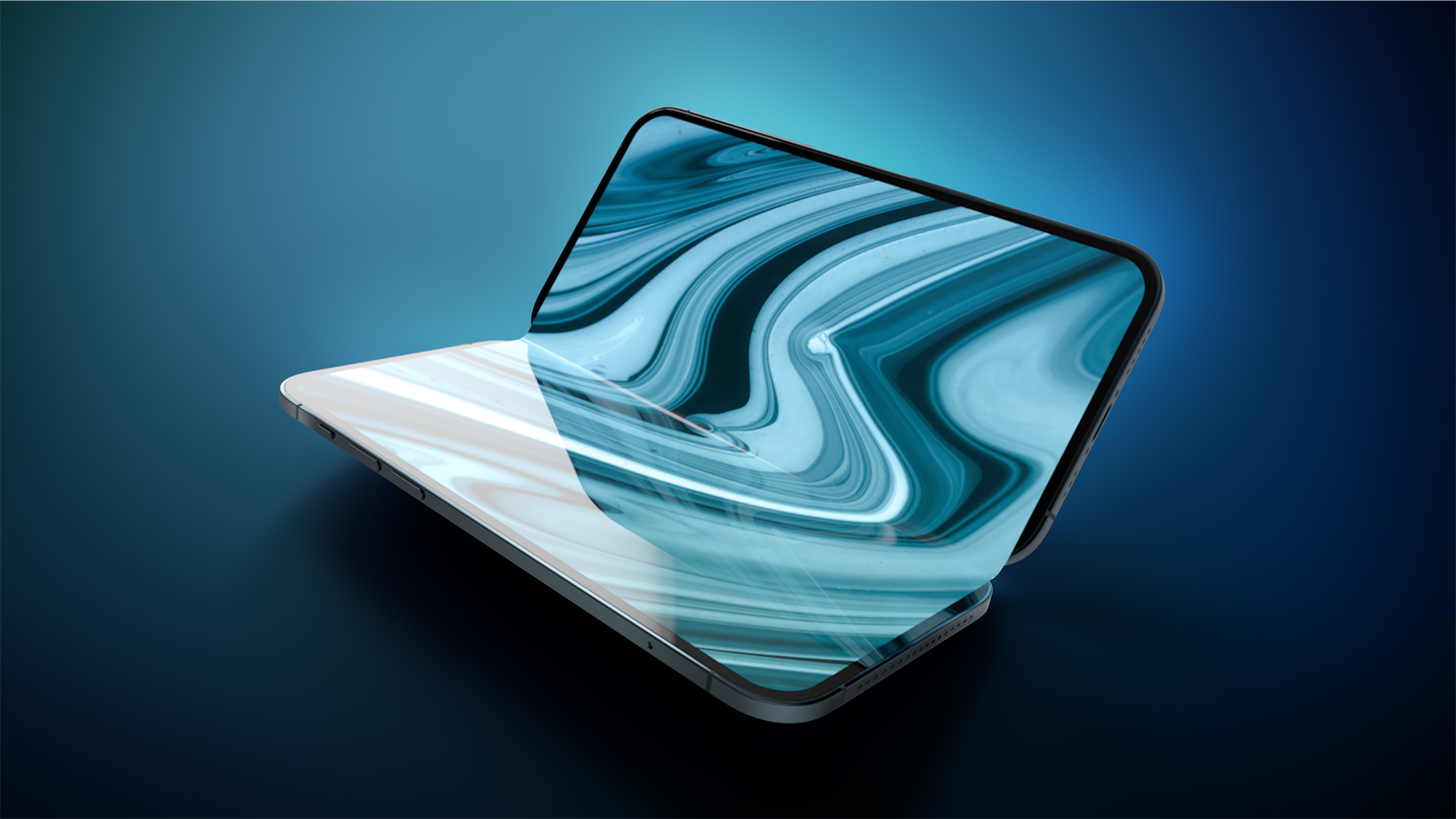
'MacBook Ultra' Coming Soon With These 12 New Features

Apple's first high-end MacBook redesign in five years is expected to arrive in the near future, bringing a run of firsts to the Mac.


Bloomberg's Mark Gurman expects the laptop to arrive between late 2026 and early 2027, with the later window now looking more likely owing to the global memory chip shortage. Analyst Ming-Chi Kuo expects mass production to begin by late 2026.

Apple last redesigned the MacBook Pro in 2021 with the M1 Pro and M1 Max models, so this would be its first new high-end laptop design in at least five years. Here is everything rumored about the device so far:


  • "MacBook Ultra" branding: Apple has reportedly decided to market two new "Ultra" products over the next year, the foldable iPhone and this laptop, which would establish a tier above the ‌MacBook Pro‌ for the first time. The name is not confirmed and Apple theoretically could still use "‌MacBook Pro‌" branding, but for now, "MacBook Ultra" seems highly likely.

  • OLED display: The ‌MacBook Ultra‌ is expected to be the first Mac with an OLED display, replacing the mini-LED backlighting used in current ‌MacBook Pro‌ models. It should deliver richer colors, a higher contrast ratio with true blacks, greater brightness, and improved power efficiency, since individual pixels switch off rather than dim. The laptop will reportedly use hybrid OLED technology combining an oxide TFT backplane with a tandem two-stack ‌OLED‌ structure, the same approach used in the iPad Pro, offering a longer panel lifespan.

  • Touch screen: The device is expected to be the first Mac to support touch input directly on the display, ending years of Apple resistance to the idea. Kuo first claimed the panel would support touch, Gurman corroborated it, and the Weibo leaker known as "Instant Digital" says the feature is now confirmed. Apple is apparently not positioning the machine as a touch-first device like the iPad, instead letting customers move between touch, trackpad, and keyboard interchangeably, in what Gurman describes as "touch-friendly, not touch-first." The laptop is said to remain a conventional clamshell, with the keyboard and trackpad retained and no detachable or convertible design.

  • Touch-optimized macOS: Apple is reportedly reworking macOS so that controls adapt to the input method being used. Tapping a menu bar item would apparently surface a larger set of touch-optimized controls, and the system is said to gain iPad-style gestures including pinch-to-zoom and fast scrolling. Touch-based options would be integrated throughout the operating system rather than confined to a handful of apps.

  • Reinforced hinge: Apple likely plans to add a reinforced hinge so the display does not wobble when it is tapped. The current ‌MacBook Pro‌ hinge moves easily and does not tilt especially far back, both of which could be a problem on a machine designed to be prodded.

  • Hole-punch camera: The "notch" is expected to disappear, replaced by a far smaller hole-punch camera at the top of the display. The change was first indicated by a roadmap from research firm Omdia and has since been corroborated by Bloomberg. Losing the notch would add visible screen area and free up the menu bar space it currently intrudes upon, taking the design a step closer to an uninterrupted, edge-to-edge display.

  • Dynamic Island: The cutout is expected to digitally expand into an iPhone-style Dynamic Island. It would be interactive and expand contextually based on the app or Mac feature in use, surfacing items such as Siri, low battery alerts, and AirPods connection indicators in the area surrounding the camera.

  • M5 Pro and M5 Max chips: The laptop is now expected to ship with the existing M5 Pro and M5 Max chips already found in the current ‌MacBook Pro‌, rather than the "M6 Pro" and "M6 Max." Apple has apparently scrapped the M6 Pro and M6 Max altogether, accelerating instead to M7 Pro and M7 Max chips said to be optimized for intensive AI workloads with upgraded neural accelerators, graphics improvements, and increased memory bandwidth. A second-generation model with those chips is reportedly planned for late 2027.

  • Thinner design: The ‌MacBook Ultra‌ is expected to be noticeably thinner and lighter than the current ‌MacBook Pro‌. Moving away from mini-LED backlighting should itself help slim down the lid. There has so far been no indication that Apple intends to remove ports such as HDMI, MagSafe, or the SD card slot to achieve it, which was a deeply unpopular decision the last time around.

  • Two display sizes: The laptop is expected to be offered in both 14-inch and 16-inch sizes, mirroring the current ‌MacBook Pro‌ lineup, with the two models reportedly code-named K114 and K116.

  • Slimmer bezels: Research firm Omdia claims Samsung Display will supply 14.3-inch and 16.3-inch panels, marginally larger than the 14.2-inch and 16.2-inch screens on current models, which would suggest thinner bezels around a slightly bigger display. A February report from Bloomberg indicated that overall screen sizes are not expected to change compared to the ‌MacBook Pro‌.

  • Built-in cellular: Apple has reportedly at least considered built-in cellular connectivity for future Macs, which would be a first for the platform. If the plan goes ahead, the ‌MacBook Ultra‌ would likely use Apple's existing C1X modem or its next-generation C2 modem for 5G and LTE. This is seemingly the most uncertain feature on this list.


There are already signs of the touchscreen MacBook in Apple's software. macOS 27 Golden Gate hints at the machine in at least three ways: it adds direct touch input to Sidecar, allowing users to tap and interact with macOS elements with a finger on an ‌iPad‌; it introduces iPhone-style pull-to-refresh across apps including Safari, Mail, News, Podcasts, and Calendar; and its new "Search or Ask" ‌Siri‌ interface in Spotlight adopts a dark, pill-shaped design that would sit naturally around a Dynamic Island.

There is some awkwardness for buyers. The first ‌MacBook Ultra‌ looks set to pair Apple's most ambitious Mac redesign in years with silicon that has already been on sale for months, but a successor with much more advanced chips could follow less than a year later.

Pricing is the remaining unknown, but it is likely to be high. Apple raised prices across its Mac lineup in June, and the 14-inch ‌MacBook Pro‌ now starts at $1,999, rising to $2,499 with the M5 Pro chip, while the 16-inch model starts at $2,999. The ‌MacBook Ultra‌ is expected to sit above all of them.
This article, "'MacBook Ultra' Coming Soon With These 12 New Features" first appeared on MacRumors.com

Discuss this article in our forums

  •  

The MacRumors Show: Can OpenAI Really Beat the iPhone?

This week's episode of The MacRumors Show covers OpenAI's move into hardware and the trade secret lawsuit Apple filed against the company earlier this month.


Apple sued OpenAI in the Northern District of California on July 10, alleging a months-long scheme to obtain confidential information about unreleased products. The complaint centers on OpenAI chief hardware officer Tang Tan, a 24-year Apple veteran who previously led iPhone product design, and former Apple electrical engineer Chang Liu. Apple claims Tan coached recruits on evading its exit-interview security procedures and told at least one employee to bring hardware components to an interview, and that OpenAI persuaded a supplier to apply a proprietary metal-finishing technique to an OpenAI device by falsely stating it had Apple's permission. The filing describes OpenAI's hardware business as "rotten to its core."

The suit follows a souring of the 2024 partnership that brought ChatGPT to Siri, with OpenAI itself weighing legal options against Apple in May. More than 400 former Apple employees now work at OpenAI, including Vision Products Group leader Paul Meade, and former design chief Jony Ive leads design on the hardware lineup through LoveFrom after OpenAI's $6.5 billion acquisition of his startup io Products. Apple has countered with retention bonuses of up to $400,000 and has now sent legal preservation letters to around 40 former employees, suggesting it believes the alleged misappropriation goes beyond those named. OpenAI says it has "no interest in other companies' trade secrets."

Bloomberg's Mark Gurman argues the case is already causing damage ahead of any ruling, deterring Apple engineers from interviewing at OpenAI and making Asian suppliers wary of deepening ties with the company. Ive is not named in the complaint, which Gurman believes was deliberate given Apple's relationship with io Products investor Laurene Powell Jobs.

OpenAI's first device, teased for months by Ive and CEO Sam Altman, is believed to be a portable, screenless smart speaker that is now expected in early 2027 at $200 to $300. Powered by ChatGPT and GPT-Live, it has a rechargeable battery so it can be carried between rooms, a camera for understanding its surroundings, and motorized elements that move on their own to give a sense that the device is alive. OpenAI reportedly does not regard the HomePod or HomePod mini as comparable, and people familiar with the project told Bloomberg the device is unlike anything Apple sells, making infringement unlikely. Apple's own smart home hub is the closest analogue.

Further out, supply chain analyst Ming-Chi Kuo reported that OpenAI is developing an "AI agent phone" built around a continuous, context-aware interface rather than individual apps, with the company controlling both the operating system and the hardware. Kuo has since revised his mass production expectation from 2028 to the first half of 2027, projecting combined 2027 and 2028 shipments of around 30 million units. The device is rumored to be a direct iPhone rival.

The MacRumors Show has its own YouTube channel, so make sure you're subscribed to keep up with new episodes and clips.


You can also listen to ‌The MacRumors Show‌ on Apple Podcasts, Spotify, Overcast, or other podcast apps. You can also copy our RSS feed directly into your player.


If you haven't already listened to the previous episode of The MacRumors Show, catch up to hear our discussion where we look ahead to the 20th anniversary iPhone, the radically redesigned model that Apple is expected to launch in 2027.

Subscribe to ‌The MacRumors Show‌ for new episodes every week, where we discuss some of the topical news breaking here on MacRumors, often joined by interesting guests such as Kayci Lacob, Kevin Nether, John Gruber, Mark Gurman, Jon Prosser, Luke Miani, Matthew Cassinelli, Brian Tong, Quinn Nelson, Jared Nelson, Eli Hodapp, Mike Bell, Sara Dietschy, iJustine, Jon Rettinger, Andru Edwards, Arnold Kim, Ben Sullins, Marcus Kane, Christopher Lawley, Frank McShan, David Lewis, Tyler Stalman, Sam Kohl, Federico Viticci, Thomas Frank, Jonathan Morrison, Ross Young, Ian Zelbo, and Rene Ritchie.

‌The MacRumors Show‌ is on X @MacRumorsShow, so be sure to give us a follow to keep up with the podcast. You can also email us at podcast@macrumors.com or head over to The MacRumors Show forum thread. Remember to rate and review the podcast, and let us know what subjects and guests you would like to see in the future.
This article, "The MacRumors Show: Can OpenAI Really Beat the iPhone?" first appeared on MacRumors.com

Discuss this article in our forums
  •  

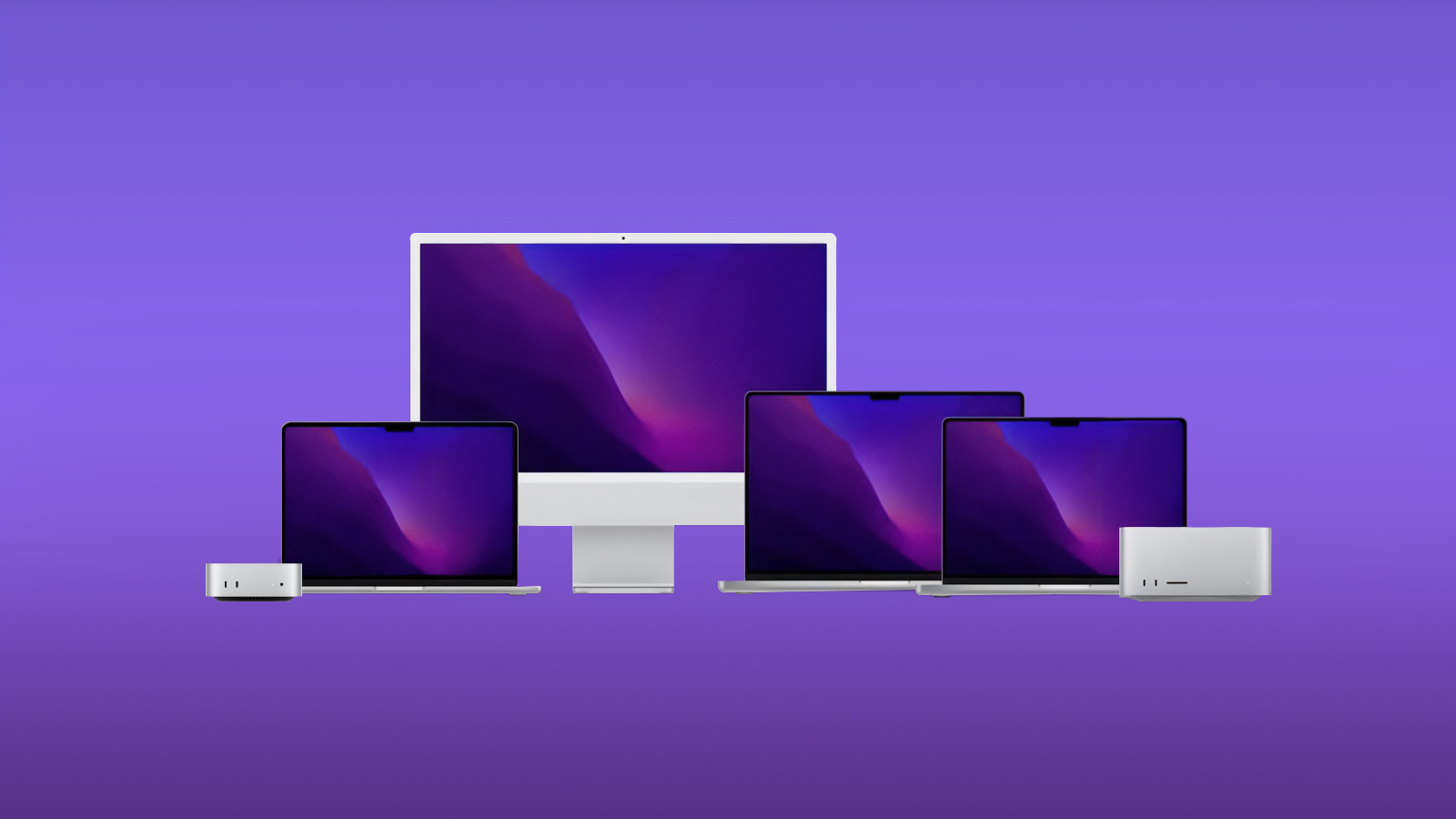
Meta Launches Free 'Facebook Verified' Badge to Confirm Real Users

Meta today announced Facebook Verified, a free badge designed to confirm that a Facebook profile belongs to a real person rather than an AI-generated fake.


The feature uses a selfie-based verification process: users record a short video selfie, which ‌Meta‌ checks against their existing profile photos to confirm a match. ‌Meta‌ says the process is free and typically takes just a few minutes to complete, though accounts must meet the company's trust and safety standards to qualify.

Facebook Verified is limited to users 18 and older who are in good standing with ‌Meta‌'s Community Standards around fraud, scams, and deceptive practices, and who show no evidence of inauthentic behavior. The badge is not available for Pages or ProMode accounts, positioning it squarely as a personal-profile feature rather than one aimed at creators or businesses.

Once verified, the badge will appear on Marketplace, Dating, Groups, and Profile, with ‌Meta‌ planning to extend it to Feed posts over time. There is no subscription fee for the feature, and the badge carries across the platform once a user has completed the one-time verification process.

The launch is separate from ‌Meta‌ Verified, the company's existing paid subscription that bundles a verified badge with extras like impersonation protection and direct account support. Facebook Verified is free and narrower in scope, aimed specifically at signaling humanity rather than offering premium account features.

Facebook Verified is rolling out in phases, starting in select markets, with ‌Meta‌ planning to expand availability globally over time.
Tags: Facebook, Meta

This article, "Meta Launches Free 'Facebook Verified' Badge to Confirm Real Users" first appeared on MacRumors.com

Discuss this article in our forums
  •  

Apple Maps to Help Power Autonomous Driving in Ford's 2027 EV

Apple and Ford today announced announced that Apple Maps will power the navigation system in Ford's upcoming Universal Electric Vehicle (UEV) Platform, launching in 2027 at a price point around $30,000.


The integration leverages Apple's new MapKit for Automotive SDK, allowing Ford to embed ‌Apple Maps‌ directly into the vehicle's displays while maintaining the ability to customize the experience to match Ford's design language. Drivers will get turn-by-turn directions using natural language search, real-time traffic and incident information, and intelligent EV routing that includes battery preconditioning. The mapping data will also support Ford's development of an enhanced version of BlueCruise, the automaker's hands-free highway driving capability. Eddy Cue, Apple's senior vice president of Services and Health, said:

Apple Maps delivers the best map experience in the world, and we're excited to bring the power of Maps' navigation technology to Ford's innovative Universal Electric Vehicle Platform. With our new MapKit for Automotive SDK, we're bringing Maps further into drivers' daily lives, giving them an incredibly accurate and easy-to-use navigation system that is seamlessly integrated into Ford vehicles.


The MapKit for Automotive SDK represents one of Apple's biggest automotive pushes to date beyond CarPlay and ‌CarPlay‌ Ultra. The SDK gives automakers access to Apple's mapping data and allows them to integrate navigation as a native vehicle feature rather than simply mirroring an iPhone app. Apple maintains privacy protections in automotive use, with the company not collecting users' location data or activity tied to individual identities through the vehicle's mapping system. Jim Farley, Ford Motor Company's CEO, said:

Our new midsize electric vehicle will be priced around $30,000 and redefines what advanced technology can be — simple, useful, and truly attainable for more customers. We're proud to embed Apple Maps' navigation and mapping technology directly into our Universal Electric Vehicle Platform, giving customers the ultimate navigation experience alongside our Ford app, a full suite of software, and next-generation BlueCruise, all enabled by a new zonal architecture. Apple Maps has delivered a world-class product, and we're honored to be among the first to embed it directly into a vehicle, helping define intuitive, capable driving.


Ford is among the first automakers to directly embed Apple's navigation engine rather than relying on ‌CarPlay‌. ‌CarPlay‌ will still be available on Ford vehicles, Apple said, providing an additional input method for drivers who prefer iPhone integration.

The UEV Platform will roll out beginning in 2027, with the $30,000 pricing targeting mainstream buyers seeking affordable electric vehicle options from a major U.S. automaker.
This article, "Apple Maps to Help Power Autonomous Driving in Ford's 2027 EV" first appeared on MacRumors.com

Discuss this article in our forums
  •  

Foldable iPhone Still Faces Production Hurdles, Report Says

Apple's foldable iPhone still faces production hurdles that leave its exact launch timing undecided, according to a new report from DigiTimes, even as Foxconn carries out what supply chain sources describe as "final mass-production adjustments."


The report says Apple has assigned Foxconn to lead the device from new product introduction (NPI) through to mass production, citing the assembler's experience with precision structural components and large-scale production tuning. One industry source claimed Foxconn is the only Apple partner with a realistic chance of meeting the expected production target.

The framing sits somewhat against recent reporting. Foxconn began trial production in April, Apple subsequently raised its order to around 10 million units on the back of resolved hinge and circuit board problems, and just two weeks ago a China Securities Journal report aggregated by DigiTimes said the device was already in mass production with no delay envisaged. Today's report instead says the engineering validation phase may have caused a delay of one to two months, with the hinge structure and display durability testing remaining the principal bottlenecks.

The foldable iPhone is still, at the very least, expected to be unveiled alongside the iPhone 18 Pro models in September, with a book-style design, an inner display of around 7.7 to 7.8 inches, a 5.5-inch cover screen, a thickness of roughly 4.5mm, and a starting price above $2,000.
Related Roundup: iPhone Fold

This article, "Foldable iPhone Still Faces Production Hurdles, Report Says" first appeared on MacRumors.com

Discuss this article in our forums
  •  

Apple to Overhaul Mac Lineup With 11 New Models

Apple is preparing to refresh every Mac it sells over the next two years, according to Bloomberg's Mark Gurman.


The plans come amid a Mac resurgence, with sales projected to climb for a third consecutive year, partly thanks to a growing following among users who lean on the machines for demanding, agent-based AI workloads.

The wave of new Macs will begin this fall with a refreshed entry-level 14-inch MacBook Pro and the first new iMacs in two years. Here's everything coming, according to the report:


  • Refreshed 14-inch MacBook Pro (entry-level) (Fall 2026): Among the first Macs with the new M6 chip; codename J804.

  • Mac mini (timing dependent on memory supply): New model in testing with M5 Pro and M6 chips.

  • Mac Studio (timing dependent on memory supply): New model in testing with M5 Max and M5 Ultra chips.

  • Refreshed iMac (Fall 2026): First new iMacs in two years; codenames J833 and J834.

  • High-end 14-inch and 16-inch MacBook (End of 2026 to Early 2027): All-new design with an OLED touch screen; M5 Pro and M5 Max chip options; codenames K114 and K116.

  • Refreshed MacBook Air (Early 2027): 13-inch and 15-inch models similar to the current machines; codenames J913 and J915.

  • 14-inch MacBook Pro (entry-level) (2027): 14-inch model resembling the high-end K114 and K116 design but with a standard M7 chip; codename K104.

  • Refreshed MacBook Neo (timing unclear): New budget laptop using an A19 Pro chip and more memory; part of a periodic refresh cycle with new colors.

  • Follow-up high-end MacBook (End of 2027 to Early 2028): Successor to K114 and K116, moving to M7 Pro and M7 Max chips.

  • OLED MacBook Air (2028 earliest): A future version of the MacBook Air with an ‌OLED‌ panel, implicitly with a redesign.

  • OLED iMac (timing unclear): New iMac model with an ‌OLED‌ screen, matching the technology coming to MacBook and ‌MacBook Air‌.


Development of the refreshed iMacs and the entry-level ‌MacBook Pro‌ is reportedly complete, though the machines aren't expected to ship until the fall. The high-end MacBook with the ‌OLED‌ touchscreen remains the most notable model on the roadmap, and Apple is said to be testing it internally with macOS 27.1, which is scheduled for release at the end of October.

The Mac mini and Mac Studio have become popular among users running AI applications thanks to their processing power, but demand has been outstripping supply and new orders for some current models reportedly won't ship for at least three months. Apple CEO Tim Cook said in April that it could take "several months" for those machines to reach a supply-demand balance. As a result, the timing of successors to those machines is currently unclear.
This article, "Apple to Overhaul Mac Lineup With 11 New Models" first appeared on MacRumors.com

Discuss this article in our forums
  •  

Foxconn Ramps Up Hiring as iPhone 18 Pro Enters Mass Production

Apple's iPhone 18 Pro models have entered mass production and are now in a production ramp-up phase, according to China Securities News.


In a new report citing supply chain sources (via MyDrivers), Apple's main assembly partner Foxconn is said to have entered its peak recruitment period to prepare for large-scale production and stocking ahead of the fall launch. Hourly wages, base pay, and rehire bonuses have all been raised to attract workers amid the ramp-up.

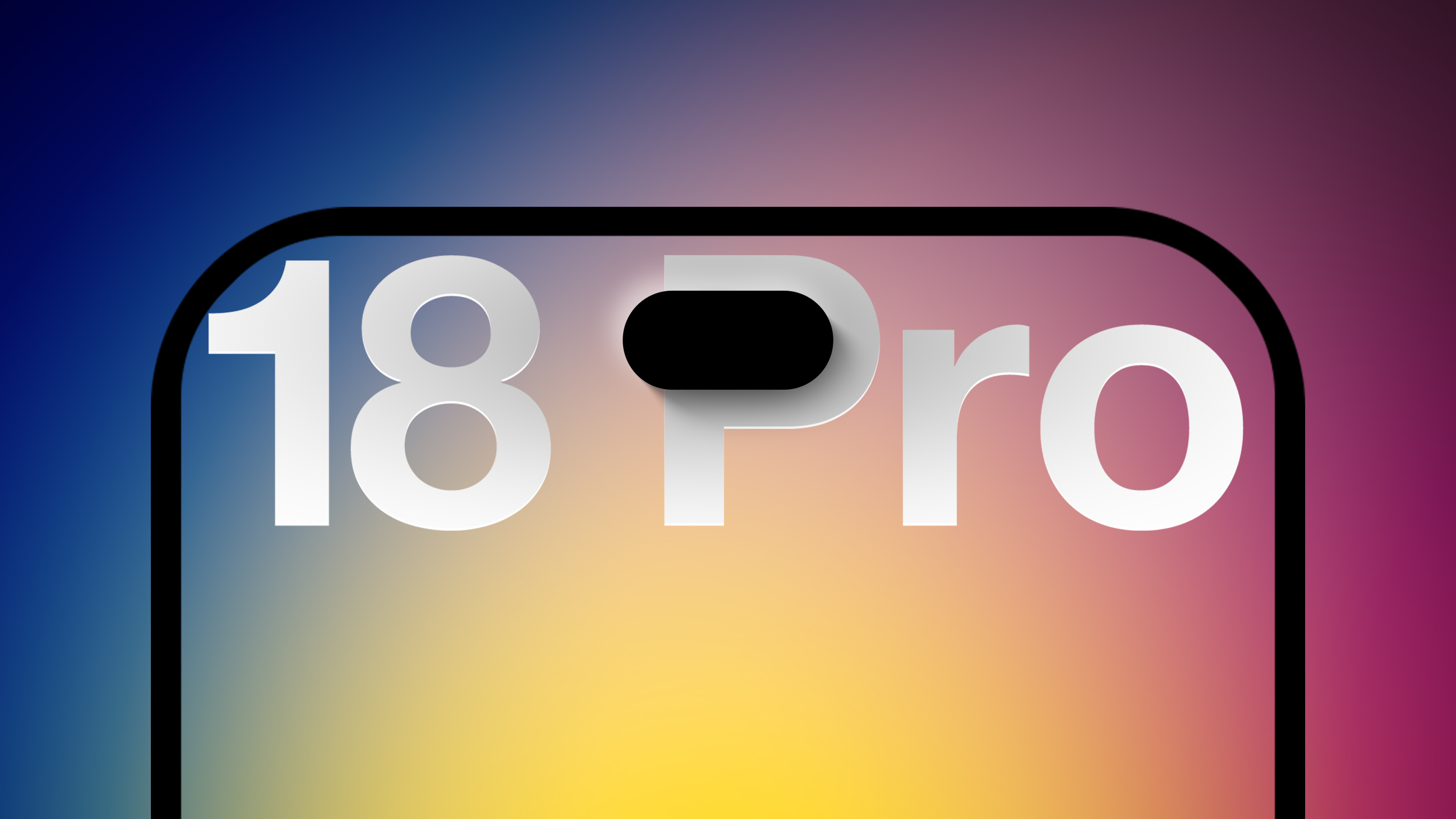
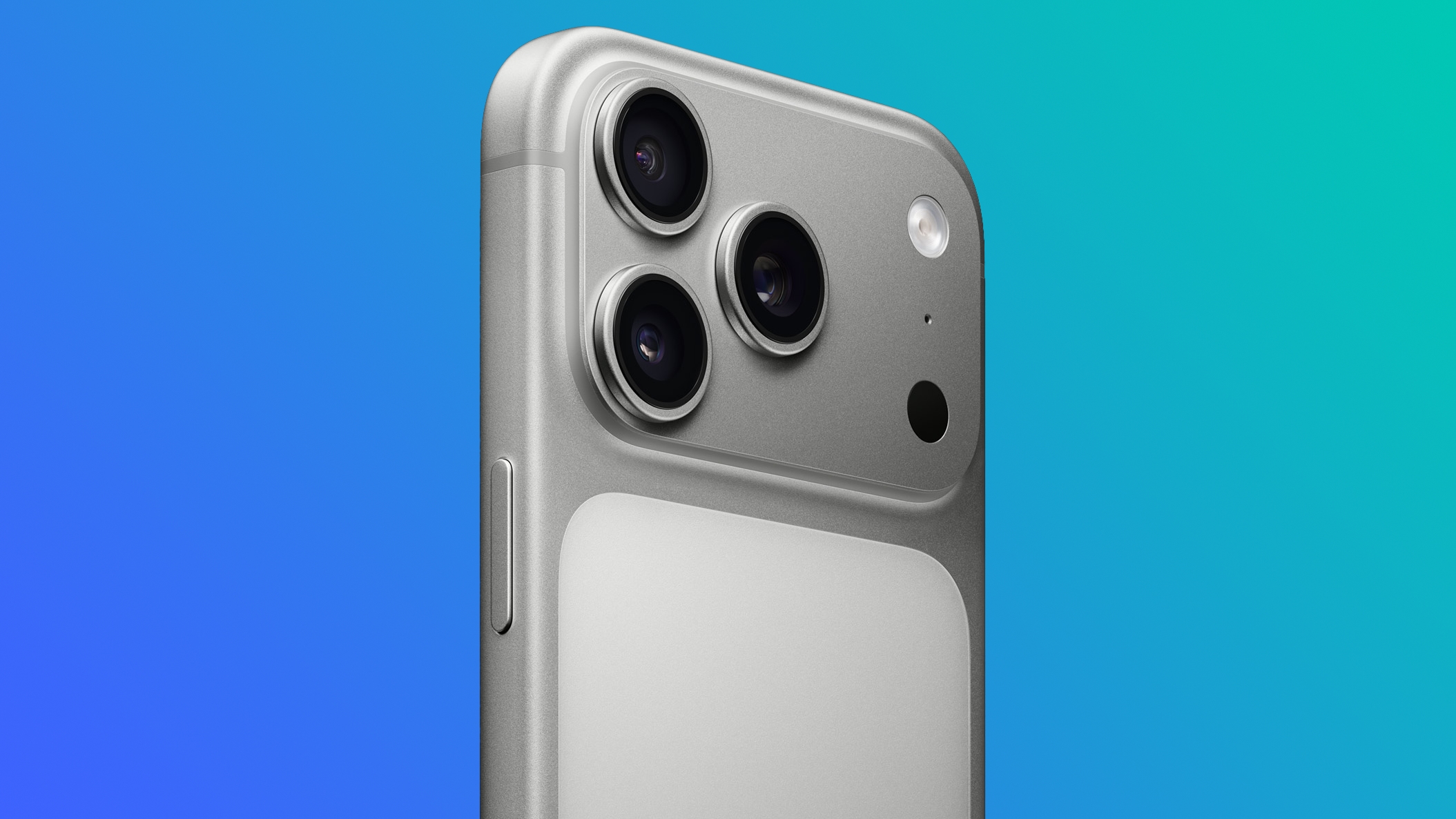
The ‌iPhone 18 Pro‌ is expected to introduce a smaller Dynamic Island cutout for its front camera and Face ID sensors. The opening is said to shrink from 20.76mm to 13.49mm, an area reduction of roughly 35%, which would push the screen-to-body ratio up to about 94.7% and reduce how much the cutout intrudes on full-screen content like games and movies played in landscape mode.

The devices are also expected to gain the A20 Pro chip, continuing Apple's usual performance and efficiency gains, alongside a new main camera with variable aperture technology that adjusts light intake depending on the shooting environment, which should improve low-light photography and depth-of-field control.

Chinese brokerages offer a mixed but largely bullish view on the device. CSC Financial said iPhone 17 sales have been strong and that Apple's innovation cycle is trending upward, with a foldable iPhone and smart glasses among several new products expected between 2026 and 2027 that could directly benefit the sector. Industrial Securities said the combination of expanding Apple Intelligence availability, the iPhone 18 lineup, and a new foldable iPhone should keep hardware and AI innovation driving the high-end smartphone market, and recommended investors continue tracking mid-to-long-term opportunities tied to Apple's product strength and AI upgrades.

Apple is reportedly adjusting its release cadence for the line this year, adopting a staggered rollout rather than launching the full lineup at once. The ‌iPhone 18 Pro‌ and ‌iPhone 18 Pro‌ Max are expected to arrive first, in September, while the standard ‌iPhone 18‌ is not expected to launch until next year, likely alongside the iPhone 18e and iPhone Air 2.
Related Roundup: iPhone 18 Pro

This article, "Foxconn Ramps Up Hiring as iPhone 18 Pro Enters Mass Production" first appeared on MacRumors.com

Discuss this article in our forums
  •  

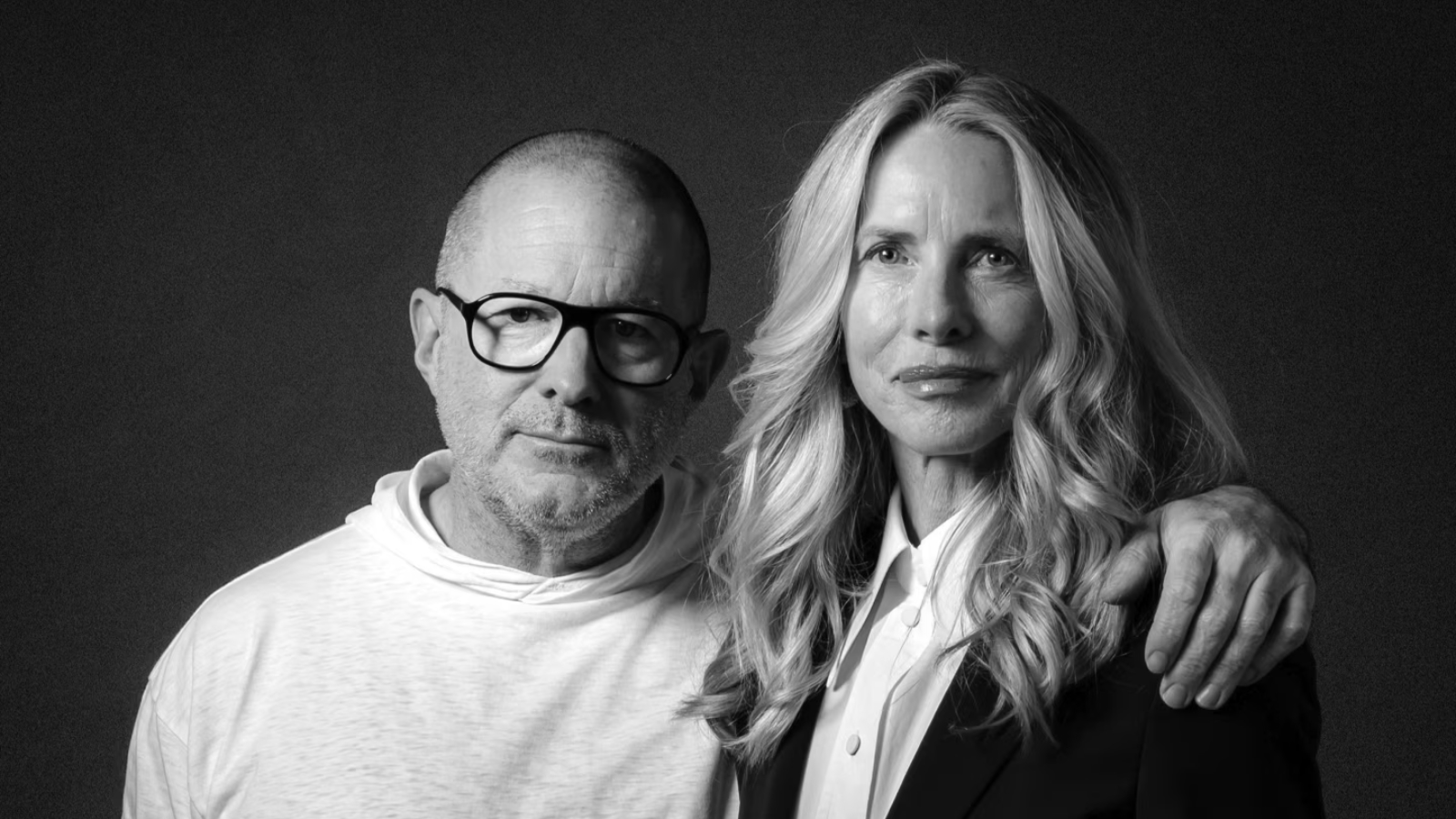
Apple Likely Left Jony Ive Out of Its OpenAI Lawsuit on Purpose

Bloomberg's Mark Gurman says Apple's decision not to name its former design chief Jony Ive in its trade-secret lawsuit against OpenAI was likely a deliberate one, shaped in part by the company's relationship with Laurene Powell Jobs.


Apple's roughly 40-page complaint refers only to unnamed "former Apple leaders" rather than calling out Ive, even though he leads design on OpenAI's hardware lineup through his firm LoveFrom, built on the back of OpenAI's $6.5 billion acquisition of his startup io Products. The allegations instead center on former iPhone executive Tang Tan, now OpenAI's chief hardware officer, whom Apple accuses of coaching recruits to bypass security measures and bring Apple hardware into interviews for "show-and-tell" sessions.

In the latest "Power On" newsletter, Gurman notes that Apple's decision likely reflects, at least in part, a genuine absence of evidence against Ive, who is reportedly not closely involved in OpenAI's day-to-day recruiting or engineering. He argues, however, that the relationship between Powell Jobs and Ive was also a significant factor. The two are described as close friends, with Ive having delivered a tribute at Steve Jobs' memorial service in 2011. Powell Jobs was an investor in io Products and remains a supporter of LoveFrom. According to Gurman, naming Ive in the complaint risked straining Apple's relationship with a figure who continues to carry considerable influence within the company.

Gurman cites Apple's June Worldwide Developers Conference as an illustration of that influence, noting that Powell Jobs sat in the front row alongside CEO Tim Cook and his successor John Ternus. He characterizes her placement as a visible show of support for Apple's leadership transition.

Gurman further suggests that the optics of naming Ive directly would have worked against Apple. Tan, he notes, is not widely known outside the industry, whereas Ive spent decades as one of Apple's most recognizable figures. Naming him could have generated public sympathy for Ive and invited criticism that Apple's lawsuit was motivated as much by past grievances as by trade-secret concerns. The lawsuit comes as more than 400 former Apple employees are now reported to work at OpenAI, whose first hardware product is expected to be a portable smart speaker aimed at competing with the iPhone in the long term.
This article, "Apple Likely Left Jony Ive Out of Its OpenAI Lawsuit on Purpose" first appeared on MacRumors.com

Discuss this article in our forums
  •  

Apple Shelved Two Mac Pro Models, Including an Intel-Based One

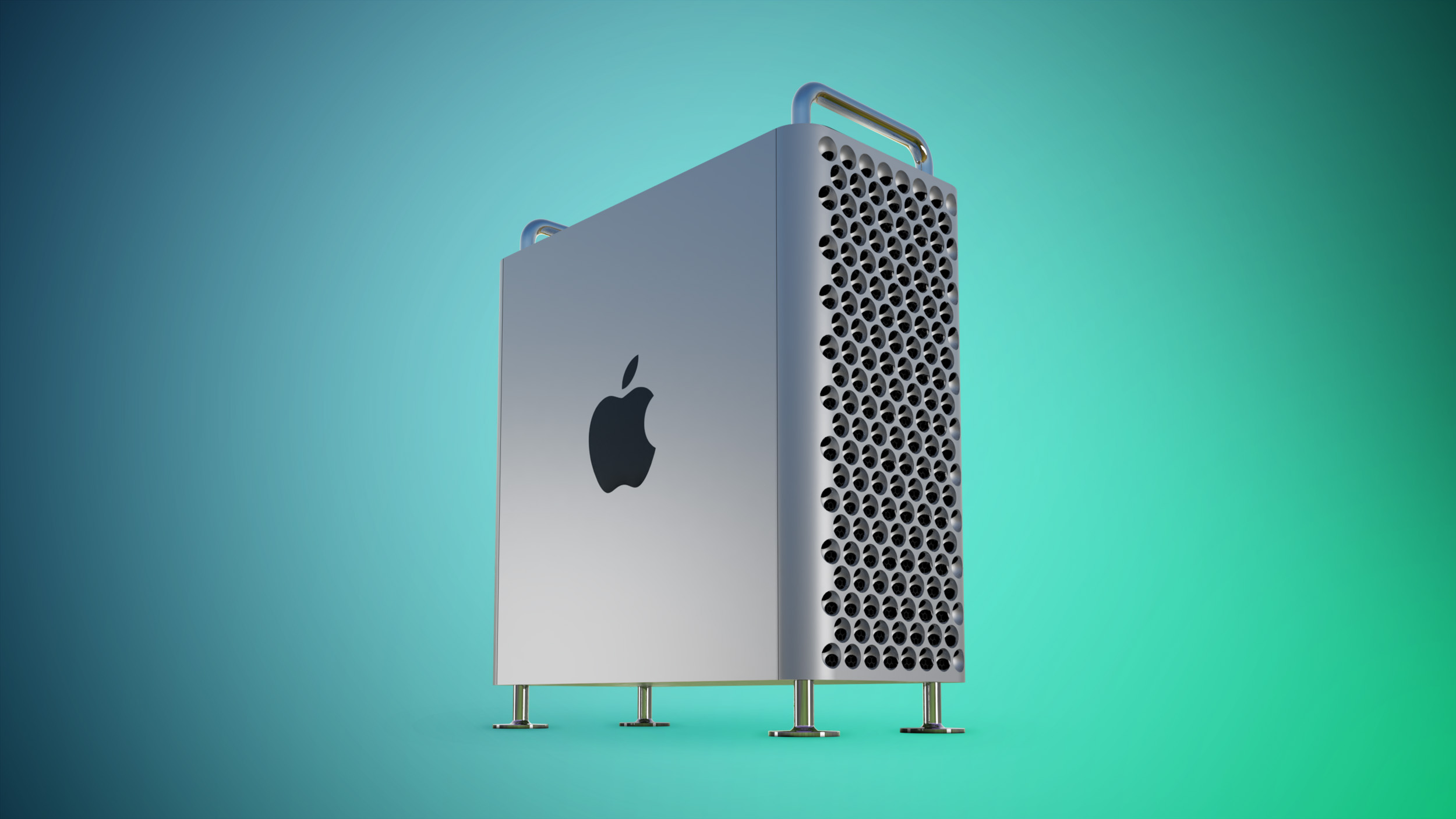
Apple developed two Mac Pro models in recent years that never made it to market, according to Bloomberg's Mark Gurman.


In his latest "Power On" newsletter, Gurman revealed that Apple internally developed two unreleased Mac Pro projects codenamed J170 and J190 before ultimately discontinuing the machine altogether.

As for new Mac Pro hardware, there were two additional models developed by Apple that never saw the light of day: J170 and J190. The former was a new Intel Corp. Mac Pro (yes, even when Apple was making its own silicon) to address certain uses. The latter was an M3 Ultra version that was supposed to launch alongside the M3 Ultra Mac Studio in early 2025.


J170 was apparently a new Intel-based Mac Pro, which is notable because Apple had already completed its transition to Apple silicon by the time the project was in active development. Gurman did not specify what "certain uses" the Intel model was meant to address, but its existence suggests Apple explored keeping an x86 option alive for specific professional workflows even years into the Apple silicon era.

J190, meanwhile, was said to be an M3 Ultra-equipped Mac Pro that was supposed to launch alongside the M3 Ultra Mac Studio in early 2025, but Apple shelved it before release. It would have paired the same chip found in that ‌Mac Studio‌ with the Mac Pro's unique-to-the-lineup PCIe expansion slots.

Neither model shipped, and Apple discontinued the Mac Pro entirely this year, ending its 20-year run. The Mac Pro had been left on the aging M2 Ultra chip from 2023 while the ‌Mac Studio‌ continued to receive refreshes, and it was priced roughly double that of a similarly configured ‌Mac Studio‌ despite offering essentially the same performance.

The J170 and J190 cancellations add to a growing list of shelved Mac Pro plans. Apple had also developed "Extreme" chip variants, processors with twice the CPU and GPU cores of Apple's Ultra chips, for a future Mac Pro before winding down those projects over cost and demand concerns.

Gurman said he does not expect Apple to bring back the Mac Pro "anytime soon — if ever." Apple is instead expected to refresh the ‌Mac Studio‌ with M5 Ultra chips as early as this fall.
Buyer's Guide: Mac Pro (Don't Buy)
Related Forum: Mac Pro

This article, "Apple Shelved Two Mac Pro Models, Including an Intel-Based One" first appeared on MacRumors.com

Discuss this article in our forums
  •  

iPhone Loyalty Rate Climbs to 87% as Switching to Android Slows

iPhone owners are sticking with the platform at a higher rate than a year ago, with new research firm CIRP putting iPhone loyalty at 87% for the first quarter of 2026.


CIRP's latest quarterly survey found that just 12% of new iPhone buyers in the March quarter had come over from an Android phone, with the remaining 1% arriving from a feature phone, a different smartphone platform, or buying a smartphone for the first time. That puts loyalty three percentage points above the same quarter a year earlier, when 14% of buyers switched from Android and the overall loyalty figure sat at 84%.

The firm has been tracking this movement for years by asking iPhone buyers what device they owned right before their purchase, among other questions about how they shop. Across the periods it measured recently, the share of buyers coming from Android has held in a fairly narrow 11% to 15% band, a much smaller pool of switchers than in the iPhone's early years, when Apple was still expanding beyond AT&T to other U.S. carriers and picking up large numbers of new users in the process.

The trend held steady in early 2024 too, when 13% of buyers arrived from Android and loyalty came in at 85%. CIRP's numbers suggest the bulk of smartphone owners settled on a platform long ago, and only a small slice change sides each year. This is a pattern other recent surveys have pointed to as well, even if their methodology and figures differ from CIRP's.

Apple will roll out Siri AI, its overhauled AI assistant, in iOS 27 later this year, which could help retain existing iPhone owners. Attracting Android converts is a separate challenge, though Apple's upcoming foldable iPhone will introduce a new form factor that may appeal to some existing Android foldable owners.
Tags: Android, CIRP

This article, "iPhone Loyalty Rate Climbs to 87% as Switching to Android Slows" first appeared on MacRumors.com

Discuss this article in our forums
  •  

The MacRumors Show: iPhone XX? Next Year's Major Upgrades Will Change Everything

This week's episode of The MacRumors Show looks ahead to the 20th anniversary iPhone, the radically redesigned model that Apple is expected to launch in 2027.


Apple's plans for the device's name remain unclear. The company skipped "iPhone 9" and moved straight to the iPhone X for the device's 10th anniversary in 2017, and it is widely expected to skip "iPhone 19" in the same way. Rumors have referred to the 2027 models as both the "iPhone 20" and the "iPhone XX" as placeholder names, and it is still possible that they will sit above the iPhone 18 Pro and 18 Pro Max as a separate, higher-tier directly, even though they are more likely to replace them as usual. Apple has reset iPhone branding before with the iPhone Air, whose successor is expected to be the iPhone Air 2.

The 2027 iPhone is rumored to be the biggest redesign since the iPhone X. Apple is reportedly aiming for a near bezel-less design with curved glass that wraps around all four edges and a return to a glass back, in line with the single slab of glass that former design chief Jony Ive long described as a goal. The frame is said to be a thin polished band, potentially in a material other than the aluminum used on Apple's straight-edged models, with the display curving onto the sides rather than following one consistent curve.

Displays that curve down the sides can be prone to accidental touches, an issue seen on earlier Android handsets with waterfall edges, though Apple is expected to engineer the device to work with a case. The extent of the curvature, and how far the display appears to refract at the edges, is not yet clear.

Apple reportedly wants a front with no cutouts, but some of the under-display technology is unlikely to be ready in time, meaning some form of front-facing cutout is expected to persist. Current reporting points to a gradually shrinking Dynamic Island, Face ID components moving beneath the panel, and an under-display camera arriving last, since image quality still degrades when a lens sits behind the display.

Apple is also rumored to be revisiting solid-state haptic buttons, reviving the "Project Bongo" effort that reached prototype hardware years ago before being shelved. Reports have cited several potential motivations, including a cleaner frame with no moving parts, a reduction in the mechanical button failures that account for many AppleCare repairs, and additional internal space for a larger battery or additional haptic engine.

Apple is reported to be developing a custom image sensor that would replace the Sony sensors currently used across the iPhone lineup, following the company's move to bring its silicon, modem, Wi-Fi, and Bluetooth chips in-house. The rear camera plateau is likely to remain, owing to the space required by the folded optics used for the telephoto lens.

The anniversary models are expected to share a second-generation 2-nanometer A21 chip, along with efficiency gains and a newer Apple modem. A 6,000mAh battery has appeared in some rumors, though it is unclear whether that figure is based on supply chain information.

Reverse wireless charging appeared in the same report and would let the iPhone top up accessories such as AirPods or an Apple Watch. The underlying hardware is already present, since iPhones can charge a MagSafe battery pack through their wireless coil, but Apple has never enabled the capability for other devices, a feature Samsung has offered on its phones for several years. Its viability on the anniversary model may depend on the larger battery and efficiency gains rumored for the device, given how much charge reverse wireless charging draws from the handset itself.

This year's ‌iPhone 18 Pro‌ models are rumored to be a more modest update, with the larger redesign reserved for the 20th anniversary model. It is expected to arrive in the fall of 2027, following the iPhone 18, iPhone 18e, and ‌iPhone Air‌ 2 in the spring. The MacRumors Show has its own YouTube channel, so make sure you're subscribed to keep up with new episodes and clips.


You can also listen to ‌The MacRumors Show‌ on Apple Podcasts, Spotify, Overcast, or other podcast apps. You can also copy our RSS feed directly into your player.


If you haven't already listened to the previous episode of The MacRumors Show, catch up to hear our discussion about the future of Apple's increasingly tangled high-end MacBook lineup, including the entry-level MacBook Pro and the rumored "MacBook Ultra."

Subscribe to ‌The MacRumors Show‌ for new episodes every week, where we discuss some of the topical news breaking here on MacRumors, often joined by interesting guests such as Kayci Lacob, Kevin Nether, John Gruber, Mark Gurman, Jon Prosser, Luke Miani, Matthew Cassinelli, Brian Tong, Quinn Nelson, Jared Nelson, Eli Hodapp, Mike Bell, Sara Dietschy, iJustine, Jon Rettinger, Andru Edwards, Arnold Kim, Ben Sullins, Marcus Kane, Christopher Lawley, Frank McShan, David Lewis, Tyler Stalman, Sam Kohl, Federico Viticci, Thomas Frank, Jonathan Morrison, Ross Young, Ian Zelbo, and Rene Ritchie.

‌The MacRumors Show‌ is on X @MacRumorsShow, so be sure to give us a follow to keep up with the podcast. You can also email us at podcast@macrumors.com or head over to The MacRumors Show forum thread. Remember to rate and review the podcast, and let us know what subjects and guests you would like to see in the future.
This article, "The MacRumors Show: iPhone XX? Next Year's Major Upgrades Will Change Everything" first appeared on MacRumors.com

Discuss this article in our forums
  •  

Apple and Google Hit With Demand to Pull AI 'Nudify' Apps [Updated]

A San Francisco City Attorney has sent cease-and-desist letters to Apple and Google demanding the removal of 13 AI "face-swap" apps that can generate nonconsensual nude images, according to WIRED.


The letters, sent on Thursday, target eight apps on the App Store and five on the Play Store that market themselves as face-swapping tools but are used to "undress" photos of real people. The attorney's office wants both companies to cut ties with the developers and stop taking a cut of in-app payments, arguing they are effectively "aiding and abetting" the sale of explicit deepfake images. The attorney called the practice "illegal, harmful, and completely unacceptable" and believes Apple and Google have collected millions in fees from the apps.

Both companies have developer rules against pornography and have removed batches of nudify apps in the past after being flagged by researchers. A Google spokesperson told WIRED that the company has deleted "hundreds" of apps with nudifying features for policy violations, including the five named in the letters. In June, it emerged that Apple had already tightened its ‌App Store‌ guideline language on developer responsibility for pornographic content.

Update: Apple told MacRumors that it takes reports of apps against its guidelines seriously. Apple applies App Review Guidelines to all developers, which include specific provisions to prohibit overtly sexual or pornographic content. As such, "nudificiation" apps are against its guidelines and the company has proactively rejected and removed many such apps, including when they have been flagged by users.

The App Store was designed to be a safe and trusted place for users, and we have always strictly prohibited apps designed to generate, distribute, or consume pornography. "Nudification" apps are against our App Review Guidelines and we have proactively rejected many of these apps and removed many others, including when users have flagged them via our reporting tools. We have removed three of the apps in question and are in the process of terminating their developer accounts from our program. We are in contact with four others that need to address policy violations or risk being removed as well.


Users can go to reportaproblem.apple.com to report illegal, offensive, or abusive content, as well as scam or fraud on the ‌App Store‌.
Tags: Google, Wired

This article, "Apple and Google Hit With Demand to Pull AI 'Nudify' Apps [Updated]" first appeared on MacRumors.com

Discuss this article in our forums
  •  

Apple's Chipmaker Pledges $100 Billion More for US Plants

Apple chip supplier TSMC has announced a $100 billion increase to its U.S. chip investment, bringing its total commitment to $265 billion.


The increase was confirmed by the White House and the Department of Commerce alongside TSMC's second quarter earnings call. Commerce Secretary Howard Lutnick said the investment would "create tens of thousands of American jobs," while TSMC chairman and CEO C.C. Wei told CNBC the new fabrication plants would support "our leading U.S. customers," a group that reportedly includes Apple, alongside Nvidia and Broadcom.

Apple CEO Tim Cook called Apple "TSMC Arizona's first and largest customer" when the company's third Arizona fab broke ground last year, and the company's first Arizona plant already produced some of Apple's A16 chips.

TSMC has historically reserved its most advanced manufacturing processes for its home plants in Taiwan, meaning Arizona made chips have trailed several generations behind whatever Apple ships at any given time. TSMC has since committed to building its own advanced packaging facilities in the US as part of its broader investment plan, according to a regulatory filing.

The new $100 billion is expected to fund up to four more plants, though the exact shape of the plan remains unsettled. The Department of Commerce says the total will reach 12 U.S. facilities, while an official told Bloomberg the eventual mix could be 10 fabrication plants and two packaging facilities, focused on 2 nanometer chips, TSMC's most advanced process commercially available today.

That timing could hinge partly on how much U.S. capacity Apple itself ends up needing, since the company has been separately exploring Intel and Samsung as backup chipmakers to reduce its reliance on TSMC amid the ongoing global chip crunch. Apple is reported to have secured an exemption from a proposed 100% semiconductor tariff partly by pledging its own U.S. manufacturing investment and agreeing to buy chips from Intel.
Tag: TSMC

This article, "Apple's Chipmaker Pledges $100 Billion More for US Plants" first appeared on MacRumors.com

Discuss this article in our forums

  •  

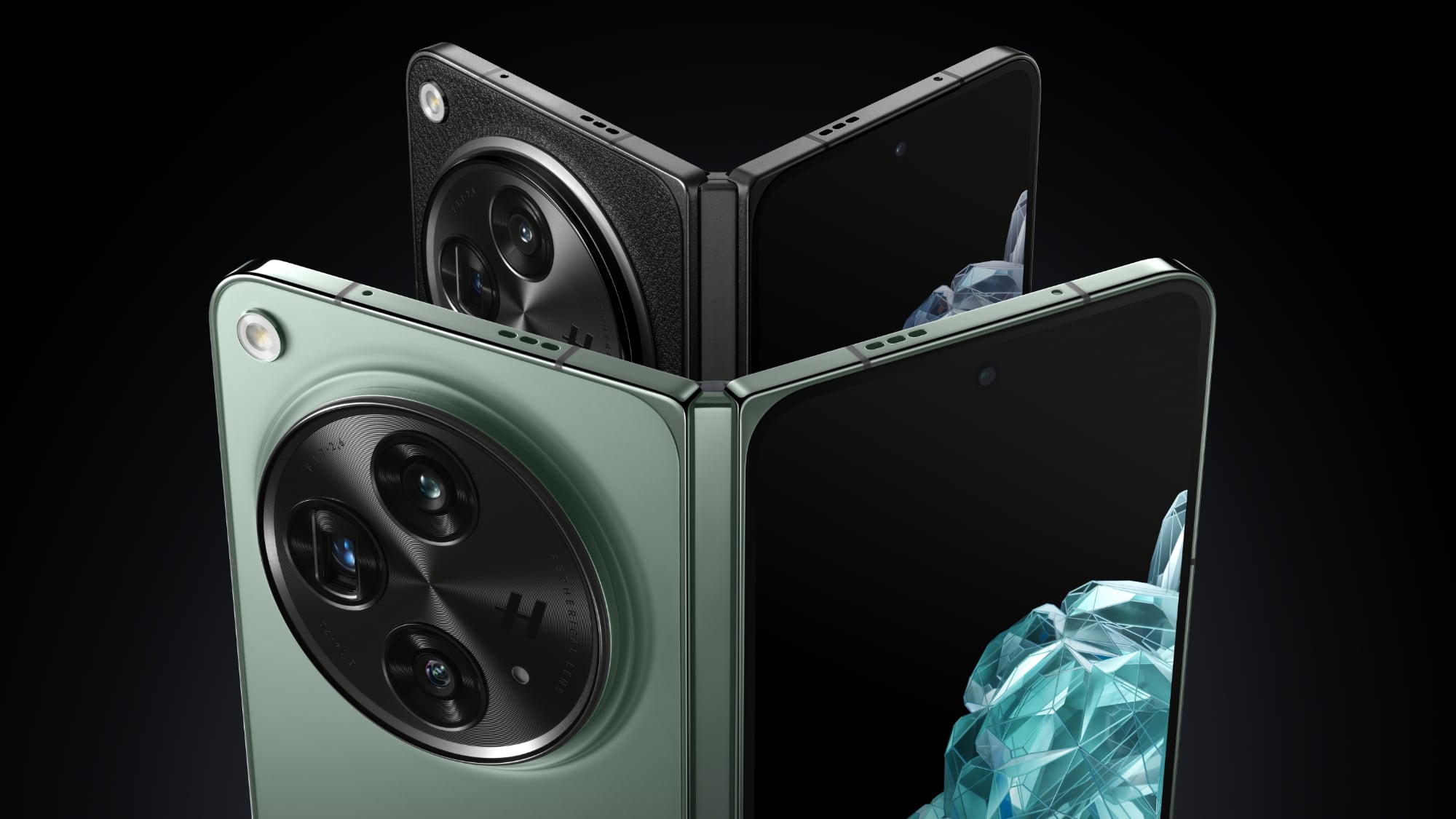
Report: OnePlus to Pull Out of US and Europe

OnePlus is exiting the U.S. and European smartphone markets as part of a broader restructuring at parent company Oppo, Bloomberg reports.


OnePlus is a wholly-owned subsidiary of Oppo. The change could happen as early as this week, according to a person familiar with the matter who spoke to Bloomberg. Realme, another Oppo-owned mobile brand, will exit the China market as part of the same restructuring. Outside China, OnePlus' withdrawal is expected to expand to the rest of the world, including India, at some point in 2027.

OnePlus built a loyal following among some Android enthusiasts in its early years for pairing solid performance and lightweight software with aggressive pricing that consistently undercut Apple and Samsung by hundreds of dollars, but its influence has waned considerably in recent years.

Apple and Samsung continue to dominate the U.S. smartphone market, with Apple capturing a record 20% of the global smartphone market in the second quarter of 2026 as Samsung held the top spot at 22%, according to Omdia. OnePlus, meanwhile, trails far behind smaller contenders like Motorola and Google in the U.S.

In China, Oppo trails market leaders Huawei and Apple, and the broader market is under strain from surging memory costs. IDC said this week that total smartphone shipments in China fell 4.3% year-over-year in the second quarter to roughly 66 million units, the fifth consecutive quarterly decline, with Apple and Huawei the only major vendors to grow. The slowdown is tied to the same memory chip shortage that has forced Apple to raise prices across much of its product lineup, with CEO Tim Cook calling the increases "unavoidable."

Counterpoint Research said Chinese brands like Oppo face greater pressure than Apple and Samsung from the memory crunch, since thinner margins leave less room to absorb rising component costs, particularly in the entry-level segment where costs have jumped 20% to 30% since early 2025.

OnePlus' most recent flagship, the OnePlus 15, launched globally on November 13, 2025, but OnePlus postponed the U.S. sale specifically because the FCC certification process was backed up due to the federal government shutdown, which had just ended the day before the launch.
This article, "Report: OnePlus to Pull Out of US and Europe" first appeared on MacRumors.com

Discuss this article in our forums

  •  

Apple Reportedly Looking to Acquire AI Chip Companies

Apple is looking to acquire AI chip companies as part of an effort to reduce its dependence on Nvidia for demanding AI workloads, according to The Information.


Apple currently handles some AI processing in its own data centers using its own chips, but relies on Nvidia hardware housed within Google Cloud for more demanding tasks, an arrangement that includes the Gemini model powering the overhauled version of Siri. Apple's own AI server chip, internally code-named Baltra, had been expected to ship this year but has been delayed, according to people said to be familiar with the project.

Apple has historically limited its acquisitions to deals in the hundreds of millions of dollars and avoided large purchases, but that approach appears to be shifting. In January, Apple completed its acquisition of Q.ai, an Israeli company specializing in interpreting speech through facial micromovements, paying close to $2 billion, second only to the $3 billion Apple paid for Beats Electronics in 2014.

Apple also signaled a change in financial strategy during its most recent quarterly earnings call, when CFO Kevan Parekh told analysts the company would no longer target "net cash neutral" status, a policy under which it had kept its cash reserves roughly in line with its total debt. Apple did not explain the reasoning behind the change, though the added flexibility could free up capital for larger acquisitions.

Apple is already reportedly pursuing acquisitions of AI companies that could help shrink AI models for more efficient use on iPhone.

It is also worth noting that Apple's own in-house chip design capabilities originated with an acquisition. In 2008, the company acquired PA Semi for $278 million, a deal that laid the foundation for the custom processors now used across many of its product lines.

Impending leadership transitions could also bring a more aggressive approach to dealmaking, with hardware chief John Ternus set to succeed Tim Cook as CEO in September, and chip executive Johny Srouji being given expanded responsibility over all of Apple's hardware engineering, in addition to semiconductors.

Apple's chip design team has traditionally focused on battery-powered mobile devices rather than the high-performance server chips required to compete with Nvidia, the dominant supplier of AI server hardware. That limitation became apparent during development of the revamped Siri, when engineers reportedly attempted to run Google's Gemini models on Apple's own server infrastructure but found that the chips, designed with Mac workloads in mind, could not handle a model of that scale. As a result, Apple was required to process portions of the new ‌Siri‌'s workload using Nvidia chips within Google's cloud infrastructure.

Acquiring outside chip expertise would complement work already underway internally. Apple is currently developing a server chip based on the M5 Ultra chip, according to Bloomberg, while a future M7 Ultra chip is reportedly intended to substantially improve AI performance to a level that could begin to rival Nvidia's Blackwell chip. The M7 Ultra is expected to support up to 1.5TB of memory, roughly double the capacity of M5 Ultra, though Bloomberg added that a server chip based on M7 Ultra is unlikely to be ready before 2029.

Acquisitions represent only one avenue Apple is pursuing to reduce its reliance on Nvidia. The Information first reported Apple's collaboration with Broadcom on an AI server chip in 2024, and Broadcom confirmed in a securities filing last week that the companies had extended that partnership through 2031.
This article, "Apple Reportedly Looking to Acquire AI Chip Companies" first appeared on MacRumors.com

Discuss this article in our forums
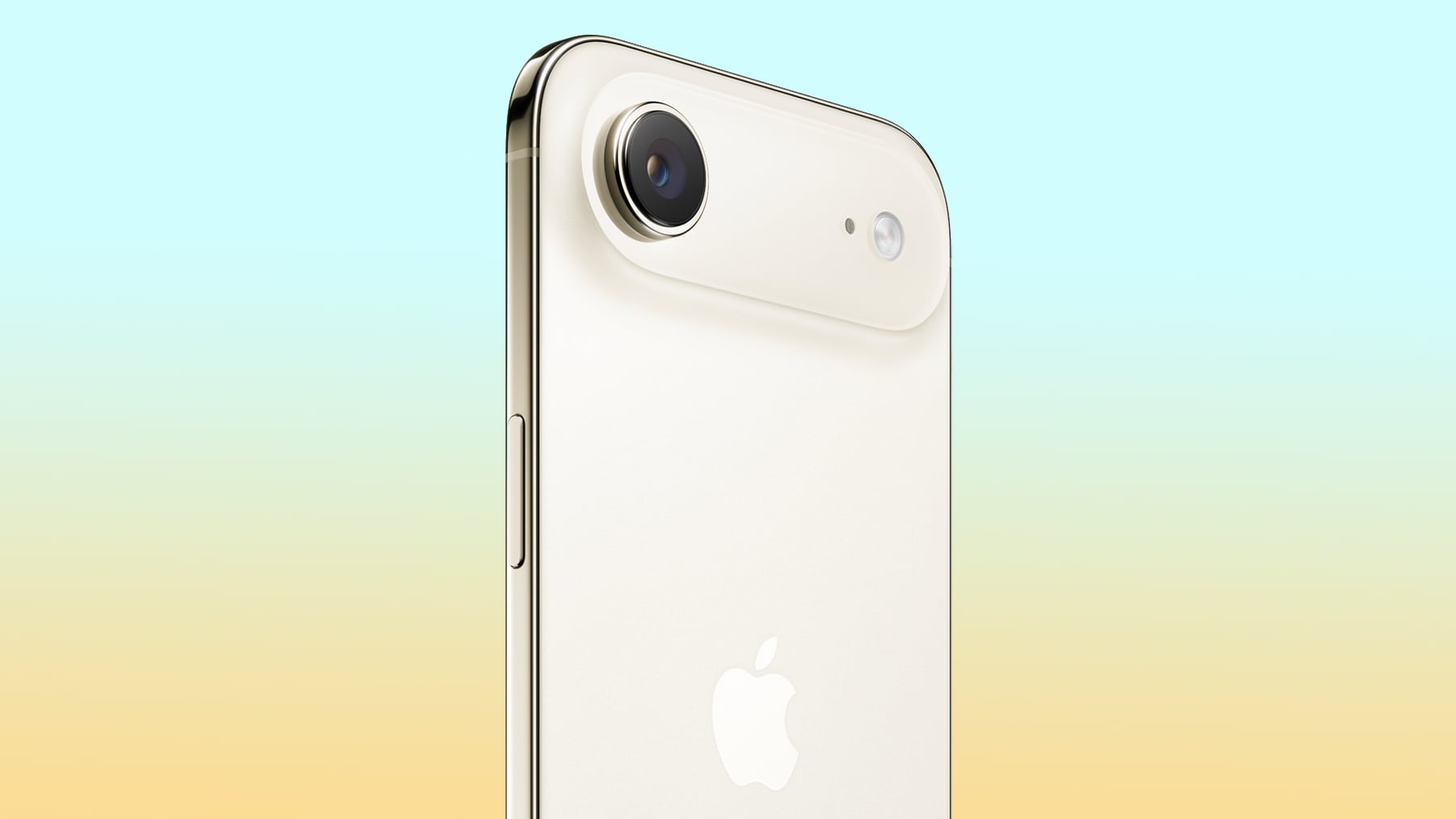
  •  

Apple Adds 36-Month Carrier Financing for Cellular iPads

Apple has introduced 36-month financing for cellular iPad purchases through AT&T and Verizon, adding to the 12-month option previously available via Apple Card.


The new financing, first reported by 9to5Mac, replaces Apple Card Monthly Installments as the sole route to spreading out a cellular ‌iPad‌ purchase. That plan paid off the balance interest-free over 12 months; the new carrier options extend across Apple's full cellular ‌iPad‌ lineup, including the ‌iPad‌, iPad mini, iPad Air, and iPad Pro.

Both carriers restrict eligibility to subscribers activating a new line of service, rather than those adding a cellular ‌iPad‌ to an existing plan. The principal distinction between the two options is term length. Extending repayment from 12 months to 36 months substantially reduces the monthly cost, although the total amount financed remains unchanged.

The addition follows Apple's ‌iPad‌ price increases from late June, which affected the entire lineup. The extended financing term offers a way to offset the impact of those higher prices at checkout.

The 11-inch ‌iPad Pro‌'s cellular configuration now starts at $1,399, up from $1,199 prior to the price increase, which amounts to $116.58 per month under the 12-month ‌Apple Card‌ plan. Financed through AT&T or Verizon instead, the same purchase costs approximately $38 per month over 36 months.
Related Roundups: iPad, iPad Air , iPad Pro, iPad mini
Related Forum: iPad

This article, "Apple Adds 36-Month Carrier Financing for Cellular iPads" first appeared on MacRumors.com

Discuss this article in our forums
  •  

EU Drops Battery Removal Requirement for Apple Watch and AirPods

The European Commission yesterday adopted new exemptions to its Batteries Regulation that free the Apple Watch and AirPods from having to offer user-removable and replaceable batteries.


The EU's Batteries Regulation generally requires consumer products sold in the region to let users swap out their own batteries, a push meant to keep devices in use longer and make it easier to recover materials for recycling. The Commission has now expanded its list of exempt product types to six additional categories, folding in wearables like smartwatches and fitness trackers.

The reasoning largely mirrors why devices like electric toothbrushes were already exempt: Opening a compact, sealed enclosure and failing to reseal it properly could let water in and create a safety risk. Products can also qualify for exemption if their construction makes battery removal inherently dangerous, or if there is no realistic way to build in user access given current manufacturing methods.

The new categories effectively cover the Apple Watch and AirPods, both of which rely on the kind of small, sealed designs the Commission is now carving out, along with Meta's smart glasses. The change follows months of pressure from U.S. officials over rules that had reportedly complicated ‌Meta‌'s plans to bring its newest display-equipped smart glasses to Europe.

The iPhone was already exempt from the removability rule under the original regulation, thanks to its battery cycle life and water resistance rating. Apple offers battery service through Apple Stores, authorized providers, and its Self Service Repair program, which lets owners handle certain repairs, including batteries, at home. Not every device gets the same pass: Nintendo has now said it will sell a version of the Switch 2 in the EU with a user-replaceable battery to meet the incoming rules.

The delegated act still has to clear scrutiny from the European Parliament and the Council of the EU. It takes effect 20 days after publication in the Official Journal of the EU if neither body objects, ahead of the regulation's wider rollout in 2027.
Related Roundups: AirPods 4, Apple Watch 11
Related Forum: AirPods

This article, "EU Drops Battery Removal Requirement for Apple Watch and AirPods" first appeared on MacRumors.com

Discuss this article in our forums
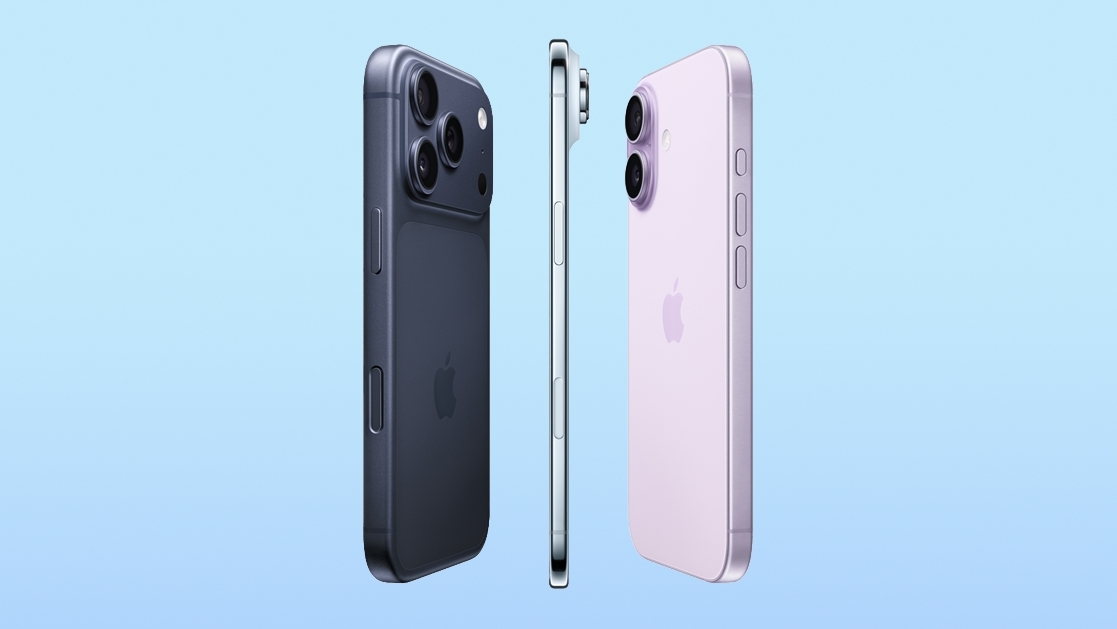
  •  

Apple Intelligence Finally Cleared to Launch in China

Apple Intelligence has been approved by Chinese regulators, opening the door for the AI system to reach iPhones in the country for the first time.


Reuters reports that China's Cyberspace Administration registered Apple's on-device generative AI service this week, putting it on a list of newly cleared providers that also includes homegrown systems from Chinese phone makers.

An unnamed source told the outlet that Apple's AI features in the country will draw on models from both Baidu and Alibaba. In February 2025, Alibaba was reported to be building the primary system and Baidu contributing on a smaller scale.

Alibaba confirmed its part of the arrangement directly, telling Reuters that its Qwen model will power ‌Apple Intelligence‌ functions across iOS, iPadOS, macOS, and visionOS for Chinese users, including both text and image generation. No launch date has been given, though approval typically precedes a rollout by only a few months, putting a China debut roughly in line with Apple's usual fall software release cycle.

Apple actually briefly switched the features on early for some Chinese users back in March, months ahead of getting the green light, and a feedback form aimed at Chinese users appeared on Apple's site late last year as the company inched closer to approval.

iPhone shipments in China climbed 24.4 percent year-over-year in the second quarter, making Apple the fastest-growing smartphone brand in a market that otherwise kept shrinking. A working version of ‌Apple Intelligence‌ could help sustain that momentum, though Apple is still catching up to domestic rivals that built AI features into their phones well before it did.
This article, "Apple Intelligence Finally Cleared to Launch in China" first appeared on MacRumors.com

Discuss this article in our forums
  •  

Madden NFL 27 Arcade Edition Coming to Apple Arcade

Apple today announced that Madden NFL 27 Arcade Edition is coming to Apple Arcade on August 6, a new entry in the franchise built specifically for the service with a season-based structure and current NFL rosters.


The game is a full Madden title with no ads or in-app purchases, and it includes both Franchise and Quick Play modes, with player ratings drawn from real NFL performances. A weekly story engine drives Franchise mode, casting players as GM and tasking them with guiding a team through shifting storylines, keeping fans onside, and building toward a title. Controller support is available across the iPhone, iPad, Mac, and Apple TV.

Retro Bowl College+ also launches August 6, putting players in charge of one of 250 college programs in this spinoff of the original pixel-art Retro Bowl.

On September 3, NFL Retro Bowl '27 adds a new Gauntlet Mode, where players start with limited resources and try to string together 15 wins in a row for the top spot on the leaderboard, picking between easier matchups or riskier ones that pay out real NFL players and perks. Progress carries over between runs even after a loss, building toward a final matchup against a rival team.

A handful of existing Arcade sports titles are also set to receive updates. NBA 2K26 Arcade Edition now includes Tyrese Maxey as a new Paragon player and has added the 2016-2024 era to its Association mode. PGA TOUR Pro Golf gained a new course, Bear's Best Atlanta, and starting July 16, NFL Retro Bowl '26 is rolling out Historic Super Bowl challenges built around some of the league's most memorable title games.

Apple also pointed to a handful of Arcade games that can now be sampled on the App Store without a subscription, including PowerWash Simulator, Mini Motorways, Cooking Mama: Cuisine!, and Play-Doh World.

‌Apple Arcade‌ is a subscription service that provides access to hundreds of games across the iPhone, ‌iPad‌, Mac, ‌Apple TV‌, and Apple Vision Pro. All of the games are free of ads and in-app purchases. In the U.S., ‌Apple Arcade‌ costs $6.99 per month, and it is also bundled with other Apple services in all Apple One plans. ‌Apple Arcade‌ can be accessed through the ‌App Store‌ and the Apple Games app.
This article, "Madden NFL 27 Arcade Edition Coming to Apple Arcade" first appeared on MacRumors.com

Discuss this article in our forums

  •  

Factories Now Ready for iPhone 20's Glass Redesign, Leaker Claims

Facilities in Apple's supply chain have finished renovations ahead of "iPhone 20" production, according to a Weibo leaker who says Apple's 20th-anniversary iPhone will move to an all-glass design.


In a new post on Weibo, the leaker known as "Fixed Focus Digital" said the "preferred approach" for the iPhone 20 is a return to glass, with manufacturing quality expected to land somewhere around that of the first-generation iPhone Air. The leaker said the relevant manufacturing facility has "already been renovated" and is now waiting for machining to begin, but didn't name the supplier involved. Lens Technology produces iPhone cover glass and previously took over metal-frame and glass-back assembly plants from fellow supplier Catcher Technology.

Apple's iPhone production typically doesn't reach full-scale manufacturing until a matter of weeks before launch; for the iPhone 17, trial production began in June with full-volume output targeted for August, about a month ahead of the device's September release. The information likely refers to an early step in retooling a production line, which is the kind of groundwork Bloomberg said Apple is already "ramping up" as it develops the 20th-anniversary redesign.

The claim adds fresh supply chain detail to a redesign that has been rumored for well over a year. Bloomberg's Mark Gurman reported that Apple is aiming for a "mostly glass, curved iPhone without any cutouts in the display" to mark the iPhone's 20th anniversary, with curved glass wrapping around all sides of the device and a launch expected in September 2027.

In May, Fixed Focus Digital pushed back on an earlier report from fellow leaker Instant Digital claiming Apple was exploring liquid metal or an improved titanium alloy to replace aluminum on future Pro models, arguing that aluminum remains the only practical choice for now given the heat generated by on-device AI processing.

At the time, Fixed Focus Digital said any material change was unlikely before 2027, in line with the iPhone 18 Pro's expected retention of the same aluminum unibody design introduced on the iPhone 17 Pro. Earlier this month, the leaker reiterated that aluminum mid-frames are "going to be used in straight-edge phones for a long time to come," a distinction that leaves room for a different approach on the curved-edge iPhone 20.

The 20th anniversary iPhone models are expected to launch in the fall of 2027, following the iPhone 18, iPhone 18e, and ‌iPhone Air‌ 2 in the spring.
This article, "Factories Now Ready for iPhone 20's Glass Redesign, Leaker Claims" first appeared on MacRumors.com

Discuss this article in our forums

  •  

Report: Apple's OpenAI Lawsuit Threatens iPhone Rival Plans

OpenAI's ambitions to build a hardware rival to the iPhone are already running into trouble because of Apple's trade secret lawsuit, according to Bloomberg's Mark Gurman, who argues the damage is showing up well before any court ruling.


Apple sued OpenAI last week, accusing the company of pushing former employees, and even people it was trying to recruit, to hand over details on unreleased products. The suit also claims OpenAI coached new hires on how to dodge Apple's exit-interview security checks using a document tied to former iPhone design chief Tang Tan. Apple is asking the court to order OpenAI to stop the alleged conduct, destroy any proprietary material it obtained, and pay damages.

A courtroom resolution could take years, Gurman says, but he argues the suit is doing damage now, squeezing OpenAI's ability to recruit and creating drag on its device work long before a judge weighs in. OpenAI has declined to discuss its hardware roadmap directly, though in response to the suit the company said it has "no interest in other companies' trade secrets" and remains focused on its own technology.

The scale of the talent drain is a major part of why this matters to Apple. More than 400 former Apple employees now work at OpenAI, including former Apple design chief Jony Ive, and Gurman says the company poached so heavily from Apple's iPhone product design group specifically that Apple had to rebuild parts of the team. Apple has responded with bigger retention bonuses and executives personally working to keep engineers from leaving.

The trade secret situation has apparently become one of Apple's biggest internal concerns of the past several months, ranking alongside tariff exposure and the ongoing memory chip shortage. In its own court filing, Apple frames the case as narrowly about trade secrets and describes OpenAI's hardware business as still nascent, arguing that discovery is needed to expose "the pervasive theft of Apple's trade secrets."

The lawsuit is said to already be reshaping OpenAI's hiring, independent of anything a court eventually decides. Apple employees weighing a move to OpenAI may now think twice given the added scrutiny, and even interviewing there could draw attention from Apple's security team, which could keep more engineers at Apple and slow the flow of institutional knowledge to OpenAI.

Former Apple employees are likely to grow more guarded about discussing prior work, with managers avoiding technical questions that risk touching Apple's confidential information. New legal reviews, tighter internal controls, and compliance training could pull engineers away from actual development, while senior OpenAI leadership spends time on discovery and depositions.

Given Apple's leverage over Asia's consumer electronics manufacturers, suppliers may be reluctant to deepen ties with OpenAI for fear of jeopardizing bigger, longer-standing relationships with Apple or getting pulled into the litigation themselves.

Bloomberg Intelligence wrote that "Apple is likely to secure targeted preliminary relief tied to OpenAI's device effort." Any such order would likely require disputed materials to be isolated, evidence preserved, and compliance certified, which could slow OpenAI's hardware plans further. In the longer term, if Apple can prove its trade secrets made it into OpenAI's products, OpenAI could be forced to redesign them.

Regardless, a person familiar with OpenAI's plans told Gurman the company still expects to announce its first hardware product this year and release it in 2027, though that could shift as OpenAI reviews Apple's claims. That device is reportedly far along, but building out a wider family of products, the kind Bloomberg previously described as central to OpenAI's device ambitions, will likely get harder. OpenAI has reportedly explored categories including smart speakers and wearables with an iPhone-style device as the eventual goal, but a simpler, non-phone product is expected to ship first.
This article, "Report: Apple's OpenAI Lawsuit Threatens iPhone Rival Plans" first appeared on MacRumors.com

Discuss this article in our forums

  •  

Apple's Steady iPhone Pricing Pays Off as Rivals Scramble

Apple captured a record 20% share of the global smartphone market in the second quarter of 2026, even as worldwide shipments fell 4% year-over-year amid an ongoing memory chip shortage, according to a new report from Omdia.


It is Apple's best second-quarter showing on record, landing in what is normally its slowest stretch of the year. Omdia credits this to a strong iPhone 17 upgrade cycle, as well as Apple keeping prices flat across the lineup while rivals were forced to raise theirs. The firm still flagged that Apple raised prices on other products late in the quarter, which raises the question of whether iPhone pricing will follow suit later this year.

The wider industry slump traces back to a memory chip shortage that has pushed component costs sharply higher, with some vendors reportedly paying several times more for memory than a year ago. Samsung was the only other major vendor to grow, holding the top overall spot at 22% share as Chinese competitors pulled back their lineups and raised prices to cope.

Omdia expects the squeeze to worsen over the next two quarters as peak shopping season collides with tight supply, pushing vendors further upmarket to protect margins. That is expected to leave fewer affordable options for budget buyers, and adds another data point to observe as Apple heads into an iPhone 18 cycle already facing rising component costs of its own.
Tag: Omdia

This article, "Apple's Steady iPhone Pricing Pays Off as Rivals Scramble" first appeared on MacRumors.com

Discuss this article in our forums

  •  

Apple Plans AirPods-Like Pairing for Meta's Glasses and Quest

Apple is developing a new API that will let third-party accessories, including Meta's Ray-Ban ‌Meta‌ glasses and Quest headsets, automatically pair across a user's Apple devices the same way AirPods and the Apple Watch do today, according to Apple's EU Interoperability Request page.


The plan responds to a request ‌Meta‌ filed in October 2025 under the EU's Digital Markets Act, asking Apple to let a ‌Meta‌ device, once paired with one iPhone or iPad, automatically become available on a user's other Apple devices without extra prompts. Third-party accessories have never been able to tap into that ability, meaning owning non-Apple hardware alongside an iPhone has always involved more friction. If Apple builds this out, that gap will close, at least for whichever manufacturers get access to the new API.

Apple told ‌Meta‌ on February 4 that it plans to let third-party apps access cryptographic materials that make a pairing completed on one Apple device usable on another, secured by a session key and a one-time, per-accessory user consent. Apple expects to finish development by spring 2027 and ship it "shortly thereafter," which points toward an iOS 27.x update, possibly iOS 27.4, though Apple has not yet confirmed a version.

The feature runs on AccessorySetupKit and Proximity Pairing, infrastructure Apple built to comply with a March 2025 European Commission ruling and which only works in the EU today, the same infrastructure behind the proximity pairing feature already live for EU users. ‌Meta‌ has objected that adopting it would force the company to abandon Core Bluetooth, which it relies on for pairing everywhere outside Europe, and has asked Apple to decouple the two. Apple has declined so far, though it told ‌Meta‌ that support outside the EU "is something we are still considering."

The request remains in phase three as of Apple's most recent update. ‌Meta‌ hasn't yet invoked the DMA's formal dispute resolution process, which would trigger a review by Apple's Interoperability Request Review Board within 30 working days. Until then, Apple's plan proceeds with a spring 2027 rollout tied to AccessorySetupKit, in the EU only.
Related Roundup: AirPods 4
Buyer's Guide: AirPods (Caution)
Related Forum: AirPods

This article, "Apple Plans AirPods-Like Pairing for Meta's Glasses and Quest" first appeared on MacRumors.com

Discuss this article in our forums

  •  
❌