Lees weergave

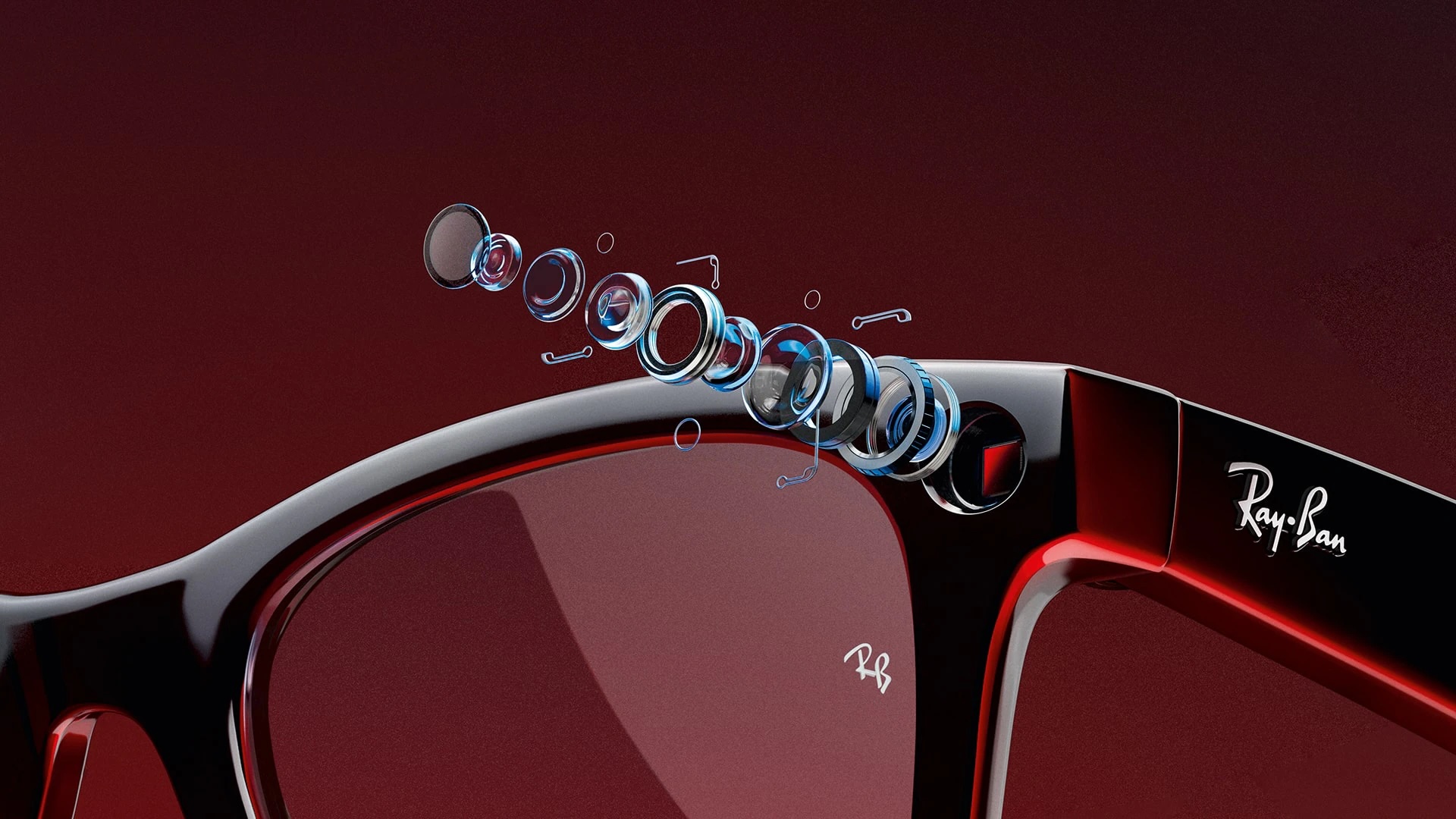
Apple Planning to Unveil Privacy-Focused Smart Glasses at WWDC 2027

Apple currently plans to unveil its first smart glasses at WWDC 2027 next June, and privacy will be a focus, according to Bloomberg's Mark Gurman.


For the glasses, Apple is prototyping "a slew of new hardware and software-related privacy features" that are not available on current products, he said. He did not mention any specific features, but he noted that Apple's marketing will likely emphasize the privacy measures of its glasses compared to rival products like the Meta Ray-Bans.

In a world where some people are wary of being secretly recorded by camera-equipped glasses, Gurman said Apple has considered releasing smart glasses with cameras that assist with AI features, but lack photo and video recording capabilities. In fact, he said Apple has even prototyped smart glasses without a camera system entirely.

Still, the most likely outcome is that Apple's glasses will have cameras, but with the sort of privacy protections that the company is known for.

Like the Meta Ray-Bans, Apple's glasses would also have speakers and microphones for music, phone calls, and notifications announced by Siri.

Apple apparently aims to begin shipping the glasses to customers in late 2027.
This article, "Apple Planning to Unveil Privacy-Focused Smart Glasses at WWDC 2027" first appeared on MacRumors.com

Discuss this article in our forums

  •  

'Apple Upgrade' Program Launching on Tuesday

In his newsletter today, Bloomberg's Mark Gurman reiterated that a new "Apple Upgrade" program is set to launch in the U.S. on Tuesday, July 28. Apple will stop accepting iPhone Upgrade Program sign-ups on the same day, but he said customers who are already enrolled will be able to remain in the program "for the time being."


Apple is partnering with buy-now, pay-later company Klarna on the program, he said.

The program will allow you to lease most iPhone, iPad, Mac, and Apple Watch models, with a 24-month term for iPhones and Apple Watches and a 36-month term for iPads and Macs. Customers will have various options, including returning their device after the term, upgrading to a newer device, paying a fee to keep the device, and so forth.

Some lower-priced devices, including the Apple Watch SE, the entry-level iPad, the iPhone 16, and the MacBook Neo, will not be eligible, he said.

Unlike the iPhone Upgrade Program, Apple Upgrade plans will apparently not include AppleCare+ coverage bundled into the monthly price.

Apple plans to advertise the program as a way to have lower monthly payments compared to current financing programs, according to the report, so it sounds like Apple Upgrade will be focused on leasing rather than traditional financing, and it will apparently replace the iPhone Upgrade Program for new purchases going forward.
This article, "'Apple Upgrade' Program Launching on Tuesday" first appeared on MacRumors.com

Discuss this article in our forums

  •  

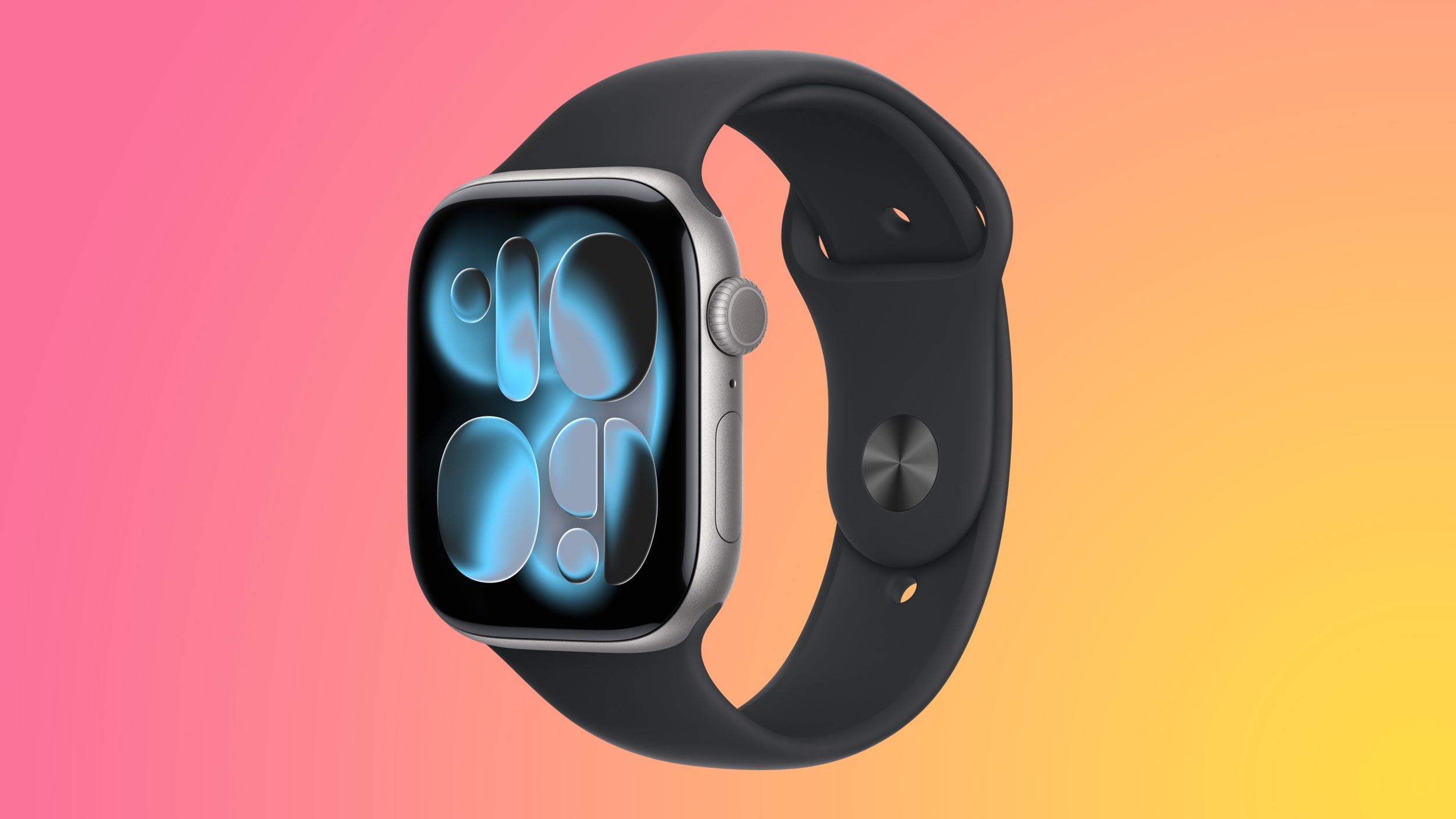
What to Expect From Apple Watch Series 12 and Apple Watch Ultra 4

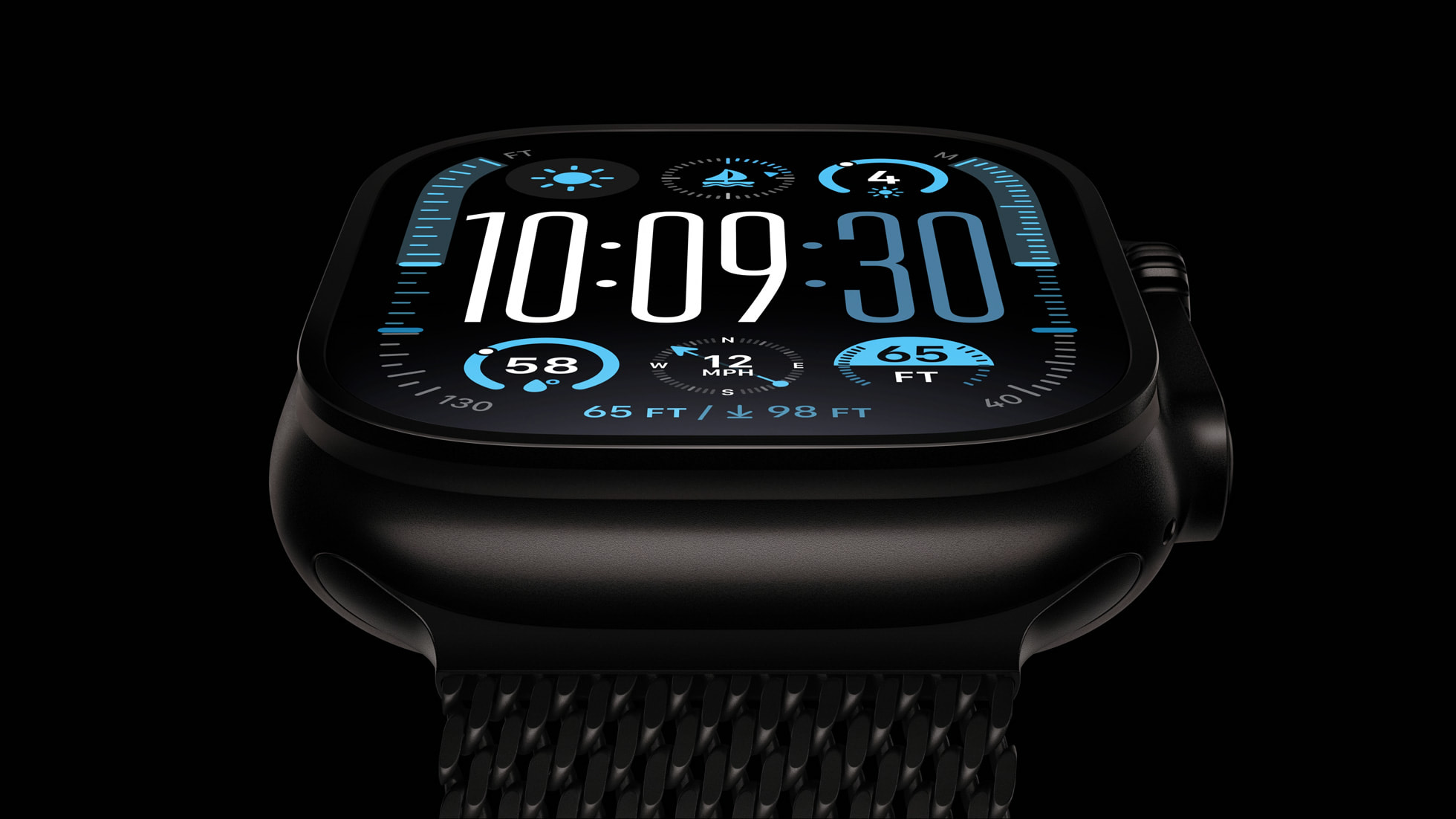
Bloomberg's Mark Gurman today outlined what to expect from the Apple Watch Series 12 and Apple Watch Ultra 4 this year. Spoiler: not very much.


While it was rumored that Touch ID may be coming to the Apple Watch Series 12, Gurman said he does not expect the Series 12 or Ultra 4 to have any major design changes compared to the current Series 11 and Ultra 3 models. Touch ID probably counts as a major design change, so the rumor now sounds increasingly unlikely.

Another sketchy rumor claimed that the Series 12 will have a band with an embedded health sensor, but Gurman did not mention that.

Instead, he expects more ordinary changes, including faster performance and unspecified improvements to health and fitness tracking. The Series 11 and Ultra 3 both have an S10 chip that debuted in the Series 10 and Ultra 2, so the S11 chip or newer should provide the first Apple Watch performance improvements in years.

There will not be an Apple Watch SE 4 this year, he said.

Bigger changes are in the works for the Apple Watch, but he said they are unlikely to arrive for another year or two. Even further ahead, he added that Apple continues to develop a blood sugar detection feature with a goal of releasing it by 2030.
Related Forum: Apple Watch

This article, "What to Expect From Apple Watch Series 12 and Apple Watch Ultra 4" first appeared on MacRumors.com

Discuss this article in our forums

  •  

Russ Allbery: Review: Radiant Star

Review: Radiant Star, by Ann Leckie

Publisher: Orbit
Copyright: May 2026
ISBN: 0-316-29068-8
Format: Kindle
Pages: 359

Radiant Star is a science fiction novel set in the Imperial Radch universe without being a direct sequel to the other books in that universe. It will badly spoil the end of Ancillary Mercy, and I recommend reading that trilogy first, but it's independent of the other books in the same universe.

In the 3,008th year after the manifestation of the Radiant Star (the 1,024th since the founding of the Consorority itself), Zaved, a newly minted consoror, disappeared a mere two days after the ceremony that elevated her to womanhood. She left a note that read, Bored. Back whenever. This was not normal or even remotely acceptable behavior in a consoror, particularly one who held as much promise as Zaved had, but what could the consorors do?

Zaved, faced with the unpleasant prospect of running out of money during her galactic tour, plied a rich benefactor with tales of how talented, polite, and obedient the boys of the Consorority are. Her plan worked brilliantly. After funding further non-boring adventures, she arrived home in Ooioiaa with a chest full of money and a pregnancy. Great for Zaved and the Consorority; kind of a shame for her son Jonr, who is to be delivered to her benefactor after proper training. Oh well, telling Jonr about that is a problem for future Zaved.

After a strained childhood in which he convinces himself he is a misfit with few redeeming qualities, Jonr ends up in a suspension pod. Before shipping can be arranged, however, external events intervene, leaving Jonr sitting unnoticed in a warehouse.

The planet of Aaa is in a highly inconvenient location, drifting as it does through interstellar space unattached to any star. It would be as irrelevant and overlooked as any other random interstellar object except for two critical properties. The first is that Aaa and its sole city of Ooioiaa are sacred to a religion of obscure origin. Its primary population are members of a religious cult who believe the Radiant Star manifested in the Temporal Location on Ooioiaa and will eventually return to bring light to the galaxy. The second interesting property of Aaa is that it is drifting ever so slowly towards a strategic system of military importance.

The first property brings pilgrims and their accompanying bounty of money, food, and other resources necessary to dig a small city out of rock, make it habitable, and supplement the sparse and strange native edible life. The second property brings the Radchaai, who easily conquer the city of Ooioiaa and are now faced with the unpleasant task of running it.

Some decades after the Radchaai conquest, having never left Aaa, Jonr is woken up. He will not be sent off into the broader galaxy as a slave to pay off a vacation debt. Instead, he will be one of the many protagonists in this novel about the perils of living through supply chain disruptions on a planet full of status-obsessed religious fanatics who would drown in a rain shower.

The other books set in this universe make abundantly clear that the Radch is a voracious colonial power that enslaves native populations and enforces their own cultural preferences at the point of a gun. A reader familiar with this series is predisposed to take whatever side is not the Radch.

Radiant Star adds a complication, however. Charak Svo, the Radchaai governor, is impatient with native inhabitants and strongly dislikes their religion, but she is reasonably competent. The religious factions that ran Ooioiaa before the arrival of the Radchaai, on the other hand, are dogmatic authoritarians with the collective wisdom of a sack of turnips. Charak does not get everything right and is arguably responsible for at least one catastrophe. By the end of the book, though, I was firmly convinced that had the original religious government still been in charge, everyone would have died.

I found the structure of this book a little odd. The omniscient narrator tells the story in the form of a history. The target audience appears to be future inhabitants of Ooioiaa and adherents to the Radiant Star religion, and the narrator is often maddeningly uninterested in topics that a reader of the rest of the Imperial Radch books is intensely curious about. This same property carries through to the plot: I was interested in how all of the tensions in this obviously absurd society could be resolved or, preferably, overturned entirely. The narrator, on the other hand, is far more interested in Serque Tais's intent to become the last saint in the Temporal Location, and in the details of the subsequent political, economic, and religious fallout.

Leckie has written three novels set in the Imperial Radch after the original trilogy: Provenance, Translation State, and now Radiant Star. I am sure that I'm not the only person who wants a direct continuation of the original trilogy, but I'm drawing the conclusion that Leckie doesn't want to write that. Instead, she's writing around the edges of the subsequent events, in effect showing readers the shape of them and their broader implications without showing the details.

Now that I can see what she's doing, I kind of like it. Given what we now know from the books written around the edges, the ensuing events in the center of galactic politics are chaotic in a way that could easily devolve into tedious accounts of messy conflicts. Seeing the effects from afar lets the reader fill in some of the blanks and speculate, and it makes the moments where we get a concrete update (such as at the end of this book) all the more rewarding. I still find it odd, though, to read a book where the narrator's interests so sharply diverge from mine.

I wish I could say that Radiant Star sucked me in as the story developed, but it never did. Part of the problem is that I think this book is intended as a very dry farce, and farce often doesn't work with my reading style. I prefer to attach myself to a protagonist and hope they do competent things, and this book is full of characters who are being themselves far too aggressively and loudly to have time to be competent at anything. My favorite moments were therefore the small pockets of people with sense: The governor, Jonr, his charge, and the delightfully strange Justice of Albis. I enjoyed all of them, but I had trouble caring about the overall plot and kept putting this book down for days between chapters.

I think this is mostly personal taste, though. Like all of Leckie's novels since the original Imperial Radch trilogy, Radiant Star is competently executed and a little strange. When that strangeness aligns with your tastes, it's a great deal of fun and rather unlike other science fiction novels. In this case, it didn't quite work for me, but I suspect it will for others.

I still want another Leckie novel with a ship as a protagonist, though.

Content notes: Rather disturbing (although bloodless) religious practices, mass death.

Rating: 6 out of 10

  •  

Apple's First Water-Resistant iPad to Launch Later This Year

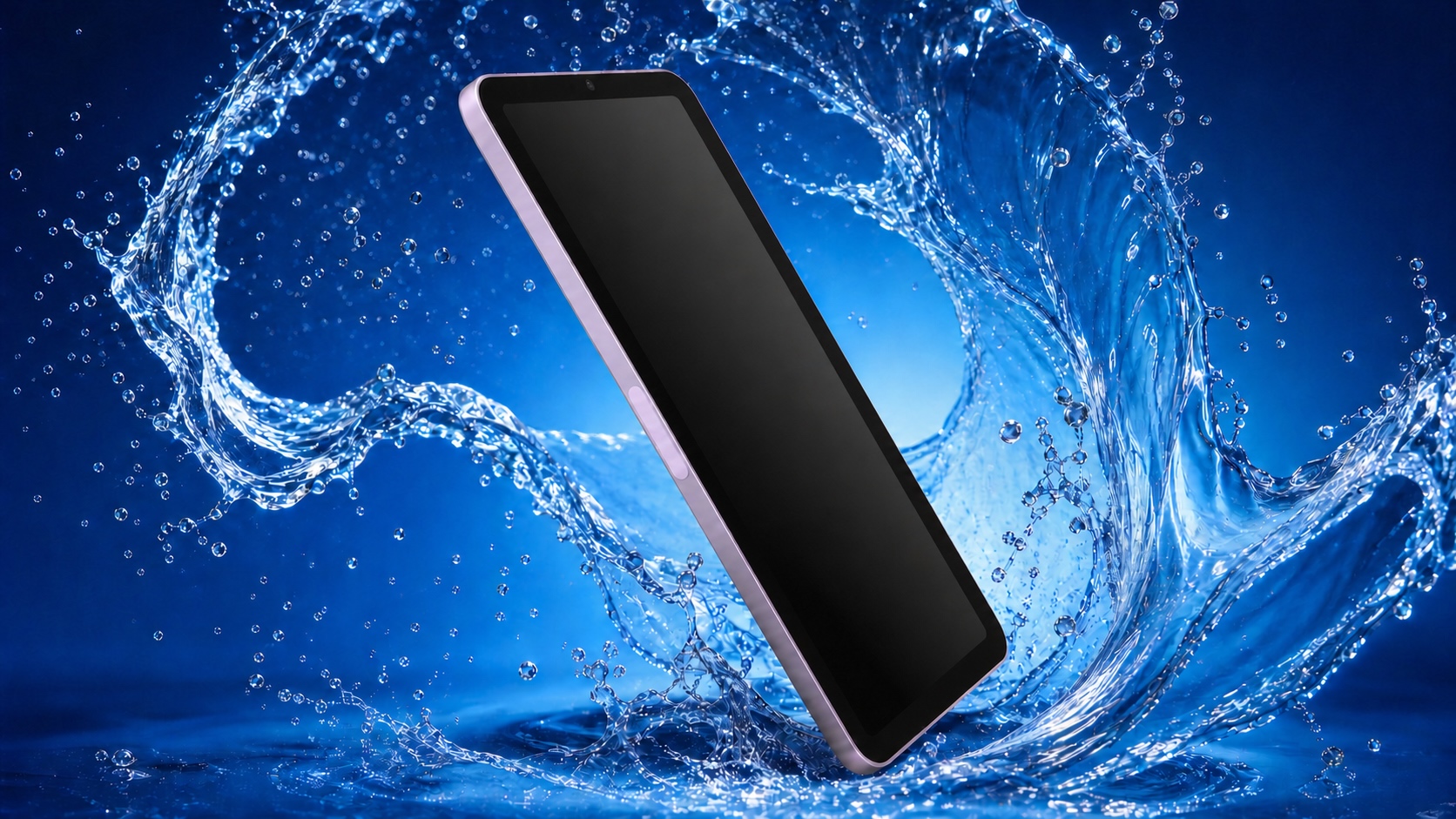
Apple's next iPad mini will apparently be the first iPad with a water-resistant design, and the tablet is now expected to arrive by October.


Bloomberg's Mark Gurman reported last year that Apple is working on an updated casing that offers protection comparable to the iPhone, making the ‌iPad mini‌ safe for casual use in wet environments like a bathroom or a pool area. No ‌iPad‌ currently carries an official water resistance rating, and Apple does not consider the existing models safe to get wet.

To achieve this, Apple has reportedly designed a vibration-based speaker system that removes the need for traditional speaker holes. Sound would instead emit from flat surfaces on the tablet's chassis, effectively turning parts of the body into a speaker diaphragm and eliminating one of the main routes through which water and dust enter a device.

The approach differs from the method Apple uses on the iPhone, which relies on adhesives and gaskets to seal speaker openings and other ingress points. It is not yet known what IP rating the ‌iPad mini‌ will carry. The iPhone is rated IP68 and can withstand submersion in water up to six meters deep for 30 minutes.

Apple has been building toward the technology for some time. A 2014 patent from the company describes a "mechanically actuated panel acoustic system" that vibrates flat panels to generate sound, negating the need for speaker grilles altogether.

A sealed design would also close one of the everyday gaps between the ‌iPad mini‌ and dedicated e-readers. Devices like the Kindle Paperwhite and Kobo Libra Color are rated to survive immersion, and the ability to read in the bath or by the pool has long been one of the practical advantages they hold over Apple's smallest tablet.

Gurman recently said that Apple plans to release the new iPad mini by October. Korean outlet ETNews reported in June that Samsung Display had begun mass production of OLED panels for the device, lending weight to a launch in that window.

Water resistance is one of at least four major changes expected this year. The switch to OLED will make the mini the second ‌iPad‌ line to adopt the technology after the iPad Pro, delivering higher contrast, true blacks, and better power efficiency than the LCD screen in the iPad mini 7. A Korean source claimed earlier this month that the panel is an 8.4-inch LTPS design clocked at 60Hz, which would rule out ProMotion.

Apple is also reportedly planning a "major processor leap" for the tablet. Code accidentally published by Apple pointed to the A19 Pro chip used in the iPhone Air, while other evidence in a macOS kernel debug kit suggests the device will use the unreleased A20 Pro.

Apple last updated the ‌iPad mini‌ in October 2024 with the A17 Pro chip and Apple Intelligence support. The tablet now starts at $599 following the company's sweeping price increases in June, and Gurman previously suggested the ‌OLED‌ model could command up to $100 more, though that estimate predated the June rises.
This article, "Apple's First Water-Resistant iPad to Launch Later This Year" first appeared on MacRumors.com

Discuss this article in our forums

  •  

Dirk Eddelbuettel: RcppArmadillo 15.4.2-1 on CRAN: Small Upstream Fixes

armadillo image

Armadillo is a powerful and expressive C++ template library for linear algebra and scientific computing. It aims towards a good balance between speed and ease of use, has a syntax deliberately close to Matlab, and is useful for algorithm development directly in C++, or quick conversion of research code into production environments. RcppArmadillo integrates this library with the R environment and language–and is widely used by (currently) 1293 other packages on CRAN, downloaded 47.8 million times (per the partial logs from the cloud mirrors of CRAN), and the CSDA paper (preprint / vignette) by Conrad and myself has been cited 710 times according to Google Scholar.

This versions updates to the 15.4.2 upstream Armadillo release made this week, as well as to included 15.4.1 version we released only to GitHub and r-universe so do not exceed the (roughly) monthly cadence. For this release, we had run the usual complete reverse-dependency check which came back spotless, and did CRAN so no email exchange needed despite nearly 1300 reverse dependencies. Automation can be helpful when used with a well-maintained software stack. The package has also already been updated for Debian, built for r2u, and will build shortly at CRAN for the different binary releases.

All changes since the last CRAN release follow.

Changes in RcppArmadillo version 15.4.2-1 (2026-07-25)

  • Upgraded to Armadillo release 15.4.2 (Medium Roast Agave)

    • Fix speed regressions in diagvec() and diagmat()

Changes in RcppArmadillo version 15.4.1-1 [github-only] (2026-07-09)

  • Upgraded to Armadillo release 15.4.1 (Medium Roast Agave)

    • Fix for rare infinite recursion bug in sparse version of diagmat()

    • More efficient checks for aliasing

Courtesy of my CRANberries, there is a diffstat report relative to previous release. More detailed information is on the RcppArmadillo page. Questions, comments etc should go to the rcpp-devel mailing list off the Rcpp R-Forge page.

This post by Dirk Eddelbuettel originated on his Thinking inside the box blog. If you like this or other open-source work I do, you can sponsor me at GitHub.

  •  

Apple Sued by Customers Who Lost Combined $1.8 Million Through Fake Bitcoin Wallet in App Store

Apple is facing a new lawsuit from three customers who allegedly lost a combined $1.8 million after falling victim to a fake Bitcoin wallet app in the App Store, according to a complaint filed in California federal court on Friday.


The complaint alleges that Apple violated California's Consumers Legal Remedies Act and other laws by failing to adequately review and monitor apps distributed through the App Store, despite marketing it as "a safe and trusted place to discover and download apps." Due to these assurances in Apple's marketing, the complaint said the plaintiffs trusted that a Sparrow Wallet app they downloaded from the App Store on iOS was legitimate, when in reality it was a fraudulent spoof designed to steal Bitcoin from users.

Sparrow Wallet is only available on Windows, macOS, and Linux. The popular Bitcoin wallet is not available on iOS, but scammers have released fake lookalike apps in the App Store that can trick users into giving up control of their funds.

"Users found their accounts had been wiped out and their cryptocurrency assets transferred to the scammers' private wallets," the complaint says. "This fraud succeeded precisely because Apple exploited the consumer trust it had deliberately cultivated through more than a decade of marketing the App Store as a uniquely safe and trusted environment."

The plaintiffs James Ramirez, Christopher Ellis, and Jalen Delgado had Bitcoin amounts that were worth approximately $875,000, $840,000, and $120,000 respectively stolen via the app from May to August of 2025, according to the complaint.

Even when victims reported fraud, the lawsuit alleges that Apple often took little to no action, and it says other fake Sparrow apps remain in the App Store.

Sparrow Wallet developer Craig Raw has publicly addressed Apple's slow response to multiple fake versions of his app appearing in the App Store. In a January 2024 social media post, for example, he said "there is still a scam 'Sparrow Wallet' app on the @Apple App Store, despite myself and others having reported it weeks ago."

Last month, Raw said his attempt at protecting users by submitting a "placeholder" app to the App Store that contained marketing screenshots stating that Sparrow Wallet is a desktop app only resulted in his Apple Developer account being flagged for termination due to "dishonest activity." Apple later reversed this decision.

The plaintiffs are seeking damages, including reimbursement of all funds wrongfully lost through the fraudulent Sparrow Wallet app.

Update — July 27 at 5:30 a.m. Pacific Time: In response to our request for comment, Apple said it has taken swift action to remove any apps impersonating Sparrow Wallet on the App Store and to terminate developer accounts associated with those apps.

Apple said developers who suspect that content available on an Apple service infringes on their intellectual property rights can submit a dispute form to Apple's legal department, and customers can report App Store scams or frauds too. Apple says it takes immediate action against apps that do not comply with its guidelines.

Apple previously announced that it terminated 193,000 developer accounts over fraud concerns and prevented over $2.2 billion in potentially fraudulent transactions in 2025.
This article, "Apple Sued by Customers Who Lost Combined $1.8 Million Through Fake Bitcoin Wallet in App Store" first appeared on MacRumors.com

Discuss this article in our forums

  •  

AirPods, AirTag 2, and iPads Hit Low Prices This Week

We tracked a few solid deals on Apple devices this week, including savings across the entire AirPods lineup, a record low price on AirTag 2, and the best prices on Apple's A16 iPad since June. All of these deals are still available to purchase today, plus ongoing low prices on Apple Watch Series 11.

Note: MacRumors is an affiliate partner with some of these vendors. When you click a link and make a purchase, we may receive a small payment, which helps us keep the site running.
AirPods


  • What's the deal? Save on AirPods 4, Pro 3, and Max 2

  • Where can I get it? Amazon

  • Where can I find the original deal? Right here


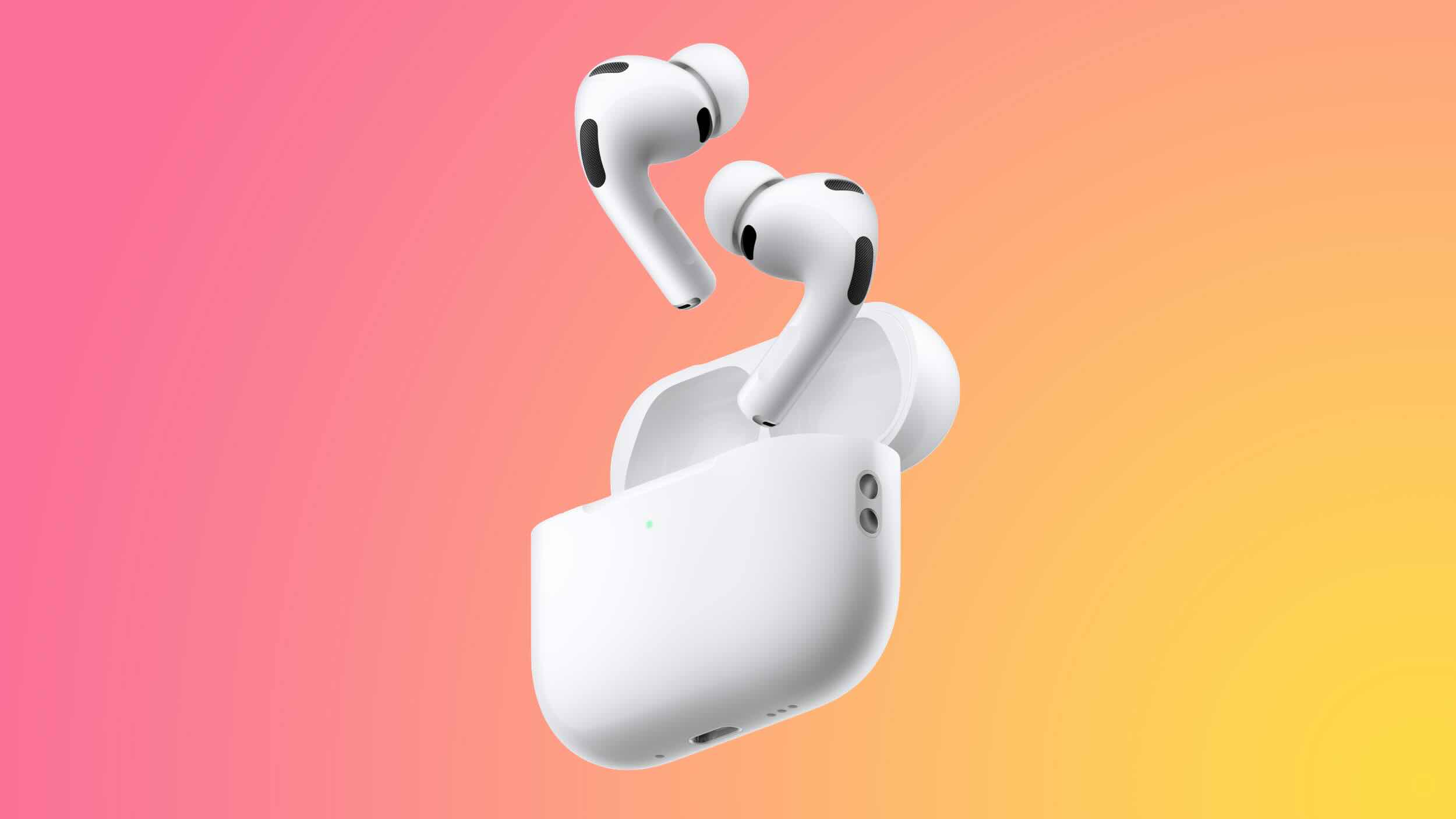
Amazon this week introduced solid deals across the full AirPods lineup, with up to $100 off these models. You can find discounts on the AirPods Pro 3, AirPods 4, and AirPods Max 2 still available today.

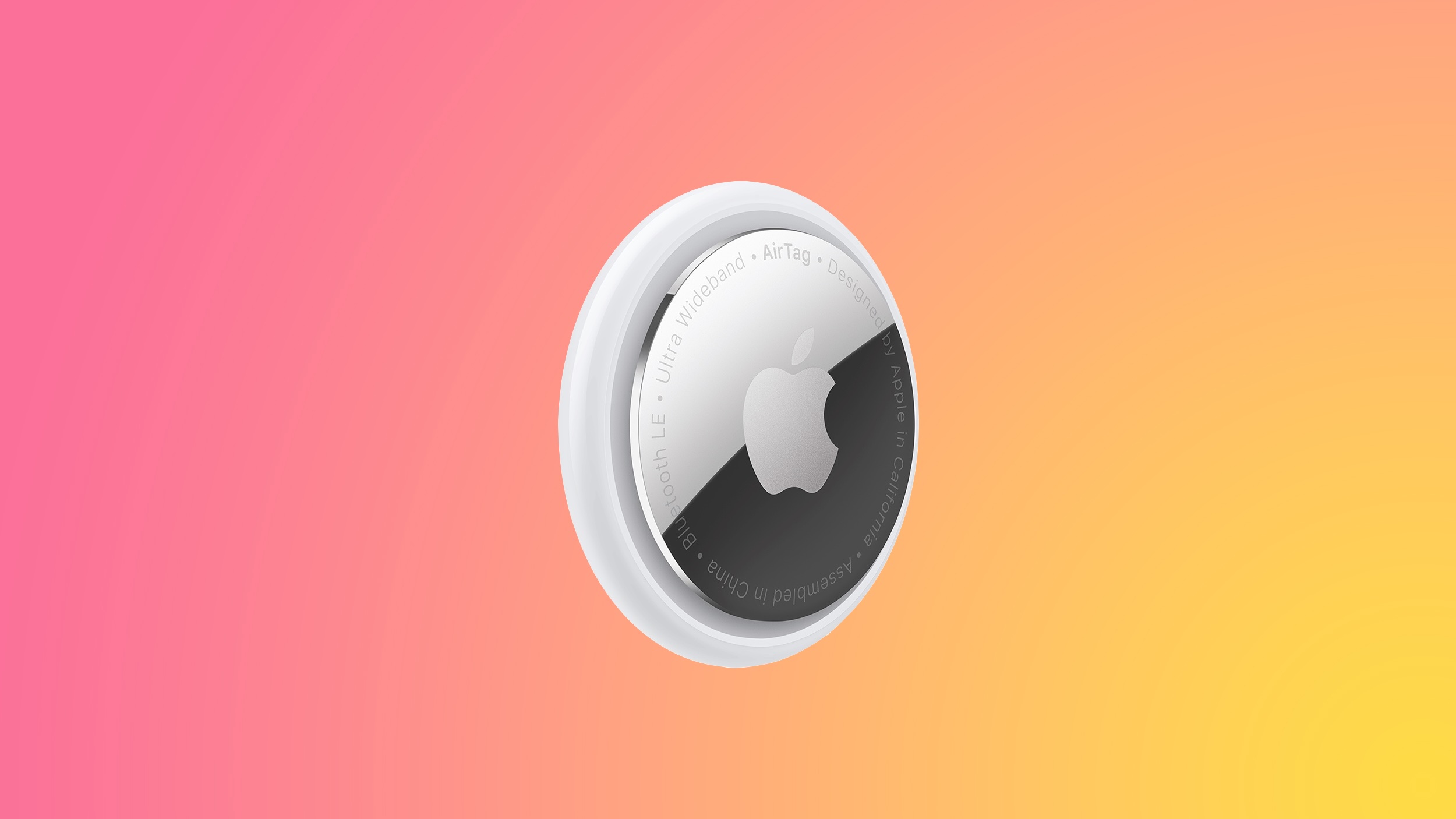
AirTag


  • What's the deal? Take $10 off AirTag 2

  • Where can I get it? Amazon

  • Where can I find the original deal? Right here


Apple's AirTag 2 is available for the all-time low price of $89.00 this week, down from $99.00. This sale is on the 4-Pack of the AirTag 2, and it's a match of the record low price we last tracked during Prime Day.

iPad


  • What's the deal? Take $50 off iPad

  • Where can I get it? Amazon

  • Where can I find the original deal? Right here


Amazon this week is taking $50 off Wi-Fi models of Apple's 11th generation iPad. Prices start at $399.00 for the 128GB Wi-Fi iPad, down from $449.00. This is now the best price we've seen on the iPad since Apple's price hikes in June.

Apple Watch Series 11


  • What's the deal? Take $100 off Apple Watch Series 11

  • Where can I get it? Amazon

  • Where can I find the original deal? Right here


Amazon this week has low prices on the Apple Watch Series 11, with $100 discounts across numerous models of the smartwatch. This sale includes a handful of 42mm and 46mm GPS aluminum models, but cellular devices are a bit more rare this time around.

If you're on the hunt for more discounts, be sure to visit our Apple Deals roundup where we recap the best Apple-related bargains of the past week.


Deals Newsletter


Interested in hearing more about the best deals you can find in 2026? Sign up for our Deals Newsletter and we'll keep you updated so you don't miss the biggest deals of the season!


Related Roundup: Apple Deals

This article, "AirPods, AirTag 2, and iPads Hit Low Prices This Week" first appeared on MacRumors.com

Discuss this article in our forums

  •  

Top Stories: 'Apple Upgrade' Program, Apple Music Price Hike, and More

It's been another busy week in the Apple world, led by word that the company is preparing to launch a new device leasing and financing program as it has raised some more prices including on Apple Music subscriptions.


This week also saw a fresh round of beta releases for iOS 27 and related updates, details on roughly a dozen new Macs under development, and more, so read on below for all of the details!

Top Stories


'Apple Upgrade' Program Reportedly Launching Next Week


Apple and Klarna are partnering on a new "Apple Upgrade" leasing program set to launch in the U.S. on Tuesday, July 28, according to Bloomberg's Mark Gurman.


The program will allow you to finance most iPhone, iPad, Mac, and Apple Watch models, with a 24-month term for iPhones and Apple Watches and a 36-month term for iPads and Macs. Customers will be able to pay off the device early during the term, upgrade early to a newer device, or keep or return the existing device after the term.

As part of the transition, Apple will wind down the existing iPhone Upgrade Program.

Apple Music Now Costs $11.99 as Apple Increases Subscription Prices


Following last month's move to raise prices across its Mac and iPad lineups, Apple last week expanded its price increases even further.


Apple Music saw price increases across all tiers, with the change driving increases to Apple One bundles as well. Apple also raised iPhone prices in Japan by up to 11%, perhaps foreshadowing price hikes in other countries with the iPhone 18 lineup, if not earlier. And finally, Apple increased iCloud+ prices in eight countries.

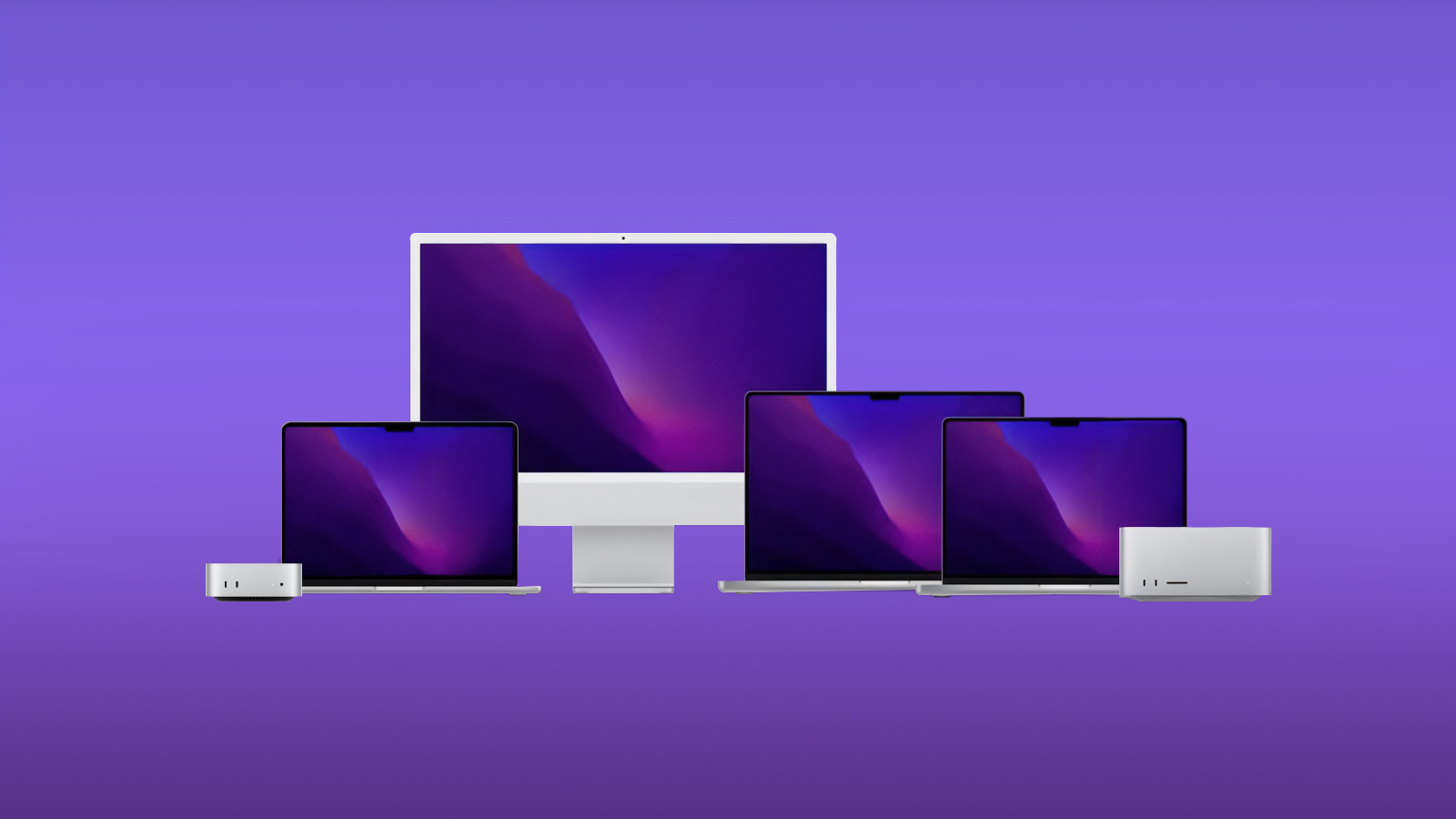
Apple to Overhaul Mac Lineup With 11 New Models


Apple is preparing to refresh every Mac it sells over the next two years, according to Bloomberg's Mark Gurman.


The plans come amid a Mac resurgence, with sales projected to climb for a third consecutive year, partly thanks to a growing following among users who lean on the machines for demanding, agent-based AI workloads.

The wave of new Macs will begin this fall with a refreshed entry-level 14-inch MacBook Pro and the first new iMacs in two years. Check out the full list of new Macs under development in our coverage.

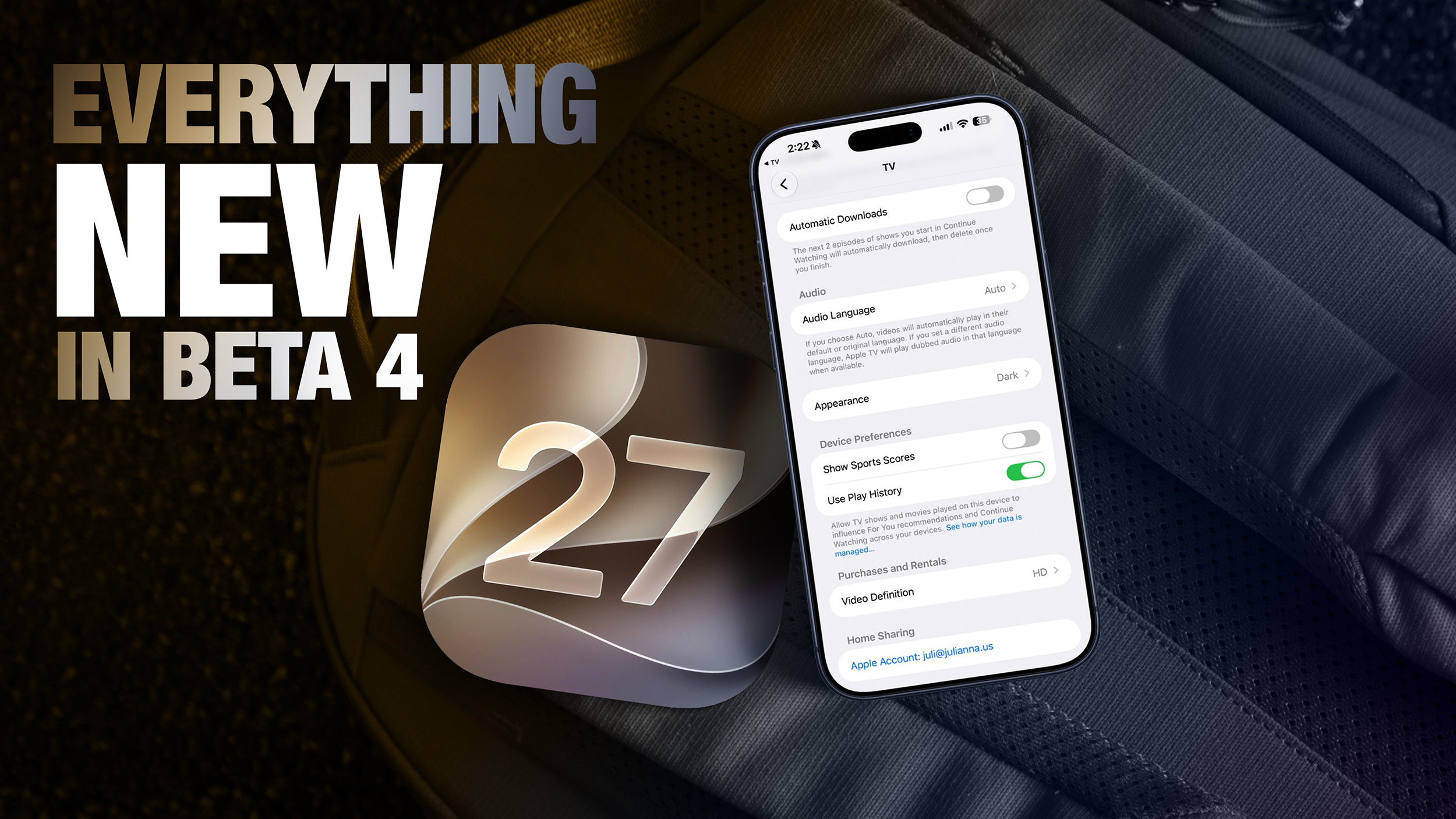
Everything New in iOS 27 Beta 4


Apple is continuing to tweak iOS 27 ahead of its September launch, with the fourth developer beta and second public beta released this week.


Check out our full list of tweaks and changes in the latest beta, including some new settings toggles, visual tweaks, and more.

Interestingly, some new code in this beta makes several references to an iPhone with multiple internal batteries, hinting at the upcoming foldable "iPhone Ultra" that will have a battery in each half of the device.

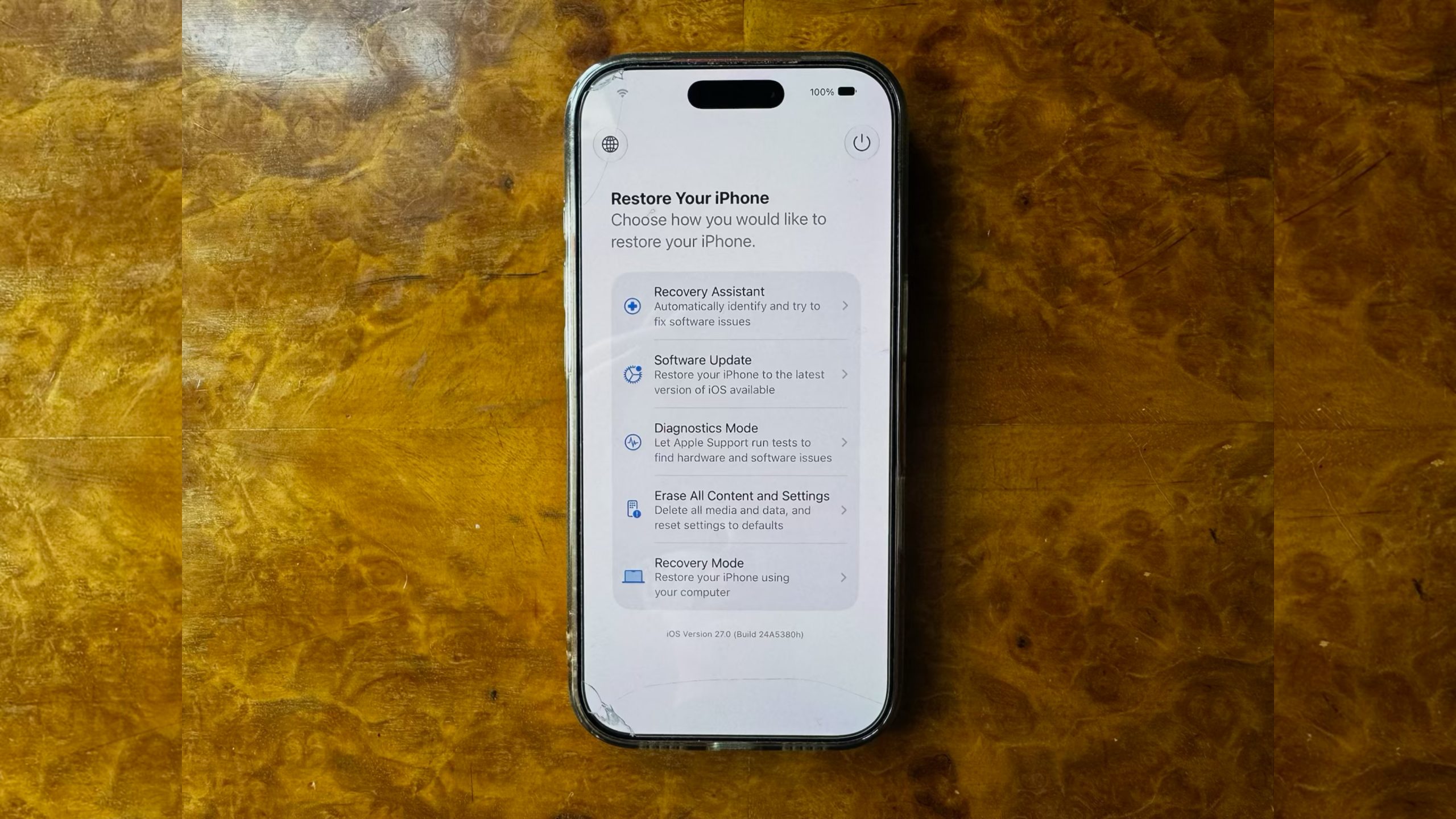
iOS 27: Access the New iPhone Recovery Screen


Since iOS 26, a malfunctioning iPhone has been able to boot itself into Recovery Assistant, with no Mac or PC required. However, you could only get there if your device failed to start up and dropped into recovery on its own.


In iOS 27, currently still in beta, Apple has removed that limitation, and you can now manually boot into a Mac-style recovery screen whenever you like.

The new recovery mode lets you troubleshoot, update, or erase your device without necessarily plugging it into anything. It can connect automatically to a known Wi-Fi network, and it shows your battery percentage in the corner of the screen. Check out our guide to see how to access recovery mode and what the various options it offers can do.

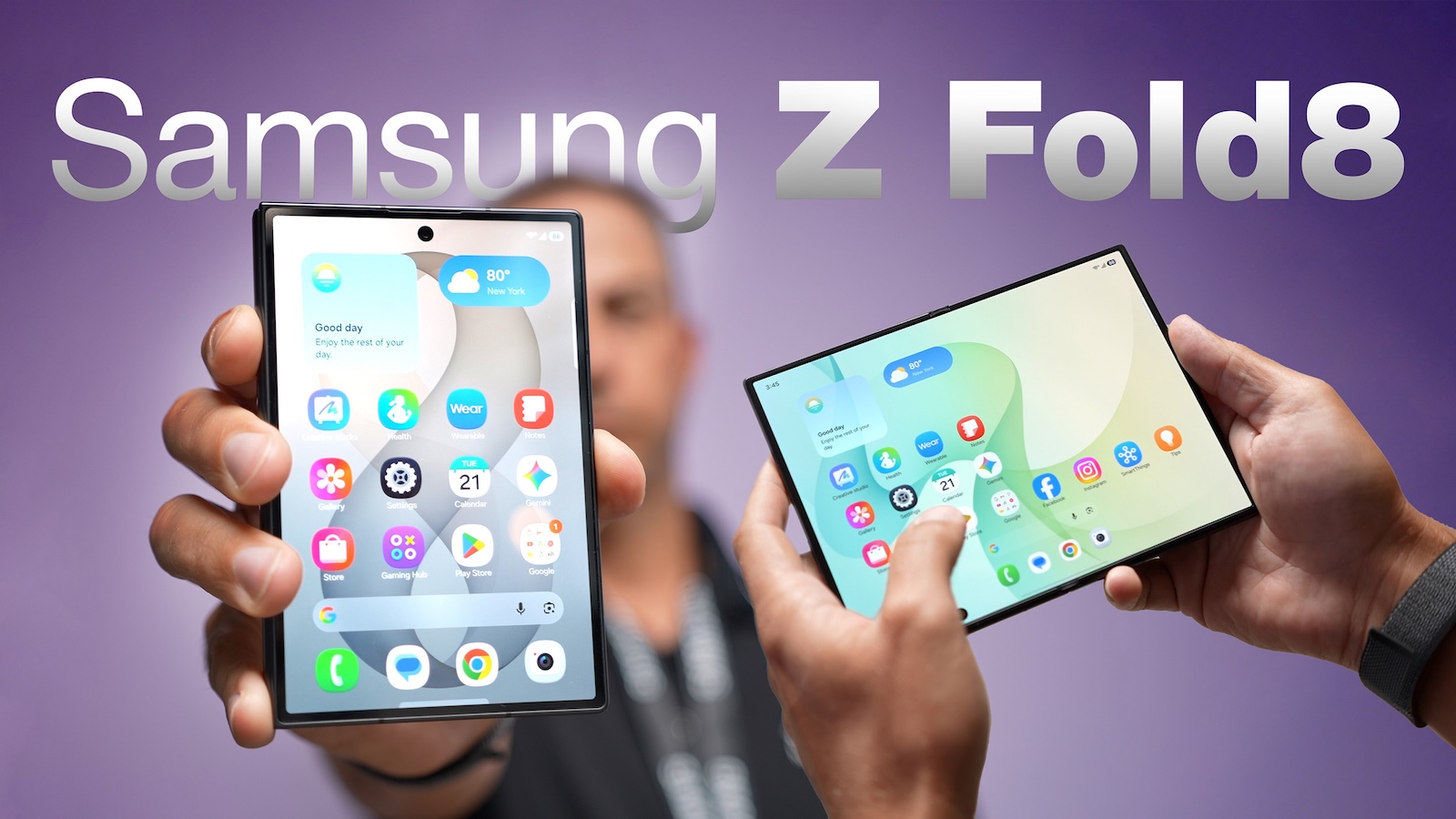
Hands-On With Samsung's Galaxy Z Fold8, the Closest Thing Yet to a Foldable iPhone


Amid the ongoing wait for Apple's first foldable iPhone expected in just a few months, Samsung this week introduced the Galaxy Z Fold8, which adopts a very similar form factor to what we're expecting for Apple's device.


Samsung's Z Fold8 has a 7.6-inch display when open and a 5.5-inch display when closed, and it has a passport-style form factor, so it's wider and more square than prior Samsung foldables.

The aspect ratio of the unfolded Z Fold8 makes it feel similar to using an iPad mini, which feels more natural than using taller foldables. It's a size that's perfect for watching videos or running two apps side by side. The Z Fold8 gives us a pretty clear look at what the Apple foldable will look like and what it will feel like to use.

MacRumors Newsletter


Each week, we publish an email newsletter like this highlighting the top Apple stories, making it a great way to get a bite-sized recap of the week hitting all of the major topics we've covered and tying together related stories for a big-picture view.

So if you want to have top stories like the above recap delivered to your email inbox each week, subscribe to our newsletter!
This article, "Top Stories: 'Apple Upgrade' Program, Apple Music Price Hike, and More" first appeared on MacRumors.com

Discuss this article in our forums

  •  

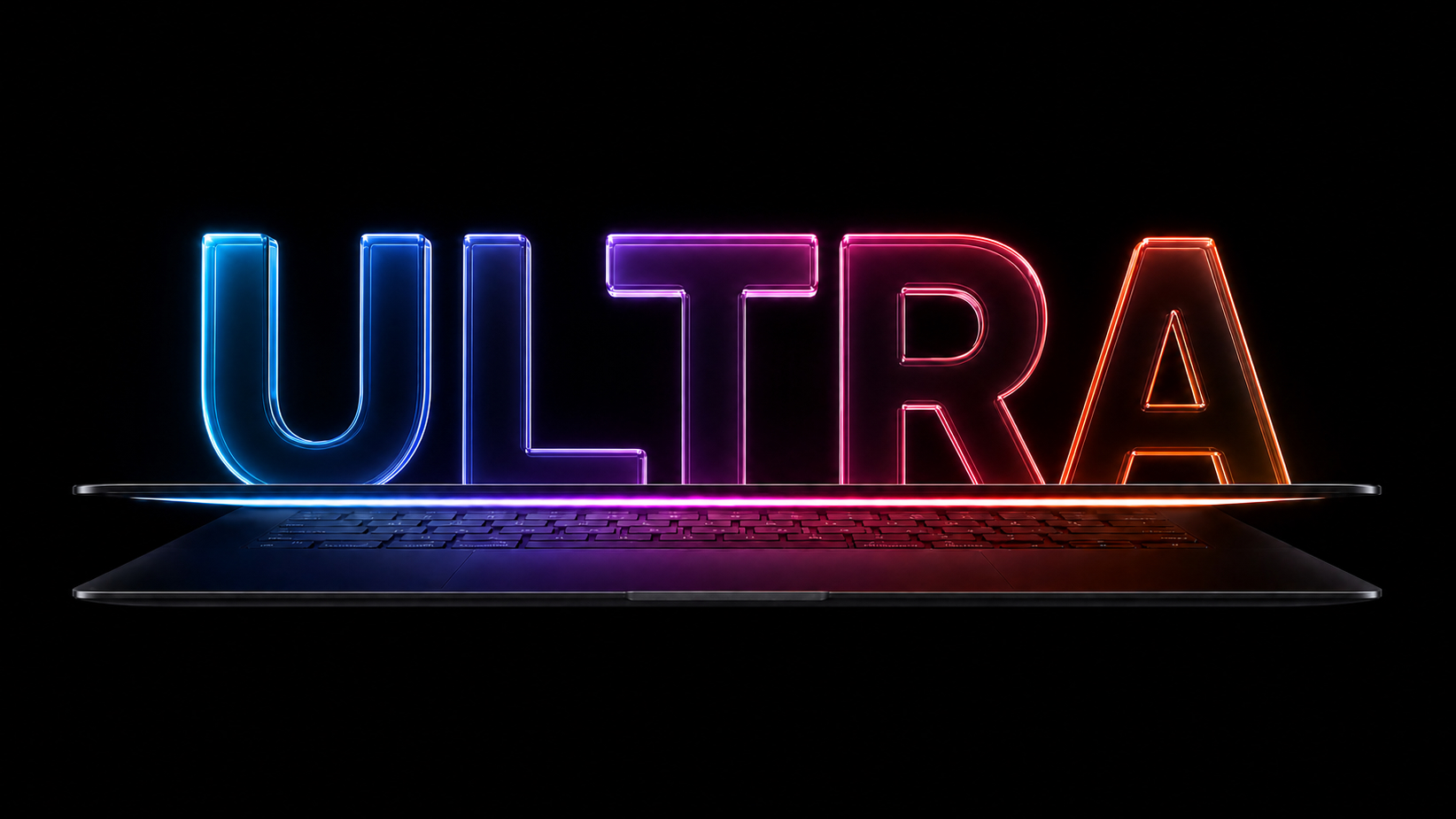
'MacBook Ultra' Coming Soon With These 12 New Features

Apple's first high-end MacBook redesign in five years is expected to arrive in the near future, bringing a run of firsts to the Mac.


Bloomberg's Mark Gurman expects the laptop to arrive between late 2026 and early 2027, with the later window now looking more likely owing to the global memory chip shortage. Analyst Ming-Chi Kuo expects mass production to begin by late 2026.

Apple last redesigned the MacBook Pro in 2021 with the M1 Pro and M1 Max models, so this would be its first new high-end laptop design in at least five years. Here is everything rumored about the device so far:


  • "MacBook Ultra" branding: Apple has reportedly decided to market two new "Ultra" products over the next year, the foldable iPhone and this laptop, which would establish a tier above the ‌MacBook Pro‌ for the first time. The name is not confirmed and Apple theoretically could still use "‌MacBook Pro‌" branding, but for now, "MacBook Ultra" seems highly likely.

  • OLED display: The ‌MacBook Ultra‌ is expected to be the first Mac with an OLED display, replacing the mini-LED backlighting used in current ‌MacBook Pro‌ models. It should deliver richer colors, a higher contrast ratio with true blacks, greater brightness, and improved power efficiency, since individual pixels switch off rather than dim. The laptop will reportedly use hybrid OLED technology combining an oxide TFT backplane with a tandem two-stack ‌OLED‌ structure, the same approach used in the iPad Pro, offering a longer panel lifespan.

  • Touch screen: The device is expected to be the first Mac to support touch input directly on the display, ending years of Apple resistance to the idea. Kuo first claimed the panel would support touch, Gurman corroborated it, and the Weibo leaker known as "Instant Digital" says the feature is now confirmed. Apple is apparently not positioning the machine as a touch-first device like the iPad, instead letting customers move between touch, trackpad, and keyboard interchangeably, in what Gurman describes as "touch-friendly, not touch-first." The laptop is said to remain a conventional clamshell, with the keyboard and trackpad retained and no detachable or convertible design.

  • Touch-optimized macOS: Apple is reportedly reworking macOS so that controls adapt to the input method being used. Tapping a menu bar item would apparently surface a larger set of touch-optimized controls, and the system is said to gain iPad-style gestures including pinch-to-zoom and fast scrolling. Touch-based options would be integrated throughout the operating system rather than confined to a handful of apps.

  • Reinforced hinge: Apple likely plans to add a reinforced hinge so the display does not wobble when it is tapped. The current ‌MacBook Pro‌ hinge moves easily and does not tilt especially far back, both of which could be a problem on a machine designed to be prodded.

  • Hole-punch camera: The "notch" is expected to disappear, replaced by a far smaller hole-punch camera at the top of the display. The change was first indicated by a roadmap from research firm Omdia and has since been corroborated by Bloomberg. Losing the notch would add visible screen area and free up the menu bar space it currently intrudes upon, taking the design a step closer to an uninterrupted, edge-to-edge display.

  • Dynamic Island: The cutout is expected to digitally expand into an iPhone-style Dynamic Island. It would be interactive and expand contextually based on the app or Mac feature in use, surfacing items such as Siri, low battery alerts, and AirPods connection indicators in the area surrounding the camera.

  • M5 Pro and M5 Max chips: The laptop is now expected to ship with the existing M5 Pro and M5 Max chips already found in the current ‌MacBook Pro‌, rather than the "M6 Pro" and "M6 Max." Apple has apparently scrapped the M6 Pro and M6 Max altogether, accelerating instead to M7 Pro and M7 Max chips said to be optimized for intensive AI workloads with upgraded neural accelerators, graphics improvements, and increased memory bandwidth. A second-generation model with those chips is reportedly planned for late 2027.

  • Thinner design: The ‌MacBook Ultra‌ is expected to be noticeably thinner and lighter than the current ‌MacBook Pro‌. Moving away from mini-LED backlighting should itself help slim down the lid. There has so far been no indication that Apple intends to remove ports such as HDMI, MagSafe, or the SD card slot to achieve it, which was a deeply unpopular decision the last time around.

  • Two display sizes: The laptop is expected to be offered in both 14-inch and 16-inch sizes, mirroring the current ‌MacBook Pro‌ lineup, with the two models reportedly code-named K114 and K116.

  • Slimmer bezels: Research firm Omdia claims Samsung Display will supply 14.3-inch and 16.3-inch panels, marginally larger than the 14.2-inch and 16.2-inch screens on current models, which would suggest thinner bezels around a slightly bigger display. A February report from Bloomberg indicated that overall screen sizes are not expected to change compared to the ‌MacBook Pro‌.

  • Built-in cellular: Apple has reportedly at least considered built-in cellular connectivity for future Macs, which would be a first for the platform. If the plan goes ahead, the ‌MacBook Ultra‌ would likely use Apple's existing C1X modem or its next-generation C2 modem for 5G and LTE. This is seemingly the most uncertain feature on this list.


There are already signs of the touchscreen MacBook in Apple's software. macOS 27 Golden Gate hints at the machine in at least three ways: it adds direct touch input to Sidecar, allowing users to tap and interact with macOS elements with a finger on an ‌iPad‌; it introduces iPhone-style pull-to-refresh across apps including Safari, Mail, News, Podcasts, and Calendar; and its new "Search or Ask" ‌Siri‌ interface in Spotlight adopts a dark, pill-shaped design that would sit naturally around a Dynamic Island.

There is some awkwardness for buyers. The first ‌MacBook Ultra‌ looks set to pair Apple's most ambitious Mac redesign in years with silicon that has already been on sale for months, but a successor with much more advanced chips could follow less than a year later.

Pricing is the remaining unknown, but it is likely to be high. Apple raised prices across its Mac lineup in June, and the 14-inch ‌MacBook Pro‌ now starts at $1,999, rising to $2,499 with the M5 Pro chip, while the 16-inch model starts at $2,999. The ‌MacBook Ultra‌ is expected to sit above all of them.
This article, "'MacBook Ultra' Coming Soon With These 12 New Features" first appeared on MacRumors.com

Discuss this article in our forums

  •  

Distribution Release: StartOS 0.4.0

The DistroWatch news feed is brought to you by TUXEDO COMPUTERS. Aiden McClelland has announced the release of a major new version of StartOS, a Debian-based Linux distribution optimised for personal servers, available for AArch64, riscv64 and x86_64 architectures: "Version 0.4.0 is a complete rewrite of StartOS. After six years of building, we believe we have arrived at the....
  •  

iOS 27: All the New iCloud Features

iOS 27 includes new iCloud capabilities across several apps like Apple Home, Siri, Photos, and more. There are some direct ‌iCloud‌ improvements like upgrades to photo uploads and sharing, along with some indirect new features.


HomeKit Secure Video Cameras (iCloud+)


If you have HomeKit Secure Video cameras, the Home app in ‌iOS 27‌ has a couple of useful new Apple Intelligence features.

You can get text-based summaries of what's going on, sent as notifications. So when you get a notification for movement, it will say something like "Someone was seen," or "Animal seen."

The text descriptions are also shown in the video playback timeline, and you can search for specific events. Events that take place across two cameras, such as the same person walking from room to room, are paired together to give an overview of action across the home.

‌Apple Intelligence‌ features in the Home app require a 2TB or higher iCloud+ plan, which is priced starting at $9.99 in the United States. The 2TB plan is also the plan required for an unlimited number of ‌HomeKit Secure Video‌ cameras.

‌HomeKit Secure Video‌ cameras have always required an ‌iCloud‌+ plan to store the camera footage in ‌iCloud‌. A single camera can be added with the 50GB plan, and five cameras can be added with the 200GB plan.

To use the ‌Apple Intelligence‌ Home app features, you need a home hub like a HomePod, HomePod mini, or Apple TV 4K, as well as a device that supports ‌Apple Intelligence‌ (iPhone 15 Pro or newer).

‌HomeKit Secure Video‌ cameras can also record up to 4K footage in ‌iOS 27‌, but that feature does not use ‌Apple Intelligence‌.

Apple Intelligence Limit Increase (iCloud+)


Apple said at WWDC that some ‌Apple Intelligence‌ features like image generation with Image Playground will have limits on daily use.

Those limits can be increased with most ‌iCloud‌+ plans. Apple has not given a list of features that will have limits beyond ‌Image Playground‌, nor has it said what the limits will be without an ‌iCloud‌+ plan and with the tiered options.

Siri


‌Siri‌ conversations in the ‌Siri‌ app sync across devices using ‌iCloud‌. The ‌Siri‌ app lets you revisit previous conversations, start new conversations, pin important chats, and continue chats across iOS, macOS, and iPadOS.

Photos


There are several new ‌iCloud‌ features in the ‌Photos‌ app.

  • Prioritize Syncing - There's a toggle to force all of your photos to upload to ‌iCloud‌ regardless of battery status. It turns on for 24 hours and then turns off.

  • Shared Albums - Android and Windows users can upload photos to Shared Albums. Shared Albums also keep full-resolution photos and videos to support the cross-platform sharing feature.

  • Upload Speed - iPhones will now start uploading to iCloud Photos more quickly to make images available across devices faster.


Collaboration


  • Link Previews - ‌iCloud‌ collaboration links now show richer previews so you can more clearly see what you've been sent.

  • Access Requests - Users can send access requests for items shared via ‌iCloud‌.

  • Speed - Apple says users will get faster access to shared content on iCloud.com.

  • Links - Creating links to ‌iCloud‌ content is easier with a more accessible share link.


Journal


You can now see the ‌iCloud‌ sync status for each journal entry.

Passwords


The Passwords app can use ‌Apple Intelligence‌ to automatically fix weak passwords in ‌iOS 27‌. It uses ‌iCloud‌ Keychain and Safari to operate.

An Apple Intelligence-compatible iPhone is required to use the feature.

Read More


More information on the features in ‌iOS 27‌ can be found in our roundup.

Launch Date


‌iOS 27‌ is available to developers and public beta testers. It will launch in September alongside new iPhone models.
Related Roundups: iOS 27, iPadOS 27

This article, "iOS 27: All the New iCloud Features" first appeared on MacRumors.com

Discuss this article in our forums

  •  

Distribution Release: Helwan Linux 5.0

The DistroWatch news feed is brought to you by TUXEDO COMPUTERS. Saeed Badreldin has announced the release of Helwan Linux 5.0, a significant update of the project's Arch-based distribution designed primarily for developers: "We are proud to announce the launch of Helwan Linux 5.0, a version that marks a qualitative leap in our distribution philosophy and development. What's new....
  •  

Trump Vows to Reverse EU Fines Against Apple and Other Tech Companies, Threatens Tariffs

U.S. President Donald Trump today said on Truth Social that his administration plans to launch an investigation into fines the European Union has levied against tech companies like Apple, Google, and Meta for violating antitrust and Digital Markets Act rules.


Trump called the European Union's conduct "illegal and highly unethical," vowing to get the penalties reversed and planning to institute a "substantial tariff."
The European Union is at it again and, as usual, taking direct aim at GREAT American Companies! After having fined Apple, for no reason at all, 15 Billion Dollars, Meta, 3 Billion Dollars, Amazon 2.5 Billion Dollars, and many others, we have just been informed that Google, a truly advanced and amazing group, has been fined yet another 1 Billion Dollars, without explanation. This brings the Google total to over 18 Billion Dollars! This illegal and highly discriminatory practice started at these high levels during the first year of the Sleepy Joe Biden Administration, but it's not going to continue during the Trump Administration. The United States of America is not a "PIGGYBANK" for Europe, nor will we allow it to be! Please let this TRUTH serve to represent that we will immediately initiate a 301 Investigation into the practice of "ROBBING" American Companies and, in turn, the American Taxpayer. The European Union will pay a very big price for this illegal and highly unethical conduct, which I have consistently warned them about. The penalties will be entirely reversed and, we anticipate, a substantial TARIFF to be placed on them at the earliest possible moment.

Apple was fined $570 million in 2025, ‌Meta‌ was fined $840 million in 2024 and $200 million in 2025, and Google was fined $1 billion this week after a $4.5 billion Android fine was upheld earlier this month.

Trump previously threatened European tariffs if the EU did not stop targeting U.S. companies, and the Office of the United States Trade Representative has also threatened to implement fees and restrictions on European services and companies.

Trump has focused heavily on tariffs during his second term, affecting U.S. companies and consumers. A 10 percent blanket tariff Trump enacted earlier this year expired today. The Trump administration implemented new tariffs to replace them, accusing 60 countries of failing to "impose and effectively enforce a prohibition on the importation of goods produced with forced labor." The tariffs will affect goods from the UK, China, and the European Union, among others.
This article, "Trump Vows to Reverse EU Fines Against Apple and Other Tech Companies, Threatens Tariffs" first appeared on MacRumors.com

Discuss this article in our forums

  •  

Anthropic's New Claude Opus 5 Nearly Matches Flagship Fable 5 at Half the Cost

Anthropic today introduced Claude Opus 5, an upgrade to Opus 4.8. Anthropic says Opus 5 was built for daily use, and it offers near Fable 5 performance at half the price. Fable 5 is Anthropic's most capable publicly available model.


Opus 5 scores higher than Opus 4.8 on multiple benchmarked tasks, including agentic coding, novel problem solving, knowledge work, computer use, and multidisciplinary reasoning. It is a "meaningful improvement" over Opus 4.8 for scientific research, and it can produce better visual outputs.

Anthropic says the new model "provides greatly improved performance for the same cost" as Opus 4.8. Opus 5 is better at verifying its work and iterating until it completes a task. It is close to Mythos 5 at finding cybersecurity vulnerabilities, but it was not trained on cyber tasks and it remains "substantially behind" Mythos 5 on exploitation. Mythos 5 is Fable 5 with some safeguards removed. It is limited to a small number of organizations, mostly cyberdefenders and infrastructure providers because of its capability at finding and exploiting vulnerabilities.

Opus 5 is available on all platforms. It is the new default model on Claude Max and the strongest model available on Claude Pro. It is priced at $5 per million input tokens and $25 per million output tokens, which is the same as Opus 4.8. Fast mode is also available, running at 2.5x the default speed for twice the base price.
This article, "Anthropic's New Claude Opus 5 Nearly Matches Flagship Fable 5 at Half the Cost" first appeared on MacRumors.com

Discuss this article in our forums

  •  

Mobile OS Release: UBports 24.04-2.0

The DistroWatch news feed is brought to you by TUXEDO COMPUTERS. The UBports project has published a new feature update, UBports 24.04-2.0, which introduces web browser updates and support for "notch" areas in output displays. "Ubuntu Touch 24.04-2.0 is a feature update under the same Ubuntu 24.04 base as the previous release. Nonetheless, this release contains exciting updates and....
  •  

The MacRumors Show: Can OpenAI Really Beat the iPhone?

This week's episode of The MacRumors Show covers OpenAI's move into hardware and the trade secret lawsuit Apple filed against the company earlier this month.


Apple sued OpenAI in the Northern District of California on July 10, alleging a months-long scheme to obtain confidential information about unreleased products. The complaint centers on OpenAI chief hardware officer Tang Tan, a 24-year Apple veteran who previously led iPhone product design, and former Apple electrical engineer Chang Liu. Apple claims Tan coached recruits on evading its exit-interview security procedures and told at least one employee to bring hardware components to an interview, and that OpenAI persuaded a supplier to apply a proprietary metal-finishing technique to an OpenAI device by falsely stating it had Apple's permission. The filing describes OpenAI's hardware business as "rotten to its core."

The suit follows a souring of the 2024 partnership that brought ChatGPT to Siri, with OpenAI itself weighing legal options against Apple in May. More than 400 former Apple employees now work at OpenAI, including Vision Products Group leader Paul Meade, and former design chief Jony Ive leads design on the hardware lineup through LoveFrom after OpenAI's $6.5 billion acquisition of his startup io Products. Apple has countered with retention bonuses of up to $400,000 and has now sent legal preservation letters to around 40 former employees, suggesting it believes the alleged misappropriation goes beyond those named. OpenAI says it has "no interest in other companies' trade secrets."

Bloomberg's Mark Gurman argues the case is already causing damage ahead of any ruling, deterring Apple engineers from interviewing at OpenAI and making Asian suppliers wary of deepening ties with the company. Ive is not named in the complaint, which Gurman believes was deliberate given Apple's relationship with io Products investor Laurene Powell Jobs.

OpenAI's first device, teased for months by Ive and CEO Sam Altman, is believed to be a portable, screenless smart speaker that is now expected in early 2027 at $200 to $300. Powered by ChatGPT and GPT-Live, it has a rechargeable battery so it can be carried between rooms, a camera for understanding its surroundings, and motorized elements that move on their own to give a sense that the device is alive. OpenAI reportedly does not regard the HomePod or HomePod mini as comparable, and people familiar with the project told Bloomberg the device is unlike anything Apple sells, making infringement unlikely. Apple's own smart home hub is the closest analogue.

Further out, supply chain analyst Ming-Chi Kuo reported that OpenAI is developing an "AI agent phone" built around a continuous, context-aware interface rather than individual apps, with the company controlling both the operating system and the hardware. Kuo has since revised his mass production expectation from 2028 to the first half of 2027, projecting combined 2027 and 2028 shipments of around 30 million units. The device is rumored to be a direct iPhone rival.

The MacRumors Show has its own YouTube channel, so make sure you're subscribed to keep up with new episodes and clips.


You can also listen to ‌The MacRumors Show‌ on Apple Podcasts, Spotify, Overcast, or other podcast apps. You can also copy our RSS feed directly into your player.


If you haven't already listened to the previous episode of The MacRumors Show, catch up to hear our discussion where we look ahead to the 20th anniversary iPhone, the radically redesigned model that Apple is expected to launch in 2027.

Subscribe to ‌The MacRumors Show‌ for new episodes every week, where we discuss some of the topical news breaking here on MacRumors, often joined by interesting guests such as Kayci Lacob, Kevin Nether, John Gruber, Mark Gurman, Jon Prosser, Luke Miani, Matthew Cassinelli, Brian Tong, Quinn Nelson, Jared Nelson, Eli Hodapp, Mike Bell, Sara Dietschy, iJustine, Jon Rettinger, Andru Edwards, Arnold Kim, Ben Sullins, Marcus Kane, Christopher Lawley, Frank McShan, David Lewis, Tyler Stalman, Sam Kohl, Federico Viticci, Thomas Frank, Jonathan Morrison, Ross Young, Ian Zelbo, and Rene Ritchie.

‌The MacRumors Show‌ is on X @MacRumorsShow, so be sure to give us a follow to keep up with the podcast. You can also email us at podcast@macrumors.com or head over to The MacRumors Show forum thread. Remember to rate and review the podcast, and let us know what subjects and guests you would like to see in the future.
This article, "The MacRumors Show: Can OpenAI Really Beat the iPhone?" first appeared on MacRumors.com

Discuss this article in our forums

  •  

macOS 27 Beta Reworks Mail's Compose Window Around Siri AI

For macOS 27 Golden Gate, coming this fall, Apple appears to be testing a new formatting bar for the Mail app's compose window that promotes Apple Intelligence's Writing Tools and Siri AI, based on findings in the latest beta.


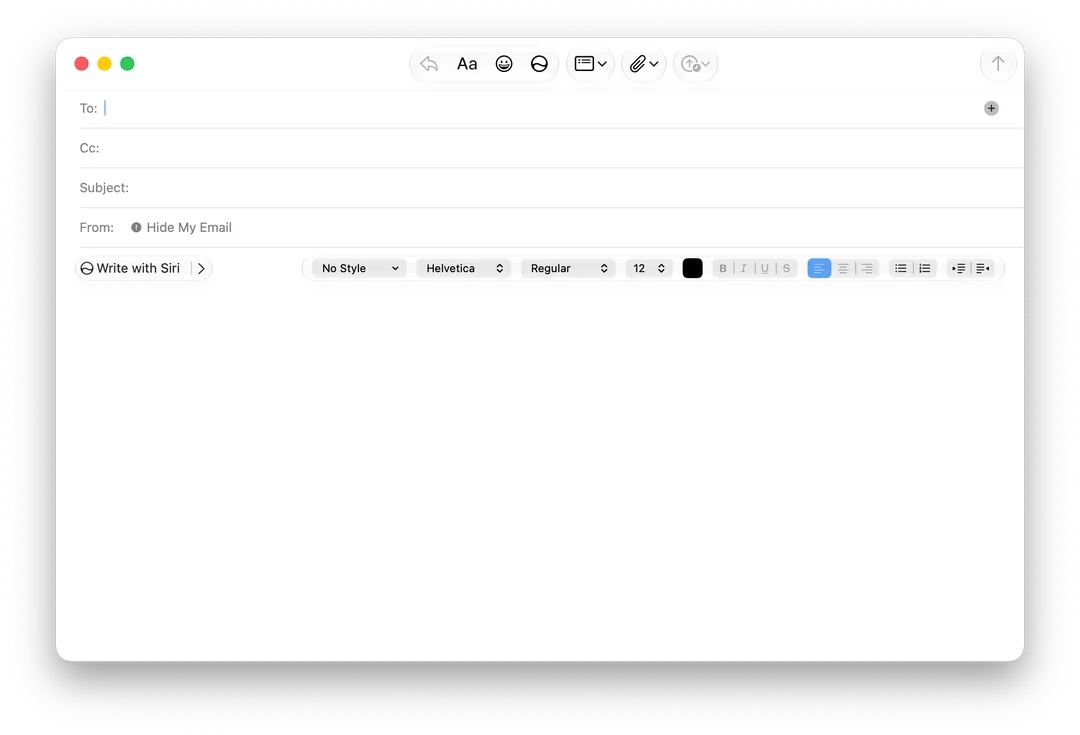
Feature flags discovered by MacRumors forum member "mactracker" – who this week also revealed the hidden Siri "voice pad" interface in beta 4 – show the reworked bar in Mail's message composer, which now features "Write with Siri" in the most prominent position.

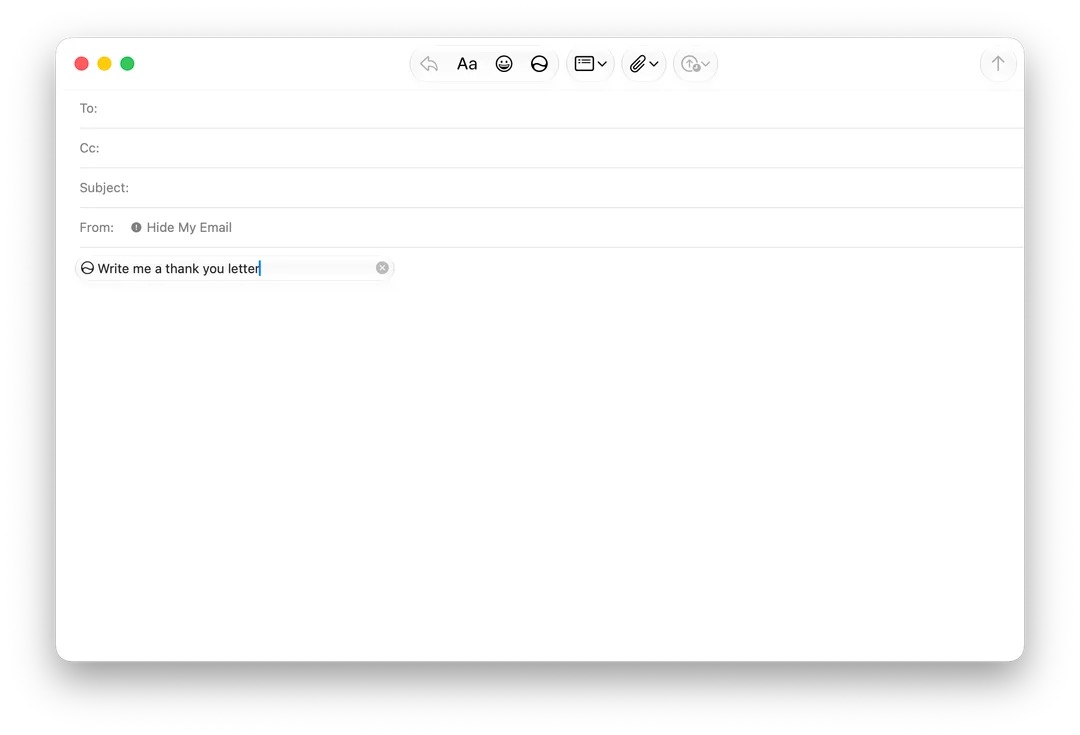
In the current implementation, the classic formatting controls are automatically collapsed to the right edge of the composer and vanish completely once the user selects Write with Siri and starts typing a prompt.


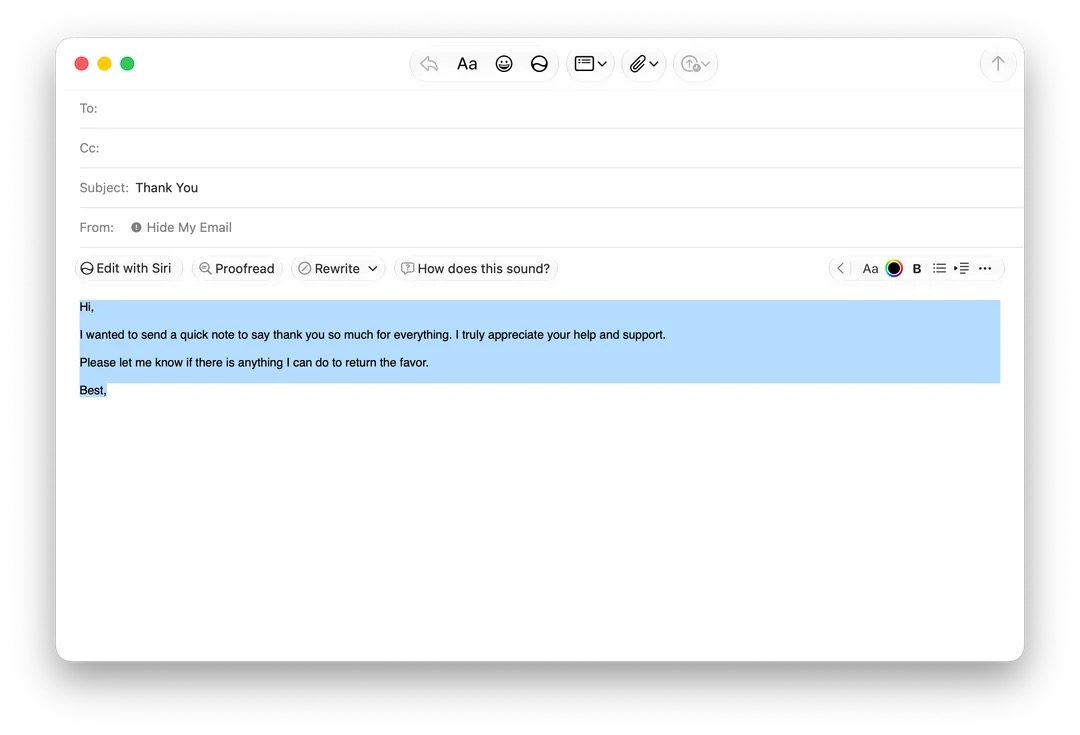
The redesigned bar adds the ability to display contextual Smart Reply suggestions from Siri AI without necessarily using them in your draft email. (macOS users will know that Smart Reply itself isn't new, having arrived with the first wave of Apple Intelligence features.) The new design lets you preview a suggested reply by hovering over it before inserting it, which is something the previous in-line design couldn't do.

When a suggested composition is selected, the formatting bar shows "Edit with Siri," "Proofread," and "Rewrite" options, as well as "How does this sound?" with the traditional formatting controls minimized.

The new bar isn't switched on by default and remains hidden behind an internal feature flag, so most testers won't see it. It's also still buggy, suggesting this is a work in progress – in Beta 4, for example, the redesign only shows up when replying to a message, but composing a fresh email still brings up the old formatting bar.


Whether the redesign makes the general release of macOS 27 is anyone's guess at this point, but it fits the broader pattern of integrating the new contextually aware Siri AI across the system.

macOS 27 Golden Gate is expected to officially launch in September when Apple releases new iPhone 18 Pro models, alongside its first foldable iPhone.
Tag: Siri

This article, "macOS 27 Beta Reworks Mail's Compose Window Around Siri AI" first appeared on MacRumors.com

Discuss this article in our forums

  •  

Distribution Release: Shadowfetch Linux 2.0.0

The DistroWatch news feed is brought to you by TUXEDO COMPUTERS. The Shadowfetch Linux distribution is a Debian-based project which features the Plasma desktop. The latest release of Shadowfetch, version 2.0.0, enables automatic Btrfs snapshots prior to package changes, making rolling back to working snapshots easier. The project has also revamped its welcome screen. "Boot straight into a working....
  •  

Emmanuel Kasper: Opensource gaming with nouveau nvidia driver

So it will not play cyberpunk 2077, but if you prefer opensource drivers for your hardware, nouveau is certainly an option for some opensource gaming.

Using kernel 7.0 from debian backports, I could run opensource classics requiring 3D acceleration flawlessly with nouveau:

I would like to highlight here how good is LibreQuake.
It is an horror cosmic 3D shooter, using the Quake engine, but with newly made game assets under the GPL, thus creating a 100% opensource Quake-based first person shooter. Although their documentation mentions it is a work in progress, as of 2026 I find it very much of a finished product.

LibreQuake Screenshot

Dismal shores, my preferred game level.

I missed Quake in the 90s, happy to discover such a classic today.

  •  

Siri Settlement Approved: Apple to Pay Owners of Some iPhone Models

In May, Apple agreed to pay $250 million to settle a U.S. class action lawsuit over Siri AI's delayed launch, and eligible iPhone users could receive up to a $95 payout.


Apple's settlement has now received preliminary approval from a judge, according to a July 17 court document. However, there is no settlement website yet, and it may take months before eligible customers can begin submitting claims. In other words, no action is required from eligible customers at this time, but stay tuned for updates.

Below, we have answered some key questions regarding the lawsuit.

Why Was Apple Sued?


In June 2024, Apple previewed new Siri capabilities powered by Apple Intelligence, including understanding of a user's personal context, on-screen awareness, and deeper per-app controls. For example, Apple showed an iPhone user asking Siri about their mother's flight and lunch reservation plans based on info from the Mail and Messages apps.

Apple advertised those Siri features in product presentations, on its website, in a TV commercial starring actor Bella Ramsey, and elsewhere.


In March 2025, Apple delayed the launch of the personalized version of Siri, leading to the company being hit with a class action lawsuit alleging false advertising.

In a statement, Apple touted a range of other Apple Intelligence features it had already released. Nevertheless, Apple agreed to settle the lawsuit "to stay focused" on "delivering the most innovative products and services to our users."

Apple finally announced "Siri AI" at WWDC 2026 last month, and the revamped assistant is available to test on the iOS 27 developer beta, with a public beta to follow this month. iOS 27 should be released in September, at which point "Siri AI" will finally be available to all users with an iPhone 15 Pro or newer.


Am I Eligible?


To be eligible to submit a claim, you must reside in the U.S. and have purchased any iPhone 15 Pro or iPhone 16 model between June 10, 2024 and March 29, 2025.

The full list of eligible iPhone models:

  • iPhone 15 Pro

  • iPhone 15 Pro Max

  • iPhone 16

  • iPhone 16e

  • iPhone 16 Plus

  • iPhone 16 Pro

  • iPhone 16 Pro Max

It is unlikely that individuals who submit a claim will still need to have physical possession of an eligible iPhone model. However, there is a possibility that proof of purchase or other information will be required, such as the device's serial number. Exact requirements will be outlined on the settlement website, which is still not live.

How Much Will Apple Pay Me?


According to the terms of the settlement, each person who files an eligible claim will receive a per-device payment of $25, but this amount could increase up to $95 if the total number of claims submitted is lower than anticipated.

Where and When Can I Submit a Claim?


Over the coming months, a settlement website is expected to go live with an online claims form.

Eligible class members will be notified by email within approximately 45 days after the settlement received preliminary approval, according to the court documents. Even if you are not notified but are a U.S. resident who purchased one of the above iPhone models within the above dates, you are still eligible if you meet the criteria.
This article, "Siri Settlement Approved: Apple to Pay Owners of Some iPhone Models" first appeared on MacRumors.com

Discuss this article in our forums

  •  

Lawsuit Filed After Apple's A12 and A13 Chips Hit With New Unpatchable Exploit

Last month, cybersecurity research firm Paradigm Shift published details about a boot ROM vulnerability affecting Apple's A12 and A13 chips, but it has since removed the blog post after being sued by digital forensics firm Magnet Forensics.


In a complaint filed in Georgia federal court this month, Magnet Forensics alleged that the security vulnerability revealed by Paradigm Shift was substantially the same as the one its former employee Mario Del Gaudio worked on before joining Paradigm Shift. Accordingly, Magnet Forensics alleged that Del Gaudio exposed its trade secrets.

Apple's A12 and A13 chips power the iPhone XS and iPhone 11 series, along with select other devices. A boot ROM vulnerability cannot be patched with an iOS update, as it involves code permanently embedded in the chip's read-only memory.
This article, "Lawsuit Filed After Apple's A12 and A13 Chips Hit With New Unpatchable Exploit" first appeared on MacRumors.com

Discuss this article in our forums

  •  

Meta Launches Free 'Facebook Verified' Badge to Confirm Real Users

Meta today announced Facebook Verified, a free badge designed to confirm that a Facebook profile belongs to a real person rather than an AI-generated fake.


The feature uses a selfie-based verification process: users record a short video selfie, which ‌Meta‌ checks against their existing profile photos to confirm a match. ‌Meta‌ says the process is free and typically takes just a few minutes to complete, though accounts must meet the company's trust and safety standards to qualify.

Facebook Verified is limited to users 18 and older who are in good standing with ‌Meta‌'s Community Standards around fraud, scams, and deceptive practices, and who show no evidence of inauthentic behavior. The badge is not available for Pages or ProMode accounts, positioning it squarely as a personal-profile feature rather than one aimed at creators or businesses.

Once verified, the badge will appear on Marketplace, Dating, Groups, and Profile, with ‌Meta‌ planning to extend it to Feed posts over time. There is no subscription fee for the feature, and the badge carries across the platform once a user has completed the one-time verification process.

The launch is separate from ‌Meta‌ Verified, the company's existing paid subscription that bundles a verified badge with extras like impersonation protection and direct account support. Facebook Verified is free and narrower in scope, aimed specifically at signaling humanity rather than offering premium account features.

Facebook Verified is rolling out in phases, starting in select markets, with ‌Meta‌ planning to expand availability globally over time.
Tags: Facebook, Meta

This article, "Meta Launches Free 'Facebook Verified' Badge to Confirm Real Users" first appeared on MacRumors.com

Discuss this article in our forums

  •  

Fire Reported Near Apple Park

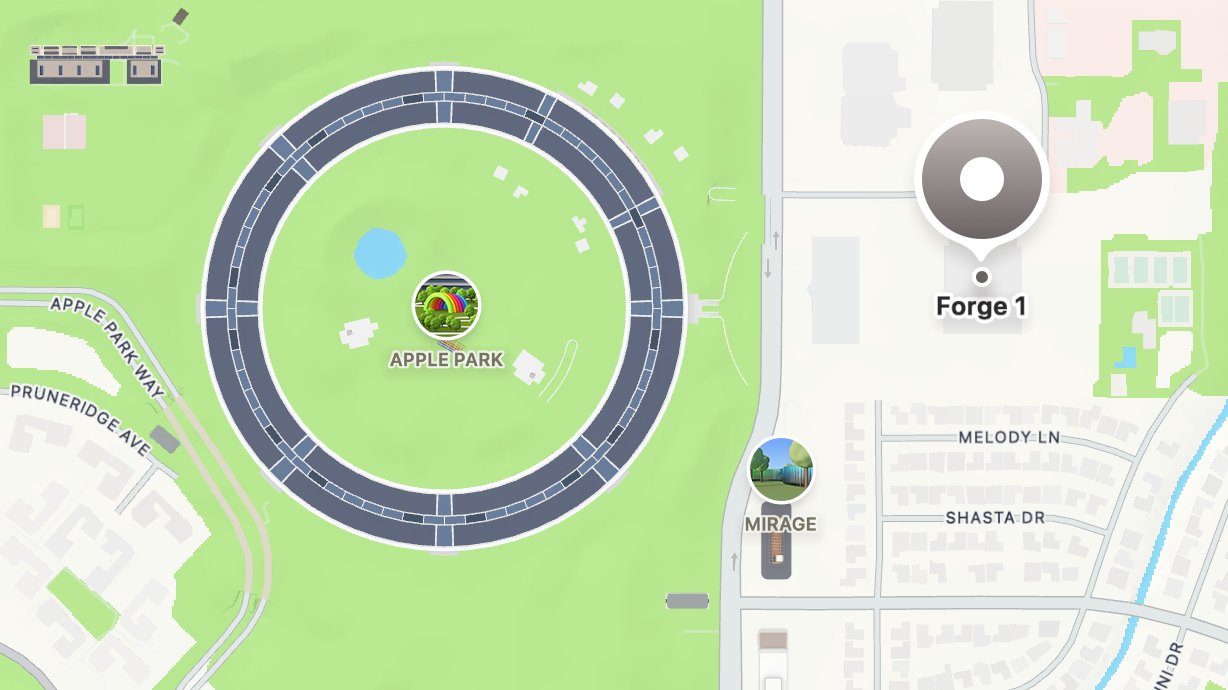
According to the Santa Clara County Fire Department, firefighters responded at approximately 5:30 p.m. local time on Thursday to a report of an outdoor fire at an Apple-leased building adjacent to Apple Park in Cupertino, California.


The fire occurred outside of a building known as Apple Forge 1, which spans 18920 to 18922 Forge Drive. While one person on social media described the damage as "huge," the photos they shared only show damage to some fencing on the property. The incident report was marked as closed after 45 minutes. It is unclear if there were any injuries.

We have reached out to Apple for comment.
This article, "Fire Reported Near Apple Park" first appeared on MacRumors.com

Discuss this article in our forums

  •  

Claude Voice Mode Gains Opus and Sonnet Model Support

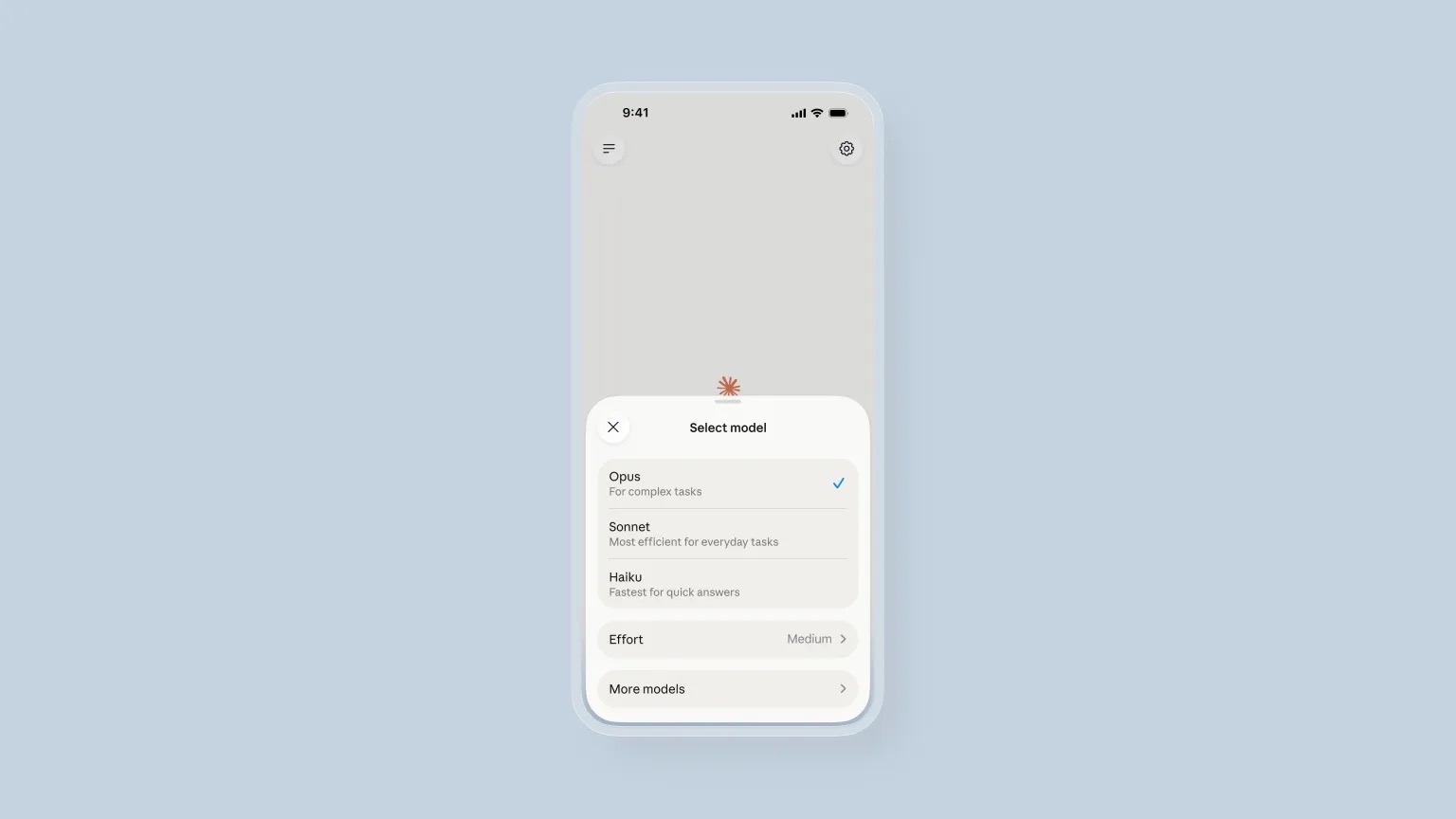
Anthropic has updated Claude's voice mode to support its more powerful Opus and Sonnet models, expanding a feature that was previously limited to the company's fastest-but-simplest model, Haiku.


Voice mode lets users hold full spoken conversations with the chatbot rather than having to type prompts and read responses. Users can switch between Claude's models mid-conversation, and can also move between text and voice in the same chat without losing context. With the addition of Opus and Sonnet support, users will be able to hold longer and more complex conversations, including providing feedback on the communication style.

In addition, Claude's Voice mode can now also tap into connected tools like Gmail, Google Calendar, Google Docs, and Slack, so Claude can check a calendar or summarize an email thread out loud, for example. Users with free accounts can connect one tool, whereas paid plans support more.

According to Anthropic's support documentation, the models available in voice mode now follow the user's subscription plan, and voice conversations start on whichever model the user last selected in text chat.

Claude's voice mode language support was extended beyond English earlier this year, with French, German, Hindi, Indonesian, Italian, Japanese, Korean, Portuguese, and Spanish available in beta. Users have to manually select a language in the app.


Voice mode works on iOS, Android, desktop, and the web, but Anthropic says it is designed to work best on phones. Voice conversations count toward standard usage limits and Anthropic's newest Fable model is not yet supported.

Meanwhile, OpenAI yesterday launched ChatGPT Voice in its desktop app, powered by a model it calls GPT-Live, which the company says can direct multiple agents running in ChatGPT Work or Codex by voice alone. The feature is rolling out on macOS and Windows to paid plans.

Correction: This story has been updated to reflect ChatGPT Voice's recent rollout.
This article, "Claude Voice Mode Gains Opus and Sonnet Model Support" first appeared on MacRumors.com

Discuss this article in our forums

  •  

WhatsApp Rolls Out Redesigned Message Bubbles for iOS

WhatsApp is rolling out a new design for message bubbles on iOS, reports WaBetaInfo. The platform's message bubbles are rounder than before with a softer shape – similar to iMessage – while shared media files appear without the original borders, giving them a cleaner look.
The message bubble update follows several Liquid Glass-based design changes that came to WhatsApp's chat interface on iPhone and iPad last month.
This article, "WhatsApp Rolls Out Redesigned Message Bubbles for iOS" first appeared on MacRumors.com

Discuss this article in our forums

  •  

Apple Seeking 20% OLED Panel Price Cut for iPhone 18 Pro Max

Apple is pushing OLED panel suppliers to lower their prices for the iPhone 18 Pro Max, as the cost of memory chips and other components rises, reports The Elec.


According to the Korea-based report, Apple has proposed paying around $70 for OLED panels, but it might end up paying even less. Industry estimates suggest that Samsung Display and LG Display will supply the panels for around $66.50 each. That would be a roughly 20 percent drop from the prices paid for iPhone 17 Pro Max OLED panels.

The report says that the price Apple has paid for iPhone OLED panels has fallen with each new generation. However, this year's reduction is unusually steep, especially considering that the iPhone 18 OLED panel is expected to require greater manufacturing complexity – Apple will be using Samsung Display's latest M16 OLED material set, which improves luminous efficiency, lifespan, and color performance.

Smartphone makers across the board are said to be trying to offset rising memory costs by reducing procurement expenses for other components, including display panels and camera modules.

According to market research firm UBI Research, Samsung Display is expected to supply 46 million OLED panels for Apple's iPhone 18 lineup this year, comprising 2 million for the standard iPhone 18 model, 18 million for the iPhone 18 Pro, and 26 million for the iPhone 18 Pro Max. Meanwhile, LG Display is forecast to supply 41 million panels, including 1 million for the standard model, 19 million for the 18 Pro, and 21 million for the 18 Pro Max.

Apple is expected to launch the iPhone 18 Pro models in September alongside its first foldable iPhone, followed by the iPhone 18 and iPhone 18e in spring 2027. Analysts suggest the iPhone 18 Pro and Pro Max could start at $1,299 and $1,399, respectively. In other words, a $200 jump over their predecessors, with rising memory and storage costs largely to blame.
Related Roundup: iPhone 18 Pro
Tags: OLED, The Elec

This article, "Apple Seeking 20% OLED Panel Price Cut for iPhone 18 Pro Max" first appeared on MacRumors.com

Discuss this article in our forums

  •  

Russell Coker: Systemd Linger

Killing Processes

One of the features of systemd that is most controversial is the option to kill user processes when the user logs out. That initially killed screen/tmux/nohup processes too. In recent Debian releases the default configuration of systemd-logind (the login manager for systemd) is to allow processes to keep running, the configuration file /etc/systemd/logind.conf has an option KillUserProcesses that can be enabled to have user processes killed. If you do that then there are options to only kill processes for certain users and to exclude some users (default to excluding root). If using that option you can apparently use a systemd unit to start screen which prevents it being killed on logout.

This is a very handy feature for some particular user cases. One situation was that I was supporting some people who weren’t very good at computers on a system running KDE and some KDE processes would linger. So the option of logout and login again to deal with an issue of akonadi or some other KDE service misbehaving didn’t work. On that system I enabled the option to kill user processes which reduced the number of problems they had while not requiring rebooting.

It is widely believed that the “linger” feature is required to allow screen/tmux/nohup to work, in Debian (and probably most distributions) that is not the case. It might be that some combinations of configuration requires “linger” to allow screen/tmux to work but I am not interested in trying to discover them. Of all the people I have directly supported for Linux desktop use (which numbers in the hundreds) none of them have had the ability to use screen/tmux and also the cluelessnes that makes me want to automatically kill their processes when the logout.

Controlling Linger

You can enable and disable “linger” for your own account with the following commands if polkit is installed and in a typical configuration:

loginctl enable-linger
loginctl disable-linger

If running as root you can enable and disable it for another user with the following commands:

loginctl enable-linger $ACCOUNT
loginctl disable-linger $ACCOUNT

There doesn’t seem to be any documented way of discovering if an account has linger enabled or for listing accounts that have it, it seems that “ls /var/lib/systemd/linger” is the only option.

Linger on Debian

On a Debian system with close to default settings the processes won’t be killed on logout and the only difference “linger” makes is to start programs in the user’s context BEFORE they login. A friend was recently testing out a bunch of LLM programs on one of my servers and the account he used for that ended up with “linger” enabled, presumably one of the install scripts he ran was written on the assumption that enabling linger was necessary for nohup to work and it did so automatically without being asked.

One benefit I’ve found from this behaviour is on my laptop. I’m currently testing out new SE Linux policy on my laptop and rebooting it a lot. When I enabled linger on my account it caused the laptop to connect to wifi on boot without needing to login which is convenient. I can then ssh to it even when the X11/Wayland login configuration is broken.

I will leave it enabled after finishing these tests. Having background processes like Pipewire and Bluetooth start before I login will presumably make things slightly faster when I do login.

Related posts:

  1. Systemd Notes A few months ago I gave a lecture about systemd...
  2. Ethernet Interface Naming With Systemd Systemd has a new way of specifying names for Ethernet...
  3. Systemd, Mobile Linux, and Containers I’ve had some problems running apps I want on my...
  •  

Russell Coker: Thinkpad X1 Carbon Gen6 Again

My Current Thinkpad

In 2018 I reviewed a Thinkpad X1 Carbon Gen6 that was assigned to me for work [1].

In April last year I wrote about the failings of my Thinkpad Yoga Gen 3 and how I was going back to the Thinkpad X1 Carbon Gen5 [2]. The Gen5 in question has 8G of RAM and a 1920*1080 display compared to 16G and 2560*1440 for the Yoga but runs reliably on battery without crashing. The Yoga in question has been used by relatives who don’t need to do much when on battery and is currently being used by a relative who runs Windows so the occasional crash is something they are used to.

In mid last year I bought a Thinkpad X1 Carbon Gen6 for $350 which has 16G of RAM and a 2560*1440 display. The higher resolution display is a significant benefit and while 8G of RAM is still usable for medium to heavy Linux desktop use it does cause problems sometimes. The new laptop I now have is significantly better than the one I had for work in 2018!

I realised that my previous review of that laptop was incorrect in one aspect, there are two USB-C ports it’s just that one may be covered by a rubber stopper when you get it. When I received this one the Ethernet dongle port was covered by a rubber stopper and the seller was unaware of the possibility of using a dongle and didn’t have such a dongle. It’s not a big deal as I have a collection of USB Ethernet devices but would still be handy to have while not worth the $20 it costs to buy one (a 2.5Gbit USB Ethernet device cost me $16 two years ago).

Laptop Displays

Today I saw a Thinkpad X1 Carbon Gen9 with 3840*2400 display and 16G of RAM for $550 on Facebook marketplace, which is a very tempting deal. 3840*2400 is 2.5* as many pixels as 2560*1440 while 2560*1440 is only 77% more pixels than 1920*1080. So if my eyes were able to properly distinguish pixels that that high DPI then the benefits of getting the 3840*2400 laptop would be greater than going to what I currently have from FullHD. But as a 1440p display in a 14″ form factor is already past the stage where I can see individual pixels the benefits of 4K are more about making curves more rounded which improves readability and allows slightly smaller font sizes but doesn’t give anything like the benefits that going from a FullHD desktop monitor to a 4K desktop monitor.

Also I have different usage patterns for my laptop than for my desktop. I use my laptop for reading blog posts and ebooks for which even FullHD would be fine as the amount of text that can be usefully displayed on screen isn’t that great. I also use my laptop for emergency sysadmin work, ssh to a server to restart a daemon, run ping while changing network hardware, and other things where I don’t have a lot of text on screen.

I also use my laptop for light coding tasks while watching TV. It’s not possible to effectively do complex debugging tasks while watching TV or while using a small screen. But a very large portion of coding time is spent dealing with things like testing builds with different versions of libraries, applying patches to a new upstream release of software, fixing issues related to functions being renamed, testing to see if a new version has really fixed a bug it’s supposed to fix, and other things that don’t require a lot of skill.

I am not claiming that 4K displays aren’t great for laptops. Merely that at the current time it’s not worth $550 of my money.

Future Thinkpads

I like the Thinkpad X1 Carbon line and plan to continue buying them as they get cheap.

The Gen11 is the first one to have a minimum of 16G of RAM, the reason this is important to me is that the ones I buy aren’t the lowest model because I want more than the minimum display resolution. As people who get above the minimum spec in one area tend to get above the minimum in others that means that there will be plenty of Gen11s on the market with 32G of RAM when I’m ready to buy one of that era. Presumably by that time Linux software will have become more bloated and make me want more RAM. Yes soldered RAM has some downsides, but if you want an ultra-light laptop it’s a trade-off you need to deal with. One problem with the Gen11 is that the maximum display resolution is 2880*1800, it’s still a reasonable improvement over what I’ve currently got but not close to the 4K I desire.

The Gen12 has support for 8K display at 60Hz over Thunderbolt which is nice. By the time the Gen12 is in my price range it’s quite likely that I will have a monitor with higher than 5120*2160 resolution (the maximum video out resolution of Gen11 and previous models in the Thinkpad X1 Carbon range) on my desk.

The Gen13 still has 2880*1800 as the maximum resolution but has OLED as an option.

So it looks like a Gen9 or Gen10 may be ideal for me as they are the last ones in the Thinkpad X1 Carbon series to support 4K displays. Another option is the Thinkpad Yoga Gen8 which is of the same era as the Thinkpad X1 Carbon Gen11 but has a 3840*2400 OLED touch screen, I might be able to get one of those cheap with the touch screen damaged.

Related posts:

  1. Thinkpad X1 Yoga Gen3 I just bought myself a Thinkpad X1 Yoga Gen3 for...
  2. Thinkpad X1 Carbon I just bought a Thinkpad X1 Carbon to replace my...
  3. Thinkpad X1 Carbon Gen5 Gen1 Since February 2018 I have been using a Thinkpad...
  •  

10 iOS 27 Performance Improvements You'll Actually Notice

With iOS 27, Apple focused on making improvements to iOS performance, optimizing everything from system animations to AirDrop transfer speeds. iPhone performance is smoother and faster on all iPhones able to run ‌iOS 27‌, which includes the iPhone 11 and newer.


There are over 80 ‌iOS 27‌ improvements Apple announced, with 10 of the most useful listed below.

App Launching


Apps launch up to 30 percent faster in ‌iOS 27‌, and that includes Apple's own apps and third-party apps. When you're opening apps dozens of times a day, less loading time adds up and makes the system feel faster.

Apple says it tested the app launching speed improvements using an iPhone 11 Pro Max running iOS 26.4.2 and ‌iOS 27‌.

Optimized CPU Scheduler


iOS includes a CPU scheduler that manages computational resources across workloads as you use your iPhone. Apple says it optimized the CPU scheduler in ‌iOS 27‌ to more efficiently handle performance-intensive tasks.

Apple extended CPU scheduler optimization all the way back to the iPhone 11, which is part of the reason even old iPhones feel faster with the update installed.

Apple is often accused of making old iPhones slower with new iOS updates, but there are noticeable speed improvements in ‌iOS 27‌ so we likely won't hear that complaint this year.

Better Wi-Fi to Cellular Transitions


iPhones are better at determining when to transition from Wi-Fi to a cellular connection, and from a cellular connection to Wi-Fi. When you're connected to your home Wi-Fi and walk out the door, you'll see less connectivity loss as your device changes networks.

Apple says the iPhone is better about choosing the best available Wi-Fi or cellular connection to help you stay connected.

Rebuilt Search Index


Apple rebuilt its search foundation in ‌iOS 27‌, giving Spotlight, Photos, Mail, and other apps a more comprehensive index of content that stays updated throughout the day.

In the Mail app, there's a new ranking system that surfaces more relevant emails for search queries instead of listing results by date. You'll see up to five ranked Top Results now.

Photo Load Time


When you take a photo and then open up the ‌Photos‌ app, your just-captured image appears more quickly so you can edit it or share it. Apple says photos and videos load up to 70 percent faster in the ‌Photos‌ library, which it tested with a ‌Photos‌ app that had a 50,000-asset library.

Waiting on a photo to unblur when you quickly swap over to the ‌Photos‌ app is a small annoyance, but cutting down on load time makes taking a photo feel much faster.

Recent camera captures are also added more quickly in the Messages app photo picker.

Automatic Message Resending


When a message, photo, or video fails to send in iMessage, your iPhone will automatically retry sending it instead of throwing up a red exclamation point and forcing you to manually try again.

Sending photos and videos when you have a poor connection also does not pause a Messages conversation while the content sends. Each photo or video has its own progress bar, and your texts will still go through while you wait for images and video to upload.

Faster Camera Launch in Low Power Mode


When you have Low Power Mode turned on, the Camera app can launch slowly. That's been fixed in ‌iOS 27‌, and it loads faster than before.

The Camera also draws less power in Low Power Mode.

Faster Keyboard Loading


The emoji and sticker keyboards load more quickly, so there's no longer an irritating pause when you want to use an emoji. The keyboard is something you use frequently, so this is a time-saving improvement.

Mail Badges


If you're tired of unread Mail badges popping up when you have read all your emails, ‌iOS 27‌ addresses the issue. The Mail app badge is now less likely to show an inaccurate number of unread emails.

Bluetooth


Apple says it improved Bluetooth power management in ‌iOS 27‌, an update relevant to AirPods, Apple Watch, CarPlay, speakers, and other Bluetooth devices.

Bluetooth accessories should draw less power for some minor improvements to battery life.

Other Useful Improvements


  • AirDrop transfers are up to 80 percent faster, and AirDrop is faster to find nearby recipients

  • Text recognition in images and documents is quicker

  • Safari has enhanced power efficiency and web apps are faster

  • Unlocking an iPhone, scrolling through Home Screen pages and App Library, and scrolling in Control Center are all smoother

  • The Lock Screen no longer goes to sleep when you're scrolling through notifications

  • Wireless ‌CarPlay‌ is more reliable


iOS 27 Launch


‌iOS 27‌ is being beta tested right now, and can be downloaded by developers and public beta testers. It will launch this fall alongside new iPhone models.

Read More


For more on the new features in ‌iOS 27‌, we have a dedicated iOS 27 roundup.
Related Roundups: iOS 27, iPadOS 27

This article, "10 iOS 27 Performance Improvements You'll Actually Notice" first appeared on MacRumors.com

Discuss this article in our forums

  •  
❌