
Lees weergave

Apple Likely Left Jony Ive Out of Its OpenAI Lawsuit on Purpose

Bloomberg's Mark Gurman says Apple's decision not to name its former design chief Jony Ive in its trade-secret lawsuit against OpenAI was likely a deliberate one, shaped in part by the company's relationship with Laurene Powell Jobs.


Apple's roughly 40-page complaint refers only to unnamed "former Apple leaders" rather than calling out Ive, even though he leads design on OpenAI's hardware lineup through his firm LoveFrom, built on the back of OpenAI's $6.5 billion acquisition of his startup io Products. The allegations instead center on former iPhone executive Tang Tan, now OpenAI's chief hardware officer, whom Apple accuses of coaching recruits to bypass security measures and bring Apple hardware into interviews for "show-and-tell" sessions.

In the latest "Power On" newsletter, Gurman notes that Apple's decision likely reflects, at least in part, a genuine absence of evidence against Ive, who is reportedly not closely involved in OpenAI's day-to-day recruiting or engineering. He argues, however, that the relationship between Powell Jobs and Ive was also a significant factor. The two are described as close friends, with Ive having delivered a tribute at Steve Jobs' memorial service in 2011. Powell Jobs was an investor in io Products and remains a supporter of LoveFrom. According to Gurman, naming Ive in the complaint risked straining Apple's relationship with a figure who continues to carry considerable influence within the company.

Gurman cites Apple's June Worldwide Developers Conference as an illustration of that influence, noting that Powell Jobs sat in the front row alongside CEO Tim Cook and his successor John Ternus. He characterizes her placement as a visible show of support for Apple's leadership transition.

Gurman further suggests that the optics of naming Ive directly would have worked against Apple. Tan, he notes, is not widely known outside the industry, whereas Ive spent decades as one of Apple's most recognizable figures. Naming him could have generated public sympathy for Ive and invited criticism that Apple's lawsuit was motivated as much by past grievances as by trade-secret concerns. The lawsuit comes as more than 400 former Apple employees are now reported to work at OpenAI, whose first hardware product is expected to be a portable smart speaker aimed at competing with the iPhone in the long term.
This article, "Apple Likely Left Jony Ive Out of Its OpenAI Lawsuit on Purpose" first appeared on MacRumors.com

Discuss this article in our forums
  •  

Apple Shelved Two Mac Pro Models, Including an Intel-Based One

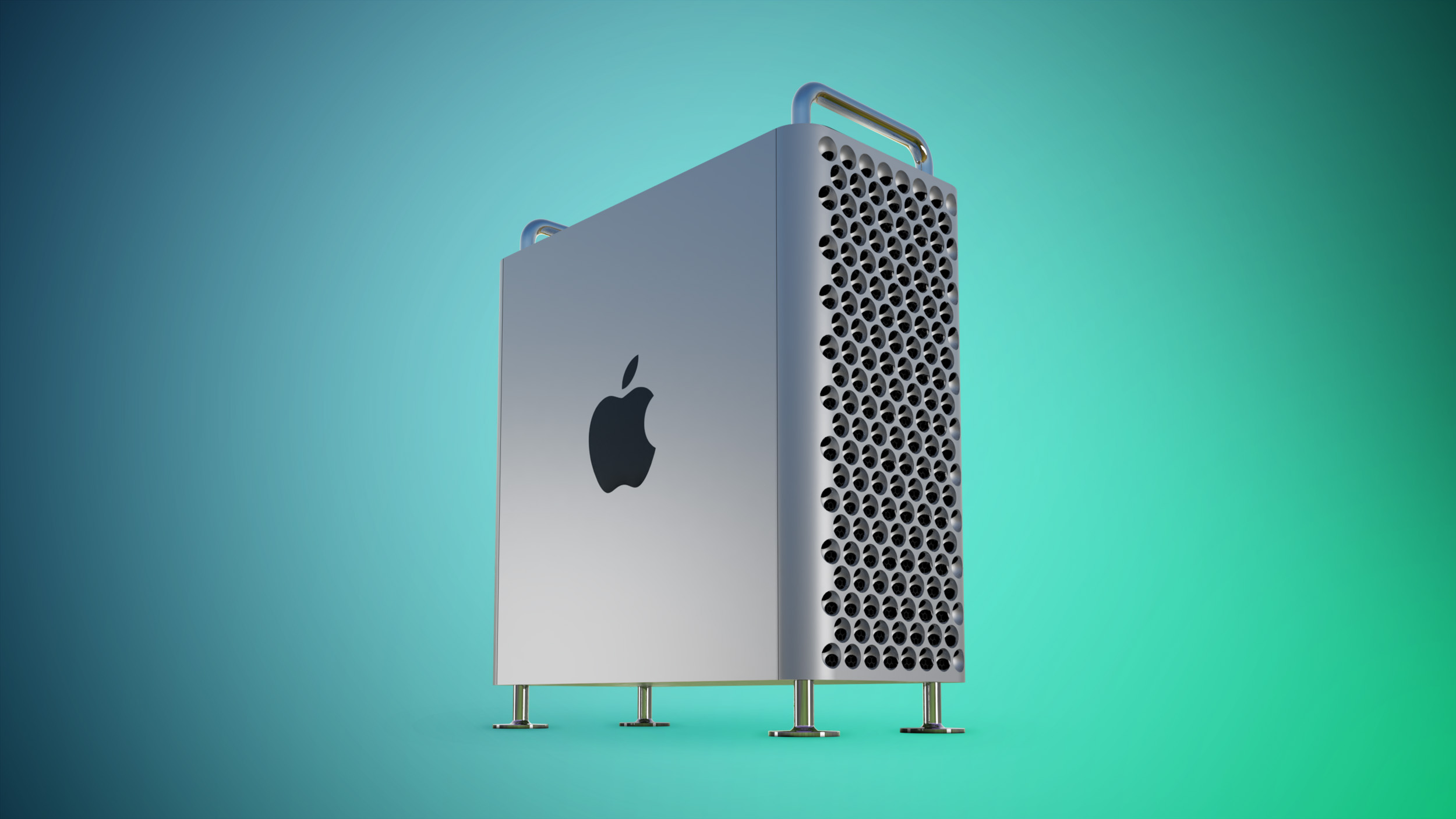
Apple developed two Mac Pro models in recent years that never made it to market, according to Bloomberg's Mark Gurman.


In his latest "Power On" newsletter, Gurman revealed that Apple internally developed two unreleased Mac Pro projects codenamed J170 and J190 before ultimately discontinuing the machine altogether.

As for new Mac Pro hardware, there were two additional models developed by Apple that never saw the light of day: J170 and J190. The former was a new Intel Corp. Mac Pro (yes, even when Apple was making its own silicon) to address certain uses. The latter was an M3 Ultra version that was supposed to launch alongside the M3 Ultra Mac Studio in early 2025.


J170 was apparently a new Intel-based Mac Pro, which is notable because Apple had already completed its transition to Apple silicon by the time the project was in active development. Gurman did not specify what "certain uses" the Intel model was meant to address, but its existence suggests Apple explored keeping an x86 option alive for specific professional workflows even years into the Apple silicon era.

J190, meanwhile, was said to be an M3 Ultra-equipped Mac Pro that was supposed to launch alongside the M3 Ultra Mac Studio in early 2025, but Apple shelved it before release. It would have paired the same chip found in that ‌Mac Studio‌ with the Mac Pro's unique-to-the-lineup PCIe expansion slots.

Neither model shipped, and Apple discontinued the Mac Pro entirely this year, ending its 20-year run. The Mac Pro had been left on the aging M2 Ultra chip from 2023 while the ‌Mac Studio‌ continued to receive refreshes, and it was priced roughly double that of a similarly configured ‌Mac Studio‌ despite offering essentially the same performance.

The J170 and J190 cancellations add to a growing list of shelved Mac Pro plans. Apple had also developed "Extreme" chip variants, processors with twice the CPU and GPU cores of Apple's Ultra chips, for a future Mac Pro before winding down those projects over cost and demand concerns.

Gurman said he does not expect Apple to bring back the Mac Pro "anytime soon — if ever." Apple is instead expected to refresh the ‌Mac Studio‌ with M5 Ultra chips as early as this fall.
Buyer's Guide: Mac Pro (Don't Buy)
Related Forum: Mac Pro

This article, "Apple Shelved Two Mac Pro Models, Including an Intel-Based One" first appeared on MacRumors.com

Discuss this article in our forums
  •  

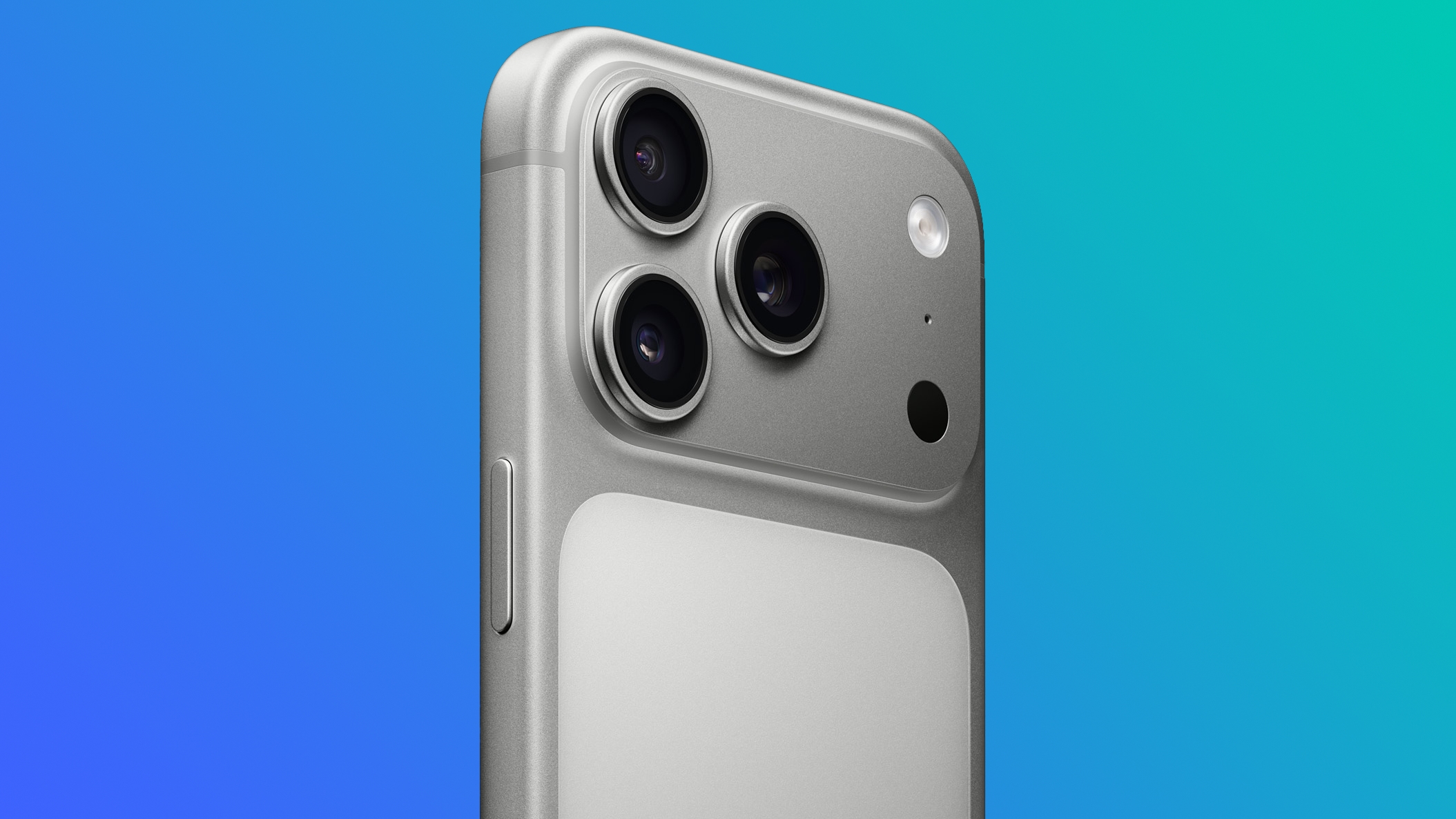
iPhone Loyalty Rate Climbs to 87% as Switching to Android Slows

iPhone owners are sticking with the platform at a higher rate than a year ago, with new research firm CIRP putting iPhone loyalty at 87% for the first quarter of 2026.


CIRP's latest quarterly survey found that just 12% of new iPhone buyers in the March quarter had come over from an Android phone, with the remaining 1% arriving from a feature phone, a different smartphone platform, or buying a smartphone for the first time. That puts loyalty three percentage points above the same quarter a year earlier, when 14% of buyers switched from Android and the overall loyalty figure sat at 84%.

The firm has been tracking this movement for years by asking iPhone buyers what device they owned right before their purchase, among other questions about how they shop. Across the periods it measured recently, the share of buyers coming from Android has held in a fairly narrow 11% to 15% band, a much smaller pool of switchers than in the iPhone's early years, when Apple was still expanding beyond AT&T to other U.S. carriers and picking up large numbers of new users in the process.

The trend held steady in early 2024 too, when 13% of buyers arrived from Android and loyalty came in at 85%. CIRP's numbers suggest the bulk of smartphone owners settled on a platform long ago, and only a small slice change sides each year. This is a pattern other recent surveys have pointed to as well, even if their methodology and figures differ from CIRP's.

Apple will roll out Siri AI, its overhauled AI assistant, in iOS 27 later this year, which could help retain existing iPhone owners. Attracting Android converts is a separate challenge, though Apple's upcoming foldable iPhone will introduce a new form factor that may appeal to some existing Android foldable owners.
Tags: Android, CIRP

This article, "iPhone Loyalty Rate Climbs to 87% as Switching to Android Slows" first appeared on MacRumors.com

Discuss this article in our forums

  •  

The MacRumors Show: iPhone XX? Next Year's Major Upgrades Will Change Everything

This week's episode of The MacRumors Show looks ahead to the 20th anniversary iPhone, the radically redesigned model that Apple is expected to launch in 2027.


Apple's plans for the device's name remain unclear. The company skipped "iPhone 9" and moved straight to the iPhone X for the device's 10th anniversary in 2017, and it is widely expected to skip "iPhone 19" in the same way. Rumors have referred to the 2027 models as both the "iPhone 20" and the "iPhone XX" as placeholder names, and it is still possible that they will sit above the iPhone 18 Pro and 18 Pro Max as a separate, higher-tier directly, even though they are more likely to replace them as usual. Apple has reset iPhone branding before with the iPhone Air, whose successor is expected to be the iPhone Air 2.

The 2027 iPhone is rumored to be the biggest redesign since the iPhone X. Apple is reportedly aiming for a near bezel-less design with curved glass that wraps around all four edges and a return to a glass back, in line with the single slab of glass that former design chief Jony Ive long described as a goal. The frame is said to be a thin polished band, potentially in a material other than the aluminum used on Apple's straight-edged models, with the display curving onto the sides rather than following one consistent curve.

Displays that curve down the sides can be prone to accidental touches, an issue seen on earlier Android handsets with waterfall edges, though Apple is expected to engineer the device to work with a case. The extent of the curvature, and how far the display appears to refract at the edges, is not yet clear.

Apple reportedly wants a front with no cutouts, but some of the under-display technology is unlikely to be ready in time, meaning some form of front-facing cutout is expected to persist. Current reporting points to a gradually shrinking Dynamic Island, Face ID components moving beneath the panel, and an under-display camera arriving last, since image quality still degrades when a lens sits behind the display.

Apple is also rumored to be revisiting solid-state haptic buttons, reviving the "Project Bongo" effort that reached prototype hardware years ago before being shelved. Reports have cited several potential motivations, including a cleaner frame with no moving parts, a reduction in the mechanical button failures that account for many AppleCare repairs, and additional internal space for a larger battery or additional haptic engine.

Apple is reported to be developing a custom image sensor that would replace the Sony sensors currently used across the iPhone lineup, following the company's move to bring its silicon, modem, Wi-Fi, and Bluetooth chips in-house. The rear camera plateau is likely to remain, owing to the space required by the folded optics used for the telephoto lens.

The anniversary models are expected to share a second-generation 2-nanometer A21 chip, along with efficiency gains and a newer Apple modem. A 6,000mAh battery has appeared in some rumors, though it is unclear whether that figure is based on supply chain information.

Reverse wireless charging appeared in the same report and would let the iPhone top up accessories such as AirPods or an Apple Watch. The underlying hardware is already present, since iPhones can charge a MagSafe battery pack through their wireless coil, but Apple has never enabled the capability for other devices, a feature Samsung has offered on its phones for several years. Its viability on the anniversary model may depend on the larger battery and efficiency gains rumored for the device, given how much charge reverse wireless charging draws from the handset itself.

This year's ‌iPhone 18 Pro‌ models are rumored to be a more modest update, with the larger redesign reserved for the 20th anniversary model. It is expected to arrive in the fall of 2027, following the iPhone 18, iPhone 18e, and ‌iPhone Air‌ 2 in the spring. The MacRumors Show has its own YouTube channel, so make sure you're subscribed to keep up with new episodes and clips.


You can also listen to ‌The MacRumors Show‌ on Apple Podcasts, Spotify, Overcast, or other podcast apps. You can also copy our RSS feed directly into your player.


If you haven't already listened to the previous episode of The MacRumors Show, catch up to hear our discussion about the future of Apple's increasingly tangled high-end MacBook lineup, including the entry-level MacBook Pro and the rumored "MacBook Ultra."

Subscribe to ‌The MacRumors Show‌ for new episodes every week, where we discuss some of the topical news breaking here on MacRumors, often joined by interesting guests such as Kayci Lacob, Kevin Nether, John Gruber, Mark Gurman, Jon Prosser, Luke Miani, Matthew Cassinelli, Brian Tong, Quinn Nelson, Jared Nelson, Eli Hodapp, Mike Bell, Sara Dietschy, iJustine, Jon Rettinger, Andru Edwards, Arnold Kim, Ben Sullins, Marcus Kane, Christopher Lawley, Frank McShan, David Lewis, Tyler Stalman, Sam Kohl, Federico Viticci, Thomas Frank, Jonathan Morrison, Ross Young, Ian Zelbo, and Rene Ritchie.

‌The MacRumors Show‌ is on X @MacRumorsShow, so be sure to give us a follow to keep up with the podcast. You can also email us at podcast@macrumors.com or head over to The MacRumors Show forum thread. Remember to rate and review the podcast, and let us know what subjects and guests you would like to see in the future.
This article, "The MacRumors Show: iPhone XX? Next Year's Major Upgrades Will Change Everything" first appeared on MacRumors.com

Discuss this article in our forums
  •  

Apple and Google Hit With Demand to Pull AI 'Nudify' Apps [Updated]

A San Francisco City Attorney has sent cease-and-desist letters to Apple and Google demanding the removal of 13 AI "face-swap" apps that can generate nonconsensual nude images, according to WIRED.


The letters, sent on Thursday, target eight apps on the App Store and five on the Play Store that market themselves as face-swapping tools but are used to "undress" photos of real people. The attorney's office wants both companies to cut ties with the developers and stop taking a cut of in-app payments, arguing they are effectively "aiding and abetting" the sale of explicit deepfake images. The attorney called the practice "illegal, harmful, and completely unacceptable" and believes Apple and Google have collected millions in fees from the apps.

Both companies have developer rules against pornography and have removed batches of nudify apps in the past after being flagged by researchers. A Google spokesperson told WIRED that the company has deleted "hundreds" of apps with nudifying features for policy violations, including the five named in the letters. In June, it emerged that Apple had already tightened its ‌App Store‌ guideline language on developer responsibility for pornographic content.

Update: Apple told MacRumors that it takes reports of apps against its guidelines seriously. Apple applies App Review Guidelines to all developers, which include specific provisions to prohibit overtly sexual or pornographic content. As such, "nudificiation" apps are against its guidelines and the company has proactively rejected and removed many such apps, including when they have been flagged by users.

The App Store was designed to be a safe and trusted place for users, and we have always strictly prohibited apps designed to generate, distribute, or consume pornography. "Nudification" apps are against our App Review Guidelines and we have proactively rejected many of these apps and removed many others, including when users have flagged them via our reporting tools. We have removed three of the apps in question and are in the process of terminating their developer accounts from our program. We are in contact with four others that need to address policy violations or risk being removed as well.


Users can go to reportaproblem.apple.com to report illegal, offensive, or abusive content, as well as scam or fraud on the ‌App Store‌.
Tags: Google, Wired

This article, "Apple and Google Hit With Demand to Pull AI 'Nudify' Apps [Updated]" first appeared on MacRumors.com

Discuss this article in our forums
  •  

Apple's Chipmaker Pledges $100 Billion More for US Plants

Apple chip supplier TSMC has announced a $100 billion increase to its U.S. chip investment, bringing its total commitment to $265 billion.


The increase was confirmed by the White House and the Department of Commerce alongside TSMC's second quarter earnings call. Commerce Secretary Howard Lutnick said the investment would "create tens of thousands of American jobs," while TSMC chairman and CEO C.C. Wei told CNBC the new fabrication plants would support "our leading U.S. customers," a group that reportedly includes Apple, alongside Nvidia and Broadcom.

Apple CEO Tim Cook called Apple "TSMC Arizona's first and largest customer" when the company's third Arizona fab broke ground last year, and the company's first Arizona plant already produced some of Apple's A16 chips.

TSMC has historically reserved its most advanced manufacturing processes for its home plants in Taiwan, meaning Arizona made chips have trailed several generations behind whatever Apple ships at any given time. TSMC has since committed to building its own advanced packaging facilities in the US as part of its broader investment plan, according to a regulatory filing.

The new $100 billion is expected to fund up to four more plants, though the exact shape of the plan remains unsettled. The Department of Commerce says the total will reach 12 U.S. facilities, while an official told Bloomberg the eventual mix could be 10 fabrication plants and two packaging facilities, focused on 2 nanometer chips, TSMC's most advanced process commercially available today.

That timing could hinge partly on how much U.S. capacity Apple itself ends up needing, since the company has been separately exploring Intel and Samsung as backup chipmakers to reduce its reliance on TSMC amid the ongoing global chip crunch. Apple is reported to have secured an exemption from a proposed 100% semiconductor tariff partly by pledging its own U.S. manufacturing investment and agreeing to buy chips from Intel.
Tag: TSMC

This article, "Apple's Chipmaker Pledges $100 Billion More for US Plants" first appeared on MacRumors.com

Discuss this article in our forums
  •  

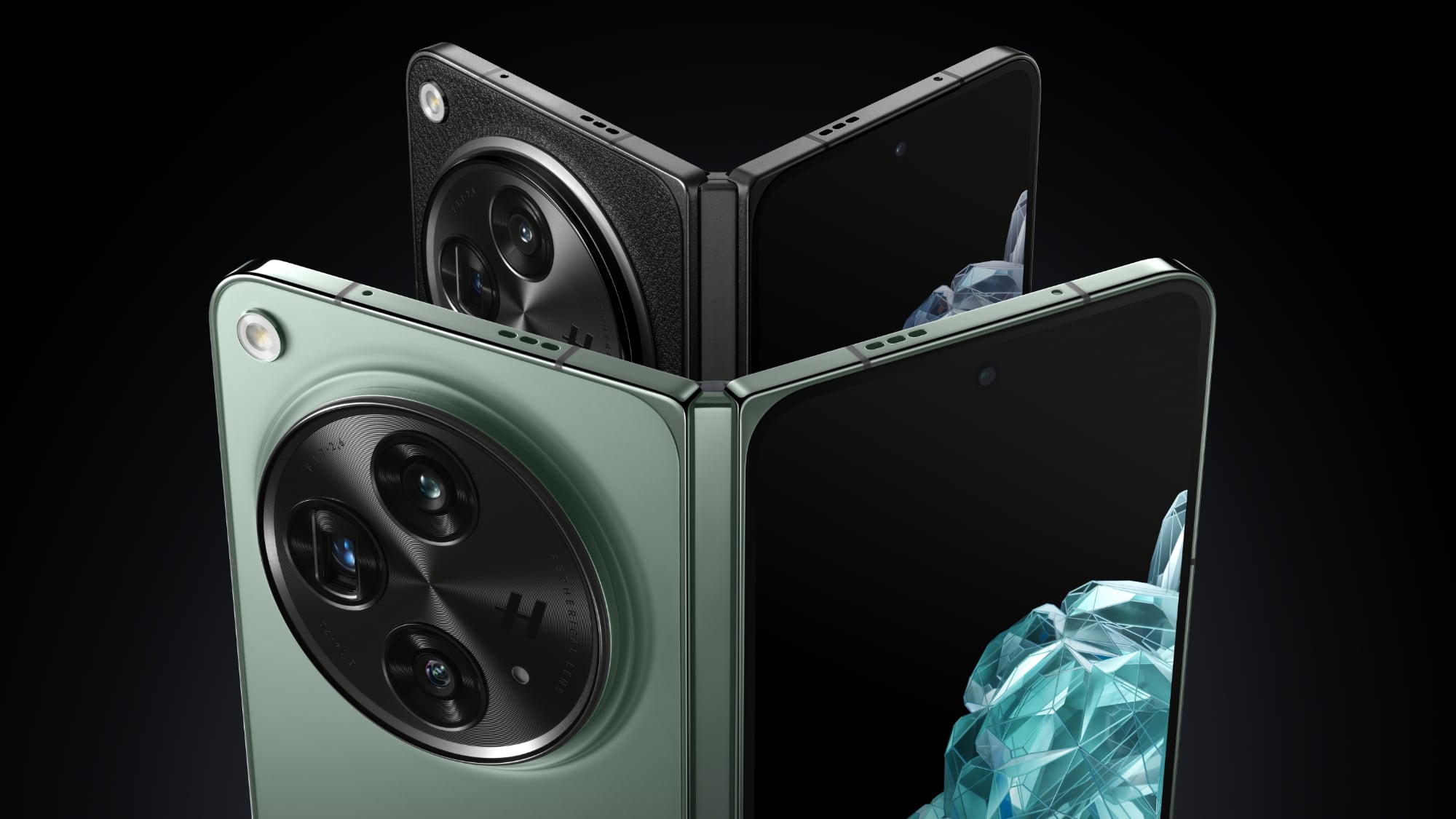
Report: OnePlus to Pull Out of US and Europe

OnePlus is exiting the U.S. and European smartphone markets as part of a broader restructuring at parent company Oppo, Bloomberg reports.


OnePlus is a wholly-owned subsidiary of Oppo. The change could happen as early as this week, according to a person familiar with the matter who spoke to Bloomberg. Realme, another Oppo-owned mobile brand, will exit the China market as part of the same restructuring. Outside China, OnePlus' withdrawal is expected to expand to the rest of the world, including India, at some point in 2027.

OnePlus built a loyal following among some Android enthusiasts in its early years for pairing solid performance and lightweight software with aggressive pricing that consistently undercut Apple and Samsung by hundreds of dollars, but its influence has waned considerably in recent years.

Apple and Samsung continue to dominate the U.S. smartphone market, with Apple capturing a record 20% of the global smartphone market in the second quarter of 2026 as Samsung held the top spot at 22%, according to Omdia. OnePlus, meanwhile, trails far behind smaller contenders like Motorola and Google in the U.S.

In China, Oppo trails market leaders Huawei and Apple, and the broader market is under strain from surging memory costs. IDC said this week that total smartphone shipments in China fell 4.3% year-over-year in the second quarter to roughly 66 million units, the fifth consecutive quarterly decline, with Apple and Huawei the only major vendors to grow. The slowdown is tied to the same memory chip shortage that has forced Apple to raise prices across much of its product lineup, with CEO Tim Cook calling the increases "unavoidable."

Counterpoint Research said Chinese brands like Oppo face greater pressure than Apple and Samsung from the memory crunch, since thinner margins leave less room to absorb rising component costs, particularly in the entry-level segment where costs have jumped 20% to 30% since early 2025.

OnePlus' most recent flagship, the OnePlus 15, launched globally on November 13, 2025, but OnePlus postponed the U.S. sale specifically because the FCC certification process was backed up due to the federal government shutdown, which had just ended the day before the launch.
This article, "Report: OnePlus to Pull Out of US and Europe" first appeared on MacRumors.com

Discuss this article in our forums
  •  

Apple Reportedly Looking to Acquire AI Chip Companies

Apple is looking to acquire AI chip companies as part of an effort to reduce its dependence on Nvidia for demanding AI workloads, according to The Information.


Apple currently handles some AI processing in its own data centers using its own chips, but relies on Nvidia hardware housed within Google Cloud for more demanding tasks, an arrangement that includes the Gemini model powering the overhauled version of Siri. Apple's own AI server chip, internally code-named Baltra, had been expected to ship this year but has been delayed, according to people said to be familiar with the project.

Apple has historically limited its acquisitions to deals in the hundreds of millions of dollars and avoided large purchases, but that approach appears to be shifting. In January, Apple completed its acquisition of Q.ai, an Israeli company specializing in interpreting speech through facial micromovements, paying close to $2 billion, second only to the $3 billion Apple paid for Beats Electronics in 2014.

Apple also signaled a change in financial strategy during its most recent quarterly earnings call, when CFO Kevan Parekh told analysts the company would no longer target "net cash neutral" status, a policy under which it had kept its cash reserves roughly in line with its total debt. Apple did not explain the reasoning behind the change, though the added flexibility could free up capital for larger acquisitions.

Apple is already reportedly pursuing acquisitions of AI companies that could help shrink AI models for more efficient use on iPhone.

It is also worth noting that Apple's own in-house chip design capabilities originated with an acquisition. In 2008, the company acquired PA Semi for $278 million, a deal that laid the foundation for the custom processors now used across many of its product lines.

Impending leadership transitions could also bring a more aggressive approach to dealmaking, with hardware chief John Ternus set to succeed Tim Cook as CEO in September, and chip executive Johny Srouji being given expanded responsibility over all of Apple's hardware engineering, in addition to semiconductors.

Apple's chip design team has traditionally focused on battery-powered mobile devices rather than the high-performance server chips required to compete with Nvidia, the dominant supplier of AI server hardware. That limitation became apparent during development of the revamped Siri, when engineers reportedly attempted to run Google's Gemini models on Apple's own server infrastructure but found that the chips, designed with Mac workloads in mind, could not handle a model of that scale. As a result, Apple was required to process portions of the new ‌Siri‌'s workload using Nvidia chips within Google's cloud infrastructure.

Acquiring outside chip expertise would complement work already underway internally. Apple is currently developing a server chip based on the M5 Ultra chip, according to Bloomberg, while a future M7 Ultra chip is reportedly intended to substantially improve AI performance to a level that could begin to rival Nvidia's Blackwell chip. The M7 Ultra is expected to support up to 1.5TB of memory, roughly double the capacity of M5 Ultra, though Bloomberg added that a server chip based on M7 Ultra is unlikely to be ready before 2029.

Acquisitions represent only one avenue Apple is pursuing to reduce its reliance on Nvidia. The Information first reported Apple's collaboration with Broadcom on an AI server chip in 2024, and Broadcom confirmed in a securities filing last week that the companies had extended that partnership through 2031.
This article, "Apple Reportedly Looking to Acquire AI Chip Companies" first appeared on MacRumors.com

Discuss this article in our forums

  •  

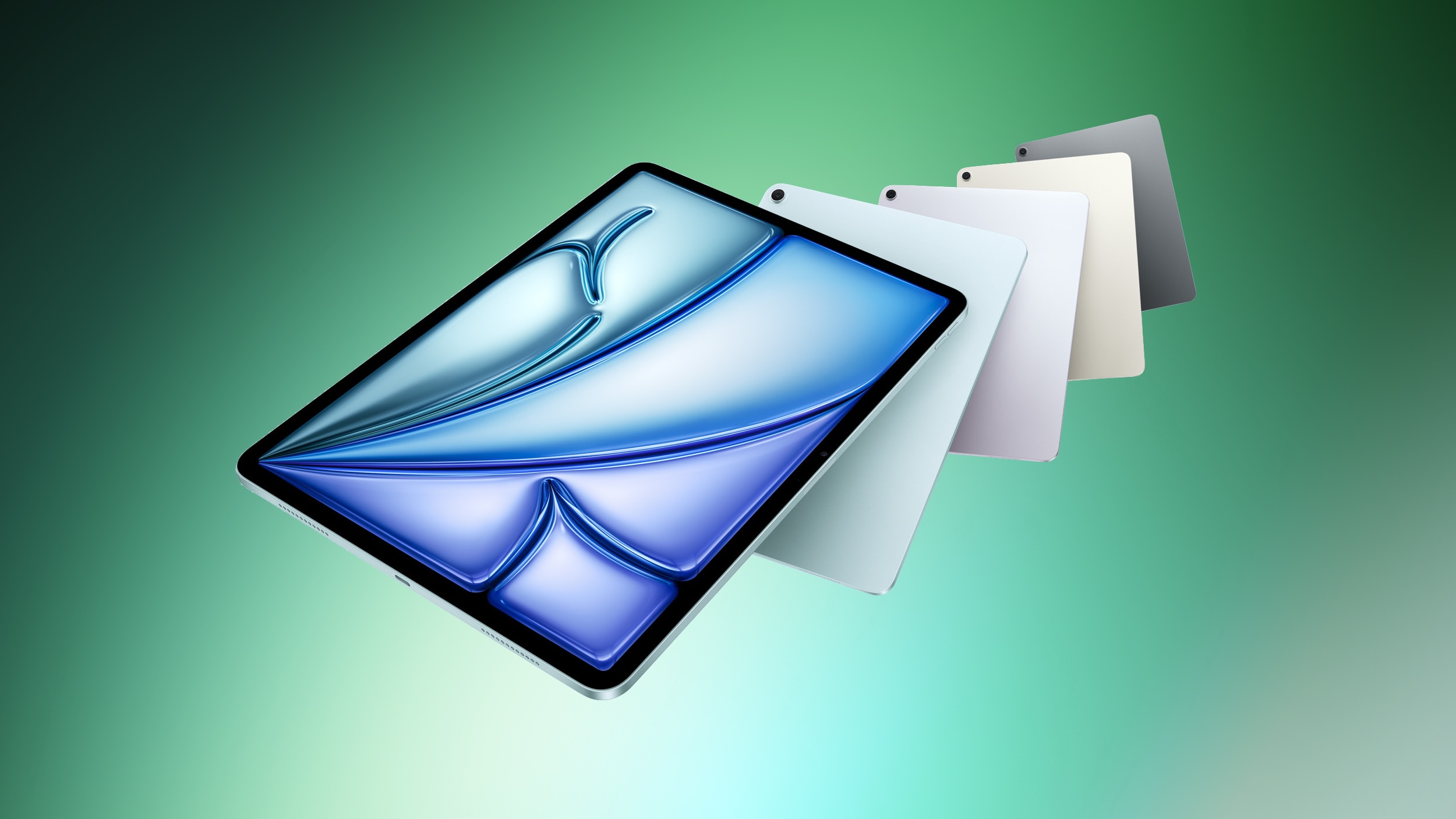
Apple Adds 36-Month Carrier Financing for Cellular iPads

Apple has introduced 36-month financing for cellular iPad purchases through AT&T and Verizon, adding to the 12-month option previously available via Apple Card.


The new financing, first reported by 9to5Mac, replaces Apple Card Monthly Installments as the sole route to spreading out a cellular ‌iPad‌ purchase. That plan paid off the balance interest-free over 12 months; the new carrier options extend across Apple's full cellular ‌iPad‌ lineup, including the ‌iPad‌, iPad mini, iPad Air, and iPad Pro.

Both carriers restrict eligibility to subscribers activating a new line of service, rather than those adding a cellular ‌iPad‌ to an existing plan. The principal distinction between the two options is term length. Extending repayment from 12 months to 36 months substantially reduces the monthly cost, although the total amount financed remains unchanged.

The addition follows Apple's ‌iPad‌ price increases from late June, which affected the entire lineup. The extended financing term offers a way to offset the impact of those higher prices at checkout.

The 11-inch ‌iPad Pro‌'s cellular configuration now starts at $1,399, up from $1,199 prior to the price increase, which amounts to $116.58 per month under the 12-month ‌Apple Card‌ plan. Financed through AT&T or Verizon instead, the same purchase costs approximately $38 per month over 36 months.
Related Roundups: iPad, iPad Air , iPad Pro, iPad mini
Related Forum: iPad

This article, "Apple Adds 36-Month Carrier Financing for Cellular iPads" first appeared on MacRumors.com

Discuss this article in our forums

  •  

EU Drops Battery Removal Requirement for Apple Watch and AirPods

The European Commission yesterday adopted new exemptions to its Batteries Regulation that free the Apple Watch and AirPods from having to offer user-removable and replaceable batteries.


The EU's Batteries Regulation generally requires consumer products sold in the region to let users swap out their own batteries, a push meant to keep devices in use longer and make it easier to recover materials for recycling. The Commission has now expanded its list of exempt product types to six additional categories, folding in wearables like smartwatches and fitness trackers.

The reasoning largely mirrors why devices like electric toothbrushes were already exempt: Opening a compact, sealed enclosure and failing to reseal it properly could let water in and create a safety risk. Products can also qualify for exemption if their construction makes battery removal inherently dangerous, or if there is no realistic way to build in user access given current manufacturing methods.

The new categories effectively cover the Apple Watch and AirPods, both of which rely on the kind of small, sealed designs the Commission is now carving out, along with Meta's smart glasses. The change follows months of pressure from U.S. officials over rules that had reportedly complicated ‌Meta‌'s plans to bring its newest display-equipped smart glasses to Europe.

The iPhone was already exempt from the removability rule under the original regulation, thanks to its battery cycle life and water resistance rating. Apple offers battery service through Apple Stores, authorized providers, and its Self Service Repair program, which lets owners handle certain repairs, including batteries, at home. Not every device gets the same pass: Nintendo has now said it will sell a version of the Switch 2 in the EU with a user-replaceable battery to meet the incoming rules.

The delegated act still has to clear scrutiny from the European Parliament and the Council of the EU. It takes effect 20 days after publication in the Official Journal of the EU if neither body objects, ahead of the regulation's wider rollout in 2027.
Related Roundups: AirPods 4, Apple Watch 11
Related Forum: AirPods

This article, "EU Drops Battery Removal Requirement for Apple Watch and AirPods" first appeared on MacRumors.com

Discuss this article in our forums
  •  

Apple Intelligence Finally Cleared to Launch in China

Apple Intelligence has been approved by Chinese regulators, opening the door for the AI system to reach iPhones in the country for the first time.


Reuters reports that China's Cyberspace Administration registered Apple's on-device generative AI service this week, putting it on a list of newly cleared providers that also includes homegrown systems from Chinese phone makers.

An unnamed source told the outlet that Apple's AI features in the country will draw on models from both Baidu and Alibaba. In February 2025, Alibaba was reported to be building the primary system and Baidu contributing on a smaller scale.

Alibaba confirmed its part of the arrangement directly, telling Reuters that its Qwen model will power ‌Apple Intelligence‌ functions across iOS, iPadOS, macOS, and visionOS for Chinese users, including both text and image generation. No launch date has been given, though approval typically precedes a rollout by only a few months, putting a China debut roughly in line with Apple's usual fall software release cycle.

Apple actually briefly switched the features on early for some Chinese users back in March, months ahead of getting the green light, and a feedback form aimed at Chinese users appeared on Apple's site late last year as the company inched closer to approval.

iPhone shipments in China climbed 24.4 percent year-over-year in the second quarter, making Apple the fastest-growing smartphone brand in a market that otherwise kept shrinking. A working version of ‌Apple Intelligence‌ could help sustain that momentum, though Apple is still catching up to domestic rivals that built AI features into their phones well before it did.
This article, "Apple Intelligence Finally Cleared to Launch in China" first appeared on MacRumors.com

Discuss this article in our forums
  •  

Madden NFL 27 Arcade Edition Coming to Apple Arcade

Apple today announced that Madden NFL 27 Arcade Edition is coming to Apple Arcade on August 6, a new entry in the franchise built specifically for the service with a season-based structure and current NFL rosters.


The game is a full Madden title with no ads or in-app purchases, and it includes both Franchise and Quick Play modes, with player ratings drawn from real NFL performances. A weekly story engine drives Franchise mode, casting players as GM and tasking them with guiding a team through shifting storylines, keeping fans onside, and building toward a title. Controller support is available across the iPhone, iPad, Mac, and Apple TV.

Retro Bowl College+ also launches August 6, putting players in charge of one of 250 college programs in this spinoff of the original pixel-art Retro Bowl.

On September 3, NFL Retro Bowl '27 adds a new Gauntlet Mode, where players start with limited resources and try to string together 15 wins in a row for the top spot on the leaderboard, picking between easier matchups or riskier ones that pay out real NFL players and perks. Progress carries over between runs even after a loss, building toward a final matchup against a rival team.

A handful of existing Arcade sports titles are also set to receive updates. NBA 2K26 Arcade Edition now includes Tyrese Maxey as a new Paragon player and has added the 2016-2024 era to its Association mode. PGA TOUR Pro Golf gained a new course, Bear's Best Atlanta, and starting July 16, NFL Retro Bowl '26 is rolling out Historic Super Bowl challenges built around some of the league's most memorable title games.

Apple also pointed to a handful of Arcade games that can now be sampled on the App Store without a subscription, including PowerWash Simulator, Mini Motorways, Cooking Mama: Cuisine!, and Play-Doh World.

‌Apple Arcade‌ is a subscription service that provides access to hundreds of games across the iPhone, ‌iPad‌, Mac, ‌Apple TV‌, and Apple Vision Pro. All of the games are free of ads and in-app purchases. In the U.S., ‌Apple Arcade‌ costs $6.99 per month, and it is also bundled with other Apple services in all Apple One plans. ‌Apple Arcade‌ can be accessed through the ‌App Store‌ and the Apple Games app.
This article, "Madden NFL 27 Arcade Edition Coming to Apple Arcade" first appeared on MacRumors.com

Discuss this article in our forums
  •  

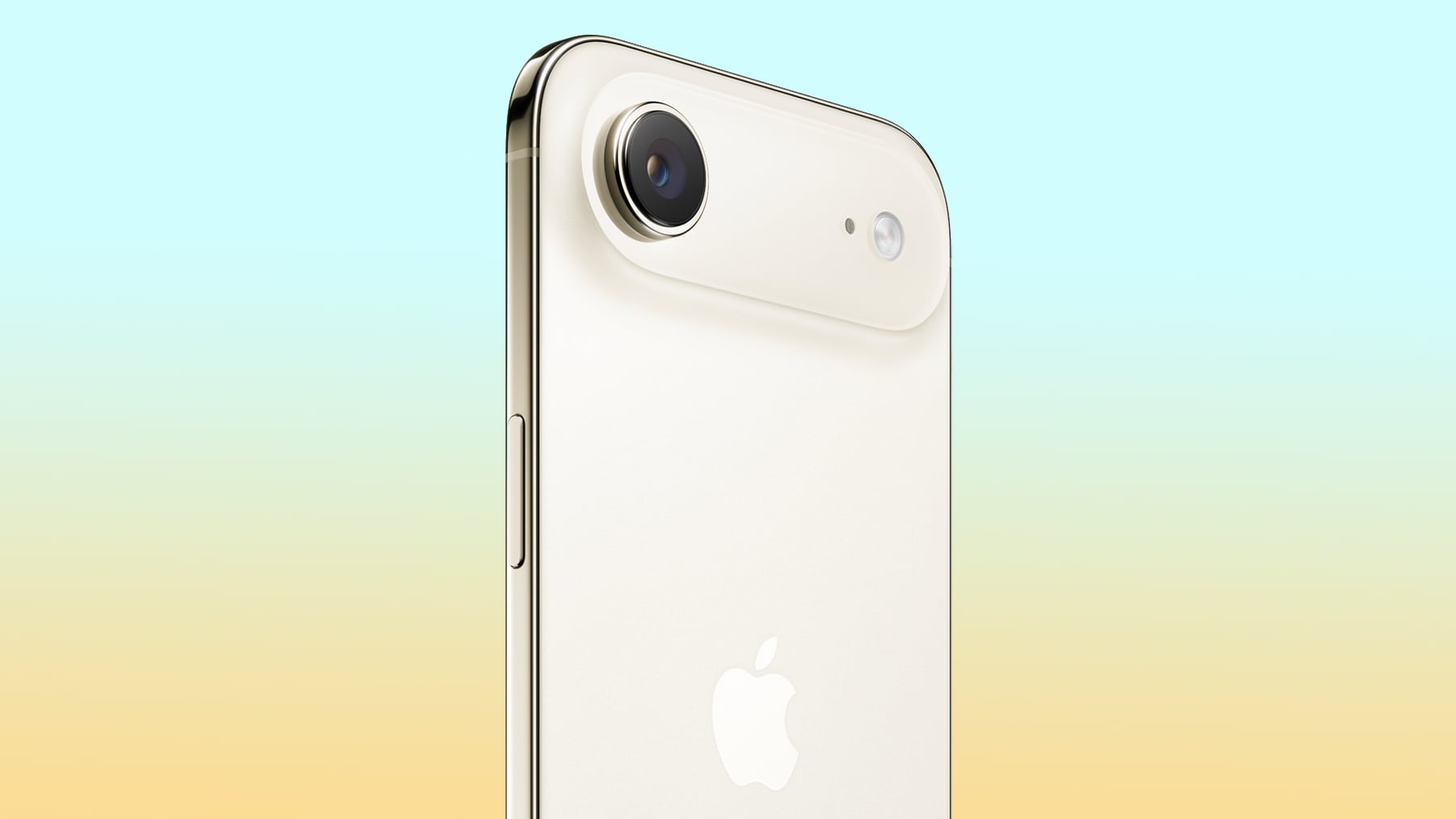
Factories Now Ready for iPhone 20's Glass Redesign, Leaker Claims

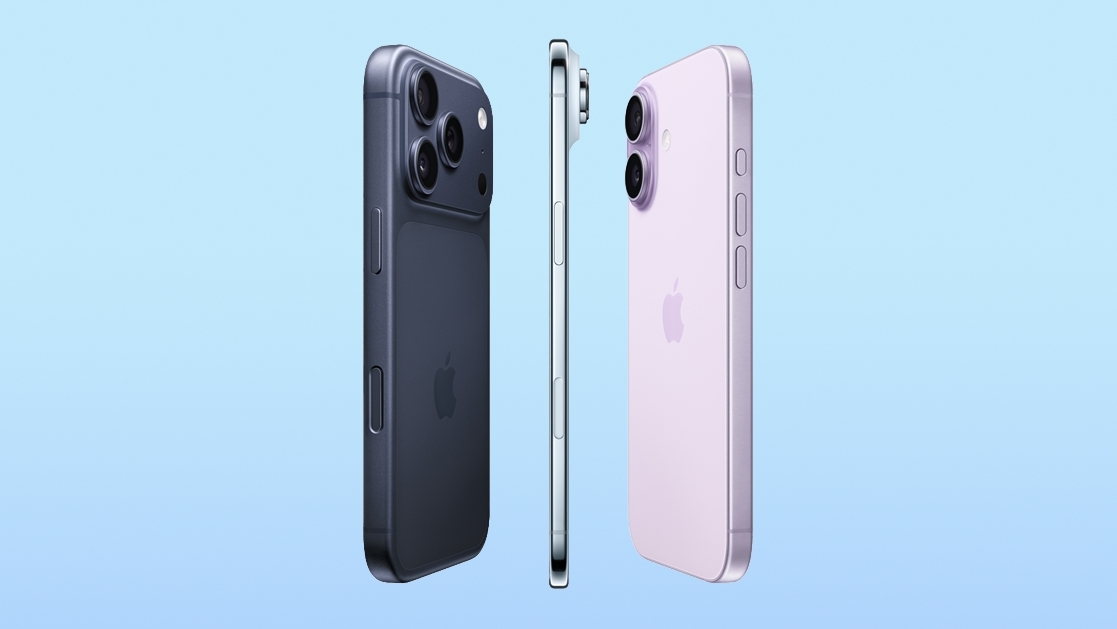
Facilities in Apple's supply chain have finished renovations ahead of "iPhone 20" production, according to a Weibo leaker who says Apple's 20th-anniversary iPhone will move to an all-glass design.


In a new post on Weibo, the leaker known as "Fixed Focus Digital" said the "preferred approach" for the iPhone 20 is a return to glass, with manufacturing quality expected to land somewhere around that of the first-generation iPhone Air. The leaker said the relevant manufacturing facility has "already been renovated" and is now waiting for machining to begin, but didn't name the supplier involved. Lens Technology produces iPhone cover glass and previously took over metal-frame and glass-back assembly plants from fellow supplier Catcher Technology.

Apple's iPhone production typically doesn't reach full-scale manufacturing until a matter of weeks before launch; for the iPhone 17, trial production began in June with full-volume output targeted for August, about a month ahead of the device's September release. The information likely refers to an early step in retooling a production line, which is the kind of groundwork Bloomberg said Apple is already "ramping up" as it develops the 20th-anniversary redesign.

The claim adds fresh supply chain detail to a redesign that has been rumored for well over a year. Bloomberg's Mark Gurman reported that Apple is aiming for a "mostly glass, curved iPhone without any cutouts in the display" to mark the iPhone's 20th anniversary, with curved glass wrapping around all sides of the device and a launch expected in September 2027.

In May, Fixed Focus Digital pushed back on an earlier report from fellow leaker Instant Digital claiming Apple was exploring liquid metal or an improved titanium alloy to replace aluminum on future Pro models, arguing that aluminum remains the only practical choice for now given the heat generated by on-device AI processing.

At the time, Fixed Focus Digital said any material change was unlikely before 2027, in line with the iPhone 18 Pro's expected retention of the same aluminum unibody design introduced on the iPhone 17 Pro. Earlier this month, the leaker reiterated that aluminum mid-frames are "going to be used in straight-edge phones for a long time to come," a distinction that leaves room for a different approach on the curved-edge iPhone 20.

The 20th anniversary iPhone models are expected to launch in the fall of 2027, following the iPhone 18, iPhone 18e, and ‌iPhone Air‌ 2 in the spring.
This article, "Factories Now Ready for iPhone 20's Glass Redesign, Leaker Claims" first appeared on MacRumors.com

Discuss this article in our forums
  •  

Report: Apple's OpenAI Lawsuit Threatens iPhone Rival Plans

OpenAI's ambitions to build a hardware rival to the iPhone are already running into trouble because of Apple's trade secret lawsuit, according to Bloomberg's Mark Gurman, who argues the damage is showing up well before any court ruling.


Apple sued OpenAI last week, accusing the company of pushing former employees, and even people it was trying to recruit, to hand over details on unreleased products. The suit also claims OpenAI coached new hires on how to dodge Apple's exit-interview security checks using a document tied to former iPhone design chief Tang Tan. Apple is asking the court to order OpenAI to stop the alleged conduct, destroy any proprietary material it obtained, and pay damages.

A courtroom resolution could take years, Gurman says, but he argues the suit is doing damage now, squeezing OpenAI's ability to recruit and creating drag on its device work long before a judge weighs in. OpenAI has declined to discuss its hardware roadmap directly, though in response to the suit the company said it has "no interest in other companies' trade secrets" and remains focused on its own technology.

The scale of the talent drain is a major part of why this matters to Apple. More than 400 former Apple employees now work at OpenAI, including former Apple design chief Jony Ive, and Gurman says the company poached so heavily from Apple's iPhone product design group specifically that Apple had to rebuild parts of the team. Apple has responded with bigger retention bonuses and executives personally working to keep engineers from leaving.

The trade secret situation has apparently become one of Apple's biggest internal concerns of the past several months, ranking alongside tariff exposure and the ongoing memory chip shortage. In its own court filing, Apple frames the case as narrowly about trade secrets and describes OpenAI's hardware business as still nascent, arguing that discovery is needed to expose "the pervasive theft of Apple's trade secrets."

The lawsuit is said to already be reshaping OpenAI's hiring, independent of anything a court eventually decides. Apple employees weighing a move to OpenAI may now think twice given the added scrutiny, and even interviewing there could draw attention from Apple's security team, which could keep more engineers at Apple and slow the flow of institutional knowledge to OpenAI.

Former Apple employees are likely to grow more guarded about discussing prior work, with managers avoiding technical questions that risk touching Apple's confidential information. New legal reviews, tighter internal controls, and compliance training could pull engineers away from actual development, while senior OpenAI leadership spends time on discovery and depositions.

Given Apple's leverage over Asia's consumer electronics manufacturers, suppliers may be reluctant to deepen ties with OpenAI for fear of jeopardizing bigger, longer-standing relationships with Apple or getting pulled into the litigation themselves.

Bloomberg Intelligence wrote that "Apple is likely to secure targeted preliminary relief tied to OpenAI's device effort." Any such order would likely require disputed materials to be isolated, evidence preserved, and compliance certified, which could slow OpenAI's hardware plans further. In the longer term, if Apple can prove its trade secrets made it into OpenAI's products, OpenAI could be forced to redesign them.

Regardless, a person familiar with OpenAI's plans told Gurman the company still expects to announce its first hardware product this year and release it in 2027, though that could shift as OpenAI reviews Apple's claims. That device is reportedly far along, but building out a wider family of products, the kind Bloomberg previously described as central to OpenAI's device ambitions, will likely get harder. OpenAI has reportedly explored categories including smart speakers and wearables with an iPhone-style device as the eventual goal, but a simpler, non-phone product is expected to ship first.
This article, "Report: Apple's OpenAI Lawsuit Threatens iPhone Rival Plans" first appeared on MacRumors.com

Discuss this article in our forums
  •  

Apple's Steady iPhone Pricing Pays Off as Rivals Scramble

Apple captured a record 20% share of the global smartphone market in the second quarter of 2026, even as worldwide shipments fell 4% year-over-year amid an ongoing memory chip shortage, according to a new report from Omdia.


It is Apple's best second-quarter showing on record, landing in what is normally its slowest stretch of the year. Omdia credits this to a strong iPhone 17 upgrade cycle, as well as Apple keeping prices flat across the lineup while rivals were forced to raise theirs. The firm still flagged that Apple raised prices on other products late in the quarter, which raises the question of whether iPhone pricing will follow suit later this year.

The wider industry slump traces back to a memory chip shortage that has pushed component costs sharply higher, with some vendors reportedly paying several times more for memory than a year ago. Samsung was the only other major vendor to grow, holding the top overall spot at 22% share as Chinese competitors pulled back their lineups and raised prices to cope.

Omdia expects the squeeze to worsen over the next two quarters as peak shopping season collides with tight supply, pushing vendors further upmarket to protect margins. That is expected to leave fewer affordable options for budget buyers, and adds another data point to observe as Apple heads into an iPhone 18 cycle already facing rising component costs of its own.
Tag: Omdia

This article, "Apple's Steady iPhone Pricing Pays Off as Rivals Scramble" first appeared on MacRumors.com

Discuss this article in our forums
  •  

Apple Plans AirPods-Like Pairing for Meta's Glasses and Quest

Apple is developing a new API that will let third-party accessories, including Meta's Ray-Ban ‌Meta‌ glasses and Quest headsets, automatically pair across a user's Apple devices the same way AirPods and the Apple Watch do today, according to Apple's EU Interoperability Request page.


The plan responds to a request ‌Meta‌ filed in October 2025 under the EU's Digital Markets Act, asking Apple to let a ‌Meta‌ device, once paired with one iPhone or iPad, automatically become available on a user's other Apple devices without extra prompts. Third-party accessories have never been able to tap into that ability, meaning owning non-Apple hardware alongside an iPhone has always involved more friction. If Apple builds this out, that gap will close, at least for whichever manufacturers get access to the new API.

Apple told ‌Meta‌ on February 4 that it plans to let third-party apps access cryptographic materials that make a pairing completed on one Apple device usable on another, secured by a session key and a one-time, per-accessory user consent. Apple expects to finish development by spring 2027 and ship it "shortly thereafter," which points toward an iOS 27.x update, possibly iOS 27.4, though Apple has not yet confirmed a version.

The feature runs on AccessorySetupKit and Proximity Pairing, infrastructure Apple built to comply with a March 2025 European Commission ruling and which only works in the EU today, the same infrastructure behind the proximity pairing feature already live for EU users. ‌Meta‌ has objected that adopting it would force the company to abandon Core Bluetooth, which it relies on for pairing everywhere outside Europe, and has asked Apple to decouple the two. Apple has declined so far, though it told ‌Meta‌ that support outside the EU "is something we are still considering."

The request remains in phase three as of Apple's most recent update. ‌Meta‌ hasn't yet invoked the DMA's formal dispute resolution process, which would trigger a review by Apple's Interoperability Request Review Board within 30 working days. Until then, Apple's plan proceeds with a spring 2027 rollout tied to AccessorySetupKit, in the EU only.
Related Roundup: AirPods 4
Buyer's Guide: AirPods (Caution)
Related Forum: AirPods

This article, "Apple Plans AirPods-Like Pairing for Meta's Glasses and Quest" first appeared on MacRumors.com

Discuss this article in our forums
  •  

Apple Watch Accounts for 90% of AI Smartwatch Shipments

Apple accounted for roughly 90% of all Edge AI-capable smartwatch shipments in the first quarter of 2026, according to new data from Counterpoint Research.


That dominance came as Edge AI penetration across the broader smartwatch market grew 70% year-over-year, reaching 25% in the first quarter of 2026, according to Counterpoint's Global Smartwatch Shipments Tracker.

"Edge AI" refers to artificial intelligence that runs directly on a device's own chip rather than being processed on remote servers. On the Apple Watch, that means the onboard Neural Engine handles tasks like recognizing an irregular heartbeat or detecting a fall in the moment, without sending data to a paired iPhone or the cloud first. Anshika Jain, Principal Analyst at Counterpoint Research, said:

Brands have been continuously upgrading their smartwatch hardware to make devices more AI-capable. Edge AI integration enables real-time health insights and faster responses while helping ensure data privacy. Currently, Edge AI penetration remains limited to leading brands, with Apple solely accounting for ~90% of Edge AI smartwatch shipments in Q1 2026.


Health and fitness monitoring remains the main use case for Edge AI on smartwatches. Counterpoint's data shows blood pressure monitoring shipments doubling and sleep apnea detection tripling year over year, with brands now apparently setting their sights on diabetes detection next.

Apple's head start traces back to 2023, when it introduced the S9 chip with a 4-core Neural Engine built specifically for on-device machine learning in the Apple Watch. Huawei only followed with comparable silicon in 2025, launching its own Kirin W80 chip to power its "Celia" voice assistant locally, and Qualcomm isn't entering the race until this year with its Snapdragon Wear Elite platform. Google is also said to be readying its own Tensor-based wearable chip, though it has yet to ship.

Counterpoint notes that a software-driven alternative to dedicated NPUs is also emerging, with Ambiq's Apollo platform running AI inference on vector-core silicon via Arm's Helium extensions rather than purpose-built neural hardware. This approach remains a niche compared to Apple's dedicated-chip strategy, but it could eventually help cheaper smartwatches offer some Edge AI features without the silicon Apple has spent years building into its devices.

Counterpoint only classifies a smartwatch as Edge AI-capable if it has a neural engine or NPU on board and at least one of its health, safety, or interaction features actually runs its inference on that chip, rather than merely including the hardware.
Related Roundup: Apple Watch 11
Buyer's Guide: Apple Watch (Caution)

This article, "Apple Watch Accounts for 90% of AI Smartwatch Shipments" first appeared on MacRumors.com

Discuss this article in our forums
  •  

The MacRumors Show: Goodbye MacBook Pro? MacBook Ultra Is Coming

On this week's episode of The MacRumors Show, we discuss the future of Apple's increasingly tangled high-end MacBook lineup, including the entry-level MacBook Pro and the rumored "MacBook Ultra."


Apple's chip roadmap for the Mac is reportedly set to take an unusual turn over the next year. The company is said to be skipping the M6 Pro and M6 Max entirely, jumping from the M5 generation straight to the M7 for its high-end laptops. A standard M6 chip will still arrive this year in an entry-level ‌MacBook Pro‌, but there will apparently be no Pro or Max variant in that family.

As a result, Apple's first high-end OLED laptop will use the existing M5 Pro and M5 Max chips rather than newer silicon. First-generation buyers would therefore be paying a premium for a redesigned machine featuring the same processors already found in the current ‌MacBook Pro‌, with M7 Pro and M7 Max models expected to follow in the second half of 2027.

The launch window remains fluid. The device was long expected to arrive in late 2026, but memory chip constraints and Apple's recent price increases have pushed it toward early 2027. A second-generation model with M7 chips is already planned for late 2027, meaning the first Ultra could remain on sale for a relatively short window.

The overlapping releases make for a crowded and confusing roadmap. Across roughly a year, Apple is expected to ship a base M6 ‌MacBook Pro‌, a redesigned base M7 model in the first half of 2027, two M5 Pro and M5 Max MacBook Ultra models, their eventual M7 Pro and M7 Max successors, and perhaps new high-end ‌MacBook Pro‌ models with the M7 Pro and M7 Max. Notably, the entry-level M7 model is set to get the new design first, ahead of the pricier high-end ‌MacBook Pro‌ models.

The headline changes are reserved for the top-tier "Ultra" model. It is expected to be the first Mac with an OLED display, using the same hybrid tandem ‌OLED‌ technology as the iPad Pro, along with the first touchscreen on a Mac, a Dynamic Island in place of the notch, and a thinner chassis. Both 14-inch and 16-inch sizes are expected. Built-in cellular connectivity for the first time on a Mac is also rumored.

Apple is reportedly positioning touch as "touch-friendly, not touch-first," letting users move between touch, trackpad, and keyboard rather than treating the Mac like an iPad. That marks a reversal for a company that long resisted the idea. Steve Jobs argued in 2010 that vertical touchscreens cause arm fatigue, and as recently as 2021 hardware chief John Ternus said the Mac was "totally optimized for indirect input."

Signs of the shift are already visible in macOS 27 Golden Gate, which adds direct touch control to Sidecar, so users can tap and interact with macOS elements using a finger on an ‌iPad‌. A reinforced hinge is also expected, so the display does not wobble when tapped.

Pricing is likely to be steep. Apple raised prices across the Mac lineup in June, and the current 14-inch ‌MacBook Pro‌ now starts at $1,999, rising to $2,499 with the M5 Pro chip and $4,099 for an M5 Max. The 16-inch M5 Max reaches $4,399, and a fully specced configuration already exceeds $10,000. The high-end ‌OLED‌ model is expected to start higher still.

The MacRumors Show has its own YouTube channel, so make sure you're subscribed to keep up with new episodes and clips.


You can also listen to ‌The MacRumors Show‌ on Apple Podcasts, Spotify, Overcast, or other podcast apps. You can also copy our RSS feed directly into your player.


If you haven't already listened to the previous episode of The MacRumors Show, catch up to hear our discussion about the latest leaks and rumors surrounding the iPhone 18 Pro.

Subscribe to ‌The MacRumors Show‌ for new episodes every week, where we discuss some of the topical news breaking here on MacRumors, often joined by interesting guests such as Kayci Lacob, Kevin Nether, John Gruber, Mark Gurman, Jon Prosser, Luke Miani, Matthew Cassinelli, Brian Tong, Quinn Nelson, Jared Nelson, Eli Hodapp, Mike Bell, Sara Dietschy, iJustine, Jon Rettinger, Andru Edwards, Arnold Kim, Ben Sullins, Marcus Kane, Christopher Lawley, Frank McShan, David Lewis, Tyler Stalman, Sam Kohl, Federico Viticci, Thomas Frank, Jonathan Morrison, Ross Young, Ian Zelbo, and Rene Ritchie.

‌The MacRumors Show‌ is on X @MacRumorsShow, so be sure to give us a follow to keep up with the podcast. You can also email us at podcast@macrumors.com or head over to The MacRumors Show forum thread. Remember to rate and review the podcast, and let us know what subjects and guests you would like to see in the future.
Related Roundup: MacBook Pro
Buyer's Guide: MacBook Pro (Buy Now)
Related Forum: MacBook Pro

This article, "The MacRumors Show: Goodbye MacBook Pro? MacBook Ultra Is Coming" first appeared on MacRumors.com

Discuss this article in our forums
  •  

iPhone 18 Pro Max Component Costs Could Rise Nearly $300

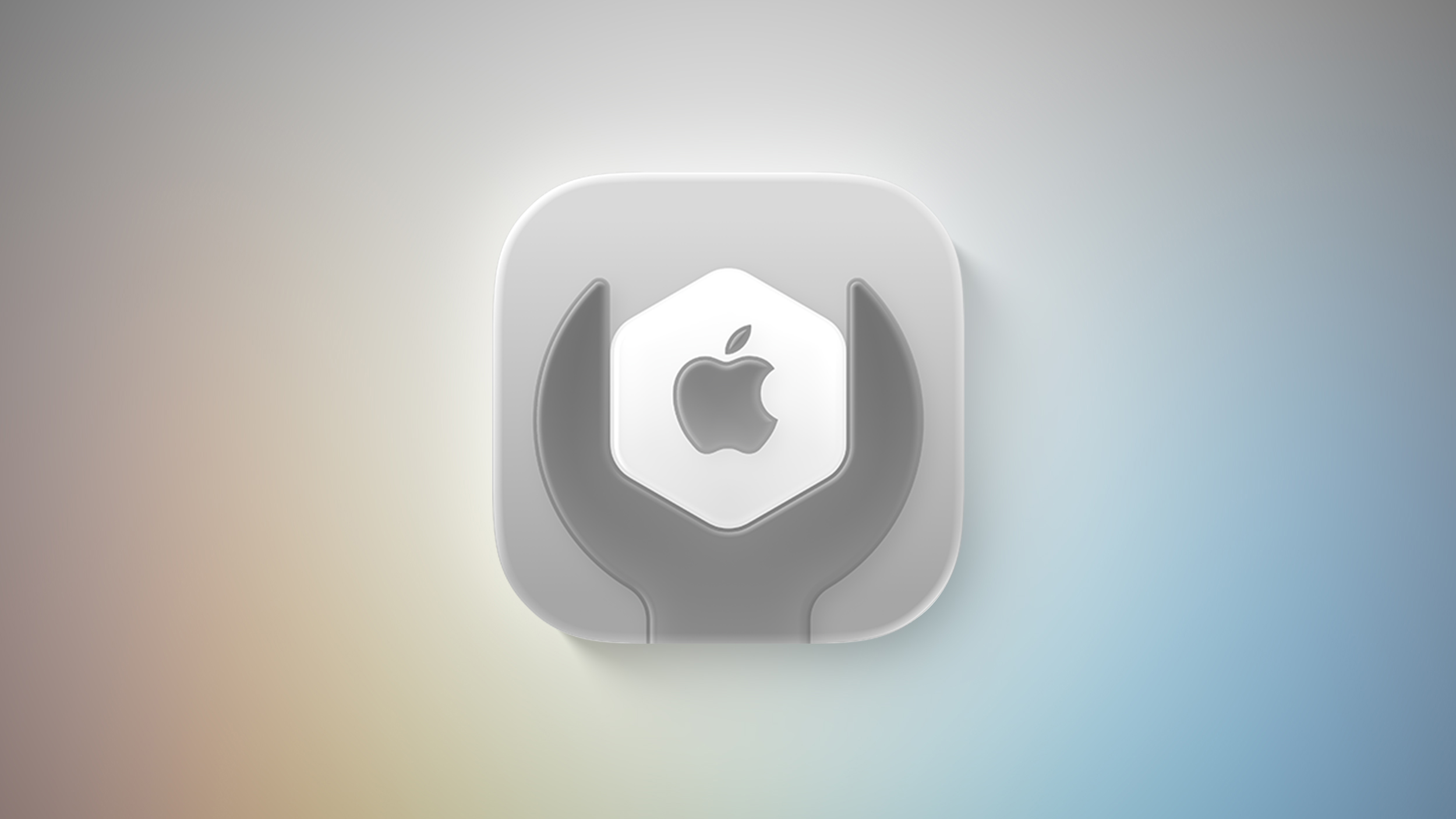
The bill of materials for the iPhone 18 Pro Max is expected to rise by nearly $300 compared to the iPhone 17 Pro Max, according to a new Counterpoint Research analysis.


The estimate covers the 1TB storage model. NAND flash costs for the device are said to exceed $250 on their own, a figure that would cover roughly half of the ‌iPhone 17 Pro‌ Max's entire estimated component cost. DRAM pricing is also climbing sharply, with both components facing pressure from a broader memory chip shortage tied to surging demand for AI hardware.

Apple's expected shift to a 2nm chip is described as the second-largest contributor to the cost increase. The ‌iPhone 18 Pro‌ is rumored to debut the A20 Pro, manufactured on TSMC's N2 process, which reportedly carries a steep premium in wafer pricing over the current N3P node used for the A19 Pro. Early yield ramp costs on a new process node typically add to per-unit chip pricing as well.

Counterpoint says display costs and other miscellaneous components may actually decline compared to the ‌iPhone 17 Pro‌ Max, partially offsetting the memory and chip increases. Camera costs are expected to rise slightly, which the firm attributes to new technology, likely a reference to the variable-aperture main camera rumored for the Pro models.


The report arrives weeks after Apple raised prices on 14 products, including every Mac and iPad, along with the Apple TV, HomePod, HomePod mini, and Vision Pro. Apple attributed those increases to the same memory chip shortage cited in the Counterpoint report, saying that the "supply-demand imbalance" driven by AI data center buildouts had made further price increases necessary. iPhone, Apple Watch, and AirPods pricing was left unchanged in that round of hikes, but the ‌iPhone 18 Pro‌ lineup is widely expected to be next.

The Wall Street Journal previously reported that the ‌iPhone 18 Pro‌ could start as high as $1,399, citing estimates that Apple's DRAM cost per unit could climb from $39 to $145 and its flash storage cost from $13 to $51. Apple CEO Tim Cook told the outlet that the company is "still working through" which devices will see price increases. Separately, IDC has estimated a $200 increase to the Pro and Pro Max models specifically, while Weibo leakers have separately suggested Apple could raise its Chinese starting price for the lineup by around 11%.

To manage the higher costs without giving up margin entirely, Apple is expected to apply different retail price increases across storage tiers rather than a flat increase across the lineup, concentrating the impact on higher-capacity models. Even with an average $200 retail price rise, Counterpoint still expects the ‌iPhone 18 Pro‌ Max to land at a slightly lower gross margin than the ‌iPhone 17 Pro‌ Max achieved in 2025.

The ‌iPhone 18 Pro‌ and ‌iPhone 18 Pro‌ Max are expected to launch alongside Apple's first foldable iPhone in the fall.
Related Roundup: iPhone 18 Pro

This article, "iPhone 18 Pro Max Component Costs Could Rise Nearly $300" first appeared on MacRumors.com

Discuss this article in our forums
  •  

Apple's Manufacturing in India Gets Boost From New Tariff Exemptions

Apple stands to gain from India's decision to eliminate import duties on a range of components used in smartphone manufacturing, in a move that could further lower costs for the company's rapidly growing India-based supply chain.


According to a report from Reuters, the Indian government has done away with tariffs of 7.5% and 5% that had applied to inputs for wireless charging hardware, automotive and medical device screens, and lithium-ion battery cells. The exemptions are set to remain in effect through to March 31, 2029.

The wireless charging component exemption, in particular, feeds directly into the MagSafe ecosystem used across the iPhone lineup. With import costs on that hardware now removed, Apple's India-based assembly partners have a clearer path to sourcing and building charging components domestically rather than importing them at a markup.

Apple has leaned heavily on India as it works to shift iPhone production away from China, with assembly partners now building roughly a quarter of all iPhones in the country and producing the entire iPhone 17 lineup there for the first time, including the higher-end Pro and Pro Max models. Foxconn, one of Apple's main assemblers, poured $1.5 billion into expanding its India operations earlier this year, and Tata Electronics has grown into an equally central manufacturing partner alongside it.
Tags: India, MagSafe

This article, "Apple's Manufacturing in India Gets Boost From New Tariff Exemptions" first appeared on MacRumors.com

Discuss this article in our forums
  •  

Apple Pulls Ability to Restore iPhone 5c, iPad Mini, and More [Updated]

Apple has stopped signing several older versions of iOS for a group of legacy iPhone and iPad models, cutting off the paths to reinstall or downgrade the affected software.


Apple will no longer validate over-the-air (OTA) or direct IPSW installs of the builds in question. Once a version is unsigned, there is no longer a way to restore or install it through Finder or iTunes.

The change is narrower than a typical signing update. Apple has not stopped signing the iOS versions themselves. Instead, it has ended signing for the baseband firmware, the low-level software that runs each device's cellular modem, tied to those releases.

The affected releases span iOS 6 through iOS 10. The full set of devices and versions that can no longer be restored is as follows:


  • iPhone 4 (CDMA): iOS 7.1.2 IPSW installs

  • iPhone 4S: iOS 6.1.3 and iOS 8.4.1 OTA installs, plus iOS 9.3.5 and iOS 9.3.6 IPSW installs

  • iPhone 5 (GSM and CDMA): iOS 8.4.1 OTA installs, plus iOS 10.3.3 and iOS 10.3.4 IPSW installs

  • iPhone 5c (GSM and CDMA): iOS 10.3.3 IPSW installs

  • iPad 2 (Wi-Fi + 3G, CDMA): iOS 6.1.3 and iOS 8.4.1 OTA installs, plus iOS 9.3.5 and iOS 9.3.6 IPSW installs

  • iPad 3rd generation (GSM and CDMA): iOS 8.4.1 OTA installs, plus iOS 9.3.5 and iOS 9.3.6 IPSW installs

  • iPad 4th generation (Wi-Fi + Cellular): iOS 8.4.1 OTA installs, plus iOS 10.3.3 and iOS 10.3.4 IPSW installs

  • iPad mini (Wi-Fi + Cellular): iOS 8.4.1 OTA installs, plus iOS 9.3.5 and iOS 9.3.6 IPSW installs


Tellingly, every model caught up in the change is a cellular variant. Wi-Fi-only iPads are untouched, since they carry no cellular modem and therefore there is no baseband to sign in the first place.

The oldest hardware on the list is the CDMA iPhone 4, which never advanced beyond iOS 7.1.2, while the newest builds affected are iOS 10.3.3 and iOS 10.3.4 on the iPhone 5 and the fourth-generation ‌iPad‌.

For context, Apple did not separate iOS and iPadOS until iPadOS 13, so these much earlier ‌iPad‌ releases were all running iOS at the time.

One of the more interesting entries is the OTA version of iOS 8.4.1, which Apple had kept signing to serve as a stepping stone. Certain devices had to pass through iOS 8.4.1 on the way to iOS 9, and the same signed build gave owners a route back if they wanted to revert. That fallback now disappears for nearly every device on the list, from the iPhone 4S up to the iPhone 5.

A device that is already up and running on its current firmware carries on as normal, but owners lose the fallback of a fresh install should that firmware ever break. It also shuts the door on restores for anyone holding onto old hardware to test apps, check compatibility, or preserve software.

Signing changes like this usually target the latest releases instead, often landing within days of a significant security patch for a current version of iOS or iPadOS. Pulling signatures for decade-old builds on aging devices is rarer, and it touches only a tiny fraction of users in 2026, since everything on the list is more than ten years old.

Update 12:00 pm: Apple has fixed the baseband signing issue for the iPhone 5c on iOS 10.3.3 and iOS 10.3.4, and presumably other devices and iOS versions will follow.

Update 12:24 pm: Baseband signing for all devices has now been restored.
Related Roundups: iPad, iPad mini
Related Forums: iOS 10, iOS 8, iOS 9, iPad, iPhone

This article, "Apple Pulls Ability to Restore iPhone 5c, iPad Mini, and More [Updated]" first appeared on MacRumors.com

Discuss this article in our forums
  •  

Apple to Drop Support for Encrypted Mac OS Extended Drives Next Year

Apple yesterday published a new support document warning that macOS 28 will no longer support encrypted Mac OS Extended (HFS+) volumes, meaning affected external drives will need to be decrypted or reformatted ahead of the update.


Starting with macOS 28, "the Mac OS Extended file system format will be supported only for volumes (disks and other storage devices) that aren't encrypted." Any encrypted HFS+ disks, such as older encrypted external hard drives, will stop working with the Mac unless users take action before upgrading.

Apple has not given a specific reason for the change. APFS, which natively supports encryption, has been the default file system on the Mac since macOS High Sierra launched in 2017, and dropping encrypted HFS+ support looks like a further nudge toward retiring the older format altogether.

The transition will start showing up before macOS 28 arrives. Apple says that beginning with macOS 26, a Mac might notify users if it detects an encrypted Mac OS Extended disk that will not carry over to macOS 28 or later, identifying the affected volume by name.

Users can also check manually through Disk Utility by selecting a volume and looking at the format details listed beneath its name; a volume showing both "Mac OS Extended" and "Encrypted," such as "CoreStorage Logical Volume • Mac OS Extended (Case-sensitive, Journaled, Encrypted)," will be incompatible.

Unencrypted Mac OS Extended volumes are not affected. Apple says macOS 28 and later will continue to support them, and notes that Mac OS Extended is also known as HFS Plus, or HFS+.

For anyone who wants to keep using an affected drive after upgrading, Apple recommends backing up its contents first, then either reformatting or decrypting it. Reformatting means erasing the volume and setting it up again in APFS or APFS (Encrypted) format through Disk Utility, which permanently deletes existing data but ensures the drive keeps working in future versions of macOS.

Decrypting is the alternative for anyone who wants to preserve their existing data on the drive. That involves connecting the drive, unlocking it with its encryption password, then Control-clicking its icon in the Finder or on the desktop and choosing Decrypt, entering the password a second time to begin the process. Apple notes that decryption "takes time, especially for large volumes," and progress can be checked in Terminal.

Once decryption finishes, users can optionally convert the volume to APFS without erasing it via Disk Utility's Convert to APFS option, and re-encrypt it afterward if desired. Apple notes that this decryption path does not apply to encrypted Time Machine backup disks.
Related Roundup: macOS Golden Gate

This article, "Apple to Drop Support for Encrypted Mac OS Extended Drives Next Year" first appeared on MacRumors.com

Discuss this article in our forums
  •  

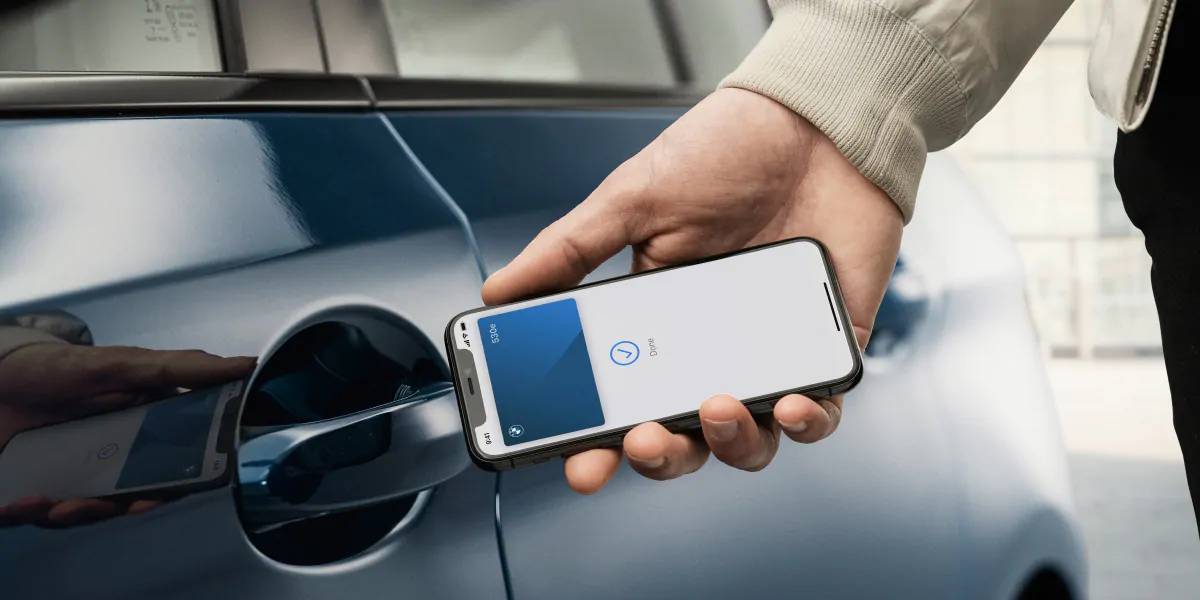
iOS 27 Code Points to Car Key Support for Lucid and Xiaomi

Code spotted in the third developer beta of iOS 27 suggests that Apple is preparing to add car key support for Lucid and Xiaomi vehicles, and that the feature could be nearing launch.


The code references the identifiers "LCID" and "XIA1," which appear to correspond to Lucid and Xiaomi respectively. With an Apple car key, drivers can use their iPhone or Apple Watch to lock, unlock, and start a compatible vehicle instead of relying on a traditional key fob.

Lucid Motors was already named as one of 13 brands Apple said would "soon" gain car key support at WWDC 2025, alongside Acura, Chevrolet, Cadillac, GMC, Porsche, Rivian, Smart, Tata Motors, Hongqi, WEY, Chery, and Voyah. Apple did not give a timeframe for that rollout at the time, and Lucid has yet to formally confirm when the feature will arrive on its Air or Gravity models.

Xiaomi's inclusion would be new. The Chinese electronics maker has expanded rapidly into electric vehicles with models like the SU7 sedan and YU7 SUV, and car key support would mark one of the company's first tie-ins with Apple's ecosystem despite Xiaomi being a major Apple rival in the smartphone market.

This is not the first time code has recently hinted at car key support ahead of an official announcement. MacRumors previously found code pointing to Volkswagen adding Apple Wallet car keys to future vehicles, and similar backend references preceded confirmed support for General Motors brands. As with those cases, the code does not confirm which specific models will be compatible or give an exact date, though its presence in a live beta suggests Lucid and Xiaomi support could arrive relatively soon.
Related Roundups: iOS 27, iPadOS 27

This article, "iOS 27 Code Points to Car Key Support for Lucid and Xiaomi" first appeared on MacRumors.com

Discuss this article in our forums

  •  

Apple Begins Testing Controversial Chinese Memory Chips

Apple is testing DRAM memory chips from China's state-backed ChangXin Memory Technologies (CXMT), according to a new report from the Financial Times.


Last week, it emerged that Apple was in discussions with CXMT and fellow Chinese chipmaker Yangtze Memory Technologies (YMTC) about sourcing memory, with no deal finalized. The new details suggest Apple has since progressed to qualifying CXMT's chips specifically, running the company's memory through the kind of technical validation that typically precedes a supplier being approved for production use. Apple has apparently still not committed to using CXMT's chips commercially, and is continuing to lead a lobbying effort among U.S. tech companies to get Washington's blessing for broader use of the supplier's products.

CXMT has grown from a heavily subsidized and unremarkable domestic chip maker into the world's fourth-largest DRAM producer, behind Samsung Electronics, SK Hynix, and Micron Technology, accounting for roughly 11% of global DRAM wafer capacity last year. That share is expected to climb to 15% by 2028 as new production lines come online in Hefei, Shanghai, and Beijing. Qualifying CXMT as a working supplier now would let Apple tap into that capacity as soon as it needs to, rather than starting the testing process from scratch once a political green light arrives.

Standard DRAM contract prices are reported to have surged an estimated 55% to 60% in early 2026 as AI server demand pulled capacity away from consumer devices, and Apple recently raised prices across almost its entire product lineup as a result. A qualified fourth DRAM supplier would give Apple leverage in future negotiations with Samsung, SK Hynix, and Micron, as well as a potential hedge against further shortage-driven price increases on devices built for the Chinese market.

Both CXMT and YMTC appear on the Pentagon's 1260H roster of firms Washington links to the Chinese military. In practice, that mostly cuts off Defense Department contracting rather than blocking ordinary commercial purchases, so nothing legally stops Apple from buying CXMT chips today. YMTC carries a heavier restriction, since it's also on the Commerce Department's Entity List, meaning any U.S. company needs an export license before dealing with it. What Apple reportedly wants from the administration is a promise that CXMT won't get pushed onto that same Entity List down the road, since that would effectively cut off the supply.

Back in 2022, an earlier attempt to work with Chinese memory suppliers, including YMTC, drew objections from Washington and was shelved after lawmakers pushed back. According to Bloomberg, Apple CEO Tim Cook has now taken the pitch directly to administration officials, framing it as a way to route Chinese-made memory into devices for the Chinese market specifically, which would leave more Samsung, SK Hynix, and Micron chips available for products sold elsewhere. Not everyone in the administration is said to be on board, so it remains unclear whether the lobbying push will succeed.
This article, "Apple Begins Testing Controversial Chinese Memory Chips" first appeared on MacRumors.com

Discuss this article in our forums
  •  

Tim Cook and John Ternus Attend Sun Valley Conference Together

Apple CEO Tim Cook and incoming CEO John Ternus are attending this year's Sun Valley Conference, according to Forbes.


Allen & Co., the boutique investment firm behind the event, uses the conference as an annual excuse to put media, tech, and finance leaders in the same rooms for a week of closed-door talks at the Sun Valley Lodge. This year's event began on July 7 and is expected to run through July 11.

This marks Cook's final Sun Valley trip as Apple's chief executive officer. Apple announced in April that Ternus will take the CEO title on September 1, ending Cook's 15-year run atop the company as he moves into the newly created executive chairman role.

Apple's SVP of Services and Health, Eddy Cue, is also attending the Sun Valley Conference again this year. Cue has been a regular at the conference in previous years.

This year's guest list places Apple's leadership alongside a heavy concentration of AI industry figures, including OpenAI CEO Sam Altman, OpenAI chairman Bret Taylor, OpenAI president Greg Brockman, Alphabet CEO Sundar Pichai, Palantir CEO Alex Karp, and Anthropic CEO Dario Amodei.

Beyond the AI contingent, this year's attendees include Meta CEO Mark Zuckerberg, Amazon's Jeff Bezos, YouTube CEO Neal Mohan, Netflix co-CEO Ted Sarandos, Warner Bros. Discovery CEO David Zaslav, Home Depot co-founder Ken Langone, and LinkedIn co-founder Reid Hoffman.

Sun Valley's reputation as a dealmaking backdrop goes back decades. Casual conversations at the resort are widely credited with laying the groundwork for Disney buying ABC in 1995, Bezos picking up The Washington Post in 2013, and Verizon's 2014 deal for AOL.
This article, "Tim Cook and John Ternus Attend Sun Valley Conference Together" first appeared on MacRumors.com

Discuss this article in our forums
  •  

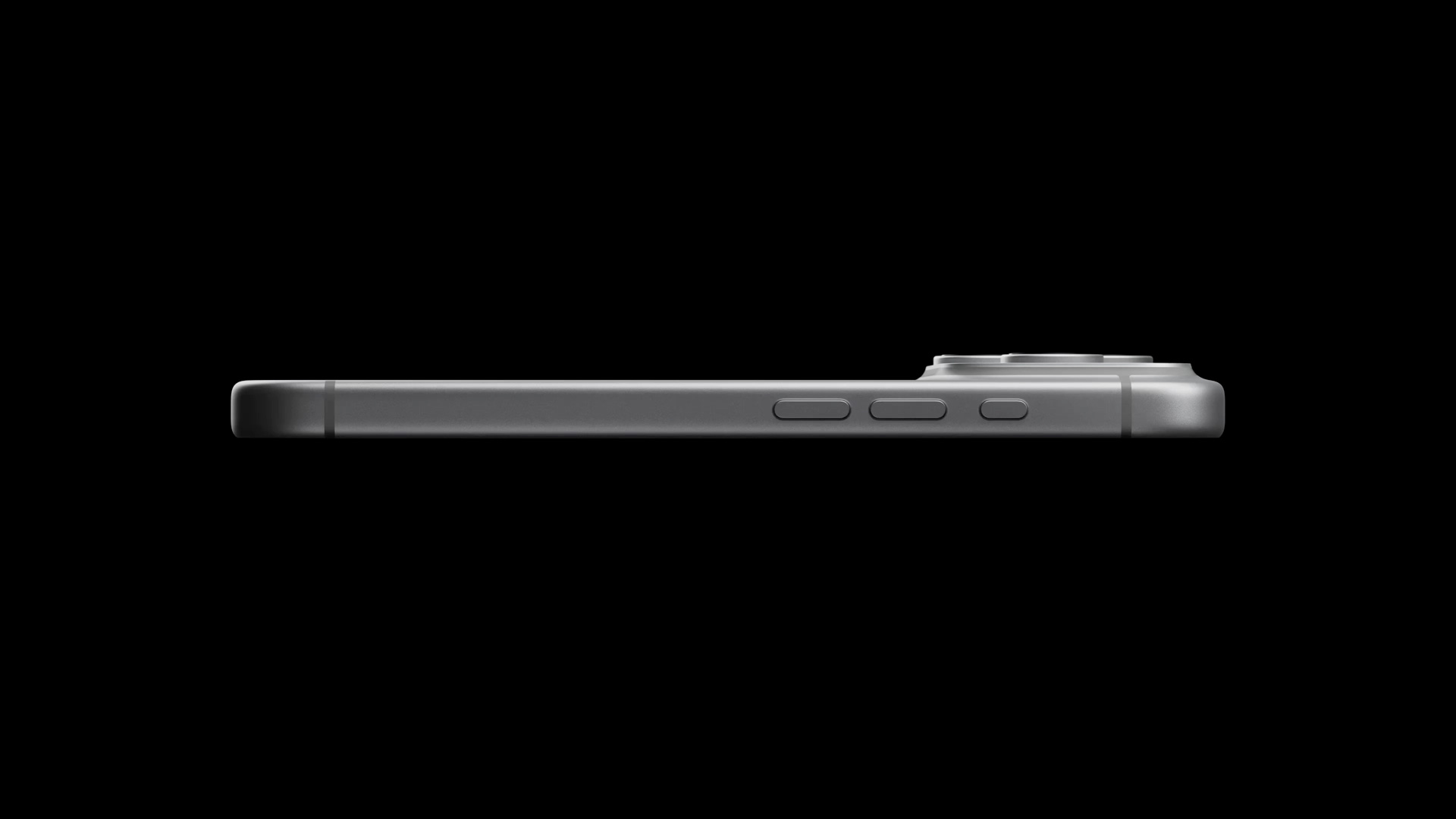
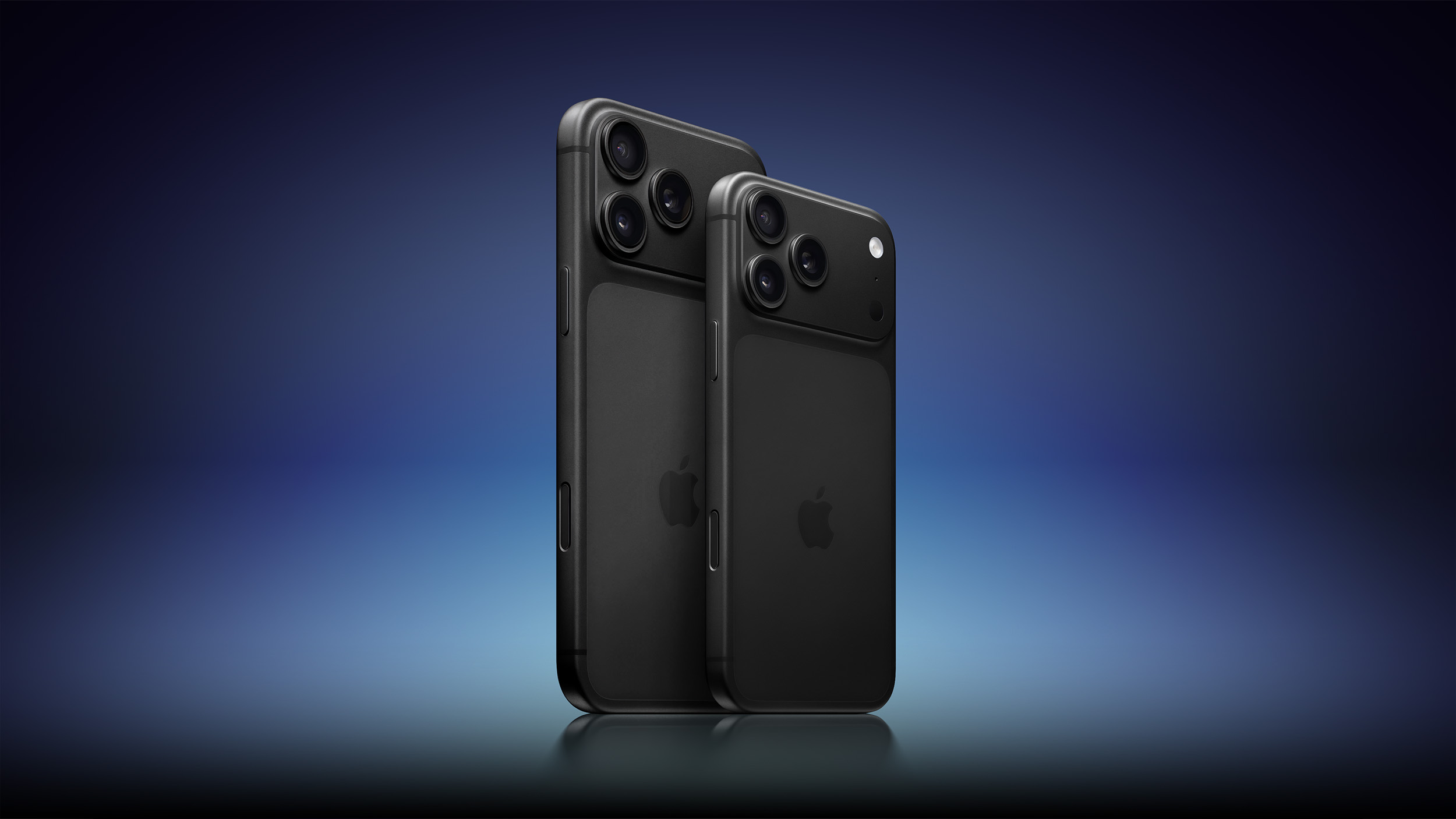
iPhone 18 Pro Could Be Noticeably Thicker Than iPhone 17 Pro

The iPhone 18 Pro's aluminum frame and camera housing are both set to grow thicker than the iPhone 17 Pro's, according to new posts from the leaker known as "Fixed Focus Digital."


In a post on Weibo today, the leaker said that aluminum alloy mid-frames are "going to be used in straight-edge phones for a long time to come," referring to Apple's continued use of the material introduced with the ‌iPhone 17 Pro‌ rather than a return to titanium. Citing leaked materials from Tata, the leaker claimed that the ‌iPhone 18 Pro‌'s overall body and rear camera plateau, will be thicker than the current model, corresponding to a roughly 2mm increase the leaker says it can now confirm firsthand. The leaker added that the final thickness figure "will indeed be somewhat surprising."

The post links to two of the leaker's earlier claims. In one, Fixed Focus Digital said the ‌iPhone 18 Pro‌ lineup "will still feature an aluminum alloy build" with "indeed excellent" heat dissipation, while warning that buyers should be cautious about the new color options given the discoloration and surface chipping that has affected some ‌iPhone 17 Pro‌ units. In the other, the leaker said supply chain feedback confirmed the ‌iPhone 18 Pro‌'s main camera upgrade and indicated that the aluminum alloy back panel would grow by 2mm.

That 2mm figure lines up with a separate post the leaker shared on July 4, which estimated that the ‌iPhone 18 Pro‌ models' overall thickness will land somewhere around 9.9–10.9mm. That would mark a substantial jump from the ‌iPhone 17 Pro‌ and ‌iPhone 17 Pro‌ Max, which both measure 8.75mm thick. It also builds on dummy models shared in April, which suggested the ‌iPhone 18 Pro‌ Max's camera plateau would grow to 11.54mm, up from 11.23mm on the ‌iPhone 17 Pro‌ Max.

The added bulk is reportedly tied to a redesigned main camera system. The device is widely rumored to feature the iPhone's first variable aperture, a component reported to cost Apple 50% more than the current fixed-aperture lens. Production of the new module is said to be ramping up at suppliers including LG Innotek and Sunny Optical.

The ‌iPhone 18 Pro‌ and ‌iPhone 18 Pro‌ Max are expected to launch alongside Apple's first foldable iPhone this September.
Related Roundups: iPhone 17 Pro, iPhone 18 Pro
Related Forum: iPhone

This article, "iPhone 18 Pro Could Be Noticeably Thicker Than iPhone 17 Pro" first appeared on MacRumors.com

Discuss this article in our forums

  •  

iPhone 17 Pro Max Sealed in Time Capsule Until 2276

An iPhone 17 Pro Max in Cosmic Orange has been sealed inside a 250 year time capsule as part of America's Semiquincentennial celebrations, with the device not due to be seen again until the 23rd century.


America250, the congressionally appointed nonprofit leading the 250th anniversary celebrations, announced that "America's Time Capsule" was officially sealed and buried at Independence National Historical Park in Philadelphia on July 4, 2026, to be reopened in 2276.

The iPhone was included through America250's "America Innovates" initiative as a representative of the cutting edge of American innovation and technology in 2026, with the device showcasing advances in handheld computing, imaging, and connectivity that have transformed how people work, communicate, and create in the 21st century. The device contains "digital artifacts" in the Notes app, intended to give whoever opens the capsule in 2276 a small window into everyday life in 2026.

The capsule itself was built to give the iPhone and everything else inside it the best possible chance of surviving intact. Developed with the National Institute of Standards and Technology and preservation experts at the Library of Congress, it uses a 900 pound, precision milled stainless steel cylinder sealed with indium, a soft metal that deforms under compression to fill microscopic imperfections in the sealing groove. It was covered with a 1,100 pound stainless steel bell jar that creates a protective air pocket to keep the vessel dry underground.

Beyond the iPhone, the capsule holds contributions from all 56 states and territories and all three branches of the federal government, including a feather from Civil War era bald eagle mascot "Old Abe" (Wisconsin), fabric from the Wright brothers' 1903 aircraft (Ohio), and an AI generated response from Anthropic's Claude submitted by California imagining the state 250 years from now.
Related Roundup: iPhone 17 Pro
Related Forum: iPhone

This article, "iPhone 17 Pro Max Sealed in Time Capsule Until 2276" first appeared on MacRumors.com

Discuss this article in our forums

  •  

Apple and Broadcom Extend Chip Supply Deal to 2031

Broadcom has agreed to extend its chip partnership with Apple through 2031, expanding a deal that covers the development and supply of a wide range of custom chips, Reuters reports.


Today's extension builds on an existing supply relationship between the two companies, which have worked together for years. Apple is one of Broadcom's largest customers, believed to account for about 20% of its annual revenue.

Apple has been steadily bringing chip design in-house, such as with its own C1 and C1X cellular modems, but many of Broadcom's wireless connectivity and radio frequency components remain in use. Broadcom's chips cover custom radio frequency components, Wi-Fi and Bluetooth connectivity, and other networking semiconductors found throughout Apple's lineup.

Apple and Broadcom signed a multibillion-dollar agreement in 2023 covering 5G radio frequency components manufactured in the United States. Broadcom shares rose nearly 4% in premarket trading today on the news.
This article, "Apple and Broadcom Extend Chip Supply Deal to 2031" first appeared on MacRumors.com

Discuss this article in our forums

  •  

iPhone 18 Pro Battery Capacities Revealed by Regulatory Filings

New Chinese regulatory certification filings appear to confirm the battery capacities of Apple's upcoming iPhone 18 Pro and ‌iPhone 18 Pro‌ Max models.


According to new filings in China's C3 database, spotted by the leaker known as "Digital Chat Station" on Weibo, the ‌iPhone 18 Pro‌ is seemingly rated for 4,056mAh in China and 4,288mAh in the U.S., up modestly from the iPhone 17 Pro's 3,988mAh and 4,252mAh. The ‌iPhone 18 Pro‌ Max shows a bigger jump, rated for 5,391mAh in China and 5,567mAh in the U.S., compared with 4,823mAh and 5,088mAh on the ‌iPhone 17 Pro‌ Max, an increase of nearly 500mAh.

‌iPhone 18 Pro‌


China China Difference U.S. U.S. Difference
iPhone 16 Pro 3,582mAh +308mAh 3,582mAh +308mAh
‌iPhone 17 Pro‌ 3,988mAh +406mAh 4,252mAh +670mAh
‌iPhone 18 Pro‌ 4,056mAh +68mAh 4,288mAh +36mAh


‌iPhone 18 Pro‌ Max


China China Difference U.S. U.S. Difference
‌iPhone 16‌ Pro Max 4,685mAh +244mAh 4,685mAh +244mAh
‌iPhone 17 Pro‌ Max 4,823mAh +138mAh 5,088mAh +403mAh
‌iPhone 18 Pro‌ Max 5,391mAh +568mAh 5,567mAh +479mAh


The devices in the filings are not directly named the ‌iPhone 18 Pro‌ and ‌iPhone 18 Pro‌ Max, but are highly likely to relate to these models.

The China and U.S. capacities differ because Apple has continued to include a SIM tray on iPhones sold outside the United States, while U.S. models have been eSIM only since the iPhone 14 lineup. Without a physical tray taking up internal space, Apple can fit a slightly larger battery into the U.S. version of each device.

The certification listings cover battery models S2232 and S2233 for the ‌iPhone 18 Pro‌ and 2235L/2235 and 2236L/2236 for the ‌iPhone 18 Pro‌ Max, and also show rated energy figures of up to 21.751Wh and a 4.520V charge limit voltage, and list all four batteries as valid through May or June 2031.

The numbers line up with Digital Chat Station's report from June, which gave identical figures for the ‌iPhone 18 Pro‌.

In a separate post the same day, Digital Chat Station said supply chain information from months earlier had already pointed to the China model landing in the "5,000mAh" range, and suggested that a 5391mAh cell paired with the 2nm A20 Pro chip could deliver a noticeable battery life improvement.

The ‌iPhone 18 Pro‌ models are rumored to feature a smaller Dynamic Island, a variable aperture main camera, the C2 modem outside of the U.S., and more. The ‌iPhone 18 Pro‌ and ‌iPhone 18 Pro‌ Max are expected to launch in September alongside Apple's first foldable iPhone.
Related Roundup: iPhone 18 Pro

This article, "iPhone 18 Pro Battery Capacities Revealed by Regulatory Filings" first appeared on MacRumors.com

Discuss this article in our forums

  •  

The MacRumors Show: Latest iPhone 18 Pro Leaks and Rumors

On this week's episode of The MacRumors Show, we discuss the latest leaks and rumors surrounding the iPhone 18 Pro.


Tata Electronics, one of Apple's manufacturing partners in India, was hit by a ransomware attack that resulted in more than 200,000 internal files being posted online, including component lists, supplier data, and images of ‌iPhone 18 Pro‌ test units. The material was obtained illegally, and MacRumors has not seen the stolen files directly.

Among the leak's more surprising details is that the C2 modem may be limited to international models, succeeding the C1 and C1X modems already used in the iPhone Air, iPhone 17e, and M5 iPad Pro. A bill of materials for the U.S. variant instead lists Qualcomm components, including the SDX80M and other parts associated with mmWave 5G, a feature Apple's C-series modems still lack. U.S. carriers have spent years building out mmWave networks, making it a harder feature to drop from the Pro lineup than it was from the ‌iPad Pro‌ or a rumored cellular MacBook.

The leak also lined up with existing rumors of a more uniform rear finish than the iPhone 17 Pro's two-tone design and camera lenses that protrude further from the plateau. Separately, a leaked SIM tray offered another look at the rumored Dark Cherry color option, expected to join Light Blue, Dark Gray, and Silver as this year's lineup, with no black model.

On the camera side, the rumored variable aperture main camera is this year's headline upgrade, though it's unclear how much of a real-world difference it will make compared to genuinely transformative jumps in past generations, like the 8x telephoto lens introduced on the ‌iPhone 17 Pro‌ or the and 48-megapixel sensor from the iPhone 14 Pro.

Pricing looms over rumors about the device. Apple has now raised prices across much of its lineup, citing a global memory chip shortage driven largely by AI data center demand. The Apple TV and HomePod price hikes drew particular criticism, since both products are several years old with no accompanying hardware changes.

Estimates for the ‌iPhone 18 Pro‌ itself point to a starting price as high as $1,399, up from $1,099 for the ‌iPhone 17 Pro‌, an increase weighed against a modest RAM and battery bump, a smaller Dynamic Island, and a more capable N2 chip. A rumored 5G-via-satellite feature will likely offer limited access to specific services like Siri or Maps rather than full Safari browsing.

Micron's chief business officer suggested that Apple's own aggressive supplier negotiating tactics may have contributed to the memory shortage now driving prices up industry-wide. The MacRumors Show has its own YouTube channel, so make sure you're subscribed to keep up with new episodes and clips.


You can also listen to ‌The MacRumors Show‌ on Apple Podcasts, Spotify, Overcast, or other podcast apps. You can also copy our RSS feed directly into your player.


If you haven't already listened to the previous episode of The MacRumors Show, catch up to hear our discussion about potential price rises for the iPhone 18 lineup following Apple's wave of hikes yesterday, as well as plans for the Apple Watch Ultra 4 and camera-equipped AirPods.

Subscribe to ‌The MacRumors Show‌ for new episodes every week, where we discuss some of the topical news breaking here on MacRumors, often joined by interesting guests such as Kayci Lacob, Kevin Nether, John Gruber, Mark Gurman, Jon Prosser, Luke Miani, Matthew Cassinelli, Brian Tong, Quinn Nelson, Jared Nelson, Eli Hodapp, Mike Bell, Sara Dietschy, iJustine, Jon Rettinger, Andru Edwards, Arnold Kim, Ben Sullins, Marcus Kane, Christopher Lawley, Frank McShan, David Lewis, Tyler Stalman, Sam Kohl, Federico Viticci, Thomas Frank, Jonathan Morrison, Ross Young, Ian Zelbo, and Rene Ritchie.

‌The MacRumors Show‌ is on X @MacRumorsShow, so be sure to give us a follow to keep up with the podcast. You can also email us at podcast@macrumors.com or head over to The MacRumors Show forum thread. Remember to rate and review the podcast, and let us know what subjects and guests you would like to see in the future.
Related Roundup: iPhone 18 Pro

This article, "The MacRumors Show: Latest iPhone 18 Pro Leaks and Rumors" first appeared on MacRumors.com

Discuss this article in our forums

  •  
❌