❌

Lees weergave

Apple to Launch New iPad Pro in Spring 2027

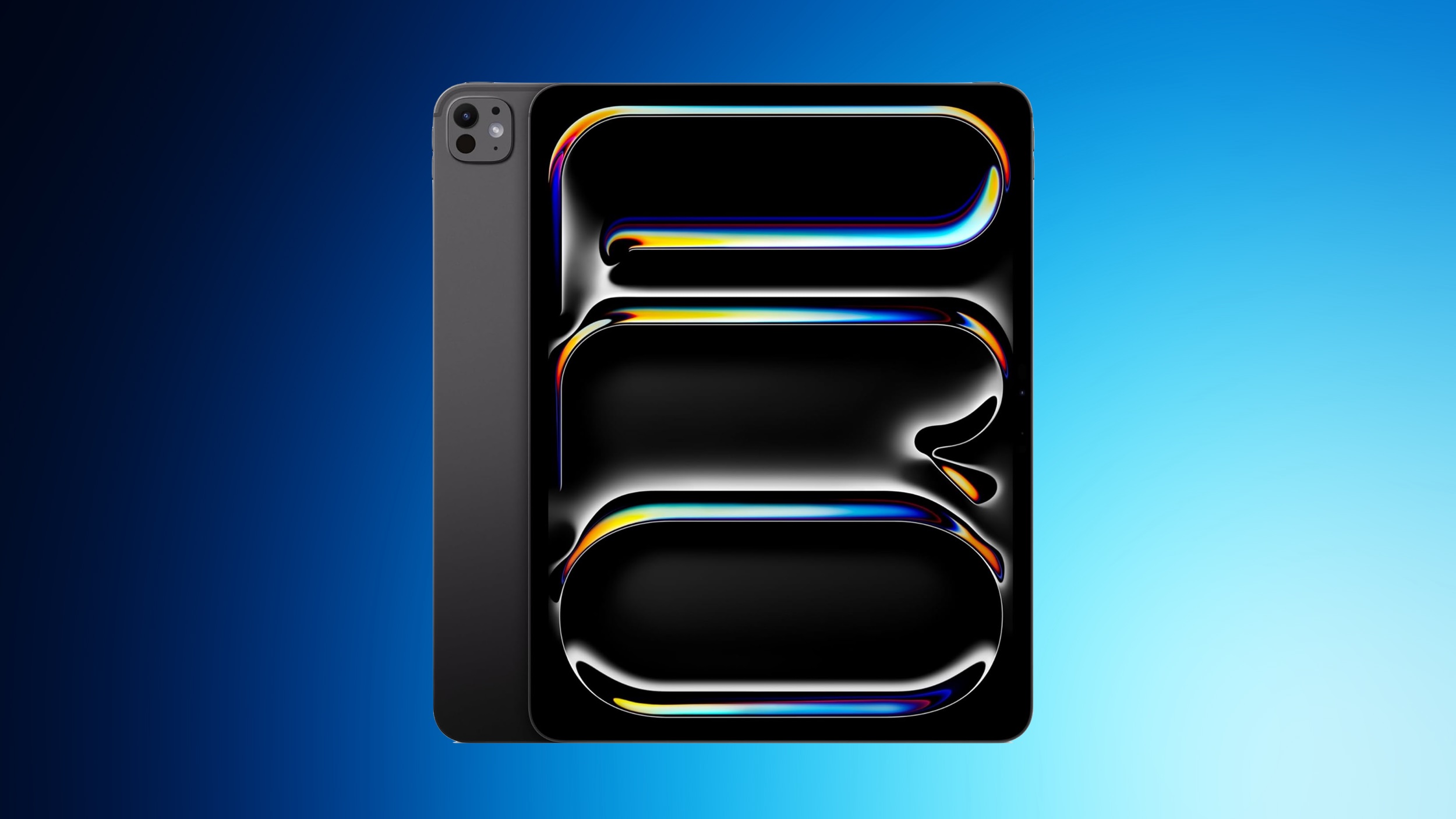
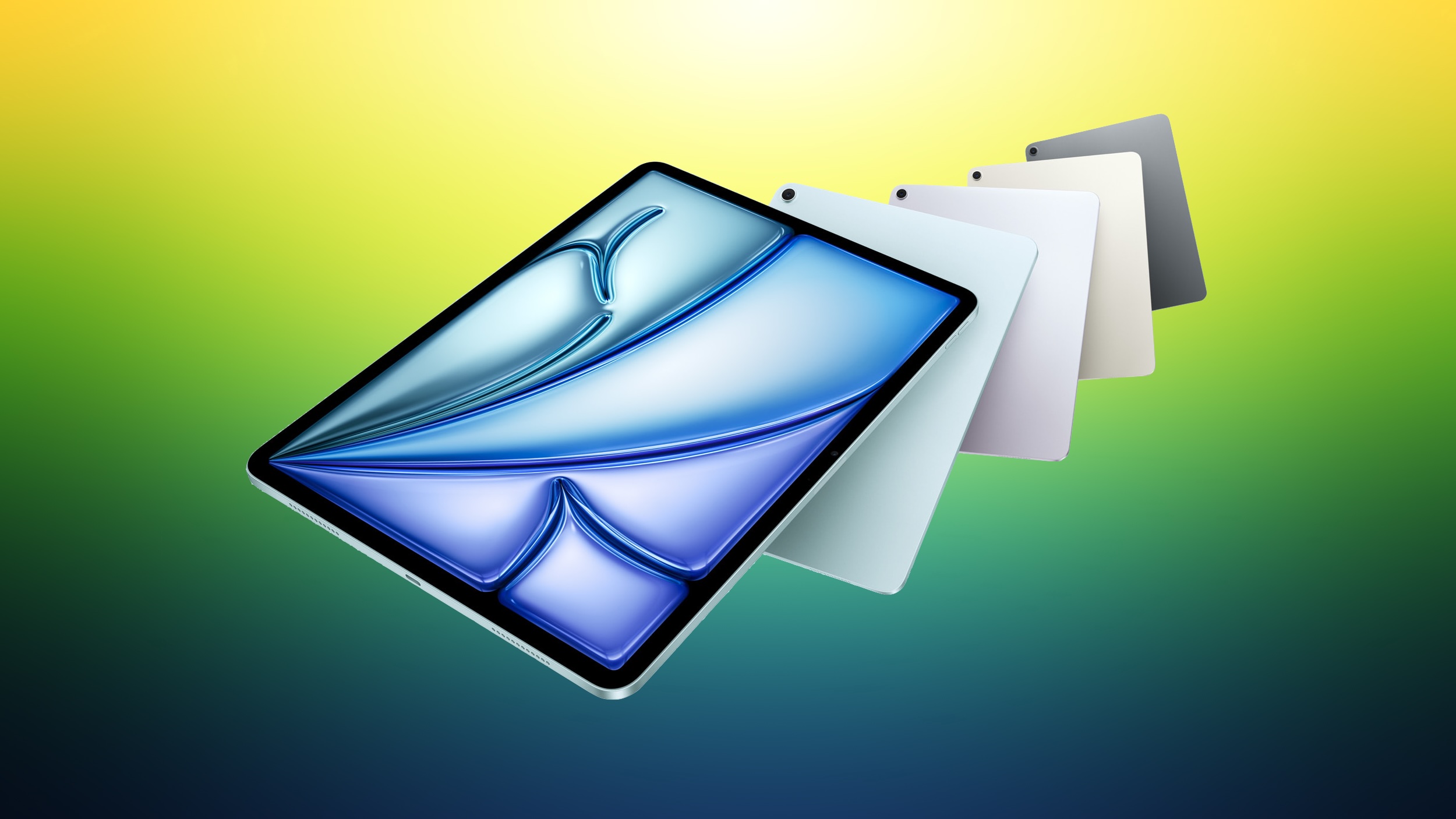
Apple is planning to release new 11-inch and 13-inch iPad Pro models in spring 2027, reports Bloomberg. No major design changes are expected, with Apple focusing on internal upgrades.


The β€ŒiPad Proβ€Œ models could use either M6 chips or M7 chips. Apple will introduce the M6 chip as soon as this year in an updated 14-inch MacBook Pro model, but it is aiming to release the M7 chip in the first half of 2027.

Bloomberg does not specify which chip Apple will put in the β€ŒiPad Proβ€Œ, but if the M7 chip is ready by spring 2027, the new iPads could have the upgraded chip. If it's not ready, they'll use the M6. Both chips will be built on Apple's new 2-nanometer process, but the M7 has AI optimizations that the M6 doesn't have.

Apple has also tested a vapor chamber cooling system that could improve performance.

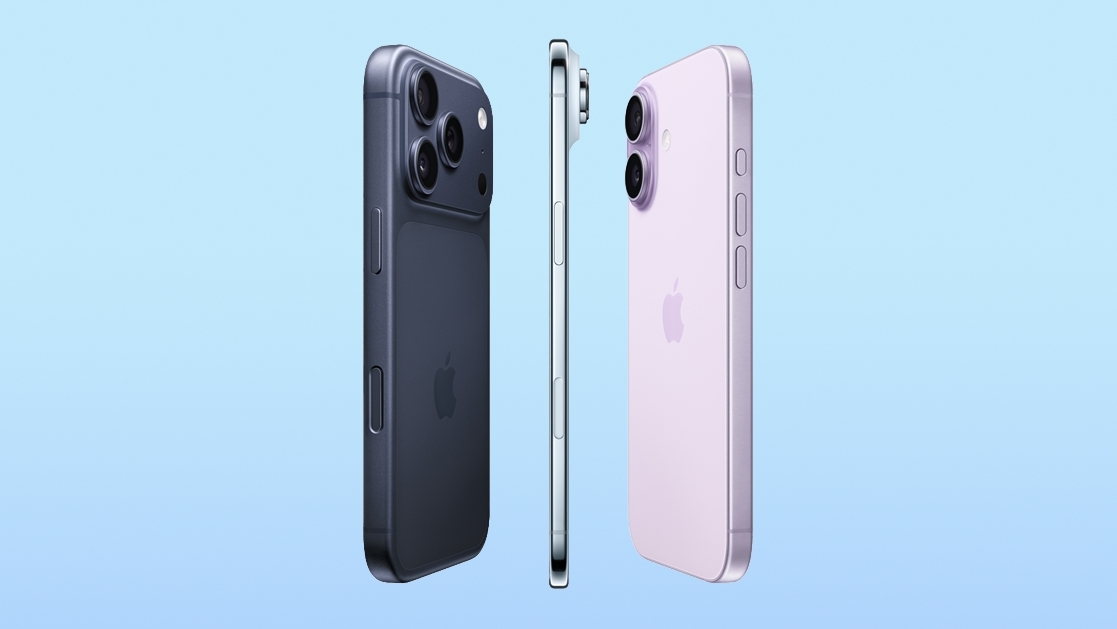
Little else is known about the new β€ŒiPad Proβ€Œ models, but if they come out in spring 2027, Apple could introduce them alongside the iPhone 18e, iPhone 18, and iPhone Air 2, devices that are also slated for spring 2027.
Related Roundup: iPad Pro
Buyer's Guide: iPad Pro (Neutral)

This article, "Apple to Launch New iPad Pro in Spring 2027" first appeared on MacRumors.com

Discuss this article in our forums

  •  

M6 MacBook Pro Coming in Late 2026, Redesigned M7 Model Launching in 1H 2027

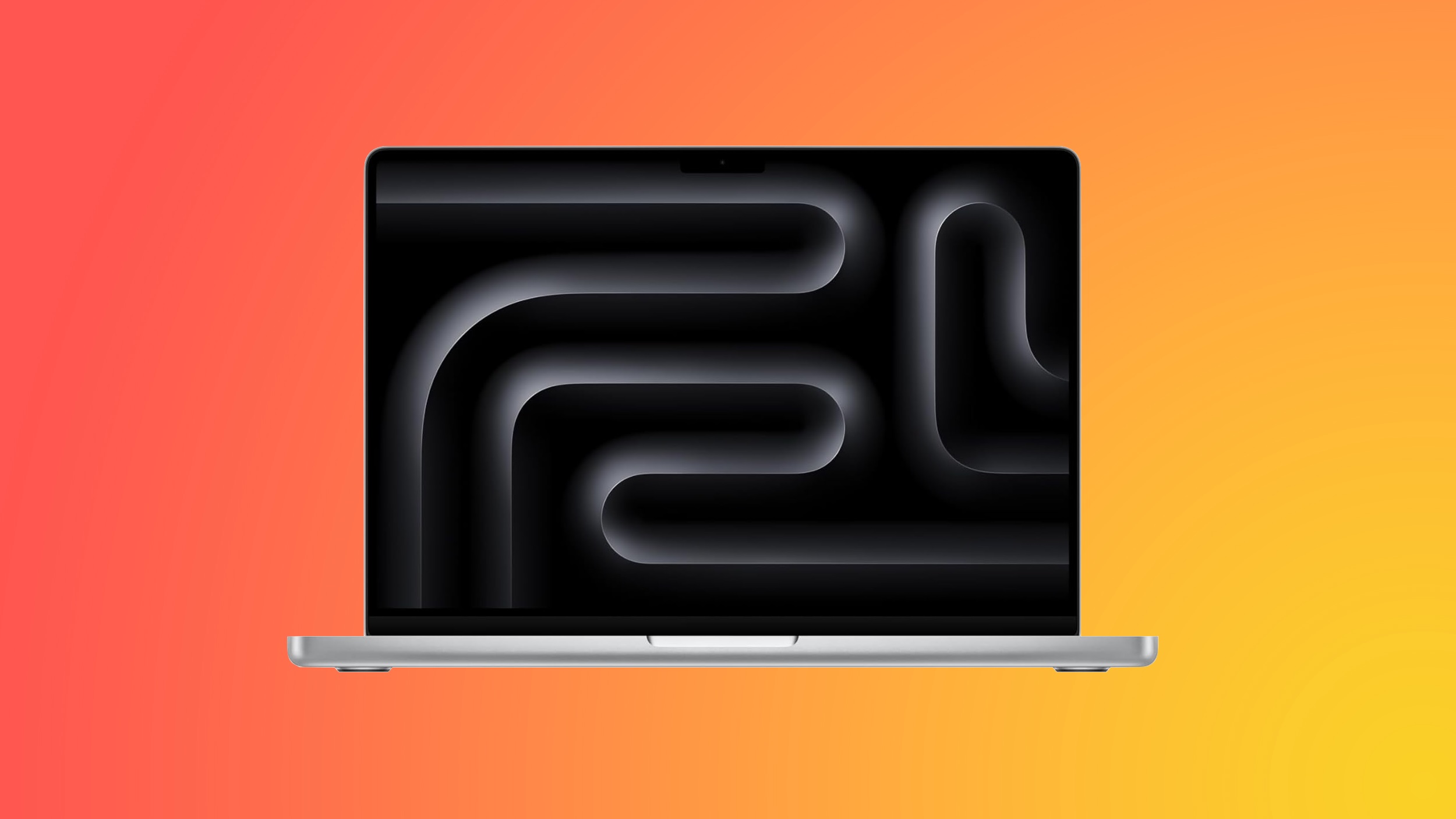
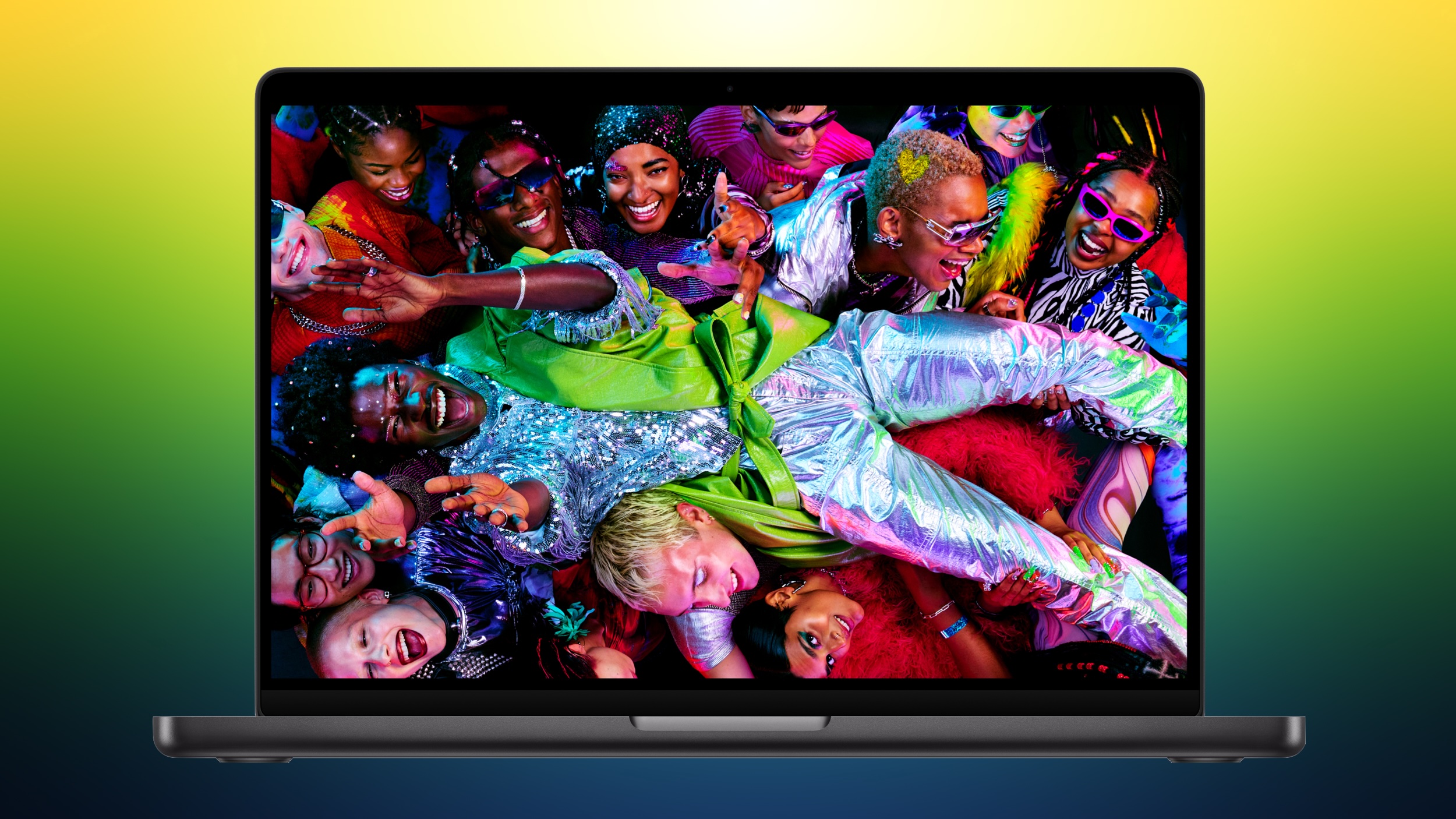
Apple plans to release an updated 14-inch MacBook Pro with an M6 chip in late 2026, and then follow it with a revamped M7 model in the first half of 2027, reports Bloomberg.


Apple apparently finished work on a 14-inch β€ŒMacBook Proβ€Œ with an M6 chip "months ago," and the device is expected to launch before the end of the year. Apple's M6 chip cycle will be shorter than prior chip cycles because it is not planning for M6 Pro and M6 Max chips. Apple is aiming to have a quick transition between M6 and M7 because its M7 chips have optimizations for AI workloads.

The M7 β€ŒMacBook Proβ€Œ coming in 2027 will have a new design that's "in line" with the design that Apple plans to use for its rumored high-end OLED touchscreen β€ŒMacBook Proβ€Œ models. Prior rumors have suggested the high-end β€ŒOLEDβ€Œ β€ŒMacBook Proβ€Œ models could get a slimmed down design.

It's still unclear when the β€ŒOLEDβ€Œ β€ŒMacBook Proβ€Œ models will come out, but Bloomberg believes a launch is slated for the end of 2026 or early 2027.

Apple's release timelines are uncertain because of the ongoing memory chip shortages and increased costs that it's dealing with.

Apple has a long list of products that could come in the first half of 2027, including new iPad Pro models, the iPhone Air 2 with a second camera, the iPhone 18, and the iPhone 18e.
Related Roundup: MacBook Pro
Buyer's Guide: MacBook Pro (Buy Now)
Related Forum: MacBook Pro

This article, "M6 MacBook Pro Coming in Late 2026, Redesigned M7 Model Launching in 1H 2027" first appeared on MacRumors.com

Discuss this article in our forums

  •  

Apple in Talks to Buy Memory Chips From Chinese Makers CXMT and YMTC

Apple is in talks to buy memory from Chinese semiconductor companies ChangXin Memory Technologies Co. (CXMT) and Yangtze Memory Technologies Co. (YMTC), reports Bloomberg, citing sources with knowledge of the talks. Discussions between Apple and the chipmakers are ongoing, and no deal has been finalized yet.


Financial Times previously reported Apple was looking into working with CXMT and YMTC to get RAM at a lower cost, and there were also several reports from South Korean sites on the possibility. Apple recently raised the prices of Macs, iPads, and other devices, and consumers are now forced to pay more for many Apple products.

Apple increased its prices because of an ongoing global memory shortage that has driven costs up. Chipmakers are focusing on chips for AI servers, leaving less supply for consumer devices. With demand outpacing supply, memory manufacturers can charge higher prices.

Both CXMT and YMTC are on the Defense Department's 1260H list of Chinese companies that the U.S. suspects have ties to the People's Liberation Army. YMTC is also on a U.S. Commerce Department blacklist that prevents U.S. companies from selling to companies on the list without an export license.

Apple is not required to get U.S. approval before buying chips from the Chinese companies, but working with the Trump administration would prevent political upset. Apple is hoping to get a green light on the deal, and it wants to keep CXMT off the Commerce Department's Entity List, which would prevent it from using CXMT as a supplier.

Bloomberg says Apple CEO Tim Cook has spoken with Trump administration officials, including Treasury Secretary Scott Bessent. Apple has proposed using the chips sourced from the companies in devices meant for the Chinese market, freeing up chips from other suppliers for the U.S.

Some Trump administration officials are reportedly against letting Apple source chips from CXMT and YMTC, so it's not clear if the talks will lead to an agreement. Apple previously tried to source memory from YMTC in 2022, but the talks ended after congressional backlash.
Tag: China

This article, "Apple in Talks to Buy Memory Chips From Chinese Makers CXMT and YMTC" first appeared on MacRumors.com

Discuss this article in our forums

  •  

Elon Musk's SpaceX Showed Off Prototype AI Device

Elon Musk's SpaceX may be aiming to compete with Apple in the future. The company showed investors a prototype for a "handset-like device designed to reshape how humans interact with artificial intelligence," according to The Wall Street Journal.


The device is described as being slimmer than an iPhone, with a "sleek design." It runs a proprietary operating system, has a Qualcomm chipset, and integrates AI tech from SpaceX subsidiary xAI. In the past, Musk has talked about an "everything app" like China's WeChat, and the device investors were shown apparently drew on that concept.

SpaceX was showing the prototype to investors and stakeholders ahead of its IPO, and said the project was in the early stages of development. The final design could change, and it is not known if it will actually come to market.

Musk has talked about designing a smartphone in the past. He said he would develop one if X (formerly Twitter) was removed from the App Store by Apple. In November 2025, he said he didn't want to make a phone, but he would if Apple and Google did "really bad things" like censorship. In a town hall meeting, Musk said the idea of making a phone "makes me want to die," but one of his companies would make a phone if needed.

Earlier this year, Musk said explicitly that SpaceX is not developing a phone, but The Wall Street Journal says some SpaceX and Tesla investors were told Musk "has long envisioned" a device that would be a platform for Tesla, SpaceX, and xAI technologies. Musk has denied the report, calling it "utterly false."
This article, "Elon Musk's SpaceX Showed Off Prototype AI Device" first appeared on MacRumors.com

Discuss this article in our forums

  •  

Distribution Release: ArchBang Linux 010726

The DistroWatch news feed is brought to you by TUXEDO COMPUTERS. The ArchBANG project has released a new version of ArchBANG Linux with another radical change - it has replaced labwc with the Mango Wayland compositor. The new version, labelled as 010726, comes with both graphical and command-line system installers: "Pleased to announce the release of ArchBang running the....
  •  

Google Gemini Spark Comes to Mac With Local File Automation

Google today launched Gemini Spark for its macOS desktop app, allowing the AI agent to automate tasks involving local files and desktop workflows.


Google announced the update today, adding a dedicated Spark tab to the sidebar of the Gemini app for macOS. The feature allows the AI agent to take action on files stored locally on a user's computer rather than just responding to questions in a chat window.

Users can perform actions such as sorting PDFs from a Downloads folder into labelled subfolders, or pulling figures from locally saved invoices to build a Google Workspace budget spreadsheet on a set schedule. Users control which folders Spark can see by linking them in the sidebar and can revoke that access at any time. Google says a future update will allow users to start tasks on their Mac from a phone.

Google also announced a series of third-party integrations for Spark on web and mobile. New connected apps include Google Tasks, Google Keep, Canva, Dropbox, Instacart, OpenTable, and Zillow Rentals, enabling actions like converting Keep notes into task lists, reserving restaurant tables, ordering groceries, and booking apartment tours. Those integrations are rolling out over the next week, with macOS support to follow in the weeks after.

Support for custom Model Context Protocol (MCP) servers is also arriving, giving users a way to connect additional services directly into Spark. Google also adds real-time topic tracking, allowing Spark to monitor blogs, news sites, social media, finance, sports, shopping, weather, and email and alert users when specified conditions are met.

Gemini Spark for macOS is available in beta to Google AI Ultra subscribers aged 18 and over in the United States, starting with version 1.80.15.516 of the Gemini desktop app. Google AI Ultra starts at $99 per month.
This article, "Google Gemini Spark Comes to Mac With Local File Automation" first appeared on MacRumors.com

Discuss this article in our forums

  •  

iOS 27 Adds a Useful New Copy-and-Paste Feature to Your iPhone

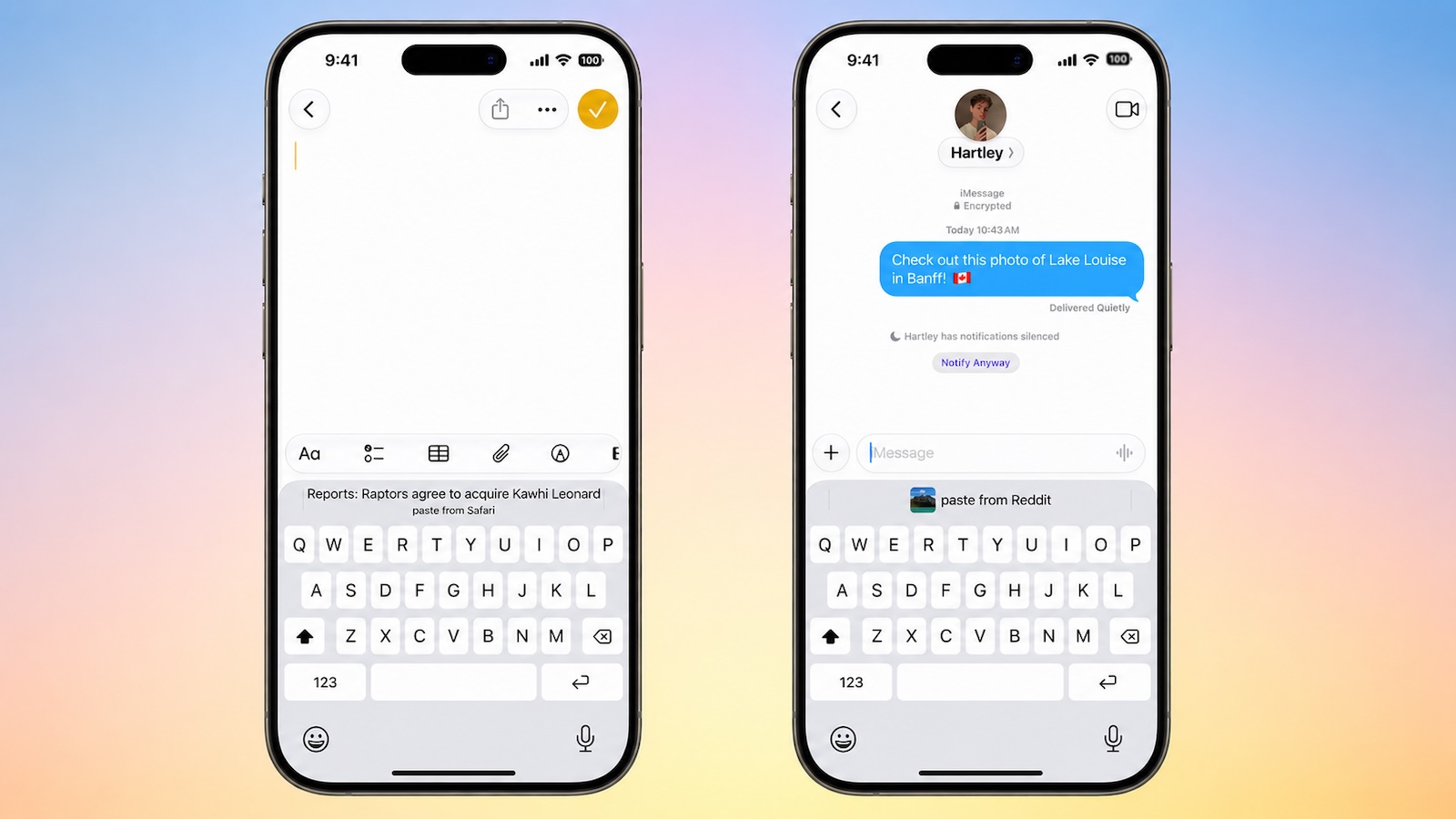
iOS 27 adds a new copy-and-paste feature to the iPhone's keyboard, enabling convenient one-tap pasting for text, photos, links, and more.


For example, if you copy a link in Safari and move to the Notes app, a "paste from Safari" option with the link will automatically appear above the keyboard. Tapping on the shortcut adds the link to the note. Or if you copy a photo in the Reddit app and open the Messages app, a "paste from Reddit" option will appear above the keyboard.

Given this feature is built into the keyboard, it works across many combinations of apps, making pasting more convenient across iOS 27.

The keyboard has already surfaced one-time verification codes since iOS 12.

iOS 27 is currently available in developer beta, with a public beta to follow in July. The update is expected to be released to all users with an iPhone 11 or newer in September, and this small yet useful feature will likely be popular.
Related Roundups: iOS 27, iPadOS 27

This article, "iOS 27 Adds a Useful New Copy-and-Paste Feature to Your iPhone" first appeared on MacRumors.com

Discuss this article in our forums

  •  

Apple Has Reportedly Cut iPhone 17 Lineup Production

Soaring demand for the iPhone 17 lineup seems to have finally come to an end, amid rumors that Apple has finally lowered expectations and reduced production plans by 15%.


In a pair of posts on Weibo, the leaker known as "Fixed Focus Digital" said the claim comes from reliable sources within the supply chain. The leaker said that the β€ŒiPhone 17β€Œ's current outlook "won't hold for long," adding that "major global smartphone manufacturers β€” Apple included β€” have all lowered their shipment forecasts."

The second post provides broader industry context for that claim. Xiaomi has reportedly reduced its shipment targets by approximately 20–30%, while OPPO, vivo, and Honor are also lowering their targets by roughly 15–30%.

A simpler explanation for softening β€ŒiPhone 17β€Œ demand may be the natural product cycle. The iPhone 18 Pro and β€ŒiPhone 18 Proβ€Œ Max are expected to launch in September alongside Apple's first foldable iPhone, and many customers who were going to buy an β€ŒiPhone 17β€Œ model have likely already done so following a near-record sales run stretching back to launch last September.

As recently as June, TrendForce reported that Apple's iPhone production surged 19.7% year-over-year in the first quarter of 2026, even as the broader global smartphone market contracted 1.7% over the same period. That report attributed Apple's strong output to the launch of the iPhone 17e alongside ongoing production ramp-up for the broader β€ŒiPhone 17β€Œ lineup, and described Apple as better positioned than most competitors to absorb rising memory component costs without sacrificing profitability.

In May, Counterpoint Research's Global Handset Model Sales Tracker found the iPhone 17 was the best-selling smartphone globally in the first quarter of 2026, capturing 6% of worldwide unit sales, with the iPhone 17 Pro Max and β€ŒiPhone 17 Proβ€Œ in second and third place. A separate Counterpoint report that same month found Apple had topped the global smartphone market in a first quarter for the first time ever, capturing 21% of global shipments and growing 9% year-over-year even as the overall market contracted 3%.

The β€ŒiPhone 17β€Œ lineup's strong run began at launch. Shortly after release in September 2025, Apple told two suppliers to increase daily β€ŒiPhone 17β€Œ output by at least 30% following a strong pre-order weekend, and Counterpoint found the lineup outsold the iPhone 16 models by 14% during the first 10 days in the United States and China. In January, Apple CEO Tim Cook told CNBC that demand for the iPhone during the holiday quarter was "simply staggering" and had surpassed the company's own expectations, with iPhone revenue reaching $85.2 billion, a new all-time high.

After nine months and with another generation on the horizon, it was inevitable that the β€ŒiPhone 17β€Œ lineup's remarkably strong run would come to an end eventually.
Related Roundups: iPhone 17, iPhone 17 Pro, iPhone 17e
Related Forum: iPhone

This article, "Apple Has Reportedly Cut iPhone 17 Lineup Production" first appeared on MacRumors.com

Discuss this article in our forums

  •  

Last Chance: Get the 2026 MacBook Pro and iPad Air for Pre-Hike Prices Before They're Gone for Good

Last week, Apple introduced major price hikes across a number of products, including Macs, iPads, and more. This week, Apple's newly increased prices have begun to hit third-party retailers like Amazon, but there are a few select products that are retaining original prices, which now represent solid discounts on each device.

MacBook Pro


Note: MacRumors is an affiliate partner with Amazon. When you click a link and make a purchase, we may receive a small payment, which helps us keep the site running.

There are now just three models left at notable low prices in the wake of Apple's price hikes. Prices start at $2,549.99 for the 24GB/2TB 14-inch M5 Pro MacBook Pro, now a $449 discount on the new price of this model. You'll also find two 16-inch devices on sale this week on Amazon, but we don't expect these discounts to last much longer.


iPad Air


Amazon has up to $350 off the M4 iPad Air, although stock is quickly dwindling compared to sales from last week. Prices now start at $559.00 for the 128GB Wi-Fi 11-inch iPad Air, a $190 discount on the newly increased price of this model.


If you're on the hunt for more discounts, be sure to visit our Apple Deals roundup where we recap the best Apple-related bargains of the past week.


Deals Newsletter


Interested in hearing more about the best deals you can find in 2026? Sign up for our Deals Newsletter and we'll keep you updated so you don't miss the biggest deals of the season!


Related Roundup: Apple Deals

This article, "Last Chance: Get the 2026 MacBook Pro and iPad Air for Pre-Hike Prices Before They're Gone for Good" first appeared on MacRumors.com

Discuss this article in our forums

  •  

Apple Hide My Email Vulnerability Exposes Real Email Addresses

A flaw in Apple's Hide My Email service can reportedly allow almost anyone to uncover the real email address behind a generated alias, and Apple has failed to address it for more than a year since it was first reported.


404 Media is withholding the technical specifics of the vulnerability because it remains exploitable, but the publication verified the issue this week using one of its own Hide My Email addresses. In tests with volunteers by the researcher who discovered the flaw, 100% of Hide My Email addresses were found to be exploitable.

Tyler Murphy, co-founder of EasyOptOuts, discovered the issue and responsibly reported it to Apple in June 2025, along with instructions to replicate it. Apple acknowledged the report a month later and said it was investigating. Murphy said:

Apple Hide My Email is leaking email addresses that are supposed to be hidden. We reported the issue and replication instructions to Apple over a year ago. We don't know why it hasn't been fixed, but we don't feel comfortable waiting any longer. Hide My Email users deserve to know that it may be possible for attackers to discover their hidden email addresses.

Free, publicly accessible people-search sites make it easy to link an email address to other personal details, so people relying on Hide My Email for safety may be at risk.


In March 2026, Apple told Murphy it had "addressed the reported issue in a recent system change," but Murphy found the flaw had not in fact been closed. He provided further information, and Apple replied again to say it was still investigating.

In May, Apple once more said the issue remained under investigation and asked Murphy not to disclose it publicly until the inquiry was complete. Murphy proposed that Apple suspend the creation of new Hide My Email addresses as an interim measure to limit customer risk, but there is no indication that suggestion was acted on. By the end of May, Apple said it expected to address the issue in a security update "expected in the coming weeks."

Hide My Email is an iCloud+ feature that lets users generate random alias email addresses, primarily for use when signing up to services or corresponding with third parties. It is designed to protect a user's real email address from spam, data breaches, and unwanted identification.

Murphy noted that numerous people-search databases are freely available online and can tie an email address to a person's other personal details, meaning anyone depending on Hide My Email for their safety may be more exposed than they realize. Last month, it emerged that Apple's decision to move Hide My Email to a dedicated "private.icloud.com" domain appears to have the consequence of making it easier for platforms that want to block β€ŒiCloudβ€Œ aliases to do so.
This article, "Apple Hide My Email Vulnerability Exposes Real Email Addresses" first appeared on MacRumors.com

Discuss this article in our forums

  •  

Ben Hutchings: FOSS activity in June 2026

This month’s work was dominated by the transition of Debian 12 β€œbookworm” to support by the LTS team, and by review of some large updates to Linux stable branches.

Linux 6.12 is currently available in bookworm-backports, but that suite will stop accepting uploads after the last bookworm point release. I updated some supporting packages in bookworm in preparation for adding Linux 6.12 there. I also prepared for the possibility that bookworm-backports would close earlier.

Since the LTS team is still also maintaining Debian 11 β€œbullseye” until August, I reviewed upstream changes for both Linux 5.10 and 6.1 stable branches and reported a number of regressions and other issues.

  •  

Tim Cook Holds 'Constructive' Talks With EU Over Siri AI Launch

Apple CEO Tim Cook held "constructive" talks with EU tech chief Henna Virkkunen on Tuesday about releasing Siri AI in the bloc while complying with the bloc's digital rules, reports the Financial Times ($).


An EU spokesperson told the publication the virtual meeting had involved a "constructive exchange on topics of common interest, on which the work continues."

Siri AI will be available for free with iOS 27 and iPadOS 27 when they are released in September. However, the enhanced chatbot-style Siri will not be available in the EU on iOS and iPadOS until it can find a path forward under the bloc's regulatory framework. That includes the new Siri app for revisiting conversations, expanded Visual Intelligence capabilities, integrated writing tools, Siri mode in the Camera app on iPhone, and more.

When the new enhanced Siri AI features were announced at WWDC 2026 last month, Apple said EU regulators did not accept any of the company's proposed solutions to bring Siri AI to the EU while safely supporting other virtual assistants.

According to the Commission, the Digital Markets Act (DMA) requires Apple to give rival AI assistants access to the same underlying iPhone capabilities as Siri, allowing them to perform many of the same tasks on a user's behalf with appropriate user consent.

To address the issue, Apple came up with the idea of a Trusted System Agent – intermediary software that would be designed to let third-party virtual assistants securely access the same system capabilities as Siri AI on EU devices. Apple said the EU rejected the proposal.

The EU quickly shot back against that characterization, however, saying the decision not to launch Siri AI in the bloc was entirely Apple's and that the company sought an exemption from its legal obligations rather than a compliant solution. Regulators also said Apple simply requested a blanket exemption from its interoperability obligations under the DMA, something the Commission said is not an available option.

The dispute prompted a wave of criticism of the Commission. According to the Financial Times, EU officials received hundreds of emails from consumers accusing Brussels of denying Europeans access to the new technology.

As for Apple's proposed Trusted System Agent, a Commission official told the publication its contact with Apple on the idea was limited, and that it lacked a concrete proposal or details on how such an agent would work beyond the general concept. The official claimed Apple "focused on obtaining a green light to delay compliance."
"Apple's proposal to delay interoperability for third-party AI agents while having its product available to users would have risked leading to the entrenchment of its service before others would get a chance to compete for at least two years if not more," the official said.
By contrast, the official said changes Google made to Android prompted the Commission to open a formal consultation on how the company could comply with the DMA and avoid hefty fines.

Apple has not publicly commented on the latest round of discussions.
This article, "Tim Cook Holds 'Constructive' Talks With EU Over Siri AI Launch" first appeared on MacRumors.com

Discuss this article in our forums

  •  

MacBook Ultra: Everything We Know About Apple's OLED Touchscreen Mac

Apple is working on a high-end MacBook Pro that could be called the "MacBook Ultra." The device will have several firsts in a Mac, including an OLED display and a touchscreen.


The "Ultra" name isn't a sure thing, and Apple could also continue to call the device the β€ŒMacBook Proβ€Œ. It will be a "Pro" device in the β€ŒMacBook Proβ€Œ line.

Design


Apple hasn't redesigned the β€ŒMacBook Proβ€Œ since it added Apple silicon chips in 2021, so the device is due for a new look. The MacBook Ultra could feature some design changes, including a thinner chassis.

Apple could get rid of the notch on the MacBook Ultra, replacing it with an iPhone-style Dynamic Island. A β€ŒDynamic Islandβ€Œ would unify the way Siri AI behaves across the iPhone and the Mac with iOS 27 and macOS Golden Gate.

Size Options


The MacBook Ultra will be available in both 14-inch and 16-inch size options.

Display


Apple's upcoming MacBook will be the first with an OLED display. OLED display technology is already used for the iPhone, Apple Watch, and iPad Pro, but it has taken time for larger-sized OLED screens to come down in price.

OLED will be an upgrade over the current mini-LED display technology in most cases, bringing deeper colors and a higher contrast ratio with true blacks. In an OLED display, individual pixels turn off instead of dim when not activated, so there's less light leakage. OLED displays tend to have better HDR than mini-LED, but sometimes don't match the overall mini-LED brightness levels.

Along with OLED technology, the MacBook Ultra is expected to have the first touchscreen display on a Mac. Users will be able to use their fingers for tapping and interacting with items on the Mac's display, similar to an iPad.

Touchscreen capabilities will be used alongside the trackpad and keyboard, and so Apple may be viewing them as more supplementary than a main control method. Apple is rumored to be adapting β€ŒmacOS Golden Gateβ€Œ for touch input.

Apple plans to add a reinforced hinge to the MacBook Ultra's display so that it doesn't wobble when it's tapped.

M5 Pro and M5 Max Chips


The current β€ŒMacBook Proβ€Œ models are equipped with M5 Pro and M5 Max chips, and Apple plans to use the same chips for the rumored MacBook Ultra.

Apple is planning to introduce the M6 chip as soon as late 2026, but Bloomberg says Apple isn't going to release any other chips in the M6 series. Apple's chip plans have changed in recent months, and there won't be an M6 Pro or an M6 Max. With no M6 Pro or M6 Max, Apple will need to use the M5 Pro and M5 Max so it doesn't have to wait for the M7 series.

A second-generation MacBook Ultra will use the M7 Pro and M7 Max chips.

With the MacBook Ultra set to use the same chips that are in the existing β€ŒMacBook Proβ€Œ, it's unclear if it will replace the existing 14-inch and 16-inch β€ŒMacBook Proβ€Œ models or be sold alongside them as a higher-end option.

MacBook Ultra Hints


There are features in β€ŒmacOS Golden Gateβ€Œ that hint at a future touchscreen Mac. Apple added direct touch input to Sidecar so users can tap and interact with macOS elements when using the β€ŒiPadβ€Œ as a Mac display.

β€ŒmacOS Golden Gateβ€Œ supports an iPhone-style pull-to-refresh option, and it can be used across apps like Safari, Mail, News, Podcasts, and Calendar. A pull-to-refresh option makes the most sense on a touch display.

Pricing


Apple's OLED MacBook is expected to be a premium product, with a price tag higher than current β€ŒMacBook Proβ€Œ models. Apple raised the prices of all Macs in June, and so the MacBook Ultra will likely be even more expensive than expected.

The higher-end 14-inch β€ŒMacBook Proβ€Œ with M5 Pro chip starts at $2,499, while the 16-inch β€ŒMacBook Proβ€Œ starts at $2,999. The OLED MacBook will be priced even higher.

Launch Date


Rumors suggest the MacBook Ultra will launch in late 2026 or early 2027, with mass production to start in late 2026. If the MacBook Ultra comes in 2026, it could be released sometime between October and December, but it won't be unveiled at Apple's September iPhone event.

If it launches in 2027, it could come early in the year at Apple's first 2027 event.
This article, "MacBook Ultra: Everything We Know About Apple's OLED Touchscreen Mac" first appeared on MacRumors.com

Discuss this article in our forums

  •  

Nanoleaf's New $80 Smart Ceiling Light Works With Matter and HomeKit

Nanoleaf today launched the Smart Multicolor Ceiling Light, an affordable Matter-compatible lighting product. With a dual-sided design, there's a main downlight and an upward backlight for a layered lighting glow. Each side can be controlled individually for bright light or an ambient lighting option.


The light has 196 LEDs inside, with up to 2600 lumens. White light ranges from 2200K to 6500K, supporting tones that change throughout the day to match natural light. Nanoleaf says it was built with RG0 Low Blue Light technology to reduce blue light hazard and eye strain.

There are 28 color zones, and millions of colors are supported for gradients. According to Nanoleaf, the Multicolor Ceiling Light has a Color Rendering Index of 95, offering "vivid-natural looking colors."

The light measures 13.8 inches, and it is 1.18 inches thick. It is a hard-wired light that's meant to be installed with a standard light switch, though it also works with the Nanoleaf Sense+ Wireless Smart Switch.

Nanoleaf's new light supports Matter over Wi-Fi, so it can connect to a HomeKit setup for use with Siri and the Home app. It also works with the Nanoleaf app, which offers hundreds of color scenes and support for music pairing. For multi-color lighting scenes with gradients, the Nanoleaf app is required because β€ŒHomeKitβ€Œ doesn't support that.

The Nanoleaf Smart Multicolor Ceiling Light can be purchased from Amazon.com or the Nanoleaf website for $80.
This article, "Nanoleaf's New $80 Smart Ceiling Light Works With Matter and HomeKit" first appeared on MacRumors.com

Discuss this article in our forums

  •  

Anthropic Launches Claude Sonnet 5 With Near-Opus Performance at a Lower Price

Anthropic today introduced Claude Sonnet 5, a more affordable model that narrows the gap between Sonnet and Opus. Anthropic says Claude Sonnet 5 is its most agentic Sonnet model to date, able to make plans, use tools like browsers and terminals, and run autonomously.


Opus models have better agentic capabilities, but they're more expensive than Sonnet models. Sonnet 5's performance is similar to Opus 4.8, and it has improved over Sonnet 4.6 in areas including reasoning, tool use, coding, and knowledge work.

As for agentic capabilities, Sonnet 5 is able to finish complex tasks that Sonnet 4.6 could not complete, and it checks its own output without being asked. It is better at refusing malicious requests, and Anthropic says it shows lower rates of hallucination and sycophancy.

Sonnet 5 is available across all plans and is the default model for Free and Pro plans. It is priced at $2 per million input tokens and $10 per million output tokens through August 31, then prices will go up to $3 and $15, respectively.
This article, "Anthropic Launches Claude Sonnet 5 With Near-Opus Performance at a Lower Price" first appeared on MacRumors.com

Discuss this article in our forums

  •  

Beats Launches Solo Buds in Retailer-Exclusive Orange Color in the U.S. and Japan

Apple's Beats brand has launched a new retailer-exclusive orange color for its Solo Buds, with the earphones available now at Best Buy in the United States and coming July 4 to 7–Eleven in Japan.


The Solo Buds are an entry-level earphone product from Beats, normally priced at $79.99 in the United States, although they are occasionally offered on sale such as the current $10 discount at Best Buy bringing all colors down to $69.99. The Solo Buds offer up to 18 hours of battery life in the buds themselves, with their tiny case offering only wired charging capabilities and no battery of its own.

Beats debuted the Solo Buds back in June 2024 in Matte Black, Storm Gray, and Transparent Red color options, as well as an Arctic Purple that has been exclusive to Apple and Target. Late last year, a new retailer-exclusive Ivory color launched at Walmart in the United States and at other retail partners in select countries.

While the new orange color is exclusive to Best Buy and 7-Eleven, it is very similar to orange Solo Buds that were offered in India for free with the purchase of an iPhone 15 or iPhone 15 Plus back in October 2024 as part of a promotion in celebration of Diwali. The limited-edition earbuds offered in India included purple Beats "b" logos on the earbuds and case, while the new ones at Best Buy and 7-Eleven feature red "b" logos.
Tag: Beats

This article, "Beats Launches Solo Buds in Retailer-Exclusive Orange Color in the U.S. and Japan" first appeared on MacRumors.com

Discuss this article in our forums

  •  

Reproducible Builds (diffoscope): diffoscope 323 released

The diffoscope maintainers are pleased to announce the release of diffoscope version 323. This version includes the following changes:

[ Chris Lamb ]
* Debian adds an extra "Flags:" line in the output of ocamlobjinfo via a
  patch, so adjust how we test OCaml to ensure cross-distribution
  compatibility. (Closes: reproducible-builds/diffoscope#430)
* Update copyright years.

[ Michael Daniels ]
* Fix tests when using zipdetails version >= 4.006.

You find out more by visiting the project homepage.

  •  

Supreme Court Will Hear Apple's Appeal in Epic Games App Store Fight

The United States Supreme Court has agreed to hear Apple's appeal against the contempt ruling that forced it to change its App Store linking rules, reports Reuters.


In a statement to MacRumors, Apple said the court's decision was welcome news.
This is an important question of law and we are pleased the Supreme Court will hear our case.

Apple asked the Supreme Court to review the decision back in May, and it was unclear if the request would be granted because the court previously declined to weigh in on the dispute. The 2024 denial involved the original Epic Games vs. Apple commission battle, but the case has since gotten spicier and piqued the Supreme Court's interest.

Apple largely won the Epic Games case in 2021 and wasn't found to have violated antitrust law, but Yvonne Gonzalez Rogers, the judge overseeing the case, ordered Apple to relax its anti-steering rules and let developers link to alternate payment options in apps. Apple agreed, but ended up charging a 12 to 27 percent fee on link-outs instead of 15 to 30 percent. When adding in fees to payment processors, developers got more hassle with little to no discount, which resulted in few developers using the new link system.

β€ŒEpic Gamesβ€Œ accused Apple of violating the judge's order, and took Apple back to court. Gonzalez Rogers agreed with Epic, and in April 2025, found Apple in contempt of court for willfully violating the 2021 injunction. She barred Apple from collecting any fees on links in the U.S. App Store, and Apple changed its β€ŒApp Storeβ€Œ rules to comply.

Apple appealed, and the Ninth Circuit Court of Appeals upheld the contempt finding, leading Apple to further appeal to the Supreme Court.

Apple argued the contempt ruling was inappropriate because of the wording around the original order and Apple's implementation. The initial order did not bar Apple from charging fees when developers linked to third-party payment options, but both the district court and the appeals court said Apple violated the "spirit" of the injunction by charging fees that were too high. Apple said that a contempt ruling based on "spirit" instead of the word of the ruling is a "recipe for abuse." Apple is aiming to have the Supreme Court toss out the contempt decision because there was no clear and unambiguous violation.

Apple also asked the court to evaluate the scope of the injunction, which Apple said should apply only to β€ŒEpic Gamesβ€Œ and not to all developers. Apple heavily leaned on Trump v. CASA, a recent ruling that said lower courts do not have the authority to issue universal injunctions to block nationwide policies.

In its request to the Supreme Court, Apple said the contempt ruling based on spirit and the order forcing it to change its policies for all developers "have combined to create an injunction that may reshape the global app marketplace." Apple's argument that the outcome of the case could lead to regulatory changes worldwide may also have swayed the court to weigh in on the case.

The Supreme Court will hear the case in its next term that begins in October after a summer break. While Apple waits for the Supreme Court decision, it will be going back to district court for fee calculations that will go into effect if the higher court does not toss out the contempt ruling and resulting anti-steering order. Apple was ordered back to district court because the appeals court found the district court's total ban on commissions went too far, and sent it back to set a reasonable fee.
This article, "Supreme Court Will Hear Apple's Appeal in Epic Games App Store Fight" first appeared on MacRumors.com

Discuss this article in our forums

  •  

Apple Now Sells Refurbished iPhone 16e Starting at $419

Apple today updated its online refurbished store in the United States, adding the iPhone 16e. Refurbished iPhone 16e models are available at discounted prices for the first time since the device launched in February 2025.


Entry-level 128GB iPhone 16e models are priced at $419, which is a $180 discount from the original price. The iPhone 16e was retired when the iPhone 17e came out, so it is no longer available new from Apple.

Upgraded 256GB and 512GB iPhone 16e models are available for $509 and $679, respectively. The iPhone 16e comes in black or white, and Apple has both colors available.

At $419, a refurbished iPhone 16e is $180 less than Apple's most affordable iPhone, the 17e, but it lacks a few useful features. It does not include MagSafe charging, it has a slower C1 modem instead of the C1X, 128GB starting storage instead of 256GB, an older A18 chip, and original Ceramic Shield glass instead of Ceramic Shield 2.

Refurbished iPhones are unlocked and eligible to be used with any carrier. Apple revamps iPhones that have been returned or repaired, adding new batteries, outer shells, and cables. Refurbished iPhones are essentially identical to new iPhones after going through Apple's cleaning and testing process, and they come with the same one-year warranty with an option to purchase AppleCare+ coverage.
This article, "Apple Now Sells Refurbished iPhone 16e Starting at $419" first appeared on MacRumors.com

Discuss this article in our forums

  •  

Apple Arcade Adding 5 Games This Week, Including 'Family Feud Pocket'

Starting today, a mobile version of the popular game show Family Feud is available on Apple Arcade, and four more games are coming this week.


Apple says the game provides an "authentic, true-to-show trivia experience."

"Hosted by the iconic Steve Harvey, the game features the classic mechanics fans know and love, along with daily challenges and exclusive questions," says Apple. "Players can guess the answer and outsmart the competition solo or with loved ones β€” at home or on the go β€” through local and online multiplayer."

On Thursday, July 2, four popular App Store games are coming to Apple Arcade:More details about these games were outlined in Apple's press release earlier this month.

Apple Arcade is a subscription service that provides access to hundreds of games across the iPhone, iPad, Mac, Apple TV, and Apple Vision Pro. All of the games are free of ads and in-app purchases. In the U.S., Apple Arcade costs $6.99 per month, and it is also bundled with other Apple services in all Apple One plans.

Apple Arcade can be accessed through the App Store and the Apple Games app.
This article, "Apple Arcade Adding 5 Games This Week, Including 'Family Feud Pocket'" first appeared on MacRumors.com

Discuss this article in our forums

  •  

Apple Seeds Third Public Betas of iOS 26.6, macOS Tahoe 26.6 and More

Apple today provided public beta testers with the third betas of iOS 26.6, iPadOS 26.6, macOS Tahoe 26.6, watchOS 26.6, and tvOS 26.6, with the software coming a day after Apple seeded the betas to developers.


After signing up to beta test the software updates on Apple's beta site, public beta testers can download the new software using the Software Update section in the Settings app on each device.

iOS 26.6 has a feature that will let you know when you have blocked too many contacts, but the limit is in the thousands so most users may not ever see the messaging. There are also signs of a new iPhone anti-snatching feature that locks a stolen iPhone when it's grabbed from your hand.

No other major new features have been found in any of the software updates, with Apple likely focusing on bug fixes and security improvements. We're nearing the end of the "26" software cycle, with Apple planning to release iOS 27, iPadOS 27, macOS Golden Gate, and more in September.
Related Roundups: iOS 26, iPadOS 26, macOS Tahoe
Related Forums: iOS 26, macOS Tahoe

This article, "Apple Seeds Third Public Betas of iOS 26.6, macOS Tahoe 26.6 and More" first appeared on MacRumors.com

Discuss this article in our forums

  •  

American Express Announces New Apple Pay Feature

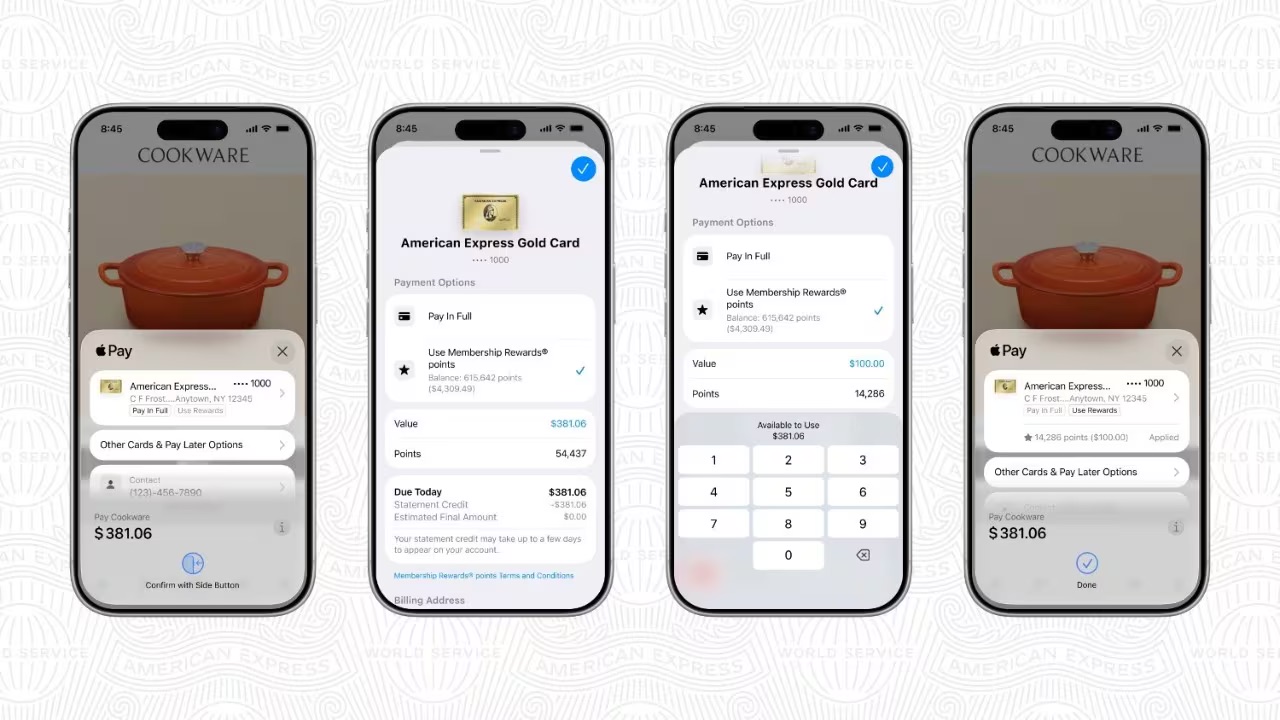
American Express today announced that you can now redeem Membership Rewards points when checking out with Apple Pay on the web and in apps on the iPhone and iPad.


When checking out with Apple Pay on iOS 18 or iPadOS 18 or later, tap on your eligible American Express card (Platinum, Gold, Green, and others) and select the Membership Rewards points option. You can use points to cover all or part of your purchase, with every 10,000 points redeemed through Apple Pay worth a $70 statement credit.

American Express points can be redeemed entirely within the Apple Pay checkout flow, with no need to open another app or complete additional steps.

Related Roundup: Apple Pay

This article, "American Express Announces New Apple Pay Feature" first appeared on MacRumors.com

Discuss this article in our forums

  •  

Apple Creator Studio Gets New AI Features

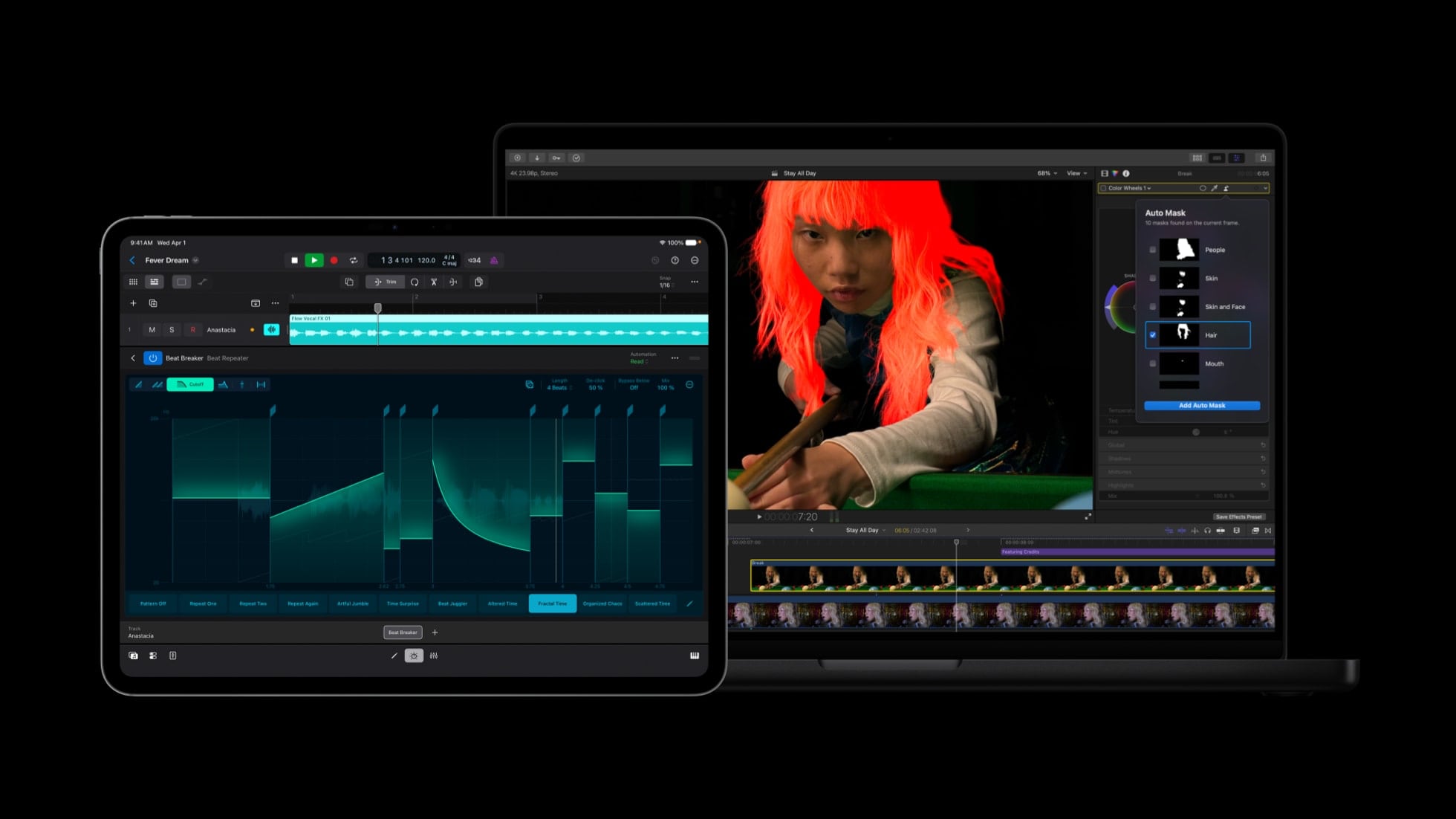
Apple today updated its Creator Studio apps, adding new AI features to Pixelmator Pro, Final Cut Pro, Logic Pro, and more.


Apple is integrating Pixelmator Pro with Final Cut Pro, Keynote, Numbers, and Pages. Final Cut Pro users can send a frame to Pixelmator Pro to create thumbnails and social graphics. In Keynote, Numbers, and Pages, users can select an image in a document and open it in Pixelmator Pro to edit, with changes saved to the original document.

The three office apps support generating vector shapes using AI, and Pixelmator Pro is getting advanced image generation and a Content Hub. Users can generate AI images directly in Pixelmator Pro with natural language, and browse a curated collection of images in Content Hub. Freeform also integrates with Pixelmator Pro in iOS 27, iPadOS 27, and macOS Golden Gate.

Final Cut Pro is getting Generate Captions, an on-device AI feature that automatically adds subtitles to videos based on audio. Subtitles can have animations and custom fonts, colors, and positions.

Edit Detection is a new AI feature that analyzes rendered video and splits it back into the original clips on the timeline. Apple says editors can use the tool for edit refinements or assembling a cut-down highlight clip for social media.

On the Mac, Final Cut Pro has an Auto Mask feature that isolates and refines video elements like skin, hair, sky, foliage, and clothing. Users can hover over a clip and make precise adjustments with no manual tracking. Color Match now produces more accurate and natural color matches in different lighting conditions, plus Advanced Trimming lets users fine-tune incoming and outgoing frames one-by-one.

Motion gains native support for scaling vector graphics without affecting quality, and Compressor has an Immersive Metadata Viewer for the Vision Pro. Final Cut Camera is getting expanded ProRes Support, an option to disable digital zoom, and Clean HDMI Out for sending a pristine video signal to external monitors and recorders.

Logic Pro's Chord ID feature has been rebuilt and it is more accurate than before. Apple says Session Players will respond and perform chord changes more quickly. Both Logic Pro and MainStage have a new granular sync mode in Alchemy to open up "new dimensions of sound design."

More information on the updates can be found on Apple's website. Creator Studio Pro includes all of Apple's creative software, and it is priced at $12.99 per month or $129 per year. Up to six people can share a single membership.
This article, "Apple Creator Studio Gets New AI Features" first appeared on MacRumors.com

Discuss this article in our forums

  •  

Dirk Eddelbuettel: tl 0.0.2 on CRAN: First Update

The still-very-new logging package tl was just updated for the first time at CRAN. The tl package wraps the (also very new) rspdlite package to offer a lightweight and consistent logging interface from both R and C++ that enjoys being β€˜tiny, fast, capable’ thanks to spdlite. With tl we follow the same idea that our spdl package introduced: a simple consistent interface via just the tl:: prefix and the appropropriate logging level. In other words tl::debug("Alert: foo now '{}'", foo) will work from both R and C++ (given a variable foo, and, in the case of C++, an extra semicolon) and log if the current level is β€˜debug’ or higher, and skip logging if not.

This release adds a fallback when compilation does not use the (required) C++20 standard, expands the README and adds a initialization helper function reflecting a preferred default logging level from either an environment variable or a global option. We are also working on adding tl to an example package as a simple illustration, more on that hopefully soon.

The NEWS entry for this release follows.

Changes in version 0.0.2 (2025-06-30)

  • Added badges to README now that package is on CRAN, add NEWS file

  • Condition the provided header on C++20 use, offer fallback

  • Add an exported initialization function picking up a logging level from either an environment variable or a global option, see '?init'

Courtesy of my CRANberries, there is also a diffstat report for the this release.

This post by Dirk Eddelbuettel originated on his Thinking inside the box blog. If you like this or other open-source work I do, you can sponsor me at GitHub.

  •  

Joey Hess: big loads offgrid with a small battery (sidelined)

No matter that the hype cycle wants you to think, the renewable energy transition is the biggest thing happening in tech and it's happening faster and faster. Despite being neck deep in it personally with offgrid solar projects, most recently solar hot water, increasingly it becomes clear I'm watching from the sidelines.

In Australia, everyone gets 24 kwh of free daytime electric power now. That's without installing any solar panels of their own, the grid just has that much excess capacity. All it takes to save $thousands per year (and avoid emissions) is to schedule some big loads like the hot water heater and EV to charge during the day. To save more, drop in a home battery that charges for free and powers the home through the evening.

In Germany, a 2 kwh plug-in home battery costs $350 and the electric company will pay you $130 per year to plug it into your wall. There are similar offers throughout Europe.

In Cuba something something geopolitics, oil blockade, belt and road => suddenly 1GW of solar farms with another gigawatt on the way.

I'll soon visit South Carolina where with no subsidies whatsoever from a decidedly renewable-unfriendly government, it made sense for my dad's house to get a whole home battery and double the solar array. The resulting system will be able to power the well pump and probably also the whole geothermal HVAC system through the kind of month-long grid down events that happened in Hurricane Helene.

Myself, well, I've got a by modern standards small 4 kwh home battery that powers my house offgrid, and I've recently installed a heat pump hot water heater. That's after about a decade pondering what solution to use for solar hot water, to replace an aging and horrible propane instant water heater. I've in the past considered everything from evacuated tubes to special direct drive inverters to DC resistive MPTT dump loads. The solution turned out to be just a big enough solar array, and plugging in a 120v hot water heater that needs only 500 watts in heat pump mode. Plus a small amount of code to manage when it runs.

In the time I was thinking about that, economies of scale and tech improvements just wiped all those other possibilities off the map, it's not economical to install and maintain a separate evactuated tube heat collector when a pile of solar panels costs so little and when electric hot water has gotten more than 200% efficient.

I also recently completed my permanant EV charger installation, with a new inverter and conduit and proper wiring, and increased the car's charge rate to 2 kw. Eliminating the need to charge anywhere except at home except on road trips.

Coordinating when these two big loads run, to maximize solar production and ensure that the house battery is full at the end of the day was ... not hard at all actually? The car charger amps can be dialed up and down to match incoming solar power fairly well, and leave some room for the hot water heater. They both operate as more or less dump loads. More or less because neither one can be cycled on or off very fast (to avoid wear and tear on the car's contactor and the heat pump's compressor), so it makes sense to leave them on and skate through short cloudy sections of the day, as long as the house battery doesn't get too low.

How low is too low for the house battery? Depends on the time of day. The code it's currently using, which may get tweaked over winter:

    -- When the battery is charged enough to run major loads that may prevent
    -- charging it further.
    --
    -- This varies with the hour of day. Early in the day, the battery does not
    -- need to be as full to be considered well charged, since there is
    -- still plenty of time for it to charge up. Later in the day, with less
    -- time to charge, it needs to be more full.
    wellCharged :: Hour -> Percentage
    wellCharged (Hour hour)
            | hour < 9 = Percentage 90 -- night
            | pmhour <= 0 = Percentage 50
            | pmhour <= 1 = Percentage 60
            | pmhour <= 2 = Percentage 70
            | pmhour <= 3 = Percentage 80
            | pmhour <= 4 = Percentage 90
            | otherwise = Percentage 95
      where
            pmhour = hour - 12

More complicated is, what to do it there's solar power to run one or the other, but not both? This is starting to get into the territory of microgrids now, or of demand response programs, so there's a whole industry or three out there doing industry things geared at the kind of no-brainer solutions I mentioned earlier. From what I've gathered, all of them involve proprietary protocols and gear.

What I've done is to read the state of the hot water heater and car, and prioritize hot water over the car. Except, if the car is below 10% it urgently needs to charge.

And I found a really simple way to decide when to run the low-priority load: Just check if the house battery's current charge will be considered wellCharged in an hour. So if it's 2 pm, the battery needs to be 80% charged to run the lower-priority load, and if it dips below that, that load will turn off but the high-priority load will keep running down to 70% battery.

Unfortunately, getting any information out of my hot water heater relies on a vendor API server that is often down on weekends, and reverse engineered the web page of my EVSE[1] to control it, to say nothing of the nightmare of getting the car's state of charge from The Cloud.

Anyway, I'm pleased with having easily tweakable code and how far I've taken this offgrid, and everything I've learned doing so, but like I said, I'm clearly observing from the sidelines over here while the most significant thing for all of us is going on over there. You might appreciate my code or method, but you'll eventually be plugging in a home battery or signing up for a free daytime power tarrif from your electric company, or having professionals install a whole home system for climate resiliance.

So my question is, where does free software fit into all this? There are things like Home Assistant that do productize the kind of thing I'm doing enough to be useful more widely. But still niche. Meanwhile there are inverters and batteries that phone home to China, and every consumer facing install is either "use this device" or "integrate these 3 proprietary devices".

I don't think focusing on these negatives is really useful though, I'm more trying to understand where all this is going and then maybe get out ahead of it in some useful way with free software. Your thoughts welcome.


[1] Obviously OpenEVSE exists, but it didn't meet my needs hardware wise. And I could set my EVSE to use an OCPP server but it was easier to do the screen scraping than find an appropriate one, and I have the feeling I would not appreciate learning any more about OCPP, in the same way I really don't want to know a lot about web browsers' tag soup mode.

  •  

Report: Apple Watch Redesign Coming Next Year With New Band System

A "major overhaul" of the Apple Watch's design is due to arrive next year with a new system for connecting bands, according to a known Weibo leaker.


In a set of recent posts, the leaker known as "Instant Digital" linked the new claim to older rumors about an "Apple Watch X" model, which was said to introduce a fresh design and break compatibility with the existing watch band system. Citing a post from August 2023, the leaker reiterated that the way the band attaches to the case would change, creating internal space for a larger battery. The leaker went on to advise that anyone planning to buy a new Apple Watch in 2027 should hold off on buying extra bands in the meantime, given that a redesigned case could leave the current attachment system behind.

The "Apple Watch X" rumor traces back to a 2023 report from Bloomberg's Mark Gurman, who said Apple was planning the "biggest overhaul yet" for the Apple Watch's 10th anniversary, complete with a new magnetic band attachment system, a thinner case, and a microLED display. None of this materialized and Apple instead released the Apple Watch Series 10, keeping the existing band system intact with a design that, while tweaked somewhat, scarcely represented a major overhaul. It now looks like this redesign could simply have been delayed, rather than shelved entirely.

The timing lines up with how Apple has historically refreshed the standard Apple Watch's design. The original Apple Watch through to the Series 3 shared one design, the Series 4 through Series 6 shared another, and the Series 7 through Series 9 shared a third. The current design arrived with the Apple Watch Series 10. Following that roughly three-year pattern, a new design would be due to land with the Apple Watch Series 13 in 2027, matching the timeline Instant Digital is now describing.

The leaker previously said that the redesign would not appear until 2028, the year after the debut of the 20th anniversary iPhone. Last year, DigiTimes said that at least one future high-end Apple Watch model would get a "significant redesign ," including exterior changes such as eight sensors arranged in a ring pattern on the device's underside, tied to broader health-sensing ambitions. Earlier this month, Apple was said to be evaluating next-generation OLED backplane technology for the 2027 Apple Watch.

This year's Apple Watch Series 12 is not expected to feature a new design, continuing to use the same one introduced with the Series 10 in 2024, which introduced a thinner case, larger display, and a metal back that folds the antenna into the housing.
Related Roundup: Apple Watch 11
Buyer's Guide: Apple Watch (Caution)

This article, "Report: Apple Watch Redesign Coming Next Year With New Band System" first appeared on MacRumors.com

Discuss this article in our forums

  •  

Russell Coker: Links June 2026

This is amusing, a flaw in the crypto-currency Zcash allowed generating Zcash from nothing and there’s no way to know if anyone did that [1].

Cory Doctorow wrote an insightful article for Locus Magazine about corporate valuations and why companies claim SciFi technologies [2].

Charles Stross wrote an interesting retcon of James Bond [3].

Trakkr.ai has an intresting post comparing political bias in LLM models, the site has lots of other comparisons of models too [4].

Wouter Verhelst wrote a blog post about his tested usage of LLMs for code generation and the conclusions about what it will do to the FOSS development process, not a lot of new material but he put a lot of good ideas together in one place [5].

Here is the git repository for the programs used for the ssh-audit.com site, really good setup for checking ssh configuration [6].

The isaiprofitable.com site is periodically updated with the profit/loss totals for AI companies, no surprise that every company is losing money apart from NVidia and NVidia are investing in the other companies [7].

Elvira Bary wrote an informative article about Russia’s inability to build or design anything good [8]. Looks like we are at risk of another Chernobyl…

Lev Lafayette wrote an interesting blog post about the Sunway TaihuLight supercomputer with over 10,000,000 cores [9].

Point Free wrote an interesting blog post about running the Gemma 4 LLM which is 25G of data at a usable speed on a Xeon system with DDR3 RAM and no GPU [10].

Related posts:

  1. Links June 2022 Google did some interesting research on the impact of discrimination...
  2. Links April 2026 Charles Stross wrote an interesting blog post about the apparent...
  3. Links February 2026 Charles Stross has a good theory of why β€œAI” is...
  •  

Apple's $502M Optis Patent Case Heads to UK Supreme Court

Apple will try to convince the UK Supreme Court this week to throw out a $502 million judgment in favor of patent holder Optis Wireless.


As reported in the Financial Times, the UK Supreme Court this week takes up a dispute that has stretched on since 2019 in both U.S. and UK courts, when Optis first accused iPhones, iPads, and LTE-equipped Apple Watch models of infringing patents covering 4G networking technology.

The current UK fight is no longer about whether Apple infringed the patents, but rather what Apple should reasonably owe for using it. Patents deemed essential to a wireless standard must be licensed on fair, reasonable, and non-discriminatory (FRAND) terms, and the two sides remain far apart on the number. The award is structured as a single upfront payment spanning 2013 to 2027, covering Optis' LTE patents across Apple's cellular hardware.

The figure has shifted dramatically over the course of the proceedings. London's High Court had set the bill at $56.43 million in 2023. The Court of Appeal multiplied that roughly ninefold to $502 million last year. To get to that figure, the judges leaned on a separate agreement Optis had signed with Google as a reference point and counted royalties stretching back to 2013, well beyond the six-year window the High Court had favored.

Apple wants the justices to reconsider not just the size of the award but how the lower court arrived at it, contending the Court of Appeal "erred in law" and produced a figure it calls "arbitrary." Optis counters that Apple has spent years dodging fair payment and using its scale to drive rates down. Qualcomm has also lined up against the appeal, warning that Apple's stance breaks with established licensing norms and risks discouraging future innovation.

The dispute traces back to a pivotal 2020 ruling in which the UK Supreme Court held that British courts can set worldwide patent licensing rates, even though they can only rule on the infringement of UK patents. That decision opened the door for Optis to pursue global damages. After a 2021 High Court finding that Apple had infringed two of its patents, with the potential bill reported to run as high as $7 billion, an Apple lawyer told the court the company could withdraw from the UK rather than accept terms it considered "commercially unacceptable." Apple later backed away from that position.

The proceedings in the UK contrast with the parallel U.S. case, where Apple has fared considerably better. In February, a U.S. jury cleared Apple of infringing any of the five patents in dispute, the latest turn in a case that has repeatedly ended in Apple's favor.

Two earlier awards, of $506 million and $300 million, were each thrown out on appeal. Optis has signaled the U.S. legal battle isn't finished, saying it expects the District Court and the Federal Circuit to revisit the verdict.
This article, "Apple's $502M Optis Patent Case Heads to UK Supreme Court" first appeared on MacRumors.com

Discuss this article in our forums

  •  

Proton Lumo 2.0 Adds Image Generation, Memory, Stronger Web Search

Last summer, Swiss-based Proton launched Lumo, an AI assistant with a privacy-first approach. Today, the company has announced Lumo 2.0, a major update to the chatbot that brings three new features commensurate with its core principles of no logs, no data sharing, and zero-access encryption.


Proton says Lumo 2 has been rebuilt on a new architecture that brings its biggest leap in capability to date, with Fast and Thinking modes now available. Fast of course prioritizes speed, while Thinking is optimized for more complex, multi-step reasoning. Proton says Lumo 2 responds to everyday queries up to 76 percent faster than Lumo 1.4.

Beyond the new architecture, Lumo 2 also boasts multimodal capabilities such as image generation and image recognition. Users can now upload an image to analyze, create visuals from a prompt or a rough sketch, or edit existing images, all in the same conversation.

On top of the new features, Lumo 2.0 has far stronger web search compared to Lumo 1.4, according to the company. There's also a Memory feature that lets Lumo learn your preferences, working style, and ongoing context, with the context window now twice as large.

Lumo 2.0 also introduces Custom Lumos, described as enabling purpose-built assistants that can be tailored to specific tasks, such as a research assistant that structures answers the way you need them.


Lumo is free to use at Lumo.proton.me and does not require a Proton account when accessed. However, if you have a Proton account, your chat history can be saved using the company's "zero-access" encryption across all your devices. There are also mobile apps for iPhone and Android.

For power users, Lumo Plus brings unlimited chats, Projects, advanced image generation, and priority access to the fastest models. Plus costs $12.99 per month, and there's also a Lumo Professional plan for teams offering secure collaboration for $14.99 per user per month, with discounts currently available for both plans.
Tag: Proton

This article, "Proton Lumo 2.0 Adds Image Generation, Memory, Stronger Web Search" first appeared on MacRumors.com

Discuss this article in our forums

  •  
❌