Great news for players of Age of Empires Mobile! The game is now available on Steam and the Microsoft Store for PCs.
Players who’ve started on mobile can continue to play between their phone, tablet and/or PC without losing progress. The PC Edition optimization includes mouse control and full keyboard navigation.
Get all the details on Age of Empires.
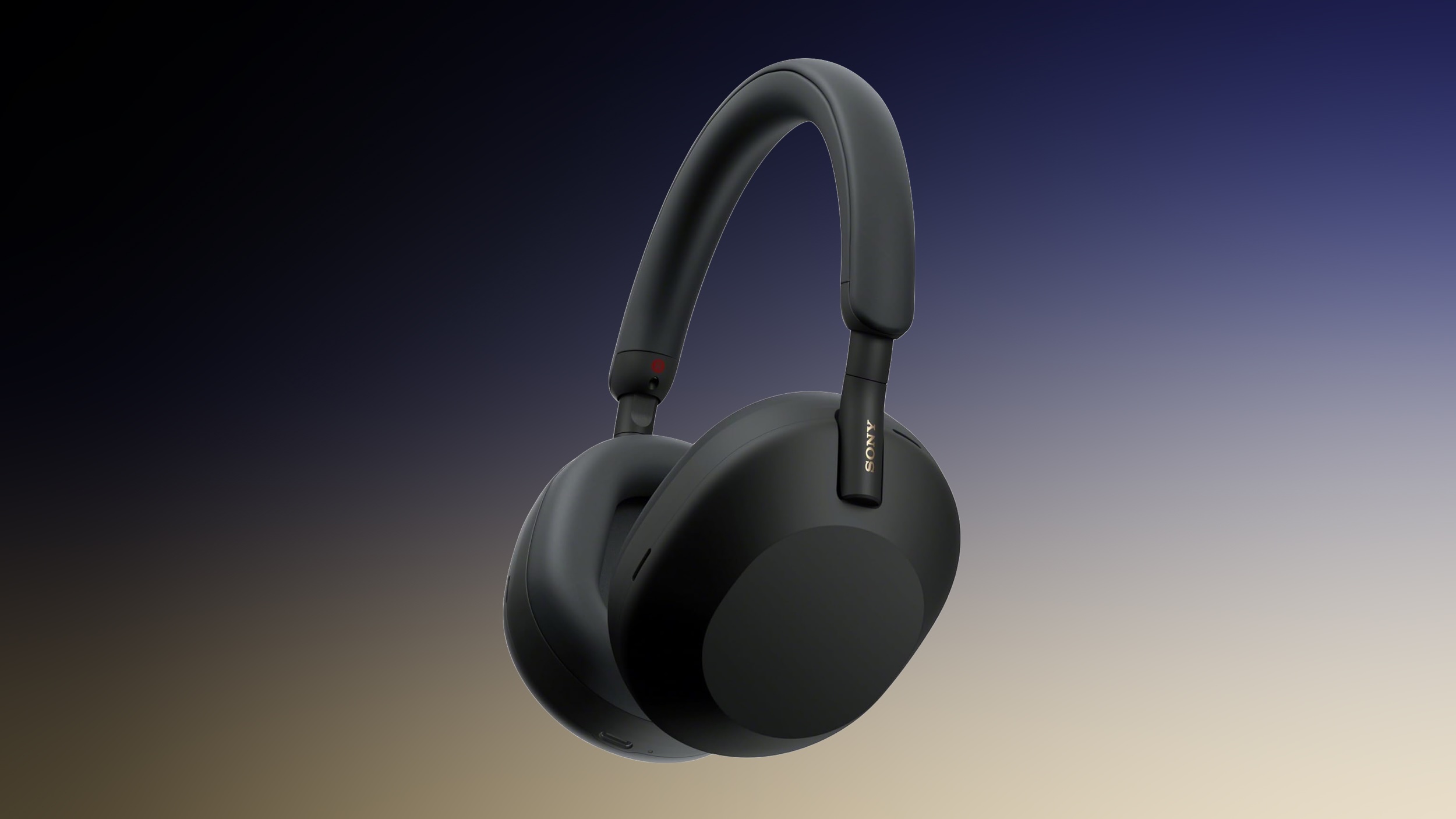
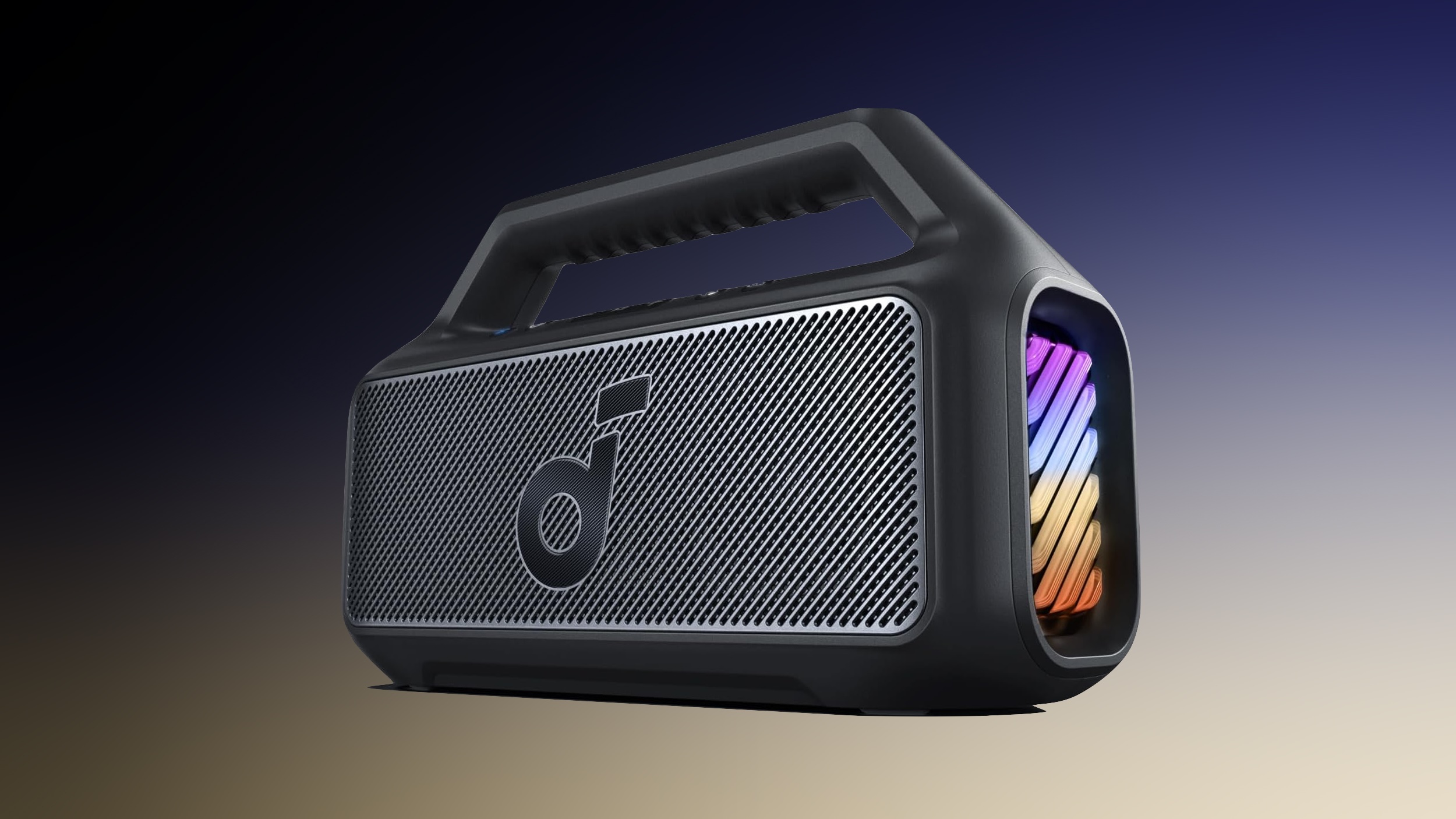
We're in the second day of Prime Day 2026, and deals on everything from Apple products to TVs and monitors are in abundance. Below we're focusing on some of the best audio discounts you can find during Prime Day this year, from brands like Beats, Sony, Sonos, Soundcore, and more.
Note: MacRumors is an affiliate partner with some of these vendors. When you click a link and make a purchase, we may receive a small payment, which helps us keep the site running.
Of course, the best overall audio deal for Prime Day 2026 is on the AirPods Max 2. You can still get the Midnight color for the all-time low price of $399.00 today on Amazon, but we aren't sure how much longer this sale will last.
Shoppers should note that many sales during Amazon Prime Day require you to have an Amazon Prime membership to take advantage of the discounts. Amazon Prime costs $14.99 per month or $139.00 per year, and it comes with a 30-day free trial for new subscribers.
Special for 2026, Amazon is also offering 50% off Prime memberships for Young Adults. Prime for Young Adults is a discounted Prime membership for anyone age 18-24 that offers all of the Prime benefits at $69.00 per year, half of the price of regular Prime.
Beats
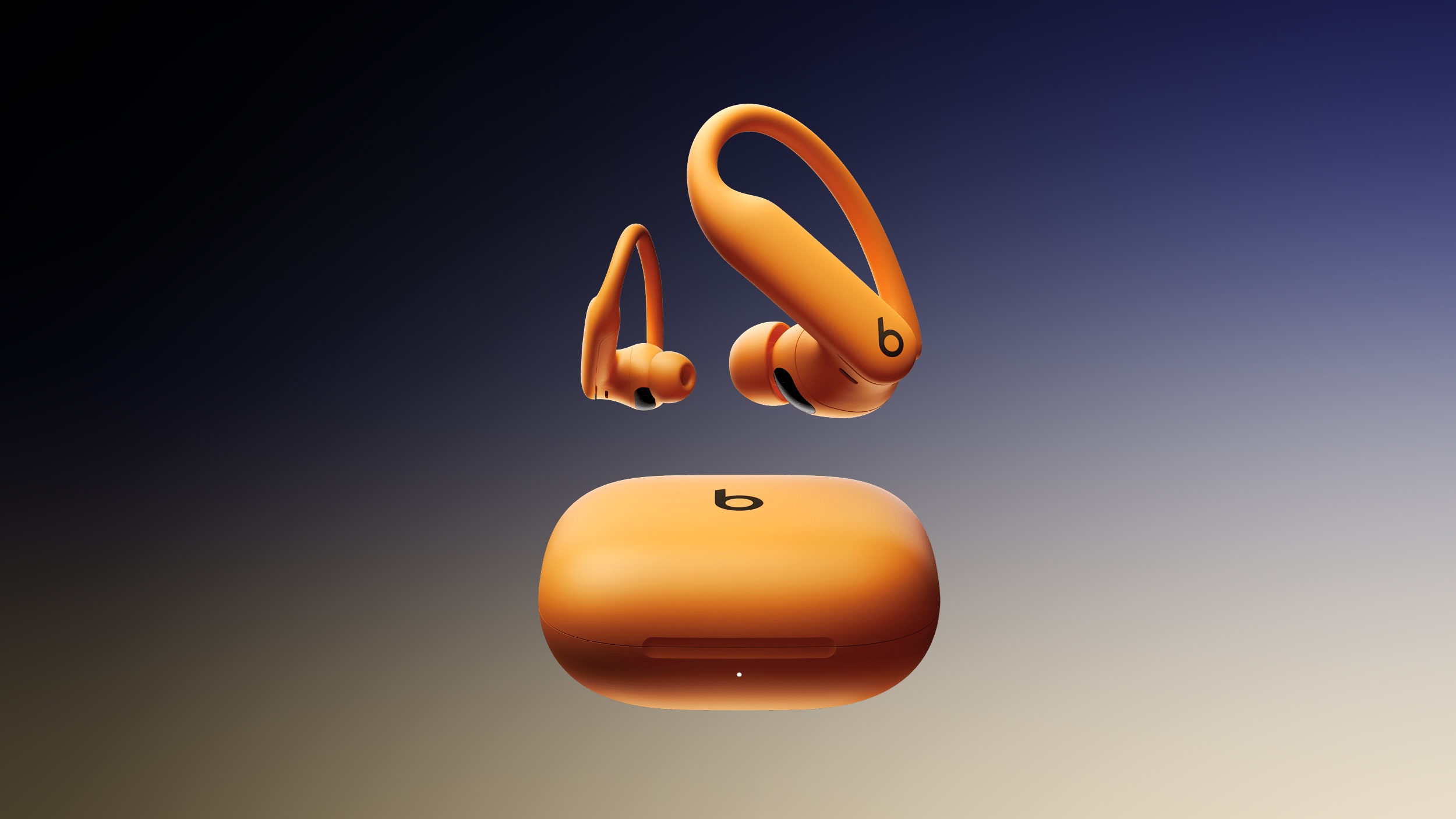
Amazon this week is discounting a collection of Beats headphones and speakers for Prime Day, including a new low price on the Powerbeats Pro 2. You can get this new 2025 model for $179.95 in all four colors, down from $249.99. This deal on the Powerbeats Pro 2 is being matched at Best Buy, along with a few other Beats deals.
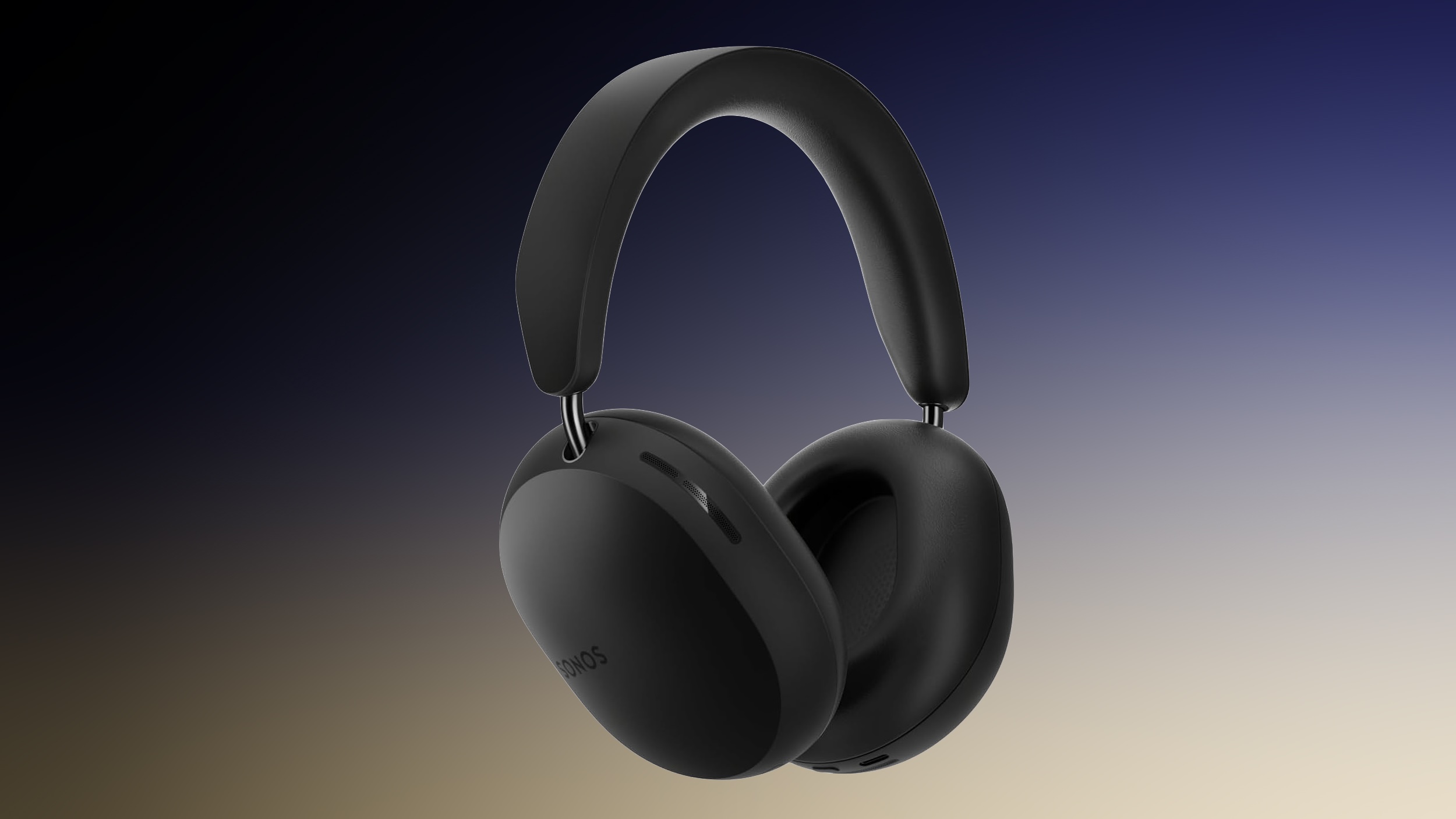
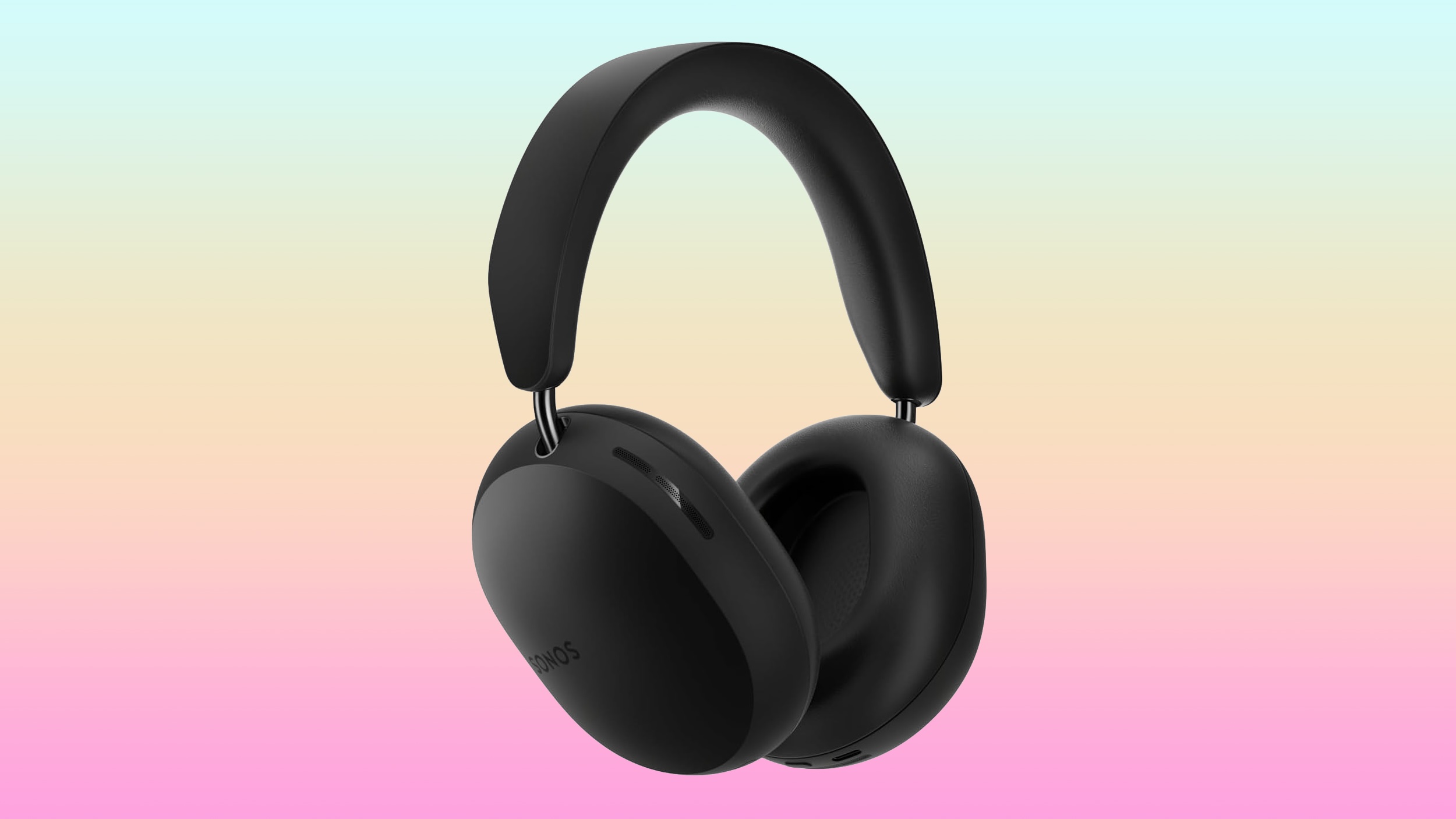
The highlight of Prime Day deals for Sonos products is the Sonos Ace Headphones down to just $279.00, from $399.00. This is a new all-time low price on the over-ear headphones, beating the previous low by over $20.
For even more Prime Day deals, be sure to visit our main article recapping all of the best Apple deals for Prime Day. If you're on the hunt for more discounts, be sure to visit our Apple Deals roundup where we recap the best Apple-related bargains of the past week.
Deals Newsletter
Interested in hearing more about the best deals you can find in 2026? Sign up for our Deals Newsletter and we'll keep you updated so you don't miss the biggest deals of the season!
With every iOS update, Apple adds new features to the AirPods. In iOS 27, the AirPods work with Siri AI, and there's a long-requested custom EQ option.
Apple resisted custom EQ for the AirPods for years, preferring to require users to stick with Apple's sound profiles. That's changing in iOS 27, and there are finally adjustable equalizer settings.
When the AirPods are connected to an iPhone running iOS 27 and have the latest firmware, custom EQ can be accessed by going to Settings > [AirPods Name] > Audio & Routing > Equalizer > Custom.
There are options for adjusting lows, mids, and highs.
There's a more compact settings interface available when the AirPods are connected to an iPhone. It's still located under Settings > AirPods, but all of the AirPods features are better organized and easier to get to.
The Transparency, Noise Cancellation, and Adaptive modes are still accessible at the top of the screen for quick switching, but Apple also added a volume slider for adjusting sound in the same interface.
Instead of expanded menus for Hearing Health, Call Controls, and gestures, the options are organized into separate menus. Apple has logically aggregated controls into categories that include Audio & Routing, Hearing Health, Controls & Gestures, Live Translation, Accessibility, Battery, Find My, and Privacy.
Siri AI
The smarter version of Siri, Siri AI, works on the AirPods through a connected iPhone. When you're wearing AirPods, you can ask Siri AI questions and make requests.
Siri AI isn't a standalone feature on the AirPods, and it requires an iPhone that supports it. Siri AI has a long list of new capabilities, which are outlined in our Siri guide. Apple is rumored to be developing AirPods with cameras that will feed visual data to Siri AI, and the current integration is a precursor to that deeper feature set.
Precision Finding
The AirPods Pro 3 charging case features Ultra Wideband (UWB), and it works with Precision Finding on the iPhone. With the update to iOS 27 and watchOS 27, you can also use an Apple Watch for AirPods Pro 3 Precision Finding.
GymKit Syncing
GymKit works with the iPhone in iOS 27, and it can sync heart rate data collected from the AirPods Pro 3 to gym equipment like treadmills and indoor bikes.
Accessibility
Apple added Name Recognition in iOS 27, so users who are deaf or hard of hearing can be alerted if someone says their name. It's a feature that works with the AirPods Hearing Health options, and it supports more than 50 languages globally.
Compatibility
Some of the new AirPods features require an H2 chip, and for Siri AI, you'll need an Apple Intelligence-compatible iPhone. The Precision Finding and GymKit features are limited to AirPods Pro 3.
Launch Date
The new AirPods features require iOS 27 and updated AirPods firmware. Developers have access now, and Apple plans to release a public beta in July. iOS 27 will launch in September alongside new iPhone models.
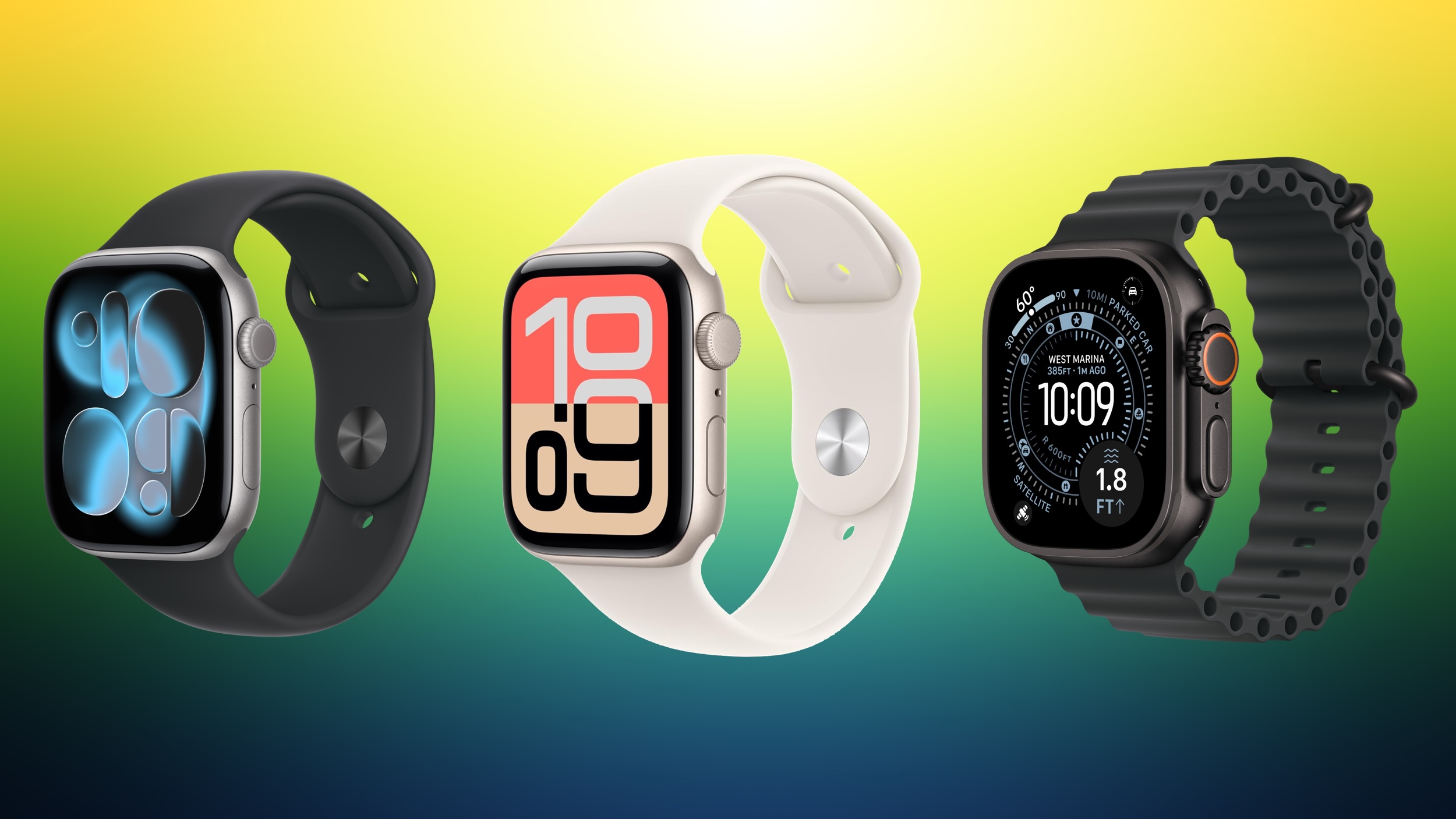
Prime Day deals are in full swing today, and they feature all-time low prices across the Apple Watch lineup, including Apple Watch Series 11 for $120 off, Apple Watch SE 3 for $50 off, and Apple Watch Ultra 3 for $150 off.
Note: MacRumors is an affiliate partner with Amazon. When you click a link and make a purchase, we may receive a small payment, which helps us keep the site running.
Apple Watch Series 11
Amazon this week has all-time low prices on the Apple Watch Series 11, with $120 discounts across numerous models of the smartwatch. This sale includes a handful of GPS aluminum models on sale at record low prices.
You can get the 42mm GPS Apple Watch Series 11 for $279.00, down from $399.00, and the 46mm GPS model for $309.00, down from $429.00. On Amazon, you'll find three of the 42mm GPS models and three of the 46mm GPS models on sale at these all-time low prices.
Apple Watch SE 3
Amazon is also taking $50 off the Apple Watch SE 3, starting at $199.00 for the 40mm GPS model. These are matches of all-time low prices on the SE 3, and it's been over four months since we last tracked these prices on the wearable.
You can also get the 44mm GPS Apple Watch SE 3 on sale for $229.00, down from $279.00. Both the 40mm and 44mm GPS models are available in Midnight and Starlight Aluminum at these prices.
Apple Watch Ultra 3
Finally, Amazon is discounting a wide array of Apple Watch Ultra 3 models down to $649.00 for Prime Day, from $799.00. This is a new all-time low price on the 2025 smartwatch, beating the previous record low price by about $50, and it's available in both Natural and Black Titanium color options.
Head to our full Deals Roundup to get caught up with all of the latest deals and discounts that we've been tracking over the past week.
Deals Newsletter
Interested in hearing more about the best deals you can find in 2026? Sign up for our Deals Newsletter and we'll keep you updated so you don't miss the biggest deals of the season!
Note: MacRumors is an affiliate partner with Amazon. When you click a link and make a purchase, we may receive a small payment, which helps us keep the site running.
Below we've collected some of the best TV deals you can find during Prime Day, including those from Samsung, Sony, Hisense, LG, Panasonic, Toshiba, and more. Shoppers should remember that Prime Day sales are typically time sensitive, so purchase quickly if you're interested.
Shoppers should note that many sales during Amazon Prime Day require you to have an Amazon Prime membership to take advantage of the discounts. Amazon Prime costs $14.99 per month or $139.00 per year, and it comes with a 30-day free trial for new subscribers.
Special for 2026, Amazon is also offering 50% off Prime memberships for Young Adults. Prime for Young Adults is a discounted Prime membership for anyone age 18-24 that offers all of the Prime benefits at $69.00 per year, half of the price of regular Prime.
If you're on the hunt for more discounts, be sure to visit our Apple Deals roundup where we recap the best Apple-related bargains of the past week.
Deals Newsletter
Interested in hearing more about the best deals you can find in 2026? Sign up for our Deals Newsletter and we'll keep you updated so you don't miss the biggest deals of the season!
Note: MacRumors is an affiliate partner with Amazon. When you click a link and make a purchase, we may receive a small payment, which helps us keep the site running.
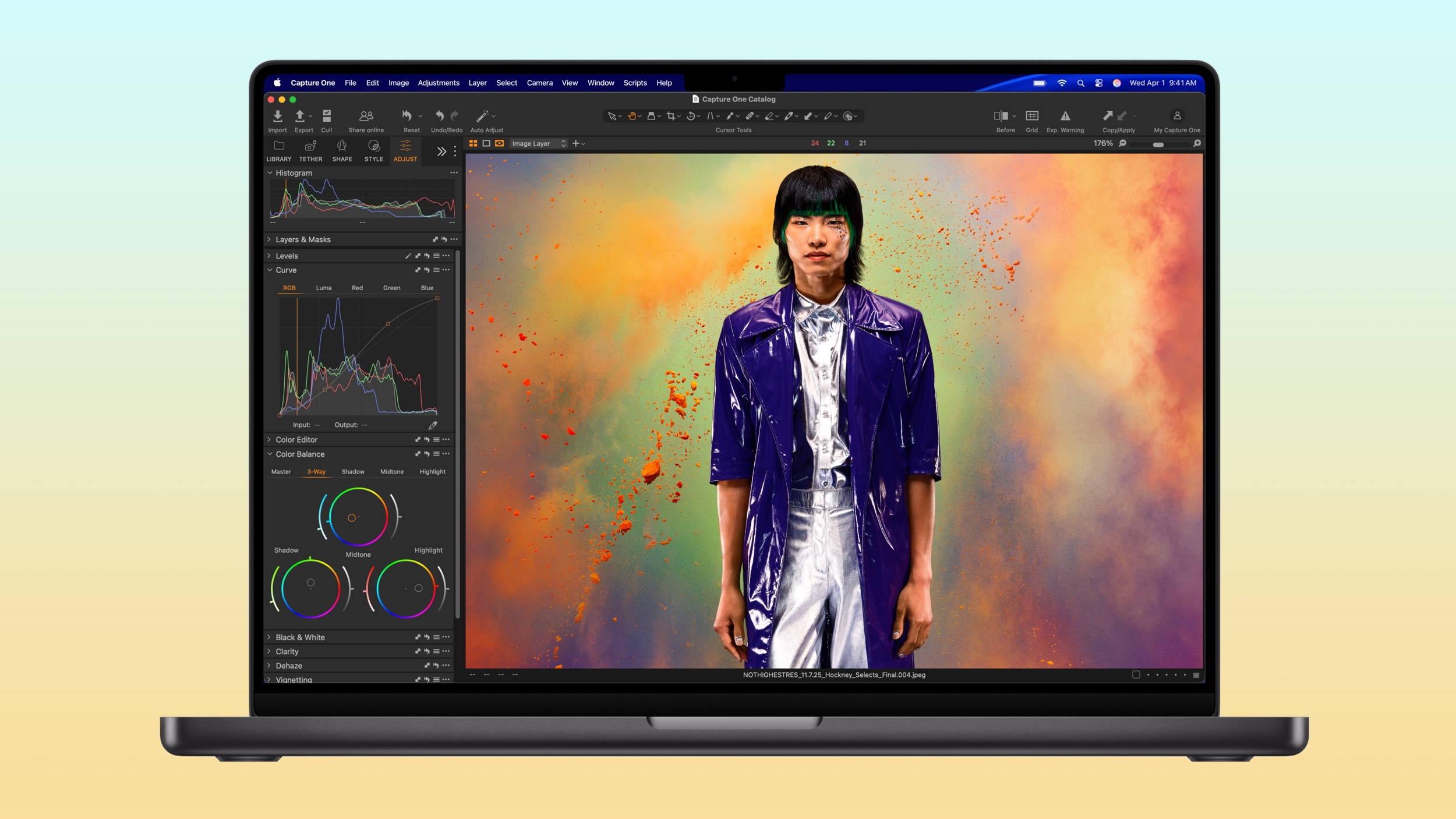
Starting with the 14-inch models, you can get the 24GB/1TB M5 Pro MacBook Pro for $2,034.00, down from $2,199.00. The biggest overall savings this time around is on the 36GB/2TB model, available for $3,299.99, which is a $299 discount and all-time low price.
You can get up to $250 off the 16-inch MacBook Pro right now on Amazon, with the 24GB RAM/1TB M5 Pro model hitting a new all-time low price of $2,494.00, down from $2,699.00. Most of the MacBook Pro devices in this sale have an estimated delivery date of June 29 with free shipping.
Shoppers should note that many sales during Amazon Prime Day require you to have an Amazon Prime membership to take advantage of the discounts. Amazon Prime costs $14.99 per month or $139.00 per year, and it comes with a 30-day free trial for new subscribers.
Special for 2026, Amazon is also offering 50% off Prime memberships for Young Adults. Prime for Young Adults is a discounted Prime membership for anyone age 18-24 that offers all of the Prime benefits at $69.00 per year, half of the price of regular Prime.
For even more Prime Day deals, be sure to visit our main article recapping all of the best Apple deals for Prime Day. If you're on the hunt for more discounts, be sure to visit our Apple Deals roundup where we recap the best Apple-related bargains of the past week.
Deals Newsletter
Interested in hearing more about the best deals you can find in 2026? Sign up for our Deals Newsletter and we'll keep you updated so you don't miss the biggest deals of the season!
Apple's retail store at the Briarwood Mall in Ann Arbor, Michigan will be relocating to a larger space at the mall as early as the end of July, according to Bloomberg's Mark Gurman.
Simon Property Group has been redeveloping a portion of the surface parking lot at the Briarwood Mall, and previous reports have indicated that Apple will be moving its store to this new mixed-use area.
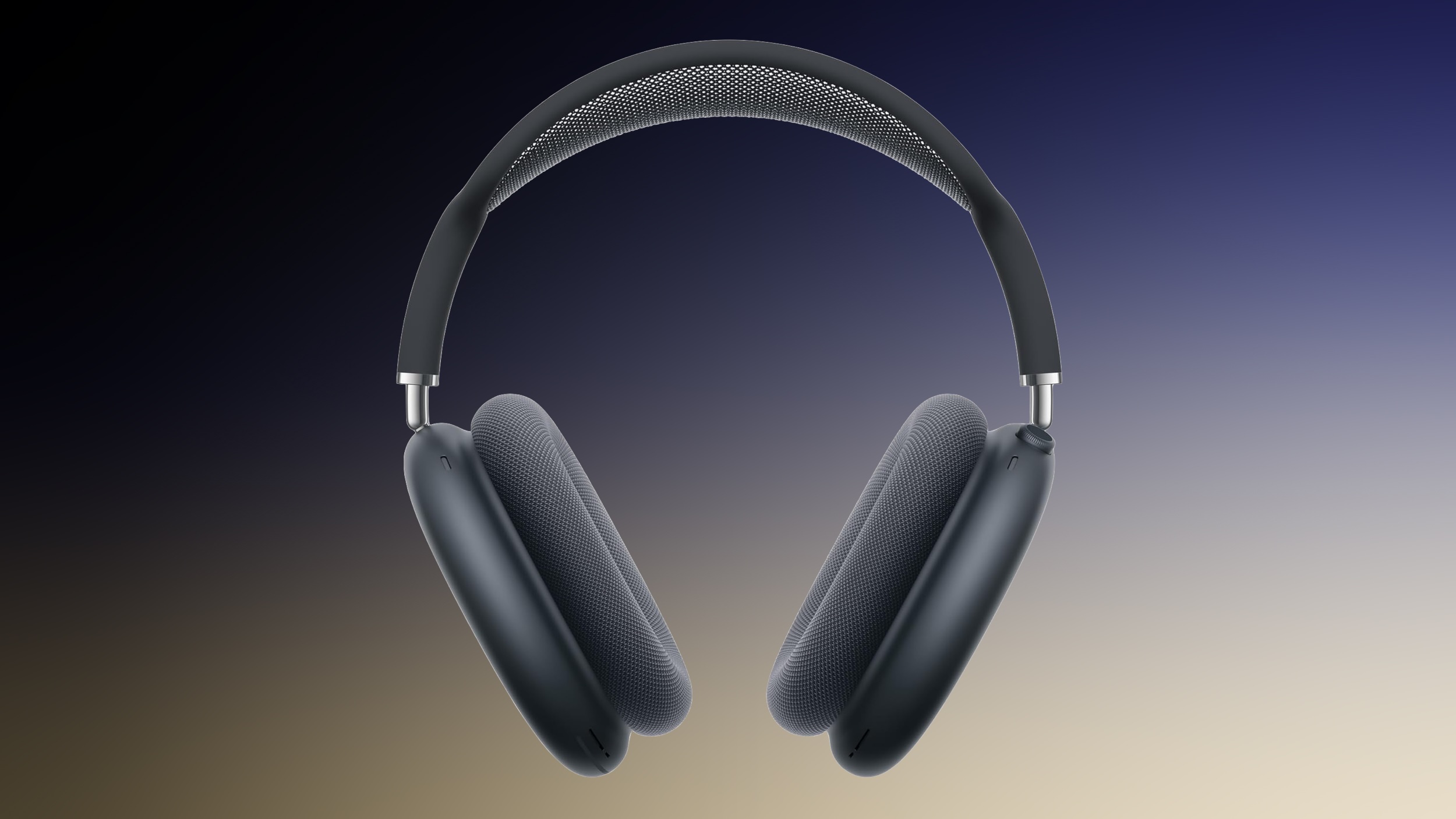
We're now in the second day of Prime Day 2026, and one of the best deals of this year's event is starting to sell out. You can still get the AirPods Max 2 for $399.00, but it's now only available in the Midnight color option. This sale started out with every color on sale over the weekend, so this could be your last chance to get the headphones at this record low price this week.
Note: MacRumors is an affiliate partner with some of these vendors. When you click a link and make a purchase, we may receive a small payment, which helps us keep the site running.
Free delivery has the AirPods Max 2 arriving around June 29, but Prime members should see same-day delivery options in many locations. You can also shop solid deals on the AirPods 4 and AirPods Pro 3 during Prime Day this year.
Shoppers should note that many sales during Amazon Prime Day require you to have an Amazon Prime membership to take advantage of the discounts. Amazon Prime costs $14.99 per month or $139.00 per year, and it comes with a 30-day free trial for new subscribers.
Special for 2026, Amazon is also offering 50% off Prime memberships for Young Adults. Prime for Young Adults is a discounted Prime membership for anyone age 18-24 that offers all of the Prime benefits at $69.00 per year, half of the price of regular Prime.
For even more Prime Day deals, be sure to visit our main article recapping all of the best Apple deals for Prime Day. If you're on the hunt for more discounts, be sure to visit our Apple Deals roundup where we recap the best Apple-related bargains of the past week.
Deals Newsletter
Interested in hearing more about the best deals you can find in 2026? Sign up for our Deals Newsletter and we'll keep you updated so you don't miss the biggest deals of the season!
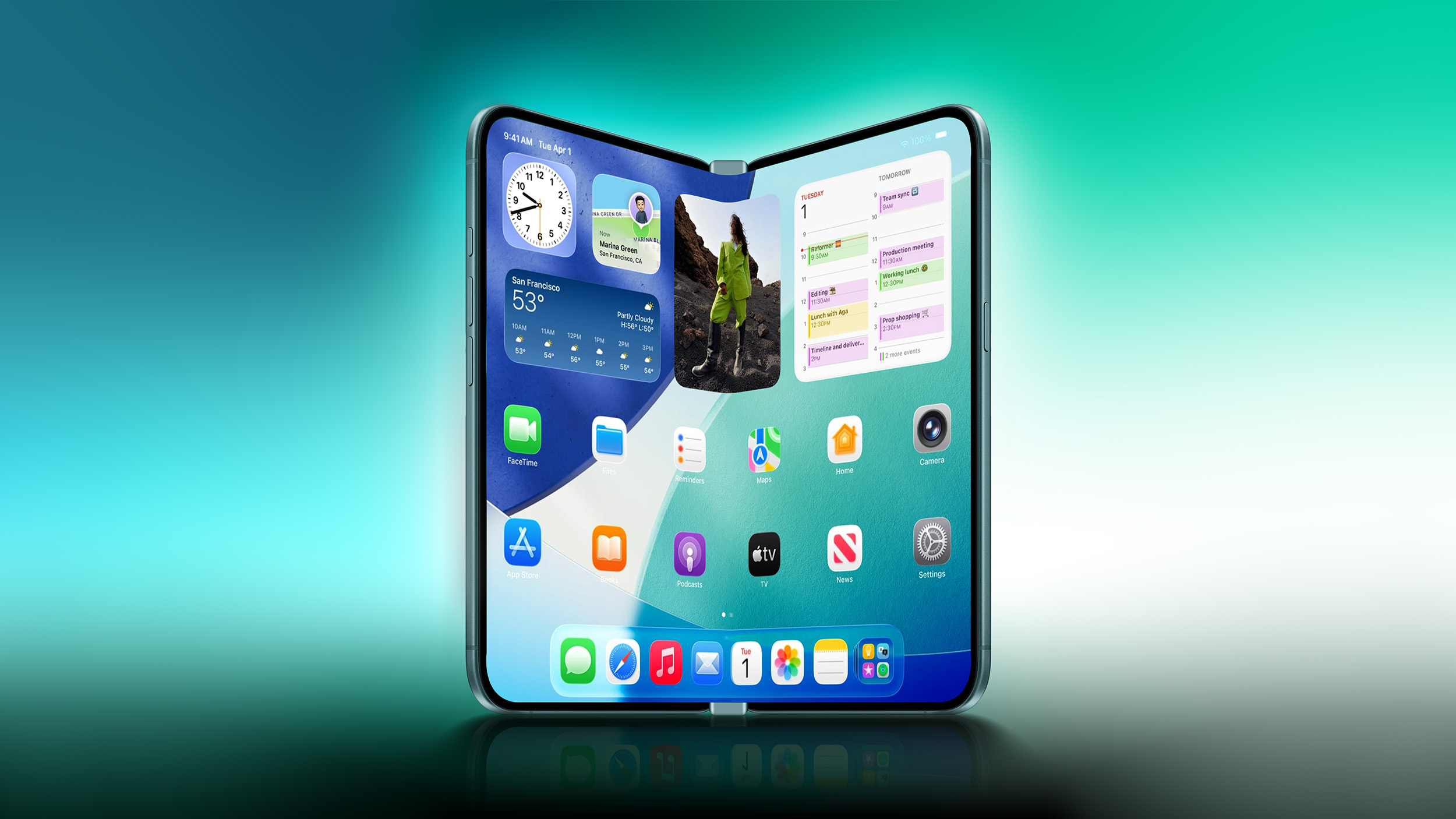
Apple's rumored foldable iPhone "Ultra" is expected to begin mass production at the end of July, according to a new report by The Elec.
Although some recent reports suggested the book-style device could be delayed due to hinge-related issues, the Korean outlet's sources indicate that Apple is still targeting a September launch as planned.
Bloomberg's Mark Gurman reported in March that the new foldable iPhone won't ship to customers in the same September timeframe as the iPhone 18 Pro and iPhone 18 Pro Max. A month later, Gurman said that the foldable iPhone remained on track for a September debut alongside the iPhone 18 Pro models, and that Apple is aiming to put it on sale at roughly the same time or slightly later.
Gurman noted at the time, however, that "the release is six months away and production has yet to ramp up" and "the timing isn't final."
The foldable iPhone will use a foldable 7.8-inch OLED panel supplied by Samsung. The display uses a newer design that eliminates one of the traditional screen layers and instead builds the color-filtering layer directly into the display stack, making the screen thinner, lighter, and more power-efficient.
The hinge will reportedly be supplied by Taiwan's Shin Zu Shing and U.S.-based Amphenol. Both companies are said to be providing hinges manufactured using 3D-printing techniques.
The Elec's latest sources said Apple did encounter some challenges with the hinge during testing. After undergoing durability tests involving millions of folds, the mechanism reportedly began producing slight "noise," while wider-than-expected manufacturing tolerances in parts of the assembly process contributed to higher defect rates. However, most of these issues have since been addressed, according to one Taiwan-based industry source cited by the outlet.
In addition to the inner display, the foldable iPhone is expected to feature a 5.5-inch cover display, as well as Apple's A20 chip and C2 modem, a Touch ID power button instead of Face ID, and two rear cameras, with pricing rumored at around $2,000. Apple's book-style foldable could launch as the "iPhone Ultra," as suggested by reports.
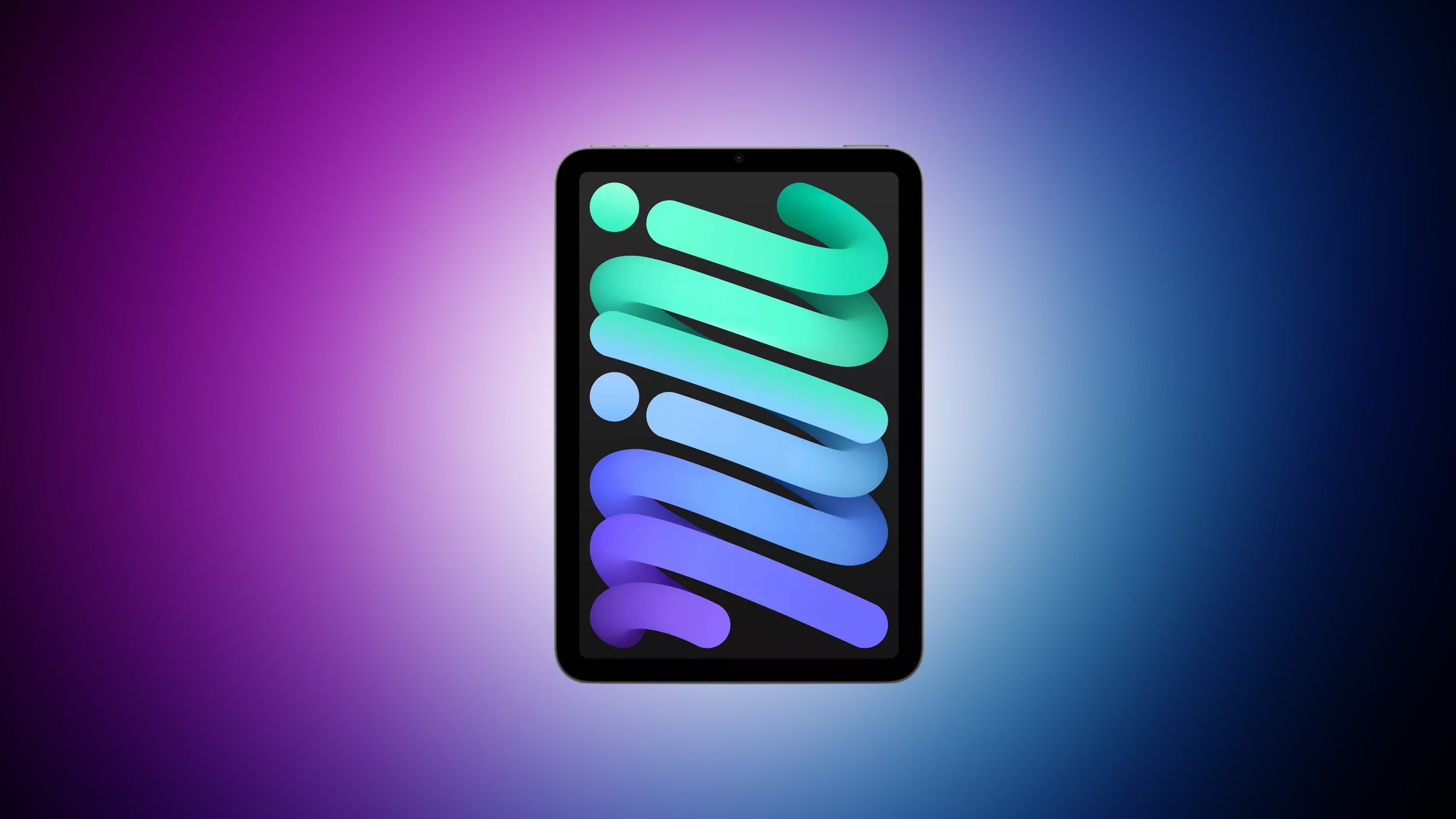
Amazon today has brought back a few $99 discounts on the iPad mini 7 for Prime Day, starting at $399.99 for the 128GB Wi-Fi tablet, down from $499.00. It's been nearly three months since we last tracked prices this low on the iPad mini 7.
Note: MacRumors is an affiliate partner with Amazon. When you click a link and make a purchase, we may receive a small payment, which helps us keep the site running.
Additionally, you can get the 256GB Wi-Fi iPad mini 7 for $499.99 and the 512GB Wi-Fi iPad mini 7 for $699.99, both $99 discounts and available in multiple colors. These sales are all solid second-best prices on the iPad mini 7.
Shoppers should note that many sales during Amazon Prime Day require you to have an Amazon Prime membership to take advantage of the discounts. Amazon Prime costs $14.99 per month or $139.00 per year, and it comes with a 30-day free trial for new subscribers.
Special for 2026, Amazon is also offering 50% off Prime memberships for Young Adults. Prime for Young Adults is a discounted Prime membership for anyone age 18-24 that offers all of the Prime benefits at $69.00 per year, half of the price of regular Prime.
For even more Prime Day deals, be sure to visit our main article recapping all of the best Apple deals for Prime Day. If you're on the hunt for more discounts, be sure to visit our Apple Deals roundup where we recap the best Apple-related bargains of the past week.
Deals Newsletter
Interested in hearing more about the best deals you can find in 2026? Sign up for our Deals Newsletter and we'll keep you updated so you don't miss the biggest deals of the season!
As demand for cloud and AI services continues to grow, datacenters are becoming more essential than ever. Communities also want to better understand how this infrastructure affects local resources, particularly water. At Microsoft, water stewardship has been a priority since our first datacenter builds in the early 2000s and remains a core part of our strategy today and into the future. It underpins both our Community-First AI Infrastructure initiative and our company-wide commitment to become water positive by 2030, meaning we will replenish more water than we withdraw. We are pairing our progress with continued transparency so people can understand not only how much water we use, but also how we are working to reduce that use over time.
Through continuous innovation and advancements in cooling technologies, we have improved our water use effectiveness (WUE), measured in liters per kilowatt-hour (L/kWh), by nearly 90% since our first generation of datacenters in the early 2000s. Our average WUE has decreased from 2.3 L/kWh to 0.27 L/kWh in 2025, reflecting decades of innovation and our ongoing commitment to reducing the water intensity of our datacenters while meeting the growing demand for cloud and AI services.
Across our entire owned fleet of datacenters, we are committed as a company to a 40 percent improvement in datacenter water-use intensity by 2030. As of 2025, we have reduced our water-use intensity by 25 percent, putting us well over halfway toward our goal. This strong progress reflects the impact of our continued investments in water-efficient cooling technologies, operational improvements and responsible water management practices.*
In FY25, Microsoft reached an important milestone toward its 2030 water positive commitment, replenishing more water than it withdrew across its global operations for the year. We have made this progress by decoupling datacenter growth from water use through resilient, responsible water stewardship practices and the deployment of increasingly efficient cooling technologies — demonstrating that digital growth and sustainable water management can advance together. We are committed to building on this progress and working toward sustaining water positive performance over time as we continue advancing toward our 2030 goal.
Early water stewardship by design
Beginning with some of our earliest datacenter designs, we prioritized water efficiency while minimizing impacts on energy use through the deployment of high-efficiency economizing chillers operating at elevated water temperatures. As early as 2008, we adopted direct air cooling with evaporative assist as the primary cooling approach across our datacenter fleet. This design uses significantly less electricity and up to 90% less water than traditional water-based cooling systems by relying on water only when outside temperatures exceed 85°F (29.4°C). In parts of Northern Europe, no water is required for cooling throughout the year, while in other cooler regions like Dublin and Amsterdam, water is used less than 5% of the time. In more temperate climates like Virginia, water is typically required only 10% of the year, while in the hottest climates like Phoenix, water use may increase to as much as 40% of the year. As a result, approximately 90% of our 2025 owned fleet operates using highly efficient, low- to zero-water cooling systems.
YouTube Video
While the majority of our existing datacenters are already highly water efficient, we did not stop there. In 2024, Microsoft introduced a new datacenter design optimized for AI workloads that consumes zero water for cooling during operations, further reinforcing our commitment to water stewardship by design. This chip-level cooling solution delivers precise zonal temperature control without water evaporation by recirculating water through a closed-loop, direct-to-chip cooling system. As our datacenter fleet continues to expand, the addition of these zero-water designs will further reduce Microsoft’s water use intensity over time.
Datacenter cooling methods, explained:
Cooling towers: Traditional systems that remove heat by evaporating water year-round.
Hybrid fluid coolers: Evaporates water for cooling during hot summer conditions and switches to dry mode when ambient temperatures cool down.
Direct air: Uses outside air for cooling, with little to no water use. Water is used only when outside air is above 85°F.
Air cooled chillers: Uses mechanical refrigeration and outside air to remove heat from closed coolant loops with zero water evaporation.
Liquid-cooled AI DCs: Uses closed-loop, direct-to-chip cooling to provide precise chip-level temperature control, removing heat efficiently with zero water evaporation.
Modernizing cooling in existing datacenters with smarter controls
Design innovation is only part of the story. We are also improving the efficiency of existing facilities that use water through a continuous focus on optimizing temperature and humidity setpoints, enabling more precise environmental control and eliminating overcooling. In addition, we regularly audit water use and compare actuals against design expectations using real-time weather data and operational analytics. This helps ensure our datacenters are performing as intended and enables us to quickly identify and address any unexpected water use. These efforts, combined with ongoing hardware and operational improvements, are all aimed at using as little water as possible.
Specifically in our Phoenix, Arizona, datacenters, implementation of these advancements led to a 23% year-over-year improvement in WUE in FY25 alone. We are now deploying these advancements across our direct-evaporatively cooled datacenters globally.
Operational improvements like these are one reason Microsoft has been able to report significant long-term reductions in water intensity across datacenter generations. They also point to the next phase of our work: expanding the use of recycled and alternative water sources wherever possible.
Leveraging recycled, reused and non-potable water
In addition to driving efficiency, we also prioritize using recycled, reused or non-potable water wherever possible in our operations. We have expanded the use of these non-potable water sources in some of our most water-intensive regions, helping reduce demand on freshwater supplies. For example, in Quincy, Washington, Singapore and San Antonio, Texas, three of our key locations for advancing water stewardship, we leverage 74%, 99% and 79% recycled, reused or non-potable water sources, respectively.
Rainwater harvesting systems are now operational at select datacenters in the Netherlands, Sweden and Ireland, with additional installations planned in Canada, the United Kingdom, Finland, Italy, South Africa and Austria. To illustrate the potential impact, Microsoft’s new datacenters in Quebec are expected to collect up to 1.5 million liters of rainwater annually, depending on local precipitation levels. This water can be used to further offset the already low water withdrawal at these sites. Expanding the use of alternative water sources in this way helps reduce pressure on municipal water supplies while supporting efficient datacenter operations.
As needed, we implement on-site water treatment systems that enable facilities to recycle water multiple times for cooling operations. These systems produce purified water suitable for reuse within cooling systems, reducing overall dependence on utility water supplies. Together, these efforts demonstrate how engineering innovation and operational excellence can work in concert to meaningfully reduce water use at the facility level.
Advancing water stewardship through investment and community partnership
We work closely with local utilities to reduce strain on community resources, and plan ahead for the sourcing and infrastructure needs associated with our operations. Beyond our operations, Microsoft’s Datacenter Community Pledge commits us to protecting local watersheds, engaging stakeholders and investing in projects that strengthen regional water resilience — helping ensure datacenter growth supports both environmental sustainability and long-term community well-being. Where system improvements are required, Microsoft funds those upgrades in full so communities do not have to shoulder the cost of supporting our operations.
Beyond our own footprint, we invest directly in community water infrastructure by modernizing water systems, expanding access, increasing reliability and helping utilities maintain stable rates and pressure. These investments create shared value for both Microsoft and the local communities we work closely with by strengthening critical infrastructure and supporting long-term water resilience. For example, near our datacenter in Leesburg, Virginia, Microsoft is funding more than $25 million in water and sewer improvements to help ensure that the cost of serving our facilities does not fall on local ratepayers. Since 2020, we have invested more than $500 million in more than 75 water and wastewater infrastructure projects that deliver meaningful community co-benefits.
Replenishment
Finally, we pair all of this work with our broader water positive commitment, our goal to replenish more water than we withdraw by 2030, while advancing our Community-First AI Infrastructure approach, which prioritizes delivering measurable benefits to the communities where we operate. This approach extends across our entire datacenter footprint, including leased facilities. In FY25, we replenished more water than we withdrew globally, marking a significant milestone in our water stewardship journey.**
We prioritize and pursue projects designed to deliver meaningful water contribution to each local community. For example, in the greater Phoenix area and nearby Nevada communities, we partner with FIDO Tech and local utilities to deploy AI-enabled leak-detection that identifies and repairs hidden breaks in aging water systems. By preventing water loss before it occurs, these efforts help keep more water in circulation, improving reliability for residents and effectively increasing the amount of usable water available across the system.
Across the Midwest, we work with The Nature Conservancy to restore historic oxbow wetlands — crescent-shaped water bodies that naturally recharge groundwater, reduce flood risk and enhance habitat for native species. These wetlands act as natural reservoirs, capturing and slowly returning water to local aquifers over time. The goal is to create more stable water availability for agriculture, healthier ecosystems and increased resilience for nearby communities throughout the year.
Looking ahead
As water challenges become increasingly complex around the world, Microsoft remains deeply committed to protecting water as a vital natural resource. We continue to advance datacenter innovations that reduce water use intensity while supporting the growing performance demands of cloud and AI services. Through zero-water cooling designs optimized for AI workloads, water reuse initiatives both on and off our campuses and community-focused stewardship programs, we are working toward a future where digital growth and responsible water management go hand in hand.
We are also exploring zonal cooling architectures that more precisely align cooling approaches with the needs of different hardware types, improving efficiency while supporting a diverse mix of AI and traditional workloads.
Datacenters are essential infrastructure for the digital economy, and we believe they should be built and operated in ways that benefit the communities they serve. Over the last decade, we have demonstrated that technological advancement and environmental stewardship can progress together, and we remain committed to continuing that journey as we build the datacenters of the future.
Top image caption: Aerial view of Microsoft datacenter campus in Wisconsin.
Judy Priest leads technology strategy, innovation and research for Microsoft’s global cloud and AI infrastructure, driving advances in datacenter architecture, sustainability, power, cooling, energy and emerging technologies that enable reliable, scalable services.
Steve Solomon is a professional engineer leading the engineering strategy behind the company’s global cloud and AI infrastructure. He specializes in datacenter design, sustainability, power and cooling innovation, helping advance reliable, efficient and community-focused infrastructure at hyperscale.
*Footnote 1: Measured as water withdrawals per megawatt (MW); based on a 2022 baseline.
Earlier this week we highlighted some of the best Apple-related product discounts that you can find on Amazon during Prime Day, and now we're focusing on third-party accessory markdowns during the event. In this article you'll find all the best accessories for charging, smart homes, smartphones, and more.
Note: MacRumors is an affiliate partner with some of these vendors. When you click a link and make a purchase, we may receive a small payment, which helps us keep the site running.
Shoppers should note that many sales during Amazon Prime Day require you to have an Amazon Prime membership to take advantage of the discounts. Amazon Prime costs $14.99 per month or $139.00 per year, and it comes with a 30-day free trial for new subscribers.
Special for 2026, Amazon is also offering 50% off Prime memberships for Young Adults. Prime for Young Adults is a discounted Prime membership for anyone age 18-24 that offers all of the Prime benefits at $69.00 per year, half of the price of regular Prime.
Anker
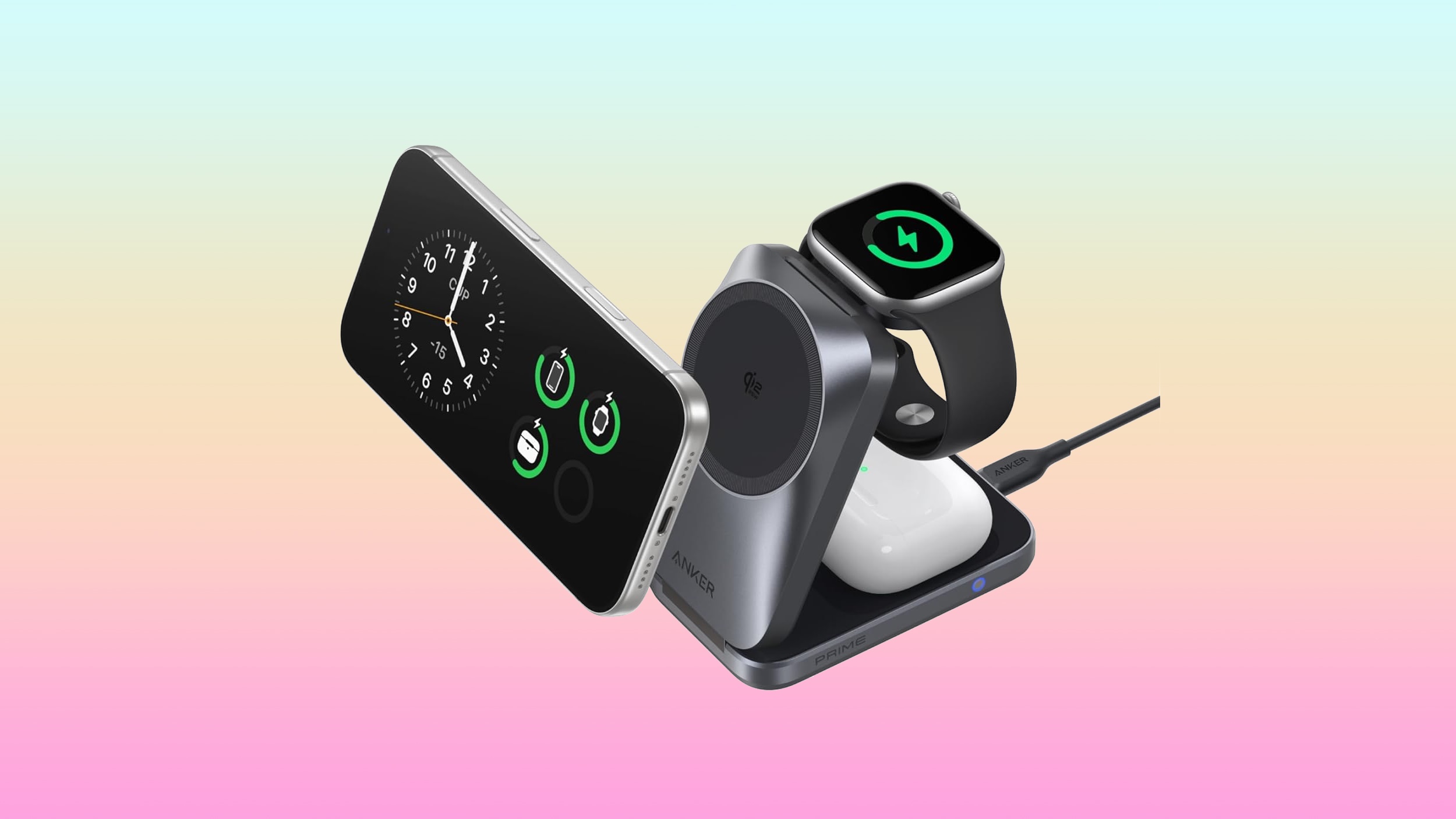
Anker's Prime 3-in-1 Wireless Charging Station is available for $99.74 on Amazon this week, down from $149.99. This is one of Anker's newest accessories, and Amazon's sale today is a new all-time low price on the device.
The Prime 3-in-1 Wireless Charging Station features Qi2.2 support, which lets a compatible MagSafe iPhone charge at up to 25W. It's the same speed as Apple's MagSafe charger, and it is 10W faster than the standard Qi2 MagSafe chargers. You can also simultaneously charge an Apple Watch and AirPods with the device.
Amazon this week is discounting a collection of Beats headphones and speakers for Prime Day, including a low price on the Powerbeats Pro 2. You can get this new 2025 model for $179.95 in all four colors, down from $249.99. This deal on the Powerbeats Pro 2 is being matched at Best Buy, along with a few other Beats deals.
Of course, some of the best discounts can be found on Amazon's own line of products. This includes Kindle e-readers, Blink security cameras, Fire tablets, and more.
The highlight of Prime Day deals for Sonos products is the Sonos Ace Headphones down to just $279.00, from $399.00. This is a new all-time low price on the over-ear headphones, beating the previous low by over $20.
If you're on the hunt for more discounts, be sure to visit our Apple Deals roundup where we recap the best Apple-related bargains of the past week.
Deals Newsletter
Interested in hearing more about the best deals you can find in 2026? Sign up for our Deals Newsletter and we'll keep you updated so you don't miss the biggest deals of the season!
Apple appears to have closed the loophole that let Mac users skip the Siri AI waitlist in the latest macOS 27 Golden Gate beta.
As we covered earlier this month, beta 1 testers can switch on the enhanced version of Siri straight away using a single Terminal command, effectively sidestepping Apple's waitlist.
However, many users who are running the second developer beta of macOS 27, which was released on Monday, are finding that the command does not work for them. Users who enabled Siri AI this way in the original beta are also reporting that they have been kicked back to the waitlist after updating.
Apple has not said anything about the reported change, but one possibility is that the entitlement check that the Terminal command taps into has been switched from a local feature flag to a server-validated state.
Apple could still be building out its server capacity for the redesigned Siri, which is why it is granting access to testers in batches as more comes online. It's likely the reason why the workaround is no longer working for some people.
In any case, if you applied the bypass trick in macOS 27 beta 1 and want to retain access, you probably won't want to update to beta 2.
Some users are suggesting alternative methods involving submitting Apple Intelligence feedback to accelerate approval, but the claims remain anecdotal, and at this point it may just be worth waiting in the queue. Apple appears to be granting access to new beta testers in a matter of days.
Siri AI is now a fully fledged chatbot, and can draw on personal context understanding to search across messages, emails, photos, and more. It can now get things done across apps thanks to even more system-wide app actions.
On Mac, Siri AI is also integrated into Spotlight and available via right-click context menus on any file or window.
Note that Siri AI remains unavailable in the EU on iPhone and iPad, but the limitation does not apply to the Mac.
The DistroWatch news feed is brought to you by TUXEDO COMPUTERS. SteamOS, an Arch-based Linux distribution developed by Valve Corporation, has been updated to version 3.8.10. The new release comes with an updated base system and a large number of improvements and bug fixes: "SteamOS 3.8.10 has just been released for all users with the following changes: updated Arch....
May was a much busier month than usual, especially due to the disclosed
vulnerabilities on linux regarding Local Privilege Escalation (LPE), that
included public proof-of-concept (PoC) exploits. These reports of course
impacted Debian as a whole, and the situation warrants a special mention to the
Kernel Team, especially Ben Hutching and Salvatore Bonaccorso, who faced the
pace and released linux packages on a weekly basis. On the LTS side, the Front
Desk team also
triaged a significant flow of high severity CVEs.
It is also important to note that
Debian 12 (“bookworm”) will be
handed over to
the LTS Team on June 11th. If you benefit from Debian, especially during the
full 5-year lifecycle, please consider subscribing as a sponsor of Debian LTS:
https://www.freexian.com/lts/debian/.
Moreover, Debian 11 (“bullseye”) will reach the end of the Debian LTS period on
August 31st. After that, Freexian will continue the security support under the
Extended LTS offer.
The team published several notable updates:
As mentioned above, several exploitable LPE vulnerabilities in linux were published during May. Ben released the following DLAs for the Debian LTS versions:
exim update
(DLA-4580-1),
prepared by Thorsten, to address a vulnerability that may result in remote code
execution.
gnutls28 update
(DLA-4595-1) by
Guilhem Moulin, fixes several vulnerabilities that may result in execution of
arbitrary code, information leak, authentication bypass, among other impacts.
krb5 updates released as
DLA-4603-1, fixing
two vulnerabilities that may yield to a denial of service. Updated prepared by
Emmanuel Arias
lemonldap-ng
(DLA-4602-1),
released by Abhijith PA, fixing multiple vulnerabilities
Two imagemagick updates
(DLA-4559-1 and
DLA-4609-1), prepared
by Bastien Roucariès, fixing several vulnerabilities
openjdk-11 and openjdk-17 updates
(DLA-4566-1 and
DLA-4565-1), both
prepared by Emilio, to fix seven vulnerabilities.
php7.4 update
(DLA-4586-1) to fix
six vulnerabilities that could result in remote code execution, information
disclosure or denial of service. Update prepared by Guilhem Moulin.
python3.9 update (DLA-4583-1), prepared
by Arnaud Rebillout, addressing multiple vulnerabilities.
Contributions from outside the LTS Team:
We are greatly thankful for the contributions from people outside the LTS Team:
Colin Watson prepared an OpenSSH update, that was released by Santiago as
DLA-4584-1.
Thomas Goirand handled a keystone update, whose advisory was done by Santiago
and released as
DLA-4611-1.
Christopher Obbard kindly prepared a sentry-python update, released as
DLA-4612-1.
Christoph Goehre made two thunderbird updates
(DLA-4562-1 and
DLA-4582-1). As is
customary, Emilio released the advisories.
The LTS Team has also contributed with updates to the latest Debian releases:
Andreas proposed a firewalld update
for bookworm to fix a local issue that may result in bypass control rules.
Andreas proposed atril updates
for trixie and bookworm.
Thorsten completed the uploads of zvbi, taglib and libuev to bookworm and did
an upload of libcoap3 for
wtrixie.
Tobi prepared libpng1.6 updates for trixie and bookworm, released as
DSA-6263-1.
Moreover, thanks to our partnership with Catalyst, it has been possible to extend the support for Samba 4.17, the version shipped with Debian 12. In May, several vulnerabilities were disclosed, and their patches were prepared by Catalyst. For Debian 12, the update was prepared by the Samba maintainer and released as DSA-6297-1.
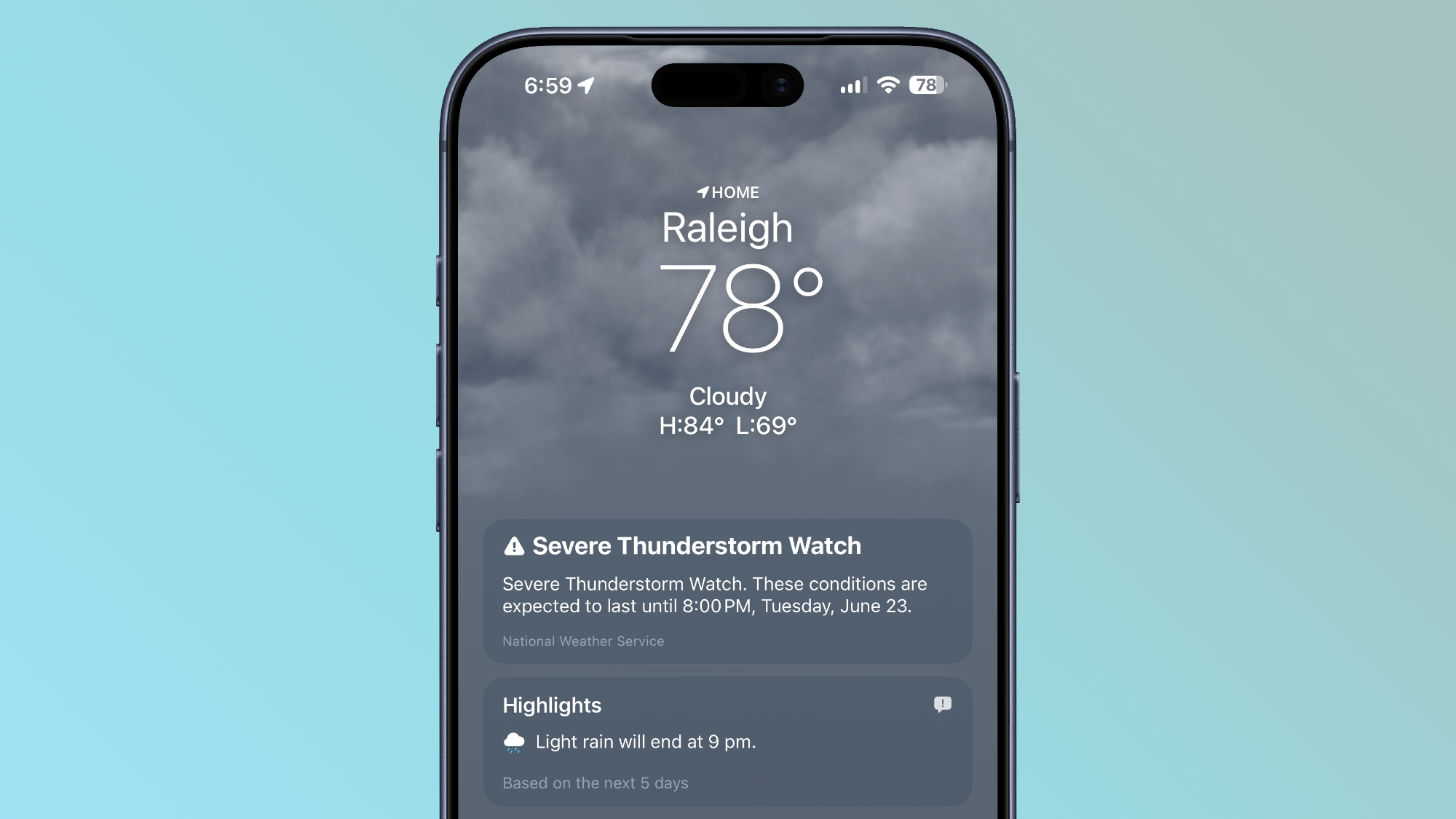
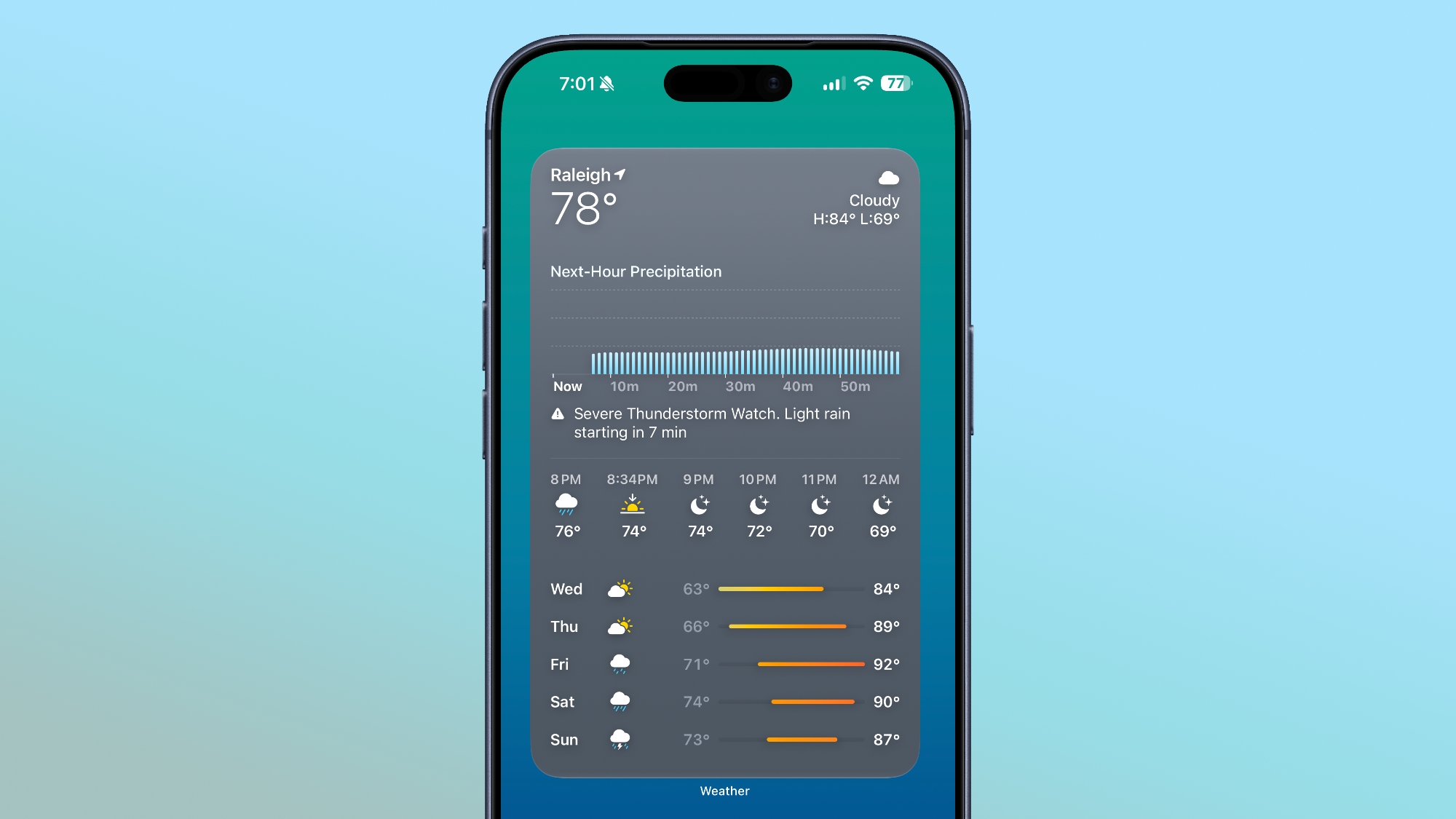
There are no new AI features in the iOS 27 Weather app, but Apple did make improvements to the layout. It's now easier to see at-a-glance information for weather conditions.
Highlights
The top of the Weather app now has a Highlights section that shows you need-to-know weather information for the day.
Conditions
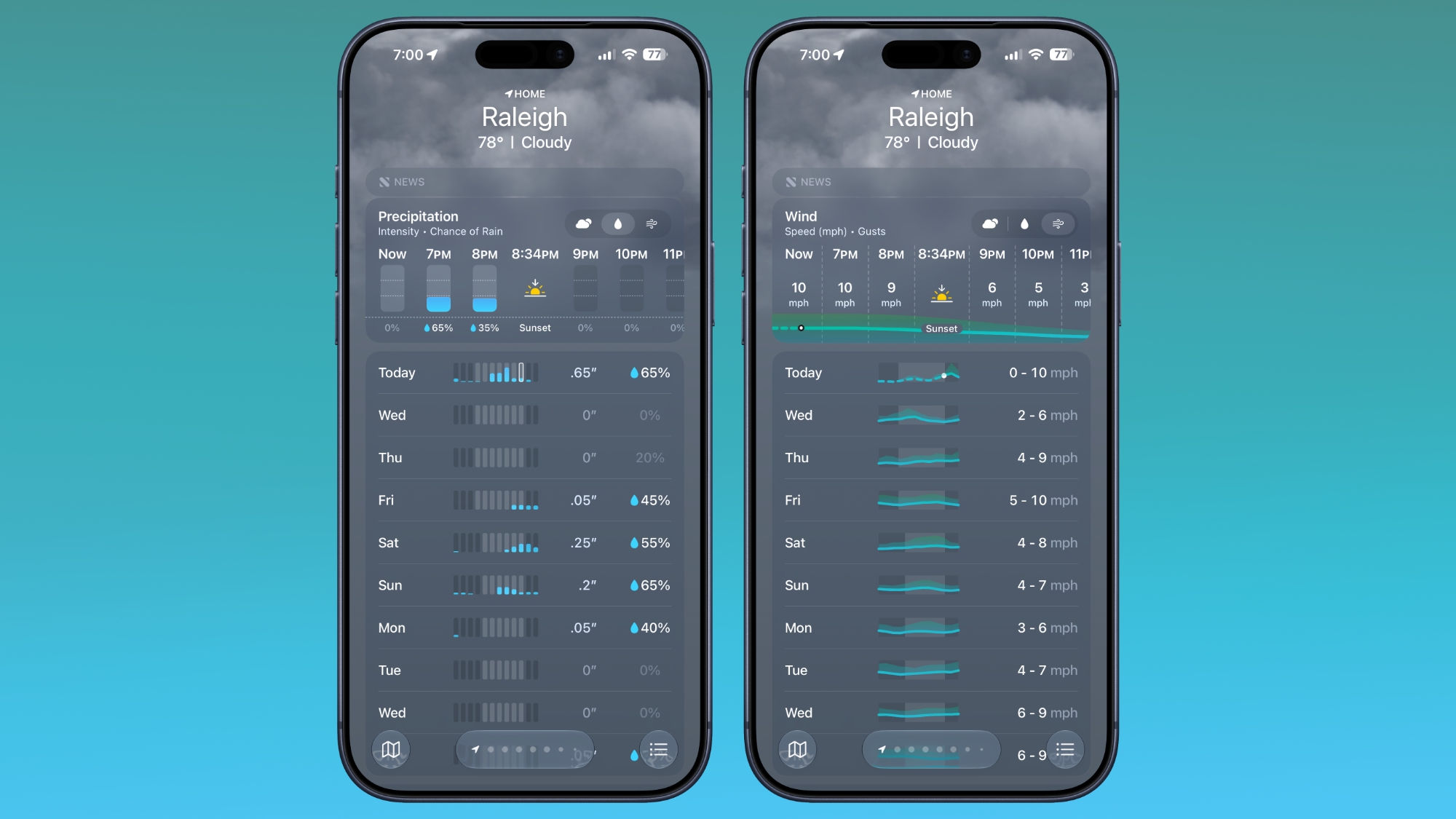
There are new views for the Conditions section of the main Weather app interface. In addition to viewing temperature and current condition on an hourly basis, you can toggle over to a precipitation or wind view.
Precipitation shows you an hour-by-hour chance of rain forecast, while wind displays a breakdown of wind speed.
10-Day View
The 10-day view also changes when you swap between the different condition options so you can see precipitation and wind overviews for the next 10 days without having to tap into a more detailed view.
Widgets
There's a new extra large size available for Home Screen widgets, which is applicable to the Weather app. You can set the Weather app to take up an entire app page.
Apple today released updated beta firmware for the AirPods Pro 2, AirPods Pro 3, AirPods 4, and AirPods Max 2. The firmware is limited to developers at the current time, and it has a build number of 9A5304b.
In iOS 27, iPadOS 27, and macOS Golden Gate, Apple is adding a new AirPods interface and support for custom EQ. AirPods are also compatible with the new Siri AI.
With iOS 26, iPadOS 26, and macOS Tahoe, Apple added a beta firmware update installation option that's available from the AirPods settings interface when the AirPods are connected to an iPhone, iPad, or Mac, which facilitates beta testing.
Developers can use the beta option to turn on beta downloads.
Apple updated its Invites app to add a co-hosting feature that lets two or more people plan and manage a party or event.
There are also new event background options available, and hosts have the option to make invited guests visible to all attendees. Apple's notes for the update are below:
Cohosting is now available, letting you easily plan and manage your party with others.
New event backgrounds help set the mood for your next coffee catch-up, boba run, ice cream social, and more.
Hosts can now choose to make invited guests visible to all attendees.
This update contains bug fixes and performance improvements.
Apple introduced the Invites app in early 2024, and has continued to introduce updates since then. Invites is available on the iPhone and via iCloud, so invitations can be sent to anyone. Guests are able to RSVP from the iPhone app or from the web.
Apple is making more of an effort to turn the iPhone into a physical wallet replacement in iOS 27, and there are several upgrades to the Wallet app.
Pass Upgrades
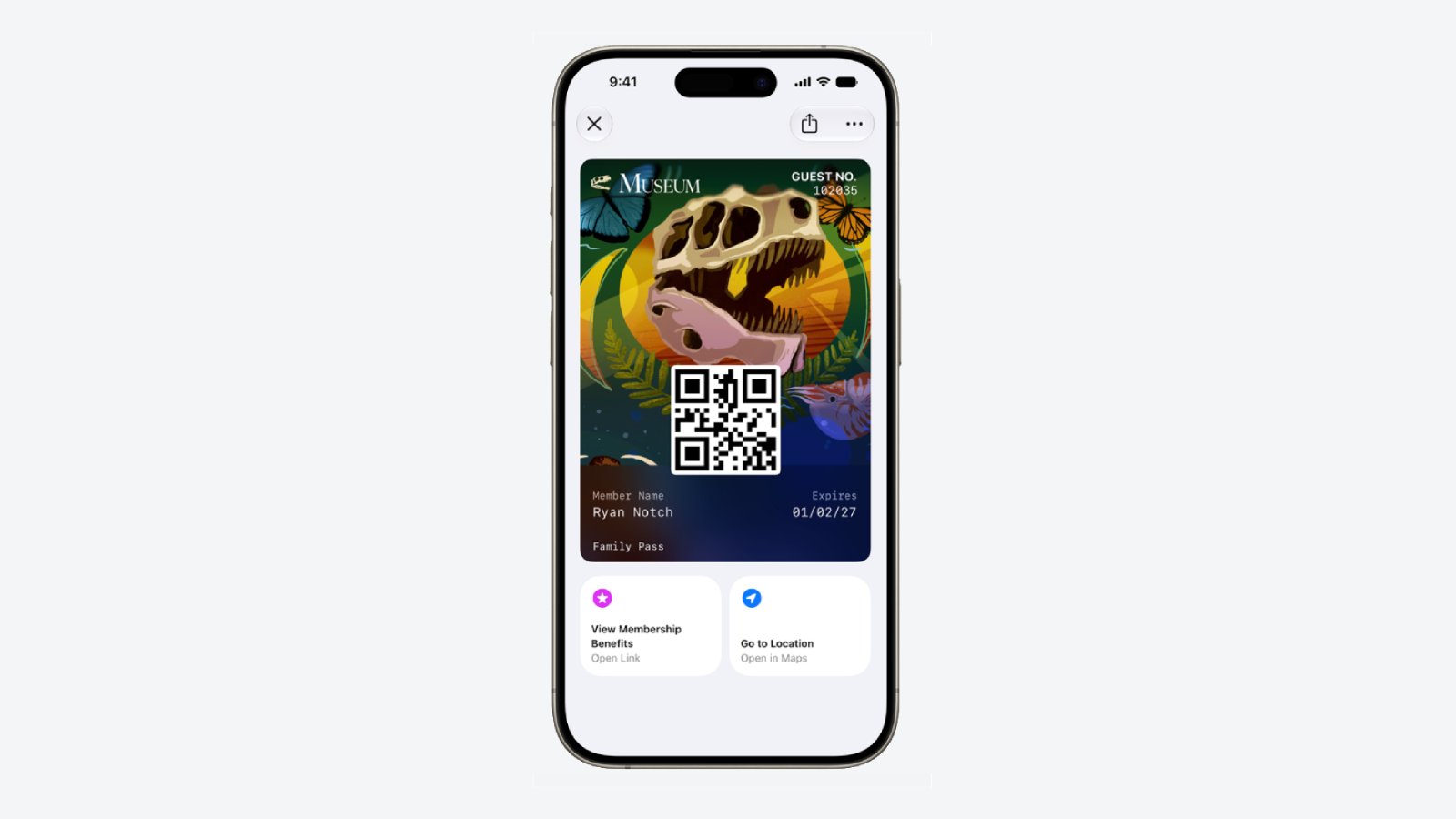
Apple upgraded airline boarding passes in the Wallet app with iOS 26, and in iOS 27, upgrades are coming to additional types of passes. Memberships, gift cards, loyalty cards, and rewards cards can use a bolder "Poster Generic" card style with full background images, primary logo, header fields, footer field, primary fields, and an optional barcode.
Each pass is able to include up to two actions that can be tapped from the bottom of the pass, such as getting directions to a venue or checking a rewards point balance.
Apple is also allowing users to check the pass issuer certificate to ensure that a digital pass is legitimate (not applicable to Create a Pass), and there are four new barcode types supported, including EAN–13, Code 39, Codabar, and ITF.
There is a new Pass Designer Mac app for developers that makes it easier to create a pass using a WYSIWYG editor.
Create a Pass
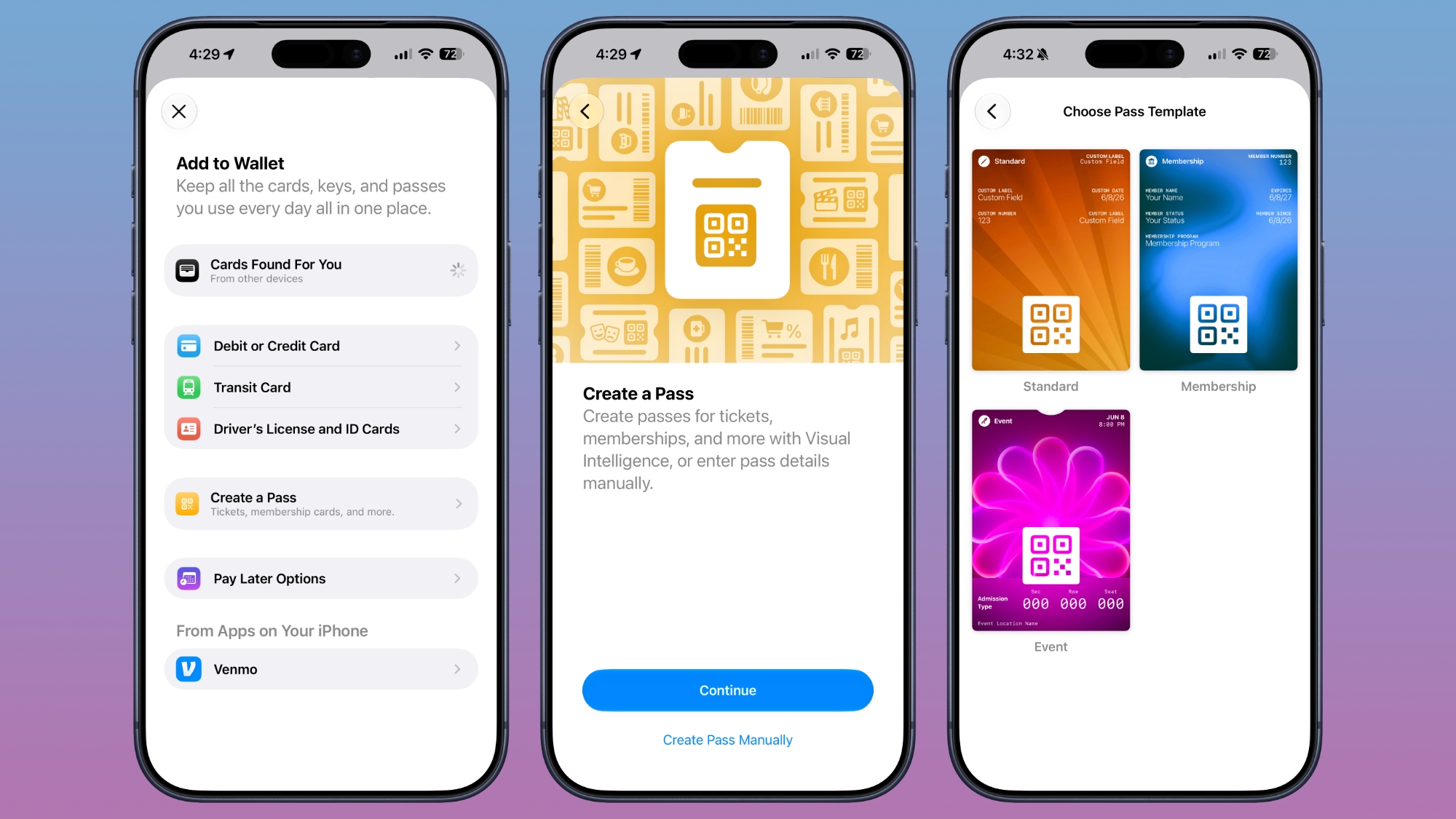
There's a "Create a Pass" feature in the Wallet app for adding tickets, memberships, and more using Visual Intelligence. If you have a ticket for an event and there's not a digital version available for the Wallet app already, you can create one using the physical pass.
You can scan a pass and add it with Visual Intelligence if there's a barcode or QR code, or a pass can be added manually. Pass templates include Standard, Membership, and Event.
Each type includes relevant information like name, location, or admission type, along with a scannable code drawn from an included barcode or QR code that you take a photo of. There are 12 background colors to choose from with different texture options, or seven custom backgrounds for categories like theater, music, sports, and movies.
Fields can be added or removed as needed when creating a custom pass, with options like label, date, membership, contact, coupon code, VIN, insurance, and more, so most physical cards are able to be stored digitally.
Hotel Keys
When you add a digital hotel key from a participating hotel to the Wallet app, you can now view more details about the trip. Hotels can provide updates on booked activities and allow access to different services.
AI Bill Splitting
Using the new Siri Mode in the Camera app, or a feature in the Messages and Wallet apps, you can take a photo of a bill and use Apple Intelligence to figure out what each person owes. Visual Intelligence scans the receipt and makes a digital copy of everything on the list, and each person can select what they consumed. Tax and tip portions are also calculated automatically.
Payments can be made using Apple Cash, which is a U.S.-only feature.
Insights
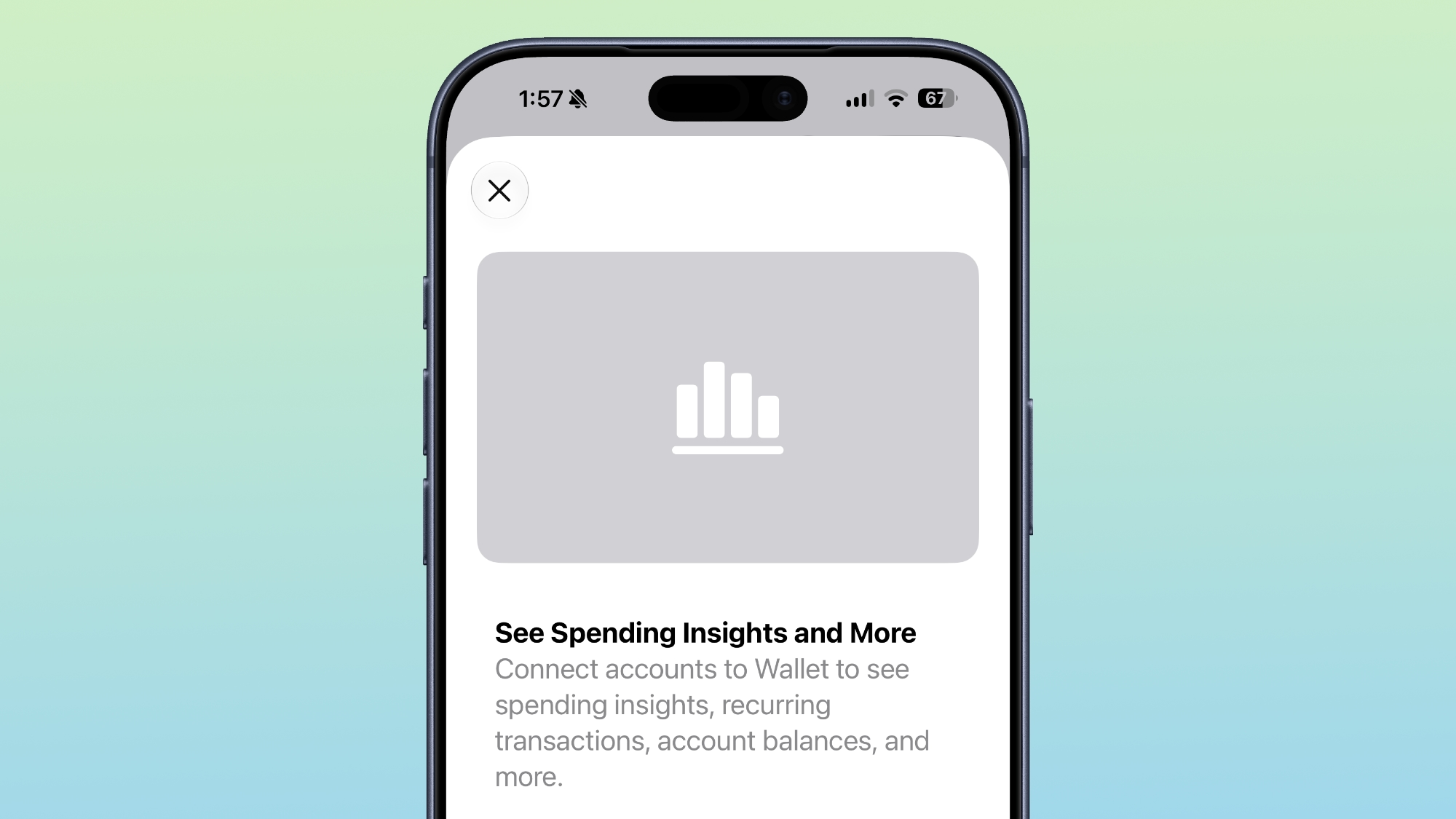
iOS 27 includes an "Insights" feature where you can add financial accounts to the Wallet app to monitor spending.
Insights is an expansion of the Connected Accounts feature in earlier versions of iOS, and it includes spending, recurring transactions, account balances, and more. It works for financial institutions that have implemented Connected Cards support, including several UK banks.
Order Tracking
Order tracking in the Wallet app is expanding to Australia and Canada in iOS 27. In iOS 26, it was limited to the United States and UK.
Tap to Share
Tap to Share is an iOS 27 feature that lets customers connect to a participating merchant's iPhone for quicker digital checkout.
Device Requirements
Visual Intelligence is an Apple Intelligence feature requiring an iPhone 15 Pro or newer. Many of the other features should work on all iPhones.
Apple today seeded the second beta of watchOS 27 to developers, with the update coming two weeks after the launch of the first beta.
The beta can be downloaded through the Watch app on the iPhone with a free developer account. The Apple Watch will need to be on the charger, connected to Wi-Fi, and have a battery level of 50 percent or above for new software to be installed. The beta is available for all Apple Watch models compatible with watchOS 27 except for the Apple Watch Ultra 3.
watchOS 27 will include Siri AI, the smarter, more capable version of Siri. Siri can hold back-and-forth conversations, plus it has access to general world knowledge and your personal data to answer questions and find information. Siri AI on Apple Watch requires an iPhone that supports Apple Intelligence, including the iPhone 15 Pro and later.
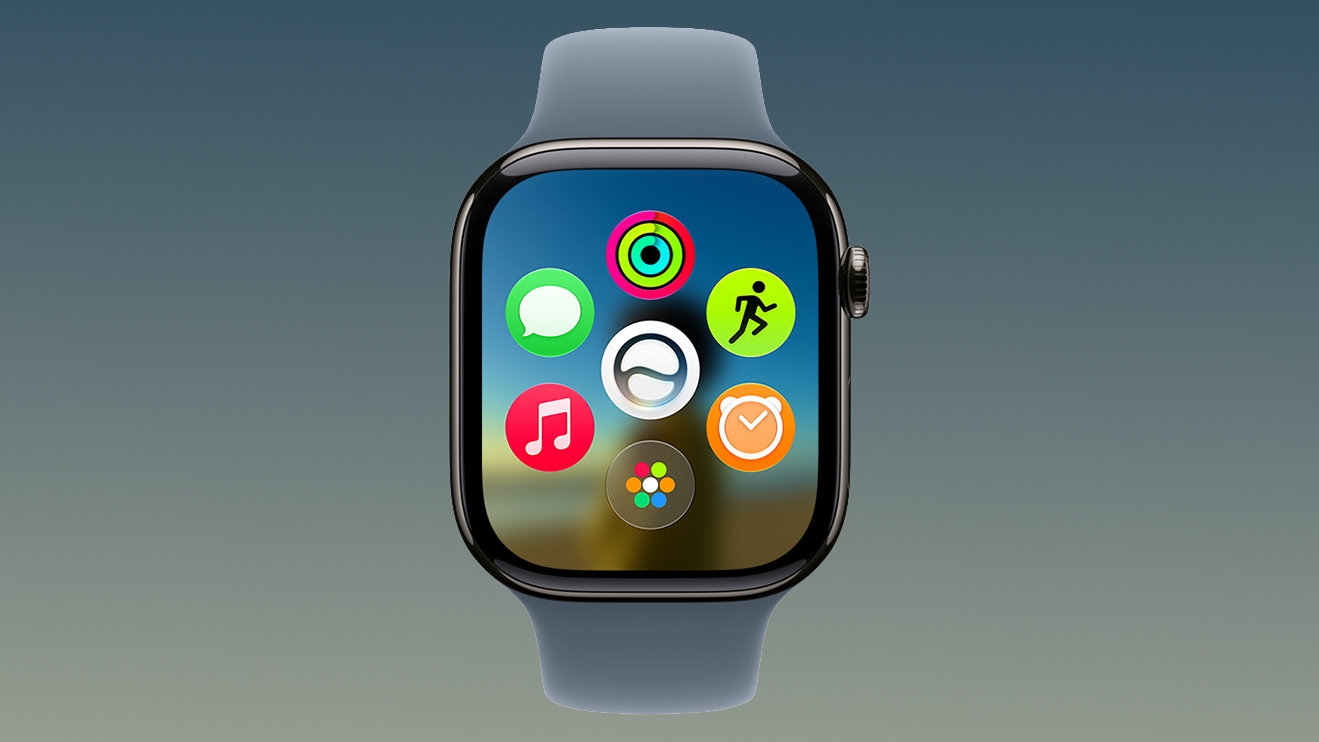
There's a new Dynamic app grid that highlights Siri suggested apps, and more intuitive Smart Stack Suggestions. You can find your parked car, see pinned messages, get noise alerts, and view identity and transit cards.
Liquid Glass has been updated to improve legibility, and Workout Buddy works on the Apple Watch even when an iPhone isn't nearby. Workout Buddy also gains new metrics like progressive increases to distance, pace, or duration. Apple added a new all-in-one Find My app with support for Precision Finding, and there are performance optimizations that improve battery life.
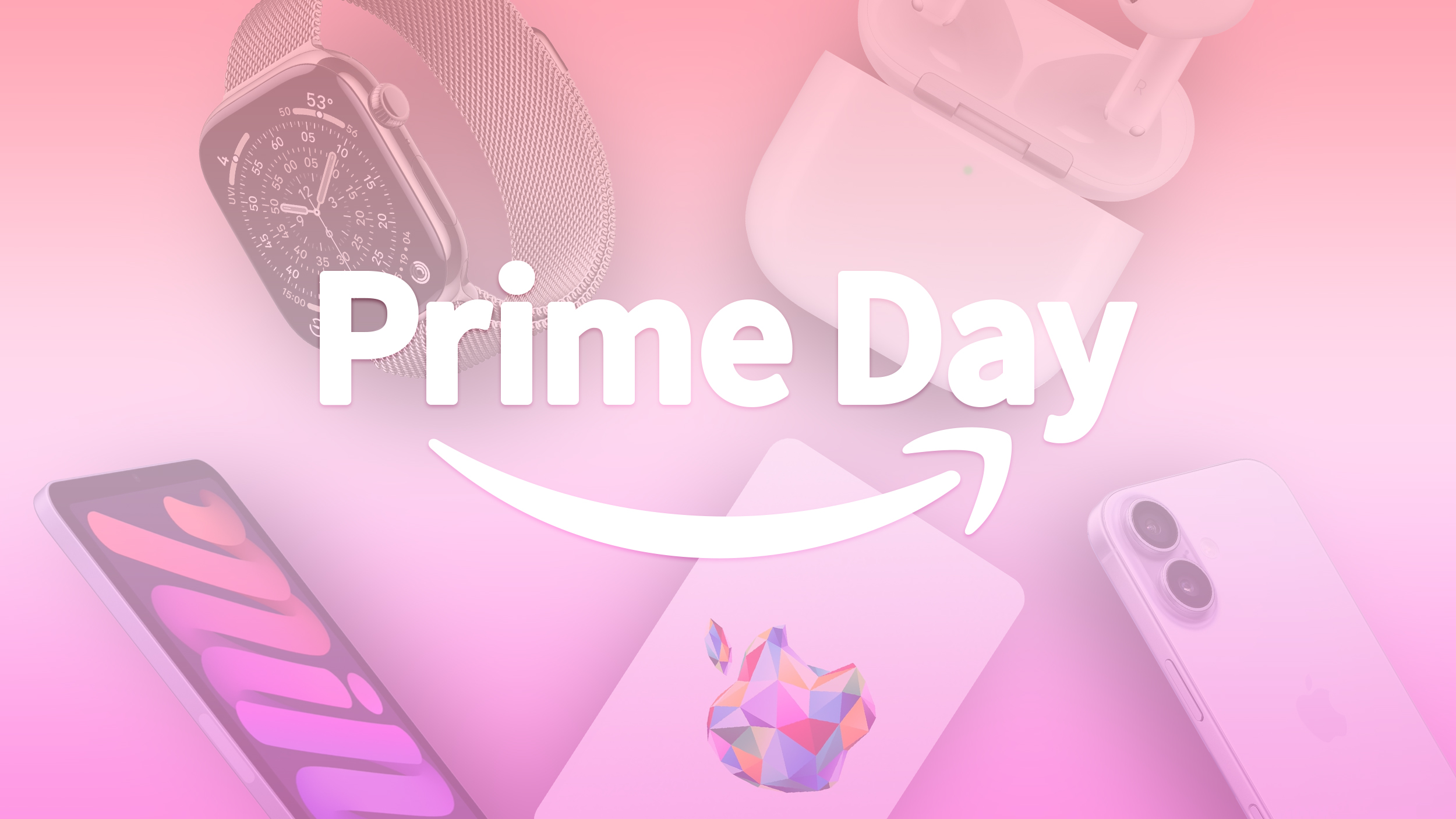
As Prime Day continues, we're highlighting all of the best Apple deals you can get for under $100 on Amazon. This includes AirPods, Apple Pencil Pro, AirTag, iPhone cases, USB-C chargers, and more.
Note: MacRumors is an affiliate partner with Amazon. When you click a link and make a purchase, we may receive a small payment, which helps us keep the site running.
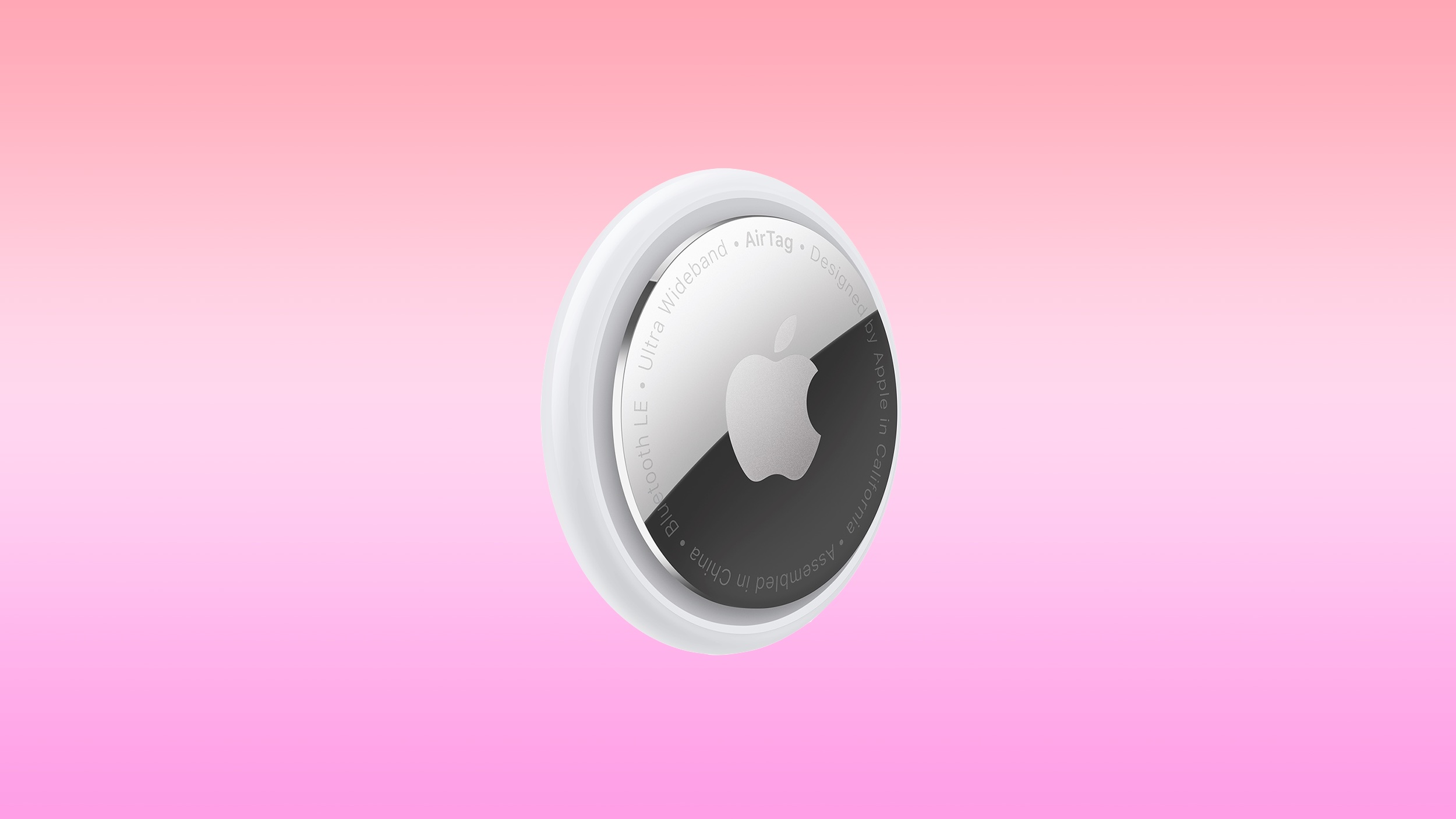
In the cheapest category, you can get Apple's 20W USB-C Power Adapter for $14.99, down from $19.00, and the AirTag 1-Pack for $24.00, down from $29.00. This sale is on the new second generation AirTag model, and it's the first notable discount we've ever seen on this device.
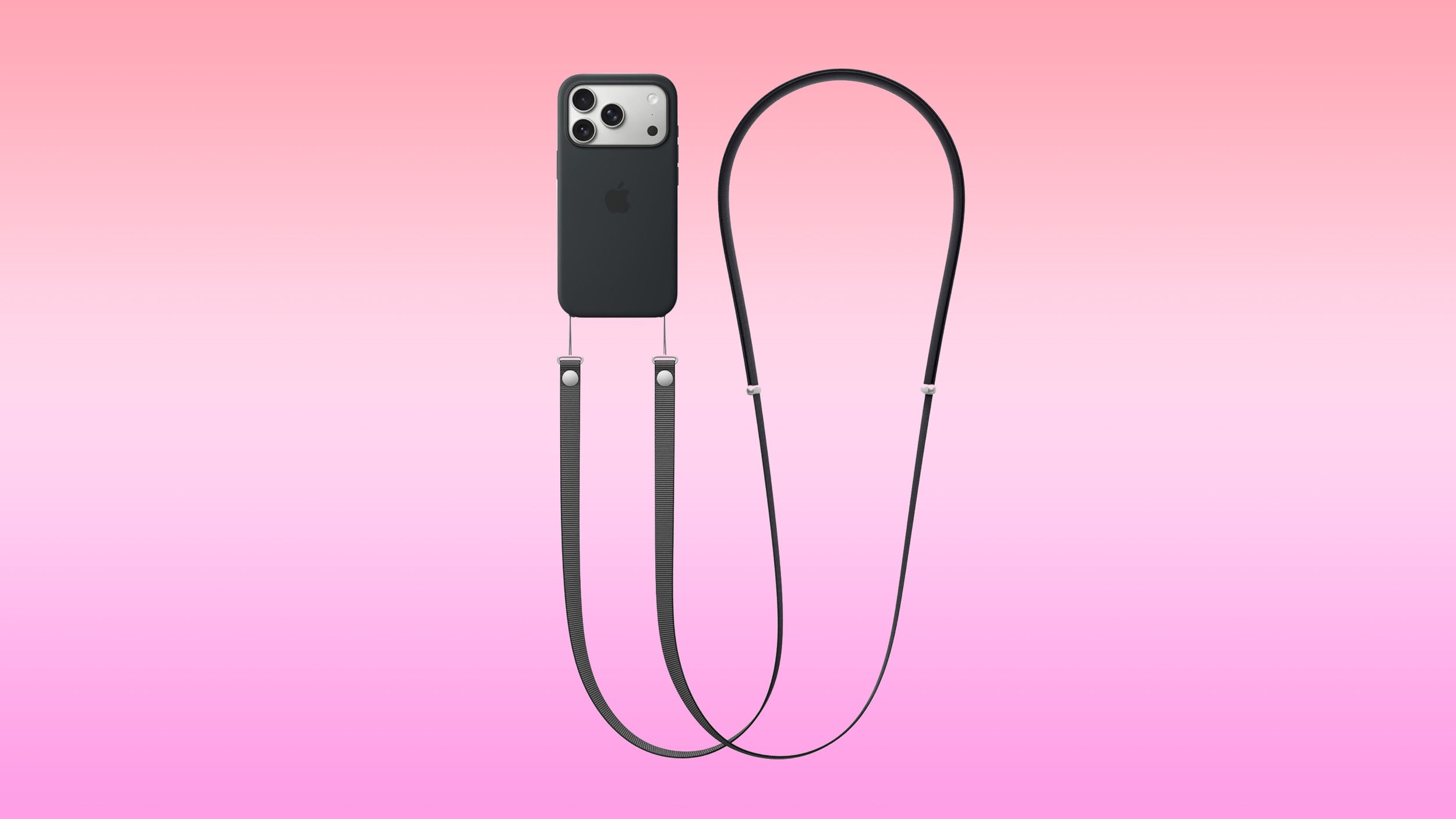
For accessories priced between $30 and $50, there are a few sales on Amazon for Prime Day. You can get the Apple Crossbody Strap in Black for $35.99, down from $59.00, plus numerous discounts on iPhone 17 model Silicone and TechWoven Cases.
Lastly, we're tracking a few deals on Apple products that are just under $100 for Prime Day. You can get an AirTag 2 4-Pack for $89.00 ($10 off), an Apple Pencil Pro for $99.00 ($30 off), and AirPods 4 for $99.00 ($30 off).
If you're on the hunt for more Prime Day discounts, be sure to visit our big Prime Day post where we recap the best Apple-related bargains of the event.
Deals Newsletter
Interested in hearing more about the best deals you can find in 2026? Sign up for our Deals Newsletter and we'll keep you updated so you don't miss the biggest deals of the season!
Apple today shared a video showing off the Apple Watch in use at the World Surf League Championship Tour, with surfers describing how they use the watch when competing.
Surfers can be hundreds of meters away from the beach during competitions and can't hear announcements over the sound of the water and the wind. The World Surf League has adopted the Apple Watch to solve the problem, linking the device to the scoring system. Surfers can get up-to-date information right on the watch.
"I know what it was like competing without this piece of technology," said professional surfer Lakey Peterson. "There's nothing more frustrating than being in a competitive heat without this piece of technology."
The Apple Watch makes sure surfers know how much time is left in a heat, who has priority, and what the score is. The watch is updated in real time, with surfer Isabella Nichols calling the information "crucial" to the outcome in a competition. Mateus Herdy said the watch vibrates when priority changes, so competitors don't even have to look at the screen.
"The Apple Watch has become part of our equipment," said Nichols. "It's like a surfboard or rashie."
The World Surf League hasn't lost an Apple Watch despite the intense conditions surfers put the device through. Surfers have worn the watch at dangerous surfing spots like Pipeline in Hawaii and Teahupo'o in Tahiti, and it has come out unscathed.
The video appears to be part of a new "Apple at Play" series. Apple previously had a partnership with the World Surf League, and the 2021 and 2022 championship tours were shown on Apple TV in the "Make or Break" docuseries.
A group of 48 China-based iOS developers have filed an antitrust complaint against Apple with the country's market regulator over the App Store's commission rates, the South China Morning Post reports.
The developers sent an open letter to China's State Administration for Market Regulation (SAMR), alleging that Apple failed to deliver on a promise to offer the lowest commission rate to the Chinese market. The group asked the SAMR to investigate and penalize Apple for allegedly abusing its market dominance to impose "unfair and excessively high" costs on local developers.
Apple currently charges a 25% commission on paid apps and in-app purchases in China, down from 30% after a cut made in March. The commission on subscription renewals, along with the rate for qualified developers in Apple's Small Business and Mini Apps Partner programs, was lowered to 12% from 15% at the same time.
The complaint follows a series of similar challenges to Apple's China App Store policies dating back nearly a decade. A Beijing law firm filed a complaint in 2017 over app removals and high fees, a Chinese consumer sued over App Store fees in 2021 (a claim ultimately rejected by a Shanghai court in 2024), and another Chinese law firm sued again in 2025.
The 48 developers point to Apple's recent moves elsewhere as evidence the company can do better. Apple lowered its Brazil commission last week to between 10% and 21% of a transaction, plus a 5% processing fee, while also letting Brazilian developers distribute iOS apps through other app marketplaces for a 5% fee. Apple made comparable adjustments in Japan late last year.
The developers want more than Brazil-style pricing. They argue that allowing third-party app stores in China, as Apple already does in the European Union under the Digital Markets Act, would push its effective commission down to as low as 5%.
Apple has faced mounting regulatory pressure over App Store fees worldwide in recent years. The company was fined €500 million ($572.2 million) last year for violating the EU's Digital Markets Act and has appealed the decision, while in the U.S. it has been ordered to allow external payment links following its legal fight with Epic Games. Apple said earlier this month that its App Store ecosystem generated more than $1.4 trillion in developer billings and sales in 2025, with China contributing the largest share at $562 billion.
Cloud operations are entering a new era as AI-driven and autonomous agents become a larger part of modern software systems. As software becomes increasingly agentic, the challenge is no longer just managing greater scale and complexity. Operators must also contend with systems that evolve faster, act more autonomously and interact across an expanding network of dependencies.
As applications, models, APIs and infrastructure become increasingly interconnected, their behavior is harder to understand end to end. Systems no longer fail in isolation. They fail through interactions across dependencies, services and environments that are constantly changing in real time.
To help organizations operate effectively in these increasingly dynamic environments, today we’re announcing the general availability of the Azure Copilot Observability Agent. Built on Microsoft Azure Monitor, it correlates signals across agents, applications, infrastructure and services to provide the context needed to operate confidently in this new environment.
Observability becomes foundational in an agentic world
In a recent survey of 250 IT decision-makers, Microsoft and Material found that 84% of organizations report increased cloud complexity, with 69% saying it is outpacing their current operating model. The impact is most acute across security, cost management and performance, and it extends across the entire operations lifecycle.
As the pace and scale of change accelerate, no individual or team can realistically maintain the full context required to diagnose and resolve issues quickly enough. This is driving a shift toward agentic operations, where intelligence augments how systems are understood and managed.
Observability is foundational to this shift. It provides the real-time understanding of system behavior that agents depend on to reason, adapt and act. Without a connected view across signals, even the most advanced agents lack the context required to operate reliably.
From signals to resolution with the Observability Agent
We designed the Observability Agent to help operators move more quickly from detection to understanding. It connects logs, metrics, traces, topology and operational context across environments, reducing the time it takes to identify the root cause of an issue.
As telemetry spreads across systems, operators are often forced to piece together context across multiple tools. The Observability Agent addresses this fragmentation by reasoning across signals in real time and unifying that context into a single operational view. These agentic capabilities are integrated directly into existing workflows, helping teams move from investigation to resolution faster with clear, actionable insight.
We’re already seeing customers use the Observability Agent to reduce manual effort, accelerate incident resolution and improve operational clarity:
“The biggest value is speed! The [Azure Copilot] Observability Agent helps us resolve incidents faster and reduce operational overhead by turning logs, metrics and traces into plain English insights. These agents run deep investigations and provide remediation recommendations almost immediately, compared to hours or even days previously.
Since adopting these capabilities, we’ve reclaimed an estimated 250 engineering hours monthly that are now redirected toward supporting new applications and features. We can use natural language to detect, diagnose and remediate issues faster than ever before.”
— Narmada Krishnaswamy, Head of KPMG Audit Application Support and Operations
“Azure Copilot Observability Agent helped us move from manual incident hunting to faster, AI-guided investigations. For PolicyVault, it pulls together the telemetry from our service, correlates it with Azure resource health and gives us actionable next steps based on the investigation. That means we’re not just seeing what broke; we’re getting a much clearer idea of why it happened and what to do about it, which saves us a lot of time during incidents.”
— Vladimir Gusarov, Founder & CEO, PolicyVault
“Azure Copilot’s Observability Agent helps us move faster from signal to insight. By bringing together our telemetry and guiding us toward likely root causes, it reduces the time and effort needed to investigate incidents and keeps our teams focused on what matters most.”
— Theus Hossmann, Chief Technology Officer at Ontinue
Beyond improving incident response, this shift reflects a new approach to cloud operations, where systems can continuously reason across signals and act on that understanding.
Check out our Tech Community blog post to learn more about the Azure Copilot Observability Agent.
From observability to agentic operations across the cloud lifecycle
Observability is part of a broader shift to agentic operations. As systems become more autonomous, operations expand from understanding what is happening in production to continuously improving how those systems behave over time.
In an agentic model, this forms a lifecycle. Systems generate signals, agents interpret those signals, take action and learn from outcomes. Over time, this creates a feedback loop where each operational cycle improves the next, increasing system resilience and efficiency.
This shift requires more than better visibility. It requires a coordinated approach across the lifecycle, from observability and diagnosis to optimization and remediation where insight and action are tightly connected.
As agents take on a greater role in that lifecycle, governance becomes central to how systems are trusted and controlled. Policy, auditability and guardrails ensure that actions taken by agents align with organizational intent and operate within defined boundaries. Human oversight remains essential, not as a bottleneck, but as a mechanism for building confidence and ensuring reliability as automation scales.
This is where Azure is uniquely positioned. By bringing together observability, automation and governance within a connected platform, Azure enables organizations to move from isolated tools to an integrated operational model that spans the full lifecycle.
Azure Copilot Observability Agent plays a key role in this model by grounding agentic systems in real-time operational context. As organizations build and deploy more agents, this foundation becomes critical for ensuring those systems operate effectively and responsibly.
Cloud operations are shifting from reactive management to a continuous, agent-driven lifecycle of learning, adaptation and control. This vision of agentic cloud operations is already taking shape across Azure. Read our companion Azure Blog post for more details.
Brendan Burns is a co-founder of the Kubernetes open source project and corporate vice president for Azure cloud-native open source and the Azure management platform including Azure Arc. He is also the author and co-author of several books on Kubernetes and distributed systems.
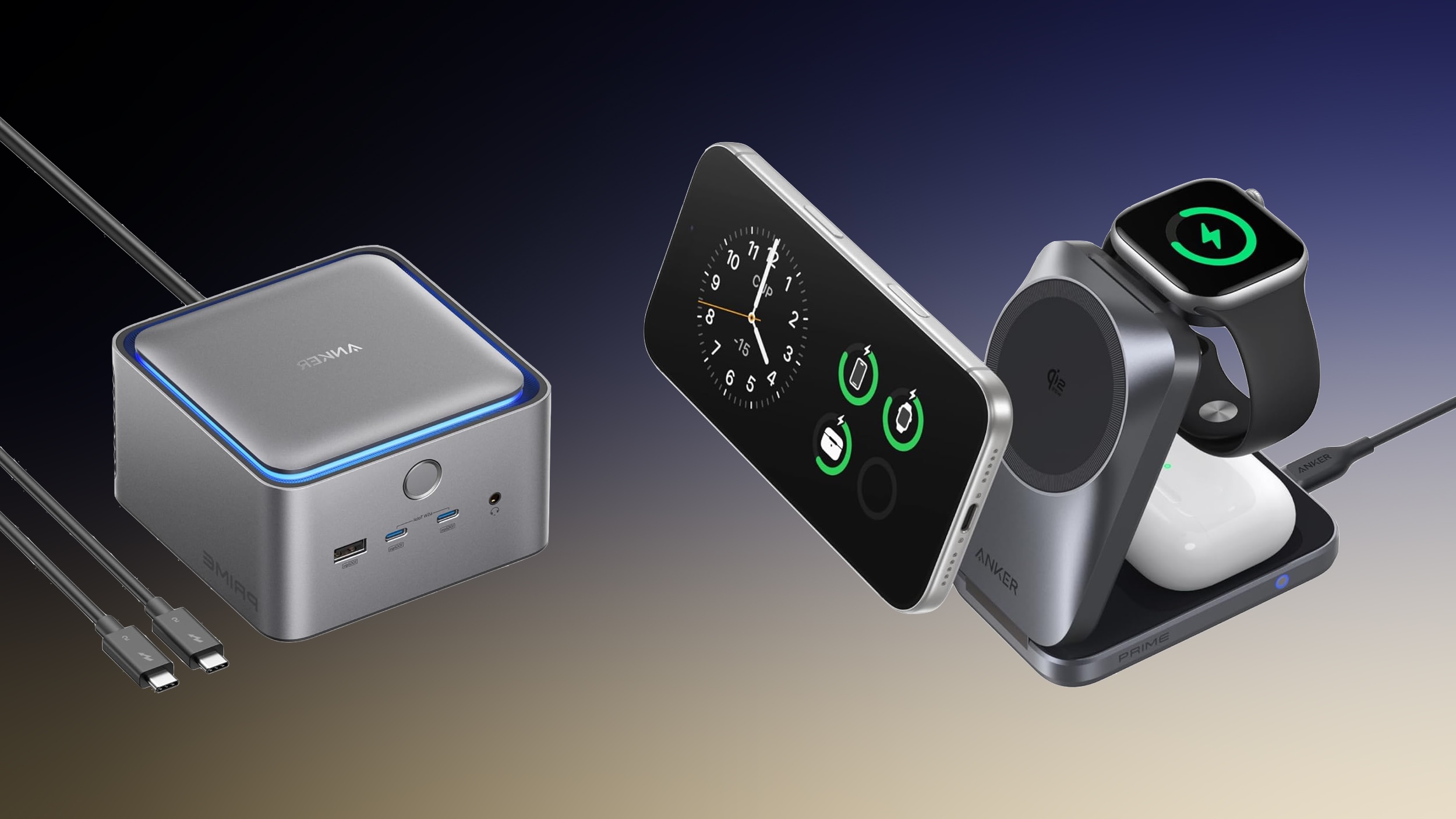
Anker's popular Prime 3-in-1 Wireless Charging Station has dropped to $99.74 on Amazon for Prime Day, down from $149.99. This is one of Anker's newest accessories, and Amazon's sale today is a new all-time low price.
Note: MacRumors is an affiliate partner with some of these vendors. When you click a link and make a purchase, we may receive a small payment, which helps us keep the site running.
The Prime 3-in-1 Wireless Charging Station features Qi2.2 support, which lets a compatible MagSafe iPhone charge at up to 25W. It's the same speed as Apple's MagSafe charger, and it is 10W faster than the standard Qi2 MagSafe chargers. You can also simultaneously charge an Apple Watch and AirPods with the device.
There are plenty of other Anker discounts happening on Amazon for Prime Day, including Anker's Prime 14-in-1 Docking Station for $319.99, down from $399.99. Below you'll find a list of the best Anker discounts on Amazon this week, also including wall chargers, portable chargers, and more.
Shoppers should note that many sales during Amazon Prime Day require you to have an Amazon Prime membership to take advantage of the discounts. Amazon Prime costs $14.99 per month or $139.00 per year, and it comes with a 30-day free trial for new subscribers.
Special for 2026, Amazon is also offering 50% off Prime memberships for Young Adults. Prime for Young Adults is a discounted Prime membership for anyone age 18-24 that offers all of the Prime benefits at $69.00 per year, half of the price of regular Prime.
For even more Prime Day deals, be sure to visit our main article recapping all of the best Apple deals for Prime Day. If you're on the hunt for more discounts, be sure to visit our Apple Deals roundup where we recap the best Apple-related bargains of the past week.
Deals Newsletter
Interested in hearing more about the best deals you can find in 2026? Sign up for our Deals Newsletter and we'll keep you updated so you don't miss the biggest deals of the season!
Amazon is taking $150 off multiple models of the M5 MacBook Air for Prime Day, including a match of the all-time low price on the 16GB/1TB 15-inch MacBook Air. This model is on sale for $1,349.00 in Starlight and Midnight, down from $1,499.00.
Note: MacRumors is an affiliate partner with Amazon. When you click a link and make a purchase, we may receive a small payment, which helps us keep the site running.
In terms of 13-inch models, Amazon has the 512GB 13-inch MacBook Air for $949.00, down from $1,099.00, and the 16GB/1TB model for $1,149.00, down from $1,299.00. Both of these represent solid second-best prices for the M5 MacBook Air.
Regarding the 15-inch models, you'll also find $150 off the M5 MacBook Air, with multiple color options on sale for each configuration. Prices start at $1,149.00 for the 512GB model, down from $1,299.00, and also include both 1TB models on sale.
Shoppers should note that many sales during Amazon Prime Day require you to have an Amazon Prime membership to take advantage of the discounts. Amazon Prime costs $14.99 per month or $139.00 per year, and it comes with a 30-day free trial for new subscribers.
Special for 2026, Amazon is also offering 50% off Prime memberships for Young Adults. Prime for Young Adults is a discounted Prime membership for anyone age 18-24 that offers all of the Prime benefits at $69.00 per year, half of the price of regular Prime.
For even more Prime Day deals, be sure to visit our main article recapping all of the best Apple deals for Prime Day. If you're on the hunt for more discounts, be sure to visit our Apple Deals roundup where we recap the best Apple-related bargains of the past week.
Deals Newsletter
Interested in hearing more about the best deals you can find in 2026? Sign up for our Deals Newsletter and we'll keep you updated so you don't miss the biggest deals of the season!
LG is hosting an early Fourth of July sale on its website this week, with deals on monitors, TVs, home appliances, and more. LG's discounts have been automatically applied and do not require any discount codes or special memberships.
Note: MacRumors is an affiliate partner with LG. When you click a link and make a purchase, we may receive a small payment, which helps us keep the site running.
Highlights of the event include up to $700 off select LG monitors and up to $1,700 off LG's best TV sets. Regarding the TVs, discounts include big savings on the new 2026 LG OLED evo AI sets, like the 65-inch LG OLED evo AI C6 4K Smart TV for $1,999.99 ($700 off) and the 65-inch LG OLED evo AI G6 4K Smart TV for $2,999.99 ($400 off).
If you're on the hunt for more discounts, be sure to visit our Apple Deals roundup where we recap the best Apple-related bargains of the past week.
Deals Newsletter
Interested in hearing more about the best deals you can find in 2026? Sign up for our Deals Newsletter and we'll keep you updated so you don't miss the biggest deals of the season!
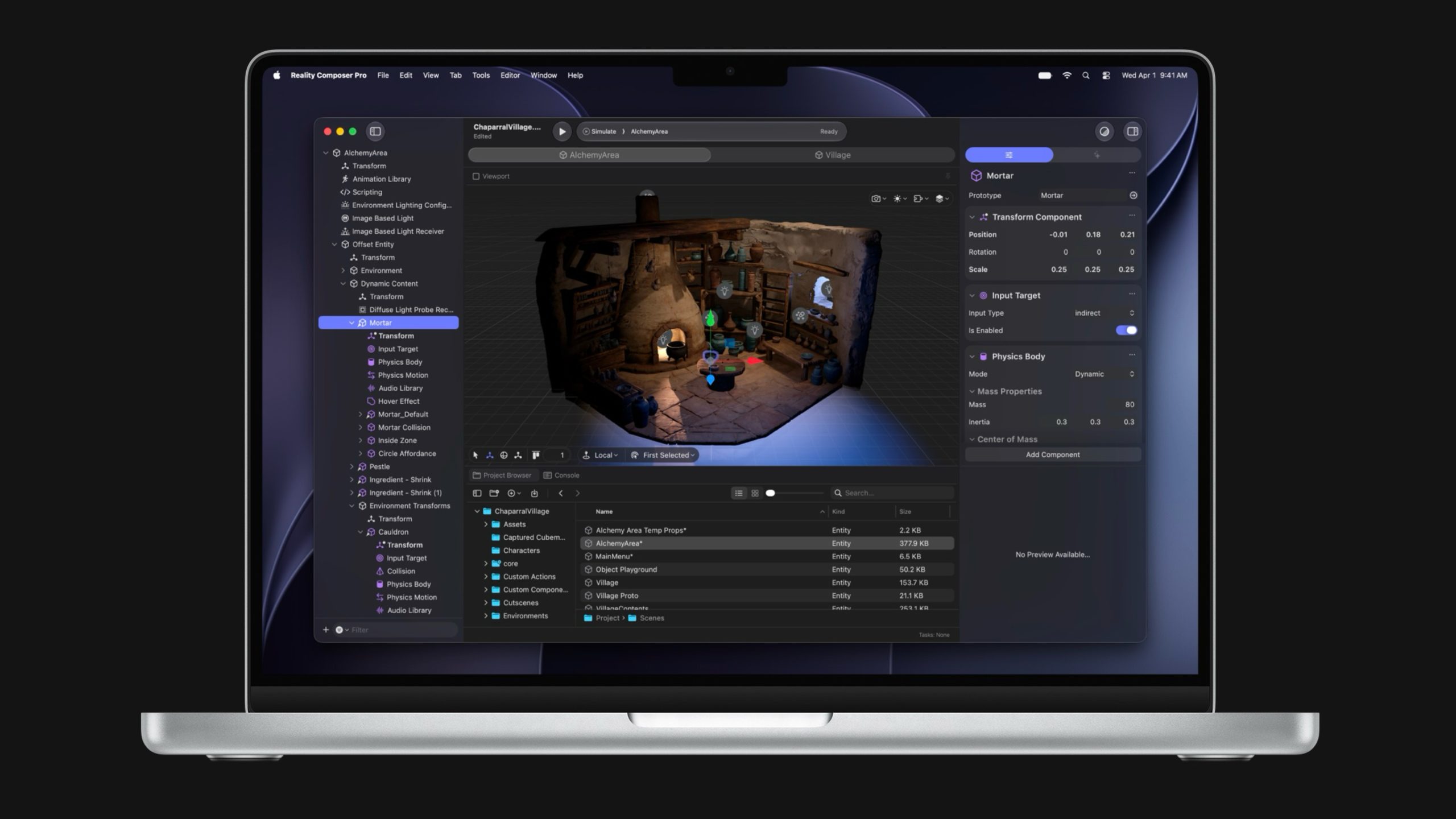
The latest beta of Apple's Reality Composer Pro 3, the content creation tool used to build spatial experiences for Apple Vision Pro, appears to contain traces of "The Machinery," an ambitious game development project that abruptly shut down in 2022 without explanation.
Based on code discovered by Nicolás Alvarez and independently confirmed by MacRumors, binaries included with Reality Composer Pro 3 beta contain at least 40 mentions of "the machinery" or "our machinery," and match aspects of The Machinery's project structure, asset management system, and database architecture.
The findings are notable because The Machinery was developed by Our Machinery – a company made up of veterans of the Bitsquid game engine. The project earned a devoted following among engine programmers for its unconventional approach to content creation workflows. And yet it disappeared without trace.
Central to the project was a system known as "The Truth," a database-driven architecture designed to unify assets, objects, dependencies, and editor state. Many of the same concepts appear in Apple's latest Reality Composer Pro release, announced during WWDC 2026. Things like reusable prototypes, live editing, asset dependency tracking, and rapid iteration workflows all pop up – ideas that have notable technological similarities to how The Machinery worked. The direct references in the code appear to confirm the connection.
The links don't just extend to code strings, either. Tricia Gray, co-founder and CEO of Our Machinery, now works on Apple's spatial computing developer tools team, as evidenced in her LinkedIn profile.
It's not clear whether Apple licensed The Machinery or acquired the company, or in some way inherited the referenced technology, but the presence of the identifiers throughout Apple's code suggests at least some of the project's ideas have somehow found their way into Apple's spatial computing development toolset.
The discovery is particularly notable because The Machinery's development ended so suddenly, surprising many developers at the time who had followed the project's progress. We've reached out to Apple to comment on the findings and will update this story if we hear back.
Meta today unveiled its first smart glasses sold under its own brand rather than Ray-Ban or Oakley, undercutting its existing lineup on price as it works to expand its lead in the category before Apple enters the market.
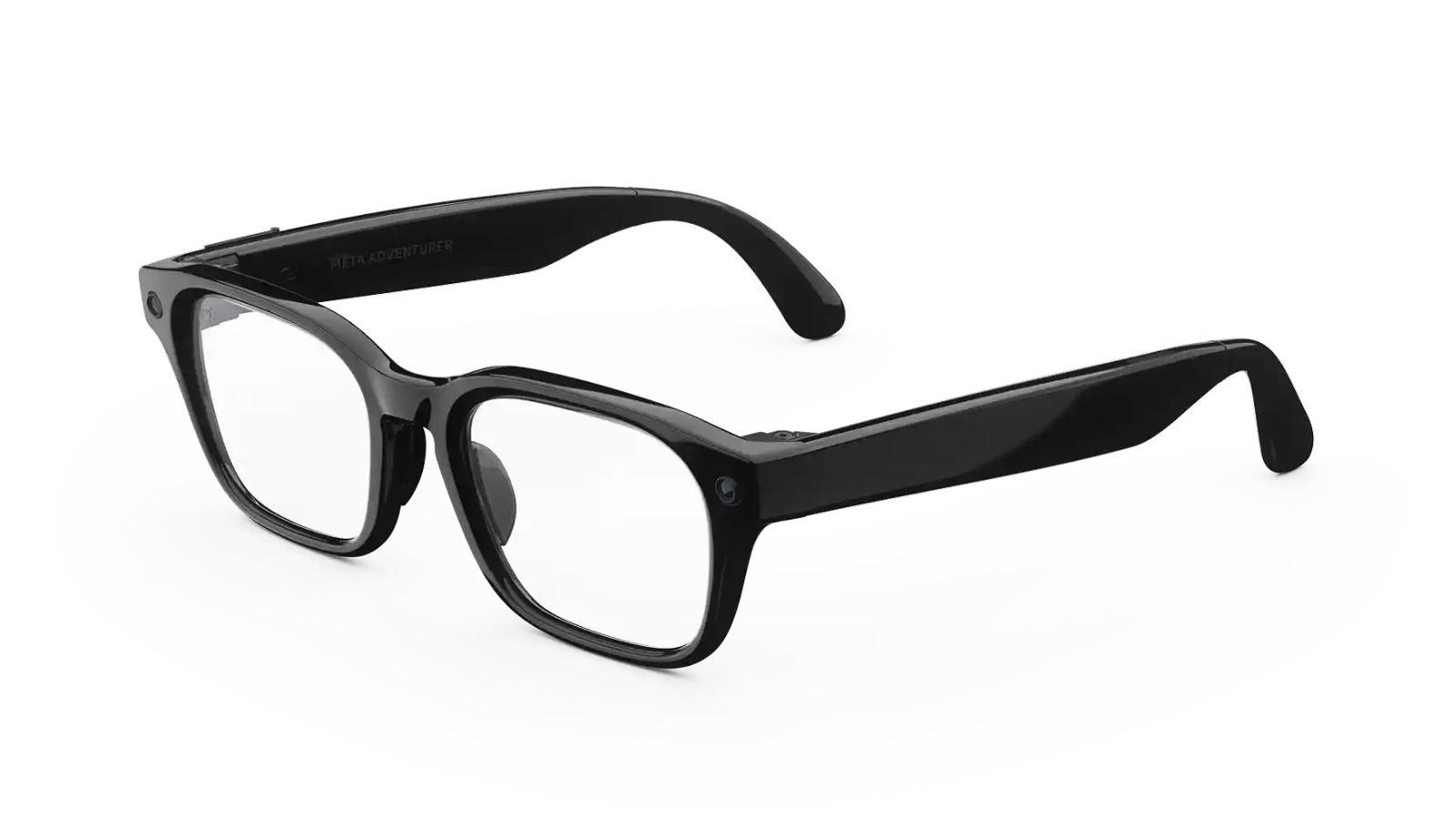
The new Adventurer and Fury models are priced at $299, $80 less than the second-generation Ray-Ban Meta Wayfarer that launched last year. A third model, the Starfire, was designed in collaboration with Kylie Jenner and costs $399.
EssilorLuxottica, the parent company of Ray-Ban and Oakley, is manufacturing the glasses despite Meta designing them in-house and putting its own name on them, with EssilorLuxottica's logo appearing on the temple arms and packaging alongside Meta's.
The Adventurer has a rectangular Wayfarer-like shape available in standard and large sizes, while the Fury shares that silhouette but is thicker. The Starfire takes a slimmer oval shape and includes a small gemstone on the right lens near the camera, a metal nose pad designed to resist makeup residue, and the option to set an AI-generated version of Jenner's voice for the assistant and onboarding prompts. The Starfire's case includes a handwritten note from Jenner and a built-in mirror.
Across all three styles, Meta added a three-way adjustable nose pad, adjustable temple tips, and overextension hinges so the arms flare out slightly for wider head shapes. The companies are offering 26 color and lens combinations between the Adventurer and Fury alone, including tortoise, black, and green finishes, plus transition, polarized, and clear lens options, and the glasses support prescription lenses with a power range of -12 to +2.25.
The new glasses carry over the same 12-megapixel camera, 3K video capture, five-microphone array, and eight-hour battery life as the existing Ray-Ban Meta Gen 2 glasses, with the included case adding about 40 hours of additional charge. Meta is also offering a separate Meta Glasses Charging Stand compatible with the new models as well as the Ray-Ban Meta and Oakley Meta HSTN lines.
The glasses ship with Meta's Muse Spark AI model, which the company says improves response quality and adds 14 new languages to live translation support, including Mandarin, Korean, Japanese, Arabic, and Hindi, bringing the total to 20. A new "Dynamic Photo" feature captures a burst of images and selects the best shot, and pedestrian turn-by-turn navigation is coming to the camera-equipped lineup after debuting on Meta's display glasses.
According to Bloomberg, Meta also hinted that it's considering a version of its glasses without a camera, focusing on an audio-only experience for phone calls, media playback and interacting with its AI tools. A camera-free option could both lower the price point and enable new styles, it said, given the need to include fewer components.
The company also addressed Apple directly, calling the iPhone maker "formidable" in the space ahead of its own glasses debut. "I think you need to take anything they do seriously," Meta's Alex Himel said, adding, "they're good at hardware, they're good at design. There's a number of places where we won't necessarily be able to build the same quality consumer experience when paired with the phone, and so I think they're taking advantage of that."
Apple is widely expected to release its first smart glasses in 2027, designed in-house rather than through a partner brand. Apple's glasses will likely rely on a camera, microphones, and Siri for AI-driven features without an integrated display, putting them in direct competition with Meta's camera-equipped lineup rather than higher-end display models like Meta's Ray-Ban Display glasses.
Meta said it explored facial recognition tools for identifying people the wearer knows but has not put the feature into active development while it works through privacy and societal concerns.
The Adventurer, Fury, and Starfire glasses are available starting today through Meta and EssilorLuxottica retail partners including LensCrafters.
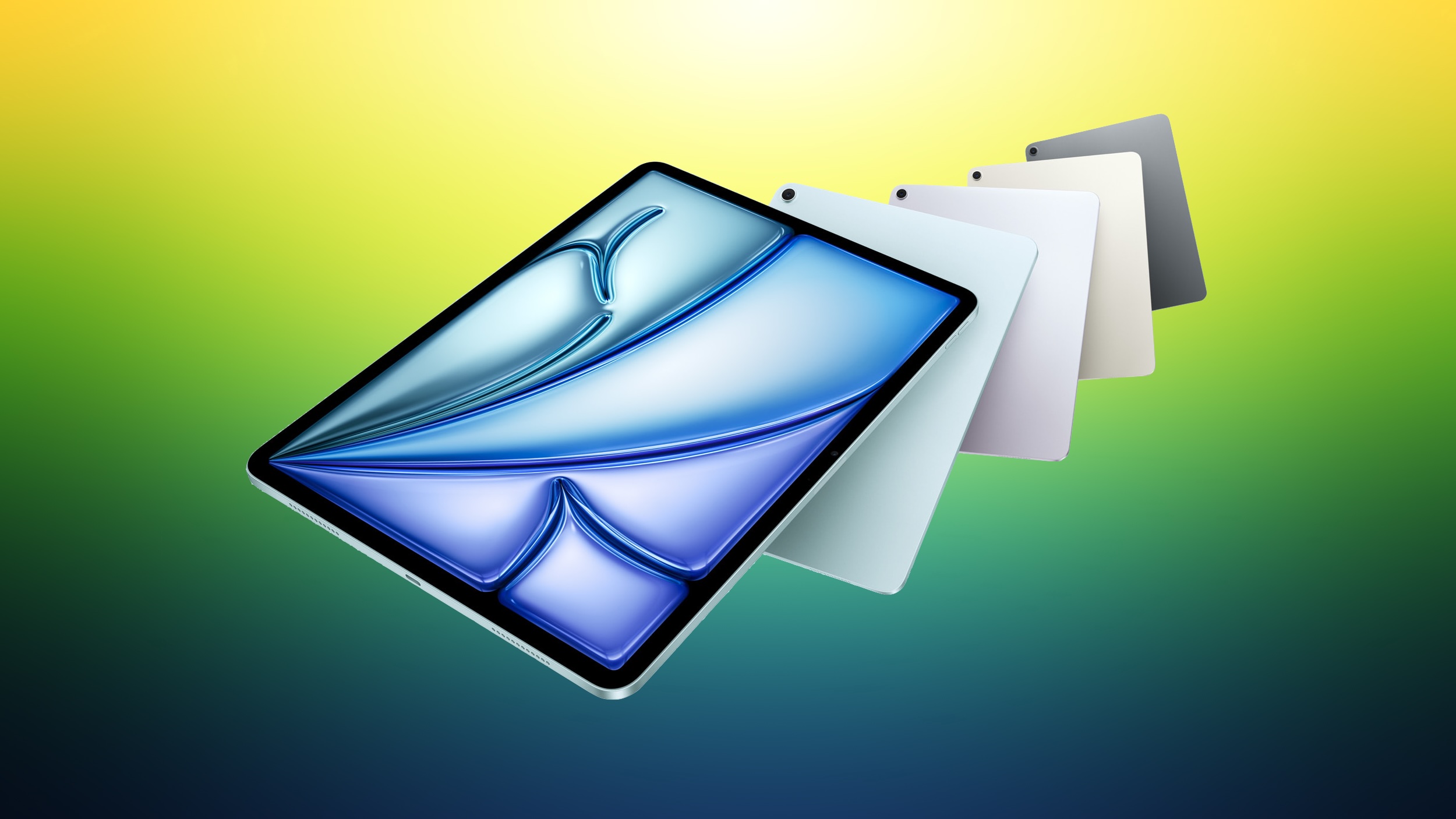
Amazon has brought back a major sale on the M4 iPad Air for Prime Day, with all-time low prices on nearly every model of the tablet. This includes both 11-inch and 13-inch models of the brand new 2026 M4 iPad Air.
Note: MacRumors is an affiliate partner with Amazon. When you click a link and make a purchase, we may receive a small payment, which helps us keep the site running.
Specifically, the 128GB Wi-Fi 11-inch M4 iPad Air has dropped to $519.99, down from $599.00, which is a match of the record low price. You'll also find low prices on the 256GB Wi-Fi 11-inch model and two 13-inch models, all of which we're only tracking on Amazon.
The new iPad Air features the M4 chip, C1X modem, and N1 networking chip, which brings support for Wi-Fi 7 and Bluetooth 6. In terms of design, the 2026 models are identical to the 2025 iPad Air tablets, with an edge-to-edge display, slim bezels, and aluminum chassis.
Shoppers should note that many sales during Amazon Prime Day require you to have an Amazon Prime membership to take advantage of the discounts. Amazon Prime costs $14.99 per month or $139.00 per year, and it comes with a 30-day free trial for new subscribers.
Special for 2026, Amazon is also offering 50% off Prime memberships for Young Adults. Prime for Young Adults is a discounted Prime membership for anyone age 18-24 that offers all of the Prime benefits at $69.00 per year, half of the price of regular Prime.
For even more Prime Day deals, be sure to visit our main article recapping all of the best Apple deals for Prime Day. If you're on the hunt for more discounts, be sure to visit our Apple Deals roundup where we recap the best Apple-related bargains of the past week.
Deals Newsletter
Interested in hearing more about the best deals you can find in 2026? Sign up for our Deals Newsletter and we'll keep you updated so you don't miss the biggest deals of the season!

 Log in
 Note: MacRumors is an affiliate partner with some of these vendors. When you click a link and make a purchase, we may receive a small payment, which helps us keep the site running.
 Note: MacRumors is an affiliate partner with Amazon. When you click a link and make a purchase, we may receive a small payment, which helps us keep the site running.
 Note: MacRumors is an affiliate partner with Amazon. When you click a link and make a purchase, we may receive a small payment, which helps us keep the site running.
 Note: MacRumors is an affiliate partner with Amazon. When you click a link and make a purchase, we may receive a small payment, which helps us keep the site running.
 Apple's retail store
  Note: MacRumors is an affiliate partner with some of these vendors. When you click a link and make a purchase, we may receive a small payment, which helps us keep the site running.
 Note: MacRumors is an affiliate partner with Amazon. When you click a link and make a purchase, we may receive a small payment, which helps us keep the site running.

 Note: MacRumors is an affiliate partner with some of these vendors. When you click a link and make a purchase, we may receive a small payment, which helps us keep the site running.




 Note: MacRumors is an affiliate partner with Amazon. When you click a link and make a purchase, we may receive a small payment, which helps us keep the site running.




 Note: MacRumors is an affiliate partner with some of these vendors. When you click a link and make a purchase, we may receive a small payment, which helps us keep the site running.
 Note: MacRumors is an affiliate partner with Amazon. When you click a link and make a purchase, we may receive a small payment, which helps us keep the site running.
 Note: MacRumors is an affiliate partner with LG. When you click a link and make a purchase, we may receive a small payment, which helps us keep the site running.
 Note: MacRumors is an affiliate partner with Amazon. When you click a link and make a purchase, we may receive a small payment, which helps us keep the site running.
