Lees weergave
Apple Card Promo Offers $30 Uber Cash Back With Uber Eats

Uber One members can earn $10 Uber Cash on one eligible grocery or retail order per month, now through August 31, when you check out with your Apple Card on Uber Eats. Shop food, health and beauty, pet supplies, and more. You could earn up to a total of $30 in Uber Cash, awarded by Uber, to use on Uber Eats orders.
βApple Cardβ users are also eligible to receive a six-month free trial of Uber One when signing up with your βApple Cardβ and Apple Pay. After the six-month trial, your Uber One subscription will automatically renew at $9.99 per month.
In addition to these promos, Apple partners with multiple vendors to offer three percent Daily Cash back on ββββApple Payββββ purchases made with ββββApple Cardββββ, including Uber Eats. Three percent cash back can also be earned from Nike, Ace Hardware, Uber, Hertz, Walgreens, Exxon Mobil, and Apple's own retail stores.
This article, "Apple Card Promo Offers $30 Uber Cash Back With Uber Eats" first appeared on MacRumors.com
Discuss this article in our forums
Apple Cash in iOS 27 Will Help You Split Bills With Just a Photo
The feature will be tied to the peer-to-peer Apple Cash feature in the Wallet app, which lets users easily send money to other people and even make purchases.
in our forumsDiscuss this article
MacRumors.com" first appeared on Apple Cash in iOS 27 Will Help You Split Bills With Just a PhotoThis article, "
The bill-splitting feature will be available through the Wallet and Messages apps, and users will be able to approve payments from an Apple Watch.
Gurman says that Apple is intending to announce the new feature "as early as next week" at WWDC, and it should be included in the upcoming βiOS 27β release. Notably, Apple Cash is currently only available in the United States.
Apple Releases macOS Tahoe 26.5.1 to Fix Shutdown Issue Affecting Enterprise Users on M5 Macs
Mac owners can download the software by opening the System Settings app and then navigating to the Software Updates section.
According to Apple's release notes for the update, βmacOS Tahoeβ 26.5.1 addresses an unexpected shutdown issue affecting certain enterprise users on M5 Macs.
This update addresses an issue for enterprise users where Macs with an M5 chip could expectedly shut down when using certain content filtering network extensions.macOS 27 is right around the corner, with Apple set to unveil the next major macOS update at the WWDC 2026 keynote on Monday, June 8.
This article, "Apple Releases macOS Tahoe 26.5.1 to Fix Shutdown Issue Affecting Enterprise Users on M5 Macs" first appeared on MacRumors.com
Discuss this article in our forums
Apple Releases iOS 26.5.1 to Fix Charging Issue on iPhone Air and iPhone 17 Models
The new software can be downloaded on eligible iPhones over-the-air by going to Settings > General > Software Update.
According to Apple's release notes, the update fixes a previously documented charging issue with βiPhone Airβ and βiPhone 17β models.
This update addresses an issue for a small number of users that may prevent wired charging on iPhone Air and iPhone 17 models when the battery is nearly drained.Apple's work on βiOS 26β is winding down as it prepares to introduce iOS 27 at the June 8 WWDC keynote event.
This article, "Apple Releases iOS 26.5.1 to Fix Charging Issue on iPhone Air and iPhone 17 Models" first appeared on MacRumors.com
Discuss this article in our forums
Tune into XBOX Games Showcase June 7
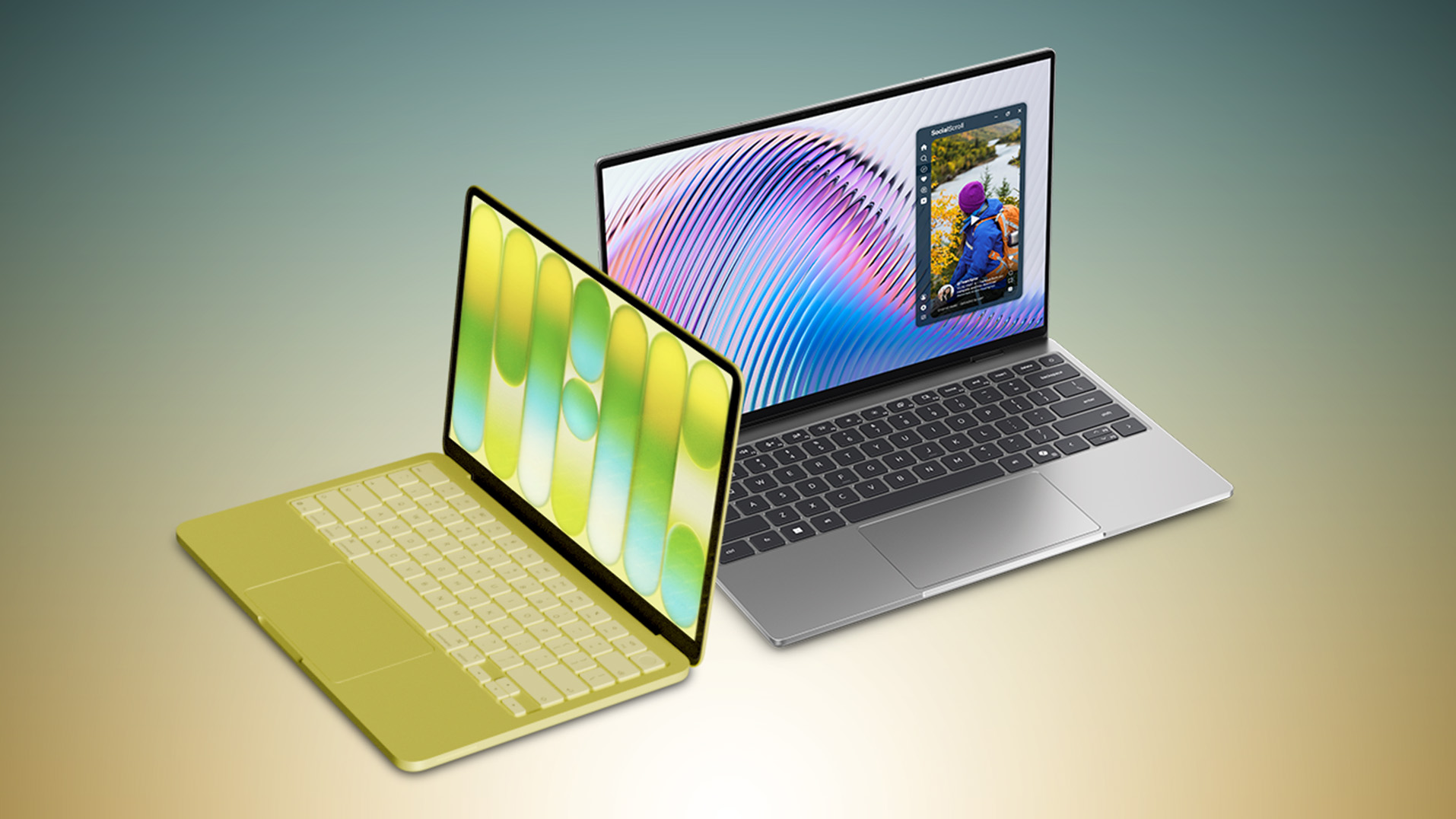
Dell Unveils $699 Laptop With Features 'You Won't Find on a MacBook Neo'
In the U.S., the XPS 13 starts at $699 for the general public and at $599 for eligible students, which is $100 more than the MacBook Neo on both fronts. However, Dell said the XPS 13 offers the following six features "you won't find on a MacBook Neo."
- A touch screen
- A backlit keyboard
- A faster second USB-C port (10 GB/s vs. 480 MB/s)
- Wi-Fi 7 (vs. Wi-Fi 6E)
- Windows Hello to unlock laptop via facial recognition (MacBook Neo does offer Touch ID at the same $699 price point)
- Four speakers (vs. two)
"Apple's MacBook Neo is a capable machine, and its arrival confirms that there's real appetite for premium quality at accessible prices," said Dell. "Where Dell differs is what we think premium means at this price point and what we were willing to build to deliver it."
While not mentioned in Dell's list above, the XPS 13's display offers up to a 120Hz refresh rate and 100% coverage of the DCI-P3 color gamut, whereas the MacBook Neo has a 60Hz refresh rate and sRGB coverage only. And with a 13-inch display and a resolution of 2,560Γ1,600 pixels, the XPS 13 offers Retina-like quality.
Like the MacBook Neo, the XPS 13 base model has 8GB of RAM and a thin aluminum enclosure. The laptop will come with 512GB of storage at launch, with a 256GB configuration set to arrive later, according to a spokesperson. The base model is powered by Intel's new Core Series 3 processor, with higher-priced configurations offering Intel's Core Ultra Series 3 processors, up to 32GB of RAM, and up to 1TB of storage.
Apple silicon offers industry-leading performance per watt, allowing for the MacBook Neo with an A18 Pro chip to have a fanless design. In the XPS 13, there are two fans.
Dell said the XPS 13 is the thinnest and lightest XPS laptop it has ever made. It measures 12.7mm thin, matching the MacBook Neo, but its advertised weight of 2.2 pounds comes in half a pound below the MacBook Neo.
The XPS 13 base model with a Core Series 3 processor is arriving "soon" in the U.S., according to Dell. The laptop will come in two finishes, Sky and Storm, with the latter color not available until "later this summer."
Windows vs. macOS remains an important factor, but increased competition is good for all customers, as it helps to lower prices across the board.
"A few months ago at CES, we made a commitment: compete at every price point in the consumer market and build products worthy of the XPS name," said Dell. "Even though memory shortages have pushed component costs higher across virtually every industry, we are delivering on that commitment."
Without the MacBook Neo, which was rumored since June 2025, we might not be in this situation.
This article, "Dell Unveils $699 Laptop With Features 'You Won't Find on a MacBook Neo'" first appeared on MacRumors.com
Discuss this article in our forums
One Week to Go: Apple Gets Ready for WWDC 2026 With YouTube Placeholder
Apple's YouTube page has a "Notify me" button that lets you set a reminder for the keynote in your local time. It's a useful way to make sure you're ready to watch when the event happens because you'll get a notification ahead of when the livestream begins.
The βWWDC 2026β keynote will be streamed on YouTube, on the Apple Events page, and in the Apple TV app. We'll also have coverage on MacRumors.com for those who are unable to watch.
At this year's event, Apple will introduce the latest versions of its software, including iOS 27, iPadOS 27, macOS 27, watchOS 27, tvOS 27, and visionOS 27. The main focus will be on Siri and the major AI updates coming to Apple's personal assistant.
βSiriβ is going to be much smarter, with chatbot-like capabilities and a dedicated βSiriβ app. We have details on what to expect in our iOS 27 roundup.
This article, "One Week to Go: Apple Gets Ready for WWDC 2026 With YouTube Placeholder" first appeared on MacRumors.com
Discuss this article in our forums
Apple Shares WWDC26 Wallpaper, Playlist, 'Get Ready' Video, and More
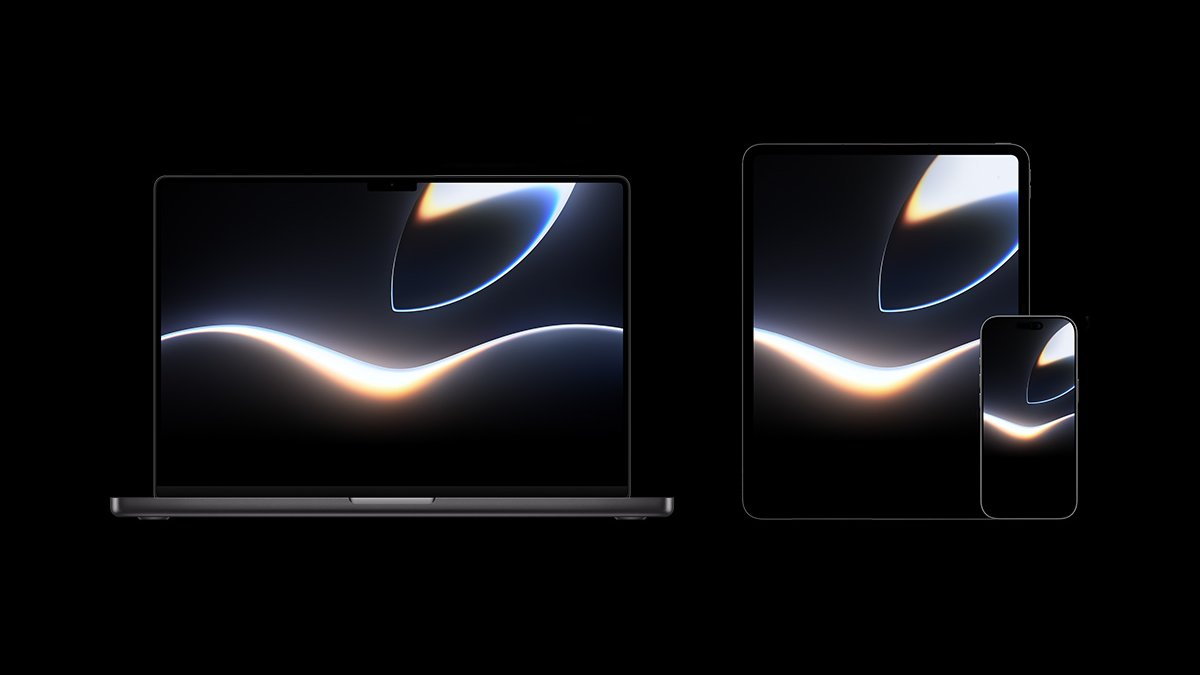
iPhone, iPad, and Mac versions of the wallpaper are available to download on Apple's website. The wallpaper features a dark color scheme with a glowing Apple logo, which likely hints at Siri's rumored new design coming with iOS 27.
The wallpaper page has a "Glow all out" tagline, which adds to the "All systems glow" and "Coming bright up" taglines that Apple previously shared.
A new "WWDC26 Hello" playlist is available on Apple Music, with more playlists to follow throughout the weeklong developers conference.
WWDC 2026 kicks off with Apple's keynote on Monday, June 8 at 10 a.m. Pacific Time. The company is set to unveil iOS 27, iPadOS 27, macOS 27, watchOS 27, tvOS 27, and visionOS 27 on that day, and the conference will run through Friday, June 12, with hundreds of developer sessions to be shared online.
The keynote will be streamed live on the Apple Events website β the page is now live. There will also be streams in the Apple TV app and on YouTube.
For developers, Apple has shared a new "Get Ready" video that offers tips on how to take advantage of WWDC, with all content and resources to be released for free as always. While there will be an in-person component at Apple Park for some lucky attendees, WWDC has largely been an online event since 2020.
MacRumors will be attending WWDC 2026 in person, and we will have in-depth coverage of the event as always, so stay tuned.
This article, "Apple Shares WWDC26 Wallpaper, Playlist, 'Get Ready' Video, and More" first appeared on MacRumors.com
Discuss this article in our forums
Apple Teases Next Week's WWDC 2026 Event: 'All Systems Glow'
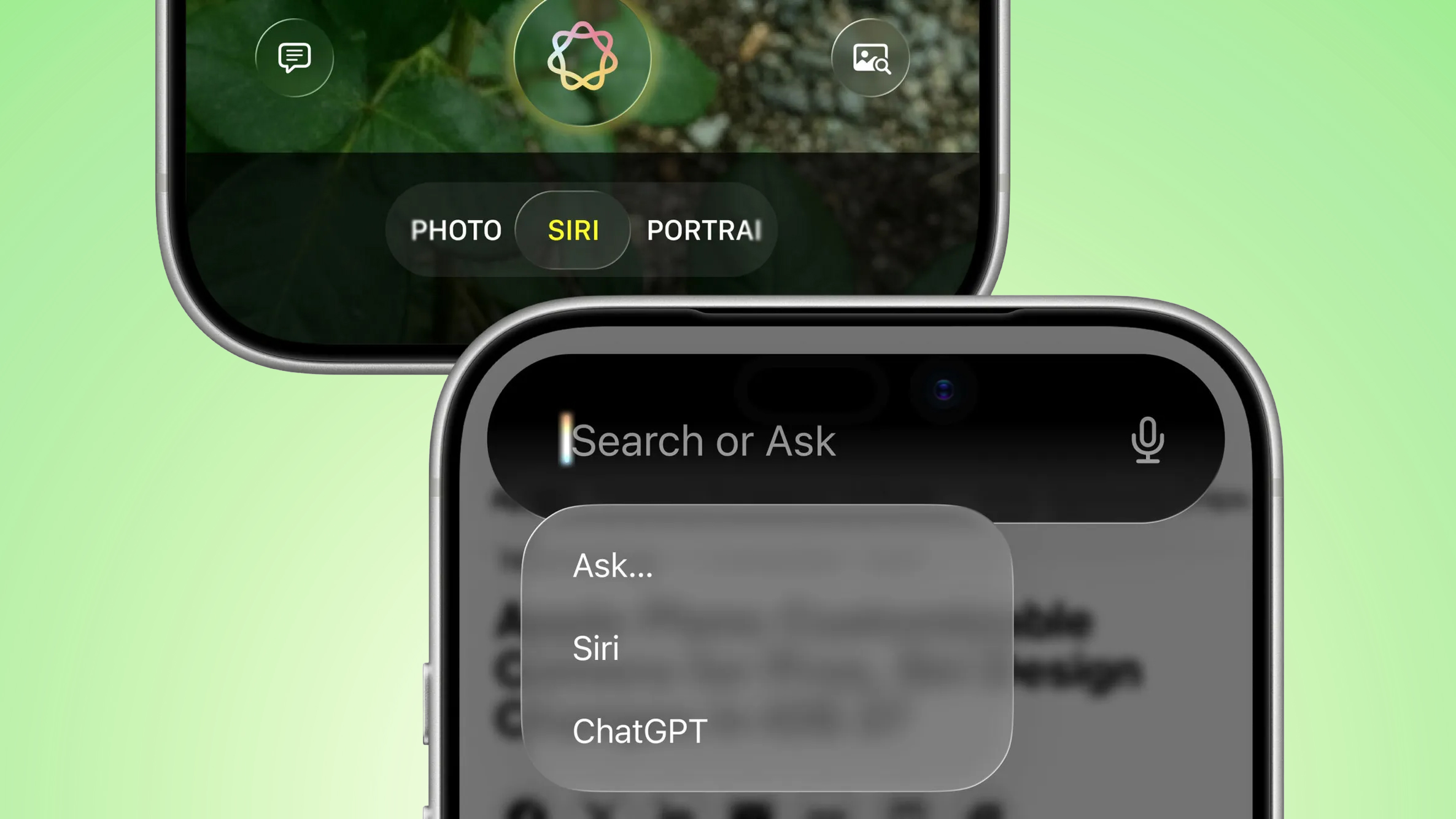
"All systems glow" is a play on the phrase "all systems go," and it likely hints at Siri's rumored new design on iOS 27. Both a dedicated Siri app and a new "Search or Ask" feature in the iPhone's Dynamic Island will reportedly have a dark color scheme with glowing elements, as shown in leaked images last week.
Apple's previous tagline for WWDC 2026 was "Coming bright up." That tagline and the graphics for the event all hint at the new Siri design as well.
WWDC 2026 kicks off with Apple's keynote on Monday, June 8 at 10 a.m. Pacific Time. The company is set to unveil iOS 27, iPadOS 27, macOS 27, watchOS 27, tvOS 27, and visionOS 27 on that day, and the conference will run through Friday, June 12, with hundreds of developer sessions to be shared online.
The keynote will be streamed live on Apple.com, in the Apple TV app, and on YouTube.
All systems glow for a great #WWDC26 next week!
β Greg Joswiak (@gregjoz) June 1, 2026
Tune in June 8 at 10 am PT. pic.twitter.com/g6A5v5vWI4
This article, "Apple Teases Next Week's WWDC 2026 Event: 'All Systems Glow'" first appeared on MacRumors.com
Discuss this article in our forums
Foldable 'iPhone Ultra' Rumored to Feature Vapor Chamber Cooling Despite Thin Design
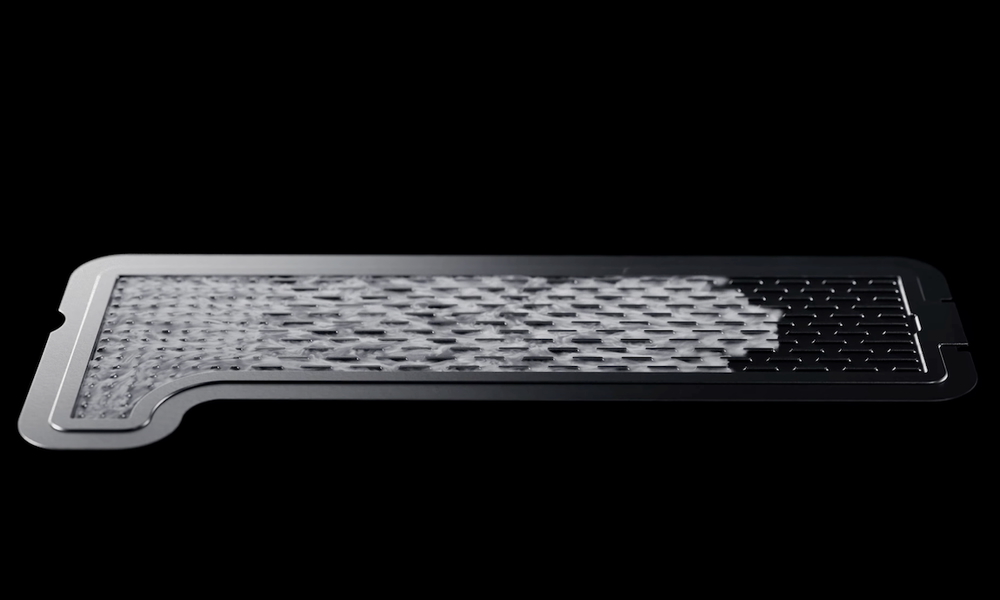
The iPhone 17 Pro's vapor chamber thermal plate.In a new post today on Weibo, the leaker known as "Fixed Focus Digital" said the foldable iPhone's pre-assembly manufacturing processes are facing pressure and that the initial production ramp-up is proving difficult. The leaker added that prevailing speculation points to the original September launch schedule holding, and teased that further positive news is expected tomorrow.
The leaker added that the device will feature vapor chamber (VC) cooling and that its thermal performance is "quite impressive," with Apple "really going all out" with its thermal engineering. The claim marks the first time a source has attributed vapor chamber cooling to the βiPhone Ultraβ, and the detail is notable given the extent of the design compromises the device is expected to make.
Rumors suggest the βiPhone Ultraβ could be missing at least five features present on the βiPhone 17 Proβ, including Face ID, a telephoto camera, MagSafe, the Action Button, and a physical SIM card slot, largely as a result of its 4.5mm folded thickness. The iPhone Air, which shares a similar ultra-thin philosophy, does not feature vapor chamber cooling, making its presence on the βiPhone Ultraβ far from a given before today's report.
Apple overhauled the thermal design of the βiPhone 17 Proβ last year, adopting a vapor chamber cooling system for the first time in an iPhone. The system circulates a small amount of deionized water to move heat away from the A19 Pro chip and distribute it throughout the device's aluminum unibody frame, with Apple claiming the design delivers 40% better sustained performance for demanding tasks compared to the graphite thermal systems used in previous Pro models.
The post arrives amid a series of production difficulty reports surrounding the foldable iPhone. Earlier this month, Fixed Focus Digital pointed to yield problems at the pre-assembly stage related to surface-mount technology (SMT), distinct from a separate report by the leaker known as "Instant Digital" that attributed production difficulties to the hinge failing Apple's quality control standards under conditions of prolonged, high-frequency opening and closing.
Fixed Focus Digital's account pushed back on that framing, suggesting the hinge was not the primary source of difficulty. DigiTimes reported in April that production was already running roughly one to two months behind schedule while still maintaining that a fall 2026 launch remained on track, with mass production planned to begin in July. Fixed Focus Digital also reported in April that price negotiations with Apple's assembly partner were a potentially disruptive factor.
Despite the difficulties, the launch timeline does not appear to be at risk. Bloomberg's Mark Gurman reported in April that the βiPhone Ultraβ is on track for a September debut alongside the iPhone 18 Pro and βiPhone 18 Proβ Max, though he noted the timing was not final and production had yet to ramp up. The device is expected to feature a 7.8-inch inner display, a 5.5-inch cover display, the A20 chip, the C2 modem, Touch ID in place of βFace IDβ, and two rear cameras, with pricing rumored to start at around $2,000.
This article, "Foldable 'iPhone Ultra' Rumored to Feature Vapor Chamber Cooling Despite Thin Design" first appeared on MacRumors.com
Discuss this article in our forums
AirPods Pro 3 Available for $199.99 Low Price on Amazon
Note: MacRumors is an affiliate partner with some of these vendors. When you click a link and make a purchase, we may receive a small payment, which helps us keep the site running.
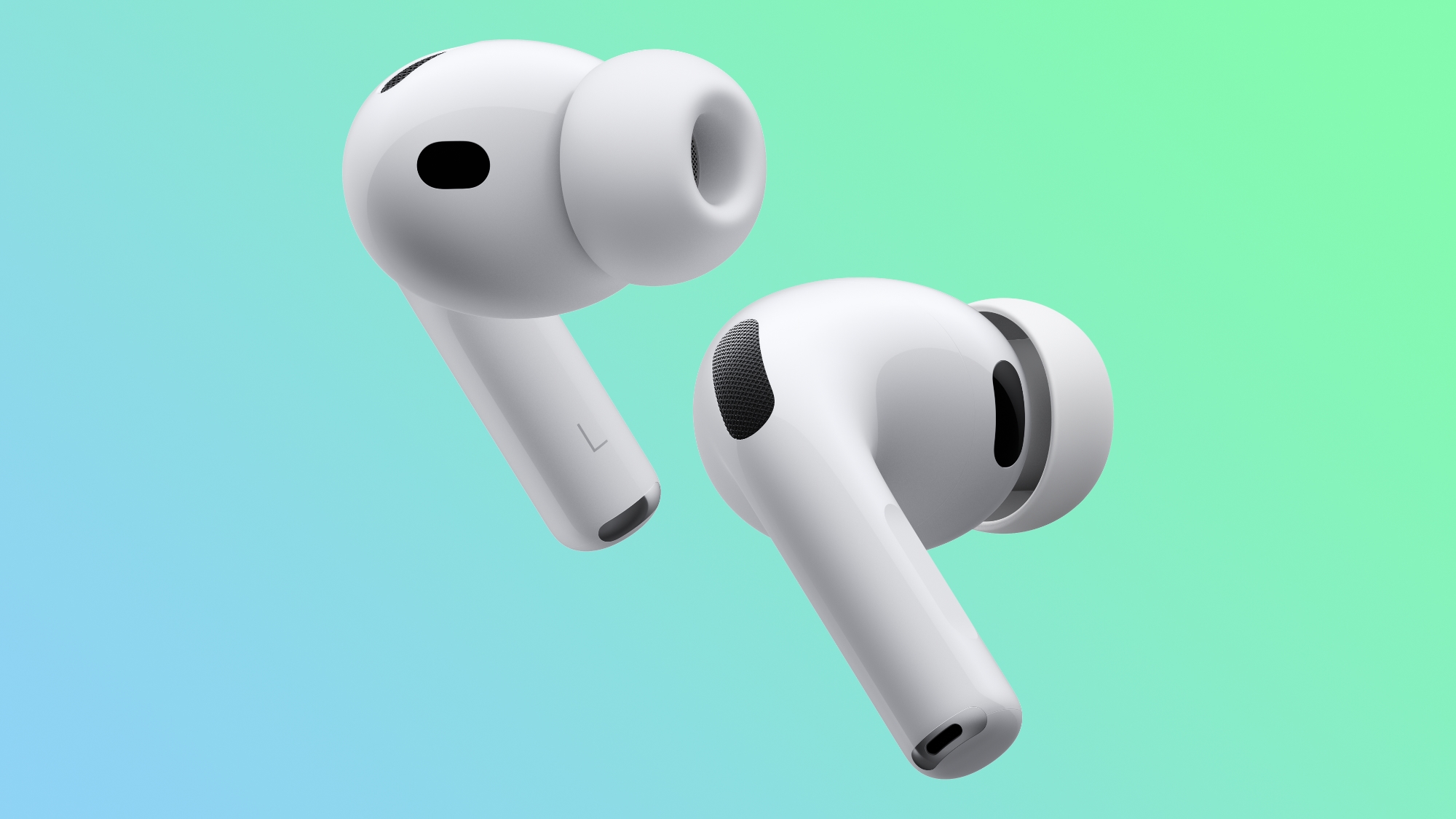
This model of the AirPods Pro launched in September 2025 and has 2x better Active Noise Cancellation than the previous generation, better audio quality, a revised fit that's meant to improve comfort and stability, Live Translation for in-person conversations, and heart rate sensing for workouts.
Head to our full Deals Roundup to get caught up with all of the latest deals and discounts that we've been tracking over the past week.
Deals Newsletter
Interested in hearing more about the best deals you can find in 2026? Sign up for our Deals Newsletter and we'll keep you updated so you don't miss the biggest deals of the season!
This article, "AirPods Pro 3 Available for $199.99 Low Price on Amazon" first appeared on MacRumors.com
Discuss this article in our forums
Apple Car Key Support Coming to Future Mahindra Vehicles
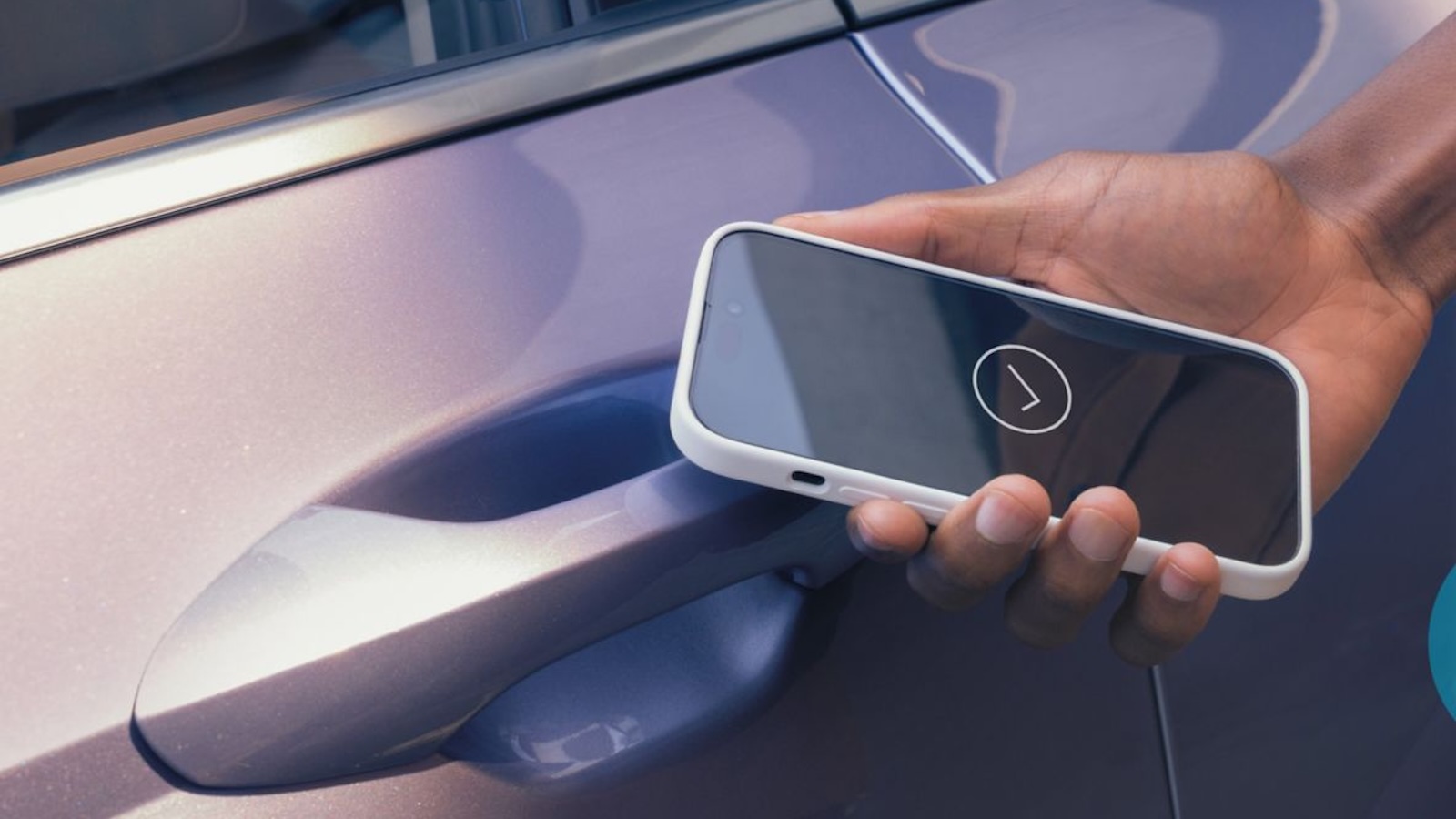
Car Keys allows an iPhone or Apple Watch with NFC capabilities to unlock a vehicle through the Wallet app. A digital version of a car key is stored in Wallet, and unlocking can be done simply by holding an Apple Watch or βiPhoneβ near a compatible vehicle's NFC reader.
Mahindra already supports Samsung Wallet's Digital Car Key feature for Galaxy devices, but it does not yet offer native Apple Car Key support, so this would need to be implemented by the automobile manufacturer first on future models.
What can be done with Car Keys may vary by car manufacturer, but at a minimum, Car Keys can be used to unlock your car, lock your car, and start your car, which are the features available with a physical key.
Apple introduced Car Keys in 2022, and car manufacturers like BMW, Rivian, Kia, and Hyundai have all implemented support for Car Keys. Apple maintains a full list of vehicles that support Car Keys on its CarPlay model availability webpage.
This article, "Apple Car Key Support Coming to Future Mahindra Vehicles" first appeared on MacRumors.com
Discuss this article in our forums
Distribution Release: Linux Lite 8.0
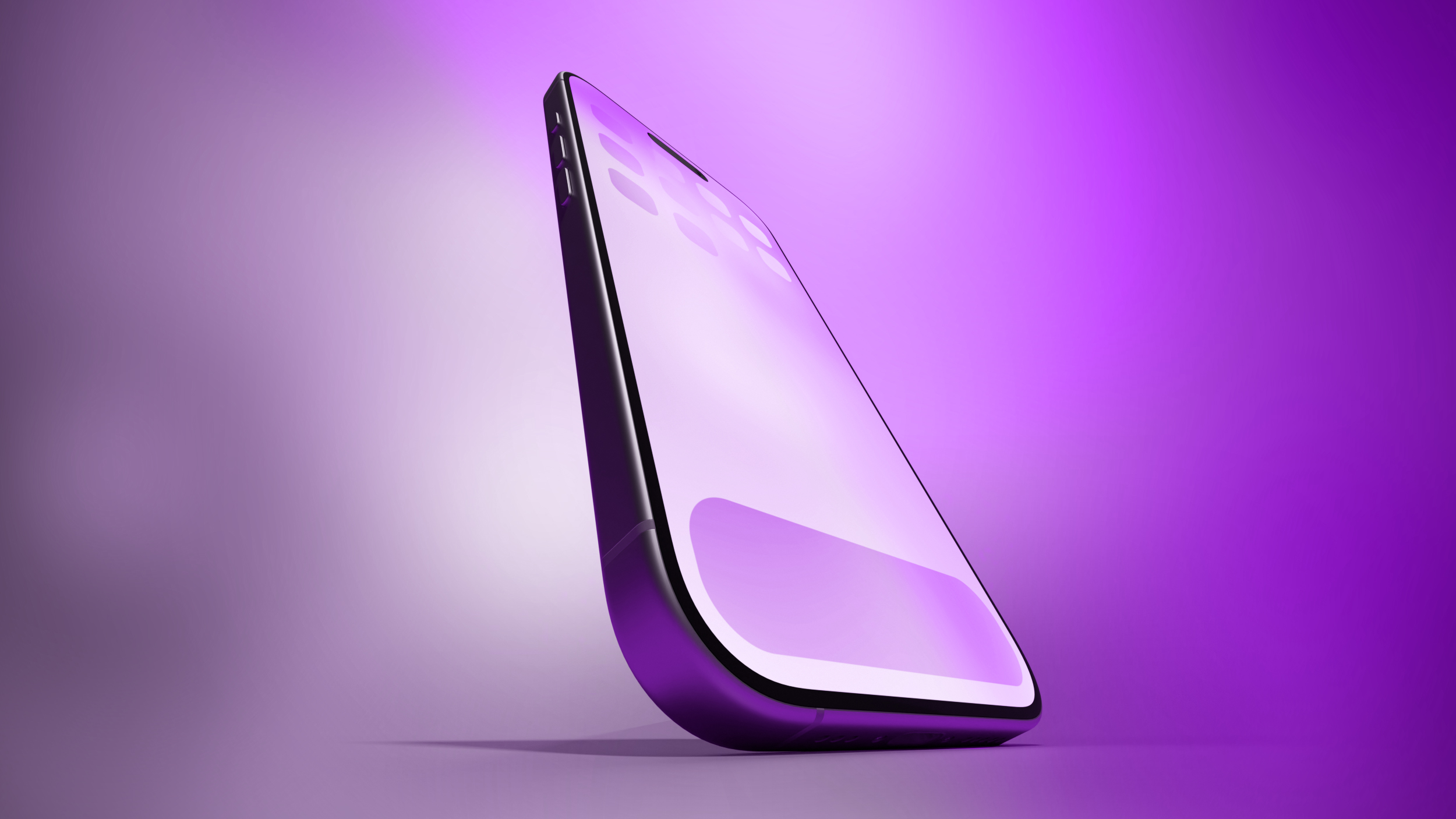
First 'Confirmed' iPhone Ultra Color Allegedly Revealed in Leaked Image
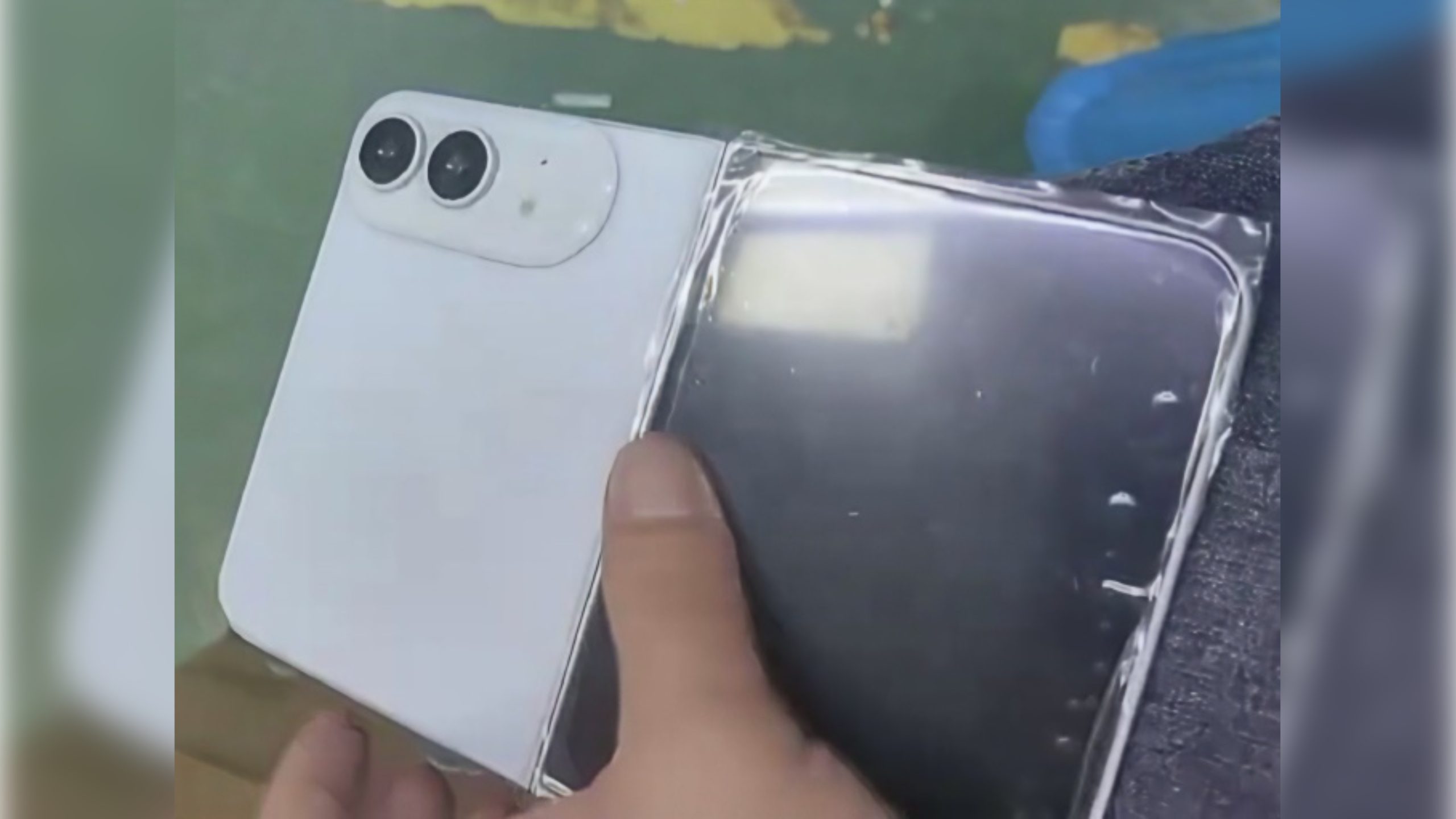
Posted on Weibo by the Chinese leaker known as Ice Universe, the image purportedly offers a first glimpse of Apple's foldable in white. The device is believed to have entered early mass production, but the model shown is likely a dummy. Regardless, fellow leaker Instant Digital has said white is so far the only "confirmed" finish that the device will be available in.
It is not yet clear what the alternative color will be, but Macworld recently cited a supply chain source claiming that it will be an indigo option similar to the iPhone 17 Pro's Deep Blue finish. The same source said the device will offer fewer choices than the iPhone 18 Pro models, with no bold or vibrant colors.
According to Bloomberg's Mark Gurman, Apple plans to "stay away from fun colors" and stick to more traditional space gray/black and silver/white finishes. Such an approach would be similar to the iPhone X, which launched in just two colors β Silver and Space Gray β when it debuted in November 2017.
A limited color selection may simply reflect the foldable iPhone's expected low production volumes. Industry analyst Ming-Chi Kuo has warned that manufacturing challenges could constrain supply through at least the end of 2026, and adding more colors would increase complexity and costs for an already difficult-to-produce device.
With launch supply expected to be tight and a price above $2,000, as reported by Gurman, Apple likely has little incentive to expand the initial color lineup, while buyers at this price point are also less likely to base their purchasing decision on color options.
The iPhone Ultra is expected to launch alongside the iPhone 18 Pro and iPhone 18 Pro Max this coming September.
This article, "First 'Confirmed' iPhone Ultra Color Allegedly Revealed in Leaked Image" first appeared on MacRumors.com
Discuss this article in our forums
Nvidia Challenges Apple Silicon With New RTX Spark PC Chip
Nvidia says its RTX Spark Superchip is purpose-built to run AI agents that can work proactively across apps and run in the background as a personal "teammate."
With the chip, Nvidia says users can "render ultra-large 90GB 3D scenes with OptiX and DLSS, edit 12K 4:2:2 video with the NVIDIA Blackwell decoder, run 120-billion-parameter large language models with 1 million tokens context, and play AAA games at 1440p resolution and over 100 frames per second with ray tracing, DLSS and Reflex."
The chip was announced by Nvidia chief executive Jensen Huang at the Computex conference in Taipei on Monday.
It's a big play for a company traditionally focused on graphics cards to move into the kind of integrated silicon that runs an entire laptop. It also puts the RTX Spark on a collision course with Apple's M5, widely regarded as the laptop chip to beat for running AI tasks on-device.
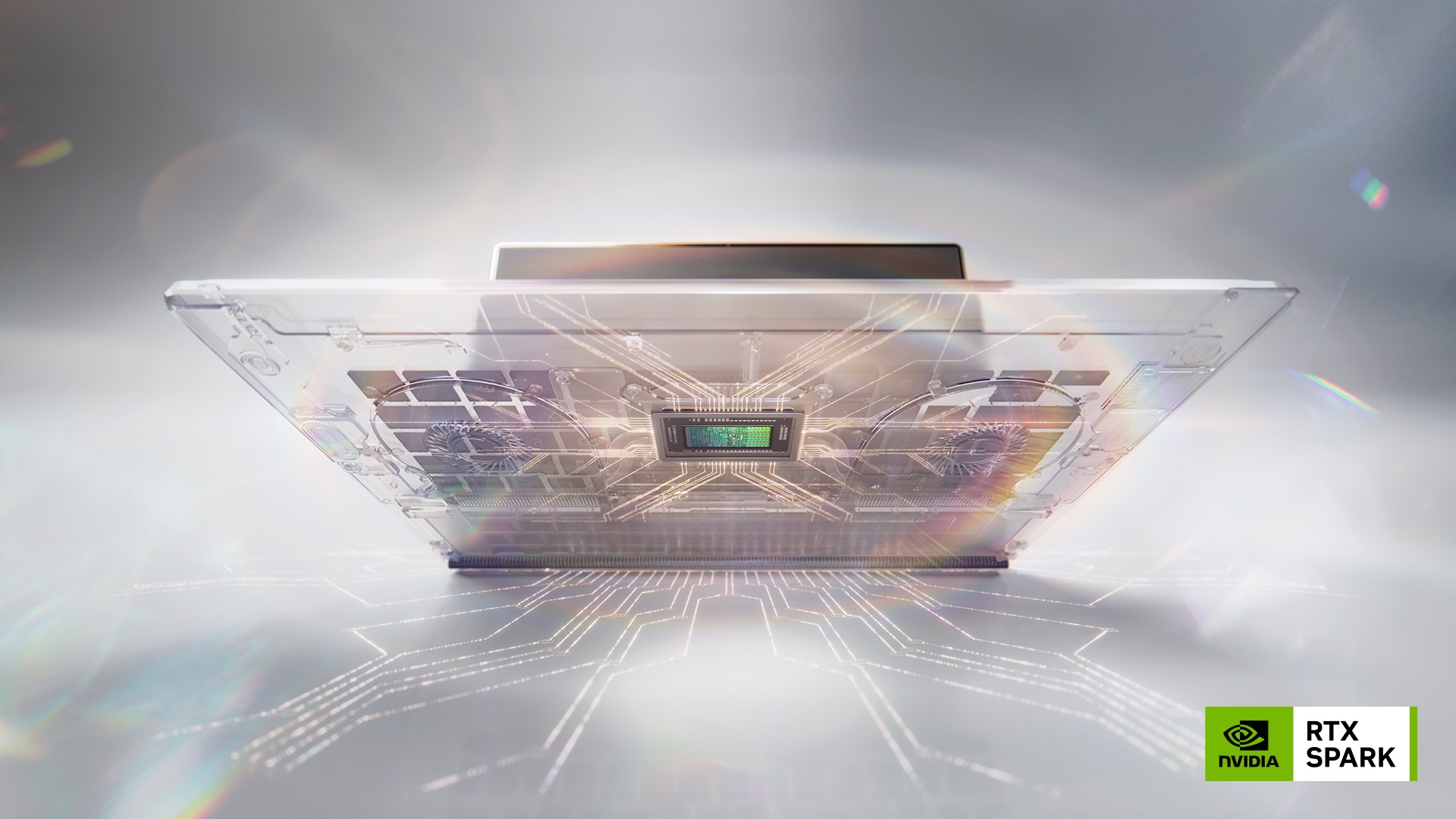
Like Apple's chips, the RTX Spark is Arm-based, pairing an Nvidia Blackwell RTX graphics processor with a Grace CPU. It's effectively the same GB10 chip that's found in the DGX Spark, the tiny "personal AI supercomputer" that Nvidia released last year.
Microsoft's new 15-inch Surface Laptop Ultra will be among the first machines to ship with the integrated silicon. The machine features a mini-LED touchscreen, the largest haptic touchpad Microsoft has fitted to a Surface, and a selection of ports covering HDMI, USB-C, USB-A, SD cards, and headphones.
Configured with up to 128GB of unified memory, the Ultra can run AI models with up to 120 billion parameters locally, a figure Microsoft attributes to Nvidia, based on a theoretical performance measure. Microsoft claims it's the most powerful Surface it has ever built.
Nvidia says its chip will eventually appear in around 30 laptops and more than 10 desktops built by the likes of Asus, HP, MSI, Lenovo, and Dell.
Microsoft says the Surface Laptop Ultra will arrive later this year. Pricing has not been announced, but Nvidia has suggested the first wave of RTX Spark machines will target the premium end of the market.
This article, "Nvidia Challenges Apple Silicon With New RTX Spark PC Chip" first appeared on MacRumors.com
Discuss this article in our forums
Distribution Release: Network Security Toolkit 44-15105
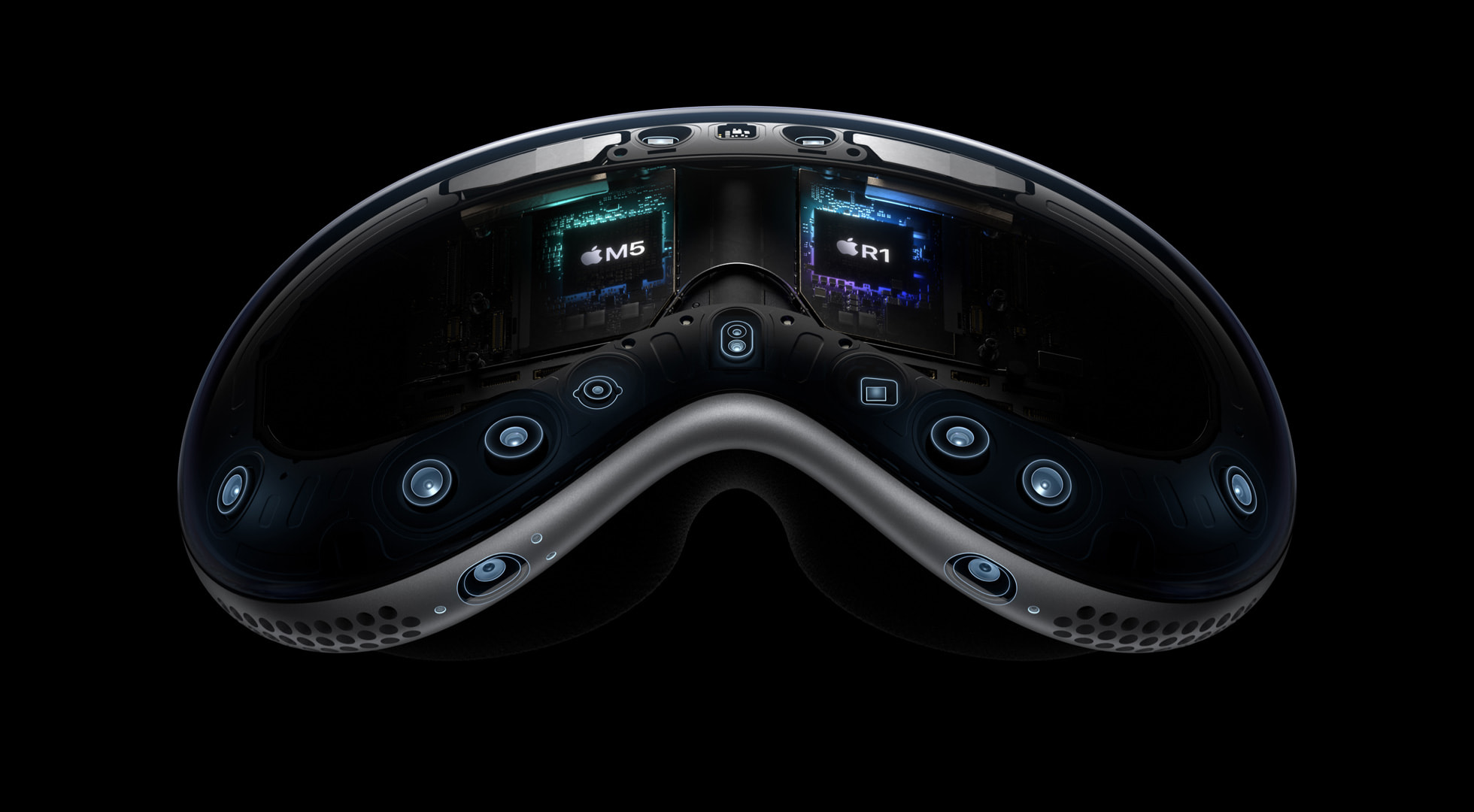
Cheaper, Lighter Apple Vision Pro Successor Could Arrive in Late 2028
Writing in his latest Power On newsletter, Gurman says that Apple needs to come up with a slimmer design for the $3,499 headset and bring down the cost before it can return to the category, which is essentially "on ice" until then.
Gurman made a point of distinguishing the Vision Pro successor from the long-rumored "Vision Air," which was cancelled last year.
In the meantime, Apple's smart glasses project is now the focus, and former Vision Products Group members have been reassigned to that team. Apple is now aiming to release its first smart glasses in "late 2027," according to Gurman.
Apple refreshed the Vision Pro in October 2025 with an updated model featuring an M5 chip.
This article, "Cheaper, Lighter Apple Vision Pro Successor Could Arrive in Late 2028" first appeared on MacRumors.com
Discuss this article in our forums
Introducing Surface Laptop Ultra: Made for world makers
Introducing a powerful new chapter for Windows PCs, accelerated by NVIDIA RTX Spark
βNVIDIA and Microsoft share a vision that agents are the future of personal computing,β said Jeff Fisher, senior vice president of personal computing at NVIDIA. βRTX Spark combines NVIDIA's full technology stack with Microsoft Windows and is purpose-built for creators, gamers and AI developers in the personal AI era.β
Taking Windows to the next level on RTX Spark
RTX Spark delivers 1 petaflop of AI performance, industry-leading performance-per-watt, full stack NVIDIA AI and RTX graphics technology, with up to 6144 Blackwell RTX cores, up to 20 power-efficient cores built with the Arm architecture and up to 128GB of unified memory.
Paired with Windows, it unlocks the capabilities creators and developers need to run advanced workloads, build with the tools they depend on and even play their favorite games. Bringing Windows to RTX Spark enables you to do the work that matters on silicon that delivers the performance you demand.
Great silicon deserves deep platform work. We optimized Windows to bring out the full performance of RTX Spark.
Performance and power management
To get the most out of Windows on RTX Sparkβs powerful, heterogeneous architecture, we implemented workload profile scheduling (WPS) and optimized it for RTX Spark, enabling the Windows scheduler to more efficiently scale workloads across all 20 cores. Whether youβre checking your email or running an agent locally to debug code, the Windows scheduler on RTX Spark will ensure you get the best performance and efficiency out of your CPU. We also worked with NVIDIA to enable the Microsoft Power and Thermal Framework (MPTF) on RTX Spark, to maximize performance and power on the go. MPTF standardizes one of the most complex parts of a modern PC and will enable RTX Spark based PCs to deliver industry-leading power efficiency while staying cool under intense workloads. Beyond its industry-leading performance per watt for creative, AI and gaming workloads, RTX Spark is positioned to take advantage of our advancements to DirectX 12, including support for neural rendering and optimized ray tracing performance, and has been tuned to maximize the performance of its Blackwell GPU, making it one of the best places to play on Windows. In addition, Microsoft and NVIDIA have worked to unlock the power of the GPU for local AI workloads through Windows ML, enabling AI developers to leverage TensorRT natively in Windows.Unified memory optimizations
To realize the potential of up to 128GB of unified memory on RTX Spark, we have focused on improving how Windows supports unified memory systems, starting with a new higher, smarter limit on total system memory accessible by the GPU. This updated limit increases the memory available to the GPU on high-memory systems, unlocking the ability to load larger local AI models or render more complex projects. Memory intensive workloads across powerful creator apps, AI workloads and games put a variety of demands on the system and require a versatile memory system to achieve peak performance.Β In addition to increasing the memory available to the GPU, we are also enhancing how Windows manages page sizes in shared memory regions on unified memory systems.Β These changes ensure that larger memory pages are available for greater performance on heavier workloads, while giving developers the flexibility to optimize for the needs of their memory workloads between CPU and GPU.Prism emulation enhancements
Prism, our emulator for running 32-bit and 64-bit x86 apps on Windows on Arm, will also be present and optimized for RTX Spark powered PCs.Β Prism ensures apps run well on these devices even if those apps haven't been built for the Arm architecture. We have continued to enhance the Prism emulator with additional performance and compatibility features, building on the Prism optimizations delivered last year that added support for the AVX/AVX2 instruction set extensions. Prism has been tuned for the microarchitecture of RTX Spark and when combined with the raw power of the silicon, unlocks great performance for developers, creators and gaming workloads running under emulation.Windows quality investments
This year, we've been laser focused on raising the bar on performance, reliability and craft across Windows 11. As the Windows foundation strengthens, we are also pushing forward on this next era of Windows computing and delivering meaningful improvements to system performance that will benefit all Windows 11 PCs including these new PCs powered by RTX Spark. This includes changes like more fluid and responsive app interactions by moving many core Windows experiences to the WinUI3 framework and elevating the Windows Subsystem for Linux (WSL) experience, along with baseline reliability improvements across the operating system and more control and personalization, including alternate taskbar positions. These quality-focused updates will continue to roll out throughout the year.
Delivering a better platform for agents with Windows on RTX Spark
This week at Microsoft Build, you will see how we are optimizing the Windows platform for building and running agents securely with OS-enforced identity, containment and manageability. With a powerful GPU and up to 128 GB of unified memory, RTX Spark will be great hardware to build and run agentic workloads locally, with security and containment features designed to help protect users.
NVIDIA is bringing NVIDIA OpenShell to Windows, built on new Windows security and containment primitives. Hermes Agent and OpenClaw will be integrating OpenShell and these new Windows primitives inside of their Windows application. This enables customers to run agents and integrate them into developer and creative workflows, with the performance headroom to reason over large contexts without round-tripping to the cloud.
Control is a fundamental principle for AI on Windows. You choose when and how agents act on your behalf, with controls to help provide visibility into what they can access.
Enabling the Windows ecosystem for RTX Spark
From the app developers optimizing their software for this architecture, to our OEM partners building these new powerful PCs, the Windows ecosystem has come together to ensure RTX Spark delivers a complete, performant experience from day one.App ecosystem growth
Silicon and OS optimization matters, but what you can actually run on the device is what customers experience. We have partnered across the ecosystem to ensure these new PCs powered by RTX Spark will launch with broad application support.
Over the last two years, Microsoft and NVIDIA have worked with a breadth of app developers to make significant advancements to optimize the apps people want and rely on for Arm-based devices. As a result, PC users on RTX Spark will immediately benefit from an expansive ecosystem of native and performant apps.
For creatives, top tools like Blender, DaVinci Resolve, Maxon Cinema4D, Maxon Redshift, Topaz Photo, CapCut, Cubase, Bitwig Studio, Affinity by Canva and more all run natively on Arm today, as do the audio, video, MIDI and control peripherals they require. Adobeβs flagship applications including Photoshop and Premiere are likewise native, and have partnered with NVIDIA and Microsoft on additional optimizations for the RTX Spark. Apps for technical creators are also optimizing for this platform, including MATLAB, one of the most popular, which now officially supports Windows on Arm via Prism. Across apps, RTX SPARK can unlock new capabilities and speed for workflows like video compositing, rendering complex 3D geometries, or using the latest AI-driven tools for content analysis and transformation.
Game developers have also laid a strong foundation for RTX Sparkβs arrival. Today, anti-cheat solutions from partners like Epicβs Easy Anti-Cheat and BattlEye, expanded Prism emulator compatibility, and XBOX PC app support means players will have access to a deep catalog of Windows PC games. RTX Spark will bring even higher levels of gaming performance to AAA titles on Arm. Riot Games, one of the worldβs leading game developers and publishers, has confirmed that League of Legends and VALORANT are coming to the platform. PUBG: Battlegrounds, the iconic battle royale title from KRAFTON, will also be joining the expansive catalog of compatible titles including PRAGMATA, Alan Wake 2, Naraka: Bladepoint, War Thunder and more.
Top agentic and AI developer workloads like GitHub Copilot, Claude Code, ComfyUI, Cursor and more now run across all modern PC silicon β making Windows the ideal platform for AI-assisted development, or for leveraging the power of the GPU to train, optimize and evaluate models. For developers, our partnership with NVIDIA on RTX Spark plans to bring additional exciting technologies like CUDA-accelerated PyTorch, Ilama.cpp, TensorRT, Hugging Face frameworks, Unsloth, Kohya and more.
PC ecosystem adoption
Windows and RTX Spark bring to life the most powerful and efficient thin-and-light PCs with all-day battery life1, optimized for developers and creators who need to trust that they can power through advanced workflows, in a portable package. These PCs will join the Copilot+ PC category, with powerful NPUs for local AI processing in addition to the GPU, unlocking rich AI-powered experiences. Beginning this Fall, RTX Spark will power a full range of Windows laptops and small form factor desktop PCs, starting with Microsoft Surface, ASUS, Dell, HP, Lenovo and MSI.Introducing Surface Laptop Ultra
Surface Laptop Ultra. Built for world makers and creative pros, Surface Laptop Ultra brings cutting-edge AI performance into a thin, precision-engineered laptop designed for sustained high performance. From rendering to compiling to local AI workflows, this is uncompromising craft meets raw power β a new kind of performance for the people who create what's next. To learn more, visit the Devices blog by Brett Ostrum, Corporate Vice President, Surface.
We are also proud to support the announcements of our PC partners:
- ASUS:Β TheΒ ASUS ProArt P16Β andΒ ASUSΒ ProArtΒ P14Β combineΒ powerful AI performance with slim and lightweight designs built for creators on the go. Available in 16-inch and 14-inch models with elegant Nano Black and new Neo White color options, the laptops feature ASUS Lumina Pro OLED displays and exceptional all-day battery life for premium creative experiences anywhere.
- DellΒ Technologies:Β TheΒ XPS 16 Creator Edition delivers serious GPU power built for creative work with smoother playback on 4K timelines, faster exports and a more seamless experience with AI tools. The Tandem OLED display with True Black HDR 600 ensures your visuals look exactly as intended. Add in a built-in SD card reader and HDMI port, and you've got a machine that's as capable in the field as it is back at your desk.
- HPΒ Inc.:Β TheΒ HPΒ OmniBookΒ Ultra 16andΒ HP OmniBook X 14 laptops are built for creators, gamers and AI developers, providing powerful local AI performance and experiences that help users accelerate workflows.
- Lenovo:Β TheΒ Lenovo Yoga Pro 9n marries Lenovo Yoga's creator-focused features with NVIDIA's newest chip to deliver a laptop that is portable, powerful and can last for extended periods away from an outlet.
- MSI:Β TheΒ Prestige N16 Flip AI+ combines a premium thin-and-light 2-in-1 design, a 16-inch UHD+ Tandem OLED display, NVIDIA AI acceleration and a 99.9Wh battery. It delivers immersive visuals, advanced AI experiences, and exceptional mobility for creators, professionals and gamers.
Scaling the power of Windows to NVIDIA DGX Station
Today's announcement is an important step on our journey to unleash the full power of Windows to NVIDIA silicon, from powerful laptops to data center class workstations. Together with NVIDIA, weβre scaling Windows from RTX Spark through to DGX Station for Windows, up to a trillion-parameter AI supercomputer powered by the NVIDIA GB300 Grace Blackwell Ultra Desktop Superchip, later this year. This unlocks breakthrough AI performance on Windows, the platform enterprises trust for manageability, security and compatibility, with seamless access to the Linux AI ecosystem through Windows Subsystem for Linux (WSL). With NVIDIA GB300βclass capability on Windows, we are making a stepβfunction leap in performance, fundamentally changing where advanced AI work can happen β enabling developers and organizations to run frontierβclass models and agentic workloads locally that were previously primarily available in the cloud or data centers. Pairing the GB300 Superchip with an additional NVIDIA RTX PROβ’ Blackwell Workstation GPU enables developers to combine frontier AI compute with ray-traced visualization and simulation in a single deskside system β delivering the performance needed for agents to perceive, simulate and interact with the physical world. By bringing AI onβdevice, organizations can keep data close and shape how itβs used to meet their own compliance and data boundary requirements, complementing cloud workloads. This shift opens new possibilities, lowers the barrier to experimentation, and makes unmetered, alwaysβavailable AI compute a native part of Windows workflows. We are building toward a future where Windows provides a unified foundation for AI, from the device in your hands to the infrastructure behind it. Stay tuned over the next couple of days. We look forward to sharing more on our vision of Windows for developers at Microsoft Build. 1 Based on internal testing ofΒ preβreleaseΒ units. Battery life varies significantly based on usage, settings and other factors.ΒDistroWatch Weekly, Issue 1175
Review: The PineTab2 with various operating systems
News: Canonical is shutting down Ubuntu's Pastebin, Murena nears 100k users
Questions and answers: Less commonly shared pieces of advice
Released last week: Rhino Linux 2026.1, MX Linux 25.2, AlmaLinux 10.2 and 9.8, IPFire 2.29 Core 202, OviOS Linux....
iOS 28 Will Reportedly Be 'Far More Significant' Than iOS 27
In his Power On newsletter today, he said that iOS 28 will be "far more significant" than iOS 27.
"Next year's '28' releases are already shaping up to be far more significant than the '27' updates," wrote Gurman.
iOS 28 is codenamed "Bell," while macOS 28 is "Poppy," he said.
iOS 28 would be the first version available on Apple's redesigned 20th-anniversary iPhone, which is expected to be released in September next year.
iOS 27 will seemingly be focused on a revamped Siri and additional Apple Intelligence features. The update will include the long-awaited personalized version of Siri, complete with on-screen awareness and better understanding of your personal context. For example, at WWDC 2024, Apple showed a user asking Siri about their mother's flight and lunch reservation based on info retrieved from the Mail and Messages apps.
A dedicated Siri app will allow you to have back-and-forth conversations with Siri in text or voice modes, similar to other chatbot apps like ChatGPT. In addition, iOS 27 is expected to add a "Search or Ask" feature to the Dynamic Island.
Beyond that, iOS 27 has been likened to Mac OS X Snow Leopard, in that sense that the update will apparently be especially focused on bug fixes and stability improvements. If so, it would not be too surprising if iOS 28 is more significant.
This article, "iOS 28 Will Reportedly Be 'Far More Significant' Than iOS 27" first appeared on MacRumors.com
Discuss this article in our forums
Amin Bandali: Thinking about life - chat with Protesilaos
In the recent weeks I've been engaging Prot as a coach to help review
my new ffs package for GNU Emacs as I worked on preparing it for
inclusion in GNU ELPA, as well as discussing other Emacs- and
life-related topics.
UPDATE 2026-05-23 22:39:15 -0400: Prot also published an article about our session on his website: https://protesilaos.com/commentary/2026-05-23-life-issues-and-philosophy-amin-bandali/
In our nearly 2-hour conversation, we discussed at length and in depth various aspects of life in the current times. For instance, feeling overwhelmed in the face of innumerable things happening at once, with technology changing our perception and making events feel proximate and imminent.
We talked about seasonality and rhythms in life, including in relation to burnout and knowing our own limitations, and descriptive vs prescriptive thinking when reflecting on the expectations we may place on our self when comparing our self to others through the lens of our necessarily-incomplete impressions and glimpses of their lives. We discussed absence or loss as a dual to presence or persistence in the process of life. How with our memories and through embodying the philosophy and teachings of departed loved ones their essence and legacy continues to live on within us. But also loss in the sense of us losing parts of our self in life-defining moments while preserving other parts and gaining new ones, being liberated of some of the burdens of our past self and in effect becoming someone else in the process.
In being true to our self, we talked about humans as multi-faceted beings and the importance of expressing and giving a voice to these different aspects of our self, and keeping alive that child-like sense of awe and wonder. To live a life where the pace and rhythms of our environment are in sync with our internal rhythms, and to not give others undue power over us or our happiness through trying to live according to their prescribed standards or expectations.
I also learned more about Prot's practical philosophy of situational awareness in life, not merely as a means for survival, but also as a way of appreciating all of the beauty that surrounds us, and a method for gaining the knowledge and skills to apply what we learn from patterns in one area of life to other areas.
We concluded our session with a mention to the concept of sanctity, to set aside a sacred time or place for our self wherein no distractions are allowed, where we can unwind, rest, and recharge for whatever comes next.
Here is the video recording of our session, which I share with Prot's permission:
You can view or download the full-resolution video from the Internet Archive.
Like Prot, I am invigorated and inspired to live a full, honest life. To do my best, do what I do in earnest, and make the best of what I have.
Take care, and so long for now.
Amin Bandali: ffs 0.2.2 released
ffs provides a minor mode for simple plain text presentations in
Emacs, where the slides are separated using the page-delimiter, by
default the form feed character (^L).
I wrote ffs in early 2022 for my LibrePlanet 2022 presentation the
Net beyond the Web, and earlier this year decided to polish it towards
being a proper package and submit it to GNU ELPA. The manual still
needs some more work, but the overall package is in pretty good shape
so I submitted for inclusion in GNU ELPA.
- Package name (GNU ELPA):
ffs - Official manual: https://kelar.org/~bandali/gnu/emacs/ffs.html
- Change log: https://kelar.org/~bandali/gnu/emacs/ffs-changelog.html
- Git repository: https://git.kelar.org/~bandali/ffs
- Backronyms: fabulous foolproof slides - for freedom's sake - ffs flips slides
ffs and I owe a debt of gratitude to Protesilaos for rounds of
code review and feedback for improving and polishing the package in
preparation for submission to GNU ELPA. You can watch videos of these
sessions posted earlier on my website:
Further, inspiration for parts of ffs's implementation was
gratefully drawn from Protesilaos's Logos package for Emacs.
Dedicated to the loving memory of Farangis Yousefinia.
Below are the release notes.
Version 0.2.2 on 2026-05-21
First release of ffs on GNU ELPA.
The attempted build of ffs 0.2.1 within GNU ELPA build sandbox failed
with an Error: void-function (org-texinfo-kbd-macro) due to use of
#+macro: kbd (eval (org-texinfo-kbd-macro $1)) in ffs.org for better
formatting of key sequences in the exported Texinfo copy. This seems
to have happened for the specific case of generating a plain text
README using ox-ascii where ELPA didn't load ox-texinfo. To try
and mitigate this, a README.md has been added for use as the package
README instead of ffs.org. If not sufficient, a Texinfo copy of the
ffs manual will be shipped instead of the Org one in the next release.
ffs 0.2.2 also includes small fixes and improvements throughout
ffs.el from Stefan Monnier, and additional feedback to be addressed
in future releases.
Version 0.2.1 on 2026-05-20
The attempted build of ffs 0.2.0 within GNU ELPA build sandbox failed with a "Cannot include file" error on the "#+include: fdl.org" in the manual. So, as a workaround, we switch to using the official Texinfo copy of the GNU FDL license rather than an Org copy.
Version 0.2.0 on 2026-05-19
First release of ffs intended for GNU ELPA.
After a few years of inactivity, in early 2026 I decided to dust off
ffs.el, polish and document it, and offer for inclusion in GNU ELPA
as a proper package.
Default value of ffs-default-face-height changed to nil
To minimize unexpected and/or unnecessary changes out-of-the-box, the
default value of ffs-default-face-height has been changed to nil.
ffs-edit-buffer-name demoted from user option to variable
This is not an important user-facing setting, so to help avoid overwhelming users with many options, this has been demoted from a user option to a variable.
Several new user options for customizing ffs's behaviour
As part of the effort to bring ffs more in line with the conventions
of other existing Emacs packages, the mechanisms for toggling various
parts of Emacs's interface to minimize visual clutter were changed
from being minor modes to being customizable user options. These are
the replacement new user options, with a default value of nil:
ffs-hide-cursorffs-hide-mode-lineffs-hide-header-line
Their value is buffer-local, and may be set globally using
setq-default. See the sample configuration in the manual for an
example of how to customize them.
The new ffs-page-delimiter user option defines the page delimiter
inserted by ffs-edit-done when inserting a new slide. Emacs's
page-delimiter regexp should be able to match ffs-page-delimiter's
value, so if you use a custom page-delimiter be sure to customize
ffs-page-delimiter accordingly.
The new ffs-echo-progress user option controls whether to display in
echo area the progress through the slides. When non-nil, changing
slides will also display the progress through the slides in the echo
area. The format of the displayed progress can be customized using
the new ffs-echo-progress-format user option.
The new ffs-edit-display-buffer-alist user option may be used to
control the Window configuration for the ffs-edit buffer. By
default, it will display the ffs-edit buffer in the same window.
The new ffs-edit-done-hook user option may be used to define hooks
to be run at the end of ffs-edit-done after returning to the main
ffs presentation buffer.
Lastly, a new ffs-find-speaker-notes-function variable was added to
allow customizing the find function used for opening the speaker's
notes file, defaulting to find-file-other-frame.
Version 0.1.0 on 2022-05-19
Initial publication of ffs.el as part of my personal configurations
for GNU Emacs.
My first attempt at this concept was a now-archived ffsanim.el,
a major mode implementation that used Emacs's animate library to
animate slide texts onto the screen. Shortly after realizing the
shortcomings of that approach, I abandoned it in favour a minor mode
implementation and published version 0.1.0 of what is now ffs in
my personal configs repository.
I used this implementation for presenting my LibrePlanet 2022 talk, The Net beyond the Web.
I picked "ffs" as the package name, the acronym for form feed slides.
Amin Bandali: FFS code review and Emacs extensibility with Protesilaos
In the recent weeks I've been engaging Prot as an Emacs coach to help
with doing review passes over my upcoming ffs package as I work on
polishing and documenting it in preparation for offering it for
inclusion in GNU ELPA.
UPDATE 2026-05-15 08:50:10 -0400: Prot also published an article about our session on his website: https://protesilaos.com/codelog/2026-05-15-emacs-amin-bandali-ffs-display-buffer-org-capture/
Today we had our third session where we started by reviewing and
talking about my recent changes to ffs, then ventured to other
Emacs-related topics with the overarching theme of the flexibility
and extensibility of GNU Emacs, including display-buffer-alist,
keyboard macros, defining a custom ox-bhtml Org export backend
derived from Org's ox-html for ultimate flexibility when exporting
my site's pages from Org to HTML, Org capture, plain text files and
Emacs's diary and how it compares to org-agenda, and keeping a
journal with the help of Emacs.
Here is the video recording of our session, which I share with Prot's permission:
You can view or download the full-resolution video from the Internet Archive.
Lastly, here is the snippet Prot shared for having Isearch treat space as a wildcard, helpful for more easily matching multiple parts of a line:
(setq search-whitespace-regexp ".*?")
(setq isearch-lax-whitespace t)
(setq isearch-regexp-lax-whitespace nil)
Take care, and so long for now.
Amin Bandali: FFS code review with Protesilaos
In the recent weeks I've been engaging Prot as an Emacs coach to help
with doing review passes over my upcoming ffs package as I work on
polishing and documenting it in preparation for offering it for
inclusion in GNU ELPA.
Yesterday we had our second session focused on ffs, which I recorded
and share publicly with everyone with Prot's permission, so that
others can also benefit from Prot's insights and experience as we
discuss various aspects of Emacs package development with the concrete
example of ffs.
Here is the video recording of our session:
You can view or download the full-resolution video from the Internet Archive.
I addressed most of Prot's feedback about ffs from our first
session, and I'll be working on the changes we discussed in this
session in the next days.
In the last third of the video we switched topics to discuss a few
Emacs-related tangents including adding a 'padding' effect for the
mode line and its constructs, and distilling and separating the
easily-reusable package-like parts of one's Emacs configuration from
the actual configuration of those parts (e.g. the distinction of
prot-lisp and prot-emacs-modules in Prot's Emacs configuration).
For mode line padding, here is the snippet I'm using with Prot's
doric-themes:
(doric-themes-with-colors
(custom-set-faces
`(mode-line
((t :box (:line-width 6 :color ,bg-shadow-intense))))
`(mode-line-inactive
((t :box (:line-width 6 :color ,bg-shadow-subtle))))
`(mode-line-highlight
((t :box (:color ,bg-shadow-intense))))))
Take care, and so long for now.
Amin Bandali: Emacs Chat with Sacha Chua
Yesterday I joined Sacha Chua for a new episode of her Emacs Chat
podcast, where we talked about Emacs and life. I gave a quick tour
of my Emacs configuration, discussing at length my configurations for
EXWM (Emacs X Window Manager) among other topics like Emacs's facility
for visually indicating buffer boundaries in the fringe by setting
indicate-buffer-boundaries and my convenience configuration macros.
The above video is provided with closed captions and the below transcript courtesy of Sacha with minor fixes and formatting by me. I've included some of Sacha's screenshots from our chat, you can see the rest on the episode's page on Sacha's blog.
A few links from our chat:
- my literate GNU Emacs configuration
- personal fork of QMK firmware with my keymaps
- my upcoming
ffs(Form Feed Slides) package for simple presentations
It was a lot of fun - thanks again for having me, Sacha!
Take care, and so long for now.
Transcript
For the full transcript please see: https://kelar.org/~bandali/gnu/emacs/emacs-chat-202605.html
Apple Glasses Reportedly Launching in 'Late 2027' With These Features
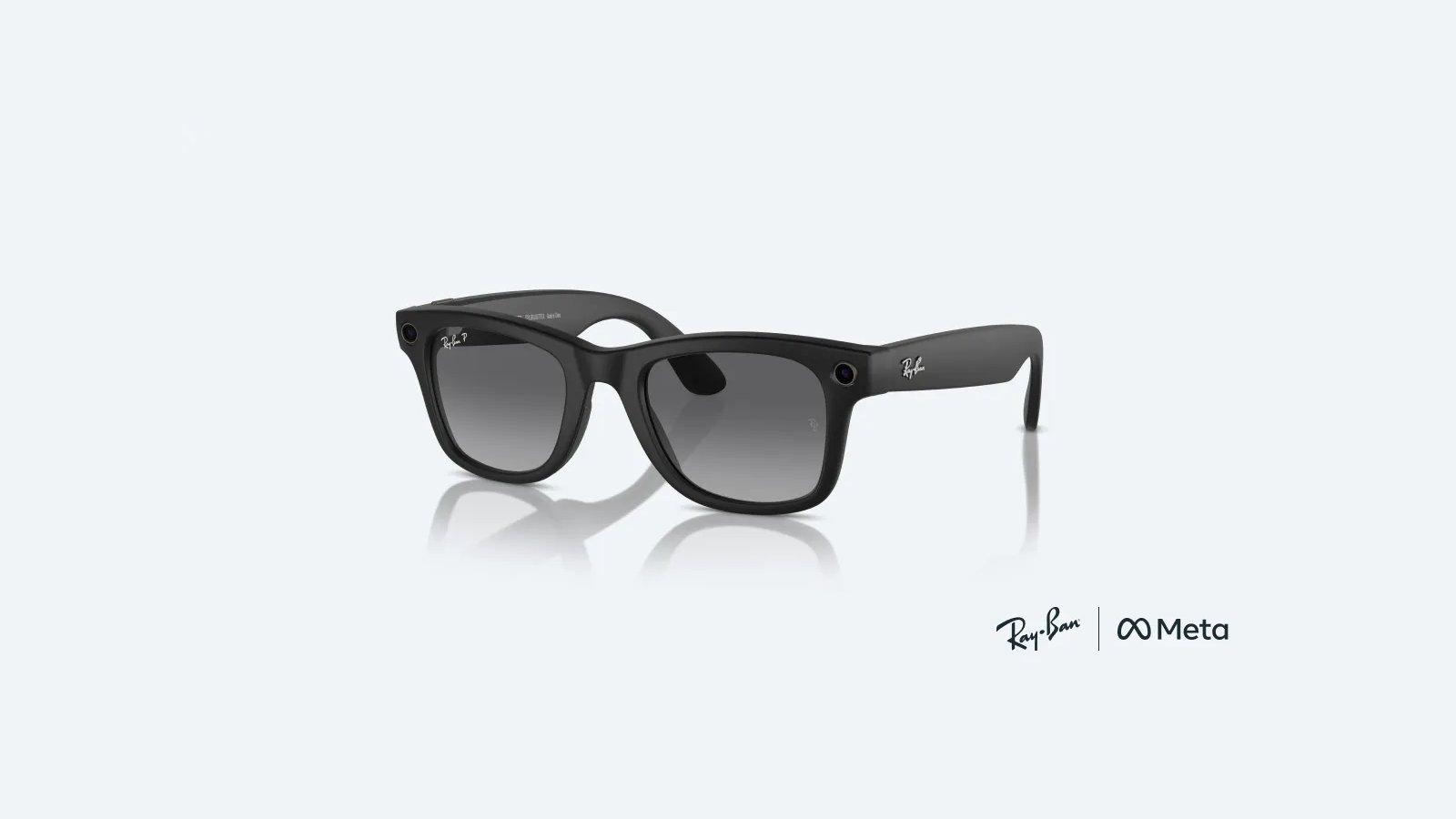
Meta Ray-BansHe previously said that Apple planned to begin shipping the glasses by early 2027, but he said the product has faced development delays.
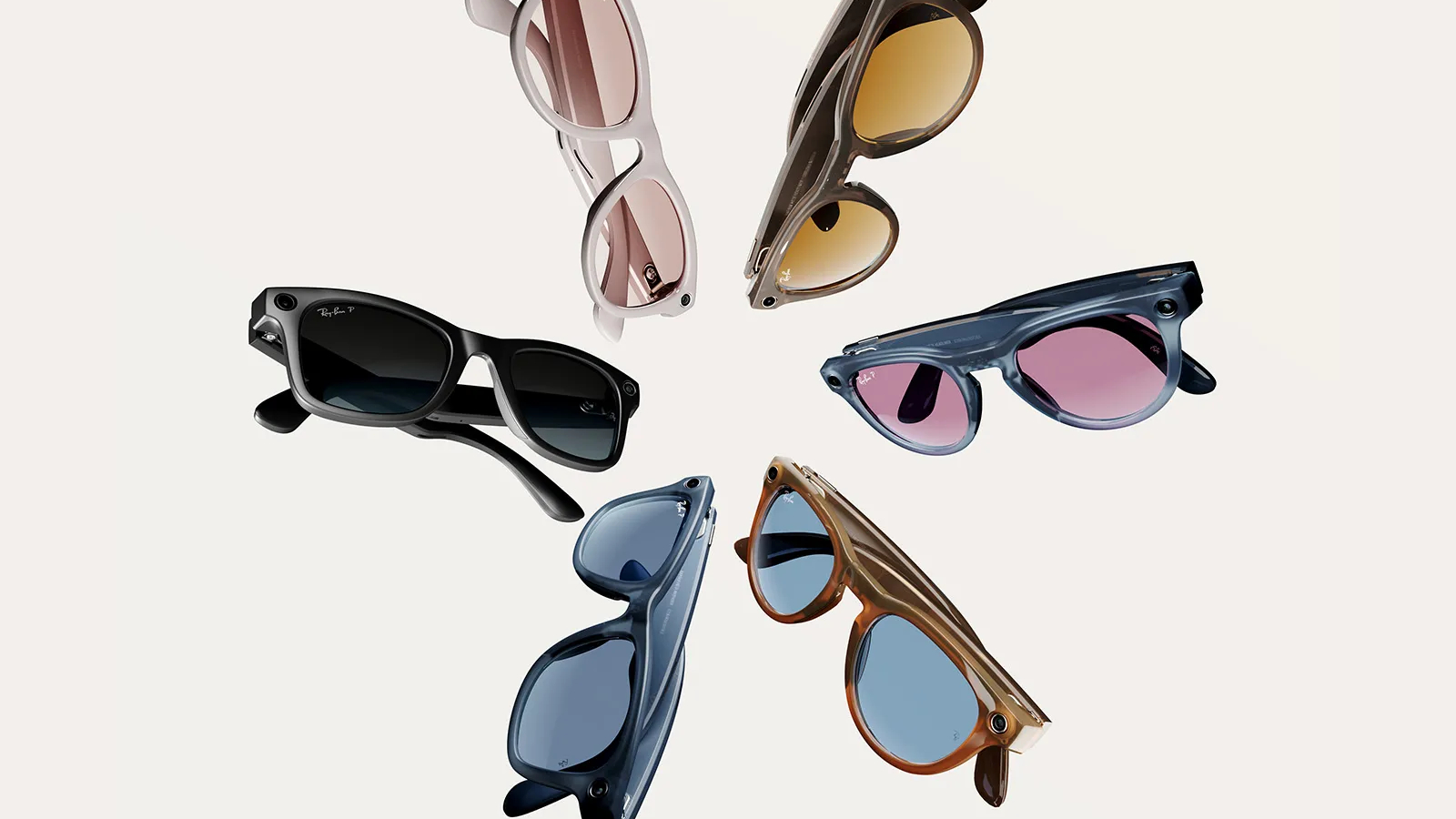
The glasses will feature "oval-shaped cameras, unique colors, and multiple frame styles," according to Gurman. "Over time, Apple believes the glasses could evolve into a health device and eventually incorporate augmented reality technologies capable of improving how people see," he said, but this technology is likely years away.
According to Gurman's sources, Apple's CEO Tim Cook views the glasses as his "top priority" before he hands the reigns to John Ternus on September 1.
The glasses will compete with products in the $200 to $500 range in the U.S., he said.
Like the Meta Ray-Bans, Apple's glasses will have built-in cameras that let users capture photos and videos. There would also be speakers and microphones for music, phone calls, and notifications announced by Siri, he said.
The glasses could offer turn-by-turn walking directions.
As for build quality, he said Apple is designing its own plastic frames, with the company allegedly testing at least four potential designs:
- A larger rectangular frame, similar to Ray-Ban's Wayfarers
- A slimmer rectangular design, similar to the glasses worn by Apple CEO Tim Cook
- Larger oval or circular frames
- Smaller oval or circular frames
Meta uses frames from the popular glasses brand Ray-Ban.
Unlike the latest generation of Meta Ray-Bans, Gurman does not expect Apple's first smart glasses to have an in-lens augmented reality display. He does not expect Apple's glasses to gain such a feature for at least a few years.
This article, "Apple Glasses Reportedly Launching in 'Late 2027' With These Features" first appeared on MacRumors.com
Discuss this article in our forums
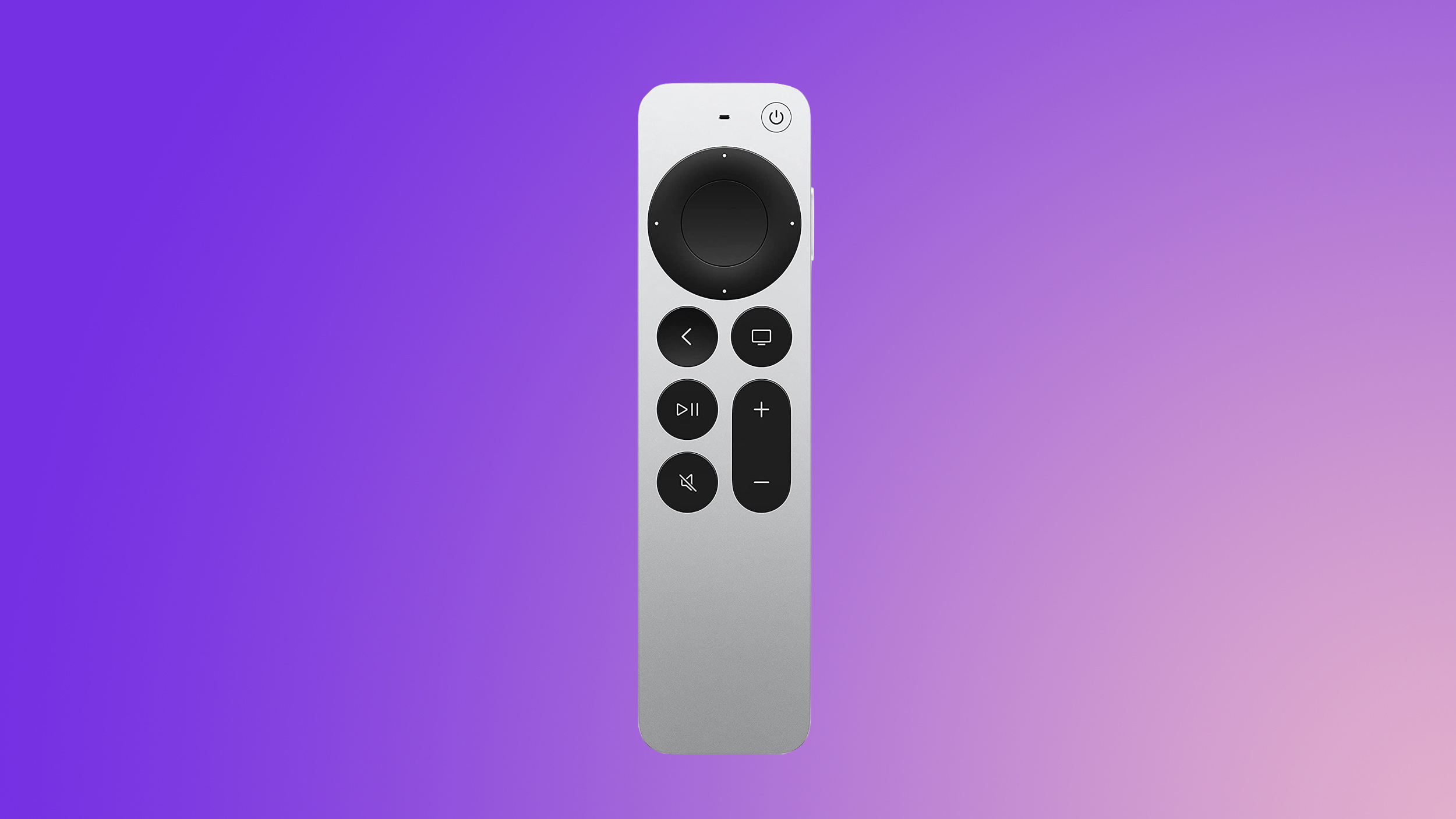
New Apple TV and HomePod Mini Are 'Nearly Ready' to Launch, New Siri Remote Also Rumored
Both devices have been ready "for months," but Apple is holding off on launching them until the more personalized version of Siri is available, he said.
"I am told the hardware for the next Apple TV set-top box and HomePod mini has been done for months and that both devices are already in active use among employees at the company's headquarters in Cupertino, California," wrote Gurman.
If you have been closely following Apple TV and HomePod mini rumors, this is a familiar narrative.
The revamped Siri is finally expected to launch as part of iOS 27, iPadOS 27, and macOS 27, which will be unveiled during the WWDC 2026 keynote on Monday, June 8. Following beta testing, the software updates should be widely released in September, so the new Apple TV 4K and HomePod mini models should be available to purchase by then. In other words, the devices are hopefully around 3-4 months away at the latest.
The current Apple TV 4K was unveiled in October 2022, while the HomePod mini was introduced in October 2020, so there has been a long wait for new models. Nevertheless, Gurman said "don't expect much" in terms of new features for both devices, aside from newer chips that support the more personalized version of Siri.
The current Apple TV 4K has an A15 Bionic chip from the iPhone 13 series, while the HomePod mini uses the S5 chip from the Apple Watch Series 5.
Earlier rumors claimed the next Apple TV would be equipped with the A17 Pro chip, which is the oldest chip that supports Apple Intelligence. The device is also expected to feature Apple's N1 chip for Wi-Fi 7, Bluetooth 6, and Thread.
Gurman expects the next Apple TV to have a similar design as the current model.
There is one new twist, as he was told that the Apple TV's Siri Remote may be "refreshed in some form," but he did not provide any specific details or guarantee that there will be any outward-facing design changes to the accessory.
As for the HomePod mini, it is expected to use an Apple Watch's S9 chip or newer, but it is unclear if or how that chip would fully support the new Siri powered by Apple Intelligence. Other previously-rumored features for the speaker include the N1 chip, improved sound quality, a newer Ultra Wideband chip, and a red color option.
Apple is also expected to update the full-sized HomePod and release an all-new smart home hub this year, with those devices held up by Siri too.
This article, "New Apple TV and HomePod Mini Are 'Nearly Ready' to Launch, New Siri Remote Also Rumored" first appeared on MacRumors.com
Discuss this article in our forums
Russell Coker: Links May 2026
Ron Garrett wrote an interesting blog post about the mathematical possibility of abiogenesis [1].
The Register has an informative article about the threat that management systems built in to Intel and AMD CPUs pose to data sovereignty in EU owned cloud providers [4]. But this is just the first stage of building sovereign clouds, all significaant cloud services run at least 2 types of CPU and adding EU manufactured CPUs at a future time will be easy.
Michael Prokop wrote an interesting blog post about debugging input event problems on Linux which turned out to be due to an analogue headphone connection [8]. This gave me some useful pointers to investigating an input device problem which is probably very different.
Tianon Gravi wrote an informative blog post about containers, Debian, and Docker options [12]. We need a lot more work on these sorts of things in Debian.
- [1] https://tinyurl.com/25p5w844
- [2] https://pluralistic.net/2026/04/20/praxis/#acceleration
- [3] https://tinyurl.com/2az3uazq
- [4] https://tinyurl.com/26aygdv6
- [5] https://www.youtube.com/watch?v=_bP80DEAbuo
- [6] https://tinyurl.com/yvnszuyh
- [7] https://tinyurl.com/ymmcpt9t
- [8] https://tinyurl.com/2859uflr
- [9] https://www.youtube.com/watch?v=IHD8BDFYyGI
- [10] https://anarc.at/blog/2026-05-16-four-horsemen/
- [11] https://tinyurl.com/26mhk6ok
- [12] https://tinyurl.com/2dba3jut
- [13] https://arxiv.org/pdf/1802.09517
- [14] https://tinyurl.com/2cfo3nsa
Related posts:
- Links April 2026 Charles Stross wrote an interesting blog post about the apparent...
- Links February 2026 Charles Stross has a good theory of why βAIβ is...
- Links March 2026 Krebs has an interesting article about the Kimwolf botnet which...