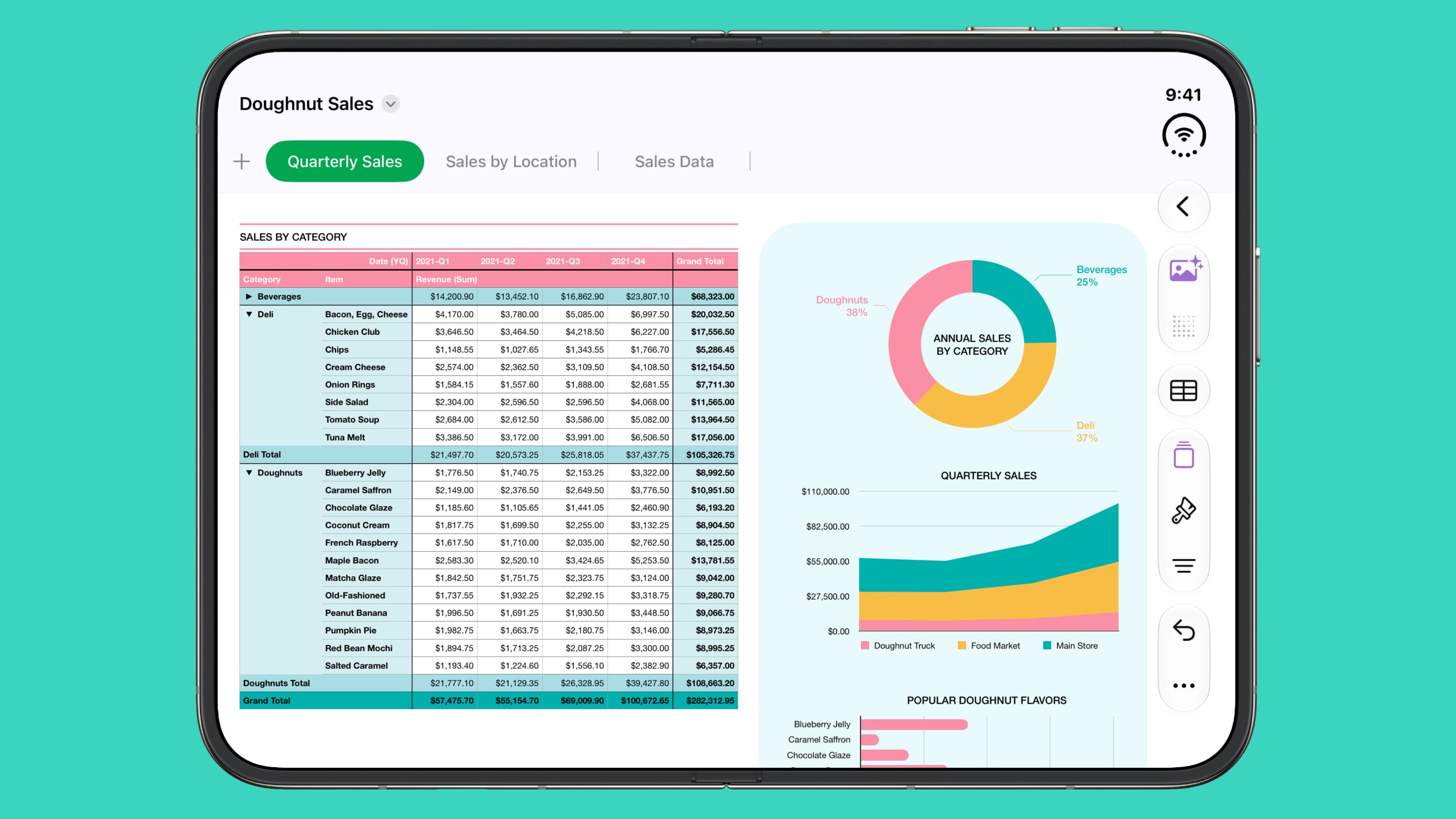
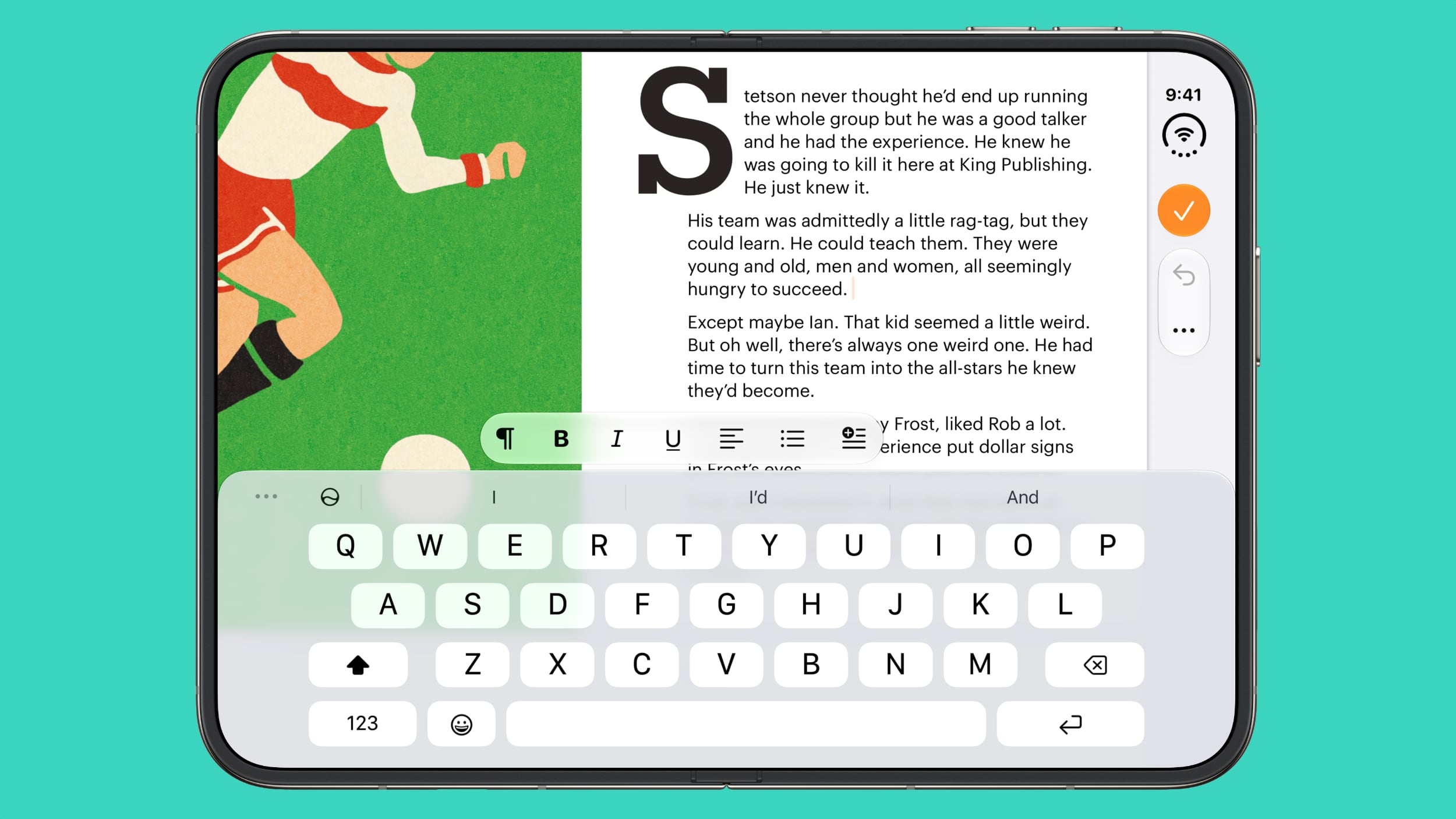
โŒ

Lees weergave

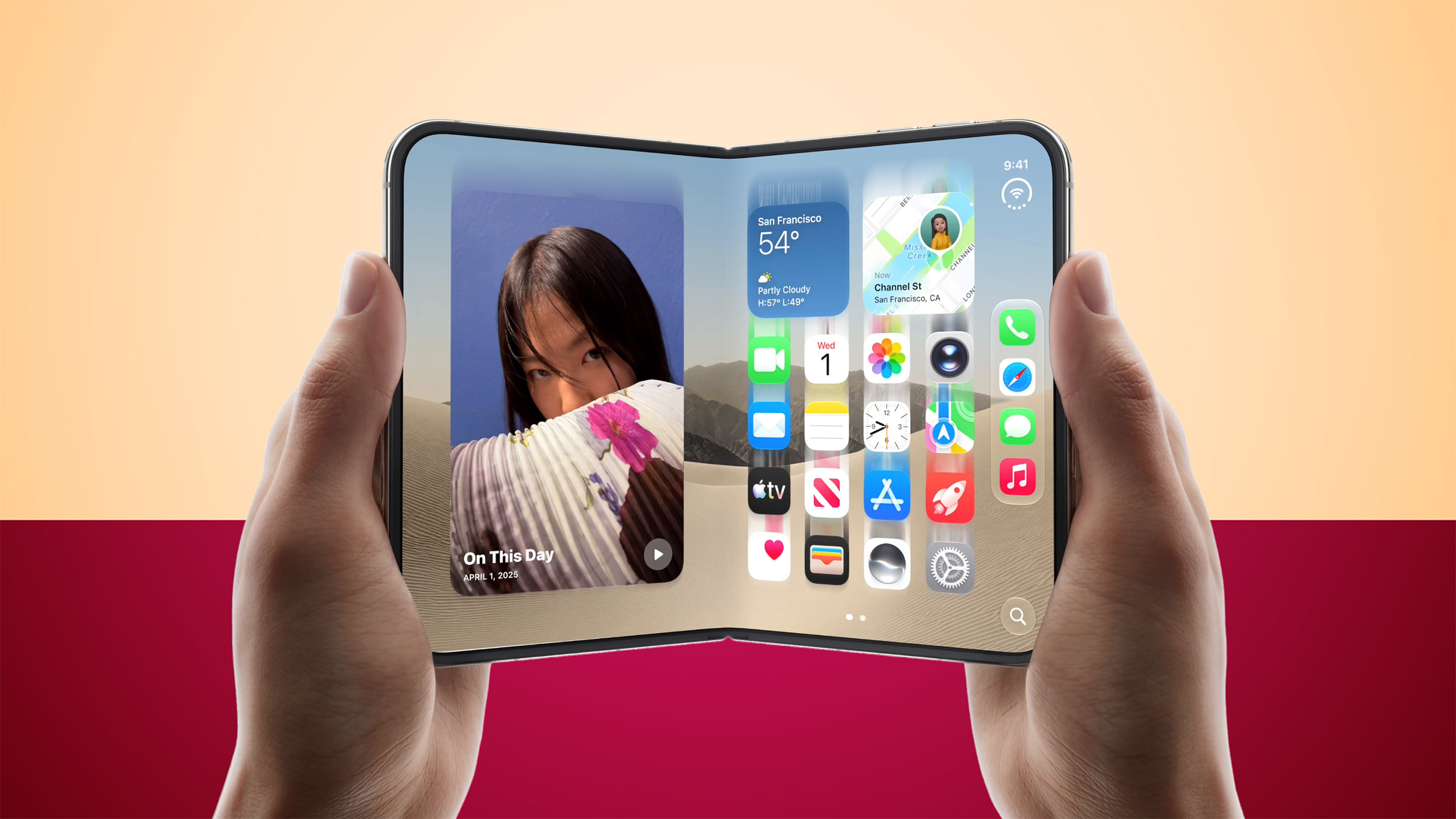
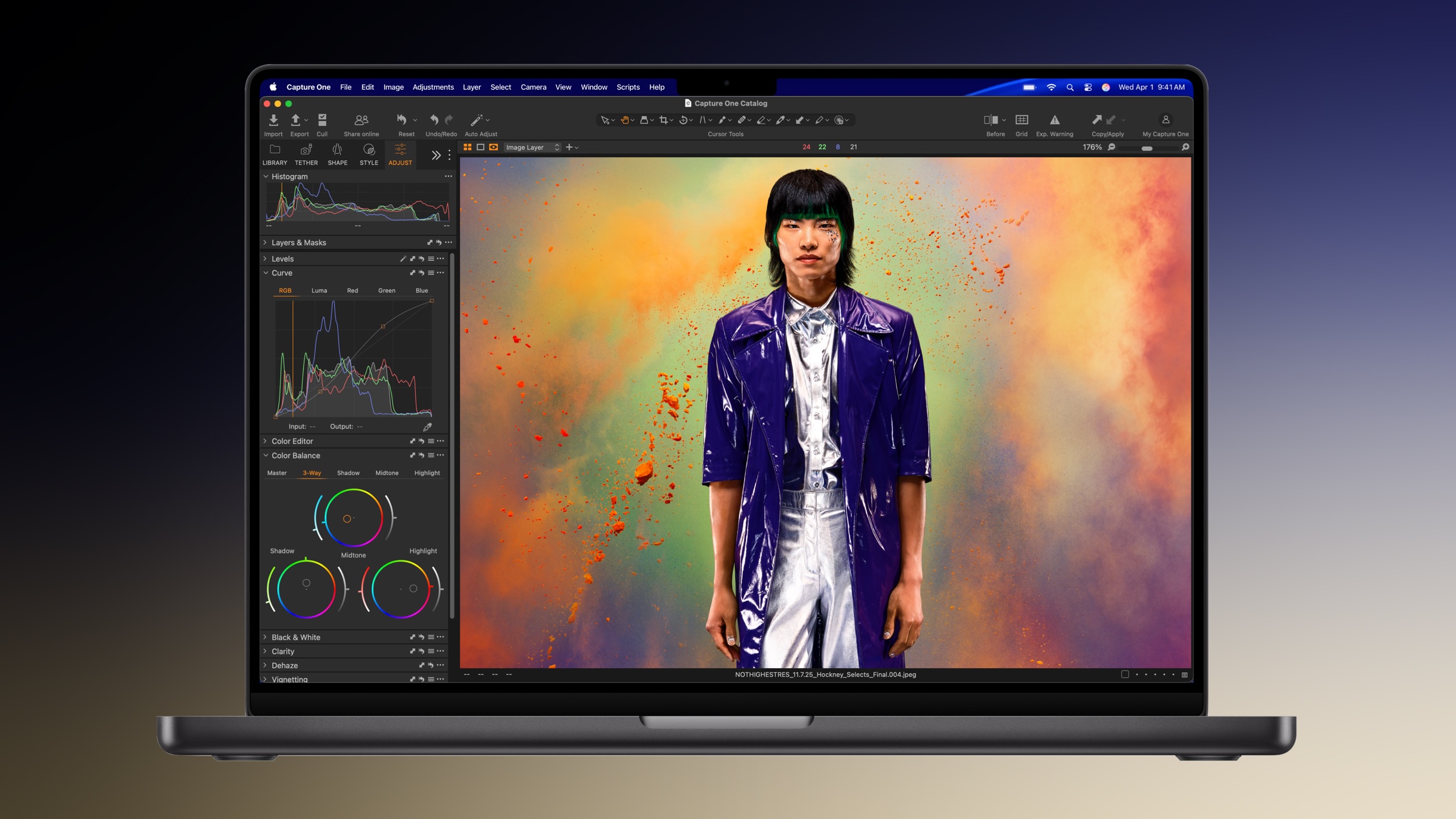
'MacBook Ultra' Coming Soon With These 12 New Features

Apple's first high-end MacBook redesign in five years is expected to arrive in the near future, bringing a run of firsts to the Mac.


Bloomberg's Mark Gurman expects the laptop to arrive between late 2026 and early 2027, with the later window now looking more likely owing to the global memory chip shortage. Analyst Ming-Chi Kuo expects mass production to begin by late 2026.

Apple last redesigned the MacBook Pro in 2021 with the M1 Pro and M1 Max models, so this would be its first new high-end laptop design in at least five years. Here is everything rumored about the device so far:


  • "MacBook Ultra" branding: Apple has reportedly decided to market two new "Ultra" products over the next year, the foldable iPhone and this laptop, which would establish a tier above the โ€ŒMacBook Proโ€Œ for the first time. The name is not confirmed and Apple theoretically could still use "โ€ŒMacBook Proโ€Œ" branding, but for now, "MacBook Ultra" seems highly likely.

  • OLED display: The โ€ŒMacBook Ultraโ€Œ is expected to be the first Mac with an OLED display, replacing the mini-LED backlighting used in current โ€ŒMacBook Proโ€Œ models. It should deliver richer colors, a higher contrast ratio with true blacks, greater brightness, and improved power efficiency, since individual pixels switch off rather than dim. The laptop will reportedly use hybrid OLED technology combining an oxide TFT backplane with a tandem two-stack โ€ŒOLEDโ€Œ structure, the same approach used in the iPad Pro, offering a longer panel lifespan.

  • Touch screen: The device is expected to be the first Mac to support touch input directly on the display, ending years of Apple resistance to the idea. Kuo first claimed the panel would support touch, Gurman corroborated it, and the Weibo leaker known as "Instant Digital" says the feature is now confirmed. Apple is apparently not positioning the machine as a touch-first device like the iPad, instead letting customers move between touch, trackpad, and keyboard interchangeably, in what Gurman describes as "touch-friendly, not touch-first." The laptop is said to remain a conventional clamshell, with the keyboard and trackpad retained and no detachable or convertible design.

  • Touch-optimized macOS: Apple is reportedly reworking macOS so that controls adapt to the input method being used. Tapping a menu bar item would apparently surface a larger set of touch-optimized controls, and the system is said to gain iPad-style gestures including pinch-to-zoom and fast scrolling. Touch-based options would be integrated throughout the operating system rather than confined to a handful of apps.

  • Reinforced hinge: Apple likely plans to add a reinforced hinge so the display does not wobble when it is tapped. The current โ€ŒMacBook Proโ€Œ hinge moves easily and does not tilt especially far back, both of which could be a problem on a machine designed to be prodded.

  • Hole-punch camera: The "notch" is expected to disappear, replaced by a far smaller hole-punch camera at the top of the display. The change was first indicated by a roadmap from research firm Omdia and has since been corroborated by Bloomberg. Losing the notch would add visible screen area and free up the menu bar space it currently intrudes upon, taking the design a step closer to an uninterrupted, edge-to-edge display.

  • Dynamic Island: The cutout is expected to digitally expand into an iPhone-style Dynamic Island. It would be interactive and expand contextually based on the app or Mac feature in use, surfacing items such as Siri, low battery alerts, and AirPods connection indicators in the area surrounding the camera.

  • M5 Pro and M5 Max chips: The laptop is now expected to ship with the existing M5 Pro and M5 Max chips already found in the current โ€ŒMacBook Proโ€Œ, rather than the "M6 Pro" and "M6 Max." Apple has apparently scrapped the M6 Pro and M6 Max altogether, accelerating instead to M7 Pro and M7 Max chips said to be optimized for intensive AI workloads with upgraded neural accelerators, graphics improvements, and increased memory bandwidth. A second-generation model with those chips is reportedly planned for late 2027.

  • Thinner design: The โ€ŒMacBook Ultraโ€Œ is expected to be noticeably thinner and lighter than the current โ€ŒMacBook Proโ€Œ. Moving away from mini-LED backlighting should itself help slim down the lid. There has so far been no indication that Apple intends to remove ports such as HDMI, MagSafe, or the SD card slot to achieve it, which was a deeply unpopular decision the last time around.

  • Two display sizes: The laptop is expected to be offered in both 14-inch and 16-inch sizes, mirroring the current โ€ŒMacBook Proโ€Œ lineup, with the two models reportedly code-named K114 and K116.

  • Slimmer bezels: Research firm Omdia claims Samsung Display will supply 14.3-inch and 16.3-inch panels, marginally larger than the 14.2-inch and 16.2-inch screens on current models, which would suggest thinner bezels around a slightly bigger display. A February report from Bloomberg indicated that overall screen sizes are not expected to change compared to the โ€ŒMacBook Proโ€Œ.

  • Built-in cellular: Apple has reportedly at least considered built-in cellular connectivity for future Macs, which would be a first for the platform. If the plan goes ahead, the โ€ŒMacBook Ultraโ€Œ would likely use Apple's existing C1X modem or its next-generation C2 modem for 5G and LTE. This is seemingly the most uncertain feature on this list.


There are already signs of the touchscreen MacBook in Apple's software. macOS 27 Golden Gate hints at the machine in at least three ways: it adds direct touch input to Sidecar, allowing users to tap and interact with macOS elements with a finger on an โ€ŒiPadโ€Œ; it introduces iPhone-style pull-to-refresh across apps including Safari, Mail, News, Podcasts, and Calendar; and its new "Search or Ask" โ€ŒSiriโ€Œ interface in Spotlight adopts a dark, pill-shaped design that would sit naturally around a Dynamic Island.

There is some awkwardness for buyers. The first โ€ŒMacBook Ultraโ€Œ looks set to pair Apple's most ambitious Mac redesign in years with silicon that has already been on sale for months, but a successor with much more advanced chips could follow less than a year later.

Pricing is the remaining unknown, but it is likely to be high. Apple raised prices across its Mac lineup in June, and the 14-inch โ€ŒMacBook Proโ€Œ now starts at $1,999, rising to $2,499 with the M5 Pro chip, while the 16-inch model starts at $2,999. The โ€ŒMacBook Ultraโ€Œ is expected to sit above all of them.
This article, "'MacBook Ultra' Coming Soon With These 12 New Features" first appeared on MacRumors.com

Discuss this article in our forums

  •  

Distribution Release: StartOS 0.4.0

The DistroWatch news feed is brought to you by TUXEDO COMPUTERS. Aiden McClelland has announced the release of a major new version of StartOS, a Debian-based Linux distribution optimised for personal servers, available for AArch64, riscv64 and x86_64 architectures: "Version 0.4.0 is a complete rewrite of StartOS. After six years of building, we believe we have arrived at the....
  •  

iOS 27: All the New iCloud Features

iOS 27 includes new iCloud capabilities across several apps like Apple Home, Siri, Photos, and more. There are some direct โ€ŒiCloudโ€Œ improvements like upgrades to photo uploads and sharing, along with some indirect new features.


HomeKit Secure Video Cameras (iCloud+)


If you have HomeKit Secure Video cameras, the Home app in โ€ŒiOS 27โ€Œ has a couple of useful new Apple Intelligence features.

You can get text-based summaries of what's going on, sent as notifications. So when you get a notification for movement, it will say something like "Someone was seen," or "Animal seen."

The text descriptions are also shown in the video playback timeline, and you can search for specific events. Events that take place across two cameras, such as the same person walking from room to room, are paired together to give an overview of action across the home.

โ€ŒApple Intelligenceโ€Œ features in the Home app require a 2TB or higher iCloud+ plan, which is priced starting at $9.99 in the United States. The 2TB plan is also the plan required for an unlimited number of โ€ŒHomeKit Secure Videoโ€Œ cameras.

โ€ŒHomeKit Secure Videoโ€Œ cameras have always required an โ€ŒiCloudโ€Œ+ plan to store the camera footage in โ€ŒiCloudโ€Œ. A single camera can be added with the 50GB plan, and five cameras can be added with the 200GB plan.

To use the โ€ŒApple Intelligenceโ€Œ Home app features, you need a home hub like a HomePod, HomePod mini, or Apple TV 4K, as well as a device that supports โ€ŒApple Intelligenceโ€Œ (iPhone 15 Pro or newer).

โ€ŒHomeKit Secure Videoโ€Œ cameras can also record up to 4K footage in โ€ŒiOS 27โ€Œ, but that feature does not use โ€ŒApple Intelligenceโ€Œ.

Apple Intelligence Limit Increase (iCloud+)


Apple said at WWDC that some โ€ŒApple Intelligenceโ€Œ features like image generation with Image Playground will have limits on daily use.

Those limits can be increased with most โ€ŒiCloudโ€Œ+ plans. Apple has not given a list of features that will have limits beyond โ€ŒImage Playgroundโ€Œ, nor has it said what the limits will be without an โ€ŒiCloudโ€Œ+ plan and with the tiered options.

Siri


โ€ŒSiriโ€Œ conversations in the โ€ŒSiriโ€Œ app sync across devices using โ€ŒiCloudโ€Œ. The โ€ŒSiriโ€Œ app lets you revisit previous conversations, start new conversations, pin important chats, and continue chats across iOS, macOS, and iPadOS.

Photos


There are several new โ€ŒiCloudโ€Œ features in the โ€ŒPhotosโ€Œ app.

  • Prioritize Syncing - There's a toggle to force all of your photos to upload to โ€ŒiCloudโ€Œ regardless of battery status. It turns on for 24 hours and then turns off.

  • Shared Albums - Android and Windows users can upload photos to Shared Albums. Shared Albums also keep full-resolution photos and videos to support the cross-platform sharing feature.

  • Upload Speed - iPhones will now start uploading to iCloud Photos more quickly to make images available across devices faster.


Collaboration


  • Link Previews - โ€ŒiCloudโ€Œ collaboration links now show richer previews so you can more clearly see what you've been sent.

  • Access Requests - Users can send access requests for items shared via โ€ŒiCloudโ€Œ.

  • Speed - Apple says users will get faster access to shared content on iCloud.com.

  • Links - Creating links to โ€ŒiCloudโ€Œ content is easier with a more accessible share link.


Journal


You can now see the โ€ŒiCloudโ€Œ sync status for each journal entry.

Passwords


The Passwords app can use โ€ŒApple Intelligenceโ€Œ to automatically fix weak passwords in โ€ŒiOS 27โ€Œ. It uses โ€ŒiCloudโ€Œ Keychain and Safari to operate.

An Apple Intelligence-compatible iPhone is required to use the feature.

Read More


More information on the features in โ€ŒiOS 27โ€Œ can be found in our roundup.

Launch Date


โ€ŒiOS 27โ€Œ is available to developers and public beta testers. It will launch in September alongside new iPhone models.
Related Roundups: iOS 27, iPadOS 27

This article, "iOS 27: All the New iCloud Features" first appeared on MacRumors.com

Discuss this article in our forums
  •  

Distribution Release: Helwan Linux 5.0

The DistroWatch news feed is brought to you by TUXEDO COMPUTERS. Saeed Badreldin has announced the release of Helwan Linux 5.0, a significant update of the project's Arch-based distribution designed primarily for developers: "We are proud to announce the launch of Helwan Linux 5.0, a version that marks a qualitative leap in our distribution philosophy and development. What's new....
  •  

Trump Vows to Reverse EU Fines Against Apple and Other Tech Companies, Threatens Tariffs

U.S. President Donald Trump today said on Truth Social that his administration plans to launch an investigation into fines the European Union has levied against tech companies like Apple, Google, and Meta for violating antitrust and Digital Markets Act rules.


Trump called the European Union's conduct "illegal and highly unethical," vowing to get the penalties reversed and planning to institute a "substantial tariff."
The European Union is at it again and, as usual, taking direct aim at GREAT American Companies! After having fined Apple, for no reason at all, 15 Billion Dollars, Meta, 3 Billion Dollars, Amazon 2.5 Billion Dollars, and many others, we have just been informed that Google, a truly advanced and amazing group, has been fined yet another 1 Billion Dollars, without explanation. This brings the Google total to over 18 Billion Dollars! This illegal and highly discriminatory practice started at these high levels during the first year of the Sleepy Joe Biden Administration, but it's not going to continue during the Trump Administration. The United States of America is not a "PIGGYBANK" for Europe, nor will we allow it to be! Please let this TRUTH serve to represent that we will immediately initiate a 301 Investigation into the practice of "ROBBING" American Companies and, in turn, the American Taxpayer. The European Union will pay a very big price for this illegal and highly unethical conduct, which I have consistently warned them about. The penalties will be entirely reversed and, we anticipate, a substantial TARIFF to be placed on them at the earliest possible moment.

Apple was fined $570 million in 2025, โ€ŒMetaโ€Œ was fined $840 million in 2024 and $200 million in 2025, and Google was fined $1 billion this week after a $4.5 billion Android fine was upheld earlier this month.

Trump previously threatened European tariffs if the EU did not stop targeting U.S. companies, and the Office of the United States Trade Representative has also threatened to implement fees and restrictions on European services and companies.

Trump has focused heavily on tariffs during his second term, affecting U.S. companies and consumers. A 10 percent blanket tariff Trump enacted earlier this year expired today. The Trump administration implemented new tariffs to replace them, accusing 60 countries of failing to "impose and effectively enforce a prohibition on the importation of goods produced with forced labor." The tariffs will affect goods from the UK, China, and the European Union, among others.
This article, "Trump Vows to Reverse EU Fines Against Apple and Other Tech Companies, Threatens Tariffs" first appeared on MacRumors.com

Discuss this article in our forums
  •  

Anthropic's New Claude Opus 5 Nearly Matches Flagship Fable 5 at Half the Cost

Anthropic today introduced Claude Opus 5, an upgrade to Opus 4.8. Anthropic says Opus 5 was built for daily use, and it offers near Fable 5 performance at half the price. Fable 5 is Anthropic's most capable publicly available model.


Opus 5 scores higher than Opus 4.8 on multiple benchmarked tasks, including agentic coding, novel problem solving, knowledge work, computer use, and multidisciplinary reasoning. It is a "meaningful improvement" over Opus 4.8 for scientific research, and it can produce better visual outputs.

Anthropic says the new model "provides greatly improved performance for the same cost" as Opus 4.8. Opus 5 is better at verifying its work and iterating until it completes a task. It is close to Mythos 5 at finding cybersecurity vulnerabilities, but it was not trained on cyber tasks and it remains "substantially behind" Mythos 5 on exploitation. Mythos 5 is Fable 5 with some safeguards removed. It is limited to a small number of organizations, mostly cyberdefenders and infrastructure providers because of its capability at finding and exploiting vulnerabilities.

Opus 5 is available on all platforms. It is the new default model on Claude Max and the strongest model available on Claude Pro. It is priced at $5 per million input tokens and $25 per million output tokens, which is the same as Opus 4.8. Fast mode is also available, running at 2.5x the default speed for twice the base price.
This article, "Anthropic's New Claude Opus 5 Nearly Matches Flagship Fable 5 at Half the Cost" first appeared on MacRumors.com

Discuss this article in our forums
  •  

Mobile OS Release: UBports 24.04-2.0

The DistroWatch news feed is brought to you by TUXEDO COMPUTERS. The UBports project has published a new feature update, UBports 24.04-2.0, which introduces web browser updates and support for "notch" areas in output displays. "Ubuntu Touch 24.04-2.0 is a feature update under the same Ubuntu 24.04 base as the previous release. Nonetheless, this release contains exciting updates and....
  •  

The MacRumors Show: Can OpenAI Really Beat the iPhone?

This week's episode of The MacRumors Show covers OpenAI's move into hardware and the trade secret lawsuit Apple filed against the company earlier this month.


Apple sued OpenAI in the Northern District of California on July 10, alleging a months-long scheme to obtain confidential information about unreleased products. The complaint centers on OpenAI chief hardware officer Tang Tan, a 24-year Apple veteran who previously led iPhone product design, and former Apple electrical engineer Chang Liu. Apple claims Tan coached recruits on evading its exit-interview security procedures and told at least one employee to bring hardware components to an interview, and that OpenAI persuaded a supplier to apply a proprietary metal-finishing technique to an OpenAI device by falsely stating it had Apple's permission. The filing describes OpenAI's hardware business as "rotten to its core."

The suit follows a souring of the 2024 partnership that brought ChatGPT to Siri, with OpenAI itself weighing legal options against Apple in May. More than 400 former Apple employees now work at OpenAI, including Vision Products Group leader Paul Meade, and former design chief Jony Ive leads design on the hardware lineup through LoveFrom after OpenAI's $6.5 billion acquisition of his startup io Products. Apple has countered with retention bonuses of up to $400,000 and has now sent legal preservation letters to around 40 former employees, suggesting it believes the alleged misappropriation goes beyond those named. OpenAI says it has "no interest in other companies' trade secrets."

Bloomberg's Mark Gurman argues the case is already causing damage ahead of any ruling, deterring Apple engineers from interviewing at OpenAI and making Asian suppliers wary of deepening ties with the company. Ive is not named in the complaint, which Gurman believes was deliberate given Apple's relationship with io Products investor Laurene Powell Jobs.

OpenAI's first device, teased for months by Ive and CEO Sam Altman, is believed to be a portable, screenless smart speaker that is now expected in early 2027 at $200 to $300. Powered by ChatGPT and GPT-Live, it has a rechargeable battery so it can be carried between rooms, a camera for understanding its surroundings, and motorized elements that move on their own to give a sense that the device is alive. OpenAI reportedly does not regard the HomePod or HomePod mini as comparable, and people familiar with the project told Bloomberg the device is unlike anything Apple sells, making infringement unlikely. Apple's own smart home hub is the closest analogue.

Further out, supply chain analyst Ming-Chi Kuo reported that OpenAI is developing an "AI agent phone" built around a continuous, context-aware interface rather than individual apps, with the company controlling both the operating system and the hardware. Kuo has since revised his mass production expectation from 2028 to the first half of 2027, projecting combined 2027 and 2028 shipments of around 30 million units. The device is rumored to be a direct iPhone rival.

The MacRumors Show has its own YouTube channel, so make sure you're subscribed to keep up with new episodes and clips.


You can also listen to โ€ŒThe MacRumors Showโ€Œ on Apple Podcasts, Spotify, Overcast, or other podcast apps. You can also copy our RSS feed directly into your player.


If you haven't already listened to the previous episode of The MacRumors Show, catch up to hear our discussion where we look ahead to the 20th anniversary iPhone, the radically redesigned model that Apple is expected to launch in 2027.

Subscribe to โ€ŒThe MacRumors Showโ€Œ for new episodes every week, where we discuss some of the topical news breaking here on MacRumors, often joined by interesting guests such as Kayci Lacob, Kevin Nether, John Gruber, Mark Gurman, Jon Prosser, Luke Miani, Matthew Cassinelli, Brian Tong, Quinn Nelson, Jared Nelson, Eli Hodapp, Mike Bell, Sara Dietschy, iJustine, Jon Rettinger, Andru Edwards, Arnold Kim, Ben Sullins, Marcus Kane, Christopher Lawley, Frank McShan, David Lewis, Tyler Stalman, Sam Kohl, Federico Viticci, Thomas Frank, Jonathan Morrison, Ross Young, Ian Zelbo, and Rene Ritchie.

โ€ŒThe MacRumors Showโ€Œ is on X @MacRumorsShow, so be sure to give us a follow to keep up with the podcast. You can also email us at podcast@macrumors.com or head over to The MacRumors Show forum thread. Remember to rate and review the podcast, and let us know what subjects and guests you would like to see in the future.
This article, "The MacRumors Show: Can OpenAI Really Beat the iPhone?" first appeared on MacRumors.com

Discuss this article in our forums
  •  

macOS 27 Beta Reworks Mail's Compose Window Around Siri AI

For macOS 27 Golden Gate, coming this fall, Apple appears to be testing a new formatting bar for the Mail app's compose window that promotes Apple Intelligence's Writing Tools and Siri AI, based on findings in the latest beta.


Feature flags discovered by MacRumors forum member "mactracker" โ€“ who this week also revealed the hidden Siri "voice pad" interface in beta 4 โ€“ show the reworked bar in Mail's message composer, which now features "Write with Siri" in the most prominent position.

In the current implementation, the classic formatting controls are automatically collapsed to the right edge of the composer and vanish completely once the user selects Write with Siri and starts typing a prompt.


The redesigned bar adds the ability to display contextual Smart Reply suggestions from Siri AI without necessarily using them in your draft email. (macOS users will know that Smart Reply itself isn't new, having arrived with the first wave of Apple Intelligence features.) The new design lets you preview a suggested reply by hovering over it before inserting it, which is something the previous in-line design couldn't do.

When a suggested composition is selected, the formatting bar shows "Edit with Siri," "Proofread," and "Rewrite" options, as well as "How does this sound?" with the traditional formatting controls minimized.

The new bar isn't switched on by default and remains hidden behind an internal feature flag, so most testers won't see it. It's also still buggy, suggesting this is a work in progress โ€“ in Beta 4, for example, the redesign only shows up when replying to a message, but composing a fresh email still brings up the old formatting bar.


Whether the redesign makes the general release of macOS 27 is anyone's guess at this point, but it fits the broader pattern of integrating the new contextually aware Siri AI across the system.

macOS 27 Golden Gate is expected to officially launch in September when Apple releases new iPhone 18 Pro models, alongside its first foldable iPhone.
Tag: Siri

This article, "macOS 27 Beta Reworks Mail's Compose Window Around Siri AI" first appeared on MacRumors.com

Discuss this article in our forums
  •  

Distribution Release: Shadowfetch Linux 2.0.0

The DistroWatch news feed is brought to you by TUXEDO COMPUTERS. The Shadowfetch Linux distribution is a Debian-based project which features the Plasma desktop. The latest release of Shadowfetch, version 2.0.0, enables automatic Btrfs snapshots prior to package changes, making rolling back to working snapshots easier. The project has also revamped its welcome screen. "Boot straight into a working....
  •  

Emmanuel Kasper: Opensource gaming with nouveau nvidia driver

So it will not play cyberpunk 2077, but if you prefer opensource drivers for your hardware, nouveau is certainly an option for some opensource gaming.

Using kernel 7.0 from debian backports, I could run opensource classics requiring 3D acceleration flawlessly with nouveau:

I would like to highlight here how good is LibreQuake.
It is an horror cosmic 3D shooter, using the Quake engine, but with newly made game assets under the GPL, thus creating a 100% opensource Quake-based first person shooter. Although their documentation mentions it is a work in progress, as of 2026 I find it very much of a finished product.

LibreQuake Screenshot

Dismal shores, my preferred game level.

I missed Quake in the 90s, happy to discover such a classic today.

  •  

Siri Settlement Approved: Apple to Pay Owners of Some iPhone Models

In May, Apple agreed to pay $250 million to settle a U.S. class action lawsuit over Siri AI's delayed launch, and eligible iPhone users could receive up to a $95 payout.


Apple's settlement has now received preliminary approval from a judge, according to a July 17 court document. However, there is no settlement website yet, and it may take months before eligible customers can begin submitting claims. In other words, no action is required from eligible customers at this time, but stay tuned for updates.

Below, we have answered some key questions regarding the lawsuit.

Why Was Apple Sued?


In June 2024, Apple previewed new Siri capabilities powered by Apple Intelligence, including understanding of a user's personal context, on-screen awareness, and deeper per-app controls. For example, Apple showed an iPhone user asking Siri about their mother's flight and lunch reservation plans based on info from the Mail and Messages apps.

Apple advertised those Siri features in product presentations, on its website, in a TV commercial starring actor Bella Ramsey, and elsewhere.


In March 2025, Apple delayed the launch of the personalized version of Siri, leading to the company being hit with a class action lawsuit alleging false advertising.

In a statement, Apple touted a range of other Apple Intelligence features it had already released. Nevertheless, Apple agreed to settle the lawsuit "to stay focused" on "delivering the most innovative products and services to our users."

Apple finally announced "Siri AI" at WWDC 2026 last month, and the revamped assistant is available to test on the iOS 27 developer beta, with a public beta to follow this month. iOS 27 should be released in September, at which point "Siri AI" will finally be available to all users with an iPhone 15 Pro or newer.


Am I Eligible?


To be eligible to submit a claim, you must reside in the U.S. and have purchased any iPhone 15 Pro or iPhone 16 model between June 10, 2024 and March 29, 2025.

The full list of eligible iPhone models:

  • iPhone 15 Pro

  • iPhone 15 Pro Max

  • iPhone 16

  • iPhone 16e

  • iPhone 16 Plus

  • iPhone 16 Pro

  • iPhone 16 Pro Max

It is unlikely that individuals who submit a claim will still need to have physical possession of an eligible iPhone model. However, there is a possibility that proof of purchase or other information will be required, such as the device's serial number. Exact requirements will be outlined on the settlement website, which is still not live.

How Much Will Apple Pay Me?


According to the terms of the settlement, each person who files an eligible claim will receive a per-device payment of $25, but this amount could increase up to $95 if the total number of claims submitted is lower than anticipated.

Where and When Can I Submit a Claim?


Over the coming months, a settlement website is expected to go live with an online claims form.

Eligible class members will be notified by email within approximately 45 days after the settlement received preliminary approval, according to the court documents. Even if you are not notified but are a U.S. resident who purchased one of the above iPhone models within the above dates, you are still eligible if you meet the criteria.
This article, "Siri Settlement Approved: Apple to Pay Owners of Some iPhone Models" first appeared on MacRumors.com

Discuss this article in our forums
  •  

Lawsuit Filed After Apple's A12 and A13 Chips Hit With New Unpatchable Exploit

Last month, cybersecurity research firm Paradigm Shift published details about a boot ROM vulnerability affecting Apple's A12 and A13 chips, but it has since removed the blog post after being sued by digital forensics firm Magnet Forensics.


In a complaint filed in Georgia federal court this month, Magnet Forensics alleged that the security vulnerability revealed by Paradigm Shift was substantially the same as the one its former employee Mario Del Gaudio worked on before joining Paradigm Shift. Accordingly, Magnet Forensics alleged that Del Gaudio exposed its trade secrets.

Apple's A12 and A13 chips power the iPhone XS and iPhone 11 series, along with select other devices. A boot ROM vulnerability cannot be patched with an iOS update, as it involves code permanently embedded in the chip's read-only memory.
This article, "Lawsuit Filed After Apple's A12 and A13 Chips Hit With New Unpatchable Exploit" first appeared on MacRumors.com

Discuss this article in our forums
  •  

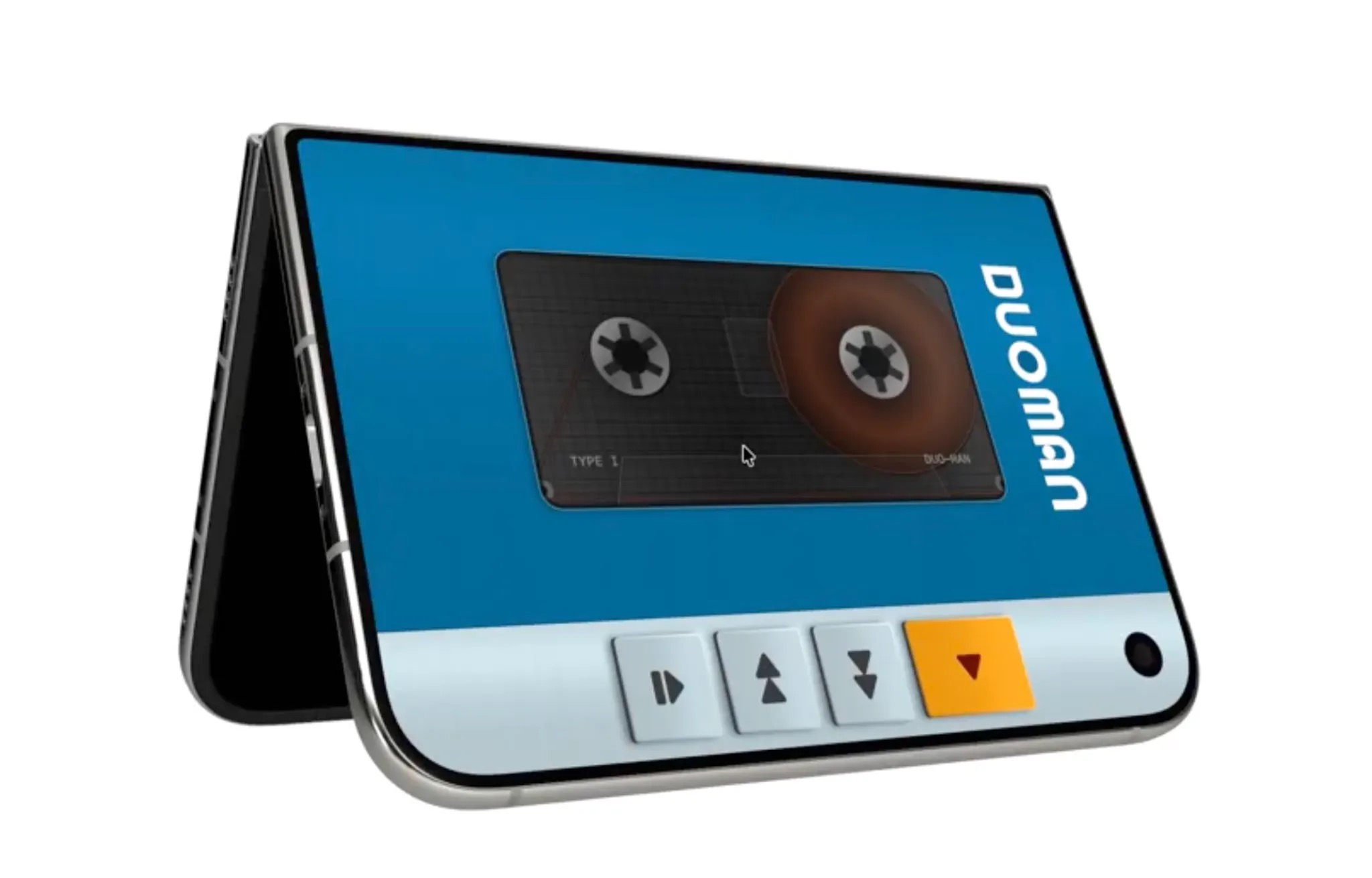
Meta Launches Free 'Facebook Verified' Badge to Confirm Real Users

Meta today announced Facebook Verified, a free badge designed to confirm that a Facebook profile belongs to a real person rather than an AI-generated fake.


The feature uses a selfie-based verification process: users record a short video selfie, which โ€ŒMetaโ€Œ checks against their existing profile photos to confirm a match. โ€ŒMetaโ€Œ says the process is free and typically takes just a few minutes to complete, though accounts must meet the company's trust and safety standards to qualify.

Facebook Verified is limited to users 18 and older who are in good standing with โ€ŒMetaโ€Œ's Community Standards around fraud, scams, and deceptive practices, and who show no evidence of inauthentic behavior. The badge is not available for Pages or ProMode accounts, positioning it squarely as a personal-profile feature rather than one aimed at creators or businesses.

Once verified, the badge will appear on Marketplace, Dating, Groups, and Profile, with โ€ŒMetaโ€Œ planning to extend it to Feed posts over time. There is no subscription fee for the feature, and the badge carries across the platform once a user has completed the one-time verification process.

The launch is separate from โ€ŒMetaโ€Œ Verified, the company's existing paid subscription that bundles a verified badge with extras like impersonation protection and direct account support. Facebook Verified is free and narrower in scope, aimed specifically at signaling humanity rather than offering premium account features.

Facebook Verified is rolling out in phases, starting in select markets, with โ€ŒMetaโ€Œ planning to expand availability globally over time.
Tags: Facebook, Meta

This article, "Meta Launches Free 'Facebook Verified' Badge to Confirm Real Users" first appeared on MacRumors.com

Discuss this article in our forums
  •  

Fire Reported Near Apple Park

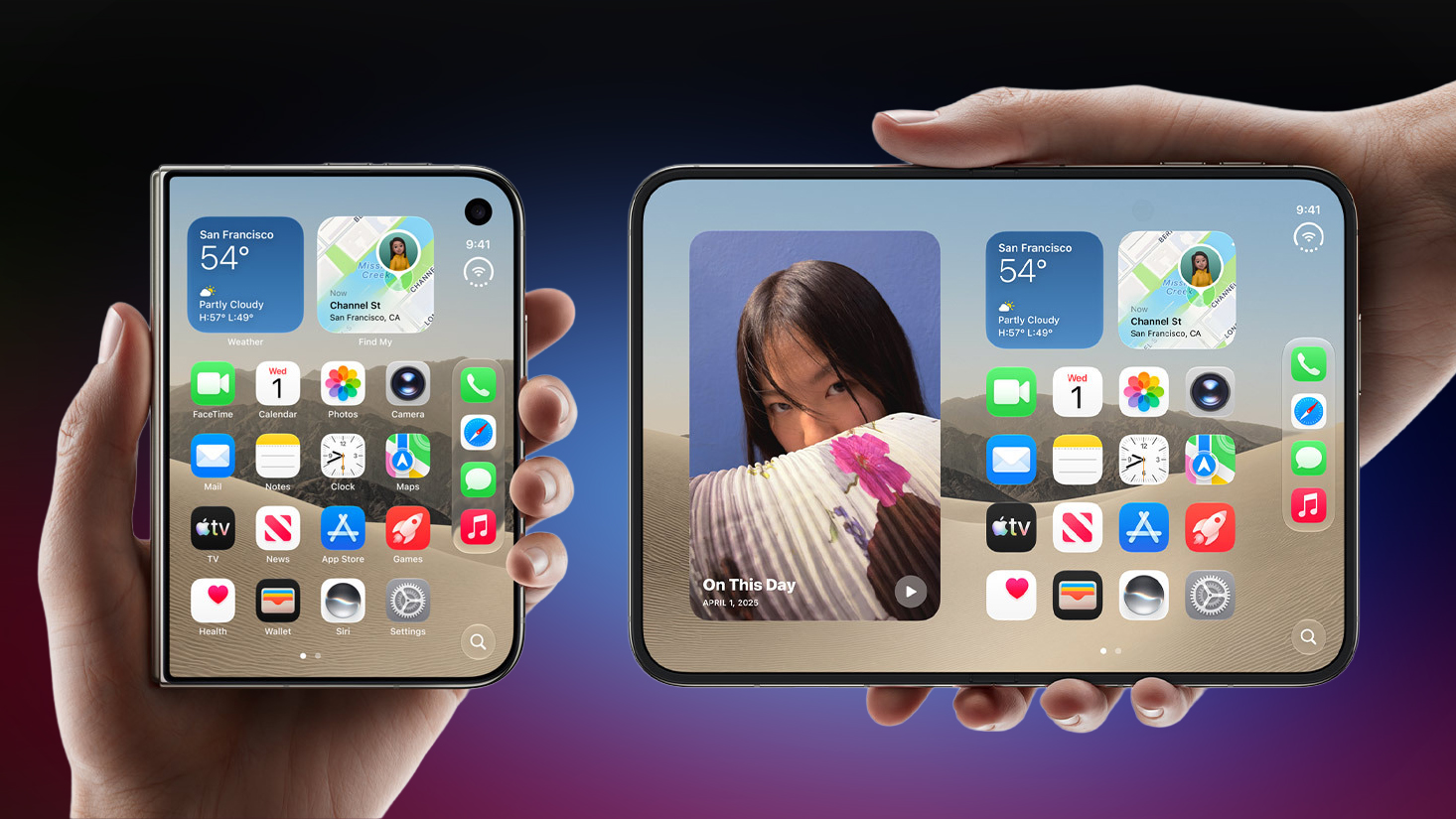
According to the Santa Clara County Fire Department, firefighters responded at approximately 5:30 p.m. local time on Thursday to a report of an outdoor fire at an Apple-leased building adjacent to Apple Park in Cupertino, California.


The fire occurred outside of a building known as Apple Forge 1, which spans 18920 to 18922 Forge Drive. While one person on social media described the damage as "huge," the photos they shared only show damage to some fencing on the property. The incident report was marked as closed after 45 minutes. It is unclear if there were any injuries.

We have reached out to Apple for comment.
This article, "Fire Reported Near Apple Park" first appeared on MacRumors.com

Discuss this article in our forums
  •  

Claude Voice Mode Gains Opus and Sonnet Model Support

Anthropic has updated Claude's voice mode to support its more powerful Opus and Sonnet models, expanding a feature that was previously limited to the company's fastest-but-simplest model, Haiku.


Voice mode lets users hold full spoken conversations with the chatbot rather than having to type prompts and read responses. Users can switch between Claude's models mid-conversation, and can also move between text and voice in the same chat without losing context. With the addition of Opus and Sonnet support, users will be able to hold longer and more complex conversations, including providing feedback on the communication style.

In addition, Claude's Voice mode can now also tap into connected tools like Gmail, Google Calendar, Google Docs, and Slack, so Claude can check a calendar or summarize an email thread out loud, for example. Users with free accounts can connect one tool, whereas paid plans support more.

According to Anthropic's support documentation, the models available in voice mode now follow the user's subscription plan, and voice conversations start on whichever model the user last selected in text chat.

Claude's voice mode language support was extended beyond English earlier this year, with French, German, Hindi, Indonesian, Italian, Japanese, Korean, Portuguese, and Spanish available in beta. Users have to manually select a language in the app.


Voice mode works on iOS, Android, desktop, and the web, but Anthropic says it is designed to work best on phones. Voice conversations count toward standard usage limits and Anthropic's newest Fable model is not yet supported.

Meanwhile, OpenAI yesterday launched ChatGPT Voice in its desktop app, powered by a model it calls GPT-Live, which the company says can direct multiple agents running in ChatGPT Work or Codex by voice alone. The feature is rolling out on macOS and Windows to paid plans.

Correction: This story has been updated to reflect ChatGPT Voice's recent rollout.
This article, "Claude Voice Mode Gains Opus and Sonnet Model Support" first appeared on MacRumors.com

Discuss this article in our forums
  •  

WhatsApp Rolls Out Redesigned Message Bubbles for iOS

WhatsApp is rolling out a new design for message bubbles on iOS, reports WaBetaInfo. The platform's message bubbles are rounder than before with a softer shape โ€“ similar to iMessage โ€“ while shared media files appear without the original borders, giving them a cleaner look.

The message bubble update follows several Liquid Glass-based design changes that came to WhatsApp's chat interface on iPhone and iPad last month.
This article, "WhatsApp Rolls Out Redesigned Message Bubbles for iOS" first appeared on MacRumors.com

Discuss this article in our forums

  •  

Apple Seeking 20% OLED Panel Price Cut for iPhone 18 Pro Max

Apple is pushing OLED panel suppliers to lower their prices for the iPhone 18 Pro Max, as the cost of memory chips and other components rises, reports The Elec.


According to the Korea-based report, Apple has proposed paying around $70 for OLED panels, but it might end up paying even less. Industry estimates suggest that Samsung Display and LG Display will supply the panels for around $66.50 each. That would be a roughly 20 percent drop from the prices paid for iPhone 17 Pro Max OLED panels.

The report says that the price Apple has paid for iPhone OLED panels has fallen with each new generation. However, this year's reduction is unusually steep, especially considering that the iPhone 18 OLED panel is expected to require greater manufacturing complexity โ€“ Apple will be using Samsung Display's latest M16 OLED material set, which improves luminous efficiency, lifespan, and color performance.

Smartphone makers across the board are said to be trying to offset rising memory costs by reducing procurement expenses for other components, including display panels and camera modules.

According to market research firm UBI Research, Samsung Display is expected to supply 46 million OLED panels for Apple's iPhone 18 lineup this year, comprising 2 million for the standard iPhone 18 model, 18 million for the iPhone 18 Pro, and 26 million for the iPhone 18 Pro Max. Meanwhile, LG Display is forecast to supply 41 million panels, including 1 million for the standard model, 19 million for the 18 Pro, and 21 million for the 18 Pro Max.

Apple is expected to launch the iPhone 18 Pro models in September alongside its first foldable iPhone, followed by the iPhone 18 and iPhone 18e in spring 2027. Analysts suggest the iPhone 18 Pro and Pro Max could start at $1,299 and $1,399, respectively. In other words, a $200 jump over their predecessors, with rising memory and storage costs largely to blame.
Related Roundup: iPhone 18 Pro
Tags: OLED, The Elec

This article, "Apple Seeking 20% OLED Panel Price Cut for iPhone 18 Pro Max" first appeared on MacRumors.com

Discuss this article in our forums

  •  

Russell Coker: Systemd Linger

Killing Processes

One of the features of systemd that is most controversial is the option to kill user processes when the user logs out. That initially killed screen/tmux/nohup processes too. In recent Debian releases the default configuration of systemd-logind (the login manager for systemd) is to allow processes to keep running, the configuration file /etc/systemd/logind.conf has an option KillUserProcesses that can be enabled to have user processes killed. If you do that then there are options to only kill processes for certain users and to exclude some users (default to excluding root). If using that option you can apparently use a systemd unit to start screen which prevents it being killed on logout.

This is a very handy feature for some particular user cases. One situation was that I was supporting some people who werenโ€™t very good at computers on a system running KDE and some KDE processes would linger. So the option of logout and login again to deal with an issue of akonadi or some other KDE service misbehaving didnโ€™t work. On that system I enabled the option to kill user processes which reduced the number of problems they had while not requiring rebooting.

It is widely believed that the โ€œlingerโ€ feature is required to allow screen/tmux/nohup to work, in Debian (and probably most distributions) that is not the case. It might be that some combinations of configuration requires โ€œlingerโ€ to allow screen/tmux to work but I am not interested in trying to discover them. Of all the people I have directly supported for Linux desktop use (which numbers in the hundreds) none of them have had the ability to use screen/tmux and also the cluelessnes that makes me want to automatically kill their processes when the logout.

Controlling Linger

You can enable and disable โ€œlingerโ€ for your own account with the following commands if polkit is installed and in a typical configuration:

loginctl enable-linger
loginctl disable-linger

If running as root you can enable and disable it for another user with the following commands:

loginctl enable-linger $ACCOUNT
loginctl disable-linger $ACCOUNT

There doesnโ€™t seem to be any documented way of discovering if an account has linger enabled or for listing accounts that have it, it seems that โ€œls /var/lib/systemd/lingerโ€ is the only option.

Linger on Debian

On a Debian system with close to default settings the processes wonโ€™t be killed on logout and the only difference โ€œlingerโ€ makes is to start programs in the userโ€™s context BEFORE they login. A friend was recently testing out a bunch of LLM programs on one of my servers and the account he used for that ended up with โ€œlingerโ€ enabled, presumably one of the install scripts he ran was written on the assumption that enabling linger was necessary for nohup to work and it did so automatically without being asked.

One benefit Iโ€™ve found from this behaviour is on my laptop. Iโ€™m currently testing out new SE Linux policy on my laptop and rebooting it a lot. When I enabled linger on my account it caused the laptop to connect to wifi on boot without needing to login which is convenient. I can then ssh to it even when the X11/Wayland login configuration is broken.

I will leave it enabled after finishing these tests. Having background processes like Pipewire and Bluetooth start before I login will presumably make things slightly faster when I do login.

Related posts:

  1. Systemd Notes A few months ago I gave a lecture about systemd...
  2. Ethernet Interface Naming With Systemd Systemd has a new way of specifying names for Ethernet...
  3. Systemd, Mobile Linux, and Containers Iโ€™ve had some problems running apps I want on my...
  •  

Russell Coker: Thinkpad X1 Carbon Gen6 Again

My Current Thinkpad

In 2018 I reviewed a Thinkpad X1 Carbon Gen6 that was assigned to me for work [1].

In April last year I wrote about the failings of my Thinkpad Yoga Gen 3 and how I was going back to the Thinkpad X1 Carbon Gen5 [2]. The Gen5 in question has 8G of RAM and a 1920*1080 display compared to 16G and 2560*1440 for the Yoga but runs reliably on battery without crashing. The Yoga in question has been used by relatives who donโ€™t need to do much when on battery and is currently being used by a relative who runs Windows so the occasional crash is something they are used to.

In mid last year I bought a Thinkpad X1 Carbon Gen6 for $350 which has 16G of RAM and a 2560*1440 display. The higher resolution display is a significant benefit and while 8G of RAM is still usable for medium to heavy Linux desktop use it does cause problems sometimes. The new laptop I now have is significantly better than the one I had for work in 2018!

I realised that my previous review of that laptop was incorrect in one aspect, there are two USB-C ports itโ€™s just that one may be covered by a rubber stopper when you get it. When I received this one the Ethernet dongle port was covered by a rubber stopper and the seller was unaware of the possibility of using a dongle and didnโ€™t have such a dongle. Itโ€™s not a big deal as I have a collection of USB Ethernet devices but would still be handy to have while not worth the $20 it costs to buy one (a 2.5Gbit USB Ethernet device cost me $16 two years ago).

Laptop Displays

Today I saw a Thinkpad X1 Carbon Gen9 with 3840*2400 display and 16G of RAM for $550 on Facebook marketplace, which is a very tempting deal. 3840*2400 is 2.5* as many pixels as 2560*1440 while 2560*1440 is only 77% more pixels than 1920*1080. So if my eyes were able to properly distinguish pixels that that high DPI then the benefits of getting the 3840*2400 laptop would be greater than going to what I currently have from FullHD. But as a 1440p display in a 14โ€ณ form factor is already past the stage where I can see individual pixels the benefits of 4K are more about making curves more rounded which improves readability and allows slightly smaller font sizes but doesnโ€™t give anything like the benefits that going from a FullHD desktop monitor to a 4K desktop monitor.

Also I have different usage patterns for my laptop than for my desktop. I use my laptop for reading blog posts and ebooks for which even FullHD would be fine as the amount of text that can be usefully displayed on screen isnโ€™t that great. I also use my laptop for emergency sysadmin work, ssh to a server to restart a daemon, run ping while changing network hardware, and other things where I donโ€™t have a lot of text on screen.

I also use my laptop for light coding tasks while watching TV. Itโ€™s not possible to effectively do complex debugging tasks while watching TV or while using a small screen. But a very large portion of coding time is spent dealing with things like testing builds with different versions of libraries, applying patches to a new upstream release of software, fixing issues related to functions being renamed, testing to see if a new version has really fixed a bug itโ€™s supposed to fix, and other things that donโ€™t require a lot of skill.

I am not claiming that 4K displays arenโ€™t great for laptops. Merely that at the current time itโ€™s not worth $550 of my money.

Future Thinkpads

I like the Thinkpad X1 Carbon line and plan to continue buying them as they get cheap.

The Gen11 is the first one to have a minimum of 16G of RAM, the reason this is important to me is that the ones I buy arenโ€™t the lowest model because I want more than the minimum display resolution. As people who get above the minimum spec in one area tend to get above the minimum in others that means that there will be plenty of Gen11s on the market with 32G of RAM when Iโ€™m ready to buy one of that era. Presumably by that time Linux software will have become more bloated and make me want more RAM. Yes soldered RAM has some downsides, but if you want an ultra-light laptop itโ€™s a trade-off you need to deal with. One problem with the Gen11 is that the maximum display resolution is 2880*1800, itโ€™s still a reasonable improvement over what Iโ€™ve currently got but not close to the 4K I desire.

The Gen12 has support for 8K display at 60Hz over Thunderbolt which is nice. By the time the Gen12 is in my price range itโ€™s quite likely that I will have a monitor with higher than 5120*2160 resolution (the maximum video out resolution of Gen11 and previous models in the Thinkpad X1 Carbon range) on my desk.

The Gen13 still has 2880*1800 as the maximum resolution but has OLED as an option.

So it looks like a Gen9 or Gen10 may be ideal for me as they are the last ones in the Thinkpad X1 Carbon series to support 4K displays. Another option is the Thinkpad Yoga Gen8 which is of the same era as the Thinkpad X1 Carbon Gen11 but has a 3840*2400 OLED touch screen, I might be able to get one of those cheap with the touch screen damaged.

Related posts:

  1. Thinkpad X1 Yoga Gen3 I just bought myself a Thinkpad X1 Yoga Gen3 for...
  2. Thinkpad X1 Carbon I just bought a Thinkpad X1 Carbon to replace my...
  3. Thinkpad X1 Carbon Gen5 Gen1 Since February 2018 I have been using a Thinkpad...
  •  

10 iOS 27 Performance Improvements You'll Actually Notice

With iOS 27, Apple focused on making improvements to iOS performance, optimizing everything from system animations to AirDrop transfer speeds. iPhone performance is smoother and faster on all iPhones able to run โ€ŒiOS 27โ€Œ, which includes the iPhone 11 and newer.


There are over 80 โ€ŒiOS 27โ€Œ improvements Apple announced, with 10 of the most useful listed below.

App Launching


Apps launch up to 30 percent faster in โ€ŒiOS 27โ€Œ, and that includes Apple's own apps and third-party apps. When you're opening apps dozens of times a day, less loading time adds up and makes the system feel faster.

Apple says it tested the app launching speed improvements using an iPhone 11 Pro Max running iOS 26.4.2 and โ€ŒiOS 27โ€Œ.

Optimized CPU Scheduler


iOS includes a CPU scheduler that manages computational resources across workloads as you use your iPhone. Apple says it optimized the CPU scheduler in โ€ŒiOS 27โ€Œ to more efficiently handle performance-intensive tasks.

Apple extended CPU scheduler optimization all the way back to the iPhone 11, which is part of the reason even old iPhones feel faster with the update installed.

Apple is often accused of making old iPhones slower with new iOS updates, but there are noticeable speed improvements in โ€ŒiOS 27โ€Œ so we likely won't hear that complaint this year.

Better Wi-Fi to Cellular Transitions


iPhones are better at determining when to transition from Wi-Fi to a cellular connection, and from a cellular connection to Wi-Fi. When you're connected to your home Wi-Fi and walk out the door, you'll see less connectivity loss as your device changes networks.

Apple says the iPhone is better about choosing the best available Wi-Fi or cellular connection to help you stay connected.

Rebuilt Search Index


Apple rebuilt its search foundation in โ€ŒiOS 27โ€Œ, giving Spotlight, Photos, Mail, and other apps a more comprehensive index of content that stays updated throughout the day.

In the Mail app, there's a new ranking system that surfaces more relevant emails for search queries instead of listing results by date. You'll see up to five ranked Top Results now.

Photo Load Time


When you take a photo and then open up the โ€ŒPhotosโ€Œ app, your just-captured image appears more quickly so you can edit it or share it. Apple says photos and videos load up to 70 percent faster in the โ€ŒPhotosโ€Œ library, which it tested with a โ€ŒPhotosโ€Œ app that had a 50,000-asset library.

Waiting on a photo to unblur when you quickly swap over to the โ€ŒPhotosโ€Œ app is a small annoyance, but cutting down on load time makes taking a photo feel much faster.

Recent camera captures are also added more quickly in the Messages app photo picker.

Automatic Message Resending


When a message, photo, or video fails to send in iMessage, your iPhone will automatically retry sending it instead of throwing up a red exclamation point and forcing you to manually try again.

Sending photos and videos when you have a poor connection also does not pause a Messages conversation while the content sends. Each photo or video has its own progress bar, and your texts will still go through while you wait for images and video to upload.

Faster Camera Launch in Low Power Mode


When you have Low Power Mode turned on, the Camera app can launch slowly. That's been fixed in โ€ŒiOS 27โ€Œ, and it loads faster than before.

The Camera also draws less power in Low Power Mode.

Faster Keyboard Loading


The emoji and sticker keyboards load more quickly, so there's no longer an irritating pause when you want to use an emoji. The keyboard is something you use frequently, so this is a time-saving improvement.

Mail Badges


If you're tired of unread Mail badges popping up when you have read all your emails, โ€ŒiOS 27โ€Œ addresses the issue. The Mail app badge is now less likely to show an inaccurate number of unread emails.

Bluetooth


Apple says it improved Bluetooth power management in โ€ŒiOS 27โ€Œ, an update relevant to AirPods, Apple Watch, CarPlay, speakers, and other Bluetooth devices.

Bluetooth accessories should draw less power for some minor improvements to battery life.

Other Useful Improvements


  • AirDrop transfers are up to 80 percent faster, and AirDrop is faster to find nearby recipients

  • Text recognition in images and documents is quicker

  • Safari has enhanced power efficiency and web apps are faster

  • Unlocking an iPhone, scrolling through Home Screen pages and App Library, and scrolling in Control Center are all smoother

  • The Lock Screen no longer goes to sleep when you're scrolling through notifications

  • Wireless โ€ŒCarPlayโ€Œ is more reliable


iOS 27 Launch


โ€ŒiOS 27โ€Œ is being beta tested right now, and can be downloaded by developers and public beta testers. It will launch this fall alongside new iPhone models.

Read More


For more on the new features in โ€ŒiOS 27โ€Œ, we have a dedicated iOS 27 roundup.
Related Roundups: iOS 27, iPadOS 27

This article, "10 iOS 27 Performance Improvements You'll Actually Notice" first appeared on MacRumors.com

Discuss this article in our forums

  •  

iPhone Driver's Licenses May Soon Expand to New State

Driver's licenses and IDs may soon be available in Apple Wallet for iPhone and Apple Watch users who live in Utah. MacRumors discovered signs of a Utah ID in Apple's backend, suggesting Apple is moving forward on implementing support.


Utah already offers a mobile driver's license option through a standalone app, but there is no Apple Wallet integration. Utah's mobile driver's license FAQ page still says that it is still in the initial planning process of adding Utah IDs to Apple Wallet, but it may not be up to date.

The site also says that when Apple Wallet integration launches, iPhone users who already use the mobile app for their Utah ID will be able to download it to Apple Wallet.

Apple announced plans to add Utah driver's licenses and IDs to the Apple Wallet app way back in 2021, but no integration has materialized. Utah was one of the first states Apple mentioned when rolling out the feature.

Other states planning to add support for driver's licenses in Apple Wallet include Connecticut, Kentucky, Mississippi, Oklahoma, and Virginia.

Multiple states have already implemented support, as has Puerto Rico.

  • Arkansas

  • Arizona

  • California

  • Colorado

  • Georgia

  • Hawaii

  • Illinois

  • Iowa

  • Maryland

  • Montana

  • New Mexico

  • North Dakota

  • Ohio

  • West Virginia


Digital IDs and licenses are accepted at select TSA checkpoints across the United States. It can also be used at some business venues and in select apps that require ID verification for services or purchases.

In states that do not support licenses in the Wallet app, iPhone users can add their U.S. passport to the Apple Wallet app with the iOS 26 Digital ID feature.
This article, "iPhone Driver's Licenses May Soon Expand to New State" first appeared on MacRumors.com

Discuss this article in our forums

  •  

ChatGPT's Apple Health Integration Now Rolling Out to U.S. Users

The Health in ChatGPT feature that integrates medical records and Apple Health data is rolling out to ChatGPT users in the United States as of today.


OpenAI announced plans for a health feature that used data from Apple Health and other sources back in January, but it was in beta and was not made widely available.

Health in ChatGPT can draw on health information connected by the user to compare lab test data, summarize changes since a prior appointment, track medications, and explore how sleep, activity, and workouts impact health.
With your permission, ChatGPT can consider relevant information you have connected, such as medications, lab results, recent visits, sleep, and activity, alongside the goals and context you share. This added context can make everyday conversations more useful. For example, ChatGPT can consider a dietary restriction when helping you choose a restaurant, or a recent injury when planning lower-impact weekend activities with your family. You can ask follow-up questions, add context, or correct information that is incomplete or out of date.

OpenAI says the feature is meant to help users understand their health information in context and keep track of what's changed over time. Users can get to the Health section from the ChatGPT sidebar.

Connected medical records and Apple Health information are not used to train OpenAI's models or target ads, nor are conversations that use health data. ChatGPT will ask for permission before using connected medical records and Apple Health information to personalize a response.

For users who would prefer not to connect health records, the Health section in ChatGPT works without them and can answer health-related questions.

Health is rolling out to logged-in ChatGPT users who are 18 years and older in the U.S. on web and iOS. The feature is available to Free, Go, Plus, and Pro plans.
This article, "ChatGPT's Apple Health Integration Now Rolling Out to U.S. Users" first appeared on MacRumors.com

Discuss this article in our forums

  •  

Emergency SOS via Satellite Expands to Two More Countries

Emergency SOS via satellite is now available in Andorra and Iceland, according to an updated Apple support document.

Available on the iPhone 14 and newer and the Apple Watch Ultra 3, Emergency SOS via satellite allows you to text emergency services when you are in a supported area without Wi-Fi or cellular connectivity. The feature requires iOS 26.4 and watchOS 26.4 or later in Andorra and Iceland.
This article, "Emergency SOS via Satellite Expands to Two More Countries" first appeared on MacRumors.com

Discuss this article in our forums

  •  

Geekbench 7 Launches With Redesigned Multi-Core and GPU Benchmarks

Primate Labs today announced the launch of Geekbench 7, the newest version of the popular benchmarking suite for CPU and GPU performance.


There's a redesigned multi-core benchmark in Geekbench 7 that's meant to better represent how applications work in the real world. A workload only runs in multi-threaded mode if the task it models runs multi-threaded in real applications.

Primate Labs says users can expect a multi-core score that's a more relevant measure of how a device performs when doing actual work.

Along with updates to multi-core testing, a revamped GPU benchmark focuses on machine learning and content creation to reflect how GPUs are used today. The GPU benchmark has tests that track faces and apply real-time filter effects to video, upscale images with machine learning, and blur backgrounds in video conferencing streams. New GPU image editing and synthesis tests are available, like RAW image processing, LUT-based video color grading, path tracing, and fluid simulation.

Nvidia's CUDA is once again a supported API alongside OpenCL, Vulkan, and Metal.

The new version of Geekbench uses more challenging data sets to better reflect how people use their computers today. The File Compression and PDF Viewer workloads have more variation, and developer and image processing tests have more assets and different image formats.

Geekbench 7 adds media workloads for testing audio and video encoding, decoding, and processing. The Whisper speech recognition, AV1, and Opus tests mimic video conferencing, screen sharing, and content consumption workloads.

There's also a Game Physics workload that uses the Jolt Physics engine used by popular video games. Primate Labs added an expanded Photo Editor test with a richer set of real-world edits, and the Photo Library workload supports importing and processing image formats like JPEG XL and DNG.

Geekbench 7 is available for iOS, macOS, and other platforms. The app remains free for personal use, and the Pro version is 20 percent off the regular $99 price through August 6.
This article, "Geekbench 7 Launches With Redesigned Multi-Core and GPU Benchmarks" first appeared on MacRumors.com

Discuss this article in our forums

  •  

Apple Pay Promo Offers Discount on Columbia Gear

Apple today sent out emails letting Apple Pay users know about the latest promotion, which offers $20 off purchases of $120 or more from sportswear company Columbia.


The $20 discount is valid when making a purchase from the Columbia website and using โ€ŒApple Payโ€Œ to check out. The discount is not available in Columbia retail locations, and products from the Amaze Puff Collection and the ROC Collection are excluded.

It also can't be combined with other discounts like the Columbia back to school sale for teachers and students.

โ€ŒApple Payโ€Œ users can take advantage of the promotion through August 7.
Related Roundup: Apple Pay

This article, "Apple Pay Promo Offers Discount on Columbia Gear" first appeared on MacRumors.com

Discuss this article in our forums

  •  

'The Morning Show' Returning to Apple TV for a Final Season Next Year

Apple today announced that "The Morning Show" will return to Apple TV for a fifth and final season at some point in 2027.

"The Morning Show" was one of the first shows available on Apple TV when the streaming service launched in 2019, with an ensemble cast starring Jennifer Aniston, Reese Witherspoon, Mark Duplass, and others set to return for the final season of the workplace-oriented drama.
This article, "'The Morning Show' Returning to Apple TV for a Final Season Next Year" first appeared on MacRumors.com

Discuss this article in our forums

  •  

Opera One Browser Adds Vertical Tabs - Should Safari Follow?

Opera One browser just pushed an update adding a Vertical Tabs option that moves the tab bar from the top of the window to a resizable panel down the left-hand side.


The feature aims to solve the perennial horizontal tab problem where too many open tabs makes each one shrink to an unreadable sliver of the webpage's favicon.

By contrast, in the vertical layout, page titles always stay legible. Opera's existing Tab Islands feature โ€“ where tabs that came from the same page or browsing session are grouped into a collapsible section in the tab strip โ€“ carries over from the standard view, and the panel collapses when screen space is tight.

Opera has also built Google Lens directly into the start page search bar with this update, so now an image search can be started by uploading a file, dragging and dropping, pasting from the clipboard, or entering a URL. Both features are live now in Opera One.

Opera is a late arrival to the vertical phenomenon that has slowly been making inroads across the wider browser landscape. Microsoft made vertical tabs generally available in Edge back in May 2021, and the feature has been popular with users on both Windows and macOS.

Mozilla followed in March 2025 with Firefox 136, which introduced vertical tabs as part of a redesigned sidebar. Firefox also allows the strip to be moved to the right edge of the window, if that's your preferred style.

Google was the last of the big names to make the same move. Chrome began rolling out vertical tabs in April, making full page titles readable and tab groups easier to manage, even at double-digit tab counts.

Apple's Safari browser features Tab Groups, which can be navigated from the sidebar and do give a vertical list of sorts, but there's never been a dedicated vertical tabs mode. Do Safari users want one, or are Tab Groups enough? Let us know in the comments.
This article, "Opera One Browser Adds Vertical Tabs - Should Safari Follow?" first appeared on MacRumors.com

Discuss this article in our forums

  •  

5 Reasons to Buy the iPhone 17 Now Instead of Waiting for iPhone 18

Apple's iPhone 18 Pro models and its first foldable are less than two months from being unveiled. That may sound like a reason to sit tight if you're looking to upgrade from an iPhone 16 or older series, but between looming price hikes and Apple's new split-launch calendar, there's a decent case for grabbing an iPhone 17 series model right now. Here are five reasons in favor of putting your order in today.


1. iPhone Price Hikes Almost Certain


Analysts suggest the iPhone 18 Pro and Pro Max could start at $1,299 and $1,399, respectively. That would represent a $200 jump over their predecessors, with rising memory and storage costs (i.e. the AI buildout) largely to blame. Meanwhile, the foldable iPhone price could start at north of $2,000. Apple has already increased the price of all of its iPhone models in Japan. The iPhone 17, by contrast, is still selling in the U.S. and other regions at the price Apple set last September (from $799). At this point, upcoming price hikes for the next-generation models seem inevitable, and there's no guarantee that the iPhone 17 series will be spared.

2. Some iPhone 18 Models Still a While Away


Under Apple's expected new split-launch strategy, only the iPhone 18 Pro models and the foldable arrive this September. The regular iPhone 18, lower-cost iPhone 18e, and iPhone Air 2 aren't expected until spring 2027, so anyone holding out for the regular iPhone 17's direct successor will be sat waiting for several months longer than usual.

3. The Base iPhone 18 Could Be a "Downgrade"


One leaker has repeatedly claimed that Apple will reduce the standard iPhone 18's display and chip specifications to control costs, which could see it potentially sharing more components with the cheaper iPhone 18e. And even with a rumored bump to 9GB of RAM, the lower-end models reportedly still won't support two new iOS 27 features. Nothing is certain yet, but if Apple is cutting corners for its next more affordable and base models, then the iPhone 17 or iPhone 17e could be the better-specced option, especially given the expected price difference.

4. Some iPhone 18 Upgrades Remain Uncertain


Several of the more eye-catching iPhone 18 Pro rumors may not play out at launch. An early report claiming that the iPhone 18 Pro would ditch the Dynamic Island for a hole-punch camera has completely lost steam, while the foldable iPhone's rumored 24-megapixel under-display camera may not be ready this year, and a truly crease-free folding screen looks more like "nearly crease-free" in practice. In other words, waiting doesn't guarantee that you'll get everything the rumor mill is predicting.

5. Your Trade-In Is Worth More Today


Trade-in and resale values on older iPhones typically slide once a new generation is announced, which means the iPhone in your pocket is likely at its peak value right now. Waiting until September to upgrade would mean paying more for the new, pricier model and getting less for the old one, which would be a double hit on your wallet.

None of this means Apple's iPhone 18 lineup won't be worth the money. But if you're upgrading from a pre-2025 iPhone and the foldable isn't something you're considering, then an iPhone 17 series model might still be the smarter option.
Related Roundups: iPhone 17, iPhone 18
Buyer's Guide: iPhone 17 (Neutral)
Related Forum: iPhone

This article, "5 Reasons to Buy the iPhone 17 Now Instead of Waiting for iPhone 18" first appeared on MacRumors.com

Discuss this article in our forums

  •  

Apple Watch Series 11 GPS Models Now $100 Off on Amazon

Amazon this week has low prices on the Apple Watch Series 11, with $100 discounts across numerous models of the smartwatch. This sale includes a handful of 42mm and 46mm GPS aluminum models, but cellular devices are a bit more rare this time around.

Note: MacRumors is an affiliate partner with Amazon. When you click a link and make a purchase, we may receive a small payment, which helps us keep the site running.
You can get the 42mm GPS Apple Watch Series 11 for $299.00, down from $399.00, and the 46mm GPS model for $329.00, down from $429.00. On Amazon, you'll find four of the 42mm GPS models and three of the 46mm GPS models on sale at these all-time low prices.


Compared to past sales, these are both solid second-best prices on the Apple Watch Series 11 and come within $20-$30 of those previous all-time low prices. Head to our full Deals Roundup to get caught up with all of the latest deals and discounts that we've been tracking over the past week.


Deals Newsletter


Interested in hearing more about the best deals you can find in 2026? Sign up for our Deals Newsletter and we'll keep you updated so you don't miss the biggest deals of the season!


Related Roundup: Apple Deals

This article, "Apple Watch Series 11 GPS Models Now $100 Off on Amazon" first appeared on MacRumors.com

Discuss this article in our forums

  •  
โŒ